WRITTEN By London Swaminathan
swami_48@yahoo.com
Date: 15 DECEMBER 2019
Time in London – 15-29
Post No. 7346
Pictures are taken from various sources; beware of copyright rules; don’t use them without permission; this is a non- commercial, educational blog; posted in swamiindology.blogspot.com and tamilandvedas.com simultaneously. Average hits per day for both the blogs 12,000
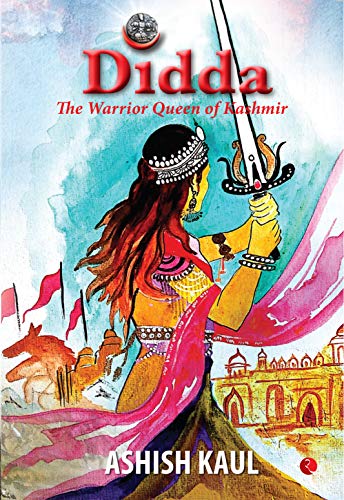
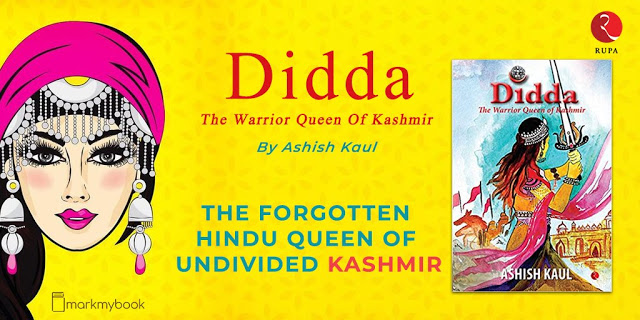
Didda was the most successful Queen in Indian history . She ruled Kashmir for 23 years quelling many rebellions and weeding out corrupt ministers. Here is the only instance in the ancient history of India where we have some details of the activities of a female ruler. She was very influential in the history of Kashmir between 958 and 1003 CE. She was a ruler from 981 till her death in 1003 CE.
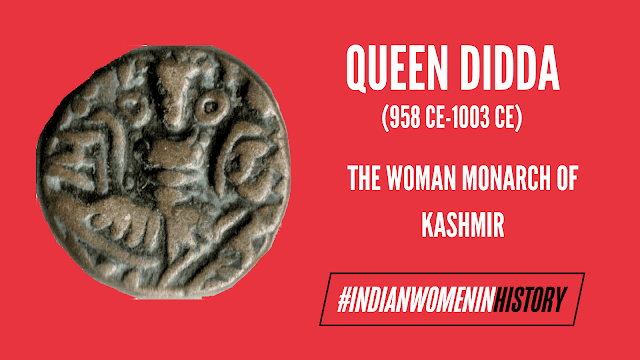
Diddaa was the daughter of Simharaja of Lohara and the granddaughter of Shahi king Bhimapala of Udabhaandpura. She was married to the Kashmiri king Kshemaraja (950-958 CE). According to Rajatarangini, Kashmiri chronicle written by Kalhana, Diddaa had so great an influence over her husband and he was known as Diddaa- kshema, a humiliating appellation. Kalhana’s statement is supported by the copper coins of Kashmir , where we see Di-Kshema, apparently an abbreviation of the above appellation .
After the death of Kshemagupta in 958 CE, his son Abhimanyu was raised to the throne under the guardianship of the widowed Queen Mother. During Abhimanyu’s rule Diddaa caused the downfall of powerful Chief minister Phalguna because he gave his daughter to Kshemagupta. The Queen next found the powerful nobles Mahiman and Patala conspiring for the throne of Kashmir.
In spite of great influence they wielded Diddaa turned them out of the palace. They rose in revolt, but she quickly bought off their Brahmana supporters. One of the bribed Brahmanas, named Yasodhara was now made the Commander in Chief of the Kashmirian Army. But when Yasodhara defeated the Sahi King Thakkana, Diddaa grew suspicious and accused him of taking money to keep the king on the throne. When Diddaa tried to banish him, Yasodhara’s supporters rose in revolt and besieged Diddaa in her palace. But she crushed the rebellion with the help of minister Naravahana. The valiant force known as Ekangas also helped her.
Kalhana is eloquent in describing the achievements of Diddaa when he says, “Those treacherous ministers who during sixty years had robbed sixteen kings from 901 CE, from Gopala to Abimanyu, of their dignity, lives and riches were quickly exterminated by the energy of Queen Diddaa”.
The grateful Queen now made Naravahana her Chief councillor with the title Rajaanaka, but soon she was led to believe that he was trying to usurp power. The minister fell from her grace and ultimately committed suicide.
Soon afterwards Diddaa had to tackle another rebellion by the landed aristocracy. They were called Damaras. Unable to cope with the situation now she called Phalguna to help her. About this time her son Abhimanyu died in 972 CE . It was a shock to Diddaa. Suddenly she turned to religion and engaged herself for a year in building temples and monasteries for acquiring Punya, a religious merit.
Loose character was a fatal weakness in her and this coupled with a great desire for power, soon led to a violent reaction and she had her little grandsons Nandigupta, Tribhuvana and Bhimagupta, killed one after another by employing witchcraft, and herself ascended the throne of Kashmir in 981 CE .
Then she ruled for 23 years. When she made a low born favourite named Tunga her Chief minister; other ministers revolted against her under the guidance of Prince Vigraharaja. He was her brother’s son. He induced influential Brahmanas to enter upon a solemn fast; but the queen bought them off by a judicious distribution of gold amongst them. Vigraharaja was then utterly defeated by the Kashmirian forces under Tunga, who next subdued Prithwipaala, the rebellious leader of Rajapuri and forced him to pay tribute. Tunga was made Commander in Chief and he defeated the Damaras who rose in revolt again about the close of Didda’s reign.
Diddaa died in 1003 CE; but before her death she selected her brother’s son Sangraama Raaja of Lohara as her heir to the throne of Kashmir. She secured a change of dynasty without any political upheaval. Scholars have rightly concluded that, in spite of the defects in her character, she was endowed with energy and statesmanship of a very high order.
She could beat all our modern politicians of India.
Source book – Great Women of Indi, Advaita Ashrama, 1953.
–subham–
 Tamil and Vedas