ரஷியாவுக்குள் கங்கை நதி; சிந்துவெளி நாகரீகம் !! (Post No.8186)

WRITTEN BY LONDON SWAMINATHAN

Post No. 8186

Date uploaded in London – 16 June 2020       

Contact – swami_48@yahoo.com

Pictures are taken from various sources for spreading knowledge; this is a non- commercial blog. Thanks for your great pictures.

tamilandvedas.com, swamiindology.blogspot.com

ரஷியாவில் வோல்கா (Volga) நதிக்கரையில் ஸ்தரயா மைனா (Staraya Maina) என்ற கிராமத்தில் 1300 ஆண்டு பழமையான விஷ்ணு சிலை கண்டு பிடிக்கப்பட்டது எல்லோருக்கும் தெரியும். இது 2007-ம் ஆண்டு வெளியான செய்தி. ஆனால் ரஷியாவுக்குள் இரண்டு கங்கை நதிகள் ஓடுவதும், சிந்து- சரஸ்வதி நதி தீர நாகரீக செங்கல் வீடுகள் , கோட்டைகள் இருப்பதும் பலருக்கும் தெரியாது. இவை 1987ம் ஆண்டில் கண்டு பிடிக்கப்பட்டாலும் 2005-ம் ஆண்டில் ரஷிய அதிபர் புடின் (President Putin)  போய்ப் பார்த்தவுடன்தான் பெரிய அளவில் பிரஸ்தாபிக்கப்படுகிறது .

இது பற்றிய இரண்டு வியப்பான செய்திகள் –

1.இரண்டு நதிகளிலின் பெயர்களில் கங்கை நதியின் பெயர் அப்படியே இன்றும் உள்ளது .

2.சிந்து சமவெளி-சரசுவதி நதி தீர நாகரீகம்போல செங்கல் வீடுகள், கிணறுகள், சாக்கடை/வடிகால் வசதிகள் இருப்பது.

இரண்டும் சமகாலத்தவை!

யாருமே நுழையாத அதிபயங்கரக் காடுகளும் பிக்மி என்னும் குள்ளர்களும் வாழும் ஆப்பிரிக்க கண்டக்  காடுகளை முதல் முதலில் வெள்ளையர்கள்தான் கண்டுபிடித்தனர் என்று பூகோள புஸ்தகத்தில் நாம் படித்து இருக்கிறோம் . ஆனால் அங்கு ஓடும் நதிக்கும் நாட்டுக்கும் பெயரும் கங்கைதான் ; அவர்கள் மொழியில் காங்கோ (Congo= Ganga) என்பர். (இலங்கையர்களும் மலையாளிகளும் ‘ஆ’ என்பதை ‘ஓ’ என்றே உச்சரிப்பர்; போம்பே (Bombay) நோர்வே (Norway) என்றே கதைப்பர் ;அது போல கங்கா ‘காங்கோ’ Congo in Africa ஆயிற்று)

இலங்கை மற்றும் தென்கிழக்காசிய நாடுகள் அனைத்திலும் கங்கை என்ற பெயரில் நதிகள் அழைக்கப்படுவதையும் முன்னரே இதே பிளாக்கில் (மீ காங் Me kong = மா கங்கா)எழுதிவிட்டேன். இதோ புதிய செய்திகள்.

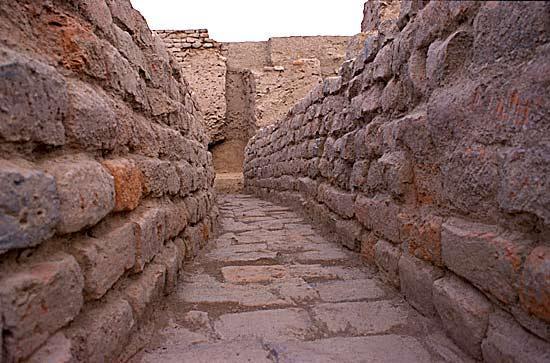
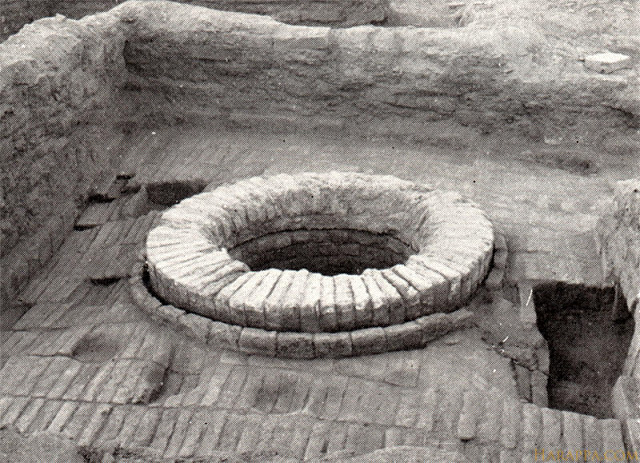
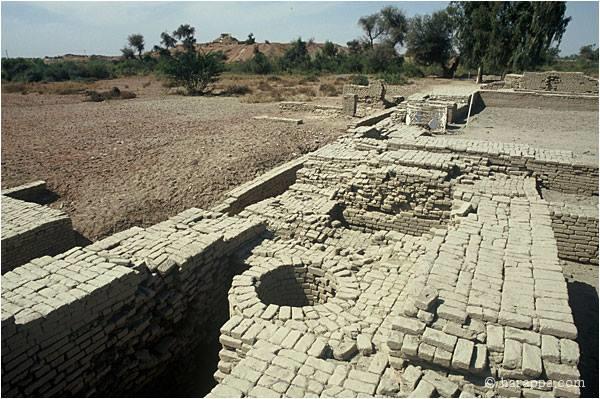
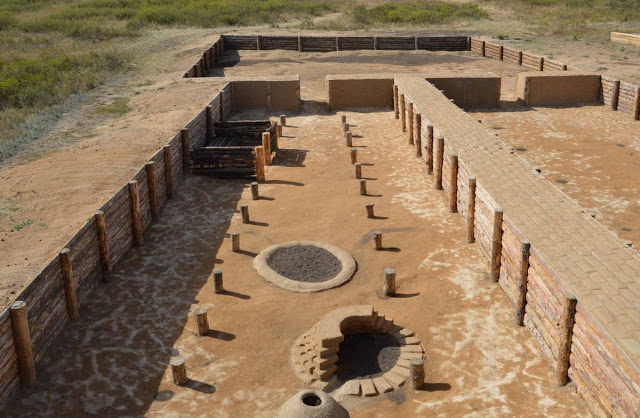
ரஷியாவில் ஆர்கைம் (Arkaim)  என்ற ஊரில் வட்டத்துக்குள் வட்டமாக எதோ புதைந்து கிடப்பதை ஆகாயத்தில் இருந்து எடுத்த படங்கள் காட்டின. பூமிக்குள் இப்படி மர்மமான வட்டங்கள் இருக்கிறதே என்று 1987-ம் ஆண்டில் அகழ்வாராய்ச்சியைத் துவக்கினர் . பூமிக்குள் ஒரு அதிசயம் ; 4000 ஆண்டு பழமையான உலோக கால (Middle Bronze Age) கட்டிடங்களைக் கண்டுபிடித்தனர். அங்கே மொஹஞ்சசத்தாரோ, ஹரப்பா நகரங்களில் உள்ளது போல ‘பக்கா’ செங்கல் கட்டிடங்கள். அதே போல வட்ட வடிவ கிணறுகள். உலகம் வியக்கும் வடிகால் வசதிகள் . இதற்கு முன்னர் இது சிந்து சமவெளியில் மட்டும் இருப்பதாக நாம் படித்து வந்தோம். இப்போது பல்லாயிரம் மைல்களுக்கு அப்பால் ரஷியாவின் நடுப்பகுதியில் — சைபீரியக் காட்டுக்குள் இப்படி ஒரு நகரம். இதை சம்ஸ்கிருதத்தில் மண்டில அமைப்பு என்பர். நாம் இந்தோ னேஷியாவில் போரோபுதூரில் கட்டிய ஸ்தூபியும் மஹா மேரு, மண்டிலம் என்றெல்லாம் சொல்லும் வட்ட அமைப்பும் அங்குள்ளது.

Putin

2005ம் ஆண்டில் ரஷிய அதிபர் புடின் போய் இதைப் பார்த்தவுடன் பல புதிய செய்திகள் வெளிக் கிளம்பின. கஜகஸ்தான் நாட்டு எல்லைக்கப்பால், சைபீரிய காட்டுக்குள் இப்படி (Circle within circle- Concentric Circle) வட்டத்துக்குள் வட்டமாக கட்டிடம் காட்டியது வெளி உலக வாசிகள் நம் பூமிக்கு வருவதற்காக அமைக்கப்பட்டது என்று ஒரு புரளியைக் கிளப்பினார்கள்.

இன்னும் சிலர் சைபீரிய பகுதியில் ஆரியர்கள் வசித்ததற்கு இது ஒரு ப்ரூப் (Proof) என்றனர். அதை ஒத்துக்கொண்டால் சிந்து சமவெளி நாகரிகமும் ஆரியர் நாகரிகம் ஆகிவிடுமே என்று திராவிடங்கள் இந்த செய்தியை மறைத்து மூடின. இதனால் சிந்து சமவெளியையும் இதையும் ஒப்பிட்டு யாரும் பேசாமல் மூடி மறைத்தனர்.
அதிசயத்திலும் அதிசயம்

அங்கு ஓடும் இரண்டு நதிகள் அப்படியே கங்கை என்னும் சம்ஸ்கிருதப் பெயர்களை இன்று வரை தக்க வைத்துக் கொண்டிருக்கின்றன; சங்கத் தமிழ் நூல்களில் எட்டு முறை கங்கை நதியைக் குறிப்பிடுகிறார்கள் (ஆனால் சிந்து நதியோ, சிந்து நாடு என்ற சொல்லோ கிடையாது; பூவின் பெயர் சிந்துவாரம்;  இலக்கணத்தில் சிந்து– என்ற இரண்டு சொற்களே உண்டு  )

நதியின் பெயர் –

Bolshaya Karaganka and Utyaganka

ஒரு நதியின் பெயர் போல்ஷாய கார ‘கங்கா’

மற்றொரு நதியின் பெயர் ‘உதய கங்கா’

இமய மலையில் கூட தெளளி கங்கா, ஆகாய கங்கா (ஆகாச கங்கா, திருமலை-திருப்பதி)என்ற பெயர்களில் பல கங்கை நதிகள் உண்டு.

போல்ஷாயா என்றால் ‘பலமான’ என்று பொருள். ‘உதய’ என்பது கிழக்கு. சூர்ய உதய என்ற பொருளில் வரும்.

உண்மையில் இந்த இரண்டு நதிகள்தான் தொல்பொருட் துறையினரை அங்கே இழுத்து வந்தன. இரண்டு கங்கை நதிகளும் சங்கமம் ஆகும் இடத்தில் ஒரு அணை கட்ட அரசாங்கம் முடிவு செய்தது. உடனே அந்த மர்ம வட்டம் அமிழ்ந்து போகும் என்ற கவலையும் ஆட்சேபமும் எழுந்தன. அப்போது கென்னடி ஜரானோவிச் என்னும் தொல்பொருள் அறிஞர் தலைமையில் அந்த இடத்தை ஆராய்ந்தவுடன் பல அதிசயச்  செய்திகள் தெரியவந்தன. 1987 முதல் பல செய்திகள் வந்தவண்ணம் உள்ளன.

உள்ளூர் மக்கள் இந்த கங்கை நீரைக் குடித்தால் நோய்கள் தீரும் என்கிறார்கள். பக்கத்திலுள்ள ‘சர்மங்கா’ (Sharmanka) மலையில் ஒரு மண்டிலம் இருக்கிறது. அதில் புகுந்து எதை வேண்டினாலும் அது நடக்கும் என்பர்.

ஆர்கைம் (Arkaim)  நகர் திட்டமிட்டு கட்டப்பட்டுள்ளது. இந்த நகருக்குள்ள 4 வாசல்களும் சரியாக , கன கச்சிதமாக 4 திசைகளை நோக்கி இருக்கின்றன. 20 அடி உயரமும் 15 அடி அகலமும் உடைய சுவர் பாதுகாக்கிறது

‘ஆர்கனைஸர்’ Organiser Weekly  முதலிய பல பல பத்திரிகைகளில் வந்த செய்திகளின் சுருக்கம் பின் வருமாறு:-

ஆர்கைம் (Arkaim) எங்கே உள்ளது ?

ரஷ்யாவில் கஜகஸ்தான் எல்லையில் இருக்கிறது . அதற்குப் பக்கத்தில் செல்யாபின்ஸ்க் நகரம் உள்ளது;  யூரல் (Ural) மலையின் தெற்கில் இருக்கிறது.

இதன் அருமை பெருமை தெரிந்தவுடன் இரண்டு கங்கை நதிகள் சங்கமம் ஆகும் இடத்தில் கட்டப்படவிருந்த அணை கைவிடப்பட்டது .

இந்த இடம் வான சாஸ்திர சாலையாகவும் (Astronomical Observatory)  கோயிலாகவும் திகழ்ந்தது. இங்கிலாந்திலுள்ள ஸ்டோன்ஹெஞ்ச் (Stone Henge) என்னும் பிரம்மாண்ட கல்வட்டத்துடன் இதை ஒப்பிடுகின்றனர்.

வட்டடத்துக்குள் வட்டமாக வீடுகள் வட்ட வடிவில் (Concentric Circles) வரிசைப்படுத்தப்பட்டுள்ளன. மழை கொட்டினால் அந்த நீரை வடிக்கும் வடிகால்கள் உள . மரத்தாலான தரைப்பகுதி காணப்படுகிறது; ஒவ்வொரு வீட்டிலும் அடுப்பு, கிணறு , சாமான்களை சேகரித்து வைக்கும் பகுதி, (Storage Section) சமையல் அறைக்குள் காற்று வரும் பள்ளங்கள் (Trenches)  முதலியன இவர்களின் திட்டமிடலுக்கும் சான்று பகர்கினறன.

இவ்வளவும் 4000 ஆண்டுக்கு முன்னர் செய்யப்பட்டிருக்கிறது; இதை பாபிலோனிய, சிந்து சமவெளியுடன் ஒப்பிடலாம் .

இதற்குள் இங்கு காந்த மண்டல வேறுபாடுகள் (Magnetic anomalies)  இருப்பதை காரணம் காட்டி இதை பறக்கும் தட்டு (UFOs) வந்து இறங்கிய இடம் என்பர் பறக்கும் தட்டு சங்கத்தினர்.

இது கோட்டை போல பாதுகாக்கப்பட்டுள்ளது; இது மத்திய உலோக கால நாகரீகம் (Middle Bronze Age)  . காலம் கி.மு.1800 முதல் 2000 வரை ; வட்ட வரிசை வீடுகளில் 2500 பேர் வரை வசிக்கலாம் ; கட்டிடம் கட்ட மண்ணையும் பிற தாவர பொருட்களையும் கலந்து உருவாக்கிய கலவையைப் (Adobe Bricks)  பயன்படுத்தியள்ளனர் . வீட்டிலிருந்து வெளியே வந்தால் 27X 25 சதுர மீட்டர் சதுக்கம் இருக்கிறது. அங்கு விழா, கூட்டம் நடத்தி இருப்பார்கள் .

இந்த மக்களை பக்கத்திலுள்ள பல கலாசாரங்களுடன்  தொடர்புபடுத்தி பல கட்டுரைகள் வந்தன. அவர்கள் இந்தோ- ஈரானிய கலாசாரத்துடன் தொடர்புடையோர் என்றும் எழுதி இருக்கின்றனர். இவர்கள் இறந்தோரை புதைப்பதை வழக்கமாகக் கொண்டுள்ளனர். ஆயினும் இவர்கள் பேசிய மொழி என்பன எல்லாம் யூகங்கள் அடிப்படையில் அமைந்தனவே.

அதிசய மண்டை ஓடு !

ஒரு பெண்ணின் முழு எலும்புக்கூடு இங்கே கிடைத்தது. அதன் ‘தலை’ வழக்கத்துக்கு மாறாக மிக நீண்டு காணப்படுகிறது; குழந்தையாக இருக்கும்போதே தலையில் கயிறு கட்டி இப்படி நீளச் செய்வது ஒரு குறிப்பிட்ட இனத்தின் (Tribe) வழக்கம் என்றும் ஆராய்ச்சியாளர் கூறுகின்றனர். குதிரை எலும்புக்கூடுகளும் இந்த பிராந்தியத்தில் அகழ்ந்தெடுக்கப்பட்டுள்ளன . ஆயினும் ஒவ்வொரு கண்டுபிடிப்பும் வெவ்வேறு காலத்தைச் சேர்ந்தவை .

இது போன்ற 20 வட்ட வீடு அமைப்புகள் கண்டு பிடிக்கப்பட்டுள்ளன. சிலர் இங்குள்ள வட்ட வடிவ அமைப்புகள் பிரபஞ்சத்தின் மாடல்/மாதிரி (Model) என்றும் முன்கால பாரசீக புராணத்தில், இந்து மத ரிக் வேதத்தில், கூறப்பட்டுள்ளது போன்றவை என்றும் சொல்வர்.

மேலும் ஆராய்ந்து பார்க்க வேண்டிய விஷயங்கள் இவை.

–subham–
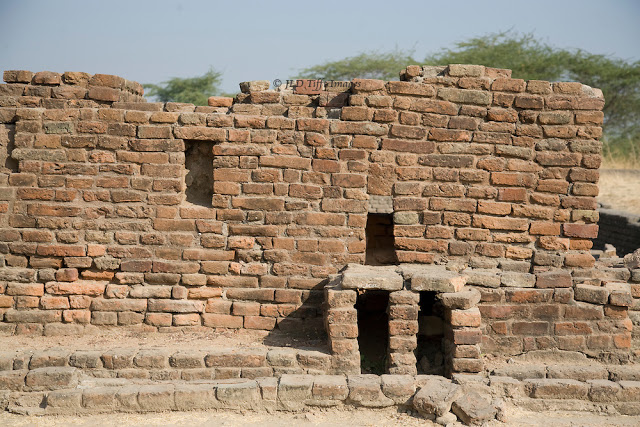
Lothal – Indus- Sarasvati Culture
Harappa Drainage
Wells in Indus-Sarasvati Civilization

Congo and Ganga rivers | Tamil and Vedas

tamilandvedas.com › tag › congo-and-ganga-rivers

1.      

2.      

17 Mar 2014 – Posts about Congo and Ganga rivers written by Tamil and Vedas. … In the middle of the thickest forest on the earth is the river Congo of Africa.

Ganga | Tamil and Vedas

tamilandvedas.com › tag › ganga

1.      

Posts about Ganga written by Tamil and Vedas. … in River Mekong (Ma Ganga) in South East Asia, Maveli Ganga in Sri Lanka, Congo in Central Africa etc.

Ganges | Tamil and Vedas

tamilandvedas.com › tag › ganges

1.      

Posts about Ganges written by Tamil and Vedas. … in River Mekong (Ma Ganga) in South East Asia, Maveli Ganga in Sri Lanka, Congo in Central Africa etc.

River Ganges in Sumerian Culture (Post No.3731) | Tamil and …

tamilandvedas.com › 2017/03/17 › river-ganges-in-su…

1.      

17 Mar 2017 – We see Ganga in River Mekong (Ma Ganga) in South East Asia, Maveli Ganga in Sri Lanka, Congo in Central Africa etc. Sumerians also …

Kailash | Tamil and Vedas

tamilandvedas.com › tag › kailash

1.      

17 Mar 2017 – We see Ganga in River Mekong (Ma Ganga) in South East Asia, Maveli Ganga in Sri Lanka, Congo in Central Africa etc. Sumerians also …

You’ve visited this page 2 times. Last visit: 22/03/20

Tags — ரஷியா, கங்கை நதி; சிந்துவெளி நாகரீகம், ஆர்கைம் (Arkaim)
DO WE NEED PHILOSOPHY? 1 (Post No.8185)

WRITTEN BY R. NANJAPPA                        

Post No. 8185

Date uploaded in London – – – 16 June 2020   

Contact – swami_48@yahoo.com

Pictures are taken from various sources for spreading knowledge;

this is a non- commercial blog. Thanks for your great pictures.

By R. Nanjappa


Philosophy as academic discipline

Philosophy has become an academic subject, but is almost totally neglected in India. 

Bangalore University closed down the philosophy stream in the graduate courses

in 2014 because there were no students. The situation is not any better in other places.

Those who still study it do so privately, as part of their religious studies or for the love

of it. This is a reflection of the tastes and preferences of the new India- young India,

opting overwhelmingly for science, engineering, medicine, commerce and other

market-oriented courses.

Come to think of it, this may not be bad after all!  Our universities are so low in

standards, so poor in faculty, so wretched in library and allied facilities, and so strongly

exam-oriented, and so eager to carry out hidden agendas, that no subject in the

humanities or social sciences is taught well. They touch nothing that they do not

spoil. In that sense, at least philosophy has escaped mutilation at the hands of

half-baked faculty.

In the West too, philosophy as an academic discipline has degenerated into vain

semantic disputes, engagement with irrelevant issues- issues not related to human needs,

or providing a solution.


What philosophy is about?

What is philosophy, anyway? The word originates from the Greek word “philosophia” which

means ‘love of wisdom’= philo+sophia. Pythagoras is supposed to have coined this word.

In the ancient world, this wisdom was taken to concern the origin and nature of the

cosmos, and man’s place in it. As this is a fundamental aspect of human existence, there

could not have been a time when thoughts about these aspects were not present. But they

might not have been expressed in clear terms . (Just think: we all watch TV and use the

computer or the mobile phone. We sure have a reason for dressing the way we do. We

surely think about them. But do we all theorise?) In the Western tradition, formal

philosophical tradition is supposed to have begun in the old Greek islands in the

6th century BC.

Philosophy was an important subject in the ancient world- a major subject after theology,

medicine and law which were the ones which were formally and rigorously taught in the

schools. Every subject other than the three was included in philosophy- science (physics)

was called ‘natural philosophy’.Somehow, we see its influence even today: the highest

degree awarded by a university for academic studies is called ‘PhD’  or D.Phil

(Doctor of Philosophy), though the recipient might not have studied philosophy at all!

Over the centuries, this term has come to be applied in many senses, depending upon  

the method, the subject matter or the purpose. As an intellectual discipline, it could relate

to any subject covering its basic principles (eg. philosophy of sports, corporate philosophy,

etc). By itself, it means disinterested pursuit of knowledge for its own sake, employing

the method of rational inquiry.

Socrates

Socrates and Plato

We see this demonstrated best in the dialogues of Plato, especially featuring Socrates.

We notice some stunning features. Socrates said that ” the unexamined life is not fit for  

a human being.” (Apology,38a). So, departing from the ancient philosophers, who inquired

about the cosmos, Socrates made man and his life the centre of his enquiry. 


He said, “Know Thyself” . Thus self – knowledge was the essence of Wisdom. Second,

through his enquiry he sought to find  the basis of the “good life” -Virtue- and sought its

basis on rational foundations, and not on the Nomos or traditional conventions,

or in the command of the gods. Third, he did not  advocate dogmatic theories.ie he did not

propound a ‘system’. He surely had some fundamental ideas, but he did not state them in

a cogent theory or rigorous logical framework.. People say that in many of the dialogues

no conclusions are reached! It is not their defect, but designed strength. Socrates (and Plato

through all the characters in his dialogues) expresses many points of view on the issues

discussed. Even when Socrates may be showing their absurdity, as in Euthyphro

while discussing piety or holiness, he does not want to force his conclusion on us- it will

be then just belief, which can be changed by persuasion or better skill in argument or

language; he wants us to imbibe the wisdom or knowledge by thinking through ourselves!

We may say, in our Indian way, that he wants us to ‘intuit’ the conclusion, based on all

the rational arguments we have had, and serious reflection upon them.

It is also important to note that Socrates does not deny or denigrate the conventional

standards followed  by the society in the ordinary business of life. He himself was ‘

religious’ in that sense, honouring the traditional gods. Xenophon records that he even

asked people to seek divination where a problem evaded solution through their mental

efforts. This gives an important clue to his approach. We may say, in general terms, that

the Socratic point of view is:

  • purpose of life is happiness
  • happiness depends upon the good life
  • good life is based on virtue
  • virtue is based on wisdom
  • the ultimate wisdom is self-knowledge
  • self-knowledge is to be attained through examination of one’s life
  • this involves some detachment from the normal activities.
  •  

 Note:

It is important to remember here that this word ‘happiness’ was used in a more profound

sense in the ancient world, than at present. For us moderns, happiness is pleasure, derived

from sensation, feeling or emotion or some event or material satisfaction, or even aesthetic

pleasure. For the ancients, happiness meant the total outcome of the whole of life: how

one’s life has been lived. So it involved values, choices and intention as determining

the quality of life. We may now realise why they attached such importance to happiness,

and made it contingent on virtue!

In the Kathopanishad, this point is brought to the notice of Nachiketas by Yama

(who also judges how one’s life has been lived): human beings face a choice between

Preyas (what is pleasant) and Shreyas (what is beneficial or good).It is for him to choose.

In the Gita, Arjuna asks Krishna to

 tell him what is for his good- he does not seek victory! 

Yatshreyahsyannischitambruhi   tanmae.
Tell me what is decidedly good for me, as determined by you.  Gita 2.7

While we have to follow the norms and conventions of the society – it is our obligation as

a citizen of the city- our enquiry into knowing ourselves is an entirely different and

independent and individual activity. But there is no contradiction or conflict of interest

involved. This higher wisdom is the ultimate foundation of virtue and worldly happiness!

But there is a possibility that the State may not facilitate this. That is why there is some

discussion about the ideal state, with philosopher kings. (But this is not the central theme

or major issue. The main concern is with morality.) Scholars have suggested that Plato

was so affected by the way the rulers of Athens put Socrates to death that he detested

democracy. Socrates himself is regarded as being not a votary of democracy. It is generally

true everywhere that  democracy does not support excellence, and brings down standards.

Ancient India solved this problem in an effective way, by recommending ‘detachment’,

both as a mental discipline all through life, and in actual practice at an appropriate

stage in life.

Plato and Aristotle

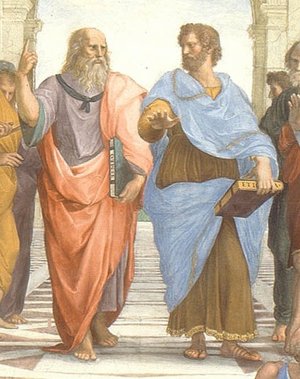
Plato by Raphael.

We thus see here, in the very beginning of what the West regards as the rise of formal

philosophy, that its concern was the highest possible for human conception: how man could

exceed himself by knowing himself! Animals do not seek self-knowledge; ordinary human

beings do not, either. It is only the awakened individuals who do so. The purpose of

philosophy is therefore both to awaken the individual  to this higher purpose, and

provide him a method to do so! This is the essential philosophical task, and this alone is

the specifically human endeavour worthy of our efforts. Socrates established it- by his life

and death!

As philosopher A.N Whitehead said:

So far as concerns philosophy only a selected group can be explicitly mentioned. There is no

point in endeavouring to force the interpretations of divergent philosophers into a vague

agreement. What is important is that the scheme of interpretation here adopted can claim

for each of its main positions the express authority of one, or the other, of some supreme

master of thought- Plato, Aristotle, Descartes, Locke, Hume, Kant. But ultimately nothing

rests on authority; the final court of appeal is intrinsic reasonableness.

The safest general characterization of the European philosophical tradition is that it

consists of a series of footnotes to Plato. I do not mean the systematic scheme of thought

which scholars have doubtfully extracted from his writings. I allude to the wealth of

general ideas scattered through them. His personal endowments, his wide opportunities

for experience at a great period of civilization, his inheritance of an intellectual tradition

not yet stiffened by excessive systematization have made his writings an inexhaustible mine

of suggestions.    Process and Reality,p39. (Free Press,1979).

But these  footnotes  do not always annotate the text, but often direct our attention

elsewhere. Over the centuries, Western philosophy has lost sight of the basic concerns

expressed by Plato and taken up other  issues which do not concern man’s soul and its

immortality or his  need for wisdom through self-knowledge.

to be continued……………………………..

tags– philosophy, need-1

                                                                     *****

நண்டு பற்றி 4 பழமொழிகள் – கண்டுபிடியுங்கள் பார்க்கலாம் (Post No.8184)

WRITTEN BY LONDON SWAMINATHAN

Post No. 8184

Date uploaded in London – 16 June 2020       

Contact – swami_48@yahoo.com

Pictures are taken from various sources for spreading knowledge; this is a non- commercial blog. Thanks for your great pictures.

tamilandvedas.com, swamiindology.blogspot.com

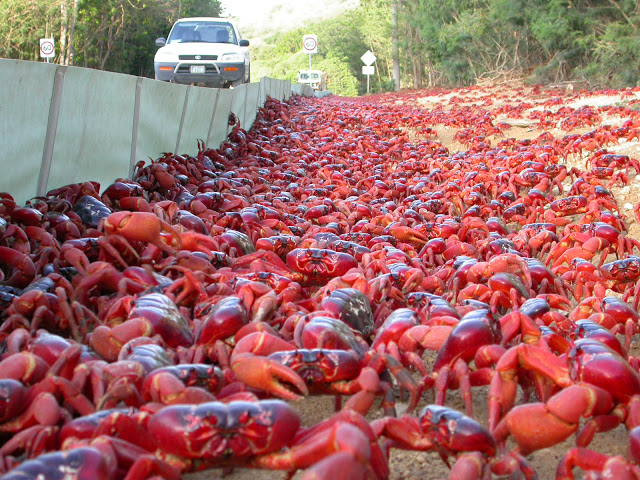
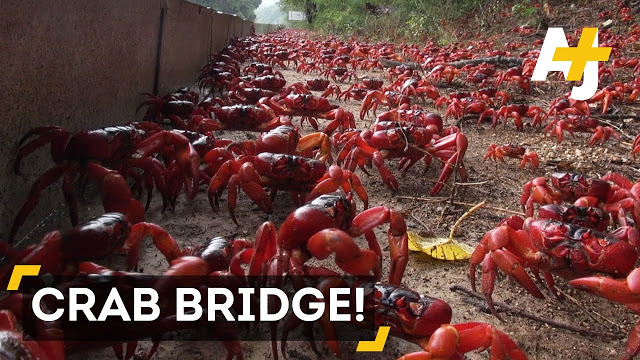
MILLIONS OF CRABS MIGRATE IN CHRISTMAS ISLANDS

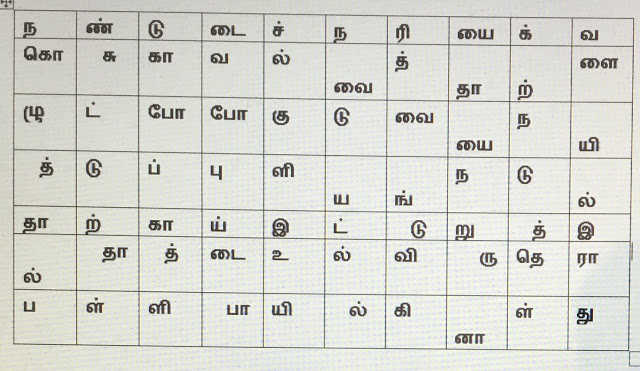
ஒரே சொல் மீண்டும் மீண்டும் வந்தால் ஓரிரு இடங்களில் மட்டுமே கட்டத்தில் இருக்கும். கொண்டு கூட்டி பொருள் கொள்க . விடை கீழே உள்ளது . சில நேரங்களில் படங்களைப் பார்த்தாலும் விடை காண உதவலாம்.

விடை

1.நண்டு கொழுத்தால் வளையில் இராது, பள்ளி கொழுத்தால் பாயில் இராள்

2.நண்டைச் சுட்டு நரியைக் காவல் வைத்தாற் போல 

3.நண்டுக் குடுவையை நடுத் தெருவில் உடைத்தாற் போல 

4.நண்டுக்குப் புளியங்காய் இட்டு நறுக்கினாற் போல

Source book :–

பயன்படுத்திய நூல்- கழகப் பழமொழி அகர  வரிசை, கழக வெளியீடு

 tags- நண்டு, பழமொழிகள், வளை, Crabs, Christmas Islands

–subham–

ஹிந்தி படப் பாடல்கள்-69-ஒரு ராகம், இரு மலர்கள் (Post No.8183)

WRITTEN BY R. NANJAPPA                        

Post No. 8183

Date uploaded in London – – – 16 June 2020   

Contact – swami_48@yahoo.com

Pictures are taken from various sources for spreading knowledge; this is a non- commercial blog. Thanks for your great pictures.

ஹிந்தி படப் பாடல்கள்-69-ஒரு ராகம், இரு மலர்கள்-ராகம் யமன்!

R. Nanjappa

ராகம் யமன்

ஹிந்தி இசைஞர்களிடையே செல்லமான ராகங்களில் ஒன்று இந்த யமன். இந்த ராகத்தில் அனேகம் பாட்டுக்கள் இருக்கின்றன. ஒன்றிரண்டு நாம் முன்பே பார்த்திருக்கிறோம். இப்போது இரண்டு பார்ப்போம். இதிலும் மெட்டுகள் எப்படி வித்தியாசமான உணர்ச்சிகளை விவரிக்கின்றன என்பதைக் காண்போம்.

நாம் கும் ஜாயேகா

नाम गुम जाएगा
चेहरा ये बदल जाएगा
मेरी आवाज़ ही पहचान है
गर याद रहे

वक्त के सितम कम हसीं नहीं
आज है यहाँ कल कहीं नहीं
वक्त से परे अगर मिल गए कहीं
मेरी आवाज़ ही
नाम गुम जाएगा

जो गुज़र गई कल की बात थी
उम्र तो नहीं एक रात थी
रात का सिरा अगर फिर मिले कहीं
मेरी आवाज़ ही
नाम गुम जाएगा

दिन ढले जहाँ रात पास हो
ज़िन्दगी की लौ ऊँची कर चलो
याद आए गर कभी जी उदास हो
मेरी आवाज़ ही
नाम गुम जाएगा..  

நாம் கும் ஜாயேகா, செஹ்ரா யே பதல் ஜாயேகா,

மேரா ஆவாஃஜ்  ஹீ பஹ்சான் ஹை

கர் யாத் ரஹே

பெயர் மறைந்துவிடும், இந்த முகம் மாறிவிடும்

என் குரல் ஒன்றுதான் தெரிந்ததாக இருக்கும்– 

உனக்கு நினைவிருந்தால்!

வக்த் கே ஸிதம் கம் ஹஸீ(ன்) நஹீ

ஆஜ் ஹை யஹா(ன்) கல் கஹீ(ன்) நஹீ

வக்த் ஸே பரே அகர் மில் கயே கஹீ(ன்)

காலம் சில கஷ்டங்களைக் கொடுத்தாலும்,

அதிலும் சில இனிய விஷயங்கள் இல்லாமல் இல்லை!

இன்று இங்கே இருக்கிறோம், நாளை எங்கே என்று யார் சொல்ல முடியும்!

காலக் கணக்கை மீறி, எங்கோ சந்திப்போமோ, என்னவோ!

ஜோ குஃஜ்ர்  கயீ கல் கீ பாத் தீ

உம்ரு தோ நஹீ, ஏக் ராத் தீ

ராத் கா ஸிரா அகர் ஃபிர் மிலே கஹீ(ன்)

மேரீ ஆவாஃஜ் ஹீ.

நடந்து போனது நேற்றைய விஷயம் தான்

ஒரு இரவுதான்வாழ்நாள் முழுதும் அல்ல!.

ஆனாலும் அதை மீண்டும் சந்திக்க நேர்ந்தால்?

என் குரல் தான் தெரிந்ததாக இருக்கும்!

தின் டலே ஜஹா(ன்) ராத் பாஸ் ஹை

ஃஜிந்தகீ கி லௌ ஊஞ்சீ கர் சலோ

யாத் ஆயே கர் கபீ பீ உதாஸ் ஹோ

மேரீ ஆவாஃஜ் ஹீ பஹசான் ஹை

பகல் கழிந்து விட்டால், இரவு நெருங்குகிறது என்று பொருள்

அந்த சமயத்தில் வாழ்க்கையில் ஒளியை அதிகப்படுத்து!

மனதிற்கு வருத்தம் தரும் விஷயம் நினைவிற்கு வந்தால்,

என் குரல் தான் தெரிந்ததாக இருக்கும்!

பெயர் மறைந்துவிடும், முகம் மாறிவிடும்!

உனக்கு நினைவிருந்தால்!

Song: Naam gum jaayega film: Kinara 1977  Lyrics: Gulzar

Music: R.D.Burman Singers : Lata Mangeshkar & Bhupinder Singh

YouTube link:  https://www.youtube.com/watch?v=gO87WaEejag

எவ்வளவு அருமையான மெட்டு! ஆர்.டி.பர்மன் இசையில் இப்படி ராகங்கள் மீது அமைந்த பாடல்கள் பல இருக்கின்றன. இந்தக் கவிதை எளியது- குல்ஃஜாருக்கே உரித்தான கடினக் கற்பனைகள் இல்லை. பூபிந்தர் சிங்க் குரல் அருமை.  

இதே ராகத்தில் இன்னொரு பாடல்

ஜப் தீப் ஜலே ஆனா

जब दीप जले आना, जब शाम ढले आना
संकेत मिलन का भूल जाना
मेरा प्यार ना बिसराना

मैं पलकन डगर बुहारूँगा
तेरी राह निहारूँगा
मेरी प्रीत का काजल
तुम अपने नैनों में मले आना
जब दीप जले आना

जहाँ पहली बार मिले थे हम
जिस जगह से संग चले थे हम
नदिया के किनारे आज
उसी अमवा के तले आना
जब दीप जले आना

ऩि रे , रे रे ऩि, , रे नि

नित सांझ सवेरे मिलते हैं
उन्हें देख के तारे खिलते हैं
लेते हैं विदा एक दूजे से
कहते हैं चले आना
जब दीप जले आना…  

ஜப் தீப் ஜலே ஆனா, ஜப் ஷாம் டலே ஆனா

ஸங்கேத் மிலன் கீ பூல் ஜானா

மேரா ப்யார் நா பிஸ்ரானா

விளக்கு வைத்ததும் வரவும், மாலை வரும்பொழுது வரவும்

நம் உறவின் அடையாளத்தை மறந்துவிடாதே

என் அன்பை மறந்துவிடாதே

மை பல்கன் டகர் புஹாரூங்கா

தேரீ ராஹ் நிஹாரூங்கா

மேரீ ப்ரீத் கா காஜல்

தும் அப்னே நைனோ மே மலே ஆனா

ஜப் தீப் ஜலே ஆனா

நான் உன் கண்களின் பாதையில் அழைப்பேன்

உனக்காகக் காத்திருப்பேன்

என் அன்பாகிய மையை உன் கண்களில் இட்டு நீ வா

விளக்கு வைத்ததும் வரவும்

ஜஹா(ன்) பஹலீ பார் மிலேதே ஹம்,

ஜிஸ் ஜகஹ் ஸே ஸங்க் சலே தே ஹம்

நதியா கே கினா ரே ஆஜ் உஸீ ஆம்வா கே தலே ஆனா

ஜப் தீப் ஜலே ஆனா

நாம் முதலில் எங்கு சந்தித்தோமோ

எங்கிருந்து ஒன்றாகக் கிளம்பினோமோ,

அந்த நதிக்கரையில் அந்த மாமரத்தின் கிழே வா

விளக்கு வைத்ததும் வா

நித் சாஞ்ச் ஸவேரே மில்தே ஹை(ன்)

உநே தேக் கே தாரே கில்தே ஹை (ன்)

லேதே ஹை விதா ஏக் துஜே ஸே

கஹதே ஹை சலே ஆனா

ஜப் தீப் ஜலே ஆனா

தினமும் மாலையும் காலையும் சந்திக்கிறோம்

அதைப் பார்த்து தாரகைகள் மகிழ்ந்து குலுங்குகின்றன

நாம் விடைபெறும் பொழுது,

மீண்டும் வரவும் என்று சொல்லிச் செல்கிறோம்!

விளக்கு வைத்ததும் வரவும்!

Song: Jab deep jale aana  Film: Chitchor 1976 

Music and Lyrics: Ravindra Jain

Singers: Yesudas & Hemlata.

Youtube link: https://www.youtube.com/watch?v=wdEwI37dZB8 

எத்தனை அருமையான பாட்டு! ஏசுதாஸ் குரலில் தான் எத்தனை கம்பீரம்! இந்த ராகத்தில், இந்தப் பாட்டில் முழுதும் வெளிப்படுகிறது! இந்த “சித்சோர்” படம் முழுதும் இத்தகைய நல்ல பாடல்கள் நிறைந்தது. வட இந்தியாவில் எங்கும் நல்ல வரவேற்பைப் பெற்றது! இந்தப் பாட்டு மிகவும் விரும்பிக் கேட்கப்பட்டது! 45 வருஷங்களுக்கு முன்பு கூட நம் மக்கள் ரசனை கெடவில்லை!  நமது இசைஞர்களும் இத்தகைய தரமான இசை தந்தார்கள். ரவீந்த்ர ஜெயின் “சுத்தமான” இசை தந்தவர்.

70களில் வந்தாலும் நம் பொற்காலத்திய இசையை நினைவுபடுத்தும்!

இதன் இசைஞர் ரவீந்த்ர ஜெயின் [1944-2015] கண்பார்வையற்றவர். இந்த பாட்டுப் பதிவானதும், ‘எனக்குப் பார்வை வந்தால் இந்தக் குரலுக்குரியவரை முதலில் பார்ப்பேன்” என்று சொன்னாராம்!

Virus-free. www.avast.com

Attachments area

Preview YouTube video Naam Gum Jayega -Lata Mangeshkar (LYRICS)

Naam Gum Jayega -Lata Mangeshkar (LYRICS)

Preview YouTube video Naam Goom Jayega (Uncut Video Song) | Kinara | Dharmendra | Hema Malini

Naam Goom Jayega (Uncut Video Song) | Kinara | Dharmendra | Hema Malini

Preview YouTube video Jab Deep Jale Aana | Lyrical Song | Chitchor | Yesudas & Hemlata Songs | Amol Palekar, Zarina Wahab

Jab Deep Jale Aana | Lyrical Song | Chitchor | Yesudas & Hemlata Songs | Amol Palekar, Zarina Wahab

Preview YouTube video Jab Deep Jale Aana – Yesudas & Hemlata – Chitchor

Jab Deep Jale Aana – Yesudas & Hemlata – Chitchor

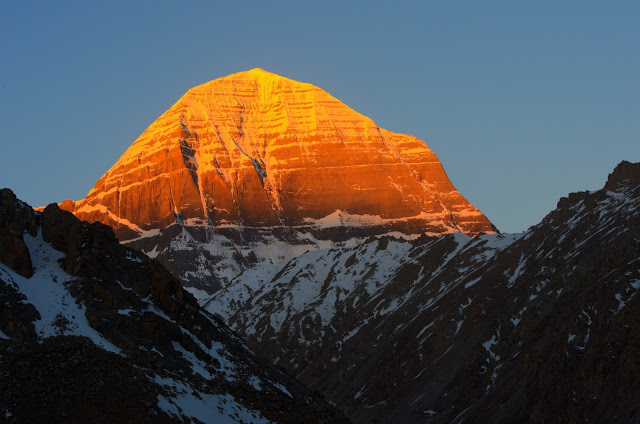
கைலாய யாத்திரைக்குப் புதிய சாலை! (Post No.8182)

WRITTEN BY S NAGARAJAN                     

Post No. 8182

Date uploaded in London – – –16 June 2020   

Contact – swami_48@yahoo.com

Pictures are taken from various sources for spreading knowledge; this is a non- commercial blog. Thanks for your great pictures.

ஜூன் 2020 ஞான ஆலயம் ஆன்மீக மாத இதழில் வெளியாகியுள்ள கட்டுரை!

கைலாய யாத்திரைக்குப் புதிய சாலை!

ச.நாகராஜன்

          மன்னும் இமயமலை எங்கள் மலையே

மாநில மீதிது போற் பிறிதிலையே – மஹாகவி பாரதியார்

மலையரசன்!

சிவ-பார்வதி உறையும் இடம் எது? இராவணன் தூக்க முயன்ற மலை எது? கங்கை, பிரம்மபுத்திரா உள்ளிட்ட பல புண்ய நதிகள் உற்பத்தியாகும் இடம் எது? இலக்குவன் உயிரைக் காப்பாற்ற அனுமன் தேடிச் சென்ற சஞ்சீவினி மூலிகை உள்ள இடம் எது? கர்ணனை குந்தி பெற்ற இடம் எது? சகுந்தலை வளர்ந்த ஆசிரமம் உள்ள இடம் எது? வேத வியாஸர் மஹா பாரதத்தை இயற்றிய இடம் எது? இது போன்ற நூற்றுக் கணக்கான கேள்விகளுக்கு ஒரே விடை இமயமலைத் தொடர் பகுதி என்பதே ஆகும்!

காளிதாஸனால் நாகாதிராஜன் – மலைகளின் அரசன் என்று போற்றி புகழப்படும் இமயமலை ஹிந்துக்கள், பௌத்தர்கள், ஜைனர்கள் ஆகியோருக்கான புனித மலை.

தூய நீர் ஏரி மானஸசரோவர்!

பிரம்மாவின் மனதில் தோன்றி இங்கு உருவான மானஸசரோவர் உலகின் ஒப்பற்ற பளிங்கு நீர் போன்ற தூய நீர் கொண்ட ஒரே அதிசய அற்புத ஏரி.

15060 அடி உயரத்தில் அமைந்துள்ள வட்ட வடிவமான இந்த ஏரியின் சுற்றுப்பாதை மட்டும் 88 கிலோமீட்டர் நீளம் கொண்டதாகும். இதன் அதிக பட்ச ஆழம் 300 அடி. ஒரு கூழாங்கல்லை இதனுள் போட்டால அது அடியில் அமிழும் வரை அதிசயிக்கத்தக்க விதத்தில் பார்க்கும் அளவு  இதன் நீர் தூய்மையானது!

இங்கிருந்து கைலாய மலையைப் பார்க்கும் பக்தர்கள் பரவசப்பட்டு ஆனந்தமடைவர். கைலாயம் சிவ- பார்வதியின் உறைவிடம். 21778 அடி உயரம் கொண்டது இந்த தெய்வீக சிகரம். இதைச் சுற்றி வரும் பாதை 52 கிலோமீட்டர் நீளம் கொண்டது. ஒரு நாளில் இதைச் சுற்றி வருவதாக விரதம் மேற்கொண்டோர் அரும்பாடுபட்டு இந்த கிரிவலத்தை முடிப்பர்.

சுந்தரர், ஔவையார், சேரமான் பெருமாள் உள்ளிட்ட ஏராளமான மகான்கள்

கைலைப் பயணம் மேற்கொண்டதை பல நூல்களும் சிறப்புறக் கூறும்.

தெய்வீகக் கைலாய யாத்திரை!

இமயமலை கைலாய சிகர யாத்திரை என்பது ஒரு தெய்வீக யாத்திரை! லக்ஷக் கணக்கான பக்தர்கள் பல ஆயிரம் ஆண்டுகளாக மானஸ சரோவர் யாத்திரையை மேற்கொண்டு சிவபிரானின் அரிய தரிசனமான கைலாய தரிசனத்தைப் பெற்றுக் கைலாய யாத்திரையை முடித்துப் பெரும் ஆனந்தம் அடைந்து வந்திருக்கின்றனர். முக்திக்கு ஒரு யாத்திரை இந்த யாத்திரையே!

புதிய பாதை உருவானது!

இந்த கைலாய யாத்திரைக்கான புதிய பாதை ஒன்று உருவாக்கப்பட்டு 2020 மே 8ஆம் தேதி நமது பாதுகாப்புத் துறை மந்திரி ராஜ்நாத் சிங் அவர்களால் காணொளிக் காட்சி மூலம் திறந்து விடப்பட்டுள்ளது.

உத்தரகண்டிலிருந்து கைலாய மானஸசரோவர் ஏரிக்கு இனி பக்தர்கள் செல்லும் நாட்களில் மூன்று நாள் குறைந்து விடும்.

பி ஆர் ஓ எனப்படும் நமது எல்லைப்புற சாலை நிறுவனம் (Border Roads Organaisation) வெற்றிகரமாக இந்த அரிய சாதனையை நிகழ்த்தியுள்ளது.

கடும் குளிரில் மிக உயரத்தில் உள்ள இந்தப் பகுதியில் கடினமான இமயமலைப் பாறைகளை உடைத்துச் சாலை அமைப்பது என்பது நினைத்துப் பார்ப்பதற்கும் முடியாத ஒரு தெய்வீகக் கனவு. இதை தனது ஆட்சிக் காலத்தில் ஆரம்பித்து முடிக்க வேண்டும் என்பது நமது பிரதமர் நரேந்திர மோடி அவர்களின் உறுதியான திட்டமாக அமைந்திருந்தது. கோடிக்கணக்கான ஹிந்துக்கள் மனம் மகிழும் படி அவர் இந்த ‘சிகர சாதனையைச்’ சாதித்து விட்டார்!

மூன்று பாதைகள்!

மானஸசரோவரை அடைய மூன்று பாதைகள் உண்டு. ஒன்று சிக்கிம் வழியாகப் போவது, இரண்டாவது உத்தர்கண்ட் வழியாகச் செல்வது, மூன்றாவது நேபாளத்தில் உள்ள காத்மாண்டு வழியாகச் செல்வது. இந்த மூன்று பாதைகளும் கடினமான மிக நீளமான பாதைகள்.

சிக்கிம் வழியாகச் செல்லும் பாதை 2780 கிலோமீட்டர் தூரம் உள்ளது. இதில் 1490 கிலோமீட்டர் சீனப் பகுதியில் செல்ல வேண்டும். மிகவும் கஷ்டமான பாதை இது.

இன்னொரு பாதை நேபாளத்தில் காத்மாண்டுவில் ஆரம்பித்து இரு விமானப் பயணம், ஒரு சாலைப் பயணம் ஆகியவற்றின் மூலம் 1940 கிலோமீட்டர் தூரத்தைக் கடந்து செல்லும் பாதையாகும். இதிலும் பயணம் செய்யும் கஷ்டம் அதிகம்.
இவற்றை ஒப்பிடும் போது சற்று சுலபமான பாதை உத்தர்கண்ட் பாதை.

நமது பகுதியான உத்தர்கண்டிலிருந்து கைலாயம் செல்லும் பாதையை மூன்று பகுதிகளாகப் பிரிக்கலாம். முதலாவது பித்தோரகரிலிருந்து தவாகட் வரை உள்ள 107. 6 கிலோமீட்டர் நீளமுள்ள பகுதி; அடுத்து தவாகட்டிலிருந்து கதியாப்கர் வரை உள்ள 19.5 கிலோமீட்டர் நீளமுள்ள பகுதி. இது ஒரு வழிச் சாலை. மூன்றாவது பகுதி கதியாப்கரிலிருந்து சீன எல்லையை ஒட்டி உள்ள லிபுலெக் கணவாய் வரை உள்ள 80 கிலோமீட்டர் நீளமுள்ள பகுதி. இதில் நடந்து தான் செல்ல முடியும்! இந்தப் பகுதியைக் கடக்க ஐந்து நாட்கள் ஆகும். லிபுலெக் கணவாய் என்பது இந்திய சீன எல்லையில் 17000 அடி உயரத்தில் உள்ளது.

நமது எல்லைப்புறச் சாலை நிறுவனத்தின் சாதனை!

எல்லைப்புறச் சாலை நிறுவனம் இந்த இரண்டாம் பகுதியை இருவழிச் சாலையாக மாற்றியது. ஆகவே தாராளமாக இரு புறமும் வாகனங்களின் போக்குவரத்து இருக்கும். 76 கிலோமீட்டர் பணி முடிந்து விட்டது. மீதியுள்ள 4 கிலோமீட்டரில் பணியை நடத்த ராணுவ பணிகளுக்கான டைரக்டர் ஜெனரலின் அனுமதி வேண்டும். இந்த அனுமதி கிடைத்தவுடன் 2020 இறுதிக்குள் சாலைப் பணி முற்றிலுமாக முடிந்து விடும். இந்த அகன்ற பாதையால் மூன்று நாட்கள் பயண காலத்தில் குறைக்கப்பட்டு விட்டது!

சீன எல்லைக்குள் நுழைந்த கைலாய யாத்ரீகர்கள் 5 கிலோ மீட்டர் நடக்க வேண்டும்; பின்னர் 97 கிலோ மீட்டர் சாலைப் பயணத்தை மேற்கொள்ள வேண்டும். பின்னர் தான் கைலாய பரிக்ரமம் எனப்படும் கைலாய மலையைச் சுற்றி வரும் பயணம் மேற்கொள்ளப்படும்.

பித்தோரகரிலிருந்து கதியாப்கருக்கு 130 கிலோமீட்டர் சாலை வழியே சென்று அங்கிருந்து லிபுலெக் கணவாய்க்கு 80 கிலோமீட்டர் செல்வதும் இன்னொரு முறையாகக் கடைப்பிடிக்கப்பட்டு வருகிறது.

இப்போது திறக்கப்பட்டுள்ள இந்தப் புதிய பாதை யாத்ரீகர்களின் உடல் சிரமத்தை வெகுவாகக் குறைப்பதோடு செலவில் பெரிய சேமிப்பையும் ஏற்படுத்துகிறது. மற்ற வழிகளை ஒப்பிடும் போது ஐந்தில் ஒரு பகுதி தான் இந்த தூரம் என்பது கோடிக்கணக்கான ஹிந்து  மக்களின் உள்ளங்களைக் குளிர வைக்கும் செய்தியாகும். இந்தப் பாதை பெரும்பாலும் இந்தியப் பகுதியிலும் மிகக் குறைவாகச் சீனப் பகுதியிலும் அமைகிறது.

கைலாயப் பயணம் வெளியுறவு மந்திரி அலுவலகத்தால் மேற்பார்வையிடப்படுகிறது.

இமாலய சாதனை!

கதியாப்கர்-லிபுலெக் சாலை 2005இல் திட்டமிடப்பட்டது. இதற்கான செலவு 80.76கோடி ரூபாய். ஆனால் 2018இல் இந்தச் செலவு 439.4 கோடியாக மறு மதிப்பீடு செய்யப்பட்டு 2022க்குள் முடிக்க வேண்டும் என்ற இலக்கையும் நிர்ணயித்தது. மிக அதிக உயரம், கடும் பனி, இமயமலைப் பாறை, மண் மற்றும் பாறைச் சரிவுகள், மேக மூட்டம் – இவை அனைத்தையும் கருத்தில் கொண்டால் இது ஒரு இமாலய சாதனை தான்!

நமது ஹெலிகாப்டர்கள் அதிக பளுவான சாதனங்களை இங்கு பணிக்கென கொண்டு செல்ல உதவின. ஆஸ்திரேலியாவிலிருந்து விசேஷ இயந்திரங்கள் இறக்குமதி செய்யப்பட்டன.

கண்ணின் மணியாகி நின்ற கயிலை மலையானே போற்றி!

கைலாய சிகரத்தை நேரில் பார்ப்பது என்பது எத்துணை புண்ணியம்!

கைலை மலையானை நினைத்த இடத்திலிருந்தும் தொழலாம் அப்பரின் அருள்வாக்கைப் பாடியவாறே :

பண்ணின் இசையாய் நின்றாய் போற்றி!

    பாவிப்பார் பாவம் அறுப்பாய் போற்றி!

எண்ணும் எழுத்தும் சொல் ஆனாய் போற்றி!

    என் சிந்தை நீங்கா இறைவா போற்றி!

விண்ணும் நிலனும் தீயானாய் போற்றி!

    மேலவர்க்கும் மேல் ஆகி நின்றாய் போற்றி!

கண்ணின் மணியாகி நின்றாய் போற்றி!

     கயிலைமலையானே போற்றி போற்றி!

                    அப்பர் அருளிய திருக்கயிலாயப் பதிகம்

.
tags– கைலாய யாத்திரை, புதிய சாலை


tags கைலாய யாத்திரை, புதிய சாலை

SWAMI CROSSWORD 1562020 (Post No.8181)

SWAMI CROSSWORD 1562020 (Post No.8181)

WRITTEN BY LONDON SWAMINATHAN

Post No. 8181

Date uploaded in London – 15 June 2020       

Contact – swami_48@yahoo.com

Pictures are taken from various sources for spreading knowledge; this is a non- commercial blog. Thanks for your great pictures.

tamilandvedas.com, swamiindology.blogspot.com

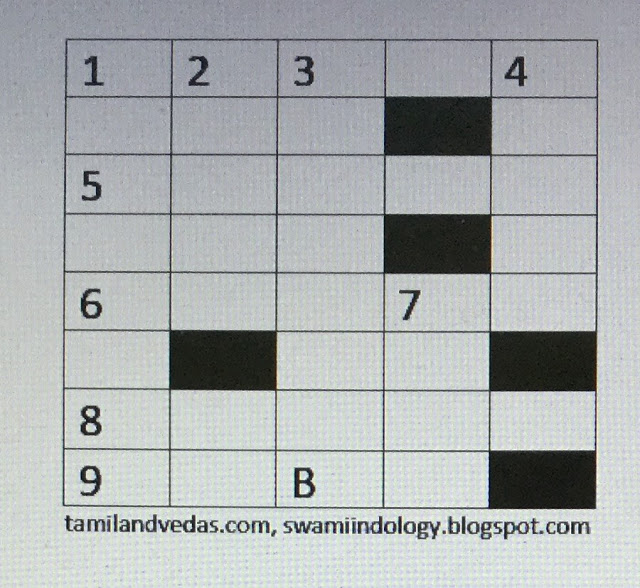
Across

1. –(5 letters) one of the Seven Seers/Sapta Rishis; who brought fire; associated with Atharvans and Angiras

5. – (5) – English word Owl is derived from this Sanskrit word; Part of fifth of the Pancha tantras.

6. – (5) The seer who discarded his anger and hatred into sea and it is there as sub marine volcanic fire.

8– (5)- clan; Seven Rishis created seven clans

9.– (4)- means mother; goddess; daughter of Kasi Raja

Down

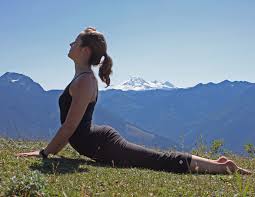
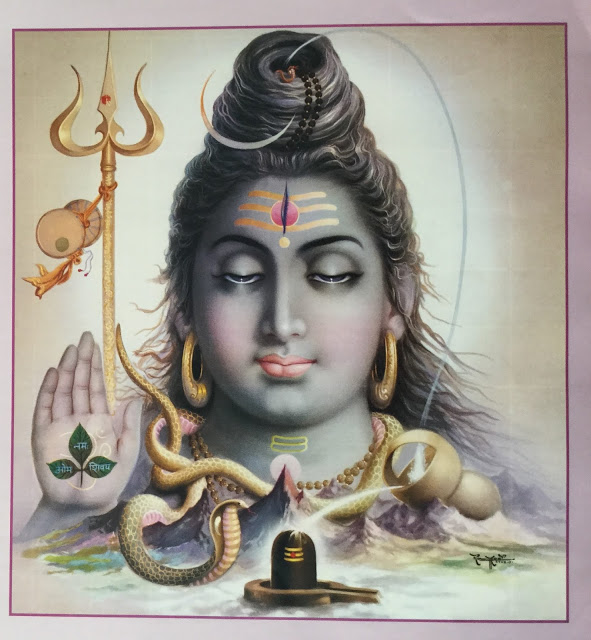
1. — (8 letters)- snake that adorns Siva’s neck and serves as bed for Vishnu. Also the name for Cobra posture in Asanas.

2. –(4)- English word Hello came from this Sanskrit greeting which is sued by women characters in Sanskrit dramas to say Hello

3. –(6)- one of the 28 Saiva Agamas; also it means furious

4 – –(5)- one of the five vita airs beginning with U

7.– (4)—it means several medicinal plants such as ginger, Guduci, Haridra; also goes with seven days of the week; Day= XXX

–subham–

நல்ல கதை – ‘டான்ஸ்’ Dance ஆடிய யானை (Post No.8180)

WRITTEN BY LONDON SWAMINATHAN

Post No. 8180

Date uploaded in London – 15 June 2020       

Contact – swami_48@yahoo.com

Pictures are taken from various sources for spreading knowledge; this is a non- commercial blog. Thanks for your great pictures.

tamilandvedas.com, swamiindology.blogspot.com

ரத்தன்பூர் என்ற ராஜ்யத்தை குமார சேனன் என்ற ராஜா ஆண்டு வந்தார். வீரத்துக்கும் நீதிக்கும் பெயர்போன நாடு அது. மன்னனுக்கு சங்கீதம் என்றால் உயிர் .அவரே மிருதங்கமும் வாசிப்பார். அதே ராஜ்யத்தில் நந்தலாலா என்ற சங்கீத நிபுணர் வாழ்ந்தார். அவர் தாள வாத்ய விற்பன்னர். புதிய தாளங்களைக் கண்டு பிடிப்பதில் மன்னன்.’இனம் இனத்தோடு சேரும்’ அல்லவா ? ஆகையால் நாட்டு மன்னனுக்கும் தாள வாத்ய மன்னனுக்கும் இடையே நட்பு மலர்ந்தது.

இருவரிடையே வளர்ந்த நட்பு பல மந்திரிகளிடையே பொறாமைத் தீயை வளர்த்தது .

ஒரு நாள் நந்தலாலாவும், குமார சேனனும் காட்டில் உலவிக்கொண்டிருந்த போது தாள மன்னன் நந்த லாலாவின் மனத்தில் ஒரு தாளக்கட்டு உருவாகியது. ஆனால் காட்டில் உலாவை முடிப்பதற்குள் முழு தாளமும் உருவாகவில்லை.

மாலை நேரம் வந்துவிட்டது; மலை வாயில் கதிரவனும் விழுந்தான். இருவரும் பிரிந்தனர். மறுநாள் பொழுதுவிடிந்தது. மன்னனுக்கு ஆர்வம் பொங்கி எழுந்தது. இவ்வளவு நேரத்தில் நந்தலாலா தாளம் முழுவதையும் கண்டு பிடித்து இருப்பார் ; அவரிடம் பேச வேண்டும் என்ற அவா எழுந்தது .

அக்காலத்தில் மொபைல் போனோ , ‘வாட்ஸ் அப்’போ, பேஸ் புக்கோ , ‘ஸ்கைப்’போ (Whats up, Mobile Phone, Facebook, Skype, Zoom ) எதுவும் கிடையாது. நந்தலாலாவை எப்போது மன்னர் சந்திக்க விரும்புகிறாரோ அப்போது வாத்ய கோஷம் முழங்க யானையையும் படை வீரர்களையும் நந்த லாலா வீட்டுக்கு அனுப்புவார். அவரும் ஊர்வலமாக வருவார். திரும்பிப் போகும் போதும்  ‘ஓலா’ ,’ ஊபர்’ (Ola, Uber)  டாக்சி வசதி இல்லாததால் யானை மீது ஏறி வீட்டுக்குப் போவார். அவர் போடும் தாளத்தை எல்லாம் யானையும் கேட்டு மகிழும்.

இந்த வழக்கப்படி, அன்றும் நந்த லாலா வீட்டுக்கு யானை அனுப்பப்பட்டது .ஆனால் அவரோ முழுக்க முழுக்க புதிய தாளம் கண்டு பிடிப்பதில் மூழ்கி இருந்தார். யானைப்பாகன் அரசர் அனுப்பிய செய்தியைச் சொன்னான் . அவரோ தாள சைகைகளையே காட்டினார். அவன் ஓஹோ இப்போது வரமாட்டேன் என்று சொல்கிறார் போலும் என்று எண்ணி அரண்மனைக்கே திரும்பிச் சென்றான்.

இவ்வளவு காலமாக பொறாமைத் தீயில் புகைந்து கொண்ட மந்திரிகளுக்கு நல்ல சாக்கு கிடைத்தது . அரசனை நந்த லாலா அவமதித்து விட்டதாக எல்லோரும் ஒரே குரலில் ‘கோரஸ்’ (Chorus)  பாடினார்கள். நாட்டின் சட்டப்படி அரசனை அவமதித்த நந்தலாலாவுக்கு மரண தண்டனை விதிக்க வேண்டும் என்றும் வாதாடினர். இன்று இவர் ஒருவரை சும்மா விட்டால் நாளைக்கு நாட்டில் எல்லோரும் மன்னனை எள்ளி நகையாடும் நிலைமை வந்துவிடும் என்றும் அச்சுறுத்தினர் ; மன்னனும் நந்த லாலாவுக்கு மரணதண்டனை விதித்தான். நாளும் தேதியும் அறிவிக்கப்பட்டது.

பெரிய மைதானத்தில் ஒரு குழி தோண்டி நந்த லாலாவின் தலை மட்டும் தெரிய ஏற்பாடாகி இருந்தது ; அந்தத் தலையை யானை வந்து இடறி துண்டிக்கும். இதுதான் வழக்கமாக மரண தண்டனை நிறைவேற்றும் முறை ; மரண தண்டனை நாளும்  வந்தது. மிக தீவிரமாக புதிய தாள முயற்சியில் இருந்த நந்தலாலா எப்படியும் தாளத்தை கண்டுபிடித்து மரணம் அடைய வேண்டும் என்று முழுவீச்சில் இறங்கினார். மரண தண்டனைக்காக வாசலில் வந்து நின்ற சேவகர்கள் அவரை சிவப்பு மாலை அணிவித்து அழைத்துச் செல்வதற்குள் இவர் மனதில் உதித்த தாளத்தின் முழு வடிவமும் கிடைத்தது; உடனே அவருக்குப் பேரானந்தம்; பிரம்மா நந்தம். ஆன பரவசத்தில் மரண தண்டனை ஊர்வலத்தில் அந்த புதிய தாளத்தை வாசித்துக்கொண்டே அதி பயங்கர சந்தோஷத்துடன் ‘டான்ஸ் ஆடிக்கொண்டே வந்தார். ஊரே பார்த்து வியந்தது.

இதற்குள் நந்தலாலாவை யானை கொல்லும் காட்சியைக் காண மைதானத்துக்குள் பல்லாயிரம் மக்கள் கூடினர். நந்த லாலா கழுத்தில் சிவப்பு மாலை போட்டு மரணதண்டனை மைதானத்துக்கு அழைத்து வந்தனர் ; அவர் புதிய தாளத்தை பரவசத்துடன் வாசித்துக் கொண்டே வந்தார். பின்னர் பேரமைதி ; ஏனெனில் மரண தண்டனைக்கு அறிவித்த நேரம் வந்துவிட்டது.

வழக்கமாக மரணதண்டனைக் கைதியின் கடைசி ஆசையைக் கேட்டு அதை நிறைவேற்றுவர். நந்தலாலாவிடம் கடைசி ஆசை என்ன என்று கேட்டபோது தான் கண்டுபிடித்த புதிய தாளத்தை மிருதங்கத்தில் வாசிக்க அனுமதிக்க வேண்டும் என்றார் ; அனைவரும் அது நிறைவேற ஒப்புதல் தந்தனர்.

இவர் போட்ட புதிய தாளம் அரசவை  யானையின் காதையும் எட்டியது.; அதற்குள் ஆனந்த பரவசம் எழுந்தது. இவர் போட்ட தாளத்துக்கு ஏற்ப அது காலையும் துதிக்கையையும் தூக்கி டான்ஸ் ஆடத் துவங்கியது. அது மட்டுமல்ல நடன மாடிக்கொண்டே தாளம் வந்த திசையை நோக்கிச் சென்றது; மன்னனும் மந்திரிகளும் இந்த அதிசயத்தைக்  கண்டு மலைத்தனர்; திகைத்தனர். 

நந்தலாலாவின் புதிய தளத்துக்கு ஏற்ப கன  கச்சிதமாக, யானை டான்ஸ் ஆடியது . அவரை அப்படியே துதிக்கையால் வளைத்துத் தூக்கி தனது முதுகின்மேல் வைத்தது ; நந்த லாலாவோ தன்னை மறந்து தாளத்தில் மூழ்கிக் கிடந்தார்; யானை அவரை மைதானத்தில் ஊர்வலமாக அழைத்துச் சென்று மன்னன் முன்னிலையில் இறக்கிவிட்டு துதிக்கையால் பிளிறி வணக்கம் சொல்லிவிட்டு மீண்டும் தாளத்துக்கு ஏற்ப நடனம் ஆடியது !

மன்னனுக்கு ஒரே வெட்கம் ; யானைக்கு தெரிந்த சங்கீதம் கூட தனக்குத் தெரியவில்லையே என்று வருத்தப்பட்டு ஆசனத்திலிருந்து இறங்கி வந்து நந்த லாலாவைக் கட்டித் தழுவி பெரிய சன்மானங்களை வழங்கினான். புதிய. தாளத்துக்கு ‘கஜஜாம்பி’  என்ற புதுப் பெய ரும் சூட்டினர் .

SOURCE – ORGANISER WEEKLY, 21-01-2007

tags — டான்ஸ் , Dancing elephant, யானை

–சுபம்–

How Big will be Manu’s Ship Today? (Post No.8179)

WRITTEN BY LONDON SWAMINATHAN

Post No. 8179

Date uploaded in London – 15 June 2020       

Contact – swami_48@yahoo.com

Pictures are taken from various sources for spreading knowledge; this is a non- commercial blog. Thanks for your great pictures.

tamilandvedas.com, swamiindology.blogspot.com

Manu story

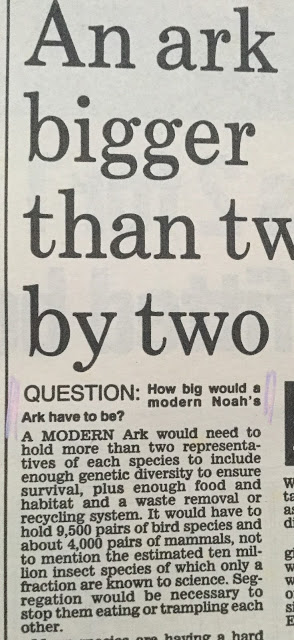
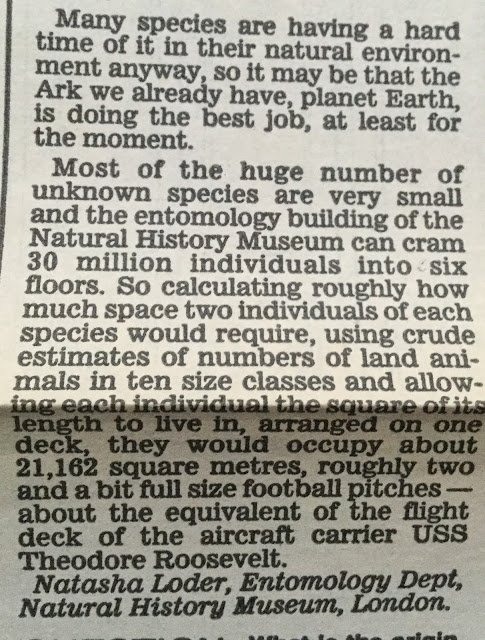
There are 14 Manus. And we are in the period of Seventh Manu, known as Vaiwasvata Manu. A great deluge happened during his reign. The first flood story appears in the Satapata Brahmana. The summary of the flood legend is—

One morning water was brought to Manu for washing his hands. When he was about to wash his hands he saw a fish in the water in the hand. It said to him that there is going to be a big deluge. If Manu saves the fish he will be saved by it and When Manu agreed, it asked him to preserve two species of each living being on earth and board the big ship specially built for it.  Manu did it as instructed. In course of time, the fish grew bigger and bigger and Manu left it in the ocean. And the flood came. When it rose very high Manu tied the ship to the horn of the fish. He passed over the northern mountain and the fish told him to tie the ship to a tree. When he desired offspring a woman was produced . Manu lived with her and procreated . the story is in Mahabharata and the Bible. Bible used the name Noah which is Nava in Sanskrit. Nava means new.

Here is a question that appeared in the Q and A column of Daily Mail

Xxx

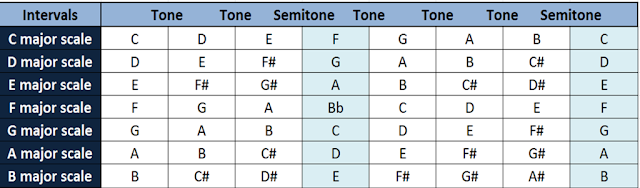
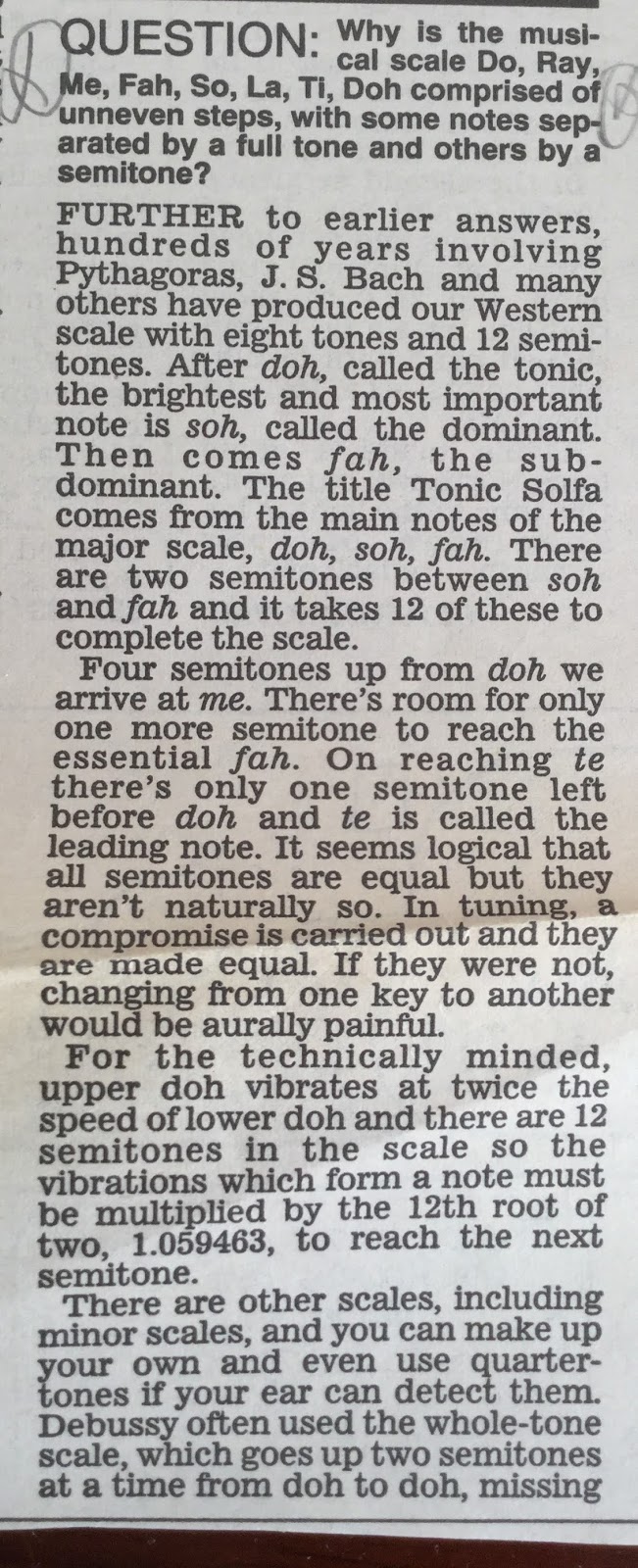
MUSIC SCALE IN WESTERN MUSIC

The second question is about the Music Scale from Daily Mail dated 22 July 1995.

tags– Noah’s arc, Manu’s ship, Deluge, Music scale

SRI RAMANA LITERATURE-2 (Post No.8178)

WRITTEN BY R. NANJAPPA                        

Post No. 8178

Date uploaded in London – – – 15 June 2020   

Contact – swami_48@yahoo.com

Pictures are taken from various sources for spreading knowledge; this is a non- commercial blog. Thanks for your great pictures.

SRI RAMANA LITERATURE-2

R. Nanjappa

We may now deal with some other publications containing  the instructions of Bhagavan.

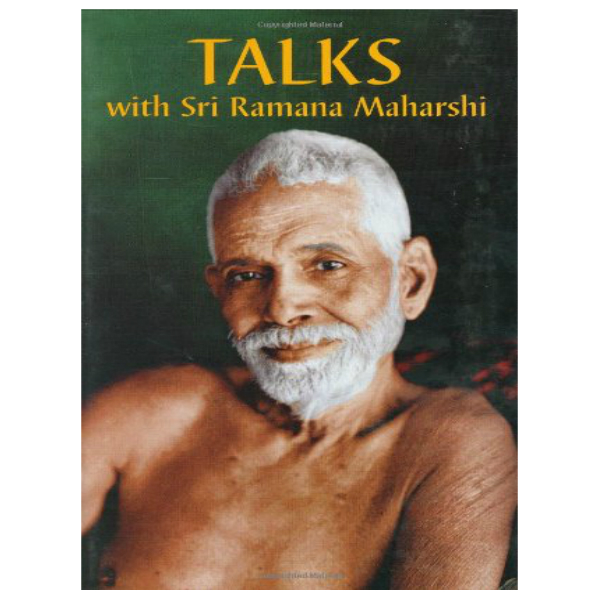
1. Talks. 

This is a record of questions asked of Bhagavan by visitors and Bhagavan’s replies, maintained by a devotee in the early 30s. Bhagavan invariably replied in Tamil, no matter in which language the question was put, and his replies were translated into English. This is what is recorded here. They contain Bhagavan’s answers, based on the questioner’s own belief system and state of mind or religious inclination, and  not his spontaneous instructions. Bhagavan never forced anyone to adopt his way. However, he is always turning the questioner towards self-enquiry, showing how it is the culmination of all paths.

There is a strange development here. Bhagavan spoke and answered in Tamil, these were translated into English and conveyed to the questioner and recorded as Talks. These talks were later translated into Tamil. But here we got lucky, as the person  who translated it, Visvanatha Swami, was himself present in the Hall during these talks on most days and he knew Bhagavan’s language well! So, this is no ordinary, academic translation.  

2. Letters From Sri Ramanasramam.
These letters were originally written in Telugu by a lady devotee (by name Suri Nagamma) to her brother in the late 40s.  She resided near the Asramam and spent the time in Bhagavan’s presence, observing the things that happened there, and noting down any interesting developments. They reveal many interesting aspects of life in the Asramam and occasional teachings/observations made by Bhagavan. Later on, they were translated into English and published. Being the writings of a simple devotee with no literary pretensions, they have a directness and heart-warming quality, often revealing the human side of Bhagavan.

3. Day by Day With Bhagavan.
This contains entries from the diary of a devotee, maintained in the late 40s. The author, Sri Devaraja Mudaliar was an admirer of The Gospel of Sri Ramakrishna. It too records in general things that happened in the presence of Bhagavan, not his instructions exclusively. But they are valuable to know the mind and method of Sri Bhgavan.


MURUGANAR’S  WORKS IN TAMIL

Muruganar is a phenomenon. He was an accomplished poet, but on coming to Bhagavan, he gave up all his poetic ambitions. However Bhagavan’s grace induced him to use his poetic genius to write about Bhagavan, turning him into a divine bard of Bhagavan. He wrote about Bhagavan alone.


1. Ramana Sannidhi Murai.

This work contains 1850 verses sung in the classical Tamil style, patterned after the famed work of the Saivite Saint Manickavachaka and Tevaram hymns. They are in praise of Bhagavan Ramana, meant to be sung in set tunes. They celebrate the advent of Ramana and his divine excellence. They celebrate the Power of His Presence. The teachings of Bhagavan are also indicated.

One incident brings out its importance. These poems attracted very high praise and appreciation , at the time of first publication in 1933, from leading Tamil scholars of the day, who composed verses in its praise. One young Asramam inmate (Visvanatha Swami) also wanted to compose a verse in praise, but could not proceed beyond the first two words. He kept the pencil and paper aside and went away. Later, Bhagavan found the paper, took it up, and completed the verse, but recorded the name of the devotee as the author. Its gist is: Arunachala Ramana, who resides ever in the lotus of the heart, turned his look of Grace on Murugan from Mugavaapuri ( ie Muruganar) and his ego was completely annihilated. In that state of exceeding Grace, Muruganar composed these verses, for the benefit of the world, equalling  Tiruvachakam ( of Manickavachaka).

அகத்தாமரை மலர் மீதுறை அருணாசல ரமணன்

நகைத்தான் உற விழித்தான் அறச்செகுத்தானெனதுயிரை

மிகத்தான் அருள் சுரந்தானென முகவாபுரி முருகன்

செகத்தாருய வகுத்தான் முறை திருவாசக  நிகரே.

Parts of this work have been rendered in English by Prof.K.Swaminathan under the title “Homage to the Presence”..

2. Guru Vachaka Kovai; Garland of Guru’s Sayings.

This is a very unique composition of 1254 verses by Muruganar and another 28 by Bhagavan, containing the direct instructions of Bhagavan.

Though Bhagavan had no interest in expounding philosophy, visitors often came who were acquainted with Hindu and other systems of philosophy and raised doubts in the light of their own studies and difficulties. Where the questioner was also an earnest seeker, Bhagavan would clarify, often referring to the sources familiar to them. He invariably answered in Tamil.While nearly every one noted them in English, Muruganar noted down the very words of Bhagavan in Tamil. He would compose verses using those words and submit them to Bhagavan for his perusal. Bhagavan would change or correct them as needed, or himself compose a verse, indicating the correct sense. Thus Guru Vachaka Kovai emerges as the most authentic record of the teachings of Bhagavan available to us.In matters of doubt on any point not covered by the verses of Bhagavan himself, Guru Vachaka Kovai is the authority for us.This too was affirmed by Bhagavan himself in a unique manner.

Sadhu Natanananda had recorded an introduction in Tamil to the first edition of this book in 1939, concluding with these words:

In summary,it can be said that this  is a work that has come into existence to explain in great detail and in a pristine form Sri Ramana’s philosophy and its essential nature.


In the Tamil original, the word for ‘this’ is ‘idu’. (இது) Here Bhagavan made just one insertion: to the word ‘idu’,  he added just one letter: ‘ve’ or ‘ay’  வே so that idu becomes ‘iduve’, இதுவே which translated into English would mean ‘only this’ or ‘this alone’.

We can now understand the importance of this work! Luckily, a beautiful English translation by Dr.Venkatasubramanian, Robert Butler and David Godman is now available!

3.Ramana Jnana Bodham.

This is a monumental work of more than 10,000 verses discovered after Sri Muruganar’s passing in 1973. Muruganar wrote on any piece of paper available, including on the reverse of bus tickets left by visitors. on the back of notices displayed, etc. And he just kept them. Because of his self-effacing nature, he would not mention this to any one. It must also be said that at one stage, he was out of favour with the Asramam management, who did not even bring out his Ramana Sannidhi Murai. Ramana Jnana Bodham  was compiled from the thousands of verses,grouped and organised by Sadhu Om, another devotee with a poetic bent, and published in nine volumes due to the efforts of Prof.K.Swaminathan, outside the Asramam. 

All these verses deal with one subject: the bliss of experiencing Ramana’s grace! Their majesty, power, beauty are beyond description. Their classical Tamil form and diction make it difficult even for those with Tamil as mother tongue to read them. Some earnest devotees have attempted to translate some verses into English. Those that contain the teachings are translated separately under the head ‘Padamalai’ by Dr.T.V.Venkatasubramanian, Robert Butler and David Godman. This is a wonderful treasure.

Ramana Jnana Bodham is unique, as so may thousands of verses deal with just one subject!


Growing Literature: Be Guarded

Over the years, huge literature has grown on the teachings of Bhagavan. At one stage, some thought that the words of Rishis are in Sanskrit and Bhagavan’s works should also be in Sanskrit. Efforts were made to render some teachings in Sanskrit, people wrote commentary on it, translated it and it went on like that. Then people wrote commentary on some works, commentary on commentary , etc. This goes on endlessly. The earnest seeker has to remember some basic facts:

1. Bhagavan’s stress is on actual practice-sadhana., not on theory or philosophy.
2. The only method advocated by Bhagavan is Self-enquiry or Self-attention ( “Buddhi idayatte porundi aha nokkal”  புத்தி இதயத்தே பொருந்தி அக நோக்கால் as stated by him in his verse on Deepa Darsana Tatvam), or Surrender.
3. For those in need of supplementary explanations, Bhagavan’s own works are sufficient.
4. Those who want to follow Bhagavan’s path must accept him as the Guru, and he must also  accept them!
5. On the basis of 40 years of reading Ramana literature, I have found the following to be sources of great  practical  help ( other than Bhagavan’s own words):
i. Muruganar’s works. 
ii. Sadhu Om’s writings in Tamil, some translated by Michael James into  English.

iii. Arthur Osborne’s books, the following:

  • Ramana Maharshi And the Path of Self Knowledge
  • Teachings of Bhagavan  Sri Ramana Maharshi in His Own Words
  • The Collected  Works of Bhagavan Sri Ramana Maharshi (original edition)
  • Ramana Arunachala. A slim volume, this is pure gem, full of practical hints for sadhana. How Ramana guides sadhaks is sensitively revealed here.
  • For Those With Little Dust
  • Be Still, It is The Wind That Sings.

The last two contain his writings in the quarterly Journal “Mountain Path” which he founded and edited till his death. These enable us to appreciate Bhagavan’s teachings in the light of historical trends and other spiritual traditions, and also serve as the standard to evaluate all spiritual lore in the light of Bhagavan’s life and teachings. 

Sri Arthur Osborne was a Realised person, and his translations are simple, direct and effective.

Lucia and Arthur Osborne  

iv. Writings of Lakshmana Sarma (WHO). Sarma did not know classical Tamil and found it difficult to understand the Forty Verses. He told Bhagavan so. Bhagavan himself explained to Sarma this work! Muruganar was the only other person who had the benefit of thus getting Bhagavan’s own explanation on his work!

Lakshmana Sarma was a Sanskrit scholar and he found the translations of Bhagavan’s works done by others unsatisfactory as they did not represent Bhagavan’s views accurately. So he complained to Bhagavan. Bhagavan simply told him why he could not write his own version if he was not satisfied with the others! Sarma set to work, and submitted his works to Bhagavan for approval. They have been published as corrected and approved by Bhagavn. 

Bhagavan lived for 54 years at Arunachala. He was not an ascetic. He did not have a moment of privacy. He was always surrounded by devotees. He interacted with them normally. We get some flavour of those days from the reminiscences of the old devotees who lived in or near the Asramam those days. The reminiscences of Sadhu Arunachala (Major Chadwick), S.S. Cohen, Devaraja Mudaliar, G.V.Subbaramayya. N.Balarama Reddiar, T.K.Sundaresa Iyer, Kunju Swamy. T.R.Kanakammal, Suri Nagamma are valuable to understand the spirit of those days, in the presence of  Bhagavan.

 நமோ ரமணாய நலம் பெற வாழ்க

விமோசன மெய்யன் விரைமலர்த் தாள் வாழ்க.

Long live the mantra “Namo Ramanaya”

for the benefit of all living beings.

Long live the fragrant lotus feet of the True One

who releases from our ignorance.

[Translation by Robert Butler, T.V.Venkatasubramanian and David Godman}

***

tags –RAMANA LITERATURE-2

(Concluded)

நரி பற்றி 4 பழமொழிகள் – கண்டுபிடியுங்கள் பார்க்கலாம் (Post No.8177)

WRITTEN BY LONDON SWAMINATHAN

Post No. 8177

Date uploaded in London – 15 June 2020       

Contact – swami_48@yahoo.com

Pictures are taken from various sources for spreading knowledge; this is a non- commercial blog. Thanks for your great pictures.

tamilandvedas.com, swamiindology.blogspot.com

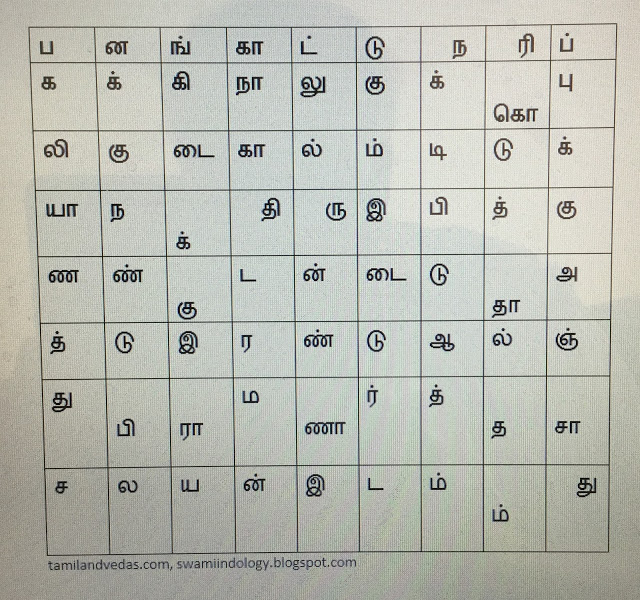
ஒரே சொல் மீண்டும் மீண்டும் வந்தால் ஓரிரு இடங்களில் மட்டுமே கட்டத்தில் இருக்கும். கொண்டு கூட்டி பொருள் கொள்க . விடை கீழே உள்ளது . சில நேரங்களில் படங்களைப் பார்த்தாலும் விடை காண உதவலாம்.

விடை

1.பனங்காட்டு நரி சலசலப்புக்கு அஞ்சாது

2.நரி கலியாணத்துக்கு நண்டு பிராமணார்த்தம்

3.நரிக்கு இடம் கொடுத்தால் கிடைக்கு இரண்டு ஆடு பிடிக்கும்

4.நரி நாலுகால் திருடன், இடையன் இரண்டுகால் திருடன்

Source book :–

பயன்படுத்திய நூல்- கழகப் பழமொழி அகர  வரிசை, கழக வெளியீடு

tags –நரி ,பழமொழிகள்

–subham–