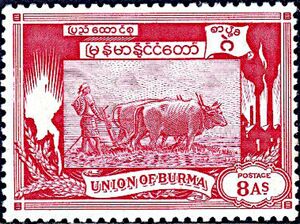
AGRICULTURE IN RIG VEDA; BOTANY AND MUSIC EFFECT – 2 (Post No.10,236)

WRITTEN BY LONDON SWAMINATHAN

Post No. 10,236

Date uploaded in London – 20 OCTOBER  2021         

Contact – swami_48@yahoo.com

Pictures are taken from various sources for spreading knowledge.

this is a non- commercial blog. Thanks for your great pictures.

tamilandvedas.com, swamiindology.blogspot.com

In the first part posted yesterday, I gave the full hymn on agriculture (RV 10-101). Let us take the first three mantras from it for discussion:

https://blogger.googleusercontent.com/img/a/AVvXsEhZ_phuIS4CeTMfHaiRJSKpQK_bkza6yVzhloxh6B9Zy3DWaDX_7C5pN8euTdIvEIW7QwBUsVzIAZKJJ_1c5VlNxt5o_rciy6HF7_qSz-_W1tyQ1W3W_twCtfR8ZJWzuETBmnlpm6pY4ZiT2zvE_nOZICw-6jcT4AjlCe45RGtM1WP2q5UMKVR8ZbT6KA=w588-h329

RIG VEDA 10-101

.1. WAKE with one mind, my friends, and kindle Agni, ye who are many and who dwell together.

     Agni and Dadhikras and Dawn the Goddess, you, Gods with Indra, I call down to help us.

2. Make pleasant hymns, spin out your songs and praises: build ye a ship equipped with oars for transport.

     Prepare the implements, make all things ready, and let the sacrifice, my friends, go forward.

3. Lay on the yokes, and fasten well the traces: formed is the furrow, sow the seed within it.

     Through song may we find bearing fraught with plenty: near to the ripened grain approach the sickle.

My Comments

This hymn is sung by a Rishi called Budha, Son of Soman . it is very interesting to see Budha, son of Soma, because this occurs in mythological stories in the Puranas and the Nava Graha Stuti/hymn.

Budha , planet Mercury, is praised as the Son of Moon in the later Sanskrit hymns. There is some science behind it. I have already explained in one of my articles about the scientific theories on the origin of moon. They are called Daughter Theory, Sister Theory, Friend theory etc. Now let us take the daughter or Son Theory. Moon was thrown out of earth when Mercury crashed on earth millions or billions of years ago.

The diameter of the moon is similar to the diameter of the Pacific ocean. So scientists believe that a big chunk of earth was thrown out of earth from the area of Pacific ocean. But scientists never said anything about Mercury dashing against the planet earth. But Hindus believe so. Hindus will be proved right in course of time. So Hindus may boast that they were scientists from the days of Rig Veda, when the fact is proved.

In the first mantra,  Rishi Budha calls his comrades to ‘wake up’ and do the job. Rig vedic rishis claim in many Mantras they always enjoy speaking in mysterious language, may be coded or symbolic language. So all the mantras can be explained in spiritual, philosophical, scientific, literal, symbolic ways. Here the rsihsi’s (Seer’s) call ‘Wake Up’ is similar to ‘Uththishta’ in Upanishad and Bhagavad Gita. Krishna wakes Arjuna in at least five places in the Bhagavad Gita with the word ‘Uththista’ (Arise).
Andal , the mystic Tamil woman, also says to her colleagues, ‘O Ladies What is this long sleep? Wake up’. Philosophers interpret it as a clarion call to the spirt (Atma) in the body. So Andal was not speaking about the ordinary sleep. In the same way we may interpret it as a clarion call to the Atma in every human being.

The word ‘Dadhikra’ in the first mantra is also mysterious. Brahmins do a mantra with this name  in their Sandhaya Vandhana thrice a day. It is interpreted as a ‘Special Horse of Indra’ or a’ Flying Horse’. One researcher interpreted as an Ostrich and showed ostrich eggs were discovered in ancient beds of India. Others interpreted as the one horn ‘Unicorn in Indus seals’ as Dahikran. It may be a flying horse. Even for Indus Valley researchers, Unicorn seal has been a mystery!

Xxx

Get ready with Ships!

The second mantra is also interesting which talks about ships or boats. He asks workers to get ready with the tools, equipment or implements. Like first mantra it asks Brahmins to get ready with Fire Sacrifice.

xxx

My comments

I think the rishi is addressing the sections of community:-

Brahmins ,Go forward with Agni/fire. It means do your daily fire rituals.

Business men, Go around the ocean and bring us treasures. Actually there is a Tamil saying ‘By Sailing the Oceans, Look for Treasures’.

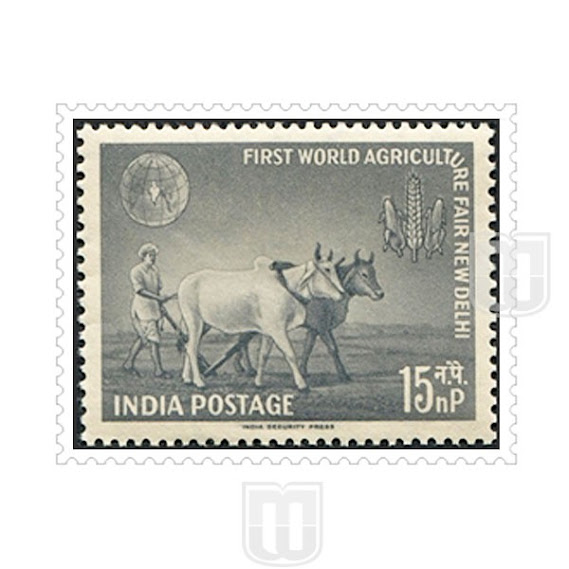
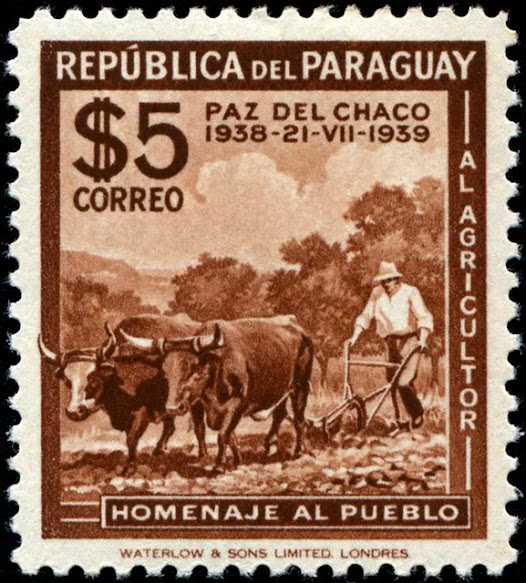
Then it addresses the agriculturists; get ready with your tools. From third mantra onwards it is purely agricultural.

There are two more points:-

It is a farmers song which is well featured in Tamil literature such Tamil epic Silappadikaram, Tamil Kavya Kamba Ramayanam. It is called Uzavar Odhai.

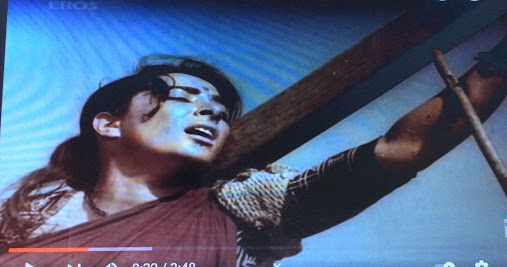
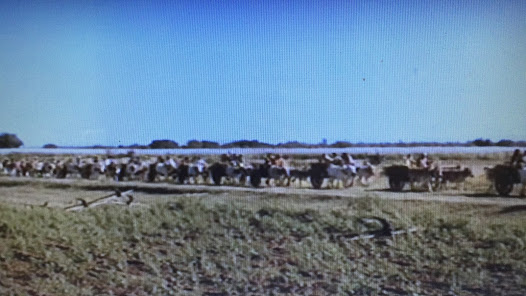
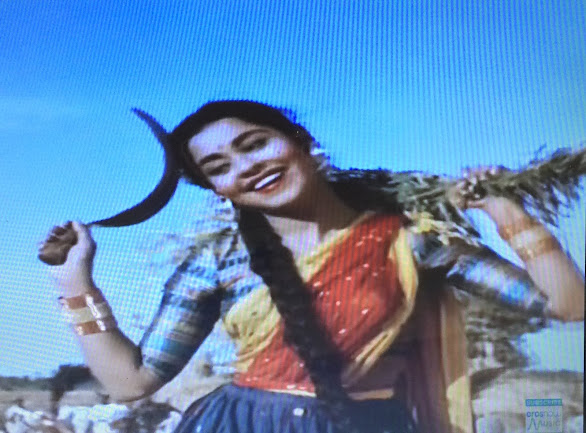
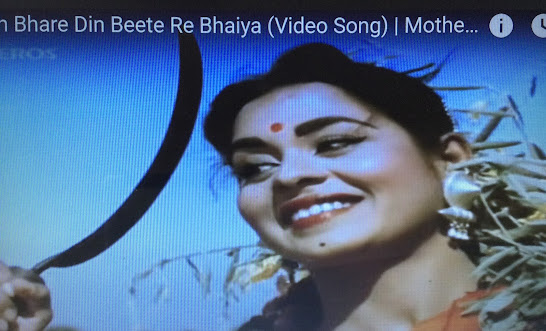
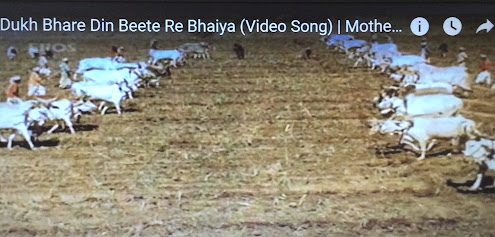
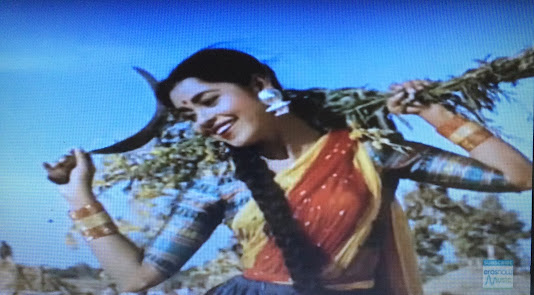
Readers who have seen the beautiful song in the Hindi film ‘Mother India’ would know what it is. Farmers sing songs while doing harvest or sowing in groups.

The second point is ‘Spin out Your Songs!’ Throughout the Rig Veda poetry is described with various similes. It shows they are culturally advanced. Here the poet says ‘Spin out your Songs’; in another hymn a poet says ‘ Fire Your Arrows of Songs/poems.

Another point is also worth mentioning here. The Poet’s name may be imaginary. In Tamil Sangam literature, at least 20 poets have some strange names! The names are crated with the expressions or cliché they used in their poems. We See Kaakai Padiniyar, the woman who sings Crows, They puri Pazankayranar , the poet Worn out Rope, Sempulap Peyar Neerar,the poet Red Earth Water Mixing etc. For this and for the arrangement of poems in Tamil anthologies Tamil compilers followed Rig Veda. They arranged the poems like Vyasa did with the four Vedas. Budhan, son of Soma/Moon, may also be an imaginary name because here he is saying something about Soma.

xxx
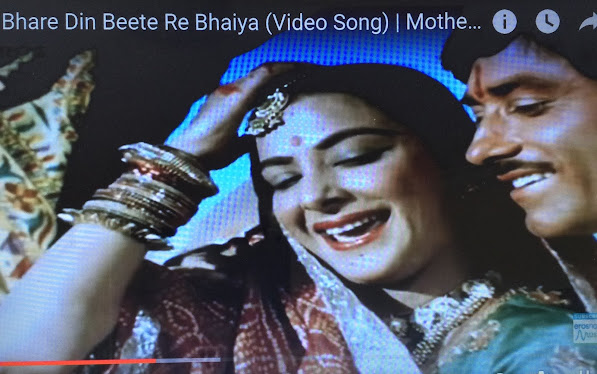
MUSIC HELPS PALNTS TO GROW RICHER

The third mantra is very important. It describes stages in farming from seeding to harvesting. More importantly it says ,

     ‘Through song may we find bearing fraught with plenty: near to the ripened grain approach the sickle’.

Songs increase Harvest. That is music helps plants to grow faster and healthier. Harvest is increased by songs. Another point emphasized here is It is a Farmers Song.

SCIENCE BEHIND SOMA PALANT

The name of the Rishi throws more light on the mysterious Soma plant. Soma is used in many senses, meanings in the Rig Veda. But the meaning of Soma, mostly, is Moon or Soma herb. In a passage in the Rig Veda Soma herb is called Number 15, i.e. Pancha Dasa Soma. Sayana explains the reason for it. The Soma plant grows like Moon for 15 days and then decreases  for 15 days in the dark half of month. Probably this is the reason to call Moon and the herb with the same name.

XXX

KRISHNA ON SOMA PLANTS

Now this quality of Soma plant is new to botanists . Hindus are the only community in the whole world who connects Moon and Plants. Soma is punned in Rig Veda to mean the mystery herb and Moon.

Lord Krishna also links Moon with plants; Soma Herb and the Moon; he also confirms the magical qualities of Moon and Soma herb.

In Bhagavad Gita  9-20 , Lord Krishna says,

“The knowers of the three Vedas who drink the Soma juice and are cleansed of sin , worshipping Me with sacrifices, pray for the way to heaven “.

In Bhagavad Gita  15-13 , Lord Krishna says,

“And entering the earth, I support all beings by My vital energy; and becoming the sapful soma/ moon , I nourish all herbs/plants”.
Here we come across some scientific matter yet to be confirmed by science.

1.Soma is not a narcotic or hallucinatory drug as claimed by the vicious, half baked Westerners. It is an elixir and tonic. It purifies one’s mind. Alcoholic drinks spoil one’s mind and body are known facts. But the juice of Soma is healthy. It is confirmed by Tamil Inscription Dalavaipuram Copper Plates of Parantaka Veera Narayanan, the Pandya king of Ninth Century CE. Here a person known as Kataka Somayaji of Somasikurichi is described as ‘Mano Sudha Soma yaji’, ‘one who was purified in mind’ by SomaYaga/ fire sacrifice. That person existed long before this Pandya king, says the inscription.

From this we know the belief of Tamils about the Soma herb. Kanchi Paramacharya also says that a person who has done Soma Yaga is given a White Umbrella, which is held only by Three Great Kings of Tamil Nadu (and in other parts of India, the emperors of Hindu India).

The second point is the link between the plants and the moon. It has been described throughout Sanskrit literature and  confirmed by the Rig Veda and the Bhagavad Gita. Modern botanists have never found or reported any link between the Moon and Plant growth. But Even Lord Krishna reports it in the Gita. Scientists will one day find such a ink and Hindus , then, can boast that we have already reported it in the Vedas.

In this context I would like to draw the attention of my readers to read Soviet scientist Ya Perelman’s book ‘Astronomy for Entertainment’. He says what would happen if earth had no moon. It is very interesting. Perhaps that may explain our theory about Moon and plants.

Now we know why Hindus named both the mysterious herb and Moon with the same word SOMA!

To be continued …………………………..
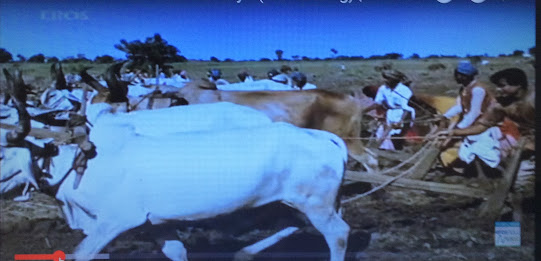
Mother India Film Song

tags- farmers song, Rig Veda, Soma, Panchadasa, Moon-plant link, Bhagavd Gita, Botany in Veda, Music plants link

உழவுக்கும் தொழிலுக்கும் வந்தனை-PART 2; ரிக் வேதத்தில் தாவரவியல் செய்திகள் (Post.10,235)

WRITTEN BY LONDON SWAMINATHAN

Post No. 10,235

Date uploaded in London – 20 OCTOBER  2021         

Contact – swami_48@yahoo.com

Pictures are taken from various sources for spreading knowledge.

this is a non- commercial blog. Thanks for your great pictures.

tamilandvedas.com, swamiindology.blogspot.com

ரிக் வேதத்தில் BOTANY தாவரவியல் செய்திகள்

ரிஷி புதன் என்பவன் சோமனுடைய புதல்வன்; அவன் விஸ்வே தேவர்களை நோக்கிப் பாடும் பாடல் ரிக் வேதத்தில் பத்தாவது மண்டல 101 (RV. 10-101) ஆவது துதியாக அமைந்துள்ளது. இது முழுக்க  முழுக்க வேளாண்மை AGRICULTURE  பற்றியது !

நவக்கிரகங்களில் ஒன்று புதன். அதை சந்திரனின் குமாரன் (MERCURY son of MOON)  என்று பிற்காலத்தில் எழுந்த  நவக்கிரஹ ஸ்தோத்திரம் புகழ்கிறது. அதற்கு ஆதாரம் இங்கே உளது. ஸோமனின் புதல்வன் புதன் (SON OF MOON) என்று.

இதில் பெரிய விஞ்ஞான உண்மையும் பொதிந்து கிடக்கிறது. அதாவது புதன் காரணமாக உருவானதே சந்திரன். அதாவது பூமியும் புதனும் மோதிய காலத்தில் துண்டாக உடைந்ததே சந்திரன். எதிர்காலத்தில் விண்வெளி ஆராய்ச்சியாளர்கள் இதைக் கண்டுபிடிப்பர் ; இந்துக்கள் ரிக் வேதத்திலேயே சொல்லிவிட்டார்கள்!!!

இன்னொரு அதிசயமும் இந்த துதியில் உளது. தாவர வளர்ச்சிக்கு சந்திரன் காரணம் என்பது இந்துக்களின் வாதம். ஆகவே உலகிலேயே மிக அற்புதமான மூலிகைக்கும் சோமன் (சந்திரன்) என்று இந்துக்கள் பெயர் கொடுத்தார்கள் ; ஏனெனில் நிலவு போல 15 நாள் வள ருமாம் ; நிலவு போல 15 நாள் தே யுமாம் ; சோம மூலிகைக்கு பஞ்சதஸ சோமம் (திருவாளர் 15, மிஸ்டர் 15) என்று ஏன் பெயர் ஏற்பட்டது என்று ரிக் வேத வியாக்கியானத்தில் சாயனர் இயம்புகிறார்  இங்கு ரிக் வேதத்திலும் விவசாயம் பற்றிய பாடலுக்கு ‘சோமனின் மகன் புதன்’ என்னும் ரிஷி என்கின்றனர். ஆகவே தாவரத்துக்கும் சந்திரனுக்கும் தொடர்பு உண்டு என்பதை ரிக் வேதமே சொல்லிவிட்டது. இதையும் இதுவரை விஞ்ஞானிகள் கண்டு பிடிக்கவில்லை. இனிமேல் கண்டு பிடிப்பார்கள் அப்போது இந்துக்கள் மார் தட்டிக்கொள்ளலாம் .

Botanical Science in Bhagavad Gita

பகவத் கீதையில் கண்ணனும் இந்த மாபெரும் விஞ்ஞான உண்மையை உறுதி செய்கிறார் .

சோம ரசம் பற்றி இரண்டு குறிப்புகள் பகவத் கீதையில் வருகிறது

கீதை 9-20; 15-13

“நான் ரஸ மயமான சந்திரனாக இருந்து கொண்டு எல்லா பயிர்களையும் போஷிக்கின்றேன் ; அதாவது சத்துள்ளவையாக வளர்க்கின்றேன் “-15-13

புஷ்ணாமி செளஷதீ : ஸர்வா : சோமோ பூத் வா ரசாத்மக: 15-13

இங்கு கிருஷ்ணர்  சந்திரனை சொல்கிறாரா அல்லது சோம மூலிகையைச் சொல்கிறாரா என்ற வினா எழும். ஆனால் பிற்கால நூல்களிலும் ‘சந்திரன் – தாவர  வளர்ச்சி’ பற்றியே உளது

ரிக் வேதத்திலேயே சோம என்ற சொல்லுக்கு அர்த்தம் சொல்ல உரைகார்கள் திணறுகிறார்கள். அந்தச் சொல்லை சந்திரனுக்கும் சோம ரசத்துக்கும் பொருள் தரும்படி சிலேடையாகவும் புலவர்கள் பாடுகிறார்கள் !!

“மூன்று வேதங்களையும் கற்றவர்கள் வேள்விகளால் என்னை பூஜித்து ஸோம பானத்தால் பாவம் தோய்ந்தவர்களாய் ஸ்வர்கம் செல்லுதலை வேண்டுகிறார்கள்” – 9-20

சோமபா: பூதபா : யக்ஞய் ரிஷ்ட்வா ஸ்வர்கதிம் ப்ரார்த்தயந்தே  9-20

Soma Herb in Tamil Inscription

சோமபானம் என்பது மனதை சுத்தப்படுத்தும் அரு மருந்து , டானிக் என்று தமிழ்க் கல்வெட்டும் பகர்கிறது.

பராந்தக வீரநாராயணன் என்ற பாண்டிய மன்னரின் 45 ஆவது ஆட்சி ஆண்டில் வெளியான (ஒன்பதாம் நூற்றாண்டு) தளவாய்புரம் செப்பேடுகள் சோம பான மனோ சுத்தராகிய காடக சோமயாஜிக்கு முன்னொரு காலத்தில் கழுதூரில் உயிர் நீத்த பாண்டியன் ஒருவன் சோமாசிக்குறிச்சி என்னும் ஊரை தானம் கொடுத்தது குறித்து பேசுகிறது. ஆக ஒன்பதாம் நூற்றாண்டுக்கு முன்னர் தமிழ் நாட்டில் சோம யாகம் நடந்ததும் அதற்காக அவருக்கு , அந்தப் பிராமணனுக்கு , சோமாசிக்குறிச்சி என்னும் ஊர் தானம் கொடுக்கப்பட்டதையும் அறிவதோடு ‘மனோ சுத்தர்’ ஆன அதிசயமும் தெரிகிறது. சோம பானம் குடித்தால் ஏற்படும் அற்புதங்கள் பற்றி ரிக்வேதத்தின் ஒன்பதாவது மண்டலம் முழுதும் காணக்கிடக்கிறது  .

சிந்து சமவெளி நாகரீகத்தை தோண்டி எடுத்த  மார்ஷல், மார்டிமர் வீலர், மகே போன்றோர் ஆரம்பத்திலேயே அதுபற்றி தவறான கருத்துக்களைக் சொல்லி திசை திருப்பிவிட்டதால் இன்று வரை அந்த எழுத்துக்களைப் படிக்கும் முயற்சிகள் வெற்றி பெறவில்லை. அது போலவே சோம பானம் குறித்து 150 ஆண்டுகளுக்கு முன்னரே வெள்ளைக்காரர்களும் , மார்க்சீய வாதிகளும் தவறான கருத்துக்களைப் பரப்பியதால் இன்று வரை அந்தத் தாவரத்தை அடையாளமும் காணமுடியவில்லை. அதற்கு இணையான பானத்தைத் தயாரிக்கவும் முடியவில்லை ; கள் , சாராயம் , மதுபானம் குடித்தால் மனம் அசுத்தம் அடையும் ; சோமபானம் குடித்தால் மனம் சுத்தம் அடையும் ; காஞ்சி பரமாசார்யார் செய்த ‘விஜய யாத்திரை’ என்ற நூலில் சோமபான யாகம் செ ய்தோருக்கு  அரசனைப் போல வெண்கொற்றக்கு டை முதலியன தருவது பற்றி எழுதியுள்ளார்.

xxxx

இனி ரிக் வேதம் 10-101 துதியைக் காண்போம்

Andal and Rig Veda

முதல் மந்திரம் 10-101-1

“நண்பர்களே ஒரு மனத்துடன் விழித்து எழுங்கள் !” என்று அழைக்கிறார் ரிஷி.

“இனித்தான் எழுந்திராய்  ஈதென்ன பேருறக்கம்” — என்று திருப்பாவையில் ஆண்டாள் தூங்கும் ஆன்மாக்களைத் தட்டி எழுப்புகிறார். உத்திஷ்ட = எழுந்திரு என்று பகவத் கீதையில் 5 இடங்களில் அர்ஜுனனைத் தட்டி எழுப்புகிறார் பகவான் .

பகவத் கீதை – உத்திஷ்ட – 2-3; 2-37; 2-69; 4-41; 1-33

ஆக ரிஷியின் முதல் மந்திரம் அக்நியை ஏற்றி வழிபட எல்லோரையும் அழைப்பதால்  இதை ஞானத் தேடலாகவும் நோக்கலாம் !

(ரிக் வேத மந்திரங்கள் பலதரப்பட்ட மக்களுக்கு பல்வேறு அர்த்தம் (MYSTICAL, ETHICAL, MORAL, SPIRITUAL, PHILOSOPHICAL, LITERAL, SCIENTIFIC ) கொடுக்கும் வகையில் சிலேடைப் பாங்கில் அமைந்துள்ளன; ஆகையால் இலக்கிய ரீதியில் மட்டும் அர்த்தம் காண்பது பொருந்தா ; சங்கராசார்யார் போன்ற பெரியோர் இதன் ஒலிக்கே (Magical Sound Effect)  பலன் உண்டு; பொருள் காணத் தேவையில்லை என்பர்.

XXXX

இரண்டாவது மந்திரம் 10-101-2

“இன்பம் ஊட்டும் பாடல்களை இயற்றுங்கள் துணி நெய்பவனைப் போல பாடல்களை நூற்றுத் தையுங்கள் .

துடுப்புகளை கையில் எடுங்கள் ; கப்பல்களை/ படகுகளை விடுங்கள்

உபகரணங்களை, கருவிகளை (உழு படைகளை) ஆயத்தப் படுத்துங்கள்; அக்கினியை முன்னெடுத்துச் செல்லுங்கள் “.

இதில் பல்வேறு தொழிலில் உள்ளோருக்கு ரிஷி அறைகூவல் விடுப்பது போலத் தோன்றுகிறது

“பிராமணர்களே ; யாகம், யக்ஞம் செய்யுங்கள்;

வணிகர்களே , திரைகடல் ஒடித் திரவியம் ஈட்டுங்கள் ;

உழவர்களே , உழுவதற்குப் புறப்படுங்கள்!”

XXX

மூன்றாவது மந்திரம்

ஏர்களை இணையுங்கள் ; நுகத்தைப் பூட்டுங்கள் ; உழுத நிலத்திலே விதைகளைத் தூவுங்கள்  எங்கள் பாட்டுக்களால் அறுவடை பெருகட்டும் ; முதிர்ந்த  தானியத்திடையே அரிவாள் செல்க”.

எனது உரை

இதுவரையுள்ள மூன்று பாடல்களில் மிக முக்கியமான கருத்துக்கள் உள்ளன :

1. இது உழவர் ஓதை ; அதாவது உழவர்கள் உழும்போது , அறுவடை செய்யும்போது பாடும் பாடல்கள். மதர்  இந்தியா Mother India, Hindi Film போன்ற இந்தி சினிமாக்களைப் பார்த்தோருக்கு இத்தகைய பாடல்கள் புரியும் ஆக ரிக் வேத காலத்திலே யே உழவர் ஒதை Farmers Songs தோன்றிவிட்டது.

2. விவசாயத்தின் ஒவ்வொரு கட்டத்தையும் எடுத்துரைக்கிறது; உழுதல், வரப்பு கட்டுதல், விதை விதைத்தல், அறுவடை செய்தல் ……

Musical Effect on Plants

3.பாடல்கள் மூலம் அறுவடை பெருகும் என்பது இசைக்குள்ள சக்தியைக் காட்டுகிறது

இந்தத் துறையில் இந்துக்களை மிஞ்ச எவராலும் முடியாது . அமிர்தவர்ஷனி ராகத்தின் முலம் முத்துசாமி தீட்சிதர் மழை பெய்வித்தார்; தான்சேன், , ராகத்தின் மூலம் அக்கினியை உண்டாக்கினார்; ஆதி சங்கரர் கனக தாரா தோத்திரம் மூலம் தங்க மழை பொழியச்  செய்தார். ரிக் வேத விவசாயிகள் ‘பாடல்கள் மூலம் அறுவைடையை பெருக்கினர்’ என்பது மூன்றாவது மந்திரத்தில் தெரிகிறது .

4. பெயர் தெரியாத காரணத்தாலோ, அல்லது அவர்கள் பயன்படுத்திய முக்கிய, புகழ்பெற்ற

 சொற்றொடர்களாலோ  (Cliché) புலவர்களுக்குப் பெயரிடும் மரபு ரிக் வேதத்தில் வருகிறது. அதற்கு எடுத்துக் காட்டு இந்தக் கவிதை; ‘சோமன் மகன் புதன்’ என்ற புராணக்கதையை இங்கே புலவர் பெயர்களாகத் தந்துள்ளனர்.

Sangam Age Tamils Copied Rig Veda

ரிக் வேதத்தைத் தொகுத்து நமக்கு அளித்த வியாசர் என்ன என்ன செய்தாரோ, அதை அப்படியே சங்க நூல்களை தொகுத்தோரும் செய்தனர். ரிக் வேத வியாசருக்கு பல ஆயிரம் ஆண்டுகளுக்குக்குப் பின்னர்!

தேய் புரிப்  பழங்கயிற்றனார் , செம்புலப் பெயல் நீற்றனார் , காக்கை பாடினியார் என்றெல்லாம் காரணப் பெயர்கள், ரிக் வேதத்தை அடி ஒற்றி எழுந்தனவே. இது போல தமிழிலும் ரிக் வேதத்திலும் சுமார் இருபது பெயர்கள் உண்டு.

புற நானூற்றுப் புலவர் பாடல்களைத் தொகுத்தோர் செய்த, அகநானூற்றுப் பாடல்களைத் தொகுத்தோர் செய்த, அற்புதங்களை எல்லாம் முன்னரே பட்டியலிட்டு விட்டேன். எண்கள் வாரியாக அகத்திணைப் பாடல்களை அமைத்தல், இரங்கற் பாடல்களை ஒருசேரத் தொகுத்தல், வெள்ளி கிரகம் பற்றிய பாடல்களை அடுத்தடுத்து வைத்தல், மிகப் பழங்காலப்  பாடல்களை முன்னே வைத்தல், முதலிய பல விஷயங்களைக் கண்டோம். இது வியாசர் பின்பற்றிய முறை. மரணம், ஈமச் சடங்குகள், கல்யாணம், கிரஹப் பிரவேசம், உழவர் ஓதை முதலியவற்றை பத்தாவது மண்டலத்தில் வைத்தார் வியாசர். இதை அறியாத மாக்ஸ்முல்லர் கும்பல், அசிங்கப்பட்ட மார்க்ஸீயக் கும்பல், இவை எல்லாம் கடைசி காலப் பாடல்கள் என்று உளறிக்கொட்டி கிளறி மூடி இருக்கின்றனர்.

இந்தப் பயல்கள் தமிழ் இலக்கியத்தையும் விடவில்லை. கலித்தொகை, திருமுருகாற்றுப்படை, பரிபாடல் முதலியன பிற்கலத்தியவவை என்று எழுதிவிட்டனர். இவர்களுக்குப் புரியாத விஷயம் என்ன தெரியுமா?

 நமது இந்துப்பவர்கள் , சில சில விஷயங்களை சொல்லும்போது,  சில பாணியை, ஒரு ஸ்டைலைப் (certain genre, particular style) பின்பற்றுவர். இதற்கு சிறந்த எடுத்துக் காட்டு இந்திய கல்வெட்டுகள். அவற்றின் பாஷை, பேச்சு நடையிலும் அதே கால புலவர் பாடல்கள் இலக்கிய நடையிலும் இருக்கும். இது தெரியாத அசட்டுப் பிச்சுக்கள் உளறிக்கொட்டி வைத்துள்ளன.

அதுகளைக் கேளுங்கள்:

ஏண்டா மண்டு ! தமிழ்க் கல்வெட்டு ‘கொச முச’ நடையில் இருக்கும்போது எப்படியடா அற்புதமான இலக்கிய நடைப் பாடல்கள் எழுந்தன? என்று .

இரண்டும் ஒரே காலத்தில் இயங்க முடியும். ஒன்று பேச்சு நடை; மற்றது இலக்கிய நடை !

மூன்றாவது பகுதியில் மேலும்பல அதிசய விஷயங்களை திருக்குறளுடன் ஒப்பிட்டுக் காண்போம் –தொடரும் TO BE CONTINUED…………………………..

tags- ரிக் வேத,  தாவரவியல், செய்திகள், உழவுக்கும் தொழிலுக்கும் 2

பகவத்கீதை சொற்கள் Index 6 ; கீதை மூலம் சம்ஸ்க்ருதம் கற்போம்! (Post N0.10,234)

SMALLEST BHAGAVAD GITA BOOK

WRITTEN BY LONDON SWAMINATHAN

Post No. 10,234

Date uploaded in London – 20 OCTOBER  2021         

Contact – swami_48@yahoo.com

Pictures are taken from various sources for spreading knowledge.

this is a non- commercial blog. Thanks for your great pictures.

tamilandvedas.com, swamiindology.blogspot.com

part six

ஒரே சொல் பல இடங்களில் வந்திருந்தாலும் ஒரு இடம் அல்லது சில இடங்களே இங்கே கொடுக்கப்பட்டுள்ளன. முதல் எண்  பகவத் கீதையின் அத்தியாய எண் ; இரண்டாவது எண் ஸ்லோக எண்

XXXXX

அத்யேஷ்யதே 18-70 கற்றுக்கொள்வான் , பாராயணம் செய்கிறானோ

அத்ருவம் 17-18 தற்காலிகமான , நீடித்து நில்லாதது

அநக – 3-3 அர்ஜுனன்; குற்றம் குறையற்றவன்

அனந்த 11-37  கிருஷ்ணன் ; அளவில்லாத, எல்லையற்ற, முடிவிலா

அனந்தபாஹும் 11-19 பல கைகள் உள்ளவன்

அனந்தம் – 11-11 முடிவில்லாத

அனந்தரம் 12-12 உடனே

அனந்த ரூப 11-38 எல்லையில்லா உருவுடையோனே

அனந்த விஜயம் 1-16 யுதிஷ்டிரன் கையிலிருந்த சங்கின் பெயர்

அனந்த வீர்ய 11-19 அளவற்ற சக்தி உடையவன்

அனந்த : 10-29 பாம்புகளின் தலைவன்; 5 தலை உடையோன்

அனந்தா: 2-41 (அ னந்தாஹா )- கணக்கற்ற

அனன்ய சேதா: 8-14 வேறொன்றில் மனத்தை வைக்காத

அனன்ய பாக் 9-30 வேறொரு நாட்டமில்லாத பக்தி

அனன்ய மனச: 9-13 ஒரே மனதுடன் ; அசைவற்ற மனதுடன்

அனன்யயா 8-22 வேறு ஒன்றிலும் நாட்டமில்லாத

அனன்யேன  12-6 ஒரே மனதுடன்

அனன்ய யோகேன 13-10 வேறொன்றைக் கருதாத யோகத்தால்

அனன்யா: 9-22 வேறு ஒன்றிலும் நாட்டமில்லாத

அனபேக்ஷ : 12-16 ஆசையற்ற

அனபேக்ஷ் ய 18-25 யோசிக்காமல்

அனபிஸ்வங்க: 13-9 அபிமானமின்மை, பற்றுதலற்ற

அநபிஸந்தாய 17-25 கருதாது

அனபிஸ்நேஹ:2-57 பற்றில்லாதவனாய்

அனயோ: (அனயோஹோ) 2-16 இவைகளுள்

அனல: 7-4 தீ , அனல்

அனலே ன -3-39 தீயினால்

27 words added to Gita Word Index through the above PART SIX .

To be continued…………………………………….

TAGS – GITA WORD INDEX 6

ஸ்ரீ அப்பைய தீட்சிதர்  – 2 (Post No.10,233)

WRITTEN BY S NAGARAJAN

Post No. 10,233

Date uploaded in London – 20 OCTOBER  2021         

Contact – swami_48@yahoo.com

Pictures are taken from various sources for spreading knowledge;

this is a non- commercial blog. Thanks for your great pictures.

tamilandvedas.com, swamiindology.blogspot.com

ஸ்ரீ அப்பைய தீட்சிதர்  – 2

    தீட்சிதரைக் கொலை செய்ய அரண்மனையிலேயே ஒரு முறை சதி ஒன்று அரங்கேறியது. மன்னரின் சேனாதிபதி அவரை மன்னர் அழைத்தார் என்று கூறி நடுநிசியில் வரவழைத்தார். வழியில் அவரைக் கொல்ல வாள்களுடன் பல வீரர்களையும் அவரே அனுப்பி வைத்தார். சதியை ஒரு க்ஷணத்தில் புரிந்து கொண்ட தீக்ஷிதர் மார்க்கசகாயனான சிவபிரானைப் பிரார்த்தித்த வண்ணம் நடக்கலானார். உடனே வீரர்கள் செயலற்றுக் கற்சிலை போல அப்படியே நின்றனர். காலையில் நடந்ததை அனைவரும் உணர்ந்து அவரது மஹிமையை இன்னும் அதிகம் உணர்ந்தனர்.

     ஆனாலும் அரசவை பண்டிதரான தாதாசாரியாரின் வன்மம் தீரவில்லை. கடைசி முயற்சியாக அவர் காட்டு வழியில் தீக்ஷிதர் பல்லக்கில் சென்று கொண்டிருக்கும் போது தன் ஆட்களை ஏவி தீக்ஷிதரைத் தாக்கினார். நிலைமையை உணர்ந்த தீக்ஷிதர் எட்டு ஸ்லோகங்கள் அடங்கிய நிக்ரஹாஷ்டகம் என்ற துதியைப் பாட, தாக்க வந்த முரடர்கள் மூர்ச்சையுற்றுக் கீழே விழுந்தனர். கருணை உள்ளம் கொண்ட தீக்ஷிதர் அவர்களை மயக்கம் தெளிவித்து எழுப்பச் செய்தார். அவர்களுள் தாதாசாரியாரும் இருந்தார். அவர் மனம் மாறி மன்னிப்புக் கேட்க தீக்ஷிதரும் அவரை உடனே மன்னித்தார்.

   பயணத்தின் போது பயணம் சுகமாக நடந்தேற அவர் இயற்றிய  மார்கபந்து ஸ்தோத்திரத்தை அனைவரும் சொல்லிக் கொண்டே பயணத்தைச் செய்வது இன்றும் உள்ள ஒரு பழக்கமாகும்.

   சென்னையில் அவர் வந்து சில காலம் தங்கி இருந்தார். அவர் தங்கி இருந்த இடம் வேத ஸ்ரேணி. இப்போது அது பெயர் மருவி வேளச்சேரி ஆகி விட்டது. அங்கு கருணாம்பிகை சமேத தண்டீஸ்வரர் ஆலயத்தின் அருகே ஒரு குளத்தை வெட்டினார். அங்கு அம்மனின் காலடியில் ஸ்ரீசக்ரத்தையும் ஸ்தாபித்தார். அவர் அமைத்த குளம் அப்ளாங்குளம் என்று பெயர் மருவி இன்று ஐ ஐ டி காம்ப்ளெக்ஸில் உள்ளது. திருவான்மியூர் சென்று ஈஸ்வரனை அவர் தரிசிக்கச் சென்ற போது அவருக்காக ஈஸ்வரன் மேற்காகத் திரும்பினார் என்ற ஒரு வரலாறும் உண்டு.

    ஒரு முறை அவர் வயிற்றுவலியால் துடிதுடித்துக் கொண்டிருந்தார். அப்போது மன்னர் அவரிடம் பேச வந்தார். அவரது நிலையைக் கண்ட மன்னர் செய்வதறியாது திகைத்த போது அருகிலிருந்த துண்டில் தன் வலியை அவர் ஏற்றினார். துண்டு மேலும் கீழுமாகத் துடிதுடிக்க ஆரம்பித்தது. வியப்புடன் இதைக் கவனித்த அரசர் அப்பைய தீக்ஷிதர் தனது வலியிலான துடிதுடிப்பைத் துண்டின் மீது ஏற்றி இருப்பதை அறிந்து கொண்டார். பேச்சு முடிந்தவுடன் துண்டிலிருந்த வலியைத் தன் உடலில் ஏற்றுக் கொண்டு வலியினால் துடிதுடிக்க ஆரம்பித்தார் அவர்.

இதைக் கண்ணுற்று வியப்படைந்த அரசர், ‘இவ்வளவு வல்லமை கொண்ட நீங்கள் இந்த வலியை அறவே அகற்றி விடலாமே’ என்றார்.

“அப்படியில்லை, கர்மாவை ஒருவர் அனுபவித்தே ஆக வேண்டும்’ என்று கூறி கர்ம பலன்களைக் கழிக்க வேண்டிய அவசியத்தை அரசருக்கு உணர்த்தினார் அவர்.

   கர்ம யோகம், பக்தி யோகம், ஞான யோகம் ஆகிய மூன்று யோகங்களிலும் தேர்ந்த அவர் அதை அனுஷ்டானத்திலும் காட்டி வந்தார். அதே போல அத்வைதம், விசிஷ்டாத்வைதம், த்வைதம் ஆகிய மூன்று நெறிகளும் உண்மையே என்று கூறியதுடன் சிறிது கூட த்வேஷம் இன்றி அனைவரையும் சமமாகப் பாவித்து வாழ்ந்து வந்தார் அவர்.

    சிவபிரானை அல்லும் பகலும் அனவரதமும் துதித்து வந்த அவருக்குத் தன் பக்தி உண்மையில் சரியாக இருக்கிறதா என்ற சந்தேகம் ஒரு முறை தோன்றியது. ‘சாகும் காலத்தில் உண்டாகும் வேதனைகளால் அறிவு கலங்கி விடும். அப்போது என் சிந்தனையாகிய வண்டு, சிவனடி தியானத் தேனில் நிலைக்குமோ? நோய், கவலை, கலக்கம் முதலியவற்றால் இளைக்குமோ?’ என்று அவருக்கு இப்படி சந்தேகம் வரவே தனது சிஷ்யர்களை அழைத்தார்.


   ‘நான் ஊமத்தங்காயைத் தின்னப் போகிறேன். அதனால் அறிவு கலங்கிப் பிதற்றுவேன். அது தெளிவும் வரையில் நான் சொல்பவை, செய்பவை எல்லாவற்றையும் அப்படியே எழுதி வையுங்கள்’ என்று கூறி விட்டு ஊமத்தங்காயைத் தின்றார். பித்தம் உண்டாகி பிதற்ற ஆரம்பித்தார். நேரம் சென்றது. மாற்று மருந்தால் தெளிவு பெற்றார். தனது சீடர்களான மாணவர்கள் எழுதி வைத்த தனது பிதற்றல்களை வாங்கிப் பார்த்தார். அத்தனையும் ஆத்மார்ப்பண ஸ்துதி ஸ்லோகங்களாகவே அமைந்திருந்தன. இதுவே உன்மத்த பிரலாபம் என்ற அற்புதமான நூலாகும். இதில் ஐம்பது ஸ்லோகங்கள் உள்ளன.

    மிகச் சிறந்த பண்டிதரான அவர் 104 அபூர்வமான நூல்களை இயற்றியுள்ளார். அவற்றில் அறுபதுக்கும் மேற்பட்ட நூல்கள் இன்றும் புழக்கத்தில் உள்ளன.

    அவர் மஹாவிஷ்ணுவிடம் தனக்குள்ள பக்தியைக் காண்பிக்கும் வண்ணம் வரதராஜ ஸ்தவம் என்ற நூலை இயற்றினார். அவரது அபீதகுசாம்பாள் ஸ்தோத்திரம் அவருக்கு தேவியிடம் உள்ள பக்தியைக் காண்பிக்கிறது. சூரியனிடம் உள்ள பக்தியினால் ஆதித்ய ஸ்தோத்ர ரத்தினத்தை அவர் இயற்றினார்.

    ஆதிசங்கர பகவத்பாதாளின் பிரம்மசூத்ர பாஷ்யத்திற்கு வாசஸ்பதி மிஸ்ரர் என்பவர் இயற்றிய பாமதி என்ற உரை மிகவும் போற்றப்படும் ஒரு உரையாகும். அதற்கு அமலானந்தர் என்பவர் கல்பதரு என்ற சற்று கடினமான ஒரு உரையை எழுதியுள்ளார். இந்த கல்பதருவை அனைவரும் புரிந்துக் கொள்ளும் வகையில் எளிதாக்கி அப்பைய தீக்ஷிதர் பரிமளம் என்ற ஒரு உரையை எழுதினார். இது மிகவும் பிரசித்தி பெற்ற நூலாகும்.

to be continued………………………………………………..

tags- அப்பைய தீட்சிதர் – 2

உழவுக்கும் தொழிலுக்கும் வந்தனை செய்வோம்- ரிக்வேதம், பாரதி,வள்ளுவர் ஒற்றுமை -1 (10,232)

WRITTEN BY LONDON SWAMINATHAN

Post No. 10,232

Date uploaded in London – 19 OCTOBER  2021         

Contact – swami_48@yahoo.com

Pictures are taken from various sources for spreading knowledge.

this is a non- commercial blog. Thanks for your great pictures.

tamilandvedas.com, swamiindology.blogspot.com

உழவுக்கும் தொழிலுக்கும் வந்தனை செய்வோம்- ரிக்வேதம், பாரதி,வள்ளுவர் ஒற்றுமை -1 (10,232)

ரிக் வேதத்தில் உழவு, விவசாயம், வேளாண்மை பற்றிய ஏராளமான குறிப்புகளும் பாடல்களும் உள்ளன ; வேத கால இந்துக்களை நாடோடிகள் என்று சொன்ன மாக்ஸ் முல்லர் கும்பலுக்கும் மார்க்சீய கும்பலுக்கும் மிதியடி , செமை அடி , தடியடி கொடுக்கும் பாசுரங்கள் இவை. ரிக்வேதப் புலவன் செப்பியதை பாரதியும் வள்ளுவனும் பிற்காலத்தில் எதிரொலித்தத்தைக் காண்போம்.

ரிக்வேத ஸம்ஸ்க்ருதப் பாடல்கள், அவற்றின் ஆங்கில மொழிபெயர்ப்பு ஆகிய அனைத்தும் விக்கிபீடியா முதலிய வெப் சைட்டுகளில் அனைவர்க்கும் இலவசமாகக் கிடைக்கும். ஆயினும் புத்தகங்களில் படிக்கும்போதுதான், அவர்கள் எழுதிய அடிக்குறிப்புகள் அவர்களுடைய உள் நோக்கத்தை அம்பலப்படுத்திவிடுகிறது  .

வேத கால இந்துக்களுக்கு  ‘ஆரியர்கள்’ என்று ஒரு இன முத்திரை குத்தி, ‘தஸ்யூக்கள் தாஸர்’களுக்கு திராவிட அல்லது பூர்வ குடி முத்திரை குத்தி இந்தியாவை பிளவுபடுத்தியது மார்கசீய, மாக்ஸ் முல்லர் கும்பல்கள் . வேத கால இந்துக்களுக்கு விவசாயம் தெரியாது, அவர்கள் ஆடு மாடு மேய்த்த நாடோடிக் கும்பல் என்றும் முத்திரை குத்தி அயோக்கியத்தனம் செய்தது இந்தக் கும்பல்.

இவர்களை எல்லாம் தவிடு பொடி ஆக்க, சொற்தேரின் சாரதியாம்  பாரதி, எல்லா இடங்களிலும் பாரத நாட்டை ஆரிய நாடு என்று பாராட்டி, முடிந்த இடங்களில் எல்லாம் ஆரிய என்பதை உண்மைப் பொருளில் பயன்படுத்தினார். ஆரிய என்றால் ‘படித்தவன்’, ‘பண்பாடு மிக்கவன்’, ‘உயர்ந்தவன்’, ‘உன்னதமானவன்’ என்ற பொருளில் பாடல்களில் இயன்ற மட்டும் பயின்றான் பாரதி.

மற்றோரு பாடலில் ‘உழவுக்கும் தொழிலுக்கும் வந்தனை செய்வோம்; வீணில் உண்டு களித்திருப்போரை நிந்தனை செய்வோம்’ என்றான். இது ரிக் வேதக் கருத்தாகும் . ரிக் வேதத்தின் பத்து மண்டலங்களிலும் பரவிக்கிடக்கிறது உழவு பற்றிய குறிப்புகள். இதனால் எந்த அரை  வேக்காடும் இது பிற்கால வேதப் பகுதி என்று பிதற்றும் வாய்ப்பும் தவிடு பொடி !

ரிக்வேதத்தின் மிகப்பழைய பகுதி என்று கருதப்படும் நாலாவது மண்டலத்தில் உள்ள விவசாயப் பாட்டு , அக்காலத்தில் நிலச் சுவான்தார்கள்,  அவர்களுக்குக் கீழே விவசாயத் தொழிலாளர்கள் இருந்ததையும் காட்டுகிறது என்கிறார் பகவான் சிங். அவர் வேதகால ஹரப்பன்கள் THE VEDIC HARAPPANS BY BHAGAWAN SINGH என்ற விரிவான ஆதாரபூர்வமான நூல் எழுதி சிந்துவெளி நாகரீகம் வேத கால நாகரீகமே என்று நிரூபிக்கிறார். அனைவரும் படிக்க வேண்டிய நூல் அது. அவர் 55 விவசாய சொற்களை ரிக் வேத துதிகளின் எண்களுடன் கொடுத்துள்ளார். அதில் பல தமிழ் சொற்கள் !

XXX

ஒன்பதாவது மண்டலத்தில் (RV.9-112-3)ஒரு புலவர்,

“நான் ஒரு புலவன்; என் அப்பா ஒரு டாக்டர்; என் அம்மா ஒரு மாவாட்டி” என்கிறார். அந்தப் பெண்மணி சோள மாவு அரைக்கிறார். ஆக ஒரே குடும்பத்தில் பல தொழில் புரிவோர் இருந்தனர்.

வேதம் முழுதும் ‘ஹவிஸ்’ என்னும் சோற்று உருண்டை நெய்யுடன் தீயில் ஆகுதி கொடுக்கப்பட்டது. இது நெல் விளைச்சல் பற்றியது. ‘யவ’ என்பது வேதம் முழுதும் வருகிறது. இது பார்லியை மட்டும் குறிப்பதல்ல. எல்லா தானியத்துக்கும் பொதுவானது என்று வெள்ளைக்காரப்பயலே ஒப்புக் கொண்டுள்ளான். இன்று நாம் பயன்படுத்தும் ‘தானியம்’ , ‘களம்’ முதலியன அப்படியே ரிக் வேதத்தில் உள்ளது!

சிலப்பதிகாரத்திலும், கம்ப ராமாயணத்திலும் வரும் ‘உழவர் ஓதை’ (FARMERS SONGS) என்பது ரிக் வேதத்தில் உள்ளது. மாணிக்க வாசகர் முதலிய அடியார்கள் தானியத்தைக் குத்தும்போது பாடும் ‘உலக்கைப் பாட்டு’ முதலியவற்றை நமக்கு அளிக்கின்றனர். முக்கூடற்பள்ளு போன்ற பாடல்களில் நாம் நெல் வகைகள் மற்றும் உழவர் பாட்டுக்களைப் பாடுகிறோம். பல்லவியுடன் அமைந்த பாடல்களும் உழவர் பாடல்களாக ரிக் வேதத்தில் உள்ளன. உலக மஹா ஜீனியஸ், பேரறிஞன் வியாசர் தொகுத்ததில் நமக்குக் கிடைத்த பாடல்களிலேயே இவ்வளவு விஷயங்கள்; கிடைக்காமற் போன வேத ‘சாகை’களோ ஆயிரம் !

சீதா தேவி

சீதா என்று நாம் வணங்கும் சீதா தேவியே ‘வரப்பு’ தெய்வம். அவளை ஜனக மஹா மன்னன் பீஹார் மாநிலத்தில் வயல் வரப்பில் கண்டு எடுத்ததால் அவள் பெயர் சீதா. அவள் மட்டுமின்றி நான் இன்று பிரஸ்தாபிக்கப்போகும் அற்புதமான விவசாயப் பாடலில் சு’னா’, ‘சீரா’ என்ற தேவிமார்களும் வருகின்றனர். இவர்கள் எல்லாம் விவசாய சொற்களை கடவுள் ஆக்கிய உருவகம்(PERSONIFICATION) என்பர் வெளிநாட்டார். ஆனால் உலகில் விவசாயப் பாட்டே வேறு எந்த பழைய நாகரீகத்திலும் கிடையாது.

நமக்கு சில ஆயிரம் ஆண்டுகளுக்குப் பின்னர் வந்த கிரேக்க மொழியில் பல விவசாய, தாவர தேவதைகள் உள்ளன. கிரேக்க மொழிக்குப் பின்னர் ஆயிரம் ஆண்டுகளுக்குப் பின்னர் வந்த திருக்குறளில் பத்து குறள்கள் விவசாயம் பற்றி உள்ளது.

ருது என்ற பருவம் ஆறு வகை என்ற குறிப்பும் ரிக் வேதத்தில் காணக்கிடக்கிறது. இதைத் தமிழர்கள் அப்படியே எடுத்துக்கொண்டு பருவங்களை ஆறு என்று வகுத்தனர். ரிக் வேத இந்துக்கள் பருவங்களை ஆறாகப் பிரித்து அவை பற்றியும் மழை  பற்றியும் விரிவாகப்  பாடுவது அந்த சமுதாயத்தின் பிரதானத் தொழில் விவசாயம் என்பதைக் காட்டுகிறது.

கட்டுரையின் இரண்டாவது பகுதியில் இரண்டு ரிக் வேத விவசாயப் பாடல்களை ( RV.4-57  & RV 10-101) திருக்குறளின் உளவு பற்றிய பாடல்களுடன் ஒப்பிட்டு ஆராய்வோம்.

TO BE CONTINUED……………………….

tags– உழவுக்கும் தொழிலுக்கும், , ரிக்வேதம், பாரதி,வள்ளுவர், விவசாயம், உழவு

AGRICULTURE IN THE RIG VEDA- MAX MULLER & MARXIST GANGS TORN TO PIECES!- 1(10,231)

WRITTEN BY LONDON SWAMINATHAN

Post No. 10,231

Date uploaded in London – 19 OCTOBER  2021         

Contact – swami_48@yahoo.com

Pictures are taken from various sources for spreading knowledge.

this is a non- commercial blog. Thanks for your great pictures.

tamilandvedas.com, swamiindology.blogspot.com

There is a beautiful poem (RV.10-101) about farming in the Rig Veda. There are several references to agricultural implements in the Vedic Hymns. They are found throughout the Rig Veda; so no half baked fellow could say this is in the latest Vedic stage. Not only that, the grains such as paddy ,wheat and barley are mentioned in the Rig Veda.

In the Havis that was offered to the gods in the fire we see this occurring again and again. Even the foreigners with jaundice eyes said that Yava did not mean barley alone in all the places, but the term was used for ‘grains’.

Above all these things, one poet calls his comrades ‘Come on :Let us go to the fields and plough the lands’. A few thousand years after this Rig Vedic poet, Tamil poet Tiru Valluvar composed 10 couplets on Farming echoing the Rig Vedic poet. Bharati ,the greatest of the modern Tamil poets also sang,

‘Let us salute farming and industry and

Let us insult the people who indulge and waste time.’

Xxx

The Vedic Hindus were primarily agriculturists . In one and the same family we see a doctor, grinder of corns and a poet!

‘I am a poet, my daddy is a doctor and my mother a labourer who grinds corn’ (RV 9-112-3)

“3. A bard am I, my dad’s a leech (doctor), mammy lays corn upon the stones.

     Striving for wealth, with varied plans, we follow our desires like kine. Flow, Indu, flow for Indra’s sake.” (RV 9-112-3)

It was sung by a poet named Sisu Angiras.

This poem has a refrain, ‘Flow Indu, Flow for Indra’s sake’

This is called ‘Farmers song’, a genre followed throughout India by the farmers. Ancient Tamil literature also described this as Uzavar Othai (farmers song).

Xxx

Bhagawan Singh in his book ‘The Vedic Harappans’, listed over 55 agricultural terms from the Rig Veda itself.

He has shown that there were Landlords during Vedic Times who employed agricultural labourers.

AGRICULTURE LABOURERS

Page 137

“In the Rigveda  4-57 , we  find a very titillating description of plough operation. More than that it suggests that in a number of cases the owners of the plots did not till the land themselves, but engaged labourers to do the job:-

RV 4-57

1. WE through the Master of the Field, even as through a friend, obtain     What nourishes our cattle and steeds. In such may he be good to us.

2. As the cow yields milk, pour for us freely, Lord of the Field, the wave that bears sweetness,     Distilling mead, well-purified like butter, and let the. Lords of holy Law be gracious.

3. Sweet be the plants for us. the heavens, the waters, and full of sweets for us be air’s mid-region.      May the Field’s Lord for us be full of sweetness, and may we follow after him uninjured.

4. Happily work our steers and men, may the plough furrow happily.

  Happily be the traces bound; happily may he ply the goad.

5. Suna and Sira, welcome ye this laud, and with the milk which ye have made in heaven      Bedew ye both this earth of ours.

6. Auspicious Sita, come thou near: we venerate and worship thee

  That thou mayst bless and prosper us and bring us fruits abundantly.

7. May Indra press the furrow down, may Pusan guide its course aright.      May she, as rich in milk, be drained for us through each succeeding year.

8. Happily let the shares turn up the ploughland, happily go the ploughers with the oxen.      With meath and milk Parjanya make us happy. Grant us prosperity, Suna and Sira.

XXX

My Comments

Fourth Mandala of the Rig Veda where this hymn occurs is considered one of the earliest part of the Veda. Rishi Vamadeva Gautaman sang this to Kshetrapati. Once again this word Kshetra is used today for ‘field’, ‘body’, ‘holy places’ in all Indian languages. That shows how it got extended in its meaning and how important the word is.

Nowhere in the world we see agricultural deities at this period. A few thousand years after the Vedas, came Greek literature where we see some deities attached to plants. Above all these things, the agricultural deity Sita is worshipped by millions of people even today.

SITA

Sita , heroine in Ramayana, is the personification of furrow or husbandry. Sita was named after furrow because she was found during ritualistic ploughing by the great king of Bihar, Janaka. There we get more information about farming; Kings were requested to start the farming every year. They came and started the Yajna Kshetra work as well. After the ritualistic ploughing, Brahmins constructed geometrically shaped Fire Altars.

SUNA AND SIRA

Suna and Sira , two deities or deified objects who bless farming operations. Today agriculturists perform Puja or some rituals before starting ploughing. That shows the continuation of the Vedic rituals.

According to Yaska of 850 BCE , Suna /auspicious is Vayu and Sira/plough is Aditya/sun.

Professor Roth conjectures that the words here mean ploughshare and plough.

Professor Grassmann translates Plough and ploughman

All the foreigners, at last, agree on this issue!

My discovery

Apart from all these things ,RTU/season is described in various hymns. In one or two places we come across SIX SEASONS. Tamils followed it in their ancient literature. The very world Rhythm came from Rtu.

The English word Plough is a Tamil word UZU (P=V, B=V; which we see in all Indian languages. Ancient Tamils called Pandi/cart instead of Vandi/cart (P=V).

55 words are listed by Bhagawan Sing under agriculture. Many are in Tamil as well-

Utsa becomes UUTRU in Tamil

Kulyaa becomes KAALVAAY in Tamil

Kuupa/  well  is used as such  in Tamil

Kosa / leather bag is used as such in Tamil

Naadi /drain is used in time and clock as Naazikai

Khala/ farm yard, thrashing floor used as such in Tamil

Dhaanya / grain is in Tamil

Bija becomes Vidhai (B = V)

Sakan/ cowdung – Saanam in Tamil

Other words enter though the back door as Plough is UZU in Tamil.

Tamil and Sanskrit words have single source from where they originated ( I have shown it in my 150++ articles.)

Xxx

Important Agricultural Hymn

RIG VEDA 10-101

.1. WAKE with one mind, my friends, and kindle Agni, ye who are many and who dwell together.

     Agni and Dadhikras and Dawn the Goddess, you, Gods with Indra, I call down to help us.

2. Make pleasant hymns, spin out your songs and praises: build ye a ship equipped with oars for transport.

     Prepare the implements, make all things ready, and let the sacrifice, my friends, go forward.

3. Lay on the yokes, and fasten well the traces: formed is the furrow, sow the seed within it.

     Through song may we find bearing fraught with plenty: near to the ripened grain approach the sickle.

4. Wise, through desire of bliss from Gods, the skilful bind the traces fast, And lay the yokes on either side.

5. Arrange the buckets in their place securely fasten on the straps.

     We will pour forth the well that hath a copious stream, fair-flowing well that never fails.

6. I pour the water from the well with pails prepared and goodly straps,

     Unfailing, full, with plenteous stream.

7. Refresh the horses, win the prize before you: equip a chariot fraught with happy fortune.

     Pour forth the well with stone wheel, wooden buckets, the drink of heroes, with the trough for armour.

8. Prepare the cow-stall, for there drink your heroes: stitch ye the coats of armour, wide and many.

     Make iron forts, secure from all assailants let not your pitcher leak: stay it securely.

9. Hither, for help, I turn the holy heavenly mind of you the Holy Gods, that longs for sacrifice.

     May it pour milk for us, even as a stately cow who, having sought the pasture, yields a thousand streams.

10. Pour golden juice within the wooden vessel: with stone-made axes fashion ye and form it.

     Embrace and compass it with tenfold girdle, and to both chariot-poles attach the car-horse.

11. Between both poles the car-horse goes pressed closely, as in his dwelling moves the doubly-wedded.

     Lay in the wood the Soviran of the Forest, and sink the well although ye do not dig it.

12. Indra is he, O men, who gives us happiness: sport, urge the giver of delight to win us strength

     Bring quickly down, O priests, hither to give us aid, to drink the Soma, Indra Son of Nistigri.

xxxx

IN THE SECOND PART, I WILL COMPARE IT WITH TAMIL TIRUKKURAL COUPLETS ON FARMING.

To be continued………………………………

tags– farming in Veda, Agriculture, Rig Veda, Sita, Sira, Suna, Farmers songs, in Tamil

பகவத்கீதை சொற்கள் Index 5 ; கீதை மூலம் சம்ஸ்க்ருதம் கற்போம்! (Post.10,230)

WRITTEN BY LONDON SWAMINATHAN

Post No. 10,230

Date uploaded in London – 19 OCTOBER  2021         

Contact – swami_48@yahoo.com

Pictures are taken from various sources for spreading knowledge.

this is a non- commercial blog. Thanks for your great pictures.

tamilandvedas.com, swamiindology.blogspot.com

ஒரே சொல் பல இடங்களில் வந்திருந்தாலும் ஒரு இடம் அல்லது சில இடங்களே இங்கே கொடுக்கப்பட்டுள்ளன. முதல் எண்  பகவத் கீதையின் அத்தியாய எண் ; இரண்டாவது எண் ஸ்லோக எண்

XXXXX

அதர்மாபிபவாத் 1-41 அதர்மம் மேலோங்குகையில்

அத: சாகம் 15-1 கீழே கிளைகள் உள்ளதும்

அதிகதர:12-5 அதைவிட அதிகம்

அதிகம் 6-22 கூடுதல்; அதிகம்

அதிக: 6-46 கூடுதல்; அதிகம்

அதிகார: 2-47 உரிமை

அதி கச்சதி 2-64 அடைகிறான்

அதி தைவதம் 8-4 புருஷன்; இறைவன்

அதி தைவம்  8-1 மூல முதல்வன்; எல்லோரையும் இயக்கும் இறைவன்

அதி பூதம் 8-1 பஞ்ச  பூதங்களால் ஆன அழியும் உடல்

அதி யக்ஞ : 8-2 யக்ஞ நாராயணன், பகவான்

அதிஷ்டானம் 3-40 இருப்பிடம்

அதிஷ்டாய 4-6 வசப்படுத்திக்கொண்டு

அத்யக்ஷேண  9-10 மேற்பார்வையினால்

அத்யாத்ம சேதஸா 3-30 தான் ஆன்மா என்ற அறிவுடன்

அத்யாத்ம ஞான நித்யத்வம் 13-11 ஆத்ம ஞானத்தில் நிலைபெறுதற்கு விடாமுயற்சி

அத்யாத்ம நித்யா: 15-5 ஆத்ம நிஷ்டையில் இருப்பவர்கள்

அத்யாத்ம  வித்யா 10-32  வேத சாஸ்திர ஞானத்தால்  தன்னை அறிவது

அத்யாத்ம சங்ஞிதம் 11-1 ஆத்ம ஸ்வரூபத்தை நன்கு விளக்குவது

அத்யாத்மம்  8-1 ஒவ்வொருவர்  உடலிலுமுள்ள  பரப்பிரும்மம்

In Bhagavad Gita Word Index-5, twenty more words are added

To be continued……………………………………………….

tags – Gita word index 5, learn Sanskrit 

ஸ்ரீ அப்பைய தீட்சிதர்  – 1 (Post No.10,229)

WRITTEN BY S NAGARAJAN

Post No. 10,229

Date uploaded in London – 19 OCTOBER  2021         

Contact – swami_48@yahoo.com

Pictures are taken from various sources for spreading knowledge;

this is a non- commercial blog. Thanks for your great pictures.

tamilandvedas.com, swamiindology.blogspot.com

வாரந்தோறும் திங்கள் கிழமை இந்திய நேரம் மாலை 6.30க்கு ஒளிபரப்பாகும் ஞானமயம் நிகழ்ச்சியில் 18-10-2021 அன்று ச.நாகராஜன் ஆற்றிய உரை.

எந்த நேரமும் ஞானமயம் நிகழ்ச்சிகளை யூ டியூபிலும் facebook.com/gnanamayam என்ற இணைய வழித் தொடுப்பிலும் காணலாம். இந்த உரை மூன்று பகுதிகளாகத் தரப்படுகிறது.

ஸ்ரீ அப்பைய தீட்சிதர்  – 1

அன்பார்ந்த தமிழ் நெஞ்சங்களே, சந்தானம் நாகராஜன் வணக்கம். நமஸ்காரம்.

சிவ வைணவ பேதத்தை அகற்றி அத்வைத சித்தாந்தத்தைக் கடைப்பிடித்ததோடு யாரிடமும் பகைமை பாராட்டாமல் அற்புதமாக வாழ்ந்த ஒரு பெரும் மகான் ஸ்ரீஅப்பைய தீக்ஷிதர் ஆவார்.

வட ஆர்க்காடு மாவட்டத்தில் ஆரணிக்கு அருகில் உள்ள அடையபலம் என்ற ஊரில் புரட்டாசி மாதம் திங்கள் கிழமை கிருஷ்ண பக்ஷம், பிரதமை திதி, உத்திரட்டாதி நக்ஷத்திரத்தில் கன்யா லக்னத்தில் 1520ஆம் ஆண்டு அவர் அவதரித்தார். அவருக்கு பெற்றோர் வைத்த பெயர் விநாயக சுப்ரமண்யன்.

 தீக்ஷிதரின் தந்தையாரின் பெயர் ரங்கராஜாத்வாரி.

தந்தையார் அப்போது வேலூரை ஆண்டு வந்த சின்ன பொம்மன் நாயக்கரின் அவையை அலங்கரித்த அறிஞர். அவருடன் அப்பைய தீக்ஷிதருக்கு அடிக்கடி அரசவைக்குச் செல்லும் வாய்ப்பு கிடைத்தது.    ராம கவி என்ற ஒரு வைஷ்ணவ ஆசாரியரிடமே அவர் தன் இளமைக் கல்வியைக் கற்றார். அந்தக் காலத்தில் சிவ – வைணவக் கொள்கை பற்றிய வாதங்கள் நாடெங்கும் நடந்து வந்தன.

அரசவையில் இருந்த மூத்த அறிஞர்களுள் ஒருவரான கோடிகன்னிகாதானம் ஸ்ரீநிவாஸ குரு தாத்தாசாரியார் சைவத்தைத் தாக்கி வைணவமே சிறந்தது என்று சொல்லிக் கொண்டே இருப்பார். ஒரு முறை இதனால் வெகுண்டெழுந்த அப்பைய தீக்ஷிதர் அரசவையில் சிவ நாமத்தின் பெருமையை வேத, ஆகம, சாஸ்திர மேற்கொள்களைச் சுட்டிக் காட்டிப் பேச ஆரம்பித்தார். அவையோர் பிரமித்தனர். நாடெங்கும் இந்தச் செய்தி பரவவே தஞ்சாவூர், ஸ்ரீகாளஹஸ்தி, கார்வேடி, வேங்கடகிரி உள்ளிட்ட இடங்களில் இருந்த மன்னர்கள் இவரை அழைத்துப் பேசச் சொல்லி கௌரவித்தனர்.

 வேலூரை ஒரு முறை கொடிய விஷ ஜுரம் பரவித் தாக்க மக்கள் அவதியுற்றனர். அந்த ஜுரத்தை அகற்றி மக்களை நலமுறச் செய்தார் அப்பைய தீக்ஷிதர். ஆகவே மன்னனும் மக்களும் அவரிடம் மிக்க மதிப்பும் மரியாதையும் கொண்டிருந்தனர்.

   தலம் தலமாகச் சென்று இறைவனை வழிபடும் தல யாத்திரையை அவர் மேற்கொண்ட போது செல்லும் இடமெல்லாம் சிறப்புற வரவேற்பைப் பெற்றார். அத்துடன் அங்கு தம்முடன் வாதுக்கு வந்த அனைவரையும் வாதுக்கு அழைத்து வெற்றியும் பெற்றார்.

ஒரு முறை ஸ்ரீரங்கம் சென்ற போது அவரைக் கோவிலுக்குள் செல்ல அனுமதிக்கவில்லை. ஹரியும் ஹரனும் ஒன்றே, சிவ வைஷ்ணவ பேதம் கூடவே கூடாது என்று சொல்லிப் பார்த்தார் தீக்ஷிதர். ஆனால் கோவில் அர்ச்சகர்கள் இவரது வாதத்தை ஏற்கவில்லை. உடனே திருமாலை சிவனாக எண்ணி இவர் பாடலானார். உடனே திருமாலே சிவச் சின்னங்களுடன் அங்குள்ள வைணவர்களுக்குக் காட்சியளிக்க அனைவரும் தீக்ஷிதரது மேன்மையை உணர்ந்து அவரை கோவிலுக்குள் மரியாதையுடன் அழைத்துச் சென்று கௌரவப்படுத்தினர்.

அரசவையில் அனைவரும் வலக்கரத்தால் ஆசீர்வதிப்பது வழக்கம். ஆனால் தீக்ஷிதரோ மன்னன் உட்பட அனைவரையும் இடக்கரம் கொண்டு ஆசீர்வதித்து வந்தார். அவர் மீது பொறமைகொண்ட வித்வான் ஒருவர் மன்னனிடம் இப்படிச் செய்து அவர் மன்னனை அவமானப் படுத்துகிறார் என்று அரசவையில் பகிரங்கமாக அவர் மீது குற்றம் சுமத்தினார். ஆனால் அவரது வலது கையில் அக்னி இருக்கிறது, அதனாலேயே அவர் வலது கையால் ஆசீர்வதிப்ப்தில்லை என்பதை மன்னர் அறியவில்லை. புன்சிரிப்புடன் அரசவையினரை நோக்கி அரசனின் படம் ஒன்றைக் கொண்டு வரச் செய்த அவர், தனது வலது கையினால் அந்தப் படத்தை ஆசீர்வதிக்க அது குப்பென்று தீப்பற்றி எரிய ஆரம்பித்தது. அவரது தவ வலிமையையும் அக்னியை அவர் வலது கரம் கொண்டிருக்கிறது என்பதையும் உணர்ந்த அனைவரும் ஆவென்று கூவ அவர் மீது குற்றம் சுமத்தியவரோ பயந்து நடுநடுங்கிப் போனார்.   

 இவரது பெருமை எல்லை கடந்து செல்வதைக் கண்ணுற்ற அரசவை வைணவ ஆசாரியர் சதி ஒன்றைச் செய்தார். விஷ்ணு ஆலயத்திற்கு தரிசனத்திற்காக அவர் வந்த போது அவருக்கு தீர்த்த பிரஸாதத்தை பட்டாசாரியார் அளிக்கையில் அதில் விஷத்தைக் கலந்து தர அதை அப்படியே  அருந்தினார் அப்பைய தீக்ஷிதர். ஆனால் அந்த விஷம் கழுத்துக்குக் கீழே செல்லாமல் அப்படியே கழுத்தில் நின்றது. இதனால் சந்தேகமுற்ற அரசன் கோவில் பட்டாசார்யரை வரவழைத்து விசாரிக்க அவர் தான் செய்த தவறைக் கூறி தன்னை மன்னிக்குமாறு இறைஞ்சினார். அப்பைய தீக்ஷிதர் அவரை உடனே மன்னித்து விட்டார்.

அடையபலத்தில் அவர் பிரதிஷ்டை செய்து வழிபட்டு வந்த ஸ்வாமியின் பெயர் ஸ்ரீ காலகண்டேஸ்வரர். அவரது அருள் இருக்கும் போது விஷம் அவரை என்ன செய்ய முடியும் என அனைவரும் வியந்து கூறினர். சிவார்க்க மணி தீபிகை என்ற நூலை அவர் இயற்ற அதனால் மகிழ்ந்த  சின்னபொம்ம நாயக்கர் தீக்ஷிதருக்கு கனகாபிஷேகம் செய்தார். அந்தப் பணத்தைக் கொண்டு அவர் பார்வதி சமேத ஸ்ரீ காலகண்டேஸ்வரர் ஆலயத்தை அடையபலத்தில் நிறுவினார். அவருக்குக் கிடைத்த மானியத்தைக் கொண்டு 500 மாணவர்களைத் திரட்டி அவர்களுக்கு வேண்டியதை எல்லாம் செய்தார். வைணவர்கள் தீவிரமாக எதிர்க்க ஆரம்பித்ததை நாடெங்கும் சந்திக்கவே இந்த மாணவர்களை இப்படி அவர் ஒருங்கிணைத்தார்.

  • தொடரும்
  • tags —அப்பைய தீட்சிதர்

LONDON CALLING (GNANAMAYAM) 18-10-2021 (Post.10,228)

Compiled  BY LONDON SWAMINATHAN

Post No. 10,228

Date uploaded in London – 18 OCTOBER  2021         

Contact – swami_48@yahoo.com

Pictures are taken from various sources for spreading knowledge.

this is a non- commercial blog. Thanks for your great pictures.

tamilandvedas.com, swamiindology.blogspot.com

USUAL TIME- LONDON TIME 2 PM ; INDIAN TIME 6-30 PM

USUAL PLACE- FACEBOOK.COM/ GNANAMAYAM

IF U HAVE OUR ZOOM LINK, PLEASE USE OUR ZOOM LINK.

18 -10– 2021 MONDAY PROGRAMME

GNANA MAYAM- GNANA SUDAR BROADCAST FROM LONDON

Title song – Maitrim Bhajata by Kanchi Paramacharya sung by MS

OPENING ANNOUNCEMENT & PRAYER -5  MTS

PRAYER –  Recorded song

TALK BY BENGALURU S NAGARAJAN ON SAINT  APPAYYA DIKSHITAR -12 mts

Recorded SONGS BY MANY ARTISTES

DR N KANNAN’S TALK from Chennai—ON ALVARS 10 mts.

London swaminathan’s talk in Tamil- Ethaiym Nambaathe! Yaaraiyum Nambaathe!!

Duration – Appr. 60 minutes

–SUBHAM-

Tags- broadcast18102021

LONDON CALLING (THAMIL MUZAKKAM) 17-10-2021 (Post.10,227)

Compiled  BY LONDON SWAMINATHAN

Post No. 10,227

Date uploaded in London – 18 OCTOBER  2021         

Contact – swami_48@yahoo.com

Pictures are taken from various sources for spreading knowledge.

this is a non- commercial blog. Thanks for your great pictures.

tamilandvedas.com, swamiindology.blogspot.com

USUAL TIME- LONDON TIME 2 PM ; INDIAN TIME 6-30 PM

USUAL PLACE- FACEBOOK.COM/ GNANAMAYAM

IF U HAVE OUR ZOOM LINK, PLEASE USE OUR ZOOM LINK.

17-10-2021 SUNDAY PROGRAMME as broadcast

TAMIL THUNDER /THAMIL MUZAKKAM (Part of Gnanamayam Channel) BROADCAST from London

OPENING ANNOUNCEMENT & PRAYER – 7 MTS

Prayer –  SRI SIVANATH SARMA, HOLLAND

MRS BRAHANNAYAKI SATHYANARAYANAN ON  KOOTHANALLUR SARASVATHI TEMPLE NEAR TIRUCHI-  10 MTS

Thiruppugaz Amirtham – by MRS JAYANTHI SUNDAR  AND GROUP–  10 mts

xxx

WORLD HINDU NEWS ROUNDUP IN ENGLISH BY MRS NITHYA SOWMY

AND

WORLD HINDU NEWS ROUNDUP IN TAMIL BY MRS VAISHNAVI ANAND

–25 MINUTES

Talk by Thirukkudal Mukuntharajan on Alvar Charithram

XXXX

APPR. 60 MINUTES

tags — broadcast17102021