சங்க இலக்கியத்தில் வாகனங்கள்


Picture shows Garuda Vahana

தமிழ் சங்க இலக்கியம் ஈராயிரம் ஆண்டு பழமையுடையது. அதில் இந்துக் கடவுளரின் வாகனங்களைப் பற்றி பல குறிப்புகள் வருகின்றன. இந்து மதம் எந்த அளவுக்கு தமிழர் வாழ்வில் இரண்டறக் கலந்திருந்தது என்பதற்கு இதுவும் ஒரு சான்று.  தமிழ்நாட்டுக் கோவில்களில் வாகனங்கள் பவனி வரும் அளவுக்கு வேறு எந்த மாநிலக் கோவில்களிலும் இல்லை என்று சொல்லலாம். ஆந்திரம், கர்நாடகம், கேரளம் போன்ற இதர மாநிலங்களில் மிகப் பெரிய கோவில்களில் மட்டுமே வாகன ஊர்வலம், திரு உலா நடைபெறுகிறது.

மதுரை மீனாட்சி கோவிலில் ரிஷப வாகனம் மட்டும் ஆண்டுக்கு 18 முறை உலா வருகிறது. இத்தோடு காமதேனு, கிளி, கற்பக விருட்சம், கயிலாய மலை, யானை, குதிரை, யாளி, பூத வாகனங்களும் அற்புதமாகச் செய்யப்பட்டிருக்கின்றன. மதுரை பெருமாள் கோவிலின் கருட வாகனங்கள், அழகர்கோவில் அழகரின் குதிரை வாகனம், ஆருத்ரா தரிசன நடராஜர் ஊர்வலம் ஆகியவற்றைக் காணக் கண் கோடி வேண்டும்.

தெய்வத் திரு உருவங்களையும் வாகனங்களையும் செய்து உலகம் முழுதுமுள்ள கோவில்களுக்கு அனுப்பும் பணியையும் தமிழ்நாடே செய்துவருகிறது.

வாகனங்கள் வேத காலத்திலேயே தோன்றிவிட்டன. மருத் என்னும் காற்றுத் தெய்வத்துக்கு மான் வாகனம், வருணனுக்கு சுறாமீன் வாகனம், இந்திரனுக்கு யானை வாகனம்.

முதலில் கொடியில் இருந்த சின்னங்களே பிற்காலத்தில் வாகனமாக பரிணாம வளர்ச்சி பெற்றன. இதை இலக்கியக் குறிப்புகளில் இருந்து தெளிவாகப் பெறலாம்.
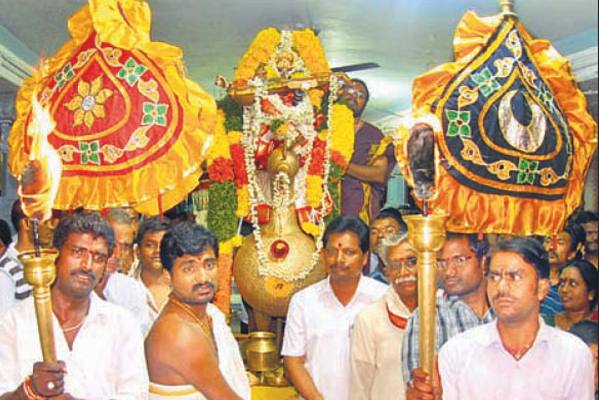
 

Picture shows Hamsa Vahana

காளிதாசனின் காலத்தைக் கணக்கிட சங்க இலக்கியம் எப்படி துணை செய்கிறது என்பதை ஏற்கனவே ஐந்தாறு கட்டுரைகளில் விளக்கினேன். அவன் சங்க காலத்துக்கு முன்னால் கி.மு.முதல் நூற்றாண்டில் வாழ்ந்தவன். இப்போது அவன் அளித்த வாகனக் குறிப்புகள் தமிழ் இலக்கியத்திலும் வருவது அவன் காலத்தால் முந்தியவன் என்பதை மேலும் உறுதி செய்கிறது.

புறநானூற்றின் கடவுள் வாழ்த்தில் சிவனின் வாகனமும் கொடியும் ரிஷபம் (ஏறு) என்று பாரதம் பாடிய பெருந்தேவனார் (மஹாதேவன்) பாடுகிறார்.

ரிஷபக் கொடி: காளிதாசனின் ரகு வம்சம்11-44;

விஷ்ணுவின் கருட வாகனம்: ரகு 10-13;10-61

இந்திரன் வாகனம் 4 மருப்புடைய யானை- திரு முருகாற்றுப்படை 155-159

நல்லுருத்திரன் பாடிய முல்லைக் கலியில் யமதர்ம ராஜனின் எருமை வாகனம் பாற்றிப் பாடுகிறார்- பாடல் 1- வரி 25/26

முருகப் பெருமானின் பிணிமுக (யானை) ஊர்தி: புறம் 56;முருகு 247;பரிபாடல் 5-2, 8-10, 17-49, சிலம்பு 24-8-3;

முருகப் பெருமானின் யானையை பிணிமுகம் என்று அழைப்பர்:

பிணிமுக ஊர்தி வெல்போர் இறைவன் (பரி.17-49)

பிணிமுக ஊர்தி ஒண்செய்யோன்-புறம் 56

மயில் வாகனம் : மேகதூதம் பாடல் 46 (காளிதாசன்); பாடல் 54ல் சிவ பெருமானின் விடை ஏறு (ரிஷபம்). மகாபாரதத்திலும் இதே குறிப்பு வருகிறது (8-24)

மணிமயில் உயரிய மாறாவென்றி (புறம் 56)

முருகன் மஞ்ஞையன் (முருகு 210)

விரைமயில் மேல் ஞாயிறு (பரி 18-26)

சேவலங்கொடியோன் (குறுந்தொகை கடவுள் வாழ்த்து)

சேவலங்கொடியன் (முருகு 210)

கலித்தொகையில் சிவபெருமானின் காளைவாகனம் வருகிறது (150-13; 26-5)

மதுரைக் கணக்காயனார் மகனார் நக்கீரனார் ஒரே பாடலில் (புறம் 56) நான்கு கடவுளரின் கொடி வாகனங்கள் பற்றிப் பாடிப் பரவுகிறார்.

காளிதாசனும் கொடியும் வாகனமும் சிவனுக்கு ஒன்றுதான் என்று சொல்லி வ்ருஷபத்வஜன், வ்ருஷாங்கன், வ்ருஷபாருடன் என்று ரகு வம்சம் ,குமார சம்பவம் ஆகியவற்றில் புகழ்கிறார். இதைத் தமிழ் புலவர்களும் பாடியதை மேலே கண்டோம்.

காளிதாசன் இந்திரனின் வஜ்ரக் கொடி, வாகனம் ஐராவதம் ஆகியன பற்றியும் பாடுகிறார் ( ரகு3-56; 1-36. ரகு வம்சத்தில் முருகனின் மயில் பற்றி  ‘மயூரப் ப்ருஷ்ட ஆஸ்ரயினா குஹேன’ என்று சொல்கிறார்.

திருமாலின் சேஷ வாகனம்: பெரும் பானாற்றுப்படை-372/5

பரிபாடல் 8-2: புள்மிசைக் கொடியோனும் புங்கவம் ஊர்வோனும்

பரி 13ல் : சேவல் ஓங்கு உயர்கொடிச் செல்வ (திருமால்)

புறம் 58- பலராமனின் பனைக்கொடியைக் குறிக்கும், தொல்காப்பியமும் பனைக் கொடியைக் குறிப்பிடுகிறது.

ஆக கொடியையும் வாகனத்தையும் மாறி மாறி ஒரே கடவுளருக்கு தமிழ் ,சம்ஸ்கிருத இலக்கியங்கள் பகர்வதாலேயே கொடியிலிருந்து வாகனம் தோன்றியதாக நான் கூறினேன்.

பிற்காலத்தில் தோன்றிய தேவாரம், திருவாசகம், திவ்யப் பிரபந்தம் போன்ற பக்தி இலக்கியங்கள் வாகனம் பற்றிய மேலும் பல சுவையான கதைகளைக் கூறுகின்றன. திரு ஞானசம்பந்தர் தனது பதிகத்தில் துர்க்கைக்கு மான் வாகனம் இருப்பதை ‘கலையதூர்தி’ என்ற சொல்லால் விளக்குகிறார்.

“திருமகள் கலையதூர்தி செயமாது பூமி

திசை தெய்வம் ஆன பலவும்”– (பதிகம் 921, இரண்டாம் திருமுறை)

தொடரும்……….

Please read my other articles on Vahanas in my blogs:

Iraq: 7 Gods Procession on Vahanas

Deer Chariot: Rig Veda to Santa Claus

Hindu Vahanas around the World

Vahanas in Kalidasa and Tamil Literature

உலகம் முழுதும் இந்து தெய்வ வாகனங்கள்

சங்கத் தமிழ் இலக்கியத்தில் வாகனங்கள்

வாகனங்கள் தோன்றியது எங்கே?ஏன்? எப்போது?

எந்தக் கடவுளுக்கு என்ன வாகனங்கள்?

Who Rides What Vahanas?

Contact: swami_48@yahoo.com

உலக விஞ்ஞானிகள் வியக்கும் தமிழனின் பஞ்சாங்கம்!

படம்: ஒரு பஞ்சாங்கத்தின் முகப்பு அட்டை

உலக விஞ்ஞானிகளை வியக்க வைக்கும் தமிழனின் பஞ்சாங்கம்!

ச.நாகராஜன்

ஒன்பது எழுத்துக்களில் தமிழன் கணிக்கும் பஞ்சாங்கம்

பல பிரம்மாண்டமான நவீன கருவிகளைக் கொண்டு கணிணியின் துணையுடன் துல்லியமாகக் கணிக்கப்படும் கிரகணங்களைத் தமிழர்களின் பஞ்சாங்கம் அந்தக் கருவிகளின் துணை இன்றி வினாடி சுத்தமாகக் கணித்துப் பல நூறு ஆண்டுகளாகச் சொல்லி வருகிறது என்றால் அதிசயமாக இல்லை? இதை எப்படித் துல்லியமாக தமிழர்களால் கணிக்க முடிகிறது என்று உலகெங்கிலும் உள்ள வானியல் விஞ்ஞானிகளே ஆச்சரியப்படுகின்றனர்! உலகமே வியக்கும் பஞ்சாங்கம் தமிழனின் அபூர்வ வானியல், கணித, ஜோதிட அறிவைத் தெள்ளென விளக்கும் ஒரு அபூர்வ கலை! இப்படிப்பட்ட பஞ்சாங்கம் நம்மிடம் இருப்பதை எண்ணிப் பெருமைப்படாமல் அதை இகழும் பகுத்தறிவாளர்களை தமிழர்கள் என்று எப்படிக் கூற முடியும்? இதை நாம் ‘பேடண்ட்’  எடுக்காவிட்டால் மஞ்சளைத் துணிந்து பேடண்ட் எடுக்க முயன்றது போல் இதையும் அமெரிக்கா உள்ளிட்ட நாடுகள் தனதுடைமையாக்கிக் கொள்ளும்!


தமிழர்களின் பஞ்சாங்கக் கணிப்பு அதிசயமான ஒன்று! அ,ஆ,இ,ஈ,உ,ஊ,எ,ஏ,ஐ ஆகிய ஒன்பது எழுத்துக்களை வைத்துக் கொண்டே பஞ்சாங்கத்தைத் தமிழர்கள் கணித்து விடுவது வியப்புக்குரிய ஒன்று. ஐந்து விரல்களை வைத்துக் கொண்டு ஜோதிடர்கள் துல்லியமாகப் போடும் கணக்கு நேரில் பார்த்து வியத்தற்கு உரியதாகும்! தமிழர் அல்லாத இதர பாரத மாநிலங்கள் காதி ஒன்பது எழுத்துக்கள்,டாதி ஒன்பது எழுத்துக்கள்,பாதி ஐந்து எழுத்துக்கள்,யாதி எட்டு எழுத்துக்கள் ஆக 31எழுத்துக்களைக் கொண்டு பஞ்சாங்கத்தைக் கணிக்கிறார்கள்!


சூரிய கிரகணம் சந்திர கிரகணம் ஆகியவற்றை இவர்கள் துல்லியமாகக் கணித்து பஞ்சாங்கத்தில் பதிவது உள்ளிட்ட ஏராளமான திதி,வாரம்,நட்சத்திரம்,யோகம், கரணம் பற்றிய உண்மைகளைப்  பஞ்சாங்கம் தெரிவிக்கிறது. இது இல்லாமல் நமது வாழ்க்கை முறை இல்லை!


1980ல் ஏற்பட்ட முழு சூரியகிரகணம் பற்றிய தினமணியின் செய்திக் கட்டுரை

காலம் காலமாக கிரகணங்களைப் பற்றிய உண்மைகளைப் பஞ்சாங்கம் தெரிவித்து வருகிறதென்றாலும் கூட 1980ல் அபூர்வமாக ஏற்பட்ட முழு சூரிய கிரகணம் நமது பஞ்சாங்கம் பற்றிய அருமையை உலகம் உணர வழி வகுத்தது.16-21980 சனிக்கிழமை அமாவாசையன்று  கேது கிரஸ்தம் அவிட்ட நக்ஷத்திரம்  சென்னை நேரப்படி பகல் இரண்டு மணி 29 நிமிட அளவில் பூரண சூரிய கிரகணம் ஆரம்பமாகி மாலை 4-35க்கு முடிவடைந்தது. உலகெங்கிலும் இருந்து விஞ்ஞானிகள் அபூர்வமாக நிகழும் இந்த பூரண சூரிய கிரகணத்தைப் பற்றி ஆராய்ச்சி நடத்தவும் அனுபவபூர்வமாகப் பார்ப்பதற்கும் இந்தியாவில் சூரிய தேவன் ஆலயம் இருக்கும் கோனார்க் நோக்கி விரைந்து வந்தனர். ஏனெனில் இப்படிப்பட்ட பூரண சூரிய கிரகணம் அடுத்தாற்போல இன்னும் 360 ஆண்டுகளுக்குப் பின்னர் தான் ஏற்படும்!

அந்த சூரிய கிரகணத்தை ஒட்டி தினமணி நாளேடு தனது 14-2-1980 இதழில்புராதனமான கணித சாஸ்திர வெற்றி’ என்ற தலைப்பில் வெளியிட்டிருந்த சிறப்புச் செய்தியின் சாரத்தை இங்கு பார்ப்போம்:

“இந்தியர்களின் வான இயல் கணித மேன்மைகள் இன்று நிரூபிக்கப்படுகிறது. காலம் காலமாக வான இயல் வல்லுநர்கள் கிரக சாரங்களையும் அதன் சஞ்சாரங்களையும் மிக துல்லியமாக மதிப்பிட்டு பலவற்றைச் சொல்லி உள்ளார்கள்.அவர்களுக்கு இன்றைய விஞ்ஞானத்தின் வசதிகள் எதுவும் கிடையாது. கம்ப்யூட்டர்கள் கிடையாது. மிக நுட்பமான வான ஆராய்ச்சிக்கான கருவிகள் கிடையாது.அவர்களிடம் ராக்கெட் மூலம் படம் எடுத்து  பார்க்கத்தக்க கருவிகள் கிடையாது.எதுவுமே இல்லை. கணக்குத் தான் உண்டு.


நாள் தவறினாலும் பஞ்சாங்கம் பார்க்காத நபர்கள் மிகக் குறைவு.இந்த பஞ்சாங்கம் எத்தனையோ ஆயிரக்கணக்கான ஆண்டுகளாக வந்து கொண்டிருக்கிறது. காகிதமும் அச்சும் வருவதற்கு முன்பு கூட ஏடுகளில் பஞ்சாங்கம் கணிக்கப்பட்டது. பஞ்சாங்கம் கணிப்பவர்கள் ஓராண்டுக்கு முன்பாகவே இன்ன தேதி, இத்தனை வினாடியில் சூரிய சந்திர  கிரகணம் தோன்றும்,  கிரகண அளவு (பரிமாணம்)இவ்வளவு,இந்தெந்த பகுதிகளில் தெரியும் அல்லது தெரியாது என்பவற்றை எல்லாம் மிக கச்சிதமாக எழுதி வைப்பார்கள்.அதில் ஒரு வினாடி தப்புவது கிடையாது.கிரகண காலத்தில் இவைகளைச் செய்யலாம் செய்யக் கூடாது என்று சாஸ்திரங்கள் கூறுகின்றன.


கிரகணத்தைப் பற்றி மட்டும் அவர்கள் கூறுவது சரியாய் இருக்குமானால் சாஸ்திரம் செய்யக் கூடாது என்று கூறுவது பொய்யாகவா இருக்கும்?சாஸ்திரம் என்பது ஒரு கடினமான கணக்கு.அதுவும் ஒரு வகை விஞ்ஞானம்.வயிற்றுப் பிழைப்புக்காக அதைத் தவறாகப் பயன்படுத்தும் கூட்டத்தால் அதன் மதிப்பு குறைந்து விட்டது.ஆனால் நமது முன்னோர்கள் கிரகணம் பற்றி முன்பே கூறும் அளவில் வானவியல் கணித மேதைகளாக இருந்துள்ளார்கள்.இதை உலகம் இந்த கிரகணம் பற்றிய அவர்களது மதிப்பீட்டில் இருந்து தெரிந்துகொண்டு வாழ்த்துகிறது.

இப்படிப்பட்ட கணித இயல் நமக்கு இருந்தும் இதை மேலும் மேலும் ஆராய்ந்து வளர்த்துக் கொள்ள முன்வரவில்லை.அதனால் உலகில் நாம் இன்று பின் தங்கி உள்ளோம். இனியாவது நமது வான இயல் கணிதங்களை ஆராய்ந்து தெளிவாக்கி முன்னேறுவோமா என்பது தான் கேள்வி.”


தினமணியின் அருமையான கட்டுரை 1980ல் சுட்டிக் காட்டிய அவல நிலை முப்பத்தோரு வருடங்கள் ஆகியும் இன்னும் நீங்கவில்லை என்பது வருத்தம் தரும் ஒரு உண்மை. அரசும் பொது மக்களும் பஞ்சாங்கக் கலையை வளர்க்கவும் முன் வரவில்லை; அதைக் கணிக்கும் பஞ்சாங்க ஜோதிடர்களைக் கௌரவிக்கவும் இல்லை.

சங்க இலக்கியம் தெரிவிக்கும் சந்திர சூரிய கிரகணங்கள்

இப்படிப்பட்ட அருமையான கிரகண செய்திகளை சங்கத் தமிழ் இலக்கியம் பல இடங்களில் குறிப்பிடுகிறது. எடுத்துக்காட்டிற்கு இரு குறிப்புகளை மட்டும் இங்கு பார்ப்போம்.

கலித்தொகையில் மட்டும் எடுத்துக்கொண்டால் பல இடங்களில் சந்திரகிரகணம் (சந்திரனை ராகு பற்றுதல்) குறிப்பிடப்படுகிறது.  ”ஐவாய் அரவின் இடைப்பட்டு நைவாரா மையின் மதியின் விளங்கு முகத்தாரை (கலி 62;13-14)


அடுத்து சூரிய கிரகணம் (சூரியனை கேது பற்றுதல்) பற்றி மலைபடுகடாம் இப்படிக் குறிப்பிடுகிறது:-“பாஅய்ப் பகல்செய்வான் பாம்பின் வாய்ப் பட்டான் கொல்” (வெண்பா 1)


செக்கோஸ்லேவிகிய விஞ்ஞானியும் பஞ்சாங்கமும்


இது ஒருபுறம் இருக்க பஞ்சாங்கம் கூறும் உண்மை ஒன்றைக் காண செக்கோஸ்லேவிகியா விஞ்ஞானி ஒருவர் செய்த ஆராய்ச்சி வியப்புக்குரிய ஒன்றாகும். அது என்ன என்பதைப் பின்னர் பார்ப்போம்!

இதே பிளாக்-கில் கணிதப் புலமையை வெளிப்படுத்தும் மற்ற கட்டுரைகள்:

1.தமிழர்கள் கணித மேதைகள்,

2.உலக செஸ் சாம்பியன் ஆனந்த்,

3.Amazing Tamil Mathematics


Ancient Tamil Dress


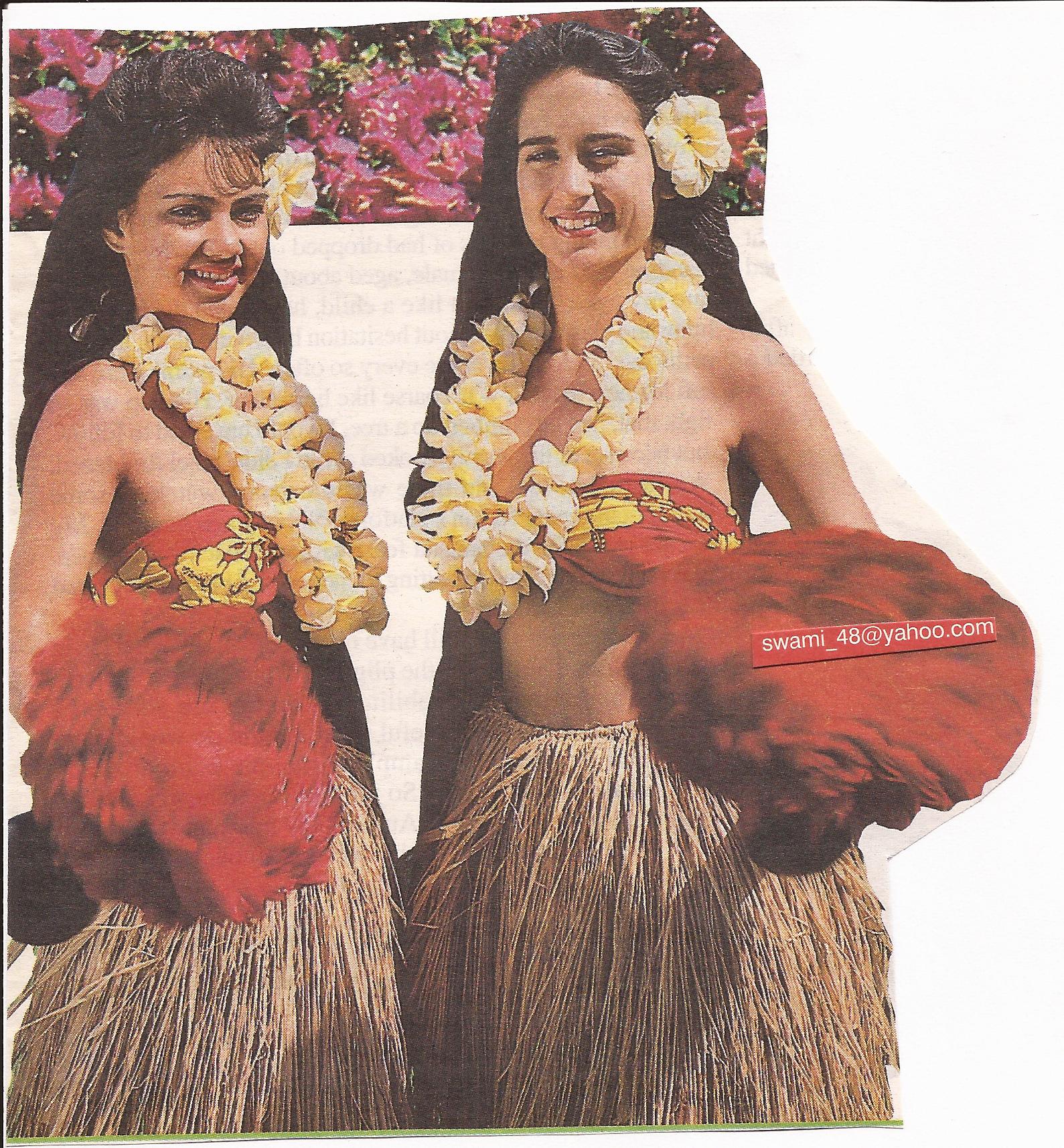
Picture shows Reed Skirt of women of Hawaii (USA)

(Tamil version of this article is posted in two parts with references: London swami)

Sangam Tamil literature sings about the reed skirts of Tamil women. The skirts were made up of dried grasses or reeds. I was looking for such dress in the sculptures and paintings, but in vain. Recently I came across such reed skirts worn by women of Hawaii. Even today women in Pacific islands wear such reed skirts. While I was reading a book on the customs during the age of the Brahmanas (part of Vedic literature), I read another interesting fact. Brahmin priests were wearing reed skirts made up of certain types of grass for the Yagas (fire ceremonies).

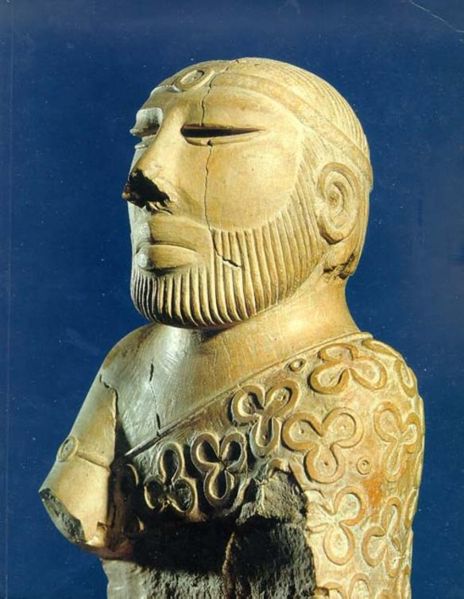
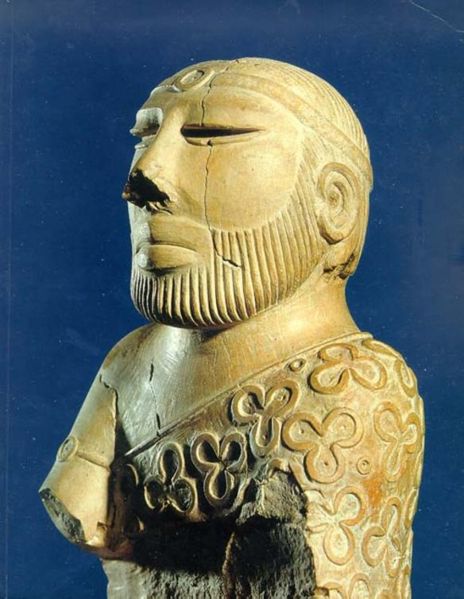
The Priest-King of Indus valley civilization wears an embroidered shawl. Incidentally Brahmana scriptures mention embroidered woollen cloths. Tamils also wore dress with flower designs on it, says 2000 year old Purananuru (274).

Silappadikaram is the most popular Tamil epic that sings the glory of ancient Tamil kingdoms. Adiarkku Nallar, one of the commentators, gives 36 types of Tamil clothes. Their names include clothing imported from Malaysia, Burma, Orissa and Gujarat ( all the 36 types are given in my Tamil version of this article).

Nakkirar, one of the famous poets of Sangam period, says that “we need one Nazi measure of food every day, two pieces of clothes. It shows the ancient Tamils wore one upper garment and one under garment like Dhoti. We have descriptions of shirts called ‘Kanchukam’, mostly worn by soldiers or foreign body guards from Rome (Yavanas=Milechas). Those Milechas were described as speechless, dumb and men of gestures (sign language)—Mullai Pattu lines 66-67.

One great thing about the Tamils was that they produced cloths looking exactly like a snake skin. Ancient Egypt was believed to have imported all the clothes for the mummies from Tamil Nadu. When we look at the Tamil name of the Egyptian God of weaving ‘Neith’, we have to accept the fact that Tamils were the main source of clothes for Egyptian Pyramids.

The clothes that looked like a snake skin were praised by many Tamil poets in the Sangam anthologies. A verse in Akananuru describes a wedding scene. The bridegroom noticed that bride was sweating under her sari. When he took off  her sari to let some air, she looked like a shining sword out of its sheath. His real intention was to have a look at her beautiful face. She tried to hide her body with her hair and the garlands as soon as he took her clothes off. This verse throws some light on the type of clothes (may be saris) they wore during weddings.

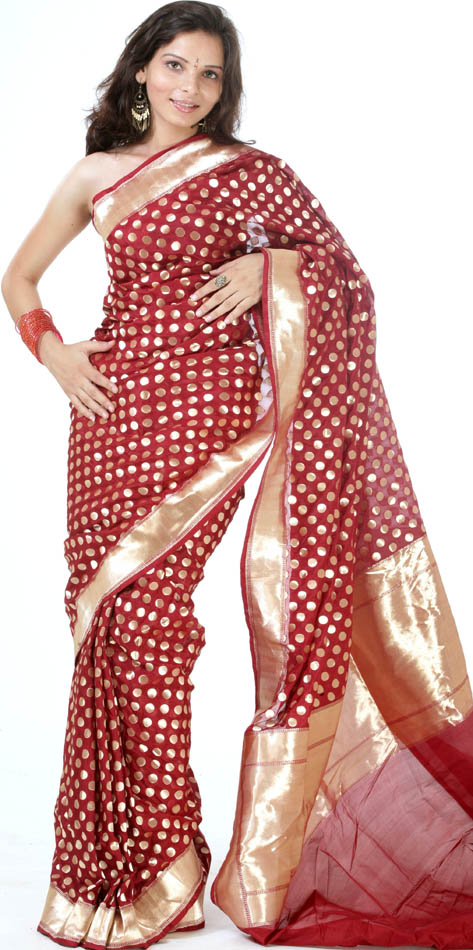
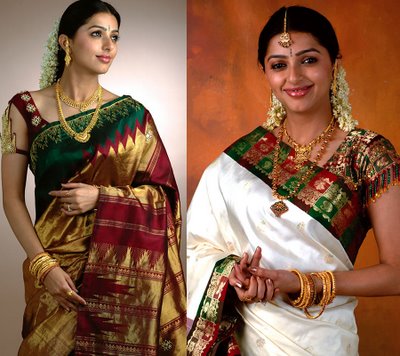
Andal ,a poetess who lived in the seventh century AD describes about a wedding sari called Kooraip Pudavai. This type of sari, red in colour, is still used by the Brahmin ladies on the wedding day.

REED DRESS reference from the Vedic Literature:

Picture: Embroidered shawl of Indus Priest King

From “India of the age of the Brahmanas” by Jogiraj Basu

‘’garments made up of wool, cotton and silk were worn by the people. Cotton and wool, sewing and knitting  are often referred to. The term sutra refers to cotton and urna to wool which was made up of sheep’s hair. The general dress consisted of three parts—the main portion fitting the body called vaasa, an outer or over garment called aadhi vaasa and an under garment named niivi.

Warp, woof and different aspects of weaving are referred to in SB 3-1-2-18.

Suvaasa (good garment) and suvaasaa (well clad) occur frequently in SB and AB etc.

“ garment is a man’s outward appearance, whence people on seeing a well clad man, asks who can this be? for he is perfect in his outward appearance.” (SatapataBrahmana)

When a cloth is woven it is embroidered at the border before the actual texture is woven; it is embroidered in the middle and again it is embroidered at the end” (Aitareya Brahmana 2-11-10)

Special garments were prescribed for the priests performing sacrifice. Skirts made up of Kusa grass were used in certain sacrifices. From the S.B. we learn that the sacrificial garment consisted of a garment of pure wool not dyed, an under garment made of silk called “taarpya”, an outer garment like adhi vaasa and a head dress or turban (Usniisa). Kings and queens wore such head dress. Indra’s wife Indrani had a most variegated (multi coloured and embroidered) head band, says S.B. 14-2-1-8

Sages, mendicants and Brahmacharis used to put on garment made of hides of black antelope (krsnaajina).

Female ascetic Sabari in the Ramayana was called Krishnaajinaambharadharaa i.e. one who puts on the garment made of black deer skin.

Sanskrit dramas describe the red colour dress of the prisoners who were sentenced to death.


Tamils designed the first Bra (ssiere)?

World Tamil souvenirs and Tamil magazines show ancient Tamil women wearing bra. There is a convention of drawing or painting Tamil women like this for hundreds of years. But we don’t see such a custom or costume in any other ancient civilization. They did not wear brassiere. Neither did the Tamil women in ancient paintings at Sithannavasal or temple sculptures. They were shown with bare breasts. Not even in Ajanta paintings in Maharashtra. But the Tamil convention of drawing or painting women with bras made me think that Tamils should have designed it first. But it needs more in depth research on the origin of Bras.

*****************


தமிழர்களின் தழை உடை-1

Picture shows the Reed Skirt worn by women of Hawaii (USA)

(English version of this article is also posted in my blogs: London swami)

தமிழர்களின் தழை உடை (Reed Skirt) பற்றி சங்க இலக்கிய நூல்களில் நிறைய குறிப்புகள் உள்ளன. ஈராயிரம் ஆண்டுகளுக்கு முன் தமிழ்ப் பெண்கள் எப்படி உடை அணிந்தார்கள் என்று கண்டுபிடிக்க பல சிற்பங்களையும் ஓவியங்களையும் கூர்ந்து கவனித்தேன். ஆனால் தழை உடை பற்றி கிடைக்கவில்லை. இப்பொழுது பசிபிக் தீவுகளில் தழை உடை அணியும் படம் கிடைத்தவுடன் மீண்டும் இது பற்றி ஆய்வைத் துவங்கினேன்.

தழை உடையை எல்லாப் பெண்களும் அணியவில்லை. கானகப் பகுதிகளில் வாழ்ந்தவர்களும் விலை மாதர்களும் அணிந்தனர். உடனே இந்த உடை பற்றி தப்புக் கணக்குப் போட்டு விடாதீர்கள். யாகம் செய்யும் பிராமணர்களும் தர்ப்பைப் புல்லால் செய்யப்பட்ட தழை உடைகளையே அணிந்தார்கள்(*reference is given at the end). இப்போதும் ஹவாய் முதலிய பசிபிக் மஹா சமுத்திரத் தீவுகளில் தழை உடை அணிகிறார்கள். இது பாவாடை போல இருக்கும்.

தழை உடை பற்றிய குறிப்புகள்: குறுந்தொகைப் பாடல் 125,159,214,294; குறிஞ்சிப்பாட்டு வரி 102; ஐங்குறு நூறு 72. இது தவிர, அக நானூறு, கலித்தொகையிலும் பல பாடல்களில் தழை அணி வருகிறது.

36 வகை ஆடைகள் (36 Types of Clothes)

சிலப்பதிகாரத்துக்கு உரை எழுதிய அடியார்க்கு நல்லார் தமிழர்களின் 36 வகை உடைகளின் பெயர்களைப் பட்டியலிட்டுள்ளார். அவையாவன: கோசிகம், பீதகம், பச்சிலை,  அரத்தம், நுண் துகில், சுண்ணம்,  வடகம், பஞ்சு, இரட்டு, பாடகம், கோங்கலர், கோபடம், சித்திரக் கம்மி, குருதி, கரியல், பேடகம், புரியட்டம், காசு, வேதங்கம், புங்கர் காழகம், சில்லிகை, துரியம், பங்கம், நல்லியம், வண்டை, கவற்றுமடி, நூல் யாப்பு, தேவாங்கு, திருக்கு, பொன்னெழுத்து, குச்சரி, தேவகிரி, காத்தூலம், கிறைஞ்சி, செம்பொத்தி, பனிப்பொத்தி. இவைகளில் சில கடாரம், காழகம் (மலேசியா, பர்மா), கூர்ஜரம் (குஜராத்) ஆகிய இடங்களில் இருந்து இறக்குமதியானது பெயரில் இருந்தே தெரிகிறது. அதே போல நமது துணிகள் எகிப்திய நாட்டின் இறந்தோர் உடலைச் (மம்மி) சுற்றவும் ஏற்றுமதி செய்யப்பட்டது.

எகிப்திய நெய்தல் தெய்வத்தின் பெயர் நெய்த்(Neith). இதுவே தமிழ்ச் சொல்!


தமிழர்களின் நெசவுத்திறன்

Picture of Mohanjadaro Priest King

வேத காலத்தில் எழுந்த பிராமணங்கள் என்னும் நூல்களிலும் சங்க இலக்கியத்திலும் பூ வேலைப்பாடு (Embridered)  அமைந்த ஆடைகளைச் செய்ததாக எழுதிவைத்துள்ளனர். இந்த ஆடையை சிந்து சமவெளி புரோகிதரின் (Priest/ King) உடலிலும் காணமுடிகிறது. இதைப் புறநானூறு “ நீலக் கச்சை பூவார் ஆடை” (புறம். 274, உலோச்சனார்) என்று புகழ்கிறது.

ஆண்கள் மேல் துண்டும், கீழே வேஷ்டியும் மட்டும் அணிந்தனர். “உண்பது நாழி, உடுப்பவை இரண்டே” (புறம்.189) என்ற நக்கீரர் வாக்கியத்தால் இதை அறியலாம். மாங்குடி மருதனார் பாடிய மதுரைக் காஞ்சியும் இதை உறுதிப்படுத்துகிறது:

“ திண்டேர் பிரம்பிற் புரளும் தானை

கச்சம் தின்ற கழல் தயங்கு திருந்தடி” (மதுரை. வரிகள் 435-436)

மேல் சட்டையை சிலர் அணிந்தனர். வீரர்கள், பொற்கொல்லர் ஆகியோர் அணிந்ததை பாடல்கள் காட்டுகின்றன. மேல் சட்டைக்கு ‘கஞ்சுகம்’ என்று பெயர்.

மிலேச்சர்கள் என்று அழைக்கப்பட்ட அந்நிய நாட்டவர்கள் (யவனர்கள்) சட்டை அணிந்ததையும் முல்லைப் பாட்டு கூறுகிறது:

“ உடம்பின் உரைக்கும் உரையா நாவின் படம்புகு மிலேச்சர்” (வரி 66-67)

தமிழர்கள் நெய்த ஆடை மிகமிக மெல்லியதாக இருந்ததைப் புலவர்கள் பல இடங்களில் பாடி இருக்கின்றனர்: “இழையறிவாரா, வொண் பூங்கலிங்கம்” (புறம். 383) என்றும் பாம்பின் தோல் போல மெல்லிய ஆடைகளை மன்னன் நல்கினான்: “நோக்கு நுழைகல்லா நுண்மைய பூகனிந்து அரவு உரி அன்ன அறுவை துவர” (பொருநர். 82-83) என்றும் பாடுகின்றனர். மஸ்லின், நைலான் போன்ற சிறந்த ஆடைகள் 2000 ஆண்டுகளுக்கு முன்னரே இருந்தன!!

( அறுவை, கலிங்கம்=துணி, அரவு உரி= பாம்புத் தோல் )

தொடரும்…………. (பகுதி இரண்டில் பெண்களின் ஆடைகள், தமிழர்களின் Brassiere பிரா—கண்டுபிடிப்பு, கூரைப்புடவை, கல்யாணப் புடவை முதலியவற்றைக் காண்போம்).

For more of the same, contact: swami_48@yahoo.com
*REED DRESS reference in the Vedic Literature is given below:

From “India of the age of the Brahmanas” by Jogiraj Basu:

“ When a cloth is woven it is embroidered at the border before the actual texture is woven; it is embroidered in the middle and again it is embroidered at the end” (Aitareya Brahmana 2-11-10)

Special garments were prescribed for the priests performing sacrifice. Skirts made up of Kusa grass were used in certain sacrifices. From the Satapata Brahmana we learn that the sacrificial garment consisted of a garment of pure wool not dyed, an under garment made of silk called “taarpya”, an outer garment like adhi vaasa and a head dress or turban (Usniisa). Kings and queens wore such head dress. Indra’s wife Indrani had a most variegated (multi coloured and embroidered) head band, says Satapata Brahmana14-2-1-8

Sages, mendicants and Brahmacharis used to put on garment made of hides of black(deer) antelope (krisnaajina).

Female ascetic Sabari in the Ramayana was called Krishnaajinaambharadharaa i.e. one who puts on the garment made of black deer skin.

******

தமிழர்களின் தழை உடை-2


Wearing saris: two different styles

( Please read part 1first to maintain continuity: London swami )

திருமண காலத்தில் தமிழர்கள் முகத்தை மறைக்கும் ஆடைகளை அணிந்தனர் போலும். அகநானூறு 136ம் பாடலில் விற்றூற்று முதெயினனார் இப்படிக் கூறுகிறார்:

“ கற்பினை உடைய என் உயிர்க்கு உடம்பாக அடுத்தவள் கசங்காத புதிய ஆடையால் உடல் முழுதும் போர்த்தியதால் வேர்வை வந்தது. காற்று வரவேண்டும் என்ற சாக்கில் அவள் முகத்தைப் பார்க்க ஆசை கொண்டு ஆடையைப் பற்றி இழுத்தவுடன் உறையினின்று உருவிய வாளைப் போல அவளது வடிவம் ஆடையினின்று விலகி நின்றது”—இந்த வருணனை முகத்தை மூடும் அளவுக்கு ஆடை (saris?) அணிந்ததைக் காட்டுகிறது.

ஆண்டாள் பாடிய நாச்சியார் திருமொழியில் கூரைப் புடவை கட்டியது பற்றிப் பாடுகிறார். இப்பொதும் பிராமணப் பெண்கள் தாலி கட்டும் நேரத்தில், சிவப்பு நிறத்தில் உள்ள கூரைப் புடவையை அணிந்தே திருமண மேடைக்கு வருவர். இது போன்ற சிவப்பு நிறப் புடவைகள் மதுரையில் விற்கப்பட்டதாகவும் மாங்குடி மருதனார் கூறுவார்:

“ வெயிற் கதிர் மழுங்கிய படர் கூர் ஞாயிற்றுச்

செக்கரன்ன சிவந்து நுணங் குருவிற்

கண்பொரு புகூஉ மொண்பூங் கலிங்கம்” (மதுரை. 432-3)

மருதம்,முல்லை, குறிஞ்சி நிலத்தில் வாழ்ந்த பெண்கள் இயற்கையோடு இயைந்த வாழ்க்கை நடத்தினர் போலும். அவர்கள் மேலாடை அணியவில்லை என்றே தோன்றுகிறது. அது போன்ற இடத்தில்தான் தழை உடைகளை அணிந்திருக்க வேண்டும். மார்பை மாலைகளாலும் சந்தனம் பூசியும் அலங்கரித்துக் கொண்டனர்.


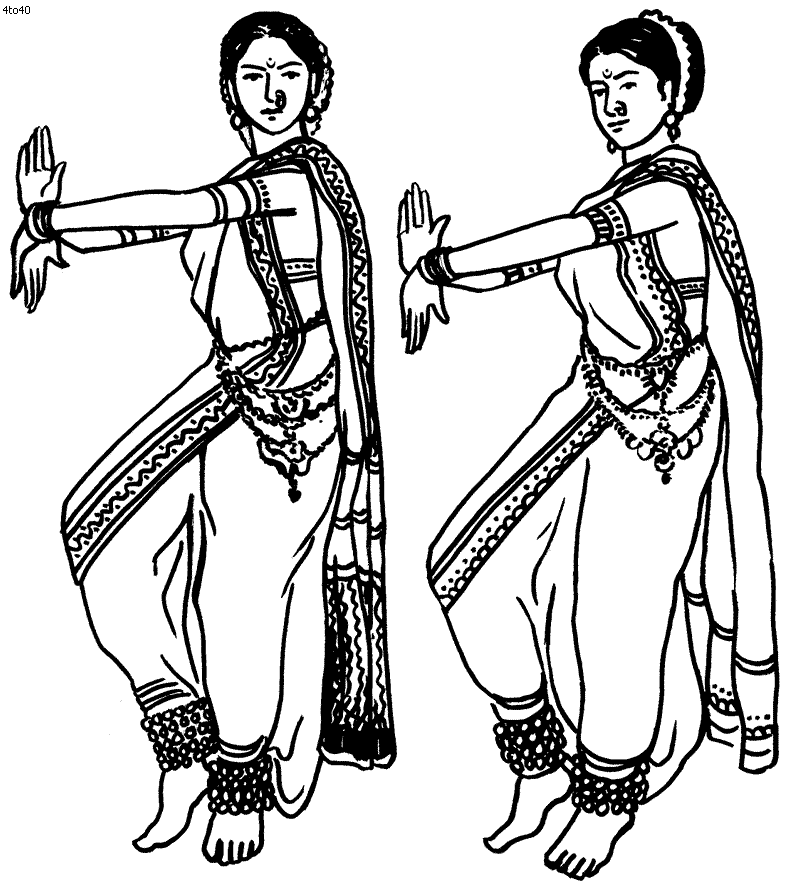
Picture shows Lavani dance of Maharashtrian women

பெண்களின் உள்ளாடை—தமிழனின் கண்டுபிடிப்பு?

1997ம் ஆண்டில் லண்டனில் இருந்து வந்த மேகம் பத்திரிகையில் எழுதிய தொடர் கட்டுரைகளில் ஒன்று ‘பிரா’வைக் கண்டுபிடித்தவன் தமிழன்’ என்று எழுதினேன். பெண்கள் அணியும் இந்த பிரா=brazziere (மார்பகக் கச்சை) மேலை நாடுகளில் பெரிய தொழிலாக வளர்ந்துவிட்டது.

பல நாட்டுப் பெண்களின் பழங்கால ஓவியங்களையும் சிற்பங்களையும் பார்த்தவர்களுக்கு ஒன்று நன்றாகப் புரியும். மார்பக கச்சை அணிந்ததைக் காண முடியாது. ஆனால் எல்லா உலகத் தமிழ் மாநாட்டு மலர்களிலும், வாரப் பத்திரிக்கைகளில் வெளியாகும் வரலாற்றுப் புதினங்களிலும் தமிழ்ப் பெண்களை எப்படி வரைந்திருக்கிறார்கள் என்று பார்த்தால் நான் சொல்லுவது நன்றாக விளங்கும். இது ஒரு மரபைக் கடைப் பிடித்து வரைந்த ஓவியங்களாகும். இப்போது நக்கீரர் கூறிய “உண்பது நாழி, உடுப்பவை இரண்டே” என்பதை மீண்டும் படித்தால் பெண்களின் இந்த உள்ளாடையையும் நினைந்தே அப்படிச் சொன்னார் என்று கருதலாம்.

தமிழ் நாட்டுக் கோவில் சிற்பங்களும் சித்தன்னவாசல் ஓவியங்களும், வட நாட்டில் அஜந்தா ஓவியங்களும் மேலாடை இல்லாமலேயே பெண்களைக் காட்டுகின்றன.

ஆண்கள் பஞ்ச கச்சம் கட்டியதாக சிலர் வாதிடுவர். ஆனால் பழங்கால ஓவியங்களிலோ சிற்பங்களிலோ இதற்கு ஆதாரம் இல்லை. கிராமப்புறங்களில் நிலத்தை உழுவோர் கச்சம் போல் வேட்டி கட்டி உழுவதைக் காணலாம். ஆகவே அரசவை போன்ற இடங்களிலும் கோவில்களிலும் புலவர்களும் மந்திரிகளும் இப்படிப் பஞ்சகச்சம் அணிந்திருக்கக்கூடும். இன்றும் கோவில்களில் பிராமண அர்ச்சகர்கள் இப்படிக் கச்சம் அணிவதைப் பார்க்கிறோம்.

நற்றிணைப் பாடல் 21 (மருதன் இளநாகன்), வீரர்கள் இடுப்பில் கட்டிய கச்சையைக் குறிப்பிடுகிறது. அகம் 376ல் பரணர், ஆட்டநத்தியின் இடுப்பில் கட்டிய கறுப்பு நிறக் கச்சை பற்றிப் பாடுகிறார்.

சிலப்பதிகாரத்தில் உடைகள் பற்றிய குறிப்புகள் அதிகம். ஆனால் அந்தக் காவியம் காட்டும் காட்சிகள் சங்க காலத்துக்குப் பின் வந்தவை ஆகும்.

மரண தண்டனைக் கைதிகளுக்கு சிவப்பு நிற ஆடை அணிந்து தெருக்கள் வழியே கொண்டு சென்றதாக வடமொழி நூல்கள கூறுகின்றன.

Contact swami_48@yahoo.com


Kannaki and Andal Weddings

Kannaki & Kovalan pictures from Poompuhar Art Gallery;Picture courtesy: Vijayan

Three Beautiful Tamil Hindu Weddings- Part 2

( Please read first part before reading the second part: swami )

We saw, in the first part, the beautiful descriptions of two weddings that happened 2000 years ago in Tamil Nadu. Another beautiful wedding scene is in the Tamil epic Silappadikaram. This is the most famous epic of the five Tamil epics. The wedding scene of Kannaki- Kovalan is quite a contrast to the scenes from the Akananuru. Here we see the ceremony of going round the fire, Vedic Mantras etc. This is like a typical Tamil Brahmin wedding that is celebrated today. But Kannaki and Kovalan were the daughter and son of two big Tamil merchants. They were not Brahmins. They lived in a city famous for its maritime trade.

The author of the epic was poet Ilango. Like I mentioned in the first part, the wedding was celebrated sometime in the second century AD. But no linguist will date the epic at 2nd century AD. The style of the language, Sanskrit words and knowledge of various fine arts copied from Sanskrit sources—all point to fifth or sixth century AD. Since Vashista Mahrishi’s wife Arundhati is referred to as the chaste woman in Sangam Tamil literature in several places, fire ceremony may have existed in Sangam Time. Seeing Arundhati star in the night of the wedding day is part of Hindu wedding ceremony.

Let’s look at the wedding now:

“Fair maidens seated on an elephant’s neck were sent forth, to invite to the wedding all those lived in the great city. As they went forth into the streets, drums were beaten; mirudangams were sounded; conches were blown; and white umbrellas were lifted high in the sky as if in kingly procession. O, how enchanting was their entry into the pavilion, glimmering with the pearls beneath the canopy of blue silk and with dazzling pillars, decked with diamonds and beautified by overhanging garlands! This was the day the moon moving in the sky approached the star Rohini, when Kovalan who walked around the holy fire in accordance with scriptural injunctions as directed by the revered priest, approached his bride, divinely fair, resembling the star Arundhati. How fortunate were those who enjoyed such a splendid sight!”

“ Lovely maidens bringing spices and flowers, spoke and sang, and looked bewitching. Women with full breasts and glowing tresses took with them sandal paste, frankincense, perfumes and powders. Ladies with lovely teeth bore lamps, vessels and Palikai pots of tender shoots. These maidens who looked like golden creepers and whose hair was decked with flowers, showered blossoms on the bridal pair, saying May you live a flawless life, with a love that knows no separation, and held in close and un relaxing embrace”.

“Then they led Kannaki, the Arundhati of this vast world, to the auspicious nuptial bed with the prayer that the royal tiger emblem, engraved on this side of the Himalayas, might remain forever on the golden crest of the mountain.”

All the three weddings narrated so far were on Rohini star day. But in Kannaki-Kovalan wedding we see the class difference in the ancient Tamil society. The first two were done on sandy floor under a thatched shed. This one was in a dazzling hall decked with diamonds.

Rohini in the Vedas:

Rohini star is an auspicious star according to the Vedas (Vedic Index, Vol. I, page 415).  It is in Brihat Jataka as well. Rohini was the favourite of the 27 wives of the moon. Palikai pots are part of Hindu ceremonies even today. The Bodhayana Grihya sutras mentions five palikais for purpose of marriage.

Andal’s dream of a divine wedding

Andal, one of the glorious Tamil poetesses, lived in the seventh century AD. She fell in love with Lord Vishnu and in her dream she saw her wedding. It is in Varanam Ayiram of Divya Prabandham. This is sung in all Vaishnavaite Brahmin weddings even today. The beauty of Varanam Ayiram is all the steps in today’s wedding ceremony are described in the same sequence.

Arrival of the bridegroom, Betrothal ceremony, arrival of the bride, bridegroom’s sister’s role, the red colour special sari, grasping the hand (Pani Grahanam), Havan/Fire Ceremony, Chanting of Vedic Mantras, Walking around the fire in seven steps (Saptapati), Puffed rice Homam (laja homam)- all these are described in beautiful Tamil verses. This is a wonderful Tamil verse, that too coming from a wise girl, who lived 1300 years ago. Tamil women must be proud of Andal.

Avvaiyar,Andal and Karaikal Ammaiyar are proof for the good education of women in ancient India. Though we have a score of Vedic poetesses and nearly the same number of Sangam Tamil poetesses, Andal’s place is unique in Tamil literature. Her Tiruppavai and Nachiyar Tirumozi were the most popular parts of 4000 Divya Prabandham verses.

Picture shows Saptapati in a Bengali wedding

Varanam Ayiram shows the role of dream in Tamil culture. Lord Vishnu come to marry our poetess Andal with thousand (Ayiram) elephants (Varanam). That is why this piece is called Varanam Ayiram. Purna Kumbham (Holy water pots), Toranams (Decorative streamers),Wedding dais decoration with betel nut trees, Kurai Pudavai (sacred red colour sari that is worn by Hindu goddess), Kankanam (Kaappu mentioned in Akananauru verse), Lighting the holy fire, Walking in seven steps around it in a circle, Stepping on a grinding stone (ammi) to show their steadfastness, Kunkumam (red colour powder) and sandal paste, wedding procession around the city—all these are beautifully described by Andal. This is every girl’s dream in the world. Whoever reads this will get married in a grand ceremony like this is the belief of Tamil Hindus.


**********

Three Beautiful Tamil Hindu Weddings

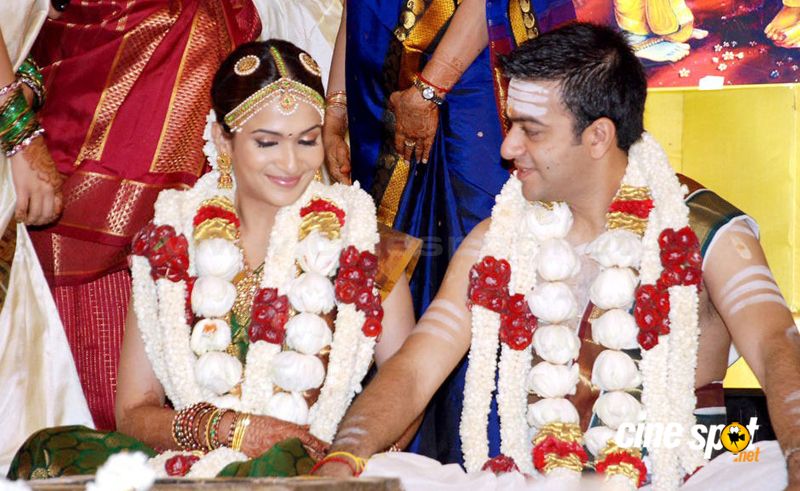
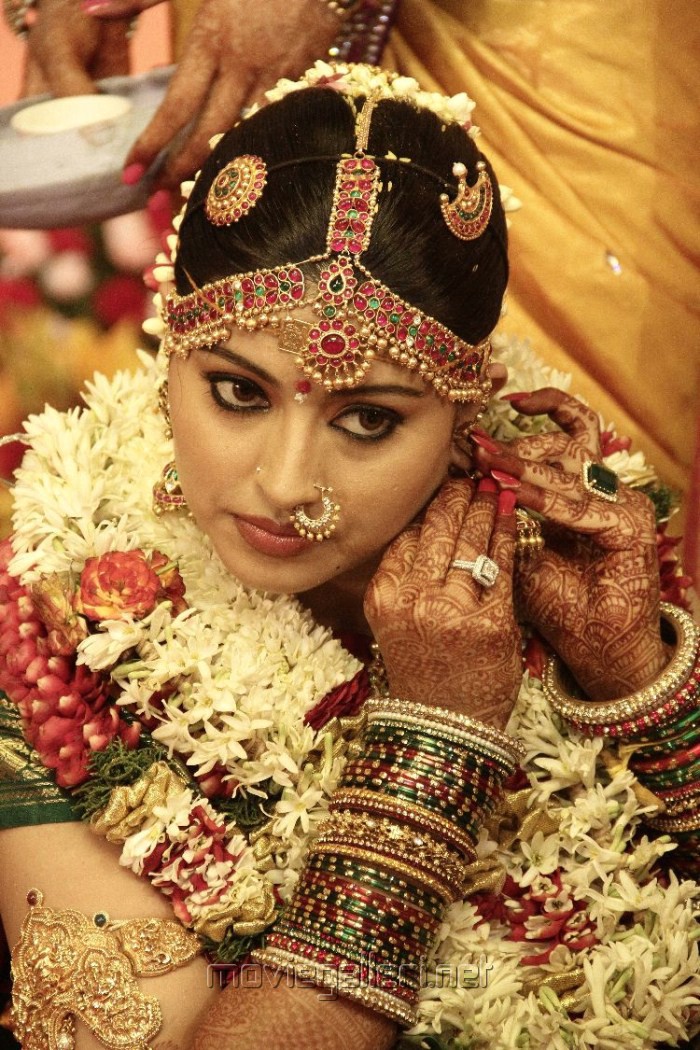
Tamil Actress Sneha on her wedding day

By London swaminathan

How did the ancient Tamil Hindus celebrate their weddings? There are three beautiful wedding scenes in Tamil literature: Akananauru, Silappadikaram and Divyaprabandham.

Two thousand year old Sangam Tamil literature describes Tamil Hindu weddings in two beautiful verses in Akananauru (verses 86 and 136). The poets bring the wedding ceremony in front of our eyes. Anyone who reads those poems can visualise that day. It is like a live running commentary.

In the first verse (86), poet Nallavur Kizar describes the food and the dress. There was a huge heap of rice cooked with black gram (Pongal). There was a wooden shed (pandal) with fresh sand from the river banks spread. Since they believed in astrology and auspicious days ,it was celebrated on the day when Rohini star was with the moon. Since they were orthodox Hindus they lighted lamps even though it was celebrated in the day time. Bridegroom and bride were adorned with flower garlands. Some women were carrying the pots on their head, others bearing new, broad bowls, handed them one after another, while fair elderly dames were making noise. Mothers of sons, with bellies marked with beauty spots, wearing beautiful ornaments, poured water on the bride, so that her black hair shone bright with cool petals of flowers and rice grains (probably yellow rice called Akshatai). They blessed her saying ,’do not swerve from the path of chastity, be serviceable in various ways to your husband who loves you and live with him as his wife. They greeted her ‘Dirgha Sumangali Bhava: in Tamil– Per Il Kizaththi Aguka’–.On the night after the marriage ceremony was over, the neighbouring ladies assembled and sent her to the arms of her lover, to which she went with trepidation ( This is the Shanti Muhurtham alias First Night).

Picture shows Soundarya Rajinikant’s wedding

In another verse136, poet Vitrutru Mutheyinanar says, white rice well cooked with plenty of ghee was served generously to the elders. Since Tamils believed in astrology, the poet remarks, the omens shown by the birds were propitious. It was a bright morning. The moon was in faultless conjunction with the Rohini star. The marriage house was decorated. They worshiped God. The big drums sounded with wedding tunes. Excited women were peeping without a wink with their flower like eyes at the bride who had been bathed. The image (to be worshiped) was made of big flower petals. Clear like a gem that has been well washed, was placed on the soft Vagai flower with the double leaf and the Arukam grass. It was decked with cool, sweet flower buds and white thread clothed with holy cloth, so as to look grand. The bride was seated on the fresh sand under the Pandal ( A thatched shed made over a row of wooden poles). The bride was perspiring with loads of ornaments. They fanned her to dry the wet.( I have used the translations given in History of the Tamils by  PT Srinivasa Iyengar).

Though tying the knot (Thaali=sacred yellow thread around the neck of the bride) is not mentioned  a few other verses hint at it. But no priests, no fire ceremony or no circumambulation of the sacred Fire were mentioned. One can understand it when one understands the caste differences that existed in those days. Since the Tamil epic Silapadikaram mentions the fire ceremony etc we can’t conclude it was never done. Most of the scholars put Silappadikaram event in the Sangam age. But the writing of the epic was dated between 3rd century and 7th century.

What is very clear in the above two Sangam Tamil verses is the Tamils believed in God and astrology. They used lot of vegetarian food and flowers during weddings. Ornaments and decorations, respect for elders are all like modern day weddings. The bride wore a thread (protective Kaappu) and new dress after a shower. Music was part of Tamil Hindu weddings.

(In part 2 Wedding Scenes of Kannaki and Andal are discussed).

Contact swami_48@yahoo.com or Swaminathan.santanam@gmail.com

இந்திர விழா: வேதத்திலும் தமிழ் இலக்கியத்திலும்

(This article is available in English as well in my blogs: INDRA FESTIVAL IN THE VEDAS AND TAMIL EPICS: swami.)

தமிழில் இரட்டைக் காப்பியங்கள் என்று புகழப்படும் சிலப்பதிகாரத்திலும் மணிமேகலையிலும் இந்திர விழா மகவும் சிறப்பான இடத்தைப் பெறுகிறது. ஆனால் இதன் தோற்றம் வேதத்திலும் ராமாயண, மஹா பாரத இதிஹசங்களிலும் உள்ளது. இன்றும் நேபாள நாட்டில் பெரிய விழாவாகக் கொண்டாடப்பட்டு வருகிறது.


தமிழ் உலகம் செய்த தவப் பயனால் கிடைக்கப்பெற்ற பழந்தமிழ் நூல் “ஒல்காப் புகழ் தொல்காப்பியன்” எழுதிய தொல்காப்பியம் என்னும் இலக்கணப் பனுவல் ஆகும். அதன் காலம் கி.மு. முதல் நூற்றாண்டு. அதை எழுதியவர் த்ருணதூமாகினி என்னும் தொல்காப்பியன் ஆவார். இது “உச்சி மேற் புலவர் கொள் நச்சினார்க்கினியர்” தரும் தகவல். அதை ஒப்புக் கொள்ளாதோரும் “நான்மறை முற்றிய” அதங்கோட்டு ஆசான் தலைமையில் தொல்காப்பியம் அரங்கேறியதாக பனம்பாரனார் கூறியதை மறுக்கவில்லை. அதாவது தமிழ்நாட்டில் வேதங்களில் கரைகண்ட ஒரு பார்ப்பனன் இருந்தார், அவர்தான் தொல்காப்பியத்துக்கு நற்சான்றிதழ் வழங்கினார் என்பதை “தமிழ் கூறு நல்லுலகம்” ஒப்புக் கொள்கிறது.

வேதத்தில் இந்திர விழா

டாங்கே, மெயர் போன்ற வேத நூல் அறிஞர்கள் இந்திரவிழா பற்றிய குறிப்பு உலகின் மிகப் பழைய நூலான ரிக் வேதத்திலும், அதர்வ வேத்திலும் இருப்பதைச் சுட்டிக்காட்டியுள்ளனர். இந்திர த்வஜம் (இந்திரன் கொடி) பற்றி அதர்வ வேதம் பேசுகிறது. ரிக் வேதத்தில் மறை மொழியில் இதே விஷயம் உள்ளது. “மருத்துக்கு முன் இந்திரன் நடுங்கியதாக” ஒரு இடத்தில் வருகிறது. இதன் பொருள்—காற்றில் இந்திரன் கொடி படபடத்தது என்பதாகும். மருத் என்பது காற்றுக் கடவுள். அதிலிருந்தே அனுமனைக் குறிக்கும் மாருதி என்ற சொல் வந்தது. ரிக் வேதத்தில் இன்னும் ஒரு இடத்தில் , “ஏ இந்திரனே உன்னை புரோகிதர்கள் உயரே ஏற்றிவிட்டார்கள்” என்ற வரிகள் வருகின்றன. இது இந்திரன் கொடி ஏற்றப்பட்டுவிட்டது என்பதாகும்.

இந்திர விழா தோற்றம்

இந்திரன் விழாவில் முக்கிய அம்சம் கொடி ஏற்றம். அதற்கு முன் வள்ளுவன் பறை அறிவிப்பான். உடனே ஊர் முழுதும் அலங்கரிக்கப்படும். 28 நாட்களுக்கு நாடே விழாக்கோலம் பூணும். ஆடலும் பாடலும் புத்துயிர் பெறும். அதைக் கொண்டாடாவிடில் இயற்கையின் கோபத்துக்கு நாடு உள்ளகும். இறுதி நாளில் இந்திரன் கொடிக்கம்பம் வீழ்த்தப்படும். மணி மேகலையும் சிலப்பதிகாரமும் இது பற்றி நிறைய தகவல் தருகின்றன.

இதை அகத்திய முனிவரின் ஆலோசனையின் பேரில் தூங்கு எயில் எறிந்த தொடித்தோள் செம்பியன் துவக்கியதாக இரட்டைக் காப்பியங்கள் கூறும். ஆனால் உபரிசார வசு துவக்கியதாக மகா பாரதம் கூறும். செம்பியன் என்ற சொல்லே சிபிச் சக்ரவர்த்தியின் பெயரிலிருந்து வந்ததுதான். சிபியின் கதை சங்க இலக்கியத்தில், சிலப்பதிகாரத்தில் மற்றும் பல வட மொழி நூல்களில் இடம் பெற்றுள்ளது சோழ்ர்கள் கல்வெட்டுகளில் தங்கள் முன்னோர்கள் வடமேற்கு இந்தியாவை ஆண்டதாகக் கூறுவர். (சிபி= சைப்ய=செம்பிய)

உபரிசார வசு இந்திரனிடம் வாடாத் தாமரை மாலையும் ஒரு விமானத்தையும் பெற்ற பேரரசன். இந்தியாவின் பழங்கால எஞஜினீயர்களில் சிறப்பானவன். ஒரு மலையை உடைத்து புதிய நதியை உருவாக்கியவன். (வேத காலத்தின் முதல் எஞ்ஜினீயர் இந்திரன். அவன் மலையை உடைத்து விருத்திரனை, நமுசியை விழுத்தாட்டிய செய்திகளை வேதங்கள் பாடுகின்றன. இவைகள் மாபெரும் பொறி இயல் செய்திகள். என்னுடைய GREAT ENGINEERS OF ANCIENT INDIA ஆங்கிலக் கட்டுரையில் மேல் விவரம் காண்க).

உபரிசார வசுவின் மனைவி பெயர் கிரிகா. அவளுடன் படுத்து சுகம் அனுபவிப்பதற்குள் அவனை அவசரமாகக் காட்டில் வேட்டை ஆட அனுப்பினர். அங்கே மனைவியை நினைக்கவே விந்து வெளியாகி, அதை  ஒரு மீன் உண்ண, மத்ச்யா (சத்யவதி) பிறந்தாள். அவனுடைய குழந்தைகள் மூலம் இந்தியாவின் பழைய வம்சாவளிகள் தோன்றின என்பது மகாபாரதம் கூறும் செய்தி. (மீன்,  மனித விந்துவை சாப்பிட மனிதர்கள் பிறக்கும் என்பது எல்லாம் மறை மொழிகள். இதனுடைய சரியான பொருளை வேறு ஒரு கட்டுரையில் தருவேன்). இந்த உபரிசார வசுதான் இந்திர விழாவைத் துவக்கினார்.

சோழன் துவக்கியதும், உபரிசார வசு துவக்கியதும் சரியான தகவல்தான். ஒருவர் வட இந்தியாவிலும் ஒருவர் தென் இந்தியாவிலும் துவக்கினர் என்பது சாலப்பொருத்தமே.

ராமாயணத்தில் வால்மீகி முனிவர் நேரடியாக எந்தத் தகவலையும் தராமல் “அவன் இந்திரன் கொடிக் கம்பம் போல வீழ்ந்தான், சாய்ந்தான்” என்ற உவமையைப் பல இடங்களில் பயன்படுத்துகிறார்.

Picture: Indra in Nepal

தமிழனும் இந்திரனும்

தமிழில் மிகப் பழைய நூல் தொல்காப்பியம் என்பது எல்லோரும் ஒப்புக்கொண்ட உண்மை. அதில் தொல்காப்பியர், வேதங்கள் கூறும் கடவுள்களே தமிழர் கடவுள் என்று உறுதிபடக் கூறுகிறார். இந்திரன், வருணன், விஷ்ணு, ஸ்கந்தன் (முருகன்) ஆகிய நால்வரே தமிழ்க் கடவுள்கள். சிவன் அந்தப் பட்டியலில் இல்லை. உண்மையில் சிவன் என்ற சொல்லை முதல் முதலில் பயன்படுத்தியவர்கள் நாயன்மார்கள தான். ஆனால் சிவ பெருமானைக் குறிக்கும் ஏனைய சொற்கள் சங்கத் தமிழில் உண்டு.

இந்திரன் இடம்பெறாத தமிழ் நூல்களே இல்லை என்று சொல்லிவிடலாம். புறநானூற்றில் உண்டு. திருக்குறளில் உண்டு. ஐங்குறு நூற்றிலும் இருக்கிறது. தேவலோக அமிழ்தம், நிறைய இடங்களில் வருகிறது.

மிகவும் வியப்பான விஷயம்! பாபிலோனிய ஜில்காமேஷ் போன்றோர் உலக மியுசியங்களில் ஒளிந்து கொண்டுவிட்டனர். ஆனால் இந்திரனையோ இன்றும் பிராமணர்கள் முக்கால சந்தியாவந்தனத்தில் தினமும் வழிபடுகின்றனர். உலகம் முழுதும் உள்ள இந்துக் கோவில்களில் தினசரி பூஜைகளில் இந்திரனும் வருணனும் வழிபடப்படுகின்றனர். இந்திரன் பெயர் இல்லாத இனம் இந்தியாவில் எங்குமே இல்லை. இந்தியாவின் முதல் ஜனாதிபதியான ராஜேந்திர பிரசாத் முதல் தமிழ்நாட்டின் நாகேந்திரன், கண்ணாயிரம் வரை எல்லாம் இந்திரன் பெயர்கள்தான்.

இன்றும்கூட குச்சிப்புடி முதலிய நடனங்களில் மேடையில் இந்திரன் கொடி வைக்கப்படுகிறது. சிலப்பதிகார, மணிமேகலை புகழ் மாதவிக்குக் கொடுக்கப்பட்ட தலைக் கோல் இந்திரன் மகன் ஜயந்தனுடன் தொடர்புடையது.


நேபாளத்தில் இந்திர விழா

இன்றுவரை இந்திர விழாவை  பழந்தமிழ்நாடு போலக் கொண்டாடும் நாடு நேபாளம். அதன் தலை நகரமான காத்மண்டுவில் ஆண்டுதோறும் அரசாங்கத் திருவிழாவாக நடைபெறுகிறது. தமிழ் நாடு போலவே கொடி ஏற்றி ஆடல் பாடலுடன் இந்திர தேவன் ஊர்வலத்துடன் விழா நடைபெறுகிறது.

தாய்லாந்து, லாவோஸ், கம்போடியா, பர்மாவில் ஏப்ரல் மாத புத்தாண்டு தினத்தில் நடைபெறும் நீர் விழாவும், இன்று இந்தியா முழுதும் நடை பெறும் ரக்ஷா பந்தனும் (கையில் சகோதரிகள் கட்டிவிடும் காப்பு) இந்திரன் தொடர்புடைய விழக்களே.

பொங்கலுக்கு முதல் நாளன்று தமிழர்கள் கொண்டாடும் போகிப் பண்டிகை இந்திர விழாவின் ஒரு பகுதியே. போகி என்பது இந்திரனின் பெயர்களில் ஒன்று.

Elephant Dance in Indra Viza in Nepal

கண்ணன்—- இந்திரன் “மோதல்”

இந்தியாவிலும் வெளிநாட்டிலும் சில “அதிமேதாவிகள்” உண்டு. இந்திய மக்களையும் நாட்டையும் பிளவுபடுத்த ஏதேனும் ஆரிய மாயை ,திராவிட மாயை கிடைக்காதா என்று கண்ணில் விளக்கெண்ணயை ஊற்றிக் கொண்டு தேடுவார்கள். வெறும் வாயை மெல்லும் இந்த பரிதாப கேசுகளுக்கு அவல் கிடைதது போல பாகவதத்தில் ஒரு செய்தி வருகிறது. இந்திரன் விழாவை கண்ணன் நிறுத்தி தனக்கும் பாதி பங்கு கேட்டான் என்று. இதனால் இந்திரன் கோபம் கொண்டு பேய் மழை பெய்யச் செய்யவே கண்ணன் கோவர்த்தன மலையைத்தூக்கி தனது மக்களைக் காப்பாற்றினான் என்று. பாகவதத்தையே நம்பாதப் பரிதாபக் கேசுகள், கண்ணனின் பகவத் கீதையையே நம்பாதப் பரிதாபக் கேசுகள் இதை மட்டும் பிடித்துக் கொண்டு புது தியரிகள் எழுதி பி எச். டி வாங்கவும் முயலுவர்.

உண்மை என்னவென்றால் தமிழ் நாட்டைப் போலவே கிருஷ்ண பூமியிலும் இந்திர விழா நடைபெற்றது. சோழ மன்னன் அதை நிறுத்தியதால் காவிரிப் பூம்பட்டிணத்தைக் கடல் கொண்டது என்று மணிமேகலை கூறுகிறது. ஆக இந்திர விழாவை நிறுத்தினால் இயற்கைச் சீற்றம் ஏற்படும் என்பதை வட ,தென் இந்தியர்கள் ஒப்புக்கொண்டனர் என்பதே உண்மை.

தொல்காப்பியர் குறிப்பிட்ட இந்திர வழிபாட்டை,, வேதங்கள் குறிப்பிட்ட இந்திர வழிபாட்டை இன்றுவரை தமிழ் பிராமணர்கள் மற்றும் தமிழ் நாட்டுக் கோவில் பூசாரிகள், அர்ச்சகர்கள் பின்பற்றிவருவது 3500 ஆண்டுக்கும் மேற்பட்ட பாரம்பர்யத்தின் தொடர்ச்சி என்பதை அறியும்போது மெய்சிலிர்க்கிறது.


நிவேதிதாவும் இந்திரன் கொடியும்


இன்னொரு வெப்சைட்டில் படித்த ஒரு வியப்பான விஷயம் விவேகானந்தரரின் சிஷ்யைகளில் ஒருவர் உருவாக்கிய இந்திரன் கொடியாகும். அவர் பெயர் மர்கரெட் நோபிள். ஐரிஷ்காரியான அப்பெண் நிவேதிதா என்று பெயர்தாங்கி புகழ்பெற்றார். இந்துக்களுக்கான ஒரு கொடியை உருவாக்கும் பொறுப்பு அவருக்கு வழங்கப்பட்டபோது அவர் இந்திரனின் வஜ்ராயுதத்தைப் பொறித்து வங்காளி மொழியில் வந்தே மாதரம் (தாயை வணங்குவோம்) என்று எழுதிய கொடியை உருவாக்கினார். தமிழர்கள், நேபாளியர்கள் போல வங்காளிகளும் இந்திர விழா கொண்டாடுவர். இன்றும் கூட தென் கிழக்காசிய நாடுகளில் இந்திரனின் ஐராவதம் ( 3 அல்லது 4 தலை யானை ) கொடியிலோ, அரசாங்க சின்னங்களிலோ இடம்பெற்றிருக்கிறது. இந்திரனின் சிலைகள் இல்லாத மியூசியமே இல்லை என்றும் சொல்லலாம்.

வாழ்க இந்திரன் புகழ். வளர்க இந்து மதம்.

குறிப்புகள் வேண்டுவோருக்கு:

Silappadikaram  (5: 141-4) and Manimekalai (1:27-72, 2:1-3, 1:1-9, 24: 62-69, 25: 175-200). (Pura Nanuru 182 and 241, Ainkuru. 62, Tirumurugu. 155-59 ) and Amruta (ambrosia of Indraloka) in a lot of places.

In the Rig Veda it is said that Indra shook in the company of his followers. His companions Maruts were the wind god. Vedas also say, “ priests have raised you up on the high, O, Satakratu like a pole” (RV 1.X.1). Vedic poets used symbolic language to convey the message that the Indra flag was hoisted and it was fluttering in the wind. Meyer gives more evidence from Atharva Veda

*******


Amazing TAMIL Mathematics

(This article is available in Tamil as well)

By London Swaminathan

Srinivasa Ramanujan (1887-1920) was one of the greatest mathematicians of India. He was born in a poor Tamil Brahmin family. Tamils are proud of his achievements. Viswanathan Anand is a World Chess champion. He is from Tamil Nadu and Tamils are proud of his success year after year. Tamil Nadu supplies a large number of computer software personnel in the world. All these prove that Tamils are good at anything where maths is used. But the history of Tamil mathematics began at least two thousand years ago.


Kapilan, the Brahmin poet who contributed highest number of poems in the Sangam literature was good at maths. He made a passing remark about numbers. He says that Pari’s Parambu hills had 300 towns (Pura Nanuru verse 110). This is the first statistics we get about Sangam period towns. If Pari’s Parambu Hills (a small area) had 300 towns, how many villages and towns Tamil Nadu would have had 2000 years ago! No wonder India, at present, has over 600,000 villages and 4000 towns.

In another poem, Kapilan gives a talk in bullet points like company executives. “Hey, Three Tamil kings, Listen to me. If you want Pari’s Parambu hills, don’t attack him. Do this. He gives three suggestions. In another verse (Puram 201) he talks about 49 generations of Irungovel, another Tamil chieftain like Pari. Kapilan was the poet who gave 99 plants names at one go. He beat all the ancient botanist. Just one poet gives us so many numbers and so much information.


The world came to know about nuclear power and atom bomb only around1945. But the concept of atom bomb was sung by Idaikkadar 1500 years ago. When she wanted to praise Tirukkural, the Veda of the Tamils, what she said was this:

It is like cramping seven seas in to a single mustard seed. The meaning of Kural is vast. But poet Tiruvalluvar put seven seas in to one mustard seed was the message given by Idaikkadar. Why should he sing about putting seven seas into one tiny seed? Will the Tamil world understand such a simile without some knowledge of huge power in tiny things?


The story did not stop there. Actually Tamils knew more than what Idaikkadar said. Because the earlier Upanishads praise god as smaller than the smallest particle, larger than the largest (Anooar aneeyaam, mahator maheeyaam). They knew that if one tiny seed is split into,  energy equal to seven seas will be generated.

Some readers may think that I am interpreting it in un scientific way. But if you read the following , all their doubts will be cleared. An old Tamil poem says that one mustard seed has 2,62,144 anu (anu=atom). Though their atom is very different from what we read in Today’s Physics book about Atoms, my point is that they knew smallest measurements which others did not at that time in the history

The verse goes as follows:


8 Anus= one Ther Tugal ( Chariot dust particle)

8 Ther Tugal= one cotton thread

8 cotton thread = one hair

8 hair = one sand particle

8 sand particles= one mustard seed

8 mustard seeds= one paddy seed

8 paddies = one finger length

12 fingers= I saan

2 saan= 1 muzam

4 muzam= 1 kol

500 kol= 1 kuuppidu

4 kuuppidu= 1 Katham

(Source: Senthamiz Volume 12, page 127)


When the first nuclear device was exploded the scientist behind it Oppenheimer quoted a Bhagavd Gita sloka about the Viswarupa darsanam of Lord Krishna (Please read my post A to Z of Bhagavad Gita to get full details.)

Tirumular’s brilliant calculation

Tirumular was one of the 18 Tamil Siddhars ( saints who have attained magical powers). He sings about splitting a cow’s hair in to 10000 million hairs. He takes the readers step by step. He asks one to take one hair from the tail of a cow. Then ask us to split it in to 100. Then in to 1000……….. on and on 100X1000X100 000= 100 000 00 000.(Tirumanthiram 1974).

One may wonder whether there was any practical use for such minute numbers. But these saints have seen such things through their third eye or intuition. When the western world was still struggling with their complicated Roman numerals Indians were far advanced in mathematics. Look at the table below that existed 2500 years ago.


World Tamil Conference Souvenir (1968) gives another interesting measurement:

How many grains are there in one measure?

One measure contains (measure is bigger than a litre)

1800 beans or

12,800 black peppers or

14,400 paddies or

14,800 green grams or

38,000 rice grains or

1,15,200 sesame  seeds (gingili seeds).

Tamils must be a patient race to count grains this way!


Tamils very often use a word called “IMMI” in their day today conversation. Like English phrase not even one iota, they used to say not even an Immi. This is an interesting word.


Sculptor V Ganapathy explains Immi quoting a book called Manasaram. It is as follows:

8 anu=1 ther thugal (Chariot dust particle)

8 ther thugal= 1 immi

8 immi= 1 sesame seed (Ellu)

8 Ellu= 1 paddy

8 paddies= 1 finger length

Mr V Ganapathy also added the book Manasaram says one inch= 190650 anus.

He says that different books give slightly different measurements for the same word in the Silpa Shastra( Science of Sculpting)

Another table giving the lowest Tamil number Munthiri:

I/8 is Araikaal

1/16 = maakaani

1/32= arai veesam

1/64=kaal veesam

1/80=kaani

1/320=munthiri


The other numbers very often attributed to Tamil are actually Sanskrit words. Moreover they have no secondary evidence to support those big numbers. They were not used by the Sangam poets. At least immi is used by Tamils till today like Iota ( Iota is a Greek letter).

Some Tamil blogs give incredible lowest and highest numbers without any proof. At a glance anyone can find Sanskrit words in the list! They are not Tamil words.

( Sanskrit has words for biggest numbers. But I couldn’t find words for smallest number like Tamil).


Numbers in Sanskrit:

From Wikipedia: A few large numbers used in India by about 5th century BCE (See Georges Ifrah: A Universal History of Numbers, pp 422–423):

  • lakṣá (लक्ष) —105
  • kōṭi (कोटि) —107
  • ayuta (अयुता) —109
  • niyuta (नियुता) —1013
  • pakoti (पकोटि) —1014
  • vivara (विवारा) —1015
  • kshobhya (क्षोभ्या) —1017
  • vivaha (विवाहा) —1019
  • kotippakoti (कोटिपकोटी) —1021
  • bahula (बहूला) —1023
  • nagabala (नागाबाला) —1025
  • nahuta (नाहूटा) —1028
  • titlambha (तीतलम्भा) —1029
  • vyavasthanapajnapati (व्यवस्थानापज्नापति) —1031
  • hetuhila (हेतुहीला) —1033
  • ninnahuta (निन्नाहुता) —1035
  • hetvindriya (हेत्विन्द्रिया) —1037
  • samaptalambha (समाप्तलम्भा) —1039
  • gananagati (गनानागती) —1041
  • akkhobini (अक्खोबिनि) —1042
  • niravadya (निरावाद्य) —1043
  • mudrabala (मुद्राबाला) —1045
  • sarvabala (सर्वबाला) —1047
  • bindu (बिंदु or बिन्दु) —1049
  • sarvajna (सर्वज्ञ) —1051
  • vibhutangama (विभुतन्गमा) —1053
  • abbuda (अब्बुदा) —1056
  • nirabbuda (निर्बुद्धा) —1063
  • ahaha (अहाहा) —1070
  • ababa (अबाबा). —1077
  • atata (अटाटा) —1084
  • soganghika (सोगान्घीका) —1091
  • uppala (उप्पाला) —1098
  • kumuda (कुमुदा) —10105
  • pundarika (पुन्डरीका) —10112
  • paduma (पद्मा) —10119
  • kathana (कथाना) —10126
  • mahakathana (महाकथाना) —10133
  • asaṃkhyeya (असंख्येय) —10140
  • dhvajagranishamani (ध्वजाग्रनिशमनी) —10421
  • bodhisattva (बोधिसत्व or बोधिसत्त) —1037218383881977644441306597687849648128
  • lalitavistarautra (ललितातुलनातारासूत्र) —10200infinities
  • matsya (मत्स्य) —10600infinities
  • kurma (कुरमा) —102000infinities
  • varaha (वरहा) —103600infinities
  • narasimha (नरसिम्हा) —104800infinities
  • vamana (वामन) —105800infinities
  • parashurama (परशुराम) —106000infinities
  • rama (राम) —106800infinities
  • khrishnaraja (कृष्णराज) —10infinities
  • kaiki (काईकी or काइकी) —108000infinities
  • balarama (बलराम) —109800infinities
  • dasavatara (दशावतारा) —1010000infinities
  • bhagavatapurana (भागवतपुराण) —1018000infinities
  • avatamsakasutra (अवताम्सकासुत्रा) —1030000infinities
  • mahadeva (महादेव) —1050000infinities
  • prajapati (प्रजापति) —1060000infinities
  • jyotiba (ज्योतिबा) —1080000infinities

Tamil Numerals

1 =௧ ,2 =௨ ,3=௩ ,4 =௪ ,5=௫ ,6=௬ ,7 =௭ ,8 =௮ ,9=௯ ,10=௰ ,100=௱ ,1000=௲

******************

தமிழர்கள் கணித மேதைகள்

(This article is available in English as well: லண்டன் சாமிநாதன்)

தமிழர்கள் கணக்குப் புலிகள். கணித மேதை ராமானுஜத்தை உலக்குக்கு ஈந்தவர்கள் தமிழர்கள். கணிதத்தை அடிப்படையாகக் கொண்ட சதுரங்கத்திலும் (செஸ்) தமிழரான ஆனந்த் விஸ்வநாதன் தொடர்ந்து சாம்பியன் பட்டத்தை வகித்து வருகிறார். அவரைப் பற்றிய கட்டுரையில் செஸ் விளையாட்டு தோன்றிய அற்புதமான கதையை எழுதியிருக்கிறேன். உலகில் அதிகமான கம்ப்யூட்டர் சாFட்வேர் ஆட்களை அனுப்புவதிலும் நம்மவர்கள் முன்னிலையில் இருக்கிறார்கள். தமிழர்கள் கணக்கான பேர்வழிகள்!


சங்க இலக்கியத்தில் அதிகமான கவிதைகளை எழுதிக் குவித்த புலவர் கபிலன், ஒரு புள்ளி விவர இயல் நிபுணர். பாரியின் பறம்பு மலையில் 300 ஊர்கள் இருப்பதை 2000 ஆண்டுகளுக்கு முன்னரே கவிதையில் கொடுத்துவிட்டார் (புறம் 210). இன்னொரு கவிதையில் பெரிய கம்பெனி எக்சிக்யுடிவ் அதிகாரி போல புல்லெட் பாயிண்டில் 1, 2, 3 என்று மூவேந்தருக்கு அறிவுரை வழங்குகிறார். இன்னொரு பாடலில் (புறம்201) இருங்கோவேளின் 49ஆவது தலை முறை பற்றிப் பாடுகிறார். குறிஞ்சிப் பாட்டில் ஒரே மூச்சில் 99 மலர்களின் பெயர்களை அடுக்கி தமிழ் “கின்னஸ்” புத்தகத்தில் இடம்பெறுகிறார்.

ஆனால் இதை எல்லாம் விட முக்கியமன விஷயம் திருவள்ளுவ மாலையில் இடைக்காடர் பாடலில் உள்ளது. குறளின் பெருமையைக் கூறவந்த அவர் “கடுகை துளைத்து ஏழ் கடலைப் புகுத்தி குறுகத் தறித்த குறள்” என்கிறார்.

அணுவின் அற்புதமான ஆற்றல் 65 ஆண்டுகளுக்கு முன் இரண்டாம் உலகப் போர் காலத்தில் தான் உலகிற்கே தெரியும். ஒரு சிறிய அணுவைப் பிளந்தால் ஏழ் கடல் அளவுக்கு சக்தி வெளியாகும் என்பது, முதல் அணுகுண்டை வெடித்துப் பரிசோதித்த போதுதான் தெரியவந்தது. ஆனால் இதைக் கொள்கை அளவில் முதலில் கூறியவர் இடைக்காடர்தான்.

சிலர் நினைக்கலாம். விஞ்ஞான விஷயத்தோடு எதையோ நான் கஷ்டப் பட்டு முடிச்சுப்போடப் பார்க்கிறேன் என்று. ஆனால் திருமூலர் பாடலைப் படித்தால் அந்த சந்தேகம் எல்லாம் பறந்தோடிப் போகும்.


உலகில் உள்ள உயிர்களின் வடிவத்தைச் சொல்ல வந்த திருமூலர் ஒரு அதிசயமான விஷயத்தைச் சொல்லுகிறார். ஒரு மாட்டின் முடியை எடுத்து ஆயிரம் கோடி இழைகளாகப் பகுப்பது பற்றிப் பேசுகிறார். இதுவும் அணுவைப் பிளப்பது போலத்தான். ஒரு மாட்டின் முடியை எடுத்து அதை நூறு கூறு போடச் சொல்லுகிறார். பின்னர் அதிலிருந்து ஒரு முடியை எடுத்து ஆயிரம் கூறாக்கச் சொல்லுகிறார். பின்னர் அதை ஆயிரம், மீண்டும் ஆயிரம் இப்படியே கூறு போடச் சொல்லி அதுதான் ஜீவனின் வடிவம் என்கிறார்.

இப்போது ஆண்களின் விந்துவை மைக்ரஸ்க்கோப் அடியில் வைத்துப் பார்ப்பவர்களுக்கு மில்லியன் கணக்கில் உயிரணுக்கள் இருப்பதைப் பார்க்க முடிகிறது. அதைத் தான் திருமூலர் சொல்லுகிறாரோ என்று எண்ணத் தோன்றுகிறது எது எப்படி ஆனாலும் ஒரு முடியை இப்படி மில்லியன் கணக்கில் கூறு போட முடியும் என்ற சிந்தனையே உலகில் யாருக்கும் உதிக்காத ஒன்றே. ரோமன் எழுத்துக்களை வைத்துக் கொண்டு நம்பர்களை எழுத மேலை நாட்டார் தவித்த காலத்தில் நாம் கணிதத்தில் இமய மலை உச்சிக்கே போய்விட்டோம்.

திருமூலர் சொன்ன கனக்கை எண்ணில் எழுதினால்

100x1000x100000=100 000 00 000. அதாவது மாட்டின் முடியை ஆயிரம் கோடி இழைகளாகப் பிரிக்கச் சொல்லுகிறார். இந்திய ஞானிகள் அவர்களுடைய ஞானக் கண்ணால் கண்டு சொல்லி இருக்கலாம். அணுகுண்டைக் கண்டு பிடித்த ஓப்பன்ஹீமர் முதல் அணுகுண்டு வெடித்ததைப் பார்த்தவுடன் பகவத் கீதையில் கிருஷ்ணனின் விஸ்வரூப தரிசன ஸ்லோகத்தை நினைவுகூர்ந்தார். அவ்வளவு மகத்தான சக்தி.( Please read my A to Z of Bhagavad Gita)


மேவிய சீவன் வடிவது சொல்லிடில்

கோவின் மயிரொன்று நூறுடன் கூறிட்டு

மேவியது கூறது ஆயிரமானால்

ஆவியின் கூறு நூறயிரத்தொன்றாமே”—திருமந்திரம் 1974


சங்க இலக்கிய நூல்களான பரிபாடல் (3-53), புறநானூறு (பாடல் 2) ஆகியவற்றுக்கு உரை எழுதியோர் அணுச் செறிந்த உலகம் என்று பூமியை வருணித்துள்ளனர். உபநிஷத்துக்கள் இறைவனின் பெருமையைக் கூறுமிடத்து “அணோர் அணீயாம், மஹதோர் மஹீயாம்” என்று புகழ்கிறது ( கடவுள் அணுவுக்கும் அணுவானவன் பிரம்மாண்டமான மலையைவிடப் பெரியவன்).

ஒரு கடுகில் 2,62,144 அணுக்கள் இருப்பதாக ஒரு பாடல் கூறுகிறது. இன்றைய இயற்பியல் கூறும் அணுவுக்கும் இதற்கும் தொடர்பில்லைதான். ஆனாலும் யாருமே நினைத்துக் கூடப் பார்க்காத கணக்குகளை நம்மவர் போட்டதை யாரும் மறுக்க முடியாது.


இதோ ஒரு பழந்தமிழ்ப் பாட்டு:

அணுத் தேர்த் துகள் பஞ்சிற்றூய் மயிரன்றி

மணர் கடுகு நெல் விரலென்றேற—வணுத் தொடங்க

யெட்டோடு மண்ணு விரற் பன்னிரண்டார் சாணாக்கி

லச்சாணிரண்டு முழமாம் –(செந்தமிழ்த் தொகுதி12, பக்கம் 127)

8 அணு= ஒரு தேர்த்துகள்

8 தேர்த்துகள்= ஒரு பஞ்சிழை

8 பஞ்சிழை= ஒரு மயிர்

8 மயிர்= ஒரு மணல்

8 மணல்= ஒரு கடுகு

8 கடுகு= ஒரு நெல்

8 நெல்= ஒரு விரல்

12 விரல்= ஒரு சாண்

2 சாண்= ஒரு முழம்

4 முழம் =ஒரு கோல்

500 கோல்= ஒரு கூப்பீடு

4 கூப்பீடு= ஒரு காதம்

இம்மி என்னும் அளவு

தமிழர்கள் பேச்சு வழ்க்கில் பயன்படுத்தும் மிகச் சிறிய அளவு இம்மி. ஒரு இம்மி கூடப் பிசகவில்லை என்று கூறுவார்கள். இது பற்றி 1968 உலகத் தமிழ் மாநாட்டு மலரில் ஸ்தபதி கணபதி எழுதியது இதோ:

8 அணு= ஒரு தேர்த்துகள்

8 தேர்த்துகள்= ஒரு இம்மி

8 இம்மி= ஒரு எள்ளு

8 எள்= ஒரு நெல்

8 நெல்= ஒரு பெரு விரல்


இன்னுமொரு வாய்ப்பாடு

1/8 அரைக்கால்

1/16 மாகாணி

1/32 அரை வீசம்

1/160 அரைக்காணி

1/320 முந்திரி

லிட்டர் அளவு முறை வருவதற்கு முன் தமிழ் நாட்டில் படி என்னும் அளவு பயன் படுத்தப்பட்டது. ஒரு படியில் இருக்கும் தானியங்கள்:


அவரை=1800

மிளகு=12,800

நெல்=14000

பயறு=14,800

அரிசி=38,000

எள்= 1,15,200


இதை எண்ணிய தமிழர்கள் பொறுமைசாலிகள் மட்டுமல்ல, கணக்குப் புலிகள்! சில தமிழ் பிளாக்—குகளில் இதைவிடப் பெரிய, சிறிய எண்களை ஆதாரமில்லாமல் பிரசுரித்துள்ளார்கள். மேலும் அதில் பல சம்ஸ்கிருதச் சொற்கள். ஆக தமிழர்கள் தனி உரிமை கொண்டாட முடியாது. இதோ சம்ஸ்கிருதத்திலுள்ள உலகிலேயே பெரிய எண்கள்:


From Wikipedia: A few large numbers used in India by about 5th century BCE (See Georges Ifrah: A Universal History of Numbers, pp 422–423):

  • lakṣá (लक्ष) —105
  • kōṭi (कोटि) —107
  • ayuta (अयुता) —109
  • niyuta (नियुता) —1013
  • pakoti (पकोटि) —1014
  • vivara (विवारा) —1015
  • kshobhya (क्षोभ्या) —1017
  • vivaha (विवाहा) —1019
  • kotippakoti (कोटिपकोटी) —1021
  • bahula (बहूला) —1023
  • nagabala (नागाबाला) —1025
  • nahuta (नाहूटा) —1028
  • titlambha (तीतलम्भा) —1029
  • vyavasthanapajnapati (व्यवस्थानापज्नापति) —1031
  • hetuhila (हेतुहीला) —1033
  • ninnahuta (निन्नाहुता) —1035
  • hetvindriya (हेत्विन्द्रिया) —1037
  • samaptalambha (समाप्तलम्भा) —1039
  • gananagati (गनानागती) —1041
  • akkhobini (अक्खोबिनि) —1042
  • niravadya (निरावाद्य) —1043
  • mudrabala (मुद्राबाला) —1045
  • sarvabala (सर्वबाला) —1047
  • bindu (बिंदु or बिन्दु) —1049
  • sarvajna (सर्वज्ञ) —1051
  • vibhutangama (विभुतन्गमा) —1053
  • abbuda (अब्बुदा) —1056
  • nirabbuda (निर्बुद्धा) —1063
  • ahaha (अहाहा) —1070
  • ababa (अबाबा). —1077
  • atata (अटाटा) —1084
  • soganghika (सोगान्घीका) —1091
  • uppala (उप्पाला) —1098
  • kumuda (कुमुदा) —10105
  • pundarika (पुन्डरीका) —10112
  • paduma (पद्मा) —10119
  • kathana (कथाना) —10126
  • mahakathana (महाकथाना) —10133
  • asaṃkhyeya (असंख्येय) —10140
  • dhvajagranishamani (ध्वजाग्रनिशमनी) —10421
  • bodhisattva (बोधिसत्व or बोधिसत्त) —1037218383881977644441306597687849648128
  • lalitavistarautra (ललितातुलनातारासूत्र) —10200infinities
  • matsya (मत्स्य) —10600infinities
  • kurma (कुरमा) —102000infinities
  • varaha (वरहा) —103600infinities
  • narasimha (नरसिम्हा) —104800infinities
  • vamana (वामन) —105800infinities
  • parashurama (परशुराम) —106000infinities
  • rama (राम) —106800infinities
  • khrishnaraja (कृष्णराज) —10infinities
  • kaiki (काईकी or काइकी) —108000infinities
  • balarama (बलराम) —109800infinities
  • dasavatara (दशावतारा) —1010000infinities
  • bhagavatapurana (भागवतपुराण) —1018000infinities
  • avatamsakasutra (अवताम्सकासुत्रा) —1030000infinities
  • mahadeva (महादेव) —1050000infinities
  • prajapati (प्रजापति) —1060000infinities
  • jyotiba (ज्योतिबा) —1080000infinities

Tamil Numerals தமிழ் எண்கள்

1 =௧ ,2 =௨ ,3=௩ ,4 =௪ ,5=௫ ,6=௬ ,7 =௭ ,8 =௮ ,9=௯ ,10=௰ ,100=௱ ,1000=௲

contact: swami_48@yahoo.com,  or swaminathan.santanam@gmail.com

******************