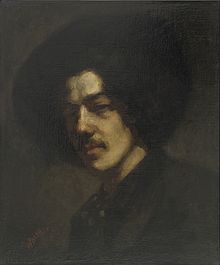
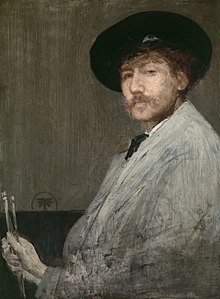
Whistler completed a portrait for a wealthy and highly placed
client, who was dissatisfied with the finished work.
“I really think Mr Whistler, he explained, that it is a bad
work of art.”
Whistler shrugged and looked coolly at the man. He said, “but
then you must admit that you are not a good work of nature.”
(James Abbott
McNeill Whistler was an American artist, active during the American Gilded Age
and based primarily in the United Kingdom. He was averse to sentimentality and
moral allusion in painting, and was a leading proponent of the credo “art
for art’s sake”. Wikipedia
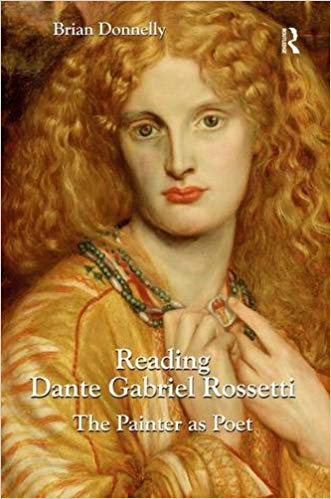
Whistler once admired a picture Rossetti was painting and
sometime afterward asked him how it was going.
“All right, said Rossetti, I have ordered a stunning frame
for it” .
Later Whistler saw it framed, but not at all advanced in
execution. “You have done nothing to it since I saw it, have you?”
“No,oo,said Rossetti, but I have written a stunning sonnet on
the subject”.
“Then, replied Whistler, take out the picture and frame the
sonnet”.
(Gabriel Charles
Dante Rossetti (12 May
1828 – 9 April 1882), generally known as Dante Gabriel Rossetti(/rəˈzɛti/),[1] was a British
poet, illustrator, painter and translator, and a member of the Rossetti family).
Xxx
Whistler and Turner Rivalry
Whistler detested Turner. Unwittingly a lady
approached him one day requesting Mr Whistler, my husband has discovered in an
auction shop what he thinks are two genuine Turners. Would you be kind enough
to come and tell us whether they are genuine Turners or imitation Turners.
Madam, said Whistler, that is a fine distinction.
(Joseph Mallord William TurnerRA (23
April 1775 – 19 December 1851), known as J. M. W. Turner and
contemporarily as William Turner,[a] was an English Romantic painter, printmaker and watercolourist.
He is known for his expressive colourisations, imaginative landscapes and
turbulent, often violent marine paintings.)
Xxx
Bury your
Paintings!
A painter was advised to turn a physician:
For now all his faults were seen; then they would be buried.
Xxx
I like Ladies Room!
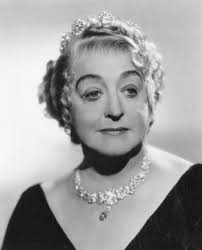
Helen Westley, the actress, while playing in a Theatre Guild Show in Chicago, decided to see the sight s of the city. Some days later, a culture bitten colleague enthusiastically raised the subject of her visit to the galleries of the Art Institute. The room of contemporary American painters is superb! She chanted.
“I prefer the Rembrandt room”, commented Frank Reicher. Then everyone turned questioningly to the noted character actress.
“And which room in the museum do you prefer, Helen?” “I, remarked, the incorrigible Miss Westley without blinking an eyelash, “Why I prefer the ladies room.”
(Helen Westley (born Henrietta Remsen Meserole Manney; March 28, 1875 – December 12, 1942) was an American character actress). Xxx Have you seen an Angel? At a showing of the work of Rockwell Kent, a woman, who had been gazing at one of his celebrated angels, approached him and said, No angel ever looked like that! Have you ever seen an angel, Madam? asked Kent.
The great moral satirist, Hogarth, was once drawing in a room
where many of his friends were assembled, and among them a young lady. As she
stood by Hogarth, she expressed a wish to learn to draw caricature.
“Alas! Young lady, said Hogarth, it is not a faculty to be
envied. Take my advice, never draw caricature — by the long practice of it I
have lost the enjoyment of beauty. I never see a face but distorted. I have
never the satisfaction of to behold the human face divine.”
William Hogarth
Painter
Description
William Hogarth
FRSA was an English painter, printmaker, pictorial satirist, social critic, and
editorial cartoonist. Wikipedia
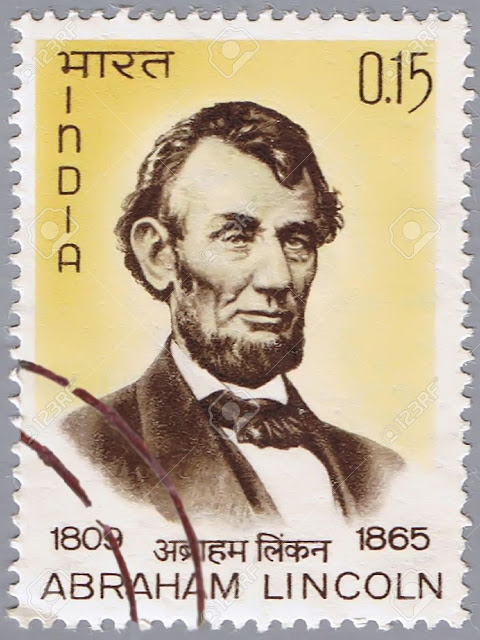
Abraham Lincoln was shown a picture done by a very
indifferent hand, and asked to give a opinion of it.
Why? said Lincoln, the painter is a very good painter and
observes the Lord’s commandments
What do you mean by that, Mr Lincoln?
Why I think, answered Lincoln, that he hath not made to
himself the likeness of anything that is in the heaven above, or that is in the
earth beneath or that is in the waters under the earth.
Xxx
Nature is creeping up
On one occasion a woman said to Whistler,
I just came up from the country this morning along the Thames
and there was an exquisite haze in the atmosphere which reminded me so much of
your little things. It was really a perfect series of Whistlers.
“Yes, Madame, Whistler responded gravely,
Nature is creeping up.”
James Abbott McNeill Whistler
American artist
Description
James Abbott
McNeill Whistler was an American artist, active during the American Gilded Age
and based primarily in the United Kingdom. He was averse to sentimentality and
moral allusion in painting, and was a leading proponent of the credo “art
for art’s sake”. Wikipedia
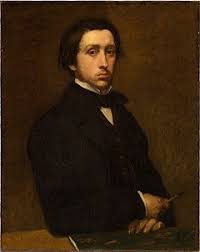
Degas stopped to look at each canvas, and presently gave a little exclamation of disgust. “To think, he remarked, that not one of these fellows has ever gone so far to ask himself what art is all about!”
“Well, what is all about? “Countered the critic. “I have spent my whole life trying to find out . If I knew I should have done something about it long ago”.
Xxx Thank God, I don’t know my style!
Ambroise Vollard once told Degas of a painter who had come to
him, exclaiming,
“At last I have found my true style!”
“Well, said Degas, I am glad I have not found my style yet. I
would be bored to death.”
Edgar Degas
French artist
Description
Edgar Degas was a
French artist famous for his paintings, sculptures, prints, and drawings. He is
especially identified with the subject of dance; more than half of his works
depict dancers. Regarded as one of the founders of Impressionism, he rejected the
term, preferring to be called a realist.Wikipedia
Although the French public at first said only
that cubism was crazy, a leading art merchant added,
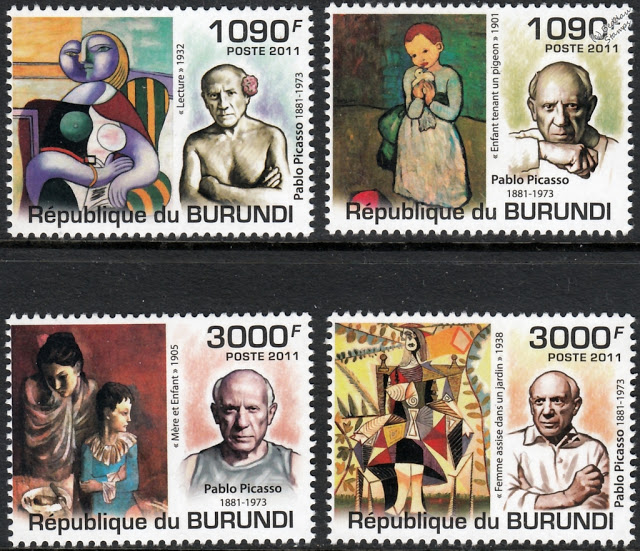
“I am now buying Picasso and not because I have
any taste for him but because he will be worth a lot of money some day”.
Xxx
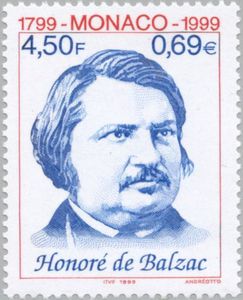
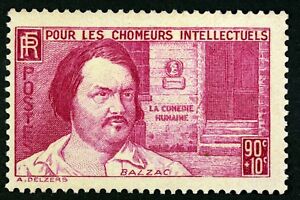
POOR BALZAC!
Honere de Balzac lived many years in a cold and
all but an empty attic. There was no flame in his fire place, no picture on his
wall. But on one wall he inscribed with charcoal,
Rosewood panelling with commode; on another
Gobelin tapestry with Venetian mirror, and in the place of honour over the
fireless grate,
Picture by Raphael.
(Honoré de Balzac was a French novelist and playwright. The novel sequence La Comédie humaine, which presents a panorama of post-Napoleonic French life, is generally viewed as his magnum opus.)
Xxxx
COLOUR BRAIN
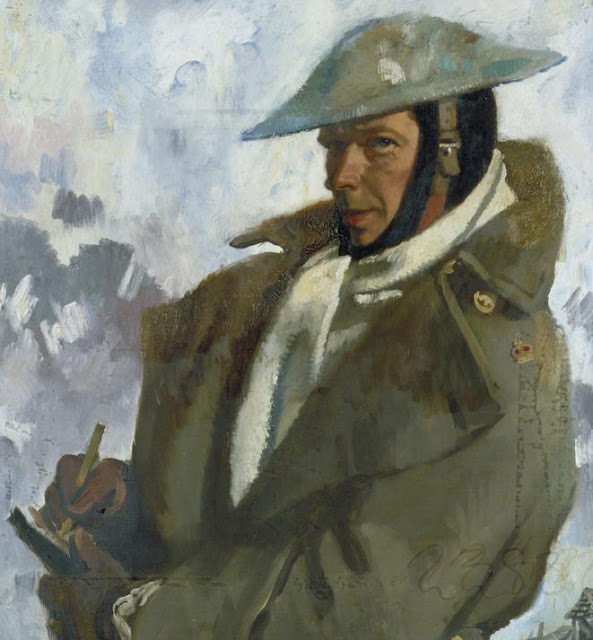
When someone asked the famous painter Orpen
How do you mix your colours?
He answered
“With brains, sir.”
(Major Sir William Newenham Montague Orpen, KBE, RA, RHA, was an Irish artist who worked mainly in London. Orpen was a fine draughtsman and a popular, commercially successful, painter of portraits for the well-to-do in Edwardian society, though many of his most striking paintings are self-portraits.)
Xxx
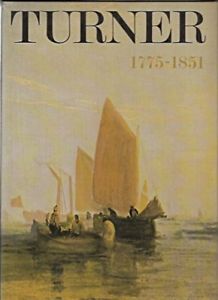
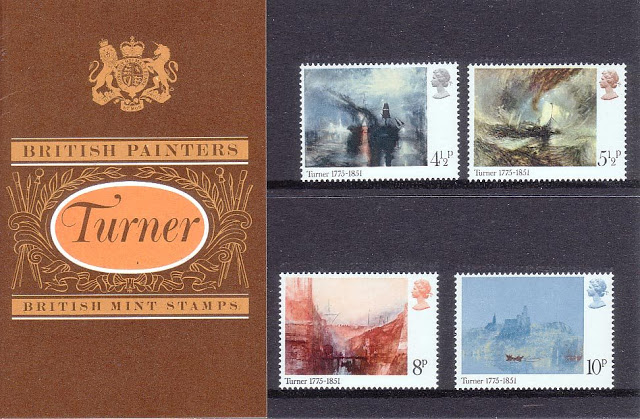
STORMY TURNER
The artist Turner invited Charles Kingsley, the
author, to his studio to view his picture of a storm at sea. Kingsley was
wrapped in admiration .
How did you do it, Turner? He exclaimed.
I wished to paint a storm at sea, answered
Turner, so I went to the coast of Holland and engaged a fisherman to take me
out in his boat in the next storm. The storm was brewing, and I went down to
his boat and bade him bind me to its mast. Then he drove the boat out into the
teeth of the storm. The storm was so furious that I longed to be down in the
bottom of the boat and allow it to blow over me. But I could not; I was bound
to the mast. Not only did I see the storm and feel it, but it blew into me till
I became part of the storm. And then I came back and I painted that picture “
Joseph Mallord William Turner RA, known as J. M. W. Turner 1775-1851,and contemporarily as William Turner, was an English Romantic painter, printmaker and watercolourist. He is known for his expressive colourisations, imaginative landscapes and turbulent, often violent marine paintings
Date: 16 JANUARY 2019 GMT Time uploaded in London –15-51 Post No. 5943 Pictures shown here are taken from various sources including google, Wikipedia, Facebook friends and newspapers. This is a non- commercial blog.
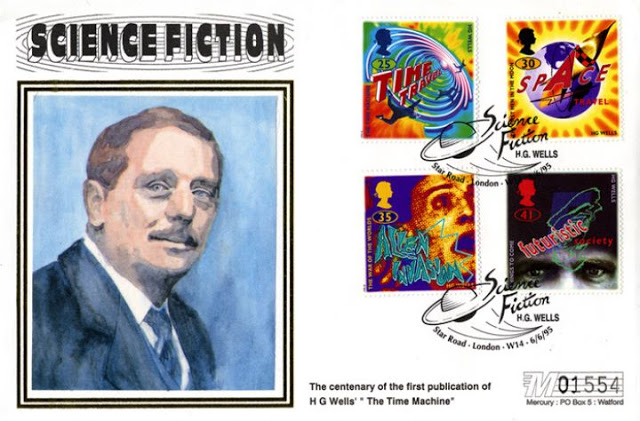
H G WELLS PROFILE
BORN SEP.21, 1866
DIED AUG.13, 1946
AGE AT DEATH – 79
PUBLICATIONS
1895 THE TIME MACHINE
1896 THE ISLAND OF DR MOREAU
1897 THE INVISIBLE MAN
1898 THE WAR OF THE WORLDS
1899 WHEN THE SLEEPER AWAKES
1901 THE FIRST MEN IN THE MOON
1908 THE WAR IN THE AIR
1920 THE OUTLINE OF HISTORY
1933 THE SHAPE OF THINGS TO COME
1939 THEHOLY TERROR
The English writer H G Wells is
often regarded as the father of modern science fiction.
Herbert George Wells was born in
Bromley, in the south of England. His family was not wealthy, and he only
escaped a career as a shop assistant by winning a scholarship to a science
school in London. In college, his tutor was Thomas Huxley, a famous scientist
who taught him about Darwin’s Theory of Evolution, which states animals evolve
in response to changes in their environment. Wells was fascinated by what this
idea might mean for the future of humanity wand explored it in many novels.
Wells worked as a book keeper, tutor
and journalist until he was 29, when he became a full time writer. In his
career, he wrote over 80 stories and novels. Some of these were science fiction;
some were novels about political and social ideas. Wells also wrote a popular
history book, The Outline of History.
The Time Machine, Well’s first
novel, is one of his best-known works. It is about a time traveller who
journeys to future and witness the dying moments of the planet earth. Wells
describes how, in future, human beings, have evolved into two species, the
useless Eloi and the practical Morlocks. In another famous novel, The War of
the Worlds, Wells describes how Martitians invade the Earth and are only
defeated by common human germs.
Wells had great faith in the potential of science and technology to solve the problems of the human race. However, as he grew older, he began to feel that human beings are too cruel and selfish to use technology for good rather than for evil. Xxx SUBHAM xxx
Date: 10 JANUARY 2019 GMT Time uploaded in London – 10-42 am Post No. 5912 Pictures shown here are taken from various sources including google, Wikipedia, Facebook friends and newspapers. This is a non- commercial .
Written by London Swaminathan swami_48@yahoo.com Date: 31 December 2018 GMT Time uploaded in London –7-24 am Post No. 5862
Pictures shown here are taken from various sources including google, Wikipedia, Facebook friends and newspapers. This is a non- commercial blog.
அலெக்ஸிஸ் பிரொன் (Piron) என்பவர் புகழ் பெற்ற பிரெஞ்சு நாடக ஆசிரியர். ஒரு சமயம் அவர் ஒரு போலி எழுத்தாளரிடம் மாட்டிக்கொண்டார். எதிர்பாராத நேரத்தில் அந்த ஆசாமி வந்து, ‘ஐயா பெரியவரே, என் கவிதைகளை நீங்கள் கேட்டு, கருத்து சொல்ல வேண்டும்’ என்றார்.
தயவு தாட்சிண்யம் காரணமாக பிரோனும் சரி என்று ஒப்புக்கொண்டார்.
ஆனால் கவிதை எழுதியதாகச் சொல்லிக்கொண்டு வந்த படைப்பாளி, பயங்கரக் ‘கள்ளக் காப்பி’ அடிப்பவர். பிரபல கவிஞர்களின் எழுத்துக்களை அப்படியே எடுத்துக்கொண்டு முன்னும் பின்னும் ஓரிரு சொற்களைச் சேர்த்து தான் எழுதியதாக பாவனை செய்தார்.
பிரோனுக்கு என்ன செய்வதென்று தெரியவில்லை. போலிக் கவிஞர் கவிதை வாசிக்கும்போது, எங்கெங்கு எல்லாம் மற்றவர் படைப்புகளைத் திருடி இருந்தாரோ அந்த இடமெல்லாம் தன் தொப்பியை கையில் எடுத்துக்கொண்டு பவ்யமாக சலாம் போட்டார்.
போலிக் கவிஞர் இதைப் பார்த்துக் கொண்டே இருந்தார். அவருக்கு ஒரே வியப்பு. திடீரென்று கவிதைகள் வாசிப்பதை நிறுத்திவிட்டு.
‘அன்பரே! அவ்வப்பொழுது தொப்பியைக் கழற்றிவிட்டு தலை குனிந்து சலாம் போடுகிறீர்களே! இதன் தாத்பர்யம் என்னவோ?’
உடனே பிரோன் சொன்னார்:
‘ஓ! அதுவா? வேறு ஒன்றுமில்லை; நான் பழைய நண்பர்களைச் சந்திக்கும்போது போடும் சலாம் அது! பழக்க தோஷம்; அவ்வளவுதான்- என்றார்.
(காப்பி அடிக்கப்பட்ட பழைய கவிஞர்களின் வரிகள் வந்த போதெல்லாம் அவர் சலாம் போட்டது, போலிக் கவிஞருக்குப் புரிந்ததோ இல்லையோ!)
Xxx
பாழாய்ப் போன பார்ஸல் மீண்டும் வந்தது!
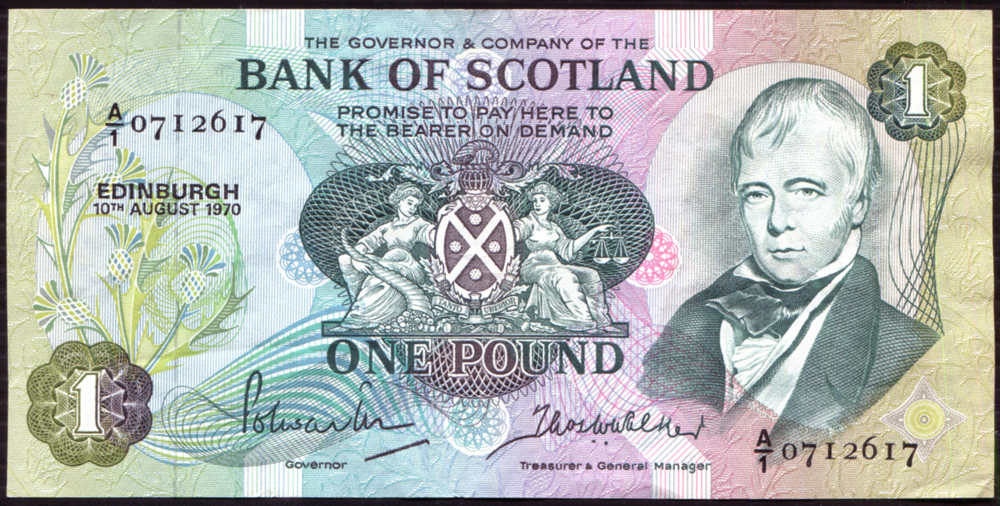
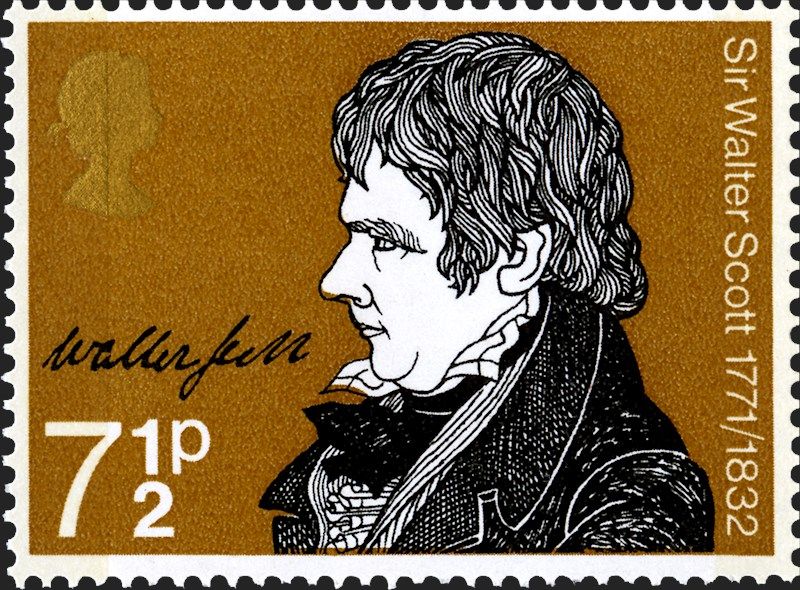
ஸ்கட்லாந்தைச்சேர்ந்த பிரபல ஆங்கில எழுத்தாளர் ஸர் வால்டர் ஸ்காட் (Sir Walter Scott) . அவர் நாவல் ஆசிரியர், கவிஞர், வரலாற்று ஆசிரியர். அவர் வாழ்க்கையில் நடந்த ஒரு சம்பவம்:–
“வசந்த காலத்தில் ஒரு நாள் ஒரு பெரிய பார்ஸல் நியூயார்க்கிலிருந்து வந்தது. அவசரம் அவசரமாகப் பிரித்தேன். ஒரு பெண்மணி ஒரு பெரிய கதை எழுதி, அன்பான கடிதம் ஒன்றையும் எழுதி வைத்திருந்தார்.
‘அன்பரே! பெருந்தகையோனே!
என் கதைக்கு ஒரு அழகான முன்னுரை பின்னுரை எழுதுக.
எங்கெங்கெல்லாம் திருத்த வேண்டுமோ அங்கெங்கெல்லாம் ‘நகாசு’ வேலை செய்து திருத்துக. இதை வெளியிடவும் ஏற்பாடு செய்துவிடுங்கள்; காப்பி ரைட் கேட்டு பலரும் வாசலில் ‘க்யூ’வில் நிற்க வேண்டும்; அப்படி என் கதையை ஜொலிக்கச் செய்துவிடுங்கள்’.
இதைப் படித்துவிட்டு பார்சலின் அட்டையைப் பார்த்தேன். எனக்கு ஐந்து பவுன் அபராதம் விதிக்கப்பட்டிருந்தது. அதைப் பார்த்து நொந்து போனேன்.அந்தப் பெண்மணி சரியாக தபால் கட்டணம் செலுத்தவில்லை!
காலம் உருண்டோடியது; காலைத் தபால்களை ஆவலுடன் பிரித்துப் படித்துக் கொண்டிருந்தேன். ஒரு பெரிய பார்ஸல்! அவசரப்பட்டு பிரித்துவிட்டேன்! என் பாழாய்ப்போன ஞாபக மறதி! அதே பெண்மணியின் பார்ஸல்!! கத்தை கத்தையாக எழுத்துப் பிரதிகள். அத்துடன் பவ்யமான ஒரு கடிதம்
“மீண்டும் அதே கதையை அனுப்புவதற்கு மன்னிக்கவும்; போன தடவை பார்ஸல் அனுப்பிய பின்னர்தான் ஒரு செய்தி படித்தேன். கடலில் பெருங் காற்றாம்; ஒரே புயல் மழையாம். ஒருவேளை நான் அனுப்பிய பார்ஸல் உங்களிடம் வந்து சேரவில்லையோ என்று ஒரு ஸம்சயம்; அவ்வளவுதான்”.
ஸர் வால்டர் ஸ்காட் தலை மயிரைப் பிய்த்துக்கொள்ளாத குறைதான்; வெந்து,நொந்து, நைந்தே போனார்.
xxx
என் தரத்துக்கு ‘காப்பி’ அடிக்கவில்லையே!
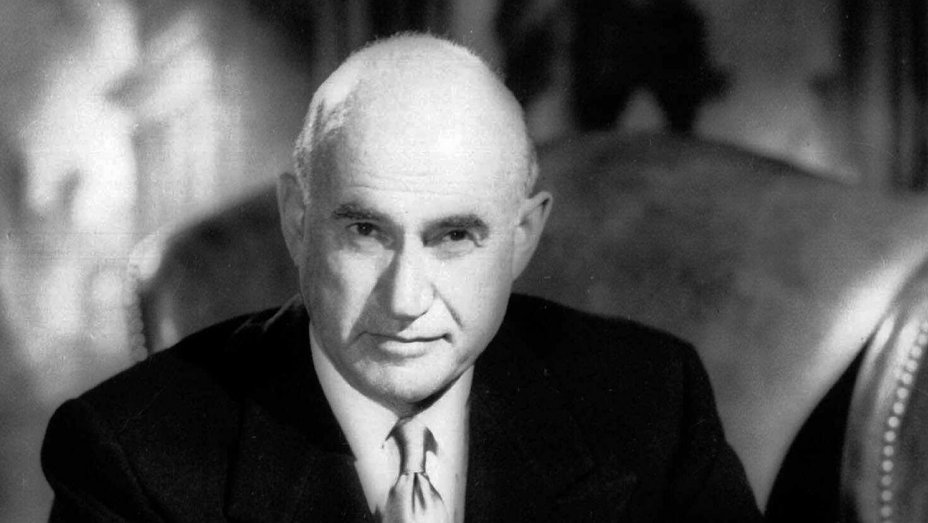
சாமுவேல் கோல்ட்வின் (Samuel Goldwyn) என்பவர் போலந்து நாட்டில் பிறந்த அமெரிக்க திரைப்படத் தயாரிப்பாளர்.
ஒரு பொய்யன், அவர் எழுதுவதாக,அவர் பெயரில் போலி விமர்சனங்களைப் பத்திரிக்கையில் எழுதி வந்தான். இது சாமுவேலுக்கும் தெரியும். ஒரு முறை அந்த ‘போலி சாமுவேல் கோல்ட்வின்’, உடல் நலம் குன்றி எழுதவில்லை. உடனே மற்றொரு பொய்யன் கோல்ட்வின் பெயரில் அந்த வாரப் பத்திரிக்கையில் எழுதி இருந்தான். அதைப் அடித்த உண்மைச் சாமுவேலுக்குக் கொஞ்சம் வருத்தம்.
“அடடா! முந்தைய போலி போல, இவருக்கு நன்றாக எழுதத் தெரியவில்லையே!”-
என்று அங்கலாய்த்தார்!
சுய விமர்சனத்திலும் ஒரு பெருந்தன்மை!
xxxx
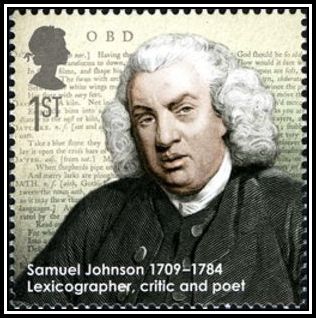
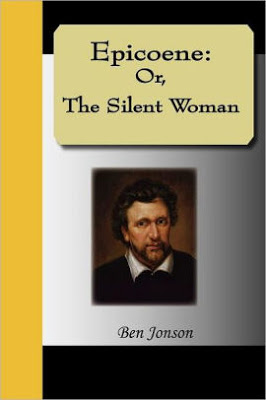
பென் ஜான்ஸனா! பிச்சைக்காரனா?
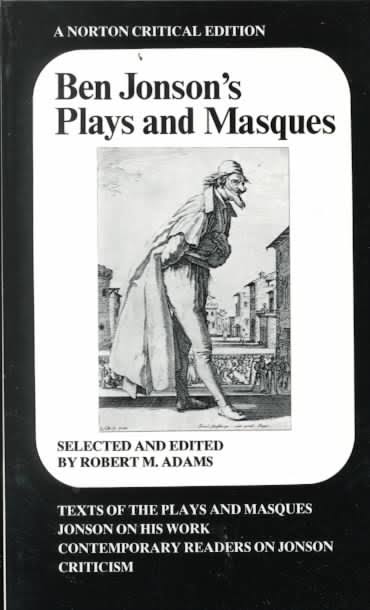
பென் ஜான்ஸன்(Ben Johnson) என்பவர் 400 ஆண்டுகளுக்கு முன்னர் வாழ்ந்த ஆங்கிலக் கவிஞர், நாடக ஆசிரியர், இலக்கிய விமர்சகர்.
அந்தக் காலத்தில் கிராவன் பிரபு (Lord Craven) என்பவர் , பென் ஜான்ஸனின் படைப்புகளால் ஈர்க்கப்பட்டார். நண்பர்களிடம் பேசுகையில், ‘அட, எவ்வளவு சிறந்த எழுத்தாளர் அவரை என்றாவது ஒரு நாள் பார்க்க வேண்டும்’ என்று செப்பியிருந்தார்.
இது பென் ஜான்ஸனின் காதுகளையும் எட்டியது. உடனே ஒரு நாள், குசேலர் (சுதாமா) கிருஷ்ண பரமாத் வைப் பார்க்கப் போனது போல, கந்தலும் பிசுக்கும் உடைய ஆடைகளுடன் கிராவன் பிரபுவின் அரண்மனைக்குப் போனார்.
காவற்காரன் கேட்டான்:
யாரடா நீ?
‘நானா? பென் ஜான்ஸன் என் பெயர். ஐயாவைப் பார்க்க வந்தேன்’.
சீ’ போ! பிச்சைக்காரப் காரப்பயலே! ஐயாவைப் பார்க்க வந்தவனின் மூஞ்சியையும், மொகரையையும் பாரு’– என்று திட்டி விரட்டினான்.
பென் ஜான்ஸனும் விடவில்லை
டேய் போடா; நீதாண்டா பிச்சைக்காரன். நான் பென் ஜான்ஸண்டா; கொப்பன் மவனே! என்று பதிலுக்கு வசை பாடினார்.
ஏதோ அரண்மனை வாசலில்
‘’கச முசா’’ நடக்கிறது என்பதை அறிந்த கிராவன் பிரபு வாசலுக்கு வந்தார்.
‘ஐயா என்ன வாக்குவாதம்? உங்களுக்கு என்ன வேண்டும்?’ என்று கேட்டார்.
‘நானா? நான் பென் ஜான்ஸன்! ஐயாவைப் பார்க்க வந்தேன். அவர் என்னைப் பார்க்க வேண்டும் என்று ஆசைப்பட்டாராம்’.
அட! நீங்கள் பென் ஜான்ஸனா?
ஒரு வாத்து வந்தால் கூட ‘சூ’ என்று விரட்டப் பயப்படும் ஆள் போல அல்லாவா இருக்கிறீர்கள்! தி ஸைலண்ட் உமன் புஸ்தம் எழுதிய பென் ஜான்ஸனா? என்றார் கிராவன்.
பென் ஜான்ஸனா விடுவார்! படைப்பாளி ஆயிற்றே!
‘’சூ, சூ’’ என்று உரத்த குரலில் விரட்டிக் காட்டினார்.
கிராவன் பிரபுவுக்கு ஒரே குஷி! குசேலரை, கண்ணபிரான், அரண்மனைக்குள் அழைத்துச் சென்று உபசரித்தது போல ஸர்வ உபசாரங்களையும் செய்தார்.
tags–போலி எழுத்தாளர்கள், பிரோன்;சர் வால்டர் ஸ்காட், பென் ஜான்சன்
Compiled by London Swaminathan swami_48@yahoo.com Date: 31 December 2018 GMT Time uploaded in London –5-25 am Post No. 5861
Pictures shown here are taken from various sources including google, Wikipedia, Facebook friends and newspapers. This is a non- commercial blog.
Lord Craven during the reign of King James I was anxious to meet Ben Johnson, the poet. When the later learned of it he proceeded to call on his lordship. He was in a very shabby condition and the porter insulted him and asked him to go about his business. The poet, enraged, returned the compliment s. Lord Craven, hearing the disturbance came out to inquire about it.
I understand your lordship wishes to see me, said the poet. You, friend! Exclaimed Lord Craven. Who are you?
“Ben Johnson “
No,no, you can’t be Ben Johnson who wrote “The Silent Woman “. ; you look as if you could not say Boo to a goose.
Boo, then! Cried Ben Johnson.
His lordship laughed and profusely apologised: you are Ben Johnson after all.
Xxxx
Sir Walter Scott told this story
“ One morning last spring, I opened a huge bunch of despatch…the contents proved to be a MS play by a young lady of New York who kindly requested me to read and correct it, equip it with prologue and epilogue, procure it for a favourable reception from the manager of Drury Lane and make Murray or Constable bleed handsome ly for the copyright ; and inspecting the cover I found that I had been charged five pounds odd for the postage . This was bad enough— but there was no help, so I groaned and submitted. A fortnight or so after, another packet , of not less formidable bulk arrived, and I was absent enough to break its seal too without examination.
Conceive my horror when out jumped the same identical tragedy of The Cherokee Lovers, with a second epistle from the authoress, stating that, as the winds had been boisterous, she feared the vessel entrusted with her former communication might have foundered, and therefore judged it prudent to forward a duplicate “.
Xxx
At an unguarded moment Piron was buttonholed by a poetaster who, standing his victim in a corner, announced that he was going to to read him the five entire acts of a tragedy he had just dashed off. After hearing the first scene, Piron perceived that the play was nothing but a potpourri of verses pillaged from other poets. So as he stood wearily listening he took off his hat and made a low bow to each quotation he recognised. The author at length lifted his eyes, observed Piron’s repeated salutation, and asked him why he bowed so often. Why, said Piron as he edged away, that is the way I am accustomed to recognise old friends when I find them “.
Xxxx
Albert Smith once wrote an article in “Black woods “ , signed AS. “Tut”, said Douglas Jerrold, on reading the initials, “what a pity Smith will tell only two thirds of the truth.
Xxxx
Self criticism is an admirable human trait. It is demonstrated in this story of Samuel Goldwyn. A ghost writer, who had been doing a series of articles purporting to be by Goldwyn, became sick and one of the pieces was done by a substitute ghost. Goldwyn, upon reading this article, expressed some dismay, saying,
“This is not up to my usual standard “.
Tags– authors anecdotes, Goldwyn, Sir Walter Scott, Piron, Ben Johnson













 Tamil and Vedas