சுமேரியாவில் சம்ஸ்கிருத சொற்கள்!!

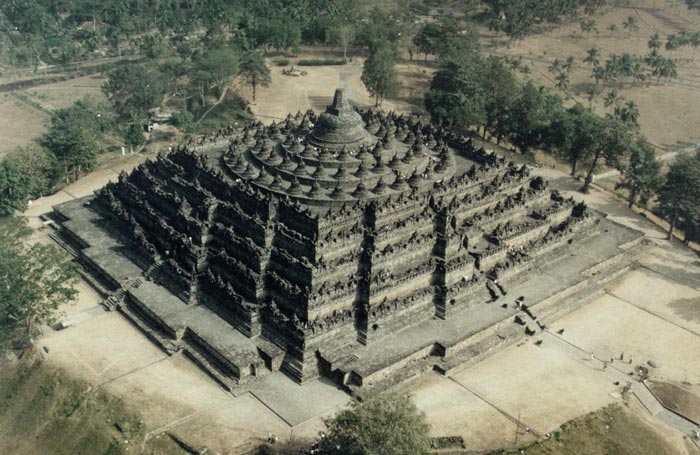
borobudur_aerial
Borobudur Temple in Indonesia in Meru style!

Written by London Swaminathan
Post No. 1039; Dated 13th May 2014.

(Already published in English under “Sumerian Words in Sanskrit: Sumukan Mystery on 12th may,2014. Following is the Tamil version)

டைக்ரீஸ், யூப்ரடீஸ் நதிகளுக்கு இடைப்பட்ட பிரதேசத்தை மெசபொடேமியா என்பர். இங்குதான் உலகின் மிக முக்கிய நாகரீங்களான பாபிலோனிய, சுமேரிய, அக்கடிய, மிட்டனி, ஹிட்டைட், காசைட் நாகரீகங்களும் வம்சங்களும் தழைத்தோங்கின. இவைகளில் மிட்டனி நாகரீகத்தில் தசரதன் பிரதர்தனன் என்ற புராண மன்னர்களின் பெயர்களும் ரிக் வேத துதிகளும் இருப்பது விந்தையிலும் விந்தை. கி.மு. 1400 ஆண்டுகளிலேயே துருக்கி- சிரியா பகுதிகளில் வேத கால நாகரீகம் இருந்தது வெள்ளைக்கார அறிஞர்களைத் திடுக்கிட வைத்தது—திக்கு முக்காடச் செய்தது. காஞ்சி பரமாசார்ய சுவாமிகள் போன்றோர் 1932 ஆம் ஆண்டிலேயெ சென்னைச் சொற்பொழிவில் இதைக் குறிப்பிட்டபோதும் இந்திய அறிஞர்களோ வெளிநாட்டு அறிஞர்களோ இதைக் கண்டு கொள்ளவே இல்லை. உலக நாகரீகங்கள் பற்றிய கலைகளஞ்சியங்களில் மட்டும் இதற்கு ஒரு பக்கம் அல்லது இரண்டு பக்கம் ஒதுக்கி இருக்கிறார்கள்!!

காரணம் என்ன? இதை விரிவாக ஆராய்ந்தால் அவர்கள் சொன்ன ஆரிய—திராவிட வாதத்தை குழிதோண்டிப் புதைத்து சமாதி கட்டியது போல ஆகிவிடும். ஆகவே அமுக்கமாக இருந்துவிட்டனர். இந்தியர்களோவெனில் அந்தக் காலம் முதல் இந்தக்காலம் வரை வெளிநாட்டு அறிஞர்களுக்கு ஒத்து ஊதுவதே தமது ‘’தெய்வீகக் கடமை’’யாகக் கொண்டுவிட்டனர்!!

சுமேரியாவில் களிமண் ஏடுகளில் கண்டுபிடிக்கப்பட்ட 60,000 வரிகள் கொஞ்சம் கொஞ்சமாக வெளிவருகிறது. லண்டன் பல்கலைக் கழகம் போன்ற பெரிய பல்கலைக் கழகங்களில் இதற்கெனவே துறைகள் இருப்பதாலும், பிரிட்டிஷார் உலகம் முழுதும் வரலாற்றுப் பொக்கிஷங்அளைக் கொள்ளையடித்து பிரிட்டிஷ் மியூசியத்தில் குவித்து வைத்திருப்பதாலும் சுமேரிய பாபிலோனிய விஷயங்களில் அக்கறை செலுத்துகின்றனர். இந்தியர்களும் கண்ணில் விளக்கு எண்ணெய் ஊற்றிப் படித்தால், பல ரகசியங்கள் வெளிவரும். சிரியா- எல்லை அருகில் உள்ள மிட்டனி, ஹிட்டைட், காசைட் ஆகிய மூன்று நாகரீகங்களும் “ஆரிய” செல்வாக்குடைய நாகரீகங்கள் என்ற வரிகளுடன் வெள்ளைக்காரர்கள் முடித்து விடுகின்றனர். இவைகளை தீர ஆராய்வது நம் கடமை. உலகம் முழுதும் இந்தியர்கள் எப்படி நாகரீகத்தைப் பரப்பினர் என்பதை இதில் அறிய முடியும்.

sri yantra
Sri Yantra with Meru as centre is used in Hindu Pujas

‘’சுமேரு’’ சொல் விளக்கம்
எகிப்தியர்களும் சுமேரியர்களும் தாங்கள் அந்த நாட்டுக் குடிமக்கள் அல்ல என்றும் வெளியில் இருந்து வந்த ‘வந்தேறு குடிகள்’ என்றும் தெள்ளத் தெளீவாக எழுதிவைத்துள்ளனர். இதற்கு நேர் மாறாக சங்கத் தமிழ் இலக்கியமும் இந்து மத வேத ,இதிஹாச, புராணங்களும் பாரத புண்ய பூமியில் இந்துக்கள் தொன்று தொட்டு வாழ்வதாகக் கூறுகின்றன. பாரதியார் போன்ற உண்மை விளம்பிகள், ‘எந்தையும் தாயும்’ போன்ற பாடல்களில் இதைப் பாடியும் வைத்தனர்.

மேரு என்பது கடவுளின் இருப்பிடம் என்றும் அது தொலைவில் வடக்கே இருப்பதாகவும் இந்துமத புராணங்கள் இயம்பும். மேலுலத்தில் ஒரு மேரு இருப்பதும் (தேவியின் வசிப்பிடம்), அதே போல பூமியில் ஒரு இடம் இருப்பதும் வெள்ளிடை மலை என விளங்கும். புத்த மதத்தினர் கைலாஷ் மலைப் பகுதியைக் கூட மேரு என்பர். சுருக்கமாக்ச் சொல்ல வேண்டுமானால், உயரமான மேடு (மேரு) கடவுள் வசிக்கும் இடம்; இது புனிதமான பகுதி.

வட துருவத்தை சுமேரு என்றும் தென் துருவத்தை குமேரு என்றும் அழைப்பர் (காண்க: காஞ்சி பரமாசார்யார் சொற்பொழிவுகள்). பாமீர் பீட பூமி என்பது பா+மேரு என்பதன் சுருக்கம். கென்யாவில் (ஆப்பிரிக்கா) உயரமான சிகரத்தின் பெயர் மேரு. இந்தோநேஷியாவில் போரோபுதூர் கோவில், கம்போடியாவில் அங்கோர்வட் கோவில் ஆகியன மேரு வ்டிவில் அமைக்கப்பட்ட கோவில்கள். தேவி உபாசகர்கள் வணங்கும் ஸ்ரீசக்ரமும் நடுவில் மேருவை உடையததே.
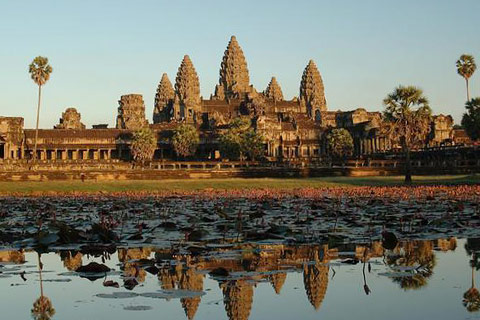
Angkor-Wat
Angkor Wat Temple in Cambodia designed as Meru

சுமேரியா என்பதற்கு தெளிவான பொருள் கிடைக்கவில்லை என்று எல்லா கலைக் களஞ்சியங்களும் செப்புவதைக் காணலாம். இதற்கு நம்முடைய வட மொழி விளக்கமே சாலப் பொருந்தும். சு+மேரு. உயரமான பகுதியின் பெயரை அவர்கள் வைத்ததற்கு அவர்களுடைய பூர்வீக இந்து மத நம்பிக்கை காரணமாக இருக்கலாம். இதற்கு என்ன ஆதாரம்?

உலகில் பெர்லின் என்ற பெயரில் மட்டும் இருபதுக்கும் மேலான ஊர்கள் இருக்கின்றன. அமெரிக்காவில் ஒரு சேலம் நகரம் இருக்கிறது. தமிழ் நாட்டு சேலம் எல்லோரும் அறிந்த ஊர். மேலூர், புதூர் போன்ற ஊர்கள் தமிழ்நாட்டில் ஏராளம். ஆக இரண்டு பெயர்கள் ஒன்றாக இருந்தால் உடனே இரண்டும் ஒன்று என்று பி.எச்டி. ‘தீஸிஸ்’ எழுதி விட முடியுமா? முடியவே முடியாது. உலகில் எல்லா மொழிகளிலும் சில, பல சொற்கள் ஒன்றாக இருக்கின்றன. ஆக எல்லா மொழிகளும் ஒன்று என்று சொல்லி விட முடியுமா? முடியாது. நமது கொள்கைகளை வலியுறுத்த வேறு பல ஆதாரங்களும் அவசியம்.

இந்த அடிப்படையில் சுமேரிய கலாசாரத்தை அணுகினால் சுமுகன் என்ற வடமொழிப் பெயரும், அழிகி, விழகி போன்ற அதர்வண வேதச் சொற் களும் கிடைக்கின்றன. இவைகளுக்கு சுமேரிய நிபுணர்களும் வேறு விளக்கம் சொல்ல முடியவில்லை. நான் நேற்று எழுதிய ‘’சுமேரியாவில் இந்து புராணக் கதை’’ என்ற கட்டுரையில் உலகம் முழுதும் கருடன் இனம்- நாகர் இனம் என்ற பெயரில் மனிதர்கள் மோதிக் கொண்டதையும் பிற்கால உபந்யாசகர்கள் அவைகளை உண்மையான பாம்புகள், கழுகுகள் என சித்தரித்ததையும் விளக்கினேன்.

சுமுகன் என்பது கருடனுக்கு ஒரு பெயர். அதன் பகைவனான பாம்புக்கும் ஒரு பெயர். பரமபத சோபான படத்தில் சுமுகன் பாம்பைப் பார்க்கலாம். விஷ்ணுவுக்கும் சுமுகன் என்பதை விஷ்ணு சஹ்ஸ்ரநாமம் பாராயணம் செய்வோர் அறிவர். வீடுகளுக்கு வந்து பூஜை செய்யும் ஐயர்கள் முதலில் பிள்ளையார் பூஜை போடுகையில் ‘சுமுகாய நம:’ என்று பிள்ளையாருக்கும் அதே பெயரைச் சொல்லுவதைக் கேட்கலாம். ஆக அழகான, மங்களகரமான முகம்= சு+முகம். இந்தப் பெயர் சுமேரியாவில் கடவுளாகவும், கடவுளின் தோழனாகவும் வருகிறது!
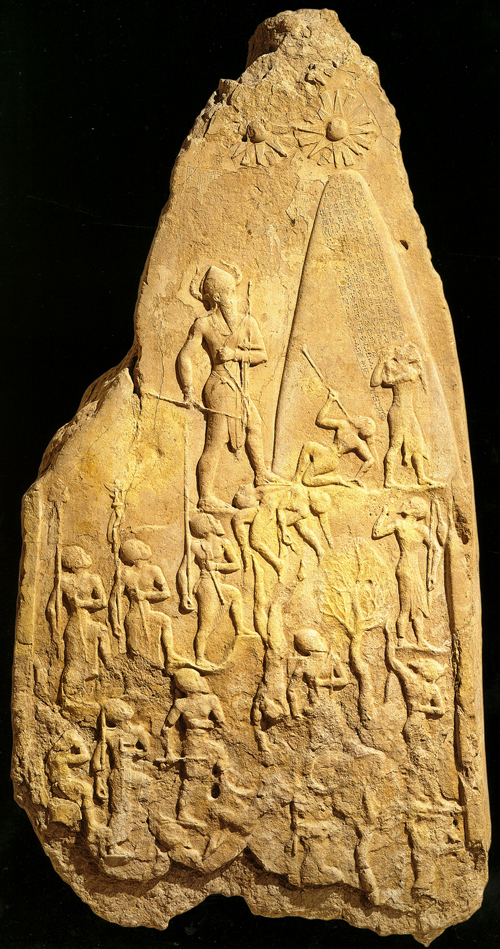
smallNaramSin
Stele of Naram Sin (2620 BCE) with Cosmic Mountain (Meru)

அழிகி, விழிகி என்ற பாம்புகள் (சொற்கள்) அதர்வண வேதத்தில் வருகின்றன. இவகளுக்கு விளக்கம் தெரியாமல் நம்மவர்களும் அதர்வண வேதத்தை ஆங்கிலத்தில் மொழி பெயர்த்து வெளியிட்ட வெளிநாட்டினரும் முழித்தனர். அசீரிய மன்னர்களின் பெயர்களில் இவை இருப்பது அண்மைக் கால ஆராய்ச்சியில் தெரிய வந்துள்ளது. ஆக மேலும் மேலும் சுமேரிய பாபிலோனிய நாகரீகங்களை ஆராய்ந்தால் புதிய, வியப்பான தடயங்கள் கிடைக்கலாம். அதன் பின்னர் அந்தப் பெயர்கள் எப்படிப் பரவின என்பதை நடு நிலையில் நின்ற ஆராய்ந்து பின்னர் நம் கொள்கைகளைப் பகரலாம், பறைசாற்றலாம்.
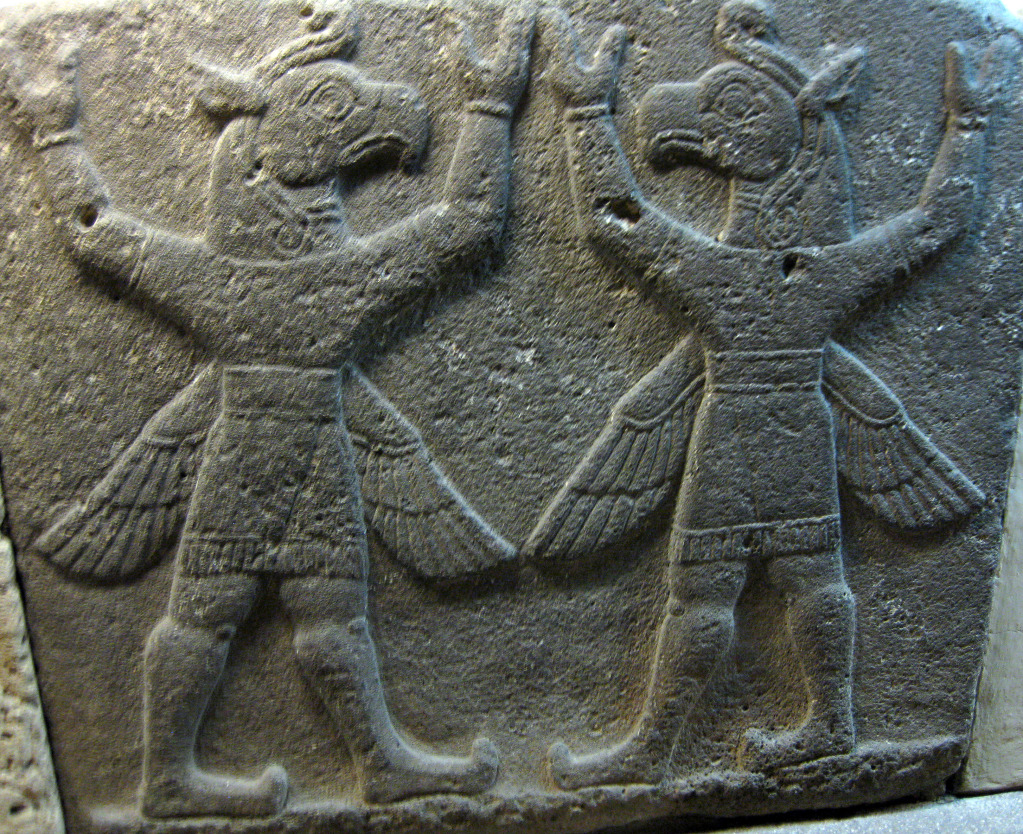
carchemish birdment 9C BCE
Birdmen from Carchemish.

Contact swami_48@yahoo.com

Sanskrit words in Sumerian culture :Sumukan Mystery

borobudur_aerial
Borobudur in Indonesia in Mount Meru Design

Written by London Swaminathan
Post No. 1038; Dated 12th May 2014.

This article is a sequence to my article posted yesterday under the title “ A Hindu Story in Sumerian Civilization. This explains two Sanskrit words found in Sumeria: Sumeru and Sumukhan.

Sumeru : new information

The etymology of the word Sumeru is not known. But I guess it is a Sanskrit word: Su+ Meru. Vayu Purana says, “The earth had been stripped of vegetation. Brahma made an arrangement to refertilize the earth. He created Sumeru the calf and re-invigorated all types of seeds from the ground, yielding all types of vegetation, and they bore fruit. In the beginning of the Treta Yuga all the 14 types of cultivated cereals and pulses were created for the first time (Vayu Purana 141-149).

Meru is a mythical mountain in Hindu literature with various interpretations. Some identify it with the North Pole (Su Meru) and the South Pole (Ku Meru). Apart from the two, we have Pamir plateau (Pa+ Meru). We have another Meru peak in Kenya. It shows that any high place was also called Meru (In Tamil : Medu). So we should not confuse it with the original Meru. It is a word of Hindu (Sanskrit) origin. That is all I wanted to say. Sumerians say that they migrated to that area. They might have come from India. Sumukan and other unexplained Sanskrit words show their connection to India.

Angkor-Wat
Angkor Wat in Cambodia in Mount Meru Design

Who is Sumukan?
In Sanskrit hymns we have Sumuka as one of the names of Vishnu (SeeVishnu Sahasra Nama) and one of the names of Lord Ganesh. Of the 16 names of Lord Ganesh, Sumukha is the first name. It simply means good faced, Auspicious faced etc. It is also the name of Garuda (eagle).

SUMUKHA In the Mahabarata :

The following story from Mahabharata explains clearly a clash between two groups called Nagas ( snake people) and Eagle people.

“Sumukha was a Naga. He was chosen by Matali to be the husband of his daughter Gunakeshi. His grandfather Aryaka was very pleased when informed about it by Narada .But the eagle who had previously devoured Sumukha’s father Chikura, had vowed to soon devour Sumukha also. In spite of being told of the expected short life span of Sumukha, Matali nevertheless wanted to go ahead with the marriage. He then went to Indra and requested him to give long life to Sumukha. When Indra granted this, the eagle accused Indra of giving shelter to his rightful prey and then tried to scare Indra by showing off his strength. To put the eagle in his place, Indra put his arm on the eagle’s shoulder and then asked him to lift it. The eagle found himself crushed by the weight of Indra’s arm and acknowledged his defeat. (MB:5-103/4)

This episode of early times was related to Duryodhana by Kanva Rishi in an effort to convince him that like the eagle he too would be crushed if he went ahead in his determination to fight against the Pandavas. But even these efforts made no impact on Duryodhana”.
(p.281 of who is who in the Mahabharata).

carchemish birdment 9C BCE
Birdmen in Carchemish, Ninth century BCE

Kumaratantram, Chapter 5, Verse 13, an Agama says that is the name of a Dwarapalaka( Gatekeeper in the sanctum sanctorum):

Left: Sutehar
Right: Sumukhan

To sum it up, we have the name Sumukha for a Naga, an eagle (Garuda), and two gods (Lord Ganesh and Lord Vishnu). It is now clear that it is a Sanskrit word.

In Sumerian
In the Sumerian literature, we come across a name Sumukan. He has accompanied Etana, the first king of Kish in Sumer. But no one knows more than that. Etana story is connected with Eagle and Snake conflict (Please read my post “A Hindu Story in Sumerian civilization”, Post No. 1036, posted on 11th May).

Encyclopedia of Mythology also has very brief descriptions:
Sumukan: Anointed priest of the Great Gods
Sumugan: God of the river plains. Mesopotamian/Sumerian. In creation mythology he is given charge by the god Enki over the flat alluvial lands of southern Mesopotamia.

smallNaramSin

Sumerian King Naram Sin looking at cosmic mountain (Meru)

Atharva Veda names in Sumerian

Following excerpt is from my earlier post, “Serpent Queen: Indus Valley to Sabarimalai”, posted on 17 June 2012 in this blog:-

Rig Veda, the oldest religious book in the world, refers to a Sarpa Ranji (serpent queen). Atharva Veda also mentioned two snakes called Aligi and Viligi. Modern research by scholars showed that these were actually the names of two Assyrian Kings who lived in 3000 BC. If it is correct the Atharva Veda predates Indus Valley civilization. The fact that the Vedic civilization is older than the Indus valley is confirmed by the BARC (Bhaba Atomic Research Centre) research on Saraswati River that had frequent references in the Vedas. Saraswati River dried even before Indus culture reached its peak. May be the Indus culture was the continuation of Vedic culture. Now we have two proofs, one from the Assyrian sources and the other from the Vedas to prove its antiquity.

Contact swami_48@yahoo.com
சுமேரியாவில் இந்து புராணக் கதை!

eagle 883 BCE
Eagle headed genie with divine water (amrita) in Assyria 893 BCE

By London swamiathan
Post No.1037; Dated 12th May 2014.

சுமேரியா என்பது இன்றைய இராக், ஈரான் ஆகிய நாடுகளைக் கொண்ட பகுதியில் நிலவிய பழங்கால நாகரீகம். உலகில் எல்லா நாகரீகங் களுக்கும் முன்னதாக அது இருந்ததற்கான தொல்பொருட் சின்னங்கள் ஏராளமாகக் கிடைத்துள்ளன. களிமண் பலகைகளில் 60,000 வரிகள் அளவுக்கு விஷயங்கள் கிடைத்து இருக்கின்றன. இது சம்ஸ்கிருதம் போல தெள்ளிய நடை இலக்கியம் மற்றும் கணக்கு வழக்குகள். இதே போல மேலும் ஒரு 60,000 வரிகள் பேச்சு வழக்கு இலக்கியம் வேறு இருக்கிறது. இது பிராக்ருதம் போன்றது. எப்படி வடமொழி நாடகங்களில் பெண்களும் நகைச்சுவை நடிகரும் மட்டும் பிராக்ருதம் பேசினார்களோ அதே போல பெண்கள் மட்டும் கொச்சை வழக்கு சுமேரியன் மொழியைப் பேசினர். இவை எல்லாவற்றையும் படித்து வெளியிட இன்னும் பல ஆண்டுகள் பிடிக்கும். அதற்குப் பின்னர்தான் இதில் முத்துக் குளிக்க முடியும்.

சம்ஸ்கிருதத்தில் இதைவிடப் பன்மடங்கு இலக்கியம் இருந்தபோதிலும் அதன் பழமையை– சுமேரியாவுக்கும் முந்தையது என்று– மேல்நாட்டினர் ஒத்துக் கொள்வதில்லை. ஆனால் ஜாகோபி பொன்ற ஜெர்மானிய அறிஞர்கள் ரிக் வேத காலம் கி.மு.6000 என்று ஒப்புக்கொள்வர். அப்போது இவ்வளவு சுமேரிய விஷயங்கள் வெளியாகவில்லை.

இதுவரை வெளியான சுமேரிய இலக்கியங்களில்கூட இந்து மத நூல்களோடு ஒப்பிடும் பல வியப்பான விஷயங்கள் உள்ளன. எல்லோரும் அறிந்த விஷயம்—பிரளயம் பற்றிய கதை. இது நமது மச்சாவதாரத்தில் இருப்பது போல பைபிள் மற்றும் பல மத்திய கிழக்கு நூல்களில் உள்ளன. நான் பார்த்த வரையில் கருட புராணக் கதை, அதர்வ வேத (பாம்பு) நாகங்கள், சுமுகன் என்ற சம்ஸ்கிருத சொல் முதலியன கிடைத்திருக்கின்றன. முதலில் கருடன் கதையைப் பார்ப்போம்.

உலகம் முழுதும், நாகர்களுக்கும் பறவை ( கருடன் ) மனிதர்களுக்கும் நடந்த சண்டை பற்றி இலக்கியங்கள் பேசுகின்றன. அங்கே எழுதினவர்கள் நாகர்களையும் கருடன்களையும் மனிதர்கள் என்று பொருள்படவே எழுதினர். பிற்காலத்தில் இதை பாம்பு, கழுகு என்று மாற்றிச் சொல்லத் துவங்கிவிட்டனர். இதை மாயா, எகிப்திய, சுமேரிய நாகரீகங்களிலும் காணலாம்.
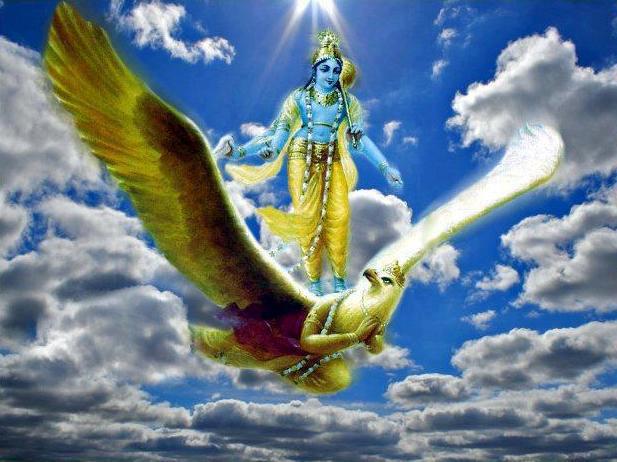
garuda vahan

மஹாபாரதம், புராணங்களில் வரும் நாகர்- கருடன் சண்டை பலருக்கும் தெரிந்திருக்கும். காஸ்யப மகரிஷிக்கு இருந்த பல மனைவியரில் விநதா என்பவளுக்கு கருடனும் கத்ரு என்பவளுக்கு பாம்புகளும் (நாகர்கள்) பிறந்தன என்றும் கொடுமைக்காரியான கத்ரு, விநதாவை அடிமையாக வைத்திருந்ததாகவும் தேவ லோக அமிர்த்தத்தைக் கொண்டுவந்து கொடுத்தால் அடிமை விலங்கை முறிப்பதாகச் சொன்னதாகவும் கதை.

உடனே கருடன் இந்திர லோகம் சென்று அமிர்தத்தைத் திருடியதாகவும் இந்திரன் சண்டை போடவே கருடன் ஒரு இறகைக் கொடுத்து கொஞ்சம் அமிர்தத்தை மட்டும் பெற்று நாகர்களுக்குக் கொடுக்க விநதா விடுதலை ஆனதாகவும் படிக்கிறோம். இதில் மேலும் சுவையூட்ட அந்த அமிர்தம் தர்ப்பைக் காட்டில் சிந்தியதை நாகங்கள் நக்கியதால் பாம்புகளின் நாக்கு பிளவுபட்டதாகவும் சொல்லுவர். இது எல்லாம் அடையாளபூர்வ சங்கேத மொழி. இதன் ஆழ்ந்த பொருளை ஊன்றிப் படிப்பவர்கள் புரிந்து கொள்ளமுடியும்.

கருடனைப் பற்றி ரிக்வேதம் முதல் புராணங்கள் வரை மூன்று விஷயங்கள் வருகின்றன: 1) அமிர்தத்தைக் கொண்டு வந்தது 2). தொலை தூர மலைகளில் இருந்து சோமயாக த்துக்கான சோமலதையைக் கொண்டுவந்தது 3) மலைப் பள்ளத் தாக்குகளில் இருந்து மரகதக் கற்களைக் கொண்டுவந்தது.

மரகதக் கல்லுக்கு கருட ரத்னம் என்றும் குபேரனின் கல் அது என்றும் சொல்லுவர். பிற்காலத்தில் இந்தக் கதைகள் எல்லாம் அராபியர்களால் திருடப்பட்டு அரேபியன் இரவுகள கதைப் புத்தகத்துக்குப் போய்விட்டன.
garuda vahanam, tiruppullani, fb

சுமேரியாவில் கருடன் கதை

சுமேரியாவில் கிஷ் என்னும் நகரத்துக்கு முதல் மன்னன் ஏதனன். அவனுக்குக் குழந்தைகள் இல்லை. ஷாமாஷ் என்னும் சூரியக் கடவுளிடம் முறை இடுகிறான். குழந்தை பிறப்பதற்கான மர்ம மூலிகையின் பெயரைச் சொல்லுமாறு வேண்டுகிறான். மலைக்குச் செல்லும் படி சூரியதேவன் உத்தரவிடுகிறான். இதற்கிடையில் மலையில் பாம்புகளுக்கும் கருடன்களுக்கும் இடையில் சண்டை. எல்லா பாம்புகளையும் கருடன் பிடித்துத் தின்பதாக புகார். உடனே பாம்புகள் கடவுளிடம் முறையிட்டன. கருடனைப் பிடிக்க கடவுள் ஒரு திட்டம் தருகிறார். கருடனும் அகப்பட்டுக் கொள்கிறான். அந்த நேரத்தில்தான் ஏதனன் அங்கு செல்கிறான்.

கருடனை ஏதனன் காப்பாற்றுகிறான். நன்றிக்கடனாக அவனை தேவலோகத்துக்கு அது அழைத்துச் செல்கிறது. ஏதனன் உயரத்தைக் கண்டு பயப்படவே திரும்பிவிடுகின்றனர். பின்னர் பூவுகத்துக்கு வந்தவுடன் ஒரு கனவு வருகிறது. .மீண்டும் தேவ லோகம் செல்லுகின்றனர். இந்த்
இடத்தில் களிமண் பலகை உடைந்திருக்கிறது.

இருந்தபோதிலும் பிற்கால களிமண் பலகைகளில் ஏதனனின் மகன் பலி அரசாண்டதாக வருவதால் தேவ லோக மூலிகை பெற்று குழந்தை பெற்றிருப்பான் என்றே ஆராய்ச்சியாளர்கள் எண்ணுகின்றனர். இந்தக் கதையிலும் இந்துமத கருடன் கதையிலும் கருடன்- நாகர் சண்டை வருவதும், அமிர்தம் அல்லது அற்புதக் குளிகை கொண்டுவர தேவலோகம் செல்லுவதும் ஒரேமாதிரியாக உள்ளன.

Map Sumeria

ஏதனன் மீண்டும் மீண்டும் முயற்சி செய்ததால் அவனை யத்னன் என்று அழைத்திருக்கலாம். யத்ன என்ற சம்ஸ்கிருதச் சொல்லுக்கு விடாமுயற்சி என்று பொருள். யத்னன் உடன் சென்றவன் பெயர் சுமுகன். அவனுடைய மக்ன் பெயர் பலி. அதுவும் சம்ஸ்கிருத சொல். சுமுகன், சுமேரு மற்றும் அதர்வ வேதத்தில் வரும் தியமத், அலிகி, விலிகி ஆகிய சம்ஸ்கிருத சொற்கள் சுமேரியாவில் காணப்படுகின்றன. இவை எதற்கும் மேலை நாட்டினர் விளக்கம் சொல்ல முடியவில்லை.
ரிக்வேதத்தில் கருடனை சுபர்ணன், ஸ்யேனன் என்று அழைக்கின்றனர்.
சுமுகன், சுமேரு. அலிகி, விலிகி பற்றி தனியாகக் காண்போம்.

hit_eagle

கீழ்கண்ட கட்டுரை (25-12-2011-ல் வெளியிடப்பட்டது)
சுமேரியாவில் தமிழ் பறவை
ச.சுவாமிநாதன்

துருக்கியில் இரு தலைப் புள், கி.மு 1400
சங்கத் தமிழ் இலக்கியமான அகநானூற்றில் ஒரு அரிய செய்தி வருகிறது. அது ஒரு இரண்டு தலைப் பறவை பற்றிய செய்தி. இந்தப் பறவை சுமேரியாவில் கி.மு 3800 சிலிண்டர் முத்திரை ஒன்றிலும் இருக்கிறது. அதுமட்டுமல்ல, பஞ்ச தந்திரக் கதைகளிலும் அச்யுத ராயரின் தங்கக் காசுகளிலும் இதே இரு தலைப் புள் கண்டரண்ட பறவை என்ற பெயரில் உள்ளது.அல்பேனியாவின் தேசியக் கொடியிலும் ரஷ்யாவின் காசு, கரன்சி நோட்டுகளிலும் தமிழ்நாடு,ஆந்திர,கர்நாடக கோவில்களிலும் இந்தப் பறவையின் ஓவியங்களையும் சிலைகளையும் பார்க்கலாம்.எப்படி ஒரு தமிழ் பறவை இப்படி உலகெங்கும் பறந்து சென்று வெற்றிக் கொடி நாட்டியது என்பது ஒரு சுவையான செய்தி.

இதோ அகநானூறு கூறுவதைக் கேளுங்கள்:
“யாமே,பிரிவு இன்று இயைந்த துவரா நட்பின்
இருதலைப் புள்ளின் ஓர் உயிரம்மே”
–கபிலர் (பாடல் எண் 12)

இதன் பொருள்: இனி யாங்களோ ஒரு பொழுதும் பிரிதல் இல்லாது கூடிய வெறுத்தல் இல்லாத நட்பினால் இரண்டு தலைகளுடைய ஒரு பறவையின் உடம்பில் உள்ள ஓர் உயிர் போல் உள்ளோம்.
இரண்டு தலைப் பறவைக்கு தலைகள் மட்டுமே இரண்டு.ஆனால் வயிறு ஒன்றுதான். கபிலர் பாடிய பாடலில் இருவர் இருந்தாலும் உயிர் ஒன்றுதான் எனப் பாடியுள்ளார். அந்தக் காலத்தில் இந்தியா முழுதும் இப்பறவை பற்றி தெரிந்திருக்கிறது. ஆகையால் 2000 ஆண்டுகளுக்கு முன் எழுதப் பட்ட வடமொழி நூலான பஞ்ச தந்திரக் கதையிம் இப்பறவை வருகிறது. புறாக்கள் அனைத்தும் வேடனின் வலையில் சிக்கி அவை அனைத்தும் ஒன்றாகப் பறந்து சென்று வேடனை ஏமாற்றிய கதையை அனைவரும் அறிவோம். அந்தக் கதையில் ஒரு துணைக் கதையாக கண்ட பேரண்ட பட்சி கதை வருகிறது. இரு தலை பறவையின் இரண்டு தலைகளும் ஒன்றுக்கொன்று சண்டை யிடும் கதை. ஒரு தலை தனக்கு அம்ருதம் வேண்டும் என்றும் இன்னொரு தலை தனக்கு விஷம் வேண்டும் என்றும் சண்டை போடுகின்றன. இறுதியில் ஒரு தலை விஷம் அருந்தவே அப்பறவை இறக்கிறது. ஒற்றுமையின்மையால் இருதலைப் பறவை இறக்கும் கதை இது.

சங்கத் தமிழ் நூல்களான பரிபாடல் (8-72), கலித்தொகை (89), பிற்கால நூலான தகடூர் யாத்திரை ஆகியவற்றிலும் இருதலைப் பறவை உவமை வருகிறது.அந்த அளவுக்குப் பிரபலமான கதை. சேர மன்னனும் அதியமானும் ஒரே குலத்தவராயிருந்தும் சண்டை போட்டதற்கு உவமையாக தகடூர் யாத்திரை இதைக் காட்டுகிறது. சுமேரியாவில் இது லகாஷ் நகர தெய்வம் நினூர்தாவின் சின்னமாகக் கருதப் பட்டது.

துருக்கியில் ஹட்டுசா முதலிய நகர்களில் இது இரண்டு தலைகளாலும் இரண்டு முயல்களைத் தூக்குவது போல பெரிய உருவங்கள் செதுக்கப் பட்டுள்ளன. இது கி. மு 1400ல் செதுக்கப் பட்டது.துருக்கியின் வரலாற்றில் பின்னிப் பிணைந்துவிட்ட இப்பறவைக்கு வானத்தில் விண்கலத்திலிருந்து பார்க்கும் அளவுக்கு பிரம்மாண்டமான ஒரு வடிவத்தை எர்சூரும் மாகாணத்தில் இப்போது கட்டிவருகிறார்கள்.

flag_of_albania
Flag of Albania

நாயக்க மன்னர் காலத்தில் இப்பறவை மிகப் பலம் வாய்ந்த டினோசர் பறவை போல சித்தரிக்கப்பட்டுள்ளது. அச்யுத ராயர் (1530-1542) வெளியிட்ட தங்க நாணயத்தில் இரண்டு யானைகளைத் தூக்குவது போல படம் உள்ளது. அவ்ருக்கு முந்திய மன்னன் நாகரி எழுத்தில் பெயரை மட்டும் பொறித்தான்.

தமிழ்நாட்டில் ஆவுடையார் கோவில் ஒவியத்தில் இது பல யானைகளைத் தூக்குவது போல சித்தரிக்கப்பட்டுள்ளது. கர்னாடகத்தில் கேலடி கோவில் சிற்பத்திலும்,தட்சசீலத்தில் சமணர் கோவில் சிற்பங்களிலும் இப்பறவை உண்டு. ஸ்ரீசைலம்,பேலுர்,கோரமங்கலா கோவில்களிலும் இதைக் காணலாம்.

achyuta-raya-gold

அச்யுத ராயரின் தங்கக் காசு

மைசூர் மன்னர் உடையார், இதை 500 ஆண்டுக் காலமாக ராஜவம்ச சின்னமாக பயன்படுதுகின்றனர். இன்றும் அரண்மனையில் இதைக் காணலாம். கர்நாடக அரசும் இதை தனது சின்னத்தில் பொறித்துள்ளது.
இப்பறவை ரஷ்ய நாணயங்கள், கரன்சி நோடுக்கள், அல்பேனியா,பல்கேரியா தபால் தலைகள், தேசியக் கொடி எல்லாவற்றிலும் இருக்கிறது. சுருக்கமாகச் சொன்னால் இரு தலைப் பறவை இல்லாத இடமே இல்லை. 2000 ஆண்டுகளுக்கு முன் கபிலர் பாடிய இப்பறவை எங்கெல்லாம் பறந்து செண்றுவிட்டது!!

அல்பேனியாவின் தேசியக் கொடி ரஷ்ய ரூபிள் நாணயம்

குறுந்தொகையில் இருதலைக் குழந்தை

சங்க இலக்கிய நூல்களில் ஒன்றான குறுந்தொகையில் ஒரு இரு தலைக் குழந்தை Siamese Twins பற்றிய சுவையான செய்தி வருகிறது. பாடல் எண் 324 ஐ எழுதியவர் பெயரே கவைமகன்.அதாவது இருதலை உடையோன். கவட்டை, ஆங்கிலச் சொல் gap ஆகியவை இதனுடன் தொடர்புடைய சொற்களாக இருக்கலாம்.

ரிக் வேதத்தில் பெயர் தெரியாத மிகப் பழைய புலவர்களுக்கு அவர்கள் பயன் படுத்தும் சொற்றொடர்களைக் கொண்டு பெயரிடப் பட்டதாக அறிஞர் பெருமக்கள் எழுதியுள்ளனர். ஐந்தாம் நூற்றாண்டில் தமில் இலக்கியத்தைப் பகுத்து வைத்தோரும் அதே நடை முறையைப் பயன் படுத்தி ஏறத்தாழ 20 புலவர்களுக்கு இப்படி காரணப் பெயர்களை இட்டுள்ளனர்.
siamese
Siamese Twins

கவைமகன் (twins or Siamese Twins) எழுதிய குறுந்தொகை 324 ல் இருதலைப் புள்
போலவே கருத்து கூறியுள்ளார்.
கவை மக நஞ்சு உண்டா அங்கு,
அஞ்சுவல் பெரும! என் நெஞ்சத்தானே.
— கவை மகனார்

பொருள்: இத்தலைவியோ தன் அறியாமையினால் வருந்துகின்றாள். யான் என் மனத்தினுள்ளே இரட்டைப் பிள்ளைகள் நஞ்சுண்டால் இருவர் திறத்தும் ஒரு தாய் வருந்துவதைப் போல நீ அங்கனம் வருதலை எண்ணி அஞ்சுவேன்.

ஒட்டிப் பிறக்கும் இருதலை குழந்தை மிகவும் அபூர்வம்.ஒரு லட்சத்தில் ஒர்ன்றுதான் இப்படிப் பிறக்கும்.அக் குழந்தைகளை ஆபரேஷன் செய்து தனியே பிரிக்க 18 மணி நேரம் கூட ஆகும்.இப்படிப் பட்ட நீண்ட நேர அறுவைச் சிகிச்சைகள் அண்மையில் நடந்தன.
மேற்கூறிய கவை மகன் உவமையில் ஒரு தலை விஷம் உண்டால் மறு தலையும் இறக்கும் என்பது விளக்கப் பட்டுள்ளது.

ஆங்கிலத்தில் இக் கட்டுரையைப் படிக்க விரும்புவோர் Please go to swamiindology.blogsot.com or tamilandvedas.wordpress.com
coin

இதே பொருள் பற்றிய முந்தைய கட்டுரைகள்:
Double headed Eagle: Sumerian Indian Connection (posted on 18-12-2011)
Birds for Finding Direction: Sumerian to Tamil Nadu via Indus Valley (8-4-13)
Hindu Eagle Mystery Deepens Feb.16, 2013
Karikal Choza and Eagle Shaped Fire Altar
Are Mayas, Hindu Nagas?
Four Birds in One Sloka
Hindu Vahanas around the World
Gods and Birds
Vishnu Seal in Indus Valley Civilization
Bahrain (Dilmun) Mysteries (posted 10-11-2012)
Confusion about Vedic Soma Plant (Posted on 5-5-2013)
பஹ்ரைன் அதிசயங்கள்“( posted 7-11-2012)
Contact swami_48@yahoo.com
A Hindu Story in Sumerian Civilization

garuda vahan

Written by London Swaminathan
Post No.–: 1036; Dated 11th May 2014.

(My earlier articles on this subject are listed at the end.)

Garuda (eagle/falcon) is associated with three tasks in Hindu scriptures: 1)Bringing Amrita from heaven to release his mother from slavery

2) Bringing Soma herbs from the remotest Himalayan mountains to Vedic sages to perform Somayaga.

3)Bringing emeralds from the deeper valleys and hence emeralds is known as Garudaratna, favourite of Kubera, God of Wealth and Friend of Lord Shiva.

Sumerian literature reflects these tasks in slightly different forms. It may be due to their migration from India in the remotest periods. Middle East history is very clear about their migration from remote areas. Egyptians also say that they migrated to that country. Hindus are the only ace in the world who never talk about any migration from any other part of the world. Sangam Tamil literature is also very open in saying that they belonged to a land between Venkatam (now in Andhra Pradesh, South India) and Kumari on the southern sea shore. Foreign scholars deliberately distorted this picture with vested interests. Sanskrit words such as Tiamath, Sumukhan,Azigi, Vizigi (snake gods) in Sumeria can be explained only through Vedic literature.

eagle 883 BCE
Picture of Eagle headed genie from Assyria 883 BCE.

There are 60,000 lines on clay tablets in chaste Sumerian ‘emegir’ and another 60,000 lines in ‘emesal’. Emegir is like Sanskrit spoken by kings and higher strata of the society and emsal is like Prakrit spoken by women and lay men. In Sanskrit dramas Kings speak Sanskrit, jesters and women speak Prakrit. This is seen in Hindi and Tamil films even today. Those who are higher ups in the society use posh language and comedians and country women use colloquial language.

The story of Garuda (eagle) and Amrita is in Hindu mythology and Sumerian civilization. My research shows that the entire human beings were divided into two groups at one time. They were Eagle people and Snake (Nagas) people. We can see this division in Hindu, Egyptian, Mayan Civilizations and the Middle East. At one time Middle East was the melting pot where people of every race and culture came together. Rig Veda also has hymns praising eagle as Suparna, Syena etc. I give below two stories from Sumerian and Hindu scriptures. No one needs to explain the connection because it is self explanatory in the stories.

Sumerian Eagle Story:

In the days before there was a king on earth, when the sceptre, the diadem, the crown and the staff of office were placed before Anu in the heavens, the great Annunaki, who determined men’s fate, held counsel on the subject of earth. The gods, especially Ishtar and Enlil, set about finding a king for men and it seemed, chose Etana. All went well, until Etana complained that he had no heir. He addressed the sun god Shamash and said:

O my Lord, by your order let it come forth:
Grant me the herb of birth.
Tell me which is the herb of birth.
Set aside my shame, set for me a name.

Shamsh, to whom Etana’s libations and offerings of wild sheep had been agreeable, answered him: ‘Take to the road and reach mountain’.
garuda vahanam, tiruppullani, fb

Garuda Vaganam, Tiruppullani

Now this mountain had recently been the scene of a drama enacted by an eagle and serpent. The two creatures lived side by side with their progeny. One day the eagle conceived the criminal design of eating the serpent’s little ones. He accomplished the heinous crime in spite of the wise remonstrance of one of his little ones, ‘young but very intelligent’, who put into him the fear of Shamash’s wrath.

And the serpent, in fact, brought his plaint before the god of justice, who said to him:

‘Take to the road and reach mountain.
I will keep you a buffalo.
Open the interior and pierce his belly!
Make your habitation in his belly.
Birds of all kinds will descend from the sky.
The eagle will descend with them.
He will seize on the flesh.
When he comes inside the beast, you shall clutch him by the wing
Cut off his wings, his pinions, his claws.
Tear him and throw him into the ditch;
Let him die there from hunger and thirst!

And so it was done. Deceived by the serpent’s stratagem, the eagle fell into his power and was condemned to perish slowly in the ditch.

When Etana had come to the mountain he found the eagle in the prison and , as Shamash had counselled him to do, he asked for the herb which would give him a son. The eagle promised to procure it for him as soon as he had regained his strength. For eight months Etana brought food until the eagle was at last able to fly again. He offered to carry Etana up to the very sky of Anu.
Map Sumeria
Map of Sumer (modern day Iraq and Iran)

Etana’s fear of heights however caused problems and the attempt ended in failure. Nevertheless back home in Kish, Etana had a dream about successfully reaching Ishtar’s realm, taken as a sign to make another attempt. This time the eagle secured him well and the pair reached the gate of heaven. Here the extant text (on clay tablets) breaks off, but it is probable that Etana did obtain the plant of birth, since further fragments and the Sumerian king list mentions a son named Balih.

Some cylinder seals of the Akkadian period and an impression from one of the middle Assyrian period show a pastoral scene with a man riding on the back of a large flying bird, thought relate in some way to the legend of Etana, though the Akkadian seals are two to three hundred years earlier than the oldest texts of the story known.

Page 65 of New Larousse Encyclopedia of Mythology, Hamlyn, 1989 and
Page 109 of Dictionary of the Ancient Near East, the British Museum ,year 2000 .

(Etana may be Yatna , a Sanskrit word for perseverance ,effort and his son Balih ,may be Bali, one of the kings with Sanskrit names. I interpret Etana as Yatna, becaue Etana’s ssistant was Sumukhan in Sumerian literature. No one can explain Sumukhan. Actually it is another name of Garudan and Ganesh. Strangely Garudan has another name Vinayaka. In short both the names of Garuda and Ganesh are interchangeable!!! I will write about it in another post. No one knows the etymology of the word ‘sumeru’. In fact, it is a pure Sanskrit word: Su+ Meru.)
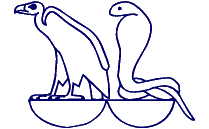
nebti
Egyptian symbol for Upper and Lower Egypt

In some records Etana was the 12th king: In the Sumerian king list, the twelfth king of the city state Kish after the time of the Flood is described as a shepherd who ascended to heaven. The full story is recounted in mythological compositions of the old Babylonian period and later.

Garuda Story from Hindu Mythology

Garuda means ‘the devourer’. Garuda is the celestial bird which is the mount/Vahana of god Vishnu. Garuda, often depicted as part human and part eagle, was the offspring of Kasyapa, one of the seven divine sages. Kashyapa married Vinata. Garuda was associated with fire and the sun. He was regarded as an incarnation of Agni. He was the enemy of the Nagas, the race of serpents.

According to the mythology, Vinata was enslaved by his sister/co wife Kadru, the mother of all snakes. Kadru promised to release her if Garuda brought the elixir of life ‘Amrita’ from the heaven. Garuda stole it from the heaven in order to free his mother from Kadru. Indra discovered the theft and fought a fierce battle with Garuda. The Amrita was recovered partly, but Indra was worsted in the fight. One of his epithets is Amrtaharana. He placed the elixir of life on the sharp bladed grass Dharba and the snakes licked it splitting their tongues, which have been forked ever since. Vinata was released.
In the Vedas Garuda is praised as Suparna and Syena.
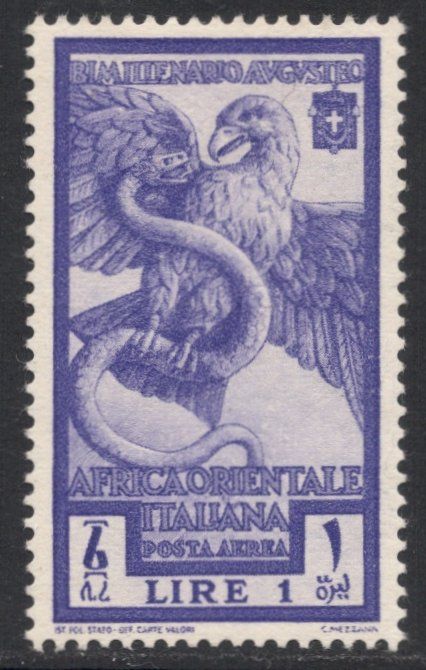
eagle symbol of roman empire
Eagle was the symbol of Roam Empire, Stamp from Italy (ancient Rome)

Soma herb is mythical and reported to be brought by an eagle to the Vedic people, and even to their gods, from its place of origin:

Eagle/ Garuda references: RV- I-80:2; 93-6; RV. III 43-7; IV 18-13, 26-4/7, 27-3/4; V-45-9; VI-20-6; VIIII-82-9; 100-8; IX 68-6, 77-2, 86-24, 87-6;X-11-4; 99-8;144-4/5.

The guardians of Soma tried to attack eagle and it escaped, according to Rig Veda(RV). Gandharvas also linked with the Soma plant in many verses. Mandalas of Kasyapa, Angirases and Bhrgus have more verses on Soma than others. There are ten Mandalas(divisions) in the Rig Veda.

The Rig Veda and Avesta (Yasna Ceremony) agree on many points regarding Soma (Haoma plant).

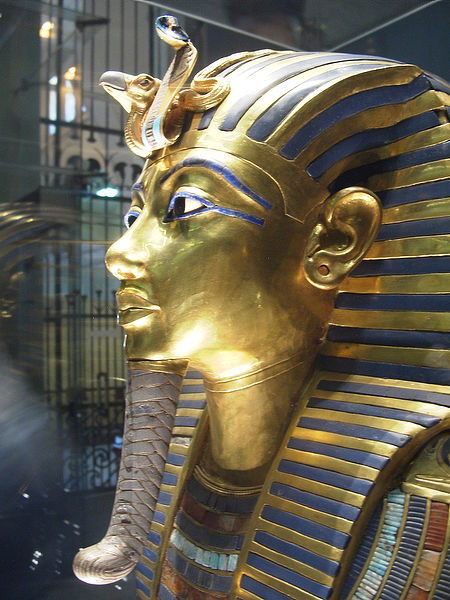
Tutankhamun Mask
Tutankhamen mask with snake like Hindu God Shiva.

Read my earlier posts Sumerian culture:

Double headed Eagle: Sumerian Indian Connection (posted on 18-12-2011)
Birds for Finding Direction: Sumerian to Tamil Nadu via Indus Valley (8-4-13)
Hindu Eagle Mystery Deepens Feb.16, 2013
Karikal Choza and Eagle Shaped Fire Altar
Are Mayas, Hindu Nagas?
Four Birds in One Sloka
Hindu Vahanas around the World
Gods and Birds
Vishnu Seal in Indus Valley Civilization
Bahrain (Dilmun) Mysteries (posted 10-11-2012)
TAMIL ARTICLE—“Bahrain Athisayangal “( posted 7-11-2012)
Confusion about Vedic Soma Plant (Posted on 5-5-2013)
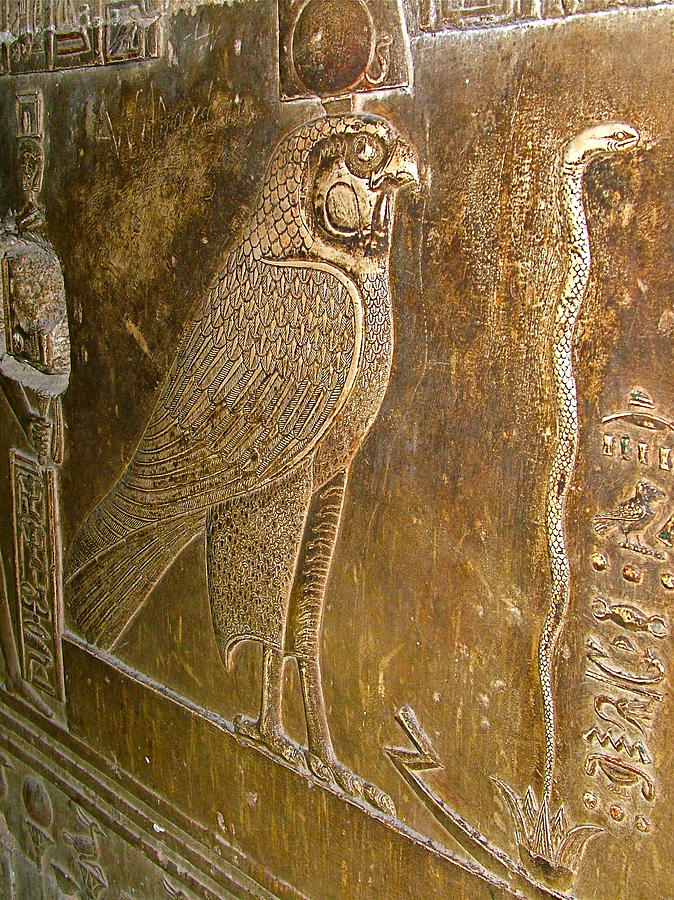
falcon,snake,temple-of-hathor
Picture of falcon, snake, Temple of Hathor in Egypt
Contact swami_48@yahoo.com
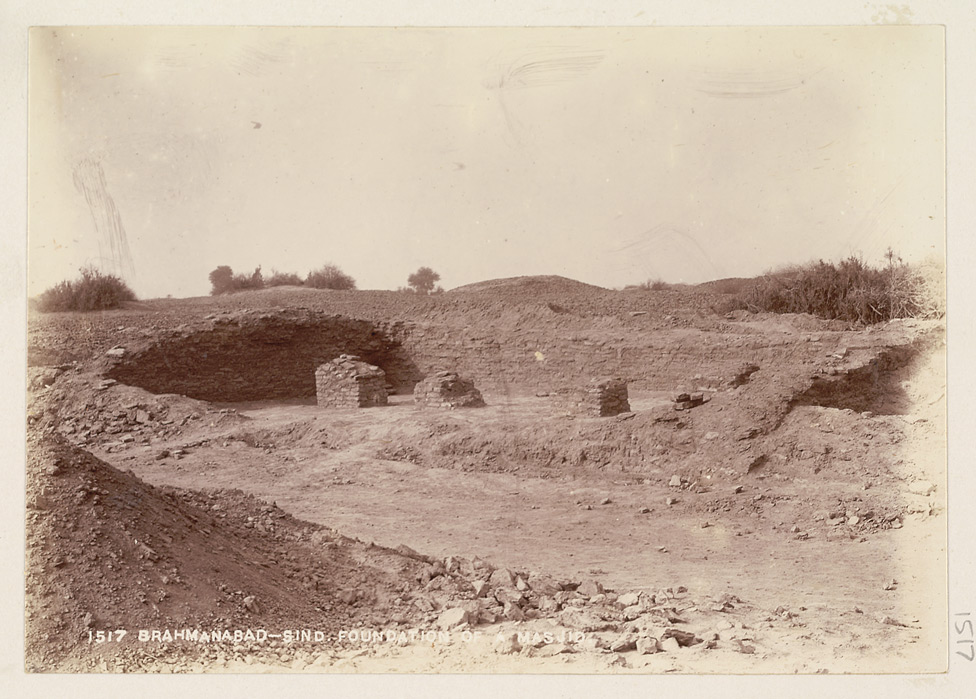
Fall of Brahmin Kingdoms in Pakistan & Afghanistan

brahmanabad.

By London swaminathan
Post No 926 Date:- 23rd March 2014

An amazing chapter in the history of India has gone unnoticed for long. The reason being it happened in Pakistan and Afghanistan which are ruled by non –Hindus now. They did not want to glorify anything that is not Muslim. The second reason is that it was Brahmins who are not supposed to rule! But the fact of the matter is Brahmins ruled North Western Parts of India for nearly 1500 years! Brahmins are not supposed to rule. They can only teach archery. But we have read in the Mahabharata how Drona and his son Aswaththama fought in the war. Drona was a fearsome Brahmana warrior. He and his son with another Brahmin Kripa fought the war on the side of Kauravas under Duryodhana.

Drona’s favourite student was Arjuna. When Arjuna was graduated and wanted to settle his tuition fees, he asked Drona what would be the final fees. Drona asked Arjuna to give him in kind instead of gold coins. Drona wanted to exact a revenge on Drupada, King of Punjab, because Drupada insulted him once. When Drupada was brought before Drona by Arjuna, he took half of his kingdom. But we did not know whether Drona actually ruled or merged it in to Duryaodhan’s kingdom.

We did not see anything like this in the Vedic literature. Seers like Vashista created weapons and army to defeat arrogant and greedy kings like Viswamitra. Parasurama only took revenge on the Kshatriyas, but never ruled any part of India. Before Drona, Ravana , a Brahmin ruled Sri Lanka. But he was projected as a half Yaksha, half Rakshasa and a Brahmana which shows that he was not a 100 percent Brahmin.

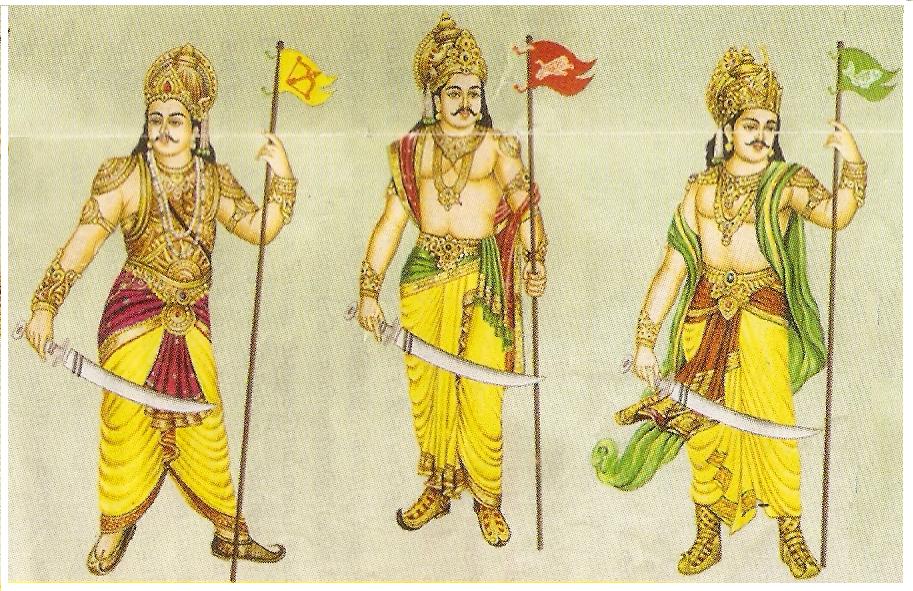
Moovendar

Pictures of Three Great Tamil Kings

History shows us that as the morality of the Brahmins declined the country also went down. Later in the historical period, we see great Brahmin rulers of the Sunga Vamsa Kanwa Vamsa, Ganga Vamsa, Satavahanas, Vakatakas and Kadambas. We see this trend up to the Arya Chakravarthis of Sri Lanka who ruled Jaffna between 1200 and 1600. They were Tamil Brahmins from Rameswaram.

Mohiyals or Mujhaals of Punjab were Brahmin rulers of North West India which are under Pakistan and Afghanistan now. They are Saraswat Brahmins, meaning they are from the River Saraswati , Vedic River. The rulers with the suffix Datta called themselves the descendants of Dronacharya. Pallavas and Kings of Vietnam (Champa) called themselves Brahma-kshatriyas.

Rulers of modern India, Jawaharlal Nehru, Indira Gandhi, Rajiv Gandhi, Lal Bhadur Sastry, Morarji Desai, P V Narasima Rao and Atal Behari Vajapayee were also partly or fully Brahmins. Five Presidents of India were Brahmins. But I am writing about a Brahmin rule that existed 2500 years ago.

Kautilya’s Arthasastra says Brahmins were unfit to rule. An enemy may win over Brahmin troops by prostrating himself before them! Kautilya says an army composed of other three castes is better (Arthashastra: 9-2-21/24).

brahminabad3

When the Arab army under Muhammad ibn al-Qasim invaded Punjab-Sind area in 712 AD , a Brahmin king by name Raja Dahir was ruling Sind. Since he denied freedom to Rajputs and Buddhists, they did not support Raja Dahir fully. Some people from inside the fort supplied vital information to the enemy force. Ultimately Muhammad won the war which established foreign rule in India for another 1000 years. Raja Dahir was the third ruler of the Brahmin dynasty. His father Chach founded the dynasty in Sind/Punjab region. The Persian chronicle ‘Chachnamah’ and other historical accounts of the Arabs give the historical chronology of North West India. Since it is all about Hindu rule in the present Muslim Afghanistan & Pakistan nobody bothered to study them. If someone does proper research we may even be able to trace the kings up to the rulers of Indus valley civilisation.

Brahmin City in Pakistan!

Brahmanabad, now a ruined city in Pakistan, was once a flourishing city. It was the summer capital of Sind Kingdom. After Raja Dahir’s defeat, his son Jasiya withdrew to Brahmanabad fort and wrote letters to his relatives for help who were ruling different areas in the region. None of them came to his help.

King Karikala
Hindu King Karikala who did Yaga in Eagle Shaoed Yaga Kunda.
Brahmanabad had a big fort. According to Ain-i -Akbari of Abu al Fadl, there were 1400 bastions each of which was situated at some distance from the other. When the Arab army from Iraq took control of the area, thousands of soldiers were put to death by sword. The town was called al- Mansurah later. The town was destroyed by the Arabs in such a manner that it never rose again.

Before the Chach dynasty, Sind and Punjab were ruled by the Buddhists. It was a big mystery how Buddhists seized power. Dewaji who was a kinsman of Ruler of Chitor established Buddhist rule. It shows that he came to rule with the help of Hindu rulers of Chitor. The Buddhists ruled Sind for over a century. Chinese pilgrim Hiouen Thsang wrote that Dewaji was a Sudra ruler. Though he spoke of the general prosperity of the country he was very critical of the Buddhist monks. They were described as greedy persons and debauchees.

When Alexander invaded India, Shambu, a Brahmin king was ruling the Sind region. Kashmir was also a land of Brahmins. Greek accounts said that Alexander invaded a country of Brachmans. They misspelt Brahmins as Brachmans. Iranians/Persians misspelt it as Bahman. Coin catalogues describe many coins of Brahmin kingdoms of Punjab and Sind. Panini, the greatest grammarian the world has ever produced, lived in 7th Century BC according to great Sanskrit scholars R G Bandarkar and Goldstucker. We can rely on these dates because there is a wide difference in the geography of India as described by Panini and Kautilya. We knew that Kautilya’s date was definitely 3rd century BC. More over we find many Sanskrit words in the Bible which are exported items from India (Please read my two part article Sanskrit in the Bible posted here.) Panini located the Brahmanaka country in the Sind area. So we can boldly say that Brahmins were ruling that area from 800 BC till the Arab army dislodged the last Brahmin ruler Raja Dahir in 712 AD.
A lot of materials are available in the Greek, Persian and Arab accounts. Someone has to put them together in chronological order.
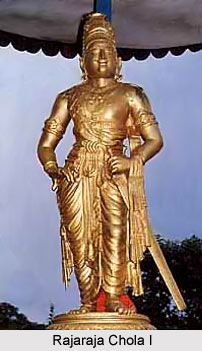
Rajaraja Chola I Chola Ruler

Great Tamil Hindu King Raja Raja who built Thanjavur Big Temple

I have already explained Panini’s tremendous knowledge about ancient India in my post “How Old is Indian Civilisation?”

Please read the following posts:
1.How Old is Indian Civilisation posted on 8th November 2011
2.BIGGEST BRAINWASH IN THE WORLD posted 13th September 2012
3.Megasthenes did not know Buddha 16 June 2013
4.Sanskrit Words in the Bible 14 July 2012 & August 2012
5. Elephants Lost, Cats Won: A sad story from Indian History 12/03/2014

Contact swami_48@yahoo.com

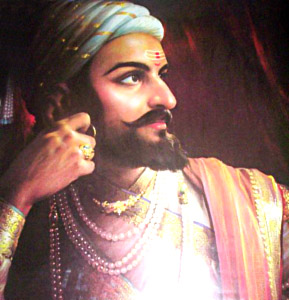
shivaji_19178

King Veera Shivaji who established a Hindu empire.

Elephants Lost, Cats Won! A Sad story from Indian History

Hannibal3

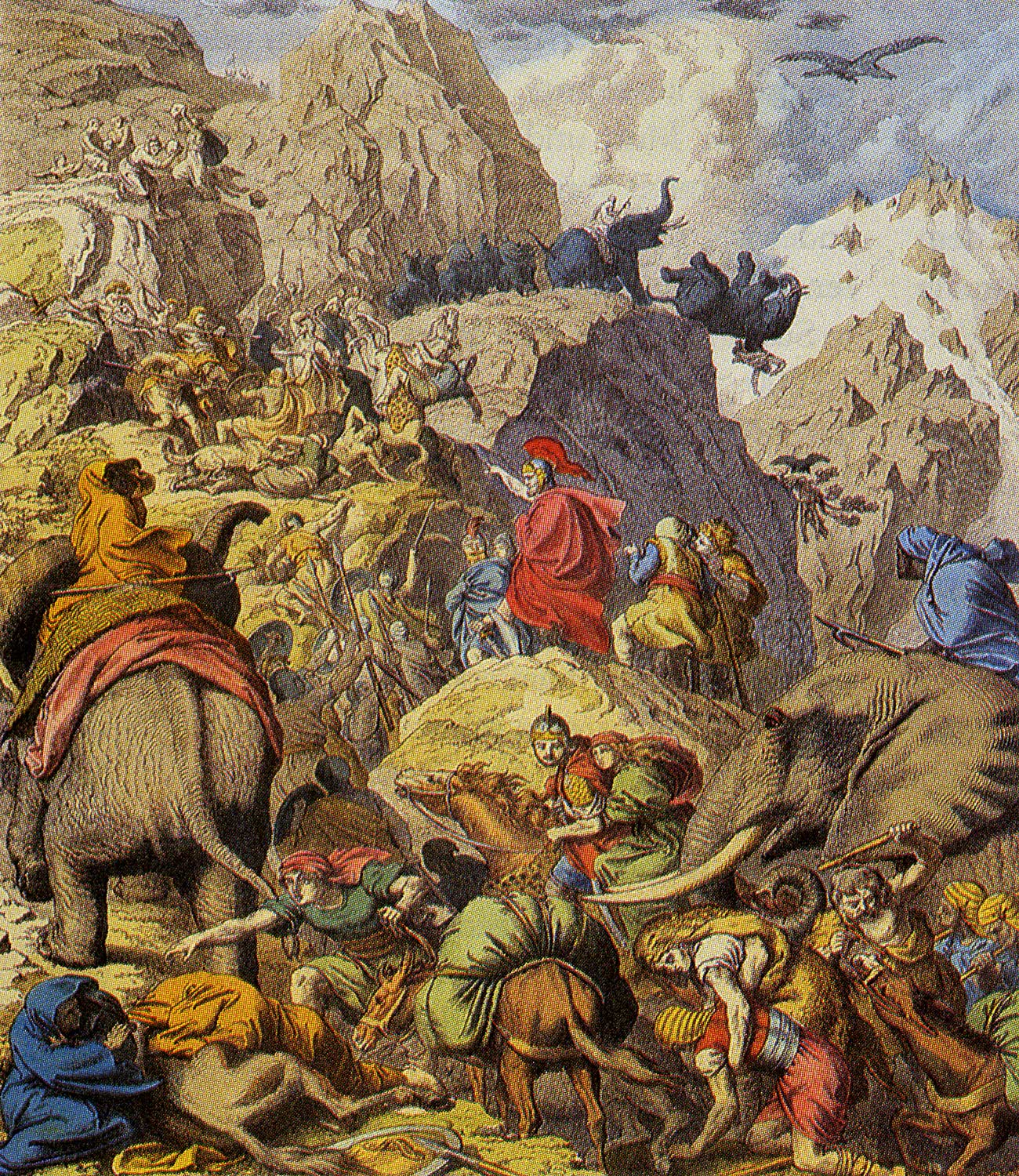
Hannibal crossing the Alps with elephants.

By London Swaminathan
Post No. 903 dated 12th March 2014.

It is a sad story from the leaf of a history book. It happened around 712 AD.
The elephant is the largest of the land animals. The animal is mentioned in the Rig Veda by the name Mrigo-Hasti. Ktesias and Megasthenes recorded their use in the Indian wars. Lord Lytton spoke of the Pundits and Elephants as two imposing sights in India. I have already given over 40 words for elephants in Tamil and Sanskrit in one of my earlier posts. I have also listed over 100 proverbs in Tamil in another post. Story of Aswatthama (name of an elephant as well as the son of Drona) is also told already. It changed the course of the Mahabharata war. Hannibal took it to Europe in 218 BC for the first time. In real life elephants stand majestic. All animals give due respect and keep their distance. Only in the jungle it fights with its arch rival the lions and got killed occasionally.

elephant war
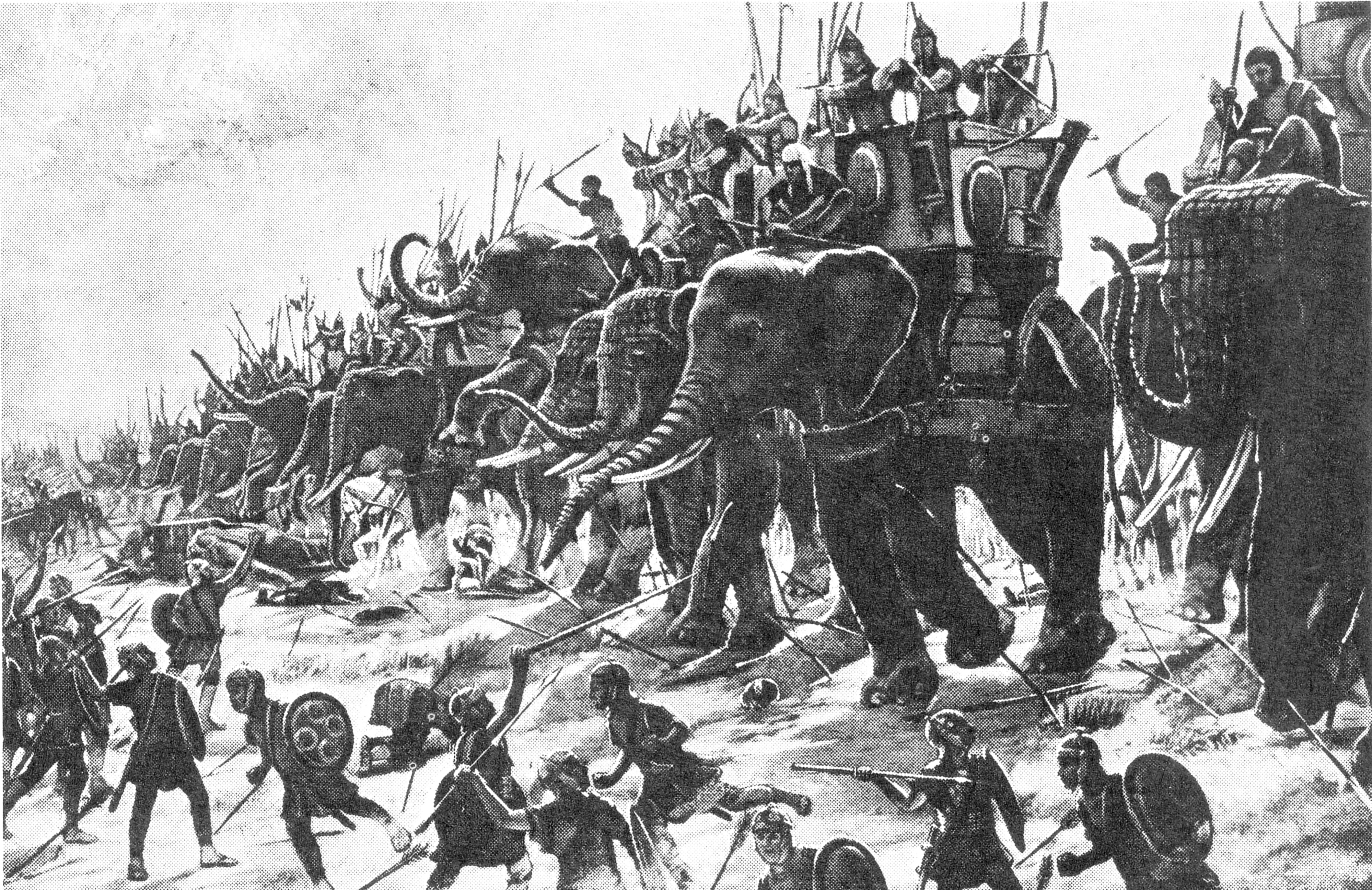
Elephants in battle

Kalingattu Parani is a famous Tamil poem in praise of Kulottunga Choza (1070-1120 AD. When the king of Kalinga (Orissa) insulted him, he sent his commander in Chief invade Kalinga. He went to Kalinga and defeated Anantavarman. Jayamkondar, the court poet sang a Parani on him. Only when a king kills 1000 elephants he can be praised as a hero of a Parani. This shows the number of elephants involved in a battle.

When Alexander’s soldiers heard about the number of Four Wings of the Mighty Magadha army, they refused to invade India and went back. According to Diodorous Siculus (90-30 BC) , Chandragupta Maurya had an army of 20,000 horses, 200000 soldiers, 2000 chariots and 4000 elephants. Plutarch ( 42- 120 AD) says Indian kings had 80,00 horses, 200000 foot soldiers, 8000 chariots and 6000 elephants!

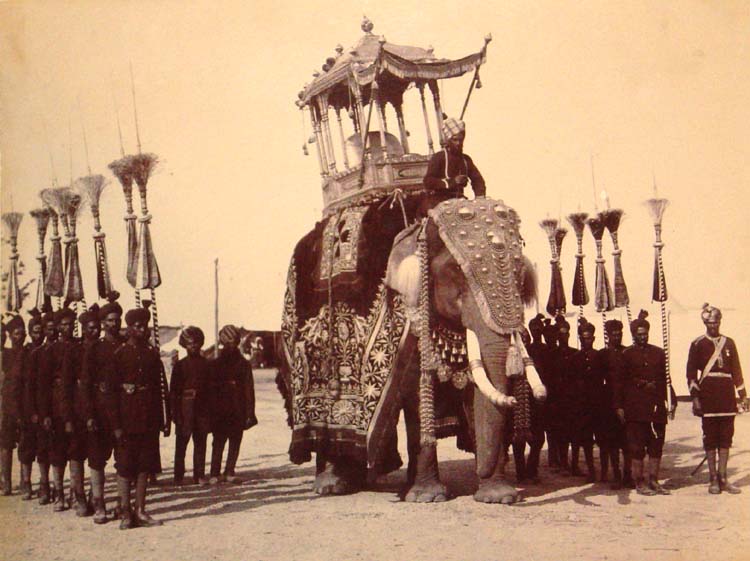
Maharaja of Mysore
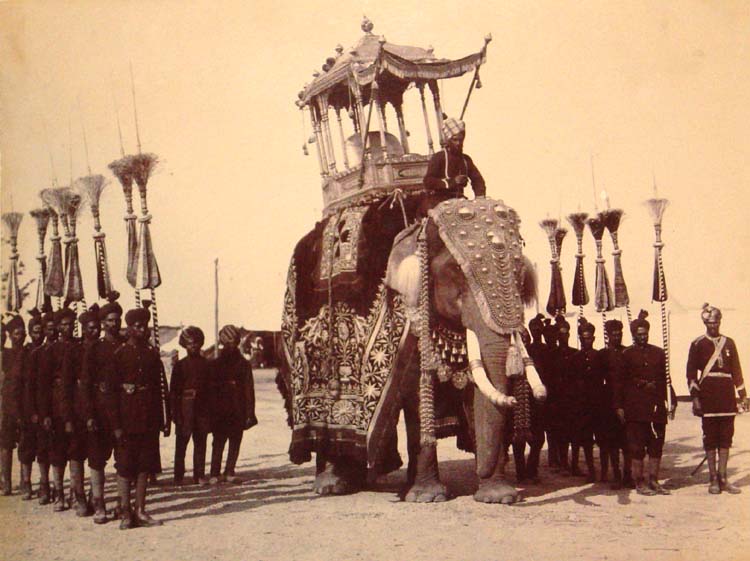
Elephant with howdah

Cats defeated elephants!!

The foreign rule began in India in the eighth century AD. The battle of Rawar was the decisive one which allowed the foreigners settle in the Sind area of India (Now Sind is in Pakistan).

jumbo_ELEPHANT_1618815g

Following is taken from ‘History of Sind’ by Dr Mumtaz Husain Pathan, Hyderabad, Sind, Pakistan)
“In the battle of Rawar, Rai Dahir started the attack by using elephants and he himself commanded the vanguard of the army. The elephants are a great source of power, yet they have also proved to be the cause of crushing defeats. In the battle of Qadisiyyah, the Iranians employed a large number of elephants to overawe the enemy, but the Arabs are said to have counteracted tactical devices to frighten the giants. Apart from these tactics, suicide squad of the Arab army made a daring dash to cut the trunks of the elephants, which resulted in the retreat of the animals and the defeat of the opposing army. Since the elephants were placed in the forefront, they trampled their own army in the retreat resulting in the crushing defeat.

The Arab writers report that the Arabs used cats and other tiny animals to frighten the elephants during the war. Their accounts about various incidents are curious and interesting. The famous Arab geographer al- Masudi relates that the emperors of Persia used to defend themselves against the attack of the elephants by releasing a large number of cats in the field. He asserts that this practice was common with the rulers of al-Hind and al-Sind. It has been stated in the accounts that one Harun Ibn Musa, who held one of the forts in Sind was attacked by a Hindu raja, whose army had a large number of elephants. When both the armies came closer to each other in battle array, Harun who had a cat concealed within his clothes threw it in front of the elephants. The elephants seeing the cat ran back pell-mell crushing the army of the Hindu Raja, who was defeated and slain by the forces of Harun. Al- Masudi also asserts that the elephants were terrified by the use of pigs, but the Muslims refrained from rearing the hated animal.

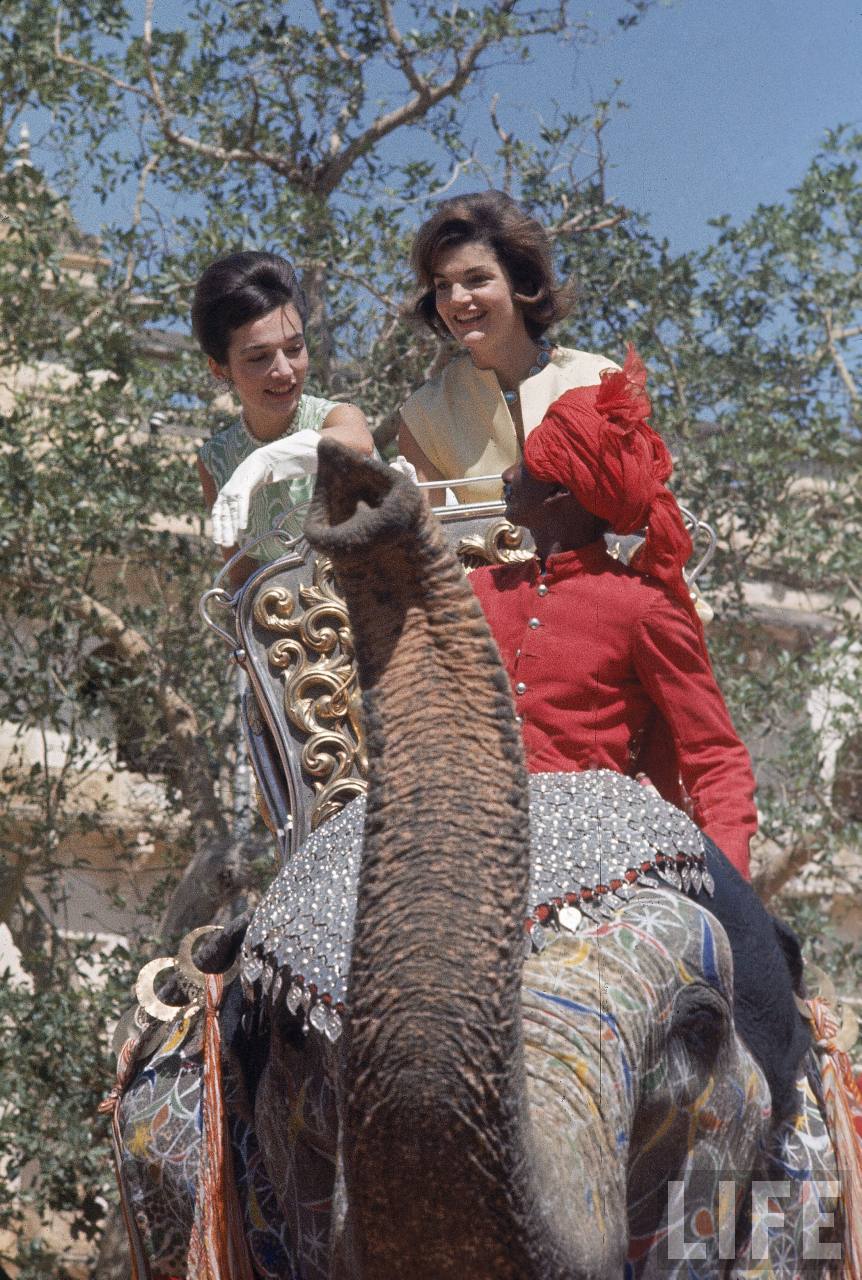
Jackie Kennedy and sister Lee
US President John F Kennedy’s wife Jackie Kennedy when she visited India in 1960s.

The Arabs developed new tactic in medieval warfare by the use of naphtha (inflammable) and other fireworks to frighten the large sized beasts in the enemy forces. The author of ‘’Chachnamah’’ relates that Raja Dahir had a chakra in his hand, made of tied swords, which he threw on the foot soldiers and the riders alike, with such a skill that it cuts off heads of victims instantaneously. No man therefore dared to advance towards him.

The Arab army threw naphtha arrows towards the elephants, as a result of which the animals became panicky and rushed o the river. The white elephant on which the Raja was seated also received burns and the howdah itself caught fire. The Arab soldiers did not lose the chance and surrounded the elephant in the river, shooting arrows incessantly. Raj Dahir was hit in the chest and Arab soldiers cut off his head. When the Hindus heard the death of their king, they fled in pell-mell in utter confusion.”
The above part is taken from the book.

elephant hero

Thus the forces of Muhammad ibn al- Qasim entered Sind and ruled India for another 700 years till Vijayanagar Empire became powerful. Disgruntled elements in the Hindu army also helped the foreigners with vital information, say the Arab authors. Later Muhammad ibn Qasim was sent to Bagdad and was tortured and killed for a different reason. He married the woman who the king of Bagdad wanted to marry!

Contact: swami_48@yahoo. com

யானைக்கு தோல்வி! பூனைக்கு வெற்றி!!

elephant war

யானைக்கு தோல்வி! பூனைக்கு வெற்றி!! இந்திய வரலாற்றில் சோக சம்பவம்!

By London Swaminathan
Post No.902 dated 12th March 2014.

‘’யானைக்கு ஒரு காலம் வந்தால் பூனைக்கும் ஒரு காலம் வரும்’’– என்று தமிழில் ஒரு பழமொழி உண்டு. இதற்குப் பல பொருள்கள் கூறுவர். எல்லோருக்கும் தெரிந்தது:– பெரிய உருவமும் பலமும் உடைய இன்று நீ வெல்லலாம் ஒரு நாள் ‘’யானைக்கும் கூட அடி சறுக்கும்’’ என்பது போல நீ வீழ்வாய். அப்போது நான் வெல்லுவேன் என்பதாகும். மற்றொரு பொருள்:- ஆநெய்க்கு (பால்) ஒரு காலம் என்றால் பூநெய்க்கும் (தேன்) ஒரு காலம் உண்டு. ஆனால் இது வலியப் போய் பொருள் கொள்வதாகும். எனக்குச் சரியெனப் படவில்லை. ஆனால் கீழேயுள்ள செய்தியைப் படித்தபின்னால் உங்களுக்கு இந்தப் பழமொழிக்கு புதிய பொருள் கிடைக்கும்!!

நிலத்தில் வசிக்கும் பிராணிகளில் மிகவும் பெரியது யானை. நிலத்தில் யாருக்கும் அஞ்சாத நெஞ்சம் உடையது. காட்டில் வேண்டுமானால் சிங்கம் புலியுடன் சண்டை இட்டுச் சில நேரம் தோல்வி அயைலாம். யானை பற்றிய நூறு பழமொழிகளையும் யானைக்கு உண்டான நாற்பதுக்கும் மேலான தமிழ், வடமொழிச் சொற்களையும் யானை தொடர்பான பல அதிசயச் செய்திகளையும்– (பட்டத்து யானை மாலை போட்டு கரிகாலனையும், மூர்த்தி நாயனாரையும் மன்னர்களாக்கியது முதலியன) —நிறைய இந்த பிளாக்—கில் எழுதிவிட்டேன்.

Hannibal3

Hannibal crossing the Alps with elephants.

இந்தியா மீது அலெக்ஸாண்டர் படை எடுக்காமல் திரும்பிபோனதற்குக் காரணம் மௌர்ய சந்திர குப்தனின் மகத்தான படை பலமாகும். அதைக் கேட்டவுடன் அவனுடைய துருப்புகள் இனி சண்டை போட மாட்டோம், ஊருக்குப் போய் பிள்ளை குட்டிகளைப் பார்க்கவேண்டும் என்று கிளம்பிவிட்டனர். டியோடரஸ் சிகுலஸ், ப்ளுடார்ச் போன்ற வரலாற்று எழுத்தர்கள் 2000 ஆண்டுகளுக்கு முன் எழுதிய நூல்களில் சந்திரகுப்தனிடம் 2 லட்சம் காலாட்படை வீரர்களும், 20,000 குதிரைகளும், 2000 தேர்களும், 4000 யானைகளும் இருந்ததாக எழுதி வைத்துள்ளனர். சிலர் 80,000 குதிரைகள், 8000 தேர்கள் 6000 யானைகள் என்று நாற்படைகளையும் புகழ்ந்துள்ளனர். இந்தியாவில் போரஸ் (புருஷோத்தமன்) என்ற மன்னனிடம் இருந்த யானைப் படையும் அவனது வீரமும் அலெக்ஸாண்டரை அசத்திவிட்டது. உடனே வென்ற இடத்தை அவனிடமே திருப்பிக் கொடுத்துவிட்டுப் போய்விட்டான.

ஹனிபால் என்ற அரசன் கி.மு. 218 ல் ஆல்ப்ஸ் மலை வழியாக இந்திய யானைகளை ஐரோப்பாவுக்கு முதல் முதலில் கொண்டு சென்று வரலாற்றில் அழியாத பெயர் பெற்றான். மஹாபாரத போர் முனையில் ‘அஸ்வத்தாமா’ என்ற யானை இறந்தது பற்றி தர்மன் ‘’பொய்’’ சொன்னவுடன் அஸ்வத்தாமா என்ற தனது மகன் தான் இறந்துவிட்டான் என்று துரோணரும் வில்லுக்கு இரையானர். இதனால் போரின் போக்கே மாறிவிட்டது.

Maharaja of Mysore

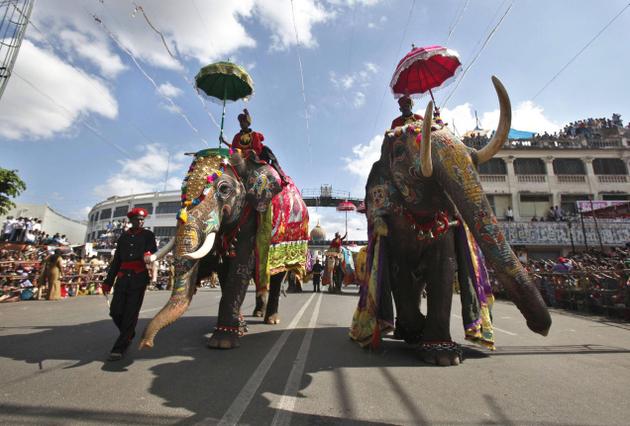
Maharaja of Mysore in Dasara procession

தமிழில் 96 பிரபந்த வகைகளில் ஒன்று பரணி பாடுதல். இப்படி ஒரு மன்னன் மீது பரணி பாட வேண்டும் என்றால் அந்த மன்னனோ அவனது படைத்தலைவனோ ஆயிரம் யானைகளைப் போரில் கொல்ல வேண்டும். அவந்திவர்மன் என்ற கலிங்க நாட்டு அரசனை வென்ற கருணாகரத் தொண்டைமானைப் படைத் தளபதியாகக் கொண்ட குலோத்துங்க சோழன் மீது கலிங்கத்துப் பரணி பாடினார் அவைப் புலவர் ஜெயம்கொண்டார். ஆக, யானை என்பது மாபாரத காலம் முதல் மைசூர் மஹாராஜா ‘தஸரா’ ஊர்வலம் வரை 5000 ஆண்டுகளாக இந்திய வரலாற்றில் முக்கியப் பங்கு ஆற்றி வருகிறது.

இந்தியாவின் வடமேற்கு மூலையில் இருப்பது சிந்து மாகாணம். இந்துக்களுக்குப் பெயர் கொடுத்த நதி! சிந்து சமவெளி நாகரீகத்தின் பிறப்பிடம். அந்த இடம் இப்போது பாகிஸ்தானின் பகுதியாகிவிட்டது. இதில் முஸ்லீம் படைகள் நுழைந்தது கி.பி 712 ஆம் ஆண்டில் நடந்தது. முகமது பின் காசிம் என்பவன் அராபிய படைகளுக்குத் தலைமை தாங்கி இந்தியாவில் காலடி எடுத்துவைத்தான். அப்புறம் 700 ஆண்டுகளுக்கு துயரக் கதைதான். விஜயநகர சாம்ராஜ்யமும் சிவாஜியின் இந்து சாம்ராஜ்யமும் தலை எடுக்கும் வரை இது ஓயவில்லை.
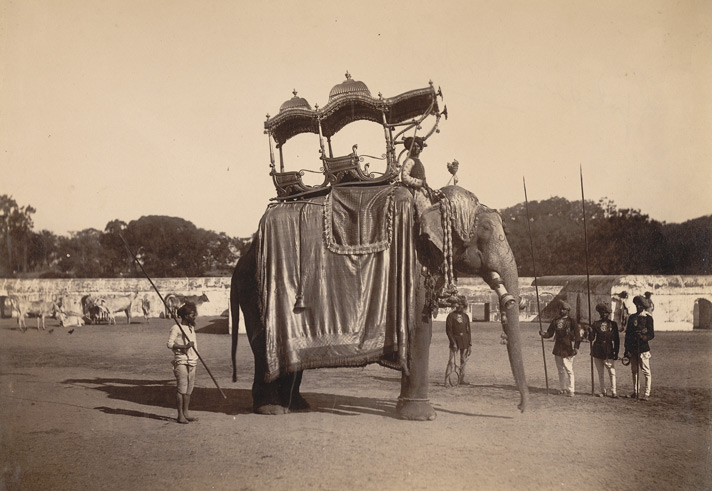
howdah
Elephant with howdah ( Ambari in Tamil)

Following is taken from ‘History of Sind’ by Dr Mumtaz Husain Pathan, Hyderabad, Sind, Pakistan)

பூனைகள் வெற்றி !!

முகமது பின் காசிம் வந்தபோது சிந்துமாகானத்தில் ராய் தஹிர் என்ற இந்து மன்னன் ஆண்டுவந்தான். ரவார் என்ற இடத்தில் நடந்த போரில் (battle of Rawar, Rai Dahir ) இவன் வீராவேசத்துடன் போரிட்டபோதும் இவனது யானைகள் மிரண்டதால் அவன் கொல்லப்பட்டான். அவன் கையில் கத்திகளை இணைத்துச் செய்த ஒரு சக்ராயுதம் வைத்திருந்தான். அதை வீசினால் அவன் எதிரே வரும் குதிரைகள், வீரர்களின் தலைகள் சீவப்பட்டு பறந்து விடும் என்பதால் யாரும் அவனை எதிர்கொள்ள மாட்டார்கள் என்று முஸ்லீம் வரலாற்று ஆசிரியர்கள் எழுதி வைத்துள்ளனர். இதற்கு முன் காதிசிய்யா (battle of Qadisiyyah) என்னும் இடத்தில் நடந்த போரில் அராபியர்களை மடக்க ஈரானியர்கள் (பாரசீகர்) பெரிய யானைகளை போரில் முன் நிறுத்தினர். ஆனால் அராபியர் கையாண்ட தந்திரங்களை (Arab geographer al- Masudi, Harun Ibn Musa, author of ‘’Chachnamah’’) அராபிய புவியியல் வல்லுனர் அல்-மசூதி, அராபிய எழுத்தாளர் ஹரூன் இபின் மூசா, சாக்நாமா புத்தக ஆசிரியர் ஆகியோர் விரிவாக எழுதிவைத்தனர்.
அராபியர் மூன்று விதமான தந்திரங்களைக் கையாண்டனர்:

elephant hero

1.தற்கொலைப் படைகளை ஏவி யானைகளின் துதிக்கைகளை வெட்டினர்.
2. பூனைகளை திடீரென மூட்டைகளில் இருந்து அவிழ்த்துவிட்டனர். முஸ்லீம் இல்லாத பாரசீகப் படைஅள் பன்றிகளையும் போர்க்களத்தில் விரட்டிவிட்டனர்.
3. நாப்தா (தீயைக் கக்கும்) அம்புகளை யானைகள் மீது எய்தனர்.
4. வெடிச் சப்தங்களை உண்டாக்கினர்.

இந்தக் காரணங்களினால் யானைகள் மிரண்டு, சொந்தப்படைகளையே மிதித்து அவர்களைச் சின்னாபின்னமாக்கின. பல யானைகள் நதிகளையும் நீர் நிலைகளையும் நோக்கி ஓடியவுடன் அராபியர்கள அவர்களை எளிதில் சுற்றி வளைத்தனர். சிந்து நதிக்கரையில் இந்தச் சண்டைகள் நடந்தன.
ரவார் யுத்தம் பற்றிய செய்தி வருமாறு:

அராபியப் படைகள் தீ அம்புகளை (நாப்தா) ராஜாவின் யானை மீது எறிந்தவுடன் யானைக்கு காயங்கள் ஏற்பட்டன. அதன் மீதிருந்த அம்பாரி தீப்பிடித்தவுடன் யானை நதிக்குள் இறங்கியது. அராபிய வீரர்கள் சூழ்ந்து கொண்டு ராஜாவின் மார்பு மீது அம்பு வீசினர். அவர் வீழ்ந்தவுடன் அவரது தலையைச் சீவி முகமது பின் காசிமிடம் ஒப்பைத்தனர். ராஜா இறந்த செய்தி அறிந்தவுடன் இந்துப் படைகள் பின்வாங்கின. பல இடங்களில் பூனைகளையும் ஏவியவுடன் ஏது செய்வதென்று அறியாமல் யானைகள் குழப்பம் அடைந்து பின்வாங்கின.

மஹாபாரத , ராமாயண காலத்தில் இந்துக்கள் நடத்தியது தர்ம யுத்தம். ராவணன் கையில் ஆயுதம் இல்லை என்று அறிந்த இராமன், ‘’இன்று போய் நாளை வா’’— என்று ராவணனுக்கு விடை கொடுத்து அனுப்பினான். ராஜா தோற்றுப் போனால் அந்தக் கட்சி தோற்றதாக அர்த்தம். இந்தப் பலவீனங்கள் எல்லாம் முஸ்லீம் படை எடுப்பாளர்களுக்கும், வெள்ளைக்காரகளுக்கும் தெரிந்ததால் நம்மை அவர்கள் ஆயிரம் ஆண்டுகள் ஆண்டனர்.

Jackie Kennedy and sister Lee
US President John F Kennedy’s wife Jackie Kennedy

ஆனால் இதைவிட பெரிய துரோஹம் நமது படைகளில் இருந்த ‘’எட்டப்பர்கள்’’. உள்ளூர் போட்டா போட்டி காரணமாக எதிரிகளுக்கு ரஹசியங்களை அறிவித்து நம்மவர்களையே தோல்வியுறச் செய்தனர். இதையும் முஸ்லீம் வரலாற்று ஆசிரியர்கள் ஆயிரம் ஆண்டுகளுக்கு முன் எழுதிவைத்தனர். சிந்து மாகாண வரலாற்றை எழுதும் பாகிஸ்தானிய வரலாற்று ஆசிரியர் இவைகளை அந்த நாட்டுப் பாட புத்தகத்தில் தொகுத்துத் தந்துள்ளார். ஆனால் ராஜா தஹிர், அவருடைய மகன் ஜஸியா ஆகியோர் வீராவேசமாகப் போரிட்டதையும் அவர்கள் குறிப்பிடத் தவறவில்லை.

இறுதியில் இந்தியாவுக்குள் வெளி நாட்டோர் ஆட்சியை ஏற்படுத்திக் கொடுத்த தளபதி முகமது பின் காசிமை பாக்தாத்துக்கு உயிருடன் மாட்டுத்தோலில் வைத்து தைத்து அனுப்பி அங்கே சித்திரவதை செய்து கொன்றுவிட்டனர். காரணம் பாக்தாத் ராஜ விரும்பிய பெண்ணை இவர் ஏற்கனவே திருமணம் முடித்தார் என்பதே!!
jumbo_ELEPHANT_1618815g

இன்னும் பல சுவையான விஷயங்கள தனிக் கட்டுரையில் தருகிறேன்.

Contact: swami_48@yahoo. com

Multan in Pakistan : Wonder of Magnetic Hindu God !

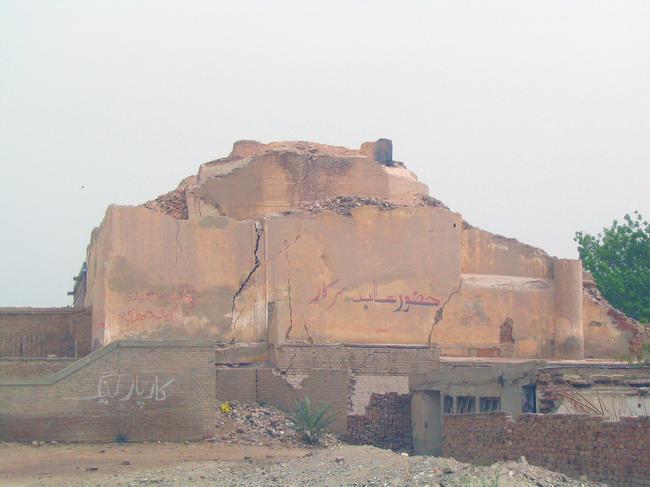
59706274-ruins-surajkund
Surajkund Rauins in Multan, Pakistan

Post no 869 Dated 26th February 2014

Before the Balaji temple at Tirupati and Anantha Padmanabha temple at Tiruvananthapuram became richest temples of India there was one temple at Multan, Punjab, now Pakistan, 2000 years ago which had 6000 staff and a very big income. I am reproducing some interesting but sad facts from the following book written by a Muslim historian: swami.

By Dr. MUMTAZ HUSSAIN PATHAN

( History of Sind Series, Vol.2, Sindhi Adabi Board, Hyderabad, Sind, Pakistan, 1978)
“The term Multan is derived from Sanskrit Malisthana (Maali- Asthan) which means the seat of Maalee, a people who are reported to have been dominant in West Pakistan in the ancient times. The Mali might have been the Maloi of the Greek writers who along with the Shibi (Sibi) were the two great people or tribes which inhabited a greater portion of Indo- Pakistan subcontinent. Many names are still connected with these tribes both in India and Pakistan which show the importance in which these peoples were held in ancient times. Malwa in central India and Sibi in Baluchistan, Siwistan in Sind and Shivi Kot (Shorkot) in Punjab perpetuate the name of these tribes and the extent of their cultural influence on the sub continent.
(Please see my earlier post Sibi in Tamil Literature:swami)

The ancient name of Multan is reported to have been Kasyapa – pura, placed on it after Rishi Kashyapa, who was one of the sons of Manu, the direct descendent of God Brahma. Manu had seven sons and these are represented in the heavens by the seven stars of the Great bear. It also seems to have derived its name from “Mul”, the sun god, whose statue adored the temple of Multan. This is attested to from the accounts of Arabs who speak of Multan as the chief centre of Sun worship in the northern part of the Indus valley.
The term “Mul” in Sanskrit means the root or origin; it also means heaven, ether, atmosphere, space or god. Any one of these names can be made applicable to sun, the lord of ethereal space. It is related that the temple of Multan was the first ever built in the sub continent for the worship of sun god, by Samba, the son of lord Krishna.

It was named Adiyasthana or the first shrine. Aditiya is the corruption of Aditiyah (or the sun) which is usually shortened to Adit and even Ayt as in the case of Aditwara (or Aytwar) for Sunday. The sun worship in Multan may be very ancient. According to one tradition it was instituted by the famous Prahlada, the son of Daitya (or Hiranyakasipu), the son of Manu. The famous Sanskrit scholar AL-Beruni relates that the idol of Multan which was named after sun, was built in the Karta-Jug (Krta Yuga), which according to his calculations was 216432 years old.

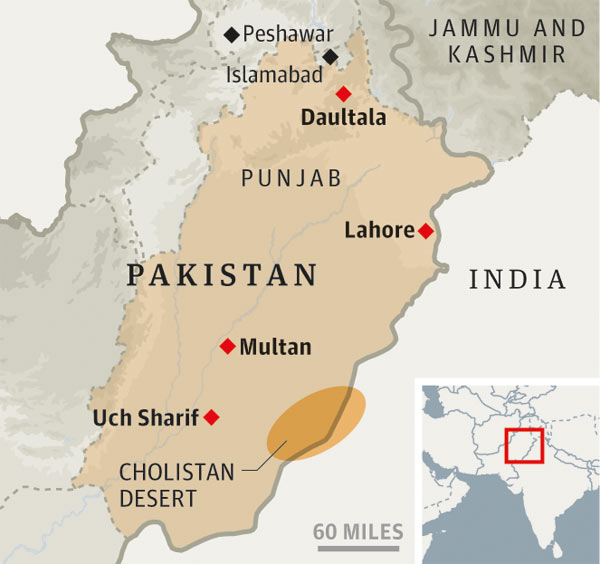
Pakistan, Punjab map

Alexander and Multan temple

Multan and its temple claim remote antiquity. It has been mentioned in the accounts of the Greek admiral Sky lax, who is reported to have explored the regions of Punjab and Sind during the reign of Darius I (550—486 BC), the third Achaemenian ruler of Iran. The description of the city of Kasyapapura given by Herodotus and Ptolemy and the account of its situation bring it to the site of Multan.
Alexander the great who visited the temple of Multan was wonder struck at the excellence of the human art with which the idol was built and suspended in the air by the pull of magnet. Multan is also spoken by the Chinese pilgrim Huen –Tsang, as flourishing city with the temple of sun, which he falls U-fa-Tsun (Aditya) the sun god.

The name of Multan appears as Mulo—san –pu-la (i.e.Mulasthanapura) and he further adds that the image of sun god was carved out of pure gold and was adorned with every kind of precious stones. During the period of his visit, Multan was situated on the eastern bank of the river Ravi but the river had long ago abandoned its course and it now more than thirty miles distant.

Arabs who became masters of the Indus valley identified the idol with that of job (Ayub) the Hebrew prophet.

Multan was the capital of one of the provinces of the Hindu kingdom of Sind, before the invasion of the Arabs. It is reported to have been captured by chach, the Brahmin ruler Alor, who usurped the power after the death of Rai Sehasi 2, the last Buddhist ruler of Sind. At the time of Arab attack Multan was held by Raja Kanda who offered stiff resistance to the invading army and cut off the provisions from the south. The army, therefore, killed asses and used them as food.
(Sind= Sindhu)

According to the version of chachnamah the head of the animal cost five hundred dirhams, which may be an exaggeration. The priests of Multan who were tired of the prolonged misery entered into negotiations with the Arab army and surrendered the fort to them. Large quantities of gold were obtained by the Arabs from the temple of Multan and as such it became known as Farj bayt al-Dahab .

counting 4 ashmolean
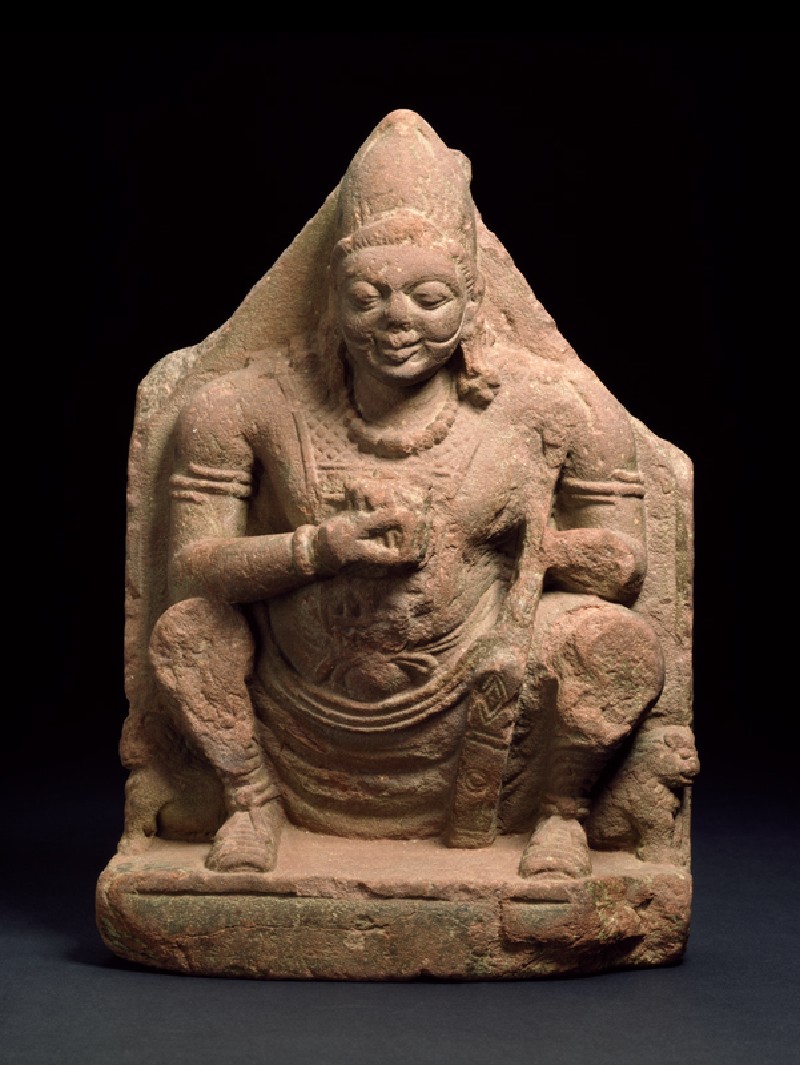
Surya, Ashmolean Museum, Oxford, England

Rulers of Multan

The names of rulers of Multan who succeeded during a long period of nearly two centuries do not appear systematically in historical sources.

It has been reported the Quarmathian missionary work was in full swing during the later period of the Arab rule in Sind on account of the propaganda machinery handled by men like al-Haytham and Jalan ibn Shayban. The latter who was a great Ismaili fanatic broke the idol of Multan into pieces and ordered the closure of Umayyad mosque built earlier by Muhammad ibn al-Qasim, the Arab conqueror of Sind.

The idol of Multan

The idol of Multan identified with job, the Hebrew prophet by the Arab historians, was one of the few idols to which the people flocked in large numbers from various regions of the sub continent. During the period of Arab rule, the temple was the main source of revenue to the state and the rulers defrayed most of their needs from the income of the temple.

The idol of Multan is reported to have resembled a man, seated on a chair. Its body was covered with red skin in such a manner that nothing of it could be seen, excepting the eyes which are reported to have been two gems of great value. The jewels were fixed in the sockets with such a great skill that they looked real. Ibn Nadim reports that these gems were bigger than eggs of the sparrow and shone with brilliance in the temple. A crown of gold also adored the head of the idol, whose hands were placed on knees and the fingers of one of his hands show as if he was counting four. (My comments: It must be Chin Mudra of Hindu Gods: swami).

chin_mudra

There were two other idols in Multan known as JUNBUKAT and ZUNBUKAT (My comments: Dwara palakas?). Both were carved out of stone and were placed at an elevation of eighty yards on both sides of the valley. Since these idols were seen from a great distance, the pilgrim would alight at the first sight and proceeded to the temple bare footed as a sign of reverence.
(We see such things even today in Hindu pilgrimage centres).

Gifts and presents were brought to the idol of Multan from a greater distance; in some cases from places more than one thousand miles away. Sacrifices are offered to the idol after shaving the heads and also circumambulation of the temple ( my comments: This is done by Hindu on a large scale even today at Tirupati Balaji temple and Palani Murugan temple: swami). The sacrifices at Multan had various modes, some of which were horrible to the extreme. Some pilgrims would take out their eyes with the knife and place it before the idol. Others would select a long stick of bamboo and after making one of its ends sharp, would place the navel of their stomach over it. The pilgrim would then press against it in such a manner that it passed through his belly and caused his death.

(My comments: the eye episode reminds us of Kannappa Nayanar, Vishnu and Sibi in Buddha Jataka. For more organ donation stories read my post: Miracles by the Blind and Oldest Organ donation posted on 25 February 2013)

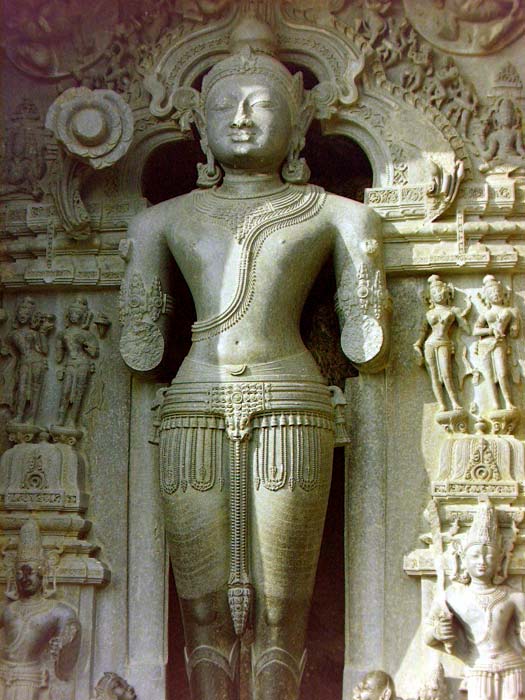
surya1konark
Surya Deva in Konark, Orissa, India

Ibn Rustah who wrote in 903 AD gives a descriptive account from the narratives of the eye witnesses who visited the temple of Multan. He relates:-

“ the idol of Multan was twenty yards in length and was of human shape the Hindus believe that it has come down to them from the heavens and have asked them to worship and adore him. The idol and the temple of Multan were a great source of to the Arab rulers of Multan and also the priests who look after the temple of Multan. The rich people dedicate half of their properties to the idol, although there are cases in which the whole is given to the idol with intent to please him. The priests refrain from taking meat and observe strict rules of discipline, by remaining neat and clean. The idol is served with food which comprises of rice, fish, vegetable accompanied with music and dance. The food is then distributed to the animals, bird, insects, who assemble there as usual. The idol is made up of iron and suspended in the middle of the temple by the pull of magnet.

Ibn Nadim, another writer of the same period, reports that: The idol of Multan was seven yards in length and the total height of the temple was 180 yards. He further adds that the idol of the temple had four faces, each one stood in front of the four entrances the pilgrim would select for visiting the idol.

Al – Beruni on the other hand reports that the idol of Multan was made of wood and covered with the cordovan leather. This suggests that the original idol which was made up of gold must have been removed by the Arabs on account of its value and replaced by a new one made up of wood. The wooden image of Multan was ultimately broken to pieces by the Quarmathian usurper Jamam bin Shayban who also exterminated its priests.

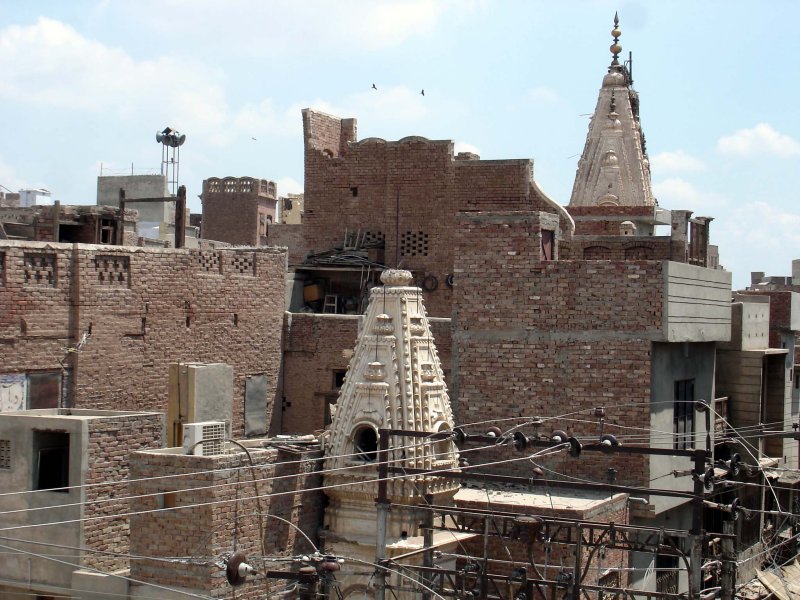
multan temple
Hindu Temple in Today’s Multan

The idol of Multan was of great value to the Arabs. Apart from being the principal source of revenue to the state, it was also valuable for defence purposes. Whenever an attack was made on Multan by non- Muslims, the Arab rulers would take out the idol from the temple and by exhibiting it on the fort wall threatened to break it. This obliged the enemy to withdraw and in this manner the kingdom of Multan was saved from early extinction.

When Muhammad bin Qasim was told about the revenue the temple generates, he spared the idol of Multan, but he hung a piece of cow’s flesh on its neck by way of mockery”.

By Dr Mumtaz Husain Pathan in her book Sind published in 1978 in Pakistan.
My comments: I have not changed anything other than what I have given within brackets. Heading and pictures are selected by me.

Contact swami_48@yahoo.com
temple2

Dilapidated Hindu Temple in Multan

New Discovery in Bihar: A university under a mound

16bhrRed-Sandstone_212209

Post No 864 Date: 24 February 2014

( India had many ancient universities such as Taxila (Thatchasheelam), Kancheepuram, Vikramasila and Nalanda. Now one more university is discovered in Bihar)

From The Indian Express 23 February 2014 & another magazine.

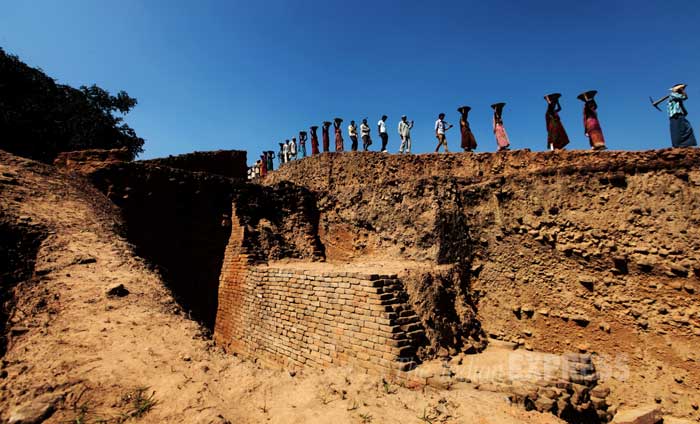
It was a useful mound, no doubt. A good vantage point where villagers occasionally relieved themselves. But who would have thought that deep beneath its golden brown earth would be stories of dynasties and empires that now suggest that this — Telhara, a village 33 km from the ruins of the more famous Nalanda University — could be ‘Tilas-akiya’ or ‘Tiladhak’, the place Chinese traveller Hiuen Tsang visited and wrote about during his travels through India in 7th century AD?

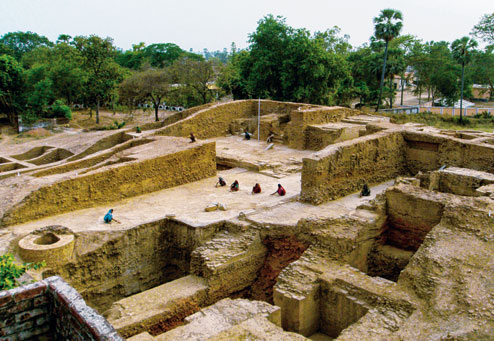
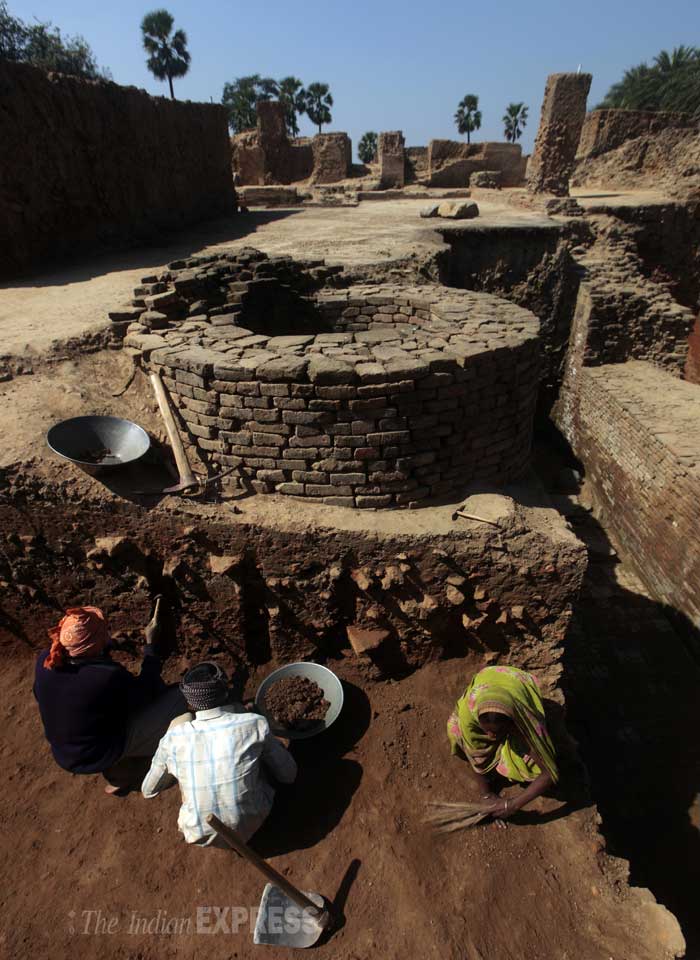
The Telhara project that started on December 26, 2009, has so far come across over 1,000 priceless finds from 30-odd trenches — seals and sealing, red sandstone, black stone or blue basalt statues of Buddha and several Hindu deities, miniature bronze and terracotta stupas and statues and figurines that go back to the Gupta (320-550 AD) and Pala (750-1174 AD) empires. But the 2.6-acre mound has now thrown up the most tantalising find yet — evidence of a three-storeyed structure, prayer hall and a platform to seat over 1,000 monks or students of Mahayana Buddhism.

In his book, The Antiquarian Remains in Bihar, historian D R Patil writes about Hiuen Tsang’s description of Telhara. “Hiuen Tsang describes Telhara or Tilas-akiya as containing a number of monasteries or viharas, about seven in number, accommodating about 1,000 monks studying in Mahayan. These buildings, he says, had courtyards, three-storeyed pavilions, towers, gates and were crowned by cupolas with hanging bells. The doors and windows, pillars and beams have bas relieves (sculptures in guilded copper). In the middle vihara is a statue of Tara Bodhisatva and to the right (is) one of Avlokiteshwar”.

16bhr-INSCRIPTION_211843
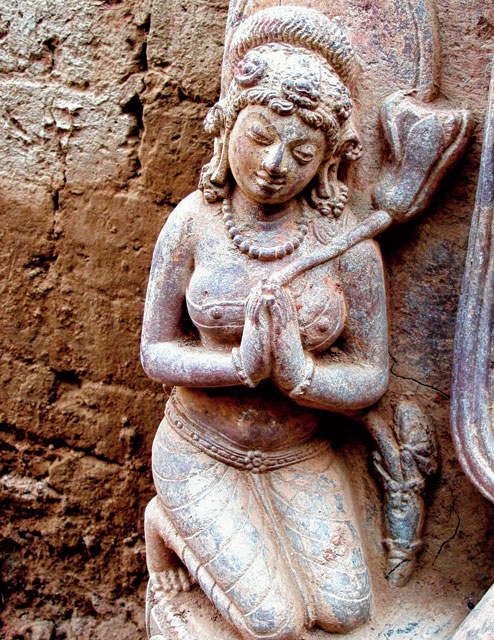
(From top) A red sandstone sculpture and a monastery seal found from Telhara excavation site

It is said the mahavihara or university was built by one of the descendents of Magadha ruler Bimbisara. The monastery was decorated with copper and also had small copper bells that gently chimed in the breeze.

Atul Kumar Verma, director (archaeology) of the Bihar government’s Department of Art and Culture, says, “Since the excavations suggest that Telhara might have been a contemporary of Nalanda, it is quite possible that it was either an independent university for specialised education or that students graduating from Nalanda University would come here for specialised study.

In more recent times, it was A M Broadley, then magistrate of Nalanda, who in 1872 wrote about “Tilas-akiya” as a university and site of learning. British army officer and archaeologist Sir Alexander Cunningham, who visited the place between 1872 and 1878, wrote about inscriptions describing “Teliyadhak” as a place that had seven monasteries and which matched Hiuen Tsang’s account.

16bhrEXCAVATION_212026

A statue of the 12-armed Avlokiteshwar Buddha found from a Tiladhak site is at the Indian Museum in Kolkata. Perhaps the best known Pala sculpture from Telhara is now in Rietberg Muzeum, Zurich.

Following matter is added from another newspaper.

“We have found the same monastery seal, which was found during the excavation carried out at the Nalanda University site. While we had discovered only two-three monastery seal then, we have found seven-eight similar seals this time. The monastery seals are made of terracotta and are in round shape. There is a wheel sign, flanked by two deer, on the seal also. The monastery seals, which we have found at Telhara, date back to thousand years and it is totally similar to the seals, which were found at the ruins of Nalanda University,” he added.

Burnt down by Muslim Army

The directorate has also got evidence that the varsity was equally popular in the Gupta period. “We have found sculptures made of red sandstone, which proves that the university was quite popular in the Gupta period. We have found pottery of different shapes and seals from the site of the Gupta period. There is a complete influence of the Gupta period in the strokes of writing, which we have found on the earthen pots. Another important finding is the 1ft layer of ash — something similar found from the Nalanda University site. It is believed that Nalanda University was set on fire by Turkish Muslim army under Bakhtiyar Khilji in 1193. We have got evidence that Telhara University was also burnt by Khilji on his way,” Verma said.

telharauniversity-6

MAJOR FINDINGS

SEALS AND SEALING
The recovery of over 100 terracotta seals and sealings from the Gupta and Pala periods provides strong evidence of this being a Buddhist university. Besides seals of the chakra flanked by two deers, other seals have inscription of Buddhist mantras. Seals of Gaj-Lakshmi and flying birds were also found. Some inscriptions that have not yet been deciphered would be sent to Mysore for deciphering.

PLATFORM, TEMPLES
Just above the ashen layer — said to be proof of Turkish general Bakhtiyar Khilji having destroyed the monastery — is the sanctum sanctorum of three Buddhist shrines, each measuring 3.15 square metres. A big platform, found just below this ashen layer, is said to have accommodated over 1,000 monks.

telharauniversity-2

CELLS FOR TEACHERS
The excavation has so far revealed 11 cells of 4 square metres each. It is believed that these were faculty quarters. There is evidence of bricks from the Gupta and Pala periods.

COPPER BELL CHIMES
The excavation revealed several broken pieces of small bells. Parts of molten copper also suggest that the monastery was well-decorated.

CAUTION INSCRIPTION
A stone inscription in Sanskrit (early Nagari script), probably written just before the destruction of the Tiladhak mahavihara, says, “He who tries to destroy this monastery is either a donkey or a bull”. Below the stone inscription are images of the two animals.

FASTING BUDDHA AND VOTIVE STUPA
A miniature terracotta image of a fasting Buddha from the Pala period is a rare find. A six-foot-tall votive stupa from the Pala period suggests the prevalence of Buddhism.

telharauniversity-4

MAURYAN PERIOD
Bone tools and pottery shards of Northern Black Polished Ware points to this being a settlement in the Mauryan period.

STONE SCULPTURES

Among the over 15 stone sculptures found at the site are a red sandstone sculpture of Bodhisatva, Avlokiteshwar, Manjusri and the Buddha in his ‘earth witness’ mudra. A black stone statue of Buddha in abhay mudra (fearless mode) from the Pala period has been found. The red sandstone Bodhisatva sculpture is believed to be from the Gupta period. Some sculptures of Hindu deities such as Uma Maheshwar and Ganesh and Vishnu from the later Pala period were also found. The presence of a Yamantaka sculpture is evidence of Tantric Buddhism at the monastery.

telharauniversity-14

Contact swami_48@yahoo.com
பூமிக்கடியில் புதிய பல்கலைக் கழகம் கண்டு பிடிப்பு !

16bhrRed-Sandstone_212209

Post No 863 Date: 24 February 2014
இந்தியன் எக்ஸ்பிரஸ் முதலிய பத்திரிக்கைகளில் வெளியான செய்திகளைத் தொகுத்து மொழிபெயர்த்துத் தருபவர் ச.சுவாமிநாதன்.

பீஹார் மாநிலத்தில் 2000 ஆண்டுகளுக்கு முன்பு உலகப் புகழ்பெற்ற நாளந்தா பல்கலைக்கழகம் இருந்தது. அதை 1193 ஆண்டில் பக்தியார் கில்ஜி என்ற முஸ்லீம் மன்னனின் படைகள் எரித்து அழித்துவிட்டன. அந்தப் பல்கலைக் கழகத்தின் நூலகம் மூன்று மாதங்களுக்கு எரிந்து சாம்பல் ஆகியது.. பல்லாயிரக் கணக்கான, புத்தமத, இந்துமத புத்த்கங்கள் அதில் எரிந்து சாம்பல் ஆயின. தற்போது அதற்கு சுமார் 35 கிலோமீட்டர் தொலைவில் வேறு ஒரு பலகலைக் கழகம் கண்டு பிடிக்கப்பட்டுள்ளது. தெலாரா என்ற ஊரில் உள்ள அந்த பல்கலைக்கழகத்தை சீன யாத்ரீகரான யுவாங் சுவாங் 1300 ஆண்டுகளுக்கு முன் தனது புத்தகத்தில் குறிப்பிட்டுள்ளர். இந்த புதிய இடத்திலும் ஒரு அடிக்கு சாம்பல் இருப்பதால் இதையும் முஸ்லீம் படைகளே கொளுத்தியிருக்க வேண்டும் என்று தொல்பொருட் துறை டைரக்டர் அதுல் குமார் வர்மா கூறினார்.

16bhrEXCAVATION_212026

பீஹாரில் தெலாராவில் 2009 –ல் துவங்கிய அகழ்வாராய்ச்சி இப்போதுதான் ஒரு முழு உருவத்தை நமக்குக் காண்பித்துள்ளது. இதற்கு முன் இங்கு கிடைத்த ஒரு பெரிய புத்தர் சிலை சுவிட்சர்லாந்தில் சூரிச் நகர மியூசியத்தில் உள்ளது. மற்றொரு சிலை கல்கத்தா காட்சியகத்தில் இருக்கிறது.
மணல் மேடாக இந்த இடத்தை ஆராய வேண்டும் என்ற கோரிக்கை வலுத்தவுடன் முறையான அகழ்வாராய்ச்சி நடந்தது.. இதுவரை 1000 அரும்பொருட்களைக் கண்டுபிடித்துள்ளனர். குப்தர் (கி.பி 330) காலம் துவங்கி பால மன்னர் (1170) காலம் வரை பல சின்னங்கள் கிடைத்தன.
இரண்டரை ஏக்கர் பரப்பளவுக்கு இந்த பல்கலைக்கழகம் பரவி இருந்தது. மூன்று மாடிக் கட்டிடம் சுமார் 1000 புத்த பிட்சுக்கள் படிக்க உதவியது. ஆசிரியர்களுக்கு என தனித் தனி அறைகள் இருந்தன. ஏழு பௌத்த மடாலயங்கள் இங்கே இருந்தன. அவர்கள் மஹாயான புத்தமதத்தைச் சேர்ந்தவர்கள்.
மற்ற சுவையான விஷயங்கள்

1.யுவாங் சுவாங் என்ற சீன யாத்ரீகர் இந்த இடத்துக்கு வந்தபோது இது உயிர்த் துடிப்புடன் இளங்கியது. ஒரு பெரிய அவலோகிஸ்வரர் சிலையும் இருந்ததாக எழுதி இருக்கிறார். பெரிய தூண்களுக்கு அடியில் புடைப்புச் சிற்பங்கள் இருந்ததாகவும் அவை தாமிரத் தகட்டால் கவசம் போல அலங்கரிக்கப் பாட்டு இருந்ததாகவும் அவர் எழுதுகிறார்.

2. அவர் இந்த இடத்தை திலஸ் அகியா என்று குறிப்பிடுகிறார். ஒரு மடாலயம் முழுதும் தாமிரத் தகட்டால் போர்த்தப்பட்டிருந்த தையும் அவர் பார்த்திருக்கிறார்.

3. இந்த பலகலைக் கழகம் மகதப் பேரரசின் மன்னன் பிம்பிசாரனின் வழிவந்தவர்களால் நிறுவப்பட்டது.
4.நாளந்தா பலகலைக் கழகம் இருந்த காலத்திலேயே பக்கத்தில் தெலாரா பல்கலை.யும் இருப்பதைப் பார்க்கையில் இது உயர் படிப்புக் கல்விச் சாலை அல்லது, சிறப்புப் படிப்பு கல்விச்சாலையாக இருந்திருக்கலாம் என்றும் வர்மா கருதுகிறார். நாளந்தா பலகலைக் கழகத்தில் படித்தவர்கள் மேற்படிப்புக்கு இங்கு வந்திருபர்.

5.இங்கு முற்காலத்தில் கிடைத்த சிலைகள் கல்கத்தா மியூசியத்திலும் சுவிட்சர்லாந்து சூரிச் மியூசியத்திலும் உள்ளன.

6.சுட்ட மண்ணால் செய்யப்பட்ட 100 முத்திரைச் சிற்பங்கள் கிடைத்திருக்கின்றன. ஒரு சக்கரத்துக்கு இருபுறமும் மான்கள் இருக்கும் முத்திரை, கஜ லெட்சுமி முத்திரை,, பறவைகள் முத்திரை முதலியன இதில் அடக்கம். இது புத்தமத பல்கலைக் கழகம் என்பது இவற்றில் இருந்து தெளிவாகிறது.

7.மூன்று புத்தமத விஹாரங்களும் நான்கு சதுர அடி பரப்புள்ள 11 ஆசிரியர் அறகளும் கண்டுபிடிக்கப்பட்டன. இவை எல்லாம் சாம்பலுக்கு அடியில் இருந்ததால் பலகலைகழகம் தீக்கிரையாக்கப்பது தெரிகிறது.

16bhr-INSCRIPTION_211843

8 தாமிர மணிகள் நிறைய கண்டுபிடிக்கப்பட்டன. ஆகையால் மணிகளால் அலங்கரிக்கப் பட்டது தெரிகிறது.
9.இந்த பல்கலைக்கழகத்தை அழிப்பவர் ஒரு கழுதை அல்லாது மாடு என்று சம்ஸ்கிருத்தில் எழுதிய கல்வெட்டும் கிடைத்திருக்கிறது. படிக்கமுடியாத கல்வெட்டுகள் மைசூருக்கு அனுபபப்பட்டுளன.

10 மௌரியர் கால கலயங்கள், எலும்பாலான ஆயுதங்கள் தோண்டி எடுக்கப்பட்டுள்ளன.

11. பதினைந்து புத்தர் சிலைகள் கண்டுபிடிக்கப்பட்டன..

telharauniversity-6