மே-சிந்தனைச் சிற்பிகள் காலண்டர்

alwars (1)

(மே 2014 – ஜய வருஷம்)
Post No.1011; Date:30 ஏப்ரல் 2014

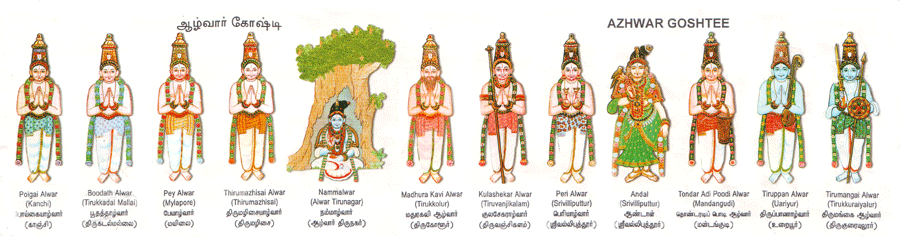
இந்த மாதப் பொன் மொழிகள், திவ்வியப் பிரபந்த/ஆழ்வார் பாடல்களில் இருந்து எடுக்கப்பட்ட 31 முக்கியப் பாடல்களைக் கொண்டது.
தயாரித்தவர்: லண்டன் சுவாமிநாதன் (C)

மே மாத முக்கிய நாட்கள்: தேதி 2 வெள்ளி- அக்ஷய திரிதியை; 4-ஞாயிறு-சங்கர ஜெயந்தி; 14- புதன் புத்த பூர்ணிமா; 10 முதல் 14 வரை மதுரை சித்திரைத் திருவிழா; சுப முகூர்த்த நாட்கள்:-5, 11, 25; ஏகாதசி:-10, 24; அமாவாசை-28; பௌர்ணமி-14

Contact swami_48@yahoo.com S Swaminathan ©

மே 1 வியாழக் கிழமை
தூயோமாய் வந்து நாம் தூமலர் தூவித் தொழுது
வாயினால் பாடி மனத்தினால் சிந்திக்க
போயபிழையும் புகுதருவான் நின்றனவும்
தீயினில் தூசாகும் செப்பு ஏல் ஓர் எம்பாவாய் (திருப்பாவை 5)

மே 2 வெள்ளிக் கிழமை
ஓங்கி உலகளந்த உத்தமன் பேர்பாடி
நாங்கள் நம்பாவைக்குச் சாற்றி நீராடினால்
…………. வாங்கக் குடம் நிறைக்கும் வள்ளல் பெரும் பசுக்கள்
நீங்காத செல்வம் நிறைந்து ஏல் ஓர் எம்பாவாய் (திருப்பாவை 3)

மே 3 சனிக் கிழமை
புவியுள் நான் கண்டதோர் அற்புதம் கேளீர்! பூணிமேய்கும் இளங்கோவலர் கூட்டத்து அவையுள் நாகத்து அணையான் குழல் ஊத
அமரலோகத்தளவும் சென்றிசைப்ப, அவியுணா மறந்து வானவர் எல்லாம்
ஆயர்பாடி நிறையப் புகுந்து ஈண்டி, செவியுள் நாவின் சுவைகொண்டு மகிழ்ந்து
கோவிந்தனைத் தொடர்ந்து என்றும் விடாரே. –பெரியாழ்வார்

மே 4 ஞாயிற்றுக் கிழமை
வெற்பு எடுத்து வேலை நீர் கலக்கினாய் அதன்றியும்
வெற்பு எடுத்து வேலை நீர் வரம்புகட்டி வேலைசூழ்
வெற்பு எடுத்த இஞ்சிசூழ் இலங்கை கட்டழித்த நீ!
வெற்பு எடுத்து மாரிகாத்த மேகவண்ணன் அல்லையோ!— திருமழிசைப் பிரான்

மே 5 திங்கட் கிழமை
விண்கடந்த சோதியாய்! விளங்கு ஞான மூர்த்தியாய்
பண்கடந்த தேசமேவு பாவநாச நாதனே!
எண்கடந்த யோகினோடு இரந்துசென்று மாணியாய்
மண்கடந்த வண்ணம்நின்னை யார்மதிக்கவல்லரே! — திருமழிசைப் பிரான்

மே 6 செவ்வாய்க் கிழமை
அன்பே தகளியா ஆர்வமே நெய்யாக
இன்புருகு சிந்தை இடுதிரியா – நன்புருகி
ஞானச் சுடர் விளக்கேற்றினேன் நாரணற்கு
ஞானத் தமிழ் புரிந்த நான்— பூதத்தாழ்வார்

மே 7 புதன் கிழமை
வையம் தகளியா வார்கடலே நெய்யாக
வெய்ய கதிரோன் விளக்காக — செய்ய
சுடர் ஆழியான் அடிக்கே சூட்டினேன் சொல்மாலை
இடராழி நீங்குகவே என்று — பொய்கையாழ்வார்

மே 8 வியாழக் கிழமை
பொன் திகழும் மேனிப் புரிசடைப் புண்ணியனும்
நின்றுலகம் தாய நெடுமாலும் – என்றும்
இருவர் அங்கத்தால் திரிவாரெனும் ஒருவன்
ஒருவன் அங்கத்து என்றும் உளன் – பொய்கையாழ்வார்

மே 9 வெள்ளிக் கிழமை
திருக்கண்டேன் பொன்மேனி கண்டேன் திகழும்
அருக்கன் அணிநிறமும் கண்டேன் – செருக்கிளறும்
பொன்னாழி கண்டேன் புரிசங்கம் கைக்கண்டேன்
என்னாழி வண்ணன்பால் இன்று. – பேயாழ்வார்
alwars_stickers

மே 10 சனிக் கிழமை
தாழ் சடையும் நீண்முடியும் ஒண்மழுவும் சக்கரமும்
சூழ் அரவும் பொன்னாணும் தோன்றுமால் சூழும்
திரண்டு அருவிபாயும் திருமலைமேல் எந்தைக்கு
இரண்டுருவும் ஒன்றாய் இசைந்து. — பேயாழ்வார்

மே 11 ஞாயிற்றுக் கிழமை
முடிச்சோதி யாயுனது முகச்சோதி மலர்ந்ததுவோ?
அடிச்சோதி நீநின்ற தாமரையாய் அலர்ந்ததுவோ?
படிச்சோதி ஆடையொடும் பல்கலனாய் நின்பைம்பொன்
கடிச்சோதி கலந்ததுவோ? திருமாலே கட்டுரையே! — நம்மாழ்வார்

மே 12 திங்கட் கிழமை
குலந்தாங்கு சாதிகள் நாலிலும் கீழ் இழிந்து, எத்தனை
நலந்தான் இலாத சண்டாள சண்டாளர்கள் ஆகிலும்
வலம் தாங்கு சக்கரத்து அண்ணல், மணிவண்ணற்கு ஆள் என்று உள்
கலந்தார் அடியார்தம், அடியார் எம் அடிகளே. — நம்மாழ்வார்

மே 13 செவ்வாய்க் கிழமை
வைகுந்தா மணிவண்ணனே! என்பொல்லாத் திருக்குறளா !
வைகும் வைகல் தோறும் அமுதுஆய வேனேறே!
செய்குந்தா அரும்தீமை உன் அடியார்க்குத் தீர்த்து அசுரர்க்குத் தீமைகள்
செய்குந்தா ! உன்னை நான் பிடித்தேன் கொள் சிக்கெனவே. – நம்மாழ்வார்

மே 14 புதன் கிழமை
புன்புல வை அடைத்து அரக்கு இலச்சினை செய்து,
நன்புல வழி திறந்து, ஞான நற்சுடர் கொளீ இ,
என்பில் எள்கி நெஞ்சு உருகி, உள் கனிந்து எழுந்ததோர்
அன்பில் அன்றி ஆழியானை யாவர் காண வல்லரே? — திருமழிசை ஆழ்வார்

மே 15 வியாழக் கிழமை
உளன் கண்டாய் நன்னெஞ்சே! உத்தமன் என்றும்
உளன் கண்டாய்; உள்ளுவார் உள்ளத்து — உளன் கண்டாய்
வெள்ளத்தின் உள்ளானும் வேங்கடத்து மேயானும்
உள்ளத்தின் உள்ளான் என்று ஓர். — பொய்கை ஆழ்வார்

மே 16 வெள்ளிக் கிழமை
நாடிலும் நின்னடியே நாடுவேன் நாள்தோறும்
பாடிலும் நின்புகழே பாடுவேன் – சூடிலும்
பொன்னாழி ஏந்தினான் பொன்னடியே சூடுவேற்கு
என்னாகில் என்னே எனக்கு? —பொய்கை ஆழ்வார்

மே 17 சனிக் கிழமை
ஓடுவார், விழுவார் உகந்து ஆலிப்பார்
நாடுவார், நம்பிரான் எங்குத்தான் என்பார்
பாடுவார்களும் பல்பறை கொட்ட நின்று
ஆடுவார்களும் ஆயிற்று ஆய்ப்பாடியே. — பெரியாழ்வார்

மே 18 ஞாயிற்றுக் கிழமை
கிடக்கில், தொட்டில் கிழிய உதைத்திடும்;
எடுத்துக் கொள்ளில், மருங்கை இறுத்திடும்;
ஒடுக்கிப் புல்கில், உதரத்தே பாய்ந்திடும்;
மிடுக்கு இலாமையால் நான் மெலிந்தேன், நங்காய்! — பெரியாழ்வார்

மே 19 திங்கட் கிழமை
பல்லாண்டு பல்லாண்டு பல்லாயிரத்தாண்டு பலகோடி நூறாயிரம்
மல்லாண்ட திண்தோள் மணி வண்ணா! உன் சேவடி செவ்வி திருக்காப்பு
பெரியாழ்வார்
alvar1

மே 20 செவ்வாய்க் கிழமை
வாளால் அறுத்துச் சுடினும் மருத்துவன் பால்
மாளாத காதல் நோயாளன் போல், மாயத்தால்
மீளாத் துயர் தரினும் வித்துவக் கோட்டு அம்மா நீ
ஆளா உனதருளே பார்ப்பன் அடியேனே — குலசேகர ஆழ்வார்

மே 21 புதன் கிழமை
பச்சைமா மலை போல் மேனிப் பவளவாய்க் கமலச் செங்கண்
அச்சுதா! அமரர் ஏறே! ஆயர்தம் கொழுந்தே! என்னும்
இச் சுவை தவிர யான் போய் இந்திர லோகமாளும்
அச் சுவை பெறினும் வேண்டேன் அரங்கமா நகருளானே!- தொண்டரடிப்பொடி ஆழ்வார்

மே 22 வியாழக் கிழமை
குடதிசை முடியை வைத்துக் குணதிசை பாதம் நீட்டி
வடதிசை பின்பு காட்டித் தெந்திசை இலங்கை நோக்கிக்
கடல் நிறக்கடவுள் எந்தை அரவணைத் துயிலுமா கண்டு
உடல் எனக்கு உருகுமாலோ என் செய்கேன் உலகத்தீரே – தொண்டரடிப்பொடி ஆழ்வார்

மே 23 வெள்ளிக் கிழமை
ஊரிலேன் காணி இல்லை உறவு மற்று ஒருவரில்லை
பாரில் நின்பாத மூலம் பற்றிலேன் பரம மூர்த்தி,
காரொளி வண்ணனே! ஓ கண்ணனே! கதறுகின்றேன்
ஆருளர் களை கண் அம்மா அரங்கமா நகருளானே! — தொண்டரடிப்பொடி ஆழ்வார்

மே 24 சனிக் கிழமை
குலம் தரும் செல்வம் தந்திடும் அடியார் படு துயராயின எல்லாம்
நிலந்தரஞ் செய்யும் நீள்விசும்பு அருளும் அருளொடு பெருநிலம் அளிக்கும்
வலந்தரும் மற்றும் தந்திடும் பெற்ற தாயினும் ஆயின செய்யும்
நலம் தரும் சொல்லை நான் கண்டுகொண்டேன் நாராயணா என்னும் நாமம் – திருமங்கை ஆழ்வார்

மே 25 ஞாயிற்றுக் கிழமை
ஒன்றுண்டு செங்கள் மால் யான் உரைப்பது உன் அடியார்க்கு
என் செய்வன் என்றே இருத்தி நீ – நின் புகழில்
வைகும் தம் சிந்தையிலும் மற்று இனிதோ நீ அவர்க்கு
வைகுந்தம் என்று அருளும் வான்? – நம்மாழ்வார்

மே 26 திங்கட் கிழமை
உயர்வற உயர்நலம் உடையவன் எவன் அவன்
மயர்வற மதிநலம் அருளினன் எவன் அவன்
அயர்வறும் அமரர்கள் அதிபதி எவன் அவன்
துயரறு சுடரடி தொழுது எழு என் மனனே! – நம்மாழ்வார்

alwars

மே 27 செவ்வாய்க் கிழமை
வாரணம் ஆயிரம் சூழ வலம் செய்து
நாரணன் நம்பி நடக்கின்றான் என்று எதிர்
பூரண பொற்குடம் வைத்துப் புறம் எங்கும்
தோரணம் நாட்டக் கனாக் கண்டே, தோழீ! நான். –ஆண்டாள் நாச்சியார் திருமொழி

மே 28 புதன் கிழமை
கருப்பூரம் நாறுமோ? கமலப் பூ நாறுமோ?
திருப் பவளச் செவ்வாய்தான் தித்திதிருக்குமோ?
மருப்பு ஒசித்த மாதவன் தன் வாய்ச் சுவையும் நாற்றமும்
விருப்புற்ருக் கேட்கின்றேன் சொல், ஆழி வெண் சங்கே! – நாச்சியார் திருமொழி

மே 29 வியாழக் கிழமை
பொலிக; பொலிக; பொலிக ! போயிற்று வல்லுயிர்ச் சாபம்;
நலியும் நரகமும் நைந்த; நமனுக்கு இங்கு யாதும் ஒன்றும் இல்லை;
கலியும் கெடும்; கண்டு கொண்மின்; கடல்வண்ணன் பூதங்கள் மண்மேல்
மலியப் புகுந்து, இசைபாடி, ஆடி, உழிதரக் கண்டோம்.

மே 30 வெள்ளிக் கிழமை
கண்டோம், கண்டோம், கண்டோம்; கண்ணுக்கு இனியன கண்டோம்;
தொண்டீர்; எல்லீரும் வாரீர்; தொழுது தொழுது நின்று ஆர்த்தும்;
வண்டு ஆர்த் தண்ணந் துழாயான் மாதவன் பூதங்கள் மண்மேல்
பண்தான் பாடி நின்று, ஆடி, பரந்து திரிகின்றனவே. — நம்மாழ்வார்

மே 31 சனிக் கிழமை
அவனே அகல் ஞாலம் படைத்து இடந்தான்
அவனே அஃதுண்டு உமிழ்ந்தான் அளந்தான்
அவனே அவனும் அவனும் அவனும்
அவனே மற்றும் எல்லாமும் அறிந்தனமே. – நம்மாழ்வார்
ALWAR-STATUES-baba

ஜனவரியில் வள்ளுவர் திருக்குறள், பிப்ரவரியில் திருவாசகம், மார்ச்சில் திருமந்திரம், ஏப்ரலில் அப்பர் தேவாரம் ஆகியவற்றில் இருந்து எடுக்கப்பட்ட முக்கியப் பாடலகள் இடம்பெற்றுள்ளன. படித்துப் பயன் பெறுக!

contact swami_48@yahoo.co
More Interesting quotations from Manu’s Law Book

manava statue

By London Swaminathan
Post No1008; Date-28th April 2014.

(First part of the article “30 Important Quotations from Manu” posted on 27th April 2014 and the Post No. was 1006)

If anyone comments on Manu Smriti without reading all the 2694 verses and the ancient commentaries, s/he proclaims herself or himself an ignoramus.

If s/he believes some comments of foreign “scholars”, s/he declares herself or himself a pawn in the hand of others or a simpleton.

The reason being there are lot of Smritis (Law Books) in Hinduism and Manu Smritis is not the only one followed by them. When there were some doubts they always used or consulted many law books of the Hindus. No one knows when Manu Smriti was originally written. Even in the Manu Smriti, commentators differ in interpreting the verses!!

manava-dharma-sastra-59174

Manu is referred to in the Rig Veda, the oldest scripture in the world. No one knew when and to whom Manu wrote it or what geographical regions used it. No one knew whether they followed verbatim the laws in Manu Smriti. No ancient foreign traveller said anything against Manu Smriti. No one knew whether it was without any interpolation. There are contradictory verses in it like all the old scriptures where we purely depend upon different commentaries. Foreigners never mentioned any interpolations in this book because it suited their motives.

Ancient kings praised it and treated it as their own and they were proud to say they followed Laws of Manu. (Read my earlier post for thestory of Tamil king Manu Neethi Choza).

In Tamil literature and inscriptions the words Manu Smriti (Manu Neethi= Manu’s Justice) stood for ‘strict rules and equal justice’. Later it earned a bad name because the foreigners projected only ten or 15 verses from the 2674. They never compared it with any other ancient Law Book. The ancient Western World did not even have any Law book as comprehensive as Manu’s. If there were some laws they were more discriminatory than Manu. The ancient Hammurabi laws in the Middle East spoke of blood for blood, eye for an eye etc. One must study anything in its proper context. I am writing this because there were lot of bad things written about Manu Smriti by quoting one or two verses. Half truth is more dangerous than a lie!

The author has read the Laws of Manu with its commentary only once. It is very confusing. Many of the verses are of only theoretical or hypothetical value rather than practical. There were lots of things about mixed marriages and the rules governing them. We did not know in what period such things happened if it all they happened. This is only one example. What Manu ‘meant’ is more important than what he ‘said’. Taking literal meaning is not good. Many verses are only hypothesis! I have given some illustrations below:-
codigo-de-manu

Manu on Indus Valley Civilization!
31.That land created by the Gods, which lies between the two divine rivers SARASWATI and DRISHADVATI, the sages call BRAHMAVARTA 2-17
(Brahmavarta= God’s Land; THIS VERSE IS ABOUT INDUS VALLEY CIVILIZATION)

32.The custom handed down in regular succession (since time immemorial) among the four chief castes and the mixed races of that country, is called the conduct of the virtuous men 2-18

33.The plains of the Kurus, (the country of ) Matsyas, Panchalas and Surasenas, these form indeed the land of Brahmarishis (Brahminical sages) which ranks immediately after Brahmavarta 2-19

Dravidas and Chozas
34.But in consequence of omission of the sacred rites, and of their not consulting Brahmanas the following tribes of Kshatriyas have gradually sunk in this world to the condition of Sudras.
35.The Paundrakas, the Chozas, the Dravidas, the Kambojas, the Yavanas, the Sakas, the paradas, the Pahlavas, the kinas, the Kritas and the Dardaras 10-44
(It is interesting to see that Chozas are not Dravidas) .
36.All these tribes in this world which are excluded from the community of those born from the mouth (Brahmins), the arms (Kshatriyas), the thighs (Vaisyas) and the feet of the God (Sudra), are called ‘dasyus’ whether they speak of the language of the Mlechas or that of the Aryans(cultured) .

My comments on point 36:–
Those who studied Sangam Tamil literature know this was not the condition of Tamil Nadu 2000 years ago. So this verse must have been written somewhere around 500 BCE.

There are many interesting points here:
(a).Sudras are Aryans (born from the feet of Gods) and they are not dasyus.
(b).Dravidas and Chozas are two different people!!
(c).But the reality is Karikal Choza (First Century BCE), the greatest of the Tamil Choza Kings, erected big eagle shaped Yaga Kunda and performed Yagas according to ancient Sangam Tamil literature. He followed the Vedic rite of walking the guests seven feet to see them off. (Please read my post ‘Eagle Shaped Yaga Kunda of Karikal Choza’).

(d).All the Cholza kings called themselves the descendants of Sibi of North West India and Manu Neethi Choza (one who followed Manu’s Law Book). They called them their illustrious forefathers!

(e).Another strange thing about the languages: Tamil considered all non Tamil foreigners as ‘mlecchas’! They called northern seers as Aryans in Sangam Tamil literature. But no racial connotation is there. One must be very careful in reading the words Arya and Dravida in Manu. They have no racial connotation and they are used in the sense of cultured (Aryan) and Southerner( Dravida).

On the basis of many such verses we have to reconsider the date of the law book. We can’t place Manu Smriti in 2nd centrury CE. The present book was put to writing in 2nd centrury CE, but it belonged to a very ancient period. The current book is corrupted with interpolations. All those verses against low castes were inserted by manipulative hands!

The greatest of the modern Tamil poets, Subramanya Bharati, has even gone to the extent of calling this as a ‘conspiracy’!

37.The root of religion is the entire Veda and the traditions and customs of those who know the Vedas and the conduct of virtuous people, and what is satisfactory for one self 2-7

manava 1

TEN COMMANDMENTS OF HINDUS
38.Twice born men in all four stages of life must constantly and carefully fulfil their TEN POINT DUTY 6-91

39.The TEN FOLD LAW is
Contentment
Forgiveness
Self control
Not stealing
Purification
Mastery of sensory powers
Wisdom
Truthfulness
Abstention from anger
Learning (Knowledge of the Supreme)6-92

40.Those Brahmanas who thoroughly study the tenfold law, and after studying obey it enter the highest state 6-93

Protocols for kings
It is very interesting that the following hygiene and safety precautions are followed even today when a president or a prime minister of a country visits another country:–
41. When the king has taken counsel about all of this with his counsellors, and when his exercise and bathed, he should enter the harem at noon to eat 7-216

42.There he should eat food over which the Vedic verses that dispel poison have been chanted, food that has been well tested by the kitchen servants who are like his second self, who cannot be seduced and who know the time for the food.7-217

43.And he should clean all of his articles with waters that destroy poison, and he should always be careful about wearing gems that destroy poison 7-218

44.Well tested women whose clothing and ornaments have been thoroughly cleaned should attentively caress him with fans, water and incense 7-219

45.In the same way he should be careful about his vehicle, bed, seat and food and about bathing, dressing and anointing his body, and all his ornaments.
(One is reminded of what happened to Mrs Indra Gandhi and Mr Rajeev Gandhi , two former prime ministers of India).

Four Dangerous– “D”s
46.Drinking, Dice (gambling), Damsels (women) and Death to Animals (hunting) are the four worst vices born of desire 7-50

47.The whole world is kept in order by punishment, for a guiltless man is hard to find; through fear of punishment the whole world yields the enjoyments (which it owes) 7-22

48.Punishment alone governs all created beings,
Punishment alone protects them,
Punishment watches them while they sleep
The wise declare punishment is identical with the Law 7-18

Contact swami_48 @ Yahoo.com

30 Important quotations from Manu

the_hindu_law_codes_the_dharma_
By London Swaminathan
Post No. 1006; Date 27th April 2014

Manu was the greatest of the Hindu Law Givers. Though there were several Law Books, Manu was considered the best. But the present Manava Dharma Sastra is not the original book. Lot of people have added unwanted remarks against the lower castes. The contradictions in the book itself are a proof for these interpolations. It has got 2694 verses (slokas). Foreign scholars who found interpolations and additions in all the Indian books from the Rig Veda to Tolkappiam in Tamil never said a word about such things in Manu’s law book. It suited their purpose to spread lies against Hinduism. This is the only book where they kept quiet about interpolations!!

Another mystery about Manu is that he lived during Vedic age. The present book is dated to 2nd century CE by foreigners. There is no historical proof for such a person at that time of history. Original Manu must have lived during Vedic times i.e. at least 3500 years ago. There are several Manus in the Rig Veda, the oldest scripture in the world.

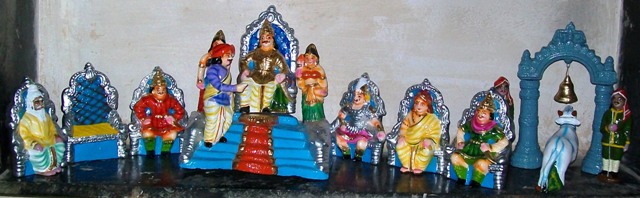
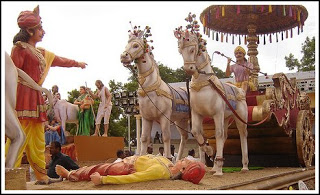
Manu is not a personal name. It is a generic name like Dalai Lama, Pope, Shankaracharya, President, Magistrate, Prime Minister etc. All the English words about Man, Mankind and words such as Manual came from this Manu. Here are some important quotations from the Manava Dharmasatra. Tamils proudly declared that they follow Manu Dharma Sastra in their ancient epigraphs and inscriptions. One Choza king was even named Manu Neethi Choza for his equal justice to an animal and human being. He executed his son under the wheel of a chariot which ran over a calf. The calf came to his palace add rang the Bell of Justice at the gate. The king ordered the execution of his son for killing the calf under his chariot wheel.

dolly manu

This story went far and wide and found even in the Mahavamsa of Sri Lanka. The story is repeated in Tamil epic Silappadikaram, Pazamozi 400, Periapuranam and local Sthalapuranas. In all these stories they praised the Laws of Manu.

Man is a Teachable Animal

Man is a teachable animal. That is why we have framed rules for him. Animals have no morality. They can’t learn morals. Hindus believed in changes. So they had various law books during different periods. Nothing remained static in the Hindu world. It kept on changing. Manu was one of the law givers. Parasara Smrti (Smrti=law book) declared that in the four ages Krta, Treta, Dwapara and Kali the Laws of Manu, Gautama, Sankhalikita and Parasara are respectively of the highest authority. So no one needs to worry about the interpolated shortcomings or discrepancies in the present law book. It was only used by anti Hindus, atheists and foreigners who came to rule India and spread their religion. There was no major historical incident in the past to show that Manu’s law discriminated against any particular community. In the last few centuries vested interests misused this law book.

laws of manu

The present book with all the interpolations was put to writing around second century CE. Before that, it should have existed in its purest form. No foreign traveller said anything against this law or the book. On the contrary they praised that this was a country where there were no locks for the houses and Hindus never locked their doors. Such was the morality during Gupta period.

Several of Manu’s slokas are found in Tamil Veda Tirukkural and Sangam Tamil literature.
Here are some Laws of Manu:

Fathers, brothers, husbands, and brothers-in-laws who wish for great good fortune should revere women and adorn them 3-55

The gods delight in places where women are respected, but where women are not honoured all rites are fruitless 3-56

manu4
Manu Neethi Chola

Where the women of the family feel miserable, that family is soon destroyed, but the family where the women are happy thrives well 3-57

Homes that are cursed by the women who have not treated with reverence are completely destroyed, as if struck down by magic 3-58

Therefore men who wish to prosper should always revere those women with ornaments, clothes and food at celebrations and festivals 3-59

There is unwavering good fortune in a family where the husband is always satisfied by the wife, and the wife by the husband 3-60

The great sages devised five great sacrifices (Pancha Maha Yajnas) for the householder to do every day 3-70

The study of the Vedas, libation to the ancestors, fire offering to the gods, food for the animals and insects and feeding the guests are the (Pancha Maha Yajnas) five great sacrifices 3-71

Manuneethichoan

As the man who digs with a spade (into the ground) obtains water, even so an obedient student obtains the knowledge which lies hidden in his teacher 2-218
Kural 396 in Tamil can be compared with it.

For by punishing the wicked and by favouring the virtous, kings are constantly sanctified, just as twice born men by sacrifices. 8-311
Kural 550 in Tamil can be compared with it.

As the weeder plucks up the weeds and preserves the corn even so let the king protect his kingdom and destroy his opponents.7-110
Kural 550 in Tamil can be compared with it.

As an elephant made up of wood, as an antelope made of leather, such is an unlearned Brahmana, those three have nothing but the names of their kind 2-157
Kural 407 in Tamil can be compared with it.

Just as a sower who sows seeds in barren soil reap no harvest, so the donor who gives the offering to someone ignorant of the Vedas obtains no benefits 3-142
Kural 406 in Tamil can be compared with it.

manu highcourt

Manu Neethi Choza King statues in Madras High Court

Unless one is asked, one must not explain anything to anybody, nor must one answer a person who asks improperly; let a wise man though he knows the answer behave among men as if he were an idiot 2-110

A wise man should strive to restrain his organs which run wild among alluring sensual objects, like a charioteer his horses.2-88

One should not sit in a lonely place with one’s mother, sister or daughter; for the senses are powerful, and master even a learned man 2-215

As the sun draws up water with his rays during eight months, even so let the king gradually draw his taxes (9-305); As Indra sends copious rains during the four months of the rainy season, even so let the king, taking himself upon the office of Indra, shower benefits on his kingdom (9-304)

Food sacred to the manes or to the gods must be given to a man distinguished by sacred knowledge; for hands smeared with blood, cannot be cleansed with blood (3-132)

He who leaves this body as a tree torn from the river bank or a bird that quits a tree, is freed from the misery of this world (6-78)
(It can be compared with Tirukkural 338 in Tamil)

manu1

He who possess faith may receive pure learning even from a man of lower caste, the highest law even from the lowest and an excellent wife from a base family ( 2-38)
(Compare it with Tirukkural 409 and Purananauru 183 in Tamil)

Even from poison nectar may be taken, even from a child good advice, even from a foe good conduct and even from impure substance gold (2-239).

Desire is never extinguished by the enjoyment of the desired objects; it grows only stronger like a fire fed with clarified butter (2-94)
(It is used by Tiruvalluvar in Tirukkural 1148 in Tamil)

As a fire in one moment consumes with its bright flame the fuel that has been placed on it, even so he who knows the Vedas destroys all guilt by the fire of knowledge (11-247)
As a eunuch is unproductive with women, as a cow with is unprolific and a gift made to an ignorant man yields no reward, even so is a Brahmana useless who does not know the mantras (2-158)
(Compare Kural 402)

A Brahmana who neither performs austerities nor studies the Vedas, yet delights in accepting gifts sinks with the donor into hell just as he who attempts to cross over in a boat made of stone is submerged in the water( 4-190)

He who when in danger of losing his life, accepts food from anyone whatsoever, is no more tainted by sin than the sky by mud (10-104)

A son is even as one self, such a daughter is equal to a son; how can another heir take the property while such one lives? 9-130

And if a Brahmana, though learned in the Veda, accepts through covetousness a gift from such a man, he will quickly perish, like a vessel of un burnt clay in water (3-179)

Unrighteousness practised in this world, doesn’t at once produceits effect,like a cow; but advancing slowly, it cuts off the roots of him who committed it 4-172
Compare Dhammapada 5-71

Contact swami_48@yahoo.com

Beautiful Quotations from a Great Playwright

bhasa_idg896

Post 988; Dated 18th April 2014.
Compiled by By London Swaminathan

Bhasa is one of the greatest playwrights of the world. His 13 plays in Sanskrit were rediscovered in Kerala in 1912. He lived in the fourth century BCE. He is one of the greatest playwrights of the world for the number of plays he wrote and for the quality of the plays. He was praised by Kalidasa, the greatest poet of India. Probably Bhasa is the oldest playwright of India because we did not get the plays of earlier writers mentioned by Kalidasa and others. By the language, style and the theme he dealt with, we have to place Bhasa in the fourth century BCE. All others except Bhasa followed the rules laid down in the Natyasastra and this proved his antiquity.

Here are some quotes from ‘Svapnavasavadatta’, his masterpiece and one of the best dramas available today:—

Ignorance
1.Even deities, when not clearly known are insulted.

Wealth
2.The cycle of fortune of the world revolving with the course of time, moves like the spokes of a wheel.
Kalakramena jagatha: parivarthamana
Chakrarampankthiriva gachathi bhagyapankthi:

Hermits
3.No rough treatment should be accorded to the inmates of a hermitage; to avoid the insults that are received in a city these high souled persons come to reside in a forest.

Bright (Intelligent Look)
4.Good, his look is full of practical knowledge.

Attitude
5.Hatred or high regard springs from the mind’s view point (looking at a thing).

Guests to hermitages
6.Penance groves are, indeed ,in the case of visitors, their own homes.

Fate
7.Surely fate does not go beyond the well tested declarations of the seers.

Hermitage
8. A hermitage, as is well known, is common to all people.
( All the above quotes are from Act 1)

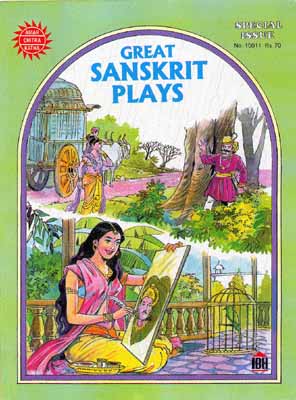
great_sanskrit_plays_ack19

Beauty
9.That is really called beauty which has a charm for the minds of all.

Great men
10.The hearts of great men are such as yield to the first onslaught (of grief); but they are easily composed (afterwards).
(From Act 2 )

Husband
11.It is improper to hear the description of another’s husband.
(From Act 3)

Fate
12.Fate is intransgressible
Anthikramaniyo hi vidhi:

Grief
13.It is difficult to forget deep rooted love; grief revives at each remembrance. It is the course of nature that on shedding tears in this world the mind attains freshness, having a debt paid off.
Courtesy
14.Even the servant of a courteous man is himself also courteous.
(From Act 4)

Women
15.Woman is timid by nature.

Honour
16.Honour met with reciprocal honour, begets affection.
So let your Honour rise.

Appreciation
17.The conferrers of mighty benefits and of high honours are always easily found in the world, but their appreciators are rare.
(From Act 4)

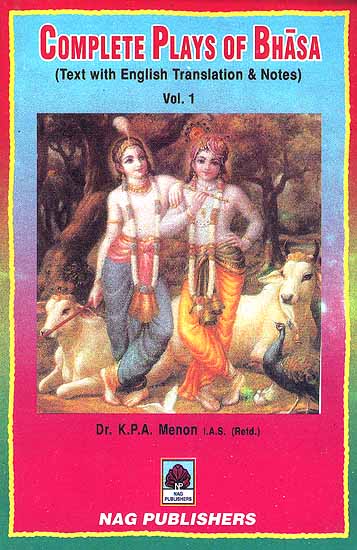
complete_plays_of_bhasa_text_with_english_translation_idg381

Enterprise
18.No enterprising spirit manifests itself in those, who are timid or weak; generally royal fortune is enjoyed by the energetic alone.

19.Who is able to protect whom at the time of death? Who support the pitcher when the rope is cut? Thus man fares equally with trees: each is cut down (dies) when his time comes and grows again (born).

Difficulty
20.How could such lovely complexion meet with terrible destruction! How was this sweetness of face despoiled by fire?

Resemblance
21.Resemblance of form existing between two persons is seen in this world
Returning borrowed things
22.A deposit ought to be returned in the presence of witnesses
(From Act 6)

Contact swami_48@ yahoo.com

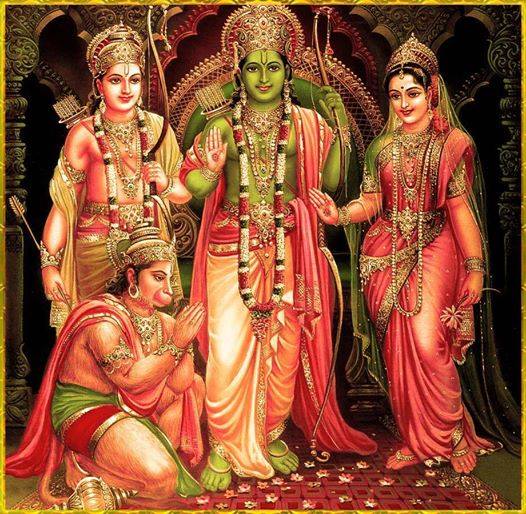
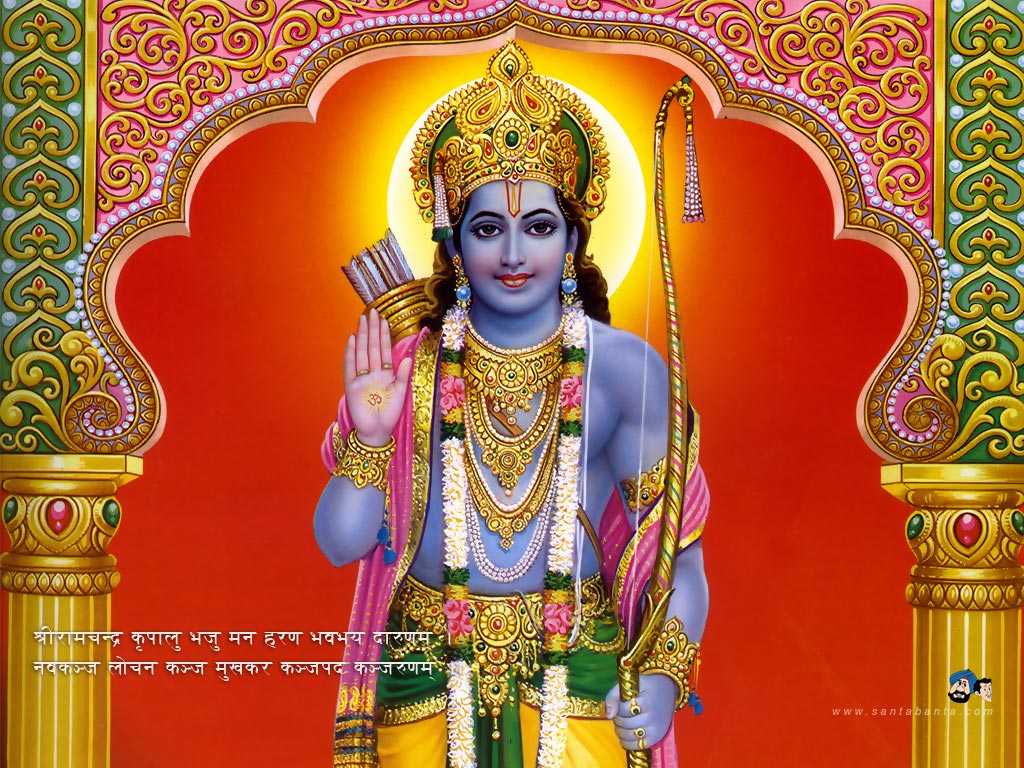
இராமன் பற்றிய தமிழ் பழமொழிகள்

jaya sri ram

கட்டுரையாளர்:- லண்டன் சுவாமிநாதன்
கட்டுரை எண்—968 தேதி 10 ஏப்ரல் 2014

அனுமார் வால் போல நீளுகிறதே or அனுமார் வால் போல நீண்டதாம்!
இந்தப் பழமொழி ராமாயண சுந்தர காண்ட நிகழ்ச்சியில் இருந்து வந்தது. ராவணனால் துன்புறுத்தப்பட்ட அனுமன், இலங்கைக்கு தீ வைத்தான். அப்பொழுது அவன் வால் திரவுபதியின் புடவை வற்றாது வந்தது போல நீண்டு கொண்டே போனது. அதாவது ஆஞ்சநேயனை தீயானது சுடவே இல்லை. இந்தியாவின் ‘’சூப்பர்மேன்’’ Superman மாருதி. அவன் செய்யாத சாகசம் இல்லை. அத்தனையையும் இன்று வெள்ளைக்காரர்கள் ‘காப்பி’ அடித்து காமிக்ஸ் Comics ஆக (சூபர்மேன், superman ஸ்பைடர்மேன் Spiderman, போகேமான் Pokeman, பேண்டம் Phantom) என்றெல்லாம் எழுதி, விற்றுக் கோடிக் கணக்கில் சம்பாதிக்கிறார்கள்.

இன்னொரு சம்பவமும் சுந்தர காண்டத்தில் உண்டு. ஆஞ்சநேயனக்கு ஒரு தூதருக்கு (ambassador) உரிய மரியாதை கொடுக்கப்பட வேண்டும்.ஆனால் அது கொடுக்கப்படவில்லை இன்று சர்வதேச ‘ப்ரோடோகோல்’Protocol (சம்பிரதாய விதிகள்) என்ற பெயரில் தூதர்களை எப்படி நடத்த வேண்டும் என்று விதிகள் உள்ளன. இதை உலகிற்குக் கற்பித்தது இந்தியர்கள்! சாணக்கியன் எழுதிய விதிகளை திருவள்ளுவனும் ஒரு அதிகாரம் முழுதும் பாடியிருக்கிறான். அப்படி மரியாதை தர ராவணன் மறுத்தான். ஆசனம் கூட கொடுக்கவில்லை. அனுமார் தன் வாலை நீட்டி அதன் மூலம் ஒரு ஆசனம் அமைத்து ராவணனைவிட உயரத்தில் உட்கார்ந்து ‘பதில் மரியாதை’ செய்தான்!

Proverbs

இராம பாணம் பட்டு உருவினாற் போல
அந்தக் காலத்தில் ஒருவர் வீரத்தை மெய்ப்பிக்க ஏழு பொருள்களை ஒரே அம்பினால் துளைக்கச் சொல்லுவார்கள். இந்த ஏழு மர துளை போடும் போட்டி வேறு கலாசாரங்களிலும் உண்டு. இதை ஒட்டியே ராமனின் திறமையைக் கண்டுபிடிக்க ஏழு மரா மரங்களைத் துளைக்கும் அம்பைவிடச் சொன்னான் சுக்ரீவன். ராமன் விட்ட அம்பு ஏழு மரங்களையும் துளை போட்டது. இதே போல ஒரு வகைப் பூச்சியும் புத்தகத்தில் முதல் பக்கத்தில் இருந்து கடைசி பாக்கம் வரை குண்டு துளைத்தாற்போல துளை போடும் அந்த பூச்சிக்கும் இந்தியர்கள் ராமபாணம் என்று பெயர் வைத்தனர்.

இராமர் இருக்கும் இடம் அயோத்தி
மக்களுக்கு குணம் மிக்க ஒரு தலைவன் இருந்தால் போதும்; ஒரு ஆபத்தும் வராது என்று தெரியும். முறையாக ஆட்சி செய்யும் மன்னவன் இறைவனுக்கு சமம் என்று வள்ளுவனும் கூறுவான். இதனால்தான் மக்கள் அனைவரும் இரண்டு முறை இராமனைப் பின் தொடர்ந்து சென்றனர். முதல் முறை அவன் காடேகிய நாள் அன்று. ஆனால் இராமனே அவர்களைத் திருப்பி அனுப்பி விட்டான். இரண்டாவது முறை ராமன் ஆற்றில் ஜல சமாதி அடைய இறங்கிய போது அயோத்தியில் உள்ள அத்தனை மனிதர்களும், ஜீவராசிகளும் ராமனுடன் சரயு நதியில் இறங்கி மோட்சம் அடைந்தனர். அவர்களைப் பொறுத்த மட்டில், இராமன் எங்கே இருக்கிறானோ அதுதான் அயோத்தி! (Ayodhya now in Uttar Pradesh was the capital of Kingdom of Kosala)

rama color

இராம லெட்சுமணரைப் போல இசைந்திருக்கிறது
இராம,லெட்சுமணன்—ஆகிய இருவரும் இணை பிரியாத ஜோடிகள். எல்லா படங்களிலும் இதைக் காணலாம். அவர்கள் ஒற்றுமையை உவமையாக கூறும் போது, இராம லெட்சுமணரைப் போல இசைந்திருக்கிறது என்று சொல்லுவர்.

இராம வாக்குக்கு இரண்டு உண்டோ?
இராமன் சத்ய தர்ம பராக்ரமன். சொன்ன சொல்லை மீறாதவன். ஆயுதம் இழந்த ராவணனைக் கூட கொல்லாமல் ‘’இன்று போய், நாளை வா!’’ என்று இயம்பினன். ஆகையால் ராமனின் சொல்லுக்கு மறு சொல் கிடையாது. இலட்சுமணன் மிகவும் (short tempered) கோபக்காரன். எதற்கும் பொங்கி எழுவான. ஆனால் அண்ணன் ஒரு சொல் சொன்னால் போதும். அடங்கிவிடுவான். இராம வாக்குக்கு இரண்டு உண்டோ?

இராமனைப் போல ராசா இருந்தால் அனுமாரைப் போல சேவகனும் இருப்பான்
மனம் போல மாங்கல்யம். தலைவன் எவ்வழி அவ்வழி தொண்டன். ஆகவே இராமன் போல ஒரு ராஜா (Truthful, honest, sincere, amicable, easily accessible,heroic, people friendly) இருந்தால் உலகமே அவனுக்கு அடங்கி நடக்கும். இராம சேது என்னும் பாலம் கட்டும் போது அணில் கூட உதவி செய்யவில்லையா?

15173-yiddish-proverb-

இராமன் ஆண்டால் என்ன? இராவணன் ஆண்டால் என்ன?
உலகில் நிறைய பேர் சுயகாரியப்(Selfish, self centred) புலிகள். தங்களுக்கு வேண்டியது கிடைத்தால் போதும். வாயை மூடிக்கொண்டு அநியாயங்களைக் கண்டும் காணாமல் இருந்து விடுவர். மஹாத்மா காந்தி, பல சத்தியாக் கிரகம், பாத யாத்திரை என்று அறைகூவல் விடுத்தபோதும் சிறை சென்றவர்கள் எண்ணிக்கை சில ஆயிரம்தான். எனக்கு என்ன? வெள்ளைக்காரன் ஆண்டால் என்ன? இந்தியர் ஆண்டால் என்ன? என்று இருந்தவர்களைக் கண்டு பாரதியும் பாடி இருக்கிறான். “நெஞ்சில் உரமும் இன்றி” என்ற பாடலைப் படித்தால் புரியும். இராமன் ஆண்டால் என்ன? இராவணன் ஆண்டால் என்ன? என்று இருப்போரே உலகில் அதிகம்.

இராமன் மங்கையோடு இணங்கியது அவம்
இராமனுடைய மங்கை சீதை. அவளுடன் இராவணன் வாழ நினைத்தது தவறு. இராமன் மங்கையோடு இணங்கியது அவம்.

இராமாமிர்தமே சீவனம் என்று பட்டினியாய் இருக்கலாமா?
ராமனுடைய பெயரைச் சொல்லுவதே அமிர்தம் என்று உண்ணாவிரதம் இருந்தோரைக் குறித்து சொன்ன சொல் இது. மனிதனாகப் பிறந்துவிட்டால் உடலையும் பேணித்தான் ஆகவேண்டும். இராமாமிர்தமே சீவனம் என்று பட்டினியாய் இருக்கலாமா? சுவர் இருந்தால்தான் சித்திரம் வரைய முடியும் உள்ளம் பெருங் கோயில், ஊனுடம்பு ஆலயம்.

hindi rama

இரா முழுதும் இராமாயணம் கேட்டு சீதைக்கு ராமன் என்ன வேண்டும்? என்ற கதை (சீதைக்கு ராமன் சித்தப்பன் என்றானாம்)

சொன்ன சொல்லை மனதில் ஏற்றிக் கொள்ளாமல் ஒரு செயலை சடங்கு போல செய்வோரைக் குறிக்கும் வசனம் இது. அர்த்தத்தைப் புரிந்துகொண்டு உண்மையான ஆர்வத்தோடு ஒரு செயலை செய்ய வேண்டும். எதைப் படித்தாலும் கேட்டாலும் சிரத்தையோடு செய்தால் உண்மைப் பொருள் விளங்கும். வாத்தியார் பாடம் சொல்லிக் கொடுத்து முடித்த பின்னர் அடிப்படையே புரியாமல் ஒரு கேள்வி கேட்டல் அவருக்கு எப்படி இருக்கும்! ஒரு கச்சேரிக்குப் போனவர் வித்துவானைப் பார்த்து, உங்கள் தோடி ராகத்தைக் கேட்க அல்லவா நான் வந்தேன் என்று ஒருவர் சொன்னாராம். அவர் அப்போதுதான் தோடி ராகம் பாடி முடித்திருந்தார்!

இராமேசுரத்துக்கும் காசிக்கும் போயும் என்னைப் பிடித்த சநீசுரன் தொலையல்ல
சனி பகவான் யாராக இருந்தாலும் ஏழரை ஆண்டுக் காலம் பிடித்தே தீருவான். அதை மூன்று இரண்டரை ஆண்டுகளாகப் (3X2.5 years=7.5 years) பிரிப்பர். ஒரு குறிப்பிட்ட இரண்டரை ஆண்டு, சொல்ல முடியாத துயரம் கொடுப்பான. அவரவர் ஜாதகத்தைப் பொறுத்து இதன் உக்கிரம் அமையும். அப்போது அவர்கள் காசி ராமேஸ்வரம் சென்றாலும் கர்மவினை தொடர்ந்தே வரும். இதையே மற்ற விஷயங்களுக்கும் மக்கள் உவமையாகப் பயன்படுத்துவர். என்னதான் பரிகாரம் செய்தாலும் ஒரு கெட்டது விலகவில்லையானால் அப்பொழுது இந்த சொற்றொடரைப் பயன்படுத்துவர். தொடர்ந்து வரும் கஷ்டங்களை இது குறிக்கும். புராணத்தில் அரிச்சந்திரன் பட்ட பாட்டை நினைத்தால் இது சட்டென விளங்கும்.

Clash between Shiva and Saturn

சிவ பெருமான் பற்றியும் ஒரு கதை சொல்லுவர். சனி பகவானிடம் “நான் மும்மூர்த்திகளில் ஒருவன். என்னை நீர் ஒன்றும் செய்ய முடியாது” என்றார் சிவன். சனைச்வரன் (Sanai:= slow, Charan= Moving; slow moving) சிரித்துக் கொண்டே “இதற்கு யாரும் விதி விலக்கு அல்ல” என்று சொல்லிவிட்டுப் போய்விட்டார். சிவனுக்கு கொஞ்சம் சந்தேகம் வந்துவிட்டது. சரி இந்த ஆள் கண்டுபிடிக்காமல் இருக்க வேண்டுமானால் யாராலும் கற்பனை செய்ய முடியாத இடத்தில் ஒளிந்து கொள்வோம் என்று ஒரு சாக்கடையில் ஒளிந்து கொண்டாராம். சனிச்சரன் மறு முறை சிவனை சந்தித்தபோது, “பார்த்தாயா, என்னை நீ ஒன்றும் செய்ய முடியவில்லை” என்று சிவ பெருமான பெருமையாகச் சொன்னாராம்.

சனைச்சரன், “இல்லையே, சோதிட விதிகளுக்கு கடவுளும் விதி விலக்கல்ல. இந்தக் குறிப்பிட்ட காலத்தில் நீங்கள் எங்கே இருந்தீர்கள்?” என்று சிவனை சனி பகவான் கேட்டார். சிவன் பெருமையாக “நீங்கள் கண்டு பிடிக்கமுடியாத பாதாள சாக்கடையில் ஒளிந்திருந்தேன். நீங்கள் ஏமாந்து போனீர்கள்” என்று பதில் சொன்னார். சனி பகவான் சிரித்துக் கொண்டே கைலாசத்தில் பாரிஜாதம் முதலான புஷ்பங்கள் கமழும் இடத்தில் இருக்கவேண்டிய நீவீர் சாக்கடையில் காலம் தள்ளினீர் அல்லவா? அதுதான் உமக்கு சனி திசை” என்று சொன்னவுடன் சிவன் முகம் சிவந்து போனது!!!

71792-Famous+Proverbs+

தம்பி உடையான் படைக்கஞ்சான் ( லெட்சுமணன் பற்றிய மொழி)
இராமனுக்கு பெரிய பலம் அவன் தம்பி லெட்சுமணன். அண்ணன் தம்பி ஒற்றுமைக்கு இலக்கணமாகத் திகழ்ந்தவர்கள் இராம லெட்சுமணர்கள். 14 ஆண்டுக் காலமும் இமைப் பொழுது சோராமல் அண்ணனைக் காத்தவன் லெட்சுமணன். உலக இலக்கியத்தில் இப்படி ஒரு சகோதர ஜோடியை எங்கும் பார்க்கமுடியாது. இரட்டையரைக் காணலாம். ஆனால் இரு வேறு தாயாருக்குப் பிறந்து ஒரு சேர ஜோடி சேர்ந்த சகோதரர் இவர்கள். அப்பேற்பட்ட தம்பி உடைய ஒரு வீரன் எப்பேற்பட்ட படை வந்தாலும் அஞ்சாமல் எதிர்த்து நிற்பான்; வெற்றியும் பெறுவான்!

இராவண சந்யாசி போல இருக்கான்
ராவணன் ஒரு ‘ருத்திராட்சப் பூனை’ (Hypocritical Cat). துணிச்சலாக வீரன் போல வந்து சீதையைக் கவரவில்லை. ஏனெனில் ராமனை வெல்ல முடியாது என்பது அவனுக்குத் தெரியும். சந்யாசி வேடத்தில் வந்து ஏமாற்றியவன். யாரேனும் ஒருவன் வேடம் தரித்து ஏமாற்றுகிறானோ என்ற சந்தேகம் வந்தால் உடனே மக்கள், “ஜாக்கிரதை இவன் ஒரு ராவணன்” என்று சொல்லி உஷாராகி விடுவர்.

rama thai

இராவணன் குடிக்கு மஹோதரன் போலும், சுயோதனன் குடிக்கு சகுனி போலும்
துரியோதனன் கெட்டுக் குட்டிச் சுவராகப் போக அவன் மாமன் சகுனிதான காரணம் சூதாட்டத்தில் மாயா ஜாலம் செய்து வெற்றி பெற்றுப் பின்னர் போர் ஏற்பட வழி செய்தவன். இதே போல ராவணனிடம் மகோதரன் என்பவன் முதல் மந்திரியாக (Chief Minister) இருந்தான். மகா மாயாவி (Cheat). இந்திரன் போல வேடம் கொண்டு வெள்ளை யானை மேல் ஏறி லெட்சுமணனுடன் போரிட வந்தவன். ராமன் பற்றி உளவு (Spy) வேலைகளில் ஈடுபட்டவன். சீதையை அனுப்பவேண்டாம் என்று கெட்ட யோசனை(wrong Advice) கூறி ராவணன் அழிய வழிவகுத்தவன்.(ஆதாரம்: அபிதான சிந்தாமணி-Tamil Encyclopaedia)
ஆக யாராவது ஒருவர் குடியைக் கெடுக்கும் வேலைகளையோ, மற்றவர்கள் அழிய துர் போதனை செய்தாலோ அவர்களை சகுனி, மகோதரன் ஆகியோருக்கு ஒப்பிடுவர்.

படிப்பது ராமாயணம் இடிப்பது சிவன் கோவில் / ராமன் கோவில்
சொல் ஒன்றும் செயல் ஒன்றுமாய் செய்பவர்களைக் குறை கூறும் பழமொழி இது. நல்ல விஷயங்களைப் பேசிவிட்டு, கேட்டுவிட்டு அதற்கு நேர் மாறான செயல்களைச் செய்வோர் ராமாயணத்தைப் படித்துவிட்டு கோவிலையே இடித்தது போல இது.
தேசத்தையே வைத்து சூதாடிய தருமபுத்திரனைக் குறைகூறும் பாரதி

“கோயிற்பூசை செய்வோர் சிலையை கொண்டு விற்றல் போலும்
வாயில் காத்து நிற்போன் வீட்டை வைத்து இழத்தல் போலும்
ஆயிரங்களான நீதி – அவை உணர்ந்த தருமன்
தேயம் வைத்திழந்தான் சீச்சீ சிறியர் செய்கை செய்தான்”
என்று சாடுகிறான். சொல் ஒன்று செயல் வேறு என்பதற்கு, இது நல்ல எடுத்துக் காட்டு. இப்படிப்பட்டவர்களை ‘படிப்பது ராமாயணம் இடிப்பது ராமர் கோவில்’ எனலாம்.

rama,hampi
ராமன் இருக்கும் இடத்தில் காமன் இரான்.

“இந்த இப்பிறவியில் இரு மாதரை சிந்தையாலும் தொடேன்”- (Kamba Ramayanam Quote) என்று சபதம் செய்தவன் ராமன். அந்தக் க லத்தில் அரசர்கள் நிறைய பேரைக் கல்யாணம் செய்வது இந்திய மரபு. நாடுகளுடன் நட்புறவு வேண்டும் என்பதற்கும், வேற்று நாட்டான் படை எடுக்கையில் அருகிலுள்ள நாடுகள் படை அனுப்பி உதவி செய்யவேண்டும் என்பதற்காகவும் பல நாட்டுப் பெண்களை மணப்பது ராஜ நீதி (diplomacy), சாணக்கிய நீதி! இதனல்தான் ஆப்கனிஸ்தானத்தில் உள்ள காண்டஹார் (காந்தாரம்) நகரில் இருந்து வந்த பெண்ணை காந்தாரி என்றும் பஞ்சாபில் இருந்து வந்த பெண்ணை பாஞ்சாலி என்றும், சோழதேசப் பெண்ணை சோழமாதேவி என்றும், பாண்டிய தேச இளவரசியை பாண்டிமாதேவி என்றும் அழைப்பர். அவர்களுடைய அம்மா அப்பா வைத்த பெயர் எல்லாம் காலப் போக்கில் மறைந்துவிடும். இப்படிப் பல தேசப் பெண்களை மணக்கும் வழக்கம் இமயம் முதல் குமரி வரை இருந்ததற்கு இலக்கியமும் கல்வெட்டுகளும் சான்று பகரும் .ஆனால் ராமன் மட்டும் ஒரே பெண்ணைக் கல்யாணம் செய்ததோடு மட்டுமின்றி மனதாலும் வேறு ஒரு பெண்ணை நினைக்கமாட்டேன் (சிந்தையாலும் தொடேன்) என்றான். இதனால் அவன் உயிர் வாழ்ந்த காலத்திலேயே, அவனை கடவுள் நிலைக்கு உயர்த்தினர் மக்கள். அந்த ராமனின் நாமத்தைச் சொன்னாலேயே காம எண்ணங்கள் பறந்தோடிப் போகும்.

வாலை ஒட்ட நறுக்கிவிடுவேன்! என்னிடம் வாலாட்டாதே!
அனுமனைப் பார்த்து ராவணன் சொல்லிய சொல் இது. ஆனால் அனுமனோ இலங்கைக்கே தீவைத்து “ராவணன் வாலை” ஒட்ட அறுத்து விட்டான். வால் என்பதும் அஹம்காரம் என்பதும் ஒன்றே. நாமெல்லாரும் யான் எனது என்னும் செருக்கில் ( I-ness, My-ness) ஆடாத ஆட்டம் ஆடுகிறோம். இதுதான் நமது வால். இதை நாய்வால் மாதிரி நிமிர்த்தவே முடியாது. ஒட்ட வெட்டி எறியவேண்டும். நாமும் நமது அகந்தை(Ego & Arrogance) என்னும் வாலை நோக்கி தினமும் “என்னிடம் வாலாட்டாதே ஒட்ட நறுக்கிவிடுவேன்”– என்று சொல்லச் சொல்ல ஞானம் பிறக்கும்.

இந்தப் பழமொழிகளை மட்டும், விளக்கம் எழுதாமல், நான் ஏற்கனவே “இந்து மதம் பற்றிய 200 பழமொழிகள்”– என்ற தலைப்பின் கீழ் கொடுத்து உள்ளேன்

famous proverbs

பழமொழிகள் பற்றிய எனது முந்தைய கட்டுரைகளையும் படிக்க வேண்டுகிறேன்:—-
1.இருபதாயிரம் தமிழ் பழமொழிகள்
2.இந்துமதம் பற்றிய 200 பழமொழிகள் (பகுதி 1,2)
3.பெண்கள் பற்றிய 300 பழமொழிகள் (பகுதி 1,2,3)
4.யானைகள் பற்றிய நூறு பழமொழிகள்
5.ஒன்றுக்கும் உதவாத உதிய மரமே
6.உடம்பைக் கடம்பால் அடி
7.பாரதி பாட்டில் பழமொழிகள்
8.அப்பர் தேவாரத்தில் பழமொழிகள் (இது மட்டும் எஸ்.நாகராஜன் எழுதியது)
9.20,000 Tamil Proverbs (English article)

Contact swami_48@yahoo.com

There are over 960 posts here in this blog touching all topics On Hinduism, Tamil Literature and Sanskrit Literature.

I welcome your feedback. Please post your comments. In addition to my two blogs, my English articles are posted in the speakingtree.com (Times of India website)

HYMN OF THE GOLDEN AGE

bharati new

This post is in both English and Tamil. Ten verses of Nammalvar are given below in English and Tamil.

பாரதி – நம்மாழ்வார் – கிருதயுகம்!

கட்டுரை எண் 952 தேதி 3 ஏப்ரல் 2014
தொகுத்து எழுதியர் லண்டன் சுவாமிநாதன்

Dawn of Golden Age

Of the Twelve Great Tamil Vaishnavite saints known as ‘Alvars’, Bharati liked Nammalvar and Andal very much. He has translated some of their hymns way back in 1910s. He was greatly influenced by Nammalvar. Alvar’s revolutionary theme of bringing Golden Age (Krta Yuga) in our own time attracted him very much. He wanted to destroy the Iron Age (Kaliyuga) and its associated evils. He wanted to destroy slavery in all forms and attain freedom. Though Nammalvar meant only spiritual freedom in his hymns, Bharati used it for political freedom as well. When Tsar of Russia was dislodged he hailed it as the dawn of Krta Yuga. In three other songs he praised Krta Yuga and swore that he would establish Krta Yuga on earth. No doubt he brought a Golden Age into Tamil literature through his inimitable poetic style. As long as his poems exist there is every possibility of establishing a real Golden Age in India.

பாரதியாருக்கு மிகவும் பிடித்த ஆழ்வார் நம்மாழ்வார். கலியுகத்தைக் கொன்று கிருத யுகத்தை மீண்டும் இப்பூவுலகில் கொண்டுவருவேன் என்று ஆழ்வார் பாடியது, பாரதியை மிகவும் கவர்ந்தது. பாரதி புரட்சிக் கவியன்றோ. ஆகவே தனது கண் முன்பே ஒரு யுகப் புரட்சியை உண்டாக்க வேண்டும் என்று அவர் விரும்பியதில் வியப்பொன்றும் இல்லை. கிருத யுகத்தைக் கொண்டுவந்தே தீருவேன் என்ற இக்கருத்து பாரதியாரின் பாடல்களில் பல இடங்களில் பரிணாம வளர்ச்சி பெற்றுள்ளது. ஆயினும் அவரால் கிருதயுகத்தைக் கொண்டு வர முடிந்ததா? என்ற கேள்வி நமக்குள்ளே எழத்தான் செய்யும். ஆம், அவர் கிருத யுகத்தைக் கொண்டு வந்தார் என்றே நான் உறுதிபடச் சொல்லுவேன். தமிழ் மொழி என்னும் உலகத்தில் அவர் ஒரு கிருத யுகம் படைத்துவிட்டார்! அவருக்கு முன் இருந்த காலத்துக்கு ஒவ்வாத கவிதை நடைகளை விலக்கி விட்டு, கவிதை உலகில் ஒரு கிருத யுகத்தைப் படைத்து விட்டார்! அவருடைய பாடல்கள் எதிர் காலத்தில் உண்மையான கிருத யுகத்தைப் படைக்கும் ஆற்றல் பெற்றவை என்பதிலும் இருவேறு கருதுக்கு இடமே இல்லை.

nammalvar

அவர் பாடல்களில் பரிணமிக்கும் கிருதயுகம்: இதோ சில வரிகள்:

பாடல் 1
“மொய்க்கும் கலியை நான் கொன்று
பூலோகத்தார் கண்முன்னே,
மெய்க்கும் கிருத யுகத்தினையே
கொணர்வேன், தெய்வ விஃதியிதே”
பாடல் 2
கிருத யுகத்தினைக் கொணரும் சக்தி இந்து மதத்துக்கு உண்டு என்று ‘ஹிந்து மதாபிமானத்தார் சங்கத்தார்’– என்ற பாடலில் சொல்கிறார்:–

மக்கள் எல்லாம் கவலை என்னும்
ஒரு நரகக் குழியதனில் வீழ்ந்து தவித்து
அழிகின்றார் ஓய்விலாமே
இத்தகைய துயர் நீக்கிக் கிருதயுகத்
தனை உலகில் இசைக்கவல்ல
புத்தமுதாம் ஹிந்துமதப் பெருமைதனைப்
பார் அறியப் புகட்டும் வண்ணம்…………
பாடல் 3

புதிய ருஷியா என்ற கவிதையில் ஜார் சக்கரவர்த்தியின் வீழ்ச்சியில் மகிழ்ச்சி பொங்கப் பாடுகிறார் பாரதி:–
“இடி பட்ட சுவர் போலக் கலி விழுந்தான்
கிருத யுகம் எழுக மாதோ!”
பாடல் 4

சொல் என்ற கவிதையில்
“வலிமை வலிமை என்று பாடுவோம் – என்றும்
வாழும் சுடர்க்குலத்தை நாடுவோம்;
கலியைப் பிளந்திடக்கை யோங்கினோம் – நெஞ்சில்
கவலை இருள் அனைத்தும் நீங்கினோம்” – என்று பாடுகிறார்.

நம்மாழ்வார் பாடல்களை பாரதியார் மொழிபெயர்த்தது, நமக்கு மேலும் சில உண்மைகளையும் காட்டுகிறது. பாரதியாருக்கு ஆங்கில மொழியில் இருந்த நல்ல புலமையும் அதில் எழுதும் துடிப்பு அவருக்கு இருந்ததும் இதில் தெரிகிறது. 1917ஆம் ஆண்டில் எழுதியது இது. நிறைய விஷயங்களை அவர் ஆங்கில மொழியில் எழுதியுள்ளார். ஆனால் அவரது தமிழ் கவிதைகள் என்னும் சூரிய ஒளிக்கு முன்பாக அவரது ஆங்கிலப் படைப்புகள் மங்கிவிட்டன.

இன்னோரு உண்மை ;’பிற நாட்டு நால்லறிஞர் சாத்திரங்களை மொழி பெயர்க்கவேண்டும்’ என்றும் நம்முடைய நூல்களை ஆங்கிலத்தில் மொழி பெயர்க்க வேண்டும் என்றும் பாடியும் எழுதியும் வந்தார். அவரே அதற்கு முன்னுதாரணமாகத் திகழ்ந்ததை நம்மாழ்வார் பாடல் மொழி பெயர்ப்புகள், ரவீந்திரநாத் தாகூரின் பாடல் மொழி பெயர்ப்புகள் காட்டுகின்றன. பன்னிரு ஆழ்வார்களில், அவர் ஆண்டாள், நம்மாழ்வார் ஆகியோரின் பல பாடல்களை மொழி பெயர்த்தார். அதில் பத்துப் பாடல்களை மட்டும் காண்போம்.

ramanujan_nammalvar-hymns
HYMN OF THE GOLDEN AGE
From Nammalvar’s Tiruvaymoli, (August, 1917, Arya)

நம்மாழ்வாரின் திருவாய்மொழி
பொலிக; பொலிக; பொலிக !
போயிற்று வல்லுயிர்ச் சாபம்;
நலியும் நரகமும் நைந்த;
நமனுக்கு இங்கு யாதும் ஒன்றும் இல்லை;
கலியும் கெடும்; கண்டு கொண்மின்;
கடல்வண்ணன் பூதங்கள் மண்மேல்
மலியப் புகுந்து, இசைபாடி,
ஆடி, உழிதரக் கண்டோம்.
1)’Tis glory, glory, glory! For Life’s hard curse has expired; swept out are Pain and Hell, and Death has nought to do here. Mark ye, the Iron Age shall end for we have seen hosts of Vishnu; richly do they enter in and chant His praise and dance and thrive.

கண்டோம், கண்டோம், கண்டோம்;
கண்ணுக்கு இனியன கண்டோம்;
தொண்டீர்; எல்லீரும் வாரீர்;
தொழுது தொழுது நின்று ஆர்த்தும்;
வண்டு ஆர்த் தண்ணந் துழாயான்
மாதவன் பூதங்கள் மண்மேல்
பண்தான் பாடி நின்று, ஆடி,
பரந்து திரிகின்றனவே.
2)We have seen, we have seen, we have seen, …… seen things full sweet in our eyes, come, ye all lovers of God, let us shout and dance for joy with oft-made surrendering. Wide do they roam on earth singing songs and dancing, the hosts of Krishna who wears the cool and beautiful Tulsi, the desire of the bees.

திரியும் கலியுகம் நீங்கி,
தேவர்கள் தாமும் புகுந்து
பெரிய கிருதயுகம் பற்றி,
பேரின்ப வெள்ளம் பெருக,
கரிய முகில் வண்ணன், எம்மான்,
கடல்வண்ணன் பூதங்கள் மண்மேல்
இரியப் புகுந்து, இசை பாடி
எங்கும் இடம் கொண்டனவே.
3)The Iron Age shall change. It shall fade, it shall pass away. The gods shall be in our midst. The mighty Golden Age shall hold the earth and the flood of the highest Bliss shall swell. For the hosts of dark hued Lord , dark hued like the cloud, dark hued like the sea, widely they enter in, singing songs and every where they have seized on their stations.

இடம்கொள் சமயத்தை எல்லாம்
எடுத்துக் களைவன போலே,
தடம் கடல்-பள்ளிப் பெருமான்
தன்னுடைய பூதங்களேயாய்,
கிடந்தும், இருந்தும், எழுந்தும்,
கீதம் பலபலப் பாடி,
நடந்தும், பறந்தும், குனித்தும்,
நாடகம் செய்கின்றனவே.
4)The hosts of our Lord who reclines on the sea of Vastness, behold them thronging hither. Me seems they will tear up all these weeds of grasping cults. And varied songs do they sing, our Lord’s own hosts, as they dance, falling, sitting, standing, marching, leaping, bending.

செய்கின்றது என் கண்ணுக்கு ஒன்றே
ஒக்கின்றது – இவ்வுலகத்து
வைகுந்தன் பூதங்களேயாய்,
மாயத்தினால் எங்கும் மன்னி;
ஐயம் ஒன்று இல்லை; அரக்கர்
அசுரர் பிறந்தீர் உள்ளீரேல்
உய்யும் வகை இல்லை, தொண்டீர்!
ஊழி பெயர்த்திடும் கொன்றே.
5)And many are the wondrous sights that strike mine eyes. And if by magic Vishnu’s hosts have come in firmly placed themselves everywhere. Nor doubt it, ye fiends and demons, if such be born in our midst, take heed! Ye shall never escape. For the spirit of Time will slay and fling you away.
nammalvar__makers_

கொன்று உயிர் உண்ணும் விசாதி,
பகை, பசி, தீயன எல்லாம்
நின்று இவ்வுலகில் கடிவான்,
நேமிப்பிரான் போந்தார்;
நன்று இசை பாடியும், துள்ளி
ஆடியும் ஞாலம் பரந்தார்;
சென்று, தொழுது, உய்மின்; தொண்டீர்!
சிந்தையைச் செந்நிறுத்தியே.
6)These hosts of the Lord of the Discus, they are here to free this earth of the devourers of Life, Disease and Hunger, vengeful Hate and all other things of evil. And sweet are their Songs, as they leap and dance, extending wide over earth, go forth, ye lovers of God, and meet these hosts divine; with right minds serve them and be saved.

நிறுத்தி நும் உள்ளத்துக் கொள்ளும்
தெய்வங்கள் உம்மை உய்யக் கொள்
மறுத்தும் அவனோடே கண்டீர்;
மார்க்கண்டேயனும் கரியே;
கறுத்த மனம் ஒன்றும் வேண்டா;
கண்ணன் அல்லால், தெய்வம் இல்லை;
இறுப்பது எல்லாம் அவன் மூர்த்தி –
யாயவர்க்கே இறுமினே.
7)The Gods that ye fix in your minds, in His name do they grant you deliverance. Even thus to immortality did the sage Markanda attain. Let none be offended, but there is no other god but Krishna. And let all your sacrifices be to them who are but his forms.

இறுக்கும் இறை இறுத்து, உண்ண,
எல் உலகுக்கும் தன் மூர்த்தி
நிறுத்தினான் தெய்வங்கள் ஆக;
அத் தெய்வ நாயகன் — தானே;
மறுத் திரு மார்வன் அவன் – தன்
பூதங்கள் கீதங்கள் பாடி
வெறுப்பு இன்றி, ஞாலத்து மிக்கார்;
மேவித் தொழுது, உய்ம்மின் நீரே.
8)His forms he has placed in the various worlds as Gods to receive and taste the offerings due. He, our divine sovereign, on whose mole-marked bosom the Goddess Lakshmi rests – his hosts are singing sweetly and deign to increase on earth. O men, approach them, serve and live.

மேவித் தொழுது உய்ம்மின் நீர்கள்;
வேதப் புனித இருக்கை
நாவில் கொண்டு, அச்சுதன்—தன்னை
ஞானவிதி பிழையாமே
பூவில் புகையும் விளக்கும்
சாந்தமும் நீரும் மலிந்து,
மேவித் தொழும் அடியாரும்
பகவரும் மிக்கது உலகே.
9)Go forth and live by serving our Lord, the deathless one. With your tongues chant ye the hymns, the sacred Riks of the Veda, nor err in the laws of wisdom. Oh, rich has become this earth in the blessed ones and the faithful who serve them with flowers and incense and sandal and water.

மிக்க உலகுகள் தோறும்
மேவி, கண்ணன் திருமூர்த்தி
நக்க பிரானோடு அயனும்
இந்திரனும் முதலாகத்
தொக்க அமரர் குழாங்கள்
எங்கும் பரந்தன; தொண்டீர்;
ஒக்கத் தொழ கிற்றிராகில்,
கலியுகம் ஒன்றும் இல்லையே.
10) In all these rising worlds they have thronged and wide they spread, those beauteous forms of Krishna – the unclad Rudra is there, Indra, Brahma, all. The Iron Age shall cease to be – do ye but unite and serve these.
நம்மாழ்வார் திருவாய்மொழி

Please read the related articles posted already in this blog:

Post No.915 ‘Nammalvar by Bharatiyar’ (posted on 18-3-14)

Contact swami_48@yahoo.com

Good Thoughts Calendar 2014 (April)

Guru-shishya

Prepared by S.Swaminathan (Copyright) swami_48@yahoo.com
(Post 909 dated 15 -03- 2014)

Important Days: April 4 Vasantha Panchami, 8 Ram Navami, 13 Panguni Uthiram & Mahavir Jayanthy, 14 Tamil New Year Day/ Baisakhi, 18 Good Friday, 20 Easter Sunday
Ekadasi 11 & 25, New Moon Day 28, Full Moon Day 15.
We have Quotes from Upanishads this month:-

April 1 Tuesday
You are what your deep, driving desire is
As your desire is, so is your will
As your will is, so is your deed
As your deed is, so is your destiny (Brihad.IV.4.5)
When the desires that are in his heart cease then at once the mortal becomes immortal and obtains here in this world Brahman(Katha Upanishad iv-10)

April 2 Wednesday
As the sun, who is the eye of the world,
Cannot be tainted by the defects in our eyes
Nor by the objects it looks on,
So the one Self, dwelling in all, cannot
Be tainted by the evils of the world
For this Self transcends all! (Katha.II.2.11)

April 3 Thursday
As the same fire assumes different shapes
When it consumes objects differing in shape,
So does the one Self take the shape
Of every creature in whom he is present (Katha. II.2.9)

April 4 Friday
In the city of Brahman is a secret dwelling, the lotus of the heart. Within this dwelling is a space, and within that space is the fulfilment of our desires…….
Never fear that old age will invade that city; never fear that this inner treasure of all reality will wither and decay. This knows no aging when the body ages; this knows no dying when the body dies. (Chand.VIII.1.1,5)

April 5 Saturday
The self is the sun shining in the sky,
The wind blowing in space; he is the fire
At the altar and in the home the guest;
He dwells in human beings, in god, in truth,
And in the vast firmament; he is the fish
Born in water, the plant growing in the earth,
The river flowing down from the mountain
For this Self is supreme! (Katha.II.2.2)

April 6 Sunday
The Lord is enshrined in the hearts of all
The Lord is the Supreme Reality.
Rejoice in him through renunciation
Covet nothing. All belongs to the Lord (Isa Upanishad)

April 7 Monday
All this is full. All that is full.
From fullness, fullness comes.
When fullness is taken from fullness
Fullness still remains (Isha Upanishad)

April 8 Tuesday
May the Lord of day grant us peace.
May the Lord of night grant us peace.
May the Lord of sight grant us peace.
May the Lord of might grant us peace.
May the Lord of speech grant us peace.
May the Lord of space grant us peace. (Taittiriya Upanishad)

April 9 Wednesday
The world is the wheel of God, turning round
And round with all living creatures upon its rim.
The world is the river of God.
Flowing from him and flowing back to him (Shvetasvatara Upanishad)

April 10 Thursday
May He protect us both. May He nourish us both. May we both work together with great energy. May our study be thorough and fruitful. May we never hate each other (Kenopanishad)

April 11 Friday
The Gods love what is mysterious and dislike what is evident (Brihadaranyaka 4-2-2)

April 12 Saturday
The earth is honey of all beings and all beings are the honey of this earth (Brihadaran 2-5-1)

April 13 Sunday
This one is a relative; this one is a stranger is for the mean minded. For those who are known as magnanimous, the entire world constitutes but a family (Vasudhaiva Kutumbakam)– Mahopanishad

April 14 Monday
Om .The imperishable sound is the seed of all that exists. The past, the present, the future – all are but the unfolding of OM (Mandukya Upanishad)

April 15 Tuesday
The whole creation is ultimately Brahman. And the Self, that is also Brahman (Mandukya Upanishad)

April 16 Wednesday
Brahman is knowledge!
Brahman is Bliss!
Brahman is the goal of those who make offerings and of those who still the mind and know (3.IX.28 Brhadaranyaka Upanishad)

April 17 Thursday
Lead from the Unreal to the Real;
Lead from Darkness to Light (from ignorance to enlightenment)
Lead me from Death to Immortality (Brhad aranyaka Upanishad)

April 18 Friday
The thunder said, Da, Da, Da. Devas understood it as Damyata (self control)
Human beings understood it as Datta (Give/ donate)
Asuras (demons) understood it as Dayadhvam ( be compassionate) (Brahad Aranyaka)

April 19 Saturday
Just as a spider spins forth its thread and draws it again,
The whole creation is woven from Brahman and unto it returns (Mundaka Upanishad)

April 20 Sunday
Two birds, inseparable companions, perch on the same tree, one eats the fruit, the other looks on. The first bird is our individual Self feeding on the pleasures and pains of this world; The other is the universal Self, silently witnessing all. (Mundaka Upanishad)

April 21 Monday
Beyond all conception, the one light shines forth. It is the Great. It is smaller than the smallest, farther than the farthest, nearer than the nearest. The wise know It resting deep within (Mundaka Upanishad)

April 22 Tuesday
The eyes cannot see It
Speech cannot describe It
Nor any perceive It
It is not attained by effort,
Nor through austerities
Only when meditation has purified the mind, can you know the One beyond all divisions. (Mundaka Upanishad)

April 23 Wednesday
Truth alone triumphs; not untruth (Mundaka Upanishad)

April 24 Thursday
He who has wisdom as his driver,
And his mind’s reins controlled
He reaches the end of the journey
The supreme abode of Vishnu, the all pervading (Katha Upansishad)

April 25 Friday

Wake up! Seek the Truth! Rise above ignorance. Search out the best teachers, and through them find the Truth. But beware! The path is narrow, the sages warn, sharp as razor’s edge, most difficult to tread (III.2 to 14,Katha Upanishad)

April 26 Saturday
The cosmic spirit shines constantly within the heart, a white light the size of a thumb. It should be carefully extracted, as the stem of a reed is steadily drawn from its sheath (Katha Upanishad)

April 27 Sunday
In the beginning the world was not.
From Non-Existence came Existence.
From itself Existence created the Self.
Thus it is called the Self-Made (Taittiriya Upa.)

April 28 Monday
Know that all of Nature is but a magic theatre,
That the great Mother is the master magician.
And this whole world is peopled by her many parts (Shvetaswara Upa)

April 29 Tuesday
A man could more easily roll up the sky
Like a length of cloth,
Than he could end his suffering
Without turning to Thee (Shvetaswara Upa)

April 30 Wednesday
There is a city with eleven gates
Of which the ruler is the unborn Self
Whose light forever shines. They go beyond
Sorrow who meditate on the Self
And are freed from the cycle of birth and death.
For this Self is Supreme ( Katha Upanishad)

Contact swami_48@yahoo.com

சிந்தனைச் சிற்பிகள் காலண்டர் (ஏப்ரல் 2014- விஜய வருஷம்)

appar

சிந்தனைச் சிற்பிகள் காலண்டர் (ஏப்ரல் 2014- விஜய வருஷம்)
Post No.908 Date: 15-03-2014

இந்த மாதப் பொன் மொழிகள், அப்பர் அருளிய தேவாரத்திலிருந்து எடுத்த 30 முக்கியப் பாடல்களைக் கொண்டது.

தயாரித்தவர்: லண்டன் சுவாமிநாதன் (C)

ஏப்ரல் மாத முக்கிய நாட்கள்: தேதி 4 வசந்த பஞ்சமி, 8 ஸ்ரீ ராமநவமி, 13 மஹாவீர் ஜயந்தி/ பங்குனி உத்திரம், 14 தமிழ் வருடப் பிறப்பு/ பைசாகி, 18 புனித வெள்ளி, 20 ஈஸ்டர் ஞாயிறு
சுப முகூர்த்த நாட்கள்:- 20, 24, 27; ஏகாதசி:- 11 & 25; அமாவாசை 28
பௌர்ணமி 15

ஏப்ரல் 1 செவ்வாய்க் கிழமை
சொற்றுணை வேதியன் சோதி வானவன்
பொற்றுணைத் திருந்தடி பொருந்தக் கைதொழக்
கற்றூணைப் பூட்டியோர் கடலில் பாய்ச்சினும்
நற்றுணை ஆவது நமச்சிவாயவே (4—104)

ஏப்ரல் 2 புதன்கிழமை
பூவினுக்கு அருங்கலம் பொங்கு தாமரை
ஆவினுக்கு அருங்கலம் அரன் அஞ்சாடுதல்
கோவினுக்கு அருங்கலம் கோட்டமில்லது
நாவினுக்கு அருங்கலம் நமச்சிவாயவே (4—105)

ஏப்ரல் 3 வியாழக்கிழமை
இல்லக விளக்கது இருள் கெடுப்பது
சொல்லக விளக்கது சோதி உள்ளது
பல்லக விளக்கது பலரும் காண்பது
நல்லக விளக்கது நமச்சிவாயவே (4—111)

ஏப்ரல் 4 வெள்ளிக்கிழமை
மாசில் வீணையும் மாலை மதியமும்
வீசு தென்றலும் வீங்கிள் வேனிலும்
மூசு வண்டறை பொய்கையும் போன்றதே
ஈசன் எந்தை இணையடி நீழலே (5-884)

ஏப்ரல் 5 சனிக்கிழமை
புழுவாய்ப் பிறக்கினும் புண்ணியா உன் அடி என் மனத்தே
வழுவாது இருக்க வரம் தரவேண்டும் இவ்வையகத்தே
தொழுவார்க்கு இரங்கி இருந்தருள்செய் பாதிரிப்புலியூர்ச்
செழுநீர் புனல் கங்கை எஞ்சடை மேல்வைத்த தீவண்ணனே (4—920)

ஏப்ரல் 6 ஞாயிற்றுக்கிழமை
கருவுற்ற நாள் முதலாக உன் பாதமே காண்பதற்கு
உருகிற்றே என் உள்ளமும் நானும் கிடந்து அலந்தெய்த்து ஒழிந்தேன்
திரு ஒற்றியூரா திரு ஆலவாயா, திரு ஆரூரா
ஒரு பற்றிலாமையும் கண்டு இரங்காய் கச்சி ஏகம்பனே (4—961)

ஏப்ரல் 7 திங்கட்கிழமை
நம் கடம்பனைப் பெற்றவள் பங்கினள்
தென் கடம்பைத் திருக்கரக் கோயிலான்
தன் கடன் அடியேனைத் தாங்குதல்
என் கடன் பணி செய்து கிடப்பதே (5-19-1)

ஏப்ரல் 8 செவ்வாய்க் கிழமை
சாத்திரம் பேசும் சழக்கர்காள்
கோத்திரமும் குலமும் கொண்டு என் செய்வீர்
பாத்திரம் சிவம் என்று பணிந்திரேல்
மாத்திரைக்குள் அருளுமாற் பேறரே (5-60-2)

ஏப்ரல் 9 புதன்கிழமை
கங்கை ஆடிலென் காவிரி ஆடிலென்
கொங்கு தண்குமரித் துறை ஆடிலென்
ஓங்கு மாகடல் ஓத நீர் ஆடிலென்
எங்கும் ஈசன் என்னாதவர்க்கு இல்லையே (5-99-2)

ஏப்ரல் 10 வியாழக்கிழமை
அரியானை அந்தணர்தம் சிந்தையானை
அருமறையின் அகத்தானை அணுவை யார்க்கும்
தெரியாத தத்துவனை தேனைப் பாலைத்
திகழொளியை தேவர்கள் தம் கோனை (6–1)

ஏப்ரல் 11 வெள்ளிக்கிழமை
குனித்த புருவமும் கொவ்வைச் செவ்வாயில் குமிண்சிரிப்பும்
பனித்த சடையும் பவளம்போல் மேனியில் பால் வெண்ணீறும்
இனித்தம் உடைய எடுத்த பொற்பாதமும் காணப்பெற்றால்
மனித்தப் பிறவியும் வேண்டுவதே இந்த மாநிலத்தே (4-783)

ஏப்ரல் 12 சனிக்கிழமை
கூவல் ஆமை குரைகடல் ஆமையைக்
கூவலொடு ஒக்குமோ கடல் என்றார் போல
பாவ காரிகள் பார்ப்பரிது என்பரால்
தேவதேவன் சிவன் பெரும் தன்மையே (5-1010)

ஏப்ரல் 13 ஞாயிற்றுக்கிழமை
நாமார்க்கும் குடிஅல்லோம் நமனை அஞ்சோம்
நரகத்தில் இடர்ப்படோம் நடலை இல்லோம்
ஏமாப்போம் பிணி அறியோம் பணிவோம் அல்லோம்
இன்பமே எந்நாளும் துன்பம் இல்லை (6-961)

ஏப்ரல் 14 திங்கட்கிழமை
சங்க நிதி பதும நிதி இரண்டும் தந்து
தரணியொடு வான் ஆளத் தருவரேனும்
மங்குவார் அவர் செல்வம் மதிப்போம் அல்லோம்
மாதேவர்க்கு ஏகாந்தர் அல்லாராகில்
அங்கம் எல்லாம் குறைந்து அழுகு தொழு நோயராய்
ஆ உரித்துத் தின்னும் புலையரேனும்
கங்கைவார் சடைகரந்தார்க்கு அன்பராகில்
அவர் கண்டீர் நாம் வணங்கும் கடவுளாரே (6-938)

ஏப்ரல் 15 செவ்வாய்க் கிழமை
முன்னன் அவனுடைய நாமம் கேட்டாள்
மூர்த்தி அவனிருக்கும் வண்ணம் கேட்டாள்
பின்னை அவனுடைய ஆரூர் கேட்டாள்
பெயர்த்தும் அவனுக்கே பிச்சியானாள்
அன்னையையும் அத்தனையும் அன்றே நீத்தாள்
அகன்றாள் அகலிடத்தார் ஆசாரத்தைத்
தன்னை மறந்தாள் தன் நாமம் கெட்டாள்
தலைப் பட்டாள் நங்கை தலைவன் தாளே (4-258)

ஏப்ரல் 16 புதன்கிழமை
விரிவிலா அறிவினார்கள் வேறு ஒரு சமயம் செய்து
எரிவினால் சொன்னாரேனும் எம்பிராற்கு ஏற்றதாகும்
பரிவினால் பெரியார் ஏத்தும் பெருவெளூர் பற்றினானை
மருவி நான் வாழ்த்தி உய்யும் வகையது நினைக்கின்றேனே (4-586)

ஏப்ரல் 17 வியாழக்கிழமை
நமச்சிவாயவே ஞானமும் கல்வியும்
நமச்சிவாயவே நானறி விச்சையும்
நமச்சிவாயவே நாநவின்று ஏத்துமே
நமச்சிவாயவே நன்னெறி காட்டுமே (5-885)

ஏப்ரல் 18 வெள்ளிக்கிழமை
மின் காட்டும் கொடி மருங்குல் உமையாட்கென்றும்
விருப்பவன் காண் பொருப்புவலிச் சிலைக்கையோன் காண்
நன் பாட்டுப் புலவனாய்ச் சங்கமேறி
நற் கனகக் கிழி தருமிக்கு அருளினோன் காண் -(6—756)

ஏப்ரல் 19 சனிக்கிழமை
நரியைக் குதிரை செய்வானும் நரகரைத் தேவு செய்வானும்
விரதங் கொண்டு ஆடவல்லானும் விச்சின்றி நாறு செய்வானும்
முரசு அதிர்ந்து ஆனை முன் ஓட முன் பணிந்து அன்பர்கள் ஏத்த
அரவு அரைச்சாத்தி நின்றானும் ஆரூர் அமர்ந்த அம்மானே (4-33 )

ஏப்ரல் 20 ஞாயிற்றுக்கிழமை
மனம் எனும் தோணி பற்றி மதியெனும் கோலை ஊன்றி
சினம் எனும் சரக்கை ஏற்றிச் செறிகடல் ஓடும்போது
மனன் எனும் பாறை தாக்கி மறியும் போது அறியவொண்ணாது
உனையுனும் உணர்வை நல்காய் ஒற்றியூர் உடைய கோவே (4–333)

ஏப்ரல் 21 திங்கட்கிழமை
மாதர் பிறைக் கண்ணியானை மலையான் மகளொடும் பாடிப்
போதொடு நீர் சுமந்தேத்திப் புகுவார் அவர்பின் புகுவேன்
யாதும் சுவடு படாமல் ஐயாறு அடகின்றபோது
காதல் மடப்பிடியோடும் களிறு வருவன கண்டேன் (4—21)

ஏப்ரல் 22 செவ்வாய்க் கிழமை
இரப்பவர்க்கு ஈயவைத்தார் ஈபவர்க்கு அருளும் வைத்தார்
கரப்பவர் தங்கட்கெல்லாம் கடு நரகங்கள் வைத்தார்
பரப்பு நீர்க் கங்கை தன்னைப் படர்சடைப் பாகம் வைத்தார்
அரக்கனுக்கு அருளும் வைத்தார் ஐயன் ஐயாறனாரே (4—383)

ஏப்ரல் 23 புதன்கிழமை
பேராயிரம் பரவி வானோர் ஏத்தும் பெம்மானைப் பிரிவிலா அடியார்க்கு என்றும்
வாராத செல்வம் வருவிப்பானை மந்திரமும் தந்திரமும் மருந்தும் ஆகித்
தீரா நோய் தீர்த்தருள வல்லான் தன்னைத் திரிபுரங்கள் தீ எழத் திண் சிலை கைக் கொண்ட
பேரானை புள்ளிருக்கு வேளூரானைப் போற்றாதே ஆற்றநாள் போக்கினேனே(6-548)

ஏப்ரல் 24 வியாழக்கிழமை
உறுகயிறு ஊசல் போல ஒன்று விட்டு ஒன்று பற்றி
மறுகயிறு ஊசல் போல வந்துலவு நெஞ்சம்
பெறுகயிறு ஊசல் போலப் பிறைபுல்கு சடையாய் பாதத்து
அறுகயிறு ஊசல் ஆனேன் அதிகை வீரட்டனாரே

ஏப்ரல் 25 வெள்ளிக்கிழமை
சிவன் எனும் நாமம் தனக்கே உடைய செம்மேனி அம்மான்
அவன் எனை ஆட்கொண்டு அளித்திடும் ஆகில் அவன்றனையான்
பவன் எனும் நாமம் பிடித்துத்திரிந்து பன்னாள் அழைத்தால்
இவன் எனைப் பன்னாள் அழைபொழியான் என்று எதிர்ப்படுமே (4—1058)

ஏப்ரல் 26 சனிக்கிழமை
கூற்றாயினவாறு விலக்ககிலீர் கொடுமைபல செய்தன நான் அறியேன்
ஏற்றாய் அடிக்கே இரவும் பகலும் பிரியாது வணங்குவன் எப்பொழுதும்
தோற்றாது என் வயிற்றின் அகம்படியே குடரோடு துடக்கி முடக்கியிட
ஆற்றே அடியேன் அதிகைக் கெடில வீரட்டானத் துறை அம்மானே (4—1)

ஏப்ரல் 27 ஞாயிற்றுக்கிழமை
ஓணப் பிரானும் ஒளிர் மாமலர்மிசை உத்தமனும்
காணப் பராவியும் காண்கின்றிலர் கரநாலைந்து உடைத்து
தோணப் பிரானை வலி தொலைத் தோன்றெல்லை நீர்ப்புகலூர்க்
கோணப் பிரானைக் குறுகக் குறுகா கொடுவினையே (4—1012)

ஏப்ரல் 28 திங்கட்கிழமை
ஈன்றாளும் ஆய் எனக்கு எந்தையும் ஆய் உடன் தோன்றினவராய்
மூன்றாய் உலகம் படைத்து உகந்தான் மனத்துள் இருக்க
ஏன்றான் இமையவர்க்கு அன்பன் திருப்பாதிரிப் புலியூர்த்
தோன்றாத் துணைய் இருந்தனன் தன் அடியோங்களுக்கே (4—913)

ஏப்ரல் 29 செவ்வாய்க் கிழமை
தேடிக் கண்டுகொண்டேன் திருமாலொடு நான்முகனும்
தேடித் தேடொணாத் தேவனை என்னுளே தேடிக் கண்டுகொண்டேன் (4-82-93)

ஏப்ரல் 30 புதன்கிழமை

ஆரியம் தமிழோடு இசையானவன் (5-176)
சலம் பூவொடு தூபம் மறந்தறியேன்
தமிழோடு இசைபாடல் மறந்தறியேன்
நலன் தீங்கிலும் உன்னை மறந்தறியேன்
உன் நாமம் என் நாவில் மறந்தறியேன் (4—6)

Contact swami_48@yahoo.com S Swaminathan ©

Kanchi Paramacharya’s Golden Sayings

kanchi thavam,fb

Voice of the Guru — Pujyasri Candrasekharendra Sarasvati Svami

Compiled by London Swaminathan
Post No. 893 Dated 7th March 2014

From the book ‘’Hindu Dharma – The Universal Way of Life’’, Bharatiya Vidya Bhavan, Bombay, Year of Publication 2000.

Conversion

All religions have one common ideal -worship of the lord, and all of them proclaim that there is but one god. The one god accepts your devotion irrespective of the manner of your worship, whether it is according to this or that religion. So there is no need to abandon the religion of your birth and embrace another. Page 17

Man and beast

Animals go transversely. That is why they are called ‘’tiryak’’ in Sanskrit. Man who grows upright ought to have, unlike beasts, a high ideal before him. He will then obtain more happiness than all other creatures. But what do we see in reality? Man experiences more sorrow than all other creatures. P 12

Character

The decay of a religion in any country could be attributed to the lack of character of its leaders and of the people constituting the establishment responsible for its growth. P21

Hindus’ Gift to the World

All sounds originate in space. From them arose creation. According to science, the cosmos was produced from the vibrations in space. By virtue of their austerities the sages had the gift of seeing the ‘mantras’ in space, the mantras that liberate men from this creation. The Vedas are ‘’apaureseya’’ – not the work of any human author — and the very breath of the Paramatman (God) in his form as space. The sages saw them and made a gift of them to the world. Page 28

Karma Theory

According to Karma theory, every action of a man has an effect corresponding to it. Based on this belief our religion declares that, if a man commits sin, he shall pay the penalty for it. Also if his action is a virtuous one, he shall reap the benefits thereof. Our religion further asserts that one is born again and again so as to experience the consequences of one’s good and bad actions. P.36

shiva and kanchi

God’s Gift to Us

In His mercy the Lord gives us every time a fresh opportunity to wash away our sins. The Guru, the Sastras (scriptures) and the temples are his gifts to wipe away our inner impurities. P.37

Rebirth

If you accept the doctrine that human beings are born only once, you cannot but form the impression that god is neither compassionate nor impartial — think of all the differences at birth — and that he functions erratically and unwisely. How are we to be devoted to such a God and have the faith that he will look on us with mercy? How are we to account for the differences between one being and another if we do not accept the doctrine that our life now is determined by the good and the bad we did in our past births. P 38

The Vedas

The Vedas are not only the source of the various divisions of Hinduism, all the religions of the world may be traced back to them. It is our bounden duty to preserve them for all time to come with their glory undiminished. p 46

Mantra Vibrations

The sound of some mantras has greater value than their meaning. Their syllables chanted in a particular manner create a special energy, but their meaning has no special significance. Take the mantra recited to cure a man stung by a scorpion. The words, the syllables, constituting the mantra have no special meaning. Indeed they say the meaning is not to be told. But by chanting, the mantra vibrations are caused in space and one stung by a scorpion will be cured. P 86.

Mantra Miracle

In Tiruvanaikka (near Tirucirapalli), people have seen with their own eyes a tree bare of foliage putting forth green shoots under the spell of the mantras. The ‘sthala vriksha’ here — the tree sacred to a temple or a place — is the white Jambu tree. That is why the place is called Jambukesvaram (Tiruanaikka). Once the tree was dead except for one branch or so. Then the Cettiars – the trustees of the temple – had an Ekadasa Rudra Abhiseka conducted for it. And, behold, by the power of the mantras, the tree put forth fresh leaves. P 87

Contact swami_48@yahoo.cm

Art of Public Speaking: Views of Adi Shankara & Valluvar

lecture

By London Swaminathan
Post No 886 Dated 4th March 2014

Public speaking is an art. In the olden days, ministers and ambassadors are praised for their skill in speaking and presentation of facts. The virtues and qualities of Hanuman (Anjaneya) are praised sky high by Valmiki, Kamban (Tamil) and Tulsidas (Hindi) for his skill in speaking. Tamil poet Kamban praised him as Master of Words (Sollin Selvan). Maruti was praised as an expert in Grammar ( Nava Vyakaran).

Adi Shankara in his Question and Answer Hymn ‘Prasnottara Ratnamalika’ says the following about speaking:
Q:-What is unitelligence?
A:-Not repeating what is learnt ( Sloka 10)

If one is not able to say what s/he learnt, s/he is like a flower without fragrance. Tamil poet Valluvan says,
“Those, who cannot express thought acquired after deep study
Are like a bunch of flowers without fragrance “–(Kural 650)

Who is Dumb?
Adi Shankara says,
Q.Who is a dumb?
A.He who cannot speak comforting words at proper time (verse 21)

Valluvan also echoes this,
“Using harsh words, when pleasing words are available,
Is like eating green fruits while there are ripe ones” – Kural 100

Shankara’s next question on the related topic is
Q.Who can make this world as his slave?
A.He who speaks sweet words, make this world as his slave.

lecture

Valluvan says on the same subject,
“If there are men capable of speaking on affairs cogently and with charm, the world will listen to them eagerly” – Kural 648

Q.What is embellishment of speech?
A.Truth (sloka 22)

All the Indian poets hail Truth as the highest virtue. ‘Sathyam Vatha= Speak Truth’ — is a Vedic command. ‘Satyameva Jayate= Truth alone triumphs’– is the motto of Government Of India which is taken from the Mundaka Upanishad. Valluvan has done ten couplets on it.

It will be relevant to quote on Rama from my earlier post Lord Shri Rama – The Best PR man:
Valmiki praised the way Sri Rama spoke to people. The way Valmiki described him showed Sri Rama was the best PR Man. The best company would have hired him as a Public Relations Officer with the highest pay. Why? He was Srutha Bhashi, Hitha Bhashi, Mitha Bhashi and Purva Bhashi according the Adi Kavi Valmiki.

 Srutha Bhashi: Rama always spoke truth
 Hitha Bhashi: He spoke whatever was pleasant to hear.
 Mitha Bhashi: He spoke very little.
 Purva Bhashi: He did not wait for others to open a dialogue. He opened the conversation.

Brevity is the soul of wit
Valluvan also adds a valid point on the art of public speaking:
A few faultless words, who have not learned to speak
At inordinate length, they love to squeak. – Kural 649

seminar1a-resized

Related topic

Adi Shankara advises everyone should listen to the discourses of the wise:
Q: What should be considered as nectarine words by the ears?
A: The advice of holy elders (sad upadesah).

It is interesting to see his expression ‘nectarine’. Valluvar goes one step further and says one must have food only when there is nothing to listen to:
“When food for thought is not available through instructions from the learned
The stomach too may be provided some food” – Kural 412

Who is Deaf?
Shankara condemns those who don’t listen to good as deaf
Q: Who is a deaf man ?
A: That one who does not listen to advice given for his good.
Valluvan agrees with him one hundred percent, when he says,

“Ears that have not been penetrated by words of instruction from the learned
Will be effectively deaf, even if functionally in order” – Kural 418.

It is a pleasure to study the thoughts of great people and it gives more pleasure to see the same thoughts in Sanskrit and Tamil, the two great languages of India.

Contact swami_48@yahoo.com