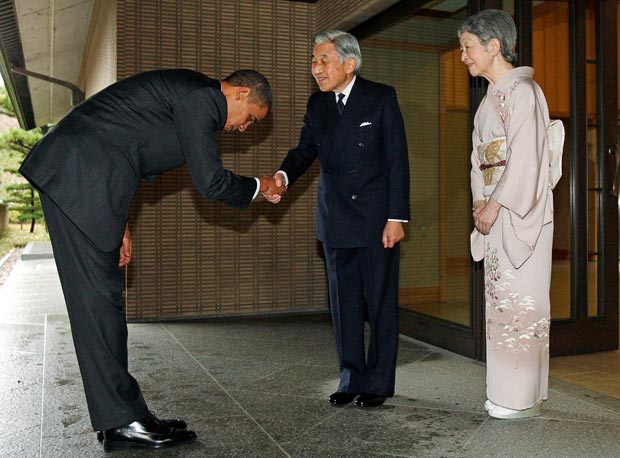
The More you Bow, The More you Grow: Adi Shankara

Obama_bowing_in_Tokyo

President (USA) Obama bows to the Emperor of Japan

Post no. 874 Dated 28th February 2014
By London Swaminathan

Adi Shankara, in one of his verses says those who are humble grow and those who are conceited degenerate. This is a beautiful concept. Physically you bow before every one. But mentally you grow and go higher and higher. Shankara’s Q & A hymn is very unique in the realm of spiritual hymns. In fact he came down to our level from the Spiritual Everest! He is very practical in many of his advices in the Prasna Uttara Ratna Malika or Questions and Answers Garland of Gems.

He raises approximately 200 questions and answers them.

In verse 46, the question Shankara puts is

Who grows?
Answer: The humble (Vineeta:)

Touching-Feet
Prime Minister of India Manmohan Sing bows to a Hindu Swamiji

Tamil poet Tiruvalluvar says
No jewels are more befitting a man than humility and pleasing speech – Kural 95

Good name is gained by modesty in manners – Kural 960

It is well for everyone to be meek, but for those who have wealth, meekness is an added possession – Kural 125

Empty vessels make noise is a proverb in almost all the languages of the world. Educated are always humble. Those who got money only behave badly. Such people will perish.

Who degenerates?
‘The conceited’ is the short answer.
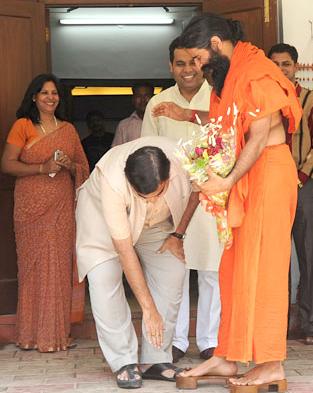
baba-ramdev-nitin-gadkari
Bjp Leader Nithin Gadkari bows to Yoga Guru Baba Ramdev

Ramakrishna Paramahamsa says in a story:

“A disciple, who had firm faith in the infinite power of his Guru, walked over the river by simply uttering his name. Seeing this, the Guru thought,” Well, is there such a power in my mere name? Then how great and powerful must I be”. The next day, the Guru also tried to walk over the river uttering “I, I ,I”, but no sooner did he step into the water than he sank down and was soon drowned; for the poor man did not know how to swim even.
Faith can achieve miracles while vanity or egotism brings about the destruction of man”.

How vanity turns a person’s head

“Those who have read a few books cannot get rid of conceit. Once I had a talk with Kalikrishna Tagore about god. At once he said, “ I know all about that”. I said to him, “Does a man who had visited Delhi brag about that? Does a gentleman go about telling everyone that he is a gentleman?”
Oh, how vanity turns person’s head! There was a scavenger woman in the temple garden at Dakshineswar. And her pride! And all are for a few ornaments. One day a few men were passing her on the path and she shouted to them, “Hey! Get out of the way, you people!” if a scavenger woman could talk that way, what can one say about the vanity of others?”

Source: Tales and Parables of Sri Ramakrishna, Sri Ramakrishna Math, Mylapore, Madras, 1947 publication.

The great Tamil saint Valluvar also said the same about humility:
Self control places a man among gods; want of it will plunge one into utter darkness – Kural 121

baba- kalam

Abdul Kalam Ex President of India, with Sri Sathya Sai Baba

Dr S. M Diaz in his commentary on this couplet gives two quotaions from the Bible:
Before destruction a man’s heart is haughty,
And before honour is humility – Proverbs 18:12
Blessed are the meek for they shall inherit the earth – Matt 5:5

Tamils always compare the learned people to a fully grown paddy plant. The more the grains in a plant more it lowers its head(crown).

In verse 17 of Prasnottara Ratnamalika there is a question

Whose self (Atma) can never be chastened (subdued or restrained) even at the cost of life?
Answer: The unintelligent, Ungrateful, Cheerless and doubting (person).

We know that a fool or a dull person cannot be changed that easily.
Doubting Thomas can never progress. ‘Samsaya Atma Vinasyati’- says Lord Krishna in Bhagavad Gita (4-40)
“The man who is ignorant, who has no faith, who is of a doubting nature, perishes. For the doubting soul there is neither this world nor the world beyond nor any happiness “(4-40).

Tamil poet Tiruvalluvar says

“To those who have conquered doubts and reached the truth,
The heavens are nearer than this earth itself “ — Kural couplet 353

In another couplet, he says

“Trusting untried persons and doubting tested aides,
Will both lead to endless ills “— Kural 510

Lord Krishna’s List (Bhagavad Gita 16: 1 to 3)

Krishna gives a long list of qualities of people born with Divine Nature:
1.Feralessness (Abhayam)
2.Purity of mind (satvasamsuddhi:)
3.Wise apportionment of knowledge & concentration(Jana yoga vyavastithi)
4.Charity (Dhanam)
5.Self control (Dama:)
6.Sacrifice (Yajna:)
7.Study of the scriptures (Svadhyaya:)
8.Austerity (Tapa:)
9.Uprightness (Arjavam)
10.Non violence (Ahimsa)
11.Truth (Satyam)
12.Freedom from anger (Akrodha:)
13.Renunciation (Thyaga:)
14.Tranquillity(Santi:)
15.Aversion to fault finding (Apaisnam)
16.Compassion to living beings(Buteshu Daya)
17.Freedom from covetousness (aloluptvam)
18.Gentleness (Mardavam)
19.Modesty (Hri:)
20.Steadiness (absence of fickleness/Acapalam)
21.Vigour(Teja:)
22.Forgivness (Ksama)
23.Fortitude (Druti:)
24.Purity (Saucam)
25.Freedom from malice (Adroha:)
26. Absence of excessive pride (Na Atimanita)
Great men think alike!
Contact swami_48@yahoo.com

Adi Shankara on Wives and Friends !

lady in bloom - Copy

By London Swaminathan
Post No. 866 Date: 25th February 2014

Adi Shankara was a philosopher. His hymns such as Viveka Chudamani, Bhaja Govindam, Guru Ashtakam, and Dakshinamurti Hymn are purely religious. But his Question and Answer hymn known as Prasnaottara Ratnamalika is different from others. He talks about secular subjects in addition to spiritualism. (Prasna means Question and Uttar means Answer). The question and answer format was used in the Upanishads. Dialogues are in the Vedas. Socrates borrowed it from India and used it in the West. The Western scholars named it Socratic Method. But it has become popular after Yaksha Prasna in Mahabharata. Buddhists copied it in their Milinda Panha.

(Socrates used the Upanishad command Know Thy Self. Paramahamsa Yogananda in his Autobiography of a Yogi gives more details about Socrates’ encounter with a Hindu Yogi in page 367 which I have already published in this blog)

Let us look at a few secular questions and answers from Shankara’s Prasnaottara Ratnamalika:

About Government Service!
In Sloka 37
And what assembly is to be shunned?
That which is devoid of elder councillor.

Here in what should a man be conscious?
Verily in the service of the king
(King= governments)

In Sloka 30
Which place is to be shunned?
One abounding in wicked people and ruled by a greedy king

Add Sloka 32
What is the cause of ignominy?
Currying the favour of unregenerate people.

In Sloka 57
Who is a king?
One who makes others happy.

On Wives and Friends

Equally interesting is his views on wives, women and friends. Before looking at his answers we must remember the age he lived in and the views of other cultures around the world at that time.

What attracts the mind of a wise man?
Good poems and a wise lady. ( Sloka 28)

It is a beautiful answer of a man with a very good taste. But we would’t have expected from a philosopher like Shankara. He has met one of the wisest ladies of ancient India Sarasavani, wife of Mandana Mishra and defeated her in arguments. He wrote commentaries to all the major Upanishads where he had come across the wisest ladies Gargi and Maitreyi .No wonder he gave such an answer!
I have dealt with Mandana misra – Adi Shankara clash in “Lie Detectors in the Upanishads”– posted on 27 June 2012.

If we believe the arguments of Kanchi Paramacharya, Shankara lived a few centuries before Christ. I have also proved that Paramacharya was right by quoting verses from 2000 year old Sangam Tamil literature. The majority view placed him in the eighth century. They were confused because of Abinava Shankara ( Abi nava shankara means ONCE AGAI N A NEW SHANKARA. He was a ditto of Adi Shankara). So we have to take into account the age he lived in before scrutinising his answers.

1503397_667583999959381_1664619135_n

In verses (slokas) 9, 15, 23, 31, 38 and 49 he makes interesting comments on women and wives:

What is inscrutable? (kim gahanam?)
The conduct of woman (Stri Charitham)
(Inscrutable= impossible to understand or interpret!)

Q: What activities should one resist from doing ?
(avadhirana kva karya?)

A: Association or indulgence with the unscrupulous, others’ women and others’ wealth.
(khala, para-yosit and para-dhana respectively)

What is momentary like lightning?
Bad company and young women.

By what means can a person be griefless?
By obedient wife and undiminishing wealth.

It is strange that Adi Shankara talks about wealth.
But Tamil poets Valluvar also said the same. His wife Vasuki was an obedient wife who put her husband above everything. Valluvan also said that such a woman can make rain pour down. Valluvan also said that there is no other world if you don’t have god’s grace (Arul) and there is no life in this world if you don’t have money (Porul).

What is to be well protected?
Good name, devoted wife and discernment

Who is the friend of a house holder?
His wife

In this answer, he follows Yudhitra in Yaksha Prasna of Mahabharata.
Yudhistra described wife a a friend, philosopher and guide.

Q: Who is the clever man ? (kah caturah)
A: One who does not become the slave of the influence of females.

The finale comes in his answer to the question
Who is the perceptible Goddess? (Prathyaksha Devata Ka?)
Mother (Matha)
This is the same answer we have been getting from the days of Vedas: “Matha, Pitha, Guru ,Deivam!”

shanakara face

About Friends

He gives his views on friendship in slokas 13, 16 and 22:
What bestows happiness?
Friendship with good people.

This he repeats for the umpteenth time; in his Bhajagovindam hymn he sang about Sath Sangam. All the Hindu sages repeated it hundreds of times.

What is to be cultivated with affection?
Compassion towards the helpless and friendship with the good.

Where should we live?
Near good people.

But the finale on this subject comes in his answer to
Who is a friend?
He who prevents us from doing sin (one who saves from sin).

English people knew that
A friend indeed is a friend in need.

Valluvar says lot of things about friendship. But Adi Shankara is unique in giving this answer. A lot of people are spoiled by their friends. They make them do bad things for the sake of giving company. Probably Adi Shankara knew what is going to happen in 20th and 21st centuries. So imagined this question and gave an appropriate answer!

Contact swami_48@yahoo.com
Mind is a Tiger: Adi Shankara

Hindu Encyclopaedia of the Mind – Part 1

Compiled by London Swaminathan.

Post No. 846 Date: 17 February 2014

It is a shame that neither Sigmund Freud (1856-1939), father of psycho analysis or Carl Gustav Jung (1875—1961), founder of analytical psychology, are here today to study the Hindu Yogis. Hindu saints have tremendous knowledge of the function of mind and thought power. They understood the power of mind and demonstrated it publicly. I don’t know how people like Freud and Jung missed those saints and their views and coined new terms and misinterpreted dreams etc. Hindus are well ahead of western researchers on mind. Sri Ramakrishna Paramahamsa is one of the saints who explained it in crystal clear terms. So let me start with Sri RKP.

Following are some of the quotations of Sri Ramakrishna Paramahamsa and Swami Vivekananda:
The mind is everything. If the mind loses its liberty, you lose yours. If the mind is free, you too are free. The mind may get dyed in any colour. Like a white cloth fresh from the laundry. Study English and you will mix English words in your talk in spite of yourself. The pundit who studies Sanskrit must quote verses. If the mind is kept in bad company, the evil influence of it will colour one’s conversation and thought. Placed in the midst of devotees, the mind is sure to meditate on god and god alone. It changes its nature according to the things amongst which it lives and acts.

The mind is everything. The attraction for the wife is of one kind, and the affection for the child is of quite a different nature. On one side is one’s wife, on another side is the child, one caresses both , but moved by quite different impulses.

Bondage is of the mind; freedom too is of the mind. If you say, “ I am a free soul. I am a son of god! Who can bind me?” free you shall be. If one is bitten by a snake and can say with all the force of will and faith, “ There is no venom, there is no venom”, one will surely get rid of the venom.

Mind and machines (Swami Vivekananda)

Machines never made mankind happy and never will make. He who is trying to make us believe this will claim happiness is in the machine; but it is always in the mind. That man alone who is the lord of his mind can become happy, and none else.

Kill the Mind: The direction of the mind which always runs after the senses has to be turned within. The mind has to be killed. The body dies and dissolves in the five elements. But the bundle of mental impressions which is the mind does not die soon. It remains for sometime in seed form and then sprouts and grows in the form of a tree – it takes on another physical body and goes the round of birth and death, until self knowledge arises. Therefore I say, by meditation and concentration and by power philosophical discrimination plunge this mind in the ocean of Existence-Knowledge- Bliss Absolute. When the mind dies, all limiting adjuncts vanish and you are established in the Brahman.
Source: Sayings of Sri Ramakrishna , Sri Ramakrishna Math, Mylapore, Chennai 600 004 and Selections from The Complete Works of Swami Vivekananda, Advaita Ashrama, Calcutta 700 014

Lord Krishna in Bhagavad Gita

Without doubt, O Might armed (Arjuna), the mind is difficult to control and restless but it can be controlled. O,Son of Kunti, , by constant practice and non attachment (6-35).
Even here on earth the world is overcome by those whose mind is established in equality (5—19)
Purushasuktam of Rik Veda also confirms one can attain mukti/liberation even on earth (tam evam vidvan amruta iha bhavati).

TIGER: Adi Shankara in Viveka Chudamani

“In the forest tract of sense pleasures there prowls a huge tiger called the mind. Let good people who have a longing for liberation never go there “
( Viveka Chudamani–176)
Source : Viveka Chudamani, Advaita Ashrama, Calcutta 700 014

In Shankara’s Question and Answer hymn (Prasnottara Ratna Malika ) there are a few questions on the mind:
Q: What spoils the mind (madhi) and brings down its efficiency like an
alcoholic drink?
A: Love (or) Friendship (snehah) of the abnormal or extreme kind.

Q: Where is the receptacle of poison (Visham)?
A: In the mind of evil men (dushta-jane)

Q: Whose mind is always on the right track?
A: Of one who honours holymen.

Q: What is difficult for human beings (Kim Dushkaram Naraanaam)?
A: The constant control of Mind (Yan Manaso Nigraha: Satatam).

Monkey-mind

Buddha on Mind (from The Dhammapada)

The mind is wavering and restless, difficult to guard and restrain: let the wise man straighten his mind as a maker of arrows makes his arrows straight (33)
Like a fish which is thrown on dry land, taken from his home in the waters, the mind strives and struggles to get free from the power of death (34)

It is good to control the mind; a mind self controlled is a source of great joy (35)

Considering that this body is frail like a jar, make your mind strong like a fortress and fight the great fight against MARA, all evil temptations. After victory guard well your conquests, and ever forever watch (40)

An enemy can hurt an enemy, and a man who hates can harm another man; but a man’s own mind, if wrongly directed, can do him a far greater harm (42).
Source: Penguin 60s Classics Buddha’s Teachings

Contact swami_48@yahoo.com

Mind is a Woman: Tamil Poet Bharati

Hindu Encyclopaedia of the Mind – Part 2
Compiled by London Swaminathan
Post No.847 Date: 17 February 2014

Please read the first part of Hindu Encyclopedia of the Mind under the title Mind is a Tiger: Adi Shankara.

Tamil Saint THAYUMANAVAR ON MIND

Tamil saint Thayumanavar echoes it in the following poem:
You may control a mad elephant;
You may shut the mouth of the bear and tiger;
Ride the lion and play with cobra;
By alchemy you may earn your livelihood;
You may wander through the universe incognito;
Make vassals of the gods; be ever youthful;
You may walk on water and live in fire;
But control of the mind is better and more difficult. – Thayumanavar.

Mind is a Monkey is an expression used by the Buddhists in China and Japan. Neither Buddha nor Hindu saints used it. But they indirectly referred to it.

VALLUVAR ON MIND
In Indian context zeal, will power, thoughts, good heart and mind are all linked to one another. They are interchangeable words. English translations of great Tamil and Sanskrit works often mix up these words.
Tamil poet Tiruvalluvar links a healthy mind with good companions. Valluvar’s thoughts on zeal and mind are as follows:

“The lotus stem is high according to water depth
A man’s merit is the measure of his mental strength” – 595
Another translation for the same couplet runs like this
With the rising flood, the lotus stalk extends
On mind, the dignity of man depends.

“Think lofty thoughts always; in such a context even if you fail
Your aspirations keep you on a higher plane” – 596

Another translation for the same couplet runs like this
Think ever of rising higher. Let it be your only thought. Even if your object be not attained, the thought itself will have raised you.

“The quality of water changes with the soil
The mind changes with association” – 452

“Men ‘s perceptions are of their own mind
But their nature is known by their kind” –453

“Intelligence depends upon the mind
Character of a man upon companions “–454

“Purity of action and purity of mind both come from purity of good company” – 455
The pure of heart leave behind a virtuous line; on the other hand
The efforts of those with clean associations will never fail –456–

“Purity of mind ushers in spiritual growth and personal prosperity
While good associations lead to glory” –457–

“Even wise and virtuous gentlemen of pure mind
Need good friends for effective strength”–458

“Admittedly purity of mind would lead to heaven. This is strengthened by good company” – 459.

Tamil Poet Subramanya Bharati on Mind

The Damozel Mind

1.Maiden Mind! Listen.
Clinging to one thing
You swing to another;
As I ask you to hold on to the good,
You sink away disgusted;
When I order you to skip an idea,
You grasp it more tightly;
And you cling to the past
With dogged persistence

2.Novelty makes you afraid
You love new things and newer,
Yet you shrink behind.
As the bee to the honey,
You return to ancient things—
Then grumble again;
“Where is the new creation?
Everywhere the old rules”.
As the crow to the corpse,
You are drawn to the garbage
That rots and dies.

3.Likewise
Loving me ever, and guarding my soul;
My sensitive organs
My seeing eye, you are
That make me share
The earth’s movement;
Giving joy, and swooning in it,
And committing blunders
In search of happiness;
Guarding and cherishing it, and destroying sorrow;
Running after pleasure,
Sinking in gloom;
Yourself unknowing
But souring the universe,
Hungering to see
The Supreme one who is
Within you all the time.

4.Ah, when asked to look somewhere,
Your eyes roam elsewhere;
Knowing all partial laws
You know not the law of laws
Nor the meaning
Behind the laws.

5.Maiden Mind ! Listen
I do not know
How to live with you.
And yet I want always
Your company.
I shall try to make you grow
And strive for realisation.
The Supreme whom I have seen –
But you have not –
Claims my daily homage,
And through That
You too may be redeemed.
Translation from Bharatiar Patalkal by Tamil University, Thanjavur,pages 396-397

Contact swami_48@yahoo.com

Sin Committed in Secrecy: Adi Shankara

behind-curtain

Sin Committed in Secrecy: Adi Shankara

By London Swaminathan
Post No. 844 Date 16th February 2014.

Adi Shankara, the greatest philosopher India has ever produced, has composed a lot of hymns. His Prasna Uttara (Prasnottara) Ratna Malika hymn is extraordinary because he deals with lot of subjects including wife, government, cabinet in 67 verses totalling approximately 200 questions and answers. All the questions were framed by him. He has followed the style in Yaksha Prasna in Mahabharata in doing this. ‘Prasna’ means question and ‘Uttara’ means answer.

(Please read my three part series on Analysis of Yaksha Prasna)

.
One of Shankara’s interesting questions and answers is
“What pains like a shaft till death?
The sin committed in secrecy”.

It is more interesting to see Tamil poet Tiruvalluvar also deals with a topic similar to it. Both Shankara and Valluvar are experts in human psychology.

“Do not utter falsehood about what your conscience knows to be true;
For later, your own conscience will continue to hurt you “(Tirukkural 293)

Mahatma Gandhi says

“There is a higher court than courts of justice and that is the court of conscience. It supersedes all other courts”.
“The human voice can never reach the distance that is covered by the still small voice of conscience”.
Actually it was Gandhi who went to his dad and apologised to him for the bad things he did as a boy. He acted according to his conscience. He was inspired by stories from Mythological characters like Harichandra who refused to tell a single lie and underwent a hell of a lot of troubles.
Ramalinga Swamikal, a Tamil saint, prayed to God not to associate him withany friends who act against their conscience.

tent large

Sangam Tamil Literature

In the two thousand year old Sangam Tamil literature we come across heroes and heroines who talk about conscience. A heroine chastises the moon for not telling her where her lover was even though it ‘knows’ (Natrinai poem 196 of Vellaikudi Naganar)

Another poet Aryan King Yaz Brahmadutt, who learnt Tamil from Kapilar, had composed a verse (184 in Kuruntokai) says,

“Look! Scholars don’t tell lies against their conscience. I saw a girl on the sea shore whose hair was like the feathers of a peacock. Whoever sees her will definitely get trapped by her look. I was also trapped by her beautiful eyes.”
Tamils were very conscious of the role of conscience.

Dr SM Diaz in his commentary on Tirukkural adds one more point:

Uttering a lie about matters which one knows in one’s heart to be true, would lead to one’s own conscience becoming an accusing witness. The idea of one’s own heart or the conscience, becoming the accusing witness has been quoted by Parimelalagar from Kalitokai (125-1) to endorse his interpretation.
Every soul, says Plato, parts unwillingly with truth, therefore it speaks with a thousand tongues, as Shakespeare would say, condemning one for a villain.

secrecy

In fact modern scientific criminal interrogation by the police is based on the psychological principle that there is an inner urge, arising from the pricking of his own conscience, in every man, who has committed a crime or uttered a lie, to come out with the truth and the purpose of interrogation, according to Hans Gross, Father of Criminal Investigation, should be to create the circumstances which will facilitate the process.

Contact swami_48@yahoo.com
Pictures are taken from various websites.Thanks.

When can you tell a lie? Adi Shankara’s Advice

Emblem_of_India.svg

By London Swaminathan
Post No. 838 Date. 13-02-2014

Tamil poet Thiruvalluvar and India’s greatest philosopher Adi Shankara give us guidelines about lying. Both of them allow us to tell lies if they can bring immense good. We have some anecdotes in Mahabharata where in there was a dilemma to tell the truth or not.

We are taught by the Vedas ‘satyam vatha’=speak the truth. That is the first command. The emblem of Government of India and the Government of Tamil Nadu has the Upanishad dictate ‘Satyameve Jayate’= truth alone triumphs. There is no contradiction in it when we say we are allowed to tell lies for the good of the humanity. Bhagavad Gita and other Hindu scriptures lists Honesty and Truth as very important qualities.

Upanishads has a beautiful story about a boy named ‘Truth Seeker’ =Satyakaman. When he came to Gautama for learning the Vedas he asked his caste and clan. He said that his mother’s name was Jabala. He asked him to go back to his mum to find the name of his father. She plainly told him that she did not know it. He went straight to Gautama and told what his mum said to him. Immediately he accepted him as a student saying this was the quality of a Brahmana. The meaning is whoever speaks truth, he is a Brahmana.

In spite of these high moral standards, Shankara and Valluvar allow us to tell a lie if it can do some good. In Tamil, there is a proverb that ‘one can do a marriage by telling one thousand lies’. We can easily read between the lines. Uniting two people in marriage is a good thing. So ignore minor things. Very often they ask ‘Is the boy handsome? The answer we get is ‘Yes he is very handsome’ Is the girl beautiful? Yes the girl is very beautiful. Beauty is in the eye of the beholder. Beauty in body is different form beauty in behaviour. So what they say is true.

Story of Kausika

Sometimes truth may be worse than a lie. There is a beautiful story in the greatest and the longest epic in the world Mahabaharata. Kaushika was a Brahmana who made a vow of always speaking the truth. One day robbers were chasing a group of travellers in the forest. When they passed by Kaushika, he also noticed them. The robbers came to Kaushika and asked him whether he had seen the travellers. He told them where the travellers were hiding. The robbers went there, tortured and robbed the travellers. Kaushika had to go to hell for speaking the truth.

That is why Valluvar puts a sub clause when he said ‘yes, lying is allowed’:
Even untruth might attain the value of truth, if it is productive of UNMIXED GOOD, without the least blemish (Tirukkural 392)

Valluvar probably knew the story of Kaushika in Mahabharata. So he makes it clear in one of the verses:
“If one’s speech does not wrong any living creature, while being factually correct, that is truthfulness (291)”
546px-TamilNadu_Logo.svg

Shankara’s View

Adi Shankara in the Prasna Uttara Ratna Malika (Gem Garland of Questions and Answers) hymn says
There are 67 verses in question and answer format. In the 46th verse he puts one question ‘Who is not to be trusted?’ The answer is ‘one who as a rule utters lies’.
In the next verse (47), one of the questions is ‘on what occasions even a lie is sinless?’ ‘That which is uttered for the sake of protecting righteousness (Dharma)’.
One should not harm anyone while telling a truth and one can tell a lie if it can bring some good to someone.

Plato’s View

SM Diaz in his commentary on Tirukkural adds:
“The eminent Greek philosopher Plato, of a date prior to Thiruvalluvar , has discussed in his Republic, the concept of the Noble Lie, which statesmen may use under certain circumstances as an instrument of state-craft or education. G.C.Field who discusses this matter in his book entitled The Philosophy of Plato quotes as example, Mr Churchill’s ‘ terminological inexactitudes’, used during World War II, as a means of deceiving the enemy, in the national interest.”
“ In the Mahabharata, Dharmaputra’s true statement, drowned in noise and made to appear false, in order to produce a certain good result, was also considered to come under this category. In Tamil Nadu the proverb that Even a thousand lies would be worthwhile to bring about a marriage, is based on the same principle of Plato’s Noble Lie.”

“Shakespeare projected an allied thought when he wrote,
If I do lie and do

No harm by it, though the Gods hear, I hope they will pardon it.
But this does not satisfy Valluvar’s acid test. Only truth should be accompanied by harmlessness; untruth should be productive of positive good to qualify for being classed with truth. Untruth which is just harmless may be fun but not truth.”

Aswaththama Hatha: Narova Kunjarova: (Aswaththama dead; whether man or elephant)
Krishna had arranged to have an elephant named Aswatthma sacrificed in the battle. Yudhistra confirmed that Aswatthma had been killed adding in a lower tone Aswaththama ‘the elephant’ or man which had been killed. This news shattered Aswatthma ‘s father Drona who threw down his arms in despair. Un armed Drona was killed by Dhristadymna . Like story of Kausika, this is also from the Mahabharata.

tn_state_emblems_over_time
Pictures are taken from Wikipedia and different sites;thanks.
contact: swami_48Yahoo.com

எப்போது பொய் சொல்லலாம்? வள்ளுவர், சங்கரர் அறிவுரை !

tn_state_emblems_over_time

By London Swaminathan
Post No.837 Date. 13-02-2014

திருக்குறளில் வள்ளுவரும், பிரஸ்ன உத்தர ரத்ன மாலிகாவில் (பிரஸ்னோத்த்ரரத்னமாலிகா ஸ்தோத்திரம்) ஆதி சங்கரரும், கிரேக்க நாட்டு அறிஞர் பிளாட்டோவும் எப்போது பொய் சொல்லுவது அனுமதிக்கப்படுகிறது என்பதைத் தெள்ளத் தெளிவாகக் கூறுகின்றனர்.
மஹாபாரத்திலும் சில கதைகள் உண்டு. பொய் சொன்னாரா இல்லையா என்று தீர்மானிக்க முடியாத தர்ம சங்கடமான நிலைமைகள் அவை.

வள்ளுவர் கூற்று

வாய்மை எனப்படுவது யாதெனின் யாதொன்றும்
தீமை இலாத சொலல் (291)

பொருள்: எந்த ஒரு உயிருக்கும் தீங்கு விளைவிக்காத சொற்களைப் பேசுவதே வாய்மை

பொய்மையும் வாய்மை இடத்த புரைதீர்ந்த
நன்மை பயக்கும் எனின் (292)

பொருள்: குற்றமில்லாத நன்மையைத் தரும் என்றால் பொய் கூட வாய்மையாகக் கருதப்படும்
அதாவது ஒரு பொய்யானது மாசு மருவற்ற தூய நன்மையை உண்டாக்குமானல் அது உண்மை எனவே கருதப்படும்.

“சத்யமேவ ஜயதே= வாய்மையே வெல்லும்” என்ற உபநிஷத் வாசகம் தமிழ்நாடு அரசின் மற்றும் இந்திய அரசின் சின்னங்களில் காணப்படுகிறது. குருகுலத்துக்குப் போகும் பையனுக்கு வாத்தியார் சொல்லித் தரும் முதல் பாடம் “சத்யம் வத= உண்மையே பேசு” என்பதுதான். தமிழ், வடமொழி இலக்கியங்களில் நூற்றுக்கணக்கான இடங்களில் இதே கருத்து திரும்பத் திரும்ப வருகிறது. அப்படி இருந்தும் ஆதி சங்கரர் சொல்லுகிறார்:

சங்கரர் கூற்று

யார் நம்பத் தகாதவன்?
எப்போதும் பொய் சொல்பவன்.
எப்போது பொய் சொன்னால் பாபம் ஆகாது?
தர்மத்தைக் காக்கச் சொல்லும் போது.

இந்தக் கேள்வி பதில் பிரஸ்னோத்தர ரத்ன மாலிகா துதியில் வருகிறது. இது ஒரு அற்புதமான துதி. மஹா பாரதத்தில் வரும் யக்ஷப் பிரஸ்ன பாணியில் அவர் எழுதி உள்ளார். 67 பாடல்கள் இருக்கின்றன. ஏறத்தாழ 200 கேள்வி பதில்கள். பிரஸ்ன என்றால் கேள்வி, உத்தர என்றால் பதில். பாடல் 46, 47–ல் இந்த இரண்டு கேள்விகளும் பதில்களும் வருகின்றன.

ஆதி சங்கரரின் கூற்றுப்படி தர்மத்தைக் காக்க பொய் சொல்லலாம். அது பாவமில்லை. ஒருவேளை அவர் மஹாபாரதத்தில் வரும் அஸ்வத்தாமா கதையை மனதில் வைத்து இப்படிச் சொல்லி இருக்கலாம்.

‘அஸ்வத்தாமா ஹத: நரோவா குஞ்சரோவா’:

பொய்யே சொல்லாத தர்மனையும் பொய் சொல்ல வைத்தார் கிருஷ்ணன். எதற்காக? தர்மயுத்தம் வெல்ல வேண்டும் என்பதற்காக. தர்மன் பொய் சொல்ல மாட்டான் என்று தெரிந்த கிருஷ்ணன் ‘அஸ்வத்தாமா’ என்ற பெயருள்ள ஒரு யானையைக் கொல்லச் செய்கிறார். பீமன் அதைக் கொன்றவுடன் அஸ்வத்தாமாவுக்கு சாவு என்று கூச்சல் இடுகிறான். துரோணர் காதில் அது விழவே தர்மனிடம் உண்மையா என்று அறிய வருகிறார். அவன்‘அஸ்வத்தாமா ஹத: நரோவா குஞ்சரோவா’: = அஸ்வத்தாமா சாவு………. யானையோ மனிதனோ– என்று சொல்கிறான்.

அதாவது யானையோ மனிதனோ ஒரு‘அஸ்வத்தாமா காலி! யானையோ மனிதனோ என்பது சம்ஸ்கிருத வாக்கியத்தில் பின்னால் வரும். அந்த நேரத்தில் பாண்டவ சேனை பெரிய டமார துந்துபி ஒலிகளை உண்டாக்கி துரோணர் காதில் விழமுடியாதபடி செய்கின்றனர். துரோணர் மகனின் “மரணச் செய்தி” கேட்டு ஆயுதங்களைத் தூக்கி எறிந்துவிட்டு தியானத்தில் அமர்கிறார். அவரை திருஷ்டத்யும்னன் கொல்கிறான்.

Emblem_of_India.svg

ஆயிரம் பொய் சொல்லியும் ஒரு கல்யாணத்தைச் செய்யலாம் என்று தமிழில் ஒரு பழமொழி உண்டு. ஒரு நல்ல காரியம் நடக்கத் தீமை இல்லாத பொய்களைச் சொல்லலாம். பையன் அழகானவனா, பெண் அழகானவளா என்று கேட்கும்போது ஆம் அழகானவர் என்று சொல்வதில் தப்பில்லை. அழகு என்பது பார்ப்பவர்களின் பார்வையைப் பொறுத்தது.!!

கௌசிகர் கதை

மஹாபரதத்தில் இன்னொரு சுவையான கதையும் உண்டு. வாழ்நாள் முழுதும் பொய் சொல்ல மாட்டேன் என்று கௌசிகர் என்ற பிராமணர் சபதம் செய்கிறார். அவர் காட்டில் இருக்கையில் வழிப்போக்கர் குழு ஒன்றைத் திருடர்கள் துரத்தி வருகின்றனர். அந்த வழிப்போக்கர்கள் கௌசிகர் இருக்கும் இடத்தைக் கடந்து ஓரிடத்தில் ஒளிந்து கொள்கிறார்கள். திருடர்கள் சற்று நேரத்துக்குப்பின் அங்கே வந்து கௌசிகரிடம் யாராவது இப்படி வந்தார்களா? என்று கேட்டனர். அந்த ‘உண்மை விளம்பி’ (!) ‘ஆமாம் அதோ அங்கே ஒளிந்து கொண்டு இருக்கிறார்கள்’ என்று உண்மையைக் கூறுகிறார். பின்னர் வழிப்போக்கர்களைத் திருடர்கள் என்ன செய்தார்கள் என்பதைச் சொல்லத் தேவை இல்லை. இது வாய்மை அல்ல என்பது வள்ளுவனின் கருத்து.

பொருள்: எந்த ஒரு உயிருக்கும் தீங்கு விளைவிக்காத சொற்களைப் பேசுவதே வாய்மை (291) என்பது வள்ளுவன் துணிபு.

சத்யகாம ஜாபாலா கதை

உபநிஷதத்தில் இன்னும் ஒரு அற்புதமான கதை உண்டு. சத்யகாமன் என்ற சிறுவன், குருவிடம் போய் வகுப்பில் சேர ‘அப்ளிகேஷன்’ கொடுக்கிறான். அவரோ தம்பி மனுவை சரியாக பூர்த்தி செய்யவில்லையே. அப்பா பெயர், குலம், கோத்ரம் எல்லாம் எழுதாமல் ‘பிளாங்க்’ ஆக இருக்கிறத- என்றார். அவன் எங்கள் அம்மா பெயர் ஜாபாலா என்கிறான். வீட்டுக்குப் போய் காலியான இடங்களை நிரப்பி உங்கள் அப்பா பெயர், குலம், கோத்ரம் எல்லாவற்றோடும் வா என்கிறார். அவன் அம்மாவிடம் போய் நடந்த கதையைச் சொல்கிறான். அவளும் ‘மஹா உத்தமி!’ (!) ‘உன் அப்பா யார் என்று எனக்கே தெரியாது’ என்கிறாள். அவனும் உடனே குருவிடம் போய் அம்மா சொன்னதை அப்படியே சொல்கிறான்.
குரு அவனைக் கட்டிப் பிடித்துக் கொண்டு இன்று முதல் உன்பெயர் ‘சத்ய காமன் (உண்மை நாடுவோன்)’. நீ எனது சீடன். பிராமணன் பொய்யே பேசமாட்டான். ஆகையால் நீயும் ஒரு பிராமண குலத்தில் உதித்தவனே என்று சொல்கிறார். உண்மைக்கு அவ்வளவு மதிப்பு (அந்தக் காலத்தில்!!!)

546px-TamilNadu_Logo.svg
பிளாட்டோ கூற்று

கிரேக்க நாட்டு அறிஞர் சாக்ரடீஸின் சீடர் பிளாட்டோ. அவர் Noble Lie “நோபிள் லை” (உன்னத பொய்) சொல்லலாம் என்று ‘ரிபப்ளிக்’ புத்தகத்தில் எழுதி இருக்கிறார். எஸ். எம். டயஸ் எழுதிய ஆங்கில திருக்குறள் விளக்கத்தில் இதைக் கூறுகிறார்.அதாவது கல்வி மற்றும் ராஜாங்க விஷயங்களில் இப்படி உன்னத காரியங்களுக்குப் பொய் சொல்லலாம் என்பது அவரது கருத்து. சாக்ரடீஸ் போன்றோர் இந்திய கலாசாரத்தை நன்கு அறிந்தவர்கள்.

சாக்ரடீஸின் சீடர் பிளாட்டோ. அவருடைய சீடர் அரிஸ்டாடில். அவருடைய சீடர் அலெக்ஸாண்டர். இந்தியாவை எப்படியாவது பார்த்து ரிஷி முனிவர்களை அழைத்துச் செல்லவேண்டும் என்று அலெக்ஸாண்டர் துடியாய்த் துடித்தார். (இது பற்றிய விஷயத்தை சுவாமி விவேகானந்தர், பரமஹம்ச யோகானந்தர் புத்தகங்களில் இருந்து ஏற்கனவே விரிவாகக் கொடுத்துவிட்டேன். அரைத்த மாவையே அரைக்க விருப்பம் இல்லை!).

தொடர்பு கொள்க: swami_48@yahoo.com

Good Thoughts Calendar 2014 (March)

Please click here:
March Good Thoughts Calendar 2014

In January we presented you Quotes from The Bhagavad Gita

In February Quotes from Buddha’s The Dhammapada

and

In March we present you 31 Important Quotes from

Adi Shankara’s works.

சிந்தனைச் சிற்பிகள் காலண்டர் (மார்ச் 2014- ஸ்ரீ விஜய- 2014)

Please click here
மார்ச்-சிந்தனைச் சிற்பிகள் காலண்டர்

ஜனவரியில் வள்ளுவரின் குறள்
பிப்ரவரியில் மாணிக்கவாசகரின் திருவாசகம்
மார்ச்சில் திருமூலரின் திருமந்திரம்!

31 முக்கிய திருமந்திரப் பாடல்களைப் படித்து பயன்பெறுங்கள்.
எங்கு பயன்படுத்தினாலும் தொகுத்தவர் பெயரையோ
பிளாக்-கின் பெயரையோ கொடுத்து
தமிழன்பர்களை ஊக்குவியுங்கள்

On Wisdom & Courage: Gems from Katha Sarit Sagara- Part 3

Please click here for the post
Gems from KSS-3

courage

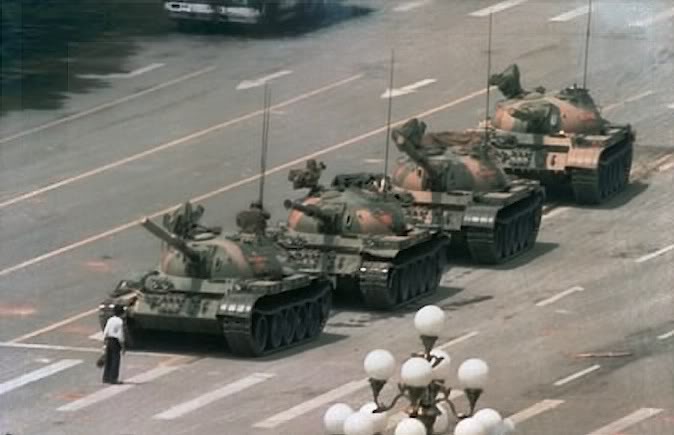
TankManChina

Images of courage: One man stand against mighty Chinese Army in 1989 at Tianenmen Square,Beijing.