Pearls in the Vedas and Tamil Literature

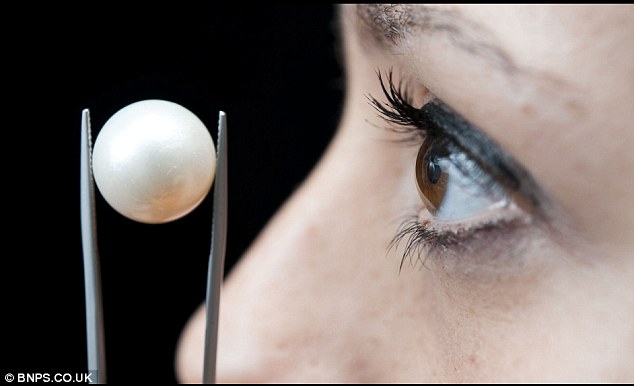
pearl large

Written by London Swaminathan
Post No. 1048 ; dated 17th May 2014.

Ratna Pariksha and Testing Gems: Pearls

Gemmology is the combined art and science of studying, cutting, valuing, buying and selling of gems. India was far advanced in this branch of science in the olden days. Kautilya, who is also known as Chanakya lived 2400 years ago. He was the first one to write a book on Economics and allied subjects. He has devoted a whole chapter to ‘Ratnapariksha’ (gemmology). This deals also with testing the quality of gems. Vikramaditya, one of the exemplary kings of India who lived in the first century BC, had nine great scholars in his court who were called ‘Nine Gems’. This shows how much the people valued the gem stones.
Kavatapuram was the second capital of early Pandyas whose first capital South Madurai was devoured by sea. ‘Kavatapuram’ means the doorway (of South India). Valmiki Ramayana has a few references to South India. One of them goes like this:–

‘’tato hemamayam divyam muktamani vibhushitam
Yuktam Kavatanam Pandyanam gata drakshyata vanarah

“Behold on the shore of the ocean the Pandya’s golden gates decked with gold and pearl”.
Pearls were introduced into Rome (Italy) during Jugurthine war (106-112 BCE). In the time of Cicero when pearls were scarce, one valued at thousands of pounds in modern money, was taken from the ear of Metella and deliberately swallowed by the son of Aesopus. It is also well known that Cleopatra dissolved pearls in her wine before drinking it.
Nose_Ring_wikipedia
Nose ring made up of pearls (picture from wikipedia)

I have given below a relevant passage from my earlier post (13 February 2012) “Gem Stones in Kalidasa and Tamil Literature”:–

Pearl from Rain Drops

If the rain falls on Swati star day the oysters open their mouth to drink the rain drops and the rain drops become pearls-This was the belief of ancient Indians including Tamils.
Malavikagnimitra.1-6: Kalidasa says , ‘the skill of a teacher imparted to a worthy pupil attains greater excellence, as the water of a cloud is turned in to a pearl in a sea shell.
In Tamil Puram. Verse 380 ,Karuvur Kathapillay says the same about the origin of pearls. Bhartruhari makes it more specific by saying the rain on Swati Nakshatra days become pearls. Biologsits also confirm on full moon days a lot of sea animals like corals release their eggs or spores. So far as India is concerned it might have happened in that particular (the day Swati star is with Moon) season.
Kalidasa gives more similes about pearls. He describes the river that is running circling a mountain as a garland of pearls ( Ragu.13-48 and Mega.-49)
muthangi,srivaishnavism site
Picture of pearl dress of Sri Ranaganatha (picture from srivaishnavism.com)

Other references from Kalidasa: sweat drops as pearl:Rtu.6-7; tears as pearls: Mega 46, Ragu VI 28,,Vikra V 15; smile-KumarI-44, water drops on lotus leaf:Kumara VII 89

In Tamil the teeth are compared to the pearls: Ainkurunuru. 185, Akam 27

Since Gulf of Mannar is the main source of pearls in India ,there are innumerable references to pearls in Tamil literature. Even Kautilya refers to the pearls from Pandya country. Korkai was the harbour city where the pearl fishing was flourishing. Aink 185,188, Akam 27,130 and Natri 23mention pearls from Korkai.

Pearls in the Vedas

Rig Veda has the following references on pearl:
RV 1-33-4; 10-68-11; 1-126-4;7-18-23

Atharva Veda Sangamani Sukta (4-10-1) has a reference to pearl. Whitney says that it describes that the rain drops become pearls. It is customary to recite this sukta when one wears a pearl talisman.
“When the ocean roared against Parjanya with lightning, there from was born the golden drop” (Sadvimsa Brahmana 5-6)
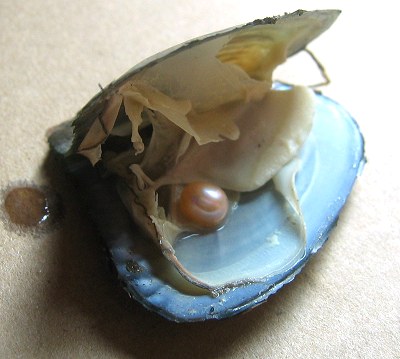
pearl-oyster
Pearl from sea oyster

Tamils have lot of references to pearls that are found in the head of an elephant.

The rain drop turning into a pearl is found in Indian literature, from the Atharva Veda to Sangam Tamil literature. This shows that the beliefs were same among the Tamil Hindus and North Indian Hindus from Vedic times.

Kautilya’s chapter on Ratna Pariksha displays wonderful knowledge of our forefathers in this a particular art. Minute details regarding the source, the variety, the merits and the defects of each and every jems have been carefully recorded, one of which can be reproduced here for the sake of illustration.
10 Varieties,13 Defects and 8 Qualities!

There are ten varieties of ‘mauktika’ or ‘mukta’ i.e. pearl, according to the places where these are found, and these have been named accordingly. Thus there are (1) Tamraparnika, (2) Pandyakavataka (3) Pasikya (4) Kauleya (5) Carneya (caruneya) (6) Mahendra (7) Kardamika (8) Srautasiya (9) Hradiya and (10) Haimavata varieties of pearls found respectively in the river Tamraparni, in the province of Pandya, the rivers Pasika, Kula, and Curna, the sea near the Mahendra mountain, the rivers Kardama and Srotasi, a particular lake and the Himalayas.

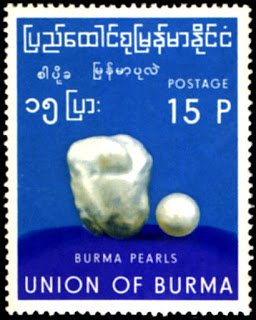
There are three sources of Pearls:- conch shell, mother of pearl and miscellaneous i.e. the hood of a serpent, the forehead of an elephant, etc.
68-March-Pearl
Burma issued a stamp for its large pearl

Thirteen types of defects can be detected in pearls and the price diminishes in proportion to the presence of these defects. These are 1)Masuraka- lentil shaped 2)Triputaka – triangular 3)Kurmaka – Tortoise shaped 4)Ardhachandraka – half moon shaped 5)Kancukita – having a sort of skin over it 7)Kartaka – cut 8)Khartaka – rough 9)Skithaka – having eruptions like the drops of wax 10) Kamandaluka – vessel shaped 11) Syava – brown 12) Nila – dark coloured and Durviddha – pierced at a wrong point.

The qualities of pearl are eight:- 1)Sthula – big 2)Vrtta – round 3) Talarahita – without a flat surface 4) Diptiyukta – Lustrous 5)Sveta – white 6) Guru – weighty 7)Snigdha – glossy 8) Yathasthane viddha – pierced at the right point.

And in this way, diamond, sapphire, crystal, coral and other gems have been fully discussed by Kautilya.

Please read my earlier post:

Gem Stones in Kalidasa and Tamil Literature (13 February 2012)
The Wonder that is Madurai Meenakshi Temple ( 14 October 2011) (about Madurai Meenakshi’s rare gems)

contact swami_48@yahoo.com
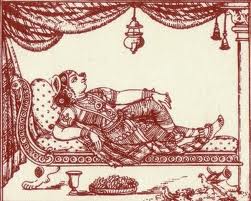
Interesting Story about Ancient Beds

Deogarh_Vishnu_w
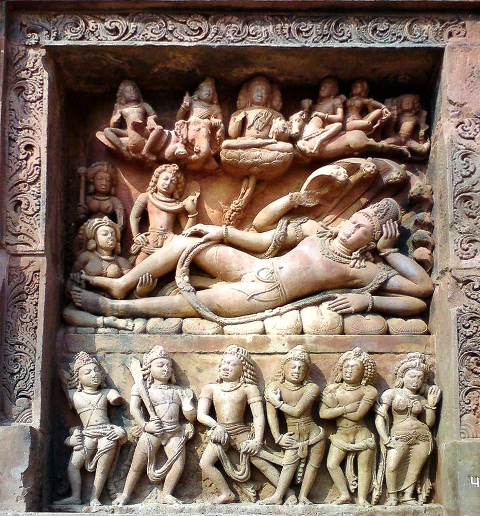
Vishnu on Snake Bed, Deogarh

Written by London Swaminathan
Post No.1044; Dated 15th May 2014.

Indian civilization has reached its pinnacle even 2500 years ago. They were masters of every art in the world from painting to bed making. We have very interesting details about beds and bedding in Tamil and Sanskrit literature. Kings and queens were sleeping on ivory beds according to Tamil literature. They used beds and pillows made up of feathers of swan. The beds were as soft as the hair shed by swan (see Nedunal Vaadai).There is a very interesting story about the fine art of making beds in the Vetala and Vikram Stories. Other books refer to different types of beds.

First let us look at the story:

Bhojana vilasin and Sayyavilasin, two persons lived in a country whose fame spread far and wide because of their knowledge about food and beds. Food expert Bhojanavilasin was very fussy about beds and was fussy about his food. Bothe of them cannot be easily satisfied because they can find even the minute thing which others can’t find. When the king came to know about them, he called both of them and announce that they would be rewarded if they can prove who was the best among the two. Both of hem accepted the challenge.

snake bed of vishnu, M B puram
Vishnu, Mahabalipuram

Best cooks were invited to the palace to make the tastiest food in the cleanest way. They took every care so that nothing goes wrong. The number of items they made was staggering. Even the king has not seen so many times on a single day. They thought it would easily tackle the gourmet. The ingredients like rice, dhal, spices were all brought from the best stores in the country. Now our food expert was invited to have dinner with the king. As soon as he entered the dining room, king thought he would soon by looking at the number of delicious items. But he quietly sat down and did not touch anything that was served. King was very annoyed and asked him the reason. He told the king that the rice smelt like corpse (dead body). The king was very angry but yet could not punish his guest without knowing the truth. All the kitchen staff were summoned and questions about everything was asked. When he asked about the rice, the king was told that it was bought from a particular shop. When the king summoned the, the grocer, he told him that the rice he bought was from a grower near the crematorium. The king was wonderstruck. Immediately he rewarded the food expert.

Next was the turn of the bed expert Sayyavilasin. The king ordered the best bed makers to accept his challenge. They all said that they would together make the best bed in the world. When the bed was ready, he was asked to test it. As soon as he climbed onto the bed, he jumped out of it complaining of discomfort. He told there was a hair somewhere in the bed and could not sleep. When the king ordered to examine the bed they found a hair under the seventh quilt. W The bed expert was rewarded more than the food expert.

andal bed
Andal on Bed

Ramakrishna Paramahamsa and the Bed Experiment

Swami Vivekananda’s Guru Sri Ramakrishna Paramahamsa never touched a coin in his life, saying that money would be a hindrance in the path of spiritual progress. One day Vivekananda himself tested his Guru with a coin under his bed. Without his Guru knowing, he put a coin deeper under the mattress so that he wouldn’t know. Ramakrishna could not sleep and complained of something in the bed making him uncomfortable. Only when Swami Vivekananda removed the coin, he was able to sleep.

In the story of Vikarmaditya it was the skill of Sayyachacin that made him to find the hair. In the case of Paramahamsa, spiritual power made him to see the coin under his bed.

Following excerpts are from the bokk Sixty Four Arts in Ancient India by A B Gangully:–
“The heroines of Sanskrit kavyas (classics), when in love often like to lie down on flower beds spread in a bower or a grove. On such a bed lay Sakuntala, when she fell in love with Dusyanta in Kalidasa’s drama Sakuntalam.

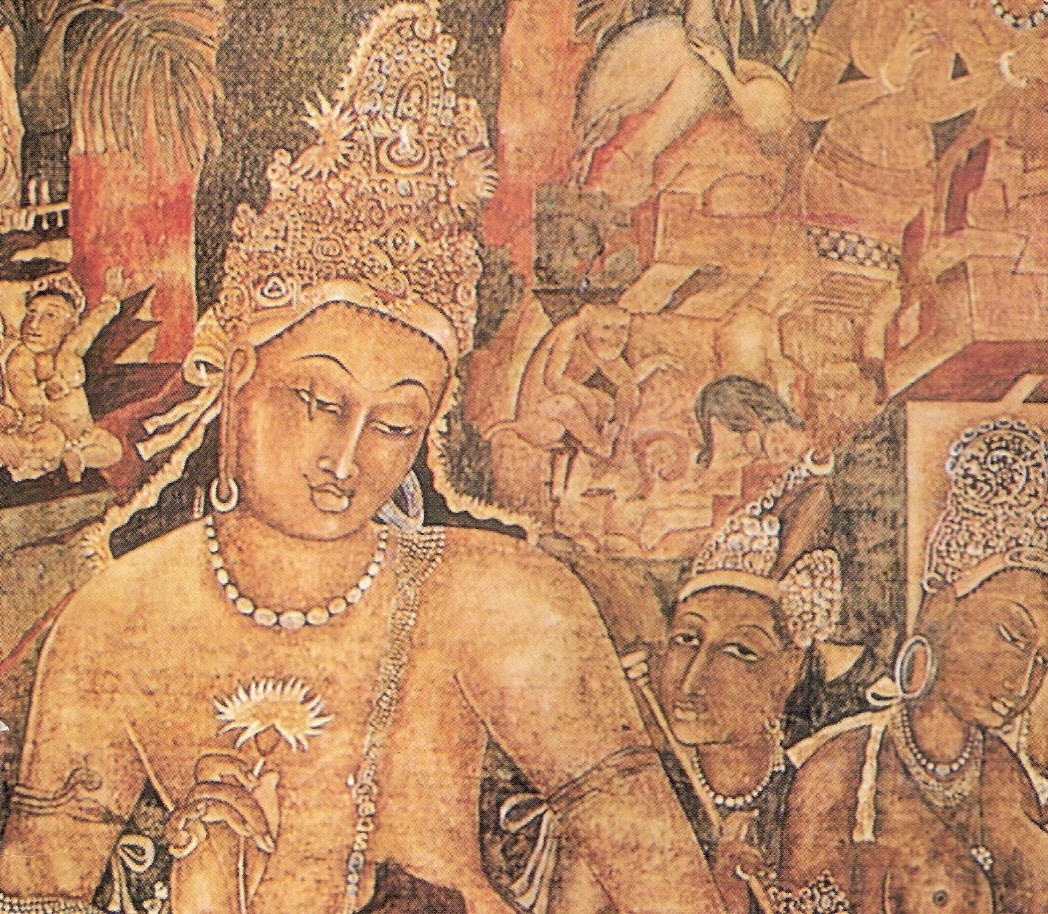
lotus AJANTA-01
Padmapani from Ajanta

In Bhasa’s drama Svapnavasavadattam, Udayana’s second queen Padmavati had a serious head ache and her bed was prepared at the Samudragraha, i.e. a room in the middle of a tank.

In Banabhatta’s immortal romance we find the Gandharva princess Kadambari lying on a soft bed of flowers pining for her beloved Candrapida who is far away. She was wearing lotuses in her ears and bangles made up of lotus stalk and holding a lotus in her hand. Her friends are fanning her with lotus leaves.”

Looking at the above remarks, I guess flower therapy was used in the olden days. In addition to sandal paste, they used lotus flower for cooling effect.

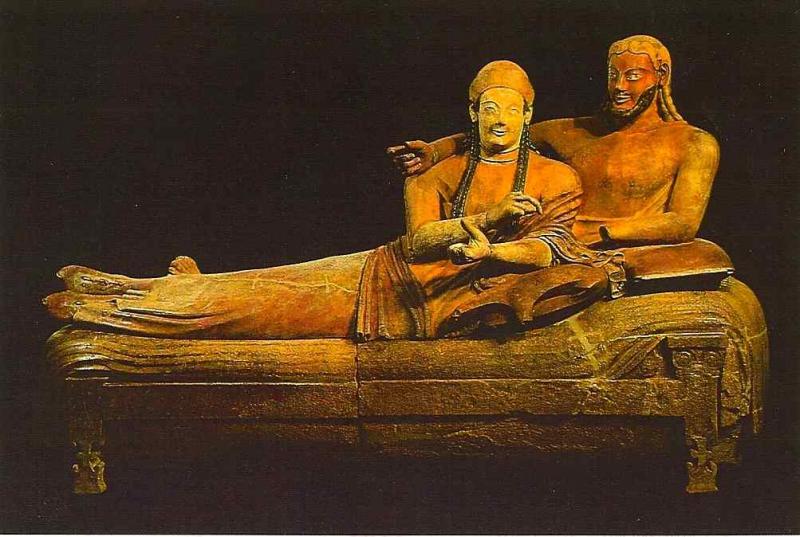
etruscanbed-11.8493139_std
Etruscan bed from Italy.

Contact:– swami _48 @ yahoo.com

உலக அதிசயம்: 2300 ஆண்டு பழமையான நாடக அரங்கு!

sitabenga cave
Sitabenga cave near Ambikapur

மேலும் ஒரு உலக அதிசயம்: 2300 ஆண்டு பழமையான நாடக அரங்கு!

Written by London Swaminathan
Post No. 1041; Dated 14th May 2014.

Already published in English under “Colour Coding in Ancient India Theatres” on 13th May 2014. Following is the Tamil version)

இந்தியாவில் உலகிலேயே மிகப்பெரிய தங்கக் கோவில், உலகிலேயே ஆழமான கிணறு, உலகிலேயே மிகப் பெரிய ஒற்றைக் கல் சிலை —இப்படிப் பலரும் அறியாத அதிசயங்கள் எவ்வளவோ உள்ளன. இவ்வகையில் பலரும் அறியாத நாடக அரங்குகள் ஒரிஸ்ஸாவிலும் சத்திஷ்கர் மாநிலங்களிலும் இருக்கின்றன. இவைகள் இரண்டும் 2300 ஆண்டுகளுக்கு முந்தையவை. பரத முனிவர் வடமொழியில் எழுதிய நாட்டிய சாஸ்திரத்தில் குகை வடிவில் நாடக அரங்குகள் அமைக்கப்பட வேண்டும் என்றும் அதன் நீளம், அகலம் இத்தனை அடிகள் இருக்க வேண்டும் என்றும் எழுதி வைத்திருக்கிறார். அதன்படியே இந்த நாடக அரங்குகள் மலைக் குகைகளில் இருக்கின்றன.

இந்த அரங்குகள் நமக்கு மேலும் பல உண்மைகளைப் புலப்படுத்துகின்றன. பரதர் எழுதிய சம்ஸ்கிருத நாட்டிய சாஸ்திரம் கி.மு.மூன்றாம் நூற்றாண்டுக்கு முந்தையதாக இருக்க வேண்டும்; அல்லது அவர் சொன்ன விஷயங்கள் 2300 ஆண்டுகளுக்கு முன்னரே இருந்தவற்றை அவர் நூல் வடிவில் தந்திருக்க வேண்டும் என்பது முதல் உண்மை. காளிதாசர் கி.மு.முதல் நூற்றாண்டுக்கு முந்தையவர் என்று பல சம்ஸ்கிருத நிபுணர்கள் கருத்து தெரிவித்துள்ளனர். நானும் சங்கத் தமிழ் இலக்கியத்தில், காளிதாசனில் காணப்படும் 200–க்கும் மேலான உவமைகள் இருப்பதை எழுதிவருகிறேன். காளிதாசனும் அவனுக்கு முந்தைய புகழ்பெற்ற பாஷா, கவிபுத்ர, சௌமிள ஆகீய நாடக ஆசிரியர்களைக் குறிப்பிடுகிறார். அதில் பாஷா எழுதிய 13 நாடகங்கள் கிடைத்துள்ளன. மற்றவர்கள் எழுதியது எதுவும் கிடைக்கவில்லை. ஆக பாஷா 2300 அல்லது 2400 ஆண்டுகளுக்கு முந்தையவர் என்பதையும் இந்த நாடக அரங்குகள் மறைமுகமாக நிரூபிக்கின்றன.

சுவையான சில விஷயங்கள்
லண்டனில் நடந்த ஒலிம்பீக்கில் பல வண்ண நாற்காலிகள், அரங்குகளை அமைத்து ‘இந்த வண்ண டிக்கட்டுகள் இருப்பவர்கள் இந்தப் பக்கம் போங்கள், அந்த வண்ண டிக்கட்டுகள் இருப்பவர்கள் இந்தப் பக்கம் போங்கள், மேலே போங்கள்’ — என்றெல்லாம் புதிய உத்திகளை கையாண்டனர். இதை முதலில் சொன்னவர் பரத முனிவர்தான்.

empty_seats_2292113b

பரதமுனிவர் எழுதிய நாட்டிய சாஸ்திரம் பிராமணர்கள் அமரும் இடத்தில் வெள்ளைத் தூண்களும், க்ஷத்ரியர்கள் அமரும் இடத்தில் சிவப்புத் தூண்களும், வைசியர்கள் அமரும் இடத்தில் மஞ்சள் நிறத் தூண்களும், சூத்திரர்கள் அமரும் இடத்தில் கறுப்பு நிறத்தூண்களும் நடப்படவேண்டும் என்று எழுதி வைத்துள்ளார். பிராமணர்கள் முதல் வரிசையில் அமர வேண்டும் என்றும் எழுதி வைத்துள்ளார். இன்று இதைப் படிக்கும் போது சினிமா தியேட்டர் (“Colour Coding’’) சீட்டுகளில் கூட ஜாதி விஷயமா என்று அங்கலாய்ப்பார்கள். ஆனால் எந்த ஒரு ஆசிரியரையும் நாம் எடை போடும் முன்னர், அவர்கள் வாழ்ந்த காலத்தைக் கருத்தில் கொள்ளவேண்டும்.

இன்னொரு சுவையான விஷயத்தையும் சொல்லுகிறேன். நான் 30 ஆண்டுக்காலம் வாழ்ந்தது மதுரையில். அங்கு மீனாட்சி கோவிலுக்கு அடுத்த அளவு பிரசித்தி பெற்றது வடக்கு மாசிவீதி கிருஷ்ணன் கோவில்தான். சங்க காலம் முதல் இருந்து வரும் பெருமாள் கோவிலைவிட இந்தக்க் கோவிலுக்கு ஏன் பெருமை என்றால் மதுரையில் மீனாட்சி கோவிலுக்கு அடுத்தபடியாக நாலு மாசிவீதிகளிலும் சுவாமி பவனி வருவது கிருஷ்ணன் கோவில்தான். அதாவது எல்லா உற்சவ நாட்களிலும்!!

empty 2

இது யாதவரின் கட்டுப்பாட்டில் உள்ளது. எங்கள் 10, 15 பிராமணர் வீடுகளைத் தவிர அங்கே வாழ்ந்தவர்கள் பெரும்பாலும் யாதவர்கள்தான். தமிழ்நாடு சபாநாயகராக இருந்த தமிழ்க்குடி மகன் போன்றோர் வீடு எங்கள் வீட்டுக்கு எதிரேதான். அந்தக் கோவிலில் பிராமணர்களுக்குதான் காலையிலும் மாலையிலும் முதலில் பிரசாதம்!! அது மட்டுமல்ல பிராமணர்கள், கர்ப்பக் கிரகத்திற்குப் பக்கத்தில் உள்ள உயரமான மேடையில் நிற்கவேண்டும். மற்றவர்கள் நாலைந்து படிகள் கீழே இறக்கமான இடத்தில் பள்ளத்தில் நிற்பார்கள்!!

நான் 27 ஆண்டுகளுக்கு முன் லண்டனில் குடியேறும்வரை இந்த வழக்கம் இருந்தது. இதில் மேலும் சுவையான விஷயம் அந்த யாதவகுலத்தைச் சேர்ந்த இளைஞர்களில் 10, 15 பேர் திராவிடக் கழகத்தினர். தீபாவளி அன்றைக்கு துக்க தினம் அனுஸ்ஹ்டிக்க கருப்புச் சட்டைப் போட்டுக் கொண்டு வருவார்கள். ஆனால் யாதவ குல கிருஷ்ண பரமாத்மா உற்சவம் வந்துவிட்டால் கோவிலுக்கு தொண்டு செய்ய வந்து விடுவார்கள். எங்கள் கூட அவர்களும் சேதுபதி உயர்நிலைப் பள்ளியில் படித்ததால் உரிமையோடு கிண்டல் செய்வோம். ‘’ஆ! இது எங்கள் குல யாதவர் பண்டிகை அதனால் விட்டுக் கொடுக்க மாட்டோம்’’ என்பார்கள். அந்த யாதவ குல கிருஷ்ணனைத் தான் பிராமணர்களாகிய நாங்கள் கும்பிடுகிறோம் என்றால் சிரித்து மழுப்பிவிட்டுப் போய்விடுவார்கள். ஆக முப்பது ஆண்டுகளுக்கு முன் மதுரை யாதவர் கோவிலிலேயே பிராமணர்களுக்கு இவ்வளவு மதிப்பு என்றால் 2300 ஆண்டுகளுக்கு முன் பிராமனர்களுக்கு இருந்த மதிப்பை பரதர் எழுதி இருப்பதில் வியப்பதற்கு என்ன இருக்கிறது?

2300 ஆண்டுகளுக்கு முன் உலகம் முழுதும் புத்த மதத்தைப் பரப்ப தனது மகனையும் மகளையும் அனுப்பிய அசோகன், அவனுடைய கல்வெட்டுகளில் பிராமணர்களைக் குரிப்பிட்டுவிட்டுப் பின்னர்தான் பௌத்தர்களைக் குறிப்பிடுகிறான். புத்தரும் அவரது தம்ம பதத்தில் பிராமணர்களைப் போற்றி சில கருத்துகளைச் சொல்லிவிட்டு பிராமணர்களுகு என ஒரு தனி அத்தியாயமே பாடி இருக்கிறார். ஆகவே பரத முனிவரைக் கோபிக்காமல் அடுத்த விஷயத்தைக் காண்போம்.

cave ramgarh
Ramgarh Caves

சீதாபெங்கா யோகிமாரா குகைகள்
சட்டிஷ்கர் மாநிலத்தில் அம்பிகாபூர் அருகில் ஒரு பெரிய மலைக் குடைவரைக்குள் சீதாபெங்கா, யோகிமாரா என்று இரண்டு குகைகள் இருக்கின்றன. அவைகளில் பரதர் கூறியது போலவே அமைப்புகள் இருப்பதால் அந்தக் காலத்தில் அங்கே நாடகம் நடந்திருக்கும் என்றே அறிஞர்கள் கருதுகின்றனர். அந்தக் காலத்தில் மரம், செங்கல் ஆகியவற்றால் ஆன ஆசனங்கள் இருந்தன.

செவ்வகம், சதுரம், சாய் சதுரம் முதலிய நான்கு வடிவமைப்புகளையும் 18 வகை அரங்குகளையும் (ஸ்டேஜ்) பரதர் குறிப்பிடுகிறார். நாடக அரங்கின் பெரிய சுவர்களில் ஓவியங்கள், புடைப்புச் சிற்பங்கள் ஆகியன இருந்தன. கிராமீய, நகரக் காட்சிகளும், காடுகளும் ஆறு மலைகளும் அதில் வரையப் பட்டிருந்தன. தேவைக்கேற்ப அவைகளை துணி மூலம் மறைத்தோ காட்டியோ வசனம் பேசியிருப்பர். அது மட்டூமல்ல.

பரத முனி மிகப் பெரிய புத்திசாலி, விஞ்ஞானி!! ஒலியியல் சாஸ்திரம் (Sage Bharata knows Acoustics!) தெரிந்ததால் மலைக் குகை வடிவில் நாடக அரங்குகள் இருக்கவேண்டும் என்று எழுதினார். ஒலி பெருக்கி இல்லாத காலத்தில், மெதுவாகப் பேசினாலும் இது சப்தத்தை அதிகரிக்கும். இசைக்கருவிகள் பெரிதாக கேட்டிருக்கும். மேலும் நாடக அரங்குகளை இரண்டு மாடிக் கட்டிடம் போலக் கட்ட வேண்டும் என்று எழுதி இருக்கிறார். பூலோகக் காட்சிகள் கீழ் மட்டத்திலும் தேவலோகக் காட்சிகள் மேல் மாடியிலும் நடக்கும். மக்களுக்கு எளிதில் விளங்க இந்த உத்தி.

நாடக மேடையில் சுவரில் இரண்டு வாசல்கள் துணியால் மூடப்பட்டிருக்கும். நாடக நடிகர்கள் ஒரு வழியாக மேடைக்குள் வந்து மறு வாசல் வழியாக வெளி ஏறுவர். அங்கே போடப் பட்டிருக்கும் துணிக்கு ‘’யவனிகா’’ என்று பெயர். இதுவும் கோபம், போர் என்றால் செந்நிறமாகவும், நகைச் சுவை என்றால் வெண்ணிறமாகவும் மாறும். இப்போது நாட்டியம் ஆடுகையில் கோபக் கனல் வீசும் நாட்டியக்காரியின் முகத்தில் சிவப்பு விளக்கு ஒளியை வீசுவது போன்றது இது. ஆக பரதரின் எல்லா உத்திகளையும் இன்றும் நாம் கடைப்பிடிக்கிறோம். உலகில் முதல் நாடக, நாட்டிய நூலை எழுதிய பெருமை அவரையே சாரும்.

நாடகங்களில் ராஜா, உயர் அதிகாரிகள், மந்திரிகள், பிராமணர்கள் சம்ஸ்கிருதத்திலும், மஹாராணி, பெண் கதா பாத்திரங்கள், கீழ் மட்ட ஊழியர்கள், நகைச் சுவை நடிகர் ஆகியோர் பிராக்ருதத்திலும் பேசுவர். நகைச்சுவை நடிகராக எப்போதுமே பிராமணர்கள்தான் நடிப்பர். இப்போது சினிமாவில் பெரிய கதா பாத்திரங்கள், கதாநாயகன் ஆகியோர் செந்தமிழிலும் நகைச்சுவை நடிகர், பட்டிக்காட்டு ஜனங்கள் ஆகியோர் கொச்சைத் தமிழிலும் பேசுவது போன்றது சம்ஸ்கிருத – பிராக்ருதப் பாகுபாடு. இரண்டும் ஒரே மொழிதான். ஆர்ய என்றால் அஜ்ஜ என்று பிராக்ருதத்தில் வரும். அது தமிழில் அய்யர் என்று மருவியது.

ranigumpa near Bhuvaneswar 3rd c,BCE
Ranikumbha near Bhuvaneswar

ஒரிஸ்ஸாவில் புவனேஸ்வர் அருகில் ராணிகும்பா என்ற இடத்தில் பெரிய கட்டிடங்கள் இரண்டு கண்டுபிடிக்கப்பட்டன. ஸ்கந்தகிரி என்ற மலைக்கருகில் இவை உள்ளன. இதுவும் 2300 ஆண்டுகளுக்கு முன் இருந்த நாடக அரங்கே!! அங்கிருக்கும் பிராமி கல்வெட்டுகள் மூலம் காலத்தை அறிய முடிகிறது

Contact swami_48@yahoo.com

Colour Coding of Seats in Ancient Theatres!

sitabenga cave
Amazing Cave Theatre: Sitabenga near Ambikapur.

Compiled by London Swaminathan
Post No. 1040; dated 13th May 2014.

Specimens of ancient theatre stages are available now. They are found in two caves in a series of hillocks named Ramgarh in Chhattisgarh. These two caves are named as Shitabenga and Yogimara caves and they are near Ambikapur in Chhattisgarh. There are two dramatic stages coupled up with green rooms as they were prevalent in the olden days when Sanskrit plays used to be staged. It is said that these caves are at least 2200 years old.

In the Natya sastras we have references to 18 different types of stages. Some of these stages were triangular, some of them were of square size and often the stages were quadrilateral in shape. A quadrilateral stage has some characteristics of its own, its length being twice its breath. If its length could be measured at 64 yards its breadth would be 32 yards.

Square shaped stages were more common, measuring four yards each side. The auditorium was in front of the stage with seats made up of wood and bricks. The seats meant for the Brahmanas had white pillars in the front and the seats meant for Kshatriyas had red coloured pillars in their front. The Brahmanas would sit in the front row and the Kshatriyas would sit behind them. Usually the seats of the Brahmanas used to be at the nearest point of the stage. Then the Vaisyas had their seats in the Vayukona i.e. North West corner of the auditorium and those seats were marked by the yellow colour pillars. Sudras used to sit in the Isana kona i.e. the north east corner and their seats used to be marked with black colour pillars.

cave ramgarh
2300 year old Ramgarh Caves used to stage dramas

Usually the stage used to be a two -storeyed one. Any play centering round the men and matters of the earth would be staged on the groud floor of the stage, while the incidents which were heavenly or celestial used to be enacted on the first floor of the stage.

Screen and Background Wall

Scenes of cities, villages, rooms, houses, rivers, forests etc., figured prominently in the scenic depictions on the wall. On each side of the wall there was a door kept hidden by a thin piece called Yavanika. This had many colours. If it is a comedy play white Yavanika was used, because poets associated white with laughter. Fame, glory and laughter are described as white. (it may be due to the white teeth and white umbrella of the Royals). If it is a warfare Yavanika was in red colour(blood and anger were associated with red in old literature). The actors and actresses used the doors on the wall to enter and exit from the stage. Beautiful girls were employed to lift the screens.
(from’ Sixty Four Arts in Ancient India’ by Anil Baran Ganguly, The English Book Store, New Delhi-1, Year 1962).

ranigumpa near Bhuvaneswar 3rd c,BCE
2300 year old Ranigumpha used as Theatre near Bhavaneswar in Odisha

Sage Bharata knows Acoustics!

The Natyasastra of Bharata is a compendious treatise on practically all the literary aspects of drama and all matters relating to the theatre, from the construction of the play house or ‘natya mandapa’ to audience response.

“ The play house (Natya mandapa) should be designed in the shape of a mountain cave, have two ground levels, small windows and free from gusts of wind, so that the voices of the actors and singers as well as the sound of musical instruments will be resonant (Natyasastra 2-80/82)
The ‘shape of a mountain cave’ is an interesting detail, because not only does it reveal an awareness of the acoustical properties but it also suggests that originally shows and spectacles and even plays might have been presented in cave theatres.
Jewels and precious gems were placed underneath the stage during the building of the play house according to prescriptions based on their auspiciousness.

Sanskrit drama clearly reveals its dance-origins; miming is often indicated by the stage-directions. Dance is very much part of it. Dramatic performances were usually held on special occasions; coronations and other royal events, great weddings, religious festivals and fairs. Open air performances are also known. Bhavabhuti’s play ‘Malati Madhava’ was performed for the festival of Kala priya natha (Siva).

empty_seats_2292113b
Colour Chairs in London Olympics

Languages : Sanskrit and Prakrit

The classical drama of India used Prakrit or regional dialects as well as Sanskrit. Brahmins, kings and high officials spoke Sanskrit. Women, even queens, children and the court jester spoke Prakrit; low characters like the fishermen and policemen in Act 6 of Kalidasa’s ‘Sakuntalam’ also spoke in dialect. This provided Sanskrit plays a rich variety in speech.

( from Kalidasa, The Loom of Time by Chandra Rajan, Penguin Classics, 1990)

empty 2

Sanskrit words in Sumerian culture :Sumukan Mystery

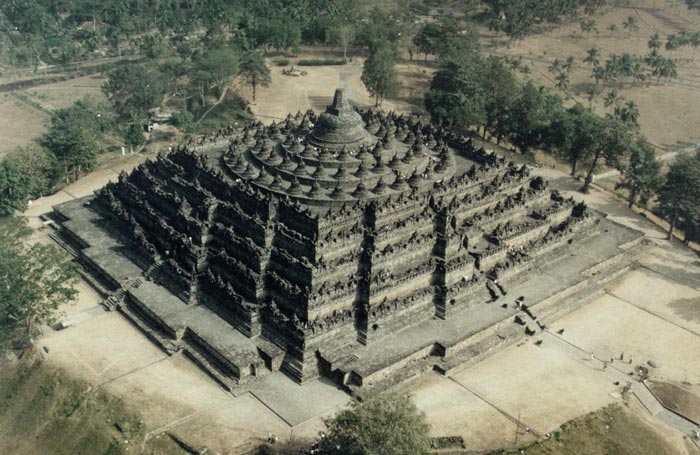
borobudur_aerial
Borobudur in Indonesia in Mount Meru Design

Written by London Swaminathan
Post No. 1038; Dated 12th May 2014.

This article is a sequence to my article posted yesterday under the title “ A Hindu Story in Sumerian Civilization. This explains two Sanskrit words found in Sumeria: Sumeru and Sumukhan.

Sumeru : new information

The etymology of the word Sumeru is not known. But I guess it is a Sanskrit word: Su+ Meru. Vayu Purana says, “The earth had been stripped of vegetation. Brahma made an arrangement to refertilize the earth. He created Sumeru the calf and re-invigorated all types of seeds from the ground, yielding all types of vegetation, and they bore fruit. In the beginning of the Treta Yuga all the 14 types of cultivated cereals and pulses were created for the first time (Vayu Purana 141-149).

Meru is a mythical mountain in Hindu literature with various interpretations. Some identify it with the North Pole (Su Meru) and the South Pole (Ku Meru). Apart from the two, we have Pamir plateau (Pa+ Meru). We have another Meru peak in Kenya. It shows that any high place was also called Meru (In Tamil : Medu). So we should not confuse it with the original Meru. It is a word of Hindu (Sanskrit) origin. That is all I wanted to say. Sumerians say that they migrated to that area. They might have come from India. Sumukan and other unexplained Sanskrit words show their connection to India.

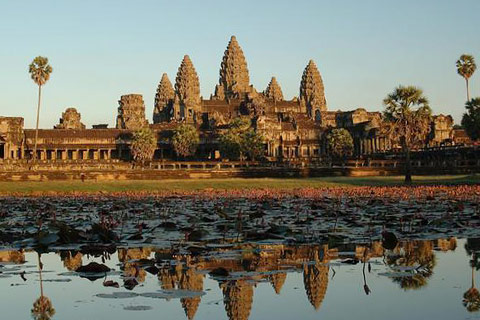
Angkor-Wat
Angkor Wat in Cambodia in Mount Meru Design

Who is Sumukan?
In Sanskrit hymns we have Sumuka as one of the names of Vishnu (SeeVishnu Sahasra Nama) and one of the names of Lord Ganesh. Of the 16 names of Lord Ganesh, Sumukha is the first name. It simply means good faced, Auspicious faced etc. It is also the name of Garuda (eagle).

SUMUKHA In the Mahabarata :

The following story from Mahabharata explains clearly a clash between two groups called Nagas ( snake people) and Eagle people.

“Sumukha was a Naga. He was chosen by Matali to be the husband of his daughter Gunakeshi. His grandfather Aryaka was very pleased when informed about it by Narada .But the eagle who had previously devoured Sumukha’s father Chikura, had vowed to soon devour Sumukha also. In spite of being told of the expected short life span of Sumukha, Matali nevertheless wanted to go ahead with the marriage. He then went to Indra and requested him to give long life to Sumukha. When Indra granted this, the eagle accused Indra of giving shelter to his rightful prey and then tried to scare Indra by showing off his strength. To put the eagle in his place, Indra put his arm on the eagle’s shoulder and then asked him to lift it. The eagle found himself crushed by the weight of Indra’s arm and acknowledged his defeat. (MB:5-103/4)

This episode of early times was related to Duryodhana by Kanva Rishi in an effort to convince him that like the eagle he too would be crushed if he went ahead in his determination to fight against the Pandavas. But even these efforts made no impact on Duryodhana”.
(p.281 of who is who in the Mahabharata).

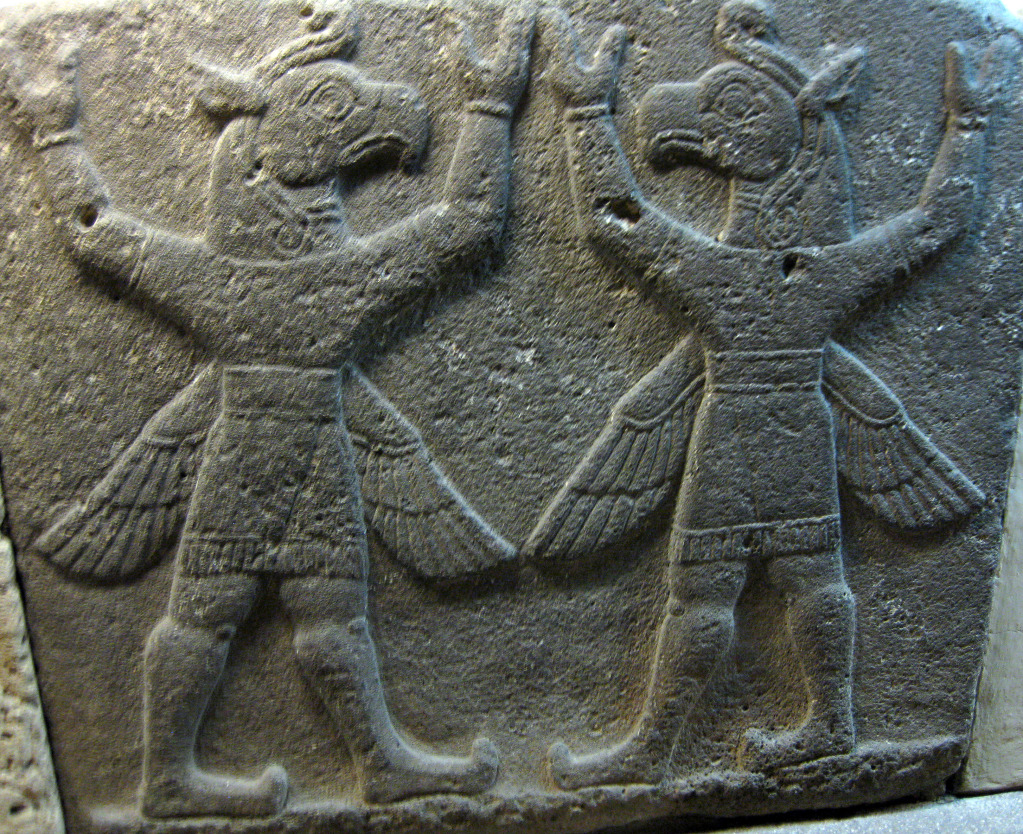
carchemish birdment 9C BCE
Birdmen in Carchemish, Ninth century BCE

Kumaratantram, Chapter 5, Verse 13, an Agama says that is the name of a Dwarapalaka( Gatekeeper in the sanctum sanctorum):

Left: Sutehar
Right: Sumukhan

To sum it up, we have the name Sumukha for a Naga, an eagle (Garuda), and two gods (Lord Ganesh and Lord Vishnu). It is now clear that it is a Sanskrit word.

In Sumerian
In the Sumerian literature, we come across a name Sumukan. He has accompanied Etana, the first king of Kish in Sumer. But no one knows more than that. Etana story is connected with Eagle and Snake conflict (Please read my post “A Hindu Story in Sumerian civilization”, Post No. 1036, posted on 11th May).

Encyclopedia of Mythology also has very brief descriptions:
Sumukan: Anointed priest of the Great Gods
Sumugan: God of the river plains. Mesopotamian/Sumerian. In creation mythology he is given charge by the god Enki over the flat alluvial lands of southern Mesopotamia.

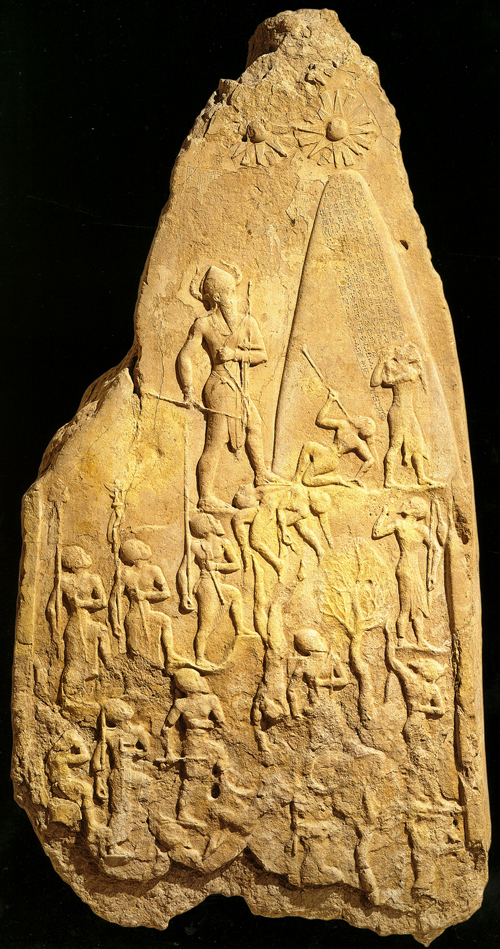
smallNaramSin

Sumerian King Naram Sin looking at cosmic mountain (Meru)

Atharva Veda names in Sumerian

Following excerpt is from my earlier post, “Serpent Queen: Indus Valley to Sabarimalai”, posted on 17 June 2012 in this blog:-

Rig Veda, the oldest religious book in the world, refers to a Sarpa Ranji (serpent queen). Atharva Veda also mentioned two snakes called Aligi and Viligi. Modern research by scholars showed that these were actually the names of two Assyrian Kings who lived in 3000 BC. If it is correct the Atharva Veda predates Indus Valley civilization. The fact that the Vedic civilization is older than the Indus valley is confirmed by the BARC (Bhaba Atomic Research Centre) research on Saraswati River that had frequent references in the Vedas. Saraswati River dried even before Indus culture reached its peak. May be the Indus culture was the continuation of Vedic culture. Now we have two proofs, one from the Assyrian sources and the other from the Vedas to prove its antiquity.

Contact swami_48@yahoo.com

An Interesting Story about Art of Cooking

kalyana samaitya sadham

By London Swaminathan
Post No. 1032; Dated 9th May 2014

“We should not speak ill of food. We should not throw away food. We should produce plenty of food. We should let no one who comes for food be turned away.”
Taittiriya Upanishad 3-7-10

Cooking is one of the Sixty four Arts, which a Hindu woman supposed to learn and master. Whether they master it or not, women are the cooks in most of the houses around the world. But when it comes to big weddings or social events, we always hire men cooks. They are experts in the art of cooking for a huge gathering. Big Anna dhanas (Food Donation) are organised by philanthropists, religious organisations and temples. Nala and Bhima, two characters from Hindu mythology and the epic Mahabharata were famous cooks. Men take pride in referring to them and comparing with them.

We have an interesting story in the Sanskrit romance called Dasa Kumara Charita of Dandin. He lived in the seventh century CE. So this story is at least 1300 year old. Dasa Kumara Charita narrates the story of ten adventurous young men. Here is one of the stories:

A youth by name Saktikumara of Kancheepuram , Tamil Nadu, went on a journey with the intention of choosing a girl for him. Though he was the son of a merchant he went in the guise of a palmist. He took some rice with him. Wherever he went, parents who were anxious of getting their daughters married quicker came to see him. They asked him to read the hands of their daughters. When he found some interesting girls, he wanted to test them before proposing to them.

cooking ingredients

He always asked the girls to take the rice with them and provide lunch for him. But all the girls just laughed and ignored his request. They simply turned their faces away. Sakti went to many cities and village and spent a lot of time desperately looking for a suitable girl for him. At last he came to a city on the banks of the River Kaveri.

He went in to an old house and asked whether they were interested in reading hands. There lived a young girl by name Gomini with her parents and old servant maid. They were interested in his palmistry. As soon as he saw the girl, he liked her very much but did not allow his passion to spoil his judgement. As usual he wanted to test the girl and asked her to cook lunch for him with the rice he brought. Even before he finished his sentence, Gomini just signed to the old lady in the house to take it to the kitchen. She gave him water to wash his feet. She swept the floor and cleaned the place as quickly as possible.

First she pounded the rice, separated the husk and dried the rice in the sun. She asked the old lady to take the husk and sell it to the goldsmith who was always in need of it for polishing ornaments. She asked her to buy dry wood, an earthen pot and two earthen plates with that money on her way back. While Saktikumaran was watching, the old lady went out.

Later Gomini pounded the rice and lighted the oven. She put the cleaned rice flour in to the pot and started cooking. Then she got down the pot and poured the gruel out and tested the rice in the pot with a spoon to see whether it was properly cooked. When she felt it was done, she turned the pot upside down with a plate on to drain it. She allowed all the surplus liquid to run out.

dasa best

She made sure that the fire wood in the oven was put off. She called the old lady again and asked her to sell the charcoal in the market and asked her to buy all the groceries required and a few vegetable for the day’s cooking. The old lady carried out her instructions at once. She prepared the food nicely.

Through the old lady she asked Saktikumara to take an oil bath and come for lunch. He had his food served on a plantain leaf sitting on a wooden plank provided by Gomini. He was served with rice, ghee, vegetable soup and curd (Yogurt). He got a typical south Indian meal and hospitality. Even the water was scented with patala leaves. Fully satisfied with the tasty food and the hospitality, he went to her parents and asked for her hand. Gomini’s parents readily agreed.

The story described in detail the way she cooked the food and the way she showed hospitality to a stranger. Guests were treated like kings in those days.

Taittiriya Upanishad says, ”Honour your guest. Look upon him as if God came to receive your attention”.

IMG_1085

Contact swami_48@yahoo.com
Important Vedic Quotations on Rivers & Water

avani avittam,riverside,fb

Written by London swaminathan
Post No. 1030; Dated 8th May 2014.

It is true that almost all the civilizations appeared on the banks of the big rivers. It shows how vital water is for our survival. But for the Hindus, water is more important. Their entire life is based on water, from birth to death, and all the ceremonies use water. This is very important in debunking the Aryan migration theory. If they have lived in a very cold area like central Asia or far away in the north, the Vedas would not have so many hymns involving water in the ceremonies. Hindu or Indian civilization grew slowly on the soil of holy Ganga and expanded to holy Sindhu and Sarasvati regions. The order of rivers in the Nadhi Sukta (RV 10-75) clearly shows this east ward march of Indian civilization.

Here are some important quotations from the Hindu scriptures, from the Vedas to Manu Smriti:

Hindus invoke the seven holy rivers every day whenever and wherever they take a bath or shower. A Hindu believes that the presence of the seven sacred rivers in the water makes it holy and all his sins are washed away. He feels fresh like a flower and pure like a crystal after such a bath. The seven sacred rivers he invokes are Ganga (River Ganges), Yamuna (River Jamuna) Sindhu (River Indus), Sarasvati, Narmadha, Godavari and Kaveri. This hymn is in Ahnika Sutravali (verse 106)

Gange cha Yamune chaiva Godavari Sarasvati
Narmadhe Sindho Kaveri Jalesmin Sannidhim Kuru
–Ahnika Sutravai, Verse 106

The beauty in the above hymn is that the Hindus considered the whole country from north to the south, from east to west as one country. It shows how integrated the country was before foreigners invaded in wave after waves.
samitadhanam

Vedic King of Indus Valley Civilization praise water

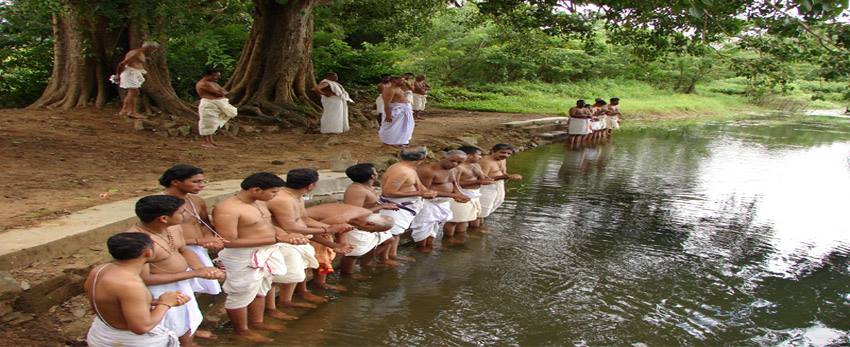
Indus Valley king Sindhudvipa was the son of Amabrisha. He is the seer for the following Vedic hymn. Brahmins recite the first three verses every day. Priests use this in full in all the house and temple consecration ceremonies. Brahmins of India do a prayer called ‘Sandhya Vandhana’ three times a day, in which they praise water as the energy giver and a healer. It begins with ‘Apo hista mayo bhuva:’….:

“Waters! You are health giving,
Give us energy, so that
We may look on great delight.

Give us a portion of the sap, the most
Beneficent you have,
Like mothers longing with love.

So gladly do we go with you
To the home for which you make us live.
Waters! Give us progeny.

Gracious be Divine waters for
our protection, be there for our drink,
and stream on us bliss and happiness.

Sovereigns over precious things,
and rulers over men, Waters!
We seek healing balm of you.

Within waters — so Soma has
Told me – all healing balms,
And Agni, benign to all.

O waters, teem with medicine to keep
My body safe from harm,
So that I long may see the sun.

Whatever sin is found in me,
whatever evil I have wrought
if I have lied or falsely sworn
waters remove it far from me.

The waters I this day have sought,
And to their moisture have we come
O Agni, rich in milk, come you, and
with your splendour cover me .”– (RV. 10-9)

avani avittam, individual

Satapata Brahmana says, “Waters are indeed sacred” (Medhya va Apah S.B.1-1-1-1) and “Water is in fact nectar” (Amrtahyapah SB 3-9-4-16).

The Rig Veda has the famous Nadi sukta (River Hymn RV 10-75). The poet/ seers regarded the rivers as life bestowing, life nurturing and life protecting Divine Mothers. Till this day girls are named after those rivers. In places like Varanasi and Haridwar, they worship the river water with Arti (lamps shown to the rivers in clock wise direction). There are Puranas (mythical stories) for all the seven sacred rivers. Whenever there is a big Yaga or Temple consecration or a great sage’s birth day Hindus bring waters from 108 sacred rivers.

Banks of the rivers are regarded suitable sites for performing sacrifices (Gopatha Brahmana 1-2-14)

water-running

Offerings are made to the rivers in sacrifices (RV 1-23-18; 7-47-3). River Sarasvati is praised in scores of places. The Vedic seers invoked the rivers for their protection ( avantu ma sindhavah pinvamanh RV 6-52-4). The water is the very breaths of people (apo vai pranah SB 3-8-2-4). They are the sources of plenitude (te sindhavo varivo dhatana RV 7-47-4). They are prayed to give people nourishment and delight. (RV 10-9-1).

Manu says, “A man who gives water obtains complete satisfaction in life” (4-229)

In Tamil Literature

Two thousand year old Sangam Tamil literature praise Holy Ganga in several places and Yamuna with Gopis in another place! Powerful Chera King Chenguttuvan of second century CE came all the way to Ganges two times in his life just to wash the stone for sacred sculptures.

Tamil poet Tiruvalluvar says in the Tamil Veda Tirukkural (verse 20),
“Even as life on earth cannot sustain without water, virtue too depends ultimately on rain”. Kapilar in Natrinai (verse 1) repeats the same words.

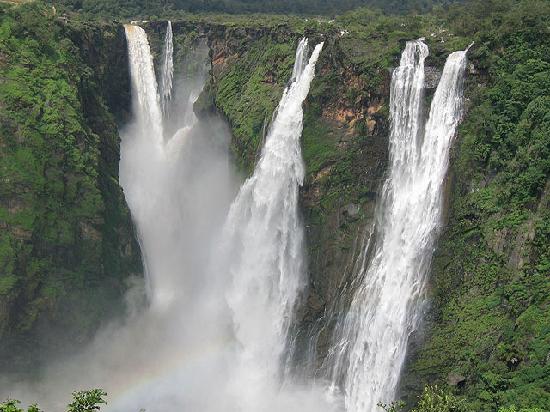
karnatakajog falls

Jerasappa Falls in Karnataka

Tamil epic Silappadikaram describes the rivers Kaveri of Choza country and Vaigai of Pandya country in beautiful verses. Paripatal, part of Sangam literature has lengthy poems in praise of River Vaigai.

Plenty of Tamil proverbs are there stressing the importance of preserving water and optimum use of water (‘Neeraiyum Seeraadu’ in Tamil).

Contact swami_48@yahoo.com

water3

Famous Farewell Speeches from India

namaskar

Written by London Swaminathan
Post No. 1027; Dated 7th May 2014.

It is amazing to read a valedictory address of a vice chancellor from a university or an educational institution that existed 3000 years ago in India. The beautiful speech is in Sanskrit in Taittiriya Upanishad. This was delivered at the end of Vedic education. In those days most of the schools were under the trees near the teacher’s (Guru’s) residence. We have beautiful descriptions of Ashrams (residential schools and sages’ residences) surrounded by parrots and deer. Since this is a remarkable speech it is recited/repeated even today in Vedic institutions.

Here is what the teacher said in his valedictory speech:

“After having taught the Vedas, the teacher instructs the pupil thus:
Speak what is true.
Do your duties.

Continue, without neglect, the study of the Veda.
Now that you have come to the end of your stay with your teacher, marry and bring forth progeny.

(Since the students observed absolute celibacy for at least 12 years from the age of 5 or 7, the teachers have to tell them marry and have progeny!)

Do not swerve from truth and Dharma (charity/meritorious acts).

Do something useful in social economy.
Achieve greatness, and do not fail to refresh your memory in respect of what you have learnt.
Remember the Gods and your ancestors.
Honour your mother and look upon her as God.

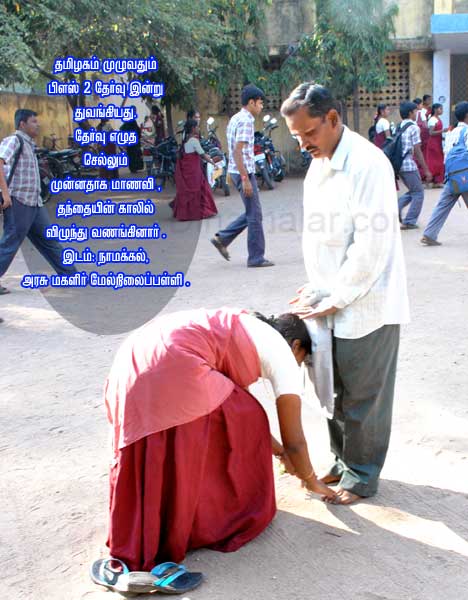
girl is paying respect to her dad.

Honour your father and look upon him as God.

Honour your teacher as God.
Honour your guest. Look upon him as if God came to receive your attention.
May you ever exercise your understanding and, distinguishing the good from the blame-worthy,
Avoid the latter and do what is good.

Follow all that was good in your teacher’s life, not any other.
(To err is human. Teacher also knows his limitations. So he warned that the pupil should take only good things from him. The teachers were very humble and admitted their mistakes openly).
You will meet better men than even the teachers with whom you have lived. Show them due respect”.
(Taittiriya Upanishad 1-11)

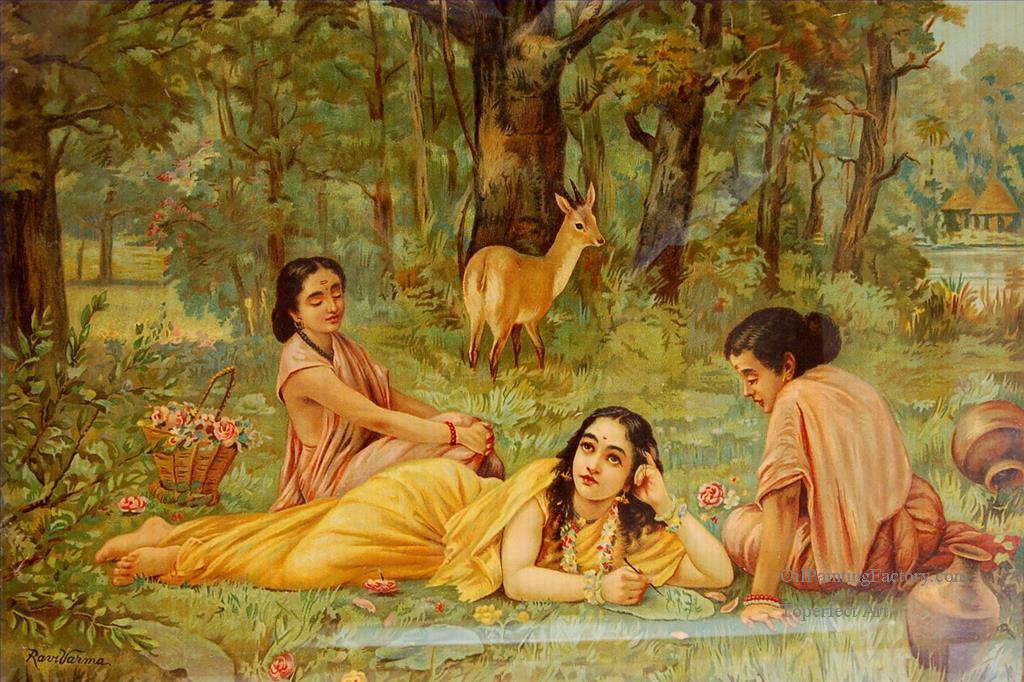
Shakuntala-Raja-Ravi-Varma
Kalidasa in Sakuntalam

Kalidasa, the most famous Indian poet, gives another farewell speech in his most famous Sanskrit drama Sakuntalam.

Sage Kanva, foster father of Sakuntala, gives an excellent farewell address when she was about to leave for her husband’s house (palace):

“ My child, you are now leaving for your husband’s home; when you enter it: Serve your elders with diligence; be a friend to your co-wives; even if wronged by your husband do not cross him through anger.
Treat those who serve you with utmost courtesy.
Be not puffed up with pride by wealth and pleasures;
Thus do girls attain the status of mistress of the home; those who act contrary are the bane of their families”.

After giving this advice, the sage asked his wife’s opinion on it, because in Hindu homes, wife is the home minister. She can veto anything that a husband says regarding daughter’s wedding or her family life. Kanva’s wife not only approved it at once and but also advised Sakuntala to keep those precepts always in mind.

This is again 2000 year old! I have dated Kalidasa to first century BCE on the basis of Sangam Tamil literature, where in 200+ similes out of his 1000+ similes were used, some of them verbatim! (Details are in my earlier posts).

ram sita

Kausalya’s Farewell to Rama

Valmiki Ramayana has a long farewell speech of Kausalya, Rama’s mother. This farewell speech in Ayodhya kanda (chapter 25), is also an indication of the period Valmiki wrote it. This is entirely different from Kanava’s speech. The archaic style of Valmiki shows that he must have written it hundreds of years before Kalidasa. Kausalya goes on and on about Gods and Demi- gods. She invokes all the Gods in Hindu pantheon. Unlike Sakuntala and the Upanishad students, Rama, the prince, goes to deep forest infested with wild animals. So we can understand her concern.

Important points from her speech:
“May Dharma, which you observed with joy and piety, protect you.
Follow in the steps of the good. May the gods whom you have worshipped daily in the temples and the great sages protect you in the forest.

May the weapons bestowed upon you by sage Visvamitra defend you (against any attack.)
May your obedience to your father and respects towards your mother ensure you a long life.
Be happy, ever happy through the meditation of all the things between the heaven and the earth, the gods and your foes.

May everything be successful
.
Then in her long speech she invoked the blessings of sacrificial fuel, the Kusha grass, the Vedas, the libations, the temples, the holy chants of the ascetics, rocks, trees, bushes, birds, serpents, lions, Sadhyas, Devas, Maruts, Dhatar, Vidhatar, Pushan, Bhaga, Aryaman, all the Guardians led by Indra, six seasons, years, months, weeks, days, Shruti, Smriti, Dharma, Skanda, Bhagavat, Soma, Brihaspati, Saptarishi, Narada, Siddhas, Varuna, Shukra, Soma, Dhanada, Yama, Brahma and Surya.

abivadayae

She warns him about the wild animals and poisonous creatures and the demons and goblins in the forest and blessed him not to be harmed by those things.
This is like any other mother’s laments.

In all the above three farewell speeches we see great importance is given to truth, dharma, respect to elders, diligence and humility.

Contact swami_48@yahoo.com
Wonderful Syllabus for Women!

chatus shasti kala

Gems,Perfumes,Flowers & Fashion!

Written by London Swaminathan
Post No.1020 ; Date 4th May 2014.

“ A woman should study even before reaching adolescence, and then, once married should continue her studies with her husband.” ( Sutra 2, Chapter 3, Kamasutra of Vatsyayana)

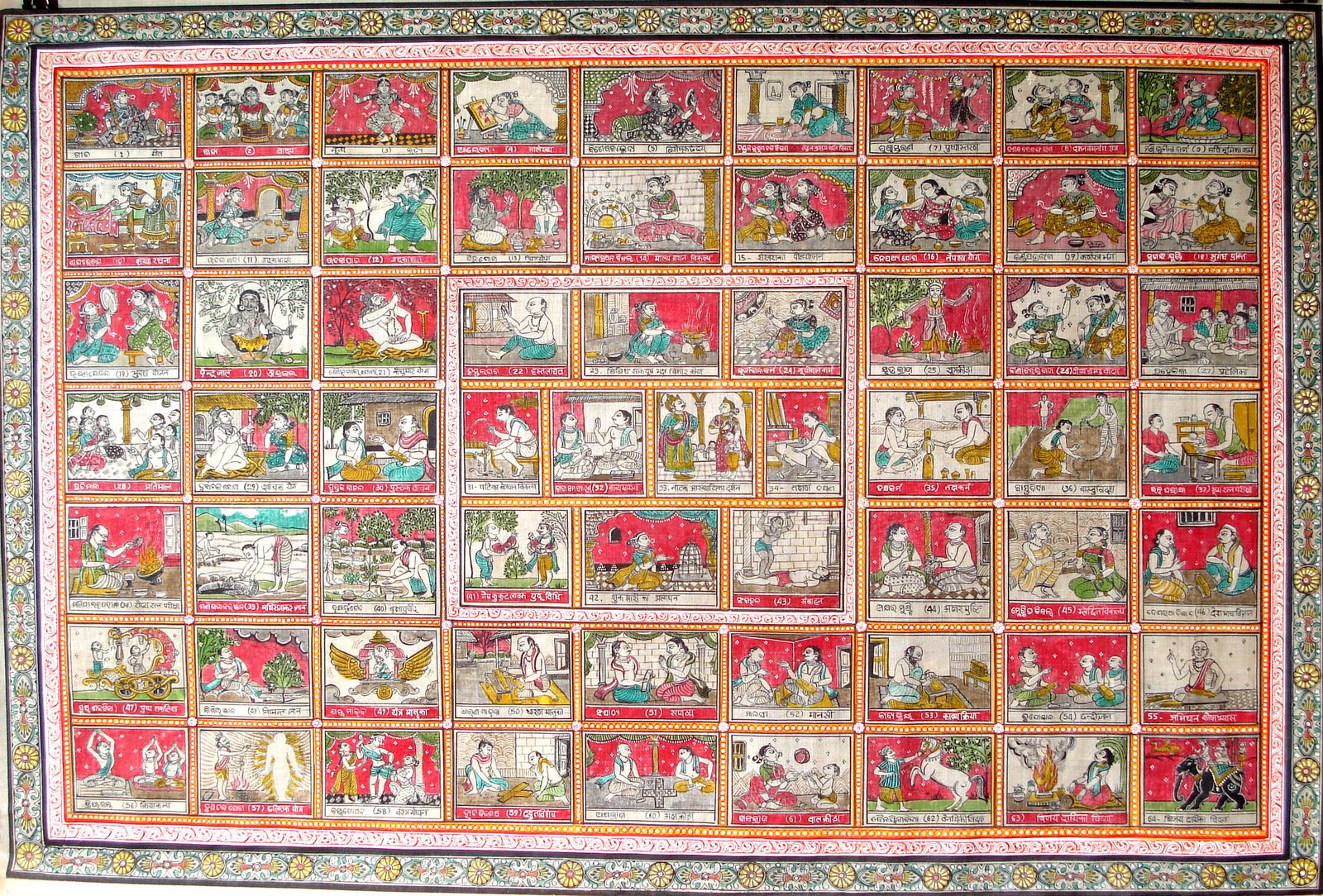
I cannot stop wondering how progressive India was 2000 years ago! When the world thought women were not fit to study any subject in an educational institution, a person in India prepared a syllabus for women with 64 subjects! He listed all the subjects a woman should master. Later the women’s syllabus was adopted by kings and queens. Was it just on papers only or practised?

My research shows that it was not theoretical, it was practised. Vatsyayana, the Brahmin author of Kamasutra listed all the 64 arts that a woman should learn. We have proof that there were people who were well versed in most of the subjects. One may need some proof to show that Indian women were capable of doing it. We have over 20 poetesses in the Rig Veda and 1500 years later, another 20+ poetesses in Sangam Tamil literature. We have another 15 poetesses composing sexy poems in Gatha Sapta Sati (GSS) in Prakrit language around second century CE.

yaksa-2200 yr
Look at the ornaments in 2000 year old sculptures

One may ask a question whether they were born genius or learnt the subject from a teacher. Nowhere in the world have we seen such a galaxy of intellectual women in any anthology like the Sangam Literature or the GSS. Lopamudra of Rig Veda and Avvaiyar of Sangam literature played active role in public life. Gargi Vachaknu attended the conference of spiritual leaders in the country of Videha and questioned the great philosopher Yajnavalkya. It happened before 800 BCE! His wife Maitreyi told him that she did not want a share in the property because money would not open the gates of heaven. So we know for sure that what Vastyayana wrote was not a paper plan. Draupadi of Mahabaharata , Sita of Ramayana and Savitri of Purana argues their cases like a Supreme Court lawyer. Later we came across another wise lady Ganga Devi, who wrote ‘Madura Vijayam’ detailing her husband’s war expedition to Madurai.

In ancient India, the pursuit of art was not left to the occasional sparks of inspiration or individual taste and tendency. Sixty four arts were part and parcel of their syllabus of study. Every prince and princess, every son and daughter of aristocrats had to gain proficiency in all or most of the arts.

Throughout Sanskrit and Tamil literature we have innumerable references to 64 arts mastered by the kings and other heroes. Tamil Epic Silappadikaram mentioned it. When Kannaki burnt part of Madurai, one of the streets where women who mastered 64 arts were residing, was also affected (See Azarpadu Katai of Silappadikaram).

tm_hindu-indian-jain-sculpture

In devotional literature, Goddess was praised as the source of all the sixty four arts. In Lalita Sahasranamam, Name Number 236 ‘Chathusasti Kalamayi’ means the She is the embodiment of 64 arts. Tamil verse by Kamban says Goddess Saraswati is the one who teaches 64 arts. Bala kandam of Kamba Ramayana alone has at least five references to 64 Arts. Hindus finish all pujas with 16 types of hospitalities known as Shodasa Upachara . Dance, music, applying perfume etc are part of it!

nataraja and narathaki

Madurai Temple itself is based on 64 Arts. One Rajasekara Pandya learnt all but one of 64 arts. He refused to learn dancing, one of the important arts, thinking that it would be an insult to Lord Shiva, who is the universal dancer. But when a poet from Choza country came and mocked at him that his king Karikal Chozan knew all the 64 arts, Rakasekara Pandya also learnt dance. On Shivratri day, he went to Madurai Meenakshi Temple and he was so moved, tears fell down from his eyes, pitying Shiva. He prayed to Shiva, “O My Lord, I know how difficult it is to dance even for an hour. You have been dancing from the day this universe came in to being. It is your rhythm that keeps the universe pulsating. You are the Dancer of all dances of the world. Can you please change your leg just to give rest to the leg (Lord Shiva is called NATA RAJ meaning dancer of the universe keeping cosmic rhythm). Immediately Shiva danced using both the legs alternately. When thousands and thousands visited the temple the next day, they noticed that the left leg on the ground! It changed permanently from right to left. Till this day , Madurai Temple has the miraculous statue. This is one of the 64 Leelas (divine interventions) of Lord Shiva in Madurai.

Women in Business
Sangam Tamil literature talks about women flower vendors and salt merchants. Till this day thousands of women are selling flowers around 100,008 temples in India. (For the number of Indian temples, please read my earlier post). Tamil poets sang about women standing on sea shore, counting the number of boats in the sea. Tamil women had both literacy and numeracy. Saivite saint Karaikal Ammaiyar (Madame of Karaikal) says in one of the verses, “From the day I started learning from my birth…………. This shows that she studied in her early years.
Perfume bottles

Billion Dollar Business!
Women mastered subjects like music, dance, acting, cooking, hair dressing, sewing, languages, painting, decorating, flower arrangement, gemmology, ornament making, gardening, training pets, gambling, word games, aroma therapy, letter writing, magic etc.

One of the 64 arts listed by Vatsyayana was ‘Gandhayukti’ —the Art of Making Perfumes. Now this business is one of the biggest businesses in the world. Indians were the one who made it a subject for study. Now France leads the world in this field. It is said that in ancient days specific methods of manufacturing perfumery articles numbering 174,720 were prevalent in India. Details of all these processes are narrated in the 77th chapter of Brhat Samhita of Varahamihira!! Had Indian women followed Vatsyayana’s syllabus and installed chairs in several universities we would have topped the world.

hairstyle

The hairdo industry and flower industry are big income generating businesses as well. Though we were the one who told the world about such business opportunities, now other countries are leading in the export of tulips and roses and fashion industry.

pinnal 2

The syllabus of Sixty Four Arts is a very strong proof to show that civilization marched from India to different parts of the world. Unless a country is self sufficient in the three basic needs food, shelter and clothing, they can’t think of literature or fine arts. We have produced enormous literature of quality even before the world started writing. We were so fed up with these pleasures that led us to philosophy even before the bright stars like Buddha, Mahavira, Confucius, Zoroaster and Jesus rose up on the horizon. When they created men of high calibre, we even created women of high calibre such as Avvaiyar and Gargi.
Had we followed all the 64 arts listed by Vatsyayana like any other Western country we would have become an economic super power long ago. Now China is producing anything and everything the world needs. From needle to pictures of Hindu Gods, they produce everything. The One dollar shops in the United States and One Pound shops in Great Britain are doing roaring business and minting money. There is no use of blaming us at this point of time. We have to pick up good things from the ancient Idea box and implement it.

Contact swami_48@yahoo.com
64artstelegu

40 Important Quotations from the Atharva Veda!

the_atharvaveda_devichand

Compiled by london swaminathan
Post No. 1016; Dated 2nd May 2014.

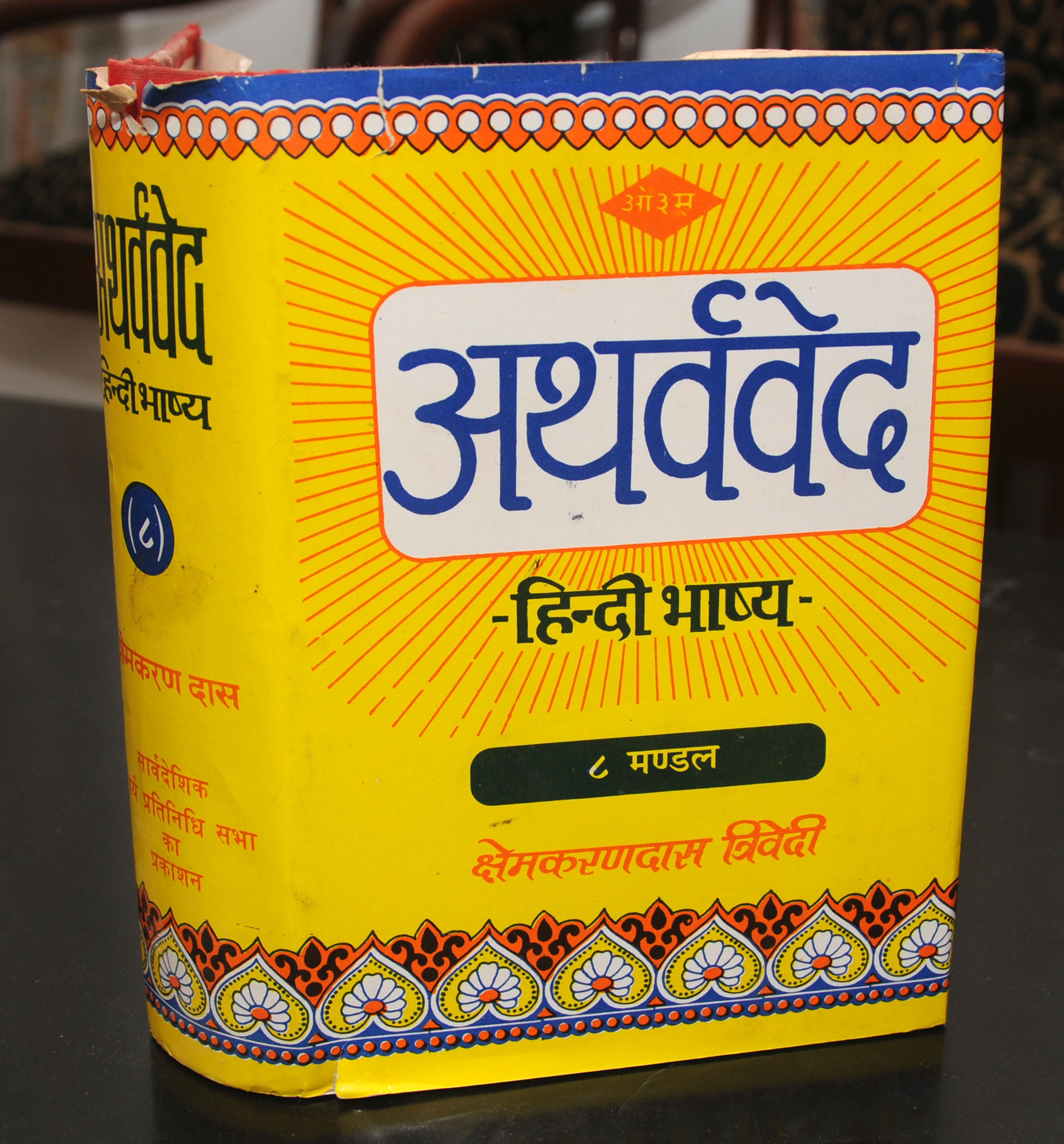
(Vedas are four: Rik, Yajur, Sama and Athrva. The Fourth Veda Atharva Veda is divided into 20 books (Kanda). Atharva Veda consists of approximately 750 hymns and they have around 6000 verses. I have already given the important quotation from the Atharva Veda in Tamil)

WORLD PEACE
1.May the earth be peaceful,
May the atmosphere be peaceful,
May the medicinal herbs be peaceful
May all shining objects be peaceful,
May all the enlightened persons be peaceful
May all the actions be peaceful. By these peace
May we alleviate that which is terrific here
That which is cruel here,
That which is sin here,
That has been calmed, that is auspicious.
Let all be gracious unto us. AV 19-9-14

(Pruthivi shanty…………………………… AV 19-9-14)

LONG& HEALTHY LIFE
2.May we see a hundred autumns
May we live a hundred autumns
May we acquire knowledge up to a hundred autumns
May we go on advancing forward to a hundred autumns
May we thrive a hundred autumns
May we exist for a hundred autumns
May we remain pure a hundred autumns
And let us remain even more than a hundred autumns
A v 19—67
(Pasyema saradas satam………………….. 19-67 AV)

&&&&
3.May our mother-father (parents) live happily, well be it with the cows, men and all the world, many happy fortune, grave and favour ever accompany us and may we enjoy sun light for a very long period AV 1-31-4
(Svasti matra uta pitre………………………. AV1/31/4)

&&&&&

4.One hundred fortunes have born all together with the birth of the body of the mortal (man) (upon which he has right by birth) of those we cast away those which leads us to sinful acts. O God, the knower of entire creation please let us have those fortunes which will prove blessings to us AV 7-115-3
(Eka satam laksmyo…………………….7/115/5 AV)

FAME & GLORY
5.Fame and glory, power and managing capacity, spiritual splendour, nourishment and other means of subsistence belong to him who knows this Divinity as Simple and One AV 13-4-14-5
( Kirtischa Yasascha …………………. AV 13-4-14-5)
&&&&

6.May the power of speech remain in my mouth, may the vital air ever exist in my nostrils, may the power of sight ever exist in my eye, may the power of hearing remains in my ears, let not my hair become gray, let not my teeth become dirty and let my arms possess much strength AV 19-60-1
( Vang me asan ………………………… AV 19-60-1)

&&&

7.May I have strength in my thighs, swiftness in my legs and firmness in my feet; may all the organs of my body be healthy and may my soul be ever alert AV19-60-2
( Urvorojo …………………… AV19-60-2)

&&&&
8.May all the different parts of my body remain in good condition and may the power of endurance ever exist in me against the enemies. May I attain the full length of life. May I attain the happiness and fullness in all respects and purifying myself, may I attain the state of perfect bliss AV19-60-1
(Thanusthanva me …………………. AV19-60-1)

&&&&

9.May all the constellations, in the absence of sun, the sources of its light! Which are in the heaven, all those in the sky, in the waters, on the earth and on the mountains and in all directions as well as all the regions wherever the moon goes, prove the source of happiness to us. AV 19-8-1
(Yani nakshatrani………………………. AV 19-8-1)
&&&&
AV bloomfield

UNITY & UNANIMITY
10).O mankind! I ordain for you to have concordance in your heart, unanimity in your minds and freedom from hatred. Every one of you ought to love one another in every way just as the cow loves the calf just born AV 3-30-1
(sahrudhayam samanya………………… AV 3-30-1)

&&&&

11.Let the son be obedient to his father and in accordance with the mind of his mother. Let the wife speak to her husband calm, gentle, sweet words as honey AV 3-30-2
(anurbratha: pitu: ………………………….. AV 3-30-2)

&&&&

12.Neither a brother should hate his brother nor a sister unkind to her sister, you ought to speak with another most gently being united in your mind and keeping the same ideal before you AV 3-30-3
(Ma Bratha bratharam…………………….. AV 3-30-3)
&&&&

13.That path of the Vedas I ordain in your home against which the enlightened persons never go nor do they bear hatred towards one another, so that it may serve as leading principle for all men AV 3-30-4
(Yena Deva viyanti……………. AV 3-30-4)

&&&&&

14.O Mankind! Who are respectful to the elders possessing noble hearts, friendly, in your undertakings of acquiring wealth and walking in the same path bearing the common yoke together, be never disunited with one another, come, I make you one intentioned and one minded and each one of you speak sweetly to the other AV 3-30-5
(Jyayasva…………… AV 3-30-5)

&&&&

MUTUAL HELP
15.Let your place of drinking water be common and your food be together as I yoke you to a common yoke; worship Agni, all of you together, just as the spokes are attached to the navel of the chariot from all around AV 3-30-6
(samani prapa saha………………… AV 3-30-6)

&&&&
16.O Mankind! I enjoin on all of you to be mutually helping one another, to be united in your mind and to have common ideal of life for benefitting one another. Like the enlightened persons whoever take care of immortal principle (in their life) may the friendly feelings amongst you increase morning and evening AV 3-30-7
(sadhdni chinan va: ……………………. AV 3-30-7)

&&&&

17.These five senses with the mind as sixth which abide in my heart are made sharp by means of prayer. By which all the awful works are done, may we attain peace by them AV 19-9-5
(Imani yani panchendriyani………………. AV 19-9-5)

&&&&

Atharva Veda

LOVE & AFFECTION
18.O Lord! Make me an object of love among the enlightened persons, and make me beloved among the rulers of the world; Make me dear to all who happen to see me whether they be ordinary labourers or noble persons AV 19-62-1
(Priyam ma krunu Deveshu…………………. AV 19-62-1)

&&&&
19.O Indra! God of Supreme Power! Make us fearless of all such things whereof we are afraid of AV 19-15-1
(Yath Indra Bhayamahe……………………….. AV 19-15-1)

&&&&
20.May the atmosphere give us peace and safety and may both these heaven and earth be secure for us. May we be free from danger from west and east and may there be no fear from north and south AV 19-15-5
(Abhayam Na: ……………………. AV 19-15-5)
&&&&&

21.May we be fearless of our friends and even of those who are unfriendly to us, may we never fall in dread of those whom we know and even of those we don’t know: May we remain free from any apprehension by night and in the day time, and may all the quarters be friendly to us AV 19-15-6
(Abhayam mitradha bhayam ………………. AV 19-15-6)

&&&&&&&&&&&
14oeb_medicine
GOD
22.My homage to the Almighty God who is the ordainer of all that existed in the past and of that which will exist in the future in the form of eternal bliss AV 10-8-1
(Yo Bhutam cha Bhavyam Cha ……………………….. AV 10-8-1)

&&&&

23.He is the Creator, the Ordainer, the Source of all types of motion and energy. He is the highest feeder AV13-4-3
(Sa dhata sa …………………. AV13-4-3)
&&&&

24.He is called neither the second, nor the third and not yet the fourth also. He is called neither the fifth, nor the sixth and not yet the seventh also. He is called neither the eigth, nor the ninth and not yet the tenth also AV 13-4-16/18
(Na dweethiyo na thrutheeya ………………………… AV 13-4-16/18)

&&&&&
25.He takes care of all that breathes and of all that does not breathe. He has got all this conquering power. He is the one and one alone and the only one. All these luminous forces of nature become one in him AV13-4-19/21
(Sa sarvasmy …………………………………. AV13-4-19/21)

&&&&

26.If a man stands, walks and deceives other person, whether he does these in private chamber or publicly; and whatever two persons sitting together whisper secretly? The Imperial Ruler Varuna knows it all, being present there as the third one amongst them AV 4/16/2
(Yasthistathi charathi …………………….. AV 4/16/2)

&&&&

27.Even this earth belongs to the Imperial Ruler Varuna and the mighty Sun too, situated at the farthest end in His possession. The two oceans (ocean of earth and atmosphere) are as it the two cavities of his abdomen and he is wholly pervading even this single drop of its water AV 4/16/3
(Uteyam Bhumir Varunasya …………………… AV 4/16/3)

&&&&
28.If one should run away for beyond the heaven, even then he cant get rid of the vigilance of the Imperial Ruler Varuna. Because of his thousand eyed luminous powers of circumspection are ever watchful over this earth AV 4/16/4
( Utha yo Dhamathi sarpath…………………… AV 4/16/4)

&&&&
AV DISC
WHO CREATED US?
29.By whom has this earth been made? By whom has the heaven been placed over it? By whom has this expansion of atmosphere been raised upon high and stretched across? AV 10-2-24
( Keneyam Bhumirvihitha ………………………….. AV 10-2-24)

&&&&
30The earth has been made by Brahma – The Supreme Being and it is Brahma again who has placed the heaven above it. It is Brahma by whom has the atmosphere been raised upon high and stretched across AV 10-2-25
( Brahmana Bhumirvihita ………………… AV 10-2-25)

&&&&
31.The Supreme Being manifests himself in the innermost chamber of our hearts, all that which move or not move and all living creature have wholly taken shelter in Him AV 10-8-6)
( AAvi: sannirhitam guha ……………………… AV 10-8-6)
&&&&

32.I know the all spreading cord wherein are interwoven all these creatures.
I know the cord of the cords, hence I know Supreme God AV 10-8-38
( Vedaham sutram vivarthatham ……………………… AV 10-8-38)

&&&&

33. God the Pillar of support is holding both the earth and the heaven and the pillar of support is holding the vast atmosphere. The Pillar of support is holding the extensive six directions and the Pillar of support is pervading the entire universe AV 10-7-35
( Skambo dhatara dhyavam ……………………… AV 10-7-35)

&&&&
34.Wherein the earth, the atmosphere and the heaven live, wherein the fire, the moon, the sun and the air have taken shelter; say He is the Pillar of support; verily he is the most Blissful Being AV 10-7-12
(Yasmin Bhumir antariksham …………………… AV 10-7-12)

&&&&

atharva_whitney
JEALOUSY

35.O Myself! The first attack of jealousy together with that which follow the first appearance of it, is the fire which is filled in your heart (source of constant sorrow). I drive away completely the same from your heart AV 6-18-1
(Irsyaya……………… AV 6-18-1)

&&&&

36.Just as the earth is dead in consciousness yes, it is more dead in consciousness than the dead, just as the spirit of the dead is, similarly the spirit of the jealous man is dead (within himself) AV 6-18-2
(Yatha Bhumir mruthamana ……………………. AV 6-18-2)

&&&&
37.O Myself! That thought which is sheltered in your heart, the low-mindedness which hovers therein. I drive away jealousy from that, just as one drives away hot air from the bellows AV 6-18-3
(Adho yath the……………………….. AV 6-18-3)

&&&&

38.May the heaven be peaceful,
May the earth be free from disturbance,
May the vast atmosphere be calm,
May the flowing waters be soothing
May all the plants and herbs prove beneficial to us AV 19-9-1
(shanta dyau shanta…………………….AV 19/9/1)

&&&&

39.May all the foretelling signs of coming events be free from turmoil and may all that has been done and that which has not been done prove the source of happiness to all: May past and future be peaceful and may all be gracious unto us AV 19-9-2
(santanu purva rupani……………………………AV 19/9/1)
&&&&

40.May he is full of splendour, the holy, pervading the sun and averts all the sufferings caused by objects natural laws from us. He is the only one lord, who supports all creatures of the universe. The friendly god is the only one object of worship bless us AV2-2-2
( Div sprushte yajatha ………………………….. AV2-2-2 )

From “The Gems of Vedic Wisdom” by Kamlesh Sharma, Standard Publishers (India) , New Delhi 59. Year 2006 Rs 495

contact swami_48@yahoo.com