Shankaracharya on Sanskrit Language

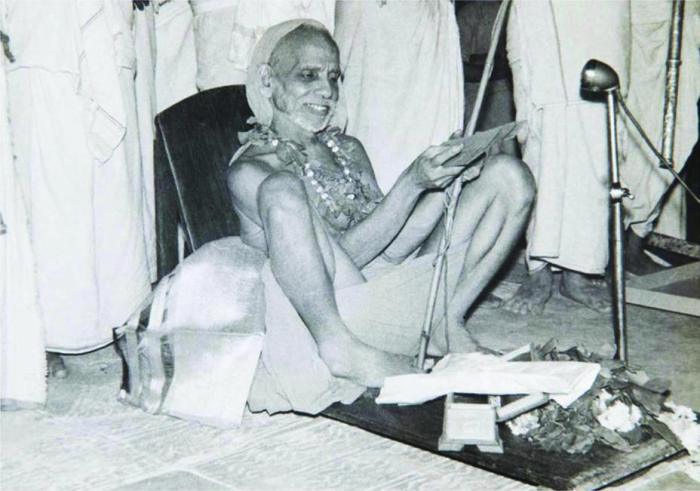
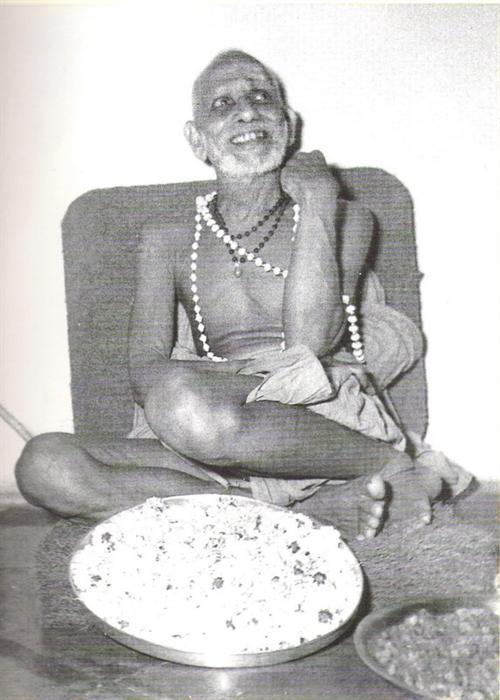
periyava_sitting

Compiled by London Swaminathan
Post No. 995 Date-22nd April

One of the greatest saints of modern India was Kanchi Jagadguru Sri Chandra Sekara Indra Saraswati known as Kanchi Paramacharya (1894-1994). He was a great scholar in various subjects. Well versed in the Vedas and its branches he could explain anything logically and impress even the scientists. I have culled out some of the important points on the Sanskrit language he made in his lectures from 1930s.

“Goddess Amba is the Mother of all of us, at all times. She is the Mother of all creatures that includes birds and insects. They are all our brothers. If we worship Her as our Mother She will come in that from and bless us. Great men have done this and received Her blessings. Great poet Kalidasa was Her devotee. He got the gift of the gab by Her blessings. Another person was Muka Kavi. He was dumb and prayed to Goddess Kamakshi at Kancheeurama and became a great poet. He had composed 500 beautiful poems. If one does not know Sanskrit, one cannot enjoy it. To enjoy the beauty of words of our Bhagavatpada (Adi Shankara), one needs knowledge of Sanskrit. At least for the sake these three (great poets) all must study Sanskrit.

Madras discourse of Kanchi Paramacharya on 14-10-1932. (This is my rough translation from Tamil), page 101/102 of Sri Jagaguruvin Upadesangal, First Part, published by Sri Kamakoti Kosathanam, Madras-1, Year 1933, 2nd Edition 1957

sanskrit

Sanskrit is the Life of all Languages

Sanskrit belongs to everyone. It hasn’t got its own territory. It does not belong to any country. Languages such Tamil, Telugu, Hindi belong to some regions. Sanskrit has not got any such geographical affiliation. Some people call it a dead language. My mother had another child before me. My mother was an enlightened soul (Jnani). That child died. My mother did not cry. My mother loved me so much. One day I looked at her face and said to her, “ Mum, when my elder brother died you did not cry. If I die will you cry or not?”
“You are also a son to me like him. He died in body. You die in your mind”, she said to me. What she wanted was that I should have a dead mind (non detached). Sanskrit is also like that.
If someone owns something there will always be a fear (of losing it). Sanskrit is found in all places. All the existing languages have Sanskrit words. Most of the languages were born from Sanskrit. In our spoken Tamil lot of Sanskrit words are mixed. What is death? What can die? Only body can die. When the life breath goes out, it dies. Sanskrit is the life of all the languages. Our religion and language were there throughout the world. Vedas are the foundation of our religion. Once again all may join together and become one. If we tell this to everyone with love and without ego, they will listen to us with great interest. They will see eye to eye with us. Then this religion will spread far and wide like it was before.
Madras discourse of Kanchi Paramacharya on 12-10-1932. (This is my rough translation from Tamil), page 79/80 of Sri Jagaguruvin Upadesangal, First Part, published by Sri Kamakoti Kosathanam, Madras-1, Year 1933, 2nd Edition 1957.
Sanskrit14

Tamil and Sanskrit

After composing Tirukkural, the author (Tiruvalluvar) went to Madurai. Many poets praised the work. In Tiruvalluva Malai, which contains these praises, one poet says, “I thought about the question, which is superior Tamil or Sanskrit? Sanskrit and Tamil are equal in their greatness. We cannot say that one is superior to the other. The reason is that the Vedas are in Sanskrit and now we have this Kural in Tamil”. Why is Sanskrit considered a great language? In his praise of the Tirukkural here the poet gives the answer: It is because the Vedas are in that language.
Page 47 of Hindu Dharma, Bharatiya Vidya Bhavan, Bombay, Year 2000.

Sanskrit is the repository of ‘Atmic’ and religious sastras, a store house of poetry and works on arts. Everyone must learn to regard it as “our own language”.
Page 620 of Hindu Dharma
skt

Sanskrit is the language of all mankind; it is an international language and also the language of the gods. The gods are called ‘Girvanas’; so Sanskrit is called ‘Girvani’. While the emperor of Tamil poetry, Kambar, describes it as the Devabhasa, the Sanskrit poet Dandin calls it ‘davi vak’ (Divine Speech) in his Kavyadarsa ( ‘samskrtam nama daivi vak’).
Page 328 Hindu Dharma

About 800 years ago, Sanskrit was the language of administration not only in india but also in greater india namely, countries of the far east like Siam, Cambodia, Java and Bali (Indonesia). Sanskrit inscriptions in stones and copper plates are found in those places.
Acharya’s Call, Vol. 1, B.G.Paul & Co, Madras (1957 – 1960 Discourses)

Well Constructed

Sanskrit has no syllable that is indistinct or unclear. It has no word that cannot be traced to its root. Whatever the word it can be broken into syllables to elucidate its meaning. Sanskrit is sonorous and auspicious to listen to. You must not be ill disposed towards such a language, taking the narrow view that it belongs to a few people.
Page 328 Hindu Dharma
skt 2

All Sounds are in Sanskrit

Sanskrit has got all phonemes (sounds). In fact there is no sound vocalised by humans that is not present in that language. It has the f sound. ‘Zha’ is not, as is usually imagined, unique to Tamil. It exists in the Vedic language which is the source of Sanskrit. The ‘da’ in the Yajur Veda has to be pronounced as zha in the corresponding page in the Sama Veda. The three dot symbol ‘Aytam’ is present in Sanskrit also. There is a Panini sutra ‘h kap pauc’. According to it if a visarga comes before a word beginning with ka (Ramah + Karunakarah) , it will not have the h , as mentioned before, but of h as in aytam. Here it is the visarga that is the aytam that becomes the f before pa-kara.

What Tamils call ‘kutriyalukaram’, is present in Sanskrit also. In Sanskrit the vocalic ‘r’ and ‘l’ are not included among the consonants, but regarded as vowels.

There is no short ‘e’ or ‘o’ in Sanskrit. I felt this to be a minus point. On going through Patanjali’s commentary on the sutras of Panini, I discovered that Sanskrit too had these short vowels and it was a comforting discovery. Patanjali says that, in chanting the ‘satyamugri ranayaniya sakhas’ of the Sama Veda, the short e and o are used. Thus Sanskrit embraces all the sounds it has also a script in which the sound of every letter is determined with utmost accuracy.
Page 294/295 Hindu Dharma

As the language of the gods it brings divine grace. The sounds of Sanskrit create beneficial vibrations of the ‘nadis’ and strengthen the nervous system, thereby contributing to our health.
Page 328 Hindu Dharma

skt3
Sanskrit knowledge converted a Non Vegetarian

Talking about Vegetarian and Satvic (fruits) food, Paramacharya said,
“One Britisher, who thought that Indians were uncivilised and their food was inferior, was getting meat every day from America and eating. He started learning Sanskrit. One day he heard “sushkai trunaih vanagajaha balino bhavanti” a Sanskrit sloka. After hearing, he changed his mind. He stopped eating meat. Which animal is powerful? Elephant. What does it eat? Grass and leaves. Some of you may question that lion is powerful than elephant. It is not so. Lion cannot pull heavy weights like bull. So the works of non-vegetarians like lions will be useful for destruction. For satvikaharies, entire world looks beautiful.
Lecture in Telugu on 25 January 1968 at Vuyyuru, Andhra Pradesh

The Vedic language is not Sanskrit but “Chandas”. Chandas means not only metre but also the Vedas which are metrically composed as well as the language of the Vedas. The language used in ordinary speech, poetry, the Puranas, the epics, other writings is Sanskrit. The Vedic language alone is Chandas. When Panini makes a reference to the Vedas he says , “Iti Chandasi” and when he refers to any question relating to Sanskrit he says, “Iti Loke”.

Sanskrit, which evolved through a constant process of ‘samskrta’ or refinement contains many words drawn from the Vedic language. But if there is a language that is based entirely on sounds meant for the well being of mankind it is Chandas (the Vedic language).
skt4

‘Krtam’ means created, ‘samskrtam’ (Sanskrit) means well created. It would thus mean that the language called Sanskrit was created with great effort and care.
Pages 740 of Hindu Dharma

Contact swami_48@yahoo.com
great_sanskrit_plays_ack19

How Great Universities of Ancient India were burnt down to ashes!

Jaulian-Taxila-Travel-Guide
Thakshasila University ruins.

Written by London swaminathan
Post No. 993; Dated 21st April 2014.

The scale stick for measuring the culture and civilization of a community is education. We can easily say who is advanced in education than whom. We have more than 20 poetesses in Rig Veda and over 20 poetesses in Sangam Tamil literature. The Rig Veda is the oldest religious scripture in the world. If it can boast of educated women who were well versed in poetry and religion in such a remote period as 1500 BCE, there was no community in the world that was more educated than Hindus. This is supported by Maitreyi and Gargi who attended big conferences or involved in philosophical discussions. We must remember that when all this happened that no one in the western world had any literature at all. All that we had at that time was some literature in Hebrew, Chinese and extinct languages of the Middle East and Egypt in Africa.

Continuing this trend, we read about very big universities of ancient India. They were so big—so huge— there was nothing available in any part of the world to compare them with. Kancheepuram in the south was one of the ancient universities. Madurai was the seat of Tamil Academy. We had three such academies and two of them were devoured by the sea. Tamils lost lot of books in those natural catastrophes. Kancheepuram came under attack from several invaders.

In the north we had three great universities in Takshasheela (Taxila), Vikramaseela and Nalanda. All these universities were burnt down to ashes by the invading Muslim armies. They did not believe in secular arts, music, literature and dance. In fact music and dance were considered anti religious by them. They were fanatics who believed only in their religion. Nalanda University and its library were burning for several weeks according to the accounts of travellers. Even the recent excavation at Vikramaseela showed thick layers of ashes and the archaeologists commented it was the evidence of the arson attacks by the invaders.
A short profile of each of these universities will give us some idea about the greatness of such institutions:–

These universities were residential. In India even the elementary school education was residential. I don’t think this system existed anywhere else in the world. Students were sent to teacher’s house and they stayed with them until they were 20 or 24 years old. In the case of Svetaketu son of Uddalaka, he came back home at the age of 24. It looks like he had continuous education for 19 years from the age of five.

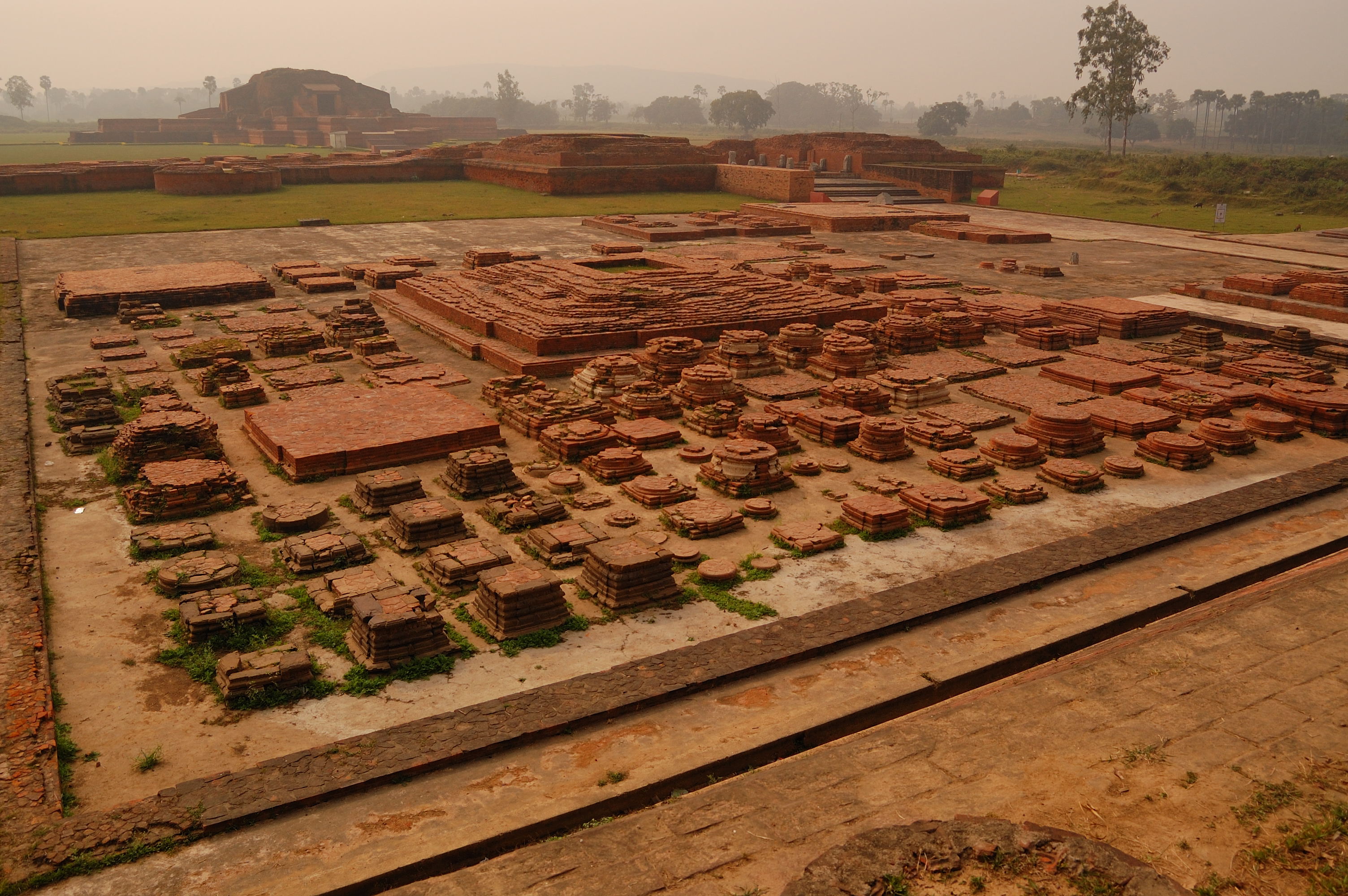
VikramshilaRuins
Ruins of Vikramasila University

Vikramasila
The university accommodated 8000 students. A teacher got the title Kulapati when he had 10,000 students. It may mean probably, during his life time he had taught or oversaw 10,000 students. Kanva Rishi was one of the Kulapatis. Kalidasa listed the subjects he taught.

Takshasila
Modern Taxila is in Pakistan. Once it was a famous university. Historians are never tired of showering eulogies on it. Buddhist Jataka tales mentioned it in over 100 places. Famous professors taught the Vedas and other arts. Jivaka was the most famous medicine man of ancient India who charged big fees for operations (surgeries). He was the student of Takshasila. His fees are in the Jataka tales. Rishi Atreya was the one who taught medicine to him and King of Kosala. Pali and Sanskrit were the medium of education. 16 faculties including painting, music, dancing, sculpture, grammar and languages were there. Invading Huns destroyed this university. This university taught thousands of students every year for one thousand years from 600 BC to 500 AD. The Huns from central Asia destroyed it completely.

Nalanda

Nalanda was more famous than other universities. Both vikramasila and Nalanda were in modern Bihar. Four successive kings Sakraditya, Buddha Guptas Tataghata Guptas and Baladitya were the patrons of this university.
10,000 students studied here. They were Buddhist monks. In addition to religion , arts and languages they studied Maths, Astronomy and logic. Six colleges were affliated to it. The nine storied library Ratna nidhi was very famous. A lot of students came from South Asian countries.
Both Nalanda and Vikramasila were destroyed around 1200 CE (AD) by the invading armies. Chinese travellers have written lot about these universities.
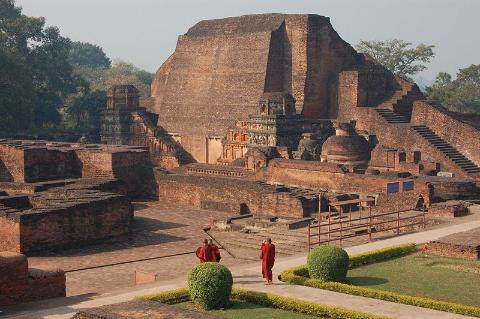
nalanda_university.jp
The famous Indian University in Nalanda

Nadiya (Nawadveepa)

Nadiya university was famous for learning Sanskrit, Vedas and its six Darsans (systems). Muhammadan invasion of 1203 destroyed it completely.

swami_48@yahoo.com

Beautiful and Tranquil Hermitages of Ancient India

animal fables

By London Swaminathan
Post No. 991; dated 20th April 2014.

The hermitages of famous ancient seers were on the slopes of the Himalaya and the southernmost hill of India, Pothiyil (Malaya). They were situated in beautiful spots with lot of natural scenery. Those places were refuges for animals and birds. The atmosphere was very tranquil. No one could kill any animal or bird or destroy the plants. The descriptions of such hermitages are in the two great epics and Sanskrit dramas of Kalidasa and Bhasa, the two great playwrights of ancient India. I give below some passages from ‘Sakuntalam’ of Kalidasa and ‘Svapnavasavadatta’ of Bhasa.

Sakuntalam by Kalidasa

Act 1
Ascetic: The deer is of the hermitage. O,King! He should not be killed.

King : It (arrow) is withdrawn.

Ascetic : We are on our way to gather wood for the sacrificial fire. There, clinging to the slopes of the Himalaya, along the banks of the Malini is visible the Hermitage of our Guru, the Patriarch Kanva where Sakuntala dwells like its guardian deity.

“When you behold the sages rich in holiness
Immersed in the tranquil performance of holy rites
Free of impediments, you will know how well
Your arm scarred by the oft-drawn bowstring protects”.

africa

King : Grains of wild rice fallen from tree hollows
Where parrots nest, lie scattered under the trees;
Those stones look moist, glossy, from the oil
Of ingudi-nuts split and pounded on them;
All round, deer browse in their tranquil haunts,
Unafraid of the chariot’s approach; yonder
Drops of water dripping off the edges of bark-garments
in long lines, trace the paths to pools and streams.
(And you see further)

Beneath a passing breeze, waters flow
In deep channels to leave the roots of trees;
Smoke drifts up from oblations to the Sacred Fire
To dim the soft sheen of tender leaf buds;
Free from fear, fawns browse lazily in meadows
Beyond where dharba-shoots are closely cropped
Suta : Yes, Sir, everything is as you say.

okhla bird sanctuary,hindu

King : Suta, Let us not disturb the peace of the Hermitage; stop the chariot right here and I shall get down. Hermit groves should be visited modestly attired. So, here are my jewels and bow (hands them over to the charioteer). Tranquil is the hermitage; I shall go in.

Sakuntala and her friend discussed how much Kanva loved the plants and Sakuntala said to her friend that she was treating the plants as her sisters – and same with the birds and deer in the forest.

The above conversation and description show us Kings did not even go there with their royal dress. They removed all the jewels and arms before entering an Ashram (hermitage). The hermits’ daily routine was to gather firewood for the Fire Sacrifice, extracting oil from the Ingudi nuts. Whenever an ashram is described they always mention the fire and smoke. The ancient Sangam Tamil literature (Purananuru) also mentioned it. Even the deer were so lazy because of no fear from wild animals are hunters. The hermitages were famous for hospitality. Anyone goes there to show respect to the ascetic can have food and shelter.

lotus beauty
Bhasa’s Decription:–

The following passages from Svapnavasavadatta illustrate these points more clearly:

Act 1
Yaugnadharayana: Self possessed dwellers of the hermitages live satisfied with the fruits of the forest. They deserve respect. They wear bark garments.

No rough treatment should be accorded to the inmates of the hermitage; to avoid the insults that are received in a city these high –souled persons come to and reside in a forest.
Chamberlain: So it is her (Vasavadatta’s) intention to take her residence in the hermitage today. So you may bring from the forest the holy water, sacrificial sticks, flowers and dharba grass which form the wealth of the ascetics.

Female ascetic: Come in, dear child, come n. Penance groves are indeed, in the case of visitors, their own homes.

The hermitage is one in which all the ascetics are quite content.
Brahmana: The deer are roaming about freely and without taking fright, full of confidence engendered by the place as being secure; the trees with their branches loaded with flowers and fruits are all tended with kindness. The herds of cow that form the wealth are for the most part brown coloured. The quarters disclose no fields and this smoke is rising from many sources (huts).

beatles-ashram-huts-II

Chamberlain: A hermitage, as is well known, is common to all people.

The above short description shows that the sages had contented life. They ate fruits and cooked grains along with fruits and nuts. Birds like parrots were living near the huts of the hermitage. Seers ate fruits and vegetables along with dairy products. Ascetics helped every visitor with food or fruits. They had only vegetarian food. They lead a simple life with minimum needs. They gave shelter to others. Female ascetics also lived in the hermitages 2000 years ago.

contact swami_48@yahoo.com

Beautiful Quotations from a Great Playwright

bhasa_idg896

Post 988; Dated 18th April 2014.
Compiled by By London Swaminathan

Bhasa is one of the greatest playwrights of the world. His 13 plays in Sanskrit were rediscovered in Kerala in 1912. He lived in the fourth century BCE. He is one of the greatest playwrights of the world for the number of plays he wrote and for the quality of the plays. He was praised by Kalidasa, the greatest poet of India. Probably Bhasa is the oldest playwright of India because we did not get the plays of earlier writers mentioned by Kalidasa and others. By the language, style and the theme he dealt with, we have to place Bhasa in the fourth century BCE. All others except Bhasa followed the rules laid down in the Natyasastra and this proved his antiquity.

Here are some quotes from ‘Svapnavasavadatta’, his masterpiece and one of the best dramas available today:—

Ignorance
1.Even deities, when not clearly known are insulted.

Wealth
2.The cycle of fortune of the world revolving with the course of time, moves like the spokes of a wheel.
Kalakramena jagatha: parivarthamana
Chakrarampankthiriva gachathi bhagyapankthi:

Hermits
3.No rough treatment should be accorded to the inmates of a hermitage; to avoid the insults that are received in a city these high souled persons come to reside in a forest.

Bright (Intelligent Look)
4.Good, his look is full of practical knowledge.

Attitude
5.Hatred or high regard springs from the mind’s view point (looking at a thing).

Guests to hermitages
6.Penance groves are, indeed ,in the case of visitors, their own homes.

Fate
7.Surely fate does not go beyond the well tested declarations of the seers.

Hermitage
8. A hermitage, as is well known, is common to all people.
( All the above quotes are from Act 1)

great_sanskrit_plays_ack19

Beauty
9.That is really called beauty which has a charm for the minds of all.

Great men
10.The hearts of great men are such as yield to the first onslaught (of grief); but they are easily composed (afterwards).
(From Act 2 )

Husband
11.It is improper to hear the description of another’s husband.
(From Act 3)

Fate
12.Fate is intransgressible
Anthikramaniyo hi vidhi:

Grief
13.It is difficult to forget deep rooted love; grief revives at each remembrance. It is the course of nature that on shedding tears in this world the mind attains freshness, having a debt paid off.
Courtesy
14.Even the servant of a courteous man is himself also courteous.
(From Act 4)

Women
15.Woman is timid by nature.

Honour
16.Honour met with reciprocal honour, begets affection.
So let your Honour rise.

Appreciation
17.The conferrers of mighty benefits and of high honours are always easily found in the world, but their appreciators are rare.
(From Act 4)

complete_plays_of_bhasa_text_with_english_translation_idg381

Enterprise
18.No enterprising spirit manifests itself in those, who are timid or weak; generally royal fortune is enjoyed by the energetic alone.

19.Who is able to protect whom at the time of death? Who support the pitcher when the rope is cut? Thus man fares equally with trees: each is cut down (dies) when his time comes and grows again (born).

Difficulty
20.How could such lovely complexion meet with terrible destruction! How was this sweetness of face despoiled by fire?

Resemblance
21.Resemblance of form existing between two persons is seen in this world
Returning borrowed things
22.A deposit ought to be returned in the presence of witnesses
(From Act 6)

Contact swami_48@ yahoo.com

சீதை சொன்ன காகாஸுரன் கதை!

ram gem

By S Nagarajan
Post No.986; Dated 18th April 2014.
அத்தியாயம் 23

சுந்தர காண்டத்தில் அனுமன் சீதையைக் கண்டு மன மகிழ்ச்சி கொண்டு தன் விஸ்வரூபத்தைக் காண்பித்துத் தன்னுடன் உடனடியாக ராமரிடம் வருமாறு வேண்ட அதற்குச் சீதை மறுத்து ஸ்ரீராமரே தன்னை வந்து மீட்டுச் செல்ல வேண்டும் என்று தன் திருவுள்ளக் கருத்தை வெளியிடுகிறார். அப்போது ஹனுமான் சீதையிடம் ஒரு அடையாளம் தர வேண்டுமென்று விண்ணப்பிக்கிறார் உடன் சீதை தன் சூளாமணியைத் தருகிறார். அத்தோடு முன் நிகழ்ந்த காகாசுரனின் கதையையும் அடையாளமாக ஹனுமானிடம் சொல்கிறார். 38வது ஸர்க்கமாக அமையும் சீதை சொன்ன காகாசுரனின் கதை இது தான் :-

சித்திரகூடமலையில் வடகீழ் தாழ்வரையில் உள்ளதும் மந்தாகினிக்கு ஸமீபத்தில் உள்ளதும் ஏராளமான கிழங்குகளும், கனிகளும், தீர்த்தங்களும் அமைந்த சித்தாஸ்ரம்ம் என்னும் ஆஸ்ரமத்தில் ஒரு ப்ரதேசத்தில் ஜலத்தில் பலவகை மலர்களால் நறுமணம் வீசிகிற நெருங்கிய சோலைகளிலும் அலைந்து களைத்து தபஸ்விகளின் ஆசிரமத்திலிருந்து வந்த நீர் என் மடியில் படுத்திருந்தீர்,
அப்போது மாமிசம் உண்பதில் ஆசையுற்ற ஒரு காகம் கூரான மூக்கால் என்னைக் குத்திற்று. அந்தக் காகத்தை மண்ணாங்கட்டியால் பயமுறுத்தி விரட்டினேன்.
ஆனால் மாமிசத்தை விட விரும்பாத அந்தக் காகம் என்னைக் குத்திய வண்ணமே அங்கேயே சுற்றிக் கொண்டிருந்தது. நான் காகத்திடம் சினந்து என் அரைநூல் மாலையை மாத்திரம் கழற்றவும் அதனால் ஆடை நழுவி வீழ்கையில் உம்மால் பார்க்கப்பட்டேன்.

தீனியில் ருசி கொண்ட காகத்தால் குத்தப்பட்டு கோபம் மூட்டப்பட்டுக் களைத்திருந்த நான் உம்மால் பரிஹாஸம் செய்யப்பட்டேன். அதனால் மிகவும் வெட்கம் அடைந்தேன். அப்படியிருந்தும் உம்மிடமே வந்து சேர்ந்தேன். உமது மடியில் வந்து உட்கார்ந்தேன்.முகம் மலர்ந்திருந்த உம்மால் கோபமுற்றிருந்த நான் தேற்றப்பட்டேன்.

நாதா! முகமெல்லாம் கண்ணீர் நிரம்பி இருக்கக் கண்ணீரை மெதுவாகத் துடைத்துக் கொண்டிருந்த என்னை அதிகம் கோபம் கொண்டவளாக அறிந்தீர்.

ram in frame

நான் மிகவும் களைப்பால் அப்படியே உமது மடியில் படுத்து உறங்கினேன் நீரும் என் மடியில் கண் வளர்ந்தீர். அப்போது அதே காகம் மறுபடியும் வந்தது. தூங்கி எழுந்திருந்த என்னை மார்பில் கீறிற்று.
அப்படிப் பல தடவை பாய்ந்து பாய்ந்து என்னைக் கீறவே அப்போது சொட்டிய ரத்தத் துளிகளால் ஸ்ரீ ராமர் எழுந்தார்.

அவர் என் மார்பகங்களில் காயப்பட்டதை அறிந்து சினம் கொண்டு,” “உனது மார்பு எவனால் புண்படுத்தப்பட்டது? ஐந்து தலை நாகத்துடன் எவன் விளையாடுகிறான்?”, என்று கேட்டு சுற்றுமுற்றும் பார்த்து காகத்தைக் கண்டார்.

அந்த காகம் இந்திரனுடைய மைந்தன். கதியில் வாயுவுக்கு நிகரானது. அது அங்கே உடனே அங்கிருந்து மறைந்து விட்டது. கோபம் கொண்ட ராமர் தர்ப்பாஸனத்திலிருந்து ஒரு புல்லை எடுத்து பிரம்மாஸ்திர மந்திரத்தை மந்திரித்தார்.அது ஊழித்தீயெனப் பற்றி எரிந்தது. காகத்தைத் துரத்தியது.
உலகனைத்தும் ஓடி ஓடிக் களைத்த அது ராகவரையே சரணம் அடைந்தது.சரணம் என்று தம்மை வந்து அடைந்த காகத்தை நோக்கி,”பிரம்மாஸ்திரத்தை வீணாகச் செய்ய முடியாது. ஆகையால் வழி சொல்” என்றார் அவர்.

காகம், ‘அஸ்திரம் என் வலது கண்ணை அழிக்கட்டும்’ என்று கூறவே பிரம்மாஸ்திரம் அதன் வலது கண்ணை அழித்தது.

அது முதல் காக்கைகளுக்கு ஒற்றைக் கண் என்பது தெரிந்த விஷயம் என்று இப்படி காகத்தின் நீண்ட வரலாற்றை சீதை கூறி அருளினார். பின்னர் தன் சூடாமணியை ஹனுமானிடம் தந்தார்.

ததௌ வஸ்த்ரகதம் முக்த்வா திவ்யம் சூடாமணிம் சுபம் I
ப்ரதேயோ ராகவாயேதி சீதா ஹனுமதே ததௌ II

-சுந்தர காண்டம், முப்பத்தெட்டாவது ஸர்க்கம், எழுபதாவது ஸ்லோகம்

தத: – அப்பொழுது வஸ்த்ரகதம் – வஸ்த்ரத்தில் முடிந்திருந்த சூடாமணிம் – சூடாமணி என்னும் திவ்யம் சுபம் – திவ்ய ஆபரணத்தை முக்த்வா – அவிழ்த்தெடுத்து ராகவாய – ராகவருக்கு ப்ரதேய – சேர்த்து விட்டேன் இதி – என்று சொல்லி சீதா ஹனுமதே ததௌ – சீதை ஹனுமானிடம் தந்தாள்

இந்த சூடாமணியைக் கண்டவுடன் தான் ராமருக்கு உயிர் வந்தது. முக்கியமான ஒரு கட்டத்தை வால்மீகி விளக்குகையில் சூடாமணி தரப்பட்ட இந்த ஸ்லோகம் அர்த்தமுள்ள ஸ்லோகமாக அமைகிறது. காலம் காலமாக கேட்பவரின் மனத்தை உருக வைக்கும் கவிதையாகவும் ஆகி விட்டது.
contact swami_48@yahoo.com

Vedic Hymn — better than National Anthems!

kancci anandam

Compiled by London Swaminathan
Post no.— 985; Dated 17th April 2014.

Hindus’ Views on Vedas

It has become a fashion among Indian scholars to quote what foreigners said about our Vedas in English or German. Half of them are negative remarks. Even when they praised it was divided on racial basis such as Aryan, Dravidian and Munda. They have even gone to the extent of dividing Hindu Gods into Aryan and Dravidian without any rhyme or reason. In most of the places they remark the meaning is obscure or not clear. Sometimes they make fanciful suggestions. They don’t agree with our dating. We have had enough of Max Mullers and Griffiths. Since we have no mention of any racial differences in our Hindu scriptures, whether it is Tamil or Sanskrit, one must first listen to native scholars who are well versed in the Vedas. One must trust their father and mother or an elder in the community for the opinion on the Vedas. Then we must study what foreigners say about us and counter it or appreciate it.

Here are some of the quotes from Hindu saints or Hindu scholars:–

“It is not possible to tell the age of the Vedas. If we say that an object is ‘anadi’( without beginning) it means nothing existed before it. When we chant the Vedas in the manner prescribed by sastras, we mention name of the seer connected with each sukta (hymn), its metre and the deity invoked. Since there are many mantras associated with various seers we think that they were composed by them. Vedas are ‘apauresheya’(not man made); it means not the work of any man. When we say Columbus discovered America we do not mean he created that continent; we mean that he merely made the continent known to the world. In the same way the laws attributed to Newton, Einstein and so on were not created by them. Scientists like Newton perceived the laws of nature and revealed them to the world. Similarly the seers discovered the mantras and made a gift of them to the world.
Kanchi Paramacharya Swami (1894-1994)
Page 138 of Hindu Dharma, B V Bhavan, Bombay, 1995

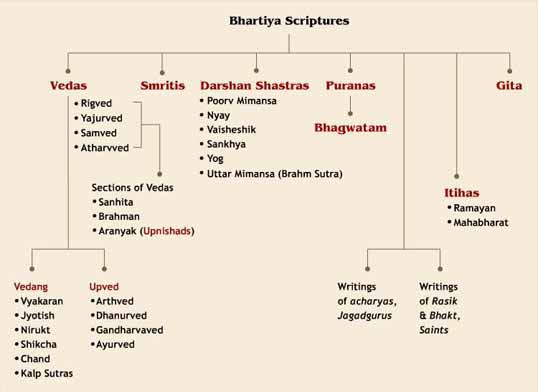
chart of scriptures

“Modern Indologists are of the view that the Rig Veda came first, that the Yajur Veda came later and so on. But, according to our sastras, all Vedas are eternal. In the Rig-Veda itself, the Yajur Veda and the Sama Veda are mentioned in a number of passages. In the Purusasukta occurring in the Rig Veda (10-90) there is a reference to the other Vedas” — Kanchi Paramacharya (1894-1994)

Better than National Anthems!
The Rig Veda has 10,170 rks and 1028 suktas (hymns). It is divided into ten mandalas (chapters/ divisions) or eight ashtakas (Chapters). It begins with a sukta to Agni and concludes with a sukta to the same deity. For this reason some believe that the Vedas must be described as the scripture of fire (Agni) worship, a view with which we would be in agreement, if Agni were believed to be the light of the Atman (the light of knowledge of the Reality). The concluding sukta of the Rig Veda contains a hymn that should be regarded having a higher significance than the national anthem of any country: it is a prayer for amity among all nations, a true international anthem “may mankind be of one mind”, it goes. “May it have a common goal”. May all hearts be united in love and with the mind and the goal being one may all of us live in happiness”.
Kanchi Paramacharya, Page 193 of Hindu Dharma, B V Bhavan, Bombay, 1995

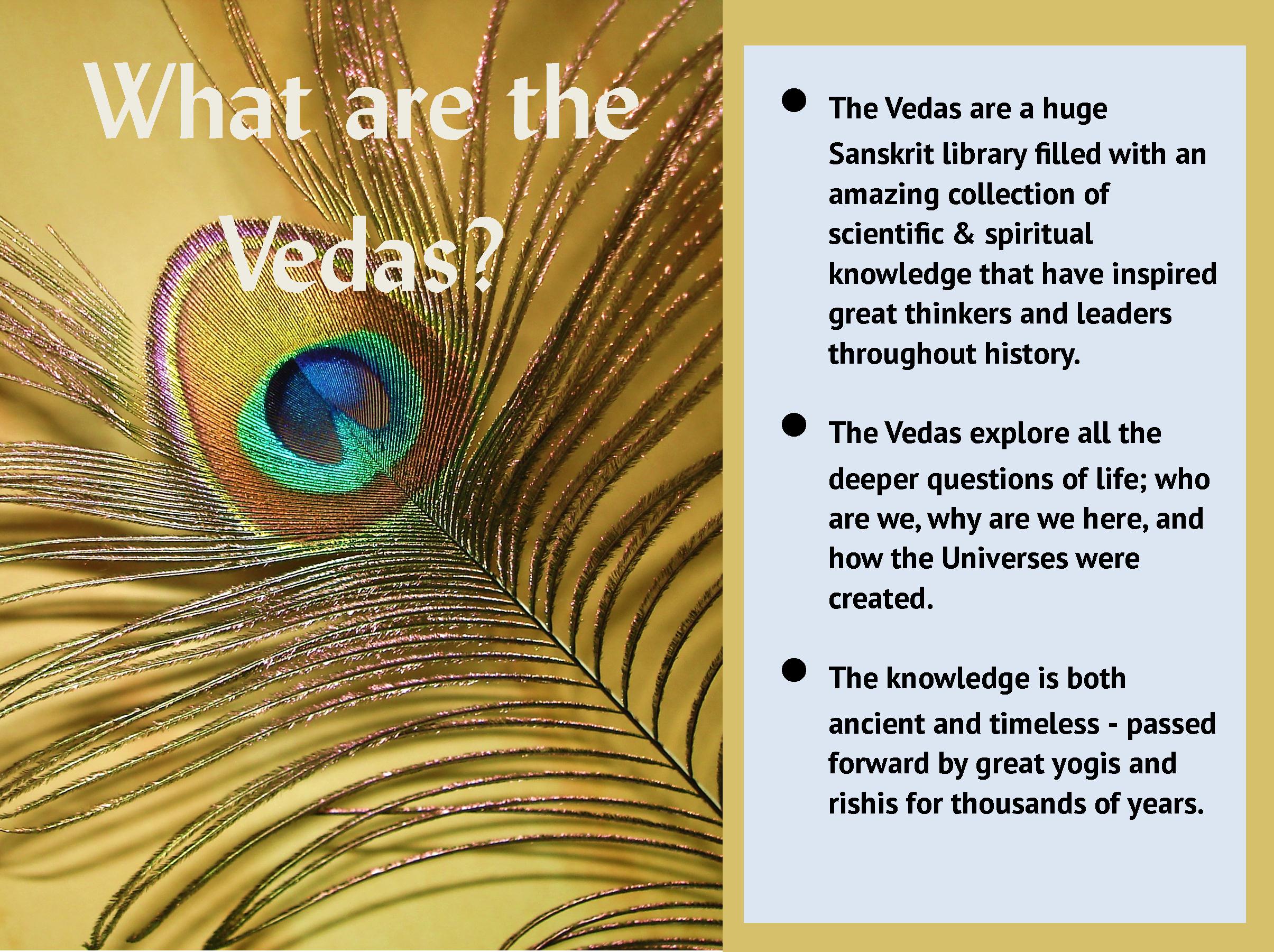
what are vedas

Don’t you like Kushmanda Lehya?
“ There are mantras that are specially valuable for their sound but or otherwise meaningless. Similarly, there are works pregnant with meaning but with no special mantrik power. The glory of the Vedas is that they are a collection of mantras that are at once notable as much for the energising character of their sound as for the lofty truths they proclaim, a medicine, though bitter does the body good, while some types of food, though delicious, do harm. Are we not delighted to have something like Kushmanda Lehya (an Ayurvedic preparation consisting of ash gourd, jiggery and other ingredients) which is sweet to taste and is at the same time nourishing to the body? Similarly, the Vedas serve a two fold purpose; while they have the mantrik power to do immense good to each one of us and to the world, they also contain teachings embodying great metaphysical truths” — Kanchi Paramacharya Swamiji

Page 168 of Hindu Dharma, B V Bhavan, Bombay, 1995

Veda enlightens one on the knowledge of super sensible matters which lie beyond the domain of perception and inference.
Yajnavalkya

The Veda is the repository or fountain head of all religious sects and duties.
Manu, the Hindu Law – Giver

The process of God making in the factory of man’s mind cannot be seen so clearly anywhere else as in the Rig-Veda.
Dr S Radhakrishnan (Ex President of India and Philosopher)

Vedic sages are positive in their acceptance of life and death and life’s struggles and imperfections; positive too, in their acceptance of the ultimate vales of truth, goodness, beauty and of eternal law and the Ultimate Reality.
Abinash Chandra Bose, 1954
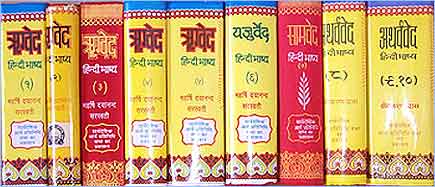
4 vedas

One may clearly discern the rational and scientific spirit in the hymns of the Rig-Veda, the earliest written record of ancient Indian culture, and probably the oldest literary work of some dimension that humanity has bequeathed us.
R S Majumdar, 1954

The four Vedas are the richest, brightest ,most magnificent heritage of the Hindus. They embody all their wisdom, poetry, metaphysics and mysticism. Sri Aurobindo is of the opinion that the Vedas are replete with the suggestion of secret doctrines and mystic philosophies. He looks upon the gods of the hymns as symbols of psychological functions.
P. Nagaraja Rao, 1971

The Vedic texts exist in appearance only, because the real thread of the sense is to be found in an inner meaning. The thread found, the hymns appear as logical and organic wholes and the expression, though alien in type to our modern ways of thinking and speaking, becomes, in its own style, just and precise and shines rather by economy of phrases than by excess, by over-pregnancy rather than by poverty of sense. The Veda ceases to be merely an interesting remnant of barbarism and takes rank among the most important of the world’s early scriptures.
Sri Aurobindo, 1956

Veda is the creation of an age anterior to our intellectual philosophies.
Sri Aurobindo, 1956

veda-online
The Vedas are the basic scriptures of Hinduism. Among the four Vedas rig Veda, Yajur Veda, Sama Veda and atharva Veda, the first one is considered the most ancient work dating back to about 8000 years ago.
Rig Veda is a collection of prayer hymns. Yajur Veda deals with sacrificial rites and rituals. The Sama Veda has set to music a selected number of hymns from rig Veda, prescribing their chanting at appropriate stages in certain sacrifices. The atharva Veda is mostly a compendium of ethical principles as also some branches of science like Ayurveda.
Swami Vivekananda 1885

Even today we can meet in the streets of indian cities the walking treasure house of Vedic learning.
Dr S Radhakrishnan, 1923

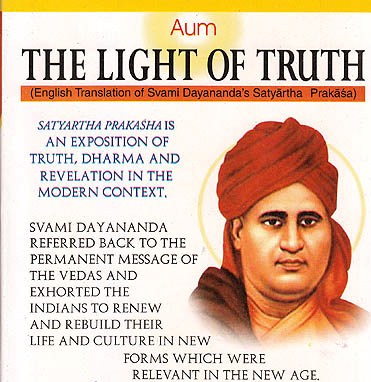
dayanand

The Vedas were handed down from mouth to mouth from a period of unknown antiquity. It is generally believed that they were never composed by men. It was therefore generally supposed that eithy were taught by god to the sages or that they were of themselves revealed to the sages who were the seers of the hymns.
Surendranath Das Guptas, 1922

The Treasury of Hinduism by Harischandra Lal Singh, Robin Books, 2002

Contact swami_48@yahoo.com

நார்வேயில் ‘சம்பாஷணை முழுவதும் ஸம்ஸ்கிருதத்தில்’

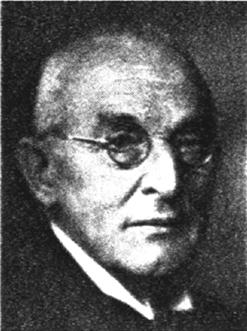
konow_sten
Picture of Norwegian Sanskrit scholar Sten Konow.

Compiled by London Swaminathan
Post No 953 Dated 4th April 2014

Part 4 அரியநாயகிபுரம் ஐயரின் வடதுருவ யாத்திரை………………………….
இந்த நாலாவது பகுதியுடன் இந்தத் தொடர் நிறைவுபெறுகிறது.
தொகுத்தவர் லண்டன் சுவாமிநாதன்

“இங்கிலாந்தில் புகழ்பெற்ற சிறந்த வித்தியாசாலையுள்ள ஆக்ஸ்போர்ட் என்ற நகரத்தைப் பார்க்கப் போயிருந்தேன். அவ்விடமுள ஸம்ஸ்கிருத புஸ்தகசாலை அதிகப் பிரஸித்திபெற்றது ஸமீபத்தில் கூட நேபால் மகாராஜா அவர்கள் சுமார் 6000 ஏட்டுப் பிரதிகளை அப் புஸ்தகசாலைக்குக் கொடுத்திருக்கிறார். இங்குள்ள உயர்தரக் கல்லூரியில்தான் மியாக்ஸ் முலர் என்ற (இப்பொழுது ஸ்வர்கலோகத்தில் வாஸம் செய்கிற) புகழ்பெற்ற ஸம்ஸ்கிருத வித்வான் சுமார் 80 வருஷங்களுக்கு முன் ருக்வேத பாஷ்யம் முதலானவைகளை ஆராய்ந்து வெளியிட்டார். இப்பொழுது அவரது சீடர்கள் பலர் அநேக கலாசாலைகளில் உபாத்யாயர்களாக வாழ்ந்து வருகிறார்கள்.

நார்வேயின் பிரதான நகரமான ஓஸ்லோ போய்ச்சேர்ந்தேன். அவ்விடத்து வித்தியாலய ஸம்ஸ்கிருத பண்டிதர் பிரஸித்தி பெற்றவர். அவர் பெயர் ஸ்டென் கோநோ என வழங்கும். இந்தப் பண்டிதர் மூலமாக மகா மேரு யாத்திரா ஸௌகரியங்கள் கிடைத்தன. அங்கிருந்து புறப்பட ஒரு வாரமாயிற்று. நாள்தோறும் ஸ்டென் கோநோவுடன் வேதாந்த விசாரணை செய்வது வழக்கம். இந்த வித்வானுடைய ஆசாரத்தையும் ஞானத்தையும் நோக்கினால் நம் ரிஷிகளுள் இவரை ஒருவராகக் கொள்ளலாம். என்னை மேருப் பிரதேசத்துக்கு வழியனுப்ப மேற்படி பண்டிதர் தம் சீடர்களுடன், ரயில்வே ஸ்டேஷனுக்கு வந்திருந்தார்; சம்பாஷணை முழுவதும் ஸம்ஸ்கிருதத்திலேயே நடந்தது. எங்கள் சம்பாஷணை முடிகிற வரை ரயில்வே கார்ட் தூரத்திலிருந்து பெருந்தன்மையுடன் கவனித்துக் கொண்டிருந்தார். பிறகு அவர் நம் பண்டிதர் ஸமீபம் வந்து ரயில் வண்டியை விடலாமா வென்று கேட்டார். உடனே பண்டிதர் கடியாரத்தைப் பார்த்து, ஓ! பத்து நிமிஷம் அதிகமாகிவிட்டதே என்றார். அதற்கு கார்ட் துரை, “அதனால் குற்றம் ஒன்றுமில்லை. கீழ்நாட்டு வித்வானை ரயில் வண்டியில் உடகாரவைத்து அவர்கள் அனுமதியைப் பெற்று வாருங்கள். பிறகு நான் வண்டியை ஓடவிடுகிறேன்” என்றார்.

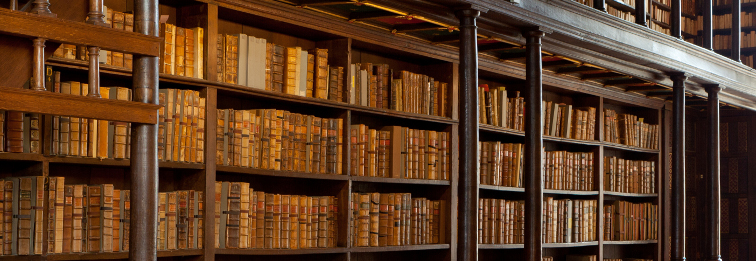
oxford bodleian libraries
Picture of Oxford Bodleian Library

இதை இவ்விடத்தில் தெரிவிக்கும் காரணம் மேல்த் தேசத்தில் ஸம்ஸ்கிருத வித்வான்களுக்குப் பொதுஜன ஆதரவு எவ்வளவு என்பதை விளக்குவதற்காகவே. பிறகு மாணவர் வழியனுப்புப் பாட்டை நார்வே பாஷையிற் பாடி எனக்குத் தம் குருவுடன் வணக்கம் கூறினர். கார்டு துரைக்கு ரயிலை விட அனுமதி கொடுத்தார்கள். நண்பர்களே இவ்விஷயம் இந்தியாவில் நடக்கக்கூடுமாவென்று யோசியுங்கள்.

(இதற்குப் பின் ஐயர் நார்வேஎ நாட்டு நள்ளிரவு சூர்ய தரிசனத்தை வருணிக்கிறார். மகாமேரு யாத்திரை என்ற இரண்டு கட்டுரைகளில் சுருக்கம் ஏற்கனவே வெளியிடப்பட்டது. ஆகையால் புத்தகத்தின் இறுதிப் பகுதியிலிருந்து சில விஷயங்களைக் காண்போம்)

ஐரோப்பா கண்டம் நம் இந்தியாவை விடச் சிறியது; ஆதலால் அடிக்கடி ஒரு நாடு விட்டு அடுத்த நாடு வரும்பொழுது சுங்கச் சாவடியாட்களின் சோதனை நடக்கும். ஏதாவது தவறுதல் நேர்ந்தால் உடனே அந்த யார்த்திரைக்காரனை கீழே இறக்கிவிடுவார்க.ள். சோதனையும் மிகக் கடுமையக இருக்கும். இந்தச் சோதனைத் துன்பம் எனக்குக் கொஞ்சம் கூடவில்லை. ஒரு யோக்கியதா பத்ரம் என்னிடத்தில் உண்டு. அதில் நான் “இந்தியாவில் ஒரு வைதீகப் பிராமணன்; ஆகார நியமம் உள்ளவன்; புகையிலை முதலானவைகளை நிந்திக்கிறவன்’ ஒரு ஆரியன்; வித்வான்; எல்லோராலும் உபசரிக்கத்தக்கவன்” என்று எழுதி இருந்தது; ஒவ்வொரு கஸ்டம்ஸ் ஆபீஸரும் என்னையும் என் தலைப்பாகை சால்வை முதலானவற்றை பார்த்தது,ம், யோக்கியதா பத்ரத்தைப் பார்த்தது,ம், எழுந்திருந்து வந்தனம் சொல்லி வினயத்துடன் போய்விடுவார்கள்.

ஜரூஸலத்தில் ஸ்வாமி புறப்பாடு

பக்கம் 73ல் ஜரூஸலம் பற்றி ஐயர் எழுதுவது:

இந்நகரம் ஐந்து மலைகளின் நடுவில் அமைக்கப்பட்டிருக்கிறது. முதல் மலை கிறிஸ்துவை விசாரணை செய்து சிலுவையில் அறைந்த இடமாகும்; இரண்டாவது மலையில் இப்பொழுது யூதர்கள் வித்தியாசாலை ஸ்தாபித்திருகிறார்கள். மூன்றவதில் ஜர்மன் சக்கரவர்த்தி தாம் வந்து இறங்குவதற்காகக் கட்டின அரண்மனையுள்ளது. ஐந்தாவதில் கிறிஸ்துமாதா ஸமாதி இருக்கிறது. இந்துக்கள் ஸ்ரீகாசியிருப்பது போல இந்த இடங்களில் மரணத்தை எதிர்பார்க்கும் கிறிஸ்தவர் பலர் நெடுந்தூரத்திலிருந்து வந்து காத்திருகிறார்கள். ஸ்ரீ கிறிஸ்துவின் ஸமாதி இந்த ஐந்து மலைகளுக்கும் நடிவில் உள்ளது. ஸமாதியின் மேல் ஒரு கண்ணாடிக் கூண்டு அமைக்கப்பட்டிருக்கிறது. அதைச் சுற்றிலும் பெரிய மண்டப முண்டு. ஸமாதிக்கு மின்சார விளக்குகள் போடப்பட்ட்டு அணையா விளக்கொடு பூஜை நடக்கிறது.

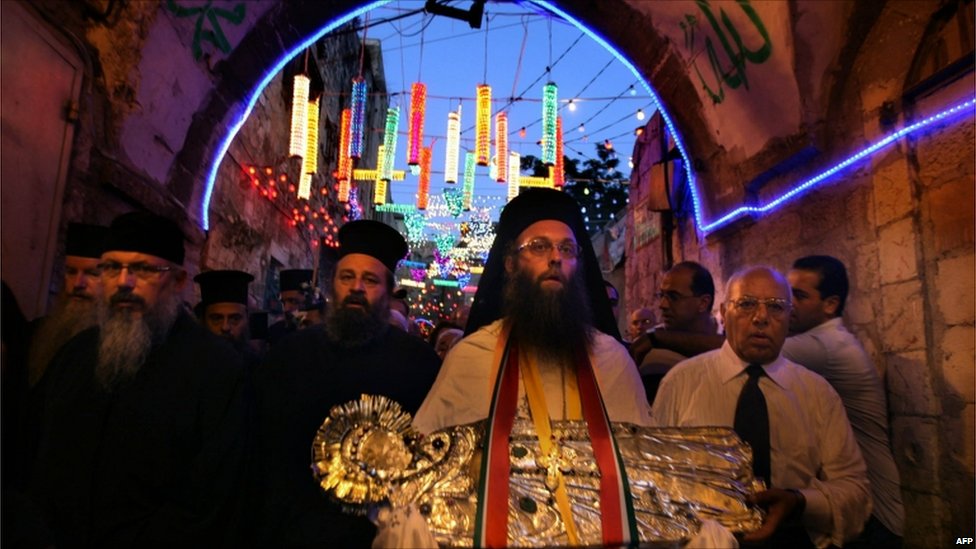
greek mary idol
Picture of Mary idol in Jerusalem

கிறிஸ்தவ மத உட்பிரிவுகளில் உள்ள ஏழு மடாதிபதிகள் நாள்தோறும் ஒவ்வொருவராக அவரவர்க்கு நியமிக்கப்பட்ட காலங்களில் வந்து நேரே பூஜை செய்கிறார்கள். ஸ்ரீ சிதம்பரம் முதலான கோவில்களில் எப்படி உத்ஸவ காலங்களில் பூஜைகளும் பாராயணங்களும் அலங்கார முதலானவைகளும் நடக்கின்றனவோ அப்படியே இந்த ஸமாதிக்கு பெருஞ் செலவில் பூஜை நடத்தப்படுகிறது.

நான் அவ்விடம் போனபொழுது ஸமாதியில் சிறந்ததொரு உத்ஸவம் நடந்தது. மாலையில் ஸ்வாமி வீதி புறப்பாடும் உண்டு. சிறந்த தங்கச் சப்பிரத்தில் கிறிஸ்து விக்கிரகமும் மற்றொரு வாகனத்தில் மாதா மேரியின் விக்கிரகமுமிருந்தன. புத்தமத உத்ஸவங்களே இப்படி கிறிஸ்தவ மத உத்ஸவங்களாகப் பரிணமித்தன.

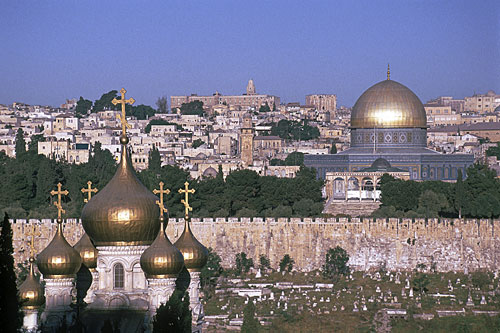
jerusalem-panorama-500
Panoramic View of Jerusalem.

இவ்வளவு ஸம்பத்துக்களை நம் க்ஷேத்திரங்களில் நான் பார்த்தது இல்லை. அளவிற்படாத ஸொத்து……………………………………

நாம் இப்பொழுது உலகில் காணும் ஸொத்தை ஒரு தராசிலும் ரோமாபுரி போப்பின் ஸொத்தை ஒரு தராசிலும் வைத்தால் அநேகமாகப் போப்பின் ஸம்பத்தே அதிகமாக இருக்கலாம்.

(இவை எல்லாம் 1935-ல் எழுதப்பட்டது. ஐயரின் புத்தகம் 1936 ஜனவரியில் விற்பனைக்கு வந்துவிட்டது. 110 பக்கம் உடைய புத்தகம் என்னிடம் உள்ளது. பிற்காலத்தில் ஆராய்ச்சியாளருக்குப் பயன்படலாம்).
முற்றும்.

contact swami_48@yahoo.com
Pictures are used from various sites;they are NOT from aiyer’s book. Thanks.

Cucumber in the Rig Veda!

CUCUMBERFRUIT

By London Swaminathan
Post No. 950 Date 2nd April 2014.

Ancient Hindu saints loved nature. Hindu saints always used nature to illustrate great truths. They lived a simple life surrounded by beautiful flowering plants, lofty mountains, crystal clear running water and singing birds. Their life was as pure as gold. They composed lot of hymns with very positive thoughts to uplift the mankind. The hymns are universal; common to every human being irrespective of their faiths. The beauty lied in the apt similes they used in their hymns called ‘Mantras’ and’ Slokas’. One such mantra known as — MAHA MRUTYUNJAYA MANTRA–is in the oldest religious literature of the world, the Rig Veda. But the same mantra is in the Rudram-Chamakam hymn of the Yajur Veda as well. Since this Rudram is used every day in the temples and at homes of orthodox Hindus, the Mrutyunjaya mantra was popularised through Rudram.
golden cucumber

Sri Rudram has two parts ‘Namakam’ and ‘Chamakam’. Mrutyun Jaya Mantra comes in the Namakam. The most famous mantra NAMASIVAYA comes in the same Rudram for the first time in the Vedas. Following this Namasivaya, comes this short and sweet Maha Mrutyun Jaya Mantra. The meaning is Great Death Conquering Mantra.

(Maha means Great, Mrutyu means death. English words linked to death such as ‘mortal’ came from this root. Jaya means win, conquer. Mantra is a spell, a hymn or a prayer to god).

Hindus believe that mantras are ‘not composed’ but given by god. The seers ‘hear’ it as we hear certain radio stations when we fine tune to particular frequencies. When the Vedic seers fine tuned their minds after a great penance they ‘heard’ the mantras and passed on to us by word of mouth for thousands of years. So the Vedas are called Sruti = That which is ‘heard’. The seer or Rishi for this mantra is Markandeya.

blonde_cucumber2

Mrutyun Jaya Mantra is very short. It runs as follows:

(Om) Trayamabakam Yajaamahe Sugandhim Pushtivardhanam
Urvaarukamiva Bhandhanaan Mrtyoor Mukshiiya Mamrutaat

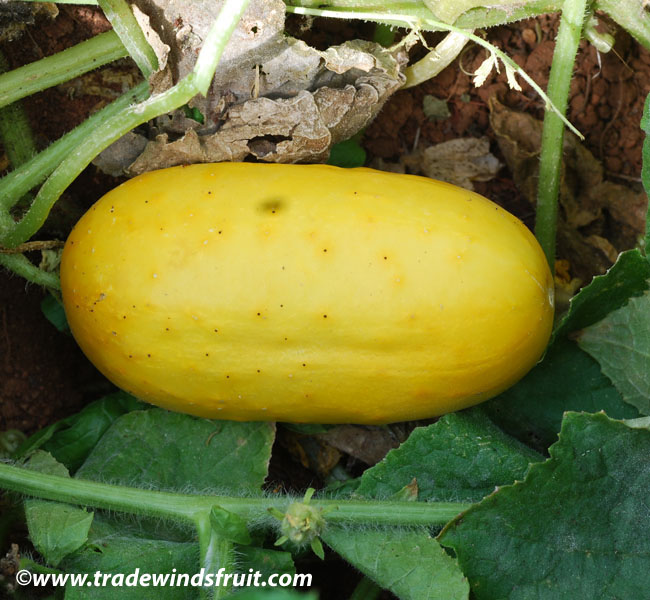
The meaning is very simple: We worship the Three Eyed Lord, who is fragrant, who nourishes all living beings. As the ripe cucumber is freed from its bondage (attachment to the plant), May He liberate us from death and give us immortality.

Key Words: Trayambakam= Three Eyed; Sugandhim= Fragrant; Pushtivardhanam= Nourishing; Urvaaruka = Cucumber Fruit; Maa Amrtaat = Give us immortality.

child cucumber
Why did Markandeya Rishi use Cucumber Fruit simile?

Most of the fruits are hanging in the upper part of a tree or a shrub. When it is ripe it falls due to the gravity of the earth. We know the impact of a falling fruit. It creates shock on the earth and if a coconut falls on our heads, it gives us ‘Kapala Moksha! (Straight death). But the beauty of Cucumber plant is, when the fruit is ripe, the stem loosens itself and detach without any impact or fuss! So we pray to god such a smooth detachment when our final minute comes. In the case of other fruits, the fruit is displaced; either it falls to the ground from the top or thrown away. In the case of a cucumber, the fruit never moves even an inch. It stays put.

Cucumber fruit stands for a full life as well. When a ninety or hundred year old person dies in the house, the relatives don’t cry. They know it is the law of nature. Whoever is born must die, but when a person dies after living a full life, we say ‘Good Bye and RIP’ to the departed soul. Cucumber fruit stands for such a ripe old person. Moreover, the way the fruit detaches itself from its stem stands for a peaceful detachment/death. Such a peaceful detachment will release one from the cycle of birth and death. So the prayer is to get released from the bondage of life and death smoothly, as smooth as like the cucumber fruit – stem detachment. The last few words clearly say give me Amrta = sweet nectar of immortality. Amrita in Vedic literature stands for immortality. Every spiritual aspirant knows the famous prayer from the Brihad Aranyaka (Big Forest) Upanishad “ Lead me from the unreal to the Real; Lead me from darkness to Light; Lead me from death to Immortality (Mrtyor Ma Amrtam Gamaya).

golden cucumber2

In the modern documentaries on Nature we see how a flower blooms or a how a pod ripens in slow motion. We enjoy the marvel at nature. In the olden days there was neither powerful camera nor slow motion display. But yet our ancient seers watched the cucumber detaching from its plant and feeling happiness in slow motion through their third eye or keen observation. The simile the seer chose for this occasion is very apt.

Mrutyunjaya is considered a panacea for all diseases by the Hindus. When they want to get rid of the fear of death they recite it. When they smear Vibhuti on their foreheads and at the start of a journey they recite it just to avoid untimely death. When they want to lengthen the life span of a person they recite it hundreds of times. They even do Homas (Fire Ceremonies) with this mantra. They give water or Vibhuti (holy ash) after reciting this mantra a number of times to ward off diseases. One can easily memorise it and say whenever one feels low or scared.

(Kanchi Paramacharya has dealt with this simile very briefly in in his Madras discourses between 1957 and 1959 )

blonde_cucumber

References to Cucumber in the Vedic Literature:

‘URVAARU’ (Cucumber plant or Cucumber or its fruit)
AV 6-14-2 (Plant)
RV 7-59-12; 14-1-17 (FRUIT)
MAITRAYANI SAMHITA 1-10-4
TAITTIRIYA SAMHITA 1-8-6-2
VAJASANEYI SAMHITA 3-60
PANCHAVIMSA BRAHMANA 9-2-19

swami_48@yahoo.com

Krishna’s Names in the Bhagavad Gita

krishna green

Compiled by London Swaminathan
Post No.944 Date: 30th March 2014.

Achyuta = One who never falls from his position, immovable
Arisudana = Slayer of enemies
Madhusudana = Slayer of Demon Madhu
Madhava = Lakshmi’s Husband
Purushottama = Supreme Person
Keshava = Having fine hair; slayer of Keshin
Keshi nishudana = Slayer of the demon Keshin
Bhagavan = One who possesses six kinds of Splendours
Bhuta Bhavan =Origin of all beings
Bhutesh = Lord of all beings
Deva Deva = God of all beings
Jagatpati = Ruler of the worlds
(Sloka 10-15 has got five names of Krishna!)
Janardana = Annihilator of ignorance, liberator of men
Visveshvara = Lord of the universe
Hrishikesha = Master of the senses
Krishna = Black
Yadava = Descendent of Yadu
Sakha = O comrade
Govinda = Herdsman or Giver of enlightenment
Vasudeva = Son of Vasudeva
Varshneyan = Born in Vrshni’s clan
Jaganivasa = Source of universe
Yogeswara = God of Yoga
Vishnu = Omnipresent

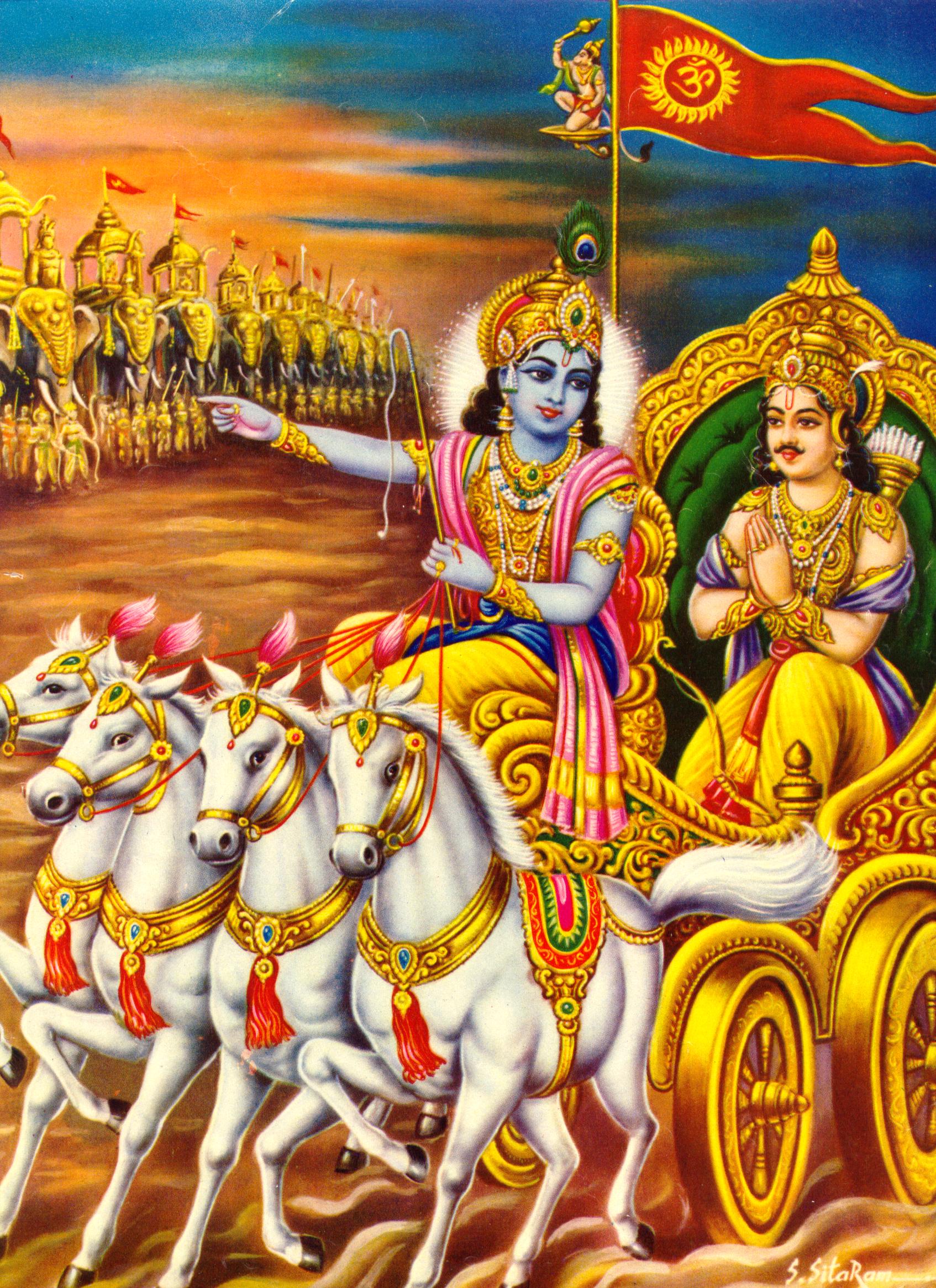
krishna-arjuna

Arjuna’s names

Arjuna =Pure , white
Bharata = Descendent of Bharata
Dhanamjaya = Winner of wealth
Gudakesa = Having the hair in a ball, who has conquered sleep
Kapi dwaja = Having Flag of Monkey
Partha = Son of Prtha
Paramtapa = Oppressor of the enemies
Pandava = Pandu’s son
Savyachacin = Left handed
Anakan =sinless
Kauntheyan = Son of Kunti
Krdee = crowned
Kurunandana = Born in Kura clan

Books used Bhagavad Gita commentary by Swami Chidbhavananda and Dr S Radhakrishnan.
Contact swami_48@yahoo.com
அர்ஜுனனுக்கும், கண்ணனுக்கும் எத்தனை பெயர்கள்!!

neela vannan

கட்டுரையாளர்: லண்டன் சுவாமிநாதன்
கட்டுரை எண் 943 தேதி 30 March 2014

பகவத் கீதையில் 700 ஸ்லோகங்கள் உள்ளன. அதில் அர்ஜுனனுக்கும், கண்ணனுக்கும் எத்தனை பெயர்கள், அவைகளின் பொருள் என்ன என்று பார்ப்போம். ஒரே நூலில் கண்ட பெயர்கள் இவை.

நாம் எல்லோரும் நம் நண்பர்களைப் பட்டப் பெயர்கள் சொல்லி அழைப்போம். அதில் முக்கால்வாசி அர்த்தம் இல்லாத கேலிப் பெயர்களாகவே இருக்கும். நாம் பள்ளிக்கூடத்திலும், கல்லூரிகளிலும் ஆசிரியர்களுக்கு வைத்த பெயர்களோ வெளியே சொல்ல முடியாது!! ஆனால் அர்ஜுனனும் கண்ணனும் நண்பர்கள் தான். எவ்வளவு அழகாக ஒருவரை ஒருவர் அழைத்துக் கொள்கிறார்கள் என்று பாருங்கள்!

ஸ்ரீ கிருஷ்ண பகவானுக்கு கீதையில் அமைந்துள்ள 18 பெயர்கள்:

ஹ்ருஷீகேசன் = இந்திரியங்களுக்கு ஈசன்
அச்யுதன் = தன் நிலையிலிருந்து வழுவாதவன்
கிருஷ்ணன் = கருப்பு நிறமானவன், அழுக்கைப் போக்குபவன், மும்மூர்த்தி சொரூபம், பிரம்ம சொரூபம், அடியார்படும் துயரம் துடைப்பவன்
கேசவன் = அழகிய முடியுடையவன், மும்மூர்த்திகளை வசமாய் வைத்திருப்பவன், கேசின் என்ற அசுரனைக் கொன்றவன்
கோவிந்தன் = ஜீவர்களை அறிபவன்
மதுசூதனன் = மது என்ற அசுரனை அழித்தவன்
ஜநார்தனன் = மக்களால் துதிக்கப்படுபவன் (அஞ்ஞானத்தை அழிப்பவன்)
மாதவன் = திருமகளுக்குத் தலைவன்
வார்ஷ்ணேயன் = வ்ருஷ்ணி குலத்தில் உதித்தவன்
அரிசூதனன் = எதிரிகளை அழிப்பவன்
கேசிநிஷூதனன் = கேசின் என்ற அசுரனை அழித்தவன்
வாசுதேவன் = வசுதேவன் மைந்தன், எல்லா உயிர்களிடத்திலும் இருப்பவன்
புருஷோத்தமன் = பரம புருஷன்
பகவான் = ஷட்குண சம்பன்னன்
யோகேச்வரன் = யோகத்துக்குத் தலைவன்
விஷ்ணு = எங்கும் வியாபகமாய் இருப்பவன்
ஜகந்நிவாசன் = உலகுக்கு இருப்பிடம்
யாதவன் = யதுகுலத்தில் தோன்றியவன்

krishna_arjun

அர்ஜுனனுக்கு கீதையில் அமைந்துள்ள 13 பெயர்கள்:

அர்ஜுனன் = தூய இயல்பு உடையவன்
பாண்டவன் = பாண்டுவுக்கு மைந்தன்
தனஞ்ஜயன் = அடைபட்டுக் கிடக்கும் செல்வத்தைச் சேகரிப்பவன்
கபித்வஜன் = குரங்குக் கொடியுடையவன்
குடாகேசன் = தூக்கத்தை வென்றவன்
பார்த்தன் = பிரிதாவின் மைந்தன்
அனகன் = பாபமற்றவன்
பரந்தபன் = எதிரிகளை வாட்டுபவன்
கௌந்தேயன் = குந்தியின் மைந்தன்
பாரதன் = பரத குலத்தில் உதித்தவன்
கிரீடி = கிரீடம் தரித்தவன்
குருநந்தனன் = குருகுலத்தின் தோன்றல்
ஸவ்யஸாசின் = இடது கையால் அம்பு எய்பவன்

ஸ்ரீ சித்பவானந்த சுவாமிகள் தந்த பட்டியல் இது. நான் ஒன்றிரண்டு விஷயங்களை மட்டும் இணைத்திருக்கிறேன்.
Contact swami_48@yahoo.com