Greek SphinxMarble capital and finial in the form of a sphinx, ca. 530 B.C.
Greek, Attic, Archaic
Marble, Parian; H. with akroterion 56 1/8 in. (142.6 cm)
The Metropolitan Museum of Art, New York, Munsey Fund, 1936, 1938 (11.185d, x)
http://www.metmuseum.org/Collections/search-the-collections/248501
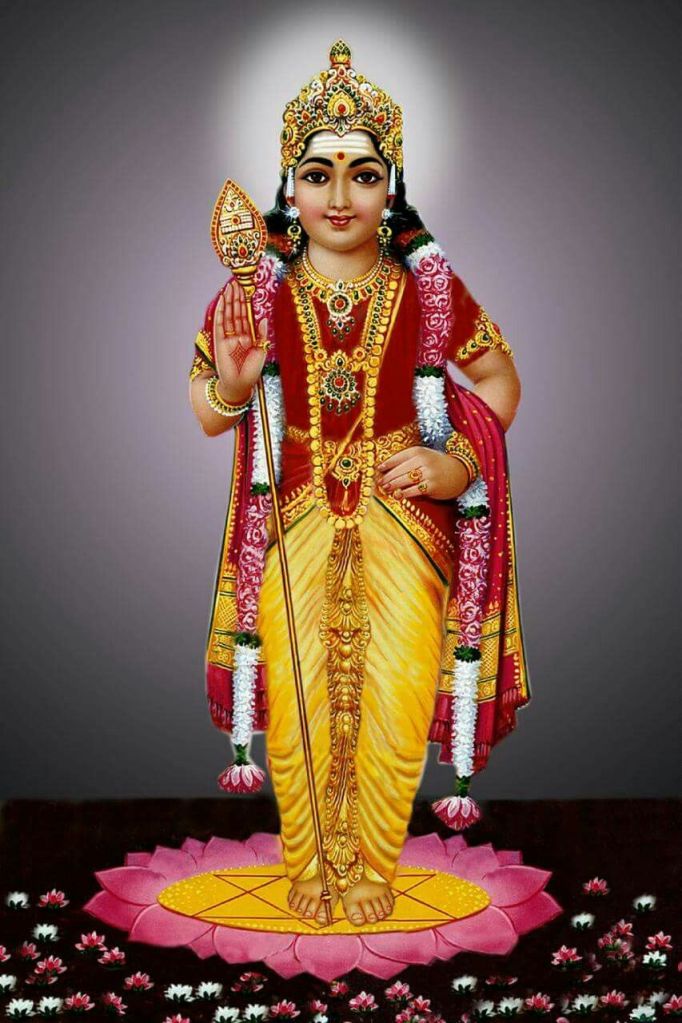
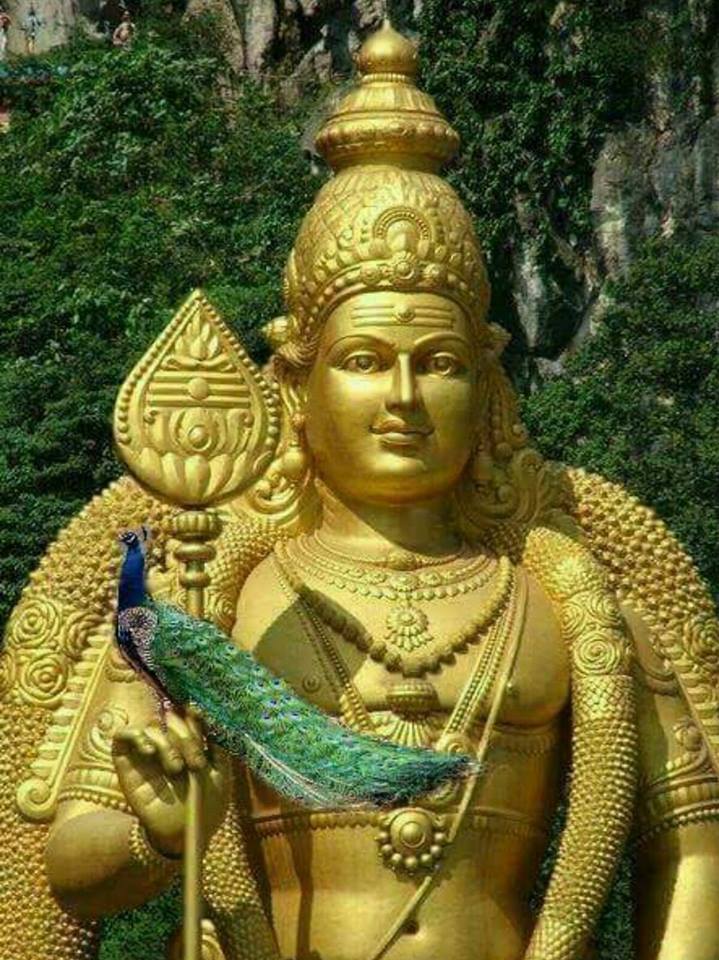
திரண்ட பொருள் : திருச்செந்திலானே! என் கவிகளைக் கேட்டு மகிழும் உன்னப் பாடாமல் அவற்றை காதடியில் உளி வைத்து அடித்தாற் போல வெறுப்பாய்க் கேட்கும் உலோபரைப் பாடுவேனோ? மாட்டேன்.
பல புலவர்களும் இப்படி மனம் நொந்து கண்டவரைப் பாடாமல் கந்தனைப் பாட விழைந்ததுண்டு.
முருகனைப் பற்றிப் பல புலவர்களும் அருளாளர்களும் தமிழில் பாடிய பாடல்கள் ஆயிரக்கணக்கில் உண்டு. பொருள் பொதிந்த அவற்றைப் படித்தால் முருகனின் அருள் நிச்சயம் உண்டு என்பதைச் சொல்லவும் வேண்டுமோ?
Posted by me on 1-1-2016 (now posted with a different format and new pictures and additional matter)
Who is a Kududupai man?
A fortune teller as well as a bogey man; a magician cum beggar.
Kudukudu is the sound made by a kettle drum in the hands of a fortune teller in Tamil Nadu and other places of South India. They (always men) are fearsome and roam the streets at the dead of night. If they are not given food or money they curse the people. And the belief is that it will come true like a Gipsy’s curse. They worship the fearsome goddesses like Durga, Chandi, Suli, Veeri, Malayala Bjagavati. It is believed that they can do evil by invoking the powers of those goddesses. Mothers used to frighten the naughty children with the name of this person like a bogey man in the west. But Bharati, the greatest of the modern Tamil poets, use this man as a positive figure. But here also that there is a curse that if the learned do something wrong they will be utterly destroyed.
A NOVEL FORTUNE TELLER – POEM BY TAMIL POET SUBRAHMANYA BHARATI (1882-1921)
GANDHARI and KUNTI DIED IN FOREST FIRE with VIDURA AND DHRITARASHTRA (Post No.7404)
Complied by London Swaminathan
Uploaded in London on – 31 December 2019
Post No.7404
contact – swami_48@yahoo.com
pictures are taken from various sources; thanks.
Gandhari made Sri Krishna responsible for the Kurukshetra War and uttered a fearful curse on the
Yadavas, of which he was the most distinguished representative. She prophesied that a cruel calamity would overtake the house of the Yadavas, inasmuch as Shri Krishna ignored or failed to prevent the ruinous war between the Pandavas and the Kauravas. on the strength of her chastity and ascetism, she even said that Shri Krishna himself in no distant future would fall a prey to a foul death. It is important to bear in this mind that in this connection that Shri Krishna smilingly accepted this curse and recognised her truthfulness, piety and penance.
After the Kurushetra war, Dhritarastra and Gandhari lived for sixteen years at Hastinapura under the protection of Pandavas. They forgot to a great extent their grief at the loss of their sons on account of the wonderful care and sympathy bestowed upon them by Yudhisthira . At the end of the sixteenth year, however, they decided to go on a mission of pilgrimage to the Himalayas. In this mission they were accompanied by d Dhritarastra’s half brother Vidura, his minister Sanjaya and Kunti, the mother of the Pandavas .
FAREWELL SPEECH; HASTINAPURAM WEPT
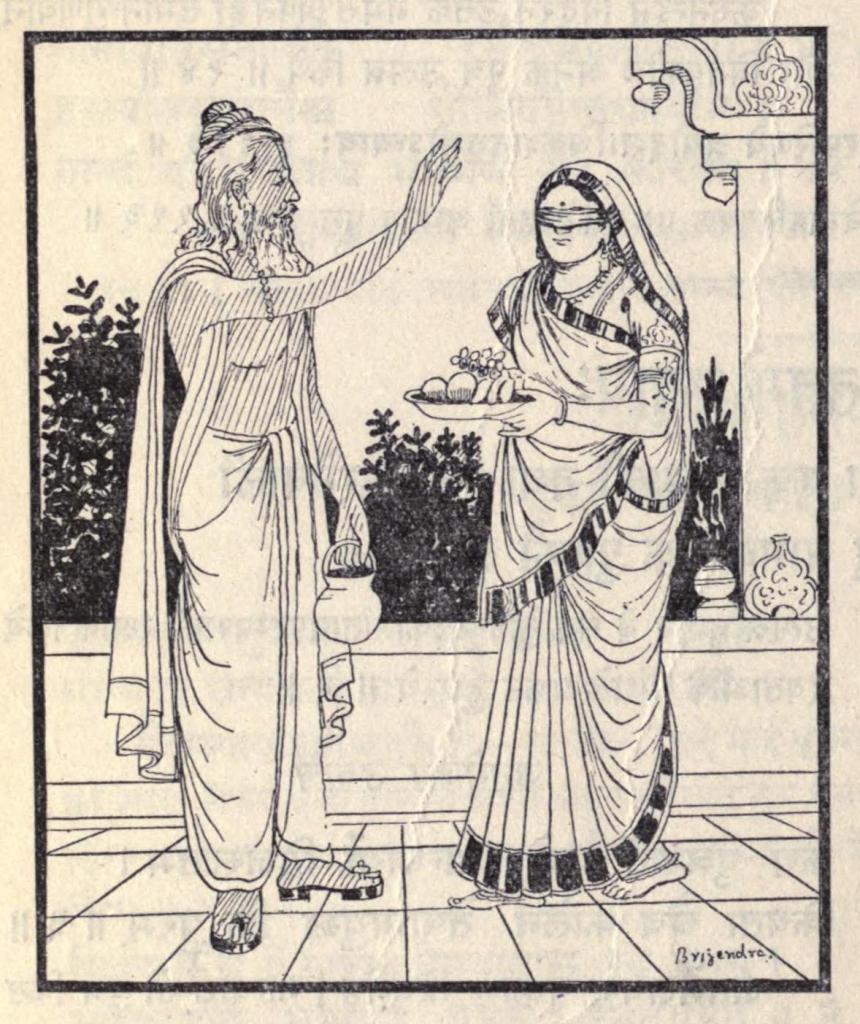
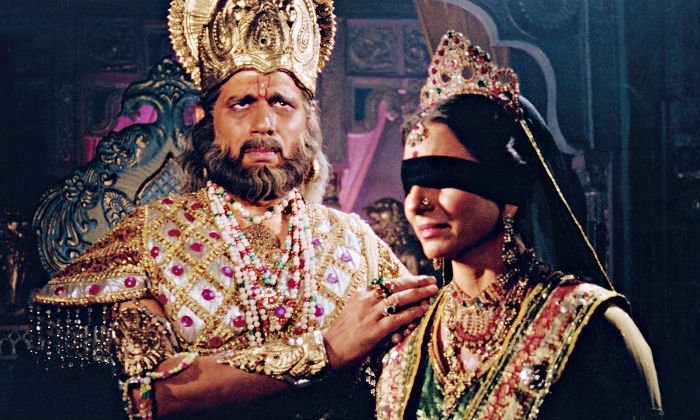
On the eve of their departure, Dhritarastra addressed a big assembly of the citizens of Hastinapura and men from the countryside. In this meeting Gandhari appeared by the side of her husband with her eyes bandaged, and made a request to the assembled multitude through her husband asking their forgiveness of the sins of her sons.
The final departure scene of the old sorrowful King Dhritarastra was pathetic. Kunti came forward to lead the journey, Gandhari put her hands on the shoulders of Kunti and Dhritarastra followed Gandhari , placing his hands on her shoulders. Vidura and Sanjaya were on either side of the procession. The citizens of Hastinapura wept like orphans as the procession came out of the main gate of the city, but Dhritarastra and Gandhari and others walked on unmoved.
ALL BURNT ALIVE IN BIG FOREST FIRE
In the Himalayas, they spent a few more years till they were burnt alive by a conflagration which had enveloped that part of the forest in which they lived. . confronted by it they showed remarkable courage and fortitude. They refused to escape from the fire; on the other hand, they sat down on the ground with calmness and in a spirit of resignation welcoming the approach of the fire.
On the day of her passing away from the earth, Gandhari’s eyes were still bandaged, and she made the supreme sacrifice with unflinching loyalty to her ideals. She exemplifies the best ideals of Indian womanhood through the ages from the days of Mababharata , and remains immortal in the minds of millions of Indians who derive their inspiration from the Great Epic.
Source book – Great Women of India, Advaita Ashrama, Almora, Himalayas, 1953
கேரளத்தில் வடக்கு மலபாரில் உன்னியர்ச்சா என்ற பெயரை அறியாதோர் எவருமிலர். “வடக்கில் பாட்டுங்கள்” என்ற நாட்டுப்புறப் பாடல்களில்
போற்றப்படும் வீராங்கனை அவர். சுமார் 300 ஆண்டுகளுக்கு முன்னர் மலபார் பிரதேசத்தில் சோனகர் என்னும் முஸ்லிம்களின் அட்டூழியம் தலை விரித்தாடியது. இந்துப் பெண்களைக் கடத்தி செல்லுவதும், கற்பழிப்பதும் அவர்களின் அன்றாட வாடிக்கை .
இந்த சூழ்நிலையில் வாழ்ந்த பேரழகி உன்னியர்ச்சா. அவளை குன்னிராமன் என்பவருக்கு மணம் முடித்தனர் . அவர் சரியான தொடை நடுங்கி. ஆனால் இவளோ
வாள் சுழற்றும் வீராங்கனை. அவளுடைய சகோதரர் அரோமல் சேவகர் கத்திச் சண்டை வீரன்.
ஒரு நாள், உன்னியர்ச்சா , அய்யப்பன் கோவிலுக்குச் செல்ல விரும்பினாள் . பேரழகி என்பதால் வெறிபிடித்த முஸ்லீம் காமுகர்கள் இவளைத்
தூக்கிச் சென்று கற்பழிப்பர் என்பது அவளுடைய மாமியாருக்குத் தெரியும். அவள் மகனுக்குக் காப்பாற்றும் சக்தி இல்லை, அவன் ஒரு கோழை என்பதும் தெரியும். ஆகையால் அவள் கோவிலுக்குச செல்லக் கூடாதென்று தடை போட்டாள் .
ஆனால் மருமகளோ இன்றோடு முஸ்லிம் காமுகர்களின் தலைவிரி ஆட்டத்திற்கு முடிவு கட்டுவேன் என்று வீர சபதம் செய்து கணவனுடன் கோவிலுக்குப் புறப்பட்டாள். எதிர்பார்த்தது நடந்தது.
வெறிபிடித்த முஸ்லிம் தலைவன் அந்தப் பெண்ணைக் கடத்தி வாருங்கள் என்று, அலாவுதீன் கில்ஜி உத்தரவு போட்டது போல, கட்டளையிட்டான். அந்தத் தலைவனின் வெறிக்கும்பல் அவளை நெருங்கியது. எடுத்தாள் மறைத்து வைத்திருந்த வாளை . வாழைக் குலையை சீவுவது போல தலைகளை வெட்டிப்
பந்தாடினாள் .தப்பிப் பிழைத்தோர் குதிங்கால் பிடரியில் அடிக்க தலைவனிடம் ஓடினர் .மேல்மூச்சு கீழ்மூச்சு வாங்க நடந்த விஷயத்தைச் சொன்னார்கள் . உடனே அந்த வெறியன் நானே அவளைக் கடத்தி வருகிறேன் என்று விரைந்து வந்தான்.
அவன் அவளைக் கண்டவுடன் திடுக்கிட்டுப் பின்வாங்கினான். ஏனெனில் தனக்கு வாட்சண்டை சொல்லித்தரும் ஆசிரியரின் சகோதரி அவள் என்பது தெரிந்தது. பெரிய கும்பிடு போட்டுவிட்டு மன்னிப்புக் கேட்டான் . ஆனால் அவள் விடவில்லை.
என் மானத்தைக் காக்க மட்டும் நான் வரவில்லை. உங்கள் வெறித்தனத்துக்குச் சாவுமணி அடித்து இந்துப் பெண்களைக் காப்பாற்றவே நான் வந்திருக்கிறேன்.
இன்று உங்களுக்கு முடிவு கட்டுவேன் என்று கர்ஜித்தாள் . எல்லோரும் ஓடிப் போய்
ஊர்த் தலைவனைக் கூட்டுப்பிட்டுக் கொண்டு வந்து சமாதானம் பேசினர் . அவர் முதலில் உடைவாளை கீழே போடு தாயே என்று மன்றாடினார். நான் போடுகிறேன். ஆனால் இன்று முதல் ஒரு முஸ்லீம் காம வெறியனும் இந்து மதப் பெண்களைத் தொட
மாட்டோம் என்று சத்தியம் செய்யுங்கள் என்றாள் . அவர்களும் உறுதி மொழி கொடுக்கவே
காட்சி இனிதே முடிந்தது. இந்த சம்பவத்துக்குப் பின்னர் அந்தப் பிரதேசம் முழுதும் இந்துப் பெண்கள் தலை நிமிர்ந்து கோவில் குளங்களுக்குச் சென்று வந்தனர்.
இந்த வீராங்கனை பற்றி திரைப்படங்களும் டெலிவிஷன் தொடர்களும் வந்துள்ளன.
ஆனால் வழக்கம் போல, அலாவுதீன் – பதமினி கதைகளைத் திரித்தது போல காமா சோமா என்று உளறிக்கொட்டி கிளறி மூடி இருக்கின்றனர் என்று கேள்வி.
இன்றுவரை மலையாளிகள் அந்த வீரப் பெண்ணின் வரலாற்றைப் பாடிப் பரவி வருகின்றனர் .
கடந்த நாற்பது வருடங்களுக்கும் மேலாக நான் படித்து வந்த பல நல்ல புத்தகங்களில் முக்கிய பகுதிகளை ஒரு நோட்புக்கில் தனியே எழுதி வைத்துக் கொள்வது என் பழக்கம். அவற்றில் சில குறிப்புகளை இங்கே தொடர்ந்து பார்க்கலாம்.
HELPFUL HINTS
குறிப்பு எண் 4 :
From the book : Thinking For Results
By Christian D.Larson (1912)
P 1 First Para
That man can change himself, improve himself, recreate himself, control his environment and master his own destiny is the conclusion of every mind who is wide-awake to the power of right thought in constructive action. In fact, it is the conviction of all such minds that man can do practically anything within the possibilities of the human domain when he knows how to think, and that he can secure almost any result desired when he learns how to think for results.
P 11
To think according to the laws of growth and to think for a definite purpose – this is the foundation of scientific thinking.
P 15
Peace of mind comes most quickly when we do not try to be peaceful, but simply permit ourselves to be normal. To relax mind and body at frequent intervals will also aid remarkably, but the most important of all is the attainment of the consciousness of peace.
P 16
There is an absolute still centre in your own mind, and you can become conscious of that centre by turning your attention gently and frequently upon the serene within. This should be done several times a day and no matter how peaceful we may feel we should daily seek a still finer realization of this consciousness of peace. The result will be more power because peace conserves more energy.
P 20
The best way to cultivate the mental state of harmony is to adapt yourself consciously to everything and everybody that you meet. Never resist or antagonize anything nor hold yourself aloof from anybody. Wherever you are aim to look for the agreeable side of things and try to act with everything while in that attitude. After a while you will find it an easy matter to meet all things and all persons in their world, and when you can do this you can unite with them in securing results that neither side could have secured alone.
P 23
Adapt yourself to everything and everybody with a view of securing united action for greater good. You will thus continue in perfect harmony, and you will cause every action that may result from your efforts in work directly for the production of the results you have in view.
எனது குறிப்பு :
கிறிஸ்டியன் டி லார்ஸன் (1866 – 1955) அமெரிக்காவில் நியூ தாட் (New Thought) என்ற இயக்கத்தின் நிறுவனர் மற்றும் தலைவர். பல இடங்களிலும் தொடர்ந்து சொற்பொழிவுகளை ஆற்றியவர். நூறு வருடங்கள் கழிந்த பின்னும் இன்றும் இவரது புத்தகங்கள் அச்சிடப்படுகின்றனர்.
இவரது புத்தகங்கள் படிக்கப்பட வேண்டியவை : புத்தகப் பட்டியல் இதோ:
The Great Within (1907)
Mastery of Fate (1907)
How To Stay Young (1908)
On the Heights (1908)
The Ideal Made Real or Applied Metaphysics for Beginners (1909)
The old ballads of North Malabar – Vadakkil paattungal – contain a tale of a brave girl (early seventeenth century ) who saved the women of her village from being forcibly kidnapped, and in the end brough about communal harmony.
Mulsims used to molest beautiful Hindu girls in North Malabar. No one dared to challenge the rapists.
Unniyarcha , sister of Aaromal Chevakar, a doughty warrior, was married to a coward named Kunnirhaman. One day she wanted to visit a temple of Ayyappan , a few miles from her village, but her mother in law refused to permit her to leave the house even in the company of her husband. She new what would happen to her from the Muslim Chonakas.
Nothing daunted, the girl took her favourite sword, and with her husband proceeded in the direction of the temple .The headman of the Chonakas (Muslims) – who happened to see her on the way, was enamoured of her beauty and sent his men to carry her away by force. Unniyarcha drew her sword and killed some of them. Their chopped heads rolled on the ground like foot ball. The rest fled and brought their headman himself to the scene, who soon realised that she was the sister of his fencing master. He appealed to both sister and brother to pardon him, but Unniyarcha was inexorable and challenged him and his men to a fight. The chief of the place persuaded the girl to sheath her sword, which she did on headman promising that no woman in the place will be molested in future . Then Muslim rapes stopped in Malabar. One heroic Hindu heroine saved the honour of millions of Hindu women.
Films and TV serials on her were made but with distorted stories.
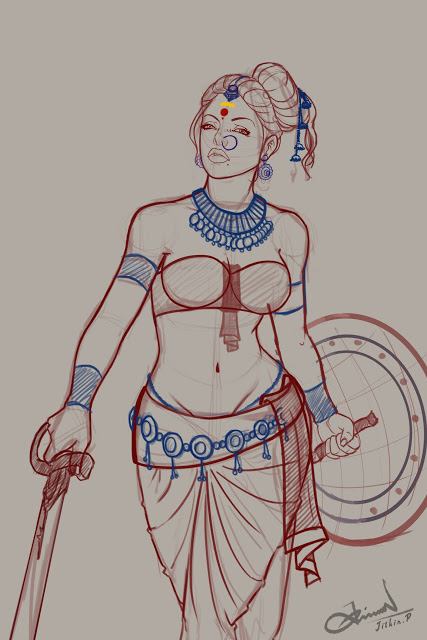
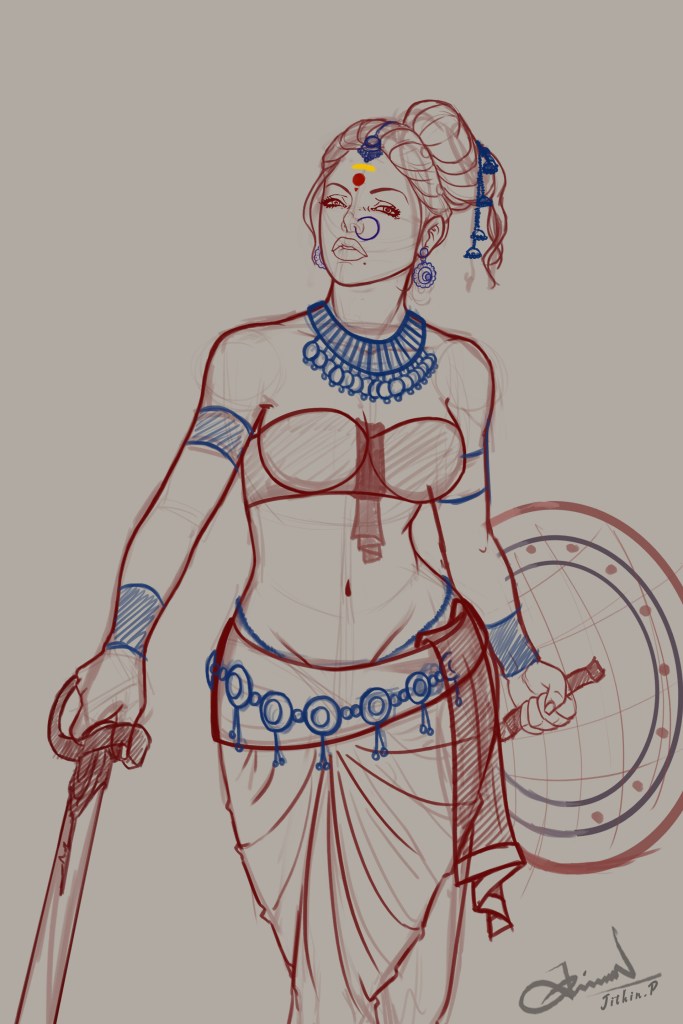
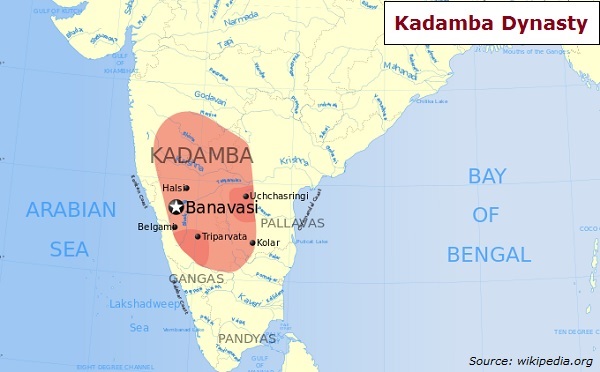
In the list of the famous heroines and administrators of Karnataka the name of Akkadevi 1010-1064 CE, stands very high. She was a Chalukyan princess who ruled over various divisions of the Chalukyan dominions such as Banavasi , Kisukadu, and Masavadi for nearly half a century.
A few days ago I wrote about Rudramba who ruled for 33 years and her sister Ganapamba who ruled for 40 years. But Rudramba was a full fledged queen where as others are not. Here is a Kannada woman who ruled for half a century. Unlike European rubber stamp queens, Hindu queens and princesses were real rulers and fighters.
Akkadevi was the daughter of Dashavarman and Bhaagaladevi and was the sister of vikramaditya v and Jayasimha ii, both Chalukyan emperors of Kalyana. She is described in inscriptions as fierce in battle and as having subjugated a large number of enemies. She laid a siege to Gokhaje, probably to quell some insurrection.
She is also described as a marvel of virtual qualities and unswerving in her promises. The seat of her government was VIkramapura ,modern Arashibidi near Bijapur .
She married the Kadamba prince Mayuravarman, who along with her ruled Banavasi in 1037 CE. They had a son named Toyimadeva , who ruled the Banavasi region as a feudatory of the Chalukyan emperor Someshwara in 1064 CE.
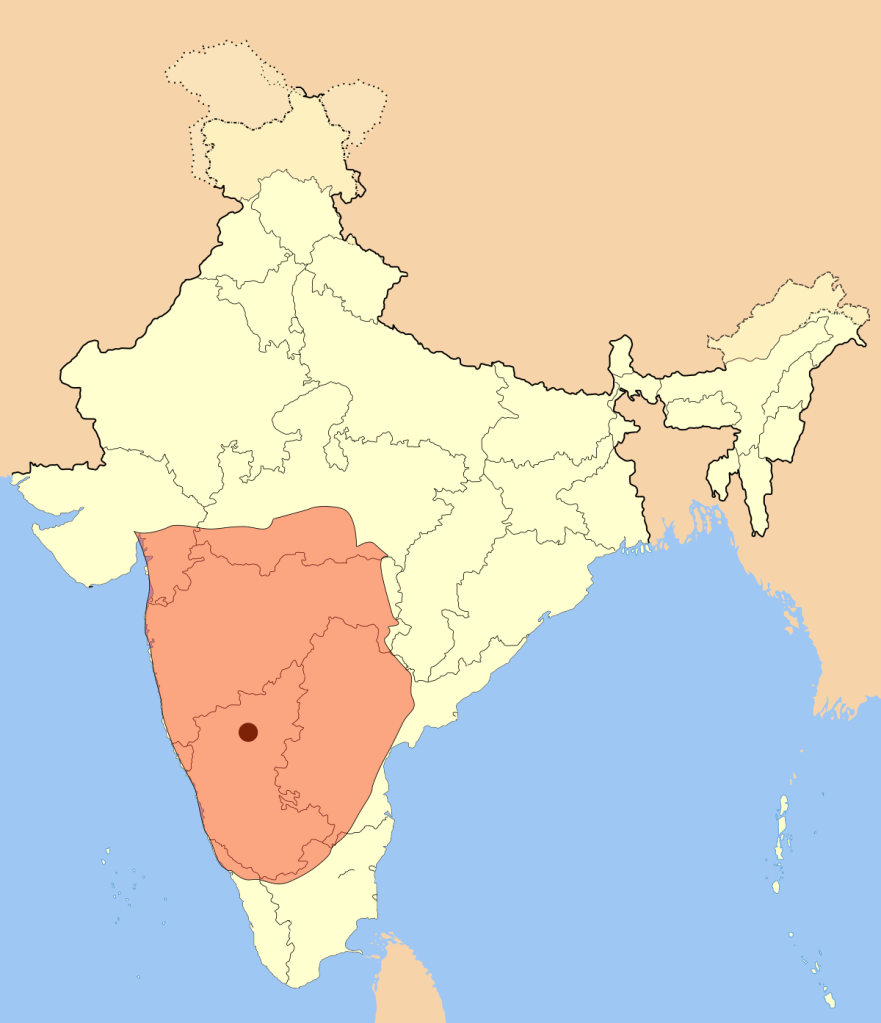
MAP OF WESTERN CHALUKYAN EMPIRE
TEMPLE BUILDER
Her name is associated with the foundation of a number of temples. She also evinced great interest in promoting education. An inscription of 1021 CE says that she made a large gift of land to feed and clothe 500 students and provided them with free quarters. The fact that she reigned not only in conjunction with her husband but also independently in an indication that she was a personage of considerable reputation and importance in her time and no less than three Chalukyan emperors had confidence in her administrative ability.
All Indian girls must study the history of Hindu queens and princesses. This must be made a compulsory subject in schools.
Source book – Great Women of India, Advaita Ashrama, Almora, Himalayas, 1953
(Akka Mahadevi, Kannada devotional poetess of 12th century is different from this Akkadevi)


























 Tamil and Vedas
You must be logged in to post a comment.