Pictures are taken from various sources for spreading knowledge.
this is a non- commercial blog. Thanks for your great pictures.
tamilandvedas.com, swamiindology.blogspot.com
Xxxx
ராமாயண வழிகாட்டி!
லக்ஷ்மணரிடம் ஶ்ரீ ராமரின் ப்ரதிக்ஞை!
ச.நாகராஜன்
வால்மீகி ராமாயணத்தில் ஶ்ரீ ராமர் லக்ஷ்மணரிடம் செய்யும் பிரதிக்ஞை குறிப்பிடத் தகுந்த ஒன்று.
இது ஆரண்ய காண்டத்தில் 24ஆம் ஸர்க்கத்தில் இடம் பெறுகிறது.
கொடிய பராக்கிரமுள்ள கரன் வரும் போது ஏராளமான துர்சகுனங்களை ராமர் பார்க்கிறார்.
உடனே அவர் லக்ஷ்மணனைப் பார்த்துக் கூறுகிறார் :-
“மேகங்கள் ஆகாயத்தில் விகாரமான சப்தங்களை இட்டுக்கொண்டு ரத்த தாரைகளை உடையவனவாய் செம்பட்டை நிறமுற்றனவாய் கொடியவைகளாகத் திரிகின்றன. லக்ஷ்மண! எனது பாணங்கள் புகைகின்றன. யுத்தத்தில் உற்சாகம் கொண்டவையாக இருக்கின்றன. எனது வில்கள் துடிக்கின்றன. வனத்தில் உள்ள பறவைகள் இம்மாதிரியாகக் கூவுகின்றன. நமக்கு உயிருக்கு ஆபத்து ஏற்பட்டுள்ளது.
ஆனாலும் வீரனே! எனது இந்தக் கை இடைவிடாமல் துடிப்பதாய், சமீபத்தில் நமக்கு வெற்றியையும் எதிரிக்கு தோல்வியையும் ஏற்படுவதை உணர்த்துகிறது.
ஆபத்தை எதிர்பார்க்கின்றவனும் வெற்றியைக் கோருகிறவனும் புத்திமானுமான ஒரு மனிதனால் முன்னேற்பாடு தான் செய்யத் தக்கது.”
இப்படிக் கூறிய ஶ்ரீ ராமர் லக்ஷ்மணனுக்கு ஒரு கட்டளையை இடுகிறார்:
“ஆகவே, கையில் அம்பு கொண்டு வில் தரித்தவனாய், வைதேஹியை அழைத்துக் கொண்டு மலையினது மரங்கள் அடர்ந்து புக முடியாமல் இருக்கும் குகையை அடைவாயாக!”
பின்னர் தன் பிரதிக்ஞையை அவர் கூறுகிறார் இப்படி:
ப்ரதிகூலிதுமிச்சாமி ந ஹி வாக்யமிதம் த்வயா |
ஷாபிதோ மம பாதாப்யாம் கம்யதாம் வத்ஸ மா சிரம் ||
இதம் வாக்யம் – இந்தச் சொல்லை
த்வயா – உன்னால்
ப்ரதிகூலிதும் ஹி – மறுத்துரைக்கவும்
இச்சாமி ந – நான் உடன்பட மாட்டேன்.
மம – எனது
பாதாப்யாம் – இரு பாதங்களின் மீதும்
ஷாபித: – நீ ஆணையிடப்பட்டு இருக்கிறாய்.
வத்ஸ – குழந்தாய்
மா சிரம் – தாமதம் வேண்டாம்!
கம்யதாம் – செல்லப்படட்டும்.
இரு பாதங்களின் மீதும் ஆணையிடப்பட்டு ஶ்ரீ ராமர் இந்தக் கட்டளையை இடுகிறார்.
“சீதையை அழைத்துக் கொண்டு குகையை அடைந்து அங்கு இருக்க வேண்டும்.”
அவ்வளவு தான், வேறு வழியின்றி லக்ஷ்மணர் ராமரின் வார்த்தைக்குக் கீழ்ப்படிய வேண்டியதாயிற்று.
ஆரண்ய காண்டத்தின் அடுத்த 25ஆம் ஸர்க்கத்தில் கர சைன்ய வதம் கூறப்படுகிறது.
பிரதிக்ஞை வரிசையில் ஶ்ரீ ராமரது இந்த பிரதிக்ஞையும் சேர்கிறது.
5.RAMAYANA & MAHABHARATA QUIZ- SEERS, SAINTS AND RISHIS
6.QUIZ ON HINDU SEERS- RISHIS!
7.HINDU QUIZ- 1
8.HINDU QUIZ- 2
9.HINDU QUIZ- 3
10.HINDU QUIZ- 4
11.Hindu Quiz on Holy Forests
12. STAR QUIZ
13.QUIZ ON 100 GREAT INDIAN WOMEN PART-1!
14.QUIZ ON 100 GREAT INDIAN WOMEN PART-2!
15.QUIZ ON 100 GREAT INDIAN WOMEN PART-3!
16.QUIZ ON 100 GREAT INDIAN WOMEN PART-4!
17.QUIZ ON 100 GREAT INDIAN WOMEN PART-5!
****************
தமிழ் — ஆங்கில மொழிகளில் ஹிந்து ‘க்விஸ்’ (Tamil- English Bilingual Hindu Quiz Book)
முன்னுரை
கடந்த பத்து ஆண்டுகளுக்கும் மேலாக தமிழிலும், ஆங்கிலத்திலும் ஐம்பதுக்கும் மேலான கேள்வி-பதில் அல்லது வினா-விடை (QUIZ க்விஸ்) பகுதிகளை என் ‘பிளாக்’குகளில் வெளியிட்டு வந்தேன். அவைகளில் படம் (Picture Quiz) பற்றிய பகுதிகளை நீக்கி விட்டு தமிழ், ஆங்கில கேள்விகளையும் பதில்களையும் இங்கே தொகுத்து அளித்துள்ளேன். இவை பள்ளி, கல்லூரி க்விஸ் (Quiz) போட்டிகளுக்கும் வீடுகளில், விடுமுறை நாட்களில் மாணவர்கள், பெற்றோர்கள் விளையாடுவதற்கும் பயன்படும்.
ஆங்கில வினா-விடை நூல்களை எடுத்தால் பெரும்பாலும் இந்தியர்களுக்கு சம்பந்தமில்லாத விஷயங்களே அவற்றில் இருக்கும். உலகப் புகழ்பெற்ற திருவள்ளுவர் அல்லது காளிதாஸ் பற்றி அவர்களுக்கு அறவே தெரியாது. அவர்களை கிணற்றுத் தவளைகள் என்று அழைக்கலாம் . இந்தக் குறைகளை நீக்க, இந்து சமய, மற்றும் தமிழ் இலக்கிய நூல்களிலிருந்து ஆயிரம் கேள்விகளுக்கு மேல் இந்நூலில் கொடுத்திருக்கிறேன். இவைகள் மாணவ, மாணவியருக்கு நமது இலக்கியங்களில் ஆர்வத்தை உண்டாக்கும் என்ற நம்பிக்கை உள்ளது. முதல் முதலில் எனது பிளாக்குகளில் இவை வெளியான தேதிகளும் , வரிசை எண்களும் இருக்கும். அனைவரும் படித்துப் பயன்படுத்தி இன்பம் அடைக .
நானே பள்ளி, கல்லூரி நாட்களில் நடந்த பொது அறிவு Quiz க்விஸ் போட்டிகளில் வெற்றிபெற்று பரிசு வாங்கியதாலும், லண்டனில் இது போல க்விஸ் போட்டிகளை பொது நிகழ்க்க்கிகளில் நடத்தி மற்றவர்களை மகிழ்ச்சியில் ஆழ்த்தியதாலும் இதன் முக்கியத்துவத்தை நன்கு உணர்வேன்.
அன்புடன்
லண்டன் சுவாமிநாதன்
ஏப்ரல் 2023
Xxx
ABOUT THE BOOK AND THE AUTHOR
Title- தமிழ் — ஆங்கில மொழிகளில் ஹிந்து ‘க்விஸ்’ (Tamil- English Bilingual Hindu Quiz Book)
Author – London Swaminathan (Santanam Swaminathan)
Language- Bilingual (Tamil and English)
Published – April 2023
Subject –Hindu Religion (Quiz)
xxx
AUTHOR’S PROFILE
Santanam swaminathan (London swaminathan)
Educational Qualifications: B.Sc, M A (History), MA (Lit)
Higher Diploma in French and Sanskrit
DOB 6-11-1948
Work Experience- Now retired
Worked for Dinamani, Madurai as Senior Sub Editor until 1986,
BBC Tamil Producer in London 1987-1991,
Manager of Tamil Malayalee Health Project and London Tamil Sangam,
Tamil Tutor at SOAS, University of London 1993 to 2014.
Living with his wife and two sons in London from 1987.
xxx
Blog Details
tamilandvedas.com
swamiindology.blogspot.com
xxx
Contact Details
swami_48@yahoo.com
swaminathan.santanam@gmail.com
Mobile Number in London
07951 370 697
Published Works
Over 7000 articles in English and Tamil and 98 Tamil and English Books
Visited Countries
India, Britain, USA, Australia, Spain, Portugal, Austria, Sweden, France, Switzerland, Hong Kong, Singapore, Italy, and Greece
xxxxx
How to get it ?
இதை 1) படிப்பதற்காகவும் 2) மின் நூலாகப் பெறவும் 3) அச்சுப்பதிப்பாகப் பெறவும் என இப்படி மூன்று திட்டங்களை www.pustaka.co.in அறிமுகப்படுத்தியுள்ளது.
இதன் உரிமையாளர் திரு டாக்டர் ராஜேஷ் தேவதாஸ் P.Hd அவர்கள்.
A correspondent is born in a meat -eating family. He has successfully resisted the pressure from his parents to return to the fish pot. “But” he says , “ in a book I have before me , I read the opinion of Swami Vivekananda on the subject, and feel a good deal shaken in my belief. The Swami holds that for Indians in the present state flesh-diet is necessary and he advises his friends to eat flesh freely. He even goes so far as to say, “if you incur any sin thereby throw it upon me; I will bear it.”. I am now in a fix whether to eat flesh or not”.
This blind worship of authority is a weakness of mind. If the correspondent has such a deep seated conviction that the flesh eating is not right, why should he moved by the opinion to the contrary of the whole world? One needs to be slow to form convictions, but once formed they must be defended against the heaviest odds.
As for the opinion off great Swami, I have not seen the actual writing but I fear the correspondent has correctly quoted him. My opinion is well- known. I do not regard flesh food as necessary for us at any stage and under any clime in which it is possible for human beings ordinarily to live. I hold flesh food is unsuited to our species. We err in copying the lower animal world if we are superior to it. Experience teaches us that animal food is unsuited to those who would curb their passions.
But it is wrong to over estimate the importance of food in the formation of character or in subjugating the flesh. Diet is a powerful factor no to be neglected. But to sum up all religions in terms of diet, as is often done in India, is as wrong as is to regard all restraint in regard to diet and to give full reins to one’s appetite. Vegetarianism is one of the priceless gifs of Hinduism. It may not be lightly given up. It is necessary therefore to correct the error that Vegetarianism as made us weak in mind or body or passive or inert in action. The greatest Hindu reformers have been the activest in their generation and they have invariably been vegetarians. Who could show greater activity than Shankara or Dayananda in their times?
But my correspondent must not accept me as his authority. The choice of one’s diet is not is not a thing to be based on faith. It a matter for every one to reason out for himself. There has grown up especially in the West an amount of literature on Vegetarianism which any seeker after truth may study with profit. Many eminent medical men have contributed to this literature. Here in India we have not needed any encouragement for Vegetarianism. For it has been hitherto accepted as the most desirable and the most respectable thing. Those who however like the correspondent feel shaken, may study the growing movement towards Vegetarianism in the West.
சிவ பெருமான் ‘பிறவா யாக்கைப் பெரியோன்’ ஆவான் ; மஹா யோகி; யோகேஸ்வரன்; படைத்தல், காத்தல் , அழித்தல் என்ற மூன்று பணிகளில் அழித்தலுக்கு உரியவன். அது மூலம் புது படைப்புகளுக்கும், பிறவாத நிலைக்கும் உதவும் மூர்த்தி. அவனுக்கு இமயம் முதல் குமரி வரையுள்ள 12 ஜோதிர் தலங்களில் ஐந்து மஹாராஷ்டிர மாநிலத்தில் உள்ளன .
இன்று, அவுந்தா என்னுமிடத்தில் உள்ள நாகநாதர் கோவிலைக் காண்போம்..
இது ஒரு ஜோதிர்லிங்கம் . நாக நாதம், நாகேஸ்வரம் என்றும் பெயர்கள் உண்டு.
சிவ பெருமானுக்கு உரிய 1008 நாமங்களில் நாக நாதன் என்பதும் ஒன்று. நாகம் என்னும் பாம்பினையே உடலில் அணிகலனாக .அணிந்தவன். தமிழ் நாட்டிலும் நாகநாத சிவன் கோவில் உண்டு. மஹாராஷ்டிரா நாக நாதன் கோவில் ஹிங்கோலி மாவட்டத்தில் இருக்கிறது. பர்பானி, நான்டெட் என்னும் நகரங்களில் இருந்து இரண்டு மணி நேரத்தில் காரில் செல்லலாம். நான்டெட், அவுரங்காபாத் விமான நிலையங்கள் அணித்தே உள்ளன. சொண்டி என்னும் ரயில் நிலையமும் அருகில் உள்ளது
இந்தக் கோவிலை மஹாபாரத புகழ் யுதிஷ்டிரன் முதலில் கட்டியதாக ஐதீகம் (செவி வழி வரலாறு).
முஸ்லீம் மதவெறியனான அவங்க சீப் அழித்த கோவில்களில் இதுவும் ஒன்று. ஆனால் சனாதனமான இந்தக் கோவில்கள் மீண்டும் மீண்டும் உயிர்பெற்று எழும் ; அழிவே கிடையாது 13ம் நூற்றாண்டில் யாதவ அரசர்கள் இதை புனர் நிர்மாணித்தனர். பின்னர் அகல்யாபாய் ஹோல்கர் என்னும் இந்தூர் மஹாராணி திருப்பணி செய்தாள் .
அருமையான சிற்ப வேலைப்பாடுகளைக் காணலாம். லிங்க வடிவில் அமைந்த சிவனின் பிரதான சன்னதி தவிர 12 ஜோதிர்லிங்க தலங்களையும் செதுக்கி வைத்துள்ளார்கள். சிவனின் லீலைகளைக் காட்டும் பிற கோவில்கள், சிற்பங்கள் ஆகியனவும் இங்கே இடம்பெற்றுள்ளன. ஜோதிர் லிங்க தலம் என்பதால் பக்தர்களின் கூட்டத்திற்குக் குறைவில்லை
xxxx
42. எல்லோரா கைலாசநாதர் கோவில்
.மஹாராஷ்டிரம், குகைக் கோவில்கள் நிறைந்த மாநிலம். அதில் சிவ பெருமானின் சிலைகள் உடைய எல்லோரா குகைக்கோயில் உலக மஹா அதிசயம். 100 ஆண்டுகளுக்கும் மேலாக கட்டப்பட்ட குடைவரைக் கோவில். பூமியைத்தோண்டி அமைக்கப்பட்ட உலகின் ஒரே கல்லிலான (World’s largest monolithic monument) மாபெரும் அமைப்பு.. பூமிக்கு மேலேயுள்ள குன்றுகளைக் குடைந்து ஏனையோர் கோவில் அமைத்தனர். ஆனால் எல்லோராவிலோ பூமிக்கு கீழே உள்ள பாறைகளைக் குடைந்து குகைகளை அமைத்து அதில் சிற்பங்களை செதுக்கியுள்ளார்கள். இங்கு புத்த, சமண மத உருவங்களும் இருக்கின்றன.
இந்தக் கோவிலை ஆராய, ஆராய புதுப்புதுத் தகவல்கள் கிடைத்து வருகின்றன. 1000 பேர் தினமும் வேலை செய்து 100 ஆண்டுகளுக்கும் மேலாக எறும்பு போல , டன் கணக்கில் கற்களையும் பாறைகளையும் பூமிக்கு வெளியே கொண்டுவந்துள்ளனர். தாஜ்மஹால் போன்ற கட்டிடங்களைவிட புகழ்பெற வேண்டிய இடம். ஆயினும் ஏதோ ஒரு காட்டுப்பகுதியில் இருந்ததாலும் 700 ஆண்டு முஸ்லீம், 300 ஆ ண்டு கிறிஸ்தவர் ஆட்சி காரணமாகவும் புகழ் மங்கிக் கிடந்தது . இதை பாரதியார் ஆயிரம் ஆண்டு அன்பிலா அந்நியர் ஆட்சி என்று வருணித்துள்ளார்.
இருக்கும் இடம்
எல்லோரா செல்லுவோருக்கு இரண்டு தலங்களின் தரிசனம் கிட்டும். மிக அருகில் கிருஷ்ணேஸ்வர சிவன் கோவில் இருக்கிறது அவுரங்கா பாத்திலிருந்து 18 மைல் / 29 கிலோமீட்டர்தான். அஜந்தா குகைகளிலிருந்து 23 கிலோ மீட்டர்.
குகையின் உயரம் 32 மீட்டர்; நீளம் 78 மீட்டர். ஒரு சிவன் கோவிலை பூமிக்கு அடியில் அமைத்தது போல இருக்கிறது. சூரிய ஒளி உள்ளே வருவதற்கு வழி செய்யப்பட்டுள்ளது. ஆகையால் மிகவும் திட்டமிட்டு செய்யப்பட பொறியியல் (Engineering marvel) அதிசயம் என்றும் சொல்லலாம்
பழமையிலும் குறைவில்லை. ராஷ்டிர கூட மன்னனான தந்தி துர்க்கணும் , முதலாவது கிருஷ்ணனும் 1200 ஆண்டுகளுக்கு முன்னர் கட்டிய கோவில்.
இந்த குகைகளில் எண் 16-ல் சிவன் உருவங்கள் இருக்கின்றன.
34 சமண , பெளத்த , இந்து குகைக் கோவில்களில் எண் 16 குகை தான் மிகப்பெரியது .
சிவனுடைய பல்வேறு ரூபங்களுடன் ஏனைய இந்துக் கடவுளரின் திரு உருவங்களும் இங்கே செதுக்கப்பட்டுள்ளன. சம்ஹராம் , அனுக்கிரகம் , குரு உபதேசம், நாட்டியம் என்னும் அம்சங்களை அவை காட்டுகின்றன. அத்துடன் இரண்டு பெரிய துவாரபாலகர் புடை சூழ அமைந்த கஜ லெட்சுமி , யானை, சிங்கம் போன்ற மிருகங்களின் பேருருவம், ராமாயண, மஹாபாரதக் காட்சிகள் முதலியனவும் குறிப்பிடத் தக்கவை .
இரண்டு அடுக்குகளில் ,மேலேயுள்ள அடுக்கினை கோவில் என்று சொல்லலாம். நந்தி மண்டபம், 16 தூண்கள் உடைய சபா மண்டபம், க பக கிரகம், விமானம் 5 சந்நிதிகள் ஆகியன இதில் அடக்கம். ஒருகாலத்தில் பெரும் பூஜை, புனஸ்காரங்கள் நடந்திருக்க வேண்டும்.
மத வெறியனான அவங்க சீப் ஆயிரம் ஊழியர்களை அனுப்பி மூன்று ஆண்டுகள் முயன்றும் கொஞ்சம் பகுதிகளையே இடிக்க முடிந்ததாம்.
சிவன் நடனம் ஆடும் நிலையிலுள்ள உருவம் குறிப்பிடத்தக்கது. ஆனால் சோழர்கால சிற்பிகள் இதற்கும் மேலே ஒருபடி சென்று , இன்று நாம் காணும் நடராஜர் உருவங்களை உருவாக்கினர் .
Xxxx
அம்பர்நாத் சிவன் கோவில்
முந்தைய பகுதிகளில் இந்த சிவன் கோவில் விவரங்களைக் கொடுத்துவிட்டேன் .
Xxxx
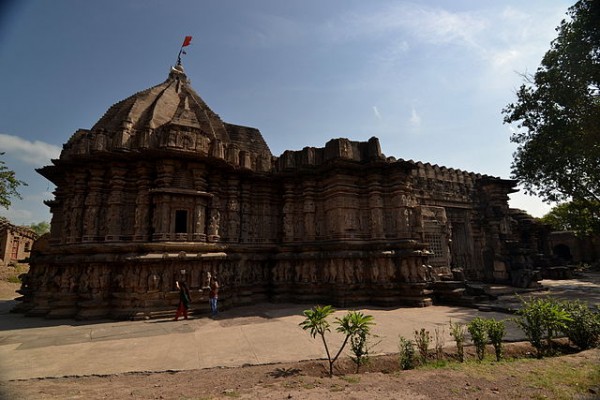
43.கோபேஸ்வர் சிவன் கோவில், Kopeshwar Shiva Temple, Kolhapur District
கோலாப்பூர் மாவட்டத்தில் கிதராப்பூர் என்னும் சிற்றூரில் அமைந்த கோவில் இது
சாங்க்லி நகரிலிருந்து 36 கிலோமீட்டர் கோலாப்பூ ரிலிருந்து 60 கிலோமீட்டர்.
இந்தக் கோவிலை நான்கு பகுதிகளாகக் காணலாம். ஸ்வர்க்க மண்டபம், சபா மண்டபம், அந்தராள கக்ஷ, கர்ப்பக் கிரகம். இவைகளில் கர்ப்பக் கிரஹம் கூம்பு வடிவத்தில் அமைந்து இருக்கிறது வெளிப்புற சுவர்களில் பல கடவுளர் உருவங்களும், பொதுவான சமய சார்பற்ற உருவங்களும் உள்ளன. கர்பக் கிரஹத்தில் இரண்டு சிவ லிங்கங்கள் இருப்பதும், நந்திக்கு தனியே சந்நிதி இருப்பதும் குறிப்பிட்டது தக்கவை கோவிலை யானையின் சிலைகள் தாங்கி நிற்பது போல அமைக்கப்பட்டுள்ளது
முதலில் தோபேஸ்வர் என்னும் விஷ்ணுவையும் பின்னர் கோபேஸ்வர் என்னும் சிவனையும் காண்கிறோம்.கோபம் என்ற உடனேயே சிவ பெருமானின் கோப உருவம்- ருத்ர தாண்டவம் நமக்கு நினைவுக்கு வரும் . தக்ஷன் நடத்திய யாகத்தில் சிவனுக்கு அழைப்பு விடுக்கப்படாததால் சிவனின் மனைவியான பார்வதி, தந்தையான தக்ஷன் யாகத்தில் தீக்குளித்ததும், அதை அறிந்த சிவன், கோபம் கொண்டு ருத்ர தாண்டவம் ஆடியதும் , அவர் தூக்கிக்கொண்டு திரிந்த சதி என்னும் பார்வதியின் உடல் பாகங்கள் விழுந்த 51++ இடங்களும் சக்திக் கேந்திரங்களாக மாறி, மக்களைக் கவர்ந்திழுப்பதும் அனைவருக்கும் தெரிந்த விஷயம்தான். அந்த சிவனின் கோபத்தை அடக்கி சமாதானப் படுத்த விஷ்ணு வந்த இடம் தான் கோபேஸ்வர் தலம் என்பது மக்களின் நம்பிக்கை; செவி வழி வரலாறு..
ஸ்வர்க்க மண்டபம்
கோபேஸ்வர் கோவிலில் குறிப்பிடத்தக்க கட்டிட அம்சம் ஸ்வர்க்க மண்டபம் . வட்டவடிவில் அமைக்கப்பட்ட இந்த மண்டபத்தில் 48 தூண்கள் இருக்கின்றன. அவை ஒவ்வொன்றும், சதூரம், வட்டம், அறுகோண , எண்கோண தூண்கள். ஒவ்வொன்றிலும் சிற்ப வேலைப்பாடுகளும் உண்டு. தூண்கள் மூன்று வட்டங்களில் உள்ளன. மேல் கூரை கிடையாது. நீல நிற வானத்தைக் காணலாம். அந்த திறந்த பகுதி 13 அடி விட்டம் உடையது .
இந்தக் கோவிலின் கர்ப்பக் கிர கம் கூம்பு வடிவில் இருக்கிறது .
கிருஷ்ணா நதிக்கரையில் அமைந்த இக்கோவில், ஏழாம் நூற்றாண்டில் சாளுக்கிய ஆட்சியில் துவக்கப்பட்டு 13ம் நூற்றாண்டு ஷிலாஹார ஆட்சியில் முடித்திருக்கலாம். இதிலுள்ள சிற்பக்கலை அதற்கு சான்று பகர்கின்றன.
To be continued………………………………………….. tags… கோபேஸ்வர், எல்லோரா, கைலாசநாதர், நாகநாத, நாகேஸ்வரம், ஜோதிர்லிங்க , தலம்
45.Origin of Sri= Sir = Thiru (Sanskrit/English and Tamil)
46. Auspicious Words in Sanskrit and Tamil Books
—-subham—-
xxxx
Linguistic and Language Wonders in India- Old Theories Binned (book title)
Foreword
This is a book that explodes old theories on linguistics and languages. I have been doing research in languages and linguistics for over 40 years. I have found that even Avestan in Persia (now Iran) is following the same rules as Tamil. Sanskrit language’s relation to European languages is well known. I have found some new rules that show Sanskrit and Tamil have originated from same source. Any word from any old language can be traced to Tamil or Sanskrit. Only problem is to find out patiently the missing links to trace them.
Another discovery is that the travel of letter ‘J’ from India shows the migratory route of Indian languages to other parts of the world. J = Y change is interpreted wrongly by all foreign books. One more discovery is that the alphabetical order of hymns in old Tamil and Sanskrit books follow an amazing similarity. My important discovery is about the quantitative and qualitative production of literature in Sanskrit before 800 BCE, when Greeks did not even take their pen to write Iliad and Odyssey. Hindus not only produced a lot of religious books, but also works on Etymology, Grammar, and Linguistics around that time. This is the big difference between the Western world and India. I have also found the fraudulent writings in the name of Dravidian languages. It is not a separate language family. The biggest linguistic fraud is about Brahui. No one can find even ten similar words in Tamil and Brahui. They are genetically, morphologically, and anthropologically dissimilar as well. I have explained all these things in the articles that I Published in my blogs from 2011. I welcome comments on my theories or hypothesis. Any authoritative negative or positive comment will help future researchers.
London Swaminathan
April 2023
xxxxxx
ABOUT THE BOOK AND THE AUTHOR
Title- Linguistic and Language Wonders in India- Old Theories Binned
Author – London Swaminathan (Santanam Swaminathan)
Language- English)
Published – April 2023
Subject –Linguistics
xxx
AUTHOR’S PROFILE
Santanam swaminathan (London swaminathan)
Educational Qualifications: B.Sc, M A (History), MA (Lit)
Higher Diploma in French and Sanskrit
DOB 6-11-1948
Work Experience- Now retired.
Worked for Dinamani News paper, Madurai as Senior Sub Editor until 1986,
BBC Tamil Producer in London 1987-1991,
Manager of Tamil Malayalee Health Project and London Tamil Sangam,
Tamil Tutor at SOAS, University of London 1993 to 2014.
Living with his wife and two sons in London from 1987.
xxx
Blog Details
tamilandvedas.com
swamiindology.blogspot.com
xxx
Contact Details
swami_48@yahoo.com
swaminathan.santanam@gmail.com
Mobile Number in London
07951 370 697
Published Works
Over 7000 articles in English and Tamil and 100 Tamil and English Books
Visited Countries
India, Britain, USA, Australia, Spain, Portugal, Austria, Sweden, France, Switzerland, Hong Kong, Singapore, Italy, and Greece
Lord Shiva or Mahadeva – The Great God , The God of Yogis , is responsible for change in the form of death and destruction and thus helping regeneration. Lord Shiva is conceived in his unborn , invisible form as the Shiva Lingam , the symbol is worshipped in every Hindu Temple and Home.
One of the names of Shiva is Naaganaatha. (Snake God, one who wears snake as belt). We have a temple in Tamil Nadu with this name.
Considered to be one of the Jyotirlingas, Aundha Nagnath (Nageshwar) temple is at the village Aundha in Hingoli district. It is at a distance of 52 kms from Parbhani and 65 kms from Nanded.
Devotees believe that this temple was built by Yuthisthira, eldest of the Pandava brothers. It had 7 tier tower and Muslim fanatic Aurang zeb demolished it.
It is in the Marathwada region. Nearest International airport is Aurnagabad, which is 210 kilometres away. Nanded airport is 70 kilometres away. Nearest railway station is Chondi which is situated 21 kilometres from Aundha.
This temple was built by Sena kings of Yadava dynasty in 13th century. After Aurnag zeb’s detruction, Indore Maharani Ahalyabhai Holkar reconstructed it.
Among the 12 Jyotirlingas, 5 of them are situated in Maharashtra. And the devotees throng these holy places in large numbers every year.
Since it is one of the 12 Jyotir lingas, devotees give utmost importance to visit this temple. It has got beautiful carvings and sculptures. All the 12 Jyotirlinga temples are in miniature form here.
Xxx
42.Kailasanatha Shiva Temple, Ellora Caves
The Ellora caves are situated about 29 kilometres (18 miles) northwest of the city of Aurangabad, 300 kilometres (190 miles) east-northeast of Mumbai, 235 kilometres (146 miles) from Pune and about 100 kilometres (62 miles) west of the Ajanta Caves, 2.3 kilometres (1.42 miles) from Grishneshwar Temple .
Kailasanatha temple at Ellora is the largest monolithic rock-cut monument in the world. At 32 metres high and 78 metres long, it is widely considered remarkable for its size, architecture and sculptural treatment. It is a rock-hewn rendition of a structural Shaivite temple executed as a freestanding form in a large open court.
The temple’s uniform architectural programme, combined with more recent studies of sculpture and iconography, have led to a new consensus attributing it to around two decades of activity under the Rashtrakuta kings Dantidurga and Krishna I in the late eighth century CE.
Kailasa temple (Cave 16) is the largest of the 34 Hindu, Buddhist and Jain cave temples and monasteries known collectively as the Ellora Caves.
The temple has carvings of different forms of Shiva and other Hindu divinities. The Shiva sculptures can be broadly classified under Samharamurti or the aggressive form, Anugrahamurti or the benign form, Nrittamurti or Shiva’s dancer form, and Shiva as guru or the teaching form.
One can see ,
The carved panel of Gajalakshmi,flanked by two colossal dvarapalas;
carved elephants and lions ;
Sabhamandapa is carved with detailed narrative friezes depicting the Ramayana, while the northern lower exterior wall is carved with the Mahabharata narrative.
The upper storey of the Kailasanatha includes the temple proper, consisting of a Nandi mandapa; a sixteen-pillared sabhamandapa with porches on the north, west and south; the garbhagriha surmounted by a vimana with four talas; and five subsidiary shrines to the north, northeast, southeast and south of the vimana.
During the reign of Muslim fanatic Aurangzeb, an attempt was made to destroy the temple, apparently, 1000 workers were sent to dismantle it and after three years it sustained only negligible damage in the form of a few dented or defaced figurines. Ultimately with no hope to succeed Aurangzeb had to give up and the temple stood there resiliently.
xxx
Ambarnath Shiva Mandir, Ambarnath
Please see the description in earlier parts.
Xxx
43.Kopeshwar Shiva Temple, Kolhapur District
Kopeshwar Temple is at Khidrapur, Kolhapur district, Maharashtra. It is a Hindu temple dedicated to Shiva.
Sangli is 36 km and Kolhapur is 60 km from the temple
The entire temple is divided into four parts Swargamandapa, Sabhamandapa,Antaral kaksha and Garbha gruha. The Swargamandapa has a vestibule with an open top. The sanctum is conical.
The exterior has stunning carvings of deities and secular figures. Elephant statues sustain the weight of the temple at the base. In the interior, we first see Vishnu (Dhopeshwar) & Shivaling facing north. But there is no Nandi who has a separate Mandir. The Garbhagriha or the sanctum has two Lingas .
Swarga Mandapa
The architecture of Swarga mandap is unique. This mandap is round in shape and is constructed with the support of 48 well carved rounded stone pillars which are placed in three circles. Each of the 48 pillars has been carved in different shapes -round, square, hexagon and octagon. Another unique feature of Swarga Mandap is that a part of the circular ceiling in the middle (with a radius of 13 feet) is open to the sky. The sanctum is conical. The exterior has stunning carvings of deities and secular figures.
Temple is situated on the banks of river Krishna The temple was probably built in 7th century AD, during the reign of the Chalukya Kings. It was patronized by the Shilahara Kings during the 12th and 13th century. The temple was built with basalt stone which was imported from South India.
Sati’s self-immolation at her father Daksha’s Yajna is a well known story in Hindu Puranas. After Sati killed herself, Shiva became angry. Vishnu stepeds in to pacify his anger. Since Shiva was angry he got the name Kopeshwar. Kopa means anger in Sanskrit. Vishnu is present here as the second linga to pacify Shiva.
Net we will look at one more Jyotir linga at Parli Vaidhyanatham.
அக்ஷய நவமி பண்டிகை பற்றி அதிகம் பேருக்குத் தெரியாது. ஏனெனில் இதை வங்காளிகள்தான் பெரும்பாலும் கொண்டாடுகிறார்கள். வீடுகளில் கொண்டாடப்படும் விழா இது. துர்கா பூஜைபோல தெருவெங்கும் பந்தல் போட்டு மாநில அளவில் கொண்டாடாமல், வீடுகளில் மட்டும் அனுஷ்டிக்கப்படுகிறது..துர்கா பூஜையின்போது சக்தியை துர்கா என்று வழிபட்டனர். அவள் தீமையை அழித்து நன்மையை நிலைநாட்டினாள் . இப்பொழுது அதே சக்தியை ஜகத்தாத்ரி என்ற பெயரில் வழிபடுவார்கள். உலகையே வழிநடத்தி பராமரிப்பவள் என்பது இதன் பொருள்
எப்போது இந்தப் பண்டிகை ?
கார்த்திகை மாத சுக்லபக்ஷ நவமி அன்று வங்காளிகள் இதைக் கொண்டா டுவார்கள் . துர்கா பூஜையின்போது களிமண்ணால் துர்க்கை உருவத்தைப் படைத்து , சில நாட்களுக்குப் பின்னர் நதிக்கரையில் விசர்ஜனம் (கரைத்தல் ) செய்வார்கள். இந்தப் பண்டிகையில் ஜகத்தாத்ரி என்னும் சக்தி தேவியை தாமிரம் அல்லது பித்தளைக் குடத்தில் ஆவாஹனம் செய்து பூஜைக்குப்பின்னர் விசர்ஜனம் செய்வார்கள்.
நாட்டின் சில பகுதிகளில் இந்த நாளில் நெல்லிக்காய் மரத்தை வழிபடுகிறார்கள். அதை விஷ்ணுவின் அமசமாகக் கருதுவதே இதற்குக்காரணம். ஆனால் வடக்கில் வேறு சில இடங்களிலோ வெண் பூசணிக்காய் முக்கியத்துவம் பெறுகிறது.
Xxx
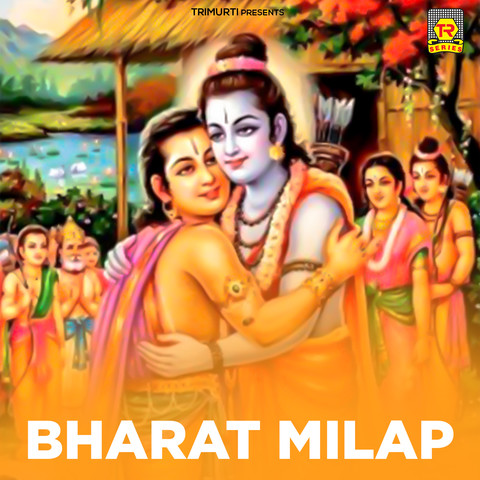
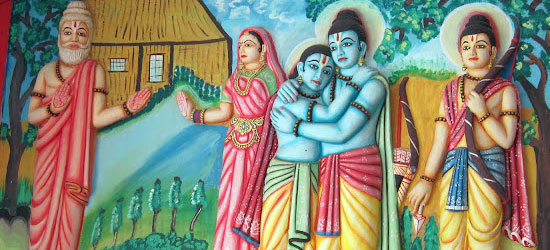
பரத மிலன்
முதலில் உத்தரப் பிரதேசத்தில் இதன் கதையைக் காண்போம் .
சீதை, லட்சுமணன் சகிதம் ராமபிரான் 14 ஆண்டுகள் காட்டில் வசித்தார் . இந்த வனவாசத்தின் துவக்க காலத்தில் ரிஷிகளில் ஒருவரான பரத்வஜரைச் சந்தித்து ஆசீர்வாதம் பெற்றார். 14 ஆண்டு வனவாசத்தின் இறுதியில் ராவணனை ஸம்ஹாரம் செய்து திரும்புகையில், பரத்வாஜரைச் சந்தித்து நன்றி கூறும் முகத்தான், பிரயாகைக்கு வந்தார். அவரது புஷ்பக விமானம் பிரயாகையில் இறங்கியவுடன் பரதனுக்கு செய்தி பறந்தது. அண்ணனின் வருகைக்காக அயோத்திக்கு வெளியே 14 ஆண்டுகளுக்கு ராமனின் காலணிகளை சிம்மாசனத்தில் வைத்து ஆட்சி செய்துவந்த பரதன், நந்திக்கிராமம் என்னும் ஊரிலிருந்து தேன் சிட்டாகப் பறந்து வந்தார் .
உடனே உலகம் முழுதுமுள்ள பத்திரிக்கை, டெலிவிஷன் சானல்களுக்கும் செய்தி தெரிய அவர்கள் எல்லோரும் ஸ்பெஷல் ஹெலிகாப்டர்களில் அங்கே வந்து குழுமி இருப்பார்கள் என்பதை நாம் ஊகிக்கலாம்.
ராமனைக் கண்ட பரதன் அண்ணா என்று அலறிக்கொண்டு ஓடி வந்து ராமபிரானைக் கட்டித் தழுவினான். இந்த சந்திப்பை பரத மிலன் என்பர். காசியில் தசராவுக்கு மறுநாள் இதை பெரிய அளவில் ஆண்டு தோறும் பரத மிலாப் என்ற பெயரில் கொண்டாடுகிறார்கள். தேதி வேறுபட்டாலும் அண்ணன்- தம்பி உறவின் சின்னமாக இந்தப் பண்டிகை விளங்குகிறது.
xxxx
பூசணிக்காய் அசுரன் / பஞ்ச ரத்தின தானம்
கூஷ்மாண்ட என்ற ஸம்ஸ்க்ருதச் சொல்லுக்கு பூசணிக்காய் என்று பொருள். சிலர் கூஷ்மாண்ட என்ற அசுரனை விஷ்ணு சம்ஹரித்த / தீர்த்துக்கட்டிய நாள் என்பர். ஆயினும் வட இந்தியாவில் பல இடங்களில் இதற்கு வேறு பொருள். அவர்கள் அன்றைய தினம், பிராமண புரோகிதர்களுக்கு வெண் பூசணிக்காயை தானாம் செய்வார்கள் . சிலர் பூசணிக்காய்க்குள் பஞ்ச ரத்தினங்களை வைத்து தானம் செய்வார்கள் .
பஞ்ச ரத்தினம் என்றால் என்ன?
பூசணிக்காயை, இந்தியில் ‘பேட்டா’ என்பார்கள். அதற்குள் தங்கம், வெள்ளி, தாமிரம், முத்து, பவளமென்னும் ஐந்து ரத்தினங்களை (ரத்தினம் = விலை மதிப்புடைய பொருள்; சிறந்த பொருள்; மனிதருள் மாணிக்கம் என்பது போல) மறைத்து வைத்து தானமாகத் தருவார்கள். இப்படி மறைத்துவைத்துத் தருவதால் இதற்கு குப்த தானம் என்று பெயர் குப்த என்றால் ரகசிய/ மறைவான என்று பொருள்.
சிலர் இந்த நாளில்தான் திரேதா யுகம் துவங்கியதாகவும் சொல்லுவார்கள்.
பிரயாகையின் மற்றொரு பெயர் திரிவேணி சங்கமம்; கங்கை, யமுனை, ஸரஸ்வதி (பூமிக்கு ஆடியில்) ஆகிய மூன்று நதிகள் சங்கமிக்கும் இடம்; துலுக்கர்கள் ஆட்சியில் இதற்கு அலஹாபாத் என்று பெயர் சூட்டினார்கள். இப்போது அந்தப் பெயர் அழிக்கப்பட்டுவிட்டது.
Pictures are taken from various sources for spreading knowledge.
this is a non- commercial blog. Thanks for your great pictures.
tamilandvedas.com, swamiindology.blogspot.com
கிருஷ்ணருக்குப் பிடித்த ஐந்து தினங்கள் – கிருஷ்ண பஞ்சமி!
ச.நாகராஜன்
1
கிருஷ்ணருக்குப் பிடித்த ஐந்து தினங்கள் – கிருஷ்ண பஞ்சமி!
மஹாபாரதத்தில் ஆஸ்வமேதிக பர்வத்தில் (அத் 92) வரும் ஒரு விஷயம் கிருஷ்ணருக்குப் பிடித்த ஐந்து தினங்களைப் பற்றிக் கூறுகிறது.
அமாவாசை, பௌர்ணமி தினங்களும் அவற்றை அடுத்து வரும் த்வாதசி தினங்களும் ச்ரவண நக்ஷத்திர தினங்களும் ஆக இந்த ஐந்து தினங்களும் கிருஷ்ண பஞ்சமி என்று அழைக்கப்படுகின்றன. இந்த ஐந்து தினங்களும் ஶ்ரீ கிருஷ்ணருக்கு மிகவும் பிடித்தமான தினங்களாகும்.
Navami means Ninth day, either after New moon or after Full moon, because Hindus have divided a month into two halves. Akshaya means eternal, indestructible, ever- lasting etc. Akshaya Navami is celebrated on the Navami day in Kartika bright half, i.e. Sukla Paksha.
This day is observed in various parts of India for various reasons. Goddess Jagaddhatri (the nurse or the sustainer of the world) is worshipped on this day.
Bengalis celebrate it as a household event and not as a communal one like Durga Puja. It is not even a festival, but a domestic ritual. Puja is done with a copper or brass pot. Devotees believe that Sun God worshipped Durga on this day.
This day has added significance because Hindu astrologers believe that Treta Yuga began on this day.
The special merit resulting from the worship of goddess on this day is that the worshipper is rewarded with peace and prosperity for thw whole year. Devi Purana explains the merit one attains by observing this day.
Xxx
‘Akshaya’ explains the merit of this day. Those who observe this day get the blessings for the whole year.
Hindu scriptures give this Akshaya status to
1.Akshaya Trityai Day
2.Amavasyai on Mondays ( Soma vaara New moon day)
3.If a Saptami falls on a Sunday
4.If a Chaturthi falls on a Tuesday
5.If an Ashtami falls on a Thursday
Xxxx
Ash gourd Donation
In some parts of North India people give donations to Brahmins. Gray gourd or Ash gourd (petha) or Pancha ratna (five gems) placed inside the ash gourd are given to Brahmins. Hidden pancharatna is called Gupta Dhan (secret charity). Pancha ratnas are Gold, Silver, copper, coral and pearl.
Xxx
Bharata met Rama on this Day! (Bharata Milan)
Akshaya Navami is also associated with a touching episode in Ramayana., in connection with which there is a celebration in Prayag (old name Allahabad). It was on this day Bharata met his brother Rama who spent 14 years in the forest. When Rama returned from the forest, he stayed in Prayag for a day to meet great saint Bharadwaj. Before going deep into the forest also he met him at the same place . When Bharata came to know about his arrival in Prayag, he rushed to Prayag in great speed. As soon as he heard that Rama’s aerial car (Plane) Pushpaka Vimana landed in Prayag, Bharat hastened from Nandigrama from where he was ruling Kosala country with Rama’s shoes on the throne.
This happy meeting of the two brothers (Bharata Milan) after a painful separation for fourteen years, is an event which is annually celebrated with much rejoicing all over India, especially in the Bharadwaja Ashram in Uttar Pradesh.
Bharadwaja devoted his entire life to the peaceful work of teaching the holy scriptures to a band of adoring disciples, who at the time numbered thousands.
Xxx
Celebration of Bharat Milap Festival Bharat Milap Festival is celebrated with much enthusiasm and joy in Varanasi. It marks the victory of truth over evil and also the love of brothers for each other. The Bharat Milap festival is celebrated the day following Dussehra.





 Tamil and Vedas


