பஞ்சாங்க ரகசியங்கள்-2 (Post No.8530)

WRITTEN BY KATTUKKUTY

Post No. 8530

Date uploaded in London – 18 August 2020   

Contact – swami_48@yahoo.com

Pictures are taken from various sources for spreading knowledge; this is a non- commercial blog. Thanks for your great pictures.

tamilandvedas.com, swamiindology.blogspot.com

நம் வாழ்க்கையின் ஒரு முக்கிய அங்கம் பஞ்சாங்கம் !

Kattukutty

பஞ்சாங்கம் நம்வாழ்க்கையின் ஒரு அங்கம்
நமது முன்னோர்கள் தினசரி இதைப் பார்த்துத் தான் தங்கள் அன்றாட வாழ்க்கையை வெற்றிகரமாக நடத்தினார்கள்.


விதை விதைப்பதிலிருந்து அறுவடை, மற்றும் உழைத்த மாட்டுக்கு
விழா, உழைக்கும் கருவிகளுக்கு விழா என பஞ்சாங்கத்தைப் பார்த்து
பார்த்து வாழ்க்கை வாழ்ந்தனர்.
உயரமாக மரம் வளர மேல்நோக்கு நாள்!
பூமிக்குள்ளே நன்றாக வளர கீழ் நோக்கு நாள்!
கொடி படர படர் நாள்….. எல்லாம் அந்தப் பஞ்சாங்கத்தில்!!!
ஏன் நல்ல நாள் பாரக்கக் கூட ஐயரைத் தேடி ஓட வேண்டாம்
இன்று கரி நாள் சுபம் விலக்கவும்.

இன்று நல்ல நாள் கல்வி  ஆரம்பிக்க…….
இதையெல்லாம் விளக்குமாறு திரு.சாமிநாதன் கேட்டுகொண்டதற்கிணங்க

“பஞ்சாங்க ரகசியங்கள்”

என்ற இந்தத் தொடரை 2 நாளைக்கு முன்பு
ஆரம்பித்திருக்கிறேன். இந்த அருமையான சந்தர்ப்பத்தை உங்கள் நணபர்களிடமும்

பகிர்ந்து கொண்டு அவர்களையும் இந்த பிளாக்கில் சேர்த்து

இந்தத் தமிழ் சமுதாயம் பயனடைய வேண்டுகிறேன்.

உங்கள் சந்தேகம் எது வேண்டுமானாலும் கேளுங்கள்.
பதில் கூறுகிறேன். எனக்குத் தெரியாதவற்றை தெரிந்து கொண்டு உங்களுக்குத் தெரிவிக்கிறேன்
நேற்று பஞ்ச அங்கங்களாகிய வாரம், நடசத்திரம், திதி, யோகம்
கரணம் எனபதைப் பற்றி விளக்கினேன்.


நமது சமுதாய சாஸ்திரப்படி ஒரு நாள் என்பது, இன்று காலை சூரியோதயம் முதல் நாளை காலை சூர்யோதயம் வரை உள்ள நாளாகும்.


(முஸ்லீம்களுக்கு ஒரு நாள் என்பது சூரியாஸ்தமனத்திலிருந்து

மறு நாள் சூரிய அஸ்தமனம் வரை ஆகும்)

 உதாரணமாக 15-08-2020 அன்று காலை 4.30க்கு ஒரு ஆண் குழந்தை பிறப்பதாக வைத்துக் கொள்வோம்
ஜாதகம் எழுதும் ஜோதிடர்
‘உயர்திரு ……..அவர்களுக்கும் திருமதி ……….அவர்களுக்கும்
14-08-2020 அன்று இரவு 4.30க்கு ஆண்குழந்தை
சுப ஜனனம்’ என்றே எழுதுவார், அந்தக்காலத்தில்.
தற்சமயம் 15-08-2020 அன்று காலை 4.30 க்கு ஆண்
குழந்தை சுப ஜனனம் என்று எழுதுவார், இந்தக்காலத்தில்.
உத்தராயணம் – தை மாதம் முதல் ஆனி முடிய உத்தராயணம்
என்று சொல்கிறோம்.

சூரியன் வடக்கு நோக்கிப் போகிறான்.


இது தேவர்களுக்கு பகல் காலம். அன்பர்களுக்கு ஒரு குறிப்பு
காலையில் சூரியன் தென்கிழக்கே உதயமாவதைக் காணலாம்
நமக்கும் வெய்யில் கொளுத்துகிறது.

தட்சிணாயணம் – ஆடி மாதம் முதல் மார்கழி மாதம் முடிய
பஞ்சங்கத்தில் வரும் “ஆடிப் பட்டம் தேடிவிதை”- மழை காலம்,
குளிர் காலம்……….பயிர் செய்ய, அறுவடைக்குத் தயாராகிறோம்.
சூரியன் தெற்கு நோக்கி பயணிக்கிறான்.

இது தேவர்களுக்கு
இரவுக்காலமாகும். அன்பர்களுக்கு ஒரு குறிப்பு சூரியன் வடகிழக்கே உதயமாவதைக் காணலாம்.

அயனம் என்ற சொல்லுக்கு சலனம் அல்லது இடம் விட்டு இடம் பெயர்தல் எனப் பொருள்
இந்த 12 மாதங்களை ஆறு பருவங்களாக பிரித்தனர் தமிழர்.


சித்திரை, வைகாசி – இளவேனில்
ஆனி, ஆடி – முதுவேனில்
ஆவணி, புரட்டாசி -கார்காலம்
ஐப்பசி, கார்திகை -கூதிர்காலம்
மார்கழி, தை – முன்பனிக்காலம்
மாசி, பங்குனி – பின்பனிக்காலம்

அகஸ்-பகல் நேரம். இதிலிருந்து இரவு நேரம் கண்டு பிடித்து
மாந்தி நேரம் கண்டு பிடிக்க உபயோகப்படுகிறது.

அவமா அல்லது – மூன்று திதியாவது, மூன்று நட்சத்திரமாவது
அவமாகம்- மூன்று யோகமாவது ஒரே நாளில் வருவது.
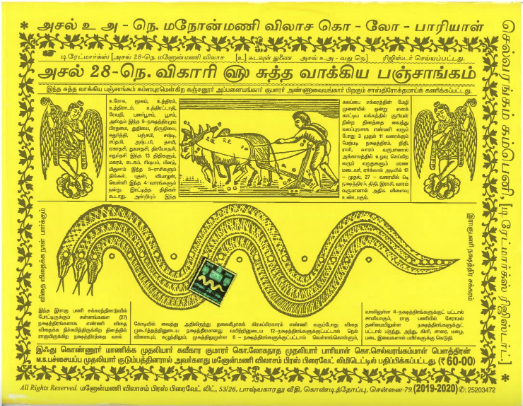
உதாரணம்-சார்வரி வருடம் பாம்பு பஞ்சாங்கம் ஆனி மாதம்
12தேதி வெள்ளிக்கிழமை மூன்று திதி ஒரே நாளில் வருகிறது

திரு தினஸ் ப்ருக்- ஒரு நட்சத்திரமாவது ஒரு திதியாவது,
ஒரு யோகமாவது மூன்று நாளில் வருவது.
உதாரணம்-சார்வரி வருடம் பாம்பு பஞ்சாங்கம் ஆனிமாதம்
1-ம் தேதி தேதியும், ஆனி மாதம் 2 ம்தேதியும் வைகாசி 32ம்
தேதியிலும் தசமி திதி வருவது கவனிக்கவும்.

தியாஜ்ஜியம்- ஒவ்வொரு நாளும் விலக்கப்பட்ட நேரம்
3.3/4 நழிகை ஆகும். இது லக்கின தியாஜ்ஜியம்,நட்சத்திர
தியாஜ்ஜியம் என இரு வகைப்படும்

அபசவ்யம் – இடது புறம்

நேத்திரம்- ஒரு கண் நாள்- ஞாயிறு, திங்கள்
இரு கண் நாள்-புதன்,வியாழன் வெள்ளி
மேற்கண்ட நாடகளில் நல்ல காரியங்கள் தொடங்கலாம்
குருட்டு நாள்- செவ்வாய், சனி எதையும் செய்ய கூடாது.

ஜீவன்-சூரியன் இருக்கும் நட்சத்திரத்திறகு முன்/ பின் உள்ள
நட்சத்திரங்கள் ஜீவன் இல்லாத நட்சத்திரங்கள்
சூரியன் இருக்கும் நட்சத்திரத்திற்கு 3,4,5.6.7.8.உள்ள
நட்சத்திரங்கள்,1/2 ஜீவன். மத்திமம்- நல்லவை
சூரியன் இருக்கும் நட்சத்திரத்திற்கு 9-13 ஒரு ஜீவன் உள்ளவை.
மிக நல்லவை.

வைநாசிகம்-அல்லது வைநாசிக பாதம்-ஜன்ம நட்சத்திரத்திற்கு
88 வது பாதம் அதாவது 22 வது நட்சத்திரம். இதில் கண்டிப்பாக
திருமணம் செய்யக் கூடாது.

அபிஜித்- உத்ராட நட்சத்திரத்தின் முடிவில் உள்ள 15 நாழிகையும்
திருவோண நட்சத்திரத்தின் முதல் நான்கு நாழிகையும் சேர்ந்தது
இந்த அபிஜித் என்ற நல்ல நேரம்.
தற்சமயம் இந்த நாழிகை வைத்து பெருக்கிக் கொண்டிருப்பதில்லை
பகல் 11.30 முதல் 12.30 முடிய அபிஜித் வேளை என குறிப்பிட்டு
விடுகிறார்கள்.


இது எதற்காக என்றால் எந்த ஒரு முக்கிய நல்ல காரியம்,  

அன்று கரிநாள், செவ்வாய் கிழமை, சனிக்கிழமை ஆகாமா, திருதினஸ்
ப்ருக் என்று பஞ்சாங்கத்தில் போட்டிருக்கிறது என்றாலும்
அந்த நல்ல கார்யத்தை நீங்கள் செய்யலாம் இந்த அபிஜித்
வேளையில் !!!


விஞ்ஞானிகள் சொல்கிறார்கள், இப்படி ஒரு நட்சத்திரம்
இருந்தது. காலப்போக்கில் அழிந்து விட்டது. கவனிக்க
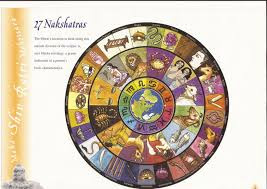
ஒரு காலத்தில் 28 நட்சத்திரம் இருந்தது. தற்சமயம் 27……..

அர்த்தோதயம்-தை மாசி மாதங்களில் அமாவாசை நாள்
ஞாயிற்றுக்கிழமை வந்து உதய காலமும் வந்து வியதீ பாதமும்
திருவோணமும் கூடினால் அர்த்தோதயம் !!!!

மகோதயம்- இதே மேற்கண்ட காம்பினேஷன்
திங்கள் கிழமை வந்தால் மகோதயம் !!!
இந்த இரண்டு நாட்களும் மிக மிக முக்கிய நாள்
60 வருடத்திற்கு ஒரு முறையே வரும். இதற்காக முனிவர்கள்,பெரியோர்கள் காத்துக் கொண்டிருப்பார்களாம்…
1000 சமுத்திர ஸ்னானம் கிரகணத்தன்று செய்த புண்ணிய பலனாம்.

நன்றி வணக்கம்.

***

தொடரும்

tags – பஞ்சாங்கம்-2, ரகசியங்கள்-2

BOOKS INDIANS SHOULD READ – 19 (Post No.8529)

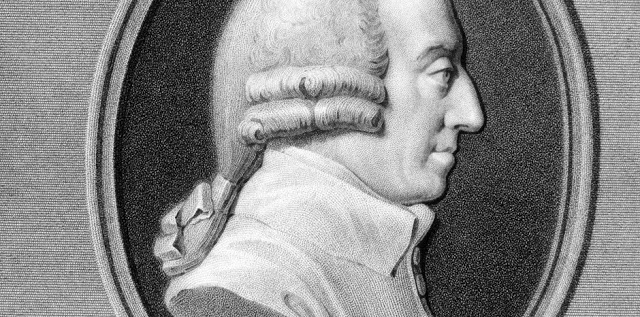
ADAM SMITH

WRITTEN BY R. NANJAPPA                        

Post No. 8529

Date uploaded in London – – – 18 August 2020   

Contact – swami_48@yahoo.com

Pictures are taken from various sources for spreading knowledge; this is a non- commercial blog. Thanks for your great pictures.

BOOKS INDIANS SHOULD READ – 19

Chapter 7 – Part II

                           COLLECTED WRITINGS OF DHARAMPAL- 2

R. Nanjappa


Book I, Chapter IX

III. Mercantile companies destroy:

Adam Smith tells us in some detail how a mercantile company, given monopoly, would act against the interests of all concerned, in pursuit of immediate profit. He describes how the Dutch and Portuguese companies have ruined the areas under them and says:

“The English company have not yet had time to establish in Bengal so perfectly destructive a system. The plan of their government, however, has had exactly the same tendency. 

“Had they been allowed to go on, it is impossible that they should not at some time or another have attempted to restrain the production of the particular articles of which they had thus usurped the monopoly,…. In the course of a century or two, the policy of the English company would in this manner have probably proved as completely destructive as that of the Dutch”.


Smith distinguishes a true sovereign from a mere merchant. He says that a sovereign derives his revenue from that of his people; so, his natural interest should be to allow the people to increase their revenue! But this is not the case of the merchant with monopoly, where he could maximise his profit by curtailing production. He makes some great observations:

But a company of merchants are, it seems, incapable of considering themselves as sovereigns, even after they have become such.

As sovereigns, their interest is exactly the same with that of the country which they govern. As merchants, their interest is directly opposite to that interest.

But if the genius of such a government….is in this manner essentially and perhaps  incurably faulty, that of its administration in India is still more so. That administration is necessarily composed of a council of merchants… which in no country in the world carries along with it that sort of authority which naturally overawes the people, and without force commands their willing obedience. Such a council can command obedience only by the military force with which they are accompanied, and their government is necessarily military and despotical.

They will employ the whole authority of government, and pervert the administration of justice, in order to harass and ruin those who interfere with them….

Such exclusive companies are nuisances in every respect; more or less inconvenient to the countries in which they are established, and destructive to those which have the misfortune to fall under their government.


Book IV, Chapter VII

DHARAMPAL

We can thus see that Adam Smith anticipated, as a mere economist, the likely economic and social outcome when a merchant company plays sovereign. The moral tone of this Professor of Moral Philosophy is also unmistakable. His prescience is stunning in its accuracy. The English in India had two centuries, as Adam Smith assumed, and brought about the ruin and destruction of a prosperous country as he predicted.

There is only one slip on his part. He distinguished between a true sovereign, who has the interests of his subjects at heart, and the mercantile masters who merely run for profit. Here, Dharampal’s records show that in the case of India, the company was merely the executing arm and the real master of destruction was the British sovereign and government. The company had always had the backing of the British army and navy. The company contributed large sums to the British treasury, and advanced money.


It is to this dispensation that we have to trace the origin of India’s economic decline, poverty and distress. Our agriculture was destroyed by company interference, high taxes, shortage of capital, high interest. People left agriculture and sought other occupations. But industries (manufactures) were also declining and could not support the increasing numbers. Famines struck, and people had no means to sustain themselves. Hereditary occupations declined. Our educational systems, science and technology, institutions of governance declined and disappeared. The financial arrangements which had sustained them through centuries collapsed. The whole of Indian society was subjected to great distress.

The writings of Dharampal trace how this happened, on the basis of original documents which he has provided in all the volumes.
Dharampal as historian confirms what Adam Smith as economist stated would happen!

Note:

It may appear to some that Adam Smith is quoted repeatedly. This is deliberate and necessary. Adam Smith is considered the father of modern economics and he wrote that the East India company would ruin India. He explained how this would happen. Unfortunately, neither Indian historians, nor Indian economists seem to have read Adam Smith and neither quote him in this context. The Indian government establishment, even after Independence, is continuing the colonial lies and distortions as Indian history, and perpetuating the lies through the education system. When the government is repeating the lies of the colonial government, it is necessary for us to repeat the correct position in different contexts. Hence Adam Smith has to be quoted repeatedly. 

Dharampal has shown how Adam Smith’s views proved correct- India was ruined. But Dharampal shows, on the basis of colonial records, how the British government itself was responsible for and beneficiary of this loot.

2.It used to be said in some circles that the British happened to rule India “in a fit of absentmindedness”. Among the historians of an earlier generation, Prof. Sripad Ram Sharma (S.R.Sharma) (Fergusson College, Pune) had countered this argument brilliantly and showed how the British government was actively involved in creating the colony here. This was in his book “The Making of Modern India”.  It was published by Orient Longmans more than 60 years ago. Unfortunately it is out of print. It may only be available in some libraries. [I still have my old notebook, where I have extracts from this book] Dharampal actually shows that the British government was behind the East India Company  at every stage. India’s ruin was the work of both the Company and the British government.

TAGS – books to read, -19

***

அன்னா கரீனா – 4 (Post No.8528)

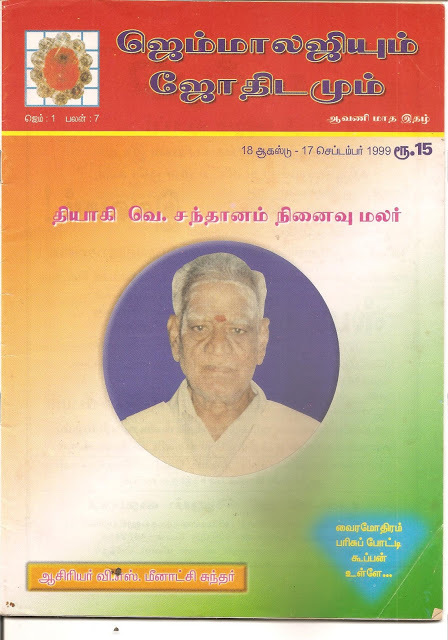
GEMMOLOGY MAGAZINE, YEAR 1999
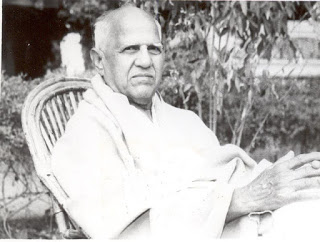
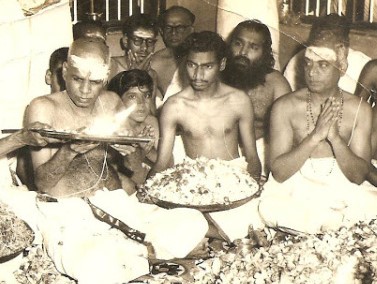
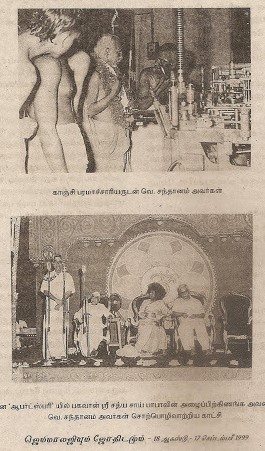
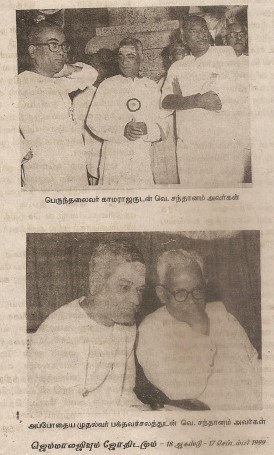
SRI V SANTANAM WITH SWAMIJI KRISHNA OF AYAKKUDI

WRITTEN BY S NAGARAJAN                     

Post No. 8528

Date uploaded in London – – –18 August 2020   

Contact – swami_48@yahoo.com

Pictures are taken from various sources for spreading knowledge; this is a non- commercial blog. Thanks for your great pictures.

அன்னா கரீனா – 4

ச.நாகராஜன்

         2 (முகவுரையின் தொடர்ச்சி)

1870-ஆம் வருஷம் பிப்ரவரி மாதம் 24-ஆம் தேதி டால்ஸ்டாயின் மனைவி தன்னுடைய சகோதரிக்கு ஒரு கடிதம் எழுதினாள். அந்தக் கடிதம் இங்கே நோக்கத் தக்கது :

   “உயர்ந்த இடத்தில் பிறந்து, உயர்ந்த இடத்தில் வாழ்க்கைப்பட்ட ஒரு பெண் மெய்ந்நெறியிலிருந்து தவறி விடுகிறாள். அப்பெண்ணின் குற்றத்தைச் சித்தரிக்காது, அவளுடைய பரிதாபகரமான நிலையைச் சித்தரிக்க வேண்டும் என்ற எண்ணம் எனக்கு உதயமாயிருக்கிறது” என்று என் கணவர் எனக்குச் சொன்னார். “

     ஆனால் 1875-ஆம் வருஷத்திலிருந்து நாவல் சிறிது சிறிதாக வெளி வந்தது. 1877-ஆம் வருஷந்தான் நாவல் முழுவதும் வெளியாயிற்று. எத்தனை வருஷங்களாகக் கதை மனத்தில் ஊறி வந்திருக்கிறது பாருங்கள். முதற்கதை அமைப்பை இரண்டு மாதங்களில் முடித்து விட்டார். ஆனால் புத்தகம் வெளியேற மூன்று வருஷங்கள் கழிந்து விட்டன. கதையை அடித்துத் திருத்தி மறுபடியும் அடித்துத் திருத்தித்தான், மனத்தில் கொண்ட கருத்து உரு அடைகிறவரையில் மாறுதல்களைச் செய்து கொண்டே போனார்.

      ஒரு கலைஞனுடைய மனச்சாட்சியைச் சீக்கிரம் திருப்தி செய்து விட முடியாது. அது, ‘ஆம், அது சரியே’ என்று ஆமோதிக்கிற வரையில் அரும்பாடு பட வேண்டும். அத்தகைய சாட்சியைப் புறக்கணித்தால் உள்ளத்தில் அமைதி ஏற்படாது. அன்னா கரீனா சீக்கிரம் வெளி வராததற்கு மற்றொரு காரணமும் உண்டு. ருஷ்ய நாட்டில் பஞ்சம் வந்து விடுகிறது. தம் மக்களின் புற வறுமையையும், அக வறுமையையும் அகற்ற டால்ஸ்டாய் பாடுபட ஆரம்பித்தார். அப்பொழுது அன்னா கரீனாவின் கதைப் போக்குத் தடைப்பட்டு விடுகிறது. அந்நிலையில் டால்ஸ்டாய் எழுதுகிறார்: “உயிரோடு வாழ்கின்ற என் மக்களை விட்டுக் கற்பனை உலகத்தின் கதாபாத்திரங்களின் சுக துக்கங்களை நாடேன்.” 

     அத்தனை இடையூறுகளுக்கிடையே கதை வெளியாகின்றது. அன்னா கரீனாவை வாசித்து உவகைநறவை மாந்தி மெய்ம்மறந்து டாஸ்டாவ்ஸ்கி (Dostoevsky) பேசுகின்றார் :

     “டால்ஸ்டாய் சாதாரண மனுஷ்யரல்லர். அவர் ஒரு தெய்வக் கலைத்தச்சன்.” என்று தெருவெல்லாம் சொல்லிக் கொண்டே போகின்றார். “இந்நாவலைப் போல முன்பு கிடையாது; யார் டால்ஸ்டாயை வெல்ல முடியும்? ஐரோப்பாக் கண்டத்தில் எந்த ஆசிரியர் இவரை அணுக முடியும்?” என்று புகழ்கின்றார்.

    அன்னா கரீனா பல விதங்களில் மிகச் சிறப்புடையதாயிருக்கிறது. காதற் கதை எழுதுவது சாதாரணக் காரியமன்று. அழகு பெறப் பாத்திரங்களை அமைப்பது சுலபமன்று. வேறு ஆசிரியர் அன்னாவைச் சித்தரிப்பாராகில், அருவருப்புத்தான் எழுந்திருக்கும். இங்கே பிழை செய்த அன்னாவைக் கண்டு இரங்குகின்றோம். சூத்திரக் கயிறுகளில் ஆடுகின்ற பொம்மைப் பாத்திரங்களல்ல, டால்ஸ்டாயின் பாத்திரங்கள். வாழ்க்கையில் காணப்படுகிற ஆசாபாசங்கள் நிரம்பிய மக்களை அப்படியே இங்கே காண்கிறோம். அவைகளோடு அழுகிறோம்; புலம்புகிறோம்; சிரிக்கிறோம். நிதம் பழகுகின்ற மனிதர்களே பாத்திரங்களாகக் காட்சி அளிக்கின்றனர். ஏதோ புத்தகம் படிக்கிற உணர்ச்சி வரவில்லை. அந்நாடகத்தில் நாமும் சேர்ந்து நடிக்கின்றோம்.

      பால்சாக் ((Balsac), ஜோலா (Zola) ஆகியவர்களைப் போன்ற ஆசிரியர்கள் நுணுக்கமாய் வர்ணித்துக் கொண்டே போவார்கள். நூறு பக்கங்களானாலும் பாத்திரங்களின் உரு ஏற்படுகிறதில்லை. ஆனால் டால்ஸ்டாய் இரண்டு மூன்று கீறல்களினால் பாத்திரங்களை எழுப்பி விடுகிறார்.

     அன்னாவின் அழகிய தோள்கள், அடர்ந்த அவள் தலைமயிர், வனப்பு வாய்ந்த அவள் ஒளி வீசும் வதனம், பாதி மூடின கண்கள் – எல்லாம் நம் முன் நின்று விடுகின்றன. ரெயில் அடியில் அவள் மற்ற அவயவங்கள் நசுங்கிக் கிடக்கின்றன. அவள் முகம் மாறவில்லை. புத்தகத்தைப் படித்து மூடினால், அவள் வதனம் நம் கண் முன் சுடர் விட்டு உலாவும். அலிகிஸ்கரினின் அயர்வு காட்டும் முகத்தில் தோன்றும் முறுவல், உயரத் தூக்கிய புருவங்கள், விரிதல் கண்ட இடைவெளிகள், டாலியின் நீர் தோய்ந்த கண்கள், லெவின் குடியானவத் தோற்றம் முதலியவைகளை நாம் மறக்க முடியாது.

     டால்ஸ்டாய் பாத்திரங்கலைத் தாமே வர்ணிக்கிறதில்லை. பாத்திரங்களே நடமாடுகின்றன, பேசுகின்றன, சிரிக்கின்றன, அழுகின்றன. இம்முறையை எத்தனையோ நூற்றாண்டுகளுக்கு முன் வால்மீகி அனுஷ்டித்து விட்டார். இது மட்டுமா? – வால்மீகி பகவானின் அகலிகையின் சரித்திரத்தின் விரிவைத் தான் டால்ஸ்டாயின் “புத்துயிரி”ல்  (Resurrection) காண்கிறோம். பிழை இழைத்த பெண்ணிற்கு உய்விடம் உண்டா, இல்லையா என்ற கேள்விக்கு வால்மீகி பகவான் ஆணித்தரமான பதில் அளித்திருக்கிறார்.

     பாத்திரங்களைக் காகித அட்டை போல ஒட்ட வைத்து அமைக்கவில்லை, அவைகளே டால்ஸ்டாயின் அகக் கண்முன் ஓடுகின்றன.

     பாத்திரங்களைப் படைப்பதில் வேறெவரும் டால்ஸ்டாய்க்கு இணை இல்லை என்றே சொல்லி விடலாம். காதல், அதன் சிதைவு – இவைகளைச் சித்தரிப்பது சுலபமான காரியமன்று என்று முன்பு குறிப்பிட்டேன். சார்லஸ் மார்கன் (Charles Morgan) இக் காதற் கீதத்தைத் தன் கற்பனை யாழில் அழகுற மீட்டியிருக்கிறார் என்பதில் சந்தேகமில்லை. அன்னா கரீனாவில் காணப்படும் ஒரு சித்திரம் சார்லஸ் மார்கனில் அழியாதபடி அமைந்திருக்கும் ஒரு சோகக் காட்சியை நினைவூட்டுகின்றது.

       அன்னா இறக்கும் தறுவாயிலிருக்கிறாள். சுர வேகத்தில் பேசுகிறாள். அவள் படுக்கைக்கு அருகில் அவள் கணவன் கரினின், அவள் ஆசை நாயகன் விரான்ஸ்கி இவ்விருவரும் நிற்கின்றனர். விரான்ஸ்கி தன் முகத்தை மூடிக் கொண்டிருக்கிறான்.

     “உங்கள் முகத்தைத் திறந்து காட்டுங்கள். அவரை நோக்குங்கள். அவர் ஓர் உத்தமமான மனிதர். முகத்தைத் திறப்பீராக” என்று என்று கோபத்தில் மீண்டும் மீண்டும் சொல்லுகிறாள். “அலிக்சிஸ், அவர் முகத்தைத் திறந்து காட்டுவீராக. நான் அவர் முகத்தைக் காண விரும்புகிறேன்.”

    துயரினாலும் நாணத்தினாலும் விகாரமடைந்த விரான்ஸ்கியின் முகத்தின் மீதுள்ள கைகளை அகற்றுகின்றான் அலிக்சிஸ்.

     “தங்கள் கையை நீட்டி அவரை மன்னிப்பீராக” என்று தன் கணவனை வேண்டுகின்றாள். அலிக்சிஸ் கண்களிலிருந்து நீர் சொரியத் தன்னுடையை கையை நீட்டுகின்றான்.

     இச் சோகமான காட்சி, தீய உள்ளத்திலும் பெருந்தன்மை சுடர் இருக்கின்றது என்ற உண்மைய உலகங் கேட்க முரசடிக்கின்றது. கன அந்தகாரத்திலும் ஆத்ம தீபத்தின் ஒளி மழுங்கிப் போகிறதில்லை. இத்தகைய உயர்ந்த சித்திரத்தை மார்கனின் ‘ஊற்றில்’ (Morgan’s Fountain)  நோக்குகின்றோம்.

    உண்மை ஒளி நிறைந்த இந் நாவல் இன்னொரு முறையிலும் பெருமை வாய்ந்திருக்கிறது. இதை அன்போடு படிப்போமானால் டால்ஸ்டாயின் சுய சரிதத்தை இதில் கண்டு விடலாம். அன்னா கரீனாவை எழுதிக் கொண்டிருக்கும் பொழுதே தன் நாட்டின் தொண்டில் டால்ஸ்டாய் ஈடுபட்டிருந்தார் என்று முன்பு சொன்னேன். அன்னாவில் வருகின்ற லெவின் டால்ஸ்டாய் தான். பள்ளிக்கூடம் வைத்தல், ஆஸ்பத்திரி அமைத்தல், கழனிகளில் குடியானவர்களோடு தானும் ஒரு குடியானவனாகப் பாடுபடுதல் முதலிய செய்திகளை அன்னா கரீனாவில் பார்க்கின்றோம். ‘போரும் அமைதியும்’ (War and Peace)  என்ற பெருங் காப்பியத்தில் – பியரி (Pierre) , ஆண்டிரு (Andrew) என்ற கதா பாத்திரங்களைக் காண்கின்றோம். இவர்கள் ஓர் ஆற்றங்கரை மீது அமர்ந்து ஆத்ம விசாரங்கள் செய்கின்றனர். பியரிக்கு அளவற்ற சொத்துண்டு. சிற்றின்பவயத்தனாய்க் காலத்தைக் கழித்தவன்; ஆனால் ஏழைகளின் துயர் துடைக்கப் பாடுபட முயல்கின்றான். ஆனால் சிற்றின்ப வாசனை மறுபடியும் இழுக்கின்றது. இப்படிப் பொல்லாத மனம் இழுக்கின்றதே என்று உள்ளம் நைகின்றான். இத்தகைய போராட்டத்தை டால்ஸ்டாயின் மனத்திலே பார்க்கின்றோம். சொத்தெல்லாம் திடீரென்று விடுகிற மனப்பண்பு டால்ஸ்டாயிக்கு மட்டும் அன்று. அந்நாட்டினருக்கே உண்டு என்று சிலர் கருதுகின்றார்கள். நம் நாட்டிலும் அதே மனப்பண்பு தான். கிப்லிங் (Kipling) புரான் பஹத் என்ற பாத்திர மூலங் காட்டியிருக்கிறார். ருஷ்ய நாட்டிற்கே அது பொருந்துமாயினும், பியரி டால்ஸ்டாய் தான் என்ற விஷயத்தில் யாதொரு சந்தேகமில்லை. தடுமாற்றம், நம்பிக்கை இன்மை, நவீனப் படிப்பினால் எழுந்த தற்பெருமை – அகம்பாவம், குலப்பெருமை – இவைகளை ஆண்டிருவில் பார்க்கின்றோம். இது டால்ஸ்டாயின் மற்றோர் அம்சம். இவ்விரு பாத்திரங்களும் டால்ஸ்டாயின் மனத்தகத்தே போராடுகின்ற ஒலிகள் தாம். லெவின் – பியரி – ஆண்டிரு – இந்தப் பாத்திரங்கள் டால்ஸ்டாயின் சிதறின உருவங்கள் தாம்.

   உண்மையான பாத்திரங்களின் சிருஷ்டி, வாழ்க்கையின் காட்சிகள், உலகத்திலேயே தலை சிறந்த ஆசிரியரின் மனப்பண்பு – இவைகளைக் காட்டுகின்ற அன்னா கரீனாவின் முடிவில் டால்ஸ்டாயின் அமைதியின்மையைப் பார்க்கின்றோம்.

    ‘அன்னா கரீனாவில் முடிவிலே பாலைவனத்தில் எழும் துக்க ஓலந்தான் கேட்கின்றது’ என்கிறார் ஒரு விமர்சனக்காரர். இந்த ஓலம் டால்ஸ்டாயின் ஆத்ம ஓலத்திற்குப் (‘Confession’) பீடிகையாயிருக்குமோ என்று தோன்றுகிறது. அன்னா கரினா நடு நாயகமாயிருக்கின்றது. இதற்குப் பிறகு டால்ஸ்டாயின் இலக்கிய உணர்ச்சி தேய்ந்து கொண்டே வருகிறது.

     ஆத்ம விசாரமும் சோதனைகளும் எழுகின்றன; இந்நிலையில் கற்பனை ஊற்றுக்கள் வறண்டு போகத்தான் போகும்.

     இப்படிப் பலவிதத்திலும் சிறப்பு வாய்ந்த அன்னா கரீனாவை நினைவூட்டுகின்றது ஒரு தமிழ் நாட்டு நாவல் என்று மெய்ம்மறந்து அபிமான நறவுண்டு கூறுகின்ற விமர்சனக்காரருடைய வெறும் புகழ்ச்சி உரை இனி நம் தமிழ் உலகத்தில் நடமாடாது. இத்தமிழ் மொழிபெயர்ப்பு தடுக்குமென்று கருதுகிறேன். நம் இலக்கிய நந்தவனத்தில் அன்னாவைப் போல ஒரு நாவல்  மலர ஓராயிர வருஷமாகும்; அது தான் ஏற்படுமா? அதுவும் சந்தேகந்தான்!

      ‘போரும் அமைதியும்’ (War andPeace), ‘அன்னா கரீனினா’ (Anna Karenina) இவ்விரு நாவல்களும் வானளாவி நிற்கின்ற இமயமலை போலக் காட்சியளிக்கின்றன. இவைகளுக்கு முன் மற்ற நாவல்கள் எறும்புப் புற்றுகள் தாம்; புற்றீசல் போல நிதம் கிளம்புகின்ற நாவல்கள், வெய்யோன் விரிசோதி போலப் பாய்கின்ற அத் தெய்வத் தச்சனின் கற்பனைச் சுடர் வெள்ளத்தில் இருக்கிற இடந் தெரியாமல் அழிந்து விடும் என்பதில் சந்தேகமில்லை. இது புகழ்ச்சி உரையன்று; உண்மையே.

திருவல்லிக்கேணி

21-3-1947                                          ரா. ஸ்ரீ . தேசிகன்  

TAGS – அன்னா கரீனா – 4, V.SANTANAM PICTURES

3

அற்புதமான இந்த முகவுரையைப் படித்தோருக்கு அன்னா கரீனா நாவலின் பெருமை புரியும்.

வால்மீகியின் பாத்திரப் படைப்பையும் டால்ஸ்டாயின் பாத்திரப் படைப்பையும் ஒப்பீடு செய்தல், டால்ஸ்டாயின் சிதறிய வடிவங்களே அவர் படைத்த லெவின் – பியரி – ஆண்டிரு என்பன போன்ற அருமையான கருத்துக்களை இந்தத் திறனாய்வு  முகவுரையில் காண்கிறோம்.

இது போலொரு நாவல் தமிழகத்தில் தொன்ற ஓராயிரம் வருஷமாகும் என்கிறார்  திரு ரா. ஸ்ரீ . தேசிகன்.

தமிழ் மொழிபெயர்ப்பை வரவேற்கும் அவர் அதன் பயனாகத் தான் கருதுவதையும் அப்பட்டமாகக் கூறுகிறார் இப்படி :

“இப்படிப் பலவிதத்திலும் சிறப்பு வாய்ந்த அன்னா கரீனாவை நினைவூட்டுகின்றது ஒரு தமிழ் நாட்டு நாவல் என்று மெய்ம்மறந்து அபிமான நறவுண்டு கூறுகின்ற விமர்சனக்காரருடைய வெறும் புகழ்ச்சி உரை இனி நம் தமிழ் உலகத்தில் நடமாடாது. இத்தமிழ் மொழிபெயர்ப்பு தடுக்குமென்று கருதுகிறேன்.”

அன்னா கரீனாவின் தமிழ் மொழிபெயர்ப்பை தமிழ் உலகம் நன்கு வரவேற்றது.

வாழ்க டால்ஸ்டாய்; வாழ்க திரு வெ.சந்தானம்!

                                ** அன்னா கரீனா தொடர் நிறைவுறுகிறது

INDEX 9 FOR LONDON SWAMINATHAN’S ENGLISH & TAMIL ARTICLES (Post No.8527)

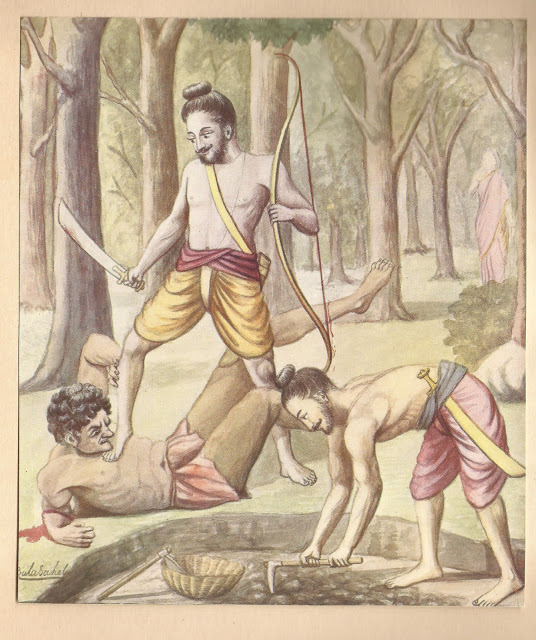
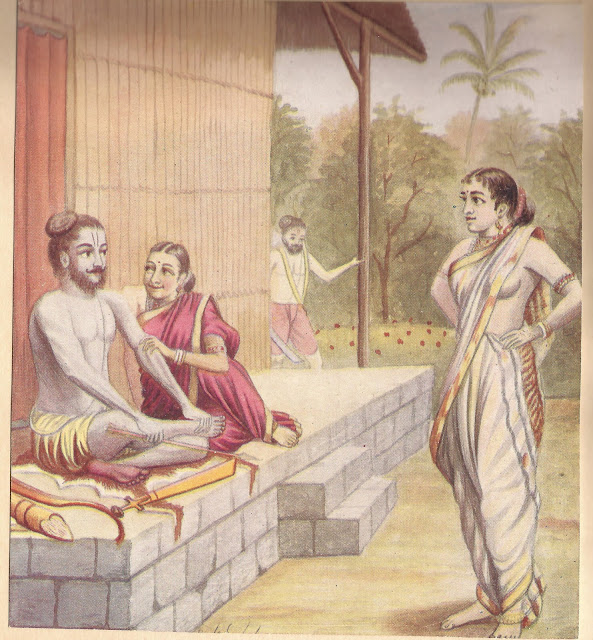
 ARANYA KANDA PICTURES FROM VALMIKI RAMAYANA

WRITTEN BY LONDON SWAMINATHAN

Post No. 8527

Date uploaded in London – 17 August 2020   

Contact – swami_48@yahoo.com

Pictures are taken from various sources for spreading knowledge; this is a non- commercial blog. Thanks for your great pictures.

tamilandvedas.com, swamiindology.blogspot.com

லண்டன் சுவாமிநாதன் கட்டுரைகள் 2012/2013

பிள்ளையார் வினா-விடை (க்விஸ் )- டிசம்பர் 31, 2012

பாரதியின் பேராசை 27-12

தமிழ்நாட்டை உலுக்கிய பேய் 23/12

மாதத்துக்கு மூன்று மழை 22/12

தங்கம் விலை உயரும் 21/12

கலியுக முடிவு பற்றி லிங்க புராணம் 19/12

உலக அழிவு பற்றி மஹாபாரதம் 17-12

தக்காளி ரசத்தின் மஹிமை 15/12

யானைக்காப்பி கோப்பை £30 (ரூ. 2500)-13/12

பாரதி பாட்டில் பகவத் கீதை –10/12

கவி மழை பொழிய ஆசையா 2/12

***

அருணகிரிநாதரின் சொற்சிலம்பம்  (திருப்புகழ் ஆராய்ச்சிக் கட்டுரை-8)-  28/1)

இசைத்தமிழ் அதிசயங்கள் – ஜனவரி 31, 2013

சங்கீத ரகசியம் – இளமையில் கல் – 26/1

அஸ்வமேத யக்ஞங்களும் அஸ்வப் படுகொலைகளும் 26/1

தமிழ் எழுத்துக்கள் முப்பதா? ஐம்பத்தொன்றா? ( திருப்புகழ் ஆராய்ச்சிக் கட்டுரை 7) – 24/1

நரகத்துக்குப் போவோர் பட்டியல் – (திருப்புகழ் ஆராய்ச்சிக் கட்டுரை 6) – 23/1

திருப்புகழ் நெருப்பென்று அறிவோம் யாம் (திருப்புகழ் ஆராய்ச்சிக் கட்டுரை 5)  22/1

தமிழில் திட்டத் தெரியுமா ? வசை பாடுவது எப்படி? -(திருப்புகழ் ஆராய்ச்சிக் கட்டுரை 4 )21/1

வேத நாயும் மாதா கோவில் நாயும்  19/1

சம்பந்தருக்கு அடிமை அருணகிரிநாதர் –(திருப்புகழ் ஆராய்ச்சிக் கட்டுரை 3 )17/1

டாக்டர் முருகனும் பேஷண்ட் அருணகிரிநாதரும் (திருப்புகழ் ஆராய்ச்சிக் கட்டுரை 2) 15/1

தனிமையில் இனிமை :அருணகிரிநாதர் (திருப்புகழ் ஆராய்ச்சிக் கட்டுரை 1)  14/1

பல்லாங்குழி ஆட்டம் பரவிய மர்மம்– 13/1

மனிதர்களைச் சுற்றி ஒளி வட்டமா இருப்பது உண்மையே 12/1

மன்னிக்க வேண்டுகிறேன் 9/1

வியப்பூ ட்டும் செய்தி – மனிதர்கள் தோன்றியது பர்மாவில் 7/1

விநாயகரின் ரசாயன யுத்தம் 7/1

பூமியை நோக்கி வாழ் நட்சத்திரம் வருகிறது, ஜனவரி 5, 2013

*******

Aladdin’s Magic in Valmiki Ramayana -25 DECEMBER 2012

DECEMBER 2012

Ghost that killed 72 Tamil People 23/12

Indus Valley cities in Ramayana (Ramayana Wonders – Part 5) 18/12

Tomatoes prevent Cancer 15/12

Elephant Coffee- a cup £30 (2500 rupees) 13/12

Who can read all 300 Ramayanas? (Ramayana Wonders – Part 4)  12/12

Rama and Sanskrit G’RAMMA’R (Ramayana Wonders- part 3) 5/12

How many miles did Rama Walk? 3/12 (Ramayana Wonders Part 2)

Ramayana Wonders-1 December 1, 2012

Xxxxx

JANUARY 2013

Amazing Andal: Where did she see the Lion? January 30, 2013

Philippines -A Tamil Hindu Colony ? 27/1

Varaha Avatar: New Explanation 21/1

Mothers Love: Gandhari’s First Night 20/1

Vedic Dog and Church Dog 18/1

Pallankuzhi (Mancala) Mystery 13/1

Who is Dhananjayan? 12/1

Haloes are Real: New Scientist 10/1

Mankind originated in Asia 7/1

Om (Aum) in Rome 6/1

Spectacular Comet Show in November 5/1, 2013

***

FOLLOWING REPORT IS ABOUT TAMILANDVEDAS ONLY. SAME POSTS WERE POSTED IN FOUR MORE BLOGS

Crunchy numbers

19,000 people fit into the new Barclays Center to see Jay-Z perform. This blog was viewed about 73,000 times in 2012. If it were a concert at the Barclays Center, it would take about 4 sold-out performances for that many people to see it.

In 2012, there were 352 new posts, growing the total archive of this blog to 416 posts. There were 621 pictures uploaded, taking up a total of 124 MB. That’s about 2 pictures per day.

The busiest day of the year was December 18th with 753 views. The most popular post that day was உலக அழிவு” பற்றி மகாபாரதம்.

Attractions in 2012

These are the posts that got the most views on Tamil and Vedas in 2012.

The top referring sites in 2012 were:

  1. facebook.com
  2. 36ohk6dgmcd1n-c.c.yom.mail.yahoo.net
  3. twitter.com
  4. mail.yahoo.com
  5. swamiindology.blogspot.com

Some visitors came searching, mostly for time traveltimeமஹா பாரதம் கதைஓம், and jewels and gems.

+

That’s 151 countries in all!
Most visitors came from India. The United States & United Kingdom were not far behind.

INTRODUCTION

I started blogging in tamilandvedas.wordpress.com and swamiindology.blogspot.com from June 2011, I am giving above the INDEX for DECEMBER  2012 and JANUARY,  2013

 I did not give the date of loading or number for the article in the beginning. But all articles are available in both the blogs in the name of

 ‘London Swaminathan’.

Like you did with S Nagarajan’s articles INDEX, get the articles by googling.

Following  is the method:-

Paste the title of the article in the google (space)and add ‘from tamilandedas.com or ‘from swamiindology.blogspot.com’

 Here is an example :

Is Brahmastra a Nuclear Weapon? from tamilandvedas.com

Or

Is Brahmastra a Nuclear Weapon? From swamiindology.blogspot.com

Since I am going to give nearly 6000 titles, you may not find time to read all the articles/ posts at once.

So, please take a printout of the Index or note down the titles and dates of your favourite posts.

Thanks for all your support. We are reaching two million hits now.

If you have any difficulty in getting the articles, please let us know.

Be careful about the spelling of the title. Even a small mistake will take you somewhere and waste your precious time.

TAMIL TITLES ARE GIVEN SEPARATELY.

***

IN THE BEGINNING I UPLOADED MY ARTICLES IN

1.THE SPEAKING TREE OF TIMES OFINDIA

2.TAMIL HERITAGE FOUNDATION SITE

3.TAMIL BRAHMINS.COM etc.

So you may find the same articles on different days on different blogs

*****

To be continued…………………….

Tags- சுவாமிநாதன், கட்டுரை இன்டெக்ஸ் 9, INDEX 9, S.SWAMINATHAN,  ARTICLES,

வெள்ளை வேண்டாம்’- வள்ளுவன், கம்பன் போர்க்கொடி (Post No.8526)

WRITTEN BY LONDON SWAMINATHAN

Post No. 8526

Date uploaded in London – 17 August 2020   

Contact – swami_48@yahoo.com

Pictures are taken from various sources for spreading knowledge; this is a non- commercial blog. Thanks for your great pictures.

tamilandvedas.com, swamiindology.blogspot.com

வெள்ளை என்றால் முட்டாள்தனம்; வெள்ளையர் என்றால் முட்டாள் பயல்கள். வள்ளுவனும் கம்பனும் ‘வெள்ளை மர்தாபாத் ‘ என்று உச்ச ஸ்தாயியில் பாடுகின்றனர் . திருவள்ளுவ ஐயங்காருக்கு ரொம்ப பிடித்தது விஷ்ணுதான் ; ரொம்ப பிடிக்காதது நாஸ்திகம் பேசும் சமண பவுத்த , சாருவாக மதத்தினர்தான்

புல்லறிவாண்மை என்ற அதிகாரத்தில் இவர்களைப் ‘பேய்கள்’ (ALGOL) என்றும் வெள்ளை என்றும் திட்டுகிறார்.

இவர் ‘ஓபனாக’ வாமனாவதாரம் , கிருஷ்ணாவதாரத்தைப் புகழ்வதை வள்ளுவர் ஐயரா ஐயங்காரா? என்ற தலைப்பில், எடுத்துக் காட்டினேன் .

நாஸ்தீக வாதிகளை ‘பேய்கள்’ என்று திட்டுவதையும் ஆல்கால் நட்சத்திரத்தை இவர் அலகை என்ற பேய் நட்சத்திரத்தின் பெயரால் திட்டுவதையும் எழுதி இருந்தேன் (காண்க–  திருக்குறளில் ஒரு பேய் நட்சத்திரம் )

இப்போது வேறு சில குறள்களைப் பார்ப்போம். வெள்ளை ஆடை உடுத்திய சமணர்களை ஸ்வேதாம்பரர் என்பர். ஸ்வேத என்றால் வெள்ளை. ஆங்கிலச் சொல்லான ஒயிட்  (S+white= Swehta) இதிலிருந்து வந்ததே இதையே நெடிலாக மாற்றி நீட்டித்து ஸ்வேதா என்று சொன்னால் அறிவுத் தெய்வமான சரஸ்வதி என்று பொருள்படும்.

வெள்ளை ஆடை உடுத்த ஸ்வேதாம்பர சமணர்களைத் தாக்கும் வள்ளுவர்,

வெண்மை எனப்படுவது யாதெனின் ஒண்மை

உடையம்யாம் என்னுஞ் செருக்கு – குறள் 844 என்று பாடுகிறார் .

இதன் பொருள் என்ன ?

முட்டாள்தனம் என்பது என்னவென்றால் முட்டாள்கள் தங்களை அறிவாளிகள் என்று நினைத்துக் கொள்வதாகும் .

இதை ஆங்கிலத்தில் நாலாவது வகை மனிதர் என்று சொல்லும் ஒரு பழமொழி இதோ :-

He who knows not and he knows not, he is simple teach him.

He who knows and knows not that he knows, he is asleep, awaken him.

He who knows and knows that he knows, he is wise, follow him.

“He who knows not, knows not, he knows not, he is a fool shun him.

கம்பனும் வெள்ளையரை – வெள்ளையைச் சாடுகிறான்.

வெள்ளியை ஆதல் விளம்பினை மேலோய்

வள்ளியர் ஆகில் வழங்குதல் அல்லால்

எள்ளுவ என்சில இந்த உயிரேனும்

கொள்ளுதல் தீது கொடுப்பது நன்றால்

-பால காண்டம் , கம்ப ராமாயணம்

பொருள்

நீ வெள்ளியாக — அறியாமை உடையவனாக — இருப்பதால் இப்படிக்கூறினாய் .உயர்ந்தவர்கள் எதைக்கேட்டாலும் கொடுப்பர். கொடுக்கக்கூடாது என்று விலக்கப்பட்டது ஏதேனும் உண்டா ? கிடையாது. இனிய உயிரையும் பிச்சையாகப் பெறுவது தீயது; உயிரையும் தானமாக ஈவது  சிறந்தது (வெள்ளி நிறம் இங்கும் அறியாமையைக் குறிக்கும்)

(இந்தப் பாடலில் ‘கொடுப்பது நல்லது; அதை வாங்குவது தீயது’ என்று முரண்பட இருப்பதாக நினைக்கலாம் ; அது தவறு  ; அவ்வையாரும் கூட , ஆத்திச் சூடியில்,   ஈவது விலக்கேல்  என்று நாலாவது வரியில் சொல்லிவிட்டு ஏற்பது இகழ்ச்சி என்று எட்டாவது வரியில் சொல்கிறார். இது வெவ்வேறு சூழ்நிலையில் பொருந்தும் வாசகம் ஆகும்)

****

நிர்வாண சாமியார் மீது வள்ளுவன் தாக்கு !

சமணர்களின் வெள்ளாடை (ஸ்வேதாம்பரர்) சாமியார்களைத் தாக்கிய வள்ளுவன் நிர்வாண சமண சன்யாசிகளையும் விடவில்லை . திசையையே – அதாவது வானத்தையே — ஆடையாகக் கொண்ட நிர்வாண சாமியார்களை திக் அம்பரர் = திகம்பரர் என்பர்

அவர்களை வள்ளுவன் கிண்டல் செய்யும் குறள்  இதோ —

அற்றம் மறைத்தலோ புல்லறிவு தம்வயின்

குற்றம் மறையா  வழி -குறள் 846

பொருள் –  தம்முடைய குற்றத்தை நீக்காது , உடம்பை ஆடையால் மறைத்து வைக்க நினைப்பது புல்லறிவு – அதாவது முட்டாள்தனம் ; இப்படி அவர் பாடியதற்கு ,அவர் மனக்கண்களில் தோன்றியது, திகம்பர சமணர்களாகும் .

அதுமட்டும் அல்ல உலகம் எல்லாம் ‘உண்’டு என்று சொல்லும் கடவுளை ‘இல்லை’ என்று சொல்லுவான் பேய்ப்பயல் என்பதை ‘அலகை/ பேய் ‘என்று சொல்லிச் சாடுகிறான். புத்தரும் கடவுள் பற்றியே எதுவும்  சொல்லாமல் எட்டு குணங்களை மட்டும் வலியுறுத்துவதால் அவரைத் தாக்கும் விதத்தில் பத்து ‘கடவுள் வாழ்த்துப் பாட்டுப் பாடி’ கடவுள் உண்டு என்கிறார். 


புல்லறிவாண்மை அதிகாரத்தில் உள்ள பத்துக் குறள்களையும் கடவுள் வாழ்த்து அதிகாரத்தில் உள்ள பத்துக் குறள்களையும் சேர்ந்து படிப்போருக்கு இது தெள்ளிதின் விளங்கும்.

OLD ARTICLES

திருக்குறளில் பேய் … – Tamil and Vedas

tamilandvedas.com › 2017/08/12

  1.  

12 Aug 2017 – திருக்குறளில் பேய் நட்சத்திரம்ஒரு அதிசயத் தகவல்! (Post No.4151). Algol is a binary star. Written by London Swaminathan. Date: 12 August 2017. Time uploaded in London- …

திருவள்ளுவர் ஐயரா? ஐயங்காரா …

tamilandvedas.com › tag › ஐயரா…

– 

17 Aug 2016 – Tagged with ஐயரா, ஐயங்காரா … தமிழ்நாட்டில் கிடைத்த பழைய வள்ளுவர் சிலை பூணூலுடன் காட்சி தருகிறது. அது மட்டுமல்ல. அந்தப் …

திருவள்ளுவர் ஐயரா? ஐயங்காரா …

swamiindology.blogspot.com › 2016/08 › post-no3068

அவ்வையார், வள்ளுவர் பற்றிய அதிசய தகவல்கள்! 14-11-2015. –Subham—. Posted 16th August 2016 by Swaminathan. Labels: ஐயங்காரா? ஐயரா திருக்குறளில் இந்து …

‘வெள்ளை, வெள்ளி, வள்ளுவன், கம்பன், சமண

–SUBHAM–

உதடு பற்றிய 5 பழமொழிகள்- கட்டத்தில் காணுங்கள் (Post No.8525)

WRITTEN BY LONDON SWAMINATHAN

Post No. 8525

Date uploaded in London – 17 August 2020   

Contact – swami_48@yahoo.com

Pictures are taken from various sources for spreading knowledge; this is a non- commercial blog. Thanks for your great pictures.

tamilandvedas.com, swamiindology.blogspot.com

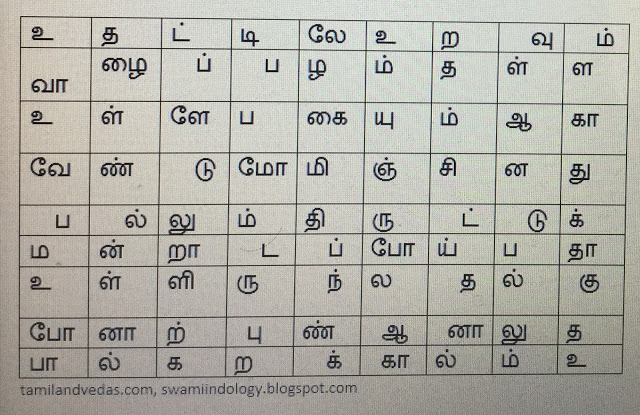
ஒரே சொல் பல பழமொழிகளில் வந்தால், ஒரு இடத்தில் மட்டுமே கட்டத்தில் காணப்படும் .

விடைகள் கீழே உள்ளன.

விடைகள்:–

1.உதட்டிலே உறவும் உள்ளே பகையும்.

2.உதட்டிலே வாழைப்பழம் , உள்ளே தள்ள வேண்டுமோ.

3.உதட்டுக்கு மிஞ்சின பல்லும் திருட்டுக்கு மிஞ்சின கையும் ஆகாது.

4.உதடு மன்றாடப் போய் உள்ளிருந்த  பல்லும் போனாற்போல.

5.உதட்டிலே புண் ஆனால் பால் கறக்காதா ?

tags – பழமொழி, உதடு

பஞ்சாங்க ரகசியம் -1 பஞ்சாங்கம் பார்ப்பது ஏன்? (Post No.8524)

WRITTEN BY KATTUKKUTY

Post No. 8524

Date uploaded in London – 17 August 2020   

Contact – swami_48@yahoo.com

Pictures are taken from various sources for spreading knowledge; this is a non- commercial blog. Thanks for your great pictures.

tamilandvedas.com, swamiindology.blogspot.com

“மாடு செத்தா மனுஷன் தின்னான்


தோல வச்சு மேளம் கொட்டுடா


கூத்து கட்டி மேளம் கொட்டுடா


அட்ரான்னா நாக்கு மூக்கே,

அடரான்னா நாக்கு மூக்கே


நாக்கு மூக்கே, நாக்கு மூக்கே,

நாக்கு மூக்கே, நாக்கு மூக்கே”

(இதே வார்த்தைகள் 72 தடவைகள்,

கடைசியில் ஒரு பெண் சொல்கிறாள் – மொத்தம் 73 தடவைகள்)


லாரி சோனா, லாரி சோனா -இதே பதங்கள் – 42 தடவைகள்

……..உங்களுக்குப் புரிந்ததோ இல்லையோ எனக்குக் கொஞ்சம் கூடப் புரியவில்லை………
எத்தனை நாக்கு மூக்கே, எத்தனை லாரி சோனா???
இதை எண்ணும்போது என் பெண் கேட்டாள் எத்தனை தடவை
போட்டுப் போட்டு எண்ணிக் கொண்டிருப்பாய்..?????


இதற்கு சாமி பேரைச் சொல்லியிருந்தாலும் புண்ணியம் உண்டு!


பஞ்சாங்கத்தைப் பார்த்தாலும் உங்களுக்கு இப்படித்தான்
இருக்கும்……….

நாக்கு மூக்கே மாதிரி – சில விஷயங்கள் புரியாது…………

அதை விளக்கவே இந்தக் கட்டுரை.


ஒரு விளம்பரம் இல்லாமல், ஒரு நோட்டீஸ் இல்லாமல்
எப்படி இவ்வளவு கூட்டம் லட்சக்கணக்கில்??????


ஒரு வெள்ளைக்காரர் கேட்டார்.
அருகிலிருந்த ஒரு இந்தியர் சொன்னார், “எங்கள்ஊரில் பஞ்சாங்கம் என்று ஒன்று உண்டு.

எந்தந்த நேரங்களில் எந்தந்த ஊரில் என்ன என்ன விழா நடக்கும் என்று போட்டிருக்கும்.

அதைப் பார்த்து நாங்கள் வந்து விடுவோம்”………..

ஆனல் இன்று பஞ்சாங்கம் நிறைய பேர் வீட்டில் வாங்குவதில்லை.
முக்கால்வாசி விஷயம் கம்ப்யூட்டரில், மீதி விஷயம் நாட்காட்டியில்!!!

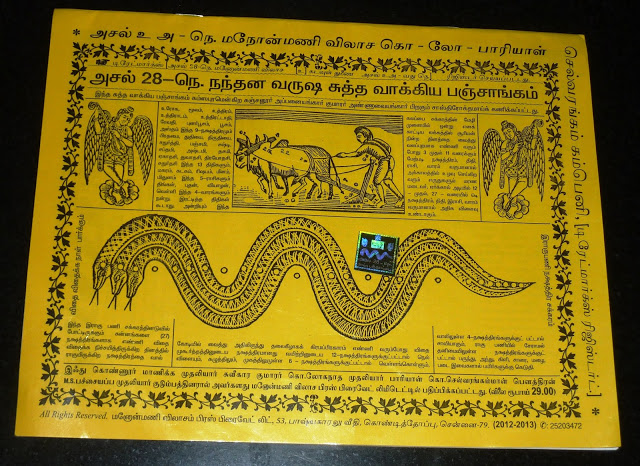
முதலில் பாம்புப் பஞ்சாங்கத்தை எடுத்து வைத்துக் கொள்ளுங்கள்
இல்லை என்றால் வாங்கி வைத்துக்கொள்ளுங்கள் – என்றும் உபயோகப்படும்.
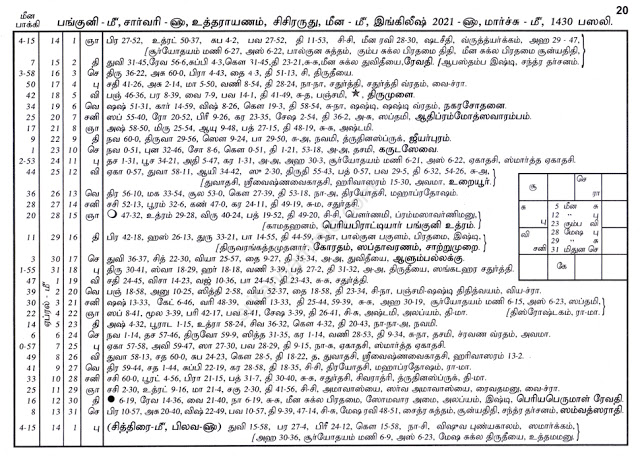
அரை சென்டிமீட்டர் அகலத்திற்கு 11 மெல்லிய கோடுகள் உயரம் உயரமாக
பிறகு இரண்டு அல்லது மூன்று தமிழ் எழுத்துக்கள் பிறகு நம்பர்கள்
மீண்டும் இரண்டு எழுத்துக்கள் மீண்டும் நம்பர்கள்………….
சரி என்னன்ன வார்தைகள் அங்கு இருக்கும்,

அதற்கு பொருள் என்ன? ……..

உதாரணமாக பாம்புப் பஞ்சங்கத்தை எடுத்துக் கொள்வோம்


1.யோகம்- இன்று என்ன யோகம் சித்த யோகம், மரண யோகம்
அமிர்த யோகம்.அதாவது ஒரு குறிப்பிட்ட திதியும், குறிப்பிட்ட நட்சத்திரமும் சேர்ந்தால் உள்ள பலன்.


2.ஆனி மாத பக்கத்துக்கு வாருங்கள். மிதுன இருப்பு என்றபோட்டிருக்கிறதா,

அதாவது மிதுன ராசி எவ்வளவு பாக்கி எனபதை 5 நாழிகை18 வினாடி என்று காண்பிக்கிறது.


3.அஹஸ் – என்றால் பகல் நேரம்.


4.சிரார்த்த திதி இறந்தோருக்கு திதி் அதாவது ஓரே திதி 2 நாட்களுக்கு 

இருக்கும் அப்போது எதை எடுப்பது என்ற சந்தேகத்தைப் போக்கும்.


5 யோகினி- பிரயாணம் எந்த திசையில் செல்லலாம்.


6 நேத்- நேத்திரம்


7 ஜீவ- ஜீவன்


8 துலு  – முஸ்லீம்களின்மாதம்/ நாள்


9 சக வருடம் மாதம் தேதி


10.ஆங்கில மாதம் தேதி


11.தமிழ் மாதம் தேதி


இனிமேல் வரிசையாக உள்ளவைகளைப் பார்ப்போம்


கிழமை, திதி, நடசத்திரம், யோகம், கரணம் வரிசையாக இருக்கும்
அவற்றைப் பார்ப்போம்

*****
பஞ்சாங்கம் என்றால் என்ன???
1. வாரம்- கிழமை ஞாயிறு முதல் சனி முடிய 7 நாட்கள்
இதைப் பார்ப்பதினால் ஆயுள் விருத்தி.


2.நட்சத்திரம்-மொத்தம்-27 அஸ்வினி முதல் ரேவதி முடிய
இதைப் பார்ப்பதினால் பாவம் குறையும்.


3.திதி-வானில் சூரியனுக்கும் சந்திரனுக்கும் உள்ள தூரத்தை
குறிக்கிறது. இதை தெரிந்து கொள்வதினால் செல்வம் பெருகும்


4.யோகம்-வானில்ஒரு குறிப்பிட்ட இடத்திலிருந்து சூரியனும்
சந்திரனும் செல்லும் மொத்த தூரமாகும். இதை தெரிந்து கொள்வதினால் நோய் வராது.


5.கரணம்- திதியில் பாதி கரணம். இதை தெரிந்து கொள்வதினால்
தொடங்கும் எல்லா காரியங்களும் சித்தியாகும்

****

(மேலும் தொடரும்)


tags — பஞ்சாங்க ரகசியம் -1,  பஞ்சாங்கம் ஏன்?

BOOKS INDIANS SHOULD READ – 18 (Post No.8523)

ADAM SMITH

WRITTEN BY R. NANJAPPA                        

Post No. 8523

Date uploaded in London – – – 17 August 2020   

Contact – swami_48@yahoo.com

Pictures are taken from various sources for spreading knowledge; this is a non- commercial blog. Thanks for your great pictures.

BOOKS INDIANS SHOULD READ – 18

Chapter 7 – Part I

                           COLLECTED WRITINGS OF DHARAMPAL- 2

R. Nanjappa

Adam Smith Anticipates Dharampal! 

INDIA was a rich country when the Europeans came. They came to trade here precisely because India was rich. The East India Company obtained a monopoly of this trade. From the beginning the British had never intended to settle here. Their purpose was to take away to Britain the surplus products of Indian industries and the taxes imposed on them.

This philosophy was very clearly articulated by Adam Ferguson, professor of Moral Philosophy at Edinburgh. He also felt that such transfer of wealth would not be possible “without bending and breaking rules”. For this purpose he felt it advisable for the government to let the company manage the loot. But the company should be under the control and supervision of a govt. body. So the Board of Commissioners for the Affairs of India was set up in 1784. Thus, the plunder and loot of India was sanctioned and supervised by the govt., even before the Crown took over administration directly in 1858. All these are revealed by the archival documents gathered by Dharampal.

But we have a surprise here. Adam Smith, the father of modern economics, seems to have anticipated this. In his famous book “The Wealth of Nations” published in 1776, he has provided some brilliant observations about the prosperity of India, company’s activities and their likely consequences for India.

I. Agriculture and Industry:

The policy of ancient Egypt too, and that of the Gentoo government of Indostan, seem to have favoured agriculture more than all other employments.

The government of both countries was particularly attentive to the needs of agriculture..

The works…which were constructed  by the ancient sovereigns of Indostan for the proper distribution of the waters of Ganges as well as of many other rivers, though they have been less celebrated, seem to have been equally great [ as those of Egypt.]

…the confinement of the foreign market was in some measure compensated by the conveniency of many inland navigations, which opened, in the most advantageous manner, the whole extent of the home market to every part of the produce of every different district. The great extent of Indostan, too, rendered the home market of that country very great, and sufficient to support a great variety of manufactures.
Bengal, accordingly, the province of Indostan, which commonly exports the greatest quantity of rice, has always been more remarkable for the exportation of a great variety of manufactures than for that of its grain.

Book IV, Chapter IX.


II. How the ruin is brought about:

The company officials interfered in agriculture, telling people how much to grow of what, so that their own profits from the sale of poppy might soar. They monopolised internal trade in manufactures too. This led to their decline, and people were driven to seek other occupations. Adam Smith describes what would happen then.

….in a country where the funds destined for the maintenance of labour were sensibly decaying,… the demand for servants and labourers would be …less than it had been the year before. Many who had been bred in the superior classes, not being able to find employment in their own business, would be glad to seek it in the lowest. The lowest class being not only over-stocked with its own workmen, but with overflowings of all the other classes, the competition for employment would be so great in it, as to reduce the wages of labour to the most miserable and scanty subsistence….Many would not be able to find employment even upon these hard terms, but would either starve, or be driven to seek a subsistence either by begging, or by the perpetration perhaps of the greatest enormities. Want, famine and mortality would immediately prevail in that class, and from thence extend themselves to all the superior classes…..This perhaps is nearly the present state of Bengal and of some other of the English settlements in the East Indies…..the funds destined for the labouring poor are fast decaying. The difference between the genius of the British Constitution which protects and governs North America, and that of the mercantile company which oppresses and domineers in the East Indies, cannot perhaps be better illustrated than by the different state of those countries.

Book I, Chapter VIII

The great fortunes so suddenly and so easily acquired in Bengal and the other British settlements in the East Indies may satisfy us that, as the wages of labour are very low, so the profits of the stock are very high in those ruined countries. The interest of money is proportionably so. In Bengal, money is frequently lent to the farmers at forty, fifty, and sixty percent, and the succeeding crop is mortgaged for the payment. As the profits which can afford such an interest must eat up almost the whole rent of the landlord, so such enormous usury must in its turn eat up the greater part of those profits.

                         ***                    to be continued

COMMENTS

Q & A

Dear Sir,

I just happened to come across this website and hope my email will not meet your “electronic bin” as malware.

I found the article on Dharampal by Shir R Nanjappa very interesting and wonder if it may be possible for me to know further about this unusual and knowledgeable person.  I do not even know if there is the first name or if Dharampal is the only name.  Being trained as a Botanist in India, I am very interested to  have the complete reference of the book on his collected essays.  I am particularly interested in Chapter 6, (referenced below) so I can request the book to be made available in the British library

“The beautiful tree – Indian education in the 18th century”

Many thanks 

R S S

****

This is my reply.

Madam,

Thank you for the enquiry.

1. Dharampal is the only name by which he is known.

2. The volume” The Beautiful Tree” was published as an independent book years ago. But now, it is included as Volume No.III of the “Collected Writings” of Dharampal. The whole set consisting of 5 volumes is published by: ‘Other India Press’, Mapusa 403507 , Goa, India, in association with ‘Society For Integrated Development of Himalayas (SIDH).. The latest edition was published in 2016..

The book can be ordered at: www.otherindiabookstore.com

 Contact:otherindiabookstore@gmail.com

SIDH contact : www.sidhsri.com

mail: pawansidh@gmail.com.

3. Volume I of the set contains a fairly detailed Preface by Claude Alvares which gives some information about Dharampal.

4. A Collection of articles on Dharampal in English and Hindi was brought out by SIDH in 2007. I hope it is still available.It is titled: “Remembering Dharampal”.

5. Another volume titled “Rediscovering India” containing essays and speeches of Dharampal was brought out by SIDH in 2003. It is now out of print. But they may provide a Xerox copy on request.(278 pages)

Trust I have answered your points.

R.N.

****

Swaminathanjee Namaste

Many thanks for your prompt response and informative reply from Nanjappajee that I have just read.  I am very relieved that my email did not hit your “scam bin” as I had feared it might!   

I will use the links and hope I can get to read the “Beautiful tree” soon.

Please do pass on my regards to Nanjappajee for providing the information and links equally promptly to you.

Best Regards

R.S.S.

TAGS- BOOKS TO READ-18, DHARAMPAL

அன்னா கரீனா – 3 (Post No.8522)

SRI V. SANTANAM

WRITTEN BY S NAGARAJAN                     

Post No. 8522

Date uploaded in London – – –17 August 2020   

Contact – swami_48@yahoo.com

Pictures are taken from various sources for spreading knowledge; this is a non- commercial blog. Thanks for your great pictures.

அன்னா கரீனா – 3

ச.நாகராஜன்

1

அன்னா கரீனா நாவலுக்கு முகவுரை வழங்கியவர் அறிஞர் ஸ்ரீ ரா.ஸ்ரீ. தேசிகன் அவர்கள். மேலை நாட்டு இலக்கியத்தைக் கரைத்துக் குடித்துத் திறனாய்வு செய்து ஏராளமான கட்டுரைகளை எழுதியவர் அவர். அவர் அன்னா கரீனாவின் கதைச் சுருக்கத்தை அழகுறச் சொல்கிறார். அன்னாவின் மீது வைக்கப்படும் விமர்சனங்களையும் அதற்கான சமாதானங்களையும் கூறுகிறார். அன்னா கரீனா நாவல் பிறந்த விதத்தையும் தேசிகன் அவர்கள் விளக்குகிறார். 1875ஆம் ஆண்டிலிருந்து நாவல் சிறிது சிறிதாக வெளி வர ஆரம்பித்ததையும் 1877இல் தான் நாவல் முழுவதும் வெளியானது என்பதைப் பற்றியும் குறிப்பிடுகிறார். நாவலைப் பற்றிய தனது மதிப்பீட்டையும் நாவலின் நயங்களைப் பற்றியும் ஆராய்ந்து விவரமாக அவர் தந்துள்ள முகவுரையை அப்படியே இங்கே காணலாம்.

2

முகவுரை

    நாவலாசிரியரும் விமர்சனப் புலவருமான இ.எம். பாஸ்டர் (E.M.Forster) “நாவலின் அம்சங்கள்” என்ற தம் புத்தகத்தில் உலகத்திலேயே மிகச் சிறந்த மூன்று நாவலாசிரியர்களை வாயாரப் புகழ்கின்றார் : “தேசாபிமானம் பாராது தாம் கண்ட உண்மையை உள்ளபடி உரைக்கின்றார், டால்ஸ்டாயைப் போல (Tolstoy) அத்தனை சிறந்த நாவலாசிரியரை ஆங்கிலேயர்களுக்குள்ளே பார்க்க முடியாது. மனிதனின் தினசரி வாழ்க்கையையுஞ்சரி, அல்லது வீர வாழ்க்கையையுஞ்சரி டால்ஸ்டாயைப் போல ஓர் உயிர் ஓவியமாகப் படைக்க வல்ல கலைஞன் இல்லையென்றே சொல்லி விடலாம். டாஸ்டாவ்ஸ்கியைப் போல (Dostoevsky) அகமன கடலைத் துருவி ஆராய்ந்தவர்களில்லை. தற்கால மனிதனின் அகமன ஓட்டத்தை (Modern Consciousness) பிரஞ்சு ஆசிரியர் மார்சல் பூரூஸ்ட்டைப்  (Morl Froust) போல செஞ்சொற்களில் சிறை செய்யவில்லை.” இது நிற்க.

  இலக்கிய உலகத்தில் அமானுஷ்யமான செயல்களை ஆற்றிய டால்ஸ்டாயின் அன்னா கரீனாவின் நயங்களைச் சற்று ஆராய்வோம். நாவலின் முதல் வரியிலேயே கதையின் சோக ஒலியைக் கேட்டு விடுகிறோம். ஸ்டீபன் ஆர்க்காடிவிச் (ஸ்டீவ்) வீட்டு வேலைக்காரியோடு காதல் கொண்டு விடுகிறான். இச் செய்தி அவன் மனைவி டாலிக்குத் (Dolly) தெரிந்து விடுகிறது. தன் கணவனோடு ஒரு கூரையின் கீழ்ச் சேர்ந்துறைய மனமில்லை; வாழ்விலே அத்தனை கசப்பு ஏற்பட்டு விடுகிறது. இவர்களைச் சமாதானஞ் செய்ய ஸ்டீவின் உடன் பிறந்தவளான அன்னா கரீனா வருகின்றாள். அவள் பீட்டர்ஸ்பர்க்கில் (St.Petersburg) ஓர் உயர்ந்த உத்தியோகஸ்தரின் மனைவி. கல்யாணமாகி ஒன்பது வருஷங்கள் ஆகின்றன. அவளுக்கு செர்ஜ் (Serge) என்ற ஒரு குழந்தை யிருக்கிறது. ஆனால் இக் கல்யாணம் அவளுக்கு இன்பத்தை அளிக்கவில்லை. உள்ளத்தில் ஒரு திருப்தி இல்லை. ஆனால் தன் மகனிடத்தில் அன்புள்ளவளா யிருக்கிறாள். கதையின் தொடக்கத்திலேயே அவளுடைய வனப்பு ஒரு மந்திர வலையை வீசுகின்றது. விரான்ஸ்கியின் தாயோடு அன்னா கரீனா சேர்ந்து பிரயாணஞ் செய்கின்றாள். தன் தாயை மாஸ்கோ ஸ்டேஷனில் பார்க்க வந்த விரான்ஸ்கியை அன்னா சந்திக்கிறாள்; அவநுடைய முக அழகில் ஈடுபடுகிறாள். கண்கள் கண்களோடு பேசுகின்றன. உள்ளத்தில் காதல் மடை சற்றே திறக்கின்றது. ஒரு நடனத்தில் அன்னா மறுபடியும் அவனைச் சந்திக்கிறாள். டாலியின் சகோதரி கிட்டி (Kitty) அவனிடத்தில்  மோகங் கொண்டிருக்கிறாள் என்றதை அறிந்த அன்னா அவளுக்குக் காதல் துறையில் உதவி செய்ய விரைகிறாள் – அன்னாவின் அந்தமில் அழகில் ஆழ்ந்த விரான்ஸ்கி கிட்டியை மறந்து விடுகிறான். கிட்டியின் மீது பேய்க் காதல் கொண்ட லெவின் (Levin) அவளை மணக்கின்றான். விரான்ஸ்கி மீது தான் வைத்த காதல் ஆழ்ந்த காதலன்று என்பதைக் கிட்டி அறிந்து விடுகிறாள். கிட்டி லெவின் வாழ்க்கைத் துணைவியாகி விடுகிறாள்.

   அன்னா பீட்டர்ஸ்பர்க்குக்குத் திரும்பி விடுகிறாள். அவளை விரான்ஸ்கி அடிக்கடி சந்திக்கிறான். கரை கடந்த காதல் வெள்ளம் பொங்கிடவே, “நான் உனக்கு மனைவியல்லள்; விரான்ஸ்கிக்கே உரியவள்” என்கின்றாள் அன்னா தன் கணவனிடம்.

   அன்னாவுக்கு உடம்பு அசௌகரியமென்று அன்னாவின் புருஷன் கரினின் கேள்விப்படுகின்றான். உள்ளத்தில் நல்ல தன்மை உள்ளவனானபடியால் தன் மனைவியைப் பார்க்க வருகின்றான். விரான்ஸ்கியும் அங்கே வருகின்றான்; இலக்கிய உலகத்தில் அழியாத ஒரு சமாதானக் காட்சி நிகழ்கின்றது. விரான்ஸ்கி துயர்ப்பாரம் தாங்காது தன்னைச் சுட்டுக் கொள்ளுகின்றான். அன்னா பிழைத்து விடுகிறாள்; விரான்ஸ்கியும் பிழைத்து விடுகிறான். மறுபடியும் பண்டைக் காதல் தழைக்கின்றது; அவிந்து கொண்டிருந்த தணல் சுடர் விடுகிறது. இரண்டு பேர்களும் இத்தாலிக்குப் போகின்றனர். சில நாட்கள் தங்கி ருஷ்யாவுக்கு வருகின்றனர். ஆனால் அன்னாவின் மனத்தில் அமைதி தேய்ந்து கொண்டே வருகின்றது. இன்பமும் மறைந்து கொண்டே வருகின்றது. இந்திரிய சுகம் சஞ்சலத்தைத் தவிர மன அமைதியை அளிக்குமோ? அவள் மனத்தில் ஐயம் குடி கொள்ள ஆரம்பிக்கிறது; நம்பிக்கை இறந்து கொண்டே வருகின்றது. விரான்ஸ்கியையும் சந்தேகிக்கிறாள்; தன்னையும் நொந்து கொள்ளுகிறாள். விரான்ஸ்கியையும் வாட்டுகின்றாள். ஆனால் அவள் உள்ளன்பு எல்லாவற்றையும் பொறுத்துக் கொள்ளுகிறது; ஒரு சிறிய விஷயத்தில் மனத்தாபம் நிகழ்கின்றது. கிராமத்திலுள்ள தன் தாயைப் பார்க்கச் செல்லுகிறான் விரான்ஸ்கி. அவனைத் தொடர்கிறாள் அன்னா. ஸ்டேஷனில் தன் காதலன் இனித் திரும்ப மாட்டான் என்ற செய்தியை உணர்கிறாள். தாங்க முடியாத துயரினால் கூட்ஸ் வண்டி சக்கரங்களுக்கடியே இரக்கமின்றித் தன்னை எறிந்து விடுகின்றாள். அவளுடைய அழகிய வதனத்தைத் தவிர மற்ற அங்கங்கள் உருத் தெரியாமல் நசுங்கி விடுகின்றன. இந்நிலை வந்து விடுகிறது அன்னாவுக்கு. அந்தோ! அழகெல்லாம் மண்ணோடு மண்ணாய் மறைந்து விடுகின்றது.

   இது தான் கதையின் சுருக்கம். இத்தகைய நிகழ்ச்சி நம் வாழ்க்கையில் நடக்கக் காண்கின்றோம். ஆனால் நம் தமிழ் நாட்டில் ஒரு டால்ஸ்டாய் எழவில்லை. பிழை செய்த பெண் கசப்பு நிரம்பிய வாழ்வின் பாரம் தாங்காது தற்கொலை செய்து கொள்ளுகிறாள். இச் சம்பவத்தை அருவருப்பின்றிச் சோகம் ததும்பும் ஒரு நாவலாகக் கற்பனைத் தறியில் நூற்பது சாதாரணக் காரியமன்று.

    ஒத்தெல்லோவில் (Othello) என்ன விஷயமிருக்கிறது? தன் மனைவி பிழை செய்தாள் எனச் சந்தேகித்துத் தொண்டையைப் பிடித்து அமுக்கிக் கொன்று விடுகிறான் கணவன். போலீஸ்க்கோர்ட்டு வரக்கூடிய ஒரு சம்பவம் ஷேக்ஸ்பியர் (Shakespeare) கையில் ஒரு பெருஞ் சோக நாடகமாய் அமைந்து விடுகின்றது. இங்கோ அன்னா கரீனாவில் பிழை புரிந்த ஒரு பெண் தன்னை மாய்த்துக் கொண்டு விட்டாள். அன்னாவைச் சுற்றியும் தூய வாழ்வு நடத்துகிற லெவின், கிட்டி – இவர்களைச் சுற்றியும் சம்பவங்கள் நிகழ்கின்றன. அன்னா கரீனாவில் இரண்டு நாவல்கள் அடங்கியிருக்கின்றன.

    நிறையெனும் அங்குசத்தை மீறிப் போகின்ற உன்மத்த இந்திரிய வசத்தினால் எழுகின்ற தீமை ஒரு பக்கம்; ஏழைகளின் துயர் கண்டு நெஞ்சுருகி அதைத் துடைக்கத் தொண்டு செய்து ஆண்டவன் அருள் ஒளியைக் காணக் காத்திருக்கும் ஒரு தூய்மையான் உள்ளத்தவரின் மெய்ந்நெறி ஒரு பக்கம் – இவ்விரு சித்திரங்களை வாழ்க்கையில் பார்க்கின்றோமல்லவா? ஒன்றைப் பார்த்து மற்றொன்று நகுகின்ற நிலையை நாம் உணர்கின்றோம்.

    டால்ஸ்டாயின் முன் வாழ்க்கைச் சித்திரந்தான் விரிகின்றது. வேறு நாவலாசிரியாரிருந்தால் படுக்கையாய்ப் படுத்திருந்த அன்னா இறந்து விட்டாள்; விரான்ஸ்கியும் தற்கொலை செய்து கொண்டு விட்டான் என்று கதையை முடித்திருப்பான். டால்ஸ்டாய் அப்படிச் செய்யவில்லை. அன்னாவுக்கு வியாதி அகன்று விடுகிறது; விரான்ஸ்கியும் குணமடைந்து விடுகிறான். மறுபடியும் காதல் நாடகம் நடக்கின்றது. இது தான் வாழ்க்கையில் நடக்கக் கூடியது. ‘டால்ஸ்டாயின் சித்திரம் வெறும் ஒரு கலைச் சித்திரமன்று. அது ஒரு வாழ்க்கைச் சித்திரம்’ என்று மாத்யூ ஆர்நல்டு (Matthew Arnold) கூறியது மிகப் பொருத்தமே.  

    “அன்னாவுக்குத் திடீரென்று அறமிலாக் காதல் எழுந்து விட்டதே, இது பொருத்தமா? இது நிகழ்வதற்கு முன் சில சந்தர்ப்பங்களை ஆசிரியர் குறித்திருக்க வேண்டாமா? இந் நிலையை உணர வாசகர்களைத் தயார் செய்ய வேண்டாமா?” என்ற கேள்விகளை யெல்லாம் விமர்சனக்காரர்கள் கேட்கின்றனர்.

    அவர்களுக்குச் சமாதானம் இது தான் : நம் அகமனத்தில் எத்தனையோ உணர்ச்சிகள் துயின்று கொண்டிருக்கின்றன. ஏதாவது ஒரு சம்பவம் அவைகளைத் தூண்டி விடும். முன்பின் எதிர்பாராத உணர்ச்சி வெள்ளம் கரையை உடைத்துக் கொண்டு வெளியோட ஆரம்பித்து விடும். இத்தகைய நிலைமை தான் அன்னாவிலும் காண்கிறோம். அக்காரணம் பற்றியே ஒரு வாழ்க்கைச் சித்திரமாய் அமைந்துள்ள அன்னா கரீனாவின் மீது குறை கூற வேண்டியதில்லை.

    வாழ்வின் இன்ப வெள்ளத்தில் திளைத்த அன்னாவுக்கு இத்தகைய கோரமான மரணம் பொருத்தமன்று என்று கால்ஸ்வொர்த்தி (Galsworthy)  மொழிகின்றார். முதலில் அன்னாவுக்கு வாழ்வில் அளவு கடந்த இன்பமிருந்த போதிலும், அது தேய்ந்து கொண்டே வருகின்றது. மணந்த புருஷனிடத்தில் சுகத்தைக் கண்டாளில்லை. தனக்கு ஆறுதலாயிருந்த பிள்ளையும் பக்கத்திலில்லை. விரான்ஸ்கியிடம் அவள் நம்பிக்கை இழக்க ஆரம்பித்து விட்டாள். வாழ்வோ அர்த்தமற்றி பூசல் நிறைந்த கதையாகி விட்டது. இந்நிலையில் வாழ்வு ஒரு பெரும் பாரமாகத்தான் தோன்றும். இருள் செறிந்த மரணத்தின் நீண்ட பாதையில் செல்லுவதை விட வேறு அன்னாவுக்கு வழியில்லை. அதனால் செய்த காரியம் பொருத்தமே. சில விமர்சனக்காரர்கள் காண்கின்ற குற்றங்களெல்லாம் உற்று நோக்கினால் குணங்களாக மாறி விடும் என்பதில் சந்தேகமில்லை. இத்தகைய அன்னா வந்த விதத்தை ஆராய்வோம்.

***

                                                 – தொடரும்

tags- அன்னா கரீனா – 3

INDEX 8 FOR LONDON SWAMINATHAN’S ENGLISH & TAMIL ARTICLES (Post No.8521)

RAMAYANA BALA KANDA PICTURES

லண்டன் சுவாமிநாதன் கட்டுரைகள் 

அக்டோபர்  2012

எந்தக் கடவுளுக்கு என்ன வாகனம் அக்டோபர் 26, 2012

வாகனங்கள் தோன்றியது எங்கே எப்போது ? 25/10

சங்க இலக்கியத்தில் வாகனங்கள் 25/10

உலகம் முழுதும் இந்து தெய்வ வாகனங்கள் 19/10

கொடி ஊர்வலம்: சிந்து சமவெளி -எகிப்து அதிசய ஒற்றுமை 14/10

வியப்பூட்டும் அதிசய மரங்கள் 5/10

*****

நவம்பர் 2012

பேய்கள் பற்றி பாரதிவிவேகானந்தர்  29 நவம்பர் 2012

ராமாயண வினா -விடை க்விஸ் 19/11

காளிதாசரின் நூதன உத்திகள் : தமிழிலும் உண்டு 17/11

ஒரு வேலை உண்பான் யோகி 15/11

தீபாவளி ரகசியங்கள் 12/11

தேள் – ஒரு மர்ம தெய்வம் 11/11

பஹ்ரைன் அதிசயங்கள் 7/10

வள்ளுவன் ஒரு சம்ஸ்க்ருத அறிஞன் 5/11

சிந்து சமவெளி- எகிப்தில் நரபலி நவம்பர் 1 2012

*******

OCTOBER 2012

Human Sacrifice in Indus Valley and Egypt, 31 October,2012

Hindu Vahanas in Italy and Greece 30/10

Interesting Facts about Vahanas 29/10

Mysterious Fish Gods around the World 27/10

Who rides What Vahana ( Animal or Bird)? 26/10

Hindu Vahanas in Kalidasa and Tamil literature 24/10

Iraq: 7 Gods Procession on Vahanas 21/10

Deer Chariot: Rig Veda to Santa Claus 20/10

Hindu Vahanas around the World 20/10

Flags: Indus Valley- Egypt similarity 15/10

Head towards North is Wrong 10/10

Hindu Goddess Sri Bali/Cybele in Rome and Greece 9/10

Hindu Mudras in Egyptian and Sumerian Statues 7/10

What is Special About India? 3/10

*******

NOVEMBER 2012

Magic of Trees 25/11

The Great Lamp Festival- Karthikai Deepam 24/11

Famous Yogi explains Miracles- part 2 , 23/11

Famous Yogi explains Miracles -Part 1, 22/11

Vahanas on Coins and in Sculptures 14/11

The Great Scorpion Mystery in History – Part 1 ,10/11

The Great Scorpion Mystery in History Part 2 ,10/11

Bahrain (Dilmun) Mysteries 10/11

SCIENCE BEHIND DEEPAVALI- part 1 3/11

SCIENCE BEHIND DEEPAVALI-Part 2: 175 SWEET ITEMS 3/11

******

INTRODUCTION

I started blogging in tamilandvedas.wordpress.com and swamiindology.blogspot.com from June 2011, I am giving above the INDEX for OCTOBER and NOVEMBER,  2012

 I did not give the date of loading or number for the article in the beginning. But all articles are available in both the blogs in the name of

 ‘London Swaminathan’.

Like you did with S Nagarajan’s articles INDEX, get the articles by googling.

Following  is the method:-

Paste the title of the article in the google (space)and add ‘from tamilandedas.com or ‘from swamiindology.blogspot.com’

 Here is an example :

Is Brahmastra a Nuclear Weapon? from tamilandvedas.com

Or

Is Brahmastra a Nuclear Weapon? From swamiindology.blogspot.com

Since I am going to give nearly 6000 titles, you may not find time to read all the articles/ posts at once.

So, please take a printout of the Index or note down the titles and dates of your favourite posts.

Thanks for all your support. We are reaching two million hits now.

If you have any difficulty in getting the articles, please let us know.

Be careful about the spelling of the title. Even a small mistake will take you somewhere and waste your precious time.

TAMIL TITLES ARE GIVEN SEPARATELY.

***

IN THE BEGINNING I UPLOADED MY ARTICLES IN

1.THE SPEAKING TREE OF TIMES OFINDIA

2.TAMIL HERITAGE FOUNDATION SITE

3.TAMIL BRAHMINS.COM etc.

So you may find the same articles on different days on different blogs

*****

To be continued…………………….

tags — சுவாமிநாதன், கட்டுரை இன்டெக்ஸ் 8, INDEX 8, LONDON SWAMINATHAN,  ARTICLES,