சிலர் சாப்பிடும் போதே, “இத மனுஷன் சாப்புடுவான்? நா ஒரு சொரணை கெட்டவன். தினம்,தினம் சாப்புடறேன்” என்பர். அதற்கு அவன் மனைவி, இந்த பேச்சுக்கொண்ணும் குறச்சலில்ல தினம் தினம் மூணு வேளை தட்டு நிறையா கொட்டிக்கறதிலே குறச்சலில்லே ,இதுலே பேச்சு வேற…….” என்று முணுமுணுப்பாள்.
சரி, நடந்தவை நடந்தவைகளாக இருக்கட்டும் இனி நடக்கப் போவதாவது நல்லனவைகளாக இருக்கட்டும்
****
முதலில் உங்கள் மனைவி என்ன நட்சத்திரம் என்று பாருங்கள்.
அது என்ன ராசி என்றும் தெரிந்து கொள்ளுங்கள்.
உங்கள் சமையலறையில் முடிந்த வரை என்னன்ன ‘Modification’ பண்ண முடியுமோ அதைப் பண்ணி உங்கள் மனைவியை சமைக்கச் சொல்லுங்கள்
ஏ மேஷ ராசி பெண்களே
உங்களுக்கு கொஞ்சம் ‘ஸ்பீடு’ ஜாஸ்தி…..நீங்க கிழக்கு பார்த்து தான் சமைக்கணும். உங்க இடதுபக்கம் தண்ணீரும் வலது பக்கம் உங்க சமையல் பொருள்களை வையுங்க
ஏமிதுனராசிபெண்களே
துருவித் துருவி நல்ல பொருளைத் தான் எடுத்து சமைப்பீங்க சிரிக்கப் பேசிக்கிட்டே சமைப்பீங்க…..
உங்க சமையலறை வடக்கு பக்கம் இருக்கணும்..முடியாத பட்சத்தில் சமையல் அறை எந்த பக்கம் இருந்தாலும் நீங்க வடக்கு பார்த்தாவது சமையல் செய்யுங்க…இடது புறம் தண்ணீர் வலது பக்கம் உங்க சாப்பாடு…..
ஏ சிம்ம ராசி பெண்களே
சமையலில் புதுமை தேடும் நீங்கள் மனசு வைத்தால் விதம் விதமாக சமைப்பீர்கள் இல்லேன்னா ஓட்டல் தான்…. சமையலறை கிழக்கில் அல்லது கிழக்கு பார்த்து சமைக்கவும் உணவும் தண்ணீரும் வலது பக்கம் ஓ.கே ????
ஏகடகராசிபெண்களே
அறு சுவை உணவின் அரசியே!!! தென்மேற்கு திசை அல்லது தெற்கு திசை நோக்கி சமைக்கவும். விதம் விதமாக சமைக்க தெரியும் உங்களுக்கு. தென் மேற்கே தண்ணீர். தென் கிழக்கில் உணவுப்பொருள்….
ஏ கன்னி ராசி பெண்களே
கோச்சுக்காதீங்க! நீங்க ரொம்ப “செல்பிஷ்” உங்களுக்கு மேற்கே சமையலறை இருந்தால் தான் நல்லது….நீங்க அருமையா சமைத்த உணவு எல்லாம் இடது பக்கம், தண்ணீர் வலது பக்கம் தண்ணீர்… சரியா???.?
ஏதுலாம்ராசிபெண்களே
மெழுகு போன்ற இளகிய மனம் படைத்த நீங்க வடமேற்கு திசையில் அல்லது வடக்கு பார்த்து நின்று வடக்கு பார்த்து சமையல் செய்யணும். பட படன்னு வேலை செய்யக்கூடாது மெதுவா பார்த்து சமைக்கணும்….சரியா??? இடது பக்கம் தண்ணீர், வலது பக்கம் உணவு.
ஏ விருச்சிக ராசி பெண்களே,
நம்ம ‘டேஸ்டே’ தனி என்று விதம் விதமாக சமைக்கும் நீங்க தென்கிழக்கு பார்த்து அல்லது கிழக்கு பார்த்து சமைக்கணும்.
இந்த திசையை பார்த்து சமைத்தால சண்டை வராது!!! உணவு காய் கறிகள் இடது பக்கம், தண்ணீர் வலது பக்கம் என்ன ….புரிஞ்சதா???? ‘ஸ்டார்ட்…….’
ஏதனுசுராசிபெண்களே
எனக்கு தெரிகிறது நீங்க ‘ஆண்டவனை தேடுகிறேன் வா வா வா’– என்று பக்தியுடன் பாடிக்கொண்டே சமைப்பது. அப்படியே கொஞ்சம் கிழக்கு பார்த்து சமைங்க பார்ப்போம். வலது பக்கம் தண்ணீர் இடது பக்கம் உணவுப்பொருள்
ஏ மகர ராசி பெண்களே
நீங்க ரொம்ப ‘போல்டான’ மேடம்……உங்களுக்கு தென்மேற்கில் சமைலறை இருக்க வேண்டும், இடது பக்கம் தண்ணீர், வலது பக்கம் உணவு….. இனிப்பான நீங்கள் உங்கள் கணவர்,குழந்தைகள் உங்களை புகழ வேண்டும் என நினைப்பீர்கள்.
ஏகும்பராசிபெண்களே
சமைலறை பிரச்சினைகளை சாதுர்யமாக ‘அட்டாக்’ செய்யும் நீங்கள் தென் கிழக்கு திசையை பார்த்து சமைக்கணும். இனிப்பு பண்டம் செய்வதில் வல்லவர் நீங்கள்….
ஏ மீன ராசி பெண்களே
குங்கும பொட்டும், குழந்தை மனமும் கொண்ட நீங்கள் கொஞ்சம் அலட்சியம் தான் சமையலில்…தெற்கே சமையலறை இருக்க வேண்டும்.
பொதுவாக வாஸ்து பிரகாரம் தென் கிழக்கு மூலையான அக்னி மூலையில் தான் அமைய வேண்டும் சமையலறை. அப்படி முடியாத பட்சம் வட மேற்கு மூலையில் அமைத்துக் கொள்ளலாம். என் அபிப்ராயம் வேறு விதம். ஒவ்வொரு ராசிக்கு தகுந்த மாதிரி சமயலறை அமைத்து நன்றாக சமைத்து சாப்பிட்டு சிறப்பாக வாழ்வதை கண்முன் கண்டேன்
அதற்காவே பெண்குலம் தழைக்கவே திரு சாமிநாதனை கேட்டுக் கொண்டேன் எனது இந்த ஆராய்ச்சி முடிவுகளை வெளியிட…….
எல்லா உயிர்களும் இன்புற்றிருக்க நினைப்பதுவேயல்லாமல் வேறொன்றும் நினையேன் பராபரமே !!!
tags – ராசி,நட்சத்திரம், சமையலறை,கல்யாண சமையல் , சாதம் ,
Pictures are taken from various sources for spreading knowledge; this is a non- commercial blog. Thanks for your great pictures.
Books Indians Should Read – 17
Chapter 6 Part 2 COLLECTED WRITINGS OF DHARAMPAL-1
R. Nanjappa
Was India poor and backward?
Dharampal unearthed these original sources, and revealed for the first time what was the actual state of affairs in the areas which first came under British influence and rule. Claude Alvares records in his general introduction to these volumes:
“This picture that emerged from the total archival record was nothing short of stunning. Contrary to what millions of us were taught in our school text-books, it indicated the existence of a functioning society, extremely competent in the arts and sciences of its day, its interactive grasp over its immediate natural environment was undisputed; in fact it demanded praise. This was reflected in both agricultural and industrial production. We know today that till around 1750, together with the Chinese, our areas were producing some 73% of the total world industrial production, and even till 1830 what both these economies produced still amounted to 60% of world industrial production. Even in a moderately fertile area like that of Chengalpattu (Tamil Nadu), our paddy production in a substantial area of its lands around 1760-70 amounted to 5-6 tons per hectare, which equals the production of paddy per hectare in present day Japan – the current world high. A vast educational set up – based on a school in every village – looked after the learning of large masses of young people.”
Dharampal found from the archival material that
“the British successfully initiated an intricate system of widespread control and extortion, taking away as tax most of what the land produced, as well as the products of manufactures…..this was often done at the point of the bayonet.”
In fact, for long periods in the late 18th and early 19th centuries, the tax on land in many areas exceeded the total agricultural production of very fertile land. This was particularly so in the areas of the Madras Presidency (comprising current Tamilnadu, districts of coastal Andhra, some districts of Karnataka and Malabar)….In the Madras Presidency, one third of the most fertile land went out of cultivation between the period 1800-1950. Thus, our poverty and backwardness were of recent origin, and direct result of colonial policy and practices. The image that we have developed of ourselves as poor, illiterate, backward etc is an imposition on us by the colonial powers, which our educators still pursue in mindless imitation.
The significance of Dharampal’s works is that they furnish us for the first time first hand material from the very same colonial sources which reveals how good we were, and how we were brought down by colonial powers.
Swami Vivekananda opened our eyes to the greatness of our religion and philosophy. He did it effectively because he spoke and wrote in English to an international audience.
Gandhiji wrote about Hind Swaraj- what it means for India to be ” free” and indicated in general terms that India was great. But he could not give details due to his other preoccupations.
Romesh Chunder Dutt wrote the Economic History Of India in two volumes by the turn of the last century and he made use of original sources.
Dharampal has carried on the work forward, and gone further and opened our eyes in respect of our economy and society, unearthing from the British archives first hand material. We learn to see the real India- India as it was before it was destroyed by the colonial goons.
No true, self-respecting Indian can afford to ignore Dharampal’s writings.
We shall see some salient features of his findings by and by.
Pictures are taken from various sources for spreading knowledge; this is a non- commercial blog. Thanks for your great pictures.
அன்னா கரீனா – 2
ச.நாகராஜன்
1
அன்னா கரீனா நாவலின் முதல் பக்கத்தில்,
அன்னா கரீனா
I
ஆசிரியர் :
லியோ டால்ஸ்டாய்
மொழிபெயர்ப்பு:
தினமணி உதவி ஆசிரியர்
வெ.சந்தானம்
தமிழ்ச் சுடர் நிலையம்
திருவல்லிக்கேணி : : சென்னை
உரிமை பதிவு
என்ற பதிவுகளைக் காணலாம்.
அடுத்த பக்கத்தில் உள்ள விவரங்கள் இவை:
முதல் பதிப்பு : மார்ச்சு 22, ‘47
மலிவுப் பதிப்பு விலை ரூ 7 8 0
ஆண்டிக் — }
இரண்டு வால்யூம்} ரூ 10 0 0
Printed at Thompson co ltd., (Minerva Press)
Q.H.Ma 15 – (22-31947)
2
தமிழ்ச் சுடர் நிலையம் உரிமையாளரான திரு அ.கி.கோபாலன் சிறந்த தமிழ் அன்பர். நல்ல நூல்களைத் தேடித் தேடி தமிழில் வெளியிட்டிருக்கிறார்.
அவர் அன்னா கரீனா நூலுக்கு அளித்துள்ள பதிப்புரை முதலில் இடம் பெறுகிறது.
அவரது பதிப்புரையை இங்கு காண்போம்:
பதிப்புரை
உலகப் புகழ்பெற்ற ‘அன்னா கரீனா’வின் தமிழ் மொழிபெயர்ப்பைத் தமிழர்கள் முன் சமர்ப்பிக்கிறோம். மகான் டால்ஸ்டாயின் உன்னத திருவடிகளில் இந்தக் கதையும் ஒரு ரத்தினம் போன்றதாகும். மனிதனின் தினசரி வாழ்க்கையையும் பொது வாழ்க்கையையும் கலைப்பண்புடன் சித்தரிப்பதில் டால்ஸ்டாய்க்கு நிகரான கலைஞர் அவரே தாம். அந்த ஈடு இணையற்ற பெரியாரின் இந்தக் கதையைத் தமிழாக்கிவிட வேண்டும் என்ற ஆர்வமே இப்புத்தகம் இன்று வெளியாகியிருப்பதற்குக் காரணம்.
நிற்க, கதையைப் பற்றியோ, அதை எழுதியவரைப் பற்றியோ அல்லது மொழிபெயர்த்தவரைப் பற்றியோ நாங்கள் அதிகமாக எதுவும் இங்கு குறிப்பிட விரும்பவில்லை. கதையைப் பற்றியும், இலக்கிய சரித்திரத்திலேயே பல விந்தைகள் புரிந்து அதன் ஆசிரியரைப் பற்றியும் மனத்தில் பதியுமாறு ஆராய்ச்சி முகவுரை எழுதிக் கொடுத்துதவிய அறிஞர் ஸ்ரீ ரா.ஸ்ரீ. தேசிகன் அவர்களுக்கு நாங்கள் வாசகர்கள் சார்பாக முதலில் நன்றி கூறக் கடமைப் பட்டிருக்கிறோம்.
அடக்கம், பண்பு, அமைதி ஆகிய இம் மூன்றும் ஒருங்கே குடி கொண்டுள்ள நண்பர் ஸ்ரீ வெ. சந்தானம் அவர்களின் மொழிபெயர்ப்பைப்பற்றி ஒரு விஷயத்தை மட்டும் கூற வேண்டியது அவசியமாகிறது.
‘அன்னா கரீனா’வை மிக அழகிய, எளிய பாஷையில் தம்முடையை இடைச் செருகல் எதுவுமின்றி, மூலம் எப்படியோ அப்படியே, ஓரிரண்டு பகுதிகளை மட்டும் சுருக்கி இந்தக் கலைப் பொக்கிஷத்தைத் தமிழில் சமைத்த பெருமை அவருடையதாகும்.
‘அன்னா கரீனா’வைத் தமிழில் மொழிபெயர்த்து வெளியிட வேண்டுமென்று நாங்கள் தீர்மானித்துச் சில கையெழுத்துப் பிரதிகளை வாங்கிப் பார்த்தபோது அவை யாவும் சுருக்கமானதாகவும், தழுவலாகவும், நடுநடுவே சிற்சில முக்கிய பாகங்கள் மொழி பெயர்க்காமல் விடப்பட்டனவாகவும் கிடைத்தன. அதன் பின்னரே ஸ்ரீ சந்தானம் அவர்களைச் சந்தித்து அவரைக் கலந்து பேசியபோது, அவரும் இது தமிழில் வெளிவர வேண்டும் என்ற எங்கள் ஆர்வத்தை வெகுவாக ஆதரித்து, இதை அப்பட்டமாக மொழிபெயர்த்துக் கொடுக்க இசைந்தார். அதன்படியே இலக்கிய மணங் கமழ மொழிபெயர்த்தும் கொடுத்துள்ளார். அன்னாருக்கு எங்கள் இதய பூர்வமான நன்றி.
கடைசியாக ரஸிகர்களுக்கும் எங்கள் நன்றி உரியதாகும். காந்திஜிக்குக் குரு போன்ற டால்ஸ்டாயின் மற்றொரு சிருஷ்டி, ‘புத்துயிர்’ (Resurrection) தமிழில் வெளிவர இருக்கிறது. அது எப்பொழுது வரும் என்று ‘அன்னா கரீனா’வைப் படித்துவிட்டு எழுதப்போகும் எல்லா அன்பர்களுக்கும், “தமிழர்களாகிய தங்களின் ஆசியைப் பொறுத்தது அவ்விஷயம்!” என்பதை முன் கூட்டியே தெரிவித்துக் கொண்டு விடுகிறோம்.
திருவல்லிக்கேணி அ.கி.கோபாலன்
22-3-’47 தமிழ்ச் சுடர் நிலையம்
*
எனது தந்தையாரைப் பற்றி, “அடக்கம், பண்பு, அமைதி ஆகிய இம் மூன்றும் ஒருங்கே குடி கொண்டுள்ள நண்பர் ஸ்ரீ வெ. சந்தானம்” என்று திரு அ.கி. கோபாலன் குறிப்பிட்டுள்ளார். அவருக்கும் இந்த நேரத்தில் எங்கள் சிரந் தாழ்ந்த அஞ்சலியைச் செலுத்துகிறோம்.
Pictures are taken from various sources for spreading knowledge; this is a non- commercial blog. Thanks for your great pictures.
tamilandvedas.com, swamiindology.blogspot.com
ஆகஸ்ட் 2012
வடக்கே தலை வைக்காதே , ஆகஸ்ட் 30, 2012
ஸ்வயம்பூ லிங்கங்கள் தோன்றுவது உண்மைதான் 30/8
சிந்து சமவெளியில் புலிப் பெண் 23/8
சிந்து சமவெளியில் பேய் முத்திரை 20/8
சைவம் க்விஸ் Quiz on Saivite Saints 18/8
ஸ்தோத்திர க்விஸ் 13/8 Quiz on Hymns in English and Tamil 13/8
இந்திர விழா: வேதத்திலும் தமிழ் இலக்கியத்திலும் 11/8
தமிழர்கள் கணித மேதைகள் 8/8
27 நட்சத்திர க்விஸ் 5/8
****
செப்டம்பர் 2012
வீரத்தாயும் வீரமாதாவும் 23/9
பகுதி 2 – கடலில் மர்மத் தீ 20/9
பகுதி 1 – கடலில் தோன்றும் மர்மத் தீ 20/9
அபூர்வ வலம்புரிச் சங்கு 17/9
பகுதி 5 – தொல்காப்பியர் காலம் தவறு 14/9
பகுதி 4 – தொல்காப்பியர் காலம் தவறு 13/9
பகுதி 3 – தொல்காப்பியர் காலம் தவறு 12/9
சொல்லில் உயர்வு தமிழ்ச் சொல்லே 10/9
பகுதி 2 – தொல்காப்பியர் காலம் தவறு 10/9
பகுதி 1 – தொல்காப்பியர் காலம் தவறு 9/9
தமிழர்களின் தழை உடை –1 , செப்டம்பர் 8/9
தமிழர்களின் தழை உடை –2 , செப்டம்பர் 8/9
மிலேச்ச என்றால் என்ன ? 6/9
பொன் (அயஸ்) என்றால் என்ன? 6/9
*****
AUGUST 2012
Did Indians build Egyptian Pyramids , August 27, 2012
Science behind Swayambu Lingams 29/8
Vedas and Egyptian Pyramid texts 29/8
Flowers in Tamil Culture 25/8
Tiger Goddess of Indus Valley 22/8
Ghost in Indus Seals 19/8
27 Similes in Vedic Hymn 18/8
Why do Hindus Worship Shoes? 15/8
The Story of Hypocritical Cat 14/8
Quiz on Hymns in English and Tamil 13/8
Amazing Statistics on Kalidasa12/8
Indra Festival in the Vedas and Tamil Epics 11/8
Amazing Tamil Mathematics 8/8
27 Star Quiz ( English and Tamil) 5/8
330 Million Gods 5/8
NAVARATRI IN JAPAN AND GREECE 4/8
Gajendra Moksha in Africa 2/8
Sanskrit in the Bible- Part 2 , August 1, 2012
Xxxxxxxx
SEPTEMBER 2012
45 Words for Elephant , 30 September 2012
Elephant Miracles 29/9
Sex Mantras and Talismans in Egypt and Atharva Veda 26/9
Veera Matha- Mother of Heroes in the Vedas and Tamil literature 22/9
What is Vadamukagni – Submarine Fire? 21/9
Rare Conch- Dakshinavarta Shanka 19/9
Hindu gods in Egyptian Pyramids 16/9
Biggest Brainwash in the World 13/9
Tolkappian- A Genius 12/9
Did Tolkappiar Copy from Sanskrit Books ? 10/9
WHO WAS TOLKAPPIAR.?9/9
Ancient Tamil Dress 8/9
Vishnu in Egyptian Pyramids -3 5/9
MLECHA- Most Misunderstood Word 3/9
AYAS AND ASVA – Most Misunderstood words 3/9
Kannaki and Andal Weddings 2/9
Three Beautiful Tamil Hindu Weddings 2/9
Miracles do Happen 1/9
Xxxx
INTRODUCTION
I started blogging in tamilandvedas.wordpress.com and swamiindology.blogspot.com from June 2011, I am giving above the INDEX for AUGUST and SEPTEMBER, 2012
I did not give the date of loading or number for the article in the beginning. But all articles are available in both the blogs in the name of
‘London Swaminathan’.
Like you did with S Nagarajan’s articles INDEX, get the articles by googling.
Following is the method:-
Paste the title of the article in the google (space)and add ‘from tamilandedas.com or ‘from swamiindology.blogspot.com’
Here is an example :
Is Brahmastra a Nuclear Weapon? from tamilandvedas.com
Or
Is Brahmastra a Nuclear Weapon? From swamiindology.blogspot.com
Since I am going to give nearly 6000 titles, you may not find time to read all the articles/ posts at once.
So, please take a printout of the Index or note down the titles and dates of your favourite posts.
Thanks for all your support. We are reaching two million hits now.
If you have any difficulty in getting the articles, please let us know.
Be careful about the spelling of the title. Even a small mistake will take you somewhere and waste your precious time.
TAMIL TITLES ARE GIVEN SEPARATELY.
***
IN THE BEGINNING I UPLOADED MY ARTICLES IN
1.THE SPEAKING TREE OF TIMES OFINDIA
2.TAMIL HERITAGE FOUNDATION SITE
3.TAMIL BRAHMINS.COM etc.
So you may find the same articles on different days on different blogs
*****
To be continued…………………….
Tags- சுவாமிநாதன், கட்டுரை இன்டெக்ஸ் 7, INDEX 7, S.SWAMINATHAN, ARTICLES,
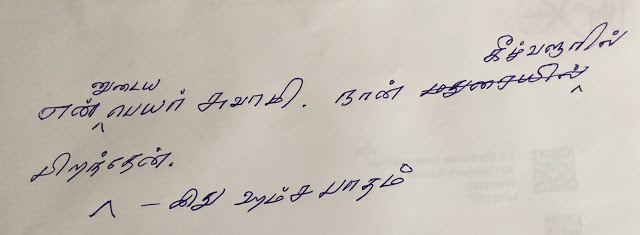
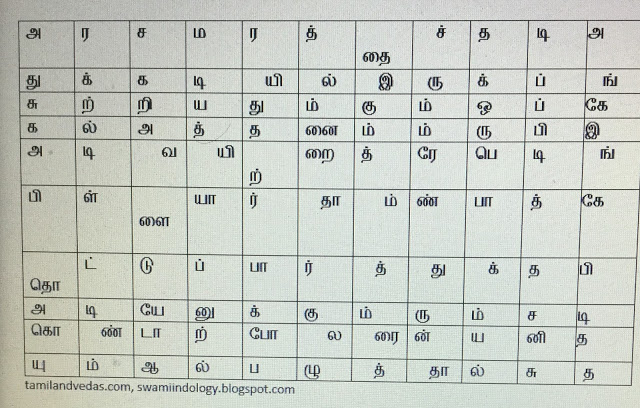
எழுதும்போது விட்டவற்றை , மேல் எழுதுவதற்கு , வரியின் கீழ் இடும் குறி ‘ஹம்சபாதம்’ .
ஹம்சம் எனப்படும் அன்னப் பறவையின் கால்களைப் போல இந்தக் குறி இருக்கும்.
நம்மில் பலரும் கடிதம் எழுதும்போதோ கட்டுரை எழுதும்போது இப்படி ஹம்ச பாதக் குறியீடு போட்டிருப்போம். அதாவது சிந்திக்கும் வேகம் அதிகம்; எழுதும் வேகம் குறைவு. அதனால் இந்தப் பிழை வருகிறது. இரண்டு வேகமும் சரி சமமாக இருப்பதே நல்லது.
இதே போல சிலர் பேசும்போதும் வேகமாகப் பேசுவதால் சொல்லோ எழுத்தோ அடிபட்டு காயப்படுகிறது. அதுவும் பிழையே. ஊடகங்களில் செய்தி வாசிப்போர் , சிலர், பிழை ஏற்பட்டால், நிறுத்திவிட்டு பிழையைத் திருத்திக் கொள்வர். மற்றும் சிலர் பிழையே விடாதது போல, அடுத்த வாக்கியத்திற்குச் செல்வர்.
ஆர் எஸ் எஸ் (R S S ) இயக்கத்தின் தலைவராக இருந்த மாதவ சதாசிவ கோல்வால்கர் (குருஜி ) கடிதம் எழுதும் பொழுது, அடித்தல் திருத்தலே இராதாம் . மதுரையில் இருந்த புகழ் பெற்ற வழக்கறிஞரும் ஆர் எஸ் எஸ் இயக்கப் பிரமுகருமான ஆ .தக்ஷிணா மூர்த்தி (அண்ணாஜி) இதை எங்களிடம் சொல்லுவார்.அவருக்கு குருஜியிடமிருந்து கடிதம் வந்த பெருமையைச் சொல்லுவதை விட, நாமும் அது போன்ற விஷயங்களில் கவனமாக இருக்க வேண்டும் என்ற அறிவுரையே பிரதானம்.
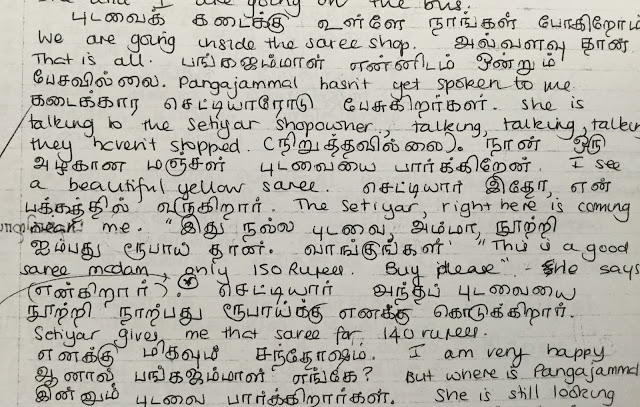
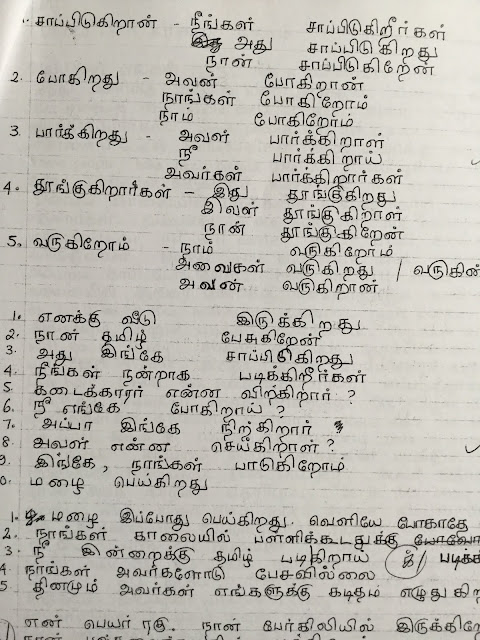
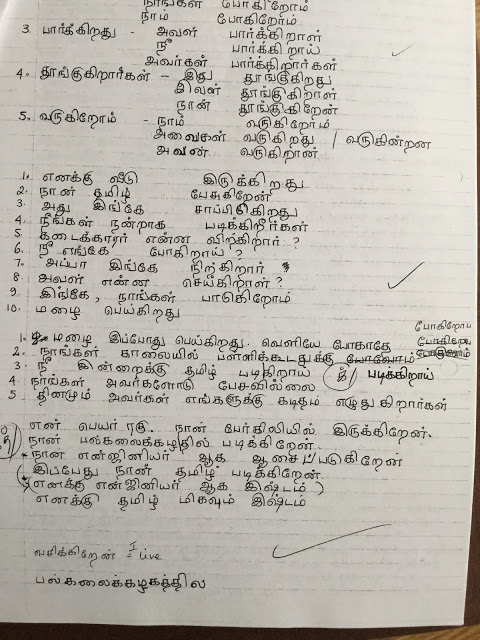
என்னிடம் லண்டன் பல்கலைக் கழகத்தில் சுமார் 20 ஆண்டுகளில் 350 முதல் 400 பேர் வரை தமிழ் படித்திருப்பார்கள் . இது தவிர ‘பிரைவேட் கிளாஸ்’.
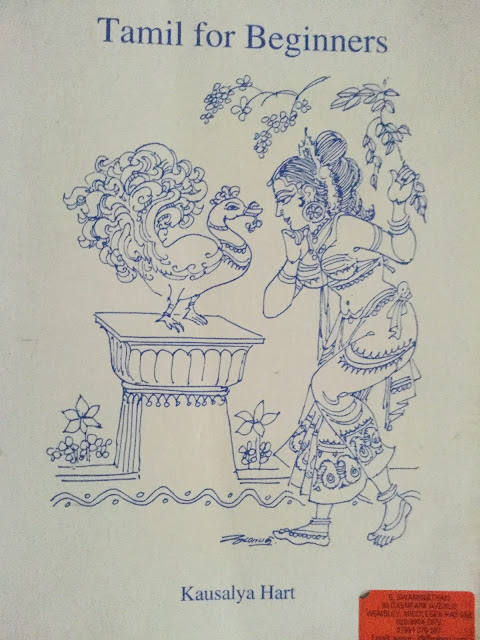
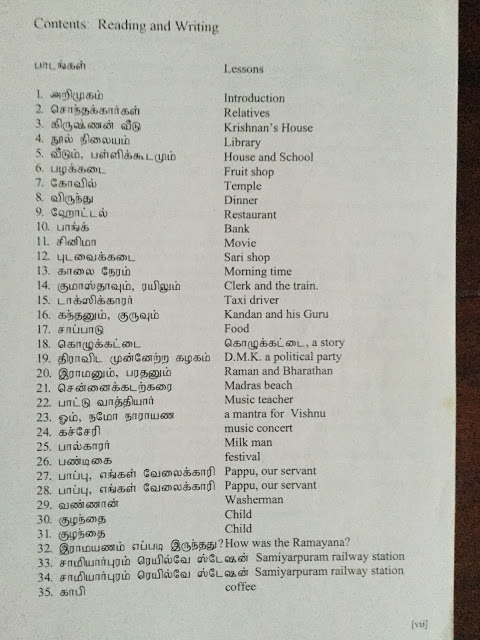
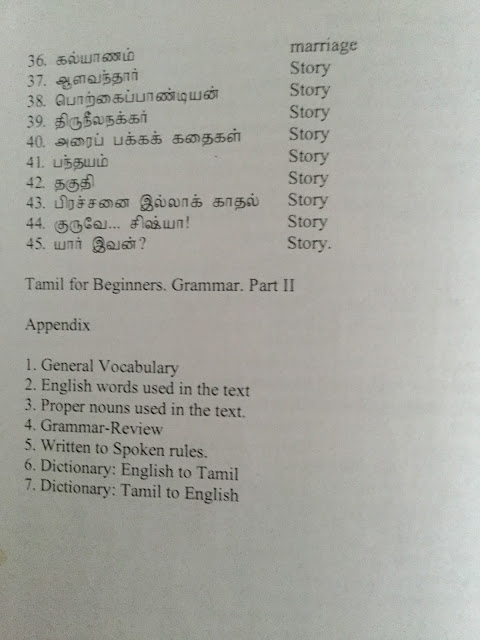
நான் அமெரிக்கப் பல்கலைக் கழகங்களில் தமிழ் கற்பிக்கப் பயன்படுத்திய புஸ்தகத்தை இங்கும் பயன்படுத்தினேன். அது கௌசல்யா ஹார்ட் (TAMIL FOR BEGINNERS by KAUSALYA HART) எழுதிய புஸ்தகம். முதல் பகுதியில் 45-க்கும் மேலான பாடங்கள் இருக்கும். இரண்டாவது பகுதியில் ஒவ்வொரு பாடத்திலும் பின்பற்றப்பட்ட இலக்கண (GRAMMAR) விஷயங்கள் இருக்கும் . மாணவர்கள் வகுப்புக்கு வரும் முன்பு பாடத்தை ஆங்கிலத்தில் மொழிபெயர்த்துக் கொண்டு வரவேண்டும். அதை நான் பாடம் நடத்துகையில் , அவர்கள் திருத்தி எழுதிக் கொள்வர். பயிற்சிகளை பாடம் முடித்த பின்னர் தொடர்வோம். அதை மறு வகுப்புக்கு (Next Class) வருகையில் சமர்ப்பிப்பர். நான் அதைத் திருத்திக் கொடுப்பேன்.
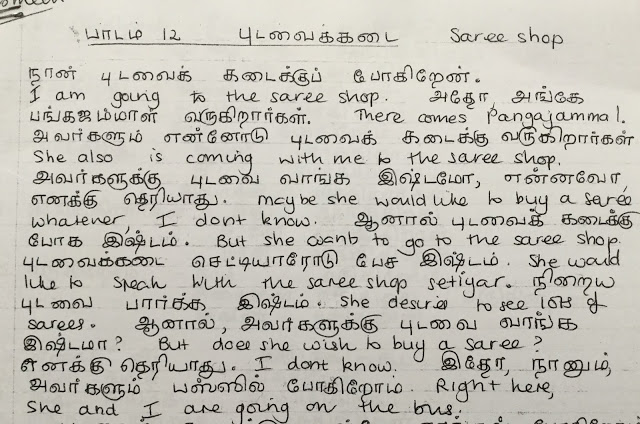
சுமார் 400 மாணவ, மாணவியரில் யாரும் 4, 5 கிளாஸுக்குப் பின்னர் சுணக்கம் காட்டுவர்.15 பாடம் முடித்த நிலையில் அவர்கள் 7 , 8 பாடம்தான் முடித்திருப்பர் . ஆனால் யாஸ்மின் (Yasmeen) என்ற ஒரு பெண் மட்டும் அத்தனை பாடங்களையும் ஆங்கிலத்தில் மொழி பெயர்த்து வாரம் தோறும் சமர்ப்பித்தார். அச்சுப் போன்ற எழுத்து!. ஹம்சபாதமே கிடையாது!! சில எழுத்துப் பிழைகள் மட்டும் இருக்கும்.
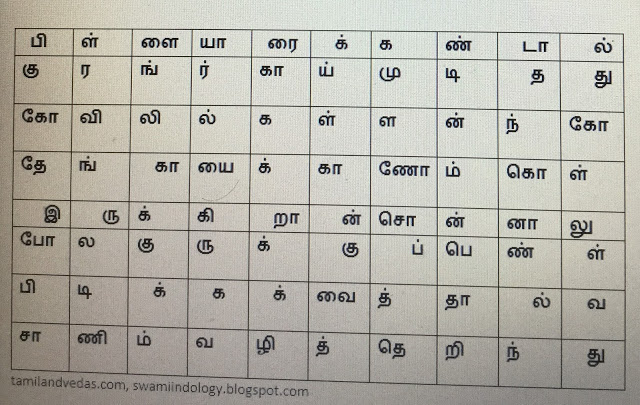
அச்சுப் போன்ற (BEAUTIFUL HAND WRITING) கையெழுத்துக்காக நான் ‘கூகிள்’ செய்தபோது தமிழில் பாரதியார் பாடலைத் தப்பும் தவறுமாக எழுதி இருந்த படமே வந்தது. அதைப் பார்த்தபோதும், ஹம்சபாதம் பற்றிப் படித்தபோதும் யாஸ்மின் என்ற உண்மை மாணவியின் நினைவு வந்தது. அவர் எழுதிய பாடங்களை நான் யுனிவர்சிட்டியில் போட்டோகாப்பி எடுத்து வைத்திருந்தேன். சில பகுதிகளை இங்கே இணைத்துளேன்.
***
நான் கட்டுரையில் விட்ட எழுத்துப் பிழைகளைப் பார்த்த — பார்த்துச் சகிக்காத — ஒரு பெண்மணி எனக்கு பேஸ்புக் (Facebook) கிலேயே ஒரு ‘அடி’ கொடுத்துவிட்டார்; வாழைப்பழத்தில் ஊசி ஏற்றுவது போல ஒரு ‘காமெண்ட்’ (COMMENT) எழுதியிருந்தார் —
“மிஸ்டர் சுவாமிநாதன், உங்கள் கட்டுரைகளை எனக்கு முன்கூட்டி அனுப்பினால் ‘ப்ரூப் ரீடிங்’ செய்து தருவேனே!’ – என்று.
எனக்குப் புரிந்தது. பல பிழைகள் ‘கூகிள்’ செய்யும் பிழைகள்; நாம் ஒன்று அடித்தால் அதில் வேறொன்று வருகிறது!!! பொறுமையாக தவறுகளைத் திருத்த வேண்டும் என்பது உண்மைதான் !
Pictures are taken from various sources for spreading knowledge; this is a non- commercial blog. Thanks for your great pictures.
Books Indians Should Read – 16
Chapter 6 –Part 1 COLLECTED WRITINGS OF DHARAMPAL-1
R. Nanjappa
Who is Dharampal? Dharampal [1922-2006] was a Gandhian worker and thinker. He took part in the freedom movement, discontinuing his college studies, culminating in the Quit India activities, when he went underground. He was imprisoned, and later released, with entry denied to Delhi. He got interested in community work, rediscovering and regenerating the indigenous sources and modes of the organization of rural life. This culminated in his discovery of the roots and nature of the Village Panchayat system. He was sorely disappointed that the Indian Constitution did not recognise and incorporate the Indian aspects of administration and governance, even where these could be easily adopted.
He was outraged by the disgrace India faced at the time of the Chinese aggression of 1962. He, along with two friends, wrote an open letter to the Members of Parliament, demanding that PM Jawaharlal Nehru should resign, owning moral responsibility. As a result, he was imprisoned along with his friends, and put into Tihar Jail! This was the great secularist darling Nehru’s idea and display of democratic spirit! [Incidentally, this is how governments of free India have been treating peaceful protesters and dissenters, whether it is Sunderlal Bahuguna or Anna Hazare!]
What did he do?
His study of the panchayat system in the villages of Tamil Nadu acquainted him with the way the colonial power brutally destroyed that working system, also extensively disrupting in the process the economic, social and political life of the people. He wanted to study in detail the nature of Indian society as it existed at the time of British colonisation. For this he undertook a detailed and painstaking study of the original material lying in various archives, libraries, museums, etc abroad and in India. He thus accessed the records prepared by the officials of the East India Company and government servants, detailed correspondence between officials of all grades, at all levels, right up to Governor General and the Board of Commissioners in London. In the absence of photocopying facilities, and the means to afford them, he wrote down the documents in long hand, running into millions of words and thousands of pages. His writings are based on these original records. He thus performed a task which no other academic historian has attempted.
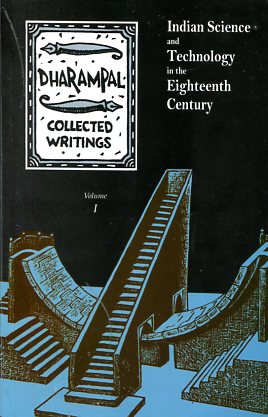
His writings have been gathered into some books. The Other India Press, Mapusa, Goa has brought out a beautiful set of five volumes, [2016] containing his major writings. The volumes are organised around themes as under:
I. Indian Science and Technology in the Eighteenth Century.
II. Civil Disobedience and Indian Tradition.
III. The Beautiful Tree: Indigenous Indian Education in the Eighteenth Century.
IV. Panchayat Raj and India’s Polity.
V. Essays on Tradition, Recovery and Freedom.
What is the significance of his work? Our knowledge of our history, in recent times, is largely derived from what foreigners have written. The foreigners were of different types, with different motives: plunderers, invaders, scholar-travellers, traders, etc. At last came the Europeans as traders, but soon developed territorial ambitions. The British succeeded in the end more than the others, and established colonial rule.
Dharampal shows that though officially it was only in 1858 that the Crown took over direct administration, the fact is that right from 1785 it was the English government which was directing Indian affairs, and the Company was only the executing arm. In 1858, that executing arm was dispensed with.
The colonial power was only interested in maximising its revenue from India. [This fact was noted by the great Adam Smith in his ‘Wealth of Nations’, 1776.] They had to understand the indigenous industries, technology, trading systems so that they could eliminate indigenous products and sell their own.
Later, as a fall out from the Scottish Enlightenment movement which was developing, some sections wanted to study the local philosophies, religions, social systems, etc so that valuable knowledge accumulated by these societies in the past would not be destroyed, as it had happened in the Americas. So, the company officials were asked to gather information and file reports. It is in this process that many reports containing much valuable information was gathered from original sources relating to almost all aspects of Indian life. Some of the early students of Indian systems of knowledge and its languages were truly impressed by what they found, and this gave rise to British Indology.
However, as the imperial ambitions gathered force, the colonial power as the ruling class did not want to admit the achievements or superiority of Indians in any field. They deliberately suppressed the facts, and gave a distorted image of Indian society as poor, backward, etc denigrating Indians as a whole. Thematerial gathered in the reports filed by the company officials were not made public, and did not serve as the basis for their administration.
The colonial power wrote our history giving this distorted picture, and the educational system they imposed here made every Indian believe that he was indeed backward! This is the image which is still persisting, 70 years into so called Independence!

















 Tamil and Vedas