Pictures are taken from various sources for spreading knowledge; this is a non- commercial blog. Thanks for your great pictures.
tamilandvedas.com, swamiindology.blogspot.com
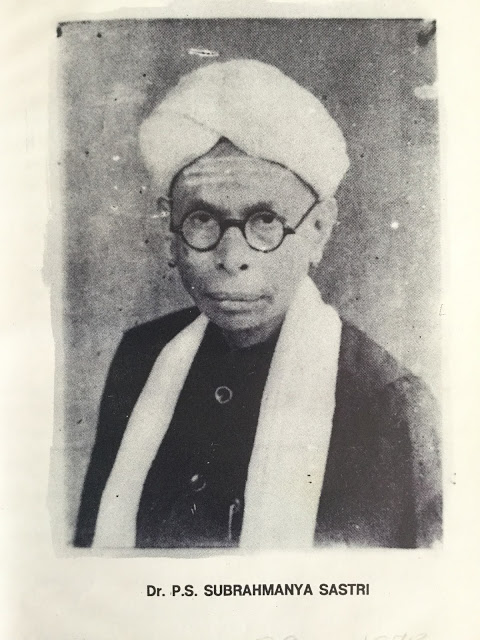
DR P S SUBRAHMANYA SASTRI (1890-1978) was a great scholar proficient in Tamil and Sanskrit.
He was one of the rarest scholars with deep erudition and insight in both these languages.
He was born in Balakrishnampatti village Trichy district as the eldest son of Swminatha Sastriar and Srimati Mangalammal. He studied mathematics at degree level and did his MA in Sanskrit. He started as a mathematics teacher at Tiruvaiyaru. Later he became the Principal of Rajah’s College , Tiruvaiyaru and Head of the
Department of Sanskrit at the Annamalai University between 1942 and 1947.
***
First Ph. D in Tamil
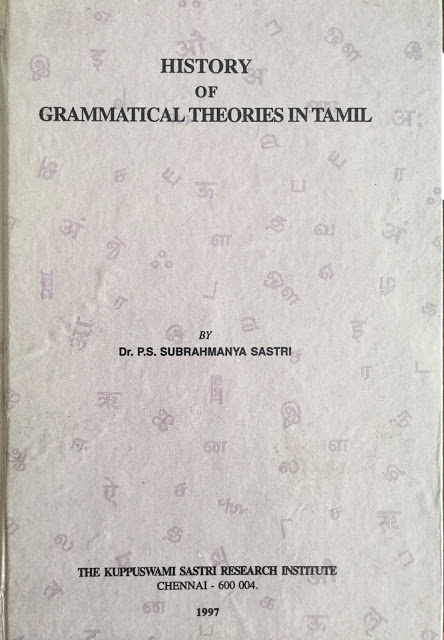
He was awarded the Ph. D. degree in Tamil in 1930 for his thesis ‘History of Grammatical Theories in Tamil and Their Relation to Grammatical Literature in Sanskri’t . He was the first to be awarded a Ph D degree in Tamil by the university of Madras. Linguistic scholars around the world welcomed his work.
Tamils wrote much in Tamil and extraordinarily little in English in those days.
So not many scholars knew what was in Tamil literature. Some works like ‘Tamils 1800 years Ago’ threw some light on Tamil culture and literature. But very few dealt with Tamil Grammar and Linguistics , comparative literature was still rarer. Sastri translated the oldest Tamil grammar Tolkappiam into English and gave the transliteration as well. He pointed out the blunders committed by Bishop Caldwell in his book of Comparative Study of Dravidian languages. A person with deep knowledge in Sanskrit only could do it. Bishop Caldwell with his shallow knowledge in Sanskrit and little knowledge in linguistics committed page after page in his book Dr Sastri exposed all such mistakes.
Dr Sastri’s expertise in three languages , viz. Tamil , Sanskrit and English got for him the title
‘Vani Triveni Prayaga from Kanchi Paramacharya (1894-1994).
Dr Sastri published the English translation of Tolkappiam in 1930. He gave the transliteration in Roman script. His theories were criticised by fanatics in both Tamil and Sanskrit.
They criticised him as anti- Tamil OR anti -Sanskrit. This shows that his approach in linguistics was scientific and honest.
After his demise on 20th May, 1978 at the ripe age of 88 at Tiruvaiyaru, one of his disciples , in his tribute, wrote,
“In him we had a rare combination of occidental scientific thinking and oriental orthodox culture”.
Though very firm in his look, he was always conscious about his own humble beginnings . Very simple in his style of living , he was extremely kind to his students. , particularly the poor among them. Without much ado , he paid the course and examination fees for
many of his students, not expecting anything in return.
***
4000 pages on Patanjali’s Mahabhasya
One of the greatest achievements of Dr PS Sastri is his talks on Mahabhasya of Patanjali.
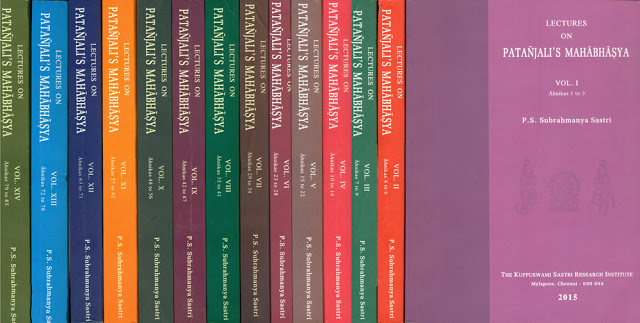
After his retirement from academic positions in 1947, he produced his monumental work,
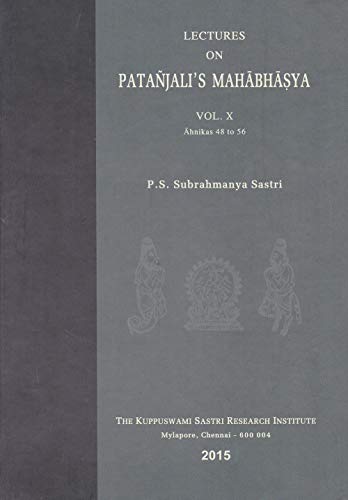
“Lectures on Patanjali’s Mahabhasya in English about 14 volumes running to about 4000 pages.
He wrote about 35 books. He had sound knowledge in Latin and German in addition to Tamil,
Sanskrit and English.
****
His conclusions
Following are some quotations from his book which reflect his views-
TAMIL AND SANSKRIT- TWO SEPARATE LANGUAGES
Hence it may be said that the in which sandhi takes in both the languages are so
different as to form one of the strong reasons to prove that Tamil and Sanskrit
are fundamentally different languages.
Xxx
It may be evident from what has been said that Tolkappianar clearly realised that Tamil was not related to Sanskrit either morphologically or genealogically and deftly exploited the ideas contained in the earlier grammatical literature in Sanskrit, particularly in those works which dealt with Vedic etymology without doing the least violence to the genius of the Tamil language,
On the other hand, the large influx of Sanskritic elements in Tamil since the time of Tolkappianar appears to have so far clouded the linguistic vision of the author of Viacoliyam.
He did not realise that Tolkappianar model was not Panini so much as the Pratisakhyas and the Nirukta.
Nannular was not the victim to the linguistic deflection which marred the value of Viracoliyam.
tags- Tolkappiam Translation, P S Subrahmanya Sastri, Viracoliyam, Tamil Linguistics
Pictures are taken from various sources for spreading knowledge; this is a non- commercial blog. Thanks for your great pictures.
Books Indians Should Read Chapter -1 – Part 3 The Clash of Civilizations
R. Nanjappa
India and Hindus
The position of India is quite critical. Huntington (like Toynbee before him) regards Hindus as a distinct civilization. But modern Hindus (and Indians in general) do not think of themselves as a civilization! India is not even a Hindu country, though this is the homeland of over 95 Crore Hindus! Hindus are in a hopeless condition: they do not have a country to call their own!
Compared to China, and other blocs, India is extremely vulnerable. Even the position of Japan is vulnerable, in spite of its current economic strength. China is conscious of its power and acts like a Power! The ethnic Chinese presence in other countries in Asia strengthens its commercial advantages. China thus overshadows the whole of Asia.
This is the absurdity or perversion of Indian politics. A government can be secular in the sense that the state machinery is separated from religion, but how can a country be secular? The Muslims are a bloc, the West is a bloc, China is a bloc, each extending its influence over other regions. Hindus alone are helpless: confined to one country, their historical home, which they cannot now officially call Hindu!
Apart from not being able to extend its influence abroad, Hindu India has to confront the world on its own soil: it is facing Islam, Christianity, Secular Western influences, Chinese hegemonic ambitions, etc on its own soil. Hindus have to face all these forces simultaneously! How many Hindus realise the situation they are in?
Academic critics may advance criticism or invent arguments against this idea, but history has proved Huntington right.
– countries have been divided along old cultural-ethnic/religious lines as seen after the fall of the USSR
– Russia has not simply embraced the West or integrated with Europe but is asserting its own distinct status
– Islamisation has spread even in nominal Muslim countries like Egypt and Turkey
– Islamic fundamentalism has risen and is spreading
– China is increasingly assertive, politically and economically
– Perception is rising among Europeans of their culture being under threat from immigrants.( eg. Brexit, election of Trump)
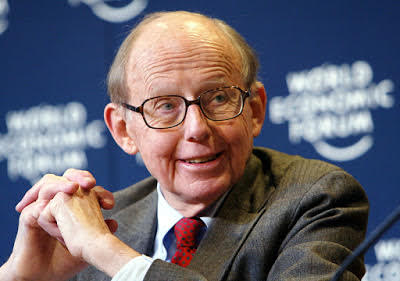
Let us be clear about one thing. Huntington did not argue or wish for civilizations to clash. He simply noted that the clash was occurring! In this he has proved prescient. It is not easy to give even a gist of the closely argued book. I will quote just two passages.
” The dangerous clashes of the future are likely to arise from the interaction of Western arrogance, Islamic intolerance, and Sinic assertiveness.”
“Somewhere in the Middle East a half dozen young men could well be dressed in jeans, drinking Coke, listening to rap, and between their bows to Mecca, putting together a bomb to blow up an American airliner… Only naive arrogance could lead Westerners to assume that non-Westerners will become ‘Westernized’ by acquiring Western goods. “
Remember what happened on 9/11!
There can be no doubt that civilizations are in conflict right now! It is not mere ideological battles any longer! Every Indian should read this book by Samuel Huntington. They will then realise how they are already losing their battle!
Note:
1.For an excellent summary and assessement of this book, see the relevant chapter in: “50 Politics Classics ” by Tom Butler-Bowdon. Nicholas Brealey, 2015. 2. Huntington’s last book: “Who Are We? The Challenges to America’s National Identity” (2004) is also especially important for Hindus, who are now facing a crisis of national identity, forced on them by leftist, self -styled secularist champions.
3. Hinduism is like an orchestra without a conductor. What the various factions produce is cacophony, and no harmony or even melody. They seek to make up with noise what they lack in sense. There is no effective leadership for the Hindus.
Pictures are taken from various sources for spreading knowledge; this is a non- commercial blog. Thanks for your great pictures.
சம்சாரம் ஒரு மரம்; பாவ புண்யம் இரு விதைகள்! – இறைவன் தானே கூறும் பல இரகசியங்கள்!
ச.நாகராஜன்
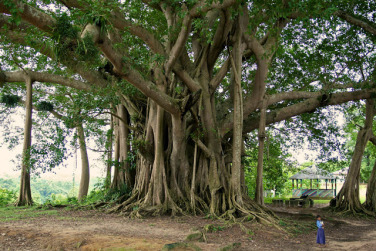
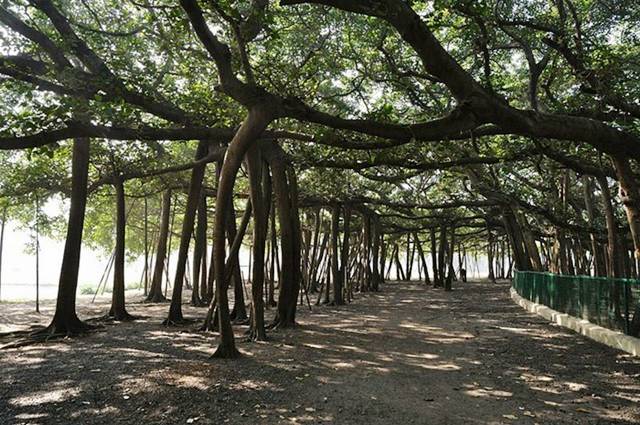
ஒரு ஆடையில் எப்படி நூல்கள் குறுக்கும் நெடுக்குமாகக் கோர்க்கப்பட்டிருக்கிறதோ அதே போல சம்சாரம் என்னும் மரமானது பெரும் பிரவாஹம் போல அனாதியாக இருப்பதாகும்.
இது சம்சாரத்தில் உள்ள ப்ரவிருத்தியையே இயற்கையாகக் கொண்டது.
சம்சாரம் என்ற இந்த மரத்தில் புண்ய, பாவ கர்மங்கள் மலர்களாகும்.
சுகமும் துக்கமும் பலன்களாகும்.
புண்யம், பாவம் ஆகிய இரண்டு கர்மங்களே (செயல்களே) இரண்டு விதைகள்.
ராகம், த்வேஷம் உள்ளிட்ட பல வேர்கள் இந்த சம்சார மரத்திற்கு உண்டு.
இந்த மரத்தின் நாளங்கள் மூன்று: சத்வம், ரஜஸ், தமஸ் என்பன.
பூமி, நீர், அக்னி, வாயு, ஆகாயம் என்னும் ஐந்து ஸ்கந்தங்கள் உடையது இந்த மரம்.
இது சப்தாதி விஷயங்கள் என்னும் ஐந்து ரஸங்களுக்கு விளைநிலமாய் இருக்கும்.
இந்த மரத்திற்குக் கிளைகள் பதினொன்று. பதினோரு இந்திரியங்கள் தாம் இந்தப் பதினொன்று கிளைகள்.
ஆத்மா, பரமாத்மா என்னும் இரண்டு பறவைகள் இந்த மரத்தில் சேர்ந்து வசிக்கின்றன.
இவை வாசம் செய்யும் இடம் இதயகமலம் என்னும் கூண்டு.
இதற்கு மூன்று பட்டைகள் உண்டு. வாத, பித்த, சிலேஷ்மம் என்பவையே அந்த மூன்று பட்டைகள்.
இதன் பலன்கள் இரண்டு. போகம் (உலக சுகம்) மற்றும் முக்தி.
தாபத்ரயம் என்னும் மூன்று பாத்தியில் இது நிலை நின்று கொண்டிருக்கிறது. ஆத்யாத்மிகம் உள்ளிட்டவையே இந்த மூன்று பாத்திகளாகும்.
கிராமத்தில் திரியும் கழுகுகள் இந்த மரத்தில் வசிக்கின்றன. புலன் இன்பங்களை நுகரும் சாமான்ய மனிதர்களே இந்தக் கழுகுகள். இவர்கள் சுக துக்கத்திற்கான செயல்களைச் செய்து பலனை அடைகின்றனர். இந்த சுக துக்கம் தான் இவர்களின் உணவு.
முக்தி என்ற மற்றொரு பலனை காடுகளில் வசிக்கும் முனிவர்களாகிய ஹம்ஸ பட்சிகள் புசிக்கின்றன.
இயற்கையின் பரிணாமம், தேவத் தன்மை, மனிதத் தன்மை முதலிய உருவங்களைக் கொண்டது இந்த சம்சார மரம்!
இதை உள்ளது உள்ளபடி குருமார்கள் மூலமாக அறிய முடியும்.
இப்படி உணர்ந்தவன் வேதங்களை அறிந்தவனாவான்.
நிலைத்த தன்மை கொண்ட பக்தியுடன் கூடிய குரு பாவனையால் ஞானம் என்னும் கூர்மையான கோடாலியைப் பெற்று தைரியத்துடன் இந்த சம்சார மரத்தை அடியோடு அறுக்க வேண்டும்.
மன ஊக்கத்துடன் தவறுதல் இன்றிப் பரமாத்மாவைப் பெற வேண்டும். பின்னர் ஞானமாகிய் கோடாலியைத் துறந்து விடலாம்.
இப்படி பகவான் உபதேசிக்கிறார் : என்னைப் பெற்றவுடன் ஞானமாகிய கோடாலியை துறக்கலாம்; அது வரை அந்த ஆயுதத்தை விடாதே என்பது பகவானின் அருளுரை.
ஸ்ரீமத் பாகவதத்தில் பதினொன்றாவது ஸ்கந்தத்தில் பன்னிரெண்டாம் அத்தியாயம் மேற்கூறிய சம்சார விருக்ஷம் பற்றி இப்படி விளக்கம் அளிக்கிறது.
அடுத்த அத்தியாயத்தில் இறைவனை அடைய ஒரு மனிதனுக்கு வேண்டிய சத்வ குணத்தை எப்படி அடைவது என்ற விளக்கத்தைப் பெறுகிறோம்.
சத்வ குணத்தை வளர்க்க பத்து வழிகள் உண்டு.
இதை வளர்க்க சாத்விகமான உணவு வகைகள் மட்டுமே போதும் என்பதில்லை.
அதை வளர்ப்பதற்கான பத்து வழிகள்:
வேதங்கள், பாஞ்சராத்ரம், இறைவனின் மகிமையை விளக்கும் புராணங்கள், ராமாயண, மகாபாரத இதிகாசங்கள், ஆகமங்கள் ஆகியவற்றைப் படித்து கேட்டு உணர்தல்
சாது ஜனங்களுடனான தொடர்பு
கங்கை முதலிய புண்ய தீர்த்தங்களுக்குச் செல்லுதல்
ஏகாந்தமாய் (தனிமையில்) வாசம் செய்வது
பிரம்ம முகூர்த்தம் என்று சொல்லப்படும் அதிகாலை நேரத்தில் எழுந்திருப்பது
பலனை எதிர்பார்க்காமல் செய்யும் கர்மம்
சௌக்லம், ஸாவித்ரம் யாஜ்ஞிகம் என்னும் மூவகைப்பட்ட ஜன்மத்தை அதாவது ஞான ஜன்மத்தைப் பெறுதல்
இறைவனை தியானித்தல்
பகவானின் மந்திரத்தைச் சொல்லுதல்
தாபம், புண்ட்ரம் உள்ளிட்ட ஐந்து ஸம்ஸ்காரங்களைச் செய்தல்
மேலே கூறிய பத்து வழிகள் மூலம் சத்வ குணத்தை ஒருவன் வளர்த்துக் கொண்டு பயன் பெறலாம்.
பகவான் உத்தவருக்குச் சொல்லும் உபதேசமாக இது அமைகிறது.
பாகவதம் பல ரகசியங்களைத் தெள்ளத் தெளிவாக விளக்கும் தங்கச் சுரங்கம்.
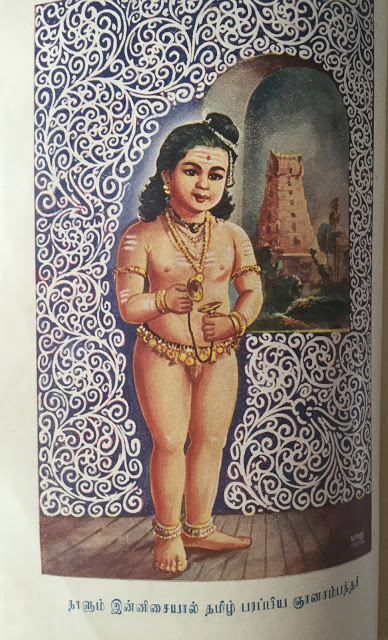
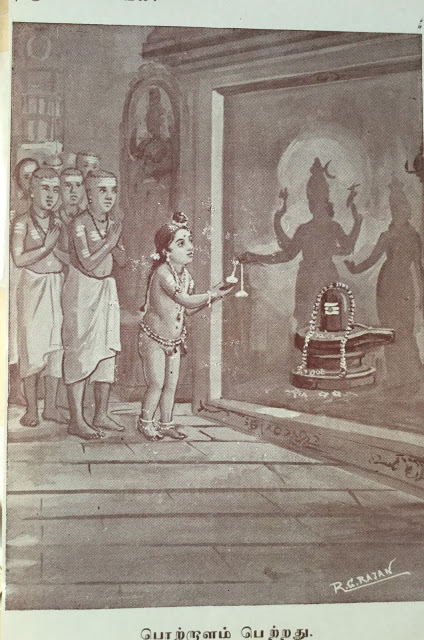
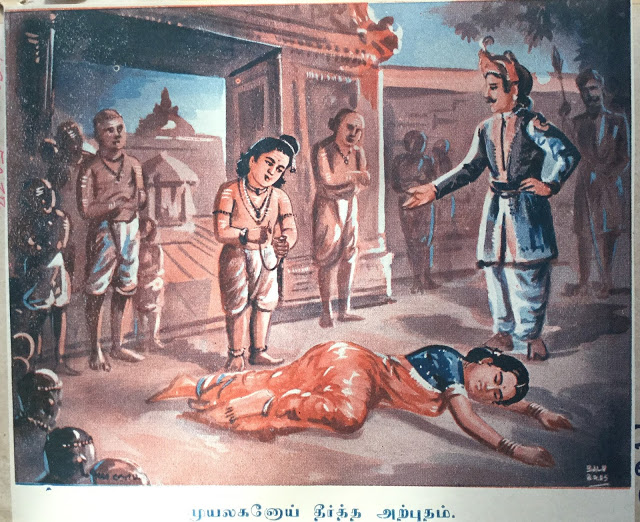
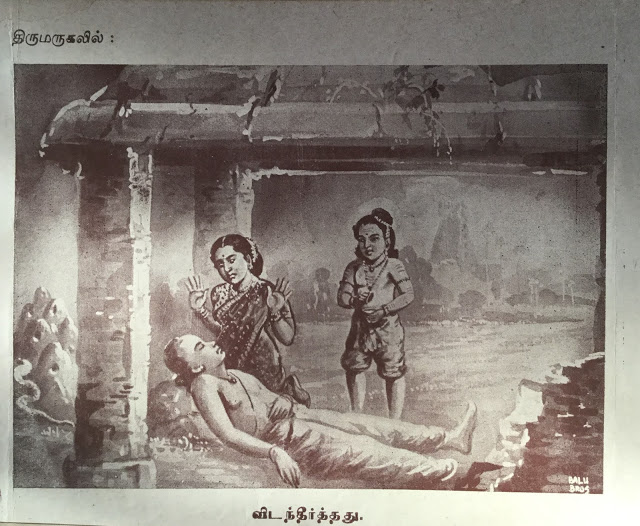
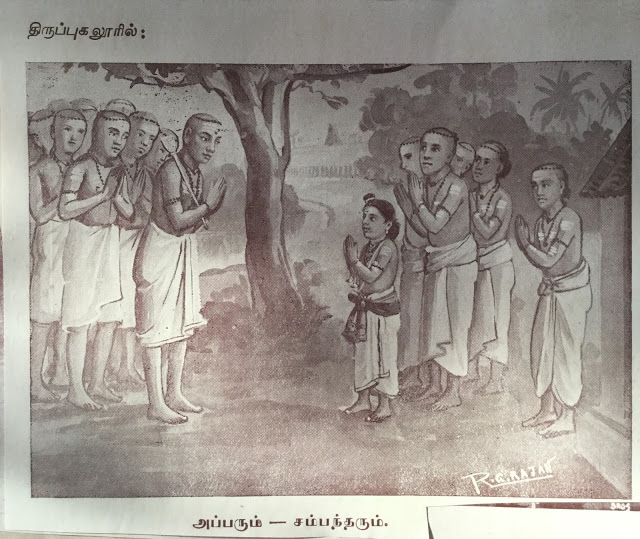
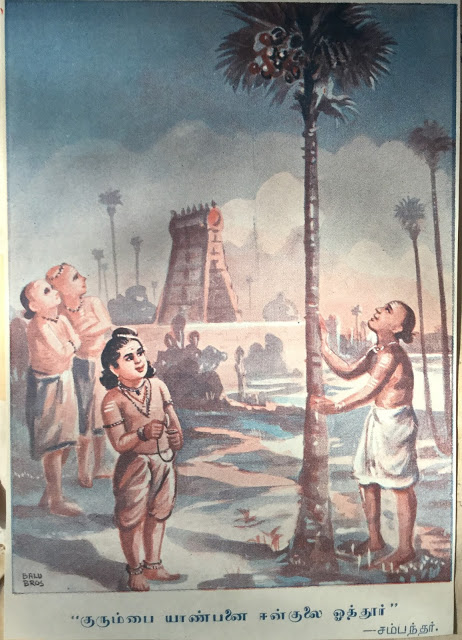
Tamil Miracles done by Boy Wonder Sambandar of Tamil Nadu; he did many wonders from 3 years before he merged with God at the age of 16.
WRITTEN BY S NAGARAJAN
Post No. 8438
Date uploaded in London – – –1 August 2020
Contact – swami_48@yahoo.com
Pictures are taken from various sources for spreading knowledge; this is a non- commercial blog. Thanks for your great pictures.
இந்தப் பட்டியலை பிரிண்ட் செய்து வைத்துக் கொண்டால் உங்களுக்குத் பிடித்த கட்டுரைகளை நேரம் கிடைத்தபோது படிக்கலாம்
கட்டுரைகளை பிளாக்கில் பெறுவது எப்படி?
பிளாக்கிற்குப் போய் தேடுவதை விட கூகுளில் (google) தேடுவது எளிது. கட்டுரையின் தலைப்பை காப்பி copy செய்து கூகுளில் பேஸ்ட் paste செய்யுங்கள் . அதன் பிறகு ஆங்கிலத்தில் from tamilandvedas.com என்று எழுதி க்ளிக் (click) செய்யுங்கள்.
from swamiindologly.blogspot.com
என்று எழுதியும் பெறலாம்.
எடுத்துக்காட்டு:
இயற்கையின் கணித ரகசியம்- 1 from tamilandvedas.com
இயற்கையின் கணித ரகசியம்- 1 from swamiindology.blogspot.com
நீங்கள் சிறு பிழை விட்டாலும் நீங்கள் எதிர்பார்த்தது கிடைக்காமல் வேறு விஷயம் வரும். அதில் நேரத்தை வீணடிக்காமல் மீண்டும் ஒரு முறை சரியாக எழுதி முயற்சி செய்யுங்கள். இரண்டு பிளாக்குகளில் ஒன்றில் கிடைத்து விடும்
கட்டுரை பெறுவதில் ஏதேனும் சிக்கல் இருந்தால் எங்களைத் தொடர்பு கொள்ளுங்கள் .
Lord Siva gave him Golden Cymbals
INDEX 28
April 2015
1-4-15 1764 How Paul Brunton was directed to go to Bhagavan Ramana
Maharishi! – 1
2-4-15 1767 How Paul Brunton was directed to go to Bhagavan Ramana
Maharishi! – 2
3-4-15 1770 தமிழ் திரைப்படங்களில் ராமர் – 16 வைதேகி ராமன் கை
சேரும் காலம்!
4-4-15 1773 Paul Brunton by Annie Chan Fung
5-4-15 1776 What you have learnt is handful, what you haven’t learn is..
6-4-15 1779 சம்ஸ்கிருதச் செல்வம் – 28
கொக்கின் தலையில் வெண்ணையை வைத்துப் பிடிக்கலாமா?
7-4-15 1782 தமிழ் திரைப்படங்களில் ராமர் – 17 ஒரு தாரம் என்னும்
உயர்வினைக் காட்டிய அவதாரம்!
8-4-15 1785 சம்ஸ்கிருதச் செல்வம் – 29 விதை ஒன்று போட சுரை ஒன்று
முளைக்குமா?
9-4-15 1788 முடிவுரை : சம்ஸ்கிருதச் செல்வம் இரண்டாம் பாகம்!
10-4-15 1791 ஆன்மீக அறிவியல் ஆய்வாளர் ச.நாகராஜன் அறிம்முகம்!
15-4-15 1800 Baffling Questions and Beautiful Answers in Spirituality – I
16-4-15 18 02 Baffling Questions and Beautiful Answers in Spirituality – II
17-4-15 1805 Baffling Questions and Beautiful Answers in Spirituality – III
18-4-15 1808 மதுர கவி திருப்புகழ்!
19-4-15 1810 50 reasons people give for believing a God
20-4-15 1813 Baffling Questions and Beautiful Answers in Spirituality – IV
21-4-15 1816 Baffling Questions and Beautiful Answers in Spirituality – V
’
22-4-15 1822 கவிதைப் புதிர் – 1 மான் விழியாளுக்கு எது ஆபரணம்?
24-4-15 1824 கவிதைப் புதிர் – 2 கேசவர், த்ரோணர், கௌரவரை வைத்து
25 Dec 2013 – Kanchi Paramacharya (Shankaracharya). Swamikal said in one of his talks that Zoroaster was from Saurashtra. The reason for Parsees coming …
Zoroaster | Tamil and Vedas
tamilandvedas.com › tag › zoroaster
Posts about Zoroaster written by Tamil and Vedas. … Kanchi Paramacharya Swamikal on Zoroaster Kanchi Shankaracharya in his talk in Chennai in 1932 says: …
9 Jul 2020 – tamilandvedas.com, swamiindology.blogspot.com … Kanchi Paramacharya (1894-1994) was not only great Saint but also a great linguist. … They decried the Vedas, and through their Prophet Zoroaster (circa 800 BCE) …
tags – Zoroaster, Saka Dwipa, Sun Worship, Iran, Samba, Varaha Mihira, Veda
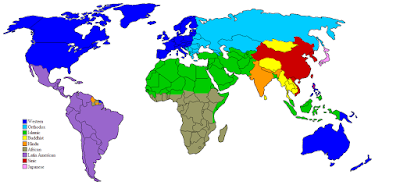
In the post-cold war age, Huntington notes 6 powers that will dominate: America, Europe, China, Russia, Japan, India. But behind them are the civilizations! [Sinic= Chinese-Confucian, Hindu, Japanese, Islamic, Orthodox Christian, Western, Latin American, African] Though the Muslim nations do not act as a bloc, they do wield considerable influence.
The Cold War as it was known before the collapse of the Soviet Union might have ended. But Russia and China are now big powers on their own, challenging the West. The ideological war might have ended, with all countries adopting capitalist methods in varying degrees, but political differences are significant. Behind them is the pull of civilizations.
West and Islam: undying antagonism
There are some basic conflicts. What we call the “West”- the US, Canada, Western Europe, Australia, New Zealand share certain characteristics: separation of church and state, democratic representative bodies, predominantly market economies, rule of law, individual freedoms, secularisation of life and admission of social and cultural pluralism. These are all emphatically opposed by the Muslim countries! In the Islamic state, everything has to be ordered in the name of Allah: there can never be the separation of religion from the affairs of the state! This is not just an extremist view, but the very normal Islamic position according to sane and sober Islamic judgement. Hence, the conflict between the West and Islam can never be reconciled. (The conflict between Christianity and Islam is another matter.) This is seen in the increasing social tension created by the influx of Muslim refugees (immigrants) into Western Europe! The problem is not due to Islamic extremism, but the very nature of Islam itself!
Western politicians simply ignore this basic fact. The basic animosity between the secular West and Islam cannot be reconciled or wished away.
It is to be observed that though there are several big Muslim countries, no one is in a position to speak as “the Muslim” country or for all Muslims! This makes the situation rather dangerous for world peace. Muslim demographic growth is also extraordinary, and is leading to large scale immigration! But it is all to non-Muslim countries and not to other Muslim countries! This poses its own problems. This reveals the basic ethnic tensions among the Muslims!
Western countries are experiencing slow economic growth, decline or stagnation in population growth, debt burden due to big government and a lifestyle involving consumerism and low savings. The Asian economies are experiencing an upswing at the same time!
Neither the Muslim countries, nor all the other non-Western countries including former colonies have accepted all the features of the West, though many of them have generally adopted Western ways in the name of modernisation!
Rising world powers
The following map makes clear the divisions which can be easily perceived:
Buddhism has been an important religion, but according to Huntington, it has not been the basis of a large civilization.
China: giant of Asia
China is sitting as the giant of Asia. It is in a position to virtually overrun the whole of Asia. It has already swallowed Tibet, a Buddhist country. No other Buddhist country in Asia can stand up to China, which has a large ethnic presence in several countries!
Pictures are taken from various sources for spreading knowledge; this is a non- commercial blog. Thanks for your great pictures.
வில்லி பாரதச் சிறப்பு
நின்ற மால் மலரடி மறவேனே!
ச.நாகராஜன்
வில்லி பாரதத்தில் அதிசயிக்கத்தக்க சிறப்புகள் பல உண்டு. முந்தைய கட்டுரைகளில் அணிகளை ஒரே பாடலில் அடுக்கித் தருபவர் வில்லிப்புத்தூரார் என்பதைக் கண்டோம்.
இன்னொரு பெரிய சிறப்பு, வில்லிப்புத்தூரார் வரலாற்றுச் சம்பவங்களை அடுக்கி அடுக்கித் தருவது தான்!
18 புராணங்களையும் இராமாயண இதிஹாஸத்தையும் நன்கு படித்து உணர்ந்தவரே வில்லி பாரதத்தை நன்கு கற்று அனுபவிக்க முடியும்.
ஒரு பாடலில் பல கதைகளைக் கூறுவார் அவர்; அதற்கு நிறைய புராணங்களை எடுத்துப் படிக்க வேண்டியிருக்கும்.
சுருங்கச் சொல்லி விளங்க வைக்கும் ‘சூத்திர’ மன்னன் அவர்.
அவரது கடவுள் வாழ்த்துக்கள் தனிச் சிறப்புடையவை.
உத்யோக பர்வத்தில் உலூகன் தூதுச் சருக்கத்தில் கடவுள் வாழ்த்தாக அமைந்துள்ள பாடல் இது:
மீனமாகியுங் கமடமதாகியு மேருவையெடுக்குந்தா
ளேனமாகியு நரவரியாகியு மெண்ணருங் குறளாயுங்
கூனல் வாய் மழுத்தரித்த கோலாகியு மரக்கரைக் கொலை செய்த
வானநாயகனாகியு நின்றமால் மலரடி மறவேனே
மீனம் ஆகியும் – மீன் வடிவாகவும்
கமடமது ஆகியும் – ஆமை வடிவமாகியும்
மேருவை எடுக்கும் தாள் ஏனம் ஆகியும் – மஹா மேருமலையைத் தாங்க வல்ல பாதத்தை உடைய பன்றி வடிவமாகவும்
நர அரி ஆகியும் – நரசிங்க வடிவமாகவும்
எண் அரு குறள் ஆகியும் – நினைத்தற்கும் அருமையான வாமன வடிவமாகியும்
கூனல் வாய் மழு தரித்த கோ ஆகியும் – வளைவான நுனியை உடைய கோடாலிப் படையைக் கையில் ஏந்திய பரசுராம வடிவமாகியும்
அரக்கனைக் கொலை செய்த வான நாயகன் ஆகியும் – இராவணன் முதலிய அரக்கர்களைக் கொலை செய்து வதைத்த முக்தி உலகத்தின் தலைவனான இராமன் ஆகியும்
நின்ற -திருவவதாரம் செய்து நின்ற
மால் – திருமாலாகிய கண்ணபிரானது
மலர் அடி – தாமரை மலர் போன்ற திருவடிகளை
மறவேன் – ஒருக்காலும் மறக்க மாட்டேன் (எப்போதும் நினைத்துக் கொண்டே இருப்பேன்)
இந்த ஒரே பாடலில் அனைத்து அவதாரங்களும் பேசப்படுகின்றபடியால் அனைத்து வரலாறுகளையும் நாம் அறிந்து கொள்ள வேண்டிய வாய்ப்பை ஏற்படுத்துகிறார் கவிஞர்.
நின்ற மால் என்ற சொற்களால் நடப்பு அவதாரத்தை நின்று நடத்துகின்ற கண்ணன் என்பதையும் உணர்த்துகிறார்.
மத்ஸ்ய, கூர்ம, வராக, நரசிம்ம, வாமன, பரசுராம, தசரத ராம, பலராம,கிருஷ்ண, கல்கி என தசாவதாரங்களையும் நினவில் கொள்ள வேண்டும்.
“மச்சா கூர், மா கோலா, சிங்கா, வாமா, ராமா, ரா, மா கோபாலா மாவாவாய்” என்ற ஒரே வாக்கியத்தையும் நினவில் கொள்ளலாம்!
மீனம் : முன்னொரு காலத்தில் சோமகன் என்னும் ஒரு அசுரன் பிரமதேவன் துயில்கையில் வேதத்தைக் கவர்ந்து சென்றான். அதை மீன் வடிவம் எடுத்து கடலினுள் புகுந்து அந்த அசுரனைத் தேடிக் கொன்று வேதங்களை மீட்டார் திருமால்.
கூர்மம் : துர்வாச முனிவரது சாபத்தால் தேவ லோகத்துச் செல்வம் எல்லாம் கடலுக்குள் சென்றன. அதை மீட்க திருமாலின் கட்டளையின் படி அசுரர்களும் தேவர்களும் மந்தார மலையைக் கடையச் சென்றனர். அப்போது அந்த மந்தார மலை கடலினுள் சென்று அழுந்தி விடாத படி ஆமை வடிவம் எடுத்து திருமால் அதைத் தாங்கினார்.
வராகம் : ஒரு காலத்தில் இரணியாக்ஷன் பூமியைப் பாயாகச் சுருட்டி கடலில் மூழ்கினான். வராக அவதாரம் எடுத்த திருமால் தன் கொம்பால் பூமியைக் குத்தி எடுத்துக் கொண்டு வந்து பழைய நிலை வரும்படி அருளினார்.
நரசிங்கம் : இரணியாக்ஷனின் சகோதரனான இரணியன் தன் மகன் பிரகலாதனை நாராயணன் பெயர் சொல்லத் தடை செய்தான். அவன் பொருட்டு தூணிலிருந்து பிளந்து வந்து இரணியனைக் கீறி அழித்தார் திருமால்.
வாமனம் : முன்னொரு காலத்தில் மகாபலி என்னும் அசுரன் தேவலோகம் உள்ளிட்ட அனைத்தையும் தன் வசப்படுத்தினான். அரசிழந்த தேவர்கள் திருமாலை வேண்ட வாமனனாக வடிவம் எடுத்து மகாபலி நடத்திய யாகத்திற்குச் சென்று மூன்று அடி இடம் வேண்டினான் குறளன். ஒரு அடியால் ஆகாயம் அனைத்தையும் இன்னொரு அடியால் பூமி அனைத்தையும் அளந்த வாமனன் மூன்றாம் அடிக்கு இடம் கேட்க மகாபலி தன் சிரத்தைத் தந்தான்.அவனை பாதாளத்தில் அழுத்தினார் வாமனர்.
பரசுராமன் : முன்னொரு காலத்தில் ஜமதக்கினி முனிவரது மனைவியான ரேணுகையிடம் ராமனாக அவதரித்து பரசு என்னும் கோடாலியை ஆயுதமாக எடுத்து கார்த்தவீர்யார்ஜுனனையும் அவனது குமாரர்களையும் அழித்தார் பரசுராமர்.
ராமர்: இராவணன் சீதையைக் கவர்ந்து செல்ல ராமர் அவனை அழித்து சீதையை மீட்டார்.
கிருஷ்ணர் : பூமியின் பாரம் பாதகர்களால் கூட பூமாதேவி தாங்க முடியாமல் தவித்த போது, நல்லோரைக் காத்து தீயோரை அழிக்க கிருஷ்ணராக அவதரித்து துரியோதனாதியர் அழிய வகை செய்தார் கிருஷ்ணர்.
கல்கி : கலி யுக முடிவில் தர்மம் நிலை தடுமாறும் போது அதைக் காக்க எடுக்கப்போகும் அவதாரம் கல்கி!
இப்படி பத்து அவதாரங்களையும் நினைக்கும் படி செய்வது வில்லிப்புத்தூராரின் ஒரே பாடல் – உலூகன் தூதுச் சருக்கக் கடவுள் வாழ்த்துப் பாடல்!
இருபத்தோரு பாடல்கள் கொண்டது உலூகன் தூதுச் சருக்கம். அதற்கு மணி மகுடம் போல அமைந்துள்ளது இந்தப் பாடல்.
வில்லி பாரதத்தின் ஒவ்வொரு பாடலையும் நாம் கூர்ந்து கவனிக்க வேண்டும்; அதில் ஏராளமான அர்த்தங்கள் தெரியும்!
Pictures are taken from various sources for spreading knowledge; this is a non- commercial blog. Thanks for your great pictures.
இந்தப் பட்டியலை பிரிண்ட் செய்து வைத்துக் கொண்டால் உங்களுக்குத் பிடித்த கட்டுரைகளை நேரம் கிடைத்தபோது படிக்கலாம்
கட்டுரைகளை பிளாக்கில் பெறுவது எப்படி?
பிளாக்கிற்குப் போய் தேடுவதை விட கூகுளில் (google) தேடுவது எளிது. கட்டுரையின் தலைப்பை காப்பி copy செய்து கூகுளில் பேஸ்ட் paste செய்யுங்கள் . அதன் பிறகு ஆங்கிலத்தில் from tamilandvedas.com என்று எழுதி க்ளிக் (click) செய்யுங்கள்.
from swamiindologly.blogspot.com
என்று எழுதியும் பெறலாம்.
எடுத்துக்காட்டு:
இயற்கையின் கணித ரகசியம்- 1 from tamilandvedas.com
இயற்கையின் கணித ரகசியம்- 1 from swamiindology.blogspot.com
நீங்கள் சிறு பிழை விட்டாலும் நீங்கள் எதிர்பார்த்தது கிடைக்காமல் வேறு விஷயம் வரும். அதில் நேரத்தை வீணடிக்காமல் மீண்டும் ஒரு முறை சரியாக எழுதி முயற்சி செய்யுங்கள். இரண்டு பிளாக்குகளில் ஒன்றில் கிடைத்து விடும்
கட்டுரை பெறுவதில் ஏதேனும் சிக்கல் இருந்தால் எங்களைத் தொடர்பு கொள்ளுங்கள் .
January 2015
1-1-15 1537 தமிழ் என்னும் விந்தை – 21 மாலைமாற்று – 2
3-1-15 1542 தமிழ் என்னும் விந்தை – 22 சுழிகுளம் – 1
4-1-15 1545 ஆருத்ரா தரிசனம்! அப்பர் அருளிய திருவாதிரைப் பதிகம்!
5-1-15 1548 தமிழ் என்னும் விந்தை – 23 சுழிகுளம் – 2
6-1-15 1550 தமிழ் என்னும் விந்தை – 24 திரிபங்கி – 1
7-1-15 1553 தமிழ் என்னும் விந்தை – 25 திரிபங்கி – 2
8-1-15 1556 தமிழ் என்னும் விந்தை – 26
9-1-15 1560 தமிழ் என்னும் விந்தை – 27
14-1-15 1571 காவியத்தின் நோக்கம்
15-1-15 1575 ஆயுளை நீட்டிக்கும் ஏகாதசி விரதம்! ஞான ஆலயம் ஜனவரி
2015 கட்டுரை
16-1-15 1578 சம்ஸ்கிருதச் செல்வம் – தராசு முதல் கரும்பு வரை சில
நியாயங்கள்!
17-1-15 1581 சம்ஸ்கிருதச் செல்வம் – ஆடு முதல் காடு வரை சில
நியாயங்கள்!
18-1-15 1585 சம்ஸ்கிருதச் செல்வம் – நெக்லஸ் முதல் கிணறு வரை சில
நியாயங்கள்!
19-1-15 1588 சம்ஸ்கிருதச் செல்வம் – வீட்டு வாசற்படியில் வைக்கும்
விளக்கு!
22-1-15 1594 சம்ஸ்கிருதச் செல்வம் – மரத்தை அசைத்தால் மற்றது தானே
அசையும்!
23-1-15 1596 சம்ஸ்கிருதச் செல்வம் – திருமந்திரம் – குருடன் குருடனுக்கு
வழி காட்டினாற் போல!
26-1-15 1603 சம்ஸ்கிருதச் செல்வம் – கடலும் பறவையும்-தித்திப நியாயம்!
28-1-15 1607 சம்ஸ்கிருதச் செல்வம் – பிறக்காத பிள்ளைக்குப் பெயர்!
31-1-15 1613 சம்ஸ்கிருதச் செல்வம் – இறுதியில் என்ன நினைக்கிறாயோ
அதுவாகவே ஆவாய்!
February 2015
2-2-15 1617 தமிழ் திரைப்படங்களில் சம்ஸ்கிருதம் – 1
3-2-15 1619 சம்ஸ்கிருதச் செல்வம் – தண்ணீர் கொண்டு வா – நியாயம்!
4-2-15 1621 சிவனை நோக்கி கனவில் நடந்த கிருஷ்ணார்ஜுன பயணம்
ஞான ஆலயம் பிப்ரவரி 2015 கட்டுரை
5-2-15 1624 தமிழ் திரைப்படங்களில் சம்ஸ்கிருதம் – 2
6-2-15 1626 தமிழ் திரைப்படங்களில் ராமர் – 1
7-2-15 1629 சம்ஸ்கிருதச் செல்வம் – குரங்குக் குட்டி நியாயம், பூனைக்குட்டி
நியாயம்!
8-2-15 1633 Heaven! Beautiful Description in Mahabharata! – 1
9-2-15 1635 தமிழ் திரைப்படங்களில் ராமர் – 2
10-2-15 1639 Disadvantages in Heaven! Mahabharata Description -2
11-2-15 1641 தமிழ் திரைப்படங்களில் ராமர் – 3
12-2-15 1644 சம்ஸ்கிருதச் செல்வம் – 12 கர்ணன் பெயரில் ஒரு நியாயம்,
கிணறு பெயரில் இரு நியாயம்!
13-2-15 1646 சம்ஸ்கிருதச் செல்வம் – 13 எவ்வழி உலகம், அவ்வழி
அனைவரும்!
14-2-15 1649 சம்ஸ்கிருதச் செல்வம் – 14 பிச்சை எடுத்தேனும் உயிரைக்
காத்துக் கொள்வதே தர்மம்!
14-2-15 1651 பாரதி போற்றிய ஐயர்!
16-2-15 1655 சிவராத்திரி சபதம்!
18-2-15 1658 தமிழ் திரைப்படங்களில் ராமர் – 4
20-2-15 1662 தமிழ் திரைப்படங்களில் ராமர் – 5 ஒன்பது பாடல்கள், நான்கு
பாடகர்கள்!
22-2-15 1667 சம்ஸ்கிருதச் செல்வம் – 16 இளமையும் முதுமையும் சேர்ந்து
இருக்க முடியுமா?
24-2-15 1671 தமிழ் திரைப்படங்களில் ராமர் – 6 அநுமனைப் பற்றிய படம்!
25-2-15 1674 சம்ஸ்கிருதச் செல்வம் – 15 பட்ட காலில் படும்!
26-2-15 1677 சம்ஸ்கிருதச் செல்வம் – 17 குடத்தினுள் இருக்கும் குத்து
விளக்கு!
28-2-15 1682 Hindu Destiny in Nostradamus by G.J. Hiranyappa!
March 2015
1-3-15 1683 சம்ஸ்கிருதச் செல்வம் – 18 நீரில் அமிழ்ந்த சுரைக்காய்!
3-3-15 1687 தமிழ் திரைப்படங்களில் ராமர் – 7
4-3-15 1689 Memory Queen Draupadi!
5-3-15 1691 சம்ஸ்கிருதச் செல்வம் – 19 எண்ணெய் இல்லாமல் விளக்கை
எரிப்பது எப்படி?
6-3-15 1694 தமிழ் திரைப்படங்களில் ராமர் – 8
7-3-15 1696 சம்ஸ்கிருதச் செல்வம் – 20 மாந்தோப்பில் உள்ள மரங்கள்!
8-3-15 1699 தமிழ் திரைப்படங்களில் ராமர் – 9 யாருக்கு ஜானகி
காத்திருந்தாள்?
9-3-15 1701 சம்ஸ்கிருதச் செல்வம் – 21 முள்ளைத் தின்று மகிழும் ஒட்டகம்!
10-3-15 1704 தமிழ் திரைப்படங்களில் ராமர் – 10
11-3-15 1707 தமிழ் புத்தாண்டு சித்திரையில் துவங்குவது ஏன்?
12-3-15 1710 சம்ஸ்கிருதச் செல்வம் – 22 வரியை ஏய்க்க நினைத்தவன்
கதை!
13-3-15 1712 தமிழ் திரைப்படங்களில் ராமர் – 11
14-3-15 1716 ஆண்டுகள் அறுபது ஏன்?
15-3-15 1718 தமிழ் திரைப்படங்களில் ராமர் – 12 அஞ்சிலே ஒன்று பெற்றான்!
16-3-15 1721 Pun in Sanskrit Literature!
17-3-15 1724 How to acquire Wealth – The Hindu Way!
18-3-15 1727 சம்ஸ்கிருதச் செல்வம் – 23 காக்கை உட்காரப் பனம்பழம்
விழுந்த கதை!
19-3-15 1730 சம்ஸ்கிருதச் செல்வம் – 24 செம்மறி ஆட்டுக் கூட்டம்!
20-3-15 1733 தமிழ் திரைப்படங்களில் ராமர் – 13
21-3-15 1737 The true Friend who comes along with you after your Death!
22-3-15 1739 தமிழ் திரைப்படங்களில் ராமர் – 14 தாலாட்டில் ராமர்!
24-3-15 1746 சம்ஸ்கிருதச் செல்வம் – 26 வசந்த கால வருகையும் புண்ணிய
பலனும்!
26-3-15 1750 தமிழ் திரைப்படங்களில் ராமர் – 15 அற்புதப் பாடல் ராகவனே
ரமணா!
27-3-15 1751 இராமாயண வெண்பா!
30-3-15 1759 அண்ணாமலை அதிசயம்!
31-3-15 1762 சம்ஸ்கிருதச் செல்வம் -27 தேங்காய்க்குள் இளநீர் எப்படி
வந்தது?
TAGS – INDEX 27 எஸ்.நாகராஜன், கட்டுரை, இன்டெக்ஸ் -27,














 Tamil and Vedas