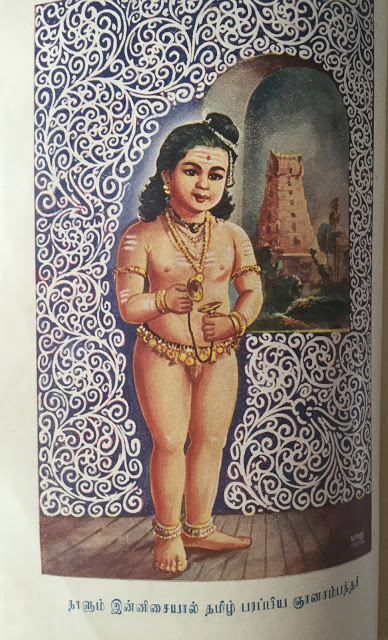
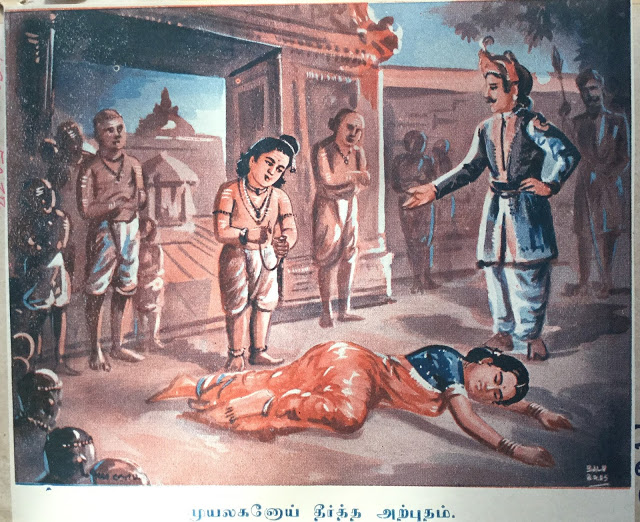
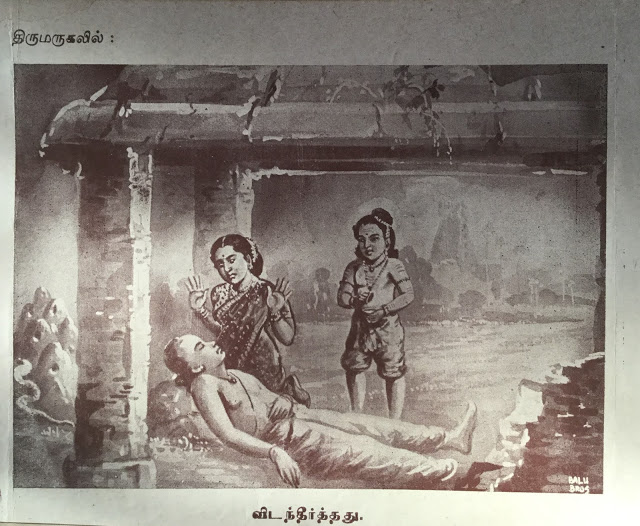
Tamil Miracles done by Boy Wonder Sambandar of Tamil Nadu; he did many wonders from 3 years before he merged with God at the age of 16.
WRITTEN BY S NAGARAJAN
Post No. 8438
Date uploaded in London – – –1 August 2020
Contact – swami_48@yahoo.com
Pictures are taken from various sources for spreading knowledge; this is a non- commercial blog. Thanks for your great pictures.
இந்தப் பட்டியலை பிரிண்ட் செய்து வைத்துக் கொண்டால் உங்களுக்குத் பிடித்த கட்டுரைகளை நேரம் கிடைத்தபோது படிக்கலாம்
கட்டுரைகளை பிளாக்கில் பெறுவது எப்படி?
பிளாக்கிற்குப் போய் தேடுவதை விட கூகுளில் (google) தேடுவது எளிது. கட்டுரையின் தலைப்பை காப்பி copy செய்து கூகுளில் பேஸ்ட் paste செய்யுங்கள் . அதன் பிறகு ஆங்கிலத்தில் from tamilandvedas.com என்று எழுதி க்ளிக் (click) செய்யுங்கள்.
from swamiindologly.blogspot.com
என்று எழுதியும் பெறலாம்.
எடுத்துக்காட்டு:
இயற்கையின் கணித ரகசியம்- 1 from tamilandvedas.com
இயற்கையின் கணித ரகசியம்- 1 from swamiindology.blogspot.com
நீங்கள் சிறு பிழை விட்டாலும் நீங்கள் எதிர்பார்த்தது கிடைக்காமல் வேறு விஷயம் வரும். அதில் நேரத்தை வீணடிக்காமல் மீண்டும் ஒரு முறை சரியாக எழுதி முயற்சி செய்யுங்கள். இரண்டு பிளாக்குகளில் ஒன்றில் கிடைத்து விடும்
கட்டுரை பெறுவதில் ஏதேனும் சிக்கல் இருந்தால் எங்களைத் தொடர்பு கொள்ளுங்கள் .
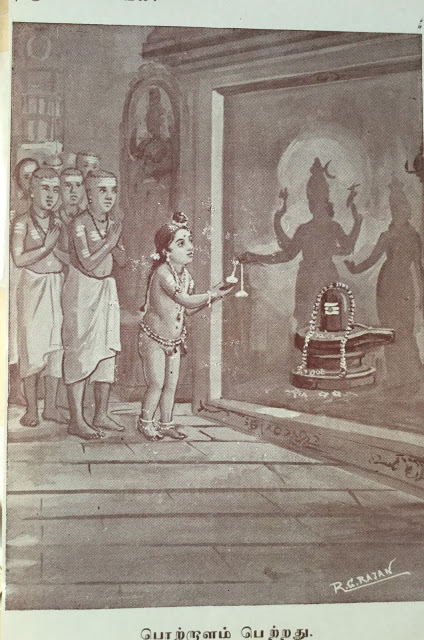
Lord Siva gave him Golden Cymbals
INDEX 28
April 2015
1-4-15 1764 How Paul Brunton was directed to go to Bhagavan Ramana
Maharishi! – 1
2-4-15 1767 How Paul Brunton was directed to go to Bhagavan Ramana
Maharishi! – 2
3-4-15 1770 தமிழ் திரைப்படங்களில் ராமர் – 16 வைதேகி ராமன் கை
சேரும் காலம்!
4-4-15 1773 Paul Brunton by Annie Chan Fung
5-4-15 1776 What you have learnt is handful, what you haven’t learn is..
6-4-15 1779 சம்ஸ்கிருதச் செல்வம் – 28
கொக்கின் தலையில் வெண்ணையை வைத்துப் பிடிக்கலாமா?
7-4-15 1782 தமிழ் திரைப்படங்களில் ராமர் – 17 ஒரு தாரம் என்னும்
உயர்வினைக் காட்டிய அவதாரம்!
8-4-15 1785 சம்ஸ்கிருதச் செல்வம் – 29 விதை ஒன்று போட சுரை ஒன்று
முளைக்குமா?
9-4-15 1788 முடிவுரை : சம்ஸ்கிருதச் செல்வம் இரண்டாம் பாகம்!
10-4-15 1791 ஆன்மீக அறிவியல் ஆய்வாளர் ச.நாகராஜன் அறிம்முகம்!
15-4-15 1800 Baffling Questions and Beautiful Answers in Spirituality – I
16-4-15 18 02 Baffling Questions and Beautiful Answers in Spirituality – II
17-4-15 1805 Baffling Questions and Beautiful Answers in Spirituality – III
18-4-15 1808 மதுர கவி திருப்புகழ்!
19-4-15 1810 50 reasons people give for believing a God
20-4-15 1813 Baffling Questions and Beautiful Answers in Spirituality – IV
21-4-15 1816 Baffling Questions and Beautiful Answers in Spirituality – V
’
22-4-15 1822 கவிதைப் புதிர் – 1 மான் விழியாளுக்கு எது ஆபரணம்?
24-4-15 1824 கவிதைப் புதிர் – 2 கேசவர், த்ரோணர், கௌரவரை வைத்து
25 Dec 2013 – Kanchi Paramacharya (Shankaracharya). Swamikal said in one of his talks that Zoroaster was from Saurashtra. The reason for Parsees coming …
Zoroaster | Tamil and Vedas
tamilandvedas.com › tag › zoroaster
Posts about Zoroaster written by Tamil and Vedas. … Kanchi Paramacharya Swamikal on Zoroaster Kanchi Shankaracharya in his talk in Chennai in 1932 says: …
9 Jul 2020 – tamilandvedas.com, swamiindology.blogspot.com … Kanchi Paramacharya (1894-1994) was not only great Saint but also a great linguist. … They decried the Vedas, and through their Prophet Zoroaster (circa 800 BCE) …
tags – Zoroaster, Saka Dwipa, Sun Worship, Iran, Samba, Varaha Mihira, Veda
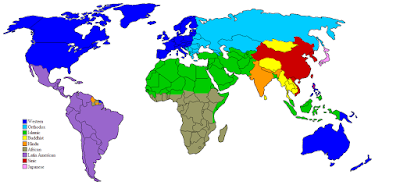
In the post-cold war age, Huntington notes 6 powers that will dominate: America, Europe, China, Russia, Japan, India. But behind them are the civilizations! [Sinic= Chinese-Confucian, Hindu, Japanese, Islamic, Orthodox Christian, Western, Latin American, African] Though the Muslim nations do not act as a bloc, they do wield considerable influence.
The Cold War as it was known before the collapse of the Soviet Union might have ended. But Russia and China are now big powers on their own, challenging the West. The ideological war might have ended, with all countries adopting capitalist methods in varying degrees, but political differences are significant. Behind them is the pull of civilizations.
West and Islam: undying antagonism
There are some basic conflicts. What we call the “West”- the US, Canada, Western Europe, Australia, New Zealand share certain characteristics: separation of church and state, democratic representative bodies, predominantly market economies, rule of law, individual freedoms, secularisation of life and admission of social and cultural pluralism. These are all emphatically opposed by the Muslim countries! In the Islamic state, everything has to be ordered in the name of Allah: there can never be the separation of religion from the affairs of the state! This is not just an extremist view, but the very normal Islamic position according to sane and sober Islamic judgement. Hence, the conflict between the West and Islam can never be reconciled. (The conflict between Christianity and Islam is another matter.) This is seen in the increasing social tension created by the influx of Muslim refugees (immigrants) into Western Europe! The problem is not due to Islamic extremism, but the very nature of Islam itself!
Western politicians simply ignore this basic fact. The basic animosity between the secular West and Islam cannot be reconciled or wished away.
It is to be observed that though there are several big Muslim countries, no one is in a position to speak as “the Muslim” country or for all Muslims! This makes the situation rather dangerous for world peace. Muslim demographic growth is also extraordinary, and is leading to large scale immigration! But it is all to non-Muslim countries and not to other Muslim countries! This poses its own problems. This reveals the basic ethnic tensions among the Muslims!
Western countries are experiencing slow economic growth, decline or stagnation in population growth, debt burden due to big government and a lifestyle involving consumerism and low savings. The Asian economies are experiencing an upswing at the same time!
Neither the Muslim countries, nor all the other non-Western countries including former colonies have accepted all the features of the West, though many of them have generally adopted Western ways in the name of modernisation!
Rising world powers
The following map makes clear the divisions which can be easily perceived:
Buddhism has been an important religion, but according to Huntington, it has not been the basis of a large civilization.
China: giant of Asia
China is sitting as the giant of Asia. It is in a position to virtually overrun the whole of Asia. It has already swallowed Tibet, a Buddhist country. No other Buddhist country in Asia can stand up to China, which has a large ethnic presence in several countries!
Pictures are taken from various sources for spreading knowledge; this is a non- commercial blog. Thanks for your great pictures.
வில்லி பாரதச் சிறப்பு
நின்ற மால் மலரடி மறவேனே!
ச.நாகராஜன்
வில்லி பாரதத்தில் அதிசயிக்கத்தக்க சிறப்புகள் பல உண்டு. முந்தைய கட்டுரைகளில் அணிகளை ஒரே பாடலில் அடுக்கித் தருபவர் வில்லிப்புத்தூரார் என்பதைக் கண்டோம்.
இன்னொரு பெரிய சிறப்பு, வில்லிப்புத்தூரார் வரலாற்றுச் சம்பவங்களை அடுக்கி அடுக்கித் தருவது தான்!
18 புராணங்களையும் இராமாயண இதிஹாஸத்தையும் நன்கு படித்து உணர்ந்தவரே வில்லி பாரதத்தை நன்கு கற்று அனுபவிக்க முடியும்.
ஒரு பாடலில் பல கதைகளைக் கூறுவார் அவர்; அதற்கு நிறைய புராணங்களை எடுத்துப் படிக்க வேண்டியிருக்கும்.
சுருங்கச் சொல்லி விளங்க வைக்கும் ‘சூத்திர’ மன்னன் அவர்.
அவரது கடவுள் வாழ்த்துக்கள் தனிச் சிறப்புடையவை.
உத்யோக பர்வத்தில் உலூகன் தூதுச் சருக்கத்தில் கடவுள் வாழ்த்தாக அமைந்துள்ள பாடல் இது:
மீனமாகியுங் கமடமதாகியு மேருவையெடுக்குந்தா
ளேனமாகியு நரவரியாகியு மெண்ணருங் குறளாயுங்
கூனல் வாய் மழுத்தரித்த கோலாகியு மரக்கரைக் கொலை செய்த
வானநாயகனாகியு நின்றமால் மலரடி மறவேனே
மீனம் ஆகியும் – மீன் வடிவாகவும்
கமடமது ஆகியும் – ஆமை வடிவமாகியும்
மேருவை எடுக்கும் தாள் ஏனம் ஆகியும் – மஹா மேருமலையைத் தாங்க வல்ல பாதத்தை உடைய பன்றி வடிவமாகவும்
நர அரி ஆகியும் – நரசிங்க வடிவமாகவும்
எண் அரு குறள் ஆகியும் – நினைத்தற்கும் அருமையான வாமன வடிவமாகியும்
கூனல் வாய் மழு தரித்த கோ ஆகியும் – வளைவான நுனியை உடைய கோடாலிப் படையைக் கையில் ஏந்திய பரசுராம வடிவமாகியும்
அரக்கனைக் கொலை செய்த வான நாயகன் ஆகியும் – இராவணன் முதலிய அரக்கர்களைக் கொலை செய்து வதைத்த முக்தி உலகத்தின் தலைவனான இராமன் ஆகியும்
நின்ற -திருவவதாரம் செய்து நின்ற
மால் – திருமாலாகிய கண்ணபிரானது
மலர் அடி – தாமரை மலர் போன்ற திருவடிகளை
மறவேன் – ஒருக்காலும் மறக்க மாட்டேன் (எப்போதும் நினைத்துக் கொண்டே இருப்பேன்)
இந்த ஒரே பாடலில் அனைத்து அவதாரங்களும் பேசப்படுகின்றபடியால் அனைத்து வரலாறுகளையும் நாம் அறிந்து கொள்ள வேண்டிய வாய்ப்பை ஏற்படுத்துகிறார் கவிஞர்.
நின்ற மால் என்ற சொற்களால் நடப்பு அவதாரத்தை நின்று நடத்துகின்ற கண்ணன் என்பதையும் உணர்த்துகிறார்.
மத்ஸ்ய, கூர்ம, வராக, நரசிம்ம, வாமன, பரசுராம, தசரத ராம, பலராம,கிருஷ்ண, கல்கி என தசாவதாரங்களையும் நினவில் கொள்ள வேண்டும்.
“மச்சா கூர், மா கோலா, சிங்கா, வாமா, ராமா, ரா, மா கோபாலா மாவாவாய்” என்ற ஒரே வாக்கியத்தையும் நினவில் கொள்ளலாம்!
மீனம் : முன்னொரு காலத்தில் சோமகன் என்னும் ஒரு அசுரன் பிரமதேவன் துயில்கையில் வேதத்தைக் கவர்ந்து சென்றான். அதை மீன் வடிவம் எடுத்து கடலினுள் புகுந்து அந்த அசுரனைத் தேடிக் கொன்று வேதங்களை மீட்டார் திருமால்.
கூர்மம் : துர்வாச முனிவரது சாபத்தால் தேவ லோகத்துச் செல்வம் எல்லாம் கடலுக்குள் சென்றன. அதை மீட்க திருமாலின் கட்டளையின் படி அசுரர்களும் தேவர்களும் மந்தார மலையைக் கடையச் சென்றனர். அப்போது அந்த மந்தார மலை கடலினுள் சென்று அழுந்தி விடாத படி ஆமை வடிவம் எடுத்து திருமால் அதைத் தாங்கினார்.
வராகம் : ஒரு காலத்தில் இரணியாக்ஷன் பூமியைப் பாயாகச் சுருட்டி கடலில் மூழ்கினான். வராக அவதாரம் எடுத்த திருமால் தன் கொம்பால் பூமியைக் குத்தி எடுத்துக் கொண்டு வந்து பழைய நிலை வரும்படி அருளினார்.
நரசிங்கம் : இரணியாக்ஷனின் சகோதரனான இரணியன் தன் மகன் பிரகலாதனை நாராயணன் பெயர் சொல்லத் தடை செய்தான். அவன் பொருட்டு தூணிலிருந்து பிளந்து வந்து இரணியனைக் கீறி அழித்தார் திருமால்.
வாமனம் : முன்னொரு காலத்தில் மகாபலி என்னும் அசுரன் தேவலோகம் உள்ளிட்ட அனைத்தையும் தன் வசப்படுத்தினான். அரசிழந்த தேவர்கள் திருமாலை வேண்ட வாமனனாக வடிவம் எடுத்து மகாபலி நடத்திய யாகத்திற்குச் சென்று மூன்று அடி இடம் வேண்டினான் குறளன். ஒரு அடியால் ஆகாயம் அனைத்தையும் இன்னொரு அடியால் பூமி அனைத்தையும் அளந்த வாமனன் மூன்றாம் அடிக்கு இடம் கேட்க மகாபலி தன் சிரத்தைத் தந்தான்.அவனை பாதாளத்தில் அழுத்தினார் வாமனர்.
பரசுராமன் : முன்னொரு காலத்தில் ஜமதக்கினி முனிவரது மனைவியான ரேணுகையிடம் ராமனாக அவதரித்து பரசு என்னும் கோடாலியை ஆயுதமாக எடுத்து கார்த்தவீர்யார்ஜுனனையும் அவனது குமாரர்களையும் அழித்தார் பரசுராமர்.
ராமர்: இராவணன் சீதையைக் கவர்ந்து செல்ல ராமர் அவனை அழித்து சீதையை மீட்டார்.
கிருஷ்ணர் : பூமியின் பாரம் பாதகர்களால் கூட பூமாதேவி தாங்க முடியாமல் தவித்த போது, நல்லோரைக் காத்து தீயோரை அழிக்க கிருஷ்ணராக அவதரித்து துரியோதனாதியர் அழிய வகை செய்தார் கிருஷ்ணர்.
கல்கி : கலி யுக முடிவில் தர்மம் நிலை தடுமாறும் போது அதைக் காக்க எடுக்கப்போகும் அவதாரம் கல்கி!
இப்படி பத்து அவதாரங்களையும் நினைக்கும் படி செய்வது வில்லிப்புத்தூராரின் ஒரே பாடல் – உலூகன் தூதுச் சருக்கக் கடவுள் வாழ்த்துப் பாடல்!
இருபத்தோரு பாடல்கள் கொண்டது உலூகன் தூதுச் சருக்கம். அதற்கு மணி மகுடம் போல அமைந்துள்ளது இந்தப் பாடல்.
வில்லி பாரதத்தின் ஒவ்வொரு பாடலையும் நாம் கூர்ந்து கவனிக்க வேண்டும்; அதில் ஏராளமான அர்த்தங்கள் தெரியும்!
Pictures are taken from various sources for spreading knowledge; this is a non- commercial blog. Thanks for your great pictures.
இந்தப் பட்டியலை பிரிண்ட் செய்து வைத்துக் கொண்டால் உங்களுக்குத் பிடித்த கட்டுரைகளை நேரம் கிடைத்தபோது படிக்கலாம்
கட்டுரைகளை பிளாக்கில் பெறுவது எப்படி?
பிளாக்கிற்குப் போய் தேடுவதை விட கூகுளில் (google) தேடுவது எளிது. கட்டுரையின் தலைப்பை காப்பி copy செய்து கூகுளில் பேஸ்ட் paste செய்யுங்கள் . அதன் பிறகு ஆங்கிலத்தில் from tamilandvedas.com என்று எழுதி க்ளிக் (click) செய்யுங்கள்.
from swamiindologly.blogspot.com
என்று எழுதியும் பெறலாம்.
எடுத்துக்காட்டு:
இயற்கையின் கணித ரகசியம்- 1 from tamilandvedas.com
இயற்கையின் கணித ரகசியம்- 1 from swamiindology.blogspot.com
நீங்கள் சிறு பிழை விட்டாலும் நீங்கள் எதிர்பார்த்தது கிடைக்காமல் வேறு விஷயம் வரும். அதில் நேரத்தை வீணடிக்காமல் மீண்டும் ஒரு முறை சரியாக எழுதி முயற்சி செய்யுங்கள். இரண்டு பிளாக்குகளில் ஒன்றில் கிடைத்து விடும்
கட்டுரை பெறுவதில் ஏதேனும் சிக்கல் இருந்தால் எங்களைத் தொடர்பு கொள்ளுங்கள் .
January 2015
1-1-15 1537 தமிழ் என்னும் விந்தை – 21 மாலைமாற்று – 2
3-1-15 1542 தமிழ் என்னும் விந்தை – 22 சுழிகுளம் – 1
4-1-15 1545 ஆருத்ரா தரிசனம்! அப்பர் அருளிய திருவாதிரைப் பதிகம்!
5-1-15 1548 தமிழ் என்னும் விந்தை – 23 சுழிகுளம் – 2
6-1-15 1550 தமிழ் என்னும் விந்தை – 24 திரிபங்கி – 1
7-1-15 1553 தமிழ் என்னும் விந்தை – 25 திரிபங்கி – 2
8-1-15 1556 தமிழ் என்னும் விந்தை – 26
9-1-15 1560 தமிழ் என்னும் விந்தை – 27
14-1-15 1571 காவியத்தின் நோக்கம்
15-1-15 1575 ஆயுளை நீட்டிக்கும் ஏகாதசி விரதம்! ஞான ஆலயம் ஜனவரி
2015 கட்டுரை
16-1-15 1578 சம்ஸ்கிருதச் செல்வம் – தராசு முதல் கரும்பு வரை சில
நியாயங்கள்!
17-1-15 1581 சம்ஸ்கிருதச் செல்வம் – ஆடு முதல் காடு வரை சில
நியாயங்கள்!
18-1-15 1585 சம்ஸ்கிருதச் செல்வம் – நெக்லஸ் முதல் கிணறு வரை சில
நியாயங்கள்!
19-1-15 1588 சம்ஸ்கிருதச் செல்வம் – வீட்டு வாசற்படியில் வைக்கும்
விளக்கு!
22-1-15 1594 சம்ஸ்கிருதச் செல்வம் – மரத்தை அசைத்தால் மற்றது தானே
அசையும்!
23-1-15 1596 சம்ஸ்கிருதச் செல்வம் – திருமந்திரம் – குருடன் குருடனுக்கு
வழி காட்டினாற் போல!
26-1-15 1603 சம்ஸ்கிருதச் செல்வம் – கடலும் பறவையும்-தித்திப நியாயம்!
28-1-15 1607 சம்ஸ்கிருதச் செல்வம் – பிறக்காத பிள்ளைக்குப் பெயர்!
31-1-15 1613 சம்ஸ்கிருதச் செல்வம் – இறுதியில் என்ன நினைக்கிறாயோ
அதுவாகவே ஆவாய்!
February 2015
2-2-15 1617 தமிழ் திரைப்படங்களில் சம்ஸ்கிருதம் – 1
3-2-15 1619 சம்ஸ்கிருதச் செல்வம் – தண்ணீர் கொண்டு வா – நியாயம்!
4-2-15 1621 சிவனை நோக்கி கனவில் நடந்த கிருஷ்ணார்ஜுன பயணம்
ஞான ஆலயம் பிப்ரவரி 2015 கட்டுரை
5-2-15 1624 தமிழ் திரைப்படங்களில் சம்ஸ்கிருதம் – 2
6-2-15 1626 தமிழ் திரைப்படங்களில் ராமர் – 1
7-2-15 1629 சம்ஸ்கிருதச் செல்வம் – குரங்குக் குட்டி நியாயம், பூனைக்குட்டி
நியாயம்!
8-2-15 1633 Heaven! Beautiful Description in Mahabharata! – 1
9-2-15 1635 தமிழ் திரைப்படங்களில் ராமர் – 2
10-2-15 1639 Disadvantages in Heaven! Mahabharata Description -2
11-2-15 1641 தமிழ் திரைப்படங்களில் ராமர் – 3
12-2-15 1644 சம்ஸ்கிருதச் செல்வம் – 12 கர்ணன் பெயரில் ஒரு நியாயம்,
கிணறு பெயரில் இரு நியாயம்!
13-2-15 1646 சம்ஸ்கிருதச் செல்வம் – 13 எவ்வழி உலகம், அவ்வழி
அனைவரும்!
14-2-15 1649 சம்ஸ்கிருதச் செல்வம் – 14 பிச்சை எடுத்தேனும் உயிரைக்
காத்துக் கொள்வதே தர்மம்!
14-2-15 1651 பாரதி போற்றிய ஐயர்!
16-2-15 1655 சிவராத்திரி சபதம்!
18-2-15 1658 தமிழ் திரைப்படங்களில் ராமர் – 4
20-2-15 1662 தமிழ் திரைப்படங்களில் ராமர் – 5 ஒன்பது பாடல்கள், நான்கு
பாடகர்கள்!
22-2-15 1667 சம்ஸ்கிருதச் செல்வம் – 16 இளமையும் முதுமையும் சேர்ந்து
இருக்க முடியுமா?
24-2-15 1671 தமிழ் திரைப்படங்களில் ராமர் – 6 அநுமனைப் பற்றிய படம்!
25-2-15 1674 சம்ஸ்கிருதச் செல்வம் – 15 பட்ட காலில் படும்!
26-2-15 1677 சம்ஸ்கிருதச் செல்வம் – 17 குடத்தினுள் இருக்கும் குத்து
விளக்கு!
28-2-15 1682 Hindu Destiny in Nostradamus by G.J. Hiranyappa!
March 2015
1-3-15 1683 சம்ஸ்கிருதச் செல்வம் – 18 நீரில் அமிழ்ந்த சுரைக்காய்!
3-3-15 1687 தமிழ் திரைப்படங்களில் ராமர் – 7
4-3-15 1689 Memory Queen Draupadi!
5-3-15 1691 சம்ஸ்கிருதச் செல்வம் – 19 எண்ணெய் இல்லாமல் விளக்கை
எரிப்பது எப்படி?
6-3-15 1694 தமிழ் திரைப்படங்களில் ராமர் – 8
7-3-15 1696 சம்ஸ்கிருதச் செல்வம் – 20 மாந்தோப்பில் உள்ள மரங்கள்!
8-3-15 1699 தமிழ் திரைப்படங்களில் ராமர் – 9 யாருக்கு ஜானகி
காத்திருந்தாள்?
9-3-15 1701 சம்ஸ்கிருதச் செல்வம் – 21 முள்ளைத் தின்று மகிழும் ஒட்டகம்!
10-3-15 1704 தமிழ் திரைப்படங்களில் ராமர் – 10
11-3-15 1707 தமிழ் புத்தாண்டு சித்திரையில் துவங்குவது ஏன்?
12-3-15 1710 சம்ஸ்கிருதச் செல்வம் – 22 வரியை ஏய்க்க நினைத்தவன்
கதை!
13-3-15 1712 தமிழ் திரைப்படங்களில் ராமர் – 11
14-3-15 1716 ஆண்டுகள் அறுபது ஏன்?
15-3-15 1718 தமிழ் திரைப்படங்களில் ராமர் – 12 அஞ்சிலே ஒன்று பெற்றான்!
16-3-15 1721 Pun in Sanskrit Literature!
17-3-15 1724 How to acquire Wealth – The Hindu Way!
18-3-15 1727 சம்ஸ்கிருதச் செல்வம் – 23 காக்கை உட்காரப் பனம்பழம்
விழுந்த கதை!
19-3-15 1730 சம்ஸ்கிருதச் செல்வம் – 24 செம்மறி ஆட்டுக் கூட்டம்!
20-3-15 1733 தமிழ் திரைப்படங்களில் ராமர் – 13
21-3-15 1737 The true Friend who comes along with you after your Death!
22-3-15 1739 தமிழ் திரைப்படங்களில் ராமர் – 14 தாலாட்டில் ராமர்!
24-3-15 1746 சம்ஸ்கிருதச் செல்வம் – 26 வசந்த கால வருகையும் புண்ணிய
பலனும்!
26-3-15 1750 தமிழ் திரைப்படங்களில் ராமர் – 15 அற்புதப் பாடல் ராகவனே
ரமணா!
27-3-15 1751 இராமாயண வெண்பா!
30-3-15 1759 அண்ணாமலை அதிசயம்!
31-3-15 1762 சம்ஸ்கிருதச் செல்வம் -27 தேங்காய்க்குள் இளநீர் எப்படி
வந்தது?
TAGS – INDEX 27 எஸ்.நாகராஜன், கட்டுரை, இன்டெக்ஸ் -27,
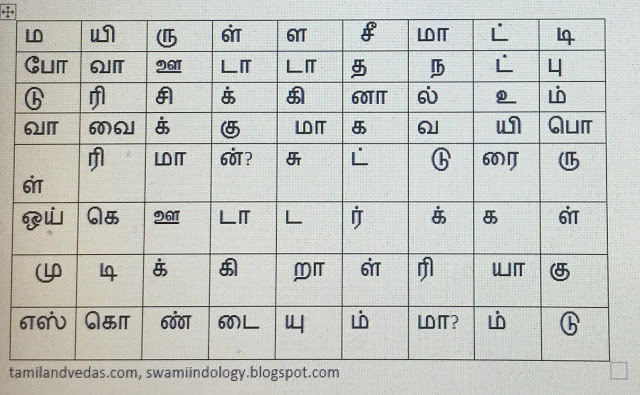
ஒரே சொல் மீண்டும் மீண்டும் வந்தால் ஓரிரு இடங்களில் மட்டுமே கட்டத்தில் இருக்கும். கொண்டு கூட்டி பொருள் கொள்க . விடை கீழே உள்ளது . சில நேரங்களில் படங்களைப் பார்த்தாலும் விடை காண உதவலாம்.
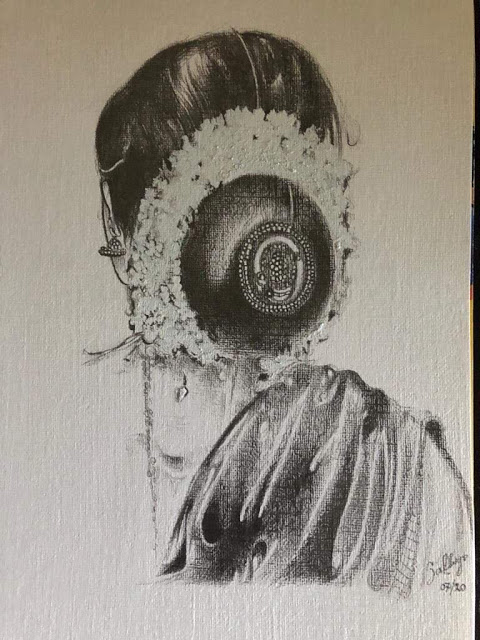
drawing by my friend Sathyarthi Chandrasekar of London
ANSWER
மயிருள்ள சீமாட்டி எஸ் கொண்டையும் போடுவாள், ஒய் கொண்டையும் போடுவாள்
மயிருள்ள சீமாட்டி வாரி முடிக்கிறாள்
மயிர் ஊடாடாத நட்பும் பொருள் ஊடாடக் கெடும்
மயிர் சிக்கினால் உயிரை வைக்குமா கவரிமான் ?
மயிர் சுட்டுக் கரியாகுமா?
Source book :–
பயன்படுத்திய நூல்- கழகப் பழமொழி அகர வரிசை, கழக வெளியீடு
Pictures are taken from various sources for spreading knowledge; this is a non- commercial blog. Thanks for your great pictures.
tamilandvedas.com, swamiindology.blogspot.com
நம்மாழ்வாரும் ஆங்கிலக் கவிஞனும்
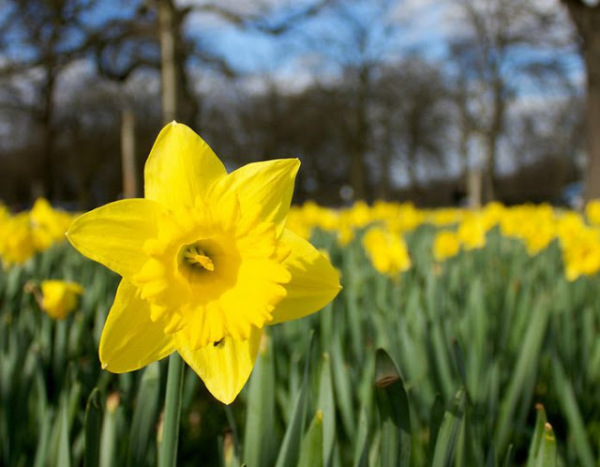
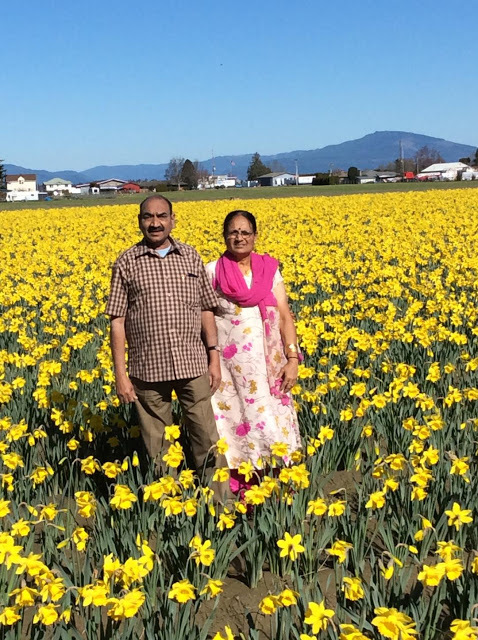
MR AND MRS SRINIVASAN ENJOYING DAFFODILS
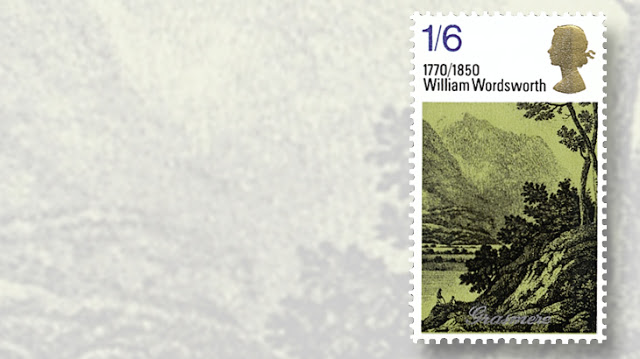
இயற்கையைப் பாடிய ஆங்கிலக் கவிஞர்களில் முன்னிலையில் நிற்பவர் வில்லியம் வோர்ட்ஸ் வொர்த் (William Wordsworth) என்பதை உலகம் அறியும். ஆங்கில மொழி கற்கும் அனைவரும் அவர் பாடிய ‘டா ஃ ஓடில்ஸ்’ (Daffodils) மலர் பற்றிய கவிதையைப் படித்து ரசித்து இருப்பர் . புத்தகங்களே வேண்டாம் அவைகளைத் தூக்கி எறிந்துவிடுங்கள் ; ஒரு முனிவர் போதிக்கும் பாடங்களை விட இயற்கை உங்களுக்கு அதிகம் கற்பிக்கும் எனறு இன்னொரு கவிதையும் பாடுகிறார்.
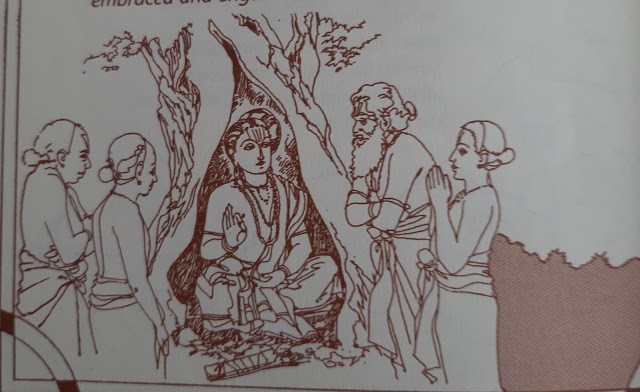
இந்த பிளாக்கில், தத்தாத்ரேயர், ரிஷி முனிவர்கள் சொன்ன விஷயங்களை எப்படி வோர்ட்ஸ் வொர்த்தும் எதிரொலித்தார் என்பது பற்றி ஏற்கனவே வெளியான ஆங்கில, தமிழ் கட்டுரைகளின் தகவல் கீழே கொடுக்கப்பட்டுள்ளது
வோர்ட்ஸ்வொர்த்தின் கருத்துக்களை நம்மாழ்வார் (Nammalvar) பாடல்களிலும் காண முடிகிறது .
பரந்த வானிலே காணும் மீன்கள் எவ்வளவு ஓளியுடன் காட்சி
தருகின்றன ; இவற்றைப் பார்த்தால், பெருமான் உலகளந்த அந்த நாளில் , தேவர்கள் கூட்டமாகக் கூடி , அப்பெருமான் திருவடிகளில் வேத விதிப்படி மலர்களைத் தூவி வழிபட்டார்களோ என்று தோன்றுகிறது!
மீன் என்னும் கம்பில் வெறி என்னும் வெள்ளி வேய்
வான் என்னும் கேடு இலா வான் குடைக்குத் தான் ஓர்
மணிக் காம்புபோல் நிமிர்ந்து மண் அளந்தான் நங்கள்
பிணிக்கு ஆம் பெருமருந்து -2646,
—திவ்வியப் பிரபந்தம்
பெரிய திருவந்தாதியில் வரும் பாட்டு இது
பொருள்
வானக் குடையில் விண்மீன்களே குடையின் கம்பிகளாக உள்ளன . குடையின் நுனியிலுள்ள வெள்ளிக் குண்டலம் நிலவு (Moon) ஆம். பெருமான் உலகளந்து எடுத்த வடிவம் விண் குடையின் (Sky Umbrella) நீல மணிக் காம்பு ; நீலக் காம்பாக நின்றவன் நம்முடைய பிறவிப் பிணிக்கு மருந்தாக நிற்கிறான்
இந்த இரண்டு பாடல்களையும் படித்த உடனே நமக்கு நினைவுக்கு வருவது டா ஃ போட்டில்ஸ் பாடல்தான்.
என்ன ஓற்றுமை ?
1.முதலில் எங்கும் மலர்கள் ;2. அடுத்தது எங்கும் நட்சத்திரங்கள்
மலர்களைப் பார்த்தவுடன் இறைவன் காலடியில் தேவர்கள் சமர்ப்பித்த பூக்கள் நினைவுக்கு வருகிறது நம்மாழ்வாருக்கு !
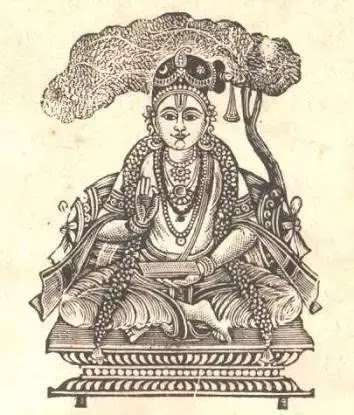
நட்சத்திரங்களைப் பார்த்தவுடன் அரைவட்ட வடிவில் காணப்படும் குடை நினைவுக்கு வருகிறது ; அந்தக் குடையிலும் ஓங்கி உலகளந்த உத்தமன்தான் நினைவுக்கு வருகிறான் . வாமனாவதாரம் குடையுடன் வரும் பிராமண சிறுவன்,’ த்ரி விக்ரமனாக’ வளர்வதைக் காட்டுகிறது ; அவரை அண்ணாந்து பார்த்த கவிக்கு இந்தக் காட்சி மனதில் தோன்றுகிறது.
‘இறைவன்’ என்று அடியார்கள் சொல்லும் இடம் எல்லாம் வோர்ட்ஸ்வொர்த் ‘இயற்கை’ என்று சொல்லிவிடுகிறார் .அவரே மற்றோரு பாடலில் எல்லா முனிவர்களும் போதிப்பதைவிட இயற்கை அதிகம் போதிக்கும் என்று சொல்வதிலிருந்து உபநிஷத முனிவர்களும் நம்மாழ்வாரும் மனதிற்கொண்ட இறைவனை அவரும் அறிந்திருக்கிறார் என்பதைக் காட்டுகிறது.
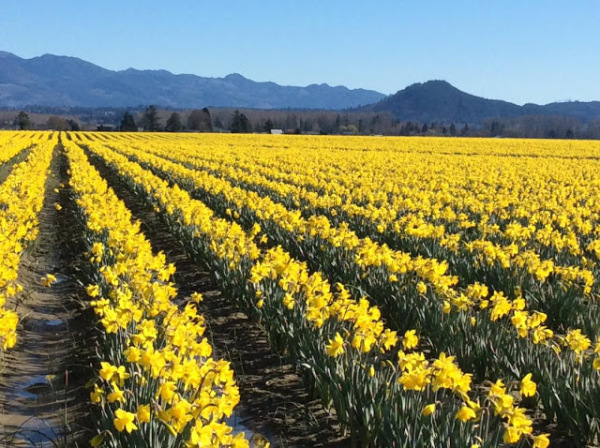
வோர்ட்ஸ்வொர்த்தும் முதல் பாடலில் (First Stanza) டாஃபோடில்ஸ் என்னும் மஞ்சள் வண்ண மலர்கள் பல்லாயிரக் கணக்கில் பூத்து, காற்றில் தலை அசைத்து, டான்ஸ் ஆடுவதைப் பாடிவிட்டு அடுத்த பாடலில் (Next Stanza),
ஆகாய கங்கை என்று காளிதாசன் வருணிக்கும், பால்வெளி மண்டலம் என்று வான நூல் அறிஞர் வருணிக்கும் மில்கி வே Milky Way என்னும் பெரும் நட்சத்திரத் தொகுதியைப் பார்த்து, பரவசப்படுகிறார்.
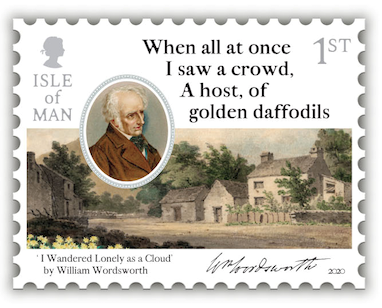
I wandered lonely as a cloud
That floats on high o’er vales and hills,
When all at once I saw a crowd,
A host, of golden daffodils;
Beside the lake, beneath the trees,
Fluttering and dancing in the breeze.
Continuous as the stars that shine
And twinkle on the milky way,
They stretched in never-ending line
Along the margin of a bay:
Ten thousand saw I at a glance,
Tossing their heads in sprightly dance.
அங்கே நம்மாழ்வார் உருவத்தில் வோர்ட்ஸ் வொர்த்தைக் காண்கிறோம்.
For oft, when on my couch I lie In vacant or in pensive mood, They flash upon that inward eye Which is the bliss of solitude; And then my heart with pleasure fills, And dances with the daffodils.
எவ்வப்போதெல்லாம் என் மனம் அலை பாய்கிறதோ , துயரக் கடலில் மூழ்குகிறதோ அவ்வப்போதேல்லாம் இந்த கடல் போன்று பரந்த மலர்க கூட்டம் என் மனதின் முன் தோன்றி என் கவலையை யெல்லாம் போக்குகிறது ; பேரானந்தம் எழுகிறது. நானும் அந்த மலர்களுடன் ஆனந்த கூத்தாடுவேன் என்று சொல்லி செய்யுளை முடிக்கிறார் .
‘இறைவன்’ மூலம் நம்மாழ்வார் பெற்ற அதே பேரானந்தத்தை ‘இயற்கை’ மூலம் பெரும் வோர்ட்ஸ்வொர்த் முன்னொரு காலத்தில் இமய மலை எ ழிலைக் கண்டு வியந்து, உபநிஷதம் இயற்றிய முனிவரோ என்று வியக்க வேண்டி வருகிறது.
இன்னொரு பாடலில் ‘புத்தகத்தைத் தூக்கி எறியுங்கள்’ என்று சொன்னார் என்றேனல்லவா? இதோ அந்தப் பாடல் :-
Up! up! my Friend, and quit your books;
Or surely you’ll grow double:
Up! up! my Friend, and clear your looks;
Why all this toil and trouble?
And hark! how blithe the throstle sings!
He, too, is no mean preacher:
Come forth into the light of things,
Let Nature be your teacher.
One impulse from a vernal wood
May teach you more of man,
Of moral evil and of good,
Than all the sages can.
பாரதியாரைக் கவர்ந்த ஆழ்வார் நம்மாழ்வார். அதற்கும் இயற்கைதான் காரணமோ ? எனது முந்தைய நம்மாழ்வார் கட்டுரைகளின் இணைப்பும் கீழே உளது ; படித்து ஆராயுங்கள்
XXXX
OLD ARTICLES ON WILLIAM WORDSWORTH
இயற்கை போதிக்கும் 13 பாடங்கள் …
tamilandvedas.com › 2013/11/09
9 Nov 2013 – இயற்கையில் 13 ‘குரு’க்கள் இந்து சந்யாசிகள் வாழ்நாள் முழுதும் பாடம் கற்கும் மாணவர்கள். அவர்கள் எதிலிருந்தும் பாடம் …
ஒசை இன்பம் கொண்ட டாஃபோடில்ஸ்-1
tamilandvedas.com › 2018/05/17
17 May 2018 – ஒசை இன்பம் கொண்ட வோர்ட்ஸ்வொர்த்தின் டாஃபோடில்ஸ் -1. ச.நாகராஜன். 1. ஆசை தரும் கோடி அதிசயங்கள் கண்டதிலே. ஓசை தரும் …
வோர்ட்ஸ்வொர்த்தின் … – Tamil and Vedas
tamilandvedas.com › 2018/05/18
–
18 May 2018 – கருத்து நயம், ஓசை இன்பம் கொண்ட இந்த மாறுதல்களால் கவிதையின் மெருகு அற்புதமாகக் கூடியது. அவர் செய்த மாறுதல்களைப் …
The Connection between William Wordsworth and Dattatreya …
10 Nov 2011 – Let Nature be Your Teacher ”–William Wordsworth and Dattatreya William Wordsworth was an English poet who lived from 1770 to 1850 in … My Blogs are: swamiindology.blogspot.com and tamilandvedas.wordpress.com …
13 Saints in Nature! | Tamil and Vedas
tamilandvedas.com › 2013/11/07 › 1…
7 Nov 2013 – One such verse is about 13 Saints in Nature. The anonymous author had followed Bhagavatham (in Sanskrit) in it. Like Dattareya, he sees …
One should acquire four qualities from a cock: to wake up in time, to be ever … of William Wordsworth’s poem “Up Up My Friend and quit your Books” where we …
Animals in Buddha’s Dhammapada (Post No 2851) | Tamil …
29 May 2016 – 13 Saints in Nature (7 November 2013). Four Birds in One Sloka of Adi Shankara (9 July 2012). Kapinjala Bird Mystery in Rig Veda ( 23 May …
11 Oct 2017 – Wikipedia picture of Nammalvar. Written by London Swaminathan. Date:11 October 2017. Time uploaded in London- 11-59 am. Post No. 4291. Pictures shown here are taken from various sources such as Facebook friends, …
TAGS: நம்மாழ்வார், முகச் சோதி, திருவாய்மொழி. Nammalvar | Tamil and Vedas. tamilandvedas.com/tag/nammalvar. (for old articles go to tamilandvedas.com OR swamiindology.blogspot.com) … later known …
7 Oct 2015 – வானவர்க்குத் தான் தெய்வம் நீ என்றால் அது உனக்குப் புகழா, என்ன? Written by S NAGARAJAN Post No.2221 Date: 7th October 2015 Time uploaded in London: 9-34 am …
28 Sep 2017 – முடிச்சோதி, முகச்சோதி, அடிச்சோதி: நம்மாழ்வார் பாசுரம் (Post No.4252) … பரவசப்படும் அழகே தனி; ஆழ்வார்களில் பாரதியாருக்கு மிகவும் பிடித்தவர் நம்மாழ்வார். … (for old articles go to tamilandvedas.com OR swamiindology.blogspot.com) … later known as Nammazvar, …
தமிழ்ப் புலவர்கள் மீது நம்மாழ்வார் கடும் தாக்குதல்! (Post No 4282). Written by London Swaminathan. Date: 8 October 2017. Time uploaded in London- 11-40 am. Post No. 4282. Pictures shown …
30 Jan 2017 – Compiled by London swaminathan Date: 30 JANUARY 2017 Time uploaded in London:- 19-59 Post No. 3590 Pictures are taken from different sources; thanks. contact; swami_48@yahoo.com பிப்ரவரி 2017 …
24 Oct 2017 – Picture posted by Lalgudi Veda. Written by London Swaminathan. Date: 24 October 2017. Time uploaded in London- 10-23 am. Post No. 4331. Pictures shown here are taken from various sources such as Facebook friends, …
ஆழ்வார் அமுதம்: நம்மாழ்வார். வானவர்க்குத் தான் தெய்வம் நீ என்றால் அது உனக்குப் புகழா, என்ன? Written by S NAGARAJAN. Post No.2221. Date: 7th October 2015.
6 Apr 2014 – Sri Ramaswami Temple, Kumbakonam ( photo from a news paper). By London Swaminathan Post No. 958 Dated 6th April 2014. “ஸ்ரீ ராமசந்திரர் வனவாசம் பண்ணுகையில், ஒரு நாள் …
Bharati’s English style | Tamil and Vedas
tamilandvedas.com › tag › bharatis-english-style
18 Mar 2014 – Posts about Bharati’s English style written by Tamil and Vedas. … Maran, renowned as Nammalwar (“Our Saint”) among the Vaishnavas, and …
Nammalvar | Tamil and Vedas
tamilandvedas.com › tag › nammalvar
26 Mar 2016 – Of the Twelve Great Tamil Vaishnavite saints known as ‘Alvars’, Bharati liked Nammalvar and Andal very much. He has translated some of their …
TAGS — நம்மாழ்வார், வோர்ட்ஸ்வொர்த், ஆங்கிலக் கவிஞன்
Pictures are taken from various sources for spreading knowledge; this is a non- commercial blog. Thanks for your great pictures.
Books Indians Should Read
Chapter one – part 1 The Clash of Civilizations
R. Nanjappa
Newspapers remain our main source of information on current affairs. However, not all of them are objective. Many represent some vested interests. They select the “news” they highlight and opinions and angles they project. They often mix news and views and so subtly try to influence public opinion. Our leading newspapers like The Hindu and The Times of India have of late become undisguisedly leftist, which do not give adequate space for differing views. [I have been a reader of Hindu for over 60 years, and of Times of India for over 40] They suppress or oppose the voice of Indian nationalism, and paint it in bad light. They adopt an openly anti-Hindu stance in the name of secularism, while not hesitating to exploit Hindu sentiments for their own profit!
Perhaps the biggest problem with newspapers is that they are shortsighted and obscure the long term perspectives. In the hunt for sensation, they suppress sense. They offer opinions, and not ideas. It is difficult to follow any event fully, or understand any issue adequately, on the basis of coverage in our newspapers.
Books are necessary
It is therefore necessary for us to read books by knowledgeable writers. They may be academics, journalists or regular commentators or other public figures or interested writers. We may or may not agree with their views, or interpretation, but we may at least learn the facts. There are a few books which are essential reading for Indians to appreciate the general socio-economic problems and trends as they emerge in the world, and affect India too in important ways.
Rise of the West: world through Western eyes
India and China were the leading lights of the world economy, contributing more than 70% of world GDP till the 18th century. But Europe has been on the ascendant from the middle of the 17th century, conquering and colonising the world. This happened on a wave of scientific advancement, technological innovations, geographical discoveries, commercial exploitation of other peoples and their subjugation by military, religious and cultural imperialism. The West imposed their interpretations on our history and culture, religion and philosophy. It is generally the Western way of economics and politics that prevails in the whole world today: separation of religion and state, secularisation of life, rising market economy and consumerism, etc. In the second half of the last century, many colonies became politically free, but continued with the same Western economic and cultural influences in the name of ‘modernisation’. Western ideas became global phenomenon, long before we knew of economic globalization.
West and East
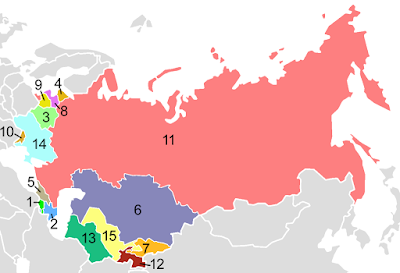
The 20th century saw two challenges to Western hegemony in the form first of Soviet Union, and then Communist China. Though circumstances forced the US (and the democratic West) and USSR to be alongside each other in the Second World War, the world soon descended into the Cold War. With the collapse of the USSR, the cold war ended, the former USSR territory has disintegrated into fifteen independent countries.
[ Alphabetically, the countries are: Armenia, Azerbaijan,Belarus, Estonia, Georgia, Kazakhstan, Kyrgyzstan, Latvia, Lithuania, Moldova, Russia, (11), Tajikistan, Turkmenistan, Ukraine, Uzbeksitan ] CC BY-SA 3.0 creative commons via Wikimedia commons.
China has emerged as an economic giant, adopting principles of capitalist production while continuing as a communist power. How do such matters affect India, which is also rising as an economic power?
Clash of Civilizations
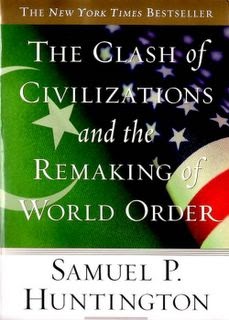
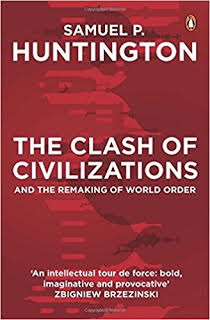
Book Cover: 2016 Reprint
These issues are dealt with in this book. The author was a professor of political science at Harvard, and a thinker. Written in 1996, the book continues to be relevant today, as many of the developments anticipated in the book have actually taken place!
The basic argument of Huntington is simple enough. The existence of the communist bloc had provided us the image of a world divided into the Democratic/Capitalist West and the Communist East. The collapse of the USSR has suddenly shown that the above division was but a temporary phase in the march of world history, dominated as it was by ancient civilizations!
Before the rise of colonial West, the world was divided on the basis of civilizations, and they all lived together. Colonialism imposed a different order but with its collapse, the old divisions are raising their head! Similarly, the Soviet Union controlled several ethnic-language-civilizational groups; with its collapse the old divisions have sprung into life again, dividing the countries and people along ethnic, religious and linguistic lines. For instance, the former Yugoslavia alone has split into seven countries along religious and ethnic lines! [Serbia, Croatia, Bosnia and Herzegovina, Slovenia, Montenegro, Macedonia, Kosovo. This is the power of civilizations Huntington speaks of! 70 years of brutal communist suppression could not stamp out the old civilizational instincts of the people under the USSR!]
Pictures are taken from various sources for spreading knowledge; this is a non- commercial blog. Thanks for your great pictures.
இராமானுஜரை ஆதரித்த கொங்கு பிராட்டியார்!
ச.நாகராஜன்
திரிபுவன சக்கரவர்த்தி என்றும் சுங்கம் தவிர்த்த சோழன் என்றும் பேரம்பலம் பொன் வேய்ந்த சோழன் என்றும் இப்படிப் பலவாறாகப் புகழப்படும் (முதலாம்) குலோத்துஙக் சோழன் அரசாண்ட காலம் அது.
அவன் வேண்டிக் கொண்டதால் தான் சேக்கிழார் பெரிய புராணத்தை இயற்றி அரங்கேற்றினார்.
கி.பி. 1070ஆம் ஆண்டு பட்டம் தரித்த குலோத்துங்கன் 1119 முடிய அரசாண்டான்.
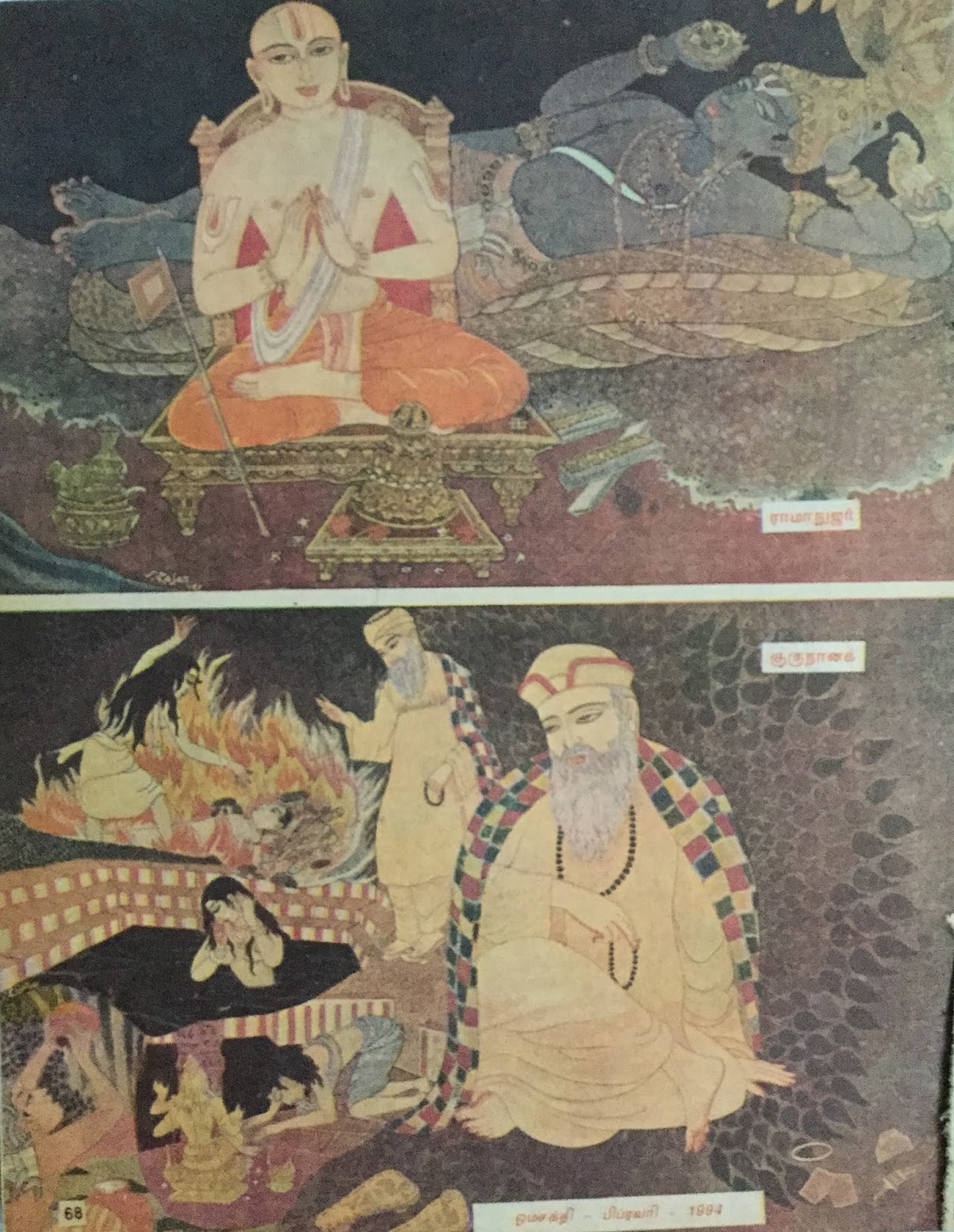
இதே காலத்தில் வாழ்ந்த இன்னொரு பெரும் அவதார புருஷர் இராமானுஜர்.
வைஷ்ணவத்தைப் பொறாத சில வித்வான்கள் சைவ வைஷ்ணவ வாத சபை ஒன்றை நடத்த வேண்டும் என்று தீர்மானித்தனர். அதில் வைஷ்ணவர்கள் தோல்வி அடைந்தால் ‘சிவனை அன்றி உயர்ந்தவர் வேறில்லை’ (சிவாத்பரேதரம் நாஸ்தி) என்று எழுதிக் கையெழுத்திட வேண்டும் என்று தீர்மானித்தனர்.
இந்த வாதில் கலந்து கொள்ள வைணவ ஆசாரியரான இராமானுஜர் வர வேண்டும் என்றும் அவர்கள் முடிவு செய்தனர்.
இதை அறிந்தார் நடாதூராழ்வார். உடனே இதை இராமானுஜருக்கு அறிவிக்க வேண்டுமென்று தீர்மானித்து கூரத்தாழ்வானிடம் இதைச் சொன்னார்.
கூரத்தாழ்வான், இராமானுஜரிடம் சென்று அவரிடம், “அரசன் போக்கும் சரியில்லை. ஆகவே நீங்கள் வருவது உசிதமல்ல. நான் போய் வருகிறேன்” என்று சொல்லி விட்டு வாதுக்கான சபைக்குச் செல்ல ஆயத்தமானார். உடையவர் என்று போற்றப்படும் இராமானுஜரின் திரிதண்ட காஷாயாதிகளைத் தானே தரித்துக் கொண்டார்; கிளம்பினார். கூடவே பெரிய நம்பி உள்ளிட்ட இராமானுஜரின் சீடர்களும் சென்றனர்.
இராமானுஜரோ முதலியாண்டான் உள்ளிட்ட சீடர்களுடன் வெள்ளை உடையணிந்து மேல் நாட்டுக்குக் கிளம்பினார். நடந்தவாறே சென்ற அந்தக் குழு கொல்லி மலையை அடைந்தது.
கொல்லி மலைத் தொடரில், அங்கு லத்திவாடி (செருக்கலை) என்ற ஒரு கிராமத்தில் சில வேட்டுவர்கள் குழுவினரை வரவேற்று உபசரித்தனர். இங்கு நீங்கள் தங்கி இருக்கலாம் என்று கூறிய அவர்கள் அருகில் இருந்த ஒரு வீட்டிற்கு அவர்களை அழைத்துச் சென்றனர்.
அந்த வீட்டில் இருந்த அம்மையார், அவர்களை வரவேற்று, முறைப்படி வணங்கி, “ உடையவரிடம் நான் சம்ஸ்காரம் பெற்றுள்ளேன். தளிகை (சமையல்) செய்கிறேன். அமுது செய்து அருளுங்கள்” என்றாள்.
குழுவினர் அந்த அம்மையாரிடம், “நீங்கள் எந்த இடத்தில் உடையவரைச் சேவித்தீர்கள்” என்று வியப்புடன் கேட்டனர்.
அதற்கு அந்த அம்மையார், “ இங்கு கொங்கு நாட்டில் பன்னிரெண்டு வருடம் பஞ்சம் ஏற்பட்டு வருந்திய காலத்தில் ஸ்ரீரங்கம் சென்று என் கணவருடன் வாழ்ந்து வந்தேன். அப்போது எம்பெருமானார் மாதுகர பிக்ஷைக்கு வருவதை மாடியிலிருந்து பார்த்தேன். உடனே கீழே வந்து பிக்ஷையிட்டு வணங்கினேன். சில காலம் கழித்து கொங்கு நாடு செழிப்புற்று விட்டது என்பதைக் கேள்விப் பட்டு உடையவரை அணுகி தாங்கள் அனுக்கிரகித்த மந்திரத்தை மறந்து விட்டேன், மீண்டும் உபதேசித்து அருள்க என்று வேண்டினேன். உடனே முறைப்படி சமாசிரணம் அருளப் பெற்றேன். நித்யப்படி பூஜைக்கு சுவாமிகளின் பாதுகை வேண்டுமென்று வேண்டினேன். அவரும் மகிழ்ச்சியுடன் அதைத் தந்தார். அதை இன்று வரை பூஜித்து வருகிறேன்” என்றார்
உடனே உடையவர், “அந்த மந்திரத்தைக் கொஞ்சம் சொல்” என்றார்.
சொல்லாவிடில் வைணவர்கள் தம் வீட்டில் புசிக்க மாட்டார்களே என்று எண்ணிய அந்த அமமையார் மெதுவாக அவர் காதில் உபதேச மந்திரத்தைக் கூறினார்.
அனைவரையும் உற்றுப் பார்த்த அம்மையார் இராமானுஜரை நோக்கி, “தாங்கள் தான் என நினைக்கிறேன். ஆனால் அவர் திரிதண்டி காஷாயம் அணிந்திருந்தார். தாங்களோ வெள்ளை ஆடை அணிந்திருக்கிறீர்கள்” என்றார்.
அந்தப் பாதுகையை எடுத்து வாருங்கள் என்று இராமானுஜர் வேண்ட, அம்மையார் பாதுகையை ஏந்தி வந்தார்.
அதை அணிந்து பார்த்த இராமானுஜர் அது சரியாக இருப்பதைக் கண்டு தன்னுடைய பாதுகைகளே அவை என்பதைக் கண்டு கொண்டார்.
“இப்போது அனைவரும் அமுது அருந்த வாருங்கள்’ என்று அம்மையார் வேண்ட,இராமானுஜர், “ எனது பாதுகைக்கு நிவேதனமான அமுதை நான் உட்கொள்வது சரியல்ல” என்று உரைத்தார்.
ஏனையோரை அமுதுண்ணுமாறு பணித்த அவர் பாலுண்டு உறங்கினார்.
ஏனையோர் அமுதுண்டனர்.
பிறகு வீட்டுக் காரியங்களை முடித்த அம்மையார் தரையில் படுத்து உறங்க ஆயத்தமானார்.
அவரது கணவர், “ஏன் நீ தரையில் படுக்கிறாய்?” என்று வினவினார்.
“உடையவர் உள்ளிட்டோர் இங்கு எழுந்தருளியுள்ளார்கள். ஆனால் அவர மட்டும் உண்ணவில்லை.அதனால் வருத்தமுற்று இருக்கிறேன்”என்று பதில் சொன்னார் அம்மையார்.
“என்னால் ஏதேனும் ஆக வேண்டுமா?” என்று கேட்டார் கணவர்.
“சம்ஸ்காரம் செய்து கொண்டால் நாளை உணவு அருந்துவார்” என்றார் அம்மையார்.
மறுநாள் காலையில் சதிபதி இருவரும் முறைப்படி பஞ்ச சம்ஸ்காரம் செய்து கொண்டனர். பிறகு அனைவரும் அமுதுண்டனர்.
அங்கேயே சில நாட்களைக் கழித்தார் இராமானுஜர்.
பிறகு திரிதண்டம், காஷாயம் அணிந்து மேற்றிசை நோக்கிக் குழுவினருடன் இராமானுஜர் கிளம்பினார்.
இப்படி இராமானுஜரை உபசரித்த கொங்கு பிராட்டியாரைக் கொண்டது கொங்கு மண்டலமே எனப் பெருமையுடன் கூறுகிறது 68ஆம் பாடலில் கொங்கு மண்டல சதகம்.
பாடல் இதோ:
“சிவனே பரம்பிறி தில்லையெ னாதாற் சிரந்துணிக்க
உவந்தனன் சோழ னெனமறு வேடமா யோடிவந்து
கவன்றிடி ராமா நுஜன்றனைத் தேற்றியுங் காத்தளித்த
மவனகைக் கொங்கு பிராட்டிய ருங்கொங்கு மண்டலமே”
பாடலின் பொருள் :-
‘சிவபெருமான பரம் (துரிய மூர்த்தி), வேறு இல்லை’ எனக் கையெழுத்துப் போடாவிடில் சோழன் கழுத்தை வெட்டி விடுவான் என்று மாறுவேடம் அணிந்து வெளியேறி வந்த இராமானுஜரது பயத்தைப் போக்கி ஊண், உடை முதலிய அனைத்தும் கொடுத்து ஆதரவு தந்த கொங்கு பிராட்டியாரைக் கொண்டதும் கொங்கு மண்டலமே.
இந்த வரலாறைக் குறிக்கும் வகையில் ஐந்து தனியன்கள் உள்ளன. அவற்றின் பொருள் மட்டும் இங்கு தரப்படுகிறது. (மூல ஸ்லோகங்கள் தரப்படவில்லை- க்ரந்த எழுத்துக்களில் இருப்பதால்.)
தனியன்கள்
ஸ்ரீரங்கத்திற் பாஷியஞ் செய்தருளிய உடையவருடைய தளிர்போன்ற இரண்டு திருவடிகளை அடைந்து, அவர் பிக்ஷை கொள்ளத்தக்க வீட்டில் இருந்து, தான் பிறந்த (கொங்கு) தேசத்துக்குச் செல்ல இச்சித்து அவருடைய பாதுகைகளைப் பெற்ற லக்ஷ்மியென்னும் பெயரை உடைய அம்மையாரைத் துதிக்கிறேன் நமஸ்கரிக்கிறேன். நினைக்கிறேன்.
உடையவருடைய திருவடிக் குறியான பாதுகைகளைப் பூசிப்பவரும், அடிக்கடி உத்தமமான மந்திரத்தை ஜபிப்பவரும், தமிழ் வேதங்களின் தத்வஞானச் சுடருற்றவருமான கொங்கு பிராட்டியாரை நான் தஞ்சமென்று அடைகிறேன்.
உடையவருடைய திருவடிக்குறியான பாதுகைகளைப் பூஜிப்பவரும், அடிக்கடி உத்தமமான மந்திரத்தை ஜபிப்பவரும், தமிழ் வேதங்களின் தத்துவ ஞானச் சுடருற்றவருமான கொங்கு பிராட்டியாரை நான் தஞ்சமென்று அடைகிறேன்.
உடையவருடைய திருவடி சம்பந்தமுற்ற மனத்தராய்ப், பல சீஷர்கள் கேட்கும் தத்வங்களைத் தெரிவிக்க வல்லராய், லக்ஷ்மீ நரசிம்மமூர்த்தியின் திருவடிக்கமலத்தில் வீழும் வண்டு போலும் நேர்மை மிகுந்தவராயுள்ள கொங்குப் பிராட்டியாரை நான் தஞ்சமாக அடைகிறேன்.
பிரபந்நாம்ருதம்
கிரிமி கண்டன் காரணமாய், ஸ்ரீரங்கத்தை உடனே விட்டு, மேற்றிசையில் மேன்மையான கொங்கு தேசத்தை அடைந்த உடையவர், வேட்டுவர்களின் உபசரணையை ஏற்றுக்கொண்டு தெய்வச் செயலால் ஏழாவதுதினம் *சேலாஞ்சலாம்பா (கொங்கு பிராட்டியார்) இல்லத்தை அடைந்தனர்.
உடையவர் கொங்குப் பிராட்டியாரது பேராதரவால், அரங்கநாதன் சேவை பெறாத துக்கமும் அகன்று, சிஷியர்களுடன் சௌக்கியமாகச் சிலநாள் அவர் திருமனையிலேயே வசித்தனர். (இவர் பதி கொங்கிலண்ணன் - கொங்கிலாச்சான் எழுபத்துநான்கு வைணவ சிங்காசனாதிபதிகளில் ஒருவர்)
*
* அடிக்குறிப்பு : சேல அஞ்சல = முன்றானை அது தெலுங்கில் கொங்கு .
அம்பா = லக்ஷ்மீ = அது பிராட்டி
பிரபந்நாம்ருதம் இயற்றியவர் தெலுங்கர். ஆதலால் கொங்கு என்னும் பதத்துக்குச் சேலாஞ்சல எனக் கொண்டார்.




















 Tamil and Vedas