Pictures are taken from various sources for spreading knowledge; this is a non- commercial blog. Thanks for your great pictures.
நமது பிளாக்கில் எஸ்.நாகராஜன் எழுதிய கட்டுரைகளின் பட்டியலை March 2015 முதல் வெளியிடுகிறேன். இது அகர வரிசைப்படி இல்லாவிடினும் இண்டெக்ஸ் INDEX போன்றதே.
இந்தப் பட்டியலை பிரிண்ட் செய்து வைத்துக் கொண்டால் உங்களுக்குத் பிடித்த கட்டுரைகளை நேரம் கிடைத்தபோது படிக்கலாம்
கட்டுரைகளை பிளாக்கில் பெறுவது எப்படி?
பிளாக்கிற்குப் போய் தேடுவதை விட கூகுளில் (google) தேடுவது எளிது. கட்டுரையின் தலைப்பை காப்பிcopy செய்து கூகுளில் பேஸ்ட் paste செய்யுங்கள் அதன் பிறகு ஆங்கிலத்தில் from tamilandvedas.com என்று எழுதி க்ளிக் (click) செய்யுங்கள்.
from swamiindologly.blogspot.com
என்று எழுதியும் பெறலாம்.
எடுத்துக்காட்டு:
மோடி ஜி! தட்டிப் பார்த்தால் தங்கம்!! from tamilandvedas.com
மோடி ஜி! தட்டிப் பார்த்தால் தங்கம்!! from swamiindology.blogspot.com
நீங்கள் சிறு பிழை விட்டாலும் நீங்கள் எதிர்பார்த்தது கிடைக்காமல் வேறு விஷயம் வரும். அதில் நேரத்தை வீணடிக்காமல் மீண்டும் ஒரு முறை சரியாக எழுதி முயற்சி செய்யுங்கள். இரண்டு பிளாக்குகளில் ஒன்றில் கிடைத்து விடும்
கட்டுரை பெறுவதில் ஏதேனும் சிக்கல் இருந்தால் எங்களைத் தொடர்பு கொள்ளுங்கள் .
January 2016
1-1-16 2447 அக்னி பரிட்சையில் மீண்டு வந்த அற்புத மனிதர்கள்!
Pictures are taken from various sources for spreading knowledge; this is a non- commercial blog. Thanks for your great pictures.
tamilandvedas.com, swamiindology.blogspot.com
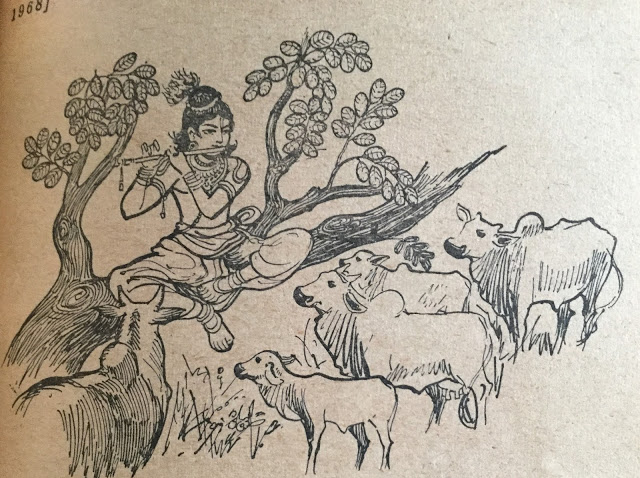
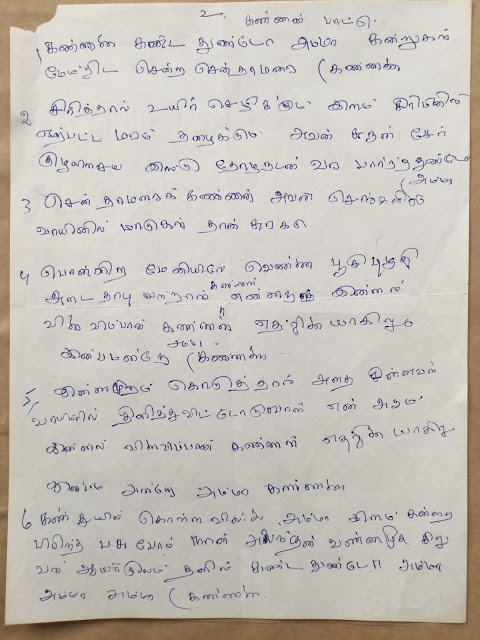
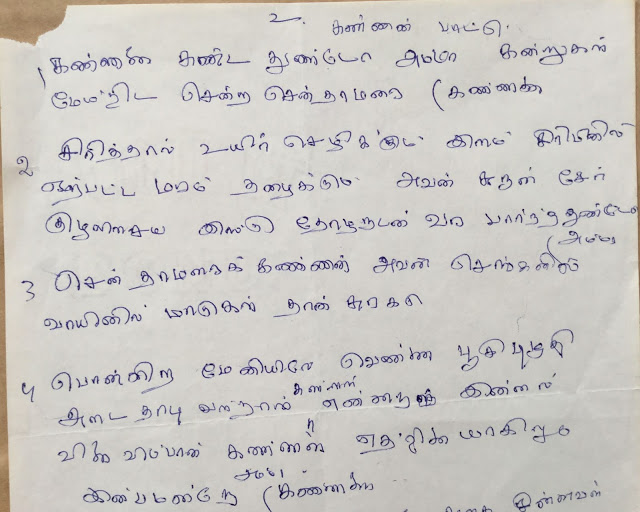
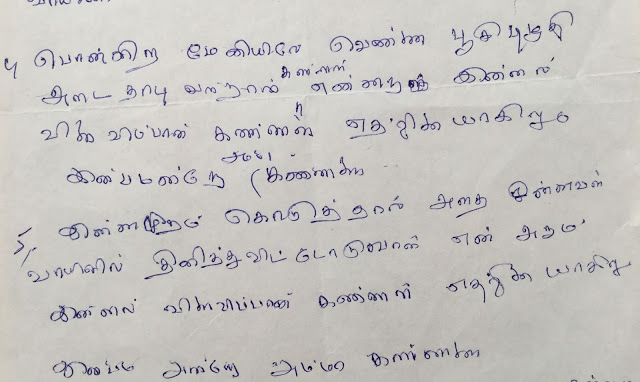
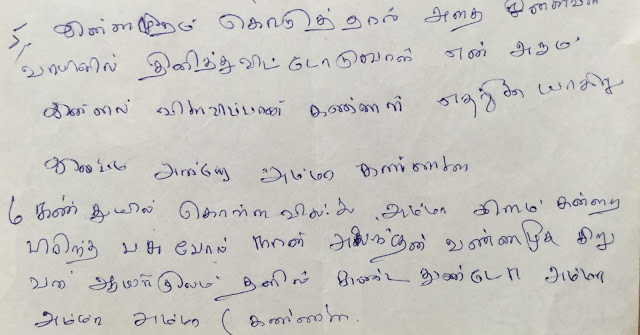
சுமார் 65 ஆண்டுகளுக்கு முன்னர் என்னுடைய தாயார் திருமதி ராஜலெட்சுமி சந்தானம், இரவில் எங்களைத் தூங்க வைப்பதற்குப் பாடிய பாட்டு இது. நீண்ட காலத்துக்குப் பின்னர் அவர் கைப்பட எழுதி வாங்கியதாக ஞாபகம். நாங்களே தூங்குவதற்கு முன்னர் , “அம்மா , கண்ணனைக் கண்டதுண்டோ பாட்டுப் பாடு” என்று கேட்போம் .
இன்னும் சில சமயங்களில் கோபால கிருஷ்ண பாகவதர் அல்லது அவர் மகன் சஞ்சீவி பாகவதர் பஜனை வீட்டில் நடக்கும் அல்லது அருகில் வசிக்கும் லெட்சுமண அய்யர் அல்லது சங்கர அய்யர் வீட்டில் நடக்கும். சரணு சரணு ஹரே என்ற பாடல் வருவதற்குள் அண்ணன் , தம்பி எல்லோரும் தூங்கி விடுவோம். இரவு 2 அல்லது மூன்று மணிக்கு எங்களை எழுப்பி சுண்டலும் பாலும் தருவார்கள் . தூக்க கலக்கத்தில் சாப்பிட்டுவிட்டு மீண்டும் குறட்டை விடுவோம்.
இவை அனைத்தும் மதுரையில் நடந்தவை.
இந்தப் பாடல் யாருடையது என்று நாங்களும் கேட்டதில்லை; அவரும் சொன்னதாக நினைவில்லை!!
பழைய குப்பைகளைத் தூக்கி எறிகையில் கிடைத்த பாடலும் மலரும் நினைவுகளும்!
விழுதாரை கண்பொழிய , விதிர்ப்புற்று விம்மினார் – 1605, பெரிய புராணம்
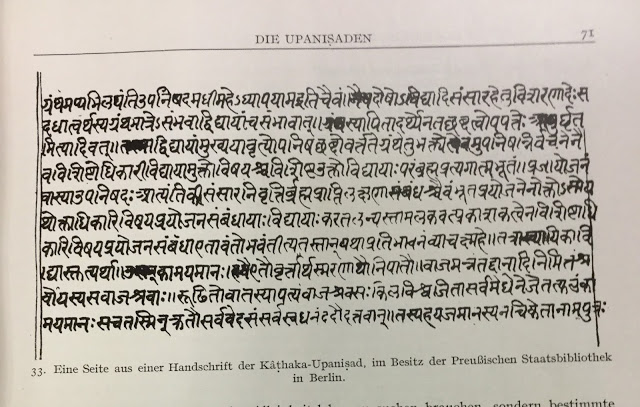
வட திசை நோக்கி பயணம் செய்த திருநாவுக்கரசர் பல இடங்களுக்கு யாத்திரை செய்த பகுதி இது. திருவொற்றியூயூர் , திருப்பாசூர் , திருவாலங்காடு ஆகிய இடங்களை அப்பர் தரிசித்ததை வருணிக்கையில் சிவ பெருமானை ‘எழுதாத வேதம் என்னும் மறையை அளித்தவர்’ என்று சொல்லிவிட்டு சிவன் ‘எழுத்தறியும் பெருமான்’ என்று பாடிப்பரவுகிறார்’.
சிவன்தான் மொழிகளைத் தோற்றுவித்தவர். உலக மொழிகளுக்கு எல்லாம் தாயான சமஸ்கிருதத்தையும் தமிழ் மொழியையும் தோற்றுவித்தவர் .
“ஆதிசிவன் பெற்றுவிட்டான் — என்னை
ஆரிய மைந்தன் அகத்தியன் என்றோர்
வேதியன் கண்டு மகிழ்ந்தே — நிறை
மேவும் இலக்கணஞ் செய்து கொடுத்தான்”
என்று பாரதியாரும் பாடுகிறார்
சிவன் தோற்றுவித்ததாலேயே சம்ஸ்கிருத மன்னனான அகத்தியனை சிவன், இமய மலையில் இருந்து அனுப்பி, தமிழுக்கு இலக்கணமும் எழுதவைத்தார். சிவனின் உடுக்கை ஒலி யிலிருந்து எழும்பிய 14 மாஹேஸ்வர சூத்திரங்களில் இருந்து பாணினி உலகப் புகழ்பெற்ற அஷ்டாத்யாயியியை எழுதியதை எல்லோரும் அறிவர்.
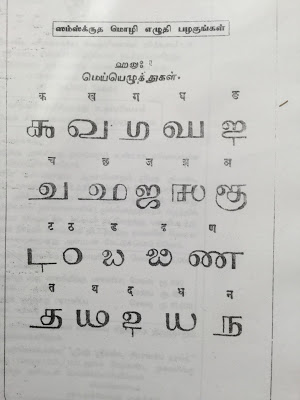
SANSKRIT- TAMIL GRANTHA
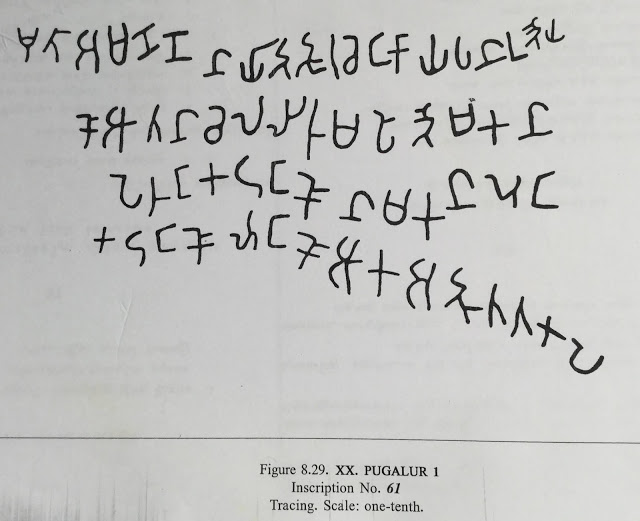
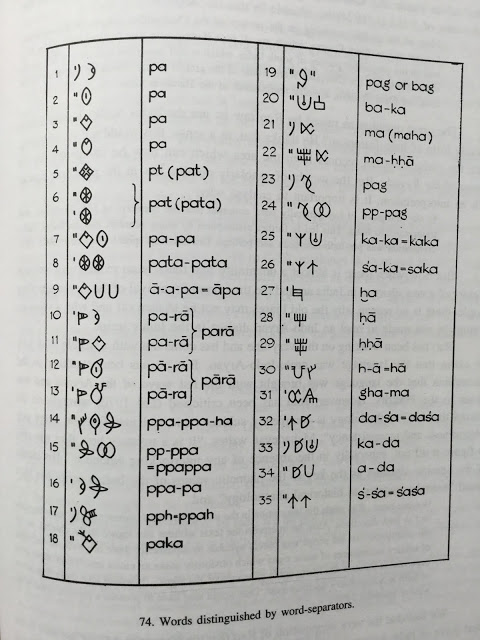
இந்துக்களுக்கு எழுதத் தெரியுமா ? எப்போதிலிருந்து அவர்களுக்கு எழுதத்தெரியும் ? என்பது வெள்ளைத் தோல் அறிஞர்கள் வெகு காரசாரமாக விவாதித்த விஷயம். குறிப்பாக சிந்து-சரஸ்வதி நதி தீர நாகரிகம் கண்டுபிடிப்பதற்கு முன்னர் விவாதிக்கப்பட்ட விஷயம். அப்போதும் கூட அவர்கள் வாதத்தில் பசை இல்லை என்பதை கோல்ட்ஸ்டக்கர் (Theodor Goldstucker) போன்ற அறிஞர்கள் எடுத்துக் காட்டினர்.
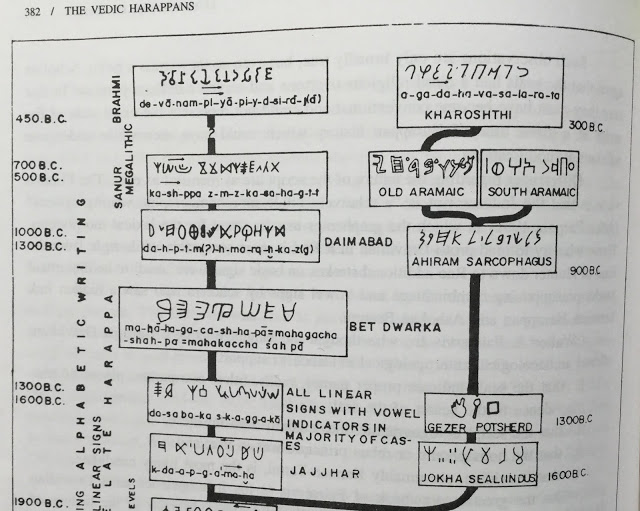
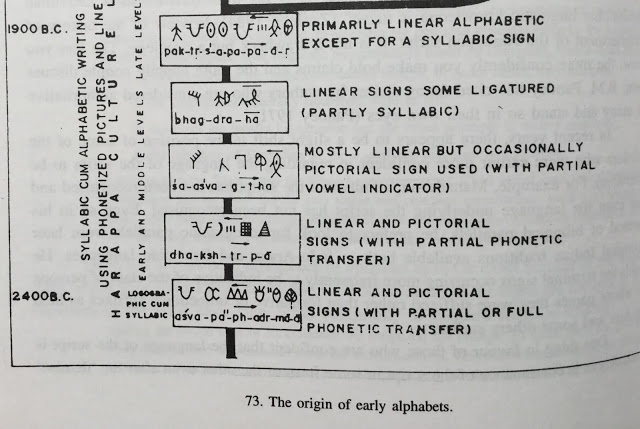
சிந்து -சரஸ்வதி நதி தீர நாகரிக எழுத்துக்கள் கண்டுபிடிக்கப்பட்டு சுமார் 100 ஆண்டுகள் ஆகும் தருவாயில் அவை எழுத்துக்களே அல்ல, வெறும் படங்கள்தான் என்று சிலர் சொன்னவுடன் பெரும் புயல் எழுந்ததையும் நாம் அறிவோம். அத்துறையில் பெயர்பெற்ற அறிஞர்கள் அவை எழுத்துக்களே என்று நிரூபித்தனர்.
ஆப்கானிஸ்தான் முதல் இலங்கை வரை அசோகர் ஏராளமான கற்பாறைகளிலும் தூபிகளிலும் புத்தர் பெருமானின் பொன்மொழிகளை பொறித்தார் என்பதையும் உலகம் அறியும்.. எழுதப் படிக்கத் தெரிந்தோர் இமயம் முதல் கண்டி வரை இருந்ததால்தான் அவர் இப்படிச் செய்தார். உலகின் மிகப் பெரிய பரப்பு முழுதும் பிராமி எழுத்து வழங்கியதை அசோகர் நமக்குக் காட்டிவிட்டார்.
அசோகருக்கு ஓரிரு நூற்றாண்டுகளுக்கு முன்னர் வாழ்ந்தவர் பாணினி என்றும் அவருக்கு எழுத்தே தெரியாது என்றும் வாதிட்ட மாக்ஸ்முல்லர் ஒரு முட்டாள் என்பது நமக்கு யாரும் சொல்லாமலேயே விளங்குகிறது . சிந்து-சரஸ்வதி கால எழுத்துக்கள் கிமு 2500 காலத்தியவை. ஆக அன்று முதல் இன்றுவரை எழுத்துள்ளது.
ஆயினும் வேதத்திலும் பாணினியின் புஸ்தகத்திலும் எழுத்து இல்லையே என்று 200 ஆண்டுகளுக்கு முன்னர் பசப்பிய மாக்ஸ்முல்லர்களுக்கும் அப்போதே பதில் கொடுக்கப்பட்டது.
வேதங்களைக் கற்பிப்பது மட்டும் வாயமொழியாகத்தான் கற்பிக்க வேண்டும் என்ற கொள்கை இன்றுவரை பின்பற்றப்பட்டு வருகிறது. இதை பாண்டியன் ஏனாதி நெடுங்கண்ணன் பாடிய குறுந்தொகைப் பாடலிலும் ‘எழுதாக் கற்பு’ என்ற வருணனையால் அறிகிறோம். அதாவது ‘எழுதாமல்தான் கற்க வேண்டும்’ ; எழுத்துக்கள் இருந்தபோதிலும் இப்படிச் செய்ததை அடிக்கோடிட்டுக் காட்டுகிறார். அதையே சேக்கிழார் பெருமானும் சொல்வதைக் காண்கிறோம்.
ORIGIN OF SCRIPT
எழுதாக் கற்பினின் சொலுள்ளும்
பிரிந்தார்ப் புணர்க்கும் பண்பின்
மருந்துமுண்டோ மயலோ விதுவே
-குறுந்தொகை , 156, பாண்டியன் ஏனாதி நெடுங்கண்ணன்
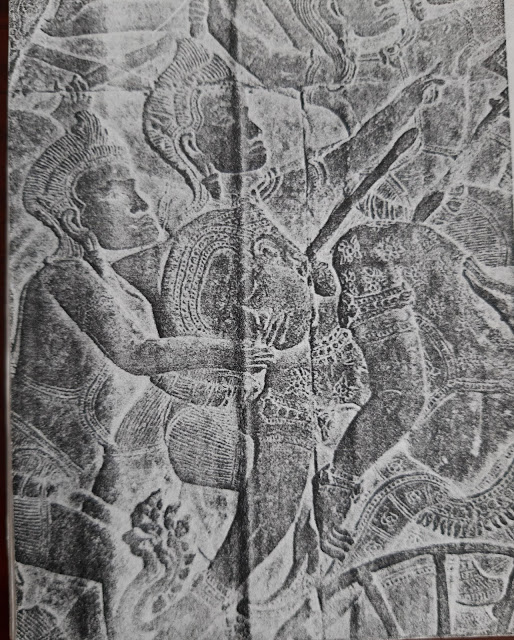
பாணிணிக்கு எழுத்து தெரியாது. அவர் அசோகருக்கு 200 வருடங்களுக்கு முன்னர் வாழ்ந்தபோதிலும் அவருக்கு எழுத்துத் தெரியாது என்பதெல்லாம் நகைப்புக்குரியது என்பது அசோகர் இமயம் முதல் முதல் பாறைகளில் எழுத்துக்களைப்பை பொறித்ததிலிருந்து தெரிகிறது.
முட்டாள், முரண், மாக்ஸ்முல்லர்
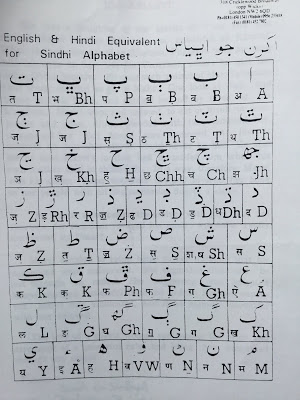
SINDI-HINDI
ஆனால், மாக்ஸ்முல்லர் (Max Muller) எழுதிய ‘வடமொழி வரலாறு’ என்னும் புஸ்தகத்திலேயே முன்னுக்குப்பின் முரணாக அவர் உளறுவதை கோல்ட்ஸ்டக்கர் போன்றோர் எடுத்துக் காட்டினர் .
‘லிபிகார’ 3-2-21 என்று பாணினியே ‘எழுத்தர்’ பற்றிப் பேசுகிறார். அவரை அடுத்து வந்த , அசோகருக்கு முந்திய கௌடில்யரும் அர்த்த சாஸ்திரத்தில் ‘மன்னன் என்பவன் எண் , எழுத்து ஆகிய இரண்டையும் கற்க வேண்டும்’ என்கிறார். அர்த்த சாஸ்திரமும், வாத்ஸ்யாயனர் எழுதிய காம சாஸ்திரமும் ‘சங்கேத மொழி’ (Coded language) என்னும் ரஹஸ்ய எடுத்து முறையையும் குறிப்பிடும். அது மட்டுமல்ல . கி.மு 520ஐ ஒட்டிய பெஹிட்ஸன் (Behitsun Inscription) பாரஸிக கல்வெட்டில் திபி DIPI என்று சொல்லப்படுகிறது. லிபிLIPI என்பதை பார்சிக்கள் திபி/DIPI என்பர். (D=L)
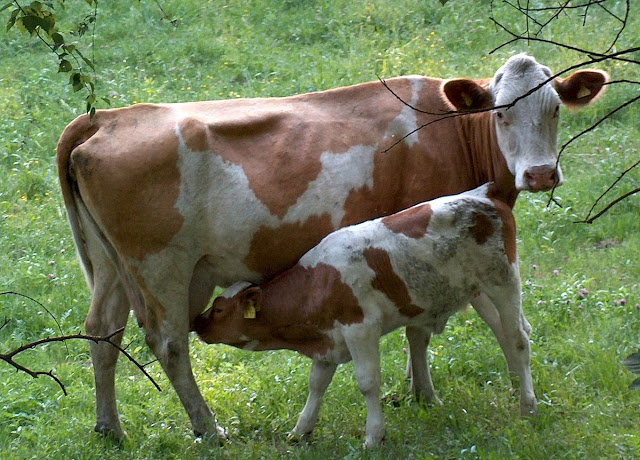
மாடுகளின் சொந்தக் காரர்கள் தங்களுடைய மாடுகளைக் கண்டுபிடிக்க அவற்றின் காதுகளில் அடையாளக் குறியிடுவர் . இது பற்றிக் கதைக்கும் பாணினி, எட்டு/அஷ்ட, ஐந்து/ பஞ்ச என்ற எண் குறியீடுகளையும் சுட்டிக்காட்டுகிறார் (6-3-115).
‘யவனானி’ என்று பாணினி சொல்லுவது ‘யவன லிபி’யைக் குறிக்கும் என்று வார்த்திகா எழுதிய காத்ஸ்யாயனார் சொல்கிறார். அவரையும் பாணினியையையும் சமகாலத்தவர் என்று எழுதிவிட்டு மற்றொரு பக்கம் பாணிணிக்கு எழுத்தே தெரியாது என்று சொல்லும் மாக்ஸ்முல்லரை கோல்ட்ஸ்டக்கர் கிழித்தெறிகிறார்.
(‘யவன’ என்பதை பாரஸீகர்களைக் குறிக்க காளிதாசர் பயன்படுத்துகிறார். ‘யவன’ என்பதை ரோமானியர்களைக் குறிக்க சங்கப் புலவர்கள் பயன்படுத்துகின்றனர். 1500-க்குப் பின்னர் முஸ்லிம்களைக் குறிக்க ‘யவன’ பயன்படுகிறது இது தெரியாமல் வெளிநாட்டார் செய்த குழப்பம் கொஞ்ச நஞ்சமல்ல. யவனானி என்பது கிரேக்க எழுத்து என்றும் பாரஸீக எழுத்து என்றும் இரு தரப்பு வெள்ளைத் தோல் அறிஞர்கள் மோதினர்)
கோட்ஸ்டக்கர் , வேத காலத்திலேயே எழுத்துக்கள் இருந்தன என்று வாதிடுகிறார்.
வேதத்தில் உள்ள ‘ரிபு’ என்னும் தெய்வத்திடமிருந்துதான் எழுத்து என்ற சொல் –லிபி– உருவானது என்று ஏகபர்ட் ரிக்டர் உஷனஸ் (Egbert Richter Ushanas) என்ற அறிஞர் காட்டுகிறார். கிரேக்க மொழியில் எழுத்து என்ற சொல் கிராஃபின் (Graphein) ஆகும். ரிபு – ராஃப்- கிராஃப் – க்ளிப் – லிபி (Ribhu= Rabh= Graph= Glyph= Lipi) என்பதெல்லாம் ஒன்றுடன் ஒன்று (Cognate words) தொடர்புடைத்து.
ரிக் வேதத்தில் உள்ள காஹ்/முங்கு Gah , ரி/ஓடவிடுRi, ரூ /நகர் ( R) த்து ஆகியன எல்லாம் எழுத்தின் மூலச் சொல் என்பது அவரது வாதம்
ரைட் WRITE என்ற ஆங்கிலச் சொல்லுக்கும் ‘எழுத்து’ என்ற தமிழ்ச் சொல்லுக்கும் இடையேயான ஒற்றுமையையும் நாம் காண முடிகிறது
Pictures are taken from various sources for spreading knowledge; this is a non- commercial blog. Thanks for your great pictures.
tamilandvedas.com, swamiindology.blogspot.com
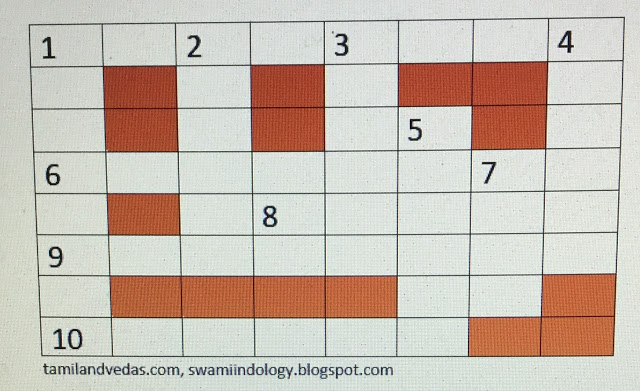
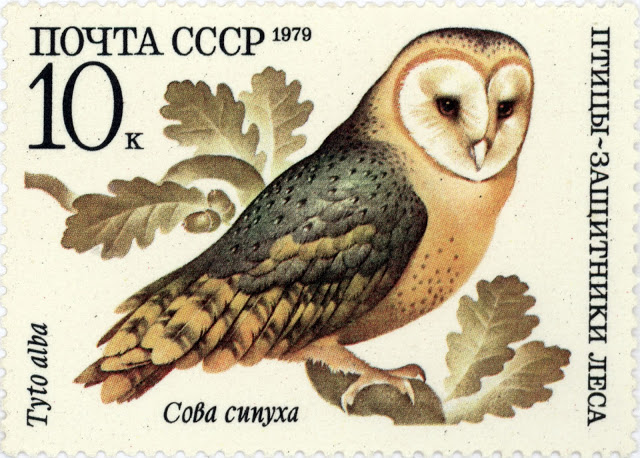
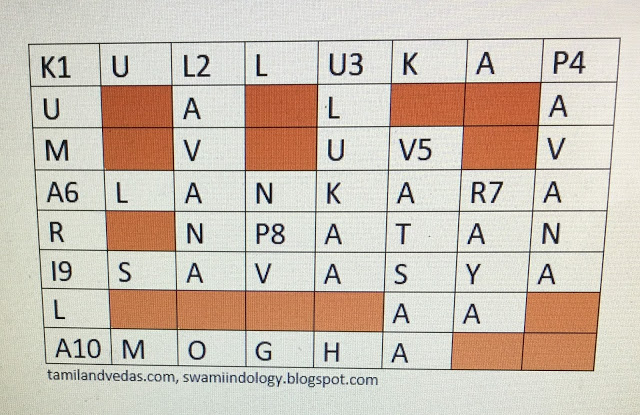
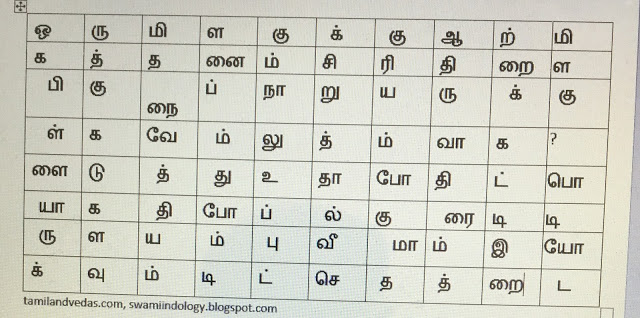
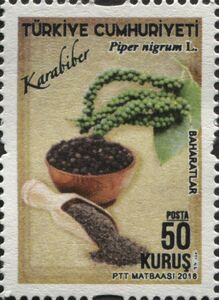
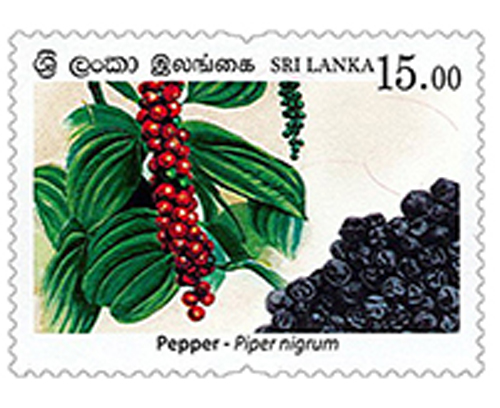
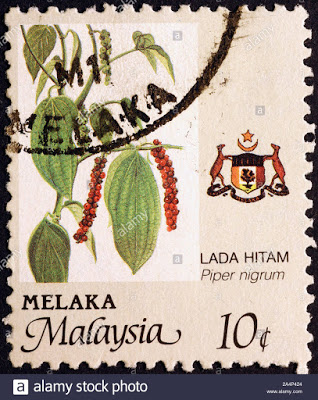
ஒரே சொல் மீண்டும் மீண்டும் வந்தால் ஓரிரு இடங்களில் மட்டுமே கட்டத்தில் இருக்கும். கொண்டு கூட்டி பொருள் கொள்க . விடை கீழே உள்ளது . சில நேரங்களில் படங்களைப் பார்த்தாலும் விடை காண உதவலாம்.
Pictures are taken from various sources for spreading knowledge; this is a non- commercial blog. Thanks for your great pictures.
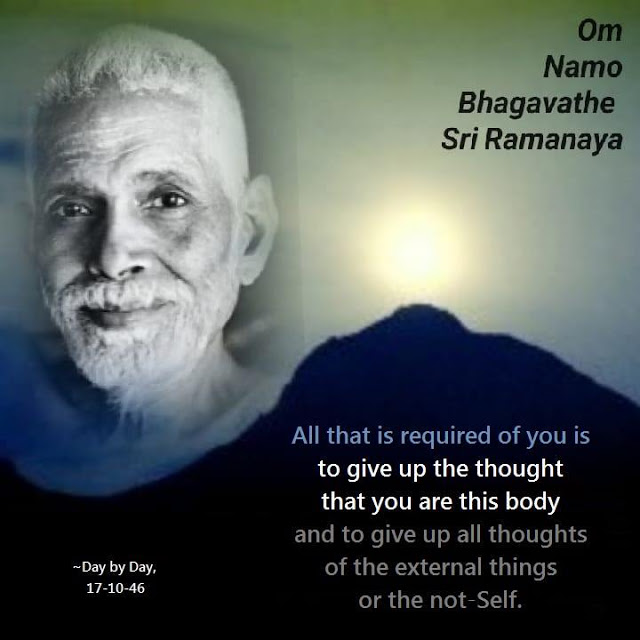
RAMANA : LESSONS FOR DAILY LIVING – 2
R. Nanjappa
‘Nayana’
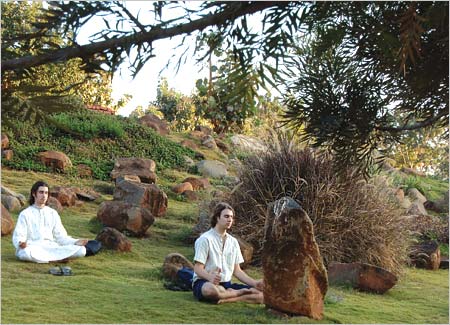
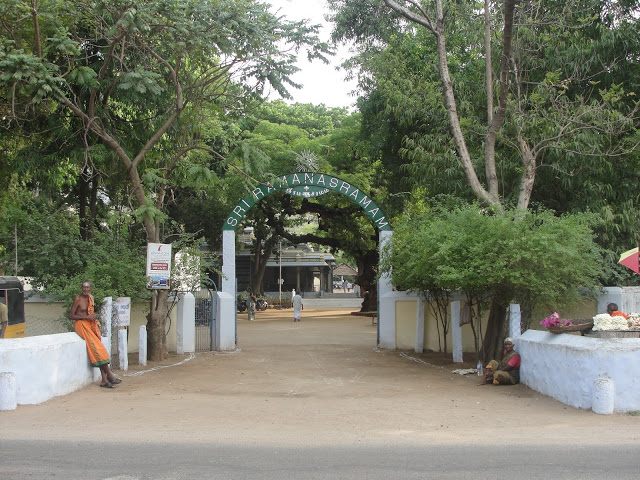
Kavyakantha Ganapati Muni, whom Bhagavan addressed as ‘Nayana’ out of regard for his learning and accomplishments, was a strong believer in and advocate of Mantra upasana. He once told Bhagavan that he was telling the highest truth to everyone regardless of their qualifications and that it would be better if people were first taught simpler methods like puja japa, etc. Bhagavan replied that he could teach only what he knew personally! But this question he has answered in the first few verses of Upadesa Saram!
Lessons in daily life
Cleanliness
Whatever may be the spiritual instruction, there were certain worldly lessons that he always imparted, but in his own subtle way, not using words at all!
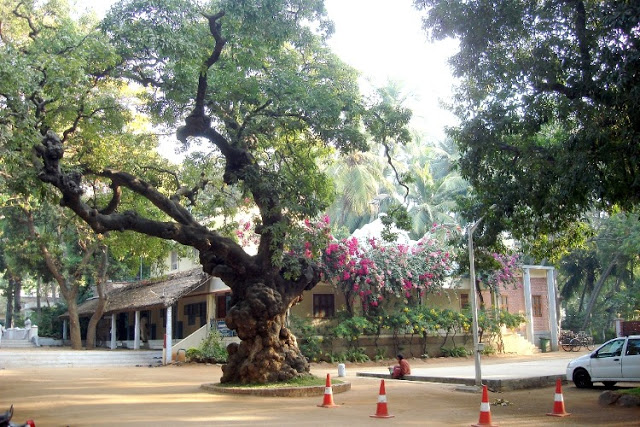
The first thing that one noticed about Bhagavan was how scrupulously clean he was, in his person and habits. He was of course simple in what he wore! We worldly people cannot go to that extent, but there is great scope for
greater simplicity in what we wear! In the old photographs of the Asramam, we notice how simple those people were who came to see Bhagavan! The Classical Tamil texts speak of how man just needs to eat what his stomach would hold and two pieces of cloth (vunbadu naazhi, vuduppavai irandae-உண்பது நாழி, உடுப்பவை இரண்டேPurananooru)
Bhagavan as he used to sit in the ‘old hall” Another famous Welling portrait.
Avoid Waste
Bhagavan completely avoided wastage in anything he used or did. He was very particular on the point of avoiding wastage. When he used to work in the kitchen, he would use every possible part of the vegetable. South Indians would normally throw away stem from Brinjal, but Bhagavan would use that too- he had his own recipe. He would use the peelings of vegetables too. Once, some one had given the asramam a large supply of brinjal. Bhagavan was away, and the kitchen volunteers quietly removed the stems and buried them, hoping to avoid notice by Bhagavan. But was Bhagavan to be fooled? On his walk, he found a spot freshly dug up and covered! He became curious and on enquiry found out that it was where they had buried the stems! He had them dug out, got them cleaned and used them!
But there were occasions when he was strict when his instructions were not followed and things wasted. He never wasted food. Whatever was left over in the evening would be put to some use the next morning. Once, the elderly Brahmin ladies working in the kitchen felt that it was somewhat polluting or less pure or clean ( ‘Madi’) to use some left over item-it would detract from their “acharam”. They did not use them. When Bhagavan came to know it, he didn’t say anything but stopped going to the kitchen! Nothing on earth could persuade him to go back! Thus the practice of many years, when he had been the head worker in the kitchen, came to an end! The poor workers lost an opportunity to be with Bhagavan early in the morning, observing his work and listening to his conversations! Bhagavan would never tolerate wastage!
Consideration for trees and plants
Once when the workers came to collect the mangoes from the trees, he found them removing many leaves also. And something more annoying! They were beating the branches with sticks to make the mangoes fall. Bhagavan got visibly upset and had it stopped. He said the tree was giving us mangoes and was this the way to show our gratitude?
Once on a griripradakshina, with a party as usual, they came to a spot where there was some beautiful flower tree, full of flowers in full bloom. One lady could not resist the temptation and started collecting a very large number of the flowers. Bhagavan got annoyed and said sharply: ‘Yes, yes! Pluck every thing and make it bare! It is you who planted it! You watered it and protected it! And now take all the flowers!’
கார்படைத்த நிறத்தோனைக் கை தொழுவார் பிறவாழிக் கரை கண்டாரே
அருமையான இந்தப் பாடலில் பல செய்திகளைப் பார்க்கிறோம்.
விஜயன் பேர் படைத்தவன். துரியோதனன் பார் படைத்தவன்.
ஆள்வதற்குப் பூமி இல்லை என்றாலும் பூமியெங்கும் நல்ல பேரை வாங்கியவன் விஜயன் – அர்ஜுனன். ஆனால் பார் படைத்திருந்தாலும் கூட தீய மனத்தவனான துரியோதனனுக்குப் பேர் இல்லை.
“பேர் படைத்த விஜயனுடன் “ மற்றும் “பார் படைத்த சுயோதனற்கு” என்பதால் இருவருக்கும் உள்ள குணநலன்களை சூசகமாகக் குறிப்பிடுகிறார் கவிஞர்.
அடுத்து “மும்மை நெடும் பிறவியினும் பிரியானகி” என்ற சொற்றொடரால் கண்ணனும் அர்ஜுனனும் மூன்று பிறவிகளிலும் பிரியவில்லை என்கிறார்.
மூன்று பிறவிகள் யாவை? அதில் கண்ணன் யார், அர்ஜுனன் யார்?
கேள்வி எழுகிறது, இல்லையா?
நர- நாராயணர் முதல் பிறவி
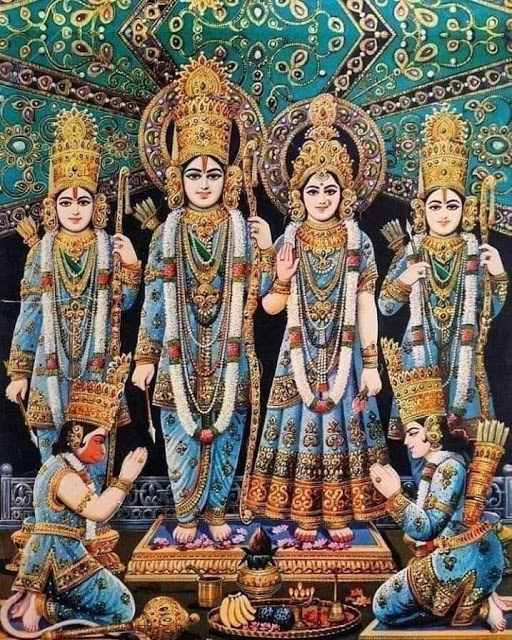
இராம – லக்ஷ்மணன் இரண்டாம் பிறவி
கிருஷ்ணன் – அர்ஜுனன் மூன்றாம் பிறவி
இணைபிரியாமல் இருக்கும் இரட்டையரை குறிப்பால் உணர்த்துகிறார் கவிஞர்.
சில விரிவுரையாளர்கள் நர நாராயணர்களுக்குப் பதிலாக, இந்திரன் – அர்ஜுனன், உபேந்திரன் – கண்ணன் என்று பொருள் கொள்வதுமுண்டு.
அடுத்து சீர் படைத்த கேண்மை என்ற சொற்றொடரால் அர்ஜுனனுக்கும் கண்ணனுக்கும் உள்ள நட்பைச் சிறப்பிக்கிறார் வில்லிப்புத்தூரார்.
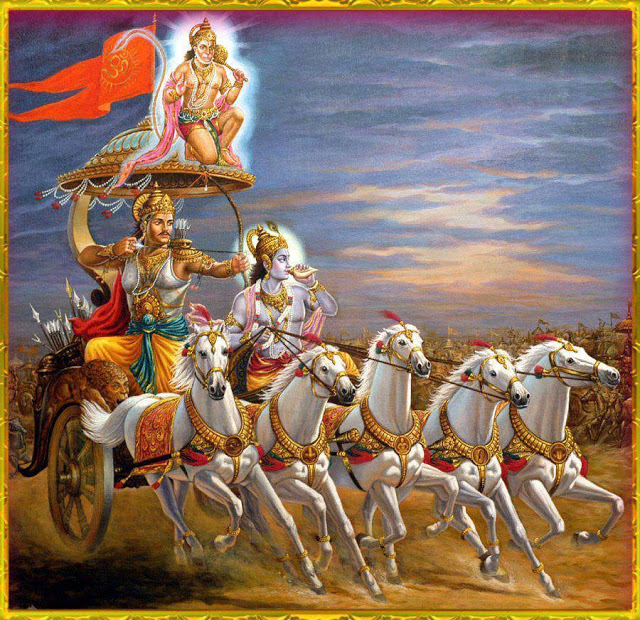
இருவரின் நட்பு சாதாரண நட்பு அன்று. ‘தேர் ஊர்தற்கு இசைந்து அருளும்’ நட்பு அது. கௌரவர்- பாண்டவர் போரில் – துரியோதனன் – அர்ஜுனன் போரில் – ஆயுதம் எடேன் என்று சூளுரைக்கும் பண்புள்ள நட்பு அது.
தேரை ஓட்டும் சாரதியாக இருப்பவன் கண்ணன். அவன் குதிரை முன் அமர்ந்து தேரை ஓட்டுவான்.
அவனுக்கு மேல் ஒரு படியில் அர்ஜுனன் இருப்பான்.
கடுமையான போர்க்களத்தில் தன் இஷ்டத்திற்குத் தக தேரை ஊர்ந்து செல்வதற்கு, தேர்ச் சாரதிக்கு அவன் எப்படி கட்டளை கொடுப்பான்?
க்ஷண நேரத்தில் தனக்கு தேர் எந்தப் பக்கம் போக வேண்டுமென்று கண்ணனுக்கு உணர்த்த கண்ணனின் இடது தோளிலும் வலது தோளிலும் காலை வைத்து அமுக்கி இடப் பக்கம் திருப்பு; வலப் பக்கம் திருப்பு என்று சொல்வான் அர்ஜுனன்.
இறைவனான கண்ணன் இங்கு எளியனாகி தன் நண்பன் தன் தோளின் மீது காலை வைக்க அருளும் அருள் பண்புக்கு ஈடு இணை எங்கேனும் உண்டா, என்ன?!
கண்ணன் செங்கண் மால்; கார்படைத்த நிறத்தோன்! அதாவது சிவந்த கண்களை உடைய திருமாலின் திரு அவதாரம். மேகம் போன்ற நிறம் படைத்தவன்.
இப்படிப்பட்ட பெருமை உடைய கண்ணனை கை கூப்பித் தொழுவாருக்கு என்ன பலன் கிடைக்கும்?
பிறப்பு என்பது பெருங்கடல். இந்த பிறவாழியை – பிறவிக் கடலைக் கடந்து அக்கரை அடைவர்!
ஒரு கடவுள் வாழ்த்தில் எத்தனை செய்திகள் அற்புதமாக விளக்கப்படுகின்றன! அது தான் வில்லிப்புத்தூரார்.
அது மட்டுமல்ல, இந்த கிருட்டிணன் தூதுச் சருக்கத்தில் உள்ள 264 பாடல்களில் ஏராளமான அற்புதச் செய்திகள் உள்ளன.
Pictures are taken from various sources for spreading knowledge; this is a non- commercial blog. Thanks for your great pictures.
tamilandvedas.com, swamiindology.blogspot.com
Sangam Tamil literature is 2000 years old. It has got about 2500 verses composed by over 450 poets . it spreads over a period of 400 years from first century BCE upto third century CE. All the 2500 plus poems are collected in 18 books. They are called Pathup pattu (ten long poems) and Ettuth thokai (8 anthologies).
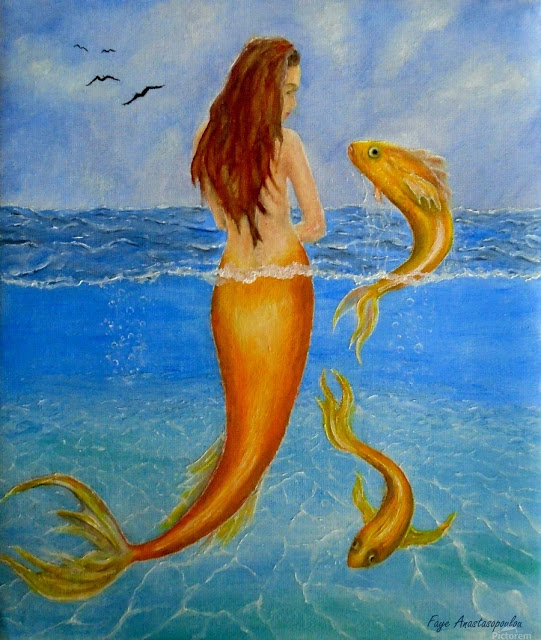
References to strange water nymphs are found in at least two books. They are in Akananuru and Kalittokai. This leads us to another interesting word in the Rig Veda. Tamil word ‘Neer’ for water is in the Rig Veda according to scholars of yester years. This water nymph references blasts their theory and shows the true colours of the word WATER/NEER.
‘Neer’ may NOT be a Tamil word because it is in ancient Greek language which is 800 years older than Tamil language according to available literatures.
First let us look at the interesting bits about TAMIL WATER NYMPHS.
In Akananuru, verse 370 was composed by poet Ammuvanaar. The poem is about lovers.
“Friend of the heroine says,
Hello my friend! you say if you go home , you will be under your father’s strict watch and you also say that you will die if you don’t see your lover. Let me give you some idea. You go and stand like a sea nymph on the sea shore. I will stand by your side as a dancer”.
The background of the poem is as follows-
The lover meets her very often but never proposes to her. One day he came during day time and was hiding, waiting for private meeting with the heroine/ lady love. Knowing that , but pretending not to see the lover, she (heroine’s friend) said the above thing. The meaning is that you wont see your heart throb any more during day time because all our farm work is finished and here afterwards we wont be able to come outside. During night time, there will be stricter security from her father; so propose now, get married soon and run away. That is the hidden meaning. All Tamil love poems have hidden meanings according to ancient commentators.
But our interest is in sea nymph and a dancer. Why should a dancer stand near a sea nymph? And who is a sea nymph? What is the word for sea nymph in Tamil and how come it is in Greek language?
Sea nymph or water nymphs are found in all cultures around the world. Tamils also believed in nymphs and angels residing in all water sources, hills and trees. We find them a lot in Sanskrit literature as well. An entire Tamil epic MANI MEKALAI is based on the sea farers’ goddess Manmekala. It is a Sanskrit word found in Sanskrit literature as well.
So they might have referred to one of such Manimekalas. But why should a dancer stand near by? Probably that type of paintings decorated the ancient Tamil world.
But I am more interested in the word for water nymph. The exact word used by the poet Ammuvanar is ‘Kadal Kezu Selvi’ – a sea woman/ sea goddess. But the ancient commentators used the word ‘Neer Ara Makalir’. ‘Neer’ means water and ‘Ara makalir’ means nymphs or heavenly ladies, angels etc.
The same word Nereids is used in Greek mythology for water nymphs. And Nereus is an old man of the sea. So NEER is water in Greek mythology. Since Greek is an Indo European language it is full of Sanskrit words and not Tamil words.
How are we going to explain the word ‘Neer’ in Greek?
‘Nar’ayana is also interpreted as one whose abode is NEER/water in Sanskrit. The puzzle can be easily solved if you accept my theory that Tamil and Sanskrit came from the same source. That is what Hindu literature also says. So linguists are wrong in saying that Neer was borrowed by Rig Vedic poets from Tamil. Neer/water belongs both to Sanskrit and Tamil. And the Tamils used it more because Sanskrit has 120 words for water.
Old Ananda Vikatan Dictionary also confirms Neer Ara Makalir is water nymphs .
Another Water Nymph!
In another Tamil book called ‘Kali Tokai’, poet Nallanthuvanaar says in Kali 131 verse,
“Look my darling, once your lover promised you by swearing on SEA GODDESS that he would never ever part (separate) from you. Now he is absent for a little while. And it is my duty to console you and convince you that he would be back soon”.
Words used by poet Nallanthuvanaar are ‘Kadal Theyvam’ (Sea Goddess; though Deivam is a Sanskrit word, Sangam poets freely use it)
From this verse we come to know about the swearing on and serious belief in a Sea Goddess. And in the Rig Veda we come across Sea God Varuna and the mysterious magical twins called Asvins doing umpteen miracles. In short Hindus from Sarasvati- Sindhu River to Vaigai in the South had similar beliefs.
Conclusion
Tamils believed in water nymphs and sea goddesses.
Word Neer is in Greek, Tamil and Sanskrit. Sanskrit is much more older than Tamil and Greek and both Greek and Tamil kept the word alive until recent times. Since Sanskrit has scores of words for water, they didn’t bother much about this single word NEER/water.
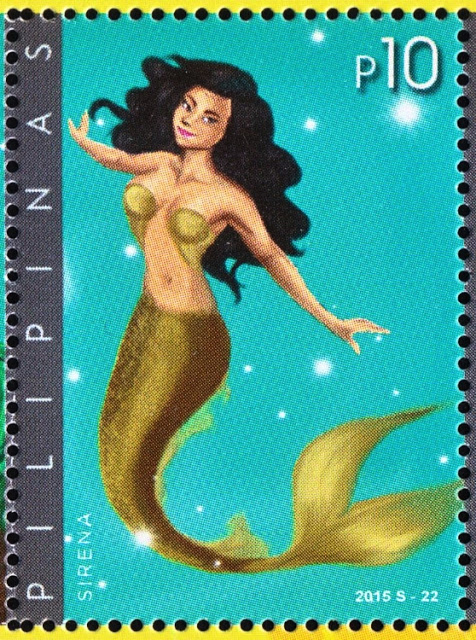
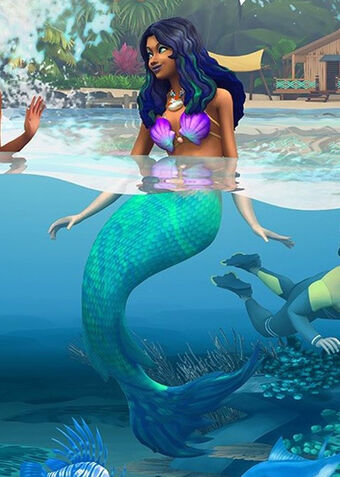
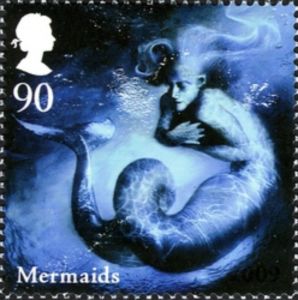
Sea nymphs and mermaids are in postage stamps around the world.
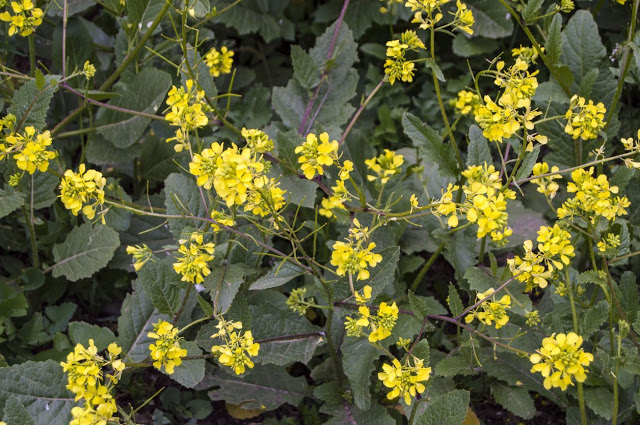
ஒரே சொல் மீண்டும் மீண்டும் வந்தால் ஓரிரு இடங்களில் மட்டுமே கட்டத்தில் இருக்கும். கொண்டு கூட்டி பொருள் கொள்க . விடை கீழே உள்ளது . சில நேரங்களில் படங்களைப் பார்த்தாலும் விடை காண உதவலாம்.
ANSWER
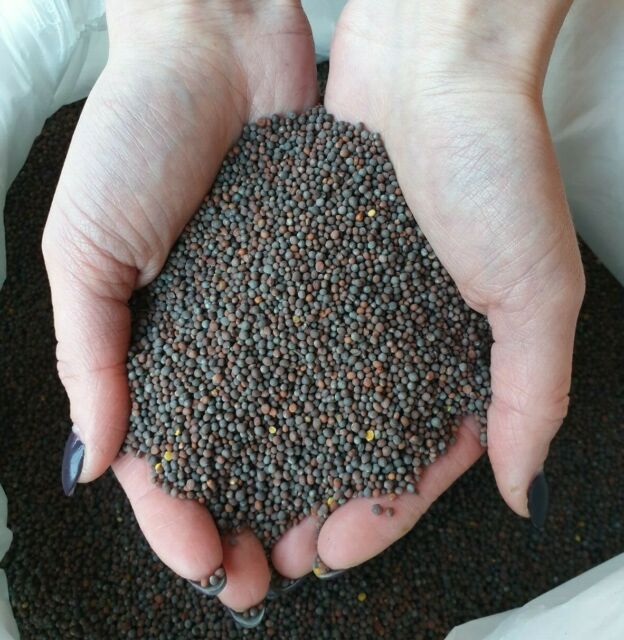
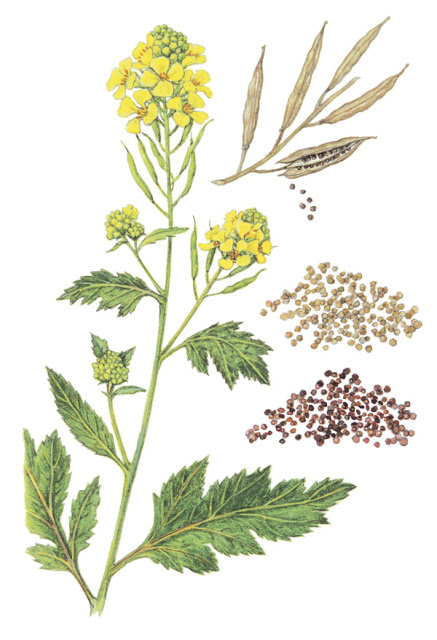
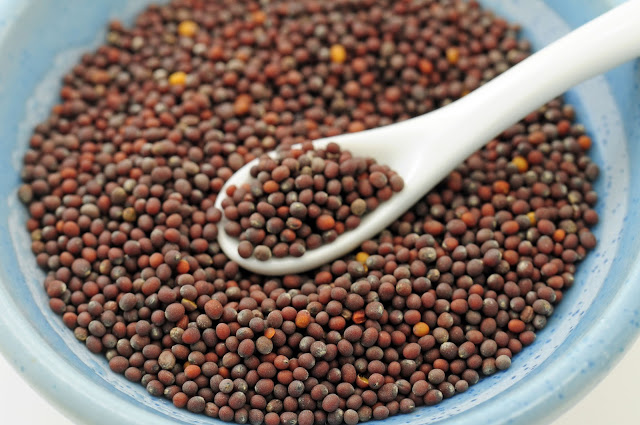
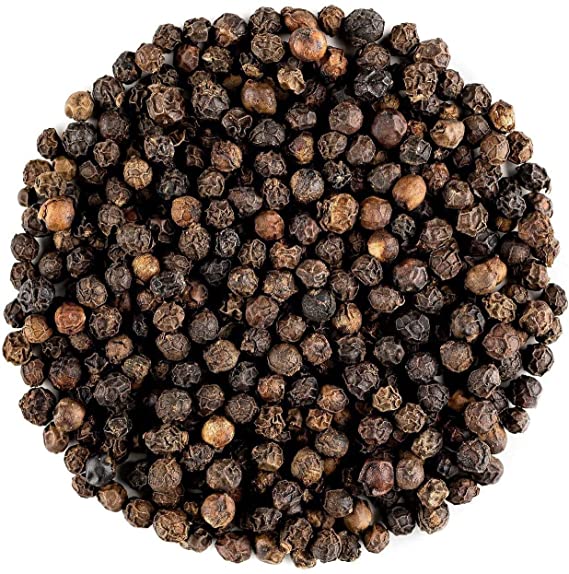
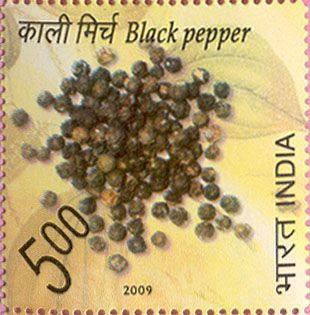
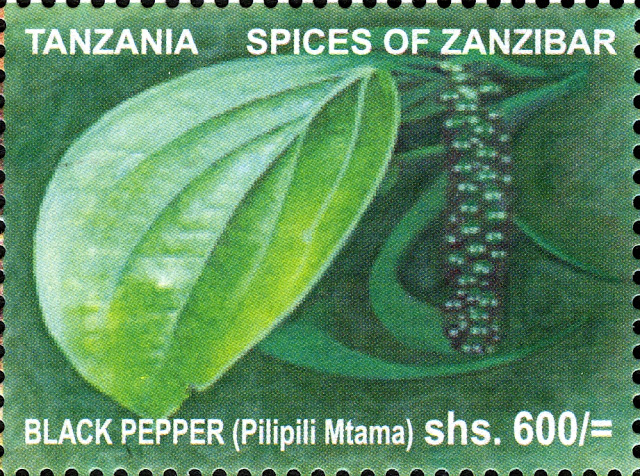
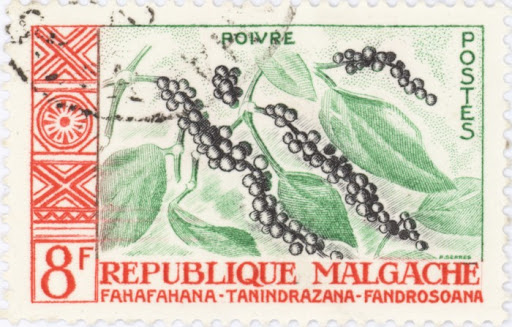
ஒரு மிளகுக்கு ஆற்றைக் கட்டி இறைத்த செட்டி
ஒரு மிளகும் நாலு உப்பும் போதும்
மிளகத்தனை பிள்ளையாருக்கு கடுகளவு நைவேத்தியம்
மிளகு சிறுத்தால் வீரியம் போகுமா ?
மிளகுப் பொடியோடே திருவாதிரை
Source book :–
பயன்படுத்திய நூல்- கழகப் பழமொழி அகர வரிசை, கழக வெளியீடு














 Tamil and Vedas