INDEX 17 எஸ்.நாகராஜன் கட்டுரை இன்டெக்ஸ் -17 (Post No.8376)

WRITTEN BY S NAGARAJAN                     

Post No. 8376

Date uploaded in London – – –21 July 2020   

Contact – swami_48@yahoo.com

Pictures are taken from various sources for spreading knowledge; this is a non- commercial blog. Thanks for your great pictures.

INDEX 17 எஸ்.நாகராஜன் கட்டுரை இன்டெக்ஸ் -17 (Post No.8376)

நமது பிளாக்கில் எஸ்.நாகராஜன் எழுதிய கட்டுரைகளின் பட்டியலை March 2015 முதல் வெளியிடுகிறேன். இது அகர வரிசைப்படி இல்லாவிடினும் இண்டெக்ஸ் INDEX போன்றதே.

இந்தப் பட்டியலை பிரிண்ட் செய்து வைத்துக் கொண்டால் உங்களுக்குத் பிடித்த கட்டுரைகளை நேரம் கிடைத்தபோது படிக்கலாம்

கட்டுரைகளை பிளாக்கில் பெறுவது எப்படி?

பிளாக்கிற்குப் போய் தேடுவதை விட கூகுளில் (google) தேடுவது எளிது. கட்டுரையின் தலைப்பை காப்பிcopy  செய்து கூகுளில் பேஸ்ட் paste செய்யுங்கள் அதன் பிறகு ஆங்கிலத்தில் from tamilandvedas.com  என்று எழுதி க்ளிக் (click) செய்யுங்கள்.

 from swamiindologly.blogspot.com

என்று எழுதியும் பெறலாம்.

எடுத்துக்காட்டு:

மோடி ஜி! தட்டிப் பார்த்தால் தங்கம்!!     from tamilandvedas.com

மோடி ஜி! தட்டிப் பார்த்தால் தங்கம்!!     from swamiindology.blogspot.com

நீங்கள் சிறு பிழை விட்டாலும் நீங்கள் எதிர்பார்த்தது கிடைக்காமல் வேறு விஷயம் வரும். அதில் நேரத்தை வீணடிக்காமல் மீண்டும் ஒரு முறை சரியாக எழுதி முயற்சி செய்யுங்கள். இரண்டு பிளாக்குகளில் ஒன்றில் கிடைத்து விடும்

கட்டுரை பெறுவதில் ஏதேனும் சிக்கல் இருந்தால் எங்களைத் தொடர்பு கொள்ளுங்கள் .
September 2015

1-9-15    2114    அப்பரின் அருமையான லாபரட்டரி!

2-9-15    2116    மஹாசக்தி அருள் பெற்ற மேலை நாட்டினர்!-ஞானஆலயம் செப்  

            15 கட்டுரை! 

3-9-15    2119    மனோசக்தியின் வலிமை – 1

4-9-15    2122    மனோசக்தியின் வலிமை – 2

5-9-15    2126    கண்ணன் எத்தனை கண்ணனடி!

6-9-15    2129     சார், நீங்க வெறும் தாஸா, லார்ட் லபக்தாஸா!

7-9-15    2132      மஹாகவி பாரதியார் பற்றிய நூல்கள் – 6 பாரதியார் பற்றி

             அமுதன் வானொலி உரை!

8-9-15    2136     அப்பரின் ஹஹ்ஹஹ்ஹா சிரிப்பு!

9-9-15    2141      உங்களுக்குப் பிடித்த ஐயோ பாடல் எது?

10-9-15  2143     பாரதியார் கவசம் அணியுங்கள்!

11-9-15   2146    மஹாகவி பாரதியார் பற்றிய நூல்கள் – 7 வ.ரா எழுதிய

             மஹாகவி பாரதியார்

12-9-15    2149   டொண்டொண்டொடென்னும் பறை!

 13-9-15   2154      3 ராமர்கள், 3 பரதர்கள், 6 கர்ணர்கள்!

14-9-15    2157    வால்டேரும் வள்ளுவரின் குறளும்!

15-9-15    2159    ஆறே பாடல்களில் பகவத் கீதை! இரண்டே அடிகளில் கீதையின் சாரம்!

16-9-15    2162     நையாண்டிப் பாடல்கள் – சம்ஸ்கிருதத்தில் – கலி விடம்பனா

17-9-15    2165    ஒரு லட்சம் ஸ்லோகங்கள், 2314 அத்தியாயங்கள் கொண்ட்

              உலகின் மாபெரும் நூல் மஹாபாரதம்!

18-9-15     2168    ஆனந்த விகடனும் தாயுமானவ கவசமும்!

19-9-15     2171   வசிஷ்டர் தரும் காலத்தை வென்ற ரகசியம்! – (யோக

              வாசிஷ்டம்)

20-9-15     2174     மொத்தம் எத்தனை கடவுள்?

21-9-15     2176     வள்ளுவராலும் பதில் சொல்ல முடியாத கேள்வி!

22-9-15     2180      நம் பந்தம் போக்க வந்த சம்பந்தர்!

23-9-15     2182      கடவுளுக்கு சவால்! குரங்கு அடிக்கப் போன ஷேக்ஸ்பியரின்

              கதை!

24-9-15    2184       இயேசு இறந்தது காஷ்மீரிலா – 1

25-9-15    2187      இயேசு இறந்தது காஷ்மீரிலா – 2    

26-9-15    2189      மனிதரில் எத்தனை வகை – வள்ளுவரின் பதில்!

27-9-15    2192     மஹாகவி பாரதியார் பற்றிய நூல்கள்- 8 பி.மஹாதேவன்  

             எழுதிய ‘Subramanya Bharathi-Patriot and Poet’

28-9-15    2194     கண்ணாடி முன்னர் ஷேக்ஸ்பியரும், கம்பனும்!

29-9-15    2198     டெலிபதி மூலம் செய்திகளைப் பரிமாறும் காலம் வருகிறது!

             (பாக்யா 18-9-15 அ.து 239)

30-9-15    2201     பூமியைக் காப்பாற்றுங்கள் – ஒரு விண்வெளி வீரரின் உருக்கமான உரை!
October 2015

1-10-15    2204   Voice of Senses! (ezine article dt 29-9-15)

2-10-15    2207    கனவில் கண்ட உலக சரித்திரம்-ஞானஆலயம் அக் 15 கட்டுரை! 

2-10-15    2208    மஹரிஷியும் மஹாத்மாவும்!

3-10-15    2210     சர்க்கஸுக்குப் போன பரமஹம்ஸர்!

4-10-15    2213   மஹாகவி பாரதியார் பற்றிய நூல்கள் – 9 ரா.அ. பத்மநாபனின்

             ‘பாரதியார் கவிநயம்’

5-10-15    2216     ஒரே பாட்டில் சம்பந்தரின் அருட்செயல்கள்!

6-10-15    2218       போப் சாப்பிட்ட பீஸ்ஸா!

7-10-15    2221       இறைவனை எப்படி விளக்குவது? – ஆழ்வார் அமுதம்!

8-10-15    2224     பிரேதக் கடத்தல்! (பாக்யா 25-9-15 அ.து. அத் 240)

 9-10-15   2228      பரமஹம்ஸர் கூறிய மூன்று மந்திரங்கள்!

10-10-15  2231    God is not Dead!

11-10-15  2234    நமது கேள்விகளும், அப்பர் பதில்களும்!

12-10-15   2237   தேவி, அருள் புரி!

 13-10-15   2240      ஆக்னேயாஸ்திரம், பிரம்மசிரஸ்!   

14-10-15    2242    இறைவன் ஏமாந்தான்! சதுரன் யார்? மணிவாசகரின்

               ஹஹ்ஹா

15-10-15    2245    உலக சரித்திரத்தை மாற்றி அமைத்த காலநிலை -1

              (பாக்யா 2-10-15 அ.து. அத் 241)

16-10-15    2247     உலக சரித்திரத்தை மாற்றி அமைத்த காலநிலை – 2

              (பாக்யா 9-10-15 அ.து. அத் 242)

17-10-15    2250    தலாய்லாமாவிடம் ஒரு திடுக்கிடும் கேள்வி கேட்ட விஞ்ஞானி!

               (பாக்யா 16-10-15 அ.து. அத் 243)

18-10-15     2253    வெகுண்டெழுந்த அப்பர் விரட்டுவது எவற்றை?

19-10-15     2256   சொல்லுக்குள் ஜோதி காணுங்கள்!

20-10-15     2259     Akashic Records!

21-10-15     2261     விரைந்து செய்ய வேண்டிய மூன்று செயல்கள் (குறள் தெளிவு)

22-10-15     2264      மேடம் ப்ளாவட்ஸ்கி நிகழ்த்திய அற்புதங்கள்!

23-10-15    2266      ஷீனா ஐயங்காரின் ஜாம் ஸ்டடி! (பாக்யா 23-10-15 அ.து. 244)

24-10-15    2268       Animals and Psyhic Powers!

25-10-15    2271      Gothe’s Strange Experiences!      

26-10-15    2274      கவிஞன் தன் குறிப்பைச் சொல்லும் தற்குறிப்பேற்ற அணி!

27-10-15    2277     Counting Horse : The mathematical wonder of Animal World!

28-10-15    2280     Millions of Vivekanandas will appear!

29-10-15    2283     Musical Mediums!

30-10-15    2285     ஐன்ஸ்டீன் வாழ்க்கை தரும் பாடங்கள்!

31-10-15    2288     காலம் என்னும் மர்மம் – 1
November 2015

1-11-15    2291   காலம் என்னும் மர்மம் – 2   

2-11-15    2293    காலம் என்னும் மர்மம் – 3  

3-11-15    2296    மறுபிறப்பு பற்றி பிரமுகர்கள் நம்பிக்கை!

                                 (பாக்யா 30-10-15 கட்டுரை)

4-11-15    2298   மஹாகவி பாரதியார் பற்றிய நூல்கள் – 10 கு.ப.ரா., சிட்டி

             எழுதிய ‘கண்ணன் என் கவி’    

5-11-15    2301     கன்னியருக்கும் இளைஞர்களுக்கும் அறிவியல் தரும்

             ஆலோசனை! (பாக்யா அ.து.) 

6-11-15    2305       பிளாஸ்டிக் பொருள்களால் ஏற்படும் அபாயம்!

7-11-15    2307       தேனிக்களை அழிக்கும் ‘பேப்பர் கப்புகள்’!

 8-11-15    2310     அன்னை பூமியின் உரிமைகளுக்கு ஒரு சட்டம்!

 9-11-15   2313      காற்றையும் நீரையும் தூய்மையாக இருக்கும் படி காப்போம்!

10-12-15  2316    மஹாகவி பாரதியார் பற்றிய நூல்கள் – 11

              பி.ஸ்ரீ. யின் ‘பாரதி – நான் கண்டதும் கேட்டதும்’

11-11-15  2319    பசுமை இயக்கம் பரவட்டும்!

12-11-15   2322   உத்வேகமூட்டும் ஒரு காட்டின் கதை!

 13-11-15   2325      பல்லுயிர்ப் பெருக்கத்தைப் பாதுகாப்போம்!

14-11-15    2327    தட்ப வெப்பநிலை மாற்றத்தால் ஏற்படும் அபாயம்!

15-11-15    2330    பவளத்திட்டுகளைப் பாதுகாப்போம்!

16-11-15    2333     கார்பன் மானாக்ஸைடு தரும் அபாயம்!

17-11-15    2336    விஞ்ஞானிகளை வியக்க வைத்த ‘கணக்குப் போடும் குதிரை’

               (பாக்யா 13-11-15)

18-11-15     2338    புவி வெப்பத்தால் சுருங்கும் தாவரங்களும், மீன் வகைகளும்!

19-11-15     2341   புவி வெப்பத்தால் பாதிக்கப்படும் பருவநிலை!

20-11-15     2344     அழிந்து வரும் மழைக்காடுகள்!

21-11-15     2347      உருகிவரும் பனிப்பாறைகளும், உயரும் கடல்நீர் மட்டமும்!

22-11-15     2350      பாபாவின் அருள் விளையாடல்கள்! (ஞான ஆலயம்        

               நவம்பர் 2015 கட்டுரை)

23-11-15    2353      கார்பன் தரும் சவால்!

24-11-15    2356       மரங்கள் மடியும் அபாயம், விழிப்புணர்வு தேவை!

25-11-15    2359     ஒளியீரி (LED) விளக்குகளுக்கு மாறுவோம்!      

26-11-15    2362      காற்றில் மாசை ஏற்படுத்துவது வாகன நச்சுப்புகையே!

27-11-15    2365     ஓஸோன் உறைப் பாதுகாப்பின் அவசியம்!
December 2015

  8-12-15    2371     ஆவிகள் மூலம் அற்புத இசை! (பாக்யா 27-11-15 அ.து.)

  9-12-15    2374      கணக்குப் போடும் நாய்! (பாக்யா 4-12-15 அ.து.)

10-12-15    2376    ஆர்க்டிக் பனி உருகுகிறது!

11-12-15    2380   மஹாகவி பாரதியார் பற்றிய நூல்கள் – 11 கல்கியின் ‘பாரதி  

              பிறந்தார்’

12-12-15    2382   மாவீரர்கள் சத்ரபதி சிவாஜியும் அலெக்ஸாண்டரும்!

 13-12-15   2385      பூமியின் வெப்பம் விநாடிக்கு விநாடி அதிகரிக்கிறத்!

14-12-15    2389    நட்சத்திரப் பாடல்! (தமிழ் என்னும் விந்தை)

15-12-15    2392    காற்றின் அசுத்தம் : ஐந்தாவது ஆட்கொல்லி!

16-12-15    2395     ஸ்வாமி விவேகானந்தரும் நெப்போலியனும்!

17-12-15    2398    ஆவி உலக எழுத்தாளர்கள்! ஆவி உலக அதிசயங்கள்!

               (பாக்யா 18-12-15)

18-12-15     2402    கவிஞர்களின் பார்வையில் சீதை, ராமன்,

              சுக்ரீவன்! (சம்ஸ்கிருதச் செல்வம்)

19-12-15     2404   தமிழுக்கு அரசர் திருநாவுக்கரசர்!

20-12-15     2407     இராவணனைப் பற்றிய இரு சுவையான பாடல்கள்!

               (சம்ஸ்கிருத செல்வம்)

21-12-15     2410      மறுபிறப்பு பற்றி ஆராய்ந்த மாபெரும் விஞ்ஞானி!

               (பாக்யா 11-12-15 பாக்யா கட்டுரை)

22-12-15     2413      ஆசிர்வாதம் பலவிதம்! ஒவ்வொன்றும் ஒரு விதம்!!

               (சம்ஸ்கிருத செல்வம்)

23-12-15    2417      முஸ்லீம்களே உணர்வீர்களா,உலகப் போக்கை! – 1

24-12-15    2419       முஸ்லீம்களே உணர்வீர்களா,உலகப் போக்கை – 2

26-12-15    2427      சுபாஷித இலக்கியம்!

27-12-15    2430      மரகதஜோதி வீரன் அர்ஜுனன், இராமனே! (வில்லி பாரதம்)

27-12-15    2433      சிலைகளைக் கும்பிடுவது சரியா? ரமணரின் பதில்!

28-12-15    2435      The Efficacy of Mantras!

29-12-15    2437      சிவபக்தன் அர்ஜுனன் (வில்லி பாரதம்)

30-12-15    2440      ஹிந்து முஸ்லீம் ஒற்றுமை!     

31-12-15    2443      பிரார்த்தனை செய்வது எப்படி?          

tags – INDEX 17, எஸ்.நாகராஜன், கட்டுரை இன்டெக்ஸ் -17,

tags –INDEX 17, எஸ்.நாகராஜன், கட்டுரை இன்டெக்ஸ் -17,

to be continued……………………………………………………………………………….
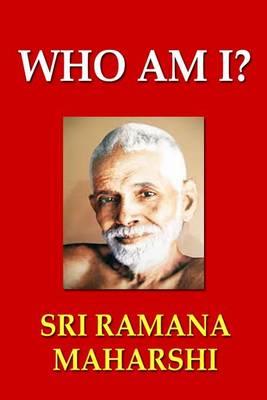
RAMANA : LESSONS FOR DAILY LIVING – 1 (Post No.8375)

WRITTEN BY R. NANJAPPA                        

Post No. 8375

Date uploaded in London – – – 21 July 2020   

Contact – swami_48@yahoo.com

Pictures are taken from various sources for spreading knowledge; this is a non- commercial blog. Thanks for your great pictures.

RAMANA : LESSONS FOR DAILY LIVING – 1

                                                   R. Nanjappa

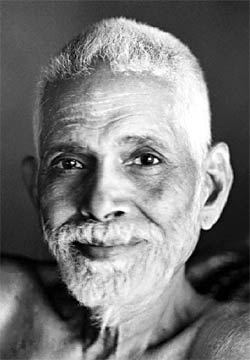
Bhagavan Ramana was a Sage, Jnani. Naturally, one would expect him to teach us spirituality. Surprisingly, he never ‘taught’ anyone anything for 54 years! 

Spiritual lessons

It may look surprising. But this is a fact. He never even once asked anyone to follow his teaching. He never even once criticised anyone for their views. He said something only when people approached him on their own and asked. Even then, he responded to what they said, never forcing his views on anyone in any matter. We observe this clearly from the “Talks”.

Most people who approached him with doubts or difficulties would be following some path or tradition or sadhana. Or they might have learned some philosophy, and developed doubts. Bhagavan would strengthen each one in his own sadhana, in his own tradition. He would explain that on their own terms, at their own level. He would point out how all sadhanas finally ended with the annihilation of the ego, or finding the true Self. But he never even once asked anyone to take up that path. He would point out the truth as He knew it. It was for people to follow what they would.

Someone would say he was doing Gayatri. Bhagavan would say that it was the highest mantra in our sastras. Someone would ask whether Nama japa was effective. Bhagavan would confirm its effectiveness, but also add that it must have been received in the proper manner! To a Christian seeker, he would point out how in the entire Bible only the words “I AM THAT I AM” is printed in capital letters! To a Muslim questioner, he would say that Islam meant obedience to the will of God; if they did obey, they would get ‘salam’- peace! (Surrender is the second teaching of Bhagavan, along with enquiry into ‘Who Am I’.)

He would not answer idle curiosity or theoretical arguments. Once a young man came and after relating all that he had done, asked ‘Which way  should  I go?”. Bhagavan simply said: “Go the way you came”. Bhagavan was then leaving the hall. The young man was upset; but the devotees in the hall explained that his words actually meant that he should trace the thought of ‘I’ that he mentioned to its origin- trace it i.e get back to its source!

The problem with Bhagavan was that he was bound by the devotee. He responded at their own level. Most were casual visitors, from orthodox traditions- smarta (Sankarite), Saivas, Vaishnavas, etc and they asked questions from that background. He would therefore answer them accordingly. Very few persons ever cared to ask him for his teaching! Sadhu Om once pointed out that this was like a school boy asking an eminent scientist like Einstein who visited the class, about some doubt in his homework, instead of asking the scientist what he had himself discovered!  

Sadhu OM

His writings, in Tamil, provide authentic exposition of Bhagavan’s works- drawn from internal sources, without reliance on any external authority. English translations, by Michael James are available for some of them.

Most people in the Asramam did not follow the method of ‘Self Enquiry’! But when a serious seeker like Muruganar pointedly asked him about the nature of Reality and the way to attain it (meiyin yiyalbum athai mevum tiranum- மெய்யின் இயல்பும் அதை மேவும் திறனும்), we got the Forty Verses on Reality! In fact, everything that Bhagavan ever wrote or said was in response to a serious questioner. Only two hymns on Arunachala came to him on their own,

literally forced themselves on him! He said they would not leave him until he wrote them down! But Bhagavan’s real method of instruction was not through words but “by silent influence on the Heart”,as Arthur Osborne pointed out. For those devotees who followed his method and totally depended on him, Bhagavan did give specific directions.

                            ***                 to be continued

tags – Ramana lessons-1

பண்டிதராஜ ஜகந்நாதரின் ரஸ கங்கா! (Post No.8374)

WRITTEN BY S NAGARAJAN                                    

Post No. 8374

Date uploaded in London – – –21 July 2020   

Contact – swami_48@yahoo.com

Pictures are taken from various sources for spreading knowledge; this is a non- commercial blog. Thanks for your great pictures.

சம்ஸ்கிருதச் செல்வம்!

பண்டிதராஜ ஜகந்நாதரின் ரஸ கங்கா!

ச.நாகராஜன்

பெரும் கவிஞரான பண்டிதராஜ ஜகந்நாதர் 17ஆம் நூற்றாண்டில் வாழ்ந்தவர்.

அக்பர் காலத்தவர்.

இவர் வாழ்க்கையே அதிசயமான ஒன்று. தெலுங்கு பிராமணரான இவர் காந்த்ரிகா (உபத்ரஸ்தா) குடும்பத்தைச் சேர்ந்தவர். பெரும் கவிஞர். சம்ஸ்கிருத அறிஞர். இசை வல்லுநரும் கூட. ஆந்திர பிரதேசத்தில் கிழக்கு கோதாவரி மாவட்டத்தில் உள்ள முன்கண்டாவைச் (பழைய கால பெயர் முனிகண்ட அக்ரஹாரம்) சேர்ந்தவர். பின்னால் வாரணாசியில் வாழ்ந்து வந்தார்.

பண்டிதராஜர் என்ற பட்டத்தை ஷாஜஹான் இவருக்குச் சூட்டினார்.

ஜிஹாங்கீர் மற்றும் ஷாஜஹானின் அரசவையில் இவர் அங்கம் வகித்தார்.

இவரைப் பற்றிய அதிசய வரலாறு ஒன்று உண்டு.

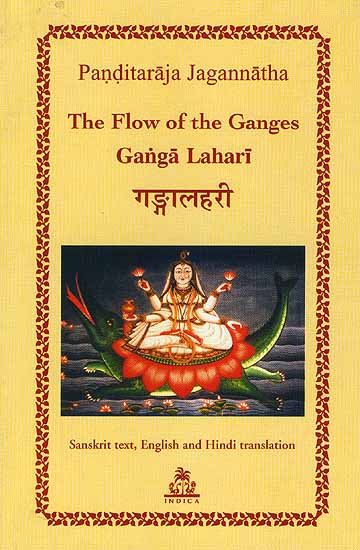
இவர் இயற்றிய கங்கா லஹரி 52  ஸம்ஸ்கிருத ஸ்லோகங்களைக் கொண்டது.

ஷாஜஹானின் மகளான லவங்கிகாவும் இளவரசன் தாரா சுகோஹும் இவருடன் நெருங்கிய தொடர்பைக் கொண்டிருந்தனர்; இவரிடமிருந்து நிறைய சம்ஸ்கிருத நூல்களைக் கற்றனர்; ஹிந்து பண்பாடு பற்றி அறிந்து கொண்டனர்.

இந்த நெருங்கிய தொடர்பு டெல்லி மக்களிடையே இவர் லவங்கிகாவுடன் முறையற்ற தொடர்பு கொண்டிருப்பதாக தவறான வதந்தியைப் பரப்பியது.

ஷாஜஹான் ஜகந்நாத பண்டிதரை இஸ்லாமுக்கு மாறி தன் மகளை மணம் செய்து கொள்ளுமாறு கூறினான். ஆனால் அவர் அதற்கு இசையவில்லை; மறுத்து விட்டார்.

கங்கை நதிக் கரையில் உண்ணாவிரதத்தை ஆரம்பித்த ஜகந்நாதர் கங்காநதியைத் தாயெனக் கருதி தினமும் ஒரு ஸ்லோகத்தைப் புனைந்து பாட ஆரம்பித்தார். ஒவ்வொரு ஸ்லோகம் முடிந்தவுடனும் கங்கா நதியின் ஜலம் சிறிது உயரும். படிப்படியாக இப்படி 52 நாட்கள் ஜலம் உயர்வது நிகழ்ந்தது. கங்கா தசரா என்பது ஜேஷ்ட சுத்தா எனப்படும் ஒன்று முதல் பத்து நாட்களைக் கொண்டது. இதன் முடிவில் ஜகந்நாதர் தன்னை கங்கா தேவிக்கு அர்ப்பணித்துக் கொண்டார். நதியில் இறங்கிய அவர் தன் உயிரை கங்கா மாதாவுக்கு அர்ப்பணித்தார். கங்கா நதியுடன் ஐக்கியமானார்!

அருமையான செய்யுள்களைக் கொண்ட கங்கா லஹரி இப்போதும் படிக்கக் கிடைக்கிறது.

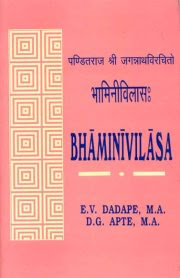
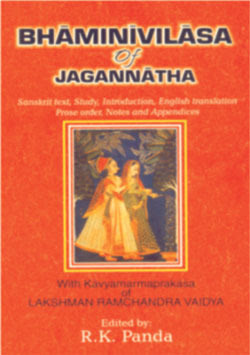
இவர் இயற்றிய நூல்களில் பாமினி (பாமினி என்றால் பேரழகி என்று பொருள்) விலாஸம் குறிப்பிடத் தகுந்த ஒன்று.

பர்த்ருஹரி நீதி சதகம்,ச்ருங்கார சதகம், வைராக்ய சதகம், என்று நூறு நூறு பாடல்களைக் கொண்ட மூன்று (த்ரயி) சதகங்களை இயற்றியது போல் இவர்  பாமினி விலாஸத்தை நான்கு விலாஸங்களாக – நான்கு பகுதிகளாகப் – பிரித்துள்ளார்.

முதல் விலாஸமான அன்யோக்தி விலாஸா நீதிகளைக் கூறும் ஒன்று. இதில் 100 முதல் 130 ஸ்லோகங்கள் உள்ளன.

இரண்டாவது விலாஸமான ச்ருங்கார விலாஸாவில் 101 முதல் 184 ஸ்லோகங்கள் உள்ளன.

மூன்றாவது விலாஸம் கருணா விலாஸம். இதில் மறைந்து போன பேரழகிக்கான இரங்கல் கீதங்களை 18 மற்றும் 19ஆம் பாடல்களில் காணலாம்.

வைராக்யத்தை விவரிக்கும் நான்காவது விலாஸமான சாந்த விலாஸத்தில் கிருஷ்ணரைத் துதி செய்யும் (31 முதல் 46 வரை) ஸ்லோகங்கள் உள்ளன.

ஒவ்வொரு கைப்பிரதியிலும் ஒவ்வொரு எண்ணிக்கையில் ஸ்லோகங்கள் உள்ளன. இவற்றில் நான்கில் ஒரு பகுதி இடைச்செருகல் எனலாம். எவற்றை ஜகந்நாதர் இயற்றினார் எவற்றை மற்ற கவிஞர்கள் ‘சொருகினார்கள்’ என்பதைச் சொல்ல இயலவில்லை. பாமினி விலாஸத்தில் முதல் மற்றும் நான்காம் விலாஸங்கள் மட்டுமே பிரசுரிக்கப்பட்டுள்ளன.

இவர் அவசிஸ்டான்யோக்தி, ரஸ கங்காதரம் உள்ளிட்ட நூல்களையும் இயற்றியவர்.

யமுனையைப் போற்றும் 10 ஸ்லோகங்களைக் கொண்டுள்ள அம்ருத லஹரி,

சூர்யனைத் துதிக்கும் 30 ஸ்லோகங்களைக் கொண்டுள்ள சுதா லஹரி, கங்கையைத் துதிக்கும் 53 ஸ்லோகங்களைக் கொண்டுள்ள கங்கா லஹரி,

கிருஷ்ணரைத் துதிக்கும் 60 ஸ்லோகங்களைக் கொண்டுள்ள கருணா லஹரி,

லக்ஷ்மியைத் துதிக்கும் 40 ஸ்லோகங்களைக் கொண்டுள்ள லக்ஷ்மி லஹரி,

ஆகிய ஐந்து ஸ்தோத்திரங்களையும் இவர் இயற்றியுள்ளார்.

ஏராளமான சுவையான இவரது பாடல்களில்,

‘ரஸகங்கா’வில் வரும் ஒரு ஸ்லோகத்தை இங்கே காணலாம்:

கிம் தீர்த்தம் ஹரிபாதபத்யமஜனம் கிம் ரத்னமச்சா மதி:

    கிம் சாஸ்த்ரம் ஸ்ரவணேன யஸ்ய கலதி த்வைதாந்தகாரோதய: |

கிம் மித்ரம் சததோபகாரரஸிகம் தத்வாவதோக: சகே

    க: சதுர்வித கேததானகுஷலோ துர்வாஸனானாம் ச ய: ||

எது தீர்த்தம்? (எது யாத்திரை?) – ஹரியின் பாதத்தில் பக்தியைச் செலுத்துவதே!

எது ரத்னம்? கூரிய புத்தியாகும்.

எது சாஸ்த்ரம்? எதைக் கேட்பதால் த்வைதம் என்ற இருள் போகிறதோ அதுவே சாஸ்த்ரம்.

யார் நண்பன், எப்போதும் உதவத் தயாராக இருப்பவன்?

 மெய்ப்பொருளைத் தரும் அறிவு.

யார் எதிரி, துன்பம் தருவதில் நிபுணன்? துர்வாஸனைகளின் (தீய நோக்கங்களின்) மொத்த தொகுதியே!

ஆங்கில ஆக்கம் :

What is the (real) place of pilgrimage? Devotion to the lotus-feet of Hari.

What is the jewel? Keen intellect.

What is the philosophy? That through the listening of which the darkness of dualism  is dispelled.

Who is the friend, ever intent to help?  Knowledge of Reality.

Friend, who is the enemy, expert in giving pain? The  multitude of evil inclinations.

                                               (Translation by K.V. Sarma)

மாதிரிக்கு ஒரு கவிதையைப் பார்த்தோம்.

நூற்றுக் கணக்கில் உள்ள பண்டிதராஜ ஜகந்நாதரின் கவிதைகளை ரஸிக்க முடிவது பெரும் பாக்கியமே!

tags – பண்டிதராஜ ஜகந்நாத,  ரஸ கங்கா

***

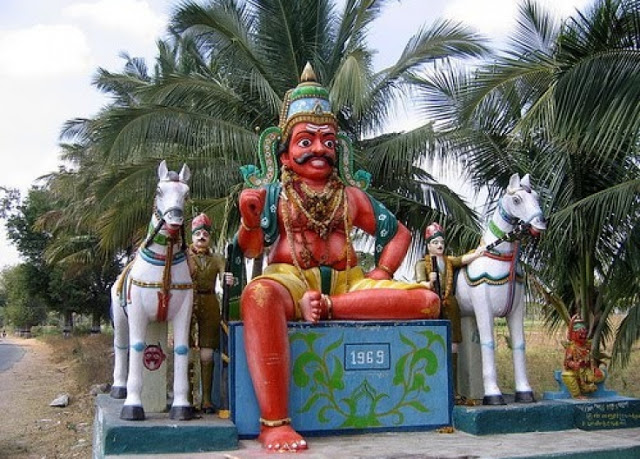
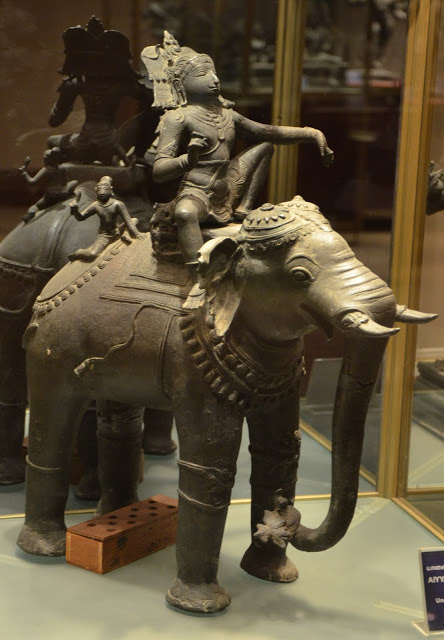
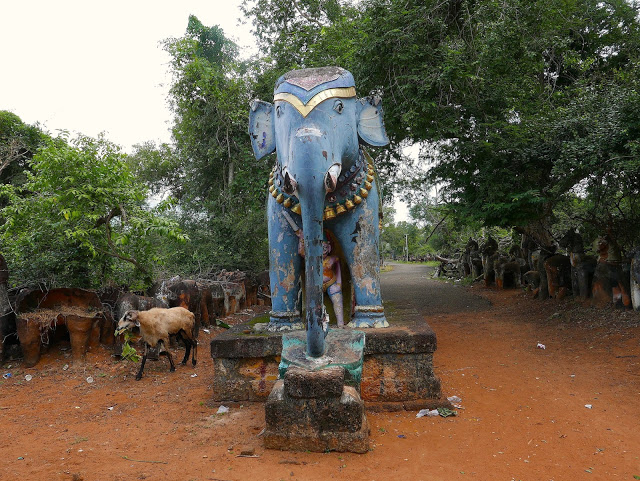
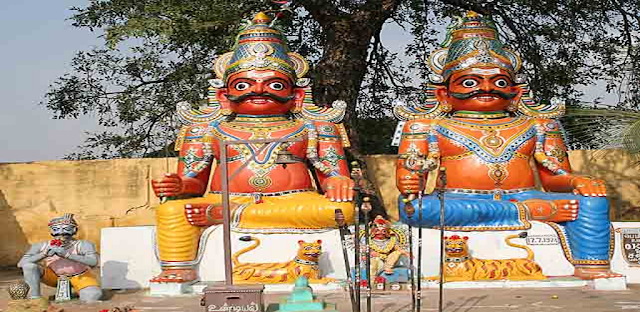
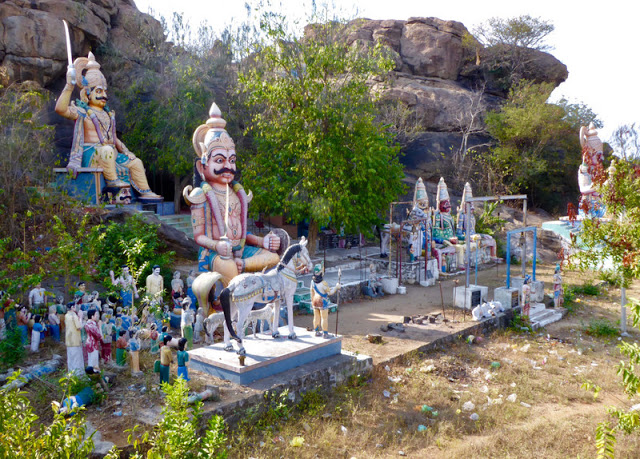
ஐயனார் பற்றிய 5 பழமொழிகளைக் கண்டு பிடியுங்கள் (Post No. 8373)

WRITTEN BY LONDON SWAMINATHAN

Post No. 8373

Date uploaded in London – 20 July 2020   

Contact – swami_48@yahoo.com

Pictures are taken from various sources for spreading knowledge; this is a non- commercial blog. Thanks for your great pictures.

tamilandvedas.com, swamiindology.blogspot.com

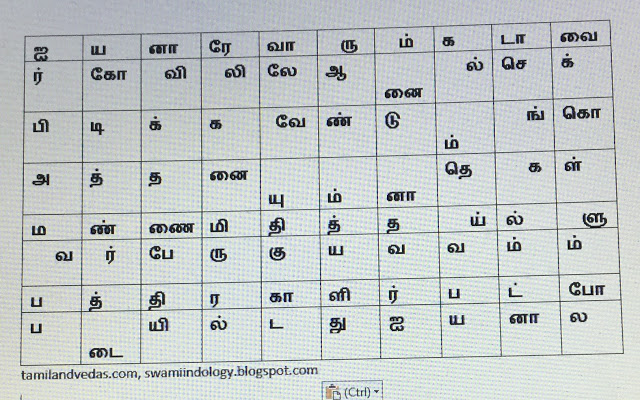
ஒரே சொல் மீண்டும் மீண்டும் வந்தால் ஓரிரு இடங்களில் மட்டுமே கட்டத்தில் இருக்கும். கொண்டு கூட்டி பொருள் கொள்க . விடை கீழே உள்ளது . சில நேரங்களில் படங்களைப் பார்த்தாலும் விடை காண உதவலாம்.

ANSWER

1.ஐயனாரே வாரும் கடாவைக்  கொள்ளும்

2.ஐயனார் கோவிலிலே ஆனை பிடிக்கவேண்டும்

3.ஐயனார் கோவில் செங்கல் அத்தனையும் தெய்வம்

4.ஐயனார் கோவில் மண்ணை மிதித்தவர்  அத்தனைபேரும் பத்திரகாளி

5.ஐயனார் படையில் குயவனார்  பட்டது போல

Source book :–

பயன்படுத்திய நூல்- கழகப் பழமொழி அகர  வரிசை, கழக வெளியீடு

Tags- ,  பழமொழிகள், ஐயனார்

கடல் கெழு செல்வி யார் ? அகநானூற்றில் ஒரு புதிர் (Post No.8372)

WRITTEN BY LONDON SWAMINATHAN

Post No. 8372

Date uploaded in London – 20 July 2020   

Contact – swami_48@yahoo.com

Pictures are taken from various sources for spreading knowledge; this is a non- commercial blog. Thanks for your great pictures.

tamilandvedas.com, swamiindology.blogspot.com

கடல் கெழு செல்வி யார் ? அகநானூற்றில் ஒரு புதிர்

அக நானூறு என்பது சங்க இலக்கியத்தில் ஒரு நூல். 18 ‘மேல் கணக்கு’ நூல்களில் ஒன்று; 2000 ஆண்டு பழமையுடைத்து; இதில் ஒரு அதிசயச் செய்தி வருகிறது. அது ரிக் வேதம், கிரேக்க நாட்டு இலக்கியம் தொடர்புடையது. நீர் என்பது தமிழ்ச் சொல்லா அல்லது சம்ஸ்கிருதத் சொல்லா என்னும் புதிரை விடுவிக்கிறது.

முதலில் பாடலைப் பார்த்துவிட்டு ஆராய்ச்சியில் புகுவோம்.

பாடல் எண் 370; பாடியவர் – அம்மூவனார்

கடல்கெழு செல்வி கரை நின்றாங்கு

நீயே கானல் ஒழிய , யானே

வெறிகொள் பாவையின் பொலிந்த என் அணி துறந்து

ஆடு மகள் போலப் பெயர்தல்

ஆற்றேன் தெய்ய ; அளக்க இவ்வூரே “

பொருள்

காதலியைக் காண காதலன் பகல் நேரத்தில் வந்தான். அவன் இப்படி அவ்வப்பொழுது I LOVE YOU ‘ஐ லவ் யூ’ சொல்லிவிட்டு நைசாக நழுவுவது தோழிக்குப் பிடிக்கவில்லை. இப்படி எத்தனை பெண்களோடு அவன் போகிறானோ என்று அவளுக்கு ஒரு ஸம்சயம் (DOUBT) ; அவனை நான் உன்னை கல்யாணம் செய்துகொள்வேன் என்று ‘ப்ராமிஸ்’ (PROMISE) செய்ய வைக்க வேண்டும் என்பது தோழியின் ஆசை. ஆகையால் அவன் வந்தது தெரியாதது போல பாவலா / பாவனை (PRETEND) செய்து இப்படிக்  கூறுகிறாள்.

“தோழியே! இரவில் வீட்டுக்குப் போனால் தந்தையின் கடுமையான பாதுகாப்பில் சிக்கிவிடுவேன்; காதலனைக் காண முடியாது ; அதனால் இறந்து விடுவேன் என்கிறாய். நன் ஒரு (IDEA) ஐடியா சொல்கிறேன். நீ அந்திக் காலத்துக் கடல் தெய்வம் (SEA NYMPH OR SEA GODDESS)  கரையில் நின்றாற்போல் நிற்பாயாக. ; யானும் ஆடுமகள் / (DANCER)  டான்ஸர் போல நின்னுடன் இருப்பேன்.”

இதில் அம்மூவனார் சொல்லும் ‘கடல்கெழு செல்வி’ (SEA NYMPH) யார் எதற்காக டான்சர்/DANCER அவளுடன் இருக்கிறாள் என்பதே புதிர்.

இதில் பழைய உரைகாரர்கள் கடல்கெழு தெய்வம் என்பதற்கு ‘நீரர மகளிர்’ (WATER NYMPHS) என்று எழுதியுள்ளனர். ‘நீரர மகளிர்’ என்பதற்கு நீரில் வாழும் தெய்வங்கள் என்று ஆனந்த விகடன் தமிழகராதி கூறுகிறது. கிரேக்க புராண அகராதி  (DICTIONARY OF MYTHOLOGY)  முழுதும் ‘நேர், நெற்’  என்பதெல்லாம் தண்ணீர் என்ற பொருளிலேயே வருகிறது; நெரெய்ட்ஸ் (NEREIDS) என்பன மத்திய தரைக் கடலில் வாழும் ‘நீர் தேவதைகள்’ என்றும் நெரேயஸ் (NEREIUS) என்பவன் கடல் நீரில் வாழும் வயதான மனிதன் என்றும் சொல்லும். ஆக ‘நீர்’ என்பது ‘தண்ணீர்’ என்னும் பொருளில் கிரேக்க (GREEK) மொழியில் உள்ளது

வெள்ளைக்காரர்கள் சொல்லும் மொழிக் கொள்கைப்படி கிரேக்க மொழிக்கும் தமிழ் மொழிக்கும் ‘ஸ்னானப்ராப்தி’ கூட கிடையாது ; அது (GREEK)  சம்ஸ்கிருத மொழி மூலம் உடையது என்பதாகும். ஆக ‘நீர்’ என்பது சம்ஸ்கிருத சொல் என்று வாதாடலாம்!!!!

ரிக் வேதத்தில் உள்ள “நீர்” என்ற சொல்லும் “நாராயண/ நீரில் படுத்திருப்பவன்” என்ற சொல்லும் தமிழ் மொழிச் சொல் என்ற வெள்ளைக்காரன் வாதமும் சுநீதி குமார சட்டர்ஜியின் (LINGUIST) வாதமும் கேள்விக் குரியதாகிறது . இதுமட்டுமல்ல; காமம், மனம், உலகம் என்று திருவள்ளுவரும் சங்கத் தமிழ் புலவர்களும் ஆயிரக்கணக்கான இடங்களில் பயன்படுத்துவதெல்லாம் சம்ஸ்கிருதச் சொற்கள் என்றும் வெள்ளைக்காரர் ஒப்புக்கொள்வர் ; உண்மையில் தமிழும் சம்ஸ்கிருதமும் ஒரே மூலத்தில் இருந்து வந்த ஒரே மொழிக் குடும்பத்தைச் சேர்ந்தவை என்ற என்னுடைய புதிய மொழிக் கொள்கை வலுப்படுகிறது.

முடிவு என்ன?

நீர் என்பது தமிழும் அல்ல; சம்ஸ்கிருதமும் அல்ல. இரண்டுக்கும் பொதுவான மூல மொழி. ஆக சம்ஸ்கிருதமும் தமிழும் ஒரே மூலத்தில் — சிவனின் உடுக்கை ஒலி யில் பிறந்த — ஒரே மொழிக் குடும்பத்தைச் சேர்ந்தவை ; வெள்ளைக்காரன் சொன்னதெல்லாம் தப்பு !!!

சரி, அது என்ன கடல் தெய்வம்?

மணிமேகலை என்னும் காப்பியமே கடல் வணிகர்கள் நம்பும் ‘மணிமேகலா’ என்ற கடல் தெய்வத்தின் அடிப்படையில் அமைந்தது என்பது அந்தக் காப்பியத்திலேயே உள்ளது.

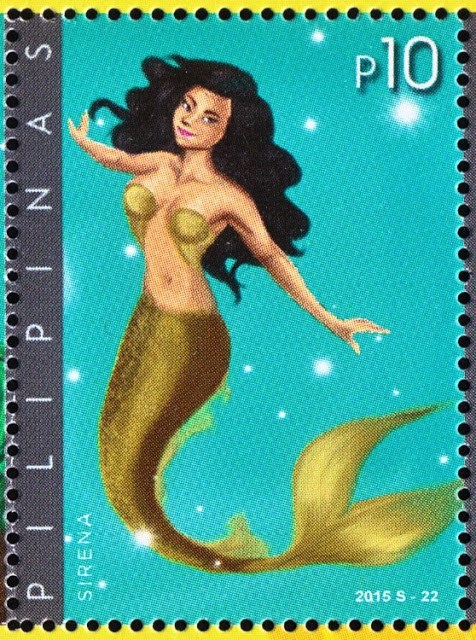
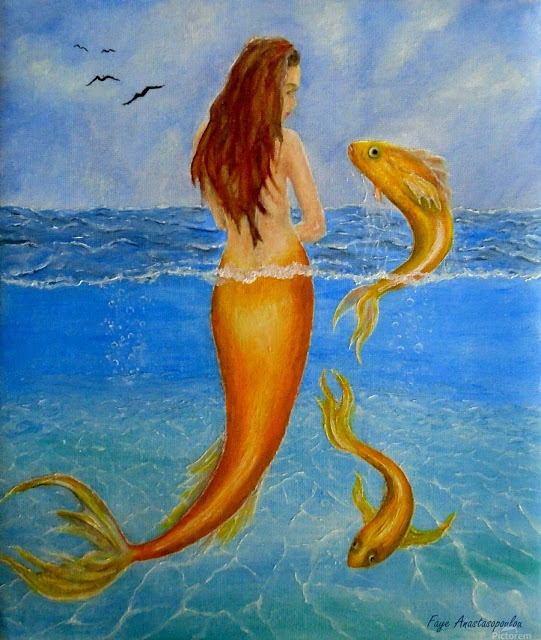
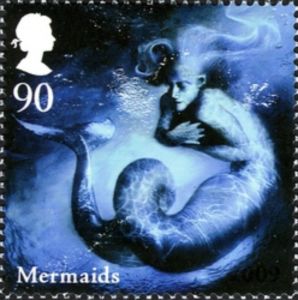
கடல் தெய்வம், கடல் தேவதை பற்றி சம்ஸ்கிருத இலக்கியம், தமிழ் இலக்கியம் முழுதும் உளது. சிலர் ‘பாதி உடல் மீன் போலவும் மீதிப் பாதி பெண்’ போலவும் இருக்கும் என்றும் வருணிப்பர். கிரேக்க புராண அகராதியில் ஒவ்வொரு கடலுக்கும், மலைக்கும் வெவ்வேறு பெயரால் வேறு வேறு புதிய பெயர் கொடுப்பர்!

ஆக இந்தக் கடல் தெய்வ நம்பிக்கையும் கிரேக்க – இந்துத் தொடர்பைக் காட்டுகிறது நான் சொல்லும் மொழிக் கொள்கைக்கும், இந்து-கிரேக்க தொடர்புக்கும் (INDO-GREEK CONNECTION) ஏராளமான சான்றுகளை முந்தைய கட்டுரைகளில் கொடுத்துவிட்டதால் அரைத்த மாவையே அரைக்கப்போவதில்லை.

கலித் தொகையில் கடல் தெய்வம் !

கலித்தொகை என்னும்  சங்க நூலில் நல்லந்துவனார் பாடிய  நெய்தற் கலியிலும் கடல் தெய்வம் (SEA GODDESS/ SEA NYMPH)  பற்றிய செய்தி வருகிறது

பெருங்கடற் தெய்வம் நீர் நோக்கித் தெளித்து , என்

திருந்திழை மென் தோள் மணந்தவன் செய்த

அருந்துயர் நீக்குவேன் போல்மன் பொருந்துபு

………………………”

கலித் தொகை 131

பொருள்

சுறா மீனின் மருப்பால் ஆன பலகை ; நெய்தல் மலர் மாலை சூடிய காதலி.; தாழை விழுதால் ஆகிய கயிற்றில் தொங்கும் ஊஞ்சல் .

தோழி சொல்கிறாள்

கடல் தெய்வத்தின் பெயரைச் சொல்லி , உன்னைப் பிரிய மாட்டேன் என்று சத்தியம் செய்தானே உன் காதலன்! சிறிது காலம் உன்னை மறந்திருப்பதால் ஏற்படும் உனது வருத்தத்தை நான் தீர்க்க வேண்டியுள்ளது.

பாடலின் பின்னணி – முன்பு நான் உன் காதலனிக் கிண்டல் செய்தேன் ; நீயோ அவனுக்கு SUPPORT சப்போர்ட் பண்ணியே பேசினாய்; அவனும் சந்தோஷமாக உன் ஊஞ்சலை ஆட்டி மகிழ்ந்தான். கொஞ்ச நாளாக வரவில்லை ….. இப்படி போகிறது பாடல்.

நமது கேள்வி

யார் அந்தக் கடல் தெய்வம்?  அதாவது வடக்கிலும் தெற்கிலும் ஒரே நம்பிக்கை நிலவியது. ரிக் வேதத்தில் அஸ்வினி தேவர்கள் இருவரும் கடலில் செய்த பல அற்புதச் செயல்கள் உள்ளன ; கடல் தெய்வமான வருணனை தொல்காப்பியரும், ரிக் வேதமும் விதந்து ஓதுகின்றனர் ; சுறாமீனின் கொம்பை நட்டு பரதவர்கள் செய்த வழிபாட்டை சங்க இலக்கியமும் குறிப்பிடுகிறது. ரிக்வேத பரத இன மக்களுக்கும் தமிழ் நாட்டு பரதவ மீனவர்களுக்கும் தொடர்பும் இருக்கலாம் ; கடல் தெய்வ வழிபாடு ரிக்வேதம் முதல் கன்யா குமரி பகவதி தேவி வரை உளது என்பதே என் துணிபு !

tags —

கடல் கெழு செல்வி, கலித் தொகை, கடல் தெய்வம்,நீர்,நீரர மகளிர்,

அக நானூறு

–சுபம்–

Ramana, bound by devotees-3 (Post No.8371)

Ramana, bound by devotees-3 (Post No.8371)

WRITTEN BY R. NANJAPPA                        

Post No. 8371

Date uploaded in London – – – 20 July 2020   

Contact – swami_48@yahoo.com

Pictures are taken from various sources for spreading knowledge; this is a non- commercial blog. Thanks for your great pictures.

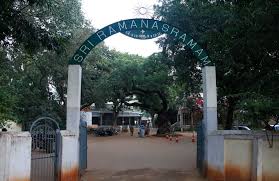
3.  Sri Ramanasramam

The famous arch of the Asramam.
By Rajachandra (Own work) CC BY-SA 3.0

creative commons via Wikimedia commons.

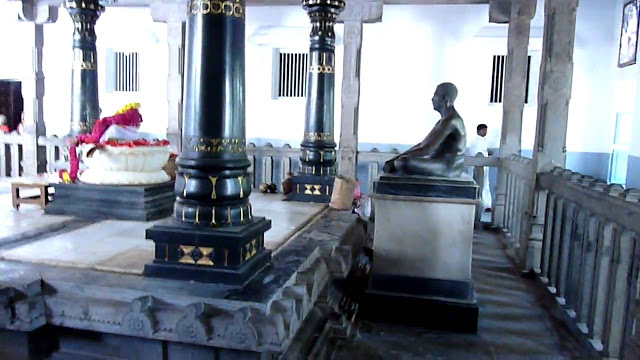
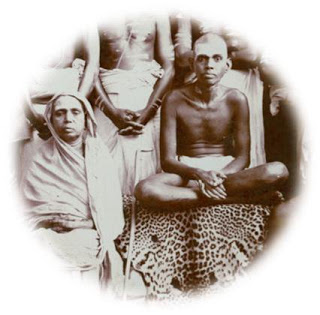
The Mother’s body was interred in a samadhi at the foot of the hill, with a thatched roof over it. Bhagavan used to come down from Skandasramam daily and spend some hours at the Samadhi. One day, in Nov-Dec, 1922 he came down but did not return! The others found that he would not move, and they too came down. This was the beginning of the Ramanasramam. Mother is its heart. Bhagavan said that the Power that brought him to Tiruvannamalai brought him here!

Bhagavan and Mother.


Photo copyright Sri Ramanasramam. Gratefully acknowledged.

  • It was here that a beautiful temple was erected over the Samadhi of Mother, and the deity named “Matrubhuteswara”- Lord who is Mother! It took 10 years for completion – Bhagavan had not allowed collection of money in the name of the Asramam.
  • This is perhaps the only temple in India erected by a Jnani for his Mother. Ramana took active interest in its construction at every stage. The account by Major Chadwick is worth reading.
  • It is here that C.K Subramanya Iyer, the Tamil scholar came and got transformed into Muruganar. All the core teachings of Bhagavan we owe him: he was instrumental in persuading Bhagavan to compose the ‘Reality in Forty Verses’, Upadesa Undiyar. 
  •  He himself composed/ recorded Guru Vachaka Kovai. He wrote the Ramana Sannidhi Murai. The first item here-Ramana Puranam- is important because most of it was written by Bhagavan himself, correcting and adding to what Muruganar had written!
    • It was here that Paul Brunton came and wrote about Ramana in the book that made Bhagavan widely known in the world.
  •  
    • Ramana was accessible to all, sitting in the Old Hall. People could talk to him without any formalities, ask questions, raise doubts and converse. From the commonest villager to the members of Royalty could come to him. Some of the questions and talks and the general events have been recorded by devotees in three books.
      • Here came the cow Lakshmi, to whom also Bhagavan granted  “Vimukti”, as he had done to Mother. And he did something for Lakshmi which he did not do for Mother: he composed a verse in honour of her liberation, indicating the details of the day, star, etc and clearly stating that it was the “day of her liberation” ” vimukta naal”. “விமுக்த நாள்”.
  •  
    • He had a goshala and dining hall constructed. Feeding of the devotees increased in scale.
      • It was here that Arthur Osborne came, preceded by his wife and children! Osborne later wrote some of the most authentic literature on Ramana, and made them known all over the world.
  •  
    • It was here that Bhagavan attained Mahanirvana.

Some of the more human, and more humourous aspects of Bhagavan’s nature were noticed here. Perhaps the most significant of these was that he gave up ‘Giripradakshina’- of which he was very fond- for the sake of devotees. Since he used to take his own time for it, some times lasting 2/3 days, he did not want visitors to get disappointed at his absence! In fact this is the mysterious aspect of his life. He was never in the habit of welcoming any one, or giving permission to leave- though people would keep him informed. Whether he spoke or not, he was particular that no one should be denied access to him: he could be seen! He was particular about it even on the last day!

Some of the more specific things he did for devotees can be recalled here:

  • Once, one of his old school-mates from Madurai came. He had some bad period as indicated in astrological calculations. Bhagavan asked him to stay in the Asramam, not to go outside the gates! If he had to go somewhere, he would send someone with him to ensure that he went to just that place- which he would have told Bhagavan- and returned straight to the Asramam. He thus spent the year at the feet of Bhagavan!
  •  
    • Once Bhagavan had nursed a monkey, which had fallen from the tree, became lame and had been turned out of its group. It was called ‘nondi paiyan’- the lame boy! (Bhagavan never addressed an animal as ‘it’. It was always he or she). After Bhagavan attended on it, it was accepted back into the fold. In due course, it became the King of the tribe!
  • Rajaji, Rajendraprasad and Dr. Radhakrishnan had all visited him. Rajaji said that he liked Advaita concept,but being a Vaishnavaite, he found it embarrassing to reconcile! Bhagavan told him that every one had his karma! Rajendra Prasad did not open his mouth at all! And Radhakrishnan too did not ask any questions. People remarked how the learned professor, noted for his lectures, sat silent in the Presence! And all three of them became India’s First Citizens!
  •  
    •  At that time, there was a controversy whether Bhagavan was a Guru! He did not make any claims, accepted no one as a disciple, gave no initiation, showed no other external signs of being a guru! Major Chadwick and Arthur Osborne, each in his own way, made Bhagavan admit that he was indeed the Guru. Their recorded experiences are important.
      • Once, Osborne had to go to Madras to take up a job for his livelihood. He took with him a big portrait of Bhagavan. Bhagavn joked: “See, he is taking Bhagavan with him” On reflection, this is not a joke at all!
      • Bhagavan has revealed for all devotees three means or “physical supports of Grace”
  •  
    • There is Arunachala the Hill, which Bhagavan has said is Lord Shiva himself.
      • There is Mother’s Shrine- Matrubhuteswara temple which was consecrated by Bhagavan himself with his own hands. Bhagavan was intensely attached to it.
      • There are his “Collected Works”. In the Preface to the first edition, written by T.K.Sundaresa Iyer, a humble school teacher, at the instance of Bhagavan himself, Bhagavan added, in his own hands the words CERTAIN that the study of it would confer devotion and lead to liberation.
  •  

What more could a true devotee aspire for?

Srimad Bhagavatam means: “The blessed story of Bhagavan”. Yet, when we open it, we come across stories of devotee after devotee! Ramayana is the story of Rama and Sita! Everything revolves round them. But Bhagavatam is the story of devotees! In every instance Bhagavan came down for the sake of devotees! It is the devotee who brings out the glory of Bhagavan!

Likewise, we see in the earthly history of Bhagavan Ramana that he descended from his high state of Samadhi to confer blessings on devotees and show them the way for Liberation in the dark days of Kali! Every incident connected with his life is on account of somebody or the other! Blessed are the devotees on whose account we got such spiritual wealth!

The Divine can be understood only through the devotee! Sri Ramakrishna used to say: Bhagavatam-Bhakta- Bhagavan ! 

NOTE:

Some of the descriptions here may be idealistic! Time has touched everything and changed some beyond recognition, for the liking and taste of old devotees! The huge crowds, the hurly-burly, the business atmosphere everywhere, the construction of too many modern buildings not in accordance with the spirit or style of the place, the continuous encroachment and defilement of the Hill itself – these are all painful for the old devotees to bear! For those who have gone round the Hill in moon light or even starlight, walking on the mud road 45 years ago,  walking on the tar road, or concrete pavement under glaring electric lights is not at all pleasant- a pilgrimage has been made a picnic! The path has become a busy road, killing the old peace and quiet.


2. Devotees would be telling how they prayed to him for something and got relief, or some other ‘miracles’. Bhagavan never encouraged such talks. He never claimed credit for such things and would invariably attribute them to “Automatic Divine Activity”.
 Arthur Osborne’s family came to Tiruvannamalai during the Second World War, when Arthur was a prisoner of the Japanese in Bangkok. Adam, his son of 3 years, prayed to Bhagavan to bring back his father! At the end of the war Arthur came back. He was entering the Asramam for the first time. On seeing him. Bhagavan remarked to Adam and others in the hall:’ So Adam’s prayer has been answered; his Daddy has come back safely’. Bhagavan uttered these words in English, and Osborne understood that it was for his sake, as Adam knew Tamil!

  •  
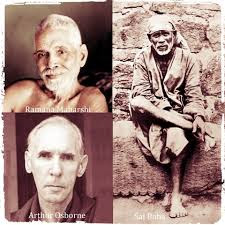
  • Arthur Osborne,
    •  

    • Taken from johnyml.blogspot.in/2014. Acknowledged with thanks.

      Many people have written about Ramana, and more continue to write. It is only Arthur Osborne who has revealed the inner secret or essence of Bhagavan’s guidance: Bhagavan’s teaching is simple and direct- any one could talk about it. It is only the tremendous power of Bhagavan’s Grace that would enable any one to practise it!

 Thus we see that Bhagavan’s earthly life after his Madurai Experience was solely devoted to the welfare of the devotees. It is they who bound him with love, and confined him to his abode at Arunachala.

tags — ramana, devotees-3

பவணந்தி மாமுனிவர்! (Post No.8370)

WRITTEN BY S NAGARAJAN                     

Post No. 8370

Date uploaded in London – – –20 July 2020   

Contact – swami_48@yahoo.com

Pictures are taken from various sources for spreading knowledge; this is a non- commercial blog. Thanks for your great pictures.

By ச.நாகராஜன்

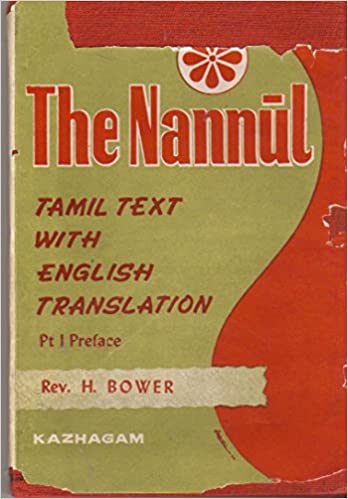
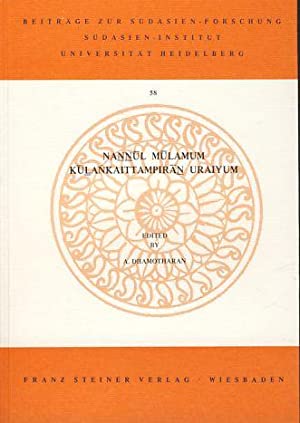
இடைக்காலத் தமிழ் இலக்கண நூலான நன்னூலை இயற்றியவர் பவணந்தி முனிவர். 12ஆம் நூற்றாண்டின்  பிற்பகுதியில் இவர் வாழ்ந்தவர் என கருதப்படுகிறது.

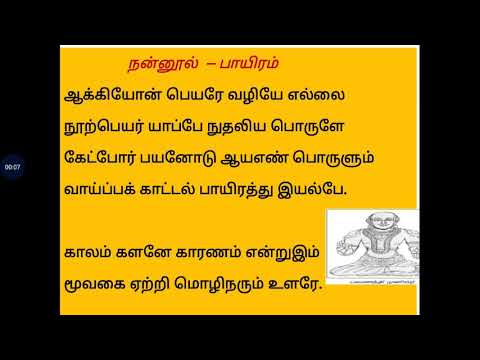
இவர் சீயகங்கன் என்ற சிற்றரசனின் ஆதரவில் அவனது தூண்டுதலின் பேரில் நன்னூலை இயற்றினார். இதை நன்னூலில் இவர் எழுதிய கீழ்க்கண்ட சிறப்புப்பாயிரத்தின் இறுதி வரிகள் மூலம் அறிய முடிகிறது.

திருந்திய செங்கோற் சீய கங்கன்

அருங்கலை விநோதன் அமரா பரணன்

மொழிந்தன னாக முன்னோர் நூலின்

வழியே நன்னூற் பெயரின் வகுத்தனன்

பொன்மதிற் சனகைச் சன்மதி முனியருள்

பன்னருஞ் சிறப்பிற் பவ ணந்தி

என்னு நாமத் திருந்தவத் தோனே

கொங்கு மண்டலத்தில் குறும்பி நாட்டில் சனகாபுரம் என்ற சீனாபுரத்தில் இவர் பிறந்து வளர்ந்தவர்.

இவரைப் போற்றி கொங்கு மண்டல சதகம் 47ஆம் பாடல் அமைகிறது.

“கங்கக் குரிசி துவக்கநன் னூலைக் கனிந்து புகல்

துங்கப் புலமை பவணந்தி மாமுனி தோன்றிவளர்

கொங்கிற் குறும்பு தனிலாதி நாத குருவிளங்கு

மங்குற் பொழிற்சன காபுர முங்கொங்கு மண்டலமே

                (கொங்கு மண்டல சதகம்)

பாடலின் பொருள் : சீயகங்க அரசன் மனம் மகிழுமாறு நன்னூல் என்னும் இலக்கண நூலைப் புகன்ற தமிழ்ப் புலமை மிக்க பவணந்தி முனிவர் பிறந்து வளர்ந்தது குறும்பி நாட்டில் ஆதிநாத தீர்த்தங்கரர் விளங்குதலான சனகாபுரம் (சீனாபுரம்) இருப்பது கொங்குமண்டலமே.

இவரது ஊரைப் பற்றித் தொண்டை மண்டல சதகம் கூறும் பாடல் இது:

தன்னூர்ச் சனகையிற் சன்மதி மாமுனி தந்தமைந்தன்

நன்னூ லுரைத்த பவணந்தி மாமுனி நற்பதியுங்

சின்னூ லுரைத்த குணவீர பண்டிதன் சேர்பதியும்

மன்னூ புரத்திரு வன்னமின் னேதொண்டை மண்டலமே

இவர் பிறந்த இடமாக சன்மதி வாழ்ந்த தொண்டைமண்டலத்தை இது குறிப்பிடுகிறது. இப்படி இரு ஊர்களை இரு வேறு பாடல்களில் கொங்கு மண்டலமும் தொண்டை மண்டல சதகமும் கூறுவதால் சற்றுக் குழப்பம் ஏற்பட்டாலும் பாடல்களை நுணுகி ஆராய்ந்தால் நமக்குக் கிடைக்கும் உண்மை இது:

கொங்கு மண்டல சதகத்தில், “பவணந்தி மாமுனி தோன்றி வளர்…. சனகாபுரம்’ என வருகிறது.
தொண்டை மண்டல சதகத்தில், “சனகையிற் சன்மதி மாமுனி தந்த மைந்தன்” என வருகிறது.

ஆகவே இவர் தோன்றி வளர்ந்தது சீனாபுரம் என்றும் சன்மதி முனிவரது புத்திரர் இவர் என்றும் முடிவு செய்யலாம்.

பவணந்தி முனிவர் ஒரு துறவி ஆவார். இதை மேலே குறிப்பிடப்பட்டிருக்கும் நன்னூல் பாயிரத்தின் கடைசி வரிகளான,

“பன்னருஞ் சிறப்பிற் பவ ணந்தி

என்னு நாமத் திருந்தவத் தோனே” என்ற வரிகளால் அறியலாம்.

ஜைன மதத்தில் துறவிகளுக்கு நந்தி என்ற நாமம் சூட்டப்படுவது வழக்கமாக இருந்து வந்திருக்கிறது.

சம்பந்தர் திருவாலவாய் தேவாரப் பாடலில்,

“கனக நந்தியும் புட்ப நந்தியும் பவணநந்தியும் குமணமா

கனக நந்தியுங் குனக நந்தியும் திவணநந்தியும்” என்று கூறியருள்கிறார்.

ஆகவே சன்மதி மாமுனிவர் ஞான பிதா என்றும் பவணந்தி முனிவரை ஞான புத்திரர் என்றும் கொள்ளலாம்.

ஆக பவணந்தி பிறந்து வளர்ந்தது கொங்கு மண்டலத்தில் என்றும் அவர் சன்மதி முனிவரிடம் உபதேசம் பெற்றுத் துறவு பூண்டது தொண்டை மண்டலத்தில் என்றும் முடிவு செய்யலாம்.

பவணந்தி தோன்றி வளர்ந்த சீனாபுரம் எனப்படும் சனகை என்பது கோயமுத்தூர் மாவட்டம் ஈரோடு தாலுகாவில்  பெருந்துறை ரயில் நிலையத்திற்கு அருகில் இருக்கிறது.

இந்த இடத்தில் ஆதிநாதர் தீர்த்தங்கரர் கோவில் இருக்கிறது.

ஜைன பிராமணர்கள் இன்றும் இங்கு பூஜை செய்து வருகின்றனர்.

சன்மதி முனிவரைக் குறிக்கும் சனகை என்னும் சனநாதபுரமானது காவேரியின் வடகரையில் இருக்கும் மாவிலங்கையாக வேண்டும்.

இப்போது மைசூரில் திருமுக்கூடல் நரசபுரம் பகுதியைச் சேர்ந்தது இந்தக் கிராமம். இது கங்க ராஜ்யத்தில் அமைந்தது.

இதற்கும் கங்க நாட்டுப் பழைய ராஜதானியாகிய தலைக்காட்டுக்கும் இடையே காவேரி தான் இருக்கிறது.

இதைக் குறித்துக் கீழ்க் கண்ட சாசனக் குறிப்புகளால் அறிய முடிகிறது.

  1. முடி கொண்ட சோழ மண்டலத்து கங்கை கொண்ட சோழவள நாட்டு இடை நாட்டு ஜனக புரத்து..
  2. கங்க பாடியான முடி கொண்ட சோழ மண்டலத்துத் தென்கரை இடை நாட்டு மாயிலங்கையான ஜனநாதபுரத்து..
  3. கங்க பாடி தென் கரை யிடை நாட்டு..
  4. பெரிய நாட்டு மாயிலங்கையான ஜனநாதபுரத்து..
  5.  

பெரும் புலவரான பவணந்தி மாமுனியை மதிக்க வேண்டிய விதத்தில் தமிழகம் மதிக்கிறதா, இன்று?

சிந்திக்க வேண்டிய விஷயம் இது!

பவணந்தி,மாமுனிவர்,

***

INDEX 16 எஸ்.நாகராஜன் கட்டுரை இன்டெக்ஸ் -16 (Post No.8369)

WRITTEN BY S NAGARAJAN                     

Post No. 8369

Date uploaded in London – – –19 July 2020   

Contact – swami_48@yahoo.com

Pictures are taken from various sources for spreading knowledge; this is a non- commercial blog. Thanks for your great pictures.

June 2015

  2-6-15     1904    கண்ணதாசனின் இரு சொல் விந்தைகள்!

  4-6-15      1909    மூன்று சொல் மன்னன் கண்ணதாசன்!

  5-6-15      1911     மின்னனுக் கருவிகள் கழிவுகளால் ஏற்படும் அபாயம்!

              (AIR 21-5-15 to 30-5- 15 உரைகள்)

6-6-15      1914      காற்றைப் போற்றி ஒரு கவிதை!(AIR 21-5-15 to 30-5- 15 உரைகள்)

12-6-15    1926    அன்றும் இன்றும் – கொள்ளையோ கொள்ளை!

13-6-15     1929   பிரார்த்தனையின் சிறப்பு!

 17-6-15    1937      முருகனே ஞானசம்பந்தர் – அருணகிரிநாதர் அருளுரை!

 19-6-15    1941      சகலகலாவல்லவன் யார் – பார்வதியின் தீர்ப்பு!

21-6-15    1945       அருணகிரிநாதர் அருளிய நூல்கள்!

30-6-15    1963     அன்னிய மத மன்னர்களுக்கும் அருளிய மகான்கள்!

July 2015

23-7-15    2012      முகலாய சாம்ராஜ்ய அழிவுக்கு மஹாகவி பாரதி கூறும்

              காரணம் – 1

25-7-15    2018   முகலாய சாம்ராஜ்ய அழிவுக்கு மஹாகவி பாரதி கூறும்

              காரணம் – 2

27-7-15    2022      முகலாய சாம்ராஜ்ய அழிவுக்கு மஹாகவி பாரதி கூறும்

              காரணம் – 3

28-7-15    2024     ஐன்ஸ்டீன் காப்பி அடித்தாரா?

29-7-15    2026    முஸ்லீம்கள் யார்?ஹிந்து முஸ்லீம் ஒற்றுமை ஏற்பட

             வேண்டும் –  பாரதியார்

31-7-15    2030     பாரதியாரின் ‘சிவாஜி’ கவிதை!

August 2015

  1-8-15    2035    கோமாதாவும் குலமகளிரின் கண்ணாடியும்! (ஞான ஆலயம்

             ஆகஸ்ட் 2015 கட்டுரை)

  5-8-15      2044    மூன்றே நிமிடங்களில் மூளை ஆற்றலைக் கூட்டலாம்!

             (பாக்யா31-7-15 அ.து.232)

  9-8-15     2056      மஹாகவி பாரதியாரின் அற்புத கவிதை – 2

10-8-15      2058      சிவாஜி உற்சவம்!

11-8-15    2061    மதமாற்றம் செய்து சகோதர ஹிந்துக்களிடமிருந்து பிரித்த

             எதிரிகள் – 1

12-8-15    2064   மதமாற்றம் செய்து சகோதர ஹிந்துக்களிடமிருந்து பிரித்த

             எதிரிகள் – 2

 13-8-15    2067      கம்பளி ஸ்வாமி காட்டும் ஹிந்து-முஸ்லீம் ஒற்றுமை!

 22-8-15     2091      மஹாகவி பாரதியார் பற்றிய நூல்கள்- 1 சகுந்தலா பாரதியின் 

              ‘என் தந்தை’ 

24-8-15    2095       மஹாகவி பாரதியார் பற்றிய நூல்கள்- 2 யதுகிரி அம்மாளின்

              ‘பாரதி நினைவுகள்’ 

26-8-15    2099      மஹாகவி பாரதியார் பற்றிய நூல்கள்- 3 செல்லம்மாள்

              பாரதியின் ‘என் கணவர்’ வானொலி உரை!

27-8-15    2102     மஹாகவி பாரதியார் பற்றிய நூல்கள்- 4 வெ.சாமிநாத

             சர்மாவின் ‘நான் கண்ட நால்வர்’

29-8-15    2106     மஹாகவி பாரதியார் பற்றிய நூல்கள்- 5 ரா.அ.பத்மநாபனின்

             ‘பாரதி புதையல் – 3”

31-8-15    2111     மஹாகவிக்குச் செய்யும் மகத்தான துரோகம்!  பதிப்புகள் பல

             விதம், ஒவ்வொன்றும் ஒரு விதம்!

INDEX 16, எஸ்.நாகராஜன், கட்டுரை இன்டெக்ஸ் -16 ,

அரிசி பற்றிய 5 பழமொழிகளைக் கண்டு பிடியுங்கள் (Post No.8368)

WRITTEN BY LONDON SWAMINATHAN

Post No. 8368

Date uploaded in London – 19 July 2020   

Contact – swami_48@yahoo.com

Pictures are taken from various sources for spreading knowledge; this is a non- commercial blog. Thanks for your great pictures.

tamilandvedas.com, swamiindology.blogspot.com

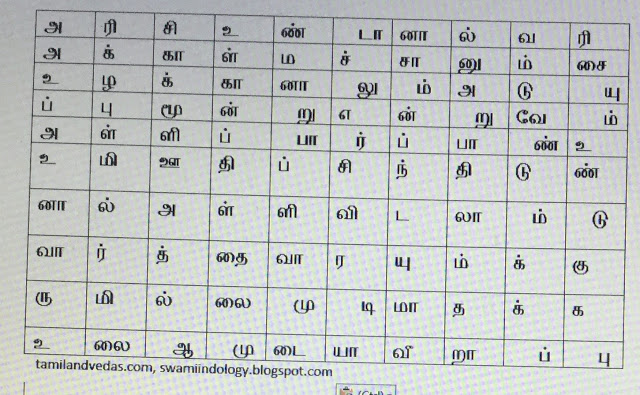
ஒரே சொல் மீண்டும் மீண்டும் வந்தால் ஓரிரு இடங்களில் மட்டுமே கட்டத்தில் இருக்கும். கொண்டு கூட்டி பொருள் கொள்க . விடை கீழே உள்ளது . சில நேரங்களில் படங்களைப் பார்த்தாலும் விடை காண உதவலாம்.

ANSWER

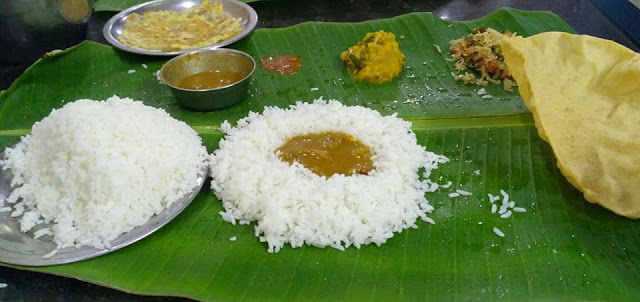
1.அரிசி உழக்கானாலும் அடுப்பு மூன்று வேண்டும்

2.அரிசி உண்டானால் வரிசையும் உண்டு ,அக்காள் உண்டானால் மச்சானும்  உண்டு

3.அரிசி என்று அள்ளிப்பார்ப்பாருமில்லை, உமி என்று ஊதி  ப்பார்ப்பாருமில்லை.

4.அரிசி சிந்தினால் அள்ளிவிடலாம், வார்த்தை சிந்தினால் வாரமுடியுமா

5.அரிசிக்குத் தக்க உலையும் ஆமுடையானுக்குத் தக்க வீறாப்பும்

Source book :–

பயன்படுத்திய நூல்- கழகப் பழமொழி அகர  வரிசை, கழக வெளியீடு

tags– பழமொழிகள்,அரிசி 

HINDU KING WHO BEAT LEONARDO DA VINCI (Post No.8367)

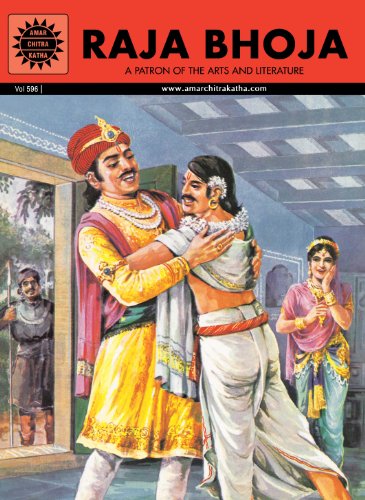
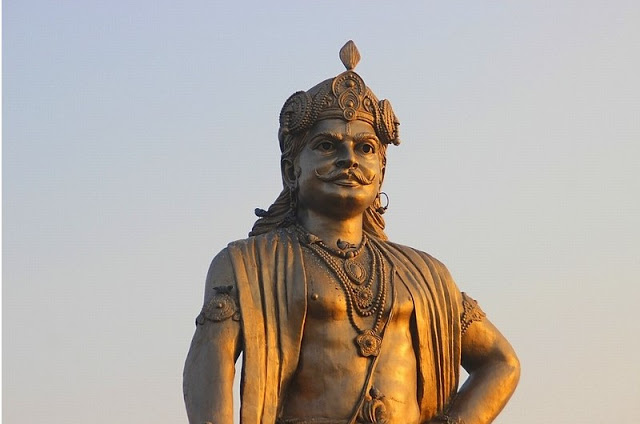
King Bhoja

HINDU KING WHO BEAT LEONARDO 

DA VINCI (Post No.8367)

WRITTEN BY LONDON SWAMINATHAN

Post No. 8367

Date uploaded in London – 19 July 2020   

Contact – swami_48@yahoo.com

Pictures are taken from various sources for spreading knowledge; this is a non- commercial blog. Thanks for your great pictures.

tamilandvedas.com, swamiindology.blogspot.com

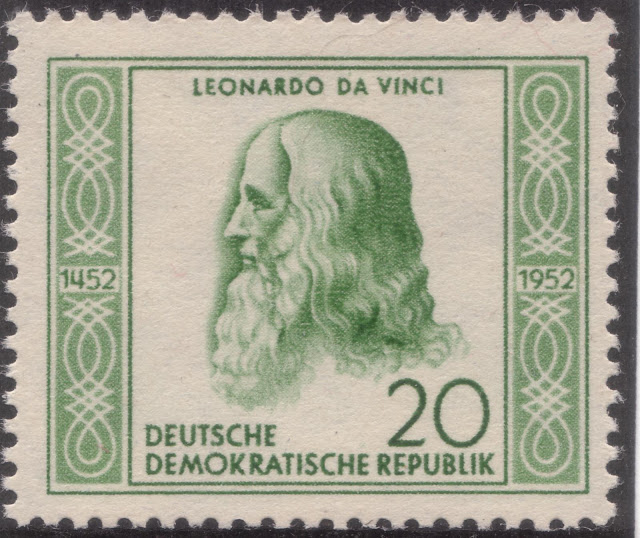
Who is Leonardo da Vinci ?

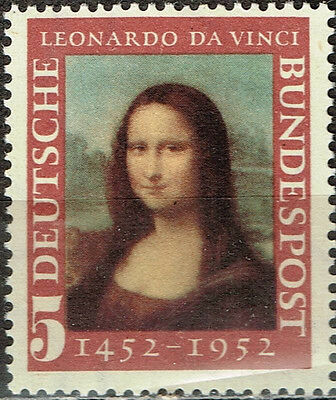
Leonardo da Vinci (1452-1519) was an Italian painter, sculptor, architect, engineer and scientist. One of the greatest figures of Italian Renaissance, he was active in Florence, Milan and from 1516 in France.

As state engineer and court painter to the Duke of Milan, he painted the Last Supper mural, and on his return to Florence painted the MONALISA, now in Louvre, Paris.

His notebooks and drawings show an immensely inventive and enquiring mind studying aspects of the natural and scientific world from anatomy and botany to aerodynamics and hydraulics–The Hutchinson Encyclopaedia

Who is Bhoja Raja?

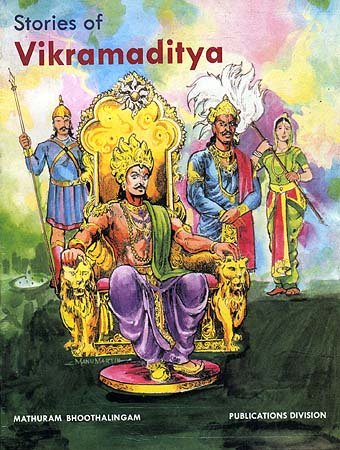
India had a great king named Vikramditya alias Bhoja in the second century BCE. He was a great friend of the world famous poet KALIDASA. He lived around second century BCE is proved by the use of his 200 similes out of 1500 by Sangam Tamil poets. That Bhoja was a great scholar and became a household name in India through the Vikram and Vetala stories. All other kings who named themselves as Vikramaditya and Bhoja only pretended to be the original Vikramaditya in scholarship and valour. That great Vikramaditya drove away all the foreigners such as Yavanas and Sakaras .

King Bhoja who ruled from Dharanagara in Madhya Pradesh was also known as Vikraraditya. He lived 500 years before da Vinci. He wrote at least 84 books touching from Aerodynamics to Zoology.

In France we see 18 kings named as Louis. In Vatican we see umpteen Popes named after Paul, Gregory, Francis etc. In ancient Egypt 11 kings named after Rameses. Unfortunately we did not name our kings and Rishis with numbers . The scholar cum king Bhoja beat da Vinci in all respects.

xxxx

Who was the original Bhoja alias Vikramaditya?

Here is his story as reported in an Orissan book

“Near in the series of kings, comes Raja Bhoja, who reigned for 127 years, that is from about BCE 180 to BCE 50. H e was ,according to Orissan chronicles, a brave, liberal, just and merciful Emperor. He conquered the whole of India and took tributes from all kings of India. His court was adorned by the presence of 750 eminent poets , the chief of whom was Kali dasa, author of the 752 Ashloks called the Chanak or Chataka and Maha Nataka.

Raja Bhoja invented boats, the weavers’ looms, the wheeled carriages, or at least in his time the use of them first became common. In his reign the Yavanas from Sindhu Desa invaded the country in great force but Bhoja discomfited and destroyed them, and afterwards captured many of their possessions and cities.

Sri Bickermajit or Vikramaditya ( whom some call brother, and others son of Bhoja raja, while other accounts state no connection) succeeded to the throne and reigned 135 years. He was master of all sciences and a great magician. Through fear of his power, the Yavanas all left the country. At last came Salivahana from the Deccan who attacked and conquered Vikramaditya, put him to death and assumed the reigns of empire.

Source

The Vamsavalis of Orissa by A Stirling, year 1825

He gave the source as manuscripts 3 or 4 centuries old and records in Oriya at the temple of Jaganath Temple at Puri

Here we see some mix ups between two great Bhoja kings of India with a time gap of 1000 yeas both of them were equally intelligent, innovative and valorous. It is the same confusion we see in the stories of Adi Sankara and Abinava Sankara with again a time gap of 1000 years.

Here is the list of his books .

84 BOOKS OF  BHOJA RAJA

Following MATTER  is taken from Wikipedia

Literary works[edit]

Bhoja was renowned as a scholar-king, and several books are attributed to him. Because these books cover an enormous range of topics, it is not certain if he actually wrote all these books or if he only commissioned these works, acting as a patron of their actual writers. But it is known that he was an expert on poetry, and the treatise Shringara-Prakasha was definitely authored by him.[77]

According to Ajada, who wrote a commentary titled Padaka-prakasha on Sarasvati-Kanthabharana, Bhoja wrote 84 books. The surviving works attributed to Bhoja include the following Sanskrit-language texts (IAST titles in bracket):[78][79]

  • Bhujabala-bhima (Bhujabalabhīma), a work on astrology
  • Champu-Ramayana or Bhoja-Champu (Campūrāmāyaṇa), a re-telling of the Ramayana in mixture of prose and poetry, which characterises the champu genre. The first five kandas (chapters) are attributed to Bhoja. The sixth and seventh chapters were completed by Lakshmana and Venkatadhvarin respectively.
  • Charucharya (Cārucārya), a treatise on personal hygiene
  • Govinda-vilasa, poem
  • Nama-Malika, a compiled treatise on lexicography
  • Raja-Martaṅda (Rājamārtanḍa) or Patanjali-Yogasutra-Bhashya, a major commentary on the Yoga Sutras of Patanjali; includes an explanation of various forms of meditations
  • Raja-Mriganka-Karana (Rājamrigankakaraṅa), a treatise on chemistry, especially dealing with the extraction of metals from ores, and production of various drugs.
  • Samarangana-Sutradhara (Samarāṇgaṇasūtradhāra), a treatise on architecture and iconography. It details construction of buildings, forts, temples, idols of deities and mechanical devices including a so-called flying machine or glider.
  • Sarasvati-Kanthabharana (Sarasvatīkaṇṭhabharaṇa), a treatise on Sanskrit grammar for poetic and rhetorical compositions. Most of it is a compilation of works by other writers. Some of the poetic examples provided by him in this work are still appreciated as the highest cream of Sanskrit poetry.
  • Shalihotra (Śālihotra), a book on horses, their diseases and the remedies
  • Shringara-Prakasha (Śṛṅgāraprakāśa), treatise on poetics and dramaturgy
  • Sringara-Manjari-Katha (Śṛṅgāramanjarīkathā), a poem composed in akhyayika form
  • Tattva-Prakasha (Tattvaprākaśa), a treatise on Shaivite philosophy. It provides a synthesis of the voluminous literature of the siddhanta tantras
  • Vidvajjana-Vallabha, treatise on astronomy
  • Vyavahara-Manjari (Vyavahāramanjarī), a work on dharmaśāstra or Hindu law
  • Yukti-Kalpataru, a work dealing with several topics including statecraft, politics, city-building, jewel-testing, characteristics of books, ship-building etc.

The Prakrit language poems Kodanda-Kavya and Kurma-Sataka are also attributed to Bhoja.[79] The Kodanda-Kavya (Kodaṅḍakāvya) was found inscribed on stone slab fragments at Mandu.[80] The Kurma-Sataka (Avanikūrmaśataka), which praises the Kurma (tortoise) incarnation of Vishnu, was found inscribed at the Bhoj Shala in Dhar.[81]

Sangitaraja, attributed to Kalasena or Kumbha, names Bhoja as an authority on music, which suggests that Bhoja also compiled or wrote a work

Old articles on Bhoja


Brain Surgery in Ancient India: Bhoja and Indus Valley | Tamil …

tamilandvedas.com › 2015/06/17 › brain-surgery-in-an…

  1.  

17 Jun 2015 – Tamil and Vedas. A blog exploring themes in Tamil and vedic literature. Brain Surgery in Ancient India: Bhoja and …

போஜ ராஜன் | Tamil and Vedas

tamilandvedas.com › tag › போஜ-…

  1.  

7 Jul 2012 – உலகப் புகழ் பெற்ற கவிஞன் காளிதாசனும் அவனை ஆதரித்த மன்னன் போஜனும் இணைபிரியா நண்பர்கள். ஒரு நாள் சபைக்கு …


பல்கலை வித்தகன் அதிசய மன்னன் …

tamilandvedas.com › 2012/12/12

  1.  

12 Dec 2012 – பல்கலை வித்தகன் அதிசய மன்னன் போஜராஜன் எழுதியவர்: ச. … இன்றைய போபால் (போஜன் நிறுவிய போஜபாலே இன்று போபால்!) … இதனால் கலக்கம் அடைந்த முஞ்ச ராஜன் போஜனைக் கொல்லுமாறு தன் பணியாளரிடம் உத்தரவிட்டான்.


போஜன் | Tamil and Vedas

tamilandvedas.com › tag › போஜ…

20 Aug 2016 – (for old articles go to tamilandvedas.com OR swamiindology.blogspot.com). இந்தியாவை ஆண்ட மன்னர்களில் மிகவும் சிறப்பாக ஆண்ட பெருமையுடையவன் போஜன்.


மூளையில் | Tamil and Vedas

tamilandvedas.com › tag › மூள…

  1.  

18 Jun 2015 – இவனுடைய சம்ஸ்கிருத இலக்கணக் கல்வெட்டு மசூதிக்குள் கண்டு பிடிக்கப்பட்டு பெரும் பரபரப்பை ஏற்படுத்தியது பற்றி காஞ்சி …

சிவன் ‘இறந்தான்’- புலவர் விட்ட க(வி …

tamilandvedas.com › 2013/03/09

  1.  

9 Mar 2013 – Forms of Sankaranarayana and Ardhanari போஜ ராஜன் என்ற மன்னன் மாபெரும் அறிவாளி. … ஏதேனும் பாட்டு எழுதிச் சென்றால் போஜ மான்னன் தனது போஜனத்துக்கு வழி செய்வானே … பல்கலை வித்தகன் அதிசய மன்னன் போஜராஜன்In “Sanskrit Literature”.


இந்த நூல் எது? – 1 (Post No.2676) | Tamil and Vedas

tamilandvedas.com › 2016/03/30

  1.  

30 Mar 2016 – … THE PICTURES; THEY ARE COPYRIGHTED BY SOMEONE. (for old articles go to tamilandvedas.com OR swamiindology.blogspot.com). தெரிந்து கொள்ள வேண்டிய நூல். இந்த நூல் எது?

tags- Bhoja, Da Vinci, Leonardo, vikramaditya story,

–subham–