Pictures are taken from various sources for spreading knowledge; this is a non- commercial blog. Thanks for your great pictures.
நமது பிளாக்கில் எஸ்.நாகராஜன் எழுதிய கட்டுரைகளின் பட்டியலை 2016 முதல் வெளியிடுகிறேன். இது அகர வரிசைப்படி இல்லாவிடினும் இண்டெக்ஸ் INDEX போன்றதே.
இந்தப் பட்டியலை பிரிண்ட் செய்து வைத்துக் கொண்டால் உங்களுக்குத் பிடித்த கட்டுரைகளை நேரம் கிடைத்தபோது படிக்கலாம்
கட்டுரைகளை பிளாக்கில் பெறுவது எப்படி?
பிளாக்கிற்குப் போய் தேடுவதை விட கூகுளில் (google) தேடுவது எளிது. கட்டுரையின் தலைப்பை காப்பிcopy செய்து கூகுளில் பேஸ்ட் paste செய்யுங்கள் அதன் பிறகு ஆங்கிலத்தில் from tamilandvedas.com என்று எழுதி க்ளிக் (click) செய்யுங்கள்.
from swamiindologly.blogspot.com
என்று எழுதியும் பெறலாம்.
எடுத்துக்காட்டு:
ஒவ்வொரு மனிதனின் கடைசி விநாடிfrom tamilandvedas.com
ஒவ்வொரு மனிதனின் கடைசி விநாடி from swamiindology.blogspot.com
நீங்கள் சிறு பிழை விட்டாலும் நீங்கள் எதிர்பார்த்தது கிடைக்காமல் வேறு விஷயம் வரும். அதில் நேரத்தை வீணடிக்காமல் மீண்டும் ஒரு முறை சரியாக எழுதி முயற்சி செய்யுங்கள். இரண்டு பிளாக்குகளில் ஒன்றில் கிடைத்து விடும்
கட்டுரை பெறுவதில் ஏதேனும் சிக்கல் இருந்தால் எங்களைத் தொடர்பு கொள்ளுங்கள் .
October 2018
1-10-18 54 93 ஹிந்துக்களுக்கு தர்ம வாழ்வே வாழ்வு!
2-10-18 5496 ஹிந்து காந்திஜி – 2
3-10-18 5500 யத் பாவம் தத் பவதி!
4-10-18 5504 அற்புத தத்துவ ஞானி JK
5-10-18 5507 அறிவியல் வியக்கும் இசை! (பாக்யா 5-10-18 அ.து. 395 8-31)
6-10-18 5510 மன்மதனையும் மயங்க வைக்கும் கொல்லிப் பாவை!
(கொங்கு மண்டல சதகம் பாடல் 25)
7-10-18 5514 There is no death!
9-10-18 5517 ஒரு வழக்கை எப்படி வாதாடுவது?
9-10-18 5520 ஆப்ரஹாம் லிங்கன் வாதாடிய வழக்கு!
10-10-18 5524 ஒப்பற்ற தமிழின் உயர்வு – பூமிக்கு 62 சொற்கள்!
11-10-18 5529 மஹாபாரதப் பெரும் போரில் எத்தனை பேர் இறந்தனர்,
Pictures are taken from various sources for spreading knowledge; this is a non- commercial blog. Thanks for your great pictures.
tamilandvedas.com, swamiindology.blogspot.com
This is my follow up to yesterday’s article ‘PARSU MYSTERY IN RIG VEDA; IRANIAN – YADAVA LINK.’
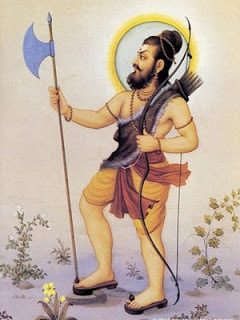
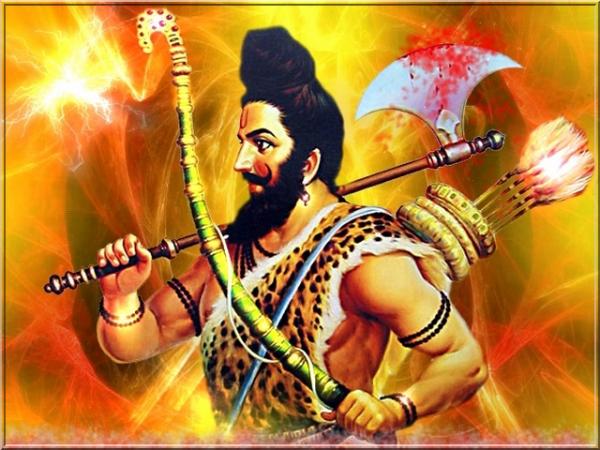
Of all the avatars of Vishnu, the most violent is the PARASURAMA Avatara. Other Avataras killed one or two demons but PARASURAMA exterminated generations of Kshatriyas to revenge his father’s death. The history of Persia is also as violent as the life of Parasurama. His name Parasu stands for AXE .He carries it on his shoulder for ever . Yesterday I refereed to Kuru of Iran/ Persia whose name was corrupted by the Greeks and English and today we know him as ‘Cyrus the Great’ 600 BCE.
We also met one Parsu in the Rig veda. So the Hindu names such as Kuru and Parsu were used very easily by the Hindus who migrated to Iran.
When did they migrate? Why did they leave India?
Did they migrate to Iran or did they come to India from Iran? Where is the proof?
Fortunately we have unassailable archaeological proof in the form of inscription from Bogazkoi ( Turkey- Syria border area ) and Dasaratha letters in Egypt. They are dated 1380 BCE or before that . The way they lined up the Hindu gods in a treaty between two kings of Mitanni and Hittite showed that it was Rig Vedic mantra. Additional proofs came from Kikkuli’s horse manual with Sanskrit numbers. Egypt which didn’t know horse and other Hindu things suddenly started using them after the Pharoahs married Hindu girls. Dasaratha letters also known as Amarna letters have more details about it. Even Eka Nathan (Akhenaten) introduced One God (Sun Worship) in Egypt around 1400 BCE. That is why he was called ONE GOD= Ekanathan (corrupted as Akhenaten in Egypt)
Whatever I have said about Bhogazkoi, Dasaratha letters, Kikuli’s horse manual etc are available in all encyclopaedias including Wikipedia.
So what is new?
The migration is FROM INDIA to other places is confirmed by the above and the following points .
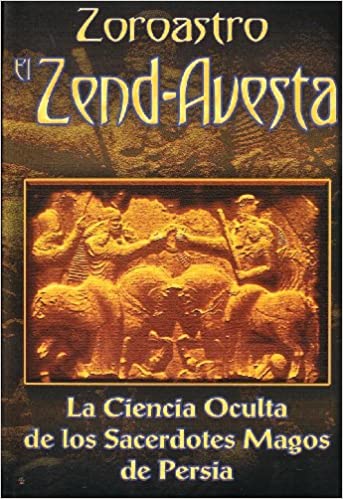
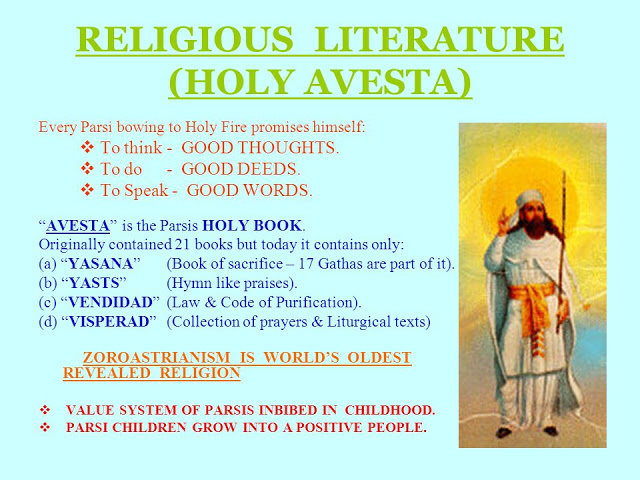
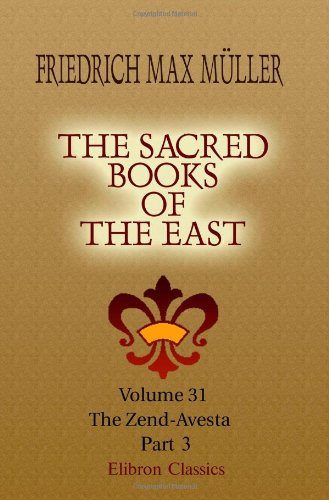
Who is Zoroaster What is Zend Avesta?
Kanchi Paramacharya (1894-1994) was not only great Saint but also a great linguist. He says,
“All castes have rites to be performed with the sacred fire. During marriage people belonging to all varnas must do Aupasana and the fire in which the rite is performed must be preserved throughout. Today only Parsis seem to keep up such a practice of preserving the fire. Their scripture is called Zend Avesta which name must have been derived from the Vedic Chando-vasta. Their teacher was Zoroaster /Zarathustra. This name must have been derived from Saurashtra. Their homeland is Iran/ Arya. If the fire kept by them is extinguished at any time they spend a good deal of money in expiatory rites.
Source- HINDU DHARMA THE UNIVERSAL WAY OF LIFE, BHARATIYA VIDYA BHAVAN, MUMBAI, 2000 (with my inputs)
My comments
When the Muslims started massacring the Pesians they came back to same Saurastra in Gujarat, where from their forefathers set out for Iran thousand or 2000 years ago. These Parsis helped India to make atom bomb and make progress in big industries. India also thanked them by issuing stamps to honour them.
Xxx
Now let us look at the link between Parasurama and Iran
Kalyana Raman in his excellent book ‘ARYATARANGINI’ says,
“The Persians were schismatics, if not avowed heretics. They decried the Vedas, and through their Prophet Zoroaster (circa 800 BCE) , formed their own religious code, popularly called the Vendidad (Sanskrit Vedavat) . The Avesta which corresponds to the Yajur Veda in some respects, exhibits a dualism in which good spirit, god, addressed as Ahura Mazda (Asura Mahatha), later corrupted into Oromazdes by the Greeks, is opposed by an evil spirit Angra Mainyu later identified with Ahriman ( Vedic god Aryaman). . All wild beasts and all creeping things on earth are zealously to be destroyed, as the offspring of the Evil One”.
Zoroaster made Varuna the chief God to be worshiped;
He made Indra an evil one . He praised Asuras and belittled Devas
.
He rejected cremation and asked the dead bodies to be thrown to the eagles . Parsis in Mubai still do it.
He abandoned Soma sacrifice, substituting pomegranate twigs for Soma;
He elevated Yama to a higher position and he was called Yima and his dog was honoured.
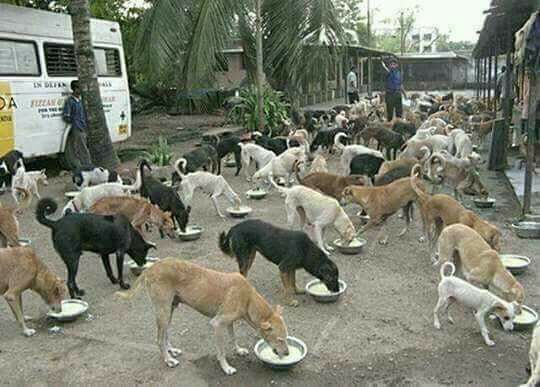
Hindus considered cow as sacred and Parsis considered dogs as sacred.
Their law book Vendidad says,
“The dog with four eyes is the faithful attendant of Yima, the principal god of the Asuras. Every Parsee corpse is first shown to a white dog with yellow ears— four eyes —- in order to chase away evil spirits from the body . The punishment for man slaughter is in the Vendidad was 200 stripes; for killing a puppy 500: a house dog 700; a shepherd’s dog 800; and 1000 for a hedge hog. Hedge hog kills all the creatures in the farm and help us.
USANAS WAS FAMILY PRIEST
The Persian kings had family priests whose surname was Usanasa. This is the name of Sukra, the Asura guru in Hindu Puranas. He clashed with Brihaspati, guru of Devas. Usanas was a great poet and his name became ancient even to Rig Vedic poets . Krishna in the Bhagavad Gita says he is Ushana kavi among the poets. Even Greek Thucydides said that Persian king Xerxes had a chief counsellor called Usanas; in Greek, he corrupted the name as Oosaenes.
So the title Usanas was used for generations of family priests like Hindu priests Vasistha and Visvamitra. The Manu Smrti mentions that the offspring of a Brahmin father and a Sudra wife was called a Paraasava.
Sukra alias Usanava was a Bhargava, and in the Vedas Bhrigus are called fire worshippers. They are closely allied to the Angirasas .
Jamadagni and Paradurama belongs to the Bhrgu clan.
Even the Deva guru Bhrihaspati came from the same family
Sangam Tamil literature called them TWO BRAHMINS (Iru Anthanar) .
LIke Drona taught both Kauravass and Pandavas , two brahmins from the same Gotra were teachers of Asuras and Suras.
Both of them have been there in all the Hindu scriptures. Asuras and Devas went together along with the humans to get message from the gods and God said ‘D’’D’’ D’ three times. All the three races interpreted with three different ‘D’ words. This is in the oldest Upanishad.
And they were used to churn the Milky ocean to get Amrita. All these shows they have been living together from the beginning. Even today we see both Asuras and Devas amongst us. The beauty of Hinduism is that all the races in the world are recognised as brothers. Manu and Mahabharata give a long list of people and divided them as followers of Vedic dharma and non- followers.
So the Asura kings of Assyria, the pharaohs of Egypt. the Kassites and the Hittites are also part of one big Hindu family.
Aryatarangini and Kanchi Paramacharya give more details to show that the whole world was one family at one time. Kanchi Shnakaracharya explains the Veda followed in Greece and the origin of Yahwe/Jehova. He amazed the visiting Jewish rabbis at one time by showing the similarities between the Torah and the Veda.
Pictures are taken from various sources for spreading knowledge; this is a non- commercial blog. Thanks for your great pictures.
tamilandvedas.com, swamiindology.blogspot.com
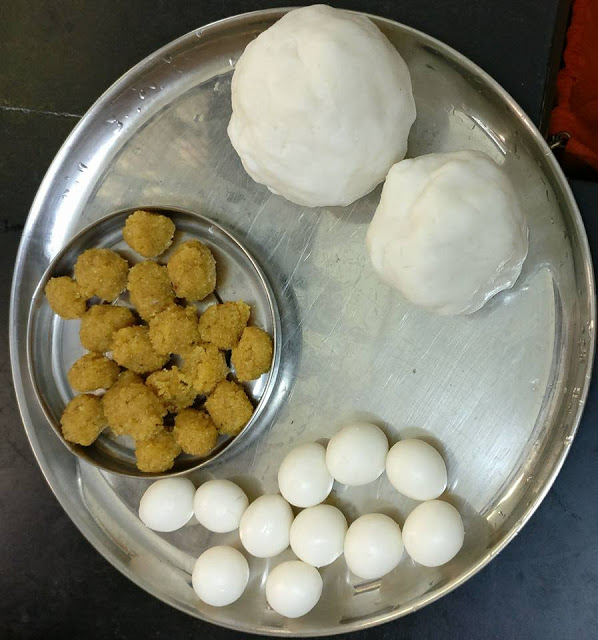
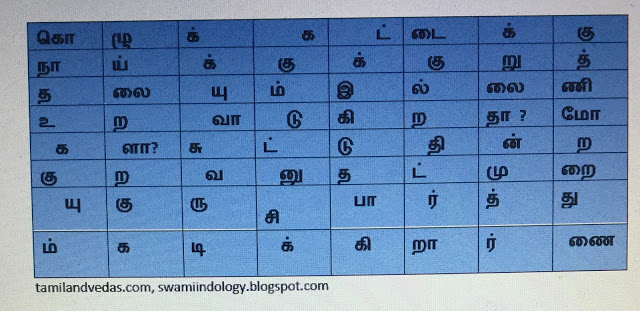
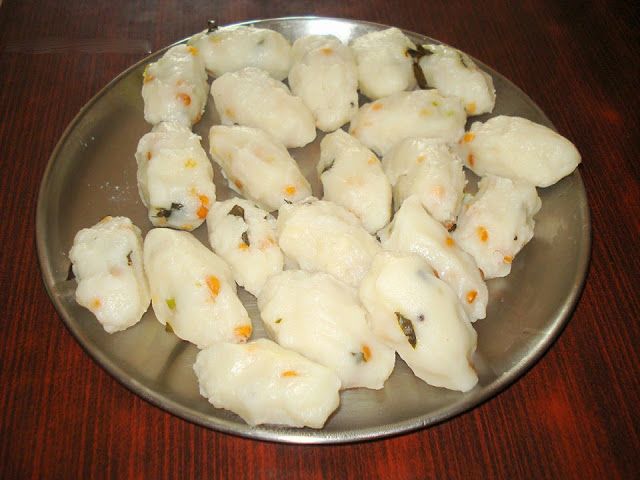
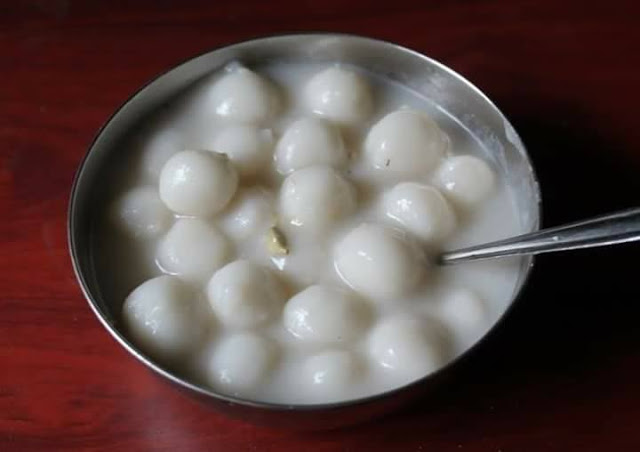
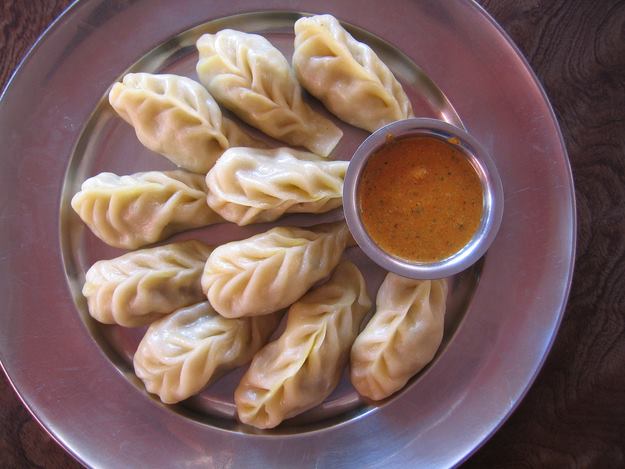
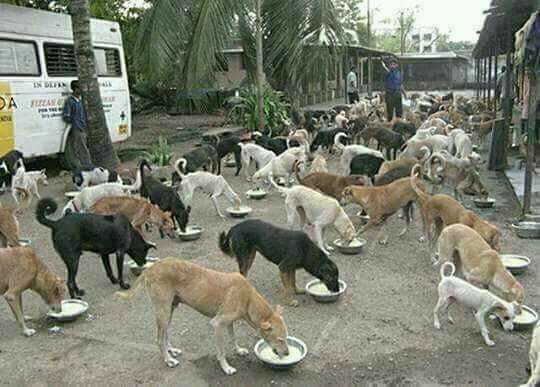
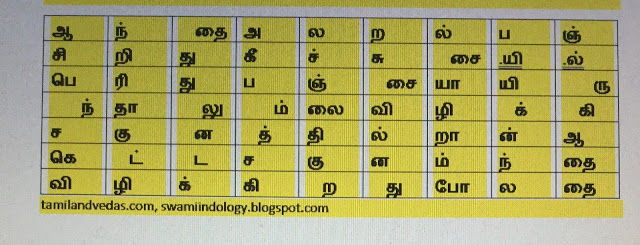
ஒரு முறை பயன்படுத்தப்பட்ட சொல், மற்ற பழமொழிகளில் இருந்தாலும், கட்டத்தில் திரும்ப எழுதப்படவில்லை . இத்துடன் பிரசுரமாகும் படங்கள் கொஞ்சம் துப்புத் துலக்க உதவலாம். கீழே விடைகள் உள .
விடைகள் :-
1.கொழுக்கட்டைக்குத் தலையும் இல்லை குறவனுக்கு (கோயிலாண்டிக்கு , குடியனுக்கு) முறையும் இல்லை
2.கொழுக்கட்டைக்குத் தலை பார்த்து கடிக்கிறார்களா ?
3.கொழுக்கட்டை சுட்டு உறவாடுகிறதா ?
4.கொழுக்கட்டை தின்ற நாய்க்குக் குறுணி மோர் குரு தட்சிணை .
Pictures are taken from various sources for spreading knowledge; this is a non- commercial blog. Thanks for your great pictures.
tamilandvedas.com, swamiindology.blogspot.com
நீ பசுவை வணங்கினால் நான் நாயை வணங்குவேன் !!!
வேத காலத்திலும் போட்டி பொறாமை உண்டு; அசுரர்கள் உண்டு; இப்படி சண்டையிட்டுப் பிரிந்து போ னவர்களைத்தான் இன்று நாம் பார்சிக்கள் (Parsees) என்று அழைக்கிறோம்.
ஆண்டுதோறும் சுதந்திர மாவீரன் வாஞ்சிநாதனை பிறந்த நாளன்று நாம் வணங்குகிறோம் ; கொடுங்கோலன் கலெக்டர் ஆஷ் துரையைச் சுட்டுக்கொன்றவன் அவன் ; நாம் அவன் சிலைக்கு மாலை பூட்டும் அதே நாளன்று இந்திய விரோதிகள் ‘ஆஷ் துரை ஜிந்தாபாத்’ என்று அங்கே முழங்குவது பற்றி பத்திரிகைகளில் படிக்கிறோம். இவர்கள் வெள்ளைக் காரர்கள் இந்த நாட்டை தொடர்ந்து ஆள வேண்டும் என்று தீர்மானம் போட்ட இந்திய விரோதிகள்.
இதே போல வேத காலத்திலும் ஒரு அசுரர் கும்பல் இருந்தது. அவர்கள் சண்டை காரணமாக ஈரானுக்குச் சென்றனர். அவர்களை 2000 ஆண்டுகளுக்குப் பின்னர் முஸ்லீம்கள் படுகொலை செய்யத் துவங்கியவுடன் இந்தியாவுக்கே ஓடி வந்தனர். பின்னர் நல்ல பிள்ளைகளாகி இந்தியாவின் தொழில் முன்னேற்றத்துக்கும், அணுகுண்டு செய்யவும் உதவி செய்தனர். இன்று அத்தனை நல்ல பார்சிக்களுக்கும் தபால்தலை வெளியிட்டு சிறப்பித்துள்ளோம்.
போட்டிக்கு ஒரு கட்சியை ஆரம்பிப்பவர் தாய்க் கட்சியிலுள்ள எல்லாவற்றையும் தலை கீழாக மாற்றுவர் அல்லது அவர்களுக்கே குழப்பம் வந்து விடும்.
ஆகையால் சவுராஷ்டிரா (குஜராத்) தேசத்திலிருந்து போனவர் ஒரு மதத்தை ஆரம்பித்தார் ; அவரை ஈரானிய உச்சரிப்பில் ஜொராத்திரர் என்றனர். வேத கால கவிதைகளை ‘சந்தஸ்’ என்பர். நாம் தமிழில் சொல்லும் சந்தமும் அதிலிருந்து வந்ததுதான். ஆகையால் அவர் தன புஸ்தகத்தை ‘சந்தஸ் அவஸ்தா’ என்றார் . அதை ஈரானிய உச்சரிப்பில் செண்ட் அவஸ்தா (Zend Avesta) என்றனர்.
(ஜரா சந்தர் அல்லது ஜொராஷ்டிரர் (Zoroaster) என்பது சவுராஷ்டிரர் என்பதன் மருவு என்றும் செண்ட் அவஸ்தா (Zend Avesta) என்பது சந்தஸ் என்பதன் மருவு என்றும் காஞ்சி பரமாசார்யர் சொன்னதை தெய்வத்தின் குரல் புஸ்தகத்தில் காணலாம்.; ஈரான் என்பதன் பழங்கால பெயர் ஆர்யன் ; மற்றொரு
பெயர் பாரஸீகம், பெர்ஸியா (Persia) என்பதாகும்).
ஜொராஷ்டிரர் சொன்னார்:-
“இந்துக்கள் போலவே தீயை வணங் குவோம் ; ஆனால் யாகம் செய்ய வேண்டாம் .
இந்துக்கள் போலவே பூணுல் அணிவோம் ; ஆனால் இந்திரனை மட்டந்தட்டி இழிவான பொருளில் ‘தேவன்’ என்று அழைப்போம்; அதற்குப் பதிலாக வருணனை அசுரன் என்று வாழ்த்துவோம் ; நமது பாஷையில் தேவன் என்றால் கீழ் ஜாதி;அசுரன் என்றால் உயர் ஜாதி .
அவர்கள் மேரு மலை, இமய மலையுள்ள வட திசையை புனிதமானது என்கின்றனர்; நாம் தெற்கு திசையை புனிதமானது என்று சொல்லி தென்புலத்தாரின் கடவுள் எமதர்மனை உயர்த்துவோம் ; ஈரானில் யமா என்பதை இமா / (Yima) யிமா என்று உச்சரிப்பர்.
இந்துக்கள் பசுவை புனிதமாக கருதுகிறார்கள்; நாம் எமனின் வாகனமான நாயை தவிசில் / சிம்மாசனத்தில் ஏற்றுவோம் ; இனிமேல் பார்சிக்களுக்கு நாய்தான் புனித பிராணி” என்று சவுராஷ்டிரர் உத்தரவு போட்டார். இவர் புத்தருக்கு 200 ஆண்டு முன்னர் வாந்தவர்; ரிக்வேத காலத்துக்கு மிகவும் பிற்பட்டவர் . சுமார் கி.மு. 800.
கோபத்தில் ஏதேனும் செய்தால் அது குதர்க்கமாகத்தான் இருக்கும்.
இந்திரன் தேவலோக கடவுள்; வருணன் பூலோக கடவுள்; வேதத்தில் சொல்லப்படும் அர்யமா (Aryama) என்பதை அஹிர் மான் (Ahirman) என்று சொல்லி மட்டம் தட்டினார் . அசுர் மஸ்த்தா – அசுரர் மஹத்- (Asura Mazda) பெருமை பொருந்திய அசுரன் – நமது கடவுள் என்றார்
வேத கால கடவுளர் அன்பு, கருணை அடிப்படையில் அமைந்தனர் . பார்ஸி கடவுள்கள் ராணுவப் போக்கில் அமைக்கப்பட்டனர் ; மனிதர்களைத் தவிர ஊர்வன பறப்பன எல்லாவற்றையும் அடித்துக் கொல்லுங்கள்; ஏனெனில் அவை தீமையின் வடிவம் என்றனர். ஆனால் நாய்கள் மட்டும் புனிதமானவை”.
நாய் பற்றி பார்சிக்கள் சொன்னதைப் பாருங்கள் :–
அவர்களுடைய சட்டப் புஸ்தகம் வெந்திதாத் (Vendidad) – வேதவத் – வித்வத் — என்பதன் திரிபாக இருக்கலாம்.
வேதத்தில் நான்கு கண்களையுடைய நாய் எமனின் கூட வரும்; ஆகையால் அதை புகழ்ந்தனர்; ஒரு பார்சி இறந்து போனவுடன் மஞ்சள் வர்ண காதுகளை உடைய வெள்ளை நாய்க்கு சடலத்தை அடையாளம் காட்டவேண்டும் ; அப்போது சடலத்தைச் சுற்றியுள்ள தீய சக்திகள் ஓடிவிடும்.
பார்சி சட்டப் புஸ்தகம் கூறுகிறது –
மனிதனைக் கொன்றால் 200 கசையடி ;
நாய்க் குட்டியைக் கொன்றால் 500 கசையடி ;
வீட்டைக் காக்கும் நாயைக் கொன்றால் 700 கசையடி ;
ஆடுகளைக் காக்கும் நாயைக் கொன்றால் 800 கசையடி ;
முள்ளம் பன்றியைக் கொன்றால் 1000 கசையடி ;
முள்ளம் பன்றி பயிர்களை அழிக்கும்
மற்ற பிராணிகளை சாப்பிடுவதால் அதற்கு மதிப்பு!!
****
இந்துக்கள் சோமலதை எனப்படும் கொடியைக் கொண்டு சோம யாகம் செய்தனர்; அதற்குப் போட்டியாக இவர்கள் மாதுளம்பழ மரக் குச்சிகளை வைத்து யாகம் செய்தனர்.
பெண்கள் விஷயத்திலும் இந்துக்கள் போல கற்பு முதலிய கடுமையான விதிகள் இல்லை .
புத்தருக்கு முந்தைய காலத்தில் பாரசீகத்தை ஆண்டவன் குரு (Kuru) . இதை கிரேக்கர்கள் குரோஸ், கைரோஸ் (Kuros, Kyros) என்று எழுத, ஆங்கில வரலாற்று ஆசிரியர்கள் சைரஸ்/ கைரஸ் (Cyrus the Great; 600 BCE ) என்று எழுதினர் ; இவனுடைய ஆட்சி சிந்து நதிக்கரை வரை, பரவியிருந்தது ; இவனுக்கு இந்தியா அஞ்சல்தலை வெளியிட்டது. இவனு ககு முந்தியும் ஒரு குரு (Kuru; Cyrus I –652 BCE) இருந்தான். இவர்கள் எல்லோரும் பாண்டவ – கௌரவர்களின் மூதாததையரான குரு வம்சத்தை (Kuru Dynasty) சேர்ந்தவர்கள் . அதற்கும் முந்தைய பரசு (Parsu) என்பவரை ரிக் வேதம் (8-6-46) குறிப்பிடுகிறது அதிலிருந்து வந்ததுதான் பாரசீகம்- பெர்சியா .
இவர்களுக்குப் பின்னால் பாரசீகத்தை ஆண்டவன் டேரியஸ்(Darius) ; அவன் ஒரு கல்வெட்டில் “நான் அசுரன் – நான் அசுரன் மகன்” என்று பெருமை படப் பேசுகிறான். ரிக் வேதத்தின் பழைய பகுதிகளில் இந்திரனையும் வருணனையும் அசுரர் என்று புகழ்கின்றனர்; அசுரர் என்ற சிறப்பு அடை மொழி ரிக் வேதத்தில் 26 முறை இந்திரனுக்கும் மற்ற கடவுளருக்கும் வருகிறது .
உபநிஷத் கதையில் , அசுரர்களும் தேவர்களும், மனிதர்களும் சென்று உபதேசம் கேட்ட போது “த , த , த” என்று கடவுள் சொன்னதை “3 த , த , த” கதையில் எழுதி இருக்கிறேன். தேவர்களும் அசுரர்களும் சேர்ந்து பார்க் கடலைக் கடந்த சிலைகள், சிற்பங்கள் தென் கிழக்காசிய நாடுகள் முழுதும் உள்ளன ; புத்தர் காலத்தை ஒட்டி மத்திய கிழக்கு பகுதியை ஆண்ட அஸீரிய (Assyria Kings = Asura Kings) மன்னர் அனைவரும் தனது பெயருக்கு முன்னர் அசுர (Ashur) என்று சேர்த்துக் கொண்டனர் ; இவர்களும் இந்துக்களே ;ஆனால் வேத வழக்குகளை பின்பற்ற மறுத்தனர் . இதை மநு தர்ம சாஸ்த்திரம் வரையுள்ள எல்லா நூல்களும் இயம்புகின்றன.
***
ஹரப்பாவில் (Hariyupiya) பயங்கர யுத்தம்
ரிக்வேதத்தில் சிந்து வெளி நகரமான ஹரப்பாவை ‘ஹரியூபிய’ என்று எழுதியுள்ளனர் ; அங்கு இந்திரர்களுக்கும் பாரசீக படை எடுப்பாளர்களுக்கும் இடையே நடந்த மோதலில் இந்திரன் வெற்றி பெற்றதை ஐத்ரேய பிராமணம் விரிவாக செப்புகிறது.
வாரசீகரின் (Varasika) பேரன்கள் அதில் இறந்து பட்டனர் ; வாரஸிக என்பதே பாரசீகம் / பெர்சியா / ஈரான் என்பதாகும் (V=P)
பரசுராமர் தொடர்பு !!!
‘ப’ வும் ‘வ’- வும் (P=V) இடம் மாறும் ;நாம் வங்கம் என்றால் வங்காளியர் ‘பங்கால்’ Bengal என்பர்; “தமிழ் ஒரு அதிசய மொழி” என்று 2014ம் ஆண்டில் எழுதிய கட்டுரையில் ஒரு பட்டியல் கொடுத்துள்ளேன்
வாரஸிக = பாரசீக
***
பரசுராமர்- ஜமதக்கினி
பாரசீக மன்னர்களின் குடும்ப புரோகிதர் வசிஷ்டர் அல்ல; விசுவாமித்திரர் அல்ல; உசாநச (Usaanasa) ; ரிக் வேதம் இவரைப் பழங்கால க்கவி என்று புகழ்கிறது ; கண்ணனும் கவிகளில் நான் உஷனஸ் (Ushanas) என்று பெருமைபடப் பேசுகிறார் . இவர் ‘பிருகு’ வம்சத்தில் வந்தவர் பார்கவ கோத்ரம். ; அசுரர் குருவான சுக்ராசாரியரான ‘உஷனஸ்’ எனப்படுகிறார் ஜமதக்கினி , அவர் மகன் பரசுராமன் எல்லோரும் ‘பிருகு’ வழி வந்தவர்களே .
ஆனால் மிகப் பழங்கால உஷனஸ் என்பது பெருமை மிகு ‘பட்டம்’ ஆனதால் காலத்தை நிர்ணயிக்கும் போது கவனமாகப் பயன்படுத்த வேண்டும் ; தேவர் குருவான பிருஹஸ்பதியும் அதே குடும்பத்தினர் என்பதை நினைவிற்கொள்ள வேண்டும்; துரோணர்தான் பாணடவர்க்கும் குரு ; கௌரவர்க்கும் குரு ; சிறந்த மாணவன் ஆன அர்ஜுனனுக்கு எல்லாவற்றையும் சொல்லிக் கொடுத்த போதும், எதிர் தரப்பில் நின்று போரிட்டார் ; இதை சுக்ர- பிருஹஸ்பதி , அசுரர்-தேவ , இந்திய -பாரசிக ஹரப்பா மோதலில் நினைவு வைத்துக்கொள்ள வேண்டும்; சங்கத் தமிழ் இலக்கியம் 2000 ஆண்டுகளுக்கு முன்னரே “இரு அந்தணர்” என்று சுக்ராசார்யாரையும் பிருஹஸ்பதியையும் குறிப்பிடுகிறது
சுருங்கச் சொல்லின் ………………..
பிருஹஸ்பதி = வியாழன் = குரு ; தேவ குரு
சுக்ரன் = வெள்ளி = அசுரர் குரு = பர்ஸு = பரசு ராமன் = பெர்சியா = பாரசீகம் = ஈரான்
சுபம்
SOURCE BOOKS – ARYA TARANGINI – VOLUME ONE – A. KALYANA RAMAN , 1968
Pictures are taken from various sources for spreading knowledge; this is a non- commercial blog. Thanks for your great pictures.
INDIA WAS NOT POOR
STORY OF INDIA’S ECONOMIC DOWNFALL – 6
R. Nanjappa
Henry St.George Tucker, who had retired to England with rich Indian experience, and who had become a director of the company, condemned the company policy in this regard in strong terms. He wrote that England had discouraged Indian goods in England and exported their own produce, including cotton manufactures. “India is thus reduced from the state of a manufacturing to that of an agricultural country.”
Perhaps the most important witness examined by the Committee was our old friend Sir Thomas Munro. He said that Indians were good manufacturers and were likely to imitate English goods. Asked whether Hindu women were not slaves of their husbands, he said that they had as much influence as the English ladies had in their own country. Asked whether, introduction of open trade would not improve the civilisation of Hindus, Munro made one of his most memorable submissions:
I do not understand what is meant by the civilisation of the Hindus; in the higher branches of science, in the knowledge of the theory and practice of good government, and in education which, by banishing prejudice and superstition, opens the mind to receive instruction of every kind, from every quarter, they are much inferior to Europeans. But if a good system of agriculture, unrivalled manufacturing skill, a capacity to produce whatever can contribute to convenience or luxury; schools established in every village for teaching reading, writing and arithmetic,; the general practice of hospitality and charity amongst each other; and above all a treatment of the female sex full of confidence, respect, and delicacy, are among the signs which denote a civilised people, then Hindus are not inferior to the nations of Europe; AND IF CIVILISATION IS TO BECOME AN ARTICLE OF TRADE BETWEEN THE TWO COUNTRIES, I AM CONVINCED THAT THIS COUNTRY (ENGLAND) WILL GAIN BY THE IMPORT CARGO.
Sir Thomas Munro said that the excellent quality of Indians’ own manufactures would stand in the way of their buying from England and mentioned that he had used an Indian shawl for seven years and found very little difference, and that he had never seen an European shawl like that.
Henry St.George Tucker, who had retired to England with rich Indian experience, and who had become a director of the company, condemned the company policy in this regard in strong terms. He wrote that England had discouraged Indian goods in England and exported their own produce, including cotton manufactures. “India is thus reduced from the state of a manufacturing to that of an agricultural country.”
Historian H.H.Wilson delivered a scathing verdict on what England had done. He pointed out how England imposed a duty of 70-80% on Indian cotton and silk goods, to make English manufactures cheaper!
“Had this not been the case, had not such prohibitory duties and decrees existed, the mills of Paisley and Manchester would have been stopped in their outset, and could scarcely have been again set in motion, even by the power of steam. They were created by the sacrifice of the Indian manufacture. Had India been independent, she would have retaliated…. This act of self defence was not permitted her; she was at the mercy of the stranger. British goods were forced upon her without paying any duty,and the foreign manufacturer employed by the arm of political injustice to keep down and ultimately strangle a competitor with whom she could not have contended on equal terms.”
The enquiry in 1813 had a strange effect. In their eagerness to increase English exports to India, England abolished the monopoly of the company with the renewal of the charter in 1813. It increased the ferocity of the imports. And they resorted to new methods. The weaving of fabrics by Indians was discouraged,. Indians were spinning their own yarn; gradually company agents started supplying the yarn. “Men who had worked on their own capital,produced commodities in their own homes and villages, and obtained their own profits, were now dependent on the Company’s Residents…The factories demanded raw produce; the people of India provided the raw produce; forgot their ancient manufacturing skill; lost the profits of manufacture.
Indian superiority in Agriculture
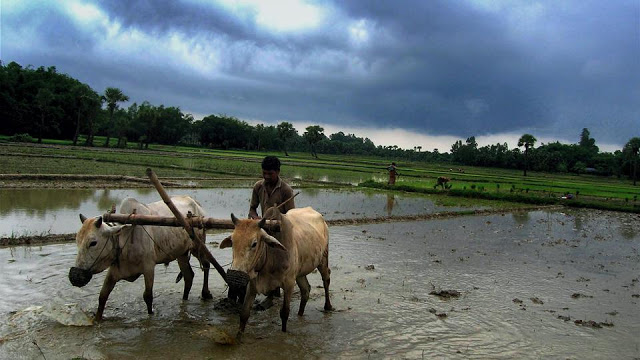
Indian superiority in almost all spheres of economic activity had been noted by keen observers. Not only in manufactures, even in agriculture, this was admitted by experts. Giving evidence before the committee of the House of Commons in 1832, Dr. Wallick, who was the Superintendent of the Botanical Garden in Calcutta said about Bengal agriculture:
The husbandry of Bengal has in a great measure been misunderstood by the Europeans out of India.
The Bengal husbandry, although in many respects extremely simple and primeval in mode and form, yet is not quite as low as people generally suppose…very sudden innovations in them have never led to any good results. European iron ploughs introduced into Bengal…. what has been the result? That the soil which is extremely superficial,…. which was intended to be torn up, has generally received the admixture of the under soil which has deteriorated it very much.
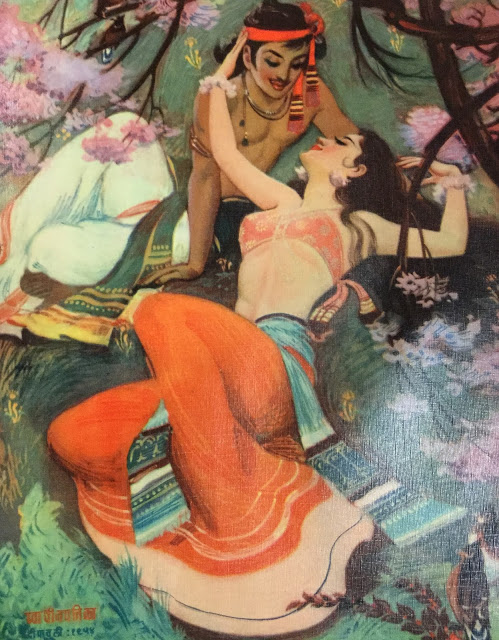
கிம் கர்வான் ந ஹிம் பாஷ்பகதூகததயா தூர்தஸ்ய மாயா ஹி சா ||
சார்தூலவிக்ரிதம் என்ற சந்தத்தில் அமைந்த கவிதை இது!
சுபகே, காமினி, வீணா விநோத கிரியை, சௌபாக்யோதய கர்வித:, மாயா போன்ற அழகிய வார்த்தைகளை கவனித்து அனுபவிக்க வேண்டும்.
கவிதை என்ன சொல்கிறது, பார்ப்போம்!
ஒரு அழகிய உணர்ச்சிப் பெருக்கான காதல் கவிதை இது. காதலனிடம் தன் தோழியை தூது அனுப்புகிறாள் காதலி. அவளும் அவனிடம் சென்றாள்.திரும்பி வந்தாள். பின்னர் நடந்த சம்பாஷணை தான் இது!
“ஓ, என் தோழீ! நீ அவனிடம் போனாயா?”
“ஆம், நான் போனேன், என் அழகியே, உன் காதலன் அருகே சென்றேன்.”
“அவனை உற்று கவனித்தாயா?”
“ஆம், நெடு நேரம்!”
“அவன் என்ன செய்து கொண்டிருந்தான்?”
“வீணையை இசைத்துக் கொண்டிருந்தான்.”
“சௌபாக்யவான் என்ற கர்வத்தில் அவன் என்ன சொன்னான்?”
“ஒரு வார்த்தை கூட பதில் பேசவில்லை!”
“ரொம்ப கர்வமோ?”
“இல்லை இல்லை, அவன் தொண்டை உணர்ச்சிப் பெருக்கால் பேச முடியாமல் அடைத்து விட்டது!”
“ஓ, எனது காதலனான அந்த போக்கிரியின் மாயா ஜாலங்களில் இதுவும் ஒன்றோ!”
“Did you, girl messenger, go to him?”
“Yes, I went, charming lady, to the proximity of your lover.”
“Did you observe him?”
“Yes, for a long time.”
“What was he doing?”
‘Playing on the lute.”
“Proud of his handsomeness, what did he say?”
“He spoke not a word in reply.” “Was it due to his pride?” “No, his throat was choked with tears (emotion).”
“O all that is deceitful pretensions of that rouge of my lover.”
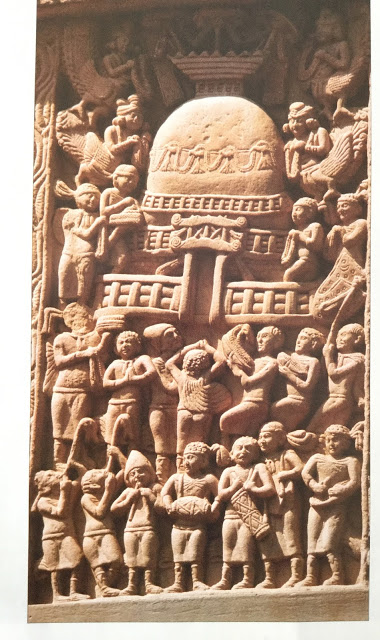
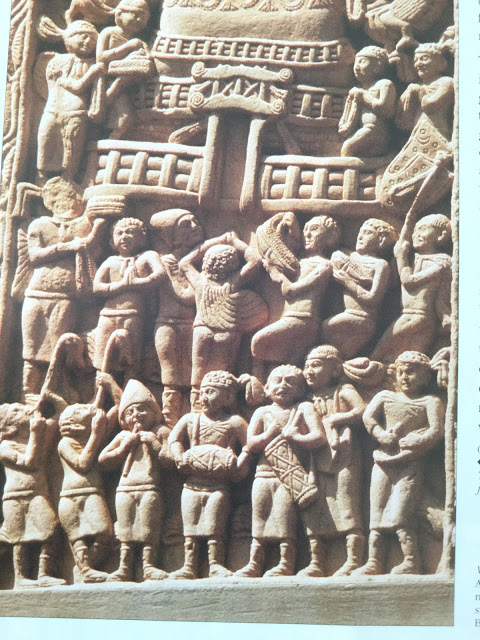
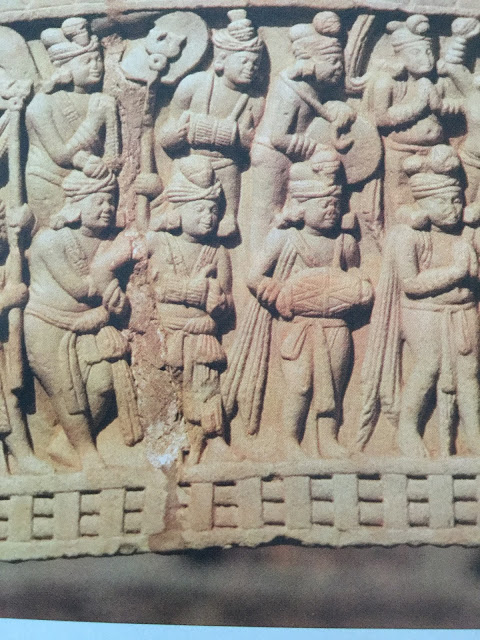
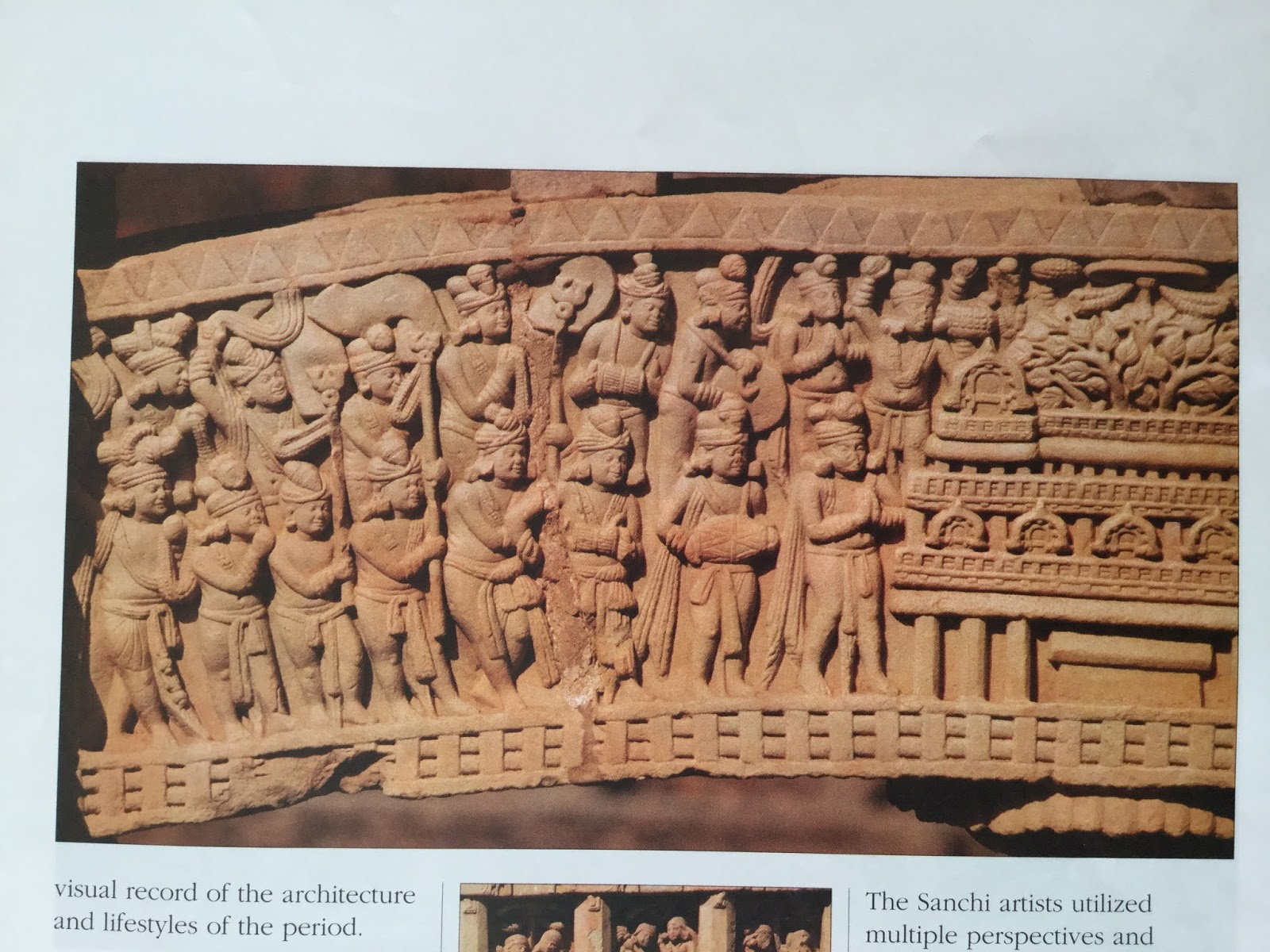
SANCHI STUPA IMAGES; LOOK AT THE SMILE IN THEIR FACES; LOOK AT THE MUSICAL INSTRUMENTS PLAYED 2300 YEARS AGO; LOOK AT THE DEVOTION THEY PAID O BUDDHA STUPA
Pictures are taken from various sources for spreading knowledge; this is a non- commercial blog. Thanks for your great pictures.
நமது பிளாக்கில் எஸ்.நாகராஜன் எழுதிய கட்டுரைகளின் பட்டியலை 2016 முதல் வெளியிடுகிறேன். இது அகர வரிசைப்படி இல்லாவிடினும் இண்டெக்ஸ் INDEX போன்றதே.
இந்தப் பட்டியலை பிரிண்ட் செய்து வைத்துக் கொண்டால் உங்களுக்குத் பிடித்த கட்டுரைகளை நேரம் கிடைத்தபோது படிக்கலாம்
கட்டுரைகளை பிளாக்கில் பெறுவது எப்படி?
பிளாக்கிற்குப் போய் தேடுவதை விட கூகுளில் (google) தேடுவது எளிது. கட்டுரையின் தலைப்பை காப்பிcopy செய்து கூகுளில் பேஸ்ட் paste செய்யுங்கள் அதன் பிறகு ஆங்கிலத்தில் from tamilandvedas.com என்று எழுதி க்ளிக் (click) செய்யுங்கள்.
from swamiindologly.blogspot.com
என்று எழுதியும் பெறலாம்.
எடுத்துக்காட்டு:
செம்பைப் பொன்னாக்கிய கொங்கண சித்தர் from tamilandvedas.com
செம்பைப் பொன்னாக்கிய கொங்கண சித்தர் from swamiindology.blogspot.com
நீங்கள் சிறு பிழை விட்டாலும் நீங்கள் எதிர்பார்த்தது கிடைக்காமல் வேறு விஷயம் வரும். அதில் நேரத்தை வீணடிக்காமல் மீண்டும் ஒரு முறை சரியாக எழுதி முயற்சி செய்யுங்கள். இரண்டு பிளாக்குகளில் ஒன்றில் கிடைத்து விடும்
கட்டுரை பெறுவதில் ஏதேனும் சிக்கல் இருந்தால் எங்களைத் தொடர்பு கொள்ளுங்கள் .
Pictures are taken from various sources for spreading knowledge; this is a non- commercial blog. Thanks for your great pictures.
tamilandvedas.com, swamiindology.blogspot.com
ஒரு முறை பயன்படுத்தப்பட்ட சொல், மற்ற பழமொழிகளில் இருந்தாலும், கட்டத்தில் திரும்ப எழுதப்படவில்லை . இத்துடன் பிரசுரமாகும் படங்கள் கொஞ்சம் துப்புத் துலக்க உதவலாம். கீழே விடைகள் உள .
Pictures are taken from various sources for spreading knowledge; this is a non- commercial blog. Thanks for your great pictures.
tamilandvedas.com, swamiindology.blogspot.com
Kanchi Shankaracharya (Paramacharya 1894-1994) explains the word Purvottaram in one of his lectures and asked why it is called ‘East North’ instead of ‘East West’?
What is Purvottaram/EastNorth?
Purva = east; Uttara = north.
The actual meaning is ‘antecedents of a person’.
That is the beginning to end of a person.
That is all history of a person.
Then he says that in a circle , if you start from a point (east) and go clockwise you come to the point where you started. In India if you start in east and turn right (clockwise) and continue you come to south (India) and go to Kerala (west) , Gujarat and the Himalayas (in the North). That is why two directions(east and north) are connected like this.
Swamiji continues……………………
Take for example two Tamil words for direction. They say Down and Up for East and West. Why?
Down – keez – Kizakku- East
Up – Mel – Merku- West
They named ‘down’ for east because east of Tamil Nadu is sea (Bay of Bengal)- sea level or below.
They named ‘up’ for west because of the Western Ghats; going up and up.
(the above is my rough translation)
Behitsun Inscription
My comments:-
This evokes many thoughts:-
Hindus allocated clockwise direction for all positive things; they go round the temple in clockwise direction even today. Sangam Tamil literature says Tiger wont eat its prey if it falls on its left side. All the poets praised tigers for its pro Right policy!
My Editor in Dinamani newspaper, Sri A N Sivaraman used to give us hours of lectures (where I worked as senior Sub Editor for 16 years) about English dividing the world as ‘Far East, Near East, Middle East, Third World Countries’ etc. They imposed their views on the world.
So people name different things like countries, directions in the way ‘THEY SEE’.
***
After reading Kanchi Paramacharya’s lecture for umpteenth time I turned the pages of Rig Veda for another reference. This is Parsu in the eight Mandala of Rig Veda. It is full of mysteries. It is full of Iranian and Mesopotamian connections. In every page Ralph T H Griffith honestly admits ,
The meaning is obscure; the meaning is uncertain ; ‘probably’ the poet means……..; it ‘may’ be……. ; Mr X says…..,Mr Y says…….. Mr Z denies; it is ‘improbable’ …………… etc.
In short no two clocks agree; no two foreign half baked, motivated, cunning , Christian translators agreed. All of them took to Rig Vedic studies to show that Bible is better than and truer than the Hindu Vedas. All jokers or cunning foxes……. sorry Scholars……… agreed on one point:
Hindus came from outside and destroyed local native population.
All Hindu dates are below 4100 BCE because the Bible says the earth appeared at that time.
They know if they say anything against such Christian belief they would be punished like Galileo, Copernicus, Miss Hypatia, Joan of Arc and Telemachus. Hundreds of these scholars were brutally murdered by Christian fanatics.
So, the foreign Sanskrit jokers (whom we call scholars) never touched the Bible or Koran.
***
Now let us apply Kanchi Paramacharya’s principle to Parasu and other Persian names.
Cyrus the Great was Second Cyrus who ruled Persia (Iran) from 600 BCE (before Buddha d Mahavira) ; His real name is Kuru. The First Cyrus ruled from 652 BCE; he was his grand father.
Every Hindu knows that Pandavas and Kauravas were called the descendants of a great king called Kuru. The dynasty in our Puranas is known as Kuru Vamsam.
All the scholars in the world agree on one point. Mahabharata war took place before 1000 BCE. Archaeological evidence shows before 1500 BCE. Hindus believe that Mahabharata war took place in 3100 BCE.
So the Persian King Kuru was named after the legendary Kuru of India. He lived 15 to 20 generations before Mahabharata Kings. Like Paramacharya said we name the way we look at a things. Since the forefathers of Kuru (First Cyrus of 652 BCE) went to Iran form India they named him Kuru. Since the Greeks corrupted the spelling and changed it to Kuros and the English historians corrupted the name to Cyrus, we couldn’t recognise him. But government of India released a stamp for Cyrus the Great (Kuru of 600 BCE).
White people massacred the natives in America , Canada, South American Countries, South Africa and Australia and gave the names to the places from where they went. This fact is in all the encyclopaedias. This is corroborated by Dasaratha (letters/ Amarna letters) of Egypt, Dasaratha of Syria/Turkey, Pratardana of Syria/Turkey of 1380 BCE. The Bogazkoi inscription is an unassailable archaeological proof for Vedic civilization in Syria/Turkey.
All the Iranian names are later than the Rig Veda. In fact there is no historical record even nearer to the date of Rig Veda. Modern Sarasvati River details show all parts of the Rig Veda were Pre Indus Valley and done in Sarasvati River Basin Civilization. So now we have scientific proof.
These things clearly show the way of Hindu migration before 2000 BCE. Kassites who ruled Babylon region for over 600 years from 1800 BCE went from India.
***
Now let us turn to Parasu
Parasu Rama , the avatar of Vishnu before Ramavatar, is known to every Hindu. Great Scholar A Kalyanaraman of Aryatarangini, shows the connection between this Parasu and Persia. He has beautifully analysed the schism between the Vedic Hindus and Persian Hindus. Though the Zend Avestha refers to all Vedic Gods, he showed them Ulta (inverted) ; I will give the long list of differences in another article .
4.Parsu occurs in one passage in a Dana Stuti in the Rig Veda as the name of a man; it is not certain that he is identical with Tirindira ; Sankhyayana Srauta Sutra mentions Triindira Paarasavya as the patron of Vatsa Kanva.
In another passage in the Vrsakapi hymn of Rig Veda 10-86-23, Parsu Maanavi occurs , apparently as a woman, daughter of Manu , but who is meant is impossible to say.
Though Parsu as a name of a person, does not occur in any other passage, Ludwig however sees in several other passages an allusion to the Parsus. Thus in passage of the Rig veda 10-33-2, he finds a reference to the defeat of Kuru Sravana by the Parsus; in another 7-83-1, he finds a reference to the Pruthus and Parsus, i.e. the Parthians and the Persians . Sayana interpreted it as broad axe (we are reminded of Parasu Rama)
There are more references in RV 6-27-8 etc.
Periplus knows a tribe of Parthoi in North India.
Before concluding, let us look at what Dr Agrawala says in his book ‘Panini as known to India’:-
Ashtadhayi of Panini 5-3-117
The Parsus may be identified with the Persians .
The Parsus are also known to Vedic literature – Rig Veda 8-6-46; Ludwig and Weber identify them with the Persians .
Gandhara and Parsa are mentioned in Behitsun inscription , brought under the common sovereignty of
Darius ,521-486 BCE .
Panini’s Paarsava is nearer to old Persian form Paarsa of the Behitsun Inscription . K ing Darius calls himself a
Parsa ,Paarsahyaa pusa – Persian, son of a Persian in
Susa inscription too.
greatest of the Yadavas
CONCLUSION
Persians went from India to Iran after some infighting. Kanchi Pramacharya says Zoroaster is Saurashtrar from Gujarat Saurashtra area and Zend Avesta is Chandas avastha; Chandas means Vedic Petry. When the Muslims started killing Parsees they came back to same Gujarat from where their forefathers left for Iran with Zoroaster. Now that the Marine archaeologists have found Dwaraka under sea they might have even left for Iran around the date when Dwaraka was devored by the sea, dated around 1500 BCE. But there may be earlier Tsunamis as well around Krishna’s time, around 3100 BCE. Because Hindu scriptures talk about one big Tsunami immediately after Krishna’s death. I myself have seen Dhanushkoti (Ramewaram) going into sea two times. Even before a big storm broke Pamban bridge in the 1960s Dhanuskoti buidings were half submerged in sea. After that storm, the buildings disappeared. And during 2004 Tsunami, further parts went down into sea. Whatever left is called Dhanushkoti today. The same thing might have happened to Dwaraka making the Parsis run for life (to Iran). Following hymn also links Yadavas of Dwaraka and Parsees of Iran.
YADAVA- IRAN CONNECTION
RIG VEDA 8-6-46
Note the highlighted mantras below; these are not satisfactorily explained by any one :-
HYMN VI Indra from 8th Mandala of RV
1. INDRA, great in his power and might, and like Parjanya rich in rain, Is magnified by Vatsa’s lauds. 2 When the priests, strengthening the Son of Holy Law, present their gifts, Singers with Order’s hymn of praiser. 3 Since Kaṇvas with their lauds have made Indra complete the sacrifice. Words are their own appropriate arms. 4 Before his hot displeasure all the peoples, all the men, bow down, As rivers bow them to the sea. 5 This power of his shone brightly forth when Indra brought together, like A skin, the worlds of heaven and earth. 6 The fiercely-moving Vṛtra’s head he severed with his thunderbolt, His mighty hundred-knotted bolt. 7 Here are-we sing them loudly forth-our thoughts among-the best of songs. Even lightnings like the blaze of fire. 8 When bidden thoughts, spontaneously advancing, glow, and with the stream Of sacrifice the Kaṇvas shine. 9 Indra, may we obtain that wealth in horses and in herds of cows, And prayer that may be noticed first. 10 I from my Father have received deep knowledge of the Holy Law I was born like unto the Sun. 11 After the lore of ancient time I make, like Kaṇva, beauteous songs, And Indra’s selfgains strength thereby. 12 Whatever Ṛṣis have not praised thee, Indra, or have lauded thee, By me exalted wax thou strong. 13 When his wrath thundered, when he rent Vṛtra to pieces, limb by limb, He sent the waters to the sea. 14 Against the Dasyu Susna thou, Indra, didst hurl thy during bolt: Thou, Dread one, hast a hero’s fame. 15 Neither the heavens nor firmaments nor regions of the earth contain Indra, the Thunderer with his might. 16 O Indra him who lay at length staying thy copious waters thou, In his own footsteps, smotest down 17 Thou hiddest deep in darkness itim, O Indra, who had set his grasp On spacious heaven and earth conjoined. 18 Indra, whatever Yatis and Bhṛgus have offered praise to thee, Listen, thou Mighty, to my call. 19 Indra, these spotted cows yield thee their butter and the milky draught; Aiders, thereby, of sacrifice; 20 Which, teeming, have received thee as a life-germ, Indra, with their mouth, Like Sūrya who sustaineth all. 21 O Lord of Might, with hymns of praise the Kaṇvas have increased thy power, The drops poured forth have strengthened thee. 22 Under thy guidance, Indra, mid thy praises, Lord of Thunder, shall The sacrifice be soon performed. 23 Indra, disclose much food for us, like a stronghold with store of kine: Give progeny and heroic strength. 24 And, Indra, grant us all that wealth of fleet steeds which shone bright of old Among the tribes of Nahusas. 25 Hither thou seemest to attract heaven’s fold which shines before our eyes, When, Indra, thou art kind to us. 26 Yea, when thou puttest forth thy power, Indra, thou governest the folk. Mighty, unlimited in strength. 27 The tribes who bring oblations call to thee, to thee to give them help, With drops to thee who spreadest far. 28 There where the mountains downward slope, there by the meeting of the streams The Sage was manifest with song. 29 Thence, marking, from his lofty place downward he looks upon the sea, And thence with rapid stir he moves. 30 Then, verify, they see the light refulgent of primeval seed, Kindled on yonder side of heaven. 31 Indra, the Kaṇvas all exalt thy wisdom and thy manly power, And, Mightiest! thine heroic strength. 32 Accept this eulogy of mine, Indra, and guard me carefully: Strengthen my thought and prosper it. 33 For thee, O Mighty, Thunder-armed, we singers through devotionhave Fashioned the hymn that we may live. 34 To Indra have the Kaṇvas sung, like waters speeding down a slope: The song is fain to go to him. 35 As rivers swell the ocean, so our hymns of praise make Indra strong, Eternal, of resistIess wrath. 36 Come with thy lovely Bay Steeds, come to us from regions far away O Indra, drink this Soma juice. 37 Best slayer of Vṛtras, men whose sacred grass is ready trimmed Invoke thee for the gain of spoil. 38 The heavens and earth come after thee as the wheel follows Etaśa: To thee flow Soma-drops effused. 39 Rejoice, O Indra, in the light, rejoice in Saryandyan, be Glad in the sacrificer’s hymn. 40 Grown strong in heaven, the Thunder-armed hath bellowed, Vṛtra-slayer, Bull, Chief drinker of the Soma juice. 41 Thou art a Ṛṣi born of old, sole Ruler over all by might: Thou, Indra, guardest well our wealth. 42 May thy Bay Steeds with beauteous backs, a hundred, bring thee to the feast, Bring thee to these our Soma-draughts. 43 The Kaṇvas with their hymns of praise have magnified this ancient thought That swells with streams of meath and oil. 44 Mid mightiest Gods let mortal man choose Indra at the sacrifice, Indra, whoe’er would win, for help. 45 Thy steeds, by Priyamedhas praised, shall bring thee, God whom all invoke, Hither to drink the Somajuice. 46 A hundred thousand have I gained from Parsu, from Tirindira, And presents of the Yadavas. 47 Ten thousand head of kine, and steeds three times a hundred they bestowed On Pajra for the Sāma-song. 48 Kakuha hath reached up to heaven, bestowing buffaloes yoked in fours, And matched in fame the Yadavas.
One of the most important chapters in Dutt’s book traces the way Indian industry was deliberately destroyed by the company. It is one of the most moving portions of the book and it takes a stout heart to read it. But read it, we must.
Following irregularities, the company was required to renew its charter every twenty years, and before granting renewa, a Committee of the House of Commons enquired into the working of the company. A large number of witnesses were examined. The committee had a sort of general or superficial concern for the people, but their main objective was to increase the company business and profit, replacing Indian goods with their own manufactures. But some insights did emerge.
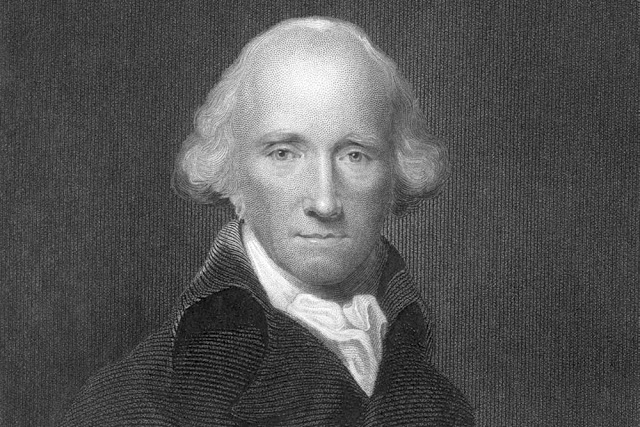
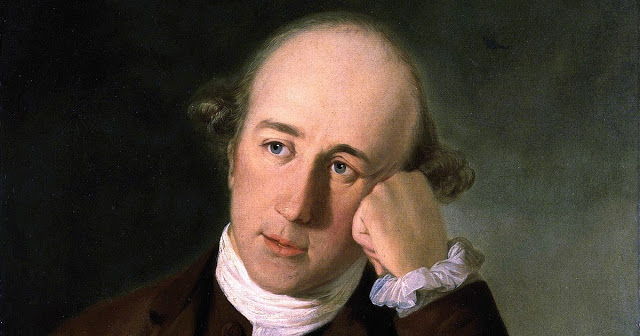
Thus, in 1813, Warren Hastings said to the Committee:
The supplies of trade are for the wants and luxuries of a people; the poor in India may be said to have no wants. Their wants are confined to their dwellings, to their food, and to a scanty portion of clothing, all of which they can have from the soil they tread upon
Sir John Malcolm, who had lived in India and knew Indians well said:
The Hindoo inhabitants are a race of men, generally speaking, not more distinguished by their lofty stature….than they are for some finest qualities of the mind; they are brave, generous, and humane, and their truth is as remarkable as their courage.
They are not likely to become consumers of European articles, because they do not posses the means to purchase them, even if, from their simple habits of life and attire, they required them.
Graeme Mercer, who had served the company as a doctor and in other departments, described Indians as:
mild in their dispositions, polished in their general manners, in their domestic relations kind and affectionate, submissive to authority, and peculiarly attached to their religious tenets, and to the observance of the rites and ceremonies prescribed by those tenets.
Perhaps the most important witness examined by the Committee was our old friend Sir Thomas Munro. He said that Indians were good manufacturers and were likely to imitate English goods. Asked whether Hindu women were not slaves of their husbands, he said that they had as much influence as the English ladies had in their own country. Asked whether, introduction of
Open trade would not improve the civilisation of Hindus, Munro made one of his most memorable submissions:
I do not understand what is meant by the civilisation of the Hindus; in the higher branches of science, in the knowledge of the theory and practice of good government, and in education which, by banishing prejudice and superstition, opens the mind to receive instruction of every kind, from every quarter, they are much inferior to Europeans. But if a good system of agriculture, unrivalled manufacturing skill, a capacity to produce whatever can contribute to convenience or luxury; schools established in every village for teaching reading, writing and arithmetic; the general practice of hospitality and charity amongst each other; and above all a treatment of the female sex full of confidence, respect, and delicacy, are among the signs which denote a civilised people, then Hindus are not inferior to the nations of Europe; AND IF CIVILISATION IS TO BECOME AN ARTICLE OF TRADE BETWEEN THE TWO COUNTRIES, I AM CONVINCED THAT THIS COUNTRY (ENGLAND) WILL GAIN BY THE IMPORT CARGO.
Sir Thomas Munro said that the excellent quality of Indians’ own manufactures would stand in the way of their buying from England and mentioned that he had used an Indian shawl for seven years and found very little difference, and that he had never seen an European shawl like that.













 Tamil and Vedas