SRI RAMANA LITERATURE-1 (Post No.8171)

WRITTEN BY R. NANJAPPA                        

Post No. 8171

Date uploaded in London – – – 14 June 2020   

Contact – swami_48@yahoo.com

Pictures are taken from various sources for spreading knowledge; this is a non- commercial blog. Thanks for your great pictures.

                                                    R. Nanjappa
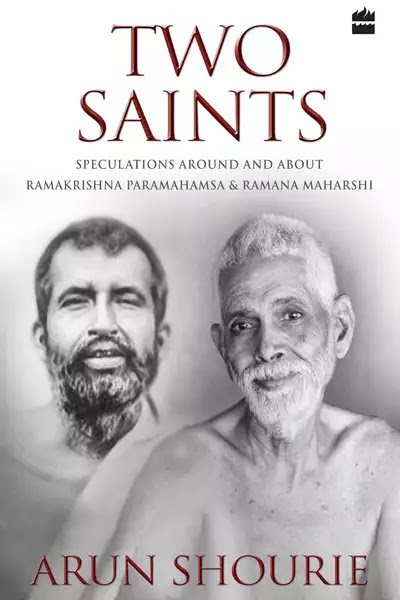

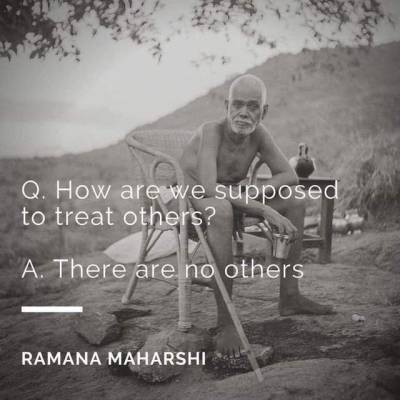
Sri Ramakrishna and Bhagavan Ramana

The life and teachings of Bhagwan Sri Ramana Maharshi differ from those of Sri Ramakrishna,  in their outer aspects though ultimately they are like two sides of the same coin. In fact, many devotees came to Sri Ramana after studying the Gospel of Sri Ramakrishna.

Sri Ramakrishna’s childhood was soaked in mystic light. His noble parents were very pious, though very poor. His youth was spent in intense Sadhana for over 14 years; different Gurus came to him to instruct on various paths. His mission of teaching lasted another 14 years. [The Gospel covers only the last four and a half years of his life and teachings.] It so happened that he had to leave the place where had lived for 30 years- the Dakshineswar Kali temple precincts- in the last 10 months of his life due to his illness. The young devotees desired to bring him back to Dakshineswar, but the temple management did not allow him to come back.


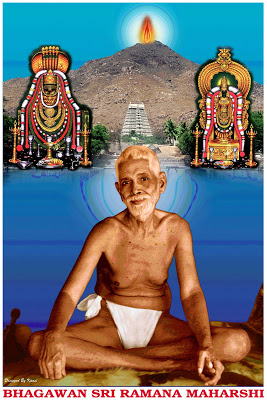
Sri Ramana reached Tiruvannamalai as a lad of 17 on 1 Sep, 1896 and did not leave the place even for a single day for 54 years, till he attained Maha Nirvana on 14 April, 1950. By the time he reached there, he was already a Jnani, a Realised Being. There was no further Sadhana, no tapas, no anything.  There was no human Guru. He just remained as he was.

Sri Ramana’s name was Venkataraman. His life is well chronicled, so we need not concern ourselves with those details.

Now, what about his teaching?


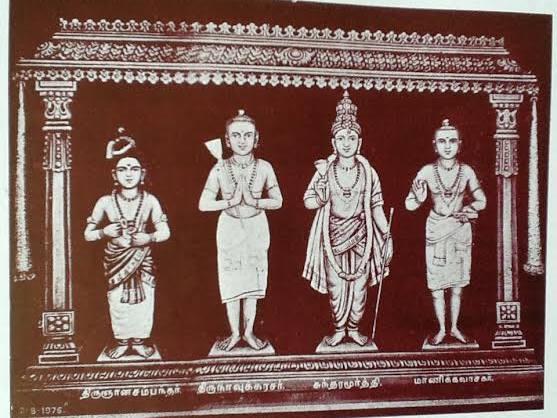
He had not studied any religious or spiritual book, other than the Bible he was taught at the Missionary school, and the lives of the 63 Tamil Saivite saints. He had not received any instruction in religious matters and did not know any scriptures. He had no knowledge of Sanskrit.

But he had encountered Death and Realised what was life first hand some six weeks before he came to Tiruvannamalai, whose other name “Arunachala” had had a mystic hold on him even as a youngster.  He was only interested in remaining in his natural state, a state of natural silence, with the mind completely annihilated. He did not feel inclined to talk or teach, certainly not to expound any theory or philosophy. Most people naturally fell silent in his presence, and experienced a sense of peace. Even animals remained calm and inactive in his presence.

However, some people kept approaching him for instructions from his earliest days, even when he was not talking. While he would not answer idle curiosity, or respond to mere learning, he was naturally inclined to help sincere sadhakas, whatever may be their path.  So, he would answer their questions raised on the basis  of the practical difficulties encountered by them, in writing in the days of silence. He was only interested in teaching a practical way to realise Truth. “What is Truth, and what is the way to attain it.”
But this he did as a “silent influence on the heart”, in the words of Arthur Osborne. For those who were not able to respond to that, he explained in words: 
Mind is a bundle of thoughts. The thought ‘I’ is the basic thought. If one questioned where this thought arose from, the mind would be absorbed in that source. Then one remained as one ever was. This questioning is not verbal, repetition of any formula, but paying attention to the source of one’s being. This he called “Self-enquiry” or finding out “Who Am I”. For those unable to follow this, he prescribed “Surrender”.

Enquire or Surrender- this is his only teaching. It has to be practiced, not studied.

Over the years, as his name spread, visitors, Indian and foreign, started pouring in, raised questions in the light of their spiritual practices or difficulties and he had to answer. Then, in response to devotees’ requests he had to write something, in prose and verse, all in his mother tongue, Tamil. These have been collected and published as his ‘Collected Works’. These have been translated into English and other languages. Like the original works in any language, his words in Tamil are his own, based on his experience, and do not employ any jargon. Something of the beauty, and accuracy (and Power?) is lost in any translation, however competent. Lucky are those who can read the original.

There is precise history behind and reason for everything that  Bhagavan Ramana wrote.  (Though he was named Ramana Maharshi, it was usual for devotees to address him as “Bhagavan”. So, we will also follow that practice!) It is important to know this.


1.SELF-ENQUIRY:


This is the first work that Bhagavan wrote. Around 1901 one devotee Gambhiram Seshayya submitted to him a few questions. Since those days he was not inclined to speak, Bhagavan wrote out his answers. Seshayya had copied them in his diary. After many years, the diary was recovered, the material was edited by a devotee and published under this heading. It is available both in essay and original question -answer forms.

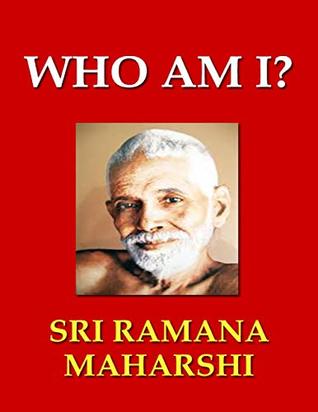
2. WHO AM I

Around the same time, one Sivaprakasam Pillai turned up. He had studied philosophy at the university, but was vexed by the question of one’s true identity ie ‘Who Am I’. He raised this and some related questions. Bhagavan’s answers were collected and later published under this heading. This too is both in the essay and question-answer forms.

Sivaprakasam Pillai is a very lucky devotee, and we are lucky too because of him. He raised the one question for which Bhagavan had already found the original answer! Later, on the advice of Bhagavan he went to his village and settled to a quiet life of sadhana. When he passed away years later, Bhagavan remarked: “Sivaprakasam has become Siva’s effulgence” (“Sivaprakasam Sivaprakasam aanaar”,  சிவப்ரகாசம் சிவப்ரகாசமானார் “in Tamil). This is high praise indeed, coming from Bhagavan! This teaching is the most characteristic of Bhagavan, though it had to be couched in conventional language to suit the questioner.

3.SPIRITUAL INSTRUCTION

This contains a record of conversations which took place on one of the early days between Bhagavan and devotees. They were noted down by a devotee, expanded and arranged and submitted to Bhagavan who appreciated them. We may however note that they were not the spontaneous teachings of Bhagavan, but his reaction to the discussions initiated by others.

4. FIVE HYMNS TO ARUNACHALA

These are the supreme devotional outpourings of a perfect Jnani, spontaneous expression of devotional exuberance in sublime poetry in the classical mould. Obviously devotional in tone, they distill perfect Jnana, and move heart and soul as nothing else. One simply melts.

1. The Marital Garland of Letters.

 This is a hymn of 108 verses, sung in the nayaki-nayaka bhava ( bridal mysticism) showing the sublime union of the soul with God, where the individual merges completely with the object of devotion.

This was written about the year 1914. The devotees were then going round the town to beg their food and they wanted Bhagavan to compose something distinct for them to chant as they went about. But Bhagavan was not inclined, saying there were already many hymns written by saints. But one day as Bhagavan started going round the Hill, as was his wont, a devotee followed him with paper and pencil in hand. The verses started welling up and Bhagavan wrote them down, with profuse tears flowing down his eyes and obscuring his vision. By the time the round was over, the poem was completed.

2.The Necklet of Nine Gems.


One day, a learned Dikshitar of Chidambaram came to Bhagavan and requested him to visit that holy place, as it represented the Akasha tatva, which was superior to the other four elements. Bhagavan wrote the first verse in reply, showing how Arunachala was superior to all;  the other verses were written afterwards.
3. Eleven Verses to Sri Arunachala

4. Eight Stanzas to Sri Arunachala.

About these, Bhagavan himself said:

“The only poems that came to me spontaneously and compelled me, as it were, to write them without anyone urging me to do so are the Eleven Verses to Sri Arunachala and the Eight Stanzas to Sri Arunachala. The opening words of the Eleven Verses came to me one morning and even though I tried to suppress them saying, ‘What have I to do with these words?’, they would not be suppressed till I composed a song bringing them in; and all the words flowed easily, without any effort. The remaining stanzas except two were also composed the same way.”

The last two were composed just before a devotee took them away for printing.


5.Arunachala Pancharatna (Five Stanzas)

These were composed by Bhagavan in Sanskrit at the urging of a devotee who was also a Sanskrit scholar. Bhagavan did not know Sanskrit but on composition, this was found to be flawless.

These Five Hymns are preceded by a verse written by Muruganar on the significance of  Arunachala. This is followed by a verse by Bhagavan on the significance of the Deepa that is lit on the Hill every year. Then follow some verses on the glory of Arunachala rendered in Tamil from Skandapurana. In a court case involving the Temple and the Forest Dept. Bhagavan’s views were sought on the status of the Hill and Bhagavan then pointed  out these verses, which he later rendered in Tamil.

5. VERSES WRITTEN AT THE URGING OF MURUGANAR.

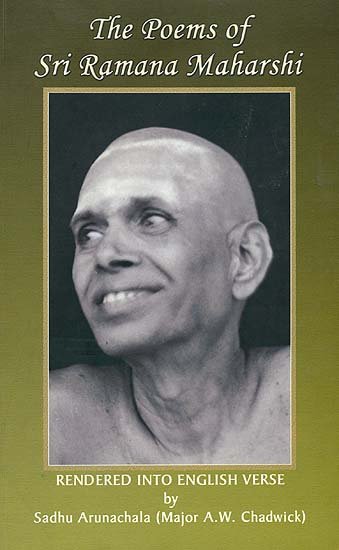
 The coming of Muruganar marks a glorious new chapter in the chronicles of Bhagavan. Muruganar was an acknowledged Tamil Scholar of standing, and a poet, working as a Tamil pandit, and was a member of the Tamil Lexicon committee. [His name was C.K.Subramanya Iyer, which he had rendered as ‘Muruganar’ due to his love of Tamil.] Coming to Bhagavan, he left everything and stayed with him permanently, outliving Bhagavan by 23 years. Bhagavan was the only God he knew. He has  crucial role in Ramana Leela and Literature.

  1. The Essence of Instruction: Upadesa Undiyar.

Once, he composed hymns in praise of Bhagavan, which have been collected together under the name Ramana Sannidhi Murai. In one part, he described  all the Avatars as Bhagavan’s. There is one episode in the divine play of Lord Siva. The Rishis of Daruka forest became attached to the performance of karma, to the extent of even disregarding God. Lord Siva wanted to teach them a lesson. Muruganar recorded the episode but when it came to the teaching, he felt unequal to the task, and urged Bhagavan to write out that portion. The result is thirty verses, capturing the very essence of all sadhana, giving a gist of the whole spiritual path . These have been published separately under the title Upadesa Undiyar, translated in English as ‘The Essence of Instruction’. In verses of stunning beauty and brevity, Bhagavan shows how Self-enquiry constitutes the best path. Bhagavan himself later rendered it in Telugu, Malayalam and Sanskrit. The Sanskrit version is chanted daily at the Samadhi shrine along with other Sanskrit scriptures.
  • Reality in Forty Verses: Ulladu Naarpadu.

    Bhagavan used to write stray verses occasionally on the urging of some devotee or other, or translate from Sanskrit; these  contained or reflected his own teachings. Once there were 20 such verses. Muruganar who was a great scholar of ancient Tamil literature felt that like some ancient Tamil collections which had forty verses as standard , Bhagavan should also write forty verses, containing his teachings.” Please tell us the nature of truth and the way to attain it so that we may be saved: Maiyin iyalbum atai mevum tiranum uyyumpadi emakkarulga”, he used to urge Bhagavan. மெய்யின் இயல்பும் அதை மேவும் திறனும் உய்யும்படி எமக்கருள்க“.


  As Bhagavan  composed , Muruganar started compiling them in some order, discarded some, and urged Bhagavan to write something more. Like this, he got a treasure of 40 original compositions from Bhagavan. He put them together under the name Reality in Forty Verses. The Tamil name derives from the first word of the first verse, which was later adopted as the benedictory verse. Bhagavan calls Truth : ULLADU- உள்ளது THAT WHICH IS- avoiding all jargon. This single verse conveys the essence of Bhagavan’s teaching: to find out the source of one’s Being or Self which always Is and abide as That! There is no other way!


3. Supplement to the Forty Verses:


This contains the verses excluded from the original Forty and contains many translations, but all having unity of subject. Here verse 39 is important. It instructs: Keep Advaita (bhava) at heart; never carry it  out in action. Even if you practice  it in the three worlds, it is never to be adopted with respect to the Guru. Nowadays, there is a kind of popular advaita which is tom-tomed, as if it can be easily done . Such people should remember the above verse.


Translations

Apart from the above, the Collected Works contain Bhagavan’s translations from Sanskrit sources: 2 pieces from Agama in verse; Atma Bodha and Dakshinamurti  Stotram in verse, and Viveka Chudamani and Drik Drisya Viveka in prose from Acharya Sankara. He also extracted some portions from an earlier translation of a Hindi work Vichara Sagara, rendered in Tamil as Vichara Mani Mala

Bhagavad Gita

Devotees used to urge Bhagavan to indicate some important verses from Bhagavad Gita as they felt it was difficult to recite all the 700 verses daily. Bhagavan used to say all verses were important, and pointed to verse 20, Chapter X as significant. But on further urging, he selected 42 verses, rendered them in Tamil, rearranged them and wrote an invocatory verse.

பார்த்தன் தேரில் நல் வார்த்தையாலவன் 

ஆர்த்தி போக்கருள் மூர்த்தி காக்கவே,

May that Murti, who removed, by his auspicious words, the distress of Arjuna  in the chariot,  , protect us.

 This was published as Bhagavad Gita Saram, ‘Song Celestial’ in English.

There are some stray verses also included in the collected works.

The Significance of the Collected Works. 

This collection itself reveals an important point. As the book was being readied for the press, in 1929, devotees desired that it should contain a  preface, as was the convention. People kept discussing, but no one was prepared to write a preface to a work containing Bhagvan’s words. It was nearing midnight and they were still talking. Bhagavan called a devotee, T.K Sundaresa Iyer and told him why could he not write it himself. Saying he could do only with Bhagavan’s blessings, TKS sat down and wrote something and showed it to Bhagavan around 2 a.m. Bhagavan read it and gave it back with his approval. TKS took the paper away and had gone a few steps when Bhagavan called him again, took back the sheet and changed one word. TKS had concluded that it was “hoped”  (Nambukiren நம்புகிறேன்) that this book containing the grace of  Bhagavan would enable struggling souls to get rid of misery and attain bliss. Bhagavan  scored out the word ‘hoped’ and wrote “CERTAIN” (TINNAM, திண்ணம் in Tamil) in his own hand and returned the sheet. This shows the importance of the work. 

Ramana Books, literature

TO BE CONTINUED………

4 ஆமைப் பழமொழிகளைக் கண்டுபிடியுங்கள் (Post No.8170)

WRITTEN BY LONDON SWAMINATHAN

Post No. 8170

Date uploaded in London – 14 June 2020       

Contact – swami_48@yahoo.com

Pictures are taken from various sources for spreading knowledge; this is a non- commercial blog. Thanks for your great pictures.

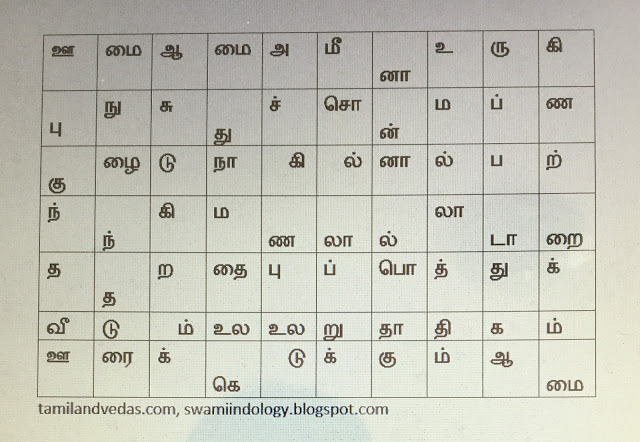
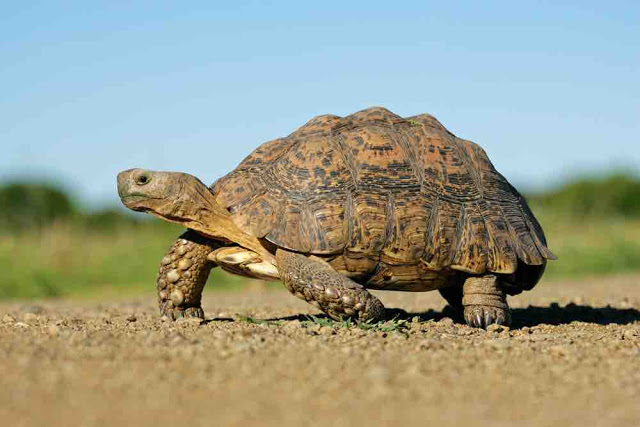
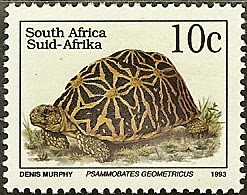
மை பற்றிய 4 பழமொழிகள் – கண்டுபிடியுங்கள்

ஒரே சொல் மீண்டும் மீண்டும் வந்தால் ஓரிரு இடங்களில் மட்டுமே கட்டத்தில் இருக்கும். கொண்டு கூட்டி பொருள் கொள்க . விடை கீழே உள்ளது . சில நேரங்களில் படங்களைப் பார்த்தாலும் விடை காண உதவலாம்.

விடை

1.ஊமை ஊரைக் கெடுக்கும், ஆமை கிணற்றைக் கெடுக்கும்

2.ஆமை புகுந்த வீடும் அமீனா நுழைந்த வீடும் உருப்படாது

3.ஆமை சுடுகிறது மல்லாத்தி,  நாமதைச்  சொன்னால் பொல்லாப்பு

4.ஆமை உலகம் கிணறுதான்

Source book :–

பயன்படுத்திய நூல்- கழகப் பழமொழி அகர  வரிசை, கழக வெளியீடு

tag- ஆமைப் பழமொழி

–subham–

ஹிந்தி படப் பாட்டுகள் – 67 – இரு மணிகள் (Post No.8169)

WRITTEN BY R. NANJAPPA                        

Post No. 8169

Date uploaded in London – – – 14 June 2020   

Contact – swami_48@yahoo.com

Pictures are taken from various sources for spreading knowledge; this is a non- commercial blog. Thanks for your great pictures.

ஹிந்தி படப் பாட்டுகள் – 67 – இரு மணிகள் – வடக்கு நோக்கி!

R. Nanjappa

வடக்கு நோக்கி!

பல ஹிந்திப் பாட்டுக்களின் மெட்டுக்கள் தமிழ்ப் படங்களில் எடுத்தாளப்பட்டிருக்கின்றன. இங்கிருந்து அங்கு போனது அனேகமாக இல்லை என்றே சொல்லலாம். 

சாஸ்திரிய இசையில் நிலை வேறு. அடிப்படை  ஸ்வரங்கள் ஹிந்துஸ்தானி, கர்னாடகம் இரண்டு முறைகளிலும் ஒன்றுதான், ஆனால் கையாளும் முறை வித்தியாசப்படும். பல ராகங்கள் ஒன்றாக இருந்தாலும் முற்றிலும் வேறான ராகங்களும் உண்டு.

ஹிந்துஸ்தானி இசையிலிருந்து நமக்கு வந்த ராகம் ‘த்விஜாவன்தி’. ஜெய்ஜெய்வன்தி என்ற ராகத்தை இப்பெயரில் நமக்கு அறிமுகப் படுத்தியவர் ஸ்ரீ முத்துஸ்வாமி தீக்ஷிதர். அவர் தந்தை ஸ்ரீ ராமஸ்வாமி தீக்ஷிதர் உருவாக்கிய ராகம் ஹம்ஸத்வனி. இது இங்கிருந்து ஹிந்துஸ்தானிக்குப் போனது! அது  அங்கு மிகவும் விரும்பத்தக்க ராகமாகிவிட்டது!

இப்படி நம்மிடமிருந்து வடக்கே போன இரு ராகங்களில் அமைந்த பாடல்களைப் பார்க்கலாம்

.

ஜா தோஸே நஹீ போலூ(ன்) கன்ஹையா

aaa
jaa tose nahin boloon Kanhaiyya
raah chalat pakdi mori bainyaa
jaa tose nahin
jaa jaa tose nahin
jaa tose nahin boloon Kanhaiyya 
roothi Raadhike
Krishna manaawat
murli ki saugandh uthaawat
roothi Raadhike
aaaa aaa aaa aaa
roothi Raadhike
Krishna manaawat
murli ki saugandh uthaawat
aaaa
maanat nahin Raaadhaa
jaa
jaa

jaa

aa tose nahin boloon
raah chalat pakdi mori bainyaa
jaa tose nahin
jaa jaa tose nahin
jaa tose nahin boloon Kanhaiyya

runak jhunak jab choodiyaan khanki
lahar lahar odhaniya lahki
runak jhunak jab choodiyaan khanki
aaa
runak jhunak jab choodiyaan khanki
lahar lahar odhaniya lahki
mridang dahkaa

maan gayi raadhaa
maan gayi raadhaa

maan gayi raadhaa 

Song: Ja Tose nahi boloon  Film: Parivar, 1956  Lyrics: Shailendra

Music: Salil Chowdhury  Singers: Manna Dey & Lata Mangeshkar.

YouTube Link:    https://www.youtube.com/watch?v=xX2dai-9tfs 


ஹம்ஸ்த்வனி ராகத்தில் அமைந்த அருமையான பாட்டு. எளிய நாட்டியப் பாடலாக அமைந்தது. ஷைலேந்த்ராவின் சாஹித்யம் எளியது- இது ராதா-க்ருஷ்ணரின் ஊடலைப் பற்றியது.

‘க்ருஷ்ணா,  நீ போ, நான் உன்னுடன் பேசமாட்டேன், நீ என் கையைப் பிடித்தால் தான் என்ன, நான் பேச மாட்டேன்’ என்கிறாள் ராதை. கிருஷ்ணரின் குழலோ, குரலோ வேலை செய்யவில்லை. முதலில் ராதை அவற்றைக் கண்டுகொள்வதில்லை ( மானத் நஹி ராதா) பிறகு வழிக்கு வருகிறாள் ( மான் கயீ ராதா). டான்ஸ் பாட்டானதால் அதற்கே உரிய சொல் கட்டுக்கள் வருகின்றன. நாம் இந்த ராகத்தை வட இந்திய பாணியில் கேட்டு ரசிப்போம்!

இது ஹிந்துஸ்தானியில் ஜனரஞ்சகமான ராகமாகிவிட்டது  இதோ சில சாஸ்திரீய ரிகார்டுகள்:

  Ustad Rashid Khan Vocal  ;https://www.youtube.com/watch?v=i4Jsy8_gCvQ

 Pandit Hariprasad Chaurasia Flute : https://www.youtube.com/watch?v=Ki_GWjrpG9I

Ustad Bismillah Khan Shenai   : https://www.youtube.com/watch?v=cbxcWkOLA4Q

கேட்டு மகிழலாம். நம்மைவிட நிதானமாகப் பாடுகிறார்கள்!

கலாவதி

 நம்மிடமிருந்து வடக்கே போன இன்னொரு ராகம் “கலாவதி” இதை நம்மவர்கள் ‘வலஜி / வலசி’ என்பார்கள். இந்த ராகத்தில் ஒரு அருமையான கவ்வாலியை அமைத்திருக்கிறார் ரோஷன். ‘பர்ஸாத் கீ ராத்” என்ற படத்தில் (1960) வரும் 12 நிமிட கவ்வாலி இது. இன்றுவரை நமது திரை இசையில் கவ்வாலிப் பாடல்களின் சிகரமாகக் கருதப்படுகிறது இது. முதலில் இந்த ராகத்தில் தொடங்கினாலும் பின்னர் வேறு ராகங்கள் கலந்துவிடுகின்றன இந்தக் கவ்வாலியை எழுதியது ஸாஹிர் லுதியான்வி. இதற்குப் பொருள் சொல்வது கடினம்- அதிலுள்ள நயங்கள் மறைந்துவிடும். பாட்டை ரசிப்போம்.இது மிக நீண்ட பாட்டு.

Song: Na to karwan ki talash hai Film: Barsat Ki Raat 1960 Lyrics: Sahir Ludhianvi

Music : Roshan Singers: Manna Dey, Mohammad Rafi, S.D.Batish, Asha Bhonsle, Sudha Malhotra

YouTube link:   https://www.youtube.com/watch?v=BQRHuMBtOYY&feature=emb_err_woyt

இந்தக் கவ்வாலியின் பொருளைத் தெரிந்துகொள்ள விரும்புபவர்கள் YouTube link பார்கவும்:

Hum Kisi Se Kum Nahin படத்திலும் ஒரு கவ்வாலி “ஹை அகர் துஷ்மன் ஃஜமானா- ஹம் கிஸீசே கம் நஹீ” இதே ராகத்தில் ஆர்.டி பர்மன் அமைத்திருக்கிறார்.

இந்த ராகத்தில் அவரோஹணத்தில் ஒரு சிறு மாற்றம் வந்தால் அது ‘ஜனசம்மோஹினி’ என்ற ராகமாக மாறிவிடுகிறது. இதில்  அமைந்த பாடல்களில் பிரசித்தமான ஒரு பாடல் ரஃபி பாடியது.

கோயீ ஸாகர் தில் கோ பஹலாதா நஹீ

कोई सागर दिल को बहलाता नहीं
बेख़ुदी में भी करार आता नहीं
कोई सागर दिल को

मैं कोई पत्थर नहीं इन्सान हूँ
कैसे कह दूं गम से घबराता नहीं
कोई सागर दिल को

कल तो सब थे कारवाँ के साथसाथ
आज कोई राह दिखलाता नहीं
कोई सागर दिल को

ज़िन्दगी के आईने को तोड़ दो
इसमें अब कुछ भी नज़र आता नहीं
कोई सागर दिल को… 
கோயீ ஸாகர் தில் கோ பஹலாதா நஹீ

பேகுதீ மே பீ கரார் ஆதா நஹீ

எந்தக் கடலும்  என் மனதிற்கு மகிழ்ச்சியைத் தரவில்லை

சுய நினைவில்லாத போதும் மனதில் அமைதி இல்லை!

மை கோயீ பத்தர் நஹீ இன்ஸான் ஹூ(ன்)

கைஸே கஹூ(ன்) தோ கம் ஸே கப்ராதா நஹீ

நான் ஒன்றும் கல் இல்லை, மனிதன் தான்

சோகத்தைக் கண்டு பயமில்லை என்று எப்படிச் சொல்வேன்?

கல் தோ ஸப் தே காரவான் கே ஸாத் ஸாத்

ஆஜ் கோயீ ராஹ் திக்லாதா நஹீ

நேற்று எல்லோரும் என்னுடன் இந்த வரிசையில் இருந்தார்கள்

இன்று வழிகாட்ட ஒருவரும் இல்லை

ஃஜிந்தகீ கே ஐனா கோ தோட் தோ

இஸ் மே அப் குச் பீ  நஃஜர் ஆதா நஹீ

வாழ்க்கை என்ற  இந்தக் கண்ணாடியை உடைத்துவிடு

இதில் இப்போது எதையும் பார்க்க முடியவில்லை!

கோயீ ஸாகர் தில் கோ பஹலாதா நஹீ

எந்தக் கடலும் என் மனதிற்கு மகிழ்ச்சியைத் தரவில்லை

Song: Koi sagar dil ko  Film: Dil Diya Dard Liya 1966 Lyrics: Shakeel Badayuni

Music ; Naushad Singer: Mohammad Rafi

YouTube link: https://www.youtube.com/watch?v=XisFzdMbGGY 

   Audio:     https://www.youtube.com/watch?v=fVTTEEHK7C0  

படத்தை ஒட்டிய பாடல். இங்கே அவர் ‘கடல்’ என்று சொல்வது வேறு சமாசாரம்!

இது நௌஷத்-ஷகீல்- ரஃபி அணியின்  பாடல்களில் ஒன்று. ஓஹோ என்று சொல்லும் படி எதுவும் இல்லை, எனினும் இந்த கலாவதி-ஜனசம்மோஹினி  ராகங்களின் தொடர்பைக் காட்டும் நல்ல பாடல்களில் ஒன்று.. 

Virus-free. www.avast.com

Attachments area

Preview YouTube video Ja Tose Nahin Boloon Kanhaiya – Lata Mangeshkar, Manna Dey – PARIVAR – Kishore Kumar, Usha Kiran

Ja Tose Nahin Boloon Kanhaiya – Lata Mangeshkar, Manna Dey – PARIVAR – Kishore Kumar, Usha Kiran

Preview YouTube video Parivar – Ja Tose Nahin Boloon

Parivar – Ja Tose Nahin Boloon

Preview YouTube video Raga Hamsadhwani | Rashid Khan (Album: Sangeet Sartaj)

Raga Hamsadhwani | Rashid Khan (Album: Sangeet Sartaj)

Preview YouTube video Pandit Hariprasad Chaurasia – Raga Hansadhwani

Pandit Hariprasad Chaurasia – Raga Hansadhwani

Preview YouTube video Raag Rageshwari – Ustad Bismillah Khan

Raag Rageshwari – Ustad Bismillah Khan

Preview YouTube video Na To Karvan Ki Talash Hai – Manna Dey, Asha Bhosle – BARSAAT KI RAAT – Madhubala, Bharat

Na To Karvan Ki Talash Hai – Manna Dey, Asha Bhosle – BARSAAT KI RAAT – Madhubala, Bharat

Preview YouTube video Na To Karvan Ki Talaash Hai-Barsaat Ki Raat

Na To Karvan Ki Talaash Hai-Barsaat Ki Raat

Preview YouTube video Koi Sagar Dil Ko Behlata Nahi Dil Diya Dard Liya

Koi Sagar Dil Ko Behlata Nahi Dil Diya Dard Liya

tag– ஹிந்தி படப் பாட்டுகள் – 67

பாரத ஸ்தலங்கள்! – ஒரு அறிமுகம்! – 3 (Post No.8168)

WRITTEN BY S NAGARAJAN                     

Post No. 8168

Date uploaded in London – – –14 June 2020   

Contact – swami_48@yahoo.com

Pictures are taken from various sources for spreading knowledge; this is a non- commercial blog. Thanks for your great pictures.

ச.நாகராஜன்

பாரத ஸ்தலங்களின் பட்டியல் தொடர்ச்சி..

17. தேவாரத் தலங்கள்

தேவாரத் தலங்கள் பற்றிப் பல ஆய்வுக் கட்டுரைகள் உள்ளன.

குறிப்பிடத்தகுந்த நூல்கள் : உ.வே.சாமிநாதையர் நூல்கள்

ராவ்பகதூர் வ.சு.செங்கல்வராய பிள்ளை எழுதிய தேவார ஒளி நெறி,தேவார ஒளிநெறிக் கட்டுரைகள் முதலியன.

தி.வெ.கோபாலையர் அவர்களின் பல ஆய்வு நூல்கள்.

இங்கு தரப்படுவது பெரும் அறிஞரான தி.வெ.கோபாலையரின் ஆய்வை ஒட்டியது. அவரது தேவாரம்- ஆய்வுத் துணையில் தரப்பட்டுள்ள பட்டியல் இது.

அகரவரிசையின் படி தரப்பட்டுள்ள ஸ்தலங்களின் பட்டியல் இது: (திரு என்ற அடைமொழி வார்த்தை இருக்காது. திருவையாறு என்பது ஐயாறு எனக் குறிப்பிடப்பட்டிருக்கும்.)

  1. அகத்தியான் பள்ளி 2) அச்சிறுபாக்கம் 3) அஞ்சைக்களம் 4) அண்ணாமலை 5) அதிகைவீரட்டம் 6) அம்பர் பெருந்திருக்கோயில் 7) அம்பர்மாகாளம் 8) அரசிலி 9) அரதைப்பெரும்பழி 10) அரிசிற்கரைப்புத்தூர் 11) அவள் இவள் நல்லூர் 12) அவிநாசி 13) அழுந்தூர் 14) அறையணிநல்லூர் 15) அனேகதங்காவதம் 16) அன்பில் ஆலந்துறை 17) அன்னியூர் 18) ஆக்கூர் 19) ஆடானை 20) ஆப்பனூர் 21) ஆப்பாடி 22) ஆமாத்தூர் 23) ஆரூர் 24) ஆரூர் அரநெறி 25) அரூர்ப் பரவையுள்மண்டலி 26) ஆலங்காடு 27) ஆலம்பொழில் 28) ஆலவாய் 29) ஆவடுதுறை 30) ஆவூர்ப்பசுபதீச்சுரம் 31) ஆனைக்கா 32) இடும்பாவனம் 33) இடைச்சுரம் 34) இடைமருதூர் 35) இடையாறு 36) இந்திரநீலப்பருப்பஹம் 37) இரமனந்தீச்சுரம் 38) இராமேஸ்வரம் 39) இரும்பூளை 40) இரும்பைமாகாளம் 41) இலம்பையங்கோட்டூர் 42) இன்னம்பர் 43) ஈங்கோய்மலை 44) உசாத்தானம் 45) ஊறல் 46) எதிர்கொள்பாடி 47) எருக்கத்தம்புலியூர் 48) எறும்பியூர் 49) ஏடகம் 50) ஐயாறு 51) ஒற்றியூர் 52) ஓணகாந்தள்தளி 53) ஓத்தூர் 54) ஓ(ம)மாம்புலியூர் 55) கச்சி அனேகதங்காவதம் 56) கச்சி ஏகம்பம் 57) கச்சிநெறிக்காரைக்காடு 58) கச்சிமேற்றளி 59) கச்சூர் 60) கஞ்சனூர் 61) கடம்பந்துறை 62) கடம்பந்துறை 63) கடம்பூர் 64) கடம்பூர்மயானம் 65) கடவூர் வீரட்டம் 66) கடிக்குளம் 67) கடுவாய்க்கரைப்புத்தூர் 68) கடைமுடி 69) கண்டியூர் 70) கண்ணார்கோயில் 71) கரவீரம் 72) கருகாவூர் 73) கருக்குடி 74) கருப்பறியலூர் 75) கருவிலிக்கொட்டிட்டை 76) கருவூர் ஆனிலை 77) கலயநல்லூர் 78) கலிக்காமூர் 79) கழிப்பாலை 80) கழுக்குன்றம் 81) களர் 82) கள்ளில் 83) கற்குடி 84) கன்றாப்பூர் 85) காட்டுப்பள்ளி (கீழை) 86) காட்டுப்பள்ளி (மேலை) 87) காவிரிப்பூம்பட்டினத்துப் பல்லவனீச்சுரம் 88) காழி (சீகாழி உள்ளிட்ட 12 பெயர்களை உடைய தலம் இது) 89) காளத்தி 90) காறாயில் 91) கானப்பேர் 92) கானாட்டுமுள்ளூர் 93) கானூர் 94) கிளியன்னவூர் 95) கீழ்வேளூர் 96) குடந்தைக்காரோணம் (விசுவநாதர்கோயில்) 97) குடந்தைக்கீழ்க்கோட்டம் ( நாகேஸ்வரர் கோயில்) 98) குடமுக்கு 99) குடவாயில் 100) குரக்குக்கா 101) குரங்கணில்முட்டம் 102) குரங்காடுதுறை (தென்) 103) குரங்காடுதுறை (வட) 104) குருகாவூர் 105) குறுக்கைவீரட்டம் 106) குற்றாலம் 107) கூடலையாற்றூர் 108) கேதாரம் 109) கேதீச்சுரம் 110) கைச்சினம் 111) கொடிமாடச்செங்குன்றூர் 112) கொடுங்குன்றம் 113) கொட்டையூர் 114) கொண்டீச்சுரம் 115) கொள்ளம்பூதூர் 116) கொள்ளிக்காடு 117) கோகரணம் 118) கோடி 119) கோடிகர் 120) கோட்டாறு 121) கோட்டூர் 122) கோணமலை 123) கோயில் 124) கோலக்கா 125) கோவலூர் 126) கோழம்பம் 127) கோளிலி 128) சக்கரப்பள்ளி 129) சத்திமுற்றம் 130) சாத்தமங்கை 131) சாய்க்காடு 132) சிக்கல் 133) சிராப்பள்ளி 134) சிவபுரம் 135) சிறுகுடி 136) சிற்றேமம் 137) சுழியல் 138) செங்காட்டங்குடி 139) செம்பொன்பள்ளி 140) சேய்ஞலூர் 141) சேறைச் செந்நெறி 142) சோபுரம் 143) சோற்றுத்துறை 144) தண்டலைநீள்நெறி 145) தருமபுரம் 146) தலைச்சங்காடு 147) தலையாலங்காடு 148) திருந்துதேவன்குடி 149) திலதைப்பதி 150) தினைநகர் 151) துருத்தி (குத்தாலம்) 152) துறையூர் 153) தூங்கானைமாடம் (பெண்ணாடகம்) 154) தெங்கூர் 155) தெளிச்சேரி 156) தென்குடித்திட்டை 157) தேவூர் 158) நணா (பவானி முக்கூடல்) 159) நல்லம் 160) நல்லூர் 161) நல்லூர்ப் பெருமணம் (ஆச்சாள்புரம்) 162) நள்ளாறு 163) நறையூர்ச் சித்தீச்சுரம் 164) நனிபள்ளி 165) நன்னிலத்துப் பெருங்கோயில் 166) நாகேச்சுரம் 167) நாகைக்காரோணம் 168) நாட்டியத்தான்குடி 169) நாரையூர் 170) நாலூர்மயானம் 171) நாவலூர் 172) நின்றியூர் 173) நீடூர் 174) நீலக்குடி 175) நெடுங்களம் 176) நெய்த்தானம் 177) நெல்லிக்கா 178) நெல்வாயில் (சிவபுரி) 179) நெல்வாயில் அரத்துறை 180) நெல்வெண்ணெய் 181) நெல்வேலி 182) பட்டீச்சுரம் 183) பந்தணைநல்லூர் 184) பயற்றூர் 185) பரங்குன்றம் 186) பராய்த்துறை 187) பரிதிநியமம் 188) பருப்பதம் (ஸ்ரீ சைலம்) 189) பழனம் 190) பழுவூர் 191) பழையாறை வடதளி 192) பள்ளியின் முக்கூடல் 193) பறியலூர் 194) பனந்தாள் 195) பனையூர் 196) பாசூர் 197) பாச்சில் ஆச்சிராமம் 198) பாண்டிக்கொடுமுடி 199) பாதாளீச்சுரம் 200) பாதிரிப்புலியூர் 201) பாம்புரம் 202) (வன்) பார்த்தான் பனங்காட்டூர் 203) பாலைத்துறை 204) பாற்றுரை 205) புகலூர் 206) புகலூர் வர்த்தமானீச்சுரம் 207) புத்தூர் 208) புள்ளமங்கை 209) புள்ளிருக்கு வேளூர் 210) புறம்பயம் 211) புறவார் பனங்காட்டூர் 212) புனவாயில் 213) புன்கூர் 214) பூந்துருத்தி 215) பூவணம் 216) பூவணூர் 217) பெரும்புலியூர் 218) பெருவேளூர் 219) பேணு பெருந்துறை 220) பேரெயில் 221) பைஞ்ஞீலி 222) மங்கலக்குடி 223) மணஞ்சேரி 224) மண்ணிப்படிக்கரை 225) மயிலாடுதுறை 226) மயிலாப்பூர் 227) மயேந்திரப்பள்ளி 228) மருகல் 229) மழபாடி 230) மறைக்காடு 231) மாகறல் 232) மாணிகுழி 233) மாந்துறை 234) மாற்பேறு 235) மீயச்சூர் 236) மீயச்சூர் இளங்கோயில் 237) முண்டீச்சுரம் 238) முதுகுன்றம் 239) முருகன்பூண்டி 240) முல்லைவாயில் (தென்) 241) முல்லைவாயில் (வட) 242) முக்கீச்சுரம் (உறையூர்) 243) வக்கரை 244) வடுகூர் 245) வலஞ்சுழி 246) வலம்புரம் 247) வலிதாயம் 248) வலிவலம் 249) வல்லம் 250) வன்னியூர் 251) வாஞ்சியம் 252) வாட்போக்கி (இரத்தினகிரி) 253) வாய்மூர் 254) வாழ்கொளிபுத்தூர் 255) வான்மியூர் 256) விசயமங்கை 257) விடைவாய் 258) வியலூர் 259) விளநகர் 260) விளமர் 261) விற்குடி வீரட்டம் 262) விற்கோலம் (கூவம்) 263) வீழிமலை 264) வெஞ்சமாக்கூடல் 265) வெண்காஎஉ 266) வெண்டுறை 267) வெண்ணியூர் 268) வெண்ணெய்நல்லூர் 269) வெண்பாக்கம் 270) வேட்களம் 271) வேட்டக்குடி 272) வேதிகுடி 273) வேள்விக்குடி 274) வேற்காடு 275) வைகல்மாடக்கோயில் 276) வைகாவூர்

இந்தத் தலங்களின் பெருமை, பெயர்க்காரணம், இங்கு நடந்துள்ள திருவிளையாடல்கள், மகான்களின் அற்புதங்கள், இந்தத் தலங்களில் பாடப்பட்ட பாடல்கள் உள்ளிட்ட ஏராளமான சுவையான செய்திகளைப் படித்து உணர்வதற்கு ஒரு வாழ்நாள் போதாது.


tag- பாரத ஸ்தலங்கள்-3

***

Swami Cross word 1362020 (Post No.8167)

WRITTEN BY LONDON SWAMINATHAN

Post No. 8167

Date uploaded in London – 13 June 2020       

Contact – swami_48@yahoo.com

Pictures are taken from various sources for spreading knowledge; this is a non- commercial blog. Thanks for your great pictures.

tamilandvedas.com, swamiindology.blogspot.com

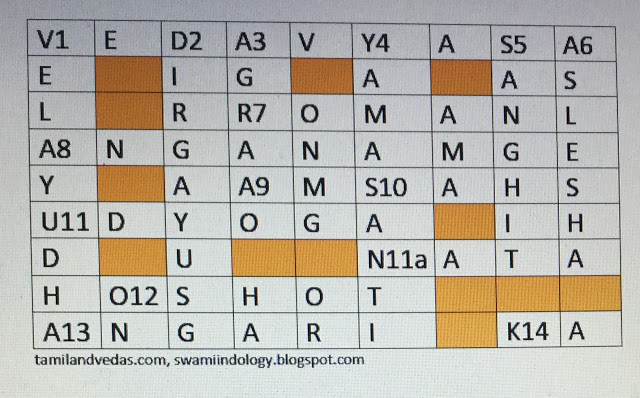
Across

1. –(9 letters)- great rishi who wrote Mahabharata

7. — (4)—hair in Sanskrit and other Indian languages

8.–(7)- Front yard in Sanskrit and other Indian languages

9.–(4)- part, section, factor in Sanskrit and other Indian languages

11. –(6) – job, industry in Sanskrit and other Indian languages

11a.– (4) – actor ; root for Natya, Nataka

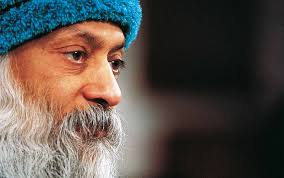
12. –(4) Controversial God man who advocated Sex to see god; Pune based Ashram

13. –(6) a portable fire pan; brazier

14. –(2) -Prajapati in Veda

Down

1. –(9 letters)- one who holds spear in hand; Hindu god Kartikeya/Skanda

2. –(7)- Greeting- Long live

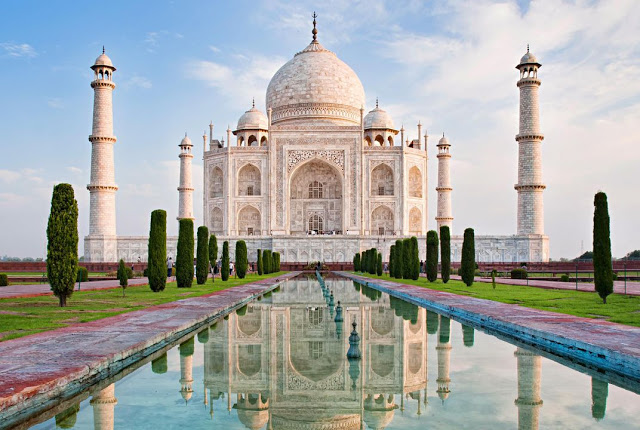
3–(4) – city where Taj Mahal is located

4.– (4) – God of Death

5. –(8) – Music

6. –(7) – Star name beginning with ‘Aa’

10. –(5) – Peace

–subham–

முதலை பற்றிய 4 பழமொழிகளைக் கண்டுபிடியுங்கள் (Post No.8166)

WRITTEN BY LONDON SWAMINATHAN

Post No. 8166

Date uploaded in London – 13 June 2020       

Contact – swami_48@yahoo.com

Pictures are taken from various sources for spreading knowledge; this is a non- commercial blog. Thanks for your great pictures.

tamilandvedas.com, swamiindology.blogspot.com

ஒரே சொல் மீண்டும் மீண்டும் வந்தால் ஓரிரு இடங்களில் மட்டுமே கட்டத்தில் இருக்கும். கொண்டு கூட்டி பொருள் கொள்க . விடை கீழே உள்ளது . சில நேரங்களில் படங்களைப் பார்த்தாலும் விடை காண உதவலாம்.

விடை

1.முதலைக் கண்ணீர் வடிக்கிறான்

2.முதலையும் மூ ர்க்கனும் கொண்டது விடா

3.முதலை தன் இடத்து மலை ஒத்த யானையையும் இழுத்துச் செல்லும்

4.முதலை நரியின் காலை விட்டு புங்க மரத்தின் வேரைப் பிடித்தது போல


Source book :–

பயன்படுத்திய நூல்- கழகப் பழமொழி அகர  வரிசை, கழக வெளியீடு

Tags-   முதலை , பழமொழிகள்

–subham–

Mr Brick Man, மிஸ்டர் செங்கல்வராயன் (Post No.8165)

WRITTEN BY LONDON SWAMINATHAN

Post No. 8165

Date uploaded in London – 13 June 2020       

Contact – swami_48@yahoo.com

Pictures are taken from various sources for spreading knowledge; this is a non- commercial blog. Thanks for your great pictures.

tamilandvedas.com, swamiindology.blogspot.com

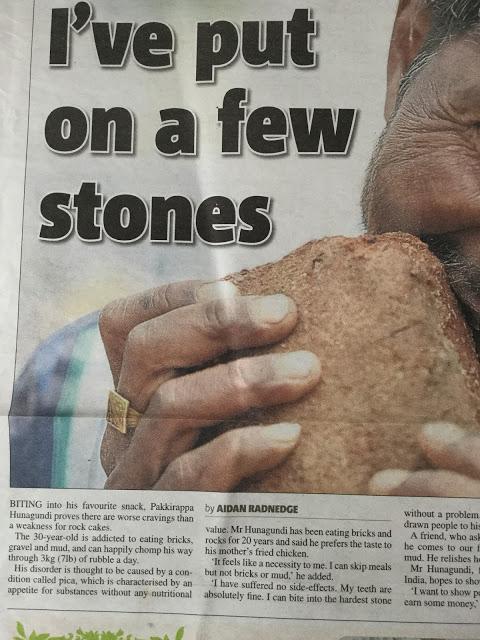
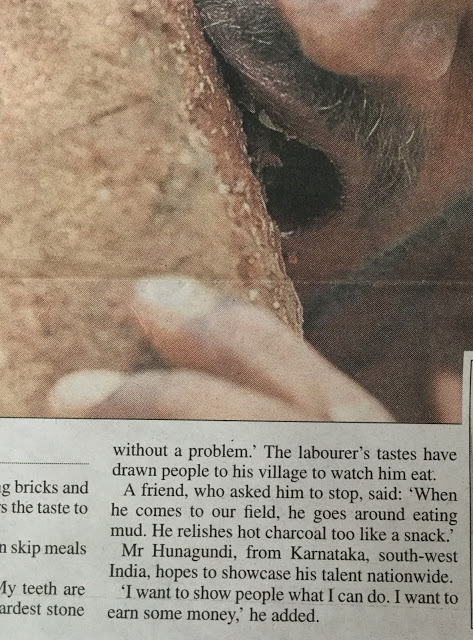
செங்கலைத் தின்பவன் செங்கல்வராயன் .மண்ணைத் தின்பவன் மண்ணாங்கட்டி ;

மண்ணுண்ட கண்ண பிரானை நாம் அறிவோம். செங்கல் உண்ணும் பக்கிரப்பா செய்வதைக் கேட்டால் நமக்கு பகீர்  என்ற உணர்ச்சி ஏற்படும். ஒரு நாளைக்கு மூன்று கிலோ செங்கல் சாப்பிடுகிறார். அதுவும் 20  வயது முதல். இப்போது வயது 30 என்று 2014ல் வெளியான லண்டன் மெட்ரோ நியூஸ் பேப்பர் எழுதுகிறது . ஆக 2020ல் அவருக்கு 36 வயது என்று சொல்லலாம். இந்த ‘பகீர்’ அப்பா கர்நாடகத்தில் வசிக்கிறார். முழுப் பெயர் ‘பக்கிரப்பா ஹுனகண்டி’ (Pakkirappa hunagundi) .

இது போன்று மயிர், மட்டை, கல், புல் ஆகியவற்றைத் தின்பதை மருத்துவர்கள் ‘பைகா’  (Pica) என்பர். சிறு குழந்தைகள் இதை அதிகம் செய்யும். தாய்மார்கள் தடுத்தவுடன் அந்த வழக்கம் அறுபட்டுப் போகும். சிலருக்கு வயதானபோதும் நீடிக்கும்.

****

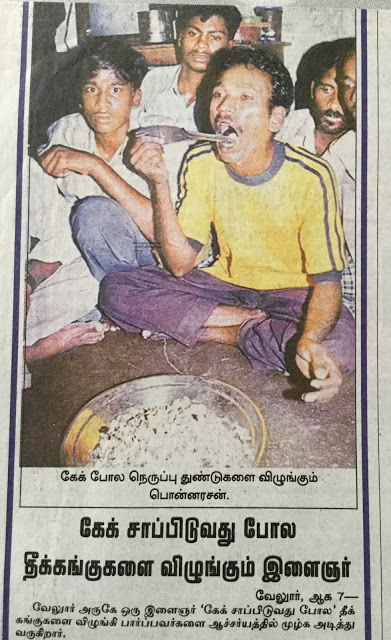
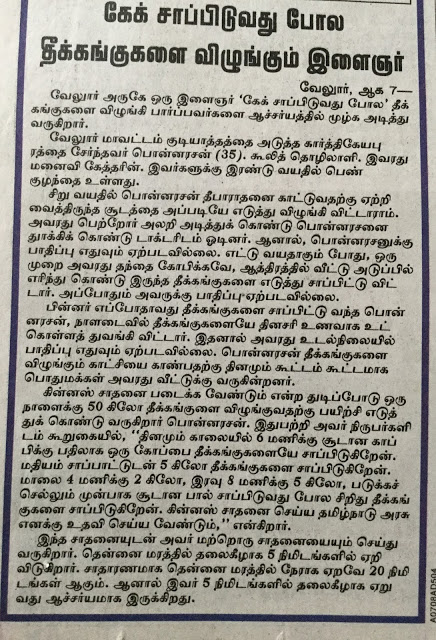
தீ  உண்ணும் அக்கினி  குமாரன்

அக்கினியை அல்வா போல அள்ளி , அள்ளிச் சாப்பிடும் ஒரு மனிதர்

பற்றி தின மலர் வெளியிட்ட செய்தியையும் இணைத்துள்ளேன் .

பெயர் பொன்னரசன்; தொழில் கூலி வேலை ;

ஊர் – கார்த்திகேயபுரம், குடியாத்தம், வேலூர் மாவட்டம்

பிரிட்டிஷ் அசுரன்- அரசன் ஹென்றி

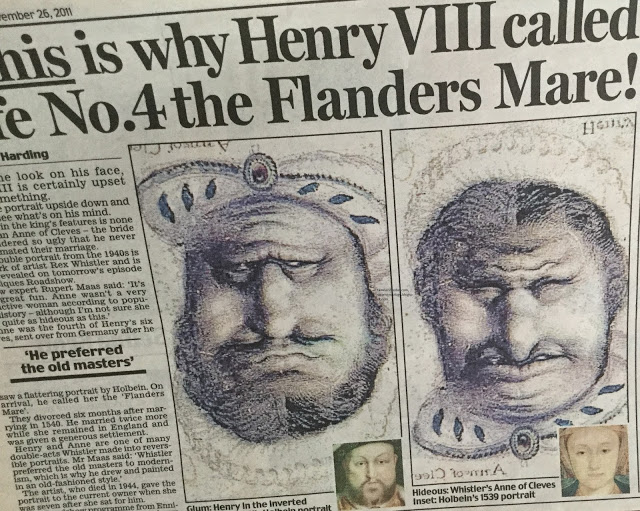
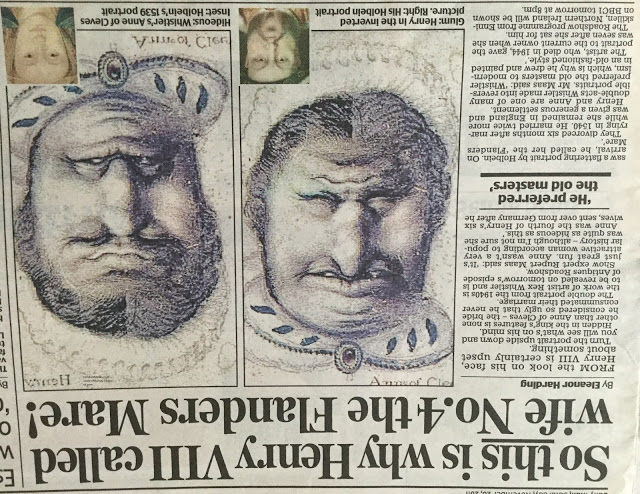
.500 ஆண்டுகளுக்கு முன்னர் இங்கிலாந்தை ஆண்ட Henry VIII எட்டாம் ஹென்றி ஒரு பன்றி. ஆறு பேரைக் கல்யாணம் செய்து 2 பேரைக் கொன்று மற்ற இரண்டு பேரை டைவர்ஸ் Divorce /விவாக ரத்து செய்த  அபகீர்த்தி உடையவன் . ஐந்தாம் மனைவி குழந்தை பிறந்தவுடன் செத்தாள் . ஆறாம் மனைவியை விழுத்தா ட்டுவதற்குள் அவரே ( எட்டாம் ஹென்றி) நோயால் செத்தார்.அப்போது அவருக்கு வயது 56.  அவரைக் கிண்டல் செய்யும் படம் இது . தலை கீழாகத் திருப்பிப் பார்த்தாலும் அதே குரங்கு மூஞ்சி தெரியும்.

tags — மிஸ்டர் செங்கல்வராயன்,அசுரன்- அரசன் ஹென்றி, தீ உண்ணும், அக்கினி குமாரன்

Sri Tyagaraja- 34, Tyagaraja, the Sadguru (Post No.8164)

WRITTEN BY R. NANJAPPA                        

Post No. 8164

Date uploaded in London – – – 13 June 2020   

Contact – swami_48@yahoo.com

Pictures are taken from various sources for spreading knowledge; this is a non- commercial blog. Thanks for your great pictures.

THANKS TO MR NANJAPPA FOR HIS INFORMATIVE ARTICLES ON SRI TYAGARAJA.

MR NANJAPPA CONCLUDES HIS SERIES ON SRI TYAGARAJA TODAY WITH THIS PART 34.

HIS ARTICLES WERE WELL RRECEIVED BY OUR READERS. HERE IS A VRY BRIEF PROFILE OF THIS SCHOLAR

Mr R Nanjappa is a learned man. He could write on various subjects with some authority. When he sent us meaningful and informative comments  on  our posts, we requested him to contribute to our blog regularly. He wholeheartedly agreed and bombarded us with scholarly articles. Y0u will see more of his contributions in coming days.

Mr R. Nanjappa has passed BA Economics (with history and political science) in 1962 and passed MA Economics in 1964- both from Madras University.

He joined  a leading Bank in 1965 and voluntarily retired in 1998.

He worked in New Delhi, Nagpur, Ahmedabad, Bombay, Madras, Bangalore and Hyderabad offices in his career.

He is very much interested in literature, comparative religion and philosophy, sustainable or steady state economics, education and of course in music. In music his main interest is in Sahitya.

Over the years he has thoroughly studied the Collected Works of Mahatma Gandhi, the Complete Works of Vivekananda, complete works of Sri Aurobindo, literature relating to Sri Ramakrishna and Sri Ramana.

He has also read all the available works of Dr. Radhakrishnan.

He has read a fair selection of English poets, Shakespeare and Plato.

He has also read old Tamil literature but discursively.

In Management science, his favourite author is Peter Drucker.

He had studied the works of Arunagirinatha, and the Tevaram of the three and Tiruvachakam, and Kamba Ramayanam

Sanskrit classics and Gita are his favourites.

His favourite English novelists are Dickens and Hardy and of modern writers he likes only A.J.Cronin and Nevil Shute..

He is a collector of books!.

For the last twenty years, he along with his family is residing in Bangalore.

Tamilandvedas.com and swamiindology.blogspot.com  thank him for his contribution.

****

PART 34 OF SRI TYAGARAJA

Constant divine Consciousness

Sri Tyagaraja was in constant communion with his Ishtadevata, who is also the Paramatma, the Parama Purusha through all means prescribed in the scriptures- japa, puja, dhyana, kirtana, sravana, manana,etc. He experienced His presence in various ways, and in many moods., through all the faculties: tan, man ,vak.  Though the bliss he enjoyed is incommunicable in  words, and has to be felt by the aspirant -devotee by personal experience ( swanubhava vedhyame), yet he conveys   it  in His kritis. This is the greatness of great souls- they share their fortune with us.

Is Tyagaraja Sadguru?

How does Tyagaraja become the Sadguru?

Tyagaraja shows a clear, straight, uncomplicated path to Truth or Sat, which can be followed by any sincere aspirant in any or all situations, in the conditions of modern life.. There is no mystery or hidden element here. It is the open highway- the Kingsway- Rajamargam! It is the path of pure devotion to our chosen Deity. 

Hinduism is like the modern multiplex Mall or departmental store. It contains everything. There are many levels.  This variety and profusion of contents may itself be baffling! Many things are attractive and tempting. They are packaged and presented well. We may want or desire many of them. But do we need them all?

This is where a guide or mentor or senior may help us. Why have we entered the store? What do we need? What can we afford?

It is the job of the Guru to clarify matters. The Sadguru is like the specialist doctor. He is there not to please us, by saying the pleasant things, but for doing what is necessary to save us, cure us of our illness.

Tyagarja has diagnosed our illness: we are immersed in Samsara, the dark unfathomed ocean, the thick forest. This is the result of our own past karma.The ocean is deep,  the forest is dark. But we have a boat to cross the ocean, we have a light to show us the way. The light is bhakti-devotion, the boat is the divine name. The Sadguru is the boatman.

The Sadguru is not only a verbal teacher- he communicates a subtle power, conveys a ray of supreme consciousness.The Sadguru is the concentrated essence of an entire tradition- giving us what is relevant for the times, what is suitable for us, what works here and now.

Distilled Wisdom

Hinduism abounds in scriptures, abounds in methods of Sadhana. But the scriptures were written at various times, by persons at different stages of realisation, and meant for people of  different temperaments. It is like a huge drug store. We cannot simply enter it and take what appeals to us- like the old Wincarnis or Ferradol tonic bottles. All the Sadhanas found in the scriptures are not meant for everyone. It is the function of the Guru to tell us what the individual needs. It is the function of the Sadguru to tell us what suits an age – what works  under the given/emerging circumstances.

Tyagaraja as the Sadguru has distilled the wisdom of ageless Hinduism and offers us what works in this part of the Kali Age.

Prescribes What Works

All the traditional methods of Sadhana can be grouped under the three or four broad heads of Yoga: Karma, Jnana/Raja, Bhakti. There is endless variety under each.But at the present state of the Kali Age, most of them do not work- they cannot be practised- the conditions are not propitious. Worship of Murtis at temples is one of the standard expressions of Bhakti. But are our temples so good now ? Are they even physically clean? Are the rituals performed scrupulously to maintain the sanctity of the place? Are the materials used pure? Above all, our temples are controlled by a secular government, whose only intention is to make money. Can we do anything to alter or improve matters? 

But we can keep our hearts pure and clean, and make it the altar for the Deity we adore. This is a very personal expression of devotion. This is what Tyagaraja prescribes. Unless one realises Atmarama, he cannot find Ayodhya Rama!

Tyagaraja Upholds Tradition

Tyagaraja does not contradict our hoary tradition in any way. He has drawn from each main strand or element. 

– He teaches us the ultimate Truth, effortlessly..  The Truth is that God alone is Real, ie Eternal, Permanent ;all else is transient phenomena.Thus his kritis are like Brahmavidya.

– He takes us near this Truth, by subtle teachings along the way, leading us by the hand, step by step. In this, his Kritis are like the Upanishads.

– He teaches us the definite method to reach the goal- total devotion and surrender to our Ishta Devata , by all that we do through our body, mind and speech. Thus this is the supreme Yoga Shastra that he imparts.

In other words, the Kritis of Tyagaraja are  a restatement of the Gita!

In this, he has combined the teachings of our Veda-Upanishads, the Itihasas, the Puranas. He particularly resorts to Ramayana and Bhagavatam repeatedly. 

 We notice this characteristic in the talks of Sri Ramakrishna ,half a century later. In fact,  Tyagaraja   anticipates Sri Ramakrishna completely.

If we study the life and teachings of Sri Ramakrishana, , we will find that  he said in his talks all that Sri Tyagaraja sang in his Kritis!  For both, the practical path to Liberation in this Kali Age is the Royal path of Devotion, as shown by Sri Narada! The way of Vedic karma was not relevant or effective for this age, though it still had elements that could be followed. For them the primary base for practical religion and spirituual practice  is the Itihasa-Purana.

Thus Sri Tyagaraja is the Forerunner of Sri Ramakrishna.

[ Sri Aurobindo has shown how every facet of Indian religion, including the Itihasa-Purana, Avatara vada, the bhakti cult has its  origin and source in the Veda.]

Test the Guru!

How can we identify a Sadguru? How can we know whether he is our Guru?

We have to test him, we have to examine his life, not merely his words. Sri Ramakrishana used to say that one should test the guru ,by day and by night, as the jewellers test the coins. So testing, we find that Tyagaraja did not teach anything which he himself did not practise. At all times there was complete concordance between his thoughts , words and action. 

How do we know whether he is our Guru?

There are two tests.

One is whether we derive Shanti by following his teaching. Does it give peace of mind? Does it enable us to face life’s problems?  Sri Ramana Maharshi used to say that he is our Guru in whose presence we feel Shanti. Sri Arunagirinatha says: மனது துயரற, வினைகள் சிதறிட, மனது பதமுற = the teaching should remove or mitigate our mental anguish, enable us to deal with our karmic situation, and so mould our mental frame  that we are reconciled to life. Apply this rule to Tyagraja’s teachings and see how they fare.

Second, does invoking his Grace help us in times of need, when we face difficulties? Most of us visit temples or holy men when we are particularly vexed by a problem, and desperately need a solution. A true Saint or Sage does help us. “Saints will aid if men will call, for the blue sky bends over all” sang Coleridge. A genuine saint is connected to the power of the Cosmos, and that power flows through him, even unconsciously. Fire cannot help burn; a true Saint cannot help helping! Sri Ramana Maharshi called it “Automatic Divine Activity”. True Saints/Sadguru is a channel for such power and blessing.

Contemporaries may not know!

We do not know how his contemporaries looked at Tyagaraja. That he was a devotee was recognised; that he was a musician was well known. But was he known as a Saint or a Guru?

This question does not really concern us. It is said that only twelve Rishis knew that Rama was an avatar in his time. Krishna says in the Gita that people take him to be a mere mortal and ridicule him. So it is no wonder if people of the time did not recognise Tyagaraja as guru. Even today, most people view Tyagaraja as a musical master.. 

But we have his whole life before us- revealed to us through his kritis. If we are not distracted by the admirable musical mode in which they are conveyed , but look at the message they contain, we cannot but marvel at the way they reflect the whole Hindu spiritual heritage down the ages .

Krishna did such a synthesis five thousand years ago: summarised the whole Vedic tradition and conveyed the message relevant for the times, in a non-partisan way! He said surrender to Bhagavan completely unreservedly by all means- He will save you! This is the same message conveyed by Tyagaraja in his kritis , five thousand years later. Both Gita and Tyagaraja kritis are not philosophical treatises but practical spiritual manuals. If this is clearly understood, there can be no doubt that Tyagaraja is a Guru and Sadguru of our times. Has anyone turned to Tyagaraja in distress, with faith and failed to find relief?

Tyagaraja-for musicians and non-musicians

Those who are musically gifted, can sing his kritis and soak themselves in their musical essence, and the  rasa.. Those who cannot sing can study the kritis as sacred literature and soak themselves in their  religious spread and spiritual depth. They can enjoy how effortlessly he connects us to our great past and the pastimes of Rama and Krishna and the galaxy of our great spiritual luminaries!  In both cases it is amrut!

Sri Tyagaraja was not a mere musical phenomenon. He is not wholly for the musicians. Sri Tyagaraja is a spiritual light for the modern age, the most complete and non-partisan statement of practical Hindu wisdom for all earnest spiritual seekers, cutting across sectarian divisions and prejudices, bridging theological differences and philosophical divides. Sri Tyagaraja is the complete Sadguru for all spiritual aspirants in these confusing times, coming in the parampara of Narada and Vyasa, who merge the three hoary Hindu traditions of holy music, (Nada vidya) Adhyatmic wisdom  (Veda vidya) and devotion distilled into the Divine Name ( Nama vidya)!

Tyagaraja’s music is but the medium- his message is devotion as the basic discipline of a truly spiritual life. We should not obscure the message in the medium! Tyagaraja himself sang:

Sangita jnanamu bhakti vina

Sanmargamu galade. manasa

Bhringi natesa samiraj ghataja

matanga naradalu upaasinche

Nyaya anyamu delusunu jagamulu

mayamayamane delusunu durguna

kayajati sahtripula jayinche

karyamu delusu tyakarajanike

Knowledge of Sangita bereft of devotion is valueless and cannot secure salvation.

The music practised by bhaktas like Bhringi, Natesa, Anjaneya, Agastya, Matanga and Narada

can alone secure it.

Tyagaraja who is able to distinguish between Nyaya and Anyaya, who knows that the world is Maya and who knows

also how to conquer the six inward enemies of man, Kama etc, knows this matter well.

[Translation by C.Ramanujachari]

Let us not forget the message in our love of the medium!

Vande Guru Paramparam!

Vande Sadgurum Sri Tyagarajam!

Nee Nama Rupa mulaku Nitya Jaya Mangalam

Om Tat Sat.

Acknowlegements:

 :

By the grace of God, and the blessings of Sadguru Sri Tyagaraja, I had this great pleasure and fortune of sharing some thoughts on some Tyagaraja kritis and the light they throw on Tyagaraja as the Sadguru. I am not a scholar or musician.

Sri Tyagaraja is considered a composer, the foremost among the Carnatic Trinity. I always felt that Tyagaraja’s musical expression  was the result of his spiritual experience and accomplishments. I kept studying his kritis as literature and found them to be the essence of our Vedanta, Itihasa, Puranas. The kritis are very deep in import and have extensive allusions to our scriptures. Not being a scholar or musician, I cannot do justice to either aspect.  I have shared some ideas in his kritis that have given me both  light and delight. I am happy to have been able to share them , in the thought that it may inspire others. Surely, there are other aspects of his Kritis which need exploring.

Tyagaraja is certainly a musical genius, but he is not primarily a musician, though this view may sound unusual. Tyagaraja was commissioned by God to show the confused people of the Kali Age, at a particularly difficult phase, the  path of bhakti as the sure way to Liberation. He did this by the way he lived. He used his music as the means to convey this message, as a doctor gives sweetened medicines to fearful children. As he himself declares, his kritis, taught by Rama Himself, remove the fear of samsara- the greatest fear we have- Mahato bhayat, as the Gita describes it. For is not Rama Nama the Taraka Mantra?   

  The ant is not the elephant, obviously, but it too can carry a mouthful of sugar- its own mouth! It may be but a tiny bit by world’s standards, but it is the best it can deliver! ! I hope you enjoyed the bits here! 

In the early 70s, I listened to Sri T.S.Balakrishna Sastrigal  in Ahmedabad on the life and music of Tyagaraja ; I also attended some lectures of T.S.Parthasarathy, B.Madhavan and Dr.Krishnaswamy, all ardent devotees and scholars of Tyagaraja, in Madras in the late 80s. I was also fortunate to listen to one lecture by Sri Nookala Chinna Satyanarayana at Music Academy in 1987 or 88, on how the pancharatna kriti ‘Jagadanandakaraka’ contains 108 names of Rama!I have had the benefit of reading the books of Prof.P. Sambamoorthy, S.Y.Krishnaswamy, Rangaramanuja Iyengar,  Dr.V.Raghavan, and William J.Jackson. I gratefully acknowledge the light I have derived from them all. Any faults here are entirely mine.

***

Managalam Subha Managalam

tags — Sri Tyagaraja- 34, R Nanjappa profile

THE END

ஒரு கிலோ புதையல் விலை 75,000 பவுன்; சாப்பிடலாம் !! (Post No.8163)

WRITTEN BY LONDON SWAMINATHAN

Post No. 8163

Date uploaded in London – 13 June 2020       

Contact – swami_48@yahoo.com

Pictures are taken from various sources for spreading knowledge; this is a non- commercial blog. Thanks for your great pictures.

tamilandvedas.com, swamiindology.blogspot.com

பறவை அதிசயம்

மெக்சிகோவில் யோகத்தான் பகுதியில் ஒரு அதிசயக் காட்சி கிடைத்தது பறவைகளே பறவை உருவத்தில் சற்று நேரம் நின்றன. நாம் வானத்தை அண்ணாந்து பார்க்கிறோம். சில நேரங்களில் மேகங்கள் யானை போல், சிங்கம் போல், அரசியல் தலைவர்கள் போல், சன்யாசிகள் போல் காட்சி தருகின்றன. நம்முடைய நண்பர்களைக் கூப்பிட்டுக் காட்டுவதற்குள் அவை கலை ந்து விடுகின்றன. . இந்தப் பறவைக் காட்சி நவம்பர் 23, 2010 மெட்ரோ பத்திரிகையில் வந்தது . இவை ப்ளமிங்கோ (Flamingo)  எனப்படும் செங்கால் வண்ண நாரைகள் ஆகும்.

XXXX

ஒரு கிலோ புதையல் விலை 75 000 பவுன்; சாப்பிடலாம் !!

பிரிட்டனிலும் ஐரோப்பாவிலும் பலர் காடு மேடுகளில் புதையல் தேடி அலைகின்றனர் . அவை நிலத்துக்கு அடியில் விளைகின்றன. அவைகளை எடுத்து சாப்பிடலாம் ; மற்ற புதையல் போல பீரோவுக்குள் அல்லது பொருட்ககாட்சியில் வைக்கப்படுவதல்ல இவை.

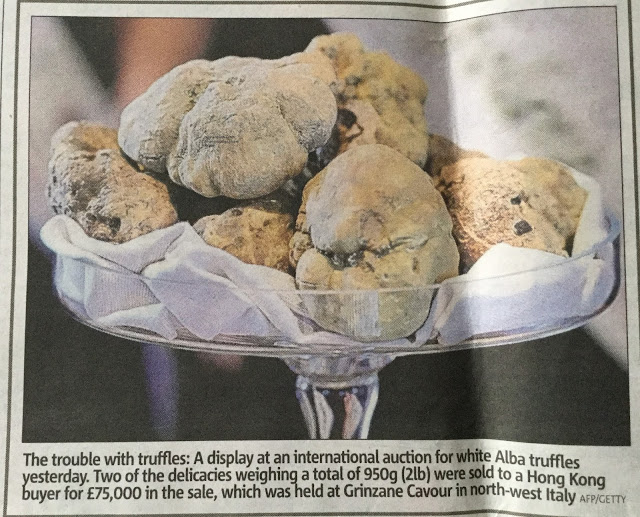
இவைகளை ட்ரபிள்ஸ் (Truffles)  என்று அழைப்பர்.இவை நிலத்துக்கு அடியில் வளரும் காளான் (Fungus) வகைத்  தாவரங்கள். இவற்றுக்கு தனி மனமும் குணமும் உண்டு. இதன் அபூர்வத்தன்மையும் இதன் விலையை ஏற்றிவிடுகின்றன. சிறு கிழங்குகள் போல இருக்கும் ; இவைகளைப் பல வகைகளில் சமைத்து உண்பர். சமையல் அறை வைரங்கள் (Diamonds of Kitchen)  என்றும் பெயர். ஐரோப்பாவில் அதிகமாகவும், அமெரிக்கா , ஆஸ்திரேலியாவில் குறைவாகவும் பயன்படுகிறது. நூற்றுக் கணக்கான வகைகள் இருந்தாலும் சிலவற்றுக்கு அதிக விலை மதிப்பு.

இதன் விலை சுமார் ஒரு கிலோ (950 கிராம்) 75,000 பவுன் (சுமார் 75,000 X நூறு ரூ பாய் = 7,50,0000). ஆல்பா (White Alba Truffles) வகை ட்ரபிள்களை ஹாங்காங் மனிதர் ஒருவர் இந்த விலைக்கு வாங்கினார் என்று 11-11-2013 மெட்ரோ நியூஸ் பேப்பர் செய்தி கூறுகிறது.

பன்றி நாய் முதலியன இவற்றை முகர்ந்து கண்டுபிடித்து நிலத்தைத் தோ ண்டி எடுத்து உண்கின்றன. இதனால் இவைகளை பழக்கி புதையல் வேட்டை நடத்துகின்றனர். தற்போது இந்த நிலத்தடி காளான் வகைகளை பயிர் செய்யும் உத்திகளையும் கண்டு பிடித்துவிட்டனர்

மரங்களின் வேர்களுக்கு அருகில் பூமிக்குள் வளரும் இந்த காளான் வகை, மரத்திலிருந்து கார்போ  ஹை ட்ரேட்டைப் பெற்றுக்கொண்டு சிலவகை சத்துக்களை மரங்களுக்கு அளிக்கின்றன ; இது ஒரு வினோதமான கூட்டுறவு. நாய்களும் பன்றிகளும் தோண்டி எடுக்கும் காளான் வகைகளில் டை மெத்தைல் ஸல்பைட் (Dimethyl Sulphide)  இருப்பது கண்டுபிடிக்கப்பட்டுள்ளது. நீங்களும் நிலத்தைப் பிறாண்டுங்கள் ; புதையல் கிடைத்தாலும் கிடைக்கலாம் .

tags –புதையல், ட்ரபிள்ஸ் (Truffles) , பறவை அதிசயம்

–Subham–

ஹிந்தி படப் பாடல்கள் – 66 – வஸந்த் தேசாய்! (Post No.8162)

WRITTEN BY R. NANJAPPA                        

Post No. 8162

Date uploaded in London – – – 13 June 2020   

Contact – swami_48@yahoo.com

Pictures are taken from various sources for spreading knowledge; this is a non- commercial blog. Thanks for your great pictures.

ஹிந்தி படப் பாடல்கள் – 66 – இரு மணிகள் – வஸந்த் தேசாய்!

R. Nanjappa

வஸந்த் தேசாய்

வஸந்த் தேசாய் [1912-1975] நமது பொற்கால இசைஞர்களில் ஒருவர். பண்புள்ள எளிய மனிதர். துறையில் மிக்க மதிக்கப்பட்டாலும் வியாபார-விளம்பர உத்திகளை நாடாதவர். சாஸ்திரீய இசை, நாட்டுபுறப் பாடல் என்று பலவகையிலும் தேர்ந்தவர். இவர் 1951ல் “அமர் பூபாலி” என்ற மராத்திப் படத்தில் இசையமைத்த “கனஷ்யாம சுந்தரா ஸ்ரீதரா” என்ற பாட்டு தமிழ் நாட்டிலும் அன்று பிரசித்தமாயிருந்தது!. இவர் இசையமைத்த தோ ஆன்கே(ன்) பாரஹ் ஹாத், ஜனக் ஜனக் பாயல் பாஜே , கூஞ்ச் உடீ ஷஹனாய் போன்ற படங்கள் மிகப் பிரசித்தி பெற்றவை.. இவருக்கு சாஸ்திரீய இசையில் பிடிப்பு இருந்தாலும், நவீன மெட்டிலும் இசை அமைப்பதில் வல்லவர். இவர் இசையமைத்த இரு டூயட் பாடல்களைப் பார்க்கலாம்.  

டிம் டிம் டிம் தாரோ(ன்) கே தீப் ஜலே
टिम टिम टिम तारों के दीप जले
नीले आकाश तले
हम दोनों की प्रीत पले
टिम टिम टिम तारों…

झिलमिलाती हैं शबनम की परछाईयाँ
दूर परियाँ बजाती हैं शहनाइयाँ
चाँद किरनों की जाली पहन झूमता
चाँदनी ले रही देखो अँगड़ाईयाँ
टिम टिम टिम तारों…


आज कलियों के मन में नया गीत है
आज लहरों में जादू का संगीत है
गूँजती हर दिशा में नयी रागिनी
आज मन है  मगन झूम्थी  प्रीत है
टिम टिम टिम तारों..
 

#டிம் டிம் டிம் தாரோ(ன்) கே தீப் ஜலே நீலே ஆகாஷ் தலே ஹம் தோனோ கீ ப்ரீத் பலே டிம் டிம் டிம்…   தாரகைகளாகிய விளக்குகள்  ஒளிர்கின்றன. நீல வானத்தின் கீழே நம் இருவரின் அன்பு வளர்கிறது தாரகைகள் பளீர் என்று ஒளிர்கின்றன!   ஃஜில்மிலாதீ ஹை ஷப்னம் கீ பர்சாயியா(ன்) தூர் பரியா(ன்) பஜாதீ ஹை ஷெஹனாயியா(ன்).  சாந்த் கிரனோ(ன்) கீ ஜாலீ பஹன் ஜூம்தா சாந்த்னீ லே ரஹீ தேகோ அங்க்டாயியா(ன்)  டிம் டிம் டிம்   பனித் துளிகளில் ஒளி புகுந்து ஜொலிக்கின்றன எங்கோ தூரத்தில் ஷஹனாயி இசை எழுகிறது! நிலவொளியும் சந்திரனின் கதிர்களை அணிந்து மயங்கி நாணத்தால் ஆடுகிறது!   ஆஜ் கலியோ(ன்) கே மன் மே நயா கீத் ஹை ஆஜ் லஹரோ மே ஜாதூ கா ஸங்கீத் ஹை கூஞ்ச் தீ ஹர் திஶா மே நயீ ராகினி ஆஜ் மன் ஹை மகன் ஜூம்தீ ப்ரீத் ஹை டிம் டிம் டிம்…   இன்று மொட்டுக்களின் மனதிலும் புதிய கீதம் பிறந்திருக்கிறது! அலைகளிலும் இன்று இசை மாயவித்தை காட்டுகிறது! ஒவ்வொரு திசையிலும் இன்று புதிய ராகம் எதிரொலிக்கிறது! இன்று மனமும் அன்பில் பொங்கிக் களிக்கிறது  

Song: Tim Tim tim Taron ke deep jale Film: Mausi 1958 Lyrics: Bharat Vyas Music :Vasant Desai  Singers: Talat Mehmood & Lata Mangeshkar YouTube link:  https://www.youtube.com/watch?v=11YaREmCXzM  (pure audio)   video:  https://www.youtube.com/watch?v=g97CFq4GkU0 One  good version song: https://www.youtube.com/watch?v=L_qt9LoK9Z4 What a lilting tremendous melody! Simple but sublime romatic poetry by Bharat Vyas! The silken voice of Talat and sweetness of Lata’s voice blend so well and create magic chemistry!  ஷெஹனாயி வாத்யம் நம் நாதஸ்வரம் போல மங்கள வாத்யம், பாட்டில் அதைப்பற்றிய குறிப்பு வந்தது. மங்களத்தின் அறிகுறி.   


ஓ தில் தார்   O Dildaar Bolo Ik BaarKya Mera Pyar Pasand Hai TumheinO Gori Sukumaar Hamaari SarkaarBada Tera Pyar Pasand Hai Hamein
Ye Uljhe Uljhe BaalYe Masti Bhari Chaal O HoKya Khayal Hai? – 2Teri Har Chaal-Dhaal Gori Jaadu Rahi DaalO Kamaal Hai O Kamaal HaiPiya Dekh LoPiya Dekh Lo Jawaani Ka Suhaanaa Ye SingaarO Dildaar Bolo Ek Baar
Karoge Ji Kab Mere Dil Mein Ghar Bolo JaadugarHum To Kabhi Ke Huye Tere Dilbar Ab Kaahe Ki FikrTo Phir Aao JiTo Phir Aao Ji Mera Dil Bada Hai BeqaraarO Dildaar Bolo Ek Baar


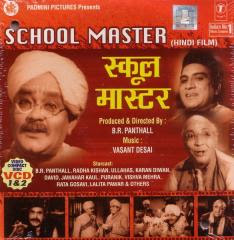
Song: O Dildar   Bolo ek bar Film: School Master 1959 Lyrics: Kavi Pradeep Music : Vasant Desai Singers: Talat Mehmood & Lata Mangeshkar. YouTube link:  https://www.youtube.com/watch?v=1f6o0duCOCc         https://www.youtube.com/watch?v=F9nEomAB4Pk Audio link: https://www.youtube.com/watch?v=Nds24XhJHqs  

இது மிகச்  சாதாரணமாக எழுதப்பட்ட பாட்டு, for a different class of characters in the film. இது கவிதை அளவுக்கு உயரவில்லை இதில் எந்த நயமும் இல்லை. படமாக்கிய விதமும் அவ்வளவு சரியில்லை. ஆனால் இதன் மெட்டு அருமையானது. . இங்கும் தலத்-லதா குரல்கள் நன்கு இழைகின்றன. இது நமது டூயட் பாடல்களில் மட்டுமே காணும் சிறப்பு அம்சம். மெட்டுக்காகவே இதை இங்கே தந்திருக்கிறேன்.. ஒரு சிறந்த பாட்டை படத்தில் வீணடித்து விட்டார்கள். அதனால் தான் பல சமயங்களில் பாட்டை மட்டுமே கேட்பது  நல்லது. இது தமிழில் வந்த ‘எங்கள் குடும்பம் பெரிசு’ என்ற படத்தின் ஹிந்தி வடிவம். வஸந்த் தேசாய் இசையில் லதா மங்கேஷ்கர் பல பிரபல பாடல்களைப் பாடி புகழ் அடைந்திருக்கிறார். ஆனாலும் தனது சிறந்த பாடல்கள் எனத் தேர்ந்தெடுத்த 20 பாடல்களில் வசந்த் தேசாயின் ஒரு பாடலைக் கூடச் சேர்க்கவில்லை. காரணம்? அவர் வாணி ஜெயராமை அறிமுகப் படுத்தி  ஊக்குவித்தார் என்பது தான்! இப்படி நன்றி பாராட்டாத குணம் லதாவுக்கே உரியது! அவர்  தனக்கு ஆரம்பக் காலத்தில் உதவிய எந்தப் பழைய இசைஞரையும் அவர்கள் வாழ் நாளில் போற்றிப் பேசியதில்லை, அவர்கள் செய்த உதவியை வெளிப்படையாகச் சொன்னதில்லை! இசை அமைப்பாளர்கள் இல்லாமல் எந்தப் பாடகர் ஜொலிக்கமுடியும்?  

Attachments area Preview YouTube video Tim Tim Taaron Ke Deep Jale, (Original) Lata Mangeshkar, Talat Mahmood Mausi1958 https://i.ytimg.com/vi/11YaREmCXzM/hqdefault.jpg https://ssl.gstatic.com/docs/doclist/images/mediatype/icon_2_youtube_x16.png

# Tim Tim Taaron Ke Deep Jale, (Original) Lata Mangeshkar, Talat Mahmood Mausi1958 Preview YouTube video Tim Tim Tim Taron ke deep jale- Mausi https://i.ytimg.com/vi/g97CFq4GkU0/hqdefault.jpg https://ssl.gstatic.com/docs/doclist/images/mediatype/icon_2_youtube_x16.png Tim Tim Tim Taron ke deep jale- Mausi Preview YouTube video Tim Tim Tim https://i.ytimg.com/vi/L_qt9LoK9Z4/hqdefault.jpg https://ssl.gstatic.com/docs/doclist/images/mediatype/icon_2_youtube_x16.png Tim Tim Tim Preview YouTube video O Dildar Bolo Ek Baar – T.Mahmood, L.Mangeshkar – SCHOOL MASTER – Karan Dewan, Shakila,Saroja Devi https://i.ytimg.com/vi/1f6o0duCOCc/hqdefault.jpg https://ssl.gstatic.com/docs/doclist/images/mediatype/icon_2_youtube_x16.png O Dildar Bolo Ek Baar – T.Mahmood, L.Mangeshkar – SCHOOL MASTER – Karan Dewan, Shakila,Saroja Devi Preview YouTube video O dildar bolo ek baar..Lata_Talat_Pradeep_Vasant Desai..a tribute https://i.ytimg.com/vi/F9nEomAB4Pk/hqdefault.jpg https://ssl.gstatic.com/docs/doclist/images/mediatype/icon_2_youtube_x16.png O dildar bolo ek baar..Lata_Talat_Pradeep_Vasant Desai..a tribute Preview YouTube video O Dildar Bolo Ek Baar https://i.ytimg.com/vi/Nds24XhJHqs/hqdefault.jpg https://ssl.gstatic.com/docs/doclist/images/mediatype/icon_2_youtube_x16.png O Dildar Bolo Ek Baar