Pictures are taken from various sources for spreading knowledge; this is a non- commercial blog. Thanks for your great pictures.
அகத்தியர் சிவலிங்க பூஜை செய்த இடம்!
ச.நாகராஜன்
அகத்திய முனிவரின் வரலாறு மிக நீண்டது; சுவையான சம்பவங்கள் ஏராளம் அடங்கியது.
அகத்தியருக்கும் தென்னாட்டிற்கும் உள்ள தொடர்பு அனைவரும் அறிந்த ஒன்று. தமிழுக்கும் அகத்தியருக்கும் உள்ள தொடர்பைப் பற்றியோ சொல்லவே வேண்டாம்.
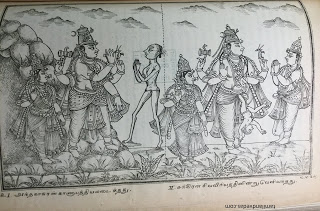
அவர் இறைவனின் ஆணைப்படி தென் திசை நோக்கி வரும் காலத்தில் வாதாபி, வில்வலன் ஆகிய இருவரும் அகத்தியரை வரவேற்று அமுது உண்ணும்படி வேண்டினர். வாதாபி ஒரு செம்மறிக் கடாவாக ஆனான். வில்வலன் அந்தக் கடாவைச் சேதித்துப் பக்குவம் செய்து அகத்தியருக்குப் படைத்தான்.
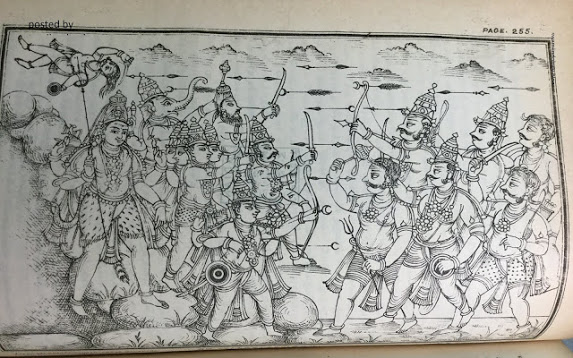
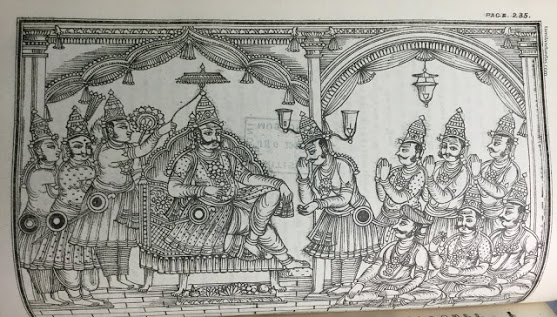
முனிவர் உண்டார். வில்வலன், “அடா! வாதாபி, வா” என உரக்கக் கூவினான்.
வயிற்றில் சுழற்றல் நேரிடும் போதே இது இரு அரக்கர்களின் மாய வித்தை என்பதை உணர்ந்த அகத்தியர் மந்திரத்தை ஜெபித்துத் தன் வயிற்றைத் தடவினார். வாதாபி ஜீரணமாகி விட்டான்.திடுக்கிட்ட வில்வலன் அகத்தியரைக் கொல்லக் கருதி அவரை நெருங்கினான். அகத்தியரோ ஒரு தர்ப்பையை ஏவி விட்டு அவனை மாய்த்தார்.
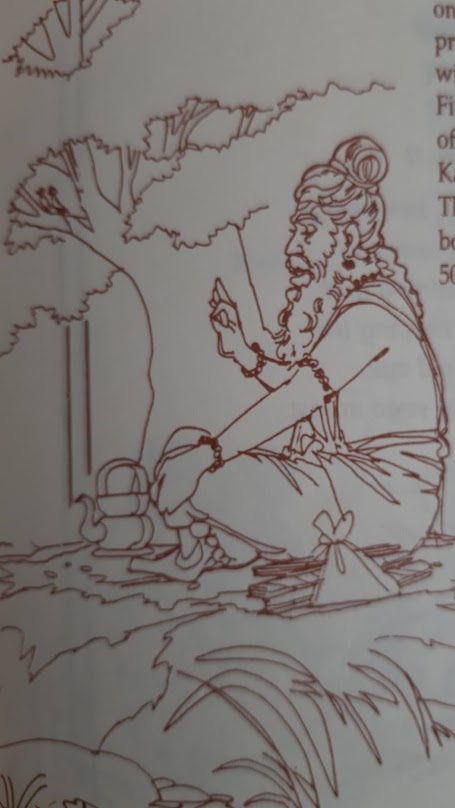
உடனே குடகு நாட்டை விட்டு நீங்கி நேராக கொங்கு நாட்டை நோக்கி அவர் வந்தார்.அங்கு சிவலிங்கத்தை வணங்கி தன் பிரம்மஹத்தியையும் போக்கிக் கொண்டார்.
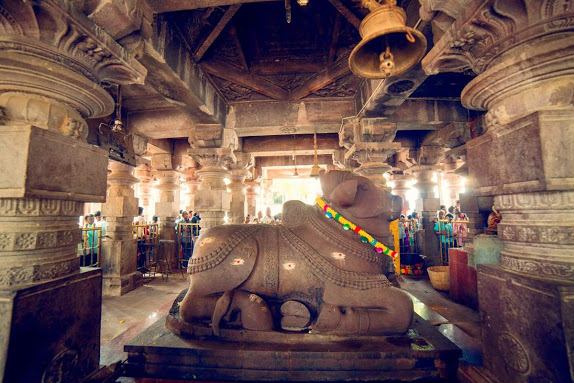
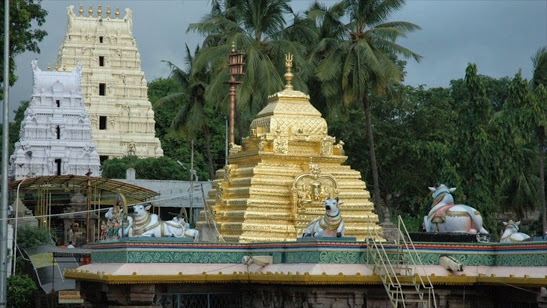
அவர் துடியனூரில் பூஜை செய்ததாக துடிசைப் புராணம் கூறுகிறது.
பாடல் இதோ:
தவநெறி யிடைவிடார் சரத மாமுனி
பவமறு துடிசையம் பதிபுக் காங்கமர்
சிவபெரு மானையுந் தேவி தன்னையும்
உவகையி னொடுதொழு தொருங்குற் றானரோ
துடிசைப் புராணம்
இதையே ஸ்காந்தம் – காவிரி நீங்கு படலம் இப்படிக் கூறுகிறது:
ஆசில் கொங்கினுக் கணித்தி னோரிடை
வாச மீதென மகிழ்ந்து வீற்றிரீது
ஈச னார்தமை யிலிங்க மேனியி
னேச நெஞ்சினா னினைந்து தாபித்தான்
மங்கை பாகனை மற்றும் பிற்பகல்
சிங்க லின்றியே சிறந்த பூசைசெய்
தங்கண் மேவினா னவன்க ணாகிய
துங்க வெம்பவந் தொலைந்து போயதே
-(காந்தம், காவிரி நீங்கு படலம்)
இப்படிப்பட்ட மாமுனிவர் அகத்தியர் வழிபட்டது கொங்கு மண்டலமே என இந்தச் சம்பவத்தைச் சிறப்பித்து கொங்கு மண்டல சதகம் இருபதாம் பாடலில் குறிப்பிடுகிறது.
பாடல் :
வாதாபி வில்வல னான துணைவர் மடியவிசை
தீதாற வேகும்ப சம்பவ னன்று சிவக்குறிகண்
டேதாளி லர்ச்சனை செய்து தொடர்பவ மேகமகிழ்
மாதா மதர்நிறை சூழ்தான முங்கொங்கு மண்டலமே
பொருள் :
வாதாபி மற்றும் வில்வலன் என்னும் இரண்டு அசுரர்களும் மடியும் படி செய்து அந்தப் பாவம் நீங்கும் பொருட்டு அகத்திய முனிவர் சிவலிங்க பூஜை செய்ததும் கொங்கு மண்டலமே ஆகும்.
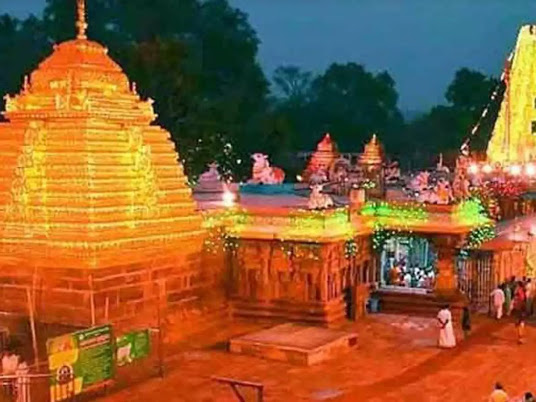
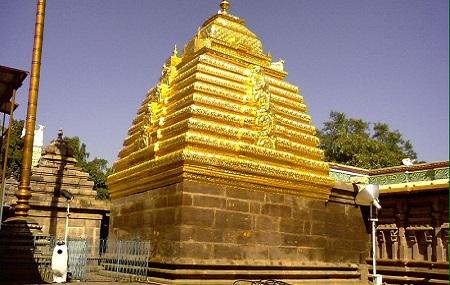
அகத்திய முனிவரின் சிவ வழிபாடு நடந்தி இடம் துடியனூர் என்பது குறிப்பிடத் தகுந்தது!
Pictures are taken from various sources for spreading knowledge; this is a non- commercial blog. Thanks for your great pictures.
இந்தப் பட்டியலை பிரிண்ட் செய்து வைத்துக் கொண்டால் உங்களுக்குத் பிடித்த கட்டுரைகளை நேரம் கிடைத்தபோது படிக்கலாம்
கட்டுரைகளை பிளாக்கில் பெறுவது எப்படி?
பிளாக்கிற்குப் போய் தேடுவதை விட கூகுளில் (google) தேடுவது எளிது. கட்டுரையின் தலைப்பை காப்பி copy செய்து கூகுளில் பேஸ்ட் paste செய்யுங்கள் . அதன் பிறகு ஆங்கிலத்தில் from tamilandvedas.com என்று எழுதி க்ளிக் (click) செய்யுங்கள்.
from swamiindologly.blogspot.com
என்று எழுதியும் பெறலாம்.
எடுத்துக்காட்டு:
கம்பளி ஸ்வாமி காட்டும் ஹிந்து-முஸ்லீம் ஒற்றுமை! from tamilandvedas.com
கம்பளி ஸ்வாமி காட்டும் ஹிந்து-முஸ்லீம் ஒற்றுமை! from swamiindology.blogspot.com
நீங்கள் சிறு பிழை விட்டாலும் நீங்கள் எதிர்பார்த்தது கிடைக்காமல் வேறு விஷயம் வரும். அதில் நேரத்தை வீணடிக்காமல் மீண்டும் ஒரு முறை சரியாக எழுதி முயற்சி செய்யுங்கள். இரண்டு பிளாக்குகளில் ஒன்றில் கிடைத்து விடும்
கட்டுரை பெறுவதில் ஏதேனும் சிக்கல் இருந்தால் எங்களைத் தொடர்பு கொள்ளுங்கள் .
November 2015
1-11-15 2291 காலம் என்னும் மர்மம் – 2
2-11-15 2293 காலம் என்னும் மர்மம் – 3
3-11-15 2296 மறுபிறப்பு பற்றி பிரமுகர்கள் நம்பிக்கை!
(பாக்யா 30-10-15 கட்டுரை)
4-11-15 2298 மஹாகவி பாரதியார் பற்றிய நூல்கள் – 10 கு.ப.ரா., சிட்டி
எழுதிய ‘கண்ணன் என் கவி’
5-11-15 2301 கன்னியருக்கும் இளைஞர்களுக்கும் அறிவியல் தரும்
ஆலோசனை! (பாக்யா அ.து.)
6-11-15 2305 பிளாஸ்டிக் பொருள்களால் ஏற்படும் அபாயம்!
MANU would mean etymologically, ‘a thinking being, a man’ and because mythology has lent this character to the father of the human race, also called Manu ……
And as to the name of Manu/man itself it does not seem more striking or even more strange than other proper names in the Vaidika time; than for instance, the proper names
Prana – life,
Eka – one,
Itara or Anyatara – either of two,
Panchan – five,
Saptan – seven,
Ashtan – eight,
Siras – head,
Loman – hair,
Vindu – drop
–from Goldstucker’s book ‘Panini – his place in Sanskrit literature’
My comments –
When I read Panchan/five, I am reminded of Panchan Lama of Tibet, and Ashta/ reminds me of Ashta Vakra of Hindu scriptures which means Eight Bends in his body.
Here are more from Mahabharata:-
Ekata /one
Dwita /two
Trita / three
Ekata was brother of the great rishi Trita whom he abandoned when the later fell down in a well and cried out for help. Later through a curse of Trita , he and his brother Dwita turned into wolves
–Mahabharata 9-36
-from Who is Who in the Mahabharata by Subash Mazumdar
Gandhari means a woman from Gandhara (Kandahar in Afghanistan)
Kausalya means a woman from Kosala country
Mythili means a woman from Mithilapuri
Actually we don’t know their real names. Even the other name Sit a is not her name. It means she was found while ritual ploughing.
In the Rig Veda and Sangam Tamil literature at least 20 each are given strange names; some Tamil names sounded like woman who sang about Crow (Kakkai Patiniyar), poet who sang about worn out old rope (Theypuripalan kayitranar), poet who sang about Red earth mixing with water (Sempulapeyar nitranar) etc
In Periya Purana also we come across strange names such as Mr Tomorrow Going (Tiru Nalaip Povar), Kungili Kalaya Nayanar (Frankinsense pot man) etc.
All the country names such as Matsya (Fish), Naga (snake) etc stand for the totem symbols they wore.
In Ramayana we come across Vanara (Vana+ nara= Forest man= Apes), Bear Man (Jambavan) Bird Man (Jatayu), Garuda (eagle man) and these names denote the totem symbols they were wearing)
Actually this naming began during Vedic period; one is called Pippalada (Mr Ficus Religiosa tree), Asvatta (Mr Ficus Tree).
Each Rishi or Gotra had their symbols:-
Kaushika = Owl,
Kasyapa = tortoise
Bhardwaja = Crow
Manduka = Frog
Chandilya = un identified bird name
Asvalayana Grihya Sutra mentions 47 names from animals and birds
Gold is favourite name of men women From Hiranya to Swarna!
***
MANU ON NAMES
JAAYAA/wife, PUTRA/son
Manu also gives strange etymology for wife and son.
Because the male child saves (Traayate) his father from the hell called PUT, therefore he was called a son PUTRA by the self existent himself (Manu 9-138)
9-8. The husband, after conception by his wife, becomes an embryo and is born again of her; for that is the wifehood of a wife (jaya), that he is born (jayate) again by her.
9. As the male is to whom a wife cleaves, even so is the son whom she brings forth; let him therefore carefully guard his wife, in order to keep his offspring pure.
10. No man can completely guard women by force; but they can be guarded by the employment of the following expedients:
Whatever may be the political system, it is economic ideas that rule the world. Rather, it is the idea of “Growth” that holds sway over the minds of rulers and the ruled alike. Lord John Maynard Keynes, the greatest genuine economist of the last century, wrote towards the end of his magnum opus, The General Theory (1936):
“The ideas of economists and political philosophers, both when they are right and when they are wrong, are more powerful than is commonly understood. Indeed the world is ruled by little else. Practical men, who believe themselves to be quite exempt from any intellectual influence, are usually the slaves of some defunct economist. Madmen in authority, who hear voices in the air, are distilling their frenzy from some academic scribbler of a few years back. I am sure that the power of vested interests is vastly exaggerated compared with the gradual encroachment of ideas. Not, indeed, immediately, but after a certain interval; for in the field of economic and political philosophy there are not many who are influenced by new theories after they are twenty-five or thirty years of age, so that the ideas which civil servants and politicians and even agitators apply to current events are not likely to be the newest. But, soon or late, it is ideas, not vested interests, which are dangerous for good or evil.”
– Ch. 24 Concluding Notes
Almost every political leader of every country includes the ideal of ‘growth’ in any vision or formula for the nation. Thus we hear phrases like ‘sustained growth’, ‘balanced growth’. ‘long-term, lasting growth’, ‘smart, sustainable, inclusive, resilient growth’ etc. The World Bank, not to be outdone, talked of ‘inclusive green growth’. Every other purpose or aim has been sacrificed on the altar of growth.
Economics and society
Yet, this is not how economics began its journey as a separate discipline. The Greek philosopher Xenophon mainly thought of ‘Oeconomics’ as the art of household. Aristotle clearly distinguished between economics and ‘chrematistics’, the way of acquiring wealth. They were basically philosophers, and were not writing a manual on making money or wealth.
However, after Newton, writers were fascinated by the idea of ‘science’. Economics as an art would not do! So, in 1767, James Steuart, Scottish lawyer, defined political economy as “the science of domestic policy in free nations”. He said:
“The principal objects of this science is to secure a certain fund of subsistence for all the inhabitants, to obviate every circumstance which may render it precarious; to provide every thing necessary for supplying the wants of the society, and to employ the inhabitants in such manner as to naturally create reciprocal relations and dependencies between them, so as to make their several interests lead them to supply one another with their reciprocal wants.”
Though considered a science, it had a goal to be fulfilled in society, and it was not narrow.
Adam Smith: moral philosopher
Adam Smith, considered the father of modern economics was primarily a moral philosopher. He came to economics as part of his engagement with the question of the nature of man and society. He noted that people were generally self-interested, but were also moved or bound by moral forces such as conscience and sympathy. He noted the paradox of free association: though motivated by self-interest, society was such a place that one could satisfy one’s wants only if he served others’ interests, even if it was not the intended purpose!
He discovered the secret of social or national wealth in the labour of its own people. He began his legendary Wealth of Nations, 1776 with these words:
” The annual labour of every nation is the fund which originally supplies it with all the necessaries and conveniences of life which it annually consumes, and which consist always either in the immediate produce of that labour, or in what is purchased with that produce from other nations.” [Introduction]
In the process of thus labouring to improve his own lot, everyone also contributes to the wealth of the nation-
“the annual revenue of every society is always precisely equal to the exchangeable value of the whole annual produce of its industry.”
As everyone engages in labour and employs his capital, to secure his own advantage, he is also promoting the wealth of the society!
“He generally, indeed, neither intends to promote the public interest, nor knows how much he is promoting it. he intends only his own gain, and he is in this, as in many other cases, led by an invisible hand to promote an end which was no part of his intention.” [Book IV]
Here, the moral tone of Adam Smith is unmistakable. He is not promoting the narrow selfish interests of crooked players of the immoral game of making money. He always has society in mind.
Pictures are taken from various sources for spreading knowledge; this is a non- commercial blog. Thanks for your great pictures.
உண்மைச் சம்பவம்!
இளம் பெண்ணின் சமயோசித உதவி!
ச.நாகராஜன்
பிரான்ஸில் உள்ள சிறு நகரம் நோயான் (Noyon). ஒரு நாள் சாக்கடையைச் சுத்தம் செய்யும் நான்கு தொழிலாளிகள் சாக்கடையைச் சுத்தப் படுத்தும் போது அதிலேயே மாட்டிக் கொண்டார்கள். அதில் கிளம்பிய நச்சு வாயுவால் அவர்களால் மேலே ஏறி வர முடியவில்லை. நேரமோ இரவு பதினோரு மணி. கத்தினாலும் உதவிக்கு யாரும் வரவில்லை. இன்னும் சில நிமிடங்கள் அதிலேயே இருந்தால் நிச்சயம் உயிர் போய் விடும்.
அப்போது அருகிலிருந்த ஒரு குடும்பத்தில் வேலை பார்த்து வந்த ஒரு இளம் பெண் அந்த சாக்கடைக்கு அருகில் வந்து நிலைமையை அறிந்து கொண்டாள். பதினேழே வயதான அந்தப் பெண் ஓடோடிச் சென்று ஒரு கயிறைக் கொண்டு வந்தாள். அதைச் சாக்கடையில் தொங்க விட்டாள். இருவர் அதைப் பிடித்துக் கொண்டு மேலேறி வந்தனர். ஆனால் மூன்றாவது மனிதரைக் காப்பாற்ற விழையும் போது அவளுக்கு சாக்கடையிலிருந்து வந்த அந்த நச்சு வாயுவால் மூச்சுத் திணறியது. மயக்கமடையும் நிலைக்கு அவள் வந்து விட்டாள். தனது சமயோசித புத்தியால் அந்தக் கயிறைத் தன் தலை மயிருடன் இறுகக் கட்டிக் கொண்டாள்.
கயிறைப் பிடித்துக் கொண்ட மூன்றாவது நபர் மேலே வந்தார். நான்காவது தொழிலாளியும் காப்பாற்றப் பட்டார்.
மறு நாள் செய்தியைக் கேள்விப்பட்ட நகரமே பரபரத்தது. அனைவரும் அந்த இளம் பெண்ணைப் பாராட்டினர். நோயான் நகர கார்பொரேஷன் அந்தச் சிறுமியைப் பாராட்டும் விதமாக 600 லிவர்ஸைப் (Livers) பரிசாக வழங்கியது. அவளுக்கு நகரத்திற்குச் சொந்தமான விசேஷ மகுடத்தைச் (Civil Crown) சூட்டிக் கௌரவித்தது. அத்துடன் அவள் பெயர் பொறித்த நகரத்தைச் சித்தரிக்கும் ஒரு மெடலையும் கொடுத்தது. அதில் அவளது வீரச் செயலும் குறிப்பிடப்பட்டிருந்தது.
இந்த வீரச் செயலைக் கேள்விப்பட்ட் ஆர்லியன்ஸ் டியூக் (Duke of Orleans) அவளுக்குத் தன் சார்பில் 500 லிவர்ஸை அனுப்பி கௌரவித்தார். அத்துடன் வருடத்திற்கு 200 லிவர்ஸை அவள் வாழ்நாள் முழுவதும் கொடுத்து வர ஆணை பிறப்பித்தார்.
தன் உயிரையும் பொருட்படுத்தாமல் மற்றவருக்கு உதவ முன் வந்த அந்த இளம் பெண்ணை நாடே போற்றி மகிழ்ந்தது!
*
இதே போல இன்னொரு இளம் பெண்ணின் உதவி ஒரு மன்னனையே காப்பாற்றியது.
ஃபால்கிர்க் யுத்தம் நடப்பதற்குச் சில நாட்கள் முன்னம் நடந்த சம்பவம் இது.
ஆங்கிலேயருக்கு பெரும் சவாலாக விளங்கிய இந்தப் போரில் லார்ட் லூடன் (Lord Louden) மோய் கோட்டையை (Moy Castle) எப்படியேனும் பிடிக்க வேண்டும் என்று திட்டமிட்டார். இன்வெர்னெஸ் நகருக்கு ஆறு மைல் தொலைவில் இருந்தது அது.
வெகு கவனமாகத் திட்டம் தீட்டினார் லூடன்.
இன்வெனெஸ் நகரில் உள்ள ஒரு வீட்டில் ஆங்கில ராணுவ அதிகாரிகள் சிலர் ராத்திரி நேரத்தில் கோட்டையைக் கைப்பற்றக் கிளம்புவதற்கு முன்னர் நேரத்தைப் பொழுதுபோக்காகச் செலவழிக்க குழுமினர். பெயிலி என்ற பெண்மணிக்குச் சொந்தமான வீடு அது. அந்த வீட்டில் பெயிலியின் பெண்ணும் இருந்தாள். அவளுக்கு வயது 13 அல்லது 14 இருக்கும். அதிகாரிகள் கேட்டதைக் கொடுப்பதற்காக அவர்கள் அருகில் அவள் நின்று கொண்டிருந்தாள்.
ராணுவ அதிகாரிகள் தங்களுக்குள் பேசிக் கொண்டிருந்ததை அவள் கேட்டுக் கொண்டிருந்தாள். இரவு கோட்டையைத் திடீரென்று தாக்கிப் பிடிக்கும் திட்டத்தை அவள் நன்கு புரிந்து கொண்டாள்.
சமயம் பார்த்து அந்த வீட்டிலிருந்து மெதுவாக நழுவி வெளியே சென்றாள். மோய் கோட்டைக்குச் செல்லும் சாலையில் ஷுவும் சாக்ஸும் இல்லாமல் வெகு வேகமாக ஓடினாள். ஷூக்களை அணிந்தால் வேகமாக ஓட முடியாது என்பதால் அவள் ஷுக்களை அணியவில்லை.
லூடன் அந்தக் கோட்டையை அடைவதற்கு முன்பே அங்கு சென்ற அவள் இளவரசரிடம் என்ன நடக்கப் போகிறதென்று என்பதை விவரித்தாள். உடனேயே இரவு உடை அணிந்தவாறு இருந்த இளவரசர் அப்படியே தப்பி ஓடி அருகிலிருந்த மலைக்குள் சென்று ஒளிந்து கொண்டார்.
ஓடி வந்த களைப்பில் மூச்சுத் திணறி மயக்கமுற்ற இளம் பெண்ணை இளவரசர் காப்பாற்றி நன்றி கூறினார்.
படையுடன் வந்த லூடன் ஏமாந்தார்.
ஒரு சிறு பெண்ணின் கூரிய சமயோசித புத்தி ஒரு கோட்டையின் இளவரசரையே காப்பாற்றியது!
Pictures are taken from various sources for spreading knowledge; this is a non- commercial blog. Thanks for your great pictures.
இந்தப் பட்டியலை பிரிண்ட் செய்து வைத்துக் கொண்டால் உங்களுக்குத் பிடித்த கட்டுரைகளை நேரம் கிடைத்தபோது படிக்கலாம்
கட்டுரைகளை பிளாக்கில் பெறுவது எப்படி?
பிளாக்கிற்குப் போய் தேடுவதை விட கூகுளில் (google) தேடுவது எளிது. கட்டுரையின் தலைப்பை காப்பி copy செய்து கூகுளில் பேஸ்ட் paste செய்யுங்கள் . அதன் பிறகு ஆங்கிலத்தில் from tamilandvedas.com என்று எழுதி க்ளிக் (click) செய்யுங்கள்.
from swamiindologly.blogspot.com
என்று எழுதியும் பெறலாம்.
எடுத்துக்காட்டு:
கம்பளி ஸ்வாமி காட்டும் ஹிந்து-முஸ்லீம் ஒற்றுமை! from tamilandvedas.com
கம்பளி ஸ்வாமி காட்டும் ஹிந்து-முஸ்லீம் ஒற்றுமை! from swamiindology.blogspot.com
நீங்கள் சிறு பிழை விட்டாலும் நீங்கள் எதிர்பார்த்தது கிடைக்காமல் வேறு விஷயம் வரும். அதில் நேரத்தை வீணடிக்காமல் மீண்டும் ஒரு முறை சரியாக எழுதி முயற்சி செய்யுங்கள். இரண்டு பிளாக்குகளில் ஒன்றில் கிடைத்து விடும்
கட்டுரை பெறுவதில் ஏதேனும் சிக்கல் இருந்தால் எங்களைத் தொடர்பு கொள்ளுங்கள் .
August 2015
1-8-15 2035 கோமாதாவும் குலமகளிரின் கண்ணாடியும்! (ஞான ஆலயம்
ஆகஸ்ட் 2015 கட்டுரை)
5-8-15 2044 மூன்றே நிமிடங்களில் மூளை ஆற்றலைக் கூட்டலாம்!
(பாக்யா31-7-15 அ.து.232)
9-8-15 2056 மஹாகவி பாரதியாரின் அற்புத கவிதை – 2
10-8-15 2058 சிவாஜி உற்சவம்!
11-8-15 2061 மதமாற்றம் செய்து சகோதர ஹிந்துக்களிடமிருந்து பிரித்த
எதிரிகள் – 1
12-8-15 2064 மதமாற்றம் செய்து சகோதர ஹிந்துக்களிடமிருந்து பிரித்த
எதிரிகள் – 2
13-8-15 2067 கம்பளி ஸ்வாமி காட்டும் ஹிந்து-முஸ்லீம் ஒற்றுமை!
22-8-15 2091 மஹாகவி பாரதியார் பற்றிய நூல்கள்- 1 சகுந்தலா பாரதியின்
‘என் தந்தை’
24-8-15 2095 மஹாகவி பாரதியார் பற்றிய நூல்கள்- 2 யதுகிரி அம்மாளின்
‘பாரதி நினைவுகள்’
26-8-15 2099 மஹாகவி பாரதியார் பற்றிய நூல்கள்- 3 செல்லம்மாள்
பாரதியின் ‘என் கணவர்’ வானொலி உரை!
27-8-15 2102 மஹாகவி பாரதியார் பற்றிய நூல்கள்- 4 வெ.சாமிநாத
சர்மாவின் ‘நான் கண்ட நால்வர்’
29-8-15 2106 மஹாகவி பாரதியார் பற்றிய நூல்கள்- 5 ரா.அ.பத்மநாபனின்
‘பாரதி புதையல் – 3”
31-8-15 2111 மஹாகவிக்குச் செய்யும் மகத்தான துரோகம்! பதிப்புகள் பல
விதம், ஒவ்வொன்றும் ஒரு விதம்!
September 2015
1-9-15 2114 அப்பரின் அருமையான லாபரட்டரி!
2-9-15 2116 மஹாசக்தி அருள் பெற்ற மேலை நாட்டினர்!-ஞானஆலயம் செப்
15 கட்டுரை!
3-9-15 2119 மனோசக்தியின் வலிமை – 1
4-9-15 2122 மனோசக்தியின் வலிமை – 2
5-9-15 2126 கண்ணன் எத்தனை கண்ணனடி!
6-9-15 2129 சார், நீங்க வெறும் தாஸா, லார்ட் லபக்தாஸா!
7-9-15 2132 மஹாகவி பாரதியார் பற்றிய நூல்கள் – 6 பாரதியார் பற்றி
அமுதன் வானொலி உரை!
8-9-15 2136 அப்பரின் ஹஹ்ஹஹ்ஹா சிரிப்பு!
9-9-15 2141 உங்களுக்குப் பிடித்த ஐயோ பாடல் எது?
10-9-15 2143 பாரதியார் கவசம் அணியுங்கள்!
11-9-15 2146 மஹாகவி பாரதியார் பற்றிய நூல்கள் – 7 வ.ரா எழுதிய
மஹாகவி பாரதியார்
12-9-15 2149 டொண்டொண்டொடென்னும் பறை!
13-9-15 2154 3 ராமர்கள், 3 பரதர்கள், 6 கர்ணர்கள்!
14-9-15 2157 வால்டேரும் வள்ளுவரின் குறளும்!
15-9-15 2159 ஆறே பாடல்களில் பகவத் கீதை! இரண்டே அடிகளில் கீதையின் சாரம்!
16-9-15 2162 நையாண்டிப் பாடல்கள் – சம்ஸ்கிருதத்தில் – கலி விடம்பனா
17-9-15 2165 ஒரு லட்சம் ஸ்லோகங்கள், 2314 அத்தியாயங்கள் கொண்ட்
உலகின் மாபெரும் நூல் மஹாபாரதம்!
18-9-15 2168 ஆனந்த விகடனும் தாயுமானவ கவசமும்!
19-9-15 2171 வசிஷ்டர் தரும் காலத்தை வென்ற ரகசியம்! – (யோக
வாசிஷ்டம்)
20-9-15 2174 மொத்தம் எத்தனை கடவுள்?
21-9-15 2176 வள்ளுவராலும் பதில் சொல்ல முடியாத கேள்வி!
22-9-15 2180 நம் பந்தம் போக்க வந்த சம்பந்தர்!
23-9-15 2182 கடவுளுக்கு சவால்! குரங்கு அடிக்கப் போன ஷேக்ஸ்பியரின்
கதை!
24-9-15 2184 இயேசு இறந்தது காஷ்மீரிலா – 1
25-9-15 2187 இயேசு இறந்தது காஷ்மீரிலா – 2
26-9-15 2189 மனிதரில் எத்தனை வகை – வள்ளுவரின் பதில்!
27-9-15 2192 மஹாகவி பாரதியார் பற்றிய நூல்கள்- 8 பி.மஹாதேவன்
எழுதிய ‘Subramanya Bharathi-Patriot and Poet’
28-9-15 2194 கண்ணாடி முன்னர் ஷேக்ஸ்பியரும், கம்பனும்!
29-9-15 2198 டெலிபதி மூலம் செய்திகளைப் பரிமாறும் காலம் வருகிறது!
(பாக்யா 18-9-15 அ.து 239)
30-9-15 2201 பூமியைக் காப்பாற்றுங்கள் – ஒரு விண்வெளி வீரரின் உருக்கமான உரை!
October 2015
1-10-15 2204 Voice of Senses! (ezine article dt 29-9-15)
2-10-15 2207 கனவில் கண்ட உலக சரித்திரம்-ஞானஆலயம் அக் 15 கட்டுரை!
2-10-15 2208 மஹரிஷியும் மஹாத்மாவும்!
3-10-15 2210 சர்க்கஸுக்குப் போன பரமஹம்ஸர்!
4-10-15 2213 மஹாகவி பாரதியார் பற்றிய நூல்கள் – 9 ரா.அ. பத்மநாபனின்
‘பாரதியார் கவிநயம்’
5-10-15 2216 ஒரே பாட்டில் சம்பந்தரின் அருட்செயல்கள்!
6-10-15 2218 போப் சாப்பிட்ட பீஸ்ஸா!
7-10-15 2221 இறைவனை எப்படி விளக்குவது? – ஆழ்வார் அமுதம்!
Pictures are taken from various sources for spreading knowledge; this is a non- commercial blog. Thanks for your great pictures.
tamilandvedas.com, swamiindology.blogspot.com
DR P S SUBRAHMANYA SASTRI (1890-1978) was a great scholar proficient in Tamil and Sanskrit.
He was one of the rarest scholars with deep erudition and insight in both these languages.
He was born in Balakrishnampatti village Trichy district as the eldest son of Swminatha Sastriar and Srimati Mangalammal. He studied mathematics at degree level and did his MA in Sanskrit. He started as a mathematics teacher at Tiruvaiyaru. Later he became the Principal of Rajah’s College , Tiruvaiyaru and Head of the
Department of Sanskrit at the Annamalai University between 1942 and 1947.
***
First Ph. D in Tamil
He was awarded the Ph. D. degree in Tamil in 1930 for his thesis ‘History of Grammatical Theories in Tamil and Their Relation to Grammatical Literature in Sanskri’t . He was the first to be awarded a Ph D degree in Tamil by the university of Madras. Linguistic scholars around the world welcomed his work.
Tamils wrote much in Tamil and extraordinarily little in English in those days.
So not many scholars knew what was in Tamil literature. Some works like ‘Tamils 1800 years Ago’ threw some light on Tamil culture and literature. But very few dealt with Tamil Grammar and Linguistics , comparative literature was still rarer. Sastri translated the oldest Tamil grammar Tolkappiam into English and gave the transliteration as well. He pointed out the blunders committed by Bishop Caldwell in his book of Comparative Study of Dravidian languages. A person with deep knowledge in Sanskrit only could do it. Bishop Caldwell with his shallow knowledge in Sanskrit and little knowledge in linguistics committed page after page in his book Dr Sastri exposed all such mistakes.
Dr Sastri’s expertise in three languages , viz. Tamil , Sanskrit and English got for him the title
‘Vani Triveni Prayaga from Kanchi Paramacharya (1894-1994).
Dr Sastri published the English translation of Tolkappiam in 1930. He gave the transliteration in Roman script. His theories were criticised by fanatics in both Tamil and Sanskrit.
They criticised him as anti- Tamil OR anti -Sanskrit. This shows that his approach in linguistics was scientific and honest.
After his demise on 20th May, 1978 at the ripe age of 88 at Tiruvaiyaru, one of his disciples , in his tribute, wrote,
“In him we had a rare combination of occidental scientific thinking and oriental orthodox culture”.
Though very firm in his look, he was always conscious about his own humble beginnings . Very simple in his style of living , he was extremely kind to his students. , particularly the poor among them. Without much ado , he paid the course and examination fees for
many of his students, not expecting anything in return.
***
4000 pages on Patanjali’s Mahabhasya
One of the greatest achievements of Dr PS Sastri is his talks on Mahabhasya of Patanjali.
After his retirement from academic positions in 1947, he produced his monumental work,
“Lectures on Patanjali’s Mahabhasya in English about 14 volumes running to about 4000 pages.
He wrote about 35 books. He had sound knowledge in Latin and German in addition to Tamil,
Sanskrit and English.
****
His conclusions
Following are some quotations from his book which reflect his views-
TAMIL AND SANSKRIT- TWO SEPARATE LANGUAGES
Hence it may be said that the in which sandhi takes in both the languages are so
different as to form one of the strong reasons to prove that Tamil and Sanskrit
are fundamentally different languages.
Xxx
It may be evident from what has been said that Tolkappianar clearly realised that Tamil was not related to Sanskrit either morphologically or genealogically and deftly exploited the ideas contained in the earlier grammatical literature in Sanskrit, particularly in those works which dealt with Vedic etymology without doing the least violence to the genius of the Tamil language,
On the other hand, the large influx of Sanskritic elements in Tamil since the time of Tolkappianar appears to have so far clouded the linguistic vision of the author of Viacoliyam.
He did not realise that Tolkappianar model was not Panini so much as the Pratisakhyas and the Nirukta.
Nannular was not the victim to the linguistic deflection which marred the value of Viracoliyam.
tags- Tolkappiam Translation, P S Subrahmanya Sastri, Viracoliyam, Tamil Linguistics
Pictures are taken from various sources for spreading knowledge; this is a non- commercial blog. Thanks for your great pictures.
Books Indians Should Read Chapter -1 – Part 3 The Clash of Civilizations
R. Nanjappa
India and Hindus
The position of India is quite critical. Huntington (like Toynbee before him) regards Hindus as a distinct civilization. But modern Hindus (and Indians in general) do not think of themselves as a civilization! India is not even a Hindu country, though this is the homeland of over 95 Crore Hindus! Hindus are in a hopeless condition: they do not have a country to call their own!
Compared to China, and other blocs, India is extremely vulnerable. Even the position of Japan is vulnerable, in spite of its current economic strength. China is conscious of its power and acts like a Power! The ethnic Chinese presence in other countries in Asia strengthens its commercial advantages. China thus overshadows the whole of Asia.
This is the absurdity or perversion of Indian politics. A government can be secular in the sense that the state machinery is separated from religion, but how can a country be secular? The Muslims are a bloc, the West is a bloc, China is a bloc, each extending its influence over other regions. Hindus alone are helpless: confined to one country, their historical home, which they cannot now officially call Hindu!
Apart from not being able to extend its influence abroad, Hindu India has to confront the world on its own soil: it is facing Islam, Christianity, Secular Western influences, Chinese hegemonic ambitions, etc on its own soil. Hindus have to face all these forces simultaneously! How many Hindus realise the situation they are in?
Academic critics may advance criticism or invent arguments against this idea, but history has proved Huntington right.
– countries have been divided along old cultural-ethnic/religious lines as seen after the fall of the USSR
– Russia has not simply embraced the West or integrated with Europe but is asserting its own distinct status
– Islamisation has spread even in nominal Muslim countries like Egypt and Turkey
– Islamic fundamentalism has risen and is spreading
– China is increasingly assertive, politically and economically
– Perception is rising among Europeans of their culture being under threat from immigrants.( eg. Brexit, election of Trump)
Let us be clear about one thing. Huntington did not argue or wish for civilizations to clash. He simply noted that the clash was occurring! In this he has proved prescient. It is not easy to give even a gist of the closely argued book. I will quote just two passages.
” The dangerous clashes of the future are likely to arise from the interaction of Western arrogance, Islamic intolerance, and Sinic assertiveness.”
“Somewhere in the Middle East a half dozen young men could well be dressed in jeans, drinking Coke, listening to rap, and between their bows to Mecca, putting together a bomb to blow up an American airliner… Only naive arrogance could lead Westerners to assume that non-Westerners will become ‘Westernized’ by acquiring Western goods. “
Remember what happened on 9/11!
There can be no doubt that civilizations are in conflict right now! It is not mere ideological battles any longer! Every Indian should read this book by Samuel Huntington. They will then realise how they are already losing their battle!
Note:
1.For an excellent summary and assessement of this book, see the relevant chapter in: “50 Politics Classics ” by Tom Butler-Bowdon. Nicholas Brealey, 2015. 2. Huntington’s last book: “Who Are We? The Challenges to America’s National Identity” (2004) is also especially important for Hindus, who are now facing a crisis of national identity, forced on them by leftist, self -styled secularist champions.
3. Hinduism is like an orchestra without a conductor. What the various factions produce is cacophony, and no harmony or even melody. They seek to make up with noise what they lack in sense. There is no effective leadership for the Hindus.