Pictures are taken from various sources for spreading knowledge; this is a non- commercial blog. Thanks for your great pictures.
tamilandvedas.com, swamiindology.blogspot.com
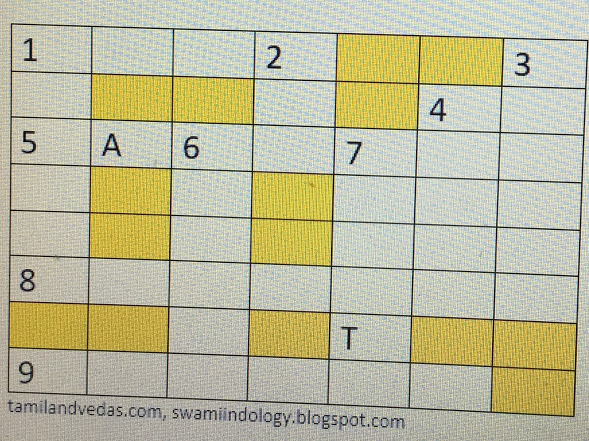
மாசி-பங்குனி மாதம் பற்றிய 3 பழமொழிகள் என்ன?
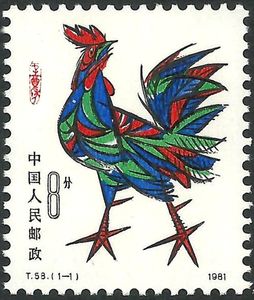
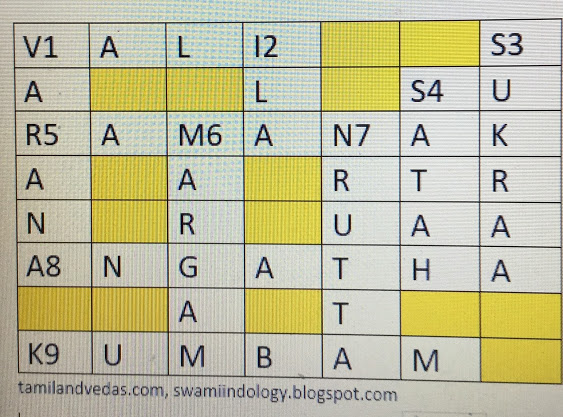
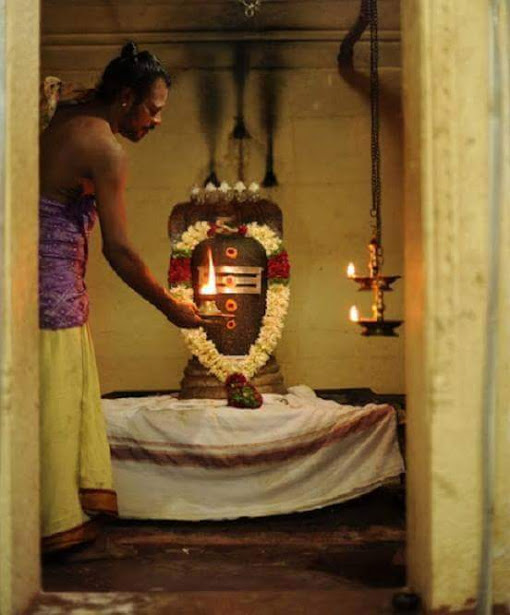
ஒரே சொல் மீண்டும் மீண்டும் வந்தால் ஓரிரு இடங்களில் மட்டுமே கட்டத்தில் இருக்கும். கொண்டு கூட்டி பொருள் கொள்க . விடை கீழே உள்ளது . சில நேரங்களில் படங்களைப் பார்த்தாலும் விடை காண உதவலாம்.
ANSWER
1.மாசி நிலா பாசி படரும்
2.பங்குனி மாதம் பகல் வழி நடப்பவன் பாவி
3.பங்குனி என்று பருக்கிறதும் இல்லை, சித்திரை என்று சிறுக்கிறதும் இல்லை
Source book :–
பயன்படுத்திய நூல்- கழகப் பழமொழி அகர வரிசை, கழக வெளியீடு
Pictures are taken from various sources for spreading knowledge; this is a non- commercial blog. Thanks for your great pictures.
tamilandvedas.com, swamiindology.blogspot.com
அயோத்தி நகரில் 4 புதிய வாசல்கள்!!
அயோத்தி நகரம் பற்றி நமக்குத் தெரியாத புதிய தகவலை கம்பன் அளிக்கிறான் .
அங்கு 4 வாசல்கள் இருந்தன. இதிலிருந்து அந்த நகரம் , இப்போதுள்ள மதுரை நகரம் போல சதுர வடிவில் இருந்தது தெரிகிறது ; அங்கு 4 கோபுரங்கள் இருந்தனவாம். அவற்றின் உயரம் எவரெஸ்ட் சிகரத்தை விட உயரமானதாம் ; இதை மறைமுகமாக செப்புகிறான் ; ஏனெனில் கம்பனுக்கு எவரெஸ்ட் சிகரம் எல்லாம் ஒரு பொருட்டே இல்லை.
வாமனாவதாரத்தின் போது மூன்றாவது அடி வைக்க இடமில்லாததால், விஷ்ணு தன்னுடைய காலை உயர்த்தி பிரபஞ்சசத்தையே அளந்தார் அல்லவா ? அதை விட உயரமாக இருந்தனவாம் . அது மட்டுமல்ல . இந்தப் பூவுலகை காத்து நிற்கும் திசையானைகள் போல அசையாது நின்றனவாம் அந்த வாசல்கள்.
இதையெல்லாம் விட முக்கியமான விஷயம் என்ன தெரியுமா?
அந்த நான்கு வாசல்களும் 4 வேதங்களை போல இருந்தனவாம். அதாவது ஒரு வாசல் ரிக் வேதம், இன்னொரு வாசல் யஜுர் வேதம், மற்றும் ஒரு வாசல் சாம வேதம்; நாலாவது வாசல் அதர்வண வேதம்..
இது என்னடா , பெரிய ‘கப்ஸா’ ஆக இருக்கிறது?
முதலில் சொன்ன யானை, ஓங்கி உலகளந்த உத்தமனின் கால்கள் ஆகியன கற்பனை செய்தால் கண்ணுக்குத் (concrete shapes) தெரியும். வேதங்கள் எழுதாத புஸ்தகங்கள் ஆயிற்றே ; அதுவும் மந்திரம் என்பது ஒலிகளின் தொகுப்புதானே (abstract) ; அதைப் போய் வாசல்களுக்கு ஒப்பிடலாமா ? என்று நமக்குக் குழப்பம் ஏற்படுகிறது . அதற்கும் கம்பன் ஒரே பாட்டில் பதில் சொல்லி விடுகிறான்.
வேதங்கள் நாலும் ஒழுக்க நெறியை கற்பிக்கின்றன. அதன் வழி செல்லுவோருக்கு நல்லொழுக்கம் இருப்பதால் வாழக்கையில் நல்ல பாதை (ஆறு) கிடைக்கிறது. அது போல அயோத்தி மா நகருக்குள் நுழைந்து விட்டால் நல்லொழுக்கம் தானாக வருமாம். ஒழுக்கம் நன்றாக இருந்தால் ஆரோக்கியம் இருக்கும். ஆரோக்கியம் இருந்தால் நல்ல சுகமாக 100 ஆண்டு வாழலாம் . இப்படி ஒரு நகரத்தின் வாசல் பற்றிச் சொல்லும்போது கூட 4 வேதங்களின் பெருமையையும் சொல்வதால்தான் தமிழர்கள் அவனை கவிச் சக்ரவர்த்தி என்று அழைக்கின்றனர்.
இதோ, பால காண்டத்தில் நகரப் படலத்தில் வரும் பாடல் –
எல்லை நின்ற வென்றி யானை என்ன நின்ற முன்னம் மால்
ஓல்லை உம்பர் நாடு அளந்த தாளின் மீது உயர்ந்த வான்
மல்லல் ஞாலம் யாவும் நீதி மாறுறா வழங்கினால்
நல்ல ஆறு சொல்லும் வேதம் நாலும் அன்ன வாயிலே
Ayodhya Temple Model
பொருள்
அந்நகரத்தின் கோபுர வாயில்கள் நான்கும் , நான்கு திசைகளில் நின்ற வெற்றியை உடைய திசை யானைகள் போல நிலையாக நின்றன ; திருமால் முன்பு திரிவிக்கிர மூர்த்தியாகி மேல் உலகத்தை எளிதாக அளந்த திருவடியினும் அக்கோபுர வாசல்கள் உயர்ந்து நின்றன.
அந்த நான்கு வாயில்களும், தன்னுள் புகும் உயிர்களை நல்வழியில் ஒழுகச் செய்வதால் , வளம் பொருந்திய உலகத்து உயிர்கள் யாவும் நீ தியிலிரு ந்து மாறுபடாத ஒழுக்கத்தோடு இருக்குமாறு நல்ல வழிகளைச் சொல்லுகின்ற நான்கு வேதங்களையும் ஒத்திருந்தன .
Pictures are taken from various sources for spreading knowledge; this is a non- commercial blog. Thanks for your great pictures.
INDIA WAS NOT POOR:
TESTIMONY FROM ADAM SMITH – 4
R. Nanjappa
Churchill, and his Indian cigar!
Such is the stuff of our bureaucracy! Let me share one more incident. Churchill was a heavy smoker of cigars. When he became the Prime Minister during the War, the British govt was anxious that his cigar supply should not be disrupted! Dindigul in Madras state was identified as a source of good quality cigars. The Madras govt was ordered to procure it and send to London. The bureaucracy set to work. The Collector of Chengleput was given the responsibility of collecting the cigars. In order that he would not overlook, the govt prescribed a monthly Statement form which he had to fill, giving details of the collection and submit to the Secretariat. Now, the war ended in 1945; Churchill ceased to be PM shortly thereafter. India became free in 1947. Churchill became PM once again in 1951 and retired in 1955. The great man died in 1965. But the return of the Chengleput collector did not die: it continued up to 1972, when it was discovered by chance and stopped!
How can we ever prosper when we have such politicians and bureaucrats? To Smith, again
Enough of this digression. We return to Smith. He makes some more adverse observations about the affairs of the East India Company and its officials. He remarks how every European power created a monopoly to enter into trade with other nations, and how it must have resulted in high price for the consumers. He says:
Since the establishment of the English East India company, for example, the other inhabitants of England, over and above from being excluded from the trade, must have paid in the price of the East India goods which they have consumed, not only for all the extraordinary profits which the company may have made upon those goods in consequence of their monopoly, but for all the extraordinary waste, which the fraud and the abuse, inseparable from the management of the affairs of so great a company, must necessarily have occasioned.
This leads Smith to an even more important insight. East India company, by acquiring the Diwani rights, had become sovereigns, and ceased to be mere traders.They should have administered the territories to the advantage of the people. But they did not do this.Smith says:
But a company of merchants are, it seems, incapable of considering themselves sovereigns, even after they have become such. …. by a strange absurdity regard the character of the sovereign as but an appendix to that of the merchant.. As sovereigns, their interest is exactly the same with that of the country which they govern. As merchants their interest is directly opposite to that interest. But if the genius of such a government, even as to what concerns its direction in Europe, is in this manner essentially and perhaps incurably faulty, that of its administration in India is still more so.
Smith then points out how the servants of the company have been carrying on private trade along with the business of the company, and making profits for themselves. They were then eager to get back to their mother country,” and carried the whole fortune with him”, as quickly as possible, “perfectly indifferent though the whole country was swallowed up by an earthquake”. Smith takes care to say that he was not making an odious imputation against individuals or officials of the company as a group, but ” it is the system of government… that I mean to censure”. As individuals, they could have been magnanimous against expectations on occasion, and on others, totally different. But the system of which they were part was bad.
Such exclusive companies, therefore, are nuisances in every respect; always more or less inconvenient to the countries in which they are established, and destructive to those which have the misfortune to fall under their government.
Part IV, chap vii.
Here is another piece of history. The returning company officials “carried the whole fortune” with them! They were so fabulously rich, they were called “nabobs”. This enabled them to buy up landed property which were called “rotten boroughs”. They were really considered rootless and were known to be corrupt. They did attract lot of adverse social and literary attention.
Oliver Goldsmith in his long poem “The Traveller” wrote:
The wealth of climes, where average nations roam, Pillaged from slaves to purchase slaves at home
(lines 387-388)
Such persons entered parliament (for which property was the qualification) and this too attracted adverse notice. William Pitt, the Earl of Chatham (who himself had something to do with framing the policy towards India wrote, in 1770:
… the riches of Asia have been poured in upon us, and have brought with them not only Asiatic luxury, but I fear, Asiatic principles of government. Without connections, without any natural interest in the soil, the importers of foreign gold have forced their way into parliament, by such a torrent of private corruption, as no private hereditary fortune could resist.
Smith too later said that such people had no concern for the people of those countries at all. But as individuals, they were acting on their self-interest, and perhaps in the circumstances others would have done so, too!.
Now, Indians loot India!
In this respect, let us introspect a little. How have our politicians and bureaucrats done since Independence? Have they been better than the Company and its officials? Now that we have RTI, and the requirement of financial disclosure before the elections, we clearly see how the riches of the netas keep growing.. How could they have earned all that through their fair remuneration from the offices they held? And every day, we read stories about Lok Ayukta action against some bureaucrat or the other. But what happens to all of them in the end ? In one notorious case, the High Court acquitted an accused politician, in a verdict delivered in two minutes, after the case lingered for 18 years, by totally disregarding the judgment of the Special Court! Those who run the government and the administration have not failed to take advantage of the situation- exactly as the officials of the East India Company did more than 200 years ago! While they were all private employees, our candidates have been in public life, professing socialism, no less! Human nature has hardly changed.
In a sense, we have been worse. The English looted India and enriched their country. But Indians are today looting their own country and keeping the money in Swiss bank accounts! We have not had Independence really, but only a transfer of power to a new set of looters!
Note:
Adam Smith gives us accurate information about the state of our economy at the time. He was writing about the Company. But the same loot continued under the Crown too. India’s prosperous state is borne out by research based on British archival records, which documented the matter in some detail. The original material is still available in British Museum and other libraries in England. Dharampal has brought out these details in the 5 volumes of his collected writings.
Years before Dharampal, a retired civil servant , Romesh Chander Dutt had surveyed the scene, based on British documents. We will see it later.
2.There has been a tendency, after Independence, to glorify British rule. Nehru dispensation was a party to this. It is therefore refreshing to see a loyalist of the Nehru dynasty listing the adverse features of the British rule. See: Sashi Tharoor: An Era of Darkness, Aleph Book Company, 2016.
Pictures are taken from various sources for spreading knowledge; this is a non- commercial blog. Thanks for your great pictures.
ஒரு திருப்புகழில் இரு திருப்புகழ் பாடல்கள்!
ச.நாகராஜன்
தமிழுக்குப் பெருமை தரும் பதினாறாயிரம் திருப்புகழ் பாடல்களைப் பாடி அருளியவர் அருணகிரிநாதர். நமக்கு இன்று கிடைத்துள்ளவை 1324 பாடல்கள்!
சொல்லழகும் பொருளழகும் கூடிய பக்திச் சுவை நனி ததும்பத் ததும்பப் பாடும் வல்லமை படைத்தவர் அவர்.
நாற்கவிராஜர் என்று அவரைப் போற்றுவர்.
பல்லாயிரக் கணக்கில் பாடல்களைப் பாடியவர் ஆதலின் இவர் வித்தார கவி ஆவார்.
இனிமையான ஓசை இன்பத்தை நல்ல பொருளுடன் தரும் பாடல்களை அருளியவர் என்பதால் இவர் மதுர கவி ஆவார்.
வியக்க வைக்கும் வெவ்வெறு விசித்திரக் கவிகளைப் புனைந்தவர் ஆதலின் இவர் சித்ர கவி ஆவார்.
எந்த ஒரு ஓலைச் சுவடியையும் எழுத்தாணியையும் கையில் வைத்துக் கொண்டு யோசித்து, யோசித்துப் பாடாமல் நினைத்த இடத்தில் சொல்லழகும் பொருளழகும் கூடிய, ஆழ்ந்த கருத்து அமைந்துள்ள பாடல்களைப் பாடியவர் ஆதலின் இவர் ஆசு கவி ஆவார்.
ஆக இப்படி நால்வகைக் கவிகளிலும் சிறப்புற விளங்கியதாலும் இவர் வாக்கு தனித்துவம் பெற்றதாலும் ‘வாக்குக்கு அருணகிரி’ என்று போற்றும் பெருமையைப் பெற்றார்.
அத்துடன் இவர் பல்வேறு மொழிகளில் வல்லுநர் என்பதை அஷ்டபாஷா பரமேஸ்வரர் என்ற இவரது பெயரால் அறியலாம். அஷ்ட பாஷா என்றால் எட்டு மொழி என்பது பொருள்.(பல மொழிகளில் விற்பன்னர் என்று பொருள் கொள்ள வேண்டும்)
அத்துடன் சார்வ பௌமடிண்டிய கவி என்ற பட்டப் பெயராலும் இவரது கவித்திறன் தனித் தன்மை வாய்ந்தது என்பதை அறியலாம்.
ஏராளமான இடங்களில் முருகனிடம் நல்ல தமிழ் பாடும் வல்லமையைத் தாராய் என வேண்டுவதைப் பார்க்கலாம்.
“நிதி பொங்கப் பல தவங்களாலுனை
மொழியும் புத்திகள் தெரிந்து நானுனை
நிகர் சந்தத் தமிழ் சொரிந்து பாடவும் அருள்தாராய்”
(மதியஞ்சத் திரு எனத் தொடங்கும் திருப்புகழ்)
“மதுரகவி யடைவு பாடி வீடறிவு
முதிர அரிய தமிழோசையாகவொளி
வசனமுடைய வழிபாடு சேருமருள் தந்திடாதோ”
(இலகு குழை எனத் தொடங்கும் திருப்புகழ்)
இப்படிப் பல இடங்களில் தங்கம் நிகர் சந்தத் தமிழை வேண்டுகிறார் அவர்.
சித்திர கவிகளில் கரந்துறை கவியாக அமையும் மூன்று திருப்புகழ் பாடல்கள் நமக்குக் கிடைத்துள்ளன.
அவற்றுள் ஒரு பாடலை இங்கு பார்ப்போம்:
ஆறு படை வீடுகளில் ஒன்றான பழனித் திருத்தலத்தில் அவர் அருளிய பாடல் இது.
பாடலின் பொருள் : கரும்பு வில்லில் வாசனை உடைய மலர் அம்புகளைத் தொடுத்து மன்மதன் செலுத்தியது போல கடைக் கண் பார்வையுடன் சிரித்தவாறே நெருங்கி தங்கள் எண்ணத்தினால் தந்திரமான செயல்கள் புரிகின்ற இளம் மாதர்களின்,
கோபமுள்ள யானையும் கூடத் திடுக்கிடும்படியான செழிப்புற்ற மலை போல் பருத்துள்ள இரு மார்பகங்களைக் கலக்க விழையும் மோக வெறியில் மயங்காமல்,
மனமானது ஒருமை அடைதலில் விருப்பம் கொள்ளும் எண்ணம் எனது மனதில் உண்டாகும்படி உனது திருவுள்ளத்தில் நினைத்து அருள் செய்து, உனைப் புகழ்ந்து பாடும் என்னை புவியில் ஒரு நிகரிலாப் புலவனாக ஆக்கும் வகையை உனது திருவருளால்,
ருத்திரனும் கூட விளக்கம் உற, எனக்கு அனுக்கிரகம் செய் என்று உன்னை அணுகிக் கேட்க, நீ உபதேசித்த அந்தமறையின் உறு பொருளான பிரணவ ரகசியத்தை அடியேனுக்கும் உணர்த்தும் வகையில் வரும் நாள் ஒன்றை அடியேனும் பெறுவேனோ?
கிரௌஞ்ச மலையையும் பெரும் அரக்கர்களையும் ஒலித்து எழும் பூமியில் உள்ள எழு கடல்களையும் அலைத்துக் கலக்க வல்ல பருத்த தோகைமயிலில் மீது வரும் முருகோனே
பதித்த மரகதத்துடன் ரத்தினமணிகள் வரிசையில் அமைக்கப்பட்ட பல ஆபரணங்களை அணிந்துள்ள மலை போலும் பன்னிரெண்டு தோள்களை உடையவனே, பரக்கவே இயல் தமிழ் தெரிந்த வயலூரானே,
திருப்புகழை உரைப்பவர்கள் மற்றும் படிப்பவர்களுடைய வறுமையையும் பகைமையையும் தொலைத்து வெற்றி அருளும் இசைப் பிரியனே, ஒழுக்கமுடைய மாதவம் புரிவோர் புகழும் குருநாதா,
வில் ஏந்திய குறவர் தம் ஓலைக் குடிசையிலும் புகை போன்ற கரும் மேகங்கள் அருகில் தவழ்ந்து செல்லும் அழகிய பழனியில் உறைகின்ற திருக்கையில் வேல் ஏந்திய அழகிய பெருமாளே.
இப்படிப்பட்ட அழகிய பொருள் வளம் நிறைந்த இந்தப் பாடலில் ஒவ்வொரு அடியிலும் இறுதியில் வரும் வரியை மட்டும் சேர்த்துப் பார்த்தால் அது ஒரு தனித் திருப்புகழாக அமையும்.
கருத்தினால் விரகு செய் மடமாதர்
கலக்கு மோகனமதில் மருளாதே
ஒருத்தனாம் வகைதிரு வருளாலே
உணர்த்து நானடிமையு முடையேனோ
பருத்த தோகையில் வரு முருகோனே
பரக்கவே இயல் தெரி வயலூரா
திருத்த மாதவர் புகழ் குருநாதா
திருக்கை வேல் அழகிய பெருமாளே!
எப்படி ஒரு அழகிய திருப்புகழ் அமைகிறது! திருப்புகழினுள் ஒரு திருப்புகழ்!!
இதை கரந்துறைப் பாடல் என்பர்.
வாழ்க திருப்புகழ்! வளர்க சித்திரத் தமிழ்!!
குறிப்பு : 29-2-2020 அன்று வெளியான கட்டுரை “ஒரு வெண்பாவில் மூன்று வெண்பா – திரிபங்கி”யை- (திரிபங்கி வெண்பாவை) –– நினைவு கூர்ந்தால்
(கட்டுரை எண் 7633) சித்திர கவியின் அருமை தெரிய வரும்!
Pictures are taken from various sources for spreading knowledge; this is a non- commercial blog. Thanks for your great pictures.
நமது பிளாக்கில் எஸ்.நாகராஜன் எழுதிய கட்டுரைகளின் பட்டியலை 2016 முதல் வெளியிடுகிறேன். இது அகர வரிசைப்படி இல்லாவிடினும் இண்டெக்ஸ் INDEX போன்றதே.
இந்தப் பட்டியலை பிரிண்ட் செய்து வைத்துக் கொண்டால் உங்களுக்குத் பிடித்த கட்டுரைகளை நேரம் கிடைத்தபோது படிக்கலாம்
கட்டுரைகளை பிளாக்கில் பெறுவது எப்படி?
பிளாக்கிற்குப் போய் தேடுவதை விட கூகுளில் (google) தேடுவது எளிது. கட்டுரையின் தலைப்பை காப்பிcopy செய்து கூகுளில் பேஸ்ட் paste செய்யுங்கள் அதன் பிறகு ஆங்கிலத்தில் from tamilandvedas.com என்று எழுதி க்ளிக் (click) செய்யுங்கள்.
from swamiindologly.blogspot.com
என்று எழுதியும் பெறலாம்.
எடுத்துக்காட்டு:
ஒவ்வொரு மனிதனின் கடைசி விநாடிfrom tamilandvedas.com
ஒவ்வொரு மனிதனின் கடைசி விநாடி from swamiindology.blogspot.com
நீங்கள் சிறு பிழை விட்டாலும் நீங்கள் எதிர்பார்த்தது கிடைக்காமல் வேறு விஷயம் வரும். அதில் நேரத்தை வீணடிக்காமல் மீண்டும் ஒரு முறை சரியாக எழுதி முயற்சி செய்யுங்கள். இரண்டு பிளாக்குகளில் ஒன்றில் கிடைத்து விடும்
கட்டுரை பெறுவதில் ஏதேனும் சிக்கல் இருந்தால் எங்களைத் தொடர்பு கொள்ளுங்கள் .
Pictures are taken from various sources for spreading knowledge; this is a non- commercial blog. Thanks for your great pictures.
tamilandvedas.com, swamiindology.blogspot.com
தை மாதம்
தை மாதம் பற்றிய 4 பழமொழிகள் என்ன?
ஒரே சொல் மீண்டும் மீண்டும் வந்தால் ஓரிரு இடங்களில் மட்டுமே கட்டத்தில் இருக்கும். கொண்டு கூட்டி பொருள் கொள்க . விடை கீழே உள்ளது . சில நேரங்களில் படங்களைப் பார்த்தாலும் விடை காண உதவலாம்.
ANSWER
1.தை பிறந்தால் வழி பிறக்கும்
2.தை மழை நெய் மழை
3.தை ஈனாப் புல்லும் இல்லை மாசி ஈனா மரமும் இல்லை
4.தைப் பனி தரையைத் துளைக்கும், மாசிப் பனி மச்சைத் துளைக்கும்
Source book :–
பயன்படுத்திய நூல்- கழகப் பழமொழி அகர வரிசை, கழக வெளியீடு
Pictures are taken from various sources for spreading knowledge; this is a non- commercial blog. Thanks for your great pictures.
tamilandvedas.com, swamiindology.blogspot.com
பிரபஞ்சத்தின் செங்கற்கள் போல உள்ள 118 மூலகங்களில் இதுவரை 24 மூலகங்களைப் பற்றி படித்தோம். நம் எல்லோருக்கும் சுப்பிரமணி தெரியும். ஆனால் ஆன்டி மணி ANTIMONY தெரியாது. முதலில் ஒரு சுவையான, ஆனால் அசிங்கமான, உபயோகத்தைப் பற்றிச் சொல்கிறேன்
மலச் சிக்கல் உள்ளவர்களுக்கு அந்தக் காலத்தில் ஆன்டிமணி மாத்திரை ANTIMONY METAL PILLS கொடுப்பார்களாம் பட்டாணி அளவுள்ள இந்த மாத்திரை குடலில் போய் அதன் விஷச் சத்தை வெளியேற்றி குடலில் உள்ள எல்லாவற்றையும் விரைவில் தள்ளும். பின்னர் மலத்துடன் மாத்திரையும் வந்து விழும். அதைக் கழுவி, சுத்தம் செய்து மறு நாளும் பயன்படுத்துவாராம் ; இதைவிடக் கொடுமை அதை தாத்தா, மகன், பேரன், கொள்ளுப் பேரன் என்று பரம்பரையாகவும் பயன்படுத்தினராம்
***
இரண்டாவது சுவையான கதையைக் கேளுங்கள் .
உலகப் புகழ்பெற்ற இசை மேதை மொஸார்ட் (Mozart) .
35 வயதான உல்ப்காங் அமேதியஸ் மொஸார்ட் 1791ம் ஆண்டு வியன்னா நகரில் நோயில் விழுந்தார் . அக்டொபரில் படுக்கையில் படுத்தவர் டிசம்பரில் உயிரிழந்தார். மேலை உலகின் சங்கீத மேதையின் அல்பாயுசுக்குக் காரணம் ஆண்டிமணி தான் . சங்கீத உலகில் போட்டி , பொறாமை கொள்ளை மலிவு. மொஸார்ட்டின் மீது பொறாமை கொண்ட அன்டோனியோ சலியேரி, ‘நான்தான் அவரை விஷம் வைத்துக் கொன்றேன்’ என்று பல ஆண்டுகளுக்குப் பின்னர் ஒப்புக்கொண்டார். ஆனால் அப்படி அவர் ஒப்புக்கொண்ட சமயத்தில் வயதானோருக்கு வரும் நினைவாற்றல் இழப்பு நோய் (Senile Dementia) இருந்தது. இதனால் இவர் கொடுத்த வாக்குமூலத்தை ஏற்கமுடியவில்லை . இந்த நோயுள்ளவர்கள் முன்னுக்குப் பின் முரணாகப் பேசி உளறுவார்கள்
இதற்கிடையில் டாக்டர்கள் அவருக்கு ஆன்டிமணி டார்ட்ரேட் (Antimony Tartrate) மருந்து கொடுத்ததும் அதை அவர் விரும்பி உட்கொண்டதும் தெரியவந்தது. இதை அவர் தவறுதலாக அதிகம் எடுத்திருப்பார் ;அதனால்தான் உடல் நலம் குன்றினார் என்று முடிவு செய்தார்கள்.
இதில் இன்னொரு வினோத விஷயமும் உண்டு. அக்காலத்தில் மிலிட்டரி / ராணுவ நோய் (Military Disease) என்று ஒரு கற்பனை நோய் உண்டு. அதனால்தான் அவர் 1701 நவம்பரில் இறந்தார் என்றும் எழுதி வைத்தனர். இந்த நோயின் அறிகுறிகள் – ஜுரம், கை,கால் , உடல் வீக்கம், வாந்தி. இவை அத்தனையும் ஆன்டிமணி சாப்பிட்டாலும் வரும் . உலகின் இசை நட்சத்திரம் மறைந்த அபவாதம் ஆண்டிமணியின் தலையில் விழுந்தது.
***
இனி ரசாயன விஷயங்களைப் பார்ப்போம்-
இது ஒரு உலோகம் .
வெள்ளி நிறத்தில் இருக்கும் .
அடையாளக் குறியீடு Sb.
(ஸ்டிபியம் Stibium என்பது இதன் லத்தின் மொழிப் பெயர் )
அணு எண் – 51
உ ருகு நிலை – 631 டிகிரி C
கொதி நிலை- 1635 C
இது விஷ சத்துடையது. உடலுக்குத் தேவைப்படாதது.
பழங்காலத்தில் பலவித நோய்களுக்கு மருந்தாக இதை மேல் நாட்டினர் பயன்படுத்தினர் .
மிகச் சிறிய அளவில் உட்கொண்டால் உடலுறுப்புகளின் செயல்பாட்டை அதிகரிக்கும்
ரோமானிய வைத்தியர் டயஸ்காரிடஸ் (Dioscórides) முதல் 1500 ஆண்டுகளுக்கு 25 வகையான ஆன்டிமணி மருந்துகள் பயன்பாட்டில் இருந்தன.
***
மூன்று டாக்டர்களுக்குத் தூக்குத் தண்டனை
சுமார் 200 ஆண்டுகளுக்கு முன்னர், வேண்டாத மனைவிமார்களை சொர்க்கத்துக்கு அனுப்ப வெள்ளைக்காரர்கள் ஆண்டிமணியைப் பயன்படுத்தினர். டாக்டர்கள் பால்மர்- 1885ம் ஆண்டு; ஸ்மேதர்ஸ்ட் – 1859; ப்ரிட்ச்சர்ட் -1865 ஆகியோர் மனைவிமார் கொலை வழக்கில் தூக்கு மேடைக்கு அனுப்பப்பட்டனர் . இதே போல கணவனையும் ஒரு பெண் கொன்றாள் ; அவளுக்கு தண்டனை தரப்படவில்லை. பெண் என்றால் பேயும் இரங்கும் என்பது தமிழ்ப் பழமொழி அல்லவா!
சத்திரம் நடத்திவந்த ஜார்ஜ் சாப்மேன் பல பெண்களைக் கொன்றதற்காக 1902ல் தூக்கில் தொங்கவிடப்பட்டார் ; எல்லாம் ஆண்டிமணியின் லீலைகள்தான் .
பழங்கால மக்களும் இதைப் பலவகைகளில் பயன்படுத்தினர். பிரான்சில் லூவர் மியூசியத்தில் 5000ஆண்டு பழமையான ஆண்டிமணி கோப்பை காட்சிக்கு வைக்கப்பட்டுள்ளது . எகிப்திய பெண்மணிகள் 3500 ஆண்டுகளுக்கு முன்னர் கண்ணுக்கு மை தீட்ட இதன் உப்பை பயன்படுத்தினர் .பைபிளில் இஸபெல் என்ற அழகி மயக்குவதற்குப் பயன்படுத்தியதும் இதுதான். பாபிலோன் நகர சுவர்களை அழகு படுத்த நெபுகத் நேசர் இதை உபயோகித்தார்
இது தங்கம் போலவே ராஜத் திராவகத்தில் (Aqua regia) கரையாததால் 1604ம் ஆண்டிலேயே, இதன் பெருமையை விளக்கும் புஸ்தகமும் வெளியானது .
கிரேக்கர்கள் இதை போரில் பயன்படுத்திய விதம் எதிரிகளுக்கு திகில் ஊட்டியது. ஆன்டிமணி ஸல்ஃபைட் உப்பை எரியும் திரவத்துடன் சேர்த்து கப்பலில் இருந்து தீ வெடிகுண்டுகளை வீ சினர் . இதை எளிதில் அணைக்க முடியவில்லை. இது நீர் மேலும் எரிந்ததைக் கண்டு எதிரிகள் பயந்து நடுங்கினர்.
***
கிடைக்கும் இடம்
இன்று உலகில் இதன் தாது உப்புக்கள் சீனா , ரஷ்யா , பொலிவியா , தென் ஆஃப்ரிக்கா முதலிய நாடுகளில் வெட்டி எடுக்கப்படுகிறது .
போர்னியோ, சுவீடன் , அமெரிக்கா , கனடா , போர்ச்சுகல், ஜெர்மனி முதலிய இடங்களில் வேறு உலோகங்களுடன் முடிச்சுகளாக (Nodules) கிடைக்கின்றன. இவற்றின் விஷத் தன்மை புறச் சூழலுக்கு கேடு விளைவிப்பதால் உபயோகங்கள் கட்டுப்படுத்தப்பட்டுள்ளன.
***
பொருளாதார உபயோகங்கள்
தாமிர தாதுக்களுடனும் இது கிடைக்கிறது . அமெரிக்காவில் பழைய ஈய பாட்டரிகளில் (Lead Batteries) இருந்து ஆன்டிமணி எடுக்கின்றனர் இதை கலப்பு உலோகத்திலும் , அச்சுக்களிலும் பயன்படுத்துவர் . இந்த உலகத்துக்கு ஒரு அதிசய குணம் உண்டு. இது உருகி கெட்டியாகும் பொது விரிவடைகிறது. ஏனைய உலோகங்கள் சுருங்கும். இந்த அதிசய பண்பால் இதை சிலைகள் செய்ய பயன்படுத்தினர்.
ஸ்டோரேஜ் பாட்டரிகளில் (Storage Batteries) , மற்றும் தீப்பற்றாத மெத்தைகள், கார் , டெலிவிஷன் பாகங்கள் ஆகியவற்றிலும் பயன்படுகிறது இதன் ஆக்சைட் தீயை அணைக்கும்.
வெளி நாடுகளில் தொட்டிலில் போடும் குழந்தைகளின் மர்மச் சாவுக்கு (Cot Deaths) மெத்தைகளில் கலக்கும் ஆன்டிமணிதான் காரணம் என்ற குற்றச் சாட்டு எழுந்தது. ஆனால் பின்னர் நடந்த ஆராய்ச்சிகளில் அது நிரபராதி என்று விடுதலை செய்யப்பட்டது. வீட்டிலுள்ள தூசியில் இருக்கும் ஆன் டிமணி இதற்குக் காரணமாக இருக்கலாம் என்றும் பழங்கால ஈய குழாய்களில் இருந்து இந்த தூசிப்படலம் வந்திருக்கலாம் என்றும் ஊகிக்கின்றனர் .
ஆன் டிமணி ஆராய்ச்சிகள் நீடிக்கின்றன . அவர் நல்லவரா , கெட்டவரா என்பது போகப் போகத் தெரியும் !!
We have looked at the salient features of Hindus’ Wedding Mantras yesterday. Here are some more interesting points in the 47 mantras Hymn RV 10-85:-
Christian church weddings copied the words from the Rig Veda and repeat them at all church weddings. Read the following mantras and you will understand them better:-
“Live you two here, be not parted,
Enjoy the full length of life,
Sporting with your sons and grandsons,
Rejoicing in your own abode”. 10-85-42
Xxx
Before Wedding and After Wedding humour from magazines
“Here may affection increase well with children ;
In this home be watchful in ruling the household.
With this thy husband completely unite thyself;
And then both , GROWING OLD, address the assembly”. 10-85-27
***
Chariot procession
“May Pushan lead thee from by the hand
May Asvins convey thee in their chariot”t 10-85-26
***
Greetings from the crowd
“Most blissful is this bride. Come you
All together here and see her,
And wish her every good fortune
And then return to your home “.
This greeting is in Sangam Tamil Verses Aka Nanuru 86 and 136.
Xxx
Hindu brides marry Four Times!
There is a strange passage in the Rig Veda 10-85 saying
that here is your fourth bridegroom:–
“Soma (moon) took her first of all
Thereafter the Gandharva guarded her,
And thy third protector was Agni ,
And the son of man is thy fourth” 10-85-40
The first three husbands are symbols of strength, beauty and youthfulness and the fourth is this bridegroom”.
All Hindu marriages happened when the girl was a teenager. For instance. Tamil heroine Kannaki was 12 year old and the hero Gopal (Kovalan) was 16 year old when they were married according to Tamil epic Silappadikaram. Rama and Sita were also married very young.
Xxx
Heart and Heart
All over the world we see two heart symbols for lovers. Valentine day cards and Greeting stamps issued by UK, US and other countries have these symbols too. It came from the Rig Veda:-
“May the universal Devas
and Apas join our HEARTS together
so may Matarisvan, Dhaatri and
Deshtri unite us both” —RV.10-85-47
(And the English word Heart is derived from Hrud in Snaskrit).
Xxx
Mysterious mantras
As I explained in the first part Griffith honestly admitted the meaning was uncertain in four places. The last Goddess Deshtri (10-85-47) is unheard of in any other Hindu scriptures.
Mantra 10-85-35 mentioned Aasdsanam ,Visasanam,
Adhivikartanam . Griffith says the meaning is uncertain. One person explains it as three parts of sari. Another idiot explains them as carcasses of sacrificed animals. Another idiot explained previous passages as butchering, cutting, severing etc. All these idiots never had been to a Hindu wedding. Actually the red colour sari called ‘Kuuraip Pudavai’ is given to the bride from the bridegroom’s family. She goes inside her private room with family members and women and come back ready for the final part of the wedding.
Even non vegetarians don’t serve meat on the day of weddings. This hymn helps us to identify the anti hindu feelings of the half -baked jokers.
Xxx
Evil eye
Hindus fear evil eye until today. This wedding hymn is one small part of a Hindu wedding. There are other interesting and important ceremonies in Hindu wedding. One of them is Swing ceremony. Newly wedded couple are seated on a temporary swing set up in the wedding Pandal/thatched shed and colour rice balls are thrown in different directions by women. Each one comes forward take the rice balls and circle the heads of both bride and bridegroom with the balls and throw them in different directions. This will make the place dirty. To ward off the evil eye they do it and separately they do it with coconut, pumpkin etc. and they are broken into pieces at the end. Even in the hymn Kritiya (mantras 28, 29, 31 of 10-85), the evil spirit, is mentioned.
This ancient belief continues until today. In the big wedding crowd one or two may have evil eyes.
Xxx
Golden chariot is mentioned in the hymn. This shows the wealth of the Vedic society. And one must read this with other hymns where gold jewelleries are mentioned. And the words used for gold are also numerous. It reflects a city life and it exposed the half baked jokers of Western world who said Vedic Hindus were nomads.
Xxx
According to a Sanskrit sloka wedding has five parts. I will explain them in another article.
tags — husband, , 11th child- second part, Evil eye,
Pictures are taken from various sources for spreading knowledge; this is a non- commercial blog. Thanks for your great pictures.
INDIA WAS NOT POOR:
TESTIMONY FROM ADAM SMITH – 3
R. Nanjappa
So, the ‘dearth’ was turned into a famine. (Other famines regularly followed- in 1783, 1866, 1873,1892,1897, and the last one in 1943-44, due largely to Churchill. But mercifully, the British had to leave India within 3 years this time!) More than some injudicious restrictions were however involved. Smith returns to it later. After referring to the oppressive measures of the Dutch and the Portuguese in their territories, Smith says:
The English company have not yet had time to establish in Bengal so perfectly destructive a system. The plan of their government, however, has had the same tendency. It has not been uncommon for…the first clerk of a factory, to order a peasant to plough up a rich field of poppies, and sow it with rice or some other grain. The pretence was, to prevent scarcity of provisions; but the real reason, to give the chief an opportunity of selling at a better price a large quantity of opium, which he then happened to have on hand.
Upon other occasions, the order has been reversed; and a rich field of rice or other grain has been ploughed up, in order to make room for a plantation of poppies; when the chief foresaw that extraordinary profit was likely to be made by opium. The servants of the company have upon several occasions attempted to establish in their own favour the monopoly of some of the most important branches, not only of the foreign, but of the inland trade of the country….. In the course of a century or two, the policy of the English company would in this manner have probably proved as completely destructive as that of the Dutch.
Part IV, chap.vii (Page numbers vary in different editions. For convenience, one may refer to the one volume selected edition in the Oxford World’s Classics,1998: pages 29, 72, 325, 367. Do not miss to see the notes.)
We can see in these instances how objective and sensitive Smith is to the issues of human welfare among all the people! He is writing as a humanist, social scientist, with a thorough knowledge of his subject. He combines the social, historical and the economic aspects, and does not shrink from exposing the misdeeds of the company. He wrote within 6 years of the grave famine, but he knew why and how it happened! And as he predicted, within a century, the company totally destroyed India’s economic prosperity and even the bases of its survival.
Do politicians ever learn anything?
Incidentally, our politicians never seem to have a head to learn. Even today, whenever there is a shortage of anything, they impose restrictions on movement of food grains between States within India, and even between districts in the same state! Finance ministers and politicians routinely blame traders for shortage, when thousands and thousands of tons of grains are rotting in the open yards of the FCI. They have a shameful public distribution system, but cannot make it corruption-free! I have two experiences of drought in Indian states, and first hand knowledge of bureaucratic apathy and their utter idiocy and total muddle headedness.
Recent drought
In 1972 and 1974, there were two severe droughts in Western India, where I was then. In Ahmedabad, there was no rationing for income-tax payers; prices of food grains and edible oil increased three-fold, but they were freely available, brought form every corner of the country. We could still get choice Surti Kolam rice, and Daudkhani wheat, but at higher prices. No one hoarded.
But in neighbouring Maharashtra the picture was different. There everyone had to have a ration card. And when we came by train say from Gujarat or the South, the train would be stopped somewhere before Bombay and our luggage checked to see whether we were carrying rice or wheat. (Let me admit: we did, to help our friends there!) Now, the point is:
when we were bringing food grains into a region of shortage, why should they bother, and try to stop it? But that is bureaucracy! Can it be anything other than idiotic? Gujaratis were practical businessmen and they knew how to solve shortage. In drought conditions, availability is more important than price, for those who could afford! But see how the govt-run Railways are charging high price for urgent travels, in the name of Tatkal!! They are eliminating black marketing, by themselves becoming the black marketers!!
Wah re wah!
Incidentally, rationing was introduced by the colonial government during the War. It is a shame on our politicians, and double shame on bureaucrats, that even 70 years after Independence, they have not had the sense to get rid of it! Rajaji as Chief Minister abolished rationing in Madras in 1952, but alas, it has since come back!
Pictures are taken from various sources for spreading knowledge; this is a non- commercial blog. Thanks for your great pictures.
ஸ்தல யாத்திரை : இதுவரை நான்கு கட்டுரைகளில் நாம் பார்த்த தலங்களின் எண்ணிக்கை 1363! ஒரு தலமே இரு தலைப்புகளில் இடம் பெறக் கூடும் என்பதையும் கவனத்தில் கொள்ள வேண்டும்!
6. கும்பகோணம் – அம்பிகா தாண்டவம் (அம்பிகை கையில் தாளம், இடுப்பில்
சங்கிலி மாத்திரம், வைகல் – இடுப்பில் சங்கிலி மாத்திரம்)
7. வழுவூர் – வாமாங்கிரிமூக தரிசனம் (8 கை)
8. பேரையூர் – ஸம்ஹாரதாண்டவம்
9. உத்தரகோசமங்கை – அதிரகசிய தாண்டவம்
SANCHI STUPA
23. புத்தராலேயே சொல்லப் பட்ட புத்த ஸ்தலங்கள்
ஒவ்வொரு பௌத்தரும் செல்ல வேண்டிய நான்கு ஸ்தலங்களை புத்தரே அறிவித்திருக்கிறார். அவையாவன:-
லும்பினி :- புத்தர் அவதரித்த தலம் (நேபாளத்தில் உள்ளது)
புத்த கயா :- மஹாபோதி ஆலயம், பீஹார். இங்குள்ள போதி மரத்தின் அடியில் தான் புத்தர் ஞானம் அடைந்தார்.
சாரநாத் :- உத்தர் பிரதேசத்தில் உள்ளது. இங்கு தான் புத்தர் தனது முதல் உபதேச உரையை வழங்கினார்.
குசிநகரம் :- (இப்போது குசி நகர் என அழைக்கப்படும் இது உத்தர
பிரதேசத்தில் உள்ளது).இங்கு தான் புத்தர் பரிநிர்வாண நிலையை எய்தினார். (மரணமடைந்த இடம்)
24. பௌத்த ஸ்தலங்கள்
மேற்கண்ட நான்கு தலங்கள் புத்தராலேயே அறிவிக்கப்பட்ட தலங்களாகும். பின்னர் எழுந்த புத்த மத புனித நூல்கள் எட்டு தலங்களை புனித தலங்களாக கூறுகின்றன. ஒவ்வொரு பௌத்தரும் இந்த “எட்டு பெரும் இடங்களை” (The Eight Great Places) – அட்டமஹதானானி என குறிக்கப்படும் தலங்களை தரிசிக்க வேண்டும் என அறிவுறுத்துகின்றன.
லும்பினி
புத்த கயா
சாரநாத்
குசி நகரம்
ஸ்ராவஸ்தி : இரு அற்புதங்கள் நிகழ்ந்த இடம். இங்கு தான் புத்தர் பல அற்புதங்களை நிகழ்த்திக் காட்டினார். இந்த நகரில் தான் பெரும்பாலும் புத்தர் வசித்து வந்தார்.
ராஜ்கிர் : நளகிரி என்னும் மதயானையை அடக்கி நட்பு கொள்ள வைத்த இடம். பழங்காலத்தில் பாரதத்தின் புகழ் பெற்ற பெரும் நகரம் இது.
சங்காஸா : சொர்க்கத்திலிருந்து பூமிக்கு எழுந்தருளிய இடம் இது.
வைசாலி : ஒரு குரங்கிடமிருந்து தேனைப் பெற்ற இடம் இது. பீஹாரில் உள்ளது இது. பழைய காலத்தில் வைசாலி நாட்டின் தலைநகரமாகத் திகழ்ந்த மகோன்னத நகர் இது.