Pictures are taken from various sources for spreading knowledge; this is a non- commercial blog. Thanks for your great pictures.
tamilandvedas.com, swamiindology.blogspot.com
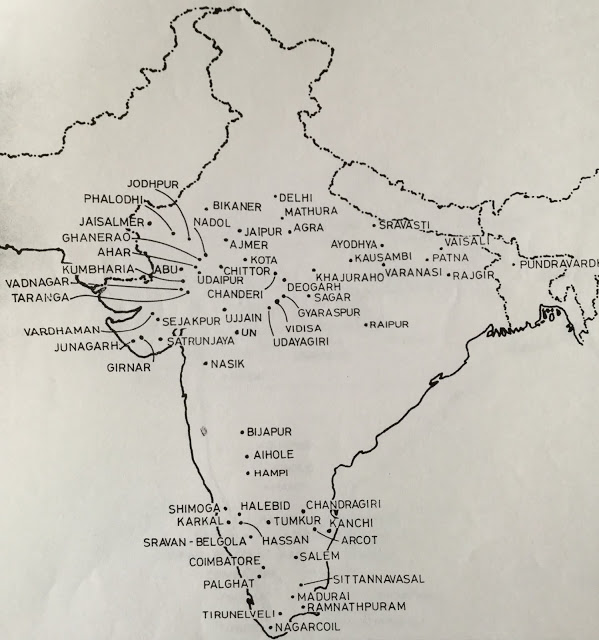
JAIN MAP OF INDIA AND ITS HISTORICAL IMPORTANCE
FROM
JAINA SHRINES IN INDIA , O. P. TANDON,
MY MARGINAL NOTES MADE ON 20-11-1996
PLEASE NOTE THAT THE NORTHERN MOST CENTRE WAS DELHI AND THE SOUTHERN MOST IS KANYAKUMARI/NAGERKOIL AND IN THE WEST GUJARAT, MAHARASHTRA, RAJASTHAN AND IN THE EAST BANGLADESH
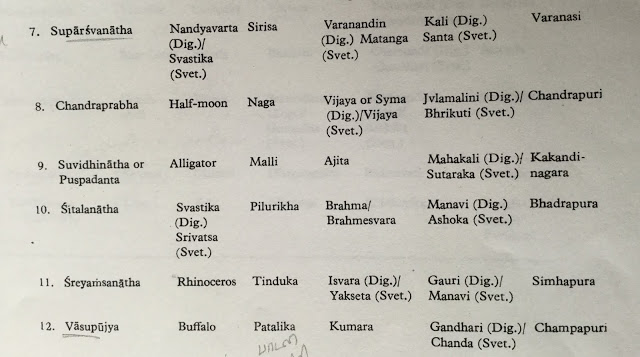
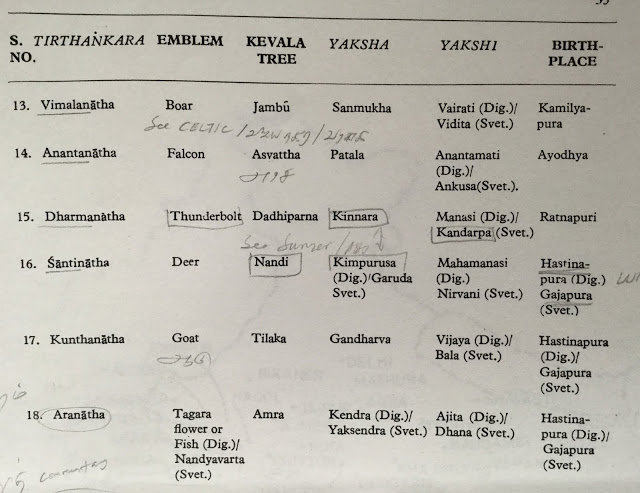
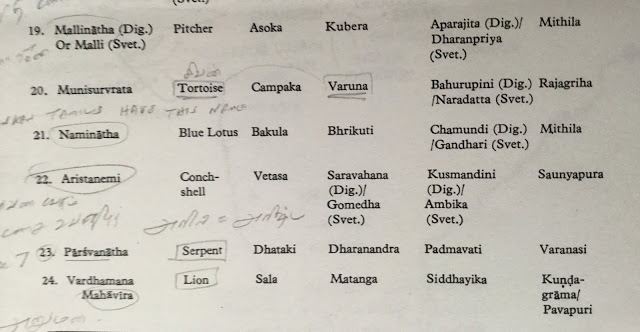
ALSO NOTE MANY TIRTHANKARAS HAVE NATHA AS SUFFIX
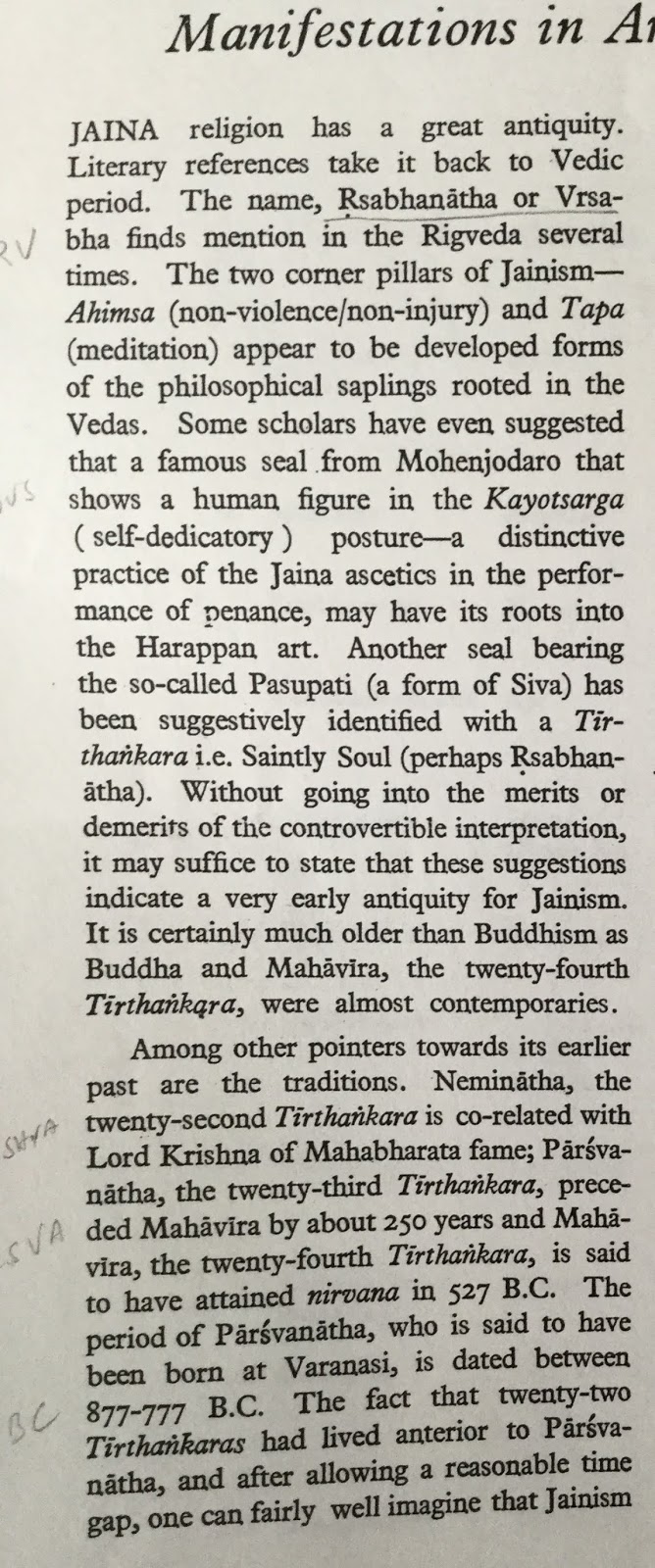
ENTIRE GANGES PLAIN IS COVERED. AND HISTORY OF JAINISM BEGINS IN RIG VEDA WITH RISHABA DEVA’S NAME THIS PROVES TWO THINGS VEDIC CULTURE WAS THROUGHOUT THE PLAINS OF GANGES DURING RIG VEDA.
ALSO NOTE ALMOST ALL THE TIRTHANKARAS ARE FROM GANGES REGION.
FIRST TIRTHANKARA BECOMES HISTORICALLY IMPORTANT FOR TWO REASONS. HIS EMBLEM IS BULL, WHICH IS MORE PREDOMINANT IN INDUS-SARASVATI CIVILISATON. THAT MEANS JAIN BUSINESS MEN WERE MORE IN INDUS VALLEY.
FIRST TIRTHANKARA HAS BULL FACED GOMUKHA YAKSHA AS HIS YAKSHA, PERHAPS VAHANA. WE HAVE SUCH SEALS IN THE COLLECTION OF INDUS SEALS .
VERY INTERESTING IS THE ATTRIBUTION OF 24 TREES AND PLANTS TO TIRTHANKARAS . THIS SHOWS THE GREAT IMPORTANCE SHOWN BY JAINS TO OUR ENVIRONMENT
SYMBOLS OF BULL, ELEPHANT, ALLIGATOR, SWASTIKA , RHINOCEROS, BUFFALO , FALCON, SERPENT TC ARE ON INDUS-SARASVATI SEALS.
ACCORDING TO SVETAMBARA SECT , FIRST THIRTHANKARA WAS BORN IN KAILASA. THIS IS VERY INTERSTING. LIKE SAIVITES THEY ALSO BELIVED IN THE HOLINESS OF THE HIMALAYAS.
JAINS, BUDDHISTS, AND HINDUS MUST SIT TOGETHER AND COMPILE ALL THE SIMILARITIES IN THE AREAS OF GEOGRAPHY, HISTORY, FAITH, FLORA, FAUNA AND SYMBOLS. THIS WILL HELP US TO REWRITE OUR HISTORY. NAMES LIKE ARISHTA NEMI ARE IN VEDAS AS WELL.
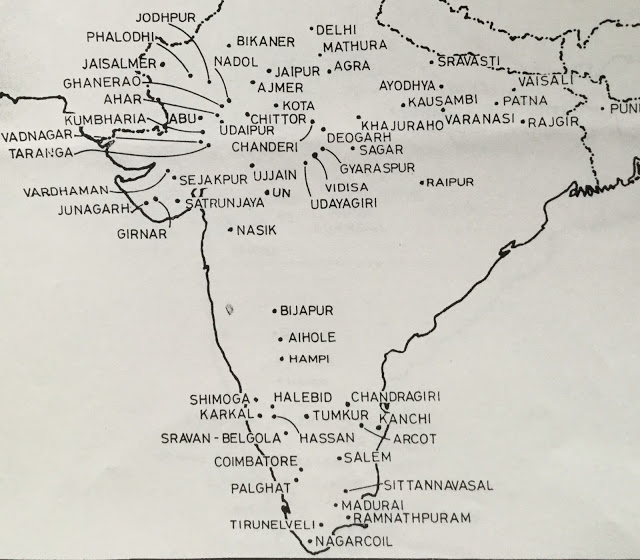
PLEASE SEE THE ATTACHED MAP AND LIST OF 24 TIRTHANKARAS
is one of the oldest religions.
tags — Jain Religion, Indus valley, Tirthankaras, Jain Map
Pictures are taken from various sources for spreading knowledge; this is a non- commercial blog. Thanks for your great pictures.
tamilandvedas.com, swamiindology.blogspot.com
உடல் ஓட்டிப் பிறக்கும் இரட்டைக் குழந்தைகளில் (Siamese Twins) பல வகை உண்டு. உடலின் எந்தப் பகுதிகள் எந்த அளவுக்கு ஒட்டி இருக்கின்றன என்பதை ப் பொறுத்து வகைப்படுத்தப்படுகின்றனர் ; சில குழந்தைகளை மருத்துவர்கள் அறுவைச் சிகிச்சை மூலம் பிரிக்க முடிகிறது; மற்றவர்கள் அப்படியே வாழ்கின்றனர். இவர்களுடைய நடை, உடை, பாவனை, பழக்க வழக்கங்கள் , செக்ஸ் SEX வாழ்க்கை பற்றி நிறைய ஆராய்ச்சிக் கட்டுரைகள் இருக்கின்றன .
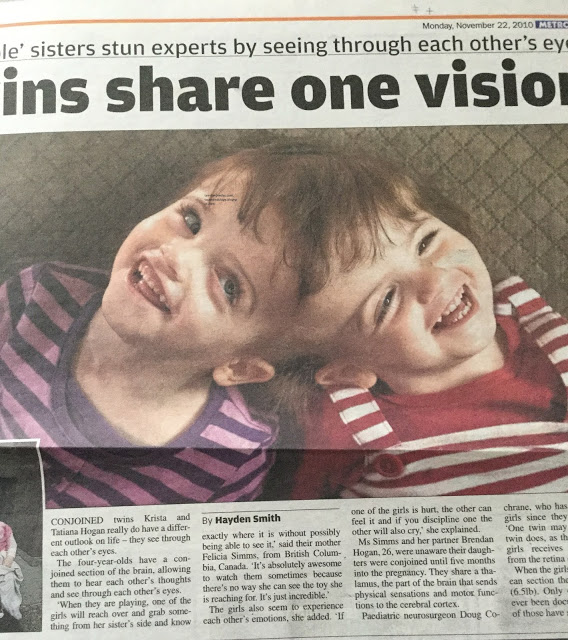
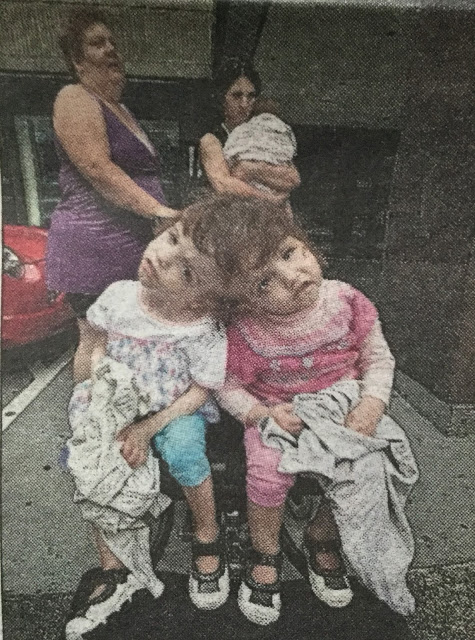
50 லட்சம் குழந்தை பிறந்தால் , ஒரு குழந்தை இப்படிப் பிறக்கிறது. கனடாவில் பிரிட்டிஷ் கொலம்பியா மாகாணத்தில் தலை இரண்டும் ஒட்டிப்பிறந்த இரண்டு சகோதரிகள் பற்றி 2014 வரை டெலிவிஷனில் செய்திகள் வந்தன. கிறிஸ்டா (Christa) , டாட்டியானா (Tatiana) ஹோகன் என்ற இரண்டு பெண் குழந்தைகளின் தலைகளும் ஓட்டிப் பிறந்தன.இவர்கள் பற்றிய சுவையான செய்திகள் –
ஒருவர் பார்த்தால் மற்றவளுக்கும் அது தெரியும். ஒரு பெண்ணின் கண்களை மூடிவிட்டு மற்றொரு பெண்ணை ஒரு பொருளை பார்க்கச் சொன்னால் பொருளைப் பார்க்காதவளும் சொல்லிவிடுவாள் . ஒரு பொம்மையைப் பார்க்காத பெண்ணும் அந்த பொம்மையை சரியான விதத்தில் எடுக்கும் அற்புதத்தைக் காணலாம்.
இருவரின் (feelings) உணர்ச்சியும் ஒன்றே. ஒரு பெண்ணைக் கண்டித்தால் மற்றொரு பெண்ணும் அழுவாள் . இந்தச் செய்தி பத்திரிகையில் வந்த பொழுது அவர்களுக்கு வயது 4. இப்போது 14 வயது இருக்கும். மூளையின் செயல்பாடு குறித்து ஆராயும் மருத்துவர்கள் இவர்களுடைய செயல்பாட்டை ஆராய்கின்றனர்.
தாயின் பெயர் பெலிசியா சிம்ஸ். தந்தையின் பெயர் பிரெண்டன் ஹோகன். அவருக்கு 22 வயதில் இரட்டைக் குழந்தை பிறந்தது. இவர்களைக் கவனித்துவரும் குடும்ப டாக்டர் சொன்னார்- “ஒரு பெண்ணின் கண்ணில் உள்ள ரெடினா Retina திரையில் விழும் உருவத்தை மற்றொரு பெண் அறிவாள் .உடலில் உணர்வுகளை அறியும் மூளையின் தலாமஸ் (Thalamus) பகுதி ஒட்டியிருப்பதே இதற்கு காரணம் என்கிறார்.
தாயின் கர்ப்பத்தில் 5 மாதத்தில்தான் குழந்தையின் தலை ஒட்டியிருப்பது தெரியவந்தது . சிசேரியன் (Caesarean Section) அறுவைச் சிகிச்சை மூலம் குழந்தைகளைப் பிறப்பித்தனர். இதுவரை இந்த வகையில் பிறந்த குழந்தைகள் எட்டு. அவற்றில் மூன்று மட்டுமே உயிர் பிழைத்தன .
Pictures are taken from various sources for spreading knowledge; this is a non- commercial blog. Thanks for your great pictures.
tamilandvedas.com, swamiindology.blogspot.com
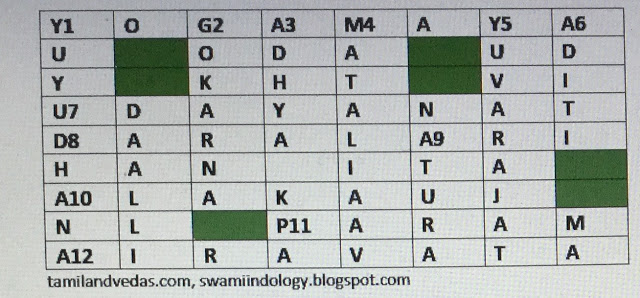
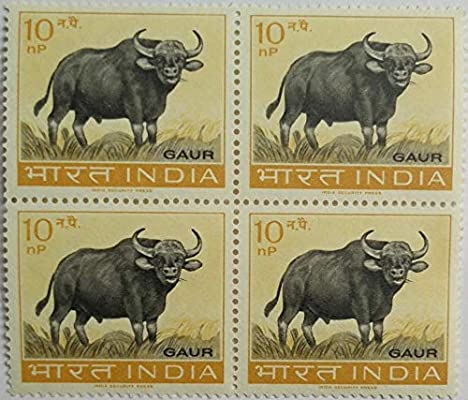
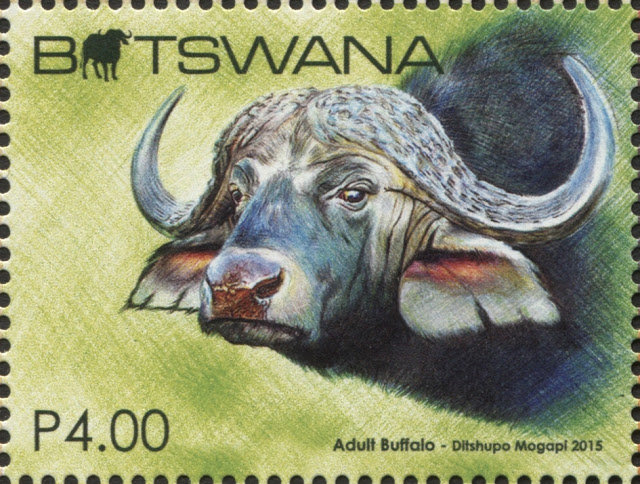
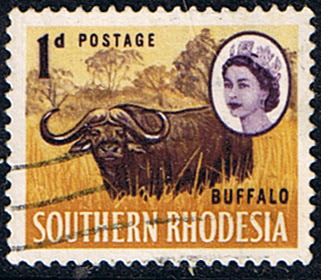
எருமை பற்றிய 4 பழமொழிகள் – கண்டுபிடியுங்கள்
ஒரே சொல் மீண்டும் மீண்டும் வந்தால் ஓரிரு இடங்களில் மட்டுமே கட்டத்தில் இருக்கும். கொண்டு கூட்டி பொருள் கொள்க . விடை கீழே உள்ளது . சில நேரங்களில் படங்களைப் பார்த்தாலும் விடை காண உதவலாம்.
விடை
1.எருமைச் சாணி ஓமத்திற்கு ஆகுமா?
2.எருமை முட்டைப் புராணம் வாசிக்கிறான்
3.எருமை மாட்டின் மேல் மழை பெய்தது போல
4.எருமை வாங்கும் முன் ஏன் நெய் விலை கூறுகிறாய்?
Source book :–
பயன்படுத்திய நூல்- கழகப் பழமொழி அகர வரிசை, கழக வெளியீடு.
Pictures are taken from various sources for spreading knowledge; this is a non- commercial blog. Thanks for your great pictures.
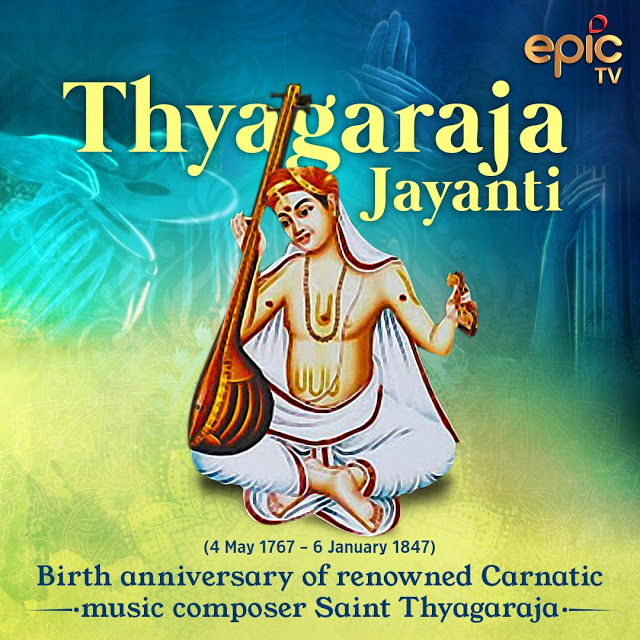
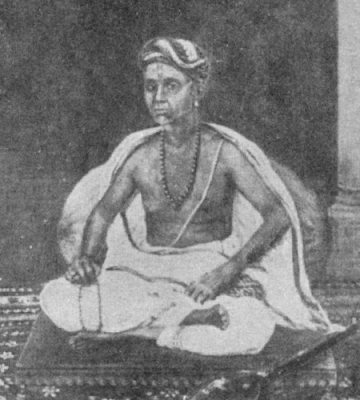
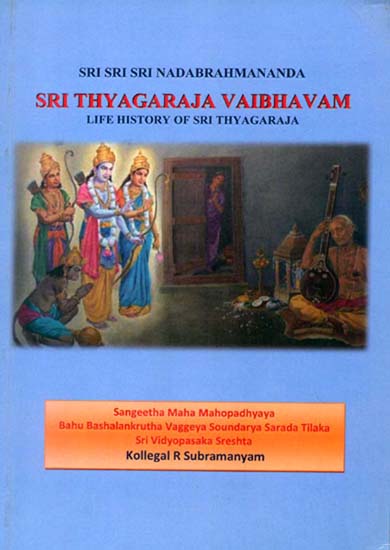
SRI TYAGARAJA-33, Tyagaraja Reveals a Secret
Is Tyagaraja pessimistic? He lived at a time (1767-1847) when Indian social life and religious traditions were beginning to fall apart. European powers were controlling various pockets and competing among themselves, finally resulting in the triumph of the British.Nominal Mughal rule ended in Delhi, many native rulers were subjugated by the British.They were confined to the forts with a pension, while the British collected the revenue and controlled the affairs. The South was divided among the remnants of Vijaynagar, Mahratta and Mysore kingdoms, with pockets of Muslim domination. Social life was in a flux, religious life in decline, political rule was unstable and economic life miserable for large segments of people, and uncertain on the whole.
Even among such circumstances, Tanjore offered a ray of hope. Remarkable saintly personalities had risen there and shown people how to lead a life of devotion, even when they were not able to follow the traditional Hindu way. Everything was not lost, as yet.
Tyagaraja’s maternal grandfather was a man of some religious merit and literary accomplishments due to which he was well regarded in Tanjore court circles. Tyagaraja might have had exposure to the atmosphere of religious and literary activities there- he could observe both the bright and the darker sides, as reflected in his kritis. Tyagaraja’s kritis contain his observations on life and society as prevailing then. If one does not get a uniformly good picture, it is not because Tyagaraja was pessimistic, but society was such. Tyagaraja did not write a treatise on society, but his observations come incidentally in his exposition of the Bhakti path, using the medium of music for which he had a natural gift.
Far from being a pessimist, Tyagaraja celebrates the very fact of human birth!
Manava tanuvu durlabha manusu nenchi
paramananda monda ( dudukugala)
One should feel supremely happy that one obtained the rare human birth.
It is only through the human birth that it is possible to transcend the cycle of birth and death. Hence it represents an extremely rare opportunity to obtain the imperishable, immortal state using this mortal frame! It is only when people forget this and look upon the body as an instrument of worldly pleasure that they get subject to worldly afflictions. Those who look upon the body as an instrument of dharma- sarira madhyam khalu dharma sadhanam- can take up the path of bhakti and derive ananda!
Santa janula kolla sammati yunte gaani
Inta kannananda memi O Rama Rama!
O Rama! If the mind gets immersed in the company of those devotees who are engaged in singing God’s names and praises, can there be greater happiness?
Geethathamu sangitanandamu
Nee tavuna judara O manasa
O mind! Enjoy the meaning of the Gita and the pleasure of good sangita within yourself!
What he means is that happiness cannot be obtained from external sources but from a mind at peace. The mind will be at peace if one thinks of God in the heart. This is what Hanuman did and it is Hanuman’s example that Tyagaraja gives here. Hanuman is the greatest devotee of Rama.
Haridasulu vedale muchchata koni
Haridasulu vedale muchchata koni
Anandamaye dayalo
O the generous one! The sight of the devotees of God coming out on the street ( singing God’s names with sweet music) gives such great pleasure!
Modakara sarira metti
mukti margamu teliyani
vada tarkamela
Bhajana seyava manasa (Bhajanaseyave)
Oh mind! Having got this human body which enables you to attain happiness, learn to seek the way for liberation.
Why engage in arguments and counter-arguments which block such knowledge? Engage in bhajana of Rama.
So, Tyagaraja is quite appreciative of the fortune of having a human body, the possibility of attaining liberation through it and is also aware of the means- viz devotion to God. This also confers Ananda-delight. Indeed, our Sages have held that happiness or ananda is quite natural; it is not wrong for man to seek it, but his mistake is that he is seeking it in the wrong places!
Tyagaraja shows us the right place and path.
It is true the world is full of problems and troubles. But why should we worry if we have devotion?
Samsarulaite nemayya siki
pincha vatamsu deduta nundaka
If people have always before their minds’ eye Krishna with the beautiful peacock feather in his crown, what if they are samsaris?
Himsadulella rosi hamsadula goodi
prasamsa jeyuchune proddu
kamsarini nammuvaru …..samsaurlaite
Giving up himsa completely, keeping company with holy people, engaged in singing/reciting the praises of the Lord, always having faith in Krishna who disposed of Kamsa- what if they are samsaris?
Jnana vairagyamulu heenamai natti
bhava kananamuna dirgu manavulu sada
dhyanayoga yutulai nee namamu balguchu
nana karma phalamu daanamuseyuvaru…..samsaru
People who wander in the forest of samsara that is without substance-lacking in jnana and vairagya,if they take the path of dhyana, engage in nama sankirtan, and dedicate the fruits of their work to Bhagavan- what if they are samsaris?
Removing all cruel ideas from their mind, engaging their wives and children too in the service of the Lord, to engage heartily in always worshipping the lotus feet of the Lord, which are the essence of everything- what if such people are samsaris?
Gathering the company of fellow devotees, offering all the pleasures they have obtained to the Lord, engaged in praising the Lord in the Sriraga to the accompaniment of sweet music of veena, placing full faith in the Lord worshipped by Tyagaraja- what if such people are samsaris?
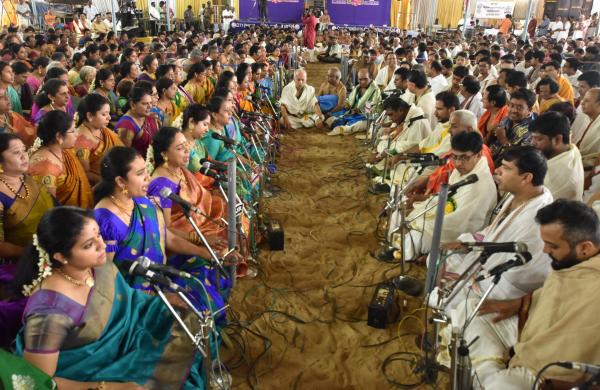
Sri Tyagaraja is fantastic. Here he is giving us the essence of Gita’s teaching on devotion including the one in 9.30: even if a wicked person decides to worship God with undivided devotion, he should be regarded as good! He does turn righteous soon! And samsaris are not all or necessarily wicked- they may just not know the way- till they adopt devotion! Yes, life is full of distractions, diversions and troubles- but there is Bhagavan to look after us, if we turn to Him. We must have such faith to be saved. For this we need association with saintly people. God should bless us with good buddhi.. Enduku peddala vale bhuddheeyavu Endu podunayya Ramayya
O Rama! Why have you not blessed me with the kind of wisdom you have given to great holy people?
Though I have learnt the inner meaning of Veda sastras, I have understood the Vedanta , beyond all the differences, I have known the secrets of Nada upasana- still Lord, why have you not blessed me with the kind of wisdom that great men have? Here Tyagaraja makes it clear that whatever one may have learned, the saving wisdom comes from God, as a blessing! This links us directly with Gita,10.10&11: Teshaam satata yuktaanaam Bhajataam preeti purvakam Dadaami buddhi yogam tam
Yena Mam upayayanti te
To them, ever steadfast and serving Me with affection,I GIVE THAT BUDDHI YOGA by which they come to Me.
Teshaamevanukampartham Ahamajnanajam tama: Naasayaam atma bhavasto Jnanadeepena bhasvata Out of mere compassion for them, abiding in their hearts, I destroy the darkness born of ignorance by the luminous lamp of knowledge. If such is the case, why should one worry?
Maakelara vicharamu maruganna Sri Ramachandra
What worry do I have? O Ramachandra, the father of Manmatha!
Jada goorchi naataka sutramunu jagamella mechchaga karamuna nidi gati tappakaadinchevu summee
You are keeping in your hands the strings connecting all the people as in a drama show with dolls, making them dance without faltering , drawing praise all round. What worry do I have ( when I understand you are there, behind everything?) In fact there is another entity who is really worried! Chintistunnade Yamudu Santatamu sujanulella Sad bhajana jeyuda joochi Lord Yama is immersed in thought, worried.
All the good people in the world are engaged in bhajan of the Lord. So Yama is thinking, worried.
Soolapaasa dharabhata jaalamula joochi mari mee kolahalamu ludige kaalamaayene yanuchu chintistunnade Addressing his messengers, with the sula and pasa string, he says: “the time has come for your celebrations to stop”, and is immersed in worried thoughts. Vaaridhi soshimpa jeyu krura kumbhajuni reeti Ghora narakadu lanase Taraka namamunu dalachi….chintis
Just as Sage Agastya drank up the oceans, people have taken to Tarakanama which will destroy all the terrible hells. So Yama has become worried and thoughtful Daari teliyaleka tirige- vaaralaina chalunante Saaramani Tyagaraju Sankirtanamu baaderanuchu ….chintistunnade
If it is thought that it is enough for Yamaloka to have those people who are wandering without knowing the proper way, they too are singing the meritorious Kirtans composed by Tyagaraja! So Yama is worried!
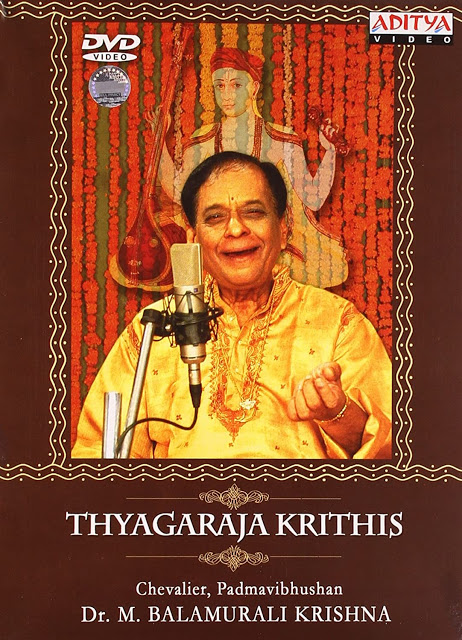
This is a splendid, magnificent , glorious crown to the fantastic kirtans of Sri Tyagaraja. This is one of the rare moments when Tyagaraja has revealed a supreme secret without any self-consciousness.That his Kirtanas- Saaramani Sankirtanamu: the sankirtans which contain the essence!- can keep Yama away and thus ward of the fear of the people! As we saw in an earlier posting, Tyagaraja claimed no credit for his kirtanas. He said that they were taught to him by Sri Rama Himself. And in that context, he stated that they confer the prosperity of this world and also Liberation:
“Bhukti mukti kalgu nani kirtanamula bodhinchina….Dasarati nee runamu deerpa na tarama (Dasarti-Todi) O son of Dasarata! Is it possible for me to repay my debt to you, who taught me (bodinchina) the excellent kirtanas (nani kirtanamu) which give both worldly prosperity (bhukti) and Liberation (Mukti)?
Tyagaraja stated there the reason why Rama gave these kirtanas to Tyagaraja:
Thinking that the poets, who merely excel in composing poetry (kavi jaala varenyulu) do not know the inner meaning or true import (bhaavamerugaloni) because they lack bhakti (bhaktileni)
See how carefully Tyagaraja is using his words. He is not indulging in superlatives or hyperbole. He says plainly that Rama taught him the kirtanas, that they give us bhukti and mukti. When they can give mukti, does it not mean that they can ward of the fear of Yama? Such is the benefit Sadguru Sri Tyagaraja Swami has conferred on us, totally undeserving people. We now see why he is Sadguru. Nee Nama Rupamulaku nitya jaya Mangalam.
Pictures are taken from various sources for spreading knowledge; this is a non- commercial blog. Thanks for your great pictures.
tamilandvedas.com, swamiindology.blogspot.com
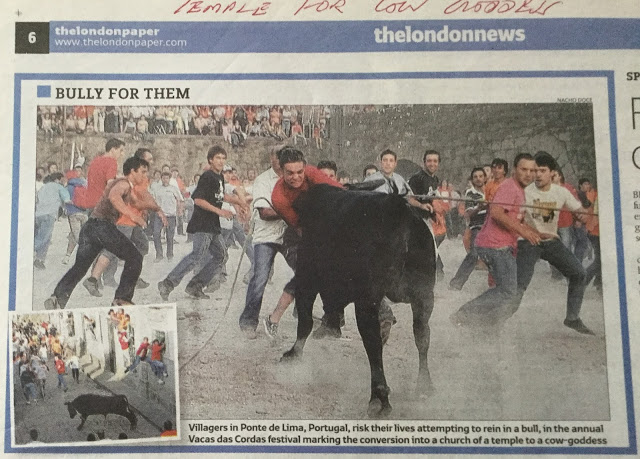
போர்ச்சுகல் நாட்டின் கோ மாதா கோவிலை
கிறிஸ்தவர்கள் உடைத்த கொடுமை (Post No.8155)
கிருஷ்ண பரமாத்மா 7 காளைகளை அடக்கி நப்பின்னையை மணந்ததை நா ம் அறிவோம். சங்க இலக்கிய நூலான ‘கலித்தொகை’யும் கண்ணன் செய்த லீலைகளை வருணித்து ஜல்லிக்கட்டு விளையாட்டின் தோற்றத்தைக் காட்டுவதை நாம் அறிவோம்.
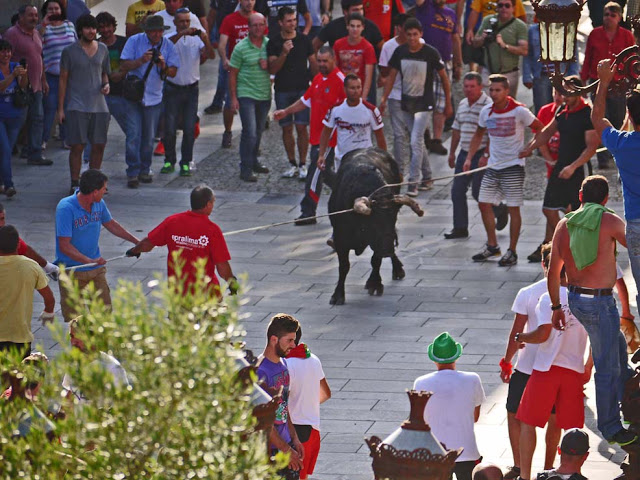
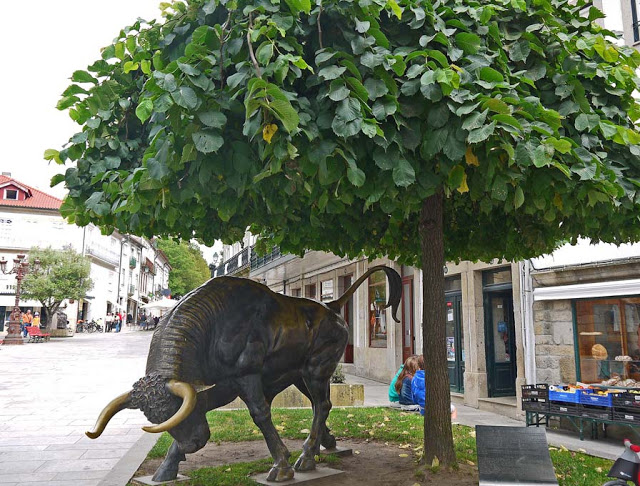
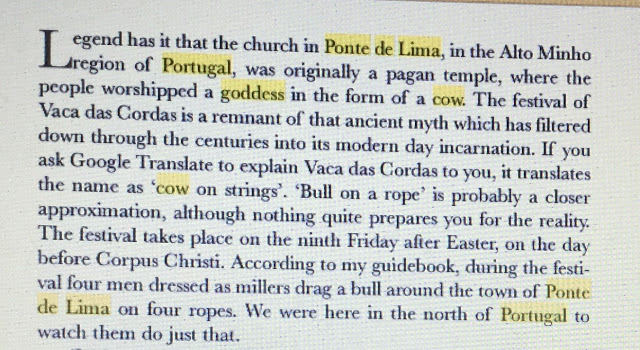
கிருஷ்ண பரமாத்மா துவக்கி வைத்த இந்த மஞசு விரட்டு இன்று தமிழ் நாட்டிலும் ஸ்பெயின் (Spain) மற்றும் ஸ்பானிய கலாசாரம் பரவிய இடங்களிலும் நடைபெறுகிறது. ஆனால் நாம் இப்போது காளைகளைக் கொல்வதில்லை ; மற்ற கலாசாரங்களில் கொன்று விடுவார்கள் . இத்துடன் இணைத்துள்ள படத்தில் (Portugal) போர்ச்சுக்கல் நாட்டில் கோ மாதா (Cow Goddess) கோவிலை கிறிஸ்தவர்கள் இடித்த தினத்தைக் கொண்டாடுவதை அப்படியே ஆங்கிலத்தில் எழுதியும் உள்ளனர்.
ஊரின் பெயர் – பாண்டி டி லிமா (Ponte de Lima) ; ஆண்டு தோறும் நடக்கும் திருவிழாவின் பெயர் – வாசஸ் டாஸ் கார்டோஸ் (Vacha das Cordos) .அவ்வளவும் ஸம்ஸ்கிருத சொற்கள்; வாசஸ் என்பது பசு. கோ மாதா ; நாம் இந்தியாவில் வங்கம் என்பதை வடக்கே பெங்கால் என்பர் ; அதாவது உலகம் முழுதும் ‘வ’ என்னும் எழுத்தும் ‘ப’ என்னும் எழுத்தும் இடம் மாறும் ; வாசஸ் என்பது பசுஸ் ; கார்டோ என்பது சரடு, அதாவது கயிறு.; ‘க’ என்னும் எழுத்தும் ‘ச’ என்னும் எழுத்தும் இடம் மாறும்; கார்ட் என்பது சரடு. போர்ச்சுகிசிய மொழியிலும் இந்த விழாவின் பெயர் பசுவைக் கயிற்றால் இழுப்பது (Cow by Ropes or Strings) என்று சொல்லுவர் ; என்சைக்ளோபீடியாவுக்குள் புகுந்தால் பசுவுக்குப் பதிலாக இப்போது காளை மாட்டைப் பயன்படுத்துவதையும் காணலாம். முதலில் அந்த ஊர் கிராமக் கோவிலில் எகிப்து நாட்டின் ஐசிஸ் (Isis) எனப்படும் கோ மாதா — பசு தெய்வம் – கோவில் இருந்ததாகவும் அதை கிறிஸ்தவர்கள் கிறிஸ்தவக் கோவிலாக மாற்றிய நாளை ஆண்டுதோறும் ஜூன்மாதம் கொண்டாடுவதாகவும் எழுதி இருப்பர்.
அன்று பல்லாயிரக்கணக்கான சுற்றுலாப் பயணிகள் குழுமி இருப்பார்கள். காளை மாட்டை ‘சர்ச்’சுக்குக் கொண்டு சென்று அதை போதையூட்டும் இரண்டு விஷ அம்புகளால் தாக்குவர். பின்னர் அதை நகர தெருக்களில் அவிழ்த்து விடுவார்கள் ; அதை வீரர்கள் அடக்கி விடுவார்கள்.
என்சைக்ளோபீடியாவில் மேலும் சில தகவல் உளது ; கிறிஸ்தவ பாதிரிகள் பசு தெய்வத்தின் சிலையை நகரத்தில் கயிறு கட்டி இழுத்து வந்து, சுக்கு நூறாக உடைத்து இந்த விழாவை ஏற்படுத்தியதாவும் (Cow Goddess Statue Broken into pieces) இந்த தெய்வத்தை கிறிஸ்தவ மதம் உலகில் தோன்றுவதற்கு 500 ஆண்டுகளுக்கு முன்னர் பினீஷியர்கள் (Phoenicians) இந்த நாட்டுக்குக் கொண்டு வந்ததாகவும் எழுதி வைத்துக்குள்ளனர் . இன்றும் கூட காளை மாட்டை அம்புகளால் தாக்கிவிட்டு அதை மூன்று முறை ‘சர்ச்’சை வலம் வரச் செய்து தெருவுக்கு இழுத்துப் போகிறார்கள். இப்படி ‘மூன்று முறை’ வலம் வருவது இன்றும் இந்துக்கள் கடைப்பிடிக்கும் வழக்கம்.
புனிதமான ‘கோ மாதா’ கோவிலை மதம் மாற்றியதோடு இல்லாமல் பசுவுக்குப் பதில் காளைக்கு போதை ஏற்றிக் கொடுமைப் படுத்துவதை எல்லா புஸ்தகங்களிலும் டூரிஸ்ட் பிரசுரங்களில் பெருமையாக எழுதியும் வைத்துள்ளனர்.
உலகில் பிராணி வதையைத் தடுப்பதாகக் கூறி இந்தியாவில் அவ்வப்போது அயோக்கியத்தனங்களில் ஈடுபடும் சர்வதேச அயோக்கியர்கள் இதைக் கண்டுகொள்வதுமில்லை. ஆண்டுதோறும் பக்ரீத் பண்டிகையின் போது கொல்லப்படும் ஒட்டகங்களுக்கு முதலைக்கு கண்ணீர் விடுவதுமில்லை..
****
கிரேக்க நாட்டில் மினோவன் (Minoan) நாகரீகத்திலும் காளை அடக்கும் காட்சி உளது; சிந்து-சரஸ்வதி நதி தீர நாகரீ கத்தில் (Indus-Sarasvati River Civilization) எருமை மீது ஈட்டியுடன் பாயும் காட்சி உளது . கோ மாதா வழிபாடு, காமதேனு வழிபாடு வெவ்வேறு கதைகளுடன் உலகெங்கிலும் இருக்கிறது. நம்மூர் ஸ்தல புராணங்களைப் போல அதே கடவுளுக்கு வெவ்வேறு ஊர்களில் வேறு வேறு கதைகள் இருக்கும்.
நமது படங்களில் பாட்டுகள் அனேகமாக நாயக-நாயகிரைச் சுற்றியே அமையும். பல முத்திரைப் பாடல்கள் அவர்கள் மீதே படமாக்கப்படும். 50-60களில் இருந்த ஒவ்வொரு ஹீரோ நடிகரும் பாட்டினாலேயே பிரபலமானார்கள். சில பாடகர்கள், சில பாட்டுக்கள் என்று இப்படித்தான் அவர்களுடைய ‘இமேஜ்’ உருவாயிற்று.சிறந்த நடிகர்கள் என்று சொல்லமுடியாது-ஆனால் “ஸ்டார்”! இப்படி பாட்டினாலேயே ஸ்டார் ஆனவர்களில் ஒருவர் பிரதீப் குமார். இவருக்கு நல்ல இசை ராசி! அனேகமாக ஒவ்வொரு படத்திலும் நல்ல இசை! எந்த இசைஞரானாலும், எந்தப் பாடகரானாலும் நல்ல பாட்டு அமைந்துவிடும்! இசைப் பிரியர்களுக்கு நல்ல விருந்து! இவர்மீது படமாக்கப்பட்ட இரு பாடல்களைப் பார்க்கலாம்
ஆன்கோ(ன்) பே பரோஸா மத் கர்.
आँखों पे भरोसा मत कर, दुनिया जादू का खेल है हर चीज़ यहाँ एक धोखा, हर बात यहाँ बेमेल हैओ मतवाले, हँस ले गा ले, ले जीने का मज़ा इस दुनिया की भीड़ में तू, मेरी तरह नन्हा बन जा आँखों पे भरोसा मत कर, दुनिया जादू का खेल है हर चीज़ यहाँ एक धोखा, हर बात यहाँ बेमेल हैकहने को तो सब कहते हैं, इस बात में क्या रखा है पर ये तो कोई बतलाए, क्या झूठा है क्या सच्चा है हम दीवाने बस ये जाने, जो कुछ है सो अच्छा है आँखों पे भरोसा मत कर …इस राह के हम सब राही, पहचान है ये पलभर की कल तो जुदा कर देगी हमको, लहर इस जीवन की जीनेवाले जी बहला ले, कल सोचेंगे हम कल कीआँखों पे भरोसा मत कर ..
ஆன்கோ(ன்) பே பரோஸா மத் கர், துனியா ஜாதூ கா கேல் ஹைஹர் சீஃஜ் யஹ(ன்) ஏக் தோகா, ஹர் பாத் யஹா(ன்) பேமேல் ஹை,உன் கண்களை நம்பாதே! இந்த உலகம் மாயாஜாலம் நிறைந்த விளையாட்டு!இங்கு ஒவ்வொரு பொருளிலும் ஏமாற்றுதல், ஒவ்வொன்றும் தொடர்பேதும் இல்லாதது!ஓ மத்வாலே, ஹ(ன்)லே காலே, லே ஜீனே கா மஃஜாஇஸ் துனியா கே பீட் மே தூ, மேரீ தரஹ் நன்ஹா பன் ஜாஅன்பனே! சிரித்துப் பாடி வாழ்க்கையை ரசிக்கக் கற்றுக்கொள்!இந்த உலகத்தின் கும்பலிலிருந்து விலகி, நீ என் போல குழந்தையாகிவிடு!ஆன்கோ பே பரோஸா மத் கர் உன் கண்கள் மீது நம்பிக்கை வைக்காதே!. கஹனே கோ தோ ஸப் கஹதே ஹை, இஸ் பாத் மே க்யா ரக்கா ஹைபர் யே தோ கோயீ பத்லாயே., க்யா ஜூடா ஹை க்யா ஸச்சா ஹைபேசுவதென்றால் எல்லோரும் தான் ஏதோ பேசுகிறார்கள்! இது என்ன பெரிய விஷயம்!ஆனால் இதில் எது உண்மை, எது பொய்–என்று இதை யாராவது சொல்வார்களா?
ஹம் தீவானே, பஸ் யே ஜானே ஜோ குச் ஹை ஓ அச்சா ஹை!.ஆன்கோ(ன்) பே பரோஸா மத் கர்நாங்கள் பைத்தியம்! எங்களுக்கென்ன!இருப்பதெல்லாம் நல்லதே என்று நாங்கள் நினைக்கிறோம்!உன் கண்கள் மேல் நம்பிக்கை வைக்காதே! . இஸ் ராஹ கே ஹம் ஸப் ராஹீ,, பஹசான் ஹை யே பல்பர் கிகல் தோ ஜுதா கர் தேகீ ஹம்கோ, லஹர் இஸ் ஜீவன் கீ
இந்த உலகத்தில் நாம் எல்லோரும் வழிப்போக்கர்கள்ஒருவரை ஒருவர் க்ஷண நேரம் தான் அறிவோம்!இந்த சம்ஸாரம் என்னும் அலை நாளை நம்மைப் பிரித்துவிடும்!ஜீனே வாலே ஜீ பஹலாலே, கல் ஸோசேங்கே ஹம் கல் கீஇன்று இருப்பதை சந்தோஷமாக அனுபவி!நாளை பற்றிய சமாசாரத்தை நாம் நாளை பார்த்துக் கொள்ளலாம்!ஆன்கோ(ன்) மே பரோஸா மத் கர்உன் கண்கள் மீது நம்பிக்கை வைக்காதே!
A lighthearted song, but see the beautiful lyrics and the lilting tune, that makes you dance! ஹம் சல் ரஹே தே Hum Chal rahe the, wo chal rahe the Magar duiyawalon ke dil jal rehe the Wohi hai Fizaayein, wohi hai hawaayein Magar pyar ki ab nahi wo adayein Bulayein hum unko, magar wo na aaye Hum chal rahe the, wo chla rahe the Magar duniya walon ke dil jalrahe the Khafa mujh se kyun hain khafa hone waale
Judaa mujh se kyun hain juda hone waale Kahaan hain wo waade wafaa hone waale Hum chal rahe thhe Unhe bhulakar bhi, bhula na sakuunga Jo dil maei laghi hai, bhuja na sakunga Main sapno(n) ki duniya sajaa naa sakunga
நான் என் வழியில் சென்றுகொண்டிருந்தேன்அவள் தன் வழியில் சென்றுகொண்டிருந்தாள்ஆனால் உலகத்தவர் நெஞ்சு பொறாமையால் எரிந்தது!அதே சூழல் தான், அதே காற்று தான்ஆனால் அன்பின் அந்த அறிகுறி எதுவும் இப்போது இல்லை!நான் அவளை அழைத்தேன், அவள் வரவில்லை
என்னிடம் கோபம் கொள்ள என்ன காரணம் இருக்கிறது?என்னைவிட்டுப் பிரிய என்ன காரணம் இருக்கிறது?கோபம் கொள்வதற்கு முன், அந்த வாக்கு என்ன ஆயிற்று என்று நினைக்கவேண்டும்.அவளை என்னால் மறக்க இயலாதுமனதில் பட்டது அணையாதுஎன் கனவு உலகம் இனி நிறைவேறாது!உலகத்தவர் நெஞ்சு பொறாமையால் எரிந்தது!
இது முந்தைய பாட்டிற்கு முற்றிலும் மாறான மன நிலையில் பாடப்பட்டது. ராஜேந்த்ர க்ருஷ்ணாவின் எளிய கவிதை- மதன் மோஹன் எளிய மெட்டில் முகேஷின் குரல்- அதில் இழையோடும் சோகம் இப்பாட்டை மறக்கமுடியாமல் செய்துவிட்டது! பின்னணி இசை ஆரவாரமில்லாமல் எப்படி இனிமையாக இருக்கிறது பாருங்கள்! இது முகேஷ் பாடிய சிறந்த பாடல்களில் ஒன்றாக மதிக்கப்படுகிறது.
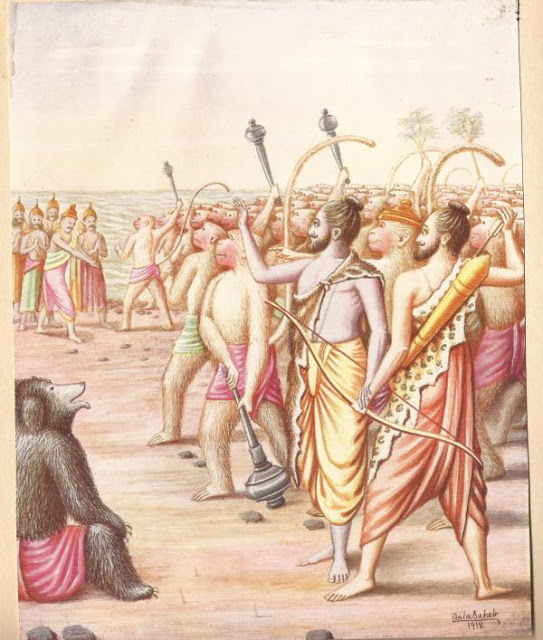
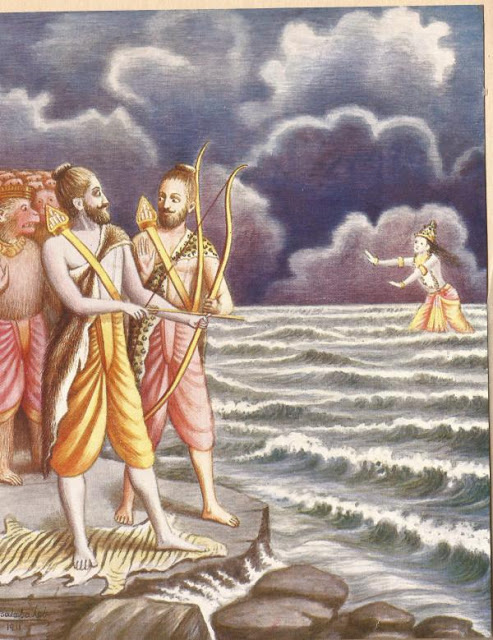
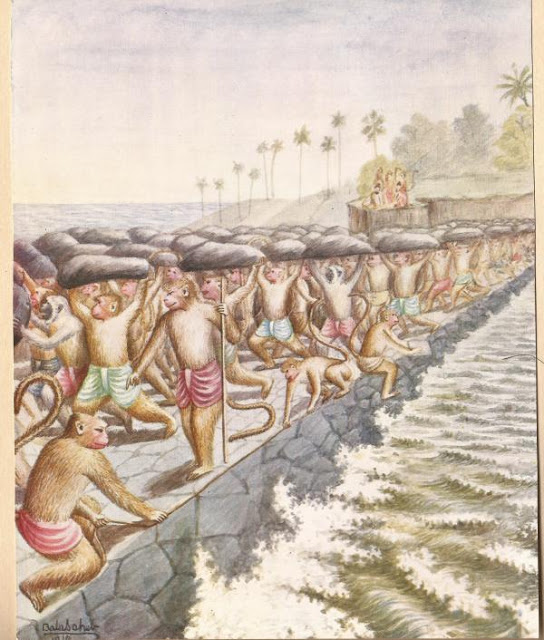
சீதா பிராட்டியைத் தேடி ஸ்ரீ ராமர் சமுத்திரக் கரையை வானர சேனையோடு அடைந்த போது நடந்த சம்பவம் இது.
சமுத்திரக் கரையை அடைந்த அவர் மூன்று இரவுகள் தர்ப்பைபுல்லின் மீது படுத்து சமுத்திரராஜனை நோக்கி நோன்பிருந்து அவன் வருகையை எதிர்நோக்கி இருந்தார். ஆனால் அவன் வரவில்லை. இதனால் கோபம் கொண்ட அவர் தன் வில்லை எடுத்து பிரம்மாஸ்திரத்தைத் தொடுத்தார். இதனால் பயந்து போன சமுத்திரராஜன் அவர் முன் தோன்றி, “தான் இயற்கையில் படைக்கப்பட்டதால் இயல்பாகவே தாண்டமுடியாதவன் என்றும் ஆனால் வானரர்களுடைய கடக்கும் விஷயத்தில் ஒரு வழியை ஏற்படச் செய்வேன் என்றும்” கூறினான்.
இப்படி தன் முன் தோன்றி கை கூப்பி நிற்கும் சமுத்திரராஜனைக் கண்டு ராமரின் கருணை உள்ளம் அவனை மன்னித்தது. ஆனால் அவர், “ஓ! சமுத்திரராஜனே! எனது வில்லில் தொடுத்த அம்பு வீணாகக் கூடாதே! அதற்கு இலக்கு ஒன்று வேண்டுமே” என்றார்.
“இதை வடக்கு நோக்கி விடுங்கள். அங்கு எனக்கு துருமகுல்பம் எனப் பெயர் பூண்ட பிரசித்தி பெற்ற புண்யஸ்தலம் ஒன்று இருக்கிறது. அங்கு சில பாவிகள் ஆபிரர்கள் என்பவர்களைத் தலைமையாய்க் கொண்டு எனது ஜலத்தைக் குடிக்கிறார்கள். அவர்கள் மீது உமது உத்தம பாணத்தை செலுத்துங்கள்” என்று சமுத்திர ராஜன் விண்ணப்பித்தான்.
(“This spell is ne’er invoked in vain
Where shall the magic shaft, to spend
The fury of its might, descend?’
‘Shoot,’ Ocean cried, ‘thine arrow forth
With all its fury to the north’)
ராமரும் சமுத்திரராஜன் வேண்டுகோளின் படி வடக்கே பாணம் செலுத்த ஆபிரர்கள் அழிந்தனர். அத்தோடு மருகாந்தாரம் எனப் பெயர் பெற்ற அப்பகுதிக்கு எப்போதும் வற்றாத பாலை பசுக்களுக்கு ஏற்படுமாறும் ஏராளமான ஓஷதிகளையும் அப்பகுதி உடையதாக ஆகட்டும் எனவும் வரமளித்தார்.
(வால்மீகி ராமாயணம்,யுத்த காண்டம் 22ஆம் ஸர்க்கத்தில் முழு விவரத்தையும் காணலாம்)
இது எதைக் காட்டுகிறது? எப்படிப்பட்ட பாவம் செய்தவனும் கூட இறைவனைச் சரணாகதி அடைந்தவுடன் அவன் தண்டனையை அந்தப் பாவியினுடைய எதிரிகளின் மீது செலுத்தி அவனுக்கு அனுக்ரஹமே செய்கிறான் என்பதை அல்லவா காட்டுகிறது? இது தான் கடவுளின் சட்டம். அவனது தண்டனையும் நிறைவெற்றப்படுகிறது!
இதை நன்கு விளக்குவதற்காக பட்டார்ர்யா ஒரு வேடிக்கையான கதையைச் சொல்கிறார்.
ஒரு பெரிய பண்ணையார் இருந்தார். அவருக்குத் தலை வழுக்கை. ஒரு நாள் அறுவடை முடிந்து வந்து குவிந்திருந்த நெல்மணிகளை அளப்பதில் அவர் மிகவும் சுறுசுறுப்பாக ஈடுபட்டிருந்தார்.
அப்போது ஒரு பிச்சைக்காரன் அவர் அருகே வந்து சொன்னான் இப்படி:- “எவ்வளவு வேலை உங்களுக்கு? உங்கள் தலைமுடியைச் சீவி விடக் கூட உங்களுக்கு நேரமில்லையே!”
பண்ணையாருக்கு ஒரே குஷி! தனக்கு அவ்வளவு தலைமுடியா?!
பண்ணையார் : “உன்னை இங்கே அனுப்பியது யார்? உனக்கு என்ன வேண்டும்?”
பிச்சைக்காரன் : “யாருமில்லை. உங்களை சும்மா பார்த்துவிட்டுப் போகலாம் என்று தான் வந்தேன்!”
பண்ணையார் : அப்படியா? உனக்கு ஒரு சாக்கு நிறைய நெல் வேண்டுமா?”
ஒரு சாக்கை எடுத்து அதை நெல்மணிகளால் நிரப்பினார் பண்ணையார். அவனுக்குக் கொடுத்தார். அவன் தலையில் அதை அவரே தூக்கிக் கூட வைத்தார்.
பிச்சைக்காரன் தன் வழியே நடந்தான். வழியில் அவனைப் பார்த்த ஒருவன் “எங்கேயிருந்து உனக்கு ஒரு சாக்கு நெல் கிடைத்தது?” என்று வியப்புடன் கேட்டான்.
பிச்சைக்காரன் : “அது தான், அந்த வழுக்கைத் தலை பண்ணையார் கொடுத்தது”
அந்த வழிப்போக்கன் நேராகப் பண்ணையாரிடம் சென்றான். அந்தப் பிச்சைக்காரன் பண்ணையாரைக் குறித்து ஏளனமாகப் பேசி அவரை வழுக்கைத் தலையர் என்று கூறியதைக் கூறினான்.
வந்தது கோபம் பண்ணையாருக்கு. நேராக பிச்சைக்காரன் போன வழியில் ஓடிச் சென்று அவனை நெருங்கினார்.
பிச்சைக்காரன் அவர் ஓடி வருவதைப் பார்த்தவுடன் தூரத்திலிருந்தே கத்தினான்: :ஐயா! இப்படி ஓடி வரலாமா? தங்கள் தலை முடி இப்படி அலங்காரமாக நடனம் ஆடுகிறதே!”
பண்ணையாருக்கு கோபம் போன இடம் தெரியவில்லை.
“அப்பனே! நான் ஏன் ஓடி வருகிறேன் தெரியுமா? உன்னால் சுமக்க முடிந்தால் இன்னொரு மூட்டை நெல் தரலாம் என்று நினைத்தேன். அதைச் சொல்லத்தான் ஓடி வந்தேன்.”
புகழ் மொழிகளால் கோபம் நட்பாக மாறும் போது மனிதனுக்கு மனிதனே இப்படி மாறுகிறான் என்றால் இன்னும் எவ்வளவு அதிகம் கடவுள் மீது ஸ்தோத்திரம் செய்யும் போது மனிதனுக்கு அது நல்லனவற்றைக் கொடுக்கும்! சற்று எண்ணிப் பாருங்கள்!!
சமுத்திரராஜன் தன் மேல் இறைவன் கொண்ட கோபத்தை நட்பாக மாற்றியது சரணாகதியால் தானே!
உணர்வோம், உய்வோம்!
குறிப்பு : இது பகவத் விஷயம் மூன்றாம் பாகம் பக்கம் 1171 வேங்கடம் III 3-6 விரிவுரையிலிருந்து தரப்பட்டிருக்கிறது. தலைப்பு எண் 41.
ஆங்கிலத்தில் இப்படிப் பல அபூர்வமான வைணவக் கருத்துக்களும் விரிவுரைகளும் உள்ள புத்தகத்தின் பெயர் : The Divine Wisdom of the Dravida Saints எழுதியவர் : அல்கொண்டவில்லி கோவிந்தாசார்யா (Alkondavilli Govindacharya). இது 1902ஆம் ஆண்டு வெளியிடப்பட்ட புத்தகம்.
262 பக்கங்கள் கொண்ட இந்த ஆங்கிலப் புத்தகத்தைப் படிக்க விரும்பும் அன்பர்கள் நமது தளத்தைத் தொடர்பு கொண்டு மின்னஞ்சல் மூலமாகப் பெறலாம்.
Pictures are taken from various sources for spreading knowledge; this is a non- commercial blog. Thanks for your great pictures.
tamilandvedas.com, swamiindology.blogspot.com
எச்சரிக்கை –
இது போன்ற செய்திகளைப் படித்துவிட்டு பெரியோர் advice ‘அட்வைஸ்’ இல்லாமல் சிறுவர்கள் எதையும் செய்ய வேண்டாம். பெரியவர்கள் செய்தாலும் கூட கண்களையும், ஆடைகளையும் நாசம் ஆக்காமல் பாதுகாப்பது மிகவும் அவசியமானது. சுற்றுப்புற சூழல் பாதுகாப்பையும் மனதிற் கொள்க
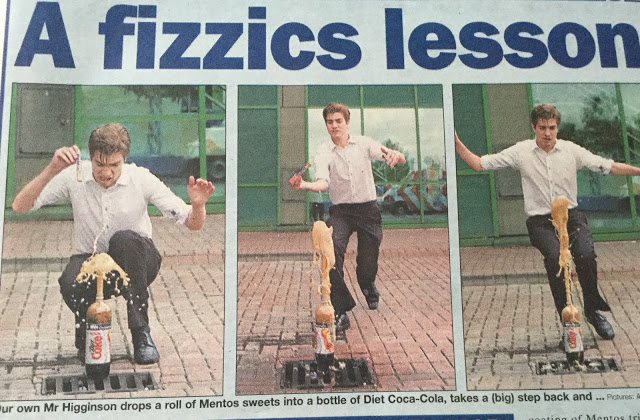
டயட் கோக்கில் (Diet Coke) மிட்டாய்க்களைப் போட்டால் என்ன கிடைக்கும் ?
பட்டாசு, வாண வேடிக்கை கிடைக்கும்.
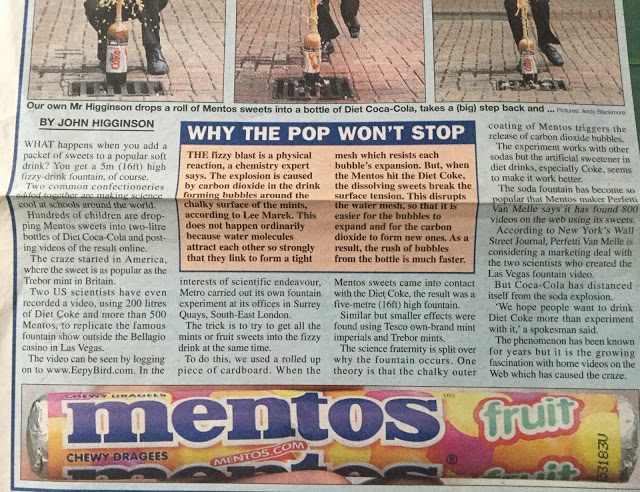
இரண்டு லிட்டர் கோக் பாட்டிலில் குறிப்பிட்ட வகை மிட்டாய்/ ஸ்விட்டுகளைப் போட்டால் 16 அடி உயரத்துக்குப் பீச்சி அடிக்கும் கோக் .
அமெரிக்காவிலும் பிரிட்டனிலும் 15 ஆண்டுகளுக்கு முன்னர் இது ஒரு பெரிய விளையாட்டு, பொழுது போக்கு.
இதன் விஞ்ஞான பின்னணி என்ன?
நாம் சூட (Mint) மிட்டாய் என்று சாப்பிடுவதை அமெரிக்காவில் மென்டோஸ் (Mentos) என்றும் பிரிட்டனில் ட்ரெபோர் (Trebor) என்றும் விற்கின்றனர். இந்த இரண்டு வகை மிட்டாய்களும் கோக்கிலுள்ள கார்பன் டை ஆக்சைட் / கரியமில வாயுவுடன் கலக்கையில் மிட்டாயைச் சுற்றி காற்றுக் குமிழ்கள் உண்டாகின்றன. அவை வெளியேறும் போது 16 அடி உயரத்துக்கு மேலே எழும்புகின்றன. இதுவே நமது வயிற்றுக்குள் நடந்தால் வயிறு கலங்கும். ஆகையால்தான் ‘கன்னா பின்னா’ விஷயங்களைச் (கானா +பீனா = சாப்பிடுதல், குடித்தல்) சாப்பிடாதே என்று பெற்றோர்கள் கூறுவர்.
லாஸ்வேகாஸ் (அமெரிக்கா ) நகரிலுள்ள பெல்லாஜியோ நீர் ஊற்று (Fountain) போல ஒரு கோக் ஊற்றை உருவாக்கினர் இரண்டு அமெரிக்க விஞ்ஞானிகள் . 200 லிட்டர் கோக்கில் 500 மெண்டொஸ் (சூட மிட்டாய்)களைக் கலந்தனர். பிரமாதமான வாண வேடிக்கைதான்.
கோகோ கோலா கம்பெனி இது பற்றி வாயே திறக்கவில்லை. வயிற்றுக்குள்ளும் இதுதான் நடக்கும் என்று சிலர் பிரசாரம் செய்தால் பிஸினஸ் படுத்துவிடுமல்லவா?
இது பற்றி நிறைய You Tube யூ ட்யூப் வீடியோக்களும் உள .








 Tamil and Vedas