ஹிந்தி படப் பாடல்கள் – 53 – இரு மணிகள் – ஆர். டி. பர்மன் (Post No.8076)

WRITTEN BY R. NANJAPPA                        

Post No. 8076

Date uploaded in London – – – 31 May 2020   

Contact – swami_48@yahoo.com

Pictures are taken from various sources for spreading knowledge; this is a non- commercial blog. Thanks for your great pictures.

ஹிந்தி படப் பாடல்கள் – 53 – இரு மணிகள் – ஆர். டி. பர்மன்

R. Nanjappa

ஆர். டி. பர்மன்

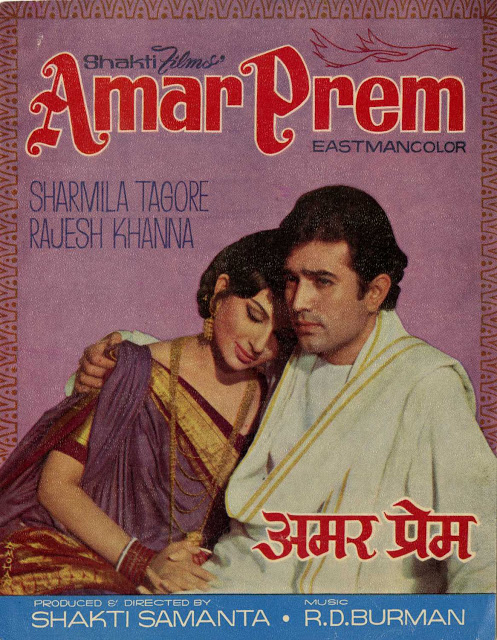
ஹிந்தித் திரை இசையில் மேற்கத்திய அம்சங்களையும் உத்திகளையும் புகுத்தியவர்களின் வரிசையில் முதலில் நிற்பவர் சி.ராம்சந்த்ரா. ஆனால் இவர் ஓரளவோடு நிறுத்திக்கொண்டார். இவர் இசையில் இனிமைக்கே melody முதலிடம் இருந்தது. தாள ஜாலம் beats, rhythm என்றெல்லாம் அதிகம் போகவில்லை.

ஆர்.டி பர்மன் அதற்கென்றே பிறந்து வந்தவர்!  நல்ல இந்திய இசைஞானம் இருந்தும், வலிந்து மேலை அம்சங்களை அதில் புகுத்தி ஏதாவது சோதனை செய்வதே அவர் வழக்கமாயிருந்தது. மேலை மெட்டுக்களை எடுத்தாள்வது, புதிய வாத்தியங்களை நுழைப்பது, புதிய ஒலிகளை நூதனமாக உருவாக்குவது என்று இப்படி ஏதாவது செய்வதே அவர் வழக்கம்.  இதே முறைகளை பின்னர் வந்த பலரும் கையாளத் தொடங்கியவுடன், ஆர்.டி.பர்மனின் மார்க்கெட் படுத்தது. இவர் யாருக்கும் குல்லாய் போட்டு காக்கா பிடிக்கும் நபரல்ல. தனக்கென்று சில தயாரிப்பாளர்களை தன் வசம் வைத்திருக்கவில்லை. அதனால் பின்னாட்களில் இவரால் சமாளிக்க முடியவில்லை.

சினிமா ரசிகர்கள் மத்தியில் ‘ஓ, இசை ஆர்.டி.பர்மனா- அது மேற்கத்திய இசையின் சாயல் அல்லது பாணி’ என்ற ஒரு கருத்து உருவாகி நிலவியது. அவர் இயக்கத்தில் இந்திய  இசையில் உருவான பல நல்ல பாடல்கள் கவனிப்பாரில்லாமல் போயின. சில பாடல்கள் மிகப் பிரபலமடைந்தும் அவை இந்திய இசை மரபில் உருவானவை என்பது பலருக்கும் தெரியாது. அப்படிப்பட்ட இரு பாடல்களை இன்று பார்க்கலாம்.

சிங்காரி கோயி பட்கே

चिंगारी कोइ भड़के
चिंगारी कोइ भड़के तो सावन उसे बुझाये
सावन जो अगन लगाये, उसे कौन बुझाये, हो उसे कौन बुझाये
पताजाद जो बाग़ उजाड़े, वो बाग़ बहार खिलाये
जो बाग़ बहार में उजड़े, उसे कौन खिलाये, हो उसे कौन खिलाये

हम से मत पूछो कैसे मंदिर टूटा सपनों का
लोगों की बात नहीं है ये किस्सा हैं अपनों का
कोइ दुश्मन ठेंस लगाये तो मीत जिया बहलाये
मनमीत जो घांव लगाये, उसे कौन मिटाये

ना जाने क्या हो जाता जाने हम क्या कर जाते
पीते हैं तो ज़िंदा है ना पिटे तो मर जाते
दुनिया जो प्यासा रखे तो मदिरा प्यास बुझाये
मदिरा जो प्यास लगाये, उसे कौन बुझाये, हो उसे कौन बुझाये

माना तूफ़ान के आगे नहीं चलता जोर किसी का
मौजों का दोष नहीं है ये दोष हैं और किसी का
मज़धार में नैय्या डोले तो माजी पार लगाये
मांजी जो नाँव दूबोये, उसे कौन बचाये, हो उसे कौन बचाये
चिंगारी हम्म हम्म.. हम्म हम्म.. हम्म हम्  

சிங்காரீ கோயீ பட்கே தோ ஸாவன் உஸே புஜாயே

ஸாவன் ஜோ அகன் லகாயே, உஸே கௌன் புஜாயே,

ஹோ உஸே கௌன் புஜாயே

பத்ஜத்  ஜோ பாக் உஜாடே, பாக் பஹார் கிலாயே

ஜோ பாக் பஹார் மே உஜ்டே, உஸே கௌன் கிலாயே,

ஹோ உஸே கௌன் கிலாயே

எவராவது நெருப்புப்பொறி பற்றவைத்தால், மழை அதை அணைத்து விடும்

மழையே நெருப்பு பற்றவைத்தால், அதை யார் அணைப்பது?

பனிக்காலத்தில் சோலை வாடிவிட்டால்,

வசந்த காலத்தில் மீண்டும் மலர்ந்துவிடும்

வசந்த காலத்திலேயே சோலை வாடிக்கெட்டுவிட்டால்,

அதை யார் மலரவைப்பது?

ஹம்ஸே மத் பூசோ கைஸே மந்திர் டூடா ஸப்னோ கா

லோகோ கீ பாத் நஹீ ஹை, யே கிஸ்ஸா ஹை அப்னே கா

கோயீ துஷ்மன் டே(ன்)ஸ் லகாயே தோ மீத் ஜியா பஹலாயே

மன்மீத் ஜோ தாவ்(ன்) லகாயே, உஸே கௌன் மிடாயே

என் கனவுகளின் கோயில் எப்படி இடிந்ததென்று என்னைக் கேட்காதே

இது வெளியாரிடம் பேசக் கூடிய விஷயமல்ல, எனக்குள்ளேயே இருக்கவேண்டிய சமாசாரம்

எதிரி எவனாவது அடித்துவிட்டால், நமக்கு வேண்டியவர் ஆதரவு தரலாம்

நமக்கு வேண்டியவரே அடித்ததால், யாரிடம் ஆதரவு தேடுவது?

நா ஜானே க்யா ஹோ ஜாதா ஜானே ஹம் க்யா கர் ஜாதே

பீதே ஹை தோ ஜிந்தா ஹை, பீதே தோ மர் ஜாதே

துனியா ஜோ ப்யாஸா ரக்கே தோ மதிரா ப்யாஸ் புஜாயே

மதிரா ஜோ ப்யாஸ் லகாயே, உஸே கௌன் புஜாயே,

ஹோ உஸே கௌன் புஜாயே

எது எப்படி ஆகும், நான் என்ன செய்கிறேன்எதுவும் புரியவில்லை.

குடிக்கிறேன்உயிர் தரிக்கிறேன்; குடியில்லாமல் உயிர் போய்விடும்!

உலகம் உன்னை தாகமாக வைத்தால், இந்தக் கள் தாகத்தைப் போக்கிவிடும்

கள்ளே தாகம் தந்தால்அதை யார் போக்குவார்கள்? யார் போக்குவார்கள்?

மானா தூஃபான் கே ஆகே சல்தா ஜோர் கிஸீகா

மௌஜோ(ன்) கா தோஷ் நஹீஹை, யே தோஷ் ஹை ஔர் கிஸீ கா

மஃஜ்தார் மே நையா டோலே தோ மா(ன்)ஜீ பார் லகாயே

மா(ன்)ஜீ ஜோ நாவ் டுபோயே, உஸே கௌன் பசாயே,

ஹோ உஸே கௌன் பசாயே

புயல் காற்றிற்கு எதிரில் நம் சக்தி பயனற்றது என்பது தெரிந்தது தான்

இது அலைகளின் குற்றம் அல்லகுற்றம் வேறு யாருடையதோ!

அலைகளில் படகு நிலைகுலைந்தாடினால்,

படகோட்டி அதை கரைசேர்த்து விடலாம்

படகோட்டியே படகை நீரில் அமிழ்த்தினால், அதை யார் காப்பாற்றுவது?

Song: Chingari koi bhadhke Film: Amar Prem 1972 Lyrics: Anand Bakshi

Music: R.D. Burman Singer: Kishore Kumar  Raga: Bhairavi

Youtube link: https://www.youtube.com/watch?v=TmFTuplqqYo

This song has drawn great admiration from leading classical musicians from both North and South. Prince Rama Varma has analysed it beautifully, both the song and the background music. Pandit Ajoy Chakrabarty has praised it. Hemant Kumar said it was his favourite composition. A great song rendered for about 5 minutes, still admired after 50 years.

இங்கு நாம் பார்ப்பது நல்ல மெட்டு, நல்ல கவிதை, நல்ல பாடகர், அதை நன்றாகப் படமாக்கிய விதம் ஆகிய அனைத்து அம்சங்களும் சேர்ந்து உருவாக்கிய ஒரு விந்தை!

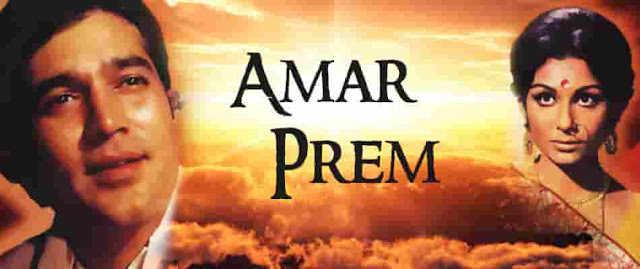
குச் தோ லோக் கஹேங்கே

कुछ तो लोग कहेंगे, लोगों का काम है कहना

छोडो, बेकार की बातों में कहीं बीत ना जाए रैना

कुछ तो लोग कहेंगे

कुछ रीत जगत की ऐसी है

हर एक सुबह की शाम हुई

तू कौन है, तेरा नाम है क्या

सीता भी यहाँ बदनाम हुई

फिर क्यों संसार की बातों से

भीग गए तेरे नैना

कुछ तो लोग कहेंगे, लोगों का काम है कहना

हमको जो ताने देते हैं

हम खोये हैं इन रंगरलियों में

हमने उनको भी छुप छुप के

आते देखा इन गलियों में

ये सच है झूठी बात नहीं

तुम बोलो ये सच है ना

कुछ तो लोग कहेंगे, लोगों का काम है कहना

छोडो, बेकार की बातों में कहीं बीत ना जाए रैना

कुछ तो लोग कहेंगे, लोगों का काम है कहना

குச் தோ லோக் கஹேங்கே, லோகோ(ன்) கா காம் ஹை கஹனா

சோடோ, பேகார் கீ பாதோ(ன்) மே, கஹீ பீத் நாஜேயே ரைனா

குச் தோ லோக் கஹேங்கே…
ஜனங்கள் ஏதாவது சொல்லிக்கொண்டுதான் இருப்பார்கள்

ஏதாவது சொல்வதே ஜனங்களின் வேலை!

இத்தகைய வெட்டிப் பேச்சை பொருட்படுத்தாதே

இல்லயெனில் இரவு முழுதும் அந்த நினைவிலேயே கழிந்துவிடும்

ஜனங்கள் ஏதாவது பேசிக்கொண்டுதான் இருப்பார்கள் ..

குச் ரீத் ஜகத் கீ ஐஸீ ஹை

ஹர் ஏக் ஸுபஹ் கீ ஷாம் ஹுயீ

தூ கௌன் ஹை, தேரா நாம் ஹை க்யா

ஸீதா பீ யஹா பத்னாம் ஹுயீ

ஃபிர் க்யோ(ன்) ஸன்ஸார் கீ பாதொ(ன்) சே

பீக் கயே தேரே நைனா

குச்தோ லோக் கஹேங்கே

உலகின் சில நியதிகள் அப்படிப்பட்டவை

(நாம் எதுவும் செய்ய முடியாது)

ஒவ்வொரு காலைக்கும் ஒரு மாலை வந்துவிட்டதல்லவா!

நீ யார், உன் பெயர் என்ன?

ஸீதா தேவிக்கும் இங்கு கெட்ட பெயர் வந்ததே, (உனக்குத் தெரியாதா?)

பின் ஏன் இந்த உலகத்தோரின் பேச்சைக்கேட்டு

உன் கண்கள் நனைந்துவிட்டன?

ஹம்கோ ஜோ தானே தேதே(ன்) ஹை

ஹம் கோயே ஹை இன் ரங்க் ரலியோ(ன்) மே

ஹம் நே உன்கோ பீ சுப் சுப் கே

ஆதே தேகா இன் கலியோ(ன்) மே

யே ஸச் ஹை ஜூடீ பாத் நஹீ

தும் போலோ யே ஸச் ஹை நா

நாம் இந்த மாதிரி இடத்தில் சல்லாபிக்கிறோம் என்று

நம்மைத் தூற்றுக்கிறார்களே– 

அவர்களும் திருட்டுத் தனமாக இந்த இடத்திற்கு 

வருவதைப் பார்த்திருக்கிறோம்

இது உண்மை, பொய்யான விஷயமல்ல

நீயே சொல், இது உண்மைதானே!

குச் தோ லோக் கஹேங்கே…..

ஜனங்கள் ஏதாவது பேசிக்கொண்டுதான் இருப்பார்கள்,

பேசுவதே அவர்களுக்கு வேலை!

Song: Kuch toh log kahenge film: Amar Prem, 1972  Lyrics: Anand Bakshi

Music: R.D.Burman   Singer: Kishore Kumar  Raga: Khamaj 

Youtube linc:  https://www.youtube.com/watch?v=0bfQJ6YU5_4

முதல் பாட்டிற்குச் சொன்ன அத்தனை விஷயங்களும் இந்தப் பாட்டிற்கும் பொருந்தும்.

இந்த அமர்பிரேம் படத்தின் அத்தனை பாட்டுக்களும் நல்ல ராகத்தில் அமைந்தவை, மக்களிடம் நல்ல வரவேற்பும் பெற்றன. இப்படத்தின் இசையைப் பற்றி ஒரு செவிவழிச் செய்தி உண்டு. இதன் பாடல்களுக்கு மெட்டமைத்த ஆர்.டி அவற்றை தந்தை எஸ்.டி. பர்மனுக்குக் காட்டினாராம். இந்தப் படத்தின் கதைக்கு அவை பொருத்தமில்லை என்று அவர் சொல்லிவிட்டாராம். பின்னர் மீண்டும் முயன்று இந்த மெட்டுக்களை உருவாக்கினார் ஆர்.டி என்பார்கள்.

ஆனந்த பக்ஷியின் பாட்டுக்களையும் பாராட்டவேண்டும். நல்ல கவிதையும் மெட்டும் சேராமல் அதிக நாட்கள் நினைவில் நிற்கக்கூடிய பாட்டுக்கள் அமைவதில்லை.

ஆர்.டி பர்மன் (பன்சம்) என்றால் மேலை பாணி இசைதான் என்ற ஒரு அபிப்பிராயம் பொதுமக்களிடையே எப்படியோ பரவிவிட்டது. அதனாலேயே அவருக்கு வரவேண்டிய சில பரிசுகள் வராமல் போயின. அவர் மேலை நாட்டு இசையால் மிகவும் கவரப்பட்டார், அங்கிருந்து பல மெட்டுக்களுக்கான விஷயங்களை எடுத்துக்கொண்டார் என்பதும் உண்மையே, அவர் இதை மறைக்கவில்லை. ஆனால் அமர் பிரேம் போன்ற படங்கள் அவர் இந்திய இசையிலும் ஊறியவர் என்பதைக் காட்டும். 

பொற்காலத்திற்குப் பிறகும் நல்ல இசை வழங்கியவர்களில் ஆர்.டி பர்மனும் ஒருவர். ஆனால் தன் கவனத்தை சதா புதிய உத்திகளிலேயே செலுத்தி  சக்தியை வீணடித்தார்.  பின் வந்தவர்கள் இவர் பாணியையே பின்பற்றி இவர் மார்க்கெட்டைக் கெடுத்தார்கள் (முன்பு ஓ.பி. நய்யாருக்கும் இதே நடந்தது.) இவர் கடைசியாக இசையமைத்தது “1942-எ லவ் ஸ்டோரி”என்ற படம்.(1994) மிகச் சிறந்த இசை கொண்டது. படம் ரிலீசாவதற்குள் அவர் காலமானார் (55 வயதுதான்) இப்படத்தின் இசைக்கு அவருக்கு ஃபிலிம்ஃபேர் அவார்டு கொடுத்தார்கள்.  

Those interested may read: R.D.Burman: The Man, The Music by Anirudha Bhattacharjee & Balaji Vittal (HarperCollins, 2011)- winner of a National Award in that year. It is an engaging book.

Virus-free. www.avast.com

Attachments area

Preview YouTube video Chingari Koi Bhadke Lyrics Translation in English (Amar Prem)

Chingari Koi Bhadke Lyrics Translation in English (Amar Prem)
WHY IS HINDUISM ……மற்ற மதங்களை விட ஹிந்து மதம் உயர்ந்தது-ஏன்?. No.8075)

PLEASE GO TO THE END FOR ENGLISH VERSION

WRITTEN BY S NAGARAJAN                     

Post No. 8075

Date uploaded in London – – – 31 May 2020   

Contact – swami_48@yahoo.com

Pictures are taken from various sources for spreading knowledge; this is a non- commercial blog. Thanks for your great pictures.

மற்ற மதங்களை விட ஹிந்து மதம் உயர்ந்தது-ஏன்?

மரியா விர்த் – தமிழாக்கம் : ச.நாகராஜன்

மற்ற மதங்களை விட ஹிந்து மதம் உயர்ந்தது-ஏன்?

மார்ச் 6, 2018, மரியா விர்த் ஸயின்ஸ் அண்ட் ரெலிஜின்- இல் எழுதியுள்ள கட்டுரை

ஹிந்து மதம் (அதன் பல இழைகளையும் குறிப்பிடுவதாக இந்த வார்த்தை இன்றைய நாட்களில் பயன்படுத்தப்படுகிறது) வேதத்தை அடிப்படையாகக் கொண்டது. வேதங்கள் மிகப் புராதனமானது, ஆதியில் “வெளிப்பட்டது” – ஏனெனில் ரிஷிகள் அதை இயற்றியவர்கள் அல்லர். அவர்களின் தவத்தின் காரணமாக சாதாரணமான கண்களை மூடி மறைத்துள்ள திரையை அகற்றி அவர்கள் பிரபஞ்ச பிரக்ஞையில் உள்ள மந்திரங்களைக் “கண்டார்கள்”.

         வேதங்கள் தாம் முதன் முதலாகப் பல்வேறு படைப்புகளுக்கும் அடிப்படையாக அமைவது ஒரே ஒரு பெரும் பிரம்மம் தான், அதிலேயே அனைத்தும் அடங்கியுள்ளது என்று கூறின. பிரம்மத்தைத் தவிர வேறெதுவும் இல்லை. பிரம்மம் ஒரு தனிப்பட்ட வஸ்து அல்ல. நமது ஆத்மாவே அதனுடன் ஒன்றியுள்ள ஒன்றாகும்.

    காலங்கள் பல கடந்த பின்னர், சுமார் 2000 ஆண்டுகளுக்கு முன்னர் தான், கிறிஸ்தவ மதம் ‘ஸ்தாபிக்கப்பட்டது; அது கடவுள், யேசு கிறிஸ்து ஒருவருக்கு மட்டுமே முழு உண்மையையும் ‘வெளிப்படுத்தினார்’ என்று கூறியது; இது பைபிளில் உள்ளது.

     சில நூற்றாண்டுகளுக்குப் பின்னர். இஸ்லாம் ‘ஸ்தாபிக்கப்பட்டது’. அது  தீர்க்கதரிசியான மகம்மது நபிக்கு மட்டுமே அல்லா முழு உண்மையையும் வெளிப்படுத்தினார் என்று கூறியது. இது குர் ஆனில் உள்ளது.

     இரண்டு மதங்களும் ஒரே பரம்பொருள் என்ற கொள்கையை காப்பி அடித்துள்ளன. ஆனால் மூலமான வேதக் கொள்கையை ஏற்றுக் கொள்ள முடியாதபடி திரித்து விட்ட்ன. அது தான கடந்த பல நூற்றாண்டுகளில் ஏற்பட்ட துன்பத்திற்கு வழி வகுத்து விட்டது.

       என்ன திரித்தல் ஏற்பட்டது? பரம்பொருளானது அனைத்து மனிதர்களும் யேசு மூலமாக அறிவிக்கப்பட்ட “வெளிப்பாடை” (மட்டுமே) ஏற்றுக் கொள்ள வேண்டும்; இஸ்லாம் மதத்தின் படி மகம்மது நபி மூலமாக அறிவிக்கப்பட்ட வெளிப்பாடை மட்டுமே ஏற்றுக் கொள்ள வேண்டும். இந்த ‘ஒரே உண்மையான மதத்தை’ ஏற்றுக் கொள்ளாதவர்கள் (இப்படி இரண்டு மதங்கள் உள்ளன, கிறிஸ்தவம் மற்றும் இஸ்லாம்) ஊழி ஊழி காலம் இறுதித் தீர்ப்புநாள் வரும் வரை நரகத்தில் துன்பப்படுவர்.

         நெடுங்காலமாக, சர்ச்சும் ஆளும் அரசாங்கத்துடன் ஒன்றாக இயைந்து இருந்து, இந்தக் கொள்கையை மறுத்தவர்களை அரசாங்க சட்டப்படி மிகக் கொடுரமாகத் தண்டித்தது. கோவாவில் கூட போர்ச்சுக்கீசியர் ஆள்கையில், இந்த நீதி விசாரணை காட்டுமிராண்டித்தனமாகவே இருந்தது. என்றபோதிலும், அறிவியல் விழிப்புக் காலத்தில் (இதே சமயம் வேத அறிவானது ஐரோப்பாவை அடைந்து அங்குள்ள அறிஞர்களை ஈர்த்தது) சர்ச்சானது இந்த ‘மத சார்பற்ற’ அரசில் தான் தலையிடுவதை நிறுத்த வேண்டியிருந்தது.

      அன்றிலிருந்தே, இந்த மதத்திற்குப் புறம்பானவர்களை அது தண்டிப்பதற்கான அதிகாரத்தைக் கொண்டிருக்க முடியவில்லை. அது பலரை இழந்தது, இன்னும் பலரை இழந்து வருகிறது, ஏனெனில் சர்ச்சிலிருந்து அவர்கள் வெளியே செல்ல அனுமதிக்கப்படவில்லை, மேலும் பலர் அந்தக் கொள்கைகள் அறிவுக்கு ஒத்ததாக இல்லை என்பதை உணர்ந்து கொண்டனர்.

      இஸ்லாம் ஒரு தேசத்தின் அர்சாங்கத்துடன் இயைந்து போக வேண்டுமென்பது அவசியமல்ல. ஏனெனில் எங்கெல்லாம் முஸ்லீம்கள் மெஜாரிட்டியாக இருக்கின்றனரோ அங்கெல்லாம் இரண்டும் ஒன்று தான். ஆகவே தான் இஸ்லாமிற்குப் புறம்பானவர்களுக்கான காட்டுமிராண்டித்தனமான தண்டனைகள் இன்றும் கொடுக்கப்பட்டு வருகின்றன. ஷரியத் சட்டத்தின் படி இஸ்லாமை விட்டுவிடுவது என்பது மரணதண்டனைக்குரியதாகும். காபிர்கள் (அதாவது இஸ்லாத்தைக் கடைப்பிடிக்காதவர்கள்)  மிக மோசமானவர்கள் எனக் குரானிலேயே கூறப்பட்டிருக்கிறது. உலகம் முழுவதும் அல்லா வசம் ஆகும் வரை இஸ்லாம் மார்க்கத்தை நம்புபவர்கள், அதை நம்பாதவர்களுடன் சண்டையிட வேண்டும் என வற்புறுத்தப்படுகிறார்கள். இது தான் துன்பத்திற்கெல்லாம் காரணம் என்பதை யூகிப்பது கஷ்டமல்ல.

      ஆச்சரியப்படும்படியான ஒரு விஷயம், இந்த இரு மதங்களும் மதங்களுக்கான சுதந்திரம் என்ற உரிமையின் அடிப்படையில் அந்த திரிதல்களுடன் இன்றும் பரப்பப்பட அனுமதிக்கப்படுகின்றன. குறிப்பாக குழந்தைகள், பெரியவர்கள் என்ன சொல்கிறார்களோ அதை நம்பக் கூடிய நிலையில் உள்ளவர்கள்.

      அனைத்திலும் மிக உயரிய பரம்பொருள் பரவியுள்ளது என்ற ஹிந்து மதக் கருத்துடன் இதை ஒப்பிட்டுப் பாருங்கள். யாரெல்லாம் நம்புகிறார்களோ – நம்பிக்கையை விட இன்னும் அதிகமானது, ஏனெனில் அது அனுபவத்தில் உணரப்படுகிறது – அவர்கள் அக வலிமையைப் பெறுவார்கள்.

     ஏனெனில் தெய்வீகம் தன்னுள் இருக்கிறது என்பதை அவன் அறிவான். அதுமட்டுமல்ல, மற்றவர்களுடன் அன்பாகப் பழகுவான், ஏனெனில் அதே தெய்வீகம் மற்றவர்களிடமும் உள்ளது என்பதை அவன் அறிவான்.

     தெளிவாகச் சொல்லப் போனால் ஹிந்து மதம் மிக உயர்ந்த மட்டத்தில் உள்ளது.

     கிறிஸ்தவர்களும்,இஸ்லாமியர்களும் அவர்கள் இளமையில் கற்பிக்கப்பட்டது உண்மையாக இருக்க முடியுமா என்பதைச் சற்று சிந்தித்துப் பார்த்தால் நன்றாக இருக்கும்.

      நான் நினைக்கிறேன் வால்டேர் தான் இதைக் கூறினார் என்று … கடவுள் எனக்கு அறிவைக் கொடுத்திருக்கிறார். அவர் என்னை இதைப் பயன்படுத்த வேண்டுமென்று விரும்புகிறார்…

    5000 வார்த்தைகளைப் படிக்க நேரம் இருப்போருக்கு இதோ இது விவரித்துக் கூறுகிறது, ஏன் ஹிந்து தர்மம் மற்ற அனைத்து மதங்களையும் ஏன் உயரிய விஞ்ஞானத்தையும் விட உயர்ந்தது, என்று!

நன்றி : Source : Kolkata Weekly – TRUTH VOL.87 NO. 43  21-2-2020

*

ஆங்கிலத்தில் உள்ள மூல கட்டுரை கீழே தரப்பட்டுள்ளது :-

WHY IS HINDUISM HIGHER THAN ALL RELIGIONS?

March 6, 2018 – Maria Wirth writes the following in Science and religion: 

Hinduism (the term is used today to cover many different strands) is based on the Vedas. One could call the Vedas the most ancient, original ‘revelation’, because the Rishis are not the authors of the Vedas. Due to their Tapas (austerities), they ‘saw’ (Sanskrit: drishtih = see) the mantras in cosmic awareness through the veil that prevents ordinary eyes from seeing them. 

The Vedas were the first to claim that there is one great Brahman (Supreme Being) as the base of this varied manifestation, in whom 

all is contained. Nothing exists apart from Brahman. Brahman is not personal. It is  infinite, eternal, blissful awareness. Our Atman (Self or I) is one with it. 

Ages later, only some 2000 years ago, Christianity was ‘founded’ and claimed, that, God has ‘revealed’ the full truth only to Jesus Christ and it is contained in the Bible.

A few centuries later, Islam was ‘founded’ and claimed, that Allah has ‘revealed the full truth only to Prophet Mohamed and it is contained in the Quran’. 

Both religions have copied the concept ofOne Supreme Being, but distorted the

original, Vedic view in an unacceptable way, which has led to terrible misery over the centuries.

The distortion is this: The Supreme wants all humans to accept the revelation through Jesus, respectively through Mohamed. Those who do not accept the only true religion (of which two exist…) will be damned for all

eternity to hellfire by God/ Allah personally on Judgment Day.

For long, the Church was intertwined with the state and punished those who disagreed with the doctrine most cruelly through state laws. Even in Goa, the Inquisition was most brutal under the Portuguese. However, in the age of enlightenment (which coincides with the time when the Vedic knowledge reached Europe and influenced the elite there) the Church had to give up interfering with the now ‘secular’ state.

Ever since, it does not have the power to punish heretics any longer, and it has lost and is still losing many members, because they are now allowed to get out of the Church and many realised that a lot of the doctrine does not make sense. 

Islam does not need intertwining with the state, because it is one with the state wherever Muslims are in the majority. So the brutal punishment of heretics still happens in our times. Under Sharia Law leaving Islam means death sentence, and Kafirs are called the worst of creatures in the Quran itself. The believers are exhorted to fight the unbelievers till the whole world is for Allah. No guessing that this is the cause for a lot of misery. 

Amazingly, these two religions are allowed to preach those distortions under the right to religious freedom even today. Especially children are vulnerable and believe what adults tell them. 

Compare this with the view of Hinduism that The Supreme permeates all. Whoever believes it – and it is even more than belief, because it can be experienced – will have inner strength, because he knows that Divinity is in him, and further he will be kind to others, because he knows that Divinity is also in them. 

Clearly, Hinduism is on a higher level.

If only more Christians and Muslims would reflect whether, what they learnt in childhood can possibly be true. 

I think it was Voltaire who said: God gave me intelligence. I think He wants me to use it…

For those who have time for 5000 words, this explains, why Hindu Dharma is higher than religion and even higher science. 

Tags – Maria Wirth, Truth article, Why is Hinduism?, ஹிந்து மதம்,  உயர்ந்தது-ஏன்?

****

ONE SOLDIER ACTED AS SEVERAL MEN AND WON THE BATTLE (Post No.8074)

WRITTEN BY LONDON SWAMINATHAN

Post No. 8074

Date uploaded in London – 30 May 2020   

Contact – swami_48@yahoo.com

Pictures are taken from various sources for spreading knowledge; this is a non- commercial blog. Thanks for your great pictures.

tamilandvedas.com, swamiindology.blogspot.com

More battle anecdotes  


The Duke of Anjou, after wards Henry III , besieged Rochelle, the bulwark of Calvinists. Near the counterscarp was a mill which the besieged had no time to fortify. They threw in a handful of troops in the day, and at night commonly withdrew  this small garrison, leaving behind only one man. The Duke made the necessary dispositions for carrying this post, and advanced by moonlight, with a smalll detachment and two culverins.   A single soldier had the guard this night and upon him the whole defence depended . This brave man remined firm and undismayed . He kept up, alone, a brisk fire upon the assailants; and varying the tones of his voice, he made them suppose that the besieged were in great numbers. From the ramparts of the town they called out to encourage this surprising commandant.  

They exhorted the garrison to remain firm, and assured them of immediate success:  till at length the soldier, seeing his little post upon the point of being carried, asked quarter for himself and for comrades which was instantly granted. He then laid down his arms, and revealed the whole garrison in his own person.

Xxx  

EARNED ONLY FOUR PENCE  

The Duke of Marlborough, observing a soldier leaning pensively on the butt of the his forelock, just after the battle of Blenheim, accosted him thus, Why so sad, my friend, after so glorious a victory? It may be glorious, your grace, but I am thinking that all the blood I have spilt this day has only earned me four pence.  

Xxx  


HERO OF SWITZERLAND  

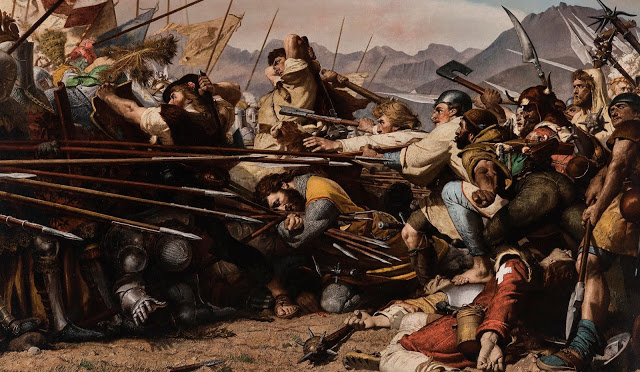
The Swiss will always honour the memory of their national hero Arnold Von winkelried. When at the battle of Sempach in 1397 he saw his country men could not attack the Austrians because the latter, being completely armed and dismounted to form closed ranks, presented an iron fence of spikes and lances, he addressed them as follows,  

“Friends I am going to lay down my life to procure you victory. All I have to recommend to you is to provide for my family. Follow me and imitate my example.  

With these words he arranged them in the form of a triangle, of which he himself occupied the point, and in this manner advanced towards the enemy. When close up to them, he seized as many of the spikes as he could lay hold of, and then falling on the ground, opened to those who followed him a way for piercing into this thick battalion. The Austrians, once broken, were defeated. The weight of their arms proved fatal to them.  


tags– Henry III, Swiss Hero, Arnold
Xxx Subham xxxx  

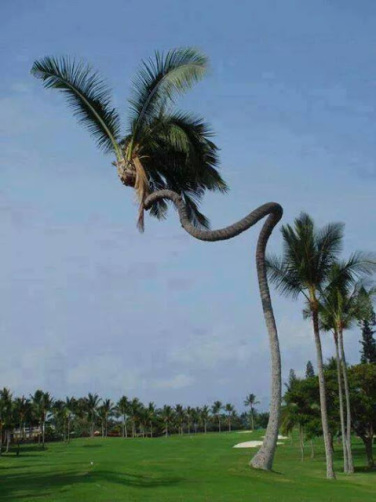
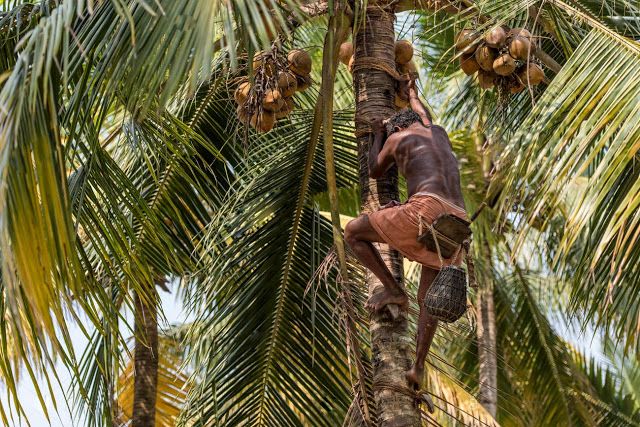
தென்னை மரம் பற்றிய 3 பழமொழிகள் கண்டுபிடியுங்கள் (Post No.8073)

WRITTEN BY LONDON SWAMINATHAN

Post No.8073

Date uploaded in London – 30 May 2020   

Contact – swami_48@yahoo.com

Pictures are taken from various sources for spreading knowledge; this is a non- commercial blog. Thanks for your great pictures.

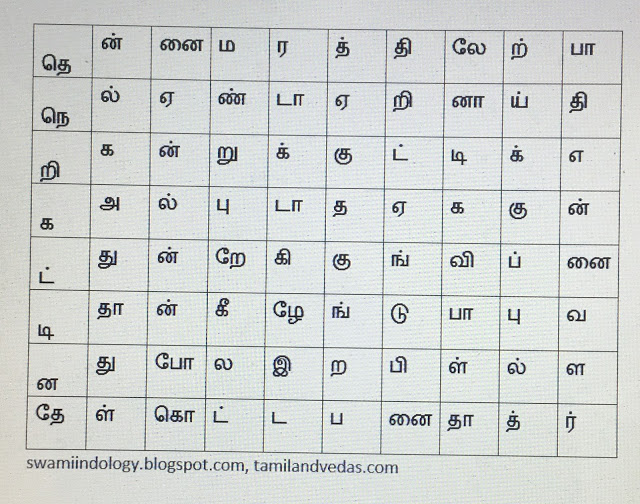
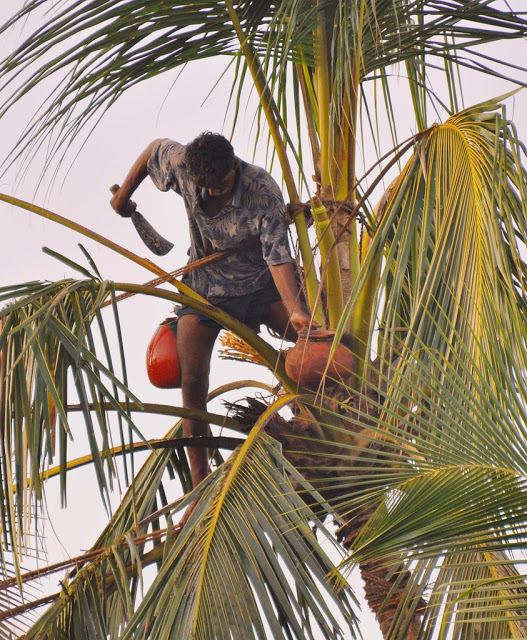
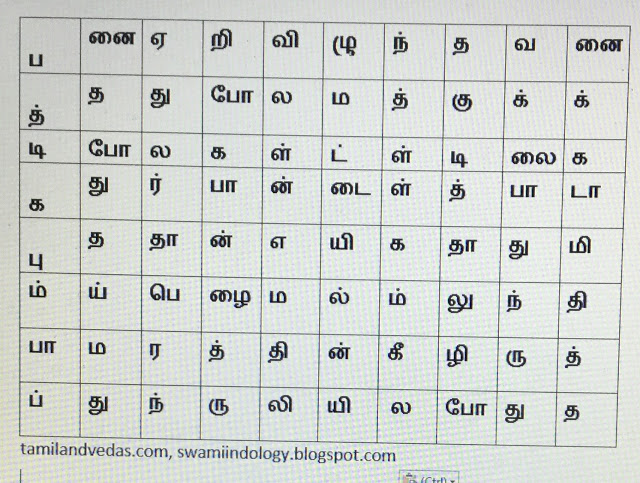
ஒரே சொல் மீண்டும் மீண்டும் வந்தால் ஓரிரு இடங்களில் மட்டுமே கட்டத்தில் இருக்கும். கொண்டு கூட்டி பொருள் கொள்க . விடை கீழே உள்ளது . சில நேரங்களில் படங்களைப் பார்த்தாலும் விடை காண உதவலாம்.

விடை

1.தென்னை மரத்திலே தேள் கொட்ட பனை மரத்தத்திலே நெறி கட்டினது போல

2.தென்னை மரத்திற் பாதி, என்னை வளர்த்தாள் பாவி

3.தென்ன மரத்தில் ஏண்டா ஏறினாய் , கன்றுக்குட்டிக்குப் புல் பிடுங்க ,,

தென்ன மரத்தில் புல்  ஏத டா, அதுதான் கீழே இறங்குகிறேன்.

Source book :–

பயன்படுத்திய நூல்- கழகப் பழமொழி அகர  வரிசை, கழக வெளியீடு

tags –தென்னை மரம் , பழமொழிகள்

–subham–

Sri Tyagaraja- Part 21, Where to find God (Post No.8072)

WRITTEN BY R. NANJAPPA                        

Post No. 8072

Date uploaded in London – – – 30 May 2020   

Contact – swami_48@yahoo.com

Pictures are taken from various sources for spreading knowledge; this is a non- commercial blog. Thanks for your great pictures.

Sri Tyagaraja- Part 21, Where to find God

God in the high heaven!

There is lot of interesting debate in religious circles about the abode of God! People instinctively look up sky-wards when they talk or even think of God- this is a universal trend! “Our Father, Who art in Heaven”, starts the Lord’s Prayer taught by Christ. “God is in his heaven and all is right with the world”, declares Browning with all his optimistic conviction. Our own celebrated celluloid poet Sahir Ludhianvi will not agree fully, though- he says ” Aasman pe hai Khuda” but these days He does not look too much at us- “aajkal wo istaraf dekhta hai kum”! The one above- ‘uperwalla’ is a popular epithet used by common folk all over India!

Popular Indian religious cults have their own ideas. While their conception of heaven -Swarga- is different from the Christian conception, they talk of distinct abodes of the different Devas and even of the Trinity- Kailasa for Shiva, Vaikunta for Vishnu, and Brahmaloka for Brahma. Staunch devotees of Krishna  like ISKCON conceive of a “Goloka”. But ultimately, all these notions are understood to be rather immature, if not childish. None of these ‘worlds’ is permanent. Sri Bhagavan declares in the Gita:

Aabrahma bhuvanaallokaa:

punaravartinoarjuna

Maamupetya tu Kaunteya

Punar janma na vidhyate.           8.16

O Arjuna! All the worlds including the realm of Brahma are subject to return ( ie endless cycles of appearance and dissolution) But, O son of Kunti, after attaining Me, there is no rebirth.

God- not limited by anything: Gita

It is clear that God is not confined or limited or identified with any one place. He is Antaryami, there is no place where God is not. Everything in the universe is pervaded by God, though He is not limited by or confined to anything. Isavasyam idam sarvam- declares the Upanishad. Vasudevasarvamiti- declares the Gita. The position is clearly explained in the Gita.

Maya tatamidam sarvam

Jagadavyakta murtinaa

Matstani sarva bhutani

Na chaham teshvavasthita:           .9.4

Though I am Unmanifested, the whole world is pervaded by Me. All beings exist in Me, but I am not confined to any of them.( ie He is not contained in them as in a receptacle.)

Ahamatma Gudakesha

Sarvabhutashayasthita:

Aham adischa madhyam cha

Bhutanam anta eva cha.                10.20

O Gudakesa! I am the Self existent in the heart of all beings. I am the beginning, the middle and end of all beings.

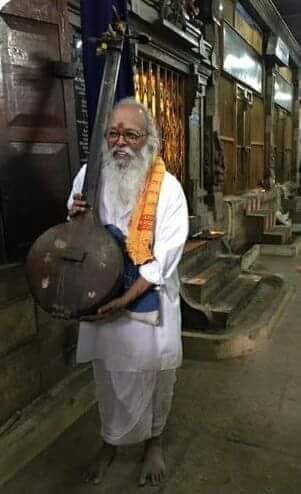
Tambura used by saint Thyagaraja

Bhumirapo analo vaayu:

Kham mano buddhireva cha

Ahankara itiyam me 

Bhinna prakrutir ashtadha               7.4

Earth, water, fire, air, Akasha, mind, intellect and ego- thus is my prakriti divided eight fold.

Apareyamitastvanyam 

Prakritim viddhi me paraam

Jeevabhutam mahabaho

Yayedam dhaaryate jagat                  7.5

This is the lower prakriti. But O mighty armed, know that My higher prakriti is different from it- it is the principle of selfconsciousness by which this universe is sustained.

Matta: parataram nanyat

Kinchidasti dhananjaya

Mayi sarvamidam protam

Sutre manigana iva                          7.7

O Dhananjaya! Beyond Me, there is nothing. All this is strung in Me, as a row of jewels on a thread. ( It can even be said that the ‘mani’ meant here is also of the same substance as the thread, as there can in fact be nothing that has not come from God- the Only One Truth.)

Finally, Bhagavan declares:

Ishvara:sarva bhutanaam

Hrud deshe Arjuna tishtati          18.61

Arjuna! The Lord dwells in the hearts of all beings!

Sacred World

It is necessary to reflect on these ideas deeply. The universe is indeed a reflection or emanation from Brahman or God, but nothing manifested can fully reflect Him, contain Him or exhaust Him! Those Western crooks and their Indian followers who equate our religion with a simple pantheism should understand this clearly. The world has emanated from God but has not limited, confined or exhausted Him. The whole universe cannot equal God!

However, human nature seeks to invest certain places or things with especial sacredness. This is seen  even among people who claim not to believe in images, idols, etc. A cross, a crescent, a church building or tower, a mosque, even the colour green assume importance and excites passion, hatred, strife and violence. Equally, every religion holds some places to be distinctly sacred. Jerusalem is the seat of the faith as well as  conflict among the three Abrahamic religions! They have  other sacred places and objects. 

Hindus are extraordinary in this respect. Right from a piece of stone or a tree or shrub in a remote village, perhaps every inch of the land from Kanyakumari to the Himalayas is covered by sacredness. Every animal, bird, flower, tree, plant etc is considered sacred by somebody somewhere! This can at times result in absurd or amusing situations. For instance, people may feed snakes with milk on certain days, while a starving neighbour or hungry child may go unnoticed!  Cow is considered sacred, but is allowed to roam the streets and feed on refuse. The peacock is associated with many Deities, and is even declared the national bird but is freely captured and butchered!

People associate holiness with certain places. And may be, such mass feeling itself may generate certain occult power or phenomena! The cow gives milk, but we have to get it from the udder, not the horn or tail. Likewise, may be somethings are innately sacred, though nothing can fully reflect or exhaust the greatness of God!

God: Within and Everywhere!


The great jnanis always teach us that we have to seek God within us- in our Self or consciousness. Tirumular, the Tamil mystic puts it succinctly:

O idiots, who search for God in the high heavens! Is the sweetness of honey black or red? Just as the sweetness is invisibly integrated in honey, God is  also inherent in  the human body.

தேனுக்குள் இன்பம் கருப்போ சிவப்போ
வானுக்குள் ஈசனைத் தேடும் மதியிலீர்
தேனுக்குள் இன்பம் செறிந்திருந்தார்போல்
ஊனுக்குள் ஈசன் ஒளிந்திருந்தானே. 

Saint Appar says: What is the point in taking ceremonial bath in Cauvery or Ganges or in the foaming ocean in the south? What is gained by one who does not realise that God pervades everywhere?.

கங்கை ஆடிலென் காவிரி யாடிலென்
கொங்கு தண் குமரித்துறை யாடிலென்
ஓங்குமாகடல் ஓத நீராடிலென்
எங்கும் ஈசன் எனாதவர்க் கில்லையே

Sri Tyagaraja gives varied expression to all these ideas, fully reflecting the position of the Gita.

Mauni hrud gehe       (Nee daya ravale )

(God ) resides in the heart of Munis.

Veesa suhruday nivesa      (Dasarathe)

The one who resides in the pure heart of the Jnanis (Kavi)

Nata manava manasa satsadane   (Sri Jnanaka tanaye)

He resides in the heart of those who take refuge in Him.

Sakala bhutamulayandu neevai    (Dudukugala)

You are present in everything.

Sarvantaryami neevane samrajyamu

You are pervading everything- this is your empire!

Charachara roopa      (Marugelara)

Everything in this universe is your form!

Characharamula vasiyinche    (paraku neekela)

You pervade every moving and non-moving thing in this universe.

Muni hrudaya kara    (Inta tamasa)

The one residing in the heart of Munis.

Onkara sadana        (Mundu venuga)

Having Onkara (Pranava) as his residence

Nigama agama chara      (Kula birudu)

Moving among the Veda, sastras

Agamanta chara

Bhagavatantaranga chara

Vedanta vedhya                   (Rama samayamu)

Moving among the Vedas

Residing in the hearts of devotees

The one to be known through Vedanta

Samadi Vedasaara

Sujana hrud panjara keera       (Rama ninne)

The essence of Sama and other Vedas

The parrot captured in the cage that is the heart of pure devotees.

Stavara jangama roopa         (Raghuveera)

Having the moving and non-moving things as his form.

Undedi Ramudu okadu

Ooraka chedi pogu manasa 

Rama fills the whole world as the sarvavyapi, o mind!

Don’t go astray (entertaining other ideas)

Chanda martanda madhya

mandalamu nanu chelangusu       (Undedi)

He shines at the centre of the surya mandala with its resplendent brightness

(This recalls to mind the Vedic  words : Dhyeyas sada savirtumandala madhyavarti Narayana sarasijasana sannivishta:)

Dharalo neevai                (Enduku nirdaya)

The whole world is of your essence

Bhuvanamella neevai        (Brovabharama)

You are pervading the whole bhuvanas

Anda kotla kukshini unchuko leda

Have you not confined the extended universe within your stomach?

Akhilandakoti brahmanda nathudu

Andarangamula nela koniyundaka

(ika kavala)

The Lord of this extensive universe is stationed in your heart!

Bhakta samaja   (Raghupate)

Living amidst devotees

(Recall Christ’s words- where two or three people gather in my name, I am present there- Matthew: 18.20)

Valachi namminavani valalona daguludu   (Nadadi)

The one who is captured in the net of devotion of those who rely on Him exclusively.

(Saint Manikkavachaka has these exact words: See, He falls into the net of devotion of his bhaktas!)

Nee japamulavela nee jagamulu neevai rajillu naya

(inta kannananda)

When I am engaged in your japa, the whole world appears to be your form!

Here, Tyagaraja reveals the real secret of finding God: it depends on our ripeness or fitness, our sincerity and seriousness. Where is He not? We have to grow fit into that realisation! As our scriptures say:

Drishtim jnanamyim krutva, pasyeth brhamamayam jagat! 

ie if we grow in true Wisdom, we perceive the very world to be of the essence or form of God!

Yo mam pasyati sarvatra sarvam mayi pasyati
Tasyaaham na pranasyami sa cha me na pranasyati
                                         Gita 6.30

He who sees Me in all things and sees all things in Me- he never becomes separated from Me, nor do I become separated from him ( that is, such a one never loses My consciousness)


Sarvabhutastitam  yo Mam 

Bhajatyekatvamaasthita:
Sarvatavartamaanoapi
Sa yogi mayi vartate            6.31

He who being established in the consciousness of unity worships Me, who am dwelling in all beings- that yogi abides in Me, whatever be the mode of his life

Paramatma Everywhere!       

This is the great thought which Sri Tyagaraja leaves with us in a beautiful kriti.

Paramatmudu velige muchchata

baaga telusukore

Hariyata harudata suralata narulata

Akhilanda kotulata andarilo

Gagananila tejo jala bhu maya magu

mruga khaga naga taru kotulalo

Sagunamulalo vigunamulalo satatamu

sadhu Tyagarajadi yasritulalo….paramatmudu.

Understand  well the beauty of how Paramatma registers his presence in everything!

He is at times called Hari, Hara, Deva, Man. He is taken to be the Universe, too.

He manifests Himself in the sky, air, fire, water, earth, in animals, birds,mountains, trees, etc. His manifestation is also perceived in living and non-living things! He also manifests in those noble souls who like Tyagaraja have taken refuge with the Lord!

Realise thus the beauty of the Lord’s manifestation!

This is a gem among the kritis of Tyagaraja. A deep Saguna upasaka, how well has he captured the universal spirit! Prof. P. Sambamoorthi has said that this was the kriti Tyagaraja Swami wrote on the last day of his earthly life! What a grand finale to a life of dedicated devotion! This is the very essence of chapters 10 and 11 of the Gita! We feel really blessed to go through this fine kriti. Our repeated salutes to Sri Tyagaraja!

May his spirit triumph! Victory to  Sadguru Tyagaraja!

To be continued…………………………

tag – Sri Tyagaraja-21

வளமான வாழ்வு பற்றிய 30 பழமொழிகள் (Post No.8071)

WRITTEN BY LONDON SWAMINATHAN

Post No. 8071

Date uploaded in London – 30 May 2020   

Contact – swami_48@yahoo.com

Pictures are taken from various sources for spreading knowledge; this is a non- commercial blog. Thanks for your great pictures.

tamilandvedas.com, swamiindology.blogspot.com

ஜூன் மாத 2020 நற்சிந்தனை  காலண்டர்

விழா நாட்கள் – ஜூன் 4 வைகாசி விசாகம் , 28 ஆனி உத்தரம் .

அமாவாசை – ஜூன் 20, பௌர்ணமி -ஜூன் 5; ஏகாதசி விரத நாட்கள்- 2, 17.

சுப முஹுர்த்த தினங்கள் – 1, 3, 7, 10,11, 12, 24

நலமான வாழ்வு, வளமான வாழ்வு பற்றிய 30 பழமொழிகள் ஜூன் மாத நற்சிந்தனை காலண்டரை அலங்கரிக்கின்றன.

ஜூன் 1  திங்கட் கிழமை

அநிர்வேதஹ ஸ்ரியோ மூலம் – வால்மீகி ராமாயணம் 5-12-11, விதுர நீதி 6-16

உற்சாகமே வளமான வாழ்வின் அஸ்திவாரம் /ஆணிவேர்

***

ஜூன்  2 செவ்வாய்க்  கிழமை

ந சோக பரிதாபேன  ஸ்ரேயசா  யுஜ்யதே ம்ருதஹ-  வால்மீகி ராமாயணம் 4-25-2

இறந்தோர் பற்றி, வாழும் மக்கள் வைக்கும் ஒப்பாரியால் மட்டும் அவர்கள் பெரியோர் ஆகிவிடமாட்டார்கள் .

***

ஜூன்  3 புதன்  கிழமை

ந சாஹச மனாராப்ஸ்ரேயஸ முபலப்யதே – ஸம்ஸ்க்ருத பழமொழி

வளமான வாழ்வு வேண்டும் என்றால் ஆபத்துக்களையும் எதிர்நோக்கத் தயாராக வேண்டும்

***

ஜூன்  4 வியாழக்  கிழமை

உத்திஷ்ட , யசோ லப – பகவத் கீதை 11-33

எழுந்திரு, புகழ் அடை

***

ஜூன்  5 வெள்ளிக்  கிழமை

ந ஸ்வகர்ம வினா ஸ்ரேயஹ ப்ராப்னுவந்தீஹ மானவாகா -யோக வாசிஷ்டம் 5-48-69

தன் முயற்சி இன்றி நல்வாழ்வு கிட்டாது

xxx

ஜூன்  6 சனிக்  கிழமை

பொருளல்லவரை ப் பொருளாகச் செய்யும்

பொருளல்லது இல்லை பொருள் – குறள் 751

ஒருவனை ஒருபொருட்டும் மதிக்கமுடியாவிட்டாலும் பொருள் சேர்ந்துவிட்டால் உலகம் அவனை மதிக்கும் .ஆகையால் பொருளை விட சிறப்புடையது எதுவும் இல்லை

***

ஜூன்  7 ஞாயிற்றுக்  கிழமை

நலம் வேண்டின் நாணுடைமை வேண்டும்; குலம் வேண்டின்

வேண்டுக யார்க்கும் பணிவு – 960

உலகில் நன்மை எல்லாவற்றையும் பெற வெட்கம் வேண்டும்; அதாவது தீய செயல்களைச் செய்ய வெட்கப்படவேண்டும் . வீட்டின் பெருமையைக் காக்க வேண்டுமானால் பணிவு வேண்டும் .அப்படியில்லாவிடில் அவனுடைய அப்பா, அம்மா வளர்த்த முறையை எண்ணி குலத்தைப் பழிப்பார்கள்

***

ஜூன் 8 திங்கட் கிழமை

ஞாலம் கருதினும் கைகூடும்  காலம்

கருதி இடத்தாற் செயின் – குறள் 483

உலகமே வேண்டுமானாலும் கிடைக்கும் . தக்க காலத்தில், தக்க இடத்தில் செய்தால்.

***

ஜூன்  9 செவ்வாய்க்  கிழமை

நித்யஸ்ரீ நித்ய மங்களம் – கஹாவத்ரத்னாகர

பொங்கும் மங்களம் என்றும் தங்குக

***

ஜூன்  10 புதன்  கிழமை

புஷ்டிர்ஹி ப்ரதமா ரதிஹி – பழமொழி

நல்வாழ்வு கிடைப்பதே பெரும் பாக்யம்

நோயற்ற வாழ்வே குறைவற்ற செல்வம்

***

ஜூன்  11 வியாழக்  கிழமை

பூர்வாதீரிதம் ஸ்ரேயஹ துக்கம் ஹாய் பரிவர்த்ததே – சாகுந்தலம்

அதிர்ஷ்ட தேவதையை ஒருமுறை நிந்தித்தால் பின்னர் கஷ்டம்தான்

***

ஜூன்  12 வெள்ளிக்  கிழமை

ப்ரதாப மா த்ரோபனதா  விபூ தியஸ் சிரன்ன திஷ்டதி ப்ரோபதா பினாம்  – சுபாஷிதா வளி

மற்றவர்களை வஞ்சித்து பெற்ற செல்வம் தங்காது .

***

ஜூன்  13 சனிக்  கிழமை

அழக்கொண்ட எல்லாம் அழப்போம் -குறள் 659

மற்றவர்களை அழும்படி செய்து பெற்ற செல்வம் உன்னை அழ , அழ வைத்து விட்டு ஓடிவிடும்

***

ஜூன்  14 ஞாயிற்றுக்  கிழமை

ப்ரதிபக் னாதி ஹி   ஸ்ரேயஹ  பூஜ்யபூஜா வ்யதிக்ரமஹ – ரகு வம்சம் 1-79

வணங்கத் தக்கவர்களை வணங்காமல்  இருப்பது நல் வாழ்வுக்கு தடைகளாக நிற்கும்                               

***

ஜூன் 15  திங்கட் கிழமை

விபூதி ரஹிதம் கேஹம் ந ராஜதே — ப்ருஹத் கதா மஞ்சரி

செல்வமில்லாத வீடு ஒளி இழந்து காணப்படும்

***

ஜூன்  16 செவ்வாய்க்  கிழமை

வினைநலம் வேண்டிய எல்லாம் தரும் -குறள் 651

செய்யும் செயலின் தூய்மை அவன் விரும்பியவற்றை எல்லாம் கொடுக்கும்

***

ஜூன்  17 புதன்  கிழமை

ஸ்ரேயாம்சி லப்துமசுகானி வினாந்தராயைஹி – கிராதார்ஜுனிய

பெருஞ் சாதனைகள் கஷ்டங்களைச் சந்திக்காமல் நிகழ்ந்தவை அல்ல.

***

ஜூன்  18 வியாழக்  கிழமை

எதிரதாக் காக்கும் அறினார்க்  கில்லை

அதிர வருவதோர் நோய்- குறள் 429

முன்கூட்டியே அறிந்து காக்க வல்ல அறிவுள்ளவர்க்கு, பின்னர் நடுங்கச் செய்யும் துன்பம் வராது .

***

ஜூன்  19 வெள்ளிக்  கிழமை

ஸதாசாரஹ ஸ்ரியோ மூலம் — ராமாயண மஞ்சரி

நன்னடத்தையே எல்லா நலத்துக்கும் ஆணிவேர்

***

ஜூன்  20 சனிக்  கிழமை

பெருமைக்கும் ஏனைச் சிறுமைக்கும் தத்தம்

கருமமே கட்டளைக் கல்  – குறள் 505

அவரவர் செய்யும் செயலே புகழ்ச்சி, இகழ்ச்சி ஆகியவற்றைக் காட்டும் உரைகல்

***

ஜூன்  21 ஞாயிற்றுக்  கிழமை

ஸ்ரேயாம்சி பஹுவிக்னானி – ராமாயண மஞ்சரி

நல்ல காரியம் எல்லாம், தடைக்கற்களைச் சந்திக்கவேண்டிவரும்

***

ஜூன் 22  திங்கட் கிழமை

ஸாஹசே கலு ஸ்ரீர்  வசதி – மிருச்ச கடிக & சாருதத்த

தடைகளைத் தகர்க்கும் உறுதி கொண்டோரே வெற்றி அடைவர்

***

ஜூன்  23 செவ்வாய்க்  கிழமை

மாந்தர்தம் உள்ளத்தனையது உயர்வு – 595

மக்களின் உள்ளத்துக்கேற்ப ஒருவர் உயர்வர்; மனம் போல மாங்கல்யம்

***

ஜூன்  24 புதன்  கிழமை

ஆக்கம் அதர்வினாய்ச் செல்லும் அசைவிலா

ஊக்கமுடையானுழை -594

சோர்வு இல்லாத ஊக்கமுடையவன் வீட்டுக்கு செல்வம் வழி யைகேட்டுக்கொண்டு வந்து சேரும்- 21

***

ஜூன்  25 வியாழக்  கிழமை

உத்தரேத் ஆத்மநாத்மானம் – பகவத் கீதை 11-33

உன்னையே நீ உயர்த்திக் கொள்ளவேண்டும்

***

ஜூன்  26 வெள்ளிக்  கிழமை

உள்ளுவதெல்லாம் உயர்வுள்ளல் .

உயர்வடையும் சிந்தனையே உள்ளத்தில் கொப்புளிக்கவேண்டும் -596

***

ஜூன்  27 சனிக்  கிழமை

கைக்குருவியைக் கொண்டு காட்டுக்கருவியைப் பிடிக்கவேண்டும் ; சின்ன மீனைப் போட்டு பெரிய மீனைப் பிடிக்கனும்.

***

ஜூன்  28 ஞாயிற்றுக்  கிழமை

அலை மோதும் போதே தலை முழுகு ; காற்றுள்ள போதே தூ ற்றிக்  கொள் ; பருவத்தே பயிர் செய்

***

ஜூன் 29  திங்கட் கிழமை

திரைகடலோடியும் திரவியம் தேடு – கொன்றைவேந்தன்

செல்வம் சேரவேன்டுமானால் வெளிநாடு செல்லவும் தயங்கக்கூடாது

***

ஜூன்  30 செவ்வாய்க்  கிழமை

சீரைத் தேடின்  ஏரைத் தேடு

வளமான வாழ்வுக்கு விவசாயத்தைச் செய்க.

***

BONUS QUOTATION

நாவக்ஞா ஹி  பரே கார்யா ய இச்சேச்ரேய  ஆத்மநஹ- வால்மீகி ராமாயணம் 7-33-22

ஒருவர் நலத்துக்காக பிறரை இகழக் கூடாது

tags-

ஜூன் 2020 , காலண்டர்,
நலமான , வளமான வாழ்வு ,பழமொழிகள்

—SUBHAM —–

ஹிந்தி படப் பாடல்கள் – 52 – தத்தா ராம்! (Post No.8070)

WRITTEN BY R. NANJAPPA                        

Post No. 8070

Date uploaded in London – – – 30 May 2020   

Contact – swami_48@yahoo.com

Pictures are taken from various sources for spreading knowledge; this is a non- commercial blog. Thanks for your great pictures.

ஹிந்தி படப் பாடல்கள் – 52 – தத்தா ராம்!

R. Nanjappa

தத்தா ராம்!

Behind every great/successful man there stands a woman என்பது ஒரு ஆங்கிலப் பழமொழி. திரை இசையில் ஒவ்வொரு பெரிய இசைஞருக்கும் பின்னால் சில உதவியாளர்கள் இருக்கிறார்கள். இசைஞர் ஒரு மெட்டை அமைத்து விடலாம்- ஆனால் அதற்கு முழுவடிவம் கொடுத்து, தேவையான நுட்பங்களைப் புகுத்தி, அந்த மெட்டை மிளிரச் செய்வதில் உதவியாளர்களுக்கு பெரும்பங்கு உண்டு. இவர்களில் சிலர் பின்னாட்களில் தாமே இசைஞர்களாக வருவார்கள். மதன் மோஹன், ஜெய்தேவ், என்.தத்தா, ரவி, லக்ஷ்மிகாந்த்-பியாரேலால், ஆர்.டி பர்மன் போன்றவர்கள் உதவியாளர்களாக இருந்தவர்களே.

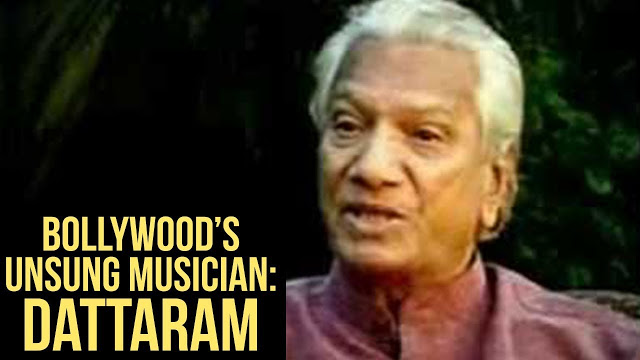
இப்படி இருந்த உதவியாளர்களில் ஒரு பெரிய பெயர் தத்தாராம் (வாட்கர்). 1949 முதல் 74 வரை இருபத்தைந்து ஆண்டுகள் ஷங்கர்-ஜெய்கிஷனுக்கு உதவியாளராக இருந்தார். இவருடன் இருந்த மற்றொருவர் செபாஸ்டியன் டிசூஃஜா. இருவரும் கோவாக்காரர்கள். டிசூஃஜா மேற்கத்திய வாத்யங்களை கவனிப்பதுடன் மேற்கத்திய உத்திகளையும் புகுத்தினார்; ஆர்கெஸ்ட்ராவையும்  ‘நடத்துவார்’ தத்தாராம். இந்திய – குறிப்பாக தாளவாத்யப் பகுதிகளைக் கவனித்துக் கொள்வார். 1950 முதல் 70/71 வரை ஷங்கர்-ஜெய்கிஷன் இசையை ஊன்றிக் கேட்டவர்களுக்கு அதில் வரும் தாளவாத்யங்களின் சிறப்பும் பன்முகத்தன்மையும் புலப்படும். [இதை லக்ஷ்மிகாந்த்-பியாரேலால்/கல்யாண்ஜி-ஆனந்தஜீ ஆகியோரின் இசையுடன் ஒப்பிட்டுப் பார்க்கவும்]. தாளவாத்தியத்தில்  ஒரு Zதுவகை   தாளக்கட்டை தத்தாராம் உருவாக்கினார். இதற்கு “தத்தாராம் அல்லது தத்து தேகா” என்றே பெயர் வழங்கியது. (Dattu Theka) இதற்காக இவரை பிற இசைஞர்களும் நாடினர்.

[தத்தாராம், டிசூஃஜா இருவரும் 1974-75 வாக்கில் ஷங்கர்-ஜெய்கிஷன் குழுவிலிருந்து விலகினர். அதன்பிறகு ஷங்கர்-ஜெய்கிஷன் இசையின் தரமும் சரிந்தது]

தத்தாராம் சில படங்களுக்கு தனியாகவே இசையமைத்தார். இவை நல்ல வரவேற்பும் பெற்றன. ஆனாலும் இவர் இறுதிவரை உதவியாளராகவே தொடர்ந்தார். 1974ல் படவுலகை விட்டு நீங்கி சொந்த ஊருக்கே சென்றுவிட்டார். இறுதி நாட்களில் பொருள்வசதியின்றிச் சிரமப் பட்டார். ஒரு ஆபரேஷனுக்குத் தேவையான பணம் இல்லாமல் தனது 78 வது வயதில் 2007ல் காலமானார். திரைஇசைத் துறையில் பலர் இவ்வாறு சிரமத்தில் இறுதி நாட்களைக் கழித்தனர். 

தத்தாராம் சுமார் 20 படங்களுக்கு இசையமைத்தார். இவற்றில் 10 படங்கள் நன்கு மதிக்கப்பட்டன. அவற்றில் இரு படங்களிலிருந்து இரு பாடல்களைப் பார்க்கலாம்.

(ன்)ஸூ பரீஹை

आँसू भरी है ये जीवन की राहें
कोई उनसे कह दे, हमें भूल जाएँ

वादे भुला दे, कसम तोड़ दे वो
हालत पे अपनी, हमें छोड़ दे वो
ऐसे जहां से क्यों हम दिल लगाये
कोई उनसे कह दे

बरबादियों की अजब दास्तां हूँ
शबनम भी रोये, मैं वो आसमां हूँ
तुम्हें घर मुबारक, हमें अपनी आहें

कोई उनसे कह दे

(ன்)ஸூ பரீ ஹை யே ஜீவன் கீ ராஹே(ன்)

கோயீ உன்ஸே கஹ் தே , ஹமே பூல் ஜாயே(ன்)

வாழ்க்கையின் பாதைகள் கண்ணீர் நிறைந்தவை

என்னை மறந்துவிடு என எவராவது அவளிடம் சொல்லுங்கள்

வாதே புலாதே, கஸம் தோட் தே

ஹாலத் பே அப்னீ ஹமேன்) சோட் தே

ஐஸே ஜஹா(ன்) ஸே க்யோன்) ஹமே தில் லகாயே

கோயீ உன்ஸே கஹ தே

சொன்ன சொல்லை மறந்தாள், வாக்கை மீறினாள்

என்னை என் துன்பத்துடன் விட்டுவிட்டாள்

இந்த மாதிரி இடத்தில் நாம் ஏன் அன்பு வைத்தேன் (தெரியவில்லை)

யாராவது அவளிடம் சொல்லுங்கள்

பர்பாதியோ(ன்) கீ அஜப் தாஸ்தா(ன்) ஹூ(ன்)

ஷப்னம் பீ ரோயே, மை ஆஸ்மா(ன்) ஹூ(ன்)

துமே கர் முபாரக் ஹமே அப்னீ ஆஹே(ன்)

கோயீ உன்ஸே கஹ தே..

என்னுடைய துன்பங்கள் விசித்திரமான கதை!

காலைப் பனி கூட கண்ணீர் சிந்தும், அப்படிப்பட்ட வானம் நான்

நான் என் துயரத்துடன் இருந்து கொள்கிறேன்

உனக்கு என் வாழ்த்துக்கள்

யாராவது அவளிடம் சொல்லுங்கள்….

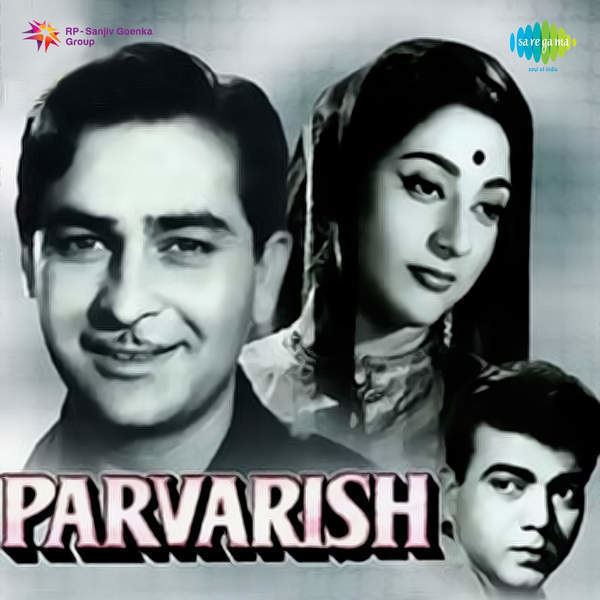
Song: Aansu bhari hai Film: Parvarish 1958  Lyrics: Hasrat Jaipuri

Music: Dattaram  Singer: Mukesh

youtube link: 

இந்தப்  படத்திற்கு தத்தாராம் அமைத்த இசை நல்ல வரவேற்பு பெற்றது. இதில் பல நல்ல பாடல்கள் இருந்தாலும் யமன்/கல்யாண்  ராகத்தில்  அமைந்த இந்தப் பாடல் பண்டிதர்களிடமும் பாராட்டு வாங்கியது. 

இந்த வகைப் பாடல்களுக்கு ஒரு மாதிரியாக அமைந்தது, இதில் வரும் சாரங்கி வாத்யத்தை இசைப்பது ஃஜாஹுர் கான். பிசிரில்லாமல் பாடியிருக்கிறார் முகேஷ்.

தத்தாராம் இசையில் மன்னா டே, முகேஷ் இருவருக்கும் பல நல்ல பாடல்கள் அமைந்தன.

இந்தப் பாட்டு மிகவும் சோகமாக இருக்கிறதா?

இதோ, மாறுதலான பாட்டு-அதே முகேஷின் குரலில்!

ஹாலே தில் ஹமாரா

hale dil hamara jane na bewafa
ye jamana jamana
hale dil hamara jane na bewafa
ye jamana jamana
suno dunia walo aayega laut kar
din suhana suhana
hale dil hamara


இந்த நம்பிக்கை இல்லாத உலகம்என்னைப் புரிந்துகொள்ளவில்லை

என் மனதின் நிலை அதற்குத் தெரியாது!

அன்பர்களே, கேளுங்கள்! இனிய நாட்கள் திரும்பி வரும்!

ek din dunia badal kar rashte par aayegi
aaj thukra ti hai hamko kal magar sharmayegi
bat ko tum man lo are jan lo bhaiya
hale dil hamara jane na bewafa
ye jamana jamana
suno duniya walo

ஒரு நாள் இந்த உலகம் திருந்தி நல்ல வழிக்கு வந்துவிடும்!

இன்று எனக்குத் துன்பம் தந்தாலும், நாளை அதற்கே வெட்கமாகிவிடும்!

தம்பி! நான் சொல்வதைக் கேள்! இதைத் தெரிந்துகொள்!

இந்த நம்பிக்கை இல்லாத உலகம் என்னைப் புரிந்துகொள்ள வில்லை!


dag hai dil par hazaro hum to phir bhi shak hai
aas ke deepak jalaye dekh lo aabad hai
teer dunia ke sahe par khus rahe bhaiya
hale dil hamara jane na bewafa
ye jamana jamana
suno duniya walo

மனதில் பல துன்பங்களின் கறைகள் இருக்கின்றன

ஆனாலும் நான் சாந்தமாகவே இருக்கிறேன் 

நம்பிக்கை என்னும் தீபத்தை ஏற்றி வைத்துப் பார்

எங்கும் சுபிட்சமே!

உலகின் துன்பங்களை ஏற்றுக்கொண்டேன்

ஆனாலும் மகிழ்ச்சியாகவே இருக்கிறேன், அண்ணே!.


jhuth ki manjil pe yaro hum na hargirz jayenge
hum jami ki khak sahi aasma par chayenge
kyu bhala dab kar rahe darte nahi bhaiya
hale dil hamara jane na bewafa
ye jamana jamana
suno dunia walo aayega laut kar
din suhana suhana
hale dil hamara  

பொய்யான வழிகளில் என்றும் போகமாட்டேன்

நான் இந்த உலகத்தில் தூசிக்குச் சமானமாக இருக்கலாம்

ஆனால் ஒரு நாள் விண்ணில் ஓளிர்வேன்!

என்னை யார் அமுக்கிவிட முடியும்?

தம்பி, எனக்கு எந்த பயமும் இல்லை!

இந்த நம்பிக்கை இல்லாத  உலகம் என்னைப் புரிந்துகொள்ளவில்லை!

இனிய நாட்கள்  திரும்பி வரும்!

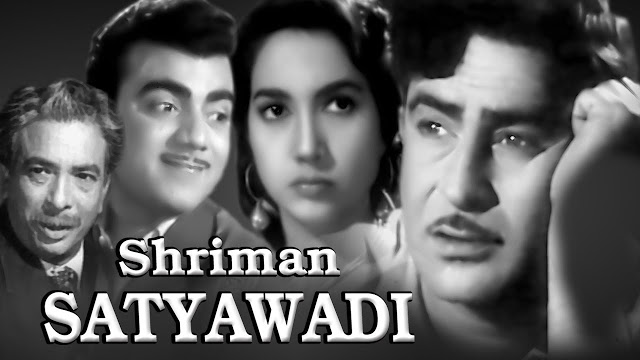
Song: Haale dil hamara  Film: Shriman Satyavadi 1960 Lyrics: Hasrat Jaipuri

Music: Dattaram  Singer: Mukesh

Youtube link:

முகேஷின் குரலைக் கேளுங்கள்! முன் பாட்டிற்கும் இதற்கும் எத்தனை வேறுபாடு! இதுதான் பாட்டின் மெட்டை அமைப்பவர்களின் சாமர்த்தியம்! முகேஷின் குரலுக்கு ஒப்ப மெட்டமைத்தவர்களில் தத்தாராம் ஷங்கர் ஜெய்கிஷனுக்கு சமம் அல்லது அடுத்தபடி எனச் சொல்லலாம். தத்தாராம் இசையில் முகேஷ் பல நல்ல பாடல்கள் பாடியிருக்கிறார். 

ஹஸ்ரத் ஜெய்புரியின் இனிய கவிதை! கவிதையும் இசையும் சேர்ந்தால்தான் நல்ல பாட்டு நிலைத்து நிற்கிறது!

இந்தப் பாட்டில் சொல்லிய கருத்துக்கள் பாத்திரத்தின் கருத்துக்களா, கவியின் கருத்துக்களா?

One gets the impression that the musicians who sat for discussions with music directors, to shape,  finalise and finish the song, did not get paid well  in those remote days  they just about managed. Dattaram has stated:

I played in the rehearsals and sittings, so I had a fixed rate for all that. I was paid two hundred rupees per song for sitting and rehearsals. So that was like fifteen days to finish one song by the time everything was done. I just accepted what they gave me.”

[“Behind The Curtain: Making Music in Mumbai’s Film Studios” by  Gregory D.Booth, page 182]

No wonder, Dattaram faced financial difficulties later. We enjoy the songs after so many years, but let us spare a thought for these great men who laboured so much. May the good Lord keep them well, wherever they are.


Attachments area

Preview YouTube video Aansoo Bhari Hain- Mukesh

Aansoo Bhari Hain- Mukesh

Preview YouTube video Hale Dil Hamara Jane Na – Raj Kapoor, Mukesh, Shriman Satyawadi Song

செகுலர் இந்தியா பிறந்த கதை! (Post No.8069)

WRITTEN BY S NAGARAJAN                     

Post No. 8069

Date uploaded in London – – – 30 May 2020   

Contact – swami_48@yahoo.com

Pictures are taken from various sources for spreading knowledge; this is a non- commercial blog. Thanks for your great pictures.

செகுலர் இந்தியா பிறந்த கதை!

ச.நாகராஜன்

செகுலரிஸம் என்றால் என்ன என்று கேட்டால், ‘அது தானே, எது ஹிந்து என்றாலும் அதை எதிர்ப்பது, எது முஸ்லிம் அல்லது கிறிஸ்தவம் என்றாலும் அதை ஆதரிப்பது. அவ்வளவு தான்!’, என்று பதில் வரும்.

அது சரி, முஸ்லீம், கிறிஸ்தவர்கள் ஒரு வேளை தவறு செய்தால் அதைச் சுட்டிக் காட்டலாமா என்று கேட்டால் ஐயையோ, நீ செகுலரிஸத்திற்கு எதிரி என்ற முறைப்பான பதில் ‘ஒரு பக்கத்திலிருந்து’ வரும்.

இந்த ‘ஒரு பக்கம்’ யார் என்று கேட்டால் அதற்கு நமது சமீபத்திய வரலாற்றைப் பார்த்தாலேயே தெரியும்.

மதமாற்றத் துடிக்கும் கிறிஸ்தவ மிஷனரிகள், மைனாரிடி, செகுலரிஸம் ஆகிய வார்த்தைப் போர்வைகளுக்குள் ஒளிந்து கொள்ளத் துடிக்கும் இஸ்லாமிய தீவிரவாதிகள், பிரிவினையைத் தூண்டும் கம்யூனிஸ்டுகள், தேசத்தின் முன்னேற்றத்தைத் தடுக்க அன்னிய சக்திகளிடமிருந்து பணம் பெற்று தேச ஒற்றுமைக்குப் பங்கம் விளைவிக்கக் காத்திருக்கும் ஆங்காங்குள்ள துண்டுக் கட்சிகள், மிகத் தவறான தேசத் துரோக, பிரிவினைவாத ஊடகங்கள், பத்திரிகைகள் ஆகியவையே இந்த ஒரு பக்கத்தில் இருப்பவர்கள்.

இவர்களுடன் வலுக்கட்டாயமாக இணைக்கப்பட்டிருப்பவர்கள் செகுலரிஸம் என்றால் என்ன என்று நிஜமாகவே புரியாத ஐந்து ஆண்டுக்கு ஒரு முறை ஓட்டுப் போடும் அப்பாவி மக்கள்!

1948ஆம் ஆண்டு நவம்பர் 15ஆம் தேதி அரசியல் சட்ட அமைப்பை நிர்ணயம் செய்ய  கான்ஸ்டியுயன்ட் அசெம்பிளி குழுமியது. புரபஸர் கே.டி. ஷா, செகுலர் என்ற வார்த்தையை அரசியல் சட்டத்தின் முகவுரையில் (preamble) சேர்க்க வேண்டுமென்றார்.

க்ளாஸ் (1), ஆர்டிகிள் (1) இல் ‘shall be a’ என்பதற்குப் பின்னால் ‘Secular, federalist, Socialist, Union of States’ என்று இருக்க வேண்டும் என்றார்.

தொடர்ந்து சூடான விவாதம் ஆரம்பித்தது.

நேருவுக்கு இது பிடிக்கவில்லை. அனைத்து மதங்களும் ஒன்று போல அரசியல் சட்டத்தினால் பாவிக்கப்பட்டு அவரவர் மதத்தை அவரவர் தங்கு தடையின்றிப் பின்பற்றலாம் என்பதே அனைவரது கொள்கையும். ஆனால் செகுலர் என்ற வார்த்தையின் பொருள் என்ன? சரியான விளக்கத்தைத் தர முடியாத அந்த வார்த்தையை அவர் சேர்க்க வேண்டாம் என்றார்.

கமிட்டியின் தலைவராக இருந்தா பாபாசாஹப் அம்பேத்கரோ இந்த வார்த்தையைக் கடுமையாக எதிர்த்தார்.

அம்பேத்கர் கூறினார் :” இது மக்களால் தீர்மானிக்கப்பட வேண்டிய விஷயம்”

(Ambedkar said “what should be the policy of the State, how the Society should be organised in its social and economic side are matters which must be decided by the people themselves according to time and circumstances. It cannot be laid down in the Constitution itself because that is destroying democracy altogether.”)

இந்த செகுலர் விவாதத்தின் காரணமாக ஆர்டிகிள் 25, 26, 27 சேர்க்கப்பட்டன. 

(The Constituent Assembly adopted Articles 25, 26 and 27 of theof the Constitution with the intention of furthering secularism).

ஆண்டுகள் உருண்டோடின.

இந்திரா காந்தியின் பிரதம மந்திரி பதவிக்கு கோர்ட் தீர்ப்பின் மூலமாக ஆபத்து வந்தது. 1975, ஜூன் மாதம் 26 ஆம் தேதி இந்திரா காந்தி அம்மையார் அவசர நிலை பிரகடனத்தைச் செய்தார்.

அவர் எடுக்கவிருக்கும் முன்னேற்ற நடவடிக்கைகளைத் தடுக்க உள்ள சதிக்கு எதிராக இந்த நடவடிக்கை அவசியம் என அவர் விளக்கம் அளித்தார்.

 (This was a necessary response to “the deep and widespread conspiracy which has been brewing ever since I began to introduce certain progressive measures of benefit to the common man and woman of India.”)

தொடர்ந்து 38, 39,40, 41 என அரசியல் சட்டத் திருத்தங்கள் வந்த வண்ணம் இருந்தன.

கடைசியில் 42வது திருத்தம் வந்தது ; செகுலரிஸமும் அரசியல் சட்டத்திற்குள் நுழைந்தது. 20 பக்க திருத்தத்தில், ‘‘sovereign, socialist, secular, democratic republic” என்ற வார்த்தைகள் இடம் பெற்றன.

சாதாரணமாகவே ஹிந்து விரோத சக்திகள் ஆடும் குரங்காட்டம் கள் குடித்த குரங்காட்டமாக மாறியது.

இன்று அப்பாவி ஹிந்து சொந்த தேசத்தில் தவிக்கிறான்.

அவன் வணங்கும் ஆலயங்கள் அரசின் வசம் எடுக்கப்பட்டன.

சர்ச்சுகளோ, மசூதிகளோ ..மூச்.. செகுலரிஸம்!!!.

ஹிந்து மத சம்பந்தமான கொள்கைகளை பள்ளியில் மாணவர்களுக்குக் கற்பிக்கக் கூடாது.

கிறிஸ்தவ, இஸ்லாமியம் பற்றி … மூச் . கற்பிக்கலாம்!!!

மிக நீண்ட கதையை அனுபவத்தால் நாம் அறிகிறோம்.

சொந்த நாட்டில் நமக்கு நாமே செகுலரிஸம் வார்த்தைக்கு அடிமையான கதை இது தான்.

சொந்தத்தில் தனக்குத் தானே சூனியம் வைத்துக் கொள்ளும் ஹிந்துக்களை போகிறவன் வருபவன் எல்லாம் ஏறி மிதிக்கலாம்.

செகுலரிஸம் என்றால் …சூக்ஷ்மம் புரிகிறதா?!

tag– செகுலர் இந்தியா

***

பனை மரம் பற்றிய 4 பழமொழிகள் கண்டுபிடியுங்கள் (Post No.8068)

WRITTEN BY LONDON SWAMINATHAN

Post No. 8068

Date uploaded in London – 29 May 2020   

Contact – swami_48@yahoo.com

Pictures are taken from various sources for spreading knowledge; this is a non- commercial blog. Thanks for your great pictures.

ஒரே சொல் மீண்டும் மீண்டும் வந்தால் ஓரிரு இடங்களில் மட்டுமே கட்டத்தில் இருக்கும். கொண்டு கூட்டி பொருள் கொள்க . விடை கீழே உள்ளது . சில நேரங்களில் படங்களைப் பார்த்தாலும் விடை காண உதவலாம்.

விடை

1.பனை ஏறி விழு ந்த வனைக்  கடா  ஏறி மிதி த்த து போல

2.பனையிலிருந்து  விழுந்தவனைபப் பா ம்பு கடி த்தது போல

3.பனை மட் டையில் மழை பெய் தது போல

4.பனை மரத்தின் கீழிருந்து பாலைக் குடி த்தா லும் கள் குடித்தான் என்பார்கள்.

TAGS –பனை மரம், பழமொழிகள்,

SRI TYAGARAJA-20, Tradition of Bhakti (Post No.8067)

WRITTEN BY R. NANJAPPA                        

Post No. 8067

Date uploaded in London – – – 29 May 2020   

Contact – swami_48@yahoo.com

Pictures are taken from various sources for spreading knowledge; this is a non- commercial blog. Thanks for your great pictures.

Personal and Social

Bhakti is both personal and social. Personal practice is more ritualistic, rule-based, what is called Vaidi bhakti. This we see mostly prevalent in the South, and generally among the orthodox sections. But in the North, we observe the social aspects of bhakti, especially as when we see the Aarti performance in temples or other holy spots, where people participate freely. In the South, even when people congregate in temples, the worship is primarily  individualistic, where they perform archana in individual names. Also, in the South, worship at temples is always mediated by a priest. It is only during  mass festivals when large number of people go on pilgrimages to famous temples that we see congregational worship in the South. Communal worship is more common among the non-orthodox sections, especially in connection with cult or family deities. However, the bhajan and sankirtan performances are outstanding social events among the orthodox in the South, where in the smaller gatherings, the whole audience joins in! This often combines excellent music, lyrics of great saints in various languages, covering the lore and legend of the whole Bharatvarsha,  easily traversing the centuries , along with minimum ritual, such as a pooja in the beginning and a ceremonial dance round a lamp at the conclusion!

Stories from Puranas

One of the standard methods of spreading  and sharing devotion is by sharing stories from Puranas, lives of saints, events from the Itihasas , through methodical reading of holy books like Ramayana, Bhagavatam, etc in public congregations.[Harikatha] This is such a simple yet powerful way, requiring very little paraphernalia. Often, such recitals are accompanied by great music, and  literary and philosophical exposition. 

 Our classical music compositions heavily drew from themes and motifs  from our ancient lore, though in the north the Muslim rule had almost destroyed it. But now everywhere, the spread of light secular music through the cinema and the electronic and digital media is exerting a negative impact on such traditional forms. Among the so called educated ( that is those who have been through formal schooling), the focus is on   tele-viewing or now, participating in social media through the cell phone and the internet. Serious listening has almost disappeared as an art. Sri Shuka declares in the Bhagavatam that its nectar has to be “drunk” through the ears- “pibata Bhagavatam rasam”. And Suta adds that the moment it enters through the ears, the bliss of Liberation is at hand- ” yat sravana gata muktyuktigathane”  ( Bhagavatam, Mahatmyam, 6.80 & 100) But this would be Greek to our younger generation, getting increasingly alienated from our traditional air and fare.

Appeal of old legends & stories

The lives of saints and Avatars provide a staple source of edification, consolation and  religious education in an informal setting. Even remote, legendary stories have perennial appeal and relevance, and provide inspiration, confidence and hope. They have the power to move our heart and appeal to our mind because they come from the depths of truth. That God saved an Ajamila, that he hastened to rescue a mere elephant, or provided succour to a Draupadi at the time of her trial in the assembly continues to inspire and motivate us even today. They give hope even to the least of us, even when we realise that we do not have perhaps even a millionth part of such faith as these legendary figures had. 

This is quite scientific- how many of us have measured or even understood gravity, or relativity?   One experiment by a noted scientist is taken as universally valid. Similarly, that one sinner was saved shows that sinners can be saved!  This is the message ultimately conveyed by these stories and historical narratives- there is hope for every one. No theory or philosophy can ever match their power. Even in our day we see how the following of Shirdi Sai Baba is spreading, entirely on the basis of stories shared among the devotees, without any government. backing or central organization! This was how our saints kept alive the springs of devotion among the common people during the middle ages, when orthodoxy almost collapsed and neglected the common man and communal life, with hardly any royal protection or patronage for our dharma.

Tanjore, an oasis

Sri Tyagaraja appeared at one such turbulent period, and he lived in the one area in Tamil speaking land which somehow survived as a cultural centre- the Tanjore area, under the protection, though largely nominal and dwindling, of the Marathas, following the collapse of Vijaynagar. Traditional arts and music, learning and religious practices still prevailed, though under strain. Tyagaraja used music to spread the bhakti cult, along with his  personal spiritual practice based on Unchavritti, which was rare even during his times,  and saguna worship of his personal Deity. Like Sri Ramakrishna later, who proved  by his life that one could lead a spiritual life without modern education, Sri Tyagaraja proved that one could still adopt ancient forms of spiritual practices even in changing times.

Tyagaraja rejuvenates tradition

Tyagaraja’s musical compositions combine stories from our ancient scriptures, along with relevant philosophical and social comment and exposition. However, the predominance gained by the musical aspects, especially the concert platform, has obscured the real religious and philosophical message. The damage or loss is serious, since people do not even regard his compositions as serious literature.  The professional musicians do not render full justice to the kritis; they do not sing many of them, nor sing them fully, rendering all the charanams in any composition. And their diction and pronunciation are often atrocious, to put it mildly.

Coming in the Bhakta tradition, Sri Tyagaraja recalls major events recorded in our Itihasa-Purana lore, keeping alive the perennial flow. Almost all the events of the Ramayana are covered in his kritis, where often he adds his own subtle touches, and many chronicles from the Bhagavatam. He has composed a separate musical drama on the history of Prahlada- Prahlada Bhakti Vijayam  and highlighted one incident from the life of Krishna in another musical drama- the Nauka Charitram. But today we will see how he refers to other histories and incidents in his other kritis. 

Listening to, reading and reciting such incidents connected with the lives of devotees and Bhagavan cover three aspects of the nine-step bhakti advocated by our saints: sravanam, mananam and kirtanam!

Mari mari ninne (Kamboji)

Mari mari ninne moralida nee

manasuna daya radu

Kari mora vini saraguna chana neeku

garanamemi sarvantaryami

Karunato Dhruvuni keduta nilchina

katha vinnanayya

Suraripu tanayunikai nara mrugamau

suchana lemayya

Marachiyunna vanacharuni brochina

mahima delupavayya

Dharanuvelayu Tyagaraja sannuta 

taramugadika ne vinanayya

O the one who pervades everywhere!

Even though I make repeated appeals, somehow your heart has not found mercy for me!

Did you not hasten to rescue,, listening to the pleading of a mere elephant? What was that due to?

I have listened to how you appeared before Dhruva, with all your kindness.

What is the mystery behind your assuming the form of  Man-Lion, for the sake of the  son of Hiranyakasipu, who was the enemy of the Devas?

Tell me the greatness of your saving Sugriva, who was wandering in the forest, without any hope, forgetting everything?

O my God! I cannot bear it any longer. I will simply not listen to you.

Na morala kim (Devagandhari)

Na morala kimpavemi Sri Rama

Nee mahimalu vini vini ne

nento nera nammiti

Oka vachana rudala nadu

sahodaru badhalu

talaka molalida brochitivi

tanaku sugrivamu gada

Oka nisicharudannamata

lorvaka charanaga

suka vachanamulo nadu

palukulanni vibhishanama

Poosalu goorchina yatuvale

pooni bhajinchaga 

aasalu gala Tyagaraju

dasudanuchu delisi

Sri Rama! Will you not listen to my pleadings? I have heard of your greatness and am sorely dependent on you.

When one wandering in the forest, appealed to you, unable to bear the suffering caused by his brother, did you not save him?  Was it because he had a beautiful neck? Is not mine as beautiful (sugrivam)?

When a Rakshasa wandering in the nights surrendered to you, unable to bear the hard words of his brother, and you protected him, did his words sound sweet to you like the sounds of a parrot? Are my words alone causing fear ( vibhishanam) for you?
You Know that this Tyagaraja is eager to worship you steadily, without any break, like beads strung together. Even then, you do not listen to his appeals.

Here, Tyagaraja is taking great liberties with the Lord, showing his intimacy. He is also punning on the words, Sugriva and Vibhishana. While he deals with their incidents, he skilfully avoids mentioning their names, while meaning them; but he uses their names as adjectives to pun on them! This is something we should enjoy on close reading by ourselves, as too much of explanation will spoil the refined fun intended by the Swami, the great poet that he is!

But in the next kriti, he is more conventional!

Ksheera sagara sayana (Devagandhari)
Ksheera sagara sayana nannu

chintala bettavalena Rama

Varana rajunu brovanu vegame

vachinadi vinnanura Rama

Narimaniki jeeralichinadi 

naade  ne vinnanura

Dheerudau Ramadasuni bandhamu

deerchinadi vinnanura

Neerajakshikai  neeradhi daatina

Nee kirtini vinnanura

Taraka nama Tayagarajanuta

dayato nelukora Rama

O Rama! Sleeping blissfully in the milky ocean!

Why should you keep me submerged in worries? (and thus make me unable to sleep?)

I have heard  the incident that you came post-haste to save  the elephant king.

I heard long ago how you bestowed (endless) garments on Draupadi to save her honour.

I have heard how you removed the bond of chains from that heroic Ramadasu.

I have heard of your fame in crossing the ocean for the sake of the lotus-eyed Sita.

O the one with the Taraka nama! Please accept me mercifully.

Holy Feet

It is a strong tradition among bhaktas to rely on the Name and they also hold the Feet of the Lord as sacred- in fact the Name and the Feet are held in even greater esteem than  the named! It is remarkable that Tiruvalluvar talks of the Feet of God in the opening section of his Kural- in 7 out of 10 couplets! No other parts like Face or eyes are even mentioned! Only the singing of His praises is mentioned in one Kural! In the still more ancient Sangam literature Paripadal, it is stated ” Your feet are even more glorious than you”- ” ninnir seeriya nin taal inaiyavai”. நின்னிற் சீரிய நின் தாள் இணையவை

In the case of Rama, both his Name and Feet are especially famous. About his name, we have seen earlier. About the feet, Tyagaraja sings now.

Nee pada pankajamu (Begada)

Nee pada pankajamulanu

ne nera namminanu

Bhoopalula garvambu lanasu kora

ka Parameshvaru chapamu drunchina

kopamuto munu taapasiyichina

sapamuna Ahalya anudinamu

chaparati  tanu taapa morvale

napenugani paritamapu deerchina

Nee pada pankajamu

I am firmly depending on your lotus feet.

Your sacred feet helped you when you undertook to break the bow of Shiva, in order to subdue the inordinate pride of the assembled kings ( in Mithila).

Rishi Gautama cursed Ahalya with great anger. She turned into stone and underwent great bodily suffering. Your golden feet removed her suffering.

Feet V.Sandals

Sri Tyagaraja has a strange doubt- whether Rama’s feet are necessary; whether his sandals alone would not do?

Sandehamunu deeerpavayya

Saketa nilaya Ramayya

Nandarchita padayugamulu melo

Nagarikamagu paduka yugamu melo

Varamaunulelala jaranam mulanu

smariyimpa needu pada mosangene

Bharataarchana che paadukalu

dhara ninnosange Tyagaraja bhagyama

O Rama! With Ayodhya as your place! Please resolve my doubt.

Are your feet worshipped by Sunanda and others superior? Or are your sandals connected with the town of Ayodhya superior?

The great munis of excellent tapas meditated on your feet and they got Vaikunta, which is your abode.

But due to Bharata worshipping your sandals, he got You Yourself! So which of them are superior? Please resolve my doubt, O the fortune of Tyagaraja!

With such a background, Tyagaraja the parama Bhagavata- what would he wish for?

Sri Rama padama nee krupa jaalune

chittaniki raave

Vaarijabhava Sanaka Sanandana

vaasava Naradadu lella poojinche

Dhaarini silayai taapamu taalaka

vaaramu kannneerunu ralchaga

Sura Ahalyanu joochi brochina

reeti dhanyu seyave Tyagaraja geyama

O the blessed feet of Rama! Your blessings are sufficient for me. Please come and reside in my chitta.

You are worshipped by Brahma, Sanaka, Sanandana, Indra, Narada and others.

You are full of such valour that when you found Ahalya on the way, assuming the form of stone, and constantly shedding tears unable to bear the suffering, you saved her!

Please bless this Tyagaraja also in the same manner!

Again he requests:

Nee japamu nee smarane  nee pada
Puja neevaari chelimi yosagi
rajiga daya cheyu………..Sri Lakshmi Narasimha


O Lakshmi Narasimha!
Please consent to grant me  your nama japa, your remembrance, worship of your feet, association with your devotees, and thus bless me.


Here, Tyagaraja is seeking four of the nine classical prescriptions: japa, smaranam, puja and satsanga! Thus is the Sadguru teaching us what to seek!

To be continued……………………

tag- Tyagaraja -20