Pictures are taken from various sources for spreading knowledge; this is a non- commercial blog. Thanks for your great pictures.
tamilandvedas.com, swamiindology.blogspot.com
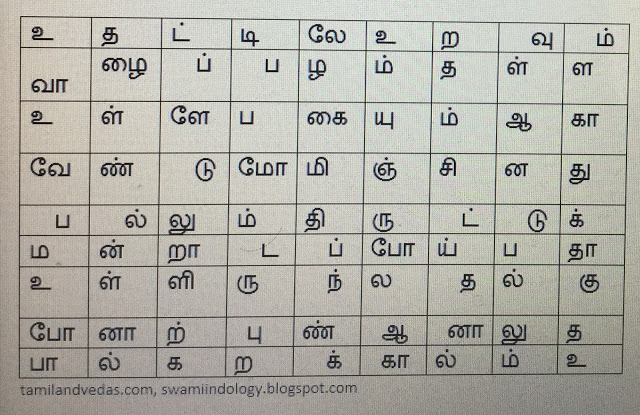
“மாடு செத்தா மனுஷன் தின்னான்
தோல வச்சு மேளம் கொட்டுடா
கூத்து கட்டி மேளம் கொட்டுடா
அட்ரான்னா நாக்கு மூக்கே,
அடரான்னா நாக்கு மூக்கே
நாக்கு மூக்கே, நாக்கு மூக்கே,
நாக்கு மூக்கே, நாக்கு மூக்கே”
(இதே வார்த்தைகள் 72 தடவைகள்,
கடைசியில் ஒரு பெண் சொல்கிறாள் – மொத்தம் 73 தடவைகள்)
லாரி சோனா, லாரி சோனா -இதே பதங்கள் – 42 தடவைகள்
……..உங்களுக்குப் புரிந்ததோ இல்லையோ எனக்குக் கொஞ்சம் கூடப் புரியவில்லை……… எத்தனை நாக்கு மூக்கே, எத்தனை லாரி சோனா??? இதை எண்ணும்போது என் பெண் கேட்டாள் எத்தனை தடவை போட்டுப் போட்டு எண்ணிக் கொண்டிருப்பாய்..?????
இதற்கு சாமி பேரைச் சொல்லியிருந்தாலும் புண்ணியம் உண்டு!
ஒரு விளம்பரம் இல்லாமல், ஒரு நோட்டீஸ் இல்லாமல் எப்படி இவ்வளவு கூட்டம் லட்சக்கணக்கில்??????
ஒரு வெள்ளைக்காரர் கேட்டார். அருகிலிருந்த ஒரு இந்தியர் சொன்னார், “எங்கள்ஊரில் பஞ்சாங்கம் என்று ஒன்று உண்டு.
எந்தந்த நேரங்களில் எந்தந்த ஊரில் என்ன என்ன விழா நடக்கும் என்று போட்டிருக்கும்.
அதைப் பார்த்து நாங்கள் வந்து விடுவோம்”………..
ஆனல் இன்று பஞ்சாங்கம் நிறைய பேர் வீட்டில் வாங்குவதில்லை. முக்கால்வாசி விஷயம் கம்ப்யூட்டரில், மீதி விஷயம் நாட்காட்டியில்!!!
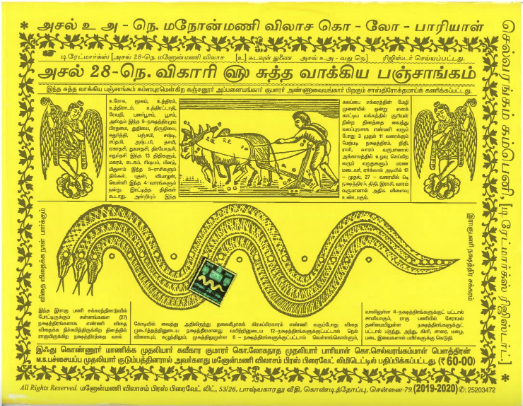
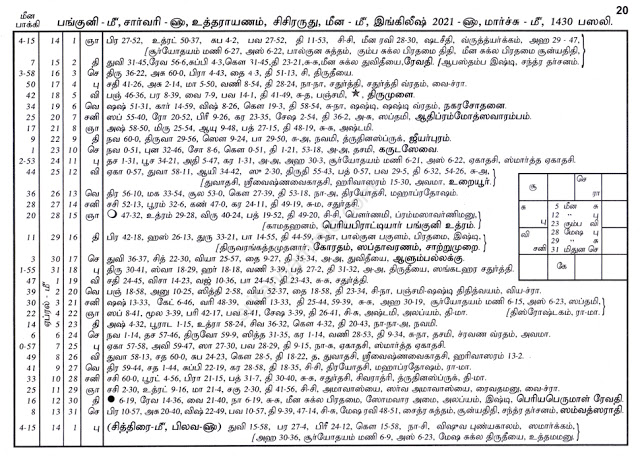
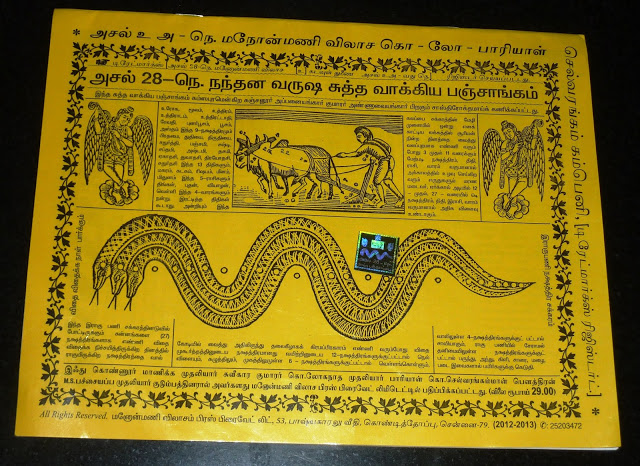
முதலில் பாம்புப் பஞ்சாங்கத்தை எடுத்து வைத்துக் கொள்ளுங்கள் இல்லை என்றால் வாங்கி வைத்துக்கொள்ளுங்கள் – என்றும் உபயோகப்படும். அரை சென்டிமீட்டர் அகலத்திற்கு 11 மெல்லிய கோடுகள் உயரம் உயரமாக பிறகு இரண்டு அல்லது மூன்று தமிழ் எழுத்துக்கள் பிறகு நம்பர்கள் மீண்டும் இரண்டு எழுத்துக்கள் மீண்டும் நம்பர்கள்…………. சரி என்னன்ன வார்தைகள் அங்கு இருக்கும்,
அதற்கு பொருள் என்ன? ……..
உதாரணமாக பாம்புப் பஞ்சங்கத்தை எடுத்துக் கொள்வோம்
1.யோகம்- இன்று என்ன யோகம் சித்த யோகம், மரண யோகம் அமிர்த யோகம்.அதாவது ஒரு குறிப்பிட்ட திதியும், குறிப்பிட்ட நட்சத்திரமும் சேர்ந்தால் உள்ள பலன்.
2.ஆனி மாத பக்கத்துக்கு வாருங்கள். மிதுன இருப்பு என்றபோட்டிருக்கிறதா,
அதாவது மிதுன ராசி எவ்வளவு பாக்கி எனபதை 5 நாழிகை18 வினாடி என்று காண்பிக்கிறது.
3.அஹஸ் – என்றால் பகல் நேரம்.
4.சிரார்த்த திதி இறந்தோருக்கு திதி் அதாவது ஓரே திதி 2 நாட்களுக்கு
இருக்கும் அப்போது எதை எடுப்பது என்ற சந்தேகத்தைப் போக்கும்.
5 யோகினி- பிரயாணம் எந்த திசையில் செல்லலாம்.
6 நேத்- நேத்திரம்
7 ஜீவ- ஜீவன்
8 துலு – முஸ்லீம்களின்மாதம்/ நாள்
9 சக வருடம் மாதம் தேதி
10.ஆங்கில மாதம் தேதி
11.தமிழ் மாதம் தேதி
இனிமேல் வரிசையாக உள்ளவைகளைப் பார்ப்போம்
கிழமை, திதி, நடசத்திரம், யோகம், கரணம் வரிசையாக இருக்கும் அவற்றைப் பார்ப்போம்
***** பஞ்சாங்கம் என்றால் என்ன??? 1. வாரம்- கிழமை ஞாயிறு முதல் சனி முடிய 7 நாட்கள் இதைப் பார்ப்பதினால் ஆயுள் விருத்தி.
2.நட்சத்திரம்-மொத்தம்-27 அஸ்வினி முதல் ரேவதி முடிய இதைப் பார்ப்பதினால் பாவம் குறையும்.
3.திதி-வானில் சூரியனுக்கும் சந்திரனுக்கும் உள்ள தூரத்தை குறிக்கிறது. இதை தெரிந்து கொள்வதினால் செல்வம் பெருகும்
4.யோகம்-வானில்ஒரு குறிப்பிட்ட இடத்திலிருந்து சூரியனும் சந்திரனும் செல்லும் மொத்த தூரமாகும். இதை தெரிந்து கொள்வதினால் நோய் வராது.
5.கரணம்- திதியில் பாதி கரணம். இதை தெரிந்து கொள்வதினால் தொடங்கும் எல்லா காரியங்களும் சித்தியாகும்
Pictures are taken from various sources for spreading knowledge; this is a non- commercial blog. Thanks for your great pictures.
BOOKS INDIANS SHOULD READ – 18
Chapter 7 – Part I
COLLECTED WRITINGS OF DHARAMPAL- 2
R. Nanjappa
Adam Smith Anticipates Dharampal!
INDIA was a rich country when the Europeans came. They came to trade here precisely because India was rich. The East India Company obtained a monopoly of this trade. From the beginning the British had never intended to settle here. Their purpose was to take away to Britain the surplus products of Indian industries and the taxes imposed on them.
This philosophy was very clearly articulated by Adam Ferguson, professor of Moral Philosophy at Edinburgh. He also felt that such transfer of wealth would not be possible “without bending and breaking rules”. For this purpose he felt it advisable for the government to let the company manage the loot. But the company should be under the control and supervision of a govt. body. So the Board of Commissioners for the Affairs of India was set up in 1784. Thus, the plunder and loot of India was sanctioned and supervised by the govt., even before the Crown took over administration directly in 1858. All these are revealed by the archival documents gathered by Dharampal.
But we have a surprise here. Adam Smith, the father of modern economics, seems to have anticipated this. In his famous book “The Wealth of Nations” published in 1776, he has provided some brilliant observations about the prosperity of India, company’s activities and their likely consequences for India.
I. Agriculture and Industry:
The policy of ancient Egypt too, and that of the Gentoo government of Indostan, seem to have favoured agriculture more than all other employments.
The government of both countries was particularly attentive to the needs of agriculture..
The works…which were constructed by the ancient sovereigns of Indostan for the proper distribution of the waters of Ganges as well as of many other rivers, though they have been less celebrated, seem to have been equally great [ as those of Egypt.]
…the confinement of the foreign market was in some measure compensated by the conveniency of many inland navigations, which opened, in the most advantageous manner, the whole extent of the home market to every part of the produce of every different district. The great extent of Indostan, too, rendered the home market of that country very great, and sufficient to support a great variety of manufactures. Bengal, accordingly, the province of Indostan, which commonly exports the greatest quantity of rice, has always been more remarkable for the exportation of a great variety of manufactures than for that of its grain.
Book IV, Chapter IX.
II. How the ruin is brought about:
The company officials interfered in agriculture, telling people how much to grow of what, so that their own profits from the sale of poppy might soar. They monopolised internal trade in manufactures too. This led to their decline, and people were driven to seek other occupations. Adam Smith describes what would happen then.
….in a country where the funds destined for the maintenance of labour were sensibly decaying,… the demand for servants and labourers would be …less than it had been the year before. Many who had been bred in the superior classes, not being able to find employment in their own business, would be glad to seek it in the lowest. The lowest class being not only over-stocked with its own workmen, but with overflowings of all the other classes, the competition for employment would be so great in it, as to reduce the wages of labour to the most miserable and scanty subsistence….Many would not be able to find employment even upon these hard terms, but would either starve, or be driven to seek a subsistence either by begging, or by the perpetration perhaps of the greatest enormities. Want, famine and mortality would immediately prevail in that class, and from thence extend themselves to all the superior classes…..This perhaps is nearly the present state of Bengal and of some other of the English settlements in the East Indies…..the funds destined for the labouring poor are fast decaying. The difference between the genius of the British Constitution which protects and governs North America, and that of the mercantile company which oppresses and domineers in the East Indies, cannot perhaps be better illustrated than by the different state of those countries.
Book I, Chapter VIII
The great fortunes so suddenly and so easily acquired in Bengal and the other British settlements in the East Indies may satisfy us that, as the wages of labour are very low, so the profits of the stock are very high in those ruined countries. The interest of money is proportionably so. In Bengal, money is frequently lent to the farmers at forty, fifty, and sixty percent, and the succeeding crop is mortgaged for the payment. As the profits which can afford such an interest must eat up almost the whole rent of the landlord, so such enormous usury must in its turn eat up the greater part of those profits.
*** to be continued
COMMENTS
Q & A
Dear Sir,
I just happened to come across this website and hope my email will not meet your “electronic bin” as malware.
I found the article on Dharampal by Shir R Nanjappa very interesting and wonder if it may be possible for me to know further about this unusual and knowledgeable person. I do not even know if there is the first name or if Dharampal is the only name. Being trained as a Botanist in India, I am very interested to have the complete reference of the book on his collected essays. I am particularly interested in Chapter 6, (referenced below) so I can request the book to be made available in the British library
“The beautiful tree – Indian education in the 18th century”
Many thanks
R S S
****
This is my reply.
Madam,
Thank you for the enquiry.
1. Dharampal is the only name by which he is known.
2. The volume” The Beautiful Tree” was published as an independent book years ago. But now, it is included as Volume No.III of the “Collected Writings” of Dharampal. The whole set consisting of 5 volumes is published by: ‘Other India Press’, Mapusa 403507 , Goa, India, in association with ‘Society For Integrated Development of Himalayas (SIDH).. The latest edition was published in 2016..
3. Volume I of the set contains a fairly detailed Preface by Claude Alvares which gives some information about Dharampal.
4. A Collection of articles on Dharampal in English and Hindi was brought out by SIDH in 2007. I hope it is still available.It is titled: “Remembering Dharampal”.
5. Another volume titled “Rediscovering India” containing essays and speeches of Dharampal was brought out by SIDH in 2003. It is now out of print. But they may provide a Xerox copy on request.(278 pages)
Trust I have answered your points.
R.N.
****
Swaminathanjee Namaste
Many thanks for your prompt response and informative reply from Nanjappajee that I have just read. I am very relieved that my email did not hit your “scam bin” as I had feared it might!
I will use the links and hope I can get to read the “Beautiful tree” soon.
Please do pass on my regards to Nanjappajee for providing the information and links equally promptly to you.
Pictures are taken from various sources for spreading knowledge; this is a non- commercial blog. Thanks for your great pictures.
அன்னா கரீனா – 3
ச.நாகராஜன்
1
அன்னா கரீனா நாவலுக்கு முகவுரை வழங்கியவர் அறிஞர் ஸ்ரீ ரா.ஸ்ரீ. தேசிகன் அவர்கள். மேலை நாட்டு இலக்கியத்தைக் கரைத்துக் குடித்துத் திறனாய்வு செய்து ஏராளமான கட்டுரைகளை எழுதியவர் அவர். அவர் அன்னா கரீனாவின் கதைச் சுருக்கத்தை அழகுறச் சொல்கிறார். அன்னாவின் மீது வைக்கப்படும் விமர்சனங்களையும் அதற்கான சமாதானங்களையும் கூறுகிறார். அன்னா கரீனா நாவல் பிறந்த விதத்தையும் தேசிகன் அவர்கள் விளக்குகிறார். 1875ஆம் ஆண்டிலிருந்து நாவல் சிறிது சிறிதாக வெளி வர ஆரம்பித்ததையும் 1877இல் தான் நாவல் முழுவதும் வெளியானது என்பதைப் பற்றியும் குறிப்பிடுகிறார். நாவலைப் பற்றிய தனது மதிப்பீட்டையும் நாவலின் நயங்களைப் பற்றியும் ஆராய்ந்து விவரமாக அவர் தந்துள்ள முகவுரையை அப்படியே இங்கே காணலாம்.
2
முகவுரை
நாவலாசிரியரும் விமர்சனப் புலவருமான இ.எம். பாஸ்டர் (E.M.Forster) “நாவலின் அம்சங்கள்” என்ற தம் புத்தகத்தில் உலகத்திலேயே மிகச் சிறந்த மூன்று நாவலாசிரியர்களை வாயாரப் புகழ்கின்றார் : “தேசாபிமானம் பாராது தாம் கண்ட உண்மையை உள்ளபடி உரைக்கின்றார், டால்ஸ்டாயைப் போல (Tolstoy) அத்தனை சிறந்த நாவலாசிரியரை ஆங்கிலேயர்களுக்குள்ளே பார்க்க முடியாது. மனிதனின் தினசரி வாழ்க்கையையுஞ்சரி, அல்லது வீர வாழ்க்கையையுஞ்சரி டால்ஸ்டாயைப் போல ஓர் உயிர் ஓவியமாகப் படைக்க வல்ல கலைஞன் இல்லையென்றே சொல்லி விடலாம். டாஸ்டாவ்ஸ்கியைப் போல (Dostoevsky) அகமன கடலைத் துருவி ஆராய்ந்தவர்களில்லை. தற்கால மனிதனின் அகமன ஓட்டத்தை (Modern Consciousness) பிரஞ்சு ஆசிரியர் மார்சல் பூரூஸ்ட்டைப் (Morl Froust) போல செஞ்சொற்களில் சிறை செய்யவில்லை.” இது நிற்க.
இலக்கிய உலகத்தில் அமானுஷ்யமான செயல்களை ஆற்றிய டால்ஸ்டாயின் அன்னா கரீனாவின் நயங்களைச் சற்று ஆராய்வோம். நாவலின் முதல் வரியிலேயே கதையின் சோக ஒலியைக் கேட்டு விடுகிறோம். ஸ்டீபன் ஆர்க்காடிவிச் (ஸ்டீவ்) வீட்டு வேலைக்காரியோடு காதல் கொண்டு விடுகிறான். இச் செய்தி அவன் மனைவி டாலிக்குத் (Dolly) தெரிந்து விடுகிறது. தன் கணவனோடு ஒரு கூரையின் கீழ்ச் சேர்ந்துறைய மனமில்லை; வாழ்விலே அத்தனை கசப்பு ஏற்பட்டு விடுகிறது. இவர்களைச் சமாதானஞ் செய்ய ஸ்டீவின் உடன் பிறந்தவளான அன்னா கரீனா வருகின்றாள். அவள் பீட்டர்ஸ்பர்க்கில் (St.Petersburg) ஓர் உயர்ந்த உத்தியோகஸ்தரின் மனைவி. கல்யாணமாகி ஒன்பது வருஷங்கள் ஆகின்றன. அவளுக்கு செர்ஜ் (Serge) என்ற ஒரு குழந்தை யிருக்கிறது. ஆனால் இக் கல்யாணம் அவளுக்கு இன்பத்தை அளிக்கவில்லை. உள்ளத்தில் ஒரு திருப்தி இல்லை. ஆனால் தன் மகனிடத்தில் அன்புள்ளவளா யிருக்கிறாள். கதையின் தொடக்கத்திலேயே அவளுடைய வனப்பு ஒரு மந்திர வலையை வீசுகின்றது. விரான்ஸ்கியின் தாயோடு அன்னா கரீனா சேர்ந்து பிரயாணஞ் செய்கின்றாள். தன் தாயை மாஸ்கோ ஸ்டேஷனில் பார்க்க வந்த விரான்ஸ்கியை அன்னா சந்திக்கிறாள்; அவநுடைய முக அழகில் ஈடுபடுகிறாள். கண்கள் கண்களோடு பேசுகின்றன. உள்ளத்தில் காதல் மடை சற்றே திறக்கின்றது. ஒரு நடனத்தில் அன்னா மறுபடியும் அவனைச் சந்திக்கிறாள். டாலியின் சகோதரி கிட்டி (Kitty) அவனிடத்தில் மோகங் கொண்டிருக்கிறாள் என்றதை அறிந்த அன்னா அவளுக்குக் காதல் துறையில் உதவி செய்ய விரைகிறாள் – அன்னாவின் அந்தமில் அழகில் ஆழ்ந்த விரான்ஸ்கி கிட்டியை மறந்து விடுகிறான். கிட்டியின் மீது பேய்க் காதல் கொண்ட லெவின் (Levin) அவளை மணக்கின்றான். விரான்ஸ்கி மீது தான் வைத்த காதல் ஆழ்ந்த காதலன்று என்பதைக் கிட்டி அறிந்து விடுகிறாள். கிட்டி லெவின் வாழ்க்கைத் துணைவியாகி விடுகிறாள்.
அன்னா பீட்டர்ஸ்பர்க்குக்குத் திரும்பி விடுகிறாள். அவளை விரான்ஸ்கி அடிக்கடி சந்திக்கிறான். கரை கடந்த காதல் வெள்ளம் பொங்கிடவே, “நான் உனக்கு மனைவியல்லள்; விரான்ஸ்கிக்கே உரியவள்” என்கின்றாள் அன்னா தன் கணவனிடம்.
அன்னாவுக்கு உடம்பு அசௌகரியமென்று அன்னாவின் புருஷன் கரினின் கேள்விப்படுகின்றான். உள்ளத்தில் நல்ல தன்மை உள்ளவனானபடியால் தன் மனைவியைப் பார்க்க வருகின்றான். விரான்ஸ்கியும் அங்கே வருகின்றான்; இலக்கிய உலகத்தில் அழியாத ஒரு சமாதானக் காட்சி நிகழ்கின்றது. விரான்ஸ்கி துயர்ப்பாரம் தாங்காது தன்னைச் சுட்டுக் கொள்ளுகின்றான். அன்னா பிழைத்து விடுகிறாள்; விரான்ஸ்கியும் பிழைத்து விடுகிறான். மறுபடியும் பண்டைக் காதல் தழைக்கின்றது; அவிந்து கொண்டிருந்த தணல் சுடர் விடுகிறது. இரண்டு பேர்களும் இத்தாலிக்குப் போகின்றனர். சில நாட்கள் தங்கி ருஷ்யாவுக்கு வருகின்றனர். ஆனால் அன்னாவின் மனத்தில் அமைதி தேய்ந்து கொண்டே வருகின்றது. இன்பமும் மறைந்து கொண்டே வருகின்றது. இந்திரிய சுகம் சஞ்சலத்தைத் தவிர மன அமைதியை அளிக்குமோ? அவள் மனத்தில் ஐயம் குடி கொள்ள ஆரம்பிக்கிறது; நம்பிக்கை இறந்து கொண்டே வருகின்றது. விரான்ஸ்கியையும் சந்தேகிக்கிறாள்; தன்னையும் நொந்து கொள்ளுகிறாள். விரான்ஸ்கியையும் வாட்டுகின்றாள். ஆனால் அவள் உள்ளன்பு எல்லாவற்றையும் பொறுத்துக் கொள்ளுகிறது; ஒரு சிறிய விஷயத்தில் மனத்தாபம் நிகழ்கின்றது. கிராமத்திலுள்ள தன் தாயைப் பார்க்கச் செல்லுகிறான் விரான்ஸ்கி. அவனைத் தொடர்கிறாள் அன்னா. ஸ்டேஷனில் தன் காதலன் இனித் திரும்ப மாட்டான் என்ற செய்தியை உணர்கிறாள். தாங்க முடியாத துயரினால் கூட்ஸ் வண்டி சக்கரங்களுக்கடியே இரக்கமின்றித் தன்னை எறிந்து விடுகின்றாள். அவளுடைய அழகிய வதனத்தைத் தவிர மற்ற அங்கங்கள் உருத் தெரியாமல் நசுங்கி விடுகின்றன. இந்நிலை வந்து விடுகிறது அன்னாவுக்கு. அந்தோ! அழகெல்லாம் மண்ணோடு மண்ணாய் மறைந்து விடுகின்றது.
இது தான் கதையின் சுருக்கம். இத்தகைய நிகழ்ச்சி நம் வாழ்க்கையில் நடக்கக் காண்கின்றோம். ஆனால் நம் தமிழ் நாட்டில் ஒரு டால்ஸ்டாய் எழவில்லை. பிழை செய்த பெண் கசப்பு நிரம்பிய வாழ்வின் பாரம் தாங்காது தற்கொலை செய்து கொள்ளுகிறாள். இச் சம்பவத்தை அருவருப்பின்றிச் சோகம் ததும்பும் ஒரு நாவலாகக் கற்பனைத் தறியில் நூற்பது சாதாரணக் காரியமன்று.
ஒத்தெல்லோவில் (Othello) என்ன விஷயமிருக்கிறது? தன் மனைவி பிழை செய்தாள் எனச் சந்தேகித்துத் தொண்டையைப் பிடித்து அமுக்கிக் கொன்று விடுகிறான் கணவன். போலீஸ்க்கோர்ட்டு வரக்கூடிய ஒரு சம்பவம் ஷேக்ஸ்பியர் (Shakespeare) கையில் ஒரு பெருஞ் சோக நாடகமாய் அமைந்து விடுகின்றது. இங்கோ அன்னா கரீனாவில் பிழை புரிந்த ஒரு பெண் தன்னை மாய்த்துக் கொண்டு விட்டாள். அன்னாவைச் சுற்றியும் தூய வாழ்வு நடத்துகிற லெவின், கிட்டி – இவர்களைச் சுற்றியும் சம்பவங்கள் நிகழ்கின்றன. அன்னா கரீனாவில் இரண்டு நாவல்கள் அடங்கியிருக்கின்றன.
நிறையெனும் அங்குசத்தை மீறிப் போகின்ற உன்மத்த இந்திரிய வசத்தினால் எழுகின்ற தீமை ஒரு பக்கம்; ஏழைகளின் துயர் கண்டு நெஞ்சுருகி அதைத் துடைக்கத் தொண்டு செய்து ஆண்டவன் அருள் ஒளியைக் காணக் காத்திருக்கும் ஒரு தூய்மையான் உள்ளத்தவரின் மெய்ந்நெறி ஒரு பக்கம் – இவ்விரு சித்திரங்களை வாழ்க்கையில் பார்க்கின்றோமல்லவா? ஒன்றைப் பார்த்து மற்றொன்று நகுகின்ற நிலையை நாம் உணர்கின்றோம்.
டால்ஸ்டாயின் முன் வாழ்க்கைச் சித்திரந்தான் விரிகின்றது. வேறு நாவலாசிரியாரிருந்தால் படுக்கையாய்ப் படுத்திருந்த அன்னா இறந்து விட்டாள்; விரான்ஸ்கியும் தற்கொலை செய்து கொண்டு விட்டான் என்று கதையை முடித்திருப்பான். டால்ஸ்டாய் அப்படிச் செய்யவில்லை. அன்னாவுக்கு வியாதி அகன்று விடுகிறது; விரான்ஸ்கியும் குணமடைந்து விடுகிறான். மறுபடியும் காதல் நாடகம் நடக்கின்றது. இது தான் வாழ்க்கையில் நடக்கக் கூடியது. ‘டால்ஸ்டாயின் சித்திரம் வெறும் ஒரு கலைச் சித்திரமன்று. அது ஒரு வாழ்க்கைச் சித்திரம்’ என்று மாத்யூ ஆர்நல்டு (Matthew Arnold) கூறியது மிகப் பொருத்தமே.
“அன்னாவுக்குத் திடீரென்று அறமிலாக் காதல் எழுந்து விட்டதே, இது பொருத்தமா? இது நிகழ்வதற்கு முன் சில சந்தர்ப்பங்களை ஆசிரியர் குறித்திருக்க வேண்டாமா? இந் நிலையை உணர வாசகர்களைத் தயார் செய்ய வேண்டாமா?” என்ற கேள்விகளை யெல்லாம் விமர்சனக்காரர்கள் கேட்கின்றனர்.
அவர்களுக்குச் சமாதானம் இது தான் : நம் அகமனத்தில் எத்தனையோ உணர்ச்சிகள் துயின்று கொண்டிருக்கின்றன. ஏதாவது ஒரு சம்பவம் அவைகளைத் தூண்டி விடும். முன்பின் எதிர்பாராத உணர்ச்சி வெள்ளம் கரையை உடைத்துக் கொண்டு வெளியோட ஆரம்பித்து விடும். இத்தகைய நிலைமை தான் அன்னாவிலும் காண்கிறோம். அக்காரணம் பற்றியே ஒரு வாழ்க்கைச் சித்திரமாய் அமைந்துள்ள அன்னா கரீனாவின் மீது குறை கூற வேண்டியதில்லை.
வாழ்வின் இன்ப வெள்ளத்தில் திளைத்த அன்னாவுக்கு இத்தகைய கோரமான மரணம் பொருத்தமன்று என்று கால்ஸ்வொர்த்தி (Galsworthy) மொழிகின்றார். முதலில் அன்னாவுக்கு வாழ்வில் அளவு கடந்த இன்பமிருந்த போதிலும், அது தேய்ந்து கொண்டே வருகின்றது. மணந்த புருஷனிடத்தில் சுகத்தைக் கண்டாளில்லை. தனக்கு ஆறுதலாயிருந்த பிள்ளையும் பக்கத்திலில்லை. விரான்ஸ்கியிடம் அவள் நம்பிக்கை இழக்க ஆரம்பித்து விட்டாள். வாழ்வோ அர்த்தமற்றி பூசல் நிறைந்த கதையாகி விட்டது. இந்நிலையில் வாழ்வு ஒரு பெரும் பாரமாகத்தான் தோன்றும். இருள் செறிந்த மரணத்தின் நீண்ட பாதையில் செல்லுவதை விட வேறு அன்னாவுக்கு வழியில்லை. அதனால் செய்த காரியம் பொருத்தமே. சில விமர்சனக்காரர்கள் காண்கின்ற குற்றங்களெல்லாம் உற்று நோக்கினால் குணங்களாக மாறி விடும் என்பதில் சந்தேகமில்லை. இத்தகைய அன்னா வந்த விதத்தை ஆராய்வோம்.
I started blogging in tamilandvedas.wordpress.com and swamiindology.blogspot.com from June 2011, I am giving above the INDEX for OCTOBER and NOVEMBER, 2012
I did not give the date of loading or number for the article in the beginning. But all articles are available in both the blogs in the name of
‘London Swaminathan’.
Like you did with S Nagarajan’s articles INDEX, get the articles by googling.
Following is the method:-
Paste the title of the article in the google (space)and add ‘from tamilandedas.com or ‘from swamiindology.blogspot.com’
Here is an example :
Is Brahmastra a Nuclear Weapon? from tamilandvedas.com
Or
Is Brahmastra a Nuclear Weapon? From swamiindology.blogspot.com
Since I am going to give nearly 6000 titles, you may not find time to read all the articles/ posts at once.
So, please take a printout of the Index or note down the titles and dates of your favourite posts.
Thanks for all your support. We are reaching two million hits now.
If you have any difficulty in getting the articles, please let us know.
Be careful about the spelling of the title. Even a small mistake will take you somewhere and waste your precious time.
TAMIL TITLES ARE GIVEN SEPARATELY.
***
IN THE BEGINNING I UPLOADED MY ARTICLES IN
1.THE SPEAKING TREE OF TIMES OFINDIA
2.TAMIL HERITAGE FOUNDATION SITE
3.TAMIL BRAHMINS.COM etc.
So you may find the same articles on different days on different blogs
*****
To be continued…………………….
tags — சுவாமிநாதன், கட்டுரை இன்டெக்ஸ் 8, INDEX 8, LONDON SWAMINATHAN, ARTICLES,
சிலர் சாப்பிடும் போதே, “இத மனுஷன் சாப்புடுவான்? நா ஒரு சொரணை கெட்டவன். தினம்,தினம் சாப்புடறேன்” என்பர். அதற்கு அவன் மனைவி, இந்த பேச்சுக்கொண்ணும் குறச்சலில்ல தினம் தினம் மூணு வேளை தட்டு நிறையா கொட்டிக்கறதிலே குறச்சலில்லே ,இதுலே பேச்சு வேற…….” என்று முணுமுணுப்பாள்.
சரி, நடந்தவை நடந்தவைகளாக இருக்கட்டும் இனி நடக்கப் போவதாவது நல்லனவைகளாக இருக்கட்டும்
****
முதலில் உங்கள் மனைவி என்ன நட்சத்திரம் என்று பாருங்கள்.
அது என்ன ராசி என்றும் தெரிந்து கொள்ளுங்கள்.
உங்கள் சமையலறையில் முடிந்த வரை என்னன்ன ‘Modification’ பண்ண முடியுமோ அதைப் பண்ணி உங்கள் மனைவியை சமைக்கச் சொல்லுங்கள்
ஏ மேஷ ராசி பெண்களே
உங்களுக்கு கொஞ்சம் ‘ஸ்பீடு’ ஜாஸ்தி…..நீங்க கிழக்கு பார்த்து தான் சமைக்கணும். உங்க இடதுபக்கம் தண்ணீரும் வலது பக்கம் உங்க சமையல் பொருள்களை வையுங்க
ஏமிதுனராசிபெண்களே
துருவித் துருவி நல்ல பொருளைத் தான் எடுத்து சமைப்பீங்க சிரிக்கப் பேசிக்கிட்டே சமைப்பீங்க…..
உங்க சமையலறை வடக்கு பக்கம் இருக்கணும்..முடியாத பட்சத்தில் சமையல் அறை எந்த பக்கம் இருந்தாலும் நீங்க வடக்கு பார்த்தாவது சமையல் செய்யுங்க…இடது புறம் தண்ணீர் வலது பக்கம் உங்க சாப்பாடு…..
ஏ சிம்ம ராசி பெண்களே
சமையலில் புதுமை தேடும் நீங்கள் மனசு வைத்தால் விதம் விதமாக சமைப்பீர்கள் இல்லேன்னா ஓட்டல் தான்…. சமையலறை கிழக்கில் அல்லது கிழக்கு பார்த்து சமைக்கவும் உணவும் தண்ணீரும் வலது பக்கம் ஓ.கே ????
ஏகடகராசிபெண்களே
அறு சுவை உணவின் அரசியே!!! தென்மேற்கு திசை அல்லது தெற்கு திசை நோக்கி சமைக்கவும். விதம் விதமாக சமைக்க தெரியும் உங்களுக்கு. தென் மேற்கே தண்ணீர். தென் கிழக்கில் உணவுப்பொருள்….
ஏ கன்னி ராசி பெண்களே
கோச்சுக்காதீங்க! நீங்க ரொம்ப “செல்பிஷ்” உங்களுக்கு மேற்கே சமையலறை இருந்தால் தான் நல்லது….நீங்க அருமையா சமைத்த உணவு எல்லாம் இடது பக்கம், தண்ணீர் வலது பக்கம் தண்ணீர்… சரியா???.?
ஏதுலாம்ராசிபெண்களே
மெழுகு போன்ற இளகிய மனம் படைத்த நீங்க வடமேற்கு திசையில் அல்லது வடக்கு பார்த்து நின்று வடக்கு பார்த்து சமையல் செய்யணும். பட படன்னு வேலை செய்யக்கூடாது மெதுவா பார்த்து சமைக்கணும்….சரியா??? இடது பக்கம் தண்ணீர், வலது பக்கம் உணவு.
ஏ விருச்சிக ராசி பெண்களே,
நம்ம ‘டேஸ்டே’ தனி என்று விதம் விதமாக சமைக்கும் நீங்க தென்கிழக்கு பார்த்து அல்லது கிழக்கு பார்த்து சமைக்கணும்.
இந்த திசையை பார்த்து சமைத்தால சண்டை வராது!!! உணவு காய் கறிகள் இடது பக்கம், தண்ணீர் வலது பக்கம் என்ன ….புரிஞ்சதா???? ‘ஸ்டார்ட்…….’
ஏதனுசுராசிபெண்களே
எனக்கு தெரிகிறது நீங்க ‘ஆண்டவனை தேடுகிறேன் வா வா வா’– என்று பக்தியுடன் பாடிக்கொண்டே சமைப்பது. அப்படியே கொஞ்சம் கிழக்கு பார்த்து சமைங்க பார்ப்போம். வலது பக்கம் தண்ணீர் இடது பக்கம் உணவுப்பொருள்
ஏ மகர ராசி பெண்களே
நீங்க ரொம்ப ‘போல்டான’ மேடம்……உங்களுக்கு தென்மேற்கில் சமைலறை இருக்க வேண்டும், இடது பக்கம் தண்ணீர், வலது பக்கம் உணவு….. இனிப்பான நீங்கள் உங்கள் கணவர்,குழந்தைகள் உங்களை புகழ வேண்டும் என நினைப்பீர்கள்.
ஏகும்பராசிபெண்களே
சமைலறை பிரச்சினைகளை சாதுர்யமாக ‘அட்டாக்’ செய்யும் நீங்கள் தென் கிழக்கு திசையை பார்த்து சமைக்கணும். இனிப்பு பண்டம் செய்வதில் வல்லவர் நீங்கள்….
ஏ மீன ராசி பெண்களே
குங்கும பொட்டும், குழந்தை மனமும் கொண்ட நீங்கள் கொஞ்சம் அலட்சியம் தான் சமையலில்…தெற்கே சமையலறை இருக்க வேண்டும்.
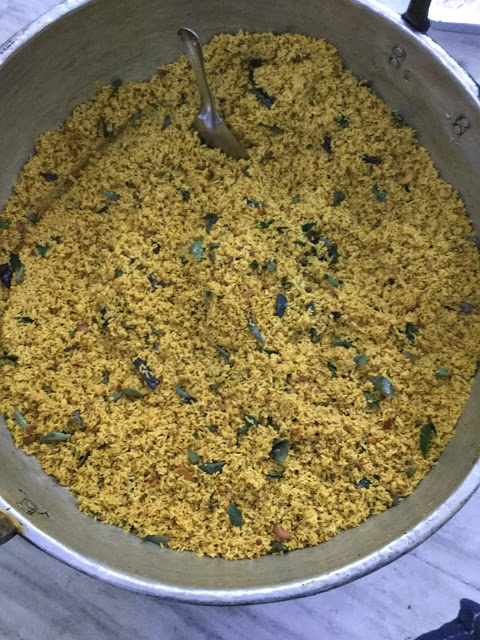
பொதுவாக வாஸ்து பிரகாரம் தென் கிழக்கு மூலையான அக்னி மூலையில் தான் அமைய வேண்டும் சமையலறை. அப்படி முடியாத பட்சம் வட மேற்கு மூலையில் அமைத்துக் கொள்ளலாம். என் அபிப்ராயம் வேறு விதம். ஒவ்வொரு ராசிக்கு தகுந்த மாதிரி சமயலறை அமைத்து நன்றாக சமைத்து சாப்பிட்டு சிறப்பாக வாழ்வதை கண்முன் கண்டேன்
அதற்காவே பெண்குலம் தழைக்கவே திரு சாமிநாதனை கேட்டுக் கொண்டேன் எனது இந்த ஆராய்ச்சி முடிவுகளை வெளியிட…….
எல்லா உயிர்களும் இன்புற்றிருக்க நினைப்பதுவேயல்லாமல் வேறொன்றும் நினையேன் பராபரமே !!!
tags – ராசி,நட்சத்திரம், சமையலறை,கல்யாண சமையல் , சாதம் ,
Pictures are taken from various sources for spreading knowledge; this is a non- commercial blog. Thanks for your great pictures.
Books Indians Should Read – 17
Chapter 6 Part 2 COLLECTED WRITINGS OF DHARAMPAL-1
R. Nanjappa
Was India poor and backward?
Dharampal unearthed these original sources, and revealed for the first time what was the actual state of affairs in the areas which first came under British influence and rule. Claude Alvares records in his general introduction to these volumes:
“This picture that emerged from the total archival record was nothing short of stunning. Contrary to what millions of us were taught in our school text-books, it indicated the existence of a functioning society, extremely competent in the arts and sciences of its day, its interactive grasp over its immediate natural environment was undisputed; in fact it demanded praise. This was reflected in both agricultural and industrial production. We know today that till around 1750, together with the Chinese, our areas were producing some 73% of the total world industrial production, and even till 1830 what both these economies produced still amounted to 60% of world industrial production. Even in a moderately fertile area like that of Chengalpattu (Tamil Nadu), our paddy production in a substantial area of its lands around 1760-70 amounted to 5-6 tons per hectare, which equals the production of paddy per hectare in present day Japan – the current world high. A vast educational set up – based on a school in every village – looked after the learning of large masses of young people.”
Dharampal found from the archival material that
“the British successfully initiated an intricate system of widespread control and extortion, taking away as tax most of what the land produced, as well as the products of manufactures…..this was often done at the point of the bayonet.”
In fact, for long periods in the late 18th and early 19th centuries, the tax on land in many areas exceeded the total agricultural production of very fertile land. This was particularly so in the areas of the Madras Presidency (comprising current Tamilnadu, districts of coastal Andhra, some districts of Karnataka and Malabar)….In the Madras Presidency, one third of the most fertile land went out of cultivation between the period 1800-1950. Thus, our poverty and backwardness were of recent origin, and direct result of colonial policy and practices. The image that we have developed of ourselves as poor, illiterate, backward etc is an imposition on us by the colonial powers, which our educators still pursue in mindless imitation.
The significance of Dharampal’s works is that they furnish us for the first time first hand material from the very same colonial sources which reveals how good we were, and how we were brought down by colonial powers.
Swami Vivekananda opened our eyes to the greatness of our religion and philosophy. He did it effectively because he spoke and wrote in English to an international audience.
Gandhiji wrote about Hind Swaraj- what it means for India to be ” free” and indicated in general terms that India was great. But he could not give details due to his other preoccupations.
Romesh Chunder Dutt wrote the Economic History Of India in two volumes by the turn of the last century and he made use of original sources.
Dharampal has carried on the work forward, and gone further and opened our eyes in respect of our economy and society, unearthing from the British archives first hand material. We learn to see the real India- India as it was before it was destroyed by the colonial goons.
No true, self-respecting Indian can afford to ignore Dharampal’s writings.
We shall see some salient features of his findings by and by.
Pictures are taken from various sources for spreading knowledge; this is a non- commercial blog. Thanks for your great pictures.
அன்னா கரீனா – 2
ச.நாகராஜன்
1
அன்னா கரீனா நாவலின் முதல் பக்கத்தில்,
அன்னா கரீனா
I
ஆசிரியர் :
லியோ டால்ஸ்டாய்
மொழிபெயர்ப்பு:
தினமணி உதவி ஆசிரியர்
வெ.சந்தானம்
தமிழ்ச் சுடர் நிலையம்
திருவல்லிக்கேணி : : சென்னை
உரிமை பதிவு
என்ற பதிவுகளைக் காணலாம்.
அடுத்த பக்கத்தில் உள்ள விவரங்கள் இவை:
முதல் பதிப்பு : மார்ச்சு 22, ‘47
மலிவுப் பதிப்பு விலை ரூ 7 8 0
ஆண்டிக் — }
இரண்டு வால்யூம்} ரூ 10 0 0
Printed at Thompson co ltd., (Minerva Press)
Q.H.Ma 15 – (22-31947)
2
தமிழ்ச் சுடர் நிலையம் உரிமையாளரான திரு அ.கி.கோபாலன் சிறந்த தமிழ் அன்பர். நல்ல நூல்களைத் தேடித் தேடி தமிழில் வெளியிட்டிருக்கிறார்.
அவர் அன்னா கரீனா நூலுக்கு அளித்துள்ள பதிப்புரை முதலில் இடம் பெறுகிறது.
அவரது பதிப்புரையை இங்கு காண்போம்:
பதிப்புரை
உலகப் புகழ்பெற்ற ‘அன்னா கரீனா’வின் தமிழ் மொழிபெயர்ப்பைத் தமிழர்கள் முன் சமர்ப்பிக்கிறோம். மகான் டால்ஸ்டாயின் உன்னத திருவடிகளில் இந்தக் கதையும் ஒரு ரத்தினம் போன்றதாகும். மனிதனின் தினசரி வாழ்க்கையையும் பொது வாழ்க்கையையும் கலைப்பண்புடன் சித்தரிப்பதில் டால்ஸ்டாய்க்கு நிகரான கலைஞர் அவரே தாம். அந்த ஈடு இணையற்ற பெரியாரின் இந்தக் கதையைத் தமிழாக்கிவிட வேண்டும் என்ற ஆர்வமே இப்புத்தகம் இன்று வெளியாகியிருப்பதற்குக் காரணம்.
நிற்க, கதையைப் பற்றியோ, அதை எழுதியவரைப் பற்றியோ அல்லது மொழிபெயர்த்தவரைப் பற்றியோ நாங்கள் அதிகமாக எதுவும் இங்கு குறிப்பிட விரும்பவில்லை. கதையைப் பற்றியும், இலக்கிய சரித்திரத்திலேயே பல விந்தைகள் புரிந்து அதன் ஆசிரியரைப் பற்றியும் மனத்தில் பதியுமாறு ஆராய்ச்சி முகவுரை எழுதிக் கொடுத்துதவிய அறிஞர் ஸ்ரீ ரா.ஸ்ரீ. தேசிகன் அவர்களுக்கு நாங்கள் வாசகர்கள் சார்பாக முதலில் நன்றி கூறக் கடமைப் பட்டிருக்கிறோம்.
அடக்கம், பண்பு, அமைதி ஆகிய இம் மூன்றும் ஒருங்கே குடி கொண்டுள்ள நண்பர் ஸ்ரீ வெ. சந்தானம் அவர்களின் மொழிபெயர்ப்பைப்பற்றி ஒரு விஷயத்தை மட்டும் கூற வேண்டியது அவசியமாகிறது.
‘அன்னா கரீனா’வை மிக அழகிய, எளிய பாஷையில் தம்முடையை இடைச் செருகல் எதுவுமின்றி, மூலம் எப்படியோ அப்படியே, ஓரிரண்டு பகுதிகளை மட்டும் சுருக்கி இந்தக் கலைப் பொக்கிஷத்தைத் தமிழில் சமைத்த பெருமை அவருடையதாகும்.
‘அன்னா கரீனா’வைத் தமிழில் மொழிபெயர்த்து வெளியிட வேண்டுமென்று நாங்கள் தீர்மானித்துச் சில கையெழுத்துப் பிரதிகளை வாங்கிப் பார்த்தபோது அவை யாவும் சுருக்கமானதாகவும், தழுவலாகவும், நடுநடுவே சிற்சில முக்கிய பாகங்கள் மொழி பெயர்க்காமல் விடப்பட்டனவாகவும் கிடைத்தன. அதன் பின்னரே ஸ்ரீ சந்தானம் அவர்களைச் சந்தித்து அவரைக் கலந்து பேசியபோது, அவரும் இது தமிழில் வெளிவர வேண்டும் என்ற எங்கள் ஆர்வத்தை வெகுவாக ஆதரித்து, இதை அப்பட்டமாக மொழிபெயர்த்துக் கொடுக்க இசைந்தார். அதன்படியே இலக்கிய மணங் கமழ மொழிபெயர்த்தும் கொடுத்துள்ளார். அன்னாருக்கு எங்கள் இதய பூர்வமான நன்றி.
கடைசியாக ரஸிகர்களுக்கும் எங்கள் நன்றி உரியதாகும். காந்திஜிக்குக் குரு போன்ற டால்ஸ்டாயின் மற்றொரு சிருஷ்டி, ‘புத்துயிர்’ (Resurrection) தமிழில் வெளிவர இருக்கிறது. அது எப்பொழுது வரும் என்று ‘அன்னா கரீனா’வைப் படித்துவிட்டு எழுதப்போகும் எல்லா அன்பர்களுக்கும், “தமிழர்களாகிய தங்களின் ஆசியைப் பொறுத்தது அவ்விஷயம்!” என்பதை முன் கூட்டியே தெரிவித்துக் கொண்டு விடுகிறோம்.
திருவல்லிக்கேணி அ.கி.கோபாலன்
22-3-’47 தமிழ்ச் சுடர் நிலையம்
*
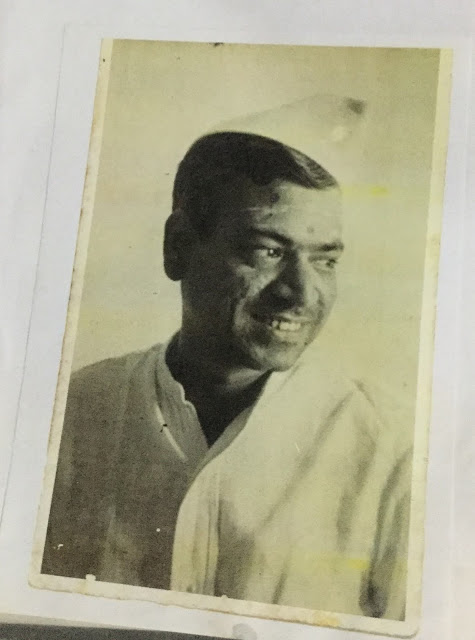
எனது தந்தையாரைப் பற்றி, “அடக்கம், பண்பு, அமைதி ஆகிய இம் மூன்றும் ஒருங்கே குடி கொண்டுள்ள நண்பர் ஸ்ரீ வெ. சந்தானம்” என்று திரு அ.கி. கோபாலன் குறிப்பிட்டுள்ளார். அவருக்கும் இந்த நேரத்தில் எங்கள் சிரந் தாழ்ந்த அஞ்சலியைச் செலுத்துகிறோம்.






















 Tamil and Vedas