Pictures are taken from various sources for spreading knowledge; this is a non- commercial blog. Thanks for your great pictures.
சுந்தர மூர்த்தி நாயனாருக்கு சிவபிரான் படைத்த விருந்து! (Post No.7820)
அருமையான உண்மை வரலாறு ஒன்றை நமது பழம் பெரும் இலக்கியங்கள் பதிவு செய்துள்ளன. அது சுந்தரமூர்த்தி நாயனாருக்கு சிவபிரான் படைத்த விருந்து பற்றியதாகும்.
அவிநாசியில் ஒரு வீட்டில் அழுகைக் குரல் கேட்க, அதன் காரணத்தை வினவினார் சுந்தர மூர்த்தி நாயனார். மூன்று ஆண்டுகளுக்கு முன்னர் அந்த வீட்டிலிருந்த குழந்தையை குளத்தில் இருந்த ஒரு முதலை பிடித்துக் கொண்ட சம்பவத்தை அவரிடம் சொல்லவே, மனம் இரங்கிய அவர், நேராகக் குளக்கரை சென்றார். அங்கு சுந்தரர் ஒரு பதிகம் பாட மூன்று ஆண்டுகளுக்கு முன்னர் முதலை விழுங்கிய குழந்தை மூன்று ஆண்டுகளுக்குண்டான வளர்ச்சியுடன் குளத்திலிருந்து மீண்டு வந்தது. அனைவரும் மகிழ்ந்தனர்.
(இதை கொங்குமண்டல சதகம் 16ஆம் பாடலை விளக்கும் கட்டுரையில் முன்னர் படித்து விட்டோம்)
அவிநாசியிலிருந்து கிளம்பிய சுந்தரர் செல்லும் வழியில் ஒரு காட்டைக் கடக்க நேர்ந்தது. காடோ அடர்ந்த காடு. சுந்தரருக்கு வழி தெரியவில்லை.
உடனே உலகைப் படைத்த அன்னையான பார்வதி வேடச்சி வேடம் பூண்டாள். சிவபிரானோ ஒரு வேடன் வேடம் பூண்டார். இருவரும் சுந்தரர் முன் தோன்றி வழியைக் காட்ட ஆரம்பித்தனர். காட்டிலிருந்து வெளியேறி துடியலூரை அடைந்தார் சுந்தரர். அப்போது வழிகாட்டி வந்த வேடனும் வேடச்சியும் மறைந்தனர்.
அங்குள்ள ஆலயம் சென்ற சுந்தரர் அகத்தீசரையும் அருந்தவச் செல்வியம்மையையும் முறைப்படி வணங்கினார்.
அசரீரி எனப்படும் ஆகாய வாக்கு ஒன்று ஒலித்தது: “உணவருந்திச் செல்க” என்று!
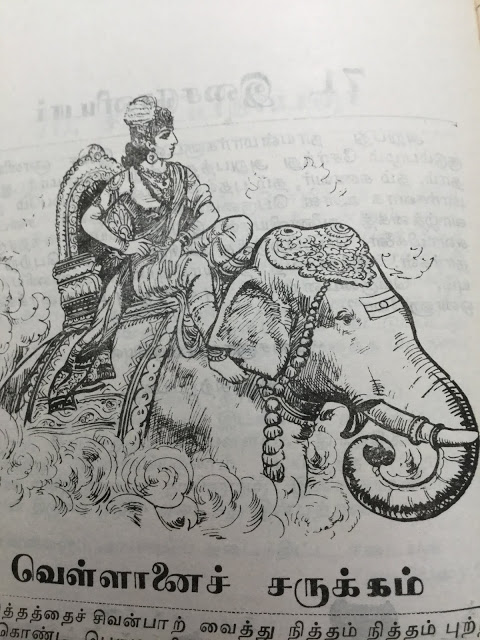
கணநாயகர் பலவகையான உணவுடன் காட்டு முருங்கையிலைக் காய்க்கறியும் ஆக்கிப் படைத்தார். கூடவந்த பரிவார ஜனங்களுடன் நல்ல விருந்தை உண்டு மகிழ்ந்த சுந்தரர் இறைவனைப் பாடி விடை கொண்டு ஆறை நாட்டை விட்டகன்றார்.
இதை கொங்குமண்டல சதகம் 21ஆம் பாடலில் இப்படி விளக்குகிறது :
வேட்டுவ வேட மெடுத்து வழித்துணை மேவியிளங்
காட்டு முருங்கை யிலைகாய்நெய் பெய்து கறிசமைத்துப்
பாட்டு முழக்குவன் றொண்டருக் கன்னம் படைத்துநரை
மாட்டுதிப் போன்றுடி சைப்பதி யுங்கொங்கு மண்டலமே
பாடலின் பொருள் : வழி தெரியாது மயங்கும் வன்தொண்டருக்கு வேட வடிவு கொண்டு வழி காட்டிக் கூட்டி வந்து, காட்டு முருங்கையிலை காய்க் கறியுமாக்கி விருந்து செய்த விருந்தீசுரர் விளங்கும் துடியலூரும் கொங்குமண்டலமே என்பதாம்.
சுந்தரர் தேவாரத்தில் திருவாழ்கொளிபுத்தூர் தேவாரப் பதிகம் 12 பாடல்களைக் கொண்டது. ‘தலைக்கலன் தலைமேல்’ என இந்தப் பதிகம் ஆரம்பிக்கும். இதில் ஆறாவது பாடலில் இந்த வரலாறைச் சுந்தரர் குறிப்பிடுகிறார். பாடல் இதோ:-
திருவின் நாயகன் ஆகிய மாலுக்கு
அருள்கள் செய்திடும் தேவர்பிரானை
உருவினானை ஒன்றா அறிவு ஒண்ணா
மூர்த்தியை விசயற்கு அருள் செய்வான்
செரு வில் ஏந்தி ஓர் கேழல் பின் சென்று
செங்கண் வேடனாய் என்னொடும் வந்து
மருவினாந்தனை வாழ்கொளிபுத்தூர்
மாணிக்கத்தை மறந்து என் நினைக்கேனே (ஏழாம் திருமுறை)
“இதில் செரு வில் ஏந்தி ஓர் கேழல் பின் சென்று
செங்கண் வேடனாய் என்னோடும் வந்து” என்பதில் இந்த வரலாறைக் குறிப்பிடுகிறார் சுந்தரமூர்த்தி நாயனார்.
Pictures are taken from various sources for spreading knowledge; this is a non- commercial blog. Thanks for your great pictures.
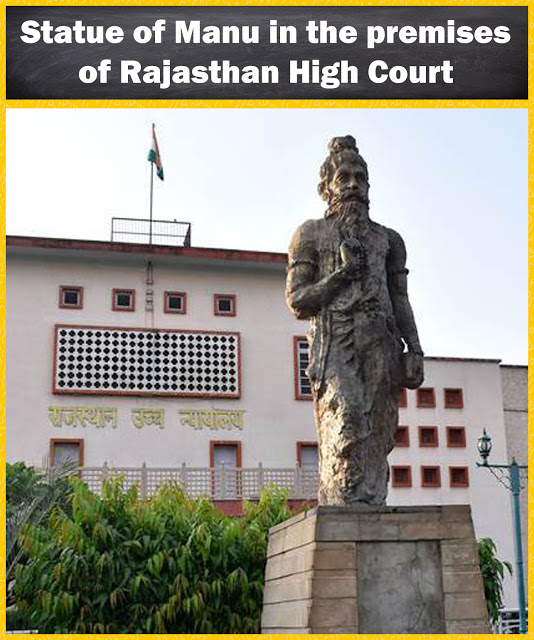
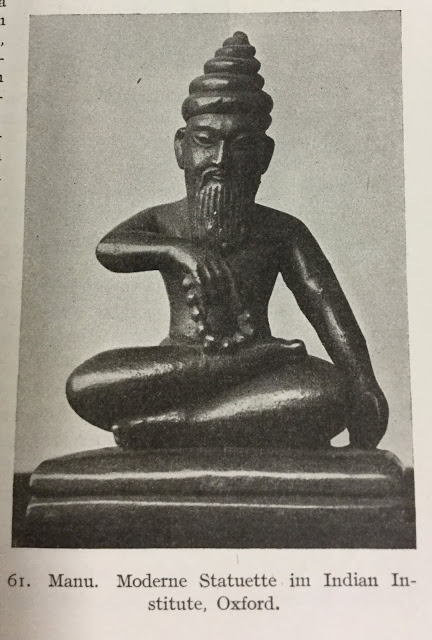
I have covered up to 11-193 of Manu Smrti on 21 March, 2020 in the article ‘ MANU’S STRANGE PUNISHMENTS FOR BRAHMINS (Post No.7724)’ and let me conclude chapter 11 today. Here Manu gives various Parikaras/atonements for sins.
MANU CHAPTER 11 Contd. (11-194 to 11-266)
Interesting things in bullet points
1.All the slokas are summarised in sloka 11-228
11-228. By confession, by repentance, by austerity, and by reciting (the Veda) a sinner is freed from guilt, and in extremity, by giving gifts.
2.Recitation of Gayatri (Savitri) mantra, Practising Breath Control, i.e.Pranayama, Fasting, reciting Aum (Om) and reciting Rig Vedic Mantras are other ways of getting rid of sins.
3.Fasting or eating just a few mouthfuls for survival is given as an atonement.
4.Confession is also accepted. But unlike Christian confession, it is open confession, which iis a great punishment for Brahmins.
5.Sloka 11-237 emphasizes vegetarian food.
6.Sloka 11-241 says that animals also go to heaven by practising austerity. Many south Indian temples have so many animal stories to prove this.
7. Slokas 250-260 refer to many Rig Vedic mantras.
The Rig Vedic Mantras and the explanation for Krchchra type of Parikaras are explained in te commentaries.
Those things don’t mean anything now. So I am not repeating those things here. They may be of interest only for those do research.
In summary we may conclude, if anyone does anything wrong, one can come out of it (sin)
1.By confession and Repentance and never repeat the sin
2.Reciting Gayatri, Om and Rig Vedic mantras will absolve one from the sins.
3.Fasting and reducing food intake also get rid of one’s sins.
4.As a last resort, one may give gifts (donations) to deserving people.
5.Cow’s Urine etc (Pancha Gavya) also purifies one.
Here is the last part of Eleventh Chapter:–
3000 TIMES GAYATRI MANTRA RECITATION EVERYDAY
194. If Brahmanas acquire property by a reprehensible action, they become pure by relinquishing it, muttering prayers, and (performing) austerities.
195. By muttering with a concentrated mind the Savitri three thousand times, (dwelling) for a month in a cow-house, (and) subsisting on milk, (a man) is freed from (the guilt of) accepting presents from a wicked man.
196. But when he returns from the cow-house, emaciated with his fast, and reverently salutes, (the Brahmanas) shall ask him, ‘Friend, dost thou desire to become our equal?’
197. If he answers to the Brahmanas, ‘Forsooth, (I will not offend again), ‘he shall scatter (some) grass for the cows; if the cows hallow that place (by eating the grass) the (Brahmana) shall re-admit him (into their community).
198. He who has sacrificed for Vratyas, or has performed the obsequies of strangers, or a magic sacrifice (intended to destroy life) or an Ahina sacrifice, removes (his guilt) by three Krikkhra (penances).
DOG BITE – PRANAYAMA PARIKARA/ATONEMENT
199. A twice-born man who has cast off a suppliant for protection, or has (improperly) divulged the Veda, atones for his offence, if he subsists during a year on barley.
200. He who has been bitten by a dog, a jackal, or a donkey, by a tame carnivorous animal, by a man, a horse, a camel, or a (village-) pig, becomes pure by suppressing his breath (Pranayama).
201. To eat during a month at each sixth mealtime (only), to recite the Samhita (of a Veda), and (to perform) daily the Sakala oblations, are the means of purifying those excluded from society at repasts (Apanktya).
202. A Brahmana who voluntarily rode in a carriage drawn by camels or by asses, and he who bathed naked, become pure by suppressing his breath (Pranayama).
203. He who has relieved the necessities of nature, being greatly pressed, either without (using) water or in water, becomes pure by bathing outside (the village) in his clothes and by touching a cow.
FASTING PARIKARA
204. Fasting is the penance for omitting the daily rites prescribed by the Veda and for neglecting the special duties of a Snataka.
205. He who has said ‘Hum’ to a Brahmana, or has addressed one of his betters with ‘Thou,’ shall bathe, fast during the remaining part of the day, and appease (the person offended) by a reverential salutation.
206. He who has struck (a Brahmana) even with a blade of grass, tied him by the neck with a cloth, or conquered him in an altercation, shall appease him by a prostration.
1000 YEARS IN HELL
(One should not take the following literally; it emphasizes the severity of the crime so that one can avoid it.)
207. But he who, intending to hurt a Brahmana, has threatened (him with a stick and the like) shall remain in hell during a hundred years; he who (actually) struck him, during one thousand years.
208. As many particles of dust as the blood of a Brahmana causes to coagulate, for so many thousand years shall the shedder of that (blood) remain in hell.
209. For threatening a Brahmana, (the offender) shall perform a Krikkhra, for striking him an Atikrikkhra, for shedding his blood a Krikkhra and an Atikrikkhra.
210. For the expiation of offences for which no atonement has been prescribed, let him fix a penance after considering (the offender’s) strength and the (nature of the) offence.
211. I will (now) describe to you those means, adopted by the gods, the sages, and the manes, through which a man may remove his sins.
212. A twice-born man who performs (the Krikkhra penance), revealed by Prajapati, shall eat during three days in the morning (only), during (the next) three days in the evening (only), during the (following) three days (food given) unasked, and shall fast during another period of three days.
COW’S URINE PARIKARA/ATONEMENT
213. (Subsisting on) the urine of cows, cowdung, milk, sour milk, clarified butter, and a decoction of Kusa-grass, and fasting during one (day and) night, (that is) called a Samtapana Krikkhra.
214. A twice-born man who performs an Atikrikkhra (penance), must take his food during three periods of three days in the manner described above, (but) one mouthful only at each meal, and fast during the last three days.
215. A Brahmana who performs a Taptakrikkhra (penance) must drink hot water, hot milk, hot clarified butter and (inhale) hot air, each during three days, and bathe once with a concentrated mind.
216. A fast for twelve days by a man who controls himself and commits no mistakes, is called a Paraka Krikkhra, which removes all guilt.
217. If one diminishes (one’s food daily by) one mouthful during the dark (half of the month) and increases (it in the same manner) during the bright half, and bathes (daily) at the time of three libations (morning, noon, and evening), that is called a lunar penance (Kandrayana).
218. Let him follow throughout the same rule at the (Kandrayana, called) yavamadhyama (shaped like a barley-corn), (but) let him (in that case) begin the lunar penance, (with a) controlled (mind), on the first day of the bright half (of the month).
219. He who performs the lunar penance of ascetics, shall eat (during a month) daily at midday eight mouthfuls, controlling himself and consuming sacrificial food (only).
220. If a Brahmana, with concentrated mind, eats (during a month daily) four mouthfuls in a morning and four after sunset, (that is) called the lunar penance of children.
221. He who, concentrating his mind, eats during a month in any way thrice eighty mouthfuls of sacrificial food, dwells (after death) in the world of the moon.
222. The Rudras, likewise the Adityas, the Vasus and the Maruts, together with the great sages, practised this (rite) in order to remove all evil.
223. Burnt oblations, accompanied by (the recitation of) the Mahavyahritis, must daily be made (by the penitent) himself, and he must abstain from injuring (sentient creatures), speak the truth, and keep himself free from anger and from dishonesty.
SIX TIMES BATHING
224. Let him bathe three times each day and thrice each night, dressed in his clothes; let him on no account talk to women, Sudras, and outcasts.
225. Let him pass the time standing (during the day) and sitting (during the night), or if he is unable (to do that) let him lie on the (bare) ground; let him be chaste and observe the vows (of a student) and worship his Gurus, the gods, and Brahmanas.
226. Let him constantly mutter the Savitri and (other) purificatory texts according to his ability; (let him) carefully (act thus) on (the occasion of) all (other) vows (performed) by way of penance.
227. By these expiations twice-born men must be purified whose sins are known, but let him purify those whose sins are not known by (the recitation of) sacred texts and by (the performance of) burnt oblations.
229. In proportion as a man who has done wrong, himself confesses it, even so far he is freed from guilt, as a snake from its slough.
230. In proportion as his heart loathes his evil deed, even so far is his body freed from that guilt.
231. He who has committed a sin and has repented, is freed from that sin, but he is purified only by (the resolution of) ceasing (to sin and thinking) ‘I will do so no more.’
232. Having thus considered in his mind what results will arise from his deeds after death, let him always be good in thoughts, speech, and actions.
DON’T DO THE MISTAKE SECOND TIME
233. He who, having either unintentionally or intentionally committed a reprehensible deed, desires to be freed from (the guilt on it, must not commit it a second time.
234. If his mind be uneasy with respect to any act, let him repeat the austerities (prescribed as a penance) for it until they fully satisfy (his conscience).
235. All the bliss of gods and men is declared by the sages to whom the Veda was revealed, to have austerity for its root, austerity for its middle, and austerity for its end.
236. (The pursuit of sacred) knowledge is the austerity of a Brahmana, protecting (the people) is the austerity of a Kshatriya, (the pursuit of) his daily business is the austerity of a Vaisya, and service the austerity of a Sudra.
VEGGY FOOD AND AIR
237. The sages who control themselves and subsist on fruit, roots, and air, survey the three worlds together with their moving and immovable (creatures) through their austerities alone.
238. Medicines, good health, learning, and the various divine stations are attained by austerities alone; for austerity is the means of gaining them.
239. Whatever is hard to be traversed, whatever is hard to be attained, whatever is hard to be reached, whatever is hard to be performed, all (this) may be accomplished by austerities; for austerity (possesses a power) which it is difficult to surpass.
240. Both those who have committed mortal sin (Mahapataka) and all other offenders are severally freed from their guilt by means of well-performed austerities.
ANIMALS ALSO GO TO HEAVEN
241. Insects, snakes, moths, bees, birds and beings, bereft of motion, reach heaven by the power of austerities.
242. Whatever sin men commit by thoughts, words, or deeds, that they speedily burn away by penance, if they keep penance as their only riches.
243. The gods accept the offerings of that Brahmana alone who has purified himself by austerities, and grant to him all he desires.
244. The lord, Pragjapati, created these Institutes (of the sacred law) by his austerities alone; the sages likewise obtained (the revelation of) the Vedas through their austerities.
245. The gods, discerning that the holy origin of this whole (world) is from austerity, have thus proclaimed the incomparable power of austerity.
246. The daily study of the Veda, the performance of the great sacrifices according to one’s ability, (and) patience (in suffering) quickly destroy all guilt, even that caused by mortal sins.
Fire of knowledge
247. As a fire in one moment consumes with its bright flame the fuel that has been placed on it, even so he who knows the Veda destroys all guilt by the fire of knowledge.
248. The penances for sins (made public) have been thus declared according to the law; learn next the penances for secret (sins).
Power of OM
249. Sixteen suppressions of the breath (Pranayama) accompanied by (the recitation of) the Vyahritis and of the syllable Om, purify, if they are repeated daily, after a month even the murderer of a learned Brahmana.
250. Even a drinker of (the spirituous liquor called) Sura becomes pure, if he mutters the hymn (seen) by Kutsa, ‘Removing by thy splendour our guilt, O Agni,’ &c., (that seen) by Vasishtha, ‘With their hymns the Vasishthas woke the Dawn,’ &c., the Mahitra (hymn) and (the verses called) Suddhavatis.
251. Even he who has stolen gold, instantly becomes free from guilt, if he once mutters (the hymn beginning with the words) ‘The middlemost brother of this beautiful, ancient Hotri-priest’ and the Sivasamkalpa.
252. The violator of a Guru’s bed is freed (from sin), if he repeatedly recites the Havishpantiya (hymn), (that beginning) ‘Neither anxiety nor misfortune,’ (and that beginning) ‘Thus, verily, thus,’ and mutters the hymn addressed to Purusha.
Power of Mantras
253. He who desires to expiate sins great or small, must mutter during a year the Rit-verse ‘May we remove thy anger, O Varuna,’ &c., or ‘Whatever offence here, O Varuna,’ &c.
254. That man who, having accepted presents which ought not to be accepted, or having eaten forbidden food, mutters the Taratsamandiya (Rikas), becomes pure after three days.
255. But he who has committed many sins, becomes pure, if he recites during a month the (four verses) addressed to Soma and Rudra, and the three verses (beginning) ‘Aryaman, Varuna, and Mitra,’ while he bathes in a river.
256. A grievous offender shall mutter the seven verses (beginning with) ‘Indra,’ for half a year; but he who has committed any blamable act in water, shall subsist during a month on food obtained by begging.
257. A twice-born man removes even very great guilt by offering clarified butter with the sacred texts belonging to the Sakala-homas, or by muttering the Rik, (beginning) ‘Adoration.’
258. He who is stained by mortal sin, becomes pure, if, with a concentrated mind, he attends cows for a year, reciting the Pavamani (hymns) and subsisting on alms.
259. Or if, pure (in mind and in body), he thrice repeats the Samhita of the Veda in a forest, sanctified by three Paraka (penances), he is freed from all crimes causing loss of caste (pataka).
260. But if (a man) fasts during three days, bathing thrice a day, and muttering (in the water the hymn seen by) Aghamarshana, he is (likewise) freed from all sins causing loss of caste.
Power of Rig Veda
261. As the horse-sacrifice, the king of sacrifices, removes all sin, even so the Aghamarshana hymn effaces all guilt.
262. A Brahmana who retains in his memory the Rig-veda is not stained by guilt, though he may have destroyed these three worlds, though he may eat the food of anybody.
263. He who, with a concentrated mind, thrice recites the Riksamhita, or (that of the) Yagur-veda; or (that of the) Sama-veda together with the secret (texts, the Upanishads), is completely freed from all sins.
264. As a clod of earth, falling into a great lake, is quickly dissolved, even so every sinful act is engulfed in the threefold Veda.
265. The Rikas, the Yagus (-formulas) which differ (from the former), the manifold Saman (-songs), must be known (to form) the triple Veda; he who knows them, (is called) learned in the Veda.
266. The initial triliteral Brahman on which the threefold (sacred science) is based, is another triple Veda which must be kept secret; he who knows that, (is called) learned in the Veda.
END OF CHAPTER 11
THE LAST CHAPTER 12 WILL BE POSTED LATER.
tags – Manu, Chapter 11, Atonement, power of Gayatri, Om.
Pictures are taken from various sources for spreading knowledge; this is a non- commercial blog. Thanks for your great pictures.
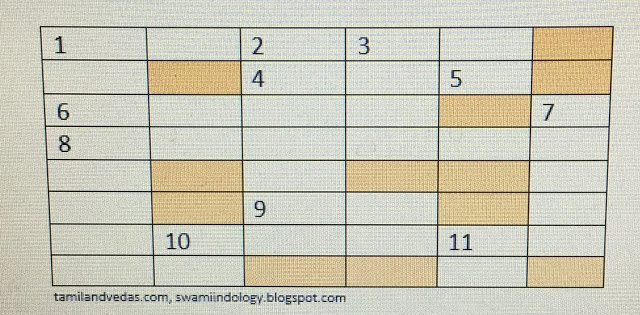
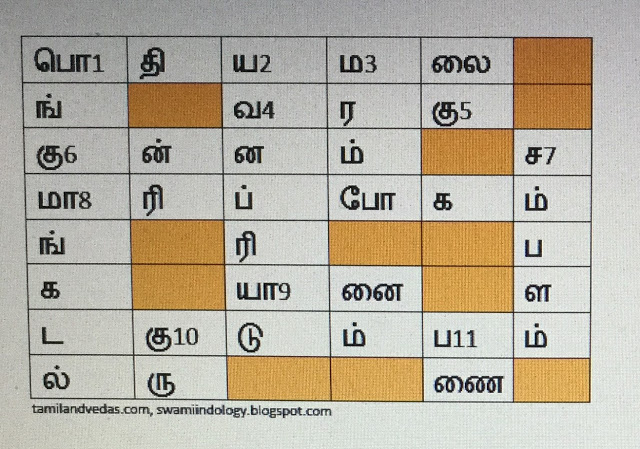
ACROSS
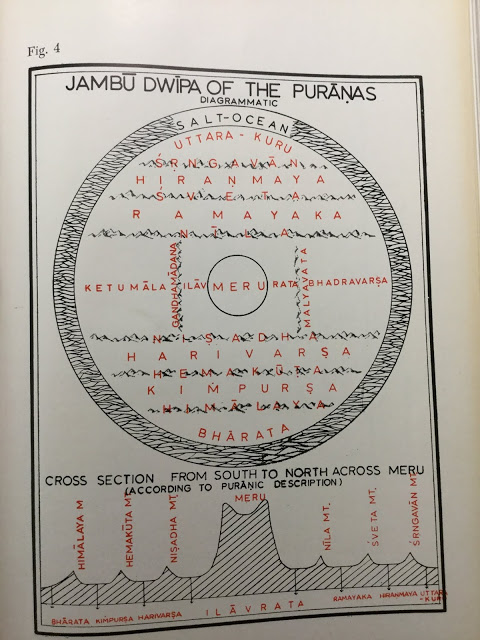
1. – ( 10 letters-) a mythical , northern most, region mentioned in Mahabharata and Buddhist and Jain books. It is a land of plenty and great pleasure.
6. – (4)- English word hour came from this word; unit of time
7. – (4)- another word for havan; fire ceremony
9. – (4)- front, first; name of a city where Taj Mahal is located
10 – (3)- in Sanskrit a conjunction word meaning ‘like’
11. – (5)- a drink made up of milk, rice and sugar; drink with almonds, milk, spices
12. – (5)- dynasty; lineage
13. – (6)- very virtuous, excellent; feminine name
14. –( 4) – actor; Natyam, natakam came from this route
Pictures are taken from various sources for spreading knowledge; this is a non- commercial blog. Thanks for your great pictures.
எதிரிகளுக்கு ரத்தினச் சுருக்கமான கடிதம்
அமெரிக்காவில் கார்னிலியஸ் வா ண்டர்பில்ட் (CORNELIUS VANDERBILT) என்ற பழங்கால வணிகரை அறியாதோர் யாருமிலர். சுமார் 200 ஆண்டுகளுக்கு முன்னர் ரயில் பாதை போட்டு ரயில் விடுவது, கடலில் வணிகக் கப்பல் விடுவது முதலிய தொழில்களைச் செய்து ஏராளமாகப் பொருள் ஈட்டினார்.
திருவள்ளுவன் ரத்தினச் சுருக்கமாக தமிழ் வேதம் எனப் புகழப்படும் திருக்குறளை எழுதி புகழ் பெற்றார் . அதைவிட ரத்தினச் சுருக்கமாக அவருக்கும் ஆயிரம் ஆண்டுகளுக்கு முன்னரே பாணினி (700 BCE) என்பவர் உலகின் முதல் இலக்கண புஸ்தகத்தை சம்ஸ்கிருதத்தில் சுருக்கமாக எழுதி (அஷ்டாத்யாயி) உலகையே வியக்கச் செய்தார் .
கடிதம் எழுதும் கலையில் அவர்களை மிஞ்சிவிட்டார் கார்னிலியஸ் வாண்டர்பில்ட் . tamilandvedas.com, swamiindology.blogspot.com
அவருடைய நண்பர்கள் அவருக்கு ‘பிசினஸ்’ஸில் (BUSINESS) துரோகம் இழைத்தனர். அவருக்கு அதி பயங்கர கோபம்.
அந்தக் காலத்தில் டெலிபோன் கிடையாது . அதனால் போன் மூலம் வசைமாரி பொழிய வாய்ப்பில்லை.
நாமாக இருந்தால்,
“அட நீ நாசமாகப் போ; உங்க குடும்பம் வேரோடு அழிஞ்சு போகட்டும்; நீ கட்டைல போ ; உங்க அப்பன், ஆத்தா ………………………….. என்று குழாய் அடியில் பெண்கள் சொல்லும் ‘அன் பார்லிமெண்டரி’ (UN PARLIAMENTARY WORDS) சொற்களைப் பிரயோகித்து வசை பாடி இருப்போம். ஆனால் வாண்டர்பில்ட் என்ன செய்தார் தெரியுமா?
இறகுப் பேனாவை எடுத்தார். பாட்டில் மை (bottle ink) யில் நனைத்தார் . பேப்பரில் எழுதினார் ……………… tamilandvedas.com, swamiindology.blogspot.com
“கனவான்களே!
நீங்கள் என்னை ஏமாற்றி விட்டீர்கள் ; நான் உங்கள் மீது வழக்கு தொடுக்கமாட்டேன் ; ஏன் என்றால் கோர்ட்டுக்குப் போனால் அது நீண்ட காலம் எடுக்கும். ஆனால் உங்களை வேரோடு அழிக்கப் போகிறேன்.
உண்மையும் விசுவாசமும் மிக்க,
கார்னிலியஸ் வாண்டர்பில்ட் “
நம்ம ஊர் மாதிரி, ஹை கோர்ட், சுப்ரீம் கோர்ட் என்று போனால் நாம் சாவதற்குள் தீர்ப்பு வராது என்பது அந்த அமெரிக்கருக்கும் தெரியும். ஆகையால் சாம , தான, பேத , தண்ட சதுர்வித உபாயங்களில் ‘தண்ட’ உபாயம் பிரயோகிக்கத் தீர்மானித்தார் .
Gentlemen,
You have undertaken to cheat me. I will not sue you, for law takes too long. I will ruin you.
Sincerely yours
Cornelius Vanderbilt
XXXX
மகனே ! உன் அப்பனைக் கூட நம்பாதே !
ராஜாவே அடக்க முடியாத முரட்டுப் பிள்ளைகளுக்கு விஷ்ணு சர்மன் என்ற பிராஹ்மணன் எப்படி மிருகங்களைக் கொண்டு பாடம் புகட்டினான் என்பதை நாம் சிறு வயதிலேயே ‘பஞ்ச தந்திரக் கதைகள்’ என்ற சம்ஸ்கிருத நூலில் படித்து இருக்கிறோம். மேலை நாட்டில் ஒரு ராஜா தன் மகன்— இளவரசனுக்கு —- வேறுவகையாகப் பாடம் புகட்டிய சுவையான கதை இதோ!
லண்டன் போன்ற நகரங்களில் அந்தக் காலத்தில் குளிர் காய்வதற்காக ஒவ்வொரு வீட்டிலும் கணப்பை உண்டாக்க கரிகளைப் போட்டு எரிக்கும் அமைப்பு உண்டு . அந்தப் புகையைக் கொண்டு செல்ல எல்லோர் வீட்டிலும் புகை போக்கி (CHIMNEY) இருக்கும். இப்போதும் அதை அகற்றாமல் அதை வேறு வகையில் மாற்றி அலங்காரம் செய்து வைத்துள்ளோம் கரிக்குப் பதிலாக சென்ட்ரல் ஹீ ட்டிங் (central heating) மூலம் எங்களுக்கு கணப்பு/ சூடு கிடைத்துவிடும். tamilandvedas.com, swamiindology.blogspot.com
கரி எரிக்கும் (Fire Place) பைர் பிளேஸ் மேல், மாடம் போலக் கட்டியிருப்பர். அந்த இடத்துக்கு மான்டில்பீஸ் (Mantelpiece or Mantlepiece) என்று பெயர். ஒரு ராஜா தன்னுடைய அன்பு மகனைக் குட்டிப் பையனை அதில் உட்கார வைத்து, கைகளை அகல விரித்து ‘மகனே குதி’ (jump) என்றார் . அந்தச் சிறுவன் பல முறை தயங்கினான். ‘உனக்கு சாக்லேட் தருவேன், பிஸ்கட் தருவேன்’ என்று ஆசை வார்த்தைகளைச் சொல்லி குதிக்க வைக்கிறார். மகனும் குதித்தவுடன் பாராட்டு மழை பொழிந்து
‘வெரி குட் ! இன்னும் ஒரு முறை செய்’ என்றார் . அந்தச் சிறுவனும் இப்போது முன்னைவிட நம்பிக்கையோடு குதித்தான் . அந்தச் சிறுவன் இப்பொழு து பயமில்லாமல் குதிப்பதை அறிந்த ராஜா, “மகனே! இன்னும் ஒரு முறை தாவி என் கையில் குதி! இதுதான் கடைசி முறை” என்றார் . அந்தச் சிறுவன் குதிக்கையில் திடீரென்று பின்னால் சென்று அந்தப் பையனை ‘அம்போ’ என்று விட்டு விட்டார் . tamilandvedas.com, swamiindology.blogspot.com
அந்தப் பையன் கீழே விழுந்து அடிபட்டுக் ‘கோ’ வென்று கதறி அழுதான். அவனை சாக்லெட் , பிஸ்கட், பொம்மைகளைக் கொடுத்து சமாதானப்படுத்தி விட்டு “இதிலிருந்து என்ன தெரிந்து கொண்டாய் ?” என்று வினவினார். அந்தப் பையனோ பேந்தப் பேந்த விழித்தான். பால் மணம் மாறாத பச்சிளங் குழந்தைதானே!
ராஜா சொன்னார்!
“அரசாட்சியில் (அரசியலில்) உன் அப்பனைக்கூட நம்பக்கூடாது. புரிந்ததா? என்று கணீர் குரலில் சப்தித்தார் .
அந்த இளவரசனும் ‘சரி அப்பா’ என்று அழுதுகொண்டே சொல்லி தலை அசைத்தான்.
காலம் க்ஷணம் க்ஷணமாகக் கழிகிறது. நாம் மணி, நிமிஷம், நாள் என்றெல்லாம் கணக்குப் போடுகிறோம். ஆனால் போன க்ஷணம் திரும்பி வருவதில்லை! நாராயணீயத்தில் பட்டத்திரி ஒரு அருமையான ஸ்லோகம் செய்திருக்கிறார்:
விஞ்ஞானிகளைவிடநம்ஞான–பக்தர்கள்எப்படிக்காலத்தைஎளிதாக, மனதில்பதியும்படிவருணிக்கிறார்கள்பாருங்கள்! மாதம், வருடம், யுகம்என்றெல்லாம்கணக்குப்போட்டாலும்காலத்தின்அடிப்படைக்ஷணம்தான்! இதைநன்குபுரிந்துகொள்ளவேண்டும்.
இக்கருத்துக்கள் ஏதோ உயர் மட்டத்தோடு நின்றுவிடவில்லை. நமது பக்தர்களூம் சாதுக்களும் ஊர் ஊராகச் சென்று இக்கருத்துக்களை மக்களிடையே பரப்பினர். பொழுது போக்கு அம்சமே நிறைந்த சினிமாவிலும் இக்கருத்துக்களை நம் கவிகள் பாடியிருக்கின்றனர்.
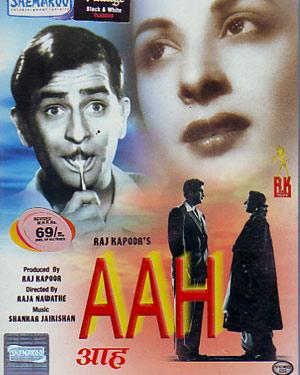
raat gayi phir din aata hai issi tarah aate jaate hi ye saara jeewan jaata hai itna bada safar duniya ka ik rota ik muskaata hai ik rota ik muskaata hai ha aa aa aa aa kadam kadam rakhta hi raahi kitni door chala jaata hai ek ek tinke tinke se ae ae ek ek tinke tinke se ae panchhi ka ghar ban jaata hai
yatraitāstu na pūjyante sarvāstatrāphalāḥ kriyāḥ ||- Manu Smrti
எங்கு பெண்கள் பூஜிக்கப்படுகிறார்களோ அங்கு தேவதைகள் மிகுந்த சந்தோஷம் கொண்டவராகிறார்கள்; எங்கே அப்படி இல்லையோ அங்கே செய்யப்படும் கிரியைகள் அனைத்தும் பலனற்றவையே!
The divine are extremely happy where women are respected ;
where they are not, all actions (projects) are fruitless. (Manu Smrti)
பெண்ணானவள் எரியும் விறகு போல. ஆணானவன் குடத்திலிருக்கும் நெய் போல. அவன் அருகில் வரும் போது உருகி விடுவான், ஆகவே தள்ளி இருந்தால் அவன் திடமாகவும் உறுதியாகவும் இருப்பான்.
A woman is like the burning charcoal. A man is like a pot of ghee. When the mean comes near, he melts. If he stays away, he remains solid and firm (Translation by Raghuvira)
இதையே இன்னொரு சுபாஷிதம் வார்த்தைகளை மாற்றிச் சொல்கிறது இப்படி:
அங்காரசதூஷி யோஷித: சபிகும்பசம: புமான் |
தஸ்யா பரிஸரே ப்ராஹ்மண் ஸ்தாதவ்யம் ந கதாசன ||
ஒரு பெண்ணானவள் அக்னி கொண்ட எரியும் கரி போல; ஆணானவன் குடத்து நெய் போல. ஓ, பிராம்மணா! அவளது அருகில் ( நெருங்கி அந்தரங்கமாக) ஒரு போதும் இருக்கக்கூடாது.
A woman is like blazing coal and man like a pot of ghee. Oh, Brahmana, one should not remain at any time in her proximity (in privacy) (Translation by A.A.R. )
இதே கருத்தை பெண்ணை நெய்யாகவும் ஆணை ஜொலிக்கும் நெருப்பாகவும் மாற்றிச் சொல்லும் இன்னொரு சுபாஷிதம் இது:
ஒரு பெண்ணானவள் குடத்தில் இருக்கும் நெய் போல. ஆணானவன் ஜொலித்து எரியும் நெருப்பு போல. ஆகவே புத்திசாலியான ஒரு ஆண் அவர்களை வேலி இல்லாமல் நெருங்க விடக் கூடாது.
A woman, sure, is like a pot of ghee;
And man like blazing fire is he;
As such a man endowed with sense
Should keep them ne’er without a fence (Translation by Dr Veliro Subba Rao )
*
ஸ்ம்ருத பவதி தாபயா த்ருஷ்ட கன்மாதகாரிணி |
ஸ்ப்ருஷ்ட பவதி மோஹயா சா நாம தயிதா கதம் ||
மனதில் நினைத்துப் பார்க்கும் போது உன்னைக் கொடுமைப் படுத்துகிறாள்.
பார்த்து விட்ட போதோ உன்னைப் பைத்தியம் ஆக்குகிறாள்.
தொட்டாலோ உன்னை மயக்கம் அடையச் செய்கிறாள்.
அந்தப் ‘பெண்ணை’ வரம் என்று நீ சொல்வது எப்படி (நியாயம்)?
She tortures you when brought to mind
And drives you mad when once you find
And shold you touch would make you swoon
Is it that “girl’ you call a boon? (Translation by Dr Veliro Subba Rao )
*
ஸ்த்ரீ பூஷணம்
கசதார்ய தேஹதார்ய பரிதேயம் விலேபனம் |
சதுர்தா பூஷணம் ப்ராஹு: ஸ்த்ரீணாமன்யச்ச தைஷிகம் ||
கேச அலங்காரம், ஒப்பனை (மேக்-அப்), உடை அலங்காரம், கலவைச் சாந்து (வாசனை சந்தனம் உள்ளிட்டவை) இந்த நான்கும் பெண்களின் அலங்கார வழிகளாகும்.
Adornment for Women
Hair dress (kachadharya(, Make Up (Dehadharya), attire (paridheya), Ungruents (Vilepana) – these four are adornment for women.
*
அகீர்தே: காரணம் யோஷித யோஷித்வைரஸ்ய காரணம் |
சம்சாரகாரணம் யோஷிதம் யோஷிதம் வர்ஜயேத் தத: ||
அகீர்த்திக்கு (புகழின்மைக்கு) காரணம் பெண்களே.
பகைமைக்குக் காரணம் பெண்களே.
சம்சாரத்திற்குக் காரணம் பெண்களே.
ஆகவே பெண்களிடமிருந்து ஒதுங்கி விடு.
Woman is the cause of dishonor; Woman is the cause of hostility woman is the cause of mundane existence; therefore one should shun a woman.
Pictures are taken from various sources for spreading knowledge; this is a non- commercial blog. Thanks for your great pictures.
An ascetic who had no desire for money, whilst going through a forest, seeing there a treasure hidden in the ground, was afraid and ran away. Two sanyasins (ASCETICS) coming in the opposite direction with a servant, saw him running and asked,
Why are you running away?
He said I saw a murderer there, and being afraid, I am running away.
Thinking within themselves,
He calls money a murderer ; he is a fool.
They went there and took the money and went away.
Their servant, thinking that if he killed them, he himself may take the money, mixed poison with the rice that he cooked for them, and cooked it.
The two sanyasins/ ascetics, thinking that perhaps their servant would ask a share, drowned him in the tank when he was taking a bath. They came back to the trees where they left the treasure, and ate the rice cooked by the servant . They too died
Now the world knows, ‘Money means murder’.
Xxxx
Importance of Witness, Another folk tale
A merchant bought a gemstone in nearby town and sent it to his wife through his servant. Since he was working for him for years, he trusted him. He went back to the town but never gave the gem to merchant’s wife.
When the merchant returned to the town and asked his wife whether she received the gem, she said she never received anything from the servant.
The merchant called his servant and asked him whether he gave the gem to his wife. He said yes, I gave it in your wife’s hands.
Merchant knew that he was cheated and so reported the matter to the king .
He called the servant and asked whether the gemstone was handed over to merchant s wife. He said yes.
Do you have any witnesses?
He said he had two elderly in the town who were the witnesses. They were bribed by the servant.
The king called the witnesses one by one separately.
When he asked the first witness to describe the size of the gem he said it was of the size of a grape . Another witness said it was the size of a lemon.
The judge sentenced both the false witnesses to undergo life imprisonments. And the servant was sentenced to death for lying and stealing the gemstone.
Pictures are taken from various sources for spreading knowledge; this is a non- commercial blog. Thanks for your great pictures.
ஐம்பது, அறுபது ஆண்டுகளுக்கு முன்னர் தமிழில் சிலர் ஆராய்ச்சிக் கட்டுரைகளை எழுதி மக்களைக் குழம்பினர். ஓரை என்ற தொல்காப்பியச் சொல் கிரேக்க மொழிச் சொல், ‘யவன திரை’ என்ற நாடக மேடைத் திரை கிரேக்க சொல் என்றெல்லாம் எழுதி அவர்களே நமக்கு 12 ராசிகளைச் சொல்லிக் கொடுத்தனர் , அவர்களே நமக்கு நாடகம் எழுதக் கற்பித்தனர் என்றெல்லாம் எழுதிக் குவித்தனர். இப்போது இப்போது வெளிவரும் புஸ்தகங்கள் அவர்களை எலிமெண்டரி ஸ்கூல் மாணவர்களைப் போல ஆக்கிவிட்டது . யவனர் என்ற சொல் இந்திய இலக்கியங்களில் எங்கு எல்லாம் வருகிறதோ அவற்றைத் தொகுத்து பின்லாந்து கீழ் திசை ஆய்வுக்கழகம் வெளியிட்டுள்ளது . இதை கிளாவ்ஸ் கார்ட்டூனன் (Yonas and Yavanas in Indian Literature) எழுதியுள்ளார். வெளியிட்ட ஆண்டு 2015. tamilandvedas.com, swamiindology.blogspot.com
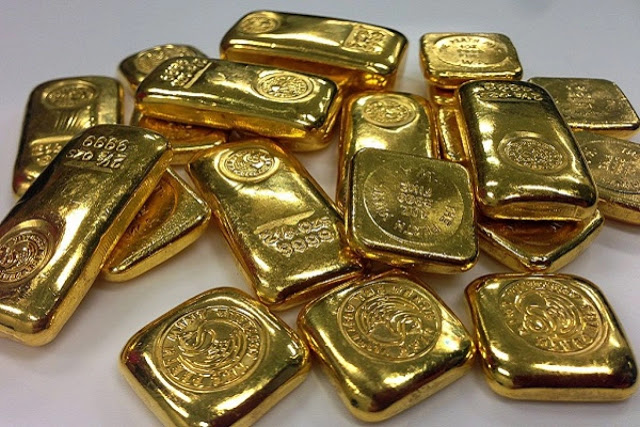
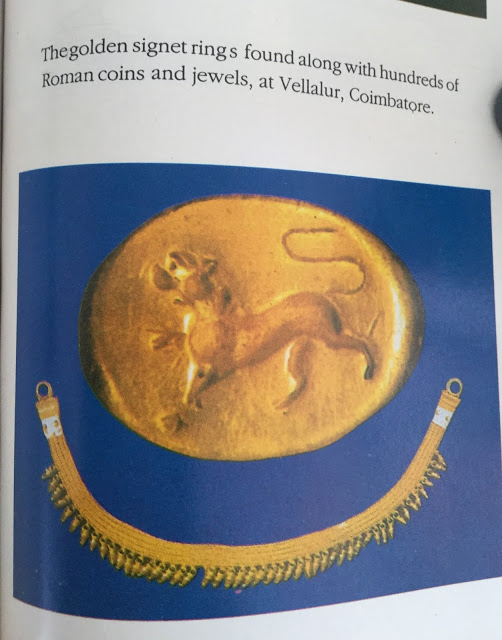
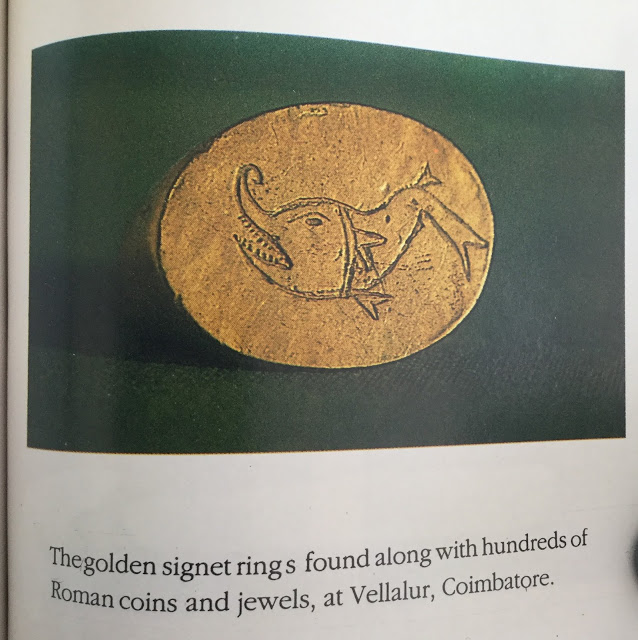
சங்கத் தமிழ் இலக்கியத்தில் யவனர் என்ற சொல் குறைந்தது ஆறு இடங்களில் வருகிறது இவை அனைத்தும் இத்தாலி நாட்டவர்கள் . அதாவது ரோமானிய சாம்ராஜ்யத்திலிருந்து தமிழ் நாட்டுக்கும் வடநாட்டுக்கும் வந்து மிளகு, சந்தனம் , சாயப்பொருட்கள், வாசனைப் பொருட்களைக் வாங்கிக் கொண்டு தங்கக்கட்டிகளை நமக்கு கொடுத்துச் சென்றவர்கள். இவர்கள் பற்றி உலகம் போற்றும் தொல் பொருட் துறை அறிஞர் டாக்டர் இரா. நாகசாமி விரிவான ஆராய்ச்சி செய்து ‘ரோமன் கரூர்’ ( Roman Karur by Dr R Nagaswamy) என்ற ஆங்கிலப் புஸ்தகத்தில் எழுதி யுள்ளார் .
.ஐந்து ஆண்டுகளுக்கு முன்னர் பின்லாந்துக்காரர் தொகுத்த புஸ்தகத்தில் சம்ஸ்கிருதம், பாலி , பிராகிருதம்,தமிழ் குறிப்புகள் அனைத்துமுள்ளன. இதில் நாலு வகை யவனர்கள் இருப்பது தெரிகிறது.
அவர்கள் யார்?
1.வடமேற்கு இந்தியாவில் வாழ்ந்த ஒரிஜினல் யவனர்கள்.
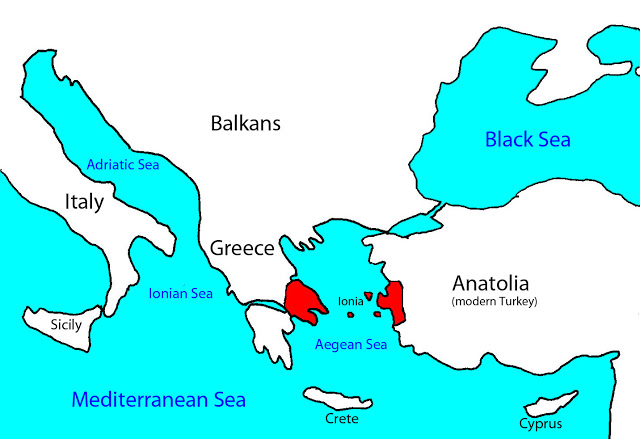
2.வடமேற்கு இந்தியாவை ஆண்ட கிரேக்க யவனர்கள். அலெக்சாந்தர் திடீர் மரணம் அடைந்தவுடன் இந்த இந்திய-கிரேக்க ராஜ்யங்கள் உருவாயின. இவர்கள் துருக்கி நாட்டிலுள்ள அயோனியா (Ionia) பகுதியின் பெயரை உடையவர்கள் .
3.சங்கத் தமிழ் நூல்கள் குறிப்பிடும் ரோமானிய/ இத்தாலிய யவனர்கள். tamilandvedas.com, swamiindology.blogspot.com
4. குதிரை விற்ற யோனர் (Yonas) எனப்படும் அராபியர்கள். பிற்காலத்தில் அரபியர்கள் துலுக்க மதத்தைத் தழுவியதால் முஸ்லிம்களுக்கும் யோனர் (Yonar) என்ற பெயர் வந்தது.
PICTURES ARE FROM DR R NAGASWAMY’S BOOK
இது தவிர மிலேச்சர்கள் என்ற சொல்லால் எல்லா வெளிநாட்டினரையும் குறித்தனர். பாரதியார்கூட துலுக்கர்களை வீர சிவாஜி திட்டும் பாடலில் மிலேச்சரைப் பயன்படுத்துகிறார்.
சிலப்பதிகாரம், மணி மேகலையிலும் யவனர் குறிப்புகள் குறைந்தது ஆறு இடங்களில் காணக்கிடக்கின்றன– இது கலப்படம் (MIXED). அதாவது பலவகை யவனர்.
சேர மன்னன் ஒருவன் அரபிக் கடலில் அட்டூழியம் செய்த யவனர்களைப் பிடித்து தலையை மொட்டையடித்து , எண்ணையை ஊற்றி, கைகளை பின்புறம் கட்டி ஊர்வலம் விட்ட சுவையான செய்தியும் அதில் உளது.
மஹாபாரதத்தில் யவனர்கள்
மஹாபாரதத்தில் மட்டும் 45 யவனர் குறிப்புகள் உள . இவை அனைத்தும் ஓரிடத்தில் குவிந்து கிடக்காமல் 13 பருவங்களில் வருகின்றன . அதில் மொத்தம் 18 பர்வங்கள் .
ராமாயணத்தில் இரண்டு காண்டங்களில் 6 குறிப்புகள் உள. இவை தரும் தகவல் என்ன? tamilandvedas.com, swamiindology.blogspot.com
விஸ்வாமித்ரர் ராஜாவாக இருந்தார்.வசிஷ்ட மகரிஷியைச் சந்திக்க காட்டுக்கு வந்தார். அவரிடம் இருந்த தெய்வீகப் பசுவான காமதேனுவைக் கண்டு ஆசைகொண்டார். அதைக்கேட்டுப் பார்த்தார்; வசிஷ்ட மகரிஷி மறுத்தார்; உடனே மன்னன் என்ற தோரணையில் வலியக் கைப்பற்றினார் . காமதேனுவுக்குக் கோபம் வந்தது. அதன் உடலின் பாகத்திலிருந்து வந்த துருப்புகள் விஸ்வாமித்ரனின் படைகளைச் சிதறடித்தன . உடலின் எந்த பக்கத்திலிருந்து யார் வந்தனர் என்பதில் யவனர் , பசு மூத்திரத்தில் இருந்து வந்ததாக சம்ஸ்கிருத ஸ்லோகங்கள் பகர்கின்றன.
பசுஞ் சாணத்திலிருந்து பல்லவர்கள் சபரர்கள் , சகர்கள் வந்தனர்; பசு மூத்திரத்திலிருந்து யவனர்கள் வந்தனர். பசு வாயில் வந்த நுரை திராவிடர்கள்,கிராதர்கள், சிங்களர் பார்பரர்கள், தார்த்தர்கள் , மிலேச் சர்கள் ஆகியோரை உருவாக்கி விச்வாமித்ரனின் படைகளை அழித்தது . இவர்கள் அனைவரும் ஆயுததாரிகளாகத் தோன்றினர் . இறுதியில் வசிஷ்டரின் யோக சக்தி வென்றது. மன்னன் தோற்று ஓடினான். tamilandvedas.com, swamiindology.blogspot.com
ராமாயணத்திலும் இதே போல ஸ்லோகங்கள் உள்ளன.
மஹா பாரதத்தின் பிற்சேர்க்கையான ஹரி வம்சத்தில் யவனர், சகர ர் , பல்லவர் முதலியோர் , சூத்திரர்கள் என்றும் க்ஷத்ரிய நிலையிலையிலிருந்து வீழ்ந்தவர்கள் என்றும் வருகிறது. மநு நீதி நூலும் இதை உறுதிப் படுத்துகிறது
2700 ஆண்டுகளுக்கு முன்னர் உலகின் முதல் இலக்கண புஸ்தகத்தை எழுதிய பாணினியும் அவருடைய அஷ்டாத்யாயி நூலில் பெண்பாற் சொற்கள் பட்டியலில் பவானி , சிவாணி, வருணானி ஆகிய புனிதச் சொற்களோடு யவனானி சொல்லையும் சேர்த்து எழுதி இருக்கிறார். பிற்கால உரைகாரர்க ள யவன லிபி/ எழுத்து பற்றியும் பகர்கின்றனர் tamilandvedas.com, swamiindology.blogspot.com
பாகவத புராணத்திலும் ஹரிவம்சத்திலும் வரும் ‘காலயவனர்’ கதையை இங்கே நான் ஏற்கனவே எழுதி விட்டேன். கிருஷ்ணர் காலத்திலேயே ‘கருப்பு யவனர்’ இருந்ததை ஹரி வம்சமும் பாகவத புராணமும் உறுதி செய்கின்றன.
XXXX
எனது கருத்துக்கள்
ராமாயண மஹாபாரத ஸ்லோகங்களை இடைச் செருகல் என்று நினைப்போரும் ஒரு அற்புதமான கருத்து அதில் இழையோடுவதைக் காணலாம்.
1.உலக மக்கள் யாவரும் இந்தியாவில் தோன்றியவர்கள். அதிலும் தெய்வீகப் பசுவின் புனித பின்பாகத்திலிருந்து, கோ மயத்திலிருந்து/ பஞ்ச கவ்யத்திலிருந்து தோன்றியவர்கள். அதாவது உலகம் ஒரு குடும்பம் – வசுதைவ குடும்பகம் – என்ற கருத்தைக் காண்கிறோம்
கடவுளுக்கும் மஹான்களுக்கும் பின்பக்கத்தைக் காட்ட பசுவுக்கு மட்டுமே அனுமதி. கோவில்களில் சுவாமிக்கு பசுவின் பின்பக்கத்தைக் காட்டி ஒவ்வொரு நாள் காலையிலும் பூஜை நடை பெறும் . ஆனால் மனிதர்கள் பின்பக்கத்தைக் காட்டக் கூடாதென்பதற்காக பல அடிகள் பின்னே நடத்து வந்து பின்னர் உடலைத் திருப்புவர் . அத்தோடு எல்லா புனிதச் சடங்குகளுக்கும் முன்னர் பசு மூத்திரம், சாணம் பால், நெய், தயிர் கலந்த பஞ்ச கவ்யத்தை மிக மிகக் குறைந்த அளவில் எடுத்துக் கொள்வர். இவை எல்லாம் யவனர்கள், சகரர்கள் மதிப்பை உயர்த்துவதாகவும் வைத்துக் கொள்ளலாம். tamilandvedas.com, swamiindology.blogspot.com
2. கிருஷ்ணர் காலத்திலேயே யவனர்கள் இருந்தனர் என்பதால் துருக்கியில் சிறிய பகுதியைக் குறிக்கும் அயோனியர்கள் (Ionians) அவர்கள் இல்லை என்பது தெளிவுபடும்.
மஹாபாரதத்தில் 45 இடங்களில் எவரும் இடைச் செருகல் செய்தனர் (Interpolations) என்பதும் நம்புதற்கில்லை. அலெக்ஸ்சாண்டருக்கு 500 ஆண்டுகளுக்கு முன்னரே பாணினியும் யவனர் பற்றிப் பேசுகிறார்.
யார் இந்த யவனர்கள்?
இந்தியாவின் வடமேற்குப் பகுதியில் வாழ்ந்த ஒரு இனம் யவனர்கள். இவர்கள் வேத கால மன்னர் துர்வாவஸுவின் கீழிருந்த ‘பஞ்ச ஜனா’க்களில் (5 வகை மக்கள் ) ஒருவர். இவர்கள் குடியேறிய முதல் இடம் துருக்கியிலுள்ள அயோனியா (Ionia, part of Turkey) . இதை ஆங்கிலேயர்கள், ஐரோப்பியர் ஆகியோர் யவனர்கள் என்பதற்குப் பயன்படுத்தியதால் மஹா குழப்பம்! 200 ஆண்டுகளுக்கு முன்னர் சம்ஸ்கிருத நூல்களை மொழி பெயர்த்த ஐரோப்பியர் யவனர் என்று வரும் இடம் எல்லாம் க்ரீக்ஸ் GREEKS என்று தவறாக மொழிபெயர்த்துவிட்டனர்..
பிற்காலத்தில் உண்மையான கிரேக்கர்களும் (Greeks) இதே சொல் பயன்படுத்தப்பட்டது! tamilandvedas.com, swamiindology.blogspot.com
3.ஆகவே யவனர் என்பது ஒரிஜினல் இந்திய யவனர்களையும் பிற்காலத்தில் கிரேக்கர்களையும் (அலெக்ஸ்சாண்டர் படையெடுப்பு முதல்) அதற்குப்பின்னர் தமிழ் இலக்கியம் குறிப்பிடும் ரோமானியர்களையும் இறுதியில் யோனர்கள் எனப்படும் அராபிய குதிரை வியாபாரிகளையும் குறித்தது எனலாம்.
பின்லாந்து புஸ்தம் கூட ஒரிஜினல் இந்திய யவனர்களைக் காணத் தவறிவிட்டது. டேரியஸ்(Darius) , சைரஸ் (Cyrus) முதலிய பாரசீக மன்னர் படைகளில் யவனர் இருந்ததை கிரேக்க எழுத்தர்களும் குறிப்பிட்டுள்ளனர் .
இந்த விஷயங்களை அறியாதவர்கள் யவன ஜோதிடர்கள் , யவனத் தச்சர்கள் , யவன பாவை விளக்குகள் ஆகிய அனைத்தையும் கிரேக்கர்களுடன் தொடர்பு படுத்திவிட்டனர். இவைகளுக்கு கிரேக்க நூல்களில் ஆதாரம் இல்லை.
தென் மேற்கு இந்தியாவில் வசித்த ஒரிஜினல் இந்திய யவனர்கள் இதைக் கற்றுப் பரப்பினர்; யவனர் செய்த விமானங்கள், பறக்கும் பொறிகள், யவனர் எழுதிய ஜோதிட நூல்கள், யவனத் தச்சர் என்று ஏராளமான குறிப்புகள் பிற்கால தமிழ் , சம்ஸ்கிருத புஸ்தகங்களில் வருகின்றன. tamilandvedas.com, swamiindology.blogspot.com
ஆக, இந்த யவனர்கள் எப்போது அயோனியா (Ionia) எனப்படும் சிறிய துருக்கி நாட்டு ஏரியாவுக்குச் சென்றனர்? யவனர் பற்றி நாம் சொல்லும் ஜோதிடம், பறக்கும் விமானம், விளக்குகள் பற்றி ஏன் கிரேக்க ரோமானிய எழுத்தாளர்கள் சொல்லவில்லை? தென் மேற்கு இந்திய யவனர்கள் விமானம் கட்டுவதிலும், தச்சு வேலைகளிலும், ஜோதிடத்திலும் எப்படி, எப்போது புகழ் பெற்றார்கள்கள் ? 2700 ஆண்டுகளுக்கு முன்னர் பாணினி , டேரியஸ் , சைரஸ் ஆகியோர் யவனர் பற்றிக் குறிப்பிட்டது எப்படி ? அதற்கு முன்னர் ஏன் குறிப்புகள் இல்லை? என்று பல கோணங்களில் இதை ஆராயலாம்.
டாக்டர் இரா நாகசாமி 1995-ல் வெளியிட்ட ‘ரோமன் கரூர்’, பின்லாந்து 2015ல் வெளியிட்ட ‘யோனாஸ் அண்ட் யவனாஸ்’ புஸ்தகம் எதிர்கால ஆராய்ச்சியாளருக்கு உதவும் என்பதில் ஐயமில்லை . tamilandvedas.com, swamiindology.blogspot.com
–சுபம்–
TAGS — யவனர்கள் ,, கிரேக்கர்கள், சங்கத் தமிழ் நூல்கள், ரோமானியர், யோனர்.
ஆடவர் நல்லவர்களாக இருக்கும் இடம் நல்ல இடம்-அது நாடோ,காடோ; மேடோ பள்ளமோ எப்படி இருந்தால் என்ன என்கிறார். பெண்பால் புலவர் ஒருவர் ஆடவர்என்றுகுறிப்பிட்டுச்சொல்வதைக்கவனிக்கவேண்டும்.
जो भी है वो ठीक है ज़िक्र क्यों करें हम ही सब जहाँ की फ़िक्र क्यों करें जब उसे ही ग़म नहीं तो क्यों हमें हो ग़म आसमाँ पे है खुदा और ज़मीं पे हम आजकल वो इस तरफ़ देखता है कम
God is In his Heaven All is right with the world என்றுஒருகவிதைஎழுதினார். அதற்குபதில்போல்இக்கவிதைஅமைந்திருக்கிறது. ப்ரௌவ்னிங்இயற்கையைப்பார்த்தார்– அங்குஎல்லாம்சீராகத்தான்நடக்கிறது. தவறுஇயற்கையில்/ஆண்டவனிடம்இல்லை! மனிதர்களிடம்தான். இதோப்ரௌனிங்கவிதையைப்பார்ப்போம்:
The year’s at the spring And day’s at the morn; Morning’s at seven; The hill-side’s dew-pearled; The lark’s on the wing; The snail’s on the thorn: God’s in his heaven— All’s right with the world![1]
— from Act I: Morning Pippa Passes 1841
வசந்தகாலம்; காலை மலர்ந்து, ஏழு மணி; மலைச் சரிவில் பனி இன்னும் மறையவில்லை;
லார்க் பறவை ஹாயாகப் பறக்கிறது, நத்தை அதன் போக்கில் முள்ளின்மேல் ஊர்ந்து போகிறது!
ஆம் இயற்கையில் எல்லாம் நியதிப்படியே தான் நடக்கிறது ஏன்?
கடவுள் விண்ணுலகில் இருக்கிறார்- இம்மண்ணுலகிலும் எல்லாம் சரியாகத்தான் இருக்கிறது!
ப்ரௌனிங் எதிர்காலத்தில் உலகில் அசையாத நம்பிக்கை வைத்திருந்தார் (Optimism) அது அவர் கவிதையில் பிரதிபலிக்கிறது!
மனித சமுதாயத்தில் மட்டும் தான் இப்படி குளறுபடிகள்? காரணம்? மனிதன் இன்னும் முழுப் பரிணாம வளர்ச்சி அடையவில்லை! இதையும் ஆங்கிலக் கவிஞர் ஆல்ஃப்ரெட் டென்னிஸன் (Alfred Lord Tennyson ) தெரிவிக்கிறார்:
The Making of Man.1892
Where is one that, born of woman, altogether can escape From the lower world within him, moods of tiger, or of ape? Man as yet is being made, and ere the crowning Age of ages, Shall not aeon after aeon pass and touch him into shape?
All about him shadow still, but, while the races flower and fade, Prophet-eyes may catch a glory slowly gaining on the shade, Till the peoples all are one, and all their voices blend in choric Hallelujah to the Maker ‘It is finish’d. Man is made.’
டென்னிஸன் காலத்தில் டார்வினின் பரிணாமக் கொள்கை பரபரப்பாகப் பேசப்பட்டது. அதனால் தான் அவர் பைபிளின் கருத்தைச் சொல்லாது, மனிதன் இன்னும் முழுப்பரிணாம வளர்ச்சி அடையவில்லை என்றார். அவனுள் இருக்கும் புலியும் குரங்கும் இன்னமும் முற்றிலும் மறையவில்லை, ஆனால் முழுப் பரிணாமும் நிகழ்ந்தே தீரும் என்கிறார். ஆனால் இது எழுதிய 80 ஆண்டுகளில் புலியும், குரங்கும் தவிர வேறு பல பிசாசுகளும் மனிதனுக்குள் புகுந்து ஆட்டிப்படைக்கின்றன என்று தான் தோன்றுகிறது. கிறிஸ்தவ நாடுகள் இரண்டு உலகப் போரில் ஈடுபட்டு தங்கள் மக்களையே அழித்துக்கொண்டனர். இன்று பேருக்கு ஐ,நா சபை இருந்தாலும், நாட்டுக்கு நாடு சண்டை பூசலில் தான் பொழுது போகிறது.
बुरा दुनिया को है कहता ऐसा भोला तू न बन जो है करता वो है भरता ये जहाँ का है चलन तदबीर नहीं मिलने की यहाँ सुनो #मिस्तेर#, सुनो बन्धु ये है बम्बई मेरी जाँ






















 Tamil and Vedas