கார்படைத்த நிறத்தோனைக் கை தொழுவார் பிறவாழிக் கரை கண்டாரே
அருமையான இந்தப் பாடலில் பல செய்திகளைப் பார்க்கிறோம்.
விஜயன் பேர் படைத்தவன். துரியோதனன் பார் படைத்தவன்.
ஆள்வதற்குப் பூமி இல்லை என்றாலும் பூமியெங்கும் நல்ல பேரை வாங்கியவன் விஜயன் – அர்ஜுனன். ஆனால் பார் படைத்திருந்தாலும் கூட தீய மனத்தவனான துரியோதனனுக்குப் பேர் இல்லை.
“பேர் படைத்த விஜயனுடன் “ மற்றும் “பார் படைத்த சுயோதனற்கு” என்பதால் இருவருக்கும் உள்ள குணநலன்களை சூசகமாகக் குறிப்பிடுகிறார் கவிஞர்.
அடுத்து “மும்மை நெடும் பிறவியினும் பிரியானகி” என்ற சொற்றொடரால் கண்ணனும் அர்ஜுனனும் மூன்று பிறவிகளிலும் பிரியவில்லை என்கிறார்.
மூன்று பிறவிகள் யாவை? அதில் கண்ணன் யார், அர்ஜுனன் யார்?
கேள்வி எழுகிறது, இல்லையா?
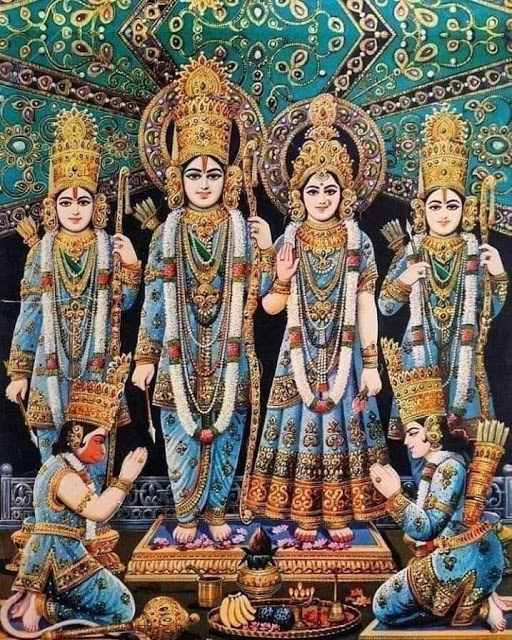
நர- நாராயணர் முதல் பிறவி
இராம – லக்ஷ்மணன் இரண்டாம் பிறவி
கிருஷ்ணன் – அர்ஜுனன் மூன்றாம் பிறவி
இணைபிரியாமல் இருக்கும் இரட்டையரை குறிப்பால் உணர்த்துகிறார் கவிஞர்.
சில விரிவுரையாளர்கள் நர நாராயணர்களுக்குப் பதிலாக, இந்திரன் – அர்ஜுனன், உபேந்திரன் – கண்ணன் என்று பொருள் கொள்வதுமுண்டு.
அடுத்து சீர் படைத்த கேண்மை என்ற சொற்றொடரால் அர்ஜுனனுக்கும் கண்ணனுக்கும் உள்ள நட்பைச் சிறப்பிக்கிறார் வில்லிப்புத்தூரார்.
இருவரின் நட்பு சாதாரண நட்பு அன்று. ‘தேர் ஊர்தற்கு இசைந்து அருளும்’ நட்பு அது. கௌரவர்- பாண்டவர் போரில் – துரியோதனன் – அர்ஜுனன் போரில் – ஆயுதம் எடேன் என்று சூளுரைக்கும் பண்புள்ள நட்பு அது.
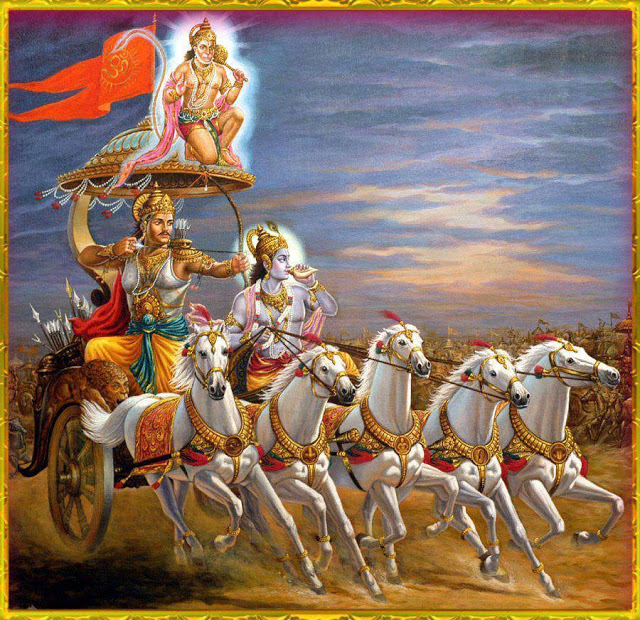
தேரை ஓட்டும் சாரதியாக இருப்பவன் கண்ணன். அவன் குதிரை முன் அமர்ந்து தேரை ஓட்டுவான்.
அவனுக்கு மேல் ஒரு படியில் அர்ஜுனன் இருப்பான்.
கடுமையான போர்க்களத்தில் தன் இஷ்டத்திற்குத் தக தேரை ஊர்ந்து செல்வதற்கு, தேர்ச் சாரதிக்கு அவன் எப்படி கட்டளை கொடுப்பான்?
க்ஷண நேரத்தில் தனக்கு தேர் எந்தப் பக்கம் போக வேண்டுமென்று கண்ணனுக்கு உணர்த்த கண்ணனின் இடது தோளிலும் வலது தோளிலும் காலை வைத்து அமுக்கி இடப் பக்கம் திருப்பு; வலப் பக்கம் திருப்பு என்று சொல்வான் அர்ஜுனன்.
இறைவனான கண்ணன் இங்கு எளியனாகி தன் நண்பன் தன் தோளின் மீது காலை வைக்க அருளும் அருள் பண்புக்கு ஈடு இணை எங்கேனும் உண்டா, என்ன?!
கண்ணன் செங்கண் மால்; கார்படைத்த நிறத்தோன்! அதாவது சிவந்த கண்களை உடைய திருமாலின் திரு அவதாரம். மேகம் போன்ற நிறம் படைத்தவன்.
இப்படிப்பட்ட பெருமை உடைய கண்ணனை கை கூப்பித் தொழுவாருக்கு என்ன பலன் கிடைக்கும்?
பிறப்பு என்பது பெருங்கடல். இந்த பிறவாழியை – பிறவிக் கடலைக் கடந்து அக்கரை அடைவர்!
ஒரு கடவுள் வாழ்த்தில் எத்தனை செய்திகள் அற்புதமாக விளக்கப்படுகின்றன! அது தான் வில்லிப்புத்தூரார்.
அது மட்டுமல்ல, இந்த கிருட்டிணன் தூதுச் சருக்கத்தில் உள்ள 264 பாடல்களில் ஏராளமான அற்புதச் செய்திகள் உள்ளன.
Pictures are taken from various sources for spreading knowledge; this is a non- commercial blog. Thanks for your great pictures.
tamilandvedas.com, swamiindology.blogspot.com
Sangam Tamil literature is 2000 years old. It has got about 2500 verses composed by over 450 poets . it spreads over a period of 400 years from first century BCE upto third century CE. All the 2500 plus poems are collected in 18 books. They are called Pathup pattu (ten long poems) and Ettuth thokai (8 anthologies).
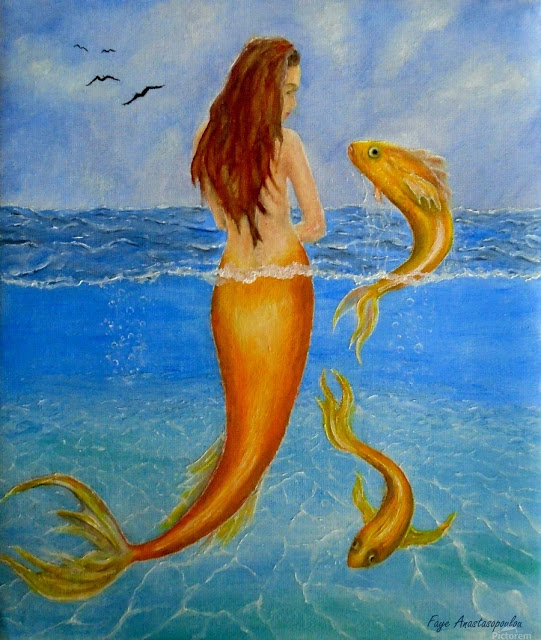
References to strange water nymphs are found in at least two books. They are in Akananuru and Kalittokai. This leads us to another interesting word in the Rig Veda. Tamil word ‘Neer’ for water is in the Rig Veda according to scholars of yester years. This water nymph references blasts their theory and shows the true colours of the word WATER/NEER.
‘Neer’ may NOT be a Tamil word because it is in ancient Greek language which is 800 years older than Tamil language according to available literatures.
First let us look at the interesting bits about TAMIL WATER NYMPHS.
In Akananuru, verse 370 was composed by poet Ammuvanaar. The poem is about lovers.
“Friend of the heroine says,
Hello my friend! you say if you go home , you will be under your father’s strict watch and you also say that you will die if you don’t see your lover. Let me give you some idea. You go and stand like a sea nymph on the sea shore. I will stand by your side as a dancer”.
The background of the poem is as follows-
The lover meets her very often but never proposes to her. One day he came during day time and was hiding, waiting for private meeting with the heroine/ lady love. Knowing that , but pretending not to see the lover, she (heroine’s friend) said the above thing. The meaning is that you wont see your heart throb any more during day time because all our farm work is finished and here afterwards we wont be able to come outside. During night time, there will be stricter security from her father; so propose now, get married soon and run away. That is the hidden meaning. All Tamil love poems have hidden meanings according to ancient commentators.
But our interest is in sea nymph and a dancer. Why should a dancer stand near a sea nymph? And who is a sea nymph? What is the word for sea nymph in Tamil and how come it is in Greek language?
Sea nymph or water nymphs are found in all cultures around the world. Tamils also believed in nymphs and angels residing in all water sources, hills and trees. We find them a lot in Sanskrit literature as well. An entire Tamil epic MANI MEKALAI is based on the sea farers’ goddess Manmekala. It is a Sanskrit word found in Sanskrit literature as well.
So they might have referred to one of such Manimekalas. But why should a dancer stand near by? Probably that type of paintings decorated the ancient Tamil world.
But I am more interested in the word for water nymph. The exact word used by the poet Ammuvanar is ‘Kadal Kezu Selvi’ – a sea woman/ sea goddess. But the ancient commentators used the word ‘Neer Ara Makalir’. ‘Neer’ means water and ‘Ara makalir’ means nymphs or heavenly ladies, angels etc.
The same word Nereids is used in Greek mythology for water nymphs. And Nereus is an old man of the sea. So NEER is water in Greek mythology. Since Greek is an Indo European language it is full of Sanskrit words and not Tamil words.
How are we going to explain the word ‘Neer’ in Greek?
‘Nar’ayana is also interpreted as one whose abode is NEER/water in Sanskrit. The puzzle can be easily solved if you accept my theory that Tamil and Sanskrit came from the same source. That is what Hindu literature also says. So linguists are wrong in saying that Neer was borrowed by Rig Vedic poets from Tamil. Neer/water belongs both to Sanskrit and Tamil. And the Tamils used it more because Sanskrit has 120 words for water.
Old Ananda Vikatan Dictionary also confirms Neer Ara Makalir is water nymphs .
Another Water Nymph!
In another Tamil book called ‘Kali Tokai’, poet Nallanthuvanaar says in Kali 131 verse,
“Look my darling, once your lover promised you by swearing on SEA GODDESS that he would never ever part (separate) from you. Now he is absent for a little while. And it is my duty to console you and convince you that he would be back soon”.
Words used by poet Nallanthuvanaar are ‘Kadal Theyvam’ (Sea Goddess; though Deivam is a Sanskrit word, Sangam poets freely use it)
From this verse we come to know about the swearing on and serious belief in a Sea Goddess. And in the Rig Veda we come across Sea God Varuna and the mysterious magical twins called Asvins doing umpteen miracles. In short Hindus from Sarasvati- Sindhu River to Vaigai in the South had similar beliefs.
Conclusion
Tamils believed in water nymphs and sea goddesses.
Word Neer is in Greek, Tamil and Sanskrit. Sanskrit is much more older than Tamil and Greek and both Greek and Tamil kept the word alive until recent times. Since Sanskrit has scores of words for water, they didn’t bother much about this single word NEER/water.
Sea nymphs and mermaids are in postage stamps around the world.
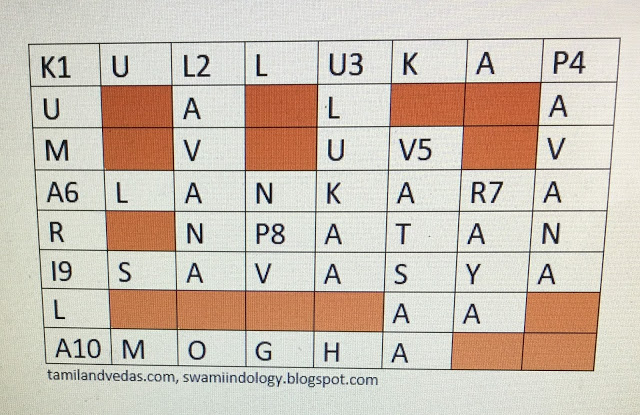
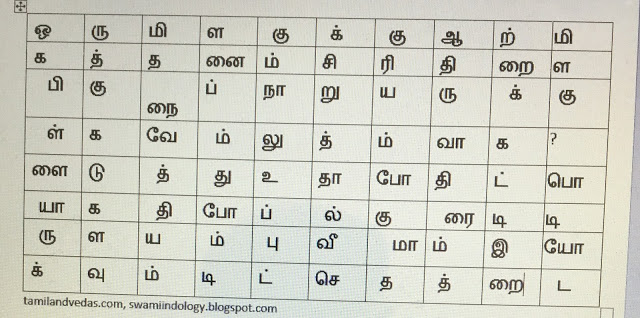
ஒரே சொல் மீண்டும் மீண்டும் வந்தால் ஓரிரு இடங்களில் மட்டுமே கட்டத்தில் இருக்கும். கொண்டு கூட்டி பொருள் கொள்க . விடை கீழே உள்ளது . சில நேரங்களில் படங்களைப் பார்த்தாலும் விடை காண உதவலாம்.
ANSWER
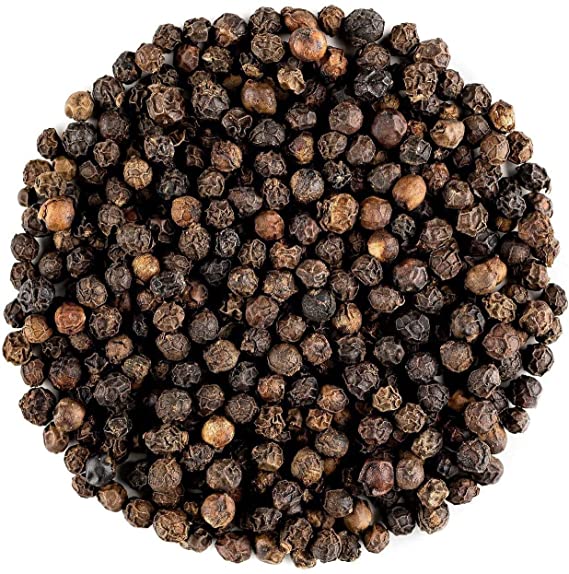
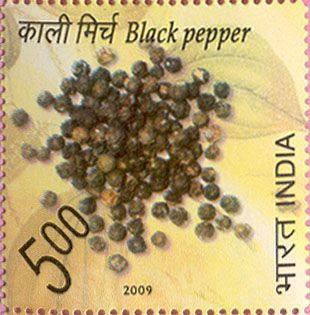
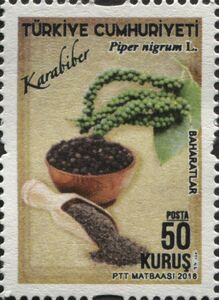
ஒரு மிளகுக்கு ஆற்றைக் கட்டி இறைத்த செட்டி
ஒரு மிளகும் நாலு உப்பும் போதும்
மிளகத்தனை பிள்ளையாருக்கு கடுகளவு நைவேத்தியம்
மிளகு சிறுத்தால் வீரியம் போகுமா ?
மிளகுப் பொடியோடே திருவாதிரை
Source book :–
பயன்படுத்திய நூல்- கழகப் பழமொழி அகர வரிசை, கழக வெளியீடு
Pictures are taken from various sources for spreading knowledge; this is a non- commercial blog. Thanks for your great pictures.
INDEX 17 எஸ்.நாகராஜன் கட்டுரை இன்டெக்ஸ் -17 (Post No.8376)
நமது பிளாக்கில் எஸ்.நாகராஜன் எழுதிய கட்டுரைகளின் பட்டியலை March 2015 முதல் வெளியிடுகிறேன். இது அகர வரிசைப்படி இல்லாவிடினும் இண்டெக்ஸ் INDEX போன்றதே.
இந்தப் பட்டியலை பிரிண்ட் செய்து வைத்துக் கொண்டால் உங்களுக்குத் பிடித்த கட்டுரைகளை நேரம் கிடைத்தபோது படிக்கலாம்
கட்டுரைகளை பிளாக்கில் பெறுவது எப்படி?
பிளாக்கிற்குப் போய் தேடுவதை விட கூகுளில் (google) தேடுவது எளிது. கட்டுரையின் தலைப்பை காப்பிcopy செய்து கூகுளில் பேஸ்ட் paste செய்யுங்கள் அதன் பிறகு ஆங்கிலத்தில் from tamilandvedas.com என்று எழுதி க்ளிக் (click) செய்யுங்கள்.
from swamiindologly.blogspot.com
என்று எழுதியும் பெறலாம்.
எடுத்துக்காட்டு:
மோடி ஜி! தட்டிப் பார்த்தால் தங்கம்!! from tamilandvedas.com
மோடி ஜி! தட்டிப் பார்த்தால் தங்கம்!! from swamiindology.blogspot.com
நீங்கள் சிறு பிழை விட்டாலும் நீங்கள் எதிர்பார்த்தது கிடைக்காமல் வேறு விஷயம் வரும். அதில் நேரத்தை வீணடிக்காமல் மீண்டும் ஒரு முறை சரியாக எழுதி முயற்சி செய்யுங்கள். இரண்டு பிளாக்குகளில் ஒன்றில் கிடைத்து விடும்
கட்டுரை பெறுவதில் ஏதேனும் சிக்கல் இருந்தால் எங்களைத் தொடர்பு கொள்ளுங்கள் .
September 2015
1-9-15 2114 அப்பரின் அருமையான லாபரட்டரி!
2-9-15 2116 மஹாசக்தி அருள் பெற்ற மேலை நாட்டினர்!-ஞானஆலயம் செப்
15 கட்டுரை!
3-9-15 2119 மனோசக்தியின் வலிமை – 1
4-9-15 2122 மனோசக்தியின் வலிமை – 2
5-9-15 2126 கண்ணன் எத்தனை கண்ணனடி!
6-9-15 2129 சார், நீங்க வெறும் தாஸா, லார்ட் லபக்தாஸா!
7-9-15 2132 மஹாகவி பாரதியார் பற்றிய நூல்கள் – 6 பாரதியார் பற்றி
அமுதன் வானொலி உரை!
8-9-15 2136 அப்பரின் ஹஹ்ஹஹ்ஹா சிரிப்பு!
9-9-15 2141 உங்களுக்குப் பிடித்த ஐயோ பாடல் எது?
10-9-15 2143 பாரதியார் கவசம் அணியுங்கள்!
11-9-15 2146 மஹாகவி பாரதியார் பற்றிய நூல்கள் – 7 வ.ரா எழுதிய
மஹாகவி பாரதியார்
12-9-15 2149 டொண்டொண்டொடென்னும் பறை!
13-9-15 2154 3 ராமர்கள், 3 பரதர்கள், 6 கர்ணர்கள்!
14-9-15 2157 வால்டேரும் வள்ளுவரின் குறளும்!
15-9-15 2159 ஆறே பாடல்களில் பகவத் கீதை! இரண்டே அடிகளில் கீதையின் சாரம்!
16-9-15 2162 நையாண்டிப் பாடல்கள் – சம்ஸ்கிருதத்தில் – கலி விடம்பனா
17-9-15 2165 ஒரு லட்சம் ஸ்லோகங்கள், 2314 அத்தியாயங்கள் கொண்ட்
உலகின் மாபெரும் நூல் மஹாபாரதம்!
18-9-15 2168 ஆனந்த விகடனும் தாயுமானவ கவசமும்!
19-9-15 2171 வசிஷ்டர் தரும் காலத்தை வென்ற ரகசியம்! – (யோக
வாசிஷ்டம்)
20-9-15 2174 மொத்தம் எத்தனை கடவுள்?
21-9-15 2176 வள்ளுவராலும் பதில் சொல்ல முடியாத கேள்வி!
22-9-15 2180 நம் பந்தம் போக்க வந்த சம்பந்தர்!
23-9-15 2182 கடவுளுக்கு சவால்! குரங்கு அடிக்கப் போன ஷேக்ஸ்பியரின்
கதை!
24-9-15 2184 இயேசு இறந்தது காஷ்மீரிலா – 1
25-9-15 2187 இயேசு இறந்தது காஷ்மீரிலா – 2
26-9-15 2189 மனிதரில் எத்தனை வகை – வள்ளுவரின் பதில்!
27-9-15 2192 மஹாகவி பாரதியார் பற்றிய நூல்கள்- 8 பி.மஹாதேவன்
எழுதிய ‘Subramanya Bharathi-Patriot and Poet’
28-9-15 2194 கண்ணாடி முன்னர் ஷேக்ஸ்பியரும், கம்பனும்!
29-9-15 2198 டெலிபதி மூலம் செய்திகளைப் பரிமாறும் காலம் வருகிறது!
(பாக்யா 18-9-15 அ.து 239)
30-9-15 2201 பூமியைக் காப்பாற்றுங்கள் – ஒரு விண்வெளி வீரரின் உருக்கமான உரை!
October 2015
1-10-15 2204 Voice of Senses! (ezine article dt 29-9-15)
2-10-15 2207 கனவில் கண்ட உலக சரித்திரம்-ஞானஆலயம் அக் 15 கட்டுரை!
2-10-15 2208 மஹரிஷியும் மஹாத்மாவும்!
3-10-15 2210 சர்க்கஸுக்குப் போன பரமஹம்ஸர்!
4-10-15 2213 மஹாகவி பாரதியார் பற்றிய நூல்கள் – 9 ரா.அ. பத்மநாபனின்
‘பாரதியார் கவிநயம்’
5-10-15 2216 ஒரே பாட்டில் சம்பந்தரின் அருட்செயல்கள்!
6-10-15 2218 போப் சாப்பிட்ட பீஸ்ஸா!
7-10-15 2221 இறைவனை எப்படி விளக்குவது? – ஆழ்வார் அமுதம்!
Pictures are taken from various sources for spreading knowledge; this is a non- commercial blog. Thanks for your great pictures.
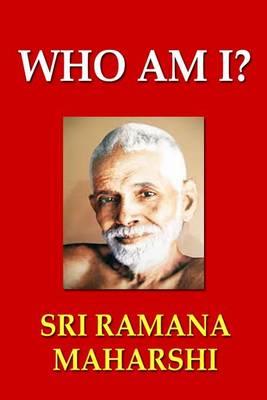
RAMANA : LESSONS FOR DAILY LIVING – 1
R. Nanjappa
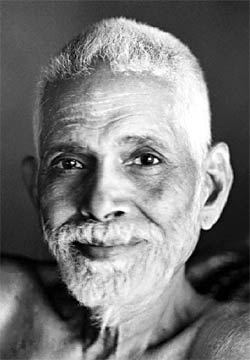
Bhagavan Ramana was a Sage, Jnani. Naturally, one would expect him to teach us spirituality. Surprisingly, he never ‘taught’ anyone anything for 54 years!
Spiritual lessons
It may look surprising. But this is a fact. He never even once asked anyone to follow his teaching. He never even once criticised anyone for their views. He said something only when people approached him on their own and asked. Even then, he responded to what they said, never forcing his views on anyone in any matter. We observe this clearly from the “Talks”.
Most people who approached him with doubts or difficulties would be following some path or tradition or sadhana. Or they might have learned some philosophy, and developed doubts. Bhagavan would strengthen each one in his own sadhana, in his own tradition. He would explain that on their own terms, at their own level. He would point out how all sadhanas finally ended with the annihilation of the ego, or finding the true Self. But he never even once asked anyone to take up that path. He would point out the truth as He knew it. It was for people to follow what they would.
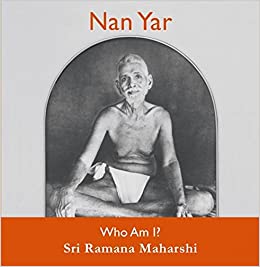
Someone would say he was doing Gayatri. Bhagavan would say that it was the highest mantra in our sastras. Someone would ask whether Nama japa was effective. Bhagavan would confirm its effectiveness, but also add that it must have been received in the proper manner! To a Christian seeker, he would point out how in the entire Bible only the words “I AM THAT I AM” is printed in capital letters! To a Muslim questioner, he would say that Islam meant obedience to the will of God; if they did obey, they would get ‘salam’- peace! (Surrender is the second teaching of Bhagavan, along with enquiry into ‘Who Am I’.)
He would not answer idle curiosity or theoretical arguments. Once a young man came and after relating all that he had done, asked ‘Which way should I go?”. Bhagavan simply said: “Go the way you came”. Bhagavan was then leaving the hall. The young man was upset; but the devotees in the hall explained that his words actually meant that he should trace the thought of ‘I’ that he mentioned to its origin- trace it i.e get back to its source!
The problem with Bhagavan was that he was bound by the devotee. He responded at their own level. Most were casual visitors, from orthodox traditions- smarta (Sankarite), Saivas, Vaishnavas, etc and they asked questions from that background. He would therefore answer them accordingly. Very few persons ever cared to ask him for his teaching! Sadhu Om once pointed out that this was like a school boy asking an eminent scientist like Einstein who visited the class, about some doubt in his homework, instead of asking the scientist what he had himself discovered!
Sadhu OM
His writings, in Tamil, provide authentic exposition of Bhagavan’s works- drawn from internal sources, without reliance on any external authority. English translations, by Michael James are available for some of them.
Most people in the Asramam did not follow the method of ‘Self Enquiry’! But when a serious seeker like Muruganar pointedly asked him about the nature of Reality and the way to attain it (meiyin yiyalbum athai mevum tiranum- மெய்யின் இயல்பும் அதை மேவும் திறனும்), we got the Forty Verses on Reality! In fact, everything that Bhagavan ever wrote or said was in response to a serious questioner. Only two hymns on Arunachala came to him on their own,
literally forced themselves on him! He said they would not leave him until he wrote them down! But Bhagavan’s real method of instruction was not through words but “by silent influence on the Heart”,as Arthur Osborne pointed out. For those devotees who followed his method and totally depended on him, Bhagavan did give specific directions.
Pictures are taken from various sources for spreading knowledge; this is a non- commercial blog. Thanks for your great pictures.
சம்ஸ்கிருதச் செல்வம்!
பண்டிதராஜ ஜகந்நாதரின் ரஸ கங்கா!
ச.நாகராஜன்
பெரும் கவிஞரான பண்டிதராஜ ஜகந்நாதர் 17ஆம் நூற்றாண்டில் வாழ்ந்தவர்.
அக்பர் காலத்தவர்.
இவர் வாழ்க்கையே அதிசயமான ஒன்று. தெலுங்கு பிராமணரான இவர் காந்த்ரிகா (உபத்ரஸ்தா) குடும்பத்தைச் சேர்ந்தவர். பெரும் கவிஞர். சம்ஸ்கிருத அறிஞர். இசை வல்லுநரும் கூட. ஆந்திர பிரதேசத்தில் கிழக்கு கோதாவரி மாவட்டத்தில் உள்ள முன்கண்டாவைச் (பழைய கால பெயர் முனிகண்ட அக்ரஹாரம்) சேர்ந்தவர். பின்னால் வாரணாசியில் வாழ்ந்து வந்தார்.
பண்டிதராஜர் என்ற பட்டத்தை ஷாஜஹான் இவருக்குச் சூட்டினார்.
ஜிஹாங்கீர் மற்றும் ஷாஜஹானின் அரசவையில் இவர் அங்கம் வகித்தார்.
இவரைப் பற்றிய அதிசய வரலாறு ஒன்று உண்டு.
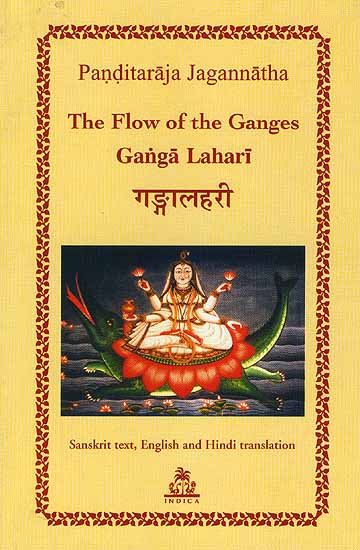
இவர் இயற்றிய கங்கா லஹரி 52 ஸம்ஸ்கிருத ஸ்லோகங்களைக் கொண்டது.
ஷாஜஹானின் மகளான லவங்கிகாவும் இளவரசன் தாரா சுகோஹும் இவருடன் நெருங்கிய தொடர்பைக் கொண்டிருந்தனர்; இவரிடமிருந்து நிறைய சம்ஸ்கிருத நூல்களைக் கற்றனர்; ஹிந்து பண்பாடு பற்றி அறிந்து கொண்டனர்.
இந்த நெருங்கிய தொடர்பு டெல்லி மக்களிடையே இவர் லவங்கிகாவுடன் முறையற்ற தொடர்பு கொண்டிருப்பதாக தவறான வதந்தியைப் பரப்பியது.
ஷாஜஹான் ஜகந்நாத பண்டிதரை இஸ்லாமுக்கு மாறி தன் மகளை மணம் செய்து கொள்ளுமாறு கூறினான். ஆனால் அவர் அதற்கு இசையவில்லை; மறுத்து விட்டார்.
கங்கை நதிக் கரையில் உண்ணாவிரதத்தை ஆரம்பித்த ஜகந்நாதர் கங்காநதியைத் தாயெனக் கருதி தினமும் ஒரு ஸ்லோகத்தைப் புனைந்து பாட ஆரம்பித்தார். ஒவ்வொரு ஸ்லோகம் முடிந்தவுடனும் கங்கா நதியின் ஜலம் சிறிது உயரும். படிப்படியாக இப்படி 52 நாட்கள் ஜலம் உயர்வது நிகழ்ந்தது. கங்கா தசரா என்பது ஜேஷ்ட சுத்தா எனப்படும் ஒன்று முதல் பத்து நாட்களைக் கொண்டது. இதன் முடிவில் ஜகந்நாதர் தன்னை கங்கா தேவிக்கு அர்ப்பணித்துக் கொண்டார். நதியில் இறங்கிய அவர் தன் உயிரை கங்கா மாதாவுக்கு அர்ப்பணித்தார். கங்கா நதியுடன் ஐக்கியமானார்!
அருமையான செய்யுள்களைக் கொண்ட கங்கா லஹரி இப்போதும் படிக்கக் கிடைக்கிறது.
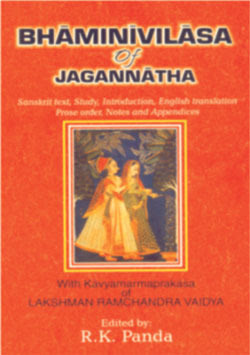
இவர் இயற்றிய நூல்களில் பாமினி (பாமினி என்றால் பேரழகி என்று பொருள்) விலாஸம் குறிப்பிடத் தகுந்த ஒன்று.
பர்த்ருஹரி நீதி சதகம்,ச்ருங்கார சதகம், வைராக்ய சதகம், என்று நூறு நூறு பாடல்களைக் கொண்ட மூன்று (த்ரயி) சதகங்களை இயற்றியது போல் இவர் பாமினி விலாஸத்தை நான்கு விலாஸங்களாக – நான்கு பகுதிகளாகப் – பிரித்துள்ளார்.
முதல் விலாஸமான அன்யோக்தி விலாஸா நீதிகளைக் கூறும் ஒன்று. இதில் 100 முதல் 130 ஸ்லோகங்கள் உள்ளன.
இரண்டாவது விலாஸமான ச்ருங்கார விலாஸாவில் 101 முதல் 184 ஸ்லோகங்கள் உள்ளன.
மூன்றாவது விலாஸம் கருணா விலாஸம். இதில் மறைந்து போன பேரழகிக்கான இரங்கல் கீதங்களை 18 மற்றும் 19ஆம் பாடல்களில் காணலாம்.
வைராக்யத்தை விவரிக்கும் நான்காவது விலாஸமான சாந்த விலாஸத்தில் கிருஷ்ணரைத் துதி செய்யும் (31 முதல் 46 வரை) ஸ்லோகங்கள் உள்ளன.
ஒவ்வொரு கைப்பிரதியிலும் ஒவ்வொரு எண்ணிக்கையில் ஸ்லோகங்கள் உள்ளன. இவற்றில் நான்கில் ஒரு பகுதி இடைச்செருகல் எனலாம். எவற்றை ஜகந்நாதர் இயற்றினார் எவற்றை மற்ற கவிஞர்கள் ‘சொருகினார்கள்’ என்பதைச் சொல்ல இயலவில்லை. பாமினி விலாஸத்தில் முதல் மற்றும் நான்காம் விலாஸங்கள் மட்டுமே பிரசுரிக்கப்பட்டுள்ளன.
இவர் அவசிஸ்டான்யோக்தி, ரஸ கங்காதரம் உள்ளிட்ட நூல்களையும் இயற்றியவர்.
யமுனையைப் போற்றும் 10 ஸ்லோகங்களைக் கொண்டுள்ள அம்ருத லஹரி,
சூர்யனைத் துதிக்கும் 30 ஸ்லோகங்களைக் கொண்டுள்ள சுதா லஹரி, கங்கையைத் துதிக்கும் 53 ஸ்லோகங்களைக் கொண்டுள்ள கங்கா லஹரி,
கிருஷ்ணரைத் துதிக்கும் 60 ஸ்லோகங்களைக் கொண்டுள்ள கருணா லஹரி,
லக்ஷ்மியைத் துதிக்கும் 40 ஸ்லோகங்களைக் கொண்டுள்ள லக்ஷ்மி லஹரி,
ஆகிய ஐந்து ஸ்தோத்திரங்களையும் இவர் இயற்றியுள்ளார்.
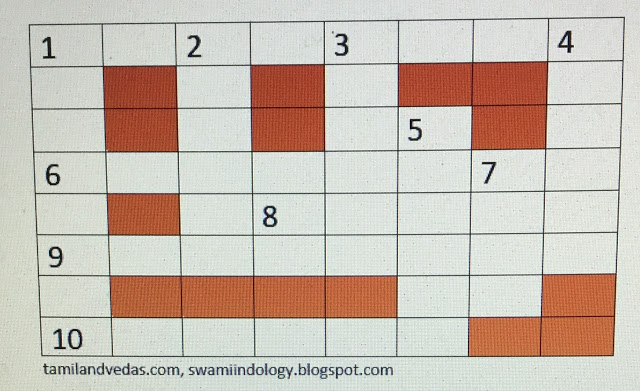
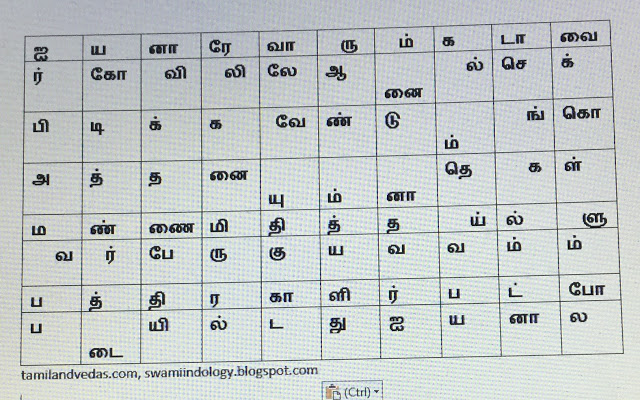
ஒரே சொல் மீண்டும் மீண்டும் வந்தால் ஓரிரு இடங்களில் மட்டுமே கட்டத்தில் இருக்கும். கொண்டு கூட்டி பொருள் கொள்க . விடை கீழே உள்ளது . சில நேரங்களில் படங்களைப் பார்த்தாலும் விடை காண உதவலாம்.
ANSWER
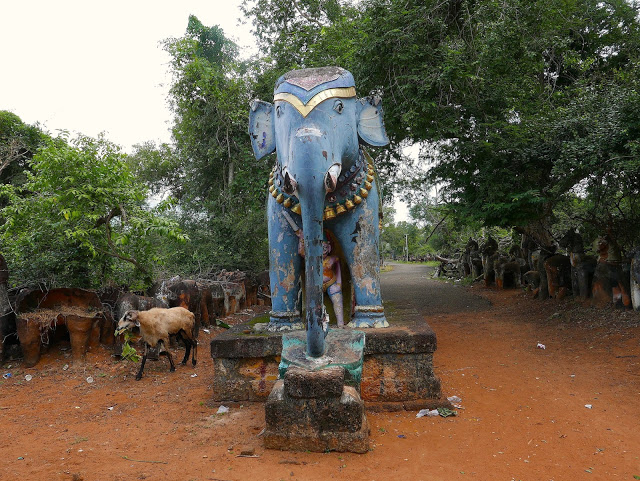
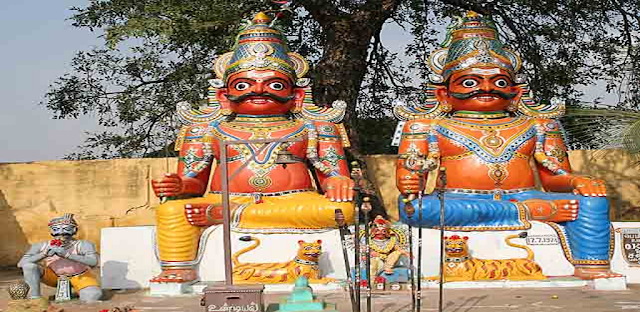
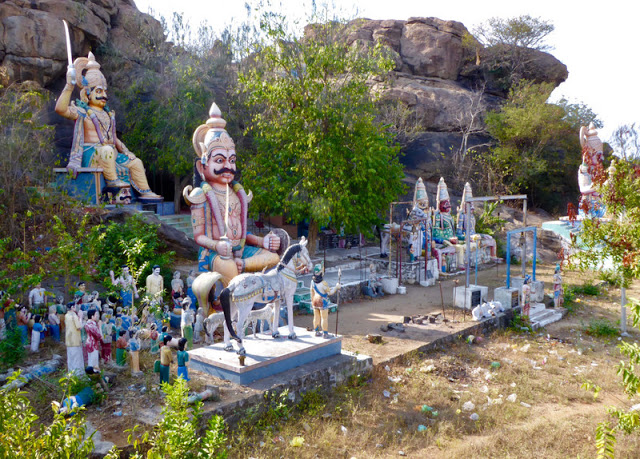
1.ஐயனாரே வாரும் கடாவைக் கொள்ளும்
2.ஐயனார் கோவிலிலே ஆனை பிடிக்கவேண்டும்
3.ஐயனார் கோவில் செங்கல் அத்தனையும் தெய்வம்
4.ஐயனார் கோவில் மண்ணை மிதித்தவர் அத்தனைபேரும் பத்திரகாளி
5.ஐயனார் படையில் குயவனார் பட்டது போல
Source book :–
பயன்படுத்திய நூல்- கழகப் பழமொழி அகர வரிசை, கழக வெளியீடு
Pictures are taken from various sources for spreading knowledge; this is a non- commercial blog. Thanks for your great pictures.
tamilandvedas.com, swamiindology.blogspot.com
கடல் கெழு செல்வி யார் ? அகநானூற்றில் ஒரு புதிர்
அக நானூறு என்பது சங்க இலக்கியத்தில் ஒரு நூல். 18 ‘மேல் கணக்கு’ நூல்களில் ஒன்று; 2000 ஆண்டு பழமையுடைத்து; இதில் ஒரு அதிசயச் செய்தி வருகிறது. அது ரிக் வேதம், கிரேக்க நாட்டு இலக்கியம் தொடர்புடையது. நீர் என்பது தமிழ்ச் சொல்லா அல்லது சம்ஸ்கிருதத் சொல்லா என்னும் புதிரை விடுவிக்கிறது.
முதலில் பாடலைப் பார்த்துவிட்டு ஆராய்ச்சியில் புகுவோம்.
பாடல் எண் 370; பாடியவர் – அம்மூவனார்
“கடல்கெழு செல்வி கரை நின்றாங்கு
நீயே கானல் ஒழிய , யானே
வெறிகொள் பாவையின் பொலிந்த என் அணி துறந்து
ஆடு மகள் போலப் பெயர்தல்
ஆற்றேன் தெய்ய ; அளக்க இவ்வூரே “
பொருள்
காதலியைக் காண காதலன் பகல் நேரத்தில் வந்தான். அவன் இப்படி அவ்வப்பொழுது I LOVE YOU ‘ஐ லவ் யூ’ சொல்லிவிட்டு நைசாக நழுவுவது தோழிக்குப் பிடிக்கவில்லை. இப்படி எத்தனை பெண்களோடு அவன் போகிறானோ என்று அவளுக்கு ஒரு ஸம்சயம் (DOUBT) ; அவனை நான் உன்னை கல்யாணம் செய்துகொள்வேன் என்று ‘ப்ராமிஸ்’ (PROMISE) செய்ய வைக்க வேண்டும் என்பது தோழியின் ஆசை. ஆகையால் அவன் வந்தது தெரியாதது போல பாவலா / பாவனை (PRETEND) செய்து இப்படிக் கூறுகிறாள்.
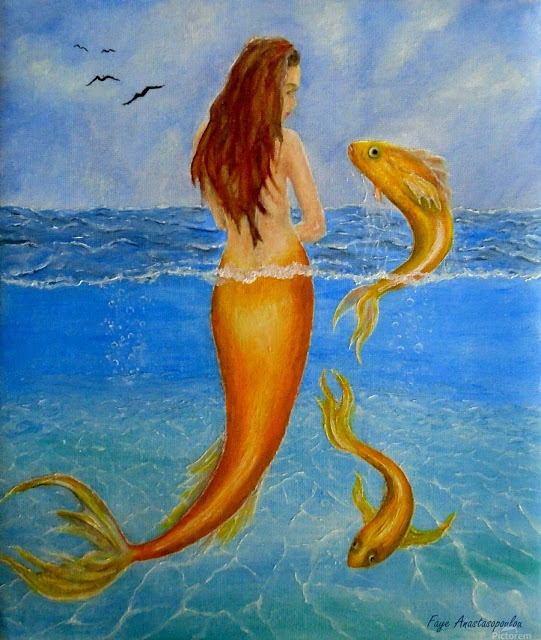
“தோழியே! இரவில் வீட்டுக்குப் போனால் தந்தையின் கடுமையான பாதுகாப்பில் சிக்கிவிடுவேன்; காதலனைக் காண முடியாது ; அதனால் இறந்து விடுவேன் என்கிறாய். நன் ஒரு (IDEA) ஐடியா சொல்கிறேன். நீ அந்திக் காலத்துக் கடல் தெய்வம் (SEA NYMPH OR SEA GODDESS) கரையில் நின்றாற்போல் நிற்பாயாக. ; யானும் ஆடுமகள் / (DANCER) டான்ஸர் போல நின்னுடன் இருப்பேன்.”
இதில் அம்மூவனார் சொல்லும் ‘கடல்கெழு செல்வி’ (SEA NYMPH) யார் எதற்காக டான்சர்/DANCER அவளுடன் இருக்கிறாள் என்பதே புதிர்.
இதில் பழைய உரைகாரர்கள் கடல்கெழு தெய்வம் என்பதற்கு ‘நீரர மகளிர்’ (WATER NYMPHS) என்று எழுதியுள்ளனர். ‘நீரர மகளிர்’ என்பதற்கு நீரில் வாழும் தெய்வங்கள் என்று ஆனந்த விகடன் தமிழகராதி கூறுகிறது. கிரேக்க புராண அகராதி (DICTIONARY OF MYTHOLOGY) முழுதும் ‘நேர், நெற்’ என்பதெல்லாம் தண்ணீர் என்ற பொருளிலேயே வருகிறது; நெரெய்ட்ஸ் (NEREIDS) என்பன மத்திய தரைக் கடலில் வாழும் ‘நீர் தேவதைகள்’ என்றும் நெரேயஸ் (NEREIUS) என்பவன் கடல் நீரில் வாழும் வயதான மனிதன் என்றும் சொல்லும். ஆக ‘நீர்’ என்பது ‘தண்ணீர்’ என்னும் பொருளில் கிரேக்க (GREEK) மொழியில் உள்ளது
வெள்ளைக்காரர்கள் சொல்லும் மொழிக் கொள்கைப்படி கிரேக்க மொழிக்கும் தமிழ் மொழிக்கும் ‘ஸ்னானப்ராப்தி’ கூட கிடையாது ; அது (GREEK) சம்ஸ்கிருத மொழி மூலம் உடையது என்பதாகும். ஆக ‘நீர்’ என்பது சம்ஸ்கிருத சொல் என்று வாதாடலாம்!!!!
ரிக் வேதத்தில் உள்ள “நீர்” என்ற சொல்லும் “நாராயண/ நீரில் படுத்திருப்பவன்” என்ற சொல்லும் தமிழ் மொழிச் சொல் என்ற வெள்ளைக்காரன் வாதமும் சுநீதி குமார சட்டர்ஜியின் (LINGUIST) வாதமும் கேள்விக் குரியதாகிறது . இதுமட்டுமல்ல; காமம், மனம், உலகம் என்று திருவள்ளுவரும் சங்கத் தமிழ் புலவர்களும் ஆயிரக்கணக்கான இடங்களில் பயன்படுத்துவதெல்லாம் சம்ஸ்கிருதச் சொற்கள் என்றும் வெள்ளைக்காரர் ஒப்புக்கொள்வர் ; உண்மையில் தமிழும் சம்ஸ்கிருதமும் ஒரே மூலத்தில் இருந்து வந்த ஒரே மொழிக் குடும்பத்தைச் சேர்ந்தவை என்ற என்னுடைய புதிய மொழிக் கொள்கை வலுப்படுகிறது.
முடிவு என்ன?
நீர் என்பது தமிழும் அல்ல; சம்ஸ்கிருதமும் அல்ல. இரண்டுக்கும் பொதுவான மூல மொழி. ஆக சம்ஸ்கிருதமும் தமிழும் ஒரே மூலத்தில் — சிவனின் உடுக்கை ஒலி யில் பிறந்த — ஒரே மொழிக் குடும்பத்தைச் சேர்ந்தவை ; வெள்ளைக்காரன் சொன்னதெல்லாம் தப்பு !!!
சரி, அது என்ன கடல் தெய்வம்?
மணிமேகலை என்னும் காப்பியமே கடல் வணிகர்கள் நம்பும் ‘மணிமேகலா’ என்ற கடல் தெய்வத்தின் அடிப்படையில் அமைந்தது என்பது அந்தக் காப்பியத்திலேயே உள்ளது.
கடல் தெய்வம், கடல் தேவதை பற்றி சம்ஸ்கிருத இலக்கியம், தமிழ் இலக்கியம் முழுதும் உளது. சிலர் ‘பாதி உடல் மீன் போலவும் மீதிப் பாதி பெண்’ போலவும் இருக்கும் என்றும் வருணிப்பர். கிரேக்க புராண அகராதியில் ஒவ்வொரு கடலுக்கும், மலைக்கும் வெவ்வேறு பெயரால் வேறு வேறு புதிய பெயர் கொடுப்பர்!
ஆக இந்தக் கடல் தெய்வ நம்பிக்கையும் கிரேக்க – இந்துத் தொடர்பைக் காட்டுகிறது நான் சொல்லும் மொழிக் கொள்கைக்கும், இந்து-கிரேக்க தொடர்புக்கும் (INDO-GREEK CONNECTION) ஏராளமான சான்றுகளை முந்தைய கட்டுரைகளில் கொடுத்துவிட்டதால் அரைத்த மாவையே அரைக்கப்போவதில்லை.
கலித் தொகையில் கடல் தெய்வம் !
கலித்தொகை என்னும் சங்க நூலில் நல்லந்துவனார் பாடிய நெய்தற் கலியிலும் கடல் தெய்வம் (SEA GODDESS/ SEA NYMPH) பற்றிய செய்தி வருகிறது
“பெருங்கடற் தெய்வம் நீர் நோக்கித் தெளித்து , என்
திருந்திழை மென் தோள் மணந்தவன் செய்த
அருந்துயர் நீக்குவேன் போல்மன் பொருந்துபு
………………………”
கலித் தொகை 131
பொருள்
சுறா மீனின் மருப்பால் ஆன பலகை ; நெய்தல் மலர் மாலை சூடிய காதலி.; தாழை விழுதால் ஆகிய கயிற்றில் தொங்கும் ஊஞ்சல் .
தோழி சொல்கிறாள்
கடல் தெய்வத்தின் பெயரைச் சொல்லி , உன்னைப் பிரிய மாட்டேன் என்று சத்தியம் செய்தானே உன் காதலன்! சிறிது காலம் உன்னை மறந்திருப்பதால் ஏற்படும் உனது வருத்தத்தை நான் தீர்க்க வேண்டியுள்ளது.
பாடலின் பின்னணி – முன்பு நான் உன் காதலனிக் கிண்டல் செய்தேன் ; நீயோ அவனுக்கு SUPPORT சப்போர்ட் பண்ணியே பேசினாய்; அவனும் சந்தோஷமாக உன் ஊஞ்சலை ஆட்டி மகிழ்ந்தான். கொஞ்ச நாளாக வரவில்லை ….. இப்படி போகிறது பாடல்.
நமது கேள்வி
யார் அந்தக் கடல் தெய்வம்? அதாவது வடக்கிலும் தெற்கிலும் ஒரே நம்பிக்கை நிலவியது. ரிக் வேதத்தில் அஸ்வினி தேவர்கள் இருவரும் கடலில் செய்த பல அற்புதச் செயல்கள் உள்ளன ; கடல் தெய்வமான வருணனை தொல்காப்பியரும், ரிக் வேதமும் விதந்து ஓதுகின்றனர் ; சுறாமீனின் கொம்பை நட்டு பரதவர்கள் செய்த வழிபாட்டை சங்க இலக்கியமும் குறிப்பிடுகிறது. ரிக்வேத பரத இன மக்களுக்கும் தமிழ் நாட்டு பரதவ மீனவர்களுக்கும் தொடர்பும் இருக்கலாம் ; கடல் தெய்வ வழிபாடு ரிக்வேதம் முதல் கன்யா குமரி பகவதி தேவி வரை உளது என்பதே என் துணிபு !
tags —
கடல் கெழு செல்வி, கலித் தொகை, கடல் தெய்வம்,நீர்,நீரர மகளிர்,
Pictures are taken from various sources for spreading knowledge; this is a non- commercial blog. Thanks for your great pictures.
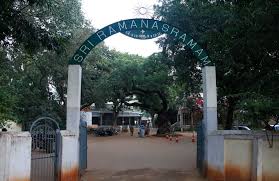
3. Sri Ramanasramam
The famous arch of the Asramam. By Rajachandra (Own work) CC BY-SA 3.0
creative commons via Wikimedia commons.
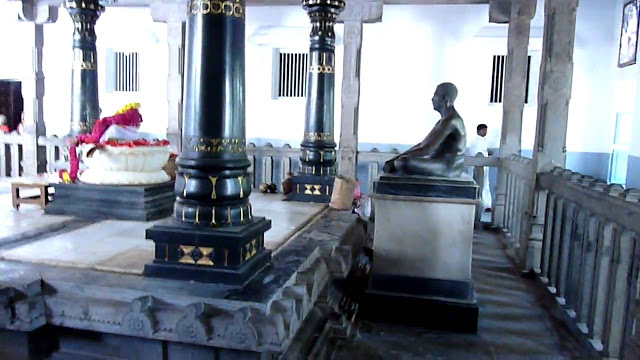
The Mother’s body was interred in a samadhi at the foot of the hill, with a thatched roof over it. Bhagavan used to come down from Skandasramam daily and spend some hours at the Samadhi. One day, in Nov-Dec, 1922 he came down but did not return! The others found that he would not move, and they too came down. This was the beginning of the Ramanasramam. Mother is its heart. Bhagavan said that the Power that brought him to Tiruvannamalai brought him here!
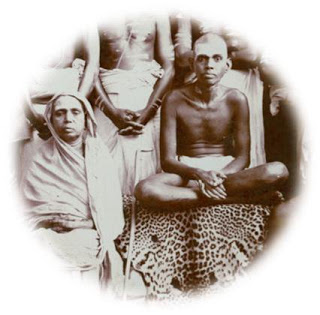
Bhagavan and Mother.
Photo copyright Sri Ramanasramam. Gratefully acknowledged.
It was here that a beautiful temple was erected over the Samadhi of Mother, and the deity named “Matrubhuteswara”- Lord who is Mother! It took 10 years for completion – Bhagavan had not allowed collection of money in the name of the Asramam.
This is perhaps the only temple in India erected by a Jnani for his Mother. Ramana took active interest in its construction at every stage. The account by Major Chadwick is worth reading.
It is here that C.K Subramanya Iyer, the Tamil scholar came and got transformed into Muruganar. All the core teachings of Bhagavan we owe him: he was instrumental in persuading Bhagavan to compose the ‘Reality in Forty Verses’, Upadesa Undiyar.
He himself composed/ recorded Guru Vachaka Kovai. He wrote the Ramana Sannidhi Murai. The first item here-Ramana Puranam- is important because most of it was written by Bhagavan himself, correcting and adding to what Muruganar had written!
It was here that Paul Brunton came and wrote about Ramana in the book that made Bhagavan widely known in the world.
Ramana was accessible to all, sitting in the Old Hall. People could talk to him without any formalities, ask questions, raise doubts and converse. From the commonest villager to the members of Royalty could come to him. Some of the questions and talks and the general events have been recorded by devotees in three books.
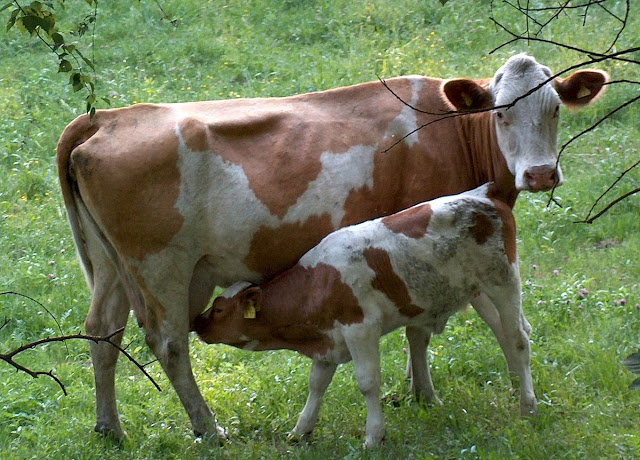
Here came the cow Lakshmi, to whom also Bhagavan granted “Vimukti”, as he had done to Mother. And he did something for Lakshmi which he did not do for Mother: he composed a verse in honour of her liberation, indicating the details of the day, star, etc and clearly stating that it was the “day of her liberation” ” vimukta naal”. “விமுக்த நாள்”.
He had a goshala and dining hall constructed. Feeding of the devotees increased in scale.
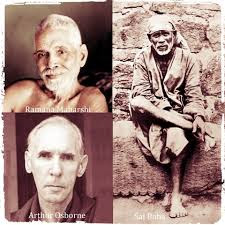
It was here that Arthur Osborne came, preceded by his wife and children! Osborne later wrote some of the most authentic literature on Ramana, and made them known all over the world.
It was here that Bhagavan attained Mahanirvana.
Some of the more human, and more humourous aspects of Bhagavan’s nature were noticed here. Perhaps the most significant of these was that he gave up ‘Giripradakshina’- of which he was very fond- for the sake of devotees. Since he used to take his own time for it, some times lasting 2/3 days, he did not want visitors to get disappointed at his absence! In fact this is the mysterious aspect of his life. He was never in the habit of welcoming any one, or giving permission to leave- though people would keep him informed. Whether he spoke or not, he was particular that no one should be denied access to him: he could be seen! He was particular about it even on the last day!
Some of the more specific things he did for devotees can be recalled here:
Once, one of his old school-mates from Madurai came. He had some bad period as indicated in astrological calculations. Bhagavan asked him to stay in the Asramam, not to go outside the gates! If he had to go somewhere, he would send someone with him to ensure that he went to just that place- which he would have told Bhagavan- and returned straight to the Asramam. He thus spent the year at the feet of Bhagavan!
Once Bhagavan had nursed a monkey, which had fallen from the tree, became lame and had been turned out of its group. It was called ‘nondi paiyan’- the lame boy! (Bhagavan never addressed an animal as ‘it’. It was always he or she). After Bhagavan attended on it, it was accepted back into the fold. In due course, it became the King of the tribe!
Rajaji, Rajendraprasad and Dr. Radhakrishnan had all visited him. Rajaji said that he liked Advaita concept,but being a Vaishnavaite, he found it embarrassing to reconcile! Bhagavan told him that every one had his karma! Rajendra Prasad did not open his mouth at all! And Radhakrishnan too did not ask any questions. People remarked how the learned professor, noted for his lectures, sat silent in the Presence! And all three of them became India’s First Citizens!
At that time, there was a controversy whether Bhagavan was a Guru! He did not make any claims, accepted no one as a disciple, gave no initiation, showed no other external signs of being a guru! Major Chadwick and Arthur Osborne, each in his own way, made Bhagavan admit that he was indeed the Guru. Their recorded experiences are important.
Once, Osborne had to go to Madras to take up a job for his livelihood. He took with him a big portrait of Bhagavan. Bhagavn joked: “See, he is taking Bhagavan with him” On reflection, this is not a joke at all!
Bhagavan has revealed for all devotees three means or “physical supports of Grace”
There is Arunachala the Hill, which Bhagavan has said is Lord Shiva himself.
There is Mother’s Shrine- Matrubhuteswara temple which was consecrated by Bhagavan himself with his own hands. Bhagavan was intensely attached to it.
There are his “Collected Works”. In the Preface to the first edition, written by T.K.Sundaresa Iyer, a humble school teacher, at the instance of Bhagavan himself, Bhagavan added, in his own hands the words CERTAIN that the study of it would confer devotion and lead to liberation.
What more could a true devotee aspire for?
Srimad Bhagavatam means: “The blessed story of Bhagavan”. Yet, when we open it, we come across stories of devotee after devotee! Ramayana is the story of Rama and Sita! Everything revolves round them. But Bhagavatam is the story of devotees! In every instance Bhagavan came down for the sake of devotees! It is the devotee who brings out the glory of Bhagavan!
Likewise, we see in the earthly history of Bhagavan Ramana that he descended from his high state of Samadhi to confer blessings on devotees and show them the way for Liberation in the dark days of Kali! Every incident connected with his life is on account of somebody or the other! Blessed are the devotees on whose account we got such spiritual wealth!
The Divine can be understood only through the devotee! Sri Ramakrishna used to say: Bhagavatam-Bhakta- Bhagavan !
NOTE:
Some of the descriptions here may be idealistic! Time has touched everything and changed some beyond recognition, for the liking and taste of old devotees! The huge crowds, the hurly-burly, the business atmosphere everywhere, the construction of too many modern buildings not in accordance with the spirit or style of the place, the continuous encroachment and defilement of the Hill itself – these are all painful for the old devotees to bear! For those who have gone round the Hill in moon light or even starlight, walking on the mud road 45 years ago, walking on the tar road, or concrete pavement under glaring electric lights is not at all pleasant- a pilgrimage has been made a picnic! The path has become a busy road, killing the old peace and quiet.
2. Devotees would be telling how they prayed to him for something and got relief, or some other ‘miracles’. Bhagavan never encouraged such talks. He never claimed credit for such things and would invariably attribute them to “Automatic Divine Activity”. Arthur Osborne’s family came to Tiruvannamalai during the Second World War, when Arthur was a prisoner of the Japanese in Bangkok. Adam, his son of 3 years, prayed to Bhagavan to bring back his father! At the end of the war Arthur came back. He was entering the Asramam for the first time. On seeing him. Bhagavan remarked to Adam and others in the hall:’ So Adam’s prayer has been answered; his Daddy has come back safely’. Bhagavan uttered these words in English, and Osborne understood that it was for his sake, as Adam knew Tamil!
Many people have written about Ramana, and more continue to write. It is only Arthur Osborne who has revealed the inner secret or essence of Bhagavan’s guidance: Bhagavan’s teaching is simple and direct- any one could talk about it. It is only the tremendous power of Bhagavan’s Grace that would enable any one to practise it!
Thus we see that Bhagavan’s earthly life after his Madurai Experience was solely devoted to the welfare of the devotees. It is they who bound him with love, and confined him to his abode at Arunachala.




















 Tamil and Vedas