WRITTEN by LONDON SWAMINATHAN
swami_48@yahoo.com
Date: 1 NOVEMBER 2019
Time in London – 17-49
Post No. 7165
Pictures are taken from various sources; beware of copyright rules; don’t use them without permission; this is a non- commercial, educational blog; posted in swamiindology.blogspot.com and tamilandvedas.com simultaneously. Average hits per day for both the blogs 12,000.
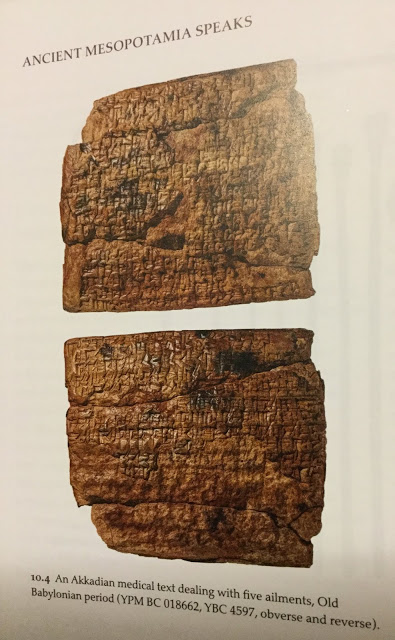
There are lot of similarities between the Mesopotamian and Vedic beliefs regarding diseases and medicines. Atharva Veda has more similarities than other Vedas with the Mesopotamian Cuneiform tablets. Only in Hindu religion God is called Doctor and Medicine (Bishak and Beshajam). After the Vedic period Hindus advanced with great speed. But Sumerian, Babylonian and Akkadian stopped growing. We see the same old belief prevailing in 6th and seventh century BCE in Babylonia. That was the time of Buddha, Mahavira, great physicians Susrutha and Charaka in India.
Following are notable similarities between the Mesopotamia (Iraq) and Vedic India:–
1.They believed that diseases are caused by Gods and Evil spirits
2.They used magical spells to drive away the disease causing demons.
3.They wore talismans made up of animal, plant and inanimate objects to protect them from the demons or evil spirits
4.They worshiped Gods or Goddesses in charge of medicines.
5.They thought Gods who become angry send the diseases to earth to punish people.
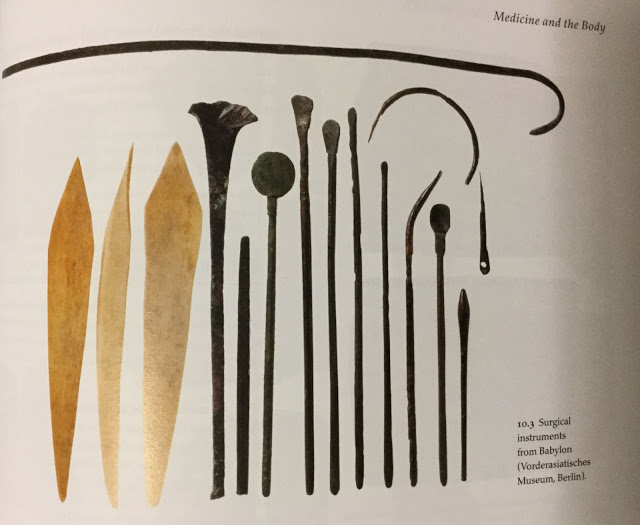
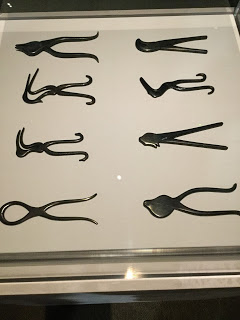
6.Both the cultures did surgeries and had surgical instruments.
7.To some extent they used herbal medicines.
8.They had trained medicine men, magicians to cure diseases.
There are dissimilarities as well.
First let us look at the Vedic literature.
Atharva Veda is dated around 1000 BCE or earlier. This Veda consists mostly of charms, spells, incantations, magic, sorcery, demonology and witchcraft. It deals also with plants and vegetable products as helpful agents in the treatment of diseases and for the prolongation of life.
In Atharva Veda we have even remedy for promoting the growth of hair (AV 6-163-1/2)
In the Atharva Veda the hymns for the cure of diseases and of possessions of demons are known as BHAISAJYANI, while those for prolongation of life and preservation of youth and health are known as AYUSHYANI.
It can be compared with the tasks of two types of medicine men ASU and AASIPUS in Mesopotamia.
Ritual healers or exorcists were called Aasipus and other healers were called Asus. They were highly respected during Neo Assyrian period (About 900- 612 BCE) . They were employed by kings along with astrologers, diviners and scholarly professionals.
Mesopotamian gods were short tempered and they signalled their displeasure by sending diseases. The Asipus were experts in reading them and they mediated between the victims and gods. The gods had the power to provide well being and plenty and bring about disaster if they so wished.
A catalogue from the first millennium BCE lists the texts expected to be mastered by a ritual healer. It features several series of incantations and rituals for healing and protection from various evils, handbooks on diagnostics and physiognomy, and medical remedies as well as descriptions of plants and stones used as therapeutic substances.
But the ‘Exorcist’s Manual’ as the catalogue is now called now, also registers various types of omens dealing with signs in heaven and on earth. The physicians performed basic surgeries
Hammurabi’s Law
According to Laws of Hammurabi (1800 BCE), the physicians also healed broken bones and performed eye surgery as well as veterinary care, for which he could charge a fee of ten shekels of silver, depending on the social status of the client.
The laws also specify the punishments (either financial or physical) that a physician could face if his interventions appeared to injure or kill a patient.
India had great eye surgeons like Jeevaka during the time of Buddha. He charged a very high fee for surgeries Susruta is the first one to talk about artificial plastic nose. He lists lot of surgical instruments. Asvins of Vedic literature were experts in treating patients and providing them artificial limbs. Dhanvatri is the God of Medicine in Hindu scriptures. A Tamil Pandya king was given an artificial hand and he was called ‘Pandya with a Golden hand’ 2000 years ago. These are just a few examples.
Charaka and Susruta, two great physicians, list the qualifications of physicians.
Mesopotamian Gods and Demons

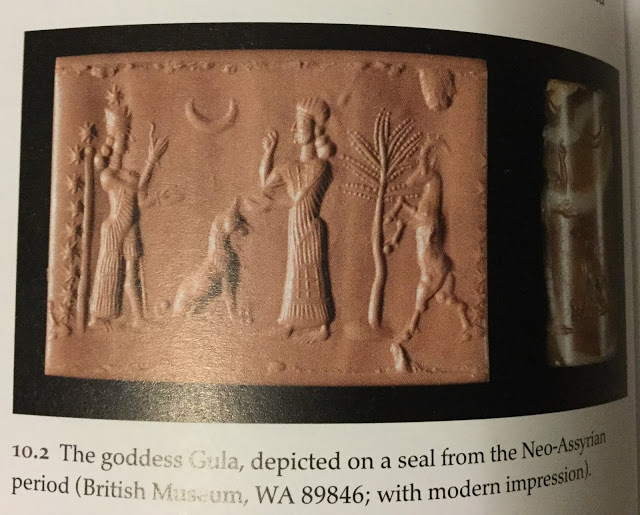
While the ritual healers regarded the gods of wisdom and magic, Ea (Enki) and Marduk (Asalluhi) as their guardians, physicians especially venerated the heling goddess Gula and her consort Damu.
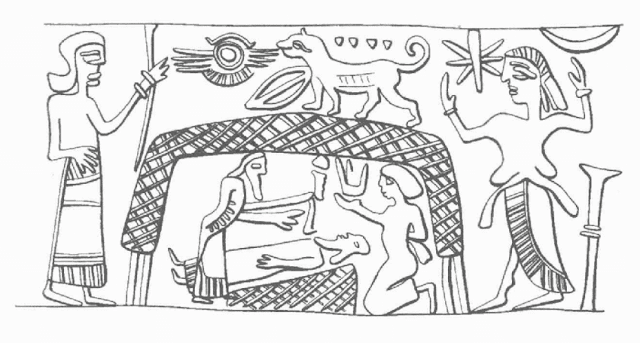
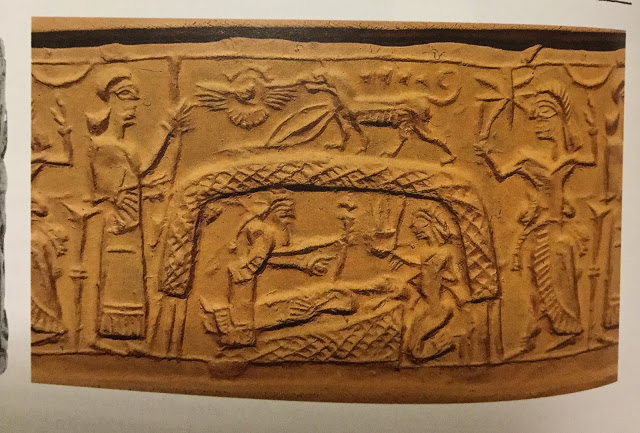
Goddess Gula was known as ‘Great Physician of the Land’ and was portrayed as applying bandages to treat skin sores, operating with surgical instruments ,reciting incantations, and performing midwifery. She was often shown with a dog. Like Hindu Yama and Bhairava she was accompanied by a dog.
The cures for snake bites are similar to cures in the Atharva Veda. Mesopotamians feared Lamashtu, the baby snatching demoness. This type of belief is in India as well. Tamil Skanda Sashti Kavasam hymn mentioned the child devouring demon. Tamils used white mustard seeds to drive away the demons from pregnant women and new born babies. Manasa Devi is worshipped in Bengal to get protection from snake bites.
Source Books:
Ancient Mesopotamia Speaks Yale University, 2019
History of Chemistry in Ancient and Medieval India, P Ray, 1956
Brain Surgery | Tamil and Vedas
https://tamilandvedas.com › tag › brain-surgery
17 Jun 2015 – Posts about Brain Surgery written by Tamil and Vedas. … Brain Surgery in Ancient India: Bhoja and Indus Valley … Jeevaka’s Eye Operation.
https://tamilandvedas.com › tag › upamanyu
25 Feb 2013 – Picture shows Kannappa Nayanar placing his foot on Shiva to mark the place for placing the second eye. Jeevaka’s Eye Operation. There is a …
Sushruta instruments | Tamil and Vedas
https://tamilandvedas.com › tag › sushruta-instruments
3 Feb 2018 – Sushruta was the Father of Surgery. He describes a lot of surgical instruments. On the basis of his description, model instruments were created.
https://tamilandvedas.com › tag › sushruta
4 Feb 2018 – Sushruta who lived 2600 years ago in India is the Father of Surgery. He described over 100 medical instruments. He was famous for nose …
https://tamilandvedas.com › tag › charaka
In two of the couplets he agrees with Charaka and Susruta, the great authors of …. A lot of surgical instruments, surgeries like rhinoplasty (plastic surgery for …
https://tamilandvedas.com › tag › susruta
Posts about Susruta written by Tamil and Vedas. … Sastra Vaidya Gunah/Qualities of a surgeon. Sauryam– … Sastraaiksnyam Well sharpened instruments
—subham–
—


 Tamil and Vedas