

Post No. 15,186
Date uploaded in London – 15 November 2025
Contact – swami_48@yahoo.com
Pictures are taken from various sources for spreading knowledge.
this is a non- commercial blog. Thanks for your great pictures.
tamilandvedas.com, swamiindology.blogspot.com
xxxx

Nammaalvaar is one of the twelve Tamil Vaishnavite saints known as Aalvaars (Azlvar). He is at the top of the 12 saints because of his contribution to Tamil devotional poetry called Nalayira (naalaayira) Divya Prabandham (4000 poems on Vishnu). His erudition in Tamil language attracted even poets like Bharatiyar, who is the greatest poet in modern Tamil. We can ee Nammalvar’s poems echoing in his songs. Both of them assure us that they will bring Krita Yuga, the Golden Age and drive away the Kali Age, the iron age.
In this article I want to show that Nammalvar is the one who inspired great Chaitanya and others to dance and reach God. Tamil devotees used to sing and dance very soberly. If one goes to Sampradaya Bhajans in Tamil Nadu, one can see men and women dance to the tune of Bhajan singer or the Bhagavata. But they go in round and round and clap rhythmically. If women dance, they hold lamps or sticks in their hands and dance, known as Deepa Pradakshina or Kolaattam. They also do Kummi dance by clapping the hands while moving in a circle
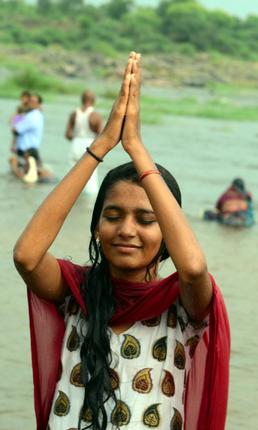
(Kummi- dancing by girls with rhythmic clapping while moving in a circle.
Kolaattam doing the same as above, but with sticks).
But Nammalvar describes a different type of dance which one can see in ISKCON dancers. They jump up and down, and some even fly skyward. I thought Chaitanya Mahaprabhu was the one who inspired such a type of dance. I found myself wrong when I went through the devotional poems of Nammalvar. They are called Paasuram in Tamil .
Chaitanya Mahaprabhu lived just 500 years before our time. But Nammalvar lived about 1200 years before our time.
If one reads the poems given below and note the highlighted words one will understand what he wants us to do.

Nowadays we see great Bhajans done by Chinmaya Mission, Sathya Sai Organisations, Swami Sivananda’s DLS, Ayyappa Bhaktas etc. But Hare Krishna dancers are the only one who come closer to what Nammalvar advised us to do.
Sri Ramakrishna Paramahamsa also told us when one is nearer to God people will think that the person has gone mad. He narrated several anecdotes from Chatanya’s life to illustrate this point. It is true he danced like a mad man and spread the Vishnu worship in Bengal , Bihar and Assam. Abhang singers in Maharashtra walk miles and miles. But Nammalvar says you must jump up and down. Your head should hit the ground. When the people see your antics, people would laugh at you. They will say that you have gone mad. If they act do that, know that you are nearer to God and you are on the right track. Just read the poems below. These are only samples. He elaborates on the same topic further down in his long poem.
3057 மொய்ம் மாம் பூம் பொழில் பொய்கை
முதலைச் சிறைப்பட்டு நின்ற
கைம்மாவுக்கு அருள் செய்த
கார் முகில் போல் வண்ணன் கண்ணன்
எம்மானைச் சொல்லிப் பாடி
எழுந்தும் பறந்தும் துள்ளாதார்
தம்மாம் கருமம் என்? சொல்லீர்
தண் கடல் வட்டத்து உள்ளீரே (1)
3057. The dark cloud-colored Kaṇṇan
gave his grace to the elephant Gajendra
when it was caught by a crocodile in a pond
by a grove blooming with flowers that swarmed with bees.
What is the use of those who do not get up, dance, jump,
praise and sing the greatness of our lord?
O devotees, who live in the world surrounded by the cool ocean, tell me.
3058 தண் கடல் வட்டத்து உள்ளாரைத்
தமக்கு இரையாத் தடிந்து உண்ணும்
திண் கழல் கால் அசுரர்க்குத்
தீங்கு இழைக்கும் திருமாலைப்
பண்கள் தலைக்கொள்ளப் பாடி
பறந்தும் குனித்தும் உழலாதார்
மண் கொள் உலகில் பிறப்பார்
வல்வினை மோத மலைந்தே (2)
3058. Thirumaal destroyed the strong Asurans,
ornamented with heroic anklets on their feet
who killed the people of the world
surrounded by oceans and ate them.
If you do not bathe, sing, dance, and praise Thirumaal,
you will be born on the earth again
and suffer because you have collected bad karma.

3059 மலையை எடுத்து கல் மாரி
காத்து பசுநிரை தன்னைத்
தொலைவு தவிர்த்த பிரானைச்
சொல்லிச் சொல்லி நின்று எப்போதும்
தலையினோடு ஆதனம் தட்டத்
தடுகுட்டமாய்ப் பறவாதார்
அலை கொள் நரகத்து அழுந்திக்
கிடந்து உழைக்கின்ற வம்பரே (3)
3059. He carried Govardhana mountain
and protected the cows from their affliction.
Those who do not jump and dance,
rolling on the ground,
and praise always the dear lord
will go to hell and suffer.
3060 வம்பு அவிழ் கோதைபொருட்டா
மால் விடை ஏழும் அடர்த்த
செம்பவளத் திரள் வாயன்
சிரீதரன் தொல் புகழ் பாடி
கும்பிடு நட்டம் இட்டு ஆடி
கோகு உகட்டுண்டு உழலாதார்
தம் பிறப்பால் பயன் என்னே
சாது சனங்களிடையே? (4)
3060. The god Sridharan has a beautiful pearl-like mouth.
He killed seven strong bulls to marry Nappinnai
whose hair was adorned with fragrant flowers.
What is the use of those who are born as sages
if they do not sing, dance, kneel, bow their heads
and wander and do not praise the lord?

THEY FALL ON lONDON ROADS TO SALUTE LORD KRISHNA.

3061 சாது சனத்தை நலியும்
கஞ்சனைச் சாதிப்பதற்கு
ஆதி அம் சோதி உருவை
அங்கு வைத்து இங்குப் பிறந்த
வேத முதல்வனைப் பாடி
வீதிகள் தோறும் துள்ளாதார்
ஓதி உணர்ந்தவர் முன்னா
என் சவிப்பார் மனிசரே? (5)
3061. The ancient beautiful shining god
left his divine form in heaven and was born on the earth
to defeat Kamsan who troubled the sages.
What can those who do not sing, praise, dance and worship him
do before sages who worship him, knowing all the sastras?
3062 மனிசரும் மற்றும் முற்றும் ஆய்
மாயப் பிறவி பிறந்த
தனியன் பிறப்பிலி தன்னை
தடங் கடல் சேர்ந்த பிரானை
கனியை கரும்பின் இன் சாற்றை
கட்டியை தேனை அமுதை
முனிவு இன்றி ஏத்திக் குனிப்பார்
முழுது உணர் நீர்மையினாரே (6)
3062. People have been born in various forms—
human, animal and others.
The matchless god does not have birth
and he was born on this earth to save his devotees.
He sleeps on the wide ocean.
He is sweet as a fruit, sugarcane juice, jaggery, honey and nectar.
If devotees praise him with songs and dance without ever growing tired
they will receive the wisdom of understanding all things.

3063 நீர்மை இல் நூற்றுவர் வீய
ஐவர்க்கு அருள்செய்து நின்று
பார் மல்கு சேனை அவித்த
பரஞ்சுடரை நினைந்து ஆடி
நீர் மல்கு கண்ணினர் ஆகி
நெஞ்சம் குழைந்து நையாதே
ஊன் மல்கி மோடு பருப்பார்
உத்தமர்கட்கு என் செய்வாரே? (7)
3063, He gave his grace to the five Pandavas
and destroyed the hundred evil Kauravas.
What is the use of people who merely eat well and get fat
without thinking of the god?
What could they do to the good devotees
who are filled with tears,
melting in their hearts with devotion for the god?
3064 வார் புனல் அம் தண் அருவி
வட திருவேங்கடத்து எந்தை
பேர் பல சொல்லிப் பிதற்றி
பித்தர் என்றே பிறர் கூற
ஊர் பல புக்கும் புகாதும்
உலோகர் சிரிக்க நின்று ஆடி
ஆர்வம் பெருகிக் குனிப்பார்
அமரர் தொழப்படுவாரே (8)
3064. Our father stays in northern Thiruvenkaṭam hills
where flourishing cool waterfalls descend with abundant water.
Devotees who repeat his many names
and wander everywhere and dance
while the people of the world mock them
and laugh at them saying that they are crazy
will be worshiped by the gods in the sky.
The last stanza here shows that they will laught at you and dub you a crazy fellow.
We have seen such criticism about Sri Ramakrishna Paramahamsa and Sri Seshadri Swamikal of Tiruvannamalai.
Let us all become mad, I mean crazy about God.
Atheists are suffering from God phobia; let us suffer from God mania!
(above translation is by Kausalya Hart. I differ from it in only in a few places. Nammalvar used the word flying (paranthum) in Tamil.


–subham—
Tags- God mad, Dance, reach god, laugh at , up and down, fly and dance, Nammlavar, Tamil poems, Pasurams, Hare Krishna, ISKCON
 Tamil and Vedas
You must be logged in to post a comment.