கலியுக முடிவு பற்றி லிங்க புராணம்

முன்னர் வெளியான சந்தானம் சுவாமிநாதன் கட்டுரைகள்: (1) டிசம்பர் 21ஆம் தேதி உலகம் அழியுமா? (2) “உலக அழிவு” பற்றி மகா பாரதம். இவ் வரிசையில் இதோ மூன்றாவது கட்டுரை:


கலியுக முடிவு பற்றி லிங்க புராணம் என்ன கூறுகிறது என்று பார்ப்போம்:

1.திருடர்கள் மன்னர்கள் ஆகிவிடுவர். மன்னர்கள் திருடர்கள் ஆகிவிடுவர்.

2.மக்களின் சொத்துக்களை ஆட்சியாளர்கள் பறிமுதல் செய்து அதைக் கெட்ட வழியில் செலவிடுவர்.

3.கொஞ்சம் படித்த அடிப்படை ஒழுக்கம் இல்லாதவர்கள் பெரிய சாமியார்களாகக் கருதப்படுவர்.

4.நிறைய நாடோடிகள் (அகதிகள்?) நாடு நாடாகச் செல்வர்.

5.தாய்மார்களின் கர்ப்பத்திலேயே கருக்கள் அழிக்கப்படும்

6. கோர மிருகங்களின் தொல்லைகள் அதிகரிக்கும்

7.மக்கள் தவறான முடிவுகளுக்கு ஜே போடுவார்கள்

8.ஒருவரை ஒருவர் நம்பமாட்டார்கள். பொறாமை அதிகரிக்கும்.

9.ஆயுட்காலம் குறையும். பலர் 16 வயதி இறப்பார்கள்.

10.பசி, பிணி இவற்றால் கஷ்டப்படுவோர் பூமிக்கடியில் வசிப்பார்கள்.

11.இளம் பெண்கள் கற்பை விலை பேசுவார்கள்

12. மழைக்கான அதிபதி கண்ட கண்ட இடங்களில் கண்ட கண்ட காலங்களில் மழையைக் கொட்டுவான்.

13.கடைக்காரர்கள் கொள்ளை லாபம் அடிப்பர்.

14.கடுமையான, அசிங்கமான மொழி பயன்படுத்தப்படும்

15.பிச்சைக்காரர்கள், வேலை இல்லாதோர் அதிகரிப்பர்

16.ஆட்சியாலர்கள் மக்களுக்கு பாதுகாப்பு வழங்காமல் மக்களின் செல்வத்தை வரிகள் மூலம் பறிப்பதில் குறியாக இருப்பர்.

17.பணம் சம்பாதிப்பதே குறிக்கோளாக இருக்கும். வேறு லட்சியம் அதுவும் இல்லாமல் பானக்காரர்களின் சொல் கேட்பர்.

18.தண்ணீர் பற்றாக்குறை ஏற்படும்.

19.ஏற்கனவே தயாரிக்கப்பட்ட உணவு வகைகள் விற்கப்படும்.

லிங்க புராணம் எழுதப்பட்டு 1500 ஆண்டுகட்கு மேலாகிவிட்டது. அப்போதே இப்படி உலகம் தறிகெட்டுப் போகும் என்று எப்படிக் கண்டுபிடித்தனர்? ஞானிகளின் த்ரிகால ஞானம் (முக்காலப் பார்வை) என்றே சொல்ல வேண்டும்.

Contact swami_48@yahoo.com


Indus Valley Cities in Ramayana

Ramayana Wonders Part 5

Indus Valley Cities in Ramayana

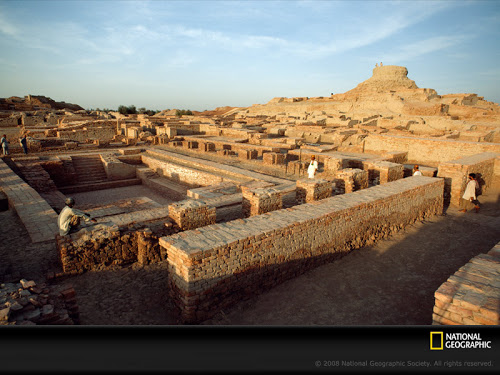
The “destruction of Indus Valley cities” was debated by scholars at one time. The latest theory is that the civilisation declined not because of attacks by foreigners but by natural catastrophes. The changing course of Sarasvati river and the resultant drought may be one of the causes. Ramayana gives valuable information about Indus valley. It was ruled by the Gandharvas and Rama sent  Bharata to conquer the cities. The description of the Indus cities by Valmiki matches very well with Harappa and Mohanjo Daro. Gargya says these words:

“There is a country of Gandharvas, rich in fruits and roots, situated on the banks of Sindhu river; that the country is extremely fertile. The Gandharvas, armed and skilful warriors , defend it. When you have conquered them and destroyed their magnificent CITADELS, take possession of their CITIES, which are WELL CONSTRUCTED , none other can achieve this; the country is extremely beautiful.(Uttara Kanda, chapter 100)

Rajavalia, Sri Lankan history book, puts Rama’s date as 1844 years before the Buddha. This means Rama lived in2500 BC which coincides with the Indus Valley Civilization. Since information given by Rajavalia and Valmiki coincides we may consider it authentic.

Mahabharata war took place after Ram’s time. Mahabharata also has lot of references to Indus Kingdom. Jayadratha was called Sindhuraja and Saindharva. He was the husband of Duryodhana’s sister Dushala. He was one of the eleven commanders of Kaurava army. He fought valiantly, but killed by Arjuna. Jayadratha’s father was Vridhakshetra. He ruled Indus valley area.

Legendary Lovers

Laila and Majnu, Anarkali and Salim, Romeo and Juliet, Antony and Cleopatra, Ambikapathy and Amaravathy, Shah Jahan and Mumtaj, Adhimanthi and Attnathi (Tamil), Kovalan and Madhavi, Radha and Krishna

We know a list of popular legendary lovers or couples. But Valmiki gives another list of ideal couples (Sundara Kanda ,chapter 24):

Sita told the Rakshasa women, “I will follow Rama

As Suvarchala follows the Sun (Surya)

Sachi  follows Indra

Arundhati follows Vashista

Rohini follows Sachin (Moon)

Lopamudra follows Agastya

Sukanya follows  Syavana

Savitri follows Satyavan

Shrimati follows Kapila

Madayanti follows Sandasa

Keshini follows Sagara

Damayanti follows Nishada (Nalan)

Swaha follows  Agni”.


This stanza throws light on ancient Indian society. Women were very intelligent and well informed. The way Sita argued in Ramayana and Draupadi argued in Mahabharata showed that they were well educated. They believed in values such as chastity and husband is god like.

Diplomatic Immunity

In the modern world embassies are given special rights. The embassy building is considered part of that particular country. No one can enter it without the country’s permission. Diplomatic staff have immunity. Unless it is a serious criminal offence they can’t be detained, they can only be deported. This was applicable to messengers in the olden days. We have more information about the rules governing ambassadors in Mahabharata and Arthashastra. Krishna has acted like messenger several times. In the Ramayana, when Ravana passed death sentence on Hanuman, Vibhishana pointed out to him how an ambassador should be treated. After listening to him, Ravana changed his mind and commuted death sentence to the punishment of setting fire to his tail.

Vibhishana pointed out:

1.No envoy is put to death 2.Mutilation of the body, the whip, the stripes, shaving of the head, branding ,one or all of these can be inflicted on a messenger. 3.The virtuous do not give way to wrath 4. It is on those who sent him must be punished, not the messenger. Whether he be honest or not, the responsibility lies with them.


Big, Big Numbers

Some Tamils have been circulating big numbers as Tamil numbers. They are not. They are Sanskrit numbers. We have been reading about them from the beginning of Vedic literature. They are not found in Sangam Tamil literature, but in early Sanskrit literature.  Commentators on Tamil work Paripatal refers to big numbers, but gives only Sanskrit words such as Sangam, Padmam, Samudram etc. Valmiki also speaks of big numbers Yuddha Kanda chapter 28:


“O King, a hundred thousand multiplied by a hundred is called a Koti

Hundred thousand such Kotis  make one Shanku

A hundred thousand such shankus  make one Maha Shanku

A hundred thousand such Maha Shankus make one Vrinda

A hundred thousand such Vrindas make one Maha Vrinda

A hundred thousand such Maha Vrindas make one Padma

A hundred thousand such Padmas make one  Maha Padma

A hundred thousand such Maha Padmas make one  Kharva

A hundred thousand such Kharvas make one Samudra

A hundred thousand such Samudras make one Ogna

A hundred thousand such Ognas make one Maha Ogna

When we read the number of monkeys that marched to Lanka, it may sound a big exaggeration. What Valmiki wanted to emphasize is that they knew huge numbers and huge army of monkeys took part in the war.

Earlier Vedic literature also speaks about huge numbers which is a proof for mathematical genius of Indians. Other cultures could speak only in 40s or multiple of 40s at the time.

Contd. ……………….. in Ramayana Wonders part 6


Please read other posts by Santanam Swaminathan : 1. Ram –the Best PR Man 2. தியாகராஜ சுவாமிகளுடன் 60 வினாடி பேட்டி 3.நாமும் அனுமார் ஆகலாம் 4.கம்பனுடன் 60 வினாடி பேட்டி 5.ராமாயண வினா-விடை (க்விஸ்) 5.Where is Rama Setu (Rama’s Bridge) ? 6.Did Sita Devi Die in Earth Quake? 7. Ramayana Wonders Part1 (8) . Ramayana Wonders Part2 :How many miles did Rama walk? (9) Ramayana Wonders Part 3: Rama and Sanskrit G’ramma’r 10) Part 4: Who can read all 300 Ramayanas?

Contact swami_48@yahoo.com


“உலக அழிவு” பற்றி மகாபாரதம்

மகா பாரதத்தில் இல்லாதது எதுவும் இல்லை. “வ்யாச்சோசிஷ்டம் ஜகத் சர்வம்” என்பது பெரியோர் வாக்கு. அதாவது வியாச முனிவரின் எச்சில்தான் இந்த உலகம் முழுதும். அவர் வாயில் விழாத சப்ஜெக்ட் (விடயம்) இப்பூவுலகில் எதுவும் இல்லை. முன்னரே வெளி உலக வாசிகள் பற்றியும், பீஷ்மரின் ஊசி மருத்துவம் (அக்யுபன்க்சர்) பற்றியும் காலப் பயணம் பற்றியும் (டைம் ட்ராவல்) தனித் தனி கட்டுரைகள் எழுதிவிட்டேன்.

இப்பொழுது மாயன் காலண்டரில் உலக அழிவு பற்றி இருப்பதாக வதந்தி கிளம்பி இருப்பதால் எல்லோருக்கும் இதில் ஆர்வம் பிறந்திருக்கிறது. மகாபாரதம் கலியுக முடிவு பற்றி என்ன சொல்லி இருக்கிறது எனபதைச் சொல்லுகிறேன். பல இடங்களில் உலக முடிவு பற்றிப் பேசப்பட்டாலும் வன பர்வத்தில் கலியுகத்தின் இறுதிக் காலம் பற்றி விரிவாகக் காணலாம்.

நம்மைப் போலவே பாண்டவர்களில் மூத்தவரான தர்மருக்கும் இதில் ஆர்வம் இருந்திருக்கிறது. இது ஒரு அதிசயமான, ஆர்வமூட்டும் விஷயம் என்று பீடிகை போட்டுவிட்டு, மார்க்கண்டேய முனிவரிடம் கீழ்கண்ட கேள்விகளைக் கேட்கிறார் தர்மர்:

தர்மங்களும் நற்குணங்களும் அழிந்தபின்னர் என்ன நடக்கும்? அப்போது மனிதர்கள் என்ன உண்ணுவார்கள், எப்படிப் பொழுதைக் கழிப்பார்கள்?, அவர்கள் எந்த அளவுக்கு பலம் உடையவர்களாக இருப்பர்? கலியுகம் முடிந்த பின்னர் கிருத யுகம் துவங்குமா?

(தர்மரின் கேள்விகளை இந்தக் காலத்தில் படிக்கும்போது நம் முன்னோர்கள் எவ்வளவு தீர்க்க தரிசனம் படைத்தவர்கள் என்று எண்ணி வியக்க வேண்டியுள்ளது. அன்றாட உப்பு ,புளி, மிளகு பற்றிப் பேசாமல் இந்தப் பூவுலகின் தோற்றம், முன்னேற்றம், முடிவு குறித்து சிந்திப்பதை வேறு எங்கும் காண முடியாது. இந்துப் புராணங்களிலும் மகாபாரதத்திலும் மட்டுமே காண முடியும்)

மார்கண்டேய முனிவரின் பதிலில் உள்ள ‘பாயிண்டு’களை மட்டும் பார்ப்போம்:

1.கிருத (சத்திய) யுகத்தில் ஏமாற்று, மோசடி, பேராசை, பொய் கிடையாது. அப்போது தர்மம் என்னும் மாட்டுக்கு நான்கு கால்கள் இருந்தன. திரேதா யுகத்தில் பாவங்கள், ஒரு காலை வெட்டிவிட்டன. அடுத்த தூவாபர யுகத்தில் பாவங்கள் பெருகி அறம் அழியவே தர்மத்துக்கு இரண்டு கால்கள் மட்டுமே எஞ்சின. கலியுகத்திலோ இது ஒரே கால் ஆகிவிடும்.

2.ஒவ்வொரு யுகத்திலும் மனிதனின் உடல் பலம், ஆன்ம பலம், புத்தி ஆகியன குறைந்து கொண்டே வரும். கலியுகத்தில் நான்கு வருணத்தாரும் பொய்யாக ஆசார அனுஷடானங்களைப் பின்பற்றுவர். ஒருவரை ஒருவர் ஏமாற்றுவர். போலி அறிஞர்கள் பொய்மை வாதத்தால் உண்மையை மறைப்பர். ஆயுள் குறைவால அதிகம் கற்க முடியாது. கல்விக் குறைவால் விவேகம் வராது. பேராசை, காமம், கோபம், அறியாமை ஆகியவற்றால் ஒருவரை ஒருவர் வஞ்சிப்பர். முதல் மூன்று ஜாதியினர் நாலாவது ஜாதி அளவுக்கு தாழ்ந்து விடுவர்.

3.மீன், ஆடு முதலிய உணவு அதிகரிக்கும். பசுமாடுகள் குறைந்துவிடும். ஆசை காரணமாக ஒருவரை ஒருவர் கொல்லுவர். மனைவியர் நண்பர்கள் போல இருப்பார்கள். திருடர்கள், நாஸ்தீகர்கள் அதிகரிப்பர். தானியங்கள் விளையாமையால் ஆறுகளிலும் ஏரிகளிலும் இறங்கி பயிர் செய்வர். அப்படியும் வறண்ட பூமியாகவே இருக்கும்

4. அப்பன் , மகன் சொத்தையும், மகன் அப்பன் சொத்தையும் அபகரிப்பன். சாஸ்திர விதிகளுக்குப் புறம்பான விஷயங்களை அனுபவிப்பர். பிராமணர்கள் வேதங்களை நிந்திப்பர்.. ஹோமம் முதலியவற்றைப் பின்பற்றார்.

5.மிலேச்சர் போன்று நடக்கத் துவங்குவர். யாக யக்ஞங்கள் நடக்காது. மகிழ்ச்சி குறையும். பலமும் அறிவும் குறையும் ஒருவர் ஒருவருடன் வாதிடுவர். காக்கும் தொழிலில் உள்ளவர்கள் தண்டனை அளிப்பதில் மட்டும் கருத்தைச் செலுத்துவர். அவர்கள் நேர்மையான மக்களையும் அவர்களுடைய குழந்தைகள், மனைவிமார்களையும் அபகரிப்பர்.

6. மனைவிமார்கள், கணவனுக்கு பணிவிடை செய்யார். பார்லி, கோதுமை விளையும் நாடுகளை நோக்கி மக்கள் செல்லுவர். ஆண்களும் பெண்களும் ஒருவரை ஒருவர் மதியார். வருண வேறுபாடுகள் அகன்று எல்லோரும் ஒரே மாதிரி இருப்பர். தோட்டங்களையும் மரங்களையும் அழிப்பர்.ஐயோ போன்ற கதறல்கள் அதிகரிக்கும்.

கல்கி அவதாரம்

7. சூரியன், சந்திரன், குரு மூவரும் புஷ்ய நட்சத்திரத்துடன் ஒரே ராசியில் பிரவேசிக்கையில் புதிய கிருத யுகம் துவங்கும். (பீஷ்ம பர்வத்தில் ஓரிடத்தில் யுக முடிவில் சந்திரனை ஐந்து கிரகங்கள் பீடிக்கும் என்று கூறப்பட்டுள்ளது. நிறைய கிரகங்கள் ஒரே ராசியில் சேருவது பொதுவாக நன்மை இல்லை என்பது கருத்து.)

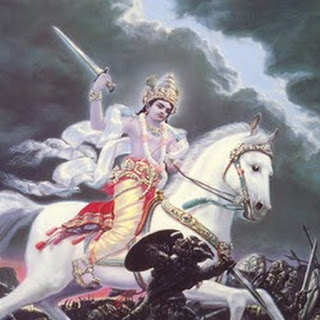
இந்த நேரத்தில் சம்பல என்னும் ஊரில் ஒரு பிராமணர் குடும்பத்தில் கல்கி அவதரிப்பார். அவர் விஷ்ணுவின் புகழ் பாடுவார். தீயோரை அழித்து நல்லோரைக் காப்பாற்றுவார். அவர் பிறந்த பின்னர் பூமி எங்கும் மழையும் சுபிட்சமும் அமைதியும் நல்லாட்சியும் நிலைபெறும். அவர் கிருதயுகத்தைத் துவக்கிவைப்பார். அவர் துராசாரம் மிக்க மிலேச்சர்கள் அனைவரையும் ஒழிப்பார். அவர் மன்னர்களுக்கெல்லாம் மன்னராக விளங்குவார். அவர் நினைத்த மாத்திரத்தில் ஆயுதங்களும் படை பலமும் வந்து குவியும். கல்கி என்பவர் மகா பலவானாகவும், புத்திமானாகவும், குணவானாகவும், தேஜோமயமாகவும் ஜொலிப்பார். (வேறு சில புராணங்களில் அவர் வெண் புரவியில் (வெள்ளைக் குதிரை) பவனி வருவார் என்றும் சொல்லப்பட்டிருக்கிறது).


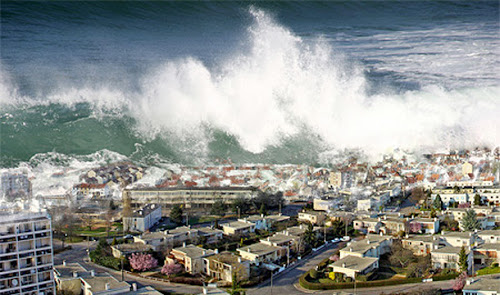
8. உலக அழிவின்போது ஏற்படும் இயற்கைச் சீற்ற வருணணைகளைப் படிக்கையில் பூகம்பம், கடல் சீற்றம், சுனாமி, பெருந்தீ, வறட்சி, வெள்ளம், எரிமலைச் சீற்றம், விண்கல் வீச்சு —ஆகிய எல்லாம் நினைவுக்கு வருகிறது. ஆக முன்னோர்களும் தர்மம் குன்றும் போது இயற்கையும் மாறுபடும் என்று எதிர்பார்க்கின்றனர்.

9. இவை எதுவும் நாளையே நடைபெறப் போவதில்லை. ஆனால் சில விஷயங்கள் இப்போதே நடப்பதை மறுப்பதற்குமில்லை. இன்னும் நூறு ஆண்டுகளுக்குப் பின் இதே வன பர்வத்தைப் படித்து புது அர்த்தம் ஏதேனும் புலப்படுகிறதா என்பதைப் பார்ப்போம்.

மண்ணில் நல்லவண்ணம் வாழலாம்; வைகலும்

எண்ணில் நல்ல கதிக்கு யாதும் ஓர் குறைவில்லை

-திரு ஞான சம்பந்தர்

சேல் பட்டு அழிந்தது செந்தூர் வயல் பொழில், தேன் கடம்பின்

மால் பட்டு அழிந்தது பூங்கொடியார் மனம்; மாமயிலோன்

வேல் பட்டு அழிந்தது வேலையும் சூரனும் வெற்பும்; அவன்

கால் பட்டு அழிந்தது இங்கு என் தலைமேல் அயன் கை எழுத்தே

-அருணகிரிநாதர்

சந்தானம் சுவாமிநாதன் எழுதிய இவைகளையும் காண்க:

(1)பழமொழியில் இந்துமதம் (2) Do Hindus Believe in E.T.s and Aliens? (3)Bhishma: First Man to Practise Acupuncture (4) Great Engineers of Ancient India 5) டிசம்பர் 21ம் தேதி உலகம் அழியுமா?

மாமன்னன் வல்லாளன் எழுதிய அற்புத நூல்!

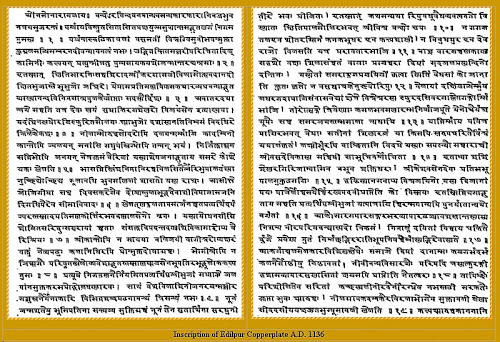
Picture shows Edilpur Copper Plate of Sena Dynasty

மாமன்னன் வல்லாளன் எழுதிய அற்புத நூல்!

By ச.நாகராஜன் 


வங்க மன்னன் வல்லாளன் 

வங்காளத்தை ஆண்ட ஒரு மா மன்னன் நாட்டை ஆளுவதில்  வல்லவனாக இருந்ததோடு ஜோதிடத்திலும் வல்லவனாக இருந்தான் என்றால் ஆச்சரியமான விஷயம் தானே அது! சேனர் வமிசத்தைச் சேர்ந்த மன்னன் வல்லாள சேனன் (கி.பி.1160 முதல் 1178ம் ஆண்டு முடிய அரசாண்டவன் ) பல சமூக சீர்திருத்தங்களைக் கொண்டு வந்தவன்.பகைவர்களுக்குச் சிம்ம சொப்பனமாக விளங்கிய மாவீரன்.அவனைப் பற்றிய தாமிரச் செப்பேடுகள் அவன் புகழைப் பாடுகின்றன.மகதத்தில் நிகழ்ந்த போரில் பால வமிசத்தைச் சேர்ந்த மன்னர்களை அவன் வென்றான்.வல்லாள சேனரின் தந்தையான விஜய சேனர் அரசாண்ட போதே வல்லாளன் மிதிலைக்கு எதிரான போரில் அவருடன் சென்று வெற்றிக் கொடியை நாட்டினான். சாளுக்கிய ராணியான ராம்தேவியை மணம் புரிந்து கொண்டான்.


தன சாகரம் மற்றும் அற்புத சாகரம் 

வல்லாளன் பல் கலை வித்தகன். பேரறிஞன். ஜோதிடத்தில் புலி. சிறந்த சிவ பக்தன்.தனசாகர் என்ற நூலை 1168ம் ஆண்டு அவன் இயற்றினான். அடுத்து அற்புத சாகரம் என்ற ஜோதிட நூலை 1169ம் ஆண்டு எழுதலானான். ஆனால் அபூர்வமான இந்த நூல் முற்றுப் பெறவில்லை.18 ஆண்டுகள் நாட்டைத் திறம்பட ஆண்ட வல்லாளன் இறுதிக் காலத்தில் தன் மகன் லக்ஷ்மண சேனரிடம் ஆட்சிப் பொறுப்பைக் கொடுத்து விட்டு தன் மனைவியுடன் திரிவேணி சங்கமத்தின் அருகே கங்கைக் கரையில் அழகுற ஆசிரமம் ஒன்றை அமைத்துத் தங்கி இருந்தான். இப்போதைய பங்களா தேஷில் டாக்காவில் உள்ள தாகேஸ்வரி ஆலயத்தை நிர்மாணித்தவன் இவனே என்று ஆராய்ச்சி அறிஞர்கள் கருதுகின்றனர்.தனக்கு முன்னால் ஜோதிடத்தில் வல்லவர்களாக இருந்த அனைத்து ரிஷிகள், மேதைகள் ஆகியோரின் நூல்கள் அனைத்தையும் வல்லாளன் முதலில் கற்றுத் தேர்ந்தான். பின்னர் தான் கண்டு பிடித்த அரிய முத்தான கருத்துகளைத் தொகுத்து அற்புத சாகரம் என்ற நூலை எழுதலானான்.


அற்புத சாகரம்

 பராசரர்,காஸ்யபர்,கர்கர்,வராஹமிஹிரர்,ரிஷிபுத்திரர்,வஸந்தராஜர்,  பிரம்மகுப்தர், பட்ட பலபத்ரா உள்ளிட்ட ஏராளமான மேதைகளை வல்லாளன் குறிப்பிடுவதால் இவன் அத்துணை பேரையும் நன்கு அறிந்தவன், அவர்களின் நூல்களைக் கரைத்துக் குடித்தவன் என்பது தெளிவாக விளங்குகிறது!தனது புதுமையான நூலின் அத்தியாயங்களுக்கு அத்தியாயம் என்றோ அதிகாரம் என்றோ பெயர்களைச் சூட்டாமல் சுழல் என்று பெயரைச் சூட்டினான் வல்லாளன். இதன் படி இவனது அற்புத சாகரத்தில் பூனைச் சுழல், நாய்ச் சுழல், நரிச் சுழல்,பல்லிச் சுழல், எறும்புச் சுழல், பறவைச் சுழல்,ஈச் சுழல், கொதுகுச் சுழல், சிலந்திச் சுழல், வண்டுச் சுழல், தவளைச் சுழல், கருங்குருவிச் சுழல்,கிருஷ்ணபட்சிச் சுழல், காகச் சுழல், இடிச் சுழல், பரிதி வட்டச் சுழல் என்பன போன்ற சுழல்கள் ஏராளம் உள்ளன். ஒவ்வொரு சுழலும் ஏன் ஏற்படுகிறது,அவரவர் கர்ம வினைக்கு ஏற்ப நவ கிரகங்கள் தரும் பலன்கள் என்னென்ன என்பனவற்றை அவன் விளக்கும் விதமே சுவாரசியமானது! சப்தரிஷி மண்டலத்தின் தோற்றத்தையும் வல்லாளன் அழகுற விவரிக்கிறான். பூமி, ராகு, கேதுக்கள் பற்றிய இவனது ஆராய்ச்சி பல புதிய உண்மைகளை விளக்குகிறது.


ஜோதிடத்தில் ஒரு மா மன்னன் ஆர்வம் உடையவனாக இருப்பதில் ஆச்சரியம் ஏதுமில்லை. ஆனால் அதில் வல்லவனாகி ஆராய்ச்சிகள் செய்து புதிய பாணியில் சிறந்த கருத்துக்களைக் கொண்ட ஒரு நூலை எழுதியது தான் அற்புதமான விஷயமாக ஆகிறது. அற்புத சாகரத்தை எழுதிய மன்னன் அற்புத மன்னனே எனச் சொல்ல வைக்கிறது.


My brother S Nagarajan’s other articles on Astrology, Astrologers and Astronomers are available on this blog. Please read them: swami.

Contact swami_48@yahoo.com


****************

தக்காளி ரசத்தின் மகிமை


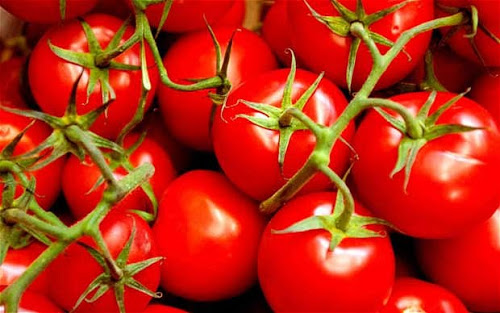
தமிழர்களின் சாப்பாட்டில் சாம்பார், ரசம், தயிர்/மோர் என்று மூன்று ‘கோர்ஸ்’ உணவு இருக்கும். இன்றும் தமிழ்நாட்டு ஹோட்டல்களில் இதே முறை பின்பற்றப்படுகிறது. கல்யாணச் சாப்பாடுகளிலும் இதுதான் பிரதானம். சப்பாத்தி, பரொட்டா போன்றவை எல்லாம் பிற்காலத்தில் சேர்க்கப்பட்டவை. கூட்டு, காய்கறிகள் மற்ற வெஞ்சனம் (சைட் டிஷ்) ஆகும். தமிழ் பிராமணர் வீடுகளில் இன்றும் இதே வழக்கம் நீடிக்கிறது. இந்த தக்காளி புற்றுநோயை ஒழித்துவிடும் என்று இப்போது ஆராய்ச்சியில் தெரியவந்துள்ளது.

தக்காளிக்கு சிவப்பு நிறம் கிடைக்க உதவுவது லைகோபின் என்னும் ஒரு பொருளாகும். இது புற்றுநோயின் எதிரி. அதாவது புற்று நோய் செல்களுக்கான ரத்த சப்ளையத் தடுத்துவிடுகிறது. இதை பிரிட்டனில் போர்ட்மவுத் பல்கலைக்கழகத்தில் பார்மஸி பிரிவைச் சேர்ந்த ம்ருதுலா சோப்ராவும் அவருடைய சகாக்களும் கண்டுபிடித்தனர். சமைக்கப்பட்ட தக்காளி நன்கு வேலை செய்கிறது. புற்றுநோய் செல்கள் ரத்த ஓட்டத்தைக் கடத்திச் சென்று தங்களுக்குப் பயன்படுத்தும். அதை தக்காளியின் லைகோபின் தடுக்கிறது அல்லது மெதுவாகச் செயல்படவைக்கிறது.

சோதனைச் சாலையில் நடைபெறும் இந்த நிகழ்ச்சி மனித உடலிலும் நடைபெறுகிறதா என்பதை அடுத்து ஆராயப்போகிறார்கள்.அவர்கள் முடிவை அறிவிப்பதற்கு முன்னால் நானே சொல்லிவிடுகிறேன். தமிழர்கள் நூற்றுக்கணக்கான ஆண்டுகளாகச் சாப்பிடுவதன் காரணமே அதன் மருத்துவ குணத்தால்தானே.

தக்காளியை 2500 ஆண்டுகளுக்கு முன் தென் அமெரிக்க அஸ்டெக் (ஆஸ்தீக) நாகரீக மக்கள் கண்டுபிடித்தனர். பிறகு ஸ்பானியர்கள் இதை இலகம் முழுதும் கொண்டுசென்றனர். பிரிட்டிஷார் மூலம் நமக்கும் 300 ஆண்டுகளுக்கு முன் வந்து சேர்ந்தது.


If you are a health freak, please read also other posts by Santanam Swaminathan:

1.இளநீர் மகிமையும் தென்னையின் பெருமையும் 2.நெல்லிக்காய் மகிமை: அவ்வையாரும் ஆல்பிரூனியும் அலெக்சாண்டரும் 3.வடக்கே தலை வைக்காதே 4. Amazing Medical Knowledge of Tamils 5. Why do Hindus practise Homeopathy? 6. Hindu Wisdom: Copper Kills Bacteria 7. Copper kills Cancer 8. How did a Pandya King get a Golden Hand?

Tomatoes prevent cancer

Dr Mridula Chopra and colleagues at the University of Portsmouth tested the effect of the nutrient lycopene on the simple mechanism through which cancer cells hijack a body’s healthy blood supply to grow and spread.

They found that lycopene, which is what gives tomatoes their red colour, intercepts cancer’s ability to make the connections it needs to attach to a healthy blood supply.

The researchers, from the university’s School of Pharmacy and Biomedical Sciences, are now calling for tests to check if the same reaction occurs in the human body.

Director of the research Dr Chopra said: ”This simple chemical reaction was shown to occur at lycopene concentrations that can easily be achieved by eating processed tomatoes.”

Tamil’s three course meals contain rice with Sambar, Tomato Rasam and Curd/Yogurt. All the hotels serve the same until today. In traditional weddings these are must items. But tomatoes are not Indian vegetables. They came from South American Aztecs through the Spaniards. British brought them to India 300 years ago.

Copper kills cancer cells

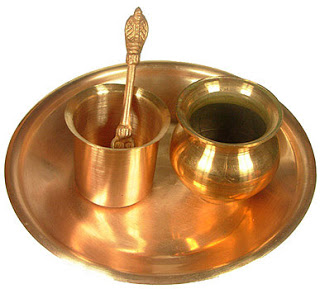
( On 27th May 2012 ,I posted an article “Hindu Wisdom: Copper kills Bacteria” in this blog. Now we have one more news item in support of this view. Hindusare allowed to use only copper vessels in religious ceremonies. Iron or stainless steel is not allowed. Bronze and brass slowly replaced the copper in homes. But in temples still copper is used).

(News in London News Papers)

A drug used to treat alcohol addiction could help destroy deadly brain tumours, research has shown.

For more than 60 years, disulfiram has been used as part of therapy to wean people off alcohol. It makes the body acutely sensitive to alcohol, producing an unpleasant reaction.

Now scientists believe the drug could offer new hope to patients with glioblastoma, the most common and deadly form of brain cancer.

Unlike most drugs, disulfiram is able to penetrate the “blood-brain barrier” – a physical and molecular wall that keeps toxic substances out of the brain. It is used with copper gluconate.

Study leader Dr Weiguang Wang, from the University of Wolverhampton, said: “We’ve been studying the cancer-fighting properties of disulfiram for over a decade, so it’s very exciting to have reached a stage where clinical trials may be possible.

“The idea of using copper to tackle cancer was first suggested by UK scientists in the 1920s, but this is the first time that scientists have found a way of successfully transporting excess copper into cancer cells and shown how this can be combined with conventional chemotherapy treatment to help kill glioblastoma cells. We’re now working on the best way to deliver dilsulfiram and hope to begin clinical trials in cancer patients as soon as funding can be secured.”

The research is published in the British Journal of Cancer.

Elephant Coffee- a cup £30 (Rs2500)

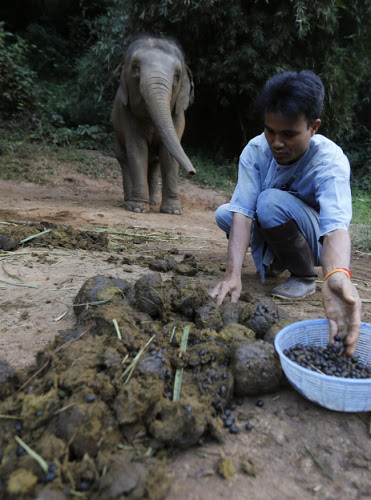
London newspapers have published an interesting news story about coffee that comes out of an elephant’s bottom! It is called black ivory coffee. Because of its super taste, it is one of the most expensive coffees in the word at £30 a cup (Rs 2500). The reason for its good taste is every coffee bean is plucked out of elephant’s dung. They feed the coffee beans to elephants and the animal’s stomach acid improves it flavour.


This coffee is called crap-uccino. Canadian Blake Dinkin spent £300,000 developing this idea. He used a herd of twenty elephants for this. The first 70 kilo coffee he produced in Thailand has sold out. He expects a good demand for this black ivory coffee.

It raises a moral question. Can we use elephants to make them eat what they can’t digest? When it comes to money, morality disappears in western countries.

Hindus reverence to Elephants & cows

Hindus revered two animals the most –cow and elephant. They did two pujas everyday in all the temples and Mutts for cow and elephant. They are known as Go Puja (cow worship) and Gaja Puja (elephant worship). They not only respected these animals but used their parts as well. Even a primitive man would have done it. There is no wonder. But Hindus went one step further and found out the medical values of their urine and excretory materials.

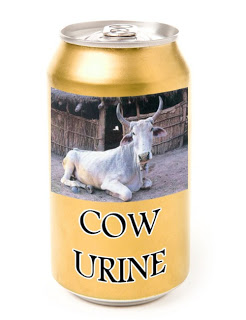
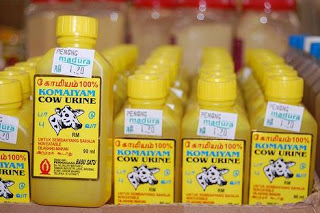
Pancha gavyam (five products from Go=Gau=cow) is from the cow. Hindus must consume the urine, cow’s dung, milk, curd and butter at all ritual functions. The cow dung is anti bacterial and is used by the Hindus for thousands of years as cleaning materials in kitchen and front of the houses. Now cow’s urine is sold in bottles. People will slowly realise its medical value. I will consider these as Hindu discoveries.

The hair from elephant tails is used as a talisman against diseases in Kerala, India. The mahout used to give it when we give him money. Elephant’s urine was also used by orthodox Hindus. When I spent my boyhood days in Madurai, Tamil Nadu, India I have done it along with other elders. When I went to Guruvayur elephant sanctuary, I bought the elephant’s hair. As soon as the elephants excrete the dung people used to run and stamp on it so that all the fissures and sores on the foot disappear. When I was a boy all these were fun rather than religious or scientific. Now after reading the elephant dung coffee news I realise its value.

People pay the mahout to get the water blown out from the trunk of an elephant. Whoever drenches in that water will get immunity from diseases. This is seen in 2200 year old (Bharhut sculptures) Gajalakshmi statues where Goddess Lakshmi is bathed by two elephants. I have already written about Gajalakshmi’s travel to Sri Lanka and Denmark. The figure is found in Denmark and Sri Lanka.

Elephant dung and cow’s dung are used as manure. Cow’s milk is also used all over the world. I have a feeling Hindus were the first one to introduce them to the human beings. There are some reasons to believe so. They worshipped these two animals above all other animals and started using them well before others. They found out their medicinal values. They banned beef eating. Beef spreads killer diseases such as Mad Cow Disease. Millions of cows were slaughtered after this disease spread to Europe in the past few years. Certain countries beef was banned by UK leading to economic wars. Beef sale dropped out heavily in the supermarkets after the scientists’ revelation that it can spread to human beings. Lot of people stopped eating red meat and switched over to chicken and fish. A lot more have become vegetarians.


Read also my previous posts:

1.யானை பற்றிய நூறு பழமொழிகள் 2.Gajalakshmi in Kalidasa and Sangam Literature 3.Gajendra Moksha in Africa

Contact: swami_48@yahoo.com or swaminathan.santanam@gmail.com

யானைக் காப்பி:கோப்பை £30 (ரூ.2500)


லண்டன் பத்திரிக்கைகள் ஒரு சுவையான செய்தி வெளி யிட்டிருக்கின்றன. யானையின் ஆசன வாயிலிருந்து வரும் காப்பிக் கொட்டையை வறுத்து தயாரிகும் காப்பி இது. படிக்க கொஞ்சம் அறுவெறுப்பாக இருந்தாலும் குடிக்கச் சுவையாக இருக்குமாம். ஒரு கோப்பை 30 பவுண்டுகள் (இந்திய ரூபாய் ரூ2500).

யானைக்கு காப்பிக்கொட்டை பழங்களைச் சாப்பிடக் கொடுப்பார்கள். அது அவைகளை முழுதும் ஜீரணிக்காமல் பின்பக்கம் வழியாக வெளியே தள்ளிவிடும். அந்த யானை லத்தியிலிருந்து ஒவ்வொரு காப்பிக்கொட்டை பழத்தையும் பிரித்தெடுக்க வேண்டும். பிறகு கொட்டைகளை வெளியே எடுப்பார்கள். யானை வயிற்றிலுள்ள அமிலங்கள் அந்தக் காப்பிக் கொட்டைகளுக்கு ஒரு மாயாஜால சுவையைக் கொடுக்கிறது.

கனடா நாட்டைச் சேர்ந்த பிளேக் டின்கின் என்பவர் 3 லட்சம் பவுன்ட் செலவில் இந்த ஏற்பாடைச் செய்துள்ளார். அவர் 20 யானைகளுக்கு இப்படி கொடுத்து 70 கிலோ காப்பிக்கொட்டை உற்பத்தி செய்துவிட்டார். முழுதும் விற்றுப்போய்விட்டன.

ஒரே கேள்விதான். யானைக்கு முழுதும் ஒவ்வாத ஒரு பொருளைச் சாப்பிடக் கொடுத்து பின்னர் அதையே வெளியே தள்ளச் செய்வது நியாயமா? மேலை நாட்டினருக்குப் பணம் கிடைத்தால் போதும், தார்மீக சிந்தனை பறந்தோடிப் போய்விடும்.

இந்துக்கள் எல்லா மிருகங்களையும் விட பசுவையும் யானையையும் மிகவும் மதித்தனர். எல்லா கோவில்களிலும் மடங்களிலும் காலையில் கோ (பசு) பூஜையும் கஜ (யானை) பூஜையும் நடைபெறுகிறது. இதற்கு பல அறிவியல் காரணங்கள் இருக்கின்றன. இதை இந்துக்கள் ஆயிரக் கணக்கான ஆண்டுகளுக்கு முன்னரே கண்டுபிடித்தனர். மாட்டுச் சாணத்துக்கு பாக்டீரியா கிருமிகளைக் கொல்லும் சக்தி இருப்பதை அறிந்து வீட்டையும் சமையல் அறையையும் மெழுக சாணத்தைப் பயன்படுத்தினர். அதன் மூத்திரத்துக்கு உள்ள மகத்தான மருத்துவப் பயன்களை அறிந்து அதை மருந்திலும் சமயச் சடங்கிலும் பயன்படுத்துகின்றனர். உலகில் இரண்டு மிருகங்களின் சாணத்தை மட்டுமே இப்படிப் பயன்படுத்தமுடியும். ஒன்று பசு, மற்றொன்று யானை.

இந்துக்கள் சமயச் சடங்கில் பயன்படுத்தும் பஞ்சகவ்யம் பற்றிப் படித்துவிட்டு யானையைப் பார்ப்போம்.

பஞ்ச கவ்யம் என்றால் என்ன?

இந்துக்கள், குறிப்பாக பிராமணர்கள், முக்கியச் சடங்குகளின் போது பஞ்ச கவ்யம் சாப்பிட வேண்டும். பஞ்ச கவ்யம் என்றால் பசு மாட்டிலிருந்து கிடைக்கும் ஐந்து பொருட்கள் என்று பொருள். இதோ விவேக சிந்தாமணி என்ன சொல்கிறது என்று படியுங்கள்: “இது கோமூத்திரம், கோமயம் (சாணி), பால், தயிர், நெய் இவை பஞ்ச கவ்வியம் என்று கூறப்படும். கோமூத்திரத்துக்கு வருணனும், கோமயத்துக்கு அக்னியும், பாலுக்குச் சந்திரனும் தயிருக்கு வாயுவும், நெய்க்கு விஷ்ணுவும் தேவதைகள் என்று ஸ்மிருதிகள் கூறுகின்றன.

பின்னும் செந்நிறத்த பசுவிடம் கோமூத்திரத்தையும், வெள்ளைப் பசுவிடம் கோமயத்தையும், பொன்னிறப் பசுவினிடம் பாலையும், நீல நிறப்பசுவிடம் தயிரையும், கரு நிறப் பசுவினிடம் நெய்யையும் கொள்ளின் நலமெனப்படும்.

கோமூத்திரம், கோமயம் இவை இரண்டும் ஆறு மாத்திரை எடையும், நெய்யும் பாலும் மூன்று மாத்திரை எடையும், தயிர் பத்து மாத்திரை எடையும் இருத்தல் வேண்டும் இதை மந்திர பூர்வமாகக் கலந்து பிராமண சந்நிதியில் உண்டவன் சகல் பாபத்திலிருந்தும் விடுபட்டு சுத்தமடைகிறான்”.


யானை லத்தியின் மகிமை

யானை இருந்தாலும் ஆயிரம் பொன் இறந்தாலும் ஆயிரம் பொன் என்பது தமிழ் பழமொழி. யானையின் தந்தத்தை மத சம்பந்தமான சிலை , பூஜைப் பொருட்களுக்குப் பயன்படுத்துவதை அறிவோம். கேரளத்தில் யானை வால் முடியை நோய்த் தடுக்கும் தாயத்தாகப் பயன்படுத்துவர். யானை லத்தி போட்டால் அதை மிதிக்க பெரியோர்களும் சிறியோரும் ஓடோடி வருவர். காலில் உள்ள பித்தவெடிப்பு, சேற்றுப் புண் இவைகளை குணப்படுத்தும் ஆற்றல் அதற்குண்டு. யானையின் மூத்திரத்தையும் தலையில் தெளித்துக் கொள்வார்கள். யானையின் துதிக்கை வழியாக வரும் தண்ணிரை தலையில் விழச் செய்வார்கள். இதை கஜ லெட்சுமி சிலைகளிலும் காணலாம். 2200 ஆண்டுகளுக்கு முந்திய கஜலெட்சுமி சிலைகள் இலங்கை, டென்மார்க் வரை சென்று அங்கு நாணயங்களிலும் பாத்திரங்களிலும் பொறிக்கப்பட்டன. இது பற்றி எனது முந்தைய கட்டுரைகளில் விரிவாகக் காணலாம்.

யானை லத்தி நல்ல உரமும் கூட.

யானை பற்றிய பழமொழிகளும் நாம் அதை எவ்வளவு மதித்தோம் என்பதைக் கட்டுகிறது. இதை எல்லாம் படித்த பின்னர் மேற்கூறிய யானை லத்தி காப்பியைக் குடிக்க நாம் எல்லோருக்கும் தயக்கமே இருக்காது. விலையை மட்டும் குறைத்தால் போதும்.

படிக்கவேண்டிய எனது மற்ற கட்டுரைகள்:

1.யானை பற்றிய நூறு பழமொழிகள் 2.Gajalakshmi in Kalidasa and Sangam Literature 3.Gajendra Moksha in Africa

Contact: swami_48@yahoo.com or swaminathan.santanam@gmail.com

Who can read all 300 Ramayanas?

Picture: Rama on currency note issued by Maharishi Maheshyogi Organisation. It is accepted at many places in Nederland

Part 4– Ramayana wonders


Millions of Lines

Millions of Words

300 versions from India to South East Asia

Literature spanning over 3000 years

Conflicting versions; Interesting interpretations!

Ramayana has made a great impact in the life of Indians. No other EPIC story in the world has made such an impact on any other community in the world. No one can read all the 300 different versions in one’s lifetime. It is in every major language of India- from Assamese to Tamil. One must have proficiency in Sanskrit to read Valmiki, in Tamil to read Kamban and in Hindi to read Tulsidas, leave alone the Pali and Prakrit versions. South East Asian countries have their own versions of Ramayana.


A sloka (couplet) says, “Saritham Ragunathasya Sathakoti Pravistharam, Ekaikam Aksharam Proktham Mahapathaka Nasanam” (Rough translation: Rama’s history is in THOUSAND MILLION couplets. If anyone says even a single letter from it, all the sins will vanish).

Scholars have listed up to 300 different versions of Ramayana. If we take the references to Ramakatha in various scriptures it will be more than 300 versions. All the singers, composers, writers, saints have sung about Rama. Ram Charit Manas of Tulasidas (in Hindi) and Kamba Ramayana (in Tamil) are read by millions. Valmiki, Kamban and Tulasidas are household names in India.

Shri Ramadasa Gauda in his book Hindutva lists some of the Ramayana works:

1.Maha Ramayana:

It is part of a dialogue between Siva and Parvati. It describes 99 Rasa Lilas of Sri Rama.It proclaims complete divinity of Rama.

2.Samvrta Ramayana

Author of this work is Narada. It contains 24,000 slokas.

3.Lomasa Ramayana

Dasaratha and Kausalya are spoken of as King Kumuda and queen Viramati reborn.

4. Agastya Ramayana

It gives the stor ofBhanupratapa Arimardana. Here King Kuntala and Sindhumati are described reborn as Dasarath and Kausalya. It contains 16,000 slokas.

5.Manjula Ramayana

Author is Sutiksna. This also give the story of Bhanupratapa.

6.Sarupadya Ramayana

Author Atri gives the Pupavatika episode describing meeting of Rama with Sita.

7.Mahamala Ramayana

Bhusundi removes the infatuation ofGaruda.

8.Sauharda Ramayana

Author Sarabhanga refers to the cleverness of Rama and lakshmana in comprehending and conversing in the language of the monkeys

9. Maniratna Ramayana

Vashista and Arundhati are the authors. It gives the Vasantotsava celebrated by Rama in Mithila and Ayodhya.

10.Saurya Ramayana

Hanuman and Surya are the authors. It gives Suka’s life. Suka is reborn as a washer man whose gossip resulted in the banishment of Sita.

11.Candra Ramayana

It is a dialogue between Hanuman and Candra. It gives the story of previous birth of Kaivata

12.Mainda Ramayana

It is in the form of a dialogue between Mainda and Kaurava

13.Suvarchasa Ramayana

It is a dialogue between Sugreeva and Tara. It contains a dialogue between thw washerman and his wife.

14.Deva Ramayana

It is in the form of a dialogue between Indra and Jayanta.

15. Svayambhuva Ramayana

Dialogue between Brahma and Narada. Sita is described as a daughter of Mandodari

16.Subrahma Ramayana

Narada and Brahma debates

17.Sravana Ramayana

Dialogue between Indra and Jayanta Janaka also comes to Citrakuta when Bharata visited.

18.Duranta Ramayana

Bharata’s greatness is extolled in a dialogue between Vasista and Janaka.

19.Campu Ramayana

It is a Dialogue between Siva and Narada. Reference to swayamvara conducted by Silanidhi is found in it.

20.Ananda Ramayana

Ananda Ramayana has nine cantos divided into 109 chapters (sargams). It has 12,252 slokas/couplets. This is also attributed to Valmiki. But this Valmiki may not be the contemporary of Rama. It differs with the original Valmiki Ramayana in many places.

21. Bhusundi Ramayana

The original dialogue between Bharata and Atri is narrated by Bhusundi to Sandilya. Holy places around Citrakuta are mentioned in it.

22.Mantra Ramayana

It is conspicuous by the absence Ramakatha. It gives different Ramamantras

23.Vedanta Ramayana

This gives the story of Parasurama.

Picture: Indonesia released stamps with Ramayana characters during International Ramayana Conference

Rama’s name in Vedas

Rama’s name is in Rig Veda, Parisishta of Sama Veda and Patanjali’s Mahabhasya. Satapata Brahmana gives the list of performers of Asvamedha in which Rama’s name appeared. Following are other religious literature where Ramayana story is found:

1)Jaiminiya Asvameda 2)Mailravana Carita 3) Sahasramuka Ravanacaritam 4)Satyopakhyana 5) Hanumat samhita 6)Brhatkosalakhanda

Ramayana in Poetry

Ramayana is found in the poems of Kalidasa (Raghuvamsa), Pravarasena (Ravanavaho or Setubandha),  Bhatti (Ravanavadha), Kumaradasa (Janakiharana), Abhinanda (Ramacarita), Ksemendra ( Ramayana Manjari and Dasavatara Carita), Sakalyamalla (Udararaghava), Cakra Kavi (Janakiparinaya), Advaita Kavi (Ramalingamrta), Mohanaswami( Ramarahasya or Ramacarita) and the Dramas of Bhasa (Pratima and Abhiseka), Bhavabhuti ( Mahavira Carita and Uttararama Carita), Dinnaga (Kundamala), Murari( Anargharaghava), Rajasekhara (Balaramayana), Hanuman (Hanumannataka or Mahanataka), Saktibhadra ( Acaryacudamani), Yasovarman (Ramabyudaya), Mayuraja (Udattaraghava).

Ramayana in Dramas

Ramayana is in the dramas of Ksiraswami (Abhinavaraghava), Ramachandra (Raghuvilasa and Raghabyudaya), Jayadeva (Prasannaraghava), Hastimalla (Maithilikalyana)Subhata (Dutangada), Bhaskarabhatta (Unmattaraghava) Tryasamisradeva(Ramabdhyudaya), Mahadeva (Adbhutaramayana), Ramabhadra Dikshita (Janaki Parinaya).

Anonymous Ramayana Dramas : Chalita Ramayana, Krtya Ramayana, Mayapuspaka Ramayana and Svapnadarsana

Ramayana in Slesakavyas (Puns):

Dhanajaya (Raghavapandaviya), Madhavabhatta (Raghavapandaviya), Haradatta Suri (Raghava Naisadiya), Cidambara (Raghavapandaviya-Yadaviya), Gangadara mahadevakavi (Sankatanasana stotra).

Picture: Rama stamp issued by India

Ramayana in Vilomakavyas:

Suryadeva (Ramakrsna Vilomakavya), Venkatadhvari (Yadhavaraghaviya)

Ramayana in Citrakavyas

Krsnamohana( Ramalilamrta), Venkatesa (Citrabandha Ramayana)

Ramayana in Amorous Khandakavyas

Venkatadesika (Hamsasandesa or Hamsaduta), Rudravacaspati (Bhramaraduta), Vasudeva( Bhramara sandesa), Anonymous (Kapiduta), Venkatacarya( Kokilasandesa), Jayadeva (Rama Gitagovinda), Krsnacandra (Candraduta), Harisankara (Gitaraghava), Prabhakara ( Gitaraghava), Haryacarya( Janakigita), Harinatha (Ramavilasa), Visvanathasimha( Sangita raghunandana), Visvanatha (Raghavavilasa), Somesvara (Ramasataka)

Prose Romance and Campus

Ksemendra (Brhatkathamanjari), Somadeva (Kathasaritsagara), Bhoja (Campu Ramayana), Vasudeva (Ramakatha).

Ramayana in Regional languages and South East Asian languages are not listed here.

(Campu means Mixture of Prose and Poetry)


Continued in Part 5………………………………….

Please read other posts by Santanam Swaminathan about Rama: 1. Ram –the Best PR Man 2. தியாகராஜ சுவாமிகளுடன் 60 வினாடி பேட்டி 3.நாமும் அனுமார் ஆகலாம் 4.கம்பனுடன் 60 வினாடி பேட்டி 5.ராமாயண வினா-விடை (க்விஸ்) 5.Where is Rama Setu (Rama’s Bridge) ? 6.Did Sita Devi Die in Earth Quake? 7. Ramayana Wonders Part1 (8) . Ramayana Wonders Part2 :How many miles did Rama walk? (9) Ramayana Wonders Part 3 : Rama and Sanskrit G’ramma’r

Contact swami_48@yahoo.com


பல்கலை வித்தகன் அதிசய மன்னன் போஜராஜன்

பல்கலை வித்தகன் அதிசய மன்னன் போஜராஜன்

எழுதியவர்: ச.நாகராஜன்


Picture of Siva Temple at Bhojapuri (Bhopal)

கவிதா ரஸிகர்களைக் கொண்ட உலகின் ஒரே தேசம் 

உலகிலேயே சரித்திரத்தில் நாம் காணும் எந்த தேச மன்னனும் நினைக்கக் கூட முடியாத ஒரு அபூர்வத்தை நிகழ்த்திக் காட்டிய ஒரே மன்னன் போஜராஜன். இன்றைய போபால் (போஜன் நிறுவிய போஜபாலே இன்று போபால்!)அந்தக் காலத்தில் போஜ சாம்ராஜ்யமாகத் திகழ்ந்தது. தாரா என்ற நகரைத் தலை நகராகக் கொண்டு ஆட்சி நடத்திய போஜராஜன்,

விப்ரோபி யோ பவேன்ன மூர்க்க: ச புராத்ஹிரஸ்து மேI                      கும்பகாரோபி யோ வித்வான் ச திஷ்டது புரே மமII“

என்று பிரகடனம் செய்தான்!

(இதன் பொருள்:-“அந்தணன் என்றாலும் படிப்பறிவற்றவன் என் தேசத்தில் வசிக்க வேண்டாம். குயவனாக இருந்தாலும் கற்றறிந்தவன் என் தேசத்தில் வசிக்கட்டும்”) அதே போல அங்கு வாழ்ந்த மக்கள் அனைவரும் உன்னதமான கவிதையை ரசிக்கும் திறன் கொண்டவராகத் திகழ்ந்தனர்.


84 அபூர்வ நூலைப் படைத்தவன் 

போஜராஜன் பல் கலை வித்தகன் . அஸ்வ சாஸ்திரம் சங்கீதம்,இசை, ஜோதிடம்,வானியல் உள்ளிட்ட ஏராளமான கலைகளில் வல்லவனாததால் இவனை பஹ¤வித்யா விஷாரத் (பல்கலை வித்தகன்) என அறிஞர்கள் அழைத்துப் போற்றினர். சுமார் 84 அரிய நூல்களைப் படைத்தவன். ஒவ்வொன்றும் ஒவ்வொரு துறையின் தலையாய நூலாகத் திகழ்வதோடு அந்தத் துறையில் வேத கால ரிஷிகள் தொட்டு அன்றைய வரை இருந்த மேதைகள் அந்த துறை பற்றி கூறியவற்றைத் தொகுத்துக் கூறும் களஞ்சியமாகவும் திகழ்கிறது. அவன் இயற்றிய நூல்களில் சில:

சரஸ்வதி கண்டாபரணா: வடமொழி இலக்கணம் பற்றியது; சமராங்கத சூத்ரதாரா: ஆகாயவிமான வகைகள் அவைகள் கட்டும் விதம் பற்றிய தொழில்நுட்ப நூல்;தத்வ ப்ரகாசா: சிவன் குறித்த சித்தாந்த தந்த்ர சாஸ்த்ரம் பற்றியது;ரஸராஜ ம்ரிகங்கா: இரசாயன நூல் யுக்திகல்பதரு: கப்பல் எப்படிக் கட்டுவது, கப்பல் வகைகள் பற்றியது; தர்மசாஸ்த்ர விருத்தி: தர்மசாஸ்திரம் பற்றியது; சம்புராமாயணம்:காளிதாஸனுடன் இணைந்து பாடியது; ராஜமார்த்தாண்ட வ்ருத்தி அல்லது போஜ விருத்தி:பதஞ்சலி யோக சூத்ர விரிவுரை;         ச்ருங்காரப்ரகாசா: இந்த அரிய நூலில் சிருங்கார ரஸமே பிரதான ரஸம் என்பதை போஜராஜன் சுட்டிக் காட்டுகிறான். (இந்த நூல் மட்டும் 1926லிருந்து 2007 முடிய 25 பதிப்புகளைக் கண்டிருக்கிறது. உலகின் 74 நூலகங்களில் இது தனியிடம் பெற்றுள்ளது!)


பிரபல வரலாற்று ஆசிரியரான வின்சென்ட் ஆர்தர் ஸ்மித் உள்ளிட்ட ஏராளமான மேலை நாட்டு அறிஞர்கள் போஜராஜனைப் பற்றியும் அவனது வாழ்க்கை வரலாறுகள் பற்றியும் நூற்றுக் கணக்கான ஆய்வுக் கட்டுரைகளையும் நூல்களையும் எழுதி அவனை வெகுவாகப் புகழ்ந்துள்ளனர்.


காளிதாஸனோடு இயற்றிய போஜ சம்பூ 

      மஹாகவி காளிதாஸனின் உயிர் நண்பன் போஜன், போஜனைப் பற்றிய நூற்றுக் கணக்கான சம்பவங்களில் முக்கியமான ஒன்றை மட்டும் இங்கு பார்ப்போம்.

தன்னைப் பற்றிய காளிதாஸனின் உண்மையான மதிப்பீட்டை அறிய விரும்பிய போஜன் காளிதாஸனை தன் பேரில் ஒரு சரம கவி பாடுமாறு வேண்டிக் கொண்டான். சரம கவி என்பது ஒருவர் இறந்தவுடன் துக்கம் தாளாமல் அவரைப் பற்றி மனம் நெகிழ்ந்து பாடும் கவிதை. காளிதாஸன் திடுக்கிட்டான். பொய்யா வாக்கை உடைய தான் சரம கவி பாடினால் தன் ஆருயிர் நண்பன் உயிரை இழந்து விடுவானே! மனம் நடுங்கிய காளிதாஸன் அந்தப் பாட்டைப் பாட முடியாது என்று மறுத்து விட்டான். இதனால் கோபமடைந்த போஜன் காளிதாஸனிடம் என் முகத்தில் விழிக்காதே, போ என்று கூறி விட்டான்.


மனம் நொந்த காளிதாஸன் ஒரு சந்யாசி வேடம் பூண்டு நாடெங்கும் சுற்றலானான். சில நாட்களிலேயே காளிதாஸன் இல்லாத வாழ்க்கை சாரமற்றுப் போக போஜன் அவனைத் தேடி மாறுவேடம் பூண்டு அலையலானான். ஒரு நாள் தற்செயலாக காளிதாஸனை ஒரு மண்டபத்தில் சந்திக்க இருவரும் அளவளாவினர். சந்யாசி வேடம் பூண்டவன் காளிதாஸனே என்பதைக் கண்டு கொண்ட போஜன் தான் யார் என்பதைத் தெரிவிக்கவில்லை.தான் தாரா நகரத்திலிருந்து வருவதாக அவன் தெரிவித்துக் கொண்டான். உடனே மனம் நெகிழ்ந்த காளிதாஸன், “அங்கே போஜ மன்னர் சௌக்கியமாக இருக்கிறாரா?” என்று ஆவலுடன் கேட்டான். தன் எண்ணம் நிறைவேற இது தான் சரியான சமயம் என்று எண்ணி மனம் மகிழ்ந்த போஜன்.”அடடா, உங்களுக்கு விஷயம் தெரியாதா? போஜ மன்னர் இறந்து விட்டார்!” என்று கூறினான். உடனே மனம் கலங்கி அழுத காளிதாஸனிடமிருந்து அற்புதமான சரம கவிதை வெளிப்பட்டது:


“அத்ய தாரா நிராதாரா நிராலம்பா சரஸ்வதி I                                    பண்டிதா கண்டிதா சர்வே போஜராஜம் திவம் கதே II”


(இன்று தாரா நகரம் நிராதரவாகி விட்டது; சரஸ்வதி ஆதரவற்றுப் போனாள். பண்டிதர்கள் அனைவரும் போஜராஜன் சொர்க்கம் அடைந்ததால் சிதறிப் போனார்கள்) இதைக் கேட்டவுடன் மனம் மகிழ்ந்தான் போஜன். ஆனால் கவி வாக்கு பொய்க்காது என்பதால் அவன் உடனே கீழே விழுந்து உயிரை விட்டான். தன் நண்பன் போஜ ராஜனே தன் பாட்டைக் கேட்டு உயிரை விட்டான் என்பதை அறிந்த காளிதாஸன் அவன் உயிர் பிழைக்க  மாற்றுப் பாடலைப் பாடி அவன் உயிர் பிழைக்க வைக்குமாறு காளி தேவியை இறைஞ்சினான்.

“அத்ய தாரா சதாதாரா சதாலம்பா சரஸ்வதி I                                      பண்டிதா மண்டிதா சர்வே போஜராஜம் புவம் கதே II”


(போஜன் பூமியை அடைந்ததால்   தாரா நகரம் எப்போதும் ஆதரவுடன் திகழ்கிறது. சரஸ்வதிக்கு நிரந்தர ஆதரவு உள்ளது.பண்டிதர்கள் அனைவரும் மிகவும் ஆதரிக்கப்படுகின்றனர்)

பாடலைக் கேட்ட போஜன் உயிர் பிழைத்து எழுந்தான். நேரில் பிரசன்னமாகிய காளி அவன் விதி முடிந்தாலும் காளிதாஸனின் பாடலுக்காக மூன்றே முக்கால் நாழி அவன் உயிர் வாழ்வான் என்று அருளினாள். மீதமிருக்கும் ஒரு கணத்தையும் வீணடிக்காத போஜன் வாழ்வாங்கு வாழ ராமாயணத்தைத் தானும் காளிதாஸனும் சேர்ந்து பாடி இலக்கியம் படைக்க விரும்பினான். இருவருமாக இணைந்து பாடிய காவியம் போஜ சம்பூ என்றும் சம்பு ராமாயணம் என்றும் பெயரிடப்பட்டு நாடெங்கும் புகழ் பெற்றது. இன்றும் படிக்கக் கிடைக்கிறது.


கஜினியை விரட்டியவன்

கி.பி. 1000ம் ஆண்டு முதல் 1050 முடிய அவன் செய்தஅரசாட்சி அனைவரையும் வியக்க வைத்தது! இன்றைய மத்யபிரதேசத்தில் உள்ள போபாலிலிருந்து 30 கிலோமீட்டர் தொலைவில் உள்ள போஜ்பூரை அவனே ஸ்தாபித்தான். போஜேஸ்வர ஆலயம் உள்ளிட்ட பல ஆலயங்களை அவன் நிறுவினான்.இன்று தார் என்று கூறப்படும் நகரில் அவன் நிறுவிய வடமொழி மையம் ஒன்று போஜ்சாலா என்ற பெயரில் பல் கலைகளையும் கற்பித்தது. புஜபலா மற்றும் பீம பராக்ரம என்ற விசேஷ விருதுகளால் உலகினரால் அவன் அழைக்கப்பட்டதால் பாண்டவ பீமனைப் போன்ற அசாத்திய பலமும் வீரத்தையும் அவன் பெற்றிருப்பது தெரிய வருகிறது!மாபெரும் வீரனான போஜன் முகம்மது கஜினியைத் தாக்கி ஓட ஓட விரட்டினான். ஹிந்து மதத்தைப் பாதுகாத்த தீரனாகத் திகழ்ந்தான்.


போஜ ப்ரபந்தம்

போஜராஜனின் மூளையில் ஒரு கட்டி இருந்ததாகவும் அதை அறுவை சிகிச்சை மூலமாக எடுத்து அவனை வைத்தியர்கள் குணப்படுத்தியதாகவும் வரலாறு கூறி அதிசயிக்கிறது! இந்த அறுவைசிகிச்சையைத் தாங்கி போஜன் உயிர் பிழைத்து அரும் பெரும் செயல்களைப் புரிந்தான் என்பதையும் வரலாறு குறிப்பிடுகிறது!

போஜனின் சரித்திரம் பற்றி போஜ சரித்ரம் மற்றும் போஜப்ரபந்தம் ஆகிய இரு நூல்கள் மிகவும் பிரசித்தி பெற்றவை.இவற்றில் நூற்றுக்கணக்கான சம்பவங்கள் சுவை பட சித்தரிக்கப்பட்டுள்ளன. ஆனால் இவை காலகட்டங்களைப் பற்றிக் கவலைப்படாமல் அனைத்து மன்னர்களும் கவிஞர்களும் வீரர்களும் ஒரே காலகட்டத்தில் வாழ்ந்தது போல எழுதப்பட்டுள்ளன என ஆய்வாளர்கள் குறிப்பிடுகின்றனர்!


பின்னால் 17ம் நூற்றாண்டில் பல்லாள தேவர் எழுதிய போஜ ப்ரபந்தம் போஜனின் வாழ்க்கை வரலாற்றை நன்கு சித்தரிக்கிறது. இதன் படி சிந்துலர் முஞ்சர் ஆகிய இருவர் அண்ணன் தம்பிகள். சிந்துலரின் மகனாக போஜன் பிறந்தார். தன் தம்பிக்கு மகுடம் சூட்டி உரிய வயது வரும் போது போஜனுக்கு முடி சூட்டி அரியணையில் ஏற்றுமாறு கூறி சிந்துலர் முடி துறந்தார். ஒரு நாள் அரண்மனைக்கு வந்த ஜோதிடர் போஜனின் ஜாதகத்தைப் பார்த்து


“பஞ்சாஸர் பஞ்சவர்ஷாணி ஸப்தமாஸாதிநத்திரியம்                          போஜராஜோ போக்த வ்யஹ கௌடோதக்ஷ¢ணாபத’ என்றார்.

அதாவது இந்த போஜன் 55 வருடம் 7 மாதம் 8 நாள் கௌடதேசம் உள்ளிட்ட தென்னாட்டை பெரும் புகழுடன் ஆளப் போகிறான் என்று கூறினார். இதனால் கலக்கம் அடைந்த முஞ்ச ராஜன் போஜனைக் கொல்லுமாறு தன் பணியாளரிடம் உத்தரவிட்டான். குருகுலத்திலிருந்த போஜன் கொலை செய்வதற்காக அழைத்து வரப்படும் போது தன்னை முஞ்ச ராஜன் கொலை செய்ய ஆணை பிறப்பித்திருப்பதை அறிந்து ஒரு ஓலை நறுக்கைக் கொடுத்து அதை முஞ்ச ராஜனிடம் கொடுத்துத் தனது கடைசி ஆசையை நிறைவேற்றுமாறு வேண்ட கொலை செய்ய வந்தவர்கள் அதை முஞ்ச ராஜனிடம் சென்று தந்தனர். அந்த ஓலை நறுக்கில் ஒரு சுலோகம் இருந்தது.அதில் மகா புத்திசாலியான போஜன், “சத்யயுகத்தில் இருந்த உலகின் ஜ்வலிக்கும் மணி என்று கருத்தப்பட்ட சக்கரவர்த்தி மாந்தாதா இறந்து போனான். கடல் மீது பாலம் கட்டி ராவணனைக் கொன்ற ராமரும் இப்போது இல்லை! யுதிஷ்டிரர் போன்ற சக்தி வாய்ந்த அரசர்கள் இந்த பூவுலகை ஆண்டுள்ளனர். ஆனால் இந்த பூமி அவர்கள் இல்லாமல் கூட இன்னும் இருக்கிறது. ஓ முஞ்ச ராஜனே! இந்த பூமி நீ நிலையாக இருக்க, தான் போக விரும்புகிறது போலும்!” என்று  எழுதி இருந்தான்! இதைப் பார்த்தவுடன் முஞ்ச ராஜனுக்கு ஞானம் வந்து அவன் அரசைத் துறந்து போஜனையே அரசனாக்கினான். இளைஞனாக இருந்த போதே இப்படி அபாரமான கவித் திறமையையும் கூர்மையான புத்தியையும் கொண்டிருந்த போஜன் எப்படி நாட்டை ஆண்டிருப்பான் என்பதை நாம் யூகித்து உணர்ந்து கொள்ளலாம்!


ஜோதிட நூல் வித்வத்ஞான வல்லபா 

பூபாலக்ருத்ய சமுச்சயா என்னும் அவனது நூல் பல்வேறு விரதங்களை எப்படி எந்த திதியில் அனுஷ்டிப்பது என்பதையும் அதற்கான பலன்களையும் விவரிக்கிறது.கார்த்திகை சுக்ல ஏகாதசி அன்று விஷ்ணுவை எழுப்ப வேண்டும் என்றும் ஆஷாட சுக்ல ஏகாதசி அன்று அவர் நித்திரைக்குச் செல்வார் என்றும் இந்த நூல் விவரிக்கிறது. இது போன்ற ஏராளமான ரகசியங்களை ஜோதிடத்தின் அடிப்படையிலான திதி, நாள் முதலியவற்றால் இது விவரிப்பதால் போஜனது பரந்துபட்ட ஜோதிட மற்றும் ஆன்மீக அறிவு விளங்குகிறது!விலக்க வேண்டிய கறிகாய்கள், பழங்கள், உப்புகள். தாம்பத்ய உறவைத் தவிர்க்க வேண்டிய நாட்கள் உள்ளிட்ட நுட்பமான விஷயங்களை இதில் போஜன் விவரிப்பது ஆச்சரியம் அளிப்பதாக உள்ளது என்று  மேலை நாட்டு ஆய்வாளர்கள் வியந்து கூறுகின்றனர்.

அடுத்து ஜோதிட சாஸ்திரத்தை விரிவாக விளக்கி வித்வத்ஞானவல்லபா என்ற அற்புதமான ஜோதிட நூலையும் அவன் எழுதியுள்ளான். 1970ல் பரோடா பல்கலைக் கழகத்தால் இந்த நூல் பிரசுரிக்கப்பட்டது. உலகின் தலை சிறந்த 31 பல்கலைக்கழகங்களில் இந்த நூல் இருக்கிறது.தஞ்சாவூர் சுவடிகள் காடலாக்கில் இந்த நூல் 14வது தொகுதியில் 11604 கேடலாக் எண்ணாகக் குறிப்பிடப்பட்டு அங்கு இருப்பதை உறுதி செய்கிறது!


சுருக்கமாகச் சொல்லப் போனால் இராமாயண மஹாபாரதம் மற்றும் புராணங்கள் சித்தரிக்கும் மாபெரும் மன்னர்களுக்கு நிகராக போஜன் தர்ம சாஸ்திரம் நூலை எழுதியதோடு அந்த தர்மத்தின் படி வாழ்ந்த  பல்கலை வித்தகன் என்று போற்றிப் புகழ்ந்து வணங்கலாம்!

*******************

Note: There were tow great kings with the same name Bhojarajan ruling at different times