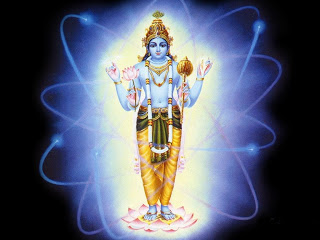
Bhagavad Gita in Tabular Columns


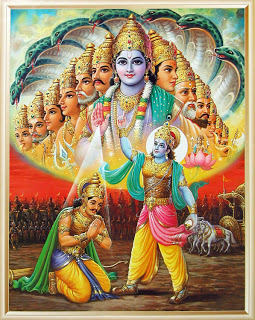
Vibhuti Yoga is Chapter Ten in Bhavad Gita. The message he wanted to convey is–God is the Source of all; to know Him is to know all.
Here is the Vibhuti Yoga in tables and boxes.


I am the Self /Atma In the hearts of all creatures
I am The beginning, the middle and the end Of beings
Of the Adityas I am Visnu  
Of the lights I am The radiant sun  
I am Marici Of Maruts
Of the stars I am Moon  
Of the Vedas I am Sama veda  
Of the gods I am Indra  
Of the senses I am M ind  
Of beings I am Consciousness  
Of the rudras I am Sankara  
Of Yaksas and Raksasas I am Kubera  
Of the Vasus I am Agni  
O f mountain peaks I am Meru  
Of household priests I am Brhaspati  
Of the war generals I am Skanda  
Of the lakes I am Ocean/sagara  
Of the great sages /maharsis I am Bhrgu  
Of utterances I am Ekam Aksaram/ Aum  
Of offerings I am Japa /silent meditation  
Of unmovable things I am The Himalaya  
Of all trees I am Asvattha / ficus religiosa  
Of divine seers I am Narada  
I am Chitraratha Among gandharvas
Of the perfected ones /Siddhas I am Kapila muni  
Of horses I am Ucchaisravas  
Of lordly elephants I am Airavata  
Of men I am The Monarch  
Of weapons I am The thunderbolt/Vajra  
Of cows I am Kamaduk /cow of plenty  
Of the progenitors I am The god of love/Kandarpa  
Of the serpents I am Vasuki  
Of the dwellers of water I am Varuna  
Of the departed ancestors I am Aryama  
Of those who maintain law and order I am Yama  
Of the titans/Daityas I am Prahlada  
Of calculators I am Time  
Of beasts I am The king of beasts/mrgendra/lion  
Of the birds I am Son of Vinata/ Garuda  
Of purifiers I am The wind/pavana  


Of warriors I am Rama  
Of fishes I am Makara /The Alligator  
Of rivers  I am The Ganges  
Of creation I am The beginning, the end and also the middle  
Of the sciences  I am Science of the self /Atma vidhya  
Of letters I am The letter A  
Of compounds  I am The dual /dvandvah  
I am also Imperishable time  
I am The creator Whose face is turned on all sides
I am The death, all devouring  
I am The origin of things That are yet to be
Of feminine things  I am Fame ,prosperity, speech, memory, intelligence, firmness and patience  
Of hymns I am Brihatsaman  
Of metres I am Gayatri  
Of months I am Margasirsa (December/January)  
Of seasons I am The flower bearer/ spring  
Of the deceitful I am The gambling  
Of the splendid I am The splendour /Tejas  
I am Victory /Jaya  
I am Effort /Vyavasaya  
I am the Goodness of the good/Satvam  
Of the Vrsnis I am Vasudeva  
Of the Pandavas I am The winner of the wealth /Dhanamjaya  
Of the sages /Munis I am Vyasa  
Of the poets I am Usana  
Of those who chastise I am Rod/ Danda  
Of those that seek victory I am The wise policy/Niti  
Of things secret I am Silence /Maunam  
Of the knowers of wisdom I am The wisdom/ Jnanam  
I am the Seed of all existences  
Nor is there anything Moving or unmoving That can exist without Me
There is no end to My Divine Manifestations  
These are only illustrative Of My Infinite Glory  
Entire universe pervading it  with A single fraction/ekamsena of Myself


Earlier articles on Krishna posted by me:

 
1.ONE MINUTE BHAGHAVAD GITA
2.Krishna’s Diamond in USA?
3.Atom bomb to Zoo of Bhagavad Gita
4.Krishna’s Restaurant in Dwaraka: Hot Satwic Food Sold
5.ஸ்ரீ கிருஷ்ணனுடன் 60 வினாடி பேட்டி (Tamil))
6.கண்ணன் வழி….தனீ…..வழி!(Tamil)
7.கொலவெறி வைரம்
8. 45 Commentaries on Bhagavad Gita
(Pictures are taken from other websites.Thanks)

45 commentaries on Bhagavad Gita

The Bhagavad Gita has more than 45 commentaries. The commentary of Sankara is the most ancient of the existing ones. There were other commentaries older than his, to which he refers in his introduction, but they have not come to us.

Gita has been translated into major languages of the world. The translations are not included in the following list. Some commentaries are not available in full. Gita is multi faceted and many dimensional; a single sloka can be taken up and can be developed for days, as has been done by many commentators

Following are some important commentaries on Gita:

1.Adi Sankara

2.Ananda giri

3.Daivajnya Pandita

4.Dhanapati

5.Hanumat

6.Madhusudana

7.Nilakantha

8.Sadananda

9.Sankarananda

10.Sridhara

11.Venkatanatha

12.Jnaneswara

13.Wamana pandita

14.Kesava kasmirin

15.Ramanuja

16.Madhwa

17.Jayathirtha

18.Raghavendra

19.Ranti deva

20.Yadava prakasa

21.Narayana

Kashmira Group

22.Bhaskara

23.Abhinava Gupta

24.Ananda Vardhana

25.Rajanaka

26.Lasakaka

27.Ramakantha

28.Vasu Gupta

29.Vallabha

30.Purusottama

Modern

31.Bala Gangadhara Tilak

32.Mahatma Gandhi

33.Vinoba bhave

34.Bhakti Vedanta Prabupada

35.Chidbhavananda Swamiji

36.Swami Sivananda

37.Swami Chinmayananda

38.Sri Sathya Sai Baba

39.Paramahamsa Yogananda

40.Sarvapalli Radhakrishnan

41.V.S.Ghate

42.Ekanath Easwaran

43. Sri Aurobindo

Foreigners

44.W D P Gill

45.Senart

46.G.Thibaut

47.F.Edgerton

48.Jeanne Fowler

49.Ithamar Theodore

From  “Comparative Study of the Commentaries on the Bhagavad Gita”- written by T G Mainkar.

Important words

AVATARA & MAYA appear in the Gita five times

BHAKTI with its derivatives occurs in nearly 42 places.

BRAHMAN occurs in 55 times!

For further information, please contact swami_48@yahoo.com

Earlier articles on Krishna posted by me:

1.ONE MINUTE BHAGHAVAD GITA

2.Krishna’s Diamond in USA?

3.Atom bomb to Zoo of Bhagavad Gita

4.Krishna’s Restaurant in Dwaraka: Hot Satwic Food Sold

5.ஸ்ரீ கிருஷ்ணனுடன் 60 வினாடி பேட்டி (Tamil))

6.கண்ணன் வழி….தனீ…..வழி!(Tamil)

7.கொலவெறி வைரம்


2000 ஆண்டுகளாக பெண்கள் செய்யும் வியாபாரம்


2000 ஆண்டுகளாக பெண்கள் செய்யும் வியாபாரம்

(Please read my earlier post FLOWERS IN TAMIL CULTURE )

தமிழர்களுக்கும் பூக்களுக்கும் உள்ள தொடர்பு வால்மீகி முதல் வெள்ளைக்காரர் வரை அனைவரையும் வியப்பில் ஆழ்த்துகிறது. சங்கத் தமிழ் இலக்கியத்தில் பூக்களை விற்கும் பூக்காரி பற்றி பல குறிப்புகள் உள்ளன. இதில் வியப்பான விஷயம், இன்றுவரை அது நீடித்து வருவதாகும்!

நிலத்தைப் பிரித்ததும் பூக்கள் அல்லது தாவரங்களால்தான்: குறிஞ்சி, முல்லை, நெய்தல், மருதம், பாலை

போருக்குப் போனாலும் ஆண்கள் தலையில் வெவ்வேறு பூக்களைச் சூடிச் சென்றனர்: வெட்சி, கரந்தை,வஞ்சி, காஞ்சி, உழிஞை, நொச்சி, தும்பை, வாகை,பாடாண் என்று ஒவ்வொரு செயலுக்கும் ஒரு பூவை ஒதுக்கினர். வெற்றி ‘வாகை’ சூடினான் என்னும் சொற்றொடர் இதிலிருந்தே வந்தது.

அரசியல் தலைவர்கள், பெரியோர்கள், சாது ,சந்நியாசிகள், கடவுளர் எல்லோருக்கும் ஒவ்வொரு வகைப் பூவை ஒதுக்கி வைத்தனர்.

அகநானூறு பாடல் 391, நற்றிணைப் பாடல் 97,118,160 முதலிய பல பாடல்களில் பெண்கள் பூ வியாபாரம் செய்ததைக் குறிப்பிட்டுள்ளனர்.

ஓணம் பண்டிகையின் போது பூ அலங்காரம் செய்யும் வழக்கம் இன்னும் சேர (கேரள) நாட்டில் பின்பற்றப் படுகிறது.

கபிலர் பாடிய குறிஞ்சிப் பாட்டில் 99 பூக்ககளின் பெயர்களை ஒரே மூச்சில் சொல்லி ‘கின்னஸ்  சாதனை’ படைத்துவிட்டார்.

தென்னாட்டினர் மட்டும் பூச்சூடும் வழக்கத்தை வால்மீகி தனது ராமாயணத்தில் தக்க இடத்தில் பயன்படுத்தியுள்ளார். அயோத்தியா காண்டம் 96ஆம் சர்க்கத்தில் பரதன் கூறுவதாக அவர் சொல்லுவதாவது: “ நமது யுத்த வீரர்கள் மேகங்களைப் போன்ற கருத்த கேடயங்களுடன் தென்னாட்டாரைப் போலத் தலைக்கு அணிகளாக பூக்களைச் சூடுகின்றனர்” என்று கூறுகிறார். இன்று இளம் பெண்களும் ஆண்களும் பூக்களைப் பரிமாறிக் கொள்ளும் வழக்கமும் அன்றே இருந்தது. நெய்தற்கலி 21ஆம் பாடலில் “ அவள் எனக்குத் தந்த பூக்கள் இவை. பூளைப் பூ, பொன் நிறமான  ஆவிரைப் பூ என்று காதலன் மெய்மறந்து புலம்புகிறான்.

நற்றிணைப் பாடல் 97ல் மாறன் வழுதி பாடுகிறார்:

“அதனினும் கொடியாள் தானே மதனின்

துய்த்தலை இதழ பைங்குருக்கத்தியோடு

பித்திகை விரவு மலர் கொள்ளீரோ என

வண்டு சூழ் வட்டியள் திரியும்”

வண்டு சுற்றும் கடகப் பெட்டியில் குருக்கத்தி, செண்பக மலர்களைப் பெண்கள் விற்றது இதிலிருந்து தெரிகிறது

பாடல் 118ல் பாலை பாடிய பெருங் கடுங்கோ பாதிரி மலர்களைத் தெருவில் விலை கூறி விற்றுச் சென்ற பூக்காரியைக் குறிப்பிடுகிறார். பாடல் 160 குவளை மலர் மாலை தொடுப்பது பற்றிப் பேசுகிறது. இப்படி எண்ணற்ற பூக்காரிகளைக் காண்கிறோம். இன்று கோவில் வாசலிலும் வீட்டு வாசலிலும் பூ விற்போரைக் காணும் போது 2000 ஆண்டுப் பண்பாடு இன்றும் நீடிப்பது பற்றி வியாக்காமல் இருக்க முடியாது. வெளி நாட்டினர் அனைவரும் பூ மார்க்கெட்டுக்குச் சென்று புகைப்படம் எடுக்கும் காட்சிகளும் மனக் கண் முன் நிழல் ஆடுகின்றன.

‘புறநானூற்றில் பகவத் கீதை’ என்ற தலைப்பில் நான் எழுதிய கட்டுரையில் இருந்து  ஒரு பகுதி:

பத்ரம், புஷ்பம், பலம் ,தோயம்………

கீதையில் கண்ணன் கூறுகிறான்: எவன் எனக்கு பக்தியுடன் பச்சிலையோ பூவோ, பழமோ, நீரோ கொடுக்கிறானோ அதை நான் சாப்பிடுகிறேன் (9-26)

கபிலர் (புறம் 106);

நல்லவும் தீயவும் அல்ல குவி இணர்ப்

புல் இலை எருக்கம் ஆயினும்,உடையவை

கடவுள் பேணேம் என்னா; ஆங்கு,

மடவர் மெல்லியர் செல்லினும்

கடவன் பாரி கை வண்மையே

அதாவது நல்லதாயினும் தீயதாயினும் அல்லாத, குவிந்த பூங்கொத்தும் புல்லிய இலையும் உடைய எருக்கம் பூவாயினும், ஒருவன் உள்ளன்புடன் சூட்டினால் அதனைத் தெய்வங்கள் விரும்பி ஏற்குமேயன்றி, யாம் அவற்றை விரும்பேம் என்று கூறா.

Contact swami_48@yahoo.com

(இலக்கியத் திருடர்களுக்கு ஒரு வேண்டுகோள்: என்னுடைய கட்டுரைகளை அப்படியே திருடி தங்கள் பெயரில் தாங்கள் எழுதியது போல வெளியிடுவதைக் கண்டு மனம் வருந்துகிறது. தமிழுக்கும் தமிழ் எழுத்தாளர்களுக்கும் துரோகம் செய்யாதபடி யார் எழுதியது, எந்த வெப்சைட்டில் எடுக்கப்பட்டது என்பதை தயவு செய்து வெளியிடுங்கள்)

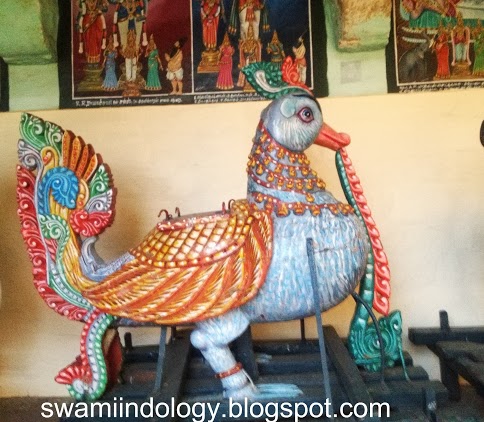
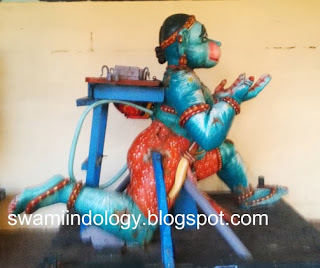
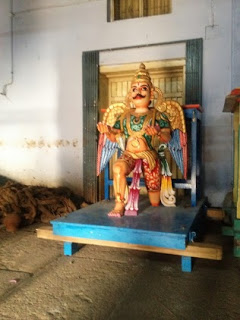
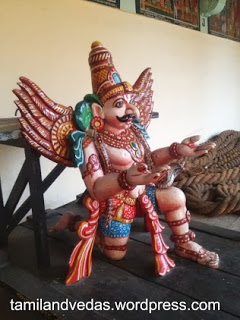
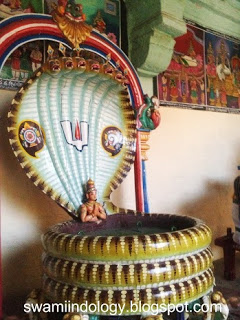
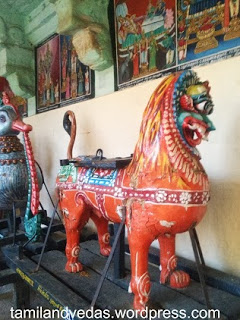
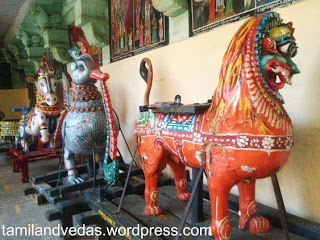
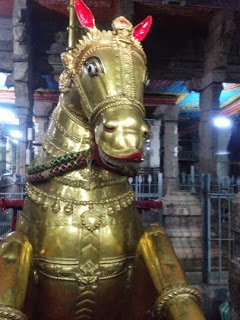
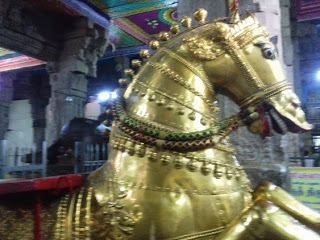
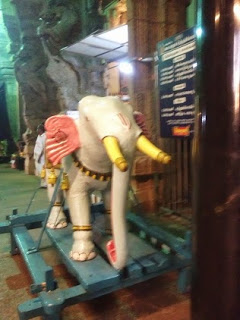
MADURAI TEMPLE VAHANA PICTURES

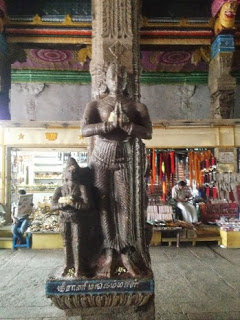
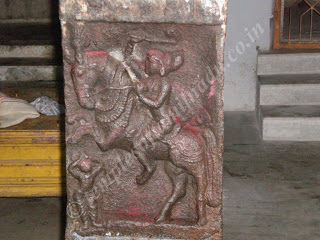
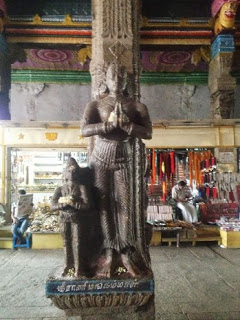
Following pictures were taken by me at Perumal (Vishnu) temple in Madurai and Murugan Temple at Tirupparankundram. Following  are my research articles on Vahanas posted in the past one year or so. Please read them to get more information about Mounts of Gods and Goddesses:

My Articles on VAHANAS (Mounts of GODS):
 
வாகனங்கள் தோன்றியது எங்கே?
எந்தக் கடவுளுக்கு என்ன வாகனம்?
காளை வாகனம் எப்படிக் கிடைத்தது?
Vahanas in Kalidasa and Ancient Tamil Literature
Hindu Vahanas Around the World
Hindu Vahanas in Italy and Greece
Vahanas on Coins and in Sculptures
Interesting Facts About Vahanas
Seven Gods Procession on Vahanas
Who Rides on What Vahana (Animal or Bird)?


Contact Swami_48@yahoo.com

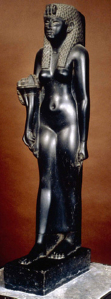
Cleopatra of Tamil Nadu

statuette-of-cleopatra1

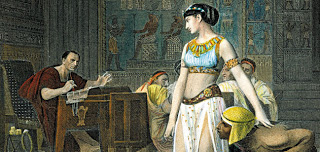
Cleopatra (69 BC -30 BC) ruled Egypt for 21 years before Christ. She was famed for beauty and intelligence. Her life was shrouded in mystery. Lot of interesting things are said about her that needs proof. But her marriage to her brother Ptolemy, Julius Caesar and Antony are facts. Egyptian kings married their sisters. Cleopatra was a Macedonian and she was the last ruler of Macedonian dynasty (Ptolemaic dynasty). When she had a clash with her brother Ptolemy XIII she fled to Syria. Roman General Julius Caesar restored her to the throne in 47 BC. They became lovers and had one child. It was said that she rolled herself in a carpet and presented herself to Caesar. When Caesar was assassinated in 44 BC, she fled to Egypt. Antony summoned her to Rome and once again an affair led to he marriage to Antony. They had three children. When she got her Egyptian kingdom back, both Antony and Cleopatra went to Alexandria where they were given a rousing welcome. Both of them were seated on Golden thrown with their three children.

When the Roman senate declared war against Antony, a rumour was spread that Cleopatra committed suicide. Antony believed it and committed suicide. When Cleopatra heard this she killed herself with an asp (Poisonous snake).

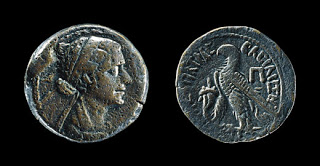
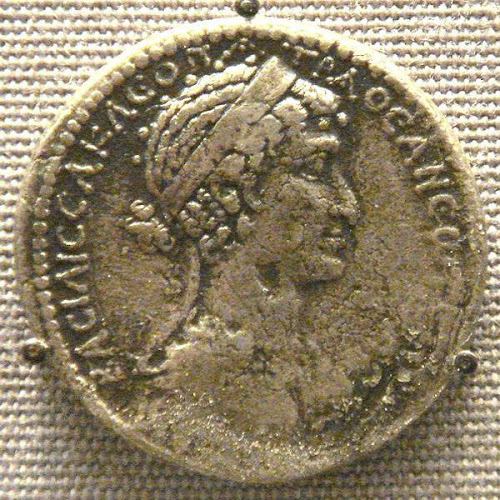
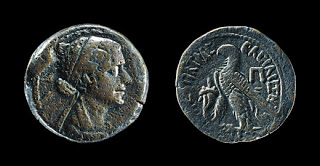
Cleopatra has inspired writers like Shakespeare , Bernard Shaw and several authors and film directors. Though Shakespeare has written about the snake bite in his drama ‘Antony and Cleopatra’, nobody knew the truth. She had the luxury of bathing in donkey’s milk every day to maintain her beauty. Another controversy is about her origin. Some people claim that she was not of Macedonian Greek origin but of Black African origin. Her beauty is also questioned by many. Some portraits on coins show her as an ugly woman. But there is no doubt she was the queen, fought wars, married three people and had several children.


Now to Rani Mangammal:

Rani Mangammal was also famous, beautiful and controversial like Cleopatra. She fought wars and died mysteriously, probably in a prison. Her origin was also questioned by a contemporary writer. But she did marry only one person.

Rani Mangammal’s name is a household name in Madurai area. She built lot of Dharmasalas for the general public and palaces in Trichy and Madurai. Her palace is converted to Gandhi Museum in Madurai. She donated a lot to different temples and Brahmins. She restored Brahmin status to Sourashtra Community.

Her contemporary writer Chinna Vekanna said that she was the daughter of Tupakula Lingama Nayaka of Chandragiri and a courtesan of Tiruvellore called Kanaka. She was beautiful and very clever. She migrated to Thanjavur and later to Madurai. She came in contact with Sokkanatha Nayaka of Madurai and married him. After the death of her husband, her son Rangakrishna Muthuveerappa Nayaka became the king. He died in 1689 and Manhgamma ruled Madurai Kingdom on behalf her grandson Vijayaranga Chokkanatha Nayaka, who was just three months old at that time.

Moghul emperor Aurangzeb sent one of his shoes in a procession to all the areas hwere he expected tribute. Though Mangammal’s commander boldly took that shoe and wore it in his foot and demander for the missing shoe, later she accepted his sovereignty and paid tribute. This was done to tackle the local problems such as attacks from Chikka Devaraya of Mysore, Ravi Varma of Travancore, Shaji of Thanjavur and Kizavan Sethupathy of Ramanathapuram.


The Cauvery river dispute   came to the fore during  her rule. Chikkadevaraya built a dam across the river in Kannambadi. This deprived the irrigation channels in Thanjavur. Mangammal went to war with Chikkdevaraya and before  long the dam burst because of heavy rains and floods.

Mangammal was thrown into prison by her grandson’s coteries and she died in a prison. But she occupies an important place in Tamil history for her good work. It is relevant to compare her origin, beauty, intelligence, rule, wars and death with the Egyptian queen Cleopatra.

contact swami_48@yahoo.com

தமிழ்நாட்டின் கிளியோபாட்ரா

எகிப்திய அரசி கிளியோபாட்ராவைப் பற்றி பல சுவையான கதைகள் சொல்லப்படுகின்றன. இதே போல திருச்சியிலிருந்து மதுரையை அரசாண்ட ராணி மங்கம்மாளைப் பற்றியும் பல கதைகள் உண்டு. இருவரிடையேயும் முழுக்க முழுக்க ஒற்றுமை காணப்படாவிடினும் சில விஷயங்களில் ஒற்றுமை நிலவுகிறது. இதோ சுவையான செய்திகள்:


முதலில் கிளியோபாட்ரா (கி.மு 69-30):

கி.மு 69-ல் ராஜ வம்சத்தில் பிறந்தார். அலெக்சாண்டருக்குப் பின்னர் எகிப்தை ஆண்ட டாலமி அரச வம்சத்தில் உதித்தார். இங்கே ஒரு புதிர். இவர் கிரேக்க வம்சம் இல்லை, ஆப்பிரிக்க கறுப்பினப் பெண் என்று. இதுவரை முடிவு தெரியாத சர்ச்சை. அவருடைய அம்மா யார் என்பதும் உறுதியாகத் தெரியாது. இவரது தந்தையான 12ஆவது டாலமி இறந்தவுடன் இவர் 13ஆவது டாலமியை மணந்தார். அதாவது சகோதரனை கல்யாணம் செய்துகொண்டார். இது எகிப்து நாட்டில் இருந்த வழக்கம்-சகோதர திருமணம்! அதிகாரம் இருக்கும் இடத்தில் மோதல் இருக்கத்தான் செய்யும். சகோதர்ருடன் மோதல்.

கிளியோபாட்ர சிரியா நாட்டுக்குத் தப்பிச்சென்று பெரும்படையுடன் திரும்பிவந்தார். அப்போது ரோமாபுரியை ஆண்ட ஜூலியஸ் சீசர் பாம்பி மன்னனைத் துரத்திக்கொண்டுவந்தார். அவன் எகிப்தில் தஞ்சம் புகுந்தான். காத்திருந்த அழகி (?) கிளி (யோபாட்ரா),  ஒரு கம்பளத்தில் தன்னைச் சுற்றிக்கொண்டு ஜூலியஸ் சிசரிடம் பரிசாகக் கொடுக்கச் சொன்னார். கம்பளத்தை விரித்தபோது வெளியே வந்த கிளியின் அழகில் ஜூலியஸ் மயங்கினார். இருவருக்கும் காதல்,கல்யாணம், முடிவில் ஒரு மகன். மீண்டும் சர்சை. பிற்காலத்தில் இந்த மகன் தனக்குப் பிறந்தவன் இல்லை என்று ஜூலியஸ் சொல்லிவிட்டார்.


ஜூலியஸ் சீசர் போரில் கொல்லப்பட்டவுடன் கிளி எகிப்துக்குப் பறந்தது. ஜூலியஸுக்குப் பின்னர் வந்த ஆண்டனி இவளை அழைக்கவே காதல், கல்யாணம், மூன்று மகன்கள்! நல்ல சந்தர்ப்பம் வாய்க்கவே எகிப்து நாட்டின் ஆட்சி அதிகாரத்தைத் திருப்பிப் பெற்றுக்கொண்டு அலெக்சாண்ட்ரியா நகருக்கு வந்தார். தங்க சிம்மாசனத்தில் அமர்ந்த தம்பதிகளுடன் மூன்று பிள்ளைகளும் அமர்ந்த காட்சியைக் காண நாடே திரண்டுவந்தது. இது நடந்தது கி.மு 34 ஆம் ஆண்டு.

கி.மு.31-ல் பெரும் போர் ரோமாபுரியில் மூண்டது. கிளியோ கொல்லப்பட்டதாக வதந்தியைப் பரப்பினர். இதைக் கேட்ட ஆண்டனி தற்கொலை செய்துகொண்டார். அதைக் கேட்ட கிளியோபாட்ரா ஒரு நல்ல பாம்பை நெஞ்சில் வைத்து கடிக்கவைத்து தற்கொலை செய்துகொண்டார். ஆங்கில மாகவி ஷேக்ஸ்பியர் எழுதிய ஆண்டனி கிளியோபாட்ரா நாடகம் உள்பட ஏராளமான திரைப்படங்களும் கிளியின் நினைவைப் போற்றி வளர்க்கின்றன. அவர் பாம்பு கடித்து இறந்தாரா, அழகைப் பராமரிக்க தினமும் கழுதைப் பாலில் குளித்தாரா—எல்லாமே சர்ச்சைக்குரிய புதிர்கள்!!!


இனி மங்கம்மாள் (1689-1704) பற்றிய சுவை மிகு செய்திகள்:

கிளி (யோபாட்ரா) யைப் போலவே இவரும் அழகானவர். கிளி போலவே பல போர் புரிந்தவர். கிளி போலவே அழகால், சாதுர்யத்தால் ஆட்சி உரிமை பெற்றவர். மிகவும் திறமையான ஆட்சியாளர். மதுரை நகர் முழுதும் இன்றும் இவர் புகழ் பாடும். மர்மமான முறையில் (சிறையில்?) இறந்தார். ஆனால் இந்தச் செய்திகளில் சில, கிளி வரலாறு போலவே உறுதிப்படுத்தப் படாத செய்திகள். அவர் காலத்தில் வாழ்ந்த சின்ன வெங்கண்ணா, மங்கம்மாளைக் கிண்டல் செய்து எஉதிய கவிகளில் இருந்து பெறப்பட்ட கிளுகிளு செய்திகள் இவை.

அவர் சொல்லும் ரகசியம்: மங்கம்மாளின் இயற் பெயர் கனகா. அவர் தந்தை சந்திரகிரி துபாகுல நாயகர். அவர் ஒரு நடன மாது. வேலை தேடி தஞ்சை விஜயராகவரின் அரவைக்குச் சென்றார். அவர் அந்தப்புரத்தில் சேர்க்க தயாராக இருந்த தருணத்தில் எப்படியோ மதுரை சொக்கநாத நாயகரை(1659-1682) மணந்தார். மங்கம்மாளின் மகன் முத்துவீரப்ப நாயகர் (1682-1689) சிறிது காலம் ஆண்டு இறந்துவிட்டார். உடனே பேரன் விஜரங்க சொக்கநாத நாயக்கரின் பேரில் 1689-ல் ஆட்சியை ஏற்றுக்கொண்டார்.


மொகலாயப் பேரரசன் அவுரங்கசீப் தனது ஒரு செருப்பை நாடு முழுதும் ஊர்வலம் விட்டான். அஸ்வமேத யாக குதிரை போகும் இடம் எல்லாம் எப்படி பாரதீய சக்கரவர்த்திகளுக்குச் சொந்தமானதோ அதே போல செருப்பு போனமிடம் எல்லாம் கப்பம் கட்டவேண்டும். ராணி மங்கம்மாள் மிகவும் தைரிய சாலி. அவனது படைத் தளபதி அந்த ஒற்றை செருப்பை காலில் மாட்டிக்கொண்டு மற்றொரு செருப்பு எங்கே என்று கேட்டான். ஆனால் பின்னர் ராமநாதபுரத்தின் கிழவன் சேதுபதி, மைசூரின் சிக்க தேவராயா தஞ்சை மன்னன் ஷாஜி, திருவாங்கூர் மன்னன் ரவிவர்மா ஆகியோர் தொல்லை கொடுக்கவே அவுரங்கசீப்புடன் சமரசம் செய்துகொண்டு கப்பம் கட்டினார்.

மதுரை முழுதும் அன்ன சத்திரங்களைக் கட்டினார். கோவில்களுக்கும் பிராமணர்களுக்கும் வாரி வழங்கினார். மதுரை சவுராஷ்டிர சமூகத்துக்குப் பிராமண அந்தஸ்து வழங்கினார். காவிரிப் பிரச்சினை இவர் காலத்தில்தான் துவங்கியது. சிக்கதேவராயன் காவிரி நதியின் குறுக்கே கண்ணம்பாடியில் அணை கட்டி தஞ்சைப் பாசனத்தைத் தடுக்கவே போர்க் குரல் எழுப்பினார். கடவுள் அருளால் பெரு மழை, வெள்ளத்தில் அணை  உடைந்தது. காவிரிப் பிரச்சினையும் தீர்ந்தது. இவர் கடைசி காலத்தில் சிறையில் இறந்ததாக ஒரு செய்தி. எது எப்படியாகிலும் இவரது சத்திரங்களும், கோவில், மசூதி, கிறிஸ்தவ சர்ச்சுகளுக்குக் கொடுத்த தானங்களும், மதுரை தமுக்கம் அரணமனையும் (இப்போது காந்தி மியூசியம்), மீனாக்ஷி கோவில், திருப்பரங்குன்றம் கோவில்களும் இருக்கும் வரை மங்கம்மாளின் புகழ் மங்கவே மங்காது.


அழகால் ஆட்சி பெற்றதும், போர் முனைகளில் எதிரிகளைச் சந்தித்ததும், மர்மமான முறையில் இறந்ததும் இவரை கிளியோபாட்ராவுக்கு அருகில் அழைத்துச் செல்கிறது.

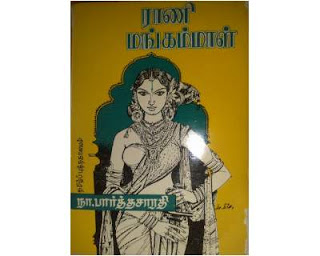
ஆர்.சத்தியநாத அய்யர் எழுதிய நாயக்கர் வரலாறு, டாக்டர் தேவகுஞ்சரி எழுதிய மதுரை வரலாறு, நா.பார்த்தசாரதி எழுதிய ‘ராணி மங்கம்மாள்’ என்னும் சரித்திர நாவல் ஆகியவற்றையும் படித்து இன்புறுக.


Pictures are taken from different sites. Thanks. Contact: swami_48@yahoo.com


(இலக்கியத் திருடர்களுக்கு ஒரு வேண்டுகோள்: என்னுடைய கட்டுரைகளை அப்படியே திருடி தங்கள் பெயரில் தாங்கள் எழுதியது போல வெளியிடுவதைக் கண்டு மனம் வருந்துகிறது. தமிழுக்கும் தமிழ் எழுத்தாளர்களுக்கும் துரோகம் செய்யாதபடி யார் எழுதியது, எந்த வெப்சைட்டில் எடுக்கப்பட்டது என்பதை தயவு செய்து வெளியிடுங்கள்).