மூர்க்கனை எப்படிக் கண்டுபிடிப்பது?

சம்ஸ்கிருதச் செல்வம்- 8


மூர்க்கனை எப்படிக் கண்டுபிடிப்பது?

By ச.நாகராஜன்


சுய முன்னேற்றம் என்னும் SELF IMPROVEMENT நூல்களில் ‘HOW TO WIN FRIENDS AND INFLUENCE PEOPLE’ என்ற டேல் கார்னீகி நூலில் ஆரம்பித்து இன்று ஆயிரக்கணக்கான “ஹௌ டு” நூல்கள் வந்து விட்டன. ஆனால் நம் முன்னோர்கள் சின்னச் சின்ன பாடல்களில் சுய முன்னேற்ற வழிகளைச் சுலபமாக நினைவில் இருக்கும்படி பாடலாகப் பாடி விட்டார்கள்.


யாருடன் சேரக் கூடாது. மூர்க்கரோடு அதாவது முட்டாள்களுடன். இவர்களை நம் வாழ்க்கையிலிருந்து ஒதுக்கி விட்டாலே ஐம்பது சதவிகிதம் வெற்றி நிச்சயம்!

அவர்களை எப்படி இனம் காண்பது?

கவிஞர் வழி காட்டுகிறார்:-


கர்வம் (PRIDE), துர்வசனம் (NASTY WORDS), விரோதம் (ENEMITY), தேவையற்ற அதிகப் பேச்சு (TOO MUCH TALK), கடமையைச் செய்ய மறுப்பது (REFUSAL TO DO THE DUTY), செய்யும் செயல்களில் அலட்சியம் (CARELESSNESS IN ACTIONS) இந்த ஆறு குணங்களும் எவரிடம் இருக்கின்றனவோ அவர்கள் மூர்க்கர்கள். அவர்களுடன் சேர வேண்டாம் என்பது கவிஞரின் அறிவுரை. பாடலைப் பார்ப்போம்.


மூர்க்கம் சின்ஹானி ஷடிதி கர்வோ துர்வசனம் முகே I

விரோதி தீர்க்கவாதி க்ருத்யாக்ருத்யம் ந மன்யதே II


மூர்க்கருக்கான சின்னங்கள் ஆறு. கர்வம், கெட்ட வார்த்தைகள், பகைமை, தீர்க்கவாதம் என்னும் அதிகப்பேச்சு, கடமையைச் செய்யாமை, செய்யும் செயல்களில் அக்கறையின்மை (இவையே மூர்க்கருக்கான அடையாளங்கள்!)


மூர்க்கனிடம் தர்ம பிரஸங்கம் ஏன்?

—————————————————————  

இன்னொரு கவிஞர் இவர்களுடன் பேசி அறிவுரை சொல்வது வீண் அல்லவா என்று எச்சரிக்கிறார் நளினமாக!


முக்தாபலை: கிம் ம்ருகபக்ஷிணாம் ச

   மிஷ்டான்னபானம் கிமு கர்தபானாம் I

அந்தஸ்ய தீபோ பதிரஸ்ய கானம்

   மூர்கஸ்ய கிம் தர்மகதா ப்ரஸங்கை: II


ம்ருகபக்ஷிணாம் – மிருகங்களுக்கும் பறவைகளுக்கும்

முக்தாபலை: கிம் – முத்துக்களினால் என்ன பயன்!

மிஷ்டான்னபானம் – (அற்புதமான) அறுசுவை உணவும்,   பானங்களும்

கிமு கர்தபானாம் – கழுதைக்கு என்ன பயன்?

(கர்த்தபம் – கழுதை)

அந்தஸ்ய தீபோ – அந்தகனுக்கு தீபத்தால் என்ன பயன்?

பதிரஸ்ய  கானம் –அருமையான கானம் செவிடனுக்கு

என்ன பயன்? மூர்கஸ்ய  கிம் தர்மகதா ப்ரஸங்கை –முட்டாளுக்கு தர்ம கதையை பிரசங்கம் செய்து என்ன பிரயோஜனம்?


தர்மோபதேசத்தால் அவன் திருந்தவும் போவதில்லை; நமது நேரமும் வீண் தான் என்று சுட்டிக் காட்டுகிறார் கவிஞர்.

‘ஆத்திசூடி’யில் அவ்வையாரும் ‘மூர்க்கரோடு இணங்கேல்’ என்று சுருக்கமாகக் கூறி விட்டார்.


அதிவீர்ராம பாண்டியரோ ‘வெற்றி வேற்கை’யில்,


நூறாண்டு பழகினும் மூர்க்கர் கேண்மை

நீர்க்குள் பாசி போல் வேர்க் கொள்ளாதே

என்று அழகுறச் சொல்லி விட்டார்.

நீர்க்குள் பாசி போல வேர் கொள்ளாத நட்பு எதற்காக?

உலகநாத பண்டிதரோ தனது ‘உலக நீதி’யில்


“நஞ்சுடனே ஒரு நாளும் பழக வேண்டாம்

   நல் இணக்கம் இல்லாரோடு இணங்க வேண்டாம்”  என்றும்

“சேராத இடம்தனிலே சேர வேண்டாம்”     என்றும்

“துர்ச்சனராய்த் திரிவாரோடு இணங்க வேண்டாம்” என்றும்

எச்சரித்து அறிவுரை பகர்கிறார்.


மூர்க்கரை இனம் கண்டு அவர்களை ஒதுக்கி முன்னேறுவதே வெற்றி பெறும் வழியாகும்!

***********

 

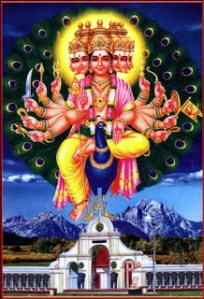
உலகத்தை முதலில் வலம் வந்தவர் யார்? கந்தனா? யூரி ககாரினா?


உலகத்தை முதலில் வலம் வந்தவர் யார்? கந்தனா? யூரி ககாரினா?

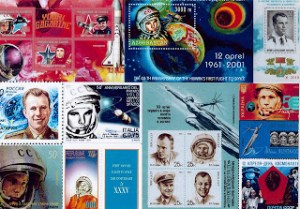
முதல் முதலில் ஒரு விண்கலத்தில் இந்தப் பூமியை வலம் வந்தவர் யார்? என்று கேட்டால் பலரும் ரஷ்ய விண்வெளி வீரர் யூரி ககாரின் என்றே சொல்லுவார்கள். கலைக் களஞ்சியங்களும் அப்படியே சொல்லும். அது சரியல்ல. த்ரிலோக சஞ்சரியான நாரதர் கிரஹங்களுக்கிடையே பயணம் செய்ய வல்லவர். ஆயினும் பூமியை வலம் வந்ததாக தெளிவான குறிப்புகள் இல்லை. ஆனால் முருகப் பெருமான பூமியை வலம் வந்த குறிப்பை  அருணகிரிநாதர் எழுதிய திருவகுப்பில் தெளிவாகக் காணலாம். அவர் ஒரு நொடிப் பொழுதில் உலகை வலம் வந்ததை அருமையாகப் பாடி இருக்கிறார். இதை கற்பனை என்று யாராவது கருதுவார்களானால் குறைந்தது இந்தக் கொள்கையை முதலில் சொன்ன பெருமையையாவது அவருக்குக் கொடுக்க வேண்டும்.


அருணகிரிநாதர் 500 அண்டுகளுக்கு முன் வாழ்ந்தவர். அப்போது உலகம் உருண்டை என்பது கூட மேலை நாட்டினருக்குத் தெரியாது. நாமோ வட மொழியிலும் தமிழிலும் பூகோளம் முதலிய சொற்கள் மூலம் துவக்க காலத்திலிருந்தே இதை உருண்டையானது என்று சொல்லிவருகிறோம்.

இதோ திருவகுப்பு பாடல்:

“ ஆகமம் விளைத்து அகில லோகமும் நொடிப்பொழுதில்

ஆசையொடு சுற்றும் அதிவேகக் காரனும்

இலகு கனி கடலை பயறொடியல் பொரி அமுது செயும்

இலகு வெகுகட விகட தட பார மேருவுடன்

இகலி முது திகிரி கிரி நெரிய வளை கடல் கதற

எழு புவியை ஒரு நொடியில் வலமாக ஓடுவதும்”  (திருவகுப்பு)


ஒரே நொடியில் உலகம் முழுதையும் சுற்றி வந்தார் முருகன். 1961  ஆம் ஆண்டில் ககாரின் ஒரு முறை பூமியை வலம் வர ஒரு மணி நேரத்துக்கு மேல் ஆயிற்று!!

Picture of Yuri Gagarin on Stamps

இசைகேட்கும் ‘ஐ பாட்’ கருவியும் சிவபெருமானும்

ஐபாட் கண்டுபிடிக்கப்பட்ட பின்னர் எல்லோரும் காதுகளில் இயர்போனை (ear phone) வைத்துக் கொண்டு இசை கேட்பது சர்வ சாதாரணமாகி விட்டது. அந்தக் காலத்தில் விமானத்தை ஓட்டும் பைலட்டுகள் இசைத்துறை இயக்குனர்கள் அல்லது டெலிபோன் துறையினர் பெரிய இயர் போன்களை காதுகளில் வைத்திருப்பதை பழைய திரைப்படங்களில் பார்த்தோம். இன்றோ இசைக் கருவி காதில் சொருகாத இளஞர்களே இல்லை.

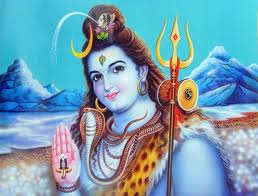
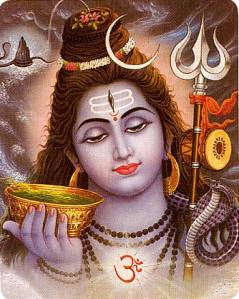
சோனி நிறுவனத்தார் (Sony’s Walkman) வாக்மேன் கண்டுபிடித்த பின்னர் இப்படி எல்லோரும் இசைகருவியும் இயர் போனும் வாங்கினர். பின்னர் எம் பி 3 கருவிகள் ஐ-பாடுகள் வந்தன. உண்மையில் இந்தக் காதில் இசை கேட்கும் வழக்கத்தை உலகுக்குச் சொல்லிக் கொடுத்தவர் சிவபெருமான் தான். சம்பந்தர் தேவாரத்தின் முதல் பாடலான ‘தோடுடைய செவியன்’ பாடல் உரையில் இச் செய்தி உள்ளது.

கிருபானந்தவாரியார் ஒரு கதையை அடிக்கடி சொல்லுவார்.:  அஸ்வதரன், கம்பதரன் என்ற இரண்டு கந்தர்வர்கள் மிக அழகாகப் பாடுவர். ஆனால் அவர்களுக்கு ரசிகர்களே இல்லை. இதனால் மிகவும் வருத்தம் அடைந்து சிவ பெருமானை நோக்கி தவம் செய்தனர். சிவனோ வீணை வாசிப்பதிலும் சாம கானம் கேட்பதிலும் அதி சமர்த்தர்.  ஆகவே கந்தர்வர்கள் முன் தோன்றி என்ன வேண்டும் என்று கேட்க அவர்கள் 24 மணி நேரமும் 365 நாட்களும் எங்கள் இசையை நீங்கள் கேட்க வேண்டும் என்றனர். சிவன் அதற்கு இசைந்தார். ஆனால் நடை முறையில் இவர்களோடு எப்போதும் இருக்க முடியாதே!


சிவனுக்கு ஒரு யோசனை உதித்தது. உங்கள் இருவரையும் தோடுகளாகச் செய்து காதில் அணிந்து கொள்கிறேன். பாடிக்கொண்டே இருங்கள் என்றார். அவர்களுக்கு எல்லை இலா மகிழ்ச்சி. இப்போதும் பாடிக்கொண்டே இருக்கிறார்கள். எந்த எம் பி-3 பிளேயரையும் விட அதிக பேட்டரி அந்த தோடுகளில் இருக்கிறது. ஆண்டு முழுதும் சிவன் பாட்டுக் கேட்கிறார். இந்த ‘ஐடியா’தான் வாக் மேனாகவும் ஐ பாடாகவும் பிற்காலத்தில் பரிணமித்தது என்றால் பிழை ஏதும் இல்லையே!


உலக வலம் பேடண்ட் உரிமையும் எம்பி 3 இசைக் கருவி, இயர் போன் (காது ஒலிக் கருவி)  பேடண்ட் உரிமையும் கந்தனுக்கும் அவன் தந்தை முக் கண்ணனுக்குமே உரித்தானவை.

வாழ்க கந்தன்! வாழ்க சிவன்!


முந்தைய கட்டுரைகளில் லேசர் ஆயுதம் கண்டு பிடித்த பெருமையும் ஸ்டார் வார் ஆயுதங்கள் கண்டு பிடித்த பெருமையும் சிவனுக்கே உரித்தானவை என்று நிலை நாட்டி இருக்கிறேன். பறக்கும் செம்பு, வெள்ளி தங்கம் கோட்டைகளை நெற்றிக் கண்ணில் உள்ள லேசர் ஆயுதம் மூலம் தகர்த்தவர் சிவன்.. இதே போல பூமராங் ஐடியாவும் விஷ்ணுவின் சுதர்சன சக்கரத்தில் இருந்தே வந்தது என்பதையும் நிலை நாட்டி இருக்கிறேன். ஆங்கிலக் கட்டுரைகளில் முழு விவரமும் காண்க.

Contact swami_48@yahoo.com

Hindu God with “an IPod”


Hindu God with “an IPod”

People have seen ear phones in black and white films long ago. Pilots in the cockpits of airplanes or people working in communication departments or music directors used unusually big air phones in those days. When Sony invented Walkman, ear phones became a household thing. Even then it was big and uncomfortable to keep it in the pocket. They clipped it to their belts. Then we saw the revolutionary MP3 players and IPods. Thousands of songs were packed in a tiny biscuit like thing with small ear phones, which you can put them in your shirt pockets. Now no youth goes out without a musical player and earphones. But who gave the idea to the world? No encyclopaedia gives the correct information. It is Lord Shiva who gave the idea to the world!!


Thevaram Hymns were sung by three great Saivaite saints who lived in7th and 8th centuries. First and foremost of the three Thevaram hymnists were Thiru Gnana Sambabdhar. He was a boy genius like Adi Shankara. Sambandhar started singing about Lord Shiva when he was just three years old. His very first verse was sung at Sirkazi in Tamil Nadu when he was three. A lot of commentaries are available for this first verse. He described Shiva wearing studs in his ears. The scholarly commentaries on the poem give very interesting information about Lord Shiva’s ear phones blaring 24 hour music, 365 days a year. No IPod or MP3 player battery will last that long. But Lord Shiva hears the music in both ears 24 hours for ever. So, what is the story?

Kripananda Variar (1906—1993), a famous speaker on Lord Kartikeya and Lord Shiva narrates the story: Asvadharan and Kampadharan were two great Gandharvas (celectial musicians). They were so great that they excelled Narada in music. But they had no fans. Poor musicians thought of approaching Shiva who was a great Veena player. So they went to the Himalayas and did penance for a long time. Shiva is known as Ashutoshi, means one who can be easily pleased. So he immediately appeared before them and asked what they wanted. They did not ask for billion dollars, but  requested Shiva to listen to their music 24 hours a day, 365 days a year. Shiva never said NO to anyone. Even when Pasmasura asked for a boon to kill anyone he lays his hands on, Shiva said YES and ran for his life when the Asura (demon) wanted to use Shiva as guinea pig. Shiva agreed to listen to their music. For all the practical purposes it wouldn’t work. He thought of an innovative idea. He told them, I will make both of you ear studs and wear them. You can sing forever”.

My interpretation:

This is the story of Shiva’s ear phone= ear studs. This story was very old, but narrated by Kripananda Variar in his talk on 7-12-1975 at Virudunagar Sakti Sangam.

It is crystal clear that the idea of listening to music through ear phones/ ear studs came from Lord Shiva. Let him own the patent for this innovation!

swami_48@yahoo.com (london swaminathan)

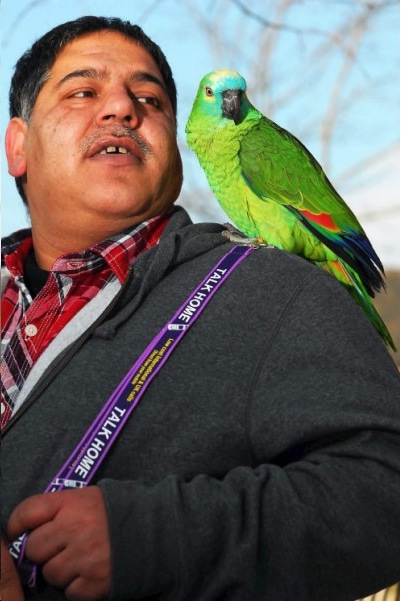
Multi lingual Parrot mimics Arabic, Urdu and English Words

rocket2

Picture of Rocket who can “speak” three languages.

Multi lingual Parrot mimics Arabic, Urdu and English Words

பல மொழி பேசும் கிளி (கீழே தமிழிலும் தரப் பட்டுள்ளது)


Rocket, a blue fronted parrot can squawk in Arabic, Urdu and English. He lives in Oldham in England.

The bird often surprises passersby with the traditional Arabic greeting ‘asalamu alaikkum’—meaning peace be upon you. Rocket belongs to Mahmood family. It mimics English words. It says Hello to everyone. The owner of the parrot says, “ he sometimes says things that even we don’t understand”. It copies cats and chickens. During summer months, Eshaan Mahmood takes it for a walk. It sits on his shoulder and talks. Children love to chat with it. Rocket has wide publicity in London news papers.

I have already written about parrots reciting Vedas and birds predicting your future. Now after reading this item in today’s newspapers, I am reminded of three other points.

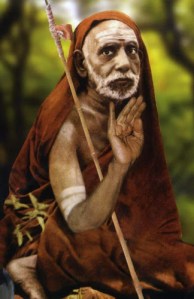
Picture of Arunagirinathar

  1. Sekkizar who wrote Periyapuranam giving the life history of Tamil Saivaite saints composed a poem about parrots. He says that the parrots recited Tamil hymns Thevaram and Myna birds listen to them in Tiruvarur.
  2. Arunagirinathar, a Tamil poet who wrote Thiruppugaz in 15th century is believed to have transformed in to a parrot and sung Kandhar Anubhudi
  3. Suka Brahmam sang the glory of Krishna in Bhagavatha Puranam in Sanskrit. He is believed to have recited it in the form of a parrot.

கீழ்கண்ட கட்டுரைகளையும் படிக்கவும்: Read my earlier posts:

1.Can Parrots Recite Vedas? 2.Birds and Gods 3.Can Birds Predict your Future?

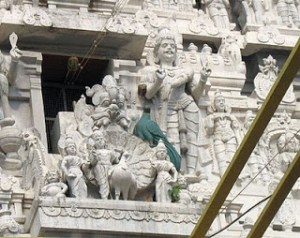
Picture: Parrot statue in Tiruvannamalai Parrot Tower

பல மொழி பேசும் கிளி (கீழே தமிழிலும் தரப் பட்டுள்ளது)

இங்கிலாந்தில் ஓல்தாம் என்னும் இடத்தில் ராக்கெட் என்னும் பெயர் உடைய கிளி வசித்து வருகிறது. இதை இஷான் முகமது என்பவர் வளர்க்கிறார். அந்தக் கிளி அராபிய, உருது ஆங்கிலம் ஆகிய மொழிகளில் பல சொற்களை சொல்லும் கிளிகள் வேதம் சொல்லுவது பற்றி எழுதியுள்ளேன். ஜோதிடம் சொல்லுவது பற்றியும் எழுதியுள்ளேன். முதலில் ஆங்கிலத்தில் ஹலோ மற்றும் சொன்ன கிளி இப்போது உருது, அராபிய சொற்களையும் சொல்லுகிறது. சில நேரங்களில் புரியாத பாசையிலும் பேசுகிறது.


அராபிய மொழியில் ‘அசலாமு அலைக்கும்’ (சாந்தி நிலவட்டும்) என்று அழைக்கும். கோடை காலத்தில் இதை தோள் பட்டையில் உட்கார வைத்துக்கொண்டு இஷான் முகமது உலா சுற்றப் போவார். அவரைச் சுற்றி சிறியோரும் பெரியோரும் கிளியைப் பார்ப்பதற்குக் கூடிவிடுவார்கள்.

இதை லண்டன் பத்திரிக்கைகளில் இன்று படித்தவுடம் மூன்று விஷயங்கள் நினைவுக்கு வந்தன. 1.) திருவாரூர் கிளிகள் தேவாரம் சொல்லியதாகவும் அதை நாகணவாய்ப் பறவைகள் கேட்டதாகவும் சேக்கிழார் பெருமான் பெரிய புராணத்தில் எழுத்கிறார்.2.) அருணகிரிநாதர் 15ஆம் நூற்றாண்டில் வாழ்ந்தவர். அவர் கிளி வடிவில் உரு மாறி கந்தர் அநுபூதி பாடியதாக ஒரு ஐதீகம் 3.)சம்ஸ்கிருதத்தில் பாகவதம் பாடிய சுக பிரம்மம் கிளி வடிவில் அதைப் பாடியதாகவும் மற்றொரு நம்பிக்கை உள்ளது.


இதோ பெரிய புராணப் பாடல்:

உள்ளம் ஆர் உருகாதவர் ஊர்விடை

வள்ளலார் திருவாரூர் மருங்கெல்லாம்

தெள்ளும் ஓசைத் திருப்பதிகங்கள் பைங்

கிள்ளை பாடுவ கேட்பன பூவைகள் (பெரியபுராணம்)

*****

“வாழ்க்கை எனக்குப் போதித்தது என்ன?”

காஞ்சி பரமாசார்யாள் அருளிய கட்டுரை:

 “வாழ்க்கை எனக்குப் போதித்தது என்ன?”

By ச.நாகராஜன்


பவன்ஸ் ஜர்னல் கட்டுரை     

குலபதி கே.எம்.முன்ஷி பாரத கலாச்சாரத்தைப் போற்றி வணங்கிய ஏராளமானோருள் ஒருவர். போற்றியதோடு நில்லாமல் அதைப் பாதுகாத்து அடுத்த தலைமுறைக்கு பாரம்பரிய செல்வத்தையும் வாழ்க்கைமுறையையும் அப்படியே தர வேண்டும் என்ற எண்ணமும் கொண்டவராய் அவர் இருந்தார். பாரதீய வித்யா பவன் என்ற நிறுவனத்தை நிறுவியதோடு பாரம்பரிய செல்வ ரகசியத்தை அனைவருக்கும் அள்ளித் தர பவன்ஸ் ஜர்னல் என்ற பத்திரிக்கையையும் ஆரம்பித்தார்.

காஞ்சி பரமாசார்யாள் (ஸ்ரீ சந்திர சேகரேந்த்ர ஸரஸ்வதி ஸ்வாமிகள்) அருளிய ‘வாழ்க்கை எனக்குப் போதித்தது என்ன?’ என்ற அற்புதமான கட்டுரையை வெளியிடும் பெரும் பேறு இந்த பத்திரிக்கைக்கு கிடைத்தது. பொதுவாக பெரும்  அருளாளர்கள் தங்கள் வாழ்க்கையைப் பற்றிப் பேசவே மாட்டார்கள். அதுவும் காஞ்சி பெரியவர் லோக க்ஷேமம் எனப்படும் உலக நன்மைக்காகவே தன்னை அர்ப்பணித்துக் கொண்டவர். அதைப் பற்றி மட்டுமே பேசுபவர். அவரே மிகுந்த வினயத்துடன் மிக அரிதான ஒரு கட்டுரையை அருளி அதில் தன் வாழ்க்கையின் அர்த்தத்தை  இறுதி வாக்கியத்தில் கூறியிருப்பது உள்ளத்தை நெகிழ வைக்கிறது.


மரநாயும் பொன்னுச்சாமி எடுத்த தங்க வளையலும்

     அவரது மூன்றாம் வயதிலோ அல்லது நான்காம் வயதிலோ நடந்த இரு சம்பவங்களுடன் கட்டுரை ஆரம்பிக்கிறது. மரநாய் ஒன்று வெல்லம் இருந்த ஜாடியில் தலையை விட்டுக் கொண்டு அதை மீண்டும் எடுக்கமுடியாமல் தவித்து கூக்குரலிட்டதைக் கேட்டு திருடன் தான் வந்து விட்டானோ என்று எண்ணிய அண்டை அயலார் கம்பு தடிகளுடன் வர நாய் பிடிபட்டது. அதை ஒரு கம்பத்தில் கட்டி ஒருவாறாக ஜாடியைப் பிரித்தனர். பேராசை தந்த பெருங்கேட்டை ஆசார்யாள் விளங்கிக் கொண்டாராம்.


அடுத்த சம்பவம் அவரது தங்க வளையலைப் பற்றியது. தனியாக இருந்த குழந்தையைப் பார்த்த திருடன் ஒருவன் தங்க வளையலைக் குறி வைத்து வீட்டின் உள்ளே வர அவரே அதைக் கழட்டும் விதத்தைச் சொல்லி அதை ரிப்பேர் செய்து எடுத்து வரக் கூறுகிறார்.மிக்க மகிழ்ச்சியுடன் பொன்னுசாமி (அப்படித்தான் வந்தவன் தன் பெயரைக் கூறி  இருந்தான் – தங்கத்திற்கு சாமி!) தன் வளையலை ரிப்பேர் செய்து எடுத்து வரப்போகும் செய்தியைத் தன் வீட்டாருக்குக் குழந்தை கூறியது.


அவசரம் அவ்சரமாக வெளியில் வந்த குழந்தையின் வீட்டாருக்குப் பொன்னுசாமி தென்படவே இல்லை.

கவர்ச்சி, திருடு, பேராசை,ஏமாற்றுதல், புலம்பல் ஆகிய அனைத்தையும் இந்த இரு சம்பவங்களும் ஆசார்யாளுக்கு விளக்கி விட்டன! ஆனால் வயதாக ஆக  சில ஆத்மாக்கள் பிறருக்காகவே அறநெறியின் அடிப்படையில் வேரூன்றி வாழ்கின்றனர் என்ற பேருண்மையை அவர் உணர்ந்தார்.

பீடம் ஏறிய வரலாறு


அவர் 1907ஆம் ஆண்டு திண்டிவனத்தில் கிறிஸ்டியன் மிஷன் பள்ளியில் படித்துக் கொண்டிருந்த போது கலவை என்ற இடத்தில் அப்போதைய சங்காராசார்யார் சித்தி அடைந்து விட்டார்.

ரிக்வேதம் படித்தவரும் மடத்தில் இருந்தவருமான அவரது தாய் வழி உறவினருள் ஒருவர் அடுத்த சங்கராசாரியராக நியமிக்கப்பட்டார். தன் அம்மாவுடன் காஞ்சி புரம் செல்கிறார் பரமாசார்யாள். அவருக்கு அப்போது வயது 13. அந்த சமயத்தில் அவருக்கு மட்டும் தனியே ஒரு வண்டியில் வருமாறு கூறப்பட்டது. சங்கராசாரியராக நியமிக்கப்பட்ட அவரது உறவினர் ஜுரத்தின் உச்சகட்ட நிலையில் நினைவிழந்து இருப்பதையும் ஆகையால் அவரையே அடுத்த சங்கராசாரியராக நியமிக்க உத்தேசம் என்பதையும் அறிந்து கொண்டார் 13 வயதான பரமாசார்யாள்!


இப்படியாகத் தான் சிறு வயதில் திடீரென்று நிகழ்ந்த ஒரு நிகழ்ச்சியால் பீடமேறினார் சந்த்ரசேகரேந்த்ர சரஸ்வதி என்னும் திரு நாமம் கொண்ட பரமாசார்யாள். அவருக்கு சாஸ்திர பாடமும் பயிற்சிகளும் ஆரம்பமாயின.

இரு நிகழ்ச்சிகள்


1923ஆம் ஆண்டு திருச்சியில் முகாம் இட்டிருந்த போது 12 வயது சிறுமி ஒருத்தி தன் சகோதரனைப் பொய் சொன்னதற்காகக்

கண்டித்ததைப் பார்த்து வியந்தார் ஆசார்யாள். அந்தச் சம்பவத்தை அவரால் மறக்கவே முடியவில்லை.


இன்னொரு சம்பவம் கேரளாவில் நடந்தது. அவர் முகாமிட்டிருந்த இடத்தில் பக்கத்து அறையில் நடந்த ஒரு நிகழ்ச்சி அவரது கவனத்தைக் கவர்ந்த்த. பக்கத்து அறையில் பூஜை செய்யப் போன ஒரு நம்பூதிரி பிராமணர் அங்கிருந்தவர்களுடன் அரட்டையில் பங்கு கொண்டார். சிறிது நேரத்தில் அவர் தன் தவறை உணர்ந்து கொண்டார். பூஜையில் அவர் மனம் செல்லவில்லை. தன் தவறை பகிரங்கமாகக் கூறி மனம் பூஜை செய்யும் லயத்தில் இல்லை என்று அவர் கூறியதையும் ஆசார்யாள் கேட்டார். அவரது குறிக்கோளில் இருந்த நேர்மை  ஆசார்யாளுக்கு மிகவும் பிடித்திருந்தது.

நேசித்துப் போற்றியோர்


அடுத்து ஆசார்யாள் தன்னை  மிகவும் அன்பு பாராட்டி மதித்து நேசித்தவர்கள் எப்படித் தன்னைப் போற்றினர் என்பதை எடுத்துக் கூறுகிறார்,

இறுதியில் கட்டுரையை கடவுள் சிலரை பிறருக்காகவே வாழப் படைத்திருக்கிறார் என்ற வரியுடன் முடிக்கிறார்.


ராஜாஜியின் பாராட்டு


அற்புதமான இந்த கட்டுரை வெளியானவுடன் ராஜாஜி இப்படிப்பட்ட அரிய கட்டுரையப் பெற்று வெளியிட்டதற்காக பவன்ஸ் ஜர்னலைப் பாராட்டினார் என்றால் கட்டுரையின் அருமையை சுலபமாக எவரும் உணர்ந்து கொள்ளலாம்.


பரமாசார்யாளின் நீண்ட நெடிய 100 வயது யாத்திரையின் ஒவ்வொரு கணமும் லோக க்ஷேமம் ஒன்றே அவரது குறிக்கோளாக இருந்ததை அவர் அருளிய  உரைகள், அவரது வாழ்க்கையில் நடந்த ஆயிரக்கணக்கான அற்புத சம்பவங்கள் எடுத்துக் காட்டுகின்றன.


உன்னத உணர்ச்சிகளைத் தூண்டி விடும் அவரது உரைகளைப் போல இந்தக் கட்டுரையும் நம் மனத்தை உயர வைக்கிறது என்பதே அவரது அருள் சக்தியின் வல்லமைக்கு ஒரு உதாரணம்.


கட்டுரையை முழுதுமாக ஆங்கிலத்தில் படிக்க நீங்கள் நாட வேண்டிய இணைய தளம் : http://www.kamakoti.org/souv/4-13.html

**************

Miracles in Crematorium

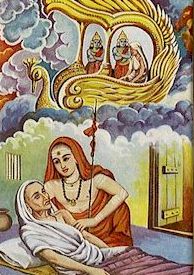
Picture of Shankara with his mother

Miracles have no boundaries. It can happen anywhere and at anytime. Adi Shankara and Tamil saint Pattinathar are known to have done it in the crematoriums. It is the story about mothers on pyres. Hindus hold mother above God. The Vedas say “ Mathru Devo Bhava, Pitru Devo Bhava and Athithi Devo Bhava” (Mother,Father and Guest are treated with great respect). Another Sanskrit saying goes thus “Matha Pitha Guru Deivam “ meaning Mother,Father and Guru/teacher are equal to Gods.

A famous story in Tamil is about Ganesh doing circumambulation of his mum and dad to get the mango fruit in a Round the World competition with his brother Skanda (please read Two Mangoes that changed the Tamil World in my blog). Great saints Ramana Maharishi and Sri Sathya Sai Baba built Samadhis for their mothers. Tamil hymns also praise mother as God.

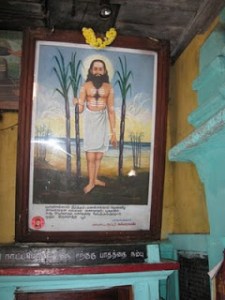
Picture of Tamil Saint Pattinathar

Adi Shankara tricked his mother to get Sanyas (renouncing the world and becoming an ascetic) when a crocodile grabbed him in the river in Kaladi in Kerala (India). He told his mother that his life span was over for this birth. But Sanyas is second life. So he asked his mum’s permission to become an ascetic. Loving mothers wouldn’t like their sons to be devoured by crocodiles. So she said yes. He was to embark on a mighty mission to change India and reform Hinduism. His mother wouldn’t want her only son to leave her alone. But Shankara promised that he would come back on her last day. Just her thought would bring him back, he said. And that day came. Shankara came back and wanted to cremate her body. The ever quarrelling relatives did not allow him to cremate the body. He took his mother’s body on his shoulders to the garden in the house, just spelt a mantra and his mother’s body was burnt to ashes. Shankara’s life is full of miracles like Krishna, Buddha, Moses and Jesus. This is one of them.


Tamil Miracle

The same thing happened with a great Tamil saint known as Pattinathar. His name means Mr City Dweller. He was from a famous harbour city of ancient Tamil Nadu Kaveri Pumpattinam (Pumpuhar). Born with a silver spoon in his mouth, he was greatly attached to his business and wealth. But a miracle weaned him away from these. He left all his wealth and revelled in divine vagabondry. Like his predecessors, he went from shrine to shrine singing the glory of Lord Siva.

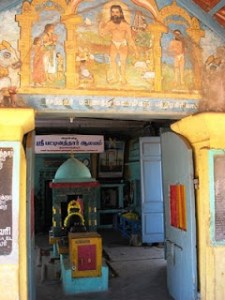
Picture of Pattinathar Temple

Though he renounced everything he had, he never gave up his love and affection towards his mother. When she died he came back to do the last rites. No doubt that his close relatives did not like this. They did not want a vagabond to do this. Sensing this Pattinathar spread his mother’s body on green plantain tree stems and sang a decad. When he sang the seventh verse of the decad the green, wet banana stem burst in to flames consuming the body laid on it.


Dr T N Ramachandran has translated Pattinathar poems in to English. I am giving below the seventh verse only:

“ In the distant past, it was the three

Skyie cities that were set fire to;

The later burning was Lanka, in the south.

By her death, my mother has set aflame my stomach;

Let the fire lit by me swell and soar”– (Pattinathar verse)

Picture of Ramana Maharishi’s Mother Samadhi

Hindu ascetics are not supposed to entertain any connection with blood relatives including own fathers. But one exemption is that they can salute their mothers if they happen to see them. Such a high status was given to mother in Hinduism. Shankara and Pattinathar did that. In their own life times Ramana Maharishi of Tiruvannamalai and Sri Sathya Sai of Puttaparthi did build Samadhis for their mothers.

Earlier posts on Miracles:

1.Miracles Do Happen 2. Do Words Have Powers? 3. The Amazing Power of the Human Mind 4. Miracles! You Can Do It 5.Rain Miracles: Rain by Fire and Music 6. Do Hindus Believe in ETs and Alien Worlds? 7. Aladdin’s Magic Lamp and Tamil Saints 8. Hindu List of Miracles

Picture of Sathya Sai Baba’s Mother Samadhi

தமிழ் மேற்கோள்

முன்னையிட்ட தீ முப்புரத்திலே

பின்னையிட்ட தீ தென் இலங்கையில்

அன்னை இட்ட தீ அடி வயிற்றிலே

யானும் இட்ட தீ மூள்க மூள்கவே ! (தகனக் கிரியை பதிகம்,பட்டினத்தார்)

Pictures are taken from other websites. Thanks. Contact  swami_48@yahoo.com

Knowledge of Biology in Hindu Scriptures

Knowledge of Biology in Hinduism

Western scholars attributed the origin of all branches of science and knowledge to the Greeks. This is due to two reasons: 1.They did not have Tamil and Sanskrit books translated into English when they wrote such things and nobody challenged their views and 2. Though Hindu scriptures pre date all that is Greek, the latest versions of Hindu scriptures have interpolated sections. So the Westerners dated most of the things to first few centuries of Common Era (AD).All encyclopaedias point in one direction—Greek origin or rarely Egyptian or Sumerian origin. That is wrong.How?


8.4 million Yonibedham

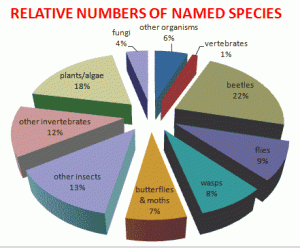
The wonder is that Hinduism comes very close to the modern science in several fields. Whether it is astronomy or origin of universe or number of living organisms, Hindu scriptures come very,  very close to modern estimates, where as others lag far behind. This article is about biology only. Hindu scriptures said that there are 8.4 million different varieties of living beings. The Sanskrit words in the scriptures are 84 hundred thousand Yoni Bedham. One must remember that it was written at least 2000 years ago. Even today science is not sure about the number of organisms on earth. They keep on adding every year. When the genetic mapping is completed they may reduce it or increase it with introducing new classifications. The current number is on the basis of what we know today and how we classify them

Tamils repeated whatever said in the Sanskrit scriptures and added their own knowledge and in some places fine tuned them. In addition, they evolved their own systems as well .A typical example is Siddha Medical system parallel to Ayurveda Medical System. Both of them believed in the principle of Prevention is better than cure.

“From ant to elephant”  is an expression found in Hindu scriptures.

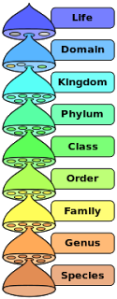
 

Six level of knowledge

Tolkappiyam, the oldest Tamil book dated to 1st century BC, says that living beings are classified in to six categories depending upon the level of their evolution. It placed human beings at the top with ‘six senses’. The living organisms with one sense are trees and grass. They have the sense of touch. Living beings with two senses are snails and oysters. They can taste and feel. Beings with three senses of taste, touch and smell are ants and termites. And with four senses are crabs and dragon flies. The fourth sense added here is vision. Living organisms with five senses are horses, elephants, pigs and birds. They have the hearing as the extra sense. Humans are the only living beings with SIX SENSES. They have mind, meaning able to think. (Ref.Tol-Porul.571 –578)

Now we use Linnaeus classification for plants and animals. He published his works in the 1750s. Neither Tolkappiar or nor Linnaeus is perfect in their classification. But we can appreciate their scientific approach. They tried to classify them on a reasonable basis. With genetic mapping of organisms we may even throw Linnaeus in to dust bin soon.

Tamil Landscape Divisions

Tamils divided their land into 4+1 categories. They gave a predominant plant’s name for each of the five landscapes: Kurinchi  (a mountain flower) for hilly areas, Mullai (jasmine) for forests, Marutham (tree with red flowers) for pastoral region, Neytal (water flower) for sea shores and Palai ( desert tree) for arid lands.

They followed their northern counterparts in their classification. Hindu mythology divides the world into 7 or 9 Dweepas (regions) on the basis of a predominant plant or animal. India is known as Jambudweepa, land of jambju or Rose Apple trees. The other dweepas are : Plaksha (fig tree), Shalmali (Silk Cotton Tree),Kusha (grass), Krauncha (Curlew Birds),Pushkara (lotus) and Saka (Teak= Tectona grandis).

Manu’s classification of Animals

Manu Smriti, the ancient law book of Hindus, classifies animals in different ways. The references are spread over in chapter 5. It shows that the ancients classified them on the basis of hoofs, whether they are carnivorous or herbivorous, whether they live in villages or forests etc. It indicates that they also thought about it and divided them in to various categories.

The fact that vegetarianism originated, supported and spread to different parts of the world from India is enough to prove that they knew about animals and plants. The fact that India is the country where lot of herbs are listed in Tamil and Sanskrit medical books is enough to prove that they based their lives on the flora and fauna of the country. An in depth study may throw more light on this subject. Westerners quote only the positive things from Greek literature. If we come to know about their superstitious beliefs about animals and plants we will have a good laugh. Westerners always date anything Greek prior to Indian scriptures. But anyone who does a quantitative and qualitative analysis of the available materials can easily find which one was first. Even before the Greeks started writing in 800 BC (Homer’s Iliad and Odyssey), India had incredibly huge, voluminous Vedic literature where A to Z (astronomy to zoology) is dealt with.

Please read my other posts:

1.Flowers in Tamil Culture 2. How Old is Indian Civilization?

Contact swami_48@yahoo.com or swaminathan.santanam@gmail.com


TWO MILLION GODS IN INDIA


TWO MILLION GODS IN INDIA by Mark Twain

Mark Twain (1835- 1910) was an American author. His real name was Samuel Langhorne Clemens. His famous works include The Adventures of Tom Sawyer, Adventures of Huckleberry Finn. His essays are popular and his sense of humour is enjoyed by everyone. His essays on the Indian Crow and India are quoted very often.


This is indeed India; the land of dreams and romance, of fabulous wealth and fabulous poverty, of splendor and rags, of palaces and hovels, of famine and pestilence, of genii and giants and Aladdin lamps, of tigers and elephants, the cobra and the jungle, the country of a thousand nations and a hundred tongues, of a thousand religions and two million gods, cradle of the human race, birthplace of human speech, mother of history, grandmother of legend, great-grandmother of tradition, whose yesterdays bear date with the moldering antiquities of the rest of the nations—the one sole country under the sun that is endowed with an imperishable interest for alien prince and alien peasant, for lettered and ignorant, wise and fool, rich and poor, bond and free, the one land that all men desire to see, and having seen once, by even a glimpse, would not give that glimpse for the shows of all the rest of the globe combined.

India has two million gods, and worships them all. In religion all other countries are paupers; India is the only millionaire. 

“India is the cradle of the human race, the birthplace of human speech, the mother of history, the grandmother of legend, and the great grand mother of tradition. Our most valuable and most instructive materials in the history of man are treasured up in India only.” In India, ‘cold weather’ is merely a conventional phrase and has come into use through the necessity of having some way to distinguish between weather which will melt a brass door-knob and weather which will only make it mushy. India had the start of the whole world in the beginning of things. She had the first civilization; she had the first accumulation of material wealth; she was populous with deep thinkers and subtle intellects; she had mines, and woods, and a fruitful soil. It would seem as if she should have kept the lead, and should be to-day not the meek dependent of an alien master, but mistress of the world, and delivering law and command to every tribe and nation in it. But, in truth, there was never any possibility of such supremacy for her. If there had been but one India and one language–but there were eighty of them! Where there are eighty nations and several hundred governments, fighting and quarreling must be the common business of life; unity of purpose and policy are impossible; out of such elements supremacy in the world cannot come. Even caste itself could have had the defeating effect of a multiplicity of tongues, no doubt; for it separates a people into layers, and layers, and still other layers, that have no community of feeling with each other; and in such a condition of things as that, patriotism can have no healthy growth.


INDIAN CROW

INDIAN CROW by Mark Twain

( Mark Twain (1835- 1910) was an American author. His real name was Samuel Langhorne Clemens. His famous works include The Adventures of Tom Sawyer, Adventures of Huckleberry Finn. His essays are popular and his sense of humour is enjoyed by everyone. His essays on the Indian Crow and India are quoted very often).


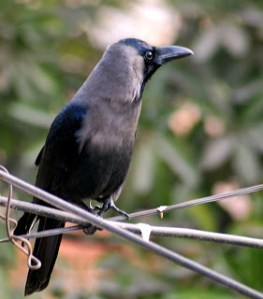
I suppose he is the hardest lot that wears feathers. Yes, and the cheerfulest, and the best satisfied with himself. He never arrived at what he is by any careless process, or any sudden one; he is a work of art, and “art is long”; he is the product of immemorial ages, and deep calculation; one can’t make a bird like that in a day. He has been reincarnated more times than Shiva; and he has kept a sample of each incarnation, and fused it into his constitution. In the course of his evolutionary promotions, his sublime march toward ultimate perfection, he has been a gambler, a low comedian, a dissolute priest, a fussy woman, a blackguard, a scoffer, a liar, a thief, a spy, an informer, a trading politician, a swindler, a professional hypocrite, a patriot for cash, a reformer, a lecturer, a lawyer, a conspirator, a rebel, a royalist, a democrat, a practicer and propagator of irreverence, a meddler, an intruder, a busybody, an infidel, and a wallower in sin for the mere love if it. The strange result, the incredible result, of this patient accumulation of all damnable traits is, that he does not know what care is, he does not know what sorrow is, he does not know what remorse is, his life is one long thundering ecstasy of happiness, and he will go to his death untroubled, knowing that he will soon turn up again as an author or something, and be even more intolerable capable and comfortable than ever he was before.

In his straddling wide forward step, and his springy sidewise series of hops, and his impudent air, and his cunning way of canting his head to one side upon occasion, here minds one of the American blackbird. But the sharp resemblances stop there. He is much bigger than the blackbird; and he lacks the blackbird’s trim and slender and beautiful build and shapely beak; and of course his sober garb of gray and rusty black is a poor and humble thing compared with the splendid lustre of the blackbird’s metallic sables and shifting and flashing bronze glories. The blackbird is a perfect gentleman, in deportment and attire, and is not noisy, I believe, except when holding religious services and political conventions in a tree; but this Indian sham Quaker is just a rowdy, and is always noisy when awake–always chaffing, scolding, scoffing, laughing, ripping, and cursing, and carrying on about something or other. I never saw such a bird for delivering opinions. Nothing escapes him; he notices everything that happens, and brings out his opinion about it, particularly if it is a matter that is none of his business. And it is never a mild opinion, but always violent–violent and profane–the presence of ladies does not affect him. His opinions are not the outcome of reflection, for he never thinks about anything, but heaves out the opinion that is on top in his mind and which is often an opinion about some quite different thing and does not fit the case. But that is his way; his main idea is to get out an opinion, and if he stopped to think he would lose chances.

I suppose he has no enemies among men. The whites and Mohammedans never seemed to molest him; and the Hindoos, because of their religion, never take the life of any creature, but spare even the snakes and tigers and fleas and rats. If I sat on one end of the balcony, the crows would gather on the railing at the other end and talk about me; and edge closer, little by little, till I could almost reach them; and they would sit there, in the most unabashed way, and talk about my clothes, and my hair, and my complexion, and probable character and vocation and politics, and how I came to be in India, and what I had been doing, and how many days I had got for it, and how I had happened to go unhanged so long, and when would it probably come off, and might there be more of my sort where I came from, and when would they be hanged, – and so on, and so on, until I could not longer endure the embarrassment of it; then I would shoo them away, and they would circle around in the air a little while, laughing and deriding and mocking, and presently settle on the rail and do it all over again.

They were very sociable when there was anything to eat – oppressively so. With a little encouragement they would come in and light on the table and help me eat my breakfast; and once when I was in the other room and they found themselves alone, they carried off everything they could lift and they were particular to choose things which they could make no use of after they got them. In India their number is beyond estimate, and their noise is in proportion. I suppose they cost the country more than the government does; yet that is not a light matter. Still, they pay; their company pays; it would sadden the land to take their cheerful voice out of it.
– Following the Equator

சமுத்திரத்தில் சேரும் இரு கட்டைகள்!

ராமாயண வழிகாட்டி- 4

ச.நாகராஜன்


சமுத்திரத்தில் சேரும் இரு கட்டைகள்!


யதா காஷ்டம் ச காஷ்டம் ச சமேயாதாம் மஹார்ணவே I

சமேத்ய ச வ்யபேயாதாம் காலமாஸாத்ய கஞ்சன் II


ஏவம் பார்யாஸ்ச புத்ராஸ்ச ஞாதயஸ்ச  வசூனி ச I

ஸமேத்ய வ்யவதாவந்தி த்ருவோ ஹ்யேஷாம் விநாபவ: II


மஹார்ணவே –சமுத்திரத்தில்

காஷ்டம் ச காஷ்டம் ச – இரண்டு கட்டைகள்

சமேயாதாம் – சேருகின்றன

கஞ்சன் காலே சமேத்ய – சிறிது காலம் கூடி

ஆஸாத்ய ச – இருந்து விட்டு

வ்யபேயாதாம் – பிரிகின்றன

யதா ஏவம் – அவ்வண்ணமே

பார்யா ச –மனைவிமார்களும்

புத்ரா ச – புதல்வர்களும்

ஞாதய: ச – ஞாதிகளும்

வசூனி ச – பொருள்களும்

ஸமேத்ய – சேர்ந்திருந்து

வ்யவதாவந்தி – பிரிகின்றன

ஏஷாம் விநாபவ: – இவர்களின் பிரிவு

த்ருவ: ஹி – நிச்சயமே


அயோத்யா காண்டம் 105ஆம் ஸர்க்கம் 26 மற்றும் 27ஆம் ஸ்லோகங்கள்

பரதன் ராமரிடம் ராஜ்யத்தை ஏற்க வேண்டிய போது ராமர் பித்ருவாக்கிய பரிபாலனத்தைச் சொல்லும் போது கூறியது இது.

வால்மீகி மஹரிஷி முதல் முதல் காவியத்தைச் செய்தவர் என்பதால் ஆதிகவி என்று போற்றப்படுகிறார். வால்மீகி ராமாயணத்தில் வரும் அற்புதமான உவமைகளும் கருத்துக்களும் காலம் காலமாக பின் வந்த இலக்கியங்க:ளில் காணப்படுகின்றன. மேலே உள்ள கருத்தை மஹாபாரதத்திலும் காணலாம்.சாந்தி பர்வத்தில் வரும் இதே கருத்தைப் பார்க்கலாம்:

எவ்விதம் பெரிய கடலில் கட்டையும் கட்டையும் சேர்க்கை அடையுமோ, சேர்ந்த பின் விலகுமோ அவ்விதம் பிராணிகளின் சேர்க்கையிருக்கிறது. புத்ரர்களும் பௌத்ரர்களும் ஞாதிகளும் பந்துக்களும் அவ்விதமே இருக்கிறா

ர்கள்.

   (சாந்தி பர்வம் 173வது அத்தியாயம்; மோக்ஷ தர்மம்)


ஸேனஜித் என்ற மன்னன் தன் புதல்வனை இழந்த சோகத்தால் வாட அவனது நண்பரான பிராமணர் ஒருவர் ஆறுதல் அளிக்கும் போது இந்தக் கருத்து தெரிவிக்கப்படுகிறது.

இதே கருத்து சங்க நூலான புறநானூற்றிலும் இடம் பெறுகிறது.

இடம் பெறும் பாடலோ உலகப் புகழ் பெற்ற பாடல். கணியன் பூங்குன்றனார் இயற்றியது. புறநானூறு பாடல் எண் 192 ஐப் பார்ப்போம்:

யாதும் ஊரே யாவரும் கேளிர்

தீதும் நன்றும் பிறர் தர வாரா

நோதலும் தணிதலும் அவற்றோர் அன்ன

சாதலும் புதுவது அன்றே, வாழ்தல்

இனிதென மகிழ்ந்தன்றும் இலமே முனிவின்

இன்னாதென்றலும் இலமே, மின்னொடு

வானம் தண்துளி தலைஇ யானாது

கல் பொருது மிரங்கு மல்லல் பேரியாற்று

நீர்வழிப் படூஉம் புணை போல் ஆருயிர்

முறைவழிப் படூஉம் என்பது திறவோர்

காட்சியில் தெளிந்தனம் ஆகலின், மாட்சியின்

பெரியோரை வியத்தலும் இலமே.

சிறியோரை இகழ்தல் அதனினும் இலமே

(புறநானூறு 192)

இதன் சுருக்கமான பொருள் :-

அனைத்து ஊர்களும் எம்முடைய ஊர்களே. அனைத்து மக்களும் எமது உறவினரே! தீமையும் நன்மையும் அடுத்தவரால் வருவதில்லை. துன்பமும் ஆறுதலும் கூட மற்றவர் தருவதில்லை. செத்துப் போவது புதுமை இல்லை. வாழ்தல் இன்பம் என்று மகிழ்ந்தது இல்லை. வாழ்வது துன்பம் என வெறுத்து ஒதுங்கியதுமில்லை. மின்னலொடு வரும் மழை வானத்திலிருந்து பொழிந்து கல்லை மோதி மணலைப் புரட்டி வரும் வளமார்ந்த பெரிய ஆறு ஒன்றில் ஓடுகின்ற தெப்பம் (கட்டை) போல இயற்கை வழியில் நடக்கும் உயிர் வாழ்வு என்பதை திறவோர் கண்ட காட்சியால் தெளிந்து அறிந்திருக்கிறோம். ஆகவே பெரியோரை வியப்பதும் இல்லை. சிறியோரை இகழ்ந்து தூற்றுவதும் இல்லை

ஹிந்து மதக் கருத்தான இதை முதலில் கூறிய ராமாயணம், மஹாபாரதம் ஆகிய நூல்களை விட்டு விட்டு பௌத்த மதத்திற்கு வலிந்து ஏற்றி கணியன் பூங்குன்றனாரை ஒரு பௌத்தர் என்று சிலர் சித்தரிப்பது அவர்கள் பழைய நூல்களை நன்கு கற்காததும், சம்ஸ்கிருதத்தை அவர்கள் அறியாததுமே காரணம் என்று கொள்ளலாம்.

***********