Gold under River Ganges in Patna!

gold1

By London Swaminathan
Post No. 962 Dated 7th April 2014

Recently Indian news papers reported a big search for gold hidden under a temple site near Lucknow on the banks of River Ganga. This started after a Hindu saint reported a dream where he thought the golden treasure of a king was buried. When his disciple reported another dream more temple sites were searched for gold. But nothing was found and all the searches came to an abrupt end after ten days. It attracted huge publicity in foreign media. Ancient Tamil literature gives some interesting information about gold under Ganges River and another place in Tamil Nadu!

Finding gold under the ground in India is nothing new and nothing unusual. There is a proverb in Tamil “Tamils spoiled themselves by burying (gold)”= Tamilan Puthaiththu kettaan in Tamil. To escape from thieves and invaders they did this in the olden days. Still we find gold coins under the ground; most of them go unreported. Most of the Roman gold coins were discovered in South India and most of the Gupta gold coins were recovered in North India. All these are tip of an iceberg. Due to lack of historic knowledge and lack of knowledge about antique values they were melted the very next minute. Tamil and Sanskrit literatures boast in hundreds of verses that the golden Simhasana (throne) steps under the feet of the present king came from the crowns of the kings he conquered. This is in ancient Sangam Tamil verses and Kalidasa’s works! Just to insult the defeated kings, the victorious kings melted the crowns and thrones of the defeated kings and put them under their feet!!!

Gold-Bars

Vidyaranya found Golden Treasure!

Kanchi Paramacharya in his Madras Discourses (1957-1959) gives the story of Vidyaranya’s discovery of gold and using it for establishing Vijayanagara Empire. Born as Madhava in a village in Karnataka he prayed to Goddess Makalakshmi, Goddess of Wealth, for enormous amount of wealth. Lakshmi appeared before him and told him that he can’t enjoy wealth in this birth but it was possible for him to get it in the next birth. An idea flashed in his mind immediately. He told Goddess Lakshmi that he would take Sanyas ( Renunciation) which is considered a ‘second birth’ for a Hindu. Lakshmi agreed and gave him tons of gold. As soon as he saw rocks of gold and hills of gold he wept loudly. He knew that sanyas (renunciation ) means no attachment to anything worldly. “Oh My God, What Have I done? How can I touch gold when I have become a Sanyasi (an ascetic)”, he cried. Goddess Lakshmi disappeared while he was wondering what to do next.

At that time of hsitroy in 14th century AD, Muslim forces invaded South India and destroyed most of the temples along its routes. Madhava, who was later known as Vidyaranya, called two goatherds Harihara and Bhukka and asked them to build a city at the chosen place at the appointed auspicious time. Both of them did it and utilised the entire gold to establish a mighty and wealthy Hindu empire—later known as Vijaya Nagara Samrajya.

barGold

This was told by Kanchi Paramacharya and he concluded his lecture by adding how Vijayanagara king Kampanna Udayar invaded Madurai and finished Muslim rule and re-established Hinduism in the southern countries. Gangadevi, a wise woman and queen of the great Kampanna Udayar accompanied him all along her husband’s invasion route and reported everything she saw in Sanskrit verses like a war correspondent! The book ‘Madura Vijayam’ is available now.

There is another story about Sri Vidyaranya, who later became Jagadguru of Sringeri Mutt, about making gold shower in the lands of Vijayanagara Empire. When there was a draught, Harihara and Bhukka approached Vidyaranya swami for help. He prayed to goddess Lakshmi again and there was a shower of gold in the capital city.

gupta1
Picture of Gupta Gold Coins

Leaving all the exaggeration out in the above anecdotes we can see one fact very clearly. Sri Vidyaranya got huge quantity of gold through his divine power. So we can boldly call him a Golden Swamiji!
Gold in Tamil Literature

Tamil poet Mamulanar who lived 2000 years ago in Tamil Nadu always referred to some places in North India. Next to Paranar, he gave us lot of information about North India. Since he sang about Nandas and Mauryas he was considered one of the oldest Tamil poets of Sangam age. He gave us detailed description of Mauryan invasion of Tamil Nadu and how they laid ‘pukka’ roads to facilitate their mighty chariots to roll down smoothly.

In the Aga Nanuru verses 251 and 265 he describes the treasure (gold and gems) that was hidden in a tunnel under the River Ganges. Later the treasure (gold)) disappeared. He puts it through the mouths of heroine and her friend in two poems. In verse 265, the heroine first describes the beautiful Himalayas with its peaks under smoky clouds. In the next few lines she describes the gold and gems hidden in a tunnel in Pataliputra under river Ganges. She wondered why her husband left her longing in separation. It may be due to something very important things like the Ganges treasure (Nidhi) the golden Himalayas.Mamulanar used the Sanskrit word Nidhi(am) for this treasure.

gupt2

In verse 251 the poet refers to Nanda’s wealth (Tamil word verukkai). The old commentators said it was the wealth of Maha padmananda. So we came to know that Mahapadma Nanda (345-329 BC) had huge wealth and one of the Nanda kings made a tunnel under Pataliputra to hide the gold. Can we find it? We know that it is like finding a needle in a haystack!

It is very interesting to see the mention of Pataliputra (now known as Patna, capital of Bihar), Ganga, Nanda and gold in the oldest part of Tamil literature. It shows how old Tamil literature is!
Velir Gold in Pazi
gold-coins-

In another verse (Aga Nanuru 258 ) poet Paranar sang about the gold amassed in the Pazis of Velir tribes. Nannan Uthiyan was a chieftain. He had kept all his gold of the ancient Velir tribes under tight security, says Poet Paranar. The hero compares that gold to the hardship he was undergoing to see his lady love. ‘Meeting my lady is more difficult than getting the gold secured by the Velirs in Pazi famous for its tight security!’ ,he wonders.
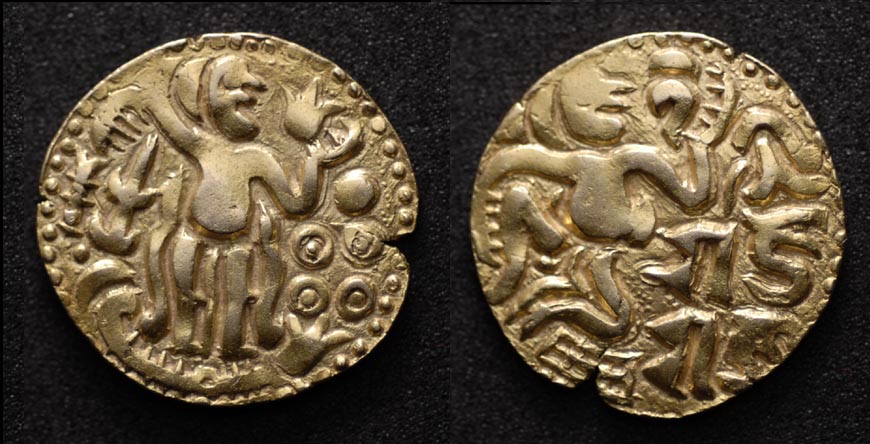
raja_raja
Gold Coin of Raja Raja Choza

Tamils have sung about the gold in the Karnataka –Tamil Nadu border. It was the area that supplied gold to the South Indians in those days. The recent discovery of huge amount of treasure in Padmanabha swamy temple of Tiruvanathapuram (Kerala) explains the wealth of this area.
I have already explained it in my six part article Indiahhhhhhhhhhh….The Richest Country in the World (Parts 1, 2, 3, 4, 5, 6).

Contact swami_48@yahoo.com
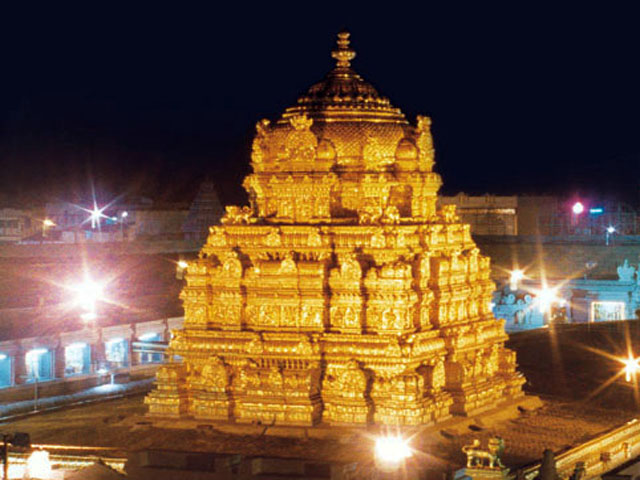
tirupati2
Golden Tower of Tirumala Balaji Temple.
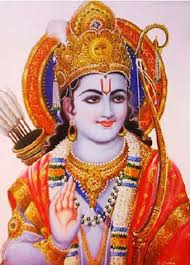
இராமபிரான் செய்த தந்திரம்

ram painting

ஆனந்தாஸ்ரமம் சுவாமி ராம்தாஸ் சொன்ன கதைகளை
தமிழில் தருபவர் லண்டன் சுவாமிநாதன்

கட்டுரை எண்:- 961 தேதி:- 7th April 2014

ராம-ராவண யுத்தம் உக்ரமாக நடைபெற்றுக் கொண்டிருந்தது. ஒரு கட்டத்தில் ராக்ஷசர்களின் தாக்குதல் அதிகமாகவே ராமர் தரப்பில் போராடிய வானரப் படைகள் களைப்பும் சோர்வும் அடைந்தன. உடனே இராம பிரான் ஒரு தந்திரம் செய்தார். தனது தெய்வீக சக்தியால் வானரங்கள் அனைத்தையும் இராமன் போலவே தோன்றும்படி செய்தார். அதே போல ராக்ஷசர் அனைவரையும் இராமன் போலவே தோன்றும் படி செய்தார் அதாவது ஒரு வானரம் இன்னொரு வானரத்தைப் பார்க்கையில் அதற்கு இராமபிரான் போலவே தோன்றும். இதனால் ஒன்றை ஒன்று அன்போடு கட்டித் தழுவி உற்சாகம் பெற்றன. களைப்பும் சோர்வும் நீங்கியது.

இதற்கு நேர் மாறாக ராக்ஷசர் படையில் ஒருவரை ஒருவர் அடித்துக் கொண்டு உயிர்விட்டனர். ஏனெனில் எதிர்த்தாற்போல இருப்பவன் நிஜ ராமனே என்று அவை ஒவ்வொன்றும் மற்றொன்றை அடிக்கத் துவங்கின.

இதைக் கூறிய சுவாமி ராம்தாஸ், நாமும் எல்லா இடங்களிலும் வானரப் படை கண்டதைப் போல ராமனைக் காண வேண்டும். அப்படி எல்லா இடங்களிலும் இறைவனை காணும் பக்குவம் வந்துவிட்டால் அப்பொழுது அன்பு வெள்ளம் பாயத்துவங்கும் என்கிறார்.

இனி ஆனந்தாஸ்ரமம் சுவாமி சொன்ன இன்னொரு கதையைக் காண்போம்:

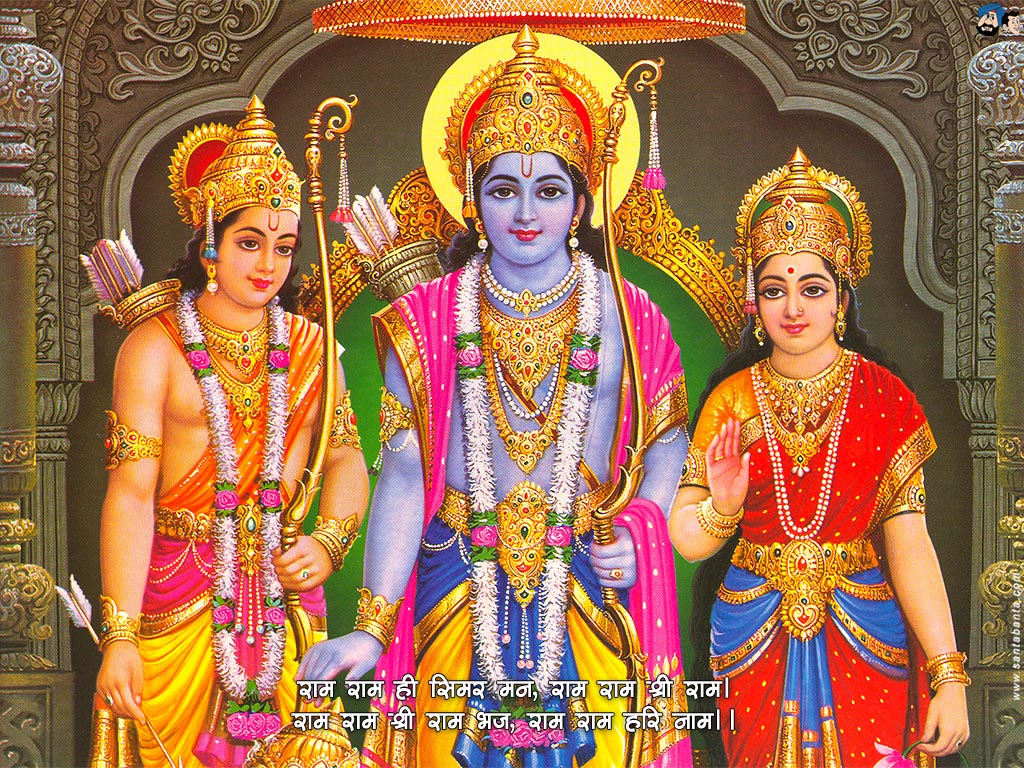
hindi rama.jpg2

ஒரு மஹாராணியின் வருத்தம்

ஒரு ஊரில் ஒரு ராஜாவும் ராணியும் இருந்தனர். மஹாராணி மிகப்பெரிய பக்தை. தினமும் இறைவனை வழிபடுவதே அவர் செய்யும் முக்கிய வேலை. ராஜா மிகவும் நல்லவர். ராணிக்கு வேண்டிய எல்லா சவுகரியங்களையும் கொடுத்தார். ஆனால் ஒரே ஒரு குறை. என்னவென்றால் அரசனுக்கு கடவுள் பக்தி கிடையாது. ராணிக்கு இது பெரிய மனக்குறை.

ஒரு நாள் இரவில் ராஜா திடீரென்று கனவில் பேசத் துவங்கினார். “ராம, ராம, ராம” என்று முனகத் துவங்கினார். எதேச்சையாக எழுந்த ராணி இதைக் கேட்டு அதிசயித்துப் போனாள். கனவனுக்கு இறைவன் மீது பக்தி வந்துவிட்டது என்று ஆனந்தித்தாள். மறு நாள் பெரிய விழாவுக்கும் விருந்துக்கும் ஏற்பாடு செய்தாள். அரசனுக்கு இந்த தடபுடல்களைப் பார்த்து ஒன்றுமே புரியவில்லை. ராணியிடம் போய் என்ன இது கூத்து? ஏதோ விருந்துக்கு ஏற்பாடு செய்கிறாயாமே! என்ன இது? என்றார்.

ராணி சொன்னாள், “நேற்று தூக்கத்தில் நீங்கள் இறைவனைப் பார்த்து விட்டீர்கள். ராம ராம ராம் அஎன்று கனவில் முனங்கினீர்” என்றாள். ராஜா உடனே தன் குட்டு வெளிப்பட்டு விட்டதே என்று வருத்தப்பட்டார். அதாவது, அவர் இத்தனை காலமும் ரகசியமாக சாமி கும்பிட்டு வந்தார். அது கனவில்
வெளியாகிவிட்டது!

இந்த கதையை ஆனதாஸ்ரமம் சுவாமி ராம்தாஸ் கூறினார்.

கதையின் நீதி என்ன? சிலர் படாடோபமாக வெளியே தெரியும்படி சுவாமி கும்பிடுகின்றனர். சிலர் ஆத்மார்த்தமாக கடவுளை வழிபடுகின்றனர். வெளித் தோர்றத்தை வைத்து ஏமாறக் கூடாது. இரண்டாவது நீதி என்ன? காதல் வயப்பட்ட ஒரு பெண்ணோ ஆணோ கனவிலாவது காதலன், காதலி பெயரை சொல்லி விடுவார்கள்; மறக்கமுடியாது—மறைக்கவும் முடியாது. அதே போல கடவுள் மீது காதல் கொண்டோரையும் அவர்களின் நடை, உடை, பாவனை மூலம் கண்டுபிடித்து விடலாம்.

Contact swami_48@yahoo.com

Please read the articles posted already
ராமாயண வழிகாட்டி 20 பகுதிகள்
ராமனும் தவளையும்
பழமொழிகளில் இந்துமதம்
பூதம் கொடுத்த தொல்லை
Lord Sri Rama- The World’s Best P R Man
Rama Vs Kama
Aladdin’s Magic in Valmiki Ramayana
Who can read all 300 Ramayanas?
Maruti Miracle: 660 kilometres per hour!
How did Rama fly his Pushpaka Vimana?
Indus Valley Cities in Ramayana
How many miles did Rama Walk?
Where is Ramasetu (Rama’s Bridge)?
Rama – Embodiment of Dharma
Rama’s Trick! Three Stories!!
“Rama” and Sanskrit G”ramma”r

contact swami_48@yahoo.com

பூதம் கொடுத்த தொல்லை!

rama thai

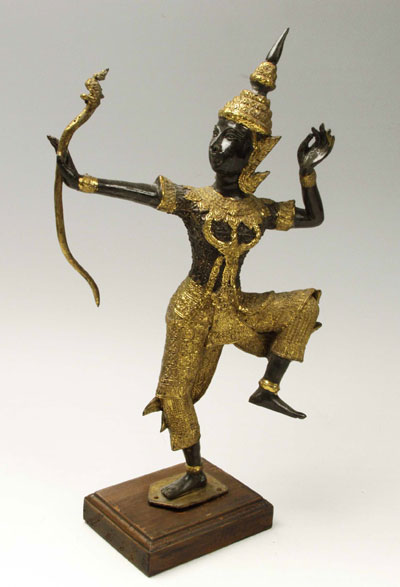
Rama in Thailand.

ஆனந்தாஸ்ரமம் சுவாமி ராம்தாஸ் சொன்ன கதைகளை

தமிழில் தருபவர் லண்டன் சுவாமிநாதன்

கட்டுரை எண்:- 960 தேதி:- 7 April 2014

ஒரு மனிதன் துஷ்ட தேவதைகளை வழிபட்டான். எதற்காக? தனக்கு வேண்டிய எல்லாவற்றையும் முடித்துக் கொடுக்க ஒரு பூதம் தேவை என்பதற்காக. அவன் செய்த தவம் பலித்தது. பூதமும் அவன் முன்னால் தோன்றியது.

பூதம் சொன்னது, “தலைவனே கட்டளை இடு. கண் மூடித் திறப்பதற்குள் காரியத்தை முடித்து விடுவேன். ஆனால்………… ஒரே ஒரு நிபந்தனை………………. என்னால் சும்மா மட்டும் இருக்க முடியாது. நீ வேலை எதுவும் கொடுக்காவிடில் உன்னையே விழுங்கி விடுவேன்”. இதைக் கேட்ட அந்த மனிதனுக்கு ஒரே சந்தோஷம். வேலை கொடுப்பதா கஷ்டம்? நிறைய வேலைகளைக் கொடுப்போம் என்று எண்ணினான்.

எனக்கு ஒரு மாளிகையைக் கட்டிக் கொடு என்றான். அடுத்த பத்து நிமிடத்தில் பிரம்மாண்டமான அரண்மனை அங்கே வந்துவிட்டது! இதைச் சுற்றி ஒரு சாலை போடு என்றான். அதையும் பூதம் நொடிப் பொழுதில் நிறை வேற்றி விட்டது! இதற்கு என்ன வேலை கொடுப்பது என்று அந்த மனிதன் திகைக்கத் துவங்கினான். உடனே பெரிய நகரத்தை உருவாக்கு என்றான். அதையும் பத்து நிமிடத்தில் முடித்துவிட்டு அடுத்த வேலை என்ன என்று கேட்டது.

அந்த மனிதனுக்கு பயம் வந்துவிட்டது. வேலை கொடுக்காவிடில் பூதம் விழுங்கி விடுமே என்று மரண பயம் தொற்றிக் கொண்டது. அருகில் ஒரு சந்யாசி இருந்தார். ஓடிப் போய் அவர் காலில் விழுந்தான். ஏதேனும் ஒரு வழி சொல்லி என்னைக் காப்பாற்றுங்கள் என்று கெஞ்சினான்.

அவர் ஒரு நல்ல யோசனை கொடுத்தார். அதோ இருக்கிறது பார்! ஒரு பெரிய மூங்கில் கம்பு. அதை பூமியில் நடச் சொல் மேலும் கீழும் ஏறி இறங்கி வரச் சொல் நான் ‘நிறுத்து’ என்று சொல்லும் வரை இப்படிச் செய்து கொண்டே இரு என்று பூதத்துக்கு உத்தரவிடு என்றார் அந்த சந்யாசி.

அந்த மனிதனும் பூதத்துக்கு அவ்வாறே உத்தரவிட்டான். அது கம்பத்தை நட்டு மேலும் கீழும் ஏறி இறங்கி வந்து அலுத்துச் சலித்து விட்டது. நாளடைவில் ஒரு நாள் தப்பித்தோம் பிழைத்தோம் என்று எண்ணிக் கொண்டு சொல்லாமல் கொள்ளாமல் ஓடிப் போய்விட்டது!

உங்களுக்கு ராம நாமம் தான் அந்த மூங்கில் கம்பம். உங்களை வாட்டி வதைக்கும் அஹம்காரம்தான்—- ( யான் எனது என்னும் செருக்கு=வள்ளுவன் குறள்) ——அந்த பூதம். அதை ராம நாமம் என்னும் கம்பத்தின் மீது ஏறி இறங்க உத்தரவிடுங்கள். உங்கள் அஹம்காரத்தை அழிக்க வந்த மகத்தான சக்தி ராம நாமம் தான். அதை உச்சரித்தால் யான் எனது என்னும் செருக்கு தானாக ஓடிப் போய்விடும்.
மேலேயுள்ள கதை சுவாமி ராம்தாஸ் ஆங்கிலத்தில் சொன்னது.

வள்ளுவனும் இதை அழகாகக் கூறுகிறான். வள்ளுவன் ஒரு பெரிய சம்ஸ்கிருத அறிஞன். வடமொழியில் உள்ள பகவத் கீதையிலும், மனு தர்ம சாஸ்திரத்திலும், மஹா பாரதத்திலும், தர்ம சாஸ்திரங்களிலும் உள்ள விஷயங்களை பல குறள்களில் சொல் பிசகாமல், வரி பிறழாமல் மொழி பெயர்க்கிறான்!

யான் எனது என்னும் செருக்கு அறுப்பான் வானோர்க்கு
உயர்ந்த உலகம் புகும் (குறள் 346, அதிகாரம் துறவு) — என்பது வள்ளுவன் வாய்மொழி.
பொருள்: அஹம்காரம், மமகாரம் இரண்டையும் அழிப்பவர்களுக்கு – அகந்தையைக் கைவிட்டவர்களுக்கு — தேவலோகத்துக்கும் மேலான மோக்ஷம் கிடைக்கும். அதாவது வீடு பேறு அடைய சுருக்குவழிப் பாதை!
நாமும் ராமன் புகழ் பாடுவோம்.

ஏப்ரல் 8-ஆம் தேதி செவ்வாய்க் கிழமை இராம நவமி. இராம பிரானின் பிறந்த நாள் விழா!!

Read my earlier posts on Rama:
Lord Sri Rama- The World’s Best P R Man
Rama Vs Kama
Aladdin’s Magic in Valmiki Ramayana
Who can read all 300 Ramayanas?
Maruti Miracle: 660 kilometres per hour!
How did Rama fly his Pushpaka Vimana?
Indus Valley Cities in Ramayana
How many miles did Rama Walk?
Where is Ramasetu (Rama’s Bridge)?
Rama – Embodiment of Dharma
Rama’s Trick! Three Stories!!
“Rama” and Sanskrit G”ramma”r

Rama’s Trick! Three Stories!!!

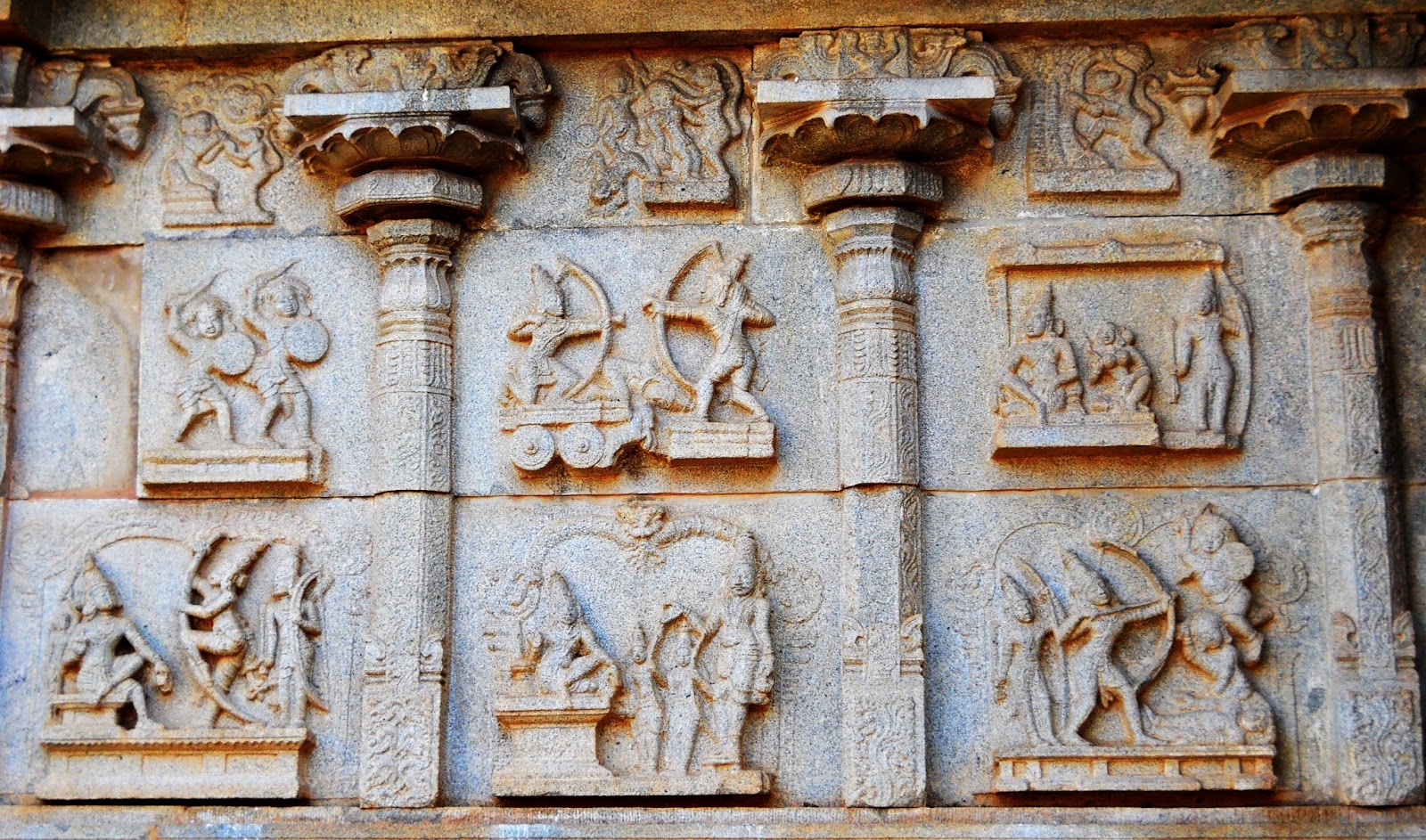
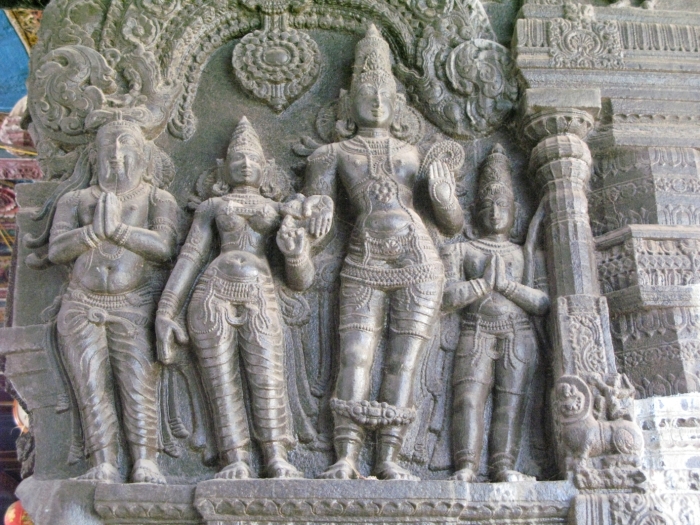
34 Hazara Rama Temple Ramayana Carvings

Rama sculptures, Hazara Temple,Karnataka.

Compiled by London swaminathan
Post No 959 dated 6th April 2014.

1.See God Everywhere

During the fight between Rama and Ravana, there came a time when all the monkeys who formed the army of Rama were attacked by the Rakshasas with such a terrible destructive force that their condition was most precarious. Sri Rama seeing the pain and panic of his monkeys, decided to do something to save the situation. By his divine power, he suddenly changed the combatants on both the sides into His own form. All the monkeys of Sri Ram’s army and all the Rakshasas of Ravana’s army now appeared as Sri Rama himself.

Thus each monkey saw the other monkey on the battlefield as Lord Sri Rama and so embraced him and danced with joy whereas every Rakshasa saw the other Rakshasa as Sri Rama – his avowed enemy. So, they fought ferociously among themselves in the battlefield and killed one another.

If, like his monkeys, you also see Rama everywhere with the eye of devotion and faith, fear will vanish from you. You will have nothing but love flowing from your hearts. You will love all alike and swim in an ocean of bliss.

rama,hampi
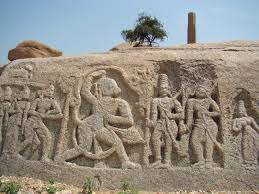
Ramayana sculptures in Hampi, Karnataka.

2.Kings Secret was out

There lived a king and a queen. The queen was a very devoted woman, engaged most of the time in the worship of God and repetition of His name. She was happy in every way except in one thing, namely, that her husband was not devoted to god. She wished so much that her husband should also have faith and devotion. She never saw sitting him for prayers or repeating God’s name.

Once when the queen woke up at midnight from sleep, she heard the king, who was sleeping by her side, uttering “Ram, Ram” in his sleep. This gave her a pleasant surprise. To hear her husband repeating God’s name even in sleep was not an ordinary joy to her. To celebrate the great event, she arranged for a festival and grand feast the next day. When the king found the great preparations going on for an unusual festival, he enquired of the queen what the matter was.

The queen replied that it was a very important day in her life as she heard him uttering God’s name the previous night in his sleep. Hearing this, the king was taken aback. He was extremely sorry that the spiritual discipline, which he had carried on so long in secret, was then revealed to others.

indonesia rama conf

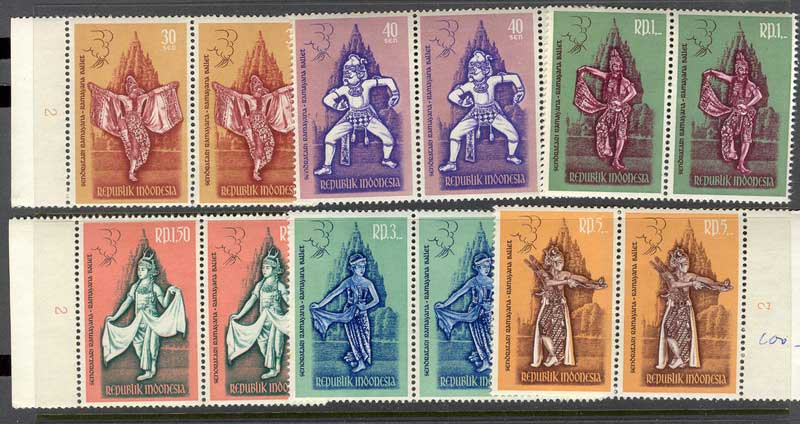
Muslim Country Indonesia issued stamps on Ramayana characters.

3.The Devil and the Pole

A man wanted to propitiate a devil to make it do whatever he wanted. So he did the necessary ‘Sadhana’ (spiritual practice) to that end and by the power of Mantra (magic spell), he was able to summon the devil before him. The devil said that it would obey his commands, but on one condition: “If at any time you do not give me work, I will devour you. You must keep me engaged all the twenty- four hours”. The man agreed.

He immediately gave an order to build a palace for him. To his great wonder, the palace was built in no time. Then he gave an order for a long road to be made ready. That work was also executed in a short time. Next minute, the devil was standing before him, asking for more work. He had no time even to think. He gave an order to build a big town. It was ready within ten minutes. Now the man was perplexed and afraid. He did not know what orders to give. If he did not give any work, he would be eaten by the devil.

He hastened to a holy man and asked for advice. The holy man suggested that he might get a bamboo pole, plant it in the ground and ask the devil to climb it up and down until further orders. This meant no rest whatever for the devil. Finally it got disgusted and ran away.

Now , in your case, Ram Mantra is the pole and the ego is the evil that teases you. Ask him to go up and down the pole repeatedly and he will soon get tired and run away. Ramnam ( Ram’s Name) is given to you in order to subdue the ego. The ego must be made to disappear by its own endeavour.

The above stories are taken from the book “STORIES AS TOLD BY SWAMI RAMDAS”, Published for Anandashram by Bharatiya Vidya Bhavan, Chowpatty, Bombay 7, year 1969.
rama thai

Rama in Thailand.

Contact swami_48@yahoo.com

இராம பிரானும் தவளையும்

26fr_Prabhu_Kudanthai

Sri Ramaswami Temple, Kumbakonam ( photo from a news paper)

By London Swaminathan
Post No. 958 Dated 6th April 2014.

“ஸ்ரீ ராமசந்திரர் வனவாசம் பண்ணுகையில், ஒரு நாள் தனது வில்லையும் அம்பையும் தரையில் நிறுத்திவிட்டு, தாக சாந்தி செய்து கொள்வதற்காகப் பம்பா சரஸ் என்ற தடாகத்தில் இறங்கினார். மேலே ஏறி வந்து பார்க்கையில் தமது வில் ஒரு தவளையை ஊடுருவிச் சென்றதன் காரணமாக அந்தத் தவளை இரத்ததில் தோய்ந்திருப்பதைக் கண்டார்.

ஸ்ரீ ராமன் இதற்கு மிகவும் வருந்தி, ஏ, தவளையே நீ ஏதாவது சத்தம் போட்டிருக்கலாமே; அப்போது நீ இருப்பதை நான் தெரிந்து கொண்டிருப்பேனே. உனக்கு இந்தக் கதியும் நேர்ந்திராதே” என்றார்.

ராமா ! எனக்கு ஆபத்து நேரும்போது, “ராமா என்னைக் காப்பாற்று” என்று சொல்வேன். ஆனால் நீயே என்னைக் கொல்லும்போது, நான் யாரிடம் என் குறையைச் சொல்லி முறையிட்டுப் பிரார்த்திப்பது? என்று தவளை பதில் சொல்லிற்று”.

ஸ்ரீ ராமகிருஷ்ண பரமஹம்சர் சொன்ன கதை இது; உதவிய புத்தகம்:- ஸ்ரீ ராமகிருஷ்ணரின் உபதேச மொழிகள், ஸ்ரீ ராமகிருஷ்ண மடம், மயிலாப்புர், சென்னை 600 004.

(இந்த நூலில் 1121 உபதேசங்கள் இருக்கின்றன. இது ஒரு அற்புத மான தொகுப்பு. இந்து மதம் எனக்குப் புரியவில்லையே! ஜீவாத்மா, பரமாத்மா, க்ஷேத்ரக்ஞன் இந்த சொற்கள் எல்லாம் புரியவில்லையே!! என்பவருக்கு இந்த நூல்தான் அருமருந்து. எளிய உபதேசம் மூலம் அரிய பெரிய தத்துவங்களை விளக்கும் அற்புத நூல் இது.)

26fr_Prabhu_Kudantharama

Kumbakonam Sri Ramaswami Temple picture from a newspaper.

இந்தக் கதை சொல்லும் நீதி என்ன?

எறும்பு முதல் யானை வரை எல்லா ஜீவன்களுக்கும் பாதுகாப்பு கொடுக்கும் வல்லமையும் வள்ளன்மையும் படைத்தவன் இராமன்.
முறையாக அரசு செய்யும் மன்னவனை மக்கள் கடவுளாகக் கும்பிடுவார்கள் என்று வள்ளுவன் சொல்கிறான்:

முறை செய்து காப்பாற்றும் மன்னவன், மக்கட்கு
இறை என்று வைக்கப் படும் (குறள் 388)
– என்பது வள்ளுவன் வாக்கு.

எப்படி திருஞான சம்பந்தர் தனது திருமணம் முடிந்த அடுத்த நிமிடத்தில் அத்தனை பேரையும் கூண்டோடு கைலாசத்துக்கு அழைத்துச் சென்றாரோ– திருமணப் பந்தலில் தோன்றிய ஜோதியில் மறைந்தனரோ — அதே போல ராமனும் அயோத்திவாசிகள் அத்தனை பேரையும் மோட்சத்திற்கு அழைத்துச் சென்றான். அவனது காந்த சக்தி மக்கள் அனைவரையும் இழுத்தது. அவர்கள் அனைவரும் ராமனுடன் சரயு நதியில் இறங்கி மோட்சத்தை அடைந்தனர். இதை நம்மாழ்வார் பாடி இருக்கிறார்:–

கற்பார் இராம – பிரானை அல்லால், மற்றும் கற்பரோ
புல், பா முதலா, புல் எறும்பு ஆதி ஒன்று இன்றியே
நல் – பால் அயோத்தியில் வாழும் சராசரம் முற்றவும்
நல் – பாலுக்கு உய்த்தனன் – நான்முகனார் பெற்ற நாட்டுளே?

பொருள்: நான்முகன் படைத்த உலகில் வாழும் அசையும், அசையாப் பொருள்கள் ஆகிய பல உயிர்களையும், புல் பூண்டு முதலாக எறும்பு போன்ற அனைத்து உயிர்களையும், தன் அருளால் இராமன் சுவர்க்கத்துக்கு அழைத்துச் சென்றனன். இத்தகைய இராமனின் புகழைக் கற்காமல் மற்று எதையும் கற்பார்களோ!

sitarama_5kumbalpnam

வையத்துள் வாழ்வாங்கு வாழ்பவன் வான் உறையும்
தெய்வத்துள் வைக்கப்படும்

— என்ற வள்ளுவன் குறளைப் பார்க்கையில், இராம பிரானைக் கடவுள் நிலைக்கு உயர்த்தத்தான் அந்தக் குறளை எழுதினானோ என்று நாம் வியப்புறுவோம்!!.

2014 ஏப்ரல் 8 செவ்வாய்க் கிழமை இராம நவமி. இராமனின் புகழ் பாடி நாமும் நற்கதி அடைவோம்.

Contact swami_48@yahoo.com

Pictures are used from various sites; thanks.

Rama – Embodiment of Dharma

ramabronze

By London Swaminathan
Post No. 957 Dated 5th April 2014

Rama Navami, Birth day of Lord Rama falls on 8th April 2014.

“Rama, the ancient idol of heroic ages, the embodiment of truth, of morality, the ideal son, the ideal husband, the ideal father, and above all the ideal king, this Rama has been presented before us by the great sage Valmiki. No language can be purer, none chaste, none more beautiful, and at the same time simpler, than the language in which the great poet has depicted the life of Rama. And what to speak of Sita? You may exhaust the literature of the world that is past, and I may assure you that you will have to exhaust the literature of the world of the future, before finding another Sita. Sita is unique; that character was depicted once and for all. There may have been several Ramas, perhaps, but never more than one Sita!”
—-Swami Vivekananda

Valmiki praised Lord Rama as the embodiment of Dharma (righteousness). We have lots of monuments and temples all over India which boasts of their association with Sri Rama. They were made holy the minute Rama walked on the soil of those towns and cities, hills and forests. He was even kind towards animals including small creatures. Ramakrishna Paramahamsa tells us a story where his kindness excelled:

“Sri Ramachandra in the course of his travels through the forest descended into the lake called Pampa to drink water, leaving his bow and arrow fixed on the ground. Coming up he found a frog lying covered all over with blood, having been run through by his bow. He was very sorry and said to the frog, “Why didn’t you make some kind of sound? Then I could have known that you were here and you would not have come to this plight.” The frog replied, “O,Rama, when I fall into danger, I call on Thee, ‘O,Rama, save me’. Now that You yourself are killing me , to whom else shall I turn and pray?

hanuman 4

Tamil saint praise for Rama:

Rama liberated all the creatures in the vicinity of Ayodhya, the capital of his kingdom. All those lived in the city went to heaven. Nammalvar, a Vaishnava saint who lived 1200 years ago praised Sri Rama about his kindness towards plants and animals in one of his hymns:–

“For the seekers of knowledge
Can there be a knowledge?
Better than
The knowledge of the divine, Sri Rama
The one who liberated
Even the blades of grasses
And all the swarms of ants
Leaving none behind
That ever existed
In the good city of Ayodhya.
And placed them in
An exotic heaven
Created exclusively for them
By the Great Grandsire Brahma.

—The Ultimate Liberator by Nammalvar.

Contact :– swami_48@yahoo.com

இராமன் யார்? கம்பன் பதில்

hanuman 4

2014 ஏப்ரல் 8-ஆம் தேதி இராம நவமி; ‘மும்மைசால் உலகுக்கு எல்லாம் மூல மந்திரம் இராமன்’ என்று கம்பன் புகழ்கிறான். அத்தகைய இராமன் புகழை நாமும் பாடுவோம்.

கட்டுரையாளர் :- லண்டன் சுவாமிநாதன்
கட்டுரை எண்:–956 தேதி ஏப்ரல் 5, 2014

இந்தியப் பண்பாட்டின் ஒட்டுமொத்த உருவமாகத் திகழ்பவன் இராம பிரான். ‘தர்மத்தின் சின்னம் ராமன்’ (ராமோ விக்ரஹவான் தர்ம:, ராமாயணம் 3-37-13) என்று வால்மீகி முனிவன் முன் மொழிவதை கம்பனும் அப்படியே வழி மொழிகிறான். ஒரு பாட்டில் அல்ல, இரண்டு ஒரு பாட்டில் அல்ல; பல பாடல்களில்:–

“குழைக்கின்ற கவரி இன்றிக் கொற்ற வெண்குடையும் இன்றி
இழைக்கின்ற விதி முன் செல்லத் தருமம் பின் இரங்கி ஏக
மழைக்குன்றம் அனையான் மௌளி கவித்தனன் வரும் என்றென்று
தழைக்கின்ற உள்ளத் தன்னாள் முன் ஒரு தமியன் சென்றான்”

பரதனே நாட்டை ஆள வேண்டும், இராமன் 14 ஆண்டுகள் காட்டிற்குப் போக வேண்டும் என்று கைகேயி உத்தரவிட்டவுடன் ராமன் சென்ற காட்சி மேற்கூறிய பாடலில் உள்ளது. மன்னருக்கே உரித்தான சாமரம் இல்லை, வெண்ணிறக் குடையும் இல்லாமல் ‘விதி’ முன்னே செல்ல, தருமம் போன்ற ராமன் பின்னே சென்றானாம். அவனுடைய விதி — தலை விதி — கைகேயி உருவத்தில் வந்தது. தரும வடிவில் நிற்கும் இராமன், ‘விதியே என்று’ பின்னால் நடந்து செல்கிறான் தன் அம்மாவிடம் விடை பெற்றுக் கொள்ள.

அயோத்தியா காண்டத்தில் ‘தர்ம மூர்த்தி’ என்றே அழைக்கப்படுவதை பின்வரும் பாடல் காட்டும்:–

“புறத்து நாம் ஒரு பொருள் இனிப் புகழ்கின்றது எவனோ
அறத்தின் மூர்த்தி வந்து அவதரித்தான் என்பது அல்லால்
பிறத்து, யாவையும் காத்து அவை பின் உறத் துடைக்கும்
திறத்து மூவரும் திருந்திடத் திருத்தும் அத் திறலோன்.

பொருள்:– தரும மூர்த்தியாகிய திருமாலே இராமனாக வந்து அவதரித்தான் என்று சொல்வதைத் தவிர, நாம் சொல்வதற்கு வேறு என்ன இருக்கிறது? அந்தத் திறமை மிகுந்த இராமன், எல்லாப் பொருள்களையும் உண்டாக்கி— காப்பாற்றி முடிவில் அழிக்கும்– மும்மூர்த்திகளின் செயல்கள் செம்மை அடையும்படி திருத்துபவன் ஆவான். (இந்தப் பகழுரை வசிட்ட முனிவன் வாயிலாக வரும் பாடல்)

ramabronze
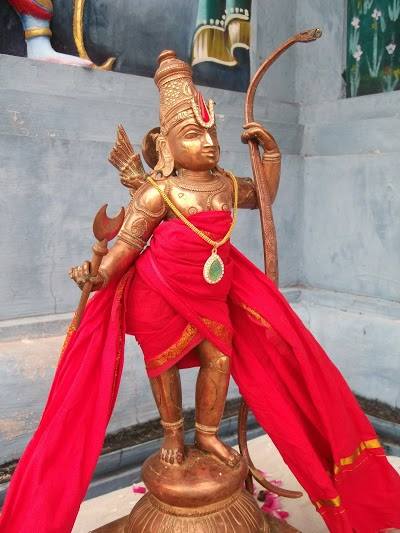
Bronze idol of Sri Rama

இன்னொரு பாடலில் சீதையுடன் இராமனை ஒப்பிடுகிறான் கம்பன்:

மண்ணினும் நல்லள் மலர்மகள் கலைமகள் கலை ஊர்
பெண்ணினும் நல்லள் பெரும்புகழ்ச் சனகியோ நல்லள்
கண்ணினும் நல்லன் கற்றவர் கற்றிலாதவரும்
உண்ணும் நீரினும் உயிரினும் அவனையே உவப்பார்.
(கலை ஊர் பெண்= மான் வாகனம் உடைய பார்வதி; மலர்மகள்=லெட்சுமி)

பொருள்:– பூமா தேவியைவிட சீதை நல்லவள்; அலைமகள் (லெட்சுமி), கலைமகள் (சரஸ்வதி), மலைமகள் (பார்வதி) ஆகிய மூவரையும் விட நல்லவள் சீதை; அவளுடைய கண்களைக் காட்டிலும் நல்லவன் இராமன். பருகுவதற்கான தண்ணிரை விட, பாதுகாக்கும் உயிரை விட, இராமனையே விரும்புவர் கற்றாரும் கல்லாதவரும்.

இறுதியாக வசிட்டன் புகழுரையாக அமைந்த ஒரு பாடலில்,

மனிதர் வானவர் மற்றுளோர் அற்றம் காத்து அளிப்பார்
இனிய மன்னுயிர்க்கு இராமனின் சிறந்தவர் இல்லை
என்ற வரிகளும் படித்து இன்புறத் தக்கது.
(அயோத்தியா காண்டம், மந்திரப் படலம்)

”மனிதர்களும் தேவர்களும் மற்றுமுள்ளவர்களும் துன்பப்படாமல் தடுத்துக் காப்பதில் இராமனைக் காட்டிலும் சிறந்தவர் யாரும் இல்லை”.

மேலும் பல கட்டுரைகளில் இராமன் புகழ் பாடுவோம்…………..தொடரும்
contact swami_48@yahoo.com

Tamil Saint Pattinathar’s Warning

sadhu shank

By London Swaminathan
Post No. 955 4th April 2014.

Tamil saint Pattinathar warns us about the impermanence of life. He reminds us of the ‘three important chanks’ our family uses. Life is short and we must do everything good within that short period.

Pattinathar’s life was full of very interesting events. He lived in the tenth century CE. He was a rich man of a port city called Kaveri Poom Pattinam, also known as Pumpuhar in Tamil Nadu. He got his name from this city meaning ‘City man’ (Pattinathar). He was married but had no issue. So they took a child that was left uncared for in a garden at Tiruvidaimarudur. The child was given the name Marudaipiran. As he grew up, one day he came to Pattinathar’s wife, his foster mother, and asked her to give a parcel to Pattinathar. Later he disappeared. It was the box that changed his life.

When Pattinathar came home and opened the box with all curiosity he found an eyeless needle and a palm leaf on which a conundrum had been written. He considered that was a ‘special delivery parcel with a special message’ for him from Lord Shiva. Immediately he distributed his vast wealth to the poor and became an ascetic. He wandered far and wide and came to Tiruvotriyur to spend his last days. His thought provoking hymns are well known to Tamils.

lot women conch
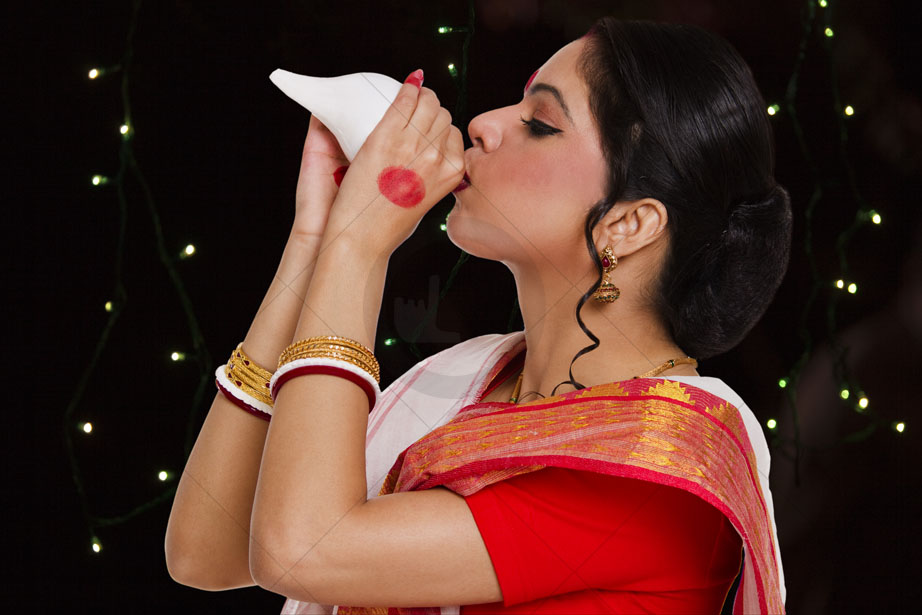
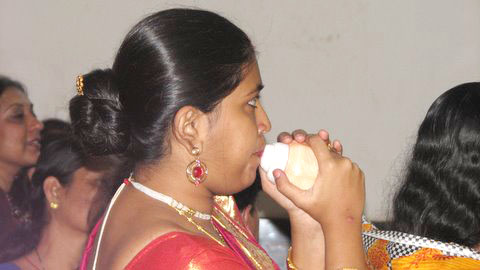
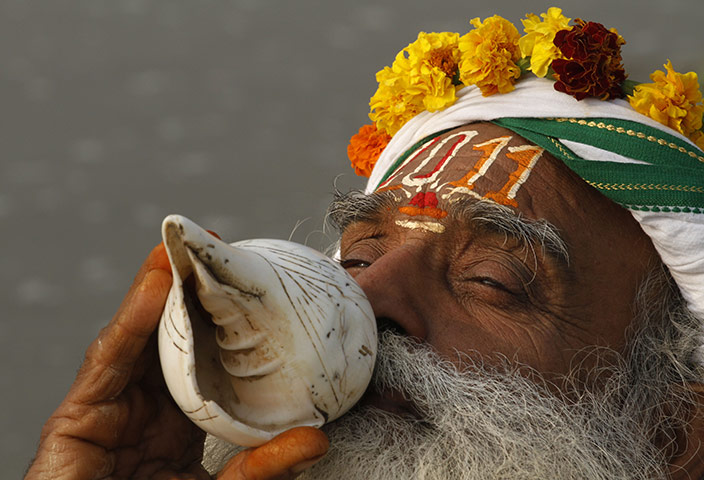
In one of his poems he warns us that we must remember three sounds from the blowing conches at family events:

The first of the chanks feeds with milk
The second shackles us with women of dense locks;
The third is sounded to announce our death.
How much, Oh, how much is the weal of worldly life?

bengali blow

(Translation from Tamil into English was done by Sekkizar Adippodi Dr T N Ramchandran of Thanjavur).
The custom of blowing conches in the weddings was practised by all the Hindus until a few centuries ago. Now Bengalis only use Chanks (conches) in all the ceremonies. Andal, a famous Tamil poetess, mentioned about blowing conches in the Tamil weddings 1300 years ago. Hindu mothers used conches (chanks) to feed the babies with milk. Now this practise is also dropped after the introduction of feeding bottles. Just to attract the attention of the child, they used to play blowing chanks in the olden days. Blowing conches is practised during the funeral procession in certain parts of the country even today.

So the last of the three sounds will be heard only by family members, because it will be our last journey.

conch-blowing

A V Subramania Aiyar, in his book ‘The Poetry of Tamil Siddhas’, compared him with another Siddha (enlightened soul) Sivavakkiyar. He aptly commented about Pattinathar’s poems:-

“As a Saiva mystic and saint Pattinathar has been held in great veneration. His poems are happily free from the violent denunciations of idol worship, temples, rituals, caste, Vedas, Agamas etc. which Sivavakkiyar indulges in. He has shown an excessive desire to extol the virtues of unqualified asceticism and Yogic mysticism in language that that can be understood by the masses. He shows leanings towards Bhakti in his later poems. As a poet he is far superior to Sivavakkiyar. Pattinathar has a greater command over imagery and language. His poetry has sweetness, simplicity and emotional appeal. He has sung of his religion and philosophy with freedom, vigour and breadth of outlook. He has good mastery over form, especially Ahaval metre, in which some of his most brilliant poetical passages have been written. Pattinathar is the most widely read Siddhar in the Tamil language”.

conch 4

I would recommend the following two English books for non Tamil readers:
The Poetry and the Philosophy of THE TAMIL SIDDHAS by A.V. Subramania Aiyar, published by S.Mahadevan, Tirunelvely, Year 1957; St.PATTINATHAR, Tamil Text with English Translation by Sekkizhaar Adippodi T N Ramachandran, International Institute of Saiva Siddhanta Research, Dharmapura Adhinam, Dharmapuram, MAYILADUTHURAI 609 001, Year 1990.

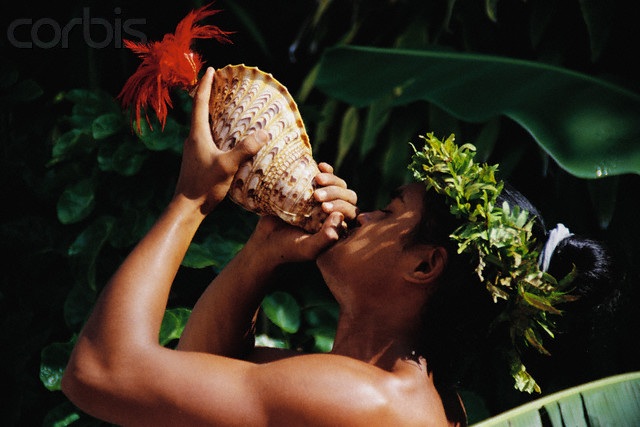
Polynesian Man Blowing Conch Shell

Contact swami_48@yahoo.com

ஒன்றே செய்க! நன்றே செய்க! இன்றே செய்க!

bengali blow

By London swaminathan
Post No.954 Dated 4th April 2014

நம் எல்லோருக்கும் பட்டினத்தார் ஒரு எச்சரிக்கை விடுக்கிறார். அதிக நேரம் உங்கள் கையில் இருப்பதாக நினைத்துக் கொள்ளாதீர்கள். உங்கள் கையில் இருக்கும் நேரம் எல்லாம் மூன்று ஒலிகளுக்குள் அடங்கிவிடும் என்கிறார். மூன்று முறை சங்குகள் ஒலிக்குமாம்; பிறகு நாம் இருக்க மாட்டோமாம். புரியவில்லையா?

நான்கே வரிகளில் அவர் எவ்வளவு அழகாக சொல்லுகிறார் என்று கேளுங்கள்:

முதல் சங்கு அமுதூட்டு மொய்குழலாராசை
நடுச் சங்கு நல் விலங்கு பூட்டும் – கடைச் சங்கம்
ஆம்போது அது ஊதும் அம்மட்டோ விம்மட்டோ
நாம் பூமி வாழ்ந்த நலம்.

சேக்கிழார் அடிப்பொடி டாக்டர் டி. என். ராமச்சந்திரனின் ஆங்கில மொழி பெயர்ப்பைப் படியுங்கள். இன்னும் நன்றாகப் புரியும்:

womanconch

The first of the chanks feeds with milk
The second shackles us with women of dense locks;
The third is sounded to announce our death.
How much, Oh, how much is the weal of worldly life?

முதல் சங்கில் நமக்கு நம் தாய் பால் ஊட்டுவாள். நாம் குழந்தையாக இருந்தபோது “நான் பால் குடிக்க மாட்டேன், போ” என்று அடம் பிடிப்போம். நம் தாய் நமக்கு வேடிக்கை காட்டி நமக்கு அமுதூட்ட அந்த சங்கை வாயில் வைத்து ஊதி ஒலி எழுப்பி இருப்பாள். இது நமக்கு இறைவன் விட்ட முதல் எச்சரிக்கை. ஆங்கிலத்தில் வினா விடை போட்டி நடத்துவோர் ஒவ்வொரு குழுவுக்கும் குறித்தநேரம் கொடுப்பர். விளையாட்டு துவங்கும் போது YOUR TIME STARTS NOW ‘யுவர் டைம் ஸ்டார்ட்ஸ் நவ்’ எனபர். கடிகாரம் ஒவ்வொரு வினடி ‘டிக்,டிக்’ என்று அடிக்கும்போது நம் இருதயம்— நேரம் முடிந்துவிடுமே– என்று ‘டக், டக்’ என்று அடிக்கும். அதுபோல உன் வாழ்நாள் கடிகாரம் இதோ துவங்கிவிட்டது (Your Clock is Ticking) என்று கடவுள் எச்சரிக்கிறார் முதல் சங்கில்!

woman conch
இரண்டாவது சங்கு திருமணத்தில் ஒலிக்கும் சங்கு. அந்தக் காலத்தில் எல்லார் வீட்டு திருமணங்களிலும் சங்கு ஊதி தாலி கட்டுவர். அதாவது அது ஒரு மங்கல வாத்தியம். ஆண்டாள் கூட வாரணம் ஆயிரத்தில் தாம் திருமாலைத் திருமணம் செய்யும் கனவுக் காட்சியை வருணிக்கையில் சங்கு ஊதுவதைக் குறிப்பிடுகிறார்.:—

மத்தளம் கொட்ட, வரி சங்கம் நின்று ஊத,
முத்து உடைத் தாமம் நிரை தாழ்ந்த பந்தல் கீழ்
மைத்துனன் நம்பி மதுசூதன் வந்து என்னைக்
கைத்தலம் பற்றக் கனாக் கண்டே, தோழீ! நான்.
–ஆண்டாள் நாச்சியார் திருமொழி

பட்டினத்தார் என்ன சொல்கிறார்? திருமணத்தன்று நமக்கு விலங்கு பூட்டப்படுகிறது என்பார். பேச்சுத் தமிழிலும் கூட அவன் திமிர் பிடித்த காளை போலத் திரிகிறான். எல்லாம் ‘கால் கட்டு’ போட்டால் சரியாகி விடும் என்று தானே பெரியோர் அங்கலாய்க்கிறார்கள்! சம்ஸ்கிருதத்திலும் இதற்கு சம்சார ‘பந்தம்’ (கட்டு) என்றே பெயர். ஆண்டவன் விடுக்கும் இரண்டாவது எச்சரிக்கை இது!

sadhu shank
மூன்றாவது சங்கு? கடவுளே சொல்லக் கூடாது! அது நம் காதிலேயே விழாது. ஏனெனில் அது நமது இறுதி ஊர்வலச் சங்கு.

ஆகையால், மெய்யன்பர்களே!

ஒன்றே செய்க!
அதுவும் நன்றே செய்க!!
அதுவும் இன்றே செய்க!!!

என்பது இறைவன் விடுத்த செய்தி ஆகும்.

lot women conch

நாளை நாளை எண்ணாதே
நாளை வீணில் போக்காதே
நாளை செய்யும் காரியத்தை
இன்றே நலமாய் முடித்திடலாம்.
நாளை நம்முடைய முறையோ?
நமனுடைய முறையோ? என்று ஒரு தமிழ் கவிஞர் பாடியது நினைவுக்கு வருகிறது.
பொங்கும் மங்களம் எங்கும் தங்குக!!

Contact swami_48@yahoo.com
Hindu_priest conch_

நார்வேயில் ‘சம்பாஷணை முழுவதும் ஸம்ஸ்கிருதத்தில்’

konow_sten
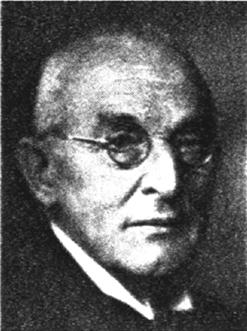
Picture of Norwegian Sanskrit scholar Sten Konow.

Compiled by London Swaminathan
Post No 953 Dated 4th April 2014

Part 4 அரியநாயகிபுரம் ஐயரின் வடதுருவ யாத்திரை………………………….
இந்த நாலாவது பகுதியுடன் இந்தத் தொடர் நிறைவுபெறுகிறது.
தொகுத்தவர் லண்டன் சுவாமிநாதன்

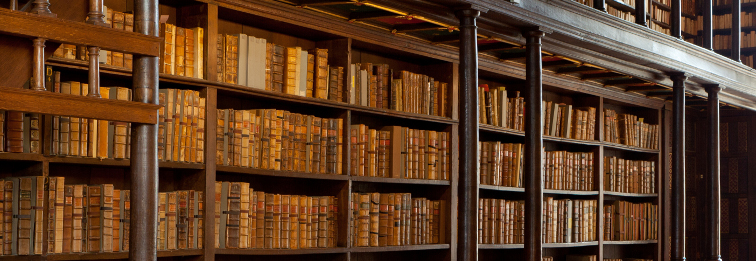
“இங்கிலாந்தில் புகழ்பெற்ற சிறந்த வித்தியாசாலையுள்ள ஆக்ஸ்போர்ட் என்ற நகரத்தைப் பார்க்கப் போயிருந்தேன். அவ்விடமுள ஸம்ஸ்கிருத புஸ்தகசாலை அதிகப் பிரஸித்திபெற்றது ஸமீபத்தில் கூட நேபால் மகாராஜா அவர்கள் சுமார் 6000 ஏட்டுப் பிரதிகளை அப் புஸ்தகசாலைக்குக் கொடுத்திருக்கிறார். இங்குள்ள உயர்தரக் கல்லூரியில்தான் மியாக்ஸ் முலர் என்ற (இப்பொழுது ஸ்வர்கலோகத்தில் வாஸம் செய்கிற) புகழ்பெற்ற ஸம்ஸ்கிருத வித்வான் சுமார் 80 வருஷங்களுக்கு முன் ருக்வேத பாஷ்யம் முதலானவைகளை ஆராய்ந்து வெளியிட்டார். இப்பொழுது அவரது சீடர்கள் பலர் அநேக கலாசாலைகளில் உபாத்யாயர்களாக வாழ்ந்து வருகிறார்கள்.

நார்வேயின் பிரதான நகரமான ஓஸ்லோ போய்ச்சேர்ந்தேன். அவ்விடத்து வித்தியாலய ஸம்ஸ்கிருத பண்டிதர் பிரஸித்தி பெற்றவர். அவர் பெயர் ஸ்டென் கோநோ என வழங்கும். இந்தப் பண்டிதர் மூலமாக மகா மேரு யாத்திரா ஸௌகரியங்கள் கிடைத்தன. அங்கிருந்து புறப்பட ஒரு வாரமாயிற்று. நாள்தோறும் ஸ்டென் கோநோவுடன் வேதாந்த விசாரணை செய்வது வழக்கம். இந்த வித்வானுடைய ஆசாரத்தையும் ஞானத்தையும் நோக்கினால் நம் ரிஷிகளுள் இவரை ஒருவராகக் கொள்ளலாம். என்னை மேருப் பிரதேசத்துக்கு வழியனுப்ப மேற்படி பண்டிதர் தம் சீடர்களுடன், ரயில்வே ஸ்டேஷனுக்கு வந்திருந்தார்; சம்பாஷணை முழுவதும் ஸம்ஸ்கிருதத்திலேயே நடந்தது. எங்கள் சம்பாஷணை முடிகிற வரை ரயில்வே கார்ட் தூரத்திலிருந்து பெருந்தன்மையுடன் கவனித்துக் கொண்டிருந்தார். பிறகு அவர் நம் பண்டிதர் ஸமீபம் வந்து ரயில் வண்டியை விடலாமா வென்று கேட்டார். உடனே பண்டிதர் கடியாரத்தைப் பார்த்து, ஓ! பத்து நிமிஷம் அதிகமாகிவிட்டதே என்றார். அதற்கு கார்ட் துரை, “அதனால் குற்றம் ஒன்றுமில்லை. கீழ்நாட்டு வித்வானை ரயில் வண்டியில் உடகாரவைத்து அவர்கள் அனுமதியைப் பெற்று வாருங்கள். பிறகு நான் வண்டியை ஓடவிடுகிறேன்” என்றார்.

oxford bodleian libraries
Picture of Oxford Bodleian Library

இதை இவ்விடத்தில் தெரிவிக்கும் காரணம் மேல்த் தேசத்தில் ஸம்ஸ்கிருத வித்வான்களுக்குப் பொதுஜன ஆதரவு எவ்வளவு என்பதை விளக்குவதற்காகவே. பிறகு மாணவர் வழியனுப்புப் பாட்டை நார்வே பாஷையிற் பாடி எனக்குத் தம் குருவுடன் வணக்கம் கூறினர். கார்டு துரைக்கு ரயிலை விட அனுமதி கொடுத்தார்கள். நண்பர்களே இவ்விஷயம் இந்தியாவில் நடக்கக்கூடுமாவென்று யோசியுங்கள்.

(இதற்குப் பின் ஐயர் நார்வேஎ நாட்டு நள்ளிரவு சூர்ய தரிசனத்தை வருணிக்கிறார். மகாமேரு யாத்திரை என்ற இரண்டு கட்டுரைகளில் சுருக்கம் ஏற்கனவே வெளியிடப்பட்டது. ஆகையால் புத்தகத்தின் இறுதிப் பகுதியிலிருந்து சில விஷயங்களைக் காண்போம்)

ஐரோப்பா கண்டம் நம் இந்தியாவை விடச் சிறியது; ஆதலால் அடிக்கடி ஒரு நாடு விட்டு அடுத்த நாடு வரும்பொழுது சுங்கச் சாவடியாட்களின் சோதனை நடக்கும். ஏதாவது தவறுதல் நேர்ந்தால் உடனே அந்த யார்த்திரைக்காரனை கீழே இறக்கிவிடுவார்க.ள். சோதனையும் மிகக் கடுமையக இருக்கும். இந்தச் சோதனைத் துன்பம் எனக்குக் கொஞ்சம் கூடவில்லை. ஒரு யோக்கியதா பத்ரம் என்னிடத்தில் உண்டு. அதில் நான் “இந்தியாவில் ஒரு வைதீகப் பிராமணன்; ஆகார நியமம் உள்ளவன்; புகையிலை முதலானவைகளை நிந்திக்கிறவன்’ ஒரு ஆரியன்; வித்வான்; எல்லோராலும் உபசரிக்கத்தக்கவன்” என்று எழுதி இருந்தது; ஒவ்வொரு கஸ்டம்ஸ் ஆபீஸரும் என்னையும் என் தலைப்பாகை சால்வை முதலானவற்றை பார்த்தது,ம், யோக்கியதா பத்ரத்தைப் பார்த்தது,ம், எழுந்திருந்து வந்தனம் சொல்லி வினயத்துடன் போய்விடுவார்கள்.

ஜரூஸலத்தில் ஸ்வாமி புறப்பாடு

பக்கம் 73ல் ஜரூஸலம் பற்றி ஐயர் எழுதுவது:

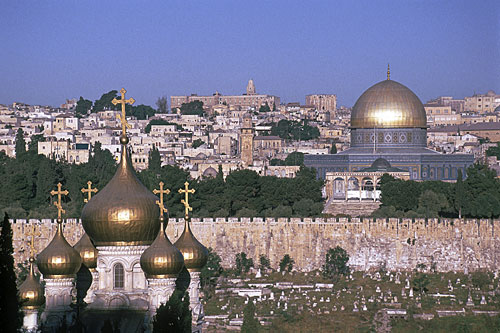
இந்நகரம் ஐந்து மலைகளின் நடுவில் அமைக்கப்பட்டிருக்கிறது. முதல் மலை கிறிஸ்துவை விசாரணை செய்து சிலுவையில் அறைந்த இடமாகும்; இரண்டாவது மலையில் இப்பொழுது யூதர்கள் வித்தியாசாலை ஸ்தாபித்திருகிறார்கள். மூன்றவதில் ஜர்மன் சக்கரவர்த்தி தாம் வந்து இறங்குவதற்காகக் கட்டின அரண்மனையுள்ளது. ஐந்தாவதில் கிறிஸ்துமாதா ஸமாதி இருக்கிறது. இந்துக்கள் ஸ்ரீகாசியிருப்பது போல இந்த இடங்களில் மரணத்தை எதிர்பார்க்கும் கிறிஸ்தவர் பலர் நெடுந்தூரத்திலிருந்து வந்து காத்திருகிறார்கள். ஸ்ரீ கிறிஸ்துவின் ஸமாதி இந்த ஐந்து மலைகளுக்கும் நடிவில் உள்ளது. ஸமாதியின் மேல் ஒரு கண்ணாடிக் கூண்டு அமைக்கப்பட்டிருக்கிறது. அதைச் சுற்றிலும் பெரிய மண்டப முண்டு. ஸமாதிக்கு மின்சார விளக்குகள் போடப்பட்ட்டு அணையா விளக்கொடு பூஜை நடக்கிறது.

greek mary idol
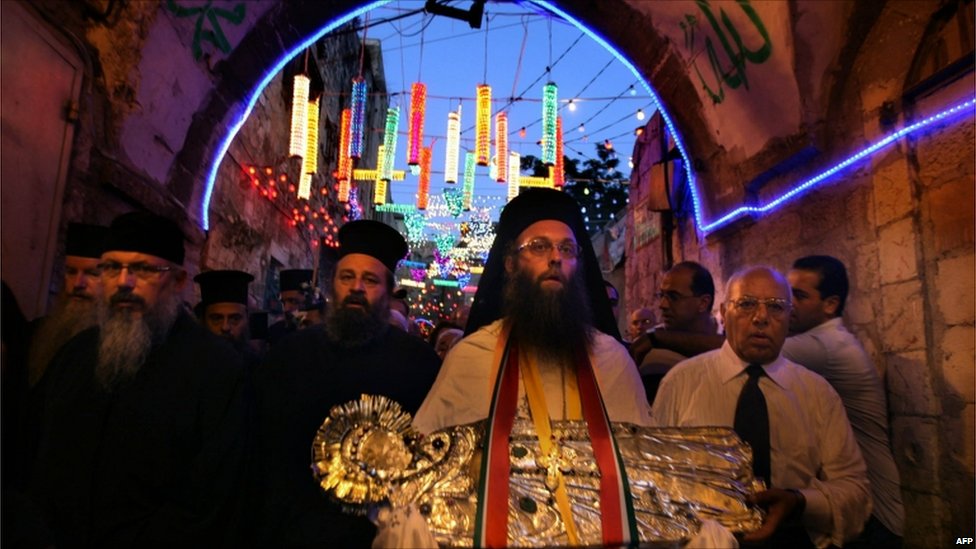
Picture of Mary idol in Jerusalem

கிறிஸ்தவ மத உட்பிரிவுகளில் உள்ள ஏழு மடாதிபதிகள் நாள்தோறும் ஒவ்வொருவராக அவரவர்க்கு நியமிக்கப்பட்ட காலங்களில் வந்து நேரே பூஜை செய்கிறார்கள். ஸ்ரீ சிதம்பரம் முதலான கோவில்களில் எப்படி உத்ஸவ காலங்களில் பூஜைகளும் பாராயணங்களும் அலங்கார முதலானவைகளும் நடக்கின்றனவோ அப்படியே இந்த ஸமாதிக்கு பெருஞ் செலவில் பூஜை நடத்தப்படுகிறது.

நான் அவ்விடம் போனபொழுது ஸமாதியில் சிறந்ததொரு உத்ஸவம் நடந்தது. மாலையில் ஸ்வாமி வீதி புறப்பாடும் உண்டு. சிறந்த தங்கச் சப்பிரத்தில் கிறிஸ்து விக்கிரகமும் மற்றொரு வாகனத்தில் மாதா மேரியின் விக்கிரகமுமிருந்தன. புத்தமத உத்ஸவங்களே இப்படி கிறிஸ்தவ மத உத்ஸவங்களாகப் பரிணமித்தன.

jerusalem-panorama-500
Panoramic View of Jerusalem.

இவ்வளவு ஸம்பத்துக்களை நம் க்ஷேத்திரங்களில் நான் பார்த்தது இல்லை. அளவிற்படாத ஸொத்து……………………………………

நாம் இப்பொழுது உலகில் காணும் ஸொத்தை ஒரு தராசிலும் ரோமாபுரி போப்பின் ஸொத்தை ஒரு தராசிலும் வைத்தால் அநேகமாகப் போப்பின் ஸம்பத்தே அதிகமாக இருக்கலாம்.

(இவை எல்லாம் 1935-ல் எழுதப்பட்டது. ஐயரின் புத்தகம் 1936 ஜனவரியில் விற்பனைக்கு வந்துவிட்டது. 110 பக்கம் உடைய புத்தகம் என்னிடம் உள்ளது. பிற்காலத்தில் ஆராய்ச்சியாளருக்குப் பயன்படலாம்).
முற்றும்.

contact swami_48@yahoo.com
Pictures are used from various sites;they are NOT from aiyer’s book. Thanks.