True Art is Never Made to Order

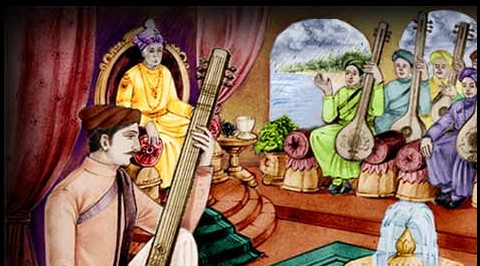
Akbar_and_Tansen_visit_Haridas
Akbar and Tansen visiting Swami Haridas (Picture from Wikipedia)

Compiled by London Swaminathan
Post No. 1066; Dated 26th May 2014.

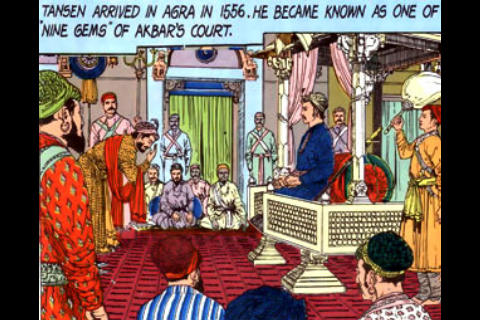
Art comes as a result of irresistible inner urge. A story is told of Tansen the great bard of Akbar’s court, which illustrates this point vividly. Moghul Emperor Akbar (1542—1605 CE) was very fond of music. One day when Tansen was in particularly good form and Akbar was all in ecstasy and asked Tansen, “What is the secret of this sweet concord of notes which takes me as if it were out of this world and transports me to Divine regions? I have not heard anyone else do it”.

The great bard replied, “Sir, I am only a humble pupil of my master, Swami Haridas; I have not mastered even a fraction of my master’s technique and grace and charm. What am I beside him whose music is a rhythmic flow of Divine harmony, beauty and charm in sound?”

1556 tansen

Akbar was greatly intrigued; he wanted to hear Haridas but he could not get Haridas to his court. So he and Tansen went to the Himalayas where Haridas was living. Tansen had already warned Akbar that swami would not sing except at his own leisure. Several days passed and Swami did not sing. One day Tansen sang a song taught by Swami and deliberately introduced a false note. It had almost had an electric effect on the saint; he turned to Tansen and rebuked him saying, “What happened to you, a pupil of mine, should commit such a gross blunder?”

He then started singing the piece correctly; the mood came to him and, as it were, enveloped him. He forgot himself in the music which filled the earth and heaven. Akbar and Tansen forgot themselves in the sheer melody.

It was a unique experience. When the music stopped, Akbar turned to Tansen and said, “You say that you learnt music from this saint and yet you seem to have missed that living charm of it all. Yours seems to be chaff beside this soul stirring music”.

tansen1

“It is true, Sire”, said Tansen. I sing to emperor’s bidding, but my Master sings to no man’s bidding but only when the prompting comes from his innermost self. That makes all the difference”.
True art is never made to order!

Source: Facets of Indian Culture by R Srinivasan, B V Bhavan, Mumbai.

haridas
Picture of Swami Haridas, Tansen’s Guru.

ஆந்தைகள் அலறல்: நல்ல சகுனமா? கெட்ட சகுனமா?- பகுதி 1

owl-uluka and Lakshmi
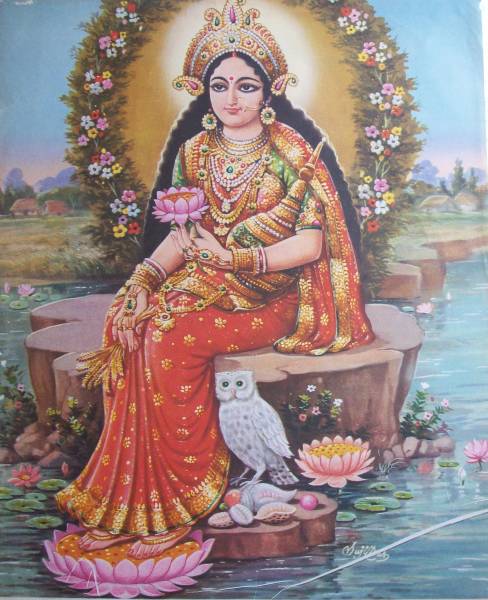
Lakshmi with owl.

கட்டுரையாளர்:- லண்டன் சுவாமிநாதன்
கட்டுரை எண்:-1065 ; தேதி:- மே 26, 2014.

(This article is posted in English as well)

பகல் வெல்லும் கூகையைக் காக்கை இகல்வெல்லும்
வேந்தர்க்கு வேண்டும் பொழுது (குறள் 481)

ஆந்தைகள் பற்றி ரிக்வேத காலம் முதல் இன்றுவரை பல நம்பிக்கைகள் இருந்து வருகின்றன. மேலை நாடுகளில் ஆந்தைகளுக்கு நல்ல பெயர். கீழை நாடுகளிலோ கெட்ட பெயர். ஏன் இப்படி? சகுன சாஸ்திரம் பற்றி ஆராய்வோம்

கிரேக்க நாட்டின் தேவதை அதீனாவுக்கு ஆந்தை வாகனம் அல்லது பிரியமான பறவை. இதேபோல இந்துக்களின் தெய்வங்களான சாமுண்டிக்கும் லெட்சுமிக்கும் ஆந்தை வாஹனம். இப்படி தெய்வ வாஹனமாக இருந்தபோதிலும் ஆந்தைகள் அலறலைக் கண்டு அஞ்சுவது ஏன்?
முதலில் சங்கத் தமிழ் இலக்கியத்தில் உள்ள பாடல்களைப் பார்ப்போம்:

“எம்மூர் வாயில் உண்டுறைத் தடை இய
கடவுள் முதுமரத்து உடனுறை பழகிய
தேயா வளைவாய்த் தெண்கண் கூருகிர்
வாய்ப்பறை அசாஅம் வலிமுந்து கூகை
மையூன் தெரிந்த நெய்வெண் புழுக்கல்
எலி வான்சூட்டொடு மலியப் பேணுதும்
எஞ்சாக் கொள்கைஎங் காதலர் வரல்நசைஇத்
துஞ்சாது அலமரும் பொழுதில்
அஞ்சுவரக் கடுங்குரல் பயிற்றாதீமே”–( நற்றிணை 83 )

பொருள்: வலிமைமிகு கூகையே! ஊர்வாசலில் நீர்த்துறையில் நிற்கும், கடவுள் இருப்பதாகக் கருதப்படும் மரத்தில் இருப்பாய். வளைந்த வாய், தெளிந்த கண்கள், கூரிய நகங்கள் உடைய நீ, உன் வாயால் பிறரை வருத்துகிறாய்.. உனக்கு ஆட்டு மாமிசத்தோடு நெய் கலந்த சோறு தருவோம். வெள்ளெலியின் சூட்டிறைச்சியும் தருவோம். என் காதலர் வரும் இரவு நேரத்தில் பயமுறுத்தும் சப்தத்தைப் போடாமல் இரு.

ஆந்தையும் இசையும்

“மரந்தலை மணந்த நனந்தலைக் கானத்து
அலந்தலை ஞெமையத்து இருந்த குடிஞை
பொன்செய் கொல்லனின் இனிய தெளிர்ப்ப”– (நற்றிணை 394, அவ்வையார்)

பொருள்:–மரங்கள் உள்ள அகன்ற காட்டில் வாடிய ஞெமை மரத்தில் பேராந்தை இருந்தது. அது பொற்கொல்லன் தொழில் செய்யும்போது ஏற்படும் ஒலி போல இனிய ஒலியை எழுப்பியது.

“உருள்துடி மகுளியின் பொருள்தெரிந்து இசைக்கும்
கடுங்குரல் குடிஞை” –(அகம் 19)

பொருள்: உருளும் இழுகு பறையின் ஓசையினைப் போல பொருள் தெரிய ஒலிக்கும் கடுமையான குரலை உடைய ஆந்தைகள் உள்ள பெரிய மலை.
OWL

ஐம்பெருங் காப்பியங்களில் ஒன்றான சீவக சிந்தாமணியில் ஆந்தையின் பாட்டு நல்ல நிமித்தம் எனப் பாடப்பட்டுள்ளது. இதற்கு உரை எழுதிய ‘’உச்சிமேற் புலவர் கொள்’’ நச்சினார்க்கினியர், “மணம் பரப்பும் கோங்கின் உச்சியிலே குவிந்த அரும்பின் முகட்டிலே தேன் போல இனிமை பொருந்திய ஒலியையுடைய யாழினைப் போல ஆந்தை அமர்ந்து பாடும்” – என்று கூறுகிறார். அதன் குரல் யாழின் ஒலிக்கு உவமையாக்கப் பட்டுள்ளது.

இதையே சம்ஸ்கிருதத்தில் உள்ள லிங்க புராணமும் கூறுகிறது.
ஆந்தைகள் எழுப்பும் ஒலி, சங்கீத ஸ்வரம் போல இருப்பதாக இந்துமத நூல்கள் சில கூறும். (Brown Wood Owl is said to consist of four deep musical syllables, who—hoo—hoo—hoo) மர ஆந்தையின் குரல் 4 ஸ்வரங்களை உடையது. லிங்க புராணத்தில் நாரத முனிவரை இமய மலையில் மானசரோவர் ஏரிக்கரையில் வசிக்கும் ஆந்தையிடம் சங்கீதம் கற்கச் சொன்னதாக எழுதி இருக்கிறது. ஆகவே ஆந்தையில் ஒருவகை எழுப்பும் இசை ஒலியை இந்துக்கள் போற்றினர் என்று இந்தக் குறிப்புகளில் இருந்து அறிய முடிகிறது.

அசுணம் என்னும் இசையறி பிராணியை மிருகம் என்றும் பறவை என்றும் தமிழ் இலக்கியம் கூறும். சிலர் ஆந்தையில் ஒருவகை அசுணம் (ஆசிரிய நிகண்டு) என்றும் கருதுவர். அசுண மா பற்றிய எனது கட்டுரையில் விவரம் காண்க)

சில வகை ஆந்தைகள் எழுப்பிய ஒலி கர்ண கடூரமாக இருந்ததும் தெரிகிறது:–
“அத்தக் குடிஞைத் துடிமருள் தீங்குரல்” (புறம் 370)
பொருள்: கூகைகள் எழுப்பும் துடி போன்ற கடிய குரல் ஓசை……

“கூகைச் சேவல் குராலோழடேறி
ஆரிருஞ் சதுக்கத் தஞ்சுவரக் குழறும்
அணங்கு கால் கிளருங் மயங்கிருள் நடுநாள்”–-(அகம் 260)

பொருள்: முதிய மரத்தில் எப்போதும் இருக்கும் முழங்கும் பெரிய வாயை உடைய பேராந்தை வாய்குழறி ஒலிப்பதும் பேய் திரிவதும் ஆகிய பாதி இரவில்……………………….

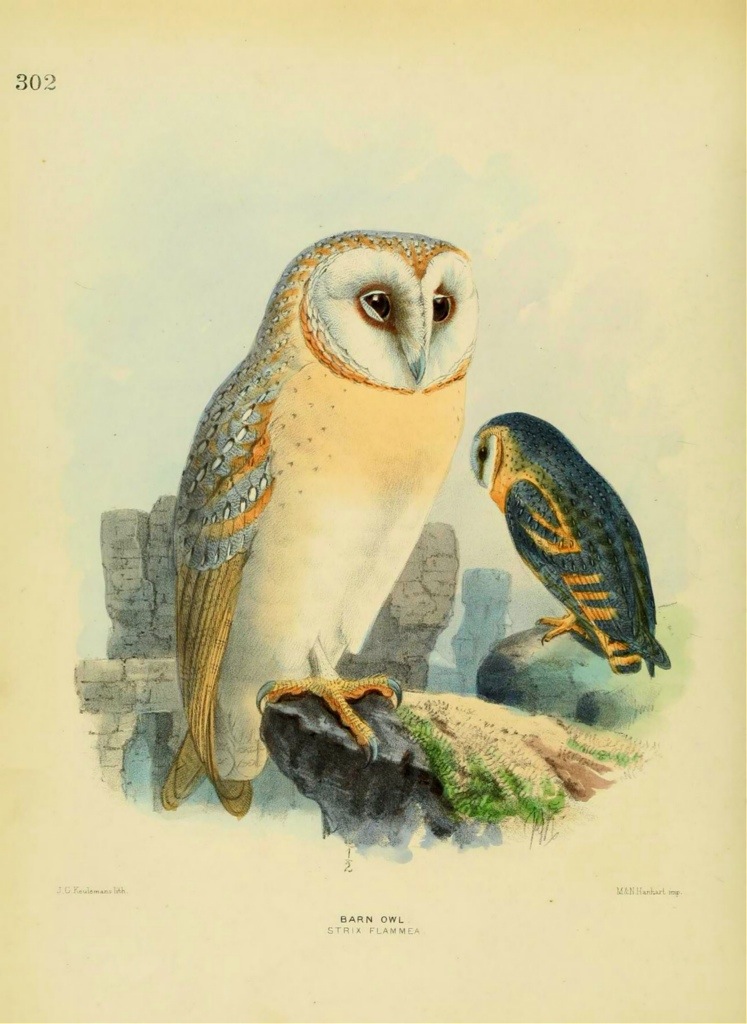
barn owl

சாவுக்கும் ஆந்தைக்கும் தொடர்பு
புறநானூற்றுப் பாடல்கள் ஆந்தையை மரணத்துடனும் இடுகாடு–சுடுகாட்டுடனும் தொடர்புபடுத்திக் காட்டுகின்றன. தமிழர்களுக்கு சகுன சாத்திரத்தில், அதாவது புள் நிமித்தத்தில் மிகுந்த நம்பிக்கை உண்டு. ஆந்தையின் கூக்குரல் பற்றி அவர்கள் பயப்படுகின்றனர். மரணத்தோடு தொடர்பு படுத்தும் மூன்று புறநானூற்றுப் பாடல்களே இதற்குச் சான்று கூறும்.

“திங்கள் கல்சேர்பு கனையிருள் மடியின்
இல்லெலி வல்சி வல்வாய்க் கூகை
கழுது வழங்கு யாமத்து அழிதகக் குழறும்”– (அகம் 122)

பொருள்: நிலவானது மேற்குத் திசையில் மறைந்து இருளைப் பரப்பும் நேரத்தில் வீட்டில் வாழும் எலிகளை இரையாக உண்ணும் கூகை— பேய்கள் உறங்கும் நள்ளிரவில் அழிவு உண்டாகக் குழறும்.

“பொத்த அறையுள் போழ்வாய்க் கூகை
சுட்டுக்குவியென செத்தோர்ப்பயிரும்
கள்ளியம் பறந்தவை” – (புறம்.240)

பொருள்: ஆயண்டிரன் இறந்தவுடன் அவனது உரிமை மகளிரும் தீப்பாய்ந்து மாய்ந்தனர். பிளவுபட்ட வாயுடைய பேராந்தைகள், ‘சுட்டுக்குவி’ என்று செத்தோரை அழைப்பது போலக்கூவும். கள்ளிச் செடிகளை உடைய சுடுகாட்டில்,,,,,,,,,,,,,,,

பல் ஆ தழீஇய கல்லா வல்வில்
உழைக்குரற் கூகை அழைப்ப ஆட்டி–(புறம்.261)
இப்போது பல பசுக்கூட்டங்களைக் கைப்பற்றிய கல்லாத வன்மையான வில்வீரனை கூகையானது தன் இனத்தாரை அழைப்பது போல அலைத்து துரத்தும்
முதுமரப் பொத்தின் கதுமென இயம்பும்
கூகைக் கோழி ஆனாத்
தாழிய பெருங்காடெய்திய ஞான்றே (புறம்.364, கூகைக் கோழியார்)
பொருள்:
முதிய மரத்தின் பொந்துகளில் இருந்து கதும் எனக்கூவும் பேராந்தைகள் நீங்காத தாழிகளை உடைய இடுகாட்டை………………………..

குடும்பங்கள் வாழும் கூடாரத்தின் மேல் கோட்டான்கள் உட்கார்ந்தால் பழங்குடி மக்கள் சில பரிகாரங்களைச் செய்வர். சிலநேரங்களில் புதுக் கூரையே வேய்ந்துவிடுவர் என்று பிலோ இருதயநாத் கூறுவார். இவர் பழங்குடி இனங்களை ஆராய்பவர்.
மாயன் நாகரீகத்திலும்…………

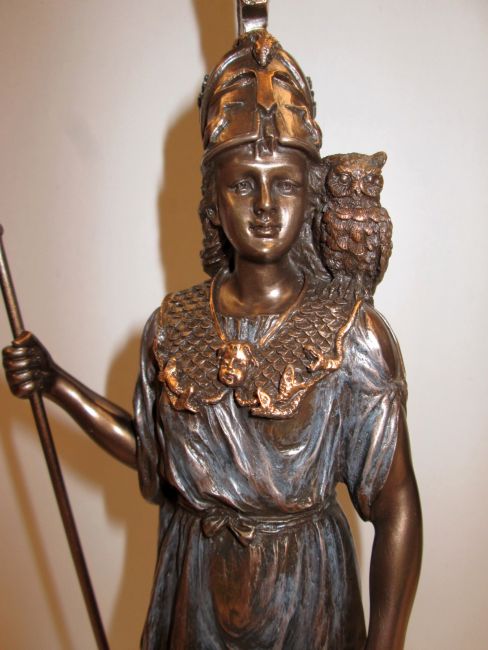
athena-owl-spear-face-tl-3196
Greek Goddess Athena with an owl

இன்னொரு வியப்பான ஒற்றுமையும் இருக்கிறது:
புறநானூற்றில் எப்படிப் புலவர்கள் ஆந்தையை மரணத்துடனும் சுடுகாட்டுடனும் தொடர்புபடுத்தினரோ அதே போல மாயன் நாகரீக மரணக் கடவுள் ஹூனாஹுவும் ( God Hunahau) ஆந்தையுடன் தொடர்புடையது. இதனுடைய தலை ஆந்தைத் தலைபோலவே காட்டப்பட்டிருக்கும். சாவு பற்றிய ஒற்றுமையுடன் நின்றுவிடவில்லை. எப்படி இதற்கு ஆந்தையின் தலை (long eared owl )இருக்கிறதோ அதே போல கந்தனுடைய சேவகர்களில்(M.Bh. 9-45-79) ஒருவனுக்கு ஆந்தைத் தலை என்றும் மாத்ரீகளில் ஒருவர்க்கும் இப்படி இருப்பதாகவும் கந்தபுராணம் கூறும்.

மெக்சிகோவில் அஸ்டெக் நாகரீகத்துக்கு முந்தைய நாகரீகம் ஆந்தையைப் புனிதப் பறவையாகக் கருதியது. ஆனால் அஸ்டெக் நாகரீகத்தில் இது தீய பறவையாகக் கருதப் பட்டது. சீனாவிலும் இப்படித் தீய பறவையாகவே கருதப் பட்டது.

இந்தியாவில் பொதுவாக மரணத்துடன் சம்பந்தப்பட்ட பறவை, எப்படி செல்வத்துகு அதிதேவதையான லெட்சுமிக்கு வாகனமாகியது என்பது மர்மமாகவே நீடிக்கிறது.

ஆந்தையின் பல பெயர்கள்
ஆண்டலை, ஆந்தை, இருடி, உலூக, ஊமன், கின்னரம், கின்னரி, குரால், குடிஞை, கௌசிக, கூகை,கூன், கோட்டான், பிங்கலை, கேகயம், (அசுணமா, இசையறி பறவை:– ஆசிரிய நிகண்டு)
ஆந்தையின் வடமொழிப் பெயாரான உலூக என்பதில் இருந்தே ஆங்கிலச் சொல்லான ‘’அவுல்’’ வந்தது. உலூக, கௌசிக, இருடி என்பதெல்லாம் ரிஷிகளின் பெயர்கள். இந்தப் பெயரில் பழங்காலத்தில் ரிஷிகள் இருந்தனர். தமிழில் பிசிர் ஆந்தையார், ஓதல் ஆந்தையார், கூகைக் கோழியார் என்பன ஆந்தையின் பெயர்கள் உடையன.பெருங் கௌசிகன் என்ற புலவரும் சங்க இலக்கிய காலத்தில் இருந்தனர்.
கட்டுரையின் இரண்டாவது பகுதியில் ராமாயணம், மஹாபாரதம், வேதங்களில் ஆந்தைகள் பற்றி என்ன இருக்கிறது என்பதையும் பழமொழிகள், பஞ்சாங்கத்தில் உள்ள பக்ஷி சாஸ்திரம் பற்றியும் பஞ்ச தந்திரக் கதை, ஜெங்கிஸ்கான் கதை பற்றியும் காண்போம் — தொடரும்

Why did Indra kill Brahmins?

Indra (1)

Written by London Swaminathan
Post No. 1064 ; Dated 25th May 2014.

“Foreign Scholars never tell LIES; they always tell you HALF TRUTHS. Half truths are more dangerous than lies”.

A half truth is the most cowardly of lies – Mark Twain

A half truth is a whole lie- Yiddish Proverb

The biggest problem for the supporters of Aryan Dravidian Divisive Racist Theory is Indra’s killing of Brahmins. So instead of discussing it openly they simply hid the facts. So is Ravana’s death in the hands of Rama. Ravana was a Brahmin! They also concealed the fact that both Asuras and Devas had Brahmins Brihaspati and Sukracharya as their Gurus! They also hid that fact that Asuras and Devas were born to the same parents. Whenever such facts come, they will hide them or make a passing reference to them as if they are not important. The simple reason for their strange and cunning behaviour is these facts are against their fanciful and concocted theories.

Bangkok_Indra_Erawan
Indra in Thailand

Foreigners have never highlighted these facts or discussed them in their research papers. Their tactic is to tell half truths and confuse the general public. They know that Hindu scriptures are so vast that they can quote from anywhere the facts which are convenient for them. They will set their own chronology for Hindu scriptures or Hindu saints and write “scholarly” articles. They know that the English educated Hindus never read their scriptures in original in full, but only read the English write ups. With other religions, their books can be read in a few hours time and so the “scholars” cannot bluff. But even with very minimal writing, other religions have one thousand questions raised by the Doubting Thomasses.
Indra’s greatest and most celebrated heroic act was the killing of Vritra. Though Indra killed over thirty demons, Vritra’s killing was the one that was found in innumerable places in the oldest scripture Rig Veda and the post Vedic scriptures.

indra_td58

Foreigners were confused about the number of Indras that existed. Did one and the same Indra kill all the demons and involve himself in the Ahalya episode? The Vedas mentioned Indra more than anyone else. One fourth of the Rig Vedic hymns are addressed to Indra. Are all these about one and only person? Or is it like a title such as Prime Minister, President, Pope, Dalai Lama, Shankaracharya, Emperor, King? Are they talking about all the episodes that happened in one man’s life time or many Indras spanning over hundreds of years? Why did he kick the Brahmin saint Agastya? Why did he kill Brahmin saint Trisiras? Why did he Kill Brahmin Vritra? Was he an anti Brahmin or Anti Dasyus ? Because foreigners did not have answer for all these questions, they confused Hindus hoping that they would confuse their English educated colleagues. And Lord Mecaulay predicted that India and Hinduism would be finished with the spread of English education. But God was merciful. He sent a few saints like Swami Vivekanada to deal with the English educated ignorant lot.

If you open any foreign encyclopaedia, they will project Indra as the warrior of ‘’Aryan race’’ which is not found in ancient Sanskrit or Tamil literature. Oldest Tamil book Tolkappiam claimed Indra as their own God! The Choza king celebrated Indra festival on a grand scale! Buddha mentioned him in Dhammapada and other Buddhist scriptures with reverence! Some encyclopaedias described him as ‘anti Varuna, anti Krishna’ quoting one or two incidents as proof. But no where he was described as anti Brahmin by a foreigner! With more incidents like Anti Ahalya, Anti Agastya, Anti Trisiras and Anti Vritra, they should have projected him as Anti Brahmin. They dare not do it, because it would go against their own Aryan-Dravidian racist theory! You will have a good number of jokes under INDRA in every English encyclopaedia!
Who was Vritra?
18 Banteay Srei Indra on Airavata, photograph by Anandajoti Bhikkhu
Indra in Cambodia

Describing Vritra was difficult for foreigners. In some places they described him as natural force and in other places as a demon! Whenever and wherever they want they will take some reference from later literature, in other places they will say they are later additions. In short, they can’t hold for long in discussions with a well educated Vedic Pundit.

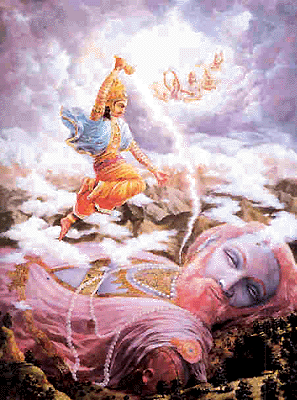
Tvashtri was a powerful Brahmin. He was doing a penance and a three headed son (Tri Siras) was born to him. He became a pious and humble ascetic. Indra was scared that he would be replaced by him. So he went and killed him. Even after death his head was radiating glorious light. Then Tvashtri created another son from Yagna fire and named him Vritra. He defeated Indra in the battles. But he was killed by ‘’foam’’ as Vritra had a boon not to be killed by any weapon. By killing him Indra carried the burden of a great sin Brahmahatti, which comes to anyone who kills a Brahmin.

vrtrasura
Indra killing Vritra

Indra visited numerous shrines, lakes, rivers, hills in India to relieve him from Braahmahatti.
Foreigners have conveniently forgotten to discuss these things in their ‘’research papers’’, but never forgot to depict Lord Krishna as Anti Indra. This is what they did to Vedic Shiva too. Because he destroyed the forts (Purandhara), they divided Shiva in to Aryan Shiva and Dravidian Shiva!! Anyone who reads the Tamil hymns Thevaram and Tiruvasagam would laugh at Aryan -Dravidian essays. There is no Aryan or Dravidian Shiva! Only one undivided Shiva in Tamil literature From Sangam period!

indra

வித்தியாசமான விஞ்ஞானி யுங்! -4

jung1

கட்டுரை எண்:-1063; தேதி:- 25 மே 2014

வித்தியாசமான விஞ்ஞானி யுங்! -4
ச.நாகராஜன்
(கார்ல் ஜங் என்று ஆங்கிலத்தில் எழுதினாலும் யுங் என்றே சொல்ல வேண்டும்)

யுங்கிற்கு ஏழு வயதிலிருந்தே பல்வேறு ஆவிகளின் காட்சிகள் தென்படலாயின.ஆகவே ஆவிகளுடன் பேசும் மீடியங்கள் பற்றிய ஆராய்ச்சியில் அவர் மனம் விழைந்தது அவரது நெருங்கிய உறவுக்காரப் பெண்மணி இப்படிப்பட்ட சிறந்த மீடியமாகத் திகழ்ந்தார்.

அப்போது ஆரம்பித்த அவரது ஆராய்ச்சி சுமார் 30 வருட காலம் தொடர்ந்தது. 1905ஆம் ஆண்டிலேயே அவர் எட்டு மீடியங்களைப் பற்றி நன்கு ஆராய்ந்து முடிந்து விட்டார்.

1907ஆம் ஆண்டு அவர் சிக்மண்ட் ப்ராய்டுடன் நெருங்கிய தொடர்பு கொண்ட போது ப்ராய்டுக்கு இந்த விதமான அதீத உளவியல் விவகாரம் ஒன்றும் பிடிபடவில்லை, பிடிக்கவும் இல்லை. ஆனால் ஒரு நாள் இந்த விவாகரம் விவாதம் என்ற அளவுக்கும் மீறி முற்றி விட்டது.அன்று மாலை தான் ப்ராய்ட் “உன்னை எனது சுவீகார புத்திரனாக மூத்த மகனாக ஏற்றுக் கொண்டேன்.நீயே எனது வாரிசு மற்றும் இளவரசன்” என்று யுங்கிற்கு எழுதிய கடித்த்தில் தெரிவித்திருந்தார்.

ஆனால் இரவு நெருங்கிய போது விவாதம் உச்சகட்டத்திற்குச் சென்று விட்டது! அப்போது திடீரென்று ப்ராய்ட் வைத்திருந்த புத்தக அலமாரியில் ஒரு பெரும் வெடிச் சத்தம் கேட்டது. ஜங் இதை அதி மானுஷ சம்பவங்களின் வரிசையில் சேர்த்து அதற்கான விளக்கத்தைத் தரமுற்பட்டார்.ஆனால் இது ப்ராய்டுக்குச் சற்றும் பிடிக்க வில்லை.ஆனால் யுங்கோ விடாப்பிடியாக ப்ராய்ட் இதை நம்ப மறுத்தாலும் கூட இதே போல இன்னொரு சம்பவம் நடக்கப் போகிறது என்று உரைத்தார். என்ன, ஆச்சரியம், அதே போல வெடிச்சத்தம் உடனே கேட்டது. ப்ராய்ட் பயந்தே போனார்! இதைத் தொடர்ந்து இருவரின் பாதைகளும் பிரிந்தன. ஆனால் ப்ராய்டின் தொடர்பு அறுந்த நேரத்தில் இரு பெரும் உளவியலாளர்களான தியோடர் ப்ளர்நாய் மற்றும் வில்லியம் ஜேம்ஸ் ஆகிய இருவர் யுங்கின் முயற்சிகளுக்கு பெரும் ஆதரவு தந்து அதீத உளவியல் ஆராய்ச்சிக்குக் கை கொடுத்தனர்.

யுங்கின் கனவில் ஒரு நாள் ஆழ் மன நிலையிலிருந்து ஒரு தோற்றம் உருவானது. அதை யுங், பிலமோன் என்று பெயரிட்டு அழைக்கலானார்.பிலமோன் யுங்குடன் அடிக்கடி பேச ஆரம்பித்தது. பிலமோன் ஒரு குரு ஸ்தானத்தில் இருந்து ஜங்கை வழிகாட்ட ஆரம்பிக்க அதை ஜங் மகிழ்ச்சியுடன் வரவேற்றார். இப்படி ஒரு “கனவு குரு” இருப்பது சாத்தியம் தானா?

15 வருடங்களுக்குப் பின்னர் ஜங்கிற்கு இதற்கான விடை கிடைத்தது. மஹாத்மா காந்திஜியின் நண்பர் ஒருவர் யுங்கைக் காண வந்தார். மிக உயரிய பண்பு உடைய அவர் பாரதத்தின் கல்வி முறையைப் பற்றிப் பேச ஆரம்பித்தார். பேச்சு குரு-சிஷ்ய உறவைப் பற்றித் திரும்பியது. சற்று தயக்கத்துடன் அவரிடம் ஜங்,” உங்கள் குருவைப் பற்றிக் கொஞ்சம் சொல்ல முடியுமா? அவர் குணாதிசயங்கள் எப்படி?” என்று கேட்டார்.

“ஓ! சொல்கிறேனே. எனது குரு சங்கராசாரியர்” என்றார் அவர்.
“யார்? வேதங்களுக்கு பாஷ்யம் (உரை) எழுதியவரையா சொல்கிறீர்கள். அவர் பல நூற்றாண்டுகளுக்கு முன்னாலேயே மறைந்து விட்டாரே!” என்றார் யுங்.

“ஆமாம்! அவரையே தான் சொல்கிறேன்!” என்றார் அவர். ஜங் ஆச்சரியத்தின் எல்லைக்கே சென்று விட்டார்.
“அதாவது அவரது ஆவியைச் சொல்கிறீர்களா?” என்றார் ஜங்.
“ஆமாம்! அவரது ஆவியைத் தான் சொல்கிறேன்” என்றார் அவர்!
உடனே ஜங் பிலமோனை நினைத்துக் கொண்டார்.
“ஆவி ரூபத்தில் கூட குருமார்கள் வருவதுண்டு. சிலர் வாழ்ந்து கொண்டிருக்கும் குருமார்களைக் கொண்டிருப்பார்கள். சிலர் ஆவி ரூபத்தில் உள்ள குருமார்களைக் குருவாகக் கொள்வதும் உண்டு” என்றார் அவர்.

இந்த உரையாடல் யுங்கிற்குப் பெரும் ஆறுதலைத் தந்தது. தன்னைப் போலவே இன்னும் பலரும் ஆவிரூபத்தில் வழி காட்டுதலை அடைந்து வருகின்றனர் என்பதில் அவருக்கு மகிழ்ச்சி ஏற்பட்டது. நாளடைவில் பிலமோனின் வலிமை அதிகரிக்கவே இன்னொரு தோற்றம் ஏற்பட்டது. அதை பழைய கால எகிப்திய மன்னர் பரம்பரையையொட்டி ஏற்பட்ட உயரிய ஆத்மாவான ‘கா’ என்று அழைக்கலானார் யுங்.

நாளடைவில் இரசவாத வித்தையில் யுங்கிற்கு நாட்டம் ஏற்பட உலகில் இருந்த பழம் பெரும் புத்தகங்களைத் தேடிக் கண்டு பிடித்துப் படித்தார். ரஸவாதத்தில் தேர்ந்த சித்தர்கள், ஞானிகள் ஆகியோரையும் அவர் சந்தித்தார்,இந்த இரசவாத அறிவின் மூலம் தனது கனவு குருக்களான பிலமோனையும் ‘கா’வையும் ஒன்றாக இணைத்து தனது வழிகாட்டுதலைத் தொடர்ந்து பெறலானார் யுங்.
Carl_Jung_by_wallflower_studios

ஜோதிடத்தின் மீது அளவிலாத ஆர்வத்தை இளமையிலிருந்தே யுங் கொண்டிருந்தார். ஜோதிடத்தில் அவருக்கு ஏற்பட்ட ஏராளமான அனுபவங்களை வைத்தே அவர் தனது சிங்க்ரானிசிடி கொள்கையை உருவாக்கினார். இதனால் விஞ்ஞானிகள் அவரைத் தவறாகப் புரிந்து கொண்டனர். ‘இவர் விஞ்ஞானியே அல்ல; ஒரு ஜோதிடர்’ என்ற கடும் விமரிசனத்திற்கும் ஆளானார். வெகு சிலர் மட்டுமே அவரைப் புரிந்து கொண்டனர்.

அவர் பெங்களூரைச் சேர்ந்த பிரபல ஜோதிடரான பி,வி.ராமனுக்கு எழுதிய 6-9-1947 தேதியிட்ட கடிதம் ஒன்றில், “ஜோதிட உண்மைகளை விஞ்ஞான ரீதியாக நிரூபிப்பதற்கான புள்ளியியல் அடிப்படையிலான ஒரு வழிமுறை ஜோதிட இலக்கியங்களில் எனக்குக் கிடைக்கவில்லை” என்று எழுதினார். 480 ஜோடிகளின் திருமணப்பொருத்தத்தை ஆராய்ந்த அவர் சந்திரனுக்கும் திருமணத்திற்கும் உள்ள தொடர்பை ஆய்வு செய்தார்.

கடைசியில் ஜோதிடம் பற்றிய தனது ஆராய்ச்சி முடிவை அறிவித்தார் இப்படி: “ முடிவுகள் தற்செயலாக இருப்பதற்கான புள்ளி விவர எல்லைக்குள் வருவதால் ஜோதிடம் முற்றிலும் சரியே என்று கூறுகின்ற கூற்றை நான் ஆதரிக்கவில்லை. தற்செயலாக அவை ஜோதிடம் எதிர்பார்க்கும் முடிவுகளைப் போலவே அமைந்துள்ளன. ஆனாலும் அவை அப்படிச் சரியாக அமைந்திருப்பது பொருள் படைத்த ஒன்றாக இருக்கிறது. இதையே தான் நான் சிங்க்ரானிசிடி என்கிறேன்” என்றார்.

யுங்கின் புகழ் உலகெங்கும் நாளடைவில் பரவ ஆரம்பிக்கவே அவரை அறிஞர்களின் கூட்டங்களிலும் விஞ்ஞானிகளின் மாநாடுகளிலும் பேச அழைத்தனர். அங்கெல்லாம் அவர் அதீத புலனாற்றல் பற்றியும் இதுவரை எதற்கெல்லாம் விஞ்ஞானிகள் முகம் சுளித்தார்களோ அந்தக் கொள்கைகளான கனவுகளின் விளக்கம், ஆவிகளின் உலகம், அர்த்தமுள்ள தற்செயல் ஒற்றுமை, உலகெங்கும் இருக்கும் பிரபஞ்ச மனம் ஆகியவை பற்றி விளக்கி அனைவரையும் கவர்ந்தார்.

சின்ன உண்மை!
1938-ஆம் ஆண்டு இந்தியாவிற்கு வந்த யுங் பல ஆச்சரியமான அனுபவங்களை அடைந்தார். கோனார்க் கோவிலையும் அங்குள்ள பெரிய ரதத்தையும் பார்த்து ஆச்சரியப்பட்டார். சாஞ்சியில் புத்தர் உபதேசம் செய்த இடத்தை நெருங்கியவுடன் அவருக்கு ஆச்சரியகரமான ஒரு உயரிய உணர்வு தோன்றியது. தனது இந்திய அனுபவங்களை அவர் சுயசரிதையில் இந்தியப் பயணம் என்ற பகுதியில் பதிவு செய்திருக்கிறார்.

அறிவியல் அறிஞர் வாழ்வில் .. ..

கிரேக்க தத்துவ ஞானியும் விஞ்ஞானியுமான தாலஸ் (கி.மு.625-547) கி.மு. 584ஆம் ஆண்டு மே மாதம் 28 ஆம் தேதி நிகழ்ந்த சூரிய கிரகணத்தை சரியாகக் கணித்து அனைவரும் வியக்கும் படி முன்னதாகவே சொன்னார். பிரமிடுகளின் நிழல்களின் நீளத்தை அளந்து அவற்றின் உயரத்தைச் சரியாகச் சொன்னார். அந்தக் காலத்திலேயே பல வடிவியல் (ஜாமெட்ரி) தேற்றங்களையும் நிரூபித்தார். இன்றும் ஒரு தேற்றத்தைத் தாலஸ் தியரம் என்று சொல்லி அவரை கௌரவிக்கின்றனர்.

ஒரு முறை எப்போதும் போல வானத்தை அண்ணாந்து பார்த்தவாறே நடந்து கொண்டிருந்தவர் ஒரு ஆழமான படுகுழியில் விழுந்து விட்டார். ‘உதவி, உதவி’ என்று பெருத்த குரலில் அவர் கூவியதைக் கேட்ட ஒரு கிழவி குழிக்கு அருகில் வந்து பார்த்தார். தாலஸின் நிலைமையைப் பார்த்த அவர்,” தரையிலேயே என்ன இருக்கிறது என்று பார்த்து சரியாக நடக்க உனக்குத் தெரியவில்லை. இந்த லட்சணத்தில் வானத்தில் என்ன நடக்கிறது என்று அறிய விரும்புகிறாயே” என்று கிண்டல் செய்தாள்.

தாலஸின் போதாத நேரம் கிழவியிடம் ‘வாங்கிக் கட்டிக்’ கொண்டு குழியிலிருந்து வெளியேறிப் பிழைத்தார்!

***********************
தொடரும்

OWLS : Are they Good or Bad Omens?

lakshmimod
Lakshmi and her Vahana Uluka/owl

Written by London Swaminathan
Post No. 1062; Dated 24th May 2014.

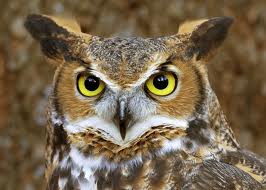
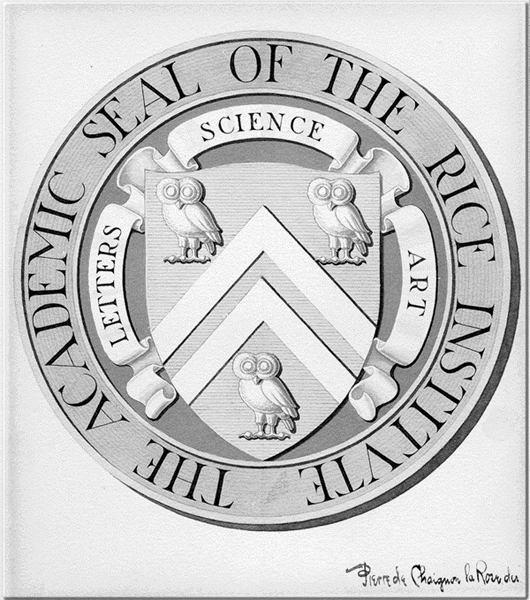
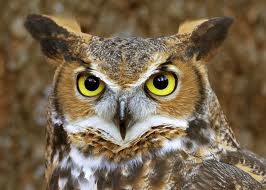
Owls are nocturnal birds. They are known as very intelligent and good birds in the Western World. As a symbol of knowledge and of erudition that can see through obscurity, the owl appears in the emblems of educational institutions, book stores and publishing houses. In Greece owls are associated with Goddess Pallas Athena/Minerva, the Goddess of Wisdom.

In India and China owls are not liked by the people because of its demonic gaze. They consider them as the harbinger of misfortune. Owls have earned a bird name in Indian mythology and folk lore. People associate their calls with the God of death.

Goddess Lakshmi and Chamunda have owls as their Vahanas. In Judaism, the female night demon Lilith is described in the company of the owl; Mayan death God Hunahau is often depicted with a head like an owl’s.
In the pre –Aztec civilization of ancient Mexico (Teotihuacan), the owl was the sacred animal of the rain god. But Aztecs considered it an evil omen.

birbeck college,London
Emblem of Birbeck college,London

Owls have negative associations in popular thinking: with their nocturnal habits, solitude, silent flight and plaintive cry they came to symbolize evil and death. Hooting of the owls was regarded an ill omen.

In India the famous fable book Panchatantra has a long story of a fight between the crows and owls. At the end, the owls are burnt with their nests by the clever crows. Indians who practise black magic kill owls during Deepavali to ward off evil or to gain magical powers. Villagers kill owls for their meat thinking that it would cure many diseases.

In the Vedas
“Uluka is the ordinary word for owl from the Rig Veda (10-165-4) onwards. The bird was noted for its cry and was deemed the harbinger of (nairrta) ill fortune (AV 6-19-2;Taittiriya samhita 5-5-18-1;Vajasaneyi samhita 24-38). Owls were offered at the horse sacrifice to the forest trees (Vajasaneyi Samhita 24-23; Maitrayani Samhita 3-14-4)”.
(page 102, Vedic Index of Names and Subjects, A A Macdonell & AB Keith)

athena-owl-spear-face-tl-3196
Greek Goddess Athena with owl

Narada and owl
Scriptures refer to calls of owls as having the character of songs i.e. one note or or a simple combination of notes repeated at various intervals. Thus the call of the Brown Wood Owl is said to consist of four deep musical syllables, who—hoo—hoo–hoo. There is a story that narrates how sage Narada was advised to learn music from an owl residing near the Manasarovar lake on the Himalayas (Lingapuranam). This shows that the ancient Indians also appreciated the musical calls of the hated bird. (Tamils also had the same belief; see below for more details).

The long eared owl is distinguished by long tufts, usually borne erected and is most probably the ‘sasoluka’ which has served as a model for the face of a particular attendant of Lord Skanda (M.Bh. 9-45-79). One of the Matris of the same deity is said to have a face like that of the sasoluka (ch 30)
(Mayans also had the same description; see above)

rice seal
University seal with owl.

Crow killing owls
A particular species of owl has the habit of killing crows. ‘Kakolukiya’ section of the Panchatantra describes it in detail. They live in the Himalayan region. They are the species of Dusky Horned Owls. Mahabharata describes them as Pravarakarna and long lived (3-199-4). There is also a reference in the Ramayana. When after a break with Ravana, Vibhishana goes to Rama, the latter’s ally Sugriva warns him against the owl like tactic of the enemy (96-17-19).

Again after seeing this owl work havoc among the crows at night, Aswaththamam decided to kill Pandavas while asleep during the night time ( M.Bh 1-2-296) and the epic gives an interesting description of the bird:
Ulukam ghora darsanam
Mahasvanam mahakayam haryaksham bhabrupidangalam
Sudhirgagonanakaram suparnamiva veginam
Suptanjagana subahun vayasan dayasantaka: (M.Bh.10-1-36)

The Skandapurana also relates the above incident and calls the owl the powerful bearded vulture a (31-44/45)
Page 179 of Birds in Sanskrit Literature by K.N Dave.

My Comments:

1.It is interesting to note that the Jews and Hindus believed that owls are messengers of death. Sanskrit literature and Sangam Tamil literature associate owls with death (See Tamil Purananuru verses 240, 261,364)

2.It is equally interesting that owl like face of Lord Skanda’s attendant and one of the Matri’s is like Mayan Death God Hunahau, who has owl like face.

3.It is also interesting God Indra is called Uluka and several Rishis have the name Uluka and Kausika ,another name of owl. It is same in Tamil literature, as many of the Sangam age poets have Andhai (owl) attached to their names. Previously it was thought they were from the towns with the name of owl (Andhai). So we can conclude that both the positive and negative notions existed side by side. Otherwise we cannot have many Rishis with the name Uluka, Kausika and many Tamil names like Kukai Koziyaar, Pisiranthaiyaar, Othal andhaiyaar etc.

4. It is amazing to read that Tamils and their counterparts in the North has the same belief the owls have musical skills.
OWL

All these debunk the racist Aryan – Dravidian divisive theories created by foreigners with a motive to stabilise their rule and spread their religion.
We also have various types of demons named after large birds like Uluka (owl), Suparna (Eagle) and Grudhya (RV: 7-104-17)

We can also conclude that Hindus are very good observers of nature. There are lot of references to owls in the epics Ramayana and Mahabharata.

Tamil References:
The shriek of the owl in the Nemai tree in the desert tract is like the sound of the smithy (Natrinai 394)
A stanza in Natrinai (verse 83) is an apostrophe to the owl that has its abode in the deep recess of a tree on the bank of the village tank. Its shriek at night is said to be alarming and the lady-companion promises it a fine pleasant dish of meat boiled in ghee and fried flesh of rats if only it kept silent at nights when the hero comes on visit.

One description is of a night bright with the moon light and full of disturbances with the barking of dogs and the hooting of owls (Aka.122)

owl (1)coin
Greek Coin with owl

Owl’s Music
The owl’s harsh hooting is heard like the tune of the instrument called Makuli and seems to have some signification (Aka.351)
(Compare it with Narada learning music from owl :Linga Purana)
Jeevaka Chintamani, one of the Five Tamil Epics, says that the owl emitted sweet music like a lyre. It is in Nachinarkiniyar commentary on the epic.

In a rare reference in the epic, owl is praised as giving a positive message about the hero. But in other places the negative image is projected like other epic Manimegalai where the owl is described as the messenger of death. The oldest section of Sangam Tamil literature associated the bird with death and crematorium (See Purananuru verses 240, 261,364).

Kukai koziyar says that the shrill cry of the owl breaks the eerie silence of the graveyard (Pura.364)
The owl with nocturnal habits living in the burning grounds and other wastelands is said to make the sound ‘’cuttukkuvi ‘’and is imagined to call the dead (Pura. 240)

Owls hoot and keep time to peacock’s dance, says a poet (Aink.291)
Bilo Irudayanath, who has done research with the tribal peoples, says that if an owl sits on top of the hut, they will dismantle the old thatched roof and do a new roof.

barn owl
Barn Owl.

Owl has several names in Tamil such as Aandhai,Aandalai, Kuukai, Kuraal, Kutinjai. But some names in Tamil Nigandu/Dictionary have the Sanskrit names Kinnara, Kinnari, Kausika, irudi (Rishi),Uluka and Pingalai. The words Kinnara, Kinnari are linked with musical skills.

Owl who saved Genghis Khan
The arms of the Tartar rulers contain a black night owl in a golden shield, because the first of them, Genghis Khan was saved his life with the help of such a bird. They believed that the barn owl saved his life. When his horse was shot in one of the battles he ran for his life and hid under a bush. His enemies were looking for him. At that time a white owl came and sat on the tree under which he was hiding. They did not even come near that tree thinking that he would definitely not be there. His enemies thought the owl would not have sat there if any man had been hiding under the tree. So owl earned a permanent place in their emblems!
owl-uluka and Lakshmi
Goddess Lakshmi with Uluka

Contact swami _ 48 @yahoo.com

வேதத்தில் கபிஞ்ஜலா பறவை மர்மம்!

kapinjala2

Written by London Swaminathan
Post No 1061; Dated 24th May 2014.
(This article is posted in English already)

“ரிக் வேதத்தில் ஒரு பறவைப் பாட்டு” என்ற கட்டுரையை நேற்று வெளியிட்டேன். அதனுடைய இரண்டாவது பகுதி இது.

கபிஞ்ஜலா என்ற பறவையை சாதகப் பட்சி என்று பிற்கால இலக்கியங்கள் வருணித்தன. தமிழர்கள் இதை ‘துளி நசைப் புள்’ –(மழைத் துளிகளுக்காக ஏங்கும் பறவை)– என்று புறநானூற்றிலும் ஏனைய சங்க இலக்கிய நூல்களிலும் வருணித்து இருப்பதை முதல் பகுதியில் கண்டோம்.
இந்தப் பறவை பற்றி இரண்டு சுவையான கதைகள் பிற்கால இலக்கியத்தில் உள்ளன. அவைகளை அறிந்தால், உலகின் மிகப் பழைய மதப் புத்தகமான ரிக் வேதத்தில் இதை ஏன் இந்திரனுக்கு ஒப்பிட்டனர் என்பது விளங்கும்.

2400 ஆண்டுகளுக்கு முன்னர் பௌத்தர்கள் 547 ஜாதகக் கதைகளைத் தொகுத்தனர். இவை ஒவ்வொன்றிலும் போதிசத்வர் (புத்தர்) முன் ஜன்மத்தில்என்ன மிருகமாக, பறவையாக, அரசனாக, தொழிலாளியாகப் பிறந்தார் என்று கதை ரூபத்தில் இருக்கும். ஆனால் உண்மையில் இவை எல்லாம் இந்து மதக் கதைகள். பௌத்த மதத்தைப் பரப்புவதற்காக பஞ்ச தந்திரக் கதைகள், ராமாயண, மஹாபாரத, புராணக் கதைகள் முதலியவற்றை ‘’பவுத்தமயமாக்கி’’ வெளியிட்டனர். அதாவது கதையை கொஞ்சம் மாற்றி தந்திரமாக வெளியிட்டனர். அகத்தியர் வரலாற்றைக் கூட இதில் ‘’அகித்தி’’ என்று பெயரை மற்றி எழுதி வைத்துள்ளனர். இந்த ஜாதகக் கதைகளில் மேலும் கொஞ்சம் மாற்றம் செய்து திபெத்தியர்கள் வெளியிட்டனர்.

பூர்வ ஜாதகக் கதைகளில் தித்திரி ஜாதகம் என்று உள்ளதை திபெத்தியர்கள் கபிஞ்ஜலா ஜாதகம் என்பர். தித்திரி என்பதை தமிழில் தத்தை (கிளி) என்பர். கபிஞ்ஜலா என்பது சாதகப் பட்சி என்று நான் எழுதியுள்ளேன். இதற்கு காளிதாசன் படைத்த மேகதூதக் காவியத்தில் இருந்து சகுனம் (புள் நிமித்தம்) பற்றிய நம்பிக்கைகளை ரிக் வேதக் கவிதையுடன் (ரிக் 2-42, 2-43) ஒப்பிட்டும் காட்டினேன்.

இனி சுவையான திபெத்திய ஜாதகக் கதையைக் காண்போம்:
kapinjala

புத்த ஜாதகக் கதை

முன்னொரு காலத்தில் ஒரு காட்டில் பெரிய ஆலமரம் இருந்தது. ஒரு யானை வந்து அதன் இலைகளைத் தின்றுகொண்டு அதன் நிழலில் வசித்தது. அதற்குப் பின் அங்கே ஒரு குரங்கு வந்து தங்கியது. உடனே யானை எதிர்ப்பு தெரிவித்தது. நான் தான் முதலில் வந்தேன் என்று அதற்குக் காரணமும் சொன்னது. குரங்கு கேட்டது, ’இந்த மரத்தின் பழங்களை நீ பார்த்து இருக்கிறாயா?’. யானை நான் பார்த்ததில்லை என்று சொன்னது. அப்படியானால் நான் உனக்கு முன்னால் வந்தேன். அந்த பழங்களை எல்லாம் சாப்பிட்டேன். இப்போது இலை மட்டுமே எஞ்சியிருக்கிறது. உடனே யானை. ‘’குரங்காரே நீரே மூத்தவர். நாம் இருவரும் சேர்ந்து வாழ்வோம்’’ என்று சொன்னது.

கொஞ்ச நாள் கழித்து ஒரு முயல் வந்து அங்கே உட்கார்ந்தது. யானையும் குரங்கும் ஆட்சேபம் தெரிவித்தன. முயல் கேட்டது, ‘’நீங்கள் இந்த மரத்தின் கன்றைப் பார்த்தது உண்டா?’’ என்று. அவை இரண்டும் இல்லை என்று சொன்னவுடன், ‘’நான் வந்த போது மரக் கன்றுதான் இருந்தது. என் உயரம்தான் மரமே வளர்ந்து இருந்தது. ஆகையால் இந்த மரம் எனக்கே உரியது’’ என்றது. யானையும் குரங்கும் அதனை நண்பனாக ஏற்று நீயே, ‘சீனியர்’. நாங்கள் உன்னுடன் வாழ்கிறோம் என்றன.

இவர்கள் இப்படிப் பேசி முடிப்பதற்குள் மரத்தின் உச்சியில் இருந்து கபிஞ்ஜலா பறவை கூச்சல் போட்டது. ‘’நிறுத்துங்கள், உங்கள் பேச்சை. நான் பழம் தின்று ஒரு கொட்டையைத் துப்பினேன் அதுதான் இந்த மரமாக வளர்ந்தது’’ என்றவுடன் யானை, குரங்கு, முயல் ஆகிய மூன்றும் அந்தப் பறவையின் தலைமையை ஏற்றுக் கொண்டு சுகமாக நண்பர்களாக வாழ்ந்தன. ‘’இந்த நாலு பேரில் கபிஞ்ஜல பறவை என்பது புத்தரின் முந்தைய பிறப்பில் போதிசத்துவர்’’ — என்று கதை முடிகிறது.
ஆக கபிஞ்ஜல என்பது புத்தர். இப்படிப் பறவையை ஆன்மாவுக்கு ஒப்பிடுவது புத்தருக்கும் முந்தைய உபநிஷத்துகளிலேயே இருக்கிறது வள்ளுவனும் ஆத்மாவை பறவைக்கு ஒப்பிடுவான்:
குடம்பை தனித்து ஒழியப் புள் பறந்தற்றே
உடம்போடு உயிரிடை நட்பு (338)
(குடம்பை= கூடு, புள்=பறவை).

paint kapinjala

தேவிபாகவதக் கதை

தேவிபாகவதத்தில் ஆறாவது பகுதியில் விருத்ராசுரனை இந்திரன் வதை செய்த கதை உள்ளது. மூன்று தலைகளை உடைய விஸ்வரூபனை இந்திரன் கொன்றபோது ஒரு தலையில் இருந்து கபிஞ்ஜலப் பறவையும், மற்றொன்றிலிருந்து குருவிகளும், மூன்றாவது தலையில் இருந்து கிளிகளும் வந்ததாக தேவி பாகவதம் கூறும். இவைகள் சோம பானம், சுராபானம், அன்னம் ஆகியவற்றைச் சாப்பிட்ட மூன்று தலைகள் என்றும் அவை முறையே தேவர், அசுரர், மனிதர் ஆகியோரைக் குறிப்பதாகும் என்றும் அறிஞர்கள் விளக்கம் தருவர். இதற்குப் பின்னர் விருத்திராசுரனை அவனது தந்தை யாகத் தீயில் இருந்து உருவாக்கவே, விருத்திரனையும் இந்திரன் கொல்கிறான்.

ஆக இந்த இரண்டு கதைகளிலும் ஒரு ஒற்றுமையைக் காணலாம். கபிஞ்ஜல பறவை என்பது தேவர் (கடவுள்). அதுதான் உயர்ந்தது. இது க்ருத்சமடர் பாடிய ரிக்வேதப் பாடலில் உள்ள கருத்து. இந்த வேதக் கதையையே பிற்காலத்தில் பர்த்ருஹரி, காளிதாசன், சங்ககால தமிழ்ப் புலவர்கள், பௌத்தர்கள், தேவிபாகவதம், ஆதிசங்கரர், ராமகிருஷ்ண பரமஹம்சர் ஆகியோர் சாதகப் பட்சி என்ற பெயரில் பயன்படுத்தினர்.

ஆன்மீகத்தின் உச்சநிலையை நாடும் ஞானியைக் குறிக்கவோ, கடவுளைக் குறிக்கவோ கபிஞ்ஜல பறவையை உவமையாகப் பயன்படுத்தினர். இந்த நோக்கில் ரிக் வேதப் பாடலைப் பார்த்தோமானால் உண்மை புலப்படும். மேலோட்டமாகப் படித்தால் அது ஒரு அழகான பறவைப் பாட்டு!
பெரிய தத்துவங்களைப் போதிக்க இயற்கையில் உள்ள பறவைகள், மிருகங்கள், ஆறு, மலை முதலியவற்றைப் பயன்படுத்துவதை உபநிஷத காலத்தில் இருந்தே காண முடியும்.

இது தொடர்பாக முன்னர் வெளியான கட்டுரைகளையும் படிக்கவும்:
1.இயற்கை போதிக்கும் 13 பாடங்கள், 2.காடுகள் பற்றி கேள்வி- பதில், 3.சிந்துசமவெளியில் அரச மரம், 4. சோம பானமும் சுரா பானமும் 5. காளை வாகனம் எப்படிக் கிடைத்தது? 6.கா கா! கா கா!! 7.கழுதைக்குத் தெரியுமா கற்பூரவாசனை 8.சிந்து சமவெளியில் ஒரு புலிப் பெண் 9.தேள் தெய்வம் 10. எந்தக் கடவுளுக்கு என்ன வாகனம் 11. சங்க இலக்கியத்தில் வாகனங்கள் 12. உலகம் முழுதும் இந்து வாகனங்கள் 13. வாகனங்கள் தோன்றியது எங்கே? 14. நீண்டகாலம் வாழும் ரகசியம் 15.சுமேரியாவில் தமிழ் பறவை 16.அதிசய பறவைத் தமிழன் 17.மழை அற்புதங்கள் 18.பாம்புராணி 19.அருகம்புல் ரகசியங்கள் 20.சிட்டுக் குருவியிடம் பாரதி அற்ற பாடங்கள் 21.இளநீர் மகிமையும் தென்னையின் பெருமையும் 22.நாலு கடல் நீரில் ஒரே நாளில் குளிக்கமுடியுமா? 23.யானை பற்றி நூறு பழமொழிகள் 24.நல்லோர் அவைபுக்க நாகமும் சாகா 25.கிணற்றுத் தவளை: அப்பரும் விவேகாநந்தரும் சொன்ன கதைகள் 26.கொக்கைப்போல இருப்பான், கோழிபோல இருப்பான் 27. திருமூலர் சொன்ன யானைக் கதை 28. வேதத்தில் வெள்ளரிக்காய் 29.சப்தம் கேட்டால் இறந்துவிடும் அசுணமா
3 proportions

ஆங்கிலக் கட்டுரைகள்:
The connection between William Wordsworth and Dattatreya (posted 10 November 2011), 13 saints in nature (posted on 7 November 2013)
The Mysterious Vedic Homa Bird: Does it Exist? (posted on 10 December 2011), Can Birds Predict your Future?, Hindu Eagle Mystery Deepens (Posted on 16-2-2013), A Tamil bird in Sumerian Double headed Eagle in Sumeria, Double Headed Eagle: Sumerian- Indian Connection, Karikal Choza and Eagle Shaped Fire Altar, Bird Migration in Kalidasa and Tamil Lterature, Friends of Birds, Four Birds in One Sloka, Can Parrots recite Vedas?, Gods and Birds

Kapinjala Bird Mystery in Rig Veda

kapinjala

Written by London swaminathan
Post No.1060; dated 23rd May 2014.

This article is the second part of “Ode to Skylark: Shelley, Kalidasa and Rig Vedic Poet Grtsamada” that was posted yesterday.

I have made the following points in my article posted yesterday:
1.Grtsamada’s poems/hymns on Kapinjala in the Rig Veda (2-42,2-43) are the oldest Ode to a bird, at least 3500 years before Shelley’s ‘Ode to a Skylark’.

2.Kapinjala bird is not francolin partridge but Jacobin cuckoo which is identified with Cataka bird, that which longs for and drinks rain drops. Bhartruhari, Adi Shankara, Kalidasa, Sangam Tamil poets and others used it in their poems.

3.The hymn says it was sung in praise of Indra in the form of a Kapinjala bird. Since Vedic hymns have hidden meaning or allegorical or symbolic, it is possible that Supreme God (Indra) is compared with a bird.

4. Birds’ omens have been followed by our fore fathers from Vedic days. Kapinjala i.e. Cataka was used for this purpose according to Grtsamada and Kalidasa.

Two Interesting Stories

The soul is identified with a bird in the Upanishads. Tamil Veda Tirukkural also confirms it (Tirukkural 338).

There are two interesting stories about the Kapinjala bird and one of them is in the Sixth book of Devi Bhagavatham. When Indra killed Three headed Viswarupa, three groups of birds came from his three heads Kapinjala (who drinks water), Kalavingka (sparrows) and Tittiri (partridges). Birds are always used as symbols in Hindu mythology. Here, the Kapinjala stands for the soul that drinks the rays of spiritual sun. Three heads were drinking Soma ,Sura and Anna representing Devas, Asuras and Human beings respectively. So Kapinjala was associated with Indra in the Rig Veda.

kapinjala2

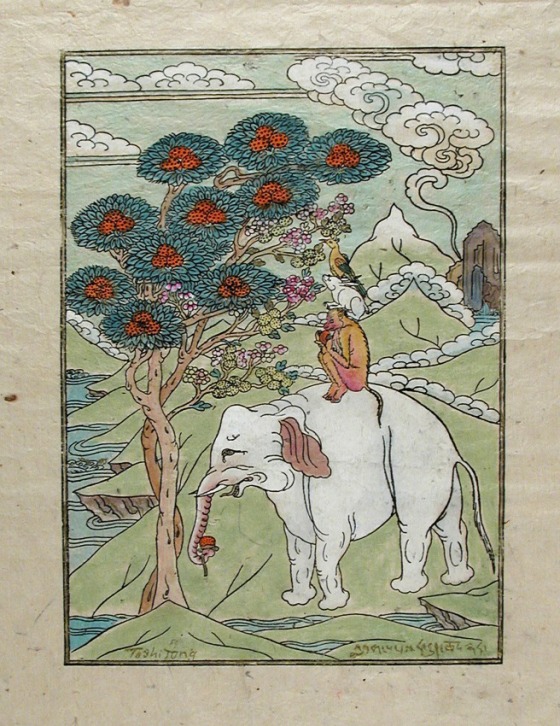
Buddha also identified himself with Kapinjala bird in one of the stories. This Jataka story has two versions one as Kapinjala and another as Partridge (Tittiri Jataka). The Tibetan version which is followed in Bhutan goes like this: once upon a time an elephant came to take rest under a banyan tree. After some time a monkey came to the tree. The elephant objected to monkey being there. Elephant argued that the tree belonged to it because it came first.

The monkey asked the elephant whether it had seen any fruits on the tree. When the elephant said it did not see any fruits, the monkey said when it came for the first time it ate the fruits of the tree and so the tree belongs to it. After some time a rabbit hopped and said it belonged to him because when it came the tree did not even have shoots and it was only a sapling. Then both the elephant and the monkey bowed to the rabbit saying it was their friend and a senior. Before they finished their conversation, a Kapinjala bird on top of the tree shouted that it belonged to it because the tree actually grew out of the seed that it spat a long time ago. Then all the three animals bowed to the bird accepting it as their Big Brother. All the four became friends and helped one another to get the fruits of the tree. The story finishes saying that the bird Kapinjala was Bhodisatva in its previous birth.

paint kapinjala

It is a known fact that the Buddhists around Fourth Century BCE wrote about 547 Jataka tales using all the ancient Hindu tales. All the Hindu characters or Hindu Kings or the Hindu fables were ‘’Bhuddaized’’ by them just to spread their religion. Even the Ramayana and Mahabharata stories were used by them by altering the stories. Agastya was turned into Akitti! Some of the stories were distorted so that no one could recognize them. So Bhodisatva here replaces the Supreme God of Hinduism. Ultimately Kapinjala means Supreme God or the Soul or the most intelligent spiritual aspirant.

Hindus always use Nature, particularly animals and birds, to teach higher values. We can see the swan in Chandogya Upanishad, numerous birds and animals in Adi Shankara’s poems and animate and inanimate things in the Dattatreya episode of Bhagavata. We have Taittiriya Upanishad in the name of Tittiri (Parrot or partridge) and the Buddha’s original Jataka was Tittiri Jataka which the Tibetans changed to Kapinjala.

3 proportions

Please read my earlier posts:
The connection between William Wordsworth and Dattatreya (posted 10 November 2011)
13 saints in nature (posted on 7 November 2013)
The Mysterious Vedic Homa Bird: Does it Exist? (posted on 10 December 2011)
Can Birds Predict your Future?
Hindu Eagle Mystery Deepens (Posted on 16-2-2013)
A Tamil bird in Sumerian Double headed Eagle in Sumeria
Double Headed Eagle: Sumerian- Indian Connection
Karikal Choza and Eagle Shaped Fire Altar
Bird Migration in Kalidasa and Tamil Lterature
Friends of Birds
Four Birds in One Sloka
Can Parrots recite Vedas?
Gods and Birds

ரிக் வேதத்தில் ஒரு பறவைப் பாட்டு!

cataka 1
Written by London Swaminathan
Post No.1059 : dated 23rd May 2014.

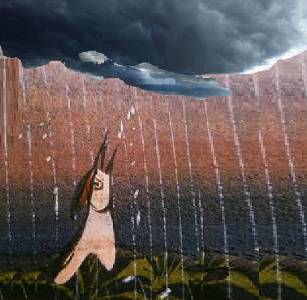
உலகிலேயே மிகப் பழமையான சமயப் புத்தகம் ரிக் வேதம். அது பத்து மண்டலங்களாகப் பிரிக்கப்பட்டுள்ளாது. இரண்டாவது மண்டலத்திலுள்ள பாடல்களுக்கான ரிஷி க்ருத்சமடர். அதிகம் கேள்விப்படாத ரிஷி. இவர் இந்திரனை கபிஞ்ஜல என்ற பறவையாக உருவகித்துப் பாடிய இரண்டு பாடல்கள் (2-42. 2-43) சுவையானவை. உலகில் பறவைக்காக முதல் முதலில் ஒரு பாடல் பாடியது க்ருத்சமடர்தான். இந்தப் பறவையை சம்ஸ்கிருத இலக்கியங்கள் சாதக பட்சி (Jacobin cuckoo) என்றும் தமிழ் இலக்கியங்கள் ‘’துளி நசைப் புள்’’ என்றும் வருணிக்கும்.

முதலில் இந்தப் பறவையின் பெயரில் ஜலம்= நீர் என்ற சொல் இருப்பதைக் காணலாம். இந்தப் பறவையும் சாதக பட்சியும் மழை நீருக்காக ஏங்கிக் காத்திருக்கும் .ஏனெனில் இது மழைத் தண்ணீரை மட்டுமே பருகும். இது விஞ்ஞான ரீதியில் உண்மையா என்று ஆராயப்படவில்லை. ஆயினும் ஆதிசங்கரர், உலக மகா கவிஞன் காளிதாசன், புறநானூற்றுப் புலவர் வடமவண்ணக்கண் பேரிசாத்தனார் (பாடல் 198) மற்றும் பலர் இந்தப் பறவையைப் பாடிப் பரவியுள்ளனர்.

ஆதி சங்கரர், ராமகிருஷ்ண பரமஹம்சர் போன்ற மகான்கள் ஆன்மீக வேட்கையுடைய ஞானிக்கு இந்தப் பறவையை உவமையாகப் பயன் படுத்தினர். சுய மரியாதை, கர்வம் ஆகியவற்றின் அடையாளமாகவும் இதை வடமொழி இலக்கியங்கள் கையாண்டன.

சம்ஸ்கிருத தமிழ்ப்புலவர்களுக்கு அடுத்தபடியாக இதே போல கவிபாடியவர் ஆங்கிலப் புலவர் பி.பி.ஷெல்லி (P.B Shelley) ஆவார். அவர் வானம்பாடி பற்றிப் பாடிய (Skylark-ஸ்கைலார்க்) பாடல் மிகவும் புகழ்பெற்றது. வானம்பாடி சிறகடித்து மகிழ்ச்சியாகப் பறப்பதைப் பாடும் அவர் அந்த மகிழ்ச்சியின் ரகசியத்தைத் தனக்கும் தர வேண்டுகிறார். இவருக்கு 3500 ஆண்டுகளுக்கு முன் கபிஞ்ஜல பறவை பற்றிப் பாடிய க்ருத்சமடரும் அதே போலப் பாடியிருக்கிறார். ஆக உலகில் முதல் முதலில் பறவைக் கவி பாடிய புகழ் வேத கால ரிஷியையே சாரும். ரிக் வேதத்தின் இரண்டாம் மண்டலம் காலத்தால் பழமையான மண்டலம் என்றும் கி.மு.1700 வாக்கில் எழுதப்பட்டிருக்கலாம் என்றும் வேத அறிஞர்களின் இப்போதைய ஆய்வுகள் காட்டுகின்றன.

04-willem-jacobin-cuckoo

வேத காலத்தில் சோதிடம்: சகுனம் பார்க்கும் வழக்கம்

இந்தப் பாட்டில் இன்னும் ஒரு சுவையான விஷயமும் உண்டு; பறவைகளைக் கொண்டு சகுனம் பார்க்கும் வழக்கம் அப்போதே தோன்றிவிட்டது தெரிகிறது. நல்ல சகுனத்தைக் காட்டுவதாக கிருத்சமடர் பாடியதைக் காளிதாசனும் அவனது மேகதூதப்பாடலில் சாதகப் புள் விஷயத்தில் உறுதி செய்கிறான். இடது பக்கம் சாதகப் புள் பறப்பது சுப சகுனம் (பாடல் 9) என்பான் காளிதாசன். பறவைகளுக்கு ‘’சகுன’’ என்று வடமொழியில் பெயர். ஆகையால்தான் ‘’சகுனம் பார்ப்பது’’ என்று நாம் சொல்லுகிறோம். தமிழர்களுக்கு இதில் அபார நம்பிக்கை உண்டு என்பது சங்க இலக்கியப் பாடல்கள் முழுவதும் விரவிக்கிடக்கிறது.

தமிழர்கள் ஆங்கிலத்தில் (பேராசிரியர் மு.வரதராஜன்) மொழிபெயர்த்த போது சாதகப் புள்ளை ‘’ஸ்கைலார்க்’’ Skylark என்று மொழிபெயர்த்தனர். ஆனால் ‘’ஸ்கைலார்க்’’ என்னும் வானம்பாடி வேறு; சாதகப்பட்சி வேறு இருந்தபோதிலும் பாடும் விஷயத்தில் இரண்டுக்கும் ஒப்புமை உண்டு.

(இந்தக் கட்டுரையின் ஆங்கில வடிவில் (Ode to Sky Lark: Shelley, Kalidasa and Vedic Poet Grtsamada) எல்லாப் பாடல்களையும் விரிவாகக் கொடுத்துள்ளேன். கட்டுரையைச் சுருக்கவேண்டி தமிழ்ப் பகுதியையும் வேதப் பாடலையும் மட்டும் இதில் தருகிறேன். இந்தப் பறவை பற்றிய மர்மங்கள், இது பற்றி புத்தர் கூறிய கதை ஆகியவற்றை தனியே காண்போம்)

க்ருத்சமடர் பாடல் (இருக்கு வேதத்தின் இரண்டாம் மண்டலம், துதி 2-42)
“ஒரு படகோட்டி நீரில் படகு செலுத்துவது போல இரைச்சல் உண்டாக்கும் ஒலி எழுப்பும் ஓ, அதிர்ஷ்டம் தரும் மகிழ்ச்சியான பறவையே! பருந்து, கழுகு, வேடனின் அம்பு ஆகியவற்றில் இருந்து, உனக்கு ஒரு ஆபத்தும் நேரிடக் கூடாது.

தந்தையர் பகுதியில் இருந்துகொண்டு நீ எழுப்பும் மங்கள ஒலியை முழக்கட்டும்.
(தந்தையர் பகுதி என்பது இறந்துபோன முன்னோர்கள் வாழும் தென் திசை என்று கிரிப்பித் மொழிபெயர்த்துள்ளார். தென் திசை என்பது வலப்பக்கம். ஆனால் காளிதாசன் இடப்பக்கம் என்று மேகதுதத்தில் கூறுகிறான். சகுனப் பறவை என்பதை இருவரும் உறுதி செய்தாலும் திசையிலோ, மொழி பெயர்ப்பிலோ தடுமாற்றம் இருப்பதை அறியமுடிகிறது.)

ஓ, மங்களச் செய்தி அறிவிக்கும் பறவையே! எங்கள் வீடுகளுக்கு வலப் புறத்தில் இருந்து ஒலி எழுப்பு. திருடர்களும், பாவம் செய்வோரும் எங்களைத் தாக்காமல் இருக்கட்டும். பொதுச் சபையில் நாங்கள் உரத்த குரலில் (உன்னைப் போல) பேசுவோமாக.

01-chatakpakshi2

பாடல் 2-43
பருவ காலங்களில் உரிய பாடல் பாடும் பறவை போல வலது புறத்தில் இருந்து இசை எழுப்பு.
சாமவேதம் பாடுவோர் போல காயத்ரி, த்ருஷ்டுப் இரண்டு வகையிலும் பாடு.
சாமகானம் பாடும் வேத விற்பன்னர் போல துதி பாடு; பிரம்மனின் மகன் போல பாடு; ஆண்குதிரை பெண் குதிரையை நோக்கி வரும்போதும் நல்ல செய்திகளை அறிவி. ஓ, பறவையே, எல்லா பக்கங்களிலும் நல்லதிர்ஷ்டம் ஒலிக்கச்செய்.

(வேதகால ரிஷிகள் நாங்கள் ரகசிய (coded language) மொழியிலேயே எதையும் சொல்லுவோம் என்று இரண்டு இடங்களில் பாடி இருக்கின்றனர். ஆக இதை நேரடியாகப் பொருள் கொள்ளாமல் பாரத நாட்டு அறிஞர்கள் என்ன சொல்கிறார்களோ அதையே நாம் கேட்கவேண்டும் .ஆனால் மறை பொருளில் ஏதேனும் சொல்லவந்தாலும் அந்தக் காலத்தில் நம் கண் முன்னால் உள்ள பொருள்களைப் பயன்படுத்தியோ எல்லோரும் அறிந்த வழக்கங்களைச் சொல்லியோதான் விளக்கமுடியும். அந்த வகையில் இந்த பறவைப் பாட்டு இந்திரனைக் குறித்துப் பாடப்பட்டாலும் கவிதைச் சுவையுடையது மட்டுமின்றி ஷெல்லி முதலிய கவிஞர்களுக்கு எல்லாம் முன்னோடியாகத் திகழ்ந்தது என்பது என் வாதம்)

சங்க இலக்கியத்தில் சாதகப் பட்சி

“நீடு வாழிய ! நெடுந்தகை ! யானும்
துளி நசைப் புள்ளின் நின் அளி நசைக்கு இரங்கி, நின்
கடுமான் மாற ! மறவாதீமே”.
பாண்டியன் இலவந்திகைப் பள்ளித் துஞ்சிய நன்மாறனை வடம வண்ணக்கன் பேரிசாத்தனார் பாடியது—புறநானூறு பாடல் 198

பொருள்: நீ நீண்ட காலம் வாழ்க! பெருந்தகுதி உடையவனே! நானும் நாள்தோறும் மழைத் துளியை விரும்பும் வானம்பாடி போல நின் கொடைத் தன்மை கருதி உன் நிழலில் வாழ்வேன். விரைவான ஓட்டத்துடைய குதிரையுடைய நன்மாறனே! நீ எனக்குச் செய்த செயலை மறவாதே!

மழைத்துளிக்காக ஏங்கும் பறவைக்கு மேகம், வாரி வழங்குவதை ரகு என்ற மன்னனின் கொடைத்தனமைக்கு உவமையாகப் பயன்படுத்துகிறான் காளிதாசன். குதிரை பற்றி பேரி சாத்தன் பாடியது போல க்ருத்சமடரின் பாடலிலும் வருகிறது. ஆக இந்திய கலாசாரம் ஆ சேது ஹிமாசலம்= இமயம் முதல் குமரி வரை ஒன்றே. ஆரிய- திராவிடப் பொய்மை வாதம் பேசுவோருக்கு பேரிசாத்தனும் காளிதாசனும் கொடுக்கும் அடி இது.

சங்க இலக்கியப் புலவர்கள், காளிதாசனின் ஆயிரத்துக்கும் மேலான உவமைகளில் 200க்கும் மேலான உவமைகளிப் பயன்படுதுவதால் காளிதாசனின் காலம் விக்ரமாதித்தன் காலமே (கி.மு.முதல் நூற்றாண்டு) என்ற எனது வாதமும் மேலும் உறுதியாகிறது.

jacobin-cuckoo_

மேலும் சில மேற்கோள்கள்:
துளிநசை வேட்கையான் மிசைபாடும் புள் (கலி. 46)

வானம்பாடி வறங்களிந்து ஆனாது
அழிதுளி தலை இய புறவு (ஐங்குறு. 418)

பொறிவரி
வானம் வாழ்த்திப் பாடவும் அருளாது
உறை துறந்து எழிலி நீங்கின் (அக. 67,நோய்பாடியார்)

தளியுணவின் புள் (பட்டின.3,உருத்திரன்கண்ணனார்)

இந்த மேற்கோள் அனைத்திலும் மேகம்- பறவை உறவு காட்டப்பட்டுள்ளது. இதே கருத்தைக் காளிதாசனும் மொழிவான்:
மேகதூதம்:–10,23,113; விக்ரம.2-3/1; சாகு:7-7; குமார:6-27; மாள.2; ருது:2-3; ரகு:5-17, 17-60
(கட்டுரையின் இரண்டாம் பகுதியில் கபிஞ்ஜலா (Jacobin cuckoo) பறவை மர்மம் குறித்துக் காண்போம்).

yaham

Please read my earlier posts
The Mysterious Vedic Homa Bird: Does it Exist? (posted on 10 December 2011)
Can Birds Predict your Future?
Hindu Eagle Mystery Deepens (Posted on 16-2-2013)
A Tamil bird in Sumerian Double headed Eagle in Sumerian
Double Headed Eagle: Sumerian- Indian Connection
Karikal Choza and Eagle Shaped Fire Altar
Bird Migration in Kalidasa and Tamil Literature
Friends of Birds
Four Birds in One Sloka
Can Parrots recite Vedas?
Gods and Birds

contact swami_48@yahoo.com

Ode to Sky Lark: Shelley, Kalidasa and Vedic Poet Grtsamada

cataka 1

Written by London Swaminathan
Post No. 1058; Dated 22nd May 2014.

It is very interesting to study and compare the poems on birds by Rig Vedic sage Grtsamada, India’s greatest Sanskrit poet Kalidasa, Sangam Tamil poets and English poet P.B Shelley. Among these poets, Shelly is always associated with the sky lark. But singing odes to birds started several thousand years before Shelly, that too on the banks of River Saraswati. The author of Second Mandala of the Rig Veda is sage Grtsamada. This Mandala is considered one of the oldest Mandalas of the Veda. Some scholars dated it to 1700 BCE. Life of Grtsamada is itself mysterious. He is said to belong to two Gotras. His poem about a bird called Kapinjala is more mysterious. I will discuss the mystery of Kapinjala separately. But in the following article I will simply compare Kapainjala with sky lark and Cataka bird.

Nearly 2000 years after Grtsamada, Kalidasa, Adi shanakara and the Sangam Age Tamil poets sang about the sky lark. Nearly 1500 years after these poets, PB Shelley came on the scene to sing about the same bird.

04-willem-jacobin-cuckoo
Picture of Jacobin Cuckoo (cataka bird)

Is Kapinjala of R.V. a sky lark?
What is Kapinjala? It is a bird identified by early scholars as francolin partridge. I don’t agree with this identification. Going by the words and description, it is the Cataka bird of Sanskrit and Tamil literature. Kapinjala means that which drinks water.

Cataka : “Some people identify it with the Jacobin cuckoo (Family- Cuculidae, Genus-Clamator). Because of its persistent and peculiar call, it is also known as the brain fever bird. The cataka is believed to subsist only on rain drops; as it disdains to drink any other water, it has become a symbol in literature of pride and self respect; it is associated with clouds and rain; to see a cataka on the left is a good omen; in stanza 9 of Maghadutam, three good omens are listed: the cataka bird on the left, a gentle breeze and hen cranes eager for mating.” (from Kalidasa -The Loom of Time by Chandra Rajan)

Meghadutam of Kalidasa :–

“as you loiter along, and here on your left
The cataka in its pride sings sweetly” (verse 9)

“Siddhas watching catakas
Skilled catching falling rain drops” (verse 23)

“Without a sound you offer catakas
The water they crave” (verse 113)

Implored by catakas tormented by great thirst
And hanging low weighed down by large loads of water (Rtusamharam 2-3)
There many more references in sakuntalam , Raghuvamsam and Vikramorvasiyam)

01-chatakpakshi2
Picture of Chataka Pakshi (Kapinjala)

The Kapinjala is also associated with water and omens. So it is not francolin partridge, but it is Cataka.

What is the Mystery?
The second part of this article will deal with the mystery of this bird. Why Indra is called a Kapinjala? Why Buddha was called a Kapinjala in the Jataka story? Why Devi Bhagavatham Purana says that Kapinjala came from the head of Vritrasura? Was astrology (Bird predictions) practised in the Vedic period?

First, let us read the poem from the R.V.
“The hymn is addressed to Indra in the form of a Kapinjala, the bird which we call the Francoline partridge”: Ralph T H Griffith in book The Rig Veda
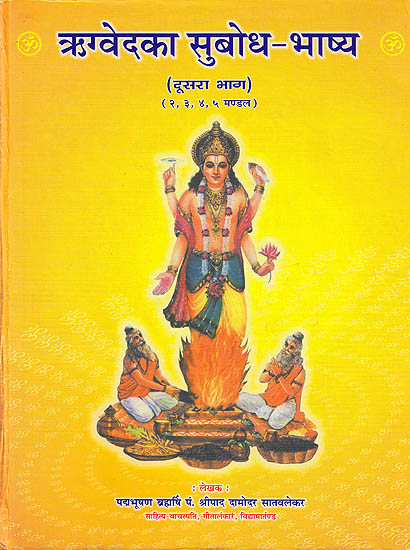
vedabhasya
Mandala 2, Hymn 42
1.Telling his race aloud with cries repeated, he sends his voice as his boat a steersman.
O Bird, be ominous of happy fortune; from no side may calamity befall thee.
Let not the falcon kill thee, nor the eagle; let not the arrow bearing archer reach thee.
Still crying in the region of the fathers, speak here auspicious, bearing joyful tidings.
3.Bringing good tidings, Bird of happy omen, call thou out loudly southward of our dwellings,
So that no thief, no sinner may oppress us, Loud may we speak, with heroes in assembly.

Mandala 2, Hymn 43

1.Here on the right sing forth chanters of hymns of praise, even the winged birds that in due season speak.
He, like a Sama chanter utters both the notes, skilled in the mode of Trstup and of Gayatri.

2.Thou like the chanter priest chantest the Sama,Bird; though singest at libations like a Brahman’s son.
Even as a vigorous horse when he comes near the mare, announce to us good fortune, Bird, on every side, proclaim in all directions happy luck, O Bird.

3.When singing here O Bird, announce good luck to us, and when thou at sittest still think on us with kind thoughts

When flying off thou singest thou art like a lute. With brave sons in assembly may we speak aloud.

From the above hymn three things are clear:
1.It is a song bird 2.It is a bird of omen 3)It is in the region of fathers (sky)
When we compare this with cataka of Kalidasa it is matched without any difficulty. The very name Kapinjala makes it clear that it longs for water. Sangam Tamil literature copied Kalidasa in several places. Following are the descriptions of Cataka in Tamil literature:

jacobin-cuckoo_

Skylark in Sangam Tamil Literature
A bard awaiting with hopes the kind of munificence of a benefactor compares himself to the skylark that longs for drops of rain – Puram 198 sung by Vatamavannakkan Perisatan

The skylark sings while soaring in the sky longing for rain – Kali 46
It suffers in the absence of seasonal rain – Aink. Line 418

There is a reference to the skylark that longs for rain and the poet mentions it as “tuli nasai pul”( puram 198 vatamavannakkan perisatan)
Aink-418, aka.67, kali 46, pura 196, Patina-3/4

So far I have made it clear that Grtsamada,Kalidasa and Sangam Tamil poets sing about the same bird Kapinjala=Sataka= Thuli Nasai Pul in Tamil.

Now compare it with the beautiful poem by P B Shelley:

Ode to a Skylark by Percy Bysshe Shelley (1792-1822)
Sky lark is a different bird, but the approach of the poet to the bird is same as Grtsamada’s Kapinjala. So we can boldly say that Grtsamada started this genre:

Hail to thee, blithe Spirit!
Bird thou never wert-
That from Heaven, or near it,
Pourest thy full heart
In profuse strains of unpremeditated art.

Higher still and higher
From the earth thou springest
Like a cloud of fire;
The blue deep thou wingest,
And singing still dost soar, and soaring ever singest.
Skylark 08 (Shay Connolly)

In the golden lightning
Of the sunken sun,
O’er which clouds are brightening,
Thou dost float and run,
Like an unbodied joy whose race is just begun.

The pale purple even
Melts around thy flight;
Like a star of Heaven,
In the broad day-light
Thou art unseen, but yet I hear thy shrill delight–

Keen as are the arrows
Of that silver sphere,
Whose intense lamp narrows
In the white dawn clear
Until we hardly see, we feel that it is there.

All the earth and air
With thy voice is loud,
As, when night is bare,
From one lonely cloud
The moon rains out her beams, and Heaven is overflowed.

What thou art we know not;
What is most like thee?
From rainbow clouds there flow not
Drops so bright to see
As from thy presence showers a rain of melody:-

Like a poet hidden
In the light of thought,
Singing hymns unbidden,
Till the world is wrought
To sympathy with hopes and fears it heeded not:

Like a high-born maiden
In a palace-tower,
Soothing her love-laden
Soul in secret hour
With music sweet as love, which overflows her bower:
shelley
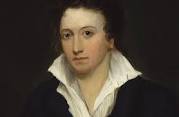
Picture of P B Shelley

Like a glow-worm golden
In a dell of dew,
Scattering unbeholden
Its aerial hue
Among the flowers and grass, which screen it from the view:

Like a rose embowered
In its own green leaves,
By warm winds deflowered,
Till the scent it gives
Makes faint with too much sweet those heavy-winged thieves:

Sound of vernal showers
On the twinkling grass,
Rain-awakened flowers,
All that ever was
Joyous, and clear, and fresh, thy music doth surpass.

Teach us, Sprite or Bird,
What sweet thoughts are thine:
I have never heard
Praise of love or wine
That panted forth a flood of rapture so divine.

Chorus hymeneal,
Or triumphal chant,
Match’d with thine would be all
But an empty vaunt,
A thing wherein we feel there is some hidden want.

What objects are the fountains
Of thy happy strain?
What fields, or waves, or mountains?
What shapes of sky or plain?
What love of thine own kind? what ignorance of pain?

With thy clear keen joyance
Languor cannot be:
Shadow of annoyance
Never came near thee:
Thou lovest: but ne’er knew love’s sad satiety.

Waking or asleep,
Thou of death must deem
Things more true and deep
Than we mortals dream,
Or how could thy notes flow in such a crystal stream?

We look before and after,
And pine for what is not:
Our sincerest laughter
With some pain is fraught;
Our sweetest songs are those that tell of saddest thought.

Yet if we could scorn
Hate, and pride, and fear;
If we were things born
Not to shed a tear,
I know not how thy joy we ever should come near.

Better than all measures
Of delightful sound,
Better than all treasures
That in books are found,
Thy skill to poet were, thou scorner of the ground!

Teach me half the gladness
That thy brain must know,
Such harmonious madness
From my lips would flow
The world should listen then, as I am listening now—P B Shelley
yaham

Please read my earlier posts:

The Mysterious Vedic Homa Bird: Does it Exist? (posted on 10 December 2011)
Can Birds Predict your Future?
Hindu Eagle Mystery Deepens (Posted on 16-2-2013)
A Tamil bird in Sumerian Double headed Eagle in Sumeria
Double Headed Eagle: Sumerian- Indian Connection
Karikal Choza and Eagle Shaped Fire Altar
Bird Migration in Kalidasa and Tamil Lterature
Friends of Birds
Four Birds in One Sloka
Can Parrots recite Vedas?
Gods and Birds

வித்தியாசமான விஞ்ஞானி யுங்! -3

jung

Post No.1057; Dated: 22 May 2014.
ஐந்து பகுதிகள் கொண்ட கட்டுரையில் இது பகுதி

((குறிப்பு: ஆங்கிலத்தில் ஜங் என்று எழுதியபோதிலும் சரியான உச்சரிப்பு யுங்)).

வித்தியாசமான விஞ்ஞானி யுங்! -3
ச.நாகராஜன்

பிற்பகல் நேரம். நல்ல சூரிய ஒளியில் யுங் ஒரு பள்ளத்தாக்கில் நடந்து கொண்டிருக்கிறார். அருகே ஒரு செங்குத்தான மலை. அந்த மலையின் மீது ஒரு கோட்டை. அந்தக் கோட்டையின் மேலிருந்த உயரமான கோபுரம் ஒன்றில் ஒரு பெண்மணி சுவர் தடுப்பின் அருகில் அமர்ந்து கொண்டிருக்கிறார். அவரைப் பார்ப்பதற்காக ஜங் கழுத்தைப் பின்னால் மிக நீட்டிப் பார்க்க வேண்டி இருக்கிறது. ஜங் கழுத்தை நீட்டிய போது……

க்ரிக் என்ற சத்தம் கழுத்தில் கேட்க யுங் உறக்கம் கலைந்து எழுந்தார். தன் கனவில் பார்த்த பெண்மணி மறு நாள் பேச நிச்சயித்திருந்த அதே பெண்மணி தான். ஜங்கிற்கு இப்போது விஷயம் புரிந்து விட்டது. அவரை அவ்வளவு தூரம் கழுத்தை நீட்டிப் பார்க்க வேண்டி இருக்கிறதென்றால்…..

யுங் மறுநாள் தன் கனவை அந்தப் பெண்மணியிடம் அப்படியே சொன்னார். அபாரமான புத்திசாலியான அந்தப் பெண்மணியும் தான் உள்ளபடியே விஷயங்களைச் சொல்லாமல் மறைப்பதை ஜங் கண்டு பிடித்து விட்டார் என்பதைப் புரிந்து கொண்டார். அந்தக் கணத்திலிருந்து அனைத்தையும் ஒழுங்காகச் சொல்ல ஆரம்பித்தார். சிகிச்சை நல்ல முறையில் தொடங்கியது.

நனவு நிலைக்கும் கனவுகளுக்கும் நெருங்கிய தொடர்பு உண்டு. ஒரு நோயாளி ஒரு கனவைச் சொல்கிறார் என்றால் அது எப்படி தன்னைப் பாதிக்கிறது என்று பார்ப்பார் ஜங். பாதிப்பே இல்லை என்றால் ஏதோ ஒரு தவறு இருக்கிறது என்று அர்த்தம். ‘காயப்பட்ட டாக்டர் தான் சரியான சிகிச்சை தர முடியும்’ என்ற பொருள் பொதிந்த வாக்கியத்தை உளவியல் சிகிச்சையாளரான யுங் அடிக்கடி சொல்வார்!

உளவியல் டாக்டராக இருந்தாலும் ஜங்கிற்கு ஏராளமான அமானுஷ்யமான அனுபவங்களும் எதிர்காலத்தைச் சுட்டிக்காட்டும் அபூர்வமான கனவுகளும் அடிக்கடி வந்தன.

1913ஆம் ஆண்டு அக்டோபர் மாதம் ஒரு நாள் யுங் தனியாக பயணித்துக் கொண்டிருந்தார். அப்போது திடீரென்று அவருக்கு ஒரு காட்சி தோன்றியது. வட கடலுக்கும் ஆல்ப்ஸ் மலைக்கும் இடையில் உள்ள பகுதியில் பிரம்மாண்டமான வெள்ளம் வடக்குப் பகுதியில் உள்ள தாழ்வான நிலப்பகுதியில் பிரவாகமாகப் பாய்வது போன்ற காட்சியை அவர் கண்டார். அது ஸ்விட்சர்லாந்தை நோக்கி நகர்ந்து வரும் போது தனது நாட்டைக் காப்பாற்றுவதற்காக அங்கிருந்த மலை உயரமாக வளர்ந்து கொண்டே போவதையும் அவர் பார்த்தார். ஒரு பேரபாயம் நிச்சயமாக வரப் போகிறது என்பதை யுங் உணர்ந்தார்.

மஞ்சள் அலைகளில் அடித்துச் செல்லப்பட்ட சடலங்களின் எண்ணிக்கை ஆயிரக்கணக்கில் இருந்தது. பிறகு வட கடல் முழுவதும் இரத்தமாக ஆனது. இந்தக் காட்சி ஒரு மணி நேரம் வரை நீடித்தது. யுங் குழம்பிப் போய் மயக்கமடைந்தார்.
இரண்டு வாரங்கள் கழித்து அதே காட்சி திரும்பவும் தோன்றியது. இப்போது காட்சி மிகவும் தெளிவாக இருந்தது, அவருக்குள் ஒரு குரல் தெளிவாகப் பேசியது:” இதோ பார் இது நிச்சயமான உண்மை, இப்படித் தான் நடக்கப் போகிறது. நீ சந்தேகப்படாதே!

அந்த ஆண்டு குளிர் காலத்தில் ஒருவர், ‘சமீப காலத்தில் உலகின் அரசியல் நிலவரம் எப்படி இருக்கும்’ என்று யுங்கிடம் கேட்டார்,”தனக்கு அது பற்றி ஒன்றும் தோன்றவில்லை என்றும் ஆனால் ரத்த ஆறு ஓடுவதைப் பார்ப்பதாகவும்” ஜங் பதில் கூறினார்,

தான் கண்ட காட்சி ஒரு புரட்சியைக் குறிக்கிறதோ என்று சந்தேகப்பட்ட யுங் அப்படி எல்லாம் ஒன்றும் நடக்காது என்று தனக்குத் தானே சொல்லிக் கொண்டார்.

இதே போல 1914ஆம் ஆண்டு கோடை காலத்திலும், வசந்த காலத்திலும் ஆர்க்டிக்கில் குளிர் அலை அடித்து நிலமெல்லாம் பனிப்பாறைகளாக ஆவதாக அவர் மூன்று முறை கனவு கண்டார்.
இப்படி எல்லாம் கனவுகள் வருகிறதே, ஒரு வேளை தனக்கு சைக்கோஸிஸ் வியாதி வந்து விட்டதோ என்று கூடஅவர் எண்ணலானார்.

ஆனால் நடந்தது என்ன? பல்லாயிரக்கணக்கான உயிர்களை பலி கொண்ட முதலாம் உலகப் போர் அந்த ஆண்டே ஆகஸ்ட் முதல் தேதி அன்று தொடங்கியது.

இப்படித் தமது கனவுகள் எல்லாம் பலிப்பதைக் கண்ட அவர் தீவிர ஆராய்ச்சியை மேற்கொண்டு அவற்றின் மூலம் பல்வேறு உண்மைகளைக் கண்டார்.

கனவுகளுக்கும் நனவு நிலைக்கும் ஒரு நெருங்கிய தொடர்பு இருக்கிறது என்பதைக் கண்ட அவர், நோயாளிகளைக் குணப்படுத்த அவர்களின் கனவுகளைக் கேட்டு அதற்கு உரிய உண்மைப் பொருளை அவர்களிடம் விண்டுரைத்து அவர்களைக் குணப்படுத்தினார்.

carl-jung-four-functions

கள்ளம் கபடமற்ற எளியவர்களை அவரால் சுலபமாகக் குணப்படுத்த முடிந்தது, அவரே ஒரு முறை கூறினார் இப்படி:” எனது நோயாளிகளிலேயே நன்றி கெட்டவர்களும் குணப்படுத்துவதில் மிகுந்த கஷ்டங்களைத் தந்தவர்களும் (வழக்கமாகப் பொய் சொல்பவர்களைத் தவிர அவர்களுக்கு அடுத்ததாக உள்ள) புத்திசாலிகள் தாம்! அவர்களின் ஒரு கை என்ன செய்கிறது என்று அடுத்த கைக்குக் கூடத் தெரியாது!”

அவர்களிடம் ஒரு “கம்பார்ட்மெண்ட் சைக்காலஜி” இருப்பதை அவர் அனுபவரீதியாக உணர்ந்தார். எதையும் அறிவு ரீதியாகச் சமாளிக்க முடியும் என்று நம்பும் அவர்கள் உணர்ச்சி கைமீறிப் போகும் சமயத்தில் மிகவும் கஷ்டப்படுகின்றனர் என அவர் கண்டார்.

எளிதில் மனதில் எந்த எண்ணம் ஓடுகிறது என்பதைக் கண்டுபிடிக்க அரிய முறை ஒன்றை யுங் வகுத்தார். நூறு வார்த்தைகளை அவர் சொன்னவுடன் எதிரில் இருப்பவர் உடனடியாக அந்த வார்த்தைகளுடன் தொடர்பு கொண்ட தனக்குத் தோன்றும் வார்த்தைகளைச் சொல்ல வேண்டும். பதில் சொல்ல எடுத்துக் கொண்ட நேரம், சொன்ன வார்த்தை இவற்றின் மூலமாக எதிரில் இருப்பவரின் உண்மையான எண்ணம் என்ன என்பதை ஜங்கால் கண்டுபிடிக்க முடிந்தது. இன்று பரவலாக நடைமுறைக்கு வந்து விட்ட இந்த ‘வோர்ட் அசோசியேஷன் டெஸ்டை’ முதலில் வகுத்தவர் ஜங் தான்!

ஜோதிடத்தையும் ஆவிகளோடு பேசும் மீடியத்தையும் கூட அவர் விடவில்லை. அந்த ஆராய்ச்சியிலும் இறங்கினார்……

சின்ன உண்மை!
மனதிற்கு நான்கு முக்கிய பண்புகள் உண்டு என்பதை முதலில்
சொன்னவர் யுங் தான்! ஐம்புலன்கள் முலமாகச் சுற்றுப்புறத்தை
அறிதல் (SENSING), சிந்தித்தல்(THINKING), உணர்தல்(FEELING),
உள்ளுணர்வு மூலமாக ஆழ்மன ரீதியாக விஷயங்களைப் பகுத்துப்
பார்த்தல் (INTUITING) ஆகிய நான்கு பண்புகள் மனதிற்கு உண்டு
என்பதை அவர் வலியுறுத்தினார்.

அறிவியல் அறிஞர் வாழ்வில் .. ..

மாமன்னன் அலெக்ஸாண்டரின் குருவான அரிஸ்டாடில் பல கேள்விகளுக்கு “எனக்குத் தெரியாது” என்று விடை கூறுவது வழக்கம். இதனால் எரிச்சல் அடைந்த சிலர் அவரை நோக்கி, “எதற்கெடுத்தாலும் எனக்குத் தெரியாது, எனக்குத் தெரியாது என்று பதில் சொன்னால் என்ன அர்த்தம்! இதற்குத் தானா மன்னர் உங்களுக்கு இவ்வளவு பணம் கொடுக்க வேண்டி இருக்கிறது?” என்று ஏளனமாகக் கேட்டனர். அதற்கு அரிஸ்டாடில் உடனே,” எனக்கு என்ன தெரியுமோ அதற்குத் தான் மன்னர் பணம் அளிக்கிறார். எனக்குத் தெரியாததற்கெல்லாம் அவர் பணம் கொடுக்க வேண்டும் என்றால் அவர் கஜானா காலி ஆகி விடும்” என்று பதில் சொன்னர்.கேள்வி கேட்டவர்கள் அரண்டு போய் நகர்ந்தனர்.
அலெக்ஸாண்டர் இசையில் மிக்க ஆர்வம் கொண்டவர். அவர் லைர் என்ற நரம்பிசைக் கருவியை வாசிப்பதைக் கேட்ட அரிஸ்டாடில் அவரை நோக்கி,” இன்னமும் நன்கு பயிற்சி செய்யலாமே” என்றார்.
நன்கு பயிற்சி செய்தால் அதில் நிபுணன் ஆகி விடுவேன் என்று பயந்து தான் அதை நன்கு பயிற்சி செய்யவில்லை” என்று பதில் சொன்னார் அலெக்ஸாண்டர். விஞ்ஞானியின் கேள்விக்கு ஏற்ற மாமன்னனின் பதில் இது!

உலகத்தை வெல்ல ஆசைப்பட்டவர் லைர் இசைக்கருவியின் எல்லைக்குள் தன்னை அடக்கிக் கொள்ள முடியுமா என்ன?
***********************

contact: swami _ 48 @ yahoo.com