Humour in Sanskrit Literature

laugh1

Compiled from Press cuttings by London Swaminathan
Post No.1494; Dated 17th December 2014

The “Sringara” and “Veera” rasas are prominent in Sanskrit literature; but “Hasya” (humour – provoking laughter) also finds its due place. This may arise in the juxta-position of two incongruous elements, punning (slesha)- two meanings , one may be derogatory, funny antics, foolish embarrassing situations etc. obscenity and conscious mischief will be “abuses” of humour; mere jokes may evoke response only from a limited class of people.

Valmiki Ramayana itself has good instances of humour a) Trijata, the aged Brahmin, girds up his loins, and holds his breath before throwing his stick to a far distance. This provokes a mocking smile from Rama, as reflecting the poor man’s greed. But the whirled stick falls on the bounds of Ayodhya – the Sarayu River- testifying to the sage’s innate strength. Rama is contrite at once and apologises for his earlier lapses.
(The more distance the stick covers the more land one gets as gift)

Laugh3

b)The ugly Surpanaka loves the superbly handsome Rama; their contrasting physical features as set out by Valmiki provoke mirth in the reader

c)The antics of Vanaras (monkeys) at the sea shore and at the Madhu Vana (drunk with honey in Sundara Kanda) are funny indeed!
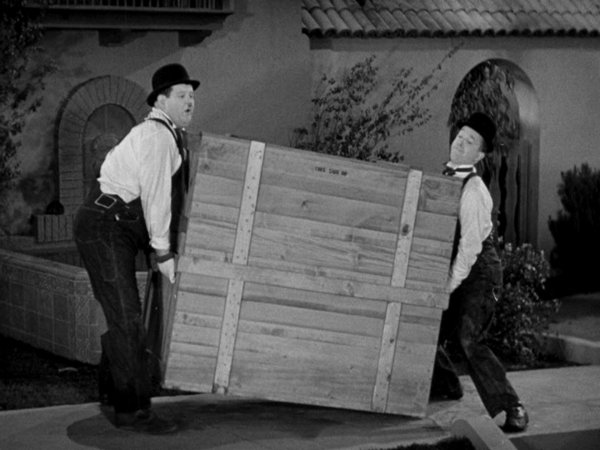
laurel and hardy
Laurel and Hardy, Comedians

Humour in Mahabharata

The Mahabharata also has funny situations: e.g. Prince Uttara’s boast and later cowardice. The “Mattavilasa Prahasana” of Pallva Emperor Mahendra Varman is a rollicking comedy depicting the drunkards, fraudulent ascetics, Kapalikas, Pasupatas and Buddhists talking philosophy!

Sri A V Subramanian gave a talk on “Humour in Sanskrit Literature” on 16th June , 1985 under the auspices of Rasodaya at the K S R Institute, Mylapore. Sri P S Ramamurti presided.

The speaker confined himself to citations from classical Sanskrit Literature.

Some instances: (a) Kalidasa in Sakuntalam: The words of Vidushaka (jester) to King Dushyanta are humorous wittingly or unwittingly). When Dushyanta declaims on the superb beauty of Sakuntala and wonders which fortunate person is destined to have her, the Vidushaka says, “save her quickly. Let her not fall into the hands of some sage possessed of head, glossy with the oil of Ingudi!”

(b)When Dushyanta feels that his portrait of Sakuntala is incomplete, the Vidhusaka suggests “soto voce”; “the picture board is to be filled with batches of sages with hanging beards!”
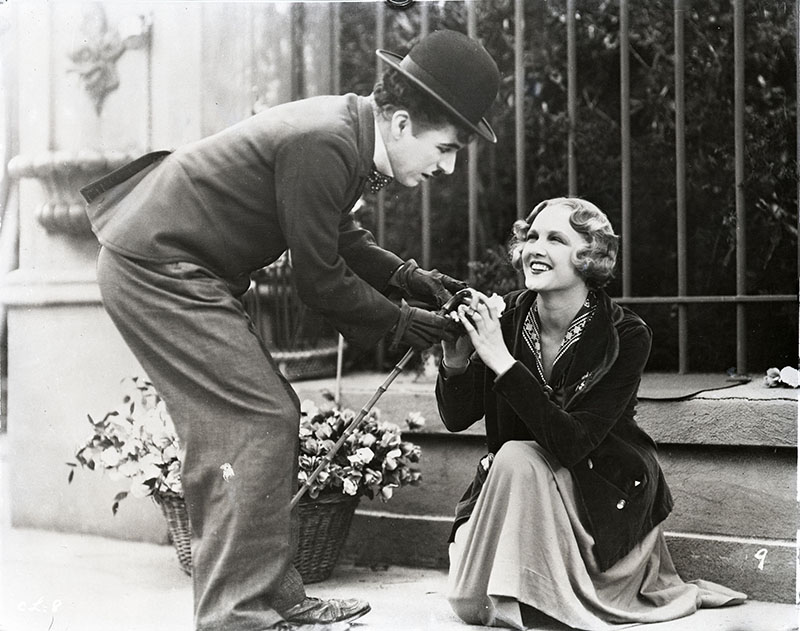
charlie chaplin
Charlie Chaplin

c)When earlier Dushyanta speaks about the secret shy glances of Sakuntala, the Vidushaka quries “Did you expect her to mount your lap as soon as you were seen” (The Vidushaka pretending to be valorous but clutching at excuses for running away from scenes of danger, is also mirth provoking).

d)VIKRAMORVASEEYAM: Brahma, the creator, is said to be “Vedhaabyaasa Jatah” rendered foolish by repeated chanting of the Vedas lacking in “Rasikatvam”.

e)BHASA: In the drama “Pratigna Yaugandharayana”, a drunkard, says that an elephant accoutrements one by one had been mortgaged to the inn-keeper and finally that the elephant itself had been so mortgaged!

f)Kshemendra’s “Kalaavilasa deals humorously with the follies of men. In “Desopadesa”, a miser wanting to take his wealth with him after death ( A lawyer may advise that a cheque may be placed in his coffin!)

g)Nilakanta Dikshita in his “Kalividamabana” holds up to ridicule the dishonest ways of men – different classes in the Kali age. His Anayapadesa Sataka also has a vigorous satire on the weakness of mankind.

charle2
Charlie Chaplin

h)Miscellaneous Authors: Many citations were given, including the funny behaviour of drunkards. General statements are made about all being thieves, in their own ways (plagiarism among poets, included) – R.R.
From Paper Cutting from Indian Express dated 24-6-1985

Contact swami_48@yahoo.com

Laugh5

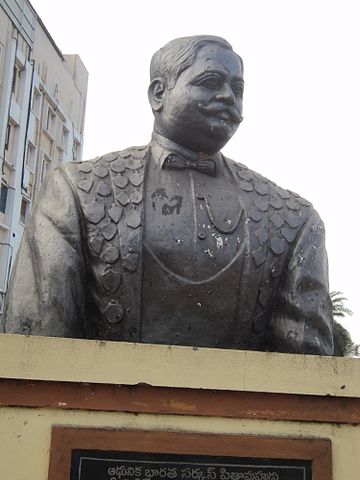
யானையை மார்பில் நிற்க வைத்த சாண்டோ ராமமூர்த்தி!

360px-Kodi_Ramamurthy1
Kodi Ramamurthy

கட்டுரையை எழுதியவர் :– S Nagarajan
கட்டுரை எண்- 1493; தேதி 17 டிசம்பர், 2014.

“தங்கத்திற்குச் சோதனை அக்னியில்; வலிமை வாய்ந்தவர்களுக்குச் சோதனையோ ஆபத்துக்களை எதிர்கொள்வது தான்!” – மார்த்தா க்ரஹாம்

சாதாரணமாக உள்ள மனித ஆற்றலையும் மிஞ்சி அபூர்வமான ஆற்றலைக் கொண்ட பல பேரை இதுவரை பார்த்தோம். அறிவியல் ஒப்புக் கொள்ளும் இவர்களைப் போன்ற சூப்பர் பவர் மனிதர்கள் காலம் காலமாக இருந்து வந்திருக்கின்றனர். அவர்களுள் ஒருவர் இந்திய ஹெர்குலிஸ் என்ற புகழ் பெற்ற கோடி ராமமூர்த்தி நாயுடு ஆவார். சாண்டோ ராமமூர்த்தி அல்லது புரபஸர் ராமமூர்த்தி என்ற பெயரால் பரவலாக அறியப்பட்டவர் இவர்.

1882ஆம் ஆண்டு ஸ்ரீகாகுளம் மாவட்டத்தில் உள்ள வீரகட்டம் என்ற ஊரில் பிறந்த இவர் விஜயநகர கல்லூரியில் உடற்பயிற்சி ஆசிரியராக வேலை பார்த்து வந்தார். இவருக்கு அபூர்வ கலையான வாயு ஸ்தம்பனம் மற்றும் ஜல ஸ்தம்பனம் ஆகிய கலைகளில் மிகுந்த தேர்ச்சி உண்டு. மல்யுத்தத்தில் மகாவீரர். பிரிட்டிஷ் அரசரான ஐந்தாம் ஜார்ஜ் இவருக்கு கலியுக பீமன் என்ற பட்டத்தை வழங்கி இவரைச் சிறப்பித்தார்.

1911 ஆம் ஆண்டு சென்னைக்கு வந்து இவர் தன் நிகழ்ச்சிகளை நடத்திக் காண்பித்து அனைவரையும் அயர வைத்தார். இரும்புச் சங்கிலிகளை உடைப்பது, தோள்களில் இரும்புச் சங்கிலிகள் இணைக்கப்பட மறு முனையில் ஓடுகின்ற கார்கள் இணைக்கப்பட அவற்றை அப்படியே ஓடாமல் நிறுத்துவது போன்ற இவரது சாகஸ செயல்கள் அனைவரையும் வியப்பில் ஆழ்த்தின. இது போதாது என்று ஒரு யானையைத் தன் மார்பின் மீது ஏறி நடக்கச் செய்தார். ஐந்து நிமிட நேரம் யானையைத் தன் மார்பின் மீது நிற்கச் செய்து அதைத் தாங்கிக் காண்பித்தார்.

இந்தியாவில் வைசிராயாக இருந்த லார்ட் மிண்டோ தன் காரை ஓட்டுவதற்கு முயல, சங்கிலியால் கட்டப்பட்டிருந்த காரின் மறுமுனையைப் பிடித்து அப்படியே நிற்க வைத்தார் இவர். இந்தச் சம்பவத்தால் இவர் புகழ் உலகம் முழுவதும் பரவியது. அலகாபாத்தில் நடந்த காங்கிரஸ் மகாநாட்டில் இவரைப் பார்த்த பண்டிட் மதன்மோகன் மாளவியா இவரை வெகுவாகப் பாராட்டி லண்டனுக்கு அனுப்பினார்.
பக்கிங்ஹாம் அரண்மனையில் ஐந்தாம் ஜார்ஜ் மன்னரும் ராணி மேரியும் இவரது சாகஸங்களைப் பார்த்து வியப்பில் ஆழ்ந்தனர் கலியுக பீமன் என்ற பட்டத்தையும் வழங்கினர்.
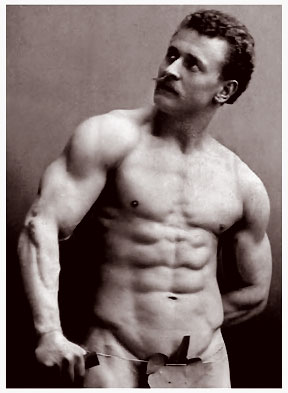
eugene sandow
Eugene Sandow

ஸ்பெயினுக்குச் சென்ற இவர் அங்கு நடந்த புல்-ஃபைட்டிங் (Bull Fighting) எனப்படும் காளைமாடுகளை அடக்கும் நிகழ்ச்சியைப் பார்த்தார். அந்த வீர்ர்களின் வீரம் இவரை அவ்வளவாகக் கவரவில்லை. தானே களத்தில் குதித்தார். ஒரு பெரிய காளைமாட்டின் இரு கொம்புகளையும் பிடித்து அலாக்காகத் தூக்கி அதைச் சுழற்றி வீசி எறிந்தார். அனைவரும் ஆஹா. ஆஹா என்று கூவினர். பிரான்ஸ், ஜெர்மனி, ஜப்பான், ஸ்பெயின், பிரிட்டன் என அனைத்து நாடுகளிலும் இவர் நிகழ்ச்சிகளைப் பார்த்தவர்கள் இவரது சூப்பர் பவரைக் கண்டு ஆச்சரியமுற்றனர்.

இந்திய சுதந்திரப் போராட்டத்திலும் இவர் தீவிர பங்காற்றினார்.
ஒரு சர்க்கஸ் கம்பெனியை நிறுவி எல்லா ஊர்களிலும் பல நிகழ்ச்சிகளைச் செய்து காட்டி பெரும் புகழ் பெற்ற இவர் 1942ஆம் ஆண்டு மறைந்தார். ஸ்ரீகாகுளத்தில் இவர் நினைவாக நிறுவப்பட்ட சிலை இன்றும் இருக்கிறது!

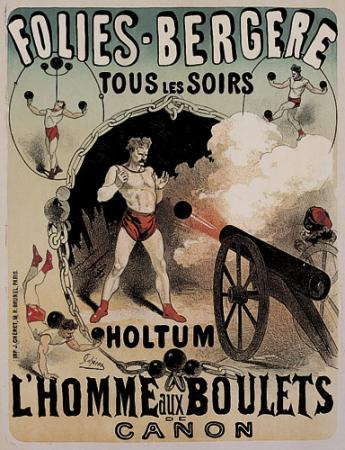
john hutlum
John Hutlum

பீரங்கிக் குண்டை ஏந்திய ஜான் ஹாட்லம்

இதே போன்ற அபாயகரமான அதிசய செயல்களைத் தன் வலிமையைக் காண்பிப்பதற்காக உலகில் பல வீர்ர்களும் செய்து காட்டி வந்துள்ளனர்.

ஜான் ஹாட்லம் (John Hotlum) (தோற்றம்1845- மறைவு 1919) என்பவர் டென்மார்க்கைச் சேர்ந்த ஒரு வீரர். இவர் மேடையின் ஒரு பக்கத்தில் திறந்த மார்புடன் நிற்க மறுபுறம் பீரங்கியிலிருந்து குண்டு பாய்ந்து வரும். அதை க்ளவ்ஸ் மட்டுமே போட்டுக் கொண்ட கைகளால் இவர் தடுத்துப் பிடிப்பார். இது ஏமாற்று வித்தை என்று சந்தேகப்பட்டவர்களை ஸ்டேஜிலேயே அழைத்து நிறுத்தி வைத்து 50 பவுண்டு எடையுள்ள பாய்ந்து வரும் பீரங்கிக் குண்டை இவர் பிடித்துக் காட்டிய போது அவர்கள் திகைத்தே போனார்கள்.

18 பேர் நிற்கும் மேடையைத் தூக்கிய லூயிஸ் சிர்

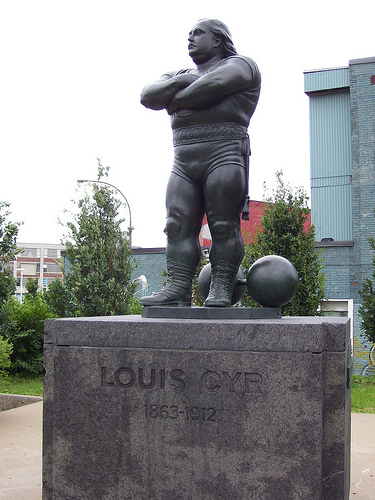
க்யூபெக் நகரில் பிறந்த லூயிஸ் சிர் (தோற்றம் 1863 – மறைவு 1912) 12ஆம் வயதிலிருந்தே சூப்பர் பவர் கொண்டவர் என்று புகழ் பெற்றவர். போஸ்டனில் திரளாகக் குழுமியிருந்த மக்களின் முன்னே ஒரு குதிரையை அலாக்காகத் தூக்கிக் காட்டி அனைவரையும் வியப்பில் ஆழ்த்தினார். ஒரு முறை 18 பேர் ஒரு மேடையில் நிற்க அந்த மேடையைத் தன் முதுகின் மேல் தூக்கி வைத்துக் கொண்டு காண்பித்தார். மாண்ட்ரீலில் ஒரு பெரும் போலீஸ் அதிகாரி பதவி இவருக்குப் பின்னர் தரப்பட்டது!
louis statue
Louis Cyr

இருவரைக் கூடையில் வைத்துத் தூக்கிய யூஜென் சாண்டோ

யூஜென் சாண்டோ (Eugen Sandow ) தோற்றம் 1867 மறைவு 1925) ப்ரஷ்யாவில் பிறந்தவர். இப்போது ஜெர்மனியில் இணைந்துள்ளது இந்தப் பகுதி. தனது வலிமையை அனைவருக்கும் காண்பிப்பதற்காக இரு மனிதர்களை இரு கூடைகளில் வலது பக்கமும் இடது பக்கமும் வைத்துத் தன் தோள்களுக்கு மேலே தூக்கிக் காட்டுவது இவர் வழக்கம்.

‘என்ன, நீ பெரிய சாண்டோவா’ என்று கேட்பது இவரை கௌரவப்படுத்தும் விதமாகத் தான்!

இப்படி நூற்றுக்கணக்கான சூப்பர் மேன்கள் காலம் காலமாக எல்லா நாடுகளிலும் பிறந்து தங்களின் அபார வலிமையைக் காட்டி வந்துள்ளனர்.
மனிதனின் வலிமைக்கு எல்லையே கிடையாதோ, என்னவோ!அறிவியல் தன் ஆய்வுகளில் இவர்களின் வலிமையைப் பதிவு செய்து வருகிறது!

hutlum
John Hutlum

அறிவியல் அறிஞர் வாழ்வில் .. ..

1933ஆம் ஆண்டு தனது 31ஆம் வயதிலேயே நோபல் பரிசு பெற்ற பெரும் விஞ்ஞானி பால் டிராக் (Paul Dirac). அதிகமாகப் பேசாதவர். கேம்பிரிட்ஜில் அவருடன் படித்த சகாக்கள் ‘டிராக்’ என்ற ஒரு அளவீட்டையே உருவாக்கினர். அதாவது ஒரு மணி நேரத்திற்கு ஒரு வார்த்தை என்று டிராக் என்னும் இந்த அளவீடு குறிக்கும். ஒரு முறை பிரபல விஞ்ஞானி நீல்ஸ் பொர் டிராக்கிடம், ‘ஆரம்பித்த வாக்கியத்தை எப்படி முடிப்பதென்று தெரியவில்லை’ என்று சொன்ன போது டிராக் ‘என்னுடைய பள்ளியில் முடிக்கத் தெரியாத வாக்கியத்தை ஆரம்பிக்கவே ஆரம்பிக்காதே என்று சொல்லித் தந்திருக்கிறார்கள்’, என்று பதில் கூறினார்.

இயற்பியல் விஞ்ஞானியான ராபர்ட் ஓப்பன்ஹீமருக்கு கவிதை என்றால் மிகவும் பிடிக்கும். ஆனால் டிராக்கோ, ”எந்த கஷ்டமான விஷயத்தையும் எளிதாக அனைவருக்கும் புரியும்படி செய்வது விஞ்ஞானம்; ஆனால் எந்த சுலபமாகப் புரியக் கூடிய விஷயத்தையும் கஷ்டமாகப் புரியாமல் செய்வது கவிதை” என்று ஓப்பன்ஹீமரின் கவிதை ஆர்வத்தை விமரிசித்தார்.

Louis_Cyr
Louis cyr

ஒருமுறை அமெரிக்க கல்வியாளர் ஒருவர் இவர் அருகில் உட்காருவதை ஒரு பெரும் பாக்கியமாக நினைத்து இவரிடம் வந்து கல்லூரி உணவு நேரத்தில் அருகில் அமர்ந்தார். ஆனால் உணவு வகைகள் வந்து கொண்டே இருந்தன. டிராக் மௌனமாகச் சாப்பிட்டாரே தவிர பேசவில்லை. பொறுமை இழந்த அமெரிக்கர், டிராக்கிடம்,” இந்த வருடம் விடுமுறைப் பயணமாக எங்காவது செல்ல உத்தேசம் உண்டா” என்று பேச்சை ஆரம்பிக்கும் விதமாகக் கேட்டார். 35 நிமிட மௌனத்திற்குப் பிறகு டிராக்,”இதை எதற்காகக் கேட்கிறீர்கள்?” என்று அவரிடம் திருப்பி ஒரு கேள்வியைக் கேட்டார்.

அவரது நண்பர்கள் அவரைப் பற்றிக் கூறுகையில் மௌனமாக இருப்பதிலேயே அவர் மகிழ்ச்சி காண்பவர் என்று கூறுவர். பிரின்ஸ்டனில் வாழ்ந்த போது அனைத்து நண்பர்களையும் விருந்திற்கு டிராக் அழைப்பார். ஆனால் விருந்து முழுவதும் ஒரு வார்த்தை கூடப் பேச மாட்டாராம்.

மிகவும் கூச்ச சுபாவம் உடைய டிராக் விஞ்ஞானிகளிலேயே மிகவும் வித்தியாசமான ஒருவர்.

Pictures are taken from various websites;thanks

contact swami_48@yahoo.com
********************

Interesting similes in Mahabharata

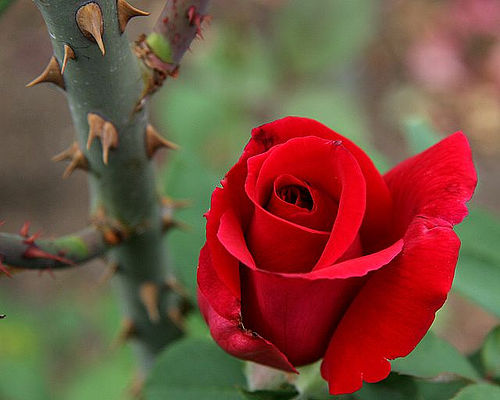
roses-thorns5b15d

Research paper written by London Swaminathan
Research article No.1492; Dated 16th December 2014.

Hindus use sesame seeds or the white mustard seeds as comparison to show how small a thing is. They have even coined some phrases with that to belittle something.
(The demons terrifying Sita say): Let us devour and tear her to pieces dividing her up in pieces small as sesamum seeds (3-231-5)

(Mahabharata has several references to Sita, Rama etc and Ramayana has none on Mahabharata characters)
Avayor antaram viddhi merusarsapayor iva 1-69-3

Sakuntala travelling in the air, Dushyanta only on earth, differ as widely as Mt Meru and a mustard seed.

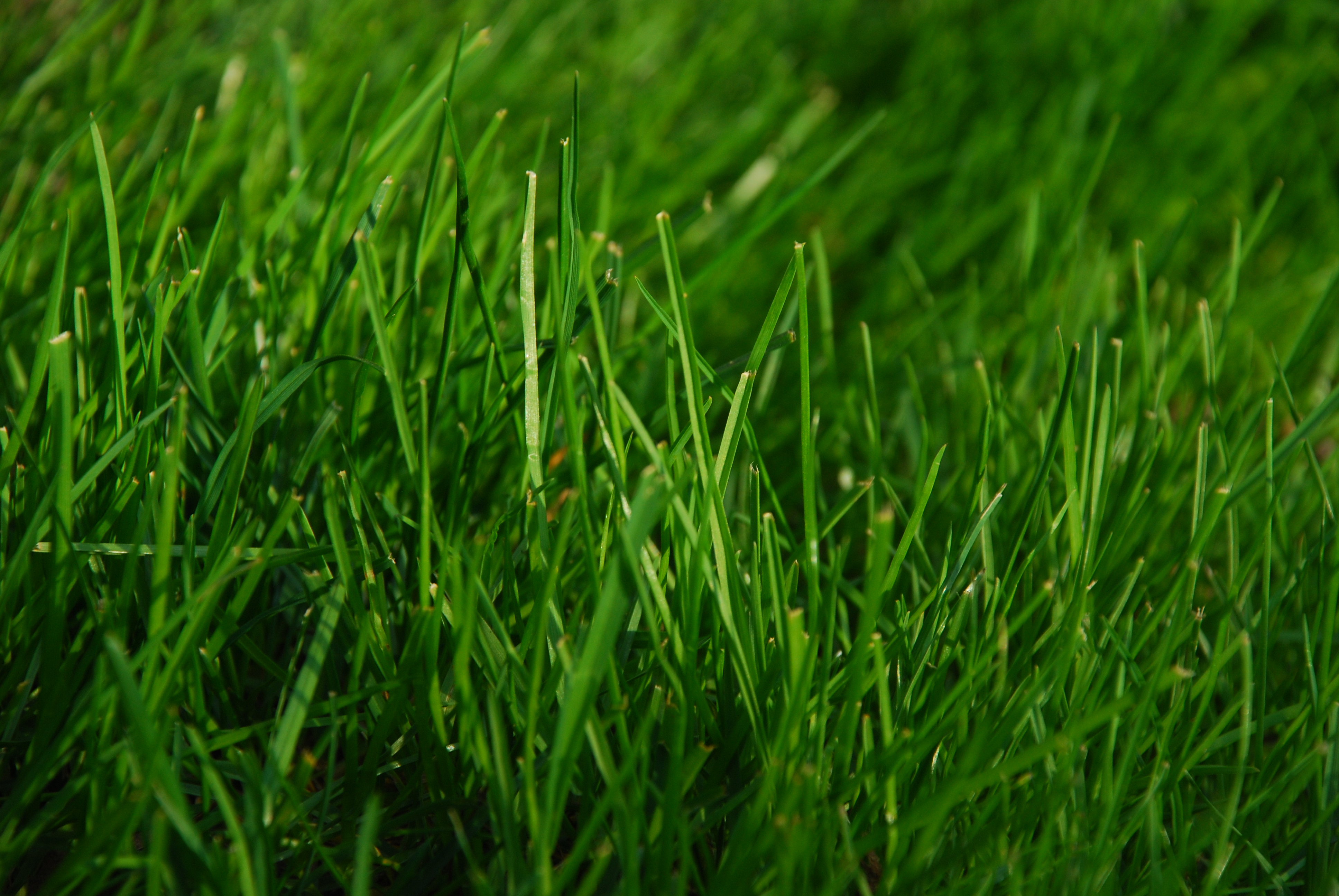
Grass
Grass is also used to belittle something. When the arrogant Nandas laughed at the bony, slender looking Chanakya stumbled upon some grass, Chanakya stopped and pulled out the grass from the earth and made a vow that he would root out the Nada dynasty like that grass. Later he helped to establish a new dynasty under the Mauryas. Great Tamil poet challenges God of Death to come near him so that he could crush him grass.
In the Mahabharata we have (Bhima’s grievances uttered to Yudhistra): By one handful of grass, you want to have Himalayas covered, O Yudhistra, you who want to restrain from war.

Trnaanaam mustinai kena himavantam tu parvatam
Channam icchasi kaunteya yo smaan sampavartum ichchasi (3-36-22)
Green_Grass

Having been addressed thus by Ravana, Sita of auspicious face turned towards him, and having placed a straw beween (herself and Ravana) spoke to that demon.
This is an insult or expression of indifference to Ravana. Ravana is like a grass for Sita.
Valmiki Ramayana 3-56-1
Adhyatma Ramayana 5-2-31
Tulasidas’ Ramacaritamaanasa 5-9-3 also had the same expression.

Thorns
Bhima’s challenge to Hidimba: In a moment today I will render this forest free of thorns (i.e. free from Hidimba’s atrocities-3-12-72)
Anyone giving troubles is considered thorns. It is used the same way in several other languages as well. In Tamil the proverb goes like this: a thorn must be removed by another thorn.

“One thorn of experience is worth a whole wilderness of warning”, says James Russell Lowell
“But he that dares not grasp the thorn should never crave the Rose”, says Anne Bronte.

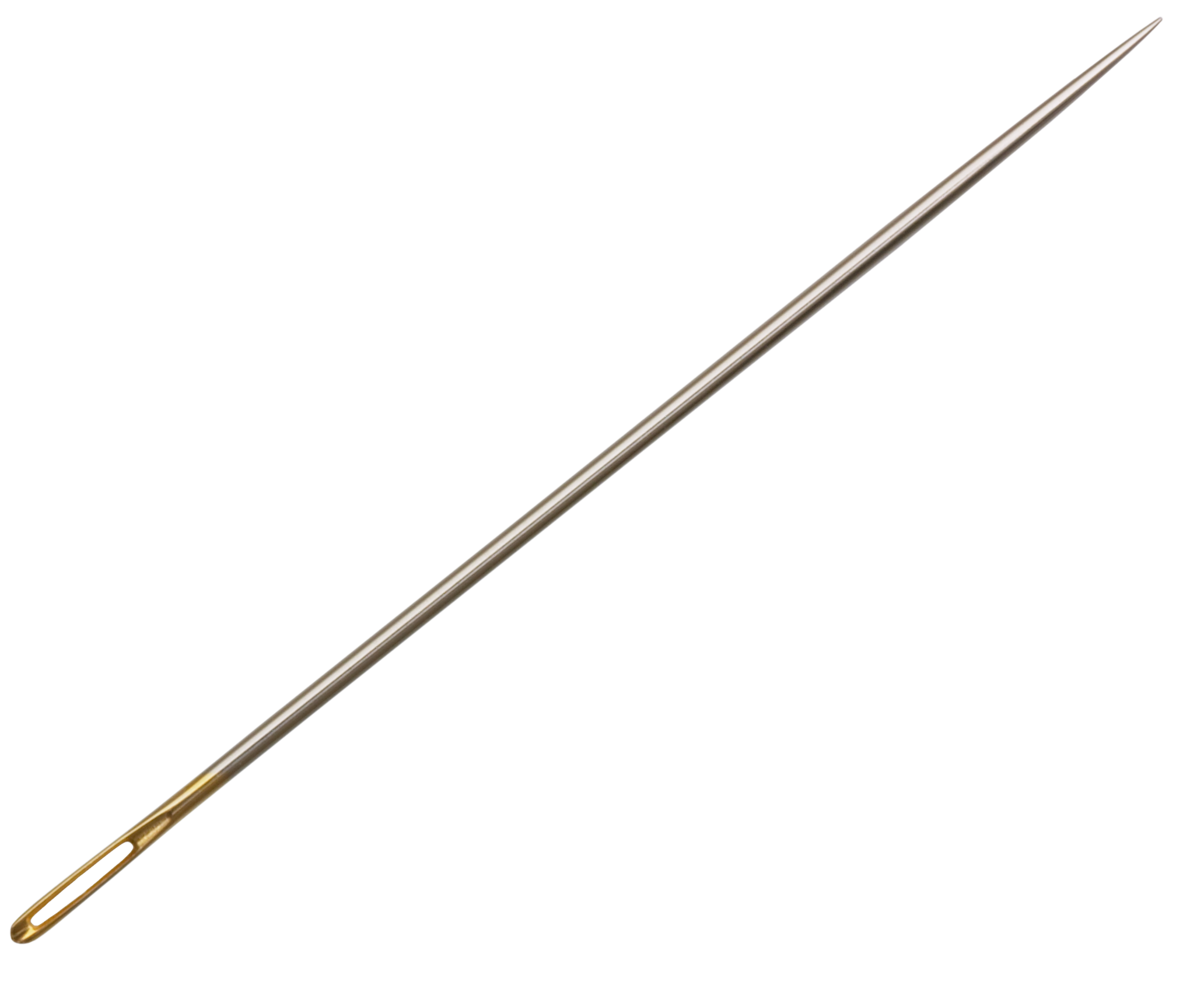
Sewing_needle

Needle
(Yayati to Sarmishta): And in your beauty, I don’t find even as much as the point of a needle to be found fault with.
Rupe ca tena pasyaami suucyagram api ninditam -1-77-14

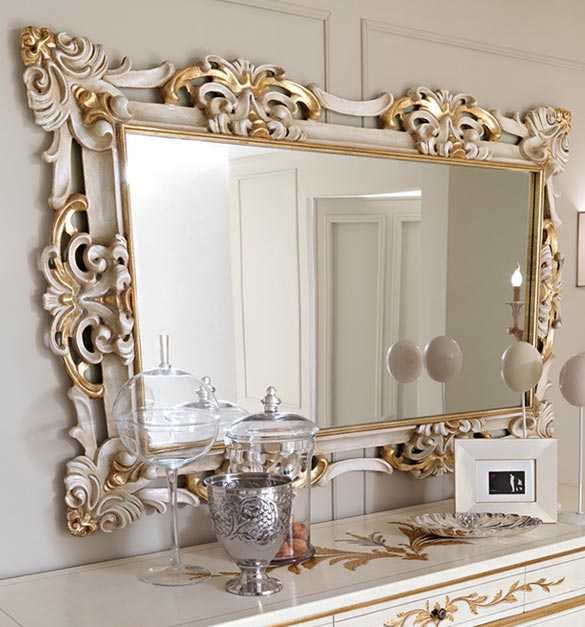
Mirror
Sakuntala’s rebuke to Dushyanta):So long as an ugly man does not see his own face in the mirror, he considers himself more handsome than others. But when he sees his own ugly face in the mirror, than he precieves himself as inferior, not anybody else:

Viruupo yaavad aadarse naa’tmanah pasyate mukham
Manyate taavad aatmaanam anyebhyo ruupavattaram
Yadaa to mukham adarse vikrtam so ‘bhiviksate
Tade taram vijnaati aatmaanam ne taram janam

Beautiful Classic Patterned Design Luxury Wall Mirrors Ideas

Contact swami_48@yahoo.com

வால்மீகி ராமாயணத்தில் 3462 உவமைகள்!

valmiki2

கட்டுரையை எழுதியவர் :– லண்டன் சுவாமிநாதன்
ஆராய்ச்சிக் கட்டுரை எண்- 1491; தேதி 16 டிசம்பர், 2014.

சம்ஸ்கிருதத்தில் உவமைகள் இல்லாத காவியங்கள் குறைவு. வால்மீகி ராமயணத்தில் 3462 உவமைகள் இருப்பதாக அந்த உவமைகளைத் தொகுத்தளித்த ஆராய்ச்சியாளர் எம்.எம்.பாடக் கூறுகிறார்.

அப்பய்ய தீக்ஷிதரின் உவமை பற்றிய ஸ்லோகத்தை பரிதிமாற்கலைஞர் என்ற பெயர்கொண்ட பேராசிரியர் வி.கோ.சூரியநாராயண சாஸ்திரி தமிழில் அழகாக மொழிபெயர்த்துள்ளார்:–

உவமை என்னும் வலருங் கூத்தி
பலவகைக் கோலம் பாங்குறப் புனைந்து
காப்பிய அரங்கிற் கவின்பெறத் தோன்றி
யாப்பு அறி புலவர் இதயம்
நீப்பு அறு மகிழ்ச்சி பூப்ப நடிக்குமே.

பொருள்:–உவமை என்பவள் ஒப்பற்ற நாட்டிய மங்கை. அவள் பலவேறு கோலங்களைக் கொண்டு காவியம் என்னும் மேடையிலே அழகுபொலியத் தோன்றி, பாட்டின் சுவையை அறியும் ரசிகர் மனத்தில் நீங்காத இன்பம் மலர நடிக்கிறாள்
(காளிதாசன் உவமைகள் —- என்னும் நா.வரதஜுலு நாயுடு எழுதிய புத்தகத்தில் இருந்து எடுத்தது)

கம்பன் அவனது ராமாயணத்தில்

எப் பெண்பாலும் கொண்டு உவமிப்போர் உவமிக்கும்
அப்பெண்தானே ஆயினபோது இங்கு அயல்வேறோர்
ஒப்பு எங்கே கொண்டு எவ்வகை நாடி உரை செய்வோம்

—என்பான். எல்லோரும் உவமைக்குப் பயன்படுத்துவது சீதை என்னும் பேரழகியை— குணத்தில் பெண்மைக்கெல்லாம் இலக்கணம் வகுத்தாளை – அப்படிப்பட்ட சீதையை நான் எதைக் கொண்டு உவமை சொல்ல முடியும் – என்று கம்பன் வியக்கிறான். சீதைக்கு உவமை சீதையே!
Valmiki's-Ramayana-

உலகின் மிகப் பழைய நூலான ரிக்வேதத்திலேயே ‘’உபமா’’ என்ற சொல் இருப்பதாக (5-34-9; 1-31-15) வேதத்தை ஆராய்ந்தோர் (ஆர்.எஸ்.டே) கூறுவர். கி.மு. 800-க்கு முன் வாழ்ந்த யாஸ்கர் என்பவர் கார்க்யர் எழுதிய இலக்கணப் புத்தகத்தில் ‘’உபமா’’ என்பதன் இலக்கணம் வரையறுக்கப்பட்டதை மேற்கோள் காட்டுவார்.

மஹாபாரதத்தில் 232 பொருட்கள் அல்லது உபமானங்கள் மீண்டும் மீண்டும் ஒப்பிடப்படுவதால் 2299 ஸ்லோகங்களில் அவை திரும்பத் திரும்ப வருகின்றன என்று மஹாபாரத உவமைகள் பற்றிய ஆய்வுகள் (ராம் கரன் சர்மாவின் நூல்) காட்டுகின்றன. உவமைகளின் எண்ணிக்கையில் முதலிடம் வகிப்பவர் இந்திரன். 247 முறை ஒப்பிடப்படுகிறார். பிரம்மா, விஷ்ணு, சிவன் போன்ற தெய்வங்கள் வேத கால தெய்வங்களான இந்திரன், சூரியன், அக்னி, யமன் ஆகியோருக்கும் பின்னரே வருவதால் (எண்ணிக்கையின் படி), மஹாபாரதம் மிகவும் பழைய நூல் என்பது தெளிவாகும்.

புராணங்களில் சிவனையும், விஷ்ணுவையும் பெரிய தெய்வங்கள் எனக் கொண்டாடுவர். அதற்கும் முந்தியவை ராமாயண மஹாபாரதம் என்பது உவமை ஆராய்ச்சியில் தெளிவாகிறது.

உலகத்திலேயே காளிதாசன் போல உவமைகளைத் திறம்படப் பயன்படுத்திய கவிஞன் எவனும் இலன். இதனால் ‘’உபமா காளிதாசஸ்ய’’ — என்ற சொற்றொடர் வழங்குகிறது. உவமைக்கு காளிதாசன் என்பது இதன் பொருள். அவனுடைய ஏழு படைப்புகளில் ஆயிரத்துக்கும் மேலான உவமைகளைப் படுத்தியதால் இந்தப் பெயர் என்பதல்ல. தகுந்த இடத்தில் தகுந்த உவமைகளைக் கையாண்டதே அவன் சிறப்பு.

abhijnanasakuntalam

காளிதாசன் புள்ளிவிவரம்

உலகப் பெரும் கவிஞர்களின் பட்டியலில் இடம்பெறும் கவிஞர்களில் காளிதாசனும் ஒருவன். அவனுடைய உவமைகளை ஆராய்ந்தோர் தரும் பட்டியல் இதோ:
காளிதாசர் பயன்படுத்திய உவமைகள் –1250
ஏழு நூல்களில் பயன்படுத்திய சொற்கள் – 40,000 -க்கு மேல்!
அவருடைய ஏழு படைப்புகளில் மூன்றுக்கு மட்டும்
எழுதப்பட்ட உரைகள் – 93
ரகு வம்சத்தில் இவன் வரலாறு
சொல்லும் அரசர்களின் எண்ணிக்கை – 29

நாடகம், கவிதை, காவியம், சிறு நூல்கள் எனப் பல எழுதி ஷேக்ஸ்பியருக்கும் மேலான இடம் பிடித்த இந்தியன். ஈரான் முதல் இந்தோநேசியா வரை வருணித்தவன் காளிதாசன். அது மட்டுமல்ல மேக தூதம் என்னும் பயண நூல் மூலம் உலகின் முதல் ‘’டூரிஸ்ட் கைடு’’ என்னும் பெயரையும் பெற்றான். இவனுக்கு இணையான கவிஞன் இதுவரை இந்தியாவில் தோன்றியது. இனி தோன்றப் போவதும் இல்லை! இல்லை. பாரதியால் புகழப்பட்ட கவிஞன்!

வடமொழி அறிஞர்களும், நாணயங்கள் சிலைகளை ஆராய்ந்த டாக்டர் சிவராமமூர்த்தி போன்றோரும் இவன் கி. மு. முதல் நூற்றாண்டிலோ அதற்கு முன்னரோ வழ்ந்ததை உறுதிபடக் கூறுவர். காலத்தாலும் முந்திய கவிஞன்!

காளிதாசனின் ரகுவம்சத்தைப் பின்பற்றி இலங்கை வரலாற்று நூலுக்கு மஹாவம்சம் என்று பெயரிட்டனர். காளிதாசனின் உவமைகளை காதா சப்த சதி என்னும் பிராக்ருத நூலில் ஊர் பேர் தெரியாத கவிஞர்கள் அப்படியே கையாண்டனர் (களவாடினர்!)

சங்க இலக்கியத்தில் காளிதாசனின் 200-க்கும் மேலான உவமைகள் இருப்பதை நான் எனது ஆராய்ச்சிக் கட்டுரைகளில் எழுதி வருகிறேன். காளிதாசன், விக்ரமாதித்தன் என்ற புகழ் பெற்ற மன்னன் காலத்தில் வாழ்ந்த மாபெரும் கவிஞன். கி.மு. முதல் நூற்றாண்டில் வாழ்ந்த விக்ரமாதித்தன் கி.மு 56-ல் அவன் பெயரில் ஒரு சஹாப்தத்தையே துவங்கிய பெருமை உடையவன். சகரர், யவனர், ஹூணர்களை ஓட ஓட விரட்டியவன்.

மேற்கூறிய தகல்களை உவமைகள் பற்றிய மூன்று ஆங்கில ஆராய்ச்சி நூல்களில் இருந்து திரட்டினேன்.
dr nagaswami

தொல்காப்பியத்தில் உவம இயல்

உவமை என்பது சம்ஸ்கிருதத்தில் ‘’உபமா’’ எனப்படும். தொல்காப்பியரும் கூட இதைத் தமிழ்ப் படுத்தி உவமம் என்கிறார். உவம இயல் என்றே தொல்காப்பியப் பொருளதிகாரத்தில் ஒரு பிரிவு இருக்கிறது. அதில் அவர் 38 உவம உருபுகளைப் பட்டியல் இட்டுள்ளார். அதில் நிறைய உருபுகளை சங்க இலக்கியத்தில் கூடக் காண முடியவில்லை. நமக்கு எல்லோருக்கும் தெரிந்த உவம உருபு ‘’போல’’ என்பதாகும். ரோஜா மலர் போல இதழ், ஆப்பிள் பழம் போலக் கன்னம் என்றெல்லாம் சினிமா வசனங்களில் கேட்கிறோம். ஆனால் தொல்காப்பியர் தரும் பட்டியலைப் பாருங்கள்:–

அன்ன, அங்க, இறப்ப, உறழ, என்ன, எள்ள ஏய்ப்ப, ஒன்ற, ஒடுங்க, ஒப்ப, ஒட்ட,ஓட, கடுப்ப, கள்ள, காய்ப்ப, தகைய, நடுங்க, நந்த, நளிய, நாட, நிகர்ப்ப, நேர, நோக்க, புல்ல, புரைய, பொருவ, பொற்ப, போல, மதிப்ப, மருள, மறுப்ப, மான, மாற்ற, வியப்ப, விளைய, வீழ, வென்ற, வெல்ல. இதில் 14 உருபுகள் சங்க இலக்கியத்தில் காணப்படவில்லை. என்றும் சங்க இலக்கியத்தில் 28 கூடுதல் உவம உருபுகள் பயன்படுத்தப்பட்டன என்றும் டாக்டர் ரா.சீனிவாசன் சங்க இலக்கியத்தில் உவமைகள் என்ற புத்தகத்தில் எழுதியுள்ளார்.

15FR-_TOLKAPPIYAM__1120361e

–சுபம்–

சூப்பர் பவர் கொண்டுள்ள அதிசய மனிதர்கள்! –3

arthur lintgen

Arthur Lintgen

கட்டுரையை எழுதியவர் :– S NAGARAJAN
கட்டுரை எண்- 1490; தேதி 16 டிசம்பர், 2014.

“மிகவும் மதிப்புமிக்க விஞ்ஞானிகளால் கண்டுபிடிக்கப்பட்ட அதீத உளவியல் கண்டுபிடிப்புகள் நிஜமாகவே ஒரு புதிய உலகத்தையே காண்பிக்கின்றன” – உளவியலாளர் டாக்டர் வில்லியம் மோல்டொன் மார்ட்ஸன்

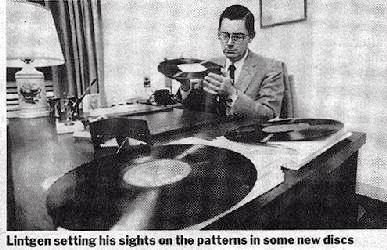
11.புலன் மூலம் இசையை உணரும் திறன் கொண்ட ஆர்தர் லிண்ட்ஜென்
அமெரிக்க உளவியாளர் ஆர்தர் லிண்ட்ஜென் ஒரு அபூர்வமான மனிதர். ஒரு இசைத்தட்டைப் பார்த்தவுடன் – கேட்டவுடன் அல்ல – பார்த்த மாத்திரத்திலேயே அதில் என்ன இசை இருக்கிறது, என்ன பாட்டு அது என்பதைச் சொல்லி விடுகிறார்!

இசைத் தட்டில் வரி வரியாக இருக்கும் பள்ளங்களைப் பார்த்த மாத்திரத்தில் அதில் என்ன பாடல் பாடப்படுகிறது என்பதைத் தன்னால் உணர முடிகிறது என்கிறார் அவர். பாடலின் ஒலி தூக்கலாக இருக்கிறதா, குறைந்து ஒலிக்கப்படுகிறதா, என்ன வாத்தியம் இசைக்கப்படுகிறது என்பதை எல்லாம் கூட அவர் துல்லியமாகக் கூறி விடுகிறார். இது உண்மை தானா என்பதைப் பரிசோதிக்க பலர் நிபுணர்கள் வந்தனர். சோதனை செய்த பின்னர் வியப்பால் வாயடைத்துப் போய் பிரமிக்கின்றனர்.

shakauntala-devi

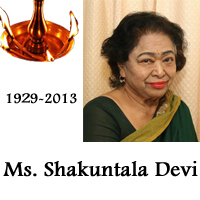
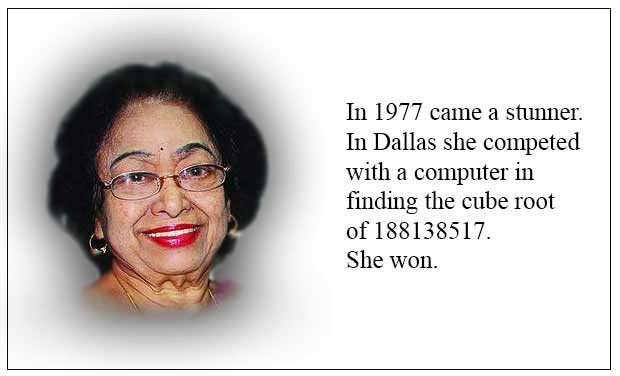
12.மனித கம்ப்யூட்டர் சகுந்தலா தேவி
மனிதக் கற்பனைக்கும் அப்பாற்பட்ட கணக்குப் புலியாகத் திகழ்பவர் சகுந்தலா தேவி. இந்தியாவில் பிறந்த இவர் இப்போது பங்களூருவில் வாழ்ந்து வருகிறார்.ஆறாம் வயதிலேயே எந்த விதப் பயிற்சியும் இல்லாத போதே மைசூர் பல்கலைக் கழகத்தில் தனது கணித ஆற்றலையும் நினைவாற்றல் திறனையும் காட்டி அனைவரையும் அசர வைத்தவர் இவர்.

அவரைப் பலரும் பல விதமாக சோதனை செய்து பார்த்துள்ளனர். அனைத்து கணிதங்களையும் மனதிலேயே செய்து விடுகிறார். பெர்க்லியில் கலிபோர்னியா பல்கலைக் கழகத்தில் ஒரு சோதனை நடத்தப்பட்டது.61,629,875 என்ற எண்ணின் க்யூப் ரூட்டையும் (கன மூலம்) 170,859,375 என்ற எண்ணின் ஏழாம் ரூட்டையும் (ஏழாம்படி மூலம்) கண்டுபிடிக்குமாறு அவரிடம் கூறப்பட்டது. உடனடியாக விடையைச் சொல்லி அனைவரையும் பிரமிக்க வைத்தார் சகுந்தலா தேவி! இவரை ஒரு மனித கம்ப்யூட்டர் என்று அனைவரும் புகழ்கின்றனர்.

Shakuntala_Devi-wiki

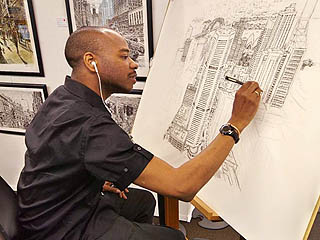
13. போட்டோகிராபிக் நினைவாற்றல் கொண்ட ஸ்டீபன் வில்ட்ஷைர்
ஸ்டீபன் வில்ட்ஷைர் பிரிட்டனைச் சேர்ந்த ஒரு கட்டிடக் கலை நிபுணர். இயற்கை நிலக்காட்சி (landscape) ஒன்றைக் கண்டு விட்டால் போதும் அதை அப்படியே ஓவியமாக வரையும் திறன் படைத்தவர் இவர்.
“அவர் பல நகரங்களையும் அப்படியே தத்ரூபமாக முழுவதுமாக வரையும் திறன் படைத்தவர்,இதற்காக இரு முறை ஹெலிகாப்டரில் கொஞ்ச நேரம் பறப்பார். அவ்வளவு தான், நகரத்தின் படம் தயாராகி விடும்!
உதாரணமாக ஒரு முறை லண்டனின் மேல் ஒரே ஒரு முறை அவர் ஹெலிகாப்டரில் பறந்து அப்படியே லண்டனைச் சித்தரித்து விட்டார். 305 சதுர மைல் பரப்பளவு உள்ள நியூயார்க் நகரை 29 நிமிட நேரமே ஹெலிகாப்டரில் பறந்து கண்டபிறகு, அவர் அதை அப்படியே 19 அடி நீள ஓவியமாக வரைந்தார்!

stephenwiltshire1
Stephen Wiltshire

14. நீண்ட தூரம் ஓட வல்ல தாராஹுமாரா மக்கள்
மெக்ஸிகோ நகரின் வடமேற்கில் உள்ள பழங்குடியினரான தாராஹுமாரா மக்கள் நீண்ட தூர ஓட்டத்திற்கு பெயர் பெற்றவர்கள். தங்கள் இனத்தை அவர்கள் தங்கள் மொழியில் ‘ரராமுரி’ என்று குறிப்பிடுவர். இதன் பொருள் “காலால் நீண்ட தூரம் ஓடுபவர்கள்” அல்லது “வேகமாக ஓட வல்லவர்கள்” என்பதாகும்.
ஒரு முறை இரண்டே நாட்களில் அவர்கள் 200 மைல்களை ஓடிக் கடந்திருக்கின்றனர்!
இப்படி மக்கள் கூட்டம் ஒடுவது சகஜம் தான் என்பதை நிரூபிக்கும் வகையில் டீன் கர்னாஜெஸ் என்ற மனிதர் 80 மணி நேரம் 44 நிமிடங்களில் தூக்கமே இன்றி 350 மைல்களை ஓடிக் கடந்திருக்கிறார். இந்த நிகழ்ச்சி 2005ஆம் ஆண்டு நிகழ்ந்தது.

iceman wim hof
Ice man Wim Hof

15.ஐஸ்மேன் விம் ஹாஃப்
ஆயிரத்தி தொள்ளாயிரத்து ஐம்பதுகளில் விம் ஹாஃப் என்னும் மனிதர் ஒரு மனிதன் எவ்வளவு குளிரைத் தாங்க முடியும் என்பதைக் காட்டி அனைவரையும் வியக்க வைத்தார். அவர் 35 ஆண்டுகளில் எல்லா விதமான சவால்களையும் எதிர்கொண்டு 20 கின்னஸ் உலக ரிகார்டுகளைப் படைத்துள்ளார்.
இந்தியாவில் மவுண்ட் எவரெஸ்ட் மவுண்ட் கிளிமஞ்ஜாரோ ஆகிய சிகரங்களில் ஏறி இருக்கிறார். ஐஸ் வாட்டரில் நீந்தி இருக்கிறார். பாலைவனத்தில் தண்ணீர அருந்தாமல் மாரதான் ஓட்டத்தில் பாதி தூரத்தை ஓடிக் கடந்திருக்கிறார்!
விம் ஒருவிதமான தியான உத்தியைக் கடைப்பிடித்து குளிரைத் தன்னால் உணரமுடியாமல் செய்து கொள்கிறார்! அந்த தியான முறை அவரது உடலின் தாங்கும் சக்தியை அதிகப்படுத்தியுள்ளது என்கிறார் அவர். ஐஸ் குளிரினால் எந்த பாதிப்பையும் தன் உடல் அடையாமல் பாதுகாக்க வல்லது அந்த தியான முறை என்கிறார் அவர்!

16. உடனடி எதிர்வினையாற்றும் சூப்பர் மனிதன் ஐசோ மச்சி
ஐசோ மச்சி என்பவர் ஜப்பானைச் சேர்ந்த ஒரு வாள் போர் நிபுணர். இவர் நிபுணத்துவம் கொண்ட தற்காப்பு கலையின் பெயர் ஐடோ (Iaido). ரிஃப்ளெக்ஸ் எனப்படும் உடனடி எதிர்வினையாற்றுவதில் இவரது உடனடித் தாக்குதல் மின்னல் வேகத்தை ஒத்திருக்கும். வாட் போரில் அபாரமாக உடனடி எதிர் தாக்குதலை நிகழ்த்தும் இவர் பல உலக ரிகார்டுகளை ஏற்படுத்தியுள்ளார்!

Swami_main

அறிவியல் அறிஞர் வாழ்வில் .. ..
பகவான் சத்யசாயிபாபா ஒரு முறை பங்களூரில் உள்ள இந்தியன் இண்ஸ்டிடியூட் ஆஃப் ஸயின்ஸுக்கு விஜயம் செய்தார்.அதனுடைய டைரக்டர் பகவந்தம் பாபாவின் சிறந்த பக்தர். அவர் தங்கியிருந்த பகவந்தத்தின் வீட்டின் மாடியில் க்ளார்க் வேலைக்காக ஒரு இண்டர்வியூ நடந்து கொண்டிருந்தது. அதில் கலந்து கொண்ட ஒரு பையன் சோகமாக ஒரு மரத்தடியில் நின்று கொண்டிருந்தான். அவனை அழைத்த பாபா என்ன விஷயம் என்று கேட்டார். இண்டர்வியூவில் கலந்து கொள்ள வந்த தான் பதிலைச் சரியாகச் சொல்லவில்லை என்றும் இண்டர்வியூவை நடத்திய பெரும் விஞ்ஞானியான சர் சி.வி.ராமன் தன்னைத் திட்டி அனுப்பி விட்டதாகவும் அவன் வருத்தத்துடன் சொன்னான்.

பாபா,”அது சரி, நீ இங்கு வருவதற்காக அலவன்ஸ் எதாவது உனக்குத் தந்தார்களா?” என்று கேட்டார். அந்தப் பையன்,” ஆமாம், நான் பக்கத்து கிராமத்திலிருந்து வருகிறேன். வந்து போக அலவன்ஸாக பதினைந்து ரூபாய் தந்திருக்கிறார்கள். போக வர செலவு பத்து ரூபாய். மீதி ஐந்து ரூபாய் என்னிடம் இருக்கிறது” என்றான்.

உடனே பாபா,” சி.வி,ராமன் இப்போது மாடியிலிருந்து இறங்கி வருவார். அவரிடம் மீதி இருக்கும் பணத்தைத் திருப்பிக் கொடுத்து விடு” என்றார்.
பையனும் அதற்கு ஒப்புக் கொண்டு சி.வி.ராமனுக்காகக் காத்திருந்தான். சி.வி.ராமன் கீழே இறங்கி வந்து காரில் ஏறப் போனவர் பையனைப் பார்த்து,” நீ இன்னமுமா இங்கு நிற்கிறாய்?” என்றார். பையன் அவர் அருகில் சென்று,” கொடுத்த பதினைந்து ரூபாயில் எனக்குச் சேர வேண்டியது போக மீதி ஐந்து ரூபாய் இருக்கிறது. அதை உங்களிடம் தருவதற்காகத் தான் காத்து நிற்கிறேன்” என்றான்.

இதைக் கேட்டவுடன் அளவிலா மகிழ்ச்சி அடைந்த சி.வி.ராமன், “ஆஹா! இந்த வேலைக்கு உன் போன்ற நேர்மை உடைய ஒருவன் தான் வேண்டும்” என்று கூறி விட்டு, நிறுவன அதிகாரியை அழைத்து உடனடியாக அப்பாயிண்ட்மெண்ட் ஆர்டரை அடித்து அவனுக்குத் தர உத்தரவிட்டார்.ஐந்து ரூபாயையும் அவனிடமே தந்தார்.

பையன் கண்ணீர் மல்க பாபாவிடம் வந்து நமஸ்கரித்தான். பாபா,”பார்த்தாயா! நேர்மைக்குக் கிடைத்த பரிசை! நேர்மையை எப்போதும் கடைப்பிடி” என்று அருளுரை பகன்றார்.

Similes in Sanskrit Literature

mbh1

Research paper written by London Swaminathan
Research article No.1489; Dated 15th December 2014.

Appaayya Diksita’s ‘Citramimamsa’ gives the definition of simile as follows,

“Tad idam citram visvam
Brahmajnanad ivo pamajnanat
Jnatam bhavati’ ty adau
Nirupyate nikhilabhedasahita sa
Upamai ka sailusi
Samprapta citrabhumikabhedan
Ranjayati kavyarange
Nrtyanti tadvidam cetah”

Meaning :–As this diversified universe is known by the knowledge of Brahman, so all the figures are known by the knowledge of the simile. Thus the simile with all its varieties is described in the very beginning. The simile alone, an actress dancing in different kinds of costumes on the stage of poetry, taking different shapes of figures, delights the heart of those who know it.
Jayadeva defines the simile (upama) as a figure of speech in which the beauty of similarity exists between two objects, as between the two breasts of a woman (Candraloka 5-3)

In the Mahabharata gods are used as similes. Indra tops the list of Gods. This shows that Mahabharata was written nearer to Vedic times. Had it been written in the Common Era (CE), Siva or Vishnu would have topped the list. As per the statistics available, the frequency table shows the following:

mbh2

Indra (brilliance and prominence) – at least 247 times
Surya (splendour) –164 times
Agni (Fire; for splendour and destruction) – 155 times
Yama (destructionand terror) 104 times
Gods (Devas) (Brilliance) – 81 times.

Siva, Vishnu and Brahma are way down below in the frequency table and so the Mahabharata was written long before the Puranas which glorify Siva or Vishnu.

The name Upama occurs as early as the Rig Veda (5-34-9; 1-31-15). Yaska quotes the grammarian Gargya’s definition of Upama.
The oldest Tamil book Tolkappiam also used the Sanskrit word Upama (uvamam).
Ramayana has more than 3400 similes. Kalidasa has used more than thousand similes.

Contact swami_48@yahoo.com

Amaru Satakam : Sanskrit Love Poems

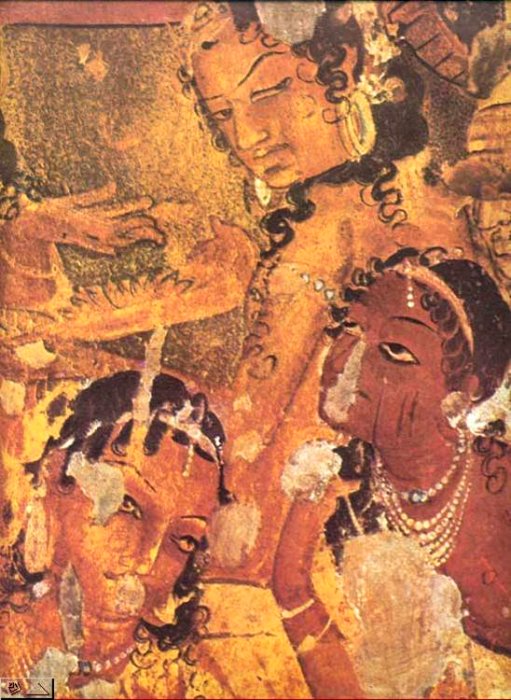
ajanta1
Ajanta Cave Paintings

Compiled by London Swaminathan
Post No.1488; Dated 15th December 2014.

The Amaru Satakam is a collection of 100 verses in Sanskrit by one Amaruka. His identity and date are not available. This delightful lyric describes the varied moods of lovers, giving us pen pictures of several charming experiences. The style is very elegant, precise and lucid. Though the theme is familiar, the treatment is unique – it is said that in Sanskrit the highest distraction as the poet who can depict the various phases of love, desire and attainment, estrangement and reconciliation, joy and sorrow must be awarded to Amaruka.

Sri S Sankaranarayanan dealt with this recently under the auspices of Rasodaya at the KSR Institute Hall, Madras-4, citing about twenty verses. He observed: Obscenity lies only in the mind of the reader or the listener and not in the verses, which gives glimpses of the attendant emotions and reactions and not physical features (Further there is the possibility of esoteric apprehension also). Some instances –

1)A maiden casts sidelong glances brimming with love on some person. An attendant maiden enquires – who is the blessed individual on whom you cast these slow glances dripping with love of closing your eyes with shyness and then gazing with open unwinking lids for a while – fully betraying the surging feelings in your heart (sloka 2)

2)A lover intimates that he has to go afar in search of wealth assuring his lady love of his firm loyalty to her and of hopes of speedy return. She breaks out into tears, unable to bid him adieu. “Tell about your safe return to those that would survive your departure (Sloka 8 and 55. It can be compared with Akananuru 5 and Tirukkural 1151, 1156.)

3)A companion advises the lady to check the advances of her lover because of his lapses, but she says “do not slander the lord of my life loudly lest he abiding in my heart should hear it” (Sloka 68; compare it with Tirukkural 1220)

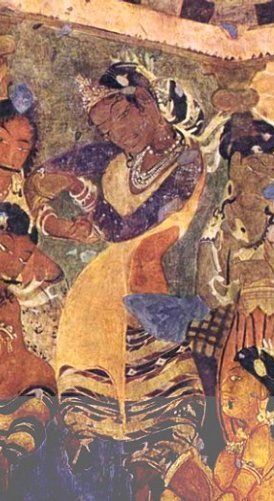
ajanta2
Ajanta paintings, Maharashtra, India

4)A lady describes how her shyness stands in the way of her eagerness to clasp her lover on the first night with him (Sloka 39; can be compared with Valmiki Ramayana , Kishkinda Kanda 30-28)

5)During separation from the lover, the lady plans to upbraid him and keep aloof when he returns here, but as soon as she sees him back, all this is forgotten and she is eager to clasp him (sloka 9; Turukkural 1284) – R.R.
From Indian Express dated 3rd January 1983

References cite from Tirukkural:
1151.Speak to me if you do not depart. About your quick return, speak to those who live.
1156.If he could be cruel enough to speak of parting, meagre is the hope of being kind again.
1220.People of this town say that my husband has parted from me; is it that they see him in my dreams?.
1284.I want to huff and slight him, O maid. But my heart leaps unawares to embrace him straight away.

(I am throwing away all the old paper cuttings, before which I wanted to upload them, so that it benefits interested readers. Those who don’t have time to read the full Amaru satakam can get a glimpse of it—swami)

Contact swami_48@yahoo.com
எட்டு விதமாக வாசிக்கும் விசித்திர தமிழ் கவிதை!!

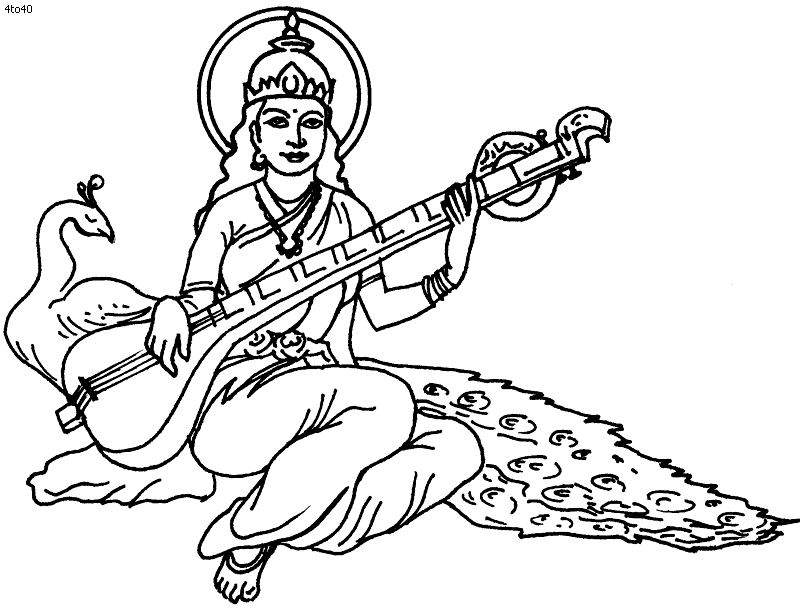
Saraswati_Maa

கட்டுரையை எழுதியவர் :– ச.நாகராஜன்
ஆராய்ச்சிக் கட்டுரை எண்- 1487; தேதி 15 டிசம்பர், 2014.

தமிழ் என்னும் விந்தை! -12
சருப்பதோபத்திரம் – 1

சதுரங்க பந்த விந்தையைத் தொடர்ந்து இன்னொரு விசித்திரமான சித்திர கவி சருப்பதோபத்திரம். இதைப் பற்றி அழகுற தனது ‘சித்திர கவி விளக்கம்’ நூலில் பேரறிஞர் பரிதிமால் கலைஞர் விளக்குவதைப் பார்ப்போம்:

சருப்பதோபத்திரம் என்பது, நான்கு புறத்தும் வாயில்களை உடையதாய் ,நினைத்த வழியால் செல்லத் தக்கதாய்ச் சமைக்கப்படும் ஒரு வீடு. அது போல எப்பக்கத்திலே தொடங்கிப் படித்தாலும் அச்செய்யுளே ஆகும் படி எவ்வெட்டெழுத்து உடைய நான்கு அடிகள் உடையதாய் அறுபத்து நான்கு அறைகளிலே முதல் அறை தொடங்கி ஒரு முறையும், இறுதி அறை தொடங்கி ஒரு முறையுமாக இரு முறை எழுதி இயையுமாறு பாடப்படும் செய்யுள் சருப்பதோபத்திரம் என்னப்படும்.

‘ஸர்வதோபத்ரம்’ என்பது சருப்பதோபத்திரம் எனத் தற்பவமாய் நின்றது. ஸர்வதஸ் – எப்பக்கத்தும்
பத்ரம் – வாயில் என்பது அவயவப் பொருள்

இதன் இலக்கணத்தை,

“இரு திறத் தெழுதலு மெண்ணான் கெழுத்துடை
யொருசெய்யு ளெண்ணென் ணரங்கினு ளொருங்கமைத்
தீரிரு முகத்தினு மாலை மாற்றாய்ச்
சார்தரு மாறியுஞ் சருப்பதோ பத்திரம்”

என்னும் மாறனலங்காரச் சூத்திரத்தால் உணர்க.
சர்ப்பதோபத்திரத்தின் உதாரணமாக பரிதிமால் கலைஞர் தரும் செய்யுள் இது:-

“மாவா நீதா தாநீ வாமா
வாயா வாமே மேவா யாவா
நீவா ராமா மாரா வாநீ
தாமே மாரா ராமா மேதா”

இதன் பொருள் :- மாவா – பெருமையை உடையவனே! நீதா – நீதியை உடையவனே! தா நீவா மாவா – வலிமை நீங்காத செல்வம் உடையவனே! யாவாமே மேவா யாவா (மே வாயாவா யா ஆமே) – சேரக் கடவாய் வாயாதனவாக எவை தாம் ஆகும்? நீ வா – நீ வருதி ராமா மாரா – இராமனை ஒப்பவனே; மன்மதனை ஒப்பவனே! ஆ – காமதேனுவை ஒப்பவனே! (அன்றி இடபம் போன்றவனே!) ஆமா – ஒழுங்குடையவனே! மேதா – நல்லுணர்வு உடையவனே! மே மார் ஆர் – மேன்மை பொருந்திய நின் மார்பில் உள்ள ஆத்தி மாலையை நீ தா – நீ தருதி
ஆமன் – ஒழுங்குடையவன்; மேதன் – அறிவுடையவன்; நீதன் – நீதியை உடையவன்; தா – வலிமை; மார் – மார்பு என்பதன் கடைக்குறை விகாரம்

இனி செய்யுளை 64 அறை கட்டங்களில் அடைத்துப் பார்ப்போம்:

bandhamnew12

இந்தச் செய்யுள் ஒரு அற்புதமான செய்யுள். இதை எட்டு விதமாகப் படிக்க முடியும். எழுத்துக்கள் அப்படி அமைந்து நிற்கின்றன.

1) நான்கு நான்கு வரிகளாக முதல் அறையிலிருந்து வலப்பக்கமாக வாசித்தல்
2) வாசித்தவாறே இறுதியிலிருந்து முதல் வர வாசித்தல்
3) முதல் அறையிலிருந்து மேலிருந்து கீழாக வாசித்தல்
4) வாசித்தவாறே கீழிருந்து மேலாக வாசித்தல்
5) முதல் வரியின் இறுதிக் கட்டத்திலிருந்து மேலிருந்து கீழாக வாசித்தல்
6) வாசித்தவாறே கீழிருந்து மேலாக வாசித்தல்
7) இறுதி வரியின் முதல் தொடங்கி இடப்பக்கமாக வாசித்தல்
8) அப்படியே இறுதியிலிருந்து முதல் வரை வாசித்து முடித்தல்

saraswati 01
Saraswati Devi

ஆக இப்படி எட்டு விதமாக எந்தப் பக்கம் வாசித்தாலும் பாடல் அமைகிறது. வாயிலாக எதைக் கொண்டு நுழைந்தாலும் செய்யுளைப் படிக்க முடியும்.

இந்த எட்டு வழி வாயில் கவிதை தமிழின் விந்தைகளில் ஒன்று அல்லவா!

மேலும் சில சருப்பதோபத்திரச் செய்யுள்களைக் காண்போம்.
– தொடரும்

மிதிலையில் ராமன் கண்ட பரத நாட்டியம்!!

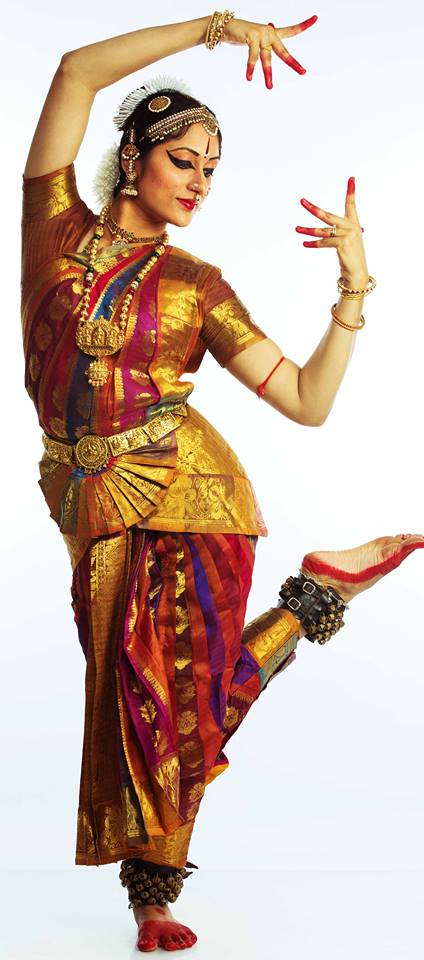
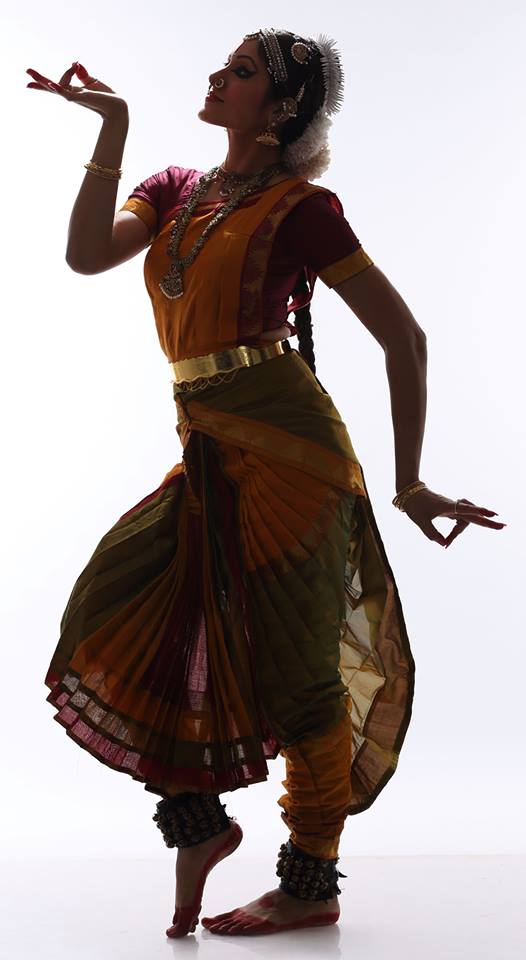
jan ren1

Dr Janaki Rangarajan, talented dancer from Tamil Nadu

கட்டுரையை எழுதியவர் :– லண்டன் சுவாமிநாதன்
ஆராய்ச்சிக் கட்டுரை எண்- 1487; தேதி 15 டிசம்பர், 2014.

நெய் திரள் நரம்பின் தந்த மழலையின் இயன்ற பாடல்,
தைவரு மகர வீணை தண்ணுமை தழுவித் தூங்க,
கை வழி நயனம் செல்ல, கண்வழி மனமும் செல்ல,
ஐய நுண் இடையார் ஆடும் ஆடக அரங்கு கண்டார்
—மிதிலை காட்சிப் படலம், கம்பராமாயணம்

यतो हस्तस्ततो दृष्टिर्यतो दृष्टिस्ततो मनः ।
यतो मनस्ततो भावो यतो भावस्ततो रसः ॥

yato hastastato dṛṣṭiryato dṛṣṭistato manaḥ
yato manastato bhāvo yato bhāvastato rasaḥa

பரத நாட்டியம் கற்றுக்கொள்ளச் செல்லும் எல்லோரும் அறிந்த சம்ஸ்கிருத ஸ்லோகம் :

யதோ ஹஸ்தஸ் ததோ த்ருஷ்டி, யதோ த்ருஷ்டி ததோ மன:
யதோ மனஸ் ததோ பாவோ, யதோ பாவஸ் ததோ ரஸ:

பொருள்:–அபிநயம் பிடிக்கும் கைகளை கண்கள் பார்த்துக் கொண்டிருக்க வேண்டும். கண் பார்வை எங்கே இருக்கிறதோ அதில் மனம் லயிக்க வேண்டும். அப்படி மனம் லயிக்கும் போது முகத்தில் பாவம் (சரியான உணர்ச்சியை வெளிப்படுத்தும் பாவம்) தோன்றும். அதன் வழியே ரஸம் ( நவரஸ உணர்ச்சிகள் ) அமையும்.

jakani mudra
Dr Janakai Rangarajan, a popular dancer, performing around the world.

மேற்கூறிய சம்ஸ்கிருத ஸ்லோகத்தை அப்படியே கம்பனும் சொல்லுவதைக் கண்போம்:
நெய் திரள் நரம்பின் தந்த மழலையின் இயன்ற பாடல்,
தைவரு மகர வீணை தண்ணுமை தழுவித் தூங்க,
கை வழி நயனம் செல்ல, கண்வழி மனமும் செல்ல,
ஐய நுண் இடையார் ஆடும் ஆடக அரங்கு கண்டார்

மகர யாழ் வாசிப்பதற்கு முன் அதன் நரம்பின் மீது நெய் பூசுவர். அது மழலைக் குரல் போன்ற இனிமையான ஓசை தரும். கை விரலினால் வீணையை மீட்க, அதற்கு அணுசரணையாக மத்தளம் முழங்கும் அதாவது எல்லாம் சரியாக சுருதி சேரும். இப்படிப்பட்ட அருமையான வாத்யக் குழு பாட, அங்கே நாட்டியம் ஆடவந்த மெல்லிடை அழகிகள் கைவழி (அபிநயம்) நயனம் (கண்கள்) செல்ல, கண்வழி மனமும் லயித்தது. இப்படிப்பட்ட அருமையான ஆட்டத்தை ராமனும் லெட்சுமணனும் கண்டனர். அவர்களை விசுவாமித்திர முனிவர் மிதிலா நகரத் தெருக்கள் வழியே நடத்திச் சென்றபோது இது நடந்தது.
இப்பொழுது மீண்டும் ஒரு முறை சம்ஸ்கிருத ஸ்லோகத்தைப் படித்தால் கம்பனின் சொற்களின் மகிமை நன்கு புரியும்.

பயிற்சி இல்லாதோர் ஆடினால் இதில் ஏதோ ஓரிடத்தில் தவறு நிகழும். முதல் கோணல் முற்றும் கோணலாக அமையும். கண் போன போக்கில் மனம் போகாமல், மனம் போன போக்கில் கண் போகும்!

(ஞாயிற்றுக் கிழமை காலையில் ‘’ஸ்கைப்’’ வழியாக கம்பராமாயண வகுப்பு நடத்திக் கொண்டிருந்தேன். அப்பொழுது கம்பனின் பாடலைப் படித்துப் பொருள் காண்பதற்குள், லண்டன் வாழ் திருச்சி கல்யாண சுந்தர குருக்கள் மேற்கூறிய சம்ஸ்கிருத ஸ்லோகத்தை நினைவு கூர்ந்தார்.)

contact swami_48@yahoo.com

Strange Names for Unknown Poets of Rig Veda and Tamil Literature!

Funny-Baby-Names

Research paper written by London Swaminathan
Research article No.1486; Dated 14th December 2014.

Some poets have got strange names in the Rig Veda as well as in Sangam Tamil literature. Some of the poets are named after the epithets they use. There is a reason behind it.

Shrikant G.Talageri, in his book The Rig Veda – A Historical Analysis, has written the following:-
“There are obviously corruptions in the Anukramanis in the form of ascriptions to fictitious composers. This is particularly in the case of in Mandala X, where a large number of hymns are ascribed to composers whose names, or patronyms/epithets, or both fictitious.

However, in the first eight Mandalas, except in the case of one single hymn (VIII-47), it is very easy to identify the actual composer (by which we mean the Rsi who actually composed the hymn, or the eponymous ancestor to whose the hymn has to be credited as per the system followed in the particular Mandala) of a hymn ascribed to a fictitious composer.

Hence, in our listing of the composers of the first eight Mandalas, we have replaced the fictitious names in the Anukramanis with the names of the actual composers, whose identity is clear from those same Anukramanis”.

This is what Mr Talageri said about the names of poets in the Rig-Veda.

baby

My comments
1.First of all it is regrettable that a great scholar like Talageri does it. No one dared to touch the Vedas in the past thousands of years. There may be mistakes in copying or passing by word of mouth. But nowhere in the world have we had such a voluminous old literature passed by word of mouth. Even if someone finds something wrong, it is always better to give it within brackets or as a foot note. We have no right to amend the age old scripture or the Anukramani.

2.We have approximately 435 names of seers in the Rig Veda. Sangam Tamil Literature which is 2000 year old also has 471 poets. But they were compiled into anthology form in the fifth century CE or so. Those compilers also had the same problem and they gave 20+ poets “fictitious” names. But Tamil scholars did not dub them as “fictitious”.

rapex-contracting

3.The reason for such names is that their names were lost in course of time and so they took one or two quotable epithets from their poems and put it as the name of the poet.

4.Another reason given by the scholars is that the poets became famous because of their oft quoted epithet or word phrases. They were always remembered by the epithets; A K Ramanujan, a great Tamil scholar and author of several translation works, says,

“Cempulap peya niiraar, which would mean ‘The Poet of Red Earth and Pouring Rain’ composed poem 40 (of Kuruntokai). Poem 47 is by Netu ven nilavinaar, ‘The Poet of the Long White Moonlight”. The use of epithetical names seems to suggest that for these poets no signature was more authentic than their own metaphors”.

strange name1

Veda Vyasa was called Sakarakukshi for his excessive use of the letter S, Sa etc. Many of the Upanishads also named in the same way.

Isavasya Upanishad was called Isavasya since the Upanishad begins with the words “Isavasya” and similarly the Kena Upanishad is so named because of its initial word Kena. Prashnopanishad contains six questions and answers and so it is called Prashna/Question Upanishad. So it is common to give names to books or authors on such epithets, metaphors or expressions.

strange2

I will give you some strange epithets or metaphors from Sangam Tamil literature. This is only a rough translation. These are the poets’ names as well as the metaphors in their poems:

Kayamanar = Mr.Tank
Anilaadumundrilaar= Mr.Backyard where squirrel plays
Miinerithuundilaar = Mr.Fishing rod
Vittakuthiraiyaar = Mr.Jumping Horse
Ooreer uzavanaar =Mr Single ploughshare farmer
Kuuvanmaindan = Mr.Dumb who dreamed a cow falling into a well (unable to tell anyone)
Ooril pichaiyaar = Mr.Begging for food from only one house
Kalporu sirunuraiyaar = Mr.Foam created by water dashing stones
Kuppaik koziyaar = Mr.Hen or cock looking for food in the rubbish heap
Kavaimakan = Mr.Siamese twins taking poison by one mouth (disastrous effect for both)
Villaka viralinaar = Mr.Fingers holding the bow
There are many more names like this in Tamil poetry.
starnge3

Conclusion
We should never alter the names in the Vedas or in the Anukramanis
Everyone has freedom of speech to give his or her own views, but no one has the right to alter the original script.
Poets having metaphors or epithets as their names are common from Himalayas to Kanyakumari.
We have proof for such a custom at least from Rig Vedic period to Sangam Literature period: 1700 BCE to 3rd Century CE.

Contact swami_48@yahoo.com