Saivism in Cambodia

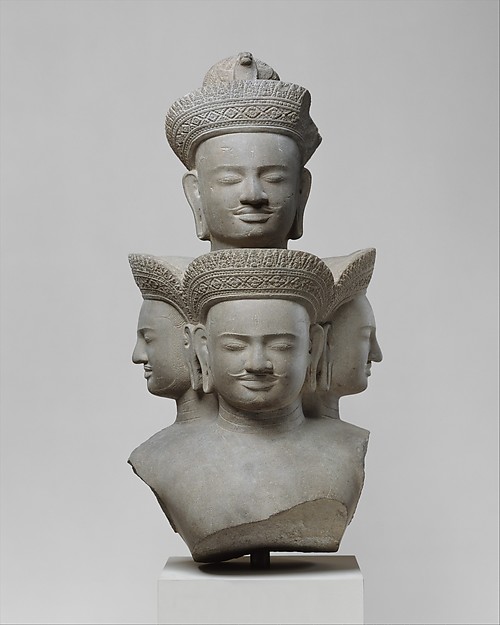
bust of five headed siva
Bust of Pancha muka Siva from Cambodia, Metropolitan Museum, New York

Compiled by London Swaminathan
Post No.1485; Dated 14th December 2014.

Points from an illustrated talk by Dr R Nagaswami, eminent historian and archaeologist, at the KSR Institute, Mylapore, Madras on 2nd October 1983 ( Dr Sivaramamurti Memeorial Lecture)

1)There are many legends about the origin of the rulers of Cambodia –
a)Kaundinya, a Brahmana of the Agastya clan, receiving a spear from Aswathama (Drona’s son) coming to this land and planting it—his marriage with a local (Naga) princess – their son Bhavavarman founding the city, Bhavapura (There are analogues in Pallava and Chola legends in India).

2)Chinese version – A male – Huen Chan (Houentien) dreaming of a bow given to him by a spirit sailing in a boat – losing his way coming to this land – meeting, defeating local queen and marrying her.

The Kambojan rulers called themselves – Sri Kaundinya somoduhitr praabhavah. This rule could have commenced even as early as 100 CE. There are records and inscriptions – detailed and continuous from the fifth century CE to the present day.

Tagore’s Song
Note: i)Tagore singles beautifully, in Bengali, of the Aryan migration to the Far East:“The great god Vishnu spoke to me, as also Uma, the ten armed Goddess; Make ready thy boat, carry the rites of worship across the unknown turbulent seas. The rivers stretched their arms to the eastern ocean in a flow of majestic gesture…………And the heart of my land murmured to me its hope that it might build its nest of love and piety in the far off lands of its dreams”
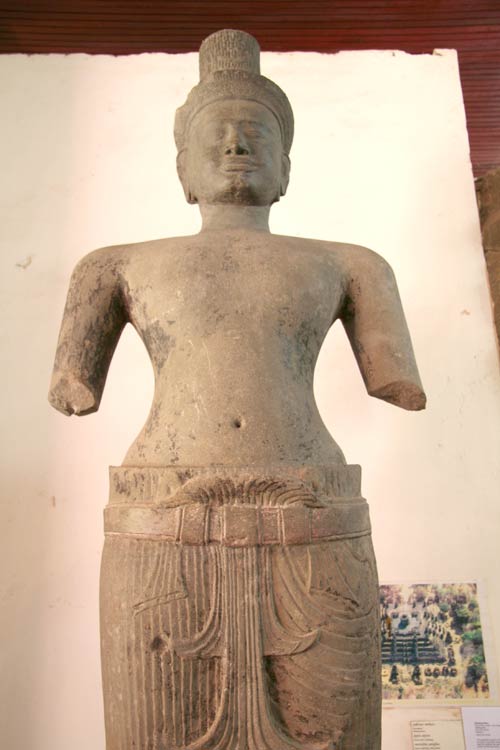
siva cambodia
Siva from Cambodia

2)Prof.K.A.Nilakanta Shastri observes— “The Hindu colonists carried abroad a cult with them i.e. the cult of Saivism under the aegis of the then chief purohit/priest of the Pandyas, an Agastyabhatta.
The inhabitants of Kambudesa when the Aryans first arrived there were Khmers – an Austronesian people who had settled there about fifth century BCE and mingled with the local ethnic groups. The Aryans civilised them. The original Aryan colony was Fou-nan (Vanam in Sanskrit and Panom in Khmer), established at the mouth of the Ma Ganga (Mekong)—first century CE.
(The Aryan state Bohuvanam extended up to Laos and Annam in the north and the east and reached down to Malay Peninsula in the west.)

Rulers of Cambodia
After Kaundinya – I, there were other dynasties. A Brahmin sage from Malaya conquered the kingdom early in the fifth century CE and became Kaundinya – II (Siva Chandra Varman?); the successor rulers were Indravarman………. and Jayavarman(470 CE). The last one built new capitals, one of which was Vyadhapura (Angkorbore). He had a long reign of 44 years. His successor Rudravarman became a Buddhist. Later Bhavavarman seized Fou – nan and the empire was integrated. His brother succeeded him – Mahendravarman ruled from Sambhupura. His successor Isanavarman firmly established his suzerainty and extended his conquests – he called himself “Trilokapala” (Fou nan, Kamboja and Dvaraavati) and built a new capital Isanapuri. His successor BhavavarmanII (635 CE) and the next ruler was Jayavarman II (640-680 CE)…. Jayavarman IV (11th century CE) and performed a special sacrifice to free Kambudesa from Javan overlordship. He succeeded and was a great ruler.

Different Names of Siva
The inscriptions give different names of Siva (Ashtamurti) as also of Sankaranarayana, Sambhu-Vishnu, Hara-Achyuta, Hari-Sankara. Even Buddhist inscriptions begin with salutations to Siva or the content is about Siva. In later periods Buddhist Bhikkus, Saivite and Vaishnavite sanyasins lived in harmony, receiving equal patronage from the ruler. There references to Ashramas – Brahmana, Vaishnava and Sangata, with their duties and privileges.
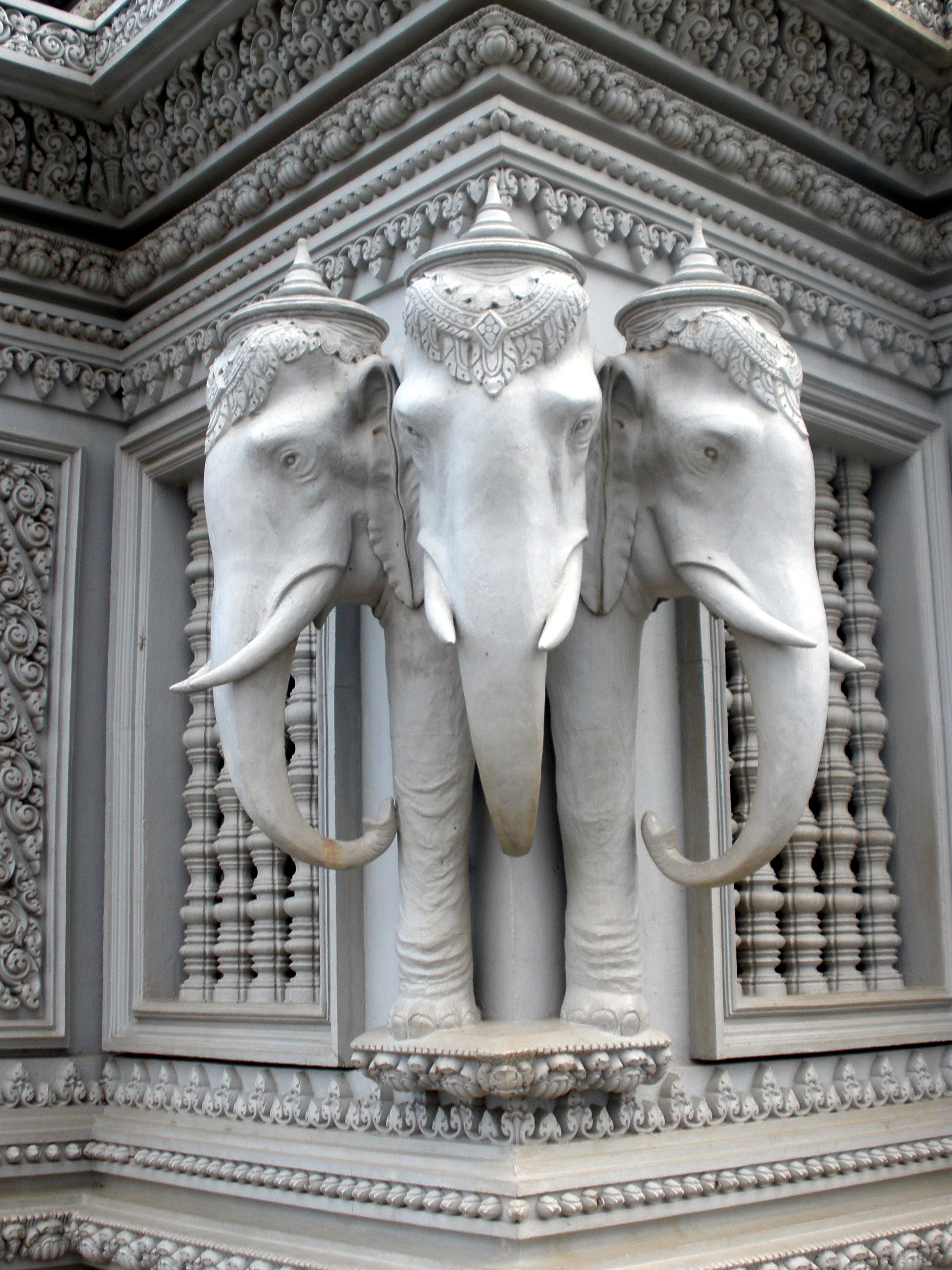
OLYMPUS DIGITAL CAMERA
Three headed elephant, Cambodia, Photo by John Farraloo

There is mention of Vedas, Vedangas, Puranas, the reading of the Ramayana and Mahabharata, different Darsanas etc. The Sanskrit inscriptions are of great poetic beauty, hardly surpassed in India.

Siva – Sakti apparently dual is declared as one. The Trinity is also one –“jayati – ambhoja bhavanah jayati! Ambhoja locana jayati ambhoja bhupendra prabho bhavah (1005 CE – Suryavarman’s inscriptions)

After death kings got the names Sivaloka, Isvaraloka, Parameswaraloka.

It is remarkable that rulers with same names – Mahendra, Rajendra ….. ruled about the same time in South India and Cambodia – protagonists of the same culture – R.R.
(Paper cuttings from 7th and 8th of October 1983, Indian Express)

I am throwing away all the old paper cuttings, before which I wanted to upload them, so that it benefits interested readers. Those who don’t have time to read voluminous Cambodian histories will get some idea about it. I have changed all the AD in to CE– swami
சதுரங்க பந்தம் – 11

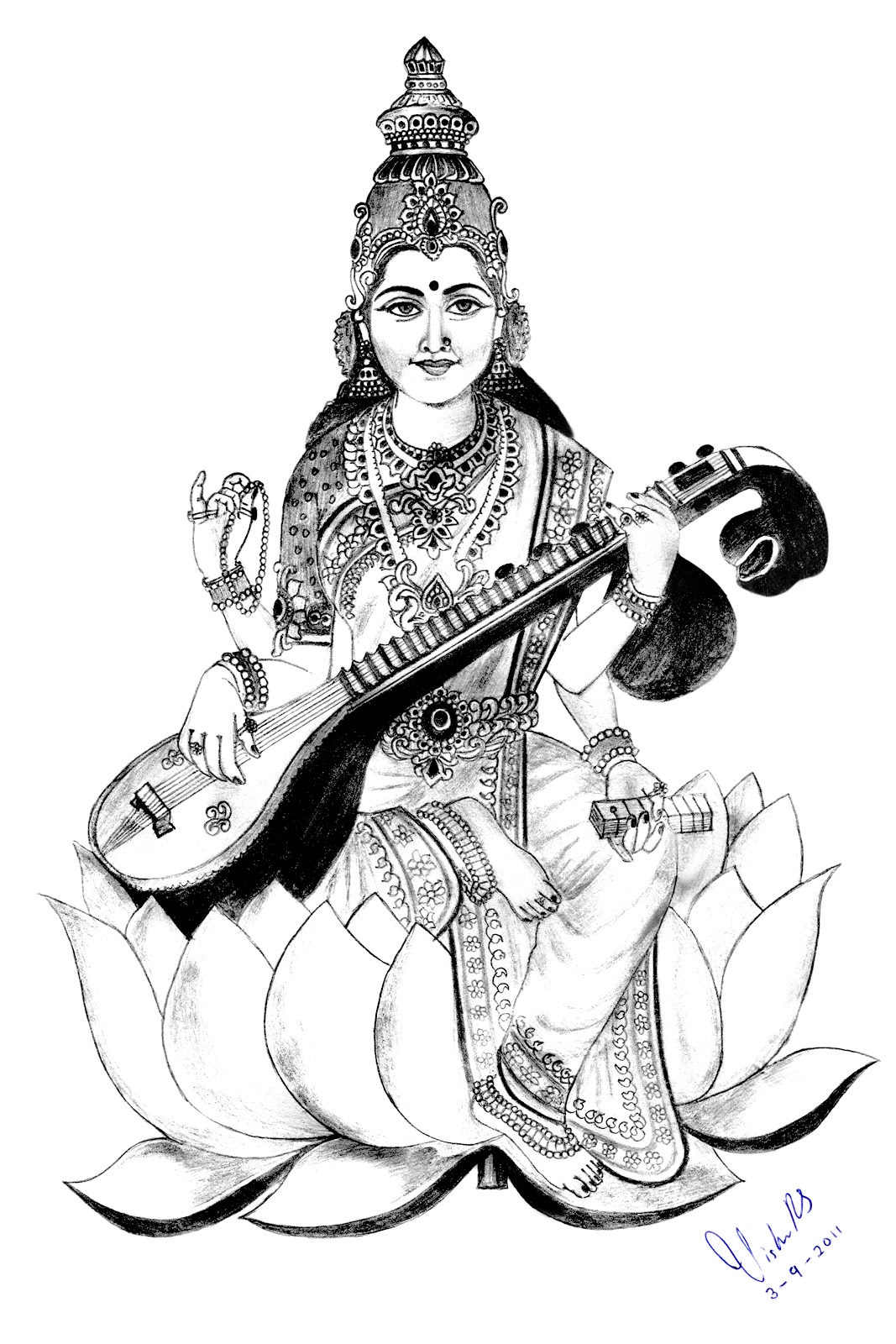
saras

கட்டுரையை எழுதியவர் :– ச.நாகராஜன்

ஆராய்ச்சிக் கட்டுரை எண்- 1484; தேதி 14 டிசம்பர், 2014.

தமிழ் என்னும் விந்தை!
சதுரங்க பந்தம் – 11

தமிழ் ஒரு அற்புதமான விந்தையான மொழி. சதுரங்க பந்தம் அமைப்பதே கடினமான காரியம். அதில் ஏராளமான விந்தைகளை அடக்க வழி காட்டும் மொழி தமிழ்!

குதிரையும் யானையுமாகப் பாய்த்துமாறு என்று யாப்பருங்கல விருத்தி உரை ஒரு இலக்கணத்தைக் கீழ்க்கண்ட செய்யுளில் தருகிறது:

“செங்கை யுந்திச் சீர்மலி யாரம்
கீழணி தாழ்பொழில் கண்ணகன் திண்ணிலஞ்
சகமலி யிருவினைச் சார மீரம்

சித்திர மத்திரங் கிளரொளி தளரகிற்
கார்மழை தீரணி நான்மறை மீனுரு
வாடை பீடை வித்தா பத்தா
நிலமும் மலையும் பிரமனு மவர்மணி
மிகவு நகுமதி மாரி நீரில்
பார வீரர் புள்ளி வெள்ளை
முத்தி நெய்த்த நூலோர் மேலோர்
பேரா வீழி பெரிய வுருவுடை
பூதிய வேதன் மூரி நோன்ற
மெய்மை நுண்மை தெள்ளிய குருபரன்
எந்தையன் சுந்தர நூரன் சேரன்
தூசன் கேசவன் சூழ்பொழி லேழணி
கூறிய நேர்வு கெழுமிய துத்தி
சீரிய கரிபரி “தெளிந்தனன் றெளிந்தே”

யானையும் குதிரையும் பாய்ந்து நடக்கும் விதத்தை தெளிந்தனன் தெளிந்தே என்று கவிஞர் கூறினாலும் நமக்கு விளக்குவார் இன்மையால் தெளிவு பிறக்கவில்லை. “வல்லார் வாய் கேட்க” என்று இலக்கண விளக்க நூல்கள் அறிவுறுத்தும் போது இதை விளக்கும் வல்லார் எங்குள்ளனர் இன்று என்பதும் தெரியவில்லை.

இனி இந்தப் பாட்டின் விளக்கவுரையாக வருவது;
இதன் அடைவே கரியும் பரியும் வேண்டியதோர் அறை முதலாகவும்,
வேண்டியதோர் அறை ஈறாகவும் துதித்து வரைய அறுபத்து நாலும் வரும்.

இனி, இவற்றைச் சிறுநுதல் கடிகமழ் பெருமதர் மழைக்கண்,
துதித்துச் செங்கை சீரிய கரிபரி என மாறியும் படிக்கக் கடிதின் உதவும்
அறைகட்கு எழுத்து நிறுத்துவதற்கு இலக்கணம்;

‘அன்னங் சுழிசங்கு தத்தை நகர் பறவை
மன்னன் வலம்புரியோ டெட்டு

“அன்னமொன்றாங் சுழியிரண்டா மணிநீர்ச் சங்க மொருமூன்றாந்

தண்ணந்தத்தை யீரண்டாந் தகைசா னகர மைந்தாகும்

பன்னும் பறவை யிருமூன்றாம் பழிதீர் மன்ன னோரேழாம்

மன்னு மொழியாய் வலம்புரியேன் மருடீ ரிருநான் காகுமே’

எனக் கொள்க.

இவற்றை நிரலே அ, க, ச த, ந, ப ம என அணிந்து அந்த அறைகளில் ஏகார வெழுத்தளவெதிர் நடாத்த அறுபத்து நாலறைக்கும் எழுத்துக்களாம்’

இப்படி தீர்க்கமாக விளக்கங்கள் தரப்பட்டாலும் எடுத்துக்காட்டுகள் இல்லாதிருப்பதால் நமக்குப் புரியவில்லை. அற்புதமான சொல்லடுக்கு உள்ள செய்யுளில் ஆழமான பொருள் இருப்பதை மட்டும் நம்மால் உணர முடிகிறது.

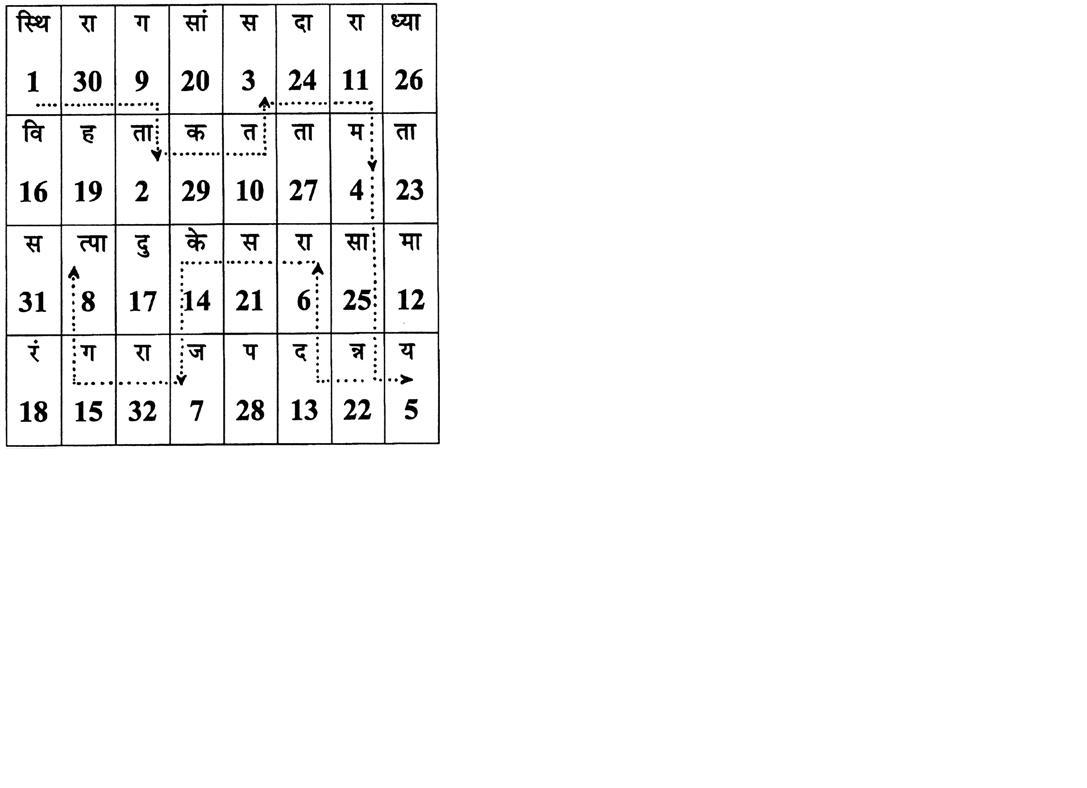
பாரசீகம், சம்ஸ்கிருதம், தெலுங்கு உள்ளிட்ட மொழிகளில் சதுரங்க பந்தங்கள் அமைக்கப்பட்டுள்ளன. தமிழிலோ பல்வேறு விந்தைகள் அதிகம் கொண்ட சதுரங்க பந்தங்களைப் பார்க்க முடிகிறது.

bandhamnew11
உதாரணத்திற்காக சம்ஸ்கிருதத்தில் அமைந்துள்ள ஒரு சதுரங்க பந்தம் மேலே தரப்பட்டுள்ளது. ஆனால் சதுரங்கத்தில் 64 கட்டங்கள் இல்லாமல், மேல் பாதியில் மட்டும் அதாவது 32 கட்டங்களில் மட்டும் வருமாறு இந்த ஸ்லோகம் அமைக்கப்பட்டுள்ளது.
தமிழில் உள்ள சதுரங்க பந்தங்களில் சிலவற்றை மட்டும் கண்டோம். இலக்கண நூல்கள் எவ்வளவு ஆழமாக அமைந்துள்ளன என்பதையும் பார்த்தோம் நாம் இந்தத் தொடரில் குறிப்பிட்டுள்ள பல புரியாத புதிர்களுக்கு விடை காண விழைவோர் எதையும் ஏற்கும் தமிழின் நெகிழ்வுத் தன்மையை எளிதில் உணர முடியும்.

இனி அடுத்த விந்தையைக் காண்போம்

– தொடரும்

Socrates, Napoleon, Valluvar believed in Fate!

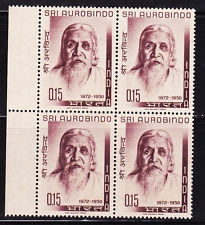
aurobindo

Research paper written by By Santhanam Nagarajan

Research article No.1483; Dated 13th December 2014.

Fate and Free will – Part VI

Maharishi Aurobindo has explained that all men great and strong have believed some higher force. He explains Fate, thus:

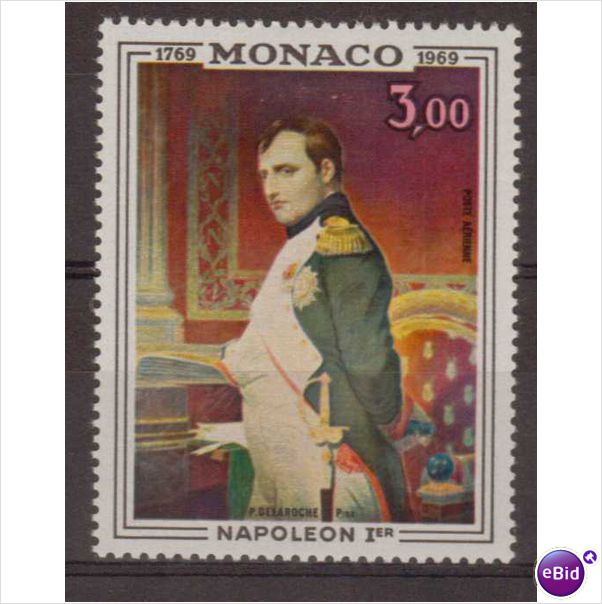
“There have been people who have believed in fate or destiny or whatever you may call it. Napoleon III used to say, ‘So long as something is necessary to be done by me it will be done in any case and when that necessity will cease, I shall be thrown on the wayside like an unworn vessel.’ And that is what exactly happened to him. Napoleon also believed in Fate.

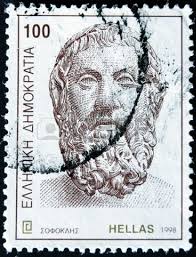
All men who have been great and strong believe in some higher Force, greater than themselves, moving them. Socrates used to call this his Daemon, man’s divine being. It is curious how sometimes even in small things one depends on this voice.

socrates

Socrates’ belief in Fate

Once Socrates was walking with a disciple when they came to a place where they had to take a turn. The disciple said, ‘Let us take this route.’ Socrates said, ‘My Daemon asks me to take to take the other.’ The disciple did not agree and followed his own route. After he had gone a certain distance he was attacked by some pigs and thrown down by them.

There are some who do not follow the inner voice but an inner light. The Quakers believed in that.”

Quoting Napoleon, Aurobindo further explains fate and effort.
“Napoleon when asked why he believed in Fate, yet was always planning and acting, answered, ‘Because it is fated that I should work and plan.”

The great work Thirukkural explains fate and effort very interestingly.
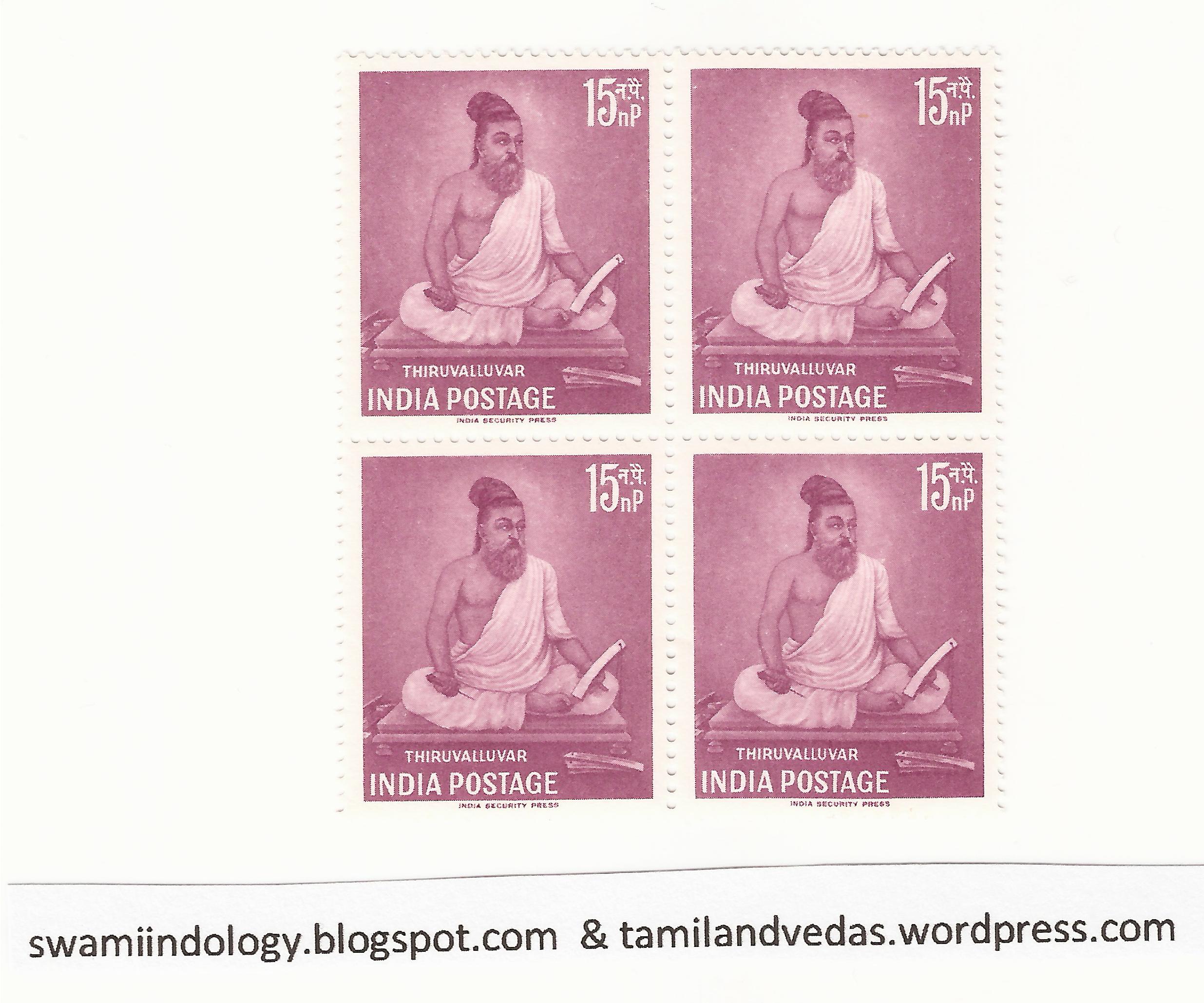
The great work Thiurkkural is the master-piece of Tamil literature. The great poet Thiruvalluvar has given it to the whole world. It consists of 1330 couplets.

valluvar 4

Valluvar’s belief in Fate

Rev G.U. Pope said: “Thiruvalluvar was undoubtedly one of the greatest geniuses of the world. Complete in itself, the sole work of its author has come down the stream of ages absolutely uninjured, hardly a single various reading of any importance being found.

The Kural owes much of its popularity to its exquisite poetic form. The brevity rendered necessary by the form gives an oracular effect to the utterances of the great Tamil “Master of Sentences”. They are the choicest of moral epigrams.”

Now let us read the two couplets.

The couplet no 380 says: “What is stronger than Fate? Even if we think of a way to avert it, it will forestall us.”
The couplet no 620 says: “Those who labor on untiringly and without fault will overcome even fate.

Even though both these couplets seem to be contradictory, they are not.
Work hard and smart and leave the rest to God. God helps to those who help themselves.

Maharishi Thiruvalluvar and Maharishi Aurobindo have explained very beautifully Fate and effort thus.
Let us explore further.

napoleon

Summary:
Maharishi Aurobindo explains fate and effort, quoting Napoleon. “Napoleon when asked why he believed in Fate, yet was always planning and acting, answered, ‘Because it is fated that I should work and plan.” The great Tamil poet Thiruvalluvar in his great work Thirukkural says: “What is stronger than Fate? Even if we think of a way to avert it, it will forestall us.” But he also says: “Those who labor on untiringly and without fault will overcome even fate.”

To be continued …………………..

சங்க காலத்தில் வரதட்சணை!

அகம்1

அகநானூறு அதிசயங்கள்– பகுதி 4

கட்டுரையை எழுதியவர் :– லண்டன் சுவாமிநாதன்
ஆராய்ச்சிக் கட்டுரை எண்- 1482; தேதி 13 டிசம்பர், 2014.

முதல் மூன்று பகுதிகளைப் படித்துவிட்டு இதைப் படிப்பது நலம்.

அதிசயம் 16
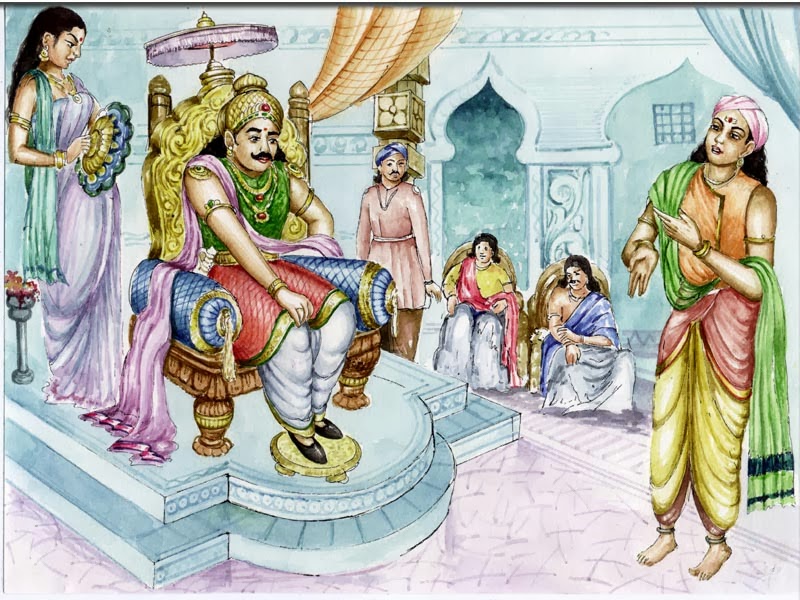
பாடல் 90 மருதன் இளநாகனார் பாடியது — முன் காலத்தில் திருமணம் பேசச் செல்வோர் பெண்களுக்கு ‘’விலை’’ (ஸ்ரீதனம்) கொடுத்து பெண்ணைத் திருமணம் செய்துகொண்டனர். பின்னர் இது தலை கீழாக மாறி ஆண்களுக்கு விலை பேசினர். டாக்டர் படிப்பு படித்திருந்தால் இவ்வளவு வரதட்சணை, இஞ்ஜினீயர் என்றால் இவ்வளவு என்று. இப்பொழுது பெண்கள் எண்ணிக்கை குறையவே பழைய கால நிலை திரும்பிவிட்டது. அதாவது பெண்களுக்கு பல விதமான ஊக்குவிப்புகளைக் காட்டி என்னைக் கல்யாணம் செய்துகொள் என்று ஆண்கள் கெஞ்சவேண்டிய நிலை! ஆதிகாலத்தில் பெண்களுக்கு ‘’விலை’’ கொடுத்ததை காளிதாசன் காவியங்களிலும் சங்க இலக்கியத்திலும் காணலாம். இந்தப் பாட்டில் செல்லூர் கோசர்களின் நியமம் என்ற ஊரையே நீ விலையாகக் கொடுத்தாலும் பெண்ணை அடைவது கஷ்டம் என்று தோழி கூறுகிறாள்:–

கருங்கட் கோசர் நியமம் ஆயினும்
உறும் எனக் கொள்ளுநர் அல்லர்
நறு நுதல் அரிவை பாசிழை விலையே!
வரதட்சணை காலம் தோறும் மாறுவது வியப்பிலும் வியப்பே!!

அதிசயம் 17

பாடல் 342 மதுரை கணக்காயனார் பாடியது. இதில் குகைகளில் உறையும் தேவதைகள் பற்றிப் பாடுகிறார். ஏரி, குளம், காடு, மலை, தோட்டம், துறவு, குகை, அருவி, கடல் முதலிய பல இடங்களில் வசிக்கும் அணங்குகள் பற்றி சங்க இலக்கியத்தில் நூற்றுக் கணக்கான இடங்களில் காணக்கிடக்கிறது. இது ஒரு நல்ல பி.எச்டி. ஆய்வுக்குரிய விஷயம்.

நீர் இழி மருங்கில் கல் அளைக் கரந்த அவ்
வரையர மகளிரின் அரியள்
அவ் வரி அல்குல் அணையக் காலே
பொருள்: அருவி வீழும் பொய்கை உடைய மலைக் குகையில் மறைந்த வரையர மகளிர் போல காண்பதற்கு அரியவள் நம் தலைவி.

பழந்தமிழர்களும் ஏனைய மக்கள் குழாம் போல பல (மூட?) நம்பிக்கை உடையோரே!
(வரையரை மகளிர்= மலையில் வாழும் பெண் தெய்வம்; கல் அளை=குகை).

அகம்2

அதிசயம் 18

பாடல் 369 நக்கீரர் பாடியது. இதில் காளிதாசன் எழுதிய சாகுந்தலத்தின் தாக்கத்தைக் காணலாம். சகுந்தலை என்னும் கானகப் பேரழகி, கண்வ மகரிஷியின் ஆஸ்ரமத்தை விட்டுச் செல்லும்போது அவளால் வளர்க்கப்பட்ட தாவரங்களும் பிராணிகளும் இருந்த நிலையை காளிதாசன் அழகாக வருணிக்கிறான். இதோ நக்கீரர் சொல்வது:

அவள் வளர்த்த கிளிகள் பால் உண்ணவில்லை; தோழியர் கூட்டம் விளையாடவில்லை; பூஞ்செடிகள் மலரவில்லை; சுவரில் உள்ள பாவைகளும் பலி எதையும் கொள்ளவில்லை.

நக்கீரர் கூற்றில் மெலும் ஒரு விஷயமும் தெரிகிறது. வீடுகளில் சுவரில் தெய்வப் படங்களை வரைந்து அதற்கு தினமும் நைவேத்யம் செய்வது தமிழர் வழக்கம் என்பது உறுஹியாகிறது. இதே விஷயம் வேறு சில பாடல்களிலும் வருகிறது.

அதிசயம் 19

பாடல் 344 மதுரை அளக்கர் ஞாழார் மகனார் மள்ளனார் பாடியது. இதில் தொளி என்னும் மகளிர் விளையாட்டு பற்றிக் குறிப்பிடுகிறார். இப்போது இந்தச் சொல்லும் விளையாட்டும் வழக்கில் இல்லை என்றே தோன்றுகிறது. மகளிரின் தொளி என்னும் விளையாட்டைப் போல மயில் கூட்டம் திரிகிறது என்று அவர் பாடுகிறார். பதவுரை விளக்கத்தில் மகளிர் பலர் கூடி ஆடும் வரிக் கூத்து தொளி என்று விளக்கப்படுகிறது. கோலாட்டம், கும்மி போல ஒரு கோஷ்டி ஆட்டமாக இருக்கலாம்.

அகம்3

அதிசயம் 20
பாடல் 398 இம்மென்கீரனார் பாடியது. இதில் பொற்கோட்டு இமயத்தைப் பாடுகிறார். 2000 ஆண்டுகளுக்கு முன்னரே தமிழர்களுக்கு இந்தியாவின் முழு சித்திரமும் தெரிந்திருந்தது. இமயம் வரை அவர்களுக்குத் தெரிந்ததிருந்தது. வெள்ளைக்காரன் நாடு முழுதும் சாலையும் ரயில் பாதையும் போட்டதால்தான் நாடு ஒற்றுமை ஆனது என்பது எல்லாம் எவ்வளவு அபத்தம் என்பது தமிழ் இலக்கியத்தைப் படிப்போருக்கு விளங்கும். ஆதி சங்கரர் பல முறை வலம் வந்து நாற்புறங்களிலும் மடங்களை நிறுவியதை அறிந்தும் வெள்ளைக்காரன் அவனையே புகழ்ந்து எழுதிய வரலாற்றை இன்று வரை நாம் படித்துக் கொண்டு இருக்கிறோம்.

அதிசயம் 21
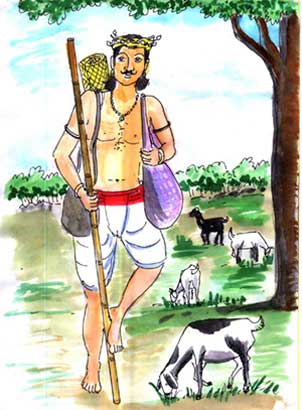
காட்டில் வாழும் மறவர்கள் செய்த கொடிய செயலையும் பின்னர் அவர்களே அதற்கு வருந்தியதும் பாடல் 337ல் உள்ளது. இதைப் பாடியவர் பாலை பாடிய பெருங் கடுங்கோ. எலும்பும் தோலுமாக ஒரு பிராமணன் காட்டு வழியாக ஓலைச் சுவடியுடன் தூது போகிறான். அதை மழவர்கள் (மறவர்கள்) பார்த்தவுடன் இவன் தங்கத்தை வைத்திருந்தாலும் வைத்திருப்பான் என்று எண்ணி அவனைக் கொன்றுவிடுகின்றனர். அவனிடம் வெறும் ஓலைச் சுவடி மட்டுமே இருந்ததைக் கண்டு அடடா! தவறு செய்துவிட்டோமே ! என்று கையை நொடித்து அப்பாற் சென்றனர். அந்தப் பார்ப்பனனின் உடலை நரி தின்றது.

சம்ஸ்கிருத காவியங்களிலும், சிலப்பதிகாரம் முதலிய தமிழ் காவியங்களிலும் தூது செல்லும் பணி பார்ப்பனர்களுக்கே ஒதுக்கப்படதைக் காட்டும். இது 15 ஆம் நூற்றாண்டிலும் நீடித்தது. கேரள மன்னன் அனுப்பிய பார்ப்பன தூதுவனை கொடியவனான வாஸ்கோடகாமா தன் கப்பலிலேயே கண்டம் துண்டமாக வெட்டிப் போட்டான். அதை எல்லாம் சரித்திரப் புத்தகத்தில் எழுதாமல் – இந்தியாவுக்கு கடல் வழி கண்டுபிடித்த வாஸ்கோட காமா — என்று நம் குழந்தைகள் இன்னும் வரலாறு படிப்பது வெட்கக்கேடு.

வாஸ்கோட காமா கடற்வழியைக் கண்டுபிடித்த செய்தியும் தவறு. நாடு பிடிக்க வந்த வெள்ளைக்காரன், போர்ச்சுகீசியரும் தம் வகையறா என்று எழுதிய பொய்யுரை அவை.— வரலாற்றை உடனே திருத்தி எழுதுதல் அவசரப்பணியாகும்.

vaidehi herbert

அதிசயம் 22
மதுரைக் கூலவாணிகன் சீத்தலைச் சாத்தனார் பாடிய பாடல் 320 ஓங்குதிரைப் பரப்பின் வாங்கு விசைக் கொளீஇ – என்று துவங்குவது மதுரைக் காஞ்சியின் முதல் வரியை நினைவுபடுத்தும். இதே சொற்றொடரைக் கல்வெட்டுகளும் பயன்படுத்தின.

அதிசயம் 23
வேறு பல அதிசயச் செய்திகளைத் தனித் தனி கட்டுரைகளில் கொடுத்துவிட்டதால் பாடல் குறிப்புகளை மட்டும் தருகிறேன்:

பாடல் 265—மாமூலனார்— கங்கை நதிக்கு அடியில் தங்கம்
பாடல்கள் 69, 251, 281 – மௌரியர் படை எடுப்பு— மௌரிய மன்னன் பிந்துசாரன் தென் இந்தியாவை வென்றதை திபெத்திய வரலாற்று ஆசிரியர் தாராநாத் குறிப்பிடுவதை ஒப்பிடுதல் பொருத்தம்.
அகம் 107, 381 வங்கர் பற்றிக் கூறும்.

பாடல் 296— மதுரைப் பேராலவாயார் பாடல் – பண்டம் மாற்று வணிகம் பற்றிய குறிப்பு— கடலில் எடுத்த சிப்பிகளைக் கொடுத்து அதற்கு விலையாக ‘’கள்’’ வாங்குகின்றனர்.
பல கலாசாரங்களில் சிப்பி, கிழிஞல், சங்கு, சோழி ஆகியன கரன்ஸியாக/ பணமாகவும் பயன்படுத்தப்பட்டன.

260- மோசிக் கரையனார் பாடல் – நள்ளிரவில் வரும் பேய்கள் பற்றிய குறிப்பு.
211- மாமுலனார் பாடல் – கதவில் பல் பதித்தல்
269- மதுரை மருதன் இளநாகனார்— பாவை நோன்பு
பாடல் 151, 155, 173 – நல்ல மேற்கோள்கள்/ தமிழர்களின் கொள்கைகள்.

பாடல் 220 — மதுரை மருதன் இளநாகனார் – பரசுராமன் பற்றிய குறிப்பு – மழுவாள் நெடியோன்
பாடல் 148 – ஆந்தைகள் ஏன் பகலில் வருவதில்லை – பரணரின் புதிய விளக்கம்

அகநானூறு அதிசயங்கள் நிறைவு. —-சுபம்—
contact swami_48@yahoo.com
Pictures are used from various websites;thanks.

ஐரோப்பாவில் ஓம் சின்னம்! 4000 ஆண்டுக்கு முந்தையது!

220px-Om.svg

கட்டுரையை எழுதியவர் :– லண்டன் சுவாமிநாதன்
ஆராய்ச்சிக் கட்டுரை எண்- 1481; தேதி 13 டிசம்பர், 2014.

ஓம், சக்தி சக்தி என்று சொல்லு – கெட்ட
சஞ்சலங்கள் யாவையும் கொல்லு.
ஒம், சக்தி அருளால் உலகில் ஏறு- ஒரு
சங்கடம் வந்தால் இரண்டு கூறு;
சக்தி சில சோதனைகள் செய்தால் – அவள்
தன்னருளே என்று மனது தேறு — சுப்பிரமணிய பாரதி

ஓம்காரத்துக்கும் எண் மூன்றுக்கும் உள்ள தொடர்பை ஒருவர் புரிந்து கொள்ள பேரறிஞராக இருக்க வேண்டும் என்பதில்லை. யார் வேண்டுமானாலும் அந்த சின்னத்தைப் பார்த்த உடனேயே மூன்று என்பது அதில் இருப்பதைக் கண்டுபிடித்து விடுவர். நீங்களே கீழ்கண்ட படங்களைப் பார்த்து ஒரு முடிவுக்கு வாருங்கள்.

முதலில் இந்து மதத்தில் ஓம்காரத்தின் சிறப்பைக் காண்போம். இது ஆன்மீகக் கட்டுரை இல்லை- வெறும் ஆராய்ச்சிக் கட்டுரை ஆகவே மூன்று தொடர்புள்ள இடங்களை மட்டும் காண்போம்.

இந்தப் பிரபஞ்சத்தில் முதலில் இருந்த நாதம் ஓம்கார நாதம். அதற்கு துவக்கமும் இல்லை, முடிவும் இல்லை. அதுவே பிரம்மன், அதாவது கடவுள். அதுவே பிரம்மா, விஷ்ணு, சிவனாக பரிணமித்தது. சத்வ, ரஜோ, தாமஸ குணத்தின் சின்னம் அது. அதே நேரத்தில் குணங்களைக் கடந்த நிலையும் அதற்கு உண்டு. அ+உ+ம என்ற மூன்று எழுத்துக்களால் உருவான சின்னம் அது. தமிழ் ஓமாக இருந்தாலும் சம்ஸ்கிருத ஓமாக இருந்தாலும் இந்த அ, உ, ம ஆகிய மூன்று எழுத்துகளும் அதில் ஒன்றோடொன்று ஒட்டிக் கொண்டு இருப்பதையும், மூன்று என்ற எண் அதில் இருப்பதையும் காணலாம்.

0m-in-Various-Scripts

ஓம்காரம் மிகவும் அபூர்வமான மந்திரம் என்பதால் கிருஷ்ணன் பகவத் கீதையில் மூன்று முறை அதன் பெருமைதனை எடுத்துரைக்கிறார். இதற்கு ஏக அக்ஷரம் = ஓரெழுத்து என்று பெயர். பிரபஞ்சம் மஹா பிரளயத்தில் ஒடுங்கும்போது அது ஓம்காரத்தில் கலந்து விடும். சப்தத்தில் இருந்தே உலகம் தோன்றியது என்பதை விஞ்ஞானமும் ஒப்புக்கொள்ளும்.

படைத்தது—படைக்கப்பட்டது எல்லாவற்றையும் குறிப்பது ஓம். முக்காலத்தையும் குறிப்பது ஓம்காரம்.

மூன்று என்ற எண்ணில் உள்ள சொற்கள் (த்ரி குணம், த்ரி காலம் முதலியன) சம்ஸ்கிருதத்தில் மட்டும் 203 உள்ளன. தமிழில் உள்ள முத்தமிழ், முக்கனிகள் என்ற சொற்களைச் சேர்த்தால் இன்னும் நூறு சொற்கள் கிடைக்கலாம். மற்ற கலாசாரங்களில் உள்ள மூன்றுகளையும் சேர்த்தால் இன்னும் நூறு கிடைக்கலாம்.

Towriepetrosphere
Towrie petrosphere, Aberdeenshire, 3200 BCE

பகவத் கீதையில் ஓம்காரம்

இனி கண்ணன் சொல்வதைக் காண்போம்:
1.நான் எழுத்துகளில் ஓம் – ஆக இருக்கிறேன், அதாவது ஏகாக்ஷரமாக இருக்கிறேன் (10-25)
2.”ஆகையால் ஓம் என்று உச்சரித்து வேதியர்களின் வேள்வி, தானம், தவம் முதலியன துவங்குகின்றன” (17-24)

வேதத்தின் முதல் சொல் ஓம். இது இல்லாமல் எந்த மந்திரமும் சொல்லப்படமாட்டாது. வெறும் பூஜ்யங்களை ஆயிரம் முறை வரிசையாக எழுதினாலும் அது பூஜ்யமே. ஆனால் அதற்கு முன் ஒன்று முதல் ஒன்பது வரை உள்ள எதை எழுதினாலும் அதன் மதிப்பு அபரிமிதமாகப் பெருகும். அது போலவே ஓம் என்னும் மந்திரத்துடன் மற்ற மந்திரங்களை சேர்க்கையில் அதில் உயிர்ச் சக்தி =பிராண சக்தி பாய்கிறது. இதனால் ஓம்காரத்துக்கு பிரணவம் என்று பெயர்.

(இந்தியாவின் தற்போதைய ஜனாதிபதியின் பெயர் பிரணவ குமார முகர்ஜி. ஓம்காரம் என்பதைப் பலர் பெயர்களில் சூட்டிக்கொள்வர்)

3.பிரணவத்தை உச்சரித்து, என்னையும் சிந்தித்து உயிர் விடுவோர் மிக உயர்ந்த நிலையை அடைவர் என்று (8—13) மற்றொரு இடத்தில் சொல்லுகிறார்.
Omega_uc_lc.svg.hi
Omega of Greek Alphabet

கிரேக்க நாட்டில் ஓம்காரம்

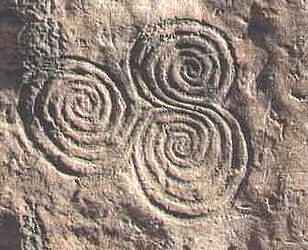
கிரேக்க லிபியின் கடைசி எழுத்து ஒமெகா அதாவது மெகா + ஓ= பெரிய ஓ. ஓம்காரத்தின் பெருமையைத் தெரிந்து இதை இப்படி வைத்தனரோ என்று எண்ணுகிறோம். இன்னொரு காரணம் அந்த ஊர் பழங்காலப் பானைகளில் மூன்று சுழி சின்னத்தைக் காண முடிகிறது. ஒமேகா என்பதும் கிட்டத்தட்ட ஓம் போலவே எழுதப்படுகிறது.

newgrange.jpg
New Grange Spirals, Ireland

அயர்லாந்து நியூகிரேஞ்ச்

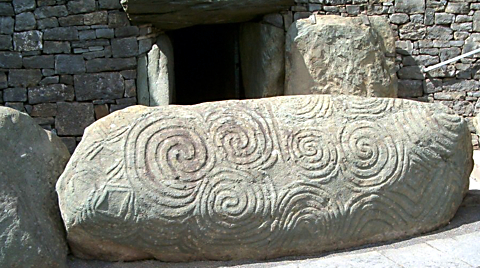
அயர்லாந்து நாட்டில் நியூகிரேஞ்ச் என்னும் இடத்தில் பெருங்கற்காலக் கல்லறைகள் இருக்கின்றன. அதன் முன்னால் வைக்கப்பட்டுள பாறையில் மர்மமான மூன்று சுழிச் சின்னங்கள் இருக்கின்றன. “என்னை நினைத்து ஓம்காரத்தைச் சொல்லி உயிர் விடுபவன் பரம கதியை அடைகிறான்” — என்று கிருஷ்ண பரமாத்மா சொன்னதை உறுதிபடுத்தும் வகையில் இச்சின்னத்தைக் கல்லறையில் காண்கிறோம். இதன் காலம் கி.மு 2000 முதல் 3000 என்று பல கணிப்புகள் உள்ளன.

மால்டா என்ற தீவு நாட்டிலும், அயர்லாந்தில் மேலும் பல இடங்களிலும் பிரான்ஸில் பிரிட்டனி என்னும் இடத்திலும் இதே போல மூன்று சுழிச் சின்னங்கள் உளது. ஆயினும் நியூகிரேஞ்ச் சின்னம் தெள்ளத் தெளிவானது. அதில் ஏழு வளைவுக் கோடுகள் கடிகார முறையிலும் எதிர்திசையிலும் செல்லும்படி வரைந்துள்ளனர். இதன் காரணமாக, இதில் உட்பொருள், மறை பொருள் உண்டு என்றே தொல்பொருட்த் துறை அறிஞர்கள் வியாக்கியானம் செய்கின்றனர்.

இதே போல கெல்டிக் ஆர்ட் எனப்படும் ஐரிஷ் கலாசாரம் பரவிய நாடுகளில் கை போன்ற மூன்ற வளைவுகள் உடைய சின்னம் —ட்ரஸ்கெலியான் எனப்படும்—சின்னம் காணப்படுகிறது.

Jug with Triple Spirals
Ancient Greek Jar

இது எல்லாவற்றிலும் ஒரு உண்மை புலப்படும். இவை அனைத்தும் பாஸிட்டிவ் = ஆக்கபூர்வ சக்தி உண்டாக்கும் சின்னங்கள். ஏனெனில் “ஐல் ஆப் மேன்” எனப்படும் தீவில் மூன்று கால்கள் சுற்றும் சின்னம் இருக்கிறது. அதில் எழுதி இருக்கும் வாசகம்:– ‘’இதை எங்கே தூக்கி எறிந்தாலும் இது நிமிர்ந்தே நிற்கும்’’.

இதிலிருந்தே இத்தகைய சின்னத்தை உருவாக்கியவர்களின் மனநிலை நமக்குப் புரிகிறது. எல்லாம் ஓம்காரம் போல ஆக்கபூர்வமான சக்தியைக் குறிப்பதே. மற்றொரு அபூர்வ ஒற்றுமை எல்லாம் மூன்று என்ற எண்ணின் அடிப்படையில் அமைந்த சின்னங்கள்!!

isla of man
Emblem of Isle of Man

ஓம் ஓம் என்று உரைத்தனர் தேவர்- ஓம்
ஓமென்று சொல்லி உறுமிற்று வானம்.
நாமும் கதையை முடித்தோம் – இந்த
நாநிலம் முற்றும் நல்லின்பத்தில் வாழ்க! – பாஞ்சாலி சபதம், பாரதியார்

triskailion
traiskelion
–சுபம்—

OM symbol in Europe (2000 BCE)!

220px-Om.svg

Research paper written by London Swaminathan
Research article No.1480; Dated 12th December 2014.

One need not be extraordinarily brilliant to see the link between AUM (Om) and Number three. Look at the pictures and read the description of Om in Hindu scriptures and then judge for yourself!

Om is the primal sound. This is the name of Brahman or God. It is the word from which everything came. Om has no beginning, no end. During cosmic dissolution, the universe is merged into Aum.

Of all the Mantras, the most powerful is the single syllable incantation called the Pranava, i.e. Om. Lord Krishna confirms it in the Bhagavad Gita. “of the incantations I am the single aksharam (Aum/Om)— (B.G.10-25)

All the Vedic recitations begin with Om. No mantra gets its power without Pranava. Only when it is added all the mantras get life force. That is why it is called Pranava. Om moves the Prana or the cosmic vital force.

Krishna says in Bhagavad Gita 8-13 that those who depart reach the highest goal if they recite the Pranava.
In the Gita sloka 17-24, he says

“Therefore with the utterance of Om the acts of sacrifice, gift and penance enjoined in the scriptures are always undertaken by the expounders of Brahman”.

newgrange.jpg

Aum and Number 3
Aum stands for Brahma, Vishnu and Shiva (Trinity)
It stands for the world made up of tri gunas (triple manifestations of nature). They are Satva Guna/ tranquillity, Rajo Guna/ passionate activity, Tamo Guna/ inactivity.

Esoterically Om stands for of our physical, astral and casual bodies.

AUM is made up of three letters: A is guttural, U is middle and M is the labial. In short Om stands for all that is manifested and un manifested.

AUM = Three Letters A, U, M can be seen in Sanskrit AUM and Tamil AUM. Actually the three letters written jointly and that only forms the AUM symbol.

The efficacy of the Mantra “Aum” and the benefits of reciting Mantra Aum fall beyond the scope of this article. I will show how the same here forces are understood by all ancient cultures and wrote the symbol in the same way.

There are 207 entries under Number 3 in the Encyclopaedia of Numerals in Sanskrit literature. If I add Tamil entries it will add to another 100 at least! From other cultures I can add hundred more!

rockart
New Grange, Megalithic Spiral Art, Ireland
#

Three spirals at new grange
New grange is in Republic of Ireland. It is one of the most impressive megalithic tombs in Europe. The most remarkable example of megalithic art in Europe is the entrance stone at New Grange. Its three spirals are similar to found on Malta and Brittany in France. The spiral symbolised a natural force of which the builders were aware. It is dated around 2000 BCE.

Some of the spirals at New Grange have seven turns; but this is not usual; they do turn both clockwise and counter clock wise . It shows that it is more than a decoration. It indicates the builders’ awareness of the natural force or energy.
Omega_uc_lc.svg.hi
Omega of Greek alphabet.If we slightly turn it, it will match with Aum

OMEGA is Greek
“O – Mega” means Big O. That is the last letter of the Greek alphabet. Like Krishna, Jesus also said “I am the Alpha and the Omega” in the Bible (Revelation 22-13).
The Greek O was not only called Maga O that was placed as the last letter as well. This indicates how much they valued it. As we all know “O” is one of the vowels in all the major languages of the world.

Several cultures have got three hands or three legs as their emblem. But the three rounds, looking like Aum, is in the tombs in Ireland. This reminds of what Krishna said in Bhagavad Gita (8-13), who ever departs saying this letter will reach the highest goal. That is why we find this symbol in such places like passage graves.

triskailion
Triskelion in Celtic Art

Triskelion
Triskelion is a design that appears on pre historic earthenware. A circle is divided into three parts. This symbol adorns the wall of Irish megaliths.

There are also Triskelions formed from three human legs bent at the knee. We see it in the arms of Isle of Man with the motto/slogan –“It will stand erect wherever it is thrown”. The city of Fussen in Bavaria also has this emblem
isla of man
Isle of Man emblem of Three Legs

The form of three overlapping circles, are frequently found in the windows of Gothic Churches.
What is the purpose for these designs or emblems?

All these emblems demonstrate vital positive force going in clock wise direction, same like Hindu AUM.

0m-in-Various-Scripts
contact swami_48@yahoo.com

சங்க காலத்தில் கோவில்கள் இருந்ததா?

akam tamil

அகநானூறு அதிசயங்கள்– பகுதி 3

கட்டுரையை எழுதியவர் :– லண்டன் சுவாமிநாதன்
ஆராய்ச்சிக் கட்டுரை எண்- 1479; தேதி 12 டிசம்பர், 2014.

முதல் இரண்டு பகுதிகளைப் படித்துவிட்டு இதைப் படிக்க வேண்டுகிறேன்.

அதிசயம் 11
தமிழர்களின் அதிசய நம்பிக்கைகள் பற்றி நிறைய பாடல்கள் உண்டு. ஒரு சில எடுத்துக் காட்டுகள்:-
அகம்.158: ஆந்தைகள் பற்றி அச்சம் (கபிலர் பாடியது)
அகம்.36: -ஆந்தைகள் பொருள் தெரிந்து உரைக்கும் (இளங்கீரனா)
ஏனைய ஆந்தைப் பாடல்கள்: அகம்.19, 88, 356

சங்க காலத்தில் கோவில்கள் இருந்தனவா என்ற கேவிக்கு விடை சொல்கிறார் பாலை பாடிய பெருங்கடுங்கோ (பாடல் 99)

அணங்குடை நகரின் மணந்த பூவின் நன்றே, கானம் நயவரும் அம்ம—
என்கிறார். அதாவது வணங்குதற்குரிய தெய்வம் உடைய கோவிலில் கலந்து கிடக்கும் மலர்களைப் போல அவை மணம் கமழும் என்பது பொருள். பல்யாக சாலை முதுகுடுமிப் பெருவழுதி என்னும் பாண்டிய மன்னனின் குடை சிவபெருமான் கோவிலைச் சுற்றும் (நகர் வலம்) போது மட்டும்தான் தாழ்த்தப்படுமாம் என்று காரிகிழார் (புறம்.6) பாடுவதையும் ஒப்பிடுக.

இந்தப் பாடல்கள் பல சுவையான செய்திகளை வெளிப்படுத்துகின்றன. பூக்காரிகள் பற்றி நிறைய பாடல்கள் இருப்பதால், கோவில் வாசலில் இன்று போலவே 2000 ஆண்டுகளுக்கு முன்னரும் பூ விற்றதும், அதைத் தமிழர்கள் கோவில்களில் பூசித்ததும் இதனால் விளங்கும். கிருஷ்ணனும் பகவத் கீதையில் பத்ரம் புஷ்பம் பழம் தோயம் (இலை, பழம், பூகள், தண்ணீர்) எதை அர்ப்பணித்தாலும் நான் ஏற்கிறேன் என்கிறான். அதையே கபிலர் பாடுவதை புறநானூற்றில் பகவத் கீதை என்ற எனது கட்டுரைகளில் கொடுத்து இருக்கிறேன்.

akam tamil2

இதைவிட மிகச் சுவையான விஷயம்— மிலிட்டரி சல்யூட் – ஆகும்.. ராணுவ அணிவகுப்பில் தலைவர் அருகே வருகையில் அவரை நோக்கி முகத்தைத் திரும்புவதும் அவரைக் கடந்துசென்ற பின்னர் பார்வையை (ஐஸ் ப்ரன்ட்) நேராக்குவதும் உலகம் முழுதும் படைகளில் உண்டு. இப்படி முது குடுமிப் பெருவழுதியின் குடையும் கோவிலைச் சுற்றும் போது மட்டும் தாழ்த்தப்பட்டது. யாமார்க்கும் குடியல்லோம் என்று பாடியவர்களும் இறைவன் அருகே வருகையில் தான் ஒரு சிறு துளி என்று எண்ணி அகந்தையை விட்டது தமிழனின் ஆன்மீக உணர்வுக்கு சான்று பகரும்.

இன்று விண்வெளி ஆராய்ச்சிக்கெல்லாம் மூல காரணமாக விளங்கும் மூன்று அடிப்படை பௌதீக விதிகளைக் கண்டுபிடித்த ஐசக் நியூட்டனும் பரந்த சமுத்திரத்தின் கரையில் கிடக்கும் கூழாங்க் கற்களைத்தான் கண்டு எடுத்திருக்கிறேன் — என்று பணிவுடன் கூறினார். பிரபஞ்சத்தின் மாபெரும் ரகசியங்களில் நாம் கண்டது வெறும் சில கற்களே.

கன்யாகுமரி கோவில்
பாடல் 370ல் அம்மூவனார் கன்யாகுமரி பகவதி அம்மன் கோவிலை குறிப்பால் உணர்த்துகிறார். தோழி சொல்கிறாள், “அடியே! நீ கடல் தெய்வம் வந்து கடற்கரையில் நின்றார் போல நில். நானும் கோவிலில் ஆடும் ஆடுமகள் போல உனக்குத் துணையாக நிற்பேன். இப்பாடலில் கன்யாகுமரி பகவதி அம்மன் போல கடற்கரைக் கோவில் இருந்ததும் அக்கோவில்களில் ஆடுவதற்கான பெண்கள் நியமிக்கப்பட்டதும் தெரிகிறது. ராஜ ராஜ சோழனின் தஞ்சைப் பெரியகோவிலைச் சுற்றி 400 பெண்கள் வசித்ததும் அவர்கள் பெயர்கள், வீட்டு முகவரி (டோர் நம்பர்) என்ன என்பதையும் கல்வெட்டுகளில் அறிகிறோம். சில பெண்களின் பெயர்கள் அழகிய அற்புதமான தமிழ்ப் பெயர்கள்

akanan4

பிராமி கல்வெட்டு
ஆலம்பேரிச் சாத்தனார் என்பவர் பாடல்கள் 47, 81, 143, 175 ஆகியவற்றைப் பாடி இருக்கிறார். பாடல் 81ல் கடலன் என்பவன் பெயர் வருகிறது. இதே புலவர் நெடுஞ்செழியனையும் பாடியுள்ளார். பிராமி கல்வெட்டுகளிலும் இப்பெயர்கள் வருகின்றன. ஆகையால் அக் கல்வெட்டுகள் சங்க காலத்தை ஒட்டியே இருக்க வேண்டும் என்பது உறுதியாகிறது.

எகிப்தும் தமிழர்களும்
எகிப்துக்குச் சென்றோர் பாண்டியர்கள் என்று ஏ.சி.தாஸ் என்பவர் புத்தகம் எழுதினார். இதோ மேலும் ஒரு சான்று:
அகம்.101 ல் வானம் என்னும் கடலில் சூரியன் என்னும் தோணி செல்வதாக மாமூலனார் பாடுகிறார். எகிப்தியர்களும் சூரியனை இப்படித்தான் வருணிக்கின்றனர். வேதத்தில் அவன் ஏழு குதிரைகள் பூட்டிய ரத்தில் வருவதாகப் படி இருக்கின்றனர். ஆக தமிழர்கள் சொன்னதையே எகிபதியர்கள் சொன்னார்கள். ஏற்கனவே குட்டுவன், பொறையன், ஆதன் என்ற பெயர்கள் எகிப்திய மன்னர் பெயர்களில் பின்னோட்டாக வருவதை எழுதி இருக்கிறேன்.

கண்ணன் – கோபியர் லீலை

பாடல் 59 மருதன் இளநாகன் பாடியது. இதில் கண்ண பிரானின் லீலைகள் சித்தரிக்கப்படுகின்றன. வடக்குத் திக்கில் உள்ள நீர்வளம் பொருந்திய தொழுநை (யமுனை) ஆற்றில் குளித்துக் கொண்டிருந்த ஆயர் மகளிர் தழை உடை உடுத்திக் கொள்ள கிருஷணன் எப்படி குருந்த மரத்தை வளைத்தானோ அது போல ஆண் யானை பெண் யானைக்கு யா மரத்தை வளைத்துக் கொடுத்தது. அதனுடைய இளம் தளிர்களை உண்ண இப்படி உதவியது – என்று புலவர் பாடுகிறார். கிருஷ்ணனின் லீலைகள் சங்க காலத்தில் மக்களுக்கு நன்கு தெரிந்த விஷயம் என்பதும் பிராணிகளின் அன்பும் இப்பாட்டில் வெளிப்படுகிறது. ஆயினும் யமுனா, ஜமுனா என்ற பெயர் எப்படி தொழுநை என்று தமிழில் மாறியது என்பது தெரியவில்லை.

அகநானூற்று அதிசயங்கள் தொடரும்…………………………

contact swami_48@yahoo.com

Why did Shah Jahans son translate Upanishads?

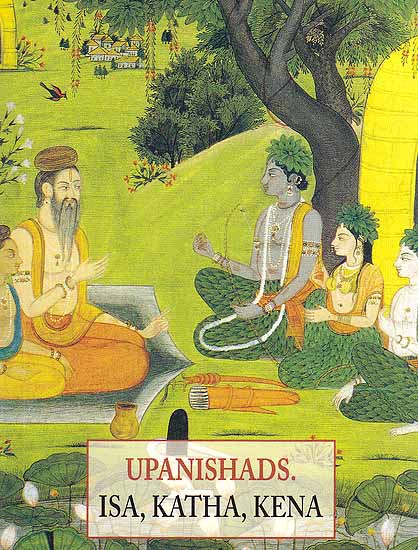
upanishads_isa_katha_kena_spanish_ihh009
Research paper written by London Swaminathan
Research article No.1478; Dated 11th December 2014.

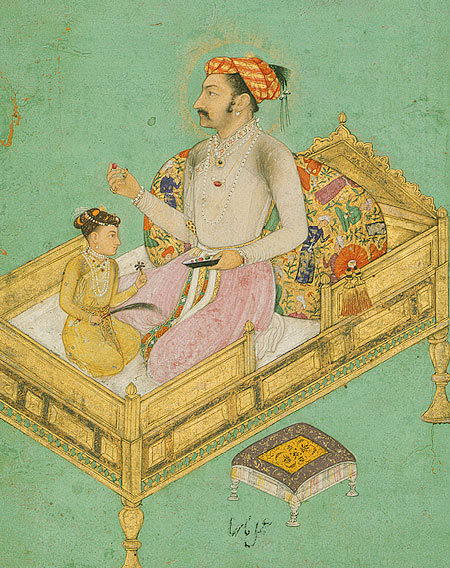
Shah Jahan became the most famous Mogul emperor after he built the Taj Mahal monument. His son and Muslim prince Dara shikoh was very much interested in the Upanishads. He brought Pandits from Kasi (Varanasi) to Delhi in 1656 and arranged the translation of fifty Upanishads into Persian. Upanishads are in Sanskrit language. Then Anquetil Duperron translated them from Persian into Latin. Thus it reached Europe.
The teachings of the Upanishadic sages, for long recorded and passed on by memory, provide some of the greatest treasures that India offers to Mankind.

When do you study the Upanishads?
Manu in his book The Laws of Manu, says,

“When a householder sees his skin wrinkled and his hair white, and sees the birth of his grandsons, then he may resort to the forest …. either committing his wife to his sons or accompanied by her”
In those days all the Upanishads were composed and taught in the forests. Nowadays we can retire to old age homes or a place far away from one’s relatives and study the Upanishads.
Big Ashrams around India offer special courses in the Upanishads.

German philosopher Schopenhauer read the Latin translation and said, “It has been the most rewarding and the most elevating reading which there can be possibly in the world. It has been the solace of my life and will be of my death”.

Many scholars including Prof. Max Muller and Prof. Paul Deussen also translated them.

Shah_Jahan_with_his_son_Dara_Shikoh,ca._1620
Shah Jahan and his son Dara Shikoh

116 Upanishads in Japanese Language!
“It is very interesting to find that a complete translation of 116 Upanishads in Japanese language appeared in nine volumes translated by a band of 27 persons, adding also a translation of the ten Upanishads from Duperon’s version”.

“One of the excellent translations of the major Upanishads (in fact, of thirteen Upanishads including Kausitaki and Maitri, besides the usual elevens) is of Robert Ernest Hume, first published in English in 1921, revised in 1931. Prof. S Radhakrishnan’s translation of the Major Upanishads is also a valuable addition to this literature, particularly his notes and annotations. Swami Chinmayananda’s critical commentary on the Upanishads would be an asset to his admirers”.

kena

“The Upanishad like Mandukya is cryptical and concise;
The Isa Upanishad, the fundamental and concise;
and the Chandogya and Brahadaranyaka are elaborate and highly illuminating and potential.
Where logic fails to express, it is poetry that comes to help.”

–Swami Satya Prakash Saraswati, Parables and Dialogues from the Upanishads

The parables in the Buddhist literature and the New Testament of the Bible, dialogues in Socrates’ teaching are all echoes of the Upanishads.
swami_48@yahoo.com

Sathya Sai Baba explains the effect of Karma

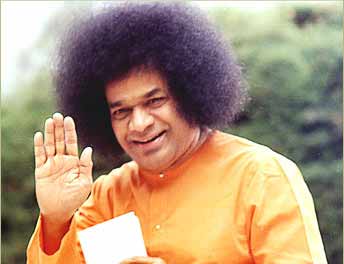
indian-guru-sathya-sai-baba

Written by Santhanam Nagarajan

Article No.1477; Dated 11th December 2014.

Fate and Free will – Part V

Sri Sathya Sai Baba gives one simpler example to explain Prarabhda, Sanchita and Agami karmas.

He explains:
Prarabhda can be compared to the dust that follows in the wake of a bus. When the bus is going, the dust also will be following it. So when the Karma which can be compared to the bus, is running, the Prarabhda, which can be compared to the dust will be pursuing it. When the bus stops and does not travel, then the dust comes and falls over it. But when the bus does not stop and keeps on running, the dust will be only at a distance. So when we are satisfactorily doing our daily duties without interruption, the dust or the Prarabhda will be at a distance and behind us without affecting us.

You may ask how long can we travel in a bus? We have to stop somewhere, It is not so. This road is of three kinds; work, worship and wisdom. This work is related to Karma and dust will be only there. You may take this as a village road. But if you pass some distance, then you will have a better road, a tar road. When the tar road comes, the dust will never fall on the bus. If you go still further you shall reach trunk road, the high way. So the road of karma is called the village road. Bhakti or worship is the town road or the tar road. Wisdom is the highway wherein there is no possibility of the dust coming. When we are following only the path of Karma, this Prarabhda will never come to an end. But, if we do the Karma in a way that we perform all actions for the pleasure and for the satisfaction of God, in worship and dedication to Him, no Prarabhda will trouble us.”

Now the question arises- By worshipping God can the Prarabhda and Sanchita Karmas be removed?

baba1

Baba clarifies:

“We need be afraid of Prarabhda or Sanchita. If we think that the effect of the Prarabhda Karma is inescapable, then what is the use of worshipping God? Even though Prarabhda is there, the grace of God will certainly remove to a large extent the bad effects from the Prarabhda.

Here is a small example for this. There is an injection bottle. It will be written on that, that the medicine inside can be used upto 1970. That bottle is there even in the year 1972 and the medicine is also there in the bottle, but the medicine will have no power. It cannot serve its purpose. So in the same way, that in our destiny there may be medicine of Prarabhda but by the grace of God we can weaken its effect, blunt its effect. Even though it is there, it can not trouble us. We can become beneficiaries of God’s grace; we need not be afraid of either Prarabhda or Sanchita or Agami. If God is pleased with our worship, He will certainly annul the bad effects of Prarabhda and Sanchita. Therefore the most important thing we have to try is to earn the grace of God by which we can overcome all these bad effects.”

So the secret to overcome the bad karmas is Devotion to God.
We will analyze further fate and freewill in our next article.

Summary
How to weaken the bad effects of Prarbhda karma? Sri Sathya Sai Baba explains that God can weaken the effects of Prarabhda. Even though it is there it can not trouble us. Secret to overcome the bad effects of Prarabhda Karma is explained in this article.

பிரிட்டனில் பாண்டியர் சின்னம்; கீதையில் ஏசு!!

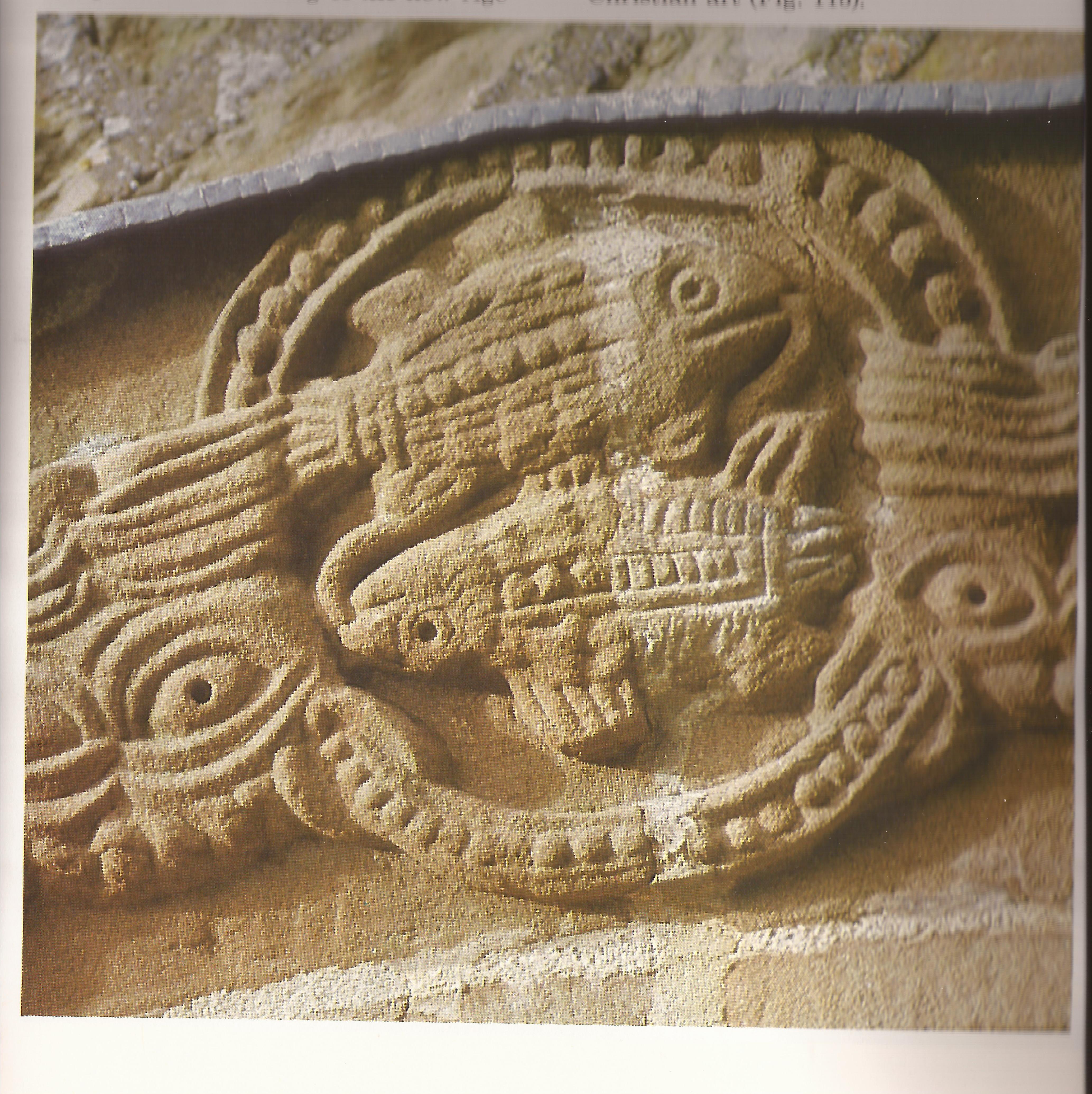
kilpeck church-2
Kilpeck Church, United Kingdom

கட்டுரையை எழுதியவர் :– லண்டன் சுவாமிநாதன்
ஆராய்ச்சிக் கட்டுரை எண்- 1476; தேதி 11 டிசம்பர், 2014.

பிரிட்டனிலும் இத்தாலியிலும் பல சர்ச்சுகளில் பாண்டியர்களின் மீன் சின்னம் காணப்படுகிறது. இது ஏன்?
ஏசு கிறிஸ்துவை மீன் என்று அழைத்தது எதனால்?

உலகம் முழுதும் மீன்களை காதல் மற்றும் அதிர்ஷ்ட சின்னமாகக் கருதுவதே இதற்குக் காரணமா?

எனது ஆங்கிலக் கட்டுரையின் சுருக்கத்தை மட்டும் இங்கே தருகிறேன்:-

1.உலகில் மீனுக்கு தெய்வ அந்தஸ்து கொடுத்தது இந்துக்கள். விஷ்ணுவின் முதல் அவதாரம் மச்சாவதாரம். உலகின் மிகப் பழமையான நூலான ரிக்வேதத்தில் மத்ஸ்ய சம்மட என்ற மர்ம மன்னர் பற்றிய செய்தி வருகிறது. இவரைப் பற்றிய விவரம் எதுவும் கிடைக்கவில்லை.

(உலகம் முழுதும் காணப்படும் மீன் வழிபாடு பற்றி முன்னொரு சமயம் ஆங்கிலக் கட்டுரை எழுதினேன். அதில் மேல் விவரம் காண்க.)

2.உலகில் மீனை, காதல் குடும்ப உறவுடன் சம்பந்தப் படுத்தியவர்கள் இந்துக்களே. காதல் தெய்வமான மன்மதனின் கொடியில் இருப்பது மீன்.

3.சிந்துசம்வெளிச் சின்னங்களில் மீன் வடிவில் உள்ள எழுத்துக்கள் எல்லாம் ஒளிவீசும் கடவுளரைக் குறிக்கும் என்பது அறிஞர்கள் வாதம்.

4.எகிப்தில் மன்னர்களும் குருமார்களும் மீன் சாப்பிட முடியாது. ஏனெனில் அவை புனிதமானவை.
5.சீனாவில் மகிழ்ச்சி, குடும்ப உறவின் சின்னம் மீன்கள்

three fishes scan
From Church Walls

6.சிந்தி இன மகான் உள்பட பல சாது சந்யாசிகள் – எல்லா மதங்களிலும் — மீன்களுடன் தொடர்புடையோரே.

7.ஏசு கிறிஸ்துவை மீன் சின்னத்துடன் தொடர்புபடுத்துவர். கிறிஸ்தவர்களைத் துன்புறுத்திய ரோமானிய மன்னர்களிடமிருந்து மறைக்க இப்படி மீன் சின்னத்தைப் பயன்படுத்தினர் என்பது ஒரு தரப்பு செய்தி.

இப்படிப்பட்ட செய்தி எல்லாம் ஐந்து ஆறு நூற்றாண்டுகளுக்குப் பின்னரே அதிக அளவில் உலவியது. க்ரேக்க மொழியில் மீன் என்பதற்கான இத்திஸ் என்ற சொல்லை அவர்கள் சுருக்கெழுத்தாகப் பயன்படுத்தினர் என்பர். ஆனால் இவை எல்லாம் பிற்கால கட்டுக் கதைகள் என்பது எனது துணிபு.

ஏசு கிறிஸ்துவுக்கும் கிரேக்க நாட்டுக்கும் எந்தத் தொடர்பும் கிடையாது. ஒருவனைக் கூப்பீட்டு மூக்கைத் தொடு என்றால் நேரடியாக மூக்கைத் தொடுவதற்குப் பதிலாக கழுத்துக்குப் பின் கையை வளைத்துத் தொட முயற்சிப்பதற்கு இது சமம்.

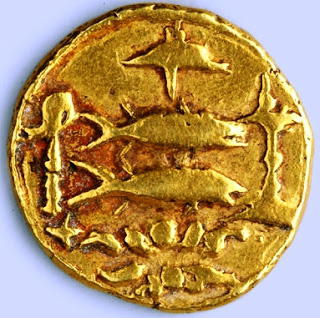
gold coin

பானை என்ற சொல்லுக்குப் பொருள் என்ன? என்று கேட்டால் பாலும் நெய்யும் வைக்கும் பாண்டத்துக்கு பால்+நெய்= பானை என்று எட்டுக்கட்டிச் சொல்வது போன்றதே இது.

உண்மையில் ‘’ஜஸ’’ என்ற சம்ஸ்கிருத சொல் மீனைக் குறிக்கும். ஜஸானாம் ச மகர அஸ்மி == மீன்களில் நான் மகரமாக இருக்கிறேன் – என்று கிருஷ்ண பரமாத்மா பகவத் கீதையின் விபூதி யோகத்தில் சொல்லி இருக்கிறார். ஆக ‘’ஜஸ’’ என்ற சம்ஸ்கிருத்ச் சொல்லையே கிறிஸ்தவர்கள் சங்கேதச் சொல்லாக பயன்படுத்தினர் என்று பொருள் கொள்வதே பொருத்தமுடைத்தாம்.

மீன் சின்னம் அதிர்ஷ்ட சின்னம் என்பதால் உலகம் முழுதும் – அதாவது கிறிஸ்து பிறப்பதற்கு முன்னரே பயன்படுத்தினர்.

8. புத்த மதத்தில் எட்டு மங்களச் சின்னங்களில் ஒன்று—- இரண்டு மீன்கள்.
9.மஹாவீரர் பிறப்பதற்கு முன்னர் அவர் தாய் கண்ட கனவில் வந்த 16 சுப சின்னங்களில் துள்ளிப் பாயும் இரண்டு மீன்கள் இருந்ததாக சமண மத நூல்கள் செப்பும்.

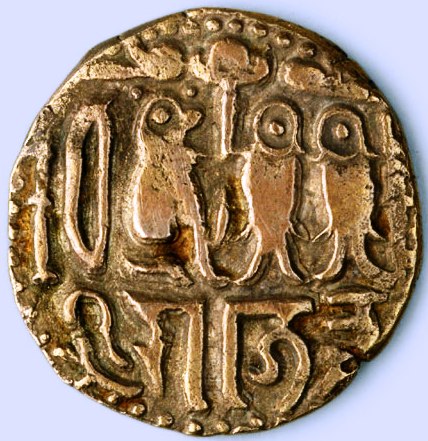
10.பாண்டியர் காசுகள், செப்பேடுகள் முதலியவற்றில் இரண்டு மீன்களைப் பொறித்ததற்கு அதிர்ஷ்டம் என்பதே காரணமாக இருக்கலாம்.

pandya-flags

11. கர்நாடகத்தை ஆண்ட ஆலுபா என்ற பாண்டிய வம்சத்தினர் தங்கக் காசுகளில் மீன்களைப் பொறித்தனர்.. ஹொய்சாளர் சின்னங்களிலும் இதைக் காணலாம்.

12.பிரிட்டன், இத்தாலி போன்ற நாடுகளில் சர்ச்சுகளில் காணப்படும் இரட்டை மீன்கள் ஐந்தாவது நூற்றாண்டுக்குப் பின்னர் கிறிஸ்துவுடன் தொடர்புபடுத்தப்பட்டது.

13.பைபிளில் நிறைய சம்ஸ்கிருதச் சொற்கள் இருப்பது பற்றி நான் இரண்டு பகுதிகளைக் கொண்ட கட்டுரை எழுதியுள்ளேன். மச்சாவதாரம் போன்ற கதை பைபிளிலும் உண்டு. அதில் மனு என்பதற்குப் பதிலாக நோவா என்பவர் பெயர் வரும். நாவ என்றால் படகு, கப்பல் என்று வடமொழியில் பொருள். நோவா ஒரு கப்பலைக் கட்டிக் கொண்டுவந்ததால் அவருக்கு கப்பல்காரன் (நாவ=நோவா) என்ற பெயர் வந்தது. முஸ்லீம்களில் கடல் வணீகம் செய்தவர்களை மரைக்காயர் (மரக்கலக் காரர்) என்று அழைப்பது போல இது. ஆதாம், ஏவாள் என்பதெல்லாம் ஆத்மா, ஜீவாத்மா என்ற சொற்களின் மரூஉ என்று காஞ்சி பரமாசார்ய சுவாமிகள் கூறியதையும் முன்னரே கொடுத்துவிட்டேன்.

vira pandya
Pandyan Coins

முடிவுரை
1.இரட்டை மீன்கள் புனிதச் சின்னம்—அதிர்ஷ்டச் சின்னம் என்பதால் உலகம் முழுதும் உள.
2.ஜீசஸ் என்ற ஏசுவின் பெயர் ‘’ஜஸ’’ என்ற சம்ஸ்கிருதச் சொல்லுடன் ஒத்து இருப்பதால் இதை ஏசுவைக் குறிக்கும் ரகசிய சொல்லாகப் பயன்படுத்தினர். கிரேக்கம், லத்தீன், ஜெர்மானிய மொழிகள் எல்லாம் சம்ஸ்கிருதக் குடும்பத்தைச் சேர்ந்ததே என்று உலகமே ஒப்புக் கொள்வதால் மேல் விளக்கம் தேவை இல்லை.

3.மீனை புனித நிலைக்கு ஏற்றி சிந்து வெளி முத்திரைகளிலும் கடவுள்/தேவர் என்ற பொருளில் பொறித்தது இந்துக்களே.