How to invite God to Your Home? A Story by Ramdas

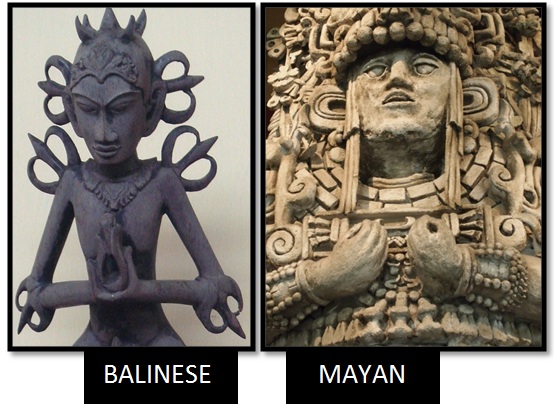
Bali-Acintya-God-Mayan-Stele-Richard Cassaro
Picture from Richard Cassaro book

Research paper written by London Swaminathan
Research article No.1364; Dated 22nd October 2014.

Hindus have a strange custom of bringing God into their hearts during the prayer time and saying Good Bye at the end of the prayers. This is called “Aavaahanan” in Sanskrit meaning Invoking (the god). In all the Hindu ceremonies, God is invoked into a water pot (Kalas) or Fire (Agni) or Yellow Turmeric Powder (Lord Ganesh’s image is made with turmeric powder) or a seat inside the heart. Even when Hindus do water oblations to the departed souls on New moon day, they invoke the departed souls into the Darbha grass (Kurcham in Sanskrit) and when the ceremony was over they say, “Please go back to your place” (Yathaa sthaanam Prathistaapayaami).

When we invoke god into our hearts the hand gestures will be shown inward and when we invoke god in any object in front of us it is done by stretching the hand and placing the flowers or yellow rice or water on the object.

Like we clean the place where we serve food, the body is also ritually purified before invoking the God. The logic behind this custom is, the ritual allows us to remember that his seat must always be kept pure inside us. Then It becomes a habit.

This is a very strange custom seen only in Hinduism. Brahmins do invoke Goddess Gayatri, Savitri and Sarasvati into their hearts and say good bye at the end. This is done thrice a day.The Mantras go like this:

Gayatrim Avahayami
Savitrim Avahayami
Sarasvatim Avahayami
(Avvvaahayaami is the correct pronunciation meaning I invoke Gayatri…..)

At the end of the prayer, they say with folded hands (Namaste gesture), “Oh! Resplendent Gayatri! Kindly extend your grace to us who are worshipping the Brahman and Restore yourself to Your Seat happily on the highest summit of the Glorious Mount Meru.
king

Story told by Swami Ramdas (of Anandashram):—-
There was a poor man in a country. He was very anxious that his king should visit him one day. But his condition was so poor that he could not make necessary arrangements to receive the royal guest. However he expressed his wish to the king who at once agreed to visit him. The king knew that the man lived in a small cottage. So he sent in advance everything that was necessary for his reception at the cottage. Royal messengers went with all the things and asked the man to make use of them and also cleaned the place, spread the carpet, arranged the furniture, made the necessary decoration and brought flowers, garlands etc. when everything was ready, the king paid his visit. The man’s wish was fulfilled.

So also, if we invite God to take His seat in us, He will do everything necessary. He will Himself purify our hearts and take His seat there. So the only thing we have to do is to pray to Him to come to us. Nothing more. He will see to everything else. If your heart is sincere, you will feel the need for His coming and He will surely come to you. If your life is disorderly, He will see that it is set right and when He comes to you once, your life becomes blessed.
-Stories As told by Swami Ramdas, published by Andashram, 1969.
red carpet

Stone Temple Vs Imaginary Temple
The following story is posted by me on 5th June, 2011 under “Amazing Power of Human Mind” in which I gave six stories:–
STORY No.3
Here is story from the Tamil book ‘Periya Puranam’ about a saint who built a temple in mind and consecrated it mentally. Pusalar was born in a Brahmin family at Tiruvarur in Tamil Nadu.

He was a great devotee of Lord Siva and he wanted to build a temple for Him. He sought every means to find the money required for this purpose but was unsuccessful. Nothing daunted, he resolved to erect a temple in his own heart. He gathered all the necessary materials to build a temple in his mind. He chose an auspicious day and laid the foundation stone and the temple rose slowly higher and higher day after day. When he finished it building mentally, he fixed a day for the great Kumbabishekam (ceremonial consecration).

About this time the all powerful Pallava king had built an actual temple at Kanchipuram-the famous Kailasanathar temple at Kanchi. He expended all his wealth on its construction. He fixed the same day for consecration of the actual temple. But Lord Siva appeared in his dream and told him that he could not come on the day because Pusalar Nayanar had built a temple and the Kumbabhishekan was on the same day.

The king had to postpone his Kumbabishekam. But he became curious about the other temple built by Pusalar. The king travelled to Tiruninravur and asked the way for the temple. The people of the town told him that there was no new temple or any Kumbabhishekam in the town. The king told them that he had a dream and Lord Siva told him that there was a temple built by one Pusalar. When they brought Pusalar in front of him the whole story unfolded in full. Pusalar was thrilled to know that Lord Siva recognised his temple built in heart better than the temple built by the king in stone. Such is the greatness of thought power.

This is an excellent story. It shows that our forefathers knew more about the mind than what the modern psychologists knew today. Periya Puranam was written one thousand years ago.

contact swami_48@yahoo.com

விவேகானந்தரைச் சந்தித்த விஞ்ஞானிகள்!

vivekananda

By ச.நாகராஜன்
Post No.1363; Dated 22nd October 2014

This was written by brother S Nagarajan to Tamil Magazine Bhagya:swami
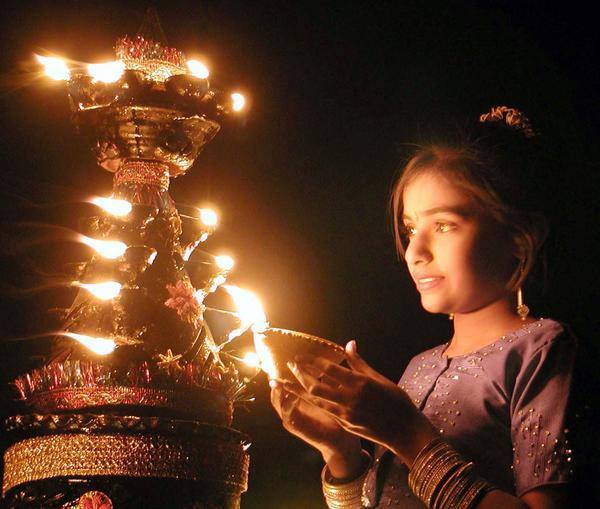
Wish you all a Very Happy Deepavali

“ஒருமை நிலையைக் கண்டு பிடிப்பது தான் விஞ்ஞானம்.முழுமையான ஒருமை நிலை கிட்டியதும் அது மேலே செல்லாமல் நின்று விடும். எந்த ஓர் ஆன்மாவிலிருந்து பிற ஆன்மாக்கள் வெளிப்படுவது போன்று மாயையால் தோன்றுகிறதோ அந்த ஆன்மாவைக் கண்டு பிடித்தவுடன் மத, விஞ்ஞானம் பூரணமாகி விடும்” – ஸ்வாமி விவேகானந்தர் விஞ்ஞானம் மெய்ஞானம் பற்றிப் பேசியது

ஹிந்து மதம் மூட நம்பிக்கைகளின் மூட்டை என்றும் இந்தியாவில் வாழ்பவர்கள் தரித்திரத்திலும் அநாகரிகத்திலும் மூழ்கியவர்கள் என்றும், இந்தியருக்கு எந்தவிதமான ஒரு பெரிய கலையும் தெரியாதென்றும் திட்டமிட்டு பிரசாரம் செய்யப்பட்ட பத்தொன்பதாம், இருபதாம் நூற்றாண்டுகளில் அதை உடைத்துச் சுக்கு நூறாக்கி எறிந்து ஹிந்து மதத்தின் மகோன்னதத்தை உலகெங்கும் அறியச் செய்து அதை அறிவியல் பூர்வமான மதம் என்பதை நிரூபித்தவர் ஸ்வாமி விவேகானந்தர்.

இயற்கையிலேயே விஞ்ஞான மனப்பான்மையை இளமையிலிருந்தே கொண்டிருந்த ஸ்வாமிஜி எந்த ஒரு விஷயத்தையும் அறிவியல் பூர்வமாகவே அணுகி வந்தார் – வாழ்நாள் இறுதி வரைக்கும். அதனால் தான் விஞ்ஞானிகளையும் மெய்ஞானிகளையும் ஒருசேர அவரால் கவர முடிந்தது.

நியூயார்க்கில் ஸ்வாமிஜி தங்கி இருந்த போது ஒரு அபூர்வமான சந்திப்பு நிகழ்ந்தது.மூன்று மேதைகள் சந்தித்த நிகழ்வாக இது அமைந்தது.1896ஆம் ஆண்டு பிப்ரவரி மாதம் பிரபல விஞ்ஞானியான நிகோலா டெஸ்லாவும் பிரெஞ்சு நடிகையான சாரா பெர்ன்ஹர்ட்டும் ஸ்வாமிஜியும் ஒரு நாள் சந்தித்தனர்.

சாரா பெர்ன்ஹர்ட் நியூயார்க்கில் ‘இஸீல்’ என்னும் நாடகத்தை நிகழ்த்தி வந்தார்.பிரெஞ்சு பாணியில் ஆக்கப்பட்டுள்ள புத்தரின் வாழ்க்கை வரலாறு அது. இஸீல் என்ற நாட்டியப் பெண்மணி புத்தரை ஒரு மரத்தடியில் மயக்க விரும்புகிறாள். புத்தர் அவருக்கு வாழ்க்கையின் நிலையற்ற தன்மையை விளக்கி உபதேசிக்கிறார். அந்த நேரமெல்லாம் அவள் புத்தரின் மடி மீதே உட்கார்ந்திருக்கிறாள். இறுதியில் அஞ்ஞானம் அகன்று தன் முயற்சியில் தோற்று பெரும் தெளிவை அவள் பெறுகிறாள்.

இந்த நாடகத்தைப் பார்க்க ஸ்வாமிஜி சென்றிருந்தார். இதை எப்படியோ அறிந்து கொண்ட நடிகை பெர்ன்ஹர்ட் பெரிதும் மனம் மகிழ்ந்து எப்படியாவது ஸ்வாமிஜியிடம் பேச விரும்பினார். விஞ்ஞானியான டெஸ்லாவும் பேச்சின் போது உடனிருந்தார்.

பெர்ன்ஹர்ட் மத விஷயங்களை ஆழ்ந்து கற்றவர். டெஸ்லாவும் அதே போல பல விஷயங்களை நுட்பமாக ஆராய்ந்தவர்.

ஸ்வாமிஜி அவர்களுக்கு வேதாந்தம் கூறும் ஆகாசம், பிராணன், கல்பங்கள் போன்றவற்றை விளக்கினார். நவீன விஞ்ஞானம் ஏற்றுக் கொள்ளக் கூடிய கொள்கைகளாக இவற்றை ஸ்வாமிஜி விளக்க ஆரம்பித்த போது எல்லையற்ற வியப்புடன் அதை அனைவரும் கேட்டு பிரமித்தனர்.

ஆகாசம், பிராணன் ஆகிய இரண்டும் மஹத், பிரபஞ்ச மனம் பிரம்மா அல்லது ஈஸ்வரனிடமிருந்தே வெளிப்படுகின்றன என்றார் ஸ்வாமிஜி. சக்தி, ஜடம் ஆகிய இரண்டையும் இயங்கா ஆற்றலாக மாற்றி விட முடியும் என்பதைக் கணித முறையில் காட்ட இயலும் என்றார் டெஸ்லா.
vivek

ஸ்வாமிஜியுடனான சந்திப்பும் அவரது உபதேச உரையும் டெஸ்லாவை வெகுவாகக் கவர்ந்தது. ஸ்வாமிஜியின் கருத்துக்களை அப்படியே ஏற்றுக் கொண்ட டெஸ்லா தனது இறுதி ஆண்டுகளில் அதை அப்படியே கட்டுரைகளில் எழுதினார்.

பிரான்ஸ் நாட்டைச் சேர்ந்த மேரி லூயி என்பவர் ஸ்வாமிஜியின் சிஷ்யை. அவர் இந்த மூன்று மேதைகளின் அபூர்வ சந்திப்பைப் பற்றி குறிப்பிடுகையில்,” நூற்றுக்கணக்கான அல்லது ஆயிரக்கணக்கான வருடங்களுக்கு ஒரு முறை விண்வெளியில் அபூர்வமாகச் சில கிரகங்களின் சேர்க்கை நிகழும். அது போல இந்த மூன்று மேதைகளின் இந்தச் சந்திப்பு நிகழ்ந்தது!” என்று கூறி, “இதனால் அவர்களின் வாழ்க்கையில் என்ன தாக்கம் ஏற்பட்டது என்பதை ஊகிக்க மட்டுமே முடியும்” என்கிறார்.

இது தவிர மின் சாதனத்தைக் கண்டுபிடித்தவரான பேராசிரியர் எலிஷா க்ரேயும் அவரது மனைவியும் ஸ்வாமிஜியைத் தங்கள் வீட்டில் விருந்துண்ண அழைத்தனர். சிகாகோவில் நிகழ்ந்த மின்சாரம் பற்றிய மாநாட்டில் கலந்து கொள்வதற்காக வந்த விஞ்ஞானிகள் ஸ்வாமிஜியைச் சந்தித்தனர். மின்சாரம் பற்றிய அவரது அபாரமான அறிவைக் கண்டு அவர்கள் பிரமித்தனர்.

விஞ்ஞானத்திற்கு பெரும் ஏற்றத்தைத் தந்ததன் மூலம் அவர்களை மெய்ஞானத்திற்குத் திருப்பிய மாபெரும் துறவியாகத் திகழ்ந்தார் ஸ்வாமி விவேகானந்தர்!

அறிவியல் அறிஞர் வாழ்வில் .. .
ஜப்பான் மீது அமெரிக்கா அணுகுண்டை போட்டதில் ஏராளமான ரகசிய விஷயங்கள் உள்ளன. அவற்றில் ஒன்று ஜனாதிபதி ட்ரூமனைப் பற்றியது. அமெரிக்க ஜனாதிபதியாக இருந்த ரூஸ்வெல்ட் 1945ஆம் ஆண்டு ஏப்ரல் மாதம் 12ஆம் தேதியன்று திடீரென மரணம் அடைந்தார். அதே தினத்தில் ட்ரூமன் ஜனாதிபதியாக பதவிப் பிரமாணம் செய்து வைக்கப்பட்டார். ரூஸ்வெல்ட்டுக்கு ட்ரூமனைக் கண்டாலே பிடிக்காது. அவரிடம் எந்த விதமான அந்தரங்க விஷயத்தையும் அவர் பகிர்ந்து கொண்டதில்லை; ரூஸ்வெல்ல்டைப் பற்றி ட்ரூமன் கூறுகையில்,, “ நான் அறிந்ததிலேயே மிகவும் இறுக்கமான மனிதர் அவர்” என்று வெளிப்படையாகக் கூறியுள்ளார்.அணுகுண்டைத் தயாரிக்கும் மன்ஹாட்டன் ப்ராஜெக்டைப் பற்றி ட்ரூமனுக்கு ஒன்றுமே தெரியாது. ஆனால் ஏராளமான பணம் ஒரு ரகசிய திட்டத்திற்காகச் செலவழிக்கப்படுகிற்து என்பதை மட்டும் அவர் அறிவார்.

அணு விஞ்ஞானியான லியோ ஜிலார்டை (Leo Szilard) 1945ஆம் ஆண்டு மே மாதம் 8 ஆம் தேதி ரூஸ்வெல்ட் சந்திக்கவிருந்தார். ஜப்ப்பானியருக்கு ஒரு அதி பயங்கர ஆயுதம் பற்றிய நேரடி அனுபவத்தைத் தர வேண்டுமென ஜிலார்ட் விரும்பினார். பிரபல விஞ்ஞானியான ஐன்ஸ்டீன் மார்ச் 25ஆம் தேதியிட்டு ஜனாதிபதிக்கு எழுதிய கடிதத்தில் அணு விஞ்ஞானிகளுக்கும் காபினட் உறுப்பினர்களுக்கும் போதுமான அளவு தொடர்பு இல்லை என்பதைக் குறிப்பிட்டு விட்டு ஜனாதிபதி, டாக்டர் ஜிலார்ட் சொல்வதைக் கேட்பார் என நம்புவதாக்க் குறிப்பிட்டிருந்தார். ஆனால் துரதிர்ஷ்டவசமாக ரூஸ்வெல்ட் ஏப்ரல் 12ஆம் தேதி மறைந்து விடவே விஞ்ஞானிகளுக்கும் ரூஸ்வெல்ட்டுக்கும் இடையே நடக்க இருந்த சந்திப்பு நின்று போயிற்று.

இரண்டாவது உலக மகாயுத்தம் முடிவுக்கு வந்து கொண்டிருந்த தருணத்தில் ஜனாதிபதி ட்ரூமன் உல்லாச கடல் பயணம் ஒன்றை மேற்கொண்டு ஓய்வு எடுத்துக் கொண்டிருந்தார்.அதன் பின்னர் உல்லாச பயணத்தின் தொடர்ச்சியாக பெர்லின், ஜெர்மனிக்கு விஜயம் செய்தார்.

vivekananda2

விஞ்ஞானிகளை அவர் சந்திக்க விடாமல் செய்வதற்காகவே அவர் கடல் பயணம் மேற்கொள்ளச் செய்யப்பட்டார் என்ற ரகசியம் பின்னர் வெளியானது! ஜூலை 6ஆம் தேதி கிளம்பிய அவர் ஆகஸ்ட் 7ஆம் தேதி தான் அமெரிக்கா திரும்பினார். அதாவது அதற்கு முதல் நாள் தான் அமெரிக்கா ஹிரோஷிமா மீது அணுகுண்டை வீசி இருந்தது!

67 விஞ்ஞானிகள் அணுகுண்டைப் பயன்படுத்த வேண்டாம்; அது பேரழிவை ஏற்படுத்தும் என்று எழுதி இருந்த கடிதம் ட்ரூமனுக்கு அனுப்பப்பட்டது. ஆனால் அதை அவர் பார்க்க விடாமல் செய்தனர் லீஹி மற்றும் க்ரோவ்ஸ் (Admiral Leahy, Groves) ஆகியோர். 1945, ஜூலை 8ஆம் தேதி அட்மிரல் லீஹி, செக்ரட்டரி ஆஃப் ஸ்டேட்டாக இருந்த ஜிம்மி பைர்ன்ஸ் ஆகியோர் ட்ரூமனுடன் ஜெர்மனிக்குச் செல்ல அகஸ்டா என்ற கப்பலில் ஏறினர். விந்தை என்னவெனில் இது மிகவும் மெதுவாகச் செல்லும் கப்பல்.

1945ஆம் ஆண்டு ஜூலை 17ஆம் தேதி நியூ மெக்ஸிகோவில் அலமொகோர்டோ (Alamogordo) என்னும் இடத்தில் அணுகுண்டு இரண்டாம் முறையாகச் சோதனை செய்து பார்க்கப்பட்டது.

ஆக, லீஹி, பைர்ன்ஸ், க்ரோவ்ஸ் ஆகிய மூவர் எண்ணப்படியே ஜனாதிபதி ட்ரூமனால் விஞ்ஞானிகளைச் சந்திக்க முடியவில்லை; அணுகுண்டும் போடப்பட்டது.

Contact swami_48@yahoo.com
***************

Dictionary of Demons

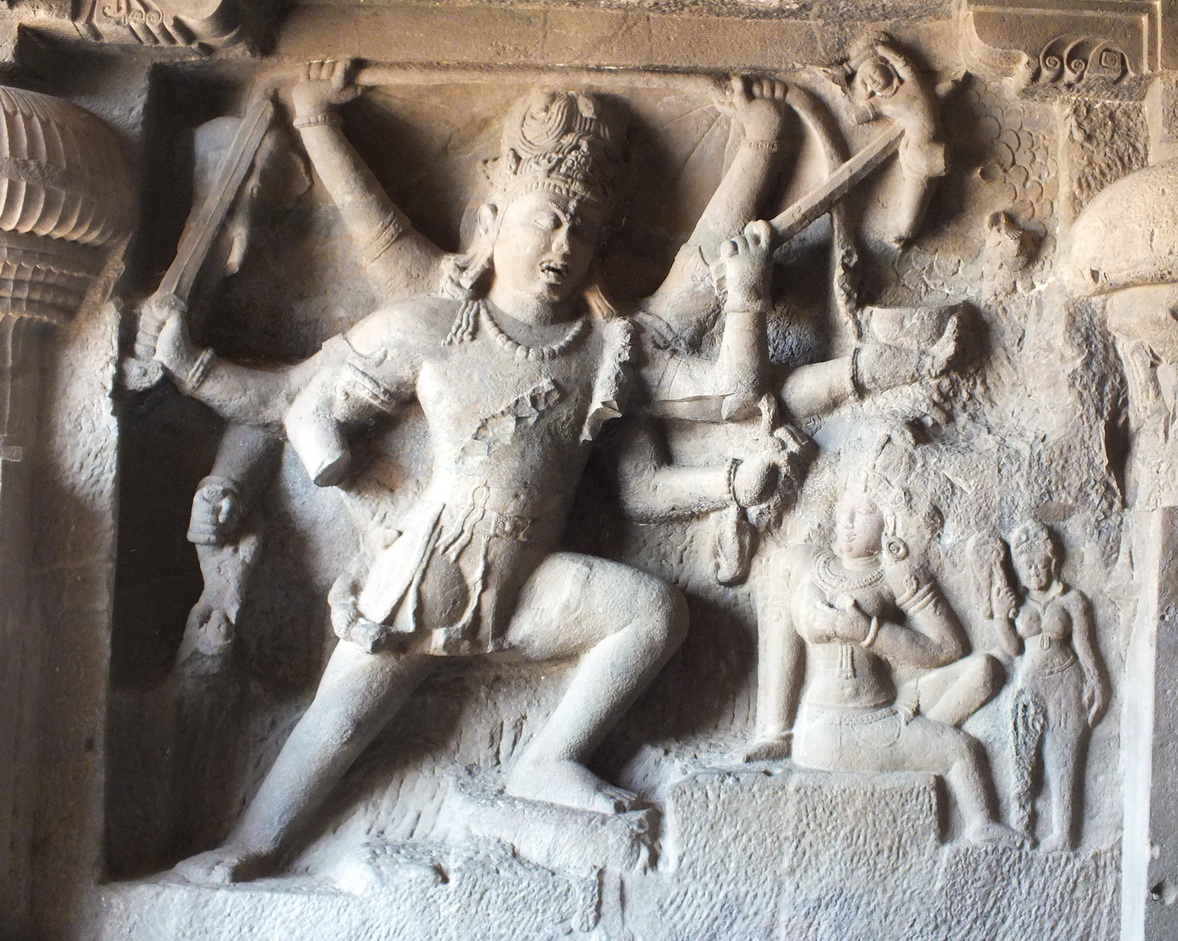
Andhakasura
Shiva killed Andhakasura

Research paper written by London Swaminathan
Research article No.1362; Dated 21st October 2014.

DIWALI IS THE CELEBRATION OF DESTRUCTION OF DEMONIC QUALITIES.

Every ancient culture and religion has two types of forces Angels and Demons i.e Good and Bad. This is symbolic. Every one of us has two sets of thoughts good and bad. People who have only good thoughts, words and deeds are considered great saints in India. They are angels or Devas. Those who have bad thoughts, words and deeds 100 % are considered demons. But most of the people don’t stoop that low. They are at various levels.

In Hindu mythology we see demons like Ravana who are well educated, wealthy but bent upon during very bad things. They were so arrogant that they were not ready to change even when they were given enough opportunities and sufficient time.

In the oldest literature in the world, the Rig Veda, even the natural forces are described as demons. Foreign “scholars” who tried to translate them struggled hard to understand the difference between the demons and the natural catastrophes. People who came to India from outside with a motive to spread their religion or to establish their rule, followed “Divide and Rule” policy and divided India into two classes–Aryans and Dravidians. They dubbed all Dravidians as demons. They boldly concealed the facts available in Hindu scriptures. They published half truths by quoting one couplet from here and another couplet from somewhere and told the people this is what Hinduism say about Dravidians. Hindus who never study their huge, voluminous, gigantic, Himalayan amount of literature, believed those people because they wrote in ENGLISH!!!!.

Indian “Scholars” with divisive tendencies who were either Marxists or Dravidian political leaders became “Yes men” to those foreigners because it served their political purposes. They also adopted the same foreign tactic of Divide and Rule.

bhasmasura_mohini
Bhasmasura killed himself with his own boon!

Those who study Hindu scriptures will know that both the Asuras and Suras (Demons and Angels) are the sons of the same mother. Even the word Asura (demonic) is used as an epithet of Indra in the early parts of the Rig Veda. It meant great strength. All the Iranians (Persians) and Assyrians called themselves Asuras. It did not have any bad connotation other than terrific, huge, strong etc.

Lord Krishna gives a list of Daivic (angelic) and Asuric (demonic) qualities in the Bhagavad Gita. It is very clear that people are divided on the basis of qualities and not on birth. Living beings are classified into 18 types of people and the scriptures say that they all came from the same mother. Some narrowed it down to six or seven categories like we see in Vishnu Sahasranamam: Sura- Nara- Go- Khaga-Bogi- Gandharva- Daityai: (Angels, Human beings, Animals, Birds, Gandharvas (celestial singers), Daityai: (people with asuric qualities).

Those who are born to Kasyapa and Diti are called Daitya. Prahalada, Hiranyakasipu and Hiranyakshan were born in this family. Krishna says that he was Prahlada among the Daityas in the Bhagavad Gita (10-30). The Vibhuti Yoga of Gita (Chapter 10) makes it clear that all are Lord’s children. And just to give this message to the humanity he described himself the best one in each category.

List of Asuras, Rakshasas, Daityas and Danavas:

Demons killed by Lord Krishna
Putana (woman)
Sakatasura (Cart Demon)
Trinavarta (Wind Demon)
Vatsaura (Calf demon)
Bakasura ( Stork or Heron demon)
Aghasura (Snake demon)
Dhenukasura (ass demon)
Kaliya (sepent )
Pralambasura (human)
Arishtasura (Bull)
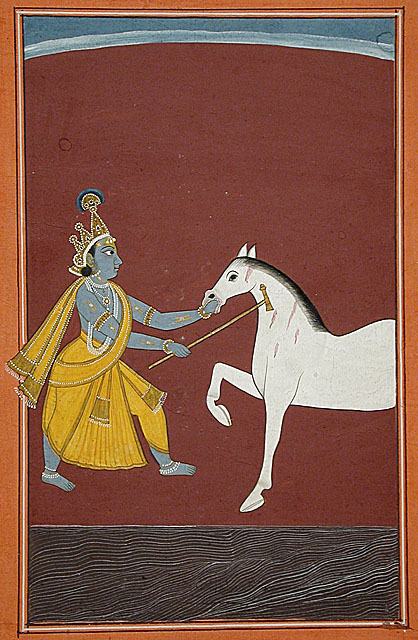
Kesi asura (Horse demon)
Sankachuda- Shell demon
Kamsa – Human
Chanura – wrestler
Vyomasura- sky demon
Madhu – demon
Narakasura
Tarakasura
Tarakasura in Yakshagana

Demons killed by Indra

Ahi (RV 2-11)
Vritra – a Brahmin (in a lot of RV hymns) (RV 2-11)
Trisiras (Visvarupa) — a Brahmin
Sambara (RV 6-26) (RV 4-30)(2-12)
Araru
Susna(RV 2-14)
Kuyava ( RV 1-103)
Ilibisa
Uranu (RV 2-14-4)
Svarbhanu (RV 5-40-5)
Ahisuva – snake (RV 8-32-2),(10-144-3)
Karanja (RV 1-53-8)
Parnaya ( R V 10-48-8)
Vangrda ( R V 10-48-8)
Varcin
Arbuda(RV 2-14)
Aurnavabha
Vrkadvaras (2-20-4)
Pipru(RV 2-14)
Chumuri (RV 6-20)
Namuci (RV 2-14)
Ridhikra (RV 2-14)
Sribrnda
Anarsani
Dhuni (RV 6-20)
Vala (RV 2-11)
Mrigya
Drbhika (RV 2-14)
Tugra (RV 6-26)
Vetasu (RV 6-26)

Digital Capture
Keshikasura killed by Krishna

Names of all the Vedic “demons” end with vowels ‘a, u,i’. This uniformity shows that they were also sons of the soil belonging to the same race. Hindu Gods’ names also end with the same vowels AgnI, IndrA, VarunA, YamA, VayU, MitrA,NasatyA, DasrA, ArkA,VaghisA, BrhaspatI, VachaspatI etc ( a, i, u). If they are foreign names, we can’t see this similarity!!

Demons killed by other Gods
Madhu Kaitaba – killed by Hayagriva (Vishnu)
Hiranyakasipu – Narasimha
Bali – Trivikrama or Vamana
Ravana, Indrajit, Kumbakarna , Maricha – Rama
Kara, Dushana – Rama
Tadaka – Rama
Kabandha – Rama
Vatapi – Agastya
Bakasura – Bhima
Jatasura – Bhima
Andhakasura – killed by Shiva
Bamsmasura – killed himself
Gajamukasura – Ganesh
Surapadman – Subrahmanya
Tarakasura – Subrahmanya/Skanda
Mahisasura – Devi
Sumba– Devi
Nisumba– Devi
Sunda– Devi
Upasunda– Devi
Vidyunmalai- Lord Siva
Viryavana — Lord Siva
Tarakaksha — Lord Siva

durga2
Durga killed Mahisasura

During the mythological period and Ramayana period people with bad qualities were called demons. In the Mahabharata period we see less number of demons and more number of bad people like Duryodhana. Even the demons killed by Krishna are not portrayed as demons in the Mahabharata. Only in the Bhagavatha Purana which was written in ‘old Puranic style’, baddies were described as Asuras. In short, Asuras are as human as we are in appearance but with bad qualities. They derived sadistic pleasure by troubling others. If we reject the foreign theories on our Gods and Goddesses, we will understand them better.

chola Bronze Narasinha
Narasimha who killed Hiranyakasipu

Contact swami_48@yahoo.com

நற்றிணை அதிசயங்கள்!

acrobat-

கட்டுரை மன்னன் :– லண்டன் சுவாமிநாதன்
ஆராய்ச்சிக் கட்டுரை எண்- 1361; தேதி அக்டோபர் 21, 2014.

புறநானூற்றில் உள்ள அதிசயங்களை “புறநானூற்று அதிசயங்கள்” என்ற தலைப்பில் சில நாட்களுக்கு முன் எழுதினேன். இன்று நற்றிணை என்னும் நூலில் உள் அதிசயங்களைக் காண்போம். சங்க இலக்கியத்தில் 18 நூல்கள் (பத்துப்பாட்டு 10+ எட்டுத்தொகை 8 = 18) உள்ளன. இவற்றில் 2400 பாடல்களுக்கு மேல் இருக்கின்றன. சங்க இலக்கியத்தில் காணும் 18 நூல்களையும் மேல்கணக்கு நூல்கள் என்பர். அதற்குப் பின் எழுந்த திருக்குறள் முதலிய 18 நூல்களைக் கீழ்க்கணக்கு நூல்கள் என்பர். தமிழர்கள் எவ்வளவு புத்திசாலி பாருங்கள். 18 என்ற எண்ணின் சிறப்பை அறிந்து முக்கியமான 36 நூல்களை நமக்கு அழகாக வரிசைப்படுத்திக் கொடுத்து விட்டனர்.

எட்டுத்தொகை என்னும் தொகுப்பில் உள்ள எட்டு நூல்களில் ஒன்று நற்றிணை. இது அகம் என்னும் காதல், குடும்ப வாழ்வு பற்றிய 400 பாடல்களைக் கொண்டது. தமிழனுக்கு 400 என்ற எண்ணின் மீது ஒரு தனி காதல் உண்டு. புற நானூறு, அக நானூறு, நற்றிணை நானூறு, நாலடியார் நானூறு, பழமொழி நானூறு என்று அடுக்கித் தள்ளிவிட்டனர்!

அதிசயம் 1
பாடல் 132 அந்தக் காலத்தில் யாமக் காவலர் என்னும் போலீஸ் படை (Policing) தமிழ் நாட்டில் இருந்து பற்றிக் கூறும்:
காப்புடை வாயில் போற்று ஓ என்னும்
யாமம் கொள்பவர் நெடு நா ஒண்மணி
ஒன்று எறி பாணியின் இரட்டும்

எல்லோரும் அவரவர் வீட்டு வாசல் கொல்லைப்புறம் எல்லாவற்றையும் பாதுகாத்துக் கொள்ளுங்கள் என்று சத்தம் எழுப்பிக் கொண்டே பெரிய மணியை மாறி மாறி அடித்துச் செல்வார்களாம் சங்க கால போலீஸ் படை.!!

அதிசயம் 2
கடவுள் வாழ்த்து பாடியவர் பாரதம் பாடிய பெருந்தேவனார். இந்தக் காலத்தில் அவரை மிஸ்டர் மஹாதேவன் என்று அழைக்கலாம். மஹாதேவன் என்று சிவன் பெயரை வைத்துக் கொண்டு இவர் பாடியது மஹாபாரதம்! சரி போகட்டும்! என்று விட்டுவிட முடியவில்லை. இவர் நற்றிணையில் பாடிய கடவுள் வாழ்த்து விஷ்ணு சஹஸ்ர நாமம் என்னும் மஹாபாரதப் பகுதியாகும்! அதில் விஷ்ணுவின் புகழைப் பாடுகையில்

மாநிலம் சேவடி ஆக, தூநீர்
வளைநரல் பௌவம் உடுக்கை ஆக
விசும்பு மெய் ஆக, திசை கை ஆக
பசுங்கதிர் மதியமொடு சுடர் கண் ஆக
இயன்ற எல்லாம் பயின்று; அகத்து அடக்கிய
வேத முதல்வன் என்ப
தீது அற விளங்கிய திகிரியோனே (கடவுள் வாழ்த்து)

இது விஷ்ணு சஹஸ்ரநாமத்தில்,

க்ஷீரோதந்வத் ப்ரதேசே சுசிமணி விலஸத்ஸைகதே
என்று துவங்கும் தியான ஸ்லோகத்தில்
“பூ: பாதௌ யஸ்ய நாபிர் வியதஸுர நில: சந்த்ர ஸூர்யௌ ச நேத்ரே
கர்ணா வாசாச் சிரோத் த்யௌர் முகமபி தஹனோ யஸ்ய வாஸ்தேயமப்தி:” — என்பதன் மொழி பெயர்ப்பாகும்.

vilakku etral

அதிசயம் 3
பரணர் பாடிய பாடல் 201 ல் பூகம்பம், நில அதிர்ச்சி (Earth quake) பற்றிக் குறிப்பிடுகிறார். தமிழ்நாடு, நில அதிர்ச்சி பாதையில் இல்லாவிட்டாலும் வட இந்தியாவில் நடந்த பூகம்பங்கள் பற்றி சங்க காலப் புலவர்களுக்குத் தெரிந்திருக்கிறது. பெரு நிலம் கிளறினும் என்ற சொல் இதைக் குறிக்கும். வேறு பல புலவர்கள் நிலம்புடை பெயரினும் என்றும் பாடுவர். இதே பாடலில் கொல்லி மலைப் பாவை பற்றிய அதிசயச் செய்தியையும் சொல்கிறார். கொல்லி மலையின் மீதுள்ள பாவை, என்ன இயற்கைச் சீற்றம் வந்தாலும் அதன் அழகை இழக்க மாட்டாளாம். இப்போது அந்தக் கொல்லிப்பாவை எங்கே என்று தெரியவில்லை. ஒரு வேளை ஏதோ ஒரு கோவிலில் இருக்கலாம்.

அதிசயம் 4
பாலை பாடிய பெருங்கடுங்கோ பாடிய 202 ஆம் பாடலில் கார்த்திகை நாளன்று அழகாக விளக்கு ஏற்றி வைத்திருப்பதை உவமையாகப் பாடுகிறார். தமிழ் இந்துக்கள் 2000 ஆண்டுகளாக இன்னும் கார்த்திகை விளக்கு ஏற்றி வழிபடுகின்றனர். எத்தனை நாத்திகப் பிரசாரம் நடந்தாலும் தமிழர்கள் அற வழியினின்று பிறழமாட்டார்கள் என்பதற்கு இதுவும் ஒரு சான்று.

அதிசயம் 5
பாடல் 95-ல் கொட்டம்பலவானர் என்னும் புலவர் அந்தக் காலத்தில் கழைக்கூத்தாடிகள் (acrobats) கயிற்றில் தொங்கி சாகசச் செய்ககளைப் புரிந்ததைப் பாடுகிறார். வாத்தியங்கள் முழங்குகையில் ஒரு பெண் கயிற்றில் ஏறி சாகசம் செய்ததைப் பார்த்து குரங்குக் குட்டியும் கயிற்றில் ஏறி சர்கஸ் செய்ததாம். இதிச் சிறுவர்கள் பார்த்து ஆரவாரம் செய்கின்றனர். 2000 ஆண்டுகளுக்குப் பின் இன்றும் இக்காட்சிகளை நாம் பார்த்து மகிழ்கிறோம். காசு இல்லாமல் பார்க்கும் ஏழைகள் சர்கஸ் காட்சி இது.

acrobat-chennai

அதிசயம் 6
பாடல் 97-ல் பூ வியாபாரம் பற்றி மாறன் வழுதி பாடுகிறார். பூ வாங்கலியோ பூவு!! பூ வாங்கலியோ பூவு!! என்று பெண்கள் கூவி வித்ததை அழகாய்ப் பாடுகிறார். 2000 ஆண்டுகளுக்குப் பின் இன்றும் இக்காட்சிகளை நாம் தமிழக வீதிகளில் பார்க்கிறோம்:
மதனின் துய்த்தலை இதழ் பைங் குருக்கத்தியொடு
பித்திகை விரவு மலர் கொள்ளீரோ? என ………………………………
பாடல் 118-ல் பாதிரிப் பூக்களை வட்டிலில் போட்டுக் கூவி விற்கும் ஒரு பெண் பற்றி பாலை பாடிய பெருங்கடுங்கோ பாடுகிறார்.

அதிசயம் 7
தமிழர்கள் ஜோதிடத்தில் அசைக்கமுடியாத நம்பிக்கை உடையவர்கள்!! பன்றி கூட பல்லி சொல் கேட்டு சகுனம் பார்த்ததை உக்கிரப் பெருவழுதி பாடுகிறார் (பாடல் 98)

அதிசயம் 8
பாடல் 90-ல் அஞ்சில் அஞ்சியார் என்னும் புலவர் அந்தக் காலத்தில் உடைகளுக்கு கஞ்சி (starch) போடும் வழக்கம் இருந்ததைக் குறிப்பிடுவார். அதுமட்டுமல்ல பெண்கள் ஊஞ்சல் ஆடுவது பற்றியும் பாடுவார். இதே போல பாடல் 222-ல் கபிலரும் ஊஞ்சலைக் குறிப்பிடுகிறார். காதல் வயப்பட்ட பெண்ணை தோழி கிண்டல் செய்கிறாள்: நீ ஊஞ்சலில் ஏறிக்கொள், நான் வேகமாக ஆட்டுகிறேன். ஊஞ்சல் உயரமாகச் செல்லும் போது மலை மீதுள்ள உன் காதலனது ஊரையும் பார்க்கலாம். அதைப் பர்த்தாலேயே உனக்கு ஆனந்தம் ஏற்பட்டுவிடுமே!!
pukkari

அதிசயம் 9
தமிழர்கள் வடமொழியில் பரத முனி இயற்றிய பரத சாஸ்திரத்தை அப்படியே பின்பற்றுபவர்கள். பரதன் கூறும் முத்திரைகள், அபிநயங்கள் (gestures) எல்லாம் சிதம்பரம் முதலிய கோவில்களில் இருப்பதை நாம் அறிவோம். பாடல் 149-ல் உலோச்சனார் ஒரு அபிநயம் பற்றிப் பாடுகிறார். பெண்கள் வியப்பையும், வம்பளப்பதையும் காட்ட மூக்கில் விரலை வைத்துக் கடைக்கண்களால் பார்ப்பர். இதை உலோச்சனார்

சிலரும் பலரும் கடைக்கண் நோக்கி
மூக்கின் உச்சிச் சுட்டுவிரல் சேர்த்தி
மறுகில் பெண்டிர் அம்பல் தூற்ற ——
என்பர் உலோச்சனார். அழகான காட்சி!

அதிசயம் 10
பாடல் 160-ஐப் பாடியவர் பெயர் இல்லை. அவர் ஆண்மகன் என்பவனுக்குரிய ஆறு பண்புகளை எடுத்துச் சொல்கிறார்:

நயனும் நண்பும், நாணு நன்கு உடைமையும்
பயனும் பண்பும் பாடு அறிந்து ஒழுகலும்

நீதி, நட்பு, இழிசெயல் கண்டு வெட்கப்படுதல், பிறருக்கு உதவுதல், நல்ல குணங்கள், பிறருக்கு இணக்கமாக நடத்தல் (அவர்கள் விரும்பும் வகையில் நடத்தல்) ஆகியன ஆண்களுக்கு வேண்டிய குணங்கள் என்பார்.

dance line drawing

அதிசயம் 11
பாடல் 172 காளிதாசனின் சகுந்தலையை நினைவுபடுத்தும். இதைப் பாடியவர் பரணர். சாகுந்தலத்தில், கவிஞன் காளிதாசன் — பிராணிக ளிடத்தும், செடி கொடிகளிடத்தும் சகுந்தலைக்கு உள்ள பேரன்பை மிக அழகாக கூறுவார். அதுபோல இங்கு ஒரு காட்சி. புன்னை மர விதையை விளையாட்டாகப் புதைத்துவைத்து மறந்து போய் கொஞ்ச காலம் ஆயிற்று. அது திடீரென வளர்ந்து தலைக் காட்டியவுடம் அதற்கு பாலும் தேனும் வார்த்து வளர்க்கிறாள் ஒரு பெண் — அவளுடைய தாயாரும் இது உன் தங்கை என்று சொல்லிப் பாராட்டுகிறாள். அந்த மரத்துக்குக் கீழ் நின்று காதல் பேச்சுகளைப் பேச அவளுக்கு வெட்கமாக இருக்கிறதாம். தங்கையை (புன்னை மரம்) வைத்துக்கொண்டு யாராவது காதலனுடன் அடல்ட்ஸ் ஒன்லி வசனங்களைப் பேச முடியுமா?

அதிசயம் 12
பாடல் 293-ல் கயமனார் என்னும் புலவர், — பெண்ணைப் பெற்ற ஒரு தாய் சாபம் (curse) இடுவதை நமக்குப் படம் பிடித்துக் காட்டுகிறார். “என் பெண்ணை சொல்லாமல் இழுத்துச் சென்ற ஆண்மகனுடைய தாயும் என்னைப் போல நடுங்கி கஷ்டப்படட்டும்” என்று சபிக்கிறாள். இதே பாட்டில் காகத்துக்கு குயவன் இடும் பலி பற்றிய குறிப்பும் வருகிறது. இப்படிக்குக் காக்கைக்குச் சோறிடும் வழக்கம் மேலும் இரண்டு பாடல்களில் உள்ளது.

400 பாடல்களில் இருந்தும் 400 சுவையான விஷயங்களை எழுதினால் இடமும் நேரமும் இரா. ஆகையால் நீங்களும் நற்றிணை பயிலவேண்டும் என்று சில பாடல்களைக் காட்டினேன். வேறு என்ன இருக்கின்றன என்பதைக் கோடி காட்டுகிறேன். நீங்களே சுவைத்து மகிழுங்கள்:

பாடல் 3: கணவன் பத்திரமாக வீடு திரும்ப வேண்டும் என்று மாலை வேலையில் மனவி விளக்கு ஏற்றுதல்
பாடல் 32: கண்ணன்/விஷ்ணு நிறத்தில் மலை உள்ளது. அதில் விழும் அருவி அவன் அண்ணன் பலராமன் போல இருக்கிறது.

பாடல் 35: நாவல் பழத்தை தம் இனத்தைச் சேர்ந்த வண்டு என்று கருதி ஒரு வண்டு வந்தது. அதையும் பழத்தையும் நாவல் பழம் என்று கருதி நண்டு கொண்டு சென்றது. உடனே வண்டு சத்தம் போட, நாரை வந்து சமாதானம் செய்தது (தமிழ் நகைச்சுவைப் பாடல்)

பாடல் 45: மஹாபாரத சந்தனு—மத்சகந்தி வாக்குவாதம் போன்றது.

பாடல் 57: குரங்குகள் பற்றிய அதிசயச் செய்திக் கட்டுரையில் குரங்கு, — பால் கறந்தது பற்றி எழுதிவிட்டேன்.

பாடல் 59: பிராமணர்கள் சைவ (vegetarian food) உணவு மட்டுமே சாப்பிட்டதாக சங்க இலக்கியம் காட்டும். ஆயினும் அசைவ உணவு பற்றி அவர்கள் எழுதத் தயங்கியது இல்லை. பாடல் 59-ல் ப்ராமண கபிலர் உடும்புக் கறி, முயல் கறி எல்லாம் பற்றிப் பாடுவார். இதே போல காளிதசனும் பாடுகிறான்.
இன்னும் நூற்றுகணக்கில் சுவைமிகு காட்சிகளைக் கண்டு மகிழ்க.

நற்றிணை தமிழர்களுக்கு “நற்றுணை” (Good Companion) எனில் மிகை அல்ல!!!

contact swami_48@yahoo.com

Oldest Poet Usanas Kavi!

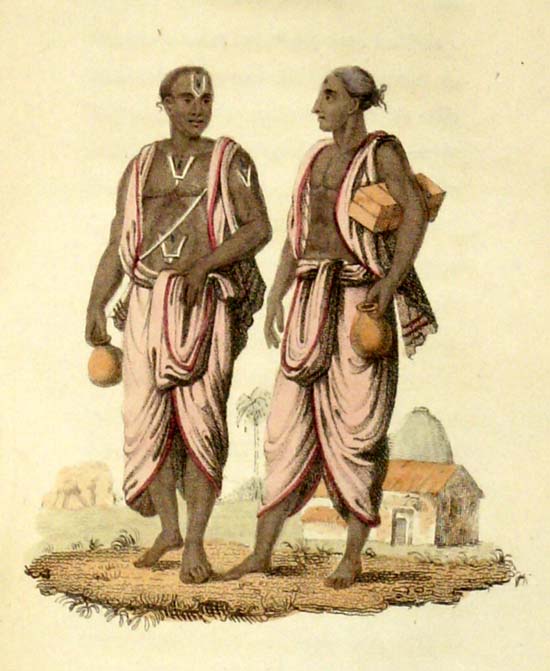
brahmins

Research paper written by London Swaminathan
Research article No.1360; Dated 20th October 2014.

“Of the Vrsnis I am Vasudeva; of the Pandavas I am Dhananjaya (winner of wealth); of the sages I am Vyasa and of the poets I am Usana”.
– Bhagavad Gita 10-37

Why did Krishna say that he was Usana Kavi, an ancient poet whom we did not know much? We know a lot of other Vedic seer poets, but not Usanas.

First of all let me give you some basic information:
1.Until this day we use the word ‘Kavi’ for a poet in all the major Indian languages including Tamil (Pulavar was old and Kavinjar is current). This shows that the Rig Vedic Sanskrit lives in all our hearts. Kavi is a poet and Kavitha is a poem in all Indian languages. ‘Kavi’ is in the Veda and in the Gita!

2.Usanas belonged to Kavya Gotra and in Tamil, the oldest poet Tolkappiyan is believed to be from this Gotra. And there is another poet Kappiyatru Kappiyanar of Patitru Pathu (Ten Decads) from the same Gotra.

3. This shows the antiquity of the Gita as well. Krishna mentioned one of the oldest poets of the Rig Veda! AA Macdonell and A B Keith say in their Vedic Index of Names and Subjects, “ Usanas Kavya is an ancient seer, already a half mythical figure in the Rig Veda where he is often mentioned, especially as associated with Kutsa and Indra”. Rig Veda itself is old; in fact the oldest book we know of. Usanas had become ancient to the seers of Rig Veda! But Krishna was able to appreciate it. That means Krishna lived before the collection of Rig Vedic hymns by Vyasa.

4.”Later on Usanas becomes the Purohita/Priest of the Asuras in their contests with the Gods. A Variant of his name is Kavi Usanas. He appears in the Brahmanas as a teacher also”, say the authors. This shows that there were more poets with the same name in later days. We know that Shukracharya was the Guru of Asuras. This reveals another fact that both Asuras and Suras had Brahmin teachers. Both Devas and Asuras were sons of the soil. In Tamil also we have famous names of Sangam period, Kapila, Parana, Nakkirar and Avvaiyar at various ages. All these poets have done some works in later ages in Tamil as well. So it is possible that we had other poets with the name of Usanas. But even their works are not available!!
5.Usana’s name figured as an author of Artha sastras (Books on Economics) earlier than Kautilya alias Chanakya.

40_Vedic-India

References to Usanas in the Rig Veda
His name occurs in seven out of ten Mandalas of the Rig Veda. His name is missing in Mandalas 2,3 and 7. We are unfortunate to lose the poems of such a popular poet. This shows how much of old Sanskrit literature was lost.

The way all the people praise him give the impression that the words Kavi and Kavya (poet and classics)– all originated from Usanas Kavya!

The following references are considered important (from Vedic Index):
Rig Veda 1-51-10, 1-83-5, 1-121-12;
R V 4-16-2, 6-2011, 8-23-17
R V 9-87-3, 9-97-7, 10-40-7
Probably also 1-130-9, 5-31-8, 5-34-2
Also in A V 4-29-6 (A V = Atharva Veda)

Taittriya samhita, Panchavimsa Brahmana, Sakyayana Srauta Sutra mention the Purohit/priest Usanas (Sukracharya).

Kavi Usanas is found in RV 4-26-1.

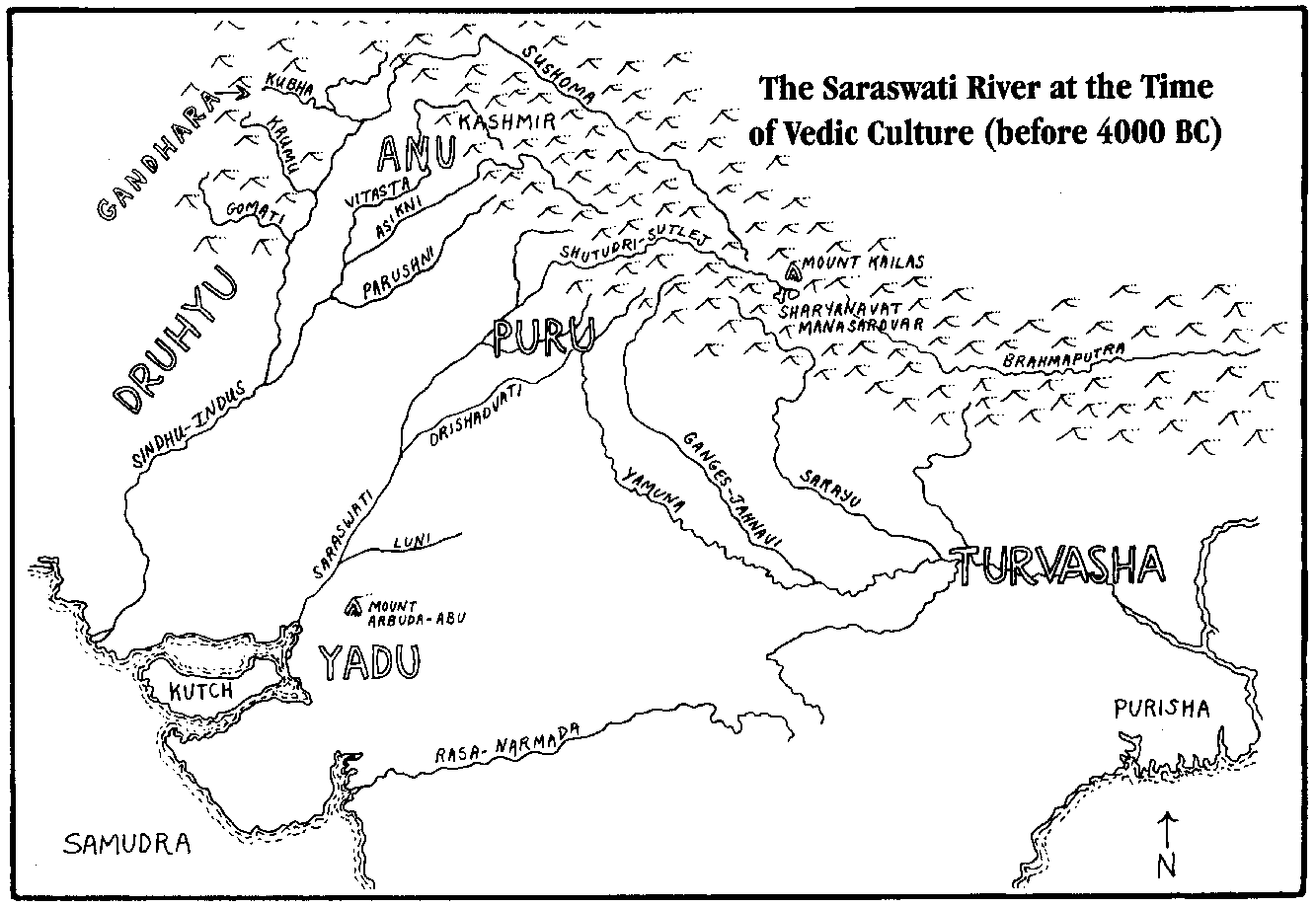
Map_of_Vedic_India

He appears as a teacher in two of the Brahmanas.
Yajur Veda and Sama Veda also praise him as a great poet.
Usanas’ few compositions are available in the Rig Veda: 9-87 to 89 and 8-84. As usual, the foot notes say that it is difficult to understand certain lines. Ninth Mandala of Rig Veda deals with Soma Pavamana (Soma Plant and Juice).
Usana, the son of Kavi is well known for making Agni the ministrant priest and offerer of the sacrifice for Manu ( RV. 8-23-17)

He is referred to as a seer and leader of the people. By his poetic gift he is said to have discovered the secret milk of cows of Indra which was concealed ( RV. 9-87-3)

Usana is said to have increased the vigour of Indra ( RV. 1-51-10) and fashioned the thunderbolt for him for slaying Vritra( RV. 1-121-12; 5-34-2).

He is characteristically wise and soma is compared with him due to his wisdom ( RV. 9-97-7)

Indu, the well armed god, is flowing onward, who quells the curse and guards from treacherous onslaught,
Father, begetter of the gods, most skilful, the buttress of the heavens and earth’s supporter
Rsi and sage, the champion of the people, deft and sagacious, Usana in wisdom
He had discovered even their hidden nature, the cows concealed and most mysterious title (RV 9-87-2/3)

Source books : Vedic Index of Names and Subjects Volume 1 and Bhrgus – A Syudy by Jayanti Panda, Delhi, 1984; The Rig Veda, Translated by Ralph T H Griffith.

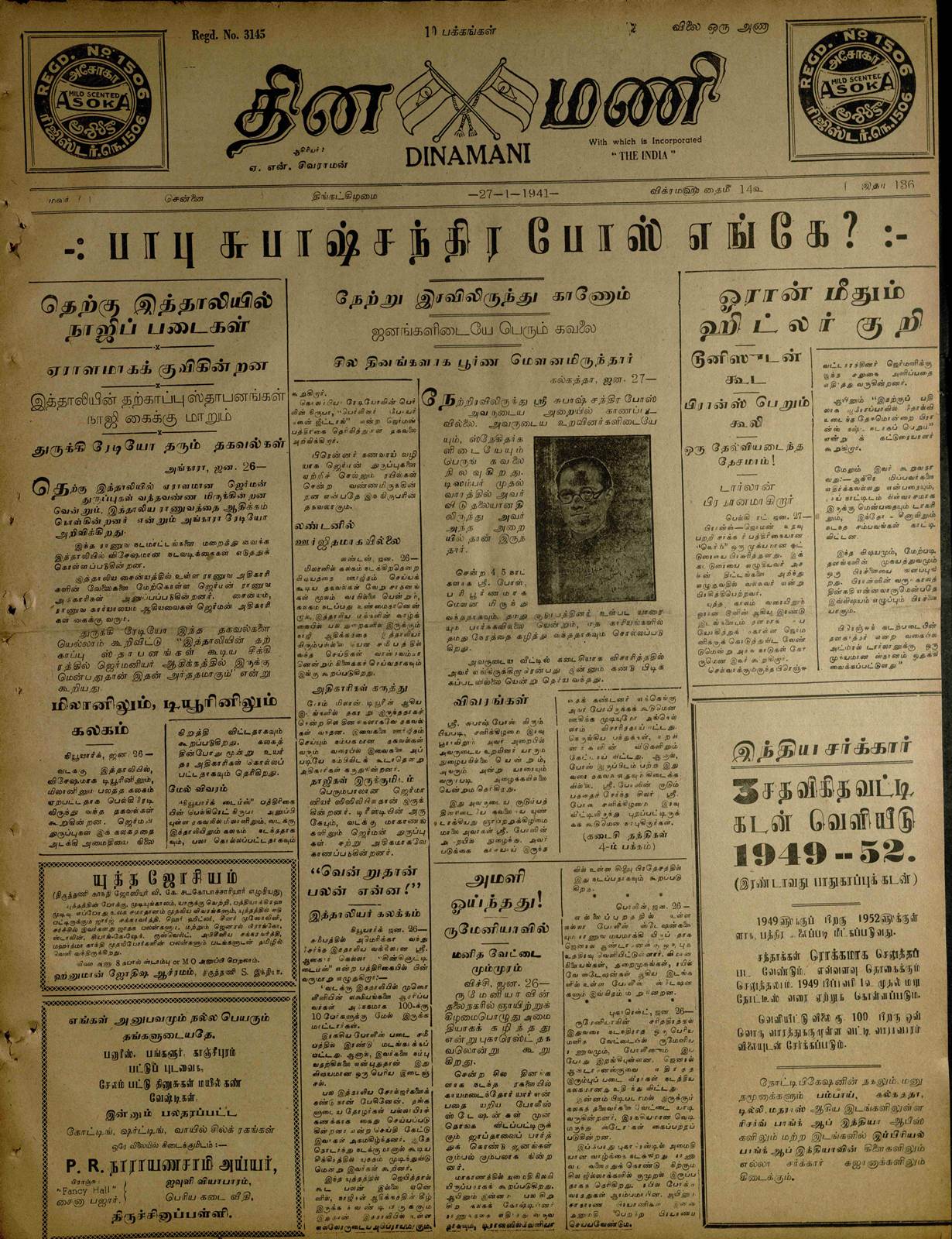
தினமணியில் ‘’லவ் லெட்டெர்’’ நோட்டுப் புத்தகம்

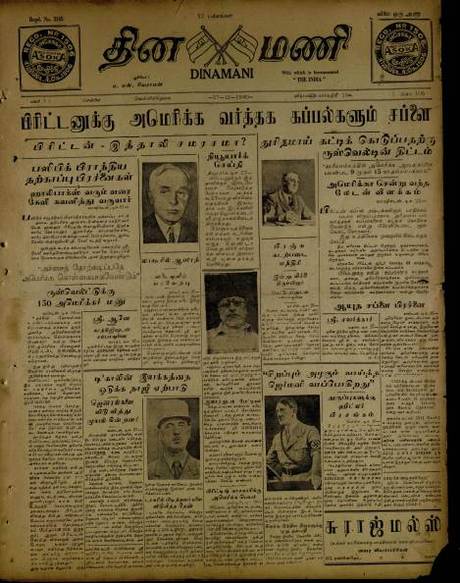
old dinamani1

கட்டுரை மன்னன் :– லண்டன் சுவாமிநாதன்
ஆராய்ச்சிக் கட்டுரை எண்- 1359; தேதி அக்டோபர் 20, 2014.

எல்லோருக்கும் காதல் கடித நோட்டுப் புத்தகம் என்றால் ஏதோ சுவையான, ருசியான செய்தியாக இருக்கும் என்று தோன்றும். ஆனால் தினமணிப் பத்திரிக்கையில் ஏ.என்.சிவராமன் ஆசிரியராகப் பணியாற்றிய காலத்தில் ‘’காதல் கடித நோட்டுப் புத்தகம்’’ — அதாவது லவ் லெட்டர் LOVE LETTER NOTE BOOK நோட்டுப் புத்தகம் என்றால், என் உள்பட எல்லா சப் எடிட்டர்களுக்கும் (SUB EDITORS) குலை பதறும்.

தமிழில் தினமணிப் (DINAMANI) பத்திரிக்கையை அறியாதோர் யாரும் இருக்க முடியாது. அதில் ஆசிரியராக இருந்த ஏ.என்.சிவராமன் (ஏ.என்.எஸ் A.N.S) என்ற பெயரும் பலருக்கும் நினைவிருக்கும். அரைகுறைப் பாமரன், கணக்கன் என்ற பல புனைப் பெயர்களில் பல கட்டுரைகளை எழுதி அவை நூலாக வெளிவந்து நன்றாக விற்பனையும் ஆனது.

நான் மதுரை தினமணியில் சீனியர் சப் எடிட்டராக (Senior Sub Editor) வேலை பார்த்தபோது, அவர் அடிக்கடி மதுரைக்கு வருவார். வேட்டி கட்டிக் கொண்டு, ஒரு கதர் ஜிப்பா அல்லது அதுவும் இல்லாமல் வெறும் மேல் துண்டுடன் காரில் அலுவலகத்துக்கு வந்து விடுவார்.— அன்று வெளியான தினமணிப் பத்திரிக்கையை ஒரு நோட்டம் விடுவார்.–உடனே “டேய் ராமா அல்லது ராமச்சந்திரா” (வேலைக்காரர்கள்) என்று கூவி, அந்த “லவ் லெட்டர்” நோட்டை இப்படி கொண்டுவா’’ என்பார்.

நாங்கள் ஆறு அல்லது ஏழு சப் எடிட்டர்கள் ஒருவரை ஒருவர் ஓரக் கண்ணால் பார்த்துக் கொள்வோம். உடனே எங்களுக்கு எல்லாம் ‘’டென்ஷன்’’ (Tension) ஏறி விடும். நாங்கள் மொழி பெயர்த்த செய்தியில் ஏதாவது தவறு இருக்கும் அல்லது அதை எழுதிய விஷயம் தெளிவில்லாமல் இரு பொருள்பட எழுதப்பட்டிருக்கும். இனி மேல் அப்படி செய்யக் கூடாது என்பதற்காக அந்த தவற்றைச் சுட்டிக்காட்டி ஒரு குறிப்பு எழுதுவார். அதோடு நிற்காமல் நாங்கள் இருக்கும் பகுதிக்கு வந்து “டேய், இதை யாரடா எழுதினீர்கள்?” — என்று ஏக வசனத்தில் கேட்பார். அந்த ‘’சிப்டில்’’ (SHIFT) உள்ள சப் எடிட்டர் என்றால் அவர் சப்தம் போடத் துவங்குவார். சொல்லியதையே பலவித கோணங்களில் சொல்லத் துவங்குவார்.

old dinamani 3

எங்கள் சப் எடீட்டர்களைத் தாண்டி ‘’ப்ரூப் ரீடர்’’ (PROOF READERS) ஒரு பத்துப் பேர் எதிரும் புதிருமாக உடகார்ந்திருப்பர். அதற்கு நேராக இந்தப் பக்கம் டெலிப்ரிண்டர் (TELE PRINTER) அறை இருக்கும். இந்தக் கோடியிலிருந்து அந்தக் கோடிக்கு நடந்து போய்விட்டு மீண்டும் வந்து திட்டுவார். பிறகு இந்தப் பக்கம் போய்விட்டு வந்து திட்டுவார். இப்படி ஒரு மணி நேரம் நடக்கும்.

குற்றவாளிக் கூண்டில் ஏற்றப்பட்ட சப் எடிட்டர் தவிர மற்ற எல்லோரும் குனிந்த தலை நிமிராமல் — கல்யாணப் பெண் போல அமர்ந்து — வேலை செய்வோம். இதற்குள் உள்ளே ‘’கம்பாசிட்டர் ரூம்’’ (COMPOSITORS ROOM) முதலிய அறைளுக்கும் செய்தி பரவிவிடும். அவர்கள் எல்லோரும் —நாங்கள் எழுதியதில் சந்தேகம் கேட்க வருவது போல— வந்து எங்களை வேடிக்கை பார்த்துவிட்டுப் போவர்.

மாலை ஐந்து மணிக்கு எல்லா சப்பெடிட்டர்களும், வழக்கமாக தனலெட்சுமி பவன் வரை நடந்து சென்று இட்லி தோசை காப்பி சாப்பிட்டு வருவோம். அப்போதுதான் எல்லோருக்கும் உயிர் வரும். சிரிப்பும் வந்துவிடும். குற்றவாளிக் கூண்டில் அன்று நின்ற சப் எடிட்டர் — ‘’இன்று நான் யார் முகத்தில் விழித்தேனோ?” —என்று அங்கலாய்ப்பார். நாங்கள் எல்லோரும் “கவலைப் படாதே இன்று உன் முறை, நாளை எங்கள் முறை” என்போம். அதே போல மறு நாள் வேறு ஒரு சப் எடிட்டர் சிக்கிவிடுவார்.

049-dinamani-sivaraman

இதற்கு ஏன் ‘’லவ் லெட்டர் நோட்டுப் புத்தகம்’’ என்று பெயர் வைத்ததையும் ஏ.என்.எஸ்.ஸே எங்களிடம் கூறியிருக்கிறார். அவர் போத்தன் ஜோசப் என்ற பிரபல பத்திரிக்கையாளரிடம் வேலை பார்த்தவர். அவர் இப்படித்தான் லவ் லெட்டர்— அதாவது தவறுகளைச் சுட்டிக் காட்டும் நோட்டு— எழுதுவாராம். இப்படிச் சில மாதங்கள் ஓடும். பின்னர் அவர் தலைமையகத்துக்கு (சென்னைக்கு) சென்றுவிடுவார். எங்கள் எல்லோருக்கும் உற்சாகம் கரை புரண்டோடும். “அட, பள்ளிக்கூட நாளில்தான் ஆசிரியருக்குப் பயந்தோம் என்றால் — எருமை மாடு வயதாகிக் கல்யாணமும் ஆகி குழந்தையையும் பெற்ற பின்னர் இவரிடம் திட்டு வேறா?” என்று சிரித்து மகிழ்வோம்.

ஆனால் அவர் பத்திரிகைத் துறையில் ‘’பழமும் தின்னு கொட்டையும் போட்டவர்’’. செய்தியின் ஆங்கில வடிவைப் பார்க்காமலேயே, ஆங்கிலத்தில் என்ன வந்திருக்கும்? அதை சப் எடிட்டர் எப்படி தவறுதலாகப் புரிந்து கொண்டார் என்பதை துல்லியமாக ஊகித்தறிவார்.

ஒரு சப் எடிட்டர் டேராடூன் (Dehradun) என்பதை டெஹ்ராடன் என்று எழுதிவிட்டார். ஏனெனில் ஆங்கிலத்தில் அப்படித்தான் ஸ்பெல்லிங் (Spelling) இருக்கும். இன்னொருவர், திமிங்கிலம் என்பதற்குப் பதிலாக வேல் மீன் என்று எழுதிவிட்டார். திமிங்கிலத்துக்கு ஆங்கிலத்தில் ‘’வேல்’’ (WHALE) என்று பெயர். ஆனால் அது மீன் வகைப் பிராணி அல்ல. இப்படி சின்னச் சின்ன விஷயங்களில் மாட்டிக் கொள்வோம்.

old dinamani1.jpg2

எங்கள் காலத்தில் எல்லா செய்திகளும் ஆங்கிலத்தில் வரும். தமிழில் மொழி பெயர்ப்பது, எடிட் (editing) செய்வது, பேஜ் போடுவது (Page Makeup) முதலியன எங்கள் பணிகள். இந்திராகாந்தி சுட்டுக் கொல்லப்பட்ட அன்று நான்தான் சீனியர். –உடனே அன்றைய தலைப்புச் செய்தி — ((ஆங்கிலத்தில் பேனர் Banner Item ஐட்டம் என்றும் நாங்கள் எட்டுக் காலம் Eight Column என்றும் சொல்லுவோம்)) – எழுதும் பணி என் தலையில் விழுந்தது. உலகையே உலுக்கும் செய்தி என் கையில் வந்தது எனக்கு மகிழ்ச்சிதான். ஆகையால் வளைத்து வளைத்து எழுதினேன். மறு நாளைக்கு ஒரே பாராட்டு!!

என்னுடைய சீனியரில் ஒருவர் என் காதருகே வந்து, “சாமிநாதா, மிகவும் அழகாக எழுதினாய், நேரடியாகப் பார்ப்பது போல நல்ல வருணனை — ஆனால்……………” என்று இழுத்தார். வயிற்றின் அடியில் இருந்ததெல்லாம் வாய்க்கு வந்துவிடுவது போல வயிற்றை ஒரு கலக்கு கலக்கியது. “ராஜீவ் காந்தி வலம் வந்து — பின்னர் இந்திரா காந்திஜி அமர் ரஹோ என்று விண்ணைப் பிளக்கும் கோஷத்துக்கிடையே சிதைக்கு ………………………………. என்று எழுதி இருக்கிறாய். சுடுகாட்டில் மட்டும் வலம் வர மாட்டார்கள் – இடம் வருவார்கள் என்றார். எனக்குத் தூக்கிவாரி போட்டது. ஏனெனில் ஆங்கிலத்தில் இடம் வலம் என்று வித்தியாசம் இல்லாமல் சொல் இருக்கும். இதற்கெல்லாம் அனுபவம் தேவை.

‘’முன்னப் பின்ன செத்தால்தானே சுடுகாடு தெரியும்’’ – என்று தமிழில் ஒரு பழமொழி உண்டு. அப்போதுதான் அந்தப் பழமொழியின் முழுத் தாக்கமும் எனக்குத் தெரிந்தது!!! நல்ல வேளையாக பெரிய ஆசிரியர் (ஏ.என்.எஸ்) சென்னையில் இருந்தார். நான் பிழைத்தேன்.

இதே வரிசையில் நான் எழுதிய முந்தைய கட்டுரைகளையும் காண்க:

1.என் அப்பாவிடம் கற்றது
2.என் அம்மாவிடம் கற்றது
3.கோயங்கா சாம்ராஜ்ய ரகசியங்கள்

Contact swami_48@yahoo.com

பதி – வதி – மதி : சிந்து சமவெளியில் உண்டா?

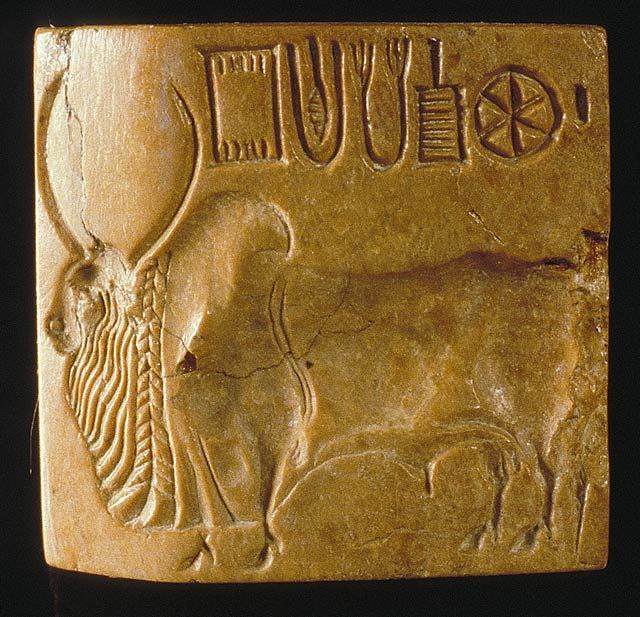
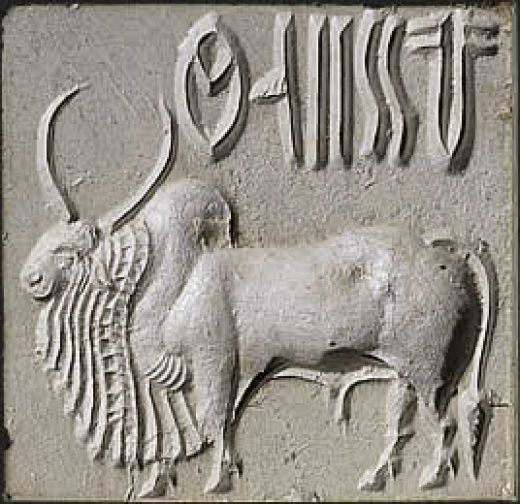
bull-seal-4

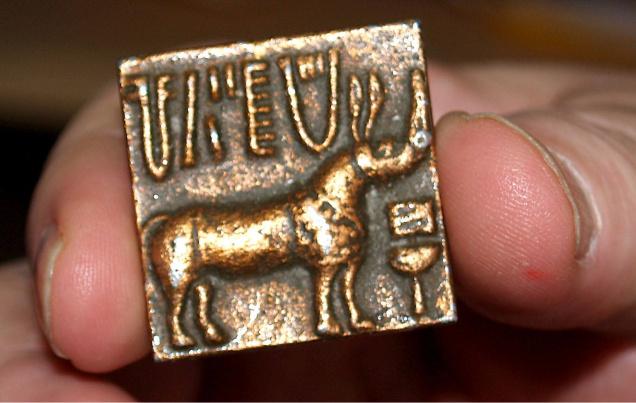
Look at the “U” shaped letters

கட்டுரை மன்னன் :– லண்டன் சுவாமிநாதன்
ஆராய்ச்சிக் கட்டுரை எண்- 1358; தேதி அக்டோபர் 20, 2014.

மிகவும் அதிசயமான ஒரு விஷயம்!! இந்துக்கள் பெயரிடும் முறையாகும்!! எனது நாற்பது ஆண்டு ஆராய்ச்சியில் கண்ட சில விஷயங்களைச் சுருக்கமாகத் தருகிறேன். ஆதிகாலம் முதல் இன்றுவரை இந்துக்கள் தனது பெயர்களில் பின்னொட்டு (விகுதி) களாக ‘’பதி – வதி – மதி’’ —களைப் பயன்படுத்துகின்றனர். இந்தோநேஷியாவின் முஸ்லீம் ஜனாதி’’பதி’’யாக இருந்த பெண் பெயர் கூட மேக’’வதி’’ சுகர்ண புத்ரீ!! தூய சம்ஸ்கிருதம்.

காரைக்கால் அம்மையாரின் பெயர் புனித’’வதி’’. அப்பர் பெருமானின் சகோதரி பெயர் திலக’’வதி’’. இவர்கள் இருவரும் பிராமணர்கள் அல்ல. ஐந்தாம் நூற்றாண்டில் வாழ்ந்த வைஸ்ய குல பெண்ணான காரைக்கால் அம்மையார் வீட்டிலும் அதற்கு முன் பிறந்த வையஸ்குல கோபாலன் (சிலப்பதிகார கோவலன்) பெயர்களும் சம்ஸ்கிருதமே. சங்க இலக்கியப் புலவர்களில் கபில, தாமோதர, பரண, கேசவ, கௌசிக, விஷ்ணுதாச (விண்ணந்தாயன்), கண்ணதாச (தாயங்கண்ணன்), பிரம்மதத்த, வால்மீகி என்று ஏராளமான சம்ஸ்கிருதப் பெயர்களைக் காண்கிறோம்.

ஆண்கள் பெயர்கள் எல்லாம் ‘’பதி’’ யில் முடியும்.பெண்கள் பெயர் எல்லாம் ‘’மதி’’ அல்லது ‘’வதி’’ யில் முடியும். எடுத்துக்காட்டு:–

பசு — பதி
பார்– வதி
இந்து — மதி (வளர் மதி)

முதலில் ஆண்கள் பெயர்களை எடுத்துக் கொள்வோம். இந்தப் பெயர்கள் உலகின் மிகப் பழைய நூலான ரிக் வேதத்திலேயே இருக்கின்றன. இந்துக்களை கடித்துக் குதறுவதைப் பொழுது போக்காகக் கொண்ட “”அறிஞர்களும்”” இப்பொழுது ரிக் வேதத்தின் காலத்தை கி.மு. 1700 என்று ஒப்புக் கொண்டுவிட்டனர். அப்படியானால் சிந்து சமவெளியிலும் இந்தப் பெயர்கள் இருக்கதானே வேண்டும்? அப்படி இருக்குமானால் அந்த எழுத்தின் வடிவம் எப்படி இருக்கும்? என்று ஆராய்வோம்.

ப்ருஹஸ் –பதி, வாசஸ் – பதி, த்ரிதஸ பதி, பசு பதி, வனஸ் பதி முதலிய பல பதி–க்கள் வேதங்களில் வருகின்றன. நம்முடைய நண்பர்கள் பெயர்களில் இப்படி நூற்றுக் கணக்கான ‘’பதி’’–க்கள் கட்டாயம் இருப்பர். சில எடுத்துக் காட்டுகள்:

லெட்சுமி பதி (தினமலர் ஆசிரியர்)
உமா பதி
பூ பதி (டென்னிஸ் வீரர்)
கண பதி
தன பதி செட்டியார்
அபாம் பதி (வருணன்)
ஜனாதி – பதி
அதி — பதி

Indus_seal_impression

பெண்கள் பெயர்களைப் பார்த்தால் அவை ‘’வதி’’ அல்லது ‘’மதி’’ யில் முடியும் — சில எடுத்துக் காட்டுகள்:

மது மதி, இந்து மதி, வசு மதி, வளர் மதி, சாரு மதி — இப்படி எத்தனையோ அடுக்கிக் கொண்டே போகலாம்.

மஹாபரதத்தில் வரும் மீனவப் பெண்ணின் பெயர் கூட சத்ய – வதி! ((ஆரிய—திராவிட வாதம் பொய் என்பதற்கு இப்படிப் போகிற போக்கில் நான் ஆயிரம் உதாரணங்களைக் கொடுக்க முடியும். அசுரர்கள், ராக்ஷசர்கள் என்பதெலாம் சம்ஸ்கிருதம், அவர்கள் பெயர்களும் சம்ஸ்கிருதம்))
அகத்தியர் மணந்த நாக கன்னிகை பெயர் (வியட்நாம் பெண்) யசோவதி. பார் —வதியை எல்லோருக்கும் தெரியும். பிரபல கணித மேதை லீலா —வதியையும் தெரிந்திருக்கும் (பாஸ்கராச்சார்யார் மகள்).

நகரங்களுக்கும் நதிகளுக்கும் , நல்ல குணங்களுக்கும் இந்துக்கள் பெண்கள் பெயர்களையே சூட்டுவார்கள் (பெண்கள் வாழ்க முதலிய பல கட்டுரைகளில் இது பற்றி எழுதி விட்டேன்)

சபர் மதி, ஷரா வதி, வேக வதி என்பன சில ஆறுகளின் பெயர்கள்.
இந்திரனின் தலை நகர் அமரா வதி
நாகர்களின் தலை நகர் போக வதி

இப்படி நிறைய நதிகள், நகரங்கள் இந்தியாவில் இன்றும் உண்டு. ஆந்திரத்தில் உள்ள புத்தமதச் சிற்பம் உடைய அமரா வதி, குஜராத்தின் பழைய தலை நகர் கர்னா வதி (இப்பொழுதைய பெயர் ஆமதாபாத்).

உண்மையில் மொழியியல் அறிஞர்களுக்குத் தெரியும் ப = ம = வ ஆகிய எழுத்துக்கள் இடம் மாறும் என்பது.

தமிழில் வங்கம் (படகு, கப்பல்) என்றால் வங்காளத்தில் வசிப்போர் பங்கம் என்பர்.
வேதத்தில் ‘’வ்ருக’’ என்றால் பிற்கால சம்ஸ்கிருதத்தில் அது ‘’ம்ருக’’ ஆகும். இது போல நூற்றுக் கணகான சொற்கள் இருக்கின்றன. முற்காலத்தில் இதை மாறி மாறி பயன்படுத்தி இருப்பர். பிற்காலத்தில் இலக்கணம் வகுத்து முறைப்படுத்தி இருப்பர்.

indus seal2

வேதகாலம் முதல் இந்துக்கள் பயன்படுத்தும் இந்த வதி – பதி – மதி சிந்து சமவெளியில் இருந்தால்…………. இருந்திருந்தால்…………. எப்படி இருக்கும்? சிந்து சமவெளி முத்திரைகளில் “U” பல வகைகளில் பயன் படுத்தப்பட்டுள்ளது. இதைப் பாதம் என்று கொண்டால் பத, பதி என்ற ஒலியை உருவாக்கும். அதற்குள்ளும் வெளியேயும் வெவ்வேறு குறியீடுகளைப் பொறிக்கையில் அதற்குத்தக புதிய ஒலிகளும் வரும் என்று ஊகிக்கலாம். இது ஒரு ஊகமே.

“U” இந்த வடிவத்தைச் சிலர், அளக்கும் படி (லிட்டர்) என்றும் இன்னும் சிலர் இது மரியாதைக்குரிய விகுதி/ பின்னொட்டுச் சொல் (கள், ஆர்) என்றும் கூறி இருக்கிறார்கள். (ஆங்கில எழுத்தான யு போன்றது).
ARV_INDUS_12484f

சிந்து சமவெளி எழுத்துக்களை யாரேனும் முழுக்க முழுக்க புதிய கோணத்தில் ஆராய்ந்தால்தான் அதன் உண்மைப் பொருள் விளங்கும். மற்ற எழுத்துக்களுக்குக் கிடைத்தது போன்ற இரு மொழிக் கல்வெட்டுகள் கிடைக்காததால் கம்யூட்டரில் போட்ட பின்னரும் இதன் பொருள் தெரியவில்லை!! சிலர் ‘’எண்’’ என்பர், மற்றும் சிலர் ‘’எழுத்து’’ என்பர். இன்னும் சில அமெரிக்கர் இது எழுத்தும் அல்ல, எண்ணும் அல்ல, சுத்தக் ‘’கிறுக்கல்கள்/படங்கள்’’ என்றும் திருவாய் மலர்ந்தருளுவர்!! இதற்கெல்லாம் மூல காரணம் —- ஆரம்ப காலத்தில் அகழ்வாராய்ச்சி செய்தோர், ஆரிய—திராவிட விஷத்தை இதிலும் தூவிவிட்டனர். அதனால் இன்று வரை அறிவு என்னும் மரமோ, பழமோ அங்கே விளையவில்லை!!

i_tiger_seal

contact swami_48@yahoo.com

Pati – Vati – Mati—in Indus Valley Script

bull-seal-4

Look at the U shaped characters on the seal.

Research paper written by London Swaminathan
Research article No.1357; Dated 19th October 2014.

Hindus have been using Pati – Vati – Mati suffixes in personal names for thousands of years. So it must be in the Indus Valley script!

I have been doing research in Indus Valley script, Tamil and Sanskrit for the past forty years. I have already written about what went wrong in deciphering the Indus Valley script. The people who excavated the cities such as Mohenjo-Daro and Harappa mislead the entire world with their pet theories of discovering “evidence” for Aryans’ barbaric attacks, phallus worship, Pasu-pati seal and burnt forts. Now they have been proved wrong by the latest discoveries and dating on the ending of the Indus civilization. Other proofs such as drought, change of course of rivers and discovery of dried up Saraswati River Basin also disproved those pet theories. Even the Doubting Thomasses are ready to accept the date of Rig Veda as 1700 BCE!!

Intelligent people asked them, “If Aryans had destroyed the civilization where are their horses? Where are their skeletons? Where are their iron weapons? Are the 30+ skeletons you discovered Dravidian skeletons? Why did the “Dravidians who ran for their life” forgot all about the brick buildings? Why didn’t they build such structures in other parts of the country, where they migrated? How come they forgot their script and civilisation? Why is it that there is NO mention of Indus River in any literature other than Sanskrit? Why don’t you do genetic research to establish the ethnicity? How come there is a skeleton of camel in the Indus valley? Who were the gods worshipped in the Indus valley? We see even ghost on the seals.

The answer to these questions lies in the fact that it belonged to the people following different or a mixture of Hindu faiths like we see today. But the early excavators created an atmosphere where there was no independent research possible. Till this day they are talking in terms of Aryan and Dravidian which are not mentioned anywhere in Tamil or Sanskrit literature with a racial connotation.
i_tiger_seal

During the course of my research I found out Pasupati seal even in Bahrain (Please read my post Vishnu in Indus Valleys) and in Rome (Roman Orpheus). Others have already pointed out that it is in the Gundestrup cauldron (Denmark) as well. There are lots of other things which are common to several ancient cultures. I pointed out that we have got the names of Indus rulers like Jayadratha, Ambarisha, Sindudweepa and Gandharvas in our scriptures.

Now I have found out a few more things about naming in the ancient world. If someone thinks logically — what would have been the names of Indus people if they had spoken Sanskrit or any language related to Sanskrit, they could guess some names.

Pati – Vati– Mati
From the Vedic days we have three sets of names used throughout India. Here is an example:
Pasu—Pati
Par — Vati
Indu — Mati

P=V=M are interchangeable.

If I say Vangam in Tamil, in the Eastern part of the country they say Bengal. In the same way words beginning with P or V changes to M in many words. Rig Vedic Vana becomes Pana(n) in Tamil. Rig Vedic Vrka becomes Mrga in classical Sanskrit.

This is to show the close link between P,V,M sounds. For some reason Hindus used this Pati – Vati – Mati formula a lot from the Vedic days. This practice is continued until today. So my guess is that it should be the ending of many Indus Valley personal names.

In the Vedas we come across Brhas –pati, Praja – pati, Vachas –pati, Pasu – pati, Apam –pati, Bhu pati, Tridasa – pati Indra) and Nrpati.
This ‘’pati’’ is a masculine suffix. Pati is translated as “Lord of …………..”

If it is a woman the name would end with the suffix Vati or Mati. Examples:
Par – vati
Yaso – vati
Leela – vati = mathematician
Satya – vati (Even a fisherman’s daughter had this name!–Mahabharata)

This suffix is used for the Cities as well. In Hinduism cities and rivers are feminine. They are called Amara – vati (Indra’s capital), Bhoga – vati ( Naga capital). Each city has a guardian deity mostly women. So Mati and Vati are similar and probably interchangeable.

Madu – mati
Indu – mati
Yaso – mati
ARV_INDUS_12484f

Tamils also used Sanskrit names Vati.

We have Saivite literature from the fifth century CE. One of the Four famous Saivite saints is Appar whose sister was Tilaka –vathy. Appar who was not a Brahmin lived in the seventh century. Another Tamil saint who lived in the fifth century was popularly called Karaikal Ammaiyar (Madame of Karaikal). Name given to her at birth was Punya –vathy . She belonged to the Vaisya community (Business men). So even people who are not Brahmins had Sanskrit names with the same Vedic suffix – vathy (There are many more poets with beautiful Sanskrit names in Sangam period as well).

I am pretty sure the readers can remember hundreds of names with Pati, Mati, Vati as suffix. I don’t need to list all the words here. With all the goddesses we add pati as in Lakshmi—pati, Uma—pati etc.

The famous Buddhist centre Amara –vati in Andhra Pradesh is probably named after Indra’s capital. Ahmadabad’s (Gujarat) original name was Karna –vati. Hundreds of rivers are also named after women—Sabar – mati, Shara—vati, Vega—vati , Amara—Vati etc.

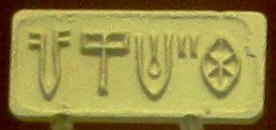
If we believe that the Vedas existed even before the decline of Indus valley civilisation, then we must have those Vati – Pati- Mati suffix in those Indus seals. I suspect the U like endings portray ‘’foot’’ symbol= pada in Sanskrit. Can we consider them as Pati- Vati- Mati suffixes?
Some examples:

“U” — is used in various ways with different diacritical marks inside the letter and outside the letter. So this symbol is a strong candidate.

indus seal2
Indus_seal_impression

Contact swami_48@yahoo.com
அந்தரத்தில் நிற்பதை அனைவருமே கற்கலாம்!

d meade2

By ச.நாகராஜன்
Post no. 1356; dated 19th October 2014
This article was written by my brother S Nagarajan for Tamil Magazine Bhagya:swami

‘மனம் ஒரு ட்ரங்க் பெட்டி போல! அது நன்கு பேக் செய்யப்பட்டிருந்தால் (well packed) அதனுள் எல்லாமே அடங்கி விடும். அது தவறாக பேக் செய்யப்பட்டிருந்தால் ( ill packed) அது ஒன்றுமில்லாததற்குச் சமம். – அகஸ்டஸ் வில்லியம் ஹேர்

வட அயர்லாந்தின் பிரதானமான நகரம் (Belfast) பெல்ஃபாஸ்ட்.. அதில் இருக்கும் விக்டோரியா ஸ்குயரில் 2013ஆம் ஆண்டில் டேவிட் மீட் (David Meade) என்பவர் நிகழ்த்திய சாகஸம் உலகையே வியப்பில் ஆழ்த்தி விட்டது. 29 வயதே ஆன மீட் விக்டோரியா ஸ்குயரில் உள்ள கட்டிடத்தின் இரண்டாம் மாடியின் சுவரிலிருந்து 30 அடி உயரத்தில் அந்தரத்தில் தொங்கிக் கொண்டிருந்தார். நூற்றுக்கணக்கான பார்வையாளர்கள் இதைப் பார்த்துத் திகைத்து வியப்பில் ஆழ்ந்தனர்.
இப்படி செய்யப்படும் நிகழ்ச்சி இதுவே உலகில் முதல் தடவை எனச் சொல்கிறார் மீட். காலை எட்டு மணிக்கு அந்தரத்தில் தொங்குவதை ஆரம்பித்த மீட் பல மணி நேரம் அப்படியே தொங்கிக் கொண்டிருந்தார்.

இப்படி அந்தரத்தில் நிற்பது எகிப்தில் உள்ள பழைய கால பிரமிடுகளில் நிகழ்த்தப்பட்ட ஒன்று. ஆனால் அங்கே பூமிக்கு மேலே 3 அடி உயரத்தில் மட்டுமே நின்று காண்பிப்பர். இந்திய யோகிகளும் தரைக்குச் சிறிது மேலே அந்தரத்தில் மிதப்பது சாதாரணமாகக் காணப்படும் ஒன்று. மீடோ 30 அடி உயரத்தில் இருந்தார்.

david meade1

இந்த பிரம்மாண்டமான நிகழ்ச்சிக்குப் பின்னர் மீட் தொலைக்காட்சி நிகழ்ச்சிகளில் மிகவும் பிரபலமானார். பிபிசி இவரது நிகழ்ச்சிகளை ஒளிபரப்பியது. மேக் பிலீவ் (Make Believe)என்ற இவரது தொடர் மிகவும் பிரசித்தமான ஒன்று.

நிஜமாகவே இதைச் செய்கிறேனா அல்லது செய்வது போல நம்ப வைக்கிறேனா என்று மக்கள் மனதில் கேட்கும் கேள்வியின் அடிப்படையிலேயே எனது தொடரின் தலைப்பு அமைக்கப்பட்டது என்கிறார் அவர்.

உலகெங்கிலிருமிருந்து எனது நிகழ்ச்சிகளுக்குக் கிடைக்கும் வரவேற்பு என்னை பிரமிக்க வைக்கிறது என்கிறார் அவர்.

அயர்லாந்தில் தலைசிறந்த பல்கலைக்கழகங்களில் விரிவுரையாளராகப் பணியாற்றி சொற்பொழிவுகளை ஆற்றி வரும் மீட் ஒரு ஆராய்ச்சியாலரும் கூட. வாடிக்கையாளர் எப்படிப் பொருள்களை வாங்குகின்றனர், அதில் என்ன சைக்காலஜி அடங்கி இருக்கிறது என்பதைப் பற்றி நிறைய ஆய்வு நடத்தி உள்ள அவர் கூட்டமாகச் சேர்ந்து விட்டால் அந்தக் கூட்டத்தில் ஏற்படும் மக்களின் மனப்பான்மை பற்றியும் ஆராய்ச்சிகளை நடத்தி உள்ளார்.

இதில் அவரது மெண்டலிஸம் (mentalism) வேறு சேர்ந்து விட்டது.அவர் பேசுகின்ற இடங்களில் கூட்டத்திற்குக் கேட்கவா வேண்டும். மெண்டலிஸம் என்பது மாஜிக்கை விட வேறுபட்ட ஒன்று. சாதாரணமாக மாஜிக் நிகழ்த்துவோர் செய்யும் ஸ்டேஜ் வித்தைகளை மெண்டலிஸ்ட் செய்வதில்லை. மனத்தை மயங்க வைக்கும் வித்தைகளையே அவர்கள் காண்பிப்பர்.

உங்கள் கார்டில் உள்ள பின் கோட் நம்பரை நீங்கள் படித்தால் உங்கள் மாமியாரின் பெயரை அவர் கூறி விடுவார்! அல்லது அவரது பிறந்த தேதியைச் சரியாகக் கூறி விடுவார்! இது சாத்தியமா, என்ன! அன்றாடம் செய்து காண்பிப்பதால் இதை நம்பித் தான் ஆக வேண்டும்!

புவி ஈர்ப்பு விசையை எதிர்த்துச் செய்யப்படும் அந்தரத்தில் மிதக்கும் சாகஸ செயலுக்கு விஞ்ஞானம் என்ன பதில் சொல்கிறது என்பதே அனைவரது கேள்வியும். இதை எப்படிச் செய்கிறீர்கள் என்று பத்திரிக்கையாளர்கள் கேட்கும் போதெல்லாம், புன்முறுவலுடன், “ அது என்னுடனேயே ரகசியமாக இருக்கட்டும்” என்கிறார் மீட்.

d meade3

யூரி கெல்லர், ஹெய்ம் கோல்டன்பெர்க், டெர்ரன் ப்ரவுன், ஜேம்ஸ் ராண்டி, அல் கொரான், ரிச்சர்ட் ஆஸ்டர்லிண்ட், மார்க் பால் உள்ளிட்ட ஏராளமானோர் மனத்தின் மூலம் மற்றவரைக் கட்டுப்படுத்தி மனோசக்தி மூலம் செய்யும் ஏராளமான சாகஸ செயல்களைச் செய்து காட்டி உலகையே வியப்பில் ஆழ்த்தினர், மீட் செய்யும் மனோ வித்தைகளைப் பார்ப்பவர்கள் அவர் ஜனங்களின் மனதைக் கட்டுப்படுத்தி விடுகிறார் என ஒரு மனதாகச் சொல்கின்றனர். இதனால் வட அயர்லாந்து ஒளிபரப்பு நிகழ்ச்சி ஒன்றிற்காக பிபிசிக்காக ஜனத்திரளைக் கட்டுப்படுத்தும் ஒரு டாகுமெண்டரி எடுக்கவும் அவர் ஒப்புக் கொண்டார். இதற்காக ஒரு பேஸ்கட்பால் குழுவை அவர் தேர்ந்தெடுத்து விளையாட்டு வீர்ர்களின் மனதைக் கட்டுப்படுத்தி விளையாட வைத்தார், பேஸ்கட்பால் விளையாடும் இரண்டு குழுவினருள் ஒரு குழுவினரை அவர்கள் விசேஷமானவர்கள், நிச்சயம் ஜெயிக்க வல்லவர்கள் என்ற நம்பிக்கையை விதைக்க அவர்கள் அபாரமாக விளையாடி வெற்றி பெற்றனர்.

பாஸிடிவ் எண்ணங்கள் எப்போதுமே நல்ல பலன்களைத் தரும் என்கிறார் மீட். பெரிய நிறுவனங்களை அணுகி அவர்களிடம் வேலை பார்ப்போரிடம் அதிகத் திறமையை எப்படி வளர்ப்பது என்பதையும் அவர் சொல்லித் தருகிறார். பொருள்களை எப்படி அடுக்கி வைப்பது என்பதில் கூட வாடிக்கையாளரைக் கவரும் ஒரு பெரும் ஆற்றல் உள்ளது என்பதை அவர் நிரூபித்துக் காட்டுகிறார்.

தனது ஆற்றல்கள் எல்லாம் தொடர்ந்த பயிற்சியின் மூலம் வந்தவை தான் என்று கூறும் அவர், இது அனைவரும் பெறக் கூடிய ஒன்று தான் என்றும் விஞ்ஞானத்தை விஞ்சிய விஷயம் எதுவும் இல்லை என்றும் உறுதிபடக் கூறுகிறார்.

எது எப்படி ஆனாலும் ஆகாயத்தில் அந்தரத்தில் தொங்குவதை எத்தனை பேரால் செய்ய முடியும்! யோசித்துப் பார்த்தால் மீட் ஒருவரால் தான் முடிகிறது. அதனால் தான் அவரை உலகம் வியப்புடன் பாராட்டுகிறது!

d meade4
Images of David Meade

அறிவியல் அறிஞர் வாழ்வில் .. .

விஞ்ஞானிகளுள் ஏராளமானோருக்கு தீவிரமான கடவுள் நம்பிக்கை உண்டு.இவர்களுள் ஒருவர் நோபல் பரிசு பெற்ற இயற்பியல் விஞ்ஞானியான சார்லஸ் டவுன்ஸ் (Charles Townes). டி.டிமிட்ரோவ் என்பவர் அவரிடம்,”உங்களுக்குக் கடவுள் நம்பிக்கை உண்டா?கடவுள் இருக்கிறாரா” என்று கேட்டார். அவருக்கு டவுன்ஸ் கொடுத்த பதில் இது:” நான் கடவுள் இருக்கிறார் என்பதை உறுதியாக நம்புகிறேன்.உள்ளுணர்வு, என்னுடைய பார்வைகள், தர்க்கம் மற்றும் அறிவியல் ரீதியிலான அறிவு ஆகியவற்றின் அடிப்படையில் கடவுள் இருப்பதை நம்புகிறேன்.” (“I strongly believe in the existence of God, based on intuition, observations, logic, and also scientific knowledge.”) .
டவுன்ஸை ஆன்மீகவாதிகளும் அறிவியல் அறிஞர்களும் பாராட்டுகின்றனர்!

contact swami_48@yahoo.com
****************

Hindus Worship Ten Directions!

compass

Research paper written by London Swaminathan
Research article No.1355; Dated 18th October 2014.

Hindus worship all the ten directions including the four cardinal and four ordinal directions on a compass.

“Purushasuktam” is one of the most popular Vedic hymns. It is in the Tenth Mandala of the oldest scripture in the world- Rig Veda. It is recited in almost all the temple and domestic rituals. Orthodox Hindus who have studied Vedas recite it every day. The first few verses describe the omnipresence and omnipotence of the God:

“ The Purusha (Supreme Being) who has thousands of heads, thousands of eyes and thousands of feet enveloped the earth on all sides and stood beyond it in ten directions of space. All this is Purusha only. All that has been and all that will be. And he is the Lord of Immortality which grows by food”.
God is projected in his cosmic form in this hymn.

We know that Muslims worship facing only one direction, that is the direction in which their holy shrine Kaba is. But Hindus worship all the ten directions i.e eight directions and up and down. All religions believe in the omnipresence of God. He does not live or stay in one place, but he is everywhere.
We know the famous story of one saint stretching his feet in one direction where there was a god’s statue. When people objected to it, he asked them to show the direction where God was not present. This enlightened the people and they realised their mistake of being rude to the saint. This type of story is in many parts of the world to illustrate the omnipresence of God. But yet when it comes to rituals, Hindus give special significance to the four cardinal and four ordinal directions on a compass.

Orthodox Hindus perform a ritual called Sandhya Vandhana thrice a day in which they worship seven directions. In addition to the four cardinal directions of East, South, West and North they worship up above and down below and the middle.

yaga kunda

Hindus believe that eight elephants hold the earth in eight directions and the names of the 8 elephants are Airavata, Pundarika, Vamana, Kumuda, Anjana, Pushpadanta, Sarvabhauma and Supratika. Madurai Meenakshi temple show the eight elephants in the sanctum sanctorum.

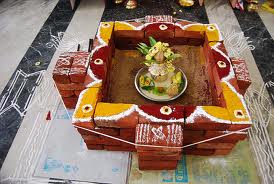
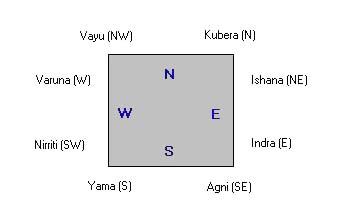
When the Hindu priests do a Havan or Homa or Yaga at home or in a temple, they first install the Yaga Kunda, the Fire Altar. They invoke all the eight deities in charge of all the eight points in a compass. Each Vedic deity is allocated a particular direction. The priest will ask the performer to invoke the deity by placing Samit (peepal stick), yellow rice and flowers in each direction. The eight deities are as follows:

East – Indra
South East – Agni
South – Yama
South West – Niruthi
West – Varuna
North West – Vayu
North – Kubera
North East – Isana.

They are called Ashta Dik Palaks, meaning Eight Guardian Deities.
dik1palas

Each of them lives in a particular city and they are: Amaravati, Tejovati, Samyamani, Krshnanjana, Sraddhavati,Gandhavati, Mhaodaya and Yasovati.

Hindus do most of the auspicious things facing East or North.
South is considered the direction of departed souls.
North is the direction of Holy souls and Holy places.

The belief about South and North is attested by Tamil and Sanskrit scriptures and secular literature.
“Head towards north is wrong” was posted by me on 10th October 2012. You should never lie in the bed with head towards North. It is scientifically proved.

Hindus have these beliefs for thousands of years. The Manu Smriti, which is at least 2300 years old, says the following about directions:

“The lord dwelt in the golden egg, as bright as sun with thousand rays, and then just by thinking, he himself divided the egg into two. Out of the two fragments, he made the sky and the earth, and the atmosphere in the middle, and the eight cardinal directions, and the eternal place of the waters” (Manu 1- 12/13)

(I guess that the above is about the Big Bang theory and the formation of life on earth)

zodiac-8-sided-chart-master
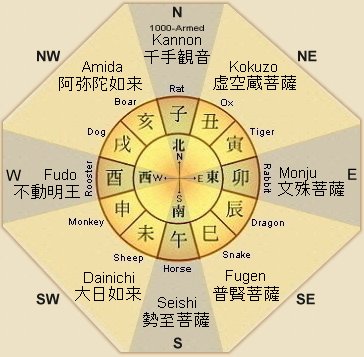
Buddhist Gurdian deities

And in another sloka he talks about eating habits:
“For facing east he eats food that gives long life
South fame;
West good fortune and
North truth” (Manu 2—52).

“And when he has offered the oblations properly in this manner, he should distribute the propitiatory offering in all the cardinal directions, in clockwise order – one each to Indra, Yama, Lord of the Waters (Varuna) and the Moon together with their attendants” (3—87)
Clockwise means ‘Pradakshinam’ – east, south, west and north.

There are lot of references to directions and the beliefs associated with them. Hindus allocated colours for all the four cardinal directions and Buddhists and Mayans followed Hindus ( I have given the details in a post on Hindu Nagas – Mayan similarities).

Contact swami_48@yahoo.com