ஒரே தமிழ்ப் புலவருக்கு 40 லட்சம் தங்கக் காசுகள்!

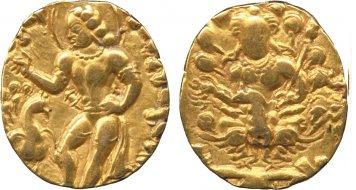
Kanishka-G66-CNG
Kanishka gold coin

கட்டுரை மன்னன்:– லண்டன் சுவாமிநாதன்
ஆய்வுக்கட்டுரை எண்:–1334; தேதி:– 8 அக்டோபர் 2014.

பதிற்றுப் பத்து என்னும் நூல் சங்க கால இலக்கியத்தைச் சேர்ந்த 18 நூல்களில் ஒன்று. பத்துப் பாட்டு + எட்டுத்தொகை சேர்ந்து 18 நூல்கள். அவற்றில் எட்டுத்தொகையில் இடம்பெற்ற எட்டு நூல்களில் ஒன்றாம் பதிற்றுப் பத்து — சேர மன்னர்தம் கொட்டைச் சிறப்பையும் படை மறத்தையும் விளக்கிக் கூறும். ஒவ்வொரு சேர மன்னர் மீது பாடிய பத்துப் பாக்கள் வீதம் 100 இருக்க வேண்டும். ஆனால் முதல் பத்தும் கடைசி பத்தும் கிடைத்தில.

இந்த நூல் பழங்கால சேர நாட்டின் பல அதிசய பழக்க வழக்கங்களை தன்னகதே கொண்டது. இதில் பாடல்களுக்கு முன் பாடினோர் வரலாறு என்று சேர்க்கப்பட்டுள்ள பதிகப் பகுதி வியப்பான செய்திகளைத் தருகிறது. இவைகளை உறுதி செய்ய வேறு இடங்களில் தகவல் கிடைக்குமா என்று ஆராய்தல் நலம் பயக்கும். அதுவரை இதைத் தலைமுறை தலை முறையாக பாதுகாத்தல் நம் கடமை.
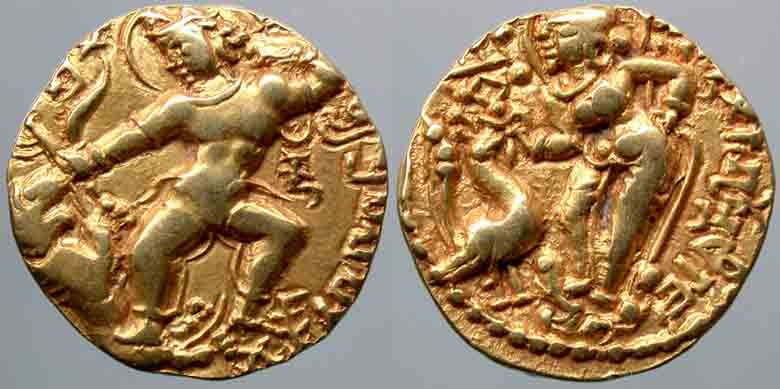
KumaraguptaTigerslayer

Kumara Gupta: Tiger Slayer

இரண்டாம் பத்து பாடியவர் குமட்டூர் கண்ணனார். இவர் ஒரு அந்தணர். சேரன் இமயவரம்பன் நெடுஞ்சேரலாதன் பற்றிப் பாடியதற்காக அவருக்குக் கிடைத்த பரிசு 500 ஊர்கள் !! அது மட்டுமின்றி 38 ஆண்டுகளுக்கு தென்னாட்டு வருவாயில் ஒரு பகுதியும் இவருக்குக் கிடைத்ததாம்.
( பாரியிடம் இருந்த 300 ஊர்களையும் அவன் ஏற்கனவே தானமாகக் கொடுத்துவிட்டதை கபிலர் என்னும் புலவர் புறநானூற்றில் கூறியதையும் நினைவுகூறல் பொருத்தம்.)

மூன்றாம் பத்துப் பாடியவர் பாலைக் கௌதமனார். இவர் பல்யானைச் செல்கெழு குட்டுவனைப் பாடினார். “நீ வேண்டும் பரிசில் யாது?” — என்று சேர அரசன் புலவரை நோக்கிக் கேட்டான். அதற்கு அவர் — யானும் என் பார்ப்பனியும் சுவர்க்கம் புகல்வேண்டும் — என்று கூறினர். இவரும் ஒரு அந்தணப் புலவர். மன்னரும் அறிஞர்களைக் கலந்தாலோசித்து ஒன்பது வேள்விகளைச் (யாகம்) செய்தான். பத்தாம் வேள்வியைச் செய்யும்போது புலவரும் அவர் மனைவியும் காணாமற் போயினர் எனப் பதிகம் தெரிவிக்கிறது.அதவது மாயமாய் மரைந்து விட்டனர். (இது போன்ற அதிசய நிகழ்ச்சிகள் பலவற்றை ஏற்கனவே இன்னொரு கட்டுரையில் தந்துள்ளேன்.)

Samudra-4787f-405.60
Samudra Gupta Gold Coin

நான்காம் பத்தைப் பாடியவர் காப்பியாற்றுக் காப்பியனார். இவர் களங்காய்க்கண்ணி நார்முடிச் சேரல் என்ற மன்னரைப் பாடினார். அதற்காக அவர் பெற்ற பரிசு நாற்பது லட்சம் பொன்னும், சேரன் ஆண்ட நாட்டின் ஒரு பகுதியும் எனப் பதிகம் செப்பும்.

( இவர் தொல்காப்பியர் போல காவ்ய கோத்ர அந்தணர் என்பது பெயரிலிருந்து தெரிகிறது.)

ஐந்தாம் பத்தைப் பாடியவர் பரணர். இவர் பெரிய வரலாற்று அறிஞர். வரலாறு பாடிய முதல் தமிழன். ஒவ்வொரு பாட்டிலும் ஏதேனும் ஒரு வரலாற்று நிகழ்ழ்சி அல்லது போரை உவமையாக வைத்துப் பாடுவார். காளிதாசன் போல உவமை மன்னன். அவரைப் போல ஒரே பாட்டில் ஏழெட்டு உவமைகளைத் திறம்படப் பயன்படுத்துவார். இவரும் ஒரு அந்தணர். சேரன் செங்குட்டுவனைப் புகழ்ந்து இவர் பாடினார். அவன் இவருக்கு உம்பற்காடு என்னும் பகுதியில் வரும் வருவாயையும் தன் மகன் குட்டுவஞ் சேரலையும் பரிசிலாக அளித்தான் என்று பதிகம் கூறும்.

chandra gupta
Chandra Gupta Gold Coin

ஆறாம் பத்தைப் பாடியவர் காக்கை பாடினியார் நச்செள்ளியார். இவர் பெண்பாற் புலவர். இவர் ஆடுகோட்பாட்டுச் சேரலாதனைப் பாடினார். இவர் பெண் என்பதால் நகை செய்து கொள்வதற்காக ஒன்பது துலாம் பொன்னையும் லட்சம் பொற்காசுகளையும் பெற்றார்.

ஏழாம் பத்தைப் பாடியவர் புகழ்மிகு கபிலர். புலன் அழுக்கற்ற அந்தணாளன் என்று எல்லோராலும் புகழப்பட்ட இவர் பாரியின் ஆருயிர்த் தோழர். மூவேந்தர்களைப் பகைத்துக்கொள்ள பயந்து தமிழகமே நடுங்கிய ஞான்று அவர்களை இவர் சாணக்கியன் போலத் துச்சமாக எண்ணினார். ஜாதிமதம் பாராது பாரியின் மகள்களைத் தன் மகள் போல பாவித்து திருமணம் செய்வித்த பின்னர் தீப்பாய்ந்து உயிர் துறந்தார். அதற்கு முன்னர் தமிழ் மொழியைக் கிண்டல் செய்த வட நாட்டு மன்னன் பிரகதத்தன் என்பவனுக்கு தமிழ் சொல்லிக் கொடுத்து அவனையும் செய்யுள் இயற்றவைத்தார். இனி இவர் பற்றிப் பதிகம் தரும் தகவலைப் பார்ப்போம்:
gupta5

இவர் சேர மன்னன் செல்வக் கடுங்கோ வாழியாதனைப் பாடியவர். அதற்காக அவன் கொடுத்த பரிசு நூறாயிரம் பொற்காசுகள் — அது மட்டும் அல்ல — நன்றா என்னும் குன்றின் மீது கபிலரை அழைத்துச் சென்று கண்ணுக்கெட்டிய தூரம் வரை காணும் ஊர்கள் அனைத்தையும் பரிசாகக் கொடுத்தான். என்னே பெருந்தன்மை!!

எட்டாம் பத்தைப் பாடியவர் அரிசில் கிழார் — கிழார் என்பது வேளாளர்க்குரிய பட்டப் பெயர் — பேகன் காலத்தில் வாழ்ந்தவர். இவர் பெருஞ் சேரல் இரும்பொறையைப் பாடி ஒன்பது லட்சம் பொற்காசுகளைப் பரிசாகப் பெற்றர். அது மட்டும் அல்ல. அரசன் தன் மனைவியுடன் வெளியே வந்து, இந்த அரண்மனைக்குள் உள்ள சிம்மாசனமும் எல்லாப் பொருட்களும் உமக்கே சொந்தம் என்றான். புலவரோ பேராசை இல்லாத பெருந்தகை. ஆதலால் இவை அனைத்தும் எனக்கு வேண்டாம் என்றார்!!

ஒன்பதாம் பத்தைப் பாடியவர் பெருங்குன்றூர்க் கிழார். குடக்கோ இளஞ்சேரல் இரும்பொறை என்னும் மன்னரை இவர் பாடினார். இதற்கு அவன் 32,000 பொற்காசுகளைக் கொடுத்தான். கிருஷ்ண பரமாத்மாவுக்கு அழுக்குத் துணியில் முடித்து வைத்த அவலைக் கொடுத்து பெரும் மாட மாளிகைகளைப் பெற்ற குசேலர் —சுதாமா — போல, இவரும் திரும்பிச் சென்ற போது பெரிய வீடு வாசல்களையும் பொருட்களையும் ஏற்கனவே சேர மன்னன் அனுப்பியிருந்ததைக் கண்டு வியந்தார்.

ஒன்று, பத்து ஆகிய பதிகங்கள் கிடைக்காதது தமிழர்களின் துரதிருஷ்டமே.

586px-KumaraguptaFig

இவற்றில் இருந்து நாம் அறிவதென்ன?

தமிழ் நாட்டின் செல்வ வளம் அளப்பற்கரியது. பொற்காசுகளின் எண்ணீக்கை அபரிமிதமானது. நம்மால் நம்ப முடியவில்லை. ஆனால் பொற்காசுகள் ஒரு மில்லி கிராமிலும் செய்ய முடியும்.

மன்னர்களின் பெருந்தன்மை கடலினும் பெரிது. இது போல புலவர்களுக்கு வாரி வழங்கிய வள்ளல்கள் வேறு எந்த இலக்கியத்திலும் காணக் கிடைத்தில.

பார்ப்பனர்களிடத்தும் அவர்தம் யாக யக்ஞங்களிலும் மன்னர்களுக்கு இருந்த மதிப்பும் மரியாதையும் பார்ப்பனர்களின் தமிழ்ப் புலமையும் இவற்றிலிருந்து தெரிகிறது.

பெண்களும் கவி பாடுவதில் சளைக்க வில்லை என்பதும் இன்றுபோல் பெண்களுக்கு அன்றும் நகை நட்டுகளில் ஆசை உண்டு என்பதும் ஒன்பது துலாம் பெற்றதில் இருந்து தெரிகிறது. ஆண் புலவர்களுக்குப் பொற்காசு! அம்மையாருக்கு தங்க பிஸ்கட்டுகள்!!!

பத்தாவது வேள்வி இயற்றும் போது மாயமாய் மறைந்த பார்ப்பனப் புலவரும் அவர்தம் மனைவியும் அதிசய நிகழ்ச்சிகளில் அடங்குவர். மேலும் ஆராய வேண்டிய விஷயம்.

பாரி என்னும் சின்ன மன்னனிடம் 300 ஊர்கள் இருந்தன. அது கபிலர் தந்த தகவல். ஒரு சேர மன்னன் ஒரு பிராமணனுக்கே 500 ஊர்கள் கொடுத்ததாகப் பதிகம் கூறுகிறது. ஆக இப்போதைய இந்தியாவில் ஆறு லட்சம் கிராமங்கள் இருப்பது போல அந்தக் காலத்தில் எவ்வளவு இருந்தன என்ற புள்ளி விவரத்தையும் சேகரிக்க வேண்டும். இது புள்ளி விவரத் துறை இயலின் கீழ் ஆராயப்பட வேண்டிய விஷயம்.
India-Gupta-Gold-Dinar-Coin3

சேர மன்னர்களின் ஆட்சிக்காலம் பற்றி பதிற்றுப்பத்து தரும் தகவலும் வரலாற்று ஆய்வுக்குத் துணை செய்யும். அவற்றைத் தனியே காண்போம்.

contact swami_48@yahoo.com

Pictures are taken from various sites;thanks.

1000 Gold Coins Prize Scheme from Vedic Days!

aa-gold-coins-12-3-09

Research paper written by London Swaminathan
Research article No.1333; Dated 7th October 2014.

(This is part of my research article series on Mahavamsa)

Giving thousand gold coins as prizes has been in practice from the Vedic days. It shows that Hindus were the inventors of decimal system and they always think high. It also shows the richness of Indians in thought, word and deed. We read about 1000 gold pieces prize from Brihad aranyaka Upanishad to the latest period of Mahavamsa, the Sri Lankan chronicle. Tamil Hindus also followed this 1000 gold coin prize scheme from Sangam Tamil period.

Emperor Janaka of Videha Kingdom, performed a sacrifice – Yaga—in which he proposed to give one thousand cows, with gold attached to the horns, to the most erudite Vedic scholar. An assembly of scholars from Punjab, Sind in Pakistan, Gandhar in Afghanistan, Haryana, Uttar Pradesh and several other regions were sitting in the Vedic assembly. Yajnavalkya took all the cows and the gold. This is one of the earliest references to 1000 gold pieces.

In the Rajasuya sacrifice where the Dasapreya rites are performed, Hotr priests (Rig Vedic pundits) get a circular ornament of gold as dakshina/fees, where as Adhvaryu (Yajur Vedic Pundits) get two ornaments, Udgatr (Sama Vedics) a garland of flower and Brahmins a horse etc. This is in addition to regular dakshinas (fees). Like Yudhistra of Mahabharata, Tamil Cholza King Peru Nar Killi also performed Rajasuya where the other two kings of Chera and Pandya Kingdoms were present. The Brahmins would have received these presents in Choza kingdom.

cash at home2

Tamil Sangam period also had a story of 1000 gold coins. King Shenpaka Pandya announced that he would give 1000 gold coins for a poem on a particular theme. A poor Brahmin brought someone else’s poem, supposed to be written by Lord Shiva himself. A learned poet by name Nakkiran challenged them. Here also we come across a prize of 1000 coins.

1800 years ago, a Brahmin by name Parasara won lot of gifts through Yagas and Yajnas and was returning home. He took rest in a village called Tankal. He challenged the young Brahmin boys playing on the road to repeat Vedas after him. One child took the challenge and repeated Vedas after him. Amazed at his skill the selfless Brahmin gave him all the gold he won. But the jealous Brahmins of the town told the king that his father stole the money from the royal treasury. Immediately he was arrested and detained in the prison. His wife Kartika fought his case and won. Here the point to be noted is that his enormous prizes won through Yahas and Yajnas. He was carrying a white parasol. Brahmins who do Soma yaga will get such special gifts. Apart from kings only learned Brahmins can hold white umbrella. Others will be beheaded if they pretend to be kings (source Katturai Katai: Tamil Epic Silappdikaram).

File photo of Swiss Francs five cent coins heaped in a pile in the old vault  of the former Schweizerische Volksbank in Basel

Four Million Gold Coins!!

Pathitrupathu (Ten Decad) is a collection of old poems on Sangam age Chera Kings. Foreword to each decad describes what the poet got from the Chera king as a gift for composing that poem.

Kumattur Kannanar, a Brahmin poet, got 500 villages for composing a decad on Imayavaramban Neduncheralathan,
Palai Gauthama, another Brahmin poet, composed poem on Selkezu Kuttuvan, and went straight to heaven with his wife (in short mysteriously disappeared). That was the prize he actually asked from the king.

Kappiyatru Kappianar, another Brahmin poet, received four million gold coins from Nar Mudi Cheral. He belonged to Kavya Gotra like Tol Kappiyanar, author of the oldest Tamil book.
Paranar, a great Brahmin poet of Sangam age, got Umbarkadu area as a gift from Senguttuvan.

Kakaipadini Narchellai, a poetess, received one hundred thousand gold coins and Gold bars weighing nine Tulas.

Kapilar, the greatest Brahmin poet of Sangam age, who was praised as a Brahmin of spotless character by many, received 100,000 gold coins and the lands whatever he could see from the hill! Selva Kadungo Vaziyathan gave him this.

Arisil Kizar received 900 000 gold coins from Peruncheral Irumporai and a throne was offered to him. But he refused to take it.
cash at home

Perumkundrur kizar got 32,000 gold coins and some plots and houses.
(All these gold coins may not be heavy, may be weighing fraction of a gram )

Mahavamsa Coins

Mahavamsa, the Sri Lankan chronicle, has got many references to 1000 Panas (Scholars believe that the English word Money came from Pana, which is derived from the Phoenicians called Panis in Vedic days).

Mahavamsa Chapter 6: During fifth century BCE, a Bengal king announced 1000 coins as prize money to catch a lion which was threatening the villagers. He sent the bundle of coins on an elephant around the town. Even today we see Americans announcing prize money on the heads of terrorists!

Chapter 7: When the Pandya Princess from Madurai came to Sri Lanka to marry King Vijaya, he begged his first wife Kuvenna who belongs to Yakshini clan to leave him. He says that he will spend 1000 coins for Puja for her.
power of skt, fb

Chapter 9:–Like Kamsa threatened Devaki, a Sri Lankan princess known as Unmatha (mad) Chitra was threatened when she was pregnant. Like Devaki, she also exchanged her male child to a female child just to escape from the wrath of the king. She gave the lady 1000 coins for this exchange. Later, like Krishna, that male child became a king with the name Pandu abhayan.

Chapter 10:– When Pandu Abahaya’s uncles came to know that he is alive they planned to kill him. Immediately his mother gave the foster father another 1000 coins to take him to a safer place.

Chapter 23 : A lazy but a strong youth was given a difficult job by the prince and was asked to see a Brahmin living at a faraway town. He did it and received appreciation of everyone. And the prince gave him 1000 coins.

Chapter 23 : Pusa Devan helped the king Duttagamani to secure an important victory over a Tamil king. The king asked him to bring his arrow and laid it on the ground. He bathed it with coins and donated all to Pusadevan.

Ahapter 35: King Vasaban consulted an astrologer to find how long he would live. It was the days where every king was murdered or killed within a few years of their rule. The astrologer told Vasaban that he would live for another 12 years. Vasaban bribed the astrologer with 1000 coins to keep his mouth shut.

Thus we see 1000 coins from the Vedic days to the latest period of Mahavamsa spreading over 2000 years. Since Hindus were the inventors of modern numerals (1, 2, 3, 4…..), decimal system and zero, it is no surprise to see 1000 coins or four million gold coins in Tamil, Sanskrit and Pali literature.

Swami_48@yahoo.com

என்ன பரிசு கொடுக்கலாம்?

aa-gold-coins-12-3-09

கட்டுரை மன்னன் :– லண்டன் சுவாமிநாதன்
ஆராய்ச்சிக் கட்டுரை எண்- 1332; தேதி அக்டோபர் 7, 2014.

மகா வம்சம் பற்றிய எனது கட்டுரை வரிசையில் இது 14—ஆவது கட்டுரை.

யாராவது நமக்கு கல்யாண பத்திரிக்கையோ, கிரஹப் பிரவேச பத்திரிக்கையோ அல்லது பிறந்த நாள், சஷ்டியப்தபூர்த்தி, திருமண அன்னிவெர்சரி என பத்திரிக்கைகளையோ கொடுத்தால் முதலில் வாங்கி வைத்து விடுகிறோம். நாளைக்கு நிகழ்ச்சி என்றால் இன்று அதை எடுத்து “அட, ஆண்டவா! அவர்களுக்குக் கொடுப்பதற்கு பரிசு (பிரசென் ட்) எதுவும் வாங்கவில்லையே” — என்று கவலைப் படுகிறோம். பின்னர் மணிக் கணக்கில் உடகார்ந்து சிந்தித்து மனைவி அல்லது கணவரைக் கலந்தாலோசித்து சில பொருட்களை தேர்ந்து எடுக்கிறோம். அப்போதும் நமக்கு திருப்தி ஏற்படுவதில்லை. ஏன்? இந்தப் பொருள் அவர்களுக்குப் பிடிக்குமா? பிடிக்காதா? வேறு ஒருவரும் இதையே வாங்கினால் நமக்கு மதிப்பு இருக்காதே! அவரிடம் இந்தப் பொருள் ஏற்கனவே இருந்தால் இதை என்ன செய்வார்? இப்படி சிந்தனை ஓட்டம் தடை இன்றிப் பாயும்.

ஆனால் சில நாட்களுக்கு முன்னர், தேவானாம் ப்ரிய திஸ்ஸன் (கடவுளின் நண்பன்), என்ற இலங்கை மன்னன் — தான் முன் பின் பார்த்திராத மாமன்னன் அசோகனுக்கு என்ன பரிசு அனுப்பினான் என்பதையும் உடனே அசோகன் பல அமைச்சர்களைக் கலந்தாலோசித்து என்ன என்ன அனுப்பினான் என்பதையும் கொடுத்தேன். அதற்குச் சில வாரங்களுக்கு முன்னர் கள்ளமில்லா உள்ளம் படைத்த கானக மக்கள், மன்னன் சேரன் செங்குட்டுவன் வந்ததை அறிந்து கொண்டு குவித்த பரிசுப் பொருள்களின் பட்டியலையும் கொடுத்தேன்.

13,000 crore

இலங்கையின் வரலாற்றைக் கூறும் மகாவம்சம் என்னும் பாலி பொழி நூலிலும் பல பரிசுப்பொருட் குறிப்புகள், லஞ்சம் கொடுத்த தொகை பற்றிய குறிப்புகள் உண்டு. கி.மு. 1000 வாக்கில் யாகம் செய்த பிராமணர்களுக்கு என்ன கிடைத்தன என்ற குறிப்பு பிராமணங்கள் என்ற நூல்களில் வருகின்றன.

ஆயிரம் என்பது நமக்கு இன்றும் பெரிதாக இருக்கிறது. ஆனால் அக்காலத்தில் எதற்கெடுத்தாலும் ஆயிரம் பொற்காசுகள் கொடுத்தார்கள். (சஹஸ்ரம் என்பதன் தமிழ் வடிவம்= ஆயிரம்).

தருமி என்ற ஏழைப் பார்ப்பனப் புலவன் ஆயிரம் பொற்காசுகளுக்காக சிவ பெருமான் எழுதிக் கொடுத்த கவிதையை தனது என்று சொல்லி நக்கீரனிடம் மாட்டிய கதை நமக்குத் தெரிந்த திருவிளையாடல் புராணக் கதையே!

இப்படி எதற்கெடுத்தாலும் ஆயிரம் தங்கக் காசுகள் கொடுப்பதை யார் துவக்கிவைத்தார்? ஜனகர் என்னும் விதேக நாட்டு மன்னன் இந்த வழக்கத்தைத் துவங்கியதை பிரகதாரண்ய உபநிஷத்தில் இருந்து அறிகிறோம். (விதேக நாட்டுப் பெண் என்பதால் சீதைக்கு வைதேகி என்றும் ஒரு பெயர் )
File photo of Swiss Francs five cent coins heaped in a pile in the old vault  of the former Schweizerische Volksbank in Basel

ஜனகர் கூட்டிய அகில இந்திய ஆன்மீக மகாநாட்டுக்கு ஹரியானா, பஞ்சாப், உத்தரப் பிரதேசம், சிந்து (பாகிஸ்தான்), காந்தாரம் (ஆப்கனிஸ்தான்) முதலிய பல இடங்களில் இருந்து அறிஞர் பெருமக்கள் படைபடையாக வந்தனர். இங்கேயுள்ள மிகவும் ஞானமுள்ள வேத பண்டிதர் ஒருவருக்கு ஆயிரம் பசுக்களும் அவற்றின் கொம்பில் சுற்றப்பட்ட தங்கமும் பரிசு என்று அறிவித்தார். இது ஆயிரக்கணக்கான ஆண்டுகளுக்கு முன் நடந்தது. யாக்ஞவல்கிய மஹரிஷி ஆயிரம் பொற்காசுகளுடன் பசுக்கலை ஓட்டிச் சென்றுவிட்டார். மாமேதையான கார்க்கி என்ற பெண்மணியும் அந்த அசெம்பிளியில் உட்கார்ந்திருந்தாள். அவள் அதிகம் கேள்விகள் கேட்டாள். பிரம்மத்தைப் பற்றி அதிகம் பேசக்கூடாது என்று அவளது வாயை மூடிவிட்டார்.

ராஜசூய யாகம் செய்யும் புரோகிதர்களுக்கு என்ன பரிசுகள், தட்சிணை கொடுக்க வேண்டும் என்று விதி முறைகள் உள்ளன. ஹோத்ர் (ரிக் வேதி) நிலையில் இருக்கும் வேதியர்களுக்கு வட்ட வடிவமான தங்க ஆபரணம் தரப்படும். அத்வர்யு (யஜுர் வேதி) நிலையில் இருக்கும் வேதியர்களுக்கு இரண்டு ஆபரணங்கள் கிடைக்கும். உத்காத்ர் (சாம வேதி)ஆக செயல்படு வோருக்கு மலர் மாலையும், குதிரையும் தட்சிணையும் கிடைக்கும். இவர்கள் மூவருக்கும் ஒரு ‘சூபர்வைசர்’ உண்டு. அவரை பெரியவர் அல்லது பிராமணர் என்பர்.

cash at home2

பெருநற்கிள்ளி என்ற சோழ மன்னன் வேட்ட ராஜசூய வேள்விக்கு சேரனும் பாண்டியனும் வந்து ஒரே மேடையில் அமர்ந்ததைக் கண்ட அவ்வையார் அகம் மகிழ்ந்து, உளம் குளிர்ந்து தமிழர் ஒற்றுமை இன்று போல் என்றும் வாழ்க என்று பாடினார். அப்போதும் இப்படி தட்சிணை கொடுத்திருப்பார்கள். சோமயாகம் செய்வோருக்கு ராஜா போல ஒரு வெண் குடையும் கிடைக்கும்.

பராசரன் என்ற வலவைப் (யாத்ரீகர்) பார்ப்பான் தான் யாகம் செய்து வெண்குடையுடன் வந்ததை இளங்கோ அடிகள் சிலப்பதிகாரக் கட்டுரைக் காதையில் விரிவாக எடுத்துரைக்கிறார். யாகம் செய்து கொண்டுவந்த தங்க நகைகளைக் கொஞ்சமும் சுயநலம் இல்லாமல் ரோட்டில் விளையாடும் பிராமணச் சிறுவனிடம் கொடுத்துவிட்டுப் போகிறார். காரணம்; ஒரு சிறு பையன் அவருக்கு இணையாக கிடுகிடு என்று வேதத்தை ஒப்புவித்தான.

இவ்வளவு நகைகள் அந்ந்தப் பையனிடம் எப்படி வரமுடியும் என்றும் அது அவன் அப்பன் அரண்மனையில் திருடியதாக இருக்கும் என்றும் பொறாமை கொண்ட பார்ப்பனர்கள் கதை கட்டவே அவரைக் கைது செய்து சிறையில் போட்டனர். பிறகு அவரது மனைவி கார்த்திகாவுக்கு கடவுளே வந்து உதவினார் என்று இயம்பும் சிலம்பு — (காண்க: கட்டுரைக் காதை — சிலம்பு). இதில் நாம் கவனிக்க வேண்டியது யாகம் செய்த பார்ப்பனருக்கு கிடைத்த அதிக அளவு ஆபரணமாகும்.

pile of gold

மஹாவம்சத்தில் ஆயிரம் பொற்காசு

மகா வம்ச ஆறாவது அத்தியாயத்தில் ஒரு சுவையான செய்தி இருக்கிறது. சிங்கத்தைப் பிடிப்பவருக்கு ஆயிரம் நாணயங்கள் என்று மன்னன் அறிவித்து அந்த 1000 பணத்தை ஒரு யானையின் மீது வைத்து ஊர்வலம் விட்டான். இது இந்தியாவின் வங்க மாநிலத்தில் 2500 ஆண்டுகளுக்கு முன் நடந்தது. இப்போது கூட பயங்கரவாதிகளைப் பிடித்து தருவோருக்கு இவ்வளவு மில்லியன் டாலர் என்று அமெரிக்கா முதலிய நாடுகள் அறிவிக்கின்றன.

மகா வம்ச ஏழாவது அத்தியாயத்தில் இதைவிட சுவையான செய்தி உள்ளது. பாண்டிய நாட்டு தமிழ்ப் பெண் கப்பலில் வந்து இறங்கியவுடன் முதல் மனைவியான யக்ஷிணி வம்ச பெண்ணிடம் மன்னன் விஜயன் கெஞ்சுகிறான். தாயே! இங்கிருந்து போய் விடு! உனக்கு ஆயிரம் பணம் செலவழித்து பூஜை போடுகிறேன் என்று. இதுவும் 2500 ஆண்டுகளுக்கு முன் நடந்தது!

மகா வம்ச ஒன்பதாவது அத்தியாயத்தில், உன்மத்த சித்திரா என்ற பெண்ணுக்கு ஆண்குழந்தை பிறந்தது. இது அரசுரிமைக்குப் போட்டி போடும் என்பதால் அரசன் எல்லா ஆண் குழந்தைகளையும் — கம்சன் போல — கொல்லும் படி உத்தரவிட்டான். இந்த பாகவத புராணத்தை “பைத்தியக்காரி (உன்மத்த) சித்திரா” படித்திருக்கிறாள். ஆகவே தனக்கு ஆண் குழந்தை பிறந்ததும் அதை — தேவகி கிருஷ்ண பரமாத்மாவைச் செய்தது போல — வேறு ஒரு பெண்ணிடம் அனுப்பி அவளுக்குப் பிறந்த பெண் குழந்தையை தன்னிடம் வைத்துக் கொண்டாள். எந்தப் பெண் இப்படி உதவினாளோ அவளுக்கு ஆயிரம் பணம் பரிசு! அந்தக் குழந்தை — கிருஷ்ணன் போலவே மீண்டு வந்து — பாண்டுகாபயன் என்ற பெயரில் அரசாண்டான்.

valmiki numbers

மகா வம்ச பத்தாவது அத்தியாயத்தில், வேறு தாய் தந்தையிடம் வளரும் பாண்டுகாபயன் பற்றித் தகவல் கிடைத்தவுடன் அவன் மாமன்மார்கள் அவனைக் கொல்லத் திட்டம் போட்டனர். இதை அறிந்த தாய் வளர்ப்புத் தந்தைக்கு மேலும் ஆயிரம் பணம் அனுப்பி வேறிடத்துக்குப் போய்விடச் செய்தாள்.

மகா வம்ச 23-ஆவது அத்தியாயத்தில், ஒரு இளவரசன், சோம்பேறித் தடியன் ஒருவனுக்கு ஒரு கடினமான வேலை கொடுத்து தொலை தூரத்தில் வசிக்கும் பிராமணனைச் சந்திக்க அனுப்புகிறான். அதில் அந்த தடியன் வெற்றி பெறவே அவனுக்கு ஆயிரம் பணம் பரிசளியுங்கள் என்று உத்தரவிடுகிறான்.

மகா வம்ச 25-ஆவது அத்தியாயத்தில், பாலுகன் என்ற தமிழனைக் கொல்ல உதவிய பூச தேவனின் அம்பை தரையில் நட்டு அதை நாணயங்களால் அபிஷேகம் செய்தான் துட்ட காமனி என்னும் மன்னன். —அம்பு மறையும் வரை பண மழை பொழிந்து அத்தனையையும் பூசதேவனுக்குப் பரிசாகக் கொடுத்தான் துட்ட காமனி.

மகா வம்ச 35-ஆவது அத்தியாயத்தில், ஜோதிடருக்கு ஆயிரம் பணம் லஞ்சம் கொடுத்த செய்தி வருகிறது. வசபன் என்னும் மன்னன், ஒரு ஜோதிடரிடம் போய் — நான் இன்னும் எவ்வளவு காலம் உயிருடன் இருப்பேன்? — என்று கேட்டான். அவன் –நீ இன்னும் 12 ஆண்டுக்காலம் உயிரோடு இருப்பாய் —என்று சொன்னவுடன் இதை யாரிடமும் சொல்லிவிடாதே என்று ஆயிரம் பணம் கையூட்டு தருகிறான்.

power of skt, fb

இந்தியாவில் ரிஷி முனிவர்களுக்கு ஆயிரம் பணம் கொடுத்தான் ஜனகன்.— செண்பக பாண்டியனோ பெண்களின் கூந்தலில் இயற்கை மணம் உண்டா என்ற ஆராய்ச்சிக் கவிதைக்கு ஆயிரம் பொற்காசுகள் அறிவித்தான.—- மஹாவம்ச காலத்தில் சிங்கத்தைப் பிடிக்கக்கூட ஆயிரம் காசுகள் கொடுத்தான் வங்க மன்னன்!!!

இந்துக்கள்தான் உலகில் பெரிய எண்களையும், இப்போது நாம் எழுதும் 1, 2, 3 போன்ற எண்களையும் கண்டுபிடித்தனர். பூஜ்யம் என்னும் எழுத்தையும் தசாம்ச (டெசிமல் சிஸ்டம்) முறையையும் அவர்கள் கண்டுபிடித்ததால் இன்று நாம் கம்ப்யூட்டர்களை பயன்படுத்த முடிகிறது.

2000 ஆண்டுகளுக்கு முன்னர் மற்ற நாகரீகங்களில் 40, 120 முதலிய எண்களைப் பெரிய எண்களாகக் கருதினர். இந்துக்களோவெனில் ஆயிரம், லட்சம், கோடி, சத கோடி, சஹஸ்ர கோடி (ஆயிரம் கோடி) என்பனவற்றை சர்வ சாதாரணமாகப் பயன்படுத்தினர். பெரிய எண்கள அனைத்தும் சம்ஸ்கிருத மொழியில் இருக்கும். வள்ளுவரும் கூட கோடி ஆயிரம் என்ற சம்ஸ்கிருத எண்களை அடிக்கடி பயன் படுத்துவார்.

வளர்க கணிதம்! வாழ்க சஹஸ்ர கோடி யுகதாரி (விஷ்ணு) !!

cash at home

ரிக் வேதத்தில் ஒரு புதிர்!

vedas-by-the-great-priests-

Research Paper written by London Swaminathan
Post No. 1331; Dated 6 October 2014.

உலகிலேயே மிகப் பழைய நூல் ருக் வேதம். இந்த இருக்கு வேதத்துக்கு கி.மு.1200 என்று மாக்ஸ் முல்லர் தேதி நிர்ணயித்தார். அதாவது 1200-க்கு முன்னால் இது இருக்க முடியும் ஆனால் 1200-க்குப் பின் இது இருக்கவே முடியாது என்றார். மாபெரும் சுதந்திரப் போராட்ட வீரரான பால கங்காதர திலகரும், ஜெர்மன் அறிஞர் ஜாகோபியும் ஒருவரை ஒருவர் அறியாமல் தனித்தனியே ஆராய்ந்து கி.மு 6000 என்று முடிவுக்கு வந்தனர்.

துருக்கியில் பொகஸ்கோய் என்னும் இடத்தில் நடந்த அகழ்வாராய்ச்சியில் கிடைத்த களிமண் பலகைக் கல்வெட்டில் ரிக் வேத கால தெய்வங்கள் வேதப் பாடலில் என்ன வரிசையில் சொல்லப்பட்டதோ அதே வரிசையில் காணக் கிடக்கின்றனர். இந்தத் தொல் பொருட்துறைத் தடயம் கி.மு. 1380 ஆம் ஆண்டுக்குரியது. ஆக வேதத்தை யாரும் இதற்குக் கீழே இழுக்க முடியாது. இதற்கு முன்னர் இந்தியாவில் இருந்தது என்பதே உண்மை.

வேதம் என்பது மிகப்பல ரகசியங்கள் நிறைந்தது. இதை நன்கு உணர்ந்த சங்க காலத் தமிழர்கள் இதற்கு பரம ரகசியம் “மறை’ என்று பெயர் சூட்டினர். இதை எழுதக்கூடாது என்பதால் சங்க காலத் தமிழர் இதற்கு எழுதாக் கற்பு என்றும் அழகான பெயரைச் சூட்டினர்.

வெள்ளைகாரர்கள் ஆராய்ச்சி செய்யும்வரை இதற்கு பெரிய மதிப்பு இருந்தது. அவர்கள் ஆராய்ச்சி செய்தவுடன் பல பொய்யுரைகளைப் பரப்பினர். மற்ற மதத்தினருக்கு எல்லாம் ஒரே ஒரு நூல்தான். அந்தப் புத்தகத்தைப் படித்து முடிக்க ஒரு சில மணி நேரம் போதும். ஆனால் இந்துக்களின் புனித நூல்களோ பசிபிக் மஹா சமுத்திரத்தைவிடப் பெரியவை. ஆகையால யாரும் எல்லாவற்றையும் படிக்க முடியாது. இதைப் பயன்படுத்தி பல பொய்க்கதைகளைக் கட்டிவிட்டனர். இன்றும் கூட வேதத்தையோ, மஹாபாரதத்தையோ, வால்மீகி ராமாயணத்தையோ முழுக்கப் படித்தவர்களை விரல் விட்டு எண்ணிவிடலாம். நான் நாற்பது ஆண்டுகளாகப் படித்துவருகிறேன். இன்னும் முடிந்த பாடில்லை. ஒன்பது திருமுறைகளைத் தமிழில் படித்தேன். அதில் கூட இன்னும் மூன்று திருமுறைகள் பாக்கி.

வேதம் பற்றி வெளி நாட்டினர் சொல்வதை நம்பக் கூடாது; அதை படிக்காமலேயே வெளி நாட்டினர் பெயரை மேற்கோள்காட்டி எழுதிவரும் திராவிடக் கோமாளிகள். மார்க்சிஸ்ட் கூத்தாடிகள், அதுகள், இதுகள் ஆகியோரை ஏன் நம்பக்கூடாது என்பதற்கு ஒரு நாலு வரி எடுத்துக்காட்டு தருகிறேன். இது போல நூற்றுககணக்கான ரகசியங்கள், புதிர்கள், விடுகதைகள் வேதத்தில் உண்டு.

ரிக்வேதத்தை பத்து மண்டலங்களாகப் பிரித்துக் கொடுத்தார் வியாசர் என்னும் மாமுனிவர். அவர் காலத்திலேயே இது கடல் போலக் கரை காண முடியாமற் போகவே அவர் கவலைப் பட்டு இவைகளைத் தொகுத்து வகுத்துக் கொடுத்தார். அந்த பத்து மண்டலங்களில் வாமதேவரிஷியின் பாடல்கள் அடங்கிய தொகுப்பு நாலாவது மண்டலத்தில் உள்ளன. பல ஆய்வாளர்கள் இதுதான் மிகப் பழைய மண்டலம் என்றும் இன்னும் சிலர் இது பழமையான மண்டலங்களில் ஒன்று என்றும் பகருவர்.

vedic-mathes-001

இதிலுள்ள ஒரு பாடல் யாருக்கும் விளங்கவில்லை. எண்களை வைத்து வார்த்தா ஜாலம் செய்திருக்கிறார் புலவர் வாமதேவர். அவர் செய்த சொற் சிலம்பத்தை அவருக்குப் பல்லாயிரம் ஆண்டுகளுக்குப் பின் வந்த சிவவாக்கியர், திருமூலர் போன்ற தமிழ் சித்தர்கள் கூடப் பயன்படுத்தினர். அதாவது எண்களை வைத்து கவிதை அமைப்பர். அந்த எண்ணின் பொருள் என்ன என்பதை வியாக்கியானம் இல்லாமல் யாரும் அறிய முடியாது. இதோ வாம தேவரின் கவிதை:

அவருக்கு நான்கு கொம்புகள், மூன்று காலகள் அவரைத் தாங்கி நிறுத்தும். தலைகளோ இரண்டு, கைகளோ ஏழு! அவரை பிணைத்து இருப்பன மூன்று. அவர் பயன்கர சப்தத்துடன் செல்கிறார். அந்த மகத்தான கடவுள் மானிடருக்குள் புகுந்து விட்டார் – ரிக் வேதம் 4-58-3

இதற்கு வெள்ளைக்காரர்கள் பல விதமான பொருள் கூறினர். கிரிப்பித் என்பார் அவர்களின் கருத்துக்களை தொகுத்தளித்தார்.

வெள்ளைக்காரர்கள் எதற்கு வேதம் படித்தார்கள்?

இதில் பல்வகையான பேர்வழிகள் உண்டு. சிலர் நாடகம் சர்க்கஸ் பார்ப்பது போல வேடிக்கை பார்க்க வந்தோர்; இன்னும் சிலர் இதில் உள்ள அசிங்கங்களை உலகிற்குப் பறை சாற்றி இந்தியாவையும் இந்து மதத்தையும் வேருடன் பிடுங்கி எரிவேன் என்று வந்தனர். இன்னும் சிலர் ஏதொ பொழுது போவதில்லை, இதில் என்னதான இருக்கிறது என்று பார்ப்போமே என்று வந்தவர்கள்.

இந்தியாவை ஆண்ட ஆங்கிலேயக் கிழகிந்திய கம்பெனியிடம் கூலி வாங்கிக் கொண்டு வேதங்களை மொழிபெயர்க்க வந்த மாக்ஸ் முல்லர் ஆரம்பத்தில் வேதங்களைப் பற்றி “கன்னா பினா மன்னார் கோவில்” — என்று எழுதினார்’ படிக்கப் படிக்க ஞான உதயம் ஏற்படவே நடையை மாற்றிக் கொண்டார். மெகாலே போன்றவர்கள், “இதோ பார், இதே வேகத்தில் ஆங்கிலக் கல்வி பரவினால் இந்து மதமும் இந்தியாவும் அழியும் பிறகு நம் ஆதிக்கம் ஓங்கும்” — என்று பகிரங்கமாக அறிக்கை விட்டனர்.

இதில் ஒரு முக்கியமான விஷயத்தை கவனிக்க வேண்டும். யார் இந்த அறிஞர்கள்? உலகில் இந்துக்களைத் தவிர வேறு யாரையும் சீண்ட அஞ்சும் கோழைகள்!! வேறு எந்த மத நூலையும் ஆராயத் துணியாத கூலிப் பட்டாளம். இந்துக்களை “காபிர்கள், பேகன்”கள் என்று எள்ளி நகையாடிய வம்சத்தினர்! உலகம் கி.மு 4100 ஆம் ஆண்டில் தோன்றியது என்று பரப்பியவர்கள்! மது,. மாது, மாட்டு மாமிசம் ஆகிய மூன்றிலும் ஊறியவர்கள். ஆக ஆரம்பத்திலேயே உள் நோக்கத்துடன் வந்தது தெள்ளிதின் விளங்கும்.

பல அறிஞர்கள் நேர்மையாக ஒப்புக் கொண்டனர்; இந்த வேதப் பாடலின் பொருள் தெளிவில்லை, இந்தப்பாடலின் பொருள் விளங்கவிலை, இது எங்களுக்கு சுத்தமாகப் புரியவில்லை. இதை சாயாணாச்சாரியார் இப்படி விளக்குகிறார். ஆனால் அப்படி இருக்குமா என்பது சந்தேகமே – இப்படி எல்லாம் எழுதி தங்கள் அறியாமையைப் பிரகடனப்படுத்தினர். அவர்களுக்கு இருந்த நேர்மை கூட வேதத்தை வியாக்கியானம் செய்ய வந்த மார்க்சிஸ்ட் கோமாளிகளுக்கும், திராவிட பஃபூன்களுக்கும் இல்லை.

Vedas flow chart
சாயனர் விளக்கம்

வேதத்துக்கு முதல் முதலில் முழு அளவு பொருள் எழுதத் துணிந்தவர் சாயனர் என்னும் 14ஆம் நூற்றாண்டு அறிஞர். வேதம் தோன்றியதாக வெள்ளைக்காரர் போட்ட கணக்கிற்கும் இவருக்கும் இடையில் 2600 ஆண்டு இடைவெளி! ஆக சாயனரே தவித்தார். ஆனால் சாயனர் இந்து மதத்தில் நம்பிக்கை கொண்டவர். மற்ற அறிஞர்கள் இந்து மதத்தை தகர்க்க வந்தவர்கள்.

அவருக்கு 200 ஆண்டுகளுக்குப் பின்னர் மஹிந்தரா என்ற அறிஞர் முயன்று பார்த்தார். இந்த நாலு வரிக்கு மட்டும் ஒவ்வொருவரும் சொல்லும் விளக்கத்தை பாருங்கள். பிறகு வெளி நாட்டுக் கோமாளிகள் எழுதிய நகைச் சுவைகளைப் படித்து நீங்கள் சிரித்து மகிழ ஆயிரக் கணக்கான பக்கங்கள் காத்துக் கிடகின்றன.

சாயனர் சொல்லுவார்:

இந்தப் பாடல் யாகத்தில் ஊற்றப்படும் நெய் அல்லது எண்ணை என்ற தலைப்பில் எழுதப்பட்டுள்ளது.
யாகம் என்று பொருள் கொண்டால் நான்கு கொம்புகள் என்பதை நாலு வேதங்கள் என்று கொள்ளலாம்;
மூன்று கால்கள் என்பதை நாள்தோறும் செய்யும் மூன்று யக்ஞங்கள் என்று கருதலாம்;
இரண்டு தலைகள் என்பதை பிரம்மோதன, ப்ரவர்க்ய சடங்குகள் என்று சொல்லலாம்;
ஏழு கைகள் என்பதை ஏழு யாப்பு அணிகள் என்று சொல்லலாம்
மூன்று பிணைப்புகள் என்பதை மந்த்ர, கல்ப, பிராமணங்கள் எனலாம்.

இதை ஆதித்யன் என்று பொருள் கொள்வோமானால்
நான்கு திசைகள், மூன்று என்பது காலை, மதியம், மாலை; இரண்டு என்பது பகலும் இரவும், ஏழு என்பது சூரிய ஒளியின் ஏழு நிறங்கள்; மூன்று பிணைப்பு என்பது பூர், புவ, சுவர்லோகம் எனப் பொருள் சொல்லலாம்.

இது சாயனர் வியாக்கியானம்.

rishi_vedas_text03

மகீதரர் சொல்வதாவது:
4 கொம்புகள்:–பெயர்ச் சொல், வினைச் சொல், முன்னிடைச்சொல், பின்/முன் ஒட்டு
3 கால்கள்:– மூன்று வேதங்கள், அல்லது 3 காலங்கள் அல்லது தன்மை, முன்னிலை, படர்க்கை
2 தலைகள்:– 2 யக்ஞங்கள் அல்லது செய்பவர், செயப்படு பொருள்
7 கைகள் :– 7 யாப்பு அணிகள் அல்லது 7 வேற்றுமை உருபுகள்
3 பிணைப்புகள்: 3 தினசரி யக்ஞங்கள் அல்லது ஒருமை, இருமை, பன்மை

வெளிநாட்டோர் விளக்கம்:

பேராசிரியர் வில்சன்: “வேத கால இரு பொருள் பேச்சுக்கும் தெளிவின்மைக்கும் இது ஒரு சிறந்த எடுத்துக்காட்டு. வியாக்கியானக் காரகள் கஷ்டப்பட்டு பொருள் கறக்கிறார்கள். ( தனக்கு விளங்கவில்லை என்று ஒப்புக்கொள்ளாமல் வேத காலத் தெளிவின்மையைக் காட்டுகிறது என்று பழையை ரிஷிகள் மீது பழி போடுகிறார். இந்த அப்பாவி வில்சனுக்கு சிவவாக்கியர், திருமூலர், திருமழிசை ஆழ்வார் பாடல்கள் தெரியாது. பிழைத்தார்கள் தமிழ்ச் சித்தர்கள்!!!)

பேராசிரியர் லுட்விக்:–
சாயனர் இந்த ‘ரிக்’கின் முதல் வரிக்கே பல விளக்கங்களைக் கூறுகிறார். அதைத் திருப்பிச் சொல்லுவதில் பொருளே இல்லை. சம்பிரதாயமாக வரும் அர்த்தம் கூட நிச்சயமற்றதாக இருக்கிறது. சமுத்ரம் (கடல்), ஊர்மி (அலை) என்ற சொற்களுக்குக் கூட அவர் பலவிதப் பொருள்களை ‘’ இது அல்லது, அது அல்லது” என்று மாற்றி மாற்றிச் சொல்லிவருகிறார்.

இதை எல்லாம் தொகுத்தளித்த கிரிப்பித் இன்னும் ஒரு கருத்தை ஏ.ஹில்பிராண்ட் சொல்லியிரூபதையும் கோடி காட்டுகிறார்.

vedas music

இதிருந்து தெரிவதென்ன?

1.வேத கால இந்துக்கள் எழுத்தறிவற்ற காட்டுமிராண்டிகளோ மாடு மேய்க்கும் இடையர்களோ அல்ல. முழு முதற் கடவுளை உணர்ந்து மறை பொருளில் ஆடிப்பாடி மகிழும் பெரும் ஞானிகள் அவர்கள்
2.பிற்காலத்தில் திருமழிசை ஆழ்வார், சிவவாக்கியர், திருமூலர் போன்றோரும் வேத கால முனிவர் போல அடையாளபூர்வ, சங்கேத, பரி பாஷைகளைப் பயன்படுத்துகின்றனர். இது பல்லாயிரம் ஆண்டுகளுக்கு முன்னரே துவங்கியது வியப்பை ஏற்படுத்துகிறது.

3. வேதங்களுக்குப் பொருள் காண்பது மிகக் கடினம். சாயனர் போன்ற பெரியோர்களே இதுவா, அதுவா எனச் சந்தேகிக்கும் போது வெளியே இருந்து வந்த கலாசாரமே தெரியாத, மது, மாது, மாட்டு மாமிச அறிஞர் களையும், கடவுளே இல்லை — சமயம் என்பது ஒரு அபினி — புராண, இதிஹாசம் எல்லாம் வர்க்கப் போராட்டமே — என்று கூறும் அறிஞர்களையும் அவர்களுக்கு “உரிய இடத்தில்” வைக்கவேண்டும்.

4.சுதாச, திவோதாச என்னும் தாசர்கள் வேத காலத்தில் பெரிய பதவிகளில் இருக்கும்போது, தாசர், தஸ்யு, சிஸ்நதேவா: எனபதற்கு எல்லாம் விஷமத்தமான பொருள் கற்பிப்போர் ஏராளமான பாடல்களுக்குப் பொருள் தெரியாமல் திக்கு முக்காடி மூச்சுத் திணறிப் போகிறார்கள். அப்படிப்பட்ட ஆட்களின் பொய்மை வாதத்தின் பெயரில் ஒரு ஆரிய—திராவிடக் கொள்கை வேறு!!!

5.இந்த குறிப்பிட்ட நாலே வரிகளில் வரும் சமுத்ரம் (கடல்), ஊர்மி (பெண்களின் பெயர்; பொருள்: அலை) ஆகியவற்றை இன்றும் எல்லா இந்திய மொழிகளும் பயன்படுத்துகின்றன. ஆக வேத காலப் பெயர்களும் சம்ஸ்கிருதமும் நம் வீட்டு முற்றத்திலேயே இருக்கின்றன. அது செத்து விடவில்லை. கண்டி முதல் காஷ்மீர் வரை எல்லோரும் இந்திரன், இந்திராணி பெயர்ளை இன்றும் குழந்தைகளுக்கு சூட்டுவதை முன்னொரு கட்டுரையில் தந்துள்ளேன்.

6.ஆக “வேதத்திற்கு பொருள் காண முயற்சிப்பதைவிட அதன் மந்திர சப்தத்தில் நம்பிக்கை வை” — என்ற சம்பிரதாயத்தை ஏற்று இந்து மதத் தலைவர்கள் அதற்கு சொல்லும் பொருளையே ஏற்கவேண்டும்.
7.தமிழர்களாகப் பிரந்தவர்கள் மிகவும் அதிர்ஷ்டசாலிகள்: திருக்குறளில் இருப்பதெல்லாம் வேதக்கருத்துகள் என்று திருவள்ளுவ மாலை கூறுவதை காஞ்சி பரமாசார்ய சுவாமிகள் அழகாக எடுத்துரைத்தார். வேதம் தமிழ் செய்தான் மாறன் சடகோபன் என்றும், தேவார திருவாசக கருத்தெல்லாம் வேதக் கருத்துகளே என்று நால்வரும் கூறுவதால் அவைகளும் வேதம் எனக் கொளல் சாலப் பொருத்தம்.

வெற்றி எட்டுத் திக்கும் எட்ட கொட்டு முரசே
வேதம் என்றும் வாழ்க என்று கொட்டு முரசே — (பாரதியார்)
–சுபம்–

Oldest Riddle in the World! Rig Veda Mystery –3

rishi_vedas_text03

Research Paper written by London Swaminathan
Post No. 1330; Dated 6 October 2014.

Rig Veda is the oldest religious book in the world. Even if we agree with the date given by the Western Scholars –1200 BCE, there was no other book at that time with huge a volume hymns on Gods like the Rig Veda in any part of the world. Modern Indologists in western countries slowly moving up the date of the Vedas to 1700 BCE. And archaeological proof for the Rig Vedic hymn is available from 1380 BCE from Bogazkoy in Turkey. Freedom fighter and great scholar B G Tilak and German scholar Jacobi have independently arrived at a date of 6000 BCE for the Vedas.

Vedas are full of mysteries. No scholar was able to interpret them in full. All the western scholars did not agree on a single hymn. Each hymn was interpreted differently by them. Some were honest to admit that the meaning was obscure, unintelligible, uncertain or not understood.

The first Indian scholar who tried a full commentary on it was Sayana who did write it around 14th century CE. By that time there was a big gap between the original “composition” and the commentary (Composition: Hindus never believe that they were composed like the Smritis. They were ‘heard’ like radio wavelengths by the sages). So he couldn’t know what the sages said or meant. But one positive thing was that Sayana was a believer in the Vedas. Other western scholars were like spectators in a film or a circus. Some wanted to have fun in reading the Vedas, some more wanted to belittle or denigrate them and a very few wanted to actually understand the meaning.

They all believed in their own religious books and thought the world was created in 4100 BCE. Their knowledge was shallow ss far as other religions were concerned. They saw Hindus as Kafirs and Pagans. They did NOT believe that the Hindu gods were GODS. They thought GOD can be reached ONLY through their religion. They were very narrow in their outlook. They did not follow Hindu values or respect Hindu values. They never criticized their own religions or other religions except Hinduism. They never scrutinised their religious books the way they did with Hindu scriptures. Their motive was very clear which they expressed it in articles without any hesitation (Please read what Max Muller said about Vedas in the beginning and what Macaulay said about English education in India).

Vedas flow chart

What is the Riddle?
Vedas can be interpreted at different levels: symbolic, allegorical, didactic or mythical. Many people believed that the sound effect of the Mantras is more important than the meaning. There are many puzzles and riddles in the Vedas. In fact all the minor deities have umpteen interpretations. I will give one hymn which puzzled many scholars:

Four are his horns, three are the feet that bear him; his heads are two, his hands are seven in number.
Bound with a triple bond the steer roars loudly; the mighty god hath entered in to mortals (R.V.4-58-3)
Translated by Ralph T H Griffith

There are ten Mandalas (divisions) in the Rig Veda (RV). The fourth Mandala is Vamadeva Mandala. Sage Vamadeva was the son of Gautama. Many scholars dated it as the oldest part of RV or one of the oldest Mandalas in the RV. Hymn 4-58 (quoted above) is in praise of Grta, clarified butter or oil used in sacrifices, but a choice of deities is offered in the Index – Agni or Surya, Waters, Cows or Ghrtra.

Prof. Wilson observes, “it is a good specimen of Vaidik vagueness and mystification, and of the straits to which commentators are put to extract an intelligible meaning from the text”.

Professor Ludwig says, “it would be fruitless to repeat all the various explanations which Sayana gives of the first line of this stanza – they only show the utter uncertainty of tradition in reference to the passage. For instance ‘samudrd’ ocean, is said to mean, sacrificial fire or celestial fire or the firmament or the udder of the cow; and ‘urmi’ wave or reward or rain or butter.
A .Gillebrandt explains it differently, says Griffith.

So far I have used four names of foreign “ scholars” . Griffith who summarised other three views did not say anything.

vedas music
What do we know from this one Rik of a hymn?

1. Vedic Hindus are not “barbaric Aryans” or illiterate cowherds. In the previous hymns by the same sage/Rishi we read about agriculture. This type of number symbolism is used by Tamil Siddhas a lot in very late periods. Tirumular who lived around seventh century used it in hundreds of verses. Without a proper commentary no one will know what they are saying.

2. The second point is Vedic hymns are very difficult to interpret. Even Hindu Sayana gives different possibilities adding OR, OR several times.

3. Foreign “Scholars” were very confused and make their own guesses according to their own whims and fancies. So they are NOT scholars and they are most unreliable.

4. Vedas have lot of hymns like this or hymns totally not understood by anyone. Hindus should not believe some half baked statements on Dasas, Dasyus, Sisna Devah etc. Many of the kings had names like Sudasa, Divodasa, Dirga Tamas (long or total dark or darkness) like we had Kalidasa and Tulsidasa in later periods.

5. The words in the given passage like Samudra (ocean), Urmi (woman’s name ‘Wave’) are used even today. So Vedic Sanskrit is not dead. It is a living language. Thousands of words in The Rig Veda, the oldest scripture in the world, are used by Tamils and others from Kashmir to Kandy in Sri Lanka. I have already pointed out the use of Indra and Indrani in nook corner of Indian subcontinent including tribal communities in one of my posts on Indra. Those who read the Vedas without any bias can ‘enjoy’ the rubbish jokes of Foreign, Marxist and so called Dravidian scholars!!!

vedic-mathes-001

Sayana’s Commentary
Now let me give Sayana’s two different explanations for the above Rik:
Four horns of Agni, if identified with sacrifice, are said by Sayana to be the four Vedas.
The three feet are the three daily sacrifices
The two heads are the Brahmaudana and the Pravargya ceremonies
Seven hands are explained as seven metres of the Vedas.
Triple bonds are Mantra, Kalpa and Brahmana

If identified with Aditya, the four cardinal points.
Three feet are Morning, Noon and Evening
The two heads are Day and Night
Seven hands are Seven Rays of Sun
Three bonds are Heaven, Firmament and Earth.

Mahidhara’s explanation differs from that of Sayana
Vedic commentator Mahidhara lived in the sixteenth century.

The four horns:— are priests or nouns, verbs, prepositions and particles
The three feet:— are the three Vedas or the first, second and third person or the past, present and future tenses.
The two heads:– are tow sacrifices or the agent and the object
The seven hands:– are the metres or the cases of the nouns
The three bonds:– are the three daily sacrifices or the singular, dual and plural numbers.

Contact swami_48@yahoo.com

vedas-by-the-great-priests-

My previous research articles on RV and AV:-
1.The Mysterious Vedic Homa Bird: Does it exist? – posted on 10-12-2011
2.Vedic Hymn better than National Anthems
3.Vedas and Egyptian Pyramid Texts – posted on 29-8-2012
4.Kapinjala Bird Mystery –posted on 23-5-2014 (Post No 1060)
5. Most misinterpreted words : Asva and Ayas
6.Confusion about Vedic Soma Plant –posted on 5-5-2013
7.Horse Headed Seer: Rig Veda Mystery- 1 -posted 27-8-2-14
8.Cucumber in the Rig Veda – posted on 2-42014 (post no 950)
9.Origin of Horse race and Chariot Race –posted 25-8-2014
10.Creation: Vedic Hymn and Babylonian Hymn –posted 6-8-2013
11.Sex Mantras and Talismans in Egypt and the Atharva Veda –posted 26 Sept. 2012
12.Gems from the Atharva Veda – posted 27 Sept. 2013
13.Mysterious Atharva Veda: Part 1 –posted 30 Sept. 2013
14. Mysterious Atharva Veda: Part 2 – posted 7 Oct 2013
15).27 Similes in one Vedic Hymn! – posted on18-8-2012
16) 107 Miracle Herbs in Rig Veda – posted on16-9-2013
17)Vedic Origin of 1000 Pillar Halls in Indian and Mayan Culture – 5 July 2014
18.Two seers saved by Asvins: Stories from the Rig Veda – posted 7 Aug. 2014.
19.Herbs and Diseases in the Veda – posted on 1 July 2014.
20) 31 Quotations from the Vedas – posted on 26 June 2014.
21.Talismans in Atharva Veda and Ancient Tamil Literature — posted on 17 June 2014.
22)Why did Indra kill Brahmins? – posted on 25 May 2014.
23)Ode to Sky Lark: Shelley, Kalidasa and Vedic Poet Grtsamada– posted on 3/5/14
24)Vedic Poet Medhathithi’s Quotations — Posted on22/5/2014
25)Pearls in the Vedas and Tamil Literature –posted on 18/5/2014
26.Important Vedic Quotations on Rivers and Water –posted on 8/5/14
27) 40 Important Quotations from the Atharva Veda –posted on 2-5/14
28.Oldest and Longest patriotic Song – 20 Sept. 2013
29)King and 8 Ministries in Vedic Period – posted on 28 May 2013
30)Numbers in the Rig Veda: Rig Veda Mystery – 2 –posted on 3rd Sep.2014
31) Mystery about Swan: Can it separate Water from Milk? (6 July 2014)

And several other articles regarding Vedic Gods Agni, Varuna and Indra in the oldest Tamil book Tolkappiam and the Indus Valley Civilization. Please read my 1000+ articles.
Contact swami_48@yahoo.com

மல்யுத்தம் தோன்றியது எங்கே?

krishna-and-balarama-wrestling1

Krishna and Chanura fighting.

கட்டுரை மன்னன்: லண்டன் சுவாமிநாதன்
ஆராய்ச்சிக் கட்டுரை எண்:– 1329; தேதி:– 5 அக்டோபர் 2014.

மல்யுத்தம், மற்போர், குஸ்தி (WRESTLING) என்று அழைக்கப்படும் இந்த வீர விளையாட்டு குறைந்தது 4000 ஆண்டுகளாக விளையாடப்படுகிறது. இதற்கான பழைய சான்றுகள் எகிப்தில் பேனி ஹாசன் என்னும் இடத்தில் சுவரில் எழுதப்பட்ட பழைய சான்றுகளில் உள்ளது. அதற்குப் பின்னர் கிரேக்கர்கள் வெளியிட்ட நாணயங்கள், செய்த பானைகள், சிலைகளில் சித்தரிக்கப்பட்டுள்ளன. இவை அனைத்தும் 2500 ஆண்டு பழமை உடையவை. அப்படியானால் மல்யுத்தம் தோன்றியது எகிப்தில் என்று சொல்லி விடலாமா? முடியாது .இந்தியா என்றே நான் சொல்லுவேன்.

இப்படிச் சொன்னால் உடனே அதாரம் கேட்பார்கள். தொல்பொருத் துறை சான்றுகள் இல்லாவிடினும் இலக்கியச் சான்றுகள் ரிக் வேதம், அதர்வ வேதம், சங்கத் தமிழ் இலக்கியப் பாடல்களில் உள்ளன. இதிலும் இரண்டு வகை உண்டு. ஆதி மனிதன் பிறந்த நாள் முதலே, குகைகளில் சண்டை போட்டிருப்பான். அது எல்லாம் மல்யுத்தம் ஆகிவிடாது. பின்னர் எது மல்யுத்தம்?

முறையாக அறிவித்து, பின்னர் சமநிலையில் இருக்கும் இருவரை விதிகளின்படி சண்டை போட வைத்து வெற்றி தோல்வியை நிர்ணயிப்பதே மல்யுத்தம். இந்திய இலக்கியத்தில் இதற்கான சான்றுகள் ஏராளம். ஆனால் ஏன் தொல்பொருத் துறைச் சான்றுகள் கிடைத்தில?
kamsa wretlers
Krishna and Balarama are wrestling with Kamsa’s men

இதற்கு 5 காரணங்கள் உண்டு:

1.இந்தியர்கள் எதையுமே மறுபடியும் உபயோகப்படுத்த வேண்டும் என்ற கொள்கையுடயோர். இப்போதுதான் மேலை நாடுகள் இந்த RECYCLING ‘’ரீ சைக்ளிங்’’ பற்றிப் பேசுகின்றன. நம் வீட்டுப் பெண்மணிகளோவெனில் ஆண்டுதோறும் பழைய நகைகளை அழித்துப் புதுபுது ‘’டிசைன்’’ (Design) செய்து பழகியவர்கள்; ஆகையால் கிடைத்த அத்தனை தங்கம், வெள்ளி கலைப் (antiques) பொருட்களையும், நாணயங்களையும் உருக்கி அழித்துவிட்டனர்.

2.மன்னன் எவ்வழி, அவ்வழி மக்கள் — என்று கீதையில் (3-21) கிருஷ்ணனும், புறநானூற்றில் (187) ஒரு புலவரும் செப்புவர். ஆக அவர்கள்தான் முதல் முதலில் மாற்றான் அரண்மனையில் கிடைத்த கிரீடங்களையும், மணி மகுடங்களையும், கங்கணங்களையும், சிம்மாசனங்களையும், வீர வாட்களையும் உருக்கி தன் காலடியில் பாதம் வைக்கும் பீடங்களாகப் (foot stool) பயன்படுத்தினர். இது காளிதாசன் காவியங்களிலும் சங்கத் தமிழ் பாடல்களிலும் பல இடங்களில் உள்ளது. மேலை நாட்டிலோ அதைப் பாதுகாத்து வைத்தனர்.

3. இந்தியர்கள் எழுதியது அனைத்தும் (Bark) மரவுரி, பனை ஓலை (Palm leaves) போன்று அழியும் பொருட்கள்! கல் மேல் பொறிப்பது என்பது அசோகன் காலத்தில் தோன்றியது. நல்லவேளையாக சிந்து சமவெளிமக்கள் அந்த முத்திரைகளை கற்களில், சுடுமண்ணில் செய்ததால நமக்குக் கொஞ்சம் பழைய தடயங்கள் கிடைத்தன.

4. இந்தியப் (Monsoon) பருவநிலை – வரலாற்றின் மாபெரும் எதிரி. எகிப்து போன்று மணல் பாலைவனமும் (desert) இல்லை. ஐரோப்பா போல பனிப் பாலைவனமும் அல்ல. எப்போது பார்த்தாலு திசை மாறிச் செல்லும் கங்கை, சிந்து போன்ற மாபெரும் நதிகள். கடும் – சுடும் – வெய்யிலும், கனமழையும் மாறி மாறி வந்து அத்தனையையும் அழித்துவிட்டன.

5. மேல்நாட்டோர் போல குறுகிய கால எல்லை பற்றிக் கவலைப் படாதவர்கள் இந்துக்கள். அவர்கள் எல்லாம் மாபெரும் யுகக் கணக்கில்தான் (eras and eons) எதையும் பார்ப்பார்கள். சின்னக் குழந்தைகூட சூர்ய கோடி சமப்ரபா என்றும் சஹஸ்ர கோடி யுக தாரிணே நம: என்றும் தினசரி வழிபடுவர். ஆக இவர்கள் சொல்லும் கி.மு. கி.பி. எல்லாம் இந்துக்களுக்கு கொசு அல்லது — கொசுறு!!

இன்னபல காரணங்களால் நம்மிடையே புறச் சான்றுகள் குறைவெனினும் இலக்கியச் சான்றுகளுக்குக் குறைவில. ஆயினும் இதைக் கண்ட வெள்ளைக்காரன் பயந்து போய், இவை அனைத்தையும் கட்டுக்கதை, பொய்யுரை என்று பரப்பி, ஆரிய-திராவிட வாதத்தைப் புகுத்தி, நமக்கு வரலாறே இல்லை அததனையும் கடன் வாங்கியவை என்று ஆங்கிலத்தில் புத்தகம் எழுதிவிட்டான். உடனே நம்மூர் அரை வேக்காடுகள் அதைப் பரப்பத் துவங்கிவிட்டன.

Beni_Hassan3
Beni Hasan Murals in Egypt; at least 400 year old!

தமிழ் மற்போர் சான்றுகள்

சங்கத் தமில் நூலகளில் நிறைய மற்போர் சான்று ள் உள. புற நானூற்றின் பாடல் 80-ல் ஆமூர் மல்லனுக்கும் கிள்ளிக்கும் நடந்த மற்போரை சாத்தந்தையார் வருணிக்கிறார். பரணர் என்னும் பெரும்புலவர் மிக மிக விரிவாக நமக்கு மற்போர் செய்திகளைப் பல பாடல்கள் வழியே தருகிறார்.

ஒரே ஒரு எடுத்துக் காட்டை மட்டும் காண்போம். அகநானூறு 386-ல் பாணனுக்கும் ஆரியப் பொருநனுக்கும் நடந்த சண்டை பற்றிப் பாடுகிறார். பாணன், கட்டி என்ற இரண்டு வடக்கத்திய மல்லர்கள் கணையனின் நண்பனான மற்றொரு வடக்கத்திய மல்லன் ஆரியப் பொருநனுடன் பொருதுகின்றான். ஆரியப் பொருநன் உடல் இரண்டு துண்டாகி விழுகிறது! இவர்கள் அனைவரும் வடநாட்டு மல்லர்கள் என்பது குறிப்பிடத்தக்கது. ஆனால் அவர்களை வேலைக்கு வைத்தது தமிழ் மன்னர்கள் அல்லது குறுநில மன்னர்கள் எனதும் குறிப்பிடற்பாலது.

பாணனும், கட்டியும் தமிழ் நாடு முழுதும் சென்று யார் யார் சண்டைக்கு வரத் துணிவர் என்று சவால் விட்டனர். தித்தன் வெளியன் வாழும் உறையூருக்கும் சென்றனர். ஊருக்கு வெளியே வானத்தைப் பிளக்கும் முரசொலி கேட்டு, என்ன நடக்கிறது ? என்று வினவினர். அதுவா? தித்தன் வெளியனின் வெற்றிகளை ஊரே கொண்டாடுகிறது என்று மக்கள் சொல்லவே இரண்டு மல்லர்களும் பயந்து ஓடிவிட்டனர்!!

ஒரு புலவர் அழகாக வருணிக்கிறார்: யானையானது மூங்கில் கழிகளைப் பிடுங்கி காலில் வைத்து முறிப்பது போல மல்லனின் கால்களை கிள்ளி ஒடித்தான் என்கிறார்.

பரிபாடல் 12-72, சிலப்பதிகாரம் (16-198, 16-73), பெருங்கதை (52—3115) ஆகிய இடங்களில் முறையான — பறை அறிவித்து நிகழ்த்தப்பட்ட — மல்யுத்தப் போட்டிகளை விரிவாகக் காணலாம். இவை எல்லாம் இரண்டாயிரம் ஆண்டு மல்யுத்தச் சான்றுகள்.

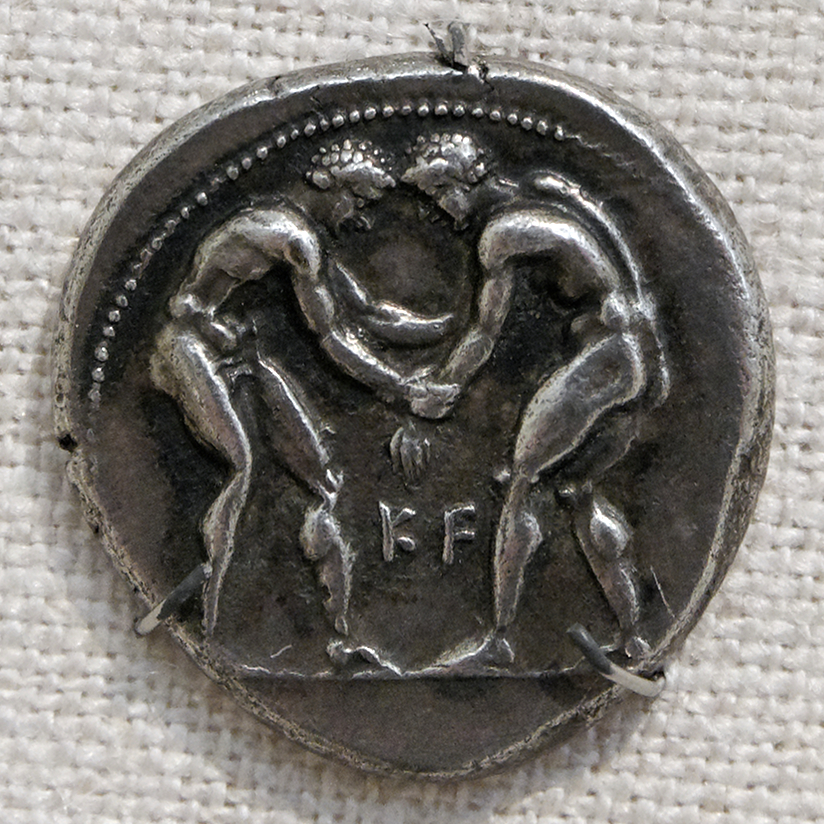
Silver_stater_obverse_Aspendos_374 BCE
Greek Silver coin; at least 2300 year old!

கண்ணன், பலராமன் செய்த மற்போர்

கலியுகம் துவங்கும் முன் (கிமு.3100) வாழ்ந்த கண்ணனும், அவன் அண்ணன் பலராமனும் பல மல்லர்களுடன் மோதி அவர்களை வானில் சுழற்றி எறிந்ததை புராண இதிஹாசங்களில் படிக்கிறோம் கம்ச சானூர மர்த்தனம் என்று கம்சனையும் சானூரனையும் அவர்கள் கொன்றதை இன்று வரை மேடைகளில் கர்நாடக சங்கீத பாகவதர்களும் பஜனைப் பாடகர்களும், சின்னக் குழந்தைகள் சொல்லும் ஸ்லோகங்களிலும் கேட்கிறோம்; பாடுகிறோம். ஆயினும் இவைகள் எல்லாம் வரலாறு அல்ல, வெறும் புனைக்கதைகள் என்ற விஷ விதையை வெள்ளைக்காரர்கள் பரப்பிவிட்டனர். யாதவ குல வீரர்கள் இருவரும் பல மல்லர்களை வென்றனர்; கொன்றனர்.

வாலி-சுக்ரீவன்
கண்ணனுக்கு முன் வாழ்ந்த ராமபிரான் காலத்தில் குரங்குப் படைகளும் கூட “த்வந்த்வ யுத்தம்: (ஒருவனுக்கு ஒருவன்) செய்ததை அறிவோம். வாலி- சுக்ரீவன் சண்டைகளை அறிவோம். அவைகளையும் வரலாறு அல்ல, கட்டுக்கதை என்று பரப்பிவிட்டனர். ஆனால் ஏழாம் நூற்றாண்டில் வெளியான கோ கருநந்தடக்கன் கல்வெட்டு கூட, கலியுகத்தை வியப்புறும் விதத்தில் நாட்கணக்கில் சொல்கிறது அதாவது தமிழனுக்கு ஆயிரக் கணக்கான ஆண்டுகளாக இருந்த நம்பிக்கையை, பஞ்சாங்கங்களை வெளிநாட்டு :அறிஞர்கள்” பேச்சை கேட்டு ஒதுக்கிவிட்டோம்!!!

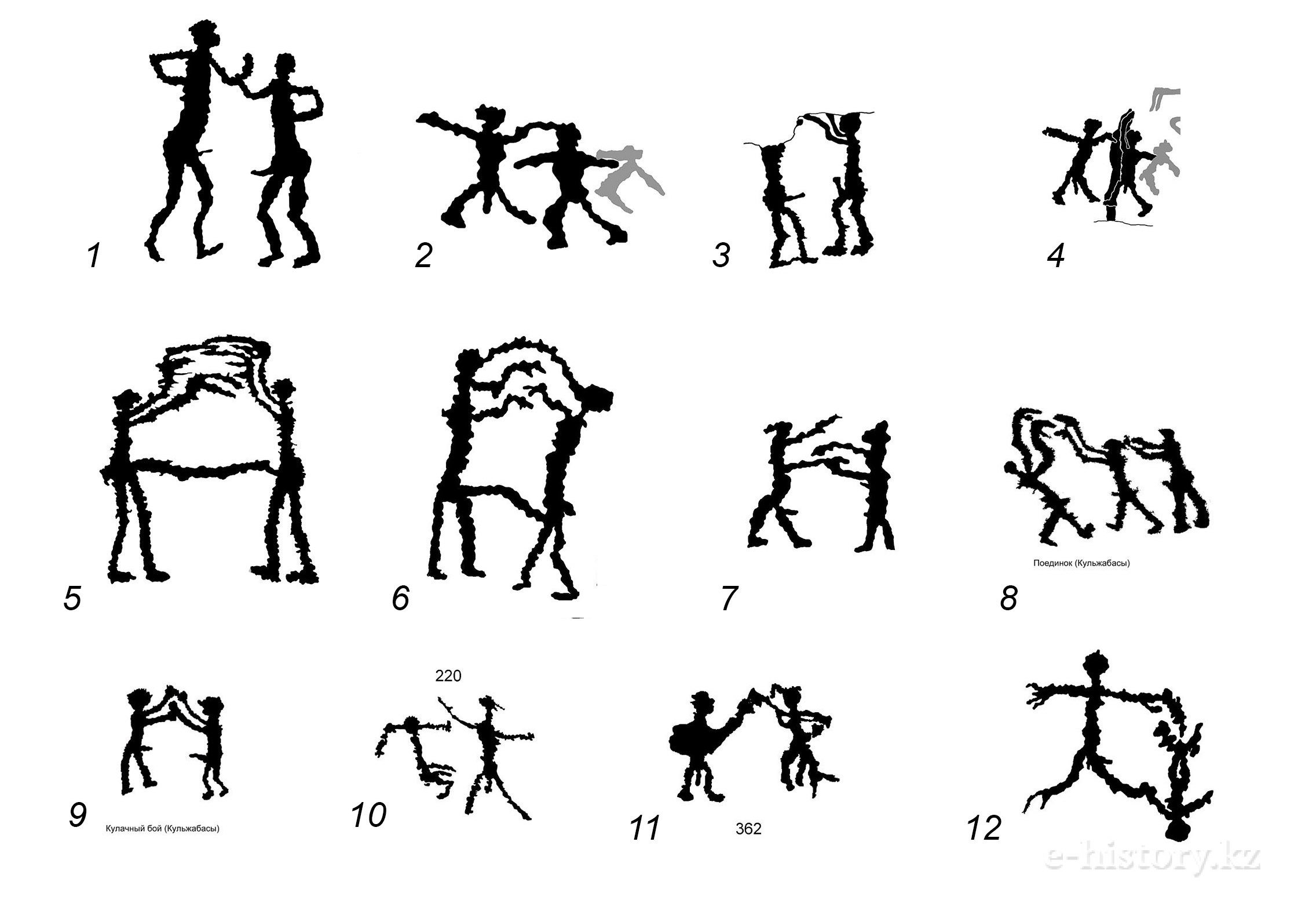
kushti2
Kazakastan Rock paintings before 1000 BCE.

வேதத்தில் மற்போர்

ரிக் வேதத்திலும், அதர்வண வேதத்திலும் முஷ்டி ஹன், முஷ்டி ஹத்ய (RV 5-58-4, 6-26-2 and AV5-22-4) என்ற சொற்கள் ஒருவருக்கு ஒருவர் கைகலப்புகள் பற்றிப் பேசும். ஆனால் இவை மல்யுத்தப் போட்டி என்ற பொருளில் வராமல் மல்யுத்தப் போர் என்ற முறையில் கையாளப்படுகின்றன.

மஹாபாரத மல்யுத்தங்கள்
மஹாபாரதத்தில் பீமனுக்கும் கீசகனுக்கும் நடந்த மற்போர் மிகத் தெளிவான சித்திரத்தைத் தருகிறது. சைரந்திரி என்ற பெயரில் வேலை பார்த்த திரவுபதியை கீசகன் பின்பற்றவே அவனை பீமன் கொன்றான். பீமன் மேலும் பலருடன் போட்ட மல்யுத்தங்களையும் மஹாபாரதம் விரிவாகவே தரும்.

ஆக வேத, ராமாயண, மஹாபாரத, பாகவத புராண, சங்க இலக்கிய மல்யுத்தக் குறிப்புகள் பற்றிப் படிப்போருக்கு — கலியுகம் என்பது இற்றைக்கு 5100 ஆண்டுகளுக்கு முன்னர் துவங்கியது என்ற நம்பிக்கை இருக்குமானால் —- எகிப்தியர்கள், கிரேக்கர்களுக்கு முன்னால் மல்யுத்தத்தைப் பயின்றவர்கள் நாம்தான் என்பது விளங்கும்!!
???????????????

இந்தியர்கள் இதை மெய்ப்பிக்கும் விதத்தில் மல்யுத்தப் போட்டிகளில் தங்கப் பதக்கம் வென்று வருகின்றனர். நாடு முழுதும் எல்லா மொழிகளிலும் ‘’மல்ல, குஸ்தி, பைல்வான்’’ — என்ற சொற்கள் பயிலப்படுகின்றன. பீமன் பெயரில் நாடு முழுதும் மற்போர் பள்ளிக்கூடங்கள் இருக்கின்றன.

வளர்க மல்யுத்தக் கலை! வாழ்க மல்லர்கள்!!

Wrestling in Ancient India

kamsa wretlers
Krishna and Balarama are fighting with wrestlers

Research Paper written by London Swaminathan
Post No.1328; Dated 4th October 2014.

Wrestling is one of the sports played and practised in India from time immemorial. We have references to wrestling in the Vedas and the Hindu epics. Where did it originate? We have beautiful pictures of wrestling in Egypt and Greece. The Egyptian pictures are 4500 years old and the Greek pictures are 2500 years old. Unfortunately India did not have anything that old for obvious reasons:

1.Tamil and Sanskrit literature say that the kings took great pride in melting the enemy kings’ ornaments, coins, crowns, pedestals, foot stools etc and put them under the kings’ feet.
2.Indians wrote everything on tree barks and palm leaves which didn’t last for more than few centuries.
3.People followed their kings in melting everything and making new ornaments.
4.Above all, the climatic condition of India was dead against preserving anything.

krishna-and-balarama-wrestling1

Taking all these into account, I came to the conclusion that wrestling originated in India around 3100 BCE but left proof only in literature. The proof is in the Vedas, Ramayana, Mahabharata and Sangam Tamil literature. We have a graphic description of the fight between Kichaka and Bhima in Mahabharata. Bhima had fight with several people according to Mahabharat. One may wonder whether these were actual wrestling fought according to the rules or barbaric attacks. I will say that they were organised fights. But one must accept the date of Mahabaharata war. Hindus believe that it came to an end around 36 years before the Kaliyuga began in 3100 BCE. Big seminars and workshops addressed by eminent scholars said that the war was fought around 1500 BCE. There is a big gap between the traditional date and the date suggested by the scholars. But we have Dwandwa Yuddha (One to one; face to face) fights in Ramayana which happened before Mahabharata. Vedas have reference to Mushtika wrestlers.

Kamsa sent trained wrestlers Chanura, Palamba and Mushtika to kill Krishna and Balarama. They were all killed by the Yadava brothers. The description was very clear about how they were thrown off the ground. Balarama held their feet, swung them over his head and threw them and one of the wrestler’s body was hanging on the tree.

Beni_Hassan3
Beni Hasan Murals in Egypt showing wrestling practice

Kichaka was troubling Draupadi who worked as a servant maid during the incognito period. She could not tolerate him and devised a plan with her brother Bhima who worked as a cook in the same place. She enticed him in to a trap where Bhima was waiting. A big fight followed and Kichaka was killed.
We have very clear references to organised wrestling in Sangam Tamil literature which was at least 2000 years old. It says that those wrestlers came from the North.
We have traditional stories about Brahmin wrestlers (Jyeshti Mallas) of Gujarat, regular wrestling schools in Maharashtra towns in the olden days.

Silver_stater_obverse_Aspendos_374 BCE
Greek Coin of Fourth Century BCE

In The Vedas

Musti-han and Musti-hatya in the Rig Veda and Atharva Veda denote respectively the hand to hand fighter. But these are mentioned in the context of wars (RV 5-58-4, 6-26-2 and AV5-22-4). One of the wrestlers killed by Balarama was Mushtika!

Tamil Wrestlers

References to Tamil wrestlers are available from Sangam literature belonging to 1st century CE to 3rd century CE. Pura Nanuru verse 80 by Sathanthaiyar described a fight between Killi and Amur Mallan. Killi broke the wrestler’s leg like an elephant breaking a bamboo tree under its foot.

Banan was a famous North Indian wrestler. He had another North Indian wrestler friend by name Khatti. Both of them came to Tamil Nadu and challenged the wrestlers. Chieftain Kanaiyan had another wrestler by name Aryan Porunan. He also came from North India. This clearly shows that all the famous North Indian wrestlers were visiting Tamil Nadu or serving Tamil chieftains. A wrestling match was organised between Arya Porunan and Banan and it ended with the death of Arya Porunan. His body was cut into two parts according to the famous Tamil poet Paranar (Akananuru 386).

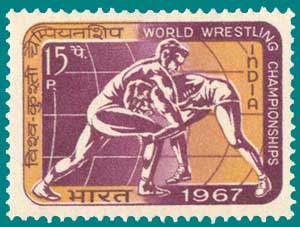
???????????????
Stamp on Indian Wrestling

Because of this glorious victory both Banan and Khatti were encouraged to challenge every one. They went to Uraiyur, the capital of Choza Kingdom to challenge Thithan Veliyan. Even before they entered Uraiyur, they heard big drum beats celebrating the victories of Thithan Veliyan. They got scared and ran away. These anecdotes were described in great detail by Paranar in several verses. There are many more references to sword fight and wrestling.

We have references to wrestling as a sports competition in Paripatal 12-72 and Aka Nanuru 386.

Literature belonging to later periods such as Perunkatai (52-3115) and Silappadikaram 16-198; 16-73) described the sceneries of wrestling matches. The match was announced by beating the drums. King, women and others gathered to see the match. Tamil epic Silappadikaram described one bout looking like a fight between two elephants.

kushti2
Kushti on Kazakastan rocks 1000 to 1200 BCE

Many wrestling schools in India are named after the legendary hero Bhima. Kushti, Pailwan, Malla are some of the words used from Kashmir to Kanyakumari.

contact swami_48@yahoo.com

என் அம்மாவிடம் கற்றது!

Santanam Rajalakshmi 2

Sri V Santanam and Srimati Rajalakshmi Santanam

கட்டுரை மன்னன்: லண்டன் சுவாமிநாதன்
அனுபவக் கட்டுரை எண்:1327; தேதி:– 4 அக்டோபர் 2014.

காக்கைக்கும் தன் குஞ்சு பொன்குஞ்சு! இதையே திருப்பியும் போடலாம். காக்கா போல இருந்தாலும் அம்மா, அம்மதான் என்று. எல்லோருக்கும் அவரவர் தாயார் கற்றுத் தந்த விஷயங்கள் பல இருக்கும். ஆயினும் நான் சொல்ல வருவது மிகவும் பொதுவான விஷயம். எல்லா பெண்களுக்கும் பலன் தரும் விஷயம்.

என் அம்மாவும் செட்டியாரும் ஒன்று! “இல்லை” என்று சொல்லக்கூடாது என்ற ‘’பாலிசி’’யை Policy (இருவரும் கெட்டியாகப் பிடித்துக் கொண்டவர்கள். செட்டியார் கடையில் போய் ஒரு பொருள் இருக்கிறதா என்று கேட்டால் ‘அங்கே இல்லாவிட்டாலும் ’இல்லை’ என்று சொல்ல மாட்டார்கள்.

அரை கிலோ சர்க்கரை கொடுங்கள் என்று கேட்பதாக வைத்துக் கொள்ளுங்கள். அவரிடம் அன்று சர்க்கரை ‘’ஸ்டாக்’’ இல்லாவிடில் ‘’வெல்லம் இருக்கிறது அரைக் கிலோ போடட்டுமா?’’ என்பார். சிறுவயதில் இருந்து அவருடைய அப்பா கற்றுக் கொடுத்தது என்றும் எதிர்மறை எண்ணம் (Negative Thinking) கூடாது. இது தான் என் அம்மாவின் பாலிசியும்!!

அம்மா, கொஞ்சம் ரசம் போடு என்றால், இன்னும் ஒரு முறை சாம்பார் போடுகிறேனே மிக நன்றாக இருக்கும் என்பாள். அதாவது ரசம் இல்லை என்று பொருள். எங்களுக்கோ பயங்கர கோபம் வரும். இல்லை என்று சொல்லித் தொலையேன் என்போம். கொஞ்சமும் கோபிக்காமல் இதோ சாம்பார் என்று கொண்டு வருவாள். இப்போது பெரிய சொற்பொழிவு களுக்கும் பயிற்சிகளுக்கும் பணம் கட்டி ஒரு நாள் முழுதும் உடகார்ந்த பின்னரும் அந்த சொற்பொழிவாளர் கற்றுத் தருவது இது தான்: No Negative Thinking நோ நெகட்டிவ் திங்கிங்.

ஆண், பெண் ஜாதகம் வரும்போது யாராவது நெகட்டிவாக (Negative remarks) ஏதேனும் சொல்லிவிட்டால் பலர் ஜாதகத்தை விலக்கி வைத்து விடுவார்கள். ஏனெனில் அசரீரி கேட்டுவிட்டது என்பதால்!!

இன்னும் கொஞ்சம் போடட்டுமா?

சாப்பாடு பரிமாறும்போது, வந்த விருந்தாளிகளிடம் போதுமா? போதுமா? என்று கேட்டுக்கொண்டே பரிமாறக் கூடாது. இன்னும் கொஞ்சம் போடட்டுமா? என்று கேட்டுக் கொண்டே பரிமாற வேண்டும். அப்போதுதான் சாப்பிடுவர்களுக்கு இன்னும் சமையல் அறையில்—பாத்திரத்தில்– நிறைய இருக்கிறது என்ற நம்பிக்கை வரும்.

கல்யாணம் ஆன கொஞ்ச நாளில் என் மனைவி போதுமா, போதுமா? என்று கேட்டுக் கொண்டே எனக்குப் பரிமாறியதை பார்த்துக் கொண்டிருந்த அம்மா, வெடுக்கென்று சொல்லிவிட்டார், “இதோ பார், இப்படி பரிமாறக் கூடாது. இன்னும் கொஞ்சம் போடுகிறேன் என்று சொல்” – என்றார்.

சாப்பாடு பரிமாறும் பெண்கள் சமைத்த பெரிய சோற்றுப் பானையை பரிமாறும் இடத்துக்குக் கொண்டுவர முடியாது. ஒரு சின்னத் தட்டில்தான் கொண்டு வரமுடியும். சாப்பிடும் விருந்தாளிகளுக்கு நல்ல நம்பிக்கை ஏற்பட வேண்டுமானால் எல்லா பெண்களும் இதைக் கடைப்பிடிக்கலாம். இன்னும் கொஞ்ச போடுகிறேனே என்று சொல்லிப் பரிமாறுங்கள்!!

காட்டில் தவம் செய்து ஆப்பிள் பழம் போன்ற சிவந்த கன்னங்கள் — நிலத்தில் பல அடி தூரத்துக்குப் புரளும் ஜடா முடி — நீண்ட நெடிய உருவம் — ஆகியவற்றுடன் வெளியே வந்த சாந்தானந்த சுவாமிகளை புதுக்கோட்டையில் இருந்து சிலர் எங்கள் வீட்டுக்கு அழைத்து வந்தனர்.

என் தந்தை தினமணி பொறுப்பாசியராக ( V Santanam, News Editor, Dinamani, Madurai) இருந்ததால், அவர் செய்யவிருக்கும் யாக யக்ஞங்கள், புவனேஸ்வரி கோவில் திட்டங்களுக்குப் பத்திரிக்கையின் ஆதரவு நாடி அவரைச் சிலரழைத்து வந்தனர். வெளுத்தது எல்லாம் பால் (All that is white is Milk, All that glitters is God) என்று கருதும் என் தந்தை காவித்துணி போர்த்திய எல்லோருக்கும் உடனே ஆதரவு கொடுத்து பெரிய செய்திகள் போட்டுவிடுவார். இதில் பல மோசடி (Frauds) மாதாஜி, ஆனந்தாக்களும் அடக்கம். ஆனால் சாந்தானந்த சுவாமிகள் உலகமே அறியாத ஒரு உத்தமர் என்பது அவர் பேச்சிலிருந்தே தெரிந்தது. அடிக்கடி ‘’நான் சொல்வது எல்லாம் ஸத்யமான வார்த்தைகள்’’- என்பார்.

‘’இன்று அவருக்கு பிட்சை (Biksha) உங்கள் ஆத்தில்தான்’’ (பிராமணர்கள் பேசும் தூய தமிழ் — அகத்தில் ) என்று பக்தர்கள் சொல்லவே என் அம்மாவும் தடபுடலாக பாயசம் வடை, அப்பளம், கறி, கூட்டு என்று சமைத்து விட்டார். சுவாமிகளோ சமையல் அறைக்குள் நுழைந்தவுடன் எல்லாவற்றையும் நன்றாகக் கலந்து மூன்றே கவளங்கள் கையில் போடுங்கள் என்று வாங்கிச் சாப்பிட்டார். என் அம்மாவுக்குக் கண்களில் இருந்து பொலபொல என்று கண்ணீர் வந்து விட்டது. இவ்வளவு சுவையான சமையலை ருசி பார்க்காமல் சாப்பிடுகிறாரே என்று!! அவர் முற்றும் துறந்த முனிவர்!

அதனால் என்ன? அத்தனை வகைகளையும் நாங்களும் சாமியாருடன் வந்த பக்தர்களும் ரசித்துச் சுவைத்துச் சாப்பிட்டுவிட்டோம்! தாய் எட்டு அடி பாய்ந்தால் குட்டி 16 அடி பாயாதா?

முந்தைய அனுபவக் கட்டுரைகள்:
1.என் அப்பாவிடம் கற்றது (posted on 8-9-14)
2.கோயங்கா சாம்ராஜ்ய ரகசியங்கள் (posted on 9-9-14)

அசோகன் மனைவி செய்த அக்கிரமம்! மகாவம்சம் தரும் தகவல்

Bodhi-Tree
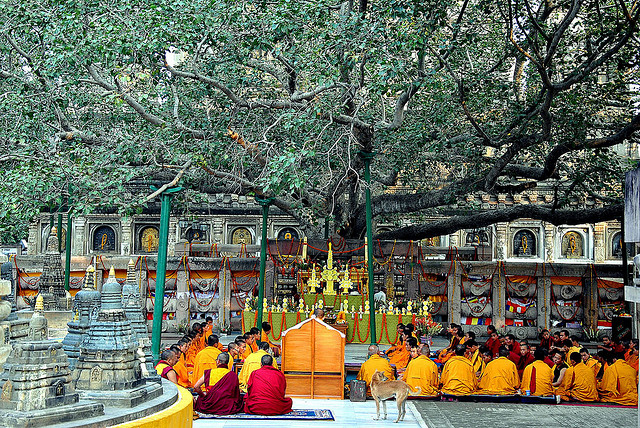
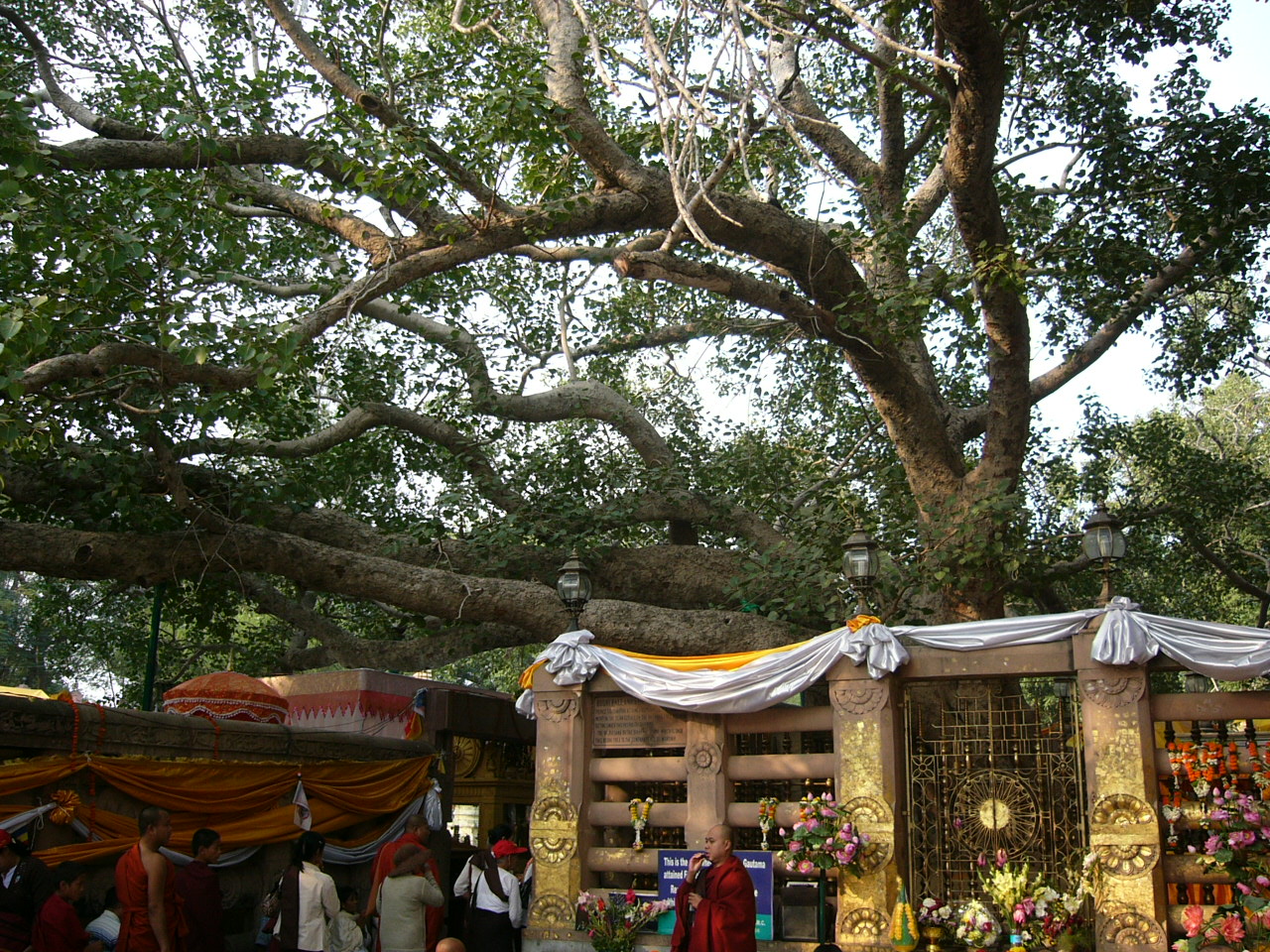
புத்த கயாவில் இருக்கும் போதி மரம் (அரச மரம், அஸ்வத்தம்)

கட்டுரை மன்னன்: லண்டன் சுவாமிநாதன்
ஆராய்ச்சிக் கட்டுரை எண்:1326; தேதி:– 4 அக்டோபர் 2014.

மகா வம்சம் பற்றிய எனது கட்டுரை வரிசையில் இது 13—ஆவது கட்டுரை.

மஹாவம்சத்தில் மரங்கள் பற்றி பல சுவையான தகவல்கள் இருக்கின்றன. சில திடுக்கிடும் தகவல்களும் இருக்கின்றன. மௌரியப் பேரரசின் மாமன்னன் அசோகனுடைய முதல் மனைவி அசந்திமித்ரா இறந்தவுடன் தீசரட்சையை ராணியாக்கினான். தன் அழகில் கர்வம் கொண்ட அப்பெண், என்னை விட்டுவிட்டு இந்த அரசன் போதி மரத்திடம் அன்பு செலுத்து கிறானே என்று பொறாமைப் பட்டு மந்து என்னும் விஷ முள்ளைக் குத்தி மஹா போதி மரம் பட்டுப் போகும்படி செய்தாள். இது நடந்த நாலாவது வருடத்தில் அசோகனும் மரணமடைந்தான். மரமும் பட்டது அசோகனும் பட்டான் (ஆதாரம்—அத்தியாயம் 20).

mahabodhi

இதே போல இன்னொரு விஷ மர சம்பவமும் வருகிறது. சங்கமித்திரன் என்ற அரசன், ஜாலியாக அரண்மனைப் பெண்களோடு பாசீனதீபகத்துக்குப் (கிழக்குத் தீவு) போய் நாவல் கனி உண்பது வழக்கம். இது அந்த தீவுவாசிகளுக்குப் பிடிக்கவில்லை. அவர்கள் நாவல் மரத்துக்கு விஷமூட்டினர். அடுத்த முறை மன்னன் வந்து நாவல் பழம் சாப்பிட்டவுடன் அந்த இடத்திலேயே இறந்துவிட்டான். (ஆதாரம்: அத்தியயம்—36)

ஜாதகக் கதை ஒன்றிலும் ஒரு மாமரம் முளைக்காமல் இருக்க மந்து முள் பயன்படுத்தப்பட்ட விஷயம் வருகிறது.

மகாவம்சத்தின் 18, 19 ஆவது அத்தியாயம் முழுதும் போதிமரப் புகழ்ச்சி (அரச மரம், அஸ்வத்த மரம்) இருக்கிறது. அசோகன், போதி மரத்தை கடவுள் போல வழிபட்டதையும் மூன்று முறை தனது அரசுரிமையையே போதி மரத்துக்கு அளித்து பட்டம் சூட்டியதையும் மகாவம்சம் எடுத்து இயம்புகிறது.

போதி மரம் என்பதன் புகழ் உபநிஷதம், கீதை, விஷ்ணு சஹஸ்ரநாமம் சிந்து சமவெளி நாகரீகம் ஆகிய எல்லாவற்றிலும் காணப்படுகிறது.

இந்த மரத்துக்கு அரச மரம் என்று தமிழன் பெயர் சூட்டியதில் இருந்து அவனுக்கும் இதன் மகிமை தெரிந்திருக்கிறது என்று அறீயலாம். கண்ணன், ‘’மரங்களில் நான் அரச மரம்” என்று கீதையில் கூறியதைப் படிப்பவர் களுக்கு மேலும் நன்றாகப் பொருள் விளங்கும் (நான் எழுதிய ‘’சிந்து சமவெளியில் அரச மரம்’’ — என்ற கட்டுரையில் மேல் விவரம் காண்க).

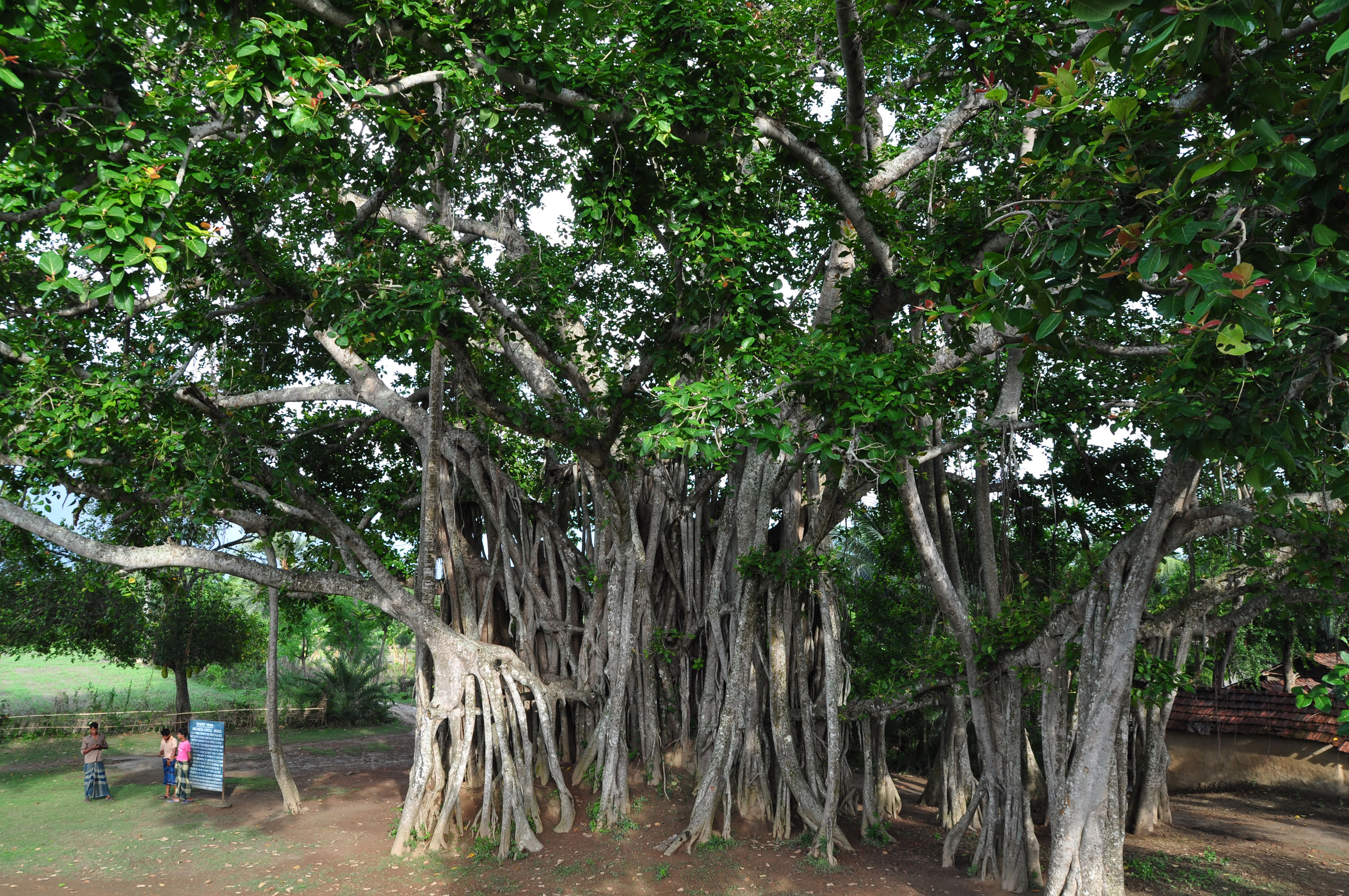
Banyan_tree-2
ஆல மரம்

ஆலமர தேவதை
இன்னொரு இடத்தில் ஆலமரம் பற்றிய சுவையான கதை உண்டு. அசோகன் தனது அண்ணன் சுமணனைக் கொன்று ஆட்சியைக் கைப்பற்றினான. அப்போது சுமணன் மனிவி நிறைமாத கர்ப்பிணி. பயந்து காட்டுக்குள் ஓடிவிட்டாள். ஆல மரத்தின் தேவதை அவளை அழைத்து, ஒரு குடிசை போட்டுக் கொடுத்தது. குழந்தை பிறந்தவுடன் அவளும் நன்றி செலுத்த தன் மகனுக்கு ஆலமரம் ( ந்யக்ரோத ) என்று பெயர் வைத்தாள். இப்படி மரத்தின் பெயர் சூட்டும் வழக்கம், புத்தருக்கு முந்திய உபநிடத காலத்திலேயே உண்டு. பிப்பலாடன் (திரு. அரசமரம்) என்ற பெயர் இருக்கிறது.

Mango_tree_in_Kolar

மா மரம்

மந்திர மாங்கனி பற்றிய அற்புதத்தை ஏற்கனவே மகாவம்சத்தில் உள்ள அதிசயச் செய்திகள் என்ற கட்டுரையில் கொடுத்து இருக்கிறேன். தோட்டக்காரன் கொடுத்த பெரிய மாம்பழத்தை அரசன் புத்த குருவிடம் (தேரர்) கொடுக்க அவர் அதைச் சாப்பிட்டுவிட்டுக் கொட்டையை மன்னனிடம் கொடுத்து நடச்சொன்னார். கொட்டையை மன்னன் நட்ட இடத்தில் தேரர் கையைக் கழுவினார். அதௌ உடனே பெரிய மரமாக வளர்ந்து கனிகளை ஈன்றது. மந்திரத்தில் மாங்கனி!! (ஆதாரம் அத்தியாயம் 15)

வம்சங்களும் மரங்களும்
ஒரு நாட்டு மக்கள், மரங்களுக்கு எந்த அளவுக்கு மதிப்பு தருகிறார்கள், எப்படிப் பாதுகாக்கிறார்கள் என்பதெல்லாம் நாகரீக முதிர்ச்சியைக் காட்டும். சங்கத்தமிழ் இலக்கியத்திலும் காளிதாசன் காவியங்களிலும் மரங்களை அண்ணன் தம்பிகளாகவும், அக்காள் தங்கைகளாகவும் சித்தரிக்கின்றனர். இந்தியாவில் கடம்ப வம்சம், இக்ஷ்வாகு வம்சம், சுங்க வம்சம், பல்லவ வம்சம் முதலிய பல வம்சங்கள் தாவரங்களின் பெயர் கொண்ட வம்சங்களாகும் இந்தியாவின் பெயரே நாவலந்தீவு. நாவல் மரத்தின் பெயர் இது. பூமியையே ஜம்பூ, இலா, சால்மலி முதலிய மரங்களின் பெயரில் பிரித்தனர் இந்துக்கள் —- இதைப் பார்த்து தமிழ் இந்துக்கள் குறிஞ்சி, முல்லை, மருதம் என தாவரங்களின் பெயரிலேயே நிலப் பாகுபாடு செய்தனர்.

இந்தியாவின் புகழ்மிகு பட்டணம் பாடலிபுத்ரமும் மரத்தின் பெயரில் அமைந்த நகரமே.

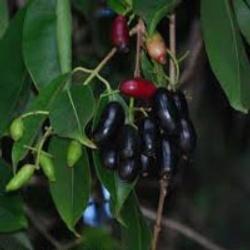
jambu-fruit-250x250
நாவல் மரம் (நாவலந்தீவு = பாரத தேசம் = இந்தியா)

பறங்கிப் பழ மன்னன்
அத்தியாயம் 35: மகாவம்சத்தில் வேறொரு சுவையான செய்தியும் உண்டு. ஒரு மன்னன் புத்த பிட்சுக்கள் எல்லோருக்கும் கும்பந்தக பழம் கொடுத்தான். பறங்கிப்பழம் போன்ற இப்பழத்தின் மற்றொரு பெயர் ஆமந்த என்பதால் மன்னனின் பெயரே ஆமந்தகாமன் என்று மாறிவிட்டது!! அவன் எல்லா இடங்களிலும் திராட்சைக் கொடிகளையும் பயிரிட்டான்.

மாமரம் பற்றியும் பல இடங்களில் குறிப்புகள் உள்ளன. மாமரத்தை வைத்து ஒரு தேரர், மன்னனுக்கு உபதேசமும் செய்கிறார்.

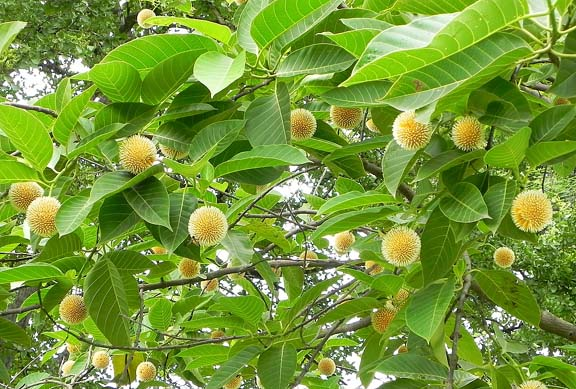
Kadamba ful-11
கடம்ப மரம், மதுரை மாநகரின் ஸ்தல விருட்சம்

கடம்ப மரம், முசில மரம், இம்பார மரம், பாரிஜாதம், பாக்குமரம், சப்தவர்ண மரம், கபித்த எனப்படும் விளாம்பழ மரம், கந்தம்ப மரம், பாக்குமரம், சால மரம், நாகக் கொடி என்று பல மரங்களின் குறிப்புகளும் படித்துச் சுவைக்க வேண்டிய விஷயம் ஆகும். பாரிஜாதம், மல்லிகை, தாமரை சண்பகம், முதலிய பூக்களும் வருகின்றன.

ஒரு முறை மன்னன் புத்த விஹாரங்களுக்கு அளித்த தானத்தை ‘கேடக பத்திர’த்திலேயே (தாழை வகைத் தாவரம்) எழுதி அளித்தான். சங்கத் தமிழ், மகாவம்சம் ஆகிய இரண்டிலும் காணப்படும் பனைமரத்தில் இருக்கும் பூத வழிபாட்டைப் பற்றி ஏற்கனவே எழுதிவிட்டேன்.

சில மரங்களின் தாவரவியல் பெயர்கள் உரைகளில் காணப்படவில்லை. ஆக தாவரவியல் அறிஞர்கள் ஆராய்ச்சி செய்ய இன்னும் நிறைய வாய்ப்புகள் உள்ளன.

மகாபோதிமரத்தை அசோகனின் இரண்டாம் மனைவி “கொன்றுவிட்டதால்” இப்போது புத்த கயாவிலுள்ள மஹாபோதி மரம் பழைய மரம் அல்ல—அதன் கிளையே என்றும் கருத இடம் உண்டு. இலங்கைக்கும் சில கிளைகளை அனுப்பி இருந்ததால் பிற்காலத்தில் ஒட்டு மரங்கள் உருவாகி இருக்கலாம்.

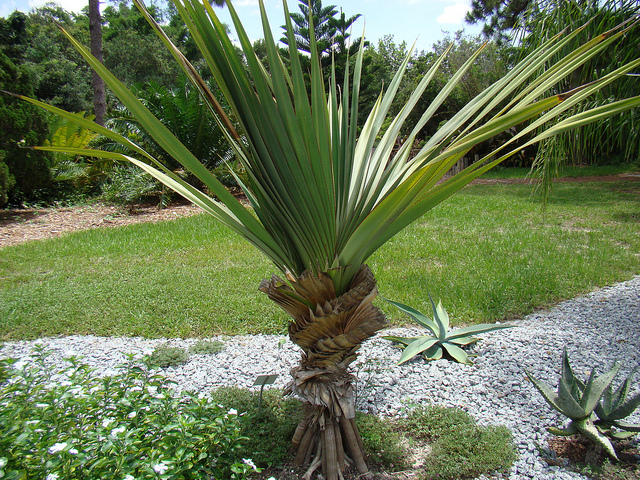
screw pine
தாழை வகைச் செடி

சுமார் முப்பது மரம், செடி, கொடிகளின் பெயர்களை மஹாவம்சம் கூறுவதால் இது உண்மையான விஷயங்களை அதன்போகில் எடுத்துரைக்கிறது என்று நம்ப இடமுண்டு. எல்லா மதப் புத்தகங்களிலும் காணப்படும் மிகைப்படுத்தப்பட்ட கூற்றுகளை விலக்கிவிட்டுப் பார்க்கும் கண்களும் பரி பக்குவமும் நமக்கு வேண்டும்.

வாழ்க மகா வம்சம் !! வளர்க மரங்கள் !!!

Plants in Mahavamsa

mahabodhi
Mahabodhi Tree in Bodha Gaya

Research paper by London Swaminathan
Post No.1325; Dated 3rd October 2014.

This article is part of my series on Mahavamsa, Chronicle of Sri Lanka.

Studying about the plants mentioned in ancient literature helps us to understand the interaction between human beings and the plants. Mostly we read about the love and affection towards plants, respect and worship of sacred trees. What we find in Mahavamsa wouldn’t surprise any Hindu or a resident of Indian subcontinent, because we see such an attitude from Vedic days. Their approach was the same from Kashmir to Kandy.

Mahavamsa has lot of references to plants, particularly to the holy pipal tree known as Bodhi tree in Buddhist literature. Tamils named Arasa Maram meaning King of Trees. Since Buddha attained wisdom under the tree, it has got more respect than any other tree. But this pipal tree (Ficus religiosa) is in the Indus Valley Civilization, the Upanishads and later literature. In the Bhagavad Gita Lord Krishna says Of all the trees I am the papal tree. Along with two other trees of the same Ficus genus it is mentioned as one of the names of Lord Vishnu in Vishnu Sahasramana. Probably that is the reason Buddha decided to sit under the tree in his attempt to find the Truth.

Bodhi-Tree

Hindus are pioneers in naming the regions after the predominant plant of the area. They named lands after Jhambu, Ila, Shalmali plants etc. Tamil Hindus also followed this custom and named their five lands after five plants such as Kurinji, Mullai etc.

The most famous city of ancient India Pataliputra (Patna in Bihar) was named after the Patali tree. India’s name is Jambudwipa meaning Land of Indian Blackberry Tree. It’s botanical name is Syzygium cumini (Family Myrtaceae)

Plants in Mahavamsa

Chapters 18 and19 “Receiving and Coming of the Great Bodhi Tree” make very interesting reading. Asoka’s preparation to send the branch of the Bodhi/ Pipal tree from Bihar to Sri Lanka is described in detail. He paid respect to the tree like a king. In fact he offered the kingdom thrice to the tree and crowned it as the emperor of the Mighty Mauryan Empire. He asked his counterpart in Sri Lanka Devanam Priya Tissa to do the same. He also did give a big welcome to the tree.

Chapter 5 says that the angels brought Naga creeper twigs to brush the teeth, Myrobalans, mangoes, Terminalia for eating and celestial lotus and jasmine flowers for offering. In the same chapter we come across the story of Nigrodha (Mr Banyan Tree). When Emperor Asoka killed his elder brother Sumana, his pregnant wife was given refuge by the guardian angel of Nyakrodha tree (Banyan) and so her son was given the same name. He was protected by that angel.

Banyan_tree-2
Banyan Tree, Nyagrodha in Sanskrit

‘Nyakrodha’ is the name of Banyan tree (Ficus bengalensis or Ficus indica). The person’s name will be Mr Banyan Tree which is common in India. We have Pippaladan and other names in Upanishads meaning Mr Pipal Tree. Even several dynasties named themselves after plants such as Ikshvahu, Sunga, Kadamba, Pallava etc.

Chapter seven was about using lotus leaves to fetch water. Lotus leaves are used for eating food even today in several parts of India. Lotus stems are in the story of Indra stealing Agatya’s lotus plants in the Brahmana literature (Read my post – Why did Indra steal?)

We have a reference to Kadamba tree (Neolamrckia cadamba) in Chapter 18. Once Madurai in South India was full of these trees and Madurai was called Kadamba vana, where the world famous Meenakshi temple was built later.

screw pine
Image of screw pine (Ketaka)

Mandu Thorn killed Bodhi Tree !

In chapter 20, there is an interesting episode of the evil queen of Emperor Asoka killing the famous Bodhi tree with a poisonous thorn. It is called Mandu thorn. When the queen died, Asoka elevated another beautiful lady Tissarakkha to be the queen. She thought Asoka was pouring his love and affection to tree instead of her and used a Mandu thorn to kill the tree in the Mahamega arama. The commentator adds that there is another incident like this in the Dadhivahana Jataka. It was explained how the kernel of a mango fruit lost its germinating power when it was pierced with a Manu thorn. (I could not get the botanical term for this thorn).

In chapter 36 also we read about a murder by poisoning a tree. King Samgatissa accompanied by women used to go to East island between India and Sri Lanka, just to eat Jambu (Indian blackberries) fruits. People in the island hated this. So they poisoned the fruits of the tree. When the king ate it he died immediately.
In the same chapter 36, we read about Mucela tree (botanical term not known) and areca palm.
In chapter33, there is a report of the king writing his order of donation to Buddhist vihara on a Ketaka patra. The botanical term for Ketaka is Pandanus odoratissimus (Screw pine)

Mango_tree_in_Kolar
Mango Tree

About Palmyra in chapter10, I have already written a post “Palmyra worship in India and Sri Lanka”. Palmyra was worshipped as a sacred tree in India (Natrinai Tamil verse 303) and Sri Lanka. During Pandukabhayan rule he installed a Palmyra tree which is considered the tree of hunters’ god.
Building Technique

In chapter29, we read about a novel building technique. The resin gum of Kapitha tree (Feronica elephantum) is mixed with sweet water it helped to fix eight inch thick copper sheets.
Chapter 30 mentions Saptaparna tree (Alstonia scholaris) on which the king was leaning to watch the scenery.

Kadamba ful-11
Kadamaba Tree

Flowering plants Jasmine, Parijata (night jasmine) and Shenpak were mentioned in the book.
Chapter 31 says that Buddha’s double appearance happened under the gandamba tree and we do know what tree it was. We also read about Buddha’s last minute under the Sala tree.

In chapter 14 mango tree is used by the Thera to explain the doctrine to the king. This technique is already used by the Hindu Vedas ( Please read my post Three Apples that Changed the World!)

Chapter 34 refers to Ujjuka flowers, a kind of jasmine. Chapter 35 refers to Kumbandaka fruits. King Amandagamani distributed this fruit to all the Buddha Bikshus. So his name became Amanda after the fruit. Commentators identify this with Pumpkin gourd or ricinus plant. It is strange that the king himself was named after the fruit which he distributed. As a great enthusiast of fruits, he planted grape wine everywhere.

jambu-fruit-250x250
Jambu Tree (Name of India Jambudwipa)

Mahavamsa has mentioned many more plants, the study of which will throw more light on the people’s food habits.

Contact swami_48@yahoo.com