Vaishnavite Saint NAMMALWAR

Nammalvar Tamil Poet

Post no 915 date 18th March 2014

(The Supreme Vaishnava Saint and Poet)
By C .Subrahmanya Bharati
(July 1915, ‘Arya’)

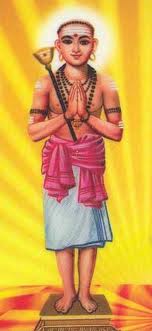
Maran, renowned as Nammalwar (“Our Saint”) among the Vaishnavas, and the greatest of their saints and poets, was born in a small town called Kuruhur in the southern most region of the Tamil country – Tiru – nel –veli (Tinnelvelly). His father, Kari, was a petty prince who paid tribute to the Pandyan King of Madura. We have no means of ascertaining the date of the Alwar’s birth, as the traditional account is unworthy and full of inconsistencies. (See my comments at the bottom:-swami)

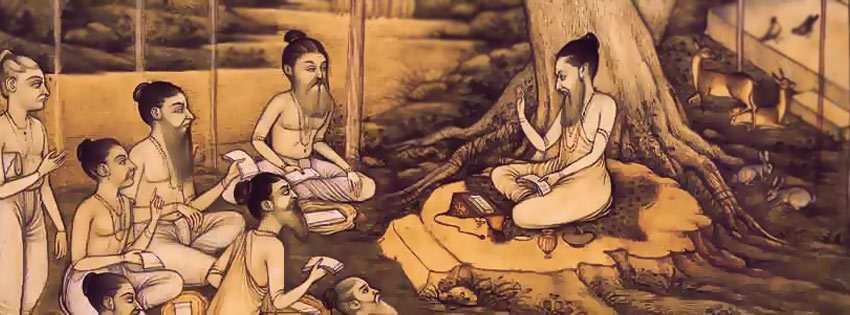
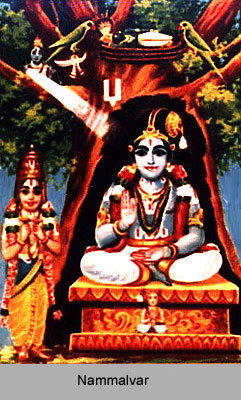
We are told the infant was mute for several years after his birth. Nammalwar renounced the world in early life and spent his time, singing and meditating on God, under the shade of a tamarind tree by the side of the village temple. It was under this tree he was first seen by his disciple, the Alwar Madhura Kavi – for the latter is also numbered among the Great Twelve –“lost in the sea of Divine Love”. Tradition says that while Madhura –kavi was wandering in North India as a pilgrim, one night a strange light appeared to him in the sky and travelled towards the south. Doubtful at first what significance this phenomenon might have for him, its repetition during three consecutive nights convinced him that it was a divine summons and where this luminous sign led, he must follow. Night after night he journeyed southwards till the guiding light came to Kuruhur and there disappeared.
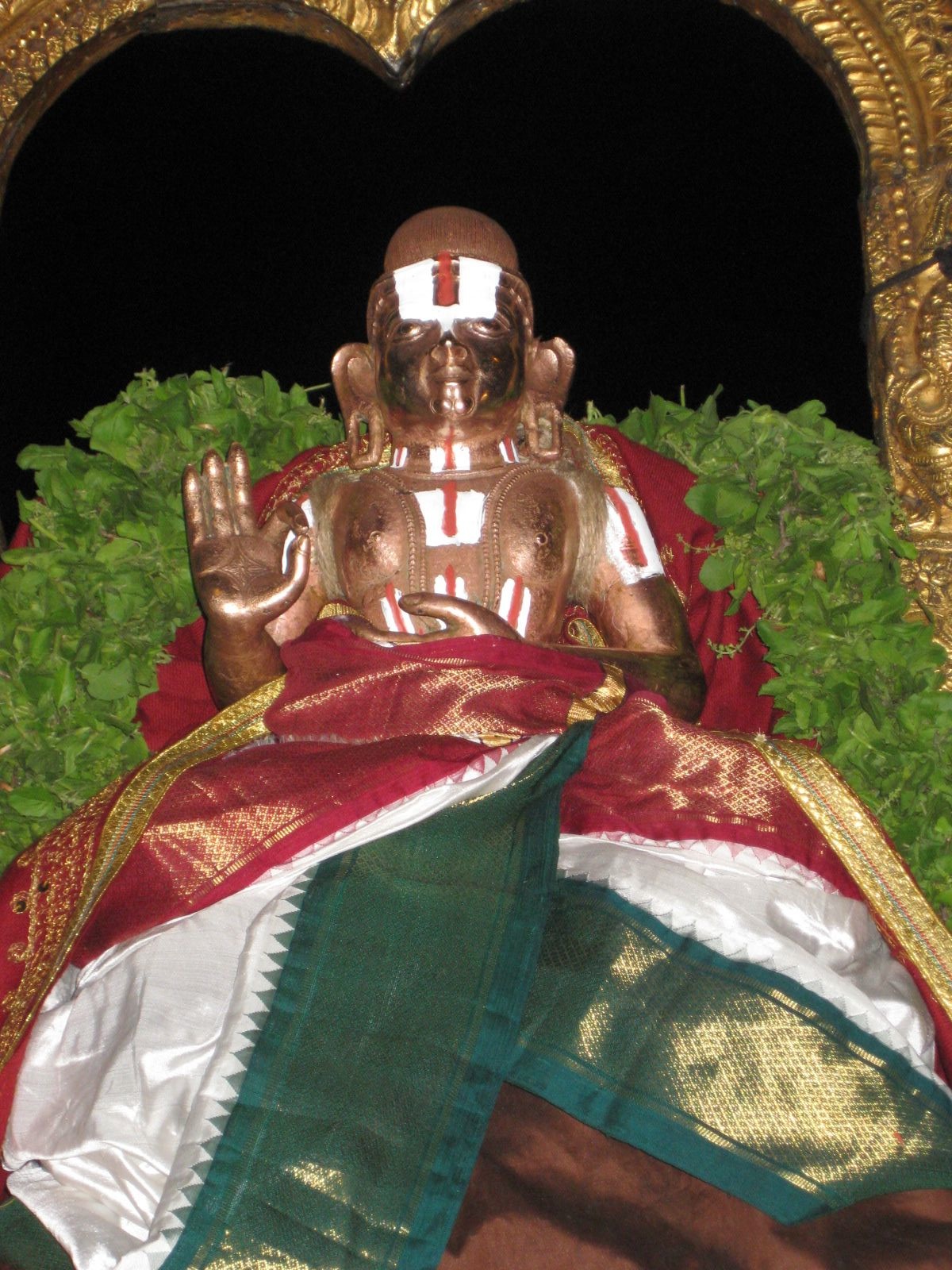
SwamiNammazhwar

Learning of Nammalwar’s spiritual greatness he thought that it was to him that the light had been leading him. But when he came to him, he found him absorbed in deep meditation with his eyes fast closed and, although he waited for hours, the Samadhi did not break until he took up a large stone and struck it against ground violently. At the noise Nammalwar opened his eyes, but still remained silent.

Madhura –kavi then put to him this enigmatical question, “If the little one (the soul) is born in to the dead thing (Matter), what will the little one eat, and where will the little one lie?”. To which Nammalwar replied in an equally enigmatic style, “That will it eat and there will it lie”.

Subsequently Nammalwar permitted his disciple to live with him and it was Madhura –kavi who wrote down his song as they were composed. Nammalwar died in his thirty fifth year, but he has achieved so great a reputation that the vaishnavas count him an incarnation of Vishnu himself, while others are only the mace, discus, conch etc., of the Deity.

From the philosophical and spiritual point of view, his poetry ranks among the highest in Tamil literature. But in point of literary excellence there is a great inequality; for while some songs touch the level of the loftiest of the world poets, others, even though rich in rhythm and expression, fall much below the poet’s capacity. In his great work known as Tiru – vay – moli (The Sacred utterance)which contains more than a thousand stanzas, he has touched all the phases of life divine and given expression to all forms of spiritual experience. The pure passionless Reason, the direct perception of the high solar realm of Truth itself, the ecstatic and sometimes poignant love that leaps in to being at the vision of “Beauty of God’s Face”, the final Triumph where unity is achieved and “I and my father are one” – all these are uttered in his simple and flowing lines with a strength that is full of tenderness and truth.
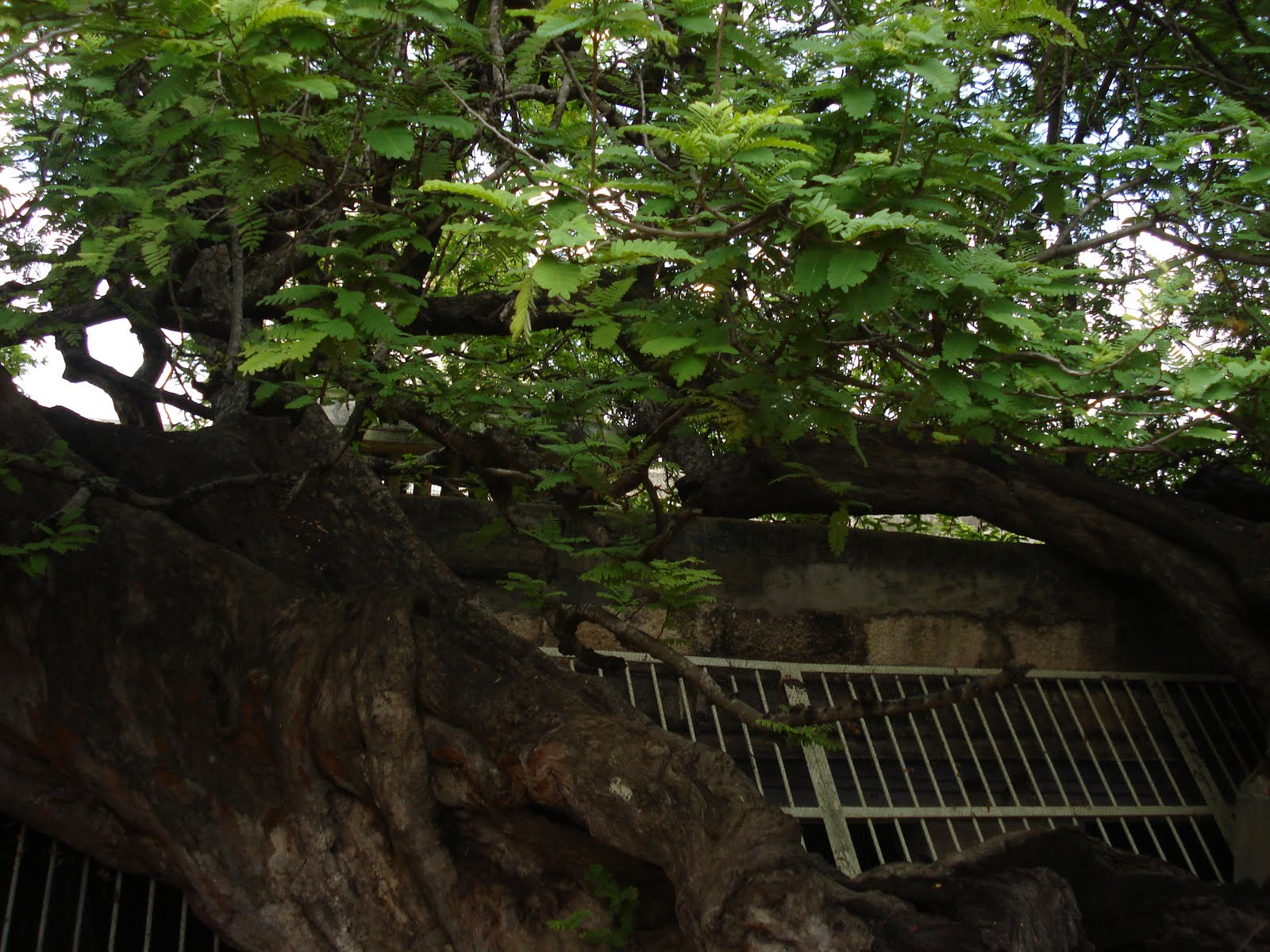
tamarind tree

Tamarind Tree at Alwartirunagari (Kuruhur)

The lines which we have translated are a fair specimen of the great Alwar’s poetry; but it has suffered considerably in the translation, — indeed the genius of Tamil tongue hardy permits of an effective rendring, so utterly divergent is it from that of the English language.

A footnote about the enigmatical question and answer:

The form of the question reminds one of Epictetus’ definitions of man, “Thou art a little soul carrying about a corpse”. Some of our readers may be familiar with Swinburne’s adaptation of the saying, “ A little soul for a little bears up the corpse which is man”.

Source: AGNI and other Poems and Translations & Essays and Other Prose Fragments, C.Subrahmanya Bharati, Madras, Year 1980.

My comments: Bharati has translated some of the poems of Nammalwar and Andal. I will give them separately. Regarding the age of Alwars, Wikipedia gives fanciful dates around 4000 BC!!!!
Nammalwar is placed in the later part of the ninth century AD by the historians.

Contact swami_48@yahoo.com

‘‘ஞானப் படகு’’ பற்றி தேவாரமும் கீதையும் தரும் தகவல்

கட்டுரையாளர்: லண்டன் சுவாமிநாதன், கட்டுரை எண் 914, தேதி 18-3-2014

boat-in-the-sea-hd-ya-381930

ஞான தீபம், ஞான வேள்வி, ஞானப் படகு, ஞான யோகம்: பகவத் கீதையில் சுவையான சொற்கள்

பகவத் கீதையில் பல சுவையான சொற்கள் இருக்கின்றன. ‘ஞானம்’ என்ற சம்ஸ்கிருத்ச் சொல்லின் அழகே அழகு. எப்படி ‘தர்மம்’ என்பதை, என்னதான் அழகாக மொழி பெயர்த்தாலும், அந்தச் சொல்லின் முழுப் பொருளையும் தர முடியாதோ, அதே போல ஞானம் என்ற சொல்லும் மொழி பெயர்ப்பின் வீச்சுக்குள் வராது. ஆகையால் தெய்வத் தமிழில் கவி பாடிய செஞ்சொற் செம்மல்கள் இந்த ஞானத்தை கூடிய மட்டிலும் அப்படியே பயன்படுத்துவர்.

பகவத் கீதையில் “ஞான” என்ற அடைமொழியுடன் வரும் சில இடங்களை மட்டும் காண்போம்:

ஞானப் ப்லவேன = ஞானப் படகு (4 -36)

எல்லாப் பாவிகளுக்கும் மேலான கொடும் பாவியாக நீ இருந்தாலும், எல்லா பாவங்களையும் ஞானப் படகு ஒன்றினாலேயே நீ நன்கு கடந்திடுவாய்.என்கிறார் கிருஷ்ணன்.
பாவ மன்னிப்பு இந்து மதத்தில் ஒரு முக்கிய இடம் வகிக்கிறது. பிராமணர்கள் தினமும் முப்போது செய்யும் சந்தியாவந்தனத்தில் பாவ மன்னிப்பு மந்திரமும் (ஸூர்யஸ்ச……..) உண்டு.

அப்பர் தேவாரத்தில் பகவத் கீதைச் சொற்கள் ஏராளமாகப் பயிலப்படுகின்றன. மிகவும் குறிப்பிடத்தக்கது

ஞானப் பெருங்கடலுக்கு ஒரு கப்பல்!

நாரணன் காண், நான்முகன் காண், நால்வேதன் காண்,
ஞானப் பெருங்கடலுக்கு ஓர் நாவாய் அன்ன
பூரணன் காண், புண்ணியன் காண், புராணன்தான் காண்
புரிசடை மேல் புனல் ஏற்ற புனிதன் காண்
சாரணன் காண், சந்திரன் காண், கதிரோன் தான் காண்,
தன்மைக்கண் தானே காண், தக்கோர்க்கு எல்லாம்
காரணன் காண்; அவன் என் கண் உள்ளானே.
சிவனை ஞானக் கடலில் போகும் கப்பல் என்று அப்பர் வருணிக்கிறார். அதாவது ஞானத்திலேயே மிதப்பவர்.

He is Narayanan; He is Brahma
He is in the four Vedas;
He is the perfect one
Who is like a ship on the great ocean of wisdom – 78, 6th Tirumurai

ஞான தபஸ்= ஞான தவம் (4-10)

மனிதன் எப்படி தெய்வம் ஆகலாம் என்று கிருஷ்ணன் இதில் கூறுகிறார். ஆசையும் பயமும் கோபமும் இல்லாதவர்களுமமென் மயமானவர்களும் என்னைச் சரணடைந்தவர்களும் பலர் ஞானமாகிய தவத்தால் என் தன்மையை அடைந்திருக்கிறார்கள்.

இதற்கு அண்ணா அவர்கள் எழுதிய உரையில் பின்வரும் விளக்கம் தருகிறார்: நெருப்பில் இட்ட இரும்பு நெருப்பின் வெப்பத்தையும் ஒளியையும் பெற்று பிரகாசம் அடைவது போல ஜீவனும் ஈஸ்வரனைப் போல ஞானத்தையும் ஆனந்தத்தையும் எய்துகிறான்.

வையத்துள் வாழ்வாங்கு வாழ்பவன் வான் உறையும்
தெய்வத்துள் வைக்கப்படும் — என்று வள்ளுவனும் கூறுவது இதைத்தான்.

agni

ஞான தீபம்= ஞான விளக்கு (10–11)

பக்தர்களின் உள்ளத்தில் நிலைபெற்று என் அருளால் பிரகாசிக்கும் ஞான தீபத்தால் அஞ்ஞான இருளை நாசம் செய்கிறேன்
இதற்கு அண்ணா (ஸ்ரீ ராமகிருஷ்ண மடம், மைலாப்பூர், சென்னை) எழுதிய உரையில் சில பாடல்களை மேற்கோள் காட்டுவது மிகவும் பொருத்தமாக இருக்கிறது:–

போதாந்தப் புண்ணியர்கள் போற்றி சய போற்றியெனும்
வேதாந்த வீட்டில் விளக்கே பராபரமே – (தாயுமானவர்)

அன்பே தகளியா ஆர்வமே நெய்யாக
இன்புருகு சிந்தை இடு திரியா – நன்புருகு
ஞானச் சுடர் விளக்கு ஏற்றினேன் நாரணற்கு
ஞானத் தமிழ் புரிந்த நான் — (பூதத்தாழ்வார்)

ஞான அக்னி = ஞானத் தீ ( 4-19 )
எவனுடைய எல்லா கருமங்களும் ஆசையும், அதற்குக் காரணமான சங்கல்பமும் அறுபட்டு, ஞானத் தீயில் பொசுங்கிய வினைகளை உடைய அவனை பண்டிதன் என்று அறிவாளிகள் கூறுவர்.
fire wisdom

ஞான சக்ஷு = ஞானக் கண் (15 – 10)
ஞானக் கண் உடையவர்களே கடவுளைக் காண்கிறார்கள். மற்றவர்கள் காண்பதில்லை.

ஞான யக்ஞம் = ஞான வேள்வி ( 4-33, 9-15, 18-70 )

பொருள்களைக் கொண்டு செய்யும் வேள்விகளை விட ஞான வேள்வி சிறந்தது. எல்லா கர்மங்களும் ஞானத்தில் பூர்த்தி அடைகின்றது.
பகவத் கீதையைக் கேட்பதும் படிப்பதும் கூட ஞான வேள்வி என்று கிருஷ்ணனே கூறுகிறார்: — எவன் இந்த நம்முடைய புண்ணியம் வாய்ந்த சம்பாஷணையைப் பாராயணம் செய்கிறானோ அவன் ஞான வேள்வியால் என்னைப் பூஜித்ததாகக் கருதுகின்றேன்.

ஞான யோகம் (3 -3, 16 – 1)
பாபமற்றவனே! ஆதியில் இருவகையான நிஷ்டைகள் என்னால் கூறப்பட்டன. ஞான யோகத்தால் சாங்கியர்களுக்கும் கரும யோகத்தால் யோகியருக்கும்.

ஆழ்வார்கள், நாயன்மார்கள் முதல் அண்மைக் கால கவிஞன் பாரதி வரை எல்லோரும் ஞானக் கண், ஞான வேள்வி, ஞான வாள் முதலிய சொற்களைப் பயன்படுத்துகின்றனர்.

Aura3

“பொய்,கயமை,சினம்,சோம்பர்,கவலை,மயல்,
வீண்விருப்பம்,புழுக்கம்,அச்சம்,
ஐயமெனும் பேயை எல்லாம் ஞானம் எனும்
வாளாலே அறுத்துத் தள்ளி….. (பாரதியார் பாடல்)

திருமூலர், பல இடங்களில் ஞான என்ற சொல்லைப் பயன்படுத்துவதும் படித்து இன்புறத்தக்கது. இதோ திருமந்திரத்தில் ஞானம் வரும் சில இடங்கள்:

ஞானக் கொழுந்து (406), ஞானத் தலைவன் (878), ஞானக் கொம்பு (1033), ஞானப் பொருள் (1335), ஞானபூபதி, ஞானோதயம் (1403) ஞான நிர்வாணம் (1449), ஞான சமாதி (1605) ஞான வேடம் (1640), ஞான முத்திரை (1860), ஞானத் தறி (2000)

இது முழுப் பட்டியல் அல்ல. இடையில் கண்ட சில பாடல்களில் இருந்து மட்டும் எடுக்கப்பட்டவை. ஞான என்ற சொல்லில் துவங்கும் பாடல்களே 15க்கு மேல் உள.
sword,Manjushri-

நமன்வரின் ஞானவாள் கொண்டே எறிவன்
சிவன்வரின் நான் உடன் போவது திண்ணம்
பவம்வரும் வல்வினை பண்டே அறுத்தேன்
தவம்வரும் சிந்தைக்குத் தான் எதிர் ஆரே (Tirumanthiram)

எமன் வந்தால் ஞான வாளால் அவனை வெற்றி கொள்வேன். சிவன் வந்தாலோ தயக்கமின்றி அவரோடு போவேன். பிறவிப் பிணி தொடர்வதற்கான காரணங்களை முன்னரே துண்டித்து விட்டேன். இனி தவ வலிமை பெற்றவர்களுக்கு எதிராக யாராவது நிற்கமுடியுமா? எனக்கு எதிரி எவரும் இல்லை.(Tirumanthiram)

ஞான சம்பந்தன்

பெயரிலேயே ஞானத்தைத் தாங்கிய பெருமை 1300 ஆண்டுகளுக்கு முன் வாழ்ந்த ஞான சம்பந்தரையே சாரும். அதற்குப் பின் இதே பெயரில் எத்தனையோ பெரியோர்கள் தோன்றினர். குறிப்பாக மகாராஷ்டிரத்தில் தோன்றிய ஞான தேவ் ஒருவர்.

தேவரத்தில் பல இடங்களில் ஞான சொற்களைக் காணலாம். அண்ணாமலையாரைப் போற்றிப் பாடிய துதியில் ஞானப் பிழம்பாய் நிற்கும் சிவனை ‘ஞானத் திரள்’ என்று சம்பந்தர் பாடுகிறார்.
‘ஞானத் திரளாய் நின்ற பெருமான் நல்ல அடியார் மேல்… தேவாரம்

aura

இவ்வாறு நூற்றுக் கணக்கான இடங்களில் ஆழ்வார்களும் நாயன்மார்களும் நம்மை ஞானக் கடலில் நம்மை மூழ்கடிக்கின்றனர்!!
Contact swami_48@yahoo.com
************

chakras

Pictures are taken from various sites;thanks.

Khandava Vana = Gondwana land; River Congo = Holy Ganga!

Gonds

“In the dim past what we call Hinduism today was prevalent all over the world. Archaeological studies reveal the existence f Vedic religion in many countries.” — Kanchi Paramacharya.

“Some historians try to explain the evidence pointing to the worldwide prevalence of our religion in the past to the exchange of cultural and religious ideas between India and other countries established through travels. I myself believe that there was one common religion or dharma throughout and the signs and symbols that we find of this today are the creation of the original inhabitants of the lands concerned.”—Kanchi Parmacharya.

(Kanchi Paramacharya was the 68th Head of Kanchi Kamakoti Peetam. Born as Swaminathan in 1894 and ordained as Sri Chandra Sekara Indra Saraswati, he attained Samadhi in 1994).

ghonts

By London Swaminathan
Post No. 913 Date: 17th March 2014.

Tribes in Indian forests are the most colourful in the world. Probably they are the most virtuous people in the world, not corrupted by the modern vices.
Anyone looking at the word Gondwana in the encyclopaedias will be puzzled by the explanation. None of them knew that it was Khandava Vana that was corrupted to Gondwana. The burning of the Khandava Vana by Arjuna and Krishna 5000 years ago caused the world’s biggest migration. The Khandavas went up to South America to establish the Olmec, Mayan, Aztec and Inca civilizations. I have explained this in detail in my earlier posts ‘ARE MAYAS INDIAN NAGAS?’ and ‘AMAZING SIMILARITIES BETWEEN MAYAS AND HINDU NAGAS’ (part 1 and part2).

When the Khandava Vana (now called Gondwana) was burnt down by Krishna and Arjuna in spite of a big protest, they started migrating under the leader ship of Maya Dhanava. But Maya Dhanava became a friend of Arjuna and built him a new capital for the Pandavas known as Indraprastha, now called Delhi, capital of India.

When the Khandava Vana ( Vana= Forest) people who are called Gonds Tribe today , spread throughout the world taking parts of Indian culture. Gonds is the corrupted form of Khandavas. They are ardent Hindus. Till Mughal king Akbar destroyed their civilization in 1564. When Dalpat Shah died his wife Rani Durgavati ruled the country efficiently. She died heroically lie any Hindu woman fighting. All their names are pure Hindu names. They worship Parvati and Shiva. They speak different languages like Hindi, Marathi,Telugu depending upon the area they lived. They are spread over several states in Central India. They celebrate Hindu festivals such as Dasara and Naga Panchami. Like any other village community they have their own stories for everything.

They are well versed in arts and building. They have divided themselves into four different castes lie the four divisions of work in ancient Hindu society. They form the biggest tribe in the world. My research shows that they are the oldest tribe in the world. They keep the torch of Hinduism burning inside the jungles of India.
gond dance

When foreigners saw similar features in different tribes in different parts of the world and the fossils similar to Central Indi in different parts, they used the word wrongly, like they used two ancient India words Arya and Dravida wrongly. Misusing and abusing words are foreigner’s usual tactics to deliberately confuse the people.

Kanchi Paramacharya was right in saying that there was only one culture in the whole world that was Hindu culture.

Gondwana is now used with a wider meaning. Part of the land mass that was before the continental drift is called Gondwana (Khandava Vana!). When Austrian scientist Eduard Sues found some fossils similar to Central India he used the word for big land mass.

river-congo

Congo is Ganga!

Another word found throughout the world is River Ganga. In the middle of the thickest forest on the earth is the river Congo of Africa. People thought that no man has even penetrated this virgin forest before the Europeans. It was a wrong thing we are always taught in the history books. Vascoda Gama, Columbus, Magellan etc.“discovered something” is rubbish. Even before they went there, there were people using trade routes to these areas. Like we named the civilization we discovered on the Indus River ‘Indus civilization’, there was a kingdom named after the Congo river as Kongo kingdom. So the river gave the name. It is nothing but Ganga, the holy river of India. If we look at the rivers that join Congo we can see several Sanskrit names like Sanga, Giri, Pamba etc.

Even in Russia we see Volga river which is Udaka (water in Sanskrit). Even Vodka (Russian liquor=water) is from Sanskrit for water. Like Tamil villagers use the word water(Thanneer) for both actual water and liquor, Russians also used Vodka, Volga for the Sanskrit word Udaka (water).

When we read a river name such as Mahaweli Ganga in Sri Lanka, we know it is definitely named after Holy Ganga of India because of the proximity and the cultural contact from Ramayana days. But not many people know that Mekong river that runs through six South East Asian countries is Ma Ganga (Ganga Ma= Mother Ganges). Hindus ruled those countries for over 1300 years in the historical period. But there were only Hindus before other religions were founded. That is why we call Hinduism as Santan Dharma, the Eternal religion. Only Greeks and Persians called us Hindus, meaning ‘the people beyond Sindhu river’.

Congo River in Africa[1].preview

Contact swami_48@yahoo.com

உஷார்! கடவுள் கையில் நோட்டுப் புத்தகம்: 3 பேர் பார்த்துவிட்டனர்!

angel

By London Swaminathan
Post No. 912 Dated 17th March 2014

சிறுவயதில் ஏதேனும் தப்புத் தண்டா செய்தால் அப்பா, அம்மா எச்சரிப்பார்கள்: “எனக்குத் தெரியாமல் எல்லாம் செய்துவிடலாம், ஆனால் யம தர்மனின் கணக்குப் பிள்ளை சித்திர குப்தன் ,எல்லாவற்றையும் பார்த்துக் கொண்டே இருக்கிறான். அவன் நோட்டுப் புத்தகத்தில் எழுதிவிடுவான். நாம் இறந்த பின் புண்ணிய ,பாவம் ‘அக்கவுண்ட்’களைப் பார்த்து அதற்குத் தக, நம்மை நரகத்துக்கோ, சொர்க்கத்துக்கோ அழைத்துச் செல்வான் என்று. அப்போதெல்லாம் மனதுக்குள் ஒரு நமட்டுச் சிரிப்பு சிரிப்போம். சும்மா, நம்மை பயமுறுத்த இப்படிச் சொல்லுகிறார்கள் என்று.

இப்போது மூன்று புலவர்கள் நோட்டுப் புத்தகம் வைத்திருக்கும் கடவுளைப் பற்றிப் பாடி இருக்கிறார்கள். அதிலும் ஒருவர் கிறிஸ்தவர்!. இப்படி மூவர் சொல்லும் போது அதை உதாசசீனப்படுத்தலாமா? உங்கள் காதிலும் இந்தச் செய்தியைப் போடுவது என் கடமை.

அப்பர் என்னும் திருநாவுக்கரசரும், பழைய தமிழ் நாட்டின் ‘பில் கேட்ஸ்’ பட்டினத்தாரரும் லண்டன் சவுத்கேட்டில் வாழ்ந்த ஆங்கிலப் புலவன் ஜேம்ஸ் ஹென்றி லெய் ஹண்ட்டும் James Henry Leigh Hunt (1784- 1859) என்ன பாடினார்கள்?

இதோ லெய் ஹண்ட் கவிதை:–
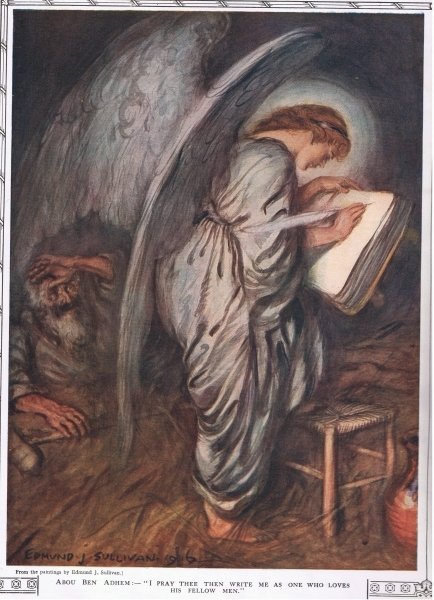
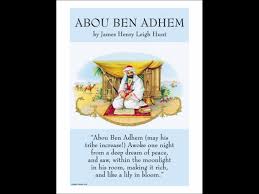
Abou Ben Adhem (May his tribe increase!)
“Awoke one night from a deep dream of peace,
And saw, within the moonlight in his room,
Making it rich, and like a lily in bloom,
An Angel writing in a book of gold:—
Exceeding peace had made Ben Adhem bold,
And to the Presence in the room he said
“What writest thou?”—The vision raised its head,
And with a look made of all sweet accord,
Answered “The names of those who love the Lord.”
“And is mine one?” said Abou. “Nay, not so,”
Replied the Angel. Abou spoke more low,
But clearly still, and said “I pray thee, then,
Write me as one that loves his fellow men.”

The Angel wrote, and vanished. The next night
It came again with a great wakening light,
And showed the names whom love of God had blessed,
And lo! Ben Adhem’s name led all the rest”.

angel2

இதன் பொருள் என்ன?

அபூ பென் ஆடம் ஒரு நாள் சுகமாகத் தூங்கினார். நல்ல கனவு கண்டார். பின்னர் எழுந்தார்.அழகான நிலவொளியில் ஒரு தேவதை ஒரு புத்தகத்தில் தங்க நிற மையில் ஏதோ எழுதுவதைக் கண்டார். அம்மையே! என்ன எழுதுகிறீர்கள்? என்று துணிச்சலுடன் கேட்டார். அங்கிருந்த அற்புதமான ஒரு அமைதி, அவருக்கு அவ்வளவு தைரியத்தைத் தந்தது. அந்த தேவதை சொன்னாள்’” கடவுளிடம் அன்பு (பக்தி) செலுத்துவோரின் பெயர்களை எல்லாம் எழுதுகிறேன்”. “அப்பொழுது என் பெயர் இருக்கிறதா? என்றார். தேவதையோ, ‘இல்லை, இல்லவே இல்லை’ என்று சொல்லிவிட்டது. “சரி, அது போகட்டும், என்னுடன் வாழும் மக்கள் மீது அன்பு செலுத்துபவன் என்றாவது எழுதிக்கொள்ளேன்” என்று கெஞ்சலாகக் கேட்டார். தேவதையோ ஏதோ எழுதிக்கொண்டு பறந்தோடிப் போய்விட்டாள். மறுநாள் முன்னைவிடப் பிரகாசமான ஒளியில் தேவதையைக் கண்டார். அந்த தேவதை பழைய நோட்டுப் புத்தகத்தைக் காட்டினாள். இது அன்பே உருவமான இறைவனின் ஆசி பெற்றோர் பட்டியல் என்று சொன்னாள். என்ன ஆச்சர்யம்!! பென் ஆடத்தின் பெயர் முதல் பெயராக ஜொலித்தது!!!
மக்கள் தொண்டே மகேசன் தொண்டு!

பட்டினத்தார்
பத்தாம் நூற்றாண்டில் வாழ்ந்த தமிழ் பெரியார் பட்டினத்தார். பணம், காசை எல்லாம் துறந்துவிட்டு கருணாநிதியை, தயாநிதியைத் கலாநிதியைத் (கருணையும் தயையும் உடைய, கலைகளுக்கெல்லாம் உறைவிடமான ஆண்டவன்) தேடிச் சென்றார். அவர் பாடிய பல பாடல்களில் ஒன்று கோயில் நான்மணி மாலை. அதில்:–

“தம்மை மறந்து நின்னை நினைப்பவர்
செம்மை மனத்தினும் தில்லை மன்றினும் நடம்
ஆடும் அம்பல வாண!——————–
நிந்தமர் பெயர் எழுதிய வரிநெடும் புத்தகத்து
என்னையும் எழுத வேண்டுவன், நின்னருள்
ஆனை வைப்பில், காணொனா அணுவும்
வானுற நிமிர்ந்து காட்டும்.”

——-பட்டினத்தாரின் கோயில் நான்மணி மாலை

என்று பாடினார்.” இறைவா, நீ வைத்திருக்கும் கோடு போட்ட நோட்டுப் புத்தகம் இருக்கிறதே, என் பெயரையும் எழுதிக்கொள் என்கிறார். அதாவது உன் அருள் எனக்கும் கிடைக்கட்டும் என்பது அவர்தம் விண்ணப்பம். மிக ஆச்சர்யமான ஒற்றுமை. இதைப் பார்த்துதான் அபூ பென் ஆடம் கவிதையை ஆங்கிலக் கவிஞன் லெய் ஹண்ட் எழுதினானோ என்று எண்ணத் தோன்றுகிறது!!

இவருக்கு 300 வருஷத்துகு முன்னால் வாழ்ந்த அப்பர் பெருமான் ஒரு நோட்டுப் புத்தகம் பற்றிப் பாடினார். அது கொஞ்சம் வித்தியாசமானது. அதில் நல்லவர் கெட்டவர் பெயர் எல்லாம் இருக்குமாம். எதற்காக? கெட்டவர் என்றால் எமனிடம் அனுப்பி, “ஏய், இது உன் வட்டாரம், நன்றாகக் கவனித்துக் கொள்”—என்று விட்டுவிடத் தான்!

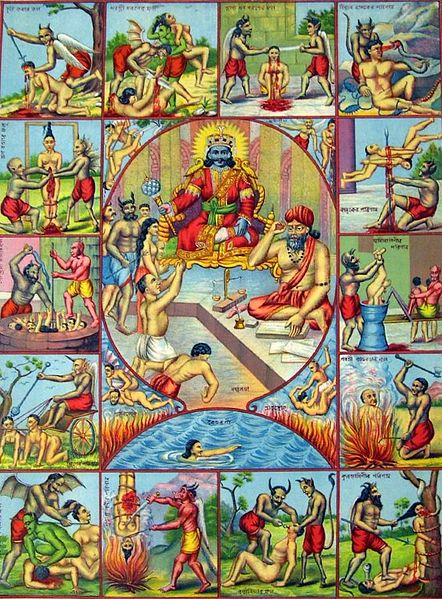
442px-Hindu_hell

(இந்தப் படம் விக்கிபீடியாவில் இருந்து எடுக்கப்பட்டது. நரகத்தின் தோற்றம்)

அப்பர் தேவாரம்

“தொழுது தூமலர் தூவித் துதித்துநின்று
அழுது காமுற்று அரற்றுகின்றாரையும்
பொழுது போக்கிப் புறக்கணிப்பாரையும்
எழுதும் கீழ்க்கணக்கு இன்னம்பர் ஈசனே” (அப்பர், 5ஆம் திருமுறை)

சிவ பெருமானே! உன் மீது எல்லையிலா அனபு கொண்டு அழுது, தொழுது, பாடிப் பரவுகின்றவர்களையும், பொழுதை எல்லாம் வீண் அடிக்கும், உன்னைக் கண்டு கொள்ளாத சோம்பேறிகளையும் எழுதி கணக்கு வைத்துக் கொள்பவன் நீ! என்று பாடுகிறார். இந்த ஊரின் பெயர் திருஇன்னம்பர். அங்குள்ள இறைவனின் பெயர் எழுத்தறி நாதர்!!
காவிரியின் வடகரைத் தலங்களில் ஒன்று.

ஆக, இவர்கள் எல்லாம் சொல்ல வந்தது என்ன? நாம்முடைய ஒவ்வொரு செயலையும் ஆண்டவன் கண்காணிப்பதோடு அதைக் கணக்கும் வைத்து பலாபலன்களைத் தருவான் என்பதுதான்.

angel4

சித்திரகுப்தன் பற்றிய புராணச் செய்தியும் உண்மையே! சித்திரம்= படம், குப்த = ரகசியம். அதாவது ரகசியப் படம். நம்முடைய ஒவ்வொரு எண்ணமும் அலைகளாக மிதக்கும். தற்காலத்திய சூப்பர் கம்யூட்டர்கள் ஒரே நொடியில் கோடிக்கணக்கான கணக்குகளைப் போடுவது போல, சித்திரகுப்தனும் (அதாவது நாம் உருவாக்கிய எண்ண பிம்பங்கள்) நம் பாவ புண்ணியங்களைக் கணக்கிட்டு நமக்குச் சொர்க்கமா நரகமா என்பதைத் தீர்மானிக்கின்றன. இது சித்திர குப்தன் (ரகசியப் படம்) என்பதற்கு ஒரு அறிஞர் கொடுத்த விளக்கம்.

You are What You Think யூ ஆர் வாட் யூ திங்க்= மனம் போல மாங்கல்யம்= நீ என்ன நினைக்கிறாயோ அதுதான் உன்னை ஆக்குவதும் அழிப்பதும்—என்பது ஆன்றோர் வாக்கு.
angel3

Contact swami_48@yahoo.com

God’s Note Book!!!

angel

By London Swaminathan
Post No. 911 Dated 16th March 2014

There are so many inspiring anecdotes in English and other literatures of the world. Many of our sublime thoughts are echoed in their poetry and philosophical works. Earlier I posted an article about St.Francis of Assisi, a great Christian mystic.

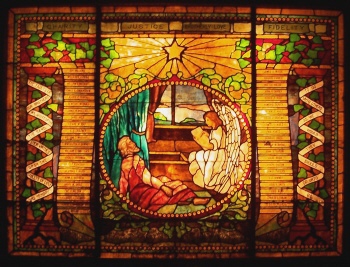
Abou Ben Adhem, a poem by James Henry Leigh Hunt (1784- 1859) is an inspiring one. We have similar poems by Hindu saints as well.

Abou Ben Adhem (May his tribe increase!)
“Awoke one night from a deep dream of peace,
And saw, within the moonlight in his room,
Making it rich, and like a lily in bloom,
An Angel writing in a book of gold:—
Exceeding peace had made Ben Adhem bold,
And to the Presence in the room he said
“What writest thou?”—The vision raised its head,
And with a look made of all sweet accord,
Answered “The names of those who love the Lord.”
“And is mine one?” said Abou. “Nay, not so,”
Replied the Angel. Abou spoke more low,
But clearly still, and said “I pray thee, then,
Write me as one that loves his fellow men.”

The Angel wrote, and vanished. The next night
It came again with a great wakening light,
And showed the names whom love of God had blessed,
And lo! Ben Adhem’s name led all the rest”.

angel2

‘Human birth is to serve others’

‘Paropakaram idham sareeram’ is a popular Sanskrit proverb. God has given us a body with two hands and two feet just to serve the humanity. Pattinathar, a Tamil Siddha (enlightened soul), has sung a poem similar to Leigh Hunt. He lived in the tenth century. His poem Koil Nan Mani Malai has some interesting information about a Note Book that Lord Shiva keeps with him.

“They alone live who live for others; the rest are more dead than alive”- said Swami Vivekanada. Under the chapter ‘’Benevolence’’, great Tamil poet says,
“Only those, who know and practise social cooperation, live their life;
The others are as good as dead” –(Kural 214)
The German Philosopher-poet Goethe conveyed the same idea in a similar context when he said:
“A useless life is only an earthly death”.

angel3

Shiva whose abode is in Mt.Kailash keeps a ruled note book with him in which he enters the names of those who work for the welfare of others. He adds the name of the saints, enlightened people and Shiva’s devotees in the note book. Those who are entered into the book will get out of the cycle of birth and death. So Pattinathar begs to Lord Shiva to enter his name as well. This is similar to Leigh Hunts poem. Did Leigh Hunt get the idea from Pattinathar?

But even before Pattinathar, Appar also wrote a similar poem. He clashed with the mighty Pallava emperor Mahendra Pallava and won at the end. One of the four great Saivite saints Appar alias Tirunavukkarasu (means King of Speech) lived in the seventh century inTamil Nadu.
He warns the lazy ,gossipy, talkative, sluggish and lethargic that their names are also entered by Lord Shiva. But Shiva is so good he writes the sincere god loving devotees’ names too.

Appar says,

“ O,Lord Shiva, you write down the names of those who offers you flowers, who sheds tears of ecstasy praising you and those who waste their time idly ignoring you”—(Fifth Tirumurai,Thevaram).

442px-Hindu_hell

(Hindu Hell picture taken from Wikipedia.

Hindus always believed that Chitra Gupta, Yama’s PA, is writing everything in his note book and when the day of judgement comes after our death, he sends us to heaven or hell according to what we did on earth. That is, Chitra Guptas’s note book decides our future. Someone interpreted Chitra Gupta means ‘’Hidden Pictures’’- and they are nothing but our good or bad thoughts. Like our powerful super computer do billion calculations in a second, Chitra Gupta? Thought Pictures do billions of calculations after our death and decides our fate. Every thought of ours sends ripples of waves and pictures!

So the moral we learn from Abou Ben Adhem, Appar and Pattinathar is that the God or his angels are always watching us from above and write everything we do whether it is good or bad. We know that the big powers are spying on us from above through their satellites. They tap or telephones, interrupt our e mails! That is for political reason. We know that anyone can watch anyone’s house though google street watch. That is for nosy reasons. But God is watching us for Dharmic reasons!

angel4

Tamil References

தம்மை மறந்து நின்னை நினைப்பவர்
செம்மை மந்த்தினும் தில்லை மன்றினும் நடம்
ஆடும் அம்பல வாண!——————–
நிந்தமர் பெயர் எழுதிய வரிநெடும் புத்தகத்து
என்னையும் எழுத வேண்டுவன், நின்னருள்
ஆனை வைப்பில், கணொனா அணுவும்
வானுற நிமிர்ந்து காட்டும்.
——-பட்டினத்தாரின் கோயில் நான்மணி மாலை

அப்பர் தேவாரம்

தொழுது தூமலர் தூவித் துதித்துநின்று
அழுது காமுற்று அரற்றுகின்றாரையும்
பொழுது போக்கிப் புறக்கணிப்பாரையும்
எழுதும் கீழ்க்கணக்கு இன்னம்பர் ஈசனே (அப்பர், 5ஆம் திருமுறை)

Contact swami_48@yahoo.com

பாட்டன்,பூட்டன்,ஓட்டன் = பாட்டி, பூட்டி, ஓட்டி: தேவாரம் தரும் அதிசய தகவல்

கட்டுரையாளர்; லண்டன் சுவாமிநாதன்
கட்டுரை எண். 910 தேதி 16 மார்ச் 2014

Nehru_family
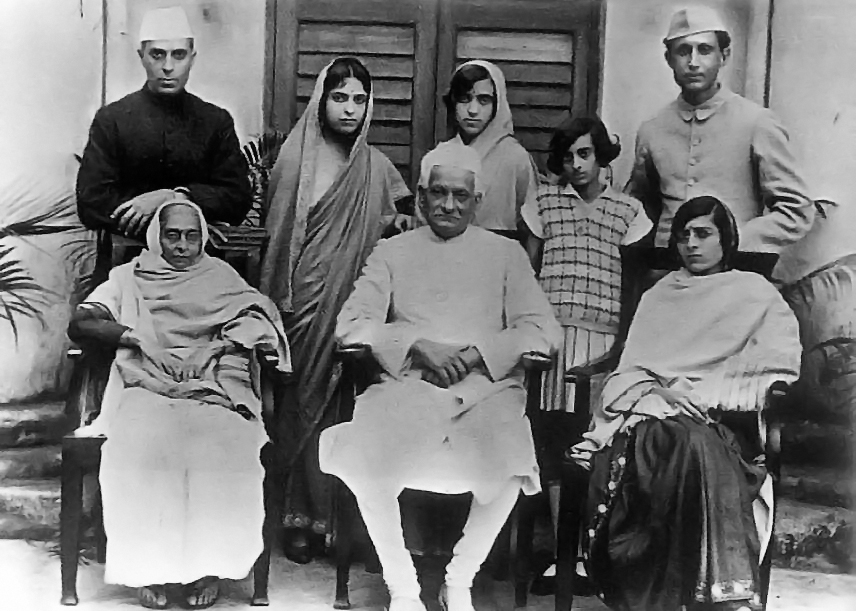
Motil,Jawaharlal Nehru and Indira Gandhi

அப்பர் தேவாரத்தில் பல அதிசயச் செய்திகள் உள்ளன. அப்பர் என்னும் திருநாவுக்கரசர் (வாகீசர்) பாடிய 4900 பாடல்களும் தேவாரத்தில் 4,5,6 ஆம் திருமுறைகளில் அடுக்கி வைக்கப் பட்டுள்ளன. இவர் பயன் படுத்தும் உவமைகளும் பழமொழிகளும் தமிழ் மொழியின் தனிப்பெரும் தன்மைக்குச் சான்று பகர்கின்றன. ‘’உவமோ காளிதாச:’’ = உவமைக்குக் காளிதாசன்- என்று வடமொழியில் ஒரு பொன் மொழி உண்டு. தமிழில் அவருக்கு இணையாக ஒப்பிட ஒருவர் உண்டு என்றால் அது அப்பர் பெருமானே என்பதில் இரு வேறு கருத்துக்கு இடமே இல்லை!

(உலகப் புகழ்பெற்ற கவிஞன் காளிதாசன் தான் உலகிலேயே அதிகமான உவமைகளைப் பயன்படுத்தியவன். ஏழே நூல்களில் ஆயிரத்துக்கும் மேலான அற்புதமான உவமைகளைப் பயன்படுத்தினான். ஒவ்வொன்றும் ஒரு ரத்தினக் கல்லுக்குச் சமம். மஹாபாரதம் ராமாயணம் ஆகியவற்றில் எண்ணிக்கையில் இதைவிடக் கூடுதல் உவமைகள் உண்டு. ஆனால் அவைகள், காளிதாசன் தரத்துக்கு இல்லை. ஏனெனில் அவர்கள் சொல்ல வந்த விஷயமே வேறு.)

காளிதாசனுக்கு இணையான ‘’உவமை மன்னன்’’ தமிழில் அப்பர் பெருமானே. அதனால்தான் அவர் வாகீசர் ( சொல்லுக்கு அரசன்) என்ற சிறப்புப் பெயரைப் பெற்றார் போலும்!

இதோ தமிழுக்கு வளம் சேர்க்கும் ஒரு பாடல்:

சந்தணி கொங்கையாளோர் பங்கினார் சாமவேதர்
எந்தையும் எந்தை தந்தை தந்தையும் ஆய ஈசர்
அந்தியோடு உதயம் அந்தணாளர் நெய்யால் வேட்கும்
வெந்தழல் உருவர் வீழிமிழலையுள் விகிர்தனாரே (4-625)

பொருள்: சந்தனம் பூசிய கொங்கைகள் உடைய உமா தேவியை இடப்பக்கம் வைத்திருப்பவர சிவ பெருமான்,. சாமவேதம் இசைப்பவர். எங்கள் பாட்டன் பூட்டன் ஓட்டன் (கால) உறவால் திகழ்பவர் என் ஈசன் காலையிலும் மாலையிலும் அந்தணர்கள் நெய் ஊற்றி ஹோமம் செய்யும் தீயாகத் தோன்றுபவர்.அவரே திருவீழிமிழலை கோவிலிலும் குடிகொண்டுள்ளார்.

grand-children-

எந்தை தந்தை=பாட்டன் ,தாத்தா (பாட்டி)
தந்தை தந்தை= பூட்டன் (பூட்டி)
அவனுக்குத் தந்தை= ஓட்டன் (ஓட்டி)

‘’ஓட்டிக்கு மேல் உறவில்லை’’ என்று நாங்குநேரிப் பக்கத்தில் ஒரு பழமொழி வழக்கத்தில் உள்ளது. தேவார உரையில் தருமபுர ஆதீனப் புலவர் வித்துவான் திரு முத்து சு. மாணிக்கவாசக முதலியார் பாட்டி,பூட்டி,ஓட்டி பற்றிய இந்த அரிய செய்தியை நமக்குத் தந்துள்ளார்.

பிராமணர்கள் உறவுமுறை

பிராமணர்கள் ஆண்டுக்கு குறைந்தது 96 முறை தர்ப்பணம் செய்யவேண்டும். அதாவது இறந்தோருக்கு நீர்க்கடன் செலுத்தல் வேண்டும். அப்போது இறந்து போன மூன்று தலைமுறைகளை நினைவு கூர்ந்து எள்ளும் நீரும் இரைப்பர் (தெளிப்பர்). அதைப்போல அப்பர் பெருமான் கூறுகிறார். அவர் பாட்டின் நயத்துக்காகக் கூறும் ‘’எந்தையும் எந்தை தந்தை தந்தையும்’’ என்பதன் பொருள் பாட்டன், பூட்டன், ஓட்டன் என்பதே. இதற்கு இணையான பெண்பால் சொற்களை (பாட்டி, பூட்டி, ஓட்டி) நாம் அறவே மறந்துவிட்டோம்.

பித்ரு வர்கம்

1.பிதா = தந்தை
2.பிதாமஹர்= தந்தைக்கு தந்தை (தாத்தா)
3.ப்ரபிதாமஹர்= கொள்ளுத் தாத்தா
4.மாதா தாய்
5.பிதா மஹி= பாட்டி
6.ப்ரபிதா மஹி=கொள்ளுப் பாட்டி

மாதாமஹ வர்கம் (தாய் வழி உறவினர்கள்)
7.மாதாமஹர்= தாயின் தந்தை (தாத்தா)
8.மாது: பிதாமஹர்= தாயின் தந்தைக்கு தந்தை
9.மாது: ப்ரபிதாதாமஹர் = தாயின் தந்தைக்கு தந்தைக்கு தந்தை
10.மாதாமஹி (தாய்வழிப்பாட்டி)
11.மாது: பிதாமஹி= தாயின் தந்தைக்கு தந்தையின் மனைவி
12. மாது: ப்ரபிதாதாமஹி= தாய் பாட்டனாருக்குப் பாட்டி

இந்த 12 பேரும் இறந்திருந்தால் குறைந்தது, அமாவாசை, மாதப் பிறப்பு காலங்களில் எள் நீர் வார்ப்பது வழக்கம். இந்த அதிசயமான முறை உலகில் வேறு எந்த சமுதாயத்திலும் இருப்பதாக யாம் அறியோம்.
இப்போதெல்லாம் வெளிநாடுகளில் ஒருவரின் குலம், கோத்திரம், அவர்கள் யார் சந்ததியில் உதித்தனர், ‘’வேர் மூலம்’’ எங்கே என்பதை ஆராய்வது பெரிய ‘’பேஷன்’’ ஆகிவிட்டது. இந்தத் துறையில் புதிய ‘’பிஸினஸ்’’களும் பெருகி வருகின்றன. உங்கள் தாத்தாவுக்கு தாத்தாவுக்குத் தாத்தாத்தாவுக்குத் தாத்தாவுக்கு……………. கண்டுபிடித்துத் தந்துவிடுவார்கள். எல்லாவற்றுகும் துட்டு!!!

thatha peran

நம் ஊர் ஆட்களைவிட 10,15 தலைமுறை ரிகார்டுகளைப் பாதுகாத்து வைத்திருக்கிறார்கள். இந்த ஊரின் பருவநிலையும் இதற்கு மிகவும் அணுசரணையானது.

swami_48@yahoo.com

Good Thoughts Calendar 2014 (April)

Guru-shishya

Prepared by S.Swaminathan (Copyright) swami_48@yahoo.com
(Post 909 dated 15 -03- 2014)

Important Days: April 4 Vasantha Panchami, 8 Ram Navami, 13 Panguni Uthiram & Mahavir Jayanthy, 14 Tamil New Year Day/ Baisakhi, 18 Good Friday, 20 Easter Sunday
Ekadasi 11 & 25, New Moon Day 28, Full Moon Day 15.
We have Quotes from Upanishads this month:-

April 1 Tuesday
You are what your deep, driving desire is
As your desire is, so is your will
As your will is, so is your deed
As your deed is, so is your destiny (Brihad.IV.4.5)
When the desires that are in his heart cease then at once the mortal becomes immortal and obtains here in this world Brahman(Katha Upanishad iv-10)

April 2 Wednesday
As the sun, who is the eye of the world,
Cannot be tainted by the defects in our eyes
Nor by the objects it looks on,
So the one Self, dwelling in all, cannot
Be tainted by the evils of the world
For this Self transcends all! (Katha.II.2.11)

April 3 Thursday
As the same fire assumes different shapes
When it consumes objects differing in shape,
So does the one Self take the shape
Of every creature in whom he is present (Katha. II.2.9)

April 4 Friday
In the city of Brahman is a secret dwelling, the lotus of the heart. Within this dwelling is a space, and within that space is the fulfilment of our desires…….
Never fear that old age will invade that city; never fear that this inner treasure of all reality will wither and decay. This knows no aging when the body ages; this knows no dying when the body dies. (Chand.VIII.1.1,5)

April 5 Saturday
The self is the sun shining in the sky,
The wind blowing in space; he is the fire
At the altar and in the home the guest;
He dwells in human beings, in god, in truth,
And in the vast firmament; he is the fish
Born in water, the plant growing in the earth,
The river flowing down from the mountain
For this Self is supreme! (Katha.II.2.2)

April 6 Sunday
The Lord is enshrined in the hearts of all
The Lord is the Supreme Reality.
Rejoice in him through renunciation
Covet nothing. All belongs to the Lord (Isa Upanishad)

April 7 Monday
All this is full. All that is full.
From fullness, fullness comes.
When fullness is taken from fullness
Fullness still remains (Isha Upanishad)

April 8 Tuesday
May the Lord of day grant us peace.
May the Lord of night grant us peace.
May the Lord of sight grant us peace.
May the Lord of might grant us peace.
May the Lord of speech grant us peace.
May the Lord of space grant us peace. (Taittiriya Upanishad)

April 9 Wednesday
The world is the wheel of God, turning round
And round with all living creatures upon its rim.
The world is the river of God.
Flowing from him and flowing back to him (Shvetasvatara Upanishad)

April 10 Thursday
May He protect us both. May He nourish us both. May we both work together with great energy. May our study be thorough and fruitful. May we never hate each other (Kenopanishad)

April 11 Friday
The Gods love what is mysterious and dislike what is evident (Brihadaranyaka 4-2-2)

April 12 Saturday
The earth is honey of all beings and all beings are the honey of this earth (Brihadaran 2-5-1)

April 13 Sunday
This one is a relative; this one is a stranger is for the mean minded. For those who are known as magnanimous, the entire world constitutes but a family (Vasudhaiva Kutumbakam)– Mahopanishad

April 14 Monday
Om .The imperishable sound is the seed of all that exists. The past, the present, the future – all are but the unfolding of OM (Mandukya Upanishad)

April 15 Tuesday
The whole creation is ultimately Brahman. And the Self, that is also Brahman (Mandukya Upanishad)

April 16 Wednesday
Brahman is knowledge!
Brahman is Bliss!
Brahman is the goal of those who make offerings and of those who still the mind and know (3.IX.28 Brhadaranyaka Upanishad)

April 17 Thursday
Lead from the Unreal to the Real;
Lead from Darkness to Light (from ignorance to enlightenment)
Lead me from Death to Immortality (Brhad aranyaka Upanishad)

April 18 Friday
The thunder said, Da, Da, Da. Devas understood it as Damyata (self control)
Human beings understood it as Datta (Give/ donate)
Asuras (demons) understood it as Dayadhvam ( be compassionate) (Brahad Aranyaka)

April 19 Saturday
Just as a spider spins forth its thread and draws it again,
The whole creation is woven from Brahman and unto it returns (Mundaka Upanishad)

April 20 Sunday
Two birds, inseparable companions, perch on the same tree, one eats the fruit, the other looks on. The first bird is our individual Self feeding on the pleasures and pains of this world; The other is the universal Self, silently witnessing all. (Mundaka Upanishad)

April 21 Monday
Beyond all conception, the one light shines forth. It is the Great. It is smaller than the smallest, farther than the farthest, nearer than the nearest. The wise know It resting deep within (Mundaka Upanishad)

April 22 Tuesday
The eyes cannot see It
Speech cannot describe It
Nor any perceive It
It is not attained by effort,
Nor through austerities
Only when meditation has purified the mind, can you know the One beyond all divisions. (Mundaka Upanishad)

April 23 Wednesday
Truth alone triumphs; not untruth (Mundaka Upanishad)

April 24 Thursday
He who has wisdom as his driver,
And his mind’s reins controlled
He reaches the end of the journey
The supreme abode of Vishnu, the all pervading (Katha Upansishad)

April 25 Friday

Wake up! Seek the Truth! Rise above ignorance. Search out the best teachers, and through them find the Truth. But beware! The path is narrow, the sages warn, sharp as razor’s edge, most difficult to tread (III.2 to 14,Katha Upanishad)

April 26 Saturday
The cosmic spirit shines constantly within the heart, a white light the size of a thumb. It should be carefully extracted, as the stem of a reed is steadily drawn from its sheath (Katha Upanishad)

April 27 Sunday
In the beginning the world was not.
From Non-Existence came Existence.
From itself Existence created the Self.
Thus it is called the Self-Made (Taittiriya Upa.)

April 28 Monday
Know that all of Nature is but a magic theatre,
That the great Mother is the master magician.
And this whole world is peopled by her many parts (Shvetaswara Upa)

April 29 Tuesday
A man could more easily roll up the sky
Like a length of cloth,
Than he could end his suffering
Without turning to Thee (Shvetaswara Upa)

April 30 Wednesday
There is a city with eleven gates
Of which the ruler is the unborn Self
Whose light forever shines. They go beyond
Sorrow who meditate on the Self
And are freed from the cycle of birth and death.
For this Self is Supreme ( Katha Upanishad)

Contact swami_48@yahoo.com

சிந்தனைச் சிற்பிகள் காலண்டர் (ஏப்ரல் 2014- விஜய வருஷம்)

appar

சிந்தனைச் சிற்பிகள் காலண்டர் (ஏப்ரல் 2014- விஜய வருஷம்)
Post No.908 Date: 15-03-2014

இந்த மாதப் பொன் மொழிகள், அப்பர் அருளிய தேவாரத்திலிருந்து எடுத்த 30 முக்கியப் பாடல்களைக் கொண்டது.

தயாரித்தவர்: லண்டன் சுவாமிநாதன் (C)

ஏப்ரல் மாத முக்கிய நாட்கள்: தேதி 4 வசந்த பஞ்சமி, 8 ஸ்ரீ ராமநவமி, 13 மஹாவீர் ஜயந்தி/ பங்குனி உத்திரம், 14 தமிழ் வருடப் பிறப்பு/ பைசாகி, 18 புனித வெள்ளி, 20 ஈஸ்டர் ஞாயிறு
சுப முகூர்த்த நாட்கள்:- 20, 24, 27; ஏகாதசி:- 11 & 25; அமாவாசை 28
பௌர்ணமி 15

ஏப்ரல் 1 செவ்வாய்க் கிழமை
சொற்றுணை வேதியன் சோதி வானவன்
பொற்றுணைத் திருந்தடி பொருந்தக் கைதொழக்
கற்றூணைப் பூட்டியோர் கடலில் பாய்ச்சினும்
நற்றுணை ஆவது நமச்சிவாயவே (4—104)

ஏப்ரல் 2 புதன்கிழமை
பூவினுக்கு அருங்கலம் பொங்கு தாமரை
ஆவினுக்கு அருங்கலம் அரன் அஞ்சாடுதல்
கோவினுக்கு அருங்கலம் கோட்டமில்லது
நாவினுக்கு அருங்கலம் நமச்சிவாயவே (4—105)

ஏப்ரல் 3 வியாழக்கிழமை
இல்லக விளக்கது இருள் கெடுப்பது
சொல்லக விளக்கது சோதி உள்ளது
பல்லக விளக்கது பலரும் காண்பது
நல்லக விளக்கது நமச்சிவாயவே (4—111)

ஏப்ரல் 4 வெள்ளிக்கிழமை
மாசில் வீணையும் மாலை மதியமும்
வீசு தென்றலும் வீங்கிள் வேனிலும்
மூசு வண்டறை பொய்கையும் போன்றதே
ஈசன் எந்தை இணையடி நீழலே (5-884)

ஏப்ரல் 5 சனிக்கிழமை
புழுவாய்ப் பிறக்கினும் புண்ணியா உன் அடி என் மனத்தே
வழுவாது இருக்க வரம் தரவேண்டும் இவ்வையகத்தே
தொழுவார்க்கு இரங்கி இருந்தருள்செய் பாதிரிப்புலியூர்ச்
செழுநீர் புனல் கங்கை எஞ்சடை மேல்வைத்த தீவண்ணனே (4—920)

ஏப்ரல் 6 ஞாயிற்றுக்கிழமை
கருவுற்ற நாள் முதலாக உன் பாதமே காண்பதற்கு
உருகிற்றே என் உள்ளமும் நானும் கிடந்து அலந்தெய்த்து ஒழிந்தேன்
திரு ஒற்றியூரா திரு ஆலவாயா, திரு ஆரூரா
ஒரு பற்றிலாமையும் கண்டு இரங்காய் கச்சி ஏகம்பனே (4—961)

ஏப்ரல் 7 திங்கட்கிழமை
நம் கடம்பனைப் பெற்றவள் பங்கினள்
தென் கடம்பைத் திருக்கரக் கோயிலான்
தன் கடன் அடியேனைத் தாங்குதல்
என் கடன் பணி செய்து கிடப்பதே (5-19-1)

ஏப்ரல் 8 செவ்வாய்க் கிழமை
சாத்திரம் பேசும் சழக்கர்காள்
கோத்திரமும் குலமும் கொண்டு என் செய்வீர்
பாத்திரம் சிவம் என்று பணிந்திரேல்
மாத்திரைக்குள் அருளுமாற் பேறரே (5-60-2)

ஏப்ரல் 9 புதன்கிழமை
கங்கை ஆடிலென் காவிரி ஆடிலென்
கொங்கு தண்குமரித் துறை ஆடிலென்
ஓங்கு மாகடல் ஓத நீர் ஆடிலென்
எங்கும் ஈசன் என்னாதவர்க்கு இல்லையே (5-99-2)

ஏப்ரல் 10 வியாழக்கிழமை
அரியானை அந்தணர்தம் சிந்தையானை
அருமறையின் அகத்தானை அணுவை யார்க்கும்
தெரியாத தத்துவனை தேனைப் பாலைத்
திகழொளியை தேவர்கள் தம் கோனை (6–1)

ஏப்ரல் 11 வெள்ளிக்கிழமை
குனித்த புருவமும் கொவ்வைச் செவ்வாயில் குமிண்சிரிப்பும்
பனித்த சடையும் பவளம்போல் மேனியில் பால் வெண்ணீறும்
இனித்தம் உடைய எடுத்த பொற்பாதமும் காணப்பெற்றால்
மனித்தப் பிறவியும் வேண்டுவதே இந்த மாநிலத்தே (4-783)

ஏப்ரல் 12 சனிக்கிழமை
கூவல் ஆமை குரைகடல் ஆமையைக்
கூவலொடு ஒக்குமோ கடல் என்றார் போல
பாவ காரிகள் பார்ப்பரிது என்பரால்
தேவதேவன் சிவன் பெரும் தன்மையே (5-1010)

ஏப்ரல் 13 ஞாயிற்றுக்கிழமை
நாமார்க்கும் குடிஅல்லோம் நமனை அஞ்சோம்
நரகத்தில் இடர்ப்படோம் நடலை இல்லோம்
ஏமாப்போம் பிணி அறியோம் பணிவோம் அல்லோம்
இன்பமே எந்நாளும் துன்பம் இல்லை (6-961)

ஏப்ரல் 14 திங்கட்கிழமை
சங்க நிதி பதும நிதி இரண்டும் தந்து
தரணியொடு வான் ஆளத் தருவரேனும்
மங்குவார் அவர் செல்வம் மதிப்போம் அல்லோம்
மாதேவர்க்கு ஏகாந்தர் அல்லாராகில்
அங்கம் எல்லாம் குறைந்து அழுகு தொழு நோயராய்
ஆ உரித்துத் தின்னும் புலையரேனும்
கங்கைவார் சடைகரந்தார்க்கு அன்பராகில்
அவர் கண்டீர் நாம் வணங்கும் கடவுளாரே (6-938)

ஏப்ரல் 15 செவ்வாய்க் கிழமை
முன்னன் அவனுடைய நாமம் கேட்டாள்
மூர்த்தி அவனிருக்கும் வண்ணம் கேட்டாள்
பின்னை அவனுடைய ஆரூர் கேட்டாள்
பெயர்த்தும் அவனுக்கே பிச்சியானாள்
அன்னையையும் அத்தனையும் அன்றே நீத்தாள்
அகன்றாள் அகலிடத்தார் ஆசாரத்தைத்
தன்னை மறந்தாள் தன் நாமம் கெட்டாள்
தலைப் பட்டாள் நங்கை தலைவன் தாளே (4-258)

ஏப்ரல் 16 புதன்கிழமை
விரிவிலா அறிவினார்கள் வேறு ஒரு சமயம் செய்து
எரிவினால் சொன்னாரேனும் எம்பிராற்கு ஏற்றதாகும்
பரிவினால் பெரியார் ஏத்தும் பெருவெளூர் பற்றினானை
மருவி நான் வாழ்த்தி உய்யும் வகையது நினைக்கின்றேனே (4-586)

ஏப்ரல் 17 வியாழக்கிழமை
நமச்சிவாயவே ஞானமும் கல்வியும்
நமச்சிவாயவே நானறி விச்சையும்
நமச்சிவாயவே நாநவின்று ஏத்துமே
நமச்சிவாயவே நன்னெறி காட்டுமே (5-885)

ஏப்ரல் 18 வெள்ளிக்கிழமை
மின் காட்டும் கொடி மருங்குல் உமையாட்கென்றும்
விருப்பவன் காண் பொருப்புவலிச் சிலைக்கையோன் காண்
நன் பாட்டுப் புலவனாய்ச் சங்கமேறி
நற் கனகக் கிழி தருமிக்கு அருளினோன் காண் -(6—756)

ஏப்ரல் 19 சனிக்கிழமை
நரியைக் குதிரை செய்வானும் நரகரைத் தேவு செய்வானும்
விரதங் கொண்டு ஆடவல்லானும் விச்சின்றி நாறு செய்வானும்
முரசு அதிர்ந்து ஆனை முன் ஓட முன் பணிந்து அன்பர்கள் ஏத்த
அரவு அரைச்சாத்தி நின்றானும் ஆரூர் அமர்ந்த அம்மானே (4-33 )

ஏப்ரல் 20 ஞாயிற்றுக்கிழமை
மனம் எனும் தோணி பற்றி மதியெனும் கோலை ஊன்றி
சினம் எனும் சரக்கை ஏற்றிச் செறிகடல் ஓடும்போது
மனன் எனும் பாறை தாக்கி மறியும் போது அறியவொண்ணாது
உனையுனும் உணர்வை நல்காய் ஒற்றியூர் உடைய கோவே (4–333)

ஏப்ரல் 21 திங்கட்கிழமை
மாதர் பிறைக் கண்ணியானை மலையான் மகளொடும் பாடிப்
போதொடு நீர் சுமந்தேத்திப் புகுவார் அவர்பின் புகுவேன்
யாதும் சுவடு படாமல் ஐயாறு அடகின்றபோது
காதல் மடப்பிடியோடும் களிறு வருவன கண்டேன் (4—21)

ஏப்ரல் 22 செவ்வாய்க் கிழமை
இரப்பவர்க்கு ஈயவைத்தார் ஈபவர்க்கு அருளும் வைத்தார்
கரப்பவர் தங்கட்கெல்லாம் கடு நரகங்கள் வைத்தார்
பரப்பு நீர்க் கங்கை தன்னைப் படர்சடைப் பாகம் வைத்தார்
அரக்கனுக்கு அருளும் வைத்தார் ஐயன் ஐயாறனாரே (4—383)

ஏப்ரல் 23 புதன்கிழமை
பேராயிரம் பரவி வானோர் ஏத்தும் பெம்மானைப் பிரிவிலா அடியார்க்கு என்றும்
வாராத செல்வம் வருவிப்பானை மந்திரமும் தந்திரமும் மருந்தும் ஆகித்
தீரா நோய் தீர்த்தருள வல்லான் தன்னைத் திரிபுரங்கள் தீ எழத் திண் சிலை கைக் கொண்ட
பேரானை புள்ளிருக்கு வேளூரானைப் போற்றாதே ஆற்றநாள் போக்கினேனே(6-548)

ஏப்ரல் 24 வியாழக்கிழமை
உறுகயிறு ஊசல் போல ஒன்று விட்டு ஒன்று பற்றி
மறுகயிறு ஊசல் போல வந்துலவு நெஞ்சம்
பெறுகயிறு ஊசல் போலப் பிறைபுல்கு சடையாய் பாதத்து
அறுகயிறு ஊசல் ஆனேன் அதிகை வீரட்டனாரே

ஏப்ரல் 25 வெள்ளிக்கிழமை
சிவன் எனும் நாமம் தனக்கே உடைய செம்மேனி அம்மான்
அவன் எனை ஆட்கொண்டு அளித்திடும் ஆகில் அவன்றனையான்
பவன் எனும் நாமம் பிடித்துத்திரிந்து பன்னாள் அழைத்தால்
இவன் எனைப் பன்னாள் அழைபொழியான் என்று எதிர்ப்படுமே (4—1058)

ஏப்ரல் 26 சனிக்கிழமை
கூற்றாயினவாறு விலக்ககிலீர் கொடுமைபல செய்தன நான் அறியேன்
ஏற்றாய் அடிக்கே இரவும் பகலும் பிரியாது வணங்குவன் எப்பொழுதும்
தோற்றாது என் வயிற்றின் அகம்படியே குடரோடு துடக்கி முடக்கியிட
ஆற்றே அடியேன் அதிகைக் கெடில வீரட்டானத் துறை அம்மானே (4—1)

ஏப்ரல் 27 ஞாயிற்றுக்கிழமை
ஓணப் பிரானும் ஒளிர் மாமலர்மிசை உத்தமனும்
காணப் பராவியும் காண்கின்றிலர் கரநாலைந்து உடைத்து
தோணப் பிரானை வலி தொலைத் தோன்றெல்லை நீர்ப்புகலூர்க்
கோணப் பிரானைக் குறுகக் குறுகா கொடுவினையே (4—1012)

ஏப்ரல் 28 திங்கட்கிழமை
ஈன்றாளும் ஆய் எனக்கு எந்தையும் ஆய் உடன் தோன்றினவராய்
மூன்றாய் உலகம் படைத்து உகந்தான் மனத்துள் இருக்க
ஏன்றான் இமையவர்க்கு அன்பன் திருப்பாதிரிப் புலியூர்த்
தோன்றாத் துணைய் இருந்தனன் தன் அடியோங்களுக்கே (4—913)

ஏப்ரல் 29 செவ்வாய்க் கிழமை
தேடிக் கண்டுகொண்டேன் திருமாலொடு நான்முகனும்
தேடித் தேடொணாத் தேவனை என்னுளே தேடிக் கண்டுகொண்டேன் (4-82-93)

ஏப்ரல் 30 புதன்கிழமை

ஆரியம் தமிழோடு இசையானவன் (5-176)
சலம் பூவொடு தூபம் மறந்தறியேன்
தமிழோடு இசைபாடல் மறந்தறியேன்
நலன் தீங்கிலும் உன்னை மறந்தறியேன்
உன் நாமம் என் நாவில் மறந்தறியேன் (4—6)

Contact swami_48@yahoo.com S Swaminathan ©

Blind Men and the Elephant: Known Story, Unknown Facts!

SAMSUNG DIGITAL CAMERA

Compiled by London Swaminathan
Post No. 907 Dated 14th March 2014.

It is a popular story known to most of the Asians because Hindu, Buddhist, Jain and Sufi poets sang about it. But not many people knew that is a story from Tirumantiram sung by the Tamil Siddha Tirumular. Even an English poem is written by an English poet about this anecdote.

A king sends six blind men to examine an elephant. Each one touches and feels only one part of the elephant’s body and jumps to a conclusion which is partly right and not the whole truth. One who felt

The leg thought it was a pillar
The belly thought it was a wall
The ear thought it was a fan/ winnowing pan
The tusk thought it was a snake or tree branch
The tail thought it was a rope
The tusk thought it was a solid pipe

The story changes slightly in each version. Tirumular was a North Indian who came to Tamil Nadu, probably from Kashmir, learnt Tamil and composed 3000 verses. It is included in the Saivite canon as Tenth Tirumurai. His poems are full of symbolism. Tirumandiram has lot of secrets about Yoga and Mantra Sastra. In one of his verses he also sang about six blind men feeling an elephant. He compared it to six sects outside the pale of Saivism.

According to him the blind man who felt the back thought it was a hill, tail a broom stick, tusk a tree stem, ear a winnowing pan trunk a pestle and leg a mortar. They quarrelled among themselves about what they thought it was. Six sects are fighting like this.

blind elephant

English poet John Godfrey Saxe (1816-1887) composed the following poem about this story:

It was six men of Indostan, to learning much inclined,
who went to see the elephant (Though all of them were blind),
that each by observation, might satisfy his mind.

The first approached the elephant, and, happening to fall,
against his broad and sturdy side, at once began to bawl:
‘God bless me! but the elephant, is nothing but a wall!’

The second feeling of the tusk, cried: ‘Ho! what have we here,
so very round and smooth and sharp? To me tis mighty clear,
this wonder of an elephant, is very like a spear!’

The third approached the animal, and, happening to take,
the squirming trunk within his hands, ‘I see,’ quoth he,
the elephant is very like a snake!’

The fourth reached out his eager hand, and felt about the knee:
‘What most this wondrous beast is like, is mighty plain,’ quoth he;
‘Tis clear enough the elephant is very like a tree.’

The fifth, who chanced to touch the ear, Said; ‘E’en the blindest man
can tell what this resembles most; Deny the fact who can,
This marvel of an elephant, is very like a fan!’

The sixth no sooner had begun, about the beast to grope,
than, seizing on the swinging tail, that fell within his scope,
‘I see,’ quothe he, ‘the elephant is very like a rope!’

And so these men of Indostan, disputed loud and long,
each in his own opinion, exceeding stiff and strong,
Though each was partly in the right, and all were in the wrong!

So, oft in theologic wars, the disputants, I ween,
tread on in utter ignorance, of what each other mean,
and prate about the elephant, not one of them has seen!

blind and elephant

Sri Ramakrishna’s Chameleon Story

Sri Ramakrishna Paramahamsa, Guru of Swami Vivekananda, related another story to show the fallacy in such superficial differences through another example:

Two persons were hotly disputing over the colour of a chameleon. One said, “The chameleon on that palm tree is of a beautiful red colour”. The other contradicted him saying, “You are mistaken, the chameleon is not red, but blue.” Being unable to settle the matter through argument both went to a man who always lived under the tree and had watched the chameleon in all its phases. One of the disputants asked ,”Sir, is not the chameleon, on the tree, of a red colour?” the man replied ,”Yes,sir”. The other disputant said, “What do you say? How is that possible, Surely it is not red, but blue.” The man again humbly replied, “Yes, sir”. He man knew that the chameleon constantly changed its colour. So he said “Yes” to both the conflicting views. God who is Sat Chit Ananda- ( Existence-Knowledge-Bliss Absolute), has likewise various forms. The devotee who has seen God in only one aspect knows that and that aspect alone. None but who has seen him in manifold aspects can say .“ All these forms are of the one God, for God is multiform”. God is formless and with form, and many are his forms which no one knows about.

blindmen-elephant

Why We Disagree: Swami Vivekananda

Swami Vivekananda expressed the somewhat a similar theme through his story Frog in the Well in the very second lecture in Chicago about 125 years ago:

I will tell you a little story. You have heard the eloquent speaker who has just finished say, “Let us cease from abusing each other,” and he was very sorry that there should be always so much variance.

But I think I should tell you a story that would illustrate the cause of this variance. A frog lived in a well. It had lived there for a long time. It was born there and brought up there, and yet was a little, small frog. Of course the evolutionists were not there then to tell us whether the frog lost its eyes or not but, for our story’s sake, we must take it for granted that it had its eyes, and that it every day cleansed the water of all the worms and bacilli that lived in it with an energy that would do credit to our modern bacteriologists. In this way it went on and became a little sleek and fat. Well, one day another frog that lived in the sea came and fell into the well.

“Where are you from?”

“I am from the sea.”

“The sea! How big is that? Is it as big as my well?” and he took a leap from one side of the well to the other.

“My friend,” said the frog of the sea, “how do you compare the sea with your little well?”

Then the frog took another leap and asked, “Is your sea so big?”

“What nonsense you speak, to compare the sea with your well!”

“Well, then,” said the frog of the well, “nothing can be bigger than my well. There can be nothing bigger than this. This fellow is a liar, so turn him out.”

That has been the difficulty all the while.

I am a Hindu. I am sitting in my own little well and thinking that the whole world is my little well. The Christians sit in their little well and think the whole world is their well. The Muslims sit in their little well and think that is the whole world. I have to thank you of America for the great attempt you are making to break down the barriers of this little world of ours, and hope that, in the future, the Lord will help you to accomplish your purpose.

elephant-with-blind-men
Bharati on Cats

The greatest of the modern Tamil poets Subramanya Bharati gave the same message through his beautiful poem Tom Tom:
We have in our home
A pet, a white cat,
She gave birth to kittens
Each of a different hue.

Ash coloured was one kitty,
Jet black was another;
A third vivid like a viper;
Milky-white was a fourth.

Skin colours do vary
But they are of the same stock.
Can you call one colour superior
And another inferior?

Complexions may vary
But all men are one.
We are all uniformly human
In our thoughts and deeds.

Tamil References:

முதலொன்றாமான் ஆனை முதுகுடன் வாலும்
இதமுறு கொம்பு செவி துதிக்கை கான்
மதியுடன் அந்தகர் வகை வகை பார்த்தே
அதுகூறல் ஒக்கும் ஆறு சமயமே (திருமந்திரம்– 1507)

Bharati Poem

வெள்ளை நிறத்தொரு பூனை
எங்கள் வீட்டில் வளருது கண்டீர்
பிள்ளைகள் பெற்றதப் பூனை
அவை பேருக்கொரு நிறம் ஆகும்

சாம்பல் நிறத்தொரு குட்டி,
கரும் சாந்தின் நிறம் ஓரு குட்டி
பாம்பின் நிறமொரு குட்டி
வெள்ளை பாலின் நிறம் ஓரு குட்டி

எந்த நிறமிருந்தாலும்
அவை யாவும் ஓரே தரம் அன்றோ
இந்த நிறம் சிறிதென்றும்
இஃது ஏற்றம் என்றும் சொல்லலாமோ

வண்ணங்கள் வேற்றுமை பட்டால்
அதில் மானுடர் வேற்றுமை இல்லை
எண்ணங்கள் செய்கைகள் யாவும்
இங்கு யாவர்க்கும் ஒன்றென காணீர்!

contact swami_48@yahoo.com

திருமூலர் சொன்ன யானைக் கதை: தெரிந்த கதை, தெரியாத உண்மைகள்!

elephant-with-blind-men

திருமூலர் சொன்ன யானைக் கதை: தெரிந்த கதை, தெரியாத உண்மைகள்!

கட்டுரையாளர்: லண்டன் சுவாமிநாதன்

கட்டுரை எண்: 906 தேதி: மார்ச் 14, ஆண்டு 2014.

யானையும் ஆறு அந்தகர்களும் என்ற கதை எல்லோருக்கும் தெரிந்த கதை. இந்தக் கதையை புத்த மதம், சமண மதம், சூஃபி முஸ்லீம்கள், ஆங்கிலக் கவிஞன் ஆகியோர் பயன்படுத்தினர். ஆனால் இது திருமூலர் பாடிய திருமந்திரத்தில் இருந்து பல இடங்களுக்குப் பரவியது பலருக்கும் தெரியாது.

திருமூலர் பாடுகிறார்:

முதலொன்றாமான் ஆனை முதுகுடன் வாலும்
இதமுறு கொம்பு செவி துதிக்கை கான்
மதியுடன் அந்தகர் வகை வகை பார்த்தே
அதுகூறல் ஒக்கும் ஆறு சமயமே (திருமந்திரம்– 1507)

பொருள்: உறுப்பு, உறுப்பைத் தாங்கி இருக்கும் யானை முதல் ஒன்றாகும். அந்த யானையின் மலை போன்ற முதுகையும் துடைப்பம் போன்ற வாலையும், தண்டு போலும் உறுதியான தந்தத்தையும், முறம் போன்ற காதையும், உலக்கை போன்ற துதிக்கையையும், உரல் போன்ற காலினையும் கண்ணில்லாத அந்தகர் பலர் ஒவ்வொரு உறுப்பினையும் மட்டும் தடவிப் பார்த்துவிட்டு யானை என்பது மலையே, துடைப்பமே, தண்டே, முறமே, உலக்கையே, உரலே என்று கூறி அவர்களுக்குள் வாக்குவாதம் செய்தனர். இது போலத்தான் ஆறு சமயத்தவர்களும் தத்தம் சமயமே பெரிதென்று கூறி வாதிடுதல்.

ஒவ்வொரு உறுப்பை மட்டும் தடவிப் பார்க்கும் ஒவ்வொரு அந்தகனும்

மலை போன்ற முதுகு

முறம் போன்ற காது

துடைப்பம் போன்ற வால்

உரல் போன்ற கால்

உலக்கை போன்ற துதிக்கை

தண்டு போன்ற கொம்பு/தந்தம்

என்றனர். இவைகளை கையால் தடவி உணர்ந்த கண் பார்வையற்றோர் அந்தந்த உறுப்பு போன்றதே முழு யானையும் என்று நினைத்தனர்.

இதே கதை ஒவ்வொரு நூலிலும் சிறிது வேறுபட்டும் காணப்படும். எடுத்துக் காட்டாக தூண் போன்ற கால், மரக்கிளை போன்ற துதிக்கை, கயிறு போன்ற வால் என்று கொஞ்சம் கொஞ்சம் மாறுபடும். ஆனால் சொன்ன வந்த கருத்துக்கள் ஒன்றே.

அரைகுறை உண்மை முழு சித்திரத்தைக் காட்டாது. வெளித்தோற்றத்தை மட்டும் வைத்து முடிவுக்கு வரக்கூடாது. உண்மை என்பது மிகப் பெரியது. நாம் காண்பதெல்லாம் ஒரு சிறு பகுதியே. இதையே கடவுளுக்கும், சமயங்களுக்கும் பலர் உதாரணமாக, உவமையாகப் பயன்படுத்தினர்.

blindmen-elephant

பாரதி பாடுகிறான்:

வெள்ளை நிறத்தொரு பூனை
எங்கள் வீட்டில் வளருது கண்டீர்
பிள்ளைகள் பெற்றதப் பூனை
அவை பேருக்கொரு நிறம் ஆகும்.
சாம்பல் நிறத்தொரு குட்டி,
கரும் சாந்தின் நிறம் ஓரு குட்டி
பாம்பின் நிறமொரு குட்டி
வெள்ளை பாலின் நிறம் ஓரு குட்டி.
எந்த நிறமிருந்தாலும்
அவை யாவும் ஓரே தரம் அன்றோ
இந்த நிறம் சிறிதென்றும்
இஃது ஏற்றம் என்றும் சொல்லலாமோ
வண்ணங்கள் வேற்றுமை பட்டால்
அதில் மானுடர் வேற்றுமை இல்லை
எண்ணங்கள் செய்கைகள் யாவும்
இங்கு யாவர்க்கும் ஒன்றென காணீர்!

மனிதர்கள் நிறத்தாலும் உருவத்தாலும் மறுபட்டுத் தோன்றினாலும் குணத்தால் அவர்கள் எல்லோரும் மனிதர்களே. வேற்றுமை பாராட்டுதல் அறிவுடைமை ஆகாது.

blind and elephant

பரமஹம்சர் சொன்ன ‘பச்சோந்தி’க் கதை

விவேகாநந்தர் சொன்ன தவளைக் கதையை ‘பாம்பின் வாய் தேரை போல’ – என்ற கட்டுரையில் கொடுத்துவிட்டேன். இதோ ராமகிருஷ்ண பரமஹம்சர் இது தொடர்பாக கூறும் பச்சோந்தி கதையைக் கேளுங்கள்:

“இரண்டு பேரிடையே பச்சோந்தியின் நிறம் பற்றிக் காரசார வாக்குவாதம் நடந்தது. ஒருவன் பனைமரத்தின் மீதிருந்த பச்சோந்தியின் நிறம் சிவப்பு என்றான். மற்றவனோ, இல்லை பச்சோந்தியின் நிறம் நீலம் என்றான். இருவரும் மரத்தடியிலேயே வசிக்கும் ஒருவனிடம் சென்று சந்தேகத்தைத் தெளிய கேள்வி கேட்டனர். முதலாமவன் ‘’பச்சோந்தி சிவப்பு நிறம் உடைய பிராணிதானே’’ என்று கேட்டவுடன் ‘’ஆமாம், சிவப்புதான்’’ என்றான். இரண்டாமவன் அதை மறுத்து ‘’இல்லை நீல நிறம்தானே’’ என்றவுடன் ‘’ஆமாம், நீல நிறம்தான்’’ என்றான். ஓந்தியானது அடிக்கடி நிறம் மாறும் என்பது அவனுக்குத் தெரியும். சச்சிதானந்த ஸ்வரூபியான இறைவனும் அநேகம் உருவமுடையவன். ஒரே உருவத்தை மட்டும் கண்டவர்கள் இறைவன் அந்த உருவம் உடையவன் என்பர். இறைவன் உடைய பல்வேறு உருவங்களையும் கண்டவனுக்கே அவை எல்லாம் ஒரே ஈஸ்வரனுடைய பல வடிவங்கள் என்பது தெரியும். கடவுள் உருவம் உடையவன், உருவமே இல்லாதவன். அவனுடைய அத்தனை உருவங்களையும் பார்க்க இயலாது”.

கம்பன் கூறுகிறான்

ஒன்றே என்னின் ஒன்றே ஆம்:
பல என்று உரைக்கின் பலவே ஆம்:
அன்றே என்னின் அன்றே அம்:
ஆம் என்று உரைக்கின் ஆமே ஆம்:
இன்றே என்னின் இன்றே ஆம்
உளது என்று உரைக்கின் உளதே ஆம்
நன்றே நம்பி குடி வாழ்க்கை!
நமக்கு இங்கு என்னோ பிழைப்பு? அம்மா!

(கடவுள் வாழ்த்து,யுத்தகாண்டம்)
பொருள்:–கடவுளை உண்டு என்பவனுக்கு அவன் உண்டு. இல்லை என்பவனுக்கு அவன் இல்லை. ஒரு கடவுள்தானென்றால் ஒரே கடவுளாகவே காட்சி தருவான். பல கடவுள் என்றால் பல கடவுளராக காட்சி தருவான். இன்றே காட்சி தருவன் என்ற நம்பிக்கை இருந்தால் இன்றே அவன் வருவான்.

ஆக, ஆனை, பூனை, பச்சோந்தி, தவளை ஆகிய எல்லாப் பிராணிகளூம் நமக்கு உணர்த்தும் பேருண்மை:- மேம்போக்கான காரணங்களை வைத்து, தோற்றங்களைக் கொண்டு அதுதான் உண்மை என்று வாதம் செய்யாதே. முழு உண்மையையும் உணர். அல்லது அப்படி உணர்ந்த பெரியோர்கள் கூறுவதையாவது நம்பு!

SAMSUNG DIGITAL CAMERA

இதையே ஆங்கிலப் புலவன் ஜான் காட்ப்ரி சாக்ஸும் பாடி வைத்தான்:-

English poet John Godfrey Saxe (1816-1887) composed the following poem about this story:

It was six men of Indostan, to learning much inclined,
who went to see the elephant (Though all of them were blind),
that each by observation, might satisfy his mind.

The first approached the elephant, and, happening to fall,
against his broad and sturdy side, at once began to bawl:
‘God bless me! but the elephant, is nothing but a wall!’

The second feeling of the tusk, cried: ‘Ho! what have we here,
so very round and smooth and sharp? To me tis mighty clear,
this wonder of an elephant, is very like a spear!’

The third approached the animal, and, happening to take,
the squirming trunk within his hands, ‘I see,’ quoth he,
the elephant is very like a snake!’

The fourth reached out his eager hand, and felt about the knee:
‘What most this wondrous beast is like, is mighty plain,’ quoth he;
‘Tis clear enough the elephant is very like a tree.’

The fifth, who chanced to touch the ear, Said; ‘E’en the blindest man
can tell what this resembles most; Deny the fact who can,
This marvel of an elephant, is very like a fan!’

The sixth no sooner had begun, about the beast to grope,
than, seizing on the swinging tail, that fell within his scope,
‘I see,’ quothe he, ‘the elephant is very like a rope!’

And so these men of Indostan, disputed loud and long,
each in his own opinion, exceeding stiff and strong,
Though each was partly in the right, and all were in the wrong!

So, oft in theologic wars, the disputants, I ween,
tread on in utter ignorance, of what each other mean,
and prate about the elephant, not one of them has seen!

contact swami_48@yahoo.com

blind elephant