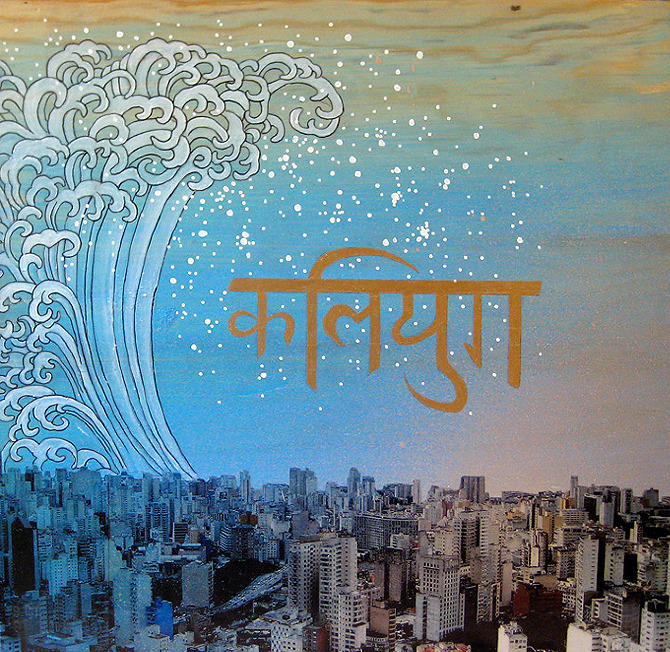
Fake Ascetics (GURUs) of Kaliyuga !!

kaliyuga_spencer_sass

Research Article No.1772; Date:- 3 April, 2015

Written by London swaminathan

Uploaded at London time – 20-55

When I went to the British Library in London last week, I read an interesting book on Kaliyuga. The title of the book is ‘KALKI PURANA’. The Sanskrit text was translated into Tamil by K Ananthacharyar. The date of Publication was 1903, Price 12 Annas.

One of the signs of Kaliyuga was a riddle to me. It said,

“In Kaliyuga, some Gurus will forget all the daily religious rituals, but advise others to do those and go around (fly)  preaching like Kulinga birds.

I can understand the meaning. They will teach morals to others but they would not follow their own teachings. But why did he compare them to Kulinga birds? There are one or two references to Kulinga birds in the Bhagavata and Mahabharata. That also did not make any sense. When I searched for the Kulinga bird I came across the beautiful ‘Daya Satakam’ of Sri Vedanta Desikan which throws light on the adventurous Kulinga bird (It is similar to my research article on the mysterious Bhulinga bird of Mahabharata). It looks like both Kulinga and Bhulinga birds are one and the same.

It is said that its cry sounds like “Maa Saahasam Kuru = Don’t do adventurous acts”. Here is Vedanta Desika’s verse and its commentary:-
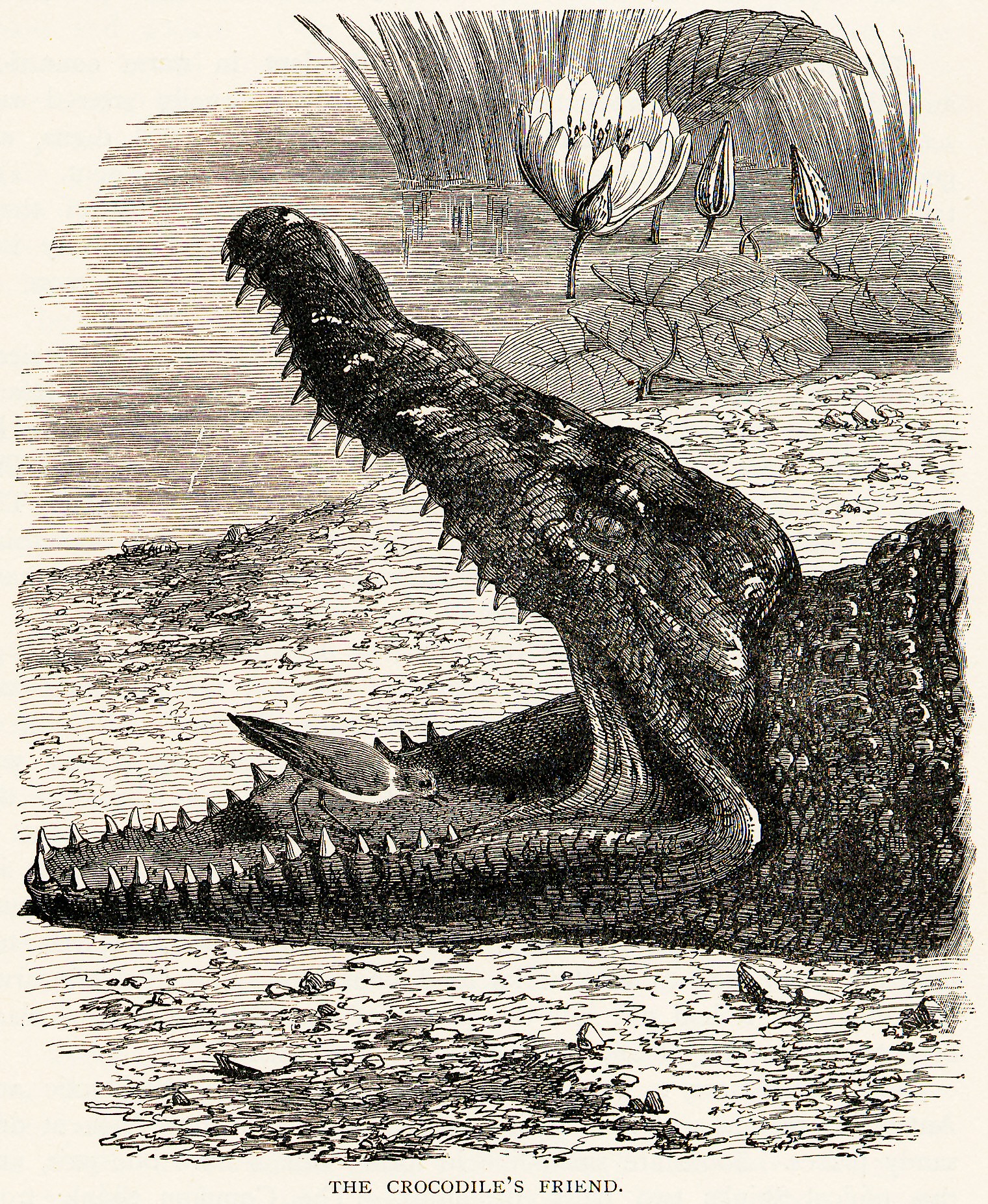
PloverCrocodileSymbiosis

Plover is like Kulinga/Bhulinga bird (Picture from Wikipedia)

Vedanta Desika in his famous hymn ‘Daya Satakam’ says

Maa saahasokti gana kanchuka vanchitaaniyah

Pashyastu thesu vidadhaamyathy saahasaani

Padmaa sahaaya karune na runasti kim tvam

Ghoram kulingam sakuneriva cheshtitam me

Meaning:

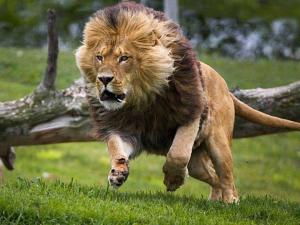
O, Daya Devi! I preach to others not to engage in terrible acts that are against the scriptures. After giving advice like this, I myself engage in such shameful acts in front of them. After the Upadesa (discourse) I travel in the opposite direction, cheating them. My act is like the acts of Kulinga bird which warns others not to involve in dangerous acts. But what does the bird do? When the lion yawns before going to sleep and has its carnivorous mouth open wide, the Kulinga bird dashes in and tries to pull out the pieces of meat that stuck to its teeth. Any moment, the bird runs the risk of being killed by the closing of lion’s mouth. O, Daya Devi, it is your duty to prevent me from performing such dangerous acts that I preach against. Why are you watching my destructive behaviour without intervening? You must come to my recue and send me forward on the right path-

Sloka 94 of Daya Satakam by Sri Vedanta Desikan

Vedanta Desikan, Vaishnavite Guru of Kancheepuram area, 1268-1370. Sri Vedanta Desikan was a great saint. When he compared himself to Kulinga bird, it does not mean that he was really like a Kulinga. This is to warn us about fake Gurus. Poets and philosophers always feel humble and compare themselves to the lowest creature. Great Tamil saint Manikkavasagar compared himself to a dog in over hundred places in his Tiruvasagam.

So, please beware of ANANDAS, BABAS, GURUS, SWAMIJIS, SWAMINIS, ACHARYAS, RELIGIOUS SPEAKERS and UPANYASAKS!

First find out their personal life first and then use your discretion before accepting them as GURUs.

symbiosis

Birds clean the skin of the animals. This cooperation is called symbiosis.

There are more interesting information about the signs Kaliyuga in the Kalki Purana:

1.Girls will give birth to children at the age of eight. They won’t follow any rules for their sexual behaviour.

2.People who were 30 measures in Krta Yuga will take the size of three measures in the Kali Yuga ( It is interesting to compare it with a verse in Manu Smrti (1-83). He says that the age of human beings was 400 years in Krta Yuga and it would be only one fourth of that in Kali)

3.High class will become the low class and low class people will become high class people.

4.The rich will be dubbed as high class people and the poor will be dubbed as low class people

5.Women will give birth to 8 or ten children like pigs. They are going to scratch their head with both hands (I don’t understand this phrase.)

6.People will sell food, Brahmins will sell the mantras and women their chastity.

7.More married women will live like widows after fighting with their husbands (Probably it means divorced women)

8.Brahmin women will sell Milk, Butter Milk and Curd/Yogurt and the Vaisyas (business community) will sell meat.

9.There will be reduced rain and less harvest. People will be afflicted with diseases.

10.People will swear that truth is untruth and untruth is truth.

11.Brahmins and other two Varnas (Kshatriyas and Vaisyas) will forget their own Dharma (swadharma).

12.At the end of Kali Yuga, people will give birth to animals.

13.Brahmins will be namesake Brahmins, eating meat and drinking liquor. They will argue a lot.

14.The character (sexual behaviour) of students and teachers will be at a very low level.

15.Women will have dinner first and go to bed before their husbands.

16.Everyone will be preaching Dharma, but none would understand its meaning.

(The original book is in Sanskrit. The Sanskrit verses are also given in the book with Tamil translation. I have given a rough translation from the Tamil version. Some are general comments like there will be famine, diseases, less morality etc. But a few comments like women fighting with their husbands, are very specific that make us wonder how they came to know about it thousands of years before our time. The statistics on divorce in India shows that 6000 to 8000 women file for divorce in each of the four major cities in India!)
மனு ஸ்மிருதியில் மிருகங்கள்!

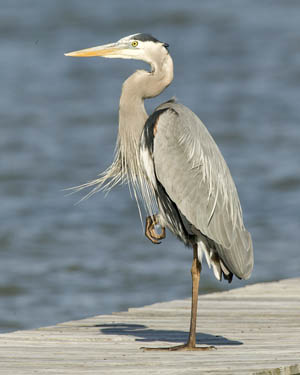
Heron_070067-717950

Research Article No.1771; Date:- 3 ஏப்ரல், 2015

Written by London swaminathan

Uploaded at London time – காலை 7-43

(இதை ஏற்கனவே ஆங்கிலத்தில் வெளியிட்டு இருக்கிறேன்.)


மனு நீதி நூலைப் பற்றி இந்து விரோதிகளும் வெளிநாட்டினரும் நிறைய அவதூறுகளைப் பரப்பியதால்  அதிலுள்ள நிறைய நல்ல விஷயங்கள் உலகிற்குத் தெரியாமல் போய்விட்டன. சுமார் 300 ஆண்டுகளுக்கு முன் வரை மனு நீதிக்குத் தமிழ்நாட்டிலும் நல்ல மதிப்பு இருந்தது. இது கல்வெட்டுகளில் இருந்தும், திருவிளையாடல் புராணம் போன்ற நூல்களில் இருந்தும் வள்ளலார் போன்றோர் எழுத்துக்களாலும் தெரியவருகிறது. சங்க காலத்தில் ஒரு சோழ மன்னனுக்கே மனுநீதிச் சோழன் என்ற பெயர் இருந்ததும் அவன் தேர்க்காலில் தனது மகனையே பலிகொடுத்ததையும் நாம் அறிவோம்.

மனு ஸ்மிருதியில் சில இடைச் செருகல்கள் உள. அவற்றை நீக்கிவிட்டுப் பார்த்தால் உலகிலேயே தலை சிறந்த நீதி நூல் இதுதான் என்பது புலப்படும். அவர் சொல்லவரும் விஷயங்களின் எண்ணிக்கையைப் பார்க்கையில் வியப்பு மேலிடும். திருலோக சீதாராம் என்னும் தமிழ் அன்பர் அழகிய தமிழில் மனு நீதியை மொழி பெயர்த்துள்ளார். அனைவரும் படித்து ஆராய வேண்டிய விஷயம் இது. எனினும் இக்கட்டுரையில் நாம் பார்க்கப் போவது மனு கையாண்ட சில உவமைகள் மட்டுமே.

cat

இந்துக்கள் இயற்கையின் நண்பர்கள். இயற்கையில் நிகழ்வனவற்றைக் கூர்ந்து கவனித்து அதைத் தகுந்த இடத்தில் உவமைகளாகப் பயன் படுத்தி, அரிய பெரிய உண்மைகளை மனதில் பசுமரத்தாணி போல பதியச் செய்கின்றனர். பாகவத புராணத்தில் தத்தாத்ரேயர் என்பவர் இயற்கையிடம் தாம் கற்றுக் கொண்ட விஷயங்களின் நீண்ட பட்டியலை நாம் முன்னரே பார்த்தோம். மஹாபாரதத்திலும் ராமாயணத்திலும் வரும் பறவை, மிருகங்களின் கதைகளும் உங்களுக்குத் தெரியும். உலகம் முழுவதும் மொழி பெயர்க்கப்பட்டுள்ள பஞ்சதந்திரக் கதைகளை இந்தியச் சிறுவர்கள் அனைவரும் அறிவர்.

மனுவும் தக்க இடங்களில் பிராணிகளைப் பயன்படுத்தி அறிவுரை வழங்குகிறார். மனுவுக்கு மிகவும் பிடித்தது கொக்கு. இதற்கு அடுத்த படியாக அவர் அதிகம் பயன்படுத்துவது பூனை! கொக்கும் பூனையும் தந்திரத்தால் இரை தேடுகின்றன.

கொக்கின் குணத்தை நல்லதுக்கும் கெட்டதுக்கும் உவமையாக்குகிறார். சில பிராமணர்கள் ருத்ராக்ஷப் பூனை போலவும், காத்திருக்கும் கொக்கு போலவும் கபடதாரிகள். அவருக்குத் தண்ணீர் கூடக் கொடுக்கக்கூடாது என்று எச்சரிக்கிறார். இது நாலாவது அத்தியாயத்தில் வருகிறது.

LionAttack

ஏழாவது அதிகாரத்தில் மன்னனின் குணநலன்கள் பற்றிச் சொல்லுகையில் அவன் கொக்கு போல காத்திருந்து காலம் கருதி இடத்தாற் செயின் வெற்றி கிட்டும் என்கிறார். இதையே பிற்காலத்தில் அவ்வையாரும் வள்ளுவரும் வாக்குண்டாம், திருக்குறள் ஆகியவற்றில் பயன்படுத்தினர். மனு என்பவர் ரிக்வேத காலத்தில் (கி.மு.1700-க்கும் முன்னதாக) வாழ்ந்தவர். இன்றைய மனு நீதி நூல் 2300 ஆண்டுக்கு (கி.மு.3-ஆம் நூற்றாண்டு) முந்தையது என்று அறிஞர்கள் பகருவர்.

ஓடுமீன் ஓட உறுமீன் வரும் அளவும்

வாடி இருக்குமாம் கொக்கு – வாக்குண்டாம்

என்று அவ்வையாரும் மனு சொன்னதையே சொல்கிறார்

கொக்கொக்க கூம்பும் பருவத்து மற்றதன்

குத்தொக்க சீர்த்த விடத்து – குறள் 490

என்று வள்ளுவரும் மனு சொன்னதையே சொல்கிறார்


4-30, 4-192, 4–196/7, 5-14, 7-106, 11-136, 12-66 (மனுவில் குறைந்தது எட்டு இடங்களில் கொக்கு வருகிறது)

bee_with_flower

ஆமையோ ஆமை!

மனு பயன் படுத்திய ஆமை உவமை, பகவத் கீதையிலும் திருக்குறளிலும் உள்ளது. மன்னன் தனது ரஹசியங்களையும் துறைகளையும் ஆமை தனது உறுப்புகளை ஓட்டுக்குள் இழுத்து பாதுகாப்பது போலக் காக்க வேண்டும் என்கிறார் மனு (7—105). புலன் அடக்கம் பற்றிச் சொல்லுகையில்  குறளும் கீதையும் ஆமை பற்றிப் பேசும்.

ஒருமையுள் ஆமை போல் ஐந்தடக்கல் ஆற்றின்

எழுமையும் ஏமாப்புடைத்து – குறள் 126,

கீதை 2-58, மனு 7-105, திவ்விய பிரபந்தம் 2360.

ஏழாம் அத்தியாயத்தில், எதிரிகளை அழிக்க, ஒரு அரசன் ,”கொக்கு போல திட்டம் தீட்டவும், சிங்கம் போல தாக்கவும், ஓநாய் போல பாயவும்,தோல்வி வரும்பட்சத்தில் முயல் போலப் பின்வாங்கவும் வேண்டும் என்கிறார்.

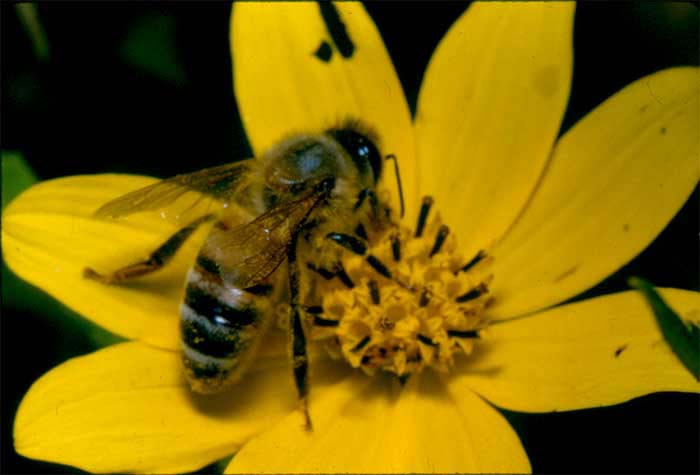
வரிவிதிப்பு பற்றிச் சொல்லுகையில் மக்களுக்கு மிதமாக வரி விதிக்க வேண்டும். அது தேனீயானது மலர்களில் இருந்து தேனை எடுப்பது போலவும், அட்டையானது பிராணிகளிடத்தில் இருந்து ரத்தம் எடுப்பது போலவும், கன்றானது தனது தாயாரிமிருந்து பால் குடிப்பது போலவும் இருக்க வேண்டும் என்பார்.

survive-wolf-attack

புலித்தோல், மான் தோல் முதலியவற்றை தியானத்துக்குப் பயன்படுத்துவது பற்றியும் சொல்கிறார். வேறு பல இடங்களில் நிறைய மிருகங்கள் பற்றிய குறிப்புகள் வருகின்றன. ஆனால் அவைகள் உவமை அல்ல.

மனு நீதி சாத்திரத்தைப் படித்துப் பயன்பெறுக.

கலைமகளோ செல்வக் கடல் மகளோ பூவின் தலைமகளோ!

2sitakalyan

Article No.1770; Date 3rd  April 2015

Written by S NAGARAJAN

Uploaded at 7-18 am (London Time)

தமிழ் திரைப்படங்களில் ராமர் – 16

ச.நாகராஜன்

வைதேகி ராமன் கைசேரும் காலம்!


பவளவல்லி கரம் தொட்டான் உவந்து!

பாரத தேசத்தில் பிறந்தோர் அனைவருக்கும் சீதையின் கல்யாணம் என்பது அவர்களின் வாழ்க்கையில் இணைந்து விட்ட ஒரு அற்புதமான விழா ஆகும். இன்று நடக்கும் கல்யாணங்களில் கூட சீதா கல்யாண வைபோகமே என்று பாடுவது கண்கூடு.

ஆக இப்படிப்பட்ட கல்யாணத்தைக் கவிஞர்கள் வர்ணிக்காமல் இருக்க முடியுமா!

இராமாயண வெண்பா என்ற அரிய காவியத்தை இயற்றிய மதுரையைச் சேர்ந்த மதுரகவி ஶ்ரீனிவாஸ ஐயங்கார் சீதையின் அழகை வர்ணித்து அதை ராமன் எப்படி எண்ணி மகிழ்ந்தான் என்பதை இப்படிக் கூறுகிறார் கடிமணப் படலத்தில்:

கலைமகளோ செல்வக் கடல்மகளோ பூவின்

தலைமகளோ என்னத் தழைந்து – குலவி

உடல் பூரித்து உள்ளம் உவந்தான் ஓண் செம் கேழ்

மடல் பூரித்து உற்ற தோள் மன்               கடிமணப் படலம், பாடல் 429

தேவாதி தேவனான ராமபிரானுக்கு தெய்வத் திருமகளான சீதையை செங்கை நீர் வார்த்து கன்யாதானம் செய்யும் புண்ணியத்தைப் பெற்றான் ஜனக மன்னன்.

தேவாதி தேவனும் அத் தெய்வத் திருமகளும்

ஓவாது உறைந்து ஆங்கு உயர்கமல்ப் – பூவாரும்

மங்கையுடன் மேவி மகிழ்நீர் எனச்சனகன்

செங்கைநீர் வார்த்தான் தெளிந்து                  பாடல் 448

இருவரும் ஒருவரின் ஒருவர் கரம் பற்றும் காட்சியே காட்சி!

அதை கவிஞர் வர்ணிக்கும் பாங்கு இது:-

வெய்ய கனல்வாய் விதித்த விதி யாவும்

செய்து முடித்துச் செழும் கரத்தான் – நெய்யமைந்த

ஆகுதிகண் தேர்ந்தான் அரும் பவளவல்லி கரம்

ஓகையோடு தொட்டான் உவந்து   பாடல் 450

IDOL RAMA

கங்கை அமரன்இளையராஜாஎஸ்.ஜானகி கூட்டணி


இந்த வைதேகி ராமன் கைசேரும் சோபன நிகழ்வை பகல் நிலவு படத்தில் வரும் ஒரு பாடல் சித்தரிக்கிறது. படம் வெளியான ஆண்டு 1985. படத்தை இயக்கியவரோ பிரபல டைரக்டர் மணிரத்னம். அவரை ஒரு நல்ல டைரக்டர் என இனம் காண்பித்த படம் இது.

சரத்பாபு ராதிகாவிடம் சலங்கையைக் காட்டி இது சலங்கை அல்ல; இதுவே மாங்கல்யம் என்கிறார். அதைக் காலில் கட்டிக் கொண்டு ராதிகா நடனமாடுகிறார். ஒரு அபிநயத்துடன் கூடிய பாடலாக இது மலர்கிறது. இசை அமைத்தவர் இளையராஜா. பாடலைப் பாடியவர் எஸ்.ஜானகி. பாடலை இயற்றியவர் கங்கை அமரன். நல்ல கூட்டணி தானே இது!

கோவில் பிரகார மண்டபத்தில் பிரதானமாக ராதிகா நடனமாடும் காட்சியமைப்பில் அவர் மிகவும் கஷ்டப்பட்டு பரதநாட்டியக் கலையைக் கற்றுக் கொண்டு ஆடிக் காட்டுவதைப் பார்க்கிறோம்.

ramakoti beauty

வைதேகி ராமன் கைசேரும் காலம்!

பாடல் இது தான்:-

வைதேகி ராமன் கைசேரும் காலம்

தை மாத நன் நாளிலே     வையம் வானகம் யாவும் தோரணம்

மெய்யை மெய் தொடும் காதல் காரணம்

வைதேகி ராமன் கைசேரும் காலம்

தை மாத நன் நாளிலே    ஆ..ஆ..

காவேரி நீர் போல ஓடும் ஆடும்

கல்யாண ராகங்கள் பாடும்

காணாத கோலங்கள் யாவும் காணும்

கண்ணொடு மோகங்கள் கூடும்

ஏதோ ஓர் பொன் மின்னல் என்னுள்ளிலே

ஏதேதோ கூறாதோ பூந்தென்றலே

காதோடு ஆனந்தம் கேட்கின்றதே

ஏன் என்று என் உள்ளம் பார்க்கின்றதே   (ஸ்வர வரிசை)

வைதேகி ராமன் கைசேரும் காலம்

தை மாத நன் நாளிலே         (ஸ்வர வரிசை)

பூவான மிருதங்கம் எங்கும் பொங்கும்

புரியாத லயம் கூட சங்கம்

கூவாத குயில் தந்த சந்தம் சிந்தும்

குறையாத சுகம் எந்தன் சொந்தம்

நான் காணும் ஆனந்தம் ஆரோஹணம்

வான் தூவும் பூவெல்லாம் அவரோஹணம்

சங்கீத தாளங்கள் போடும் மனம்

சந்தோஷ ராகங்கள் பாடும் தினம்

மிதிலையில் வைதேகி ராமன் கைசேரும் காலம்

தை மாத நன் நாளிலே

வையம் வானகம் யாவும் தோரணம்

மெய்யை மெய் தொடும் காதல் காரணம்

வைதேகி ராமன் கைசேரும் காலம்

தை மாத நன் நாளிலே

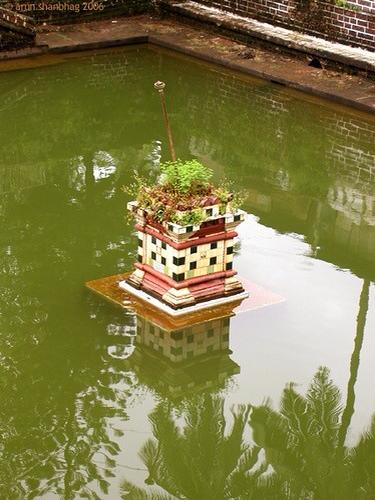
கோவில் பிரகார மண்டபம், தெப்பக்குள மைய மண்டபம் என எல்லா இடங்களிலும்

நடனம் தொடர்கிறது.  கதாநாயகியின் சந்தோஷமும் புரிகிறது!

தமிழ் திரைப்படங்களில் கதாநாயகியின் மனநிலையைச் சித்தரிப்பதற்கும் அவ்வப்பொழுது ஏற்படும் திருப்பங்களுக்கு உதவவும் ராமரும் சீதையும் தொடர்ந்து கை கொடுத்து வந்திருக்கின்றனர்!

****************

More about Bharatanatya in the Vedas!

IMG_2760

Research Paper No.1769; date 2nd April 2015

Written by London swaminathan

Uploaded at 21-42 London Time

Please read the first part of article posted yesterday under the title “Dance in the Vedas”.

Dr R Nagasamy, historian and former Director of Archaeology, Tamil Nadu delivered two lectures in the Shanmukananda Fine Arts, Sangeetha Sabha, Mumbai and Narada Gana Sabha, Chennai in 1989. He gives the references to dance in the Vedas:-

“I find that almost all forms of classical dances of India like Bharata Natyam, Kathak, Kathakali, Kuchipusdi, Manipuri, Mohini Attam etc are represented in this conference. It represents the essential unity of all classical dances of India, which from its recorded history has over 4000 years of continuous existence.

“In the earliest strata of India thought, represented by the Rig Veda, we find the classical form of dance mentioned frequently. The Maruts, said to dance in measured steps, are often referred to as dancers – Nrtavah.

“Oh ye dancers with golden ornaments on your chests, even a mortal comes to ask for your brotherhood. Take care of us”, says a Vedic hymn (RV 8-20-22)

cave dance

The Maruts not only dance rhythmically but also sing, and are called the singers of heaven. While they are described as the male dancers, the most charming imagery of a dancing girl, is created in Ushas, the dawn, portrayed as a dancer decked in showy attire.

Adhi poshamsi vapate nrtoohu iva pornute vakshakaa

“As the dawn arrives, with her beautiful colour in the eastern horizon, it gladdens the heart of the living beings. The birds flutter, singing with their sweet voices. Men rise up from their sleep and busy themselves in activities. Ushas is a giver of joy and happiness like a beautiful dancer”.

“There are several passages in the Rig Veda, indicating the highly developed art of dance, to which many of nature’s phenomenon are compared. Soon we find the dancer occupying an important position in the society. All religious and auspicious rites, required her presence. For example the birth of sanctity and immortality is symbolised by the Purna Kumbha. Oh, fair damsel, bring hither to us the Purna Kumbha, filled with streams of clarified butter blend with nectar”.

Poornam naari prabhara kumbham etham drutasya

Dhaaram amrutena sambhrutam

Dr Nagasamy pointed out also that music and dance are part of Shodasopara (16 Upasaras).

The Amarakosa (Sanskrit Thesarus) lists different words used to denote dance:

Tandavam Natanam Natyam Lasyam Nrityamcha Narthane

Tanyathrikam Nritya geetha vadhyam natyam idam trayam


Bharata’s Natyasastra (The Treatise on Dance Drama) is the oldest surviving text of the theory of dance drama and dramatics.

IMG_2750

Maypole Dance/ Garba Dance

Chandra Rajan gives the following information in the introduction to Kalidasa:

The Vedic hymns were chanted and sung by several voices and the refrain in some suggests a choral element. There is mention in the Vedic literature of maidens, beautifully dressed and jewelled, singing and dancing and circling the sacred altars with jars of holy water in their hands.

The refrain in RV 10-100 :- “For our boon we ask for felicity full and boundless. And in 10-134, The glorious mother gave you birth/ the blessed mother gave you birth”.

Indra is addressed as dancer in many hymns.

In RV 5-52 on Maruts we have the following

Hymn singing, seeking water, they, praising, have danced about the spring

In 6-63, Asvins are praised as dancing heroes.

krishnakaliya,trikoteeswara temple, AP

Krishna dancing on Kaliya

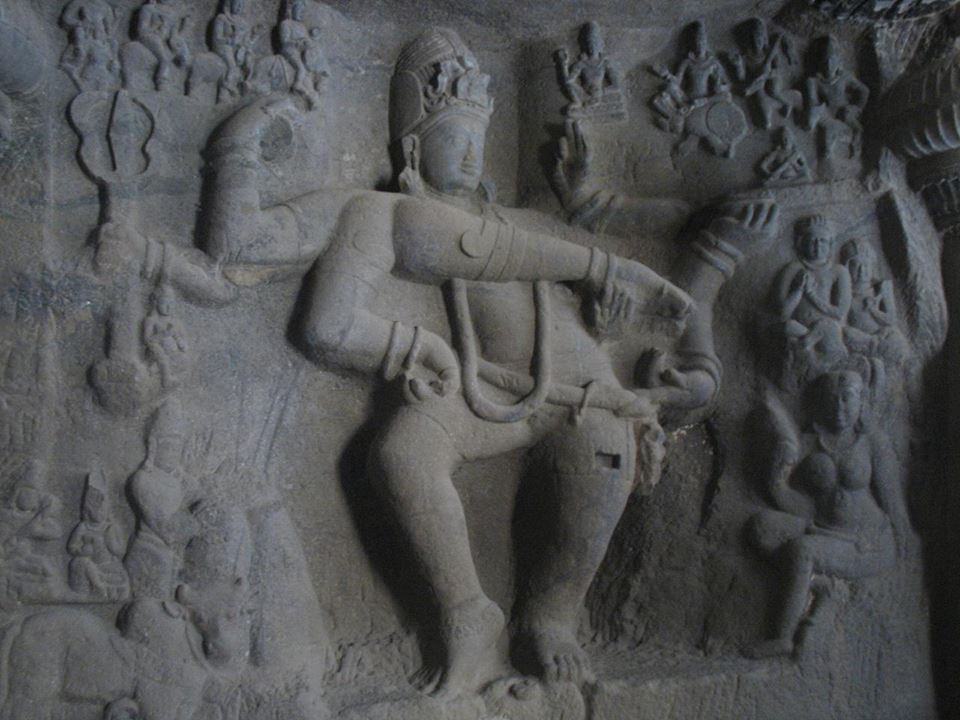
Dance in Kalidasa

Varahamihira in his Brhat Samhita mentioned dancing girls in three places to say how they will be affected by the planets or the eclipses.

Kalidasa (1st Century BCE) who lived at least 500 years before Varahamihira mentioned the Abhinaya (hand gestures) in several places. When he described the Spring season in Raguvamsa 9-33, he says the rustling of leaves of the mango trees in the breeze looked like they were trying to learn Abhinaya/gestures (Abhinayaan parichetum udhyataa iva). In the following verse he described the creepers dancing to the tunes of the beetles. In 19-36, he tells us about dance competition.

In the Megadutam (verse 58), he described the Dance of Siva:

The wind breathing through hollow bamboos makes sweet music;

Woodland nymphs sing with passion filled voicesof the victory over the trile city;

If your thunder rumbles in the glens like a drum

Would not the ensemble then be complete

For the Dance-Drama of the Lord of Beings?


Kalidasa’s description (Malavika 2-6) of a lady resting her left hand on her hip and right hand hanging loosely reminds us of the dancing figure discovered in in the Indus Valley. He says it is more attractive than her dancing.

Whenever Kalidasa saw some plants fluttering in the breeze, he was always reminded of dancing girls. We have more references to it in Vikramorvaseeiyam and Shakuntalam.

kaliya nardhana

வில்வம், துளசியின் மகிமை!!

tulsi

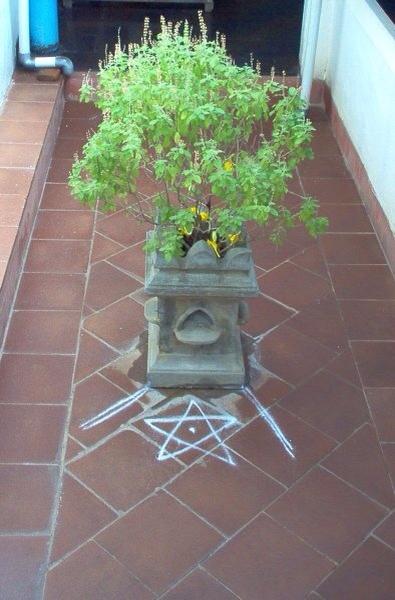
Tulsi Worship= இல்லந்தோறும்  துளசி மாடம்

ஆராய்ச்சிக் கட்டுரையாளர்- லண்டன் சுவாமி நாதன்

ஆய்வுக் கட்டுரை எண்—1768; தேதி 2 ஏப்ரல் 2015

லண்டனில் கட்டுரை ஏற்றப்படும் நேரம்—காலை 8- 36

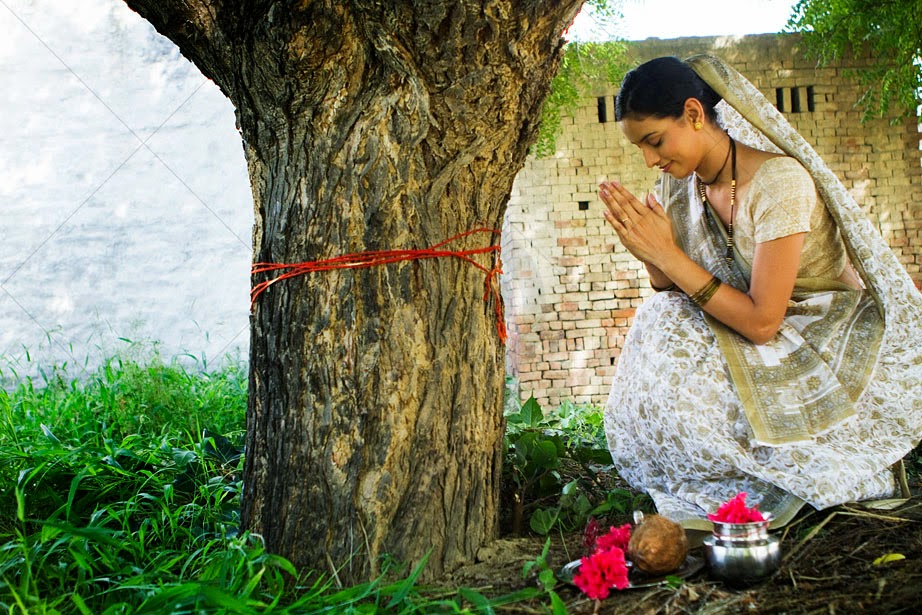
மரங்களுக்கு வணக்கம், நமஸ்காரம்!

இந்துக்கள் பூமியை வணங்கினர், உழக்கூடிய நிலத்தை வணங்கினர், நீர் நிலைகளை வணங்கினர் காடு மலைகளை வணங்கினர், செடி-கொடி-மரங்களை வணங்கினர், பறவைகள் ,மிருகங்களை வணங்கினர். இது எல்லாம் மூட நம்பிக்கைகளா? இல்லை. புறச் சூழல் என்பதை பயபக்தியுடன் அணுக வேண்டும் என்ற மனப் பரிபக்குவமே இந்த வழிபாட்டை ஏற்படுத்தியது.

காலையில் படுக்கையில் இருந்து எழுந்து பூமியில் காலடி வைக்கும் முன் அதனிடம் மன்னிப்புக் கேட்டுவிட்டு காலடி வைப்பர் (பாத ஸ்பர்சம் க்ஷமஸ்வமே). மரங்களை வெட்டும்போதும், கிணறு வெட்டும் போதும் இதே அணுகு முறையே. அதாவது உன்னை தேவைக்கு அதிகமாக எடுத்துக் கொள்ளமாட்டோம். உன்னை பூண்டோடு அழிப்பது எங்கள் நோக்கமல்ல. எங்களைப் போலவே நீயும் சாஸ்வதமக இருக்கவேண்டும் என்பதே அவர்தம் கொள்கை!

மேலும் எந்த மரம் செடி கொடிகளுக்கு மருத்துவப் பலன்கள் அதிகமோ அவை மேலும் அதிகமாகப் போற்றப்படுகின்றன. மருத்துவப் பலன் கருதி அவைகளை அழித்துவிடக் கூடாதென்பத ற்காக இப்படிப் புனிதத்துவம் ஊட்டினரோ என்று கூட எண்ணத் தோன்றுகிறது. சோம லதை என்னும் அபூர்வ, மனதைச் சுத்திப்படுத்தும், வேத கால மூலிகை அடியோடு அழிந்துவிட்டது! இந்த சோமக் கொடியைப் போற்றி வேதத்தில் ஏராளமான துதிகள் உள்ளன.(விவரங்களை எனது பழைய கட்டுரையில் காண்க)

pipal.jpgworship

பிள்ளை பெற அரச மர வழிபாடு

Aswaththa Tree (Peepal/Pipal) Tree Worship

கீழ்கண்ட செய்யுட்களே இதற்குச் சான்று பகரும்:

அரசமர வழிபாடு

மூலதோ பிரம்மரூபாய மத்யதோ விஷ்ணுரூபினே

அக்ரதச் சிவரூபாய வ்ருக்ஷராஜாய தே நம:

அடியில் பிரம்மனும். நடுவில் விஷ்ணுவும், நுனியில் சிவபெருமானும் நிலைபெற்ற அரச மரமே உனக்கு நமஸ்காரம்.

அரச மர வழிபாடு வேதத்திலும், சிந்து சமவெளியிலும் காணப்படுகிறது.

tulsi2

துளசி வழிபாடு

யந்மூலே சர்வ தீர்த்தானி யந்மத்ய சர்வதேவதா:

யதக்ரே சர்வ வேதாச்ச துளஸீம் தாம் நமாம்யஹம்


அடியில் எல்லா புண்யக்ஷேத்ரங்களும் , நடுவில் முப்பத்து முக்கோடி தேவர்களும், நுனியில் சகல வேதங்களும், நிலைபெற்ற ஒப்பற்ற துளசி தேவியை நான் நமஸ்கரிக்கிறேன்.


தர்ப்பை வழிபாடு

குசமூலே ஸ்திதோ ப்ரம்மா குச மத்யே து கேசவ:

குசாக்ரே சங்கரம் வித்யாத் சர்வே தேவா: சமந்த இதி

தர்ப்பையின் அடியில் பிரம்மனும், நடுவில் விஷ்ணுவும், நுனியில் சங்கரனும் இருக்கிறார்கள்.

தர்ப்பைகளின் தச வித (பத்து வித) புற்கள்:

குசா: காசா யவா தூர்வா கோதூமாஸ் சாத குந்துரா:

உசீரா வ்ரீஹ்யோ முஞ்சா தச தர்பாஸ்ச பல்பஜா:

குசம், நாணல், யவை, அருகு, கோதுமை, நீர்முத்தக் காசு (கோரை), வழல், நெற்பயிர், முஞ்சிப் புல், விச்வாமித்ரம் இவை பத்து வகை புற்கள் ஆகும்.

தர்ப்பையின் தேவர்கள்

குஸாஸ்து ரௌத்ரா விக்ஞேயா கௌசம் ப்ராஹ்மம் ததா ஸ்ம்ருதம்

ஆர்ஷந்து தௌர்வமாக்யாதம் வைஸ்வாமித்ரம் து வைஷ்ணவம்

இன்னன்ன தர்பைகளுக்கு இன்னன்ன தேவதைகள் என்பதை அறிக:

குசா: = ரௌத்ரர்கள்

கௌசம் = ப்ராம்மம்

தௌர்வம் = ஆர்ஷம்

வைஸ்வாமித்ரம் = வைஷ்ணவம்

இவை தவிர வில்வ அஷ்டகம், துளசி ஸ்தோத்திரம் என்ற துதிகளும் இருக்கின்றன.

தர்ப்பை, துளசி, வில்வம் ஆகியவற்றை எந்த நேரத்தில், எப்படிப் பறிக்க வேண்டும் என்றும் பல விதிமுறைகள் இருக்கின்றன. சிங்காரவேலு முதலியார் வெளியிட்ட தமிழ் கலைக் களஞ்சியமான அபிமான சிந்தாமணியில் இவற்றைக் காணலாம்.

Bilva(Maredu)

மூவிதழ் கூவிளம் = வில்வம் படம்

வில்வத்தின் மகிமை

வில்வத்தின் மகிமையை தமிழ் செய்யுட்களிலும் காணலாம்:

கூவிளம் ஒன்று சாத்தின் குலவு சாலோகமாகும்

கூவிளம் இரண்டு சாத்தின் குலவு சாமீபமாகும்

கூவிளம் மூன்று சாத்தின் குலவு சாரூபமாகும்

கூவிளம் நான்கு சாத்தின் கூடுஞ் சாயுச்சந்தானே

சிவபெருமானுக்கு வில்வம் ஒன்று சாத்தினால் சிவலோக பதவியும், இரண்டு சாத்தினால் சிவன் அருகில் இருக்கும் பாக்கியம் கிட்டும் மூன்று சாத்தினால் அவன் உருப் பெறலாம், நான்கு வில்வ இதழ்கள் சாத்தினால் அவனுடன் ஐக்கியமாகலாம் என்பர் பெரியோர்.

வில்வமே புனிதனாகும், விளம்பு வில்வத்தின் மிக்காம்

வில்வமுள் சக்தியாகும், வில்வத்தின் கோடு வேதம்

வில்வவேர் பதினோர் கோடி, வியனுத்திரரேயாகும்

வில்வமேத்துநர்க்கே தேவர் மெய்வடிவுவாகுமன்றே

பொருள்: பத்திரங்களில் வில்வம் சிவசொரூபம், மரத்தின் முட்கள் சக்தி சொரூபம், கிளைகள் வேதம், வேர் 11 கோடி ருத்திரர்கள், வில்வ மரத்தை வணங்குவோர் தெய்வ வடிவைப் பெறுவர்.

vilva tree

Vilva/Bilva Tree worship = வில்வ மரத்தின் படம்

பஞ்ச வில்வம் எனப்படும் ஐந்து வில்வங்கள்

வில்வம், கிளுவை, விளா, வெண்ணொச்சி, மாவிலங்கை. இவைகளை ஞாயிற்றுக் கிழமைகளில் வரும் பௌர்ணமியில் சிவனுக்குச் சாத்தினால் மெய்ஞ்ஞானம் ஏற்படும் என்பர் சான்றோர்.

இலைகளைக் கொண்டு இறைவனைப் பூஜிப்பதன் பெருமையை பகவத் கீதையில் (9—26) கண்ணபிரானும், புறநானூற்றில் (பாடல் 106) கபிலரும் செப்புவதை “புறநானூற்றில் பகவத் கீதை” என்ற கட்டுரையில் தந்துள்ளேன்.

தமிழ்நாட்டில் தலம் தோறும் ஒரு குறிப்பிட்ட மரம் தல விருட்சமாக அறிவிக்கப்பட்டுள்ளது. பிள்ளையார் சதுர்த்தி போன்ற நிகழ்ச்சிகளில் 21 இலைகளால் பிள்ளையாரை பூஜிக்கிறோம், இதை எல்லாம் பார்க்கையில் தாவரங்களுக்கு தமிழர்கள் கொடுத்த முக்கியத்துவதை அறிய முடிகிறது (21 இலைகளின் பட்டியலை வேறு ஒரு கட்டுரையில் விளக்கி இருக்கிறேன்).

pipal sacred   circumambulate the peepal tree

Tree Worship is popular in India! You get fresh oxygen which purifies your blood very fast!!

swami_48@yahoo.com

How Paul Brunton was directed to go to Bhagavan Ramana Maharishi – Part II

kanchi kudisai

Written by S NAGARAJAN

Article No.1767;  Dated 2April 2015.

Uploaded at London time 5-55 (GMT 4-55)

This is in continuation of the first part of the article published in EzineArticles.com earlier.

Paul Brunton came to Madras (now named as Chennai) in January 1931. He met the great author          Mr K.S.Venkataramani. It was Mr Venkataramani who took Paul Brunton to the great sage of Kanchi, His Holiness Sri Chandrasekharendra Saraswathi Swami.
After the interview at Chingleput, Paul Brunton returned to Madras.

That night he saw the great sage in his vision.

He has narrated his experience in his own words:

“My astounded gaze meets the face and form of His Holiness Shri Shankara. It is clearly and unmistakably visible. He does not appear to be some ethereal ghost, but rather a solid human being. There is a mysterious luminosity around the figure which separates it from the surrounding darkness.
Surely the vision is an impossible one? Have I not left him at Chingleput? I close my
eyes tightly in an effort to test the matter. There is no difference and I still see him quite
plainly!

Let it suffice that I receive the sense of a benign and friendly presence. I open my eyes
and regard the kindly figure in the loose yellow robe.

The face alters, for the lips smile and seem to say: “Be humble and then you shall find
what you seek!”

ramanapaul

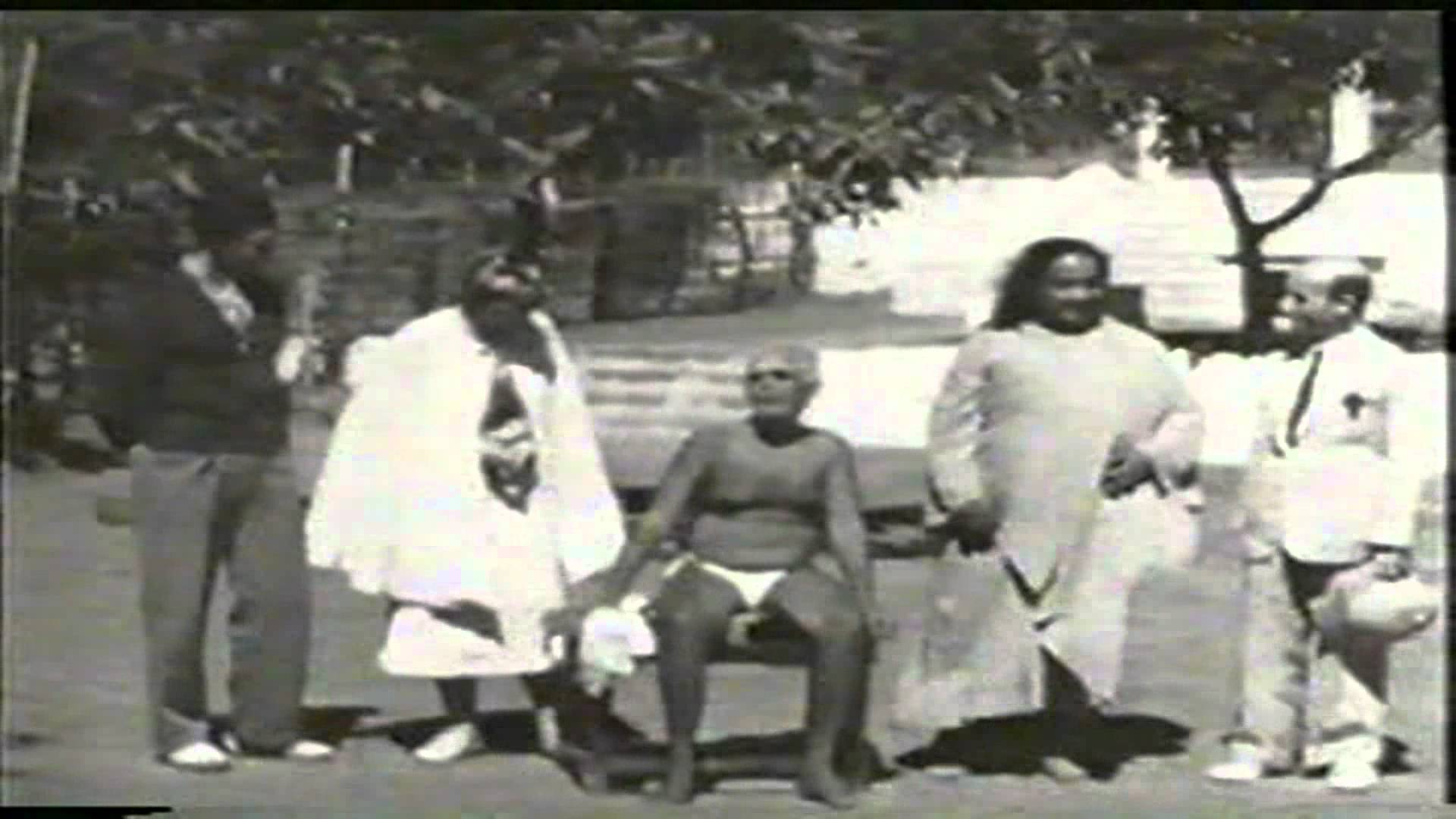
Ramana Maharishi, Yogananda, Paul Brunton

The vision disappears as mysteriously as it has come. It leaves one feeling exalted, happy and unperturbed by its super-normal nature. Shall I dismiss it as a dream? What matters it?”

Paul Brunton went to Thiruvannamalai and met Maharishi Ramana. He was attracted by Bhagavan Ramana. He stayed there. He started asking various questions.

It was at Thiruvannamalai he understood the mysteries of the Holy Hill Thiruvannamalai.

On the twenty third of January 1936 he asked very many questions to Bhagavan Ramana.

Mr Brunton asked Bhagavan if the Hill here is hollow.

Maharishi : The puranas ( Hindu sacred scriptures) says so. When it is said that the Heart is a cavity; penetration into it proves it to be an expanse of light. Similarly the Hill is one of light. The caves etc. are covered up by that Light.

Brunton: Are there caves inside?

Maharishi: In vision I have seen caves, cities with streets etc., and a whole world in it.

Brunton: Are there Siddhas (Holymen of highest order) too in it?

Maharishi: All the Siddhas are reputed to be there.

Brunton: Are there only Siddhas or others also?

Maharishi: Just like this world.

Brunton: Siddhas are said to be in the Himalayas.

Maharishi: Kailas is on the Himalayas; it is the abode of Siva. Whereas this Hill is Siva Himself. All the para-phernalia of His abode must also be where He Himself is.

Brunton: Does Bhagavan believe that the Hill is hollow, etc.?

Maharishi: Everything depends on the viewpoint of the individual. You yourself have seen hermitages, etc., on this Hill in a vision. You have described such in your book.

Brunton: Yes. It was on the surface of the Hill. The vision was within me.

Maharishi: That is exactly so. Everything is within one’s Self. To see the world, there must be a spectator. There could be no world without the Self. The Self is all comprising. In fact Self is all. There is nothing besides the Self.

Brunton: What is the mystery of this Hill?

Maharishi: Just as you have said in Secret Egypt, “The mystery of the pyramid is the mystery of the Self, so also the mystery of this Hill is the mystery of the Self.”

Brunton understood the mystery of the Holy Hill Arunachala. He introduced Bhagavan Ramana to the west in his book ‘A search in secret India’ published in 1935.

He had spent several months at Ramanasramam. His next book The Secret path outlined the Maharishi’s “Who Am I” technique of self enquiry.

****************

DANCE in the Vedas!

IMG_2753

Written by London Swaminathan

Research Article No.1766;  Dated 1April 2015.

Uploaded at London time 21-22 (GMT 20-22)

Dance and music are mentioned in the Vedas in several places. It shows that the Vedic society was a happy and prosperous society. Scores of musical instruments are mentioned and scores of ornaments are also mentioned in the Vedic literature. Unless a society is content in the three basic needs Roti, Kapda aur Makan (Food, clothing and housing), no art form would have developed. Those who study the Vedas in full can see a developed society and advanced civilization. The marriage hymns show that they are an organised community. There were rules guiding a humans from birth to death. They had rules for everything. The existence of highly developed form of dance is confirmed by the dancing statue found in the Indus valley Civilization. Mention of agriculture shows that they cultivated the lands. So naturally there would be harvest season and celebrations following it.

The Vedic women had something like Garba or the Maypole dance. Dancing Gods are found in the Vedas. Indra has been thought of in the Rig Veda (1-130-7) as one who also made others to dance and delight (RV 2-22-4, 8-24-9, 8-24-12, 8-92-2)

IMG_2759

‘Nrtuh’ equals ‘nartayitaa’ in one of the epithets (RV 8-92-3). His close associates the Maruts and the Asvins, are also dancers. As the leaders of a troupe of dancers (RV 5-52-12, 8-20-22) the Maruts are extolled. Dancing and singing are also attributed to Asvins, who dance in association with Surya (RV6-63-5). Dancing is one of the accomplishments of these gods.

Gandharvas are praised as celestial singers. They are also associated with dance and music in later literature.

Dancing Nymphs

The concept of nymphs is closely related to the dancing gods. They are consorts of the Gandharvas (RV 10-123-5, 7-33-9, 7-33-12, 7-10-95, 10-132-6) but do not belong to the category of gods; they are the semi divine people. By the time of Atharva Veda, they became Indra’s favourite dancers.

Description of the Apsaras as dancing with the Gandharvas are found in abundance in AV (4-371, 4-37-4, 4-37-5). Men and women sang and danced even amidst the disease and pestilence they feared. They gathered in the assembly house (AV 7-12-2) ‘sabha’, which was meeting place for social entertainment including dance and music.

The hymn addressed to the Earth (AV. 12-1-1, 12-1-41) presents picture of joyous life, where the mortals sing and dance. Dancing Gandharvas and the Apsarasses help us visualize the picture of a society where dancing and music were regarded as an integral part of everyday life, whether in joy or in sorrow, as a profession or as an important communal activity.

IMG_2752

Source: A Cultural Index to Vedic Literature, Edited by N N Bhattacharya, Rabindra Bharat University, 2007

A B Keith and A A Macdonell adds in Vedic Index adds:–

Silpa in the Vedas means art, of which three kinds – nrtya/dance, gita/music and Vaadita/instrumental music, are enumerated in the Kausitaki Brahmana (29-5)

‘Nrti’ in one passage of the RV 3-514 means dancer in Ludwig’s translation

‘Nrtu’ occurs once in the RV denoting female dancer 1-92-4. Dancing is often referred to in the RV (1-10-1, 1-92-4).

Nrta-Gita (dance and song) are mentioned in the Jaiminiya Brahmana.

IMG_2758

If we put all the terms on Music, Musical Instruments, Dance, Jewellery and Ornaments in the four Vedas together, that will give us a beautiful picture of the Vedic society. No wonder Bharata wrote a beautiful treatise on dance in Sanskrit in the post-Vedic period.

Pictures of dancing statues in Foreign museums.

கோவில்கள் பற்றி அப்பர் தரும் அதிசயத் தகவல்

meeenakshi

Written by London Swaminathan

Research Article No.1765;  Dated 1April 2015.

Uploaded at London time 8-50 (GMT 7-50)

கரக்கோயில், இளங்கோயில், கொகுடிக் கோயில், மணிக்கோயில், ஞாழற்கோயில், ஆலக் கோயில், திருக்கோயில்

தமிழ்நாட்டில் 30,000-க்கும் மேற்பட்ட கோவில்கள் இருக்கின்றன. ஆயினும் மதுரை மீனாட்சி கோவில், ஸ்ரீரங்கம் ராஜகோபுரம், தஞ்சைப் பெரிய கோயில், திருவண்ணாமலைக் கோவில் கோபுரங்கள் எல்லாம் சுமார் 1000 ஆண்டு பழமையுடையவைதாம். அதற்கு முன் தமிழ் நாட்டில் கோவில்கள் இருந்தனவா? அவை எப்படி இருந்தன?

பிள்ளையார்பட்டி, மஹாபலிபுரம், திருப்பறங்குன்றம், நரசிங்கம் முதலிய ஊர்களில் மலைகளில் பாறைகளைக் குடைந்து உருவாக்கப்பட்ட  கோயில்களும் ஐந்தாம் நூற்றாண்டு முதற்கொண்டு ஏற்பட்டவையே. அப்படியானால் அதற்கு முன் என்ன மாதிரி கோயில்கள் இருந்தன?

சிலப்பதிகாரம், புறநானூறு, பரிபாடல் முதலிய நூல்களில் என்ன என்ன கோவில்கள் இருந்தன என்று கடவுளரின் பெயர்கள் எல்லாம் உள்ளன. ஆயினும் கோவில்களின் தோற்றத்தை நாம் அறியோம். அப்பர் என்ற திருநாவுக்கரசர் தமிழிலும், வராஹமிகிரர் சம்ஸ்கிருதத்திலும் அரிய தகவல்களைக் கூறுகின்றனர். அப்பர் பாடிய தேவாரத்தில் கரக்கோயில், இளங்கோயில்,கொகுடிக் கோயில், மணிக்கோயில், ஞாழற்கோயில், ஆலக்கோயில், திருக்கோயில் என்று பலவகையான கோயில்களைக் குறிப்பிடுகிறார்.

இந்தத் தகவலை 1968 ஆம் ஆண்டு இரண்டாவது உலகத் தமிழ்நாட்டு மலரில் எழுதிய தொல் பொருட்துறை அறிஞர் டாக்டர் இரா.நாகசாமி தமிழில் கோயில் என்பதற்கு பழங்காலத்திலேயே பல சொற்கள் இருந்ததையும் பட்டியலிட்டுள்ளார்.

டாக்டர் இரா.நாகசாமி இன்னும் ஒரு அரிய பாட்டினையும் பிங்கலந்தை நிகண்டிலிருந்து 1968 ஆம் ஆண்டுக் கட்டுரையில் மேற்கோள் காட்டியுள்ளார்:–

கல்லும் உலோகமும் செங்கலும் மரமும்

மண்ணும் சுதையும் தந்தமும் வண்ணமும்

கந்த சருக்கரையும் மெழுகும் என்றயிவை

பத்தே சிற்பத் தொழிலுக்கு உறுப்பாகும் – பிங்கலந்தை 29


அதாவது தெய்வத் திரு உருவங்கள் செய்ய இந்த பத்து பொருட்கள் பயன்படுத்தப்பட்டன. கோவில்கள் மரம் செங்கற்களால் கட்டப்பட்டன. அவை எல்லாம் பருவமழை, வெயில் போன்ற காலநிலையாலும், முஸ்லீம் படை எடுப்புகளாலும் அழிந்து போயின. இன்றும் கூட கேரளம் முதலிய மாநிலங்களில் மரக் கோயில்கள் இருப்பதைக் காணலாம்.

gopura darsan

அப்பர் தேவாரம் ஆறாம் திருமுறை (6-71)

பெருக்கு ஆறு சடைக்கு அணிந்த பெருமான் சேரும்

பெருங்கோயில் எழுபதினோடு எட்டும், மற்றும்

கரக்கோயில், கடிபொழில் சூழ் ஞாழற்கோயில்,

கருப்பறியல் பொருப்பு அனைய கொகுடிக்கோயில்,

இருக்கு ஓதி மறையவர்கள் வழிபட்டு ஏத்தும்

இளங்கோயில், மணிக்கோயில், ஆலக்கோயில்,

திருக்கோயில் – சிவன் உறையும் கோயில் சூழ்ந்து,

தாழ்ந்து, இரைஞ்ச, தீவினைகள் தீரும் அன்றே.

அப்பர் குறிப்பிடும் பலவகைக் கோவில்கள் என்ன என்று கூட நமக்குத் தெரியாது. அவர் காலத்தில் சிவபெருமானுக்கு 78 பெரிய கோயில்களும் மற்ற பல வகைக் கோயில்களும் இருந்தது தெரிகிறது. தேவார மூவரும், மாணிக்கவாசகரும் 300-க்கும் மேலான புனிதத் தலங்களின் பெயர்களைச் சொல்லுகின்றனர். அப்பர் வாழ்ந்தது ஏழாம் நூற்றாண்டில். அவருக்கு 200 ஆண்டுகளுக்கு முன் வாழ்ந்த வராஹமிஹிரர் எழுதிய பிருஹத் சம்ஹிதா என்னும் அற்புத சம்ஸ்கிருத என்சைக்ளோபீடியாவில் 20 வகைக் கோவில்களைக் குறிப்பிடுகிறார். வெறுமனே பெயர்களை மட்டும் சொல்லாமல் அவற்றின் நீள, அகலம், கருவறையின் (கர்ப்பக் கிருஹம்) அளவு ஆகியவற்றையும் குறிப்பிடுகிறார்.

ஒரு அத்தியாயம் முழுதும் கோவில் பற்றி எழுதிவிட்டு மிகவும் அடக்கத்துடன் கார்கர் என்பவர் விரிவாக எழுதிய விஷயத்தை தாம் சுருக்கமாகச் சொல்லியதாகக்  கூறுகிறார். இதிலிருந்து 2000 ஆண்டுகளுக்கு முன்னரே பலவகை வடிவங்களில், உயரங்களில் கோபுரங்களை எழுப்பும் மாபெரும் எஞ்சினீயர்கள் இமயம் முதல் குமரி வரை இருந்தது தெரிகிறது.

tv malai

வராகமிகிரர் எழுதிய பலவிஷயங்களில் ஒரு சில குறிப்புகளை மட்டும் பார்ப்போம்:-

“நிறைய தண்ணீர் பாயும் குளங்களுடனும் அழகான நந்தவனங்களுடனும் கோவில்களைக் கட்ட வேண்டும்.

ஒருவருக்கு புகழும் புண்ணியமும் கிட்ட வேண்டுமானால் கோயில் கட்ட வேண்டும்.

யாகம் செய்வோர், கிணறு வெட்டுவோர் ஆகியோருக்குக் கிடைக்கும் புகழ் கோவில் கட்டுவோருக்குக் கிடைக்கும்.

ஆற்றங்கரை,கடற்கரை, காடு, மலை, வனாந்தரம் ஆகிய இயற்கைச் சூழலில் கோவில் அமைவது மிகவும் விசேஷம்.

கோவில்கள் இருபது வகைப்படும். அவையாவன:–

மேரு, மந்தரா, கைலாச, விமானச் சந்த, நந்தன, சமுத்க, பத்ம, கருட, நந்திவர்த்தன, குஹராஜ, குஞ்சர, வ்ருஷ, ஹம்ச, சர்வதோபத்கர, கட, சிம்ஹ, வ்ருத்த, சதுஸ்கோண, ஷோடசரி, அஷ்டசரி.

மேரு என்னும் வகைக் கோவில் 12 நிலைக் கோபுரமும் அறுகோண வடிவமும் உடையவை. அகலம் 32 முழம்,  உயரம் 64 முழம்”.

இதுபோல 20 வகைக் கோவில்களுக்கும் நீள, அகல, உயரங்களைச் சொல்லிவிட்டு கர்ப்பக் கிரஹ அளவுகளையும் கொடுக்கிறார். பல்வகை கட்டிடக் கலை சொற்களையும் உபயோகிக்கிறார். இல்லாத ஒரு விஷயத்தை அவர் கற்பனை செய்து எழுதமுடியாது. இதை எல்லாம் கொண்டு பார்க்கையில் எந்த அளவுக்கு நமது கட்டிடக் கலைத்திறன் 1500 ஆண்டுஅளுக்கு முன் இருந்தது என்பது வெள்ளிடை மலையென விளங்கும்.

இதுவரை தமிழ்- சம்ஸ்கிருத மொழிகளில் கிடைக்கும் தகவல்களை யாரும் ஒப்பிட்டு ஆராய்ந்ததாகத் தெரியவில்லை. பாண்டியர்களில் மிகவும் பழையவனான பல்யாக சாலை முது குடுமிப் பெருவழுதி கோவிலை வலம் வரும் போதும், பிராமணர்கள் ஆசி வழங்கும் போதும் மட்டுமே அவன் குடையும் தலையும் தாழ்ந்து வணங்கும் என்று புலவர் பெருமக்கள் பாடியுள்ளனர் (புறம்-6). சிலப்பதிகாரத்தில் உள்ள கோவில்களின் பட்டியலை முந்தைய ஆராய்ச்சிக் கட்டுரையில் தந்துள்ளேன். எவரேனும் இரு மொழி இலக்கியங்களில் வரும் கோவில்கள ஒப்பிட்டு ஆராய்வது பலன் தரும்.

வாழ்க அப்பர், வராஹமிஹிரர்!! வளர்க கோவில் கலை!!

How Paul Brunton was directed to go to Bhagavan Ramana Maharishi – Part I

paul brunton

Post No.1764; Date 1 April 2015

Santhanam Nagarajan

Uploaded at London Time 8-39 am

Paul Brunton was a British philosopher, mystic, and traveler. He was born in London in 1898. He dedicated his entire life to an inward and spiritual quest. He specialized in research into the subject of Yoga and traveled widely throughout India, Tibet, Japan, China, and Egypt.

He came to Chengleput, a small city near Chennai to meet the great sage of Kanchi, His Holiness Sri Chandrasekharendra Saraswathi Swami.

Brunton asked the sage,” What is the most practical course for me to take?”

Paramacharya, as he is being called, replied thus: “Go on with your travels. When you have finished them, think of the various Yogis and holy men you have met; then pick out the one who makes most appeal to you. Return to him and he will surely bestow the initiation upon you.”

When Brunton asked him whether he could turn to him for assistance the great sage of Kanchi replied: “I am head at the head of a public institution a man whose time no longer belongs to himself! My activities demand almost all my time. For years I have spent only three hours in sleep each night. How can I take personal pupils? You must find a master who devotes his time in them.”

Then Brunton asked him for guidance to find out a master.

The great sage recommended him to go to Maharishi Ramana.

He told him:” Promise me that you will not leave South India before you have met the maharishi.”

The sage assured him:” Do not be anxious. You shall discover that which you seek.”

He met the great sage Ramana. His experiences with Maharishi Ramana inspired him and he has written a book, ‘A Message from Arunachala’.

In our next article we will read about the strange dream of Paul Brunton.