God and the Church Anecdotes

Angel02

Article No. 2092

Written by London swaminathan
Date : 22 August  2015
Time uploaded in London :– 15-40

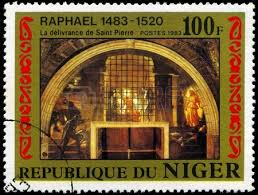
While Raphael was engaged in painting his celebrated frescoes, he was visited by two cardinals who began to criticize his work, and found fault without understanding it.

“The Apostle Paul had too red a face,” said one.

“He blushes to see whose hands the church has fallen,” answered the angry artist.
rapahel

Julian Huxley on Theologian and Philosopher

Julian Huxley tells this: “I recall the story of the philosopher and the theologian. The two were engaged in disputation and the theologian used the old quip about a philosopher resembling a blind man, in a dark room, looking for a black cat – which was not there.

“That may be,” said the philosopher, “but a theologian would have found it.”

Julian Huxley

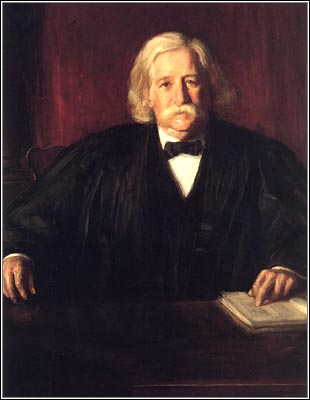
Chief Justice Melville Fuller on Ignorance

Shortly before his death Chief Justice Melville Fuller presided at a church conference. During the progress of a heated debate a member arose and began a tirade against universities and education, thanking God that he had never been corrupted by contact with a college.

“Do I understand the speaker thanks God for his ignorance?” interrupted the Chief Justice.

“Well, yes”, was the answer. ”You can put it that way if you wish”

“All I can say then,” Said the Chief Justice, “is that the member has a great deal to thank God for.”
008_fuller

Deist and Dentist!

At a gathering in London, where a furious theological controversy occurred, Dean Swift lost his temper and boisterously asked a stranger, who sat next to him: “On which side, sir, are you? Are you an atheist or a Deist?”

“Oh, neither, Sir”, was the immediate reply;

“I am a dentist.”
dentist

Theologian Leonard Bacon

The theologian Leonard Bacon, was present at a religious conference. He had made a certain statement on the floor, whereupon a member, opposed to his views, burst forth with the exclamation, “Why, I never heard such a thing in all my life.”

“Mr. Moderator,” appealed Bacon, “I cannot allow my opponent’s ignorance, however vast, to prejudice my knowledge, however small.”
jericho

John Selden and Salt Fish

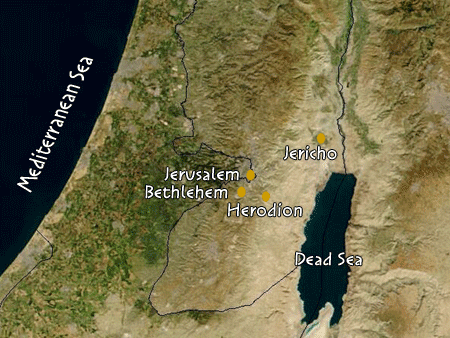
When the learned John Selden was a member of the Assembly of the Divines at the Westminster he delighted to puzzle them by curious quibbles. Once they were gravely engaged in determining the exact distance between Jericho and Jerusalem; and one of them, to prove it could not be great, observed, “That fish were carried from one place to other.” At which the resourceful Dr.Selden observed: “Perhaps it was salt fish?” this again threw the assembly into confusion.

‘ என் தந்தை’: மஹாகவி பாரதியார் பற்றிய நூல்கள்! -1

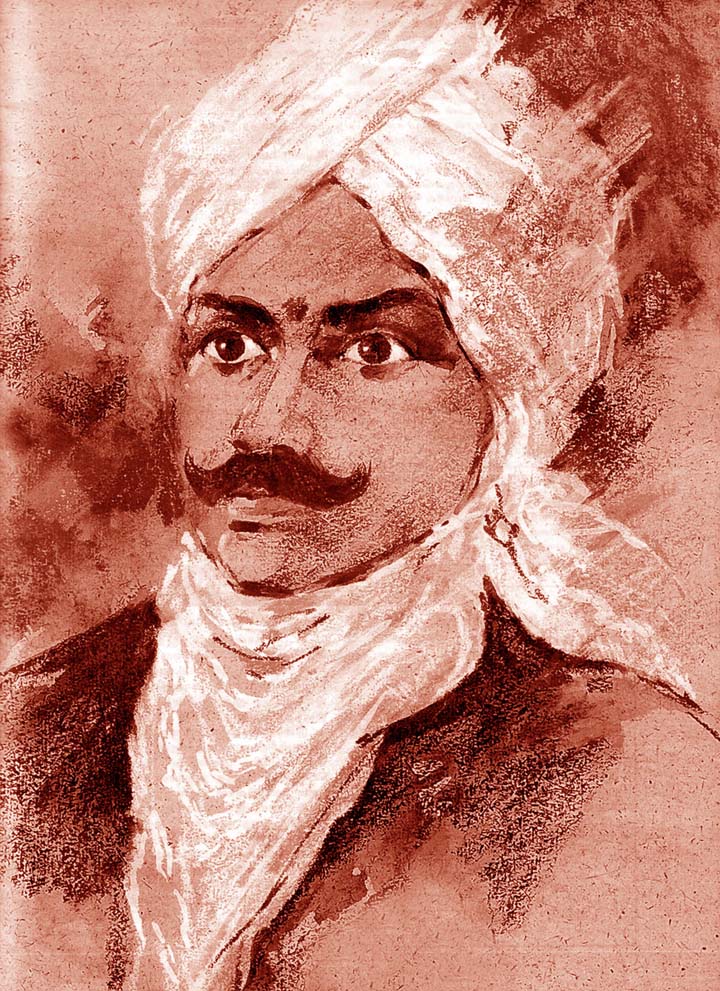
பாரதி படம்

Article No. 2091

Written by S NAGARAJAN
Date : 22 August  2015
Time uploaded in London :– 13-17

ச.நாகராஜன்

பாரதி இயல்

பாரதி இயல் இன்று ஒரு பெரும் துறையாக ஆகி விட்டது! இதில் வியப்பதற்கு ஒன்றும் இல்லை. அபாரமான அபூர்வமான மேதை அவர். தொடாத துறை இல்லை; தீர்க்க தரிசனத்துடன் பிரம்மாண்டமான ஒரு பாரதத்தை அவர் தன் மனக் கண்களால் கண்டார்.

சிறுகச் சிறுக அவரது கதைகள், கட்டுரைகள், கவிதைகள் எல்லாம் சேகரிக்கப்பட்டுக் கொண்டே இருக்கின்றன. ஒரு சிறிய அளவில் மஹாகவி பாரதியார் கவிதைகள், மஹாகவி பாரதியார் கதைகள், மஹாகவி பாரதியார் கட்டுரைகள் என்று அப்போது கிடைத்த அவரது படைப்புகளுடன் வெளி வந்த மூன்று தொகுப்புகளைக் கண்டே அறுபதுகளில் அனைவரும் அசந்து போயிருந்தார்கள்.

இன்றோ! அவரது பன்முகப் பரிமாணம் அடங்கிய அனைத்துப் படைப்புகளும் பரந்த அளவில் கிடைத்துள்ளன. அவை அவர் எந்த அளவு பன்முகப் பரிமாணம் கொண்ட மாமேதை என்பதை உணர்த்துகின்றன.

அவரைப் பற்றிய சுவையான நூல்கள் ஏராளம், கட்டுரைகள், கவிதைகளோ பல்லாயிரம். பின்னாளில் கிடைத்த மஹாகவியின் சில நூல்களும் கூட வெளியிடப்பட்டுள்ளன.

இவற்றில் முக்கியமானவற்றைத் தொகுத்துத் தந்தால் அவரைப் பற்றி அறிய ஒரு சரியான வழிகாட்டியாக அந்த நூல் அமையும்.

அந்த முயற்சியில் ஆசை கொண்டு ஆரம்பிக்கும் ஒரு சிறிய முயற்சி; நல்ல முயற்சி இது.

நூல்கள், முக்கிய கட்டுரைகள், கவிதைகளின் பட்டியலை ஆரம்பிப்போமா?

Portrait of Bharathi

Portrait of Bharathi

  1. என் தந்தை

பாரதியாரின் புதல்வி சகுந்தலா பாரதி எழுதிய அருமையான நூல் இது. 1974ஆம் ஆண்டு மார்ச் மாதம் முதல் பதிப்பை பாரதி தமிழ்ச் சங்கம், கல்கத்தா இதை வெளியிட்டது.

“பாரதி நினைவுக்குச் சங்கம் செய்யும் பணியைப் பாராட்டும் வகையில் தான் திருமதி சகுந்தலா பாரதி அவர்கள் இந்நூலை வெளியிடும் வாய்ப்பை எங்களுக்கு நல்கினார்கள் என்றே நம்புகிறோம்”. என்று பாரதி தமிழ்ச் சங்கம் அறிமுக உரையை வழங்குகிறது.

88 பக்கங்கள் அடங்கிய நூலில் ஏராளமான அற்புதமான சம்பவங்களை எளிய நடையில் சகுந்தலா பாரதி தெரிவிக்கிறார். அவர் தரும் சில தகவல்கள்:-

க்ஷத்திரியனைப் போன்ற வீர மரணத்தை அவர் விரும்பினார்.

என் தந்தையார் தேசத்தின் மீதுள்ள அன்பிற்கு அடுத்ததாக என் மீது பிரியம் செலுத்தினார்.

எங்கள் வீட்டில் ஸ்வாமி விவேகானந்தரின் பிறந்த நாள் கொண்டாடப்படுவது வழக்கம்,

நிவேதிதா தேவியார் தாம் இமயமலைக்குச் சென்றிருந்த போது அங்குள்ள மரத்தின் இலையொன்றைக் கொண்டு வந்திருந்ததை தன் ஞாபகார்த்தமாக அளித்திருந்தார். அதை என் தாயார் தன் நகை (இல்லாத) பெட்டியில் வைத்திருந்தார்.

முதல் ஐந்து பக்கங்களில் ஏராளமான தகவல்களில் மேலே கண்டவை சில.

முழுப் புத்தகமும் பாரதியார் பற்றிய ஒரு தங்கச் சுரங்கம்.

பாரதி இயலில் பாரதியாரைப் பற்றி நேரடியாகத் தெரிந்து கொள்ள ஒரு அருமையான நல்ல நூல் இது.

******

Evolution: Monkey to Man! Some Anecdotes about Ancestors!

a dumas

Article No. 2090

Written by London swaminathan
Date : 21 August  2015
Time uploaded in London :– 15-18

It is a common belief that mankind evolved from the monkeys. But the fact of the matter is man did not evolve from apes like gorillas or chimpanzees but he shares a common ancestor with them. Since there many missing links in the evolutionary ladder, still it debated by the biologists. There are some interesting anecdotes about ANCESTORS.

San-Marino-Abraham-Lincoln-USA

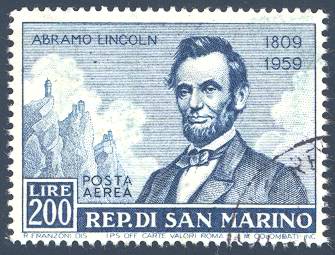
Abraham Lincoln’s Ancestors

Speaking of his ancestry Lincoln once humorously remarked, “ I don’t know who my grandfather was, but I am much more concerned to know what his grandson will be.”

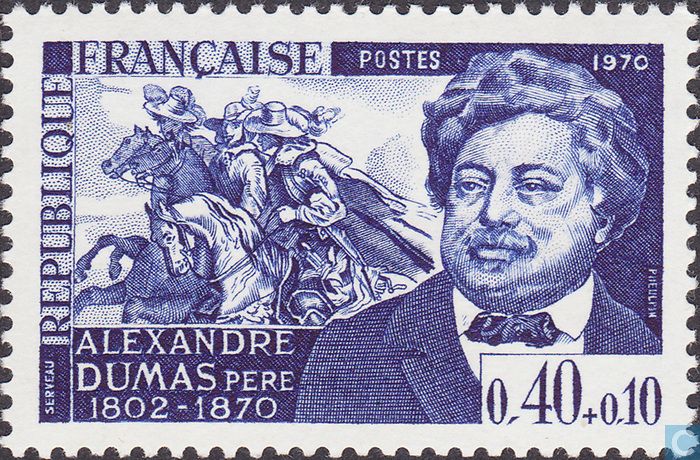
Alexandre Dumas and Baboon!

The elder Dumas was once interviewed by an enterprising reporter, who like many other admirers of the novelist, was curious about his ancestry. “Is it true that you are a quadroon, M.Dumas?”, he asked.

“I am, sir,” Dumas replied.

“So your father……….?”

“Was a mulatto”

“And your grandfather…………?”

“Was a negro.”

Dumas’ patience was running out but the reporter was a bold man. He continued: “And may I inquire who your great- grandfather was?”

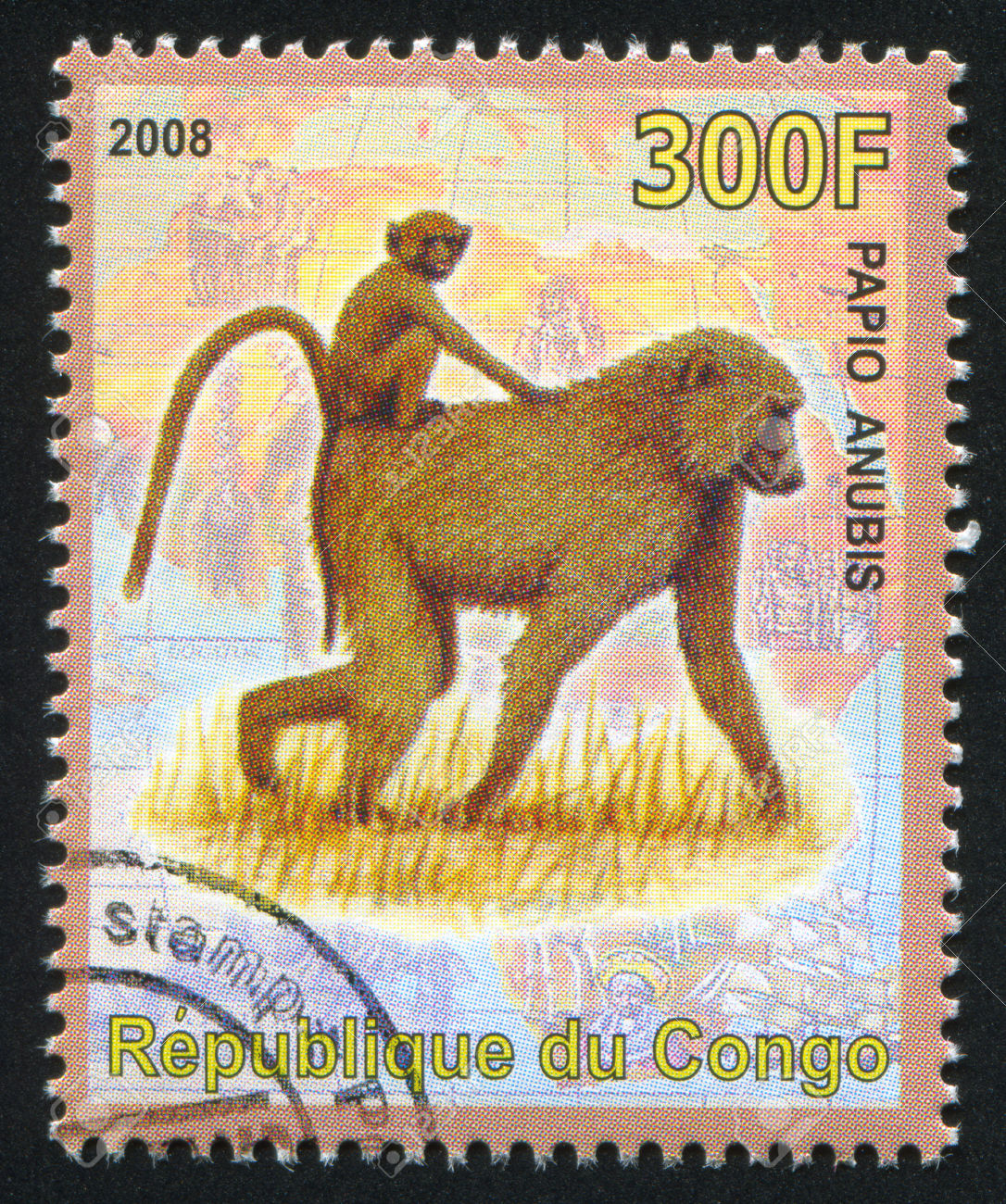
“A baboon, sir!” thundered Dumas. “A baboon! My ancestry begins where yours ends!”

((Quadroon : a person who is one quarter black by descent.

Mulatto : a person of white and black ancestry.

Alexander Dumas was famous for his novels and stories such as Three Musketeers. His novels were translated into 100 languages. 200 feature films were on his stories. He wrote 100,000 pages in his life time.))

CONGO - CIRCA 2008: stamp printed by Congo, shows Olive baboon, circa 2008

   CONGO – CIRCA 2008: stamp printed by Congo, shows Olive baboon, circa 2008

baboon2

Mark Twain’s Ancestor!

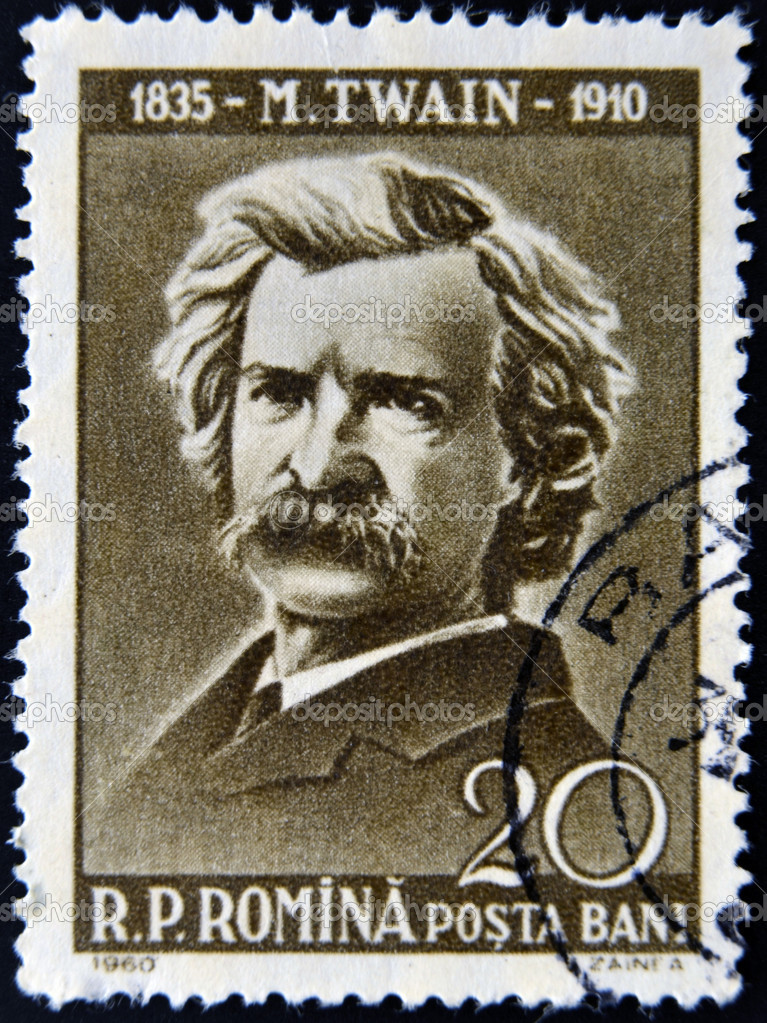
The story is told that Mark Twain was once a guest of an Englishman who took him, with some pride, into a manorial hall hung with huge tapestry depicting the judging of King Charles the First. The host placed his fingers with great pride upon the figure of one of the obscure clerks of the court and said, “An ancestor of mine.

Twain, always offended by such ostentation, casually put his finger upon one of the judges seated on the tribunal and remarked, “An ancestor of mine but it is no matter, I have others.”

ROMANIA - CIRCA 1960: stamp printed by Romania show Mark Twain, circa 1960.

ROMANIA – CIRCA 1960: stamp printed by Romania show Mark Twain, circa 1960.

Xxx

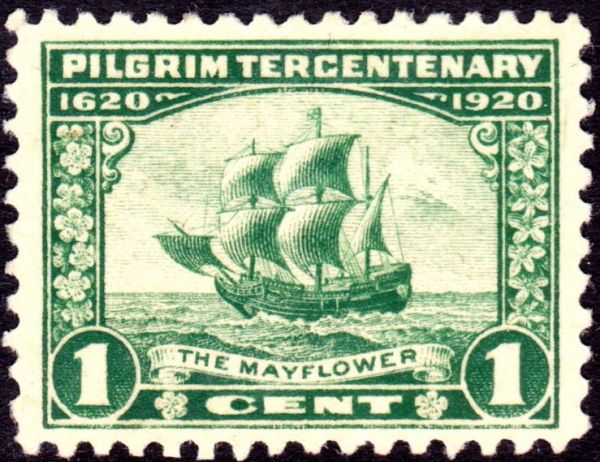
To a man who had proudly said, “My ancestors came over in the Mayflower,” Will Rogers retorted, “My ancestors were waiting on the beach.”

may flower mayflower13

பிரிட்டிஷ் மஹாராணிக்கு ஜே! ஜால்ரா!! சம்சா!!! மஹா ஜால்ரா!!!!

IMG_3346 (2)

Research Article No. 2089

Written by London swaminathan
Date : 21 August  2015
Time uploaded in London :–  காலை மணி 10-02

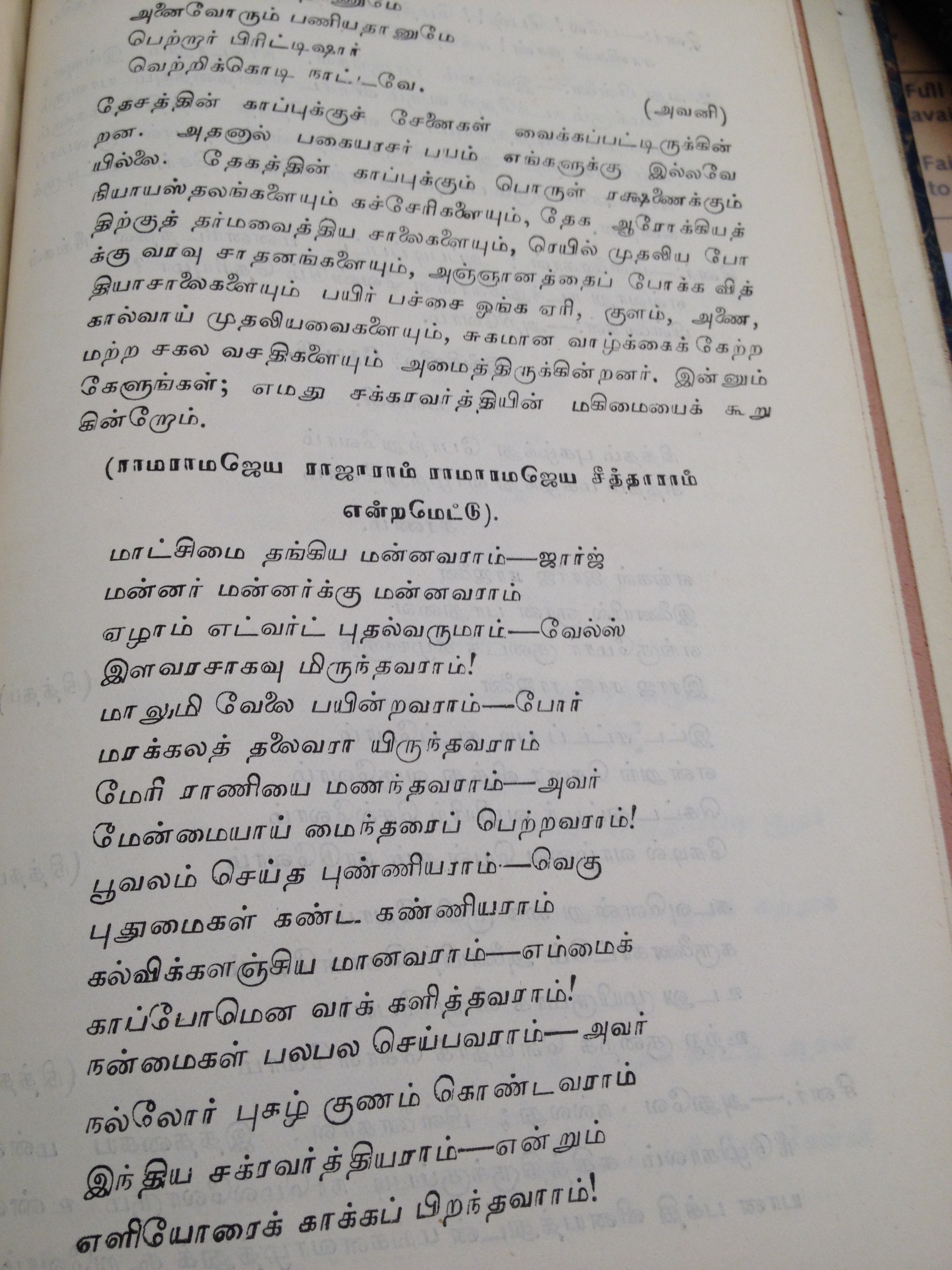
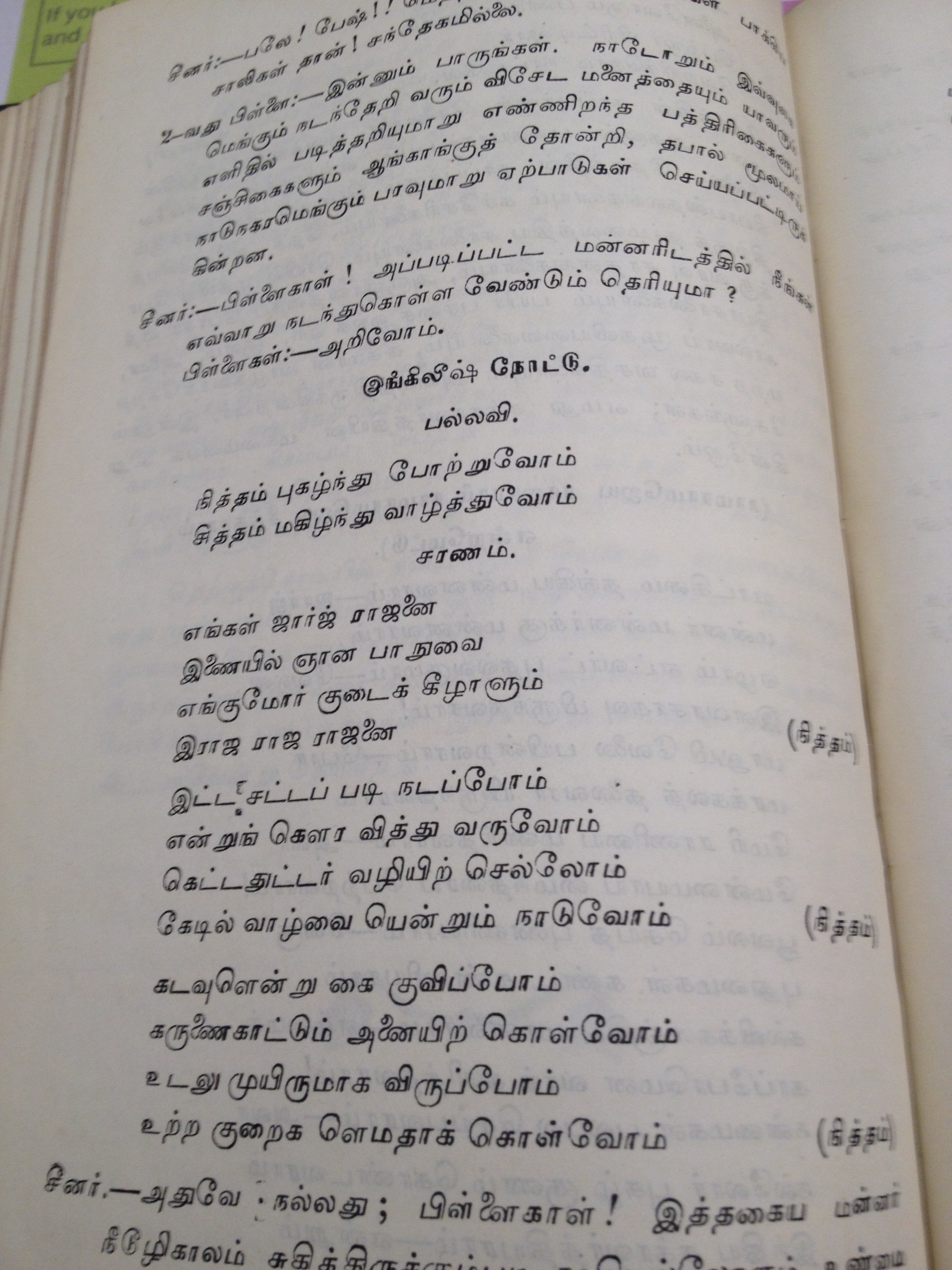
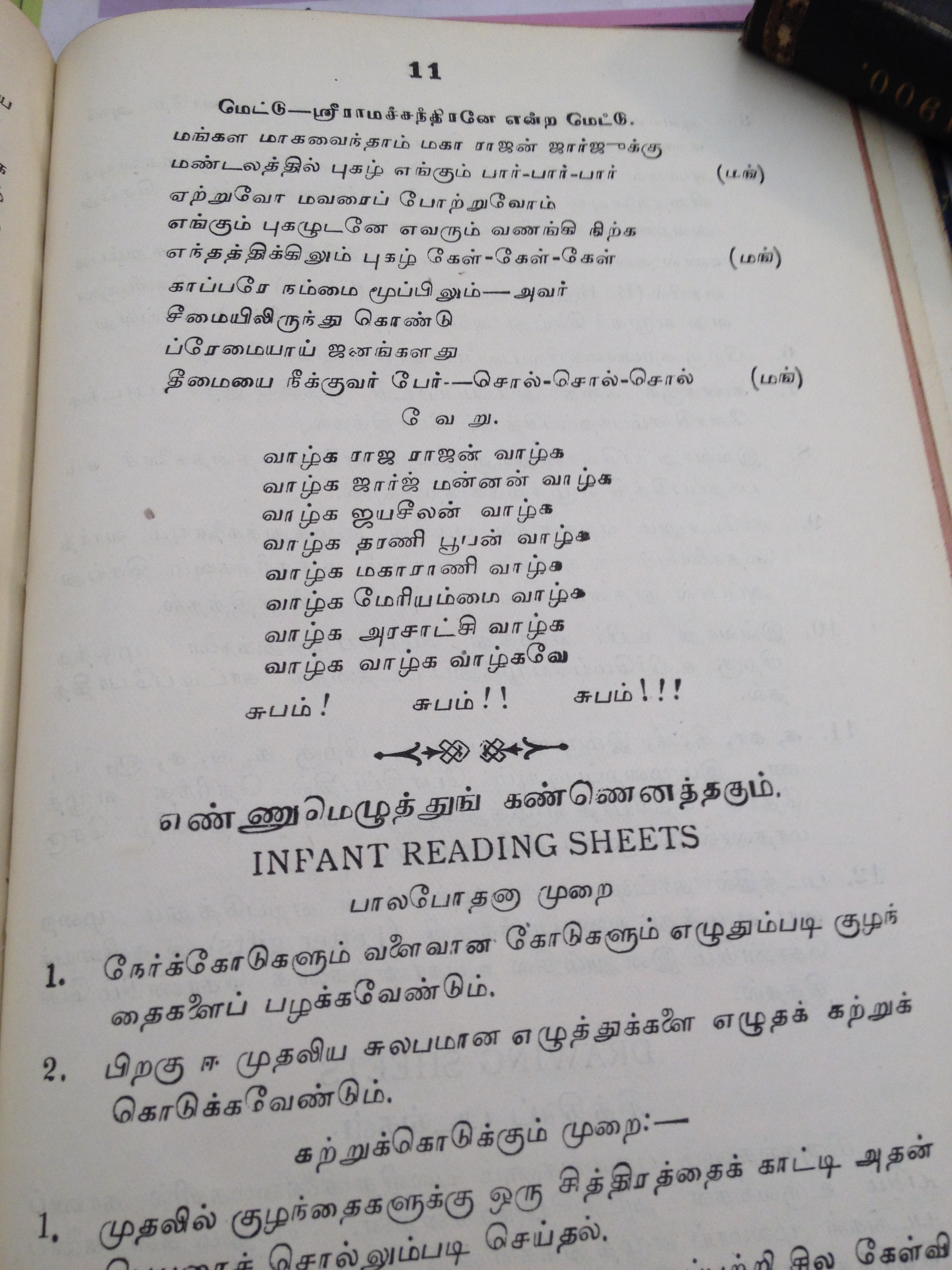
இந்தியாவில் சுதந்திரத்துக்காகப் போராடியோர் எண்ணிக்கை மிகவும் குறைவே. அக்கால ஜனத்தொகையையும் (சுமார் முப்பது கோடி), பின்னர் தியாகிகள் என்று தாமிர பட்டயம் வாங்கியோர் எண்ணிக்கையயும் ஒப்பிட்டால் இது புரியும். பெரும்பாலான மக்கள், “ராமன் ஆண்டால் என்ன, ராவணன் ஆண்டால் என்ன” என்று இருந்துவிட்டனர். விக்டோரியா மஹாரணி காலத்தில் இந்தியர்கள், குறிப்பாகப் பத்திரிக்கைகள் அனைத்தும், அவளை எப்படி போற்றிப் புகழ்ந்தன என்பதையும் ஜார்ஜ் மன்னர் இந்தியாவுக்கு வந்தபோது அவரை எப்படிப் பாராட்டினர் என்பதையும் பார்த்தால் இது விளங்கும்.

வெளி நாட்டினருக்கு ஜால்ரா அடிப்பதில், ஒத்து ஊதுவதில் தமிழர்கள் சளைக்கவில்லை. திராவிட பக்தன் முதலான பத்திரிக்கைகளில் வந்த பாடல்களே இதற்கு சான்று பகரும்.

IMG_3341 (2)

“ட்விங்கிள் ட்விங்கிள் லிட்டில் ஸ்டார்” — மெட்டில் ஒரு பாட்டு, “ராம ராம ஜய ராஜாராம்” — என்ற பஜனைப் பாட்டு மெட்டில் ஒரு பாட்டு என்று பிரிட்டிஷாரைப் புகழ்ந்து எழுதித் தள்ளிவிட்டனர். காந்திஜி போன்றோர் வந்து சுதந்திரப் போராட்டத்தை மக்கள் இயக்கமாக மாற்றிய போதும் வேடிக்கை பார்க்க வந்த கும்பலே அதிகம். காந்திஜி சுடப் பாட்டு இறப்பதற்கு முதல் நாள் வரை திண்ணைப் பேச்சிலும், மரத்தடிப் பேச்சிலும் அவரைக் குறை கூறியோர் எண்ணிக்கையே அதிகம்.

“நெஞ்சு பொறுக்குதிலையே–இந்த நிலைகெட்ட மனிதரை நினைந்துவிட்டால்

இதையெல்லாம் கண்டு பொறுக்க மாட்டாமல்தான் பாரதியார் கொதித்தெழுந்தார். “நெஞ்சு பொறுக்குதிலையே–இந்த நிலைகெட்ட மனிதரை நினைந்துவிட்டால் …. அஞ்சி அஞ்சிச் சாவார் – இவர் அஞ்சாத பொருளில்லை அவனியிலே” என்றும், “நெஞ்சில் உரமும் இன்றி நேர்மைத் திறமும் இன்றி வஞ்சனை சொல்வாரடி கிளியே- வாய்ச் சொலில் வீரரடி” – என்றும் பாடினார்.

IMG_3340 (2)

1911 ஆம் ஆண்டில் ஐந்தாம் ஜார்ஜ் மன்னர் இந்தியாவுக்கு விஜயம் செய்தார். அப்போது இந்தியாவில் ஆங்கில ஆட்சியைப் புகழ்ந்து பலர் பாடல்கள் எழுதினர். பாரதியார், ரவீதிரநாத் தாகூர் முதலிய பெருங் கவிஞர்களும் இதில் அடக்கம். ஜனகனமன என்று துவங்கும் பாடலும் (பின்னர் நாட்டின் தேசீய கீதமானது) ஜார்ஜ் மன்னரை வரவேற்க எழுதப்பட்டதே. ஆயினும் இது ஒரு சர்ச்சையான பின்னர் 28 ஆண்டுகளுக்குப் பின்னர் தாகூர் மறுப்பு வெளியிட்டு, இது பொதுவான பாடல் என்றார்.

பாரதியார் எழுதிய “வேல்ஸ் இளவரசருக்கு நல்வரவு” என்ற பாடலில் மிகவும் அழகாகப் பாராட்ட வேண்டிய இடத்தில் பாராட்டிவிட்டு வாழைப்பழத்தில் ஊசி ஏற்றுவது போல ஏற்றி, ‘நல்லது செய்’ (சுதந்திரம் வழங்கு) என்றும் பாடி இருக்கிறார். தாகூர் எழுதிய பாடலில் ‘ஆஹா ஓஹோ’ என்று புகழ்ந்து தள்ளி இருக்கிறார்.பாரதியார் பாடலில் அப்படி இல்லை.

ஆயிர வருடம் அன்பிலா அந்நியர்

ஆட்சியின் விளைந்த அல்லல்கள் எண்ணில –

என்று சொல்லிவிட்டு பிரிட்டிஷ் ஆட்சியில் ஏற்பட்ட மாற்றங்களைப் புகழ்கிறார். பின்னர்

ஆயினும் என்னை? ஆயிரங்கோடி தொல்லைகள் இன்னும் தொலைந்தனவில்லை

நல்குரவாதி நவமாம் தொல்லைகள்

ஆயிரம் எனை வந்தடைந்துள நுமரால்

என்னுமிங்கிவையெலாம் இறைவன் அருளால்

நீங்குவ அன்றி நிலைப்பனவல்ல

–என்று சொல்லி சுதந்திர வேட்கையையும் வெளிப்படுத்துகிறார். 1908 ஆம் ஆண்டில் பாரதியார் வெளியிட்ட ஸ்வதேச கீதங்கள் – என்ற தனது நூலில் சேர்த்த பாடல்களே அவருடைய தீவிர சுதந்திர வேட்கைக்குச் சான்று.

அவர் நடத்திய தேசபக்தப் பத்திரிக்கைகளைத் தவிர பெரும்பாலான பத்திரிக்கைகள் பிரிட்டிஷ் ஆட்சியாளரைப் புகழ்ந்தனவேயன்றிக் குறைகூற அஞ்சி நடுங்கின!

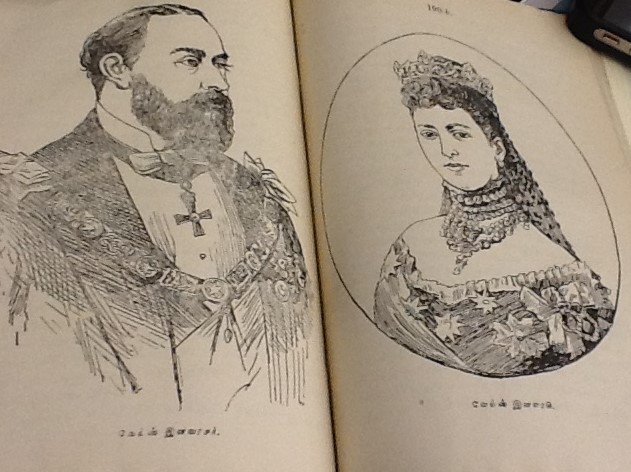
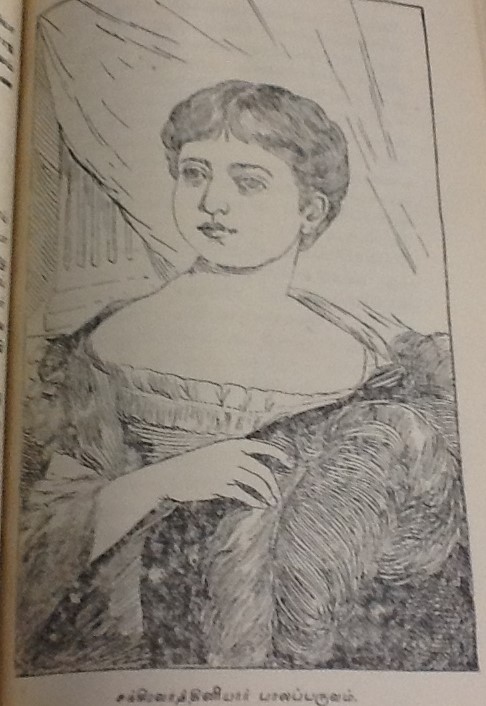
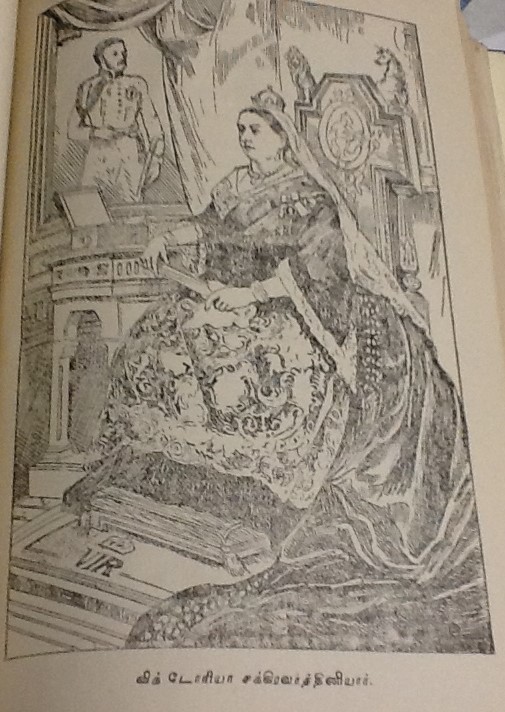
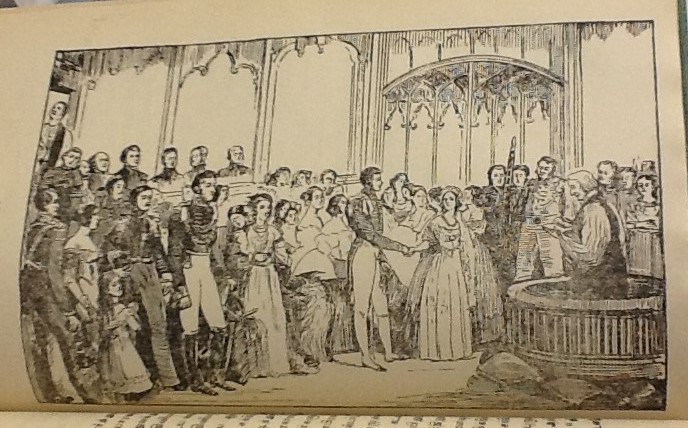
இத்துடன் இணைத்துள்ள பாடல்கலையும் விக்டோரியா மஹாரணியாரைப் புகழ்ந்து வெளியான தமிழ்ப் புத்தகத்தையும் பார்த்தால் அக்கால அடிவருடிச் சூழ்நிலை கண்ணுக்குமுன் திரைப்படம் போல வரும்!

இனி இணைப்புகளைக் காண்க:————

IMG_3344 (2)

IMG_3349 (2)

IMG_6004

IMG_6013

IMG_6014

IMG_6015

IMG_3345 (2)

—-முற்றும்—

Two Stories: Differences between Donkey’s Work and Dog’s Work!

dog and donkey

Article No. 2088

Written by London swaminathan
Date : 20 August  2015
Time uploaded in London :– 20-39

Each one can perform a particular task better than others. Not all are equal when it comes to work. This is because of their innate abilities or training. Two dog and donkey stories illustrate this point. I posted earlier “can we learn Mantras from Printed books?” Sringeri Shankaracharya answered this question with a story (See at the end)

There are two folk tales in Tamil:

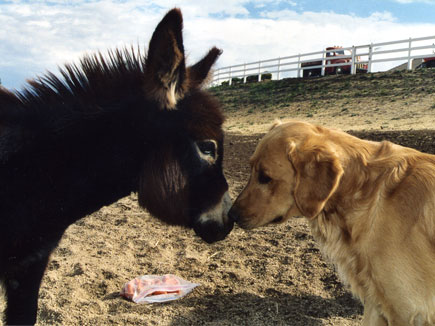
One day a donkey thought, “ I work harder than the dog in this house. But the dog is going in the car with my master. It rests on his lap all the time. It plays with him. He even kisses the dog with all his affection. It goes into every room in the house. But I am not allowed inside the house. I am not given the same treatment. There is no democracy in the house. There is no equality; there is discrimination. I must challenge it. So it keenly watched the behaviour of the dog. It was playing on the bed of his master. Now and then he hugged it, patted it and kissed before he fell into sleep. When the dog went into another room, the donkey entered master’s bed room. He didn’t notice its coming into his room. So it took a bold step. It did not wait for master’s hug or kiss! It went near him and kissed him with his big donkey lips. He woke up and got angry. He took his walking stick and thrashed it. It ran out braying loudly. It felt very sad and decided to have a word with the dog next day.
donkey3

Story 2

In the morning, the dog and the donkey had a friendly chat. “Hey, Doggy! What makes it you closer to our master them me? Yesterday I tried all the tricks I learnt from you but I was beaten blue and black. The dog laughed and said that it may be due to the nature of the job they were doing. Then the donkey said that it wanted to swap the work with him for a day and try what happens. The dog readily agreed. That night the dog went into sleep and the donkey guarded the house. Master of the house was unaware of this new arrangement.

Unfortunately, the thieves broke into the house that night. Donkey faithfully remembered what the dog said to him. Dogs used to bark when strangers come into the house. So I must wake the master now. And so it started braying loudly. Master woke up in the middle of the night and came out. He saw the donkey only. The thieves had run away by that time. Again he took a big stick and thrashed the donkey. Poor donkey couldn’t understand its ‘ungrateful’ master. Next day it handed over the duty of guarding the house to the dog and went to its routine work.

Better is death in one’s own duty (Svadharme Nidhanam Sreyah)– Bhagavad Gita 3-35

Battersea-Commemorative-S-001

Following story is from my post on 5 November 2013

Are the Mantras only for particular Castes?

A gentleman who accepted the efficacy of mantras in helping concentration of the mind had other doubts in the matter.

His Holiness Sachidananda Siva Abhinava Narasimha Bharati Svaminah(33rd Jagadguru) of Sringeri Mutt (from ‘Goden Sayings’) answered his questions:-

Gentleman: I do not understand why certain Mantras are allowed only for members of particular castes or persons in particular stages of life and are prohibited for others.

His Holiness: Only if a person for whom a particular Mantra is prescribed pronounces it, it is a Mantra; otherwise it is mere a sound.

Gent: How can that be? Is not a Mantra only a collection of sounds?

HH: A mere collection of sounds will not be a Mantra. It will be a Mantra only if pronounced by a person qualified to pronounce it.

G: How so?

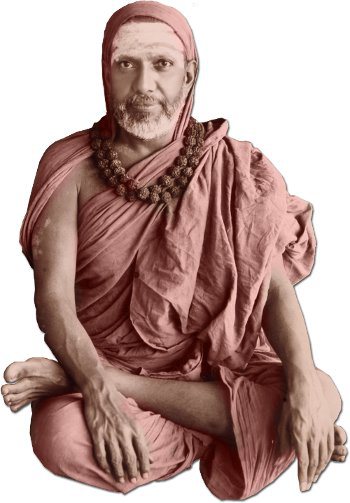
sri_sacchidananda_shivabhinava_nrisimha_bharati_mahaswamigal

HH: In answer to your question, I shall relate a story. In the days of old, a Naik Chief had a petty kingdom of his own and was guided by a Brahmana minister. He learnt that the high intelligence and capacity of the minister was due to his devoted repetition of the sacred Gayatri Mantra and felt impelled to ask him to initiate himself also in that Mantra. The minister however declined to do so. But there happened to be a poor Brahmana cook in the Royal establishment for the benefit of Brahmana guests and the King managed, by threats or bribing, to persuade him to impart to himself the Gayatri.

In a mood of exultation at his success, he proclaimed to the minister in the open court that he had learnt the Mantra. When the minister said that it was not possible, he repeated the words of the Mantra. The minister immediately denied it was the Gayatri. The King grew suspicious of the cook and sent for him and asked him to repeat it. He did so and the King at once pointed out that that was just what he himself pronounced. The minister however persisted in saying that it was not the same thing. The King naturally concluded that the minister was under some temporary mental aberration when he chose to deny a patent fact and attended to his other business.

After some time, the minister suddenly and in loud tones shouted to the bodyguard pointing to the King, “Give him two slaps on his cheek”. This confirmed the king in his opinion about the mental condition of the minister, but when the latter repeated the same command more than once, the king became angry and said to the bodyguard, “Give him two slaps on his cheek”.

The guard immediately gave a strong slap on the minister’s cheek. Then the minister said to the King, “This is the difference. I pronounced the same words as you did but they bore no effect but the same words from your lips had immediate effect and resulted in an injury to me. If a person like myself pronounces the same words, they not only do not amount to a command but have the contrary effect of bringing punishment on myself”.

In the same way, a combination of sounds becomes a Mantra only when it is communicated by an authorised person to another qualified under the Shastras to get it. This explains incidentally why people who claim to have learnt Mantras from printed books are never benefited by them. On the other hand, such procedure has the decided effect of reducing the faith of ordinary people in the efficacy of Mantras. When even qualified recipients have to submit to various restrictions in the repetition of a Mantra, how can we expect any result, other than any undesirable, if it is resorted to by incompetent people in quite a light manner? The Shastras alone are our guide in such matters and must be strictly adhered to.

From ‘Golden Sayings’,1969 publication by Sri Jnanantha Grantha Prakasana Samiti, Thenkarai, Madurai District.

புகழ் எனின், உயிரும் கொடுக்குவர், பழி எனின், உலகுடன் பெறினும், கொள்ளலர்

bahavat_cropped

Research Article No. 2087

Written by London swaminathan
Date : 20 August  2015
Time uploaded in London :– 19-14

புகழ் (கீர்த்தி), அபகீர்த்தி (இகழ்ச்சி) பற்றிய தமிழ், சம்ஸ்கிருதப் பொன்மொழிகள்

(( இசை= யசஸ் = புகழ்; சம்ஸ்கிருதச் சொல் யசஸ் என்பதும் தமிழ்ச் சொல் இசை என்பதும் ஒரே மூலத்தில் இருந்து பிறந்த சொற்கள்))

(1).இந்நிலத்து மன்னுதல் வேண்டின் இசை நடுக – நன்னெறி

பொருள்: இந்த பூமியில் உங்கள் பெயர் எப்பொழுதும் இருக்க வேண்டுமானால் புகழை நிலை நிறுத்துக.

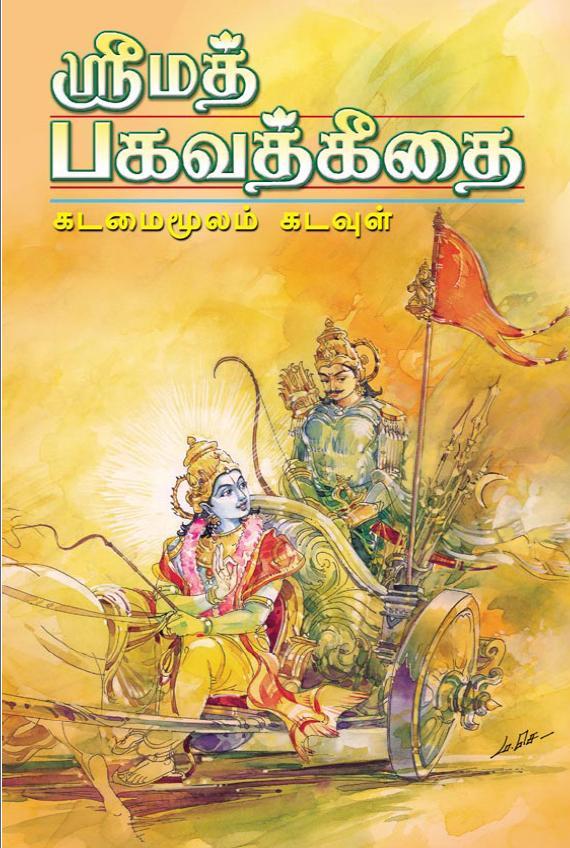
(2).உத்திஷ்ட ! யசோ லப: (பகவத் கீதை 11-33)

எழுந்திரு! புகழ் அடை!

தோன்றிற் புகழொடு தோன்றுக அஃதிலார்

தோன்றலிற் தோன்றாமை நன்று – குறள் 236

(3).புகழ் எனின், உயிரும் கொடுக்குவர், பழி எனின், உலகுடன் பெறினும், கொள்ளலர் (புறநானூறு 182)

(4).சம்பாவிதஸ்ய ச கீர்த்திர் மரணாத் அதிரிச்யதே– பகவத்கீதை 2-34

மரணத்தை விடக் கொடியது அவப்பெயர்

(5).புகழ்பட வாழாதார் தம் நோவார் (குறள் 237)

thirukkural1

(6).அனன்யகாமினீ பும்சாம் கீர்த்திரேகா பதிவ்ரதா- சுபாஷித ரத்ன பாண்டாகாரம்

பிற ஆண்களிடத்தில் போகாதவளே பதிவ்ரதை என்னும் புகழுடையாள் (அதாவது பிறர் உதவியை நாடாதவனே புகழுடையவன்)

(7).கீர்த்திர்யஸ்ய ச ஜீவதி – சுபாஷித ரத்ன பாண்டாகாரம்

புகழ் உடையவனே உயிர் வாழ்பவன் (மற்றவர்கள் இருந்தும் இறந்ததற்குச் சமம்)

(8).கீர்த்திர் த்யாகாத் அனுஸாரிணீ

புகழ் என்பது தியாகத்தைத் தொடர்ந்து செல்லும் (அதாவது, தியாகம் செய்பவனே புகழ் பெறுவான்)

(9).இமயத்துக் கோடு உயர்ந்தன்ன தம் இசை நட்டு, தீது இல் யாக்கையொடு மாய்தல் தவத்தலையே  —(புறநானூறு 182)

இமயத்தின் சிகரம் போல புகழ் பெறுக!

புரம்

(10).க்ஷிதிதலே கிம் ஜன்ம கீர்த்திம் வினா – சுபாஷித ரத்ன பாண்டாகாரம்

பூமண்டலத்தில் புகழ் இல்லாமல் வாழ்வது ஒரு வாழ்வா?

(11).இசையில் பெரியதோர் எச்சமில்லை – முதுமொழிக் காஞ்சி

பொருள்:-புகழைவிடப் பெரியதொரு செல்வம் (எச்சம்) இல்லை

(12).வசை என்ப வையத்தார்க்கு எல்லாம் இசை என்னும்

எச்சம் பெறாஅ விடின் (குறள் 238)

(எச்சம் = செல்வம்; இசை=யசஸ்)

(13).ந தஸ்ய ப்ரதிமா அஸ்தி, யஸ்ய நாம மஹத் யச: – யஜூர் வேதம்

எவனுக்கு பெரும் புகழ் இருக்கிறதோ அவனுக்கு ஒப்புவமை இல்லை

KSS

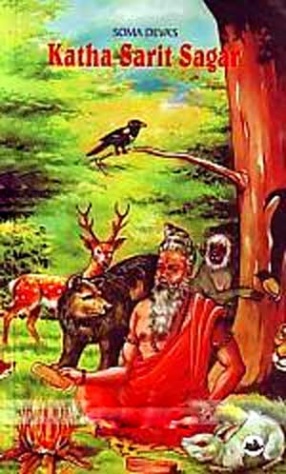
(14).ஸ்திரம் து மஹதாம் ஏகம் ஆகல்பம் அமலாம் யச: – கதா சரித் சாகரம்

கல்ப கோடி காலத்துக்குப் பெரியோரின் மாசு மருவற்ற புகழ் நீடிக்கும் (பூத உடல் மறைந்தாலும் புகழ் உடம்பு அழியாது)

(15).ஒன்றா உலகத்து உயர்ந்த புகழ் அல்லால்

பொன்றாது நிற்பது ஒன்று இல் (குறள் 233)

இனி, அபகீர்த்தி பற்றிய மேற்கோள்கள்:– (இதை வள்ளுவர் மானம் என்னும் அதிகாரத்தில் 10 குறள்களாகத் தந்துள்ளார்)


(16).அபயசோ யத்யஸ்தி கிம் ம்ருத்யுனா

கெட்ட பெயர் ஏற்பட்ட பின் மரணம் என்ன செய்யும்? (மரணத்தை விடக் கொடிது கெட்ட பெயர்)

(17).மயிர் நீப்பின் வாழாக் கவரிமான் அன்னார்

உயிர் நீப்பர் மானம் வரின் (குறள் 969)

(18).அபவாத ஏவ சுலபோ வக்துர்குணோ தூரத:

பேச்சாளன் கெட்ட பெயர் எடுப்பது சுலபம்; நல்ல பெயர் எடுப்பதோ அரிது.(அரசியல்வாதிகளுக்குப் பொருத்தமான அறிவுரை)

(19).அயசோ பீரவ: கிம் ந குருதே பத ஸாதவ: — கதா சரித் சாகரம்

இகழ்ச்சிக்குப் பயந்து நல்லோர் என்னதான் செய்யமாட்டார்கள்?

(20).ஸஹதே விரஹ க்லேசம் யசஸ்வீ நாயஸ: புன: — கதா சரித் சாகரம்

எதைப் பிரிந்தாலும் புகழுடையோன் தாங்கிக் கொள்வான்; ஆனால் இகழ்ச்சியைத் தாங்க மாட்டான்

(21).வசை ஒழிய வாழ்வாரே வாழ்வார் இசை ஒழிய வாழ்வாரே வாழாதவர் – குறள் 240

cover-subhashita-ratna-bhandagara

என்னுடைய பழைய கட்டுரைகள்:

யானை பற்றிய நூறு பழமொழிகள், ஜூன் 5, 2012

இந்துமதம் பற்றிய 200 பழமொழிகள் – Part 1, ஜூன் 22, 2012

இந்துமதம் பற்றிய 200 பழமொழிகள் – பகுதி 2, ஜூன் 22, 2012

இராமன் பற்றிய பழமொழிகள் ஏப்ரல் 10, 2014

இருபதாயிரம் தமிழ் பழமொழிகள், மே 31, 2012,

பெண்கள் பற்றிய 300 பழமொழிகள் (பகுதி 1,2,3) ஜூன் 26, 2012 & ஜூன் 28, 2012
பாரதி பாட்டில் பழமொழிகள், ஜூன் 25, 2012
அப்பர் தேவாரத்தில் பழமொழிகள் (இது மட்டும் எஸ்.நாகராஜன் எழுதியது) ஜூன் 26, 2012
ஒன்றுக்கும் உதவாத உதிய மரமே
உடம்பைக் கடம்பால் அடி

மேலும் 33 இந்துமதப் பழமொழிகள் ,ஜூலை 21, 2015

ஆரோக்கியம் தொடர்பான பழமொழிகள், 25 பிப்ரவரி 2015
20,000 Tamil Proverbs (English article)

Tamil – English Proverb Book (108 தமிழ்-ஆங்கிலப் பழமொழிகள்), posted 17 August 2015

ஆடுற மாட்டை ஆடிக்கறக்கனும், பாடுற மாட்டைப் பாடிக்கறக்கனும், 2 ஆகஸ்ட் 2015கல்விக்கு அழகு கசடற மொழிதல் (சொல்வன்மை பற்றிய 30 பழமொழிகள்), 12 ஆகஸ்ட் ,2015


Xxxxxxxxxxxxxxxxxxxxxxxxxxxxxxxxxxxxxxxxxxx

பழைய தமிழ் நாவல்கள் பற்றிய சில விநோதச் செய்திகள்!- பகுதி 3

IMG_3709 (2)

Research Article No. 2086

Written by London swaminathan
Date : 20 August  2015
Time uploaded in London :–  10-31


(கட்டுரையின் முதல் இரண்டு பகுதிகளைப் படித்துவிட்டு இந்த மூன்றாவது பகுதியைப் படிக்கவும்)

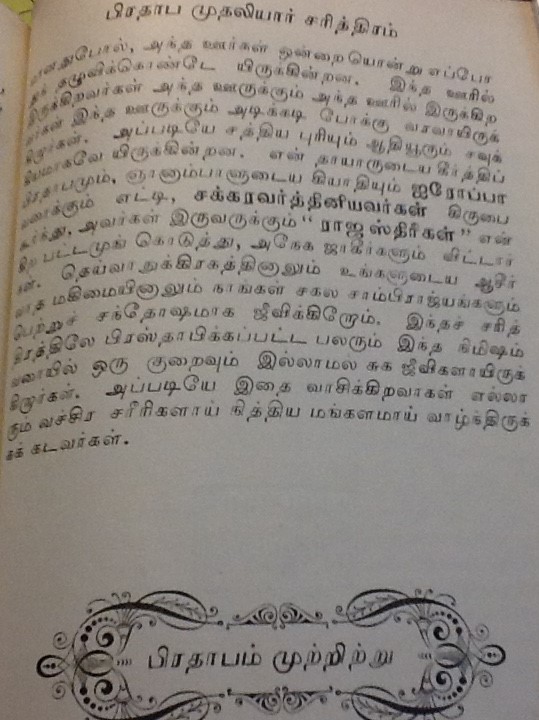
தமிழில் வெளியான முதல் நாவல் ஆதியூர் அவதானி சரிதம்; அதை எழுதியவர் வித்வான் சேஷையங்கார்.

இது வெளிவந்தது 1875 ஆம் ஆண்டில்.

இது பற்றி ஜெ.பார்த்தசாரதி, சிட்டி, சிவபாத சுந்தரம் ஆகியோர் முன்னரே எழுதியுள்ளனர்.

இந்த நாவலின் மறுபதிப்பும் வந்துள்ளது.

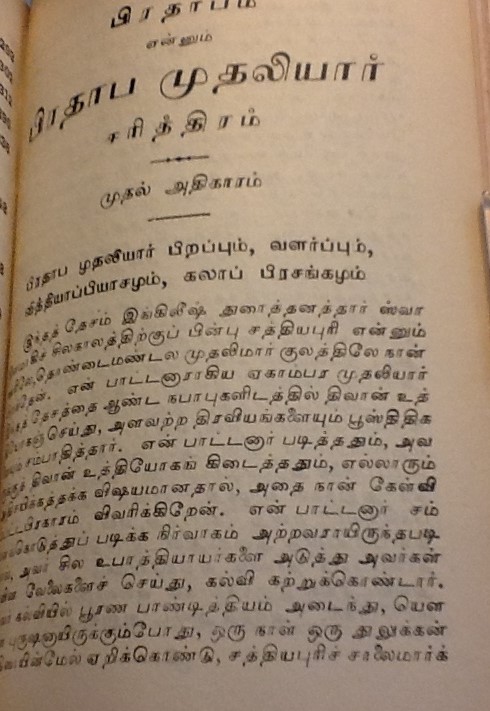
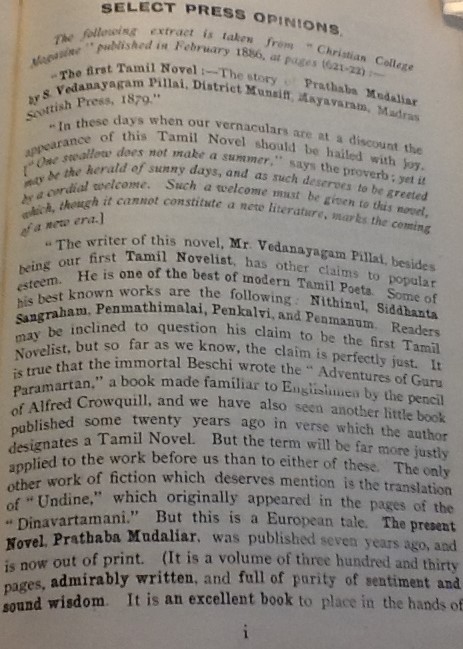
ஆயினும் பிரதாப முதலியார் சரித்திரம் – தான் முதல் தமிழ் நாவல் என்று முன்னர் கருதப்பட்டுவந்தது.

இது வெளிவந்தது 1879 ஆம் ஆண்டில்.

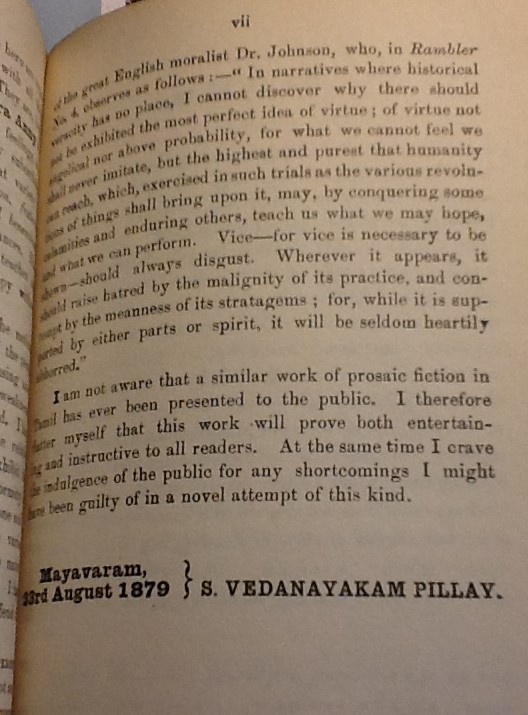
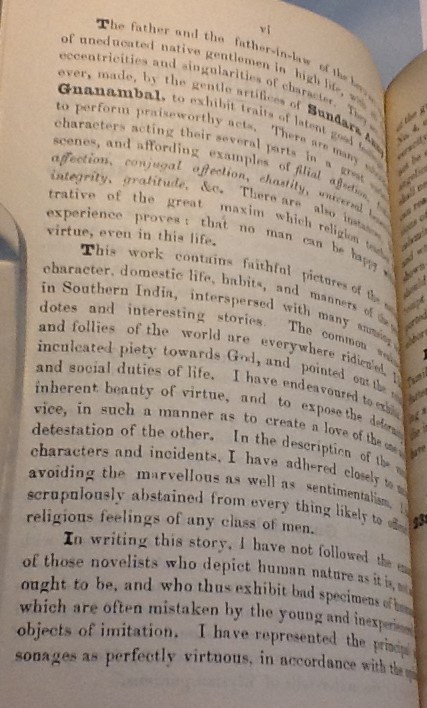
இதை எழுதியவர் வேத நாயகம் பிள்ளை.

IMG_3710 (2)

IMG_3712 (2)

IMG_3713 (2)

IMG_3714 (2)

IMG_3715 (2)

IMG_3717 (2)

IMG_3719 (2)

IMG_3720 (2)

IMG_3721 (2)

IMG_3722 (2)

IMG_3725 (2)

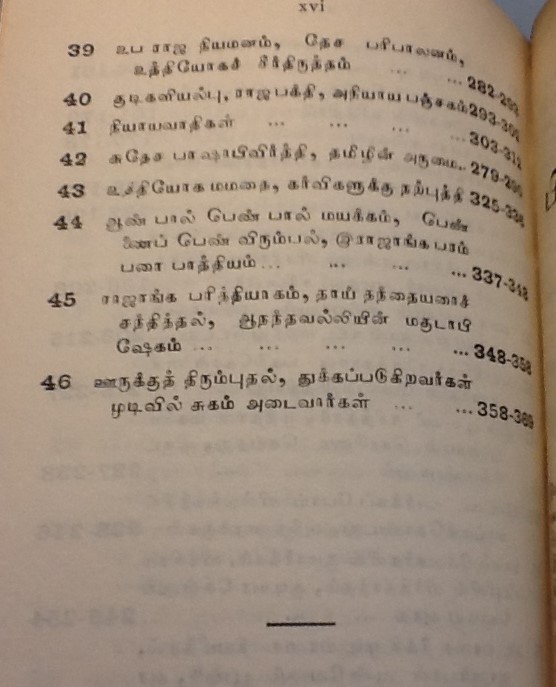
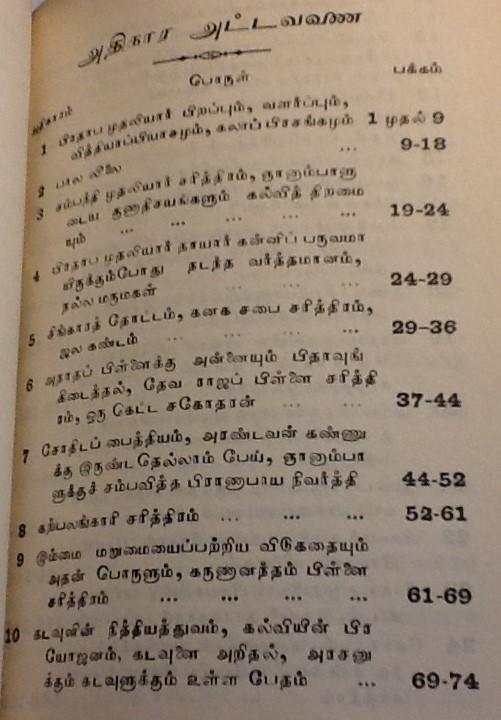
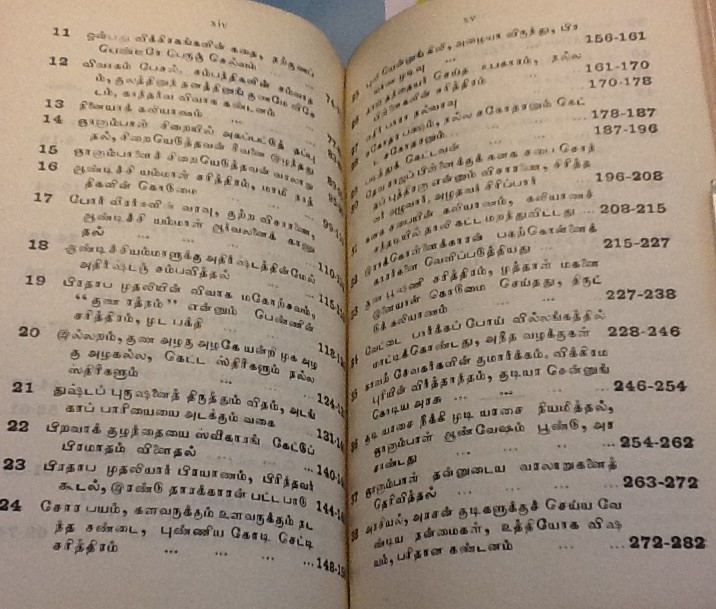
நாவலில், பொருளடக்கமென்னும் புதுமையைக் காண்க!

IMG_3726 (2)

IMG_3727 (2)

IMG_3730 (2)

(பாராட்டுகள், விமர்சனங்களில் முதல் பக்கத்தை மட்டும் கொடுத்து இருக்கிறேன்)

IMG_6563 (2)

IMG_3705 (2)

IMG_3706 (3)

IMG_3707 (2)

IMG_3708 (2)

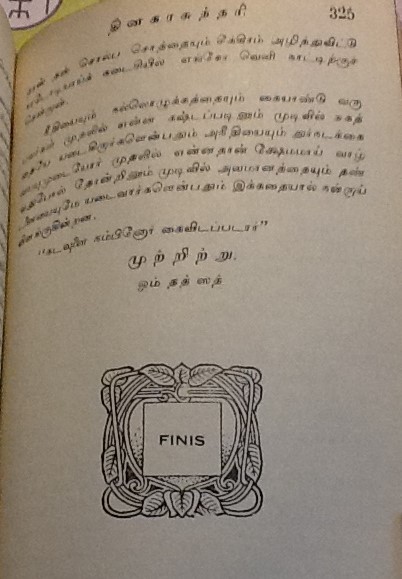
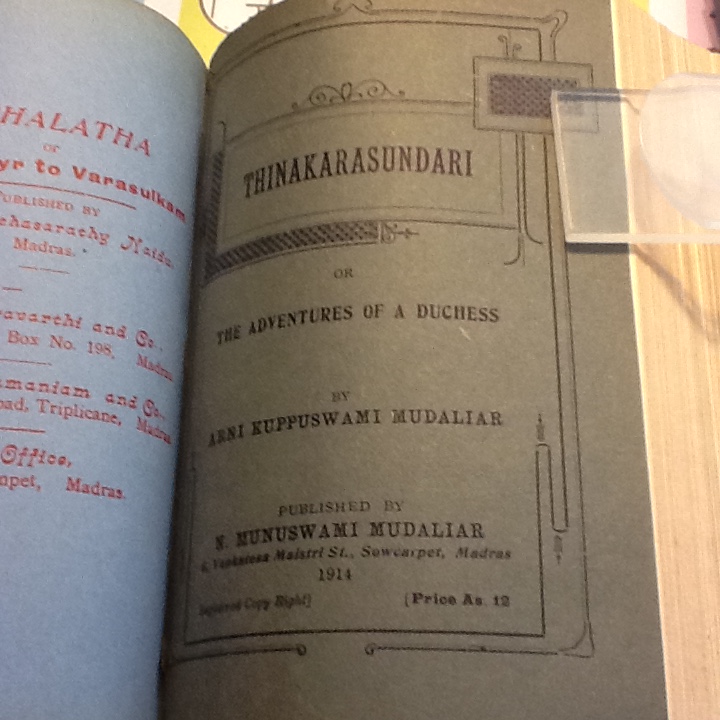
ராமாயண, மஹாபாரத – உபந்யாசங்களைக் கேட்போருக்கு சகல மங்களங்களும், உண்டாகுமமென்று, உபந்யாசகர்கள் வாழ்த்துவது போல, வேத நாயகம் பிள்ளை தனது நாவலை முடித்திருப்பதையும், தினரசுந்தரி என்னும் நாவல் ‘ஓம் தத் சத்’ – என்று முடிவதையும் நோக்குக.

முற்றும்.

Folk Tale: Haste makes Waste

pARROTS BELIZE

Article No. 2085

Written by London swaminathan
Date : 19 August  2015
Time uploaded in London :– 19-44

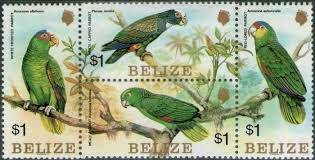
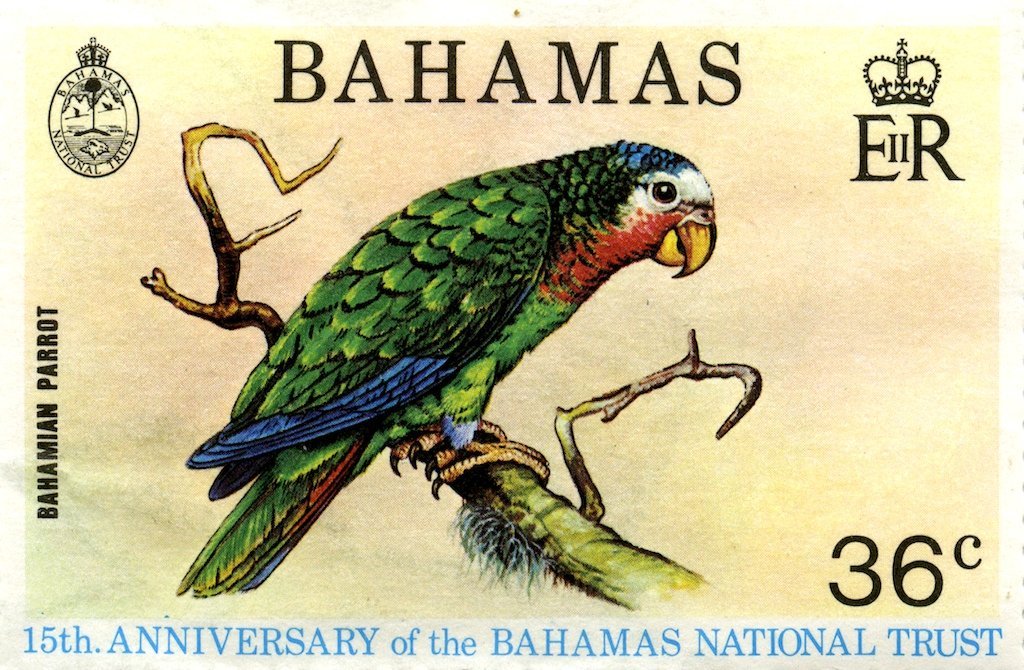
Indian villagers are very clever; they may be illiterates, but they are full of age old wisdom. Indians could hardly tell a story without introducing some proverbs into it.  They taught high principles through stories and proverbs.  For every proverb they have several stories. It differs from region to region and language to language. Here is a story about a parrot and a poison tree.

A king was very fond of parrots. He raised lot of parrots in his palace garden. One day all the parrots from the king’s garden flew to the paradise. There they found a fruit that will give back the youth to anyone. One of the parrots picked up one seed of that miraculous tree and gave it to the king. The parrot told him to plant it in the garden so that the king can eat it when the fruit comes. King became so happy and he placed the parrot in a special golden cage and looked after it very well.
PARROT BAHAMAS

The king did plant it in the garden and the tree gave fruits in a few years’ time. King plucked one fruit from the tree and gave it to an old man to see whether it brings back the youth to that old man. But he died immediately. The reason was that an eagle that killed a poisonous snake pecked at the fruit. So the fruit was poisoned. But the king did not know it. Without trying to find out the cause of death of the old man, the king became very angry and thought that someone set the parrot to kill him by giving a poisonous fruit. He went to the special cage, took the parrot and dashed it to the ground. The parrot had a miserable death.

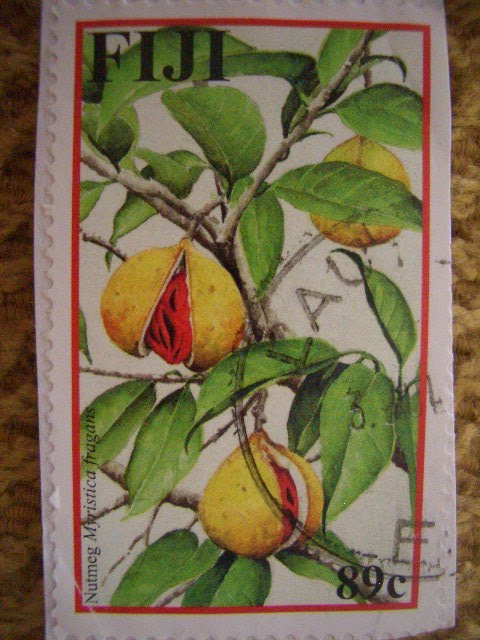
NUTMEG

A few months later, a farmer decided to kill his wife because she became very old and ugly. Since he knew the story of the poisonous tree, he picked up a fruit and gave to his wife with the intention of killing her. To his surprise, she suddenly became a beautiful 16 year old girl. In those days any valuable item found or any unusual miracle happens, immediately the person reports it to the king. Kings used to reward them for such things. So he ran to the king and reported the miraculous fruit tree to the king. Now the king realised his mistake in killing the parrot. The parrot was right about the fruit tree. But the king acted in haste. He regretted his hasty action.

பொறுமை: மூன்று குட்டிக் கதைகள்!

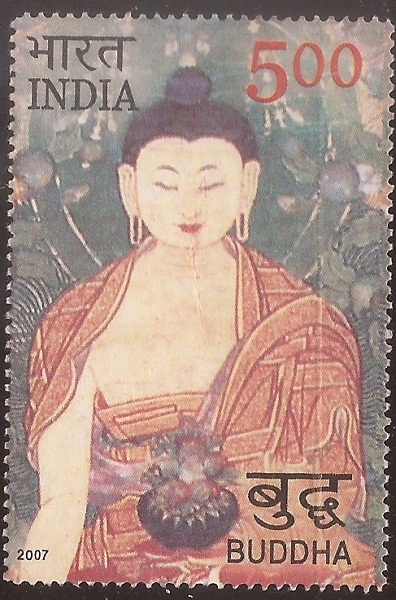
buddha

Research Article No. 2085

Written by London swaminathan
Date : 19 August  2015
Time uploaded in London :–  16-42

புத்தரும் பூர்ணாவும்

புத்தரின் சீடர்களில் முக்கியமானவர் பூர்ணா. அவர் தர்மப் பிரசாரம் செய்யப் புறப்படுவதற்கு முன்னால் புத்தரின் அனுமதியைக் கோரினார்.

உடனே அவர்கள் இருவரிடையே நடந்த சம்பாஷனை பின்வருமாறு:–

“பூர்ணா, எங்கே போய் தர்மப் பிரசாரம் செய்யப் போகிறாய்?

குருவே, சூனப்ராந்தம் என்ற இடத்தில்

அதுவா? அங்குள்ள்வர்கள் கல்வியறிவு இல்லாதவர்களாயிற்றே; உன் அறிவுரைகளை ஏற்காமல் உன்னை இகழ்ந்து பேசினால் என்ன செய்வாய்?

அதனால் என்ன? கையால் அடிக்காமல் விட்டார்களே என்று மகிழ்ச்சியுடன் பிரசாரம் செய்வேன்.

சரி, அப்படி கைகளால் குத்து விட்டால்?

அதனால் என்ன, ஆயுதங்களைக் கொண்டு தாக்கவில்லையே என்று எண்ணி மகிழ்ந்து என் தர்மப் பிரசாரத்தைத் தொடருவேன்.

அது சரி, ஆயுதங்களைக் கொண்டு தாக்கினால் என்ன செய்வாயாம்?

அதனால் என்ன, ஆளைக் கொல்லவில்லையே, அந்த அளவுக்கு நல்லவர்கள்தான் என்றெண்ணி என் பணியைத் தொடருவேன்; என் கடன் பணி செய்துகிடப்பதுவே!

சரி, உன்னைக் கொன்றுபோட்டுவிட்டால்……?

மிகவும் மகிழ்ச்சியுடன் இறப்பேன்; அட இவ்வளவு சீக்கிரம் நிர்வாண நிலையை (முக்தி) அடைய உதவினார்களே! என்று அகம் மகிழ்வேன்; உளம் குளிர்வேன் என்று பூர்ணா பதிலிறுத்தார்.

புத்தர், “பூர்ணா, உன் இஷடப்படியே செய்; நீ பரிபூரண பக்குவம் பெற்றுவிட்டாய்” என்று சொல்லி பொறுமையின் சின்னமான பூர்ணாவுக்கு ஆசிவழங்கினார்.

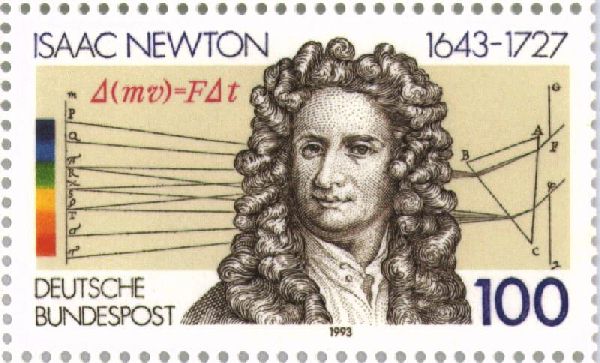
stamp_newton

ஐசக் நியூட்டன்

புகழ்பெற்ற விஞ்ஞானி ஐசக் நியூட்டன் ஒரு நாயை வளர்த்துவந்தார். அதற்கு டயமண்ட் (வைரக் கல்) என்று பெயரும் சூட்டி அன்பாகப் போற்றி வந்தார். ஒரு நாள் அவர் மாலையில் உலாவச் சென்றார். அப்பொழுது அறையின் மேஜை மீது மெழுகுவர்த்தி எரிந்து கொண்டிருந்தது. அன்று என்ன நிகழ்ந்ததோ தெரியவில்லை. அவர் உலாவச் சென்ற நேரத்தில் அந்த நாய் மேஜை மீது தாவிக் குதித்தது போலும். மெழுகுவர்த்தி கீழே சாய்ந்து அங்கு அவர் எழுதிவைத்திருந்த காகிதங்களுக்குத் தீவைத்தது. அத்தனையும் எரிந்து கருகின. அதன் அருமை பெருமை நியூட்ட்ன் ஒருவருக்கே தெரியும். ஏனெனில் அவை அவரது இருபது ஆண்டுக் கால ஆராய்ச்சியின் முடிவுகளடங்கிய காகிதங்கள்.

உலாவச் சென்று திரும்பிய நியூட்டனுக்கு அவற்றைப் பார்த்தவுடன் பெரும் அதிர்ச்சி. எல்லாம் டயமண்டின் ‘திருவிளையாடல்’ தான் என்பது அவருக்குப் புரிந்தது. அதுவோ தான் செய்த பெரிய தீங்கை அறியாது அன்பாக வாலைக் குழைத்து நியூட்டனை வரவேற்றது.

நியூட்டனைத் தவிர வேறு ஒருவர் அந்த சூழ்நிலையில் இருந்திருந்தால், நாயை எத்தி உதைந்து அறைக்கு வெளியே தள்ளி கதவைச் சாத்தியிருப்பார். ஆனால் நியூட்டனோ அன்பாக நாயை எடுத்துத் தழுவி அணைத்து, “டயமண்ட், நீ செய்த சிறிய காரியத்தின் விளைவுகளை நீ அறியமாட்டாய்” என்றுசொல்லிக் கொஞ்சினார். அது மீண்டும் வாலை ஆட்டி தன் நன்றியைத் தெரிவித்தது. நியூட்டன் மீண்டும் எழுதத் துவங்கினார்.

சிறியோர் செய்த சிறு பிழையெல்லாம் பெரியோராயின் பொறுப்பது கடனே”- வெற்றி வேர்க்கை

நிறையுடைமை நீங்காது வேண்டின் பொறையுடைமை போற்றி ஒழுகப்படும் – குறள்

books_370

அகராதி பிடித்த மனைவியால் ஆங்கில அகராதி எரிந்தது!

டாக்டர் தாமஸ் கூப்பர் என்பவர் முதலாம் எலிசபெத் மஹாராணி காலத்தில் பெரும் ஆங்கில அகராதியைத் தயாரிக்கும் பணியில் ஈடுபட்டிருந்தார். முன்னரே இருந்த அகராதியில் மேலும் 33,000 சொற்களைச் சேர்க்க அவர் எண்ணினார். இதற்காக அவர் எட்டு ஆண்டுக் காலம் கஷ்டப்பட்டுச் சேர்த்த 33,000 சொற்களைக் காகிதங்களில் எழுதிவைத்தார். அவரது மனைவியோ எழுத்து வாசனை தெரியாத பிடாரி, கொடுமையின் சின்னம். அவர் வெளியே போயிருந்த நேரத்தில் அவரது நூலத்திற்குள் சென்று அத்தனை காகிதங்களையும் குவித்து சொக்கப்பனை கொளுத்தி மகிழ்ந்தாள்.

அந்த முட்டாள் பெண்மணி, தன் கணவர் படித்துப் படித்துப் பாழாய்ப் போய்விடுவாரோ என்று பயந்தாள்! அவர் திரும்பிவந்து பார்த்தபோது அவருக்குப் புரிந்துவிட்டது. எனினும் மனைவியிடம் யார் செய்த வேலை இது? என்று கேட்டார். ஏன்? நான்தான் செய்தேன்! என்றாள் துணிச்சலாக. அவர் சொன்னார், ஓ தீனா, எனக்கு பெரும் தொல்லை செய்துவிட்டாயே – என்று. பின்னர் மீண்டும் எட்டு ஆண்டுகளுக்கு மேஜையில் உட்கார்ந்து பொறுமையாக எழுதி அகராதிப் பணியை முடித்தார்.

பொறுமையின் சின்னம் தாமஸ் கூப்பர் என்றால் மிகையாகாது.

பழைய தமிழ் நாவல்கள் பற்றிய சில விநோதச் செய்திகள்!- பகுதி 2

Research Article No. 2084

Written by London swaminathan
Date : 19 August  2015
Time uploaded in London :–  14.24

Please read the first part and then read this second part.

I have given the following matter in Tamil in the first part:–

ORIGIN AND DEVELOPMENT OF TAMIL NOVELS

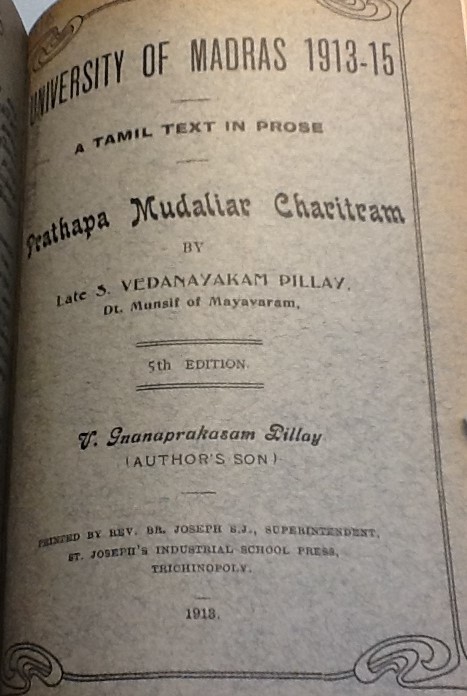
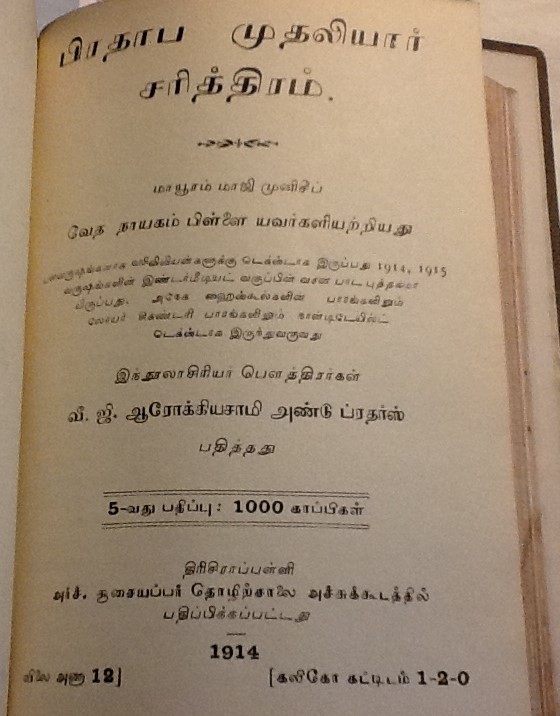
Since the days of Vedanayakam Pillay’s PRATAPA MUDALIYAR CHARITAM

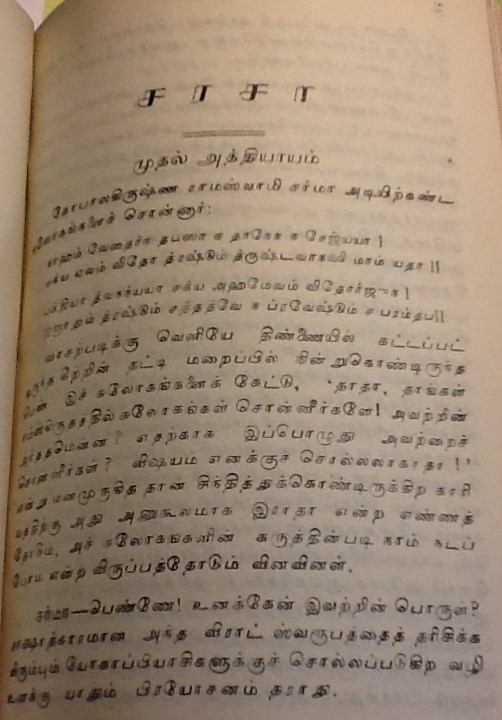
Tamil novels have developed much. There are lot of interesting differences between now and then.  Following differences are found in the pages posted below:

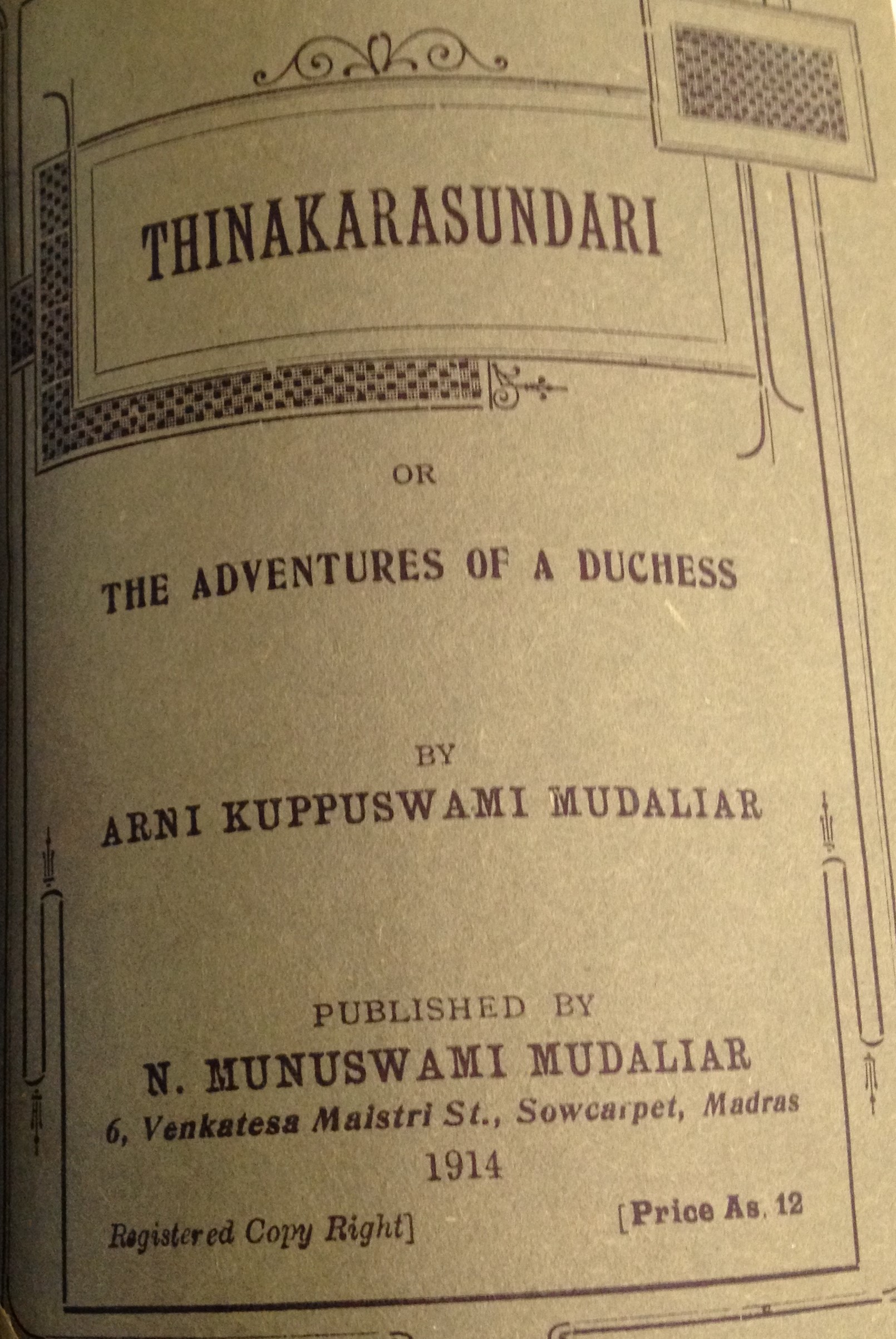
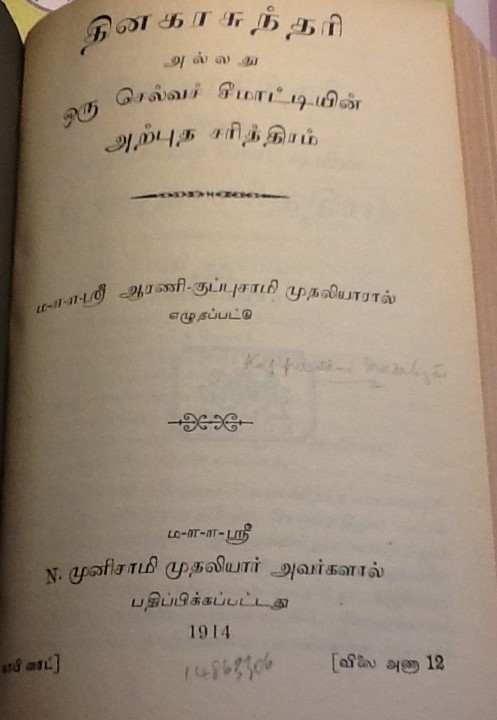
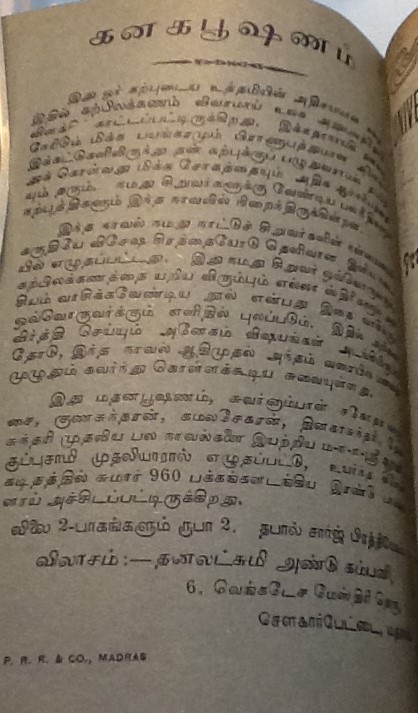
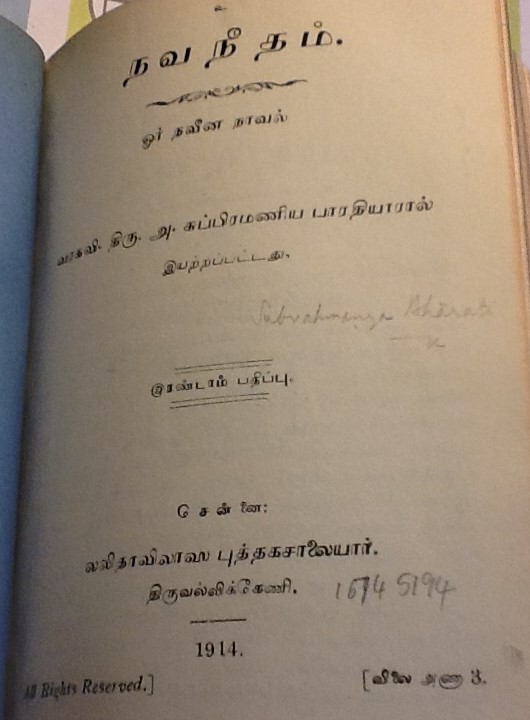
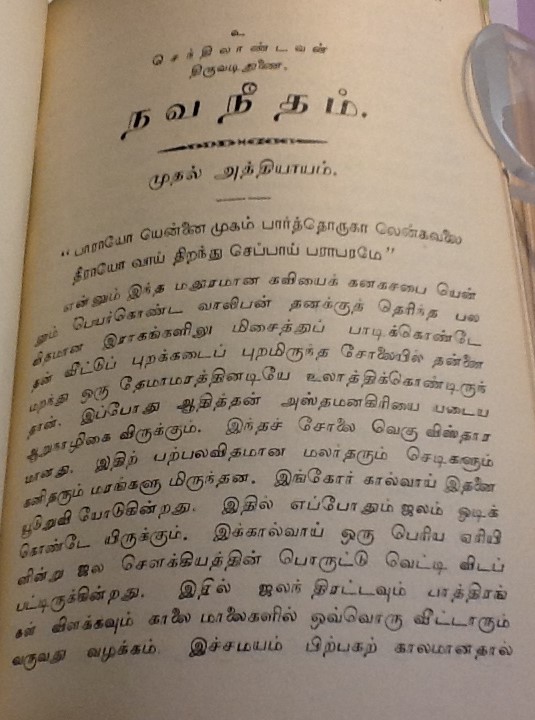
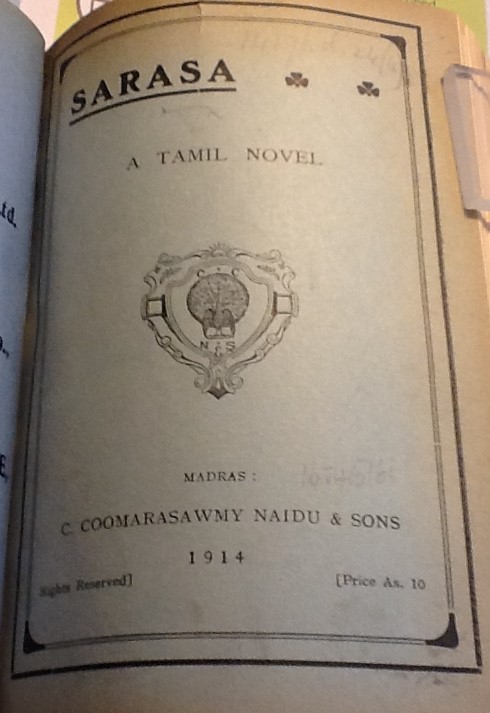
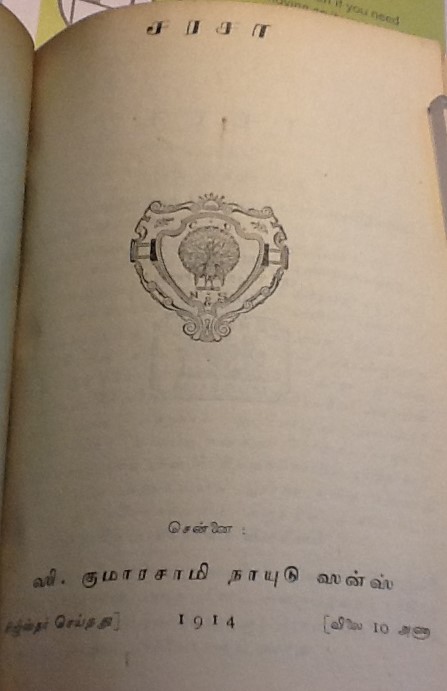
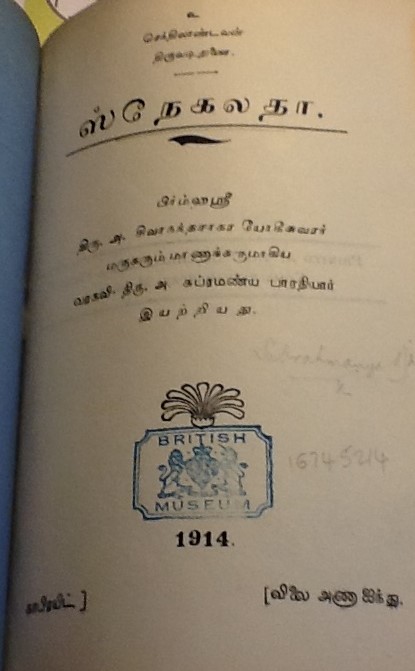
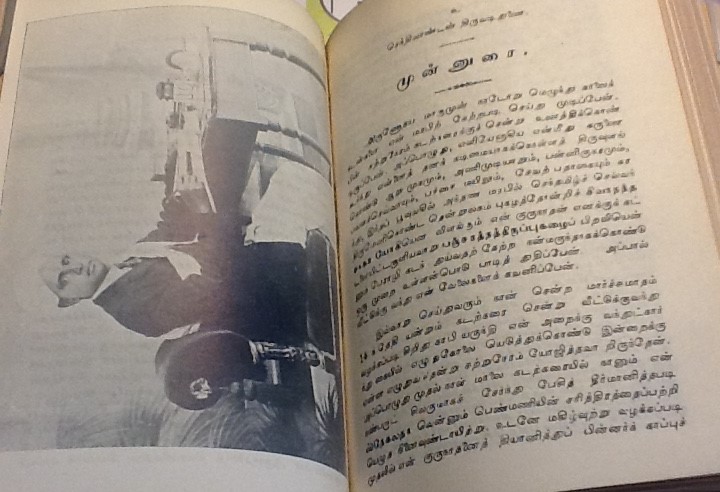
1.In those days, Tamil novels had wrapper printed in English. Only the inside page contained the Tamil title, author’s name in Tamil etc.. This was done probably to convince the ruling British Government that it was just fiction and no anti-government matter was included. But yet one must remember Bengali novels such as Ananda Math by Bankim Chandra Chattopadhyay which kindled patriotic feelings. The British government banned such novels. Patriotic poets like Bharatiyar published National Songs in those days. Bharati published his patriotic songs first in 1908.

2.No pictures were found inside the Tamil novels

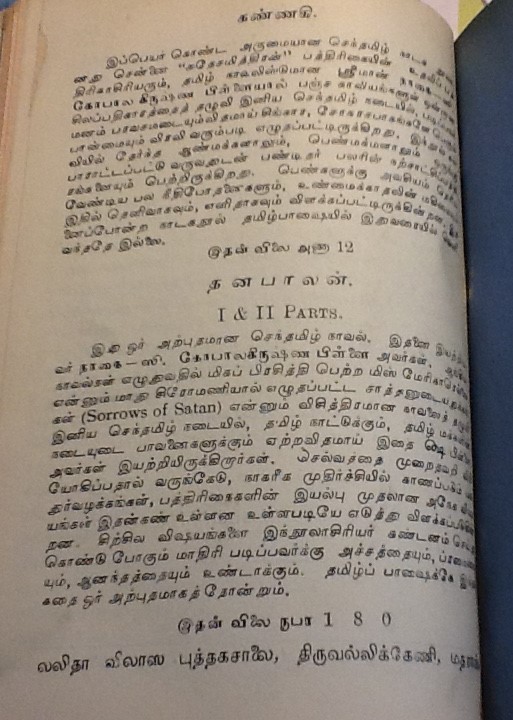
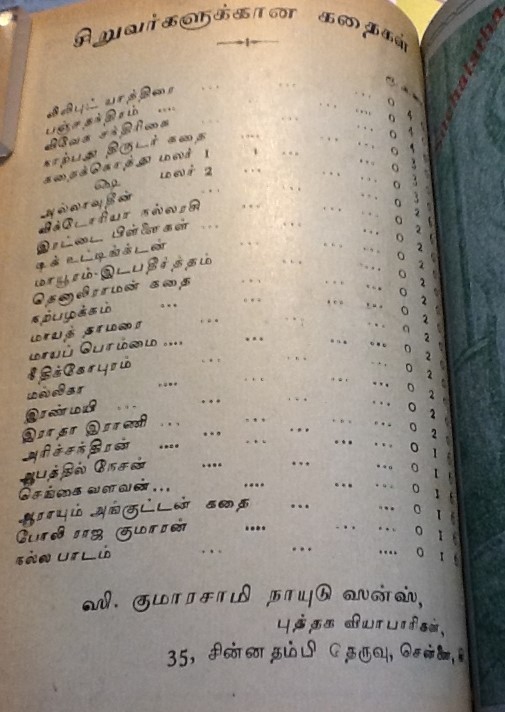
3.The back wrapper had advertisement about the books written by the same author or different authors

4.People belonging to different castes wrote novels.

5.Women also wrote many novels in Tamil ( I will give the list separatey)

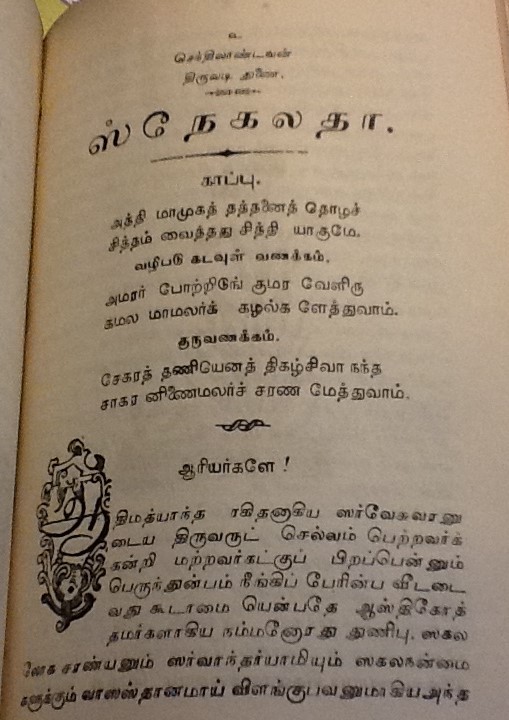
6.Novels began with prayer to Hindu Gods and finished with auspicious words such as Subham, Mangalam or Om Tat sat.

7.Vedanayakam Pillays novel even had wished the readers a Healthy life like the Hindu Hymns

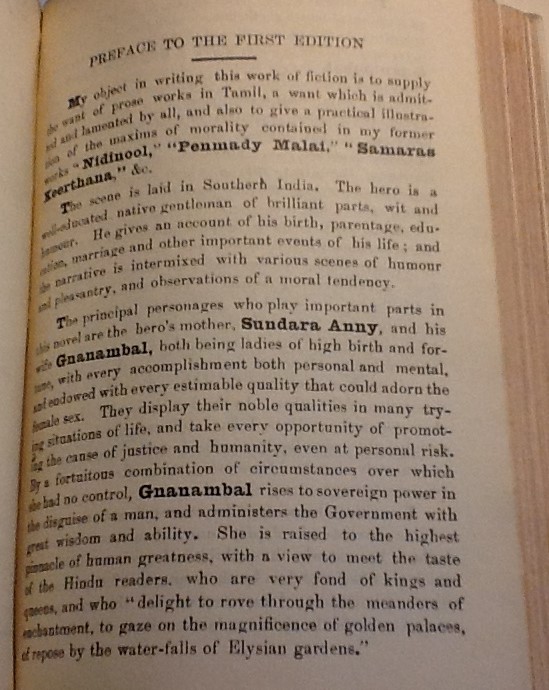
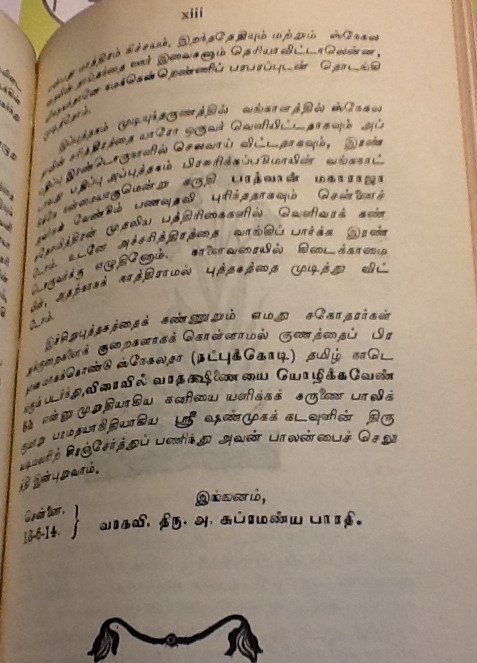
8.Novels had prefaces where in the author explained why he wrote it.

9.At the end they added all the press reviews or reader’s views, letters etc. (in later editions)

10.Novels were priced between 3 Annas and One Rupee and Four Annas which was exorbitant considering the monthly salary of 8 to 10 rupees in 1900s.

11.Novels were printed 1000 copies at a time and the pages went up to 400 pages.

12.They were about families and social problems, mainly of the Hindus.

13.Novels contained lot of Sanskrit words and philosophical discussions.

14.Tamil Novels published 100 years ago had ‘Contents’!

15.Some translations of Bengali Novels were also published at the early stage.

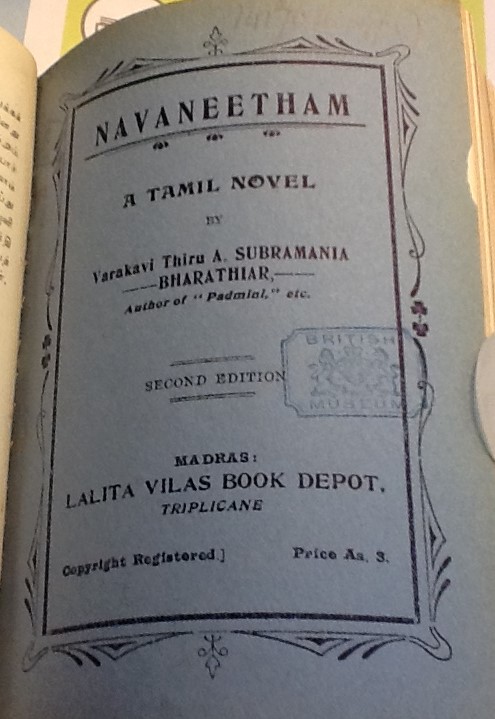
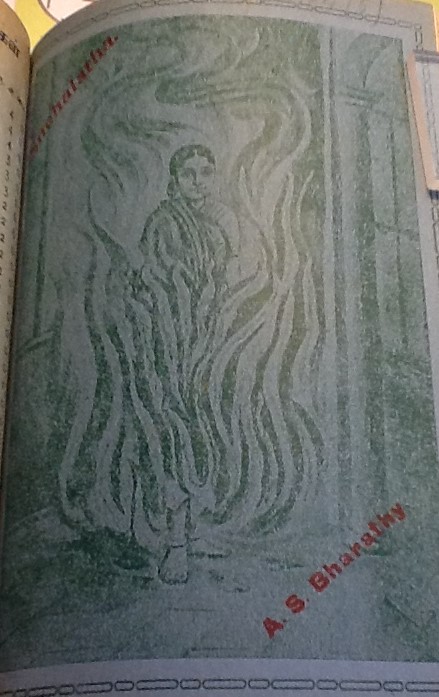
I have borrowed some old Tamil Novels from the British Library, London and the following pages are used as examples to illustrate the above points:–

IMG_3668 (2)

IMG_3669 (2)

IMG_3671 (2)

IMG_3673 (2)

IMG_3675 (2)

IMG_3676 (2)

IMG_3677 (2)

IMG_3680 (2)

IMG_3681 (2)

IMG_3682 (2)

IMG_3684 (2)

IMG_3698 (2)

IMG_3699 (2)

IMG_3700 (2)

only sample pages are given (not full)

IMG_3704

In the final part (Part 3) we will look at Vedanayakam Pillays Pratapa Mudaliyar Charitam.

to be continued………………………………