Beautiful Commentary on Five Day Brahmin Wedding! in 1903!!

Compiled by London swaminathan

Post No.2209

Date: 2nd  October 2015

Time uploaded in London: 14-01

Excerpt from the book “South Indian Hours” by Oswald J.Couldrey, Year  of Publication 1924

The book is available at SOAS library, University of London.

Mr Adivi Bapirazu has written it in a letter to Oswald.

A unique account of a Niyogi wedding, as it was celebrated in an agraharam or Brahmin village of Krishna delta (Andhra Pradesh) in the year 1903

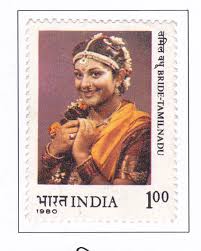
Picture  of a Tamil Bride

“My eldest sister’s wedding took place when I was a boy of six years. My cousin Subbamma, the daughter of my uncle, was married at the same time. My family was then in the legal state, so much praised by the lovers of the past, of the joint family. It was the first time for my father and uncle to perform any such important ceremony. My father was a good earning member, and our prosperity was then in the ascending stage. The brothers, therefore, had very grand ideas of celebrating the occasion.

Both my sister and my cousin assumed very grave demeanours. Only two days previously they had been solemnly “promoted brides”. All the ladies of the village were invited, and the brides to be were seated on a kind of low seat called “peetam”, and were presented with “harati”, or the ‘flame of prosperity’ – an honour which is accorded to the gods, as well as to the principal mortal persons concerned, at the end of every joyful ceremony. They were also given betel, and some gram. The distribution of gram by ladies among ladies is considered an auspicious and honourable formality. After this function my sisters (you have noticed that we often call our first cousins also brothers and sisters) were allowed to wear on their brows the “Kalyanam Bottu”, or scred marriage mark, a figure of Shiva’s trident made in vermilion. The “dot of modesty” was also applied to their left cheeks. My sister smiled whenever anyone addressed her as “bride” (kalyana Ponnu).

Once I went up to her and cried suddenly, “Sister, here is brother in law!” (Mappillai). My sister hastily rose and stood there, as the Hindu woman is taught to do in the presence of her husband. We all had a laugh at her expense.

bengali bride

Picture of a Bengali Bride

FIRST DAY

I rose early on the great day, hearing that the parties of the bridegrooms would be coming in an hour. I waited and waited but no party came, nor did I hear the sound of the bridegroom’s trumpet. Many relations had arrived with their families, and the front wing or “mansion” of the house was packed full of people. A big pandal or timber portico had been erected between this mansion and the back one.  All round the main building also pandals had been erected. The front was pleasantly decorated with canopies of painted cloth and festoons of ever green and other leaves. Even in the street also a big pandal had been erected.

It was five in the evening when the far off note of the crooked trumpet announced the arrival of the expected parties. “Behold, the bridegroom cometh!” Immediately there was a great commotion. Our big fort of a house was the scene of children’s cries, the laughter of maidens, woman’s explanations and odd women’s admonitions. Everyone flocked into the courtyard at the sound of a pipe, for word had been brought that the two parties had come to the other side of the canal. The country music of the band sounded nearer and nearer, and the trumpet blared forth its summons to the parties of the brides.

‘We started out with a few musicians, carrying sweet drinks for the visitors. We found them at the hospice. The two bridegrooms were sitting like two crowned young prices on two pials, one on each. My brother-in-law had a big turban, and looked imposing enough.

‘We welcomed them heartily, and requested them to come to their prepared lodging. The bands struck up and off we started, the bridegrooms in their respective palanquins. There were two parties of dancing girls. One of these parties was rather a good one.

“When the visitors had been comfortably settled in their allotted quarters, they were invited to dinner. It is a point of courtesy for each member to be separately invited, but if the head of the party is willing they may be invited in a body, and this concession was now granted. Chaffing them for not having yet acquired the tyrannous airs of the true “bridegroom’s party” (it is part of the game that the bridegroom’s party should be very much on its dignity) we brought them to the dinner.

“It was after midnight when we finished, and then almost everyone went to bed to snatch some sleep before the auspicious nuptial hour, which was at half-past four in the morning. My father, uncle, mother and aunt, with some important persons like my father’s sister, did not sleep at all.
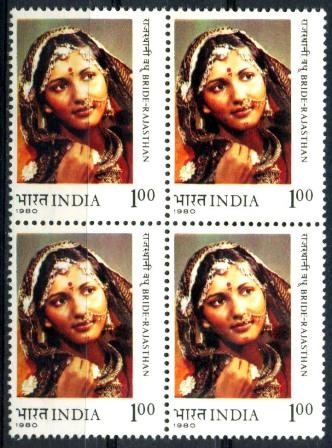
rajasthani bride

Picture of a Rajasthani Bride

SECOND DAY

“At three O’clock the wry necked fife” awakened us from our slumbers. Again there was hubbub. The grooms were conducted in to the inner apartments, presented with the flame of prosperity (harati), and given an oil bath. They put on silken cloths and sat on the “vedikas” or marriage pials, which are only four inches high. Ancient canticles and spells (mantras) were spoken, calling a forgotten world to witness:”Anga, vanga, Kalinga, Kamboja, Kashmira, Sindhu, Barbara Yavana” ran the family catalogue of immemorial realms. The genealogies of the brides and bridegrooms were recited by their respective family chaplains (Purohit). There was a goodly throng of Brahmins present, and the hymns rose high in rich voices like a single voice.

The fathers performed the Kanyadanam, the ceremony of giving away the daughters, while the mothers poured water over their husbands’ hands, which were held just above the right hands of the bridegrooms. Then amid the din of trumpets, drums, pipes, the bridegrooms tied the knots around the necks of the brides, and put the sacred vermilion on the knots.

The wedding was performed, but the ceremony was not yet complete. The brides and the bridegrooms poured the sacred rice over each other’s heads. Then the pairs were conducted to the room of Agni, the Sacred Fire. Before Agni, the marriage vows were sealed.

“The whole village for the five days’ feast or morning and evening meals. Just before the dinnertime there must be a second call, and everyone has to wait for everyone who has promised to come, and all these together have to wait for the bridegroom’s party. So did we. After each meal betel was distributed. There was singing of songs and poems on divine subjects, and all chanted in chorus the dinner time cry, ‘Narayana’, or ‘Govindda’ or ‘Harahara’. There were many kinds of prepared foods, and the “big bellied Brahmins” were in their own element. Ghee (clarified butter) was extravagantly expended. The bridegroom’ parties always came with pipe and drum, and went in the same way. When anybody of either party went to the others’ lodging he was given betel and sprinkled with rose water, and his scarf smeared with attars.
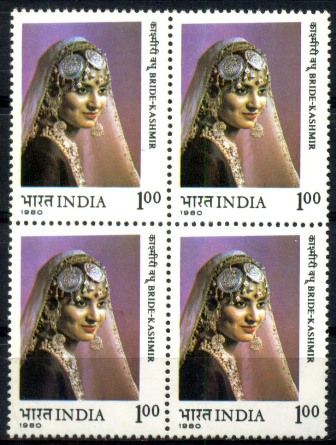
kashmiri bride

Picture of a Kashmiri Bride

THIRD DAY

“The third day was than on which presents were given to the Brahmins according to their merit. Lists were prepared, and the Brahmins went bustling to the visitors’ chaplains (Purohit/priest) with recommendations from our own chaplain. All the first class people, those that had the Veda by heart, or had read Vyakaranam (Grammar) and so on, were presented with cloths and fruits. All the others were given money according to their degree, two rupees or one, or a half or a quarter. Five hundred people or more were honoured in this way. Little boys claimed full wages. Some of the Brahmins began to quarrel and claimed that their merit should have been allowed to weigh more. All these were put into a closed hall with a single door, where stood the donors, with some auxiliaries.

“Here, sirs, is Brahma Sri Venkata Shastri Garu of Viravasaram!” cries our self-important chaplain. “He is a very great Pundit, honoured in Urlam”. The visitors’ chaplains merely nod their heads. “Very well; Give him one”. A bright silver coin is thrust into the Shastri’s hand, and he is whisked away out of the gate, protesting all the while, “No, no, I won’t take one; it is an insult; you may have it back!” – but at the same time thrusting the rupee into his waist with a peculiar movement. All the people here who wear no shirt have a special method of trusting money into their waistcloth, where it is very secure.

“That night the dancing girls performed some dramas in the old-fashioned way. Their ordinary dances were given every day.
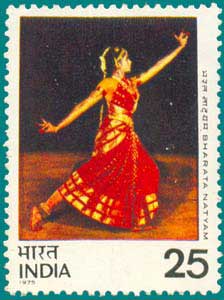
779_Bharatanatyam

Picture of a Bharatanatyam dancer

FOURTH DAY: Grand Procession

On the evening of the fourth day, there was a big assembly (sabha) at which there was presented what is called a Hari-katha, a recital of the story of some sacred personage, illustrated with songs, poems and dancing. There was a great lamp in one corner, and the two dancing parties. It was a very grand assembly in our house. Camphor pills and the incense sticks were distributed among the guests, after the usual sprinkling with rose water and smearing of attar.

Everyday there had been processions, but the procession on the fourth night was the grandest of all.so many torches of castor oil, so many torches of dried coconut and so many torches of kerosene oil; rows on rows, clusters upon clusters. There were strings of paper lamps, twinkling red, blue, yellow, green and orange; there were big toy trees made of pith, and great fans of Palmyra; there was a blaze of fireworks, the roar of the drums, the squeal of the fifes.at each and every house the procession stopped, so that people might see the bride and the bridegroom seated in the palanquin together whenever the procession stopped in front of a house, there the dancing girls danced and sang their:

“Give me one kiss, O my lord, only one kiss, if you please.

I know the cause of my lord’s anger.

For he has fallen into the clutches of the vile Chitra…..”

dancers

Picture of Indian Dances

FIFTH DAY

“At four o’ clock on the morning of the fifth day the last sacrifice was offered to Agni and the couples put off the state of sanctitude, or ‘diksha’. While they are in ‘diksha’ they must remain in the same clothes, they may not bathe, nor eat betel, nor may their heads be touched with razors or scissors; and so on.

The last ceremonies of the wedding were done on this day. Each pair was made to sit on a cot, and they were made to carry on a mock conversation, couched as though they were already well advanced in life and had children.

“Here, dear, take this child, for I have to fetch water from the well.”

“yes, but do you now take this crying boy, for I have to look after my fields, or my business.”

“Now I have to cook the meals, who will take this child?”

“Here am I, sister-in-law”, cried the sisters of the bridegrooms, and they had the sandalwood dolls for themselves.

“Then the two brides were lifted by two stout Brahmins and the bridegrooms were by two others. The dancing girls stood in rows with plates full of coloured flour. The strain of the music was changed to a dancing measure, and the brides took handful of the flour and threw it on the faces of the bridegrooms, who did likewise.  One mischievous bridegroom threw some flour at one of the dancing girls. Meanwhile the Brahmins who carried the brides and bridegrooms were dancing in a fantastic way, and when the young couples were throwing the coloured floor at each other a general melee of flour throwing began among us for sport. Then was there running, hiding, and all sorts of fun, and even the women were not spared. There was a general atmosphere of heart easing laughter.

“Later in the fifth day, however, everything is gloomy. The joy of the festival vanishes. The mother was crying in a corner, because her daughter was to be taken away. After the business of the flour throwing the parting ceremony took place, which was rather pathetic. We exchanged parting gifts, which mostly consisted of cloths, and the visitors took leave of us.  I followed the party as far as the big canal. When I found that they would not take me with them, do you know what I did? I fell to a crying and rolled on the ground there, and continued to do so till I was found by a banyan friend of my father and taken home.”

–Subham–
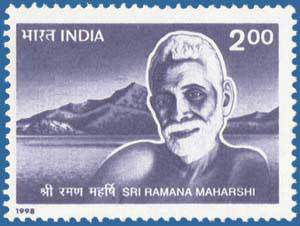
மஹரிஷியும் மகாத்மாவும்!

ramana2

Research article written by S NAGARAJAN

Post No.2208

Date: 2nd  October 2015

Time uploaded in London: 7-52 am


வாழ்விக்க வந்த மஹான்

அக்டோபர் இரண்டாம் நாள். காந்தி ஜெயந்தி. அண்ணலை நினைவு கூர வேண்டிய நன்னாள்!


மஹரிஷியும் மகாத்மாவும்!

.நாகராஜன்


மஹரிஷியும் மகாத்மாவும்

சென்ற நூற்றாண்டின் மிகப் பெரிய அதிசயங்கள் இரண்டு. மஹரிஷியும் மகாத்மாவும்!

சமகாலத்தில் வாழ்ந்த இந்த இருவரைப் பெற பாரதம் என்ன தவம் செய்ததோ!

ஒருவர் தேசத்திற்கு விடுதலையை வாங்கித் தர முயற்சி செய்து, வெற்றி பெற்றார்.

இன்னொருவரோ அனைத்து ஆன்மாக்களுக்கும் பிறவியிலிருந்து விடுதலை பெறும் பெரு நெறியைக் காட்டினார்.


இருவரும் வாழ்க்கையும் சொல்வதும் ஒரே செய்தியைத் தான்!

MY LIFE IS MY MESSAGE (என் வாழ்க்கையே நான் தரும் செய்தி) என்பது தான்!

மஹாத்மா மஹரிஷியைப் பற்றி எப்போதுமே உயர்வாகப் பேசுவார். மஹரிஷியும் மஹாத்மாவைப் பற்றி உயர்வாகப் பேசுவார்.

இருவரையும் இணைத்து பெரும் நூலையே எழுதி விடலாம்.

காந்தி ஜெயந்தியை ஒட்டி இரு சம்பவங்களை நினைவு கூர்ந்து நமது வாழ்க்கையைப் புனிதமாக்குவோம்.

 ramana

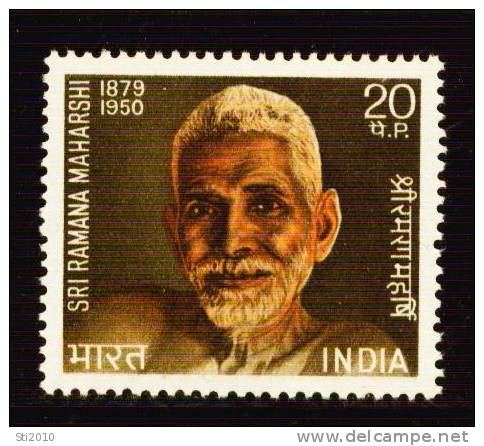
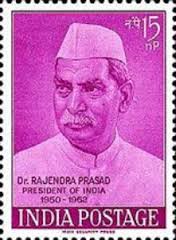
ரமணாஸ்ரமத்தில் ராஜேந்திர பிரசாத்


1938ஆம் ஆண்டு ஆகஸ்ட் மாதம் 14ஆம் தேதி ஜம்னாலால் பஜாஜுடன் பாபு ராஜேந்திர பிரசாத் (இந்தியாவின் எதிர்கால முதல் ஜனாதிபதி; 1938இல் காங்கிரஸில் தலைவர்; காந்திஜியின் தொண்டர்) ரமணாஸ்ரமத்திற்கு வந்தார்.

ஜம்னாலால் பஜாஜ் ஏராளமான கேள்விகளைக் கேட்டு மஹரிஷியிடம் பதில் பெற்றார்.

ஆகஸ்ட் 18ஆம் தேதி திருவண்ணாமலையிலிருந்து புறப்படும் சமயம். ரமண மஹரிஷியிடம் பிரியா விடை பெறும் நேரம்.


ராஜேந்திர பிரசாத் கேட்டார்:”-மஹாத்மா காந்திஜியின் அனுமதியுடன் நான் இங்கு வந்திருக்கிறேன். அவரிடம் சீக்கிரம் திரும்பிச் செல்ல வேண்டும். அவருக்கு பகவான் ஏதாவது செய்தி தர முடியுமா?”

பகவான்:- “அத்யாத்ம சக்தி அவருள்ளிருந்து வேலை செய்து கொண்டிருக்கிறது. அது போதும். அதை விட வேறென்ன வேண்டும்?”

தன்னை வழி நடத்தும் சக்தியையே காந்திஜியிடம் கண்டார் மஹரிஷி! பகவானைப் பணிந்து ராஜேந்திர பிரசாத்தும் ஜம்னாலால் பஜாஜும் விடை பெற்றனர்.


யாரேனும் சக்தி குறைந்திருப்பது போலக் காணப்பட்டால் அவரை ரமணாஸ்ரமம் போ என்று அனுப்பி விடுவார் மகாத்மா!

மஹாத்மாவின் ஒவ்வொரு செயலும் மஹரிஷிக்குத் தெரியும்!


 rajendra

கடவுள் காட்டும் வழிப்படி நடப்பவர் காந்திஜி!

1939ஆம் ஆண்டு மார்ச் மாதம் 13ஆம் தேதி. 11ஆம் தேதி ஹரிஜன் இதழில் காந்திஜி எழுதியிருந்த கட்டுரையைச் சுட்டிக் காட்டினார் மஹரிஷி.

காந்திஜி அதில் எழுதி இருந்தார்:- “How mysterious are the ways of God! This journey to Rajkot is a wonder even to me. Why am I going, whither I am going? What for? I have thought nothing about these things. And if God guides me, what should I think, why should I think? Even thought may be an obstacle in the way of His guidance.


The fact is, it takes no effort to stop thinking. The thoughts do not come. Indeed there is no vacuum – but I mean to say that there is no thought about the mission.”


இதைப் படித்த மஹரிஷி இது எவ்வளவு உண்மை என்று கூறி ஒவ்வொரு வரியையும் அழுத்தம் திருத்தமாக வலியுறுத்தினார்.

பின்னர் இந்த எண்ணமற்ற நிலையைத் தாயுமானவர் பாடி இருப்பதைச் சுட்டிக் காட்டினார்.


சும்மாவிருக்கச் சுகம் சுகமென்று சுருதி எல்லாம்                               

அம்மா நிரந்தரம் சொல்லவும் கேட்டு அறிவின்றியே                                 

பெம்மான் மௌனி மொழியையும் தப்பி என் பேதைமையால்                        

வெம்மாயக் காட்டில் அலைந்தேன் அந்தோ என் விதி வசமே!”


வரிசையாக இப்படி மூன்று பாடல்களை பகவான் சுட்டிக் காட்டி காந்திஜி கூறிய நிலை மெய் தான் என்பதை விளக்கி அருளினார்.

மறுநாள் பக்தர் ஒருவர், காந்திஜி எண்ணங்களே அந்நியமாக இருக்கிறது என்ற நிலையையா சுட்டிக் காட்டி உள்ளார் என்று கேட்டார்.

மஹரிஷி: “ஆம்! நான் என்ற எண்ணத்திற்குப் பின்னரே அனைத்து எண்ணங்களும் எழும்.”


 gandhi3 gandhi  gandhi2

தொடர்ந்து பக்தர் காந்திஜி கடவுளின் வழிகாட்டலுக்கு நம் எண்ணமே ஒரு தடை என்று சொல்கிறாரே என்று விளக்கம் கேட்டார்.

அதற்கு மஹரிஷி,” சாதனை என்பது தடைகளை நீக்கவே! ஆனால் ஒரு நிலையில் அந்த சாதனைக்குப் பிறகும் ஒருவன் தனது இயலாமையை உணர்கிறான். அப்போது தான் கடவுளின் சக்தி உணரப்படுகிறதுஎன்று அருளினார்.


ஒரு உயரிய நிலையை இன்னொரு உயரிய நிலையை அடைந்த அனுபவஸ்தரே அறிய முடியும்; விளக்க முடியும், இல்லையா!

குழுமி இருந்த பக்தர்கள் அனைவரும் இருவரின் நிலையையும்மகாத்மா, மஹரிஷி இருவரின் நிலையையும் உணர்ந்து பிரமித்தனர்!

இப்படி ஏராளமான உரையாடல்கள் காந்திஜி பற்றி அவ்வப்பொழுது மஹரிஷி ஆஸ்ரமத்தில் நிகழ்த்துவதுண்டு!

ஒரே சக்தி, இரு வேறு இடங்களில் இரு வேறு விதமாக வேலை செய்தது. ஒன்றி இயக்கமாககாந்திஜி வடிவில்.

இன்னொன்று மௌனமாகமஹரிஷி வடிவில்!


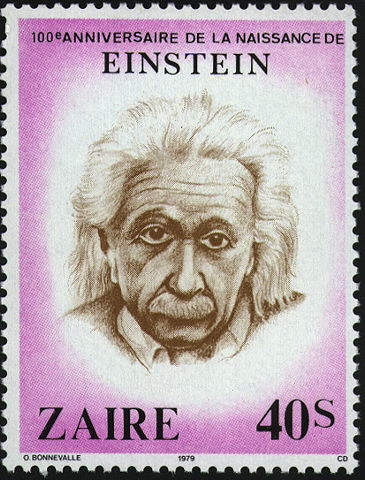
 stamp_einstein1

ஐன்ஸ்டீனின் புகழாரம் இருவருக்கும் பொருந்துகிறது!


அற்புதமான மஹாத்மாவைப் பற்றி அவரது 70ஆவது பிறந்த நாளன்று பெரும் விஞ்ஞானியான ஐன்ஸ்டீன், “Generations to come, it may well be, will scarce believe that sucha man as this one ever in flesh and blood walked upon this earth” (வரும் தலைமுறையினர், இப்படிப்பட்ட ஒருவர் ரத்தமும் சதையும் பொருந்தி இந்த பூமியில் நடந்தார் என்பதை அரிதாகவே நம்புவர்) என்று கூறி பிரமித்தார்.


ஐன்ஸ்டீனின் இதே மொழியை மஹரிஷிக்கும் பொருத்திப் பார்த்தால் அப்படியே பொருந்துகிறது.

வருகின்ற தலைமுறையினர் மகாத்மாவையும் மஹரிஷியையும் பற்றி எண்ணி எண்ணி பிரமிப்பர்.

அவர்கள் நடந்த இந்த புனித பூமியில் நடக்கும் பேறு பெற்றதை எண்ணி மகிழ்ந்து அவர்களை கை கூப்பித் தொழுவோம்!

************* 

On the occasion of Mahatma Gandhi’s 70th birthday. “Generations to come, it may well be, will scarce believe that such a man as this one ever in flesh and blood walked upon this Earth.”

கனவில் கண்ட உலக சரித்திரம்!

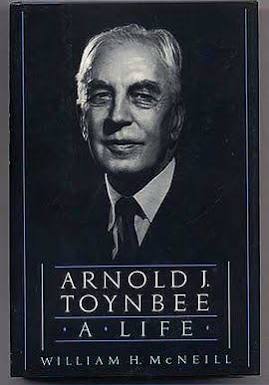
toynbee book

Research article written by S NAGARAJAN

Post No.2207

Date: 2nd  October 2015

Time uploaded in London: 5-52 am


(My elder brother S NAGARAJAN is a regular contributor to Bhagya, Jnanalayam, Nilacharal, Ezine and several other magazines and blogs: swaminathan)

தற்பொழுது விற்பனையாகி வரும் ஞானஆலயம்அக்டோபர் 2015 இதழில் வெளியான கட்டுரை.

பாரத ரத்னா அப்துல்கலாம் அவர்கள் கனவு காணுங்கள் என்று இளைஞர்களை ஊக்குவித்தார். கனவு காண எப்படி வேண்டுதல் புரிய வேண்டும் என்ற மந்திரத்தோடு அபூர்வமான விஷயங்களைப் போதிக்கிறது நம் அக்னிபுராணம்!

கனவில் கண்ட உலக சரித்திரம்!

அக்னி புராணமும் ஆர்னால்ட் டாய்ன்பியும்!!

.நாகராஜன்


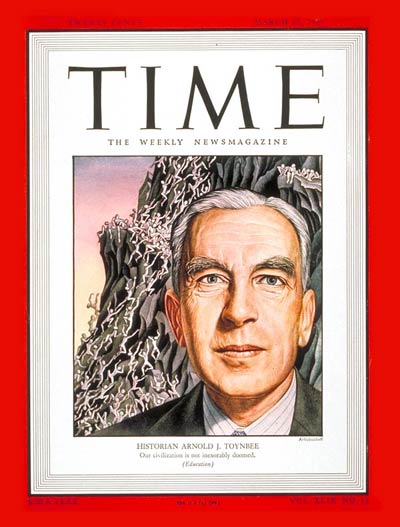
toynbee

துஸ்ஸ்வப்ன நாசன:

நல்ல கனவுகளைக் காணுங்கள் என்பதே ஹிந்து சாஸ்திரங்கள் தரும் உபதேசம்! துஸ்ஸ்வப்ன நாசன: (தீய கனவுகளை நாசம் செய்பவன் நாமம் 926) என்றே விஷ்ணுசஹஸ்ரநாமம் விஷ்ணுவைத் துதிக்கிறது. அசோகவனத்தில் திரிஜடா, சீதையிடம் தான் கண்ட நல்ல கனவைத் தெரிவிக்க, அதன் பின்னர் அனுமன் சீதையை தரிசிக்க அதுவே ராமாயணத்தின் முக்கிய திருப்புமுனைக் கட்டமாக அமைகிறது!


அக்னிபுராணம் தரும் அறிவுரை

கனவுகளைப் பற்றி அக்னி புராணம் பிரமிக்கத் தக்க விஷயங்களை அள்ளித் தருகிறது. பல்வேறு கனவின் பலன்கள், எந்த ஜாமத்தில் கண்டவை பலிக்கும் என்பன போன்றவை அதில் துல்லியமாக விளக்கப்பட்டுள்ளன. ஒரு நல்ல கனவை முதலில் கண்டு விட்டுப் பின்னர் கெட்ட கனவைக் கண்டால் கெட்ட கனவே பலிக்கும். ஆகவே நல்ல கனவைக் கண்ட பின்னர் உறங்காதே என்ற ஆலோசனையையும் அது அன்புடன் வழங்குகிறது. ஆகவே தான் நம் முன்னோர்கள் நல்ல கனவைக் கண்டவுடன் மகிழ்ச்சியுடன் எழுந்து அனைவரிடமும் அது பற்றிக் கூறி மகிழ்வர்; நல்லதை எதிர்நோக்கிக் காத்திருப்பர்.

ஹஸ்டன் ஸ்மித் என்ற அறிஞர் இந்து மதத்தில் மதமே கலை; கலையே மதம் என்று பொருத்தமுறக் கூறுகிறார்.

நமது கோவில் சிற்பங்கள், அங்குள்ள நாட்டியங்கள், இசை, அலங்காரம் என்று அனைத்தையும் அலசி ஆராய்ந்தால் நமது மதமே நமது கலை; நமது கலையே நமது வாழ்க்கை முறை என்பது விளங்கும்.

ஆனந்த குமாரஸ்வாமி (1877-1947) ஒரு பெரும் கலைஞர். இந்து மதச் சிறப்புகளை கலைஞனுக்கே உரித்த வகையில் நுணுக்கமாக உலகினருக்கு விவரித்தவர். அவர் அக்னி புராணத்திலிருந்து ஒரு அழகிய மந்திரத்தை எடுத்துக் காட்டி ஒரு கலைஞன் பெரிய காரியத்தைத் தொடங்கும் முன்னர் முதல் நாள் இரவில் கனவில் அதை நிறைவேற்றுவதற்கான வழிகளைக் காண்பிக்குமாறு வேண்டுதல் புரியும் மந்திரத்தைக் கூற வேண்டும் என்கிறார். கலை என்பது ஒரு யோகம் என்கிறார் அவர். கனவுக்கும் பெரிய திட்டத்தை நனவாக்கும் செயலுக்கும் உள்ள நெருக்கத்தை நல்ல முறையில் அடைய அக்னி புராணம் கூறும் முறையில் பிரார்த்தித்துச் செய்தால் அது பிரம்மாண்டமான வெற்றியைப் பெறும் என்கிறார் அவர். Visualization என்னும் காட்சிப்படுத்தல் பற்றி ஆதிசங்கரரும் அற்புதமாக விளக்கியுள்ளார்.

கனவுப் படைப்பாளிகளுக்கு நவீன வரலாற்றில் பஞ்சமே இல்லை. நூற்றுக்கணக்கான பேர்களில் மாதிரிக்கு 14 பேரை அட்டவணையில் தனியே காணலாம்!

gra0168sh_einstein

ஐன்ஸ்டீனின் மனச்சித்திரம்

உலகின் அதிசயமான கண்டுபிடிப்புகள் எல்லாம் விசுவலைசேஷன் என்ற காட்சிகள் மூலமாகவே பெரும்பாலும் கண்டுபிடிக்கப்பட்டுள்ளன. இதற்கு ஐன்ஸ்டீனும் விதி விலக்கல்ல. ஒளியின் வேகத்தின் மீதேறிச் செல்வது போன்ற காட்சியே உலகின் பிரம்மாண்டமான கண்டுபிடிப்பான தியரி ஆஃப் ரிலேடிவிடியயைக் கண்டுபிடிக்க அவருக்கு உதவியது. அதனால் தான் அடிக்கடி அவர் மனச்சித்திரத்தை வற்புறுத்தி வந்தார் வாழ்நாள் முழுவதும்.

ஆர்னால்ட் டாய்ன்பியின் உலக சரித்திரம்

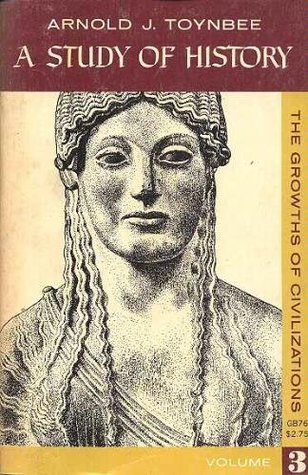
உலகின் சரித்திரத்தை எழுதிய ஆர்னால்ட் டாய்ன்பி (1889-1975) ஒரு அற்புதப் படைப்பாளி. ‘A STUDAY OF HISTORY’’ என்ற அவரது படைப்பு 30 லட்சம் சொற்கள் அடங்கியது. 26 நாகரிகங்களைப் பற்றி 12 தொகுதிகளில் அவர் விளக்கியுள்ளார். ஒரு மனிதனால் இப்படி துல்லியமாக சரித்திரக் காட்சிகளை எழுதி விட முடியுமா என்ன/

இதை எப்படி எழுத முடிந்தது என்பதை அவரே விளக்கியுள்ளார். படுத்தவுடன் கனவில் பக்கம் பக்கமாகச் சொற்கள் அடங்கிய காட்சிகள் விரியுமாம். எழுந்தவுடன் அதை அப்படியே எழுதி விடுவாராம். கனவில் அகக் கண்ணில் விரிந்த காட்சிகள் படலம் படலமாக வர உலக சரித்திரம் மிளிர்ந்தது. அக்னி புராணம் கூறும் கனவுக் காட்சிகளுக்கு அவரே சரியான சான்று. கனவின் மூலமாக உத்வேகம் பெற்ற அறிஞர் அவர்.

toynbee book3

பற்றிக் கொள்; காத்திரு

கடவுளைப் பற்றியும் கடவுளுக்கும் மனிதனுக்கும் உள்ள தொடர்பைப் பற்றியும் விளக்கப் புகுந்த அவர் இதற்கு விடையாகத் தனது கனவு ஒன்றையே விவரிக்கிறார்!

இந்தக் கனவில் சிலுவையின் அடிப்பாகத்தைப் பிடித்துக் கொண்டு தான் இருப்பதை அவர் கண்டார். யார்க்‌ஷைரில் ஆம்பிள்ஃபோர்த் அப்பேயில் (Abbey of Ampleforth) பெனிடிக்‌ஷன் பீடத்தின் மேல் உள்ள சிலுவையையே அவர் கண்டார்.

பிறகு தெளிவான லத்தீனில் கம்பீரமான ஒரு அசரீரி ஒலித்தது!

“ஆம்ப்ளெக்ஸஸ் எக்ஸ்பெக்டா”

இதன் பொருள்? “பற்றிக் கொள்; காத்திரு” (CLING AND WAIT என்பதாகும்.

(ஷீர்டி சாயி அன்பர்களுக்கு அவர் கூறும் ச்ரத்தை; பொறுமை என்ற இதே அர்த்தம் தொனிக்கும் இரு வார்த்தைகள் நினைவுக்கு வருகிறதா!)

சென்ற நூற்றாண்டின் மாபெரும் சிந்தனையாளரான அவரது கனவு நமது உள்ளத்தில் சிலிர்ப்பூட்டும் இறை நினைப்பை ஊட்டுகிறதல்லவா?

ஆரம்பத்தில் கிறிஸ்தவத்தில் அபார பற்று உடையவராக அவர் இருந்தார். 1944ஆம் ஆண்டு அவர் மனைவி ரோஸலிண்ட் மர்ரேயை விவாகரத்து செய்ய வேண்டி இருந்தது. தன் மனைவி தன்னை விட்டுப் பிரிய கிறிஸ்தவ மதத்தின் வறண்ட ஒரு கொள்கையே காரணம் என்ற முடிவுக்கு அவர் வந்தார். கிறிஸ்தவ மதத்தின் மீதான பிடிப்பு தளரவே புத்த மதம் அவரை ஈர்த்தது.

சமரஸ மத நோக்கு கொண்ட மகாத்மா காந்திஜியை அவர் பெரிதும் போற்றினார். “சமுதாயத்தைக் காக்க வந்த நவீன மீட்பர்” (Modern savior of Society) என்று அவர் காந்திஜியைக் கொண்டாடினார்.

அவரது விரிந்த பார்வை ஹிந்து மதத்தின் பால் திரும்பியது. ஹிந்து மதம் காட்டும் உண்மைகளை உணர்ந்து பெரிதும் அதிசயித்தார் அவர்.

உலக சரித்திரத்தை எழுதியவர் உலகின் எதிர்காலமே இனி ஹிந்து மத நோக்கில் சென்றாலேயே செழிக்கும் என்று முத்தாய்ப்பாக இறுதியில் எழுதி தனது பத்தாவது பாகத்தை முடித்தார்.

கனவில் அவர் கண்ட காட்சி எதிர்காலத்தை ஆளும் ஹிந்து மதக் காட்சி என்றால் அது சரியான காட்சி தானே! தென்னாடுடைய சிவன் எந்நாட்டவர்க்கும் உரியவன் அல்லவா!

அவர் கூறுவதை அப்படியே காண்போம்: – “The indian religions are not exclusive minded. They are ready to allow that there may be alternative   approaches to the mystery. I feel sure that in this they are right and that this catholic minded Indian religions spirit is the way of salvation for human beings of all religions in an age in which we have to learn to live as a single family if we are not to destroy ourselves.”

guinea-bissau-science-stamp-2003

“இந்திய மதங்கள் மற்ற எதையும் ஒத்துக்கொள்ளாத மனப்பான்மை கொண்டவை அல்ல. இறைமர்மத்திற்கு விடை காண இன்னும் வேறு பல அணுகுமுறைகளும் உண்டு என்பதை அவர்கள் அனுமதிக்கத் தயார்! இதில் அவர்கள் கூறுவது சரியே என்பதில் நான் உறுதி கொள்கிறேன். நம்மை நாமே அழித்துக் கொள்ளாது, ஒரே குடும்பமாக வாழக் கற்றுக் கொள்ள வேண்டிய நிலையில் உள்ள ஒரு யுகத்தில் வசிக்கும் எல்லா மதங்களையும் சார்ந்துள்ள மனிதர்களுக்கு இப்படிப்பட்ட பரந்த மனப்பான்மையுள்ள இந்திய மதங்களின் உணர்வே உய்வதற்கான வழியாகும்.”

பெரிய மேதை தன் கனவில் கண்ட அகக்காட்சியில் உலகம் உய்வதற்கும் அனைத்து மதத்தினரும் ஏற்றுக் கொள்ளும் அற்புதமான பரந்த மனப்பான்மை இந்து மதத்தில் உள்ளது, அதை ஏற்போம் என்று கூறுவது இன்றைய நிலையில் எவ்வளவு பொருத்தமாக உள்ளது!

********************

sleep

கனவுப் படைப்பாளிகள்

———————————————————————————————————————————————-

எண்           கண்டவர் பெயர்               படைப்பு

————————————————————————————————————————————————

01               ஐன்ஸ்டீன்                    தியரி ஆஃப் ரிலேடிவிடி

02               ராபர்ட் லூயி ஸ்டீவன்ஸன்   1892இல் எழுதிய Across the Plains

03               ஆர்னால்ட் டாய்ன்பி          உலக சரித்திரம்

04             சாமுவேல் டெய்லர் கூல்ட்ரிட்ஜ்   குப்ளாகான் (கவிதை)

05             ராமானுஜன்                    கணிதக் கண்டுபிடிப்புகள்

06             கெக்குலே                 பென்ஸீனில் கார்பன் அணுக்கள் அமைப்பு

07        பெர்ட்ரண்ட் ரஸ்ஸல்            பல கணிதத் தீர்வுகள்

08        ஜேம்ஸ் காமரான்         ஹாலிவுட் படம் – தி டெர்மினேடர்

09        ரெனி டெஸ்கார்டெஸ்     அறிவியல் அணுகுமுறை மற்றும் கார்டீஸியன்

கோ ஆர்டினேட் சிஸ்டம்

10        மேரி ஷெல்லி           உலகின் முதல் அறிவியல் நாவலான

“ப்ராங்கென்ஸ்டீன்”

11        பால் மக்கார்ட்னி            பிரசித்தி பெற்ற இசைப்பாடல் “Yesterday”

12        நீல்ஸ் போர்                 அணுவின் அமைப்பு

13    ஃப்ரெடெரிக் பாண்டிங்     (நோபல் பரிசு பெற்றவர்) பெனிசிலின் இஞ்ஜெக்‌ஷன்

14    எலியாஸ் ஹோ            தையல் மெஷின்

sleep2

————————————————————————————————————————————————————

What is the Price of Gandhi Stamps?

IMG_6424

Research article written by London swaminathan

Post No.2206

Date: 1st October 2015

Time uploaded in London: 16-00

October 2 Gandhi Jayanthi

It is needless to say that the Gandhian values have down in India. But the surprising thing is that the value of Gandhi stamps are going up and up! Politicians use Gandhiji’s name as a popular brand name. Like corrupt Tamil politicians use the name of holy poet Tiruvalluvar, corrupt North Indian politicians use Gandhi’s name. Any way the new generation know neither Gandhi nor Tiruvalluvar. They read their names in text books for examination sake. As soon as they come out of the examination halls they forget both the names and their teachings.

IMG_6422 (2)

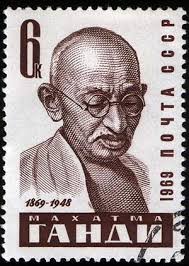
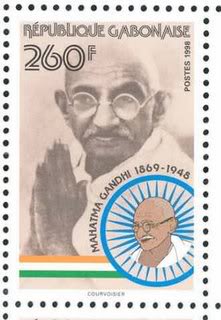
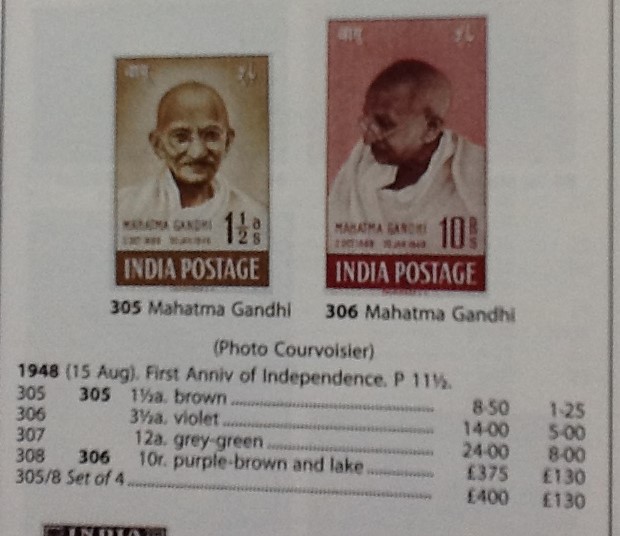
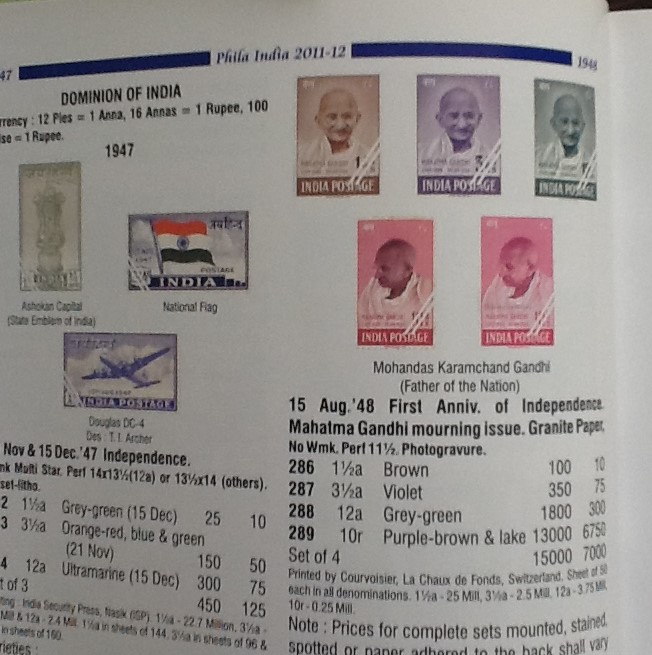
But as a stamp collector and possessor of Gandhi stamps issued by several countries, I am glad that the values of those stamps are going higher and higher. I very often pass by the Stanley Gibbon stamp shop at Strand in London. Their catalogue is the Veda for the stamp collectors and their headquarters is the Benares/Varanasi of stamp collectors. Today I looked at the latest Stanley Gibbon’s catalogue to compare the prices. I have given below the prices:

For mint stamps (Not used)

In 2006 the price of Rs10 Gandhi was 45 pounds (45×100=Rs.4500 in today’s currency rates)

In 2015 the price is 375 pounds (375×100= Rs 37,500)

For used Stamps

In 2006 it was 40 pounds (Rs.4000 in today’s currency rates)

In 2015 it was 130 pounds (Rs13,000)

IMG_6448 (2)

In 2011-12 Indian Stamp catalogue the price of Rs10 Gandhi stamp issued in 1948 was Rs.13,000 (mint) and Rs.6750 (used)

This is the price for the stamp in best condition.

For instance here the stamp dealers sell even Gandhi stamp for 60 pounds. But they have lost the gum in the back or browned due to weather. In India stamps change to brown very quickly because of the climatic conditions. But in temperate countries like Britain they are in good condition. All my old Indian stamps collected in Madurai are brownish. But after coming here, I bought Indian stamps from English dealers and they are in pristine condition.

If you have coins or stamps, please maintain them properly. Stamp dealers or the philatelic societies in all the Indian cities will advise you in this regard.

IMG_6432

( I am writing about Gandhi coins separately)

Long live Gandhi! Longer live Gandhi stamps!!!

ஊரோடு ஒத்து வாழ்!

Sentinelese tribe

Compiled  by  லண்டன் சுவாமிநாதன்

Date: 1 October 2015

Post No: 2205

Time uploaded in London :– -11-09 am

(Thanks  for the pictures)

1.யத்ர யாத்ருச ஆசார: தத்ர வர்தேத தாத்ருசம்

எங்கு என்ன ஆசாரமோ அங்கு அதைப் பின்பற்று

(ஊரோடு ஒத்து வாழ்)

2.எவ்வதுறைவது உலகம்    உலகத்தோடு

அவ்வதுறைவது      அறிவு (குறள் 426)

3.ஆடையில்லாதவன் ஊரில் கோமணம் கட்டியவன் பைத்தியக்காரன்.

Do in Rome in as Romans do

4.யதா தேசஸ்ததா பாஷா – சுபாஷிதரத்ன பாண்டாகாரம்

எந்த நாடோ அந்த பாஷை

5.யதா தேசஸ்ததா வேஷ:

தேசத்துக்கு ஏற்ற உடை

6.காக: கிருஷ்ண: பிக: கிருஷ்ண: வசந்தகாலே சமயாதே காக: காக:, பிக: பிக:

காக்கையும் கறுப்பு, குயிலும் கறுப்பு; வசந்தகாலம் வந்தால் தெரியும்! காகம் காகமே! குயில் குயிலே!

ஒப்பிடுக: கறுப்பு நாயைக் குளிப்பாட்டினாலும் வெளுக்காது.

7.காமார்த்தா ஹி ப்ரக்ருதி க்ருபணா சேதனா சேதனேஷு – மேகதூதம்

காம இச்சை உடையவனுக்கு, உயிருள்ள பொருள் எது, உயிரற்ற பொருள் எது என்று கூடத் தெரியாது.

8.ப்ரக்ருதி கலு சா மஹீயச: சஹதே நான்யசமுன்னதிம் யயா- கிராதர்ஜுனீயம்

பெரியோர்கள் மற்றவர்களின் உயர்வை பொறுக்க மாட்டார்கள் (பெரிய மரத்தின் கீழ் சிறு செடிகள் வளராது)

9.பூயோபி சிக்த:பயசா க்ருதேன ந நிம்பவ்ருக்ஷோ மதுரத்வமேதி – சாணக்யநீதி

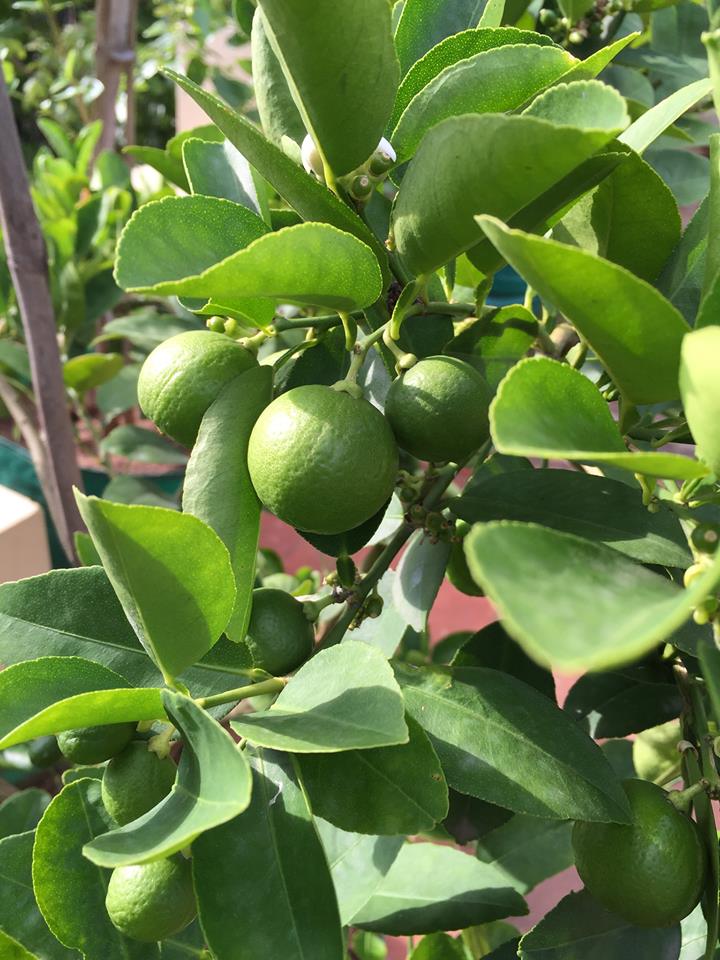
எலுமிச்சையை பாலிலும் நெய்யிலும் நனைத்துவைத்தாலும் அது இனிக்காது.

lemon tree on terrace

10.ஸ்த்ரீ  ஸ்வபாவஸ்து காதர: – ஸ்வப்னவாசவதத்தா

பெண்கள் பலவீனமானவர்கள்.

11.மஹான் மஹத்ஸ்யேவ கரோதி விக்ரம் – பஞ்சதந்திரம்

வலியோர் வலியோரிடத்தில்தான் வலிமையைக் காட்டுவர்

12.மஹீயாம்ச: ப்ரக்ருத்யா மிதபாஷிண: – சிசுபாலவதம்

பெரியோர்கள் இயல்பாகவே குறைவாகவே பேசுவர்

ஒப்பிடுக: சொல்லுக சொல்லிற் பயனுடைய – குறள்

13.சரித்பதிர்நஹி சமுபைதி ரிக்ததாம் – சிசுபாலவதம்

கடல் எப்போதும் வற்றாது.

14.மண்டூகா யத்ர வக்தாரஸ் தத்ரம் மௌனம் ஹி பூஷணம்

தவளைகள் எங்கு பேச்சாளர்களோ, அங்கு பேசாமலிருப்பதே அணிகலன்.

(குரங்குக்கு உபதேசம் செய்த தூக்கணங் குருவியின் கூட்டை, குரங்கு பிய்த்தெறிந்த பஞ்ச தந்திரக் கதையை ஒப்பிடுக)


15.ம்ருதங்கோ முகலேபேன கரோதி மதுரத்வனீம்

மிருதங்கம் கூட மாவு பூசுவதை வைத்தே நல்ல சப்தத்தைக் கொடுக்கும் (தட்டிக் கொடுத்து வேலை வாங்கு)

ஒப்பிடுக:–ஆடுற மாட்டை ஆடிக்கற, பாடுற மாட்டைப் பாடிக் கற.

21THTHAVIL_2555245f.jpg,hindu

16.ய: ஜீவதி ச: பஸ்யதி

யார் உயிரோடு இருக்கிறானோ, அவனே பார்க்கிறான்

(சுவர் இருந்தால்தானே சித்திரம்?)

17.யத்ர சௌரா ந வித்யந்தே தத்ர கிம் ஸ்யாத் நிரீக்ஷகை:

எங்கு திருடர்கள் இல்லையோ அங்கு மேற்பார்வையாளர் எதற்கு?

18.யத்ர தூமஸ்தத்ர வஹ்னி:

நெருப்பு இருந்தால்தானே புகையும்?

19..உத்சவப்ரியா: கலு மனுஷ்யா: (சாகுந்தலம்)

மனிதர்கள் விழாக்களை விரும்புவோர் அல்லவா?

20.ஏகோதர சமுத்பவதா ஏக நக்ஷத்ர ஜாதகா:

ந பவந்தி சமா: சீலைர்யதா பதரிகண்டகா: – சாணக்ய நீதி

ஒரே வயிற்றில், ஒரே நட்சத்திரத்தில் பிறந்தாலும் ஒழுக்கத்தில் சமமாக இல்லை. எப்படியென்றால் இலந்தை மரம் பழத்தையும் முள்ளையும் கொடுக்கிறதல்லவா?

(ஒப்பிடு:  ரோஜாச் செடியிலும் முட்கள் உண்டு)

21.யதா  பீஜம் ததா நிஷ்பத்தி:  – சாணக்ய சூத்ரம்

போட்ட விதைதான் முளைக்கும்

22.யதா வ்ருக்ஷஸ் ததா பலம் —-சுபாஷிதரத்ன பாண்டாகாரம்

மரத்துக்கேற்ற பழம்தான் கிடைக்கும்

23.யதா ஹி குருதே ராஜா ப்ரஜாஸ்தமனுவர்ததே – ராமாயணம்

ராஜா எப்படிச் செய்கிறாரோ மக்களும் அப்படியே செய்வர்

(யதா ராஜா ததா ப்ரஜாJ

மன்னன் எவ்வழி மக்கள் அவ்வழி

24.எவ்வழி நல்லவர் ஆடவர்,

அவ்வழி நல்லை; வாழிய நிலனே! (ஔவையார், புறம் 187)

(பொருள்: மக்கள் நல்லவராக இருந்தால் நிலமும் நல்லதாக இருக்கும்!!)

–சுபம்—

Voice of Senses

voice2

Compiled  by S Nagarajan

Date: 1 October 2015

Post No: 2204

Time uploaded in London :– -9-18 am

(Thanks  for the pictures)

Book Review  By 

Santhanam Nagarajan

Published in www.ezinearticles.com on September 29, 2015

naga

    Platinum Level Expert Author

  • Voice of Senses
  • Santhanam Nagarajan
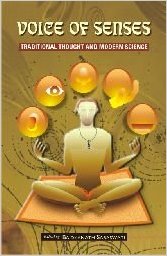
  • The book under review titled, ‘Voice of senses’ is edited by Baidyanath Saraswati.
  • The entire book is devoted to a thorough understanding of the concept of senses. There are twenty articles in total in two parts.
  • The first part deals with philosophy and religion while the second part deals with Science and Society.
  • Eminent authors from various fields have written the articles and hence it is quite interesting to read and understand hitherto unknown facts.
  • The Five Elements or Five Processes is basic to Chinese tradition. Wood, Fire, Earth, Metal and Water are the five elements.
  • Sitansu Ray has beautifully written about Tagore’s Congregational addresses on Seeing and Hearing
  • Seeing and hearing are consecutive themes of the great poet Rabindranath Tagore who delivered the congregational addressed on two consecutive days in Santiniketan. Vision leads us to realization. The silent music of celestial world is to be studied and our life music is to be synchronized with the magnanimous music of the ever-evolving universe.
  • Function of the Sense- Organs in the Snake- catching Technology is explained by Sanghamitra Pal.
  • In West Bengal, Saure Mal is one of the sub-castes of the caste Mal. The Sapure classify the snakes as poisonous and non-poisaonus. They believe that most of the snakes are harmless. They learn the art of snake-catching since childhood. It is very interesting to read about their knowledge and skill of snake-catching and charming.
  • Somushish Ghosh Dastidar and Manojit Denath analyse Plant Response to External Stimuli. A single stimulus such as hot needle can cause leaves to respond. It is possible for a plant to respond to the vibrations accompanying sounds. The plant ‘Mimosa Pudica’ also known as the ‘sensitive plant’ responds to the sound-induced vibration. In one archid plantation area every morning and evening the sound installed there plays devotional songs, ghazals, religious chants and instrumental music. The vibration in it helps in the growth of buds.
  • N.Sahay explains Human Senses and their purpose citing quotes from many Sanskrit works. One has to use these senses to ‘go upward’. The excellent path of true welfare is to be chosen and adopted by intelligent people.
  • These articles are of benefit to those who interested in learing about the different aspects of Indian religious and philosophical perceptions.
  • The Scientific back ground gives us more authentic information about the voice of senses.
  • Sense of touch, sense of taste, sense of smell, sense of sight, sense of hearing – all these five senses along with mind helps us to achieve empirical knowledge. One who uses these in the right way as stipulated by scriptures attains Shreya.
  • Mr Badiyanath Saraswati , an eminent anthropologist has spent about forty years in unraveling the relationship between traditional thought and modern science.
  • He is no more with us. But his collection of articles will definitely help the readers to know all about senses.
  • The Voice of senses is very sweet and I strongly recommend this book to all book lovers of Indology.
  • The book is neatly printed and published by D.K.Printword (P) ltd., New Delhi.
  • Article Source: http://EzineArticles.com/9182975

Achievements

  1. Nagarajan has written more than 3000 articles in Tamil in 18 magazines and published 19 books. He is revealing Eastern Secret Wisdom through T.V. Programmes, magazine articles, seminars, courses. He has covered various subjects in his wide range of articles which include Mantras,Yantras, Yoga, Meditation, Astrology, Astronomy, Space Science, Science and Spirituality, Hollywood cinema, Womens’ progress, Aura, Significance of Colours, Reincarnation, Divine Geometry, Power of Prayer etc As an ardent seeker of Truth, he has collected scientific experiments on mantras, mind ,Auto suggestion etc He has written many articles on para psychology

So far 100,718 persons have read his ezine articles.

லாங்பெலோவின் ஆங்கிலக் கவிதை மொழிபெயர்ப்பு

footprints-in-the

DON’T REBLOG IT AT LEAST FOR A WEEK!  DON’T USE PICTURES; THEY ARE COPYRIGHTED BY SOMEONE.

Compiled  by London swaminathan

Date: 1 October 2015

Post No: 2203

Time uploaded in London :– -8-35 am

(Thanks  for the pictures)

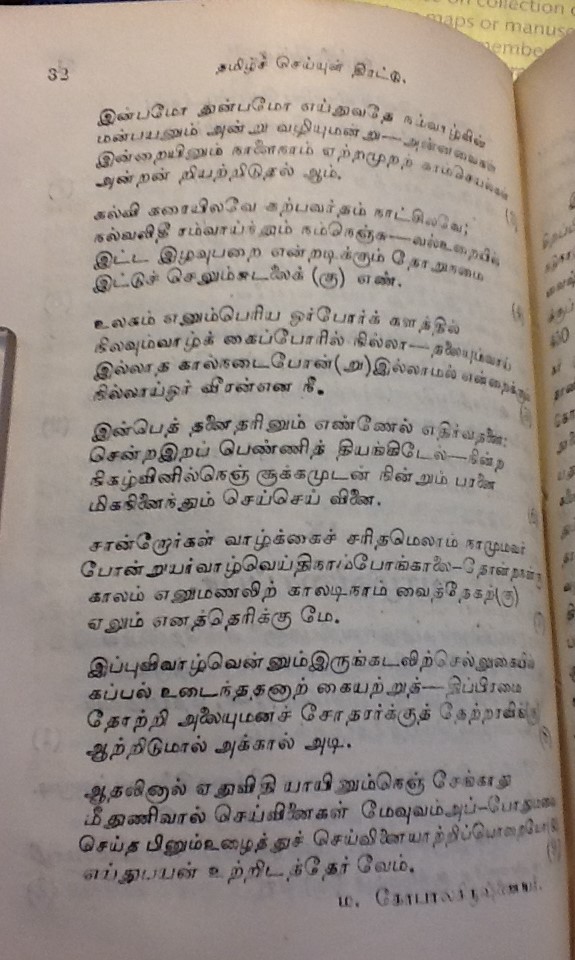
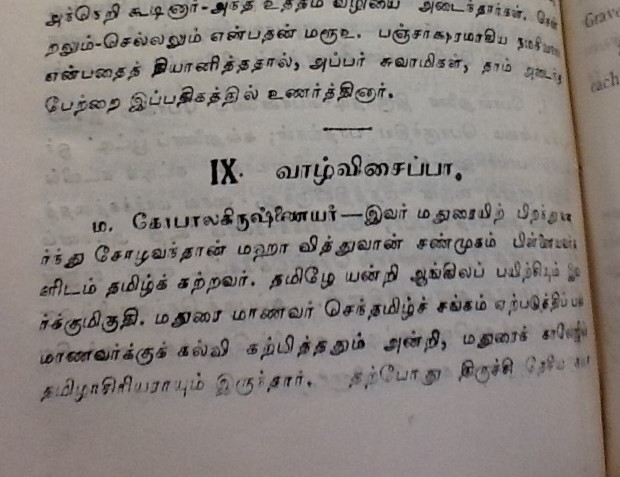
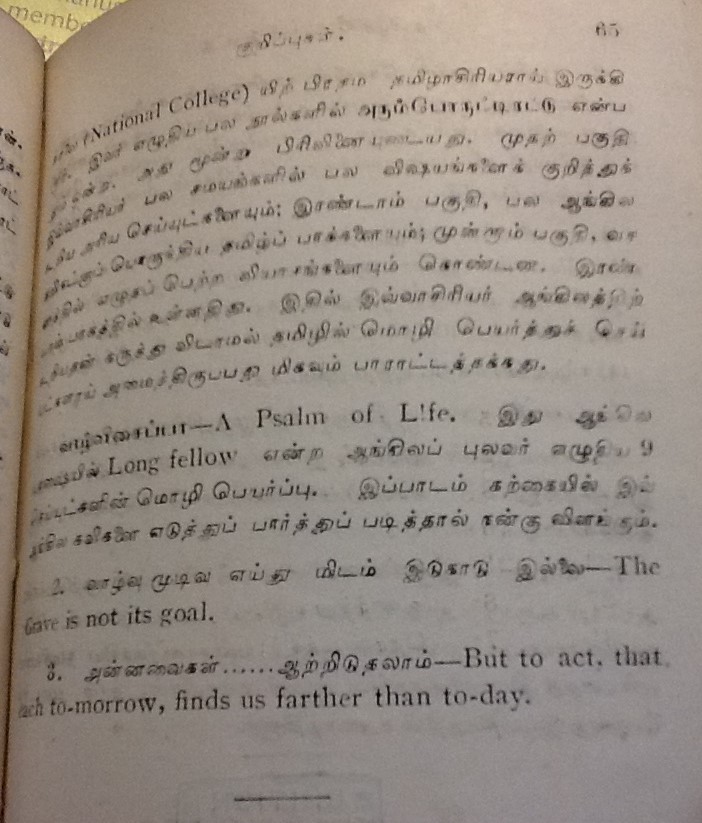
பிரிட்டிஷ் லைப்ரரியில் கிடைத்த உயர்நிலைப் பள்ளி மாணவர்களுக்கான செய்யுட் தொகுப்பில் மதுரை கோபால கிருஷ்ண ஐயர் பற்றி கிடைத்த செய்தி வியப்பை ஏற்படுத்தியது. அவர் பல ஆங்கிலக் கவிதைகளை 1920 ஆம் ஆண்டுக்கு முன்னரே மொழிபெயர்த்துப் புத்தகமாக வெளியிட்டிருக்கிறார் என்றும் அவர் எழுதிய மூன்று புத்தகங்களில் இது ஒன்று என்றும் எழுதப்பட்டுள்ளது. அந்தப் புத்தகங்களை லைப்ரரியில் தேடிப் பார்க்க முடிவு செய்தேன். மதுரை கோபால ஐயர் எழுதிய புத்தகங்கள் உங்களிடம் இருந்தாலோ மதுரைத் தமிழ் சங்க நூலகம் முதலியவற்றில் கண்டாலோ, தயவுசெய்து எழுதுங்கள்.

ஆங்கிலக் கவிஞன் ஹென்றி வாட்ஸ்வொர்த் லாங்பெலோ எழுதிய புகழ் பெற்ற ஒரு கவிதையை அவர் மொழி பெயர்த்ததை அந்தக் காலத்தில் ‘சிலபஸில்’ சேர்த்து இருக்கிறார்கள். இதோ அந்தக் கவிதை:

இருப்பிடம்: லண்டன் பிரிட்டிஷ் நூலகம்/ லைப்ரரி

வெளியீடு 1921

IMG_6267 (2)

IMG_6371 (2) - Copy

IMG_6372 (2)

IMG_6373 (2)

IMG_6374 (2)

A Psalm of Life

BY HENRY WADSWORTH LONGFELLOW (1807-1882)

What The Heart Of The Young Man Said To The Psalmist.

Tell me not, in mournful numbers,

Life is but an empty dream!

For the soul is dead that slumbers,

And things are not what they seem.

Life is real! Life is earnest!

And the grave is not its goal;

Dust thou art, to dust returnest,

Was not spoken of the soul.

Not enjoyment, and not sorrow,

Is our destined end or way;

But to act, that each to-morrow

Find us farther than to-day.

Art is long, and Time is fleeting,

And our hearts, though stout and brave,

Still, like muffled drums, are beating

Funeral marches to the grave.

In the world’s broad field of battle,

In the bivouac of Life,

Be not like dumb, driven cattle!

Be a hero in the strife!

Trust no Future, howe’er pleasant!

Let the dead Past bury its dead!

Act,— act in the living Present!

Heart within, and God o’erhead!

Lives of great men all remind us

We can make our lives sublime,

And, departing, leave behind us

Footprints on the sands of time;

Footprints, that perhaps another,

Sailing o’er life’s solemn main,

A forlorn and shipwrecked brother,

Seeing, shall take heart again.

Let us, then, be up and doing,

With a heart for any fate;

Still achieving, still pursuing,

Learn to labor and to wait.

–சுபம்—