THE HINDU SACRED THREAD (Post No.3277)

img_4230

Compiled by London Swaminathan


Date: 22 October 2016


Time uploaded in London: 10-16 AM


Post No.3277


Pictures are taken from Facebook and other sources; thanks. (Pictures are used only for representational purpose; no connection with the current article.)


Contact swami_48@yahoo.com


Following is an excerpt from ‘THE HINDU AT HOME’ by the Rev.J.E.Padfield, year 1908, London

img_4225

“In the eighth year from the conception of a Brahman in the eleventh from that of a Kshatriya, and in the twelfth from that of a Vaisya, let the father invest the child with the mark of his class.” (Manu, ii. 36.)


ONE of the many peculiarities that strike a stranger in India is that many Hindus have a cord or twisted thread over the left shoulder, hanging down under the right arm. It is worn as a sash would be.


This article of dress or adornment forms, however, a very important factor in the Hindu cult. The yajnopavitam, as it is called, or the sacred thread of the Hindu, is the outward and visible mark that the wearer is a Dvija, or twice-born. It is a very much prized and a very sacred badge and commands respect and even adoration. If we enquire who are privileged to assume this distinction, we find the matter very clearly defined by the ancient Hindu law-giver. In the quotation at the head of this chapter, it is clear that the Brahmans Kshatriyas, and Vaisyas must be thus invested. In another place it is distinctly stated that none but the three twice born classes are entitled to the distinction (Manu 10-4). But the goldsmiths, the weavers, certain classes of fishermen and others wear it.


In the Orissa state, certain Raja of Sudra caste made himself important by assuming the authority to invest people of his own caste with the thread. Some of investiture and adopted to have submitted to the number of the unlawful wearers of this coveted mark of distinction.

img_4222

Cotton for Brahmins, Woollen for Businessmen!

Originally there appears to have been some difference in the kind of thread worn according to the class in the kind of thread worn, according the class of the wearer. Thus

“The sacrificial thread of a Brahmin must be made of cotton so as to be put on over his head in three strings, that of Kshatriya of hemp thread, only that of a Vaisya of woollen thread.” (Manu, ii. 44.)

But in the present day no such difference is seen. The cord is universally made of cotton. A peculiar kind of fine cotton is ought to be employed, but ordinarily the common cotton is used. The threads are supposed to be prepared by Brahmins.

The threads can generally be obtained in any ordinary bazaar, but the very orthodox in order to maintain their purity, will frequently procure their supply from the house of the Brahmins.


Importance of Number 3

The ‘Yajnopavitam’ consists of several skeins of cotton thread. Each thread consists of three strands, each skein has three threads, and a married man’s cord must consist of not less than three skeins. The number three enters very largely into the structure of the cord itself, and the ceremony of investiture. This is said to represent the three gods, Brahma, Vishnu, and Siva the three sacrificial fires (Ahavaneeyan, Garhapatyam, Dakshinagni) three divisions of time morning, noon and night and the three worlds Bhur, Bhuva, Suvah.


Brahma’s Knot

Each skein is tied with a peculiar knot called Brahma’s knot. It is made by making three turns with the threads and by so tying the knot that the ends do not appear on the outside. In making each knot the following incantation is repeated by the maker


Omkaram uccaran brahma sutram badvatha dharayet

Karmasuddhitvamapnoti sarva devat makatvatah

“Pronouncing the word om, the Brahma sutram must be tied, and afterwards worn. (The wearer will receive purity in all his rites It being the personification of all the gods.”


A youth, if a bachelor, when first invested with the cord, receives only a single skein, and he cannot wear more than a single skein until he is married. The Brahmin youth must be invested with his cord when he is seven or eight years of age. He cannot be married until thus invested, but he may, and in fact often does, marry a day or two after the ceremony. Amongst some of the Banias and Vaisyas it is customary to defer the upanayanam (sacred thread ceremony) until immediately before marriage.


The ceremony of investiture is as follows. On the appointed day a fire is lighted, round which the relattives and friends of the novice are seated. This fire is a very important feature of the upanayanam. The whole ceremony is called the ‘agni karyam’ or fire worship. It is kept alight during the whole four days during which the ceremony lasts, and it is the proper thing to feed it, as far as possible, with the twigs of certain kinds of trees, principally those of the Indian fig (Ficus) tribe. At the repeating of the various mantrams which form part of the ritual, ghee is poured on to the fire as an offering. The father of the youth to be invested takes a thread of nine strands and put it upon his son. This is not the true yajnopavitam, nor has it the Brahma knot, neither are mantrams said over it.


After some time, during which various rites are performed, and the ears of the boy are bored for earrings and then adorned with thin rings of gold, the true cord is produced-a single skein of three threads. To this is attached a bit of the skin of male deer, or, if a long strip of Deer is worn as a sash together with the cord. Deer skin is considered to be very pure, and also to be capable of imparting purity. For this reason, untanned deer skin is much employed for covering the boxes and other receptacles, in which the household gods and things pertaining thereto are kept. It is also much used as a mat to sit upon when performing the daily rites. Mention is made in the Smritis (the teaching of the sages) of the purity acquired by wearing deer skin, and there are several injunctions on the matter in the Laws of Manu. For example:-

img_4227

Importance Deer Skin

Let the students in theology wear for their mantles hides of black antelopes (Krishna mrga), of common deer or goats, with lowers vests of woven hemp, linen, and wool in the descending order of their classes (Manu 2-41)
The piece of deer skin is worn with the thread for several months, when it is taken off, with some short ceremony, at a temple. When the father puts on the true cord, he repeats the yajmopavita mantram, the novice saying it after him. This mantram is as follows:-


Yajnopaviitam paramam pavitram prajaapater yat sahajam purastaat

Aayushyamagryam pratimuncha subram  Yajnopaviitam balamastu tejah


This most hallowed yajmopavitam,

In former times with Brahma born,

Author of longevity; wear it, it is pure,

May this yajnopavitam become my strength and glory.


As the new and true cord is put on, the imitation one which was first used is taken off. This completes the investiture, and the father at once proceeds to teach the novice the Gayatri prayer. This is done with great care and secrecy. A cloth is thrown over the heads of both father and son, and, the sacred words are whispered into the ears, in as low a whisper as possible, so that the holy words may not fall upon ears of any uninitiated person. The upanayanam is now complete. and the lad is now a true Dvija, duly entitled to read the Vedas, and to perform any of the religious rites of his caste.


Immediately following this investiture the youth proceeds to ask alms of those present, beginning with his mother and then his father and the other relatives or friends. This act is supposed to intimate a readiness on the part of the supplicant to provide for himself and his religious preceptor (Guru/Acharya).


All this takes place on the first day, but for three more days the festival is kept up during which the novice instructed in the morning, midday and evening prayers and in other ceremonial observances.

img_4214

Four Day Festival

There is always much feasting and rejoicing upon these occasions. Musicians are hired to enliven the company and friends and relatives are entertained according the ability of the host.


A new cord must be put on every year on the occasion of a certain festival. This festival is called the Upakarma held in the month of Sravana (July/August). Should the cord be broken during the year, a new one must at once be put on. If a man has a cord of many skeins a broken thread or two does not matter; but a bachelor must have his one skein perfect. A married person must have at least three perfect skeins, every thread of which must be perfect. Should the cord become broken, or any defilement contracted, no food can be taken until the old is replaced by a new one.

xxx Subham xxx
நோய்களுக்கு பெரியாழ்வார் கட்டளை! Get Out!! (Post No.3276)

elephant-srirangam-dinm

Written by London Swaminathan


Date: 22 October 2016


Time uploaded in London: 6-19 AM


Post No.3276


Pictures are taken from Facebook and other sources; thanks. (Pictures are used only for representational purpose; no connection with the current article.)


Contact swami_48@yahoo.com

desikar-bahavani2

நோய்களுக்கு, பன்னிரு ஆழ்வார்களில் ஒருவரான பெரியாழ்வார் இடும் கட்டளை மிகவும் அதிகார தோரணையில் அமைந்திருக்கிறது.


‘நாமார்க்கும் குடி அல்லோம் நமனை அஞ்சோம்’ என்று அப்பர் பாடும் பாடலையும் ஞான சம்பந்தர் பாடிய ‘கோளறு திருப்பதிக’த்தையும் நினைவு கூறுவதாக அமைந்துள்ளது இப்பாடல்.


உற்ற உறுபிணி நோய்காள்!

உமக்கு ஒன்று சொல்லுகேன் கேண்மின்

பெற்றங்கள் மேய்க்கும் பிரானார்

பேணும் திருக்கோயில் கண்டீர்

அற்றம் உரைக்கின்றேன் இன்னம்

ஆழ்வினைகாள்! உமக்கு இங்கோர்

பற்றில்லை கண்டீர் நடமின்

பண்டன்று பட்டினம் காப்பே!

பெரியாழ்வார் திருமொழி பாடல் 447


பொருள்:-

என்னைத் தொடர்ந்து வருத்தும் நோய்களே! உங்களுக்கு ஒன்று சொல்லுகிறேன்; கேளுங்கள். பசுக்களை மேய்த்த கண்ணபிரான் என் உடலைக் கோவிலாகக் கொண்டுவிட்டான். காணுங்கள். பிறவிக்கடலில் ஆழ்த்துகின்ற வினைகளே! இன்னும் உறுதியாகச் சொல்லுகிறேன் உங்களுக்கு இங்கு ஒரு வேலையும் கிடையாது. வெளியே போங்கள்.GET OUT! எம்பெருமானுடைய பட்டினமான இவ்வுயிர், அவனால் காக்கப்படுகிறது.

IMG_5160 (2).JPG

‘உள்ளம் பெருங்கோயில், ஊன் உடம்பே ஆலயம்’ – என்று திருமூலர் சொன்னதும் இங்கே நினைவுக்கு வருகிறது.


பண்டன்று, பட்டினம் காப்பே என்ற தலைப்பில் பெரியாழ்வார் பாடிய பத்து பாசுரங்களும் படிக்கப்படிக்கத் தெவிட்டாதது.


நெய்க்குடத்தைப் பற்றி ஏறும்

எறும்புகள் போல் நிரந்து எங்கும்

கைக்கொண்டு நிற்கின்ற நோய்காள்!

காலப் பெற உய்யப் போமின்


என்று பாசுரம் துவங்குகிறது.


அடுத்த பாடலில் எமனுடைய கணக்குப்பிள்ளைகளான சித்திரகுப்தனும் அவனது தூதர்களும் பாவ புண்ணியக் கணக்குப் புத்தகத்தையே கிழித்துப்போடுவிட்டு ஒளிந்துகொண்டனர் என்று ஆணித்தரமாகக் கூறுகிறார்:-

சித்திரகுத்தன் எழுத்தால்

தென்புலக்கோன் பொறி ஒற்றி

வைத்த இலச்சினை மாற்றித்

தூதுவர் ஓடி ஒளித்தார்


–என்கிறார்.

butter-stealing-krish

அதைத் தொடர்ந்து வரும் பாடல்களில் அவர் பயன்படுத்தும் மாணிக்கப்பண்டாரம், வங்கக் கடல் வண்ணன், பீதகவாடைப் பிரானார் என்ற சொற்றொடர்கள் ரசித்துப் படிக்க வேண்டிய சொற்றொடர்கள்.


பெரியாழ்வார் சொல்லும் நோய்கள் ‘பிறவிப்பிணி’ என்னும் “புனரபி மரணம் புனரபி ஜனனம்! புனரபி ஜனனி ஜடரே சயனம்” — ஆகியதாகவும் இருக்கலாம். அல்லது அப்பரைப் பற்றிய குடல் நோய் போன்று உடலை வருத்தும் நோய்களாகவும் இருக்கலாம். அதனாலன்றோ அப்பர் பிரானார் “கூற்றாயினவாறு” என்று பாடத் துவங்கி 4000 பாடல்களுக்கு மேல் பாடித்தீர்த்தார்.

நாள் என் செய்யும் வினைதான் என்செய்யும் என்று அருணகிரிநாதர் பாடினார். அல்லல் என் செய்யும்? அருவினை என் செய்யும்? என்று அப்பர் பிரான் பாடினார். இவற்றையெல்லாம் பெரியாழ்வார் பாசுரங்களுடன் ஒப்பிடுவது இன்பம் பயக்கும்.

krishna-saffron-2

–சுபம்–

அதிசய புத்த துறவி ஸு யுன்! – 14 (Post No.3275)

buddha-lotus

Written by S. NAGARAJAN

Date: 22 October 2016

Time uploaded in London: 5-17 AM

Post No.3275

Pictures are taken from various sources; thanks


Contact :– swami_48@yahoo.com


100 வயது வாழ்ந்த பெரியோர்


120 வயது வாழ்ந்த அதிசய புத்த துறவி ஸு யுன்! – 14

By ச.நாகராஜன்


ஸு யுன்னுக்கு இப்போது வயது 69. வருடம் முழுவதும்  சூத்ரங்களை விளக்குவதிலும் மக்களைச் சந்திப்பதிலும் அநேக இடங்களுக்குச் செல்வதுமாகக் கழிந்தது. சீடர்களாகத் தம்மை ஏற்றுக் கொள்ளுமாறு கேட்டவர்களின் எண்ணிக்கையோ கூடிக் கொண்டே போனது.  புது வருடத்தை மடாலயத்திலேயே அமைதியாகக் கழித்தார் ஸு யுன்.


ஒரு ஆண்டு வேகமாக ஓடி விட்டது. இப்போது ஸு யுன்னுக்கு வயது 70. ரங்கூனுக்கு அவர் வந்த போது உபாசகர் காவ் அவரை வரவேற்றுத் தன் வீட்டிலேயே ஒரு மாதம் தங்க அழைப்பு விடுத்தார். அவர் சாய்ந்த நிலையில் இருக்கும் ஒரு மரகத புத்தரைக் கொண்டு வந்து தந்து அதை ஷூ-ஷெங்

மடாலயத்திற்குக் கொண்டு சேர்ப்பிக்குமாறு வேண்டினார்.


திரிபிடக சூத்ரங்களைக் கொண்டு செல்லும் அரிய பணிக்கு இப்போது ஸு யுன் தயார். திரிபிடகத்துடன் மரகத புத்தரையும் கூட பத்திரமாக காக்ஃபுட் மலைக்குக் கொண்டு சேர்க்க வேண்டும்!


சூத்திரங்களைக் கொண்டு செல்ல நல்ல குதிரைகளாக முந்நூறு குதிரைகள் தேவைப்பட்டன. ஆனால் செய்யப்பட்டிருந்த சிலையோ மிகவும் கனமாக இருந்தது. அதைக் கொண்டு செல்ல நல்ல் வலுவான ஆட்கள் இல்லாததால் அவலோகிதேஸ்வரா ஆலயத்திலேயே அதை விட்டுச் செல்ல தீர்மானிக்கப்பட்டது. இன்னும் சில வருடங்களில் அதை காக்ஃபுட் மலைக்கு ஒரு வேளை கொண்டு செல்ல முடியும்.


நாற்பது நாட்கள் இடைவிடாமல் உழைத்ததோடு அனைத்தையும் மேற்பார்வை பார்த்தார் காவ். ஆயிரம் பேர்களையும் முந்நூறு குதிரைகளையும் கொண்ட பெரும் படை தயாராகி விட்டது. காவ் போன்ற இன்னொருவரைக் காணவே முடியாது.


டெங்குயு மற்றும் ஜியாகுவான் மாகாணங்கள் வழியே சென்ற பெரும் ஊர்வலத்தைப் பார்க்க மக்கள் கூட்டம் திரண்டது. அனைவரும் ஆங்காங்கே ஆரவாரத்துடன் திரிபிடகத்தை வரவேற்றனர். பல நாட்கள் பயணத்தில் கழிந்த போதும் கூட குதிரைகளுக்கும் சரி, மனிதர்களுக்கும் சரி களைப்பே ஏற்படவில்லை!


ஜியாகுவானிலிருந்து தலிக்குச் செல்லும் போது மழை இல்லையென்றாலும் பெருத்த இடியோசை கேட்க ஆரம்பித்தது.மேகங்களினூடே மின்னல் கீற்றுகள்! எர் ஹாய் ஏரியில் அலைகள் ஆர்ப்பரித்து உயர எழும்பின! ஒரு பனி மூட்டம் படர்ந்தது. பார்த்தவர்கள் அனைவரும் பரவசப்பட்டுப் போனார்கள்.


தலியில் மடாலயத்தின் வாசலை அடைந்த போது திரிபிடகத்தை வரவேற்க ஏற்பாடு செய்யப்பட்டிருந்தது. மழையோ மழை. பின்னர் வானம் வெளுத்தது.  எர் ஹாய் ஏரியிலிருந்த பழைய டிராகன் திரிபிடகத்தை வரவேற்கத் தானே வந்ததாக மக்கள் பேசிக் கொண்டனர்.


வைசிராய் திரிபிடகத்தை வரவேற்கத் தலிக்குத் தனது முக்கியமான ஆட்களை அனுப்பினார். அனைவரும் புத்த தர்மரின் எல்லையற்ற கருணையைப் பற்றிப் பேசிப் பேசி ஆனந்தமடைந்தனர்.


தலியில் பத்து நாட்கள் தங்கிய பின் ஷூ செங் மடாலயம் நோக்கி ஊர்வலம் சென்றது.

buddha-1

வழியில் ஒரு வித தடையுமில்லை. திரிபிடகம் மடாலயத்தில் வைக்கப்பட்டது. மாதத்தின் இறுதி நாளில் ஊதுபத்தி ஏற்றி ஆராதனை செய்யப்பட்டது.


மங்கலமான திரிபிடகம் வந்து சேர்ந்ததில் அனைவருக்கும் எல்லையற்ற மகிழ்ச்சி. திரிபிடகம் நிறுவப்பட வேண்டும் என்ற சங்கல்பம் பூர்த்தியாகி விட்டது.


டெங்குயுவில் நடந்த ஒரு குறிப்பிட்ட சம்பவத்தை இங்கு சொல்லத்தான் வேண்டும்.


சாங் ஸ்ன் லின்னினிடம்  மடாலயத்தில் ஸு யுன் பேசிக் கொண்டிருந்த போது ப்சு ஒன்று அங்கே வந்தது. அது அதன் எஜமானரிடமிருந்து தப்பி ஓடி வந்து விட்டதாம்!

அதைத் தொடர்ந்து அதன் எஜமானரான யாங்கும் ஓடி வந்தார்.

யாங் ஒரு கசாப்புக் கடைக்காரர்.


அவர் பசுவை நோக்கி, “நீ (தலை வெட்டுப்படாமல்) தப்பிக்க வேண்டுமென்றால்  மூன்று வைரங்களில் நம்பிக்கை வை. தப்பி ஓடு” என்று சொன்னாராம்.

பசுவும் தலை அசைத்ததாம்!


ஓடிவந்த பசு அங்கு கண்களில் நீர் மல்க மண்டியிட்டது.

உடனடியாக ஸு யுன் மூன்று சரணாகதி சூத்திரங்களை பசுவுக்கு ஓதினார்.அது ஒரு மனிதரைப் போலவே நடந்து கொண்டது.

ஸு யுன் சிறிது பணத்தை எடுத்து பசுவின் சொந்தக்காரரான யாங்கிற்கு அளித்தார். ஆனால் அவரோ அதை ஏற்க மறுத்தார்.

நடந்த நிகழ்ச்சியை நேரில் கண்ட அவர் மிகவும் உணர்ச்சி வசப்பட்டார்.


தனது தொழிலை இனி மாற்றிக் கொள்வதாக சபதம் எடுத்தார். தன்னை தர்மத்தில் சேர்த்துக் கொள்ளுமாறு இறைஞ்சினார்.  அவர் சைவ உணவுக்கு  மாறியவுடன் கமாண்டர் ஜாங் அந்த கசாப்புக்கடைக்காரரின் மனமாற்றத்தைக் கண்டு வியந்தார். அத்துடன் ஒரு கடையில் அவருக்கு வேலையும் வாங்கிக் கொடுத்தார். இந்த அதிசய நிகழ்ச்சி அனைவரையும் பிரமிக்க வைத்தது!

-தொடரும்


AMERICAN CIVIL WAR ANECDOTES (Post No.3274)

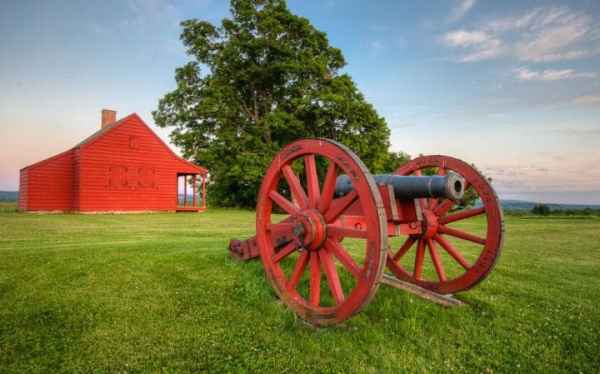
american-civil-war-saratoga

Compiled by London Swaminathan


Date: 21 October 2016


Time uploaded in London: 9-24 AM


Post No.3274


Pictures are taken from Wikipedia and other sources; thanks. (Picture is used only for representational purpose; no connection with the current article.)


Contact swami_48@yahoo.com


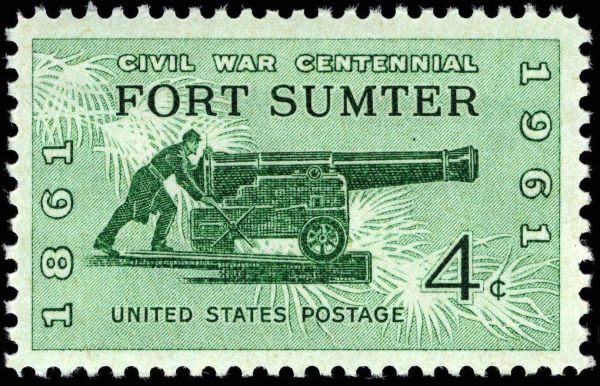
fort_sumter_centennial_1961-4c

President Jackson

During nullification in South Carolina, after President Jackson’s proclamation, the Governor of Virginia sent a request to the President, in case it became necessary to send United States troops down South, not to send them through the State. If he did, they would have to pass over the Governor’s dead body.


The President received the message and replied: “If it becomes necessary for the United States troops to go to South Carolina, I, as commander-in-chief of the army, will be at their head. I will march them by the shortest route. They may pass through Virginia; but if the governor makes it necessary to pass over his dead body, it will be found that I will have previously taken off both ears.

Xxx

Lincoln’s Victorious Walk!

Richmond fell. Lincoln himself entered the city on foot, accompanied only by a few officers and a squad of sailors who had rowed him ashore from the flotilla in the James River, a Negro picked up on the way serving as a guide. Never had the world seen a more modest conqueror and a less characteristic triumphal procession no army with banners and drums, only a throng of those who had been slaves hastily run together, escorting the victorious chief into the capital of the vanquished foe. We are told that they pressed around him, kissed his hands and his garments and shouted and danced with joy, while tears ran down the President’s care-furrowed cheeks.

Xxx

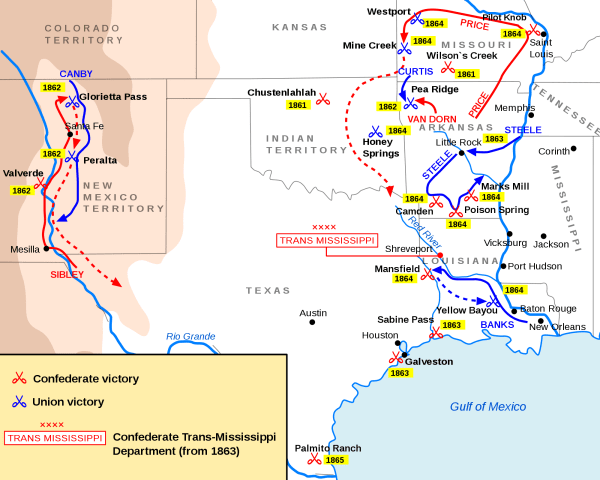
2000px-trans-mississippi_civil_war-svg

Advancing Backwards!

Near the end of the Civil War, when the Confederate forces were falling back on Richmond, an old Negro asked by his mistress for encouraging news, replied.

“Well, missy, due to de lie of de land where dey’s fightin’, dem Yankees is retreatin’ forward, while we is advancin’ backwards.”

xxx

The prayer of a Unitarian preacher in Massachusetts during the Civil War

“Oh, God, we pray thee to bless the rebels. Bless their hearts with sincere repentance. Bless their armies with defeat. Bless their social condition by emancipation.


Xxxx


CIVILIANS IN WAR


Louis Fischer, editor and correspondent, tells the story that at a dinner-party in England the guests were discussing the fact that the cigarettes were worse since the war started and the transportation, food, and indeed everything was worse.

“Only the people are better,” someone observed.

Xxx

abraham_lincoln_1890_issue-4c

Lincoln’s Story

During a public “reception”, a farmer from one of the counties of Virginia told President Lincoln, that the Union soldiers, in passing his farm, had helped themselves not only to hay, but to his horse, and he hoped the President would urge the proper officer to consider his claim immediately.

Mr. Lincoln said that this reminded him of an old acquaintance of his, “Jack” Chase, a lumberman on the Illinois, a steady, sober man and the best raftsman on the river. It was quite a trick to take the logs over the rapids; but he was skilful with a raft and always kept her straight in the channel. Finally, a steamer was put on, and Jack was made captain of her. He always used to take the wheel, going through the rapids. One day, when the boat was plunging and wallowing along the boiling current, and Jack’s utmost vigilance was being exercised to keep the narrow channel, a boy pulled his coat-tail and hailed him with:

“Say, Mr. Captain! I wish you would just stop your boat a minute. I’ve lost my apple overboard.

Xxx


Lip Sympathy only!

President Lincoln was bothered to death by those persons who boisterously demanded that the War be pushed vigorously also, those who shouted their advice and opinions into his weary ears, but who never suggested anything practical. These fellows were not in the army nor did they ever take any interest, in a personal way, in military affairs, except when engaged in dodging drafts.


“That reminds me remarked Mr. Lincoln one day, “of a farmer who lost his way on the Western frontier. Night came on, and the embarrassments of his position were increased by a furious tempest which suddenly burst upon him. To add to his discomfort, his horse had given out, leaving him exposed to all the dangers of the pitiless storm.

cover-01

“The peals of thunder were terrific, the frequent flashes of lightning affording the only guide on the road as he resolutely trudged onward, leading his jaded steed. The earth seemed fairly to tremble beneath in the elements. One bolt threw him suddenly upon his knees.


“Our traveller was not a prayerful man, but finding himself involuntarily brought to an attitude of devotion, addressed himself to the Throne of Grace in the following prayer for his deliverance.


“O God! hear my prayer this time, for Thou knowest it is not often that I call upon Thee. And O,Lord! If it is not all the same to Thee, give us a little more light and a little noise.


“I wish,” the President said, sadly, “there was a stronger disposition manifested on the part of our civilian warriors to unite in suppressing the rebellion and a little less noise as to how and by whom the chief executive office shall be administered.”
–SUBHAM–


தொல்காப்பியர் சொல்லும் அதிசயச் செய்தி- உவம உருபுகள் (Post No.3273)

img_9178

Written by London Swaminathan


Date: 21 October 2016


Time uploaded in London: 5-50 AM


Post No.3273


Pictures are taken from Wikipedia and other sources; thanks. (Picture is used only for representational purpose; no connection with the current article.)


Contact swami_48@yahoo.com


நான் தொல்காப்பிய அதிசயங்கள் என்று எழுதிய இரண்டு கட்டுரைகளில் 17 அதிசயங்களை விளக்கினேன். இப்பொழுது இன்னொரு அதிசயத்தை விரிவாகக் காண்போம். இது தவிர தொல்காப்பியம் பற்றி பத்துக்கும் மேலான கட்டுரைகள் எழுதினேன். அவைகளையும் காண்க.


38 உவம உருபுகள் பட்டியலைத் தொல்காப்பியர் தருகிறார். ஆனால் இவைகளில் 14 உவம உருபுகள் சங்க இலக்கியத்தில் கூடக் காணப்படவில்லை. இதனால் நாம் அறிவது யாது என்பதை ஆராய்வதே இக்கட்டுரையின் நோக்கம்.


முதலில் உவம உருபு என்றால் என்ன தெரியாதவர்களுக்கு அதை விளக்குகிறேன்:-


ராமனைப் போல பரதன் நல்லவன் (Rama is LIKE Bharata; Rama is as good as Bharata)


சீதையைப் போல (LIKE) சாவித்திரி ஒரு பத்தினிப் பெண்


என்பதில் போல (LIKE, As) என்பது உவம உருபாகும். உவம என்பது சம்ஸ்கிருதச் சொல். ஆனால் தொல்காப்பியர் இதை ஒரு இயலுக்குத் தலைப்பாகக் கொடுக்கவும் தயங்கவில்லை.

img_9179


நமக்குத் தெரிந்தது “போல” “நிகர்த்த” என்ற சில சொற்கள்தான். ஆனால் அவரோ 38 உருபுகளைப் பட்டியலிடுகிறார். அதில் 14 உருபுகளை 400-க்கும் மேலான புலவர்கள் எழுதிய சுமார் 2500 பாடல்களில் காணக்கூட இயலவில்லை.


இதன் பொருள் என்ன?


நான் முன்பு எழுதிய பல கட்டுரைகளில் தொல் காப்பியம் என்பது தற்போதைய நிலையில் கிடைப்பது கி.பி. 4 அல்லது 5-ஆம் நூற்றாண்டைச் சேர்ந்ததுதான் என்றும் அவரே 250-க்கும் மேலான இடங்களில் மற்றவர்கள் இப்படிச் சொல்கிறார்கள் (என்ப, மொழிப) என்றெல்லாம் எழுதி இருக்கிறார் என்றும் எழுதினேன்.


ஆக தொல் காப்பியர் தனக்கு முன்னால் இருந்த இலக்கிய, இலக்கண நூல்களில் இருந்ததைத் தொகுத்துத் தந்திருக்கிறார் என்பதற்கு இதுவும் ஒரு சான்று.


இதில் அதிசயம் என்ன இருக்கிறது?


சங்க இலக்கியத்திலேயே 14 உவம உருப்புகள்  மறைந்து, தொல்காப்பியர் சொல்லாத சில உவம உருபுகளும் வந்திருப்பதால் — பலர் கருதுவது போல தொல்காப்பியத்தை முதல் நூற்றாண்டை ஒட்டிய நூல் என்று கொண்டால் — அதற்கு 500 ஆண்டுகளுக்கு முன்னராவது தமிழ் இலக்கியம் இருந்திருக்க வேண்டும். அதாவது கி.மு 500 வாக்கில் பல தமிழ் நூல்கள் இருந்திருக்க வேண்டும். அவை எல்லாம் காலப் போக்கில் மறைந்து விட்டதால் 14 உவம உருபுகள் பயனில்லாமற் போய்விட்டன அல்லது மறந்து போயினர்.


சிலர், இதைக் கொண்டு, அப்படியானால் தொல்காப்பியரும் காலத்தினால் முந்தையவராகத்தானே இருக்க வேண்டும் என்று வாதிடலாம். அப்படி வாதிட முடியாமைக்கான காரணங்களை தொல்காப்பியர் காலம் தவறு என்ற தலைப்பில் 3 கட்டுரைகளில் தந்து விட்டதால் அரைத்த மாவையே அரைக்கப் போவதில்லை.


தொல்காப்பியர் இன்னும் சில சுவையான செய்திகளைச் சொல்லுகிறார். அதாவது 38 உவம உருபுகளை நான்கு குழுக்களாகப் பிரித்து அவை சிற்சில இடங்களில் மட்டுமே பயன்படுதப்படும் என்கிறார். சங்க காலத்தில் அப்படிக் குறிப்பிட்ட வரையறைக்குள் உவம உருபுகள் பயன்படுத்தப் படவில்லை. ஆக சங்க இலக்கியத்துக்கு முன்னர் ஒரு பெரிய தொகுதி தமிழ் இலக்கியம் இருந்திருக்க வேண்டும். அதில் தொல்காப்பியர் சொல்லும் இலக்கண விதிகள் பின்பற்றப்படிருக்க வேண்டும். இவை எல்லாம் தமிழ் அன்பர்களுக்கு இனிப்பான செய்தி.


இன்னொரு சுவையான விஷயம் அவர் சொல்லும் பல உவமை உருபுகளை நாம் இன்று வேறு பொருளில் பயன்படுத்துகிறோம். “ஏய்க்கும்: என்றால் ஏமாற்றும் என்று நாம் அர்த்தம் செய்வோம். ஆனால் இதற்குப் “போல” (Like) என்று அர்த்தம்! இதே போல காய்ப்ப, கடுப்ப, கள்ள, ஒடுங்க, நாட, வியப்ப, வென்ற, வெல்ல முதலிய பல சொற்கள் “போல” (like) என்ற உவம உருபு போல பயன்படுத்தப் படுகின்றன.


இந்த உவம உருபுகள் பட்டியலை டாக்டர் ரா. சீனிவாசன் எழுதிய சங்க இலக்கியத்தில் உவமைகள் என்ற ஆராய்ச்சி நூலில் கொடுத்துள்ளார். இதோ அந்தப் பட்டியல்:-

img_9177

“தொல்காப்பியர் உவம உருபுகளை வினை, பயன், மெய், உரு என நான்கு வகைகளாகப் பிரித்து 38 உவம உருபுகளும் எந்த வகை என்றும் கொடுத்துள்ளார். இந்த வரையறை சங்க காலத்தில் பின்பற்றப்படவில்லை.


சூத்திரம் 286-இல் 36 உவம உருபுகளையும், 287- இல் ஒன்றும் சூத்திரம் 291-இல் ஒன்றுமாக 38 உருபுகள் உள்ளன.


அகர வரிசையில் உவம உருபுகள்:

அன்ன, ஆங்க, இறப்ப, உறழ, என்ன, எள்ள, ஏய்ப்ப, ஒன்ற, ஒடுங்க, ஒப்ப, ஒட்ட, ஓட, கடுப்ப, கள்ள, காய்ப்ப, தகைய, நடுங்க, நந்த, நளிய, நாட, நிகர்ப்ப, நேர, நோக்க, புல்ல, புரைய, பொருவ, பொற்ப, போல, மதிப்ப, மருள, மறுப்ப, மான, மாற்ற, வியப்ப, விளைய, வீழ, வெல்ல, வென்ற


இவைகலைள தனித் தனியே கொடுத்தால் நாம் இன்று வேறு அர்த்தம் சொல்லுவோம். அத்தனைக்கும் “போல” (LIKE) என்றே பொருள்!


இந்தப் பட்டியலில்  சங்க இலக்கியத்தில் வழக்கொழிந்த 14 உவம உருபுகள்:–

இறப்ப, ஒன்ற, ஒடுங்க, ஓட, ஒட்ட, கள்ள, நடுங்க, நந்த, நாட புல்ல, மதிப்ப, மறுப்ப, வியப்ப


சங்க கலத்தில் தொல்காப்பியர் சொல்லாத 28 புதிய உவம உருபுகளும் வந்துவிட்டன! அவை:- அமர், அவிர், ஆக, இகலிய, இயல், ஈர், உரைக்கும், ஏக்குறும், ஏதம் ஏர், ஓடு, ஓங்கு, ஓர்க்கும், சால, சினை இய, சேர், செத்து, தேர், தோய், நவில, நான நாறு ,மலி, மயங்கு, மாய் முரணிய, வாய்ந்த வவ்வும்.


தமிழ் எவ்வளவு வளமான மொழி, எவ்வளவு பழமையான மொழி, என்பதற்கு இவை எல்லாம் சான்று பகரும். அதுமட்டுமல்ல. பழைய உவம உருபுகள் மறைந்து புதிய உருபுகள் தோன்ற எவ்வளவு கால இடைவெளி ஏற்பட்டிருக்கும் பாருங்கள்!


சில சுவையான எடுத்துக் காட்டுகள்


ஊறுநீர் அமிழ்து ஏய்க்கும் எயிற்றாய் – கலித்தொகை 20-11

வாயில் ஊறும் இதழ்நீர் அமிர்தம் போல இருக்கும்.

ஏய்க்கும்= போல

கார்மழை முழக்கிசை கடுக்கும் – அகம் 14

கார்காலத்து மழை, முழவு ஒலி எழுப்புவது போல ஒலிக்கும்

கடுக்கும் =போல


செத்த, இறப்ப என்றால் நாம் மரணம் என்று பொருள் கொள்ளுவோம். ஆனால் அந்தக் காலத்தில் இவை “போல” (LIKE) என்ற பொருளில் பயனடுத்தப்பட்டன!


வாழ்க தொல்காப்பியர்! வளர்க தமிழ்!!


–SUBHAM–

நூலகத்தின் மாண்பு (Post No.3272)


dave-isay

Picture: Dave Isay and his book

Written by S. NAGARAJAN

Date: 21 October 2016

Time uploaded in London: 5-02 AM

Post No.3272

Pictures are taken from various sources; thanks


Contact :– swami_48@yahoo.com 


பாக்யா 21-10-2016 இதழில் வெளியாகியுள்ள கட்டுரை

நூலகத்தின் மாண்பு


By ச.நாகராஜன்

இணைய தளத்தில் ஆயிரக்கணக்கான ப்ளாக்குகள் மற்றும் தளங்கள்! ‘Brain pickings.org’ – ‘ப்ரெய்ன் பிக்கிங்ஸ்.ஓஆர்ஜி என்ற தளத்தில் அருமையான புத்தகங்களைப் பற்றிய அரிய தகவல்கள் தரப்படுகிறது. சற்று வித்தியாசமான புத்தகங்கள்! அறிவுஜீவிகள் விரும்பக்கூடியவை. இணையதள இணணப்பு இருந்தால் வாராவாரம் உங்கள் இல்லம் தேடி வரும்.. சந்தா இலவசம். 2016, அக்டோபர் 6 தேதியிட்ட இதழில் வந்துள்ள புத்தகங்களில் ஒன்றே ஒன்றை (Callings : The Purpose and Passion of Work  என்ற நூல்) இங்கு பார்ப்போம்:


அமெரிக்காவின் பூர்வ குடிகளில் ஒரு எளிய விவசாயியின் குடும்பத்தைச் சேர்ந்த சிறுமி தான் ஸ்டார்ம் ரேயஸ். வயலில் கடுமையாக இடையறாது உழைத்துக் கொண்டே இருக்க வேண்டும். வாழ்வே அது தான்! தாயும் தகப்பனும் சாராயத்தில் திளைப்பவர்கள். வீட்டில் அடி, உதை, திட்டு, ஆவேசமான சண்டைகள்.. ரேயஸ் சைக்கிளை ஓட்டக் கற்றுக் கொள்ளும் முன்னரே கத்தியைக் கையில் பிடித்துக் கொண்டு சண்டை போடக் கற்றுக் கொண்டாள்.


purpose-passion-of-work

வயிறு பசித்தால் உணவு, வயல்வெளியில் வேலை, நடுநடுவே சண்டைகள்… இது தான் வாழ்க்கையா?!


அவளுக்கு பன்னிரெண்டு வயது ஆன போது புத்தகங்களைச் சுமந்து கொண்டு வரும் வேன் ஒன்று – புக் மொபைல் – அவள் இருக்குமிடம் வந்து ஒரு போர்வையையும் கொஞ்சம் உணவையும் தந்தது.


ரேயஸ் நைஸாக வேனுக்குள் எட்டிப் பார்த்தாள். புத்தகம், புத்தகம், புத்தகம்!


கனமான புத்தகத்தை எடுத்துச் செல்ல அவள் அனுமதிக்கப்பட்டதே இல்லை. தூக்கிச் செல்ல நிறைய இருக்கும் போது படிக்க புத்தகம் ஒரு கேடா?


ரேயஸ் மெதுவாக் விரக்தியுடன் நகர்ந்தாள். வேனில் இருந்த ஒருவர் அவளைக் கைதட்டி அழைத்தார்.


“இதோ, புத்தகங்கள். இதில் எது வேண்டுமானாலும் நீ எடுத்துக் கொண்டு போகலாம்”


ரேயஸுக்கு சந்தேகம். இதில் ஏதோ இருக்கிறது. சும்மா புத்தகத்தைத் தருவார்களா, என்ன!


“இதை எடுத்துக் கொண்டு போக நான் என்ன தர வேண்டும்?”

“ஒன்றும் தர வேண்டாம். பதினைந்து நாட்கள் கழித்து புத்தகத்தைப் பத்திரமாகத் திருப்பித் தர வேண்டும்.அவ்வளவு தான்”


ரேயஸால் நம்பமுடியவில்லை. அருகிலுள்ள மவுண்ட் ரெய்னர் என்ற எரிமலை வெடிக்கப் போகிறது என்று அடிக்கடி பேச்சு எழும்பும்.


ரேயஸ் கேட்டாள்: “எனக்கு எரிமலையைப் பற்றித் தெரிந்து கொள்ள ஆசை. புத்தகம் இருக்கிறதா?”

“ஓ, இதோ எரிமலையைப் பற்றிய புத்தகம். எந்த ஒரு விஷயத்தைப் பற்றி மிக நன்கு அறிந்து கொண்டாலும் பயம் போய்விடும், தெரியுமா” – புத்தகத்தைத் தந்தவர் சொன்னார்.

டைனோஸரைப் பற்றிய புத்தக்ம் ஒன்றையும் சேர்த்து எடுத்துக் கொண்டாள் ரேயஸ்.


அவளுக்குப் பதினைந்து வயது ஆன போது அவள் படித்த புத்தகங்கள் ஏராள்மாகி விட்டன.


தன் வயல்வெளி, வீடு தவிர அற்புதமான வெளி உலகம் ஒன்று இருக்கிறது என்பதை ரேயஸ் நன்கு உணர்ந்து கொண்டாள். பள்ளிப் படிப்பு முடிந்தவுடன் ரேயஸ் ஸ்டெனோகிராபர் டிகிரியும் வாங்கினாள்.  பியர்ஸ் கண்ட் லைபரரியில் ஒரு நூலகர் வேலை காலியாக இருக்கிறது என்று அவள் கேள்விப்பட்டாள். அதற்கு விண்ணப்பிக்க வேலை கிடைத்தது.


அடுத்த 32 ஆண்டுகள் நூலகத்தில் பணியாற்றிய ரேயஸ் ஆயிரக்கணக்கானோரைப் படிப்பதற்கு ஊக்கப்படுத்தினாள். அவர்களின் வாழ்வையே மாற்றினாள்.


ஆமாம், அவள் கண்டு கொண்ட புதிய உண்மை, நூலகம் வாழ்க்கையைக் காப்பாற்றுகிறது.


ரேயஸ் தன் அற்புதமான வாழ்க்கை வரலாற்றைச் சொல்லும் அனிமேஷன் படம் ஒன்றும் தயாரிக்கப்பட்டுள்ளது.


ஆம், Libraries Save Lives!!


–SUBHAM–


FIRST WORLD WAR ANECDOTES (Post No.3271)

britain-ww

Compiled by London Swaminathan


Date: 20 October 2016


Time uploaded in London: 8-58


Post No.3271


Pictures are taken from Wikipedia and other sources; thanks. (Picture is used only for representational purpose; no connection with the current article.)


Contact swami_48@yahoo.com


russia-ww

KILLING WITHOUT A PURPOSE!

Bronislaw Malinowski says, “I once talked to an old cannibal who, hearing of the Great War raging then in Europe, was most curious to know how we Europeans managed to eat such enormous quantities of human flesh. when I told him that Europeans do not eat their slain foes, he looked at me in shocked horror and asked what sort of barbarians we were, to kill without any real object.

Xxx


NEW FAIRY TALE!

In Italy it is whispered that a new technique for the fairy tale has come into existence. The old formula began, “Once upon a time.” Now it begins, “The General Headquarters of the Armed Forces communicates.”

Xxx


WHEN IS THE WAR GOING TO END?

According to one story, Marshal Foch’s chauffeur was constantly besieged by journalists and plain information- seekers with the question, “When is the war going to end? What do you hear?”


The chauffeur put off his questioners, saying, “As soon as I hear the Marshall say anything, I will tell you.”


At last he said, “The Marshal spoke today.”

“Well,” they demanded, “what did he say?

“He said, “Well, Pierre, what do you think? When is the war going to end?

Xxx

france-ww

FRENCH ATTITUDE!

Jean Gabin, the film actor, upon his arrival in New York recently, was asked what was the French attitude toward the British, “We are both pro- and anti-British,” he said.


“Those who are pro-British say each night in their prayers, “Please, God, let the gallant British win quickly.”

Those who are anti-British say each night in their prayers, ‘Please, God, let the dirty British win right away.”

Xxx

first-world-war

THE LAST WAR

Mr. Pitt, speaking in the House of Commons of the glorious war preceding that in which England lost the colonies called it “The last war.” Several members cried out: “The last war but one!

He took no notice, and soon, after repeating the mistake, was interrupted by a general cry of “The last war but one!”


“I mean, sir,” said Pitt, turning to the speaker, and raising his voice, “I mean, the last war that Britons would wish to remember.”

Xxx


In 1918 Premier Georges Clemenceau of France made the observation, “War is too important to leave to the Generals.”

Xxx

The Italians say among themselves, “In the First World war we prepared, fought, and made the Armistice. This time (II W.W.) we made the Armistice (with France), fought, and now we are preparing.

Xxx

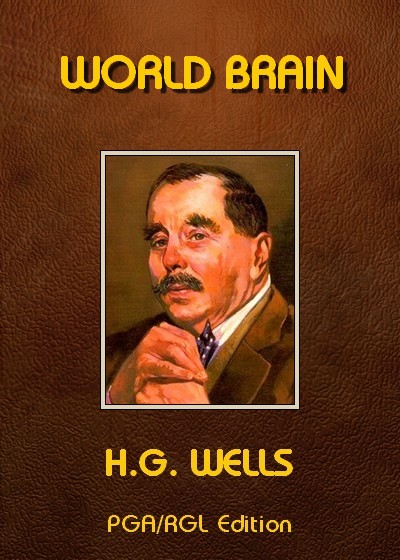
worldbrain-00

H G WELLS! THINK!THINK!!

Lillah McCarthy went to stay with H. G. Wells in Essex. England also was now at war (1914). “His face, generally so mobile, had become rigid and the playful look stern. I tried to distract him “No, Lillah,’ he said, ‘no, I can’t get away from the war. The world is falling to pieces. I can do nothing but think, think.’


—Subham–


பருப்பு இல்லாத கல்யாணமா? பட்டாசு இல்லாத தீபாவளியா? (Post No.3270)

bob-diwali

Written by London Swaminathan


Date: 20 October 2016


Time uploaded in London: 6-21


Post No.3270


Pictures are taken from Wikipedia and other sources; thanks. (Picture is used only for representational purpose; no connection with the current article.)


Contact swami_48@yahoo.com

deepavali-israel

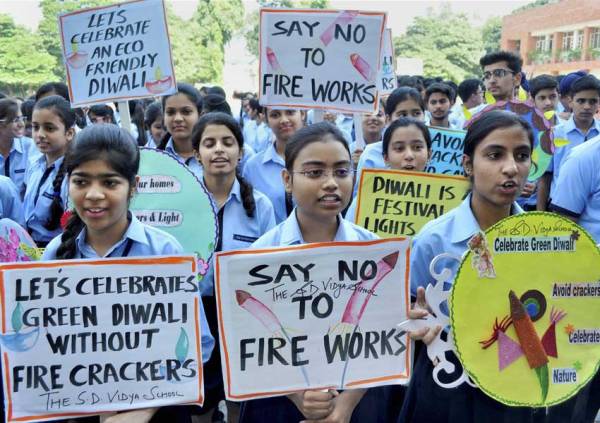
காலையில் பத்திரிக்கையில் ஒரு புகைப்படம் பார்த்தேன். சில அப்பாவிப் பள்ளிக்கூட பெண்கள் கைகளில் சில அட்டைகள். அதில் “பட்டாசு வேண்டாம், புறச்சூழலைப் பாதுகாக்கும் தீபாவளியைக் கொண்டாடுவோம்! பச்சை நிற தீபாவளியைக் கொண்டாடுங்கள் “என்றெல்லாம் எழுதப் பட்டிருந்தது. உடனே சில எண்ணங்கள் மனதில் எழுந்தன. இது சரியான அணுகு முறை அல்ல. பருப்பு இல்லாத கல்யாண சாப்பாடு எப்படி இல்லையோ அப்படி பட்டாசு இல்லாத தீபாவளி சோபிக்காது!


காரணம் ?

தீபாவளிப் பட்டாசு தொழிலில் முன்னனியில் நிற்கும் மாநிலம் தமிழ் நாடு. வறண்ட சிவகாசி, ராமநாதபுரம் கோவில்பட்டி பகுதிகளில் மிளகாய் வற்றல் காயப்போடுதல், பட்டாசு செய்தல், தீப்பெட்டி செய்தல் முதலிய தொழில்கள் மட்டுமே செய்ய முடியும். தண்ணீர் என்பது அபூர்வமான பொருள். சூரிய ஒளிதான் செல்வம். அவர்கள் வயிற்றில் அடிக்கக்கூடாது. மேலும் எதிர்காலத்தில், நா ம் பட்டாசு செய்யாமல் போனால் அந்த இடத்தை சீனப் பட்டாசுகள் நிறைவு செய்யும் அபாயம் உள்ளது.


ஒருகாலத்தில் களி மண்ணில் பிள்ளையார் செய்து ஆற்றில் கரைத்தோம்; இப்பொழுது கலர் பிள்ளையார், பெரிய பிள்ளையார் செய்யக்கூடாதென்றால் அதில் நியாயம் இருக்கலாம். ஆனால் பட்டாசே இல்லாமல் தீபாவளி வேண்டும் என்பதற்குப் பதிலாக நிதானத்தைக் கடைப்பிடிக்கும் விழிப்புணர்வை உண்டாக்கலாம். இரவு 11 மணிக்கு மேலாக சத்தம் கொடுக்கும் வெடிகளை வெடிக்காதீர்கள் என்று கேட்கலாம். அதுவும் இந்துக்களே முடிவு செய்ய வேண்டும். கோர்ட்டோ அரசாங்கமோ இதில் தலை இடக்கூடாது.


சர்ச்சுகளில் மெழுகுவர்த்திகள் ஏற்றுகின்றனர். பலருடைய

பகுத்தறிவுச் சமாதிகளில் ஜோதி எரிகிறது. இதெல்லாம் கூட புறச்சூழலைப் பாதிக்கக்கூடியதே. மரக்கறி உணவைவிட மாமிசம் உண்ணூவோரால் புறச்சூழல் பாதிப்படைவதாக விஞ்ஞான சஞ்சிகைகள் எழுதுகின்றன.

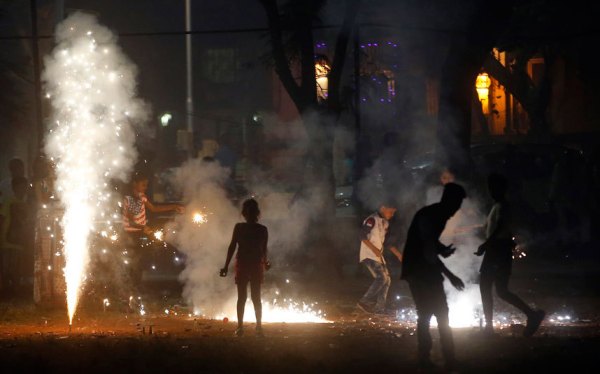
diwali-crackers

சிகரெட்டையும் பீடியையும் தடை செய்!

உலகில் ஒவ்வோரு நிமிடமும் பல கோடி சிகரெட்டுகளும் பீடிகளும் புகைக்கப்படுகின்றன. இவற்றால் புறச்சூழல் பாதிப்பதோடு புற்றுநோயும் பரவுகிறது. ஆகையால பீடிகளையும் சிகரெட்டுகளையும் தடை செய்க! மாமிச உணவுகளைத் தடை செய்க! என்றெல்லாம் கோஷம் எழுப்பினால் அதில் பசை இருக்கிறது. வருடத்தில் ஒரே ஒரு நாளோ, இரண்டே இரண்டு நாளோ வெடிக்கும் பட்டாசுகளுக்கு ‘நோ’ NO சொல்லுங்கள் என்பது மடமையிலும் மடமை.


ஒலிம்பிக் போட்டியின்போது வெடிக்கும் பட்டாசுகள், புத்தாண்டின்போது உலகெங்கிலும் வெடிக்கும் பட்டாசுகள் , அமெரிக்க சுதந்திர தினத்தின் போது வெடிக்கும் பட்டாசுகள் இவையெல்லாம் கோடிக்கணக்கான பணத்தைக் கொட்டி வெடிக்கிறார்கள். நாம் ஒரு நாள் வெடிப்பதை விட இவை எல்லாம் நூறு மடங்கு அதிகம்!

ஆகையால் குடிசைத் தொழிலான பட்டாசுத் தொழிலாளர்களின் வயிற்றிலும் வாயிலும் அடிக்காமல், பட்டாசு வாங்கிக் கொளுத்துங்கள் நிதானத்தைக் கடைப் பிடியுங்கள். காசைக் கரியாக்குவதிலும் அர்த்தம் இருக்கட்டும். நாங்கள் எல்லோரும் சிறுவயதில் அனுபவித்த பட்டாசு மத்தாப்புகளை எதிர்கால சந்ததியும் அனுபவிக்கட்டும்.

diwali_in_mumbai_3498310k

நான், சிறுவயதில் ரசித்த பட்டாசுகளை, லண்டனில் வாழும் என் பிள்ளைகள் அனுபவிக்க முடியவில்லையே என்று வருந்தி ஒவ்வொரு முறை இந்தியா வருகையிலும் எங்கேயாவது பட்டாசுகளைத் தேடிப்பிடித்தது வெடித்திருக்கிறோம் அதாவது தீபாவளி கழிந்து ஆறு மாதங்களுக்குப் பின்னர்!


இனிமேல் கல்யாணங்களில் 10,000 வாலா சீனி பட்டாசு வேண்டாம் என்று சொல்லுங்கள் அது நியாயமே. இனிமேல் தேர்தல் வெற்றிக்கு பட்டாசு வெடிக்காதீர்கள் என்று சொல்லுங்கள் அது நியாயமே.. பீடி, சிகரெட் குடிப்போரின் தலையில் அடித்து அதைப் பிடுங்கி எறியுங்கள் அது நியாயமே. பக்ரீத் பண்டிகயின்போது ஆயிரக்கணகான மிருகங்களைப் பலி கொடுப்பதை நிறுத்துங்கள் அது நியாயமே; எல்லாக் கசாப்புக் கடை வாசல்களிலும் ம,றியல் செய்யுங்கள் அது நியாயமே: பட்டாசு வெடிப்பதைவிட மாமிச உணவு, புறச்சுழலை அதிகம் பாதிக்கும் ஆராய்ச்சிக் கட்டுரைகளை வெளியிடுங்கள் அது நியாமே.


முகமது நபி இஸ்லாமிய மத்ததைத் தோற்றுவித்தபோது ஒலிபெருக்கி ‘மைக்’ எதுவும் கிடையாது. அப்படி இருக்கையில் தினமும் 5 முறை கூப்பாடு போடுவதை —- ஒலிபெருக்கிகளால் கூச்சல் போடுவதை —-அனுமதிக்கிறோம் அதுபோல நரகாசுரனை கிருஷ்ணன் வதை செய்தபோது பட்டாசு இருந்ததோ இல்லையோ கவலை வேண்டாம். மக்களுக்கு மகிழ்ச்சி தருவதை வரவேற்போம்.


மாமிசம் சாப்பிடுவோரும் சிகரெட் குடிப்போரும் புறச்சூழல் பாதிப்பு பற்றிப் பேச என்ன நியாயம் இருக்கிறது?

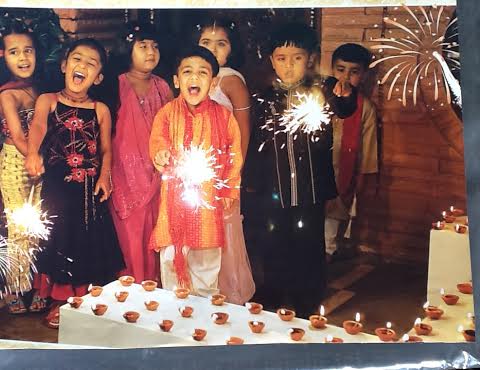
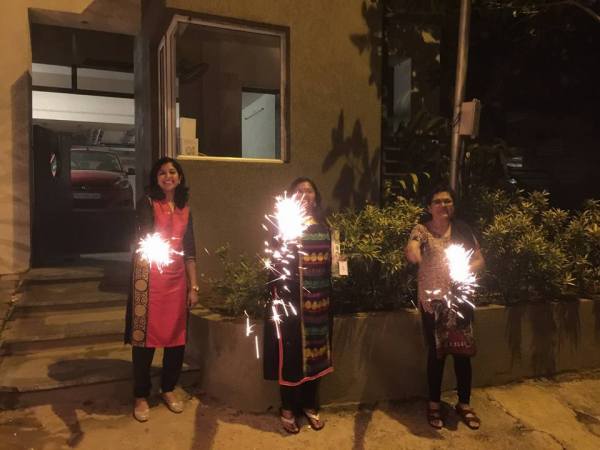
diwali-sparklers

பட்டாசு வெடித்து தீபாவளி கொண்டாடுங்கள்; சிறு தொழில்கள் சிறக்கட்டும்.


–SUBHAM—

இந்த ஆண்டு இக்நோபல் பரிசு பெற்ற மேதைகள்! – 1 (Post No.3269)

rat

Written by S. NAGARAJAN

Date: 20 October 2016

Time uploaded in London: 5-22 AM

Post No.3269

Pictures are taken from various sources; thanks


Contact :– swami_48@yahoo.com


பாக்யா 14-10-2016 இதழில் அறிவியல் துளிகள் தொடரில் 297வது அத்தியாயமாக பிரசுரிக்கப்பட்டுள்ள கட்டுரை


இந்த ஆண்டு இக்நோபல் பரிசு பெற்ற மேதைகள்! – 1

“2016ஆம் ஆண்டிற்கான இக்நோபல் பரிசுகள் 2016ஆம் ஆண்டு செப்டம்பர் 22ஆம் தேதி வியாழனன்று 26ஆம் ஃபர்ஸ்ட் ஆன்யுவல் இக்நோபல் செர்மனியில் (26th first annual Ignobel ceremony) வழங்கப்பட்டன                                                    

  • செய்திக் குறிப்பு


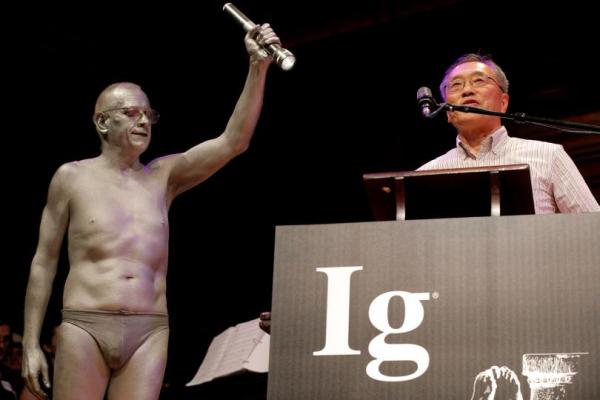
இந்த ஆண்டின் இக்நோபல் பரிசு பெற்றோரின் பெயர்கள் அறிவிக்கப்பட்டு விட்டன! மனிதர்களைச் சிரிக்க வைத்துச் சிந்திக்கத் தூண்டும் அபூர்வமான ‘கண்டுபிடிப்புகளுக்காக பல்வேறு துறைகளைச் சேர்ந்தோருக்குக் கொடுக்கப்படும் பரிசு தான் இக்நோபல் பரிசு. 2016ஆம் ஆண்டு செப்டம்பர் 22ஆம் தேதி அறிவிக்கப்பட்ட பெயர்கள் யாரையும் ஏமாற்றவில்லை. அருமையான கண்டுபிடிப்புகளுக்காகவே அவர்கள் இந்த இக்நோபல் பரிசைப் பெறுகின்றனர். (இக்நோபல் பரிசு பற்றி இந்தத் தொடரில் பாக்யா 1-7-2016 இதழில் விளக்கப்பட்டுள்ளதை நினைவு கூரலாம்)


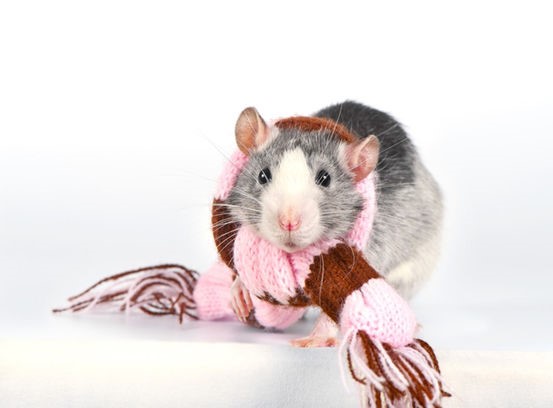
எலிகளுக்கு டிரவுஸரை மாட்டியவர்!

அஹ்மத் ஷஃபீக் (Ahmed Shafik) வாபாலிஸ்டர் பேண்டுகளை எலிகளுக்கு அணிவித்த செயலுக்காக இந்தப் பரிசைப் பெறுகிறார். காலம் சென்ற  அஹ்மத் எகிபதைச் சேர்ந்தவர். பாலிஸ்டர் பற்றிய ஆராய்ச்சியை அவர் மேற்கொண்டிருந்தார். பாலிஸ்டரை அணிந்தால் எலிகளின் மீது அதன் விளைவு எப்படி இருக்கும் என்பதைக் கண்டறிய முனைந்த அவர் எலிகளுக்கு பேண்டை உரிய முறையில் தைத்து மாட்டி விட்டார். மனிதர்கள் தான் பேண்ட் அணிய வேண்டுமா என்ன?

பருத்தி, பாலிஸ்டர், உல்லன் வகையிலான ஆடைகள் ஏற்படுத்தும் விளைவுகளை இதன் மூலம் கண்டுபிடிப்பதே அவரது ஆய்வின் நோக்கம். இதனால் எலிகளின் செக்ஸ் வாழ்க்கை எப்படி இருக்கிறது என்பதையும் அவர் ஆய்வு செய்தார். பின்னர் மனிதர்களுக்கு இந்த பாலிஸ்டர், பருத்தி, உல்லன் டிரவுஸர்களை அணிவித்து அவர்களின் மீதான விளைவையும் அறிந்தார். தனது ஆய்வு முடிவுகளை அவர் இரண்டு ஆய்வுக் கட்டுரைகளாக சமர்ப்பித்தார். முதல் கட்டுரை 1993ஆம் ஆண்டு யூரோப்பியன் யூராலஜி (European Urology) என்ற இதழில் பிரசுரிக்கப்பட்டது. இரண்டாம் கட்டுரை காண்ட்ராஸெப்ஷன் (Contraception)  என்ற இதழில் 1992ஆம் ஆண்டு பிரசுரிக்கப்பட்டது.

இவருக்குப் பரிசு அளித்தது நியாயம் தானே!

கறுப்பு கல்லறைகளும் ராட்ஸச ஈக்களும்!

அடுத்த பரிசை அள்ளிச் செல்பவர்கள் செய்த ஆராய்ச்சி கறுப்பு கல்லறைகளும் ராட்ஸச ஈக்களும் பற்றிய் ஆய்வாகும்.

ஹங்கேரி, ஸ்பெய்ன்,ஸ்வீடன் மற்றும் ஸ்விட்சர்லாந்தைச் சேர்ந்த ஒன்பது விஞ்ஞானிகள் இயற்பியலில் கண்டுபிடித்த இரண்டு ‘கண்டுபிடிப்புகளுக்காக இந்தப் பரிசைப் பகிர்ந்து கொள்கின்றனர்.

இவர்களது ஆராய்ச்சி தான் என்ன?

வெள்ளை மயிரை உடைய குதிரைகள் மட்டும் ஏன் குதிரைகள் மீது மொய்க்கும் ஈக்களை அண்ட விடாமல் செய்கின்றன? இது ஒரு ஆராய்ச்சி. அடுத்தது கறுப்புக் கல்லறை நினைவுக்கற்களின் (tombstone) மீது மட்டும் ஏன் ராட்சஸ ஈக்கள் வருகின்றன. அப்படி என்ன கவர்ச்சியை  கறுப்புக் கல்லறை நினைவுக்கற்கள் கொண்டுள்ளன? சுற்றுப்புறச் சூழலுக்கு கேடு விளைவிப்பது பற்றிய இந்த ஆராய்ச்சி இரண்டாவது ஆராய்ச்சியாகும்!

ஹங்கேரிய இடுகாடு ஒன்றில் ஐந்து வகையான ராட்ஸச ஈக்கள் பாலிஷ் செய்யப்பட்ட கல்லறை நினைவுக்கற்களின் மீது வந்து அமர்ந்தன். இவற்றின் நடவடிக்கைகள் நீரில் இவை என்ன செய்யுமோ அது போலவே அமைந்திருந்தன. இந்தக் கண்டுபிடிப்பை ஃப்ரெஷ் வாட்டர் பயாலஜி (Fresh water Biology)  என்ற இதழில் 2002ஆம் ஆண்டு வெளியிடப்பட்டது. இந்த ஈக்களுக்காக விசேஷமாக ஒரு உயர் தடுப்பு ஒன்றையும் அவர்கள் ஏற்படுத்தி ஆராய்ந்தனர். இவர்கள் கண்டுபிடித்தது அதிசயமான ஒரு உண்மையை! கல்லறை நினைவுக்கற்கள் கிடைமட்டமாகவும் அதிகமாகவும் வரும் வெளிச்சத்தை நீர் பரப்பு எப்படி சிதற விடுகிற்தோ அதே போல சிதற விடுகின்றன! ராட்ஸச் ஈக்கள் தங்களுக்குத் தேவையான ‘கன்னிகளை நீர்ப்பரப்பில் தேர்ந்தெடுத்து அங்கு உறவு  கொண்டு விடும். பெண் ஈக்கள் நீர்ப் பரப்பின் ஓரத்தில் முட்டையிடுவது வழக்கம். ஆனால் இது போன்று கல்லறை நினவுக்கற்களில் செய்ய முடியாது என்பது ஒரு நெகடிவ் அம்சம்! இதையும் ஆய்வு சுட்டிக் காட்டுகிறது.

அடுத்து பொருளாதாரத்திற்கான இக்நோபல் பரிசு யாருக்கு அளிக்கப்பட்டது என்பதைப் பார்ப்போம்.

 ignobleperception

கற்களால் ஆனவர்களின் பர்ஸனாலிடி!

மார்க் அவிஸ், சாரா ஃபோர்பஸ் மற்றும், ஷெலாக் ஃபெர்கூஸன் (Mark Avis, Sarah Forbes and Shelagh Frguson)  ஆகிய ஆய்வாளர்கள் கற்களால் ஆனவர்களின் ஆளுமையை விற்பனை மற்றும் மார்கெடிங் (சந்தைப்படுத்தல்) நோக்கில் மதிப்பீடு செய்ததற்காக இந்தப் பரிசு அளிக்கப்பட்டுள்ளது. இந்த ஆய்வின் முடிவுகளை 2014ஆம் ஆண்டில் மார்கெடிங் தியரி (Marketing Theory) என்ற இதழில் ஆய்வாளர்கள் வெளியிட்டுள்ளனர். இதற்காக ஒரு அளவை மதிப்பீடு உண்டு. அதன் பெயர் ஜென்னிஃபர் ஆக்கரின் “ப்ராண்ட் பர்ஸனாலிடி ஸ்கேல் (Jennifer Aaker’s Brand Personality Scale) என்பதாகும். ஒருவரின் ஆளுமையை  – பர்ஸனாலிடியை- மதிப்பீடு செய்வது எப்படி? ஒருவரின் ஆளுமையானது அவரது தனிப்பட்ட பண்புகளுடன் நேர்மை, உற்சாகம், திறன், நவீனத்துவம், மற்றும் திடம் ஆகிய ஐந்து பண்புகளையும் இணைத்துப் பார்த்து அதன் அடிப்படையில் மதிப்பீடு செய்யப்படுகிறது. ஆய்வாளர்கள் கற்களைத் தேர்ந்தெடுத்ததற்கான காரணம் – எந்த ஒரு ‘பிராண்டையும் கற்கள் கொண்டிருக்காது என்பதாலும், கற்களிடம் ப்ராண்ட் பர்ஸனாலிடி பற்றிய முந்தைய குறிப்புகள் எதுவும் இல்லை என்பதாலும் கற்களைத் தேர்ந்தெடுத்தனராம்!

ஆய்வின் முடிவில் கற்கள் ஒவ்வொன்றும் ஒரு தனி ஆளுமையைக் கொண்டிருப்பதாகவும் ஒவ்வொன்றும் ஒரு தனிப்பட்ட ப்ராண்ட் பர்ஸனாலிடி அளவைக் கொண்டிருப்பதாகவும் கண்டு பிடிக்கப்பட்டிருப்பதாக் ஆய்வாளர்கள் கூறினர். அவை நுணுக்கமான விவரங்களைத் தருவதாகவும் ஆய்வு கூறுவது சுவையான அம்சம்!

 william_lawrence_bragg-jpeg

அறிவியல் அறிஞர் வாழ்வில் .. ..

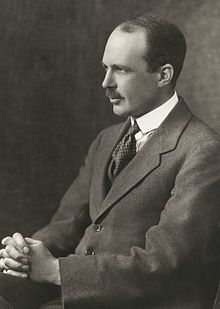
இள வயது மேதையான வில்லியம் லாரன்ஸ் ப்ராக் (William Lawrence Bragg 1890-1971) இருபத்தைந்தாவது வயதிலேயே நோபல் பரிசைப் பெற்றவர். அவருக்குத் தோட்டத்தில் வேலை செய்வது என்றால் மிகவும் பிடிக்கும். ராயல் இன்ஸ்டிடியூஷனுக்குத் த்லைமைப் பொறுப்பை ஏற்க அவர் லண்டனுக்குச் செல்ல வேண்டியதாயிற்று. தான் பராமரித்து வந்த தனது அழகிய கேம்பிரிட்ஜ் தோட்டத்தை விட்டுச் செல்ல அவருக்கு மனமே வரவில்லை. மிகவும் ஈடுபாட்டான உழைப்புடன்  நன்கு அந்தத் தோட்டத்தை அவர் வளர்த்திருந்தார்

லண்டனில் பரபரப்பான நகர சூழ்நிலையில் அவ்ர் அமைதியின்றி இருந்தார். இதற்கு என்ன செய்வது? யோசித்தார்.

ஒரு நாள் தோட்டக்காரன் அணியும் ஆடையை அணிந்து கொண்டு மண்வெட்டியைத் தோளில் போட்டுக் கொண்டு அருகிலிருந்த  வீதிகளில் அலைய ஆரம்பித்தார். .ஒரு தெருவில் இருந்த அழகிய தோட்டம் அவர் கண்ணைக் கவர்ந்தது. அதை சுவாரசியமாகப் பார்த்தவாறே நின்றிருந்தார். பிறகு காலிங் பெல்லை அமுக்கினார். அந்த வீட்டுக்காரப் பெண்மணி வெளியே வந்தார்.

அவரிடம் தன்னை வில்லி என்று அறிமுகப்படுத்திக் கொண்டு தனக்கு வாராவாரம் ஒரு நாள் தோட்ட வேலை செய்வதற்கு நேரம் இருப்பதாகவும் தோட்டவேலை ஏதேனும் இருந்தால் தருமாறும் பணிவுடன் வேண்டினார்.

அந்தப் பெண்மணிக்கு ஒரே ஆனந்தம். வில்லியின் வேலை அவருக்கு மிகவும் பிடித்துப் போயிற்று. அவரைக் கடவுள் அனுப்பி வைத்த பொக்கிஷமாகக் கருத ஆரம்பித்தார். சில வாரங்கள் இப்படி ஓடின.

ஒரு நாள் அந்த வீட்டிற்கு வந்த விருந்தினர் தற்செயலாக ஜன்னல் வழியே எட்டிப் பார்த்தார். அங்கு தோட்ட வேலை செய்து கொண்டிருப்பது யார்?

அவருக்கு விக்கித்துப் போய் விட்டது.

“ஐயையோ! அங்கு வேலை செய்து கொண்டிருப்பது யார் தெரியுமா! பிரபல மேதை சர் லாரன்ஸ் ப்ராக். அவர் ஏன் இங்கு வேலை செய்ய வேண்டும் என்று அவர் அலறினார்.

அந்த அம்மையாருக்கு அப்போது தான் தன் ‘தோட்டக்காரன் உண்மையில் மாபெரும் மேதை என்பது தெரிந்தது!

விஞ்ஞானிக்கும் சில விசேஷ ஆசைகள் உண்டு!

*********


Snake bite cure in Atharva Veda(Post No.3268)

garuda-snake

Written by London Swaminathan


Date: 19 October 2016


Time uploaded in London: 18-47


Post No.3268


Pictures are taken from Wikipedia and other sources; thanks. (Picture is used only for representational purpose; no connection with the current article.)


Contact swami_48@yahoo.com


snake-cobra

Following Prayer is found in the Sixth Kanda of Atharvana Veda:-

Prayers for purging Snake poison

“Just as the Surya knows the heaven well,I am well acquainted with the story of the birth of the snakes. Just as the sun removes the darkness of the night, I remove the snake poison from your body.


The Brahmanas , the sages and gods knew how to purge snake poison. The learning has come down to us from the past and will be used in future as well. I cleanse you of snake poison with that learning.


I sprinkle you with waters of the rivers and mountains. I sprinkle you with the waters of the rivers Parushni and Shipala. May peace descend upon your face. May peace descend on your heart”.


(The Parushni is now identified as the Iravati or the Ravi. It is not possible to identify Shipala. The Shipala probably simply meant a stream in which the aquatic plant shaivala grew.)


Snake Bite Miracles


Hindu literature has got many stories of snake bite cure miracles.Hindu poets use the similes such as “even the snakes obey/ listen to the Mani Mantra Aushada” meaning snakes are controlled by the Mantra or Gem stones or herbs.


It is interesting to note that Manu Smrti advised people to wear gemstones to counter the poison.(Manu 7-218)


Tamil poet Kamban and Sanskrit poet Kalidasa used similes saying that the snakes listen to mantras and behaves.

When the King Dilipan tried to shoot an arrow at the lion that attacked his divine cow, his hands became numb like the snake benumbed by the mantras and the herbs.( Raghu Vamsam 2-32)


Kamban says the demoness Ayomuki misbehaved with Lakshmana like a bad snake who  did not obey the command of mantras.  (Aranyakas Kandam)

 snake-2

Tamil Miracles

There are several miracle stories in Tamil and Sanskrit literature where saints cured their disciples bitten by the snakes. They say the verses sung by the saint poets revived the dead. Two famous saints lived in Tamil Nadu 1400 years ago. One of them was Sambandar, a Boy Wonder who did many miracles before he died at the age of sixteen. A woman who eloped with her boyfriend was staying at a choultry in Tirumarukal. He was bitten by snake at the dead of night and died at once. When the woman was crying loudly Sambandar came there and revived him by singing the praise of Lord Siva. Lord Siva wash known as Neelakandan– The Blue Necked– because he swallowed poison and his wife Parvati stopped it at his neck. His neck became blue because of the poison.


Sambandars contemporary was another saint by name Appar. He visited Thingalur, a town where there was a water distribution centre named after him. During summer, Hindus used to distribute drinking water as a charity. When Appar asked people there, without revealing his identity, who the gentleman was that named the centre after Appar alias Tirunavukkarasu. When he was taken to the owner of the charity centre, Apputhi Adikal, Appar pretended as if he was someone else, and criticised Apputhi Adikal for using the name of a non entity like Appar.


Apputhi became furious and reeled out the glorious deeds of Appar and asked how dare he criticised him as an unknown person. At that point, Appar revealed his true identity and Apputhi was in ecstasy. He insisted that Appar must stay for dinner which he agreed whole heartedly. It is customary for the Tamils to eat on banana leaves. When Apputhi’s son went into the garden to cut some leaves from the plantain tree he was bit ten by a snake and he died on the spot. Apputhi and his wife decided to hide him from Appar. When they were about to serve the food, Appar insisted that Apputhi’s son also should join them. With great grief and much hesitation they told Appar what happened. Immediately Appar sang ten verses praising Lord Siva and the boy came alive. 

Pandaripura Miracle

We read about similar incidents in Maratti language also. There were two true devotees of Pandaripuram Panduranga. Kamalakar and his wife Sumati heard about the visit of great Saint Namadeva. When he came to the town, the couple wanted to feed all the people in his group. Sumati asked her son Padmakar to fetch some fuel wood from the backyard. When Padmakar did this he was bitten by a snake and died. The couple decided not to upset the guests, and she hid the body, wrapped in an old cloth. When Namadeva insisted all the family members should sit with him in the dinner, the couple revealed the tragedy. Namdeo sang in praise of Lord Panduranga and the boy came alive as if woken form sleep.

snake-nandhu-fb

In such stories we see the power of divine words. Coupled with the power of the Saints, miracles do happen. But not all the people are lucky to be alive like the above; we hear about hundreds of deaths every year due to snake poison. God’s devotees are saved if they are at the right place at the right time with the right people!


Tamil Poet Kamban and Snakes

There are two anecdotes about Tamil poet Kamban. He came to launch his new book about agriculturalists. One of the important guests was Chedirayan from Pondicherry. Unfortunately a snake suddenly came from nowhere and bit him. Moreover, it wound in his feet. Kamba  sang some verses and then the snake left the place.


On another occasion, a snake bit one of the Chidambaram dikshitars’ son. Kamban sang a few verses from the Nagapasa verses in the Ramayana and the boy was revived.

-Subham-


`