போர்க்கள உருவகம்: பரணரும் காளிதாசனும்! (Post No.3384)

Written by London Swaminathan


Date: 24 November 2016


Time uploaded in London: 9-05 AM


Post No.3384


Pictures are taken from various sources; they are representational only; thanks.


contact; swami_48@yahoo.com


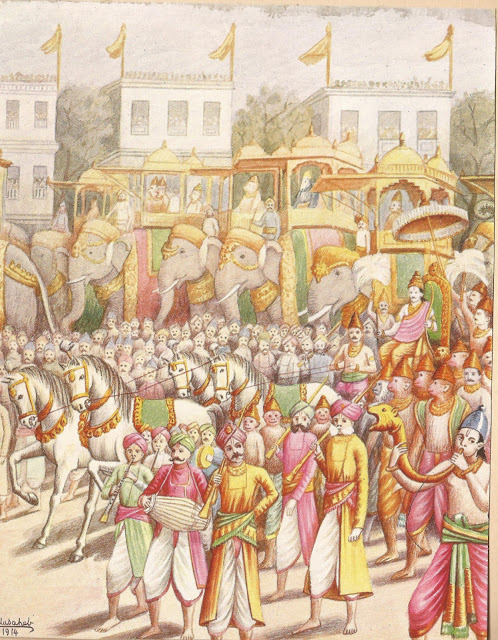
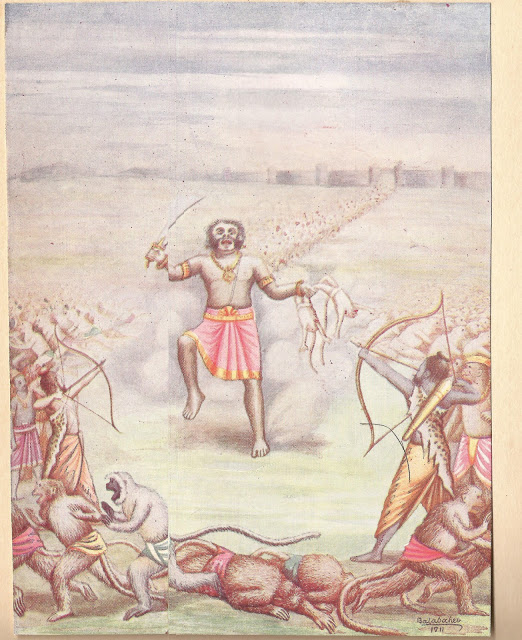
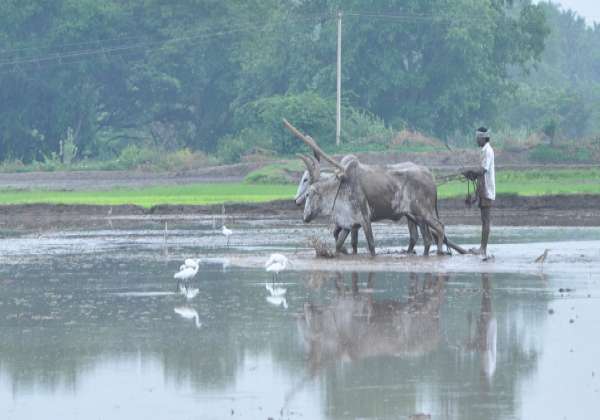
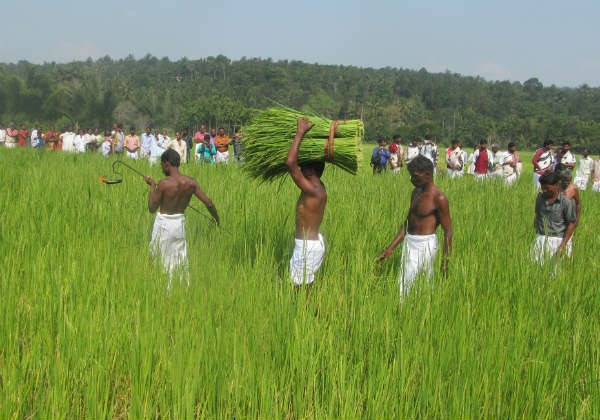
போர்க்களத்தையும் ஏர்க்களத்தையும் ஒப்பிடும் அருமையான ஒரு பாடல் புற நானூற்றில் (369) உள்ளது. அதைப் பாடியவர் பரணர். இது போல சங்க இலக்கியத்தில் பல பாடல்கள் உள்ளன. காளிதாசனின் காவியங்களிலும் உள்ளன. இப்படி த் தொடர்ந்து பல விஷயங்களைக் கோர்வையாக ஒப்பிடுவது கிரேக்கப் புலவர் ஹோமரின் காவியங்களிலும் காணப்படுவதால் ஆங்கிலத்தில் இதை ஹோமரிக் உவமை என்று சொல்லுவர்.


பரணர் ஒப்பீட்டை முதலில் காண்போம்:-

போர்க்களமும் ஏர்க்களமும் ஒப்பீடு


யானை = மேகம்

வாள் வீச்சு = மின்னல்

முரசு முழ்க்கம் = இடி முழக்கம்

குதிரை = காற்று

அம்பு = மழை

போர்க்களம் = வயல் களம்

தேர் = ஏர்

வேல்/கணையம் = விதைகள்

பிணம் = பயிர்கள்

பேய்கள் மொய்க்கும் பிணக்குவியல்= நெற் போர்வை


சேரமான் கடலோட்டிய வெல்கெழுகுட்டுவன் மீது பரணர் பாடிய பாடல்


இருப்புமுகம் செறிந்த ஏந்தெழில் மருப்பின்

கருங்கை யானை கொண்மூ வாக

நீண்மொழி மறவர் எறிவனர் உயர்த்த

வாள் மின்னாக, வயங்கு கடிப்பு அமைந்த

குருதிப் பலிய முரசுமுழக்காக

அரசராப் பனிக்கும் அணங்குறு பொழுதின்

வெவ்விசைப் புரவி வீசு வளியாக

விசைப்புறு வல்வில் வீங்குநாண் உகைத்த

கணைத்துளி பொழிந்த கண்ணகன் கிடக்கை

ஈரச்செறுவயின்  தேர் ஏராக

விடியல் புக்கு, நெடியல் நீட்டி, நின்

செருப்படை மிளிர்ந்த  திருத்துறு பைஞ்சால்,

பிடித்தெறி வெள்வேல் கணையமொடு வித்தி,

விழுத்தலை சாய்த்த வெருவரு பைங்கூழ்ப்

பேய்மகள் பற்றிய பிணம் பிறங்கு  பல் போர்பு

கணநரியோடு கழுது களம் படுப்பப்

பூதம்காப்பப் பொலிகளந்தழீஇப்,

பாடுநர்க்கு இருந்த பீடுடையாள!

தேய்வை வெண்காழ் புரையும் விசிபிணி

வேய்வை காணா விருந்தின் போர்வை

அரிக்குரல் தடாரி உருப்ப ஒற்றிப்

பாடி வந்திசின் பெரும; பாடான்று

எழிலி தோயும் இமிழிசை யருவிப்

பொன்னுடை நெடுங்கோட்டு , இமையத்தன்ன

ஓடைநுதல், ஒல்குதல் அறியாத்

துடியடிக்குழவிய பிடியிடைமிடைந்த

வேழமுகவை நல்குமதி

தாழா ஈகைத் தகை வெய்யோயே!

–புறநானூறு 369


சங்க இலக்கியத்தில்


புறம் -370-  ஊன்பொதி பசுங்குடையார்


புறம் -373 கோவூர்க் கிழார்


புறம் -373 மாங்குடிக் கிழார்


பதிற்றுப் பத்து- 14-17, 15-1-15


பொருநராற்றுப்படையிலும் (4-17) ஹோமரிக் உவமை உளது


காளிதாசனில்

ரகுவம்சம் 7-49, 10-44,10-48, 4-62, 11-29


ரகுவம்சம் 7-49


யுத்த பூமி- மிருத்யு தேவதையின் பான பூமி

தலைகள் – பழங்கள்

குல்லாய்கள் – பான பாத்திரங்கள்

ரத்தம் = மது


ரகுவம்சம் 10-44

ராவணன் தலை = தாமரை

யுத்த பூமி பூஜைக்கானது

ரகுவம்சம் 10-48

விஷ்ணு – மேகம்

ராவணன் – வ ட்சி

தேவர் – பயிர்

பேச்சு – நீர்

மகிழ்ச்சி – மழை

விஷ்ணுவை மேகமாகவும் ராவணனை வர்றட்சியாகவும், அவனால் துன்புறுத்தப்பட்ட தேவர்களை வாடிய பயிராகவும், விஷ்ணு கூறிய சொற்கள் மழையாகவும் மகிழ்ச்சியாகவும் உருவகப்ப்படுத்தப் பட்டுள்ளது.


இமயம் முதல் குமரி வரை ஒரே சிந்தனை நிலவியதற்கு முந்தைய பல காளிதாசன் பற்றிய கட்டுரைகளில் எடுத்துக்காட்டுகளைத் தந்தேன். சங்க இலக்கியத்துக்கு முன்னரே காளிதாசன் வாழ்ந்ததை இவைகளும் நிரூபிக்கின்றன.

–subahm-

ஐங்குறுநூறு, பதிற்றுப்பத்தில் அந்தணரும் வேதமும்! (Post No3383)

Written by S NAGARAJAN


Date: 24 November 2016


Time uploaded in London: 5-58 AM


Post No.3383


Pictures are taken from various sources; they are representational only; thanks.


contact; swami_48@yahoo.com


சங்க இலக்கிய ஆய்வு – கட்டுரை எண் 12

இந்தக் கட்டூரையில் எட்டுத்தொகையில் உள்ள ஐங்குறுநூறு, பதிற்றுப்பத்து  ஆகிய நூல்களில் வேதம், அந்தணர் பற்றி வரும் சிறப்பான செய்திகள் இடம் பெற்றுள்ளன


  ஐங்குறுநூறு, பதிற்றுப்பத்தில் அந்தணரும் வேதமும் !


                      ச.நாகராஜன்

ஐங்குறுநூறு

எட்டுத்தொகை நூல்களில் உள்ள ஐங்குறுநூறு மருதம், நெய்தல், குறிஞ்சி, பாலை, முல்லை என்னும் ஐந்து நிலம் சார்ந்த திணைகளில் ஒவ்வொன்றிற்கும் நூறு பாடல்கள் வீதம் 3 அடி  முதல் 6 அடி வரை உள்ள மொத்தம் ஐநூறு பாடல்களைக் கொண்டது.

தோழி ஒருத்தி தலைவனிடம் சொல்லும் பாடலாக அமைவது நான்காம் பாடல். ஓரம்போகியார் என்ற புலவர் பாடியது.

ஆதனையும் அவினியையும் வாழ்த்தி ஆரம்பிக்கும் இப்பாடல் பகைவர்கள் புல்லைத் தின்னட்டும் பார்ப்பார் .வேதம் ஓதட்டும் என்று கூறுகிறது.

வாழி ஆதன் வாழி அவினி                                 

பகைவர் புல் ஆர்க பார்ப்பார் ஓதுக                             

என் வேட்டோளே யாயே யாமே                                     

பூத்த கரும்பின் காய்ந்த நெல்லில்                             

கழ்னி ஊரன்  மார்பு                                                    

பழனம் ஆகற்க என் வேட்டேமே


இதன் பொருள் ஆதன் வாழ்க! அவினி வாழ்க! பகைவர்கள் புல்லைத் தின்னட்டும். பார்ப்பார் வேதம் ஓதட்டும். என்று விரும்பினாள் தாய்.

கரும்பு பூத்து காய்ந்த நெல் உடைய விளை நிலம் உடையவனின் மார்பு அனைவருக்கும் உரிய சொத்தாக ஆகாமல் (எனக்கு மட்டும்) இருக்கட்டும் என்பது என் ஆசை!


அடுத்து 387ஆம் பாடலைப் பார்ப்போம். இதைப் பாடியவர் ஓதலாந்தையார்.

அந்தணர் செவிலியிடம் சொன்னதாக அமைகிறது இந்தப் பாடல்.

அறம் புரி அருமறை நவின்ற நாவில்                       

திறம் புரி கொள்கை அந்தணர் தொழுவல் என்று              

ஓண் தொடி வினவும் பேதையும் பெண்டே                        

கண்டனெம் அம்ம சுரத்திடை அவளை                             

இன் துணை இனிது பாராட்டக்                               

குன்று உயர் பிறங்கல் மலல இறந்தோளே             


அறத்தைப் புரியும் வேதத்தைச் சொன்ன நாவைக் கொண்ட நல்ல கொள்கையை உடைய அந்தணரை மிக்க மரியாதையுடன் தொழுகிறேன் என்று சொல்லி வளையலை அணிந்த என் மகளைக் கண்டீரா என்று வினவுகின்ற பேதைப் பெண்ணிடம், அவர்,“கேள்! சுரத்திடை (வீணான நிலத்தின் ஊடே செல்லும் வழியில்) சிகரங்கள் உடைய மலையைக் கடந்து அவளைப் புகழும் அவளது இன் துணையுடன் கண்டேன்! என்றார்.

அற நூலான வேதமோதும் அந்தணரை மரியாதையுடன் தொழுவது இங்கு குறிப்பிடப்படுகிறது. அவர் உண்மையை மட்டுமே உரைப்பவர் என்பதால் அவரிடம் தன் மகளைப் பற்றி வினவும் தாயை இப்பாடலில் காண்கிறோம்.

வேதம் உரைக்கும் நா பொய் சொல்லாது அல்லவா!


பதிற்றுப்பத்து

எட்டுத்தொகை நூல்களில் ஒன்றான பதிற்றுப்பத்து சேர மன்னர்கள் பத்துப் பேரைப் பற்றி பத்துப் புலவர்கள் பத்துப் பத்தாகப் பாடிய பாடல்களைக் கொண்ட நூல் இதில் இரண்டு பத்துகள் கிடைக்கவில்லை. மீதம் 80 பாடல்கள் கிடைத்துள்ளன.

பாடல் 74 சேர மன்னனைப் புகழ்ந்து பாடும் ஒரு பாடல்.   


கேள்வி கேட்டுப் படிவம் ஓடியாது                        

வேள்வி வேட்டனை உயர்ந்தோர் உவப்ப


ஆரம்ப வரிகளிலேயே மன்னனை  கேள்வி கேட்பவன் என்று புகழ்கிறார் புலவர். வேதத்தின் இன்னொரு பெயர் கேள்வி.

 அந்த இன்னொரு பெயரால் வேதம் இங்கு குறிப்பிடப்படுகிறது.

படிவம் ஒடியாது என்பதன் மூலம் எந்த வித விதிமுறைகளையும் விடாது என்பது சொல்லப்படுகிறது 

வேள்வி வேட்டனை என்பதால் விதி முறையின் படி வேள்விகளை இயற்றியவன் சேர மன்னன் என்பது கூறப்படுகிறது உயர்ந்தோர் உவப்ப என்பதால் மேல் உலகில் உள்ளோர் அதனால் உவந்தனர் என்கிறார் புலவர். அதாவது வேள்வியினால் தேவர்கள் மனம் மகிழ்ந்தனர் என்பதை புலவர் வலியுறுத்துகிறார்.


ஆக சங்க இலக்கியத்தில் அறம் கூறும் வேத வழியில் நிற்பவன் மன்னன் என்பதும் வேள்விகளை முறைப்படி நடத்துபவன் என்பதும் அப்படிப்பட்ட மன்னனைப் புலவர் புகழ்ந்து போற்றுவதையும் பல இடங்களில் காண்கிறோம்.


நமஸ்தே ருத்ர மன்யவ உதோ த இஷவே நம:

நமஸ்தே அஸ்து தன்வனே பாஹுப்யாமுத தே நம:


என்று கம்பீரமாக கோவிலக்ளிலும் இல்லங்களிலும் இன்று ஓதப்படும் ருத்ரம் உள்ளிட்ட வேத ரிக்குகள் அன்றும் சங்க காலத்தில் மிகுந்த மதிப்புடனும் மரியாதையுடனும் பக்தியுடனும் மன்னர்களாலும் புலவர்களாலும் மக்களாலும் போற்றப்பட்டு வந்திருக்கிறது என்பதை அனைத்து சங்க இலக்கியங்களும் வலியுறுத்துகின்றன.

பரம்பரை பரம்பரையாக தொன்று தொட்டு வழங்கி வரும் வேதம் அதே விதிமுறைகளின் படி இன்றும் ஓதப்பட்டு வருவது, அழியாத ஒரு பாரம்பரியத்தைச் சேர்ந்தவர்கள் பாரத மக்கள் என்பதை வலியுறுத்துகிறது, இல்லையா?!

********


வேதமும் அதை ஓதுகின்ற அந்தணரும் உயரிய இடத்தைப் பெற்றிருப்பதை சங்க இலக்கியம் ஒவ்வொன்றும் அழுத்தம் திருத்தமாக வலியுறுத்துகிறது.

***********


It’s a Beautiful World! (Post No3382)

Written by London Swaminathan


Date: 23 November 2016


Time uploaded in London: 10-11 AM


Post No.3382


Pictures are taken from various sources; they are representational only; thanks.


contact; swami_48@yahoo.com


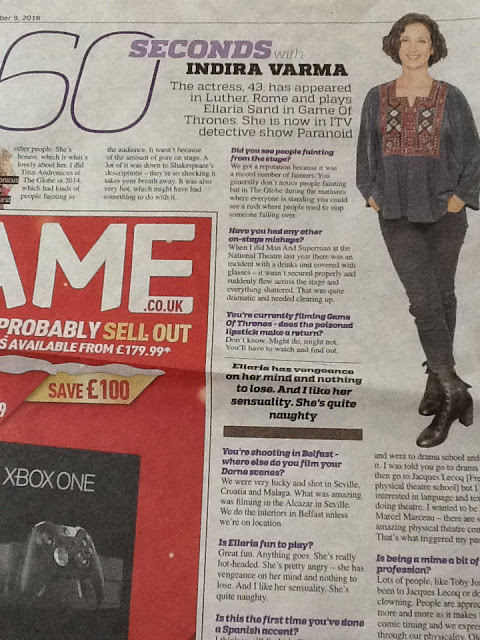
It’s a beautiful world indeed. We may think that the world is full of bad people after reading the first page of the newspapers. They give priority to crime news. All the newspapers report murder and mayhem. London Metro is no exception. But yet it gives positive news as well. Every day it publishes one 60 second interview with a prominent person and gives some space for the good deeds done by people and Thank you messages. Another column is allocated for Love at First Sight messages. Why don’t India newspapers follow this?


Metro newspaper is read by millions of people every day in and around London. It is distributed free of cost. It has been publishing 60 second interviews and good deeds for several years. That means it has published several thousand interviews and good deeds messages.


Here are some examples taken from recent Metro issues:-

Xxx


Tuesday, November 15, 2016 METRO


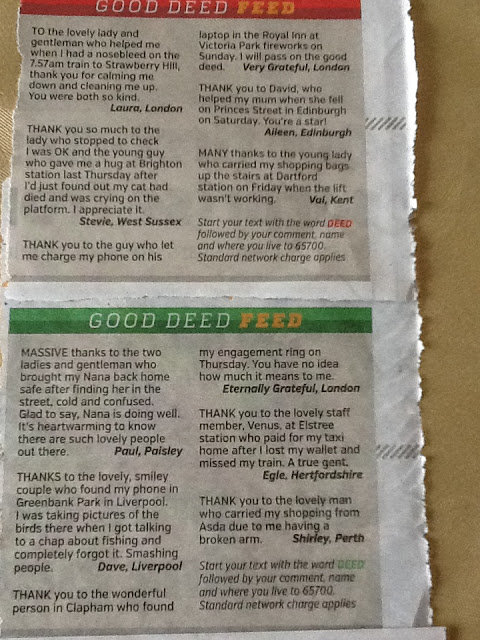
“THANK you to Ben, the train guard on the 10.12am Trans Pennine train from Liverpool to Newcastle for being so helpful when we forgot our rail card on our wedding anniversary trip and for upgrading us to first class. What a star!- Jo and Roy, Wirral


THANK you to the lady who helped me on Saturday night when I was ‘unwell’ near, Highbury & Islington station and got me safely into a cab. -Dimple, London


forgot our railcard on our thanks to your note. Dimple, London wedding anniversary trip and Gareth And Rebecca, Liverpool


THANK you to staff at Woking station for displaying the lovely poppy tributes made by local children. They are both moving and uplifting- Amanda, Surrey


xxx


THANK you so much to the lovely man who helped me get my car out of a really tight space on Dowanhill Road in Glasgow on Saturday evening. l was in a complete panic and your kind and helpful words calmed me down– Young and Anxious Driver, Glasgow


xxx


Thanks to all those who stopped on the bridge above Queen Street Station last Thursday when my friend had a seizure. He is now fine. Cammie, Glasgow


xxx


Friday, November 4, 2016 METRO


THANK you to the lovely  couple I met on the Sheffield tram. I was running late for the Sheffield 10k and needed to  hand in my bag to the baggage area. They kindly handed it in while I legged it to the start- Chris, Wakefield

xxx


THANK you to the wonderful staff at Wythenshawe hospital. I had a rare visit there with my mum and all I saw were incredible acts of kindness. Thank goodness for these people who are the heart of the NHS- Debbie, Manchester.


xxx


Thank you so much to everyone  who helped me when I fainted on the 7.38am train to Glasgow Central on Thursday, and to the gent for buying me much needed Lucozade tablets – Jillian, Clarkston


xxx


Thank you to the young lad who stuck up for me outside Bath bus station on Friday when I was being harassed by a drunk man and to the bus driver who stopped to let me on — Girl in The Boots Uniform


xxx

 
Friday, November 18, 2016 METRO


HEARTFELT thanks to police officer Gareth and hospital staff who helped save my life after my accident on the East Lancs Road on Monday night. My  calf was sliced in two and I suffered minor head injuries. My cycle helmet saved me, so please always wear one.

—-Grateful cyclist

Xxx


THANK you to the person who witnessed me having a seizure carriage and then carried my Grateful Commuter somewhere between Berkeley Square and Regent Street called an ambulance and stayed to tell them what had happened– Julia, London

xxx


RUSH-HOUR CRUSH LOVE


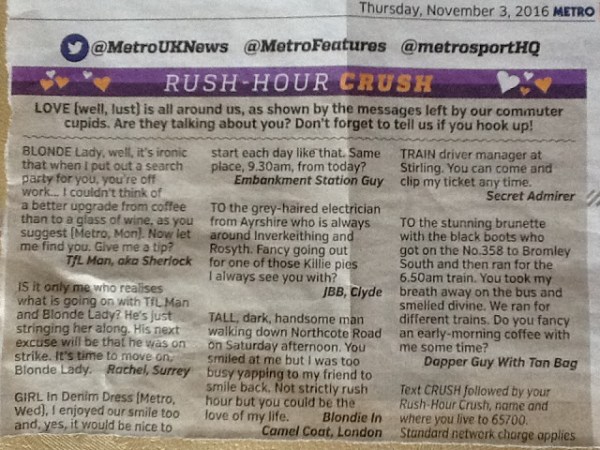
BEAUTIFUL brunette on the 7.38am from St Albans. I kept glancing and smiled at you as I got off at St Pancras. I was hoping you were getting off too, so we could grab a drink. May be next time?

–Guy with glasses, Luton

xxx


We smiled at the instructions. It will lead kept each other a few times and you to me.

Blonde Lady glancing and smiled at you as I wish I had asked you out. I was Guy in Red Jacket And Jeans


SMALL Blonde In Blue Jacket hoping you were getting off (Metro, Fri), l fit your description but remain doubtful. Any more details?- Guy wearing head phones.


GIRL In Red Dress (Metro, Fri) yes, I did see you on Monday and I do fancy a pint. Is Wetherspoons at Dewsbury  at 6.30pm OK? Guy In Green Jacket, Bradford.

Xxx


BEAUTIFUL girl with brown hair and the world’s best smile on the Northern line at Euston on Saturday. I off Embankment Station. We smiled at each other a few times and I wish I had asked you out- Guy in Red Jacket and Jeans.

And many more like this every day!


–Subham–


அவதாரத்தின் ஸங்கல்ப மஹிமை! (Post No.3381)

Written by S NAGARAJAN


Date: 23 November 2016


Time uploaded in London: 5-37 AM


Post No.3381


Pictures are taken from various sources; they are representational only; thanks.


contact; swami_48@yahoo.com


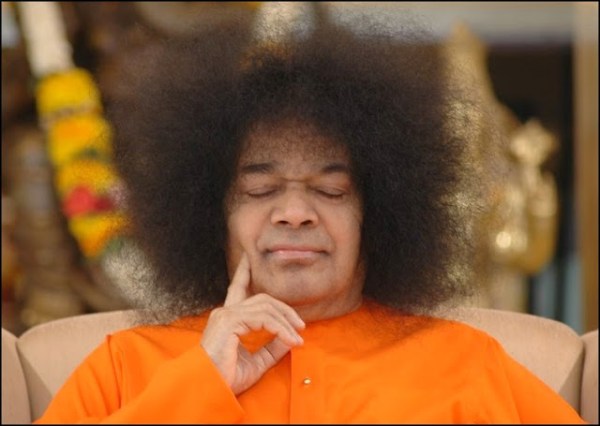
பகவான் ஸ்ரீ சத்யசாயிபாபாவின் ஜெயந்தி தினம் நவம்பர் 23ஆம் தேதி வ்ருகிறது. அதையொட்டிய சிறப்புக் கட்டுரை


அவதாரத்தின் ஸங்கல்ப மஹிமை !


ச.நாகராஜன்


உலகப் போர் இப்போது வராது!


சென்ற நூற்றாண்டில் அவதரித்து இந்த நூற்றாண்டிலும் வாழ்ந்து உலகெங்கிலும் உள்ள நூற்றுக்கும் மேற்பட்ட நாடுகளில் உள்ள கோடிக் கணக்கான மக்களை அன்பு மூலம் ஆட்படுத்தி சேவை செய்யத் தூண்டி இறையருளைப் பெற வைத்த அற்புத அவதாரம் ஸ்ரீ சத்யசாயி அவதாரம்!

சாயி அன்பர்கள் அவர் எப்படி அற்புதங்களை நிகழ்த்தினார் ஏன் இன்னும் பல ஆண்டுகள் வாழவில்லை என்பன போன்ற கேள்விகளை எல்லாம் கேட்பதில்லை.


ஏனெனில் அவரது உரையைப் பல ஆண்டு காலம் கேட்டு அதில் ஊறி அருளில் திளைப்பவர்கள் அவர்கள். மிக சுலபமாக எந்த ஒரு கஷ்டமான கேள்விக்கும் அவர்களால் ஒரே வரியில் பதில் அளிக்க முடியும்.

அது தான் ஸங்கல்ப மஹிமை!


அவரது ஸங்கல்பம் இல்லாமல் எதுவும் நடக்காது.

தேவையான காலத்தில் தேவையானோருக்கு தேவைப்பட்ட இடத்தில் அவரது ஸங்க்ல்ப மஹிமையால் தேவைப்பட்ட அருளாசி கிடைக்கும் இது திண்ணம். ஆகவே அவர்கள் எதைப் பற்றியும் அலட்டிக் கொள்வதில்லை.


இன்றும் புட்டபர்த்தியில் பிரசாந்தி நிலையத்தில் அதே அமைதி தவழ அவரது சமாதியின் சாந்நித்தியத்தில் சாந்தி பெற முடிகிறது என்றால் அதுவும் அவரது ஸ்ங்கல்பமே

பிரபல கம்யூனிஸ்டாக இருந்து மும்பையிலிருந்து ப்ளிட்ஸ் பத்திரிகையை நடத்தி வந்த ஆர்.கே.கராஞ்சியா பாபாவின் அன்பினால் கவரப்பட்டார். அவரது அருளுக்குப் பாத்திரமானார். ஏராள்மான விளக்கங்களை அவரிடமிருந்து பெற்ற அவர் தனது பத்திரிகையில் பாபாவிற்கென தனி ஒரு காலமே (Column)தந்தார்.


   1976 செப்டம்பரில் நட்ந்த சம்பவம் இது. அப்போது உலகெங்கும் ஒரு  குளிர் யுத்த நிலைமை நிலவியது. ரஷியா அமெரிக்கா என வல்லரசுகள் போர் மேகத்தை நிலவ விட்டு உலகினரைத் தவிப்பில் ஆழ்த்திய காலம் அது. உலகில் வாழ்ந்த அனைத்து ராஜதந்திரிகளும் கூட போர் வருவது தவிர்க்க முடியாத ஒன்று என்றே கூறினர்.  

ஆர்.கே.கராஞ்சியா பாபாவைத் தரிசித்தார். பேட்டியும் கிடைத்தது. அப்போது அவர் உலகப் போர் மூண்டு விடும் அபாயத்தைச் சுட்டிக் காட்டி போர் வந்து விடுமோ என்று கேட்டார்.


பாபா அந்தக் கேள்வியை எளிதாக எடுத்துக் கொண்டு, ‘வரவே வராது’ என்று பதிலளித்தார்.

திகைத்துப் போன கராஞ்சியா, “ஏன், என்ன காரணம்?” என்று கேட்டார்.

ஸ்வாமி, “என் ஸங்கல்பம் இல்லை. உலக்ப் போர் வராது” என்றார்.


அந்தப் பதிலால் ஸ்வாமியின் மஹிமையை அனைவரும் உணர்ந்து கொண்டனர். நிபுணர்கள் உள்ளிட்ட அனைவரும் கணித்துக் கூறிய உலகப் போர் மூளவே இல்லை.

அவதார ஸங்கல்பம்

ஒரு அவதாரம் ஏன் இப்படிச் செய்யவில்லை, அப்படிச் செய்யவில்லை என்பதைக் கேட்க யாருக்கும் அதிகாரம் கிடையாது என்பதை பாபா மிகத் தெளிவாகத் தனது உரையில் கூறி இருக்கிறார்.


1976ஆம் ஆண்டு நீலகிரியில் கோடை வகுப்புகள் நடத்தப்பட்டன. அதில் தினமும் உரையாற்றிப் பல சந்தேகங்களுக்கு விளக்கம் அளிப்பர்ர் பாபா.

அப்போது ஆறாவது நாள் கருத்துரையில் அவர் கூறியது:

“ஒரு அவதார புருஷர் எல்லாக் காலங்களிலும் எல்லாவற்றையும் செய்யக் கூடியவராக இருந்தாலும் அவர் எல்லாக் காலங்களிலும் தன் சக்திகளை எடுத்துக் காட்டும் செயல்களைச் செய்ய மாட்டார். தகுதியுள்ள மனிதரிடம் மட்டுமே தன் கருணையைப் புரிவார்.சில சூழ்நிலைகளில் விதிமுறைகளின் படி குறிப்பிட்ட காலத்தில் எதைச் செய்ய வேண்டுமோ அதைச் செய்ய வேண்டி மனித நிலையில் வந்து அத்த்கைய செயல்கள் செய்யப்பட இருக்கின்றன”


பகவானின் தெளிவான உரையைக் கேட்ட பின்னர் அவரது ஸ்ங்கல்பம் இருந்தால் மட்டுமே ஒரு செயல் செயல்படும் என்பதை அனைவரும் உணர்ந்து கொண்டனர்.

பீஷ்மரின் சபதமும் திரௌபதியின் பிரார்த்தனையும்

அவதாரத்தின் ஸங்கல்ப மஹிமையை விளக்க ஏழாம் நாள் கருத்துரையில் மஹாபாரத சம்பவம்  ஒன்றை அவர் விளக்கிக் கூறினார் இப்படி:


பாரத யுத்தத்தின் ஒன்பதாம் நாளனறு துரியோதனனும் துச்சாதனனும் பாண்டவர்களைக் கொல்ல வேண்டிய அவசியத்தை பீஷ்மரிடம் வலியுறுத்திய் போது ஆவேசத்துடன் மறு நாள் சூரிய அஸ்தமனத்திற்குள் அவர்களை வதம் செய்வதாக் பீஷம்ர் உறுதி கூறினார்.

அந்தச் செய்தியைக் கேட்ட திரௌபதி திடுக்கிட்டாள். பீஷமர் போட்ட சபதத்தை நிறைவேற்றுவதற்கான வல்லமை கொண்ட வீரர் அல்லவா?


வழக்கம் போல ஸ்ரீ கிருஷ்ணரை அவள் பிரார்த்தித்தாள். அவரது பாதங்களில் விழுந்து சரணமடைந்தாள்.

“சகோதரி! பயப்படாதே, உன்னால் முடிந்ததை நீ செய்! என்னால் முடிந்ததை நான் செய்கிறேன்” என்றார் கிருஷ்ணர்.

அன்று நள்ளிரவில் திரௌபதியிடம் வந்த அவர், “கிளம்பு,
ஏன், எங்கு என்று கேட்காதே! என்னைப் பின் தொட்ர்ந்து வா”
என்றார்.


யுத்த களத்தில் தன்னை யாரும் அறியக் கூடாது என்பதற்காக ஆடையால் தன்னைப் போர்த்திக் கொண்ட திரௌபதி கிருஷ்ணரைப் பின் தொடர்ந்தாள்.

நேராக பீஷ்மரின் கூடாரத்தின் அருகே சென்றார் கிருஷ்ணர். செருப்புகளைக் கழட்டுமாறு திரௌபதியிடம் சைகை காட்டிய கிருஷ்ணர் பீஷ்மரியின் காலடியில் விழுந்து வணங்குமாறு பணித்தார்.


(அந்தக் காலத்தில் பணக்காரப் பெண்மணிகள் போட்டிருக்கும் செருப்பு பலத்த சப்தத்தைக் கிளப்புமாம் – பாபா)

அதன்படி செருப்புகளை அவிழ்த்து விட்டுச் சென்ற திரௌபதி பீஷ்மரின் காலடியில் விழுந்து வணங்கினாள்.

“தீர்க்க சுமங்கலி பவ! நீண்ட காலம் சுமங்கலியாய் வாழ்வாயாக” என்று வாழ்த்தினார் பீஷ்மர். மனம் குளிர்ந்தாள் திரௌபதி.


வணங்கி வாழ்த்துப் பெற்றது திரௌபதி என்பதை அறிந்த பீஷ்மரின் மனம் சஞ்சலத்திற்குள்ளானது.

“இப்படி ஒரு திட்டத்தை இந்த நள்ளிரவு நேரத்தில் உனக்கு வகுத்துத் தந்தது யார்” என்று வினவினார் பீஷ்மர்.

அப்போது ஒரு துணிமூட்டையுடன் சிரித்தவாறே உள்ளே நுழைந்தார் கிருஷ்ணர். திட்டத்தை வகுத்தவர் யார் என்பதற்கு விடை கிடைத்து விட்டது!


 மூட்டையில் என்ன இருக்கிறது என்பதை அறிய ஆவலுற்ற பீஷ்மர் அதை அவிழ்த்துக் காண்பிக்க வேண்டினார்.

அநத மூட்டையை அவிழ்த்த போது அதில் திரௌபதியின் செருப்புகள் இருந்தன.


தன் பக்தர்களுக்காக அவர்களது செருப்பைக் கூடச் சுமக்கத் தயார் என்பதை அவரது செயல் மூலம் அறிந்து கொண்ட பீஷ்மர் இறைவனின் ஸங்கல்பமே வெல்லும் என்று மன அமைதி அடைந்தார்.


விதிர்விதிர்த்துப் போன  திரௌபதியோ அவதாரத்தின் எல்லையற்ற கருணையைக் கண்டு ஆனந்த பாஷ்பம் பொழிந்தாள்.


துரியோதனனுக்குக் கொடுத்த வாக்குறுதியா, திரௌபதிக்குக் கொடுத்த ஆசீர்வாதமா எது பலிக்கப் போகிறது. என்று உள்ளம் ஊசலாட இரவு முழுவதும் உறங்காத பீஷ்மருக்கு ஒன்று மட்டும் புரிந்து விட்டது. “அவதார புருஷரின் ஸங்கல்பப்படியே அனைத்தும் நடக்கும்” என்று.

மறு நாள் போரில் பீஷ்மர் விழுந்து பட்டார். ஆனால் அவர் கிருஷ்னரின் எல்லையற்ற அருளைப் புரிந்து கொண்டவராக ஆகி இருந்ததால் துயரப்படவில்லை. ஸங்கல்ப மஹிமையை உணர்ந்தவராக அமைதியாக அம்புப் படுக்கையில் இருந்து உரிய காலத்தில் உயிரை விட்டார்.


பாபா இந்தக் கதையை மிகவும் விரிவாக விளக்கிய போது அனைவரும், ‘அவதாரத்தின் நோக்கத்தையும் அது ஆற்றும் செயலையும் அவதாரம் மட்டுமே அறிய முடியும்; அதை அவதாரம் விளக்கத் தேவையில்லை; அதை முழுதுமாக அறியவும் யாராலும் முடியாது’ என்பதை விளங்கிக் கொண்டனர்.

சாயியின் லீலை சொல்லுக்குட்படாதது. அற்புதமானது. விளக்க முடியாதது.


எல்லையற்றை அன்பின் உருவான ஸ்ரீ சத்யசாயிபாபாவின் மலரடிகளில் நமஸ்கரித்து அவரது ஸங்கல்ப மஹிமையால் அருள் பெற்று உயரிய நிலையைப் பெறுவோமாக!

*****


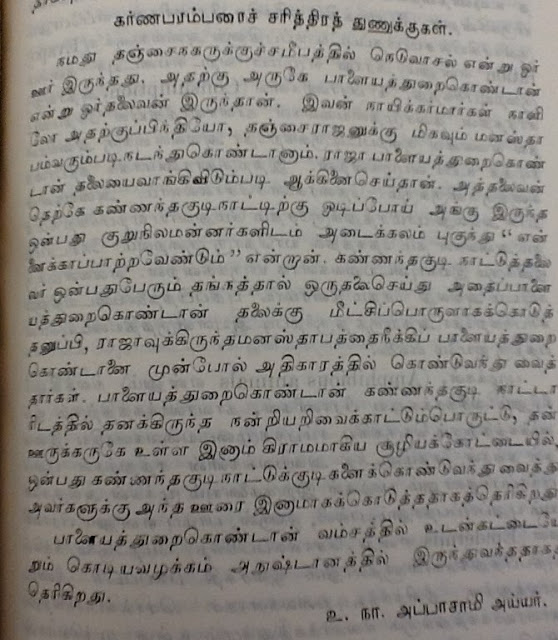
நெடுவாச ல்பாளையத்துறை கொண்டான் கதை (Post No. 3380)

Compiled by London Swaminathan


Date: 22 November 2016


Time uploaded in London: 20-13


Post No.3380


Pictures are taken from various sources; they are representational only; thanks.


contact; swami_48@yahoo.com


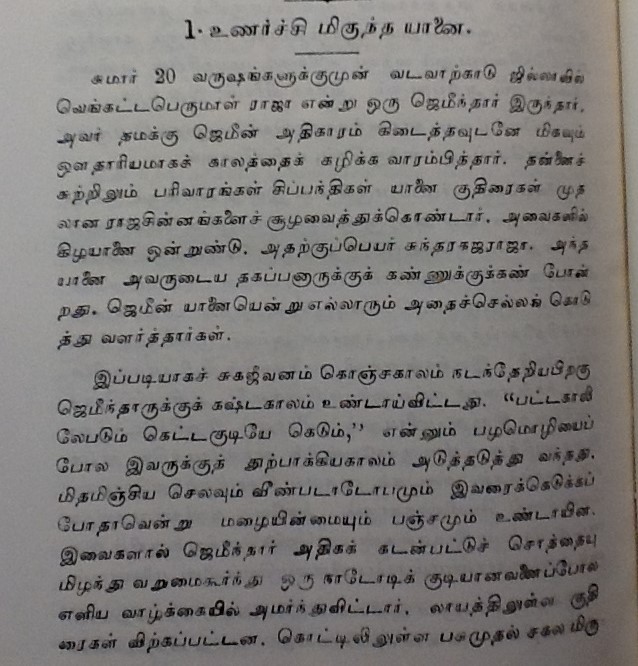
ஒரு யானையின் சோகக் கதை!(Post No.3379)

Compiled by London Swaminathan


Date: 22 November 2016


Time uploaded in London: 19-49


Post No.3379


Pictures are taken from various sources; they are representational only; thanks.


contact; swami_48@yahoo.com


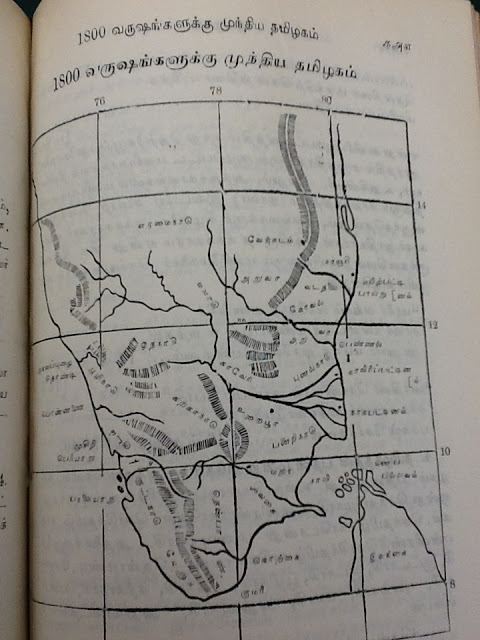
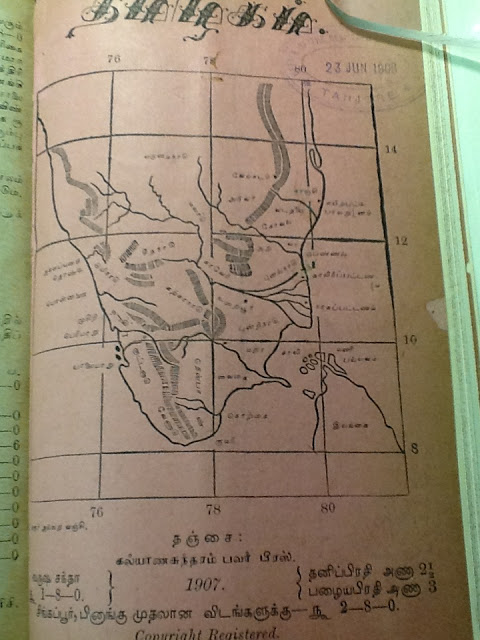
1907ஆம் அண்டு வெளியான தமிழகம் என்ற பத்திரிக்கையில் வெளியான ஒரு சம்பவத்தை கீழே காண்க. இதே போல உ.வே.சாமிநாத அய்யர் எழுதிய ஒரு யானையின் கதையை முன்னரே எழுதியுள்ளேன்.


Significance of Bangles for Hindu Ladies (Post No.3378)

Written by London Swaminathan


Date: 22 November 2016


Time uploaded in London: 10-14 AM


Post No.3378


Pictures are taken from various sources; they are representational only; thanks.


contact; swami_48@yahoo.com


Hindu Ornaments- Part 2 (Please read first part of this article posted yesterday.)


Glass bangles


Those who, from poverty or any other cause cannot obtain any jewels whatever, have glass bangles. To be without these is a mark of widowhood. It is a universal rule that all Hindu females, from their very childhood should wear these bangles. A widow may wear gold bracelets, but not glass ones. A little infant of a month old has one or two glass bangles on its little wrist by the fond mother, and number increases with the age of the child. Some females wear a few, whilst others have on a dozen or more, nearly covering the arm from the wrist upwards.


An angry woman will sometimes smash all her loved bangles before her husband’s face. such an act is as much as saying, “I would I were a widow”, and it a very dreadful thing to do. Common bangles will sell at about four for one anna (one penny), whilst the better ones are half-an-anna or an anna each (it was written in 1908). The colours vary, black, blue and green being the usual ones. As a rule, the same colours are worn indifferently by all classes, the better class people having the finer and more expensive kinds.


Decking with Bangles

For a pregnant Hindu lady bangles have additional significance. During the first pregnancy of a Hindu woman, she is decked with lot of bangles on a particular day in the seventh or eighth month of her pregnancy. Lot of ladies will come and adorn her with different colour bangles and they will also get new bangles from the house of the pregnant lady. They believe the child could hear the tingling sound of the bangles every day and feel happy. This ceremony is called Valai Kappu in Tamil (Wearing bangles) and Seemantham in Sanskrit.


Bangles and Castes!


There are, however, a few varieties affected by some of the castes. The females of the cowherd caste, for instance, usually wear a peculiar kind in which the ground is black, but ornamented with green spots or streaks. The toddy caste, again, have a kind. In addition to the glass it is usual for coloured ones made of be lac to be worn, two on each arm; that is the first and last bangle is usually one of this kind. The cost of these is more than those made of glass, and ornamented with various colours and bits of glass so as to produce a very pretty effect. The bangle man is a well-known person and may constantly be met, with his strings bangles over his shoulder. He has his usual rounds and appears to meet with a very hearty welcome.


The bangles are put on by the bangle-man, and it seems a very painful process for the poor female, She sits on the ground in front of the manipulator, and he, seated tailor fashion takes her hand in his, and begins the operation, kneading and pressing with practised fingers. He now and then soothes the sufferer by pointing out the beauty that will be the result of the pain. The wonder is, the circles being so small, how they can be got over the hand at all; but the Hindu hand is very supple the operator knows how to press and squeeze so as to accomplish his purpose. The painful operation must, however, be done, and the sooner it is over and the less fuss made about it the better. The lac bangle is not put on over the hand in this way; it is cut and pressed open and, after a piece or two has been snipped off to make it the proper size, the ends are heated and pressed together when they readily join.

The ornaments hitherto enumerated are ordinarily made of gold, the glass bangles excepted. The body or inner part of the jewel may be of copper or lead, especially in the larger sized ones but silver is only worn by poor people. The women of the Lambardi and some other gypsy tribes are ornamented in most profuse and barbarous fashion, Full blown flower like silver ornaments, with numerous small globular pendants tinkling, softly like little bells fall over their hair; large and heavy bracelets of brass, or ivory, even painted wood are on their wrists. Their heavy brass anklets, which are hollow and contain little pellets give out a tinkling sound as they walk along. The dress of these women is quite different from that of ordinary Hindu females; it is very picturesque even grotesque, in its shape and material.


There is a lavish ornamentation of beads and cowry shells sewn on to the close fitting jacket and to “the bag like pockets which dangle at side of their parti-coloured skirts.


The ornaments for the female waist, are more often made of silver than of gold, especially the anklets and toe rings. A broad zone of gold or  silver, with clasps, is worn round the waist by those who can afford it. This is sometimes plain and times ornamented with raised work. The effect is very pleasing in contrast with the bright coloured raiment which picturesquely envelopes the figure. The anklets are of various shapes and sizes. Some are circular, like the bracelets for the wrists, whilst others are formed so as to curve over the ankles. Some are chains, whilst others have attached to them a number of little bells which tinkle tinkle with a soft and pleasant sound, as the wearer moves about.

(Toe ring picture is from Wikipedia;thanks)

Toe rings

Silver rings of various kinds are worn on the toes. There must always be one ring on the middle toe of one or both feet. If  through this extreme poverty a silver ring cannot be obtained  for this toe, then one of bell-metal will be used instead. The shape of these rings for the toes of females differs from that those for men, in that they are usually shaped like two or three twists of wire; hence the Telugu name for  women’s toe rings is tsuttu, which means a twist round. Married women wear a peculiar shaped ring on the fourth toe which has an embossed ornament on the top. Men’s toe rings are more like ordinary finger rings, except that they can be pulled open and pressed again, when put on or taken off.


All these ornaments are not worn at one and the same time, but it is astonishing how many jewels can be crowded on to the person. So imperative is it at weddings that the bride should be decked out in jewels, that they are freely borrowed and as freely lent by the neighbours and friends upon so important an occasion.

Source The Hindu at Home , Year 1908.


(Please read my research article about Egyptian Mummies discovered with toe rings, posted last year.)


–Subham–


குறுந்தொகை, கலித்தொகையில் அந்தணரும் வேதமும்! (Post No.3377)

Written by S NAGARAJAN


Date: 22 November 2016


Time uploaded in London: 5-55 AM


Post No.3377


Pictures are taken from various sources; they are representational only; thanks.


contact; swami_48@yahoo.com


சங்க இலக்கிய ஆய்வு – கட்டுரை எண் 11

இந்தக் கட்டூரையில் எட்டுத்தொகையில் உள்ள குறுந்தொகை, கலித்தொகை  ஆகிய நூல்களில் வேதம், அந்தணர் பற்றி வரும் சிறப்பான செய்திகள் இடம் பெற்றுள்ளன


  குறுந்தொகை, கலித்தொகையில் அந்தணரும் வேதமும் !


                      ச.நாகராஜன்

குறுந்தொகை

எட்டுத்தொகை நூல்களில் இரண்டாவது நூலாக அமைவது குறுந்தொகை. இதில் 401 பாடல்கள் உள்ளன. 206 புல்வர்கள் இப்பாடல்களைப் பாடியுள்ளனர்.  நான்கு முதல் எட்டு அடிகள் வரை கொண்டுள்ள இந்தப் பாடல்கள் ஒவ்வொன்றும் பல்வேறு உணர்வுகளைப் படம் பிடித்துக் காட்டுகின்றன.

இதில் 156ஆம் பாடலைப் பாடியுள்ளவர் பாண்டியன் ஏனாதி நெடுங்கண்ணனார். ஒரு தலைவன் ஒரு அந்தணனிடம் சொல்வது போல அமைந்துள்ளது இந்தப் பாடல்.


பார்ப்பன மகனே பார்பன மகனே                          

செம்பூ முருக்கின் நல் நார் களைந்து                                  

தண்டொடு பிடித்த தாழ் கமண்டலத்துப்                                

படிவ உண்டிப் பார்ப்பன மகனே                                      

எழுதாக் கற்பின் நின் சொல் உள்ளும்                                   

பிரிந்தோர்ப் புணர்க்கும் பண்பின்                                

மருந்தும் உண்டோ மயலோ இதுவே


ஏழே அடிகள் உள்ள இந்தப் பாடல் தலைவன் தன் நண்பன் கேட்கும் படியாக அமைக்கப்பட்டுள்ள ஒரு பாடல்.

ஒரு அந்தணன்!

அவன்  வேதம் விதித்த முறைப்படி தனது அன்றாட ‘நித்ய கர்மங்களை’ நன்கு செய்பவன்.

எழுதாக் கிளவி என்பது வேதம். அதை யாரும் எழுதவில்லை. ஆகவே இந்தச் சிறப்புப் பெயர் எழுதாக் கற்பு எனப்படும் அந்த அரிய நூல் பிரிந்தவர் சேரும் ம்ருந்து எதையாவது சொல்கிறதா என்பதே தலைவனின் கேள்வி.

ஓ! அந்தணனே! ஓ அந்தணனே (பார்ப்பன மகனே பார்ப்பன மகனே)

முருக்கம் மரத்தின் நார் களைந்து சிவப்பான பூக்களுடன் இருக்க, அதில் தொங்குகின்ற கமண்டலத்துடன் (செம்பூ முருக்கின் நல் நார் களைந்த தண்டொடு பிடித்த பிடித்த தாழ் கமண்டலத்து)


படிவ  உண்டி, பார்ப்பன மகனே (முறைப்படியான உணவை உண்டிருக்கும் பார்ப்பன மகனே)

(உன்னிடம் ஒரு கேள்வி கேட்க விரும்புகிறேன்)

நீ படித்து ஓதும் எழுதாக் கற்பு என்னும் வேதத்திலோ அல்லது உனது சொற்களிலோ (எழுதாக் கற்பின் நின் சொல் உள்ளும்)

பிரிந்தவர்கள் ஒன்று சேர ஏதேனும் மருந்து உண்டோ?

அல்லது இது ஒரு மயக்கம் தானா -சிறிய குழப்பம் தானோ!! (மயலோ இதுவே?)

எத்துணை அழகிய பாடல்! அனைத்தும் இருக்கும் வேதத்தில் தலைவனும் தலைவியும் பிரிந்திருக்கும் பிரிவு நோய் போக ஏதேனும் ஒரு மருந்து இருக்கிறதா, பார்ப்பன மகனே! நீயோ வேதத்தில் கரை கண்டவன். ஒரு வழியைச் சொல்லு!


புல்வர் வாயிலாக அந்தணனின் சிறப்பையும் எழுதாக் கற்பின் சிறப்பையும் காணும் போதே பிரிவின் வேதனையையும் உணர்கிறோம்.


கலித்தொகை

அடுத்து எட்டுத் தொகை நூல்களில் ஆறாவதாக அமைவது. கலித்தொகை.

கலித்தொகையில் மொத்தம் 150 பாடல்கள் உள்ளன.

இதில் கடவுள் வாழ்த்துப் பாடலைப் பார்ப்போம். இதை இயற்றியவ்ர் ந்ல்லந்துவனார். இதில் சிவபிரான் தனது ஜடாமுடியில் கங்கையைத் தரித்ததும் திரிபுரம் எரித்ததும் ஆகிய அரும் செயல்கள் உரைக்கப்படுகின்றன.


ஆறு அறி அந்தணர்க்கு அருமறை பல பகர்ந்து                            தேறு நீர் சடைக் கரந்து திரிபுரம் தீ மடுத்து  (முதல் இரு வரிகள்)


ஆறு அங்கங்களை அறிந்துள்ள அந்தணர்க்கு (ஆறு அறி அந்தணர்க்கு)

நான்கு வேதங்களையும் பகர்ந்து (அருமறை பல பகர்ந்து)

கங்கையைத் தலையில் ஒளித்து (தேறு நீர் சடைக் கரந்து)

திரிபுரங்களை எரித்து (திரிபுரம் தீ மடுத்து)

ஆனந்த நடனம் ஆடுபவர் சிவ பிரான்

பாடலை முழுதுமாகப் படிக்கும் போது சிவபிரான், உமையம்மை பற்றி உளமுருகப் பாடும் புலவ்ரின் பக்தியும் தமிழின் அழகிய சொற்சேர்க்கை அதற்கு உதவுவதும் தெரியும்.

அந்தணர், அரு மறை பற்றியும் அதைக் கேட்டு மகிழும் சிவபிரானைப் போற்றியும் இந்தக் கடவுள் வாழ்த்து அமைகிறது; கலித்தொகைக்குக் கட்டியம் கூறுகிறது!

சங்க கால சிவ பக்தியும் நமக்குப் புரிகிறது.


****


உலகு இன்பக் கேணி! பாரதி சொன்னது உண்மையே! (Post No.3376)

Written by London Swaminathan


Date: 21 November 2016


Time uploaded in London: 20-23


Post No.3376


Pictures are taken from various sources; they are representational only; thanks.


contact; swami_48@yahoo.com


இந்த உலகம் இன்ப ஊற்று, இன்பக் கேணி என்று வேதங்கள் சொல்வதாக பாரதி பாடினான்.


எங்கள் லண்டனில் வெளியாகும் மெற்றோ METRO பத்திரிக்கையை நான் ஒவ்வொரு நாள் காலையிலும் படிக்கும்போது பாரதி சொன்னது “வேத வாக்கு” என்பதை உணர்கிறேன்.


ஒன்று பரம்பொருள் நாம் அதன் மக்கள்

உலகின்பக்கேணியென்றே – மிக

நன்று பல்வேதம் வரைந்த கை பாரத

தேவி தன் திருக்கை (பாரதியார்)


பெரும்பாலான பத்திரிக்கைகளை காலையில் எடுத்தவுடன் முதல் பக்கத்தில் குத்து, வெட்டு, கொலை, களவு, கொள்ளை, கற்பழிப்பு, விவாக ரத்து, வன்முறை, தீ வைப்பு, லஞ்சம், குற்றச் சாட்டு, விபத்து, மரணம், சாவு என்று ஒரே எதிர்மறைச் செய்திகளாக வரும். லண்டன் பத்திர்க்கைகளும் அப்படித்தான். ஆனால் இவ்வளவு கெட்ட செய்திகளிடையே METRO மெற்றோ பத்திரிக்கை நடு,ப் பக்கத்தில் யார் யார் நல்ல காரியம் செய்தனர் என்று பொது மக்கள் எழுதும் நன்றிச் செய்திகளைப் பிரசுரிக்கிறது. அதன் அருகிலேயே ரயிலிலும், பஸ்ஸிலும் ஸ்டேஷன்களிலும் சந்திக்கப்பட்ட ஆணழகன் பெண்ணரசிகளுக்கு சிலர் அனுப்பும் காதல் மொழிகளும் இடம் பெறும். அதற்குப் பின்பக்கத்தில் 60 வினாடிப் பேட்டி ஒன்று வெளியாகும். யாராவது ஒரு பிரமுகரை பேட்டி கண்டு வெளியிடுவர். அதைப் படிக்க ஓரிரு நிமிடங்கள் போதும்.

மெற்றோ என்னும் பத்திரிக்கை காலையில் ஸ்டேஷன் வாசல்களில் குவிக்கப்படும் இலவசப் பத்திரிக்கை. பல ஆண்டுகளாக அது இந்த நற்பணியை— நல்ல செய்திகளை  வெளியிட ஓரிரு பக்கங்களை ஒதுக்குகிறது.


இந்திய நாளேடுகளும் இதைப் பின்பற்றினால் எவ்வளவு  நன்றாக இருக்கும்!!!

இதோ கடந்த சில தினங்களில் வெளியான துணுக்குகள்! ஒரு சில துணுக்குகளை மட்டும் எடுத்துக் காட்டுக்காக வெளியிடுகிறேன்:-


திங்கட்கிழமை இரவில் கிழக்கு லங்காஸ்டர் ரோடில் நடந்த விபத்துக்குப் பின்னர் எனது உயிரைக் காப்பாற்றிய போலீஸ் அதிகாரி காரத் Gareth அவர்களுக்கும், மருத்துவமனை டாக்டர், நர்சுகளுக்கும் என் இதயங்கனிந்த நன்றி உரித்தாகுக இரத்தக் காயங்கள் ஏற்பட்டபோதிலும், ஹெல்மெட் இருந்ததால் பிழைத்தேன். எல்லோரும் தயவு செய்து ஹெல்மெட் அணியுங்கள்– நன்றியுள்ள சைக்கிள் ஓட்டி


xxxxx

லண்டன் ரீஜெண்ட் வீதியில் எனக்கு திடீரென்று வலிப்பு வந்ததை பார்த்தவுடன் டெலிபோனில் ஆம்புலன்ஸை அழைத்து, அவர்கள் வரும் வரை என்னுடன் இருந்து, அவர்களிடம் நடந்ததை விளக்கிச் சொல்லிவிட்டு போன யாரோ ஒருவருக்கு என் நன்றி- ஜூலியா, லண்டன்


xxxxxx


பஸ் நம்பர் 38-ல் பயணம் செய்தபோது நான் விட்டுச் சென்ற பையை பத்திரமாக ஒப்படைத்த நல்ல உள்ளத்துக்கு என் நன்றி. அதில் இழக்கமுடியாத, எனக்கு உணர்ச்சிபூர்வமாக உதவும் பல பொருள்களும் புத்தகமும் இருந்தன. நன்றி.


xxxxxxxx


டெம்பிள் மீட் ஸ்டேஷனுக்கு எதிரே திடிரென்று என் கார் பழுதடைந்து சாலையையே மறைத்துக் கொண்டு நின்றதைப் பார்த்து, உடனே எனக்கு வந்து உதவிய ஜெF முதலியோருக்கு என் நன்றி

xxxxxx


லண்டன் சாரிங் கிராஸ் ஸ்டேஷனிலிருந்து டார்ட்போர்ட் நோக்கிச் சென்ற ரயிலில் நான் மயக்கம் போட்டதைப் பார்த்து எனக்கு விசிறிக்கொண்டே வந்த நல்ல உள்ளம் படைத்த பெண்மணிக்கு என் நன்றி. ஆல்பனி பார்க்கில் நான் இறங்கியவுடன் எனது பைகளையும் தூக்கிக்கொண்டு வந்து உதவியதற்கு நன்றி

xxxxxx

நான் ஐந்ததுமாத கர்ப்பிணி. லிவர்பூல் ஸ்டேஷனில் என் பையை மறந்து வந்துவிட்டேன். உடனே என் பின்னால் ஓடிவந்து அதைக்கொடுத்த அன்புள்ளத்துக்கு நன்றி. கர்ப்பமான எனக்கு பெரும் துக்கமும் கவலையும் ஏற்படாமல் காப்பாற்றினீர்கள்


xxxxxxxxxxxxx


இதோ சில காதல் கிளிகளின் மொழிகள்


ஏய் நீலக் கண்கள், கருப்பு முடி, பச்சை ஜாக்கெட் அணிந்த இளைஞனே. சனிக்கிழமை இரவு  ஜூபிளி லைன் ரயிலில் நாம் இருவரும் வந்தோம். ஒருவரை ஒருவர் பார்த்து புன்னகையை நெளியவிட்டோம். உன்னுடன் பேசாமல் கேன்னிக் டவுன் CANNING TOWN ஸ்டேஷனில் இறங்கிவிட்டேன். இப்போது வருந்துகிறேன். அடுத்தமுறை சந்த்தித்தால் என் தவற்றைத் திருத்திக்கொள்ளுவேன்

–ப்ளு டிரவுசர் அணிந்த கருப்புமுடி பெண் Brunette in Blue Trousers

xxxxxxxxxx

ஏய் அழகிய கருப்புத் தோல் பெண்மணியே. ஷெப்பீல்டிலிருந்து லீட்ஸ் நகரம் செல்லும் 6-50 மணி ரயில் தாமதமாக வந்தது. அதில் உன்னுடன் நானும் பயணித்தேன். உன் கொள்ளை அழகில் சொக்கிவிட்டேன். என்னுடைய நா ளை  பிரகாசமாக்கிவிட்டாய்- சக பயணி, பார்ன்ஸ்லி நகர்


cccc

இவ்வாறு ஆறு, ஏழு காதல் மொழிகளும் ஏழு, எட்டு நன்றிச் செய்திகளும் தினமும் வரும். இதுவும் ஆசிரியர் கடிதம் பகுதியும் நிறைய ஆக்கபூர்வ கருத்துகளுடன் மிளிரும்


இந்திய நாளேடுகளும் இப்படி உதவி செய்த நல்லுள்ளங்களுக்கு யாராவது, எங்கோ ஒரு மூலையில் நன்றி தெரிவிப்பதை வெளியிடலாம்.

கலி காலம் இன்னும் முற்றிவிடவில்லை. இந்த அழகான உலகத்தில் இன்னும் அன்பும் நேர்மையும் உடைய நல்ல உள்ளங்கள் இருக்கின்றன.


நாம் வாழும் இந்த பூமி மிக மிக அழகிய உலகம்! It’s a beautiful world!


–SUBHAM–


Jewellery of Hindu Women! 12 for Head and 15 for Ear ! (Post No.3375)

Compiled by London Swaminathan


Date: 21 November 2016


Time uploaded in London: 17-51


Post No.3375


Pictures are taken from various sources; they are representational only; thanks.


contact; swami_48@yahoo.com

 
HINDU ORNAMENTS (Abharanam) -Part 1


“Fathers, brothers, husbands and brothers-in-law who wish for great good fortune should revere women and adorn them -Manu 3-55


“The deities delight in places where women are revered -3-56


“Where the women of the family are miserable, the family is soon destroyed 3-57


“Men who wish to prosper should always revere women with ornaments, clothes and food at celebrations and festivals Manu 3-59


Nowhere in the world women can get such a big support like in India. Manu was the best advocate for women in the ancient world.


PROBABLY in no country in the world is the love of personal ornament so manifest as it is in India. The sight of the great princes in full gala dress is a dream of brightness and wealth; and even the poorest day labourer manages to possess some ornament, if it is only a silver, or even copper ring for his finger, or toe.


Any little extra gain and savings are almost invariably invested in jewels. The owner is happy if on gala days he can adorn himself, or his family with so much jewellery; and he likes to be spoken of as a man possessing so many rupees worth of the same. A man’s wealth is often spoken of as the possession of so much in jewels.
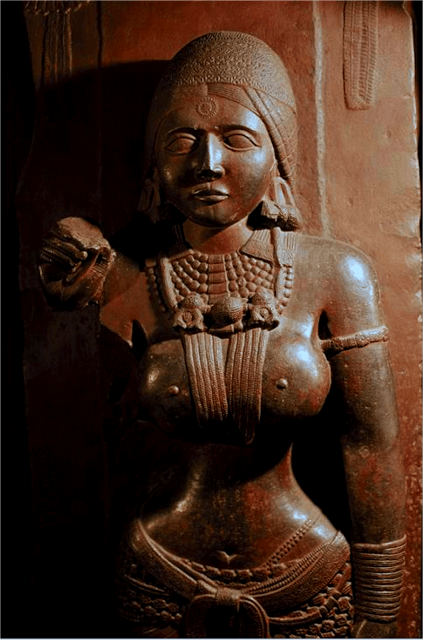
Hidu Jewellery 2300 years ago! Bharhut Yakshi

Proverbs on Jewels and Ornaments


It is an investment for future, the Hindus believe.

A Telugu proverb says,

Jewels worn for ornament will be useful in times of difficulty.


Jewels are often a subject of quarrels in Indian families. If one woman has more than another, the peace in the house is disturbed. There is  a Sanskrit saying current which ironically expresses this,

Namakaram (obeiyance) to gold which which creates enmity between mother and son

And a Telugu proverb says

Even though the brother-in-law has to go to prison, the elder sister must have her anklets.

The ordinary Indian distrusts the goldsmith and takes trusty friends to watch the process of his piece of gold being made into an ornament for his wife.

Popular sayings are,

A goldsmith will steal a scrap of his mother’s nose ring!

The jewel belongs to the wearer, but the gold remains with the jeweller.


The metal employed in jewellery is, as a rule, good of its kind. The gems worn by the lower orders often false, but the setting is almost invariably of pure gold or silver.


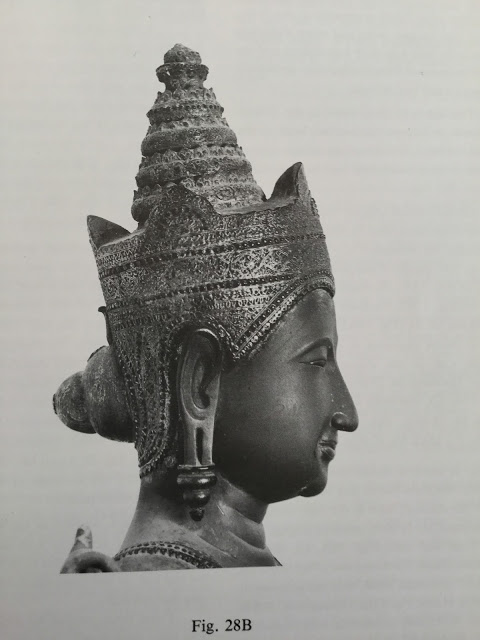
Lord Vishnu’s jewellery, Thailand

Ornaments for Men

Men have the ear, both the different parts of the outer rim and the lobe, pierced for various kinds ornaments. They also have the nose pierced for a small jewel. It may be done in either one of the nostrils, or in the div on between the two. They often wear old or silver beads round the neck which are sometimes used as a rosary. It is very common to wear a silver or gold belt round the waist. This is often made in circular or square plates, joined together each plate being either plain or ornamented with embossed or raised work. Even an ordinary coolie, or labourer, may be seen wearing one of these silver belts. Men wear bracelets on the upper arm and on the wrist; the latter sometimes beautifully ornamented. They wear more rings on the fingers than the females and sometimes thegems in these rings are very valuable.


Probably the most valuable part of a man’s ornaments are the gems in his ear-rings, and finger rings. A man may have very little on in the shape clothing, the lobes of his ears are ornamented with diamonds of great value. Sometimes a man has a ring on his big toe.


There is an idea that it is beneficial to health, for a toe ring is said to benefit impaired energies.


Hindus’ Peculiar custom


There is a peculiar custom prevalent amongst the Hindus, when a child is born to a married pair after a long time, or one survives after several have died in infancy. In such a case, and especially if it be a boy, but also sometimes in the ease of girl, the parents will beg money from their friends and  even from strangers— the money must be obtained this way —  and with what is realized, they get jewels made for the ear and nose, to be worn as amulets. It must at least be enough for one ear and one nostril but if sufficient is obtained to meet cost, both ears and both nostrils are thus ornamented. When these are once put on, they are never removed. Great danger would be incurred by removing these charms. It is very dangerous for a visitor to praise ornaments of a child. Praise of this kind is believed to bring a nemesis with it, or it may suggest envious glance of the malignant,”
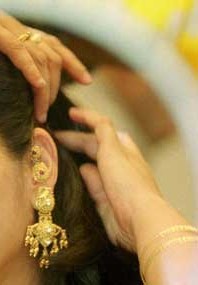
 

12 ornaments for Head alone!

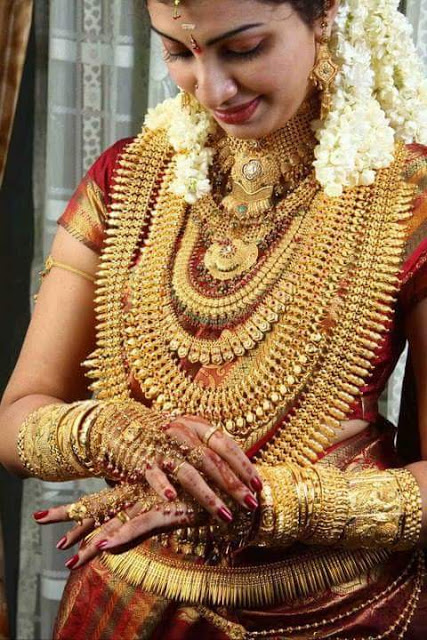
The ornaments for women are naturally far more numerous. There are no less than twelve different kinds for the head alone. Probably this does not exhaust the list, but these are those in ordinary use, either for gala days or for every day wear. There is an ornament called the betel leaf, made of gold, ornamented with little balls along its edges, and worn on the top of the head towards the front. Another ornament made into the shape of the petal of a certain Indian flower is worn just behind it. Next comes a large circular ornament named after the Indian chrysanthemum, and placed at the end of the chignon, which is worn at the side and not at the back of the head. A golden sun-flower, with a crescent attached to it by links, is put on the crown of the bead. These four ornaments are in ordinary wear by well to do females; those hereafter mentioned are, as a rule only worn on gala days.


An ornament, shaped an inverted A, sometimes set with pearls, is worn on the forehead, the angle being attached to the hair the line with the parting. Pendant from is a locket adorned with pearls. On the hair in front and just between the shaped A shaped ornament and the betel shaped one are two jewels; the one on the right is called the sun, and the one on the left, being of a crescent shape, is named the moon. Both of these are sometimes adorned with precious stones.


There is also a kind of gold buckle worn on the side of the chignon, which is used for attaching to it any artificial hair that may be necessary to make the bunch of the approved size and appearance.


An ornament like a chrysanthemum with an emerald in the centre is also worn on the chignon


On great occasions, such as her wedding day or other gala days,  a Hindu lady may have all these ornaments on at the same time. There are two head ornaments that are worn instead of those on the chignon, when the wearers are young girls. Their hair is plaited into a tail, hanging straight down behind, and beautified with a long ornament of gold, often set with precious stones. At the end of this yet another article is attached, consisting of a bunch of gold ball- like ornaments fastened on with silk.
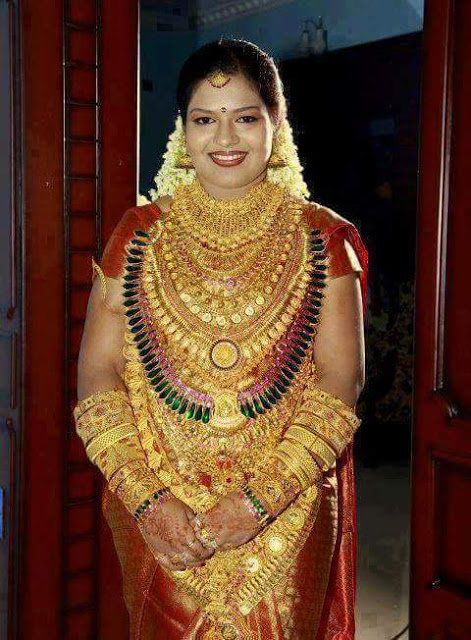
Nose ornaments

Strange as it may seem to Western ideas, ornaments frequently attached to the nose by Hindu ladies. Each nostril and the cartilage between the two are pierced, and one or other of the following ornaments are attached to the nose.

First there is pendant from the centre, hanging down over the upper lip. In the middle of this ornament there is a stone of some kind and pendant from that again is a pearl. Into one of the nostrils a short pin with a precious stone as a head is put. A pendant pearl is attached it. Into the other nostril a flower-shaped jewel of gold and small pearls may be put. These three jewels are in daily wear by those who can afford them. For high days and holidays, a ring, sometimes as large round as a rupee and ornamented with pearls or precious stones, is worn in one of the nostrils; whilst the other may be a flower-like jewel of smaller size. A half-moon shaped ornament is also attached to a nostril.  It is not possible to have all these on at one and the same time; but a number can be thus worn together.
15 Ear ornaments


There are at least four parts of the ear, and some times even more, that are pierced to enable the various ornaments to be attached to it.


I have a list of fifteen different kinds of ear-jewels, all known by different names. Some are of ornamented gold, whilst others are richly set with gems and pearls, according to the means of the owner. Some are for the lobe of the ear and some for the tip and middle of the outer rim, each place being pierced for the purpose. There is also a hole pierced in the little prominence in front of the external opening of the ear which is made to serve the purpose of holding a jewel. The variety of neck ornaments is very great. I have the names of twenty-four. The style and quality differ very largely Some are tight bands, fitting close round the neck, usually composed of flat gold beads or tablets strung together on silken or other cord. Amongst poorer people the gold beads are alternated with those of coloured glass. Some of the neck ornaments are loose hanging chains. A very favourite neck jewel is composed of gold coins, or French five or ten francs Australian sovereign pieces, or the old Indian gold mohur.


There are jewels for the upper part of the arm and for the wrists. Those for the upper part are like bracelets of various kinds. Some are like chains and some are merely plain bands, whilst others are beautifully in various patterns. Others are ornamented with precious stones.

Source: The Hindu at Home,  By Rev.Padfield, Year 1908


To be continued……………………………