Aristophanes, Vashistha and the Frog Song in the Rig Veda ( Post No.3452)

Research Article written by London swaminathan


Date: 15 December 2016


Time uploaded in London:- 14-32


Post No.3452


Pictures are taken from different sources; thanks.


contact; swami_48@yahoo.com


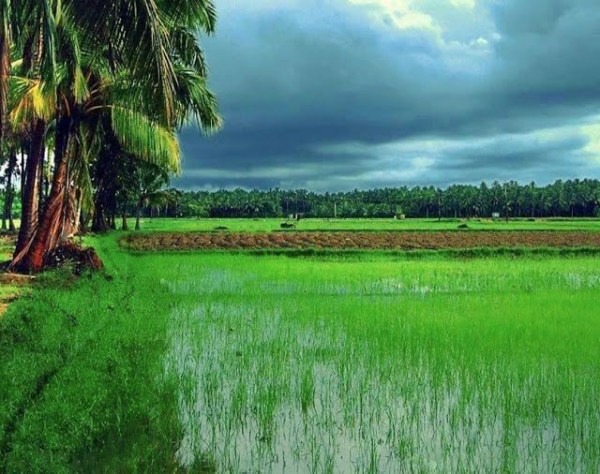
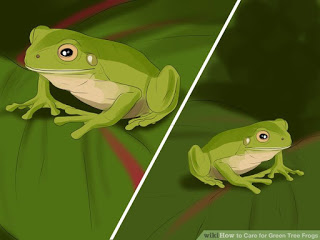
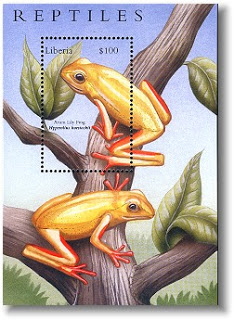
Frog song in the Rig Veda, the oldest religious book in the world, is echoed in Greek Aristophanes’ work and Kamba Ramayana in Tamil. These works span at least 3000 years. Croaking of frogs as inspired three great writers!


The seventh Mandala of Vashistha is placed third in the chronological order of ten mandalas. This means it forms the oldest section of the Rig Veda. Greek writer Aristophanes wrote The Frog in 405 BCE. Kamban wrote his verse on frog 1000 years after the Greek author.

Max Muller says that the panegyric of the frogs in the Rig Veda, is a satire on the priests; and it is curious to observe the same animal was chosen by the Greek satirist Aristophanes.


Following is the translation of Ralph T H Griffith:

1.They who lay quiet for a year, the Brahmans who fulfil their vows,

The Frogs have lifted up their voice, the voice Parjanya hath inspired.


2.What time on these, as a dry skin lying in the pool’s bed, the floods of heaven descended,

The music of the Frogs comes forth in concert like the cows lowing with their calves beside them.


3.When at the coming of the Rains the water has poured upon them as they yearned and thirsted,

One seeks another as he talks and greets him with cries of pleasure as a son his father.


4.Each of these twain receives the other kindly, while they are revelling in the flow of waters,

When the Frog moistened by the rain springs forward, the Green and Spotty both combine their voices.


5.When one of these repeats the other’s language, as he who learns the lesson of the teacher,

Your every limb seems to be growing larger as ye converse with eloquence on the waters.


6.Oneis Cow bellow and Goat-bleat the other, one Frog is Green and one of them is Spotty.

They bear one common name, and yet they vary, and, talking, modulate the voice diversely.


7.As the Brahmans, sitting round the brimful vessel talk at he Soma rite of Atiratra,

So, Frogs, ye gather round he pool to honour this day of all the year, the first of Rain-time.


8.These Brahmans, with the Soma juice, performing their year long rite, have lifted up their voices;

And these Adhvaryus, sweating with their kettles, come forth and show themselves, and none are hidden.


9.They keep the twelve month’s God appointed order, and never do men neglect the season.

Soon as the Rain-time in the year returneth, those who were heated kettles gain their freedom.


10.Cow-bellow and Goat-bleat have granted riches, and Green and Spotty have vouchsafed us treasure.

The Frogs who give us cows in hundreds lengthen our lives in the most fertilizing season.
This poem gives additional information such as

1.There was year long Fire ceremonies and Brahmins observed silence or something like that.

2.The 12 month a year was our contribution to the world. The Pancha Bhutas (five elements), the six seasons all show that Hndus were far advanced in every filed before the Greeks, Sumerians and the Egyptians.

3.The decimal system is also our gft to the world; it is used in hundreds of hymns in the Rig Veda

4.This is a beautiful poem on nature and it shows how much the Vedic Hindus loved the nature.

5.In the poem Brahmins and frogs are interchangeable.

6.We don’t fully understand this poem now. Even with Sayana’s commentary we cant understand it completely.
Kamba Ramayanam

Kamban was a great poet who translated Ramayana in tamil. He used the simile of Frog in the Kishkanda Canto. He says,

The frogs are making loud noise in the rainy season and became quiet when the rains stopped. It is like the children who learn from the teacher making loud noise and the intellectuals keeping quiet in the assembly of fools.


Bharti, the greatest Tamil poet of modern era also was influenced by this hymn.

Bharati on Cats

The greatest of the modern Tamil poets Subramanya Bharati says in his beautiful poem Tom Tom:
We have in our home
A pet, a white cat,
She gave birth to kittens
Each of a different hue.

Ash coloured was one kitty,
Jet black was another;
A third vivid like a viper;
Milky-white was a fourth.

Skin colours do vary
But they are of the same stock.
Can you call one colour superior
And another inferior?

Complexions may vary
But all men are one.
We are all uniformly human
In our thoughts and deeds.
 

Greek Frogs

Aristophanes was the greatest comic playwright of ancient Greece. His comedies are the earliest roots of the film, theatre and television comedies we enjoy today. Other ancient writers list 40 plays by Aristophanes; only 11 of these have survived to the present. He wrote The Frogs in 405 BCE.


Frogs, or The Frogs is one of Aristophanes’s greatest comedies and is justly celebrated for its wit and keen commentary on Athenian politics and society. It is the last surviving work of Old Comedy and is thus also notable for heralding a passing era of literature. While it is a comedy, it is also a trenchant political satire and expresses Aristophanes’s views on Athenian democracy, the value of poetry


Born in the city of Athens he started writing before he was 20.  Aristophanes lived through a period of great political and social change. For 27 years Athens fought a war against its arch rival Sparta. The eventual defeat of Athens brought to an end the greatest of ancient Greek civilization and was followed by a time of political instability during which Athens was ruled by dictators and corrupt governments.


Aristophanes wrote plays about the changes he saw going around him.


Many of Aristophanes’ plays are satires. He criticizes political leaders by making them seem ridiculous; often the leaders are out witted by the hero of the play, who is portrayed as an ordinary citizen.

Aristophanes also made fun of people such as philosophers, teachers and lawyers, whom he felt corrupted society. Nobody was shape from his sharp words even the most respected figures of the time are made to look foolish.


In his play the great Greek Philosopher and teacher Socrates is portrayed as a mad man who has an evil influence on the young people of Athens.


–Subham–


ரிக்வேதத்திலும் கம்ப ராமாயணத்திலும் தவளைப்பாட்டு! (Post No3451)

Research Article written by London swaminathan


Date: 15 December 2016


Time uploaded in London:- 10-25 am


Post No.3451


Pictures are taken from different sources; thanks.


contact; swami_48@yahoo.com


ரிக்வேதத்தின் ஏழாவது மண்டலத்தில் வசிஷ்டர் பாடிய தவளைப் பாட்டு மிகவும் பிரபலமானது. இதை கிரேக்க நாட்டின் கவிஞன் அரிஸ்டோபனிஸின் தவளைப் பாட்டுடன ஒப்பிடுவர் இருமொழி வித்தகர்.

தமிழில் கம்பன் சொன்ன தவளைப் பாட்டுடன் இதை ஒப்பிட்டு ஆராய்வோம்.


ரிக் வேத தவளைப் பாட்டு

ரிக்வேதத்தின் ஏழாம் மண்டலத்தில் வசிஷ்டரும் அவரது சந்ததியினரும் பாடிய துதிப்பாடல்கள் உள்ளன. இது வேதத்தின் மிகப்பழைய பகுதிகளில் ஒன்று. ஆச்சர்யமான விஷயம் என்ன வென்றால் வசிட்டனுக்கு குறைந்தது 1000 அல்லது 2000 ஆண்டுகளுக்குப் பின்னர் கிரேக்க நாட்டின்  நகைச்சுவை எழுத்தாளன் அரிஸ்டோபனீஸ் இதே தவளை உவமையைப் பயன்படுத்தி அரசியல் கிண்டல் செய்துள்ளான். இது கி.மு 405-ல் நடந்தது. அதற்கு 1000 ஆண்டுகளுக்குப் பின்னர் கம்பன் இதைப் பயன்படுத்தியுள்ளான. பாரதி பாடல்களிலும் இந்தப் பாடலின் தாக்கம் தெரிகிறது.

இதோ வசிட்ட மகரிஷியின் தவளைப் பாட்டின் சுருக்கம்:

1.ஓராண்டுக்கால மவுன விரதம் அனுஷ்டித்த பிராமணர்கள் எழுந்துவிட்டனர். தவளைகளை மழைக்கடவுள் (பர்ஜன்யன்) எழுப்பிவிட்டான்.

2.குளத்தின் தரையில், உலர்ந்த தோலுடன் கிடந்த தவளைகளின் மீது எப்போது வானத்திலிருந்து வெள்ளம் இறங்கிவந்ததோ! தவளைகள் இசைக்கும் ஒட்டுமொத்த இசை தாய்ப் பசுவும் கன்றுகளும் சேர்ந்து குரல் கொடுப்பது போல இருக்கிறது.

3.தாகத்தில் தண்ணீருக்காக தவித்த காலத்தில் அவற்றின் மீது மழை பொழிந்து தள்ளிவிட்டது. ஒரு தந்தை மகனுடன் கொஞ்சிக் குலவுவது போல, ஒவ்வொரு தவளையும் மற்றொன்றை வாழ்த்தியும் பேசியும் மகிழ்கின்றன.


4.தண்ணீர் ஓ ட் டத்தில் நீந்தி, விளையாடுகையில், ஒன்றை மற்றது அன்புடன் வரவேற்கிறது. தண்ணீரில் நனைந்த தவளை தாவிக்குதிக்கையில், பச்சைத் தவளையும் புள்ளித் தோல் தவளையும் ஒருங்கே பாடுகின்றன. .

5.ஒரு தவளை மற்றொரு தவளையின் மொழியை திருப்பிச் சொல்லுவது, ஆசிரியர் சொல்லித் தரும் பாடத்தை பையன் திருப்பிச் சொல்லுவது போல இருக்கிறது.

நீரில்  இப்படி வாய்ச்சாலத்துடன் பேசுகையில் உன்னுடைய ஒவ்வொரு உறுப்பும்  பெருக்கிறது.

  1. ஒரு தவளை மாடு போல “அ ம்மா” என்கிறது மற்றது ஆடு போல “மே மே” என்கிறது. ஒரு தவளை பச்சை நிறம்; இன்னொன்று புள்ளியுடன் காணப்படும்.

அவை எல்லாவற்றுக்கும் பெயரோ ஒன்றேதான்; ஆயினும் அவற்றின் குரலோ வெவ்வேறு குரலை ஏற்றி இறக்கிப் பேசுகின்றன.

7.இது அதிராத்ர யாகத்தில் சோம யாகத்தில் நிரைந்த குடங்களைச் சுற்றி உட்கார்ந்து கொண்டு பேசும் பிராம ணர்களைப் போல இருக்கிறது.

ஆகையால், எல்லா தவளைகளும் இந்த நாளைக் கொண்டாட குளத்தைச் சுற்றி நிற்கின்றன- முதல் நாள் மழை இது.


8.ஓராண்டுக் காலம் முழுதும் சோமரசத்துடன் பிராமணர்கள் செய்யும் யக்ஞம்,—-இதோ உயர்ந்த குரலில் இசைக்கின்றனர்.

இந்த அத்வர்யுக்கள், கொதிக்கும் கெட்டில் போல வியர்த்துக் கொட்டுகின்றனர். எல்லோரும் ஒளியாமல் வந்து நிற்கின்றனர்.


9.கடவுள் நிர்ணயித்த 12 மாத ஒழுங்கு நியதியை கடை பிடிகின்றார்கள். மனிதர்கள் எப்போதும் பருவ காலத்தைப் புறக்கணிப்பதில்லை.

மழைக்காலம் வந்துவிட்டால் கொதிக்கும் கெட்டில்களுக்கு விடுதலை கிடைக்கும்.

10.பசுக்குரல், ஆட்டுக்குரல் ஆகியன பணத்தை வாரி வழங்குகின்றன. பச்சைத் தவளையும் புள்ளித் தவளையும் நமக்கு பொக்கிஷத்தை உறுதி செய்யும்..

தவளைகள் நமக்கு நூற்றுக் கணக்கான பசுக்களைத் தருகின்றன.. நம்முடைய வாழ் நாளை ஆயிரம் சோமரசம் பிழியும் வரை அதிகரிக்கின்றன.


பாடல் முழுதும் பிராமணர்களும் தவளையும் ஒப்பிடப்படுகின்றனர்.


கம்ப ராமாயணத்தில்

தவளைப் பாட்டில் வரும் (ஆசிரியர்- மாணவர்) உவமையைக் கம்பனும் பயன்படுத்துவதை கீழே காணலாம்:–

கல்வியின் திகழ் கணக்காயர் கம்பலைப்

பல்விதச் சிறார் எனப் பகர்வ பல் அரி,

செல் இடத்து அல்லது ஒன்று உரைத்தல் செய்கலா

நல் அறிவாளரின், அவிந்த, நா எலாம்

–கார்காலப் படலம், கிட்கிந்தா காண்டம்


பொருள்:-

பள்ளி ஆசிரியரிடம் கல்வி கற்கும் சிறுவர்கள் ஆரவாரத்துடன் சப்தமிட்டுக்கொண்டே கல்வி கற்பார்கள். இதுபோல மழைக் காலத்தில் தவளைகள் எல்லாம் சப்தம் போட்டன. ஆனால் சரத்காலம் வந்தவுடன் அவை எல்லாம் மிகுதியாகக் கத்தாமல் அடங்கிப் போயின. இது எப்படி இருந்தது என்றால் அறிஞர்கள் எங்கு சொல் எடுபடுமோ அந்த இடத்தில் மட்டுமே பேசுவர்.


ரிக் வேதப் பாடலில் வேறு பல விஷயங்களும் நமக்குத் தெரிகின்றன. ஒரு வருடத்துக்கு 12 மாதங்கள் என்று நாம் உலகிற்குக் கற்பித்தோம்; 100, 1000 ஆகிய டெஸிமல் (தசம) ஸ்தானத்தை நாம் உலகிற்குக் கற்பித்தோம். மழையையும் இயற்கையயும் ரசித்துப் பாடுவதை உலகிற்குக் கற்பித்தோம். தவளை உவமையைக் கற்பித்தோம். ஓராண்டுக் காலத்துக்கு பிராமணர்கள் நீண்ட யாகம் செய்ததை அறிகிறோம். அவ்வளவு காலத்துக்கு அவர்கள் மவுன விரதம் கடைப்பிடித்ததை அறிகிறோம்.


பாரதி பாடுகிறான்:


பாரதி பாடலில் முப்பது கோடி முகமுடையாள் எனில் சிந்தனை ஒன்றுடையாள் என்ற வரிகளையும் பல நிர்றப் பூனைகள் பற்றிய பாடலையும் இந்த ரிக் வேத தவலைப் பாட்டு நினைவுபடுத்தும்:-


வெள்ளை நிறத்தொரு பூனை
எங்கள் வீட்டில் வளருது கண்டீர்
பிள்ளைகள் பெற்றதப் பூனை
அவை பேருக்கொரு நிறம் ஆகும்.
சாம்பல் நிறத்தொரு குட்டி,
கரும் சாந்தின் நிறம் ஓரு குட்டி
பாம்பின் நிறமொரு குட்டி
வெள்ளை பாலின் நிறம் ஓரு குட்டி.
எந்த நிறமிருந்தாலும்
அவை யாவும் ஓரே தரம் அன்றோ
இந்த நிறம் சிறிதென்றும்
இஃது ஏற்றம் என்றும் சொல்லலாமோ
வண்ணங்கள் வேற்றுமை பட்டால்
அதில் மானுடர் வேற்றுமை இல்லை
எண்ணங்கள் செய்கைகள் யாவும்
இங்கு யாவர்க்கும் ஒன்றென காணீர்!


–suBham–


பரிபாடலில் அந்தணரும் வேதமும் – 1 (Post No.3450)

Written by S NAGARAJAN


Date: 15 December 2016


Time uploaded in London:- 5-56 am


Post No.3450


Pictures are taken from different sources; thanks.


contact; swami_48@yahoo.com


சங்க இலக்கிய ஆய்வு – கட்டுரை எண் 15

இந்தக் கட்டூரையில் பரிபாடலில் வரும் முதல் பாடலில் வேதம் பற்றியும் நாவல் அந்தணர் பற்றியும் வரும் குறிப்புகளைக் காணலாம்..


       பரிபாடலில் அந்தணரும் வேதமும் – 1


                             ச.நாகராஜன்


பரிபாடல்


எட்டுத்தொகை நூல்களில் ஒன்று பரிபாடல். அதில் 70 பாடல்கள் இருந்தன. நமக்குக் கிடைத்திருப்பது இருபத்துநான்கு பாடல்களே. மகாமகோபாத்தியாய உ.வே.சாமிநாதையர் அவர்களின் பெருமுயற்சி காரணமாக இந்த பாடல்கள் நமக்குக் கிடைத்துள்ளன. அதைப் பதிப்பித்து தமிழுக்குத் தந்தவர் அவரே.

பரிபாடலின் பாடல்களில் திருமாலுக்கு உரியவையாக எட்டும், முருகனுக்கு முப்பத்தொரு பாடல்களும், கொற்றவைக்கு ஒன்றும் வைகை நதிக்கு இருபத்தாறும் மதுரைக்கு நான்கு பாடல்களும் உள்ளன. ஆனால் நமக்குக் கிடைத்திருப்பதோ திருமாலுக்கு ஏழு, முருகனுக்கு எட்டு, வைகைக்கு ஒன்பது

25 அடி முதல் 400 அடிகள் வரை பரிபாடல் கொண்டிருக்கும் என்கிறது இலக்கணம். பரிபாடல அரிய இசையைக் கொண்டிருக்கும் ஒன்று. ப்ரிபாடலில் உள்ள ஒவ்வொரு பாடலையும் எழுதியவர் யார், அதற்கு இசை அமைத்தவர் யார் என்ற குறிப்பும் பாடலின் அடியில் குறிப்பிடப்பட்டுள்ளது.

பரிபாடலின் காலத்தை நிர்ணயிக்க விழையும் அறிஞர்கள் அது சங்க காலத்தின் இறுதியில் தோன்றியிருக்கலாம் என்று  கருதுகின்றனர்.

இதில் தொட்ட இடங்களிலெல்லாம் இறை  ம்ணம் கமழும்.

அற்புதமான பக்தி வரிகள் மின்னும். ஹிந்து தத்துவங்கள் தவழும்.

பாடலை நாமே ரசித்துப் படிக்க வேண்டும், அப்போது தான் அதன் பெருமையை உணர முடியும்.


வேதத்தின் பல பெயர்கள்

வேதத்தை நான்மறை, மறை, வேதம், சுருதி,கேள்வி, வாய்மொழி, முதுமொழி, புலம் என்றெல்லாம் பரிபாடல் கூறி அதன் பெருமையை எடுத்துரைக்கிறது.பரிபாடலின் முதல் பாடல் திருமாலின் பெருமையை விளக்குகிறது.

ஆயிரம் விரித்த அணங்குடை அருந்தலை என ஆதிசேஷனைக் குறிப்பிட்டு ஆரம்பிக்கும் பாடலில் இறுதி மூன்று வரிகள் வேதத்தையும் அந்தணரையும் பற்றிக் கூறுகிறது.


“சேவல் அம் கொடியோய் நின் வல் வயின் நிறுத்தும்            மேவலுள் பணிந்தமை கூறும்

நாவல் அந்தணர் அரு மறைப் பொருளே” (வரிகள் 11 12 13)


சேவல் அம் கொடியோய் – கருடனைக் கொடியில் கொண்டவனே!

மேவலுள் – உன் கருணையுடன்

நின் வல் வயின் நிறுத்தும் – உன் வலது பக்கத்தில் நிறுத்தப்பட்டுள்ள மனிதர்கள்

பணிந்தமை கூறும் –  உன்னை வழிபடும் தன்மை அறிந்து வழிபடுவோர்.

நாவல் அந்தணர் –  நாவில் மிகத் திறமை கொண்ட அந்தணர்கள் ஒதுகின்ற

அருமறைப் பொருளே – அரிய வேதத்தின் அர்த்தமாக விளங்குகின்றவனே!

அந்தணர்கள் வேதத்தை ஓதுகின்ற நல்ல திறன் உடையவர்கள் என்பதை  மிக மிக அழகாக நாவல் அந்தணர் என்ற சொற்றொடர் விளக்குகிறது

திருமால் அரிய வேதத்தின் உட்பொருளாய் விளங்குகிறான் என்பதையும் அருமறைப் பொருள் என்ற அழகிய சொற்றொடர் விளக்குகிறது.

இப்படி முதல் பாடலிலேயே அந்தணரின் புகழையும் அவர் நாவில் தவழும் வேதத்தின் பெருமையையும் பரிபாடல் விளக்குகிறது.


இந்தப் பாடலை இயற்றிய புலவர் பெயரும் இதற்கு இசை அமைத்தவர் பெயரும் நமக்குக் கிடைக்கவில்லை.


–Subham–
No Toilet, No Electric Light 150 year ago! What did they do? (Post No.3449)

Compiled  by London swaminathan


Date: 14 December 2016


Time uploaded in London:- 16-39


Post No.3449


Pictures are taken from different sources; thanks.


contact; swami_48@yahoo.com


The house of Mr Raman lies in the centre of a village called Puduppatti. Its walls are built of sunburnt bricks and clay, and its roof covered with palm leaves. It has got two outer pials facing the street, one on each side of the entrance. Immediately on entering we find an open hall , which is known as Koodam. In this hall male visitors are received, and the inmates of the house meet and chat together in leisure hours. It is also used a s abed room for the elderly members of the family. After an open space of about fifty feet in circumference we come to the house proper, which faces the north, and has a large hall, a store room and a kitchen. The hall is used both as a dining and sleeping room, and there is seldom any furniture to be seen in it, save a common village cot in one corner, pillows rolled up and kept in another corner.


In the store room are the provisions of living preserved in earthen vessels, and the clothes and other valuables of the inmates. In the kitchen are various earthen vessels needful for coking, and the brass pots and vessels which are used for eating and drinking.  Near the kitchen there is a door way which leads into the backyard.  This is used as a kitchen garden, and has in it drum stick trees, peas, greens, pumpkins, cucumbers, onions etc.

On the eastern side of the house a cattle-shed is placed, and in it this the cows, bullocks and buffaloes are sheltered. All these buildings are encircled with mud walls, in which there is only one opening, and this is available for both man and beast. The apartments kept for the use of inmates receive the light and air only through the doors as there is not a single window in the entire building. There is however, quite sufficient provision for free ventilation through the bottom of the roof.


The inmates of the house get up very early in the morning. The male members of the family go for their morning ablutions, and while they are away the female members sprinkle cow dung over the outer and inner yards, and occupy themselves in sweeping the house, clearing the cooking and eating vessels. They draw Kolams (Rangoli) at the entrance with flour.


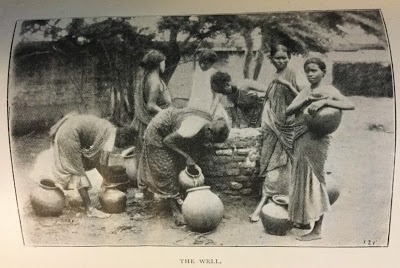
In their turn they then march to the watering places, where they bathe themselves, and wash their clothes, and bring water home for family use. The morning bathing is not , however universal among all the classes of the village community. While at the watering place they exchange lot of information with others.


In the house of Raman there are two females, Raman’s wife and his mother. When they have returned from the watering place, they attend to the work of feeding the men, and preparing for the lunch time meal. About 8 o’clock in the morning Raman and his brothers come in for their morning meal, which is generally some cold rice soaked in water the previous night, with butter milk and some pickle or chutney or some cold sauce. Having taken their morning meal, the superiors in the house leave in order to attend to the cultivation of the land or other works. As soon as the men have finished their meal female members help themselves to what is left of the dishes.


In taking their meals they all use the floor as their table, plantain leaves or brass vessels as their plates and their hands as spoons.


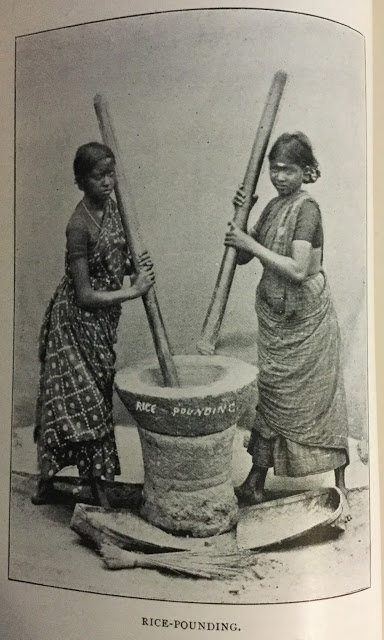
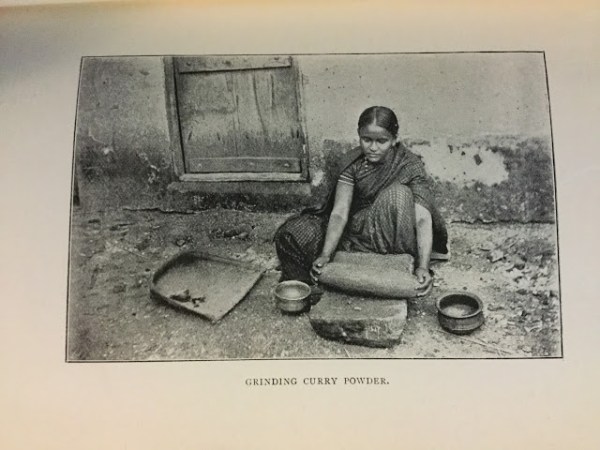
Following the female members in their daily routine, we find them busily engaged in pounding the rice and grinding the curry stuff, and dressing a few vegetables and greens in preparation for the lunch. Between twelve and one o’ clock the men return home hungry, and then there is placed before them a sufficient quantity of cooked rice, with some vegetable sauce, greens pulse – not to mention the attendant butter milk or curd/yogurt. The cooked food items are served very hot. The men cheerfully partake of this simple village meal, and then go to the outer hall and chew betel nut. Most of the times they sit on floor mats.

Then the females take their noontide meal; after which they rest for an hour, or even two, and during this time the men and the women converse together on common topics of the village. At about four o’ clock the female portion begin to occupy themselves with preparation for their evening meal, and in arranging the household things. At six o’clock Raman’s wife places a light in a hole, which is prepared for the purpose in the wall, and then prostates herself before the lamp, and smears a small quantity of ashes or kumkum on her forehead. The other members of the hose on first seeing the lamp do the same. Hurricane lamps and other portable lamps are used in different parts of the house.

About eight o’clock men take their supper, which usually consists of some pepper water (Rasam), rice and vegetables, and the remainder of the sauce that was prepared for the mid-day meal. Some people prefer light food like Uppuma, Idli or Dosa in the night. The female members follow the men in taking their supper, and all the eating for the day is over by nine o’clock and then they all retire to bed.

One day’s life of Raman and his family is a picture of all, for only slight differences are made even on festival days.


It is common among the women of the village to make their own fuel by making cow dung cakes. They use it in the fire place or mud ovens along with some fuel wood. Some are also engaged in in their leisure hours at the country spinning machine. Sometimes they go to the fields, and assist at the work which is being done by the labourers.


It is a very common thing to find uncomfortable relations prevailing among the village mothers-in-law and daughters-in-law. Perhaps ten out of hundred only have good relations and peace at home. Sometimes they may even be seen fighting like beats of the filed using vulgar village language, holding in their hands each other’s hair. Still, it must be understood they are not to be regarded as enemies until their death Today they fight one another, tomorrow they laugh together. One day’s fighting does not destroy another day’s peace.


observing the varied duties of and claims of our friend Raman, we cannot fail to admire the laborious spirit of this village cultivator. He is busy with many things. He has the care of his family, as he is the head of his house; and he has to direct his farm laborers and his brothers in attending to the work of the field. He must answer to the different calls of the village officers. He is invited to a wedding or to a funeral in his own village or to some distant village where he has relatives or friends. On some of these joyful or sorrowful occasions he takes his wife with him. Sometimes, if he is ill or otherwise engaged, he sends his wife or mother with one of his brothers to represent his family. There are many calls on Raman’s poor purse. The priest, the beggars, the poets, the pious, the guests, the village policemen, the medicine men, the weddings, the funerals of his relatives  — all of them have a share in Raman’s earnings. For all the transport between villages they use bullock carts. They are always kept ready for any emergency.

Source: Indian Village Folk by T B Pandian, Year 1897,London

–Subham–


ஆறுமுக நாவலர் – அருட்பிரகாச வள்ளலார் மோதல் (Post No3448)

Written by London swaminathan


Date: 14 December 2016


Time uploaded in London:- 11-34 am


Post No.3448


Pictures are taken from different sources; thanks.


contact; swami_48@yahoo.com


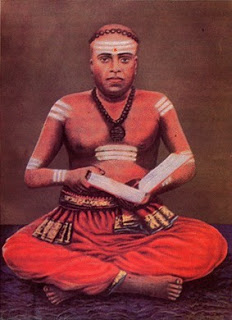
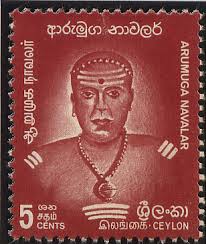
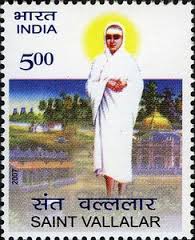
சைவ மறுமலர்ச்சியின் தந்தை ஆறுமுக நாவலர்; அவர் பணி செய்திராவிடில் இலங்கைத் தமிழர் ஏராளமானோர் கிறிஸ்தவர்களாக மதம் மாறி இருப்பர். இதே போலத் தமிழ் நாட்டில் அருட்பிரகாச ராமலிங்க அடிகள் செய்த பணி மகத்தானது. எளிய தமிழில், பாரதிக்கும் முன்னோடியாக நல்ல கவி புனைந்தவர். ஆறுமுக நாவலரும் வள்ளலாரும் பிராமணர்கள் அல்ல. இருவருக்கும் இடையேயும் வேண்டாத மோதல் ஏற்பட்டு (ஏற்படுத்தப்பட்டு) கோர்ட் வரை சென்று விட்டது. இறுதியின் ஏனோ தானோ என்று அந்த சண்டை முடிந்தது. நல்ல வேளை, இந்து மதத்துக்கு பெரிய சேதம் ஏற்படவில்லை. இருவர் புகழும் வாழ்க.


நான் மதுரையில் வடக்கு மாசிவீதியில் யாதவர் பள்ளியில் (யாதவா ஸ்கூல்) ‘ஐந்தாப்பு’ வரை (மதுரை பாஷை- ஐந்தாம் வகுப்பு) படித்தேன். தினசரி பிரார்த்தனை வள்ளலாரின் பாடல்தான்: “கல்லார்க்கும் கற்றவர்க்கும் களிப்பருளும் களிப்பே……………..”


பின்னர் வீடு வீடாகச் சென்று நான் பஜனை செய்த காலங்களில் பாடியதும் வள்ளலார் பாடலே- “அம்பலத் தரசே அருமருந்தே, ஆனந்ததேனே அருள் விருந்தே”. என் தந்தைதான் இதைச் சொல்லிக் கொடுத்தார். அவரே எனக்கு “முன்னவனே யானை முகத்தவனே” — என்ற வள்ளலாரின் பிள்ளையார் பாட்டையும் சிறுவயதில் சொல்லிக் கொடுத்தார். 60 வருடங்களுக்கும் மேலாக இதை தினமும் சொல்லி வருகிறேன்! பள்ளிக்கூடத் தமிழ் நூலில் மனப்பாடப் பகுதியில் வள்ளலாரின் பாடல் “ஒருமையுடன் நினது திருமலரடி நினைக்கின்ற உத்தமர்தம் உறவு வேண்டும்…………”. இவ்வாறு வள்ளாலார் எம் வாழ்வில் கலந்தவர்.


சின்ன வயதில் சிவாஜி கட்சி — எம்.ஜி ஆர். கட்சி என்று பிரிந்து பள்ளிக்கூடங்களில் சண்டை போடுவோம். பெரியவன் ஆனபோது காஞ்சி சங்கராச்சார்யார் கட்சி- சிருங்கேரி ஆச்சார்யாள் கட்சி என்று மதுரையில் சண்டை போட்டார்கள்; என் தந்தையோ பத்திரிக்கை ஆசிரியர் என்ற முறையில் இருவரையும் ஆதரித்தவர்..


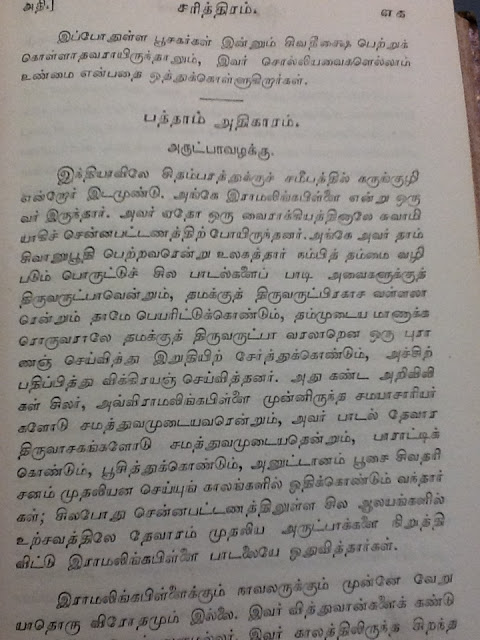
அதுபோலத்தான் இந்த வள்ள்லார்- நாவலர் மோதலும் என்பது எனது கணிப்பு. கீழேயுள்ள தகவல் நாவலரின் தமையானார் புதல்வர் எழுதியது. மறுதரப்பு வாதம் இருந்தால் விமர்சனப் பகுதியில் தெரிவியுங்கள்:–


–subham–


மாப்பிள்ளை நாயக்கர் தட்டை அறுத்தது போல – ஒரு பழமொழிக் கதை (Post No.3447)

26628-field2band2bcloud

Written by London swaminathan


Date: 14 December 2016


Time uploaded in London:- 9-20 am


Post No.3447


Pictures are taken from different sources; thanks.


contact; swami_48@yahoo.com


This story is posted  already in English

தமிழில் பல பழமொழிகள், ஒரு சம்பவத்தையோ அல்லது ஒரு குறிப்பிட்ட குழுவின் அனுபவத்தையோ வைத்துத் தோன்றியவை.

கம்மவார் நாயுடு என்பது நல்ல பணவசதியும் நில புலன்களும் சொத்து சுகங்களும் நிறைந்த ஒரு சமூகம் இருக்கிறது. அவர்கள் நல்ல உழைப்பாளிகள்; விடாமுயற்சியுடையவர்கள்— சில கிராமங்கள் முழுவதும் இச் சமூகம் நிறைந்திருக்கும். இந்த சமூகத்தில் மாப்பிள்ளைமார்கள் ராஜா போல நடத்தப்படுவர்.

ஒரு பணக்கார குடும்பத்தில் பெண் எடுத்த மாப்பிள்ளை அந்தக் கிராமத்திற்குச் சென்று மாமனார் வீட்டில் விருந்தாளியாக அமர்ந்தார். ராஜ போகம்தான். மாப்பிள்ளைக்கு தின்னு தின்னு தினவெடுத்துப் போயிற்று. மாமனாருக்கு 400 ஏக்கர் நிலம். அவர் தனது நிலத்திலுள்ள பயிர்களை அறுவடை செய்யும் காலம் வந்தது. அது பற்றி வேலையாட்களுடன் விவாதிக்கையில் @நுணலும் தன் வாயால் கெடும்@ என்பது போல மாப்பிள்ளையும் வாய் திறந்தார்.


“மாமா, நான் சும்மாத்தானே இருக்கேன். நானும் கொஞ்சம் அறுவடை செய்யறேன். உங்களுக்கும் கூலி மிச்சமாகும். நானும் உதவி செய்ததுபோல இருக்கும்”.


மாமனார் சொன்னார்: “அதற்கென்ன? நீங்களும் என் கூட வரலாம். இன்னும் கொஞ்ச நேரத்தில் நிலத்துக்குத்தான் போறேன். வேலை என்ன என்று காட்டிக் கொடுக்கிறேன்”.


மாமனாரும் மாப்பிள்ளையும் காலை எட்டு மணிக்கு வயலுக்குச் சென்றார்கள். மாமனார் மேடான ஒரு இடத்திற்கு அழைத்துச் சென்று தனது நிலத்தின் நான்கு எல்லைகளையும் சுட்டிக்காட்டினார்.

மாப்பிள்ளை

“பூ, இவ்வளவுதானா! இதில் கால் பகுதியை எனக்கு ஒதுக்கிவிடுங்கள்; மிச்சம் முக்கால் பகுதியை கூலியாட்கள் செய்யட்டும்” – என்றார்.

மாமனாருக்கு ரொம்ப சந்தோஷம்.

அப்போது கடும் கோடை காலம்; சித்திரை மாத வெய்யில் உடலைத் தகித்தது. மாப்பிள்ளைக்கு பத்து கஜ தூரம் கூட அறுவடை செய்ய முடியவில்லை. பயிர்களை அறுக்க முடியவில்லை. மெதுவாக வீட்டுக்கு நடையைக் கட்டினார்.


காலலை 11 மணி இருக்கும்; மாப்பிள்ளை வீட்டுக்குத் திரும்பிவிட்டார். அப்பொழுதுதான், மாப்பிள்ளையின் பெருமையையும் அவர் தானாக முன்வந்து அறுவடைப் பணியில் உதவி செய்ய முன்வந்ததையும் சொல்லி பெருமைப் பட்டுக்கொண்டிருந்தார் மாமனார்.


மாப்பிள்ளையைக் கண்டு திடுக்கிட்ட அவர், எப்படி இருந்தது வேலை? எவ்வளவு முடித்தீர்கள்? என்று கேட்டார்.

மாப்பிள்ளை சொன்னார்:

எனக்கு நில வேலை செய்து ரொம்ப நாளாய் விட்டதால் வேகமாகச் செய்யமுடியவில்லை. ஆகையால் நூறு ஏக்கர் வேண்டம் ; 50 ஏக்கரில் பயிர்களை வெட்டி விடுகிறேன்.


மாமனாரும் அதற்கு ஒப்புக் கொண்டார். மறு நாளும் இதே கதைதான். வயிறு புடைக்கச் சாப்பிடும் பழக்கமுள்ள மாப்பிள்ளைக்கு உடம்பு வணங்கவில்லை; மூச்சு முட்டியது; வியர்வை வியர்த்தது. காலை எட்டு மணிக்கு நிலத்துக்குப் போனவர் 11 மணிக்கு வீடு திரும்பிவிட்டார்.

f108f-er2buzavan2bfield252c2bclose

மாமனாரும் வழக்கம் போல குசலம் விசாரித்தார்.

மாப்பிள்ளை சொன்னார்:

உடம்பு முன்னைப்போல இல்லை. ஆகையால் 50 ஏக்கரில் வேலை செய்ய முடியும் என்று தோன்றவில்லை. 25 ஏக்கரை மட்டும் எனக்கு ஒதுக்குங்கள் மற்றதை கூலியாட்களிடம் விட்டுவிடுங்கள் என்றார்.


மாமனாரும், அதற்கென்ன? ஒரு கவலையும் வேண்டாம். நீங்கள் முடிந்த தைச் செய்யுங்கள் என்றார்.

நாட்கள் ஓடின. மாப்பிள்ளையால் ஒன்றும் செய்ய முடியவில்லை. மறு நாள் மாமனாருடன் நிலத்துக்குச் சென்றா. இருவரும் அறுவடை நடக்கும் நிலத்தின் நடுவே நின்றனர்.


மாமா, ஒன்று செய்கிறேன். உங்கள் கழுத்தைத் திருப்பிப் பாருங்கள். இந்த கழுத்துக்குக் கீழே எவ்வளவு பயிர் உள்ளதோ அதை அட்டும் நான் அறுப்பேன், மிச்ச எல்லாவற்றையும் கூலியாட்களிடம் விட்டுவிடுங்கள் என்றார்.

கழுதை தேய்ந்து கட்டெறும்பு ஆனது போல மாப்பிள்ளை வேலை செய்ய வேண்டிய இடமும் சுருங்கிப் போனது. இதுதான் மாப்பிள்ளை நாயக்கர் தட்டை (ப்பயிர்) அறுத்தது போல என்ற பழமொழியின் வித்து ஆகும்.


–சுபம்–

தமிழுக்காகத் தாலியைத் ஈந்த தமிழன்! (Post No.3446)

Written by S NAGARAJAN


Date: 14 December 2016


Time uploaded in London:- 5-44 am


Post No.3446


Pictures are taken from different sources; thanks.


contact; swami_48@yahoo.com


பாக்யா வார இதழில் வெளியாகியுள்ள கட்டுரை

கொங்கு மண்டலச் சிறப்பு

தமிழுக்காகத் தாலியைத் ஈந்த கொங்கு நாட்டுத் தமிழன்!


by ச.நாகராஜன்


கொங்கு நாட்டுத் தமிழர், தமிழ் வளர்ச்சிக்காக எத்தனையோ அரிய செயல்களைச் செய்துள்ளனர். அவற்றில் ஒரு உண்மையான சம்பவம் இது!


மதுரையை திருமலை நாயக்க மன்னன் (கி.பி 1623 முதல் 1699 முடிய) அரசாண்ட காலம் அது.


அவரது அரசில் தளவாயாக இருந்தவர் ராமசுப்பய்யர் என்பவர். கண்டிப்புக்குப் பெயர் பெற்றவர். மிகுந்த பலசாலி. புத்தி கூரமையுள்ளவர்.


அரசாங்கத்துக்கு வரியைச் செலுத்தத் தவறிய பாளையகாரர்களின் காணியாளர்களை அவர் சிறைப் பிடித்து சங்ககிரி துர்க்கக் கோட்டையில் அடைத்தார்.


ஆணூருக்குச் சென்ற தமிழ்ப் புலவர் ஒருவர் சம்பந்தச் சர்க்கரை மன்றாடியைப் பார்க்க விழைந்தார். ஆனால் அவர் சங்ககிரி துர்க்கத்தில் சிறை வைக்கப்பட்டிருப்பதைக் கேட்டு அங்கு சென்றார்.


வாயில் காவலரிடம் நயமாகப் பேசித் தான் புலவர் என்பதைத் தெரிவித்து சிறைக்குள் சென்றார். அங்கோ உயர்ந்த பதவியில் இருந்த பலரும் இருந்தனர்.

கவிபாடி வந்த புலவரைப் பார்த்த சம்பந்த சர்க்கரை மன்றாடியார் புன்முறுவலுடன் அவரை வரவேற்றார்.

“ஐயா, புலவரே! பாடல் பாடிப் பரிசு பெறுகின்ற இடமா, இது:” என்று கூறிச் சிரித்தார்.

உடனே புலவர்,


எவரை என்று நாம் அறிவோம்; இரப்பவனோ இடம் அறியான்   

        இரவில் வானம்


கவரு மதி ஒருபுறத்தே நிலவெரிக்கும் பான்மைதனைக் 

        கண்டிலீரோ


அவரை பதமாகு முனம் கடுகு பொடியாகி விடும் அதனை ஓர்ந்து


 துவரை  முதற் கரதலனாஞ் சம்பந்தச் சர்க்கரையார் சொல்லுவீரே!”


என்று பாடினார்.

இதைக் கேட்டு  மகிழ்ந்த சர்க்கரை மன்றாடியார் புலவரை இறுகத் தழுவினார்.


“இந்தச் சிறைக்கூடத்தில் என்னைச் சந்திக்க மிகவும் சிரமப்பட்டிருப்பீர்களே” என்று கூறிக் கண்ணீர் விடுத்தார்.

சிறைச்சாலையில் கவிஞருக்குப் பரிசாகக் கொடுக்கக் கையில் பணமில்லையே என்று வருந்தினார்.


பின்னர் கோட்டைக்கு வெளியே வந்து காவலாளி ஒருவனைத் தன மனைவியிடம் அனுப்பி புலவர் வந்திருக்கும் விவரத்தைச் சொல்லச் சொன்னார்.

விவரமறிந்த சிறந்த மதியூகியான அவரது மனைவி தம்மிடம் வேறு பொருளில்லாததை நினைத்துத் தன் திருமங்கலியத்தைக் கழட்டிக் கொடுத்தனுப்பினார்.


மனைவியார் அனுப்பிய தாலியைக் கண்ணீருட்ன கண்ணில் ஒற்றிக் கொண்ட சர்க்கரை மன்றாடியார் அதை மகிழ்ச்சியுடன் புலவரிட்ம் கொடுத்து, “என்னால் இப்போது கொடுக்க முடிவது இவ்வளவு தான். இதைப் பெரிய பரிசாக நினைத்துக் கொள்க” என்று உருக்கமாகக் கூறினார்.


அதை  மகிழ்ச்சியுடன் பெற்றுக் கொண்ட கவிஞர் அதை அப்படியே கையில் ஏந்திக் கொண்டு நேராக ராமசுப்பய்யரிடம் சென்று அதைக் காண்பித்தவாறே நடந்ததைக் கூறினார்.

அதைக் கேட்டு வியந்த ராமசுப்பையர் உடனே சர்க்கரை மன்றாடியாரைத் தம்மிடம் அழைத்து வருமாறு ஆணையிட்டார்.

அவரும் வந்தார்.


அவரைத் தழுவிக் கொண்ட ராமசுப்பய்யர், தமிழ் மீதுள்ள உமது தணியாக் காதலையும் உமது கொடைத் திறமையையும் கண்டு வியக்கிறேன். நல்ல சுபிட்ச காலம் வந்தவுடன் கொடுக்க வேண்டிய வரியைக் கொடுத்தால் போதும்; இப்போது நீங்கள் செல்லலாம்” என்று மகிழ்ச்சியுடன் கூறினார்.


உடனே சர்க்கரையார், “என்னைப் போலவே சிறையிலிருக்கும் மற்றவரை விட்டு விட்டு நான் மட்டும் எப்படி வெளியே போக முடியும்” என்று கூறினார்.


உடனே தள்வாய், “அனைவரையும் விடுவிக்கிறேன்” என்று கூறி அப்படியே அதற்கான ஆணையை இட்டார்.

அனைவரும் விடுதலையாகி மகிழ்ச்சியுடன் தம் இருப்பிடம் மீண்டனர்.


உடனே இன்னொரு பாடல் பிறந்தது.


“வாணன் உரைத்திட மால் ராமப்பையன் மனம்  மகிழ்ந்து

வேணது கேள் எனச் சம்பந்தச் சர்க்கரை வேளினுமிவ்

வீணரைக் காவல் விடீரென்று கூறிட விட்டிடலுந்

தாணுவென்று இம்முடிக் காணிக்கை சாசனம் தந்தனரே”


தமிழுக்காக தாலியைப் பரிசாக அளித்த சம்பந்த சர்க்கரை மன்றாடியாரின் புகழும் அந்தச் செயலை உவந்து போற்றிய ராமப்பையரின் புகழும் கொங்கு நாடு முழுவதும் பரவலாயிற்று,

இந்த அரிய சம்பவத்தை கொங்கு மண்டல சதகத்தில் 46ஆம் பாடலாக அமைத்தார் சதகத்தைப் பாடிய பாவலர் ஜினேந்திரன் என்ற கவிஞர். தொட்ர்ந்து பாமழை பொழிந்ததனால் இவரை கார்மேகக் கவிஞர் என்றே உலகம் அறியும். இவர் ஜைன பிராமணரான பத்மநாப ஐயரின் புதல்வர். இவர் படிக்காசுத் தம்பிரான், தள்வாய் ராமப்பய்யர் காலமான 1699ஆம் ஆண்டு வாக்கில் வாழ்ந்தவர் என்று  கொள்ளலாம்.


கொங்கு மண்டலத்தின் சிறப்புக்குரிய சுவையான நூறு நிகழ்ச்சிகளை இவரது சதகம் அற்புதமாக விவரிக்கிறது.

அதில் தமிழுக்காகத் தாலி ஈந்த தமிழன் சர்க்கரை மன்றாடியாரின் கொடையும் ஒன்றாக அமைகிறது!


*****


காளிதாசன் கவிஞனா? விஞ்ஞானியா? (Post No.3445)

b6570-magnet

Research Article Written by London swaminathan


Date: 13 December 2016


Time uploaded in London:-16-54


Post No.3445


Pictures are taken from different sources; thanks.


contact; swami_48@yahoo.com


உலகப் புகழ்பெற்ற கவிஞன் அவனுடைய ஏழு சம்ஸ்கிருதப் படைப்புகளில் கொடுத்த 1200+ அற்புதமான உவமைகளை உலகமே அறியும். உலகத்திலேயே அதிகமான, பொருத்தமான உவமைகளைப் பயன்படுத்தியதால் “உவமைக்கு காளிதாசன் என்ற  பொன்மொழி உண்டாயிற்று. அவனுடைய 1200க்கும் மேற்பட்ட உவமை, உருவக, உத்திகளில் 200 ஐ சங்க காலத் தமிழ்ப் புலவர்கள் பின்பற்றியதால் காளிதாசன் கி.மு. முதல் நூற்றாண்டைச் சேர்ந்தவன் என்று என்னுடைய ஆராய்ச்சிக் கட்டுரைகளில் நிறுவியுள்ளேன்.


இப்பொழுது அவன் தந்த வியத்தகு அறிவியல் உண்மைகளை அலசுவோம்:


காளிதாசன் பேசாத பொருளே இல்லை. அவனைப் போல இலக்கிய நயமும், என்சைக்ளோபீடியா போன்ற அறிவு வீச்சும் காண்பதற்கரிது.


இரண்டு விஷயங்களை காளிதாசன் எப்படிச் சொன்னான் என்பது இன்று வரை எவருக்கும் புரியவில்லை.


குமரசம்பவம் என்னும் காவியத்தில் முதல் பத்துப் பாடல்களில் இமய மலையின் அற்புத அழகை வருணிக்கும் போது அதை உலகத்தின் அளவுகோல் (ஸ்கேல்/ ரூலர்) என்கிறான். இன்று நவீன வசதிகள் இருப்பதால் அதை 1500 மைல் நீளம் உடையது என்பதை நாம் அறிவோம். அது விண்வெளியிலிருந்து தெரியும் விஷயங்களில் ஒன்று என்று விண்வெளிக் கப்பல் விட்டதால் அறிகிறோம். காளிதாசன் கி.மு முதல் நூற்றாண்டில், அதாவது 2000 ஆண்டுகளுக்கு முன் வசித்தவன். எப்படி இது இவ்வளவு நீளமானது? உலகின் அளவுகோல் என்று தெரிந்தது? என்பது வியப்பான விஷயமே. தென் அமெரிக்காவிலுள்ள ஆண்டீஸ் மலை சுமார் 4000 மைல் நீளமிருந்தாலும் அதெல்லாம் உலகின் பழைய நாகரீகம் இல்லாத இடங்களில் இருக்கிறது.

ஆனால் இமயமலையோ உலகின் முக்கிய நாகரீகங்களுக்கு இடையில் இருக்கிறது. வேறு யாரும் சொல்லாத விஷயத்தை அவன் போகிற போக்கில் சொல்லிச் செல்லுகிறான்.


இவனுடைய பூகோள அறிவுக்கு இது மட்டும் சான்றல்ல. ஈரான் நாட்டில் தேன் அடை போல தாடி வைத்திருக்கும் பாரசீகர் முதல், இந்தோநேஷியத் தீவுகளில் கிடைக்கும் வாசனைத் திரவியங்கள் வரை இவன் காவியத்தில் உள்ளன. தமிழ்நாடு-கர்நாடகத்திலுள்ள சந்தனமரப் பாம்பு முதல் பாண்டியன் – அகஸ்தியன் உறவு வரை பேசுகிறான். சங்கத் தமிழ் இலக்கியத்தில் கூட அகத்திய-பாண்டியன் உறவு பேசப்படவில்லை!


இவன் சொன்ன இரண்டாவது விஷயம் இமய மலை விஷயத்தைவிட வியப்பானது. விமானம் ஓட்டப் பயிற்சி செய்யும் பைலட் PILOTடுகள் முதல்தடவை பறக்கும்போதும் தரை இறங்கும் போதும் பயந்து விடுவார்கள். பூமியில் விமானம் வேகமாகத் தரை இறங்கும்போது நம் மீது வெகு வேகமாக மோத வருவது போல பூமி நம்மை நோக்கி விரைந்துவரும். இந்தக் காட்சியை காளிதாசன் வருணிக்கிறான். அவனுக்கு எப்படி இந்த அனுபவம் கிடைத்தது? மேலும் இது பற்றியும் மனதினால் இயங்கக் கூடிய விமானம் பற்றியும் பேசுவதால் அவனுடைய காலத்தில் இதுபற்றி நிறையபேருக்கு நல்லறிவு இருந்திருக்கவேண்டும்.


ae12d-gems

ஒளிவிடும் மரங்கள், பறவைகள் குடியேற்றம், இரும்பை இழுத்துக் கவரும் காந்தம், சூரிய ஒளியைக் குவித்து நெருப்பு உண்டாக்கும் சூரியகாந்தக் கல் (உருப்பெருக்காடி), பலூனில் பறத்தல் ஆகியவற்றைப் பற்றியும் பாடுகிறான்.


உலகில் இன்று ஏதாவது ஒரு நாட்டிற்குப் போக வேண்டும் என்றால் அந்த நாடு அல்லது நகரம் பற்றிய TOURIST GUIDE டூரிஸ்ட் கைட்-ஐ விலைக்கு  வாங்குவோம். இதை வெளியிட பிரபல கம்பெனிகள் இருக்கின்றன. உலகின் முதல் டூரிஸ்ட் கைட் TOURIST GUIDE  காளி தாசனின் மேக தூதம்தான். நூற்றுக்கும் மேலான பாடல்களில் “மேகமே நீ இதைப் பார் அதைப்பார்” என்று வருணிக்கிறான். அதே போல இலங்கையிலிருந்து சீதையை விமானத்தில் அழைத்துவரும்போது ராமன் வாயிலாக திமிங்கிலம் முதலியவற்றை வருணிக்கிறான். சைபீரியாவிலிருந்து வரும் பறவைகள் இமயமலை மீது பறக்க முடியாது. ஏனெனில் 20000 அடிக்கு மேல் உயரமுடையது. அவை எல்லாம் நீதி பாஸ் என்னும் கணவாய் வழியாக இந்தியாவுக்குள் நுழையும். இதையெலாம் பாடுகிறான் நம் கவிஞன்! இவனுடைய இலக்கிய நயத்தையும் சாகுந்தல நாடகத்தின் இனிமையையும் உலகம் அறியும். ஆனால் இவனுக்கு எல்லா துறைகளிலும் அறிவு இருந்தது; அவன் சகல கலா வல்லவன் என்பது பலருக்கும் தெரியாது.


திருமணமாகி புதுவீட்டுக்குச் செல்லும் பெண்ணுக்கு அவன் சொல்லும் அறிவுரை சாகுந்தலத்தில் உள்ளது . இவனுக்கு சைகாலஜியும் (Psychology)  தெரியும் என்பதற்கு அதுவே சான்று.


இரத்தினக் கற்கள், நகைகள், தங்கம், வெள்ளி, முத்து, பவளம் பற்றியும் இவன் பாடுகிறான்.(இவை பற்றியெல்லாம் தனித் தனி கட்டுரைகளை இதே பிளாக்கில் ஐந்து ஆண்டுகளாக வெளியிட்டதால் இங்கு குறிப்புகளை மட்டும் கொடுக்கிறேன்). காளிதாசனைப் படிக்காத ஒருவனுக்கு இந்திய இலக்கியம் பற்றியோ பண்பாடு பற்றியோ பேச 100 சதவிகித அருகதை கிடையாது. 50 முதல் 60 சதவிகித அருகதையே. இதையே நான் வட இந்தியர்களுக்கும் சொல்லுவேன். நீங்கள் காளிதாசனையும் வால்மீகியையும் வியாசனையும் படித்தாலும் சங்கத் தமிழ் இலக்கியத்தையும் அதற்குப்பின் வந்த திருக்குறள்- சிலப்பதிகாரம் ஆகிய இரண்டையும் படிக்காதவரை உங்கள் அறிவு 50 முதல் 60 சதவிகிதமே என்று சொல்லுவேன்.

a7747-best2bbird2bmigration


கீழேயுள்ள குறிப்புகளைக் கொண்டு நீங்களே நான் சொன்ன விஷயங்களை ஆராயலாம்:–


ரகுவம்சம்- Rv

குமார சம்பவம்- KS

மேகதூதம் -Mega

விக்ரம ஊர்வசீயம்- VU

மாளவிகா அக்னிமித்ரம் – MA

அபிஞான சாகுந்தலம் – AS

ருது சம்ஹாரம் – RS


விமான இயல்

Sakuntalam Act 1—9 (Read my article: Did Kalidasa fly in a space shuttle? Posted on 12 Sept.2014)

Sakuntalam Act 7—7/10; Ks2-45;Rv 13-68;13-76;13-79;14-20


பறக்கும் பலூன்

Rv 16-68


வானத்திலுள்ள மூவழிப்பாதை


Flight path Rv 13-18, 13-19

xxx

Picture saved with settings embedded.

விண்வெளி இயல்

பால்வெளி மண்டலம் (Milky way) Rv 13-2; 1-78; KS 4-37;1-28; Rv 12-85


Chitra constellation Rv 1-46, 13-76, 17-35 pole star 18-34;

Comet KS 2-32; AS 4; Mars vu 5-3

Pusya star Rv 18-32;

Venus KS 3-43;

Stars KS 2-19; RV 7-2;

Meteor Rv 16-83; 14-53;

Algol/Arundhati in Ursa Major Constellation: Rv 1-56

Rohini and Moon:AS 7-22; 3-12; VU 3-4; RV 14-40


xxx

பறவைகள் குடியேற்றம்

Kalidasa’s references of swan, cranes and Himalayan geese: Mega. 11,23, 59, 70,81.

Vikra. IV 2,3,4,6,20;31,32,33,3441,54

BIRD MIGRATION :Vikra IV 14 to 17

Kumara. 1-30 (Hamsa mala)

Ragu. IV 19,VIII 59, XIII-33, XVI 33, 56, XVII-75

Malavika.II-2

Rv 1-41


xxxx

நிலவியல் Geography and Geology


KS 1-10 (Description of the beautiful Himalayas)

Sub marine Fire (Vadamukagni/Badava:- AS 3-3; Rv 9-82; 11-75; 13-4;13-7.

Lot of references about rivers, especially Ganga and Yamuna


a99ba-iaf2bplane

xxxx

இரத்தினக் கற்கள்


Cat’s eye RS 2-15; Coral  RS 6-16; Conch shell RS 3-4; Crystal Purva Megam 54; Emeralds/Rubies-Rv 13-53; Gems-PM 15, KS 1-38, KS 5-43, KS 5-45, Rv 1-4, Rv 3-18, Rv 10-30, Rv 11-59, Rv 11-68, RV 17-63, VU 2-99, MA 5-18, AS 2-7, AS 2-10, AS 6-6, Sapphire Rv 18-42; Pearl Rv 6-7, UM 46, KS 1-44, KS 3-53, KS 6-6KS 7-89, Rv 6-28, Rv 9-44,Rv 13-54, Rv 16-18; Rubies KS 3-53; Sun stone Rv 11-21; Moon stone VU 5-11; Ivory PM 62


லென்ஸ் Magnifying Glass (Lens)

Sun stone Rv 11-21; AS 2-7


நாகரத்தினம் (Cobra Jewel)

KS 2-38, 5-43; RV 13-12, 6-49, 11-59, 11-68, 17-63, 10-7, 13-12, 17-63

RS 1-20,

xxxx

 
காந்தம் Magnet –

Rv-18-63; KS 2-59;

xxx


சுற்றுப்புற சூநிலையியல் Environmental concern

Don’t Cut even a poisonous tree

KS 2-55

xxxx


ஒளிவிடும் தாவரம் Bio Luminescent Plants-

KS 1-10; Rv 9-70


உள்ளவியல்/ மனவியல் Human psychology

Advice to newlyweds: AS 4-20; 4-21;4-22

xxx


—Subham—

Story behind Kammavar Naicker Proverb! (Post No.3444)

Written by London swaminathan


Date: 13 December 2016


Time uploaded in London:-14-46


Post No.3444


Pictures are taken from different sources; thanks.


contact; swami_48@yahoo.com


Most hard working, persevering farming community known as Kammavar Naickers live in South India. These people have several village settlements of their own in Tamil Nadu.  There is a proverb about them and there is a story behind it.


The bridegrooms of the community are treated like royals by the fathers in law and one of these bridegrooms, while he was staying with at his rich father in laws house (he was a man with about 400 acres of land), at the time of the harvest, saw his father in law busily engaged with his men in cutting the stalks. On a certain day, while they were having a meal, the bridegroom asked his father in law,

“How many acres of land of stalks to be cut?”

“Several acres”, said the father in law.

“Well then, I shall be glad to be engaged in cutting the stalks from a hundred acres of land” , said the b

The following morning the b was taken by his father in law, and went to the field . Standing on an elevated ground, he pointed out with his finger the four boundaries of the acres of land in which the b consented to work. The father in law left the young man in the field and went home.  There is unbearable heat in the months of April and May in India and unfortunately the task was taken in the month of April.


No doubt there was a great deal of good intention in him.  He commenced to cut the stalks for fifteen minutes, but the heat was so severe that it melted his fat. His whole body began to perspire.  The poor fellow felt altogether exhausted. He was like a dog inhaling and exhaling air through his mouth, his breath became short, but he kept up his courage for awhile. At about 10 am he returned home, having found himself quite unable to cut the stalks, even in a circumference of five yards!


In the house, his father in law was giving out that his son in law had undertaken the cutting of stalks from a large part of his lands. As soon as he saw him return, he was anxious to know how he had got on the field. The young man with shame replied that he was unable to cut the stalks to five yards, as the heat was so great and the day was burning hot.  So, he politely asked his father in law to set apart only ten acres of land for him, and to leave the rest for the farm labourers to cut.

On the following day, the young man went at about 8 O’clock in the morning, to the field and remained there till nine, but found himself utterly useless even to cut the stalks for two yards. When he returned home at 10 O’clock, he informed his father in law, with great reluctance, that the distance of ten acres of land was too great, and so he would like to have it reduced to four. The other parts of the lands must be given to other labourers. The father in law readily consented to the request of the young man, who went to the field in the forenoon, and was cutting the stalks when his father in law came to him.


The bridegroom took a stick, drew a line, and asked his father in law to permit him to cut that part of the land only, and leave the rest to the farm labourers. Late in the evening his father in law came to see him. By this time the young man was quite exhausted, and lying prostrated under a thorn tree. He got up when he saw his father in law, and told him that he was unable to cut even the few yards which he had marked out, and so he begged his father in law to allow him to cut the distance of land which was marked out by turning his head around, practically a few stalks which stood under his foot. Hence arose the saying in this country – Mappillai Naicker thattai aruththathu pola, i.e. “As the bridegroom of the Naicker caste attempted to cut down the stalks’.


Source:Indian Village Folk by T B Pandian, Year 1897,London

–Subham–


கடைசியில் என்ன சொன்னார்கள்?! (Post No.3443)

Written by S NAGARAJAN


Date: 13 December 2016


Time uploaded in London:- 6-48 am


Post No.3443


Pictures are taken from different sources; thanks.


contact; swami_48@yahoo.com


பாக்யா வார இதழில் அறிவியல் துளிகள் தொடரில் வெளியாகியுள்ள கட்டுரை

 கடைசியில் என்ன சொன்னார்கள்?!

by ச.நாகராஜன்


“எல்லோரும் ஓர் நாள் இறக்கத்தான் வேண்டும். ஆனால் அப்படிச் சொல்லி ஞாபகப்படுத்துவதைக் கேட்க சிலரே விருப்பப்படுகிறார்கள்”. – லெமனி ஸ்னிக்கெட்


  பிரபல விஞ்ஞானிகள், யோகிகள், மேதைகள், மகான்கள், சீர்திருத்தவாதிகள் தங்களின் கடைசி நிமிடத்தில் என்ன சொன்னார்கள்?


பிரபல பத்திரிகையாளரான எம்.வி.காமத் பத்ம பூஷண் விருது பெற்றவர். இல்லஸ்ட்ரேடட் வீக்லி ஆஃப் இந்தியா என்ற பிரபல வார இதழின் ஆசிரியராகப் பணியாற்றியவர். அவர் 55 மேதைகளின் இறுதி நேரத்தை ஆராய்ந்து பிலாஸபி ஆஃப் லைஃப் அண்ட் டெத் (Philosophy of Life and Death) என்ற புத்தகத்தை எழுதியுள்ளார்.


மரணத்தை பிரபல மேதைகள் எப்படி எதிர் கொண்டார்கள் என்பதை ஆராய்ந்த அவர் வாழ்க்கையை நன்கு ஒருங்கிணைந்து வாழ்ந்தவர்கள் தைரியத்துடனும் அமைதியுடனும் இறக்கிறார்கள். என்று தன் ஆய்வு முடிவை அறிவிக்கிறார்.


வில்லிய்ம் பி.ப்ராம்ஸ் (William B,Brahms)  என்ற அமெரிக்கர் நூலகப் பணியில் ஆழ்ந்த ஈடுபாடு கொண்டவர். அதற்கென நியூ ஜெர்ஸியில் நூலகத்தில் பல்லாண்டுகளாகப் பணியாற்றி வருபவர். அவர் தகவல் தொகுப்பாளரும் கூட.


1992ஆம் ஆண்டு அவர் ஒரு நாள் நூலகத்தில் ஆராய்ச்சியில் ஈடுபட்டிருந்தார். முதன் முதலில் யார் எதைக் கண்டு பிடித்தார்கள் என்பதைப் பற்றி பல நூல்கள் இருக்கும் போது பிரபலமானவர்கள் இறக்கும் போது என்ன சொன்னார்கள் என்பதைப் பற்றி ஒரு தகவலும் சரியான முறையில் இல்லையே என்று நினைத்தார். உடனே அதைத் தானே ஆராயப் புகுந்தார். ஆயிரக்கணக்க்கான நூல்கள், பத்திரிகைக் கட்டுரைகளைச் சேகரித்துப் படித்தார்.


தன் ஆராய்ச்சியின் முடிவாக 3500 பேர்கள் தாங்கள் இறக்கும் போது என்ன சொன்னார்கள் என்பதைத் தொகுத்து ‘லாஸ்ட் வோர்ட்ஸ் ஆஃப் நோடபிள் பீப்பிள்’ (Last words of Notable People)  என்ற நூலை அவர் எழுதியுள்ளார். அதிகாரபூர்வமான தகவல்களை சரி பார்த்து ஆய்வு செய்த நூலாக இது அமைகிறது.


மஹாத்மா காந்திஜி இறக்கும் தருணத்தில் ஹே! ராம் என்று கூறியவாறே உயிர் துறந்தார் என்பதையும் பிரபல விஞ்ஞானி ஐன்ஸ்டீன் இறக்கும் கடைசி நிமிடத்தில் தனது தாய் மொழியான ஜெர்மானிய மொழியில் ஏதோ கூற அதை ஜெர்மானிய மொழி அறியாத நர்ஸினால் புரிந்து  கொள்ள முடியவில்லை என்பதையும் அனைவரும் அறிவர்.


   இன்னும் பல பிரபலங்கள் தங்கள் கடைசி நிமிடத்தில் என்ன சொன்னார்கள்?


சில தகவல்களைப் பார்ப்போம்.


பிரபல விஞ்ஞானியான சர் ஐஸக் நியூட்டன் கூறியது:


 “என்னை உலகம் எப்படிப் பார்க்குமோ எனக்குத் தெரியாது.ஆனால் எனக்கு என்னை கடற்கரையில் விளையாடும் ஒரு பையனைப் போலவே எண்ணத் தோன்றுகிறது. உண்மை என்னும் பெருங்கடல் என் முன்னே கண்டுபிடிக்கப்படாமல் இருக்கும் போது, சாதாரணமாகக் கிடைப்பதை விட ஒரு அருமையான கூழாங்கல் அல்லது கிளிஞ்சலைக் கண்டு பிடிப்பதில் என்னை ஈடுபடுத்தியவன் போலத் தோன்றுகிறது


என்று இவ்வாறு எளிமையுடன் கூறி அவர் இறந்தார்.


சார்லஸ் டார்வின், “நான் இறப்பதற்குப் பயப்படவில்லை” என்று கூறி விட்டு மரணமடைந்தார்.


1988இல் லாஸ் ஏஞ்சல்ஸில் மரணமடைந்த பிரபல இயற்பியல் விஞ்ஞானியான ரிச்சர்ட் ஃபெய்ன்மேன், “இந்த மரணம் எனக்கு போரடிக்கும் ஒன்றாக இருக்கிறது” என்றார்.

பிரபல விஞ்ஞானியும் அமெரிக்க ராஜ தந்திரியுமான பெஞ்சமின் ஃப்ராங்க்ளின் தனது 84ஆம் வயதில் இறந்தார். மரணத் தறுவாயில் அவர் அருகில் இருந்த மகள் அவரை படுக்கையில் சற்று ஒருக்களித்துப் படுக்குமாறு கூறினார். அதற்கு அவர்,  “இறக்கும் ஒரு மனிதனுக்கு எதையும் சுலபமாகச் செய்ய முடியாது” என்று பதில் கூறினார். அதைச் சொல்லும் போதே அவர் உயிர் பிரிந்தது.

தாமஸ் ஃபேனட் டெ லாக்னி என்பவர் ஒரு பிரபலமான கணித மேதை. அவர் இறக்கும் போது அவரிடம் 12ன் ஸ்குயர் (12ஐ 12ஆல் பெருக்கு வரும் எண்) என்ன என்று கேட்கப்பட்டது. 144 என்று பதில் கூறியவாறே அவர் மரணமடைந்தார்.


பாப் மார்லி என்ற இசைக் கலைஞர், “பணம் வாழ்க்கையை வாங்க முடியாது” என்று கூறி விட்டு இறந்தார்.

மேரி ஆண்டாய்னெட் என்பவர் பிரான்ஸின் மஹாராணி. அவருக்கு மரண தண்டனை விதிக்கப்பட்டு அவரை கில்லடீனுக்குக் கொண்டு சென்ற போது கில்லடீனை இயக்குபவரின் காலைத் தவறுதலாக அவர் மிதித்து விட்டார். உடனே அவர், “என்னை மன்னிக்கவும். வேண்டுமென்றே இதைச் செய்யவில்லை” என்று கூறியவாறே கில்லடீன் வைக்கப்பட்ட மேடை மீது ஏறி அதில் தன் தலையை வைத்தார்.


ஷெர்லாக் ஹோம்ஸைப் படைத்த எழுத்தாளரான சர் ஆர்தர் கானன் டாயில் 71ஆம் வயதில் தனது தோட்டத்தில் மரணம்டைந்தார். அருகில் இருந்த தன் மனைவியைப் பார்த்து “யூ ஆர் வொண்டர்புல்” என்று கூறியவர் தனது மார்பைப் பிடித்துக் கொண்டார். இறந்தார்.


பிரபல கவிஞரான டி.எஸ். எலியட் இறக்கும் போது ஒரே ஒரு வார்த்தையைத் தான் முணுமுணுத்தார் – வாலெரி என்று.

வாலெரி என்பது அவர் மனைவியின் பெயர்

எல்லோரையும் தியேட்டர்களில் நாற்காலியின் விளிம்பில் அமர வைத்த சஸ்பென்ஸ் மன்னன் ஆல்ஃப்ரட் ஹிட்ச்காக், “எவருக்கும் எப்போது முடிவு வரும் என்பது தெரிவதில்லை. கத்தோலிக்கர்களுக்கு நம்பிக்கை இருக்கிறது என்றாலும் கூட, மரணத்திற்குப் பின் என்ன நடக்கிறது என்பதை அறிய செத்துத் தான் பார்க்க வேண்டும்”என்று கூறி விட்டு இறந்தார்.


  ஜோ டி மக்கியோ என்ற பேஸ் பால் விளையாட்டு வீரர் இறக்கும் போது, “கடைசி கடைசியாக நான் மர்லின் மன்ரோவைப் பார்க்கப் போகிறேன்” என்று கூறி விட்டு இறந்தார்.


3500க்கும் மேற்பட்ட பிரப்லங்களின் இறுதி வார்த்தைகளைப் படிப்பது வாழ்க்கையைப் பற்றியும் மரணத்தைப் பற்றியும் சிறப்பாக அறிந்து கொள்ள முடிகிறது என்று படித்தவர்கள் கூறும் போது அவற்றைத் தெரிந்து கொள்ள ஆவல் கொள்வது இயல்பு தானே!


அறிவியல் அறிஞர் வாழ்வில் …


பிரபல விஞ்ஞானியான தாமஸ் ஆல்வா எடிஸனுக்கு பல விசித்திரமான நம்பிக்கைகள் உண்டு. யார் என்ன சொன்னாலும் தான் நம்பியதை அவர் கடைசி வரை விடவே இல்லை.


இப்படிப்பட்ட நம்பிக்கைகளில் ஒன்று ஆவிகளைப் பற்றியது.

ஆவிகளுடன் நிச்சயமாக மனிதர்கள் பேச முடியும் என்று அவர் நம்பினார்.


1920ஆம் ஆண்டு அமெரிககன் மாகஸைன் என்ற பத்திரிகையைச் சேர்ந்த ஒரு நிருபருக்கு அவர் பேட்டி அளித்த போது  தான் ஒரு ‘ஆவி போனை’க் கண்டு பிடித்திருப்பதாகத் தெரிவித்தார். அதாவது அந்த போனின்  மூலமாக இறந்த எந்த ஒருவருக்கும் டய்ல் செய்து யார் வேண்டுமானாலும் பேசலாம்.

இதைக் கேட்ட நிருபர் அசந்து போனார்.


ஆனால் அந்த போனைக் காட்டுமாறு பலரும் தொடர்ந்து அவரை நச்சரித்தவண்ணம் இருந்தனர். இது பல ஆண்டுகள் தொடர்ந்தது. பின்னர் ஒரு நாள் அப்படிப்பட்ட போனைக் காண்பிக்க முடியாத நிலையில் எடிஸ்ன் தான் அப்படி சொன்னது ஒரு ஜோக் தான் என்று சொல்லிச் சமாளித்தார்.

இறந்தவருக்கு டயல் செய்து பேசும் போனை அவரைத் தவிர வேறு யாரும் கற்பனையும் செய்ததில்லை; உருவாக்க முயன்றதுமில்லை!


*******