Tamil’s Cruel Cock Fight! ( Post No.3442)

Written by London swaminathan


Date: 12 December 2016


Time uploaded in London:-19-59


Post No.3442


Pictures are taken from different sources; thanks.


contact; swami_48@yahoo.com


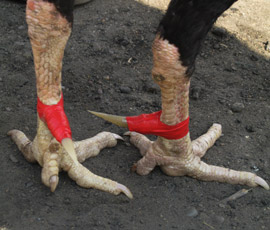
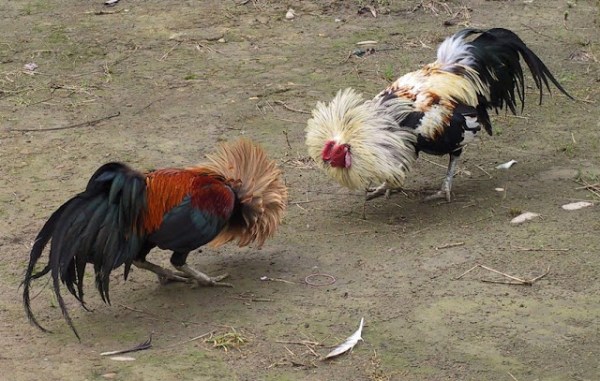
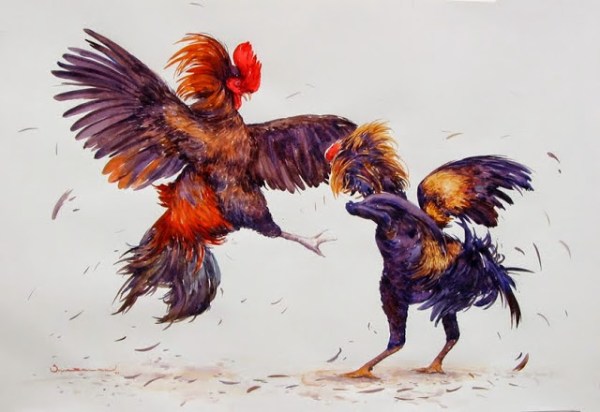
Tamils have been organising Ram fight, buffalo fight and cock fight for the past 2000 years ago. A poet by name garbage cock (Kuppaik koziyaar) had used a simile of fighting cocks in the garbage. The commentators described the cock fight organised for the public and the useless fight among cocks in the garbage. The heroine of the poem compares her condition to a cock which fights in the garbage Kuruntokai Verse No.305 by Kuppaik Koziyaar.

Kamban who wrote Ramayana in Tamil gives a list of recreational activities in the Kingdom of Kosala and one of them is cock fight. Actually, he attributed everything that was common in the Chola country to the Kingdom of Kosala. Kamban describes the cocks fitted with knifes fighting with one another in detail (Balakandam, Kamba Ramayan).

How the cocks are trained:

Probably there is not a people on the face of the earth, whether rich or poor, cultured or uncultured, white or black that does not find time for recreation or amusement. Tamils have several amusements and recreational activities and one of them is the barbarous and cruel cock fighting.  This is a common thing in almost all the villages. The fighting cocks are of two types – the country breed and the Moghul breed. the Moghul breeds are fine, strong and well-made birds. They are kept in separate places, and not allowed to see each other. if a villager is a well to do man, he keeps five or six of these cocks. if he is a big landlord, he keeps about a dozen, and he engages a special man to look after them. His duty is to feed them both morning and evening, and to give them water at noon. Besides this he must spend ten or fifteen minutes with each cock in the evening in wetting their necks well with cold water, and specially in pressing with both his hands the neck of each cock. He takes each cock to the tank, and dis the whole body well into water, and lets it swim for a while. This kind of preparation goes on for some time before the owner ventures to take them to the fighting ground. The country breeds are also prepared in the same manner, except for rubbing of the necks.


The spot for fighting will be fixed according to the convenience of the villagers. The parties always chose a place where there is plenty of water and shade, and as far as possible away from a village. To this fighting amusement the fair sex and the Brahmins do not go, but the men of all ages are exceedingly fond of it. Some of them travel miles in order to see the cock fight.


The fight commences at 10 O’clock in the morning. A pair of cocks is set up Each of these belongs to a different party, and generally they do not care to fix matches between cocks of the same village. One of these fights is known as Vetrukaal por; the other is called Kathi por. In the former the cocks are engaged in without having any double edged, small knife attached to their right legs; but in the latter kind they have the knives, and this makes it a most cruel and terrible scene.  Soon after these cocks are set up, they severely wound each other, and one of them dies or runs away, the fight is ended. The defeated cock is always presented to the owner of the conqueror.

In the case of the cocks fighting without a knife, one of the cocks either must die or run away. The owner of the cock which conquers its opponent is entitled to the defeated cock or to a certain sum of money.


If a man in a village has a champion cock, it rouses the envy of the people of other villages, who spends a lot of money in purchasing a proper match to it. There is a great deal of skill shown by the men who catch the cocks with knives, even while they are flying against each other. Sometimes, the men are severely wounded while thus attempting catch the cocks. This must be regarded as a most cruel and degrading way of getting amusement.

Source: Kamba Ramayanam, Sangam Literature, Indian Village Folk by T B Pandian, year 1897.

–Subham–


பாரதி பாட்டில் மாணிக்கவாசகர்! (Post No.3441)

Research Article Written by London swaminathan


Date: 12 December 2016


Time uploaded in London:-11-26 am


Post No.3441


Pictures are taken from different sources; thanks.


contact; swami_48@yahoo.com


மாணிக்கவாசகரின் திருவாசகத்திற்கு உருகார், வேறு ஒரு வாசகத்துக்கும் உருகார்.


பாரதியின் பாட்டில் மகிழார், வேறு ஒரு பாட்டிலும் மகிழார்.

தெவிட்டாத இன்பம்தரும் பாரதி பாடல்!


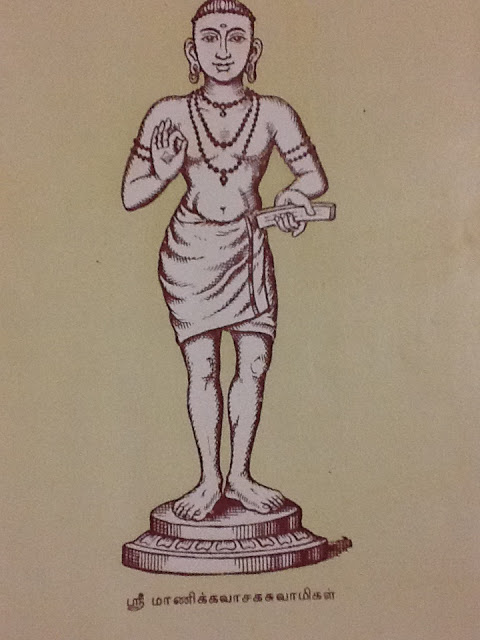
பாரதி பாடல்களில் தேவார மூவரையோ, திருவாசகம் தந்த மாணிக்கவாசகரையோ நேரடியாகக் குறிப்பிடவில்லை. ஆயினும் சைவத் திருமுறைகளில் திருவாசகமே அவரது உள்ளத்தைக் கொள்ளைகொண்டது என்பதற்குப் பல சான்றுகள் உள.


மாணிக்கவாசகர் என்னென்ன செய்தாரோ அதை இவரும் செய்துள்ளார்.


ஓம்காரம்


திருவாசகத்தின் முதல் பாடலிலும் (சிவபுராணம்), கடைசி பாடலிலும் ஓம்காரம் ஒலிக்கும்


இதே போல பாரதியின் பாஞ்சாலி சபதமும் ஓம் காரத்தில் துவங்கி ஓம்காரத்தில் முடியும்


1.உய்ய என்னுள்ளத்துள் ஓம்காரமாய் நின்ற மெய்யா விமலா விடைப்பாகா வேதங்கள் ஐயா என வோங்கி ஆழ்ந்தகன்ற நுண்ணியனே (சிவபுராணம்)


2.உய்யுநெறிகாட்டுவித்திட்

டோங்காரதுட்பொருளை (அச்சோபதிகம்)


இனி பாரதியார், பாஞ்சாலி சபதம் நூலைத் துவக்கி முடிக்கும் முறையினைக் காண்போம்:


1.ஓமெனப் பெரியோர்கள்- என்றும்

ஓதுவதாய் வினை மோதுவதாய்

தீமைகள் மாய்ப்பதுவாய் – துயர்

தேய்ப்பதுவாய், நலம் வாய்ப்பதுவாய்

–பாஞ்சாலி சபதத்தின் துவக்கப்பாடல்


2.ஓமென்றுரைத்தனர் தேவர்- ஓம்

ஓமென்று சொல்லி உறுமிற்றுவானம்

–பாஞ்சாலி சபதத்தின் முடிவுப்பாடல்

xxxx


மாணிக்க வாசகர் குயில்பத்து பாடினார்

பாரதியார்  குயில்பாட்டு பாடினார்.

xxxx


மாணிக்கவாசகர் அச்சோபதிகத்தில்

சாதல், காதல் என்று பாடுவது போலவே, பாரதியும் குயில்பாட்டில்

காதல் காதல் , காதல்

காதல் போயின் சாதல் என்று பாடுகிறார்.


ஆண்டவன் மீது திருப்பள்ளி எழுச்சி பாடினார் மாணிக்கவாசகர்.


பாரதமாதா மீது திருப்பள்ளி எழுச்சி பாடினார் பாரதியார்.


xxx

திருவண்டப் பகுதியில் மாணிக்கவாசகர் — எண்ணற்ற பலகோடி நட்சத்திர மண்டலங்களிருப்பது பற்றி பாடி வியக்கிறார்:


அண்டப்பகுதியின் உண்டைப் பிறக்கம்

அளப்பருந்தன்மை வளப்பெருங்காட்சி

ஒன்றனுக்கொன்று நின்றெழில் பகரின்

நூற்றொருகோடியின் மேற்பட விரிந்தன

திருவாசகம்


பாரதியும் ,


நக்கபிரானருளால் இங்கு

நடைபெறும் உலகங்கள் கணக்கிலவாம்

தொக்கன அணடங்கள் வளர்

தொகைபல கோடிபல் கோடிகளாம்

இக்கணக்கு எவர் அறிவார் – புவி

எத்தனை உளதென்பது யார் அறிவார்

என்று பாடி வியக்கிறார்.


xxxx


திருத்தசாங்கம் பாடினார் மாணிக்கவாசகர்.


பாரதியும் திருத்தசாங்கம் பாடினார்


இருவரும் கிளியிடம் பேசுவதாகப் பாடியிருப்பதால் சொற்களிலும் அதிக ஒற்றுமை கானப்படுகிறது

xxxx


மாணிக்கவாசகர்  போற்றித் திரு அகவல் பாடினார்.


பாரதியும் “போற்றி அகவல், கபிலர் அகவல்” முதலியன பாடினார்.


இவையெல்லாம் மேம்போக்கான ஒற்றுமைகள். இன்னும் சொல்லாராய்ச்சியில் இறங்கினால் எந்த அளவுக்கு மாணிக்கவாசகரும் அவர்தம் திருவாசகமும் பாரதி மீது தாக்கத்தை ஏற்படுத்தியது என்று அறியலாம்.


–Subham–


அதிசய புத்த துறவி ஸு யுன்! – 21(Post No.3440)

Article Written by S NAGARAJAN


Date: 12 December 2016


Time uploaded in London:- 10-47 am


Post No.3440


Pictures are taken from different sources; thanks.


contact; swami_48@yahoo.com


100 வயது வாழ்ந்த பெரியோர்


120 வயது வாழ்ந்த அதிசய புத்த துறவி ஸு யுன்! – 21

ச.நாகராஜன்


ஸு யுன்னுக்கு இப்போது வயது 80.


வசந்த காலத்தில் போதிமண்டலம் என்னும் ஒரு விசேஷ ச்டங்கு இறந்தவர்கள் நற்கதி அடைவதற்காகவும் அடுத்த பிற்வியில் நல்ல பிறவி பெறுவதற்காகவும் செய்யப்பட்டது.


கொள்ளைக்காரர்களுக்குப் பொது மன்னிப்பு வழங்கப்பட்டதோடு மிருகங்களை பலியிடுவதும் சட்டபூர்வமாக தடை செய்யப்பட்டது.

கவர்னர் டாங் வூவுடனும் அவ்ர் சகாவுடனும் பேச்சு வார்த்தை நடத்த அரசு அதிகாரிகளை அனுப்பினார். அவர்கள் இருவரும் ராணுவ கமாண்டர்களாக நியமிக்கப்பட்டனர்.


ஒரு குறிப்பிடத்தகுந்த அதிசய விஷயம் என்னவென்றால் இறுதிச் சடங்கு நடத்தப்பட்ட போது பல இடங்களிலும் ஆரமபத்தில் பல மெழுகுவர்த்திகள் ஏற்றப்பட்டன. அந்த மெழுகுவர்த்திகளின் ஜ்வாலைகள் எல்லாம் வெவ்வேறு விதமான மலர்களின் வ்டிவைக் கொண்டிருந்தன!


சில ஜ்வாலைகள் தாமரை வடிவிலும் வேறு சில வேறு வண்ணங்களிலும் வடிவங்களிலும் தோன்றின!

ஆலயத்தில் வழிபாடு செய்ய வந்த பக்தர்கள் அனைவரும் இந்த அதிசய வண்ண வடிவங்களைப் பார்த்து பிரமித்தனர். பரவசமாயினர்.

49ஆம் நாள் சடங்கு முடியும் போது வானத்தில் மேகங்கள் பெரிய பந்தல் வடிவிலும்  ரத்தின தோரணங்கள் போன்றும் தோன்றின!

சடங்குகள் முடிந்த பின்னா கவர்னர் டாங் ஸு யுன்னை அவரது இல்லத்திற்கு வருகை புரியுமாறு அழைப்பு விடுத்தார். அங்கு இறந்து போன டாங்கின் உறவினர்களுக்கு  சூத்ரங்கள் இசைக்கப்பட்டன.


இதனால் அவருக்கு தர்மத்தில் அதிக நம்பிக்கையும் பற்றும் ஏற்பட்டது.

அவருடன் சேர்ந்திருந்த அனைவரும் புத்த தர்மத்திற்கு மாறி விட்டனர்.

குளிர்காலம் வந்தது, ஸு யுன் குன்மிங்கிலேயே தங்கினார்.


ஸு யுன்னுக்கு இப்போது வயது 81


கவர்னர் டாங் ஸு யுன்னிடம் இன்னொரு போதி மண்டலம் நடத்துமாறு வேண்டிக் கொண்டார்.

ஹூவா டிங் மடாலயம் குன்மிங்கின் மேற்குப் பக்கம் உள்ள மலையில் இருந்தது, அருமையான அந்த ஆலயத்தை அங்குள்ள துறவிகள் சரியாகப் பராமரிக்கவில்லை. ஆகவே அது சிதிலமடைந்த நிலையில் இருந்தது. அதை அவர்கள் ஐரோப்பியர்களுக்கு விற்கத் தீர்மானித்திருந்தனர்.


ஐரோப்பியர்களோ அங்கு ஒரு க்ளப்-ஹவுஸ் கட்ட முடிவு செய்திருந்தனர். இதற்கு உரிய அனுமதியையும் அரசு அதிகாரிகளிடமிருந்து அவர்கள் பெற்று விட்டனர்.

இதையெல்லாம் அறிந்த ஸு யுன் மிகவும் வருத்தமுற்றார்.

கவ்ர்னர் டாங்கைச் சந்தித்து அந்தப் புனிதத் தலத்தை அப்படியே நன்கு பராமரிக்குமாறு வேண்டிக் கொண்டார்.


ஸு யுன் சொன்னதை உன்னிப்புடன் கேட்ட டாங் உள்ளூர் அதிகாரிகளை அழைத்து ஆலோசனை நடத்தினார்.

அந்த அதிகாரிகளுள் ஒருவரான ஜாங் ஸு ஸியான் என்பவர் ஸு யுன்னை ஒரு சைவு உணவு விருந்திற்கு அழைத்தார்.

அங்கு அவரிடம் ஒரு சிவப்புத் தாளில் ஒரு அழைப்பிதழ் தரப்பட்டது.


ஹூவா டிங் மடாலயத்தின் தலைமைப் பொறுப்பை ஏற்று அதை புனருத்தாரணம் செய்ய அதில் வேண்டுகோள் விடப்பட்டிருந்தது.

மூன்று முறை இதை அவர்கள் வாய்மொழியாகவும் சொன்ன பின்னர் ஸு யுன் அந்தப் பொறுப்பை ஏற்றுக் கொண்டார்.


உபாசகர் ஜாங் இரண்டு வாத்துகளை வாங்கி ம்டாலயத்தில் விட்டார். அவற்றிற்கு முன்னர் ஸு யுன் அகதிகள் சூத்திரத்தை இசைத்தார். அதை அவை மௌனமாகக் கேட்டன.


அன்றிலிருந்து துறவிகளுடன அவையும் பிரதான ஹாலில் சூத்திரங்கள் இசைக்கப்படும் போது அதைக் கேட்க வந்து விடும்.

மூன்று வருடங்கள் இது தவறாமல் நடந்து வந்தது,

துறவிகளுடன அவையும் ஊர்வலத்தில் இணைந்து கொண்டு  புத்தரின் சிலைகளை பிரதக்ஷிணம் செய்யும்.

ஆலயத்தில் இருந்த ஒவ்வொருவரும் அவற்றை அன்புடன் நடத்தினர்.


ஒரு நாள் பெண் வாத்து  பிரதான ஹாலின் வாயிலில் வந்து நின்று பார்த்தது. பின்னர் மூன்று முறை பிரதக்ஷிணம் செய்தது. தனது தலையை உயர்த்தி புத்த சிலையைப் பார்த்து உயிரை விட்டது. அதன் இறக்கைகள் ஒளியுடன் இருந்தன. அது ஒரு பேழையில் வைத்து புதைக்கப்பட்டது.


அதன் இணையான் ஆண் வாத்து தன் துணையின் பிரிவைத் தாங்க முடியாமல் சில நாட்கள் கழித்து  பிரதான ஹாலுக்கு வந்து நின்று சிலைகளைப் பார்த்தத்து. இறகுகளை விரித்துப் பின்னர் இறந்தது.

அது ஒரு பேழையில் வைக்கப்பட்டு பெண் வாத்துக்கு அருகில் புதைக்கப்பட்டது


(அரசியல் நிலைமையோ வேறு விதமானது.இலையுதிர்காலத்தில் கவர்னர் டாங்கை வீழ்த்த ஒரு சதி நடந்தது. அவர் ஸு யுன்னின் ஆலோசனையைக் கேட்டார்.


மக்கள் மனதில் நீங்கள் இருந்தாலும், பலம் பொருந்திய ராணுவப் படையை உங்களால் எதிர்கொள்ள முடியாது. ஆகவே இப்போது  இங்கிருந்து சென்று விடுங்கள். காலம் கனியும் போது திரும்பலாம் என்றார் ஸு யுன். அதைக் கேட்டு அவர் நகரிலிருந்து வெளியேறினார்.


இந்த விவரம் பத்து வருடங்களுக்குப் பின்னர் ஸு யுன் தனது சிஷ்யரிடம் கூறினார்.)


*****


Was Kalidasa a Poet cum Scientist? (Post No.3439)

Research Article Written by London swaminathan


Date: 11 December 2016


Time uploaded in London:- 20-15


Post No.3439


Pictures are taken from different sources; thanks.


contact; swami_48@yahoo.com


Kalidasa is the most famous poet in Indian literature. He is given this status for his literary merits. He has used about 1200 similes and imageries in his seven Sanskrit works. His drama Sakuntalam is one of the best dramas in world literature. He is known as Kavikula Guru. He lived in the first century BCE and I have also confirmed this date through Sangam Tamil Literature where his 200 plus similes were used by the  Sangam Tamil poets (please see my earlier posts for the dating). But there is another side of Kalidasa which is not realised and recognised by many. Kalidasa was an all-rounder. He had amazing knowledge in various subjects from Astronomy to Zoology. He had encyclopaedic knowledge.


The most amazing thing is that he talks about aeroplanes flying by thought power and he describes a pilot’s experience and he talks about three different flight paths. The next amazing thing is that he knows cartography and geography which is seen in his description of the 1500 mile long Himalaya as the “measuring rod of earth”.

How did he know it unless he has flown over it or seen it from a space vehicle?

How did he explain a pilot’s landing experience which is experienced only by trainee pilots?

How did he know that there are different flight paths up above us?

Here is a list of the subjects he dwelt with in his seven works:–

AS – Abinjana Sakuntalam

Meg- Megadutam (PM- Purva mega, UM -Uttara mega)

Rv – Raghuvamsam

VU- Vikramaorvasiyam

MA- malavikagnimitram

RS – Rtusamharam

KS- Kumarasambhavam


Aeroplane Technology

Sakuntalam Act 1—9 (Read my article: Did Kalidasa fly in a space shuttle? Posted on 12 Sept.2014)

Sakuntalam Act 7—7/10; Ks2-45;Rv 13-68;13-76;13-79;14-20

Flying Balloons

Rv 16-68

Air Ways (3 levels of flight paths)

Flight path Rv 13-18, 13-19

xxx

Architecture

Rv 18-3; AS 2-15; Rv 1-30; Rv 17-64

xxx

Animal Intelligence

AS 4-20; 6-4; 6-24; 6-32 Rv 6-46; 8-39; 1-51; 5-7; 9-57;13-25

Swan separates water and milk: AS 6-28;KS 1-30

xxx


Astronomy

Milky way: Rv 13-2; 1-78; KS 4-37;1-28; Rv 12-85

Chitra constellation Rv 1-46, 13-76, 17-35 pole star 18-34;

Comet KS 2-32; AS 4; Mars vu 5-3

Pusya star Rv 18-32;

Venus KS 3-43;

Stars KS 2-19; RV 7-2;

Meteor Rv 16-83; 14-53;

Algol/Arundhati in Ursa Major Constellation: Rv 1-56

Rohini and Moon:AS 7-22; 3-12; VU 3-4; RV 14-40

Bird migration –

Kalidasa’s references of swan, cranes and Himalayan geese: Mega. 11,23, 59, 70,81.

Vikra. IV 2,3,4,6,20;31,32,33,3441,54

BIRD MIGRATION :Vikra IV 14 to 17

Kumara. 1-30 (Hamsa mala)

Ragu. IV 19,VIII 59, XIII-33, XVI 33, 56, XVII-75

Malavika.II-2

Rv 1-41

xxx

Dreams

Meg 2-39; Meg.111;  Rv 8-92; 10-60/64;12-76; 19-22.

Eastern concept of dreams is different from Freudian and Jungian theories

xxxx

Foreigners’ appearance-

Yavanas Rv.9-63; 4-61; MA 5, VU 5-3,4

xxx


Geography and Geology

KS 1-10 (Description of the beautiful Himalayas)

Sub marine Fire (Vadamukagni/Badava:- AS 3-3; Rv 9-82; 11-75; 13-4;13-7.

Lot of references about rivers, especially Ganga and Yamuna


Iran to Indonesia: Kalidasa had a good knowledge of  the countries between Iran and Indonesia. He is very descriptive of the people, its cultures and the geography of the land. We can read about the honeycomb like beards of Persian soldiers and the spices of Indonesian islands.


xxxx

Gemmology

Cat’s eye RS 2-15; Coral  RS 6-16; Conch shell RS 3-4; Crystal Purva Megam 54; Emeralds/Rubies-Rv 13-53; Gems-PM 15, KS 1-38, KS 5-43, KS 5-45, Rv 1-4, Rv 3-18, Rv 10-30, Rv 11-59, Rv 11-68, RV 17-63, VU 2-99, MA 5-18, AS 2-7, AS 2-10, AS 6-6, Sapphire Rv 18-42; Pearl Rv 6-7, UM 46, KS 1-44, KS 3-53, KS 6-6KS 7-89, Rv 6-28, Rv 9-44,Rv 13-54, Rv 16-18; Rubies KS 3-53; Sun stone Rv 11-21; Moon stone VU 5-11; Ivory PM 62

Magnifying Glass (Lens)

Sun stone Rv 11-21; AS 2-7

Nagaratna (Cobra Jewel)

KS 2-38, 5-43; RV 13-12, 6-49, 11-59, 11-68, 17-63, 10-7, 13-12, 17-63

RS 1-20,

xxxx

Rainbow

UM 15; Rv 7-4;

xxx


Magnet –

Rv-18-63; KS 2-59;

xxx

Marine Trade

Rv 1-5, 30; 3-28; 9-14;16-4; AS 6-24; Meg.8;

Import of cloves 6-57

Metallurgy –

Iron

Rv 14-33;

Gold

RS 1-26, PM -40, KS 3-53, KS 6-55, Rv 6-79, Rv 9-54, Rv 17-46, MA 2-9.

Silver

RS 3-4

Mirror

Rv 7-68

xxxx

Flora and Fauna

whales Rv 13-10

Innumerable references

Bio Luminescent Plants-

KS 1-10; Rv 9-70

Environmental concern

Don’t Cut even a poisonous tree

KS 2-55

xxxx

Human psychology

Advice to newlyweds: AS 4-20; 4-21;4-22

xxx


Tourist Guide

Kalidasa is the first Tourist Guide in the world. His Meghaduta descrbes a vast landscape methodically from Central India to the Himalayas.


Tourist Guide Book

Meghaduta is the first Tourist guide in the world. In Raghuvamsa also Kalidasa gives a description of the landscape in the flight path from Si Lanka to Ayodhya.


–Subham–


பாரதியும் கம்பனும்: சொல்லினைத் தேனிற் குழைத்துரைப்பார்கள் (Post No.3438)


Written by London swaminathan


Date: 11 December 2016


Time uploaded in London: 7-06 am


Post No.3438


Pictures are taken from different sources; thanks.


contact; swami_48@yahoo.com


பெண்களின் குரலைக் குயில் போல இருக்கிறது என்றும் சொல்லைக் கிளி போல இருக்கிறது என்றும் போற்றுவது கவிகளின் மரபு.


தமிழ் மொழியைத் தேனினும் இனிய மொழி என்று பாராட்டுவதை அறிவோம். ஆனால் ஒரு சொல்லை எடுத்து அதைத் தேனிலும் அமிர்தத்திலும் குழைத்தால் எவ்வளவு இனிமையாக இருக்கும்?

இது கம்பனும் அவரைப் பின்தொடர்ந்து பாரதியாரும் செய்த ஆராய்ச்சி. அந்த ஆராய்ச்சியின் முடிவுதான் இந்த இரண்டு பாடல்களும்!


அளவு இல கார் எனும் அப்பெரும்பருவம் வந்தணைந்தால்

தளர்வர் என்பது தவம் புரிவோர் கட்கும் தகுமால்

கிளவி தேனினும் அமிழ்தினும் குழைத்தவள் கிளைத்தோள்


வளவி உண்டவன் வருந்தும் என்றால் அது வருத்தோ

—–கம்பன் பாடல், கிட்கிந்தாக் காண்டம்,கார்காலப் படலம்


பொருள்:–

ஓர் அளவில்லாத சிறப்புடைய கார்காலம் வந்து விட்டால், முற்றும் துறந்த முனிவர்களும் மனம் தளர்ந்து போவார்கள். ஆகவே தேன், அமிழ்தம் ஆகிய இரண்டிலும் தோய்த்து எடுத்தது போன்ற இனிமையான சொற்களைப் பேசும் சீதையின் தோள்களைத் தழுவிய இராமனுக்கு, கார்காலம் துன்பம் தந்தது என்றால் அது துன்பம் என்று கொள்ளத் தக்கதோ?


பாரதி என்ன கம்பனுக்கு சளைத்தவனா?

இதோ பாருங்கள்! பாரதி பாட்டை!


“வில்லினை யொத்த புருவம் வளைத்தனை

வேலவா! — அங்கொர்

வெற்பு நொறுங்கிப் பொடிப் பொடி

யானது வேலவா!

சொல்லினைத் தேனிற் குழைத்துரைப்பாள் சிறு

வள்ளியைக் — கண்டு

சொக்கி மரமென நின்றனை தென்மலைக்

காட்டிலே

கல்லினை யொத்த வலிய மனங்கொண்ட

பாதகன் – சிங்கன்

கண்ணிரண்டாயிரங் காக்கைக்கிரையிட்ட

வேலவா!

பல்லினை காட்டி வெண்முத்தைப் பழித்திடும்

வள்ளியை –  ஒரு

பார்ப்பனக் கோலந்தரித்துக் கரம்தொட்ட

வேலவா!

–சுப்பிரமணிய பாரதியார்

ஆக இரு கவிஞர்களும் நமக்கும் அவர்களுடைய கவிதைகளைத் தேனில் குழைத்துத் தந்துவிட்டார்கள்!


தேன் தமிழ்


தமிழுக்குள்ள ஏராளமான சிறப்பு அடை மொழிகளின் பட்டியலை ஏற்கனவே ஒரு கட்டுரையில் கொடுத்துவிட்டேன். தமிழ் என்றாலேயே இனிமை என்பது புலவர்தம் கருத்து. ஆனால் கம்பன் மேலும் ஒரு படி சென்று தமிழ் என்றால் தேன் என்பான்:-


அமிழ்து உறழ் அயினியை அடுத்த உண்டியும்

தமிழ் நிகர் நறவமும் தனித் தண் தேறலும்

இமிழ்கனிப் பிறக்கமும் பிறவும் இன்னன

கமழ்வுறத் துவன்றிய கணக்கில் கொட்பது

–கிட்கிந்தா காண்டம், பிலம்புக்கு நீங்கு படலம்


பொருள்:-

மேலும் அந்த நகரம் அமிழ்தத்தைப் போன்ற சோறு முதலிய உணவுப் பொருள்களும், தமிழ் மொழியைப் போன்ற தேனும் குளிர்ந்த மதுவும், இனைய பழங்களின் தொகுதியும் — இவை போன்ற மற்ற உணவுப் பொருட்களும் நறுமணம் வீசுமாறு நிறைந்துள்ள எல்லையற்ற பெருமை உடையது — கிட்கிந்தா காண்டம்


தேன் தமிழை நாமும் மாந்தி, தமிழ் போதையில் திளைப்போம்.


–subham–


மஹாகவி பாரதியார் கண்ட அகண்ட பாரதம்! (Post No.3437)

Written S NAGARAJAN


Date: 11 December 2016


Time uploaded in London: 5-35 am


Post No.3437


Pictures are taken from different sources; thanks.


contact; swami_48@yahoo.com


பாரதி இயல்


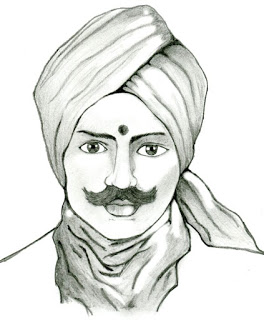
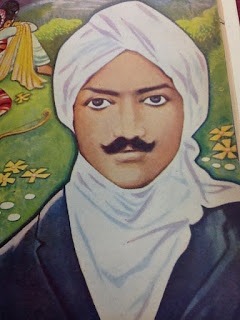
டிசம்பர் 11. மஹாகவி பாரதியாரின் பிறந்த தினம். அவர் கண்ட அற்புதமான அகண்ட பாரதத்தை அமைக்க உறுதி பூணுவோம்!


மஹாகவி பாரதியார் கண்ட அகண்ட பாரதம்!


ச.நாகராஜன்


மஹாகவி பாரதியாரின் தெளிவான சிந்தனை

மஹாகவி பாரதியாரின் சிந்தனைகள் தெளிவானவை. சமச்சீர் தன்மை உடையவை. காலத்தால் முற்பட்டுத் தரப்பட்டவை. காலத்தை விஞ்சி நிற்கும் அறப்பண்புகளின் அடிப்படையிலானவை. ஆகவே தான் அந்த மஹாகவியை உலக மஹாகவியாக உலகம் போற்றுகிறது.

இந்தியா பற்றிய தெளிவான சிந்தனையை அவர்  தான் நடத்திய ;இந்தியா’ பத்திரிகை வாயிலாக 27-4-1907 இதழில் தெரிவிக்கிறார்.

அதை அப்படியே பார்ப்போம்:

கட்டுரையின் தலைப்பு :

“ஸ்வராஜம்” என்பதில் “ஸ்வ” என்பது யார்?

கட்டுரை :-

ஸ்வராஜ்யம் வேண்டுமென்று நாம் ஏன் கேட்கிறோம்? இங்கே “ஸ்வ” என்பது யாரைக் குறிப்பிடுகிறது? ஸ்வராஜ்யம் வரும்போது அது மகமதிய ராஜ்யமாக இருக்குமா? அல்லது ஹிந்து ராஜ்யமா? எது?

“ஸ்வ” என்றால் “தனது” என்று அர்த்தமாகிறது. யாருடையது? இந்தக் கேள்விக்கு நாம் மறுமொழி சொல்வதென்னவென்றால், பாரத தேவியுடையது.

பாரத தேவி தன்னைத் தானே பரிபாலனம் செய்து கொள்வது ஸ்வராஜ்யம் ஆகும். “ஸ்வ” என்பது பாரத தேவியைக் குறிப்புடுகிறது.

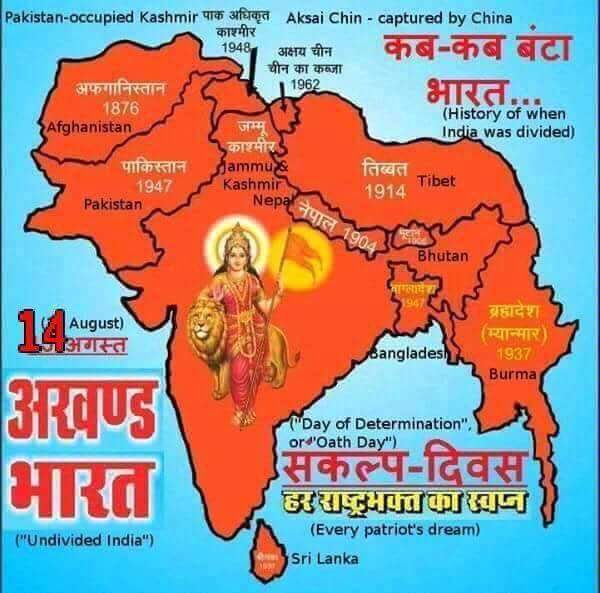
பாரத தேவி என்றால் கிறிஸ்தவர் மட்டுமன்று, மகமதியர் மட்டுமன்று, எல்லா ஜனங்களும்;; அகண்ட பாரதம், பிரிவு செய்யப்படாத பாரதம்.


பிரிவு செய்யப்படாத அகண்ட பாரதம் தன்னைத் தானே ஆள்வதென்றால் என்ன அர்த்தம்? ஒரு தனி ராஜா ஆள்வதென்று அர்த்தமில்லை. ஒரு சந்ததியார் ஆள்வதென்று அர்த்தமில்லை. பிரஜா பரிபாலனம் அல்லது ஸர்வ ஜன ராஜ்யம் என்று அர்த்தம்.

ஸர்வ ஜன ராஜரீகம் என்றால் அது அராஜரீகமாய் விட மாட்டாது. இப்பொழுது இங்கிலாந்திலே கூட. பெயர் மட்டிலே ஒரு ராஜவமிசத்தார் இருக்கிறார்களேயல்லாமல் வாஸ்தவத்திலே, பிரஜைகள் தான் ஆட்சி புரிகிறார்கள்.


அமெரிக்க ஐக்கிய மாகாணங்களிலே பெயர் மாத்திரத்திற்குக் கூட ராஜா இல்லாமல் பிரஜா ராஜ்யம், அதாவது குடியரசு நடந்து வருகிறது.


இந்தியாவிலேயும் ஜனராஜ்யம் ஏற்பட் வேண்டுமென்பதே நாட்டவர்களின் அபீஷ்டம். இது இங்கிலாந்திலிருப்பது போல ஒரு ராஜா வைத்துக் கொண்டு நடத்தப்படுமா, அல்லது அமெரிக்காவைப் போல் குடியரசாக நடக்குமா என்பது இப்போது ஊஹித்துக் கூற முடியாது. அது அந்தச் சமயத்திலுள்ளதால் தேச வர்த்தமானங்களைப் பொறுத்த விஷயமாகும்.


***


   சேதமில்லாத ஹிந்துஸ்தானம்


ஆக பாரதியார் கனவு கண்டது அகண்ட பார்தம்; குடியரசு. மக்களின் ஆட்சி. இதில் முதலாவதைத் தவிர மற்ற இரண்டும் நனவாகி விட்டதென்றே கூறலாம்.

பாப்பா பாட்டில் கூட பாரதி சேதமில்லாத ஹிந்துஸ்தானத்தையே தெய்வமென்று கும்பிட பாப்பாவிற்கு அன்புரை வழங்குகிறான்.


 வேதம் உடையதிந்த நாடு – நல்ல

                வீரர் பிறந்ததிந்த நாடு

            சேதமில்லாத ஹிந்துஸ்தானம் – இதைத்

                 தெய்வமென்று கும்பிடடி பாப்பா


எல்லாரும் ஓர் நிறை, எல்லாரும் இந்நாட்டு மன்னர்


மஹாகவி கனவு கண்ட பாரத ஸமுதாயம் பற்றி அவரே மிகத் தெளிவாக தனது பாடலில் கூறி இருக்கிறார்:


பாரத ஸமுதாயம் வாழ்கவே – வாழ்க, வாழ்க,

பாரத ஸமுதாயம் வாழ்கவே – ஜய ஜய ஜய ஜய ஜய ஜய

பாரத ஸமுதாயம் வாழ்கவே

என்று ஆரம்பிக்கும் மஹாகவி,


,முப்பது கோடி ஜனங்களின் ஸங்கம்

முழுமைக்கும் பொது உடைமை

ஒப்பிலாத ஸமுதாயம்

உலகத்துக்கொரு புதுமை – வாழ்க!

என்று  கூறி,  அங்கு,


எல்லோரும் ஓர் குலம் எல்லாரும் ஓர் இனம்

எல்லாரும் இந்திய மக்கள்

எல்லாரும் ஓர் நிறை எல்லாரும் ஓர் விலை

எல்லாரும் இந்நாட்டு மன்னர் – நாம்

எல்லாரும் இந்நாட்டு மன்னர் – ஆம்

எல்லாரும் இந்நாட்டு மன்னர் –வாழ்க

பாரத ஸமுதாயம் வாழ்கவே!

என்று முடிக்கிறார்


இப்படி மிகத் தெளிவாக பாரத நாட்டின் குடியாட்சி பற்றியும் அகண்ட பாரதம் பற்றியும் பாரத ஜன ஸமுதாயம் பற்றியும் தான் கண்டிருக்கும் காட்சியை ம்ஹாகவி நம் முன் வைத்துள்ளார்.

இந்த அகண்ட பாரதக் காட்சியை ஒவ்வொரு இந்தியனும் தன் உளத்துள்ளே கண்டு அதை அமைக்கப் பாடுபட வேண்டும்.

அதுவே அவருக்கு நாம் செலுத்தும் உண்மையான அஞ்சலியாக அமையும்!


****


மனைவி கர்ப்பிணி, கணவன் பிரம்மச்சாரி! ஒரு சுவையான கதை! (Post No. 3436)

Written by London swaminathan


Date: 10 December 2016


Time uploaded in London: 9-32 am


Post No.3436


Pictures are taken from different sources; thanks.


contact; swami_48@yahoo.com


This story is available in English in my blog.

 
மனம் ஒரு கடல். நம் ஒவ்வொருவரிடையேயும் மகத்தான சக்தி இருக்கிறது. அதைத் தேவை ஏற்படும் போது பிரயோகித்து அதிசயம் நிகழ்த்தலாம். இதோ பேராசிரியர் உஷர்புத் சொன்ன கதை. அவர் முதலில் அமெரிக்காவில் மின்னசோட்டா ப ல்கலைக் கழக சம்ஸ்கிருதத் துறைப் பேராசிரியராக இருந்து பின்னர் வேதபாரதி என்ற பெயரில் சாமியார் ஆனார்.


“முன்னொரு காலத்தில் ஒரு ராஜா இருந்தார். அவருடைய அண்ணன் பெரிய அறிவாளி; ஒரு நேரத்தில் அரசாட்சியைத் தம்பியிடம் ஒப்படைத்துவிட்டு தவம் செய்யப் போய்விட்டார். தவத்தின் மூலமாக நிறைய சக்தி கிடைத்தவுடன் ஒரு ஆஸ்ரமம் அமைத்தார். ராஜாவின் அரண்மனை நதியின் ஒரு பக்கமும் மறுகரையில் அந்த ஆஸ்ரமமும் அமைந்திருந்தன.


காலம் உருண்டோடியது; தம்பிக்கு (ராஜவுக்கு) கல்யாணம் நடந்தது– மனைவி கர்ப்பவதி ஆனாள். கர்ப்பிணிப் பெண்கள் எப்போதும் நல்ல விஷயங்களைக் கேட்டால் குழந்தையும் அறிவாளியாகவும் ஞானியாகவும் பிறக்கும் என்பது இந்துக்களின் நம்பிக்கை. அதை ஒட்டி மஹாராணியும் கணவனிடம் சொன்னாள்:

சுவாமி! நாதா! என் பிரிய நாயகரே; எனக்கோ விரைவில் குழந்தை பிறக்கப்போகிறது. உங்கள் குழந்தையும் உங்களைப் போல அறிவாளியாகவும், ஞானவானாகவும் இருக்க வேண்டும் என்பது என் விருப்பம் . ஆகையால் உங்கள் அண்ணனை — சந்யாசியைப் பார்த்துவர அனுமதி கொடுங்கள்.


ராஜாவுக்கு மெத்த மகிழ்ச்சி; அதற்கென்ன சென்று வா; வென்று வா! என்று செப்பினார். சாது சந்யாசிகளையும், அரசனையும் பெரியாயோர்களையும் பார்க்கச் செல்லுகையில் வெறும் கையுடன் போகக்கூடாது; ஏதேனும் அன்பாகக் கொடுப்பதற்குக் கொண்டுபோக வேண்டும் என்று இந்துமத சாத்திரங்கள் சொல்லுகின்றன. ஆகவே அவளும் உடனே நிறைய பலகாரங்களைச் சமைத்து எடுத்துக்கொண்டாள். புறப்படுவதற்கு முன் ராஜாவிடம்சென்று, அன்பரே ஆற்றைக் கடக்க படகு ஏற்பாடு செய்துவிட்டீர்களா? என்று வினவினாள்.

ராஜா சொன்னார்: கண்ணே! மணியே! கற்கண்டே! படகு எதற்கு? சத்தியம் செய்துவிட்டு அந்த சத்தியத்தின் பேரில் “நதியே வழிவிடு” என்றால் தானாக வழிவிடும். நந்த கோபன், கிருஷ்ணனை தலைமீது கூடையில் வைத்துக் கொண்டு யமுனையைக் கடக்கவில்லையா? அப்போது யமுனையே வழிவிட்டதே!


மனைவி/ மஹாராணி சொன்னாள்: அவர்களுக்கெல்லாம் மஹத்தான சக்தி இருந்தது. எனக்கு அப்படி ஒன்றுமில்லையே!


கணவர்/ ராஜா சொன்னார்:

அதனால் என்ன? என்னுடைய சக்தியை எடுத்துக் கொள். நதிக் கரைக்குப் போய் நில்; என் கணவன் மூன்று ஆண்டுகளுக்கு முன் திருமணமான நாள் முதல் இன்று வரை  பிரம்மச்சாரி என்பது உண்மையானால் நதியே எனக்கு வழிவிடு என்று சொல் என்றார்.


மனைவிக்கு ஒரு புறம் சந்தேகம்; மறுபுறம் குழப்பம்; என்னுடன் படுக்கையில் படுத்து என்னை கர்ப்பம் தரிக்கச் செய்தவர்; எப்படி பிரம்மச்சாரி என்று சொல்லுகிறார்?  சரி, போய்தான் அவர் சொன்னதைச் செய்வோமே என்று அவர் சொன்னபடியே செய்தாள். நதியும் விலகி வழிவிட்டது!


மகிழ்ச்சியுய்டன் மறுகரையிலுள்ள ஆஸ்ரமத்தை அடைந்தாள். ராஜாவின் அண்ணனான சாமியாருக்கு நாள் முழுதும் பணிவிடை செய்தாள்; உபதேச மொழிகளைக் கேட்டறிந்தாள். தான் கொண்டு சென்ற பலகாரங்களைப் பரிமாறி அவரை உண்ண வைத்தாள். அவரும் மிகவும் நன்றாக இருக்கிறது என்று சொல்லிச் சாப்பிட்டார்.


மாலை நேரம் நெருங்கியது; கணவனிருக்கும் அரண்மனைக்குப் போவதற்கு விடை பெற்றாள் சந்யாசியிடம்.

“தயவு செய்து, எனக்கு ஒரு படகு மட்டும் ஏற்பாடு செய்து விடுங்கள்; நான் பொழுது சாய்வதற்குள் அரண்மனைக்குப் போக வேண்டும்” என்றாள்.

சந்யாசியோ சிரித்துக் கொண்டே சொன்னார்:

“பெண்மணியே! சத்தியம் செய்துவிட்டுப் போ, நதி தானாக வழிவிடும் என்றார். என்ன சத்தியம் செய்வது?” என்று கேட்டாள்.


“நான் காலை முதல் மாலைவரை பணிவிடை செய்த சந்யாசி நாள் முழுதும் உண்ணா நோன்பு அனுஷ்டித்தது உண்மையானால் ஏ! நதியே! எனக்கு விலகி வழிவிடு என்று சொல்; நதியும் விலகிவிடும்” என்றார்.

அவளுக்கு மீண்டும் குழப்பம். என் கையால் சமைத்ததை நாள் முழுதும் சாப்பிட்டுவிட்டு உண்ணாவிரதம் இருந்ததாகச் சொல்லுகிறாரே! என்று திகைத்தாள்

638d2-img_7098

ஆயினும் காலையில் வந்தபோது நிகழ்ந்த அதிசயம் மீண்டும் நடக்குமோ என்று எண்ணி, சந்யாசி சொன்னபடியே செய்தாள். நதியும் இரண்டாகப் பிரிந்து இடைவெளியில் பாதை உண்டாக்கியது. இதைக்கண்டு வியப்புற்ற அவள், கணவனிடம் இதற்கு விடை கேட்காவிடில் என் தலையே வெடித்துவிடும்; அவ்வளவு குழப்பமாக இருக்கிற து என்று எண்ணிச் சென் றாள்.


கணவன் அவளை இன்முகத்துடன் வரவேற்றவுடன் கேட்ட முதல்

கேள்வி:

நீங்கள் பிரம்மசாரியுமில்லை; உங்கள் அண்ணன் உண்ணாவிரதியும் இல்லை; நீங்கள் என் வயிற்றிலுள்ள குழந்தைக்குத் தந்தை; அவரோ நாள் முழுதும் நான் கொண்டு சென்ற உணவுவகைகளை ருசித்துச் சாப்பிட்டார்.


சுவாமீ! நாதா!! இதற்கு என்ன விளக்கமோ?


அவர் சொன்னார்:-

“அன்பே! ஆருயிரே! மனத்தின் விசாலம் பலருக்கும் தெரிவதில்லை. அது சமுத்திரம் போலப் பரந்தது; உண்மையாகவுள்ள சமுத்திரத்தைவிட ஆழமானது, பெரியது. அதில் நாம் துளிக்கூடப் பயன்படுத்தவில்லை. நான் உன்னுடன் படுக்கையில் படுத்து இன்பம் துய்த்தது உண்மையே; எனது அண்ணன்/ சந்யாசி நீ கொண்டுசென்ற உணவைப் புசித்ததும் உண்மையே. ஆயினும் எப்படி கடலின் ஒரு ஓரத்தில் அழுக்குப் படிந்தாலும், அந்தக் கடல் முழுதும் அழுக்குக் கடல் ஆகாதோ, அப்படியே மனத்தின் ஒரு ஓரத்தில் பதிந்திருக்கும் இக்காரியங்கள் — செயல்கள் — எங்களைப் பாதிக்காது.


என் கருத்து:–

மனத்தின் சக்தி மஹத்தானது; ஆதிசங்கரர்,ஜனக மஹராஜா போன்ற ஞானிகள் அதைப் பயன்படுத்தி பல அற்புதங்களைச் செய்துள்ளனர். மேற்கூறிய கதையைப் பின்னனியில் வைத்து மகான்களின் புரியாத செயல்களை ஆராய்ந்தோமானால் பொருள் விளங்கும்!


–subham–


Eaten but Fasting! Had Sex but Celibate Story! (Post No 3445)

Compiled by London swaminathan


Date: 10 December 2016


Time uploaded in London: 6-18 am


Post No.3435


Pictures are taken from different sources; thanks.


contact; swami_48@yahoo.com


This story is available in Tamil in my blog.


“Once upon a time there was a king. The king had a bother. The brother had left the king long ago to go and become an ascetic. Having received blessings and powers through his tapasya(penance) he returned and lived on the other side of the river from the royal palace. He lived in a mud hut as an ascetic, as a sadhu.


The king’s wife became pregnant. Now, in India there is a tradition that a pregnant woman should spend her time in spiritual pursuit, so that a spiritually awakened child is born. As there are certain practises, certain things the woman does during pregnancy, which the family helps to make it possible. The king’s wife had the strong desire to sit at the feet of her husband’s brother the saint. She expressed this desire to her husband. “Oh yes”, he said, “go tomorrow and spend the day with my brother on the other side of the river.”


The tradition is that you never go to a holy man, empty handed, you always bring him some gift, some fruit, some such offering. So in the morning before leaving, the King’s wife prepared some food and was ready to go.


As she had to cross the river, she said to her husband, “Have you arranged a boat for me?”. He said, “What do you need the boat for?” She said, “to cross the river”. He said, “no you don’t need a boat. Jus go and standby the river and do a sacha kiriya, an act of truth. She said, “What act of truth? I don’t have any powers”. He said, “Take mine. Go, standby the river, close your eyes and say in your mind, since my husband the king was initiated by his Master three years ago, if my husband has never broken in celibacy, by the power of that truth. may the river part and let me go across dry.”


The king’s wife was very puzzled because she was carrying his child,but she went and stood by the river and made the act of truth. And right in front of her eyes the river parted and made way for her to cross. She could not understand it.


She went to the sadhu, served him, received his teachings, fed him the food she had prepared and in the evening it was time for her to return to the palace. But again she had no way to cross the river. The sadhu said, “Do a saccha kiriya, an act of truth. Stand by the river, close your eyes, and say in your mind, ‘if the sadhu, the Master whom I have served this day, has never since his initiation by his Master broken his fast, may the river part and let me go across.’


The king’s wife was again puzzled because she had been feeding him the whole day. But she went to the river and did the act of truth, for the second time, the river parted and she went across. . Now, really confused, she went to her husband and asked, “What is going on? I am carrying your child and you make me  swear by your three year celibacy. I fed the sadhu, your brother, the whole day and he makes me swear by his fast”.

Then the king, who was also a wise man, explained, “Lady mind is a vast force. If in one little corner of the ocean there is some small amount of dirt, the rest of the ocean is still clean and pure. Mind is even vaster and deeper than the entire ocean. Others live by only that little part of the mind, which is active. They see only that part of the ocean, the tiny corner where there is some dirt. So to them the mind has no fasting and the mind contains no celibacy because they have been breaking the vows. For them, that little portion of the sea dirty, the whole sea is dirty. Those who are on the part of enlightenment know the rest, the vast expanse, of the mind. And with that awareness the little indulgence in marital duties or the little eating in the day does not break their celibacy and does not break their fast. Myself and my brother, I as a king and he as an ascetic, have understood this and in the major portion of our minds we are always celibate, always fasting, always silent”.

What is sacha kiriya?


“There is a word in in Hindi, kiriya. It is used when someone swears by something. it is short for saccha kiriya, that is an “act of truth”. An act of truth is performed by using the accumulated power of  some form of secret you have kept for a long time. There are many stories about “acts of truth”.


Source: Five Pillars of Sadhana by Swami Veda Bharati (Formerly he was Prof.Ushar Budh, Head of the Department of Sanskrit, University of Minnesota,USA)


–Subahm–

மஹாகவி பாரதியார் பற்றிய நூல்கள் – 15 (Post No.3434)

Written by S NAGARAJAN


Date: 10 December 2016


Time uploaded in London: 5-10 am


Post No.3434


Pictures are taken from different sources; thanks.


contact; swami_48@yahoo.com


பாரதி இயல்


மஹாகவி பாரதியார் பற்றிய நூல்கள் – 15

விஜயா பாரதியின்

‘பாரதியாரின் Annotated Biography  (With a National Historical Background)’


by ச.நாகராஜன்


விஜயா பாரதி


பாரதியாரின் மூத்த புதல்வி தங்கம்மா பாரதி. இவரது மகள் விஜயா பாரதி. இப்போது கனடாவில் வாழ்ந்து வருகிறார். தாத்தாவின் அனைத்து படைப்புகளையும் ஆழமாக ஆராய்ந்து தேறியவர். அது மட்டுமின்றி பல்வேறு பதிப்புகள் பாரதியாரின் படைப்புகளைச் சரியாக வெளியிடவில்லை என்பதைக் கண்ட இவர் தானே நான்கு பாகங்களில் பாரதியின் படைப்புகளை வெளியிட்டுள்ளார்.


இவர் 13 பக்கங்களில் ஆங்கிலத்தில் Annotated Biography  (With a National Historical Background)  என்ற சிறு வாழ்க்கை வரலாற்றுத் தொகுப்புக் குறிப்பை வெளியிட்டுள்ளார். http://subramaniabharati.com/annotated-biography-3/

என்ற தளத்திலிருந்து இதை இலவசமாகத் தரவிறக்கம் செய்து கொள்ளலாம்.


பாரதி வரலாற்றுக் குறிப்பு


1882இல் ஆரம்பித்து 1921 முடிய வ்ருட வாரியாக பாரதியார் பற்றிய நிகழ்ச்சிக் குறிப்புகள் சுருக்கமாக இதில் தரப்பட்டுள்ளது.

பாரதியார் பற்றி முழுமையாகத் தெரிந்து  கொள்ளவும்  உடனடியாக தேதி பற்றித் தெரிந்து  கொள்வதற்கான விவரங்களைத் தரும் குறிப்பேடு ஆகவும் இது பயன்படும்.

இதில் உள்ள சில பகுதிகள் மட்டும் கீழே தரப்பட்டுள்ளது:. முழு விவரத்திற்கு இந்த வரலாற்றுத் தொகுப்புக் குறிப்பைத் தரவிறக்கம் செய்து கொண்டு படிக்கலாம்.


Ettayapuram


1882 Dec.11: Born in Ettayapuram, Tirunelveli Dist.

Mother: Lakshmi Ammal Father: Chinnasamy Iyer


1887 Loss of Mother.


1893 At the age of eleven, the title “Bharati” was conferred upon him at the Court of the Maharajah of Ettayapuram.


1894-97 Educated at the Hindu College High School in Tirunelveli, from Form III to Form V (Standard 8 to 10).


1897 Jun Married to Chellamma from the village of Kadayam, Tirunelveli Dist. Bharati was 14 and Chellamma was 7.


1898 Loss of Father.


1898-1902 Lived with aunt Kuppammal in Benares (Varanasi); educated in the Hindu College, Benares.


1902-1904 Jul When the Maharajah of Ettayapuram visited Benares, on his way back from the Delhi Durbar (conducted by Lord Curzon) he invited Bharati to come back to Ettayapuram and work for him in his Samastana. Bharati agreed and came to his birth place to work for the Maharajah. His job was to read newspapers, magazines, and poetry and to spend time with the Maharajah.


1904 Aug.1 Tamil (pundit) teacher at the Sethupati High School, for 3 months in Madurai.


Nov.10-1904 First daughter Thangammal was born.


Chennai

1904 Nov. – Life in Chennai.


1906 Aug, Bharati joined Swadesamitran, as its sub-editor. G. Subramania Iyer, a staunch member of the Indian national Congress, published Swadesamitran from Chennai. He was a founder of “The Hindu,” the English newspaper in Chennai originally.


1905 Aug. –  1906 Aug.  Editor Chakravartini  Tamil Monthly, Chennai Proprietor: P. Vaidyanatha Iyer


*1905 Dec. Bharati attended Congress at Benares.


1906 Aug. Bharati quit both Swadesamitran and Chakravartini in order to join India as its Editor.


1906 Sep.- Editor (unnamed) “India”


1906 Nov.- ? Editor: The Bala Bharat English weekly


*1906 Dec. Attended Calcutta Congress; met Nivedita Devi.


1907 Bharati’s 3 national poems were first published by V. Krishnasamy Iyer, the leader of the Moderate Party in the province of Madras..


*1907 Dec. Surat Congress. Bharati and his friends arranged for delegates and visitors of the Extremist Party from the province of Madras to travel and attend the Surat Congress.


1908 Bharati published a collection of his National songs, Swadesa Githangal.


*1908 March 9 The day that Bibin Chandra Pal was freed from prison was pronounced as Swarajya Day, by Bharati and friends.


1908 Sep. 5 The India magazine in Chennai was stopped by the British Government and the legal editor M. Srinivasan was arrested


Pondicherry (1908 – 1918)


1908 Sep. Bharati moved to Pondicherry.


1908 Oct. 10 India magazine was started again from Pondicherry.


1908 When Bharati was in Pondicherry, his second daughter Shakuntala was born.


1909 Janma Boomi (Swadesa Githangal – 2nd part) was published.


1908 Oct.10 – Bharati became the editor (unnamed) of India


1910 Mar 12 magazine (Tamil weekly) again, in Pondicherry. Administrator: Mandayam Srinivasachariar


1909 Sep. 7- Also, he became the editor for the daily newspaper


1910 Apr.7 Vijaya, in Pondicherry. Propreitor: Mandayam Srinivasachar


1910 Jan.-? Editor for Karma Yogi, a Tamil monthly. This was Bharati’s own journal.


1910 Mar. Proscription in British India for India and Vijaya.


1910 Mar. – Apr. Both India and Vijaya stopped publication from Pondicherry.


*1910 Apr. 4 British issued a warrant to arrest Sri Aurobindo for writing an article in his magazine Karma Yogin. Sri Aurobindo escaped to Chandranagur, stayed there for a month, and finally went to Calcutta in disguise and came to Pondicherry by the ship S. S. Duplex. Bharati and Sri Aurobindo became good friends. They read Hindu scriptures together and did an extensive research on the “more than two and half millennia-old” Vedas.


1910 Kanavu (Dream), Bharati’s autobiographical poem, was published. It was proscribed later in 1911, with his short story called Aril Oru Pangu.


*1910 Sep./Oct. V. V. S. Iyer came to Pondicherry. Iyer was a reporter for Bharati’s India magazine from London. Iyer was involved in the National Movement while he was studying in London for his law degree to become a barrister.


*1911 Jul. 17 Murder of Collector Ash. Vanchi Iyer, who was an Extremist, murdered Collector Ash and then killed himself.


1911 Warrant issued for all Nationalists who lived in Pondicherry. There was also an announcement in British India that one thousand rupees will be awarded to people who could help to capture the Nationalists in Pondicherry.


1912 Panchali Sabatham –Part 1, Bharati’s epic poem, was published.


1913 Bharati performed the “sacred thread” ceremony to a harijan boy, named Kanakalingam.


1914 Maada Manivachagam, a collection of Bharati’s poems, was published in Durban, South Africa by Saraswati Printing Press.


1917 Kannan Pattu 1st edition was published by Parali Su. Nellaiyappar, a friend of Bharati, Editor of Lokopakari.


1918 Nattuppattu 1st edition was published by Parali Su. Nellaiyappar.


1918 Nov. Bharati left Pondicherry, was arrested in Cuddalore, the Indian territory, and imprisoned.


1918 Dec. Bharati was released from Cuddalore jail after twenty days, with the help of his friends. He went directly to the village of Kadayam, Tirunelveli Dist., the birth place of his wife Chellamma.


1919 Kannan Pattu 2nd edition was published by Parali Su. Nellaiyappar.


1919 Mar. Bharati’s meeting with Mahatma Gandhi in Chennai.


1919 Apr.- May A few days in Ettayapuram to visit relatives and friends.


1919 Jun. Bharati’s elder daughter Thangammal was married.


1920 Jun 6-10 Again, he spent a few days in Chetty Nadu.


Chennai

1920 end of – Again, life in Chennai.


1921 Sep. 11 Sub-Editor of “Swadesamitran,”Chennai.


1921 Bharati was living in Tripplicane, at Thulasinga Perumal Koil Street, near Parthasarathy temple. One morning, as his daily routine, Bharati, went to the Parthasarathy temple. As his usual custom, he went to visit the temple elephant first. The elephant, as he had become “mad” and disoriented, was tied and kept inside the fence. Bharati jumped inside the fence, in spite of people warning and shouting at him. As Bharati approached closer to the elephant to feed him the bananas that he had brought, he pushed him down with his trunk. Bharati fell under the four legs of the elephant and became unconscious. In the mean time, Kuvalai Krishnamachari, Bharati’s disciple, jumped inside the fence, carried Bharati on his shoulders, and brought him out of the fence.


1921 Sep.11 Bharati was affected by a stomach ailment; he refused to take any medicine. Eventually, he became very weak and his bodily existence came to an end.


  • Events in the Indian National Movement

விஜயா பாரதியின் பணி


விஜயா பாரதியின் பணி பாராட்டுக்குரிய ஒன்று. அவரது தளத்திற்கு வருகை புரிந்து அவரது பாரதி இயல் பணிகளை அறியலாம்; பாராட்டலாம்.


இந்த சிறிய வரலாற்றுக் குறிப்பைப் படிக்கும் போது ஸ்வாமி விவேகானந்தரின் வாழ்க்கைக் குறிப்பை முடிந்த அளவு தினவாரியாகத் தொகுத்து வெளியிடப்பட்டிருக்கும் அருமையான புத்தகம் நினைவுக்கு வருகிறது.


இப்போது கிடைத்திருக்கும் ஏராளமான குறிப்புகளை வைத்து அது போல பாரதியாருக்கும் ஒரு வரலாற்றுக் குறிப்புத் தயர்ரிக்கப்பட்டால் அது மிகச் சிற்நத நூலாக அமையும்!


********


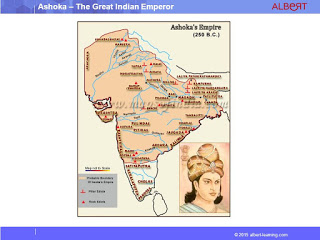
மாமன்னன் அசோகனை அசத்திய விலை மாது! (Post No 3433)

Written by London swaminathan


Date: 9 December 2016


Time uploaded in London: 10-45 am


Post No.3433


Pictures are taken from different sources; thanks.


contact; swami_48@yahoo.com


(Posted in English as well)

நம் ஒவ்வொருவரிடையேயும் மகத்தான சக்தி இருக்கிறது. அதைத் தேவை ஏற்படும் போது பிரயோகித்து அதிசயம் நிகழ்த்தலாம். இதோ பேராசிரியர் உஷர்புத் சொன்ன கதை. அவர் முதலில் அமெரிக்காவில் மின்னசோட்டா பலகலைக் கழக சம்ஸ்கிருதத் துறைப் பேராசிரியராக இருந்து பின்ன வேதபாரதி என்ர பெயரில் சாமியார் ஆனார்.


மாமன்னன் அசோகன் அவன் தலைநகரான பாடலிபுத்ரம் (பாட்னா) அருகில் கங்கை நதியை வேடிக்கை பார்த்துக் கொண்டிருந்தான்.


அமைச்சர்கள், பரிவாரம் புடைசூழ நின்றிருந்தான் அசோகன். திடீரென்று ஒரு கேள்வி கேட்டான். யாராவது இந்த கங்கை நதியைப் பின்னோக்கி ஓடச் செய்ய முடியுமா? இந்தக் கேள்விக்குப் பதில் சொல்ல முடியாமல் எல்லோரும் திகைத்து நின்றனர்.


மாமன்னன் ஆயிற்றே! ஆகவே ஒரு மந்திரி பயந்துகொண்டே சொன்னார்:

“மன்னர் மன்னவா! உலகில் எவ்வளவோ காரியங்களை நடத்த முடியாது என்று நினைப்பர்; ஆனால் உங்களைப் போன்ற மாவீரர்கள் நடத்திக் காட்டிவிடுவீர்கள்; ஆயினும் ஒரு நதி பின்னோக்கிச் சென்றதாக நாங்கள் கேள்விப்பட்டதில்லை. என் பதிலில் குறையிருந்தால் மன்னிக்கவும்” – என்று சொல்லி முடித்தார்.


அந்தப் பக்கமாக நடந்து சென்ற ஒரு விலை மாது இதைக் கேட்டுக்கொண்டே இருந்துவிட்டு அருகில் வந்தாள். “நான் செய்வது இழி தொழில் ஆகையால் இங்கு பேசலாமா என்று தெரியாது. மன்னர் அனுமதித்தால் நான் பேசுகிறேன்”.


மாமன்னன் அசோகன் “அதற்கென்ன? பெண்ணே, பேசு” என்றான்.

அந்தப் பெண் சொன்னாள். “இதோ பாருங்கள். இப்பொழுது நதியைப் பின்னோக்கி ஓடச் செய்கிறேன். அது தோன்றிய மலையை நோக்கி ஓட வைக்கிறேன்” என்றாள்.


எல்லா அமைச்சர்களும் வியப்புடன், “செய்து காட்டுங்கள்” என்று சொன்னார்கள். அவள் சொன்னவுடன் நதி மேல் நோக்கி மலையை நோக்கி ஓடத்துவங்கியது. இதனால் வரக்கூடிய இயற்கை விபத்துகளை உணர்ந்த அசோகன் “போதும் போதும் நிறுத்திவிடு; முன்னோக்கியே ஓடச் செய்துவிடு” – என்றான் அவளும் அப்படியே செய்தாள்.


மன்னன் கேட்பதற்கு முன்னால் அனைத்து அமைச்சர்களும், “அம்மணி! எப்படி இந்த அதிசயத்தைச் செய்தீர்கள்? என்று வினவினர்.

அவள் சொன்னாள்,


“வாழ்நாள் முழுதும் ஒருவர் ஏதேனும் ஒரு உறுதிமொழி அல்லது விரதத்தைக் கடைப் பிடித்து அதை யாருக்கும் சொல்லாமல் வைத்திருந்தால் மகத்தான சக்தி வரும். அந்த சக்தியை ஒரே ஒரு முறை மட்டும் இப்படி செலவிடலாம்

“நான் சொல்லுவது உண்மையானால்”, “நான் செய்தது உண்மையானால்” என்று சொல்லிவிட்டு இப்படிக் கட்டளையிடால அது நிறைவேறும் என்றாள்.


அம்மணி நீங்கள் என்ன உண்மையை , உறுதி மொழியை ரகசியமாகக் கடைப்பிடித்தீர்கள்? என்று கேட்டார்கள்.

நான் சந்தர்ப்ப சூழ்நிலையால் இந்த விலை மாதர் தொழிலில் இறங்கினேன். அப்பொழுது இந்தத் தொழிலிலும் ஏதேனும் சத்தியத்தைக் கடைப்பிடிக்க முடியுமா என்று வியந்தேன். அன்று என் மனதில் தோன்றியது. “மாமன்னன் வந்தாலும் சரி குஷ்ட ரோகி வந்தாலும் சரி; அவர்களுக்கு மனத்தளவிலும் உடல் அளவிலும் சமமான இன்பம் கொடுப்பேன்” என்ற திட விரதம் பூண்டேன். அந்த விரதத்தை இன்றுதான் முதல் தடவையாக உங்களிடம் சொல்லுகிறேன். ஒரு விரதத்தை ஏற்று அதை வாழ்நாள் முழுதும் கடைப் பிடித்தால் அப்பொழுது மகத்தான சக்தி சேரும். அதை ஒரே ஒரு முறை பயன்படுத்தலாம்! என்று சொல்லிவிட்டு அவள் வந்த வழியே திரும்பிச் சென்றாள்.


என் கருத்துகள்:-


இதுபோல மனத்தின் மகத்தான சக்தியைக் காட்டும் சில கதைகள் நினைவுக்கு வருகின்றன. இவைகளை முன்னரே எழுதிவிட்டதால் தலைப்பை மட்டும் தருகிறேன்:-

1.நோயுற்ற ஹுமாயுனைக் காப்பாற்ற, அவனது தந்தை (Babar) மூன்றுமுறை வலம் வந்து “அல்லாவே! என் உயிரை எடுத்துக் கொண்டு என் மகனைக் காப்பாற்று” என்ற சம்பவம்

2.துரியோதணனைக் காப்பாற்ற “நிர்வாணமாக நில்; என் பார்வை படுமிடம் எல்லாம் பலம் பெறுவாய்; உன்னை யாரும் கொல்லமுடியாது” என்று சொல்லியும் அவன் தனது மர்ம ஸ்தானங்களை மறைத்த சம்பவம்


3.திரிசங்கு மன்னனை விஸ்வாமித்திரன் சொர்க்கத்துக்கு அனுப்பிய சம்பவம் — இப்படி எவ்வளவோ சம்பவங்கள் நினைவுக்கு வருகிறது.


–Subham–