அகஸ்தியர் கொடுத்த அற்புத ஆயுதங்கள்: கம்பன், வால்மீகி தகவல் (Post No.3628)

Written by London swaminathan


Date: 11 FEBRUARY 2017


Time uploaded in London:- 19-59


Post No. 3628


Pictures are taken from various sources; thanks.


contact; swami_48@yahoo.com


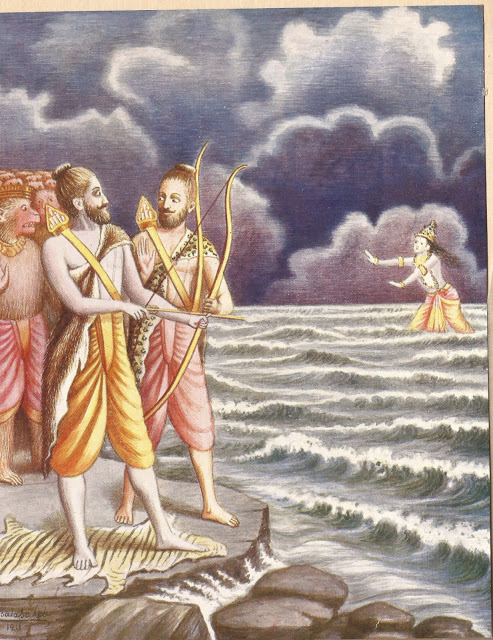
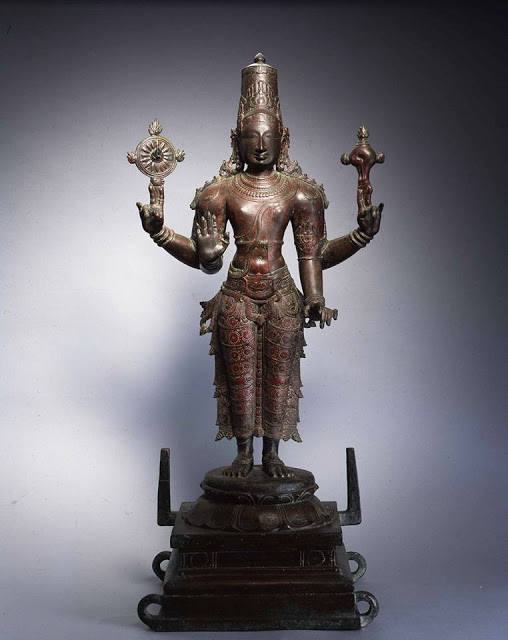
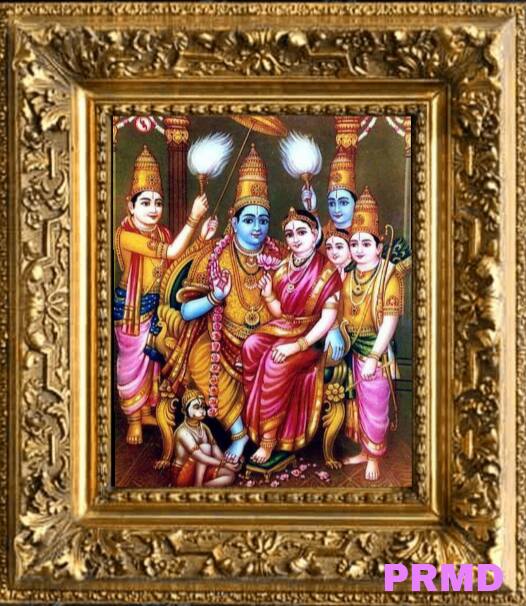
இராம பிரானுக்கு அகஸ்தியர் என்ன, என்ன ஆயுதங்களை அளித்தார் என்று வால்மீகி ராமாயணத்திலும், கம்ப ராமாயணத்திலும் தகவல்கள் உள்ளன. வால்மீகி விஷ்ணுவின் ஆயுதங்களை மட்டும் சொல்கிறார். கம்பன் அத்தோடு சிவபெருமான் ஆயுதங்களையும் சேர்த்துச் சொல்கிறார். கம்பன் சொல்லும் தராசு உவமை படிக்க இன்பம் தருகிறது.


ஏற்கனவே விஸ்வாமித்ரர் கொடுத்த ஆயுதங்களின் பட்டியலை, பால காண்டத்தில் (அத்தியயம் 27, 28)  வால்மீகி கொடுத்துள்ளார்.


ஆரண்ய காண்டத்தில் (அத்தியயம் 12)  வால்மீகி கொடுக்கும் தகவல் இதோ:-


“இதுதான் விஷ்ணுவுக்குச் சொந்தமான சக்திவாய்ந்த தெய்வீக வில். இது விஸ்வகர்மாவினால் உருவாக்கப்பட்டது. தங்கமும் வைரமும் பதிக்கப்பட்டது.

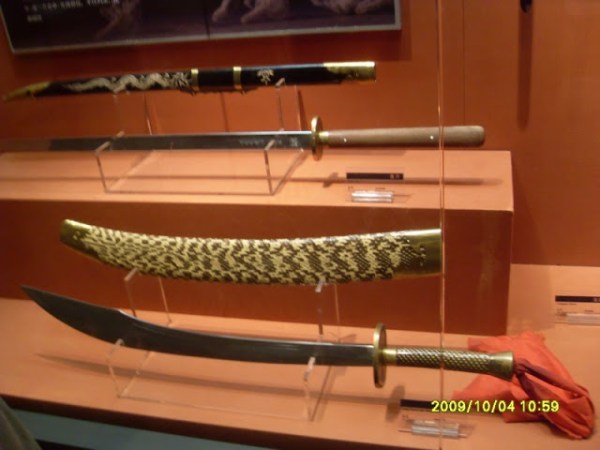
இதோ, இது பிரம்மதத்த அம்பு. தவறாமல் தாக்கவல்லது; சூரியன் போன்றது. எனக்கு இதை இந்திரன் அளித்தான். இதோ கூரான அம்புகள் உடைய, எடுக்க எடுக்கக் குறையாத அம்பறாத்தூணி. தீப்போல ஜ்வலிக்கக்கூடியவை. இதோ வெள்ளி உறையும், அதிலுள்ள தங்க வேலைப்பாடுமிக்க வாளும்”.

“ஏற்கனவே அசுரர்களை அழிக்க விஷ்ணு பயன்படுத்திய அம்பு இது. இவை அனைத்தும் உனக்கு வெற்றியைத் தரும்” – என்று சொல்லி அகஸ்தியர் ஆயுதங்களைக் கொடுத்தார்.


இனி கம்பன் என்ன சொல்கிறான் என்று காண்போம்:-


அகஸ்தியர் கொடுத்த வாளினை ஒரு தராசுத் தட்டில் வைத்து மறுதட்டில் பூலோகம் முழுவதையும் வைத்தாலும் அந்த வாளுக்கு இணையாகாதாம். இது தவிர மேரு மலையை வில்லாக வளைத்து வானில் தொங்கிக் கொண்டிருந்த திரிபுரங்களையும் ( மூன்று பறக்கும் கோட்டைகள்) அழிக்க சிவபெருமான் பயன்படுத்திய வலிய அம்பையும் முனிவன் அளித்தானாம்.

இப்புவனம் முற்றும் ஒரு தட்டினிடை இட்டால்

ஒப்பு வரவிற்று என உரைப்ப அரிய வாளும்

வெப்பு உருவு பெற்ற அரன் மேரு வரை வில்லாய்

முப்புரம் எரித்த தனி மொய்க் கணையும் நல்கா

–அகத்தியப் படலம்


இதற்கு முன் கம்பன் கூறுவான்:

விழுமியது சொற்றனை இவ்வில் இவண்மேல் நாள்

முழுமுதல்வன் வைத்துளது மூ உலகும் யானும்

வழிபட இருப்பது இது தன்னை வடி வாளில்

குழு வழு இல் புட்டிலொடு கோடி என நல்கி


பொருள்:-


அகஸ்தியன் சொன்னது: சிறந்த கருத்தினைச் சொன்னாய் இராமா! இங்குள்ள இந்தவில் முற்காலத்தில், முழு முதல்வனான திருமால் வைத்திருந்தது. மூன்று உலகங்களும் நானும் வணங்கும் சிறப்பு பெற்றது  இவ்வில்லை, குறையாமல் நிறைந்திருக்கும் புட்டிலொடு (அமபறாத்தூணி) பெற்றுக் கொள்க.


வால்மீகியும் கம்பனும் தரும் ஆயுதங்களை மட்டும் எடுத்துக்கொண்டு ஒரு ஆராய்ச்சியே செய்யலாம். ஆரணிய காண்ட உரையில் இராவணன் பயன்படுத்திய ஆயுதங்களின் தகவலும் கிடைக்கிறது. அவனுடைய வாளின் பெயர் பெயர் சந்திரஹாசம்!


பாலகாண்டம் 27, 28 ஆம் அத்தியாயங்களில் வால்மீகி தரும் ஐம்பதுக்கும் மேலான ஆயுதங்களின் பெயர்கள் வியப்பூட்டும்! குறிஞ்சிப் பாட்டில் கபிலர் 99 பூக்களின் பெயர்களை அடுக்குவதுபோல வால்மீகி 50-க்கும் மேலான ஆயுதங்களின் பட்டியலைக் கொடுத்து அசத்திவிட்டார்.


சுபம்


Why did Mother Earth Cry? Sangam Tamils and Valmiki explain! (Post No.3627)

Written by London swaminathan


Date: 11 FEBRUARY 2017


Time uploaded in London:- 13-25


Post No. 3627


Pictures are taken from various sources; thanks.


contact; swami_48@yahoo.com


Sangam Tamil literature has got many poets with Sanskrit names such as Valmiki, Damodraran, Kesavan, Rudraksha, Kamakshi, Markanedyan etc. Most of the poems in Purananuru, oldest part of Sangam Tamil Literature, is full of Hindu themes, stories, similes, imageries, thoughts and views. In fact, there is no poem without one of these ideas. over 20 poets have Nagan as suffix in their names! This explodes the Aryan-Dravidian Racist theories.


There is a very interesting poem sung by Marakandeyanar (verse 365); when he was explaining the instability of the world, he said that the Mother Earth cried saying that she was like a courtesan; all the kings come and ‘enjoy’ her and go. one wouldn’t understand the meaning of this poem unless one reads Valamiki Ramayana.


The story of Mother Earth is in 36th Chapter of Bala Kanda in Ramayana:


Vishvamitra narrated the Story of Uma to Rama and Lakshmana. In the ancient times, Mahadeva married Uma and spent his time happily. But the Devas were worried that they had no issue for a long time. Devas wanted a powerful youth to get rid of the Asuras/demons. So they went to Shiva’s abode under the leadership of Brahma and told him their concern. Then Lord Shiva shed his semen which fell on earth. It covered the hills and forests. When the earth could bear no more, Devas asked the fire god Agni and Wind god Vayu to take it. They created a mountain called Shveta and a forest called Shara. Kartikeya was born from this Shara Vana (Vana= forest).

6c1ef-mother-earth

Though all the Devas were happy, Uma wan’t. Since she was bypassed in this matter she cursed Devas that they would remain childless. She cursed Mother Earth for accepting Shiva’s seeds, that she would never bear a son, but would have countless masters (Kings). This is the reason for Mother Earth’s crying.


Earth is considered Mother in Tamil and Sanskrit literature. Greeks borrowed this idea from the Hindus. The poet in the verse used other Puranic imageries such as Sun and Moon as eyes, sky as face, Diamond tool etc.


–Subham–


Ruler is Father and Mother: Hindu Concept in Tamil and Sanskrit Literature! (Post No.3626)

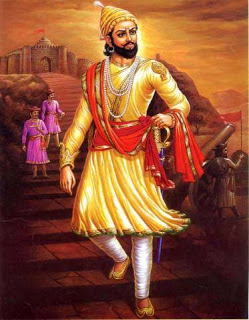
50b32-shivaji2bwalking2bpose

Written by London swaminathan


Date: 11 FEBRUARY 2017


Time uploaded in London:- 8-22 am


Post No. 3626


Pictures are taken from various sources; thanks.


contact; swami_48@yahoo.com


Hindus considered the Rulers as their father and mother. Generally, Guru and God are praised as father and mother by the Hindus in their hymns. But considering a ruler as a close relative is unique to Tamil and Sanskrit literature. Such a concept existed in ancient India at least 2000 years ago! We have got evidence for this in Tamil and Sanskrit literature. Though we have numerous references I will just give some proofs from both the literatures.


Following slokas (couplets) are from Raghuvamsa of Kalidasa (Source:sanskritdocuments.org)


प्रजानां विनयाधानाद्रक्षणाद्भरणादपि।
स पिता पितरस्तासां केवलं जन्महेतवः॥ १-२४

prajānāṁ vinayādhānādrakṣaṇādbharaṇādapi |
sa pitā pitarastāsāṁ kevalaṁ janmahetavaḥ || 1-24


Orienting his subjects in good conduct, protecting them from fears or dangers, according succour with welfare facilities, king DilIpa became their de facto father while their actual parents remained parents de jure. [1-24]


भूतानुकम्पा तव चेदियं गौरेका भवेत्स्वस्तिमती त्वदन्ते।
जीवन्पुनः शश्वदुपप्लवेभ्यः प्रजाः प्रजानाथ पितेव पासि॥ २-४८

bhūtānukampā tava cediyaṁ gaurekā bhavetsvastimatī tvadante|
jīvanpunaḥ śaśvadupaplavebhyaḥ prajāḥ prajānātha piteva pāsi || 2-48

“If, however, this be thy compassion for living beings, this cow will be the single one rendered happy by your death: on the other hand if alive, oh thou refuge of the people, thou canst like a father always guard thy subjects from calamities…  [2-48]


तेनार्थवान् लोभपराङ्मुखेन
तेन घ्नता विघ्नभयम् क्रियावान्।
तेनास लोकः पितृमान्विनेत्रा
तेनैव शोकापनुदेव पुत्री ॥ १४-२३

tenārthavān lobhaparāṅmukhena
tena ghnatā vighnabhayam kriyāvān |
tenāsa lokaḥ pitṛmānvinetrā
tenaiva śokāpanudeva putrī  || 14-23


On account of his being disinclined to avarice, his subjects became rich; on account of his removing the fear of obstacles they carried on their religious ceremonies; on account of his being their leader they had a father in him; and on account of all grief being removed by him they were, as if, blessed with a good son. [14-23]

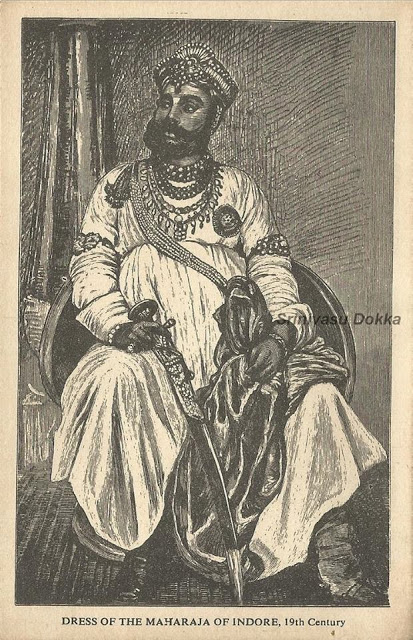
2949d-indore2bmaharaja

In Sakuntalam drama of Kalidasa:


Chamberlain:

“Here is His Majesty

Wearined caring for his subjects

as if they were his own children” (5-3)


King

On the other hand, what does it matter whether there is an heir or not;

Proclaim thus to my subjects; Whosoever

suffers the loss of one dearly loved

shall find in Dudhyanta one to take his place

in all relations deemed lawful and holy (7-25)


Kautilya in his Arthasastra also says the same (4-3; 7-16)


MANU SMRTI says

  1. Having ascertained his learning in the Veda and (the purity of) his conduct, the king shall provide for him means of subsistence in accordance with the sacred law, and shall protect him in every way, as a father (protects) the lawful son of his body.


TAMIL INSCRIPTIONS AND LITERATURE


We find the same lines in a Tamil inscription of Raja Raja II

“Father for those who have no fathers, Mother for those who lost mothers

Sons for those who have no issues, life of all the living beings”


SANGAM LITERATURE


Mankudi kizar (verse 396) says that the ruler Vataatru Eziniyaathan is the relative of every citizen who has no relations.


“Most quoted Tamil verse in Purananuru (192) of Kaniyan Punkundran says

Every town is my home town; everyone is my kinsman”


Nari Veruuththalaiyar (verse 5) praises the king as father and his subjects as his children.


Marudan Ilangan (Kalitokai verse 99) praises the king as Mother to everyone.


Mosikeeranaar of verse 186 (Purananuru) says that the world depends upon the king for everything.


Another strange coincidence is the word for people in Tamil and Sanskrit are Makkal and Prajaah respectively. Both meant people and children both the languages!


All these references show that Ancient India had one culture and all the arguments that Aryans and Dravidians came to India from outside are false.


–Subham–


பாரதத்தின் ஒருமைப்பாடு: சங்க இலக்கியச் சான்றுகள்! (Post No.3625)

Written by S NAGARAJAN


Date: 11 February 2017


Time uploaded in London:-  6-24 am


Post No.3625


Pictures are taken from various sources; thanks.


contact: swami_48@yahoo.com


சங்க இலக்கிய ஆய்வு – கட்டுரை எண் 21

இரண்டாம் பாகம் – முதல் கட்டுரை

இந்தக் கட்டுரை சுமார் 42 ஆண்டுகளுக்கு முன்னர் 2-12-1973 தினமணி சுடர் இதழில் வெளியான எனது கட்டுரை.


பாரதத்தின் பழம்பெரும் ஒருமைப்பாடு: சங்க இலக்கியச் சான்றுகள்!


                       by ச.நாகராஜன்


மனிதர்கள் கூட்டமைப்பாக ஓரிடத்திலே தங்கி வாழ்ந்து தமக்கெனச் சிறப்பான பழக்க வழக்கங்களையும், பண்பாட்டையும் என்று ஏற்படுத்திக் கொண்டார்களோ, அன்றே தேசம் பிறந்தது. இயற்கையான எல்லைகளைக் கொண்டு, பொதுவான இலக்கியம், பண்பாடு, பழக்க வழக்கங்கள், வழிபாட்டு முறைகள், கருத்துக்கள் ஆகியவற்றைக் கொண்ட மனிதத் தொகுதியையே தேசம் என்று ஹோலி காம்ப் (Hole Combe) பர்கெஸ் (Burgess), கெட்டல் (Gettell) போன்ற மேனாட்டறிஞர் உரைப்பர். பூகோள எல்லையை வெறும் உடலாகவும், பழம் பெரும் பண்பாடு, மரபு, பழக்க வழக்கங்களை ஆன்மாகவும் உருவ்கப்படுத்துகிறார் சர் எர்னஸ்ட் பார்கர் (Sir Ernest Barrmer) என்ற தற்கால அறிஞர்.

இந்த நோக்கில் பாரதம் ஒன்றுபட்ட தனிப்பெரும் நாடாக பண்டு தொட்டு இலங்கி வந்திருக்கிறது. இதற்கான சான்றுகளை சங்க இலக்கியத்தில் பரக்கக் காணலாம்.

நாட்டு எல்லைகள்

இமயம் முதல் குமரி வரை பரவியுள்ள பூமியே பாரதம் என்று விஷ்ணு புராணம், மகாபாரதம், பாகவதம் ஆகிய நூல்கள் கூறுகின்றன. சங்க நூல்களிலும் நம் எல்லை பற்றிய இத் தெளிவான கருத்தைப் பல இடங்களில் காண்லாம்.

தென் குமரி, வட பெருங்கல்

 குண குட கடலா எல்லை”  (புறம் 17)


வடா அது பனிபடு நெடுவரை வடக்கும்

தெனா அது உருகெழு குமரியின் தெற்கும்

குணா அது க்ரைபொரு தொடுகடற் குணக்கும்

குடா அது தொன்று முதிர் பௌவத்தின் குடக்கும் (புறம் 5)

என்று புறநானூற்று அடிகளும்,

“ஆரியர் துவன்றிய பேரிசை இமயம்

தென்னங்  குமரியொ யாயிடை” (பதிற்றுப்பத்து 11)

“நெடுவரை

வடதிசை எல்லை இமயமாகத்

தென்னங் குமரியொடு ஆயிடை அரசர் (பதி-43)

என்ற பதிற்றுப்பத்து அடிகளாலும், பண்டாட்டால் ஒன்று பட்டிருந்த நாடு, பல அரசர்களால் ஆளப்பட்டதென்றாலும், அதை ஒவ்வொரு அரசனும் தன் ஆளுகைக்குக் கீழ்க் கொணர முயற்சித்து வெற்றி பெருவதைப் பெருமையாகக் கொள்வது வழக்கம் என்றும் அறிகிறோம்.

இலக்கிய ஒருமை

தேசம் முழுவதெற்கும் பொதுவான இலக்கியமெனத் திகழும் இராமாயண, மகாபாரதக் கதை நிகழ்ச்சிகள் சங்க இலக்கியம் முழுதும் காணப்படுகின்றன.

பீமன் அரக்கு மாளிகைத் தீயிலிருந்து பாண்டவர்களைக் காப்பாற்றியது (கல்-25), பீமன் துரியோதனன் தொடையை முறித்தது (கலி-52), துச்சாதனன் திரௌபதியின் கூந்தலைப் பற்றி இழுத்தது (கலி 101) ஆகிய பாரதக் கதை நிகழ்ச்சிகளையும் சீதையின் ஆபரணங்களைக் குரங்குகள் அணிந்தது, சீதையை இராவணன் தூக்கிச் சென்றது (புறம் 378), தனுஷ்கோடியில் இராமன் தன் கை கவித்துப் பறவைகளின் ஒலியை அடக்கியது (அகம் 70) ஆகிய இராமாயணக் கதை நிகழ்ச்சிகளையும் சங்க இலக்கியம் கூறுவதிலிருந்து இந்தப் பொதுவான இலக்கியம் பற்றிய உணர்வு பழங் காலத்திலேயே இருந்தது என்று தெரிகிறது..சுமார் நூற்றிற்கும் மேற்பட்ட புராணச் செய்திகளை சங்க இலக்கியம் கூறுகிறது.
 

பண்பாட்டு ஒருமை

பாரதப் பண்பாடு வலியுறுத்தும் உருவ வழிபாடு, இம்மை, மறுமை பற்றிய எண்ணம், மறுபிறப்பில் நம்பிக்கை, கங்கை, காவிரி, இமயம் போன்ற ஆறு, மலைகளைப் பற்றிய புனித உணர்வு, கற்பிற்கு அருந்ததியைக் காட்டல், வேள்வி இயற்றல் போன்றவற்றை சங்க இலக்கியத்தில் காண்கிறோம்.

திருமுருகாற்றுப்படையில் ஆறு முகங்களைப் பற்றி வரும் அருமையான விளக்கமும், பதிற்றுப்பத்தில் வரும் ‘க்டவுள் பத்தினிக் கற்கோள் வேண்டி’ (5ஆம் பதிகம்) என்ற வரியும் உருவ வழிபாட்டைச் சங்க கால மக்கள் ஏற்றிருந்தமையை வலியுறுத்துகின்றன. மேலும் க்டவுளை வாழ்த்தல், கடவுளுக்குப் பலி கொடுத்தல், கோவில் அமைத்தல் முதலானவற்றைப் பெரும்பாணாற்றுப்படை (வரி 39), நற்றிணை (358), பட்டினப்பாலை (வரி 286-287) ஆகியவற்றில் காண்கிறோம்.

தவறான வழியில் ஈட்டும் பொருள் இம்மைக்கும், மறுமைக்கும் பகையாக இருக்கும் என்ற நம்பிக்கையைக் கலித்தொகை (14) கூறுகிறது.

“இம்மை உலகத்து இசையொடும் விளங்கி

மறுமை உலகமும் மறு இன்றி எய்துப”

என்ற அகநானூற்று (66) அடிகள் சங்க கால மக்களின் மறு உலக நம்பிக்கையை வலியுறுத்துகிறது.

“தேய்தல் உண்மையும் பெருகல் உண்மையும்

   மாய்தல் உண்மையும் பிறத்தல் உண்மையும்:” (புறம் 27)

  “உயர்ந்த வேட்டத்து  உயர்ந்தி சினோர்க்கு

   செய்வினை மருங்கின் எய்தல் உண்டு எனின்

   தொய்யா உலகத்து நுகர்ச்சியும் கூடும்

   தொய்யா உலகத்து நுகர்ச்சி இல் எனின்

   மாறிப் பிறப்பின் இன்மையுங் கூடும்” (புறம் 214)

என்கின்ற புறநானூற்று அடிகளால் சங்க காலத்தில் பாரதப் பண்பாட்டின் அடிப்படையான மறுபிறப்பு நம்பிக்கையையும், வினைப்பயன் பற்றிய எண்ணமும் இருந்தது என்பது விளங்குகிறது.

சிவன் உறைந்திருப்பதால் புனிதம் பெற்ற இமயம் என்ற பொருளில் ‘கடவுள் உறைய கல்லோங்கு நெடுவரை’என்ற அடியைப் பதிற்றுப் பத்தில் காண்கிறோம். பத்தினித் தெய்வமான கண்ணகிக்கு இமயத்தில் கல் எடுத்து புனிதமான் கங்கையிலே நீராட்டலை ‘ பேரிசை இன்பல் அருவிக் கங்கை மண்ணி; என்று பதிற்றுப்பத்து (பதிகம் 5) குறிப்பிடுகிறது.
 

‘வடமீன் புரையும் கற்பின் மடமொழி’ என்று புறநானூறும் (122), ’வட்மீன் போல் தொழுதேத்தும் வயங்கிய கற்பினாள்’ என்று கலித்தொகையும் (2) கற்பிற்கு எடுத்துக்காட்டாக அருந்ததியைக் கூறுகின்றன.

பாரதம் முழுதும் வேள்வி இயற்றல் பண்டைக் காலத்தில் பரவி இருந்தது. பல்யாகசாலை முதுகுடுமிப் பெருவழுதி  என்ற பாண்டிய மன்னம் பெயராலும், சோழன் இராசசூயம் வேட்ட பெருநற்கிள்ளி என்ற சோழன் பெயராலும் சங்ககால் மன்னர்கள்  வேள்வி இயற்றிய செய்தியை உணரலாம்.

பிணத்தைப் பாடையில் கொண்டு செல்லல் (புறம் 286) போன்ற பழக்க வழக்கங்களும் இறந்த கணவனுக்குக் காதலி பிண்டம் வைத்தல் போன்ற ச்டங்குகளும் நாடு முழுவ்தற்கும் பொதுவானவையாக இருந்தவை தான்.


ஒரே நாடு பாரதம்

இப்படி இயற்கையான பூகோள எல்லையால் பொதுவான உடலையும், ஒரே பண்பாடு, மரபு, பழக்க வழக்கங்கள் ஆகியவற்றால் பொதுவான ஆன்மாவையும் பாரதம் கொண்டிருந்தது என்பது சங்க இலக்கியம் கூறும் உண்மை. அதாவது ஒரே தேசம் என்ற எண்ணம் சங்க இலக்கியம் எவ்வளவு பழமையானதோ அவ்வளவு பழமையானதாகும்.

****


வள்ளுவருக்கு ஏன் 11 பெயர்கள்? (Post No.3624)

Written by London swaminathan


Date: 10 FEBRUARY 2017


Time uploaded in London:- 20-56


Post No. 3624


Pictures are taken from different sources; thanks.


contact; swami_48@yahoo.com


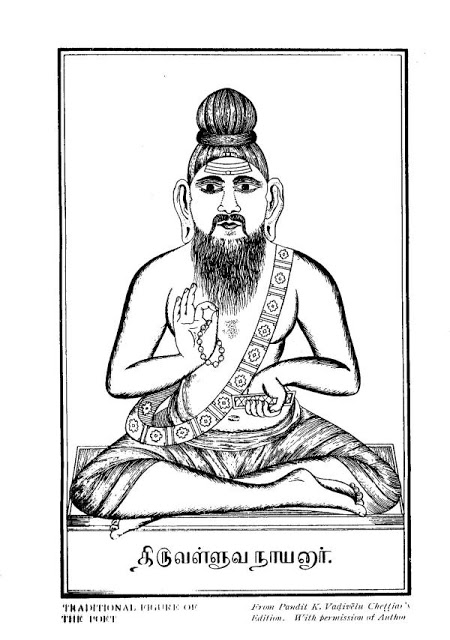
திருவள்ளுவரின் பழைய வரலாறு மறைக்கப்பட்டுவிட்டது போலவே அவருடைய பெயர்களும், திருவள்ளுவ மாலையில் உள்ள 50-க்கும் மேலான செய்யுட்களும் மறைக்கப்பட்டு விட்டன; மறக்கப்பட்டும் விட்டன. இன்று அவருடைய 11 பெயர்களை மட்டும் ஆராய்வோம்.


அவருடைய 11 பெயர்கள்


திருவள்ளுவர்

தேவர்

முதற்பாவலர்

மாதாநுபங்கி

தெய்வப்புலவர்

செந்நாப்போதார்

பெருநாவலர்

நான்முகனார்

புலவர்

பொய்யில் புலவர்

நாயனார்


இனி இதன் விளக்கங்களைக் காண்போம்


1.திருவள்ளுவர்

வள்ளுவர் என்பது ஒரு ஜாதியின் பெயர் என்றும் அந்த ஜாதியினர் அரசனின் ஆணைகளை யானை மீது சென்று பறையறிவித்து பிரகடனம் செய்வர் என்றும் கூறுவர்.

மற்றொரு பொருள்:- திரு என்பது உயர்வைக் குறிக்கும்; வள்ளுவர் என்பது வண்மையுடையவர் எனப் பொருள்படும்.


வேத சாஸ்திரங்களில் இலை மறை காய்போல இருந்த அரிய பெரிய விஷயங்களைச் சுருங்கச் சொல்லி தமிழ் வேதம் எனப்படும் திருக்குறளை எழுதியதால் இப்பெயர் பெற்றார் என்பாரும் உளர்.

வள்ளுவர்- வண்மையென்னும் பண்பினடியாய்ப் பிறந்த பெயர்; உ-சாரியை


2.தேவர்

தெய்வத்தனமையை உடையவர். மனிதனுக்கும் மேலாக தேவர் என்னும் நிலையில் வைத்துக் கொண்டாடப்படுபவர்; முனிவர் போல ஆசார அனுஷ்டானங்களைக் கடைப்பிடித்தவர். திருவள்ளுவ மாலையில் உறையூர் முதுகூற்றனார், “தேவிற் சிறந்த திருவள்ளுவர் என்று கூறுவது, இதை உறுதி செய்கிறது.


3.முதற்பாவலர்

முதன்மையுடைய பாவலர்; இதன் பொருள் கவிகளில் சிறந்தவர். காளிதாசனை “கவி குல குரு” என்பது போல.பாவலர்= பாடல் பாட வல்லவர். பலவகை வெண்பாக்களுள் குறள்பா முதன்மையானது; அதில் பாடியவர். மேலும் அந்தண ஜாதியிற் பிறந்ததால் முதல் பாவலர் என்பாரும் உளர்.

4.மாதாநுபங்கி

திருவள்ளுவ மாலையில் மாதாநுபங்கி என்ற பெயரையும் செந்நாப்போதார் என்ற பெயரையும் நல்கூர் வேள்வியார் பயன்படுத்தியுள்ளார்; தாய் போல சாலப் பரிந்து அன்பு செலுத்தியவர். தாயெனத்தக்கவர்.

உப்பக்கம் நோக்கி உபகேசி தோள்மணந்தான்

உத்தர மாமதுரைக் கச்சென்ப – இப்பக்கம்

மாதாநுபங்கி மறுவில் புலச்செந்நாப்

போதார் புனற்கூடற்கச்சு


5.தெய்வப் புலவர்

கிரேக்க மொழியின் முதல் கவிஞர் ஹோமரையும் சம்ஸ்கிருத இலக்கணம் எழுதிய பாணினியையும் Divine Homer டிவைன் ஹோமர், பகவான் பாணினி என்பர். அதுபோலத் தெய்வீகத் தன்மையுடைய திருக்குறளை எழுதியதால் தெய்வப் புலவர் என பெயர் பெற்றார். அதுமட்டுமல்ல, மதுரைத் தமிழ்ச் சங்கத்தில் இவரையும் வணிகர் மரபில் தோன்றிய ருத்திரசர்மர் என்பவரை யும் மட்டுமே சங்கப் பலகையில் அமர கடவுள் அனுமதித்தார். மற்றவர் எல்லோரையும் மீனாட்சி கோவில் பொற்றாமரைக் குளத்தில் விழவைத்தது என்பது செவிவழிச் செய்தி. அப்போது ஆகாயவாணி (அசரீரி) இவரது திருக்குறளை அங்கீகரித்ததால் இப்பெயர். அதுமட்டுமல்ல. சேனாவரையர், நச்சினார்க்கினியர் ஆகியோர் எழுதிய தொல்காப்பிய உரை முதலியவற்றில் தெய்வப்புலவன் திருவள்ளுவன் என்று போற்றியுள்ளானர்.


6.செந்நாப்போதார்

செவ்விய நாவாகிய மலரையுடையவர்; “என்றும் புலராது”   என்ற இறையனார் பாசுரத்தில், திருவள்ளுவர் வாய்ச் சொற்குக் கற்பகத் திருமலர் உவமை கூறப்பட்டுள்ளது. போது=மலர். மலர்மேல் அமரும் சரஸ்வதி தேவி, அவரது நாவில் வசிக்கிறாள்; செவ்விய மதுரஞ்சேர்ந்த நற்பொருளிற் சீரிய கூரிய தீஞ்சொல், வவ்விய கவிகளாகிய தேனைச் சொரிகிற நாக்கை உடையவர்.


7.பெருநாவலர்

பெருமையுடைய புலவர்; நாவலருட் பெரியவர் என்க.

நாவலர்= கவந சக்தியும், பிரசங்க சக்தியும், போதனா சக்தியும் படைத்த நாவன்மை உடையவர். திருவள்ளூவ மாலையில் தொடித்தலை விழுத்தண்டினார் இப்பெயரைப் பயன்படுத்தியுள்ளார்.


8.நான்முகனார்

பிரம்மதேவனின் அம்சத்துடன் பிறந்தவர்; திருவள்ளுவ மாலையில், உக்கிரப் பெருவழுதியும், காவிரிப் பூம்பட்டினத்துக் காரிக்கண்ணனாரும் கூறியதைக் காண்க:-

நான்மறையின் மெய்ப்பொருளை முப்பொருளா நான்முகத்தோன், தான் மறைந்து வள்ளுவானய்த் தந்துரைத்த நூன்முறையை…..”


ஐயாறு நூறு மதிகார மூன்றுமா, மெய்யாய வேதப்பொருள் விளங்கப் பொய்யாது, தந்தானுலகிற்குத்தான் வள்ளுவனாகி, அந்தாமரைமேலயன்

9.புலவர்

புலம் அல்லது புலமை உடையவர் (புலம்= தேர்ந்த அறிவு; புலமை=கல்வித் தேர்ச்சி) நூலறிவு; பாண்டித்தியம் உடைமை.

சைவர்களுக்கு கோவில் என்றால் சிதம்பரம்

வைணவர்களுக்கு கோவில் என்றால் திருவரங்கம்

அது போல   தமிழில் புலவர் என்றால் வள்ளுவர்


திருவள்ளுவ மாலையில் புலவர் திருவள்ளுவரன்றிப் பூமேற்- சிலவர் புலவரெனச் செப்பல் – என்று மதுரை தமிழாசிரியர் செங்குன்றூர்க் கிழார் கூறியதால் அறிக.


10.பொய்யில் புலவர்


பொய்மையில்லாத புலவர்; பொருள்களை உள்ளபடி உணரவும், உணர்ந்தபடி உரைக்கவும் வல்ல அறிவை உடையவரென்றபடி. சீத்தலைச் சாத்தனார், மணிமேகலையில், பொய்யில் புலவன் பொருளுரை  தேறாய் – என்றனர்.


11.நாயனார்

இப்பெயரை நச்சினார்க்கினியர், தன் உரையில் பயின்றுள்ளார்.


சுபம்-

Love Poems in Sanskrit Literature (Post No.3623)

Written by S NAGARAJAN


Date: 10 February 2017


Time uploaded in London:-  5-54 am


Post No.3623


Pictures are taken from different sources; thanks.


contact: swami_48@yahoo.com


Santhanan Nagarajan


Remember Sir Walter Scott’s Brignall Banks? ‘A maiden on the castle wall, Was singing merrily,-,“O, Brignall banks are fresh and fair, And Greta woods are green; I‘d rather rove with Edmund there, Than reign our English queen.”

What a beautiful sentiment is being expressed there? Similar poems are available in hundreds in English Literature. But if you come across Sanskrit and Tamil literature thousands of Love poems will take you to a greater level.

Every single movement of a lover becomes a great epic! The poets left no stone unturned. In order to read all the poems and absorb the meaning we may need hundreds of years.


The love poems are analyzed threadbare by the great scholars and in these poems the sentiment or ‘rasa’ reigns supreme.

The emotion of love is inborn in human heart. But it will come to prominence once it finds an object for its activity.

Take a case of a charming youth. He happens to see a beautiful young girl. His emotion of love is aroused. He begins to think of her. Fortunately if he meets her in a secluded place and the mutual love is fully developed, they enjoy the ‘rasa’.


But in the poetry the ‘rasa’ even though developed in the characters in the poem, they are not enjoying or tasting it, but the readers are enjoying it.

The secret of the good poetry is to give that ‘rasa’ or sentiment to the reader.

Sanskrit love poems are always successful in giving this beautiful sentiment.

If you go in deep, the literature gives various aspects of love. Coding system is not a modern one. In ancient times, the lovers used this system. Only the lovers will understand their language. This has been described in love poems in detail. Also there is a sign language. The gestures gives different meanings. Meeting place, meeting time etc. will be communicated through this sign language. If there are some family members present in the gathering, the girl will communicate to her lover using this language. Their world is unique and there is no place for others.


In Sangam literature of Tamil, which is very old, there is a beautiful poem:

The lover asks his beloved, who is your mother and who is my mother? How your father and my father are related? When the rain drops on a red sand it merges with the sand. Likewise the hearts filled with love melts and merges.


The people of Tamilnadu had given equal importance to the valour and love.  And hence we may find poems related to these two aspects of life.

The same is true in general with all other kingdoms of ancient India. There were 56 kingdoms in all. Poets like Kalidasa, Harsha, Bharavi, Dandi, Rajasekara composed poem of high order.


One would be surprised to note that in the ancient Vedas there is a famous love story of Nala and Damayanthi. Damayanthi, the great queen married Nala overcoming many obstacles. The Nala story is very famous and almost in all languages of India the poets have sung the glory of love between Nala and Damayanthi.


Given below is one sample poem of poet Bhavaka Devi:

Her breasts are brother kings, equal in nobility,

Reared together till they have reached the same altitude of fame;

And from their border warfare these monarchs of vast provinces

Have gained a cursed hardness.


One more poem:

With your large eyes having curved and sportive eye-brows which great men, however immovable by emotions, have you not, oh! Lady with charming limbs, brought to the state of emotional disturbance?

Think for a moment, if one could read the above poems in Sanskrit itself, how much ‘rasa’ and joy it will bring!

In this life, one should read some good poems every day to elevate our minds!

***

நலம் தரும் சொல்: திருமங்கை ஆழ்வார் கண்டுபிடிப்பு! (Post No.3622)

Written by London swaminathan


Date: 9 FEBRUARY 2017


Time uploaded in London:- 20-45


Post No. 3622


Pictures are taken from different sources; thanks.


contact; swami_48@yahoo.com


நாராயணா  என்னும் நாமத்தின் சிறப்பை எப்படிக் கண்டுகொண்டார் என்பதை திருமங்கை ஆழ்வார் விளக்கும்  விதமே தனி அழகு!  அவர் சொல்லுவதை பெரிய திருமொழியில்   படித்து ரசிக்க வேண்டும்.


குலம் தரும்; செல்வம் தந்திடும்; அடியார்

படுதுயர் ஆயின எல்லாம்

நிலம் தரும் செய்யும்; நீள் விசும்பு அருளும்;

அருளொடு பெரு நிலம் அளிக்கும்;

வலம் தரும்; மற்றும் தந்திடும்; பெற்ற

தாயினும் ஆயின செய்யும்;

நலம் தரும் சொல்லை நான் கண்டுகொண்டேன்

நாராயணா என்னும் நாமம்


நாராயணா என்னும் நாமத்தின் மூலம் என்ன , என்ன கிடைக்கும்?

உயர்ந்த மேன்மை (குலம்)

செல்வம்

துயர்களைத் துடைக்கும்

நிலம் தரும்

பகவானின் அருளைத் தரும்

சுவர்கம்- வீடுபேறு தரும்

பலம் தரும்

தாயினும் மிஞ்சிய அன்பும் தரும்


இவ்வளவு சிறப்புடைய சொல், நாமம் நாராயணா என்பதைக் கண்டுவிட்டேன்.

இதை கம்பன் பாடலுடனும் அபிராமி பட்டர் பாடலுடனும் ஒப்பிடலாம்:

தனம் தரும், கல்வி தரும், ஒருநாளும் தளர்வறியா

மனம் தரும்; தெய்வ வடிவும் தரும்- நெஞ்சில் வஞ்சமில்லா

இனம் தரும்; நல்லனவெல்லாம் தரும் அனபர் என்பவர்க்கே

கனம்தரும் பூங்குழலாள் அபிராமி கடைக்கண்களே

–அபிராமி அந்தாதி

கம்பன் இதையே இராம நாமத்தினால் கிடைக்கும் என்பான்:-

பால காண்டத்தில் கம்பன் :-


நன்மையும் செல்வமும் நாளும் நல்குமே

தின்மையும் பாவமும் சிதைந்து தேயுமே

சென்மமும் மரணமும் இன்றித் தீருமே

இம்மையே இராம என்ற இரண்டெழுத்தினால்.


நாடிய பொருள் கைகூடும் ஞானமும் புகழும் உண்டாம்

வீ டியல் வழியதாக்கும் வேரியம் கமலை நோக்கும்

நீடிய அரக்கர் சேனை நீறு பட்டழிய வாகை

சூடிய சிலையிராமன் தோள்வலி கூறுவார்க்கே.


ஊமை கண்ட கனவு!

திருமங்கை ஆழ்வாரின் பத்து பாடல்களில் ஒரு பாடல்தான் “குலம் தரும்”…………….. ஏனைய பாடல்களில் அவர் கூறும் நல்ல வாசகங்கள்:


சேமமே வேண்டி தீவினை பெருக்கி

தெரிவைமார் உருவமே மருவி

ஊமனார் கண்ட கனவிலும் பழுது ஆய்

ஒழிந்தன கழிந்த அந்நாள்கள்


பொருள்: நனமையே பெற வேண்டும் என்று எண்ணி அதனைப் பெற நல் வினை செய்யாமல் தீவினையே செய்து பெண்களின் அழகையே நாடிக் கழித்த நாட்கள் ஊமை கண்ட கனவினைப் போல வீணாயின.


தஞ்சை கோயில், குடந்தை கோயில் ஆகியனவற்றைப் பாடிவிட்டு பத்தாவது பாடலை அவர் முடிக்கும் அழகே தனி அழகுதான்!


துஞ்சும் போது அழைமின்; துயர்வரில் நினைமின்

துயர் இலீர் சொல்லினும் நன்றாம்

நஞ்சுதான் கண்டீர் நம்முடை வினைக்கு


-திவ்வியப் பிரபந்தம், பெரிய திருமொழி, பெரிய திருமந்திரத்தின் மகிமை

–subham–


Elections Anecdotes (Post No.3621)


Compiled by London swaminathan


Date: 9 FEBRUARY 2017


Time uploaded in London:- 18-06


Post No. 3621


Pictures are taken from different sources; thanks.


contact; swami_48@yahoo.com


My Vote for You!

There is the story of a Yankee farmer who promised his vote to the Democratic candidate for Selectman and ten minutes later promised it to the Republican nominee. To his wife’s rebuke he replied cannily,

“Did you notice how pleased each of the candidates were?”

“Yes”

“Well, I pleased them both, and on Election Day I will please myself, and then we shall all be pleased together”.


Xxxx

Public offices anecdotes 


The typically parliamentary mind suffers considerably from the necessity of departing from orderly procedure. This was clearly demonstrated in the meeting of the Town Council of a small city on the West coast of USA. The session was interrupted by a mild earthquake shock, and all present hastened out of the building to safety.

The clerk found himself severely perplexed by the problem of concluding his formal minutes of the meeting in the proper manner. After mulling over the problem for a considerable length of time, he was inspired to the following conclusion:

“On motion of the City Hall, the Council adjourned”.


Xxx


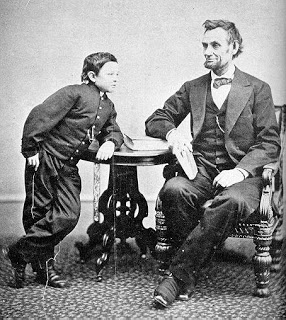
I am ready to walk: Lincoln

Lincoln was once asked if he did not find the office of the presidency with all its attendant ceremonies rather tiresome at times.

Lincoln replied, “Yes, sometimes. In fact I feel sometimes like a man who was ridden out of town on a rail and said “If it wasn’t for the honour of the thing, I would rather walk”.


Xxx


God and Abraham Lincoln!

John Bach McMaster , the historian, told this story of Abraham Lincoln.

When he was a very small boy he was taken to a reception at the White House . The guests were lined up and led past the president under the watchful eyes of the ushers. No one was allowed to come very close or shake his hand. One old man who had come a long distance just for this occasion was very disappointed at not having shaken hands with  the President.

Just before leaving the line the old timer waved his hat at the president and shouted, “Mr President, I am from up in York state where we believe that God Almighty and Abraham Lincoln are going to save the country”.

Jovially the president waved back at him ,”My friend, you are half right, was his reply”.

Xxx

Lincoln’s Knowledge of History!

Jefferson Davis insisted on being recognised by his official title as commander or President in the regular negotiations with the US Government. This Mr Lincoln would not consent to.

Mr Hunte there upon referred to the correspondence between King Charles the first and his parliament as a precedent for a negotiation between a constitutional government and rebels. Mr Lincoln’s face then wore that indescribable expression which generally preceded his hardest hits, and he remarked ,”Upon questions of history, I must refer you to Mr Seward for he is posted on such things and I don’t profess to be; but my only distinct recollection of the matter is that Charles lost his head”.

–Subham–


அரசன் என்பவன் தந்தை: தமிழ், சம்ஸ்கிருதப் புலவர்கள் பொன்மொழி (Post No.3620)

Written by London swaminathan


Date: 9 FEBRUARY 2017


Time uploaded in London:- 10-48 am


Post No. 3620


Pictures are taken from different sources; thanks.


contact; swami_48@yahoo.com


இறைவனை “அம்மையே! அப்பா!” என்றும் “தந்தையும் நீ, தாயும் நீ!” என்றும் ஆழ்வார்களும் நயன்மார்களும் பாடிப் பரவியுள்ளனர். குருவை “நீயே மாதா, நீயே பிதா! (த்வமேவ மாதா ச பிதா த்வமேவ)” என்று சிஷ்யர்கள் விதந்தோதினர். “அம்மாவும் நீயே, அப்பாவும் நீயே, அன்புடனே ஆதரிக்கும் தெய்வமும் நீயே”– என்று சினிமாப் பாடல்களைக் கேட்டிருக்கிறோம். புறநானூற்றுப் புலவர்களும் இப்படிப் பாடியிருப்பது பலருக்கும் தெரியாது.


பழங்காலத்தில் அரசன் என்பவனை தந்தை போலக் கருதினர் என்று புறநானூற்றுப் புலவர்கள் வாய்மொழி மூலமும், காளிதாசனின் கவிகள் மூலமும் அறிய முடிகிறது. 2000 ஆண்டுகளுக்கு முன்னர் இதே கருத்தை இமயம் முதல் குமரி வரையுள்ள கவிஞர்கள் பாடியிருப்பது பாரத கலாசாரம் ஒன்றே என்பதையும் இம்மண்ணில் பிறந்தோர் ஒரு வழியில்தான் சிந்திக்க முடியும் என்பதையும் காட்டும். கல்வெட்டுகளிலும், சாசனங்களிலும் கூட இக்கருத்து எதிரொலிக்கிறது!


தாயில்லார்க்குத் தாயாகவும், தந்தையில்லார்க்குத் தந்தையாகவும் இருப்பவன் ஆட்சிசெய்வோன்தான் என்று மனுவும், சாணக்கியனும் சங்க காலப் புலவர்களும் நவின்றனர். இது போன்ற கருத்துக்களை வேறு எந்த நாட்டு இலக்கியத்திலும் இவ்வளவு பெரிய நிலப்பரப்பில் காணமுடியாது. இது இந்திய நிலப்பரப்பின் தனித் தன்மையைக் காட்டுகிறது.


மன்னன் உயிர்த்தே மலர்தலை உலகம் என்று மோசிகீரனார் பாடுவார் (புறம்.186)


சேரமான் கருவூர் ஏறிய ஒள்வாட் கோப்பெருஞ் சேரல் இரும்பொறையைக் கண்ட ஞான்று, நரிவெரூ உத்தலையார் (புறநானூறு-5) பாடிய பாடலில்,

“அருளும் அன்பும் இல்லாதோர் செல்லும் நரகம் பக்கம் போய்விடாதே! நீ காக்கும் நாட்டை குழந்தை வளர்ப்பவர் போல் காப்பாயாக– என்பார்

நிரயம் கொள்பவரோடு ஒன்றாது காவல்

குழவி கொள்பவரின் ஓம்புமதி


(நிரயம்= நரகம், குழவி= குழந்தை, ஓம்புமதி= காப்பாயாக)


வாட்டாற்று எழினியாதனைப் பாடிய மாங்குடிக் கிழார்


கேள் இலோர்க்குக் கேள் ஆகுவன் (புறம் 396)

உறவினர் இல்லாதோருக்கு அவன் உறவினன் – என்பார்.

கனியன் பூங்குன்றனோவெனில் உலகமே சொந்தம் “யாவரும் கேளிர்” என்பார் (பாடல்192)

மருதன் இளநாகனும் மருதக்கலியில் (கலித்தொகை 99), குழந்தைக்கு பால் தரும் தாய் போலவும், உலகத்துக்கு உதவும் மழை போலவும் நல்லாட்சி  நடத்தும் அரசன் எனப் பாராட்டுவார்:


குழவியைப் பார்த்து உறூஉம் தாய் போல், உலகத்து

மழை சுரந்து அளித்து ஓம்பும் நல் ஊழி யாவர்க்கும்

பிழையாது வருதல் நின் செம்மையின் தர……….


இதே கருத்தைக் கல்வெட்டிலும் காண்க:-


தந்தையிலோர்க்குத் தந்தையாகியுந்தா யிலார்க்குத் தாயாகியு

மைந்தரிலோர்க்கு மைந்தராகியு மன்னுயிர்கட்கு யிராகியும்


இரண்டாம் இராசராச சோழனின் மெய்கீர்த்தி


ஒரு தந்தை மகனைக் காப்பது போல அரசன் காக்க வேண்டும் என்று மனு சொல்வான் (7-135)


ரகு வம்சத்தில் காளிதாசன் சொல்வான்:

திலீபன் தனது குடிமக்களுக்கு கல்வி அளித்தான்; ஆபத்திலிருந்து காப்பாற்றினான்; உணவு கொடுத்து வளர்த்தான். அவன் தந்தை போல எல்லாவற்றையும் செய்தான்; இதனால் பெற்றவர்கள், பெயரளவுக்குத்தான் தாய்-தந்தை என்ற பெயர் தாங்கினர் (1-24)


நீ தந்தை போல பிரஜைகளை ரக்ஷிப்பாய் (2-48)


அஜன், புது மணப்பெண்ணை, கணவன் அன்புடன் நடத்துவது போல குடிமக்களைக் காத்தான். சமுத்திரத்தில் கலக்கும் பெரியநதியும் சின்ன நதியும் தானே கணவனுக்குப் பிரியமானவள் என்று கருதுவது போல அனைத்து மக்களும் எண்ணினர் (சமுத்திரம்= கணவன்  )8-8


எவன் ஒருவன் உறவினனை இழந்தாலும் அந்த இடத்தை நான் (துஷ்யந்தன்) ஈடு செய்வேன் என்று மக்களிடம் பிரகடனம் செய்யுங்கள் (சாகுந்தலம் 6-25)


இதோ மன்னன் வந்துவிட்டார்: யார் தன் குடிமக்களைக் குழந்தைகள் போல கவனிக்கிறாரோ அவர்……… (5-3)

அர்த்தசாஸ்திரம்- 4-3, 7-16   இதே கருத்தைக் காணலாம்.


–subahm–


Who is a Poet? Hundreds of Definitions! All are beautiful! (Post No.3619)

Written by S NAGARAJAN


Date: 9 February 2017


Time uploaded in London:-  5-13 am


Post No.3619


Pictures are taken from different sources; thanks.


contact: swami_48@yahoo.com


by Santhanam Nagarajan


Who is a Poet? If you want to know, there are hundreds of definitions. Also you may find a number of explanations regarding their works, attitudes and poetic imaginations.


The great Tamil poet Kamban says a poem must have three qualities. First it must have brightness. Brightness to drive away the darkness from the heart of the reader and he must be enlightened. Second it must have a lucid style with beautiful words attracting the reciter. And by its contents and meaning it must take the reader to a new height. He must float in the seventh heaven!

Another Tamil Poet Desikavinayakam Pillai says, any poem should come from the heart. It should take a pleasurable form. And in a lucid style it must have beautiful Tamil words. G.Bottomly agrees with this view saying that poetry is founded on the hearts of man.


The great poet Subramanya Bharathiyar says his profession is ‘Poem’. And he wants to flood the nation with his poems without wasting even a second to elevate all the blind who are, sleeping closing their eyes, mind and heart, not able to love their Motherland.


According the Emerson, The poet is not any permissive potentate, but is emperor in his own right. He also says there was never poet who had not the heart in the right place.

Whatever comes from their heart that is very valuable. Plato gives the reason for this. Plato says that Poets utter great and wise things which they do not themselves understand.


Shelley declares that the Poets are the unacknowledged legislators of the world.

Dillon says that True poets are the guardians of the state.


Thomas Carlyle opines that Poet is a heroic figure belonging to all ages. J.E.Flecker says that the poet’s business is not to save the soul of man but to make it worth saving.

Emerson gives a glorious tribute to all the poets saying that Poets are liberating Gods and the poets who have lives in cities have been hermits still.


When Isaak says that a poet is the painter of the soul, E.H.Charpin declares that the true poet is very near the oracle.

Great poets inspired their people by their songs. Bankim Chandra Chattobadyaya’s poem ‘Vandematharam’ echoed every nook and corner of India. All the thirty crore Indians united together opposed British rule singing this song. They got their freedom also.


Wordsworth did not know at first what would the poem ‘Daffodils’ bring to him. But later on he realized that ‘For oft when on my couch I lie, In vacant or in pensive mood, They flash upon that inward eye, Which is the bliss of solitude, And then my heart with pleasure fills, And dances with the Daffodils’.


Oh! The pleasure a poem brings to us is incomparable and could not be even equated to the pleasures of heaven!

****