Positive Thinking and Negative Thinking! (Post No.3981)


Compiled by S NAGARAJAN


Date: 8 June 2017


Time uploaded in London:-  5-54  am


Post No.3981


Pictures are taken from different sources such as Face book, Wikipedia, Newspapers etc; thanks.


contact: swami_48@yahoo.com


MANAGEMENT STORIES WHICH YOU MUST DEFINITELY READ! – 2

It is my hobby to collect Management stories/ anecdotes for the past 30 years.

They not only give you guidelines but also make you think deeply.

We have seen three stories in my last article. Now three more…

Happy Reading!

Positive Thinking and Negative Thinking!

What is the difference between positive thinking and negative thinking:

Many years ago two salesmen were sent by a British shoe manufacturer to Africa to investigate and report back on market potential.

The first salesman reported back, “There is no potential here – nobody wears shoes.”

The second salesman reported back, “There is massive potential here – nobody wears shoes.”

Morals of the story:

A single situation may be viewed in two quite different ways – negatively or positively.

A  situation’s problems and disadvantages may be really your opportunities and benefits.


Sharing critical info!                        

A man is getting into the shower just as his wife is finishing up her shower, when the doorbell rings.
The wife quickly wraps herself in a towel and runs downstairs.
When she opens the door, there stands Smith, the next-door neighbor.
Before she says a word, Smith says, ‘I’ll give you $800 to drop that towel.’
After thinking that she has a chance earning $800 within a minute, the woman drops her towel and stands naked in front of Smith, after a few seconds, Smith hands her $800 and leaves.
The woman wraps back up in the towel and goes back upstairs.
When she gets to the bathroom, her husband asks, ‘Who was that?’
‘It was Smith the next door neighbor,’ she replies.
‘Great,’ the husband says, ‘Did he give the $800 he owes me? He promised me that he would give it today!’
Moral of the story:
Do not share any critical information unless you understand the need of opposite person. It may or may not help him but surely won’t help you. 

Never ever share your secret with a stranger without consulting your husband/elders!

Not everyone is your enemy!


A little bird was flying south for the winter. It was so cold the bird froze and she fell to the ground into a large field.
While she was lying there, a cow came by and dropped some dung on her.
As the frozen bird laid there in the pile of cow dung, she began to realize how warm it was.
The dung was actually thawing her out!
She lays there all warm and happy, and soon began to sing for joy.
A passing cat hears the bird singing and comes to investigate.
Following the sound, the cat discovered the bird under the pile of cow dung, and promptly dug her out and ate her.
Morals of the story:
[1] Not everyone who shits on you is your enemy.
[2] Not everyone who gets you out of shit is your friend.
[3] And when you’re in deep shit, keep your mouth shut! 


***

Honeymoon Anecdotes (Post No.3980)

Compiled by London Swaminathan


Date: 7 June 2017


Time uploaded in London- 19-o8


Post No. 3980


Pictures are taken from various sources such as Face book, Wikipedia and newspapers; thanks.


contact: swami_48@yahoo.com


When Cary Grant, the film actor, recently married Barbara Hutton, the couple did not depart for a wedding trip because it was necessary for Grant to report on the lot for the filming of “Once Upon a Honeymoon ”


Xxxx


Snake Charmer!

After a whirlwind court ship, the loving couple had eloped and married. After a few days of the honeymoon, the fact came out that the wife was a snake charmer. Slightly appalled, the husband said in a reproachful astonishment,

“How is that you never told me you were a snake charmer?”

Said his wife, “You never asked me”.


Xxx


Honey! Oh Honey!!!


While on her honeymoon, the young bride had gone out alone one afternoon to make a few purchases. Coming back to the hotel where she had been accustomed to trustfully following her husband’s guidance, she got off the elevator at the wrong floor. She went down the corridor until she reached what she supposed to be the door of her room. Finding it locked and having no key with her she knocked upon it and called out softly,

“Honey, oh Honey”.

There was no response. After a while she knocked again calling somewhat more loudly,

“Honey, oh Honey”.

When this had occurred a number of times, a blatant male voice roared out from within, saying,

“Madame, this is not a beehive, it’s a bath room”.


xxx

Honey! Have you got the tickets?

Bridegrooms are known for their nervousness; but here is one who managed to retain his diplomacy in the midst of all the hurry and tension of the ceremony and the departure for the honeymoon trip.

Finally, seated in the car which was to take them to the railroad station, the bride asked if he had remembered the tickets,  he reached into his pockets and pulled out — one ticket. Hurriedly gathering his thoughts, remembering his flustered feelings when he had gone to purchase the tickets, he said,

“Dear me. Look only one ticket. You see, darling. I forgot all about myself.”


–Subham–


கம்பனின் அதிசயத் தமிழ் சிலம்பம்! (Post No.3979)

Written by London Swaminathan


Date: 7 June 2017


Time uploaded in London- 8-51 am


Post No. 3979


Pictures are taken from various sources such as Face book, Wikipedia and newspapers; thanks.


contact: swami_48@yahoo.com


சொற்சிலம்பம் ஆடுவதில் கவி காளமேகப் புலவர் போன்றோர் வல்லவர்கள். இதை நாம் அறிவோம். ஆனால் கம்பன் ஆடிய  வினைச் சொற்க (VERBS) சிலம்பம் வேறு யாராவது ஆடியிருக்கிறார்களா என்பது ஐயப்பாடே. தமிழ் அதிசயமான மொழி; ஆற்றல் மிக்க மொழி. உலக மொழிகள் அனைத்தும் தமிழ், சம்ஸ்கிருதம் ஆகிய இரண்டிலிருந்துதான் கிளைவிட்டன. இந்த இரண்டின் அமைப்பிலுள்ள ஒற்றுமை உலகில் வேறு எந்த மொழியிலும் காணக் கிடைக்கில.

நான் எவ்வளவோ தமிழ், சம்ஸ்கிருத நூல்களைப் படித்தேன்; ஆயினும் நாலே வரிகளை உடைய வெண்பாவில் 14 அல்லது 16 வினைச் சொற்களை மட்டும் வைத்துப் பாடியவன் கம்பன் ஒருவனே. தமிழில் வினைச் சொற்களச் சொன்னாலே சுட்டுப் பெயர் (pronoun) இல்லாமலேயே வாக்கியம் பூர்த்தி ஆகி விடும்.


“வந்தேன்” (came) என்று சொன்னாலேயே போதும். நான் (I) என்னும் சுட்டுப் பெயர் (Pronoun) தேவை இல்லை. சம்ஸ்கிருதத்தில் இதையும் விடக் கூடுதலாக சொற்சிலம்பம் ஆட முடியும். ஏனெனில் தமிழில் ஒருமை, பன்மை(Singular and Plural)  மட்டுமே உள. சம்ஸ்கிருதத்தில் இருமையும் (Dual) உண்டு. அந்த வினைச் சொல்லின் முடிவைக் கொண்டே “இருவர்” பற்றிப் பேசுகின்றனர் என்பதை அறிவோம்.

ஆயினும் கம்பன் போலப் பாடல்களில் வினைச் சொற்களை மட்டும் வைத்துப் பாடல் இயற்றியதை நான் வேறு எங்கும் கண்டதில்லை.கம்ப ராமாயணம் சுந்தர காண்டத்தில் இருந்து மட்டும் ஓரிரு பாடல்களைக் காண்போம்:


ராமன் கொடுத்து அனுப்பிய மோதிரத்தை அனுமன் சீதையின் கையில் கொடுக்கிறான்; உடனே சீதா தேவி,

வாங்கினள் முலைக் குவையில் வைத்தனள் சிரத்தால்

தாங்கினள் மலர்க் கண்மிசை ஒற்றினள் தடந்தோள்

வீங்கினள் மெலிந்தனள் குளிர்ந்தனள் வெதுப்போடு

ஏங்கினள் உயிர்த்தனள் இது இன்னது எனல் ஆமோ

-உருக்காட்டு படலம், சுந்தர காண்டம்


பொருள்:

சீதை அம்மோதிரத்தை தன் கையால் வாங்கினாள்;

அதைத் தன் மார்பின் மீது பதித்துக் கொண்டாள்;

தலமேல் வைத்துக் கொண்டாள்;

கண்களிலே ஒற்றிக் கொண்டாள்;

அதனால் அவளது தோள்கள் பூரிக்கப் பெற்றாள்;

மனம் குளிர்ந்தாள்;

உடல் மெலிந்தாள்;

உடலில் தோன்றிய காதல் வெப்பத்தாள் ஏங்கினாள்;

பெருமூச்சு விட்டாள்;

அவள் நிலை இத்தகையது என்று சொல்ல முடியுமோ — என்று கம்பன் வியக்கிறான்.


இங்கு சீதையின் செயலில் ஒன்பது வினைச் சொற்களைக் காண்கிறோம்.


இன்னொரு பாட்டில் இதையும்விட ஒருபடி மேலே செல்கிறான் கம்பன்:

இது அசோக வனத்தின் அழிவு பற்றிய பாடல்

முடிந்தன பிளந்தன முரிந்தன நெரிந்த

மடிந்தன பொடிந்தன மறிந்தன முறிந்த

இடிந்தன தகர்ந்தன எரிந்தன கரிந்த

ஒடிந்தன ஒசிந்தன உதிரிந்தன பிதிர்ந்த


— பொழில் இறுத்த படலம், சுந்தர காண்டம்

பொருள்:

அனுமனின் கால்களால் தாக்கப்பட்ட அசோக வனத்தில் பல மரங்கள் அழிந்துவிட்டன; பிளந்து போயின; வளைந்து போயின; நொருங்கிப் போயின; தலைகீழ் மேலாக மடங்கிப் போயின; துண்டுகள் ஆயின; இடிப ட்டு வீழ்ந்தன; சிறு சிறு துண்டுகளாகத் தெறித்துப் போயின; எரிந்து போயின; கரியாய்ப் போயின; ஒடிந்துவிட்டன; துவண்டு சாய்ந்தன; வலியற்று நிற்கமுடியாமல் உதிர்ந்துவிட்டன; சின்னா பின்னம் ஆயின


கம்பன இப்படி எல்லாவற்றையும் வருணிப்பதே தனி அழகு. அதுவும் நாலே வரிகளில் 14 வினைச் சொற்களை அள்ளித் தெளிப்பது வேறு மொழிகளில் காணக்கிடைக்காத அரும் பொக்கிஷம்!


பிணி வீட்டுப் படலத்திலும் (சுந்தர காண்டம்) கம்பன் இப்படி ஒரு சொற் சிலம்பம் ஆடுவான்:

ஆர்த்தார் அண்டத்து அப்புறத்தும் அறிவிப்பார் போல் அங்கோடு இங்கு

ஈர்த்தார் முரசம் எற்றினார் இடித்தார் தெழித்தார் எம் மருங்கும்

பார்த்தார் ஒடிச் சானகிக்கும் பகர்ந்தார் அவளும் உயிர் பதைத்தாள்

வேர்த்தாள் உலந்தாள் விம்மினாள் விழுந்தாள் அழுதாள் வெய்து உயிர்த்தாள்

பொருள்:-

அச் செய்தியை அண்டத்துக்கு அப்பாலும் அறிவிப்பார்கள் போல அரக்கர்கள் ஆர்த்தார்கள்;

அங்கும் இங்கும் முரசுகளை இழுத்து முழங்கினார்கள்;

இடி முழக்கம் போலக் குரல் எழுப்பினார்கள்;

அனுமானை அதட்டினார்கள்;

எல்லாப் பக்கங்களில் இருந்தும் அனுமனைப் பார்த்தார்கள்;

சிலர் ஓடிப் போய் சீதைக்கு இச்செய்தியைத் தெரிவித்தார்கள்;

அதைக் கேட்டு அவளும் உயிர் துடித்தாள்;

உடல் வேர்த்தாள்;

விம்மினாள்;

நிலத்தில் விழுந்தாள்;

பெருமூச்சு வீட்டாள்


இதிலும் குறைந்தது 14 வ் 15 வினைச் சொற்கள் உள.

இதைவிடக் கூடுதலாக நாலே வரிகளில் ஒரு செய்தியை இப்படி 15, 16 வினைச் சொற்களால் வருணிப்பது தெய்வத்தமிழால் மட்டுமே முடியும்.

வாழ்க தமிழ்! வளர்க கம்பன் புகழ்

பாரதியார் பற்றிய நூல்கள் – 33-1 (Post No.3978)

Written by S NAGARAJAN


Date: 7 June 2017


Time uploaded in London:-  5-59  am


Post No.3978


Pictures are taken from different sources such as Face book, Wikipedia, Newspapers etc; thanks.


contact: swami_48@yahoo.com


பாரதி இயல் 


மஹாகவி பாரதியார் பற்றிய நூல்கள் – 33-1


புதுவை வாழ்க்கை ஸ்ரீஅரவிந்தர், பாரதியார் பற்றிய  ஸ்ரீநிவாஸாசாரியார் மற்றும் வி.ராமசாமி ஐயங்கார் நினைவலைகள் – 1


மஹாகவி பாரதியாரின் வாழ்க்கையில் புதுவையில் அவர் வாழ்ந்த காலம் மிக முக்கியமான காலம். இங்கு தான் அவரது அருமையான படைப்புகள் பல உருவாயின. ஸ்ரீ அரவிந்தரை அவர் தினமும் சந்தித்து பெற்ற உத்வேகம் குறிப்பிடுதற்குரியது.


.வே.சு.ஐயர் உள்ளிட்டோரை அவர் தினமும் சந்தித்து அளவளாவியதும் புதுவையில் தான்.


  எஸ்.ஸ்ரீநிவாஸாசாரியார் தனது நினைவலைகளை விரிவாகப் பதிவு செய்துள்ளார். அந்த கைப்பிரதி (Manuscript –MS) அரவிந்த ஆசிரம வெளியீடுகளின் வாயிலாகப் படிப்பதற்கு இப்போது கிடைக்கிறது.


தில் அரவிந்தர், ‘வருகின்ற புதுயுகத்தில் மனிதன் உயரிய நிலையுடைய வாழ்க்கை வாழ்வான்’ என்று கூற உடனே பாரதியார், ‘நாமும் அமரத்வம் அடைவோமில்லையா’ என்று கேட்கிறார்.

அதை அப்படியே ஆங்கிலத்தில் எஸ்.ஸ்ரீநிவாஸாசாரியார் சொற்களில் கீழே காண்போம்.

http://www.sriaurobindoashram.org/research/show.php?set=doclife&id=26

Documents in the Life of Sri Aurobindo

LIFE IN PONDICHERRY 1910 AND AFTER


LIFE IN PONDICHERRY

1

Extract from “Freedom Movement in India: Some Jottings from Old Memories”, by S. Srinivasachari. Unpublished MS. [Hereafter Srinivasachari MS]


On another occasion he was telling us that the coming Yuga will be a glorious one for man will be able to live a far higher life, almost divine in this world. I asked him how can such a thing be possible now, we are just at the beginning of the Kali Yuga which [is] said to be the worst of the four? He said that in every yuga the other yugas also have their influence one after the other and impart their characteristics for the time being. Then Bharati said that if divine life is lived on earth, then we must be immortals also. Yes, he said, we are bound to be so when we work for it. He told us also that when he had that divine illumination he found within himself something compelling him to break away from his present political life, and at the same time there was some other thing in him which resisted and refused to do so; it was only after a few days struggle that he gained peace of mind when [he] decided to give it up. [Continued as Document 7]

**


அடுத்து வி.ராமசாமி ஐயங்கார் 10-12-1950 தேதியிட்ட “‘ஃப்ரீ இந்தியாஇதழில் தனது நினைவலைகளைப் பதிவு செய்துள்ளதைக் காணலாம்.

அதில் மஹாகவியின் உதவியுடன் தான் அரவிந்தரைச் சந்தித்ததையும் அந்த நாள் தன் வாழ்வில் மறக்க முடியாத நாள் என்றும் குறிப்பிடுகிறார். அரவிந்தரும் பாரதியாரும் பேசியதைக் கேட்பதே பெரும் ஆனந்தமாக இருந்ததை அவர் குற்ப்பிடுகிறார்.பல்வேறு விஷயங்களை சளைக்காமல் ஒருவருக்கொருவர் பேசிக் கொண்டிருந்தது கிரிக்கட் பாஷையில் ஆல் ரவுண்டர்ஸ்இருவர் கிரிக்கட் மைதானத்தில் விளையாடியது போன்ற ரீதியில் இருந்தது என்பதை அவர் குறிப்பிட்டு மகிழ்கிறார்.

நான் இனி என்று பாரதியைக் காண்பேன். எப்போது அரவிந்தரை இனி சந்திப்பேன்? எனது வாழ்க்கையைச் செதுக்கி உருவாக்கியவர்கள் இந்த இரண்டு குருமார்களேஎன்று உருக்கமாக அவர் குறிப்பிடுகிறார்.

அவரது ஆங்கில கட்டுரையின் சில பகுதிகளை அவர் சொற்களிலேயே காண்போம்:

  1. Ramaswami Iyengar, “Veteran Writer Recalls a Few Glimpses”. Free India, 10 December 1950.

A Memorable Day

I went to Pondicherry and with the help of Mahakavi Subramanya Bharathi and Mr. Srinivasachariar, I was able to pay my respects to Aurobindo, in a room on the top floor of Kalavala Sankaran Chettiar’s house. Along with him I met two Bengali friends, Nalini Kanta Sarkar Gupta and Suresh Chandra Chakravarthi (alias Mani). These two friends are still in the Ashram.

That day was ever memorable to me. It was a sumptuous treat to me to see Aurobindo and Bharathi talk. The conversation was a sort of variety entertainment. Only the level was very high, both of them being, in the cricket language, “all-rounders.”

—-

Where can I meet Bharathi again? Where can I meet Sri Aurobindo? These are the two Masters that moulded my life.

***

இந்த நூலை முழுதுமாகப் படிக்க விரும்பும் அன்பர்கள் கட்டுரையின் ஆரம்பத்தில் குறிப்பிடப்பட்டிருக்கும் இணையதளத் தொடுப்பிற்குச் செல்லவும்.


நன்றி: அருமையான ஆவணங்களை அப்படியே பாதுகாத்து உலகிற்கு வழங்கி அரிய சேவையைச் செய்து வரும் அரவிந்த ஆசிரமத்திற்கு நெஞ்சார்ந்த நன்றி.

***********


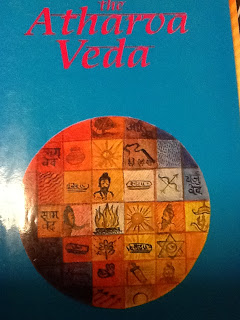
WHAT IS IN THE ATHARVA VEDA?- Part 2 (Post No.3977)

Compiled by London Swaminathan


Date: 6 June 2017


Time uploaded in London- 20-31


Post No. 3977


Pictures are taken from various sources such as Face book, Wikipedia and newspapers; thanks.


contact: swami_48@yahoo.com


In the first part of this article we learnt about the first ten Kandas (cantos) of the Atharvana Veda. Now let us look at the contents of the last ten Kandas i.e 11 to 20.


Book 11


This book contains 10 hymns, averaging 31 verses. Hymn 3 is all in prose excepts four lines; it is in praise of offering of rice in boiled milk. Hymn 8 treat the origin of several gods and the creation of man. The last two hymns are incantations for the destruction of enemies.

There is a long hymn addressed to Rudra.

A hymn praises the virtues of Brahmacarya (celibacy)


Book 12


This book contains only 5 hymns, averaging 60 verses. The second is a funeral hymn, taken partly from the Rig Veda 10-18. Hymn 4 and 5, partly in prose, show the sin and danger of robbing Brahmin of his cow.

FAMOUS MOTHERLAND HYMN IS IN THE 12TH BOOK.

Book 13


This book contains 4 hymns, averaging 47 verses. It is almost entirely devoted to the glorification of Rohita, the Red, a form of fire and of the sun, but distinguished both from these deities.

Book 14


This book contains only 2 hymns, including 139 verses. It treats of nuptial ceremonies and formulas. The greater part of Hymn 1 is taken, with many changes, from Rig Veda 10-85.


Book 15


This book contains 18 hymns, averaging 10 verses; they are all in prose and foreign authors described them as obscure. The aim seems to be the glorification of the Vratyas or wandering nonconformists.


Book of Charms and Talismans


Book 16


This book contains 9 hymns, averaging10 verses. Some f them are entirely in prose, others partly in prose and partly in poetry. The book consists almost entirely of charms and conjurations for various purposes.

Book 17


This book contains only one hymn, including 30 verses. It is a prayer to Indra, identified with Vishnu and the Sun, for the love of gods, men and beasts, general protection and prosperity, with all earthly and heavenly blessings.


Book 18


This book contains 4 hymns, averaging 70 verses. The subjects are funeral rites and sacrificial offerings to the Fathers, the manes or spirits of the dead. The hymns are composed wholly or in part from the verses in the Rig Veda.

The first hymn begins with a dialogue between Yama and Yamil.


Book 19


This book contains 72 hymns, averaging 8 verses

Some of them are considered later additions to the original collection. They are not easily understood. The hymns are chiefly prayers and charms for protection and prosperity.

hymn 6, on the mystical sacrifice of Purusha, is taken from Rig Veda 10-90. Hymn 13 is a prayer for victory in battle, is taken from the RV 10-103.

Some hymns are non metrical; Hymn 211 gives in a single line the names of the chief Vedic metres.

Hymn 23, all in prose except one verse, is an address of homage to various portions of the Atharva Veda, classed according to the number of verses.

NAKSHTRAS HYMN IS INCLUDED.

Book 20

This book contains 143 hymns of various lengths. Except for the Kuntapa section (127-136), the hymns are addressed almost exclusively to Indra and generally taken from the Rig Veda.

Kuntapa is said to be the name of 20 organs or glands supposed to be situated in the belly. The section is a strange collection of incantations riddles etc, without any religious character.  With some of them, the gods bewildered the Asuras by their, and so defeated them.


–Subham–

பேயை விரட்ட, நோயை விரட்ட அதர்வண வேதம்- பகுதி 2 (Post No.3976)

Written by London Swaminathan


Date: 6 June 2017


Time uploaded in London- 16-13


Post No. 3976


Pictures are taken from various sources such as Face book, Wikipedia and newspapers; thanks.


contact: swami_48@yahoo.com


அதர்வண வேதத்திலுள்ள 20 காண்டங்களில் என்ன இருக்கிறது என்பதை அறிய நேற்று முதல் பத்து காண்டங்களின் பொருள் அடக்கத்தினைக் கொடுத்தேன். இன்று மேலும் பத்துக் காண்டங்களில் எது சம்பந்தமான மந்திரங்கள் இருக்கின்றன என்பதைக் காண்போம்.


11 ஆம் காண்டம்

பதினோராம் காண்டத்தில் 10 துதிகள் உள்ளன. ஒவ்வொன்றிலும் சராசரியாக 31 மந்திரங்கள் இருக்கும்.


மூன்றாவது துதி உரைநடையில் இருக்கிறது. பாலில் சோறு பொங்கும் விஷயம் இது. எட்டாவது துதி, பல கடவுளரின் தோற்றம் பற்றியும் மனிதனின் படைப்பு பற்றியும் பாடுகிறது.

எதிரிகளை அழிப்பதற்கான மந்திர உச்சாடனங்கள், கடைசி இரண்டு துதிகளில் இடம்பெறும்.


ருத்ரனைப் பற்றிய நீண்ட துதி இருக்கிறது.

பிரம்மசர்யத்தின் சிறப்பு

உணவு தானியம் பற்றிய பிரார்த்தனை

பிரம்மனைப் பற்றிய மந்திரங்கள்

இந்தக் காண்டத்தின் சிறப்பு

12 ஆம் காண்டம்


தாய்நாடு பற்றிய அருமையான நீண்ட கவிதை

காச நோயைத் தடுக்கும் மந்திரம்- இந்தக் காண்டத்தின் சிறப்பு


பன்னிரெண்டாம் காண்டத்தில் 5 துதிகள் உள்ளன. ஒவ்வொன்றிலும் சராசரியாக 60 மந்திரங்கள் இருக்கும்


இரண்டாவது துதி அந்திம யாத்திரை பற்றியது. இதன் பாதிப் பகுதி ரிக்வேதத்தில் (10-18) இருந்து எடுக்கப்பட்டது. ஒரு பிராமணனிடமிருந்து பசுவைத் திருடினால் என்ன பாவம் வரும் என்பதை 4, 5 துதிகளில் காணலாம்.


13 ஆம் காண்டம்

பதிமூன்றாம் காண்டத்தில் 4 துதிகள் உள்ளன. ஒவ்வொன்றிலும் சராசரியாக 47 மந்திரங்கள் இருக்கும்


சிவப்பு (ரோஹித) வர்ணத்தைப் போற்றும் துதிகள் இதில் அடங்கும். சிவப்பு வர்ணம் என்பது சூரியனையும் அக்னியையும் குறிக்கும்.

அந்திமக் கிரியை பற்றிய மந்திரங்களைக் கொண்ட காண்டம்


14 ஆம் காண்டம்


இரண்டே துதிகள்; ஆனால் மொத்தம் 139 மந்திரங்கள். கல்யாணம், சாந்தி முகூர்த்தம் தொடர்பான விஷயங்கள் உள; ரிக் வேத துதி 10-85 சில மாறுதல்களுடன் காணப்படும்.


15 ஆம் காண்டம்

இதில் 18 துதிகள் உள. உரைநடையில் உளது. புரியவில்லை என்று வெள்ளைக்காரர்கள் எழுதியுள்ளனர். இதில் விராத்தியர்கள் எனப்படும் நாடோடிப் பிராமணர்கள் பற்றி உளது. அவர்கள் யாக யக்ஞாதிகளைச் செய்யாதவர்கள்; சித்தர்கள் போல!

பரமாத்மனைப் போற்றும் மந்திரங்களும் உண்டு


16 ஆம் காண்டம்

இதில் 9 துதிகள் உள. பெரும்பாலும் உரைநடை. தாயத்துகள், குளிகைகள் பற்றிய அதிசய விஷயங்கள் நிறைய உள்ளன.


17 ஆம் காண்டம்

ஒரே துதி! ஆனால் 30 மந்திரங்கள். இந்திரனைக் குறித்த துதியில் விஷ்ணு, சூரியன் ஆகியோருடன் அவரை ஒப்பிடுவர். மனிதர்கள், மிருகங்கள் ஆகிய அனைத்து உயிரினங்களுக்கும் நலன் வேண்டும் துதி!

வெற்றிக்கான பிராத்தனை மந்திரங்கள்.


18 ஆம் காண்டம்


நாலே துதிகள்; ஒவ்வொன்றிலும் சராசரி மந்திரங்கள் 70; அந்திமக் கிரியைகள், திதி முதலியன இதில் அடக்கம். பல துதிகள் ரிக் வேத துதிகள்- சில மாறுதல்களுடன்.

முதல் துதி யமா-யமி உரையாடல்.


19 ஆம் காண்டம்

72 துதிகள்; ஒவ்வொன்றிலும் சராசரி மந்திரங்கள் 8. பல இடைச் செருகல் இருப்பதாக வெள்ளையர் கணிப்பர். தாயத்துகள், குளிகைகள் பற்றிய பகுதிகளும் உள. ரிக்வேத புருஷ சூக்தம் 10-90 கொஞ்சம் மாறுதல்களுடன் காணப்படும்.


நதிகள், தண்ணீர், பரமாத்மன் பற்றிய மந்திரங்கள்

28 நட்சத்திரங்கள் பற்றிய மந்திரங்கள்

அமைதி, சமாதான மந்திரங்கள்

இதன் சிறப்பு அம்சங்கள்


20 ஆம் காண்டம்


இருபதாம் காண்டம்தான் கடைசி காண்டம்; இதில் 143 துதிகள் உண்டு. பெரும்பாலும் இந்திரனைப் பற்றிய ரிக் வேத துதிகள்; குண்டபா பிரிவு (127-136) மிகவும் வியப்பான மந்திரம்- வயிற்றைச் சுற்றியுள்ள 20 உறுப்புக  ள், நாளங்கள், சுரப்பிகள் பற்றீயன. பல பாடல்கள் விடுகதை போன்றவை. அசுரர்களை விடுகதை போட்டே தோற்கடித்தனர் கடவுளர்.


இது போன்ற சிந்தனைகள் இந்த வேதம்— அறிவாளிகளின் வேதம்— என்பதைக் காட்டும். முதல் துதி வாக் (பேச்சு) பற்றி துவங்கியது. இப்படிப்பட்ட அறிவு தொடர்பான செய்திகளை சுமேரிய, எகிப்திய துதிகளில் காணமுடியாது. விருந்தினரைப் போற்றும் உயரிய பண்புகள், சத்தியத்தைப் போற்றும் கொள்கைகள் இவைகள் வெளிநாட்டுச் துதிகளில் இல்லை. இவை எல்லாம் பாரதீய   சிந்தனையின் முன்னேற்றமடைந்த நிலையைக்  காட்டும்.


—சுபம்–


காண்டு படங்கள்! (Post No.3975)

Written by S NAGARAJAN


Date: 6 June 2017


Time uploaded in London:-  6-01  am


Post No.3975


Pictures are taken from different sources such as Face book, Wikipedia, Newspapers etc; thanks.


contact: swami_48@yahoo.com


சான்பிரான்ஸிஸ்கோவில் இருப்பதால் பல திரைப்ப்டங்களைப் பார்க்க முடிகிறது என்றும் இவற்றைப் பற்றித் தனியே ஒரு கட்டுரையில் எழுதுகிறேன் என்றும் ஜாலி எல் எல் பி (கட்டுரை எண 3948 ;வெளியான தேதி:28-5-2017) தெரிவித்திருந்தேன்.

இதோ அந்தக் கட்டுரை!


காண்டு படங்கள்!


.நாகராஜன்


***

காண்டு படங்களைப் பார்த்து வருகிறீர்களா? அது என்ன காண்டு?

தமிழ் வார்த்தையா?அர்த்தம் என்ன ? – என்று கேட்கிறீர்களா?

எனக்கும் தெரியாது. அது தமிழ் வார்த்தை தான் போலும்!


நிறைய காண்டு படங்கள் வரத் தொடங்கி உள்ளன தமிழில்.

ஒரு  கதாநாயகன்.- பொறுக்கி,பரட்டைத் த்லை, படிக்காதவன், ரவுடி இப்படி எல்லாவற்றையும் குழப்பி சேர்த்து உருட்டிய ஒரு உருவமாக இருப்பான் நமது கதாநாயகன்.


செக்கச் செவேலென்று தள தள, பள பளப்பாக ஒரு அழகி இருப்பாள். அவள் படித்தவள். கை நிறைய லகரக் கணக்கில் சம்ப்பாதிப்பவள்.அப்படியானால் பெரும்பாலும் சாப்ட்வேர் துறை என்று வைத்துக் கொள்ளுங்கள்.


நம்து பரட்டைத் தலை அவளைக் காதலிப்பான். அவளோ அவனை விரட்டியடிப்பாள். இவன் விடமாட்டான். தொடர்வான்.ஒரு சமயம் நமது பேரழகியை ஒரு ரவுடிக் கூட்டம் தொடர்ந்து இம்சிக்கும். நமது பரட்டைத் தலை பாய்ந்து வந்து அவளைக் காப்பாற்றும். அவ்வளவு தான்; உருகி விடுவாள், அழகி.

பிறகென்ன, சுபம்!


இதில் தான் காண்டு வருகிறது. பரட்டைத் தலை பேசும் வசனம் : ஒரே காண்டா இருக்கா? காண்டு பண்ணாதே.

இது அடிக்கடி வரும் வ்சனம்.

பொருள் என்றால் கத்தி, துப்பாக்கி!

சம்பவம் என்றால் கொலை,கொள்ளை.. இத்யாதி.

அய்யே!! நல்ல தமிழ் ஐயா இது!


***


இந்தியாவில் திரைப்படங்கள் எடுக்க ஆரம்பித்து நூறு ஆண்டுகள் ஆகி விட்டன. அதாவது மூன்று தலைமுறைகளைக் கடந்து விட்டது திரையுலகம்.

***


இன்றைய கால கட்டத்தில் நல்ல ‘டேலண்டுடன்’ ஒரு இளைஞர் பட்டாளம் தமிழ் திரையுலகில் தோன்றி கலக்கோ கலக்கு என்று கலக்குவது ஒரு சுகமான அனுபவமே!

***

பேரழகிகள் கதாநாயகிகளாகத் தோன்றுகிறார்கள். ஆமாம்; தோன்றுகிறார்கள், அவர்களுக்கு நடிப்பதற்கு வாய்ப்புக் கொடுத்தால் தானே  நடிப்பார்கள்.


முகத்தைச் சிணுக்குவது, கதாநாயகன் ஒரு பக்கமும் இவள் மறு பக்கமும் போகும் போது கொஞ்ச தூரம் சென்று திரும்பிப் பார்த்து தலையை அசைப்பது.. இடுப்பை வளைத்து ஒரு டான்ஸ் போஸ் கொடுப்பது .. இது தான் இந்தப் பேரழகிகளின் சினிமா அசைன்மெண்ட். நடிப்புக்கு எங்கே இடம் இருக்கிறது?

**


அறிவியல் தொழில் நுட்பம் மிகவும் முன்னேறி ஏராளமான நவீன சாதனங்கள் திரைத் துறையில் குவிந்துள்ளன.கணினி மூலம் புகுத்தப்படும் உத்திகளோ மலைக்க வைப்பவை.

இத்துடன் நமது இளைஞர்களின் பல் துறை திறமையும் – டேலண்டும்- சேர்ந்தால் அது ஒரு புதிய உயரத்தை அல்லவா காண்பிக்க வேண்டும். அந்த உச்சியில் ஏறி நின்று அல்லவா கும்மாளம் போட வேண்டும்.


இல்லை, அது தான் இல்லை.


இவர்களிடம் இல்லாத ஒரு அம்சம் நல்ல கதை தான்! அதுவே மற்ற அனைத்தையும் கபளீக்ரம் செய்து விடுகிறது!

***


பேய்க்கதைகள், தாயாரையே கொல்வது, காண்டு, பொருள்,சம்பவம் இவற்றை உள்ளடக்கிய அடிதடிக் கதைகள், எத்தனை நாளைக்கு ஓடும்? எத்தனை நாளைக்கு இவர்களை திரைத்துறையில் ஓட்டும்?இவற்றில் வரும் காவல் துறையில் உள்ள அனைவருமே லஞ்ச்ப் பேர்வழிகள், கொலைகாரர்கள். துரோகிகள்,சமூக விரோதிகள்…

இவையெல்லாம் நல்லதற்கு அறிகுறியா? எதிர்கால சந்ததிக்கு உகந்த சிந்தனைகள் தானா?

***


குறைந்த பட்ஜெட்டில் மிக அருமையாக படத்தை முடித்து விடுகிறார்கள்.நல்ல செய்தி.

மூன்றே நாள் ஓடினால் போதுமாம.போட்ட முதலும் கொஞ்சம் லாபமும் வந்து விடுமாம்.

யாருக்கும் நஷ்டமில்லை.

பாகுபலி பிரம்மாண்டத்தை எடுக்கப்போய் உத்தம வில்லனாக முடிய வேண்டிய கஷடமும் நஷ்டமும் இவர்களுக்கு இல்லை!

ஆறுதலான செய்தி தான்.

பழைய கால நூறு நாள், 25வது வெள்ளி விழா வாரம் போன்ற கனவுகளில் இவர்கள் சிக்க வேண்டிய அவசியமும் இல்லை.

மூன்று நாட்கள், வெறும் மூன்றே நாட்கள்!

ஆனால் அதற்கும் தியேட்டர்கள் கிடைக்காத தமிழகத்தின் ‘பெகூலியர்’ பாலிடிக்ஸ் ஒரு தனிக்  கதை!

***


புதிய அலையின் எல்லா படங்களுமே கதை அம்சம் இல்லாத படங்களா? இல்லை,இல்லை.அப்பா என்று ஒரு படம். உத்வேகமூட்டும் ஒரு அப்பாவைப் பற்றிய கதை. கதை உள்ள நல்ல அப்பா!


சற்று சிந்தித்து (எனது ஜாலி எல் எல் பி ஹிந்தி படத்தைப் பற்றியது -அந்தக் கட்டுரையைப் படியுங்கள்) ஒரு கதைக் கருவை எடுத்துக் கொண்டு அதை மெருகிட்டு எடுத்தால் இப்போதிருக்கும் இளைஞர்களின் டேலண்டும், பேரழகிகளின் அழகும் நவீன சாதனங்களின் உதவியும் ஒரு புது சகாபதத்தை உருவாக்கி விடுமே!

***


இளைஞர்கள் சிந்திக்க வேண்டும். முயன்றால் முடியும். அதுவும் இப்போதிருக்கும் இந்த கோஷ்டியினால் நிச்சயம் முடியும். வாழ்த்துக்கள்.

***

எந்த நடிகர், நடிகை, தொழில்நுட்ப வல்லுநர்கள்,இயக்குநர்கள், தயாரிப்பாளரின் பெயரையும் குறிப்பிடவில்லையே என்று கேட்காதீர்க்ள்.

திறமைப் பட்டாளம் ஜெயிக்கும் பட்டாளம். பெயரைக் குறிப்பிட வேண்டிய அவசியமே இல்லை. அவர்களுக்குத் தேவையானது நல்ல கதையும், அதைத் திறம்படச் சொல்லும் (எடுக்கும்) உத்தியுமே.


ஒரே ஒரு சின்ன ஐடியா மட்டும் தர முடியும்.

ஒரு நூறு ஆங்கில, ஹிந்தி திரைப்ப்டங்களைப் பார்த்து அதன் கருவை ஒரு வரியில் எழுதி விட்டு அந்த ஒரு வரியை அவர்கள் 120 நிமிடமாக எப்படி டெவலப் பண்ணி இருக்கிறார்கள் என்று சிந்திக்கலாம். அதில் உள்ள கேரக்டர்களை எப்படி சித்தரித்திருக்கிறார்கள்,காட்சி அமைப்பை எப்படி உருவாக்கி இருக்கிறார்கள் என்று யோசிக்கலாம். அதை விவாதித்து எழுதி வைத்துக் கொள்ளலாம்.


அதன் பின்னர்  தங்களுடைய ஒரு வரிக் கதையை எழுதி அதை காட்சிப்படுத்த முயற்சிக்கலாம்.

உருப்படியான யோசனை!

***             நல்ல நடிகரோ தயாரிப்பாளரோ, “ஐயா சொல்வது சுலபம் இப்படி உங்களால் ஒரு வரிக் குறிப்புகளைச் செய்து தர முடியுமா” என்று கேட்டால்….

கேளுங்கள் கொடுக்கப்படும்; தட்டுங்கள் திறக்கப்படும்!

***

பேயை விரட்ட, நோயை விரட்ட, விஷத்தை இறக்க அபூர்வ மந்திரங்கள்- பகுதி 1 (Post No.3974)

பேயை விரட்ட,  நோயை விரட்ட, விஷத்தை இறக்க அபூர்வ மந்திரங்கள்- பகுதி 1 (Post No.3974)


Written by London Swaminathan


Date: 5 June 2017


Time uploaded in London- 16-18


Post No. 3974


Pictures are taken from various sources such as Face book, Wikipedia and newspapers; thanks.


contact: swami_48@yahoo.com


இந்துக்களுக்கு நான்கு வேதங்கள் உண்டு: ருக், யஜூர், சாமம், அதர்வணம்.


இதில் வெள்ளைக்காரகள் கணக்குப்படி ரிக் வேதம் பழமையானது: சிலர் 6000 ஆண்டு பழமை என்பர்; இன்னும் சிலர் 3200 ஆண்டுகள் பழமை என்பர். அதர்வண வேதம் பிற்காலத்தியது என்பர். ஆனால் இந்துக்கள் இதை ஏற்பத்தில்லை அவர்கள் கணக்குப்படி எல்லா வேதங்களும் கி.மு.3102 ஐ ஒட்டி வியாசரால் நான்காகப் பகுக்கப்பட்டவையே ; அதாவது இற்றைக்கு 5100 ஆண்டுகளுக்கும் முன்னரே 4 வேதங்களும் இருந்தன.

உண்மையில் இந்துக்களுக்கு இரண்டே வேதங்கள்தான்; அதாவது ரிக் வேத மந்திரங்களே பெரும்பாலும் யஜூர், சாம வேதங்களில்உள்ளன. அதர்வண வேதத்திலோ   பெரும்பாலும் புதிய மந்திரங்கள்.


சங்க காலம் முதல் தமிழர்கள் சொல்லுவது நான்மறை; அதாவது 4 வேதங்கள். ஆனால் மனு முதலானோர் சில இடங்களில் த்ரயீ வேத = மூன்று வேதம் என்பதால் வெள்ளையர்களுக்கு சிறு குழப்பம்; அவர்களுக்கு தமிழும் தெரியாது. ஆகையால் அதர்வண வேதத்தை சந்தேகக் கண் கொண்டு பார்ப்பர்; உண்மையில் அதர்வண வேதம் என்பது அன்றாடம் பயன்படும் மருத்துவம், தாயத்து, பேய் ஓட்டல், விஷங்களை இற              க்கல், தாய் மொழி, தாய் நாடு, “பூமி என்னும் அன்னை”, எதிரிகளை ஒழிப்பது எப்படி என்பது பற்றிப் பேசுவதால் அதைச் சமயச்  சடங்குகள்     பற்றிப்    பேசும் மூன்று வேதங்களுடன் சேர்க்காமல் பேசினர்.


பிராமணர்களின் ஆயுதம் அதர்வண வேதம் என்று மனு சொல்லுவார். கோபத பிராமணமோ எனில் நான்கு வேத புரோகிதர்களும் யாக யக்ஞங்களில் கலந்து கொள்வதைக் குறிப்பிடுகிறது. ஆகையால் வெளிநாட்டினர் சொல்வதை நம்ப வேண்டியதில்லை.


அதர்வண வேதத்தில் 6000 மந்திரங்கள் 760 துதிகளாகப் பிரிக்கப்பட்டுள்ளன. இதில் குறிப்பிடப்படும் சில அபூர்வ தாவரங்கள் எவை என்று தெரியவில்லை. அவைகளைத்தான் தாயத்துகளாக அணிந்து வந்தனர்.


அதர்வண வேதத்தை 20 காண்டங்களாகப் பிரித்துள்ளனர். ஒவ்வொரு காண்டத்திலும் எது சம்பந்தமான மந்திரங்கள் உள்ளன என்று சுருக்கமாகக் காண்போம்; இந்தப் பட்டியலைப் பார்த்தாலேயே அவர்கள் சிறந்த நாகரீகமும் உயர்ந்த சிந்தனையும் உடையவரகள் என்பது உள்ளங்கை நெல்லிக் கனி என விளங்கும்.

முதல் காண்டம்:

முதல் காண்டத்தின் முதல் மந்திரமே வாசஸ்பதி என்னும் வாக் (பேச்சு) தேவனையும் வசோஸ்பதி என்னும் செல்வ தேவனையும் வணங்கும் மந்திரம் ஆகும்.

கல்விக்கான மந்திரங்கள்

வெற்றிக்கான மந்திரங்கள்

எதிரிகளை அழிப்பதற்கான மந்திரங்கள்

நோயை அகற்றுவதற்கான மந்திரங்கள்

தண்ணீர் தேவதை பற்றிய மந்திரங்கள்

வரங்களைப் பெறும் மந்திரங்கள்

தர்மம் தொடர்பான மந்திரங்கள்

இதில் உள்ளன. ஒவ்வொன்றிலும் 4 மந்திரங்களைக் கொண்ட

35 துதிகள் முதல் காண்டத்தில் காணப்படுகின்றன.


2 ஆம் காண்டம்:

இதில் ஒவ்வொன்றிலும் 5 மந்திரங்களைக் கொண்ட 36 துதிகள் காணப்படுகின்றன.

நோயைக் குணப்படுத்தும் மந்திரங்கள்

ஜங்கிடா மணி என்னும் தாயத்து மந்திரங்கள்

அக்னி, இந்திரன், பரப் பிரம்மம் பற்றிய துதிகள்

இந்தக் காண்டத்தில் இருக்கின்றன.

ஜங்கிடா மணி என்னும் தாயத்துக்கான தாவரம், மரம் என்ன என்பது யாருக்கும் தெரியாது!


3 ஆம் காண்டம்:


ரிக் வேதத்தில் இடம்பெற்ற வசிஷ்ட மஹரிஷியின் முக்கிய மந்திரம், கொஞ்சம் மாறுதல்களுடன் இதில் உள்ளது. இது செல்வத்தை வேண்டும் மந்திரமாகும்.

எதிரிகளத் தோற்கடிப்பதற்காக்ன மந்திரம்

தேச ஒற்றுமைக்கான மந்திரம்

பட்டாபிஷேக மந்திரம்

பர்ண மணி என்னும் அபூர்வ தாயத்து மந்திரம் — இந்தக் காண்டத்தில் இருக்கின்றன.

பர்ண மணி என்னும் தாயத்துக்கான தாவரம், மரம் என்ன என்பது யாருக்கும் தெரியாது!


இதில் ஒவ்வொன்றிலும் 6 மந்திரங்களைக் கொண்ட 31 துதிகள் காணப்படுகின்றன.


4 ஆம் காண்டம்:

இதில் ஒவ்வொன்றிலும் 7 மந்திரங்களைக் கொண்ட 40 துதிகள் காணப்படுகின்றன.


ரிக் வேதத்தில் உள்ள யார்? என்னும் மந்திரம் இதில் இடம்பெறுகிறது. யார் என்றால் சம்ஸ்கிருதத்தில் க:– இது பிரம்மாவுக்கும் பெயர்! அதாவது ஓரெழுத்துச் சொல். இதை வைத்து யாரை வணங்குவது என்று மந்திரம் முழுதும் திரும்பத் திரும்ப வரும்.


இதில் அதிசய ஒற்றுமை என்ன வென்றால் தமிழ் “க” பிராமி லிபியிலிருந்து வந்தது. அந்த “க” பிராமியில் சிலுவை வடிவில் இருக்கும். அது எகிப்தில் கடவுளைக் குறிக்கும் சித்திர எழுத்து. ஆனால் வெறும் சிலுவையாக இல்லாமல் இரு புறமும் கைகளை உயரத் தூக்கிய மனிதன் போல மேல் நோக்கிய கோடுகளுடன் இருக்கும்.


விஷத்தை அகற்றும் மந்திரம்

எதிரிகளை நாடு கடத்தும் மந்திரம்

பலத்தை அதிகரிக்கும் மந்திரம்

தூக்கமின்மையை அகற்றும் மந்திரம்

சங்கு கிழிஞ்சல்களைக் கொண்டு தாயத்து செய்யும் மந்திரம்

மரங்கள், மழையை நோக்கி உச்சரிக்கும் மந்திரங்கள்

மூலிகைகள் பசுக்களை நோக்கி உச்சரிக்கும் மந்திரங்கள்


பாவங்களைப் போக்கும் மந்திரங்கள்

புழுக்களை அகற்றும் மந்திரங்கள்

சக்தியை அதிகரிக்கும் மந்திரங்கள்

5 ஆம் காண்டம்:

இதில் ஒவ்வொன்றிலும் 12 மந்திரங்களைக் கொண்ட 31 துதிகள் காணப்படுகின்றன.

குஸ்ட, சிலாச்சி, லக்ஷா மணி என்னும் தாயத்து மந்திரங்கள்

இவை என்ன தாவரம் என்பது பற்றி தகவல் கிடைக்கவில்லை.

வெற்றிக்கான மந்திரங்கள்

பிரம்மன் பற்றிய மந்திரங்கள்

எதிரிகளை ஒழிக்கும் மந்திரங்கள்

பிராமணர்கள், பசுக்களைப் போற்றும் மந்திரங்கள்

எதிரிகளை ஒழிக்கும் மந்திரங்கள்

ஆன்மீக பலத்தை உயர்த்தும் மந்திரங்கள்

ஆயுளை அதிகரிக்கும் மந்திரங்கள்

டாமாரங்களை அடித்து எதிரிகளை பயமுறுத்தும் மந்திரங்கள்

ஒரு அபூர்வ பசுவை வைத்திருப்பது பற்றி அதர்வணுக்கும் வருணனுக்கும் இடையே நடக்கும் சுவையான சம்பாஷணை,

பிராமணனின் மனைவி கடத்தல் பற்றிய செய்தி

பிராமணர்களை ஒடுக்கும் கொடுமை

ஆகியனவும் உள்ளன.

போர் முரசுக்குச் சொல்வது போன்ற இரண்டு மந்திரங்கள்.


6- ஆம் காண்டம்:

இதில் ஒவ்வொன்றிலும் 3 மந்திரங்களைக் கொண்ட 142 துதிகள் காணப்படுகின்றன.

அமைதிக்கான மந்திரங்கள்

வளையல்கள் பற்றிய மந்திரங்கள்

‘ரேவதி’ தாயத்து பற்றிய மந்திரங்கள்

சவிதா, இந்திரன் போற்றும் மந்திரங்கள்

எதிரிகளை ஒழிக்கும் மந்திரங்கள்

பாம்பு விஷத்தை இறக்கும் மந்திரங்கள்


7 ஆம் காண்டம்:

இதில் 118 துதிகள் காணப்படுகின்றன.

நீண்ட ஆயுளைத்தரும் மந்திரங்கள்

தாய் நாடு பற்றிய மந்திரங்கள்

தாய் மொழி பற்றிய மந்திரங்கள்

ஜனநாயக சட்டசபை பற்றிய மந்திரங்கள்

ஆத்மா பற்றிய மந்திரங்கள்

சரஸ்வதி மந்திரங்கள்

கணவன்– மனைவி நல்லுறவு பற்றிய மந்திரங்கள்
8 ஆம் காண்டம்:

இதில் ஒவ்வொன்றிலும் 26 மந்திரங்களைக் கொண்ட 10 துதிகள் காணப்படுகின்றன.

பேயை ஓட்டும் மந்திரங்கள்

ராக்ஷசர்களை விரட்டும் மந்திரங்கள்

விராஜ்- விராட் என்னும் தேவதை பற்றிய மந்திரங்கள்

இறந்துகொண்டிருக்கும் மனிதனை எழுப்பும் குளிகை பற்றிய மந்திரங்கள்


9 ஆம் காண்டம்:

ஒன்பதாம் காண்டத்தில் பத்து துதிகள் இடம்பெறுகின்றன.

இதில் விருந்தினரைப் போற்றும் நீண்ட மந்திரம் உளது.

அஸ்வினி தேவர்களின் இனிமையான உதவி பற்றிய மந்திரமும் உளது.

ரிக் வேதத்தில் முதல் மண்டலத்திலுள்ள தீர்கதமஸ் என்ற முனிவரின் மிகவும் புகழ்பெற்ற மந்திரம் இங்கே இடம்பெறுகிறது இதில்தான் “கடவுள் ஒருவரே; அறிஞர்கள் அவரை வெவ்வேறு பெயரிட்டு அழைக்கின்றனர்” என்ற புகழ் பெற்ற வாசகம் வருகிறது.

இது தவிர கிருஹப் ப்ரவேச மந்திரம்

நோய்களைத் தடுக்கும் மந்திரம்

பசுக்கள், காளைகளைப் பற்றிய மந்திரங்கள்

ஆகியனவும் சேர்க்கப்பட்டுள்ளன.
10- ஆம் காண்டம்:

இதில் ஒவ்வொன்றிலும் 25 மந்திரங்களைக் கொண்ட 10 துதிகள் காணப்படுகின்றன.

கேன (யாரால், எதனால்) என்ற கேள்வி மந்திரமும்

பிரபஞ்சத்தைத் தாங்கும் ஸ்கம்ப (தூண்) என்ற மந்திரமும்

பரப் பிரம்மம், பசுக்களைப் போற்றும்

விஷத்தை அகற்றும் ராக்ஷசர்களை விரட்டும் மந்திரங்கள்    ஆகியனவும் சேர்க்கப்பட்டுள்ளன.

அடுத்த கட்டுரையில் மேலும் பத்து காண்டங்களின் சுருக்கத்தைக் காண்போம்.


–சுபம்–



WHAT IS IN THE ATHARVA VEDA?- Part 1 (Post No.3973)

Compiled by London Swaminathan


Date: 5 June 2017


Time uploaded in London- 8-36


Post No. 3973


Pictures are taken from various sources such as Face book, Wikipedia and newspapers; thanks.


contact: swami_48@yahoo.com


Hindu Vedas are four in number: Rig Veda, Yajur Veda, Sama Veda and Atharva(na) Veda.

One sixth of the Atharva Veda is in prose. One sixth of the hymns are from the Rig Veda.

Atharvan was a seer of remote antiquity. He was credited with the discovery of Fire (Agni). Rig Veda says that Atharvan was the first priest ‘who rubbed Agni (fire) forth’ and who ‘first made the paths by sacrifices’.


The collected hymns are also called Atharvangiras or Bhrigvangiras. The meaning is it is a collection of the songs by Atharvan and Angirases and the Songs of Bhrigus and Angirases. From this we know that Angirases and Bhrigus were the families who revealed these hymns.

The Vedic prayers show that Vedic society was a highly developed society with great principles like Peace, Motherland, Mother tongue, Hospitality and general welfare. They pray for unity, general welfare, health, wealth and victory.


Since Veda Vyasa was the one who classified four Vedas, we know that it existed at that time 3102 BCE, the beginning of Kaliyuga. But T H Griffith who translated into English says it was a later addition to the vedic collection. Snce Sama Veda and Yajur Veda repeats what is in the Rig Veda, he believed that there are only two ‘original’ Vedas: Rig and Atharvana.

Prof. Whitney also said that it was later than Rig Veda. Prof. Weber and Prof.Max Muller also agree that it was later than the Rig Veda.


When Manu and others referred to Trayi Vedas (three Vedas), foreigners were misled and they believed it was not part of the original collection. But the fact of the matter is it is mostly about secular things such as warding off diseases, magical beliefs, using charms, talismans and describing earth, nature etc.

Hindus gave equal respect to Atharvana Veda on par with other three Vedas:

It is called the Brahmin Veda or the Veda of the Brahmin.

In the Gopata Brahmana we have a quote:

“Let a man elect a Hotri who knows the Rich (Rik,Rig), a Adhvarya who knows Yajush, an Udgatri, who knows the Saman and a Brahmin who knows the Atharvangiras.

BRAHMINS’ WEAPON!


Manu also says

“Let him use without hesitation the sacred texts revealed by Atharvan and by Angiras; speech indeed, is the weapon of the Brahmin, with it he may slay his enemies”- Manu 11-33

Epics and Puranas always speak of fourfold Vedas.


The Athrva Veda Samhita (Collection of Hymns) is divided into 20 Kandas (books or sections). It contains 6000 veses in 760 hymns.

Mystery: Many of the plants mentioned in the Vedas, are not identified. Though we can read about the miraculous properties of those plants, they are not available today, because we don’t know what they are!

BOOK 1

This book contains 35 hymns each averaging four verses. The first hymn is a prayer addressed to Vachaspati (Lord of Speech). Vashospati (Lord of Treasure) is also mentioned in the same hymn. Following prayers are available in this book:

Prayers for increasing one’s learning

Prayers for obtaining victory

Prayers for recovery from illness

Prayer for obtaining blessing from water

Prayer for spreading righteousness

Prayer for the granting of wishes

Prayer for pardoning sins

Prayer for destroying enemies.


BOOK 2

36 hymns, averaging five verses each in length. The hymns are of Miscellaneous character.

Prayer for Healing

Jangida Mani Charm made up from Jangida plant

Prayers to Supreme Deity, Agni, Indra


BOOK 3

It contains 31 hymns averaging six verses each. Hymn 16 is the morning prayer of great rishi (seer) Vasishtha. It is a verse from the Rig Veda with slight variations; the chief petitions are ‘give us wealth’, ‘may we be rich in men and heroes’.

Prayer for defeating enemies

Prayer for a coronation

Parna mani amulet

Prayer for Unity of the Kingdom


BOOK 4

In this book we have 40 hymns, averaging seven verses. Hymn 2 is a very interesting prayer to ‘Who’ (Kah in Sanskrit) It also means Brahma, Prajapati. Egyptians also used the  Kah glyph in Brahmi for God. The Christian Cross also might have been derived from it.

The knowledge of the Brahman

Prayer to Kah = Prajapati= Brahma= Kah(who)= Egyptian Letter for God= Christian Cross

Prayer for purging Poison

BOOK 5

This book contains 31 verses averaging 12 verses. There are some interesting verses here: A curious dialogue between Atharva and Varuna about possessing a wonderful cow. Another is about the abduction of a Brahmin’s wife; two hymns are on the wickedness of oppressing Brahmins. Two hymns are addressed to War Drums to secure success in battle.

Prayer for Victory

The herb Kushta, a medicinal herb

The herb Shilachi/Laksha, a medicinal herb


BOOK 6

It is a book about charms with prayers. 142 hymns are in the book with an average length of 3 verses.

Prayer to Savita, Indra.

Prayer for destroying enemies

Prayer for Protection

Prayer for sacrifice

PRAYER FOR PEACE

Prayer for PURGING Snake poison

The Revati herb, a medicinal herb

On wearing Bangles


BOOK 7

Book of charms; 118 hymns are in the book.

The Atman

THE MOTHERLAND

Prayer to Sarasvati

THE DEMOCRATIC ASSEMBLY (the Sabha)

THE MOTHER TONGUE

Prayer for a Long Life

Prayer for Marital harmony

A Wife’s Prayer about husband

Prayer to Sarasvati


BOOK 8

Though this book contains only 10 hymns, hey average 26 verses each. Health and charms are the subjects. The hymns are about using charms for the restoration of health.

Charm for the recovery of a man who is dying

Prayer to Goddess Virat/Viraj

Prayers for warding off Demons

Exorcism (to drive away the Ghosts)

GUESTS ARE GODS

BOOK 9

This book contains ten hymns on of which is entirely in prose. The longest verse is “ a glorification of the hospitable reception of guests regarded as identical with the sacrifice offered to the Gods. The most famous hymn of Dirgatamas in the Rig Veda 1-164 is repeated here in hymns 9 and 10. It has got enigmatical question. The verse is very famous because it says God is one; they call him with different names.

Famous Honey-lash of the Asvins

Consecration of new houses

Glorification of Cows and Bulls

Proper Reception of the Guests


BOOK 10

This book contains 10 hymns averaging 35 verses. One is a glorification of the Supreme deity, under the name of Skambha, considered the Pillar or Support of all existence. Another is in praise of sacred cow.

Famous Kena (from what) hymn

Prayers for fighting demons

Prayers for purging Poison

Prayers to Cows

Sukta describing Brahman

The Support of the Universe (SKAMBA)-AV 10-7


(In the second part of this article we will look at a summary of ten more books)


to be continued……………….

MANAGEMENT STORIES WHICH YOU MUST DEFINITELY READ! – 1 (Post No.3972)

Compiled by S NAGARAJAN


Date: 5 June 2017


Time uploaded in London:-  5-03  am


Post No.3972


Pictures are taken from different sources such as Face book, Wikipedia, Newspapers etc; thanks.


contact: swami_48@yahoo.com


It is my hobby to collect Management stories/ anecdotes for the past 30 years.

They not only give you guidelines but also make you think deeply.

Here are the first three stories which I enjoyed very much.

Happy Reading!!

Your Boss and You : Always let your Boss have the first Say!

A sales rep, an administration clerk, and the manager are walking to lunch when they find an antique oil lamp.
They rub it and a Genie comes out.
The Genie says, ‘I’ll give each of you just one wish.’
‘Me first! Me first!’ says the admin clerk. ‘I wantto be in the Bahamas, driving a speedboat, without a care in the world.’
Puff! She’s gone. 
‘Me next! Me next!’ says the sales rep. ‘I want to be in Hawaii , relaxing on the beach with my personal masseuse, an endless supply of Pina Coladas and the love of my life.’
Puff! He’s gone.
‘OK, you’re up,’ the Genie says to the manager.
The manager smiles and say, ‘I want those two back in the office after the lunch-time.’
Moral of the story:
Always let your boss have the first say. 

For doing nothing you must be very very high!

An eagle was sitting on a tree resting, doing nothing.
A small rabbit saw the eagle and asked him, ‘Can I also sit like you and do nothing?’
The eagle answered: ‘Sure, why not.’
So, the rabbit sat on the ground below the eagle and rested. All of a sudden, a fox appeared, jumped on the rabbit and ate it.
Moral of the story: 
To be sitting and doing nothing, you must be sitting very, very high up.

Staying at top is not easy!

A Turkey was chatting with a Bull.
‘I would love to be able to get to the top of that tree’ sighed the Turkey, ‘but I haven’t got the energy.’ ‘Well, why don’t you nibble on some of my droppings?’ replied the Bull. They’re packed with nutrients.’
The Turkey pecked at a lump of dung, and found it actually gave her enough strength to reach the lowest branch of the tree.
The next day, after eating some more dung, she reached the second branch.
Finally after a fourth night, the Turkey was proudly perched at the top of the tree..
She was promptly spotted by a farmer, who shot her out of the tree.
Moral of the story:
Bull Shit might get you to the top, but it won’t help you stay there for long.

****