பிராணிகள் கண்டுபிடித்த மூலிகைகள் ; வேதம் சொல்லும் அதிசயச் செய்தி (Post No.10,456)

WRITTEN BY LONDON SWAMINATHAN
Post No. 10,456
Date uploaded in London – – 17 DECEMBER 2021

Contact – swami_48@yahoo.com
Pictures are taken from various sources for spreading knowledge.
this is a non- commercial blog. Thanks for your great pictures.
tamilandvedas.com, swamiindology.blogspot.com

வேத கால முனிவர்கள் எப்படி மூலிகைகள் பற்றி அறிந்தனர்? சில விஷயங்களை உள்ளுணர்வினால், மந்திர சக்தியால் அறிந்திருக்கலாம்; இன்னும் சில வகைகளின் சக்தியை சோதனை முறையில் அறிந்திருக்கலாம். மேலும் சில மூலிகைகைகளை பிராணிகளின் செயல்பாட்டைப் பார்த்து அறிந்தனர். இந்த அதிசய விஷயத்தை அதர்வண வேத மந்திரத்தில் காண முடிகிறது.

தமிழில் ஒரு பழமொழி உண்டு .
‘ஆயிரம் பேரைக் கண்டவனே வைத்தியன்’; அதாவது அனுபவம் மூலம் அறிவது. இதை ஆங்கிலத்தில் TRIAL AND ERROR METHOD என்பர். இன்றும் கூட உலகப் புகழ் பெற்ற மருந்துக் கம்பெனிகள் முதலில் எலி களுக்கும் பின்னர் குரங்குகளுக்கும் புதிய மருந்துகளைக் கொடுத்துப் பார்த்துவிட்டுபி பின்னர் மனிதர்களுக்கு, அவர்கள் அனுமதியுடன் சோ தனை முறையில் கொடுத்துப் பரீட்சித்துப் பார்கின்றனர். வெற்றி பெற்றால்தான் பின்னர் மருந்துக்கு கடைகளில் விற்கிறார்கள். இதற்கு அனுமதி தருவதற்கு பெரிய மருத்துவ ஆராய்ச்சி நிலையங்கள் உள்ளன .
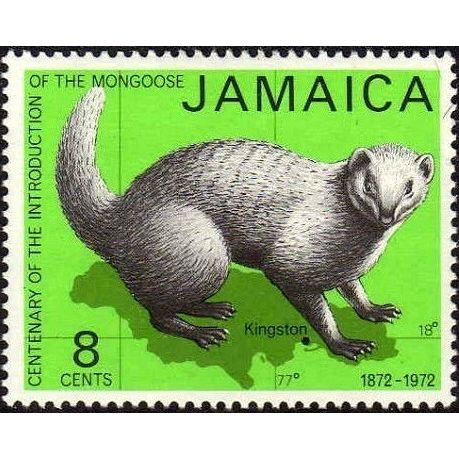
அந்தக் காலத்தில் இப்படி வசதிகள் இல்லாவிடினும் நம் முனிவர்களும் சித்தர்களும் பறவைகளையும் மிருகங்களையும் பார்த்தனர். மயில், கருடன், கீரி ஆகியன விஷப் பாம்பைக் கடித்துக் குதறிய பின்னரும் எப்படி உயிர் வாழ்கின்றன என்று கண்டனர்; அவை விசேஷ மூலிகைகளை உண்ணுவதைக் கண்டுபிடித்தனர். அதை நமக்கும் எழுதிவிட்டுப் பாடிவிட்டுச் சென்றனர். ரிக் வேத சூக்தம் ஒன்று 107 மூலிகைகள் என்று ஒரு எண்ணைக் குறிப்பிடுகிறது. துரதிருஷ்டவசமாக அந்த மூலிகைகளின் பட்டியலைக் கொடுக்கவில்லை. ஆனால் அதர்வண வேதத்தில் நிறைய மூலிகைகளின் பெயர்கள் வருகின்றன. அவற்றைத் தொகுத்துப் பிற்கால சரகர், சுஸ்ருதர் போன்றோரின் நூல்களுடன் ஒப்பிட்டு ஆராய்ச்சி செய்தல் அவசியம் .
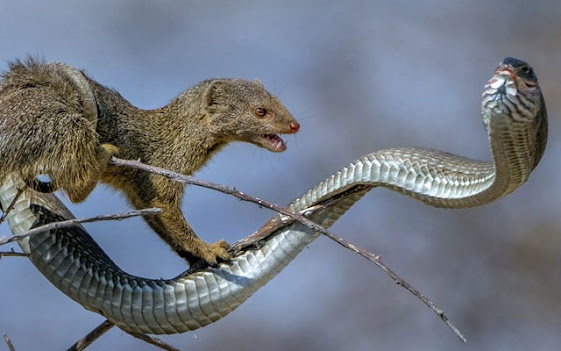
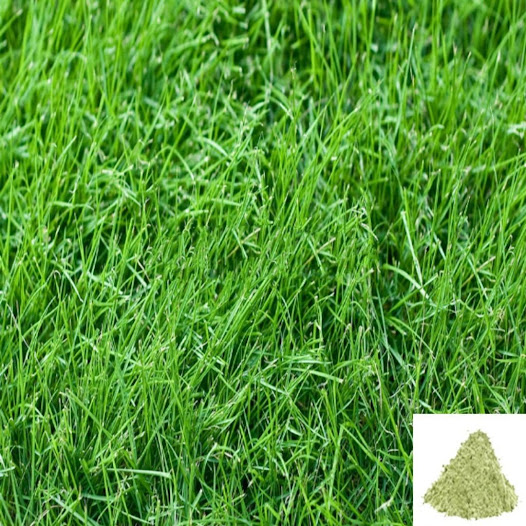
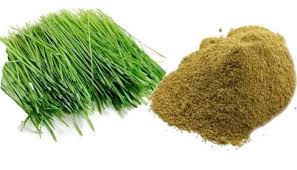
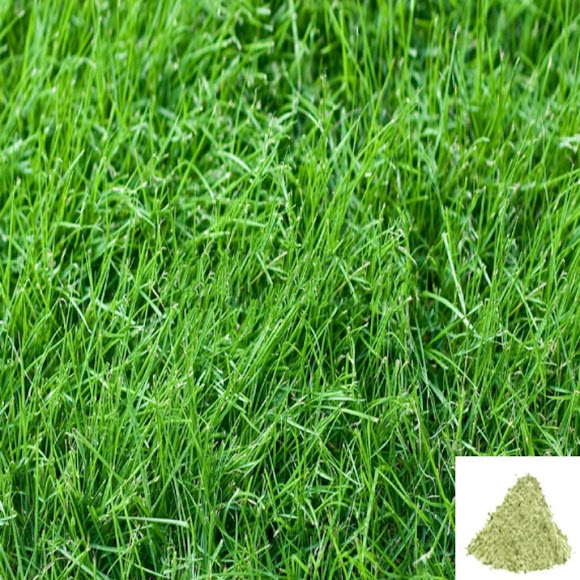
பாம்பு- கீரி சண்டையில் , கீரி வெற்றி பெற அருகம்புல் எப்படி உதவுகிறது என்று ஏற்கனவே எழுதியுள்ளேன் (கீழேயுள்ள இணைப்புகளைக் காண்க)

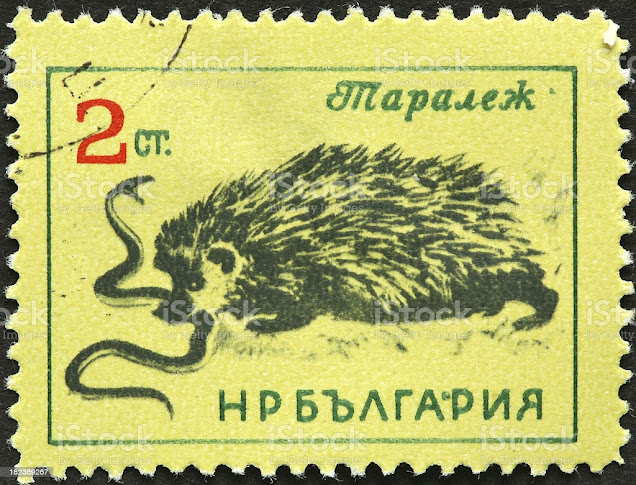
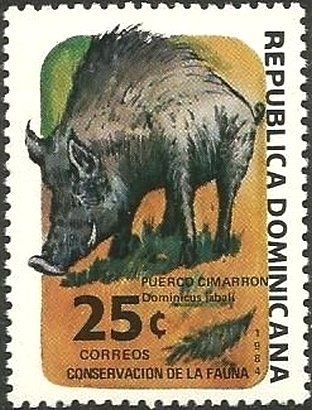
அதர்வண வேத சூக்தம் ஒன்று பாம்பு, கீரி , காட்டுப் பன்றி ஆகியன எப்படி மூலிகைகளை கண்டு பிடிக்கின்றன என்று பாடியுள்ளார். இயற்கையை நன்கு கவனித்த அவர்கள் பல மூலிகைகளுக்கு கருட கிழங்கு போன்ற பெயர்களையும் சூட்டியுள்ளனர்.
xxx

அதர்வண எட்டாம் காண்டம் சூக்தம் 440 ல் உள்ள அதிசய விஷ்யங்களைக் காண்போம்

இந்த சூக்தத்தின் தலைப்பே ஒளஷதங்கள் !
இந்த துதியில் 28 மந்திரங்கள் உள்ளன.
28 மந்திர துதியில் ,23ஆவது மந்திரம்

“வராஹம் (பன்றி) செடியை அறியும் ; கீரி சிகிச்சைச் செடியை அறியும் ; கந்தர்வர்களும், சர்ப்பங்களும் அறியும் மூலிகைகளை நான், இப்புருஷனின் துணைக்காக அழைக்கிறேன்”

24 ஆவது மந்திரம் “கருடன் அறியும் ஆங்கிரஸ ஒளஷதிகளையும் , சுபர்ணன் அறியும் தேவ சிகிச்சைகளையும் பறவைகள், ஹம்ஸங்கள் (அன்னம்), வன விலங்குகள் அறியும் அனைத்தையும் இப்புருஷனின் துணைக்காக அழைக்கிறேன்” .
25 ஆவது மந்திரம் ,
“ஆடு மாடுகள் புசிக்கும் மூலிகைகளை துணைக்கு அழைக்கிறேன்” —
என்று சொல்வதிலிருந்து ரிஷி முனிவர் எந்த அளவுக்கு பறவைகள், மிருக்கங்களைக் கவனித்து இருக்கிறார்கள் என்பது புலப்படும்.
இது நோய்வாய்ப்பட்ட ஒருவரைக் காப்பதற்காக பாடப்பட்டது போலத் தோன்றினாலும் மூலிகைகைகளின் பெருமையையே அதிகமாகப் பேசுகிறது!
xxx


முதல் மந்திரத்தில் ரிஷி, பல வண்ண மூலிகைகளைச் செப்புகிறார்- பழுப்பு, சிவப்பு, பிங்களம் , அழகான , பிரகாசமான மூலிகைகள் – நல்ல பாசிட்டிவ் சொற்கள் Positive Words!
இரண்டாவது மந்திரம், வானத்தை மூலிகையின் தந்தை யாகவும் பூமியைத் தாயாகவும் கடலை (Samudra= Ocean) வேர் ROOT ஆகவும் பாடுகிறது

கடல் என்று வரும் இடம் எல்லாம் அதே நீல நிறம் கொண்ட ஆகாயம் என்று விமர்சகர்கள் சொல்லுகிறார்கள் ; ஆனால் உண்மையான கடல் ஆகவும் இருக்கலாம். ஆராய்வது அவசியம் .
சமுத்ரோ மூலம் = கடல் வேர்
மூன்றாவது மந்திரம், நீரே மருந்து (Water is Medicine) என்று புகழ்கிறது. தினமும் தண்ணீரைப் புகழ்ந்து மூன்று வேளைகளிலும் பிராமணர்கள சந்தியா வந்தனம் செய்கின்றனர். இன்று வரை நீரை அமிர்தம் என்று சொல்லி குடித்து காலை, மதியம் மலையில் கிரியை செய்கிறார்கள். சாப்பட்டைச் சுற்றி மந்திரம் சொல்லி இது அமிர்தமாகட்டும் என்று சாப்பிடுகிறார்கள். திருவள்ளுவரும் இதை அப்படியே அமிர்தம் என்ற ஸம்ஸ்க்ருத்ச் சொல்லைச் சொல்லிப் போற்றுகிறார் .
நாலாவது மந்திரம், மூலிகைகளின் தோற்றம் குணத்தைச் சொல்லி புகழ்கிறது
ஐந்தாவது மந்திரம், உங்கள் சக்தியால் நான் இவனைக் குணப்படுத்தப் போகிறேன் என்று அறிவிக்கிறது ; இன்றும் கூட டாக்டர்கள் கொடுக்கும் மருந்தைவிட அவர் சொல்லும் வாசகங்களையே நாம் நம்புகிறோம்; அவை நமக்கு நம்பிக்கை அளிக்கிறது அது போல இங்கும் டாக்டர் பாடுகிறார்.
ஆறாவது மந்திரம், தேன் மிகுந்த மலர்களை உடைய ‘அருந்ததி’ என்ற மூலிகையைக் குறிப்பிடுகிறது; இதன் அடிக்குறிப்பு இதை சிலாசி SILACHI என்ற பெயர் கொண்டபடரும் கொ டி வகைத் தாவரம் என்று சொல்லுகிறது. முந்திய துதிகளிலும் இது ப ற்றி வந் துள்ளது
முதல் முதலில் நாலாவது காண்டத்தில் ‘அருந்ததி’ பற்றி வருகிறது; இது உடைந்த எலும்பைக் குணப்படுத்த உதவக்கூடியது. இது கொடி வகைத் தாவரம் .ஆனால் என்ன தாவரம் என்று தெரியவில்லை என்று எழுதியுள்ளனர்

மந்திரம் 9-ல், அவகா AVAKAA என்ற தாவரம் பற்றிய குறிப்பு வருகிறது . இது சதுப்பு நிலத்தில் வளரும் புல் வகை. தாவரவியல் பெயர் ப்ளிக்ஸ்சா ஆக்டன்ட்ரா BLYXA OCTANDRA.
மந்திரம் 12, ஒரு தாவரத்தின் எல்லாப் பகுதிகளும் தேன் மயமானது என்று வருணிக்கிறது ;

மந்திரம் 13ல் ஆயிரம் இலைகளுள்ள தாவரம் என்னைக் காக்கட்டும் என்று சொல்லுவது பலவகை மூலிகைகள் பயன்பாட்டில் இருந்ததைக் காட்டுகிறது .
TIGER AMULET
மந்திரம் 14, புலி தாயத்து பற்றியது (PLEASE READ MY ARTICLE POSTED EARLIER TODAY)
மந்திரம் 15, சிங்கத்தின் கர்ஜனையால் நோய்கள் நடுங்கும் என்பது ஒரு உவமை ஆகும். அடுத்த வரியே நோய்கள் மெழுகு போல கரையும் என்கிறது.

மந்திரம் 20, தர்ப்பைப் புல் , அஸ்வத்தம் என்னும் அரச மரம், தாவர அரசன் ஆன சோமம் ஆகியன பற்றிப் பாடுகிறது ; அரச மரக் குச்சிகளையும், தர்ப்பை புல்லையும் இன்று வரை பிராமணர்கள் பயன்படுத்தி வருகின்றனர்.
28ஆவது மந்திரத்தை கற்பனை எண்கள் என்று வெளிநாட்டார் ஒதுக்கிவிட்டனர். அவர்களுக்கு அர்த்தம் தெரியாத எல்லா எண்களுக்கும் இப்படி கற்பனை எண்கள் (FANCIFUL NUMBERS) என்று முத்திரை குத்திவிட்டனர். 28ஆவது மந்திரம் ,
“பஞ்ச சரம், பத்து சரத்தினின்றும் நான் உன்னை விடுதலை செய்துள்ளேன். யமனது பாசத்தினின்றும், தேவர்களின் எல்லாக் குற்றத்தினின்றும் உன்னை நீக்கியுள்ளேன்” என்று முடிகிறது. ஏதோ ஒரு ஜுரத்தை இப்படி பத்து அம்பு, ஐந்து அம்பு என்று அழைக்கிறார்கள் என்று வியாக்கியானம் செய்வது சரியில்லை என்றே தோன்றுகிறது.
சரக , சுஸ்ருத சம்ஹிதைகளில் வல்லோர் அமர்ந்து ஆராய வேண்டிய விஷயம் இது. 90 நதிகள், 99 நதிகள் என்று வந்த இடங்களுக்கும் இப்படி கற்பனை எண்கள் என்று வெள்ளைக்காரர்கள் சொல்லுவார்கள். 101 என்ற எண்ணை மட்டும், வேதங்கள் துரதிருஷ்ட எண் என்று சொல்லுவதாக எழுதியுளளனர். அங்கு கற்பனை என்ற பதம் வரவில்லை !!!

XXX


MY OLD ARTICLES ON SAME THEME

அருகம்புல் ரகசியங்கள் | Tamil and Vedashttps://tamilandvedas.com › அரு…· Translate this page12 Jul 2013 — அருகம் புல் ரகசியங்களை இந்துக்கள் ஆதியிலேயே அறிந்திருந்தனர். நெல்லும் …You visited this page on 17/12/21.

வையாக்ரோ மணி | Tamil and Vedashttps://tamilandvedas.com › tag › வ…· Translate this page7 hours ago — வேங்கை | Tamil and Vedashttps://tamilandvedas.com › tag › வ… … Tamil children were given talismans made up of tiger nails or tiger ..

—subham—

tags- பிராணிகள், மூலிகை, கண்டுபிடிப்பு, அதர்வண வேதம், கீரி , பாம்பு, பன்றி

தமிழ் இலக்கியத்தில், அதர்வண வேதத்தில் புலிப்பல் தாலி (Post No.10455)

WRITTEN BY LONDON SWAMINATHAN
Post No. 10,455
Date uploaded in London – – 17 DECEMBER 2021

Contact – swami_48@yahoo.com
Pictures are taken from various sources for spreading knowledge.
this is a non- commercial blog. Thanks for your great pictures.
tamilandvedas.com, swamiindology.blogspot.com

தமிழ் இலக்கியத்தில், அதர்வண வேதத்தில் புலிப்பல் தாலி

TIGER CLAW NECLACES IN MUSEUMS AROUND THE WORLD


புலியை வீரத்தின் சின்னமாக இந்துக்கள் போற்றி வருகின்றனர். நாடு முழுதும் புலித் தோல், புலி நகம், புலிப் பல் பாரிய கதைகள் உள்ளன. மன்னர்களின் சீற்றத்தை புலியின் சீற்றத்துக்கு தமிழ்ப் புலவர்கள் ஒப்பிடுகின்றனர். அதர்வண வேதத்தில் ‘வையாக்ரோ மணி’ என்ற பெயரில் புலிப் பல் அல்லது புலி நகத் தாலி குறிப்பிடப்பட்டுள்ளதை சிலப்பதிகார, பெரிய புராணக் குறிப்புகளுடன் ஒப்பிடுவோம் .

பல லட்சம் மக்கள் வழிபடும் ஐயப்பன் புலிப் பால் (Tiger Milk) கொண்டு வந்தார்.
துர்க்கைகைக்கும் காளிக்கும் புலி வாகனம் ஆகும்.
ராமாயணத்தில் இராமபிரானை (நர சார்தூல’) மனிதர்களில் புலி’ என்று போற்றும் வால்மீகி மகரிஷியின் வரிகளை நாம் தினமும் வேங்கடேஸ்வ்ர சுப்ரபாதத்தில் பாடி வருகிறோம் (உத்திஷ்ட நர சார்தூல).
பதஞ்சலி , வியாக்ரபாதர் பெயரில் புலி நகம் வருவதை நாம் அறிவோம்.
அப்சல்கானை வீர சிவாஜி புலி நகத்தால் கீறிக் கொன்றதை நாம் அறிவோம் .

சிலப்பதிகாரத்திலும், அதர்வண வேதத்திலும் பெரிய புராணத்திலும் புலிப் பல் செய்தி உளது பலருக்கும் தெரியாது !!
தமிழில் பழமையான ‘புலிப்பல் தாலி’ குறிப்பு சிலப்பதிகாரத்தில் உளது. கண்ணகி- கோவலன் கதை கி.பி. இரண்டாம் நூற்றாண்டில் .நடந்ததை ‘கடல் சூழ் இலங்கைக் கயவாகு வேந்தன்’ குறிப்பாலும் ஏனைய குறிப்புகளாலும் நாம் அறிகிறோம் . அதற்கு ஆயிரத்து இரு நூறு ஆண்டுகளுக்கு முன்னரே அதர்வண வேதம் ‘வையாக்ர மணி’ பற்றிப் பேசுகிறது!

தள்ளிப்போன, கொள்ளைக்கார வெள்ளைக்காரனும் கூட அதர்வண வேதத்துக்கு கி.மு 1000 என்று முத்திரை குத்தியுள்ளான். மேலும் அதர்வண வேதத்தில் உள்ள பெரும்பாலான மந்திரங்களில் ரிக் வேதத்தின் தாக்கத்தைக் காண்கிறோம்.

டைகர் TIGER என்ற ஆங்கிலச் சொல் வையாக்ர் VAIYAGR என்ற சொல்லில் இருந்து பிறந்ததும் மொழி இயல் வல்லுனர்களுக்குத் தெரிந்ததே .

(எனது தந்தை வெ .சந்தானம் V .SANTANAM, NEWS EDITOR, DINAMANI, MADURAI) ஒரு மான் தோலும். ஒரு புலித் தோலும் TIGER SKIN/HIDE ஜபம் , தியானம் செய்யப் பயன்படுத்தி வந்தார். கோபம் வந்தால் புலி போலச் சீறுவார் . பின்னர், சிலர் புலித் தோலைப் பயன்படுத்தக் கூடாது; அது சன்யாசிகள் போன்றோர் உக்கிரமான தவம் செய்வதற்கானது என்று சொன்னதன் பேரில் மான் தோலை மட்டும் பயன்படுத்தினார்.).

புலி பற்றிய வேதக் குறிப்பைக் காண்போம் .
அதர்வண வேதத்தில் இருபதுக்கும் மேலான அதிசய தாயத்துக்கள் உள்ளன . அதன் பட்டியல் ஆங்கிலக் (Please see my old English article) கட்டுரையில் உள்ளது . தாயத்துக்களை ‘மணி’ என்று வேத கால முனிவர்கள் அழைத்தனர்.

அதர்வண வேதம் , காண்டம் 8, துதி 7 (சூக்தம் 440)- தலைப்பு – ஒளஷதங்கள்

மந்திரம் 14
‘ஒளஷதங்களின் புலி மணியானது பாதுகாக்கட்டும் ; அதை அணிவோனை சாபத்திலிருந்து விடுவிக்கட்டும்; நீசர்களையும் நோய்களையும் வெகு தூரத்துக்கு துரத்தட்டும்’

இந்த மந்திரம் வையாக்ர மணியின் சக்தியைக் காட்டுகிறது
xxx


தமிழ் இலக்கியத்தில் புலிப்பல் தாலி

சிலப்பதிகாரம், மதுரைக்காண்டம், வேட்டுவ வரி, 27-28
“மறம் கொள் வயப்புலி வாய்பிளந்து பெற்ற
மாலை வெண் பல் தாலி நிரை பூட்டி”

பொருள்
வீரம் உடைய புலியின் வாயைப்பிளந்து பிடுங்கிய வெள்ளிய பற்களை மாலையாகக் கோர்த்து கழுத்தில் தாலியாக அணிவித்தனர் .

பாட்டின் பிற்பகுதியில் குமரியாக வேடம் சூட்டி கொற்றவையாக வணங்கிய குமரிப் பெண்ணுக்கு புலித் தோலை மேகலையாக அறிவித்த செய்தியும் வருகிறது !

கொற்றவைக்கு புலி வாகனம் என்பதை இன்றும் நாம் படங்களில் காண்கிறோம் !
xxx
பெரிய புராணத்தில்
பெரிய புராணத்தில் கண்ணப்ப நாயனார் சரிதத்தில் கானக மக்கள் செய்த சடங்குகளின் விவரம் உள்ளது; வேட்டுவர் குல மக்கள் ஒரு குழந்தைக்கு என்ன என்ன செய்தனர் என்ற அரிய செய்திகளை சேக்கிழார் பெருமான் நமக்கு தொகுத்து அளிக்கிறார் :-
ஆண்டெதிர் அணைந்து செல்லவிடும் அடித்தளர்வு நீங்கிப்
பூண்டிதழ் சிறு புன்குஞ்சிப் புலியுதிர்ச் சுட்டி சாத்தி
மூண்டெழு சினத்துச் செங்கண் முளவு முள் அரிந்து கோத்த
நாண்டரும் எயிற்றுத் தாலி நலங்கினர் மார்பில் தூங்க
–பெரிய 10-20

பன்றியின் முள், புலியின் பல் ஆகியவற்றை கோத்து செய்த மாலையை கண்ணப்பன் சிறு குழந்தையாக இருந்த பொழுது மார்பில் தொங்க விட்டனர் என்று சேக்கிழார் பெருமான் செப்புகிறார்

குழந்தைகள் மட்டுமின்றி பெரியோர்களும் புலிப் பல் தாலி அணிந்ததையும் பெரிய புராணம் பேசுகிறது —

அரும்பெறல் மறவர் தாயத்தான்ற தொல்குடியில் வந்தாள்
இரும் புலி எயிற்றுத் தாலி இடையிடை மனைவி கோத்து
பெரும்புறம் அலையப் பூண்டாள் பீலியும் குழை யும் தட்டச்
சுரும் புறு புடலை மூச்சுக்குர் அரிப் பிளவு போல்வாள் –
— பெரிய 10-9

கண்ணப்பனின் தாய் பெயர் தத்தை ; அவள் புலிப் பல்லுடன் , சங்கு மணி கோத்து செய்யப்பட்ட மாலையை அணிந்திருந்தாள் என்பது சேக்கிழார் காட்டும் சித்திரம் ஆகும்.
xxx


MY OLD ARTICLES ON THE SAME THEME

தமிழ் இலக்கியத்தில் தாயத்து!! வேதத்தில் தாயத்து …https://tamilandvedas.com › தமிழ…· Translate this page18 Jun 2014 — கட்டுரையாளர் லண்டன் சுவாமிநாதன் கட்டுரை எண்/–1114; தேதி— 18 June 2014. சங்கத் தமிழ் …You visited this page on 17/12/21.வேங்கை | Tamil and Vedashttps://tamilandvedas.com › tag › வ…· Translate this page7 May 2017 — சங்க இலக்கியத்தில் வேங்கை மரம் … கவிஞன் காளிதாசனும் புலி என்றும் மரம் …Talismans in Atharva Veda & Ancient Tamil Literaturehttps://tamilandvedas.com › 2014/06/17 › talismans-in-…17 Jun 2014 — Ancient Tamils used talismans from young age. Tamil children were given talismans made up of tiger nails or tiger tooth. That gave them courage …You visited this page on 17/12/21.
Talisman | Tamil and Vedashttps://tamilandvedas.com › tag › talisman
Though the Vedas speak about different herbs indifferent places, the most famous hymn is the ‘THE HEALING PLANTS’ hymn in Rig Veda (10-97). Western World is …
Amulets | Tamil and Vedashttps://tamilandvedas.com › tag › am…
· Translate this page3 Aug 2019 — 17 Jun 2014 – Talismans in Atharva Veda & Ancient Tamil Literature. AV1 … Havis Parnamani (K 19-22): Used for subduing enemies (Amulet of Palasa) …Tiger | Tamil and Vedashttps://tamilandvedas.com › tag › tiger6 May 2017 — Pictures are taken from various sources; thanks. contact; swami_48@yahoo.com. The word ‘Venkai; means a Venaki tree and a tiger in Tamil. The …


தமிழ் இலக்கியத்தில் தாயத்து!! வேதத்தில் தாயத்து …https://tamilandvedas.com › தமிழ…· Translate this page
18 Jun 2014 — குறிஞ்சி நிலக் குறவர்கள் மற்றும் காடுகளில் வாழ்வோர் புலிப் பல், புலி நகம் …

வேங்கை | Tamil and Vedashttps://tamilandvedas.com › tag › வ…· Translate this page
7 May 2017 — சங்க இலக்கியத்தில் வேங்கை மரம் … கவிஞன் காளிதாசனும் புலி என்றும் மரம் …
Tiger | Tamil and Vedashttps://tamilandvedas.com › tag › tiger
6 May 2017 — The word ‘Venkai; means a Venaki tree and a tiger in Tamil. … We have got lot of this images in Sangam Literature.

Talismans in Atharva Veda & Ancient Tamil Literaturehttps://tamilandvedas.com › 2014/06/17 › talismans-in-…
17 Jun 2014 — Ancient Tamils used talismans from young age. Tamil children were given talismans made up of tiger nails or tiger tooth.
–subham–
tags– வையாக்ரோ மணி, புலிப் பல், புலி நகத் தாலி,
சிலப்பதிகாரம், பெரிய புராணம் ,அதர்வண வேதம்

இலக்கியப் படகில் ஒரு இனிய பயணம்! (Post No.10,454)

WRITTEN BY S NAGARAJAN
Post No. 10,454
Date uploaded in London – – 17 DECEMBER 2021

Contact – swami_48@yahoo.com
Pictures are taken from various sources for spreading knowledge;
this is a non- commercial blog. Thanks for your great pictures.
tamilandvedas.com, swamiindology.blogspot.com

இலக்கிய இன்பம்
இலக்கியப் படகில் ஒரு இனிய பயணம்!
ச.நாகராஜன்

நல்ல நூல்களைப் படிப்பது என்பது அற்புதமாக அமைந்து விட்ட ஒரு விமானப் பயணம் போல அல்லது ஒரு ஆனந்தமான ரயில் பயணம் போல அல்லது அருமையான இயற்கை காட்சிகளின் ஊடே ஒரு படகில் பயணம் செய்வது போல!

தேக்கடியில் படகு சவாரி – கோடைக்கானலில் படகில் பயணம் – அடடா, என்ன ஒரு ஆனந்தம்!

அதே அனுபவத்தை, இலக்கியத்தில் பொருத்த மட்டில், சமகால எழுத்தாளர்களிடம் பெறுவது ஒரு அபூர்வமான விஷயம் தான்!
அப்படிப்பட்ட அனுபவத்தைத் தருகிறது, திருலோக சீதாராம் அவர்களின் இலக்கியப் படகு என்னும் நூல்.

சின்னச் சின்னக் கட்டுரைகள்! சுவையான அனுபவங்கள்! அவை தரும் ஏராளமான பாடங்கள்! அதைப் பெறுவதில் ஏக ஆனந்தம் தான்.
திருலோக சீதாராம் யார் என்று கேட்டால், அவர் அருமை அறிந்து காலத்தால், பெரிதாகக் கொண்டாடப்பட வேண்டியவர் என்று ஒரு வரியில் சொல்லி விடலாம்.

ஆனால் வழக்கமாகத் தமிழர்களின் பழக்க வழக்கம் போல தமிழர்கள் தங்கள் கடமையில் இவரைப் பொருத்த மட்டில் தவறி விட்டார்கள் என்பது நிச்சயம்.

திருச்சி மாவட்டம் பெரம்பலூருக்கு அருகில் உள்ள தொண்டைமான்துறை என்ற ஊரில் திருவையாறு லோகநாத ஐயருக்கும் மீனாட்சி சுந்தரம்மாளுக்கும் 1917ஆம் ஆண்டு ஏப்ரல் மாதம் முதல் தேதியன்று திருலோக சீதாராம் பிறந்தார்.

தெலுங்கைத் தாய்மொழியாகக் கொண்டிருந்தாலும் தமிழுக்கே தன்னை தாரை வார்த்துக் கொடுத்து விட்டார்.

மூன்று வயது என்ற மிக இளம் வயதிலேயே தந்தையை இழந்தார். மாமா வீட்டிற்கு இடம் பெயர்ந்து தாயின் அரவணைப்பில் வளர ஆரம்பித்தார். லலிதா என்று ஒரு தங்கை. பஞ்சாபகேசன் என்று ஒரு தம்பி.

1936ஆம் ஆண்டு தனது 19ஆம் வயதில் அந்தக் கால வழக்கப்படி மிக சிறு பருவத்தில் இருந்த 10 வயதான ராஜாமணியைத் திருமணம் செய்து கொண்டார். இந்தத் தம்பதியினருக்கு 3 பெண் குழந்தைகளும் நான்கு ஆண் குழந்தைகள் பிறந்தன. பெண்கள் – மதுரம், வஸந்தா, இந்திரா. ஆண்கள் பசுபதி, சுப்பிரமணியன், முரளிதரன், ராமகிருஷ்ணன்.

இயல்பாகவே தமிழின் பால் அபார ஈடுபாடு கொண்ட திருலோக சீதாராம் கவிதைகளை ரசிக்க ஆரம்பித்தார். தானே அற்புதமாக கவிதைகளையும் இயற்றலானார். உரை நடையில் தனிப் பாணியில் தன் நடையை அமைத்துக் கொண்டு உரை நடை மன்னனாகத் திகழ்ந்தார்.

தமிழ் ஆர்வம் இவரை உந்தியது. ஆகவே 18ஆம் வயதிலேயே ‘இந்திய வாலிபன்’ என்ற பத்திரிகையைத் தொடங்கினார் 1934ஆம் ஆண்டு சிவாஜி என்ற சொந்தப் பத்திரிகையைத் தொடங்கினார். அதன் மூலம் தமிழ் உலகம் முழுவதுடனும் தொடர்பு கொண்டார்.

இவரது கட்டுரைகளின் தொகுப்பாக இலக்கியப் படகு அமைந்துள்ளது. மொத்தம் 60 கட்டுரைகள். சில கட்டுரைகள் தங்கம். சில வெள்ளி. சில வைரம். சில மாணிக்கம். சில முத்து. சில கோமேதகம்.

ஆமாம், விலையே சொல்ல முடியாத அபூர்வ உயர் ரத்தினங்களையும் தங்கம் வெள்ளி உள்ளிட்டவற்றையும் தன் தமிழ்க் கட்டுரைகள் மூலமாக இவர் தமிழ் மக்களுக்குப் பரிசாக அளித்து விட்டார்.

ராஜம் ஐயர் விழா பற்றி ஒரு கட்டுரை. 26 வயதே வாழ்ந்த தத்துவ, இலக்கிய மன்னனைப் பற்றி அறிகிறோம். புட்டபர்த்தி சத்யசாயி பாபா பற்றி ஒரு கட்டுரை. வானத்துத் தாரகை வந்த விவரத்தை அறிகிறோம். சின்மயானந்தரின் ஆங்கிலம் பற்றி ஒரு கட்டுரை. அற்புதமான ஆங்கிலத்தில் கடினமான தத்துவங்களை எளிதாகத் தந்த அவரின் பெருமையைக் காண்கிறோம்.

15-5-1961 அன்று எழுதிய கட்டுரை : தேடும் பொருள். இருபது ஆண்டுகளுக்கு முன்னர் கும்பகோணத்தில் ஒரு கடையில் தாம்பூலத்தை வாங்குகிறார் கவிஞர். வீட்டிற்கு வந்து பார்த்தால் ஒரு ஐந்து ரூபாயைக் காணோம். உடனே அதே கடைக்குச் செல்கிறார், பார்க்கிறார், ஊஹூம், அதைக் காணோம். சரி, போகட்டும் என்று விட்டுவிடவில்லை. இருபது ஆண்டுகளாக அங்கு போகும் போதெல்லாம் அந்தக் கடைக்குப் போகாமல் இருப்பதில்லை. தனது ஐந்து ரூபாய் “ஒருவேளை, அங்கு இருக்குமோ” என்று பார்க்கத் தவறியதுமில்லை.
“அட, அது அங்கு இன்னும் இருக்குமா?” புத்திக்கு இது தெரியாதா?
மனதின் மர்மத்தை யாரால் அறிய முடியும்?

இதில் தனது அறிவையும் கவனத்தையும் யாதொன்றும் தப்பிச் செல்லகூடாது என்ற மமகாரத்தை இனம் காண்கிறார் கவிஞர். இப்படி ஆரம்பிக்கும் கட்டுரை மனித வரம்பின் பல பரிமாணங்களைக் காண்பித்து வினோபா, காந்தியடிகளைச் சுட்டிக் காட்டி பாரதசக்தி புதிய செய்தியை விளக்கப் போவதைச் சொல்லி முடிகிறது.

வாழ்க்கையும் இலக்கியமும் என்னிடம் இப்போதைக்கு இருக்கின்றன என்று கூறும் கவிஞர் தனது இலக்கியப் படகு பற்றி அற்புதமாக விவரிக்கிறார்.

“இருந்த இடத்திலேயே இருந்து கொண்டு எங்கெங்கும் எல்லாக் காலத்தும் இயங்கத்தானே இலக்கியப் படகு! அமர லோகத்துக்குப் போய் அடுப்பு மூட்ட வேண்டிய அவசியமென்ன?”

கேள்வி, சரியான கேள்வி தான்!
அவருடன் அவர் படகில் “நைஸாக” ஒட்டிக் கொண்டு பயணம் போவது என்பது எவ்வளவு சுகமான ஒரு அனுபவம்!

“படகு அசையும் போதெல்லாம் ஒவ்வோர் அசைவும் ஓர் இன்ப அனுபவம். எத்துணைத் தோழர்களைப் பார்க்கிறேன். எத்துணைப் படகுகள்! எத்துணை எத்துணை வியப்புகள்! சற்றே படகு செலுத்தி விளையாட உடன் வருவோர் உண்டு. எனது படகில் கூட வருவோருடன் இருக்கலாம்.”

ஆஹா, கவிஞரே இப்படி அனுமதி தந்து விட்டார் இல்லையா? பிறகு என்ன தயக்கம்!

எல்லா அன்பர்களும் உல்லாசமாக கவிஞரின் இலக்கியப் படகில் ஒரு இனிய பயணத்தை ஆரம்பிக்கலாமே!

பாரதியாருடனான இவரது ஆத்மார்த்தமான ஆன்மீகத் தொடர்பு பவித்திரமானது. அதைப் பற்றித் தனியே தான் ஒரு கட்டுரை எழுத வேண்டும்.
அவ்வளவு பெரிய விஷயம் அது.

பெரிய சாதனைகளை விளம்பரம் இல்லாமல் செய்த திருலோக சீதாராம் தனது ஐம்பத்தி ஆறாம் வயதில் 23-8-1973 அன்று மறைந்தார். என்றபோதிலும் அவர் பூதவுடல் மறைந்தாலும் புகழ் உடம்பு மறையாது. அவர் நினைவை என்றும் போற்றுவோம்!
**
இலக்கியப் படகு 198 பக்கங்கள் கொண்ட அருமையான நூல்.
விலை ரூபாய் 200/ உயர்ந்த தாளில் நேர்த்தியாக அச்சடிக்கப்பட்டுள்ளது.
நூலைப் பெற, ஜி.ஆர். பிரகாஷ் 9488185920/9940985920 அவர்களைத் தொடர்பு கொள்ளலாம்.

வெளியிட்டோர் : பவித்ரா பதிப்பகம், 24-5, சின்னம்மாள் வீதி, கே.கே.புதூர், (Post), கோவை – 38, தமிழ்நாடு, இந்தியா

tags- திருலோக சீதாராம், இலக்கியப் படகு

AMAZING ANIMALS FIND HEALING HERBS ! ( Post.10,453)

WRITTEN BY LONDON SWAMINATHAN
Post No. 10,453
Date uploaded in London – – 16 DECEMBER 2021

Contact – swami_48@yahoo.com
Pictures are taken from various sources for spreading knowledge.
this is a non- commercial blog. Thanks for your great pictures.
tamilandvedas.com, swamiindology.blogspot.com

How did Vedic seers find magical herbs?. There are lots of names of herbs in the Vedas, particularly Atharvana Veda. Vedic seers might have found the herbs by intuition or trial and error methods. But a few Suktas/hymns clearly show that they found the magical herbs by watching animals like mongoose, boar and snakes.
Tamils used Tiger nail and tiger tooth as amulets. Veera Shivaji of Maharashtra used tiger claws to kill his enemy Afzal Khan. But thousands of years before the Tamils, this Vedic hymn refers to Tiger Amulet. All amulets are referred to as ‘Mani’ in Vedas.
There is a belief among the the Tamil Siddhas (medicine men cum miracle men) that the the mongoose gained its anti dote to poison from the Arukam Pul . They have watched mogoose going back to the field where there is more Arukam pul and come back to fight the snake; eventually the snake is killed; mongoose survived. This grass has magical powers.
Cynodon Dactylon = Arukam Pul in Tamil; Duurvaa, Dhoob in Sanskrit
Vedic seers, who lived long ago, also wondered how the mongose survives after biting highly venomous cobra and other snakes. Then they found out that the secret lies in the medicinal grass.

They have been observing eagles bringing the magical Soma herb. Throughout the Vedas, they have been singing about eagles bringing Soma herb. Now in this hymn Vedci seers praise the animals for brinhg herbs.
xxxx


My Comments
First let me draw your attention to the important messages inthe 28 mantra hymn.
Mantra 14
Tiger amulet : Tamil epic Silappadikaram, dated 2nd century CE, refers to Tiger Tooth Amulet in Tamil Nadu. Later Peria Puranam also refers to it in the Kannappa Nayanar episode. Atharvana Veda called it ‘Vaiyagro Mani’. (Vyaagra becomes Tiger in English)
Rama is praised as Tiger among Men by Valmiki. That sloka of Valmiki is used in Tirupati Venkateswara Subrapatha as the first sloka.
xxx
Mantra 23
Wild boars find the roots just by smelling. They are very quick in identifying the edible roots.
Mongoose- Also referred in VI-139-5

Mantra 23 says,
” Well doth the wild boar know a Plant, the mongoose knows the Healing Herb.
I call , to aid this man, the Plants which the serpents and Gandharvas know.
This mantra and other mantras proove that the Vedic seers observed the animals and learnt many herbal secrets.
xxx
Mantra 2
It says the Father of the herb- Heaven, Mother – Earth and the Root- Sea.
Wherver the word ‘sea’ comes, interpreters say it is ‘Sky’ or water in the sky, in the form of clouds. But there may be other meanings. We need to look for a better interprtation.
Mantra 16
It priases the mysterious Soma plant.
Mantra 21
Addressed the herbs as HEALING PLANTS. They are called Children of Prisini/earth.
xxx
Mantra 20
It praises Asvaththa (Ficus religiosa which he Buddha used to attain wisdom), Darba, King of Herbs Soma, barley and rice.
Asvaththa or Peepul is praised through out the Vedas. Dharba grass is used in every Brahmin house even today without which they cant do any ritual.
Sticks of Asvaththa are used as fuel in Havan or Yaga or Yagna
xxx
Mantra 6
A plant called Arundhati is also mentioned in many hymns. It is identified as Silachi. It is also in IV-12-1; V-5; VI-I-59-1
Mantra 9
The herb AVAKA is identified as Blyxa octandra; it is also mentioned in IV-37-8
xxx
Mantra 28
Foreigners culd not explain this and rejected it as FANCIFUL EPITHETS. No body knows the exact meaning of Five Arrows and Ten Arrows; We have to do more research. All numbers such 99 rivers, 9+90 rivers, 3, 330, 3330 Gods are all ignored by foreigners.
xxx
Theme of the Mantra according to commentators:-
The hymn, which extols the excellence of Medicinal Herbs, is an incantation designed to restore a sick man to health.
This verse can be compared with the Rig Vedic hymn 10-97, Praise of Herbs.
xxxx
FULL HYMN:–

Hymns of the Atharva Veda, by Ralph T.H. Griffith, [1895], at sacred-texts.com

HYMN VII; ATHARVANA VEDA; BOOK 8; SUKTA 440 ; MEDICINES
A charm to restore a sick man to health
1.The tawny-coloured, and the pale, the variegated and the red,
The dusky-tinted, and the black,—all Plants we summon hither-
ward.
2..This man let them deliver from Consumption which the Gods
have sent.
The father of these Herbs was Heaven, their mother Earth, the
Sea their root.
3.The Waters are the best, and heavenly Plants.
From every limb of thine have they removed Consumption
caused by sin.
4.I speak to Healing Herbs spreading, and bushy, to creepers, and
to those whose sheath is single,
I call for thee the fibrous and the reed-like, and branching.
Plants, dear to the Visve Devas, powerful, giving life to men.
5.The conquering strength, the power and might which ye, victo-
rious Plants, possess,
Therewith deliver this man here from this Consumption, O ye
Plants: so I prepare the remedy.
6.The living Plant that giveth life, that driveth malady away,
Arundhatr, the rescuer, strengthening, rich a sweets I call, to free
this man from scath and harm.
7.Hitherward let the sapient come, the friendly sharers o f my
speech. p. a341
That we may give this man relief and raise him from his evil
plight.
8.Germ of the Waters, Agni’s food, Plants ever growing fresh and
new,
Sure, healing, bearing thousand names, let them be all collected
here.
9.Let Plants whose soul is water, girt with Avakās, piercing with
their sharp horns expel the malady.
10.Strong, antidotes of poison, those releasers, free from Varuna,
And those that drive away Catarrh, and those that frustrate
magic arts, let all those Plants come hitherward.
11.Let purchased Plants of mightier power, Plants that are praised
for excellence.
Here in this village safely keep cattle and horses, man and beast.
12.Sweet is their root, sweet are these Plants’ top branches, sweet
also is their intermediate portion;
Sweet is their foliage, and sweet their blossom, combined with
sweetness is their taste of Amrit: food, fatness let them yield,
with kine preceding.
13.These Plants that grow upon the earth, whate’er their number
and their size,
Let these with all their thousand leaves free me from Death and
misery.
14.May the Plants’ Tiger-amulet, protective, guardian from the
curse,
Beat off the brood of demons, drive all maladies afar from us.
15.Before the gathered Plants they fly and scatter, as though a lion’s
roar or fire dismayed them.
Expelled by Plants, let men’s and kine’s Consumption pass from
us to the navigable rivers.
16Emancipated from the sway of Agni, of Vaisvānara, go, covering
the earth, ye Plants whose ruler is Vanaspati.
17.May these be pleasant to our heart, auspicious, rich in store of
milk,
These Plants of the Angirases which grow on mountains and on
plains.
18.The Plants I know myself, the plants that with mine eye I look
upon,
Plants yet unknown, and those we know, wherein we find that
power is stored, p. a342
19.Let all the congregated Plants attend and mark mine utterance,
That we may rescue this man here and save him from severe
distress.
20.Asvattha, Darbha, King of Plants, is Soma, deathless sacrifice
Barley and Rice are healing balms, the sons of Heaven who
never die.
21.Lift yourselves up, ye Healing Plants, loud is the thunder’s crash
and roar.
When with full flow Parjanya, ye Children of Prisni! blesseth;
you.
22.We give the essence of that stream of nectar of this man to
drink:
So I prepare a remedy that he may live a hundred years.
23.Well doth the wild boar know a Plant, the mungoose knows the
Healing Herb.
I call, to aid this man, the Plants which Serpents and Gandhar-
vas know.
24.Plants of Angirases which hawks, celestial Plants which eagles.
know;
Plants known to swans and lesser fowl, Plants known to all the
birds that fly.
Plants that are known to sylvan beasts,—I call them all to aid
this man.
25.The multitude of herbs whereon the Cows whom none may
slaughter feed, all that are food for goats and sheep,
So many Plants, brought hitherward, give shelter and defence to
thee!
26.Hitherward unto thee I bring the Plants that cure all maladies,
All Plants wherein physicians have discovered health-bestowing
power.
27.Let Plants with flower and Plants with bud, the fruitful and the
fruitless, all,
Like children of one mother, yield their stores for this man’s
perfeet health.
28.From the Five-arrowed, from the Ten-arrowed have I delivered
thee,
Freed thee from Yama’s fetter and from all offence against the
Gods,
—- Subham–

tags- Animals, Healing Herbs, Vedas, Mongoose, Wild boar, Tiger amulet

அதர்வண வேதத்தில் பேய்கள் பட்டியல் (Post No.10,452)

WRITTEN BY LONDON SWAMINATHAN
Post No. 10,452
Date uploaded in London – – 16 DECEMBER 2021

Contact – swami_48@yahoo.com
Pictures are taken from various sources for spreading knowledge.
this is a non- commercial blog. Thanks for your great pictures.
tamilandvedas.com, swamiindology.blogspot.com

நான்கு வேதங்களில் சுமார் 20,000 மந்திரங்கள் உள்ளன. வேதங்களில் உள்ள பல சொற்களின் பொருள், மாக்ஸ் முல்லர் கும்பலுக்கும் மார்க்ஸீயக் கும்பலுக்கும் தெரியவில்லை. அது போன்ற இடங்களில் சொந்தக் கருத்துக்களை நுழைத்துவிட்டனர். இந்தக் கும்பலில் 30 வெளிநாட்டினர் அடக்கம். சில சொற்களுக்கு எதிரும் புதிருமாக அவர்கள் அர்த்தம் கற்பிப்பது நமக்கு நல்ல ‘தமாஷ்’ GOOD JOKES ஆக இருக்கிறது. அதர்வண வேதத்தில் ஒரு துதியில் சுமார் 39 பேய்களின், துஷ்ட தேவதைகளின் (GHOSTS, EVIL SPIRITS) பெயர்கள் வருகின்றன. இவைகளை மொழி பெயர்த்தால் மிகவும் விநோதப் பெயர்கள் (FUNNY NAMES) வரும். சில பேய்களின் பெயர்களை மொழி பெயர்க்க முடியவில்லை. இவை மட்டும் மனிதர்களின் பெயர்களாக இருந்தால், உடனே அது ‘ஆரியர் அல்லாத பூர்வ குடி மக்கள்’ என்று எழுதி பிரிவினை வாதம் பேசினார்கள் மார்க்சீய- மாக் ஸ்முல்லர் கும்பல். இங்கோ பேய்கள் !! திராவிடப் பேய்களின் பெயர்கள் என்று திட்ட முடியவில்லை; திருடனுக்குத் தேள் கொட்டிய கதைதான் !

சுமேரியாவில் காணப்படும் பேய்களின் பெயர்களை முன்னே எழுதியுள்ளேன்; ஆனால் உலகில் எந்த நாட்டு இலக்கியத்திலும் இப்படி தொடர்ந்து ஒரே துதியில் சுமார் 40 பேய்களின் பெயர்ப் பட்டியல் இல்லை.

திரைப்படம் எடுப்போருக்கும் , கதை எழுதுவோருக்கும், கார்ட்டூன் படக்கதை, VIDEO GAME வீடியோ கேம் செய்வோருக்கும் நல்ல ஒரு பட்டியல் இது!

இதோ பேய்களின் பெயர்கள் :-
சங்கத் தமிழ் இலக்கியப் பாடல்களிலும் பெண்களைப் பிடிக்கும் – புதிதாகப் பிறந்த குழந்தைகளைத் தாக்கும் பேய்கள்/ தேவதைககள ள் பற்றிய குறிப்புகள் உள்ளன. அவைகளை விரட்ட ‘ஐயவி’ என்னும் வெண்கடுகைகைப் புகைக்குமாறும் சொல்லப்பட்டுள்ளது. கீழ்கணட அதர்வண வேத துதியிலும் 12 ஆவது மந்திரம் சூரிய கிரணங்களின் சக்தி பற்றிப் பேசுகிறது ஆகையால் பாக்டீரியா- வைரஸ் கிருமிகளை அவர்களை இப்படிப் பெயர்கள் சூட்டி அழைத்தனரோ என்றும் என்ன வேண்டியுள்ளது .

அதர்வண வேதம்- காண்டம் 8- சூக்தம் 439- கருப்ப தோஷம்
அலிம்சம் , வத்சபம் , பலாலம், அனுபலாலம்
சர்க்கும், கோகம், மலிமலுசம், பலீசகம் ,
அசிரேஷம், வவிராசம், ரிஷக்ரீவம், பிரமீளினம் ,
துர்நாமம், கிஷ்கினம் , அராயம், குஸூலர் ,
குடசீலர், ககுபர், கரூமர், ஸ்ரீமங்களை ,
குருந்தர், குகூரபர், கலஜர் , சகதூமஜர் ,
உருண்டர், மட்டமகர் , நபும்சகர், கும்பமுஷ்கர் ,
சாயக்கன், நக்நதன், தங்கல்வன் , கிமீதினன் ,
ஸ்தம்பஜன், துண்டிகன், கருமன் , பலீநசன்
சுனை ரோமம் உள்ளவன் , சடைகேசன் , அரைப்பவன், அதிகம் பற்றுபவன் ,
ஆத்திரன், அருண வண்ணன், சீமுகத்தான், சாலுடன், விரல்களற்றவன்,
இது தவிர முட்டை விழுங்கி, மனித மாமிசம் புசிப்போன் , 2 வாயன், 4 கண்ணன்,
ஐந்து காலன் , இரண்டு முகத்தோன் என்றெல்லாம் மந்திரங்கள் பேசுகின்றன !!!

Ralph T H Griffith கிரிப்பித் என்ற ஒருவர் மட்டும், வேத மொழி பெயர்ப்பில், பக்கத்துக்குப் பக்கம், “எனக்குத் தெரியவில்லை, புரியவில்லை, விளங்கவில்லை, தெளிவில்லை, குழப்பமாக உள்ளது, விடுகதை வடிவில் பேசுகின்றனர்”– என்றெல்லாம் எழுதியுள்ளார். இது போல யூத மத, ஐரோப்பிய நாட்டுப்புறக் கதைகளிலும் சில பெயர்கள் வருவதாகக் குறிப்பிட்டுள்ளார். அவரும் மற்ற ஐரோப்பியர்களும் பல ஸம்ஸ்க்ருதப் பெயர்களை யூகத்தின் பேரில் மொழிபெயர்த்துள்ளனர்.

நாம் கூட பள்ளிக்கூடங்களில் வாத்தியாருக்கும் , மாணவர்களுக்கும் வினோதமான பட்டப் பெயர்களை இன்றும் வைக்கிறோம். திரைப்படங்களில் 007, ஜேம்ஸ்பாண்ட் என்றெல்லாம் பெயர்களைப் பார்க்கிறோம். சீன வைரஸ், பறவைக் காய்ச்சல் என்றெல்லாம் பெயர் சூட்டுகிறோம்.

இதோ சில ஸம்ஸ்க்ருதப் பேய்களின் தமிழ் மொழி பெயர்ப்பு :
வைக்கோல் அரக்கன், அவனைப் பின்தொடர்வோன், இம்சிப்பவன், குயில்/ஓநாய், கள்வன், பலிதன், உஷ்ணன் , ரூபம் அழிப்பவன் , கரடிக் கழுத்தன் , இமைப்பவன், தீமை, குதிர் வயிறன் , குண்டு வயிறன் , கூன முதுகன், கீச்சுக் குரலன் , கலக்கன் , நெல் குத்துவோர் முலையில் இருப்பவன், விராட்டிப் (cow dung) புகையில் வருவோன் வாயால் கடிப்பவன், அம்மண ஆள் .ஈட்டி மூக்கன், குரங்கு மூஞ்சி .
26 மந்திரங்கள் உள்ள இந்தப் பாடலில் பெரும்பாலும் குழந்தைகள், தாய்மார்களைத் தாக்கும் நோய்கள் பற்றியும் அவைகளை ‘பஜம்’, ‘பிங்கம்’ என்ற இரண்டு மூலிகைகள் போக்கி விடும் என்றும் ரிஷி முனிவர் பாடுகிறார்

கிமீதின் KIMIDIN என்ற பெயரையும் அ ராயி ARAYI என்ற பெயரையும் இப்பட்டியலில் காண்கிறோம். அந்த இரண்டு பெயர்களும் உலகின் மிகப் பழமையான புஸ்தகமான ரிக் வேதத்தில் வருகின்றன; கிமீதின் என்ற பெயரைக் கஷ்டப்பட்டு மொழி பெயர்த்து பொருள் காண முயன்றனர். அதை இரண்டு வகையாக மொழி பெயர்த்து , ‘இப்பொழுது என்ன’ ‘இப்பொழுது எப்படி’ என்றெல்லாம் மொழிபெயர்த்து இது உளவாளியாக (Spy) இருக்கலாம் என்றும் எழுதி வைத்துள்ளனர். இனி துப்பறியும் கதை எழுதுவோர் 007 ஜேம்ஸ்பாண்ட், ஷெர்லாக் ஹோம்ஸ் என்று எழுதாமல், கிம் இதானீம் என்று எழுதலாம் !
–subham–
Tgas- அதர்வண வேதம், பேய்கள் ,பட்டியல், கர்ப்ப தோஷம்,

RAMAYANA SCENES IN THANJAVUR PLATE IN LONDON (Post No.10,451)

PICTURES TAKEN BY DR A NARAYANAN Ph.D.
Post No. 10,451
Date uploaded in London – – 16 DECEMBER 2021

Contact – swami_48@yahoo.com
Pictures are taken from various sources for spreading knowledge.
this is a non- commercial blog. Thanks for your great pictures.
tamilandvedas.com, swamiindology.blogspot.com

LOCATION- BRITISH MUSEUM, LONDON
PICTURES BY DR A NARAYANAN, LONDON

Please zoom and enlarge the pictures to get a good view.

tags- Thanjavur plate, Ramayana scenes, British Museum

சீதையும் கோதையும்- POEMS BY LONDON NARAYANAN (Post No.10,450)

WRITTEN BY DR. A. NARAYANAN
Post No. 10,450
Date uploaded in London – – 16 DECEMBER 2021

Contact – swami_48@yahoo.com
Pictures are taken from various sources for spreading knowledge.
this is a non- commercial blog. Thanks for your great pictures.
tamilandvedas.com, swamiindology.blogspot.com

DR A NARAYANAN WITH SRI VELUKKUDI KRISHNAN IN LONDON 

சீதையும் கோதையும்
வேள்விச்சாலையமைக்க நிலம்
வெட்டக் கருப்பையில் தோன்றுவது
கலப்பை நுணிக் களி மண்ணில்
கண்டெடுக்கப் போர் முனையறிந்த
அரசனுக்கு ஏர் முனை ஏந்தியதோ
மகள் அவதாரமான புவிமகளே
நில மகளாயினும் மிதிலை அரசுக்குக்
குல மகள் மைதிலி சனக மன்னனின்
செல்வியாகி சானகி எனும் பெயர்
சூடி ராசியத்திற்கோர் ராச இலக்குமி
குடியின் கொடி மலரெனப் பூரித்தப்
புரவலனறியா இவளே வால்மீகீ
முனிவன் படைத்த ராமாயண ஆதி
காவிய நாயகி சீதையே அவதார
ஜெயராமனின் தாரமான தாரகையே.
தோளிணைந்த பூக்குடலியோடு மலர் கொய்ய
தோட்டம் சென்ற விட்டுசித்தன் தண் துழாய்
செடியடியில் மலர் தாமரை எழில் வழிந்
தோடி மதியொளி வீசிய மதலையைக் காண
மடி தவரி மண் தவழ்ந்த இப்பூங்குழலி
மலர் கொய்யும் கைக்கு மாலனருளிய
மாலையென மார்பணைத்து கோதை எனும்
பெயர் சூட்டி அன்னையுமபிதாவும் ஆசானுமாய்
வளர்த்தவனிதை வாய் மொழிந்ததோ
வாசுதேவன் மூச்சுக் காற்றோ முகுந்தன்
பருகும் நீரும் புசியுமுணவும் கண்ணனே என
சிறையிலே பிறந்தோனை மனதிலே சிறை
வைத்துக் கவிதையே விதையாகி கண்ணனே
செடியாகக் கொடியாயவன்மீது தவழ்ந்த
கோதையே கோவிந்தனையே ஆண்டாள்
அங்கு அறியானோ அரசர்கோன் நிலமீன்ற
அணங்கு சீதை அனந்தன் மார்புறங்கும்
அலைமகளேயென இங்கு புரியானோ பெரி
ஆழ்வான் விட்டு சித்தன் தன்மண் மகளே
அச்சுதன் சித்தம் கவரும் கோதையென
–நாராயணன் (Dr A Narayanan Ph.D., London)
xxxx

நாதமா ராகமா வேதமா?

பாடலாமோ பண்ணிசைக்கு ஆடலாமோ
வீணையின் நாதத்தில் வாணியின் வாசம்
வேய்ங்குழலிசையில் வேணுகானனின் சுவாசம்
ஏழு சுவரங்களில் எண்ணற்ற ராகங்கள்
எடுத்துப் பாட ஏழு சன்மங்களும் போதாது
சுருதியும் லயமும் சுவரங்களோடிணைந்து
சுகமான ஒலியாய் எழுவதே தரமான ராகம்
சுவர்கமே கேட்கும் அந்த சுவையான வேதம்

  • Dr A Narayanan, London
    XXX

  • ஓயாத ஆசை

மண்ணிலே ஓடும் தண்ணீர்
மனதிலே ஓடும் ஆசை
எண்ணிலாப் பொருள்கள் கண்டு
எனக்கு வேண்டுமென்றேங்கும்
மனதைப் பற்றியதாசையோ
மலருக்கு மலர் தாவும் தேனீக்களாக
தேனீக்களோ தேடுவது தேனொன்றே
தேரா இம்மனிதனோ தேடுவது பலவும்
நிறை வான பின்னும் குறையாத
ஆசை அலைகள் போராது போராதென
ஓசையிட நேராத ஆசையிலும்
மாறாது ஆறாத இவனாசை
அடங்குவதோ ஆறடி மண்ணிலே

Dr .A. நாராயணன்
xxx subham xxxx

tags – Dr A நாராயணன், சீதை, கோதை, ஓயாத ஆசை, நாதமா வேதமா

திரு அருட்பிரகாச வள்ளலார் – 3 (Post No.10,449)

WRITTEN BY S NAGARAJAN
Post No. 10,449
Date uploaded in London – – 16 DECEMBER 2021

Contact – swami_48@yahoo.com
Pictures are taken from various sources for spreading knowledge;
this is a non- commercial blog. Thanks for your great pictures.
tamilandvedas.com, swamiindology.blogspot.com

VADALUR PICTURES ARE TAKEN BY LONDON SWAMINATHAN

திரு அருட்பிரகாச வள்ளலார் – 3
ச.நாகராஜன்

சாலையில் இருந்த சில அன்பர்களுக்கு சுவாமிகளை போட்டோ எடுக்க வேண்டும் என்ற விருப்பம் உண்டாயிற்று. சென்னையில் உள்ள மாசிலாமணி முதலியார் முதலானவர்களைக் கொண்டு எட்டு தரம் போட்டோ படம் பிடித்தனர். ஆனால் ஒரு தடவையும் அவர் உருவம் படமாகவில்லை. சுத்த தேகத்தை எப்படிப் படம் பிடிக்க முடியும்?

வள்ளலார் வாழ்வில் நடந்த இப்படிப்பட்ட நிகழ்ச்சிகளை தொழுவூர் வேலாயுத முதலியார் அற்புதமாகச் சித்தரித்திருக்கிறார்.

வள்ளலார் வடலூரில் 1867இல்சத்திய ஞான சபை என்ற அற்புதமான ஒரு அமைப்பை நிறுவினார். அங்கு ஐந்தடி உயரமுள்ள சீமைக் கண்ணாடி ஒன்று நிறுவப்பட்டது.ஒரு சிறு திருவிளக்கும் அங்கு வைக்கப்பட்டது. இந்தக் கண்ணாடியின் எதிரே ஏழு திரைகள் உள்ளன. வழிபாட்டின் போது திருவிளக்கைப் பார்க்கத் தடையாக இருக்கும அந்த ஏழு திரைகளும் ஒன்றன் பின் ஒன்றாக அகற்றப்படும். இந்த ஏழு திரைகளைப் பற்றி வள்ளலார் பெருமானே விளக்கம் தந்துள்ளார்.

ஆன்மப் பிரகாசத்தை மறைக்க 7 திரைகள் உண்டு. அவையாவன:
கருப்புத் திரை – மாயா சத்தி; நீலத் திரை – கிரியா சத்தி; பச்சைத் திரை – பரா சத்தி; சிவப்புத் திரை – இச்சா சத்தி; பொன் மயத் திரை – ஞான சத்தி; வெண்மைத் திரை – ஆதி சத்தி, கலப்புத் திரை – சிற்சத்தி

தைப்பூசம் அன்று திரை திறக்கப்படும்; அத்துடன் மட்டுமின்றி வோரு மாதமும் பூச நட்சத்திரத்தில் இந்த ஞான சபை தரிசன நிகழ்வு நடைபெறும்.

வள்ளலார் ஒரு அருட் கவி. அவர் கவிதை மழையாகப் பொழிந்தார். எளிய நடையில் உயர்ந்த கருத்தைக் கொண்ட பாக்களை அவர் உடனுக்குடன் இயற்றி அருள் பாலித்தார். நரனைத் துதி செய்யும் ஒரு பாடலைக் கூட அவர் எழுதவில்லை. ஒன்பது வயதிலேயே கவி பாட ஆரம்பித்த அவர் 5818 பாடல்களைப் பாடினார். திரு அருட்பா என்று அழைக்கப்படும் இந்தப் பாடல்களைத் தமிழ் மக்கள் உளமுருக இன்றளவும் ஓதி வருகின்றனர்.

மனுமுறை கண்ட வாசகம், ஜீவ காருண்ய ஒழுக்கம் உள்ளிட்ட உரை நடை நூல்களையும் அவர் அருளினார்.

மூலிகைகள் பற்றிய அவரது ஞானம் மகத்தானது. 485 மூலிகைகளின் பட்டியலையும் அவற்றின் அற்புத குணங்களையும் அவர் தந்துள்ளார்.

ஒரு முறை சங்கராசாரியார் சம்ஸ்கிருதத்தை மாத்ரு பாஷை என்று கூற உடனே அடிகளார் அப்படியானால் தமிழ் பித்ரு பாஷை என்று கூறி ஒரு அரிய விளக்கத்தைத் தமிழ் பற்றித் தந்தார்.

ஏராளமான உபதேசங்களை அவ்வப்பொழுது அவர் பக்தர்களுக்குச் சொல்லிக் கொண்டே வந்தார்.

1873ஆம் ஆண்டு ஸ்ரீ முக வருடம் அறை உள்ளிருந்த விளக்கை வெளியே கொண்டு வைத்தார் அவர்.

30-1-1874 அன்று ஸ்ரீ முக வருடம் தை மாதம், வெள்ளிக்கிழமை, “நான் போகிறேன். பார்த்து அவ நம்பிக்கை அடையாதீர்கள். ஒரு கால் பார்க்க நேர்ந்து பார்த்தால் யாருக்கும் தோன்றாது. வெறு வீடாகத்தான் இருக்கும் படி ஆண்டவர் செய்விப்பார். என்னைக் காட்டிக் கொடார் “ என்று சொல்லி தன் அறையில் நுழைந்து அறைக் கதவைத் தாளிட்டார். பின்னர் அவர் வரவில்லை. யாரும் அவரைப் பார்க்கவும் இல்லை.

அடிகளின் மறைவு அனைவருக்கும் பிரமிப்பை ஏற்படுத்தியது. உடலுடன் ஒருவர் மறைய முடியுமா என்ற இந்தக் கேள்வியை அரசாங்கமும் கேட்டது. இந்தப் புதிருக்கு ஒரு விடை காண தென்னார்க்காடு மாவட்டத்தின் கலெக்டராக இருந்த ஜே.எச். கார்டின்ஸ் என்பவர் ஒரு விசாரணையை நடத்தினார். அவரே மேட்டுக்குப்பம் சென்றார். கலெக்டர், டாக்டர், தாசில்தார் உள்ளிட்ட குழு அவர் வாழ்ந்த இடத்தை அடைந்தது. தாசில்தார் வெங்கடராமன் என்பவர் அதைக் கதவைத் திறவுங்கள் என்று அதிகார முறையில் கூறினார். ஆனால் கதவு திறக்கப்படவில்லை.

கலெக்டர் தனது அறிக்கையில், “அவர் அறைக்குள் செல்லும்போது அறை திறக்கப்படக் கூடாது என்று தன் சீடர்களுக்குக் கட்டளையிட்டார். அன்றிலிருந்து அவர் காணாமல் போய் விட்டார். அறை இன்னும் பூட்டப்பட்டே இருக்கிறது.” என்று எழுதினார்.

அம்பலத் தரசே அருமருந்தே ஆனந்தத் தேனே அருள் விருந்தே என்று பாடாத பக்தர் இன்று இல்லை.
“அருள் ஜோதி தெய்வம் என்னை ஆண்டு கொண்ட தெய்வம்
அம்பலத்தே ஆடுகின்ற ஆனந்தத் தெய்வம்
பொருள் சாரும் மறைகள் எல்லாம் போற்றுகின்ற தெய்வம்
போதாந்த தெய்வம் உயர் நாதாந்த தெய்வம்
இருட்பாடு நீக்கி ஒளி ஈந்தருளும் தெய்வம்
எண்ணிய நான் எண்ணியவாறு எனக்கருளும் தெய்வம்
தெருட்பாடல் உவந்து என்னையும் சிவமாக்கும் தெய்வம்
சிற்சபையில் விளங்குகின்ற தெய்வமதே தெய்வம்”
என்று பாடிய அவர் ‘அருட்பெருஞ் ஜோதி தனிப் பெருங் கருணை’ என்ற உணர்வை அனைவருக்கும் ஊட்டினார்.

வாடிய பயிரைக் கண்ட போதெல்லாம் வாடினேன் என்று பாடிய அருள் உள்ளம் கொண்ட மகான் அவர். தன்னுடைய ஊனுடலை ஞான உடலாக மாற்றிக் கொண்டதாக அவரே குறிப்பிட்டிருக்கிறார்.

எல்லையற்ற அவரது மஹிமையையும் பெருமையையும் ஒரு சிறு உரைக்குள் அடக்கி விட முடியாது. பெருங்கடலின் ஒரு சில திவலைகளையே இப்போது பார்த்தோம்.

மிக பிரம்மாண்டமான ஒரு மஹா புருஷர் தமிழ் மண்ணில் தோன்றி ஆயிரக் கணக்கான பாடல்களை அருளி உடலுடன் மறைந்து உலகையே அதிசயக்க வைத்த உத்தமராக ஒளிர்கிறார் என்பது தமிழர்கள் செய்த புண்ணியமே.

வள்ளலாரைப் படித்து அவர் காட்டும் சன்மார்க்க நெறி வழி அனைவரும் நடப்போம்; உயர்வோம்!

நன்றி, வணக்கம்!

tags —  வள்ளலார் 3


பகவத்கீதை சொற்கள் INDEX-29; கீதை மூலம் சம்ஸ்க்ருதம் -29 (Post.10,448)

WRITTEN BY LONDON SWAMINATHAN
Post No. 10,448
Date uploaded in London – – 15 DECEMBER 2021

Contact – swami_48@yahoo.com
Pictures are taken from various sources for spreading knowledge.
this is a non- commercial blog. Thanks for your great pictures.
tamilandvedas.com, swamiindology.blogspot.com

பகவத் கீதை சொற்கள் index 29
கேசவஸ்ய 11-35 கேசவனுடைய
கேசவரர்ஜுனயோஹோ 18-76 கேசவனுக்கும் அர்ஜுனனுக்கும் இடையே
கேசி நி ஸூதன 18-1 கிருஷ்ணா, கேசி என்ற அசுரனைக் கொன்றவனே
கேஷூ 10-17 எந்த எந்த
கைஹி 1-22 எதனால் ……… 5 WORDS

கெளந்தய 2-14 அர்ஜுனா , குந்தியின் மகனே
கெளமாரம் 2-13 மாணவப் பருவம், இளம் பருவம்
கெளஸலாம் 2-50 புத்திசாலித்தனம்
க்ரதுஹு 9-16 வேத வேள்வி
க்ரியதே 17-18 செய்யப்படுகிறதோ …. 10 WORDS

க்ரியந்தே 17-25 செய்யப்படுகின்றன
க்ரியாமாணானி 3-27 செய்யப்படுகின்றன
க்ரியாபிஹி 11-48 கிரியைகளால்
க்ரியா விசேஷ பஹுபலாம் 2-43 விஷேசமானதும் , விரிவானதுமான கிரியைகளைப் பற்றிய
க்ரூரா ன் 16-19 கொடூரமான …. 15 WORDS

க்ரோதம் 16-18 – கோபம்
க்ரோதஹ 2-62 – கோபம்
க்ரோதாத் 2-63 கோபத்திலிருந்து
க்லேதயந்தி 2-23 நனைக்கிறது, ஈரமாக்குதல்
க்லேஸஹ– போராட்டம் …. 20 WORDS

க்லைப்யம் 2-3 கோழைத்தனம்
க்வசித் 18-1 எப்போதும்
க்ஷணம் 3-5 நொடியில்
க்ஷத்ர கர்ம 18-43 க்ஷத்ரியனின் கடமைகள்
க்ஷத்ரியஸ்ய 2-31 க்ஷத்ரியனுக்காக … 25 WORDS

க்ஷத்ரியாஹா 2-32 க்ஷத்ரியர்கள்
க்ஷமா 10-4 பொறுமை , மன்னித்தருளுதல்
க்ஷமீ 12-13 மன்னிக்கும் குணம் படைத்தவர்
க்ஷயம் – 18-25 இழத்தல், அழிவு
க்ஷயாய 16-9 அழிப்பதற்காக …. 30 WORDS

க்ஷரம் 15-18 அழியக்கூடிய
க்ஷா ந்தி ஹி 13-7 பொறுமை
க்ஷஆ மயே 11-42 மன்னித்து விடு
க்ஷிபாமி 16-19 தள்ளுகிறேன்
க்ஷிப்ரம் 4-12 சீக்கிரத்தில் ……. 35

க்ஷீண கல்மஷாஹா 5-25 எவருடைய தீமைகள் ஒழிந்தனவோ
க்ஷீனே 9-21 தேய்ந்ததும்
க்ஷுத்ரம் 2-3 அற்பமான
க்ஷேத்ர க்ஷேத்ரக்ஞயோஹா 13-2 க்ஷேத்ர க்ஷேத்ரக்ஞனையும் பற்றிய
(க்ஷேத்ர= உடல்; சரீரம் )
க்ஷேத்ர க்ஷேத்ரக்ஞ சம்யோகாத் 13-26 இந்த இரண்டின் கூடுதலால் ……. 40

க்ஷேத்ரக்ஞம் 13-2 க்ஷேத்ரக்ஞனாக; சரீரம் பற்றிய அறிவுடையவன்
க்ஷேத்ரம் 13-1 சரீரம்/ உடல்
க்ஷேத்ரி 13-33 க்ஷேத்ரி யான ஆத்மா
க்ஷேம தரம் 1-46 அதிக நன்மை தருவதாக
கம் 7-4 ஆகாயம் …… 45

கே 7-8 ஆகாயத்தில்
கச்ச 18-62 அடை
கச்சதி 6-37 அடைகிறான்
கச்சன் 5-8 சென்றாலும்
கச்சந்தி 2-51 அடைகின்றனர் ……50

கஜேந்த்ராணாம் 10-27 யானைகளில்
கதரசம் 17-10 சுவையிழந்த
கதவ்யதஹ 12-16 அச்சமற்ற
கதசங்கஸ்ய 4-23 பற்றுகளைத் துறந்த
கத ஸந்தேஹக – 18-73 சந்தேகம் நீங்கப்பெற்ற …..55

கதாகதம் 9-21 போதையும் வருதலையும்
கதாஸூன் – 2-11 உயிரிழந்தவர்களைக் குறித்து
கதாஹா 8-15 எய்திய, அடைந்த
கதிம் 6-37 கதியை
கதிஹி 4-17 போக்கு …… 60 WORDS
60 MORE WORDS ARE ADDED IN THIS PART 29

TO BE CONTINUED…………………..

tAGS – GITA WORD INDEX 29

39 GHOSTS IN ATHARVANA VEDA ! (Post.10,447)

WRITTEN BY LONDON SWAMINATHAN
Post No. 10,447
Date uploaded in London – – 15 DECEMBER 2021

Contact – swami_48@yahoo.com
Pictures are taken from various sources for spreading knowledge.
this is a non- commercial blog. Thanks for your great pictures.
tamilandvedas.com, swamiindology.blogspot.com

Are you writing a Ghost Story? Are you producing any Children’s games? Are you producing any Adult Video Games against baddies? Here is a long list of evil characters you may use without any copyright violation!!

Max Muller gang and Marxist gang came with an ulterior motive when they statred translating or interpreting Vedas; they wanted to destroy Hinduism and disintegrate India; They said Aryans came into India long ago and now we come to rule you; What is wrong in it?
Muslim gangs ruled India for 700 years and Christian gangs ruled holy Bharat for 300 years and Poet Bharati, the greatest of the modern Tamil poets, called it ‘1000 year unkind rule’. Swami Vivekanada told us to thow all the mud from the bottom of Indian ocean and yet it is not enough to punish them. Kanchi Paramacharya used the mildest terms in condemning them ; we call it ‘as mild as sending a needle into banana fruit’. Mahatma Gandhi and Ambedkar rejected the foreigners views.

Foreigners took one hymn from here and one hymn from there and tried to link them. When Manu Smrti praised women sky high in 5 verses, scoundrels took one verse to “show” , Manu didnt like women’s independence. No one has praised women that high anywhee in world literature 2000 years ago. In the same way 30 foreign jokers tried to translate the Vedas; Ralph TH Griffith was at least honest in saying in every other page of his translation, ‘the meaning is obscure, it is uncertain, enigmatic, can’t translate, not clear’ etc. Griffith refused to translate all sexy passages in the Vedas like the early Christians refused to translate third part of Tamil Veda Tirukkural!

These people quoted Sayana and Yaskar here and there and then gave their own hypotheses. One must be careful in quoting them. But yet I myself use one of the hymns from Griffith’s translation to show their inability to explain many words in the Vedas.
Here is the list of 30++++ ghosts in Atharvana Veda (AV).
xxx


AV ;Book 8; Hymn 6 (Sukta 439)
Sukta= Su + Ukta= Well said; good saying
‘The hymn is an incantation designed to exercise various evil spirits who beset women’.
Even 2000 year old Tamil Sangam literature talks about evil spirits harming pregnant women and prescribe white mustard (Aiyavi) smoke to drive them away.
But here are stange names! Where did they get the names from? What is the meaning in Sanskrit? If translated they sound funny; many of them are untranslatable! (in one of my articles I have given the list of Sumerian Ghosts). In some places, we know, they mean viruses and bacteria.
Here is the list of Ghosts or evil spirits from AV:
Alinsa
Vatsapa
Palaala
Anupalaala
Sarku

Koka
Malimlucha
Pallijaka
Vavrivaasas
Asresha

Riksagrilva
Pramilin
(Baja)
Durnaamaa
Sunaamaa
Black and Hairy Asura

Stambaja
Tundika
Araaya
Kukshilas
Kusuulas

Kakubhas
Srimas
Karumas
Kukndhas
Kukuurabhas

Makakas
Khalajas
Sakadhuumajas
Urundas
Matmatas

Kumbhamushkas
Saluuda
(Pinga)
KIMIIDIN
Saayaka
Nagnaka

Tangalva
Paviinasa
(already translated by Griffith:- Maniac Haired, Groper Fiend, Biter, Bristly Haired, Five Footed, Fingerless, Four Eyed, Double Faced, Close Creeper, Worm, Quick Roller, Husband wooers, Egg eaters, Licker)
xxx


Medical Science or Abracadabra?
When you read this hymn you know all these are affecting women.They may be bacteria or virus. Mantra 12 in the hymn clearly says all these (bacteria/virus) are driven away by Sun light.
xxx
FUNNY TRANSLATIONS!
Griffith and Weber have translated some words in the list: Pinga and Baja- Strong scented plants that drive the evil spirits; Vatsapa-drinking like a calf; Husband wooers- the dainties which attract the future husbands; Palaala- straw; Malimlucha- robber; Koka- wolf or Koel; Rikshagriiva- bear necked; Durnaama- ill named; Stambaja- growing in a bush or pillar; Tundika- furnished with a snout; Viledehi- licker; Kukshilas- big bellied; Kakubhas- humpbacks; Karumas- dissonant; Kukurubhas- howlers; Khalajas – threshing floor; Sakadhumajas- produced from smoke of cow dung; Nagnaka- naked; Pavinasa- spear head nosed; For others- unknown meaning

Footnote adds Milton in Paradise Lost and stories in Roman and German mythology and folk tales have some funny names like this.
xxx


My comments
I have gone through the list of Sumerian demons; no where I found a long list like this. and all are in only one hymn where pregnant women are affected!
May be they mean different types of disease causing bacteria and virus; the hymn says Sun light cures;
Kimidin and Arayi occur in several hymns of the Rig Veda, the oldest book in the world.
Araayi – RV 10-155-1 -one eyed, limping hag, fly ever -screeching! to the hill
Kimiidin- One of a class of malignant spirits. According to Nirukta of Yaska,the word originally means one who goes about crying ‘Kim Idaaniim? Quid nunc? What now?’ or ‘Kim Idam? What is this?’ Literally a quid nunc; a vile an treacherous spy and informer.


My Comments
In the modern world we also name many spies with different names ‘007’ ‘Jamesbond’, Sherlock Holmes etc.
So we may find only from its context the correct meaning. Sanskrit has lot of funny etymolgies for many words; we come across a lot in Satapata Brahmna; Yaskar, wrote a book on etymology (Nirukta) even before Greek, Latin Tamil appeared in the world of literature. Most of the ancient languages had no literature when sanskrit men wrote grammar, etymology, astrology, logic etc;
The next hymn to this in AV is about Ayur Veda; the seer talks about the amazing power of animals in identifying the healing herbs. I will write about it in my next article.
Here is the Full ‘Mumbo Jumbo’ Hymn:-

Hymns of the Atharva Veda, by Ralph T.H. Griffith, [1895], at sacred-texts.com

HYMN VI
A charm to exercise evil spirits who beset women
1Let neither fiend of evil name, Alinsa, Vatsapa, desire
Thy pair of husband-wooers which thy mother cleansed when, thou wast born.
2Palala, Anupalala, Sarku, Koka, Malimlucha, Palijaka Vavri- vāsas and Asresha, Rikshagriva and Pramilin.
3Approach not, come not hitherward: creep not thou in-between her thighs.
I set, to guard her, Baja, that which chases him of evil name
4Durnāmā and Sunāmā both are eager to converse with her.
We drive away Arāyas: let Sunāmā seek the women-folk,
5The black and hairy Asura, and Stambaja and Tundika,
Arāyas from this girl we drive, from bosom, waist, and parts below.
6Sniffer, and Feeler, him who eats raw flesh, and him who licks his lips,
Arāyas with the tails of dogs, the yellow Baja hath destroyed.
7Whoever, in thy brother’s shape or father’s comes to thee in sleep,
Let Baja rout and chase them like eunuchs with woman’s head- dress on.
8Whoever steals to thee asleep or thinks to harm thee when awake,—
These hath it banished, as the Sun travelling round drives shade away.
9Whoever causeth her to lose her child or bear untimely fruit,—
Destroy him, O thou Plant, destroy the slippery fiend who lusts for her.
10Those who at evening, with the bray of asses, dance around the
house, Kukshilas, and Kusfilas, and Kakubhas, Srimas, Karumas,
These with thine odour, O thou Plant, drive far away to every side.
11Kukundhas and Kukūrabhas who dress themselves in hides and skins,
Who dance about like eunuchs, who raise a wild clamour in the wood, all these we banish far away.
12All those who cannot bear the Sun who warms us yonder from the sky,
Arāyas with the smell of goats, malodorous, with bloody mouths, the Makakas we drive afar.
13All those who on their shoulders bear a head of monstrous magnitude,
Who pierce the women’s loins with pain,—those demons, Indra drive away!
14Those, bearing horns upon their hands, who first of all approach the brides;
Standing in ovens, laughing loud, those who in bushes flash forth
light, all these we banish hence away.
15Those who have retroverted toes, and heels and faces in the front,
Khalajas, Sakadhūmajas, Urundas, all the Matmatas, impotent Kumbhamushkas, these,
Drive thou, O Brāhmanaspati, far from this girl with vigilance.
16Sightless and with distorted eyes, impotent. woman less be they.
O Healing Plant, cast each away who, not her husband, would approach this woman wedded to her lord.
17The Bristly-haired, the Maniac-haired, the Biter, and the Groper-fiend,
The Creeper-near, the Copper-hued, the Snouty, and the Saluda,
With foot and heel kick over, as a hasty cow her milking-pan.
18If one should touch thy coming babe or kill thine infant newly born,
The yellow Plant with mighty bow shall pierce him even to the heart.
19Those who kill infants unawares, and near the new-made mothers lie,
Let Pinga chase the amorous Gandharvas as wind chases cloud.
20Let it maintain the genial seed: let the laid embryo rest secure.
Let both strong Healers, to be worn within the girdle, guard the babe.
21From the Kimīdin, for thy lord and children, Pinga shield thee well,
From Sāyaka, and Nagnaka, Tangalva, and Pavīnasa.
22From the five-footed, fingerless, from the four-eyed, the double- faced,
From the Close-creeper, from the Worm, from the Quick-roller guard her well.
23Those who eat flesh uncooked, and those who eat the bleeding flesh of men,
Feeders on babes unborn, long-haired, far from this place we banish these.
24Shy slinkers from the Sun, as slinks a woman from her husband’s sire,
Deep down into the heart of these let Baja and let Pinga pierce.
25Pinga, preserve the babe at birth, make not the boy a female child.
Let not Egg-eaters mar the germs: drive the Kimidins far away
26Sterility, and infants’ death, and weeping that announceth woe,
Dear! lay them on the fiend as thou wouldst pluck a garland from a tree.
–subham–

tags-  Ghosts, Evil spirits, Atharvana Veda, Kimidin, 39 ghosts