ஆயிரம் தமிழ் சொல் அல்ல ! (Post No.10,679)

IF YOU DONT SEE PICTURES, PLEASE GO TO SWAMIINDOLOGY.BLOGSPOT.COM

WRITTEN BY LONDON SWAMINATHAN

Post No. 10,679

Date uploaded in London – –    21 FEBRUARY   2022         

Contact – swami_48@yahoo.com

Pictures are taken from various sources for spreading knowledge.

this is a non- commercial blog. Thanks for your great pictures.

tamilandvedas.com, swamiindology.blogspot.com

ஆயிரம் (Thousand/AAYIRAM is not a Tamil word) என்பது தமிழ் சொல் அல்ல என்பதை மொழியியல் வல்லுநர்கள் ஏற்றுக் கொண்டு இருக்கிறார்கள். ஆயிரம் 1000 என்ற எண் தொல்காப்பியம், புறநானூறு, திருக்குறள் முதலிய 2000 ஆண்டுப் பழமையான நூல்களில் உள்ளது. உலாகிலேயே பழைய நூலான ரிக் வேதத்தில் ஆயிரம் என்பதை சஹஸ்ரம் (Sahasra) என்று கூறினார்கள். இன்றும் கோவிலில் சகஸ்ரநாம அர்ச்சனை இருக்கிறது  அதைத் தமிழில் மொழிபெயர்த்த மாணிக்கவாசகர் முதலிய அடியார்கள் ஆயிரம் நாமம் என்றே மொழிபெயர்த்துள்ளனர். ஆக நாயன்மார்கள், ஆழ்வார்கள் ஆகியோரே ஆயிரம் என்பதற்கு மூலம் ‘சஹஸ்ரம்’ என்று ஒப்புக் கொண்டுள்ளனர். வேறு தமிழ் சொல் இருந்தால் அவர்கள்  அதை ஒப்புக்கொண்டு இருப்பர்.; பயன்படுத்தியும் இருப்பார்கள்

1935-ம் ஆண்டு ஆ னந்த விகடன் அகராதியும் ‘சகஸ்ரம், பத்து நூறு’ என்றே பொருள் வழங்கியுள்ளது ..

ஆயிரத்துக்கு வடக்கில் இந்தி முதலிய மொழிகளில் ஹஜார் Hazar என்று சொல்லுவார்கள். உண்மையில் ஆழ ஊன்றிப் பார்த்தால் ஆயிரம், ஹஜர் இரண்டுமே சஹஸ்ரத்தில் இருந்து பிறந்ததே என்பதை அறியலாம்.

ஆயிரம் என்பதை ரிக் வேதம் பல நூறு முறை பயன்படுத்துகிறது. ஆனால் தமிழில் 2700 ஆண்டுகளில் குறைவான முறையே பயன்படுத்தப்படுகிறது .சங்க காலத்தைச் சேர்ந்த 18 மேல் கணக்கு நூல்களிலும் (பத்துப்பாட்டு+ எட்டுத் தொகை =18) அதற்குப்பின்னர் தோன்றிய திருக்குறள் முதலான 18 கீழ்க்கணக்கு நூல்களிலும் — ஏறத்தாழ 2700 ஆண்டுகளுக்கு –மிகக்குறைவான முறையே ‘ஆயிரம்’ வந்துள்ளது. கீழே எந்த இடங்கள் என்பதைக் கொடுத்துள்ளேன் .

அது சரி ‘சஹஸ்ரம்’  (1000)   எப்படி ஹஜார் ஆகியது ? எப்படி ஆயிரம் ஆகியது? என்ற கேள்வி எழுகிறதல்லவா ? இதற்கு மொழியியல் ரீதியில் (Linguistically) விடை கண்டால்  நாம் அதை ஏற்கலாம்.

‘ச’ என்ற எழுத்தில் எ ந்தச் சொல்லையும் தமிழில் துவங்கக் கூடாது என்று தொல்காப்பியர் தடை  விதித்தார். சங்க இலக்கியத்தில் உள்ள விரல் விட்டு எண்ணக்கூடிய ‘ச’– சொற்கள் அனைத்தும் ஸம்ஸ்க்ருதச் சொற்களே. அதற்குப் பின்னர் வந்த திருக்குறளிலும் பெரும்பாலும் அப்படித்தான்.

ரிக் வேதத்தில் வந்த ‘சபா’ முதலிய சொற்களில் ‘ச’- வை நீக்கி நாம் ‘அ’ போட்டு ‘அவை’ என்கிறோம்.

அதே போல தமிழில் ஹ , ஷ , ஸ , ஜ வரும் இடம் எல்லாம் வேறு எழுத்துக்களைப் போட்டு நிரப்புகிறோம்.

‘ஹம்’சம் என்றால் ‘அன்’னம் என்று மாற்றுகிறோம்.

‘ஹவிஸ்’ என்ற ரிக் வேத சொல்லை ‘அவி’ என்று சங்க இலக்கிய புலவர்கள் மாற்றினார்கள்.

இதை இப்பொழுது சஹஸ்ரத்தில் போட்டுப் பார்ப்போம் :-

ஸ = அ /ஆ (S=A)

ஹ =அ (H=A) A+A= AA

ஸ் =அ  (S= a) A= Y

ர  Ra

ம் M

அ +அ = ஆ (a+a= Aa

அதற்குப்பின்னர் உள்ள மூன்றாவது எ – ய ஆக மாறுகிறது

ஆக ஆயிரம் என்று சொல்லுவது காதுக்கினியதாக (Euphony)  இருக்கிறது.

இவ்வாறு மருவுவது பல சொற்களில் வருகிறது

Xxx

xxx

சஹஸ்ரம் எப்படி ‘ஹஜார்’ HAZAR ஆகியது என்று பார்ப்போம் :_

கிரேக்க, பாரசீக மொழிகளில் ‘ச’ எழுத்து கிடையாது. இதனால் தான் அவர்கள் நம்மை சிந்து நதிக்கு அப்பாலுள்ள நாடு என்பதை ஹிந்து (ஸ்தான் ) என்று பகன்றார்கள்  சிந்து= ஹிந்து. Sindhu+ Hindhu

இதை அப்படியே ஹஜாரில் போட்டுப் பார்ப்போம்

ஸ = ஹ

ஹ = ச/ஜ

ஸ் = ர்

ர்

ஹஜார் என்பதை ஹஜர் என்றும் ஹசர் என்றும் இந்தியாவுக்கு வடமேகே வழங்குகிறார்கள் . ரிக் வேத சம்ஸ்க்ருதம் போல பழமையான  மொழி என்று கருதப்படும் அவஸ்தன் (Avestan Language)மொழியில் முதல் பத்து எண்கள் அப்படியே ஸம்ஸ்க்ருதம்தான். மேலும் ஜெண்ட் அவஸ்தா எனப்படும் பார்ஸி மத வேத புஸ்தகத்தில் பழமையான காதா  பகுதி முழுதும் வேதத்துக்கு மிக நெருக்கமானது மாக்ஸ்முல்லர் முதலியோர் ஒரு காலத்தில் தேவாசுர மோதல் வந்தவுடன் அவர்கள் ஈரானுக்குக் குடியேறினார்கள் என்று கூறுகிறார்கள்  ; காஞ்சி பரமாசார்ய சுவாமிகளும் இதை சொல்லி இருக்கிறார்.

Xxxx

சஹஸ்ரம் எப்படி தவுசண்ட் THOUSAND ஆகியது?

தவுசண்ட் (Thousand) என்பதும் ஸம்ஸ்க்ருதமே .ஐரோப்பியர்களுக்கு  மூல மொழியான பழைய ஜெர்மானிய மொழியில் துஸ் செண்டு Duszend என்று இருந்ததே தவுசண்ட் ஆனதாக சொற்பிறப்பியல் (Etymology பகுதியில் செப்பியுள்ளனர் அதற்கு விளக்கம் சொல்லுகையில் துஸ் Thuz என்பது பெரிய, பெருமளவு என்று எழுதி வைத்து சென்ட் (Centum) என்பதற்கு 100 என்று எழுதியுள்ளனர். இது தவறு. மூக்கைத் தொட்டுக் காட்டடா மகனே என்றால், முட்டாள் பயல் கையைக் கழுத்துக்குப் பின்னே கஷ்டப்பட்டு வளைத்து மூக்கைத் தொடும் கதை இது ; ‘தஸ’ என்பது அவஸ்தன் மொழியிலும் 10 தான். நேரு வந்த ஹிந்தி மொழியிலும் பத்து தான். ஆக பத்து நூறு என்பதே ‘துஸ் சென்ட்’ = தவுசண்ட் (10X100)

அது சரி , Cent= Kent) சென்ட் என்ன ஸம்ஸ்க்ருதமா? ஆமாம், உலகறிந்த சம் க்ருதச் சொல். இந்தோ ஐரோப்பிய மொழிகள் சதம் (100) என்பதை சென்டம் Centum Group என்று ஒரு குழு செப்பியதாகவும் மற்றோரு குழு சதம் (Satam)  என்றே கொண்டதாகவும் மொழி இயல் அறிஞர்கள் பிரித்துக் காட்டுகின்றனர். சென்ட் , கென்ட் (Cent= Kent= Hundred) ஆக மாறி ஹன்ரட் HUNDRED ஆனதாம். இதெல்லாம் மொழி இயற் அறிஞர்கள் கூற்று.  ஆக துஸ் = தஸ் +கெண்ட் /செண்ட் (ரெட்) எல்லாம் ஸம்ஸ்க்ருதமே.

இதுதான் கழுதை தேய்ந்து கட்டெறும்பு ஆன கதை

ஸஹஸ்ரம் உருமாறி ஆயிரம், ஹஜார் , தவுசண்ட் ஆன கதை.

இதோ அவெஸ்தன் மொழியில் எண்கள் |:-

1-ஐவஸ்

2-துவ

3-த்ரயஸ்

4–ஸத்வாரஸ்

5- பஞ்ச

6-ஸ்வஸ்

7- ஹப்த

8-அஷ்ட

9- நவ

10-தச

100- சதம்

1000- சொல் கிடையாது

நாம் எழுதும்போது ‘ஒன்று’ என்போம்; பேசும்போது ‘ஒன்னு’ என்போம்.

நாம் எழுதும்போது ‘’ஐந்து’  என்போம்; பேசும்போது ‘’அஞ்சு’’ என்போம் .1400 வருடங்களுக்கு முன்னர் திருஞான சம்பந்தரே ’அஞ்சு என்றுதான் தேவாரத்தில் பாடியுள்ளார். அவஸ்தன் மொழியிலும் கொஞ் சம்  மாற்றம் இருப்பதைக் காணலாம் ; பிராகிருதம், பாலி மொழிகளிலும் இது போல திரிபு அடைவதைக் காண்கிறோம் .

ஆக, ஆழ்வார்களும் நாயன்மார்களும் அப்படியே ‘சகஸ்ர’ என்பதை ஆயிரம் என்று பாடியுள்ளதாலும், குறைவான இடத்தில் மட்டுமே அந்த எண்  வருவதாலும், மொழியியல் ரீதியில் ஸஹஸ்ரம் , ஆயிரம் ஆனதாக பிரபல மொழியில் வல்லுநர்கள் . சொன்னதாலும் அவெஸ்தன், பழைய ஜெர்மானிய மொழியில் பத்து நூறு என்று சொல்வதைத் தவிர வேறு சொற்கள் இல்லாததாலும், உலகிலேயே பழைய நூலான ரிக் வேதத்தில் எண்ணற்ற இடங்களில் ஸஹஸ்ரம் வருவதாலும் ஒரிஜினல் ஆயிரம் சஹஸ்ரம் என்று அறிக

xxxx

இலக்கியத்தில் ஆயிரம்

தொல் 1-391, 392; குற்றி.30-1, 65-1, 70-1, ; 2-406; 3-59

பொருந.247; மது.11; பதிற்று .21-38; பரி  1-1, 3-22, 41, 13-27;

காளி 105-15; புறம் 391-21; குறள் .259; பழமொழி 165; சிலம்பு.3-162, 5-164, 6-20, 11-37, 14-68, 15-38, 25-63, 28-69; இது தவிர மணி மேகலையில் 7 இடங்கள்; முத்தொள் .101

Xxx subham xxxx

Tags- தவுசண்ட்  ஆயிரம், சஹஸ்ரம், ஹஜார், இலக்கியத்தில், அவெஸ்தன்

SOMA MYSTERY IN IRAN; ZEND AVESTA GIVES WONDERFUL DETAILS (Post No.10,678) – 1

(If Images are not here , please go to swamiindology.blogspot.com)

WRITTEN BY LONDON SWAMINATHAN

Post No. 10,678

Date uploaded in London – –    21 FEBRUARY   2022         

Contact – swami_48@yahoo.com

Pictures are taken from various sources for spreading knowledge.

this is a non- commercial blog. Thanks for your great pictures.

tamilandvedas.com, swamiindology.blogspot.com

More mysterious details about Soma plant are coming from Parsi’s scripture Zend Avesta. That is the Veda for Zoroastrians. After Muslim massacre in eighth century Iran, most of the Parsis have migrated back to Gujarat. Even today Parsis in Gujarat and Mumbai use Soma plant in their ceremonies. Like Vedic Hindus they follow fire worship and Soma worship until today. But the Soma plant they use today in their ceremonies come from Iran. That plant name is not revealed in any book. In addition to Soma plant they use Pomegranate tree in all the ceremonies.

Since letter ‘S’ is not in Persian and Greek they use ‘H’. Sindhu River gave birth to the word Hindu is known to every one. In the same way they changed Soma as Haoma. Hindus nowadays use Putika plant instead of Soma, because it has become extinct in India. (Please see the information about this plant at the bottom ; it is taken from Wisdom Library. Two different spellings are there. One is alternate to Soma plant and another is about rotten smell (in Bhagavad Gita 17-10 and Pali books of Buddhism).

xxx

Amazing Coincidence

Like Sanskrit literature, Zend Avesta also uses the word Soma (Haoma) with two meanings. A Tree or Moon. Another amazing thing is like Hindus , Parsis also believed  a spirit (Moon) helps plants to grow; I have given the details in another article.

xxx

Pregnant Women give birth easily with Soma

HOMA YASHT

Chapters 9 and 10

Written in common Avestan language. As to style, they contain no prose. At the end they are even called Gathas- 10-19-

The metre itself is Sanskrit Anustubh 8, 8, 8, 8. It gave birth to shlokas

The word Homa is identical with the Vedic word Soma, which is used in two senses in the Zend Avesta.

First it means the twigs of a particular tree. The Dasturs obtain them from Persia in a in a dried state. They extract the juice and drink it in front of fire.

Secondly , they understand it by a spirit who has poured his life and vigour into that particular plant (Hindus believe that Moon does this).

Yas 9-1

In the forenoon Homa came to Zarathushtra, while he was cleaning around the fire and chanting the Gathas. Zarathushtra asked him: Who are you O man? Who appeared to me the finest in the whole material creation, having such a brilliant, immortal form of your own.

Thereupon answered me Homa the righteous, who expels death. Adress prayers to me O Spitama! And prepare me – soma juice—Repeat  about me the two praise hymns as all other Soshyants repeated them (Martin Haug adds: the two hymns may be these two chapters of this Yasht Yas.9, 1 or the two Homa rituals – Yas.1-11 and 12 to 27)

Then Zarathushtra spoke: Reverence to Homa , Who was the first who prepared you, O Homa! For the material world? What blessing was bestowed upon him?

Thereupon answered me Homa the righteous, who expels death: Vivahao (Vivaswan in Sanskrit) was the first man who prepared me for the material world; this blessing was bestowed upon him, this reward he obtained, that a son was born to him, Yima (Yama) -kshaeta (Jamshed) who had abundance of flocks, the most glorious of them born , most sun like of men. That he made during his rein over her (the earth), men and cattle free from death, water and tress free from drought and they were eating inexhaustible food.

This shows Soma expels death , plants from drought, it gives inexhaustible  food. We will see more about Soma in the next part.

To be continued……………………………..

xxxx

WHAT IS PUTIKA PLANT? (taken from Wisdom Library.com)

Sanskrit dictionary

[«previous (P) next»] — Putika in Sanskrit glossary

Source: DDSA: The practical Sanskrit-English dictionary

Puṭikā (पुटिका).—Cardamoms.

— OR —

Pūtika (पूतिक).—a. Stinking, fetid, foul; यस्त्वं श्मशाने मृतकान् पूतिकानत्सि कुत्सितान् (yastva śmaśāne mtakān pūtikānatsi kutsitān) Mb.13.9.11.

-kam Ordure, excrement.

— OR —

Pūtikā (पूतिका).—

1) A kind of herb.

2) A civet-cat; पुलाका इव धान्येषु पूतिका इव पक्षिषु । मशका इव मर्त्येषु येषां धर्मो न कारणम् (pulākā iva dhānyeu pūtikā iva pakiu | maśakā iva martyeu yeā dharmo na kāraam) || Pt.3.98.

3) (also pūtika) A species of plant serving as a substitute of Soma; पूतिकानिव सोमस्य (pūtikāniva somasya) (pratinidhaya) Mb.3.35.33 (com. ‘somābhāve pūtikānābhiuuyāt‘ iti śrute); Pt.3.98.

Source: Cologne Digital Sanskrit Dictionaries: Shabda-Sagara Sanskrit-English Dictionary

Puṭikā (पुटिका).—f.

(-kā) Cardamoms. E. puamastyasyā han .

Pūtīka (पूतीक).—m.

(-ka) 1. A plant, (Cæsalpinia bonducella.) 2. The pole-cat or civet-cat. f.

(-kā) A potherb, (Basella rubra, and lucida.) E. pūti a stink or purity, kan added, and the penultimate optionally long.

Xxxx

My Earlier Articles on Soma:-

Confusion about Vedic Soma Plant | Tamil and Vedas

https://tamilandvedas.com › 2013/05/05 › confusion-ab…

5 May 2013 — The seers described Soma as the King of Herbs. They attributed divinity to it. Lord Krishna in Bhagavad Gita praised Soma Juice. Two thousands …


SOMA JUICE IN BHARATI POEMS AND BHAGAVAD GITA …

https://tamilandvedas.com › soma-jui…

9 Dec 2021 — Soma is brought by ealgles from heaven, Soma is a red tree, Soma purifies mind, Soma cures, Soma drives away Sins, Soma in Bhagavd GitaSoma in …


Soma | Tamil and Vedas

https://tamilandvedas.com › tag › soma

9 Dec 2021 — Soma is brought by ealgles from heaven, Soma is a red tree, Soma purifies mind, Soma cures, Soma drives away Sins, Soma in Bhagavd GitaSoma in …


Soma plant | Tamil and Vedas

https://tamilandvedas.com › tag › soma-plant

12 Oct 2021 — Posts about Soma plant written by Tamil and Vedas. … In the Bhagavad Gita, Krishna identifies himself with Usana among the Kavis/poets.

You’ve visited this page 2 times. Last visit: 11/02/22

SOMA JUICE IS GOD’S BLOOD – ADI SHANKARA (Post No …

https://tamilandvedas.com › 2021/12/17 › soma-juice-is…

17 Dec 2021 — Sanskrit word ‘Madhu’ is used by Ilanko, author of Silappadikaram (Cilappatikaram),which is used in Vedas for honey and sweet Soma juice as well …

TAGS- Putika, Soma plant, Zend Avesta, Parsi, Haoma, Mystery

சாதலை நீக்கும் நெல்லிக்கனியை ஔவைக்குக் கொடுத்த அதியமான்! (Post.10,667)

if you dont see the image, please go to swamiindology.blogspot.com

WRITTEN BY S NAGARAJAN
Post No. 10,677
Date uploaded in London – – 21 FEBRUARY 2022

Contact – swami_48@yahoo.com
Pictures are taken from various sources for spreading knowledge;
this is a non- commercial blog. Thanks for your great pictures.
tamilandvedas.com, swamiindology.blogspot.com

சாதலை நீக்கும் நெல்லிக்கனியை ஔவைக்குக் கொடுத்த அதியமான்!
ச.நாகராஜன்

அற்புதமான ஒரு நெல்லிக் கனி. அது உண்டவரை நெடுநாள் வாழும்படி செய்யும் அரிய நெல்லிக் கனி. அந்த நெல்லிக் கனி தகடூர் என்னும் தர்மபுரியை ஆண்டு வந்த அரசன் அதியமானுக்குக் கிடைத்தது.
அதை அவன் தானே உண்டு நெடு நாள் வாழ்ந்திருக்கலாம். அப்படிச் செய்தானா? இல்லை. தன்னை விடத் தமிழ் பாடும் ஔவை பிராட்டி நீண்ட நாள் வாழ வேண்டும் என்ற நல்லெண்ணம் கொண்டு அதை ஔவையாருக்கு ஈந்தான். அழியாப் புகழ் பெற்றான்.
அவன் பூதவுடல் மறைந்தாலும் புகழுடல் இன்றும் மறையவில்லை.
இந்தச் சரிதத்தைக் கொங்கு மண்டல சதகம் தனது 42வது பாடலில் தந்து அதியமானைப் போற்றுகிறது.
பாடல் இதோ:
சாதலை நீக்கு மருநெல்லி தன்னைத் தமிழ்சொலௌவைக்
காதர வோடு கொடுத்தவன் கன்னலை யங்குநின்று
மேதினி மீதிற் கொடுவந்து நட்டவன் மேன்மரபோர்
மாதிரஞ் சூழரண் மேவுவ துங்கொங்கு மண்டலமே

பொருள் :

சாதலை நீக்கும் அரும் நெல்லி தன்னை – நெடு நாள் வாழ வைத்து சாதலை நீக்கும் அரிய நெல்லிக் கனியை

தமிழ் சொல் ஔவைக்கு ஆதரவோடு கொடுத்தவன் – தமிழைப் பாடிப் பரவும் ஔவை பிராட்டிக்கு அன்போடு கொடுத்தவன்
கன்னலை அங்கு நின்று மேதினி மீதில் கொடு வந்து நட்டவன் மேல் மரபோர் – கரும்புப் பயிரைக் கொண்டு வந்து நட்டு உற்பத்தி செய்தவனின் வழி வந்தவன்

ஆதிரம் சூழ் அரண் மேவுவதும் கொங்கு மண்டலமே – கொல்லிக் கூற்றமாகிய மலை அரணை உடையவனுமாகியவன்
அப்படிப்பட்ட அதியமானும் கொங்கு மண்டலத்தைச் சேர்ந்தவனே.

இன்று தர்மபுரி என்று அழைக்கப்படும் அந்தக் கால தகடூரைத் தலை நகராகக் கொண்டு ஆண்டு வந்தவன் அதியமான் என்னும் சிறந்த அரசன்.
இவன் கடை எழு வள்ளல்களில் ஒருவன்.
ஒரு நாள் இவன் பருத்திப்பள்ளி நாட்டிலிருக்கும் கஞ்சமலை மீதுள்ள கருங்காடு என்னும் பகுதியில் சஞ்சரித்தான்.
அப்போது ஒரு துறவி அவனைச் சந்தித்து ஒரு நெல்லிக் கனியை அவனிடம் தந்தார்.
‘இதை உண்டவருக்கு நரை திரை தோன்றாது, நீடித்த நாள் உயிர் வாழலாம்’ என்று அவர் கூறியதோடு ‘இதை நீ உண்பாயேல் நெடுநாள் நல்ல புலவர்களை ஆதரித்துத் தமிழை வளர்க்கலாம்’ என்றார்.
அதை ஏற்றுக் கொண்ட அதியமான் அதைத் தன்னிடம் பத்திரமாக வைத்திருந்தான். ஒரு நாள் அவனைப் பார்க்க ஔவையார் வந்தார்.
உடனே தன்னிடமிருந்த நெல்லிக்கனியை அவருக்குத் தந்து உண்ணச் செய்தான். அதன் வரலாற்றையும் கூறினான்.

இந்த உண்மை வரலாற்றைப் பல்வேறு நூல்களும் போற்றிப் புகழ்கின்றன.
சிறுபாணாற்றுப்படையில் வரும் வரிகள் இவை:
“மால் வரைக் கமஞ் சூழ் சாரற்க வினிய நெல்லி
யமிழ்து விளை தீங்கனி யௌவைக் கீந்த
வுரவுச் சினங் கனலு மொளி திகழ் நெடுவே
லரவக் கடற்றானை யதிகனும்”

தர்மபுரி கரும்புப் பயிரில் சிறந்து விளங்கியதையும் சிறுபாணாற்றுப் படை கூறுகிறது:

“அமரர்ப் பேணியு மாவுதி யருத்தியும்
அரும் பெரு மரபிற கரும்பி வட்டந்து”

கரபுரநாதர் புராணம் இந்த வரலாற்றை விரிவாகக் கூறுகிறது:

“பூதலத்தினி லதிகமான் மணிமுடி பொறுத்தர சியற்றுங்காற்
காதலாய்க் கருங்காட்டிடைச் சித்தரைக் கண்டு வந்தனை செய்து
வீதலின் மருந் தோன்றரு ளென்னலும் விண்புகு கருநெல்லித்
தீதிலாக் கனி யொன்றினை யுதவவே சேரலன் மகிழ்வெய்தி

இந்த வண்கனி யெங்கிருந் தெடுத்தனி ரிதினதி சயமென்னோ
சிந்தை யுற்றுணரச்சொலும் என்றலும் திருவுளங்களி கூர்ந்தே
அந்த நாட் பிரமன்றரு மலையிலதிசய சஞ்சீவி
எந்த நாட்களு முளதிதை யுட்கொள நரை திரை யிவை மாற்றும்”

இது தான் அதிசய நெல்லிக் கனியின் ஆற்றல்!

ஒரு சமயம் அதியமான் கரூரை ஆண்டு வந்த புகழ்ச் சோழர்க்கு திரை செலுத்த மறுத்து விட்டான்.

அவன் எங்கே உள்ளான் என்று புகழ்ச் சோழன் கேட்க பதில் வந்தது இப்படி:
“ ஆங்கவன் யாரென்றருள அதிகனவ னணித்தாக
ஓங்கெயில் சூழ் மலையரணத்துள் உறைவான்”
(புகழ்ச் சொழர் புராணம்)

அதியமான், பாண்டிய மன்னனோடு ஒரு முறை போர் புரிந்தான். அதை நெடுஞ்சடையனது தான சாஸனம் ஒன்று குறிப்பிடுகிறது:
“மாயிரும் பெரும் புனற் காவிரி வடகரை
ஆயிரவேலி அயிரூர் தன்னினும்
புகழியூருந்த் திகழ்வே லதியனை
ஓடு புறங்கண்டவன்”

கடை ஏழு வள்ளல்களின் ஒருவனான அதியமான் தமிழ் ஔவைக்கு நெல்லிக் கனி தந்ததால் இன்றும் புகழோடு வாழ்கிறான்!


tags- நெல்லிக்கனி, ஔவை,  அதியமான்

Vedic Words Sabha and Samiti found around the World (Post No.10,676)

FOR IMAGES GO TO SWAMIINDOLOGY.BLOGSPOT.COM

WRITTEN BY LONDON SWAMINATHAN

Post No. 10,676

Date uploaded in London – –    20 FEBRUARY   2022         

Contact – swami_48@yahoo.com

Pictures are taken from various sources for spreading knowledge.

this is a non- commercial blog. Thanks for your great pictures.

tamilandvedas.com, swamiindology.blogspot.com

We have covered up to Mantra/Stanza 55 out of 63 of Bhumi Sukta (Hymn to Earth) in the Atharvana Veda. Now let us look at the hymns from 56.

Please see the attachments for the originals.

In Mantra/stanza 56, the poet praises the earth and says that he will tom-tom the glory of the earth in every nook and corner in the villages, forests, cities and assemblies and councils. Here two words are notable. Assemblies and Councils; in Sanskrit Sabhas and Samitis. Both the words are in the Rig Veda too.

Sabha is used in Lok Sabha, Rajya Sabha and Tamil Nadu Satta Melavai ; Sabha becomes Avai in Tamil because Tamil grammar bans the use of Sa as initial letter.

Samiti is seen in the word ‘Committee’; we wrongly pronounce it Kamitti because of the confusion in letter ‘C’; in some words, it is S and in some other words it is K.

Xxx

In stanza 57/ Mantra 57

Here the Vedic poet gives a beautiful simile:  the earth scatters the people like a horse scatters dust from its feet, but it protects the green mantle, that is the forest. In 2000 year old Sangam Tamil literature, a poet talks about the impermanency of life and he says the earth had seven kings in one day! And another poet adds that the ‘lady earth’ cries saying all kings leave her alone and depart. In Hindu literature kings are the husbands of ‘Madam Earth/country’.

It shows the historical sense of the Vedic poet. Because there are other Tamil and Sanskrit verses where they say earth has seen innumerable kings- similar to the dust particles on the banks of rivers or sea shores.

Xxx

Stanza 58 speaks about the necessity of using sweet words. It is in every Hindu law book ethical poem like Tirukkural and Manu Smrti. And his affectionate look makes everyone his friend.

In Tirukkural,

If a man utters well considered pleasing words, he will grow in virtue while his sin will decrease – Kural 96

Pleasing words which do no harm to others will give happiness to a man in this world and in the next – Kural 97

Manu says,

satyam bruyat priyam bruyat na bruyat satyam apriyam
priyam ca nanrutam bruyat esha dharmah sanatanah

Speak truth in such a way that it should be pleasing to others. Never speak truth, which is unpleasant to others. Never speak untruth, which might be pleasant. This is the path of eternal morality, sanatana dharma (Manu Smrti 4-138)

Vedic poet adds, if anyone is unkind to him, he will pay that person back in the same coin.

Xxxx

Stanza 59 compares loving earth to a loving mother.  The poet prays for plenty of milk like an affectionate mother feeds her baby. He also praised the earth sweet smell.

Xxx

Stanza 60 talks about the divine architect Visvakarman shaping the earth beautifully .

Stanza 61 praises mother earth as the fulfiller of peoples’ wishes. Poet adds she is never in shortage, because Prajapathi, the creator, replenishes her. All positive images.  So one can get whatever one needs.

In Stanza 62, poet prays for the welfare of the entire community. He prays for everyone to lead healthy and long life.

Xxx

But the last stanza 63 has added significance because it finishes with two auspicious words that are found in the last sloka of the Bhagavad Gita (18-78). He asked for prosperity and blessings for everyone. The words the Vedic poet used are Sri and Bhuti. One gets Fortune, Victory, Welfare and Morality.

Compare stanza AV 12-1-63 with 18-78 of Bhagavad Gita:-

यत्र योगेश्वर: कृष्णो यत्र पार्थो धनुर्धर: |
तत्र श्रीर्विजयो भूतिध्रुवा नीतिर्मतिर्मम || 78||

yatra yogeśhvaraḥ kṛiṣhṇo yatra pārtho dhanur-dharaḥ
tatra śhrīr vijayo bhūtir dhruvā nītir matir mama

BG 18.78Wherever there is Shree Krishna, the Lord of all Yoga, and wherever there is Arjun, the supreme archer, there will also certainly be unending opulence, victory, prosperity, and righteousness. Of this, I am certain.

–subham–

tags–

Bhumi Sukta, Last part, Hymn to Earth, Sabha, Samiti, Bhagavad Gita, Sri, Bhuti

பகவத் கீதை சொற்கள் இன்டெக்ஸ் 45; கீதை மூலம் சம்ஸ்க்ருதம் (Post.10,675)

WRITTEN BY LONDON SWAMINATHAN

Post No. 10,675

Date uploaded in London – –    20 FEBRUARY   2022         

Contact – swami_48@yahoo.com

Pictures are taken from various sources for spreading knowledge.

this is a non- commercial blog. Thanks for your great pictures.

tamilandvedas.com, swamiindology.blogspot.com

பகவத் கீதை சொற்கள் இன்டெக்ஸ் 45; கீதை மூலம் சம்ஸ்க்ருதம் கற்போம்

புத்ரதாரக்ருஹாதிஷு  13-9 மகன், மனைவி, வீடு, முதலிய விஷயங்கள்

புத்ரஸ்ய  11-44 மகனுடைய

புத்ரான்  1-26 மகன்கள்

புத்ராஹா  1-33 மகன்கள்

புனஹ  4-9 மறுபடியும்

புமான்  2-71 மனிதன்

புரஸ்தாத் 11-40 கிழக்கில்

புரா 3-3 முன் காலத்தில்

புராணம் 8-9 பழைய , பழமையான

புராணஹ 2-20  புராதனமான, பழமையான

புராணீ 15-4 முன் கால

புரதனஹ 4-3 பழமையான

புருஜித் 1-5 – புருஜித்

புருஷர்ஷப  2-15  ஆண்மையில் சிறந்தவன்

புருஷ வ்யாக்ரஹ 18-4 மனிதர்களில் புலி போல – 15 words

புருஷஸ்ய 2-60 புருஷனுடைய , ஒருவன் உடைய

புருஷஹ  2-21  மனிதன், புருஷன்

புருஷாஹா 9-3 மனிதர்கள், ஆண்கள்

புருஷோத்தம  8-1 மனிதர்களில் சிறந்தவர்

புருஷோத்தமம் 15-19   புருஷோத்தமனாகிய /கிருஷ்ணன்   20 words

புருஷெள  15-16 புருஷர்கள், மனிதர்கள்

புரே 5-13 நகரத்தில்

புரோதஸாம்  10-24 ராஜாங்க புரோகிதர்களின்

புஸ்கலாபிஹி – 11-21 விரிவாக

புஷ்ணமி  15-13 போஷிக்கின்றேன் /புஷ்டி ஆக்குகிறேன்          25

புஷ்பம் 9-23 மலர், பூ

புஷ்பிதாம் 2-42 வசீகரமான, அழகான, பூப்போன்ற , னுக்கு

பும்ஸஹ 2-62 ஒருவனுக்கு 

பூஜார்ஹவ் 2-4 பூஜைக்குரிய, பூஜிக்கத்தகுந்த

பூஜ்யஹ 11-43 பூஜைக்குரிய       30

பூத பாபஹ 9-20 பாபம் அற்றவர்

பூதாஹா  4-10 தூய்மையானவர்கள் ,பரிசுத்தமானவர்கள்

பூதி 17-10  கெட்டுப்போன

பூர்விதரம் 4-15 முன்னர்

பூர்வம் 11-33 அதற்கும் முன்பு      35 words

பூர்வாப்யாசேன  6-44 கடந்த கால பயிற்சியினால்

பூர்வே 10-6 முன் காலத்தில்

பூர் வைஹி  4-15 முன்னோர்களால்

ப்ருச்சாமி 2-7  வேண்டிக் கொள்கிறேன் , இறைஞ்சுகிறேன்

ப்ருதக் 1-18 வேறு, வித்தியாசமான       40 words

ப்ருதகத்வேன 9-15  வேறு வடிவங்களில்

ப்ருதக்விதம் 18-14 வேறு வகைகளில்

ப்ருதக்விதான் 18-21 பல வகைகளையுடைய

ப்ருதக்விதாஹா 10-5 வெவ்வேறு

ப்ருதிவீ பதே 1-18 ஓ அரசனே

ப்ருதிவீம் 1-19 பூமி

ப்ருதிவ்யாம் 7-9 பூமியில்

ப்ருஷ்டதஹ 11-40 பின்னால், பின் பக்கத்தில்

பெளண்ட்ரம் 1-15 பீமன் வைத்திருந்த சங்கின் பெயர்

பெளத்ரான்  1–26  பேரர்கள்        50 words

பெளத் ராஹா  1-34 பேரப்பிள்ளைகள்

பெளருஷம் 7-8  ஆண்மை

பெளர்வதேஹிகம் 6-43  முன் ஜென்மத்தில்

ப்ரகாசகம் 14-6 ஒளி  பொருந்தியதும்

ப்ரகாசயதி 5-16 விளங்கச் செய்கிறது

ப்ரகாசம் 14-22  ஒளி

ப்ரகாசஹ 7-25 ஒளி  பொருந்தியதும்

ப்ரகீர்த்யா  11-36  புகழைப் பேசுவதால்

ப்ரக்ருதிஜான் 13-21 இயற்கையாக ஏற்படும்

ப்ரக்ருதிஜைஹி  3-5 இயற்கையில் பிறந்த      60 words

ப்ரக்ருதிஸம்பவான் 13-19  ப்ரக்ருதியிலிருந்து பிறந்த

ப்ரக்ருதிஸ்தஹ 13-21  ப்ரக்ருதியிலிருந்து கொண்டு

ப்ரக்ருதிஸ்தானி  15-7 அதனதன் இயல்பில் நிற்கும்

ப்ரக்ருதிம் 3-33  இயற்கைக்கு

ப்ரக்ருதிஹி  7-4  இயற்கை, தெய்வீக சக்தி; என்னுடைய இயற்கை சுபாவம்

65 words added in this part 45

xxxxx

கீதை சொற்கள் , தமிழ், இண்டெக்ஸ்45

tags–

கீதை சொற்கள் , தமிழ், இண்டெக்ஸ்45

ஈனர்களை ஒரு போதும் அண்டாதே! (Post No.10,674)

WRITTEN BY S NAGARAJAN
Post No. 10,674
Date uploaded in London – – 20 FEBRUARY 2022

Contact – swami_48@yahoo.com
Pictures are taken from various sources for spreading knowledge;
this is a non- commercial blog. Thanks for your great pictures.
tamilandvedas.com, swamiindology.blogspot.com

சுபாஷிதம்
ஈனர்களை ஒரு போதும் அண்டாதே!
ச.நாகராஜன்

வஹேதமித்ரம் ஸ்கந்தேன யாவத்காலவிபர்யய: |
அதைவமாகதே காலே கடம் பிந்த்யாதேவாஷ்மனி ||

காலம் கனியாத வரையிலும் ஒருவன் தன் எதிரியை தோளில் சுமக்க வேண்டும். காலம் கனிந்து விட்ட நேரத்தில், குடத்தை பாறையில் மோதி உடைப்பதைப் போல, அவன் அந்த எதிரியை அழிக்க வேண்டும்,

One should carry his enemy on the shoulder as long as the time is unfavourable. As soon as the proper time arrives, he should destroy him as one would break a pitcher on a stone.

ஜ்யாயாம்ஸமபி ஷீலேன விஹீனம் நைவ பூஜயேத் |
அபி சூத்ரம் ச தர்மக்ஞம் சத்வ்ருத்தமபிபூஜயேத் ||

ஒருவன் மூத்தவனாக இருந்த போதிலும் கூட நல்ல நடத்தை உடையவனாக இல்லாதிருப்பின் அவனை மதிக்கக் கூடாது.
இதற்கு மாறாக, கீழ் ஜாதியில் பிறந்திருந்தாலும் கூட ஒருவன் நல்ல நடத்தையுடன் தர்மத்தைக் கடைப்பிடிப்பவனாக இருந்தால் அவனை மதிக்க வேண்டும்.

One should not respect a person devoid of good conduct even though he is elder. (On the contrary) even a person of low caste should be honoured if he knows rules of good conduct and behaves properly.

ஹீனசேவா ந கர்தவ்யா கர்தவ்யோ மஹதாஸ்ரய: |
பயோபி ஷௌண்டிகீஹஸ்தே வாருணீ த்யபிதீயதே ||

ஈனர்களை ஒரு போதும் அண்டக் கூடாது. ஒருவன் எப்போதும் மஹத்தானவர்களையே நாட வேண்டும். மதுவை விற்கும் ஒரு மாதுவின் கையில் பால் இருந்தால் கூட அது மது என்றே கூறப்படும்.

Mean people should not be resorted to. One should take refuge with great people. Even the milk in the hand of a wine selling women is mentioned as wine.

வசஸ்த்தத்ரைவ வக்த்வ்யம் யத்ரோக்தம் சபலம் பவேத் |
ஸ்தாயிபவதி சாத்யந்தம் ரங்க: சுக்லபடே யதா ||

ஒருவன் தனது பேச்சு எங்கு பலிக்கிறதோ அங்கு தான் பேச வேண்டும், உதாரணமாக, வெள்ளைத் துணியில் ஒரு வண்ணம் சேர்க்கப்படுவது மிக வேகமாக நடக்கும்.

One should speak in a place where his speech will be effective. For instance, a colour added to a white cloth is very fast.

ய: ஸ்வபாவோ ஹி யஸ்ய ஸ்யாத்தஸ்யாஸௌ துரதிக்ரம: |
ஸ்வா யதி க்ரியதே ராஜா ததிங்க நாஸ்நாத்யுபானஹம் ||

ஒருவன் தனது ஸ்வபாவத்தை விடுதல் என்பது முடியாது.
நாயை ராஜாவாக்கினாலும் அது செருப்பு தின்பதை விடாது!

It is not possible for one to overcome one’s own nature. Does a dog give up eating shoes even when he is made a king?

(English Translation by Saroja Bhate)


tags- ஈனர், நாய, ராஜா, 

SELF CONFIDENCE OF VEDIC PEOPLE; VENI, VIDI, VICI (Post No.10,673)

WRITTEN BY LONDON SWAMINATHAN

Post No. 10,673

Date uploaded in London – –    19 FEBRUARY   2022         

Contact – swami_48@yahoo.com

Pictures are taken from various sources for spreading knowledge.

this is a non- commercial blog. Thanks for your great pictures.

tamilandvedas.com, swamiindology.blogspot.com

(Article already published in Tamil here)

Bhumi Sukta  from Atharvana Veda (Book/Kandam 12) continued………..

Please see the attachments for the original Sanskrit and translation of the verses.

In the stanza or mantra 52, we see the poet praying for the welfare of every household. This is the uniqueness of the Vedas. They pray for ‘Us’ and not ‘Me’. There is a beautiful colour description. The morning and night are described as Red and Black. Tamils say Night and Day. Sanskrit literature says Day and Night. This leads me to a hypothesis. Why is it reversed. We see it in many other expressions too. This , I think,  shows the way they wrote the script. Since Vedic people in Indus valley wrote from right to left and the Tamils came later wrote from left to right like modern languages, this reversal happened. Aho Ratri in Sanskrit and Pahal/Day , Iravu/Night in Tamil.

XXXX

In the stanza or mantra 53, we see great self confidence in the Vedic community. They did not expect any freebies from the Government or kings. They did not go for ‘buy one get one free’. The poet says the God has given me the whole wide place and intellect; I am happy

He says I have got sky and earth; all the Vedic gods have given me intellect.

Xxxx

In the stanza or mantra 54

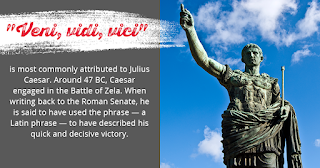
VENI VIDI VICI (Came, I Saw, I Conquered)

Julius Caesar’s (47 BCE)  famous words Veni, Vidi, Vici ( I came, I saw, I conquered in Latin) are known to most of you. But they are only 2100-year-old. Thousands of years before Julius Caesar, we see Vedic poet declaring “ I AM VICTORIOUS; I AM CALLED THE MOST EXALTED ON EARTH, A CONQUEROR EVERYWHERE, A CONQUEROR OVER EVERYTHING, I AM A VICTOR ON EVERY SIDE”.

Probably Caesar learnt it from us. I say it with a proof. The Vedic Mitra cult was borrowed by the Iranians (also known as Parsis or Zoroastrians) from the Hindu Vedas and spread it to Rome. Mithra cult was at a peak in Rome around Caesar’s period. By that time it became a secret cult practised in underground temples by the soldiers. Now anyone visiting Roma in Italy can see them. It went there via Iran/ Paraseeka  in a deteriorated form. Parsi’s Veda Zend Avesta relegated Indra to back , dubbing him as a demon, but retained Mitra-Varuna in high position. Throughout the Rig Veda we see Mitra-Varuna pair and Indra-Agni pair. Parsis has the Mitra prayer which is recited by every brahmin in the morning (Mitrasya …… mantra in the morning Sandhya Vandana). It shows the Romans were familiar with Vedic Mantras. Historians like Herodotus also said Indians formed a big battalion in the Persian army 2400 years ago.

This is the Self Confidence, positive thinking, we see throughout the Four Vedas. Atharvana is the last of the four Vedas.

Greatest of the modern Tamil poets, Subrahmanya Bharati also echoed it in his verses:-

SUCCESS

(1).SUCCESS in all the undertakings

SUCCESS wherever the eyes do fall

SUCCESS crowning each utterance,

These I sought and Kali gave!

Though a god should stand in the way

Or the race of man be ranged against

Kali great in grace would quell.

(2).SUCCESS sure to all thoughts

Everywhere and in everything!

Dear to me like eyes and life

Here graced me Mother Kali!

Wont earth and air, and fire and water

And heaven also before them bow

Won’t serve adore and serve,

Such as hail Kali’s feet?

(Kali= Mother Earth; Bharat= whole earth in Atharva Veda)

Xxxx

 In the stanza or mantra 55

Here we see the poet describing the changing world. He says the earth is progressing forward (in space, in time and in customs). Even Devas/ heavenly angels praise the earth; because of Devas accolades, the glory of the earth has increased. Now it is known in all the four directions. If we replace the word earth with Bharat/ India it would be more appropriate. That is what the great poet did in his Tamil poem CHATRAPATHY SHIVAJI:-

Lines 35 to 40

Divine home of angels! Glorious land

Eagerly sought by the holy Munis(saints)

No imperfection mars this land of wisdom!

Majestic land by celestials sought

Is Bharat’s glory by me effable?

You are her children never forget this.

To be continued……………………….

 tags- Self confidence, Success, Veni, Vidi, Vici, Vedic Society

கவி சாமர்த்தியம் (Post No.10,672)

WRITTEN BY B.KANNAN, DELHI
Post No. 10,672
Date uploaded in London – – 19 FEBRUARY 2022

Contact – swami_48@yahoo.com
Pictures are taken from various sources for spreading knowledge.
this is a non- commercial blog. Thanks for your great pictures.
tamilandvedas.com, swamiindology.blogspot.com

கவி சாமர்த்தியம் .
Written By B.KANNAN, DELHI

அன்பார்ந்த தமிழ் உள்ளங்களுக்கு கண்ணன் அநேக நமஸ்காரம்.
இப்பதிவில் நாம் பார்க்கப் போவது பாவேந்தர்களின் நாவன்மை, வாக்கு சாதுர்யம்,எந்தச் சூழ்நிலையையும் திடத்துடன் எதிர்கொள்ளும் சாமர்த்தியத் தையும் பற்றிதான் வாருங்கள்
இராமநாதபுர சமஸ்தானத்துக்குள் பயணிப்போம்…

இராமநாதபுரத்து அரசர்களாகிய சேது வேந்தர்கள் தமிழ்ப் புலவர்களை ஆதரித்துப் புகழ் பெறுவதில் பெருவேட்கை உடையவர்கள். சங்க காலத் திற்குப் பிறகு அங்கங்கே சிற்றரசர்களுடையக் கொடைத் தன்மையால் தமிழ்ப் புலமையைக் கைவிடாமலும்,

வறுமையிலிருந்துத் தங்களைத் தற்காத்துக் கொண்டும் வாழ்ந்து வந்த புலவர்கள் பலர். அவர்கள் அவ்வப் போது தம்மைப் பாதுகாத்த உபகாரிகளைப் பாடிய பாடல்கள் பல. சேதுபதி மன்னர்களால் ஆதரிக்கப் பெற்றத் தண்டமிழ்ப் புலவர் ள் பாடிய பாடல்கள் எவ்வளவோ இருக்கின்றன. அவர்களுள் இரகுநாத சேதுபதி மன்னர் தமிழன் பும் வள்ளன்மையும் மிக்கவர். அவருடைய அரசவையில் அமிர்தகவிராயர், ஆனந்த கவிராயர்,சவ்வாதுப்புலவர்,சர்க்கரைப் புலவர் முதலிய பலர் இருந் துச் சிறப்பித்துள்ளனர்.

இரகுநாத சேதுபதி வேந்தருடைய ஆஸ்தானத்தில் இருந்த அனந்த கவி ராயரும் அமிர்த கவிராயரும் உற‌வினர்கள்; முன்னவர் தமிழ்ச் செய்யுட் களை விரை வில் பாடக் கூடியவர். மதுரைப் ப‌திற்றுப் பத்தந்தாதி என்ற நூலைப் பாடியவர் அவரே. அப்புலவர் தம் அரசரைப் பாராட்டிப் பல செய் யுட்களை இயற்றினார். சில பிரபந்தங்களைப் பாடியிருக்கவும் கூடும். ஆனால், அவை இப்போது கிடைக்கவில்லை. பாவாணர் தம்மைப் பாமாலை களாற் புனையப் புனைய அவர்களுக்குப் பரிசு பல வழங்கி ஆதரித்துப் பாது காத்து வந்த சேதுபதி வேந்தர் அனந்த கவிராயருக்கு மானூர் என்றதோர் ஊரை வழங்கினார். அது நல்ல வளப்பமுடையது.

மானூரைப் பெற்ற கவிராயர் மிக மகிழ்ந்து, “மகாராஜா அவர்கள் பல கலை களைத் தம்மிடம் கொண்டு மானை எனக்கு வழங்கினார்கள்” என்று சாதுரி யமாகக் கூறினார். கலையறிவு உள்ளவர் என்பதாலேயே இந்தப் பரிசு வழங் கினாரென்ற கருத்தில் இவ்வாறு கூறினார். இந்த வாக்கியத்தில், “அரசர் பல ஆண்மான்களை வைத்துக் கொண்டு எனக்கு ஒரு பெண்மானை அளித்தார்” என்றும் ஒரு பொருள் தொனிக்கின்றது. அது கேட்ட அரசர், புலவருக்குத் தான் ஒன்றும் சளைத்தவர் இல்லை என்ற தொனியில் “உங்கள் மானுக்குத் துணையாகக் கலையும் தருகிறேன்” என்று சொல்லிக் கலையூர் என்றதோர் ஊரையும் கவிராயருக்குப் பரிசாக அளித்தார்.
அரசருடைய சாதுரியத்தையும் வள்ளன்மையையும் புலவர்கள் பாராட்டினார் கள். அனந்த கவிராயர் மானூரையும் கலையூரையும் ஒருங்கே தமக்கு உரியனவாக்கிக் கொண்டார்.

புலவர்களுக்குள் போட்டி வந்துவிட்டால் அப்பொழுது வெளிவரும் நூலோ செய்யுளோ சிறந்ததாக இருக்கும். இதனை அறிந்த சேதுபதி அரசர் இரண்டு புலவர்களுக்குள் போட்டி விளைவித்துக் கலைவிநோதம் காண்பார். அந்தப் போட்டியால் மனவேறுபாடு உண்டாகாதபடி பார்த்துக் கொள்வார்.இறுதியில் இரு சாராருக்கும் ஏற்றபடி பரிசளித்து மகிழ்விப்பார். அந்த ஆஸ்தானத்தில் இருந்த சர்க்கரைப் புலவர் சவ்வாதுப் புலவரென்னும் இருவரிடையேயும் இத்தகைய வாதம் நடப்பதுண்டு. ‘சர்க்கரை தொண்டைமட்டும்; சவ்வாது கண்டமட்டும்’ ( சீனி தொண்டைக் குழி வரை இனிக்கும், சவ்வாதோ முன் கழுத்தின் மேல் மணக்கும்) என்னும் பழமொழி ஓன்று அவ்விரு புலவர்கள் சம்பந்தமாக இராமநாத புரத்தில் வழங்கி வருவதைக் கேட்கலாம்..

உறவினர்களாகிய அமிர்த கவிராயரும் அனந்த கவிராயரும் ஒருமுறை ஒரு கவிதைப் போரில் ஈடுபட்டார்கள். வண்ணமொன்றைக் குறித்த கால வரையறைக்குள் இருவரும் பாட வேண்டுமென்றுத் தீர்மானமாயிற்று., ( பாடலில் வரும் நடைநலத்தை இது குறிக்கும். இந்தப் பாநடைப் பாங்கால் செய்யுளின் இசைப் பாங்கு வேறுபடும்).அதில் இன்ன இன்ன வார்த்தை களும் இன்ன இன்ன பொருளும் இன்ன இன்ன முறையில் அமைய வேண்டுமென்றும், யார்முதலில் பாடி முடிக்கிறாரோ அவர் மற்றவரின் காதை (வில்லிபுத்தூரார் போல்) துரட்டியால் அறுத்து விடுவதென்றும் வரையறை செய்து கொண்டனர். அரசவையில் அனைவர் முன்னிலையில் அது நடைபெற்றது.

இருவரும் வண்ணம் பாடத் தொடங்கினர். அமிர்த கவிராயர் வண்ணம் பாடி எழுதி முடித்து விட்டார்.அப்போது அனந்த கவிராயர் இறுதிவரியை எழுதிக் கொண்டிருந்தார். அமிர்தனார் கையில் துரட்டியை எடுத்துக்கொண்டு, “இவரே தோற்றார்; இன்னும் வண்ணத்தை முடிக்கவில்லை. இவர் காதை அறுத்து விடுவேன்” என்று அனந்தனாரை அணுகினார். அதற்குள் அனந்த னார் தன் வண்ணத்தை முடித்துவிட்டு, “பைத்தியமே! காதிருந்தாலல்லவோ அறுக்க முடியும்? அனந்தனுக்குக் காது ஏது?” என்று சாதுரியமாகக் கேட்டார். அனந்தன் என்பது ஆதிசேஷனது பெயர். பாம்புக்குக் கண்ணே காதாக உதவு வதென்றும் அதற்குத் தனியே காதில்லை யென்றும் சொல்வார்கள். அனந்த னுக்குக் காது ஏதென்ற வாக்கியம் ஆதிசேஷனுக்குக் காதில்லையென்ற பொருளைத் தோற்றச் செய்தது. அனந்தனார் தாம் தோற்றதாகச் சொல்லிக் கொள்ளாமல் சாதுரியமாக இவ்வாறு கேட்கவே அனைவரும் கொல்லென்று நகைத்தார்கள். அமிர்த கவிராயர் துரட்டியைக் கீழே போட்டு விட்டார்.காதை அறுக்கவேண்டுமென்பது தன் நோக்கமல்ல எனவும் கூறிச் சமாளித்தார்!

அரசர் அனந்த கவிராயரது பேச்சினால் கவரப்பட்டார். அப் பேச்சுக்காகத் தனியே பரிசு வழங்கப்பட்டது. “அனந்த கவிராயர் பாட்டுக்கும் பரிசு பெறு வார்; பேச்சுக்கும் பரிசு பெறுவார்” என மற்றவர் பேசிக் கொண்டனர்.

ஒரு நாள் அரசாங்க அலுவல்கள் முடிந்த பின் பணிச்சுமை அகன்றதும் அனைவரையும் தங்கள் நாவன்மையால் மகிழ்விக்கப் புலவர்கள் ஒன்று கூடியிருந்த சபையில் நடுநாயகமாய் ரகுநாத சேதுபதி வீற்றிருந்தார்.

புலவர்கள் மிக்க இடத்தில் தமிழையன்றி வேறு எதைப் பற்றிப் பேச்சு நிகழப் போகிறது? அங்கே இருந்த மதிமந்திரிகளுள் ஒருவர் புலவர்களை நோக்கி இன்று மகாராஜாவைப் பற்றி ஓர் அழகான செய்யுளை நீங்கள் இயற்ற வேண்டும் என்று சொன்னார். மற்றொருவர், எல்லாரும் புகழ்கிற மாதிரி இருக்கக் கூடாது. மகாராஜா தாம் செய்யக்கூடாத காரியத்தைச் செய்ததாகப் பொருள் அமைத்துப் பாடல் இயற்ற வேண்டும் என்று யோசனை சொன்னார். வணங்கா முடியையுடைய மகாராஜா தலை வணங்கினதாக ஒரு செய்யுள் சொல்லலாமே என்று வேறொரு மந்திரி சூசனைத் தெரிவித்தார். தான் பிறருக்கு முன் தலைக் குனிவதா என்ற எண்ணம் அரசரின் முகத்தில் கோபக் கீற்றாக வெளிப்பட்டது.

அதைக் கண்டுகொண்ட ஒரு புலவர் பேச்சின் போக்கைத் திருப்பினார். சிவபெருமானுக்கு மகாராஜா வணங்கினாலும் அவருடைய திருமுன் உலகமே வணங்கி நிற்கிறது என்று சாதுரியமாகச் சேதுபதியின் வணங்கா முடியும் குனிந்துப் போகும் சந்தர்ப்பத்தைப் புலப்படுத்த,அரசருக்குக் கோபம் அடங்கிவிட்டது. மற் றொரு புலவர் அது மட்டுமா? வேறொரு சமயத்திலும் மகாராஜாவின் திருமுடி வளையலாம். ஆனால் அதன் பயன் இன்ப சுகம் என்றார். அதன் உட்பொருளைப் புரிந்துகொண்ட மன்னர் முகத்தில்புன்னகை ஒளிர்ந்தது.

‘எனக்குப் பாட்டொன்று ஞாபகம் வருகிறதே’ எனத் துள்ளியெழுந்த ஒருவர், இச்சமயத்துக்கு அது உகந்ததாய் இருக்குமா எனத் தயங்கினாலும், பாடி வைப்போமே என்று முன்வந்தார்.
ஒரு முடி திருத்தும் வினைஞனை (HAIR DRESSER)ப் பற்றிக் கவியரசர் கம்பர் பாடியப் பாட்டே அது.

ஆரார்தலை வணங்கார் ஆரார்தான் கையெடார்
ஆரார்தான் சத்திரத்தில் ஆராதார்-சீராருந்
தென்புலியூர் மேவுஞ்சிவன் அருள்சேர் அம்பட்டத்
தம்பிபுகான் வாசலிலேதான்.

எத்தகையப் பெருந்தனக்காரராய் இருந்தாலும் முடி நிரம்பியத் தலை எனும் மைதானத்தைத் திருத்தம் செய்யக் கவனமாய்க் கையில் கத்தியுடன் காத்தி ருக்கும் முடிதிருத்துபவரின் முன், தலை வணங்கியேத் தீரவேண்டும் என்ற கருத்துடையப் பாடல் அது.
எடார்–முடி நிரம்பிய தலை, மைதானம் சத்திரம்–கையிலுள்ளக் கத்தி, ஆராதார்–விருப்பம், வணங்காதவர்
ஒரு மந்திரி, இவ்வளவு தானா? இதற்கு மேலே சாமர்த்தியமாகச் சொல்ல ஒன்றும் தோன்றவில்லையா? என்று கேட்டார்.

அப்போது சவ்வாது புலவர் தொண்டையைச் சிறிதே கனைத்துக் கொண்டுச் சொல்ல ஆரம்பித்தார். இவர் ஓர் இசுலாமியத் தமிழ்ப் புலவர் ஆவார். சேதுபதி ரகுநாயகன், விசயானந்த ரங்கன் ,பிரம்பூர் ஆனந்த ரங்கதுரை,

முத்து கிருஷ்ணன், கச்சி செல்லப்பன், ஆகிய வள்ளல்களை இவர் பாடி யுள்ளார் “ஆம். மகாராஜாவின் முடி வணங்கும் சந்தர்ப்பம் ஓன்று எனக்குத் தெரியும்” என்றார். எல்லோரும் அவர் வாயையே பார்த்துக் கொண்டிருந் தார்கள். “வணங்காத மகாராஜாவின் பொன்முடி வணங்கும்; அதுவும் பகை மன்னருடைய முன்னிலையில் வணங்கும்!” என்றார். இது என்னடா, இவர் ஏதோ ஏடாகூடமாகப் பேசுகிறாரே, மன்னர் கோபப்படுவாரே என அனைவ ரும் திகைத்தனர். யோசித்துப் பேச வேண்டும், புலவரே! என்று ஒரு மந்திரி எச்சரித்தார்
“ஆம், நம்முடைய வணங்கா முடியையுடைய சேதுபதி மகாராஜாவின் திருமுடி பகைவர் முன்னிலையில் வணங்கும் என்றுதான் சொல்கிறேன். பலமுறை யோசித்துத்தான் சொல்கிறேன். அப்படி வளைவதனால் நம்மு டைய மகாராஜாவின் பெருமை தான் ஓங்கித் தெரிகிறது. பகையரசரின் இழிவும் புலப்படுகிறது என்று கம்பீரமாகச் சொன்னார் புலவர். இந்த மூடு மந்திரம் ஒருவருக்கும் விளங்கவில்லை.

“போதும். போதும்.. எங்களைத் தவிக்க வைப்பது. விஷயத்தை வெளிப்படை யாகச் சொல்லிவிடுங்கள் என்று சிலர் வேகமாகக் கூறினர். புலவரும் புன்ன கையுடன் விளக்க ஆரம்பித்தார்.

“மகாராஜாவினால் தோல்வியுற்றப் பகையரசர்கள் கையில் தளை பூண்டு சிறைப்படுகிறார்கள். சில காலம் கழித்து மகாராஜாவுக்குக் கருணை பிறக்கிறது. பகைவர்களை விடுவித்துத் தளையைத் தறித்து விடுகிறார்.

அவர்களுள் சிலர் மகாராஜாவின் பாராக்கிரமத்துக்கு அடிமையாகி இங் கேயே குற்றேவல் செய்யத் துணிகின்றனர். மகாராஜாவுக்கு அருகிலிருந்து அவருக்கு வேண்டியப் பணிவிடைகளைச் செய்கின்றனர்.

மகாராஜா நல்ல இனிய வாசமுள்ள தாம்பூலம் தரித்துச் சுவைத்துவிட்டுத் திரும்புகிறார். அவர் குறிப்பறிந்த ஒரு பகையரசன் கையில் காளாஞ்சியை (பணிக்கம் -எச்சில் துப்பும் பாத்திரம்) ஏந்திக் கொண்டு மன்னர்பிரானுக்கு

அருகில் நிற்கிறான். அப்போது அந்தப் பகையரசனுக்கு முன்னே நம் மகா ராஜாவின் திருமுடி சற்றே வளையும். காளாஞ்சியில் எச்சில் தம்பலத்தைத் (தம்பர் என்றும் கூறுவதுண்டு) துப்பும்போது வளையாதா? அந்த வளைவி லேயே மன்னரின் வெற்றி மிடுக்குப் புலப்படவில்லையா?”

ஆஹா! என்ன சாமர்த்தியம்! என்ன அருமையான கருத்து! என்று அங்கே இருந்தவர்கள் ஆரவாரித்தனர். மகாராஜாவின் உள்ளம் மகிழ்ச்சி நிரம்பி அலர்ந்ததை அவர் முகத்தின் மலர்ச்சி தெரிவித்தது. புலவர் இந்தக் கருத் தைப் பாடலாகச் சொல்லலாமே என்று ஒரு மந்திரி சொல்லும்போதே, இதோ, சொல்கிறேன், கேளுங்கள் என்று சவ்வாதுப் புலவர் பின்வரும் அழ கிய பாடலைச் சொன்னார்.

“கிளையாளன் சேதுபதி ரகு நாயகன் கிஞ்சுகவாய் இளையார் கலவி
யிடத்தும் நம் ஈச ரிடத்தும் அன்றி வளையாத பொன்முடி சற்றே வளையும்
மகுடமன்னர் தளையாடி கையில் காளாஞ்சி ஏந்தும் சமயத்துமே”.
இதன் பொருள் :

மந்திரி முதலிய சுற்றத்தையுடைய ரகுகுநாத சேதுபதியினது மகுடம், முருக்கம் பூப்போன்ற சிவந்த வாயையுடைய இளம் பெண்களோடு இன்புறும் சமயத்திலும் சிவபெருமான் முன்னிலையிலுமன்றி வணங்காத,
பொன் அணிந்த திருமுடி, மகுடமணிந்த பகையரசர்கள் விலங்கு பூட்டியி ருந்த தம் கைகளில் காளாஞ்சி ஏந்தும் சமயத்திலும் சற்றே வளையும்.

கிளை – சுற்றம். கிஞ்சுகம் – முள் முருங்கை. இளையார் – இளம் பெண்கள்.
தளை – விலங்கு.
ஆகா, என்னே புலவரின் கற்பனை வளம்!
சங்கம் வளர்த்த கூடல் மாநகருக்கு எவ்வளவு பெருமையோ அதற்குச் சற்றும் குறைவின்றித் தமிழைப் போற்றிப் பாதுகாத்து, பேணி வளர்த்து, பற்பல அரிய தமிழ் நூல்களைப் புலவர்கள் மூலம் இயற்ற வைத்துப்
பெருமையும், புகழும் சேர்த்ததில் பெரும்பங்கு ஆற்றியவர்கள் இராமநாதபுர சமஸ்தான மன்னர் பரம்பரையினர். அவர்கள் அரசாட்சி செய்த காலகட்டம் தமிழுக்கு ஒரு பொற்காலம் என்றால் அது மிகையல்ல!

புலவர்களிடம் நாம் காண்பது அவர்களின் சாமர்த்தியம் மட்டுமா? குறும்பு, குசும்பு, நக்கல்,ஏகடியம் கலந்தப் பேச்சுகளுக்கும் குறைவில்லை. அவற்றை அடுத்துப் பார்ப்போம்…

வாழ்க தமிழ், வளர்க நம் தமிழ் மொழி! ஜெய்ஹிந்த்!

tags- சவ்வாது புலவர், ரகுகுநாத சேதுபதி, சாமர்த்தியம், கவி  ,அமிர்த கவிராயர்,அனந்த கவிராயர், சேதுபதி மன்னர்

குசத்வஜரின் பெண்ணே ராவணனின் அழிவுக்குக் காரணம் (Post.10,671)

WRITTEN BY S NAGARAJAN
Post No. 10,671
Date uploaded in London – – 19 FEBRUARY 2022

Contact – swami_48@yahoo.com
Pictures are taken from various sources for spreading knowledge;
this is a non- commercial blog. Thanks for your great pictures.
tamilandvedas.com, swamiindology.blogspot.com

மஹரிஷி குசத்வஜரின் பெண்ணே ராவணனின் அழிவுக்குக் காரணம்!
ச.நாகராஜன்

தசக்ரீவனான இராவணன் முக்கோடி வாழ்நாள் உடையவன். கொடுங்கோலன். அவனது அழிவுக்குக் காரணமாக இருந்தவள் ஒரு பெண். சீதையைச் சிறை எடுத்துச் சென்றவன் சின்னாபின்னமாக அழிந்து போனான்.

ஆனால் அந்த சீதை யார்?
இதற்கு விடை காண மஹரிஷி குசத்வஜரின் சரித்திரத்தைப் படிக்க வேண்டும்.

ப்ருஹஸ்பதி மஹரிஷியின் புத்திரர் குசத்வஜர். இவர் மிகுந்த தவ வலிமை உடையவர். பிரம்ம தேஜஸுடன் கூடியவர். எல்லையற்ற அறிவுள்ளவர். தினம் வேதம் ஓதுபவர். இப்படி தினமும் வேதம் ஓதிக் கொண்டிருக்கும்போது ஒரு நாள் அவரது வேத உச்சரிப்பிலிருந்து ஒரு கன்னி உருவானாள். அவளது பெயர் வேதவதி.

பார்த்தோர் மயங்கும் படியான கட்டழகு கொண்டிருந்த அவளது அழகு சொல்லுக்கு அப்பாற்பட்டதாக இருந்தது. அவள் மண வயதுக்கு வந்தவுடன் அவளை மணக்க தேவர்கள், யக்ஷர்கள், ராக்ஷஸர்கள், பன்னகர்கள் உள்ளிட்ட அனைவரும் போட்டி போட்டனர்.

அனைவரும் குசத்வஜரிடம் வந்து வேதவதியை தங்களுக்கு மணம் செய்து தருமாறு வேண்டினர்.
ஆனால் குசத்வஜரின் எண்ணமோ வேறாக இருந்தது. அவளை மஹாவிஷ்ணுவுக்கு மணம் செய்விக்க வேண்டும் என்று அவர் எண்ணினார்.

ஆகவே யார் கேட்ட போதும் அதற்கு அவர் இணங்கவில்லை.
இதனால் அவர் மீது பலரும் கோபம் கொண்டிருந்தனர்.
ஒரு நாள் இரவு தைத்திய அரசனான சம்பு என்பவன் அவரைக் கொன்றான். அவருடைய மனைவியும் அவருடனேயே இறந்தாள்.
வேதவதி தனக்கு விஷ்ணுவே மணாளனாக வர வேண்டும் என்று எண்ணி அதற்காகக் கடும் தவம் புரிய ஆரம்பித்தாள்.
ஒரு நாள் லங்காதிபதியான ராவணன் அவள் தவம் செய்து கொண்டிருக்கும் இடத்திற்கு வந்தான். அவளைக் கண்டு
அவள் அழகில் மயங்கினான்.

அவளுடைய வரலாறை நன்கு தெரிந்து கொண்டான்.
பின்னர் அவளை நோக்கி, “ஓ! அழகிய பெண்ணே. தவம் செய்வது முதியவர்களுக்கானது. நீயோ அழகான இளம் பெண். நீ எனது மனைவியாக ஆனால் உன் இஷ்டப்படி சகல சுக போகங்களையும் அனுபவிக்கலாம். நீ சொல்லும் விஷ்ணு எனக்கு தவத்திலாவது, வீரத்திலாவது, சுக போகங்களிலாவது ஒரு போதும் ஈடாக மாட்டான். என்னுடன் வா” என்றான்.
உடனே வேதவதி, “ விஷ்ணுவைப் பற்றி இப்படிச் சொல்லலாமா?! உம்மைத் தவிர வேறு யாராவது விஷ்ணுவை இப்பாடி நிந்திப்பாரா! இந்த இடத்தை விட்டுப் போ” என்றாள்.
ஆசை அடங்காத இராவணன் அவள் கூந்தலைப் பற்றி இழுத்தான்.

உடனே வெகுண்டாள் வேதவதி. தனது தவ வலிமையினால்
தன் கையை, கத்தியாக ஆக்கினாள். இராவணன் பிடித்திருந்த கூந்தலை அவிழ்த்தாள்.

பின்னர் மிகுந்த கோபத்துடன் ஒரு அக்னியை வளர்த்து அதில் தன்னை மாய்த்துக் கொள்ள முனைந்தாள்.

அப்போது அவள் இராவணனை நோக்கி, “ ஓ! அரசனே! இதோ உன் எதிரிலேயே நான் அக்னியில் பிரவேசித்து என் உயிரை விடப் போகிறேன். உன்னால் அவமானப்படுத்தப்பட்டதால் நான் உன்னுடைய நாசத்திற்காகவே மறுபடியும் பிறக்கப் போகிறேன். பாபியாக உன்னைக் கொல்வது பெண்ணான எனக்கு அடுக்காது. உன்னை சபிக்கலாம் என்றால் அது எனது தவத்தைக் குறைத்து விடும். நான் ஏதேனும் தானம் செய்திருந்தாலோ அல்லது தவம் செய்திருந்தாலோ அக்னிக்கு ஆகுதி செய்திருந்தாலும் அடுத்த பிறவியில் ஒரு பெண்ணின் யோனியில் பிறக்காமல் தர்மவானான ஒருவருக்கு மகளாகப் பிறப்பேன்” என்று சொல்லி விட்டு அக்னியில் பிரவேசித்தாள்.

அவள் கூறியபடியே சீதையாக வந்து ஜனகருக்கு ம்களாக ஆனாள்.

விஷ்ணுவின் அவதாரமாகிய ராமரை மணந்து அவருக்குப் பத்தினியாக ஆனாள்.

அவளை இராவணன் சிறை பிடித்துச் செல்லவே ராமர் அவன் மீது போர் தொடுத்து அவனை இராமாவதாரத்தில் வதம் செய்தார்.
அயோத்திக்கு மன்னனாக முடிசூடி சீதையுடன் ராம ராஜ்யத்தை உருவாக்கிப் பரிபாலித்தார்.

ஆக மஹரிஷி குசத்வஜரின் சரித்திரம் ராமாயணத்துடன் ஒரு விதத்தில் தொடர்பு கொண்டதாக ஆகிறது.


tags- குசத்வஜர்,இராவணன்,  சீதை,  வேதவதி

Sanskrit Words in Zend Avesta – Part 1 (Post.10,670)

WRITTEN BY LONDON SWAMINATHAN

Post No. 10,670

Date uploaded in London – –    18 FEBRUARY   2022         

Contact – swami_48@yahoo.com

Pictures are taken from various sources for spreading knowledge.

this is a non- commercial blog. Thanks for your great pictures.

tamilandvedas.com, swamiindology.blogspot.com

IF YOU DONT GET PICTURES HERE,, PLEASE GO TO SWAMIINDOLOGY.BLOGSPOT.COM FOR PICTURES

I have collected Sanskrit words from Zoroastrian scripture Zend Avesta and other Parsi literature. Most of them are from the books published in the past 125 years, particularly from the book The Parsis by Martin Haug. If I have guessed some other words derived from Sanskrit, I will give them withing brackets.

Avestan f = ph, p, bh

Sanskrit nabhi/navel = nafa

Vipra / clever = vifra

Drapsa /banner = drafsa

Prasna /question = frasna

Pasu /cattle = fsu; fsuta/cheese; fsumant= possessing cattle; fsuso-matra= cattle owner/ a charm

Stana /breast = fstana; stin/Armenian ;

Urdhvastanii / high breasts = eredva fnya

Piivas/ fat = pig/Baluchi =pih/Pahlavi

Pitu = pitu/food/avestan Meat and food)

(Pittu in Tamil as well/ Food in English)

Priya = friya

Adding ‘na’ makes a word negative ; Afrin=blessing; nafrin= curse

Fryn / blessing (is it vara/m?)

Prathama / first = fratema

Martin Haug shows that it is in Hebrew Old Testament with im suffix – partemim

Xxxx

X = k

Khara /donkey = xara

Kumbha = xumba /pot (Sombu in Tamil is a pot like vessel in Tamil)

Chakra /wheel = caxra

Deerga / long = Dareya

Kshar / flow= yzar or yzrad

Dhanus / bow = tanvan

XXX

ASHA = artam= Rta in Sanskrit

Sh = accented ‘r’

Mashyeng = martyaan in Sanskrit

Asha becomes Arta in royal names; it is RTA in Rigveda.

Xxx

FROM ARYA TARANGINI of Kalyanaraman:–

Vendidad = Vedavad ; Aryatarangini page 144

Ahura mazda = Asura Mahathaa; Oromazdes in Greek; Aryatarangini p.144

Arta = Rta in Rigveda

Angra Mainyu=  Angaara manyu= Ahriman= Aryaman ; p 144

( I guess it as Ahankara Manyu= anger out of Ahankara= Ego)

Druja= falsehood (in Rig Veda as well)

Yima = Yama (it becomes Jamshed in Parsi names)

Dakma = burial ground ; Dakma means burning in Persian; originally Persians cremated; (later they threw the dead bodies to birds as the Parsis do now).

Zarathushtra = Jarath Twashtaar; the creator of Agni/fire; p.146 (other derivations given in my earlier article; Martin Haug says it means Elder Preacher or Teacher Jara+ Ushtra)

Arur- Maaghas = Ahura Mazda

Cyrus = Kyros= Kurush

Xxx

Genealogy of  Cyrus = Kyros= Kurush

Brother – Airya Ramana = Arya Raman

Father – Chishpish (In Vishnu Sahasranama we have several names with Sri; is it Srisas?)

His father – Hakhamanush= Sakamanushya

Xxx

Gayamardhana – putative ancestor of Aryan race in Avesta ; page 148 (may be Jayamardhana)

He was followed by Havoshyaha , the king of Paradata dynasty , who settled in Mount Hara in East Persia

Yima , son of Vivahant ; Yama , son of Vivaswant in Sanskrit ; he pressed haoma/soma exceedingly liberally and gave the land peace, plenty and good climate

 Xxx

Gaathaa (song), Indra, Mithra, Varuna, Aramaiti, Druj/g, Deva, Asura etc are used in Zend Avesta without much change; only difference is Deva=Demon; Asura= God in Zend.

H= S or Z

HUMATA= SU MATHI IN SANSKRIT (H=S)

HUKHTA= SU UKTA IN SANSKRIT

HVRASHTA = SU VARISHTA IN SANSKRIT

HAOMA = SOMA

 VOHU MANO or  BAHMAN = GOOD MIND

Mano =Mind = Manam are used in Sanskrit, Tamil and Avestan- three ancient languages for over 2000 years!

In the same way P/B= V in both Avestan, Persian and Tamil

(I have explained it in my article ‘Amazing Linguistics show Hindu Migration’)

xxx

Source books-

DR MODI MEMORIAL VOLUME, written by several scholars, Bombay ,1930

The Parsis , Martin Haug, 1878

Arya Tarangini by Kalyanaraman

To be continued……………………………

tags- Sanskrit words, Zend Avesta, Part 1